



What is barefoot and what does respectful footwear mean?
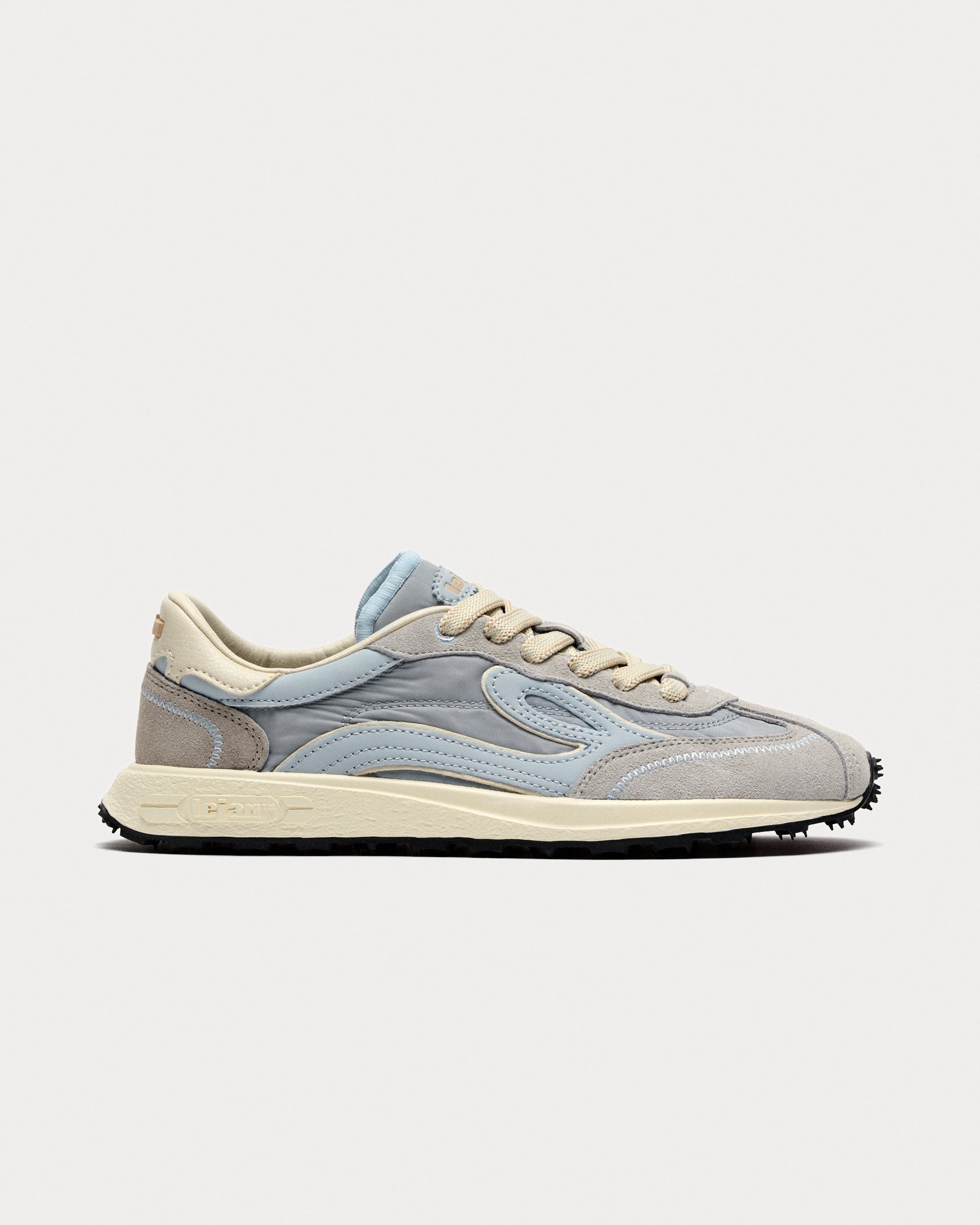
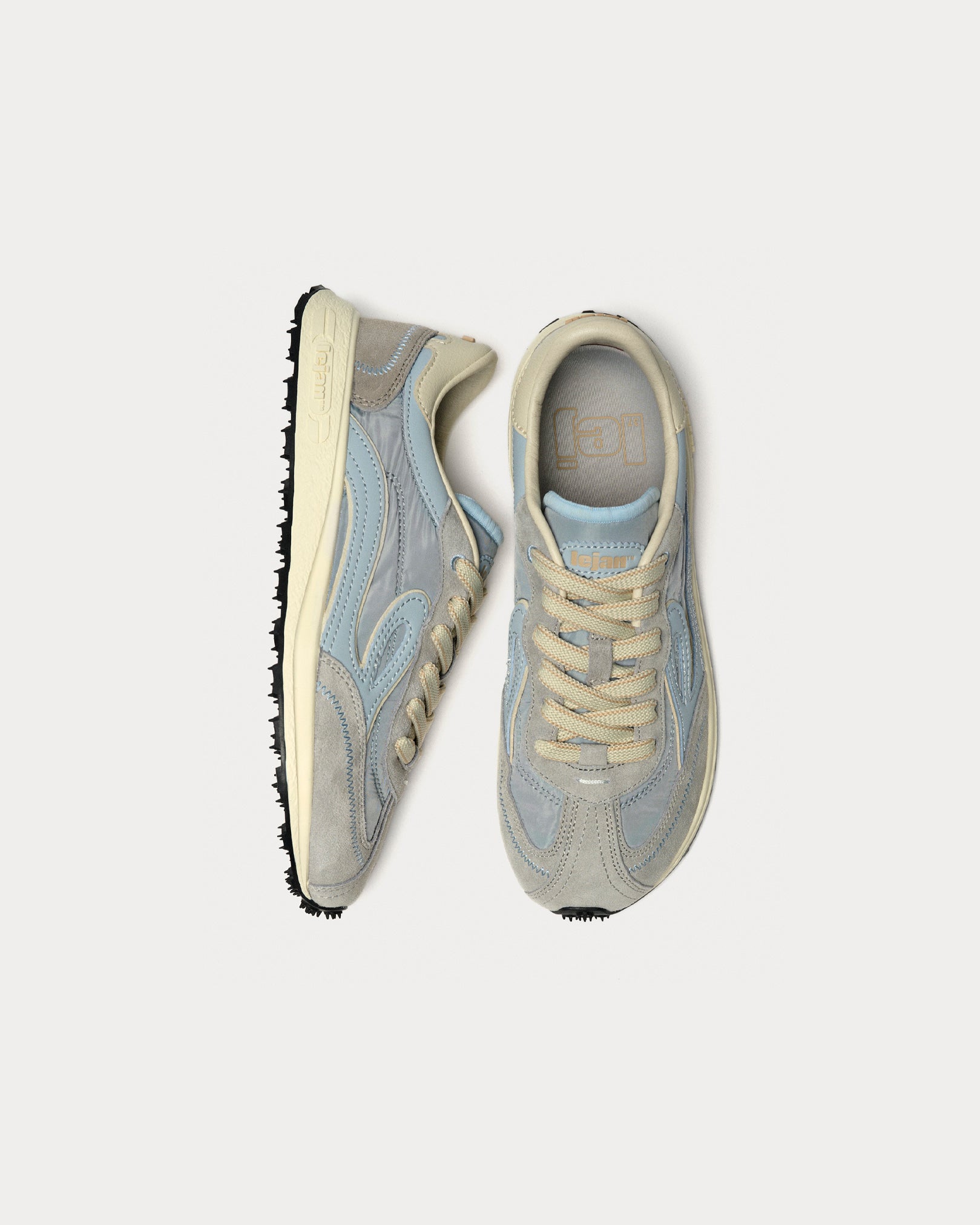
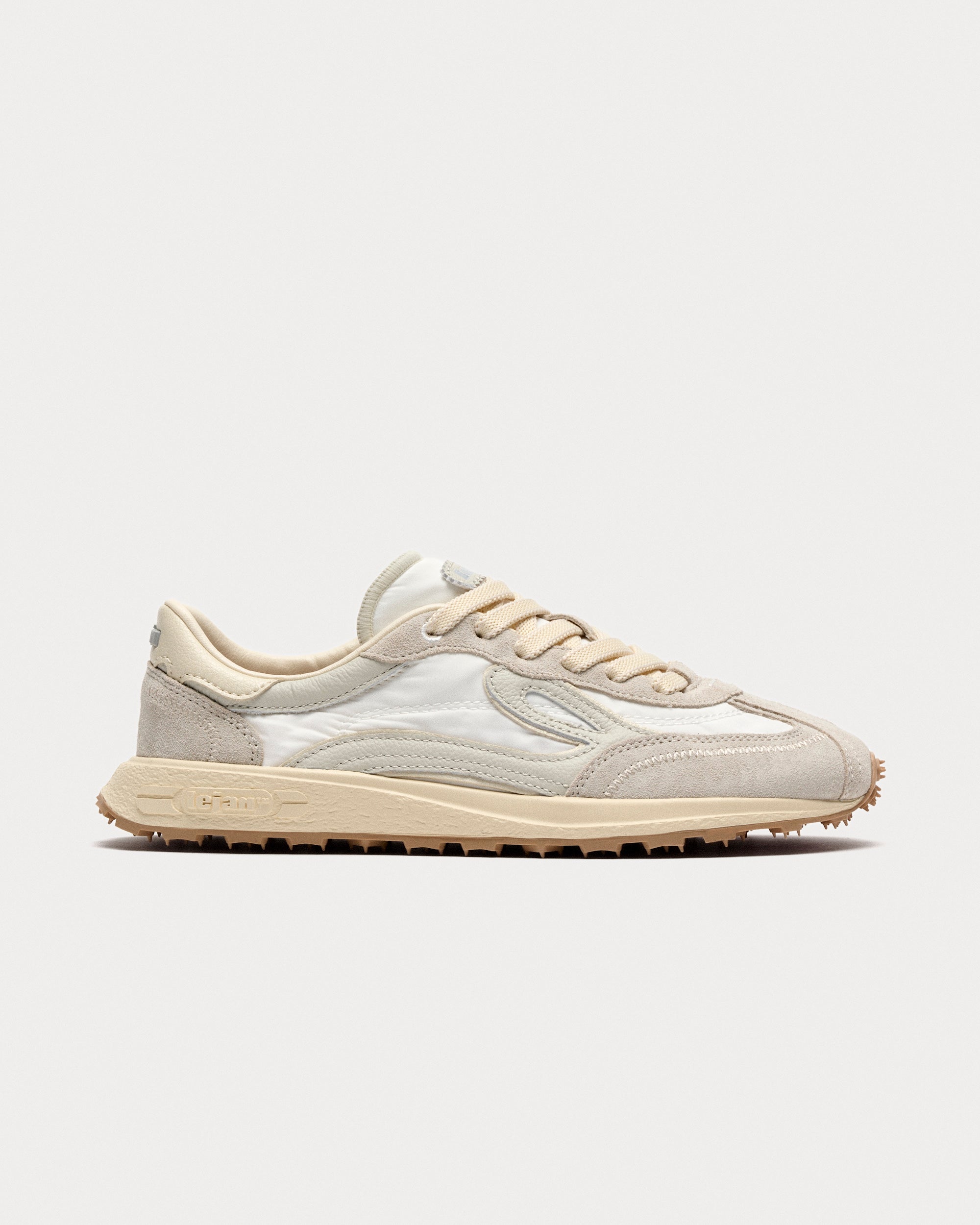
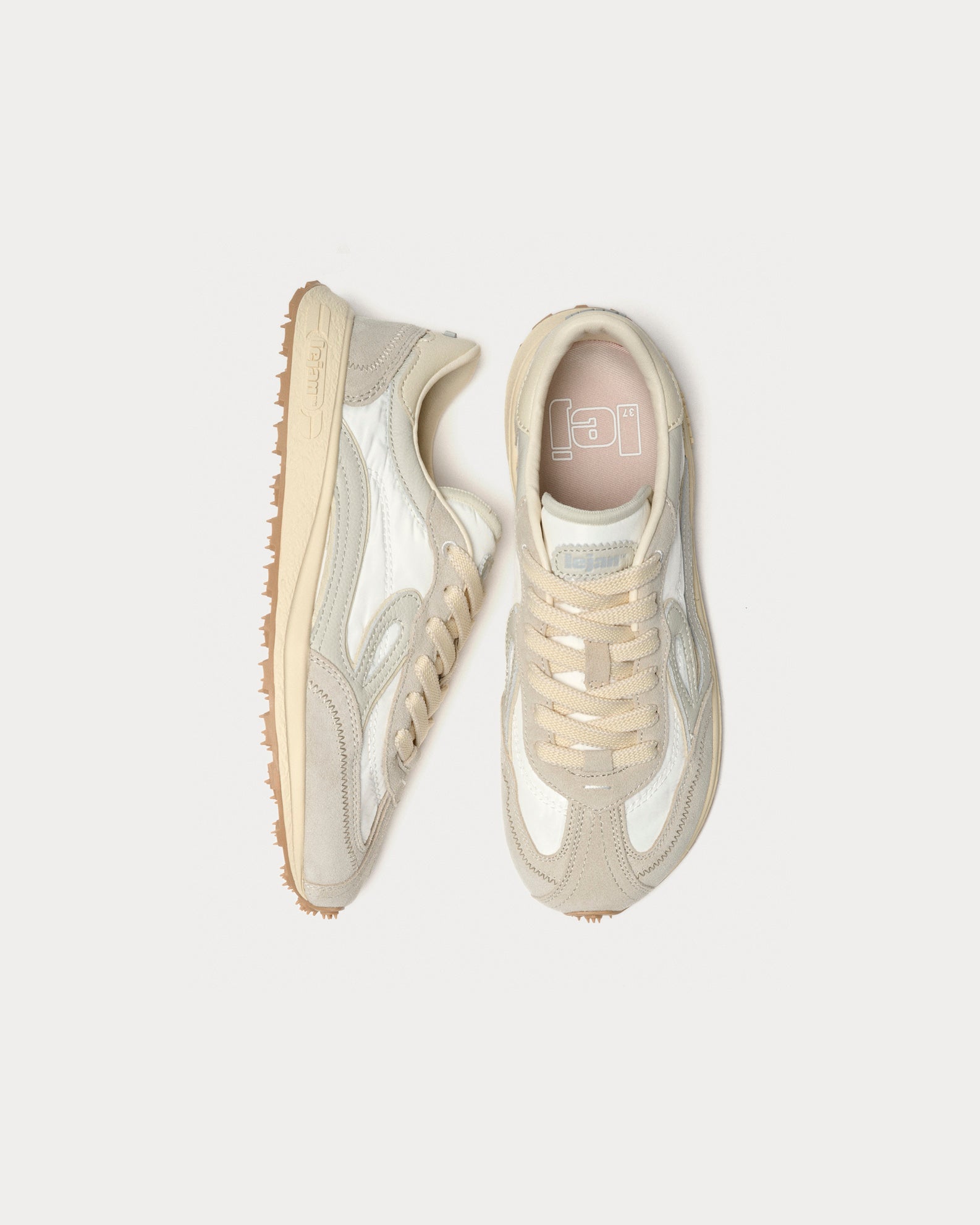
When Lejan about barefoot at Lejan , we are referring to footwear that protects without interfering with the natural biomechanics of the foot, that is, a shoe that mimics the feeling and shape of walking barefoot as closely as possible. That is our philosophy: to let the foot feel, move, and work as it was designed to. That is why we also use the term respectful footwear: we respect
-
the shape of the foot (especially the forefoot and freedom of the toes),
-
the function (proprioception, joints, and intrinsic musculature)
-
the alignment (without wedges or inclinations that alter the posture).
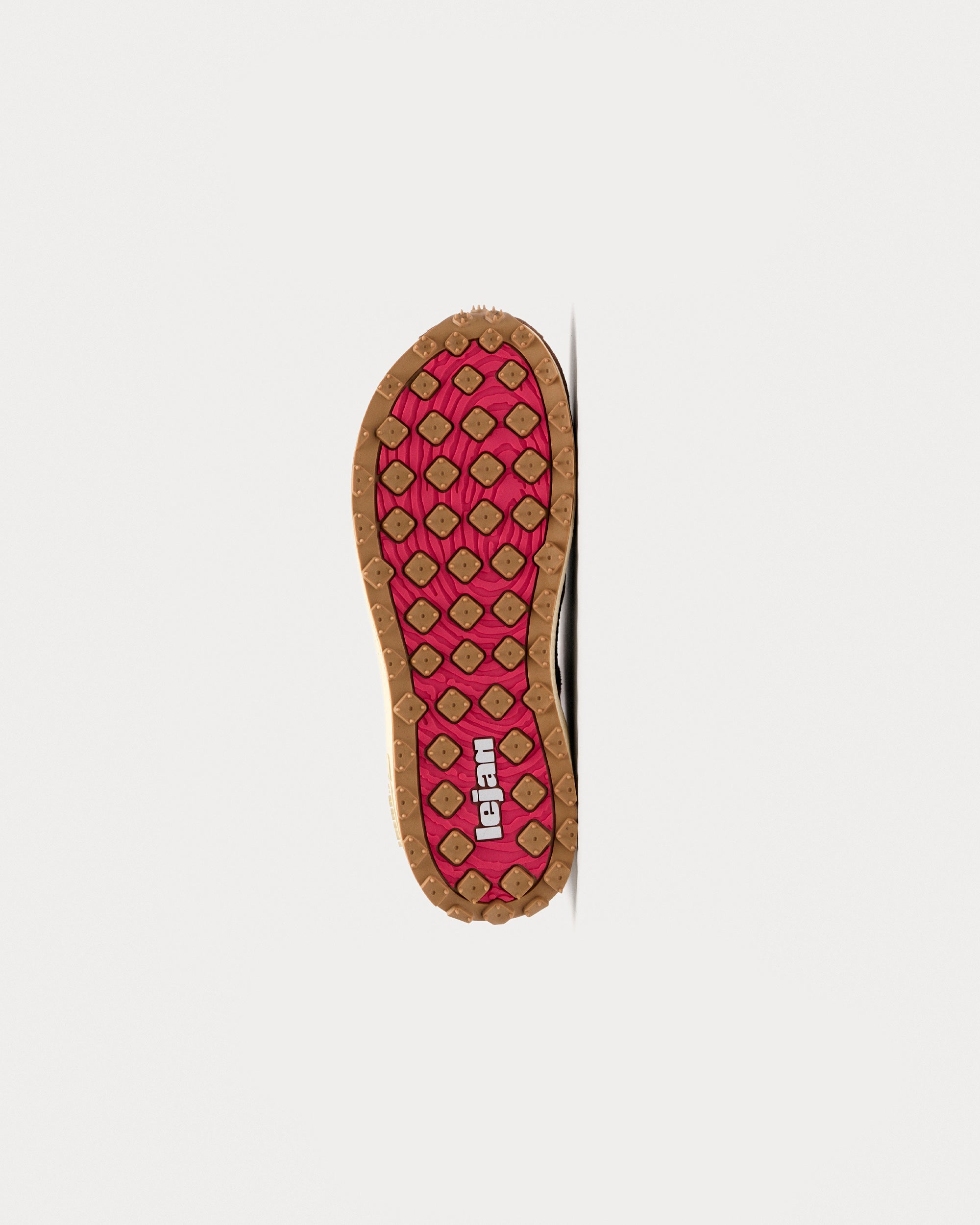
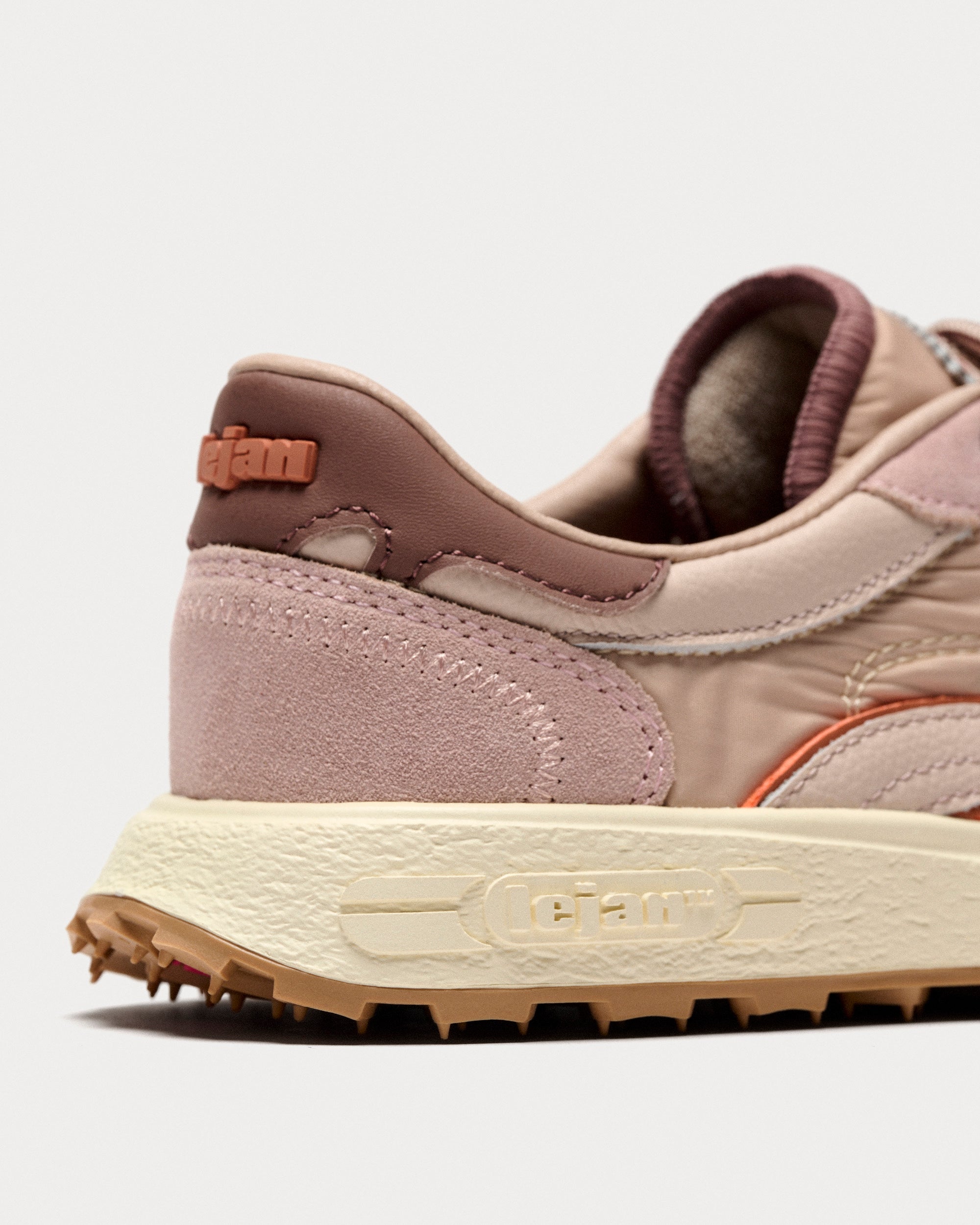
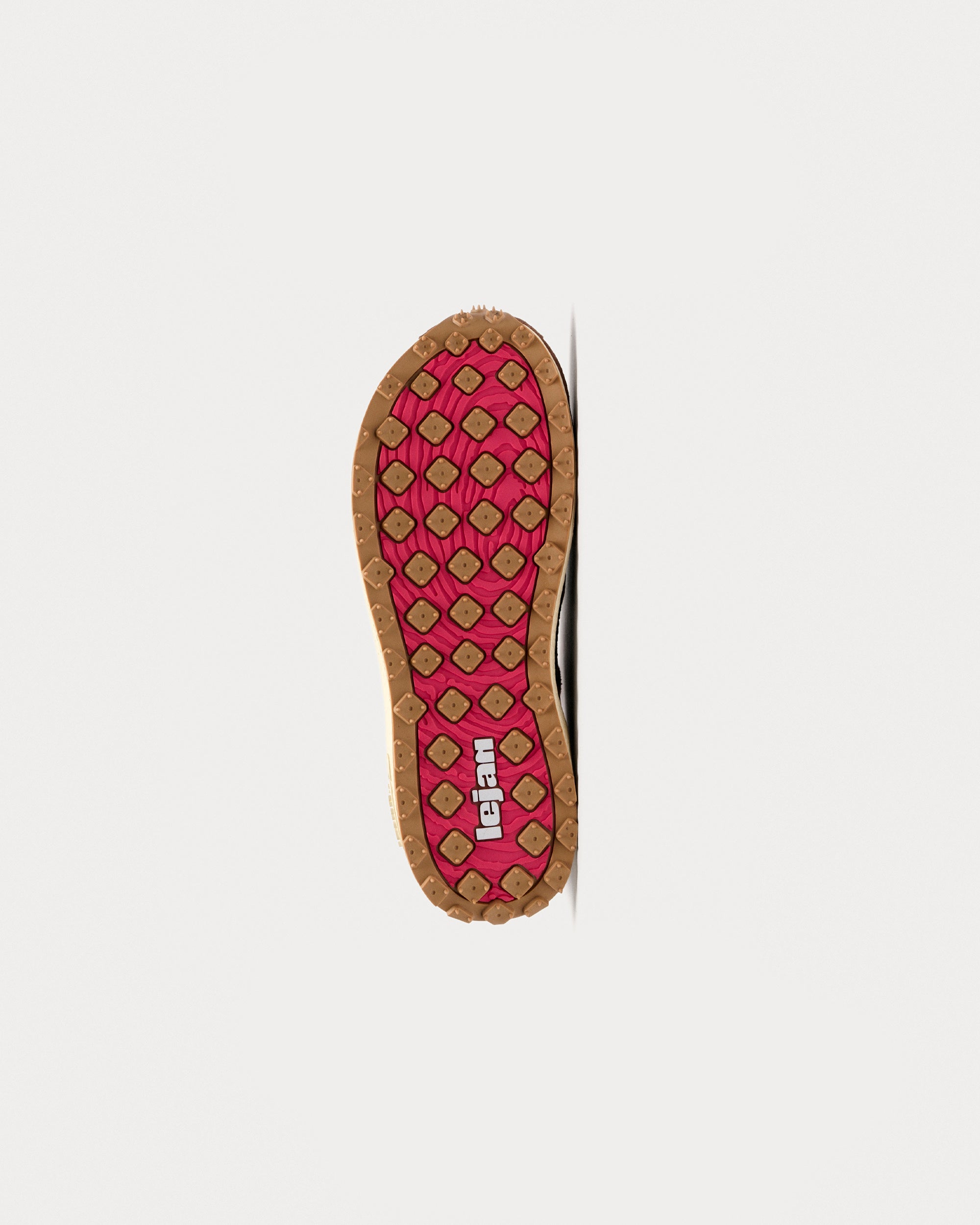
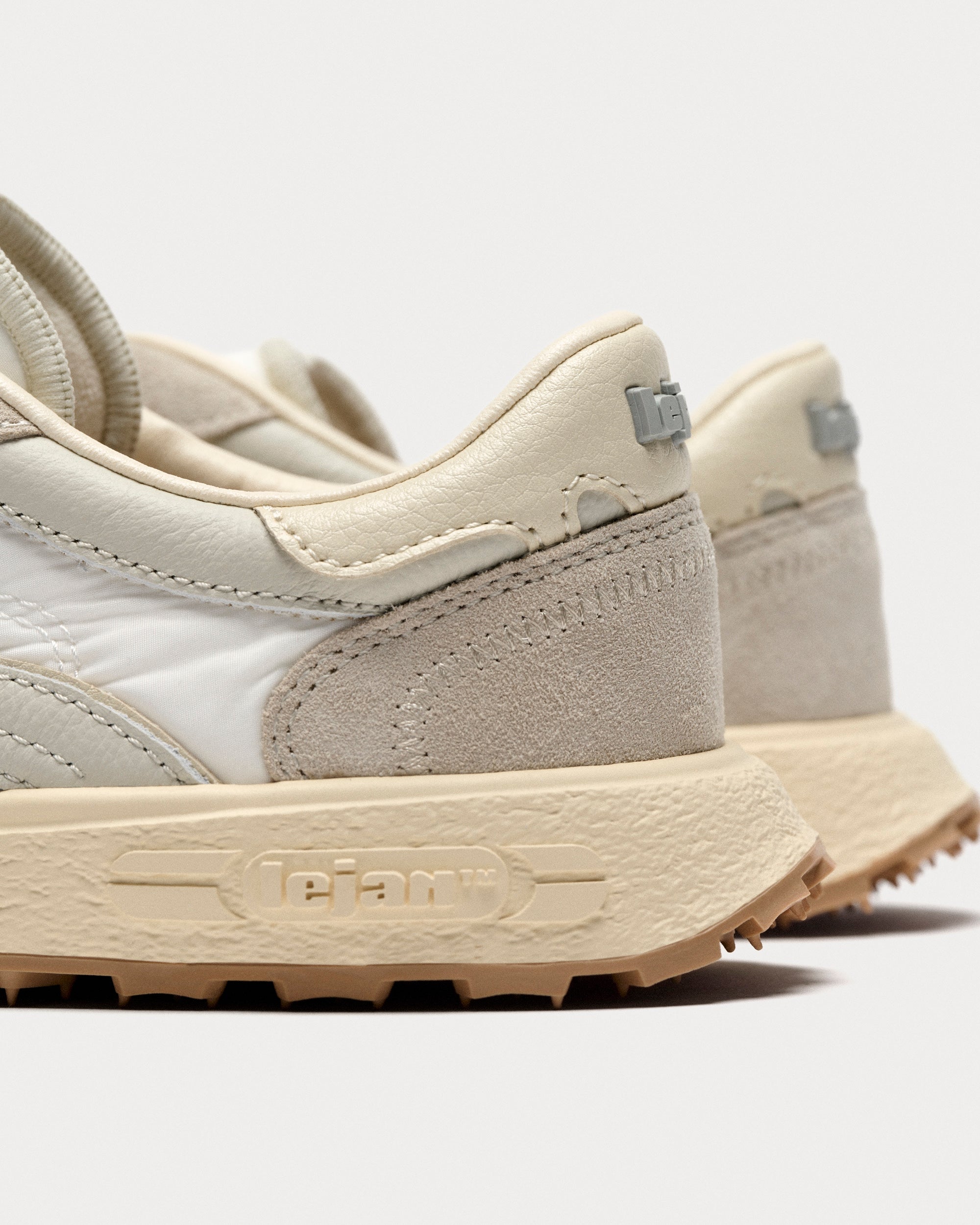
In our models, we prioritize a thin (thin and very flexible), real 0 drop and structures without rigid corrective elements. In addition, we are committed to removable insoles to easily check the size and growth margin for children.
Differences between minimalist footwear and conventional footwear
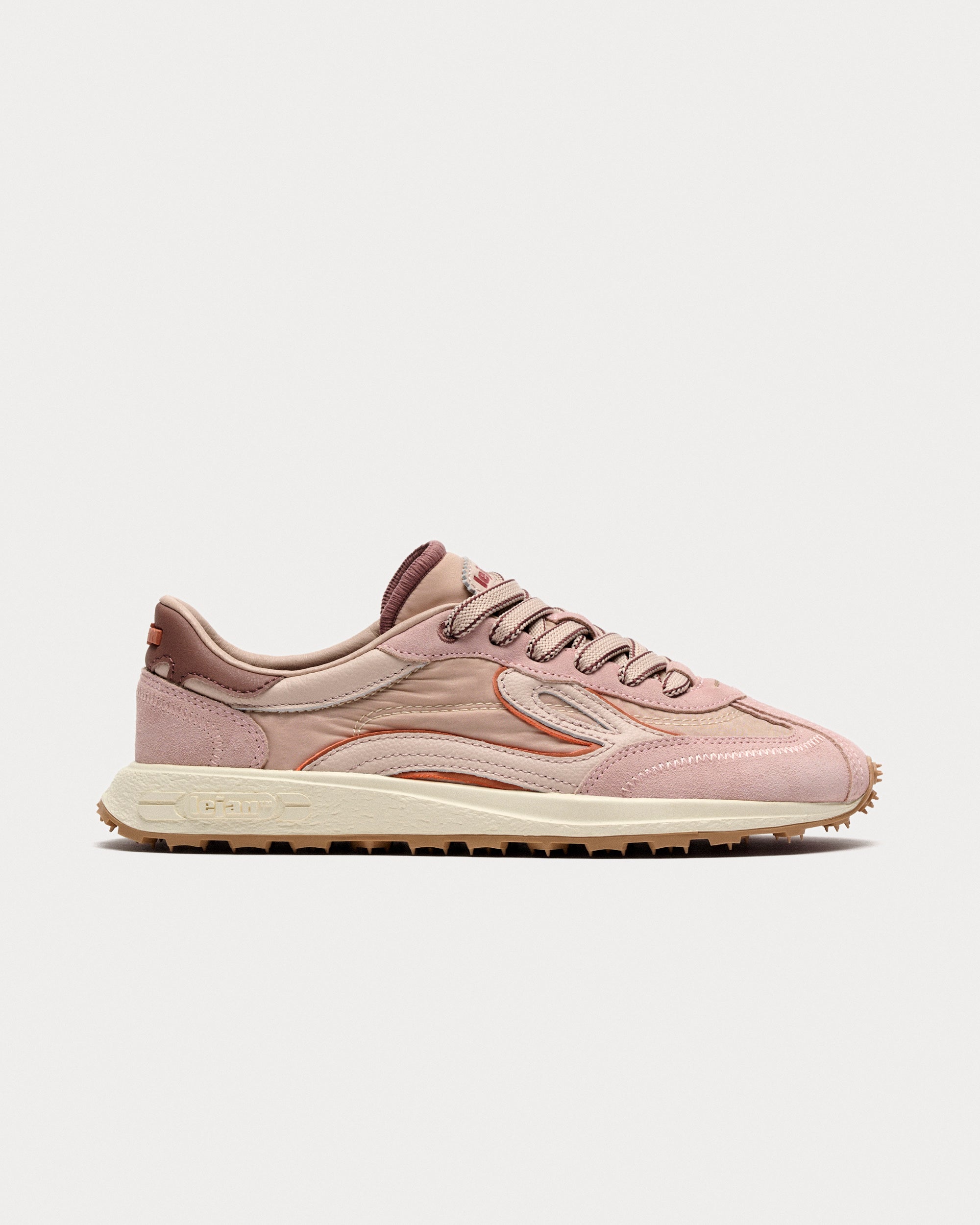
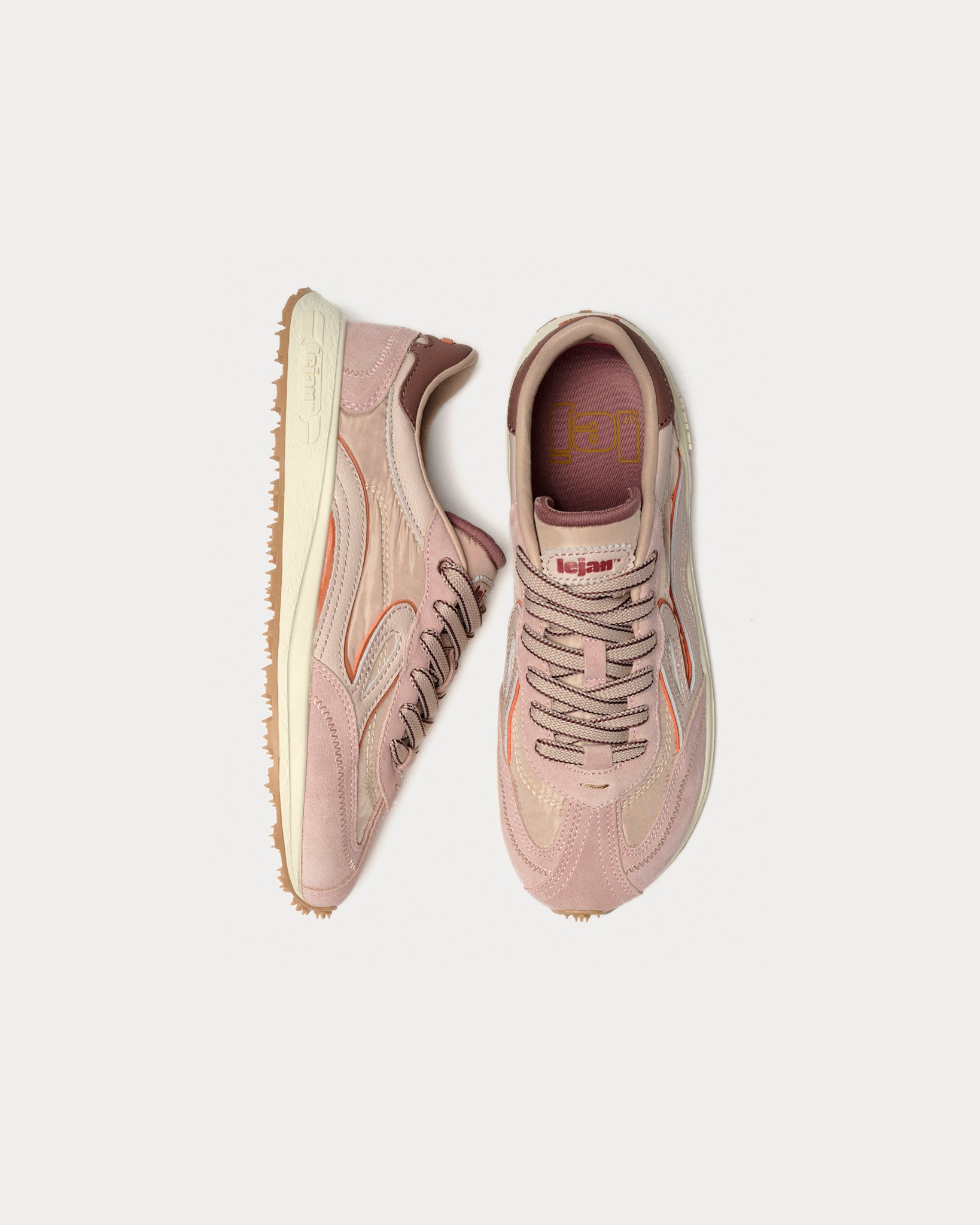
When we say barefoot, we mean a truly flat shoe with a thin sole that bends and twists easily, Fit and open toe box so that the toes are not compressed, and an overall feeling of lightness.
The minimalist footwear shares much of this philosophy, although sometimes it allows for a little more thickness or rigidity; in fact, it is usually evaluated using the minimalist index, which indicates the percentage by which a shoe is considered minimalist. So we summarize it like this: not everything minimalist is barefoot, but almost everything barefoot can be considered minimalist.
The conventional footwear, on the other hand, raises the heel, adds centimeters to the sole, and reduces flexibility; the toe box narrows, and rigid counters and pronounced arch supports appear. This approach cushions and stabilizes, yes, but at the cost of reducing the sensitivity and mobility of the foot.
Pillars of barefoot footwear (checklist for identifying it)
This is the checklist we use at Lejan which you can replicate at home:
-
Zero drop (heel-to-toe drop).
-
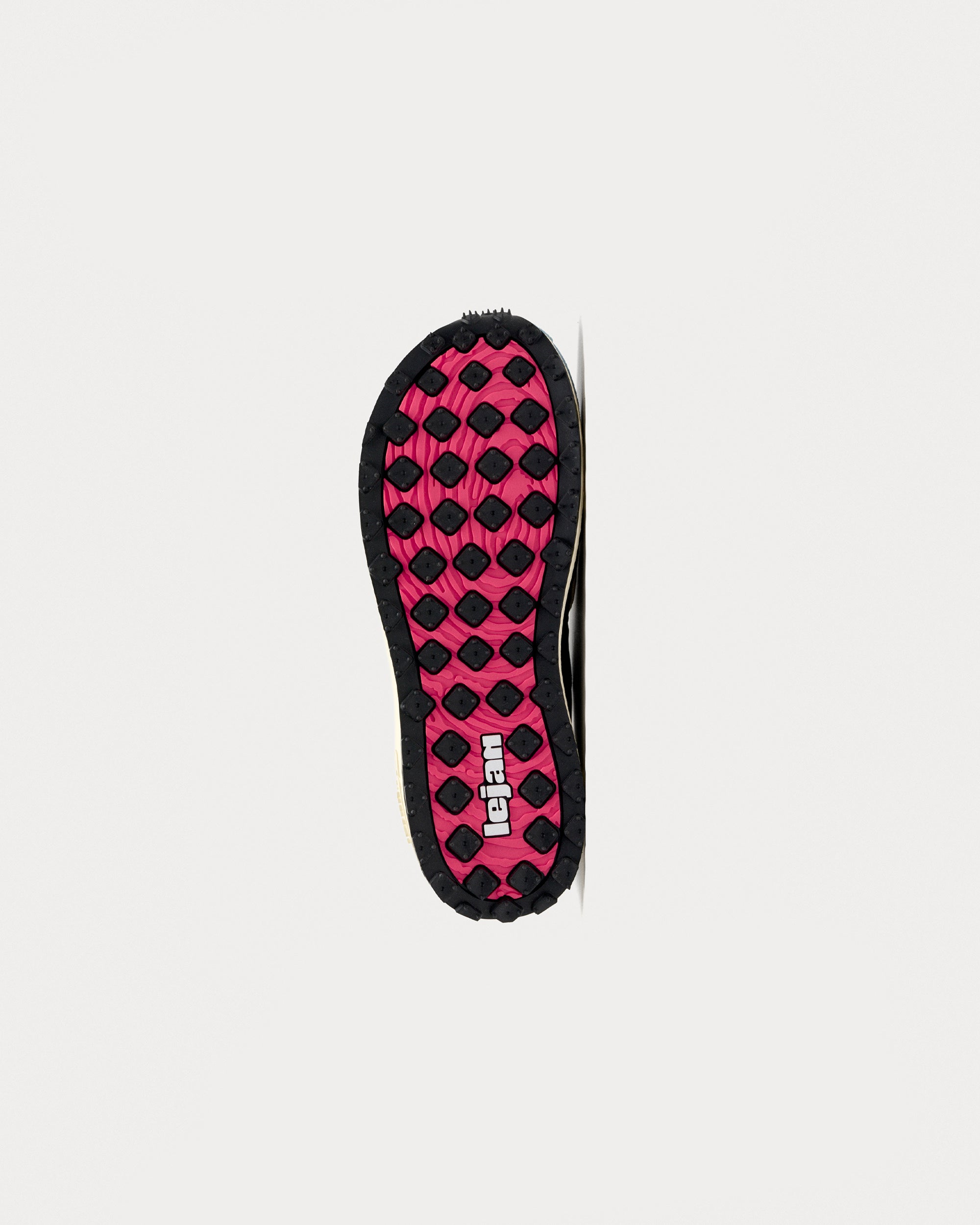
Thin, ultra-flexible sole (for reference, very thin and easy to twist).
-
Fit and free toe box (toes extend and spread freely).
-
Lightness (no rigid buttresses or "stabilizers").
-
Removable insole (to measure the slack): leave approx. 1 cm of margin in the toe, with a normal variation of ±2 mm depending on the foot and the fit you are looking for.
-
Flexible materials that do not impose the pace.
-
Sensitivity to the ground to improve proprioception.
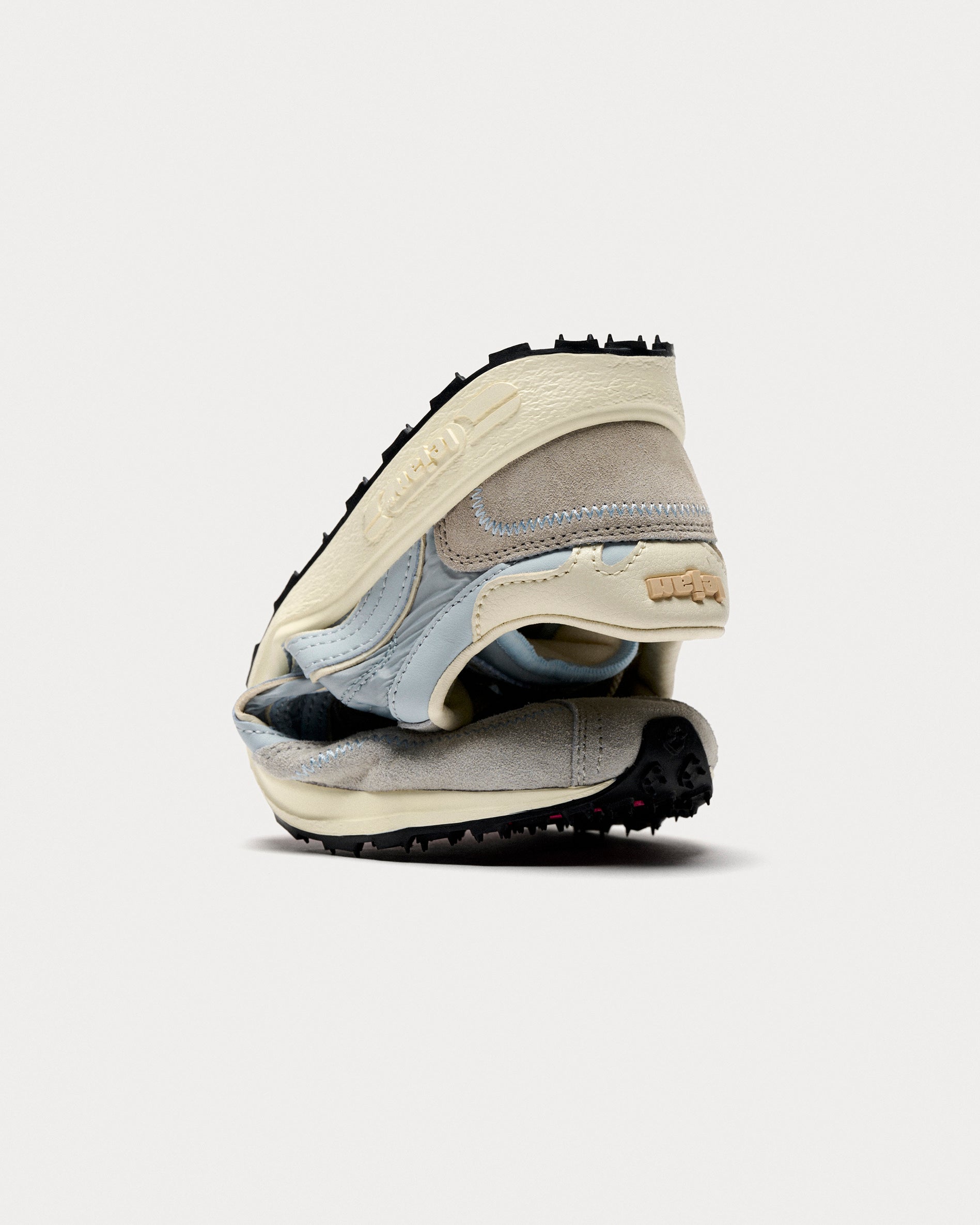
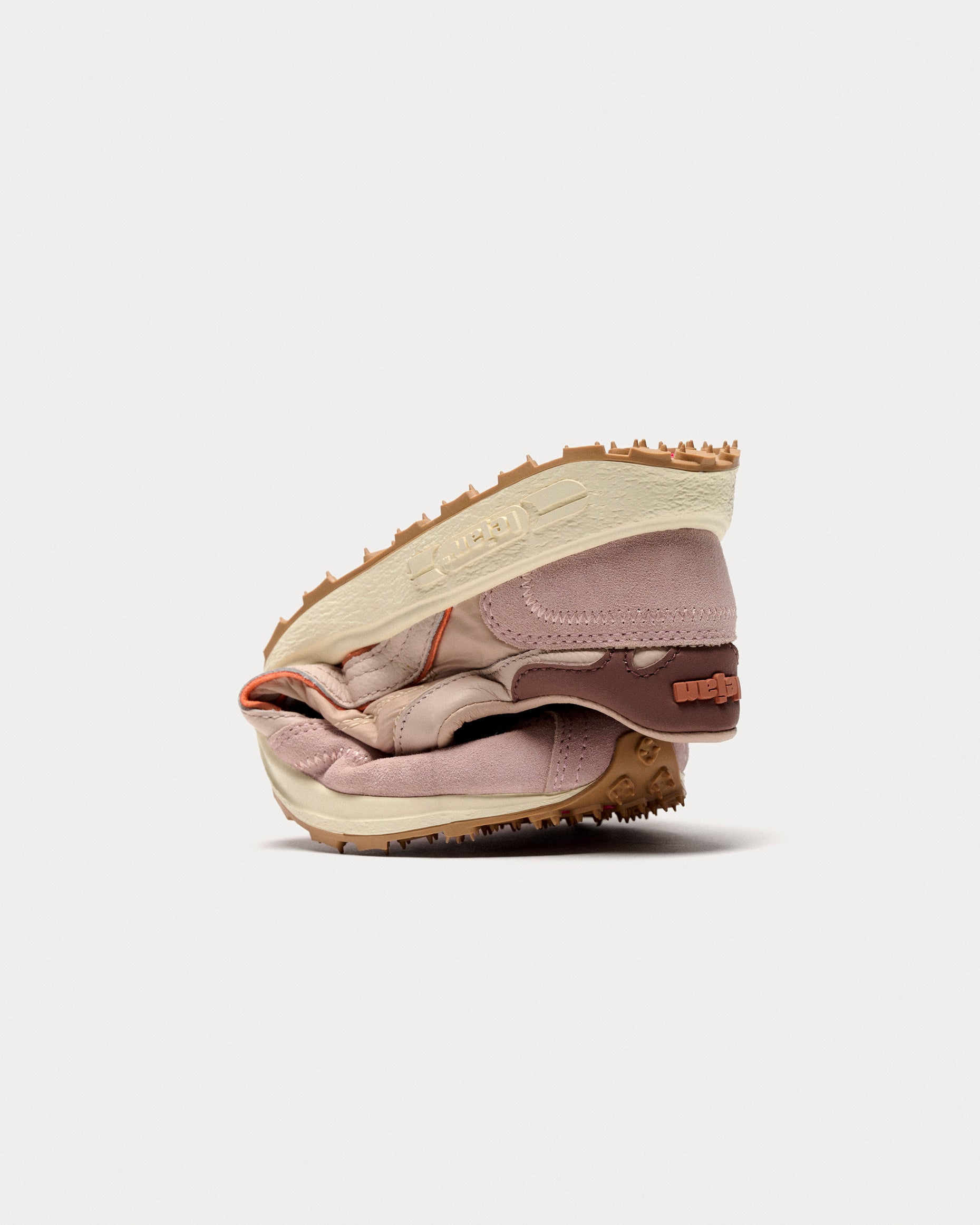
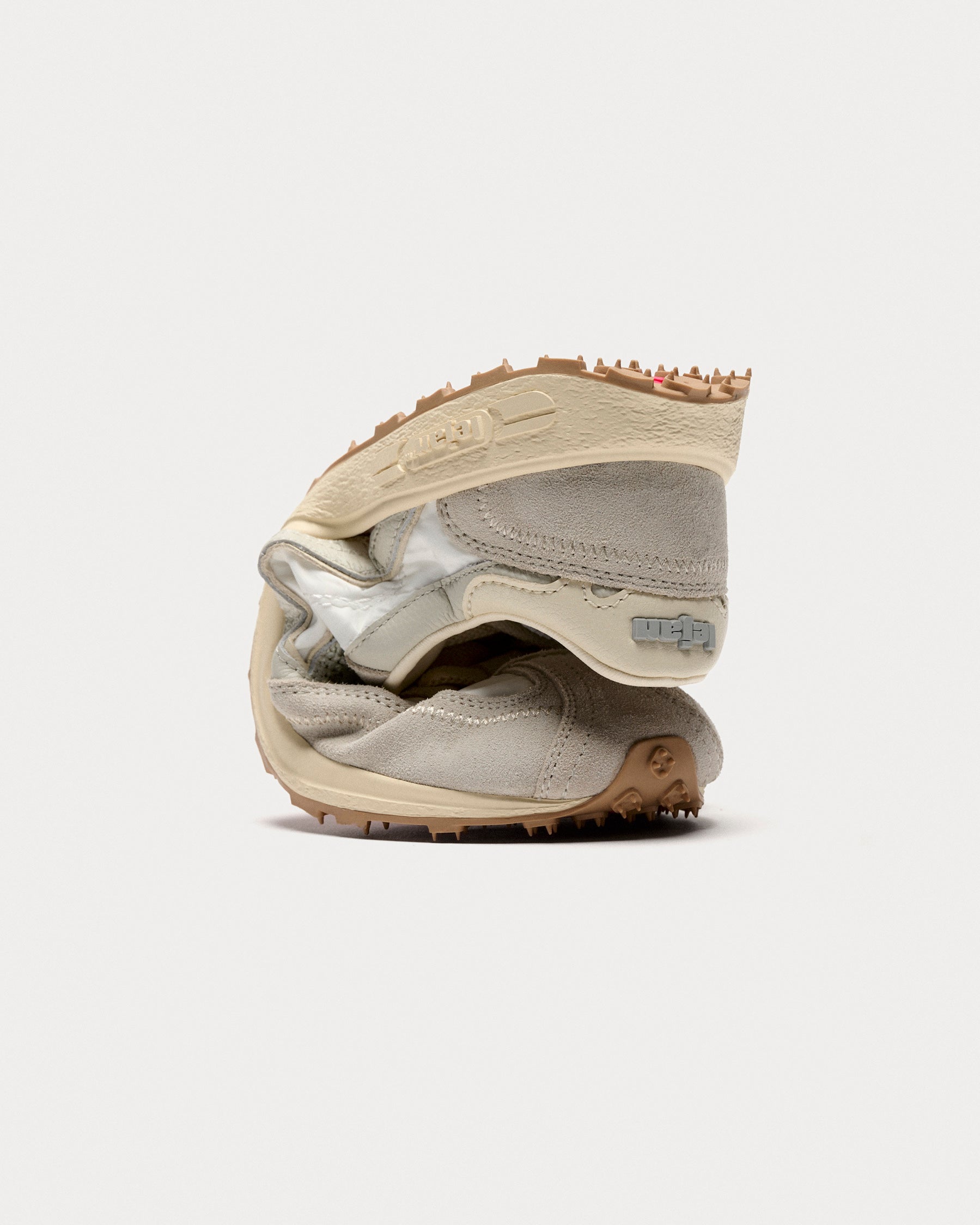
How to check it: fold it in U, twist it in torsion and flex the forefoot: if it resists, it is not ultra-flexible. Remove the insole and place your foot on top: your toes should fit inside the silhouette without being tight.
Drop 0, thin and ultra-flexible sole
The zero drop maintains the body's natural alignment. Combined with a thin, high-quality sole, the foot receives information and adjusts its stride with precision.
The initial sensation is usually "I feel everything," but within a few days a pleasant change occurs: more controlled support and greater involvement of the foot and calf muscles.

Fit and free toe box (no compression on the toes)
We designed the toe box to follow the anatomy of the forefoot so that the toes can work, spread out, and propel you forward. This space reduces typical pressure points in conflict areas and provides a feeling of freedom that has nothing to do with "going big," but rather with going your own way.
When the shoe respects that shape, the foot is better organized and walking becomes more stable.

Benefits and how to start barefoot running without getting injured
Benefits in children and adults (proprioception and gait)
In adults, barefoot walking usually results in greater proprioception, better balance, and stronger intrinsic foot muscles. What those who make the switch tell us most is that they walk more naturally.
In children, who are developing their motor patterns, the combination of a flexible sole and open toe box promotes toe alignment, stability, and movement learning. The removable insole is useful for monitoring fit and adjusting size in a timely manner. If there is persistent pain, specific conditions, or recent surgery, we recommend consulting a professional before making any drastic changes.
If you're looking for everyday ideas, you can start by exploring our adult barefoot shoes, and for school and play, check out our barefoot shoes for children

4-step transition + common mistakes
-
Level 1 · Conscious adaptation: Start with 30–60 minutes a day walking barefoot on "friendly" surfaces (home, smooth floor, grass). Add gentle exercises: toe spread, ankle mobility, and "towel with your toes."
-
Level 2 · Time progression: once you have been feeling good for 1–2 weeks (no pain and recovering well), gradually increase the time you use it for everyday tasks and introduce different surfaces (indoors, park, sidewalk).
-
Level 3 · Functional load: once the increase in time is comfortable, move on to longer walks and incorporate gentle slopes, maintaining an easy pace and prioritizing walking technique.
-
Level 4 · Integration: when you notice that your foot responds "strongly" (no significant discomfort and good recovery), alternate barefoot with other pairs while the muscles settle. Check sensations and wear and tear, and if all goes well, expand uses (work, leisure, and light physical activity).
Common mistakes we see: the most common stumbles come from going too fast, ignoring signs such as tension in the calves or fascia, choosing a size that is too tight, or starting exclusively on very hard surfaces.
The solution is usually simple: reduce your load for 48–72 hours, find gentler terrain, and resume with patience. Adaptation is not a race; it is a fine-tuning between your body and the ground.

Share