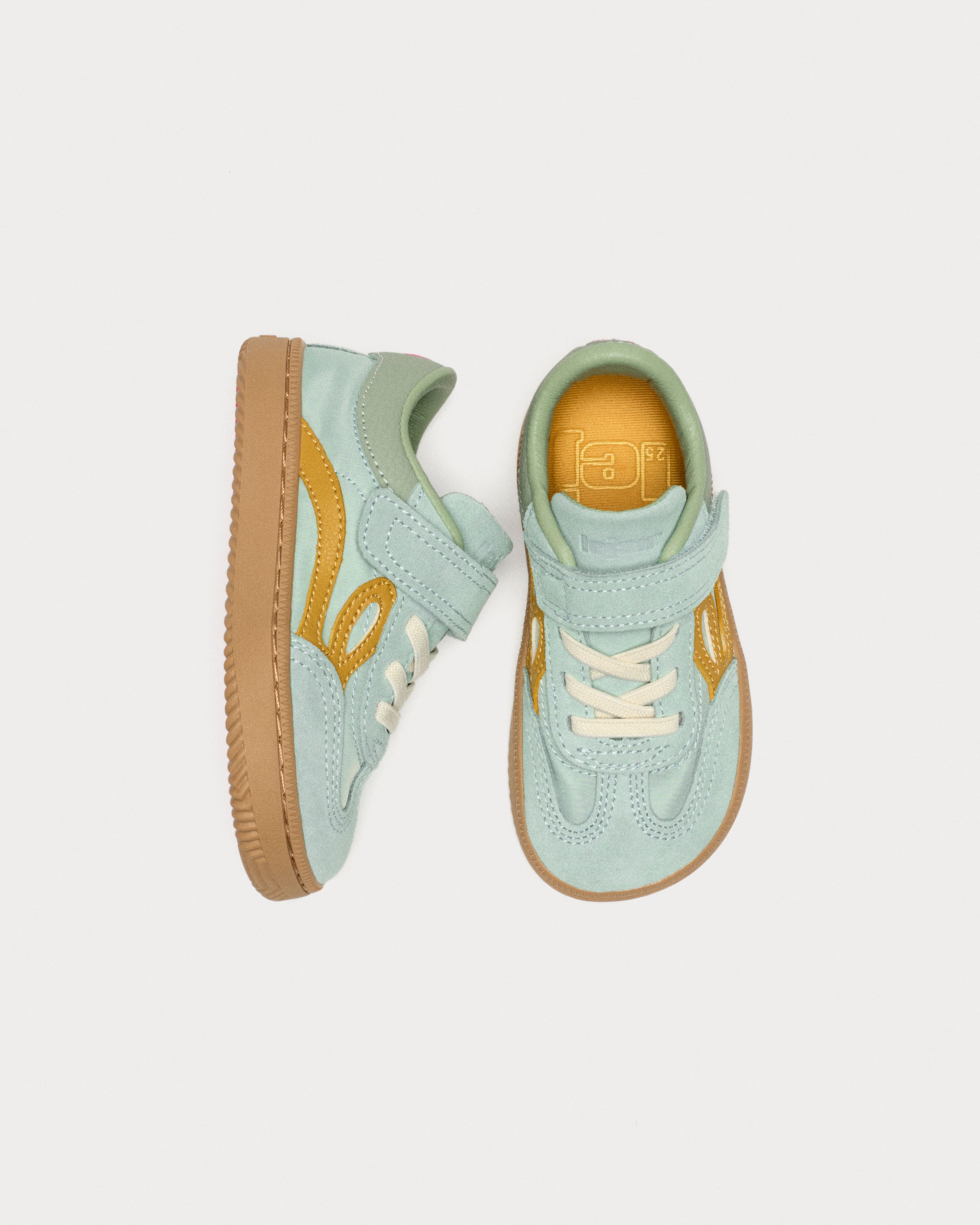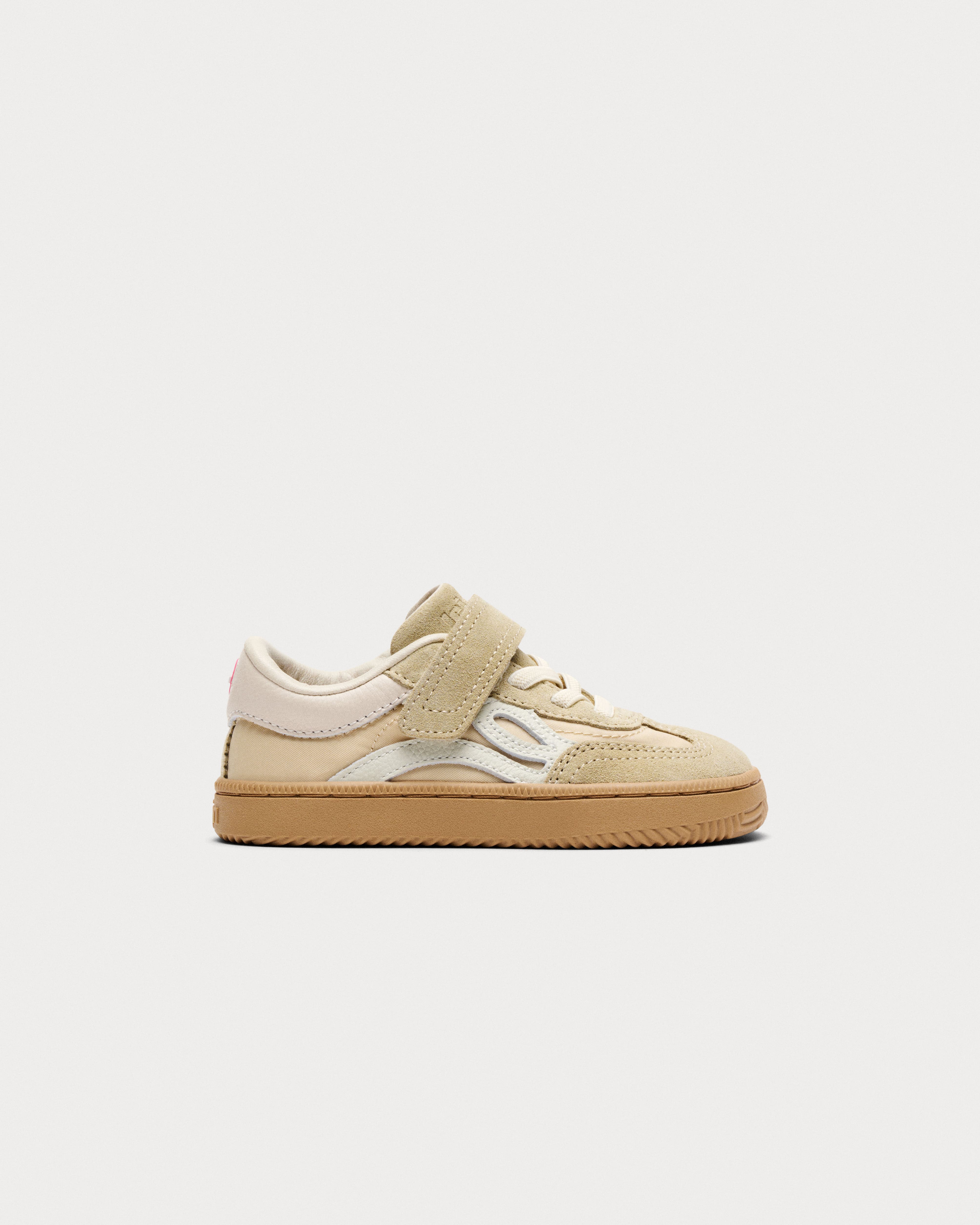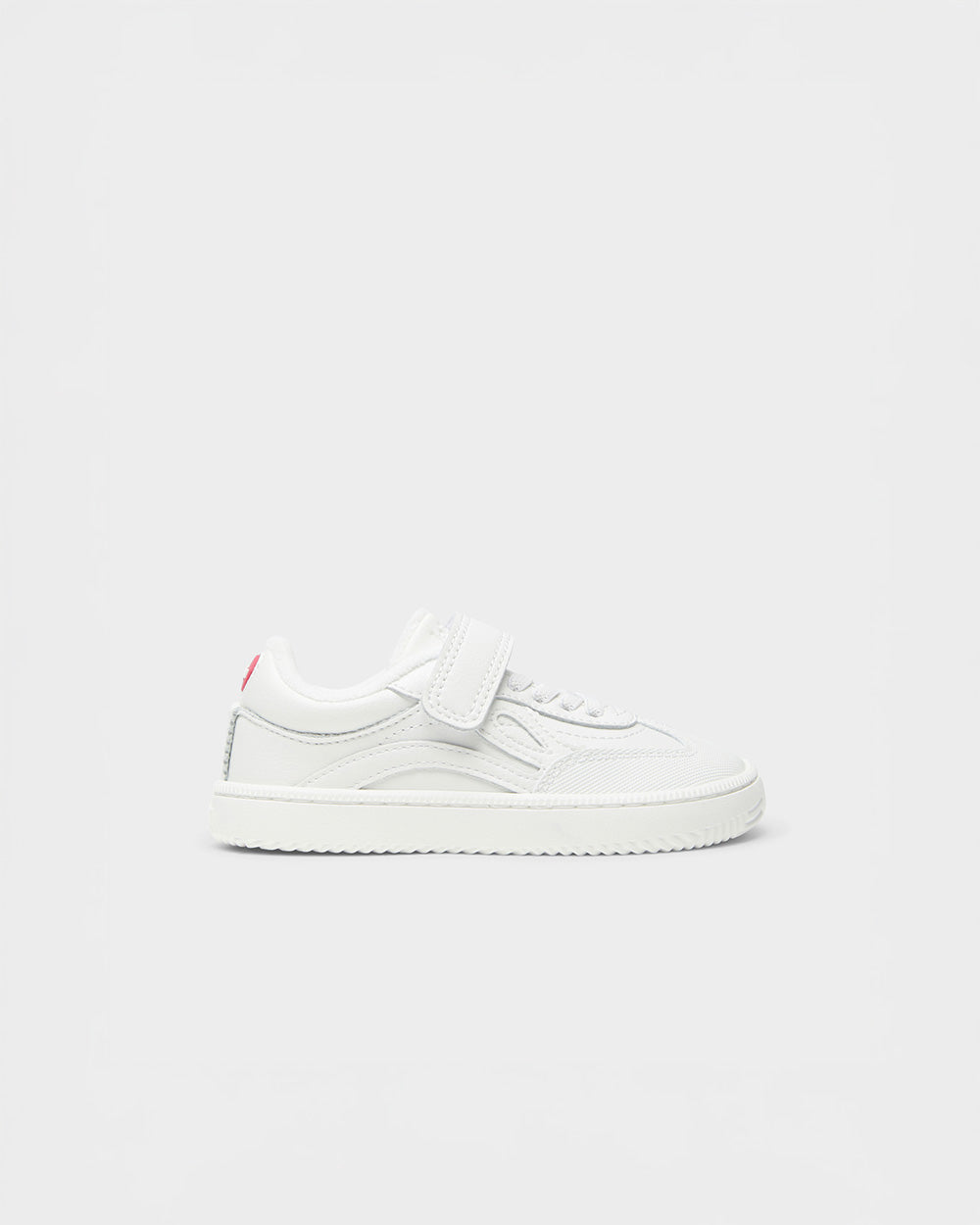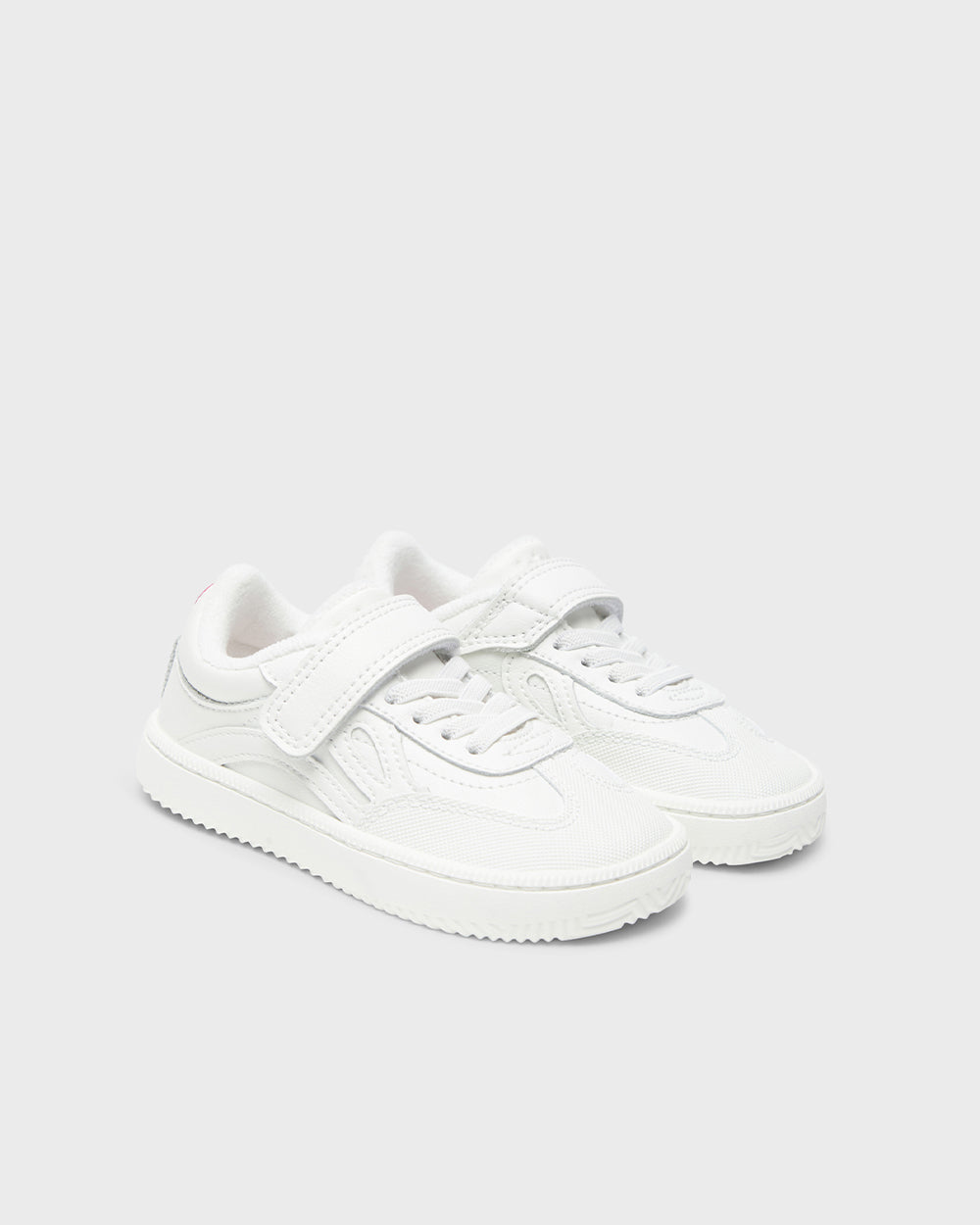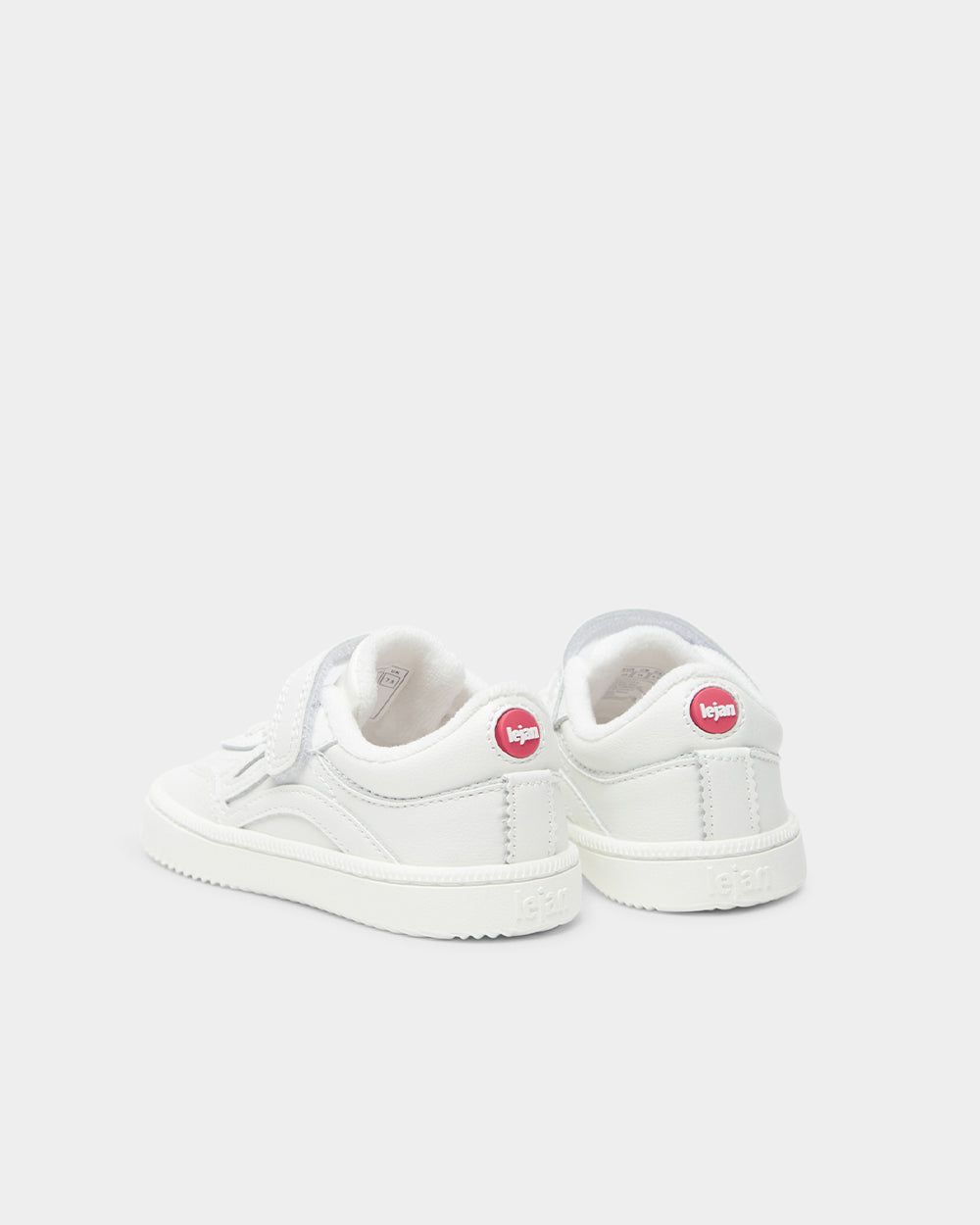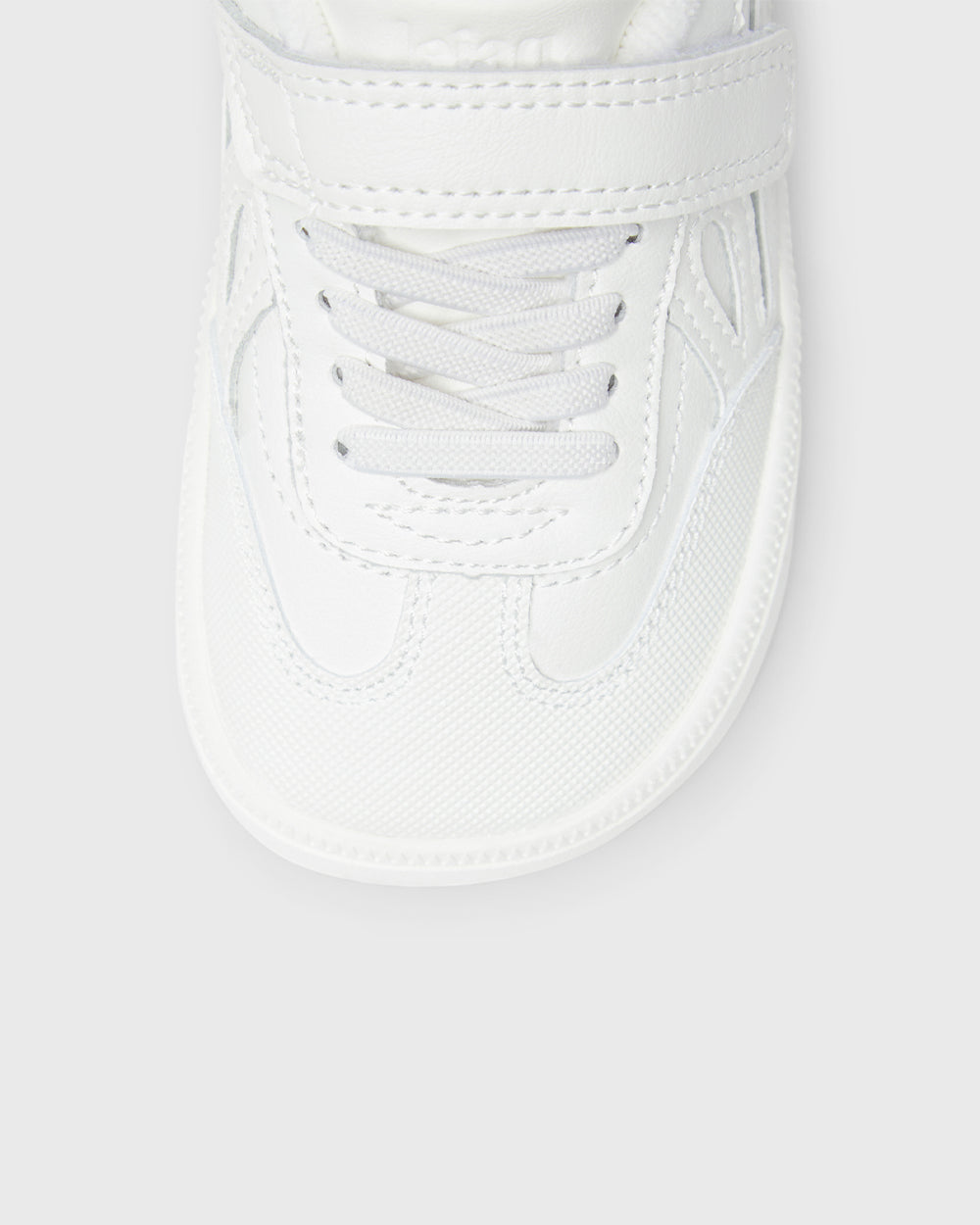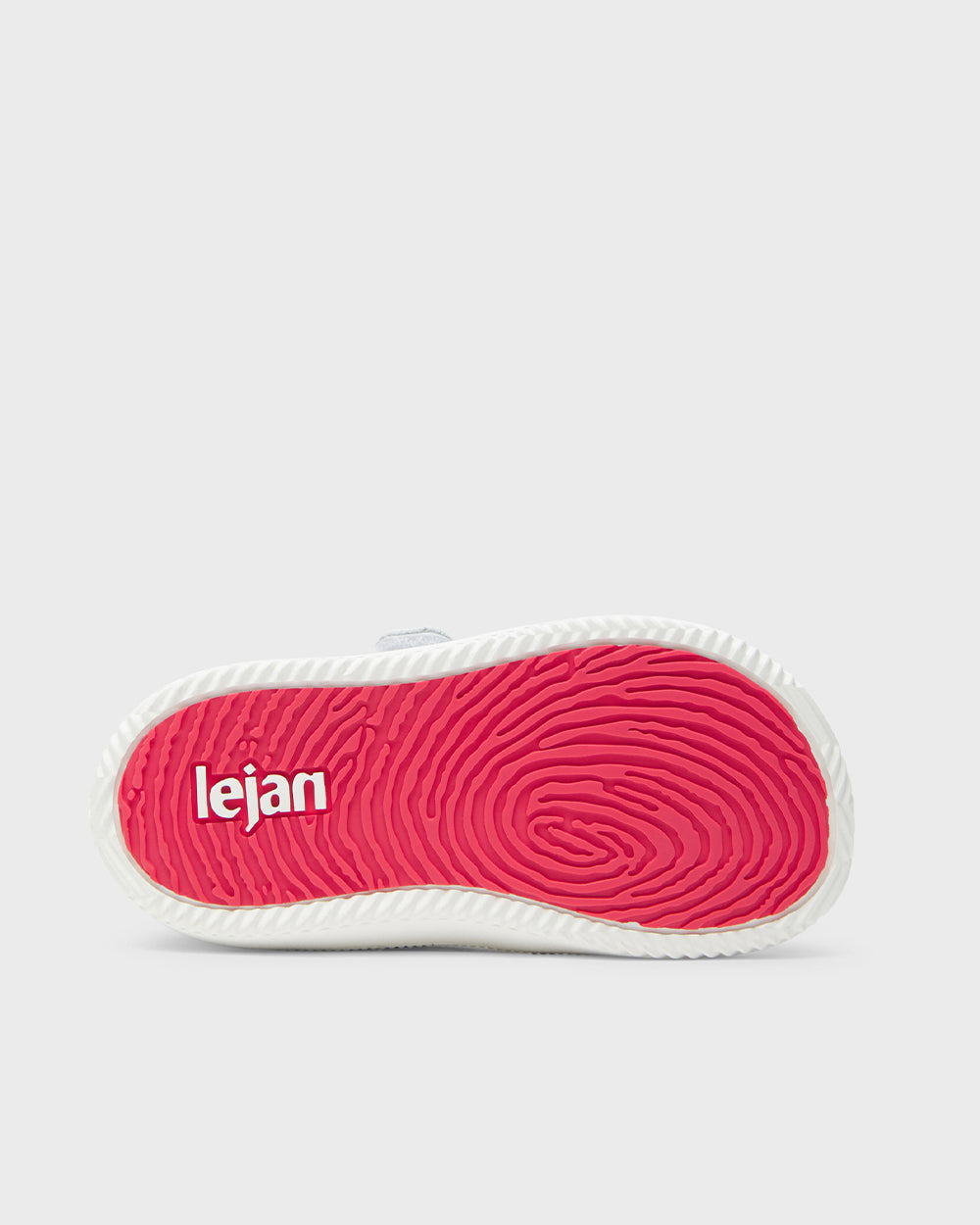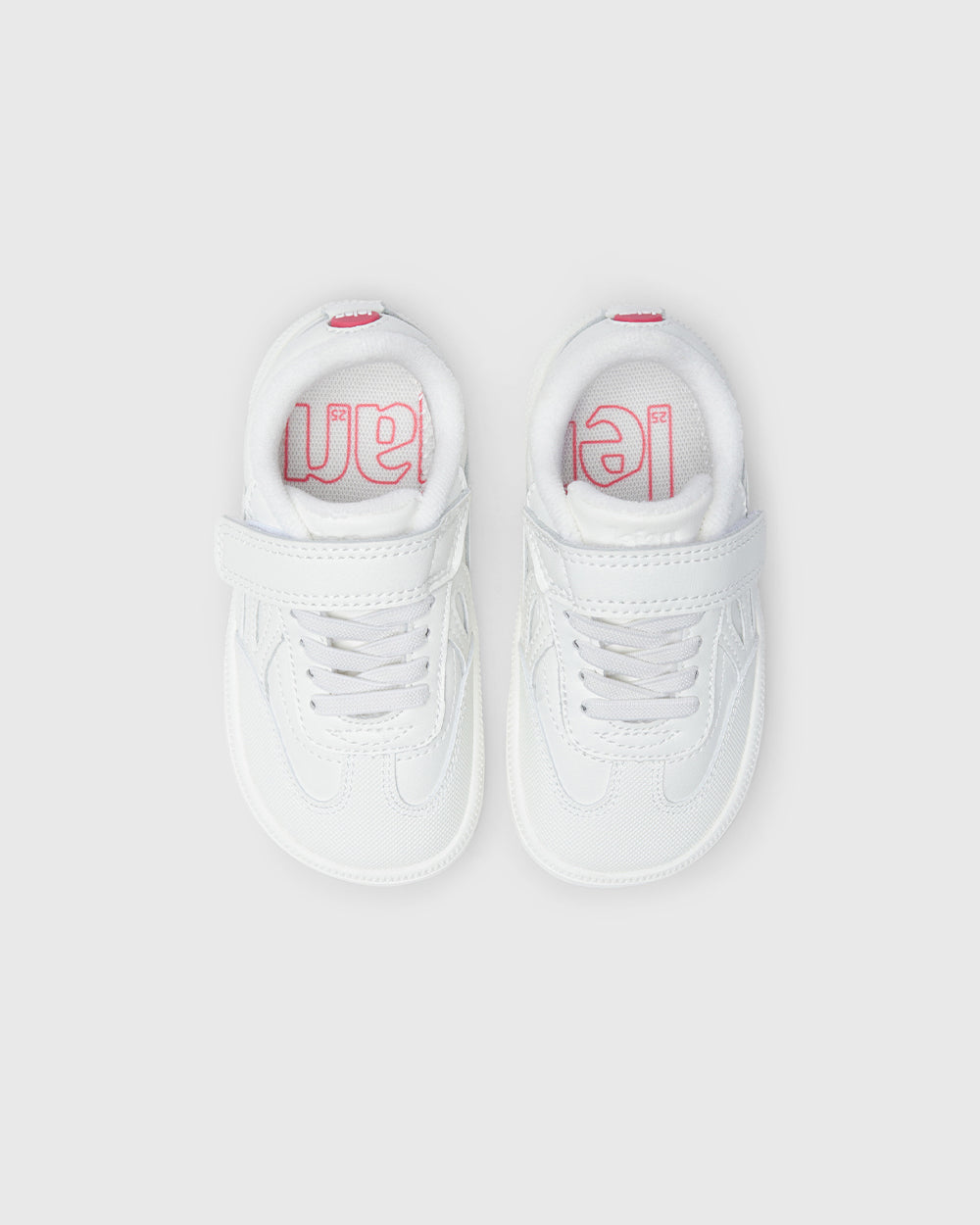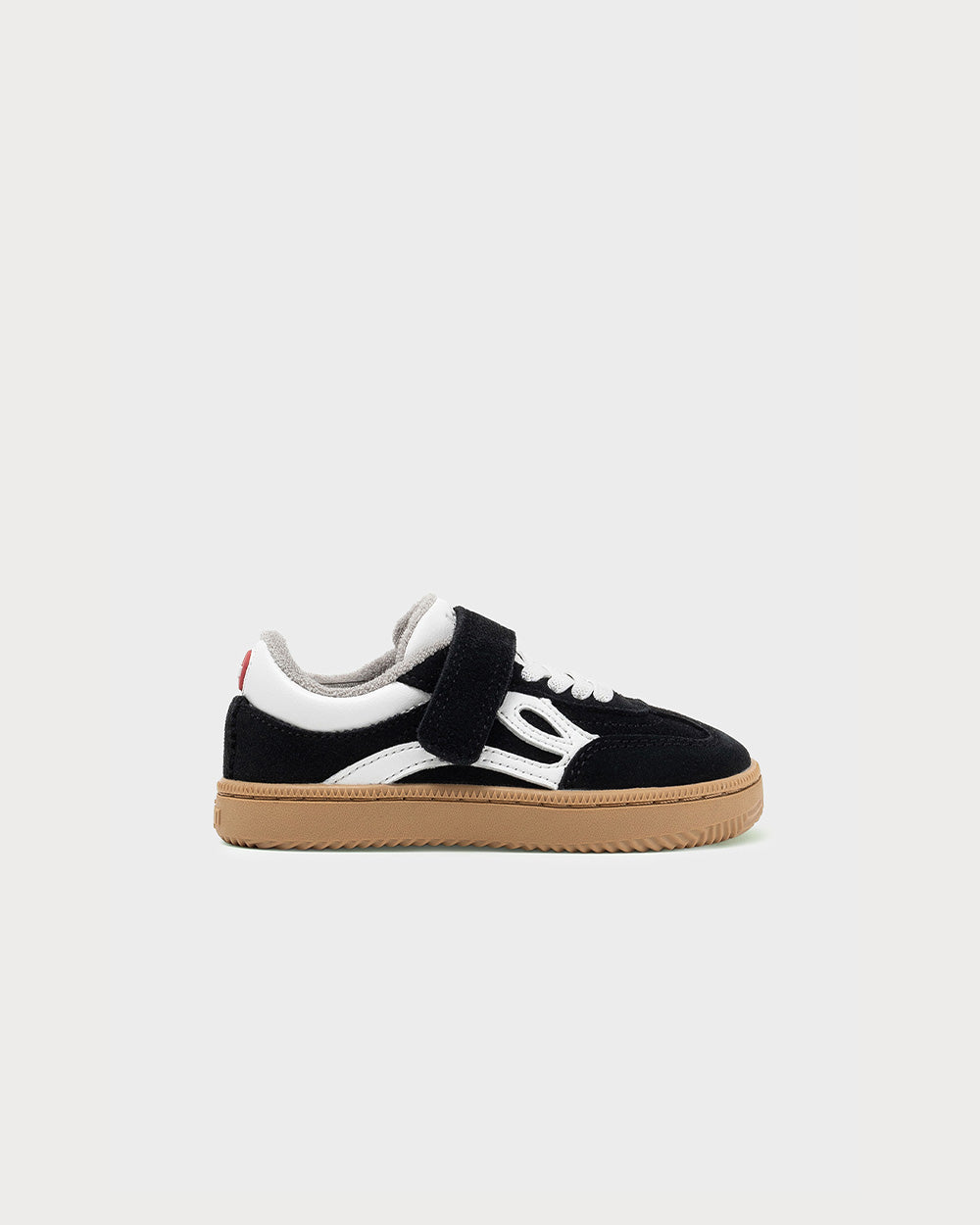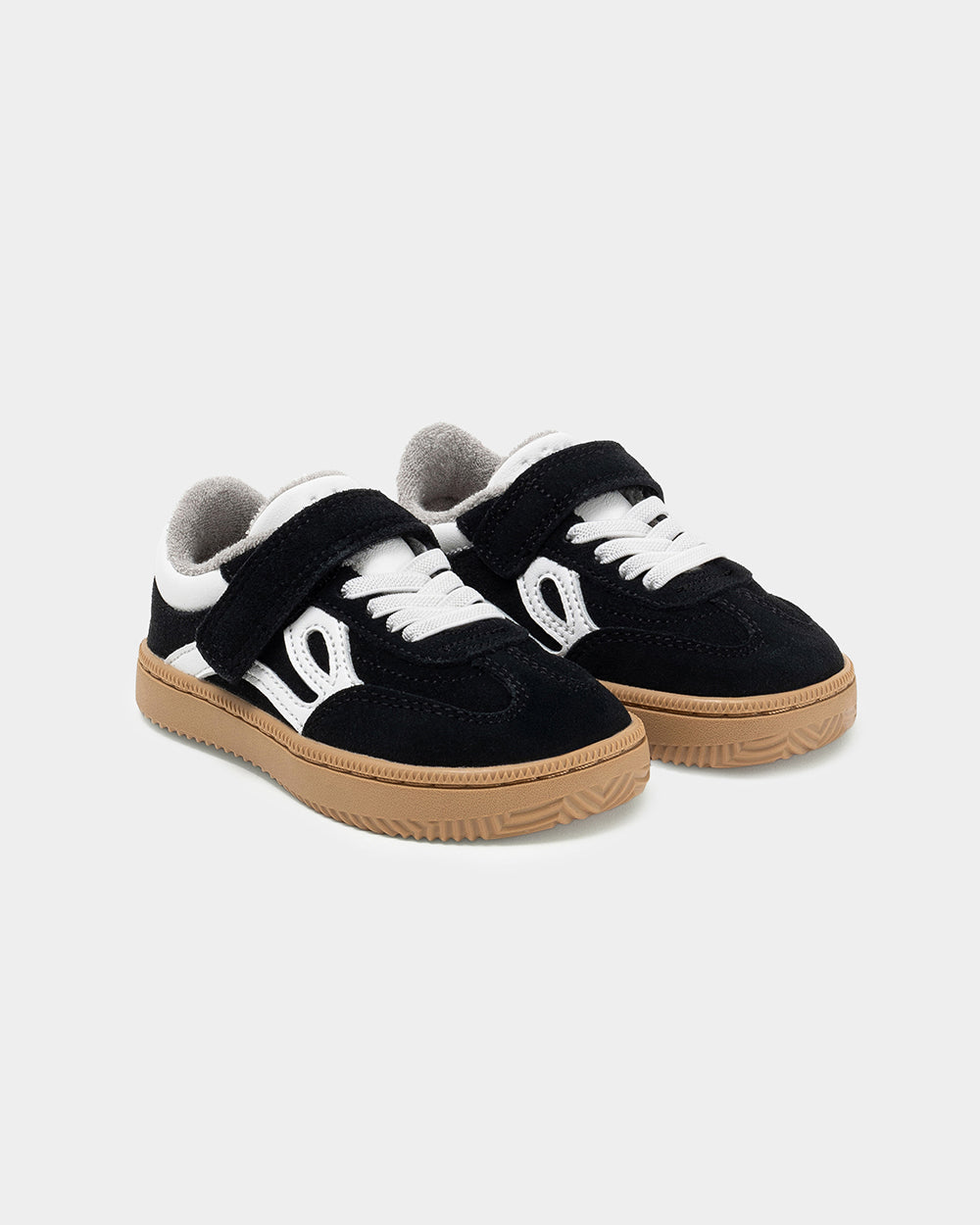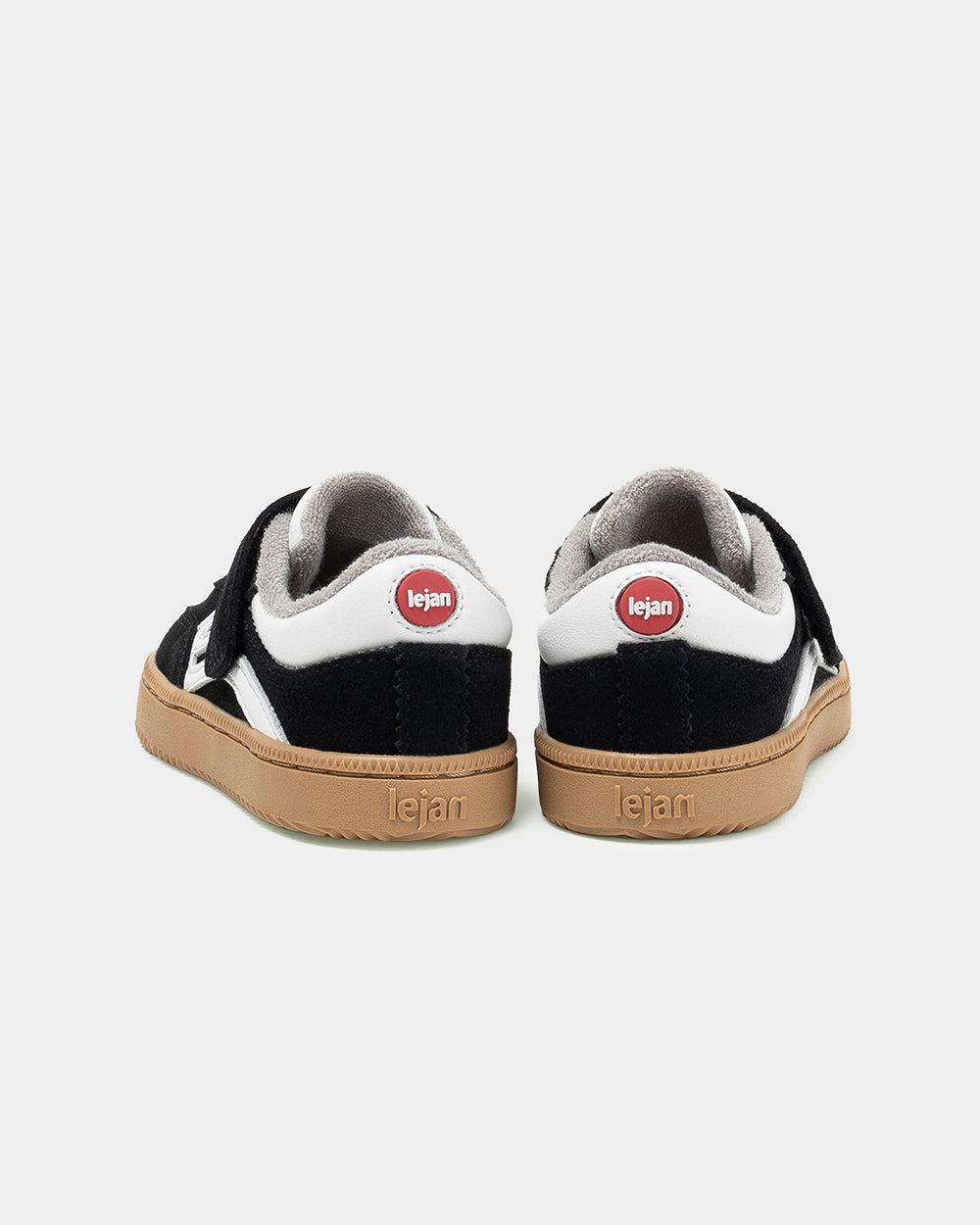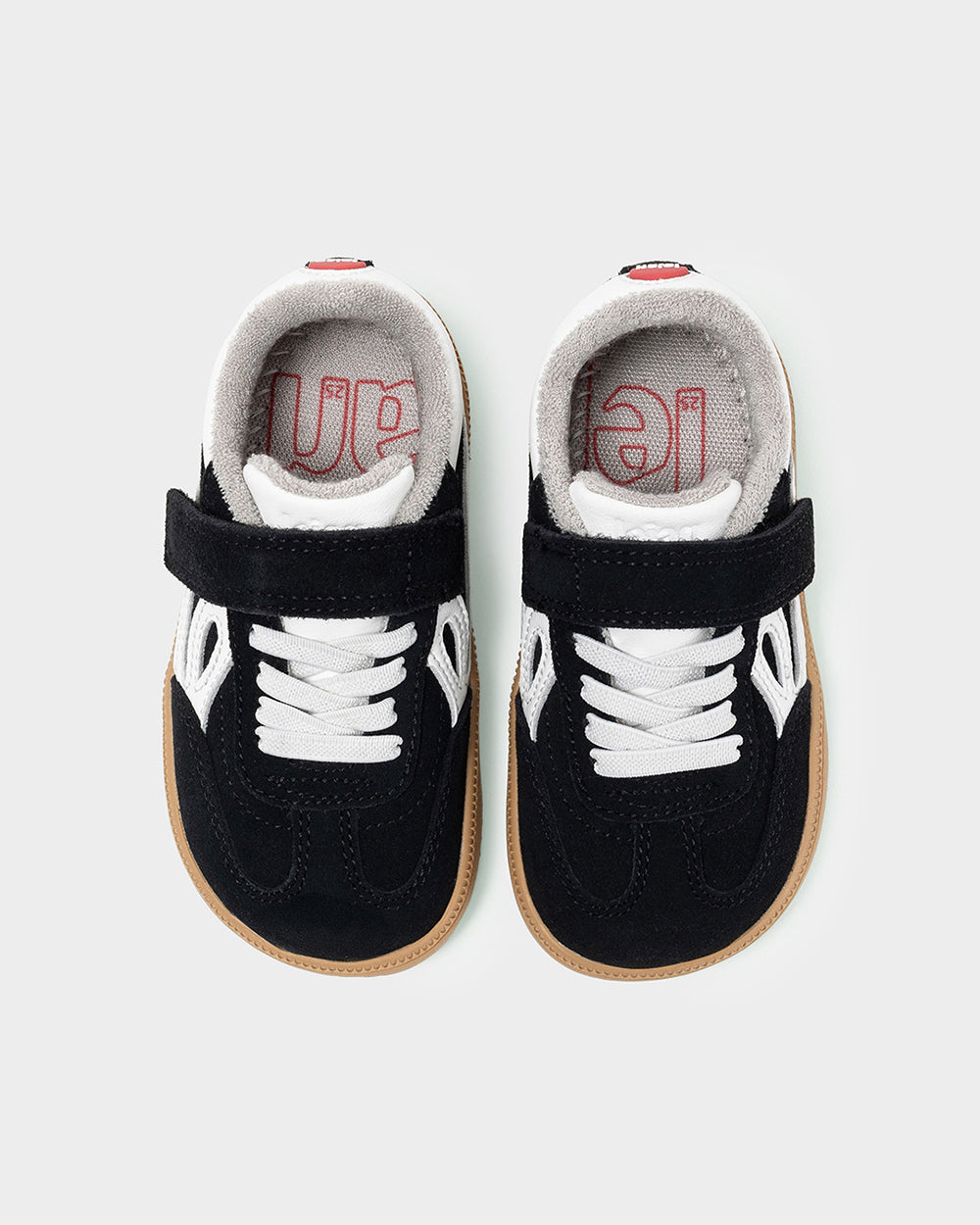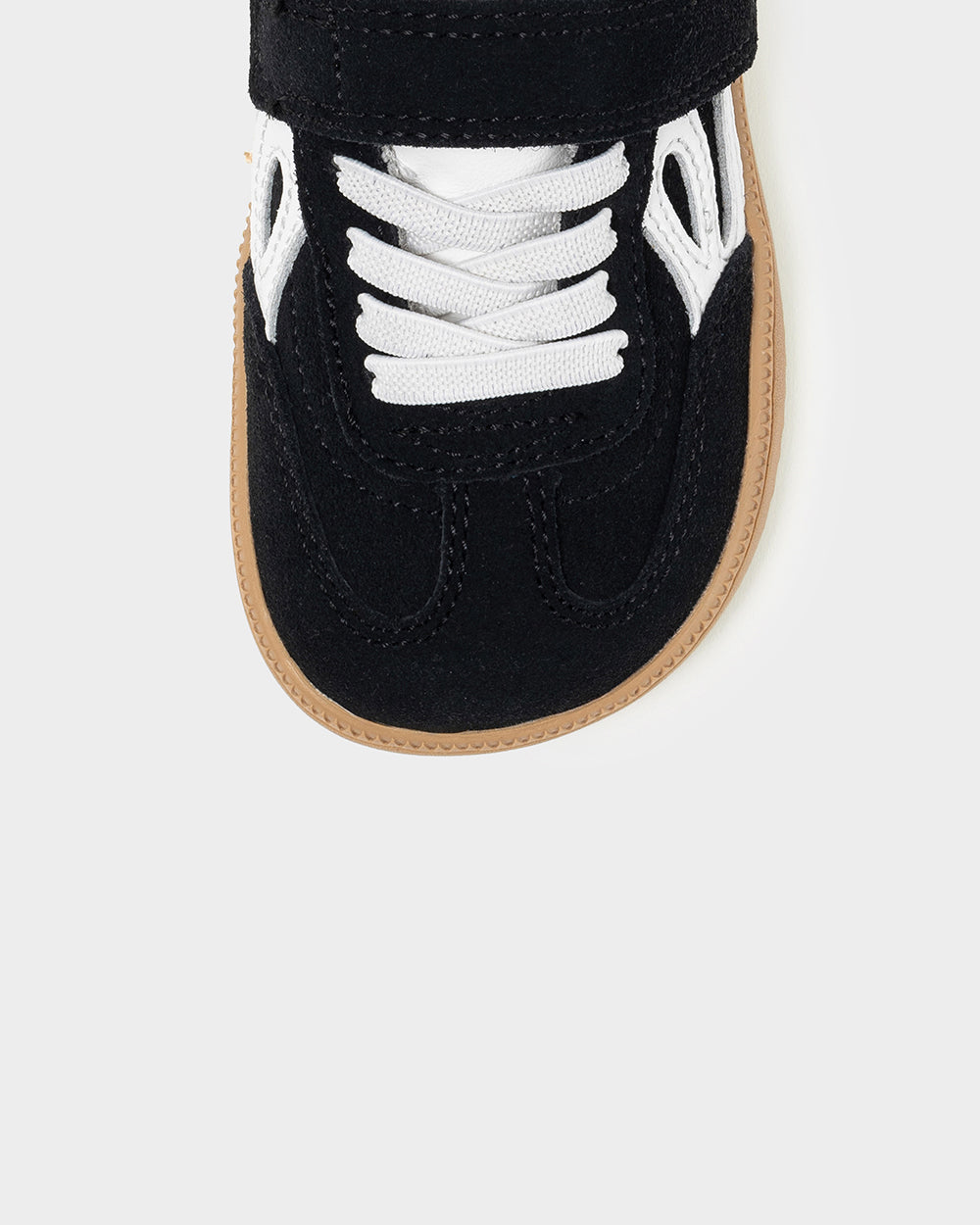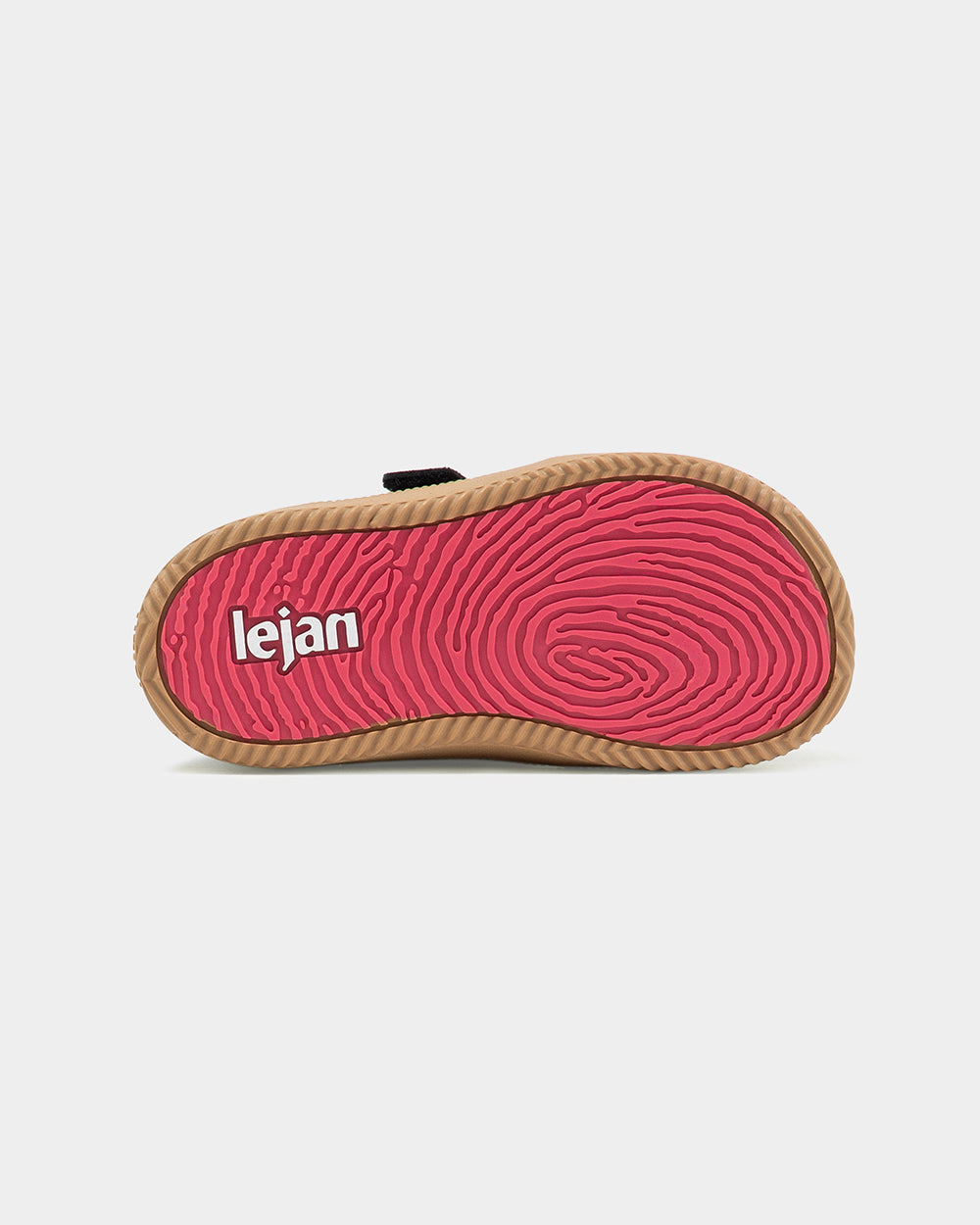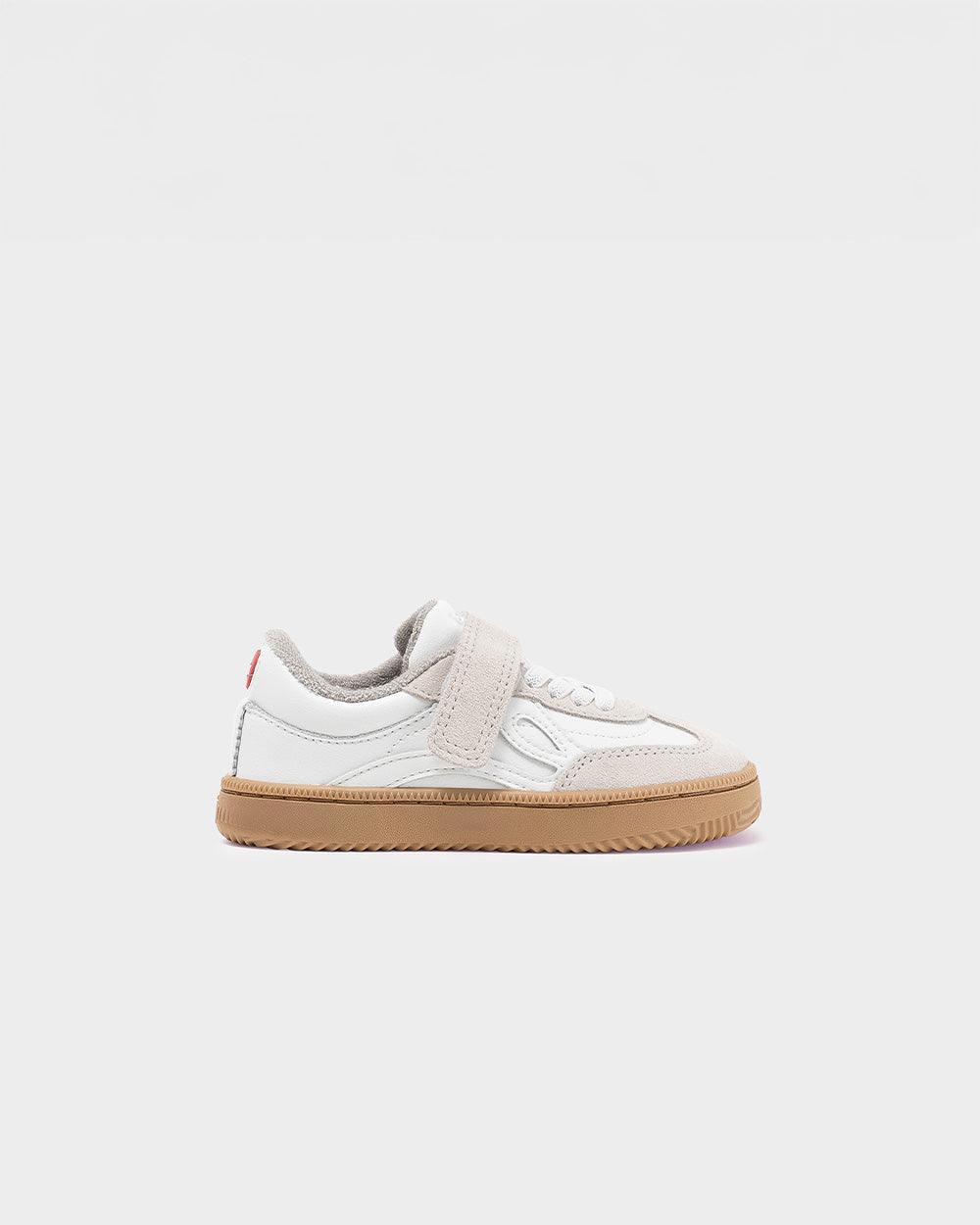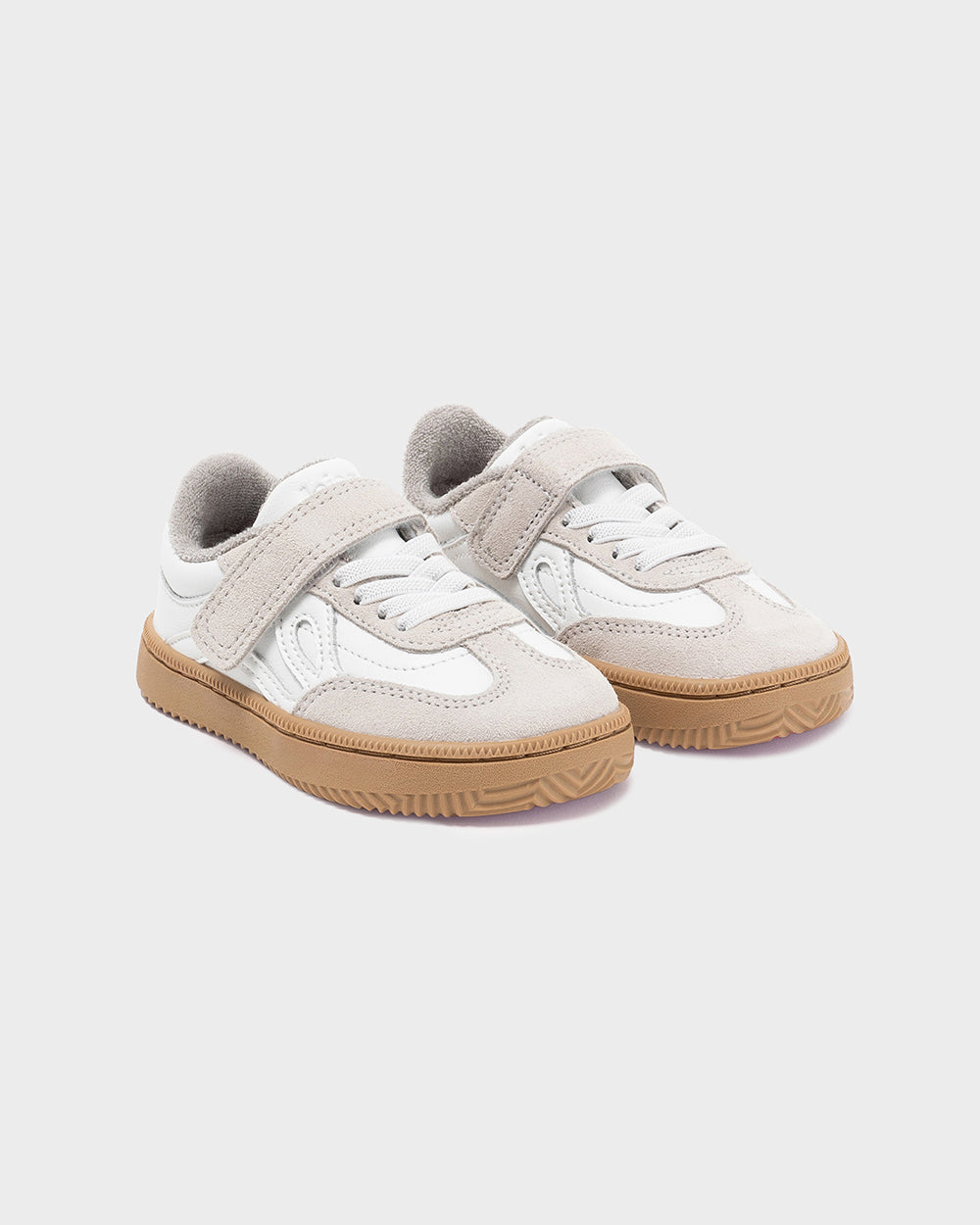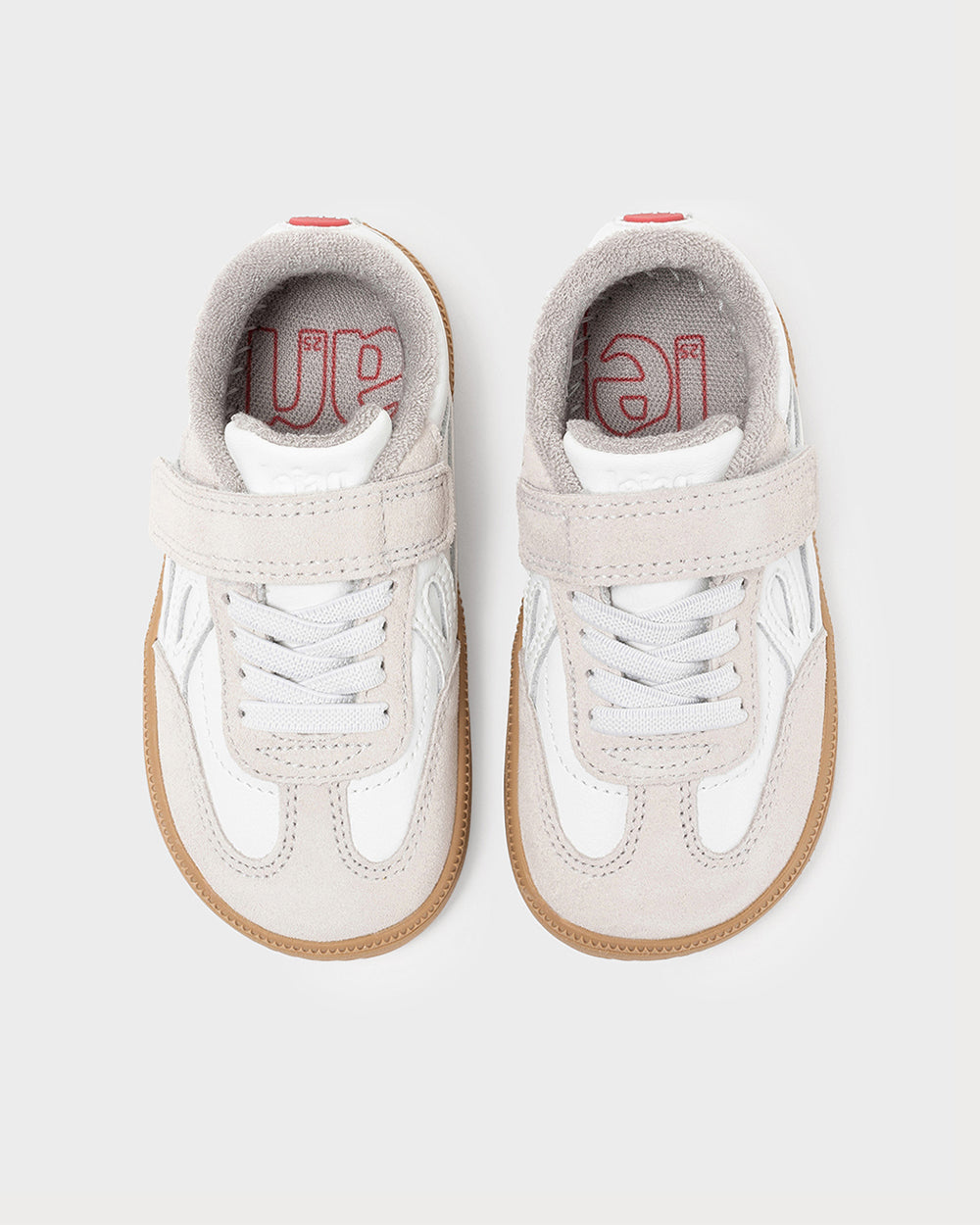




At Lejan respectful footwear so that children's feet can move as they were meant to: freely, strongly, and with a real sense of the ground beneath them. Here is our straightforward guide based on what we see every day with families and in the work we do with our podiatry team.
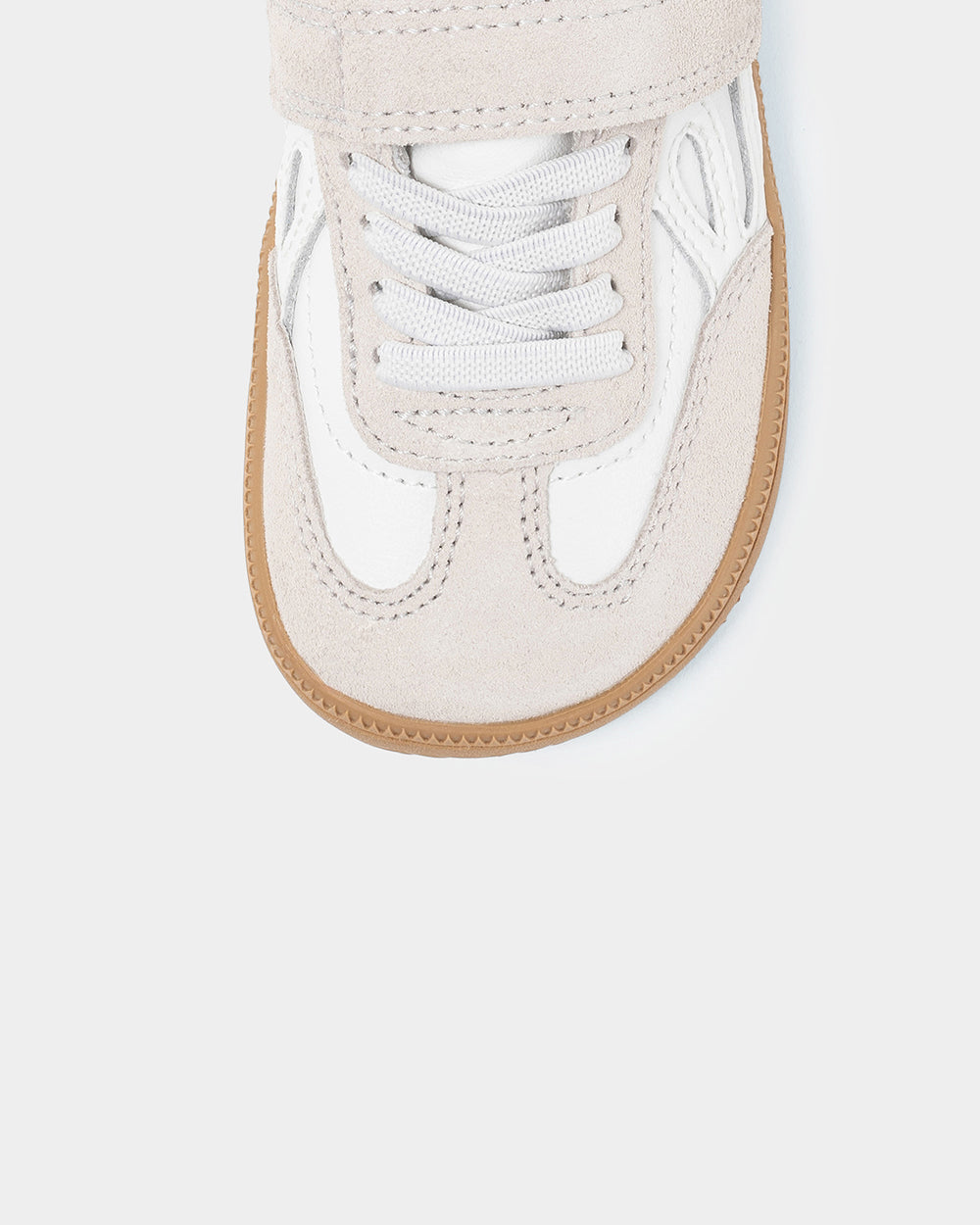
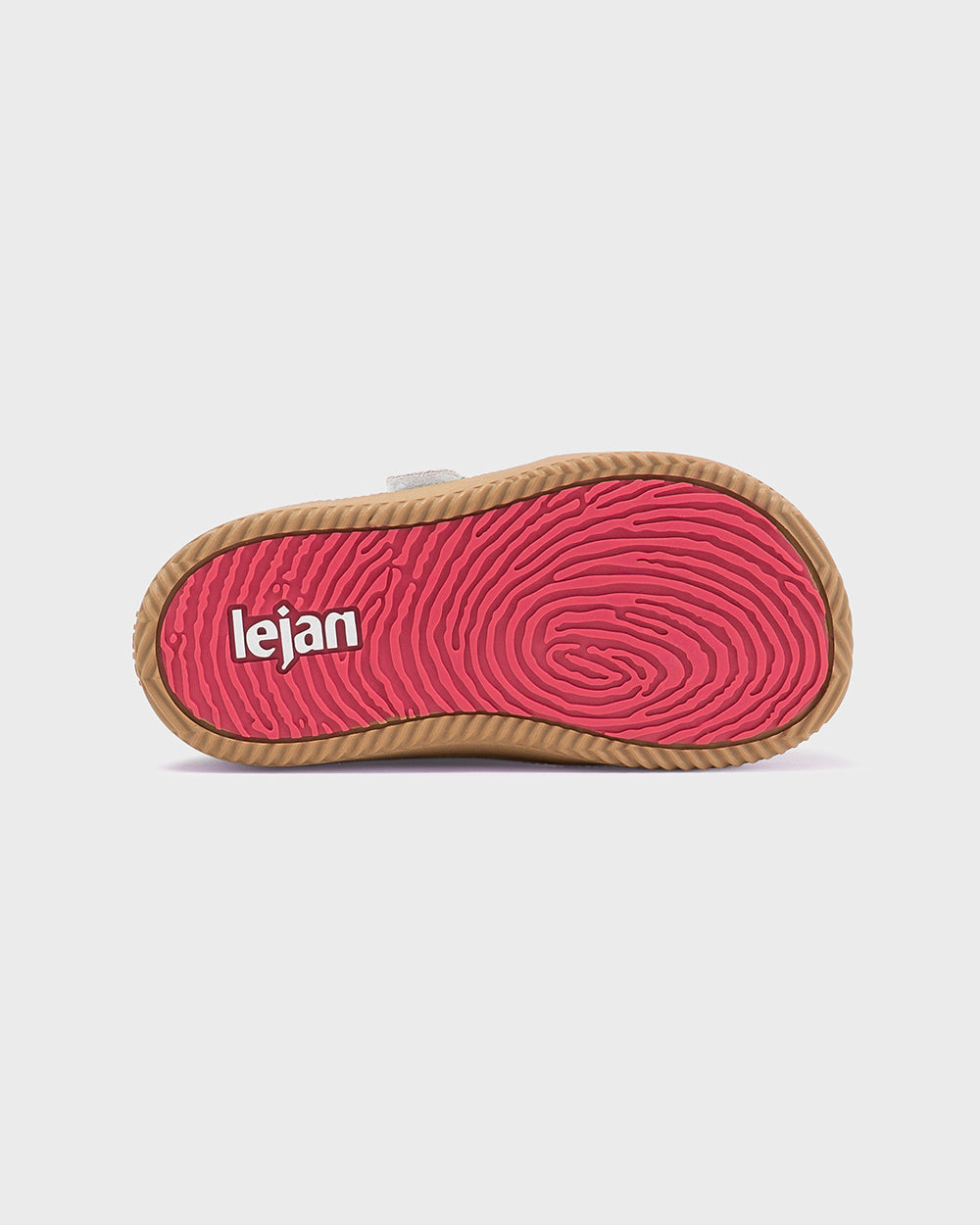
If you need to see specific options for everyday use, you can take a look at our selection of barefoot shoes for children—you'll love them!
Benefits of barefoot shoes for children (the essentials)
Proprioception: why "feeling the ground" improves your stride
When the foot "reads" the terrain through a thin, flexible sole, the brain responds better and faster. We notice this in everyday situations: stepping over a curb, landing after a jump, or stopping suddenly during a game. With barefoot shoes, feedback comes unfiltered: bumps, textures, and slopes inform your stride and improve your balance.
In our experience, a slight soreness in the calves or soles is normal at first (it is "awakening" the muscles). Sharp pain, no: if it appears, we reduce the load or take a step back.

Balance and coordination: stability in games and sports
Balance is trained through play. The wide toe box allows the toes to spread out and "grip" the ground, while real flexibility accompanies turns and braking. In the playground and after school, the foot works more actively and the ankle stabilizing muscles are strengthened, without resorting to rigid structures that limit natural movement.

Foot development: free toes, muscles, and arch of the foot
The child's foot is a flexible and immature structure and strengthens with use. By giving it front space and freedom, the toes align better, the intrinsic muscles work, and the arch forms at its own pace. Our goal is not for the shoe to "correct," but rather not hinder development.

Advantages of barefoot walking according to age (first steps and school)
When is it best to go barefoot and when to wear barefoot shoes?
At Lejan between barefoot or barefoot depending on the context: ground safety, temperature, rules, and activity.
At home and on safe surfaces, especially when taking their first steps and playing quietly, we recommend going barefoot because the direct sensation of the floor improves balance, coordination, and confidence.
Outside in the playground, school, park, or on excursions, we recommend barefoot shoes as they protect against temperature and uneven terrain without losing flexibility, zero drop, or toe space.
If the plan includes running, jumping, or many hours on your feet, we look for barefoot shoes with good grip and lightness; if the family is in transition and tightness appears, we occasionally use a transition insole with minimal drop.
Simple rule: if the environment requires protection or there are rules, barefoot; if it is safe, clean, and controlled, barefoot. This way, kids are comfortable, safe, and learning with every step they take.

What to look for if your child runs, jumps, or spends hours on their feet
Checklist we use with active families:
-
Wide toe box (free toes, no pinching).
-
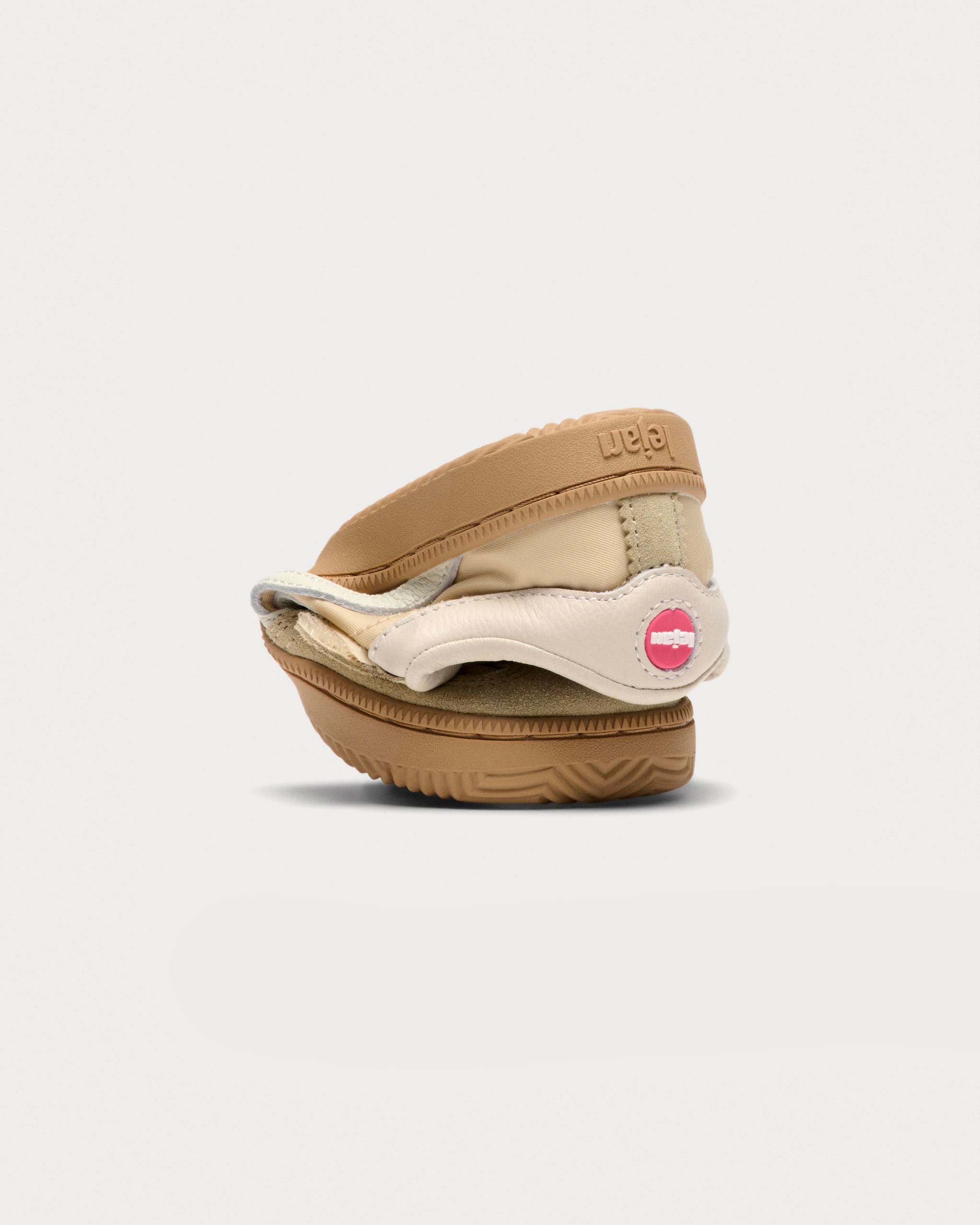
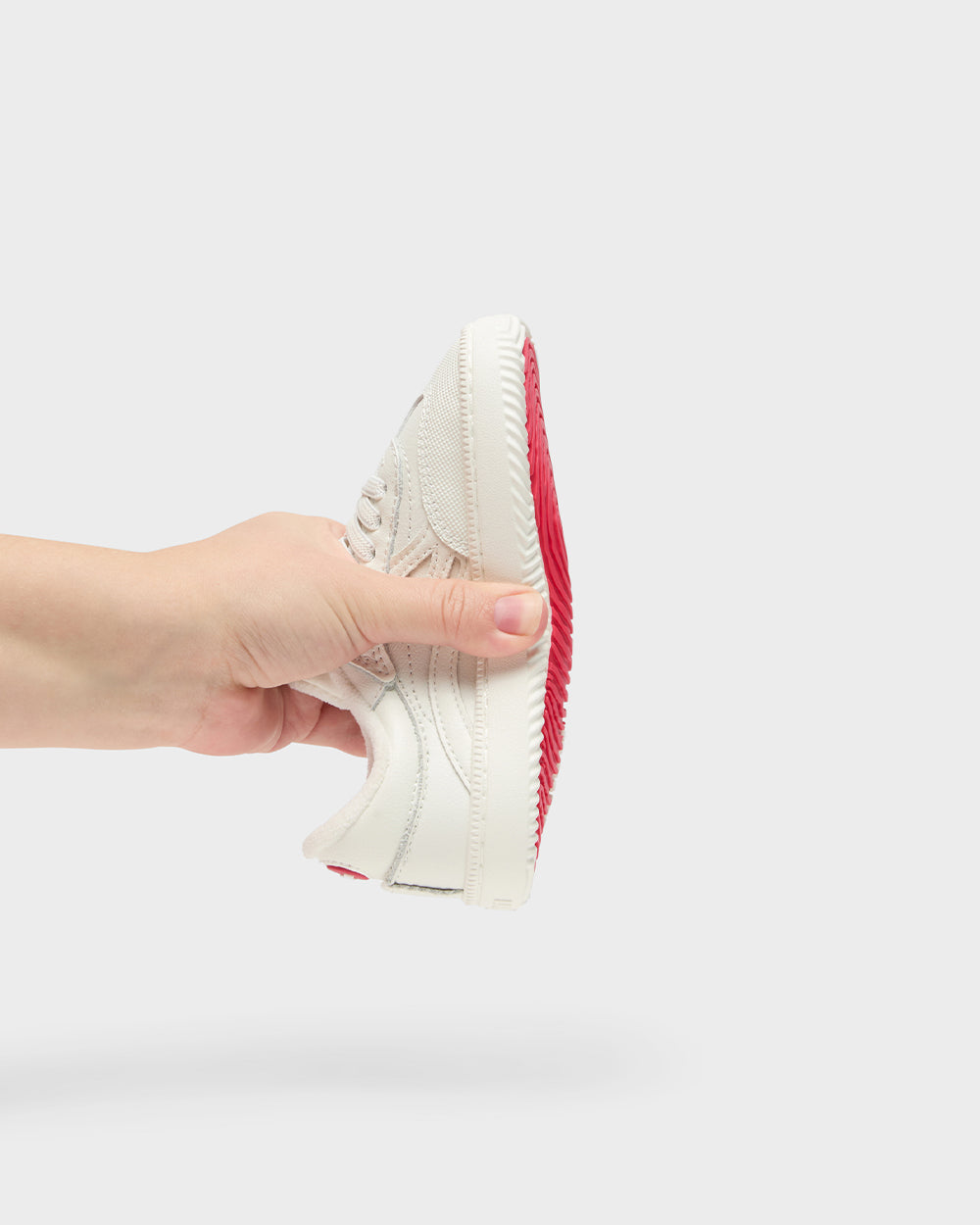
Thin, flexible sole in all directions (bending + twisting with one hand).
-
Zero drop (heel and forefoot at the same height).
-
Lightweight and upper that respects the width of the forefoot.
-
Good grip without turning the sole into a block.
During periods of high activity (tournaments, excursions), we sometimes recommend a transitional insole with minimal drop to relieve demand on the calves/fascia in the first few weeks. This prevents overload while the foot adapts.
How to get started without discomfort (transition and size selection)
Gradual transition in 3 steps:
-
Level 1: short periods of conscious barefoot walking. 15–30 min/day barefoot on gentle walks and light play. Mild soreness ≈ ok; sharp pain ≈ stop/back off. When you have had a few days of feeling good (no sharp pain or overload that changes your gait), move on to the next level.
-
Level 2: smart alternation. 45–90 min/day. Barefoot for technical activities (balance/coordination); shoes for very long sessions. When you have had 1–2 weeks with good sensations and normal recovery, move up to the next level.
-
Level 3: primary use. Increase every other day. For demanding days, transitional insoles if someone notices tightness. If at this level you continue to feel good for several days in a row (without persistent discomfort), consolidate barefoot as an option for daily use.
Mistakes we see and avoid:
-
Going from 0 to 100 "because it feels good." Your muscles need time.
-
Choose a short size "so it doesn't come off." In barefoot running, control comes from technique, not from tightness.
-
Confusing rigidity with stability. Stability comes from proprioception + free fingers.
-
Ignoring signs: sharp pain = lower volume or check surfaces/technique.
How to measure the size ( Lejan method): To measure your child's foot, place a sheet of paper on the floor, trace the outline of the foot with a pencil, and measure the distance from the furthest point of the heel to the longest toe (usually the 1st or 2nd). Repeat with both feet and use the larger measurement. Add 1 cm of slack to that length to choose the size. If you are unsure between two sizes, choose the one that is closest to 1 cm.
If you don't want to make a mistake with the size, you can consult our size guide for barefoot shoes.

Share