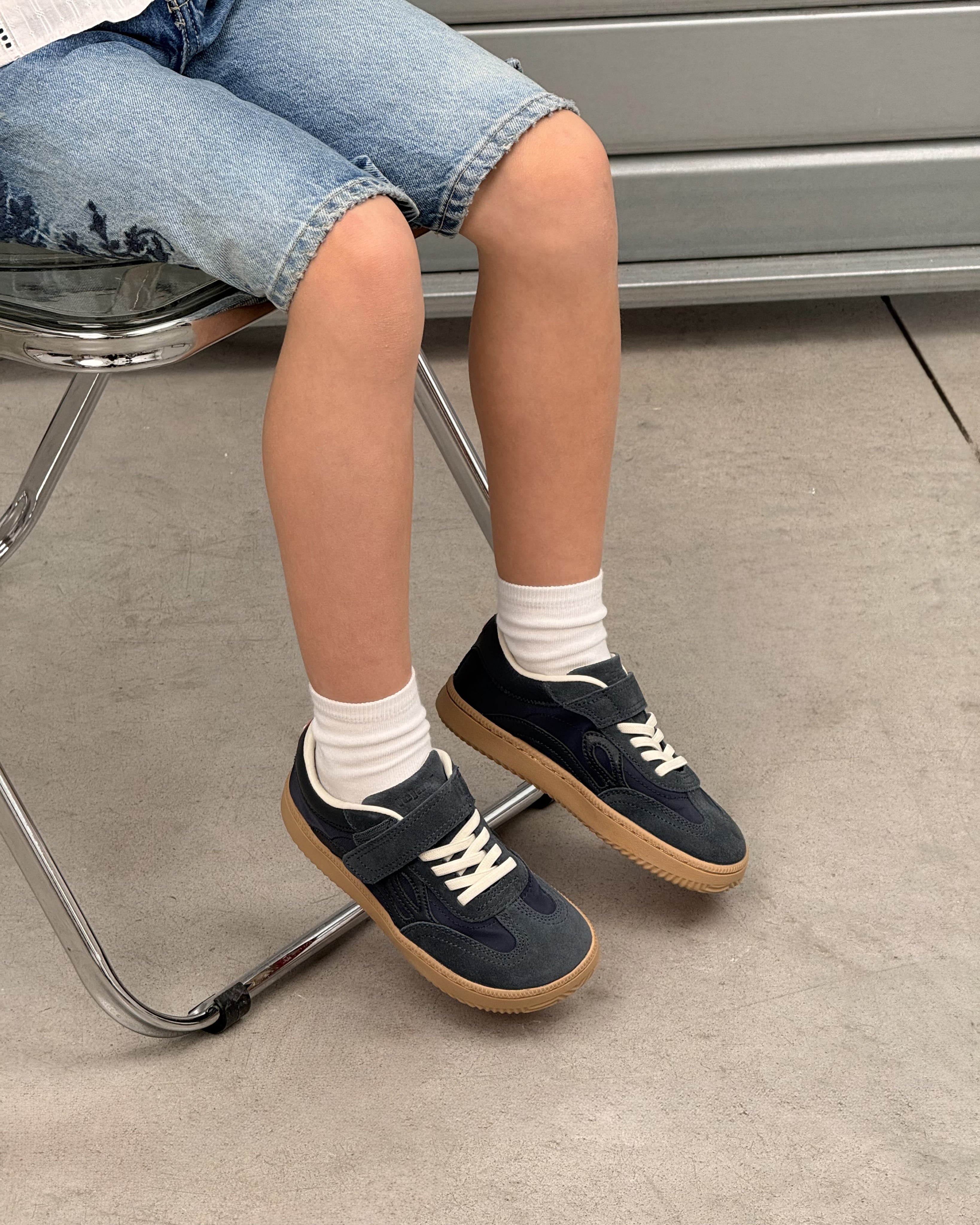
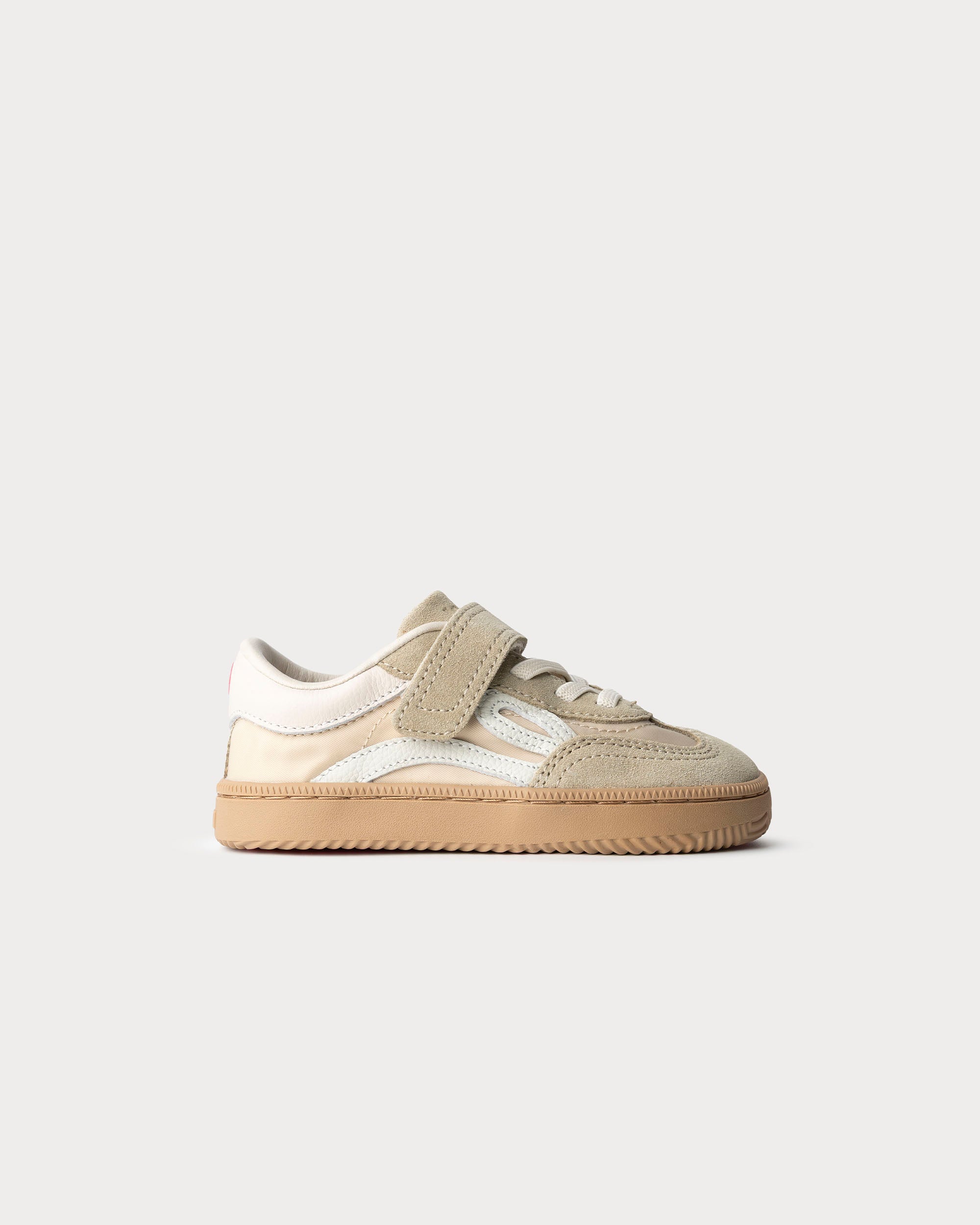
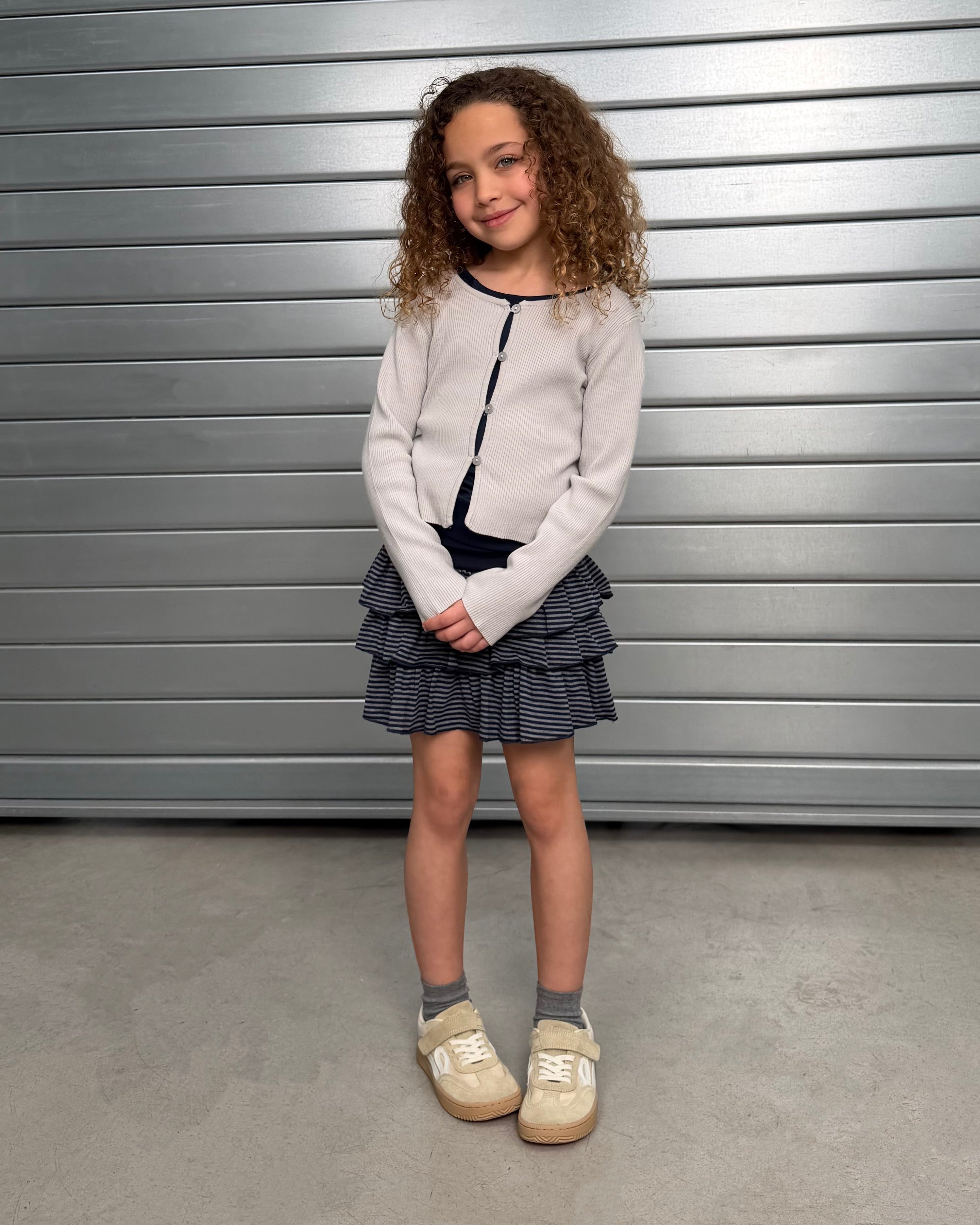
How do you tell whether children's footwear is genuinely foot-friendly?
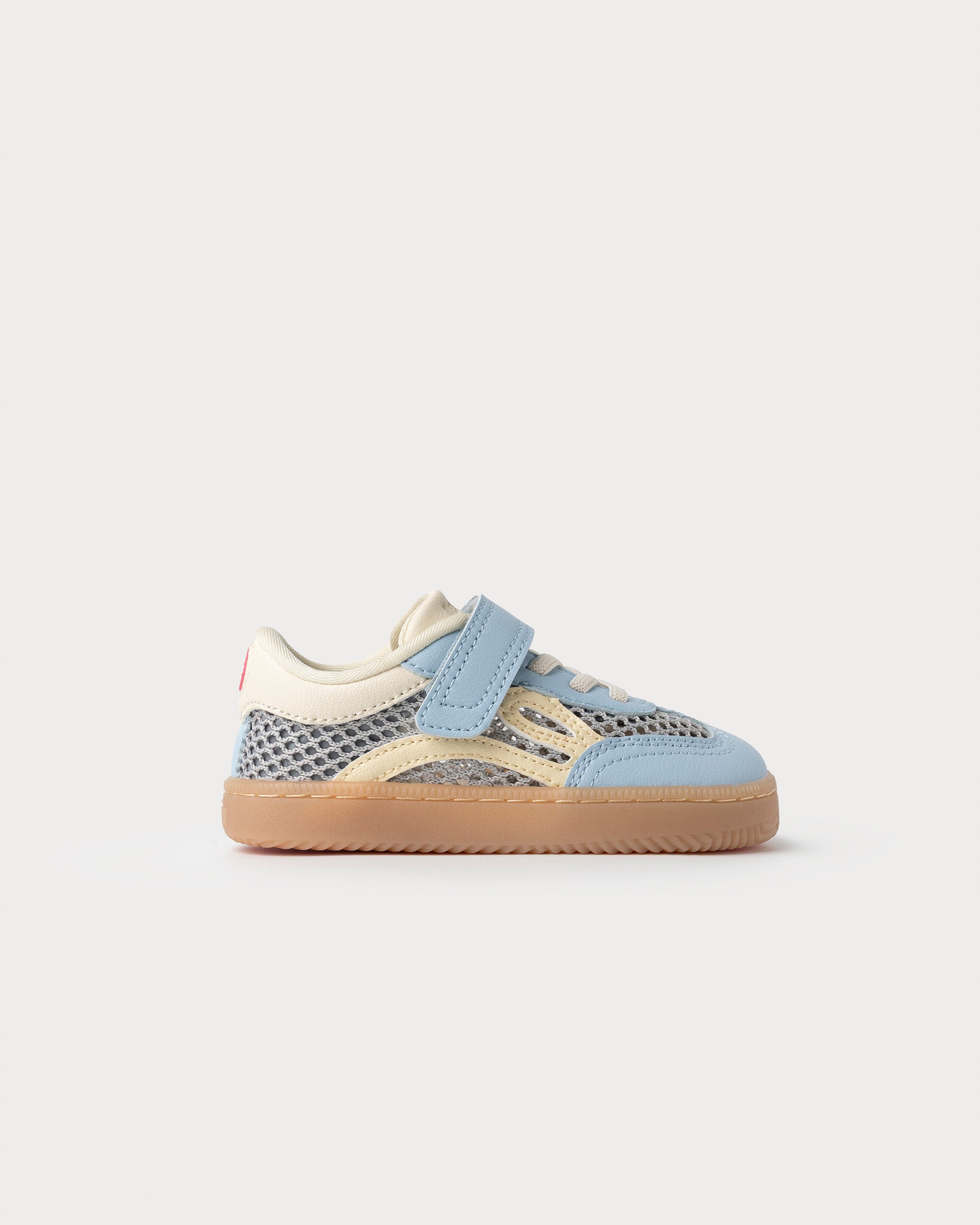
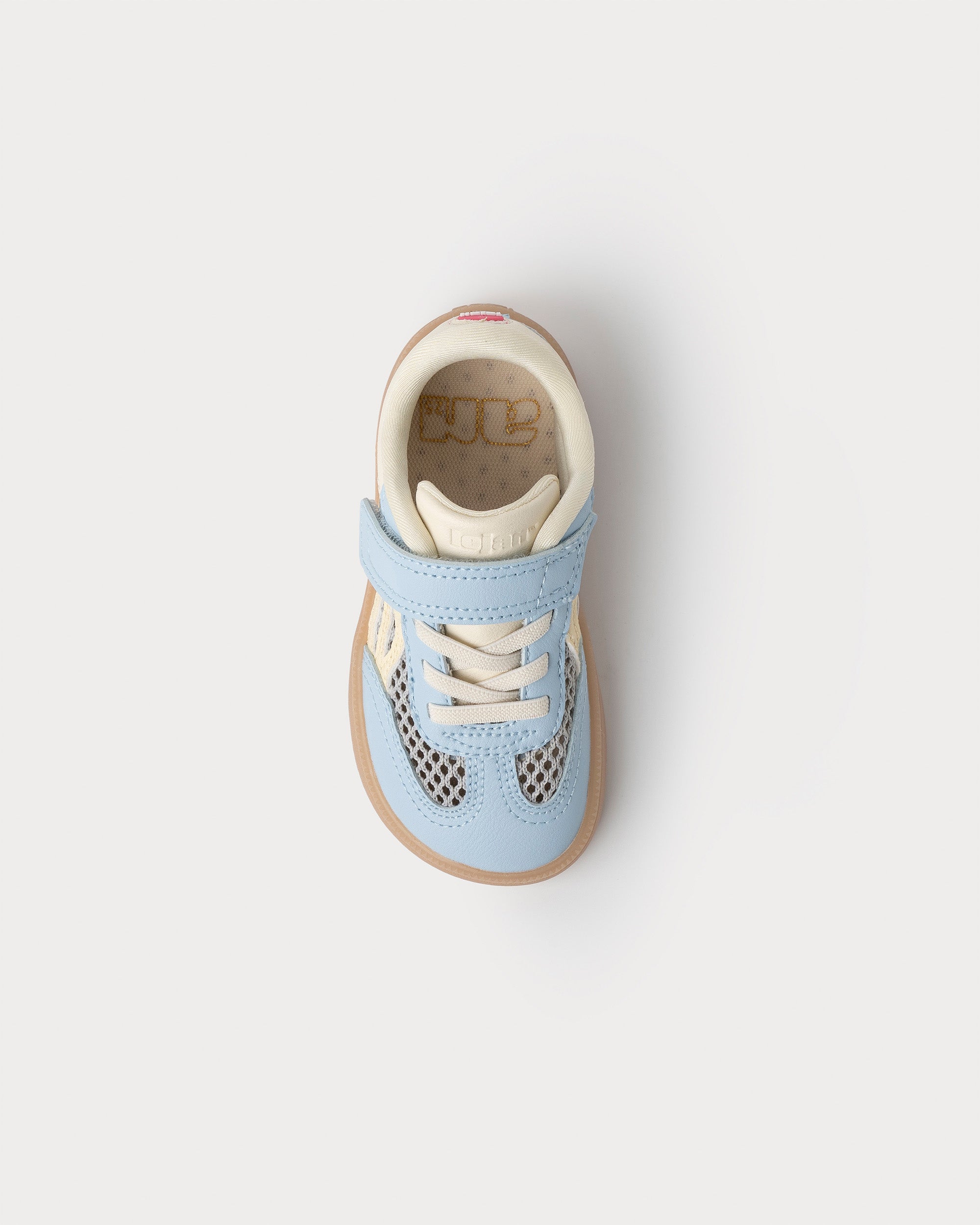
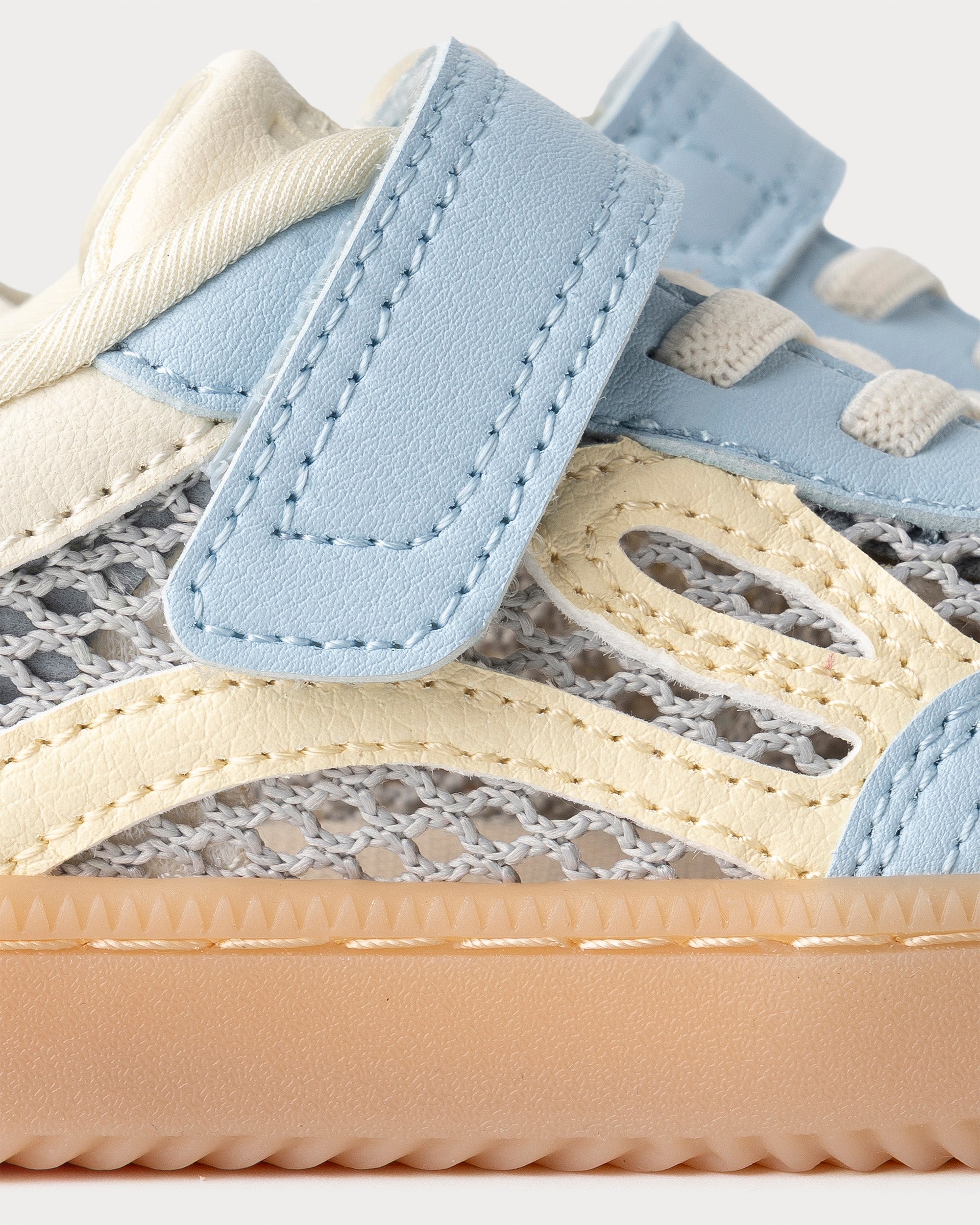
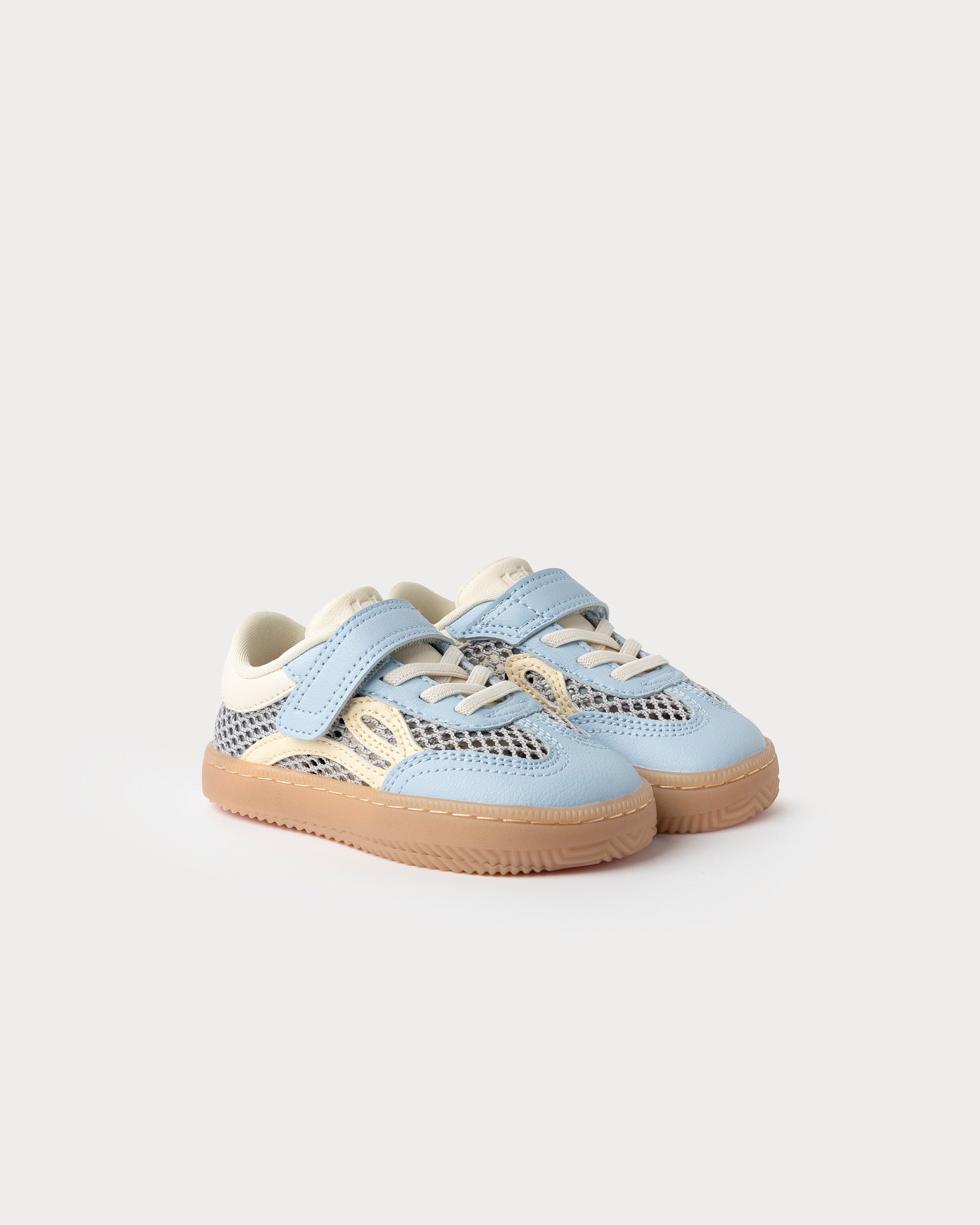
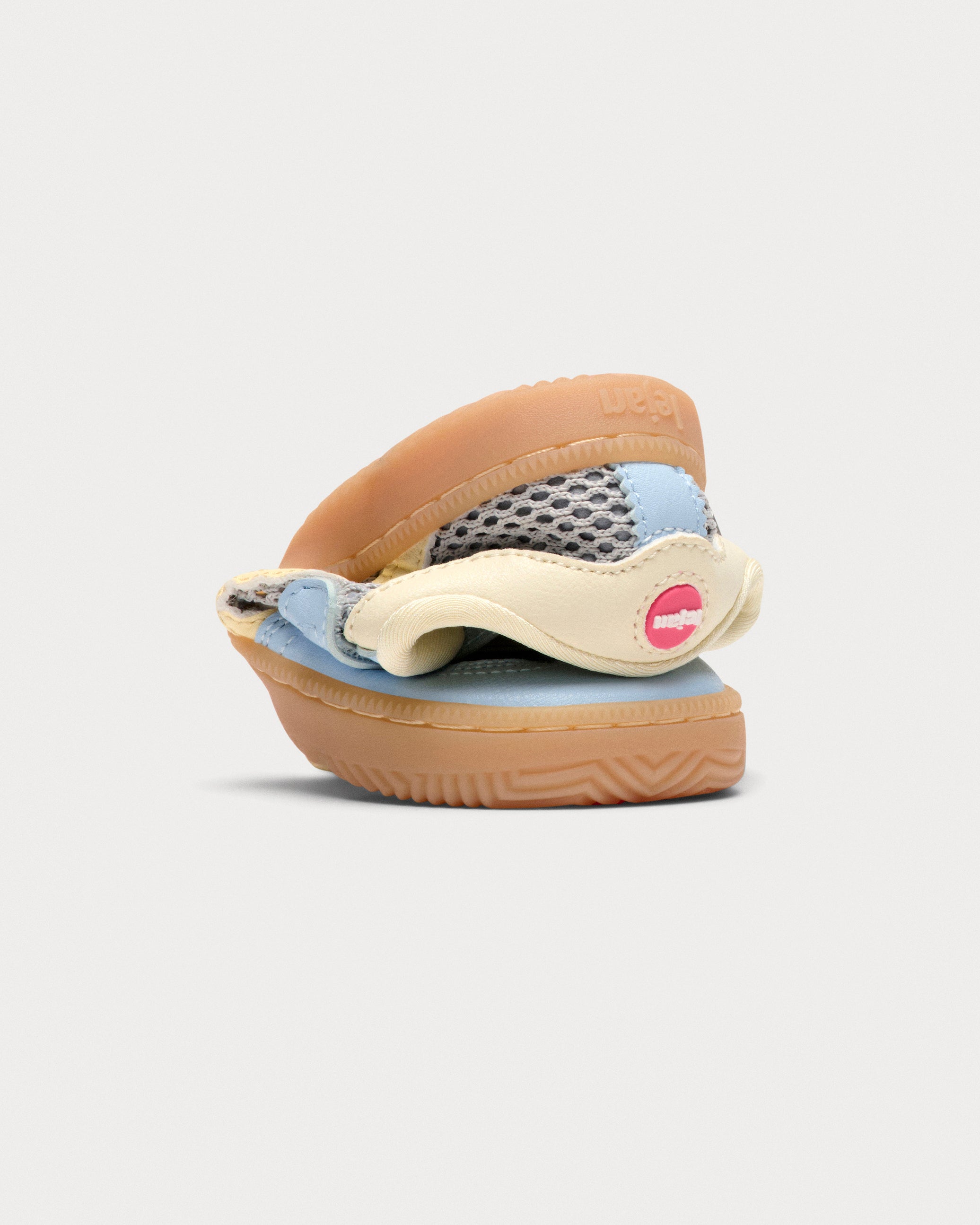
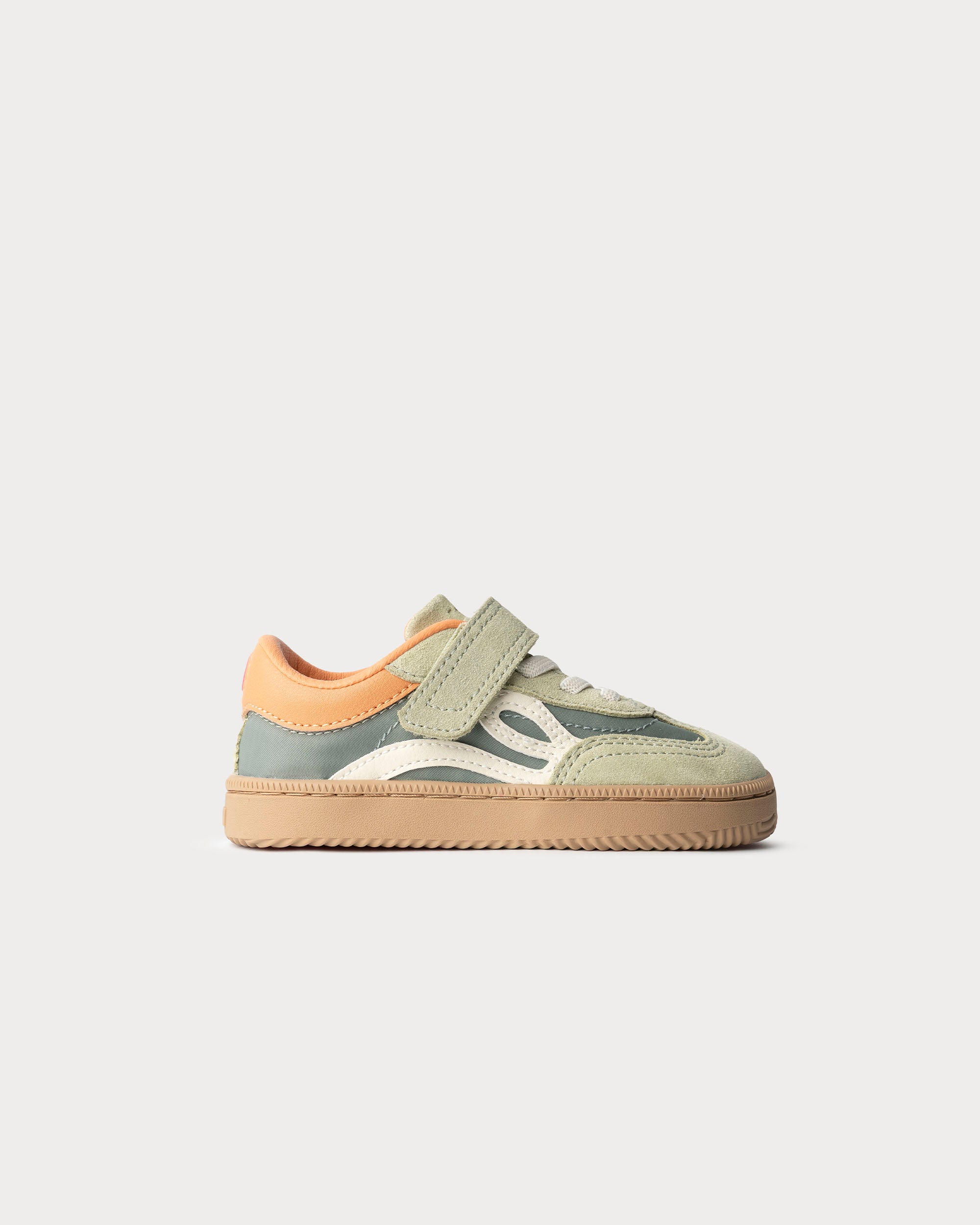
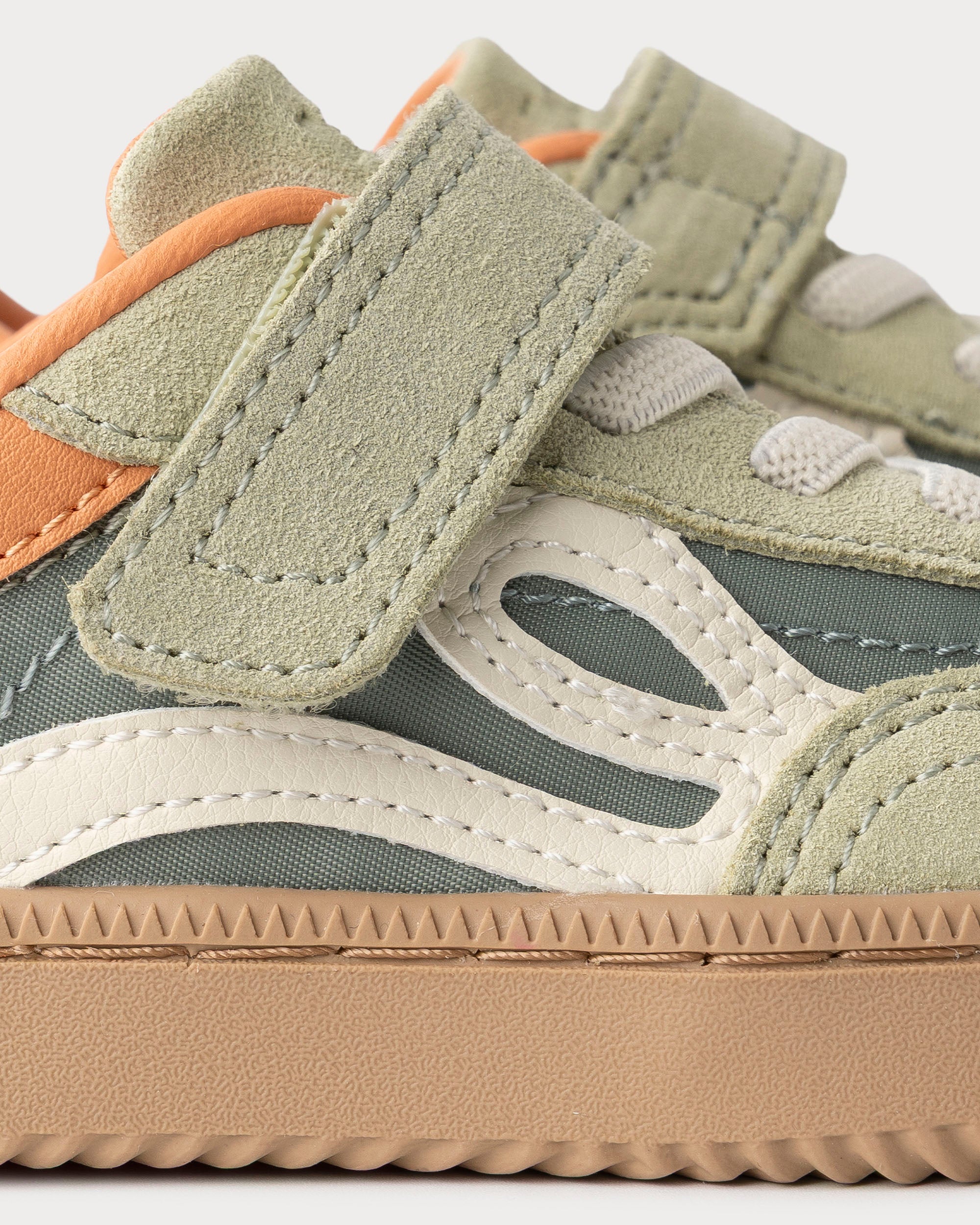
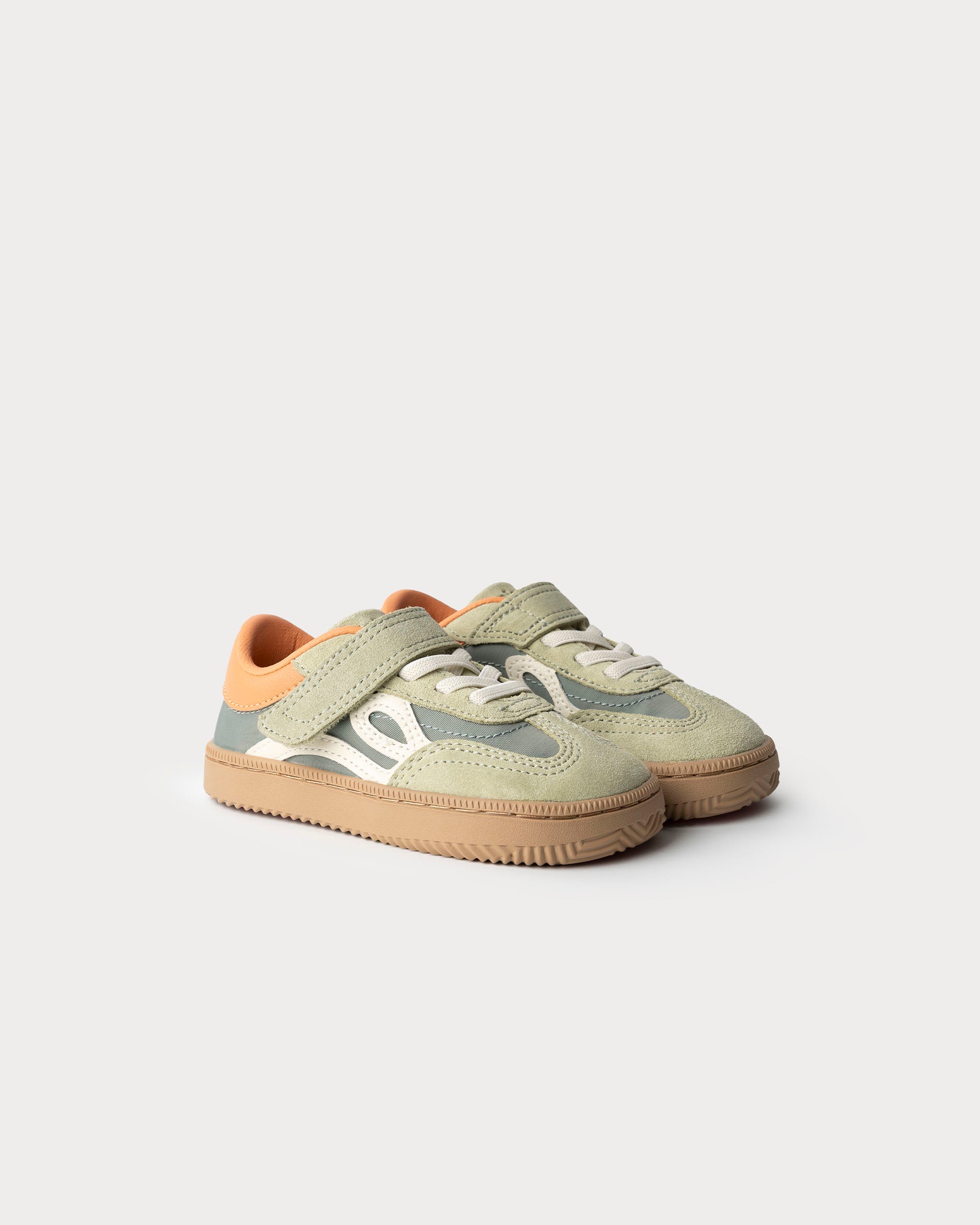
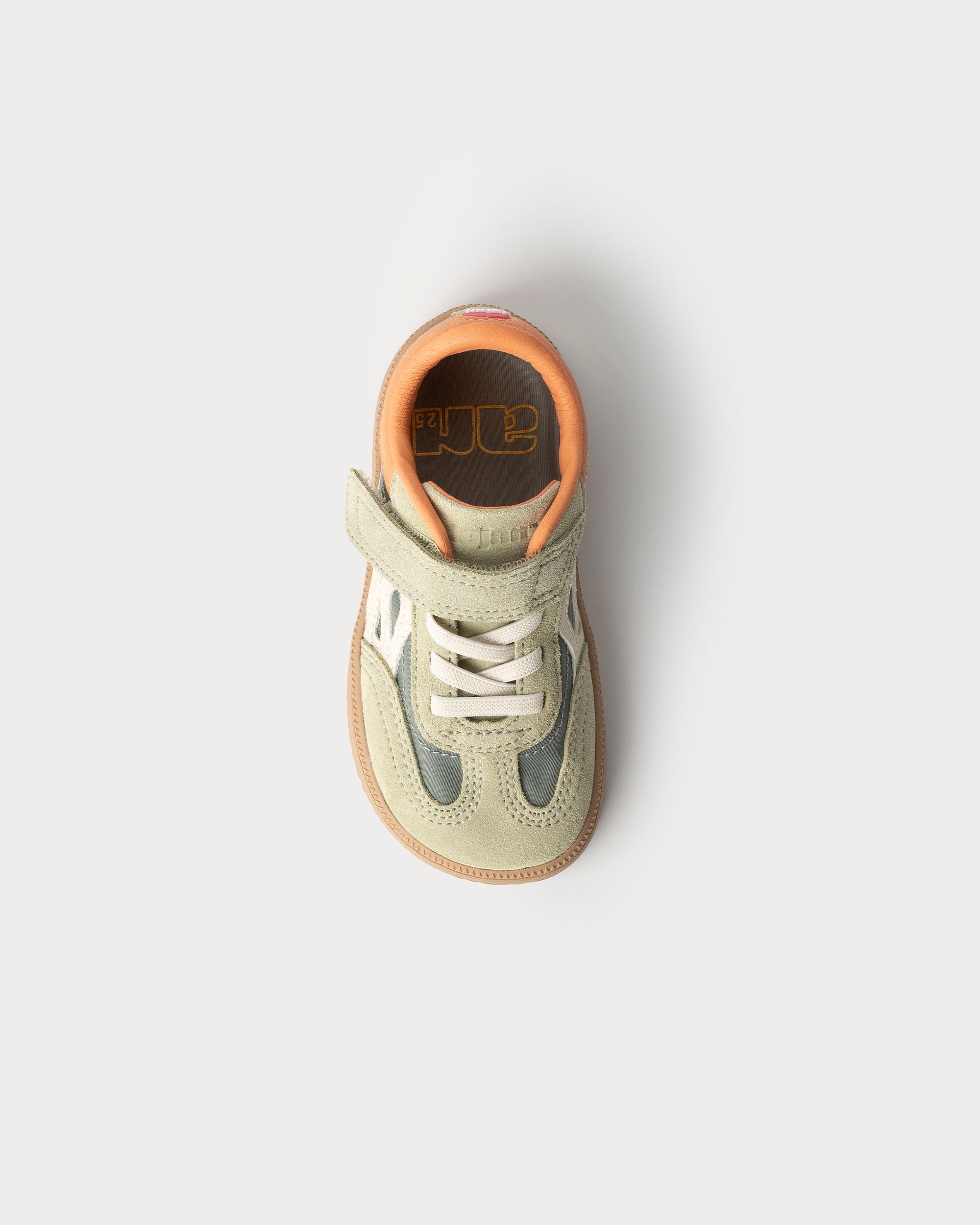
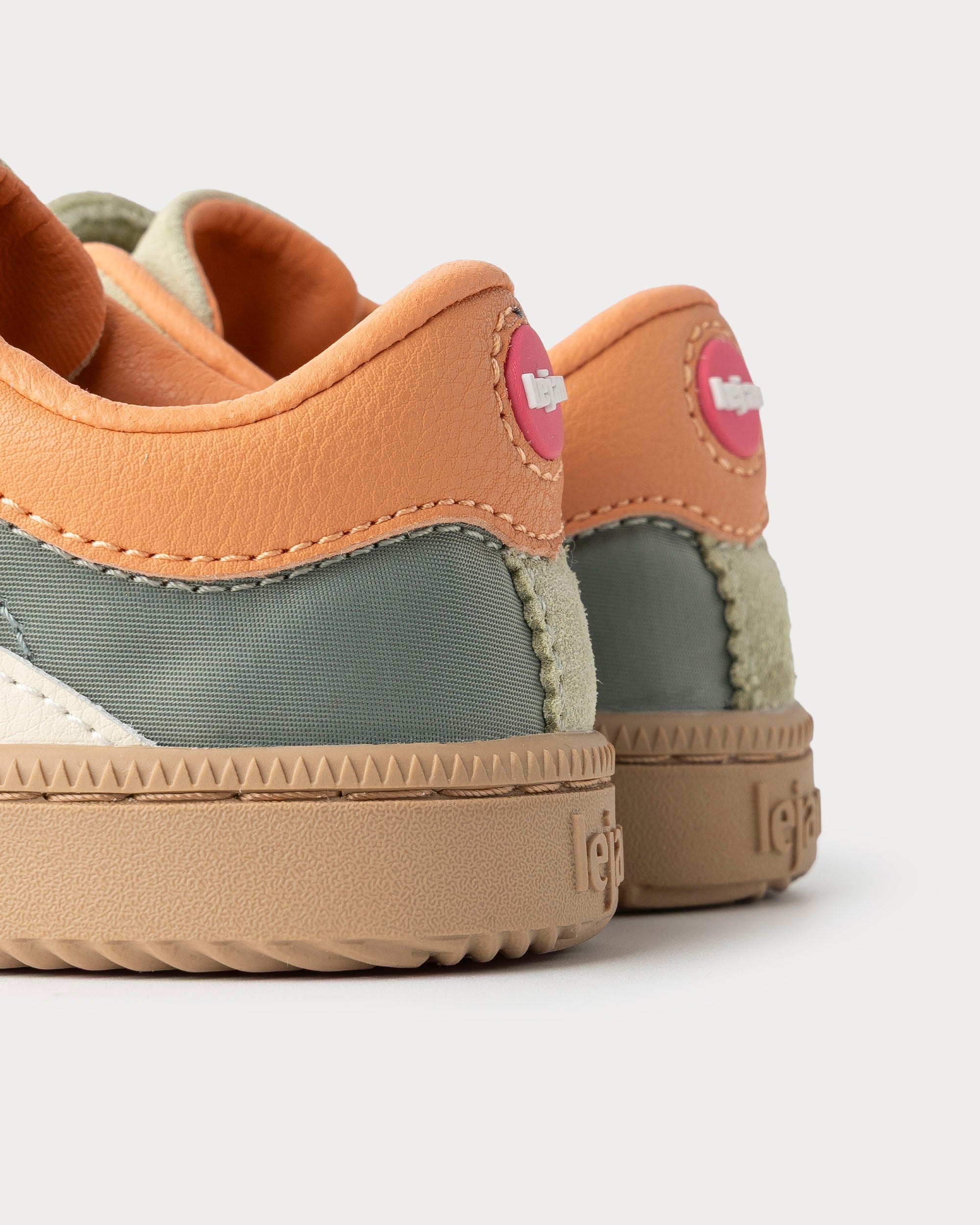
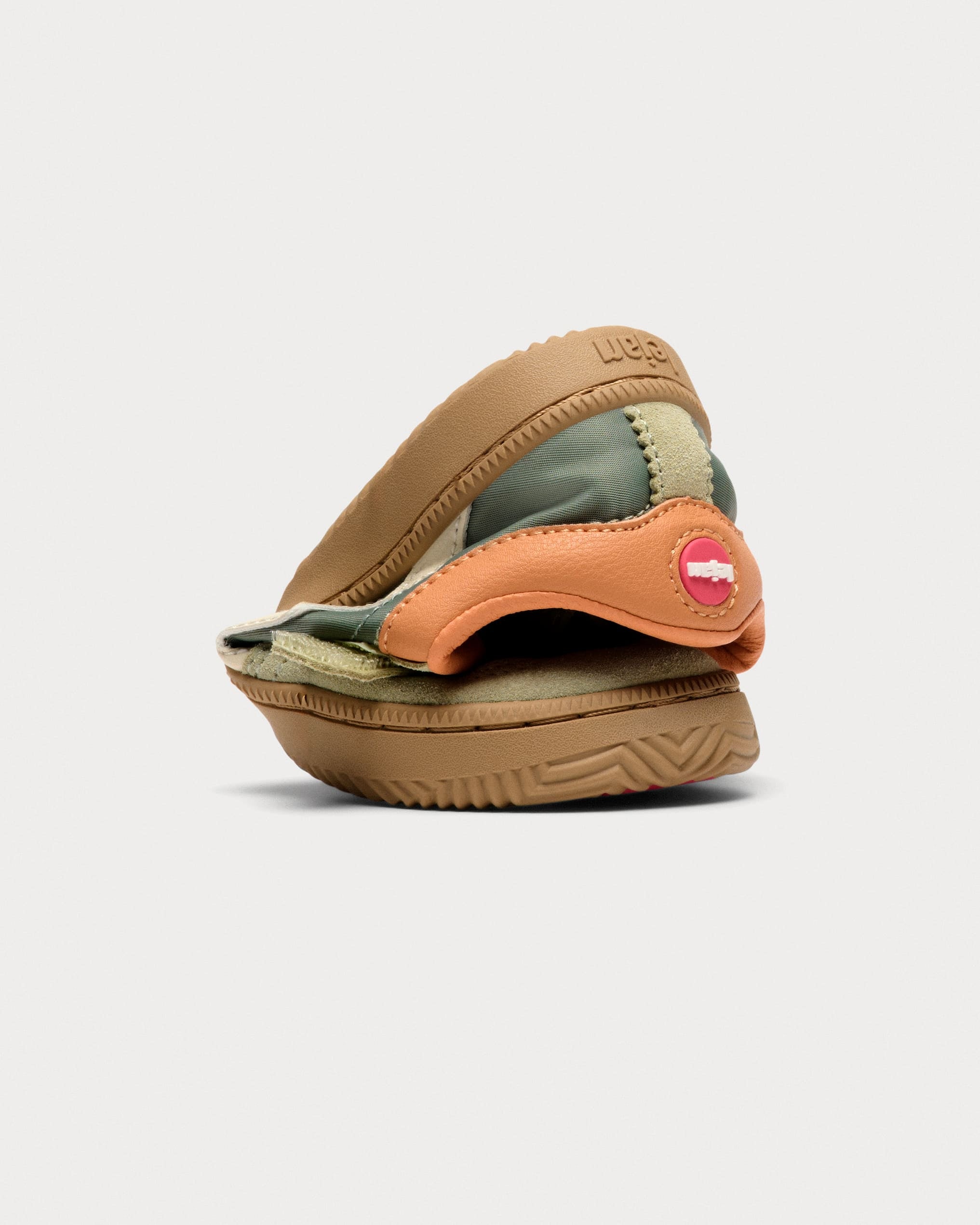
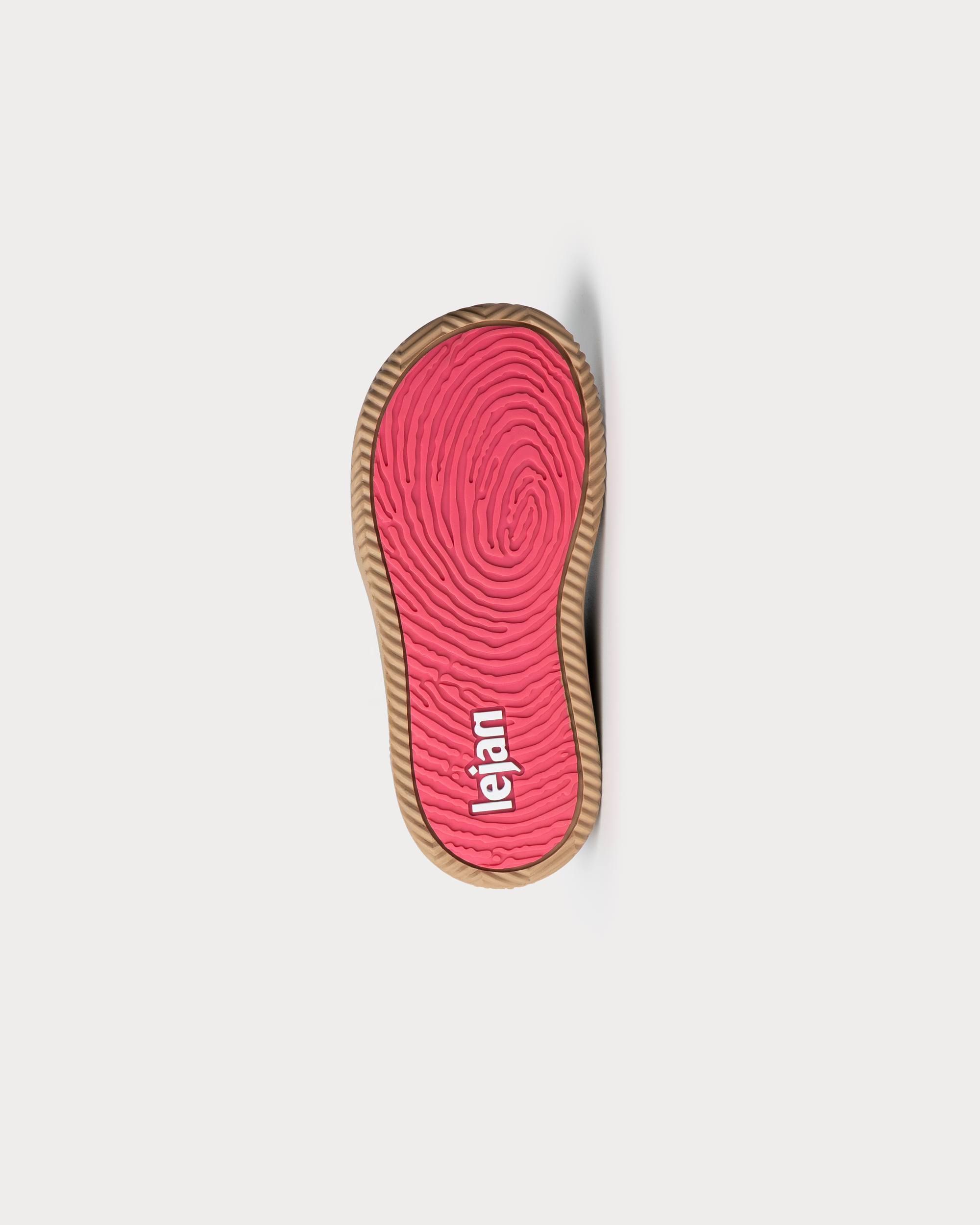
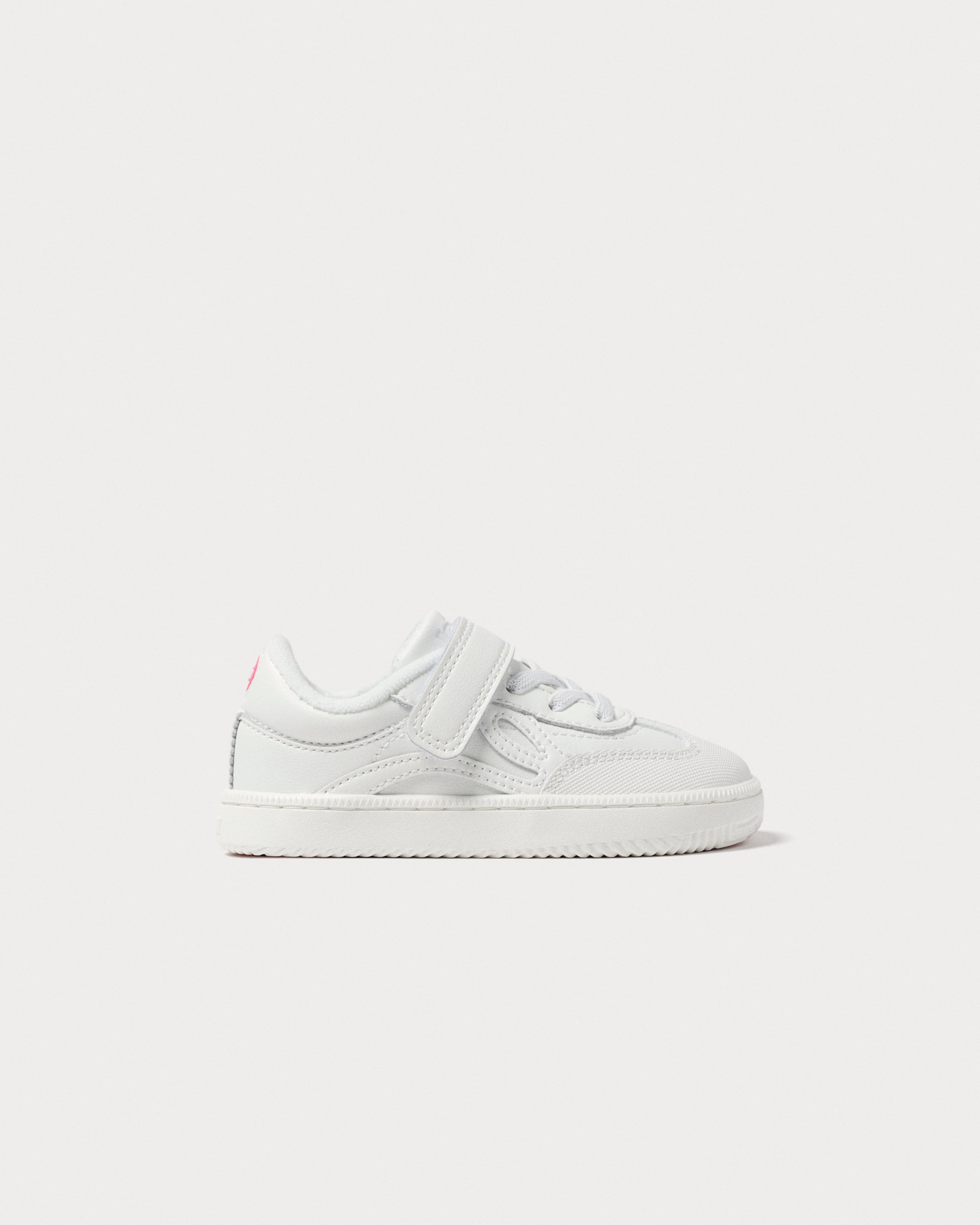
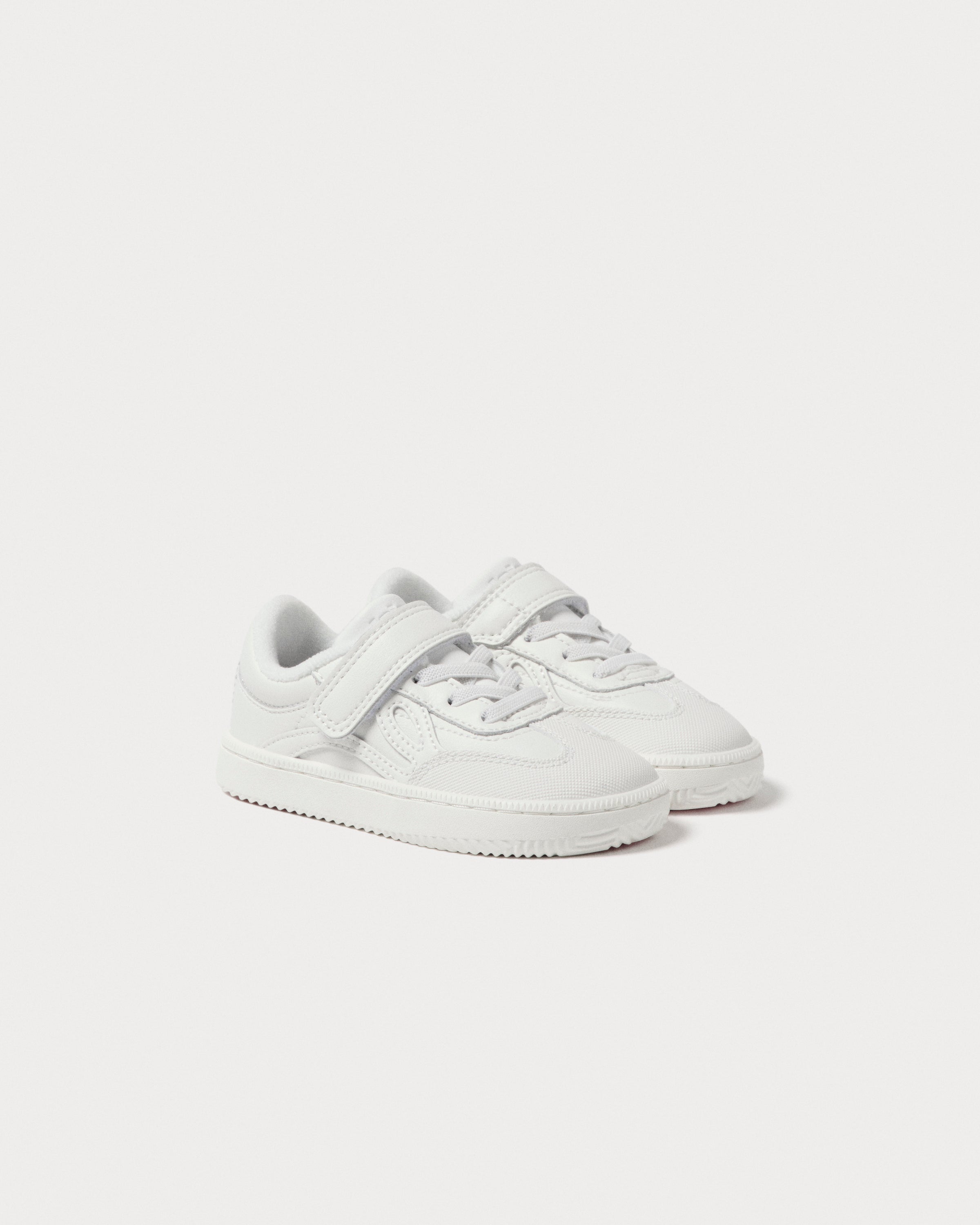
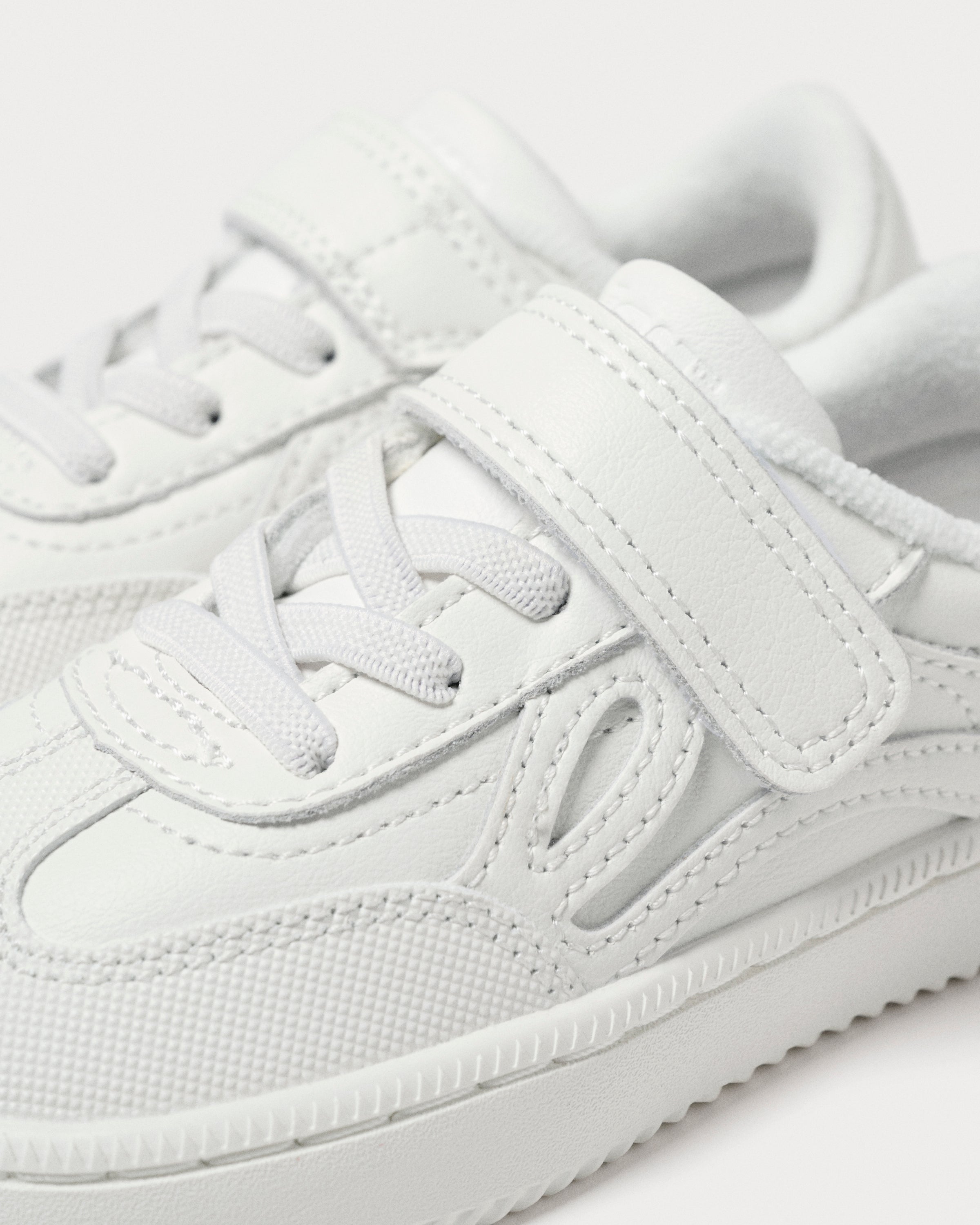
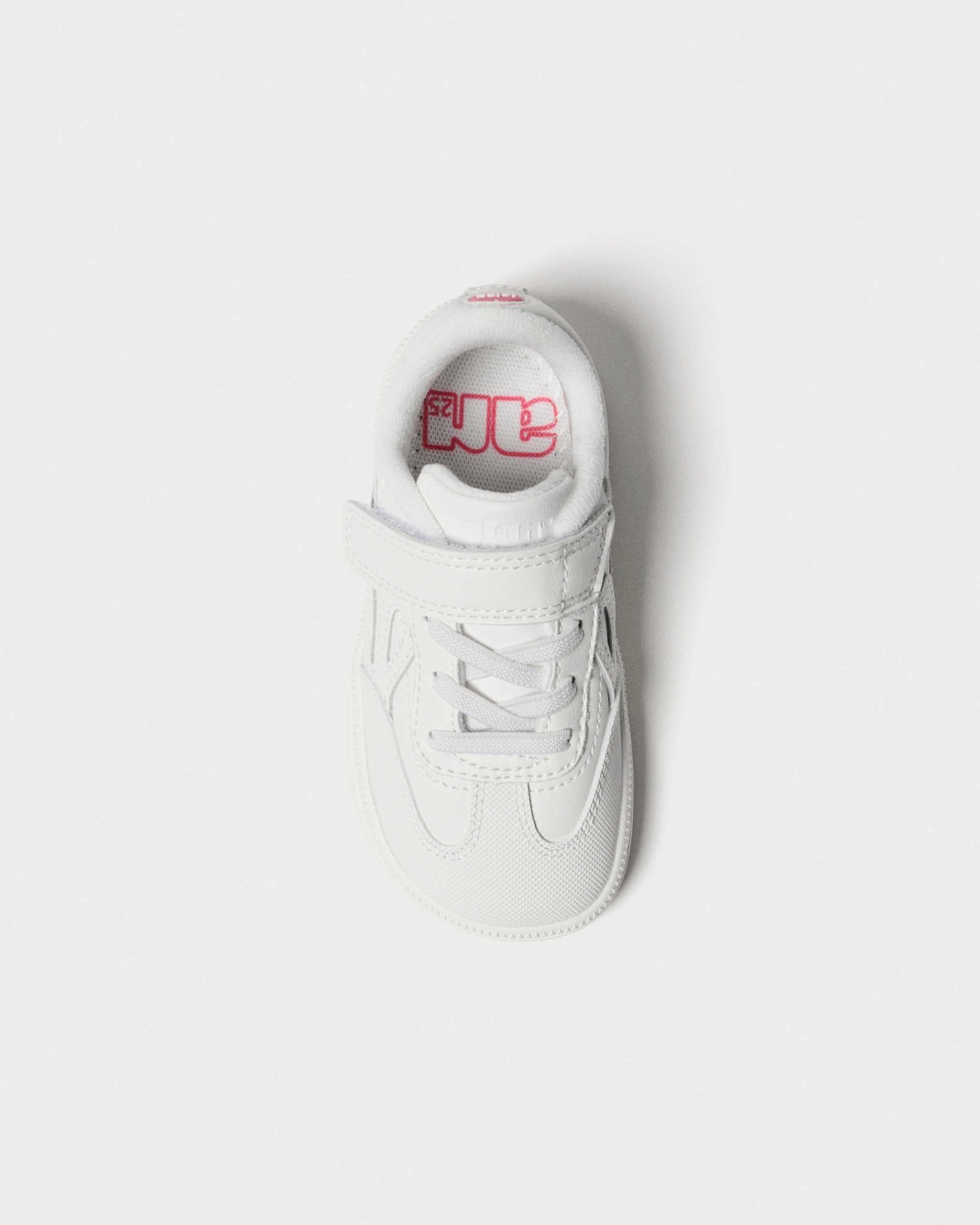
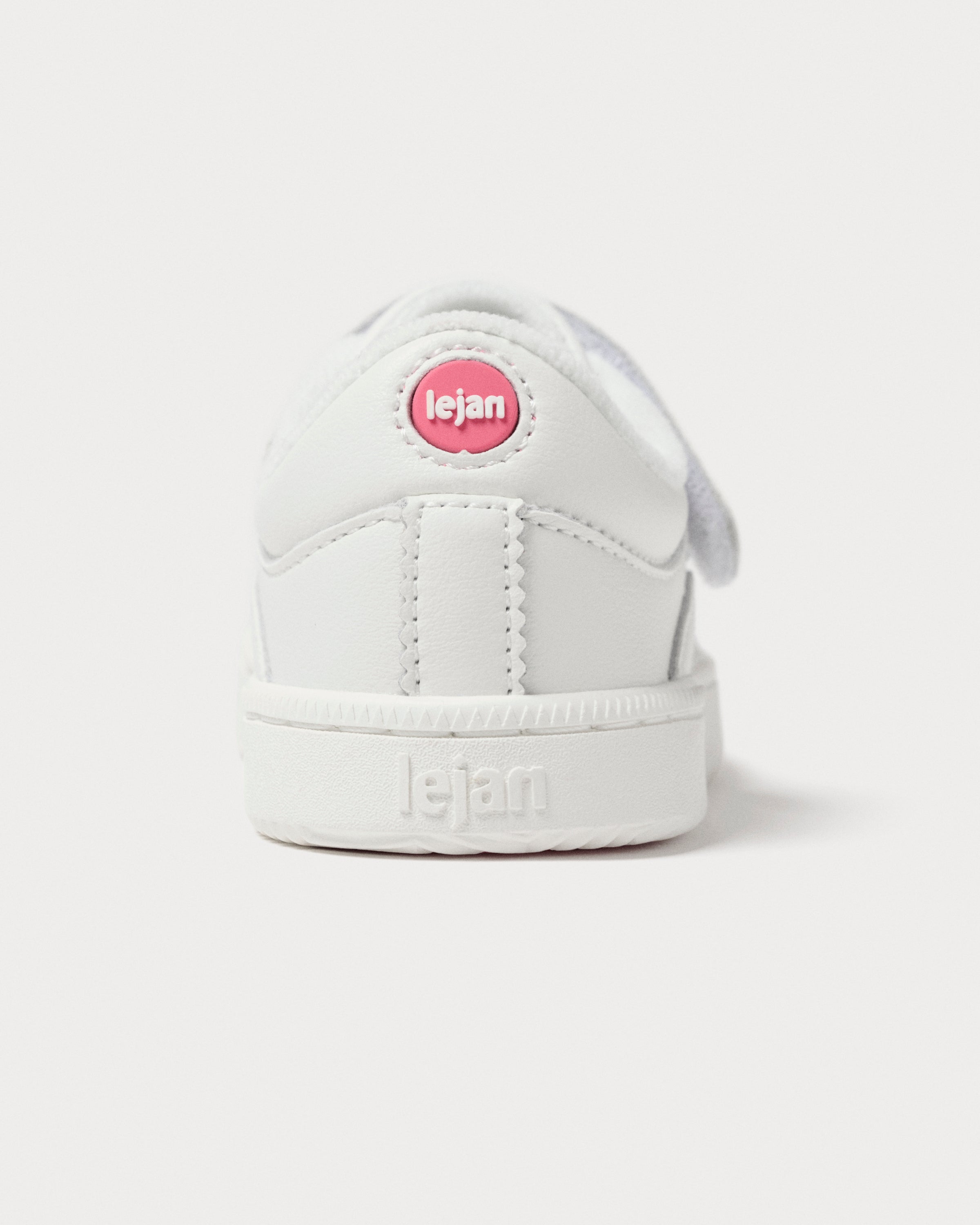
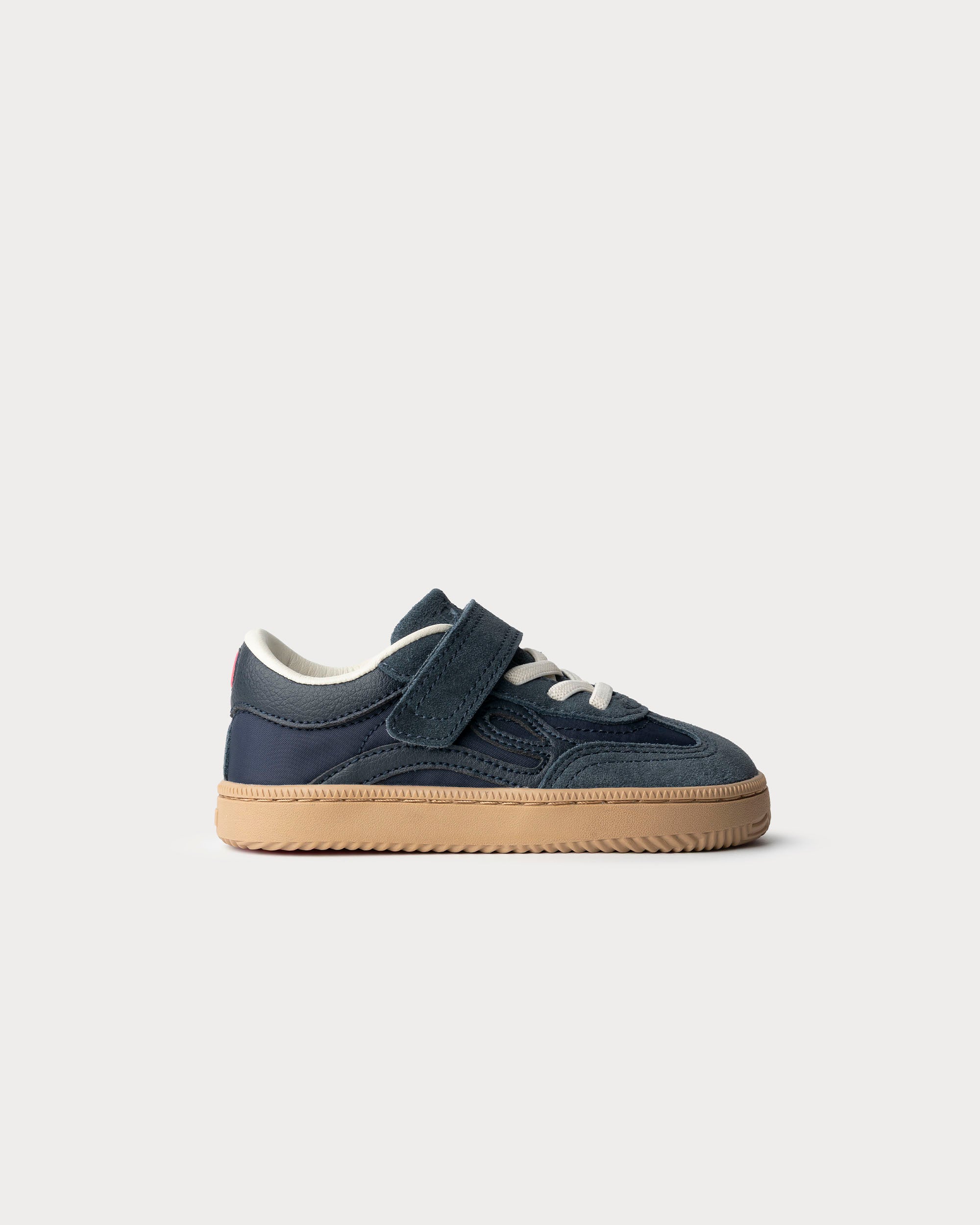
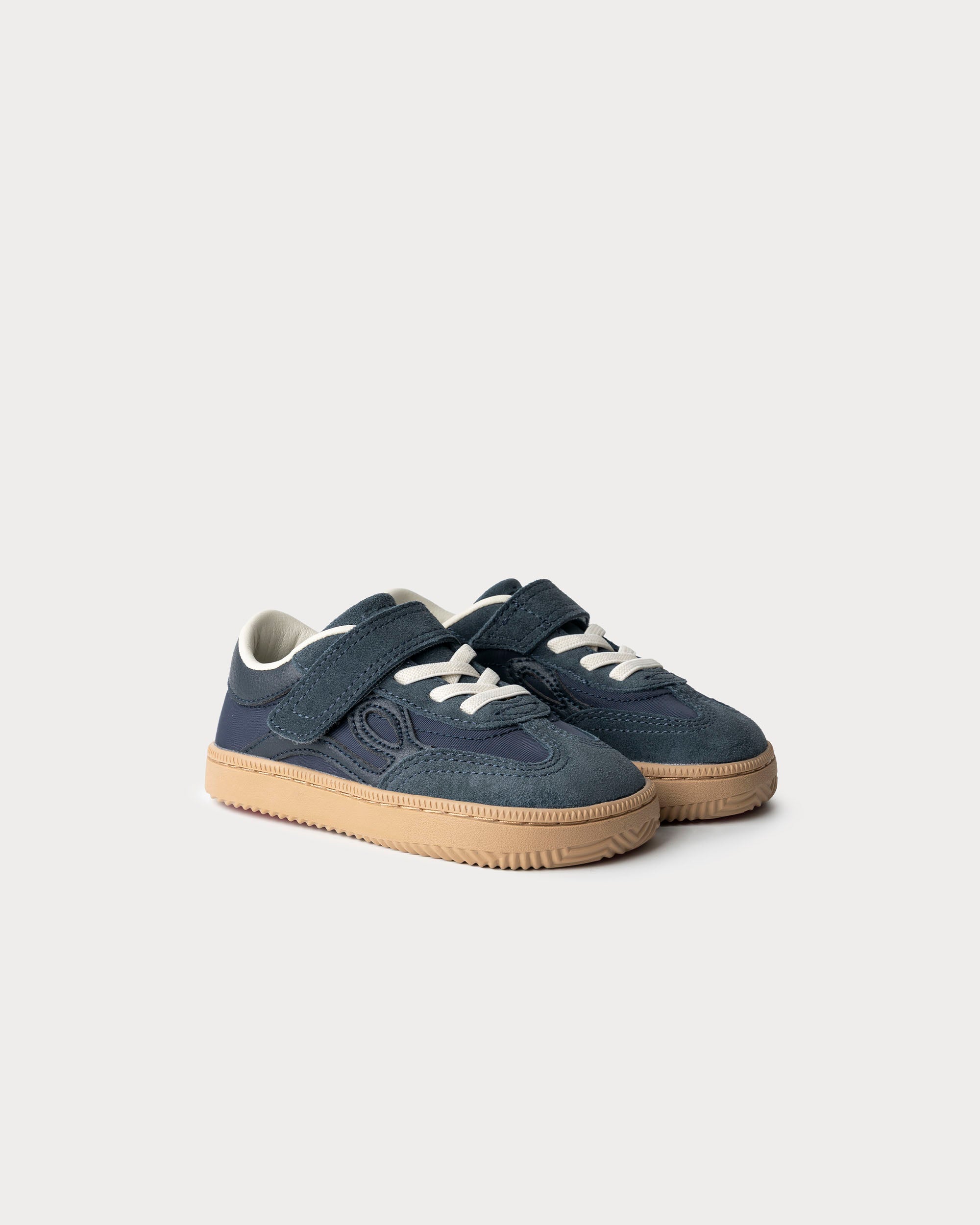
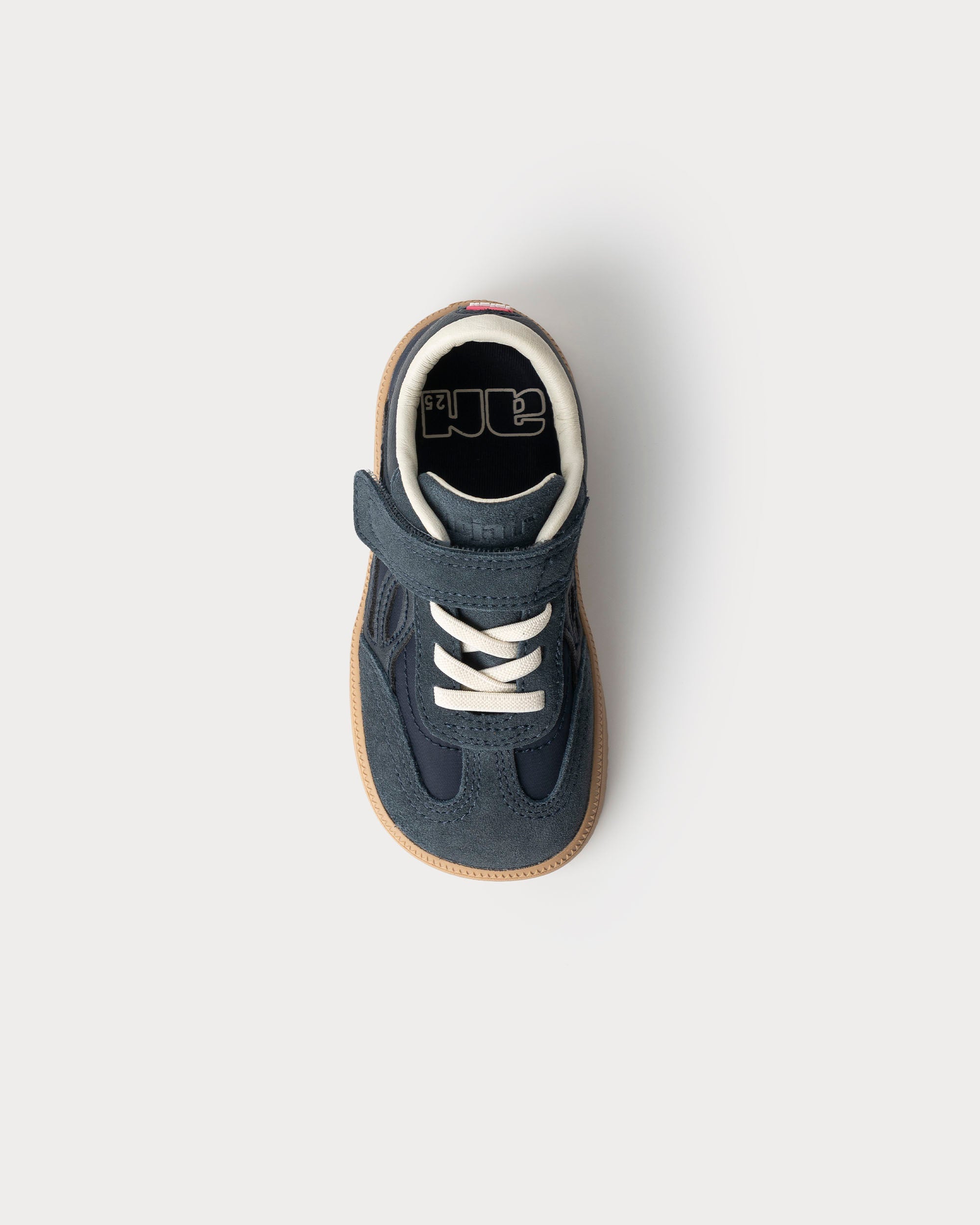
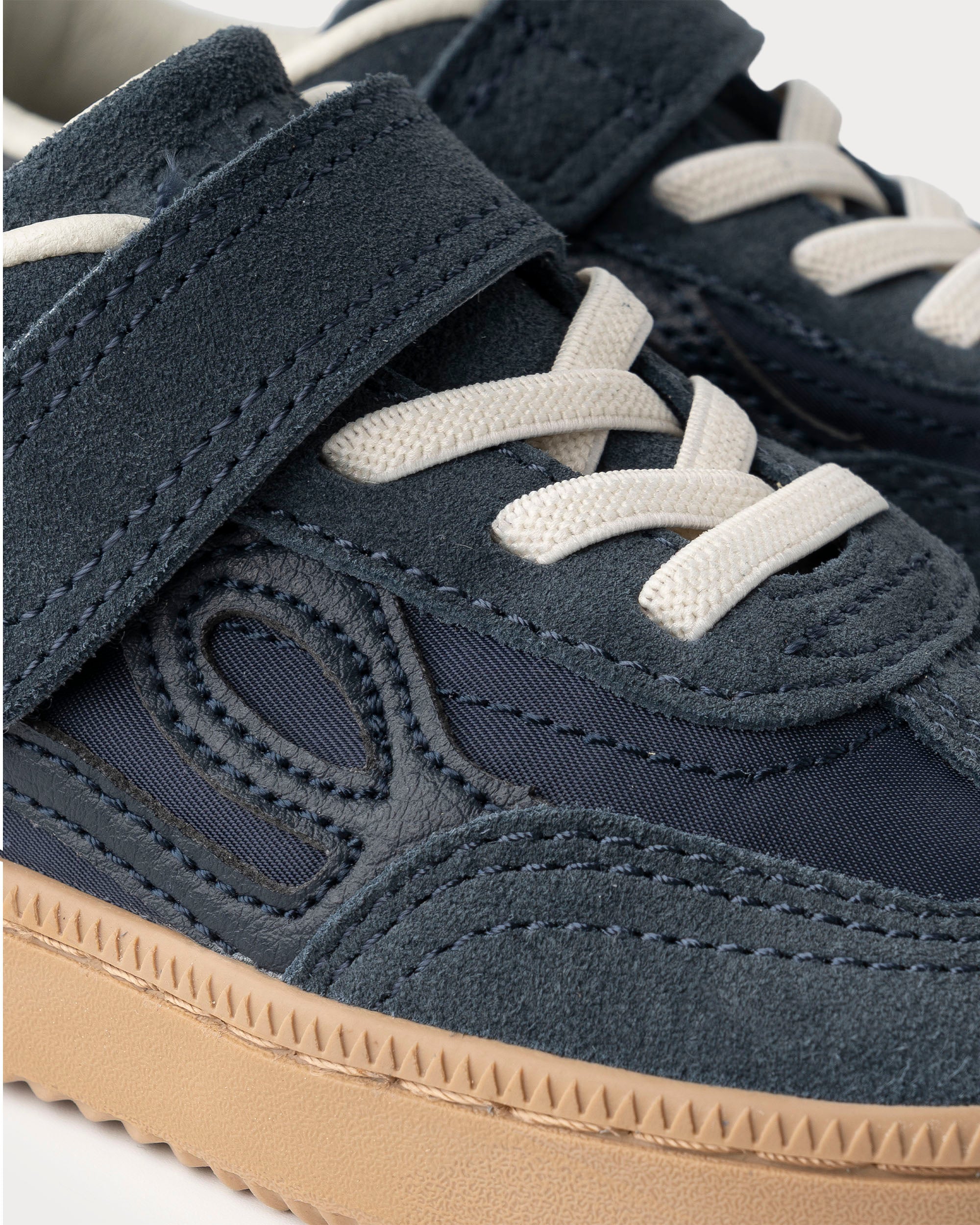
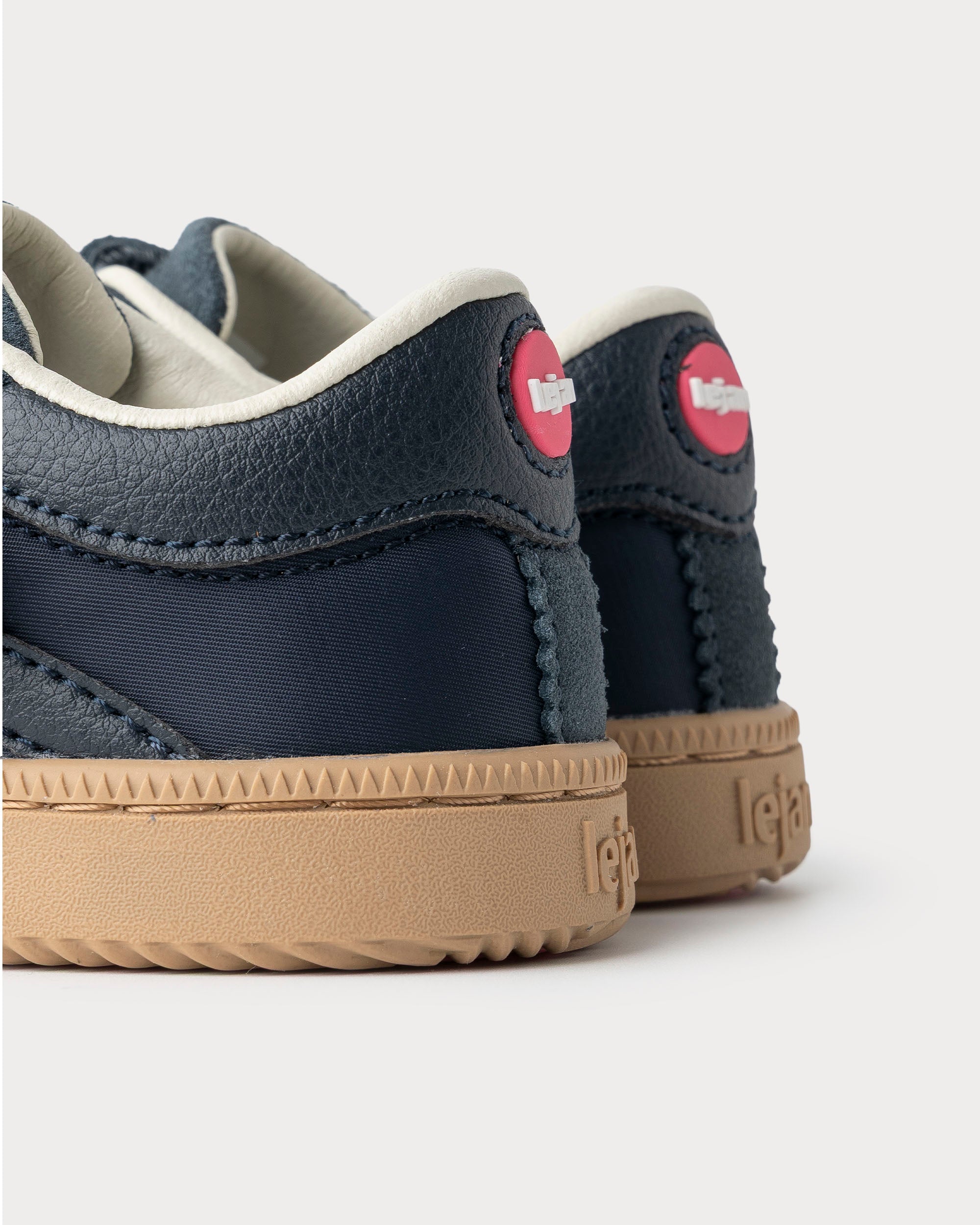
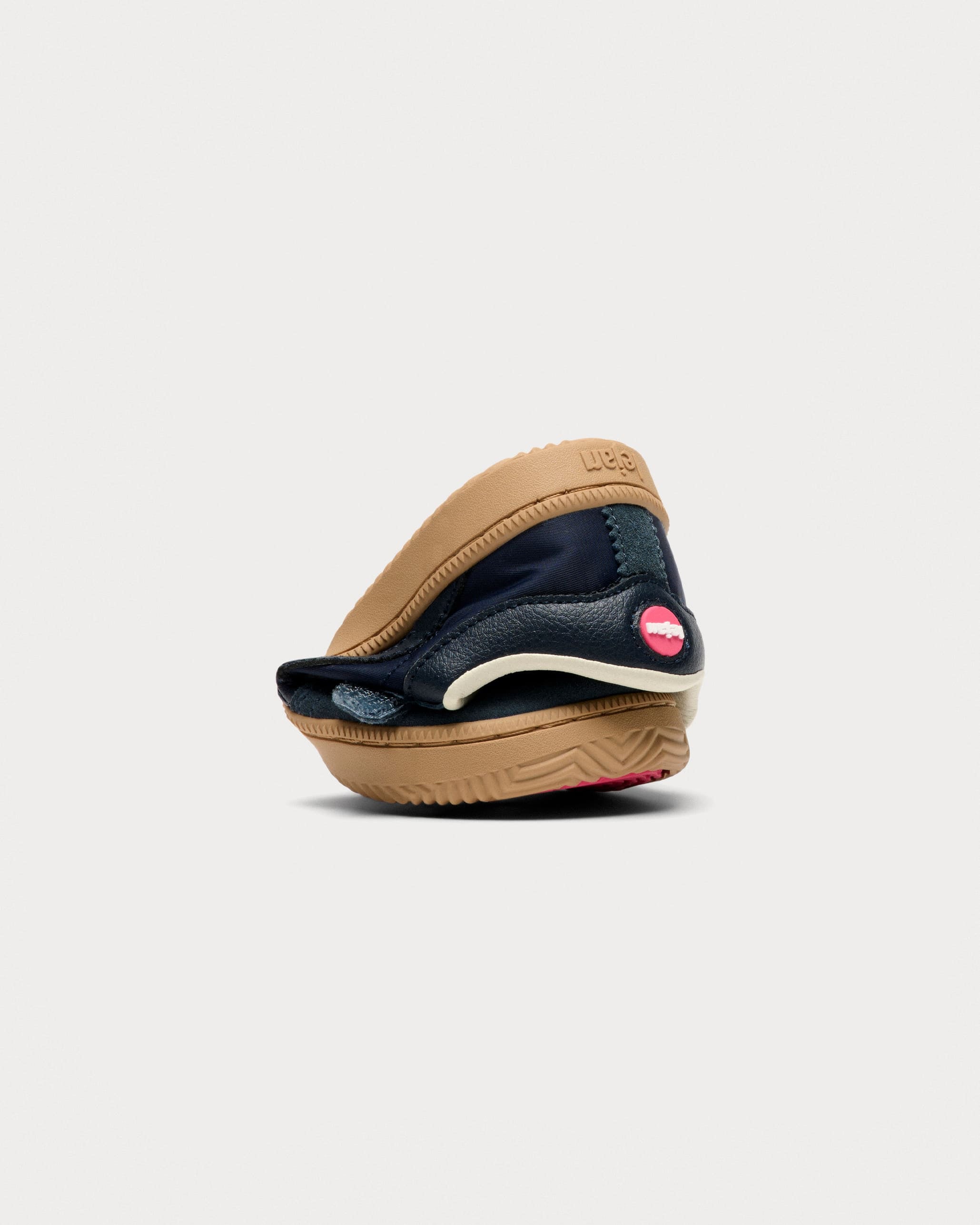
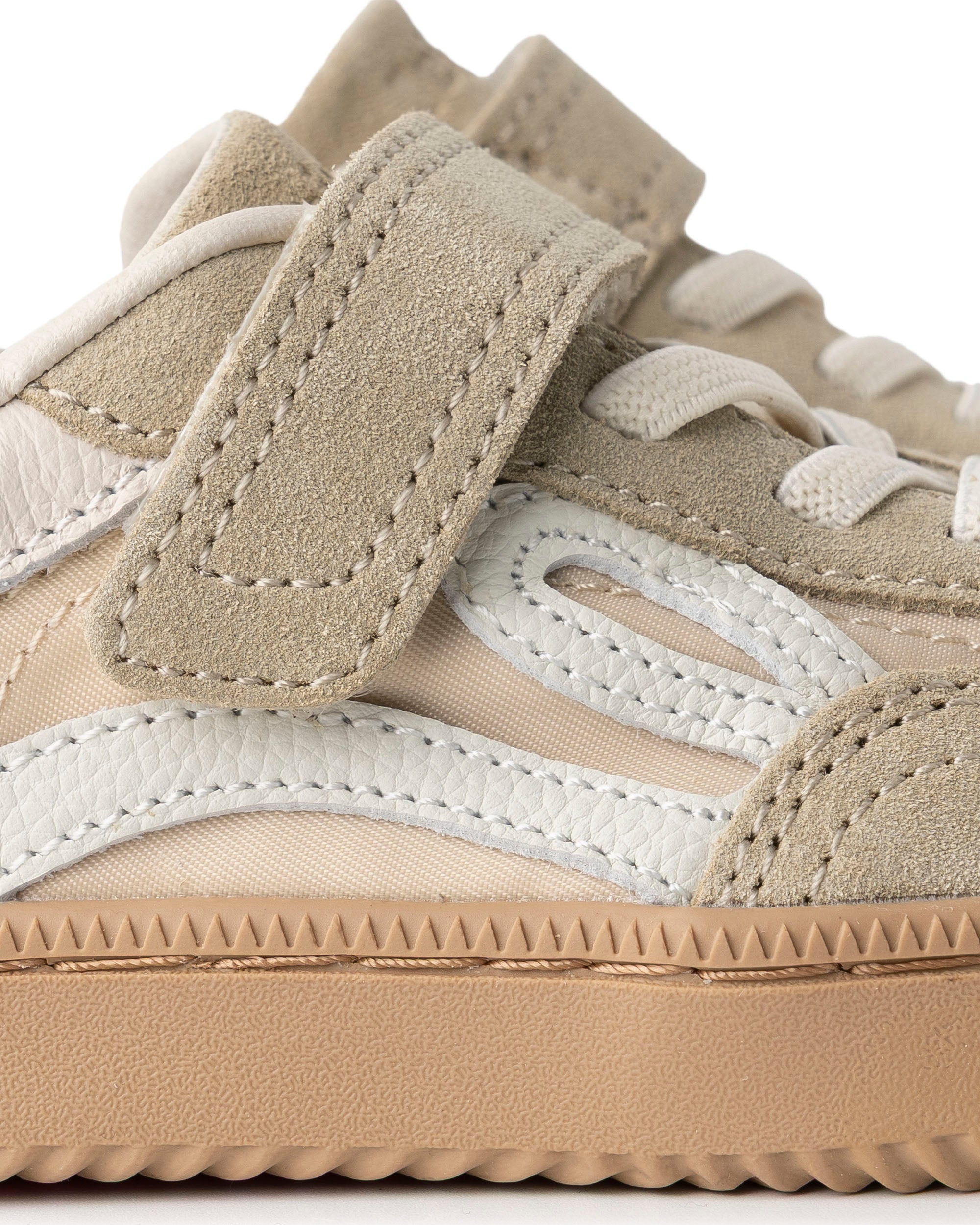
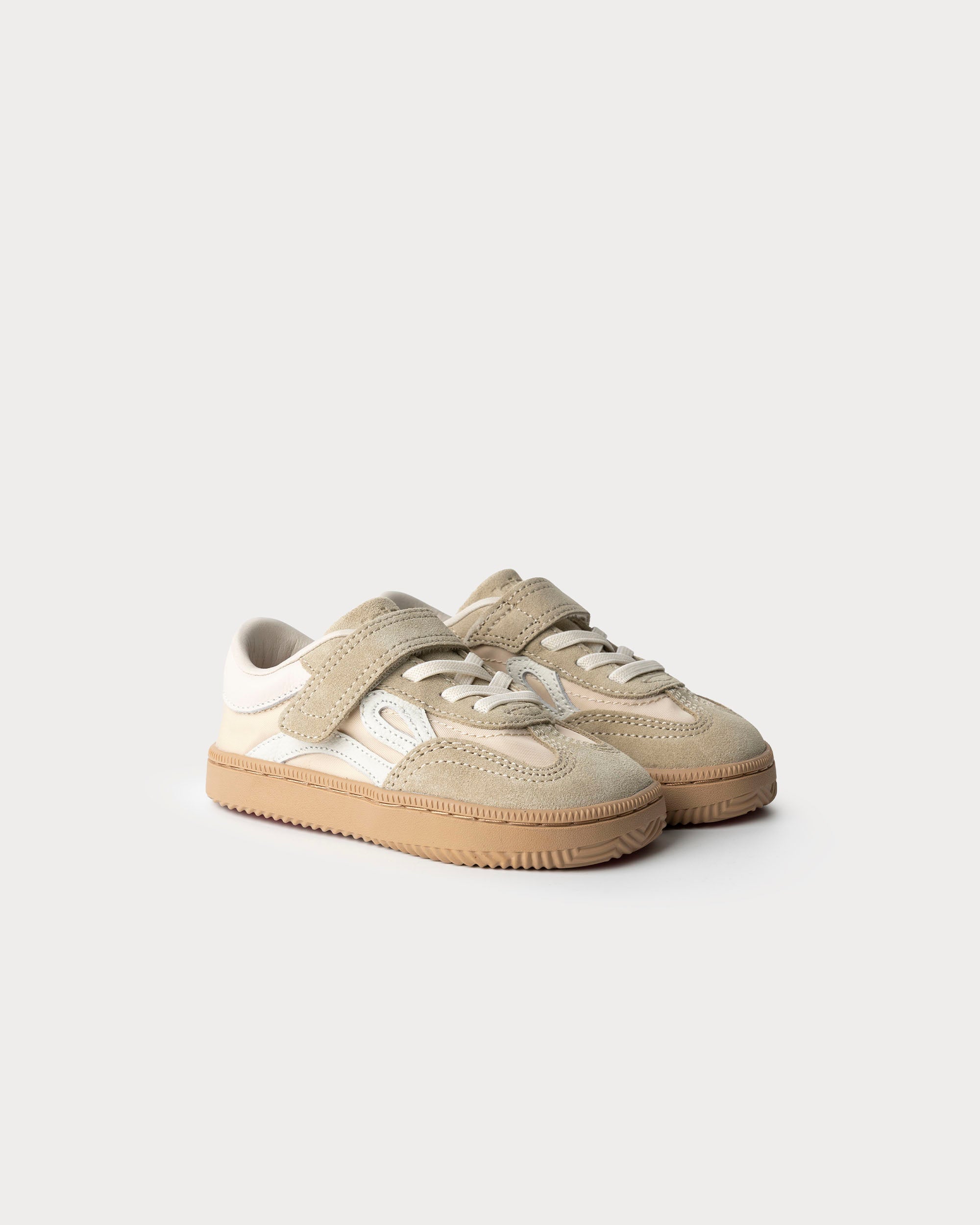
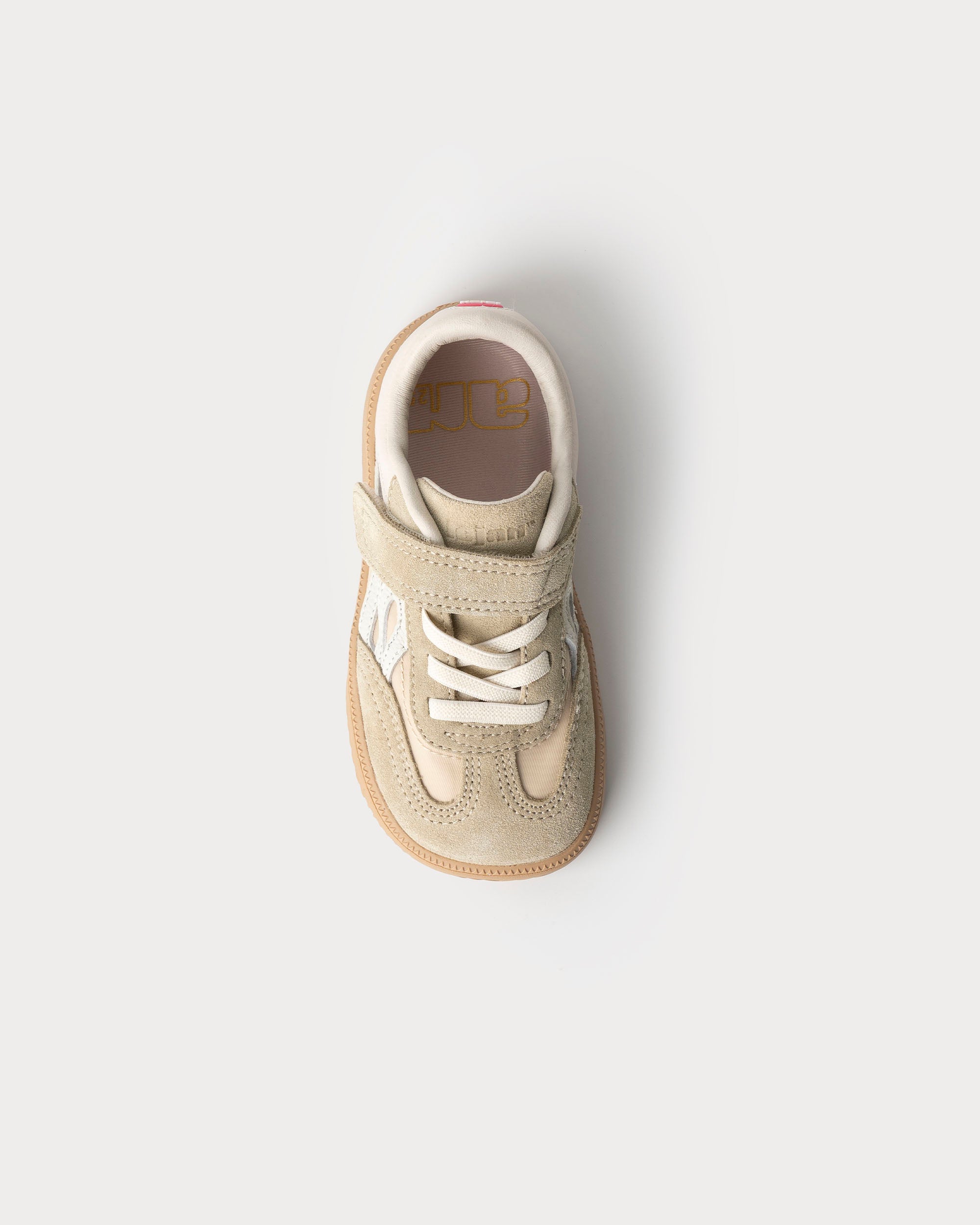
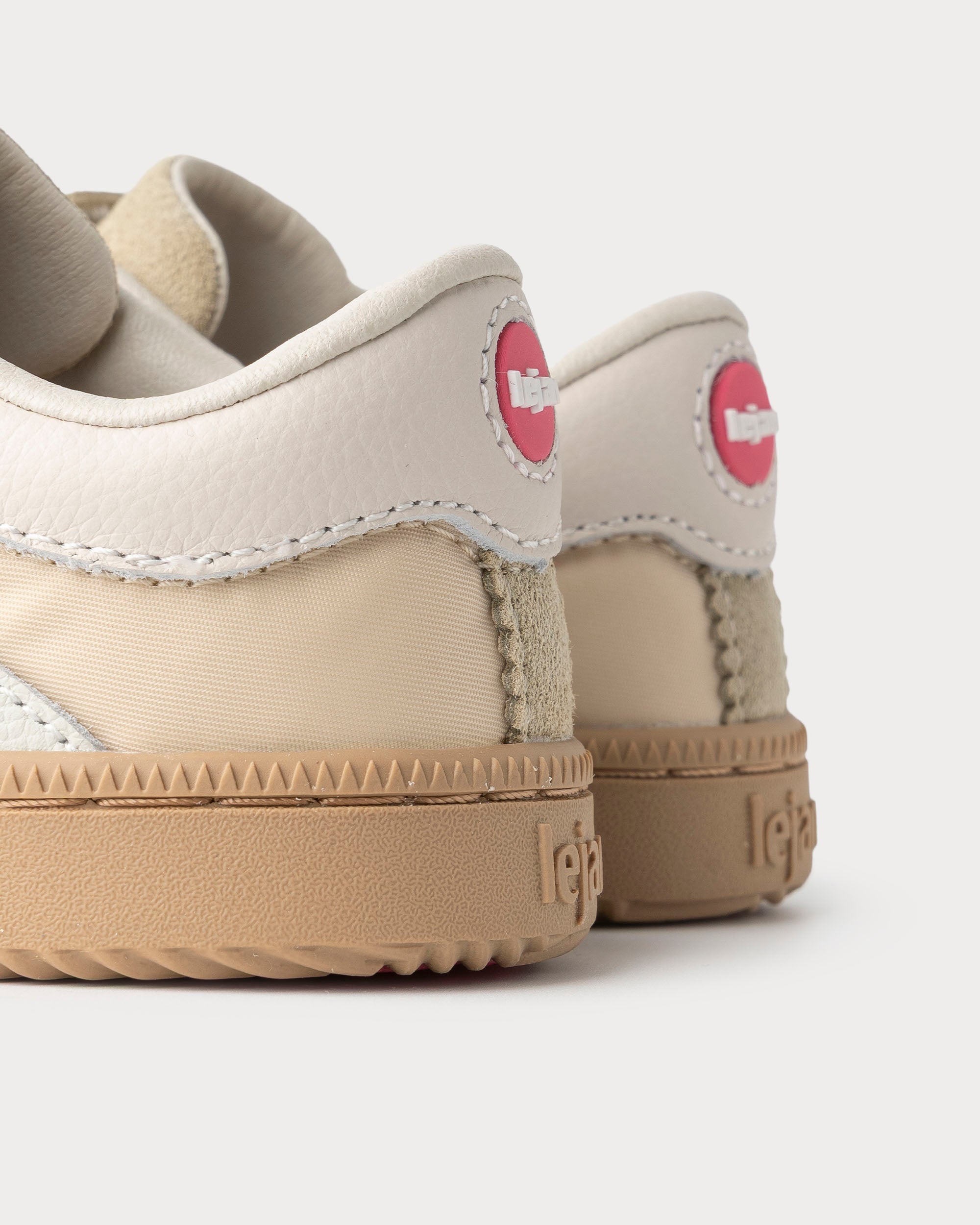
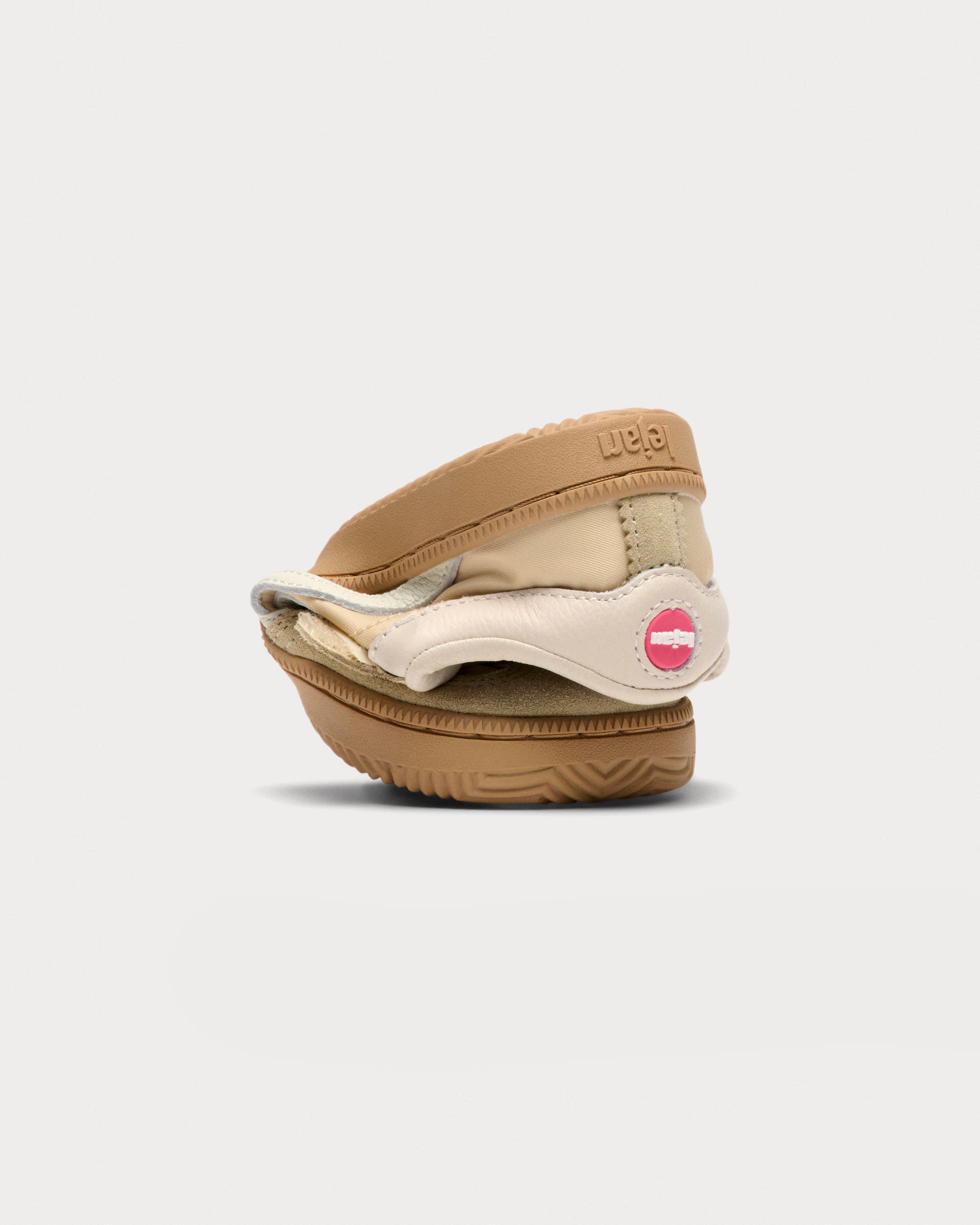
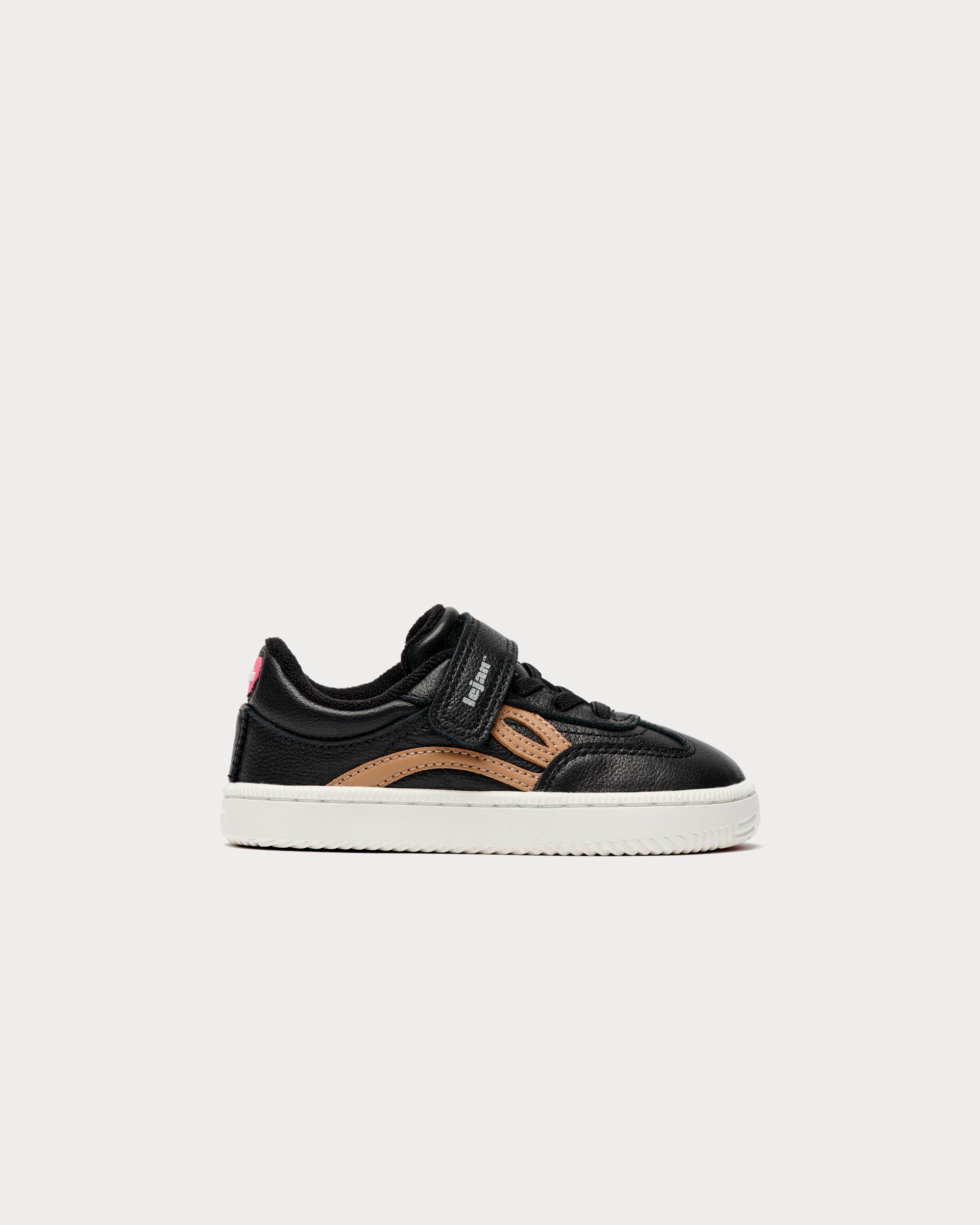
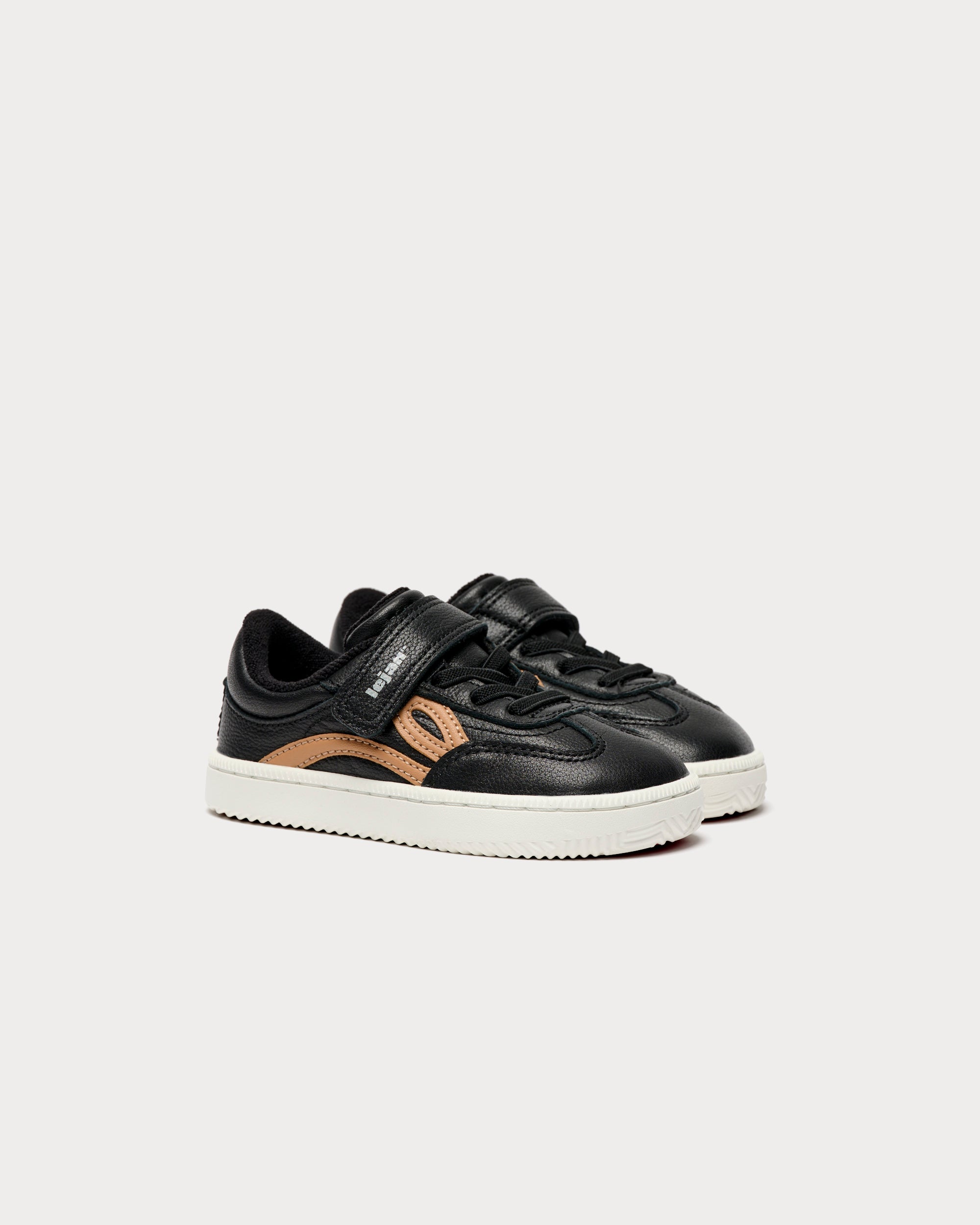
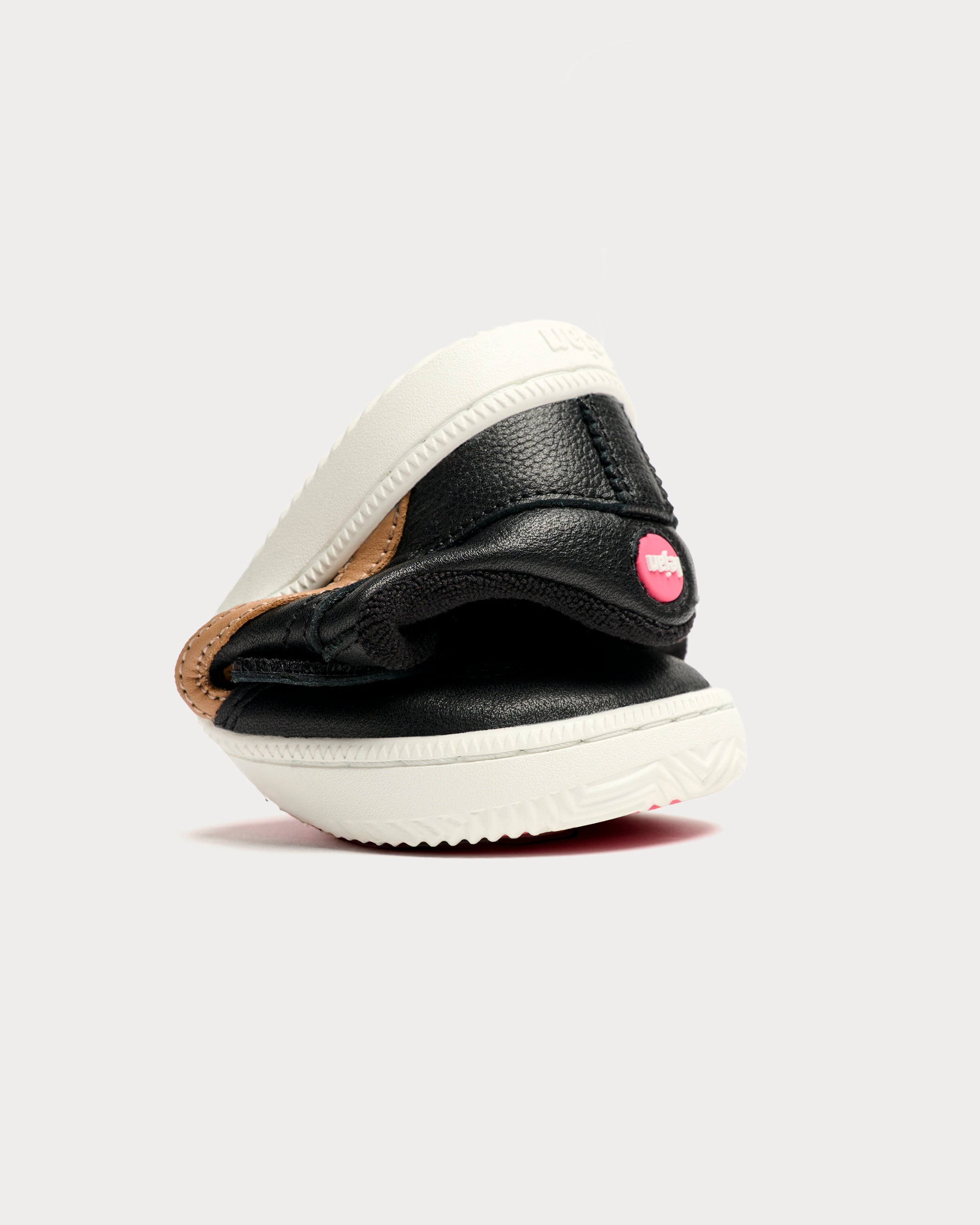
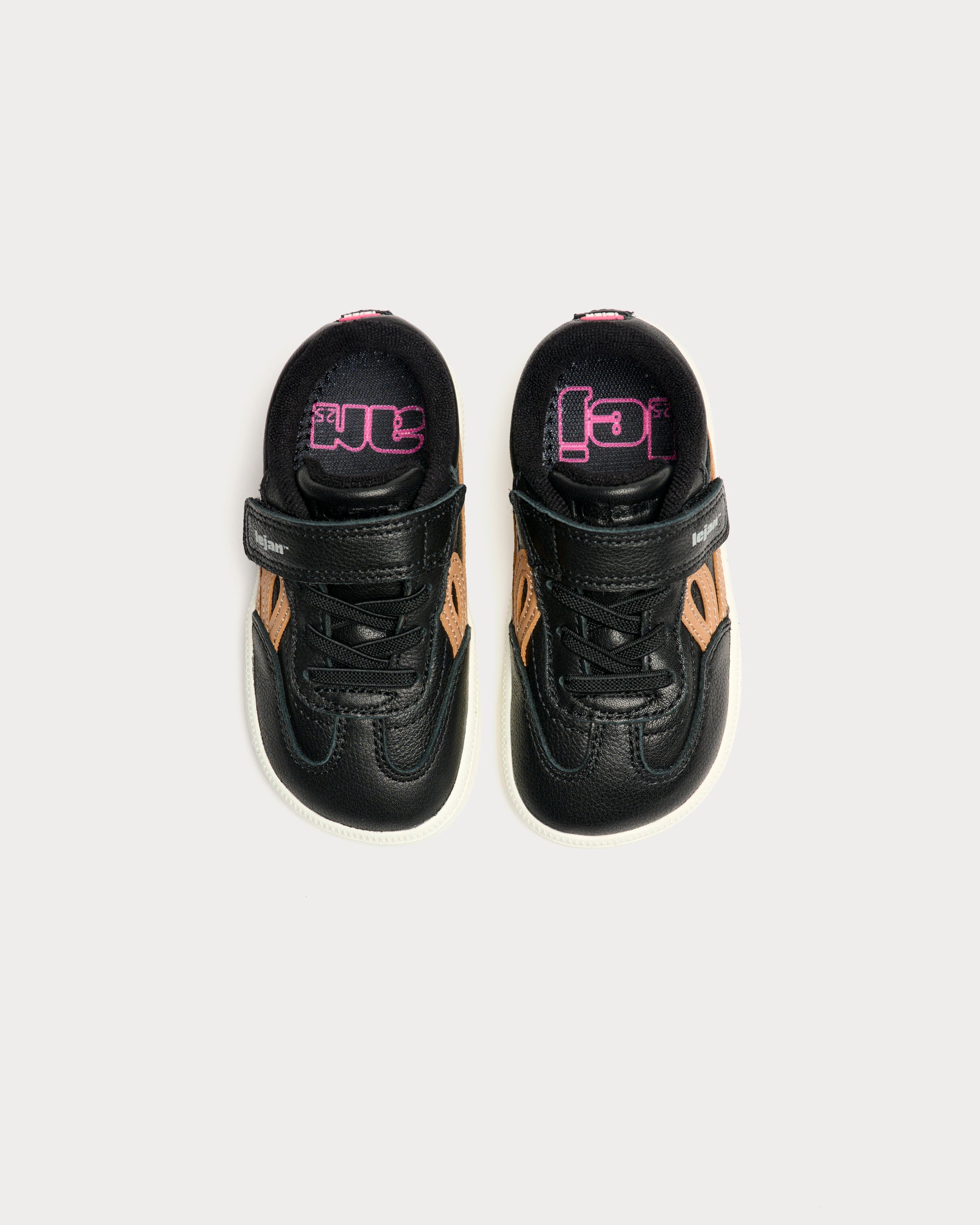
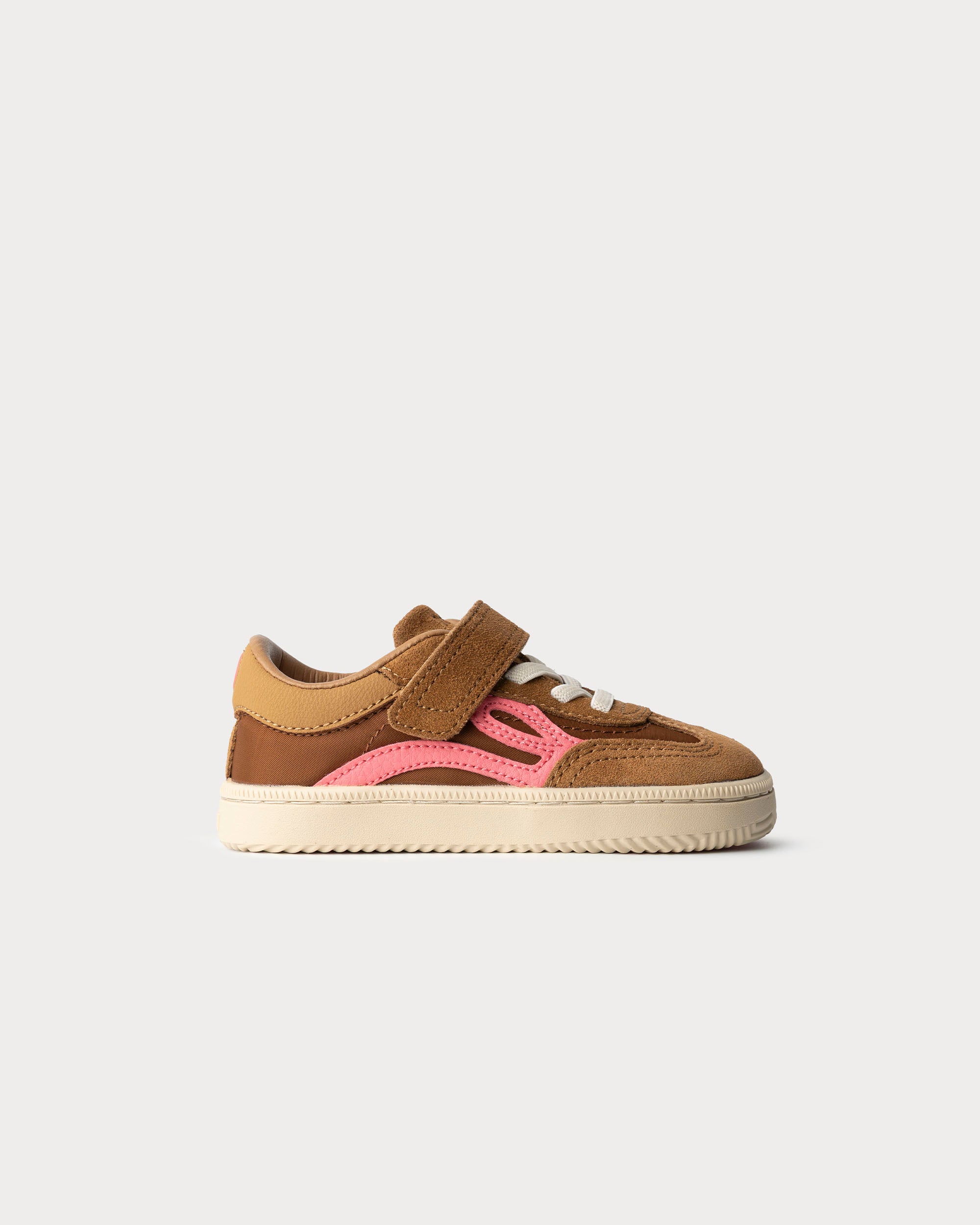
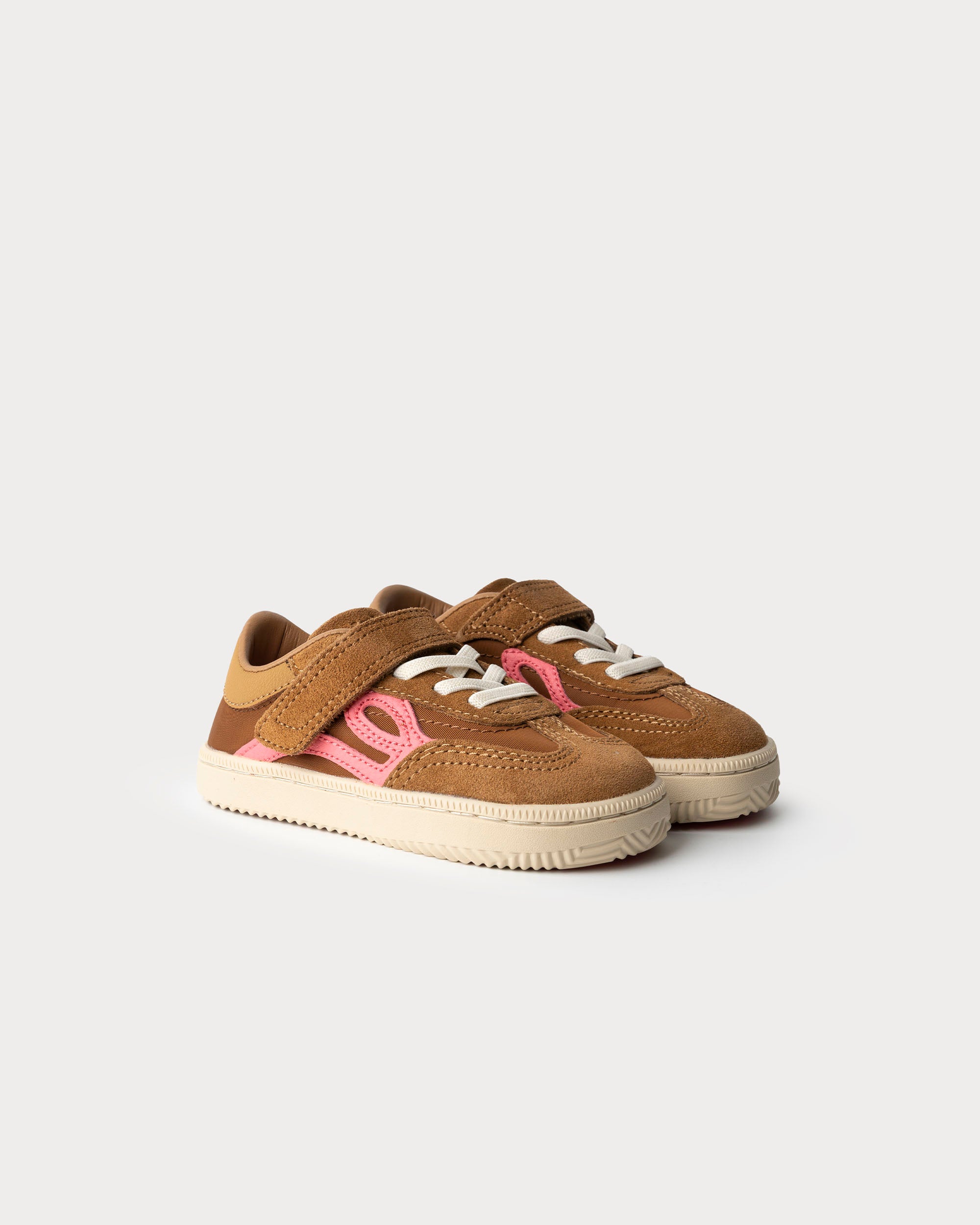
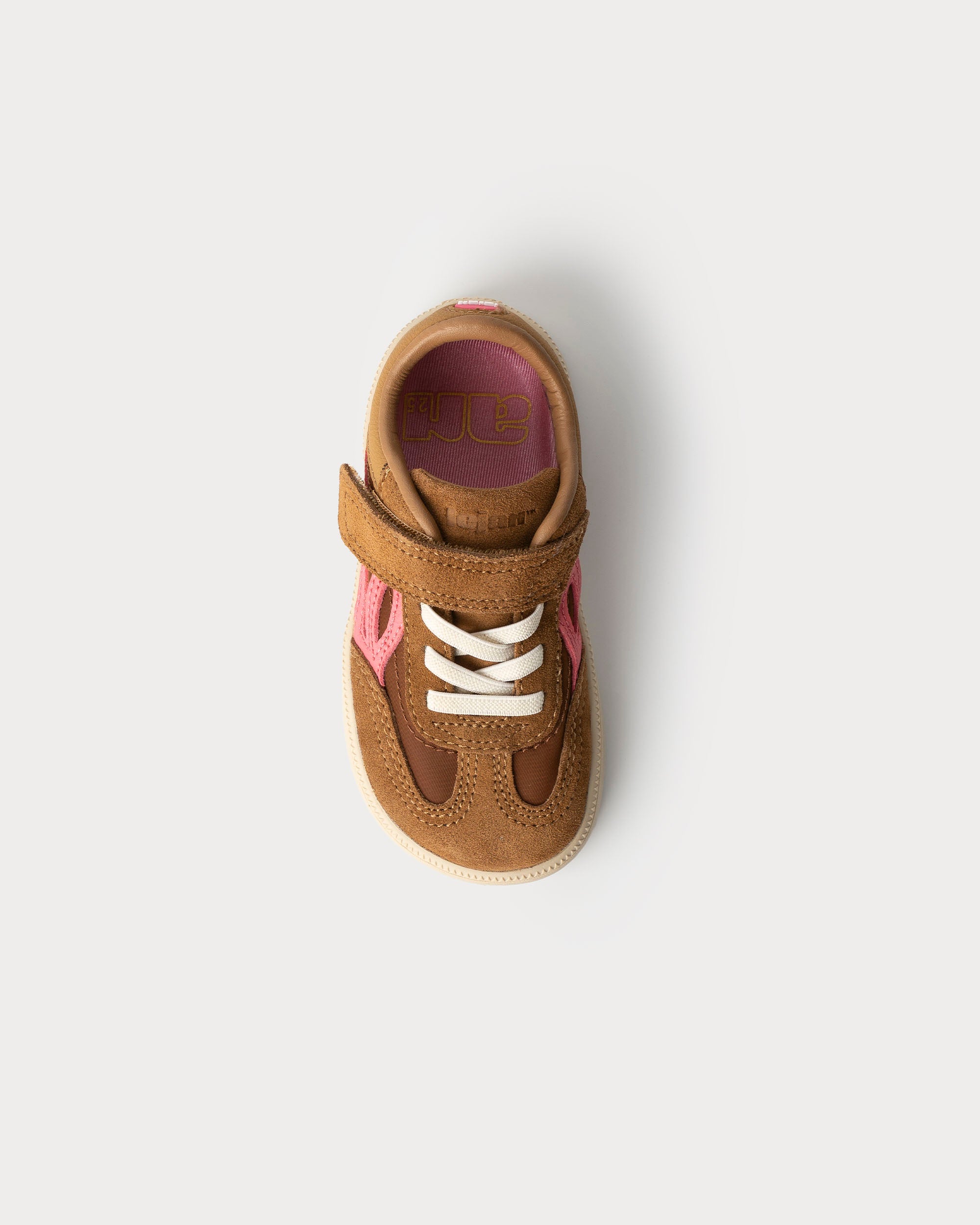
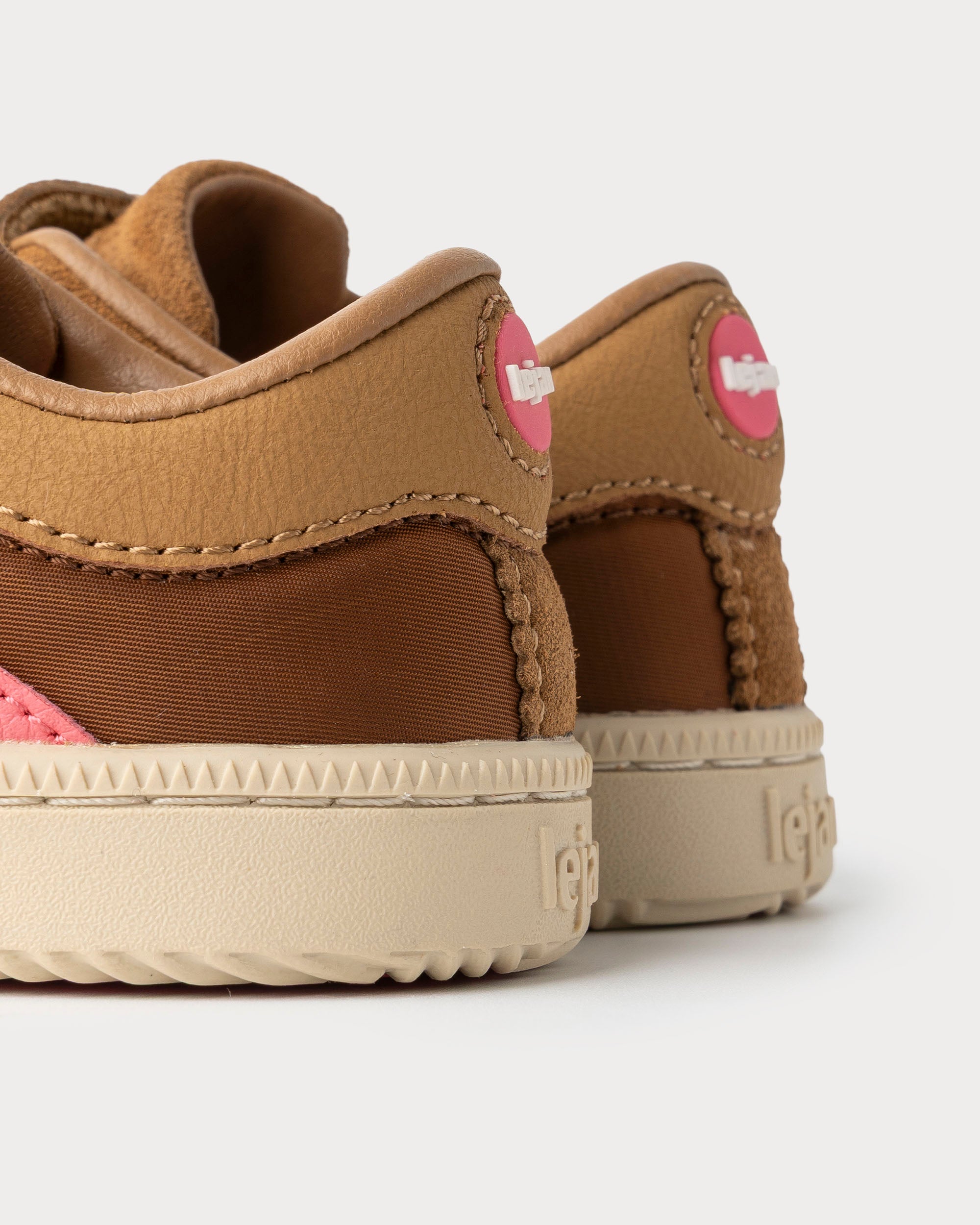
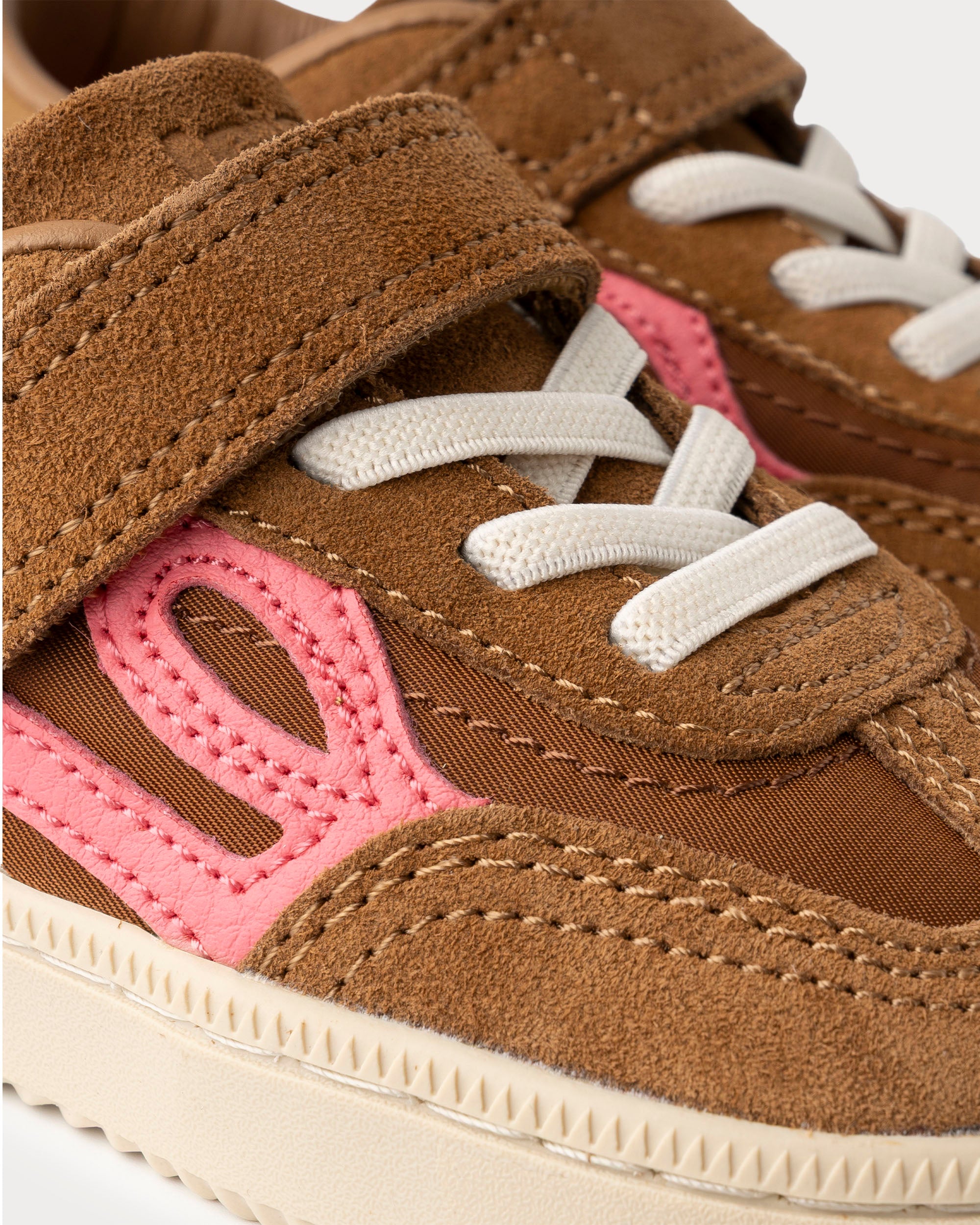
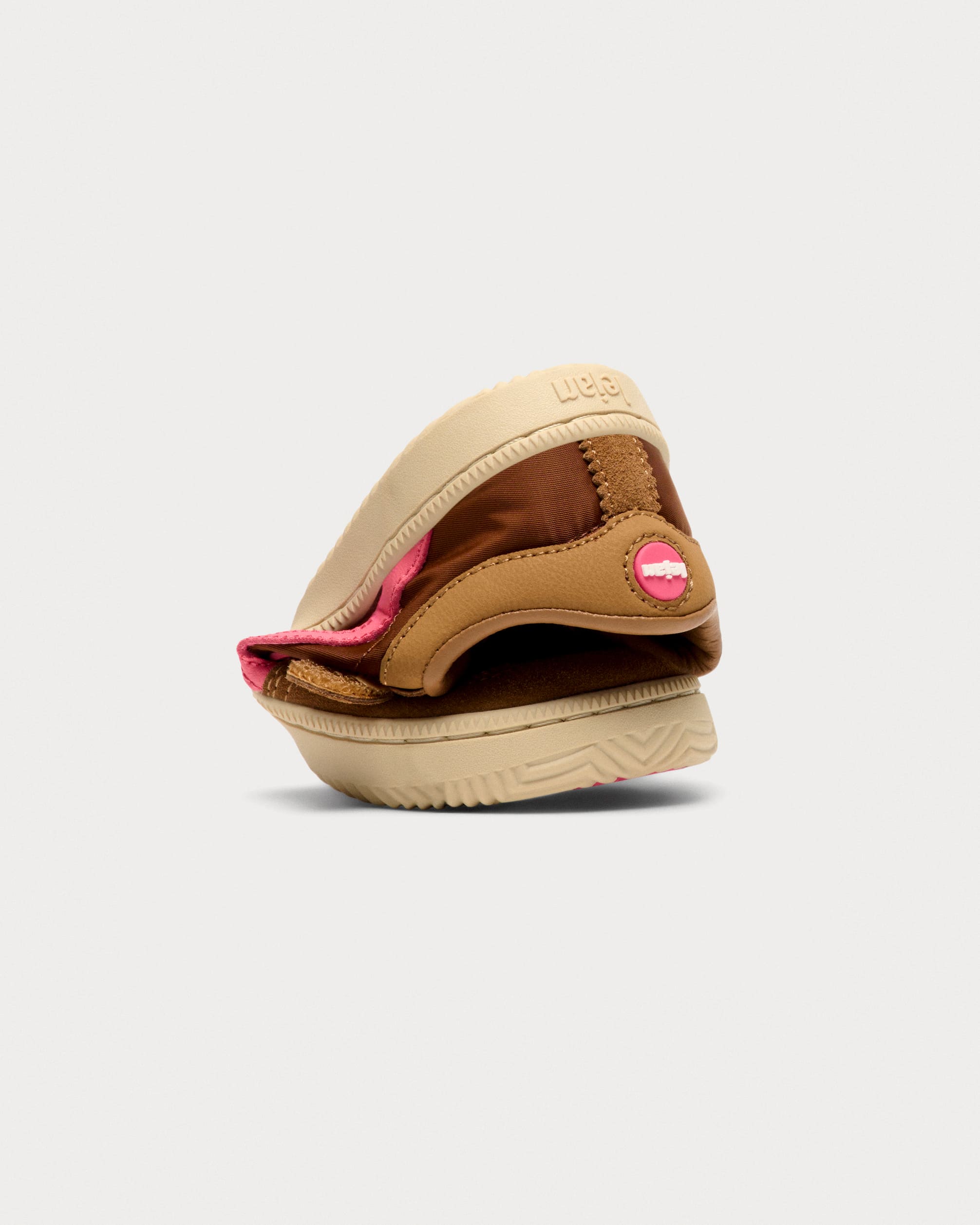
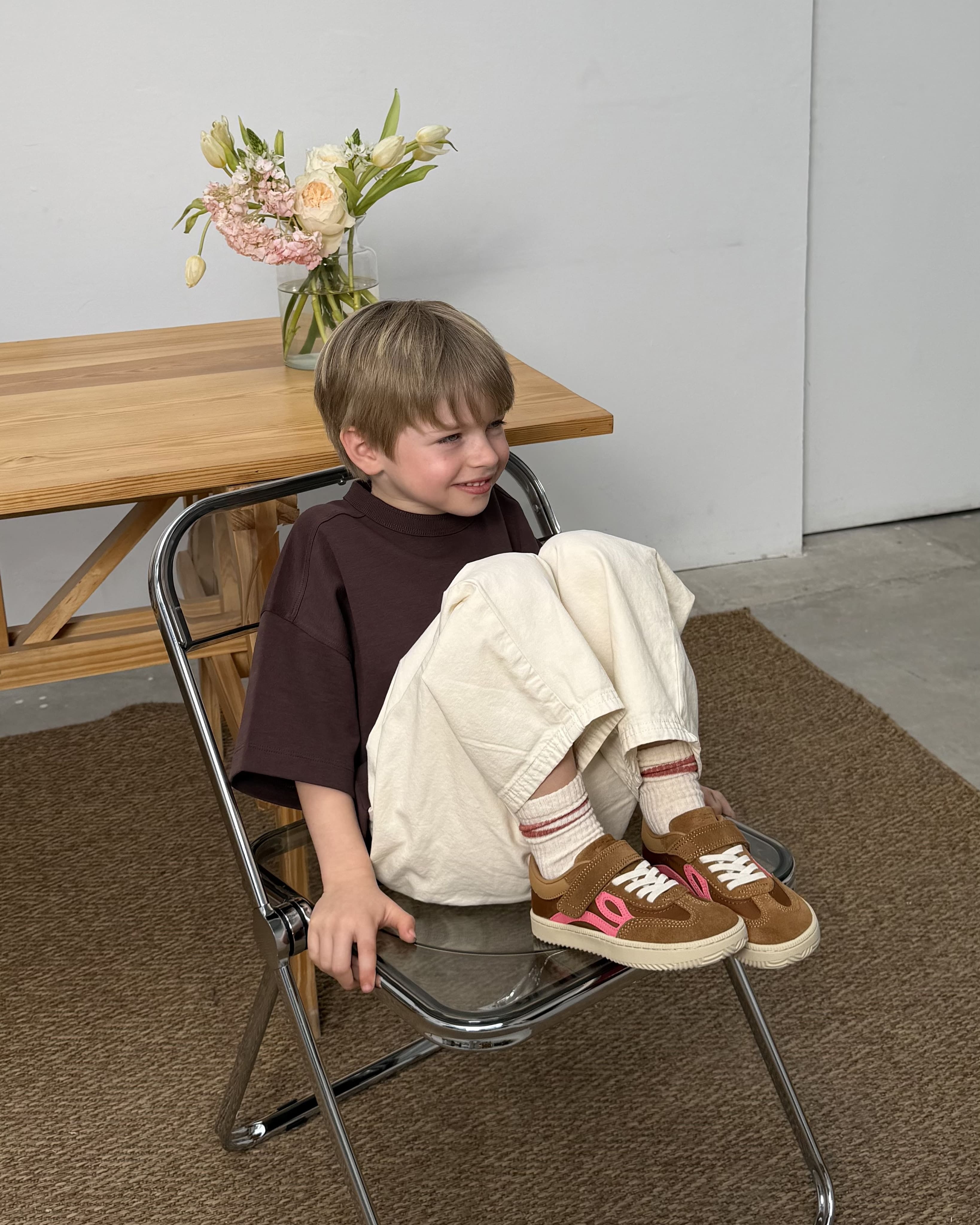
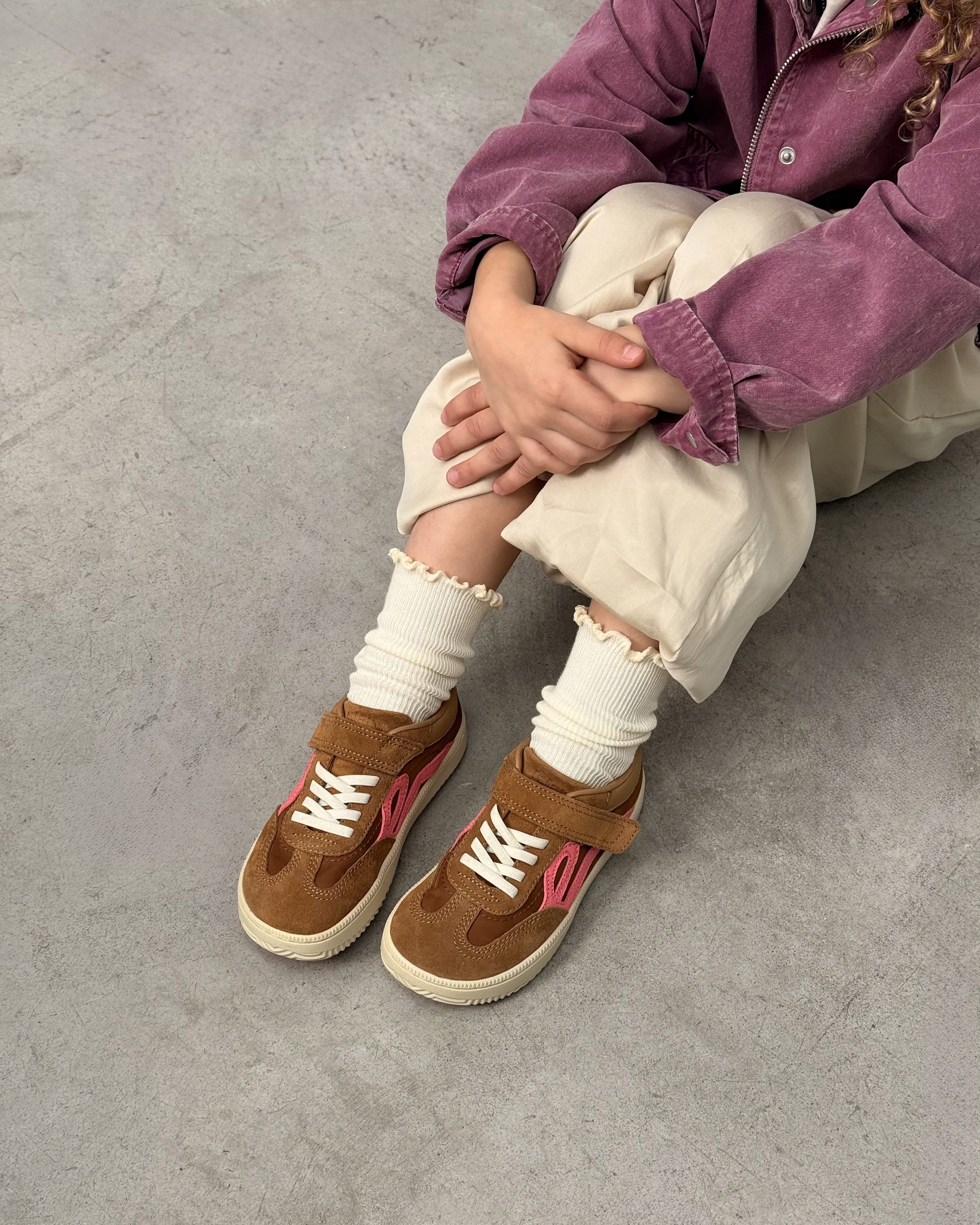
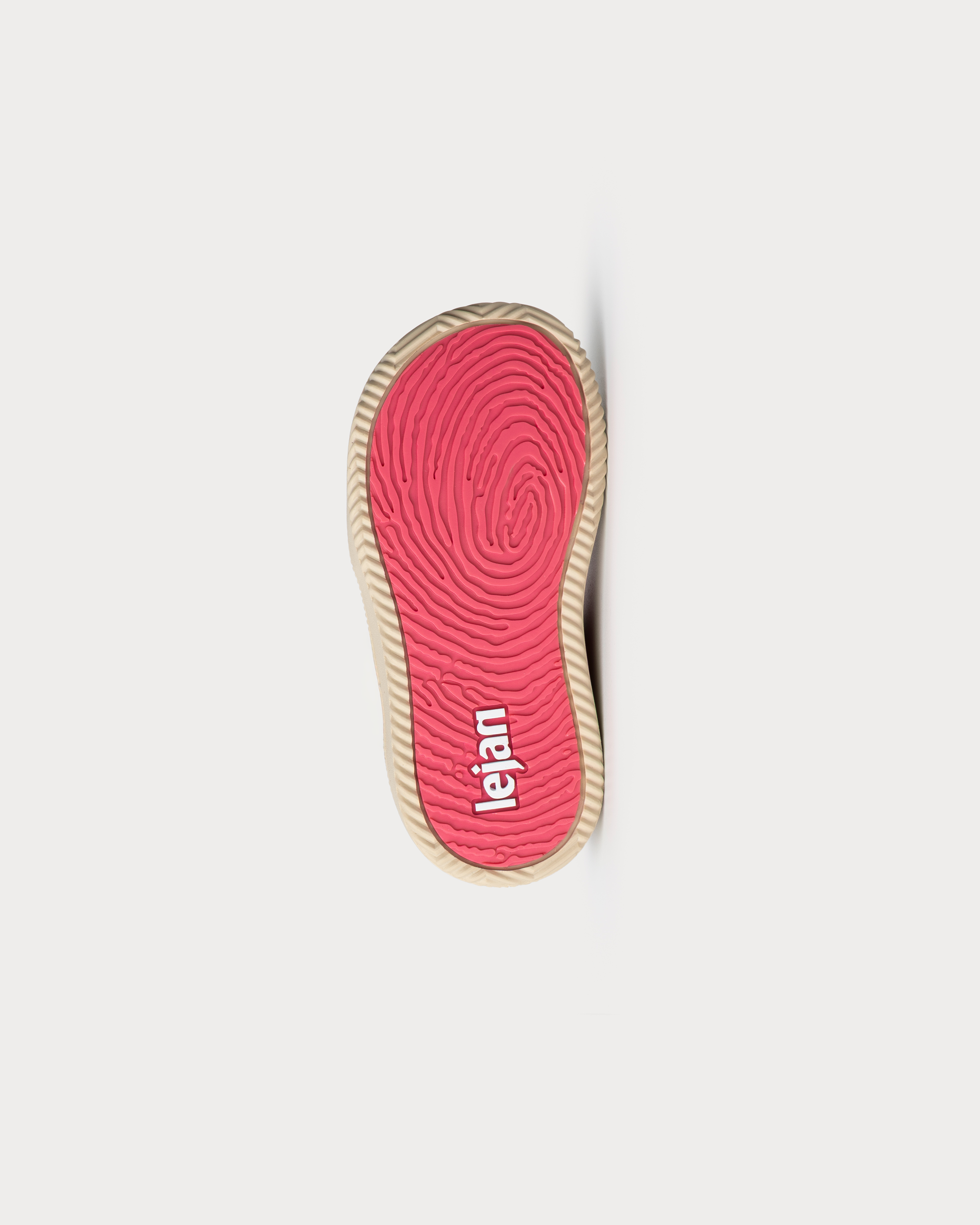
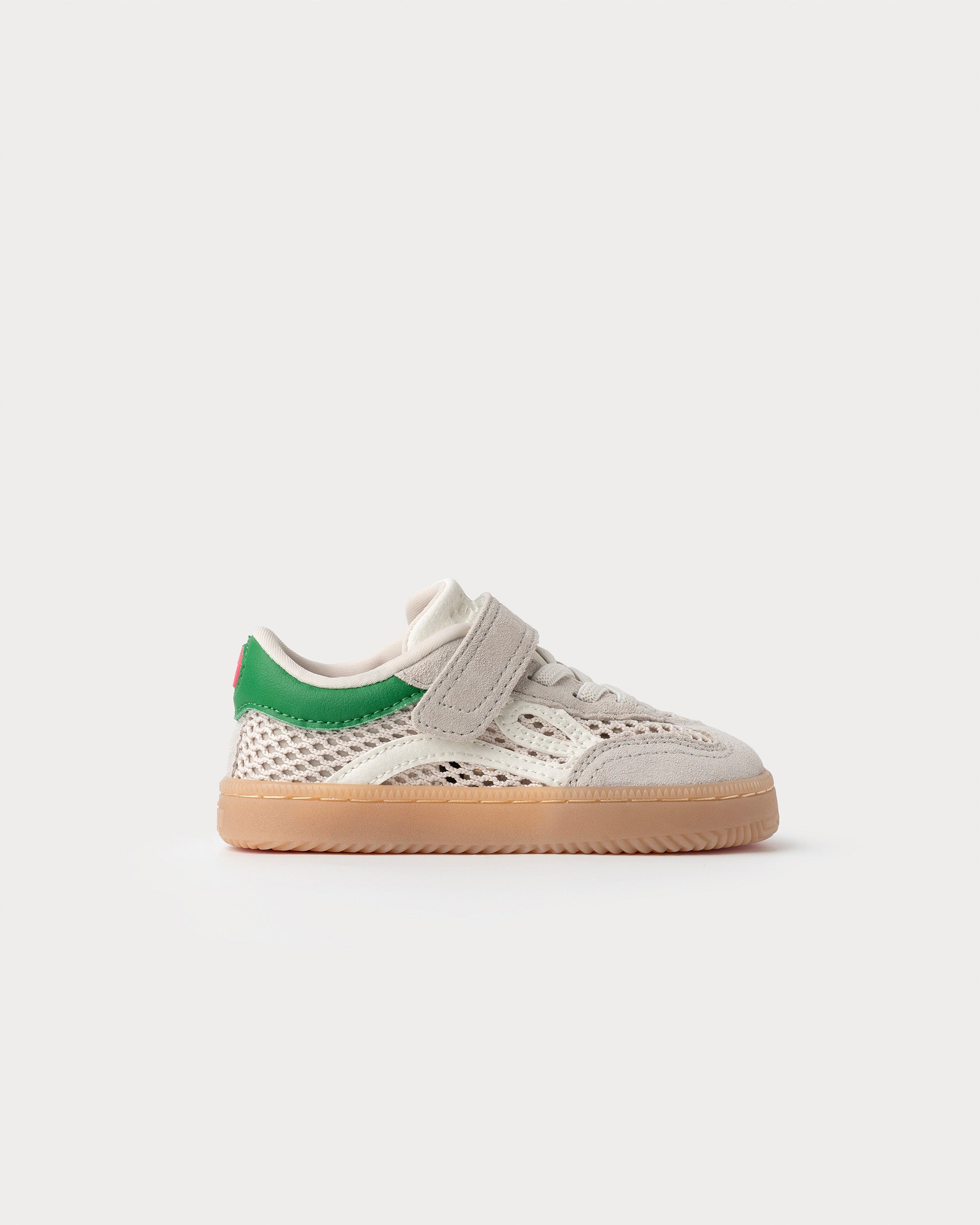
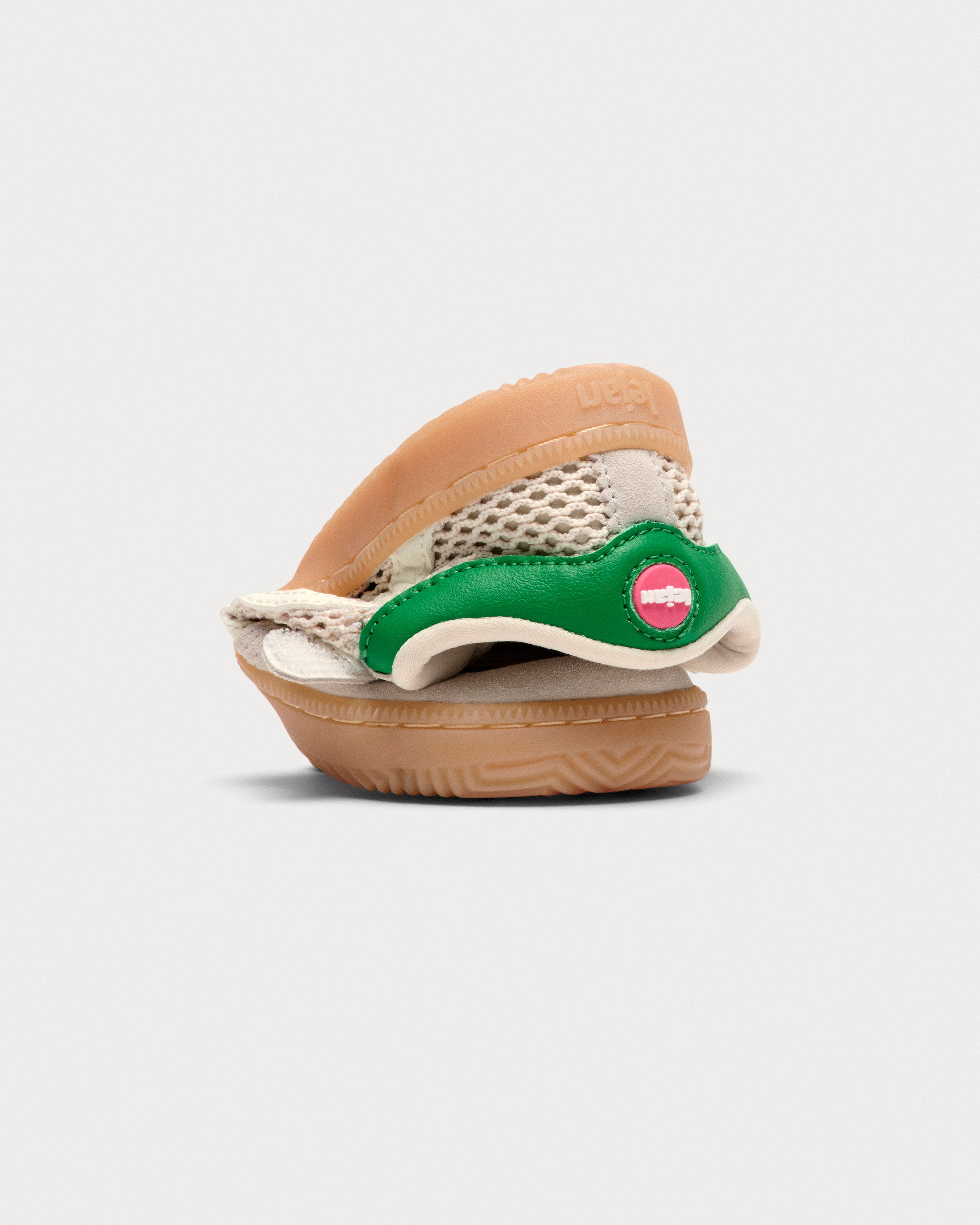
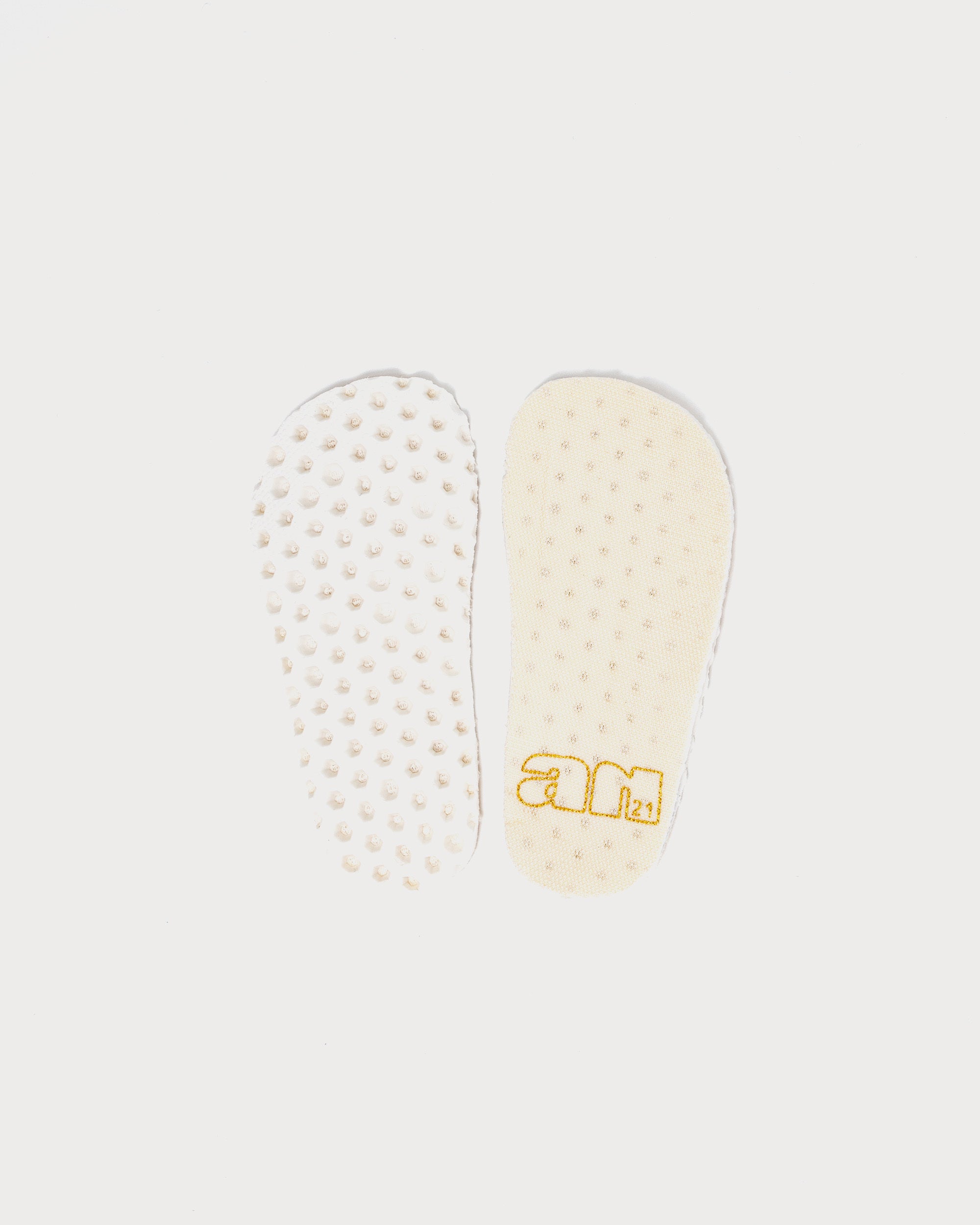
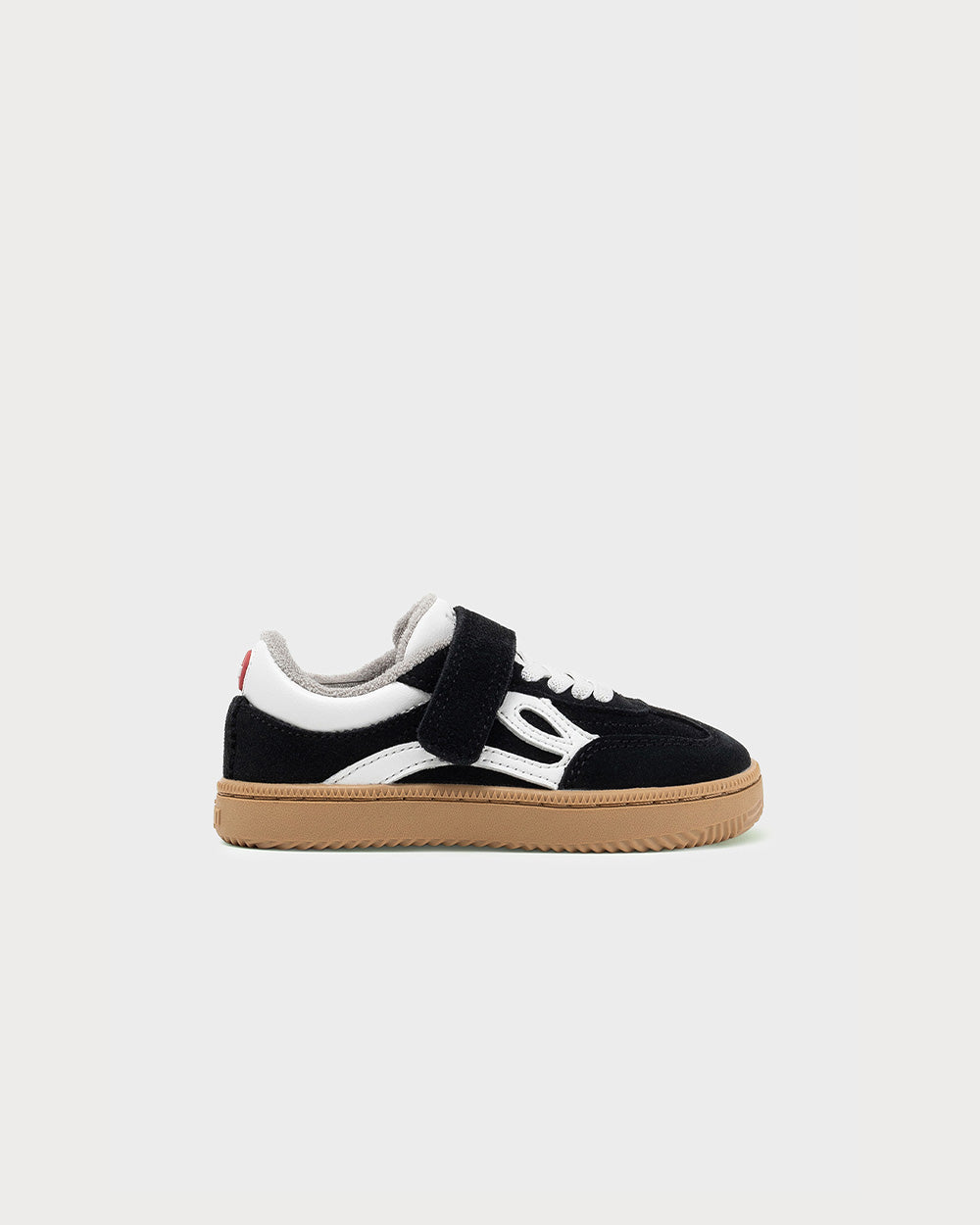
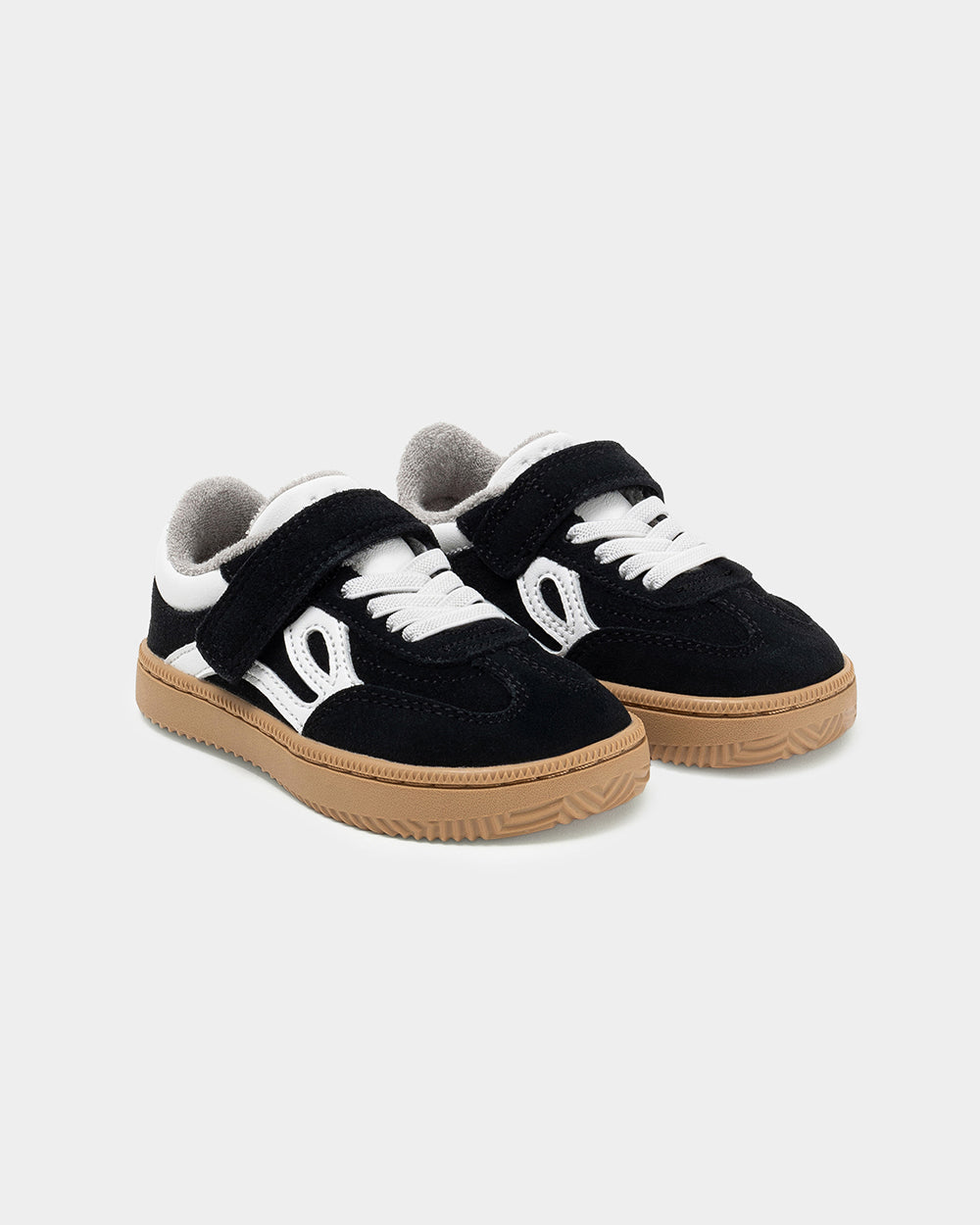
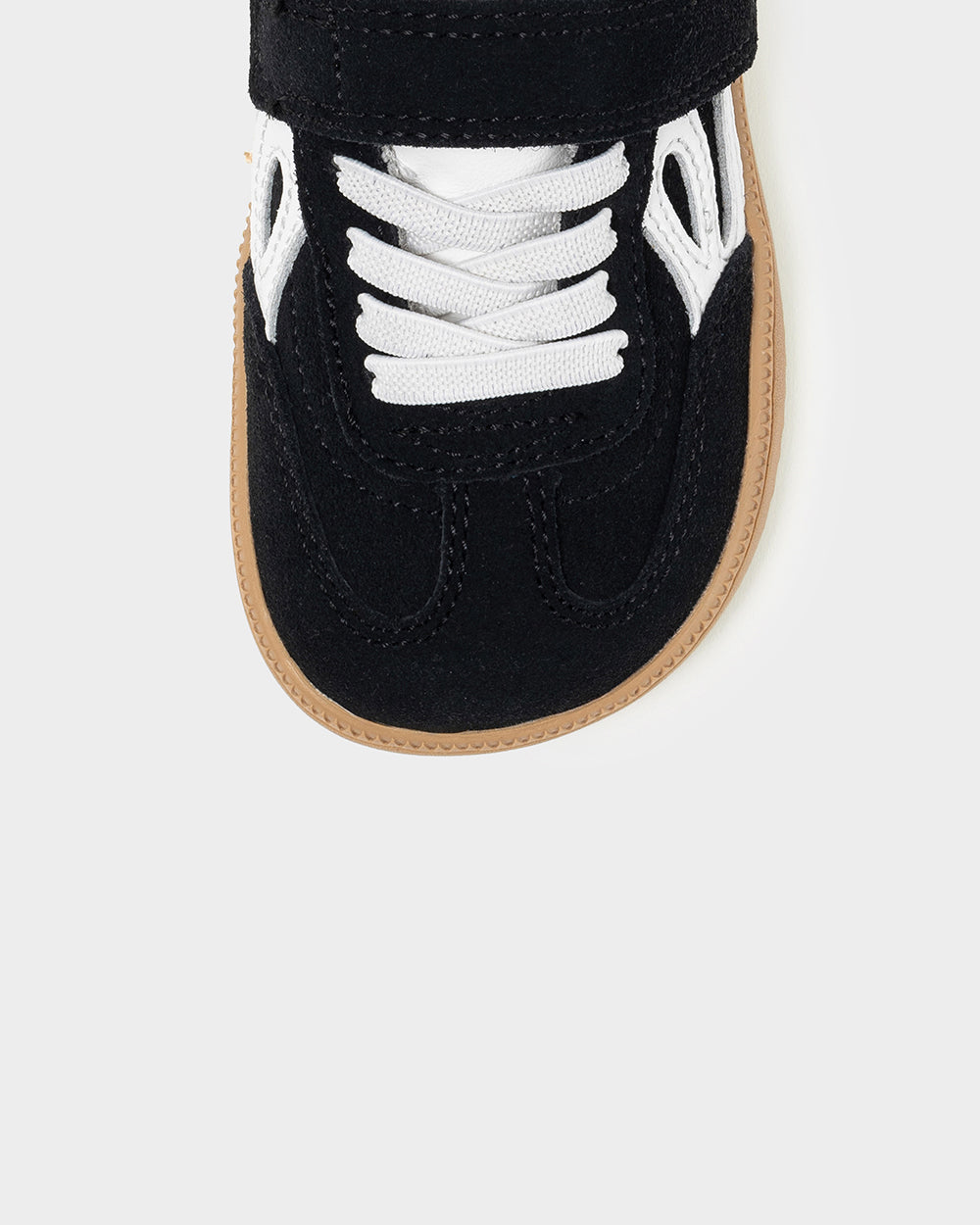
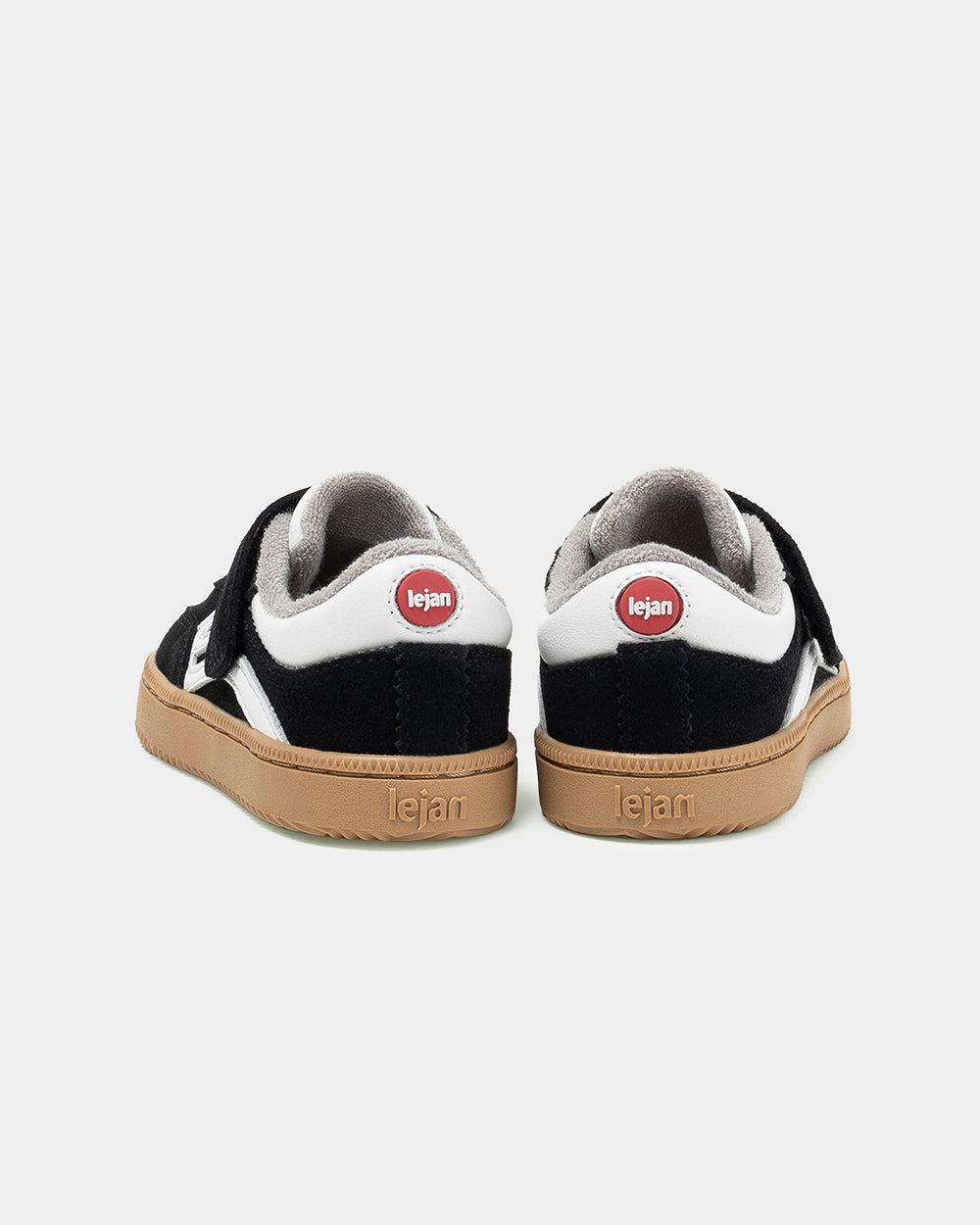
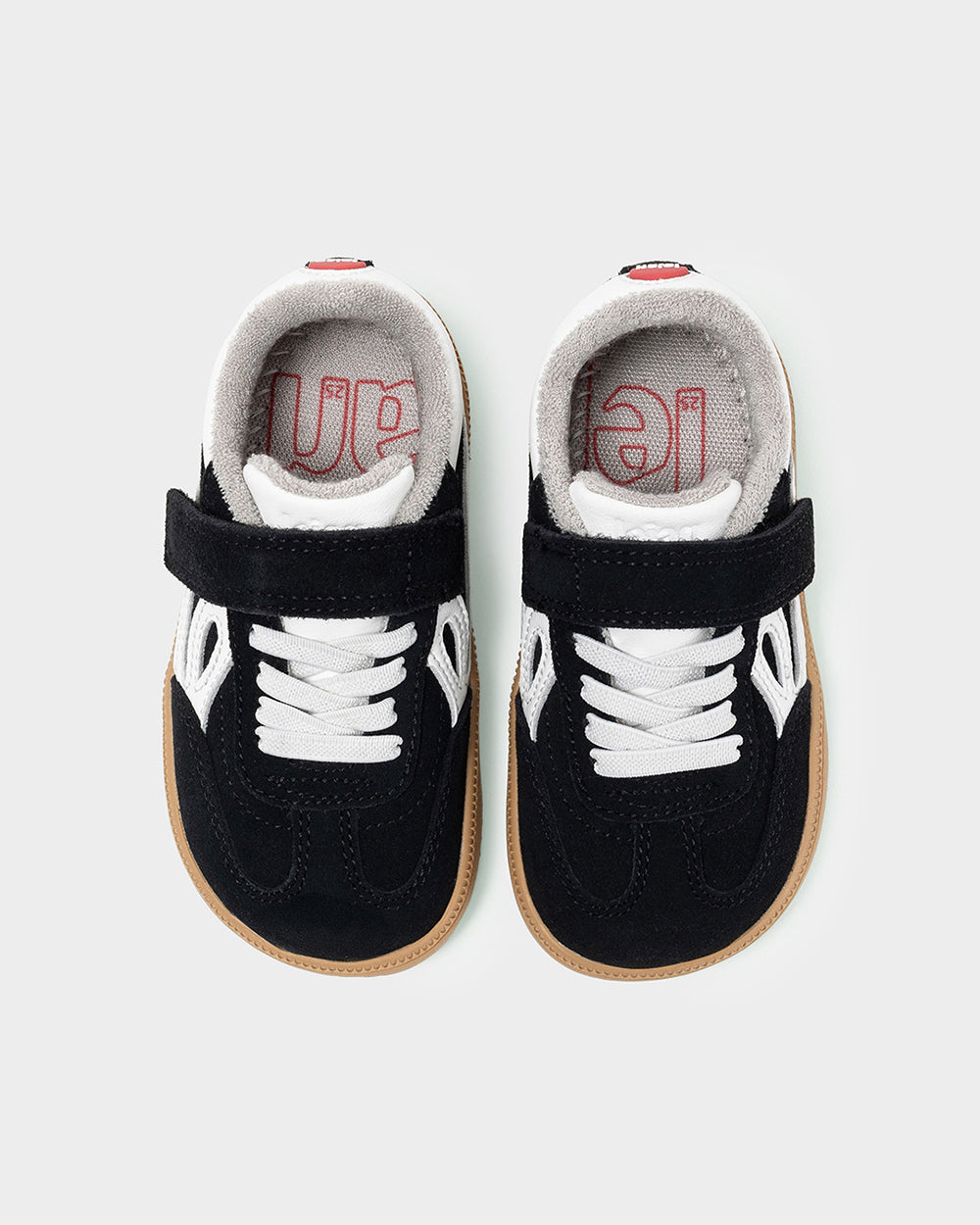
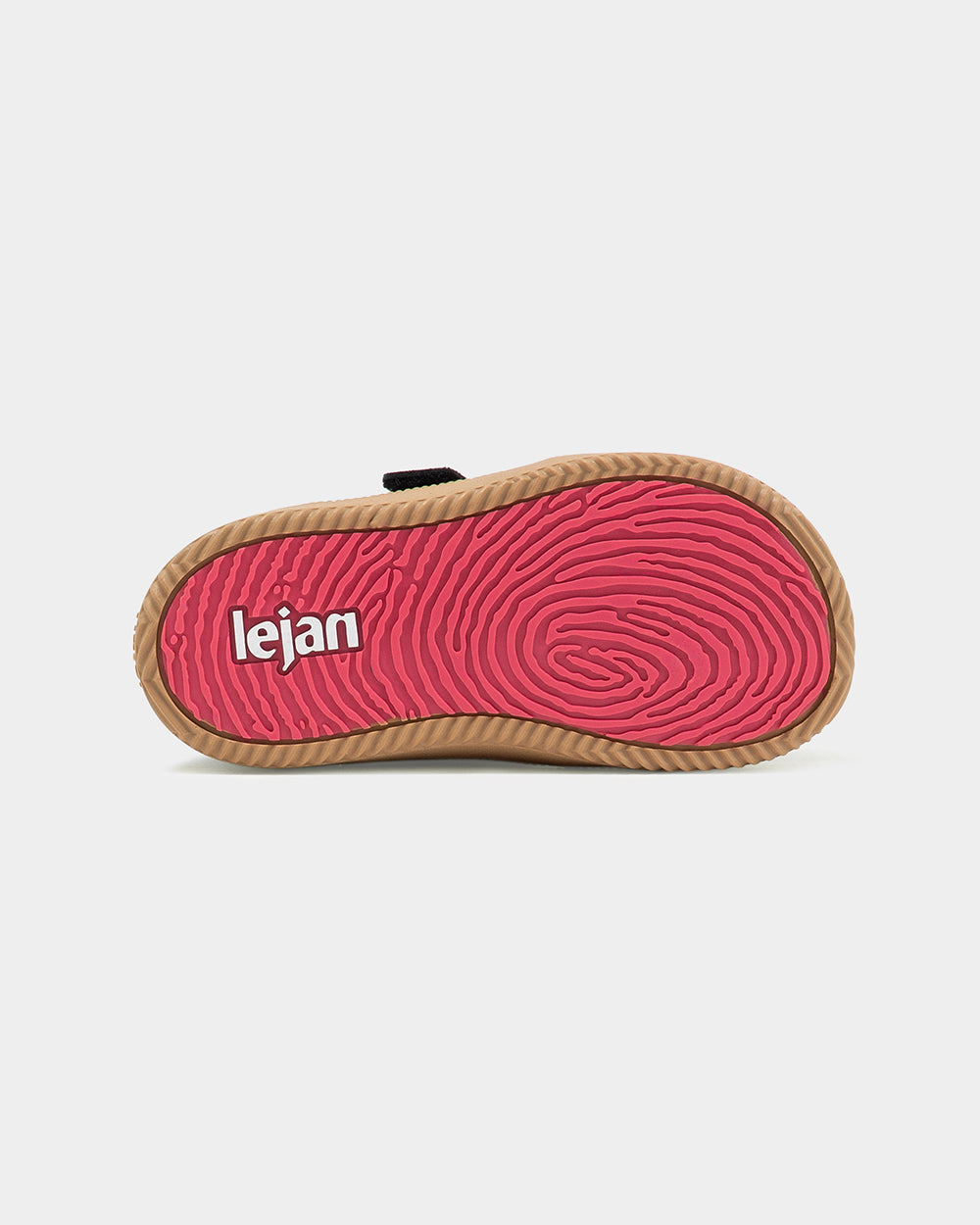
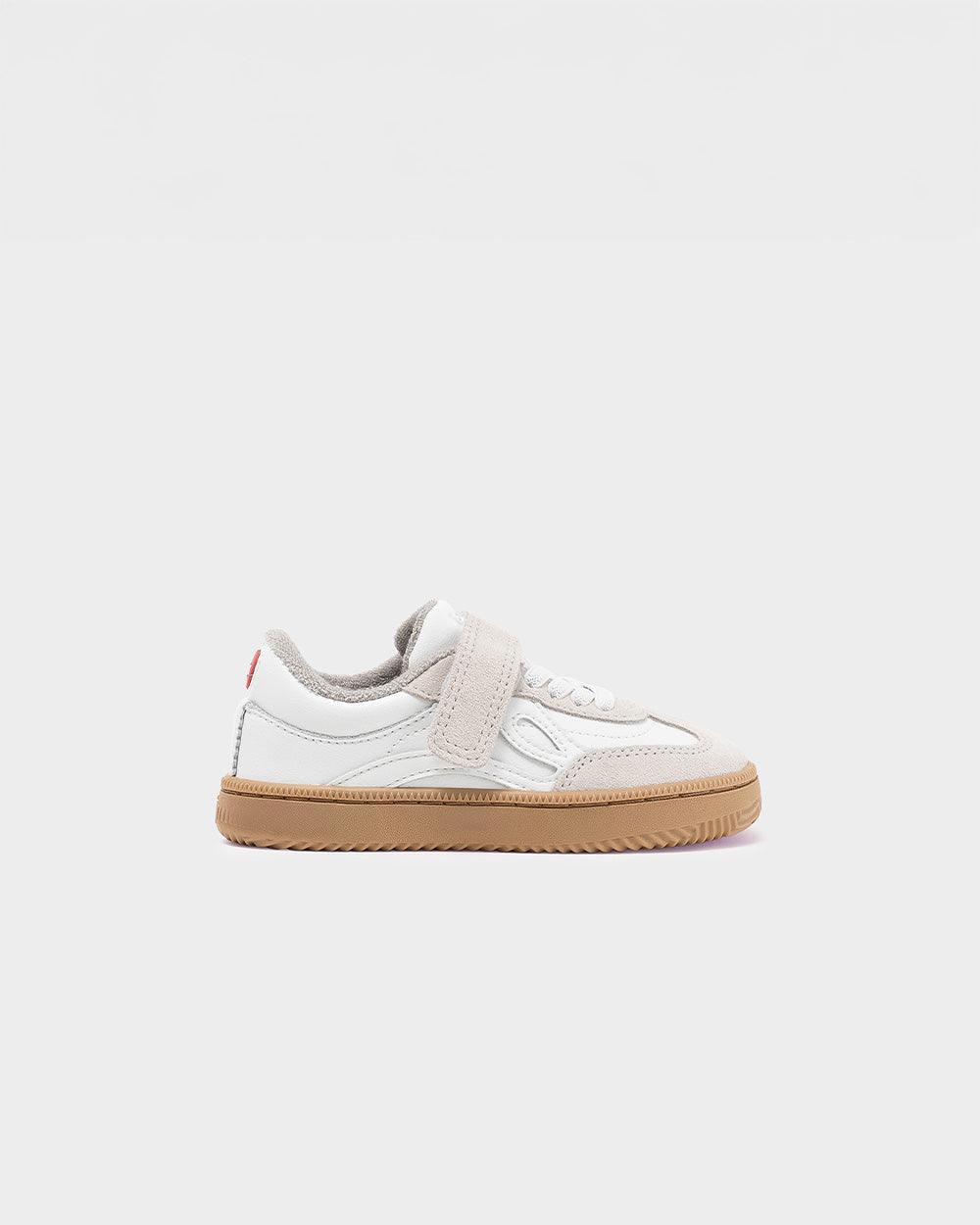
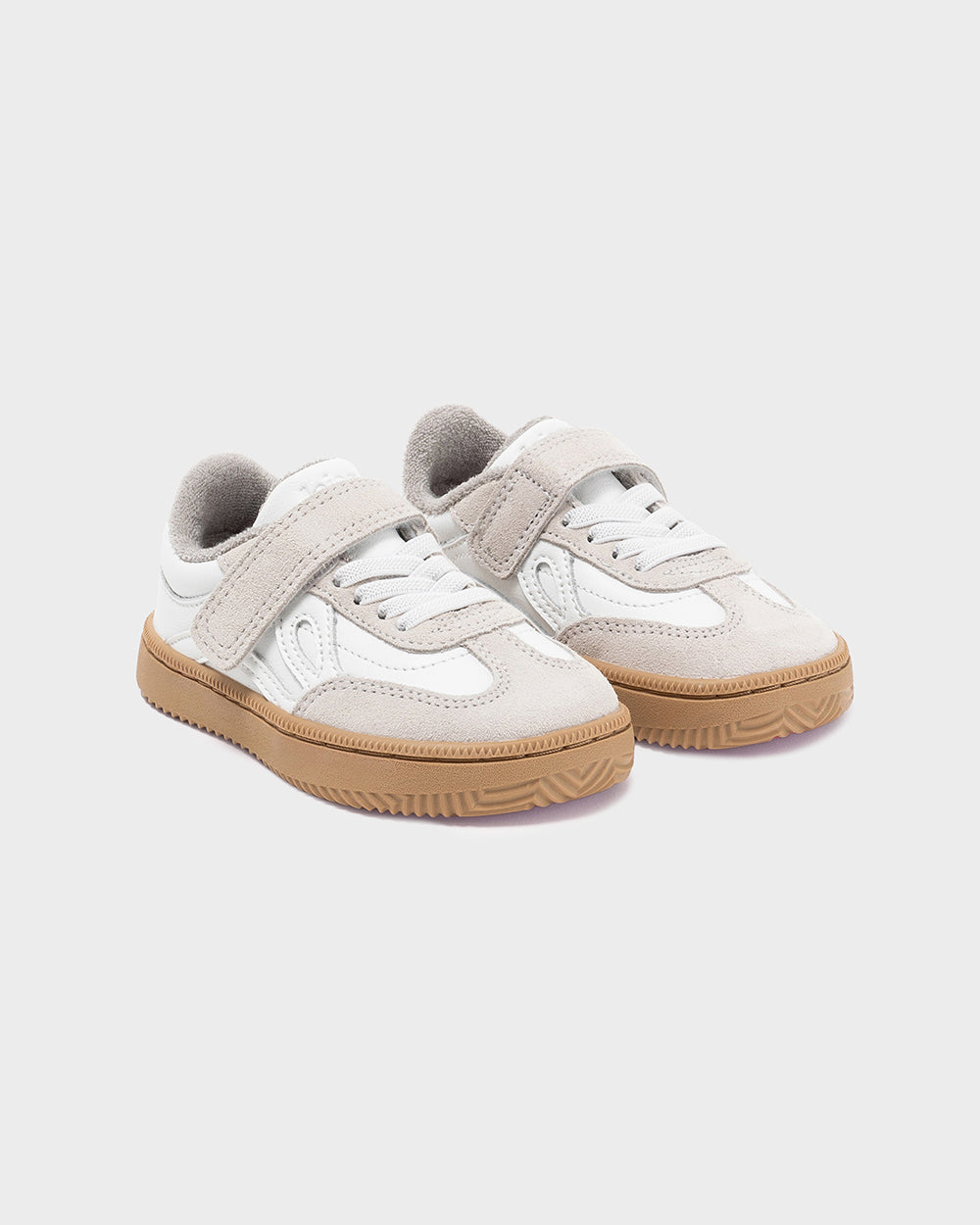
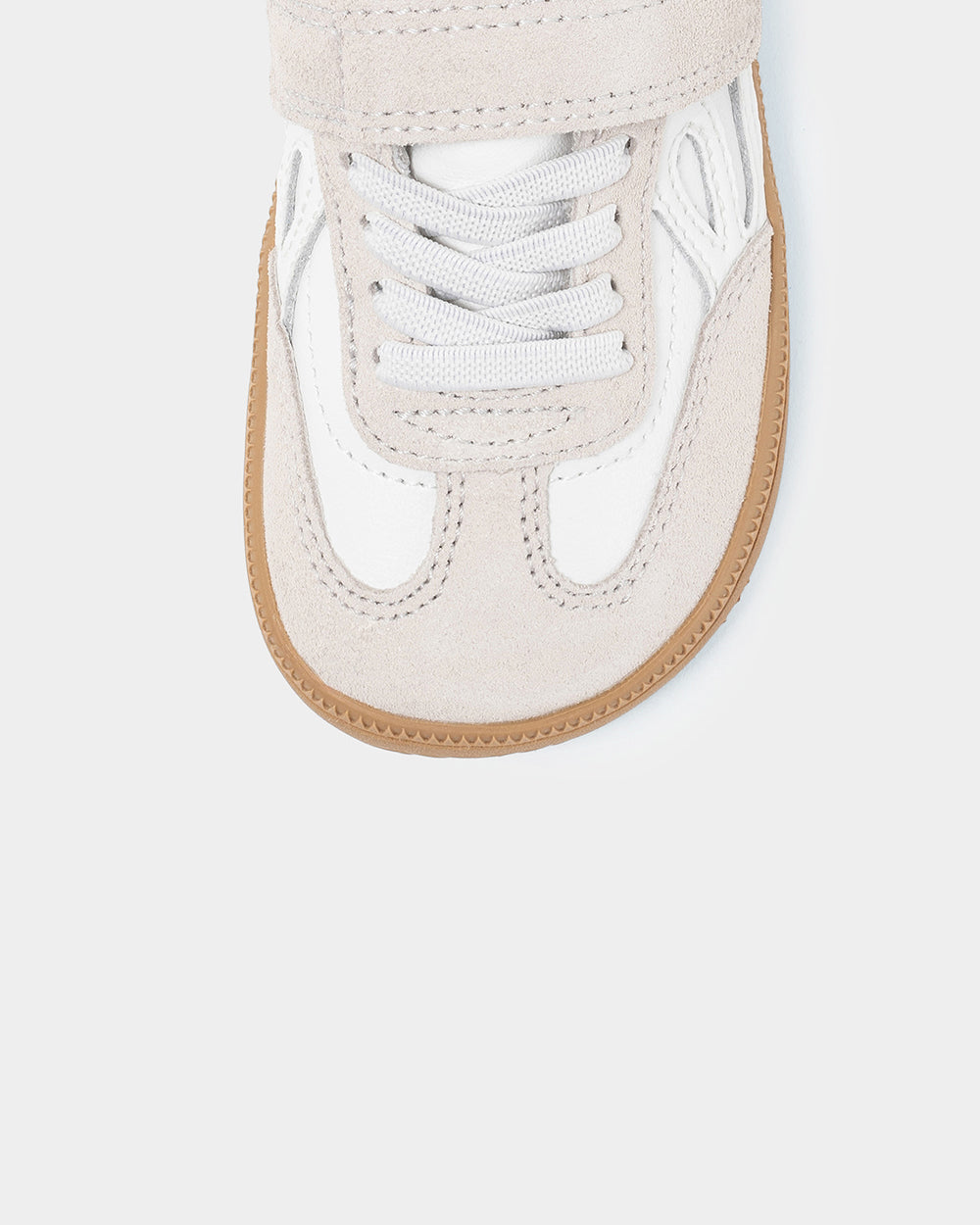
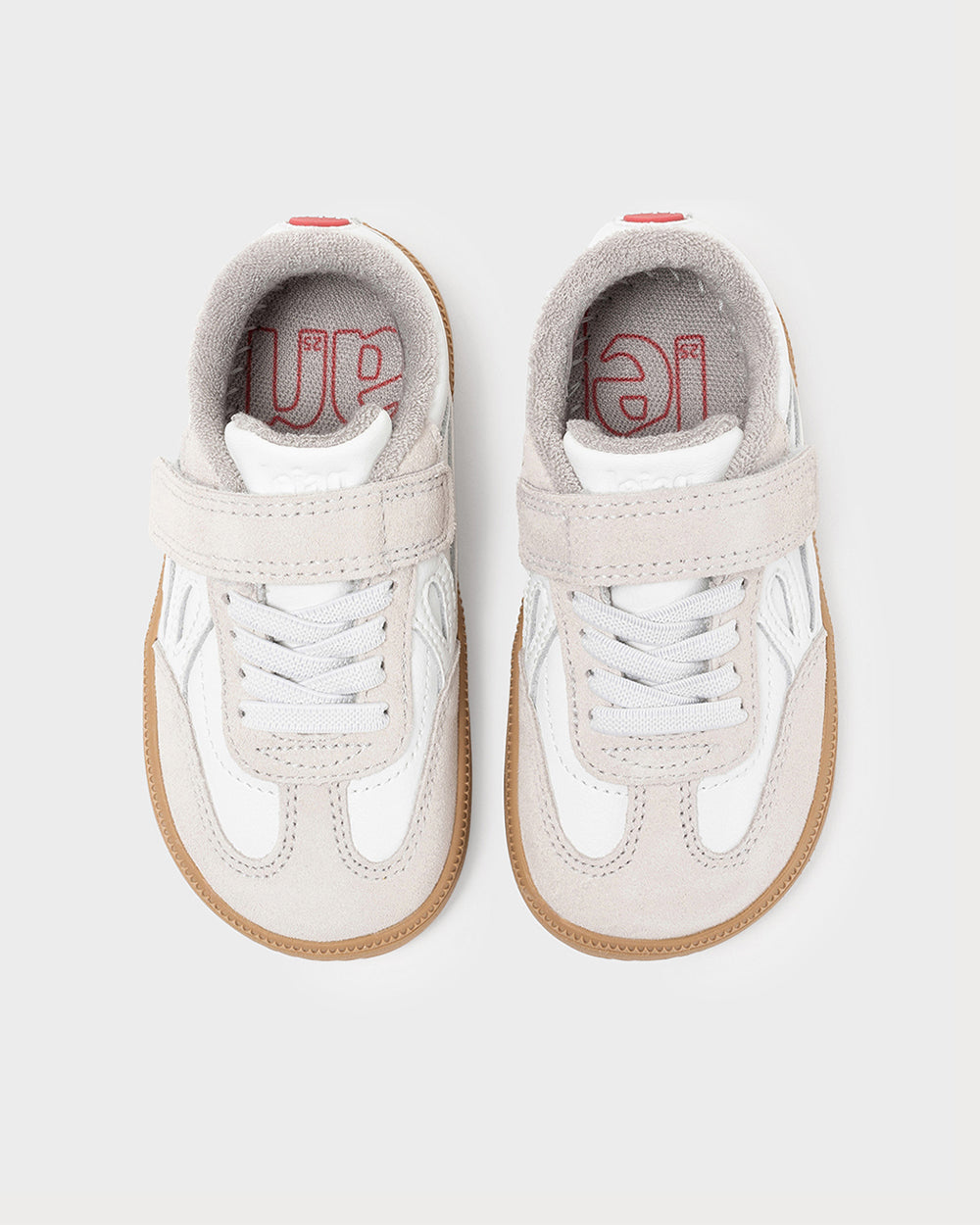
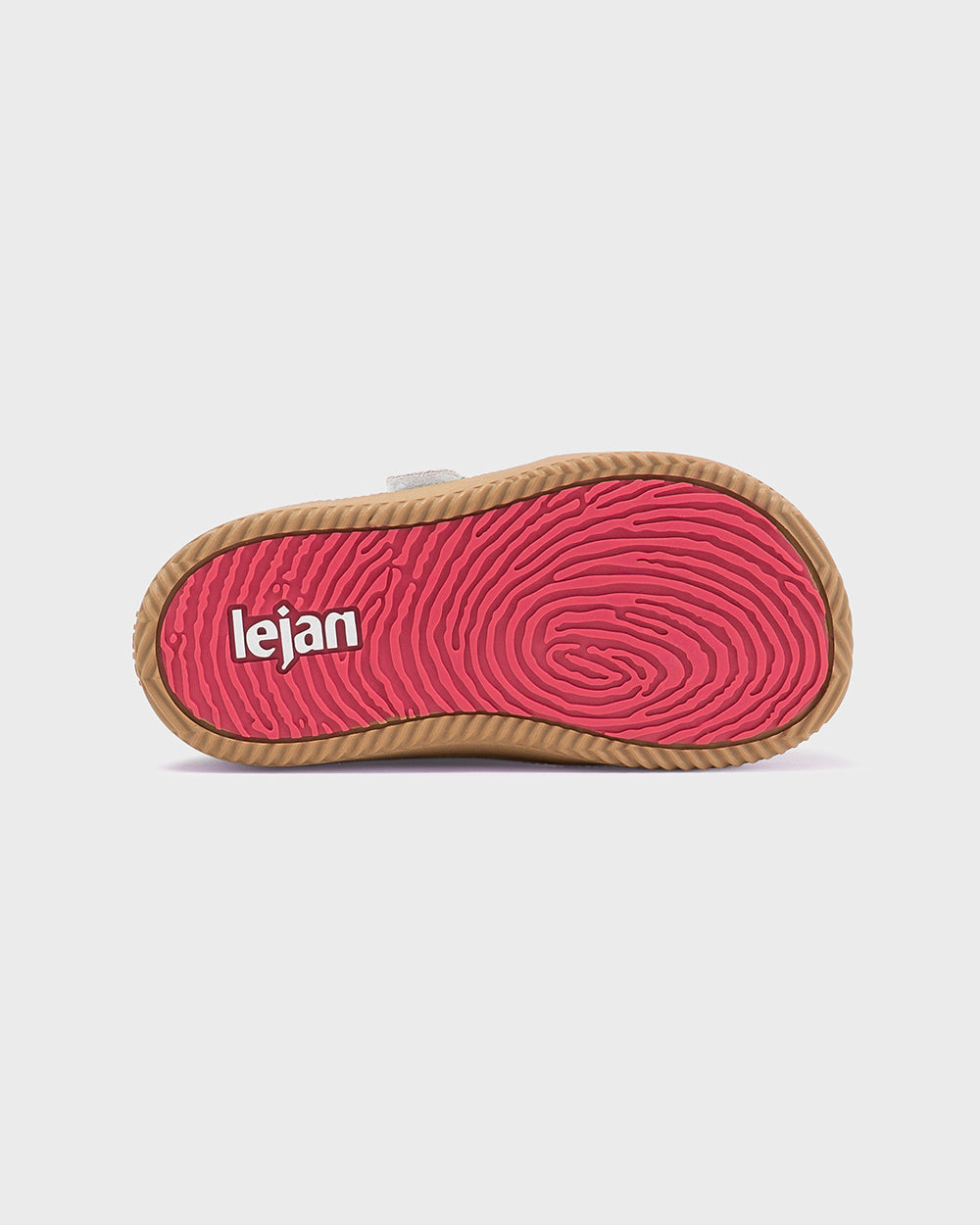
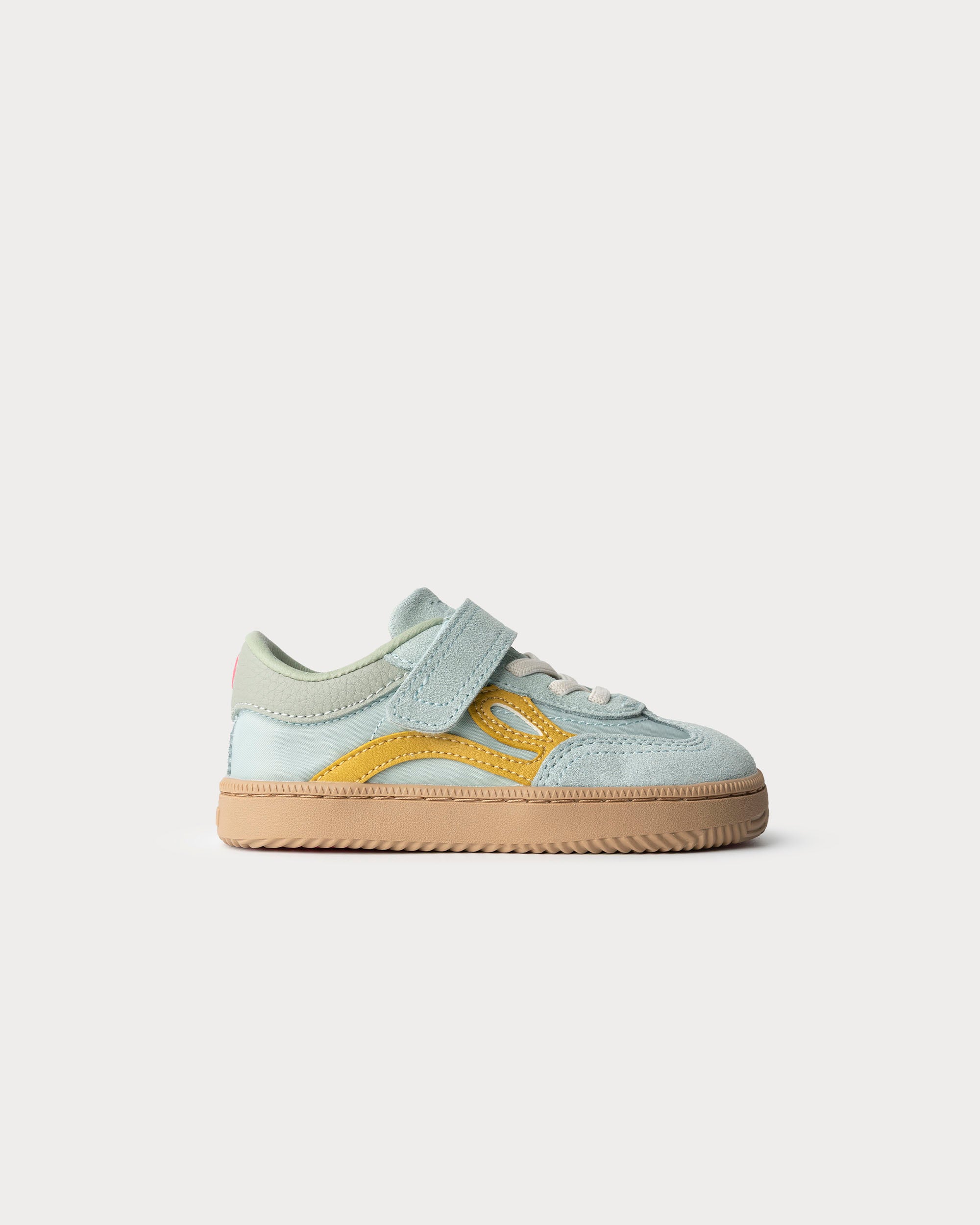
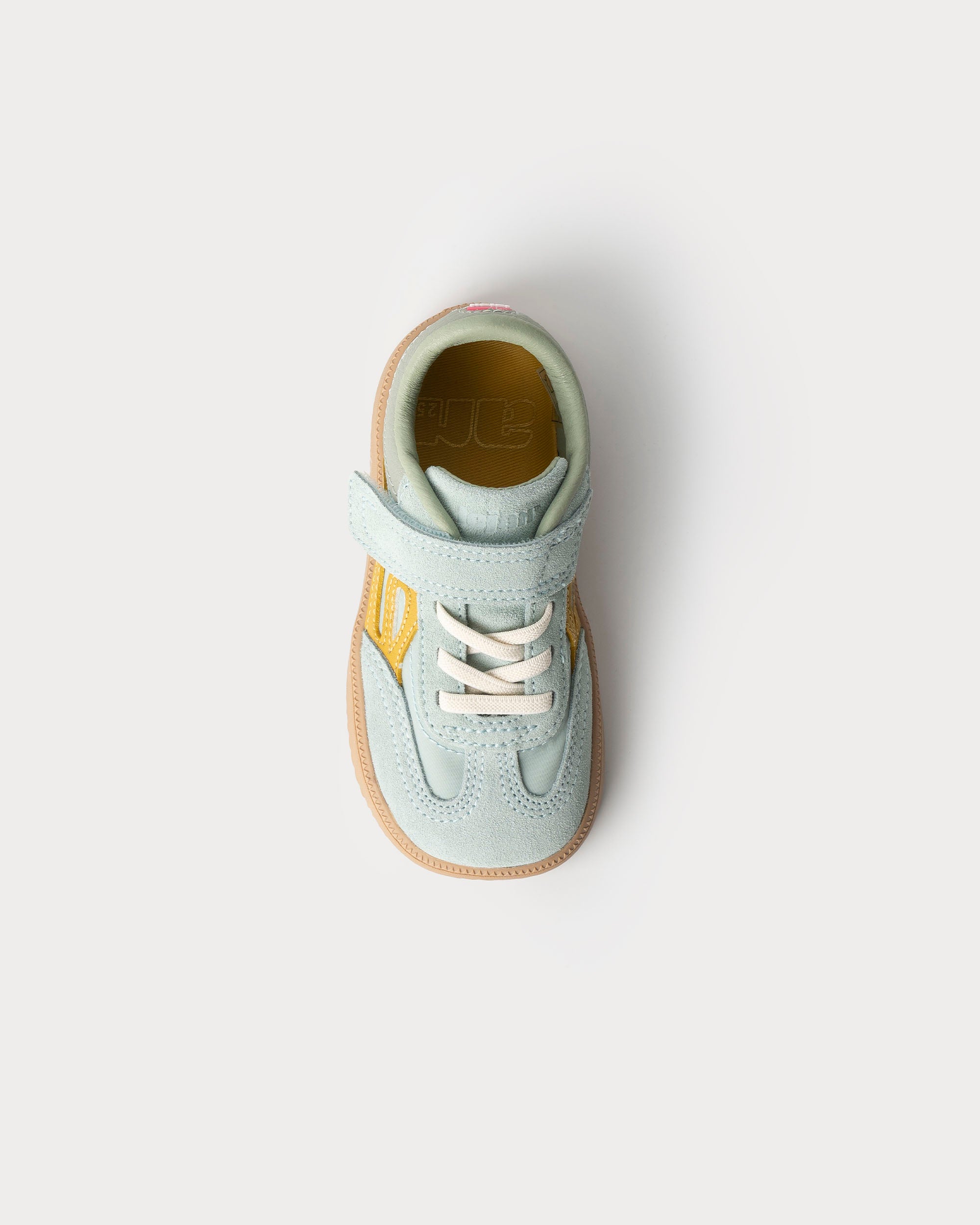
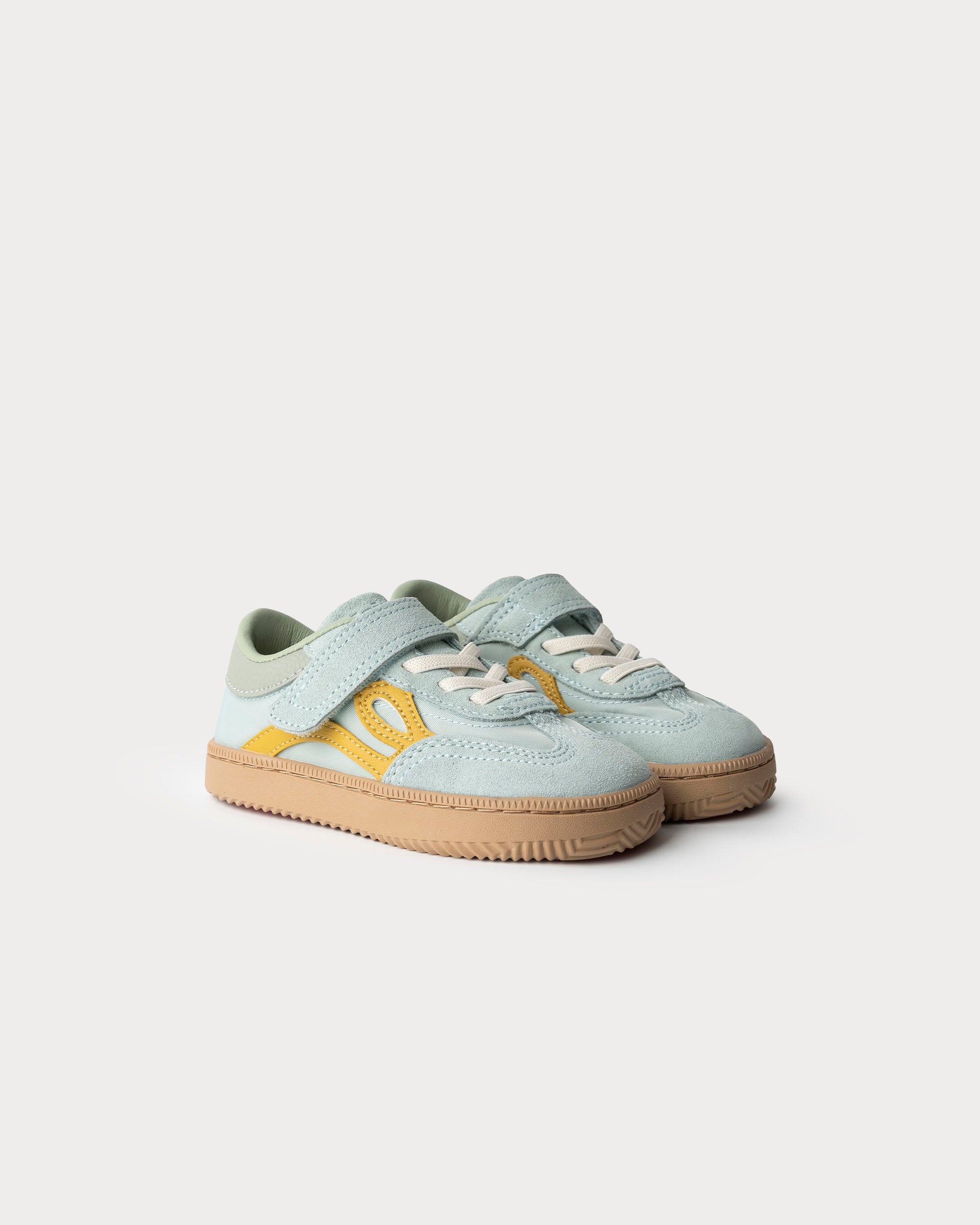
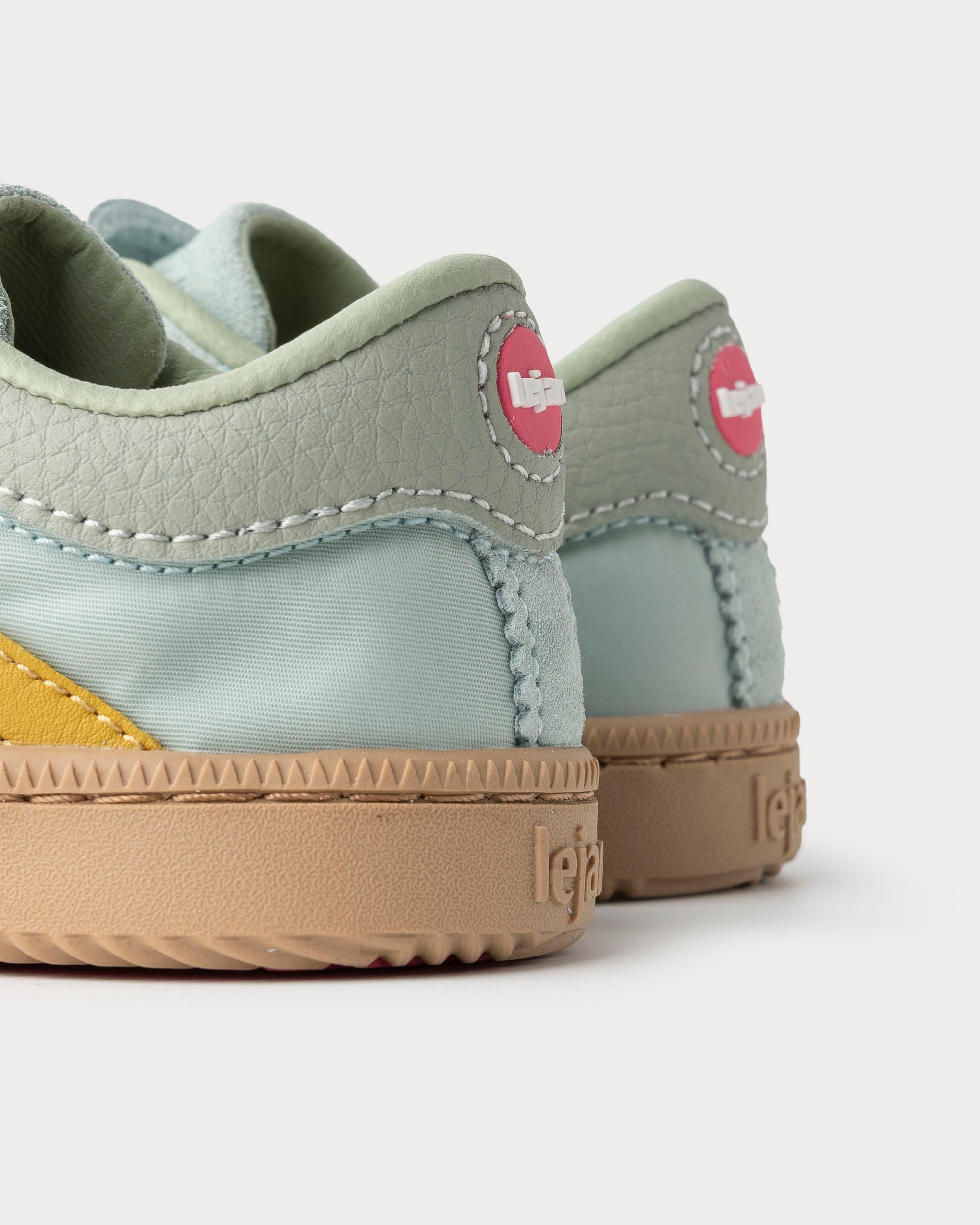
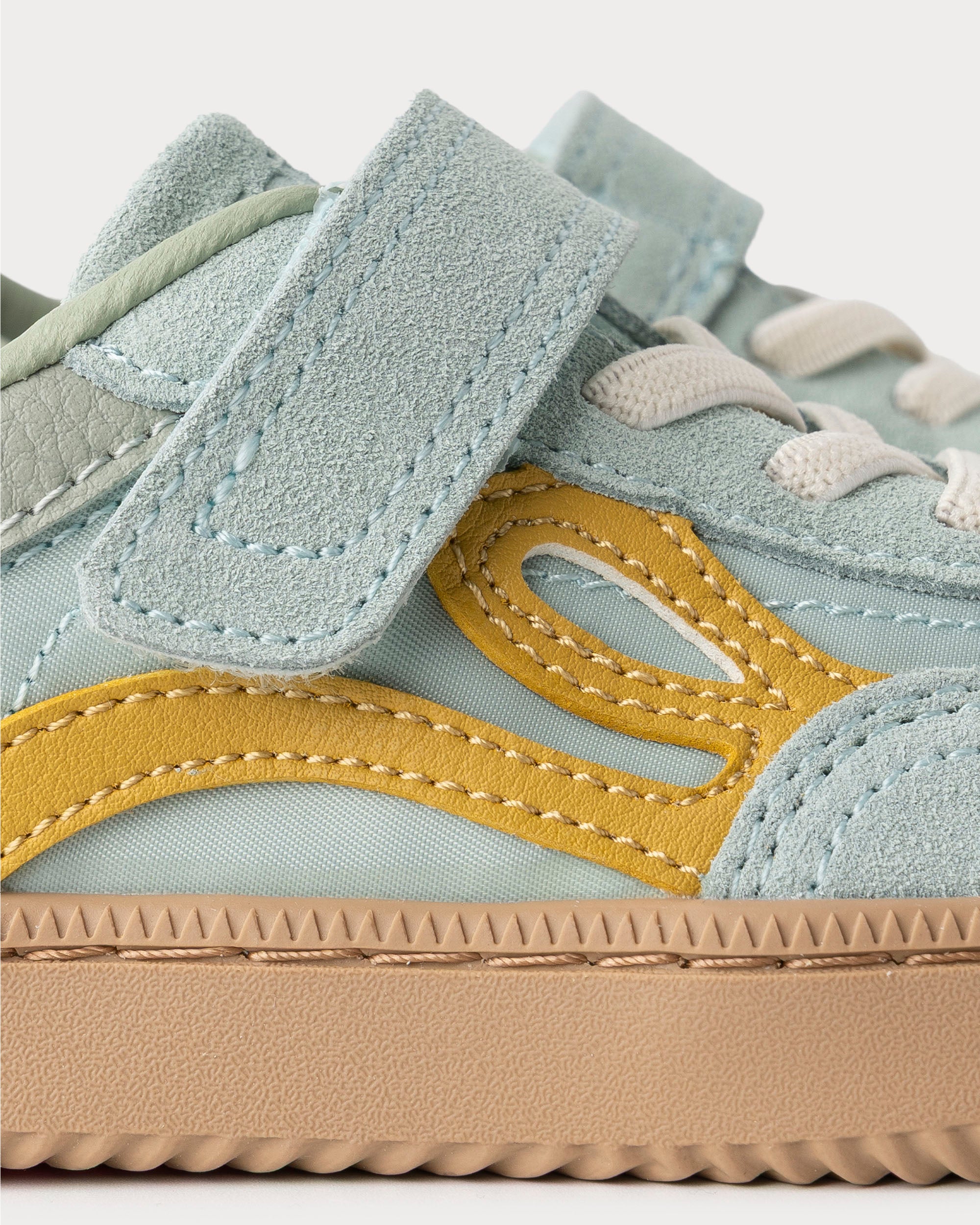
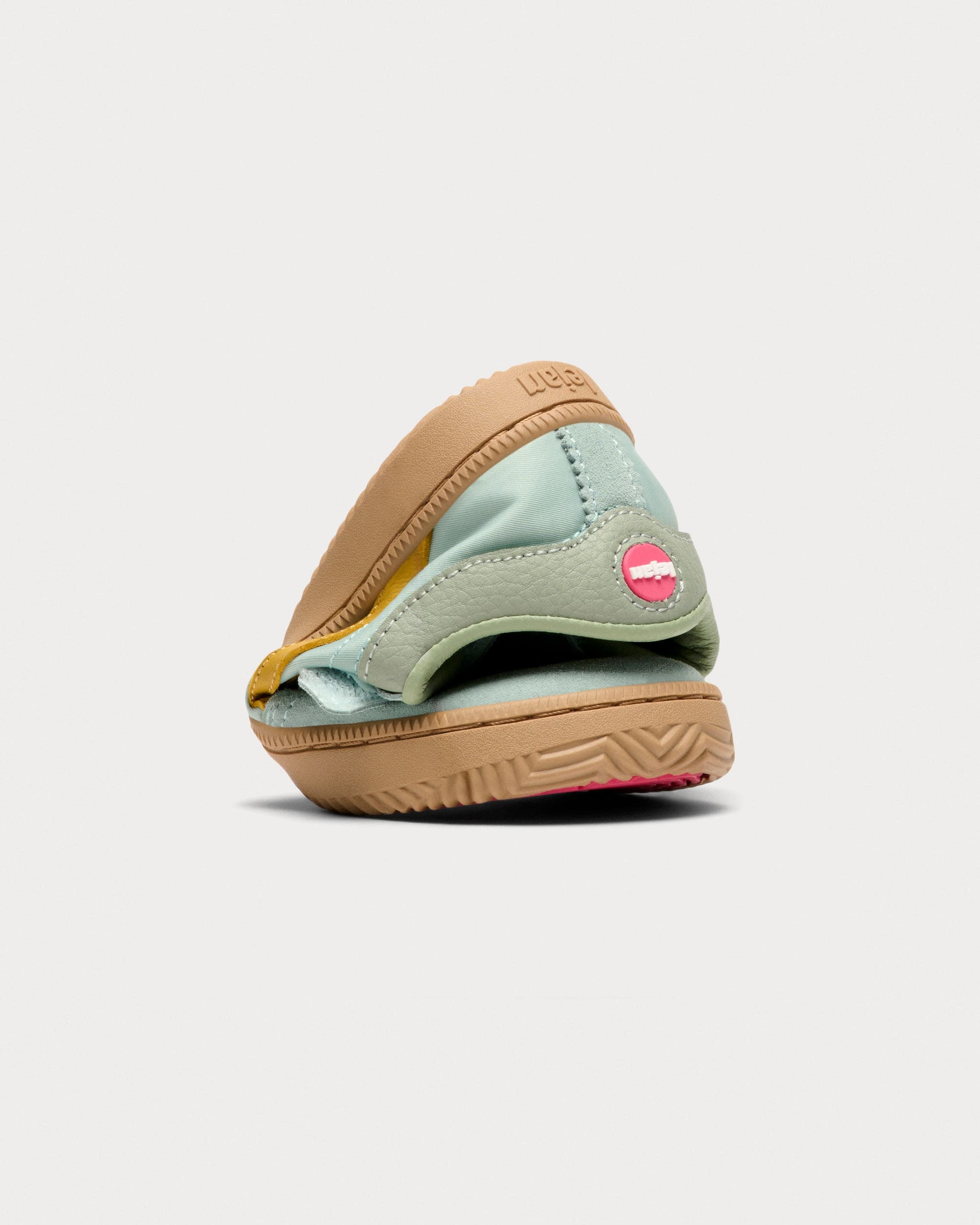
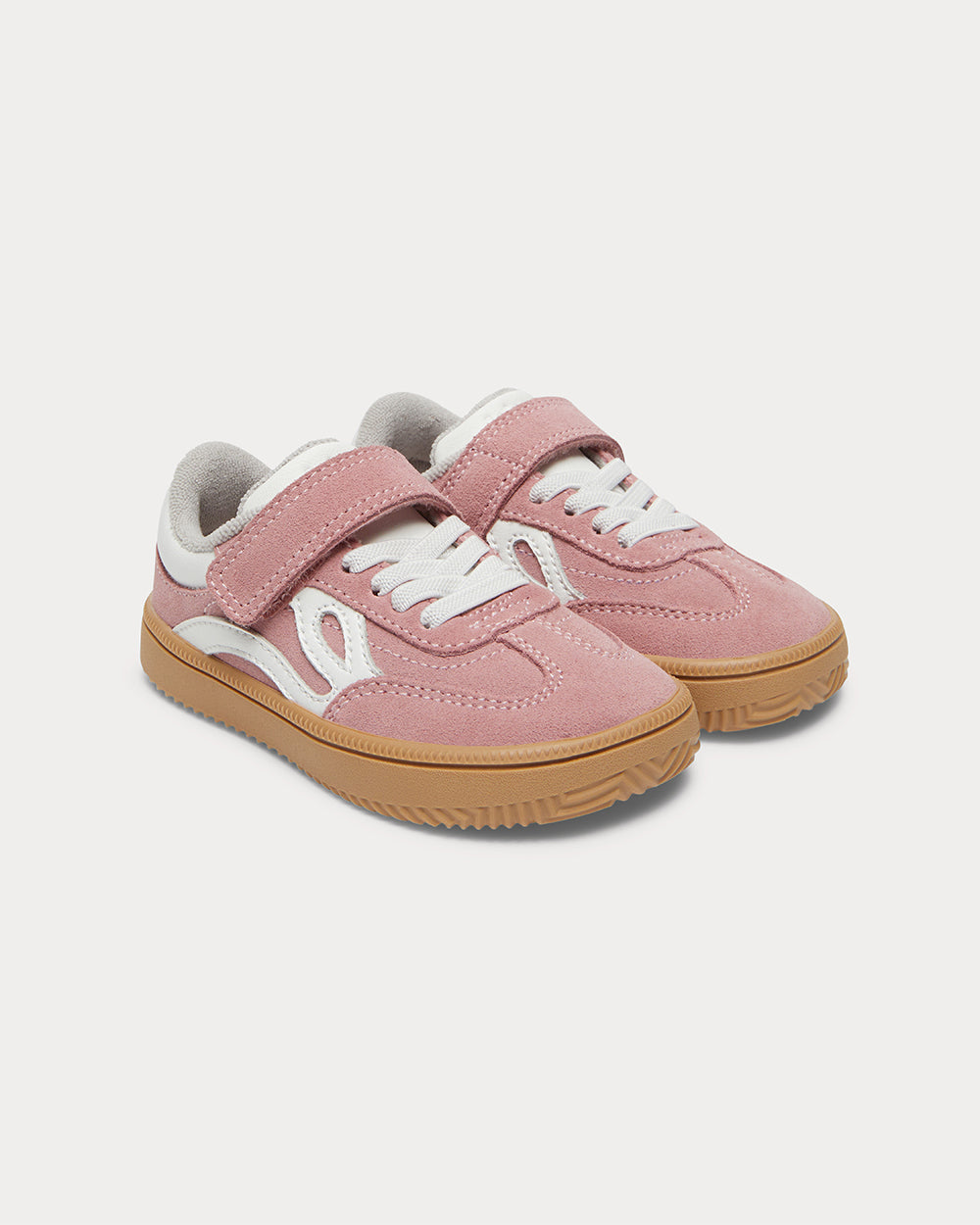
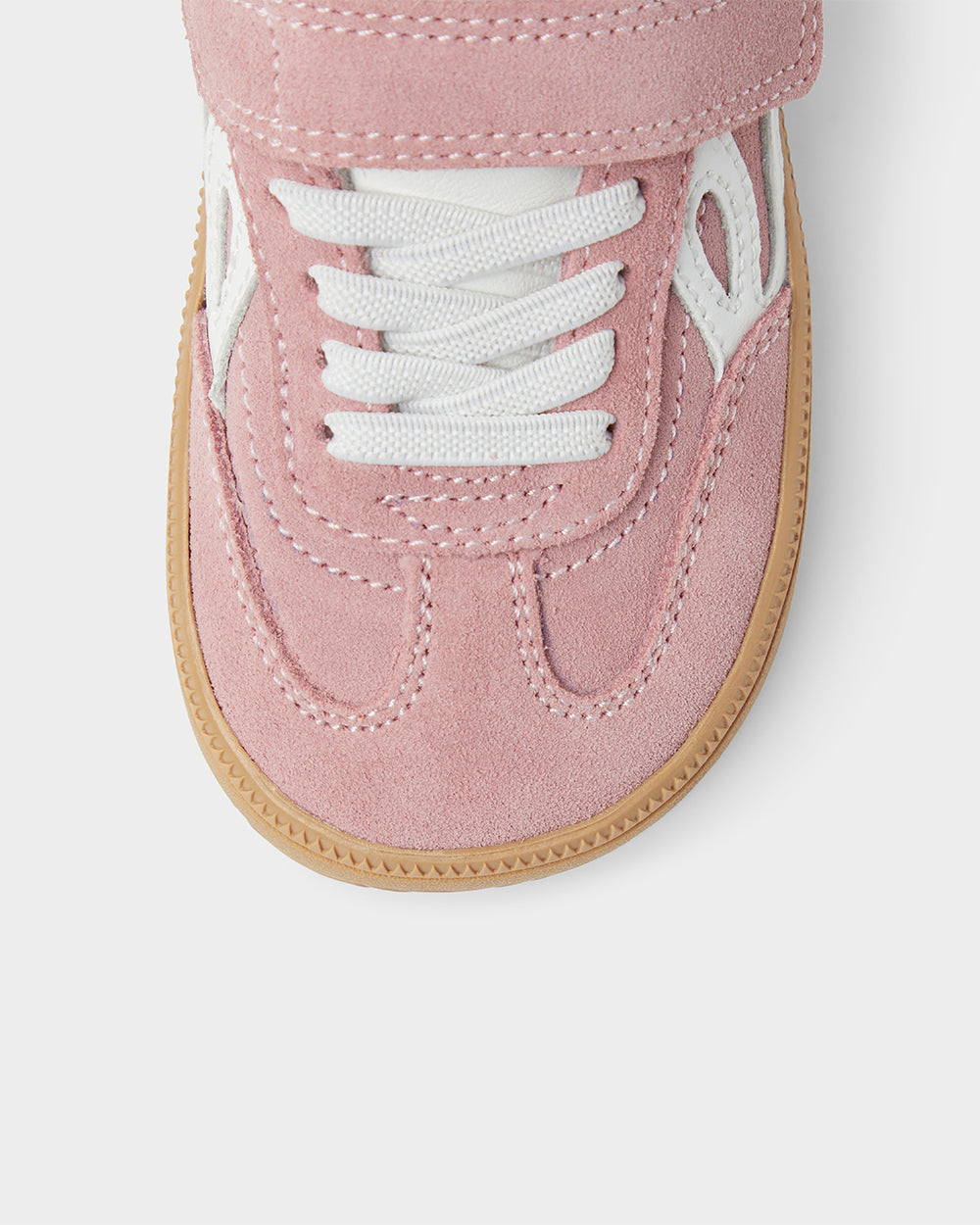
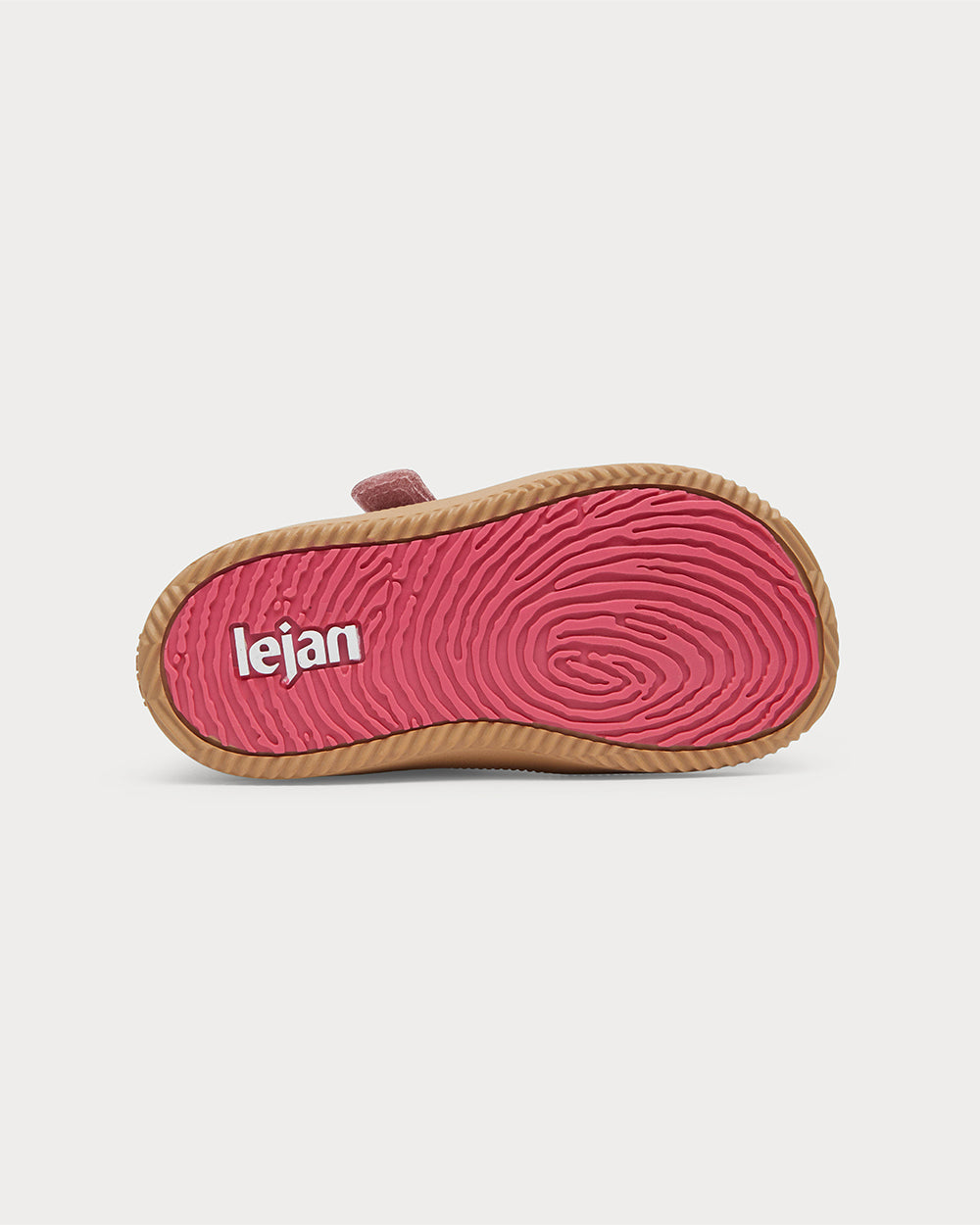
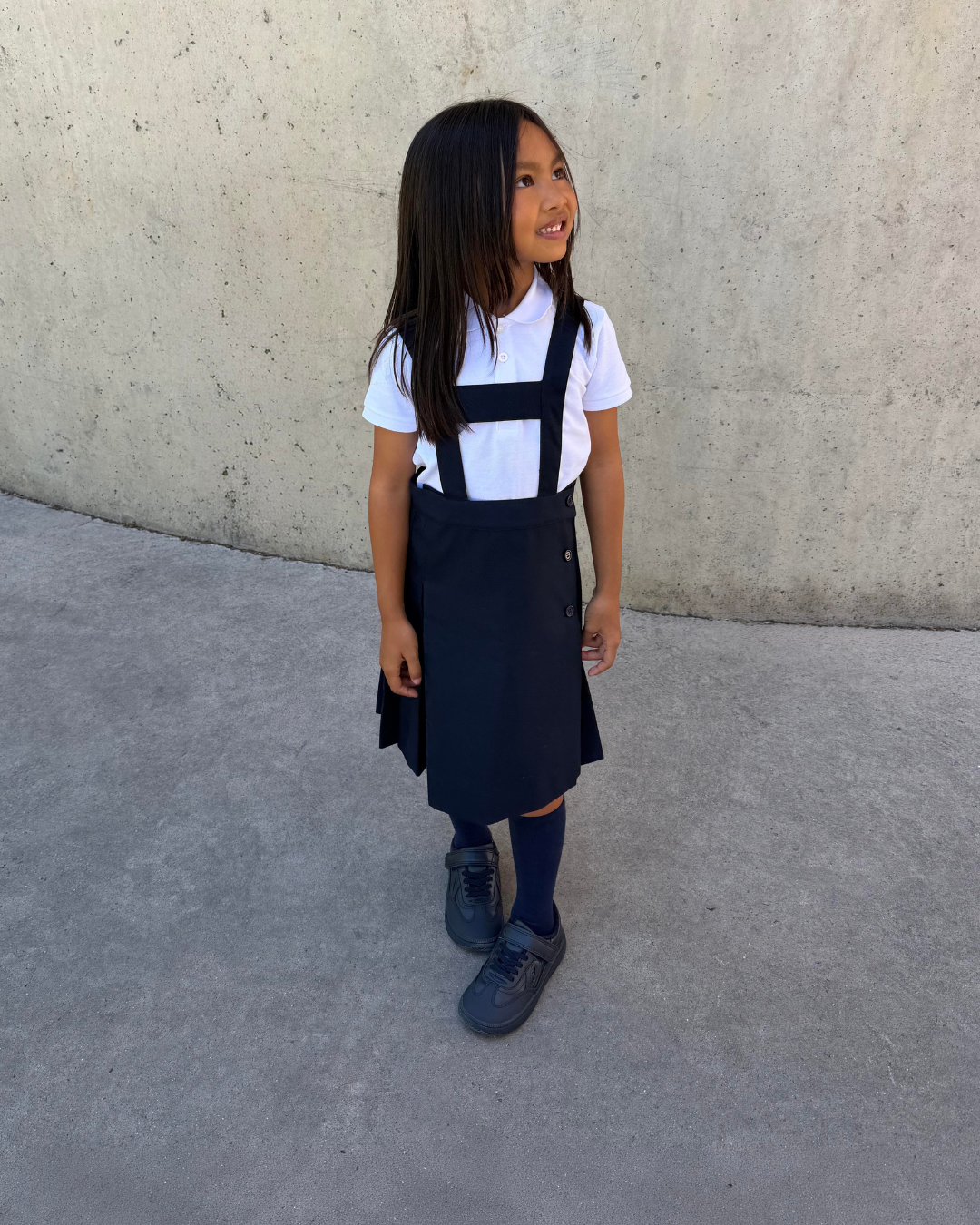
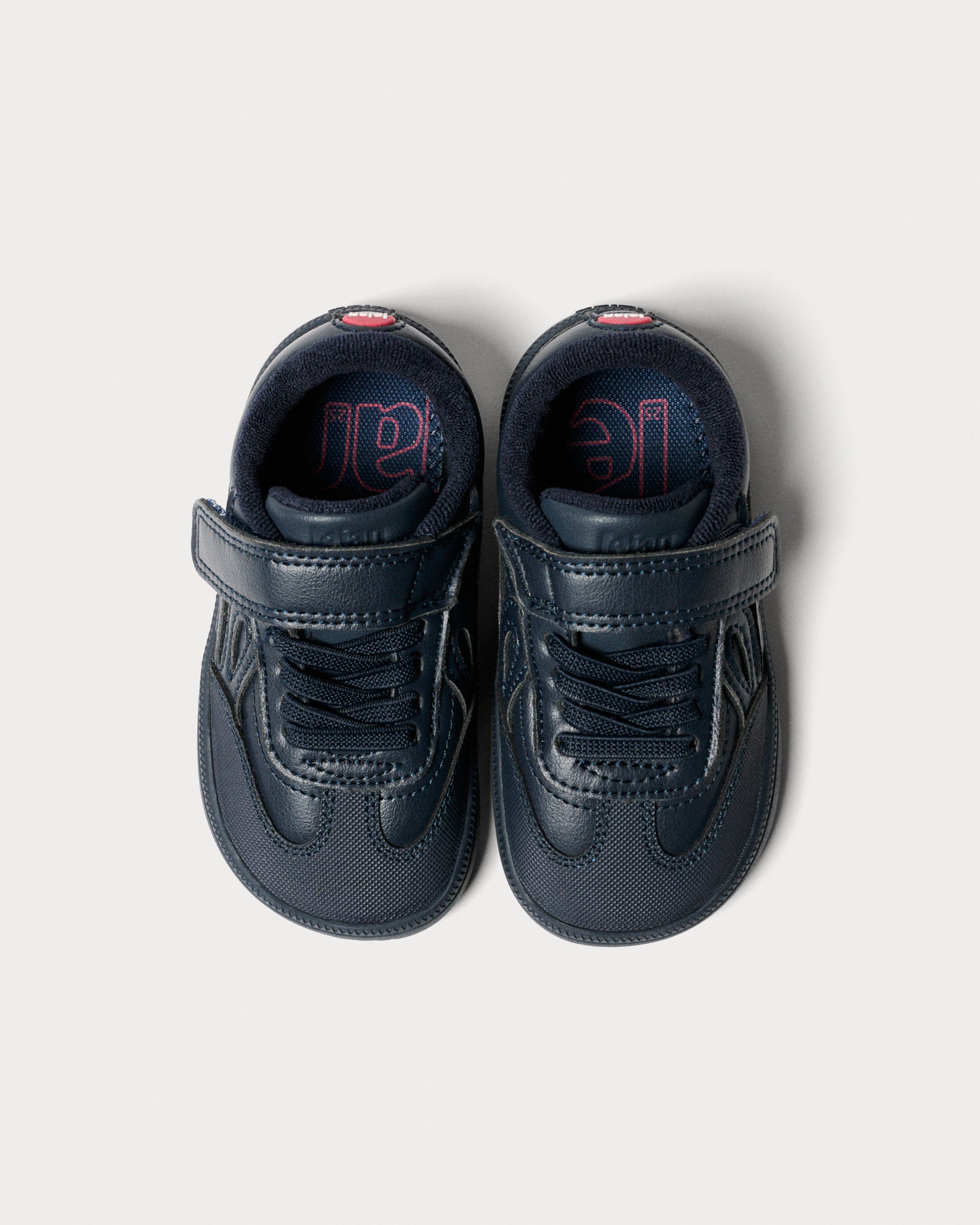
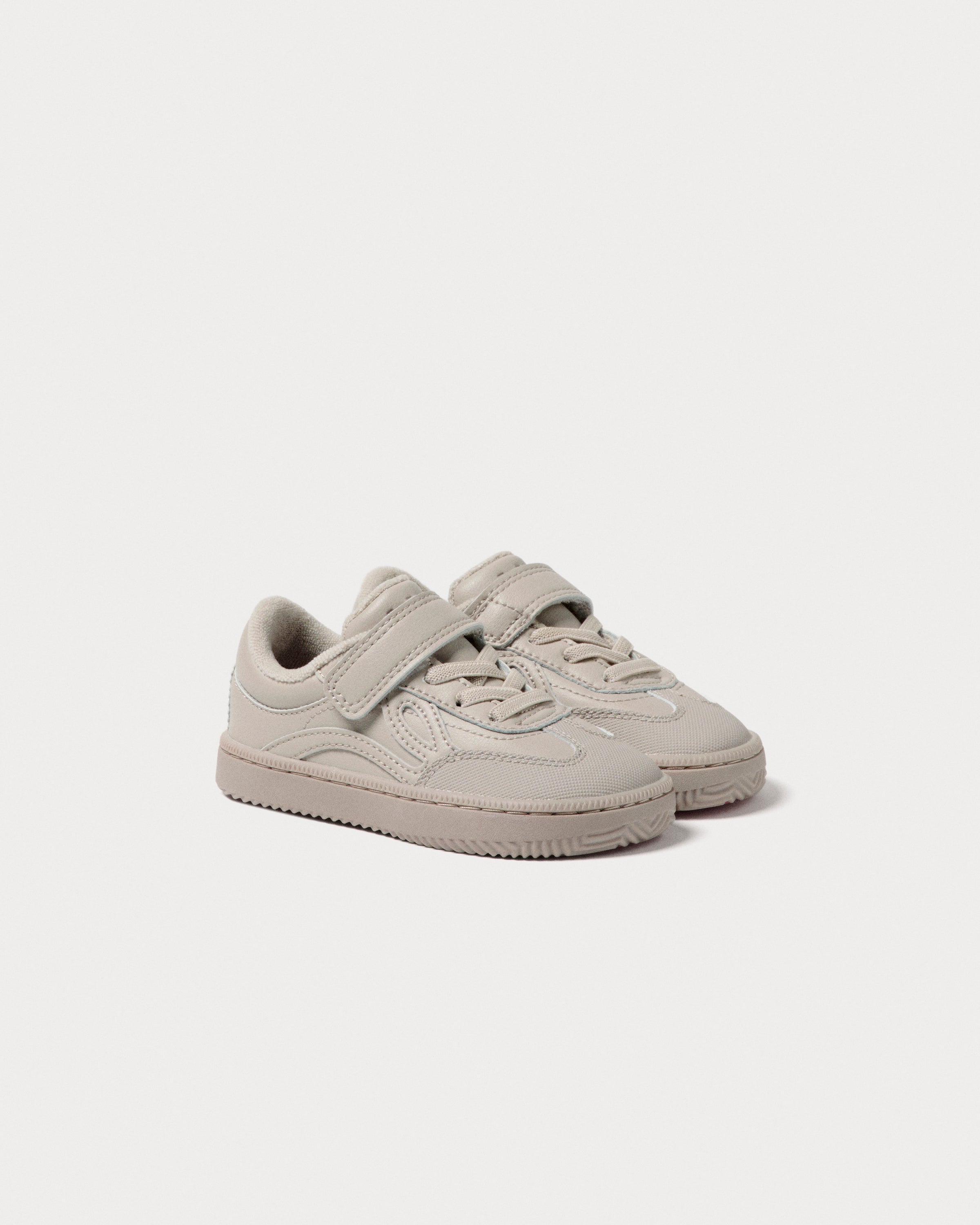
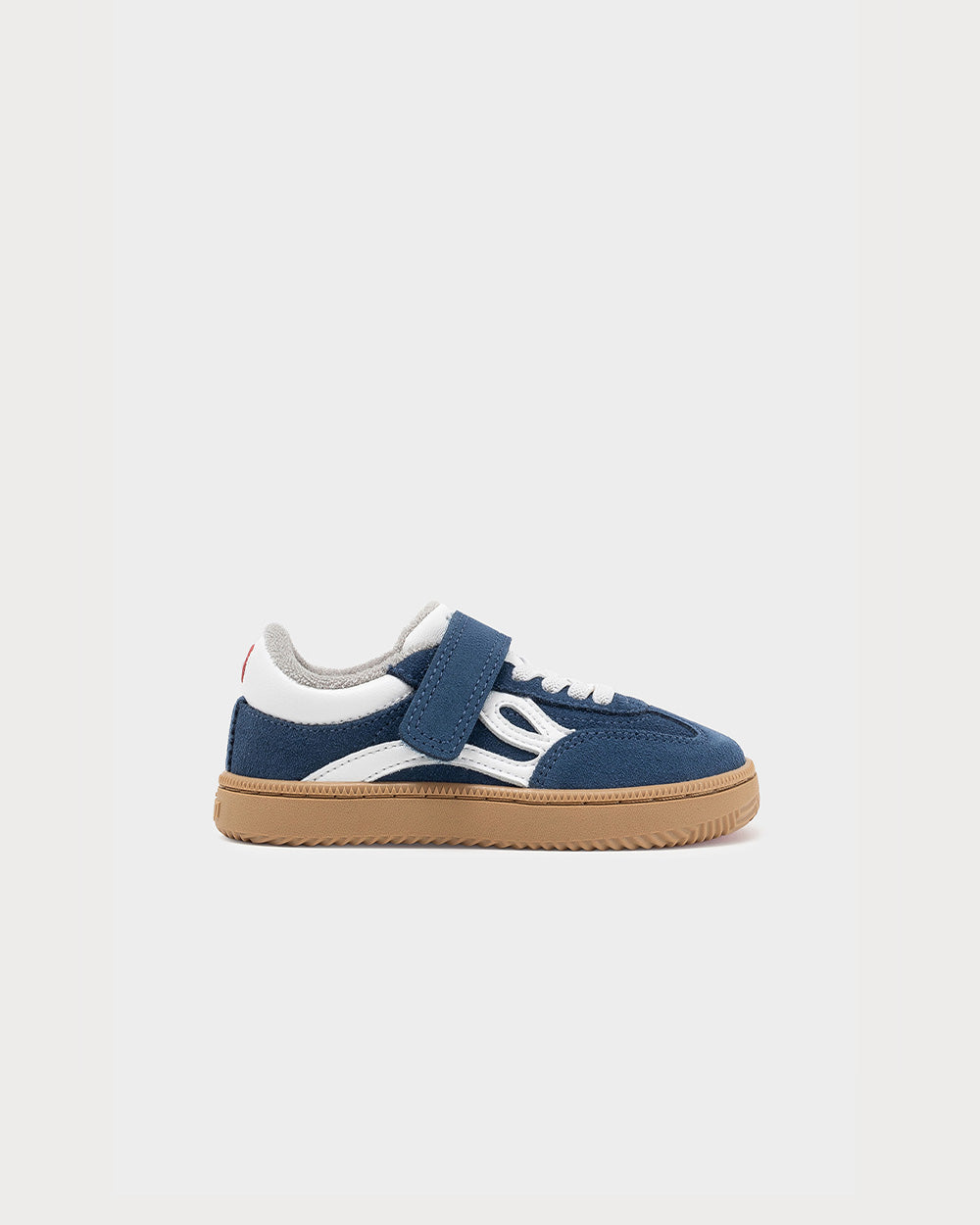
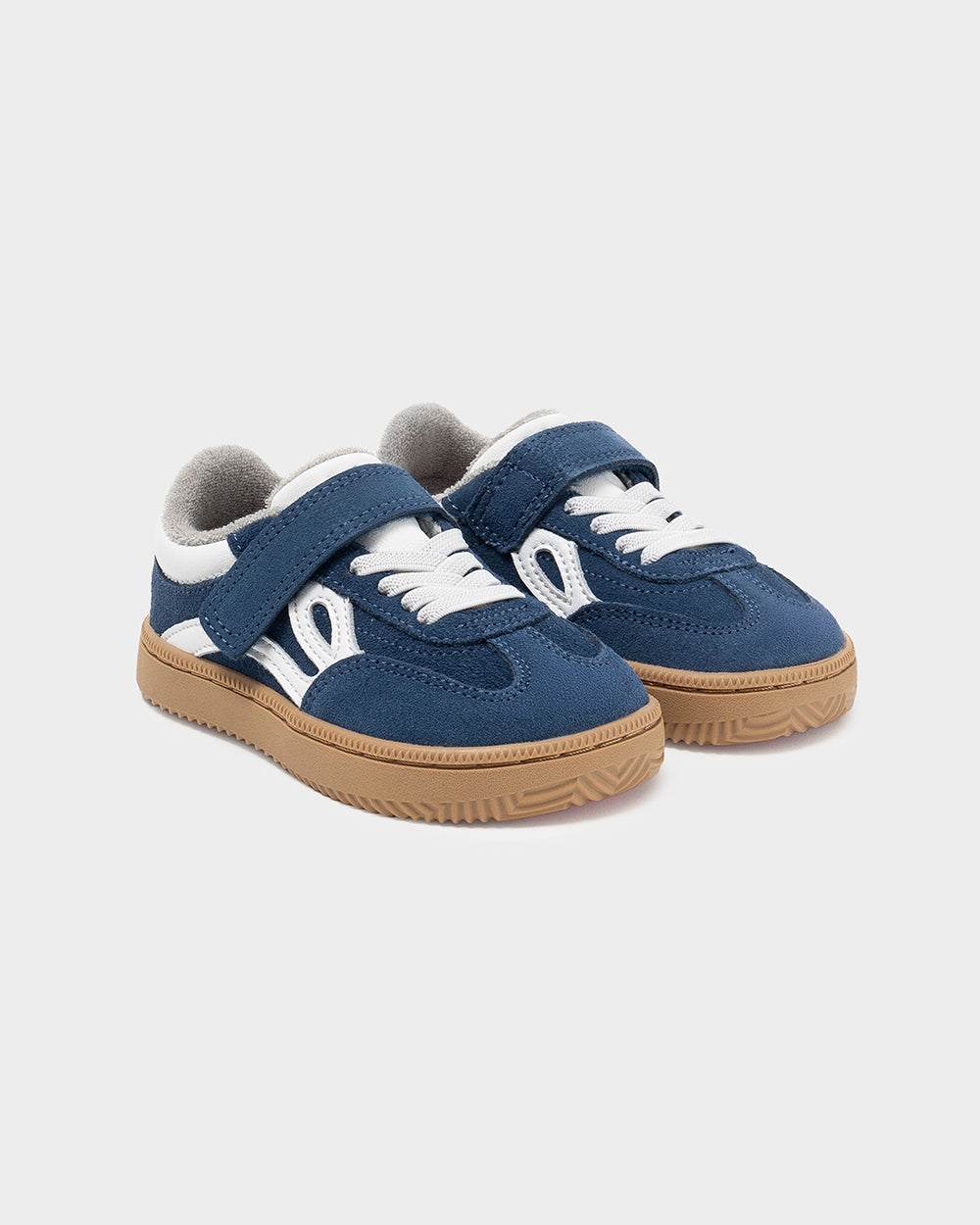
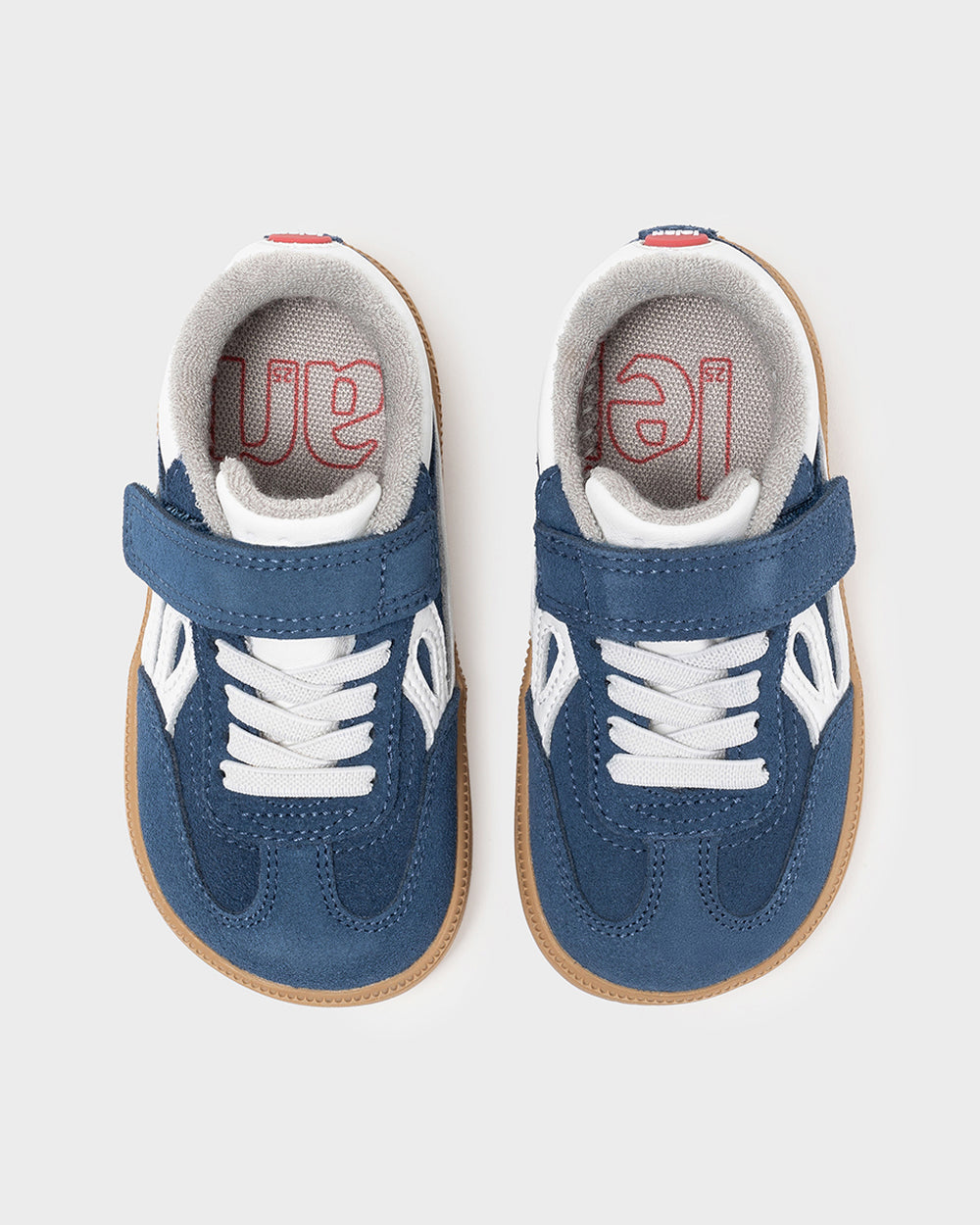
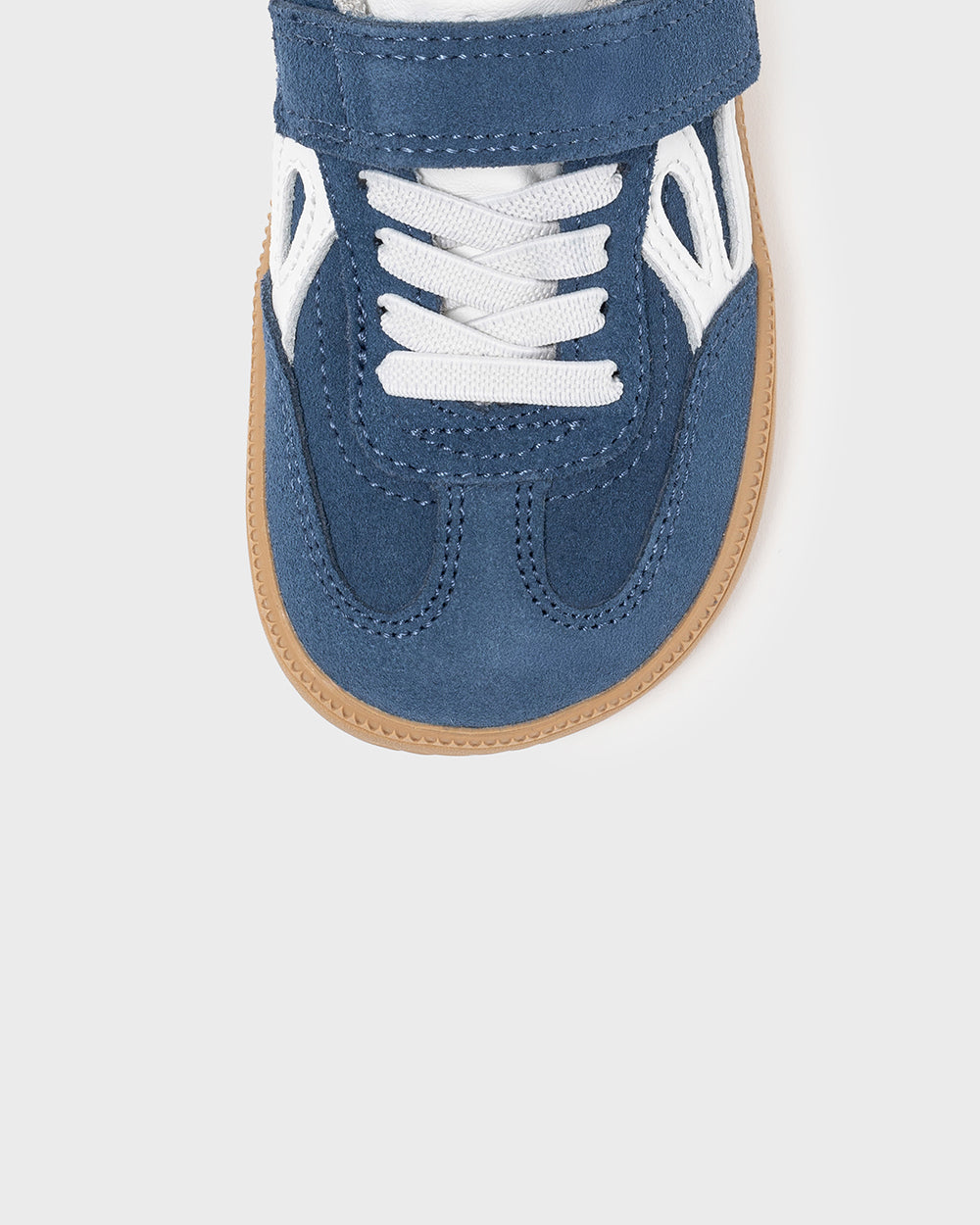
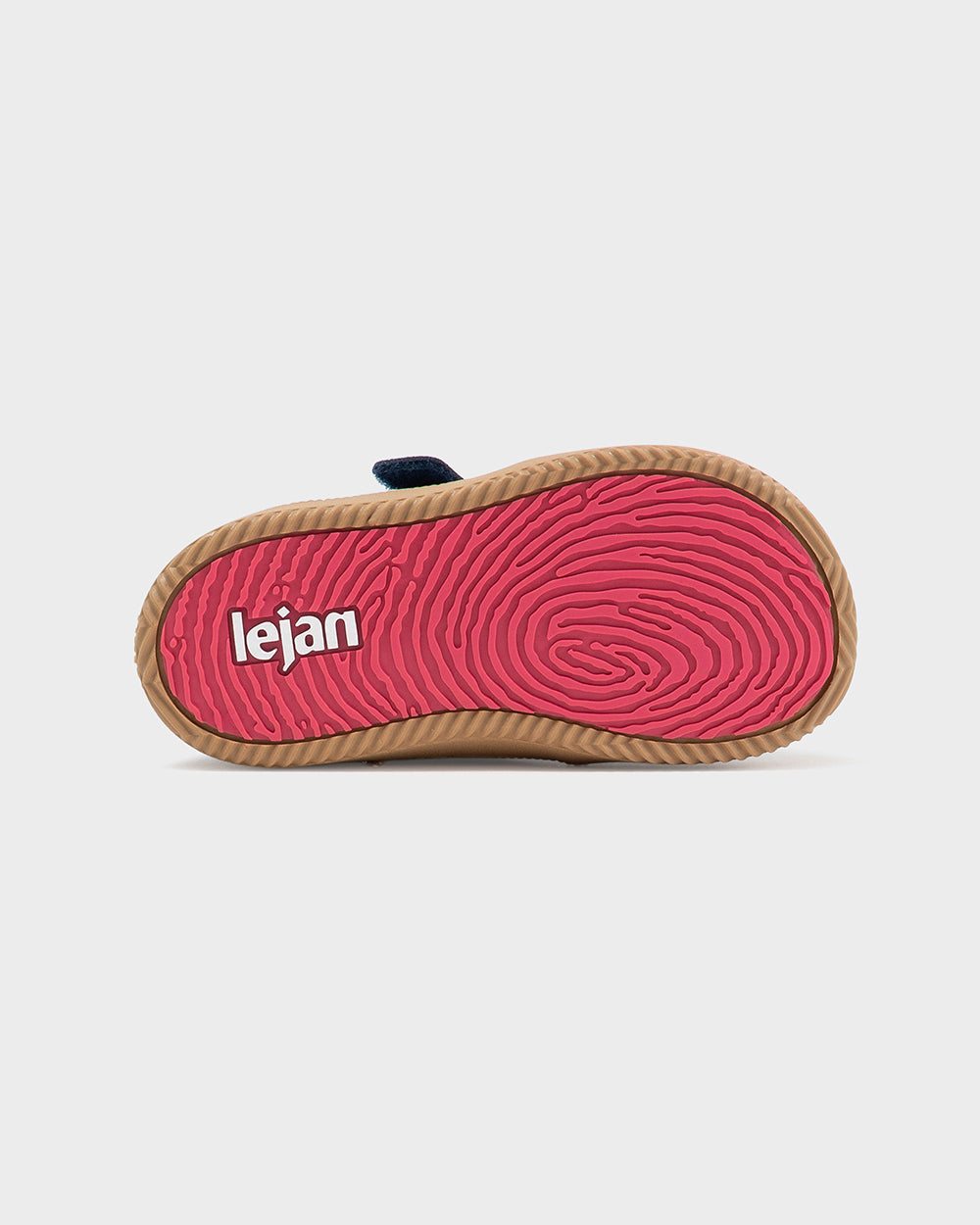
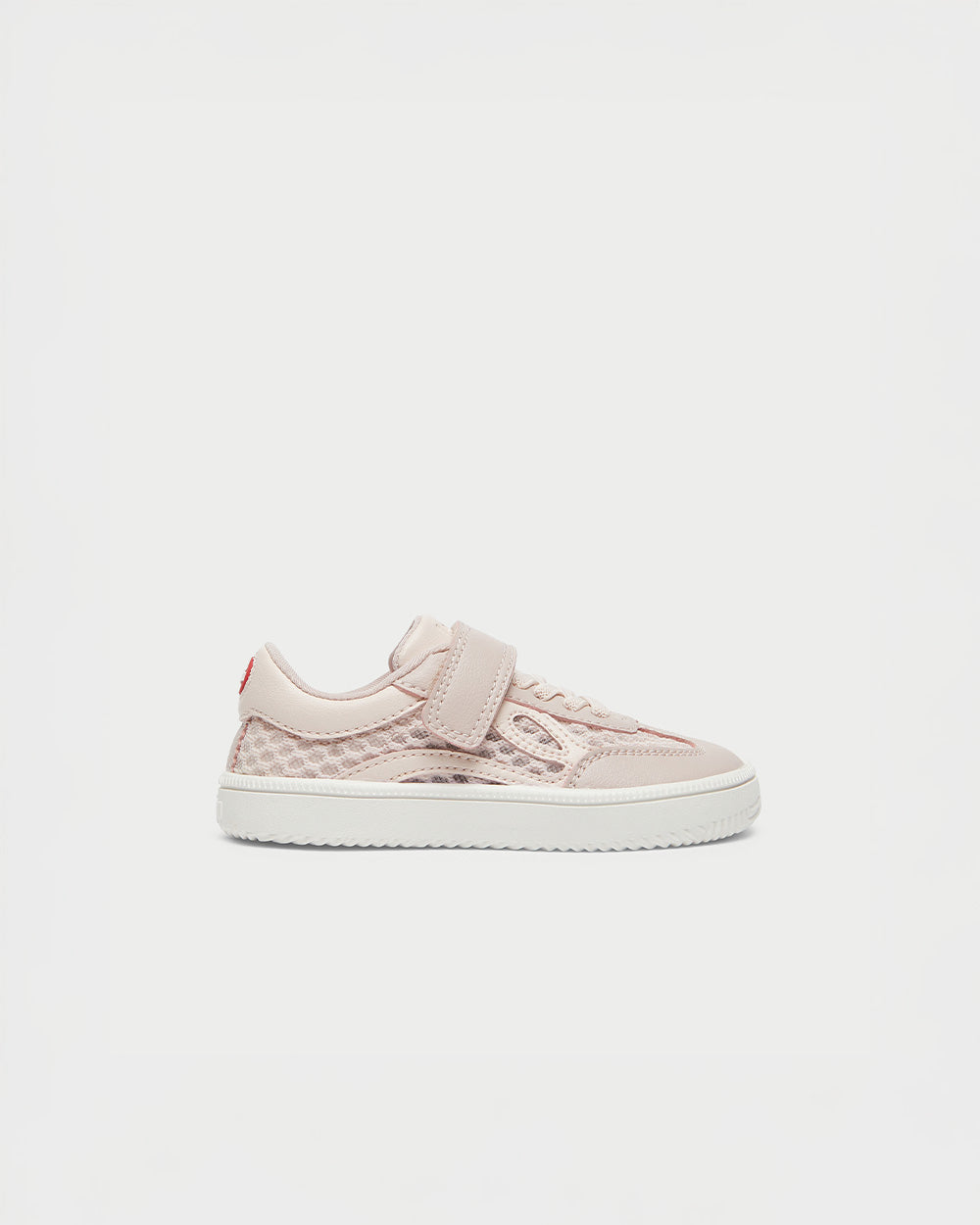
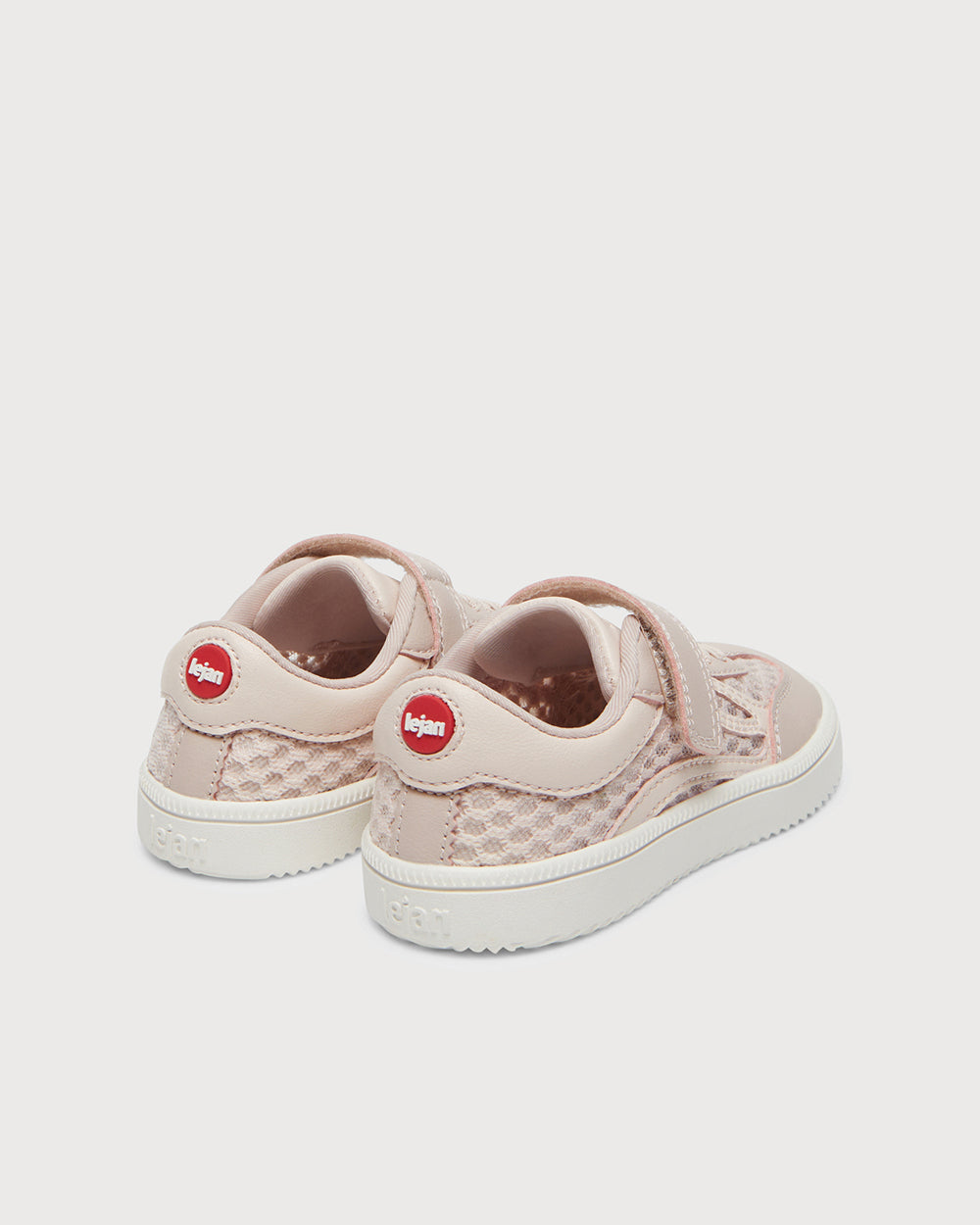
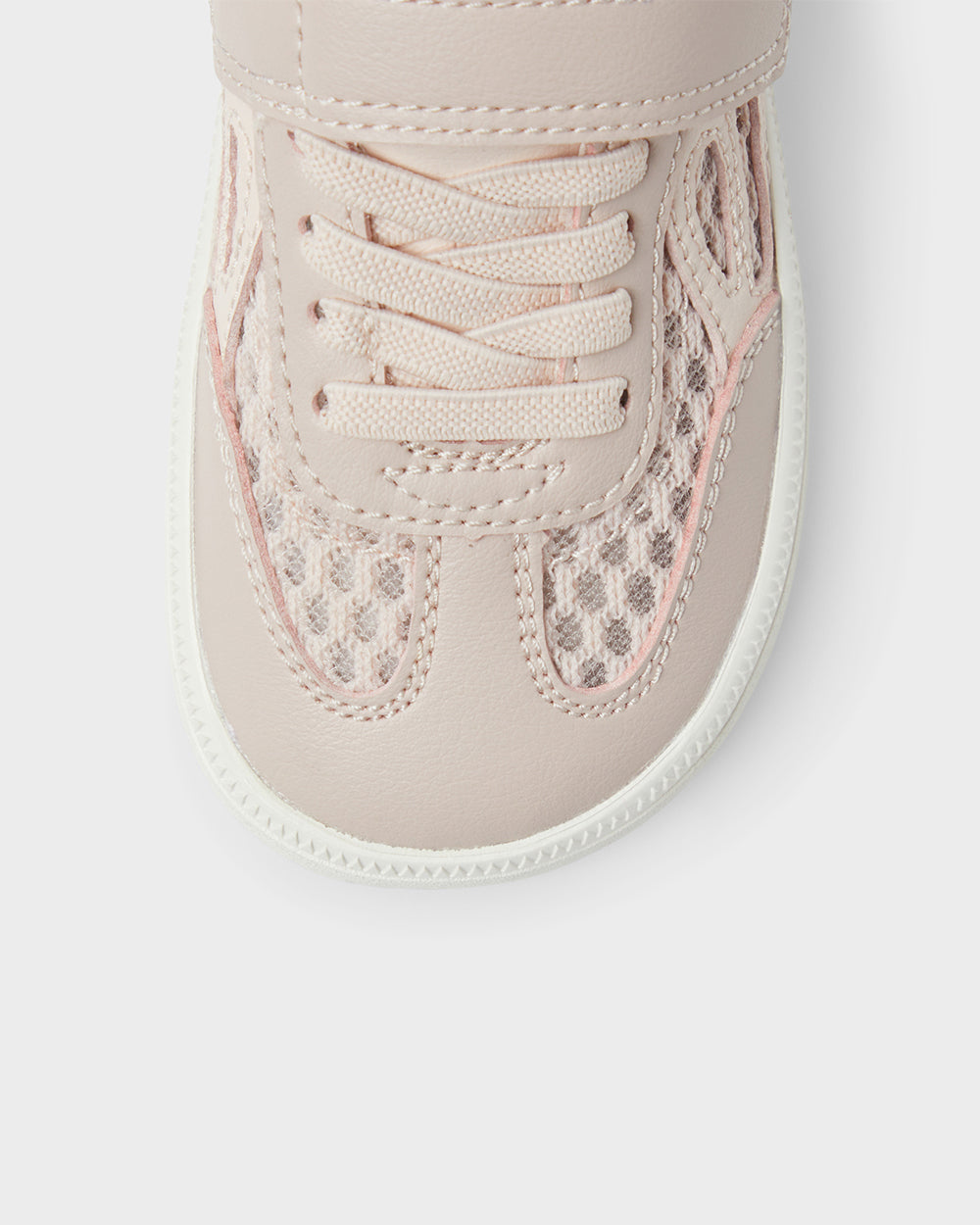
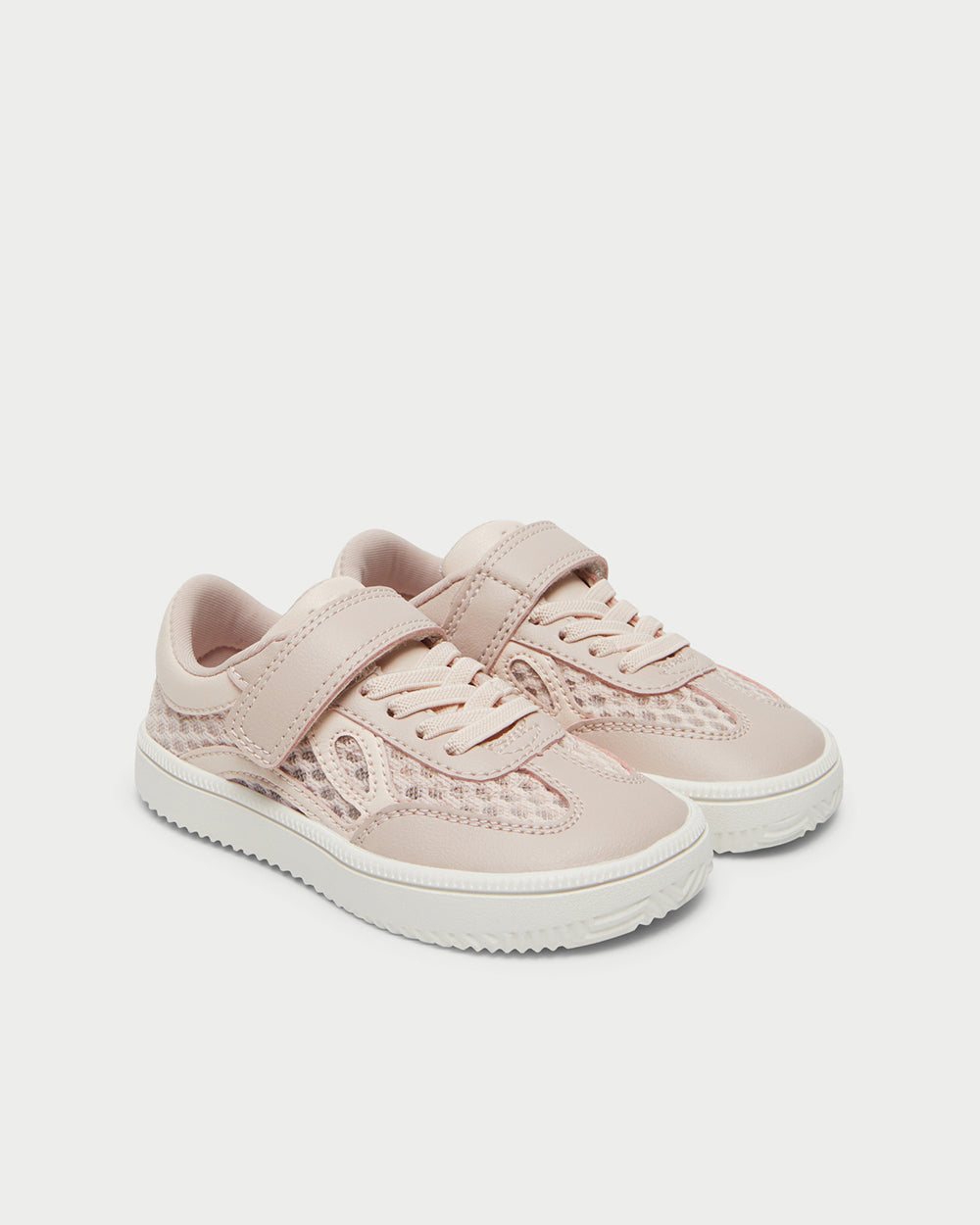
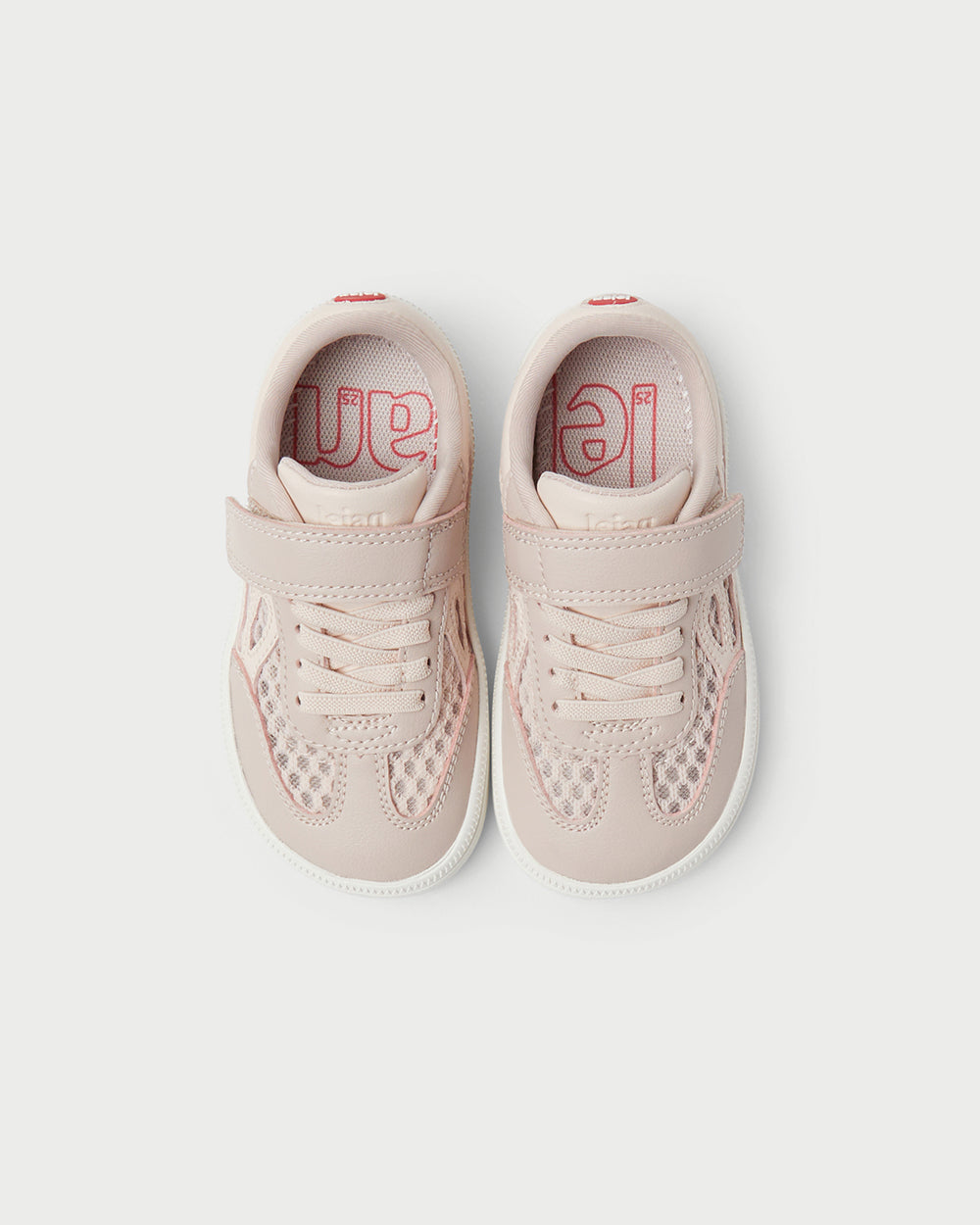
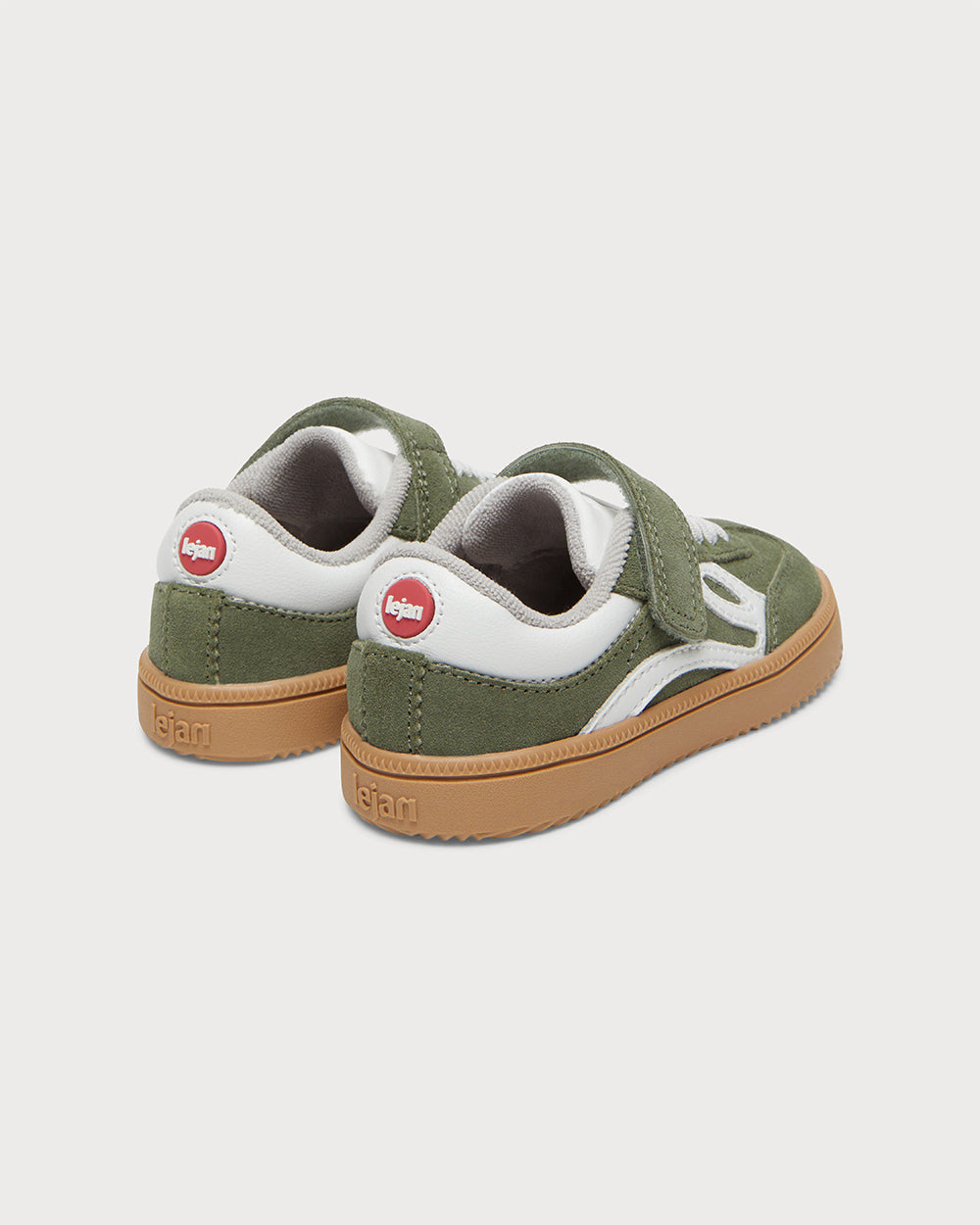
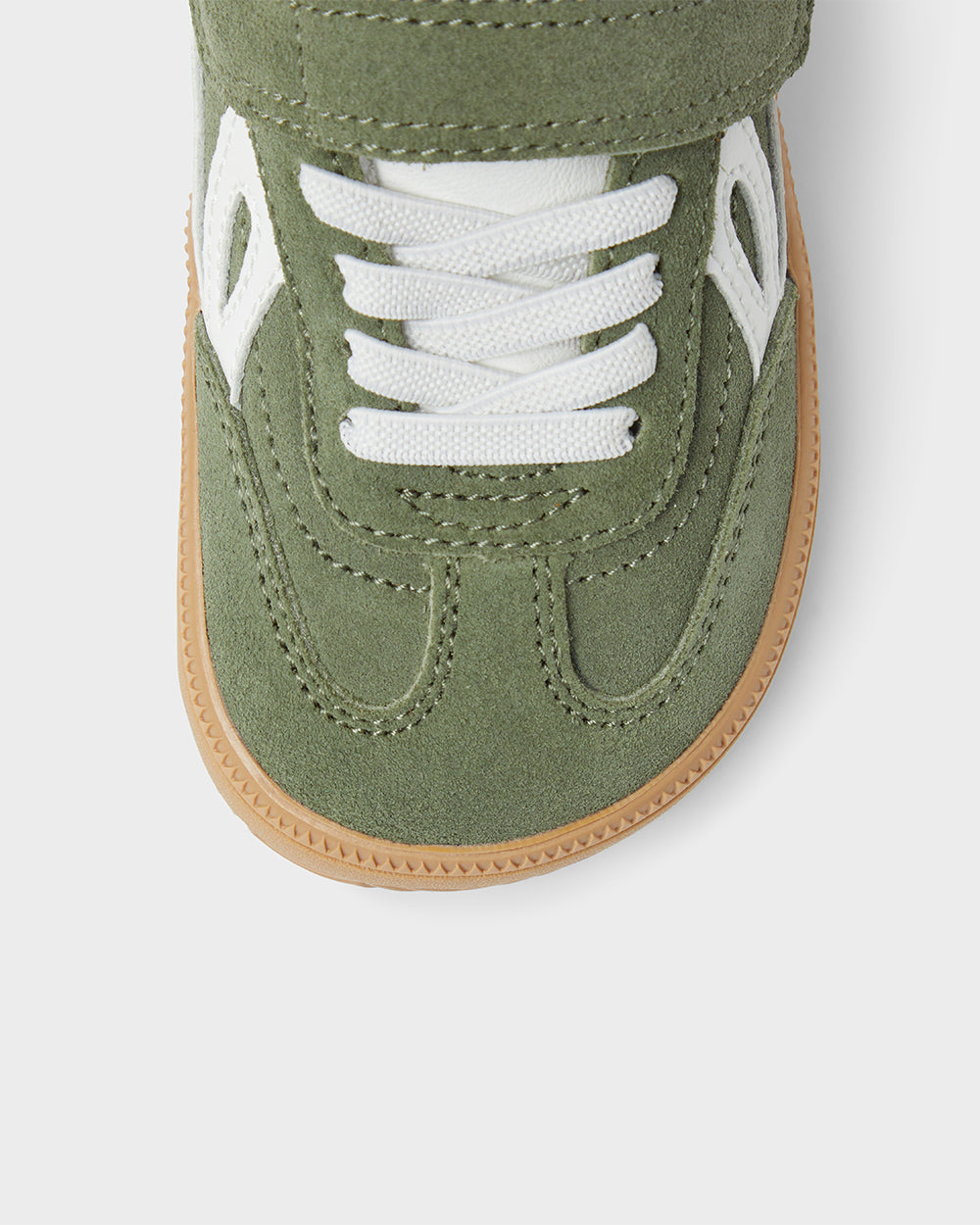
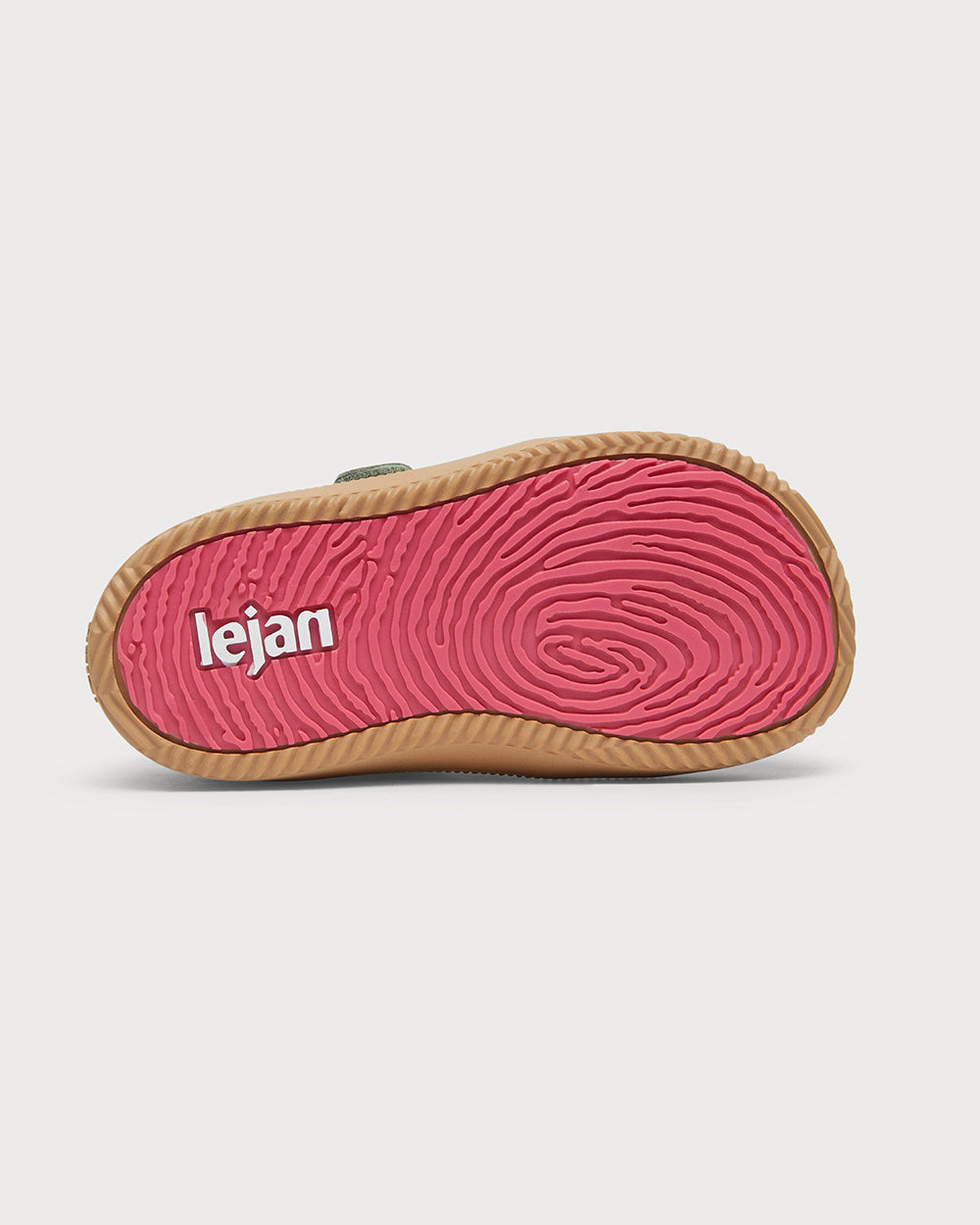
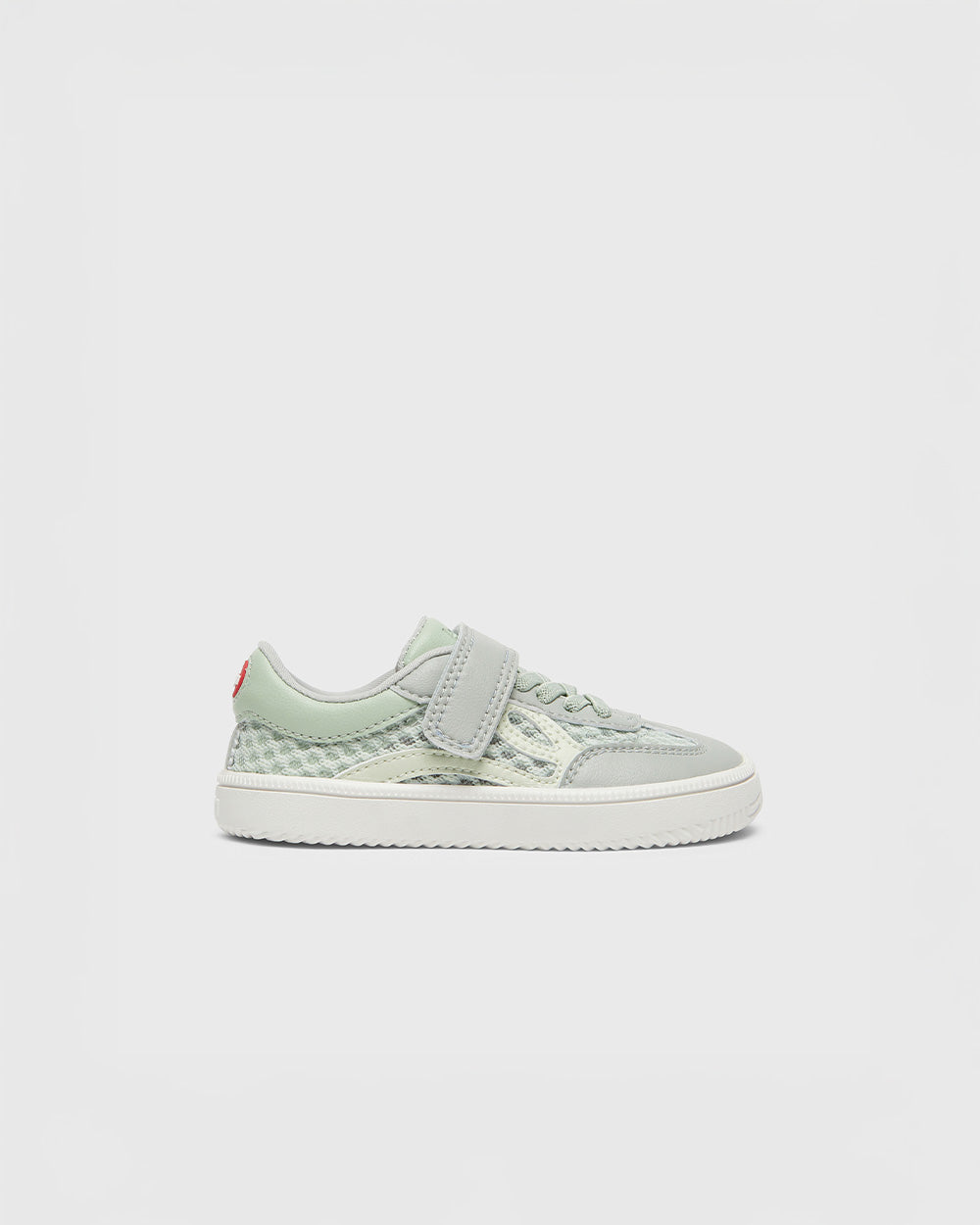
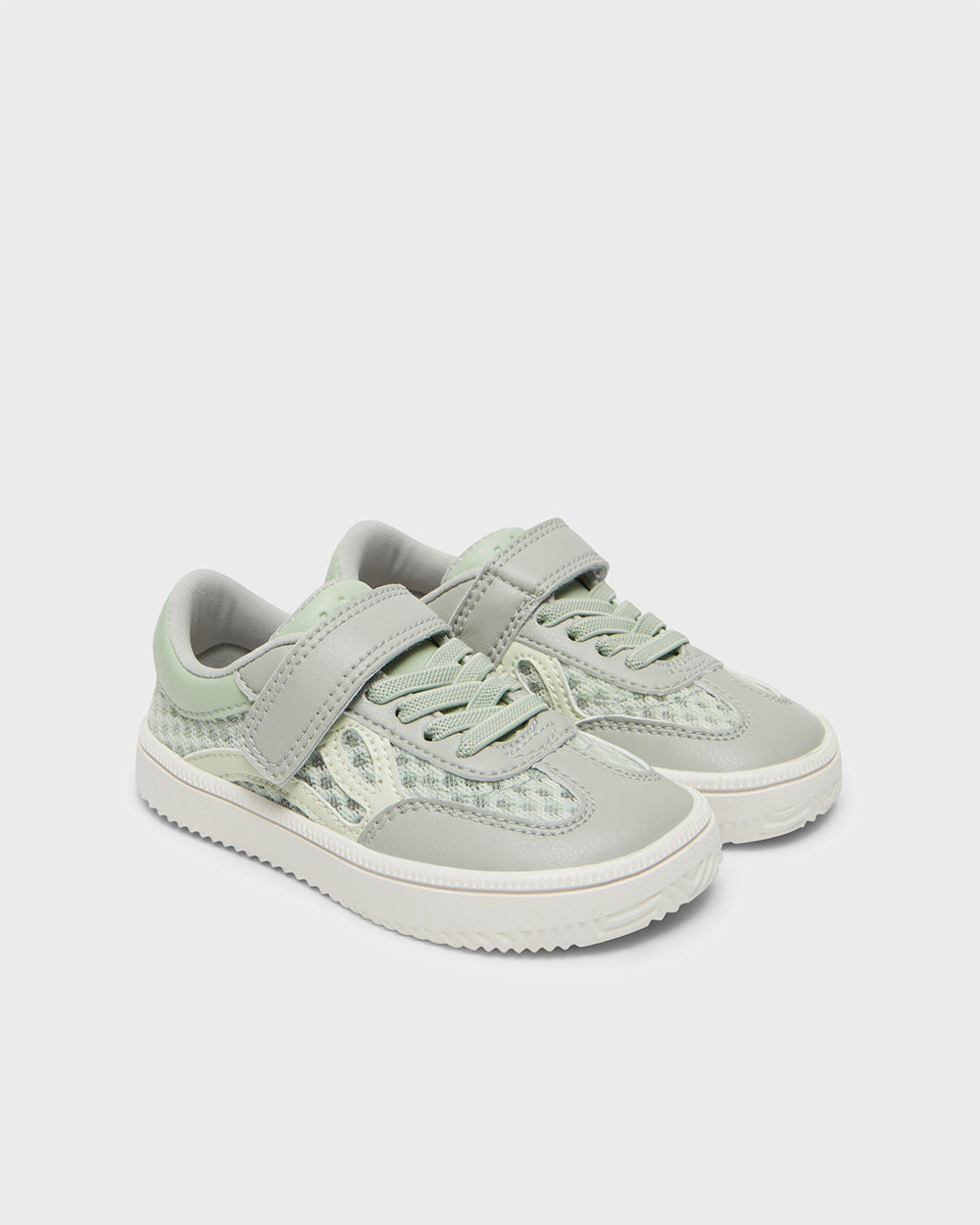
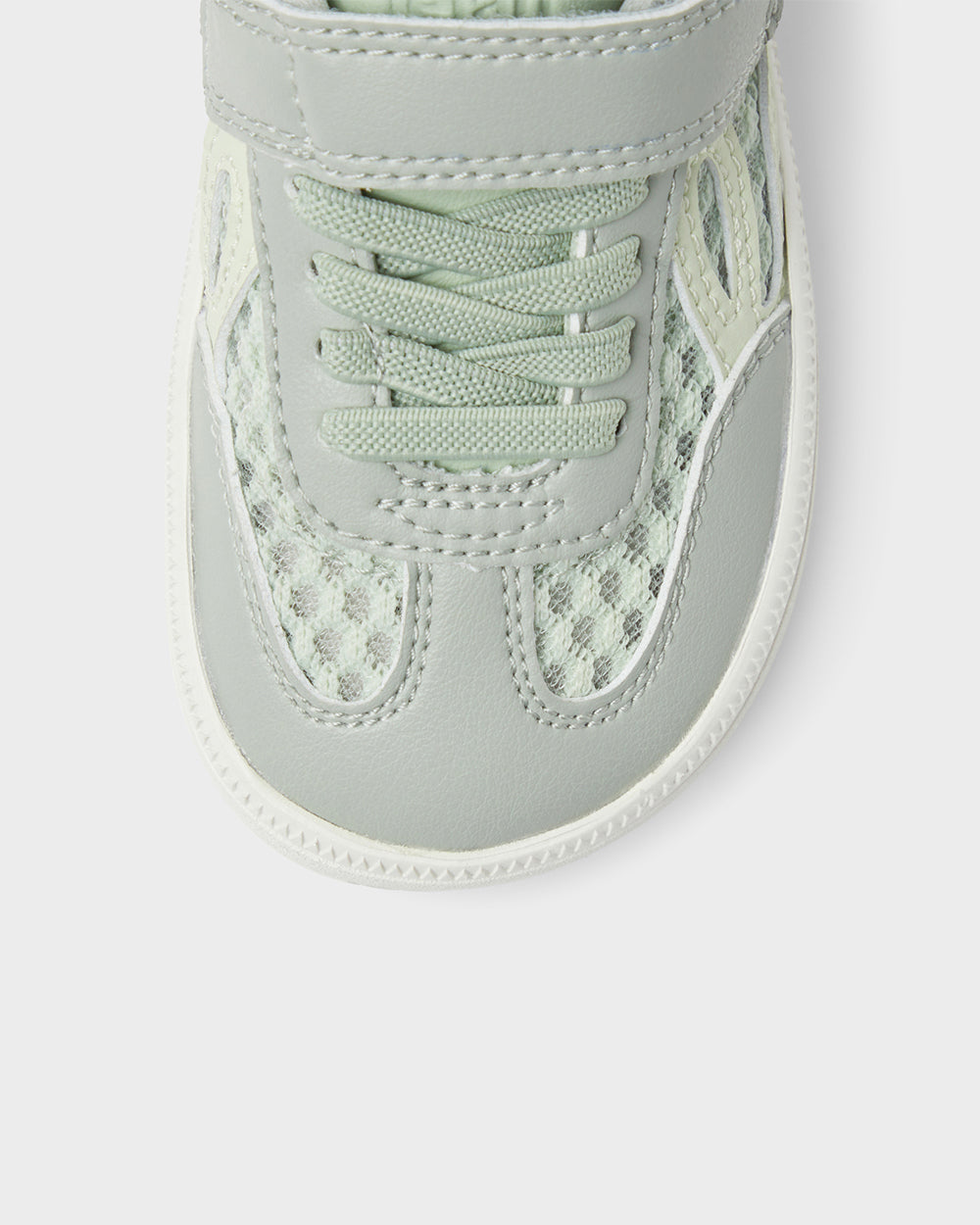
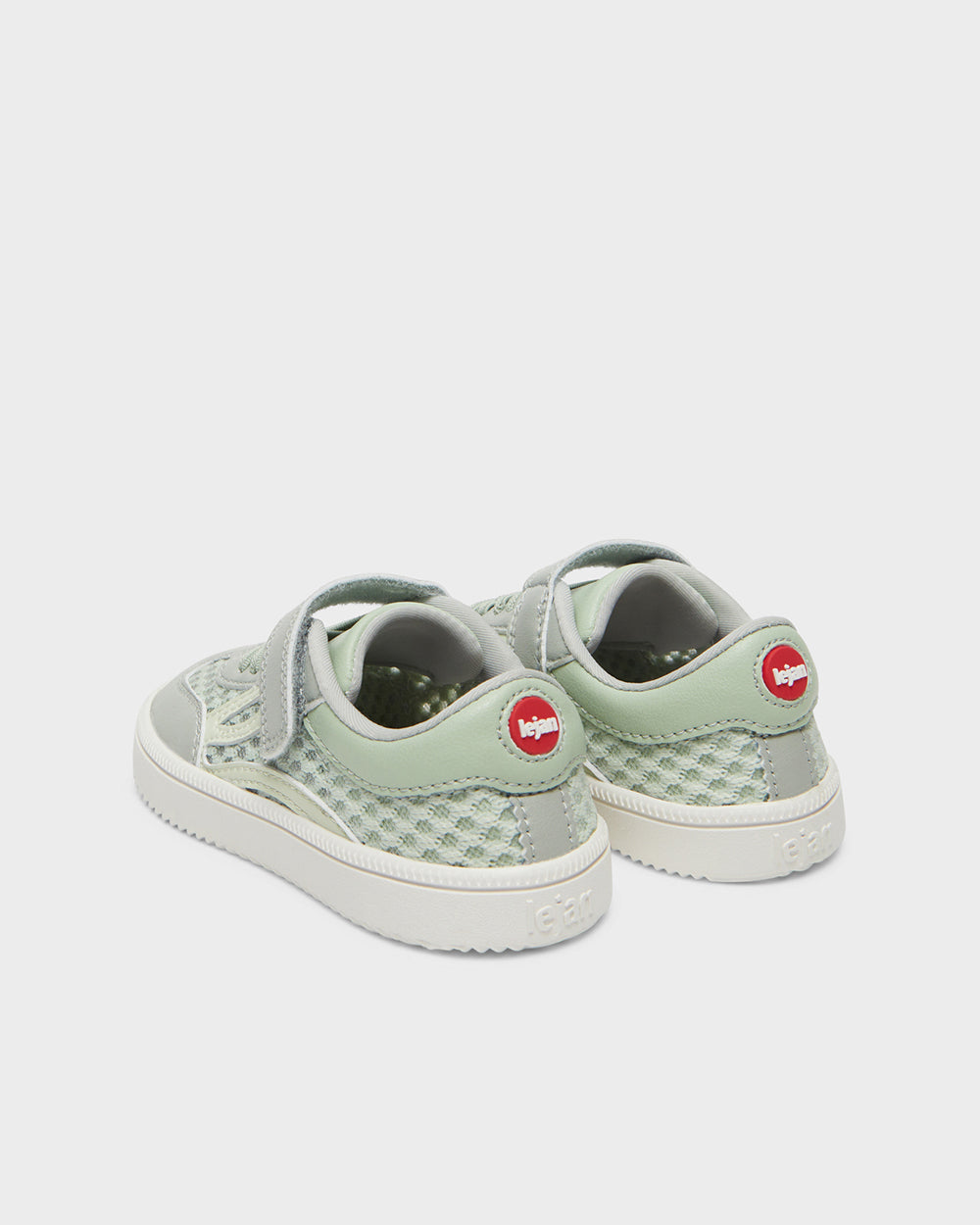
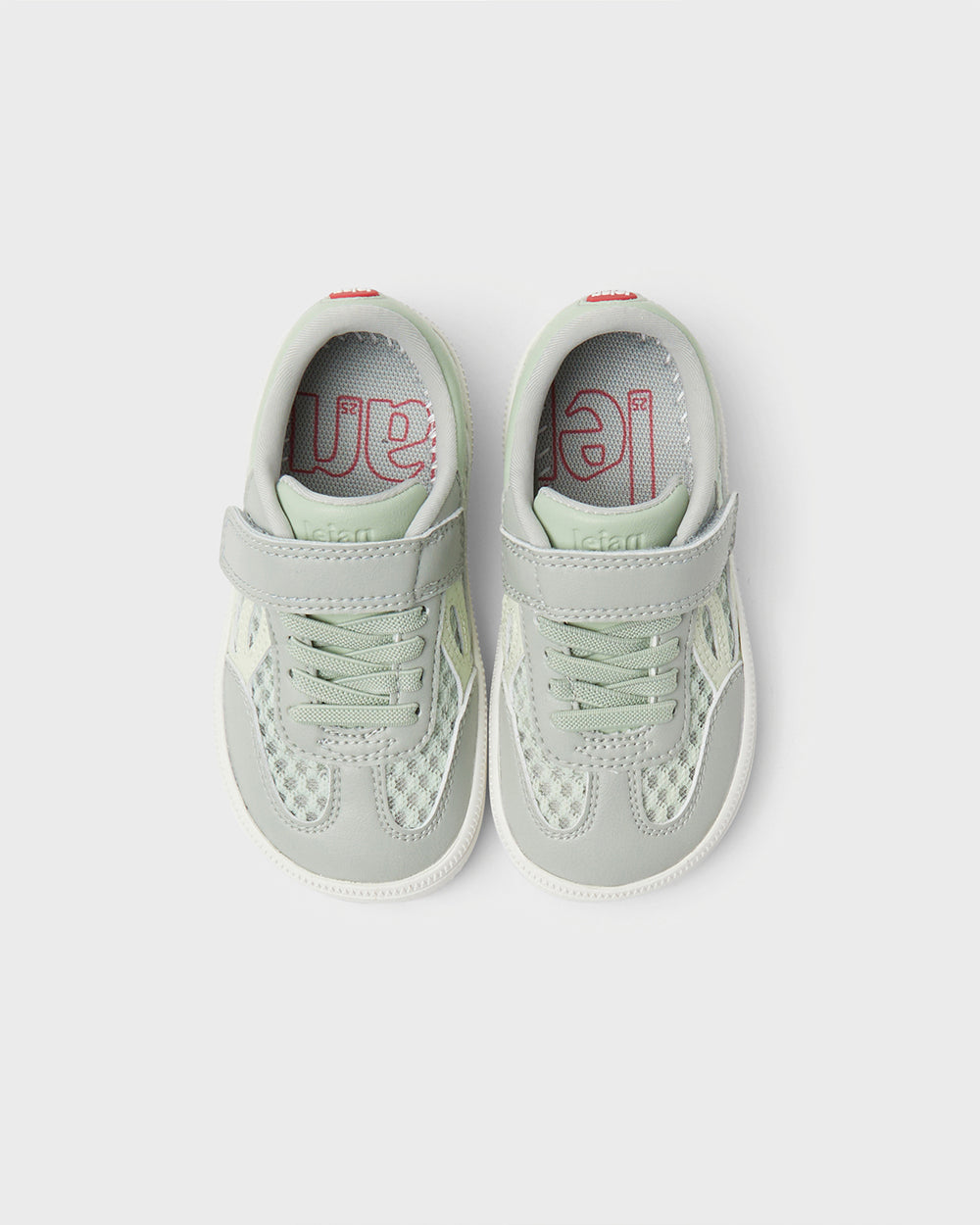
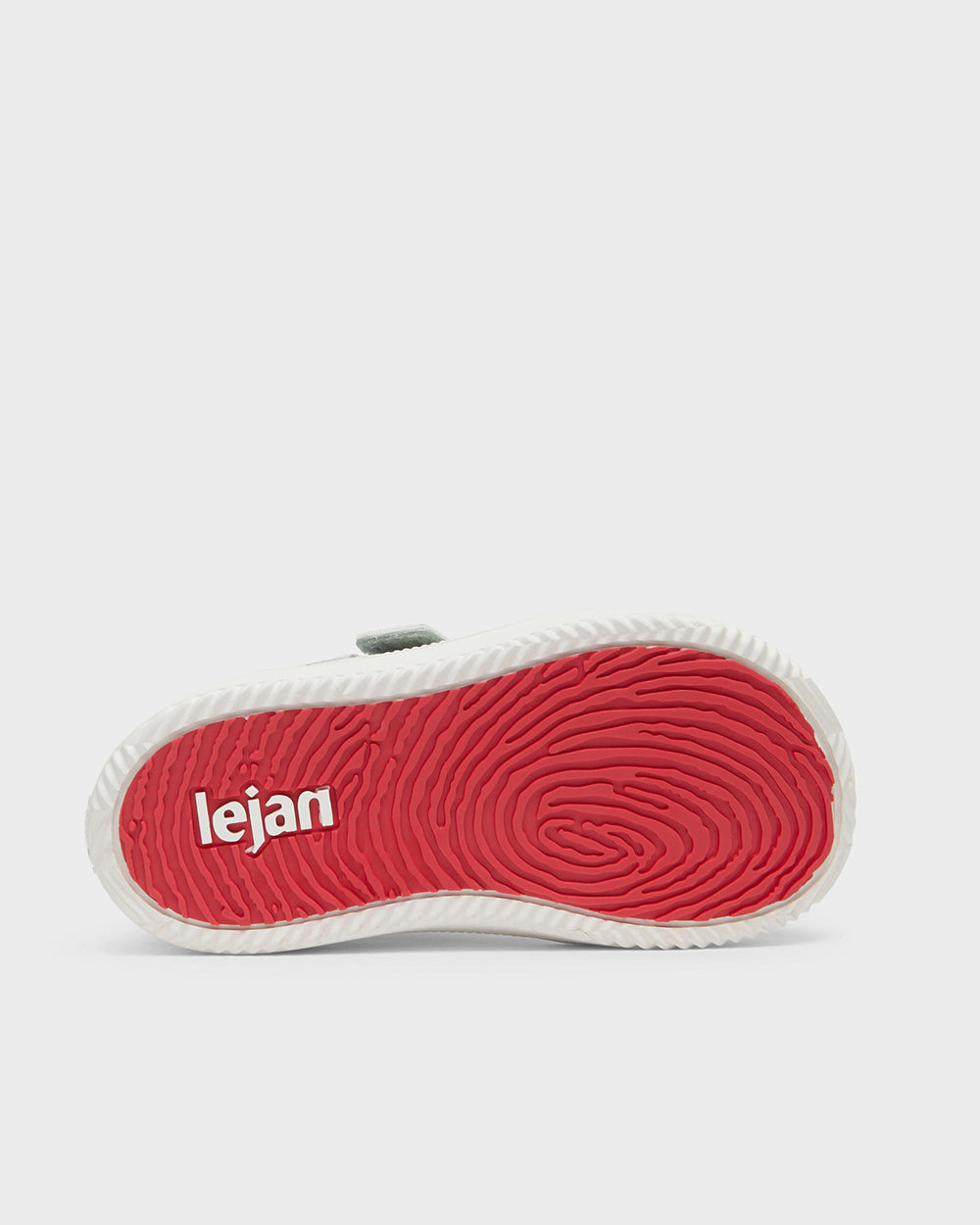
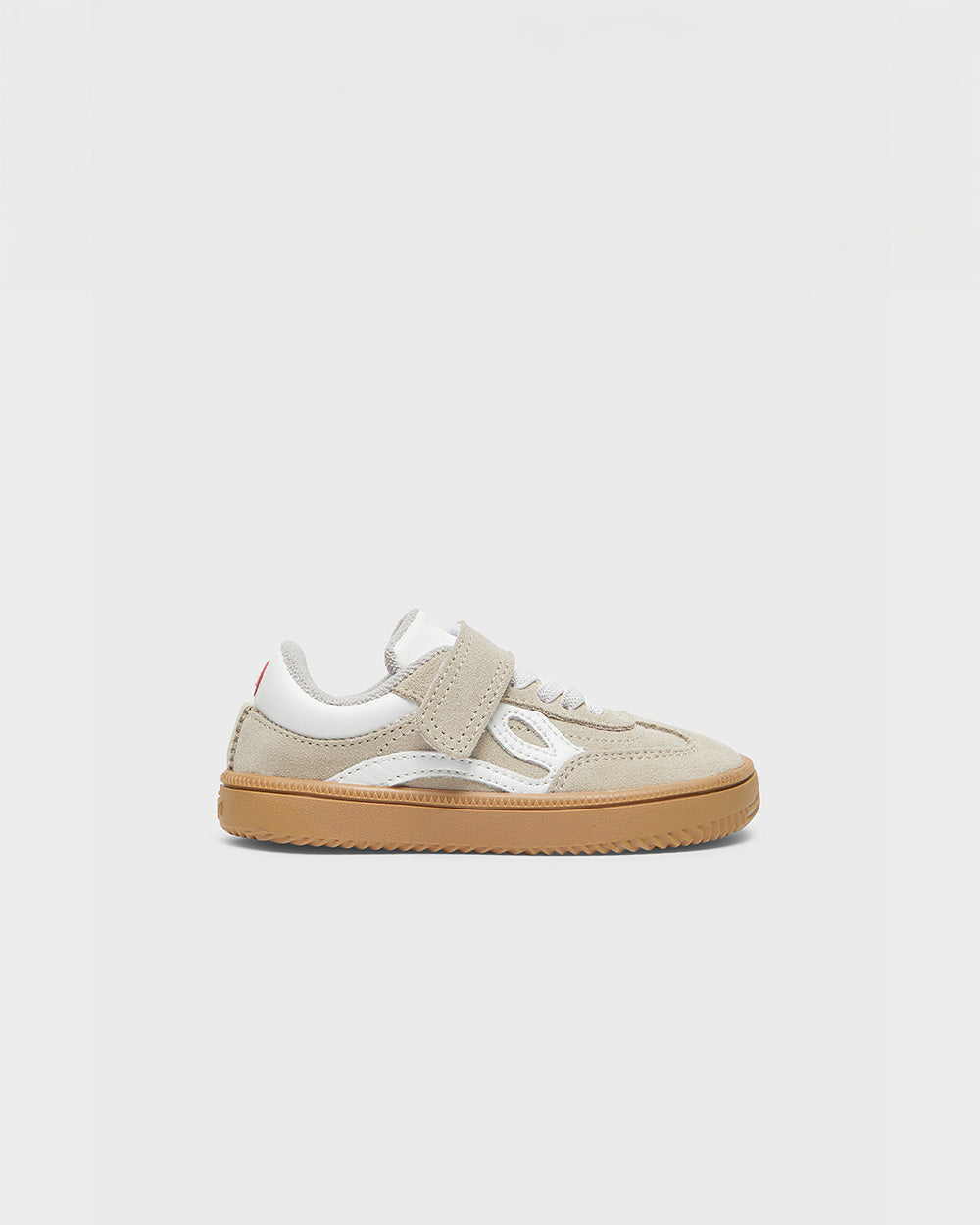
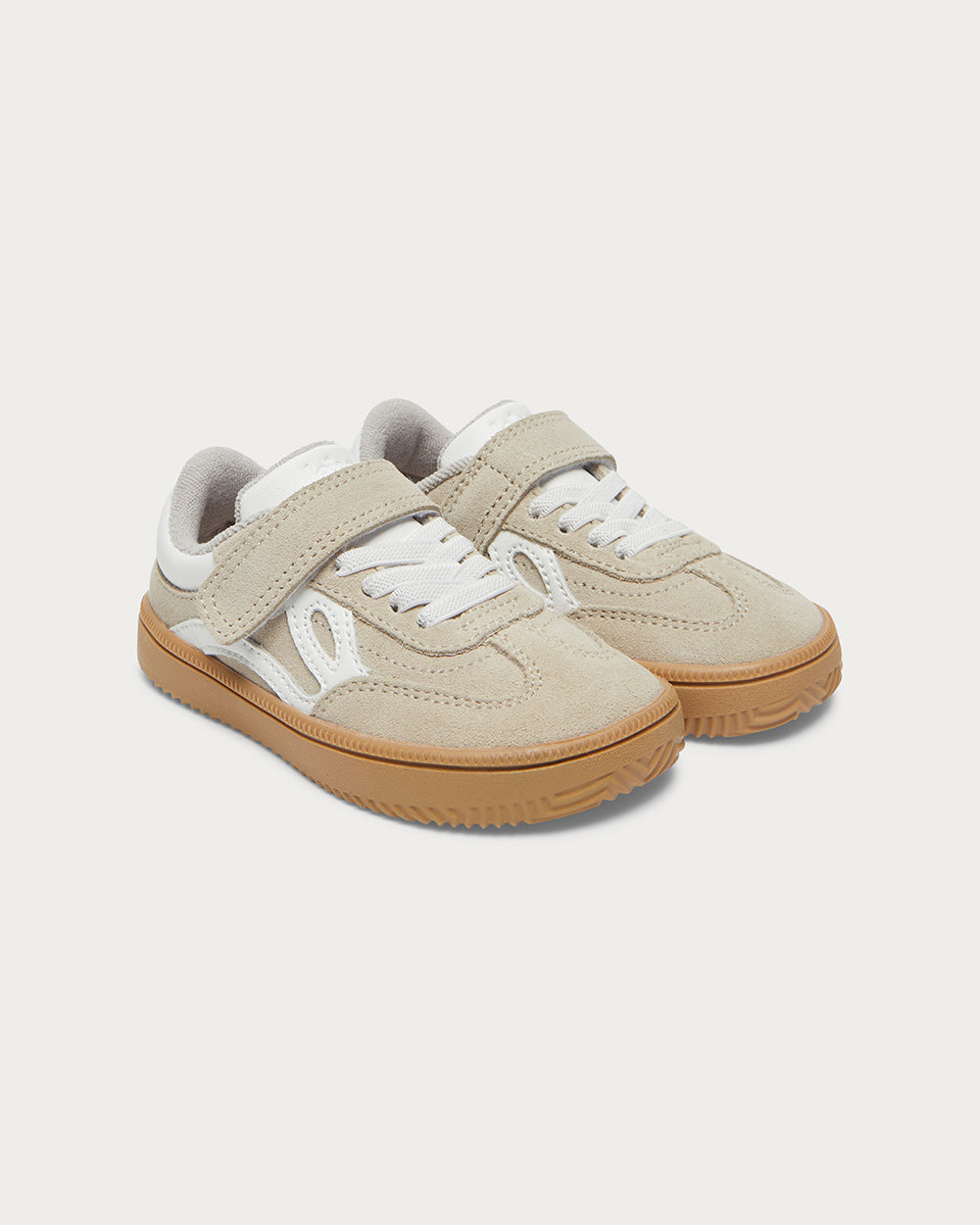
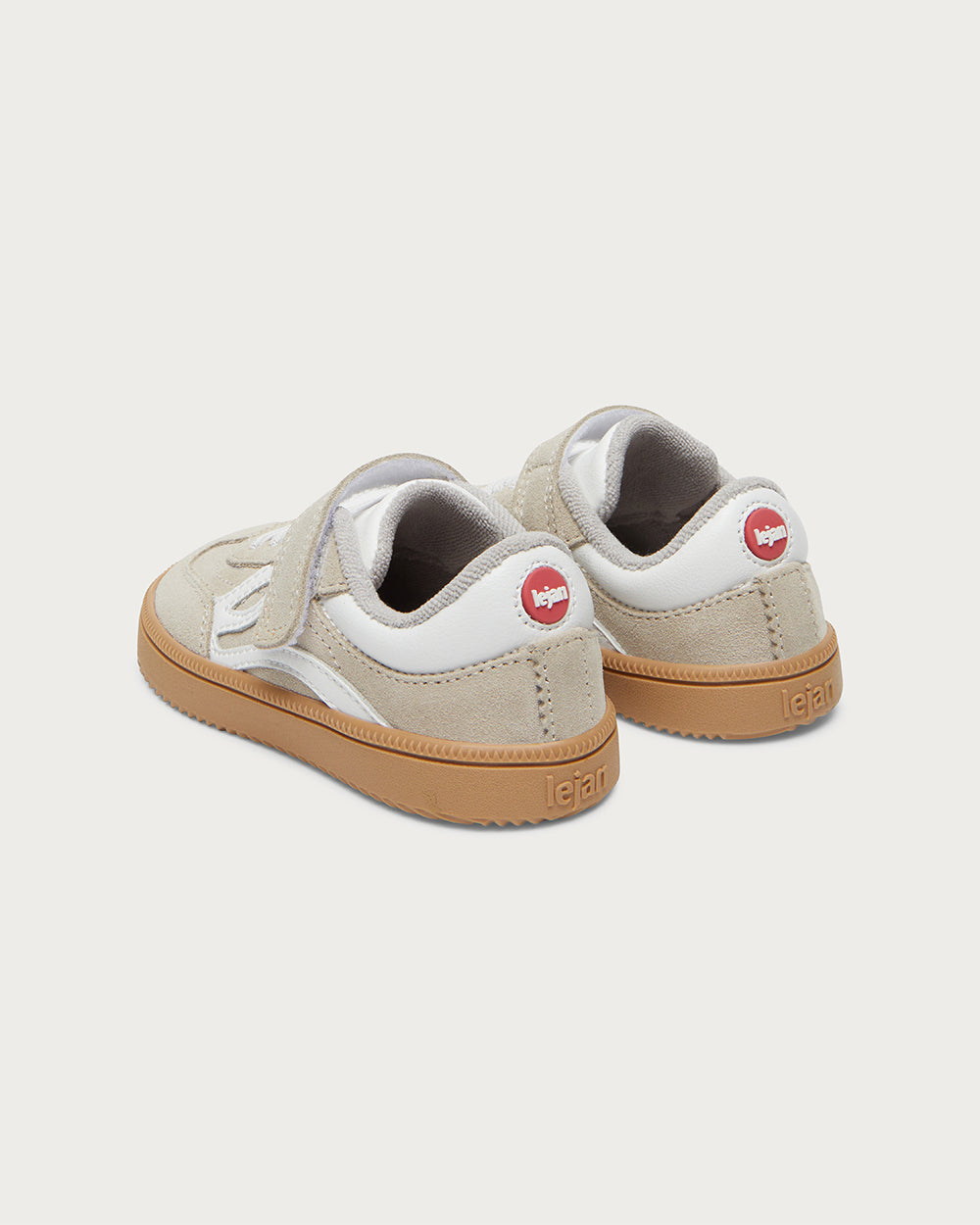
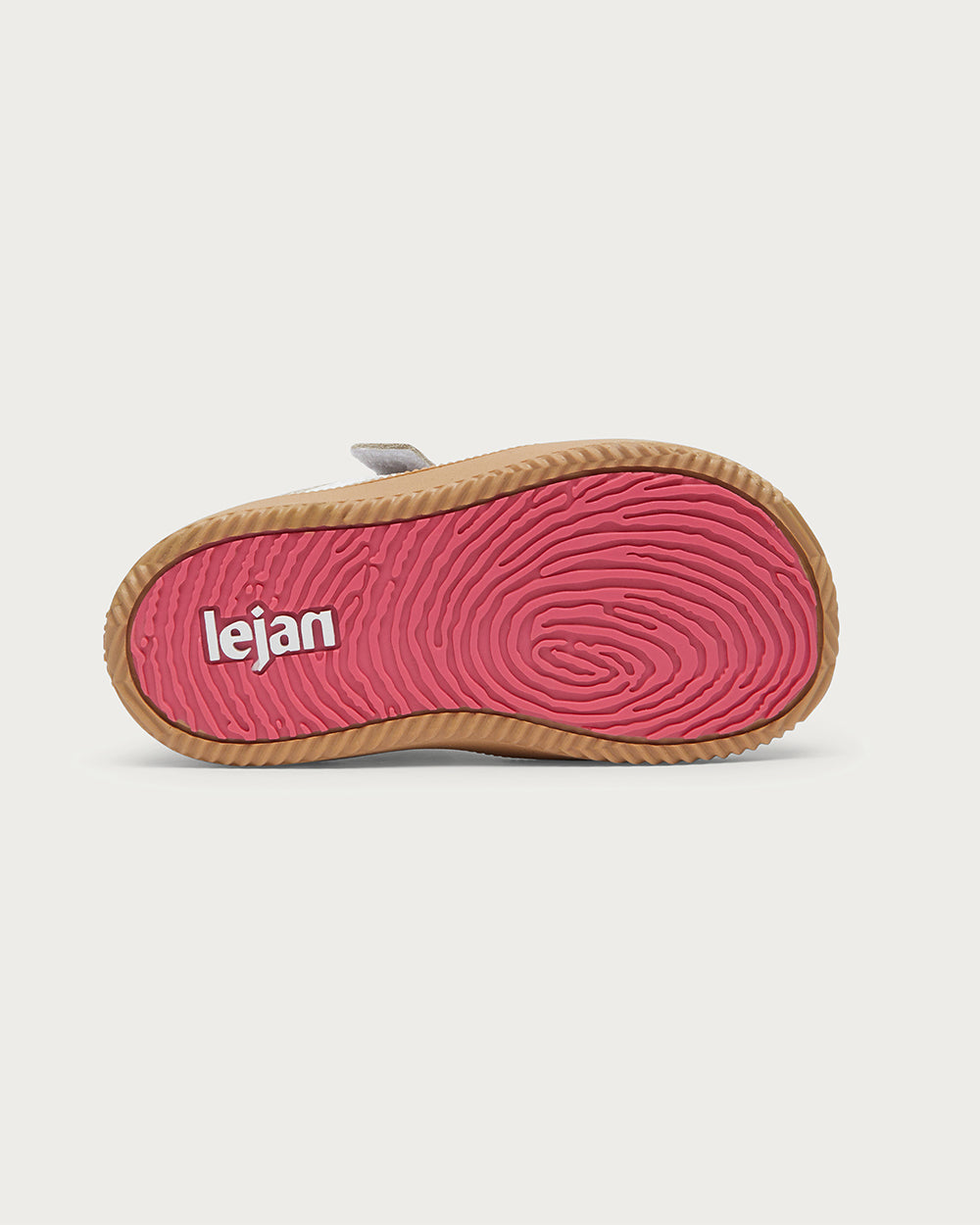
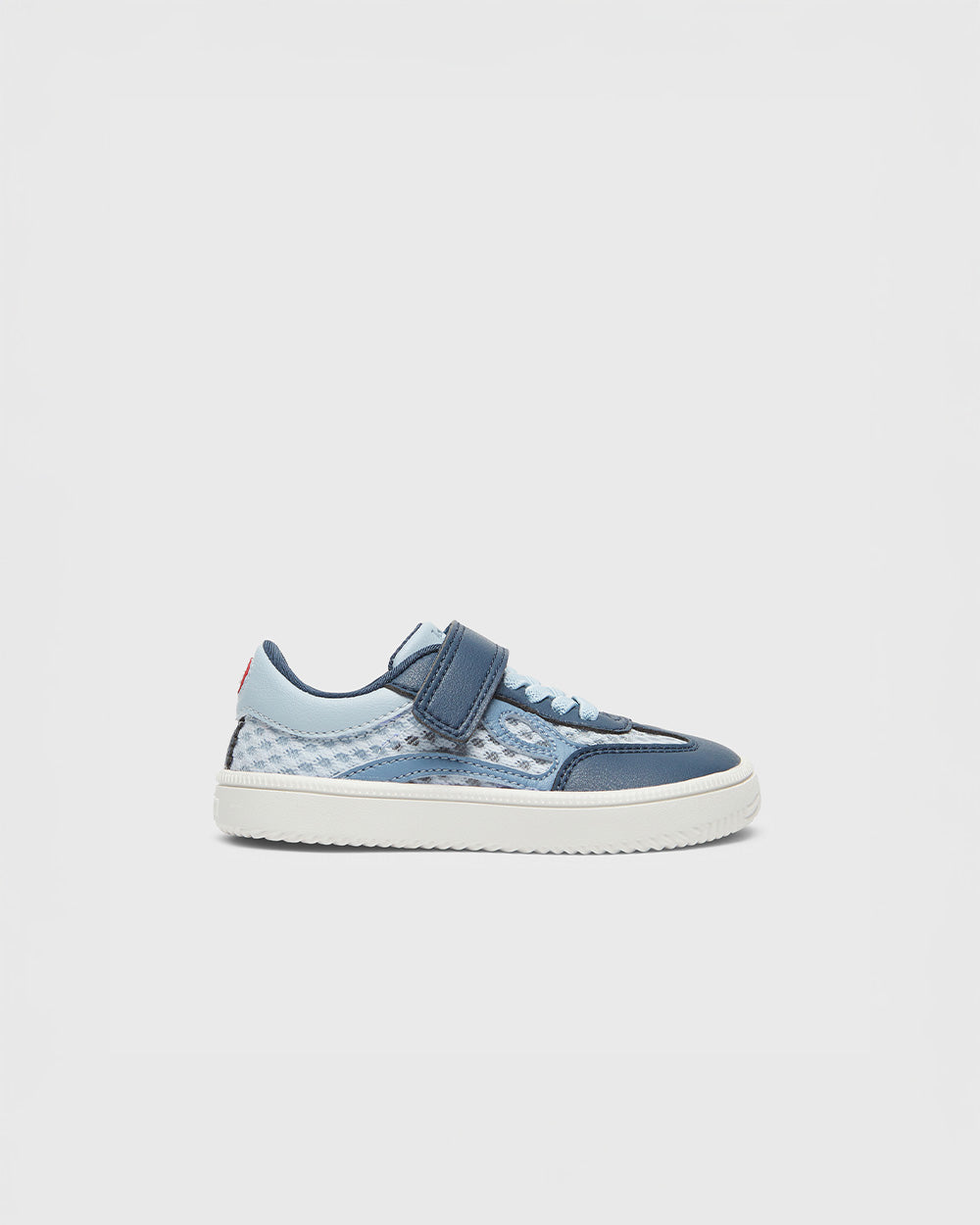
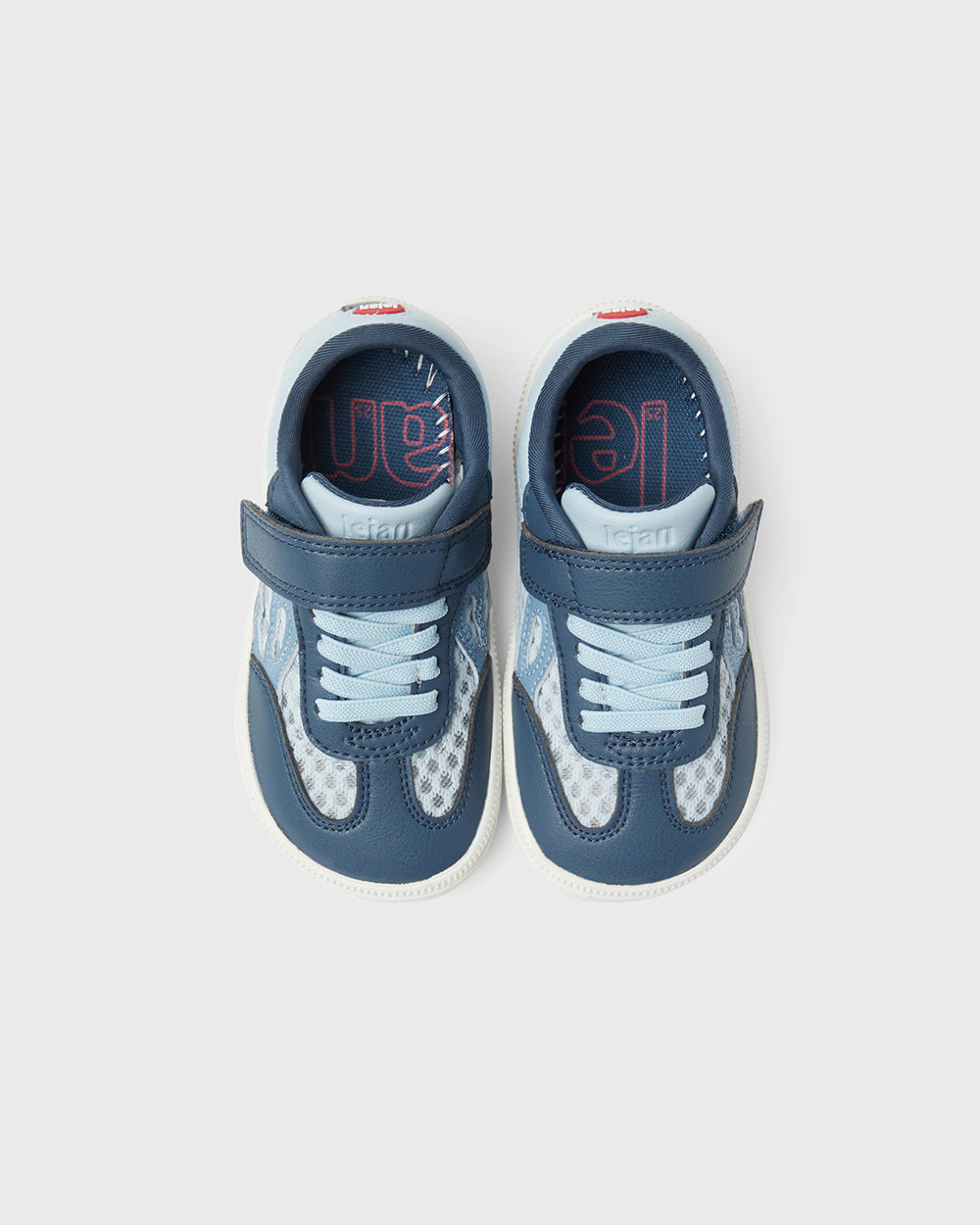
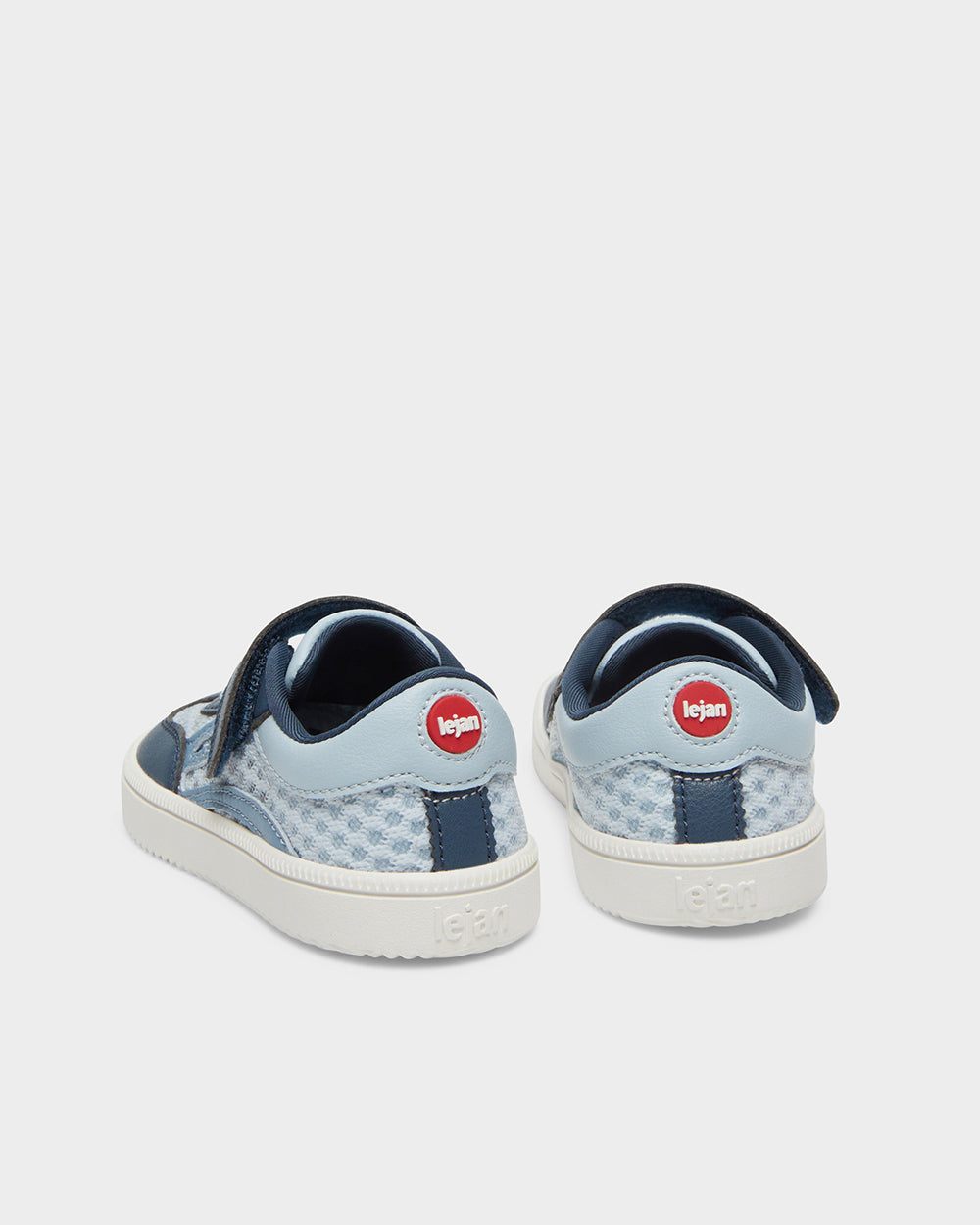
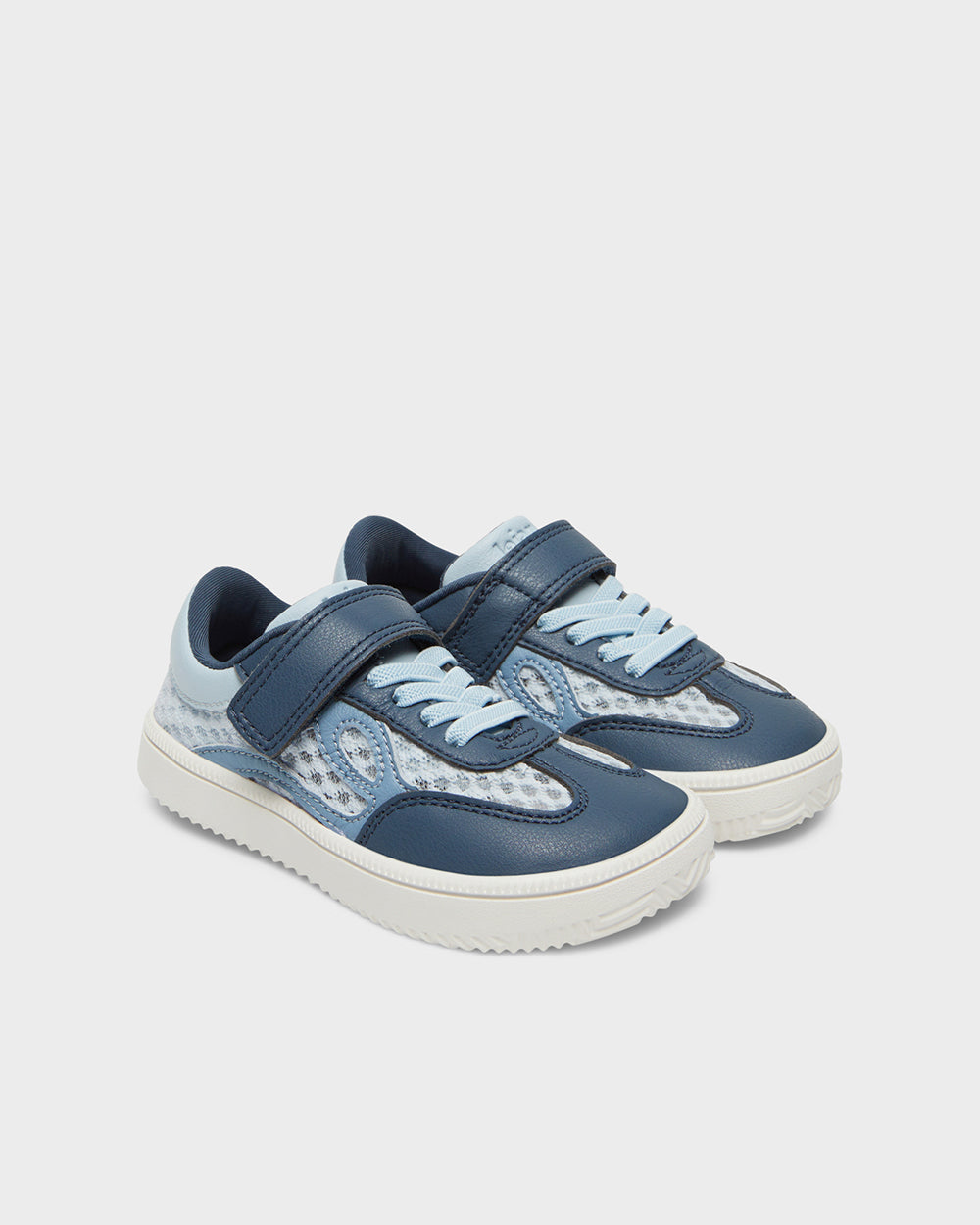
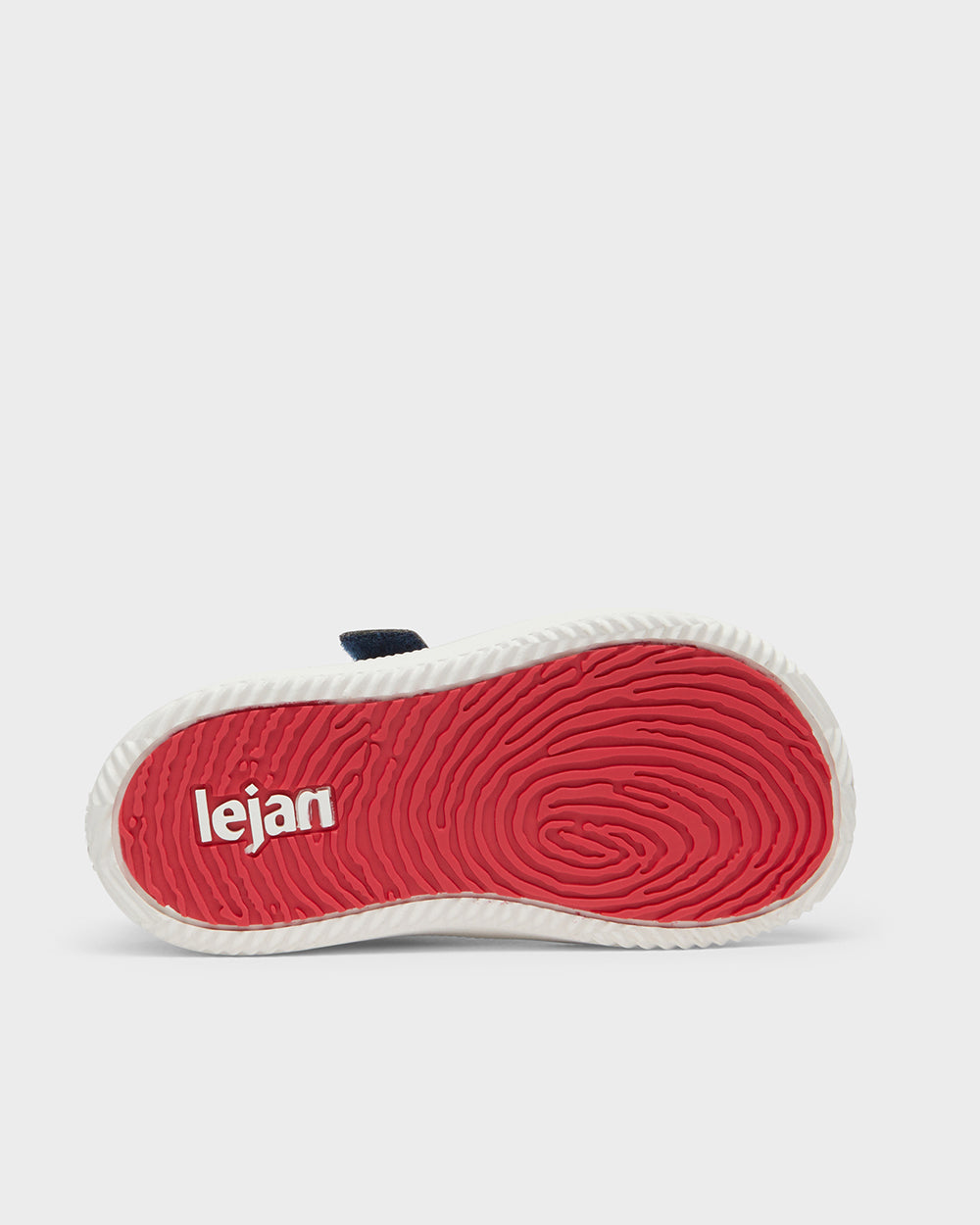
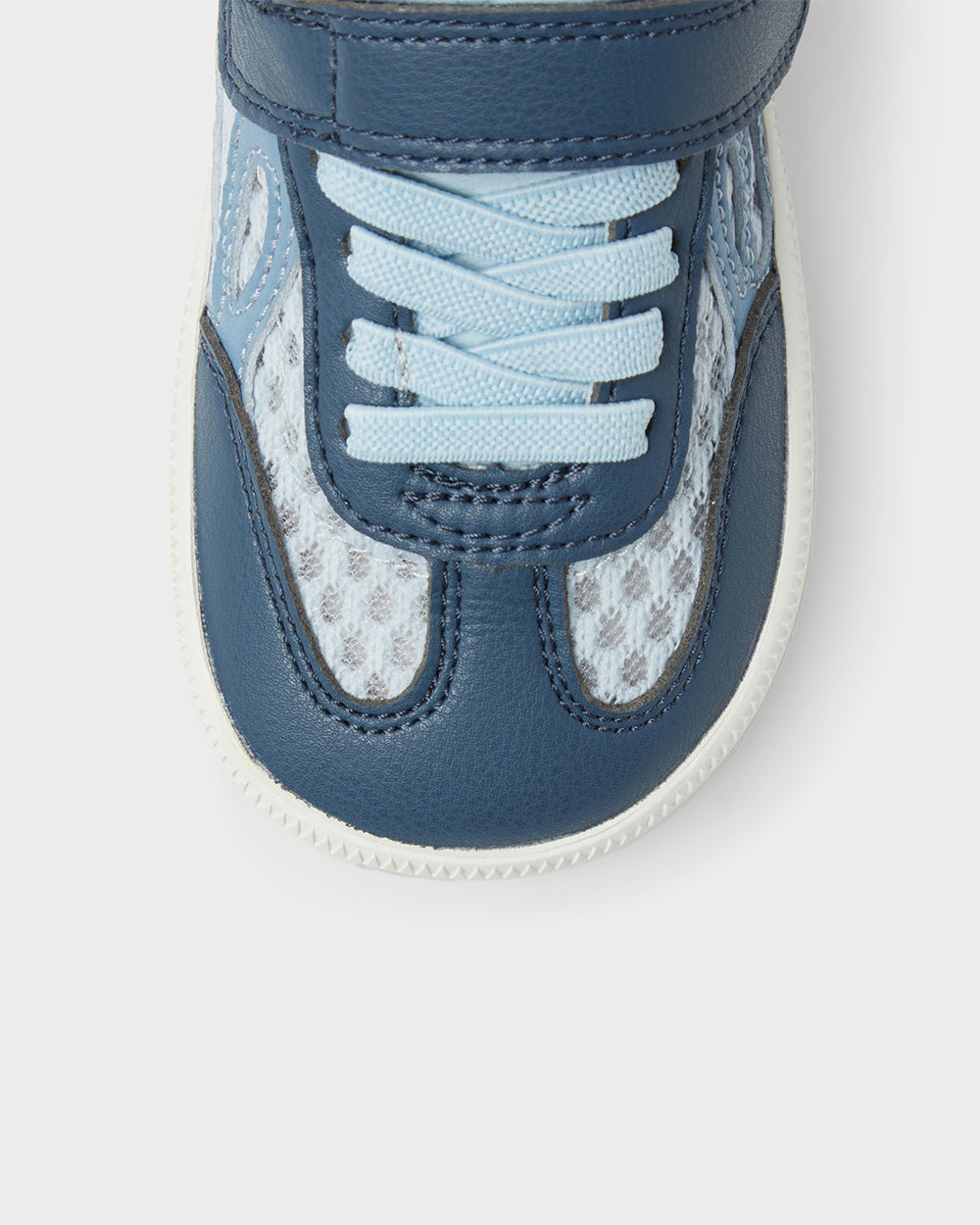
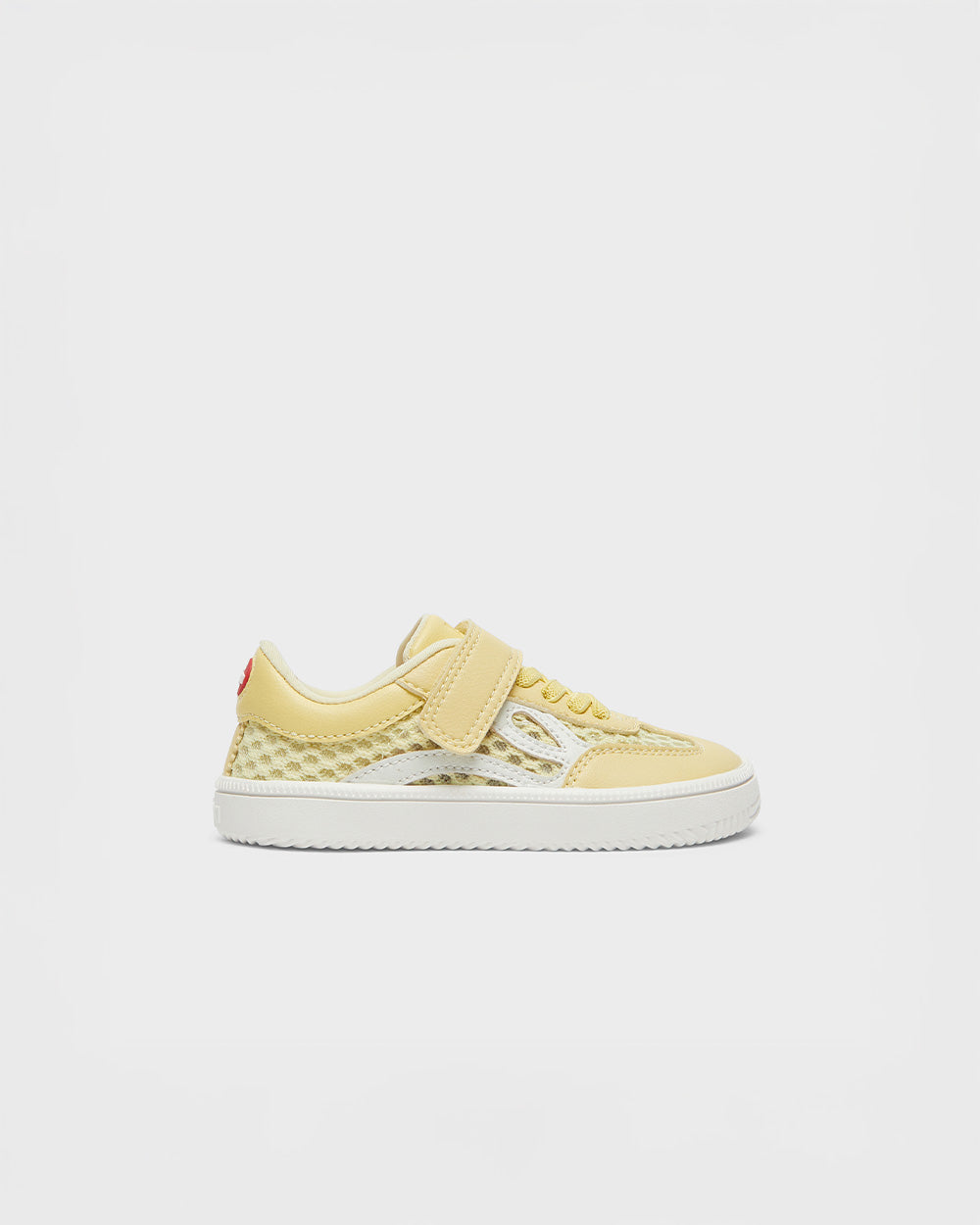
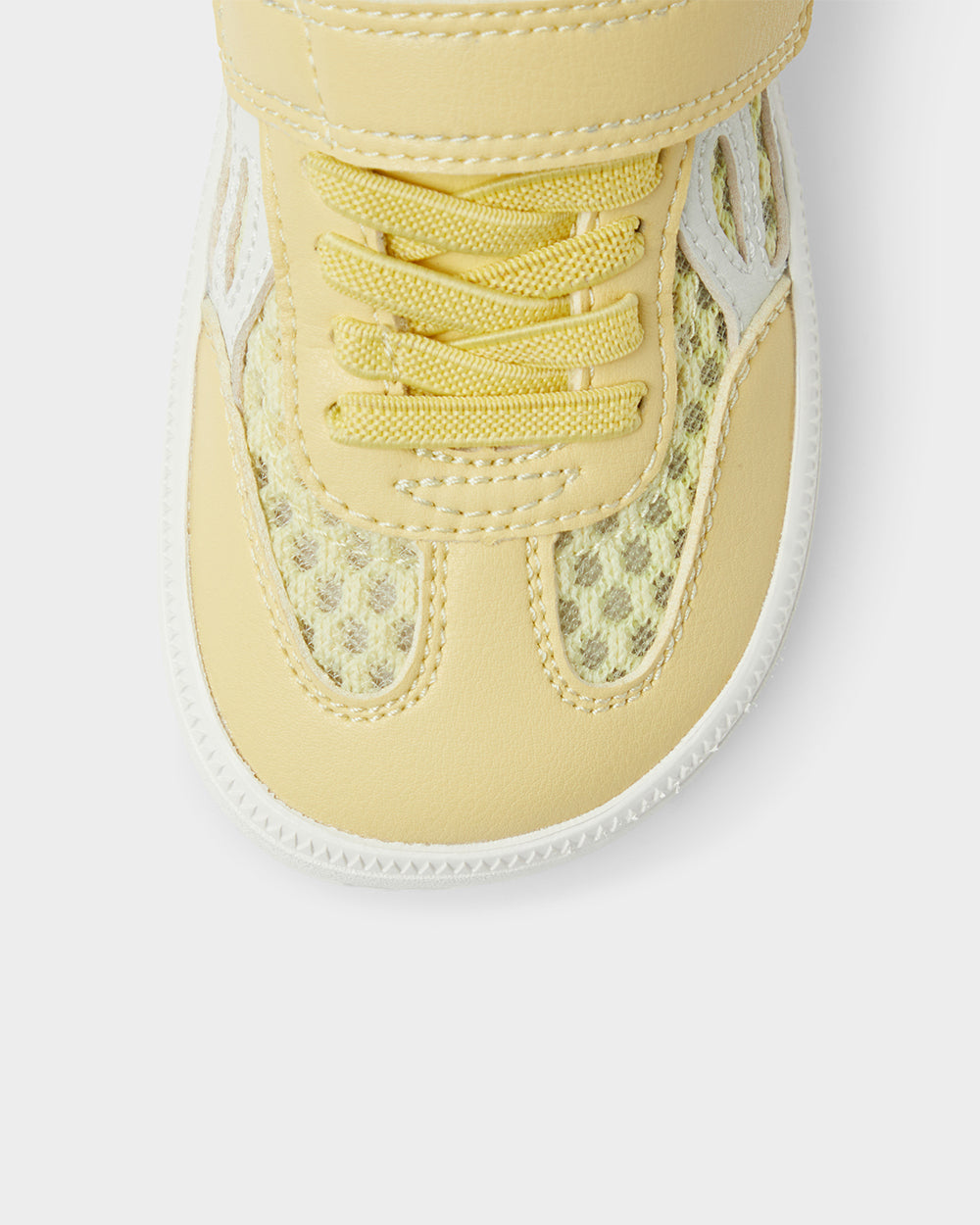
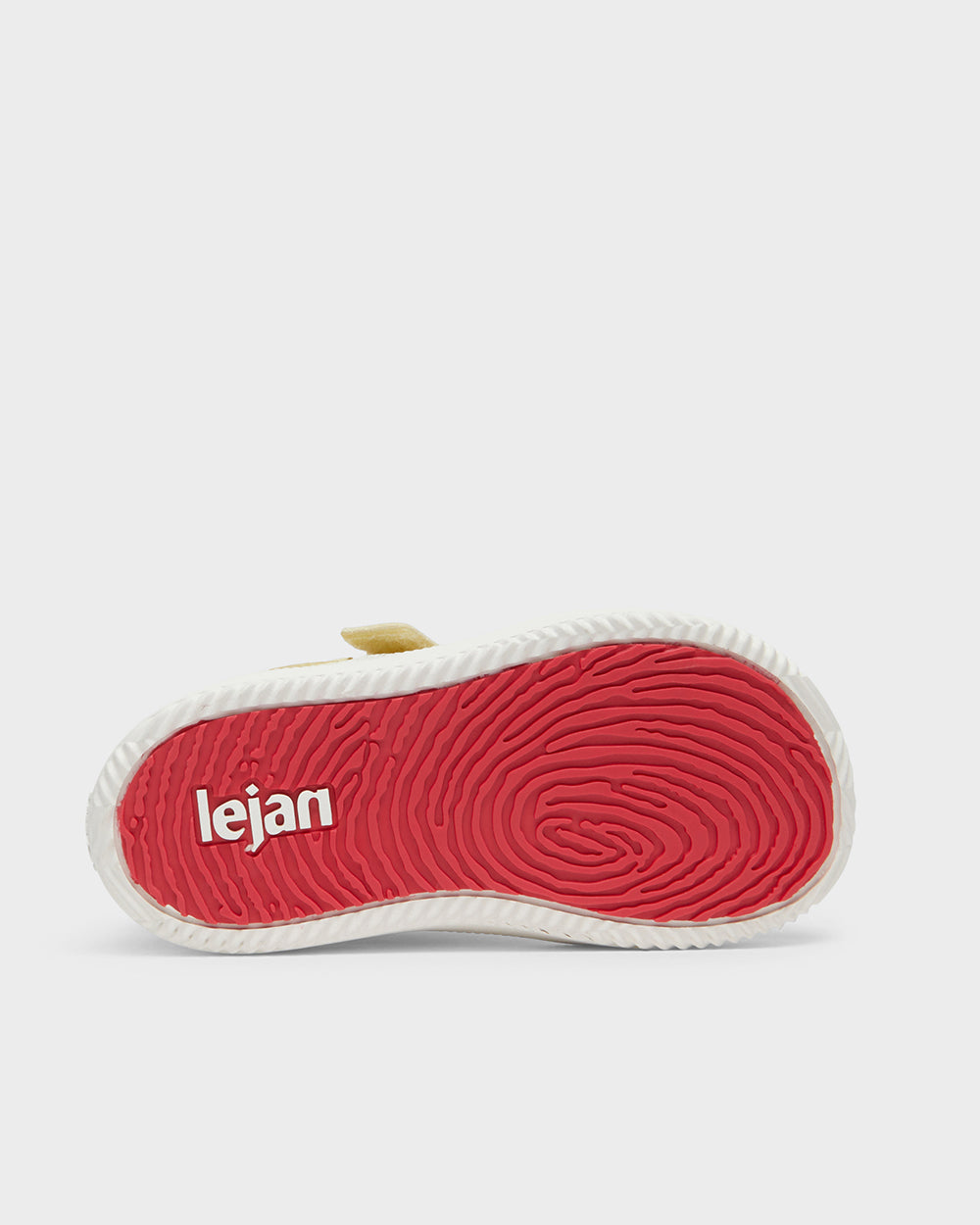
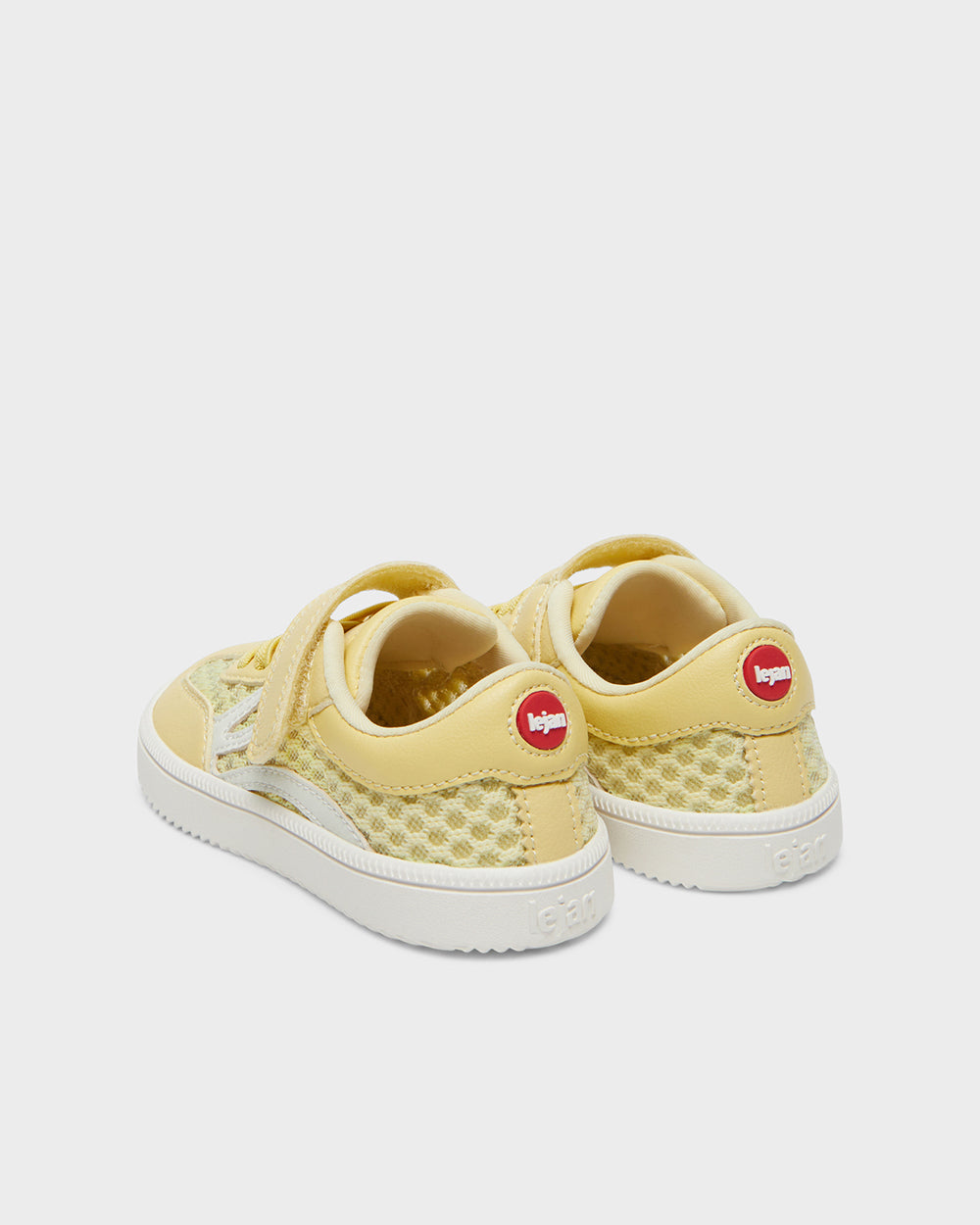
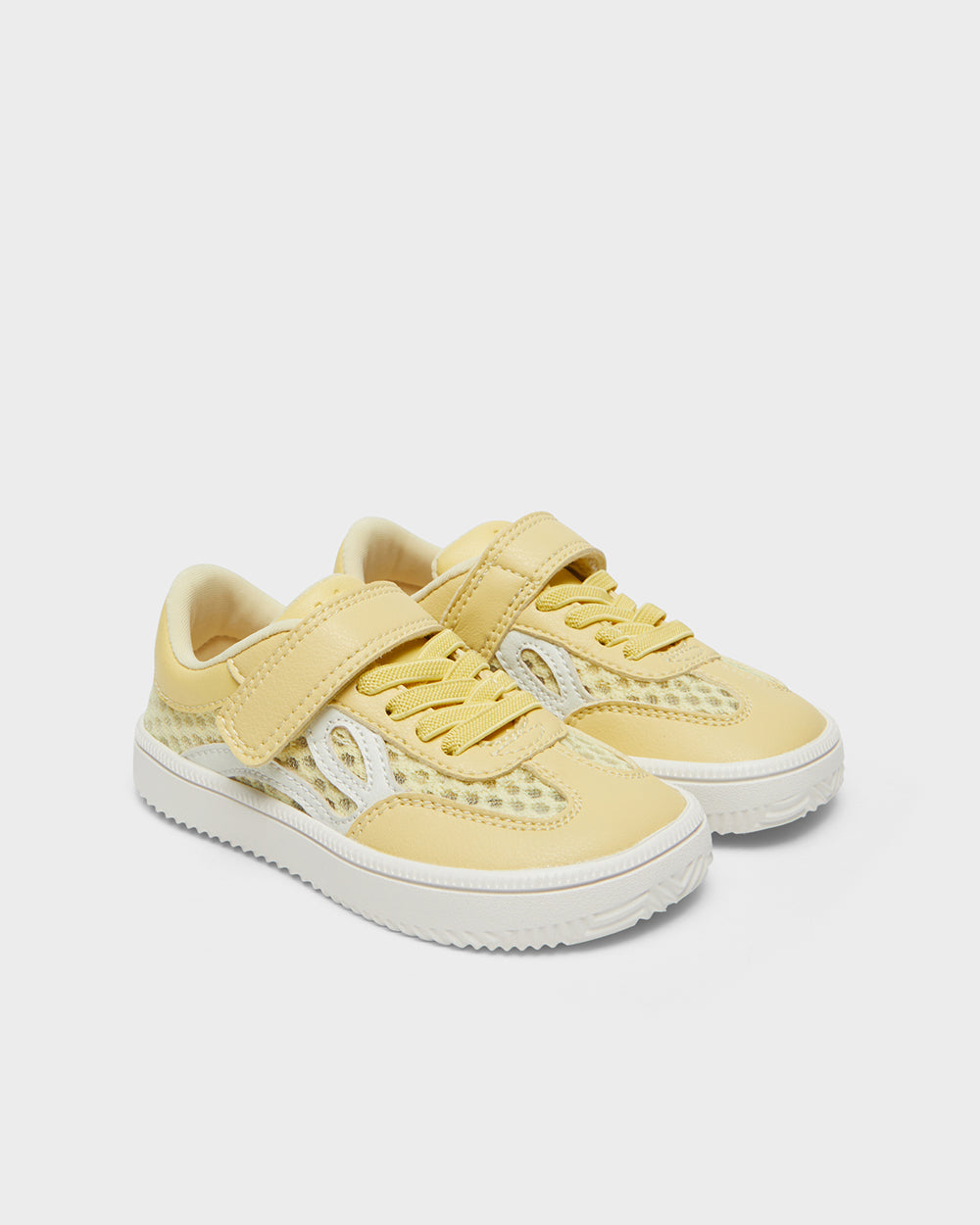
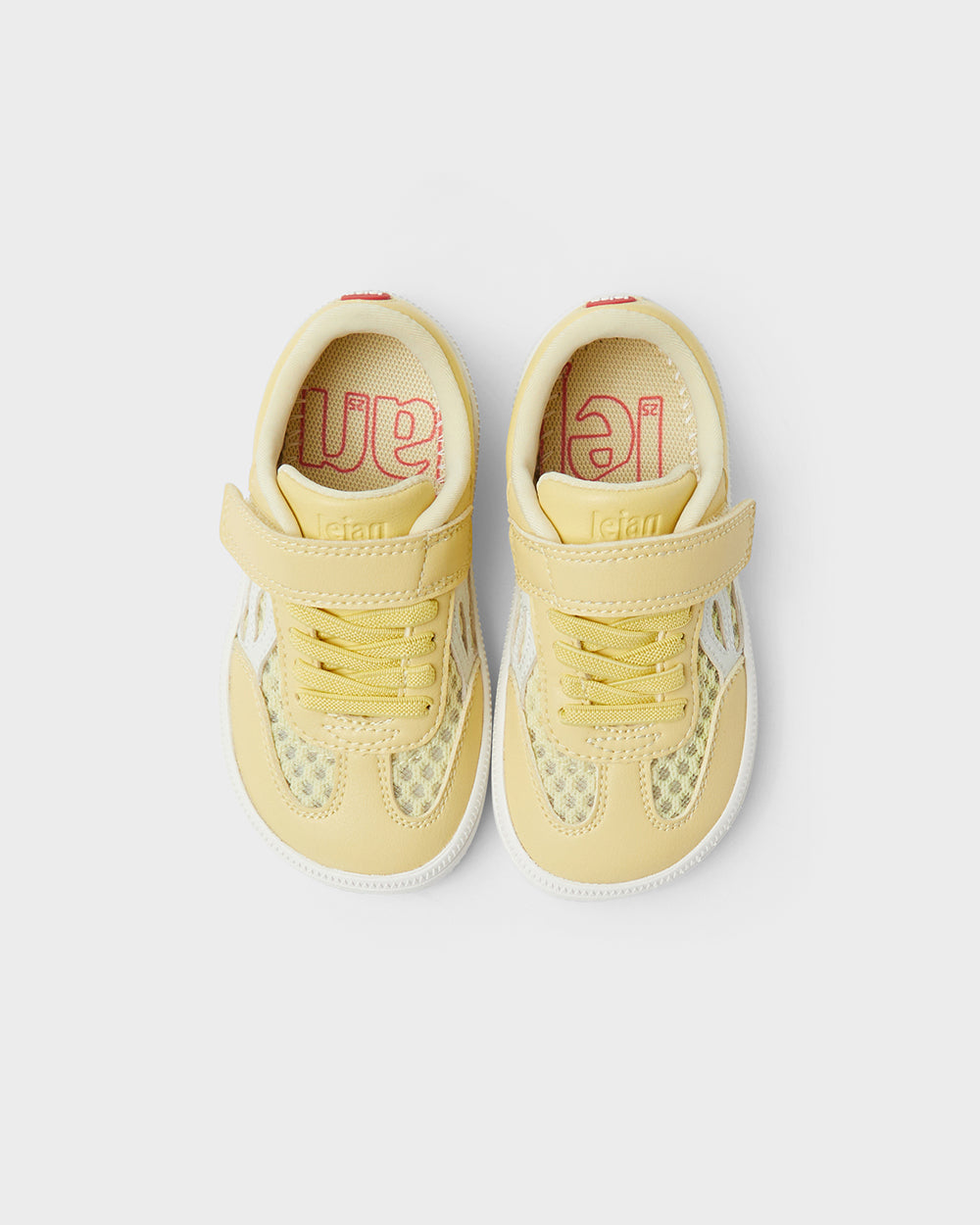
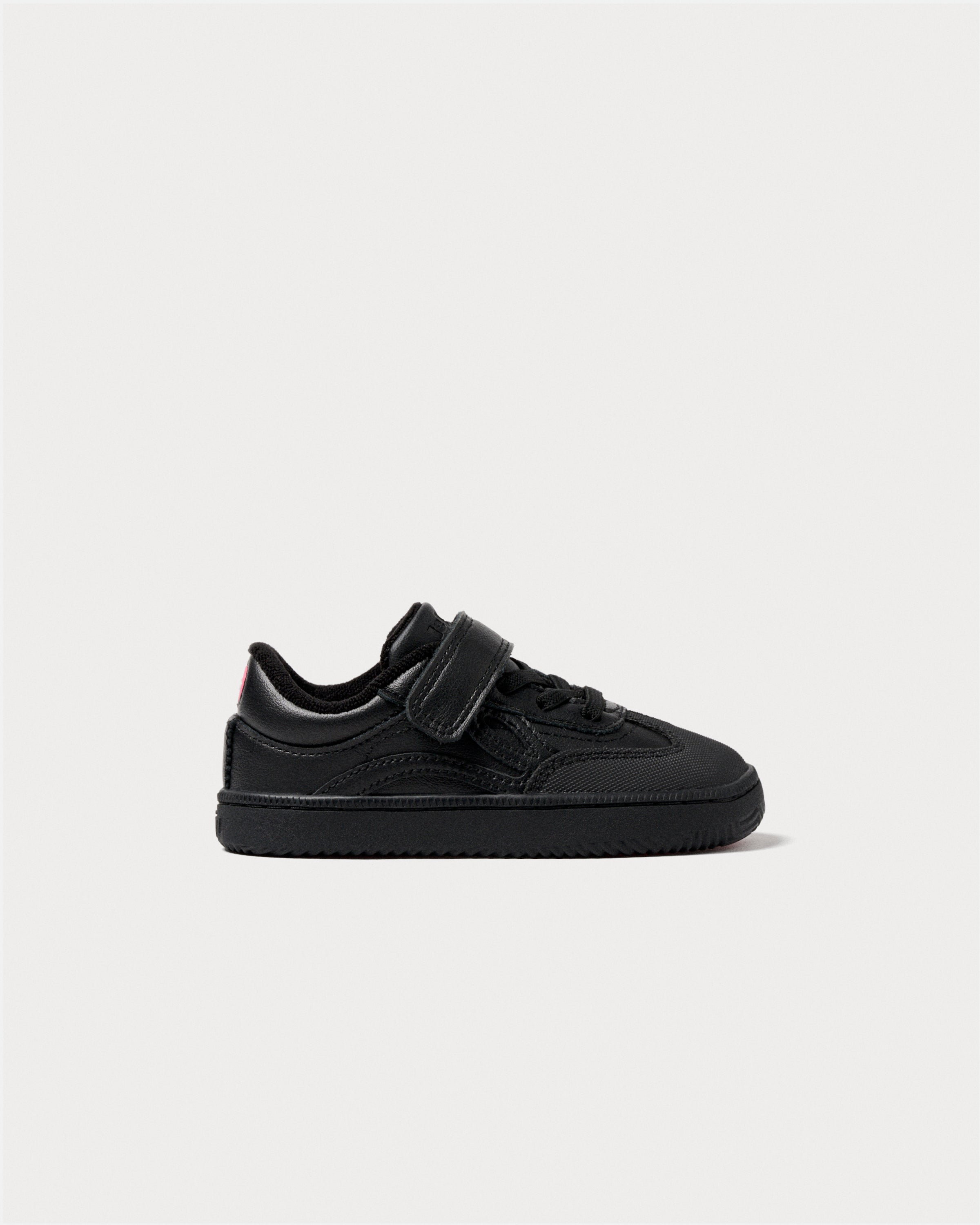
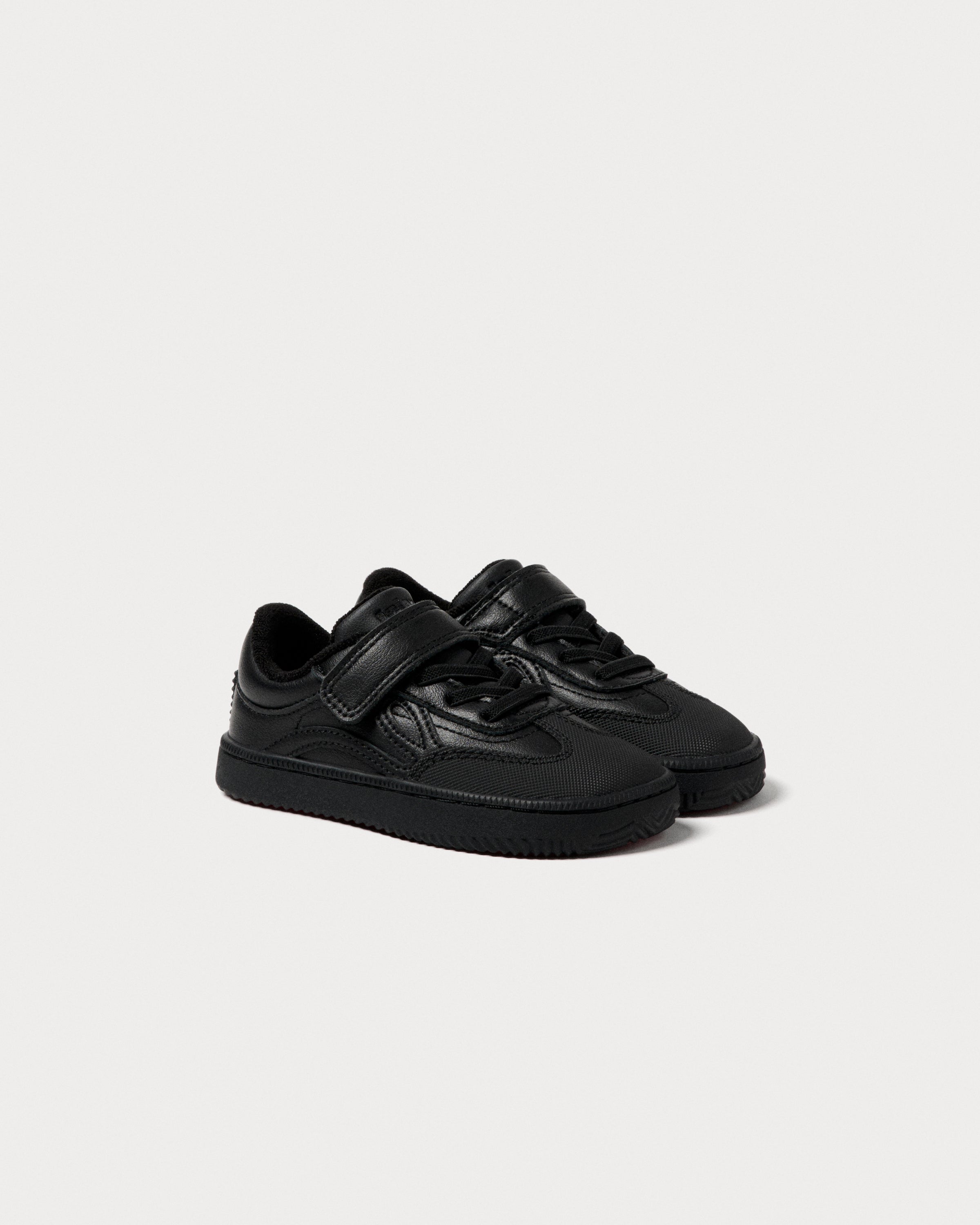
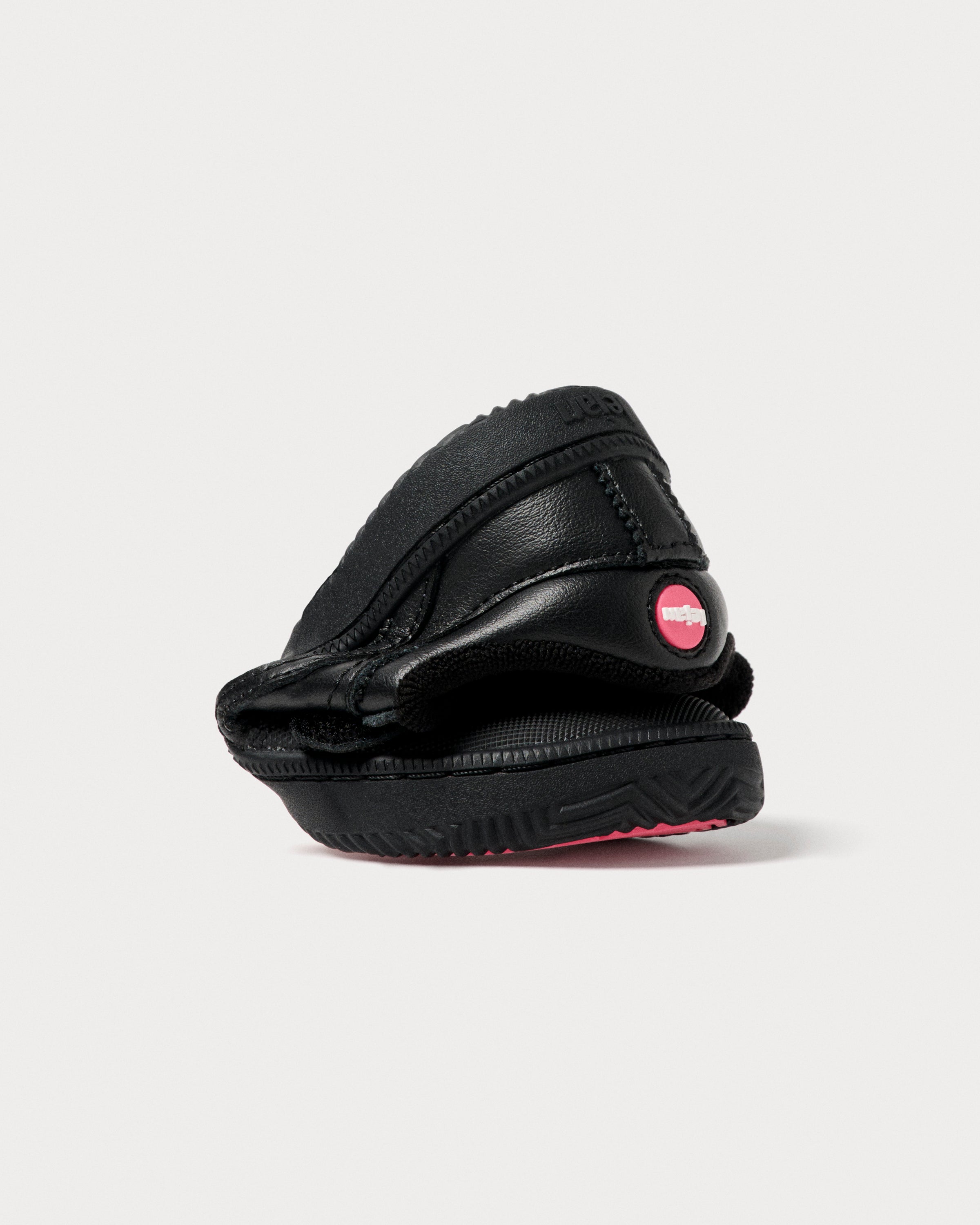
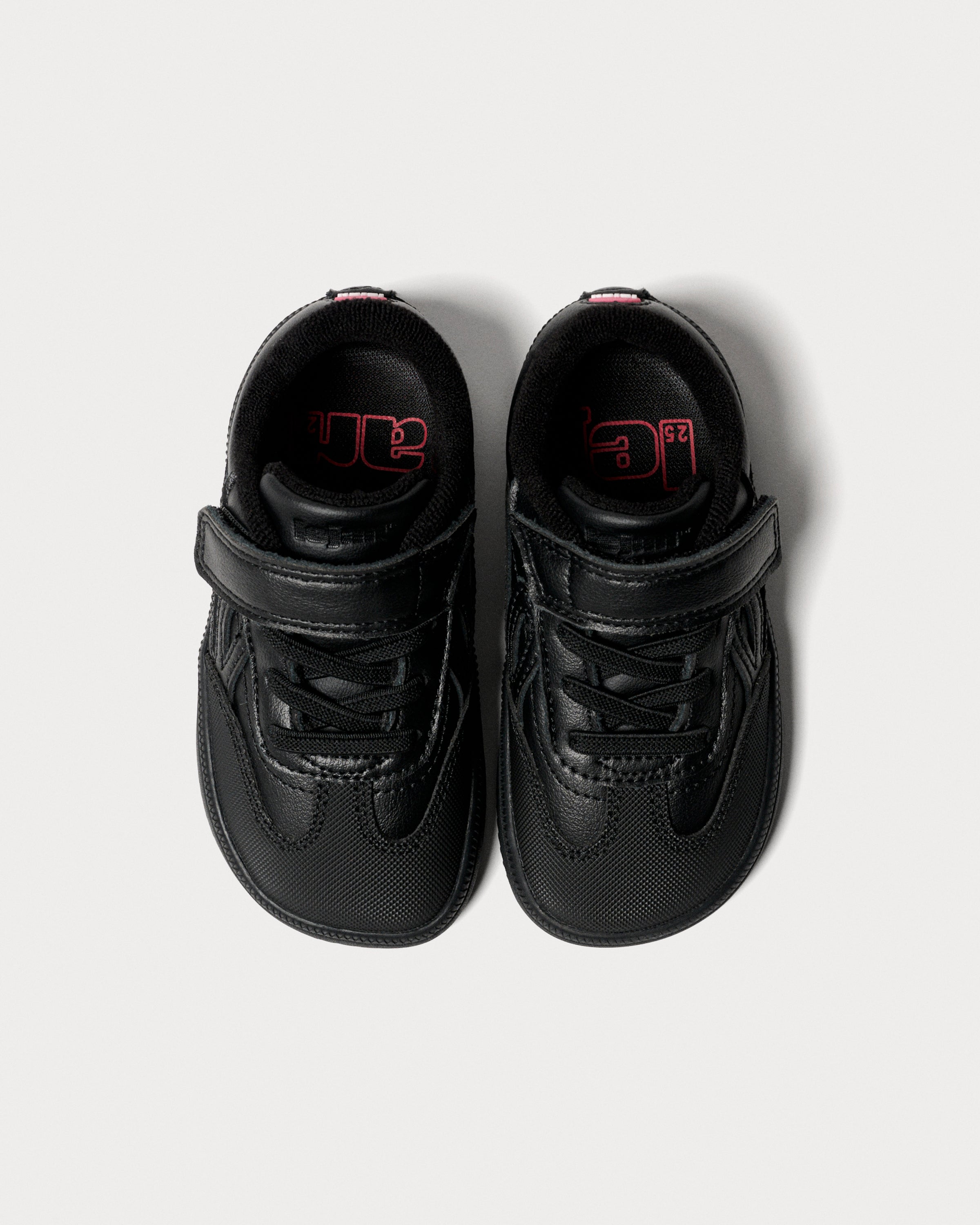
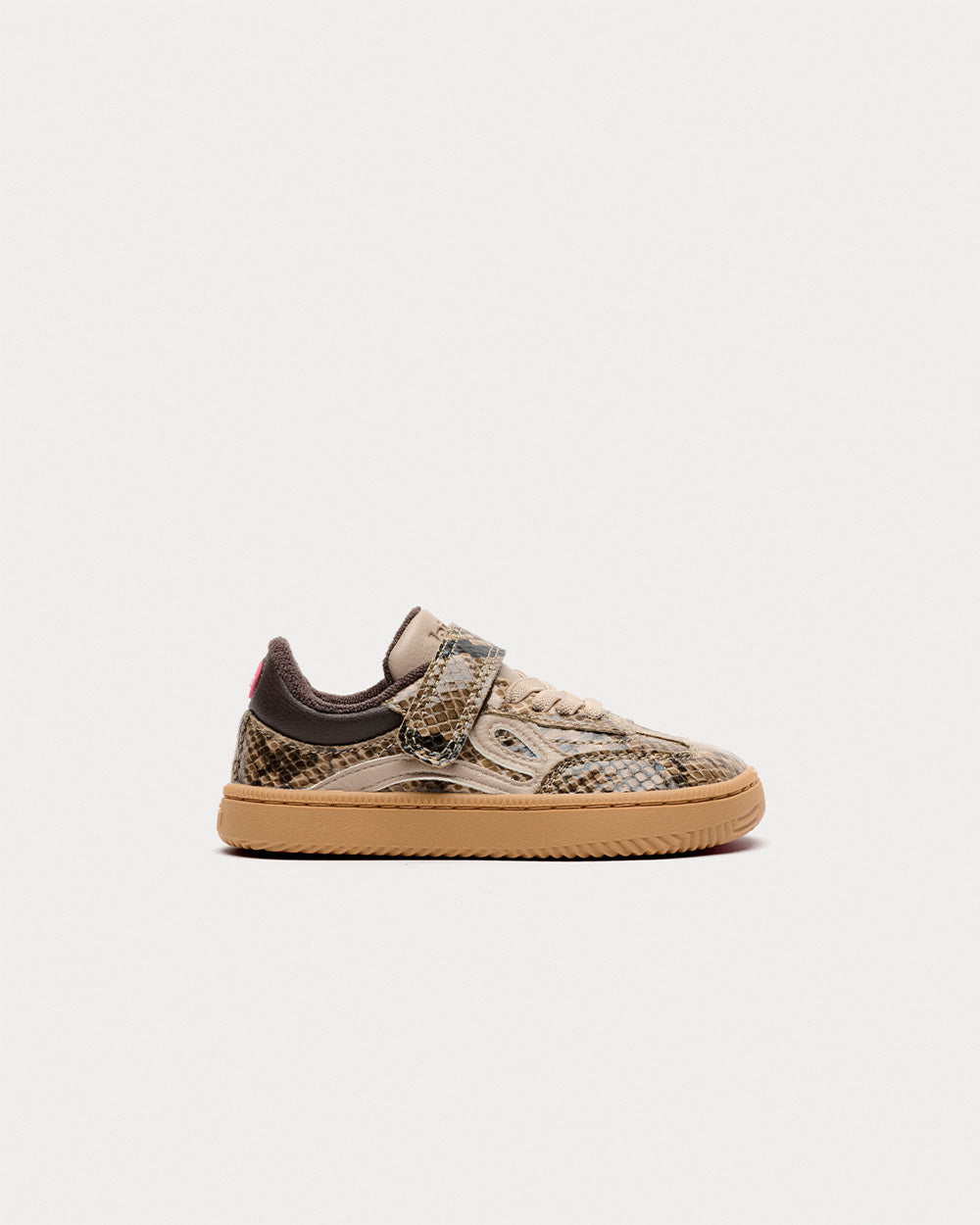
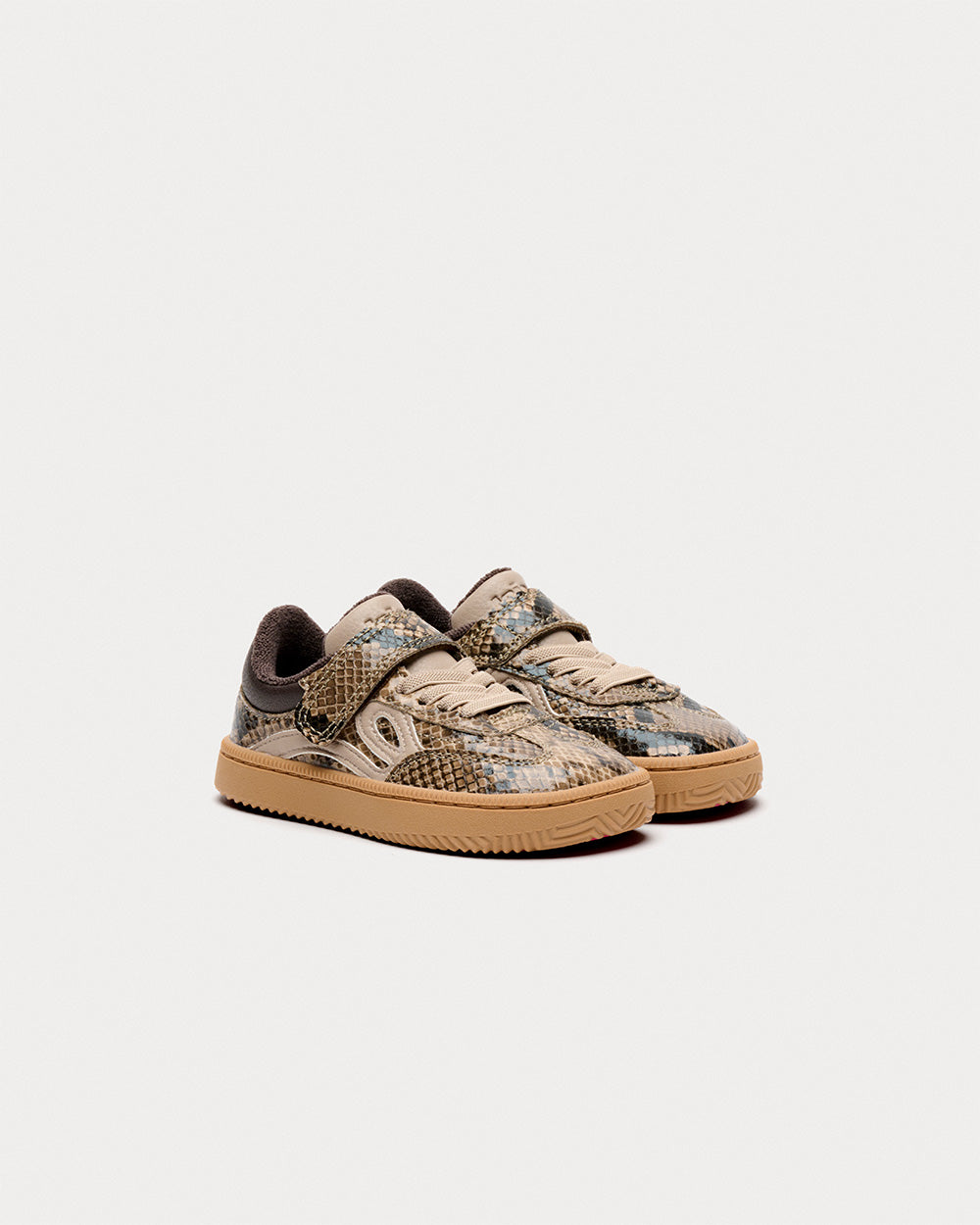
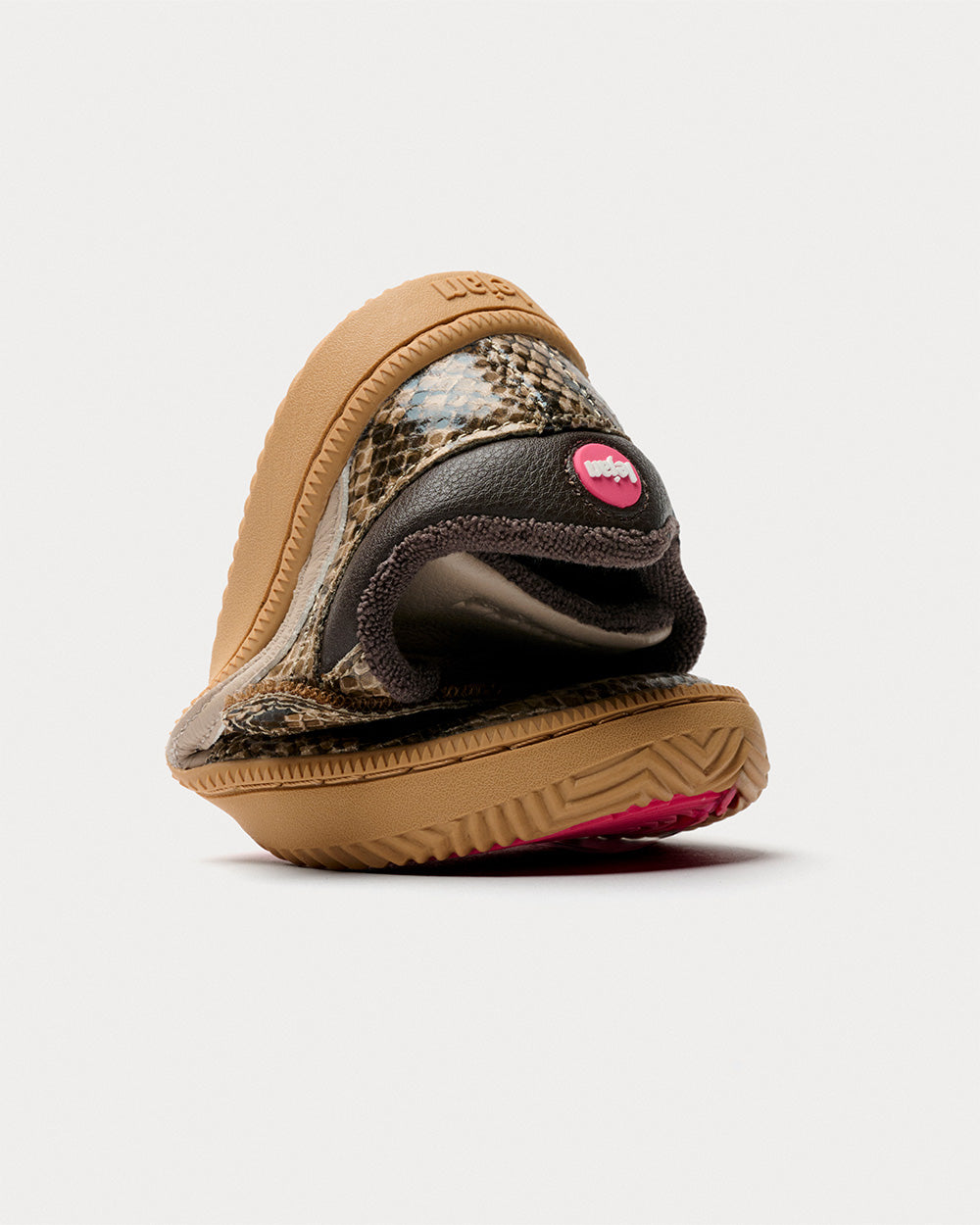
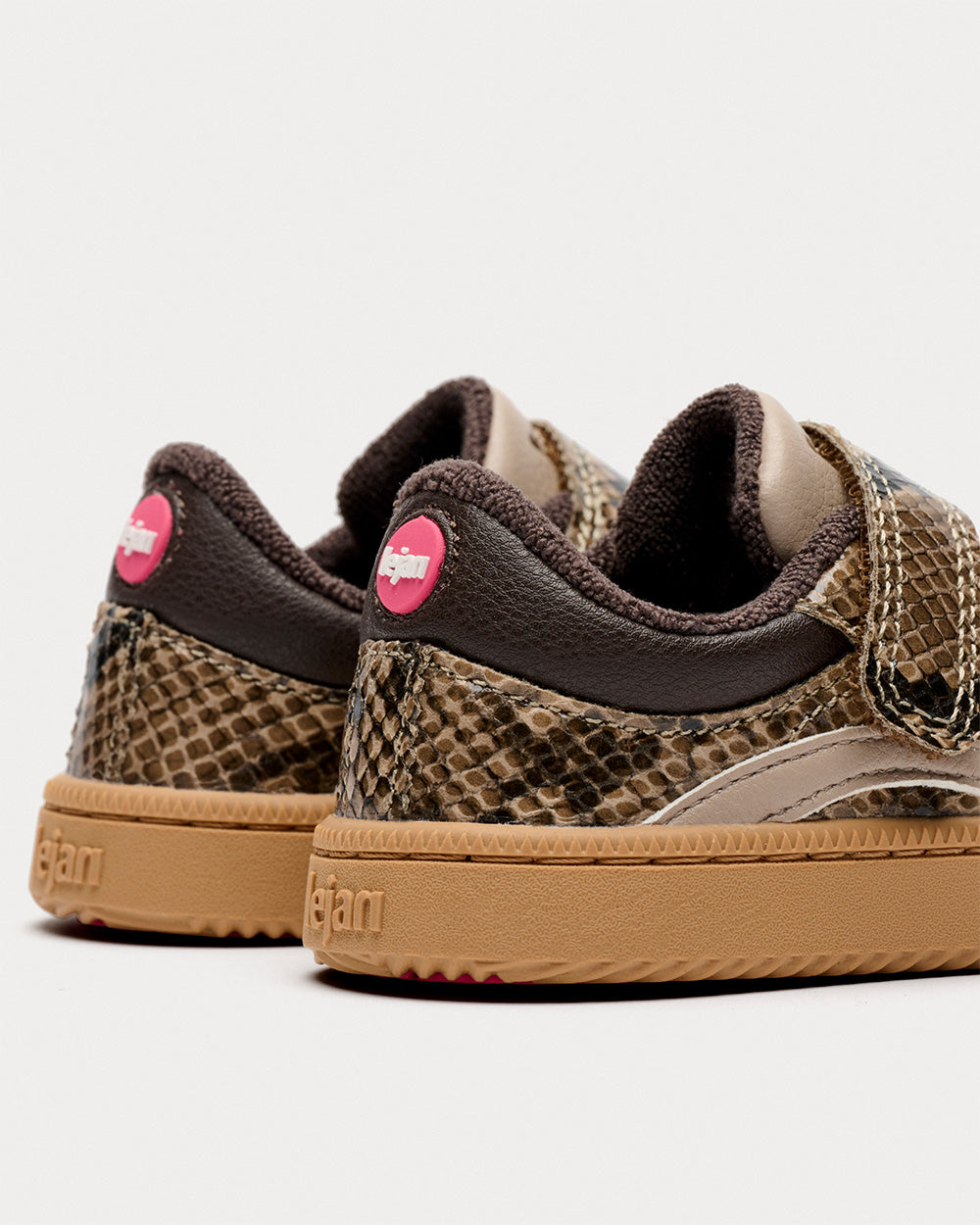
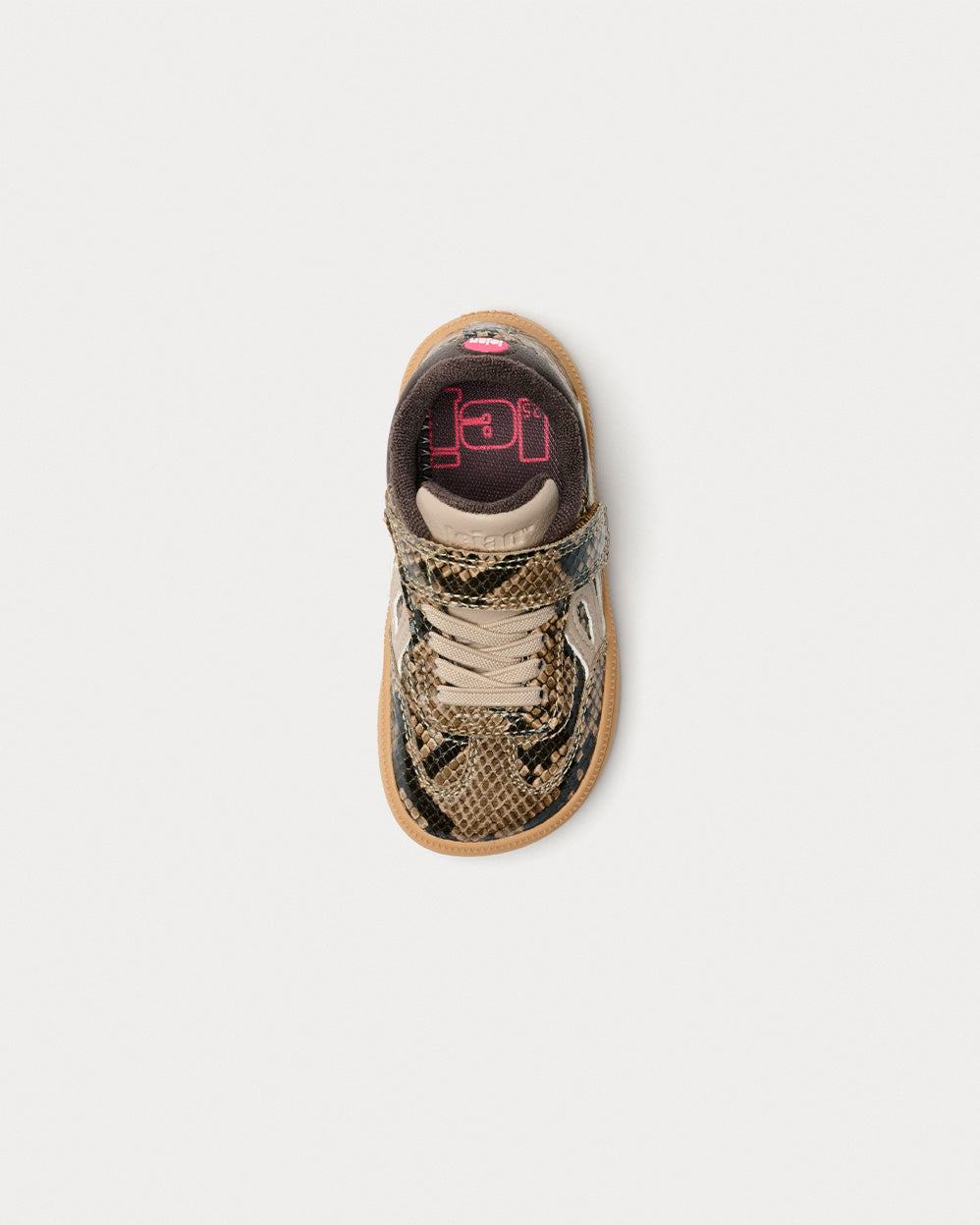
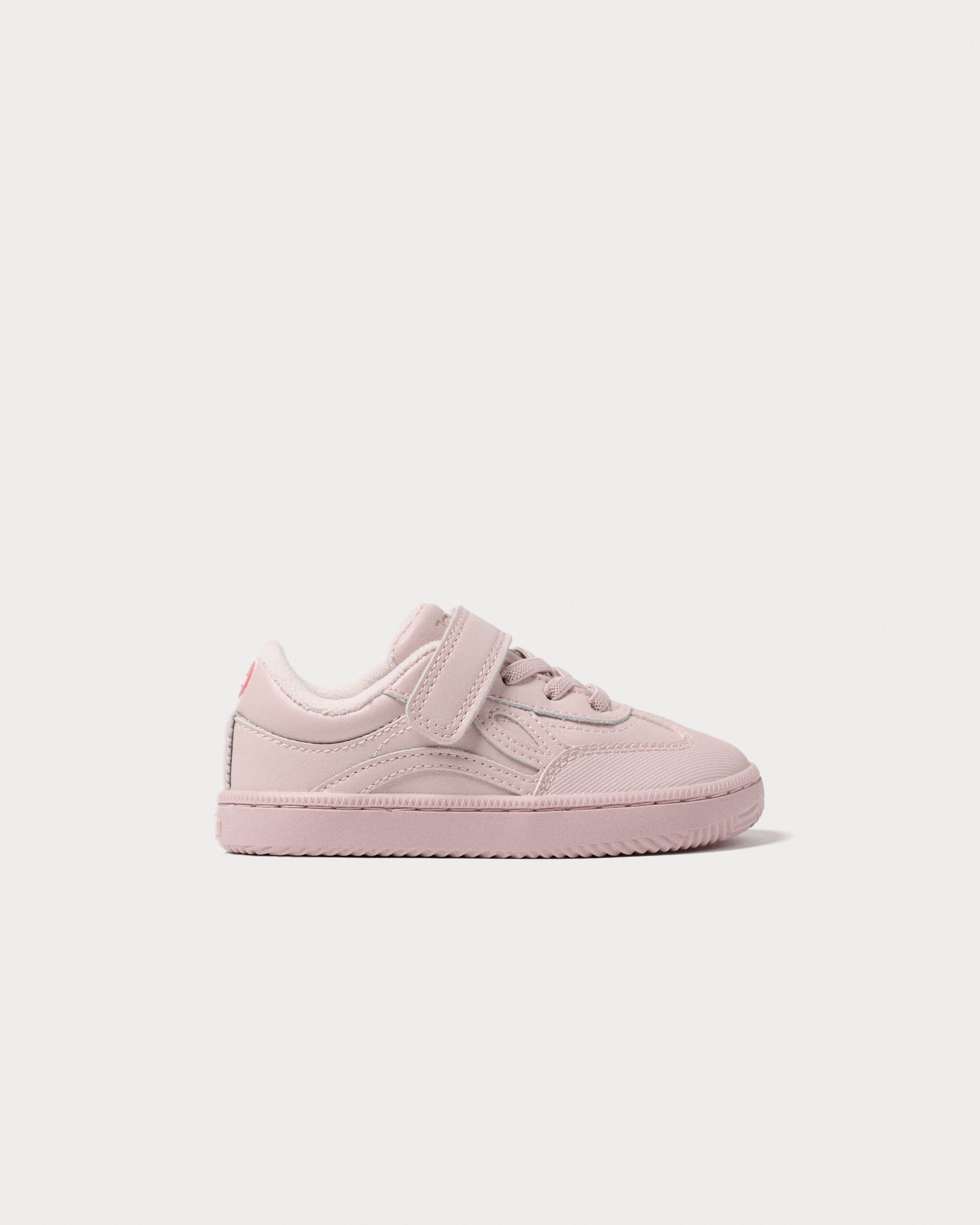
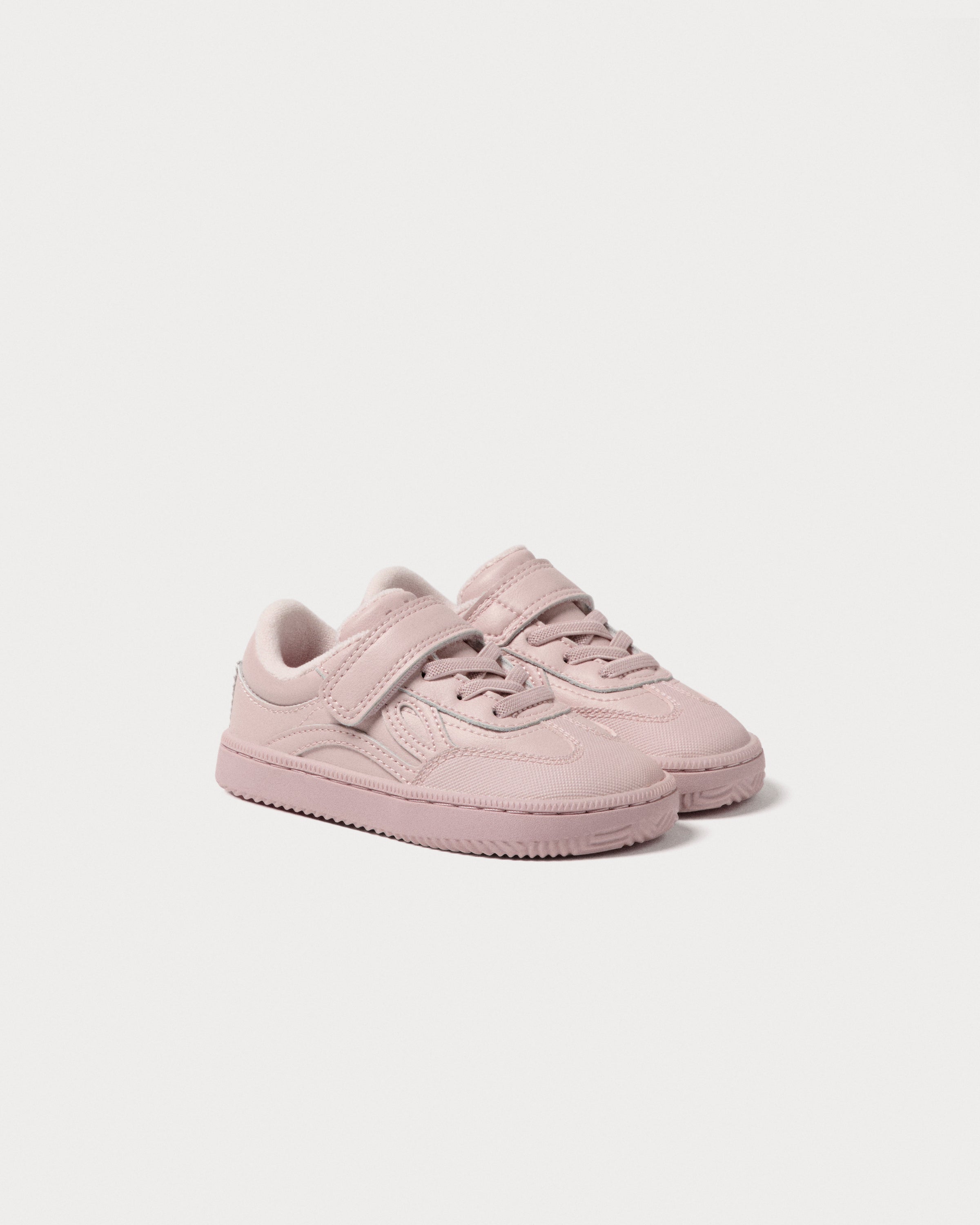
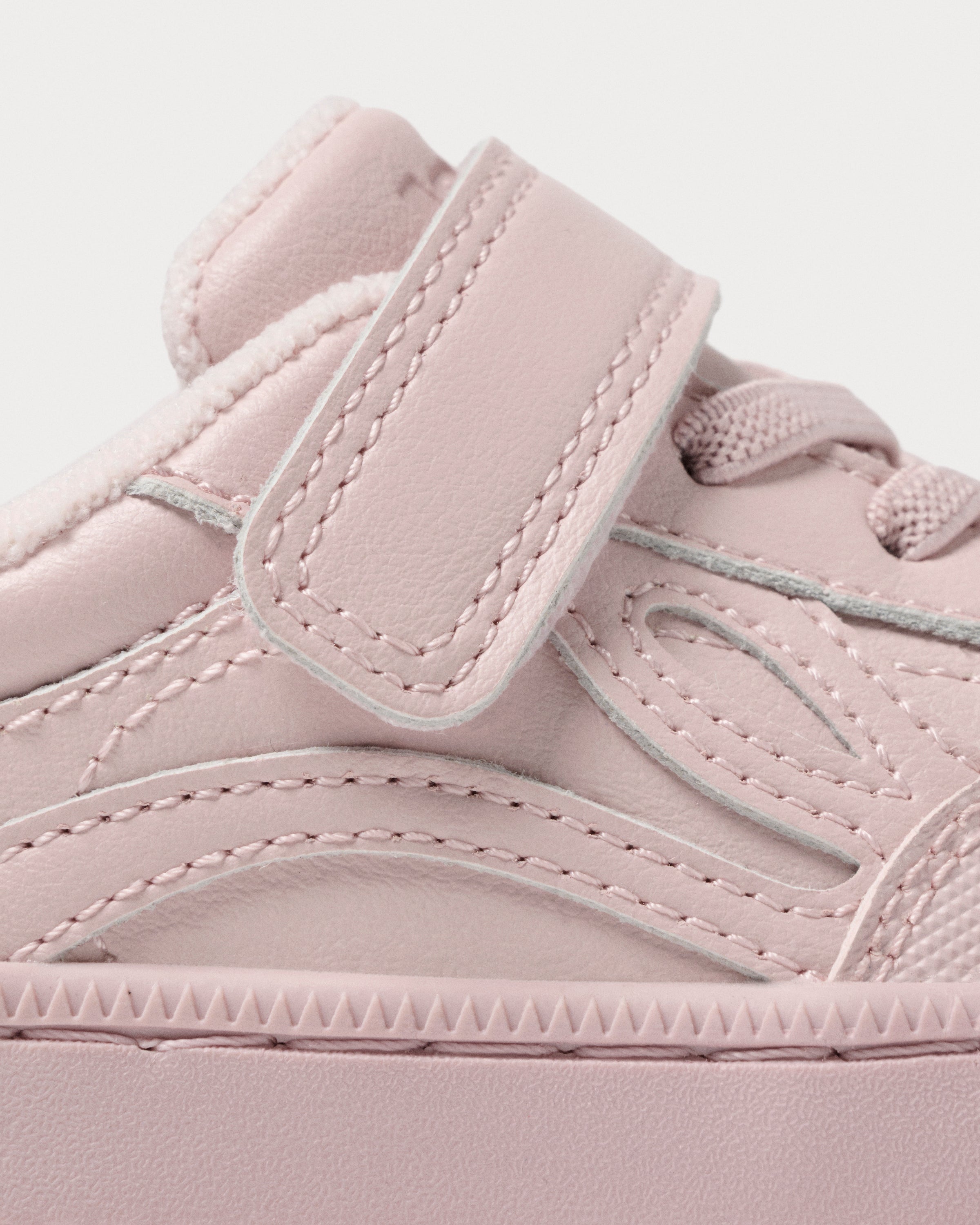
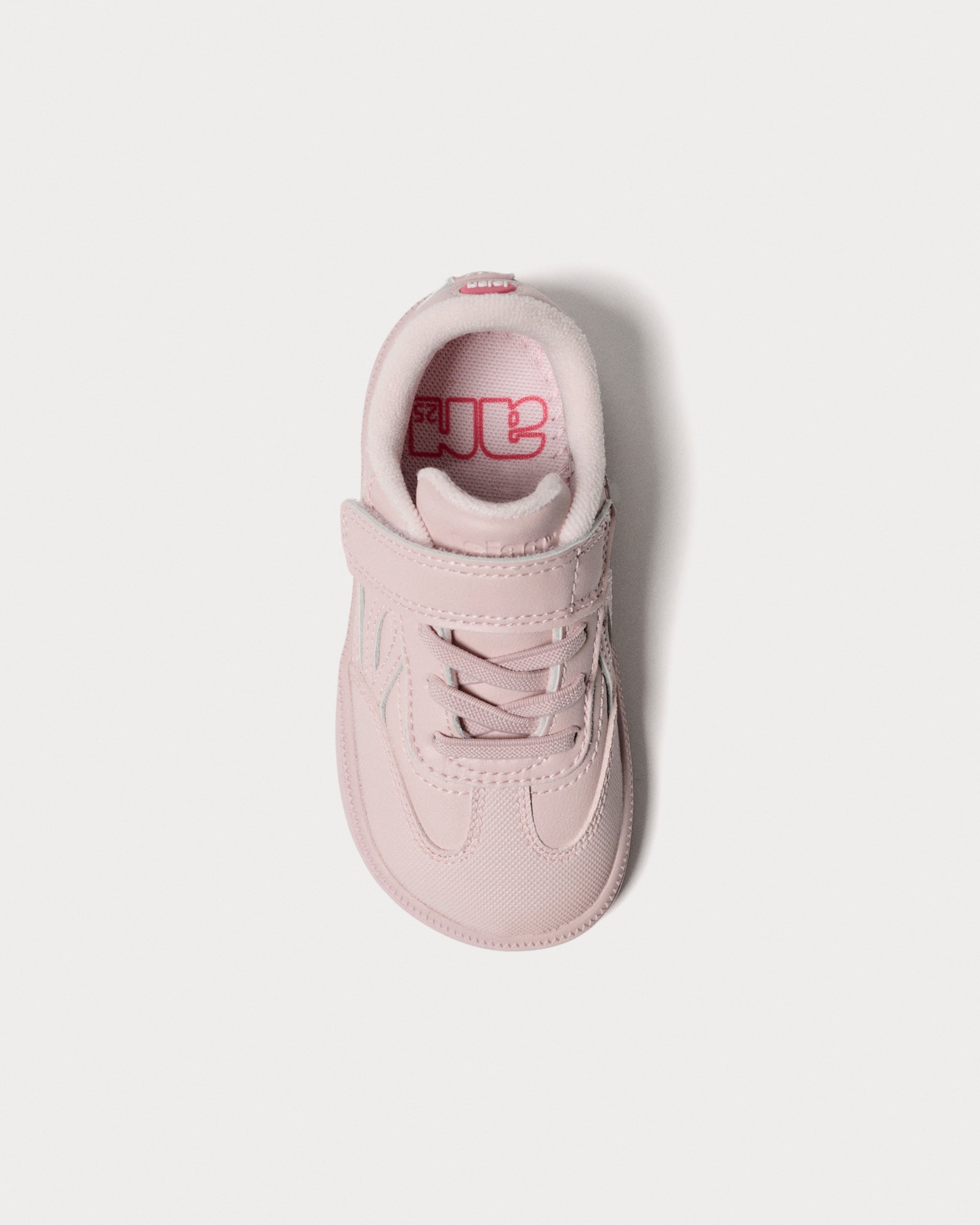
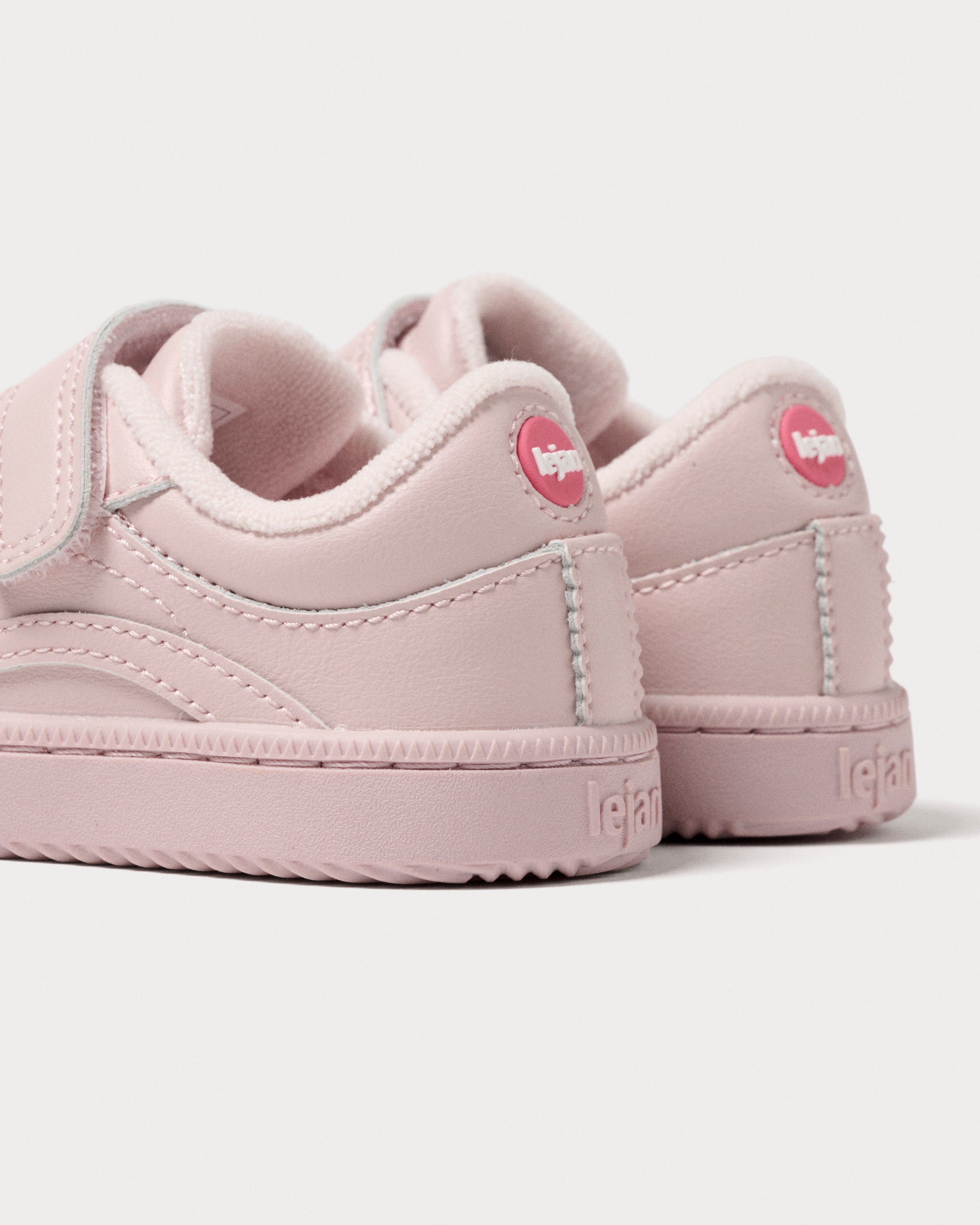
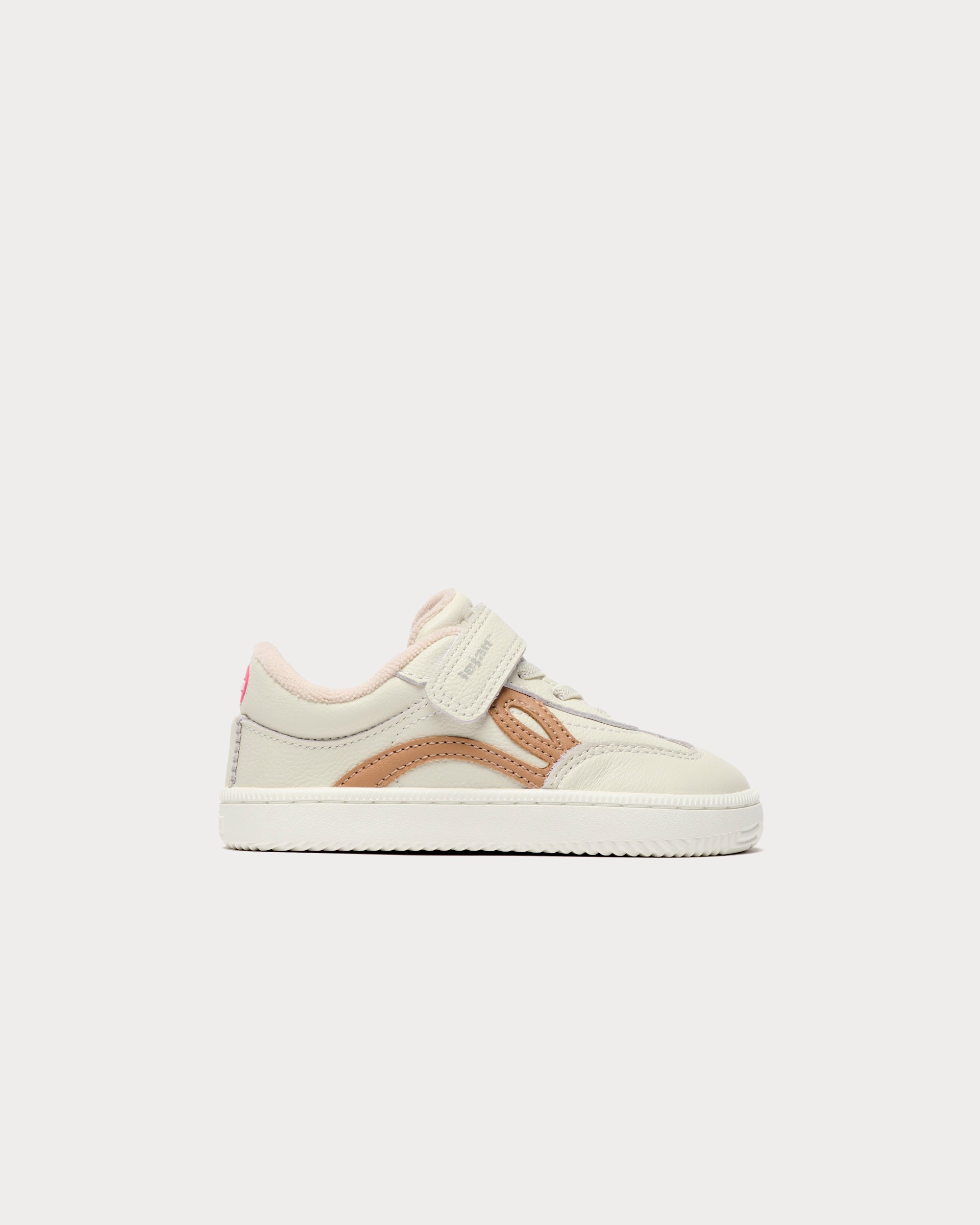
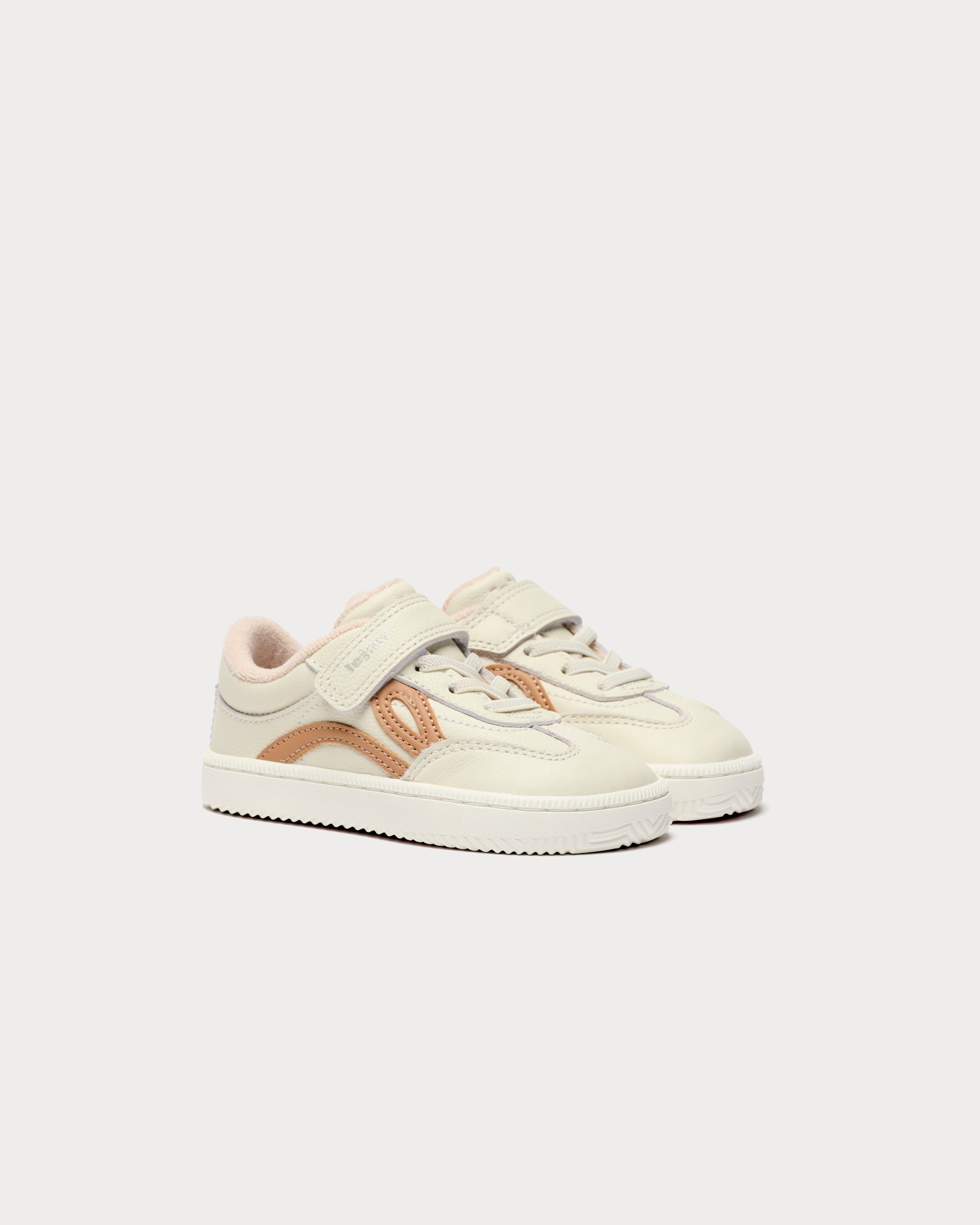
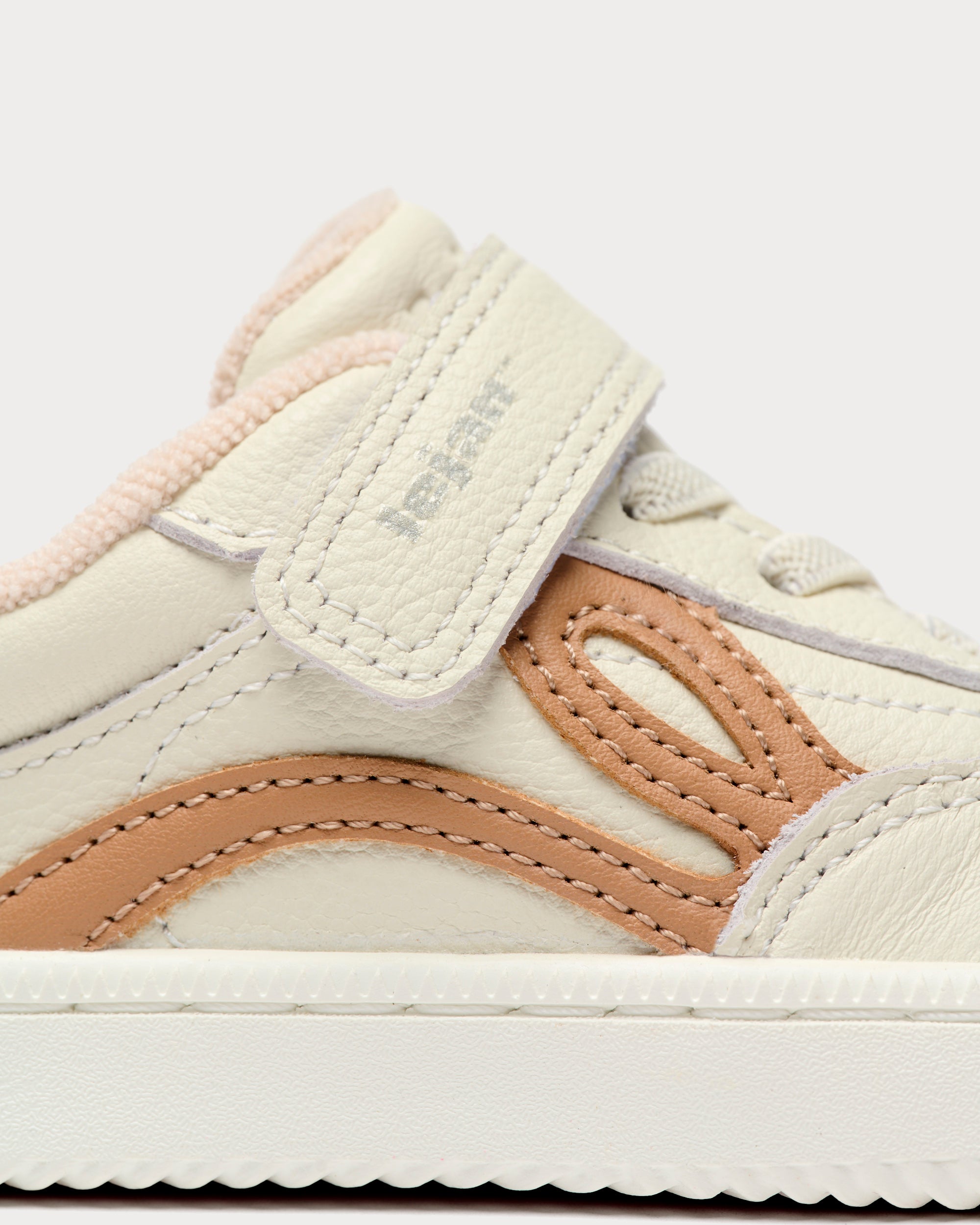
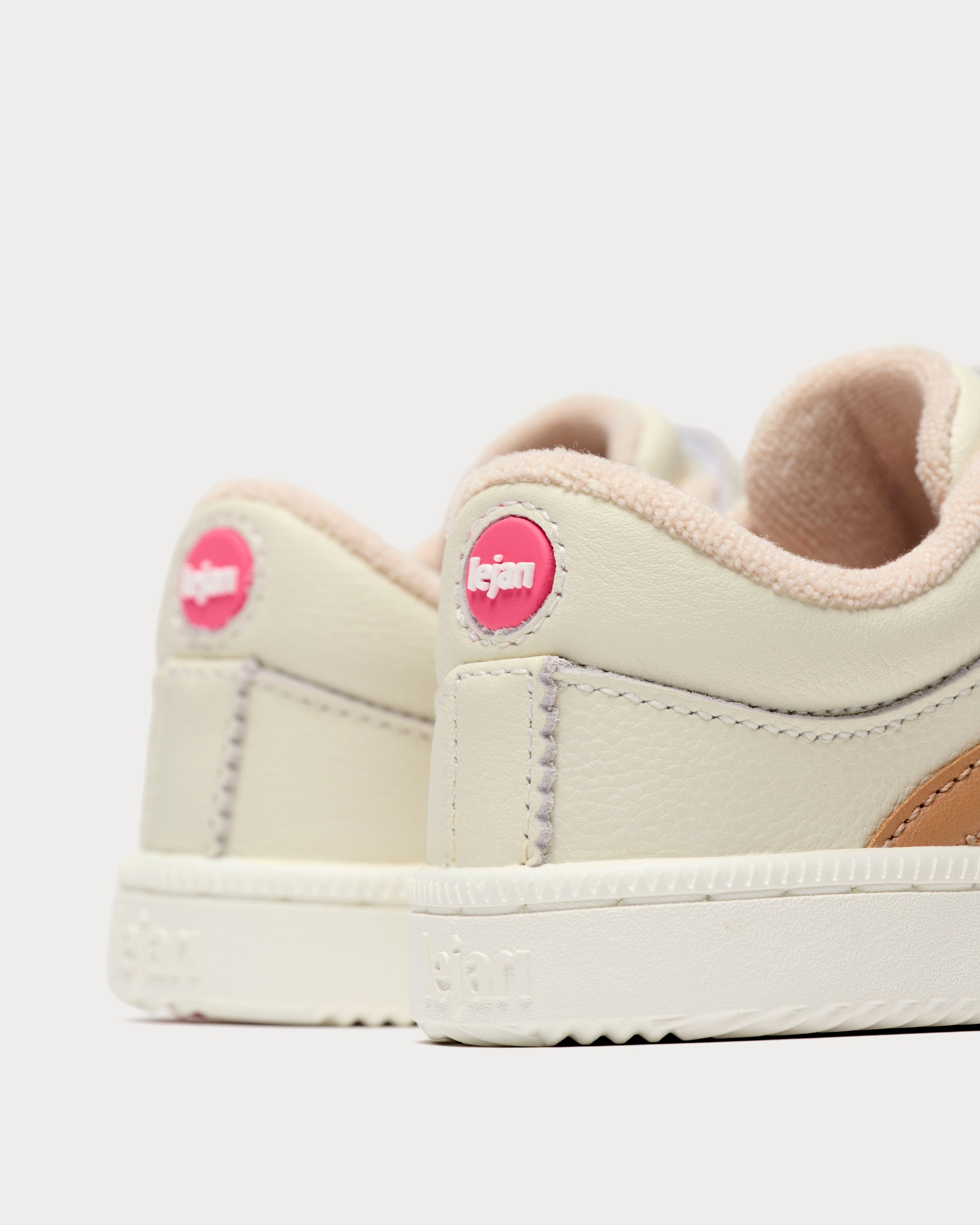
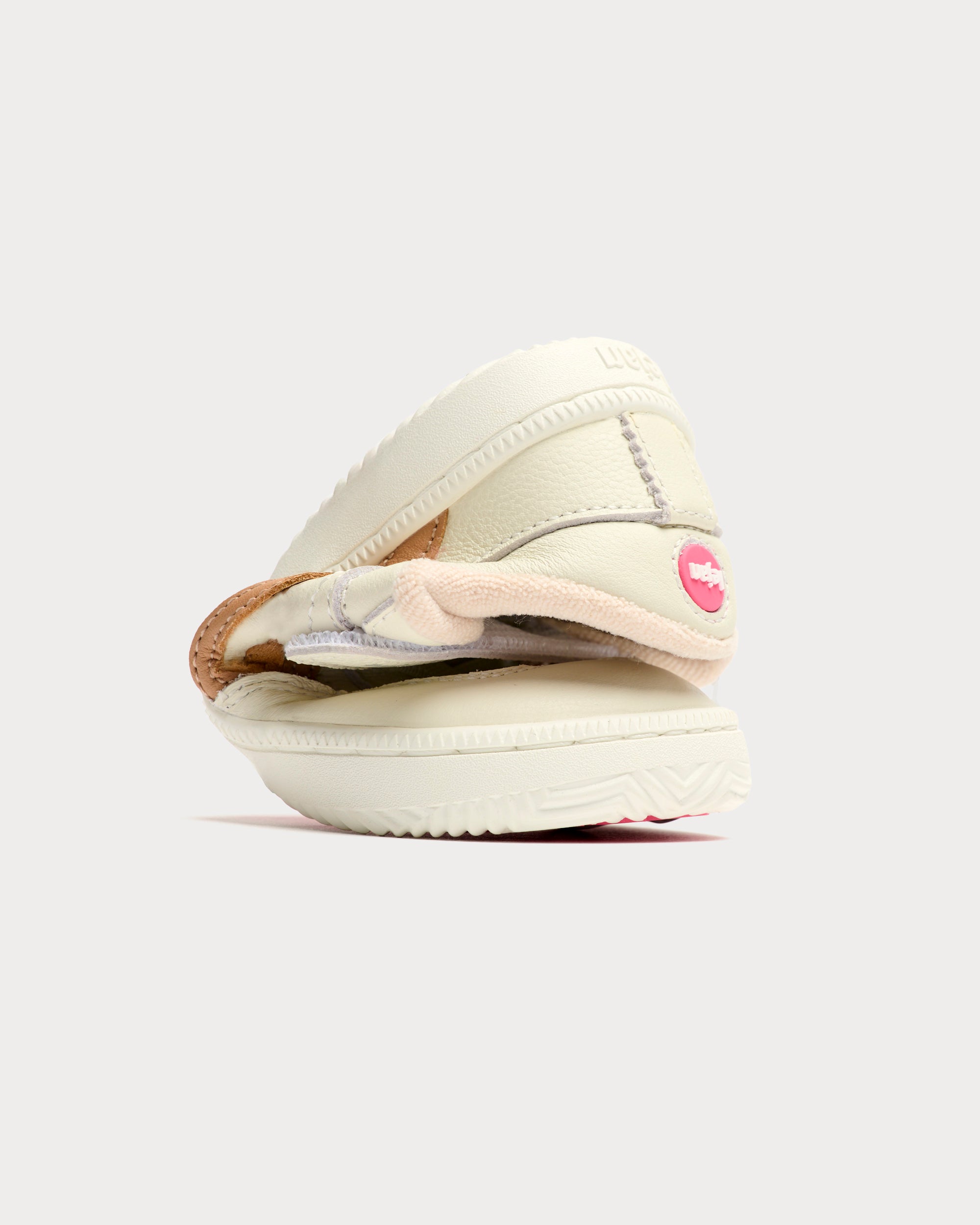
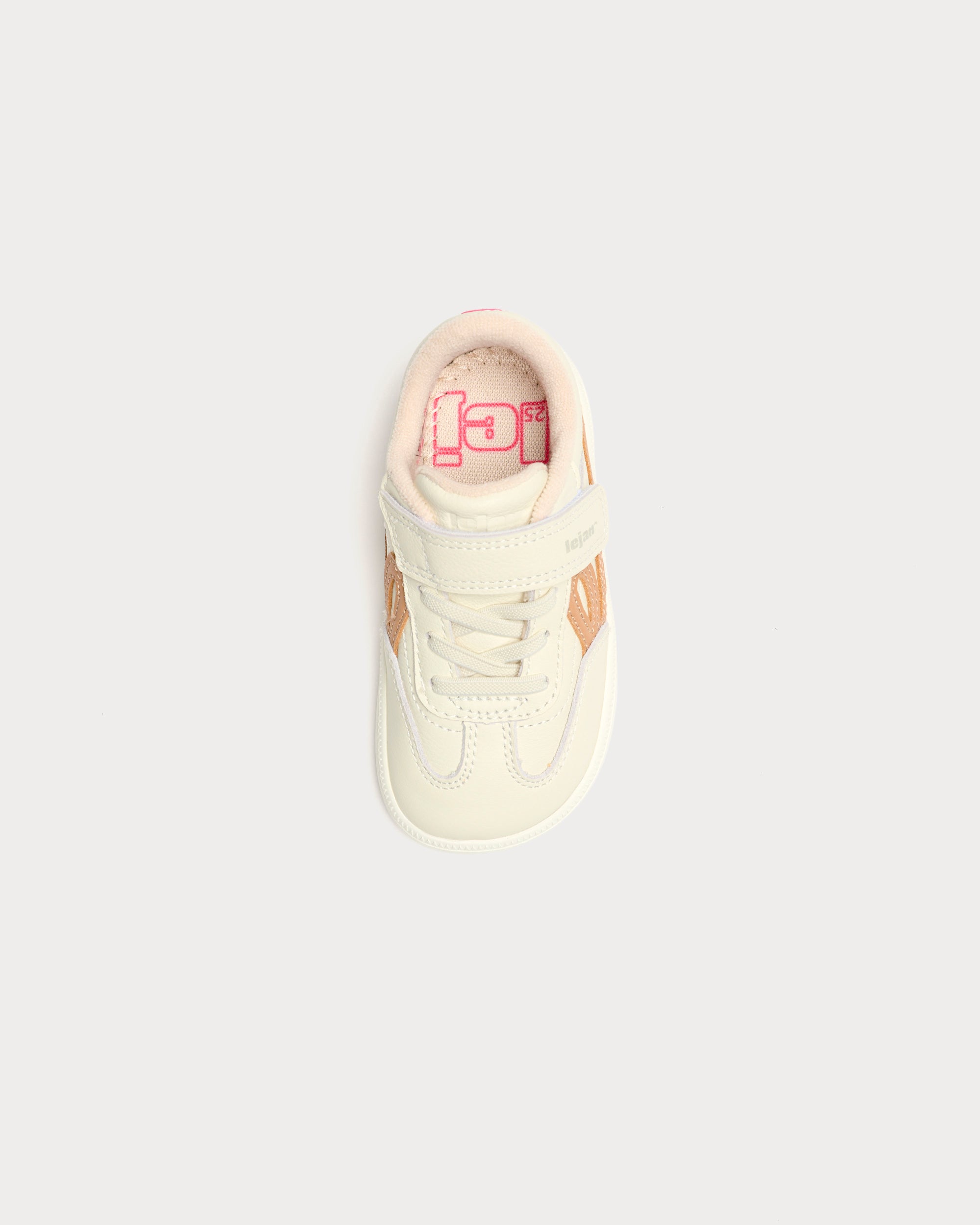
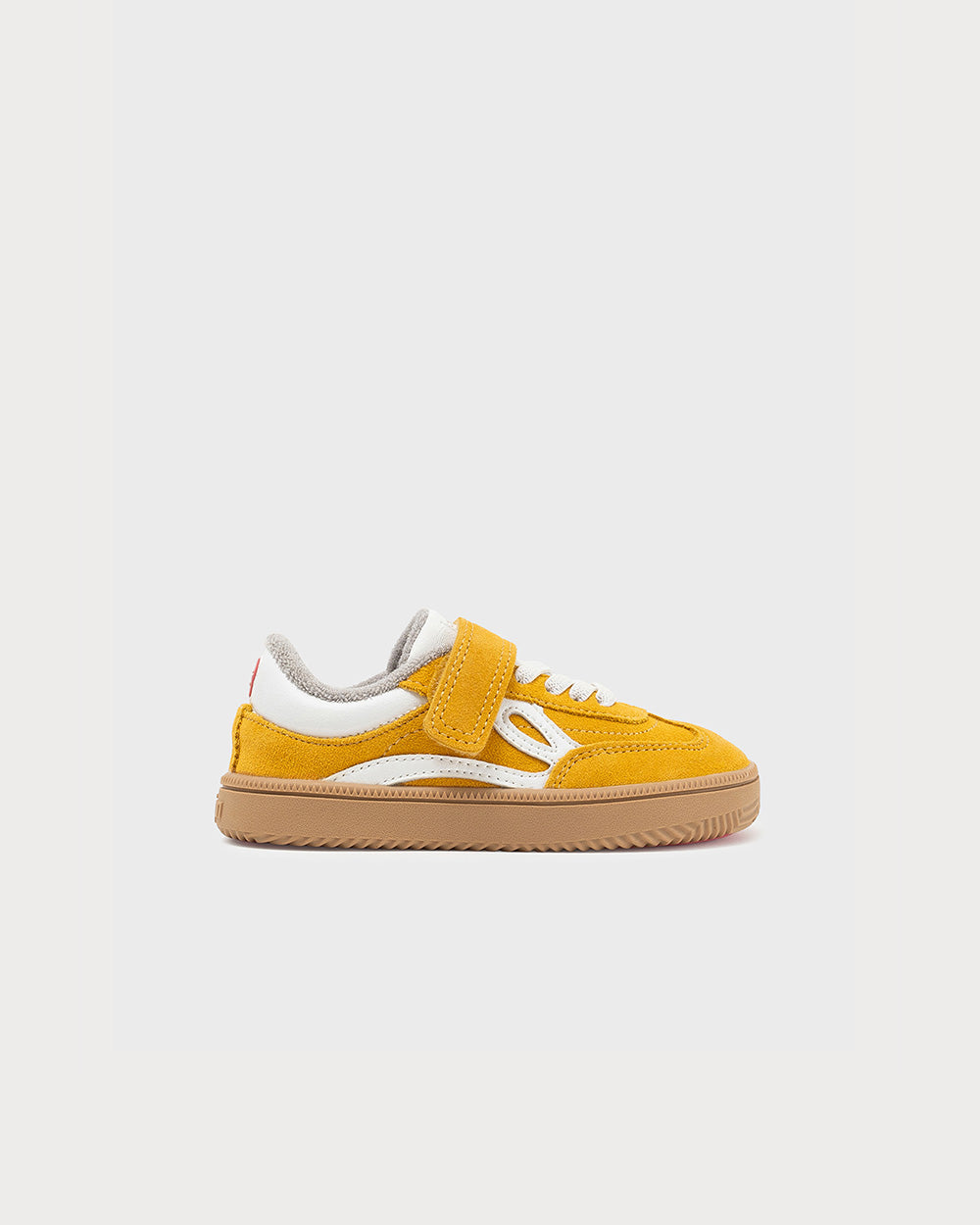
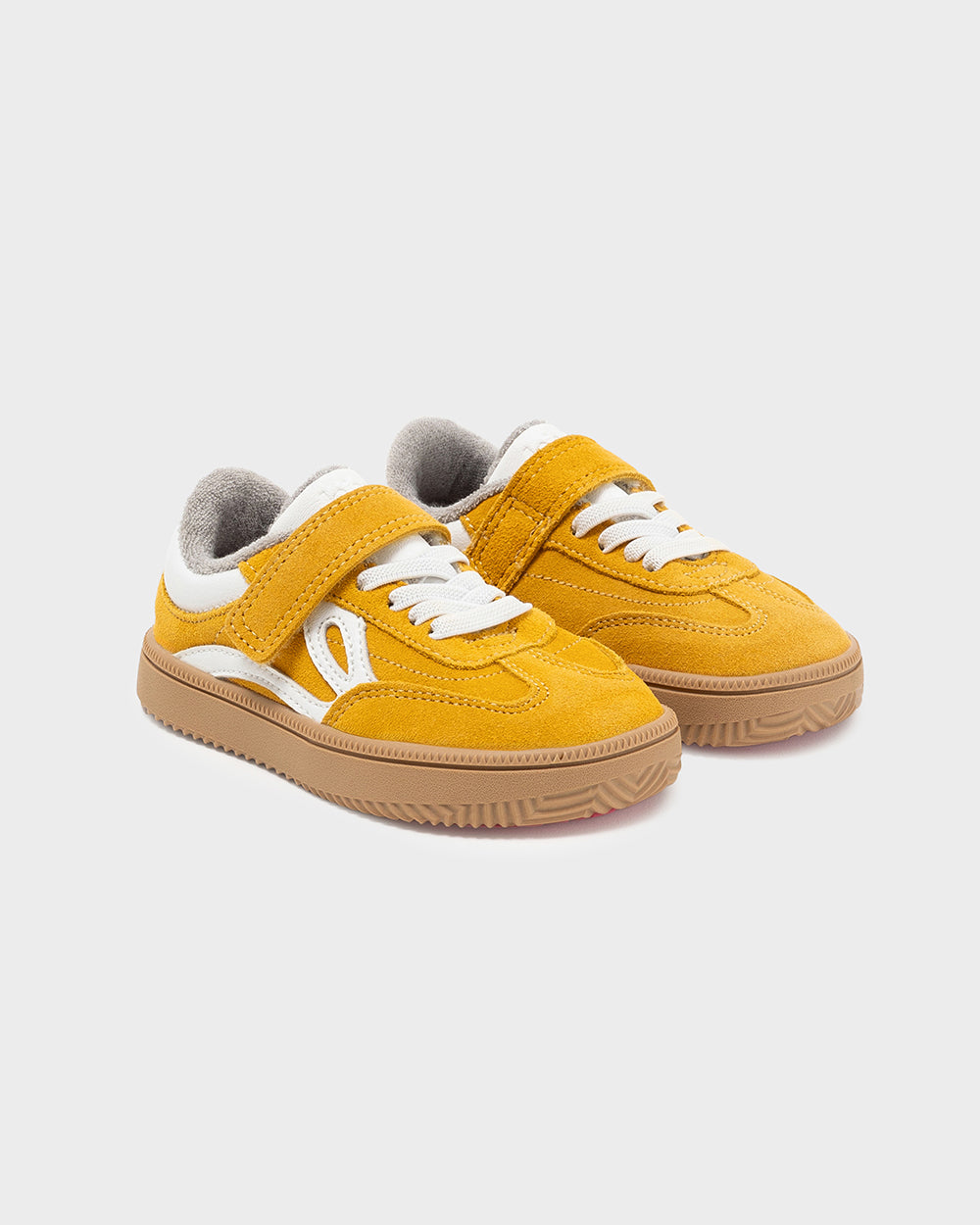
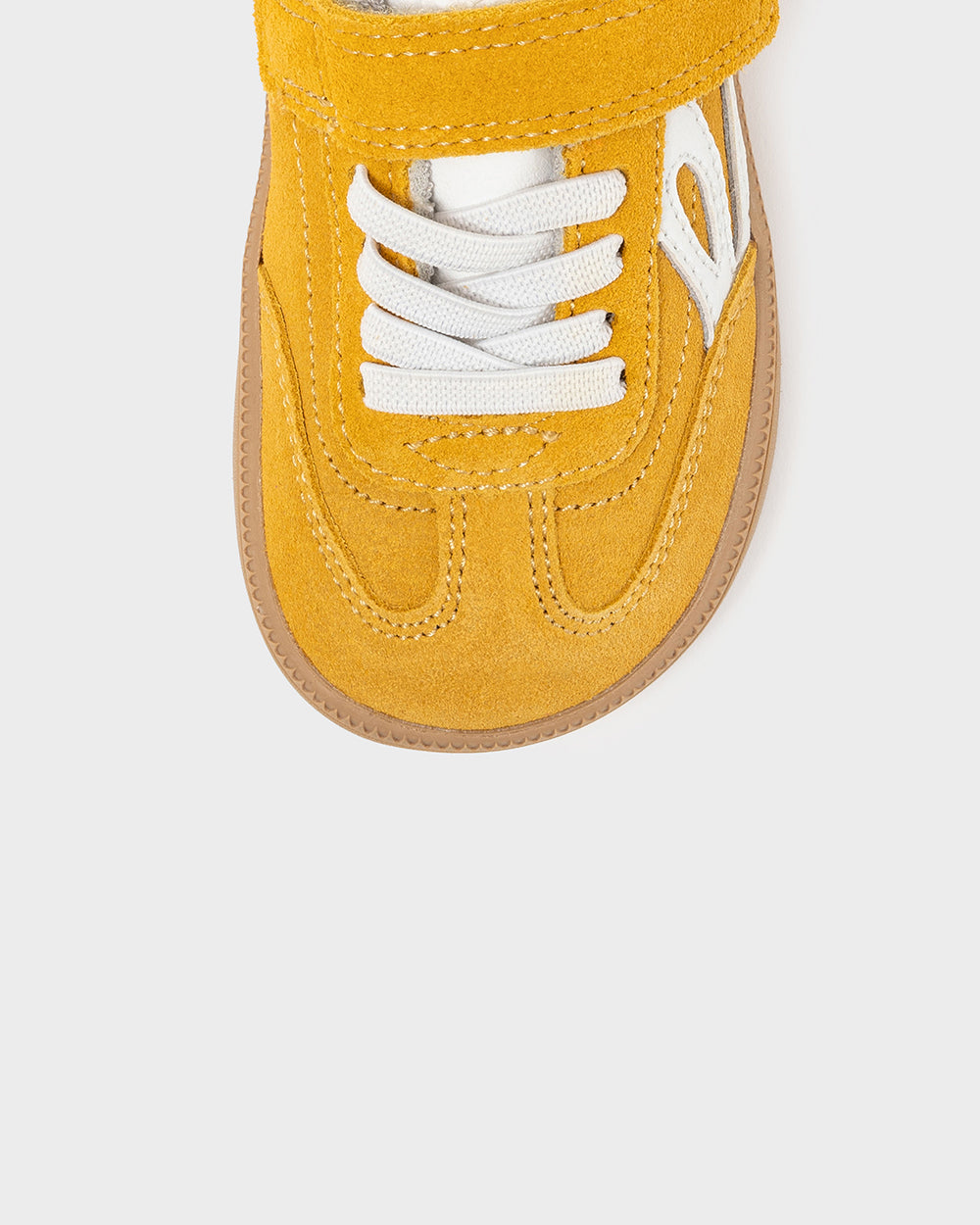
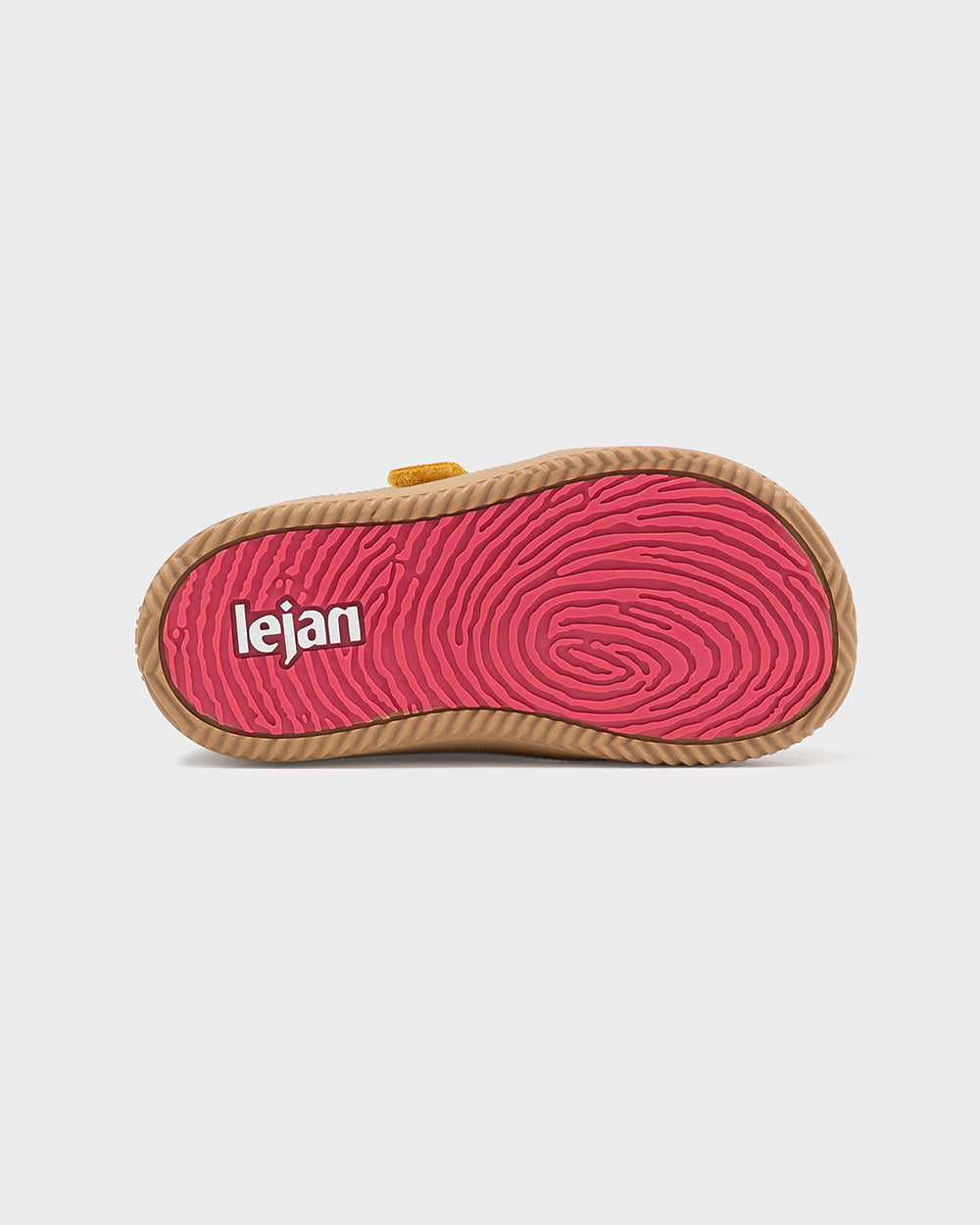
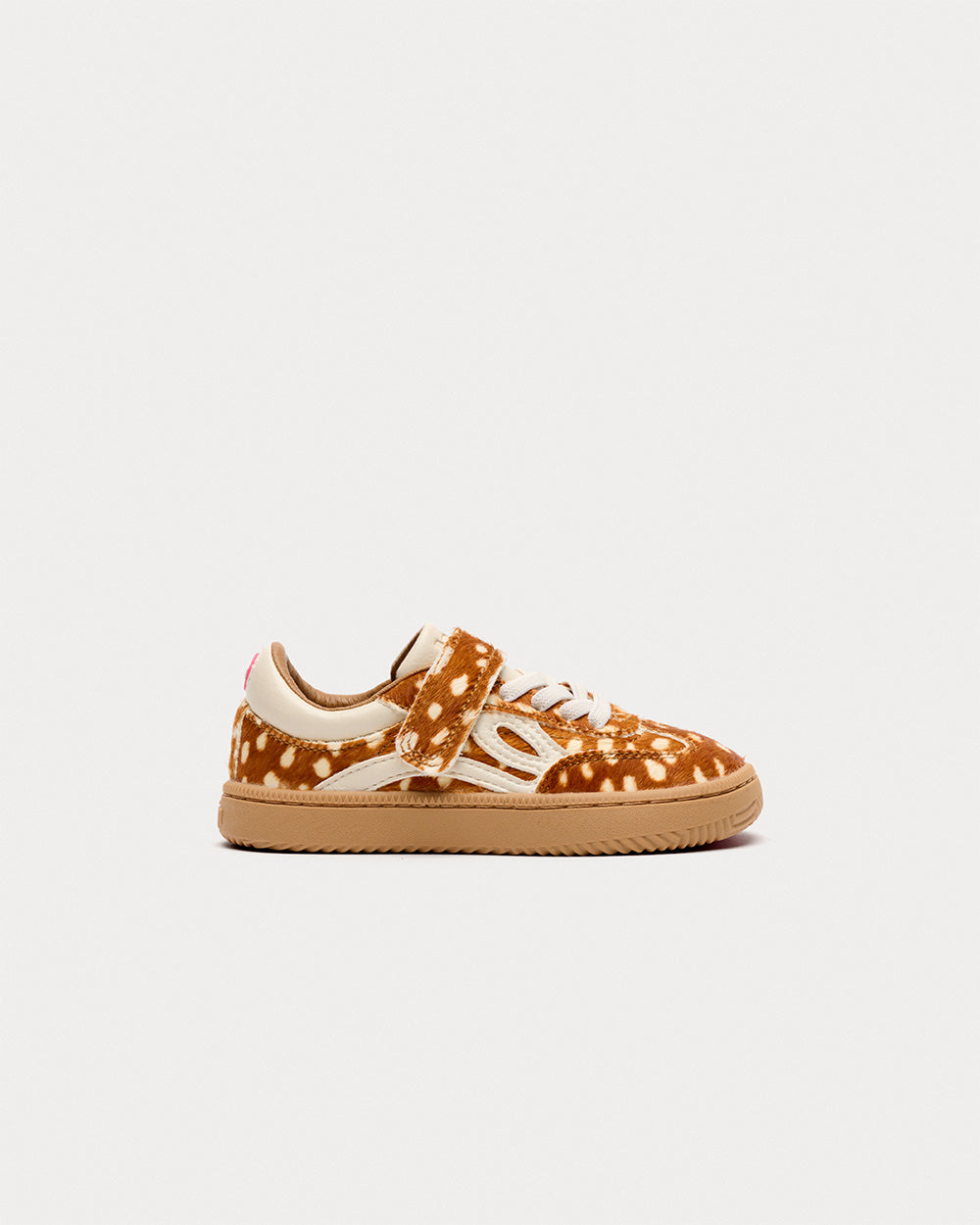
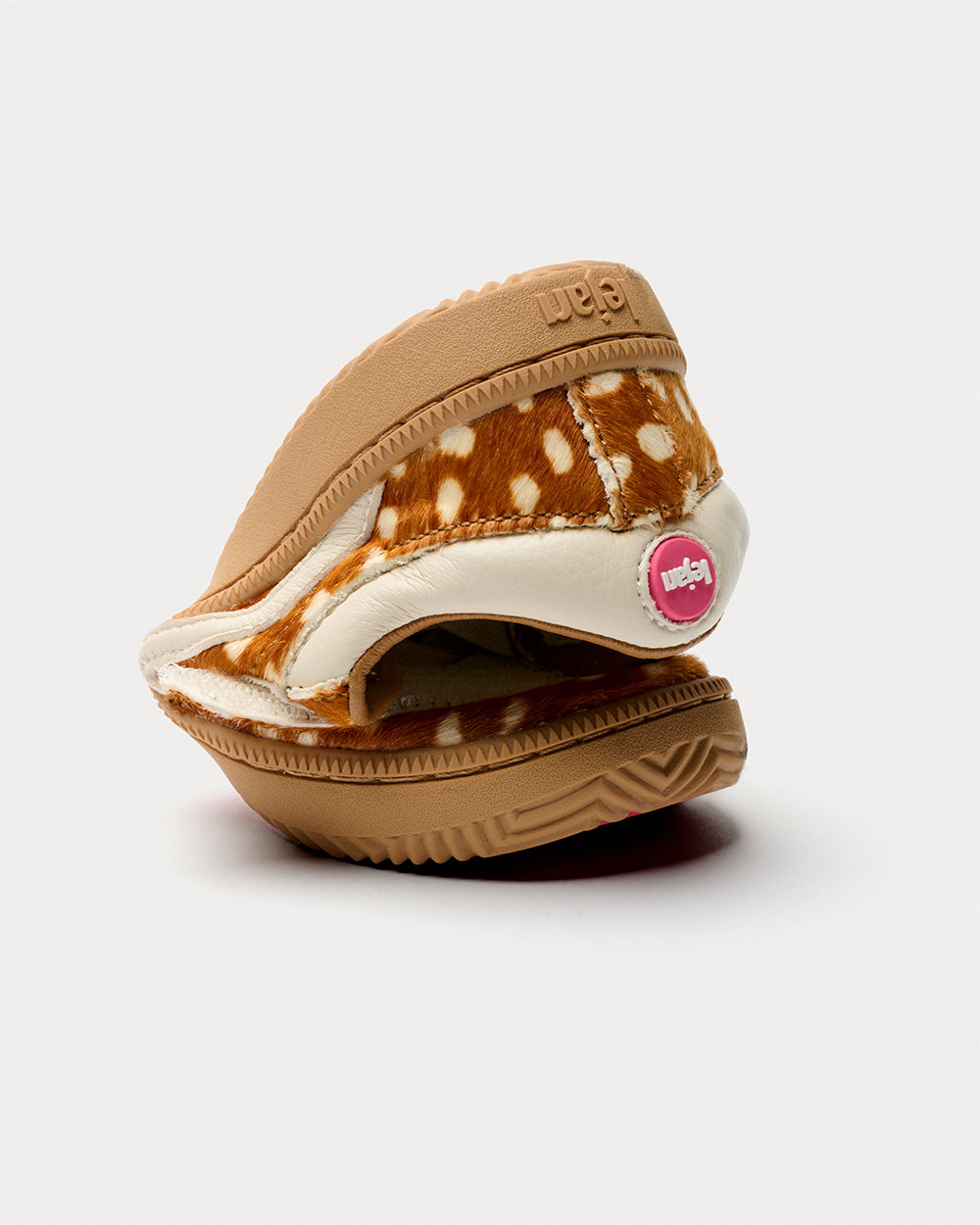
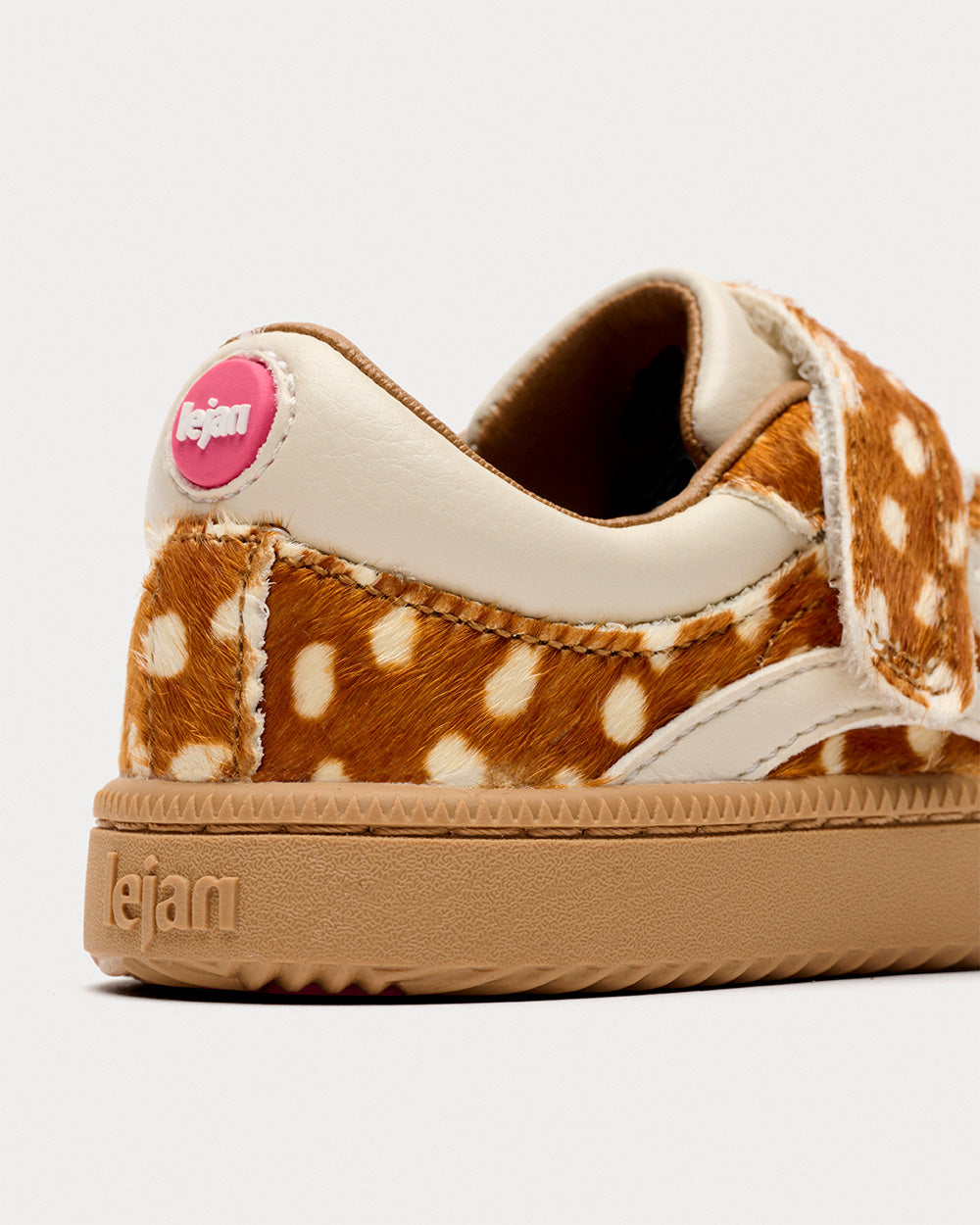
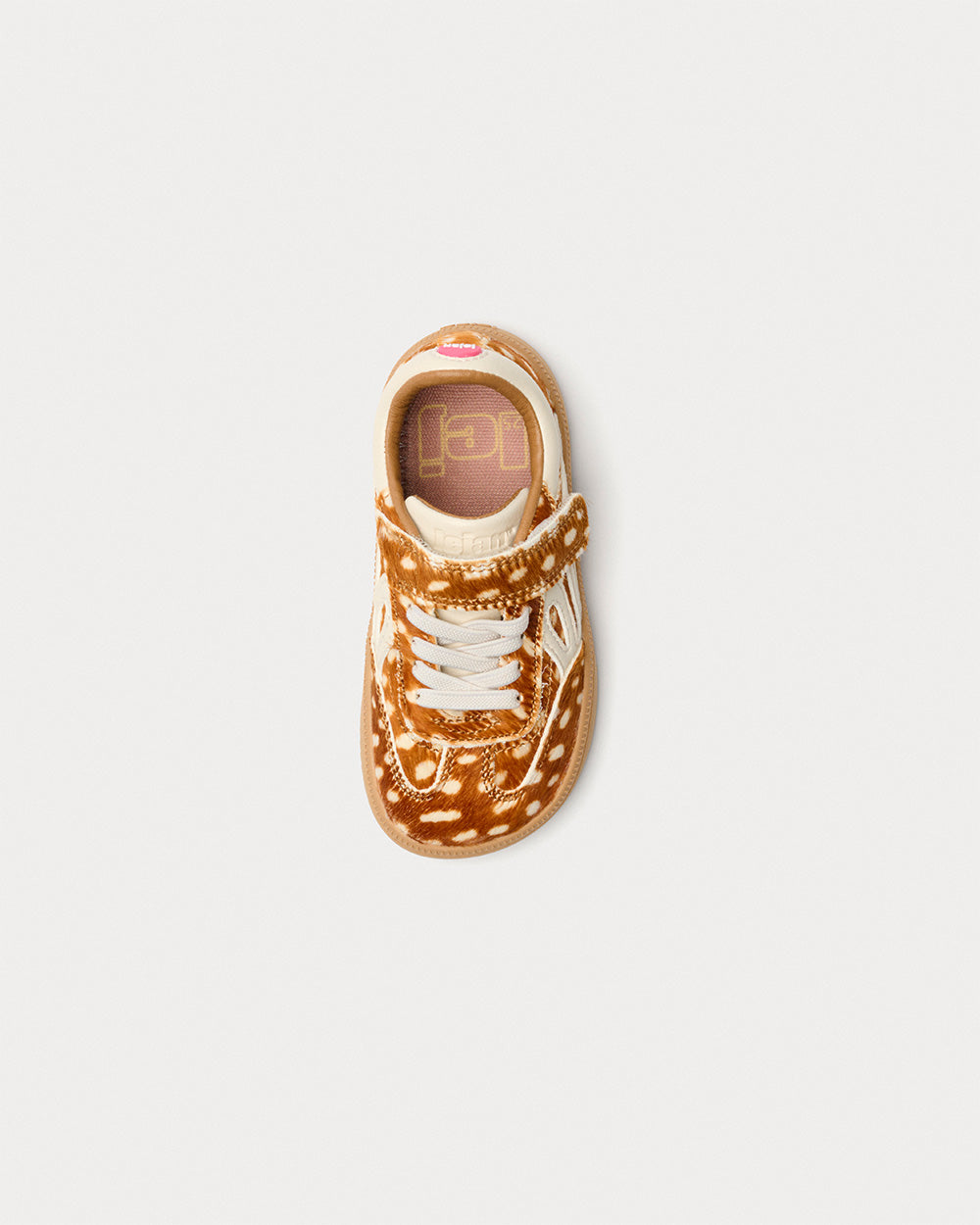
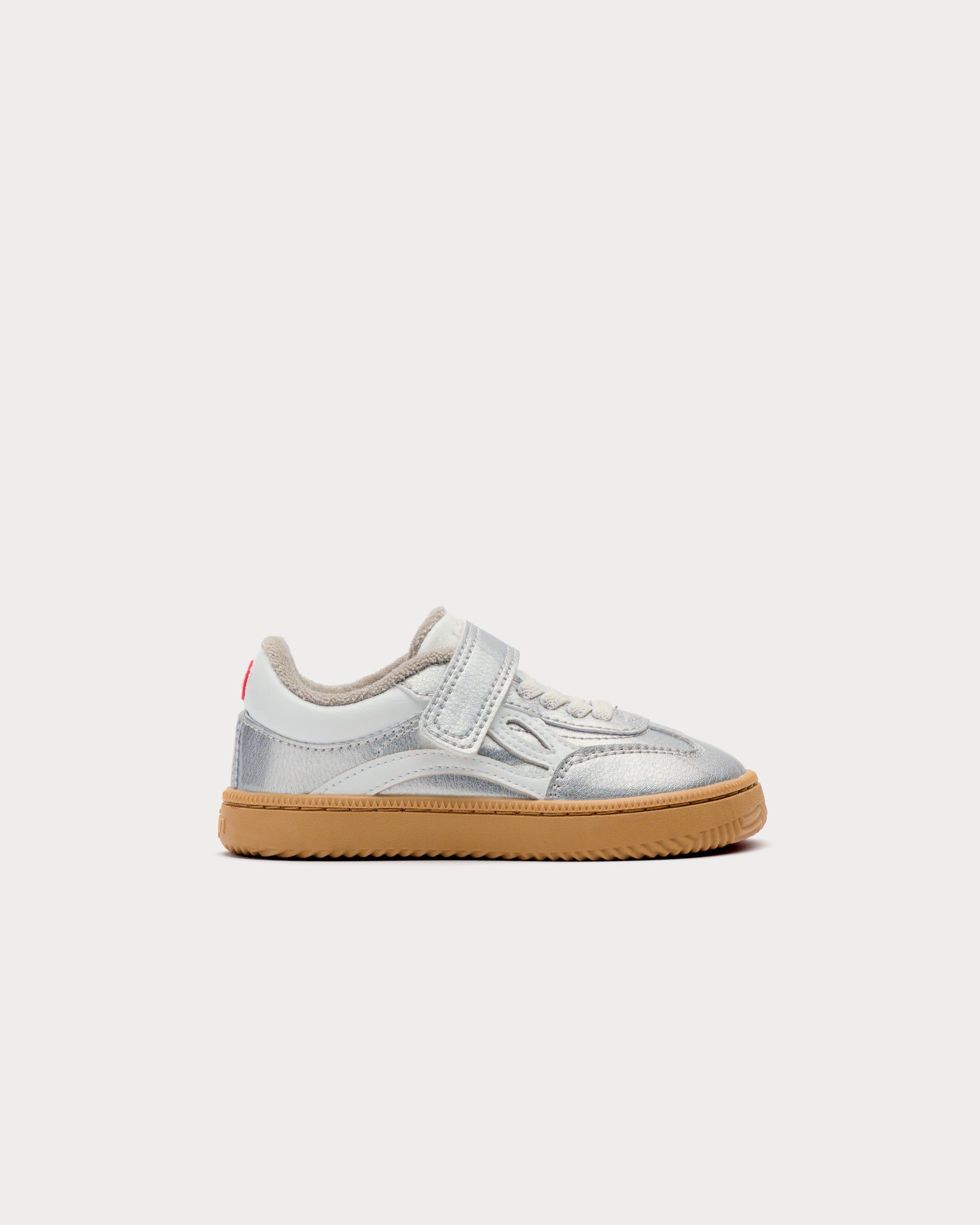
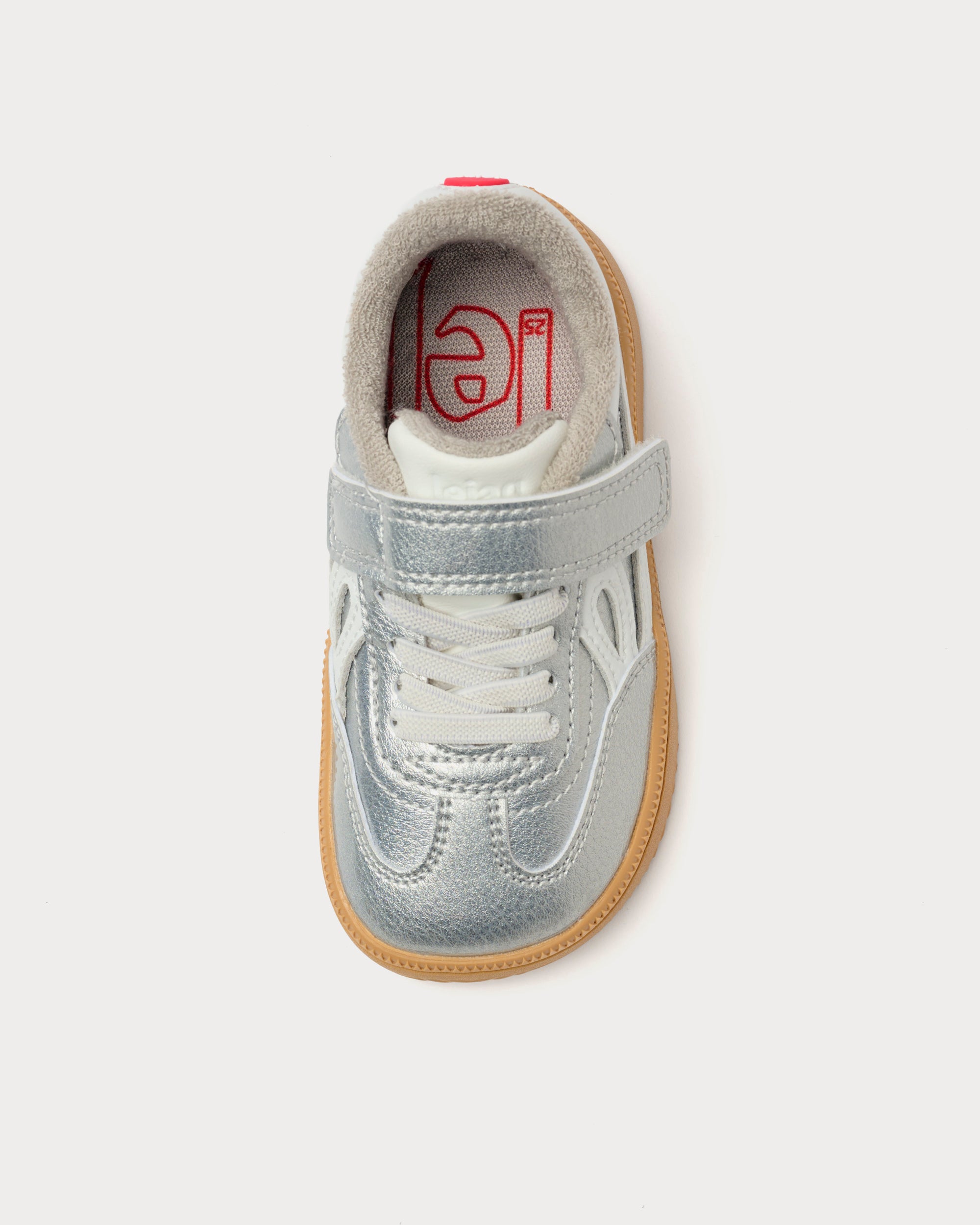
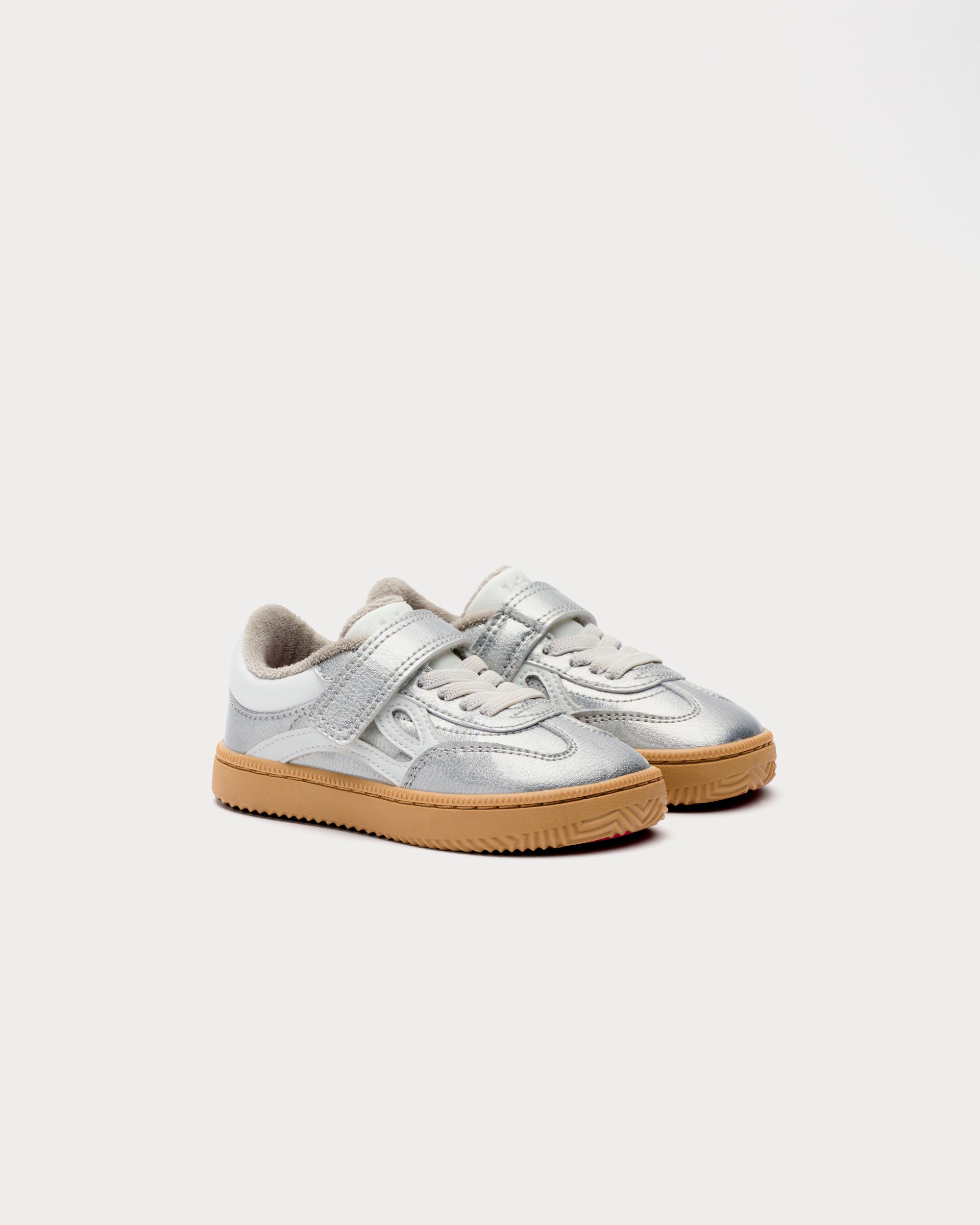
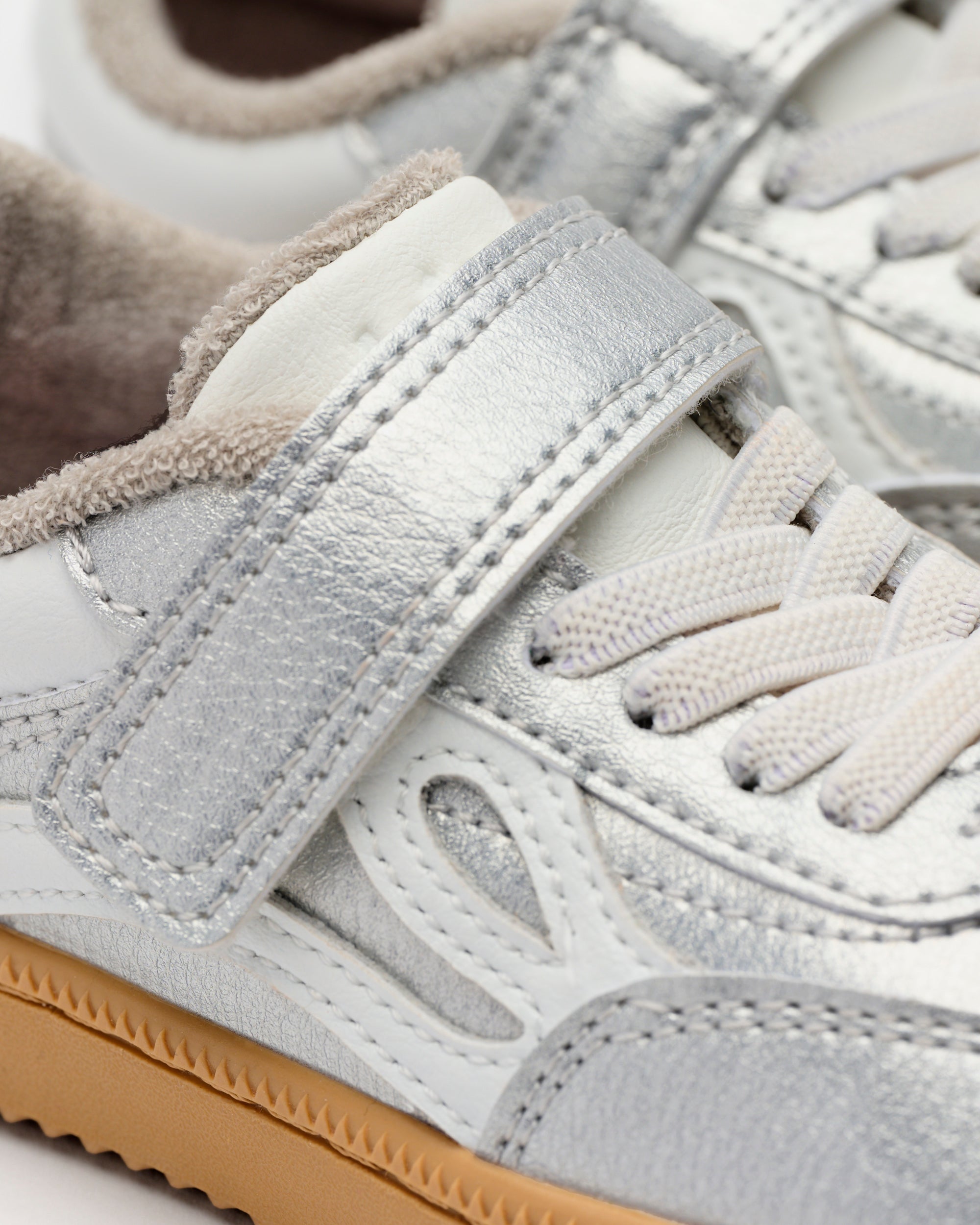
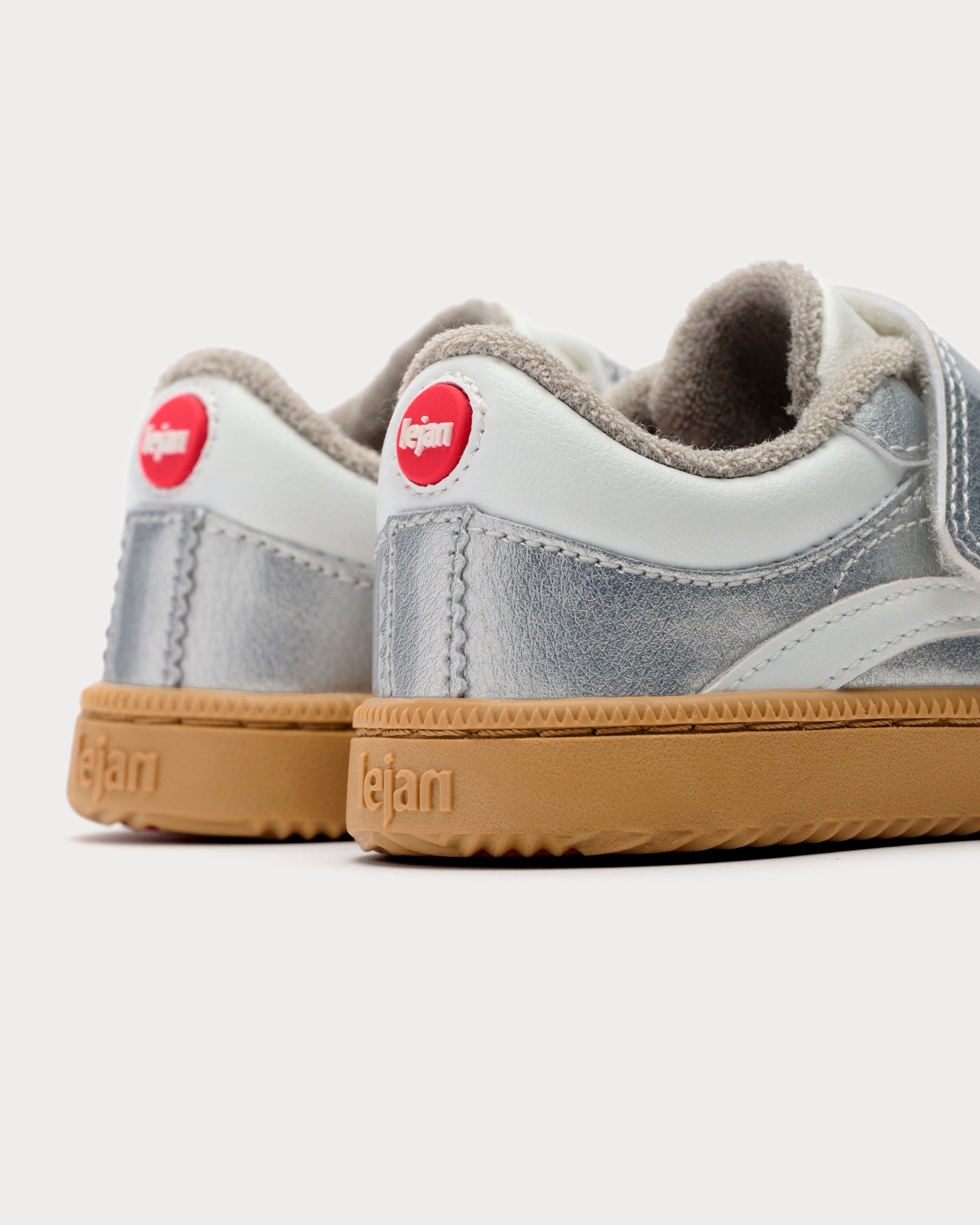
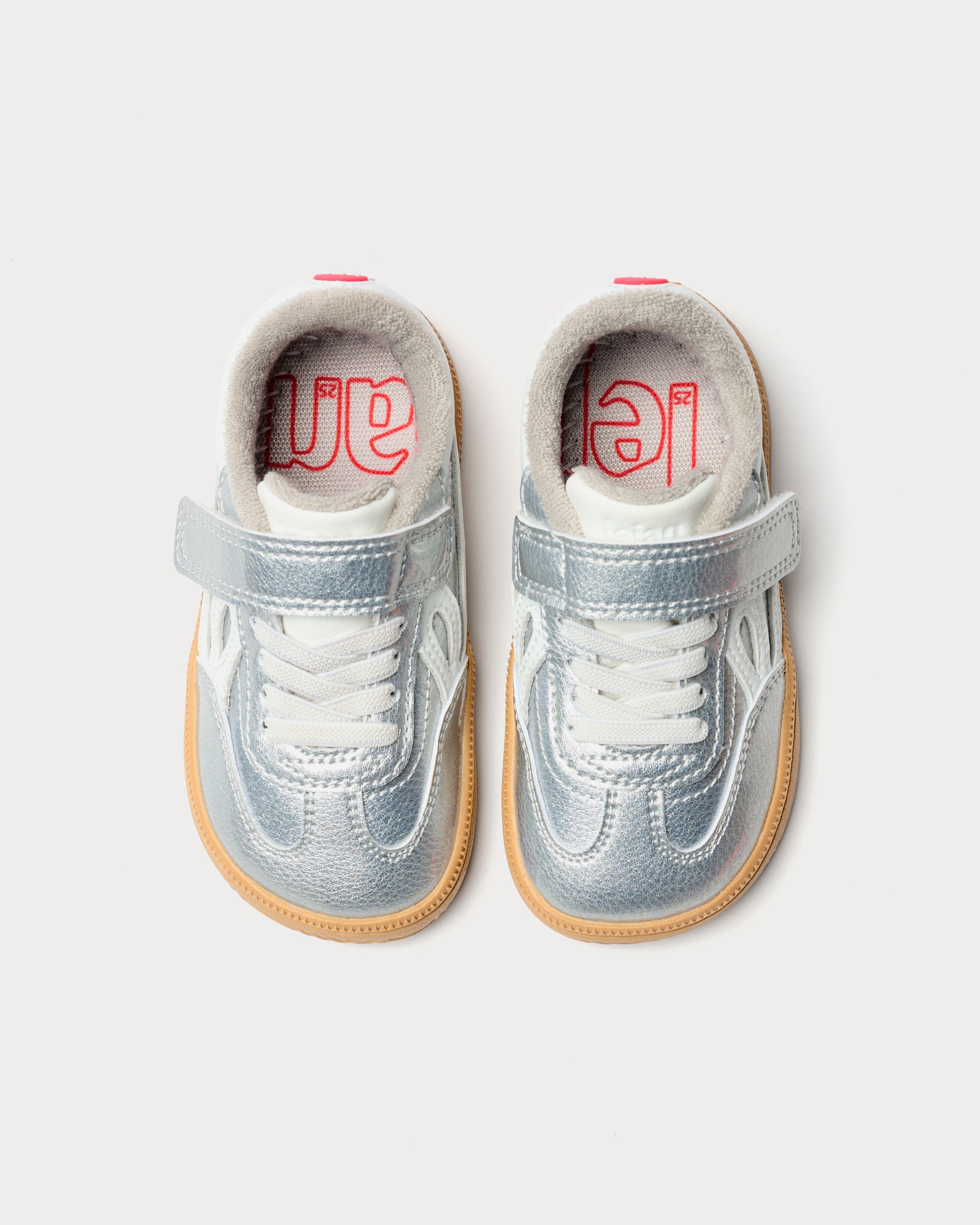
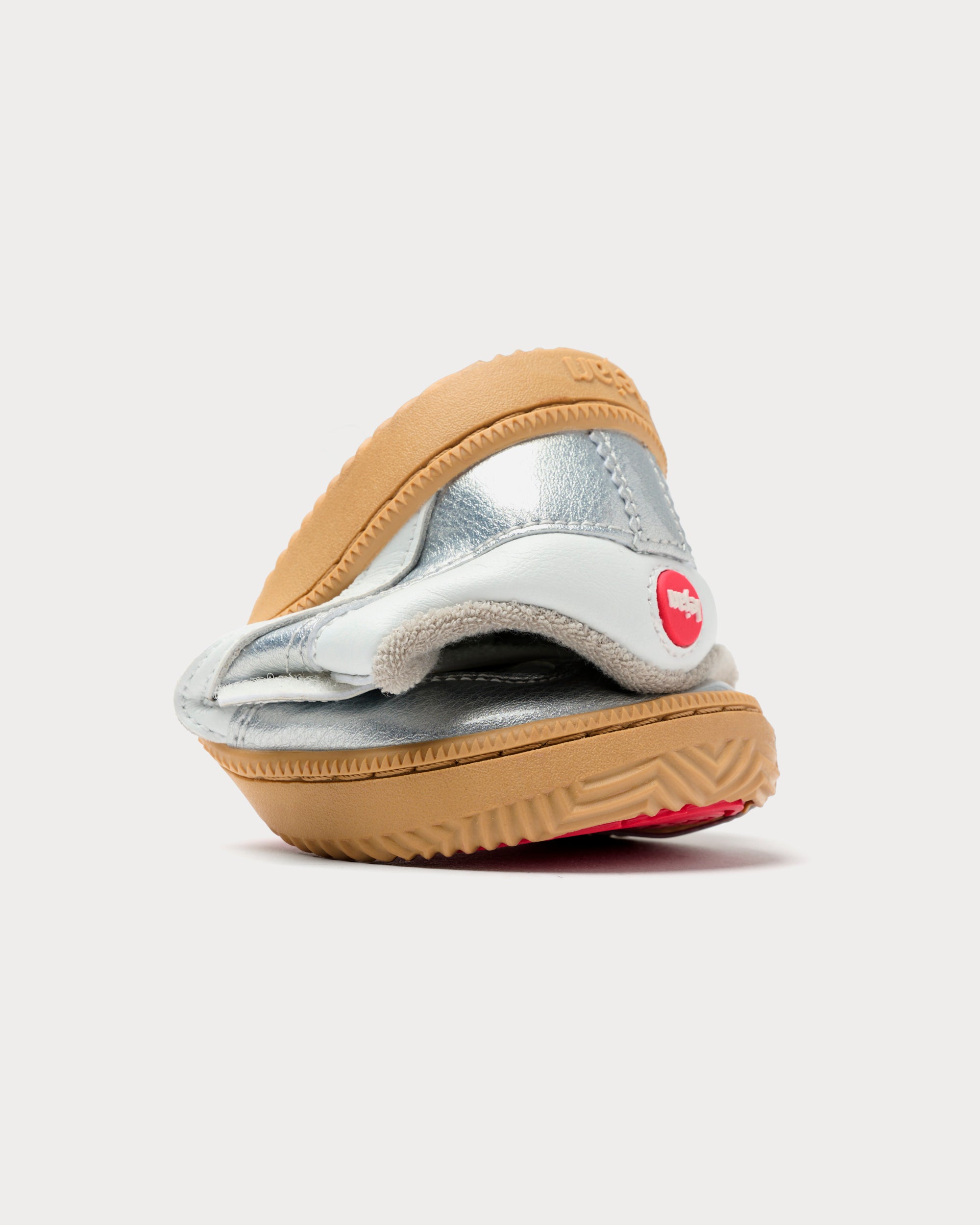
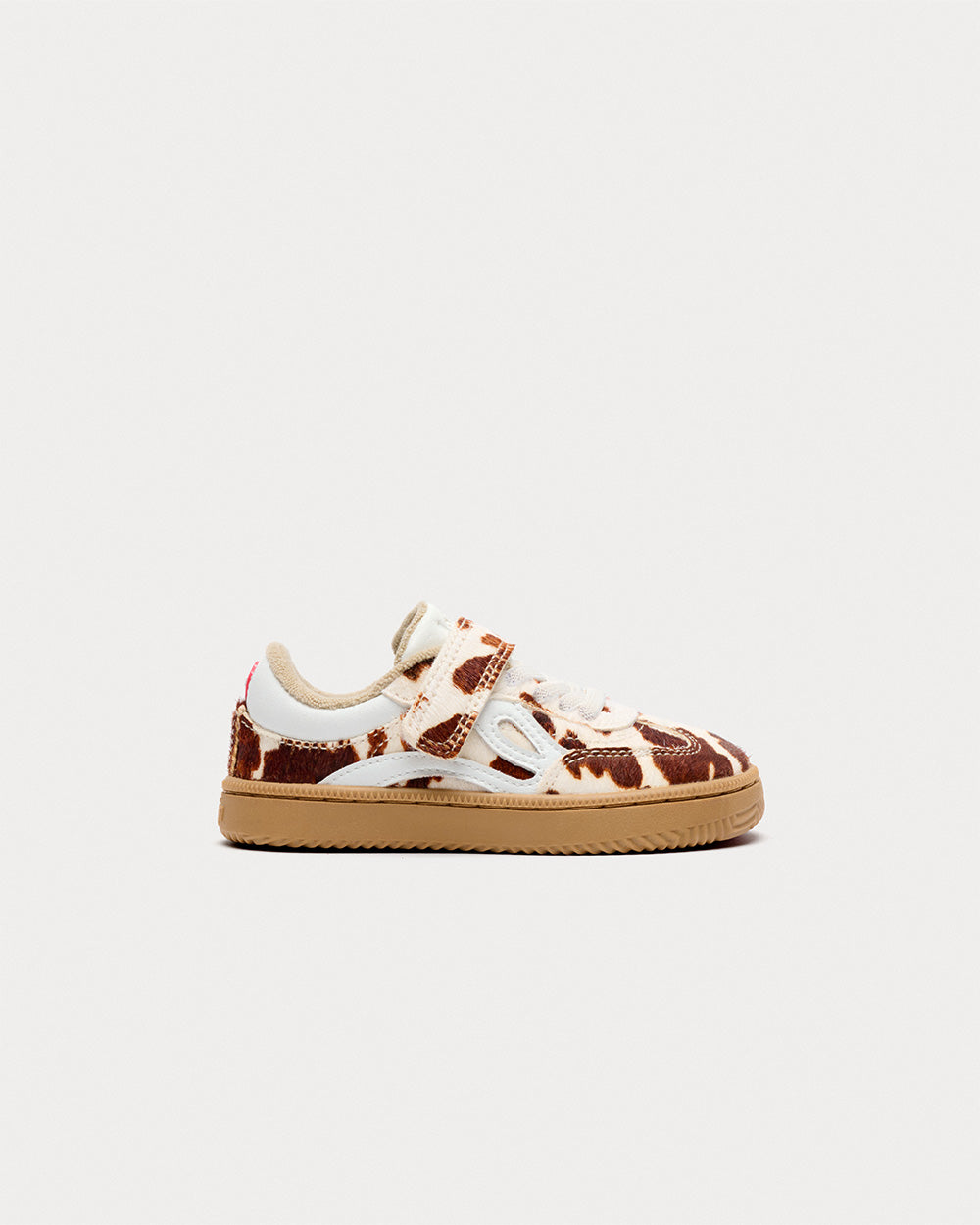
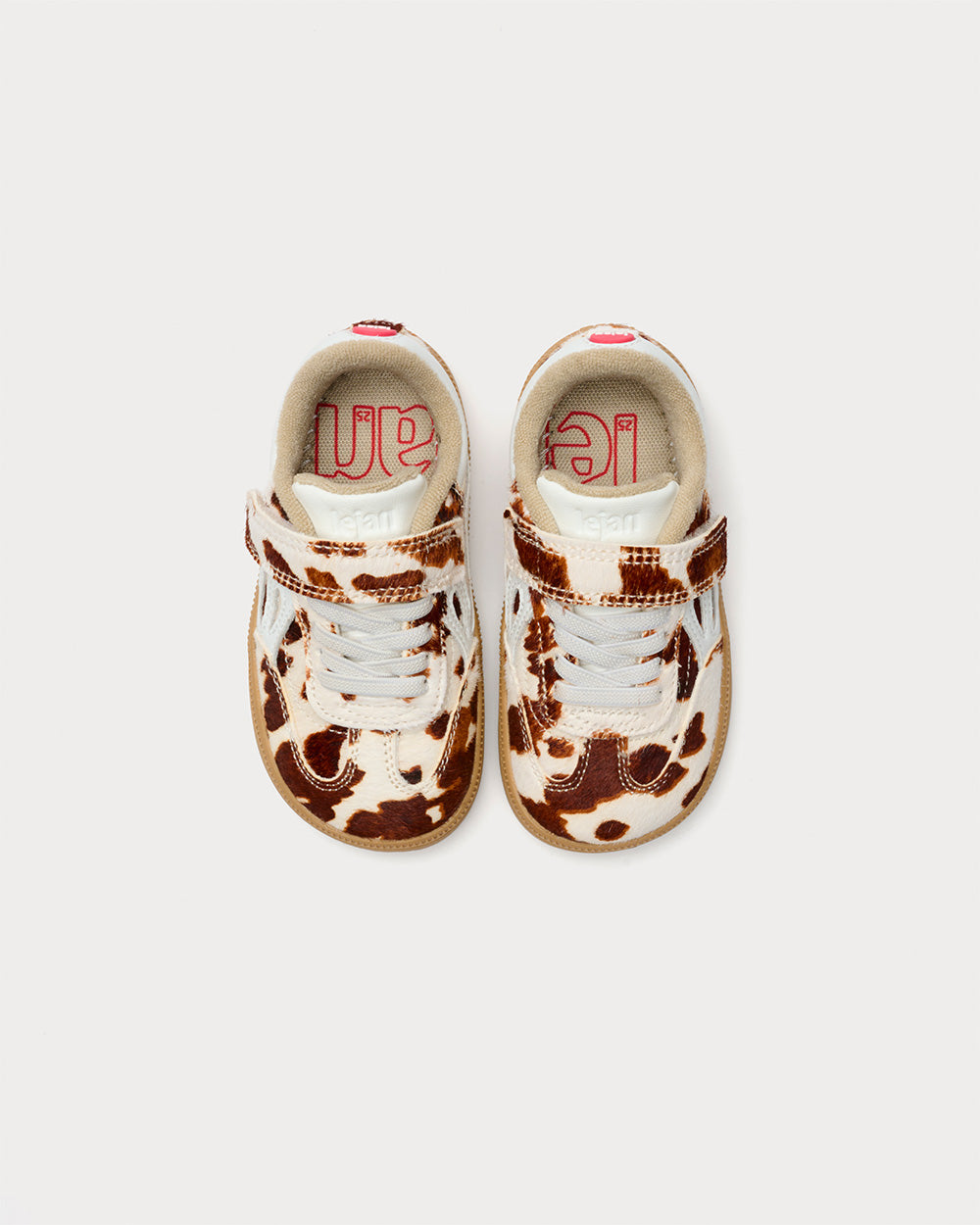
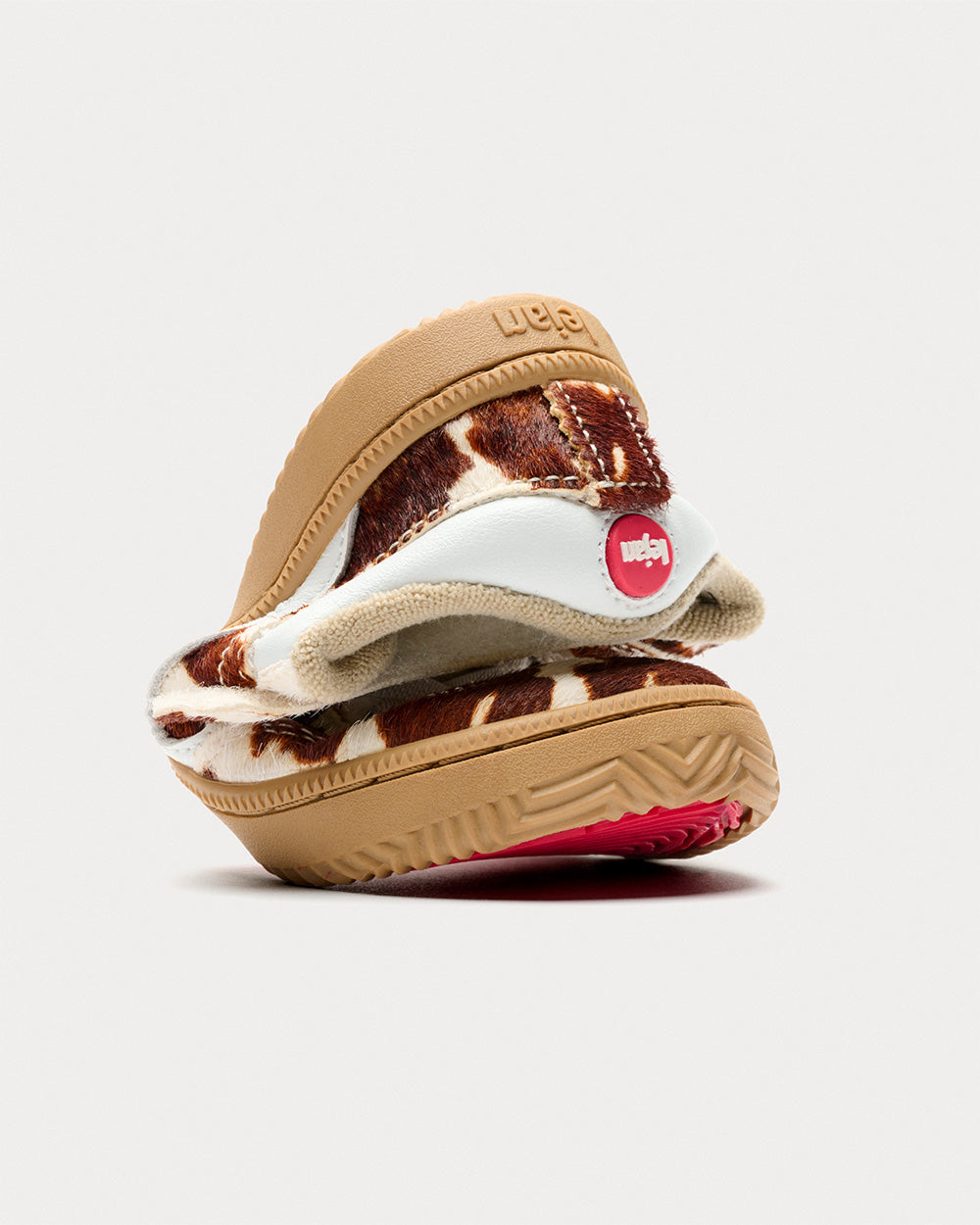
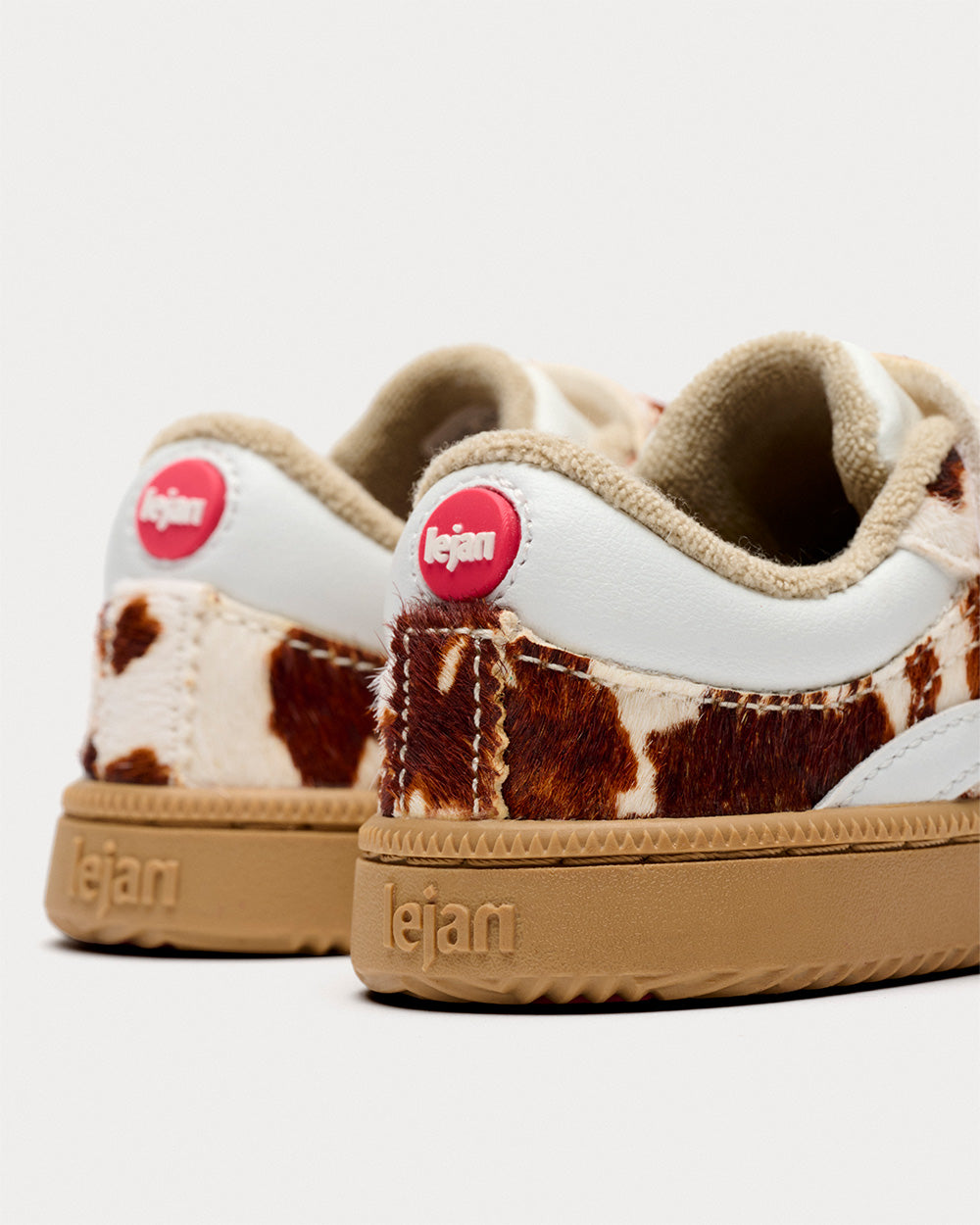
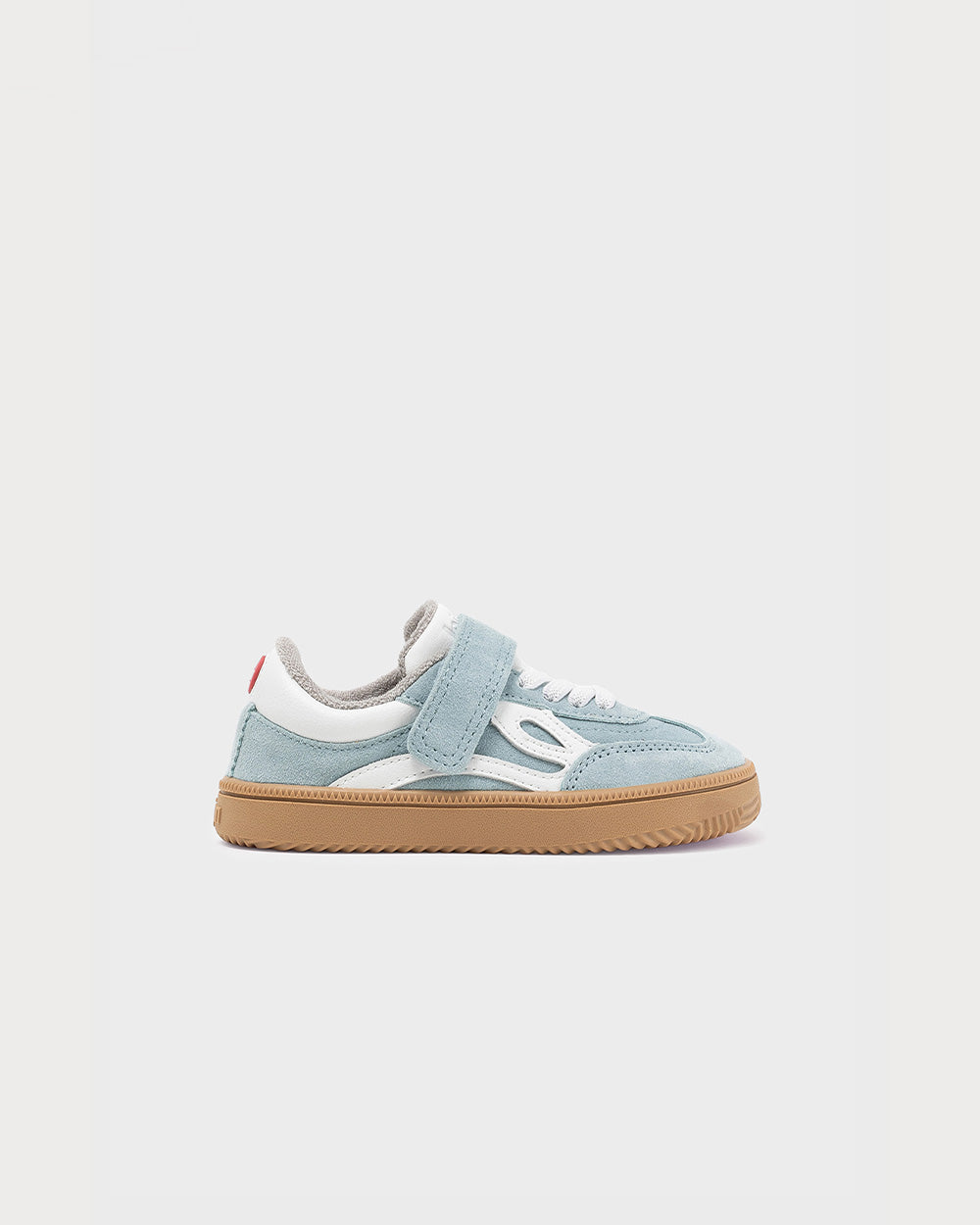
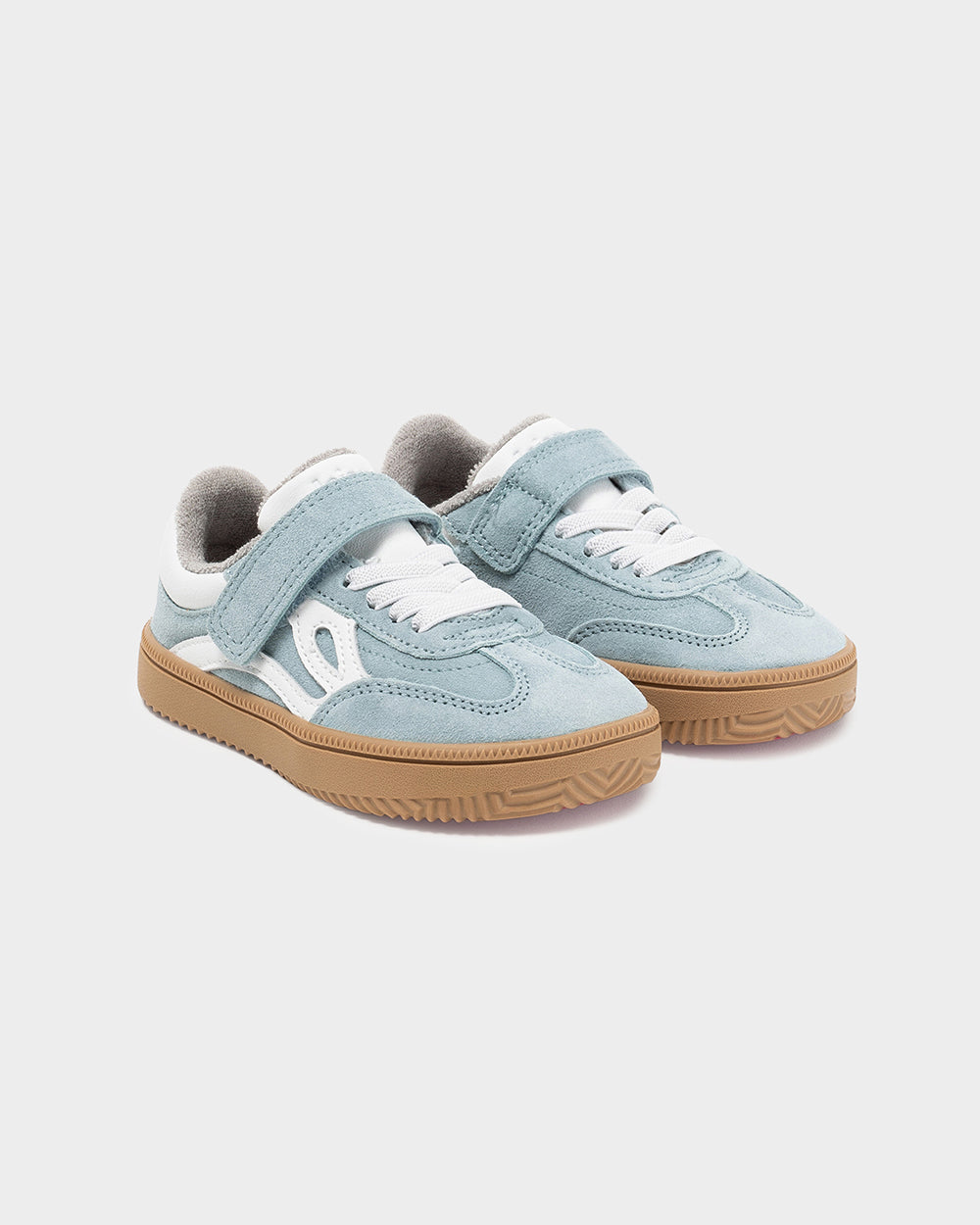
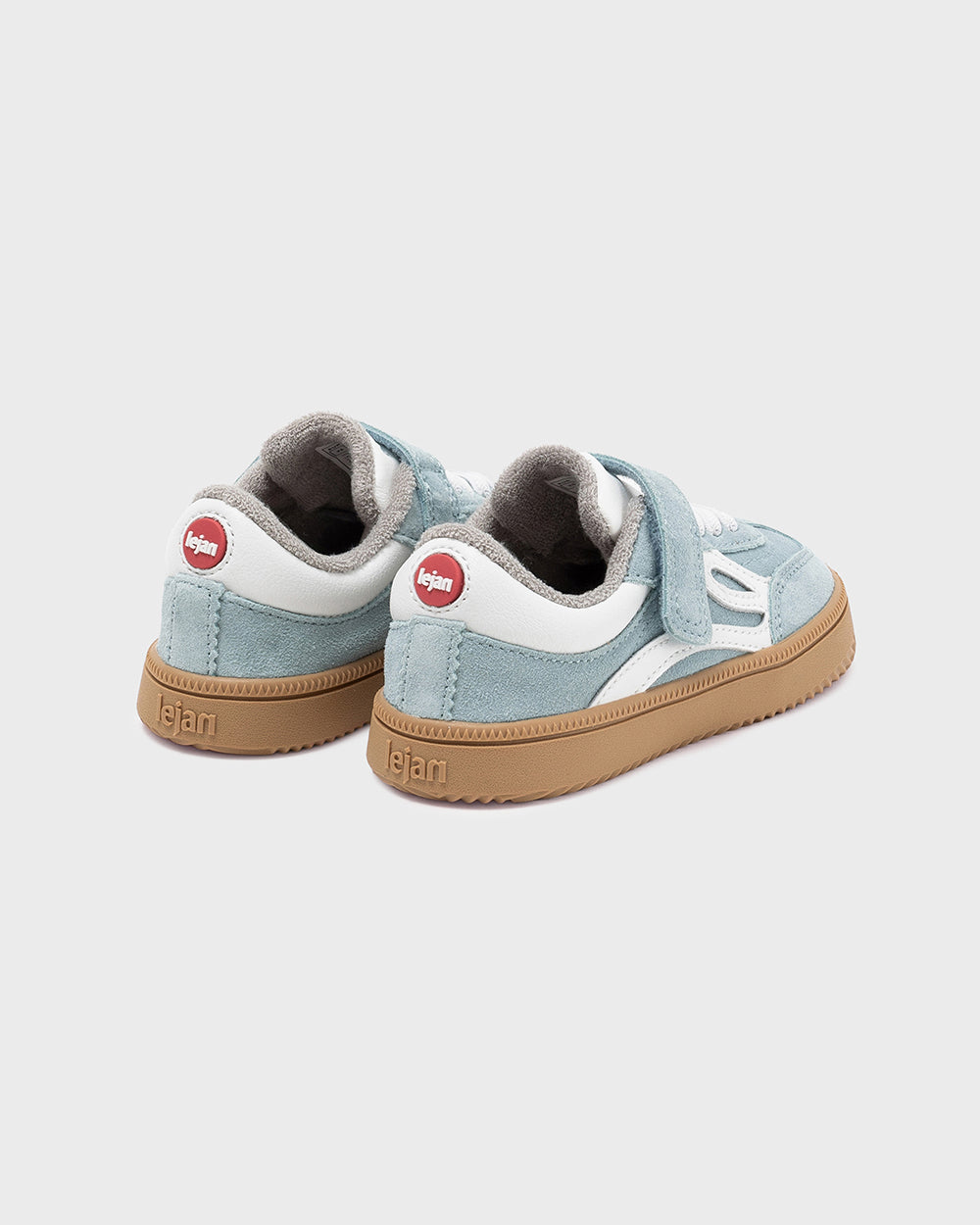
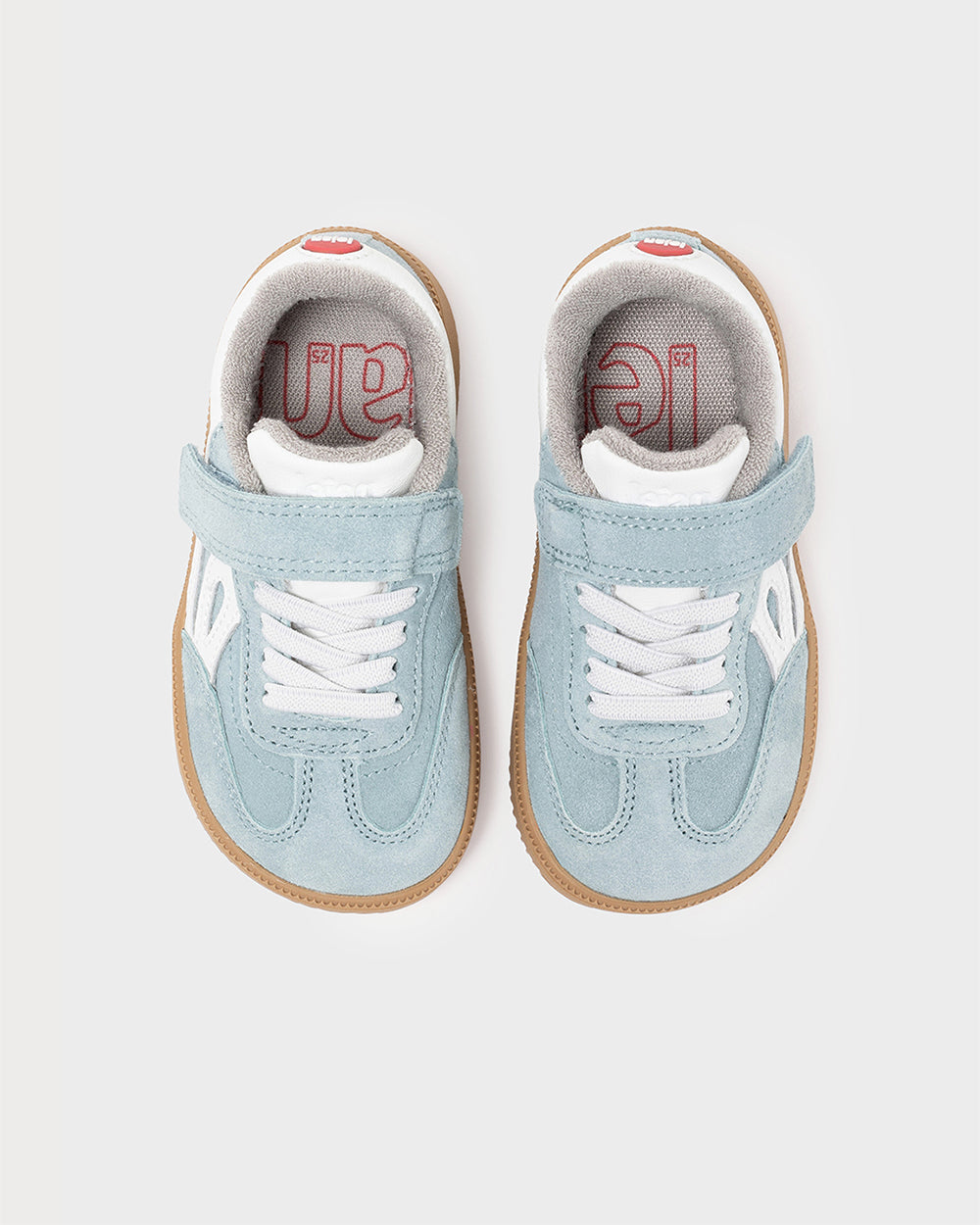
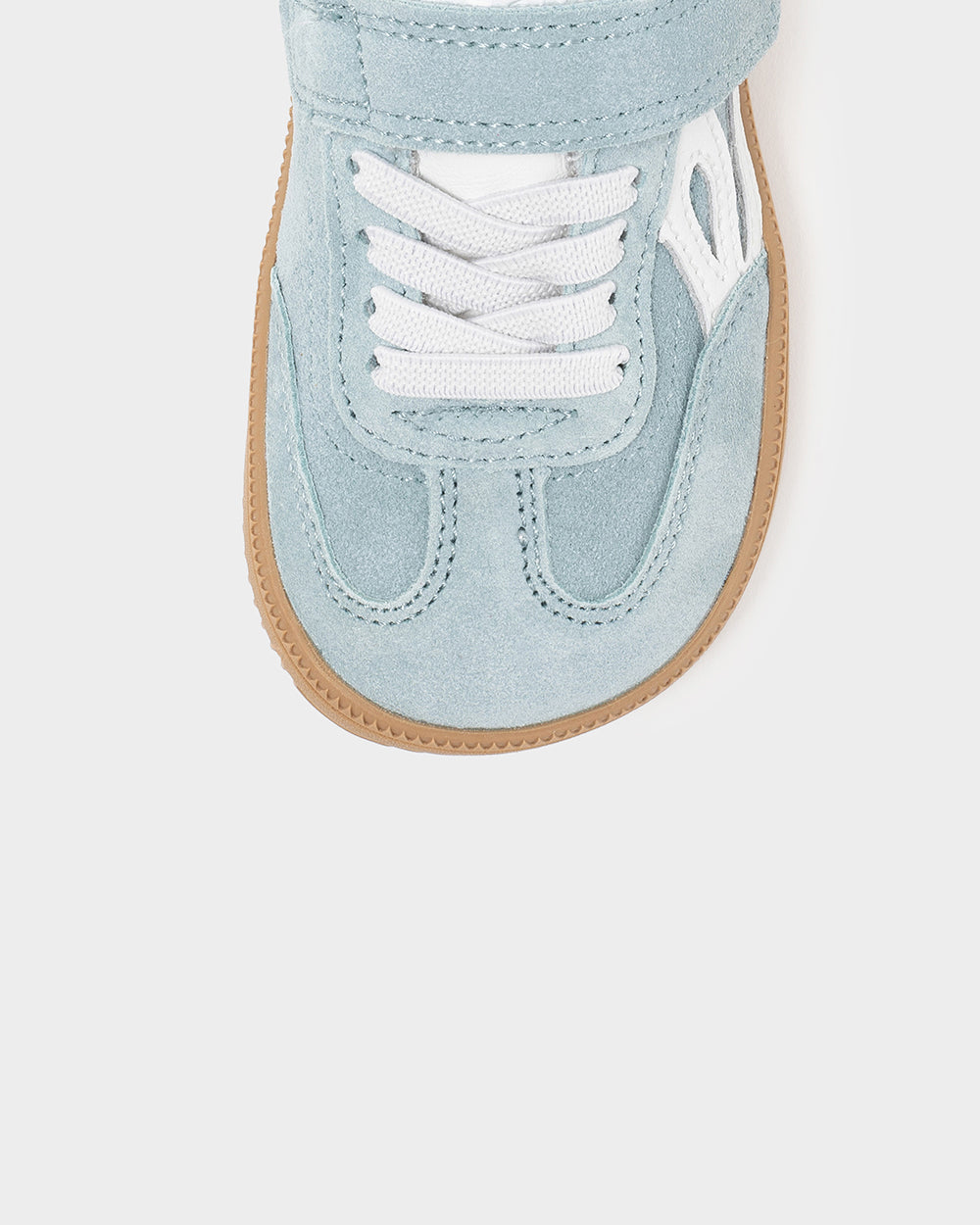
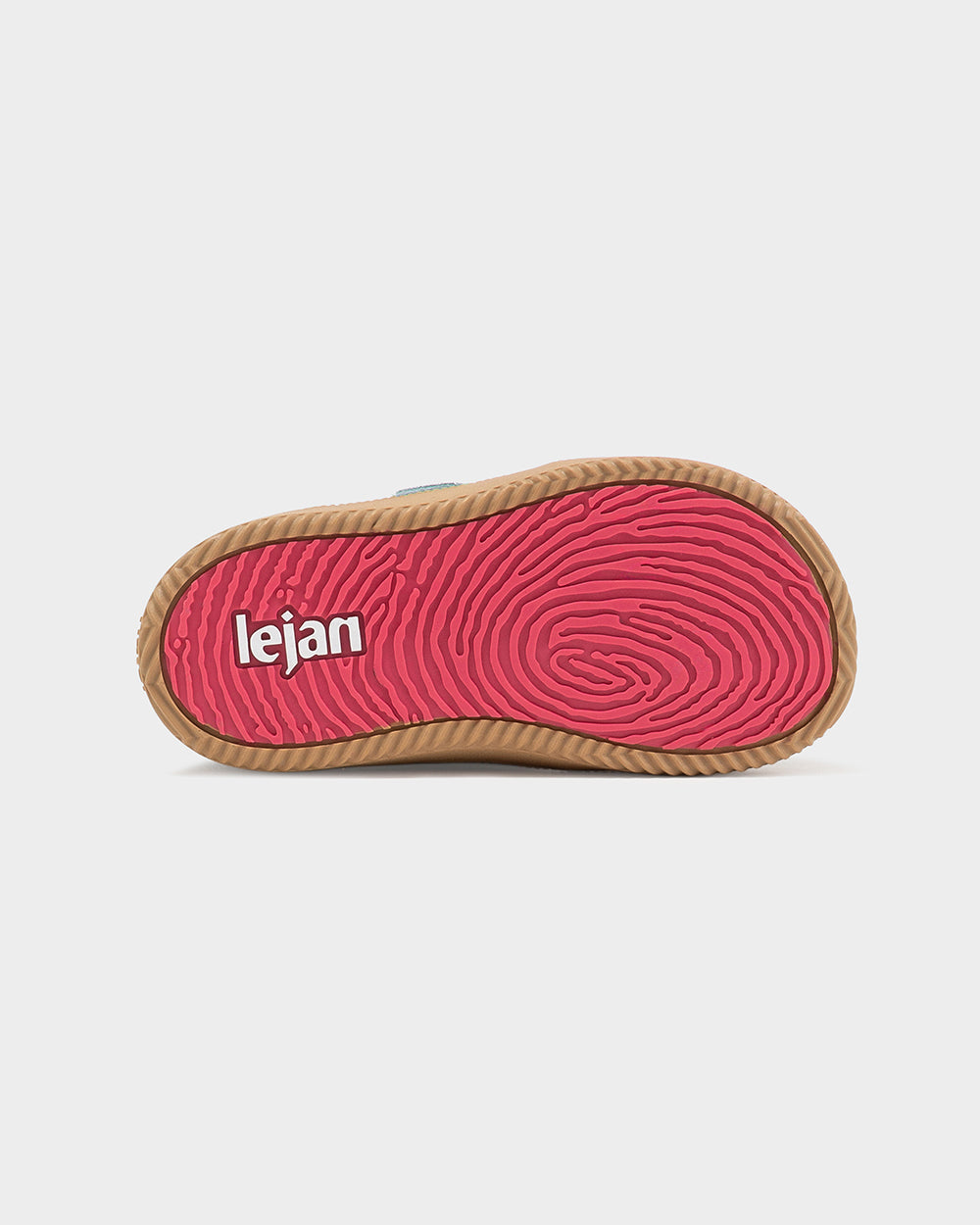
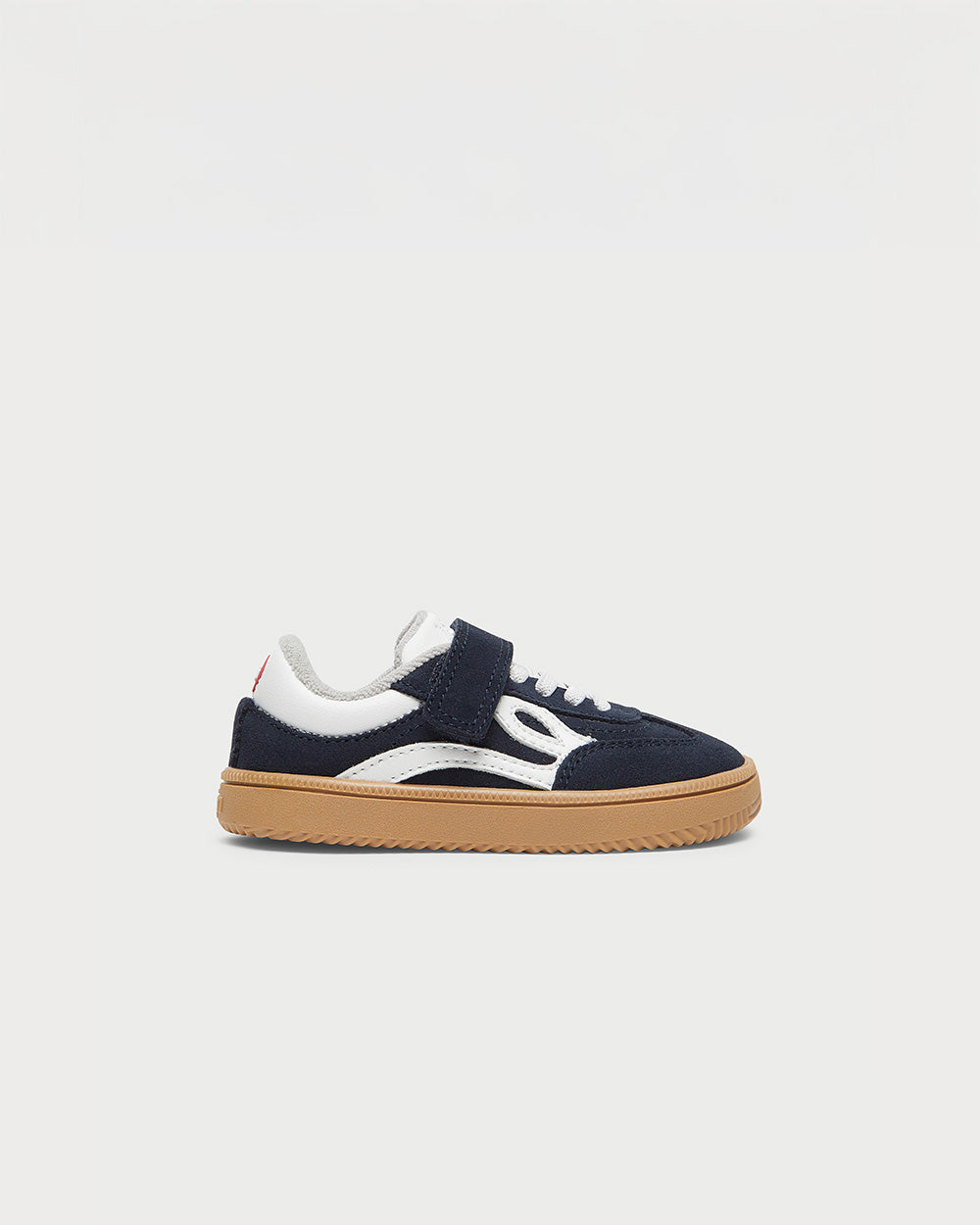
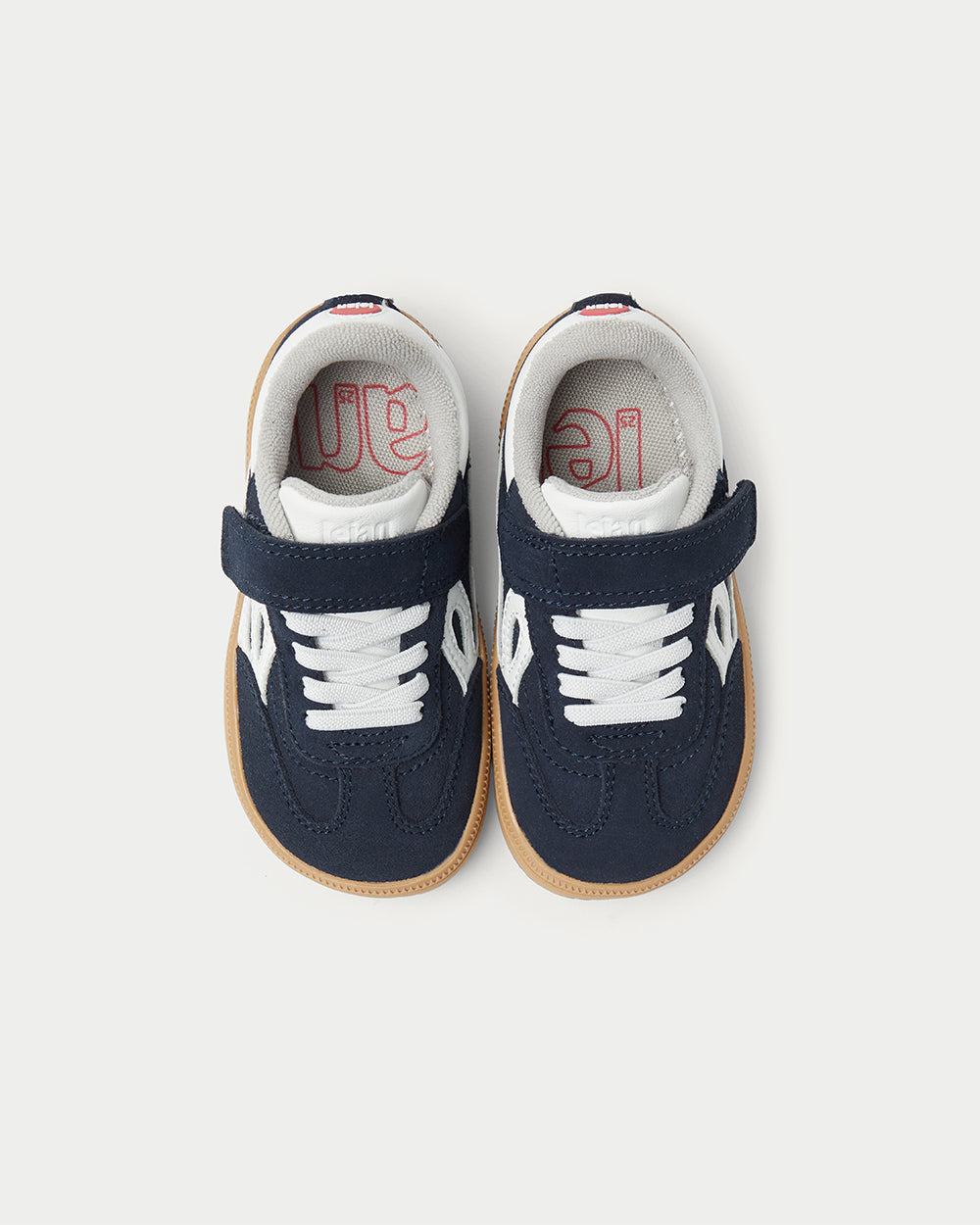
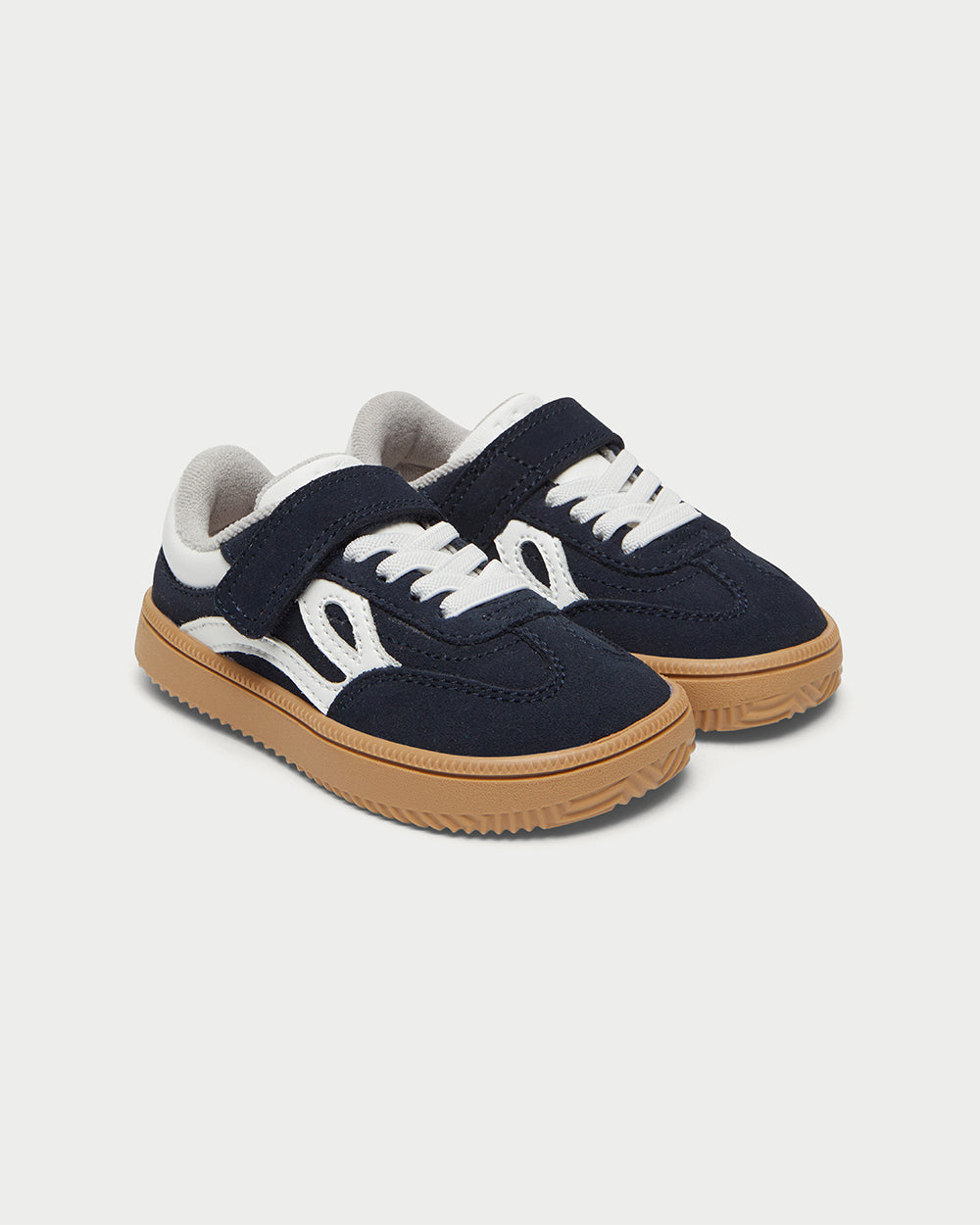
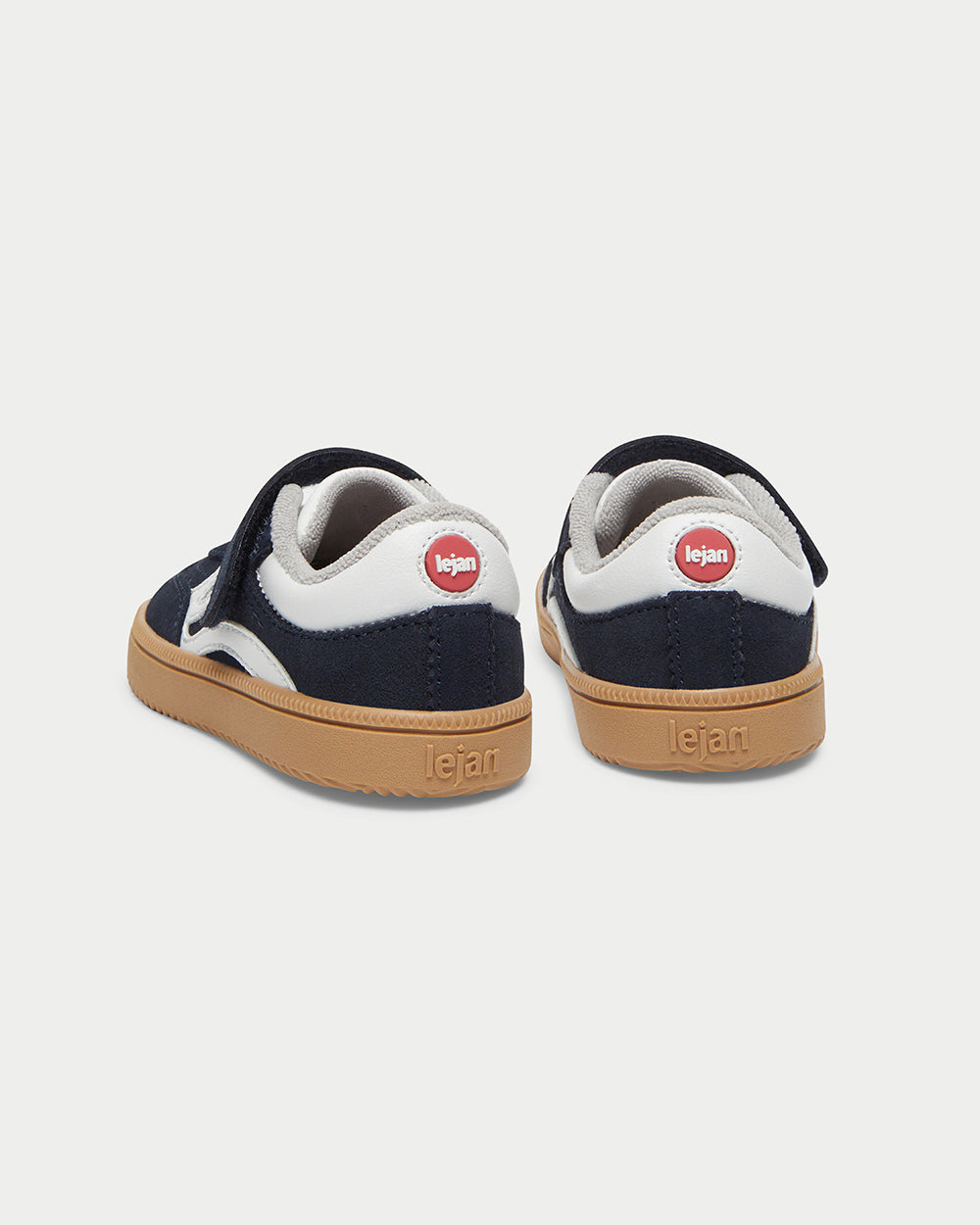
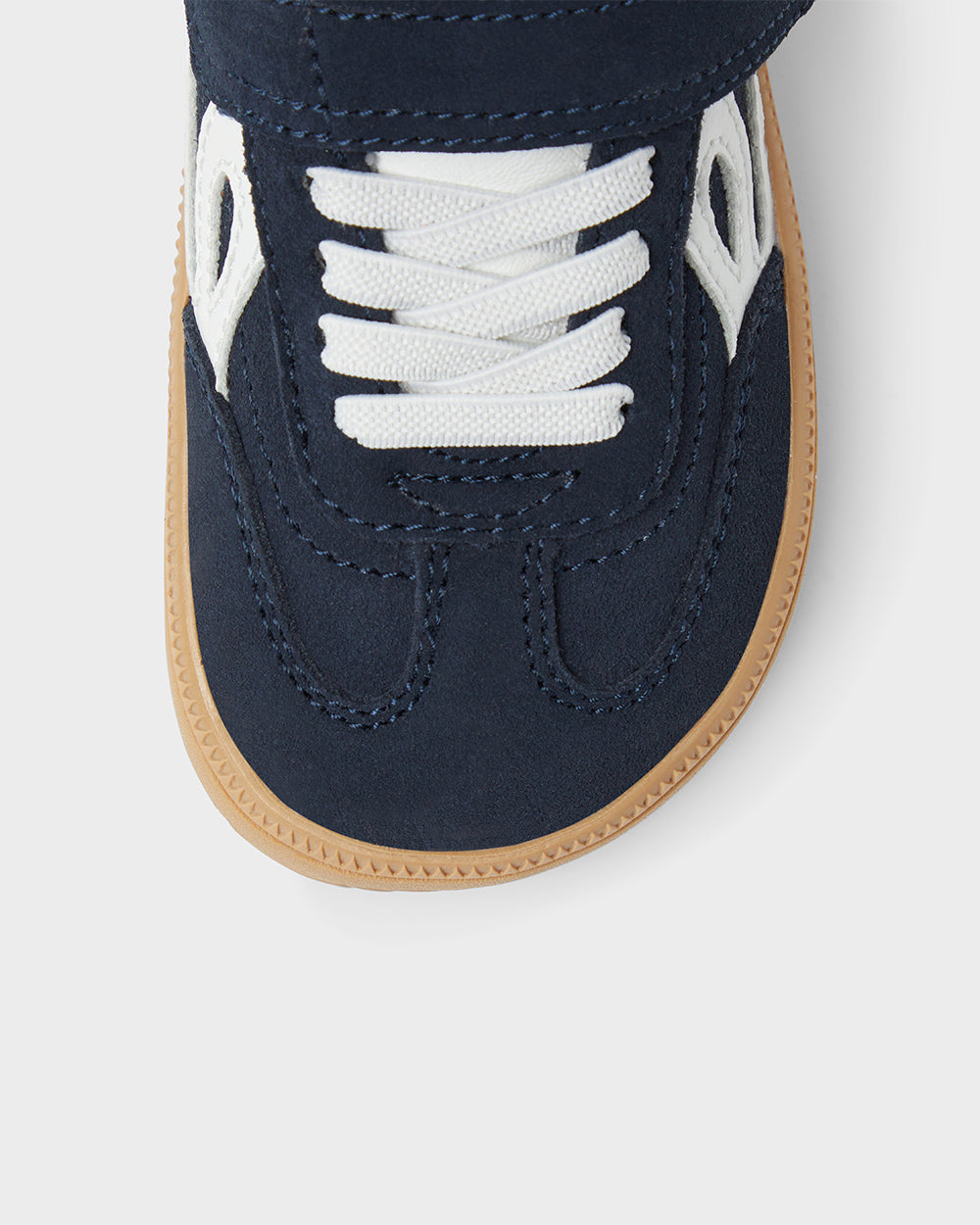
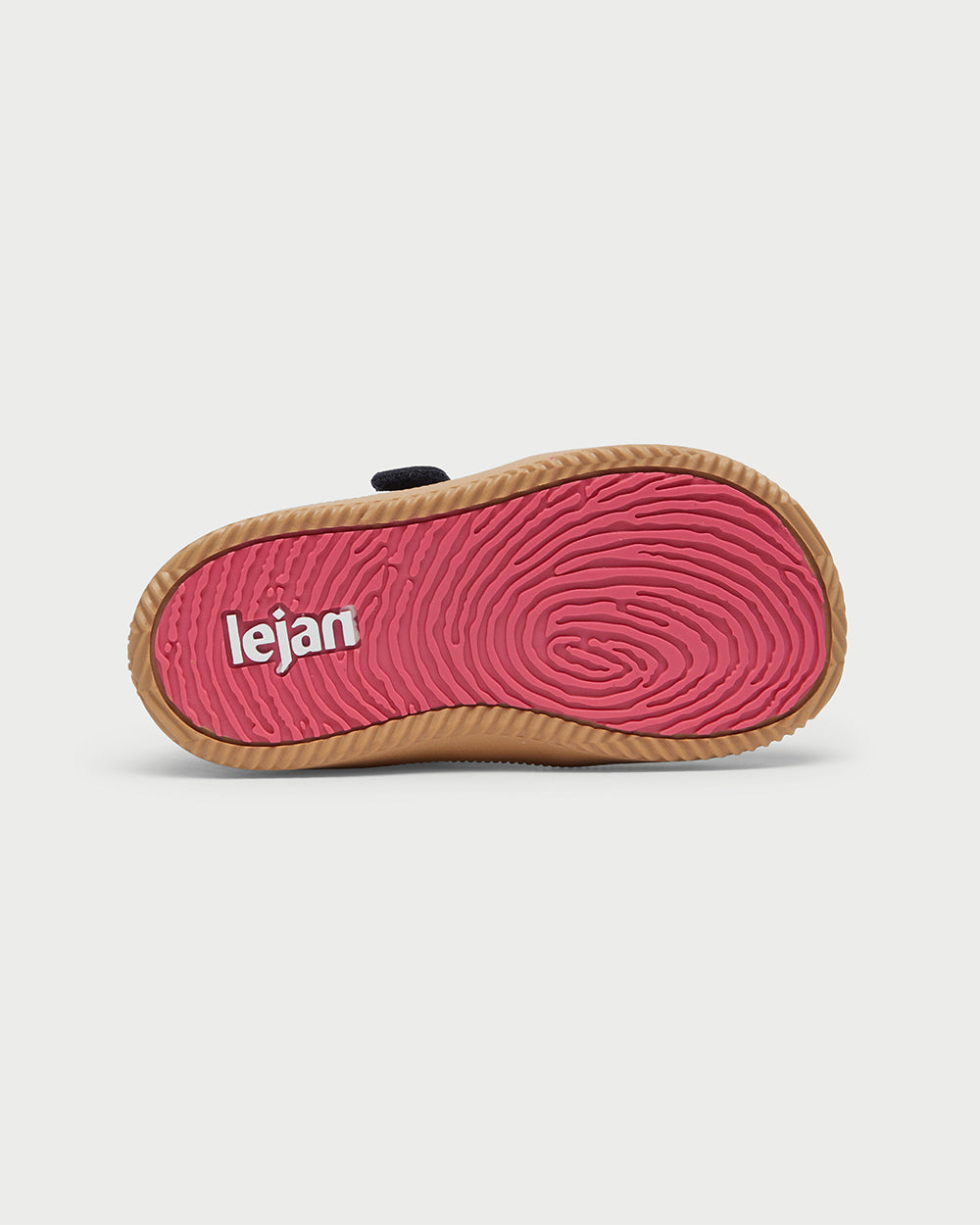
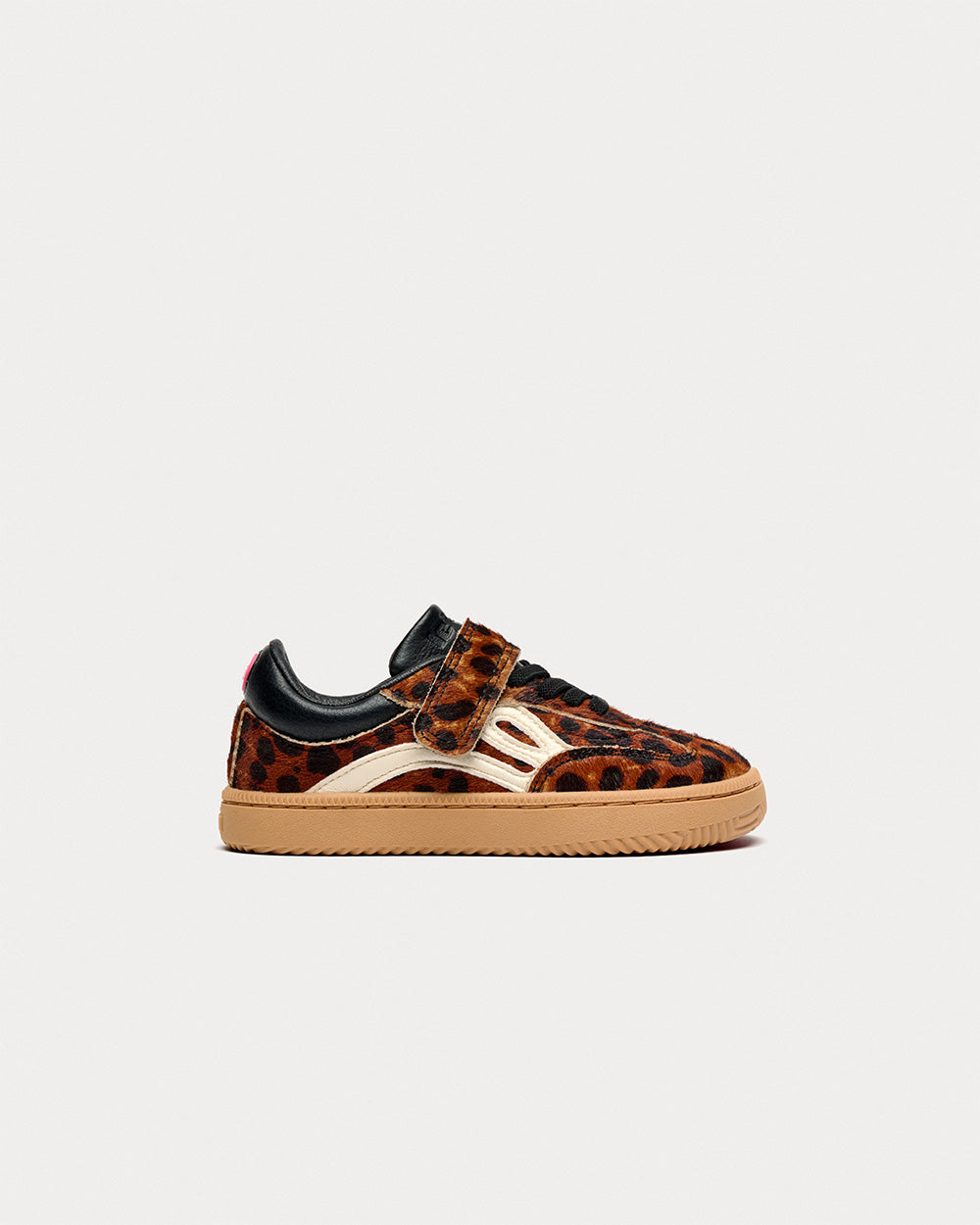
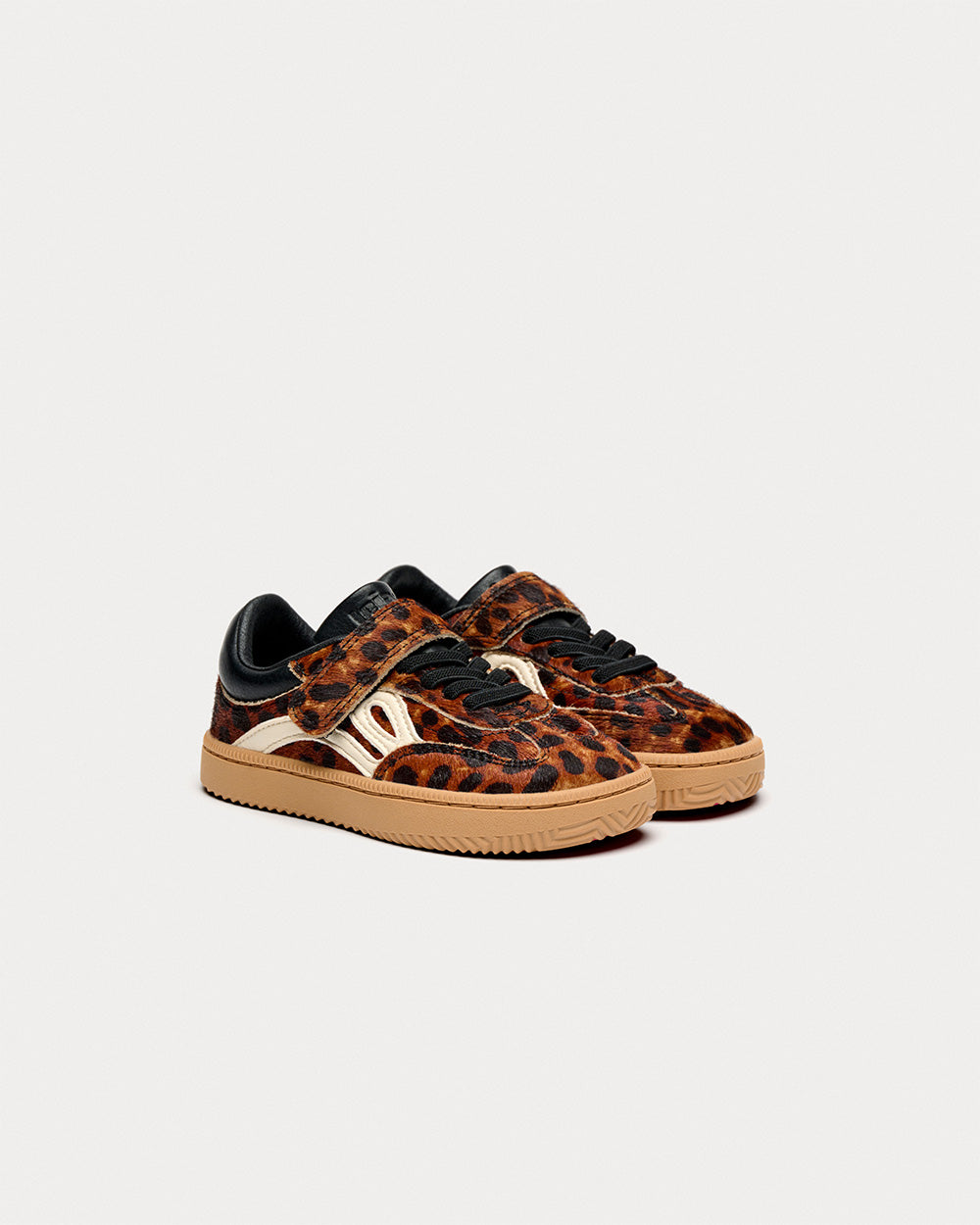
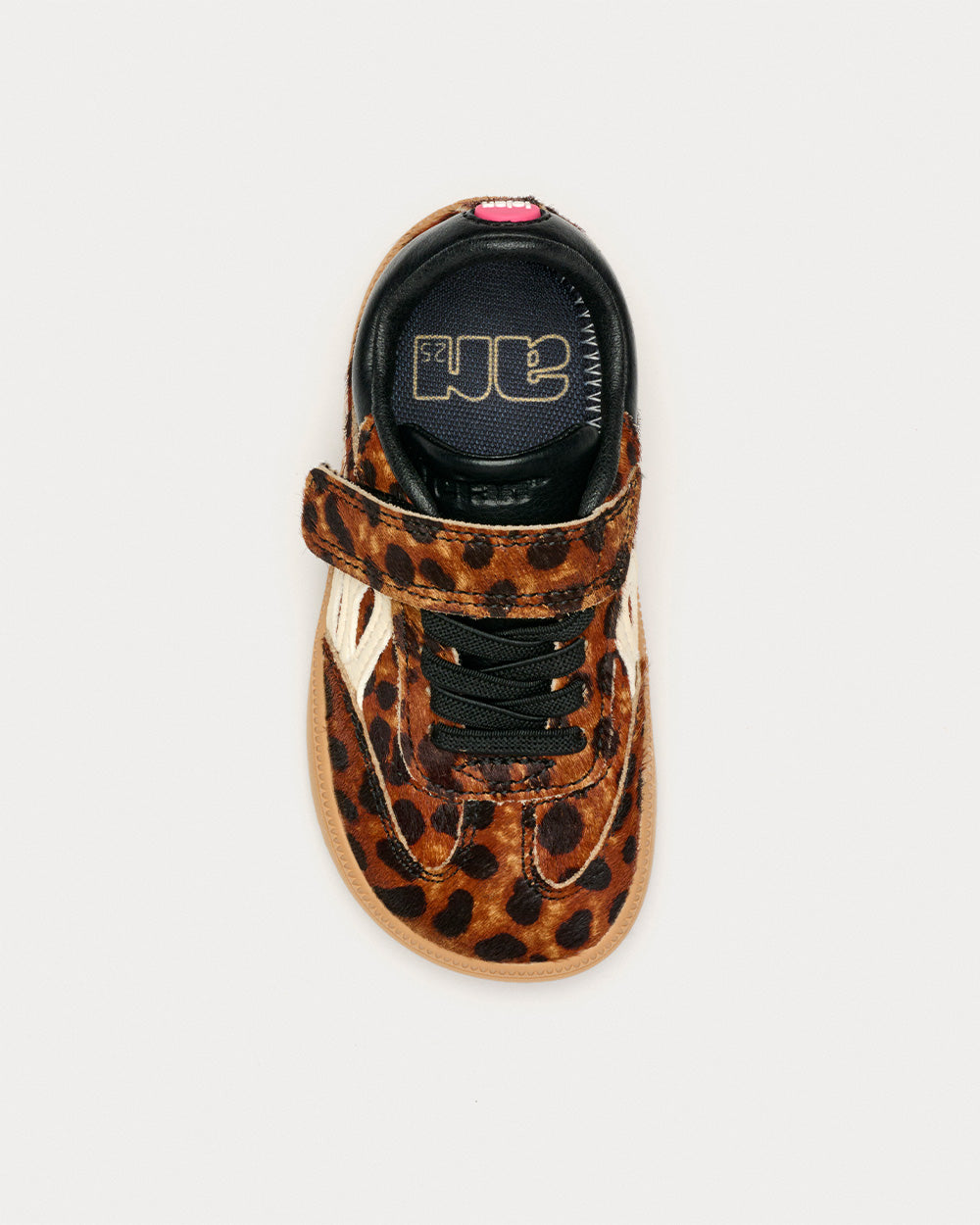
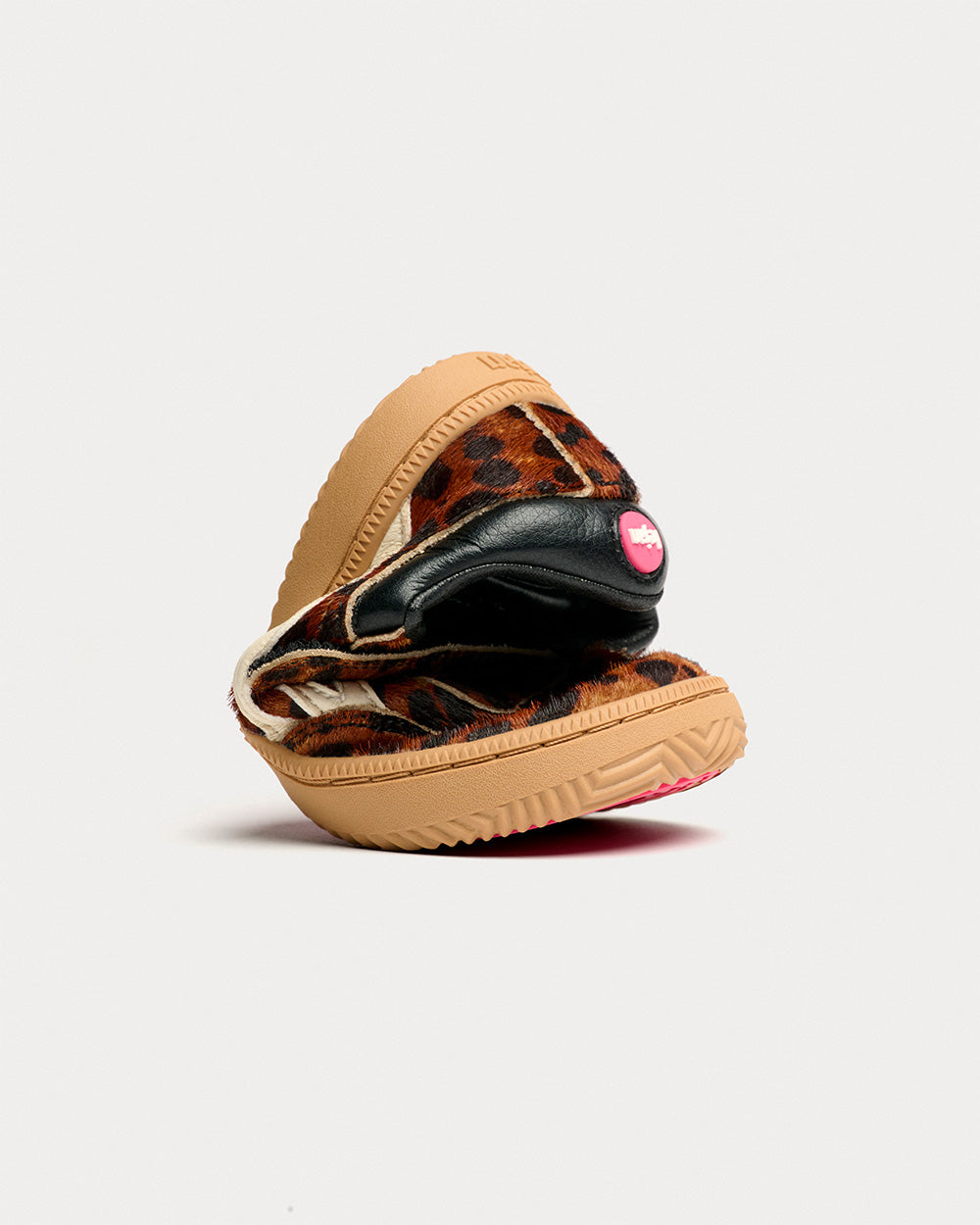
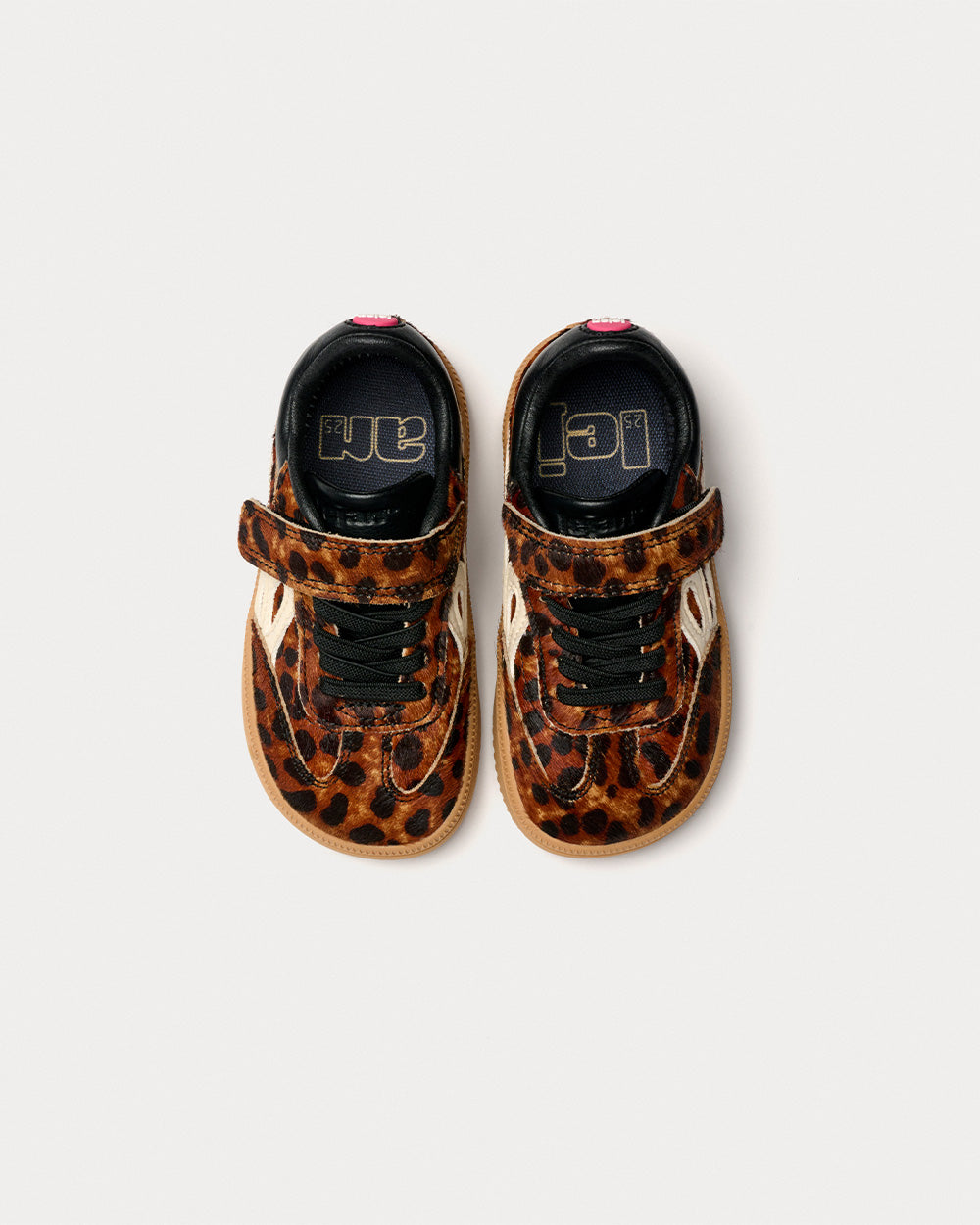
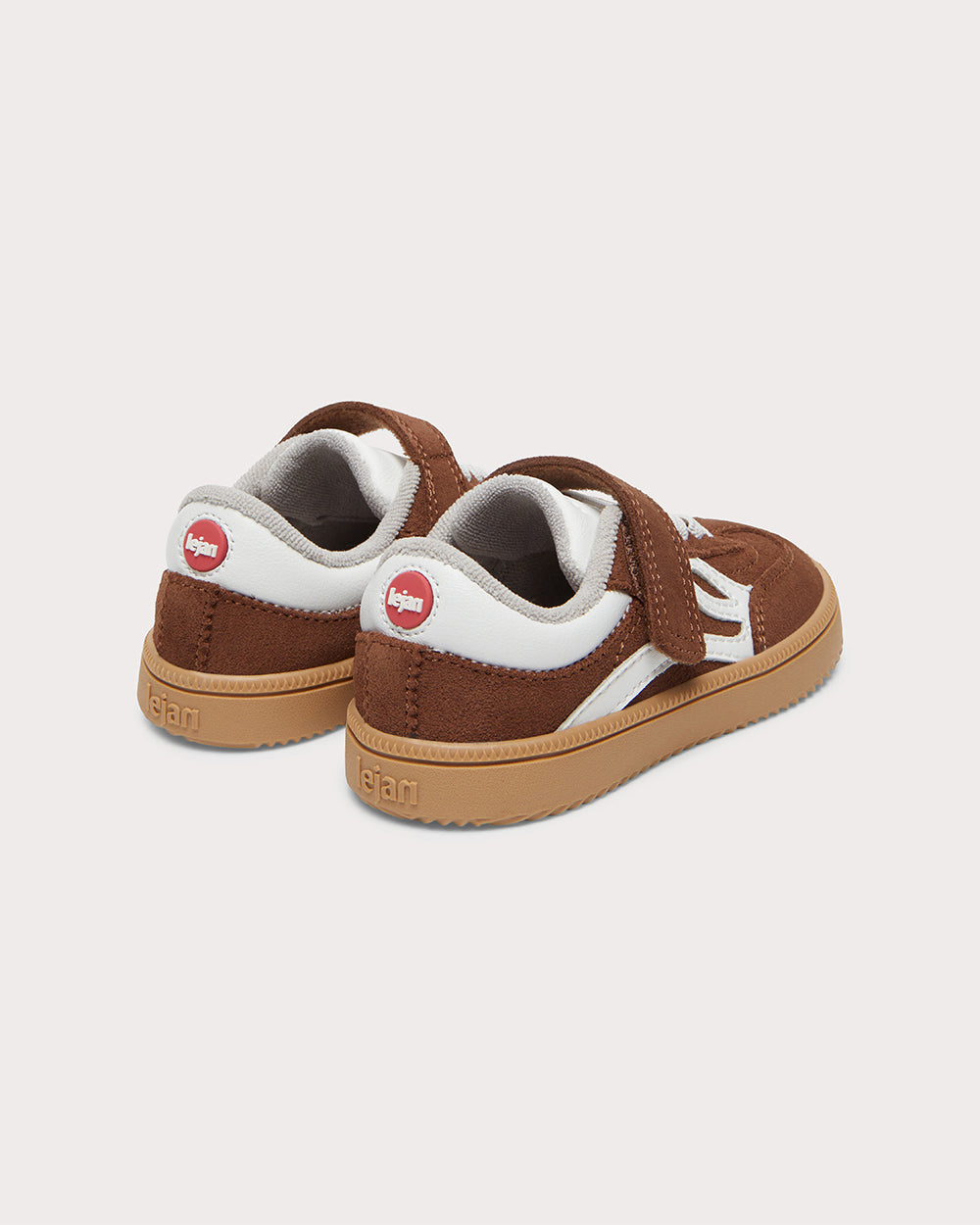
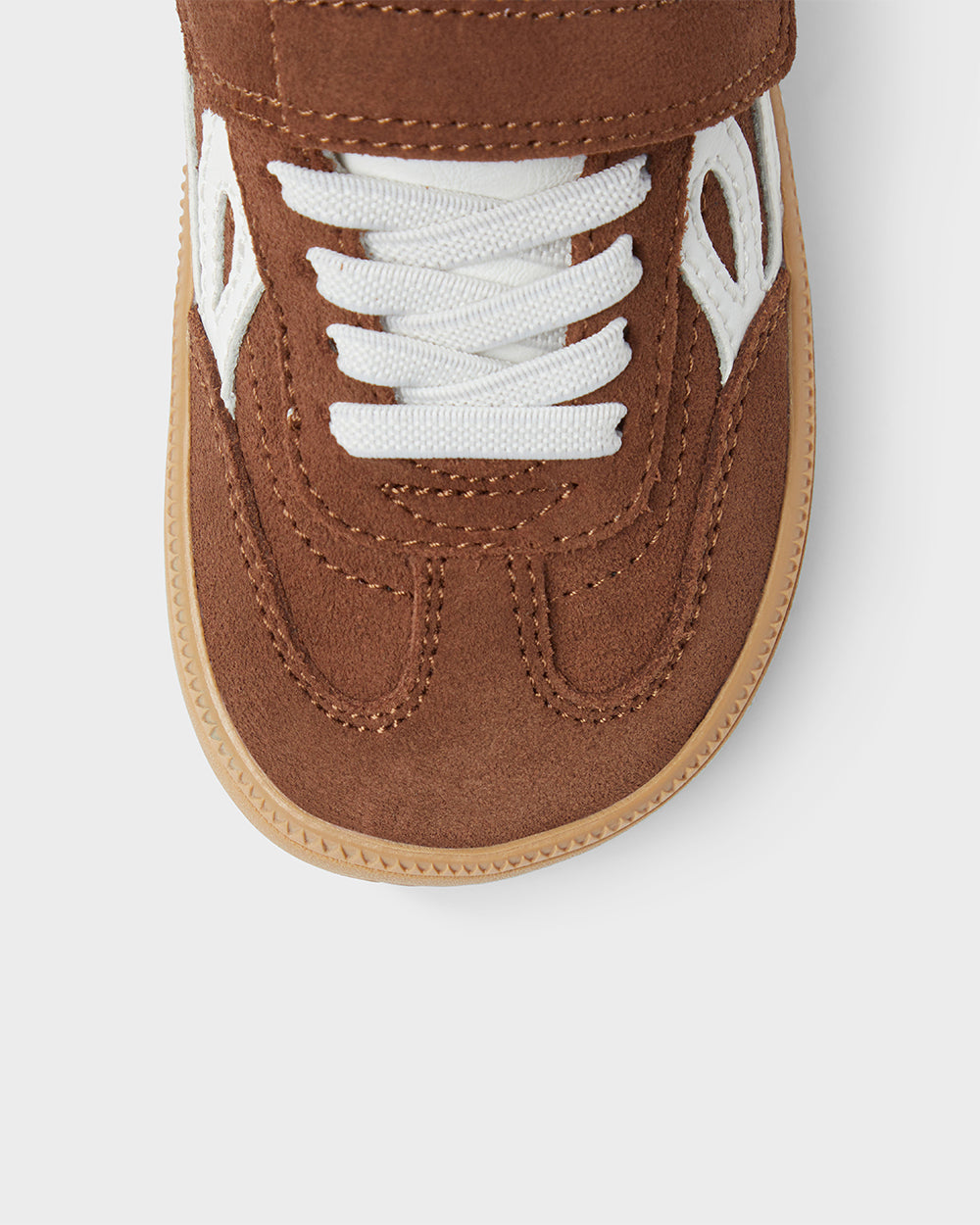
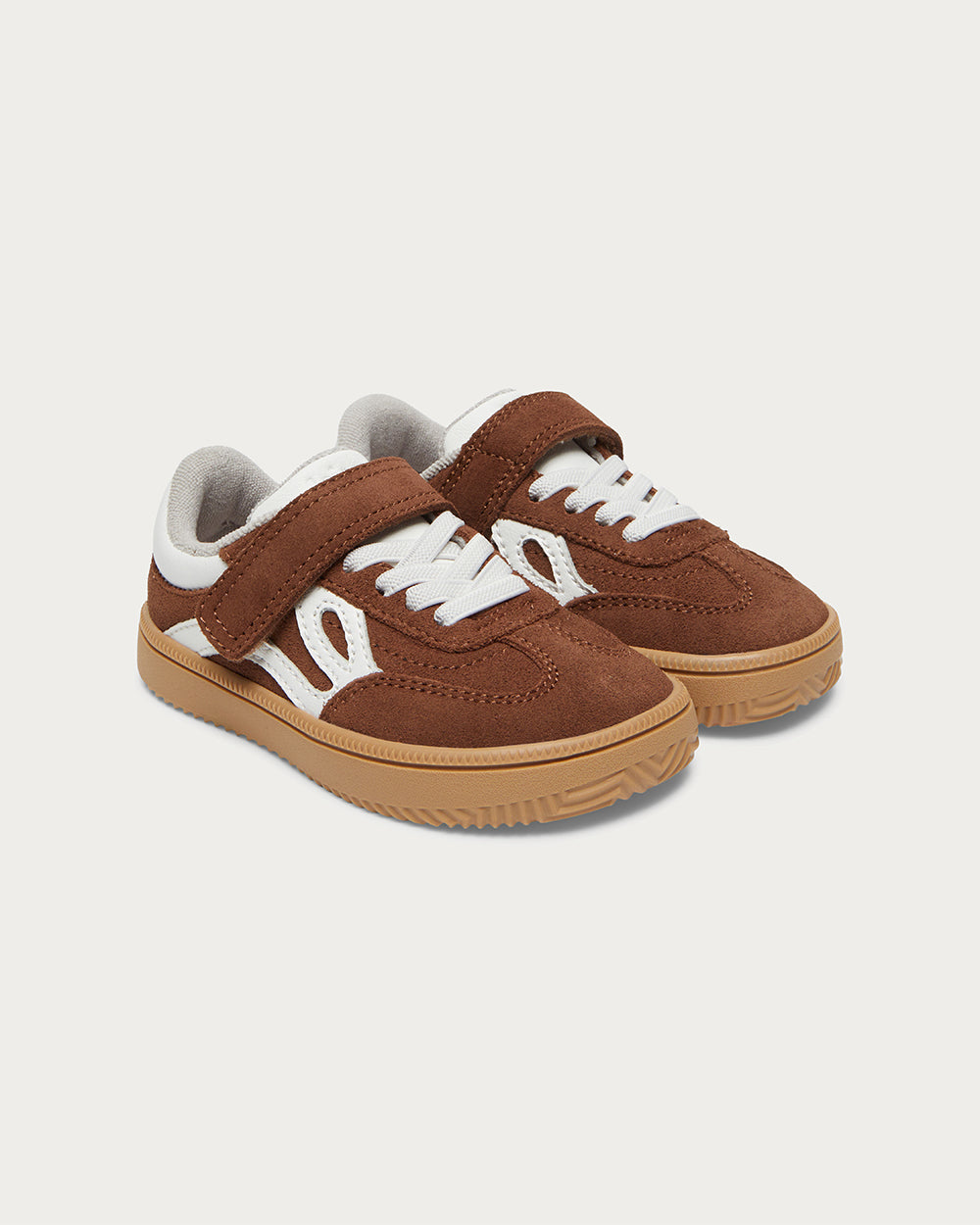
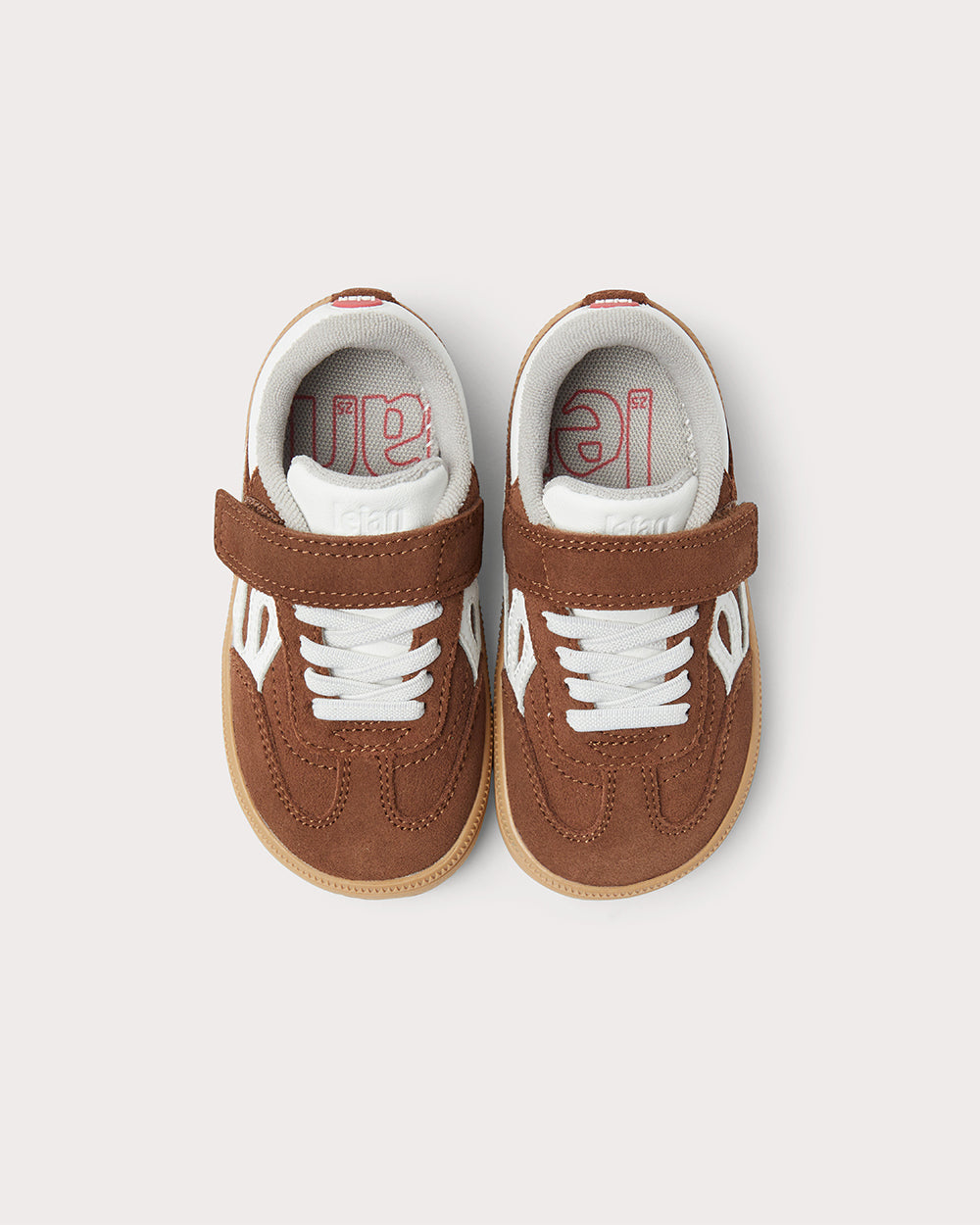
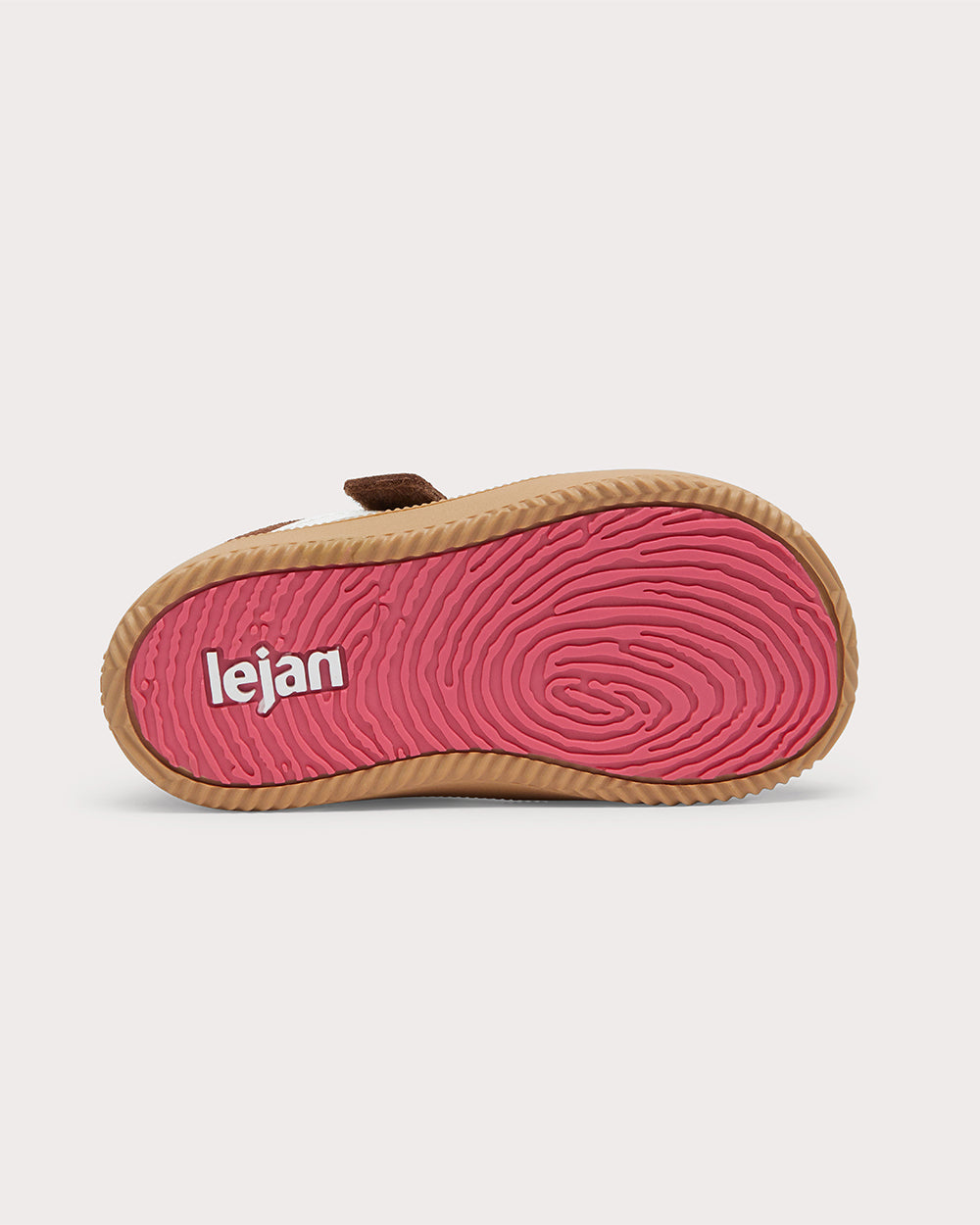
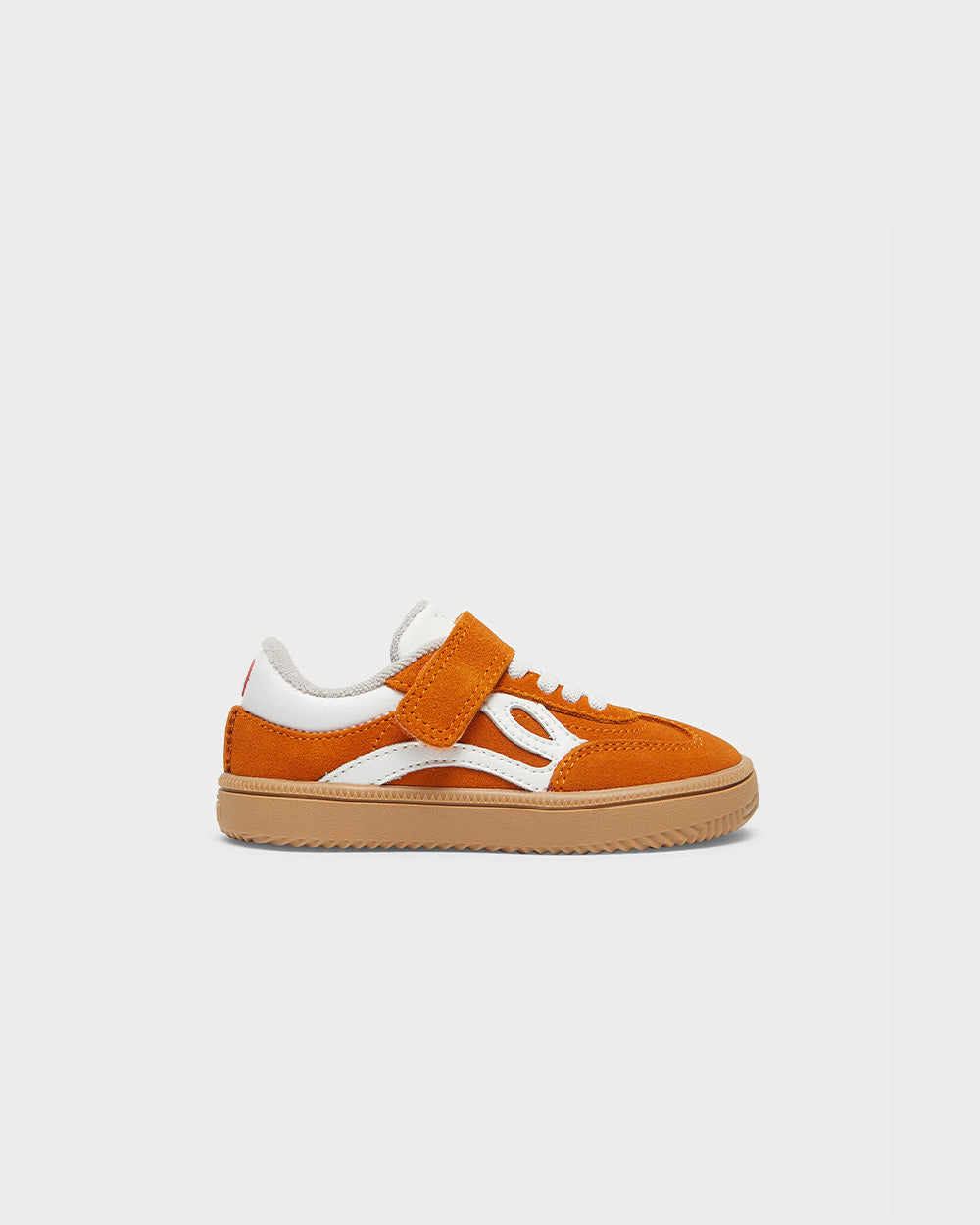
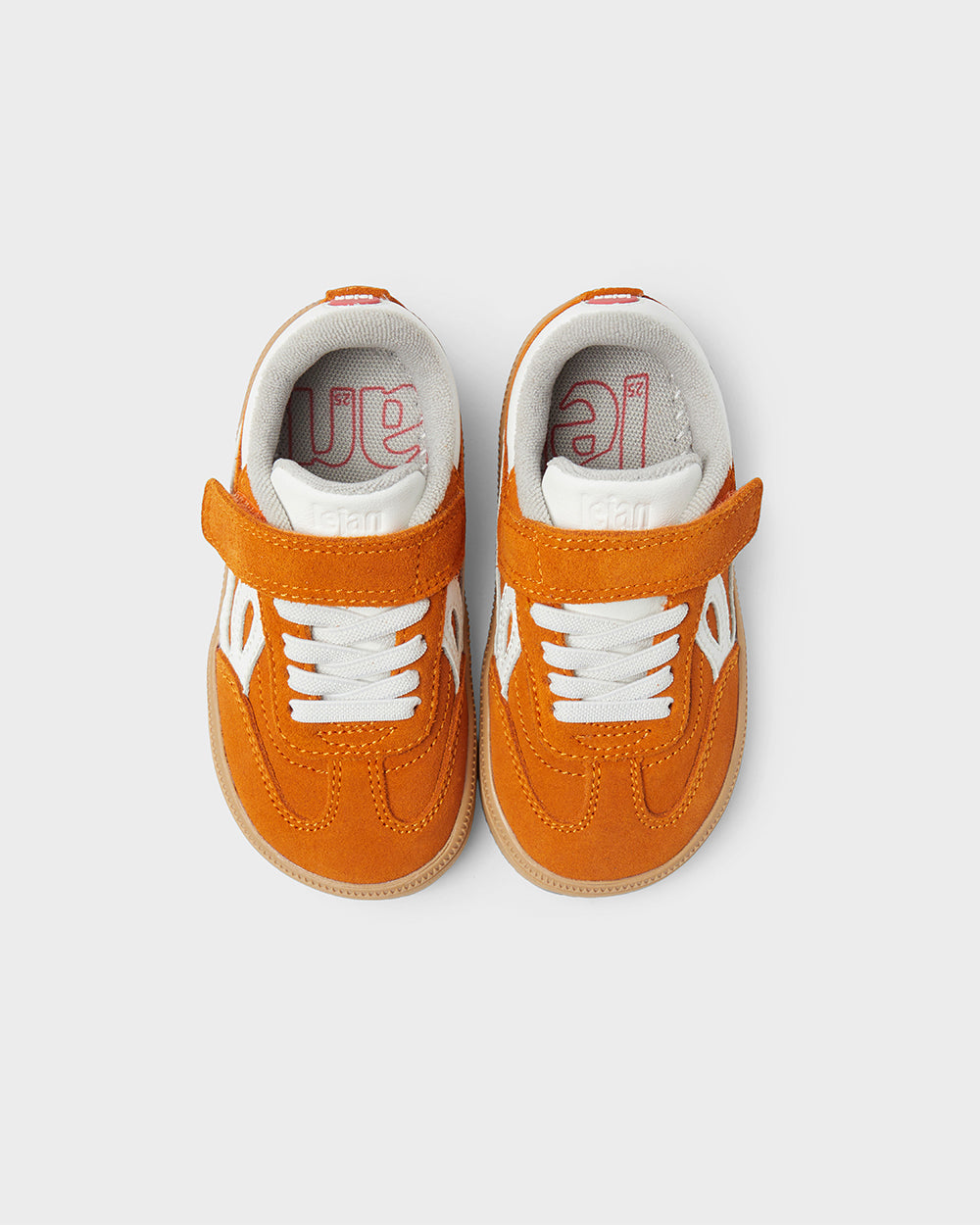
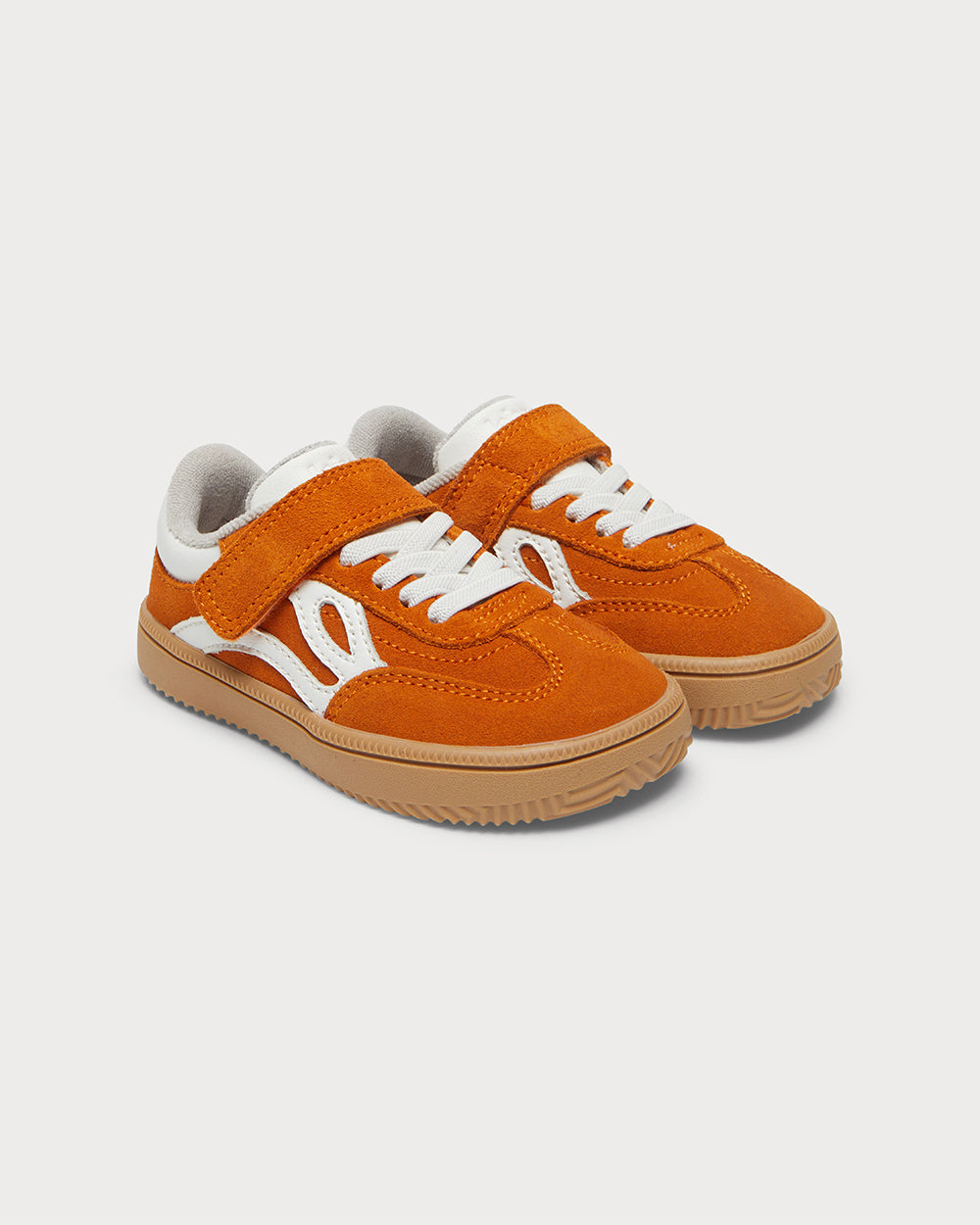
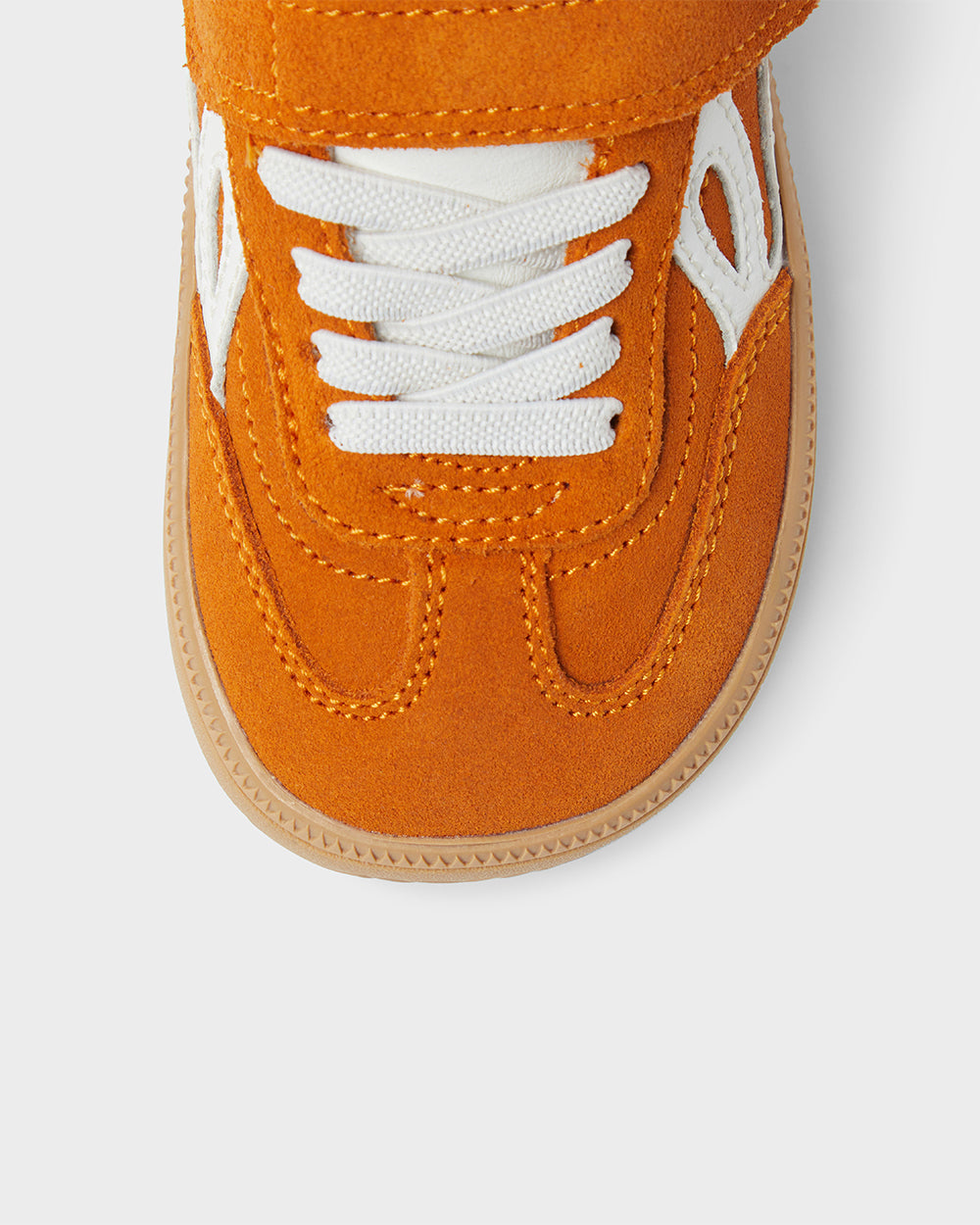
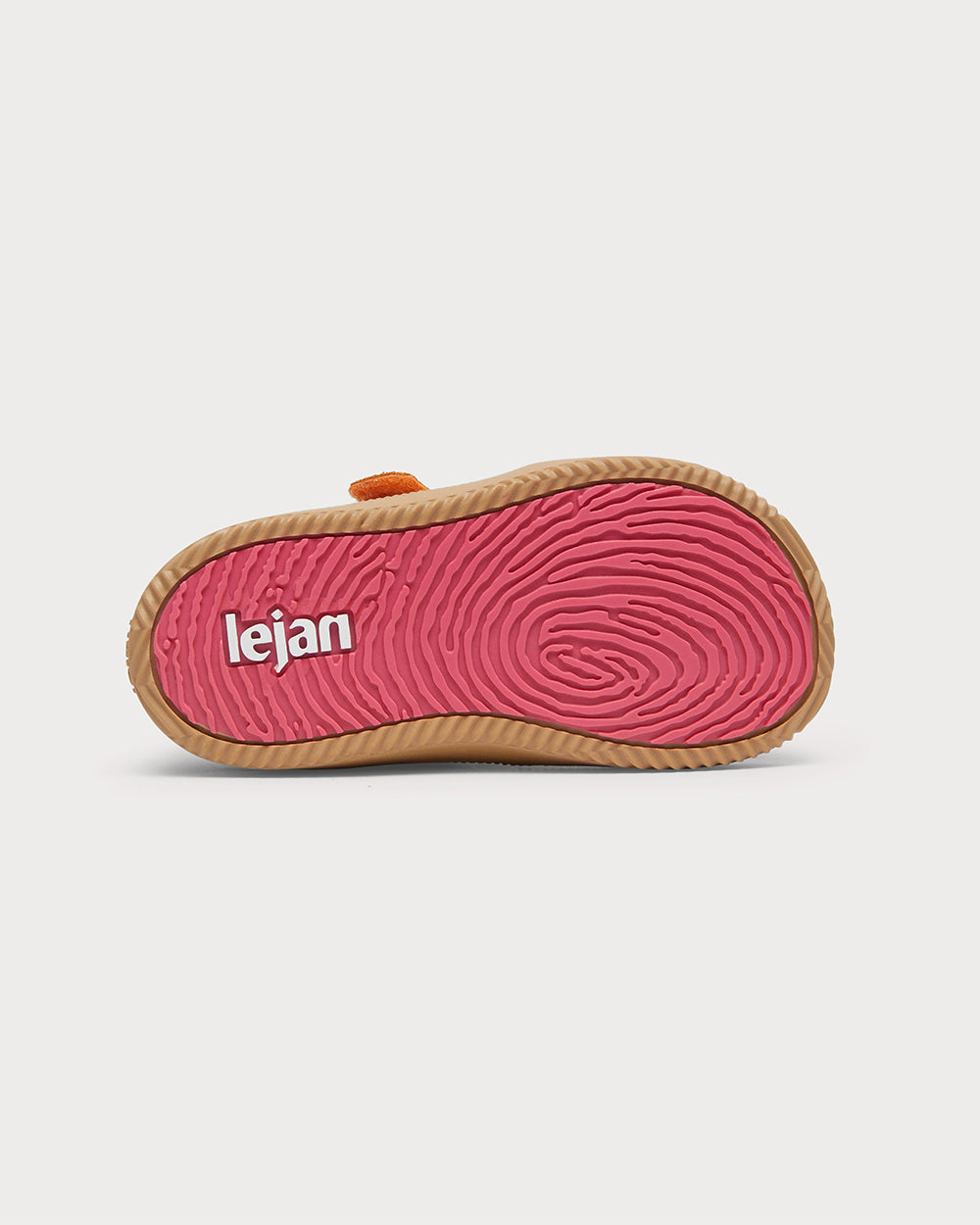
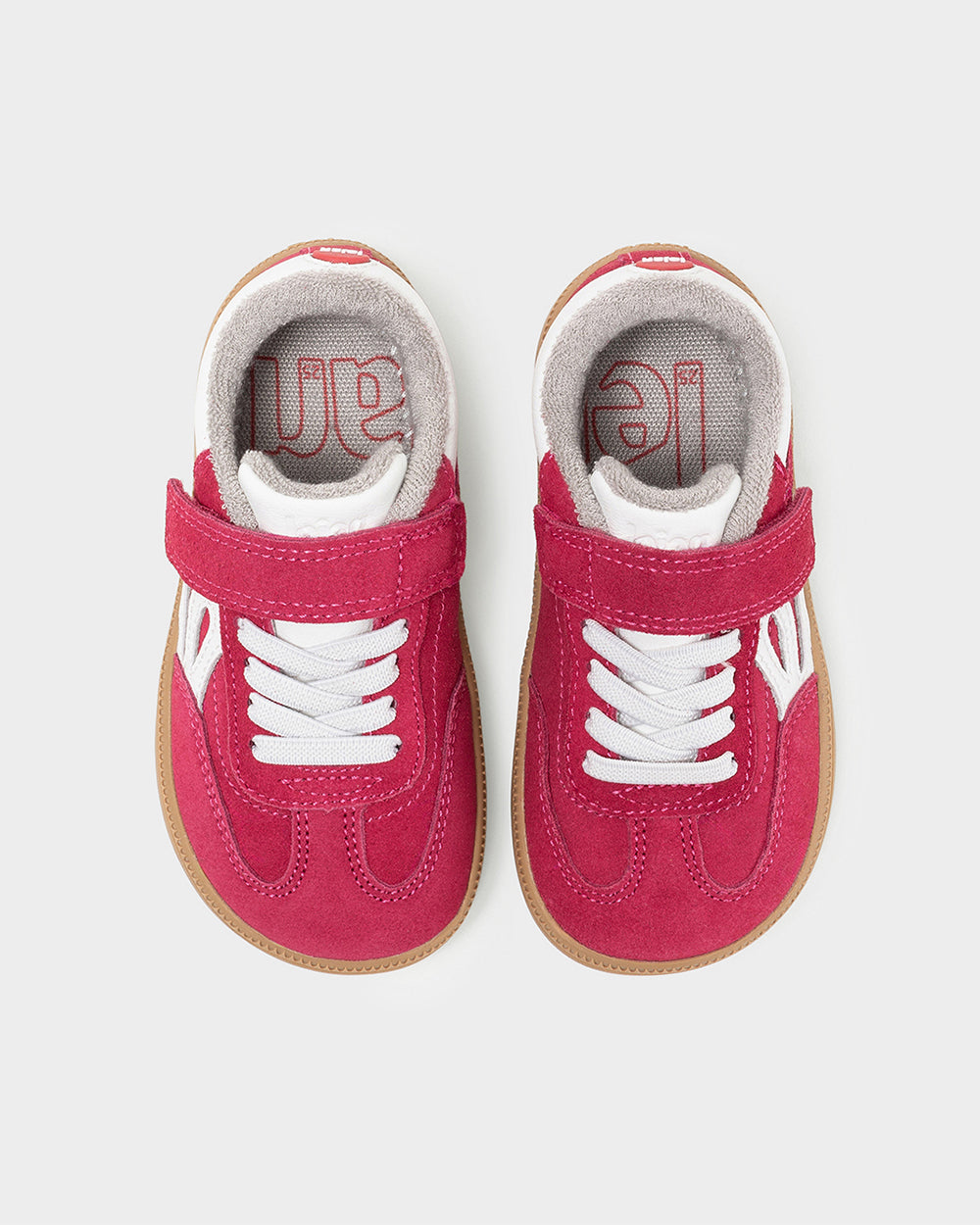
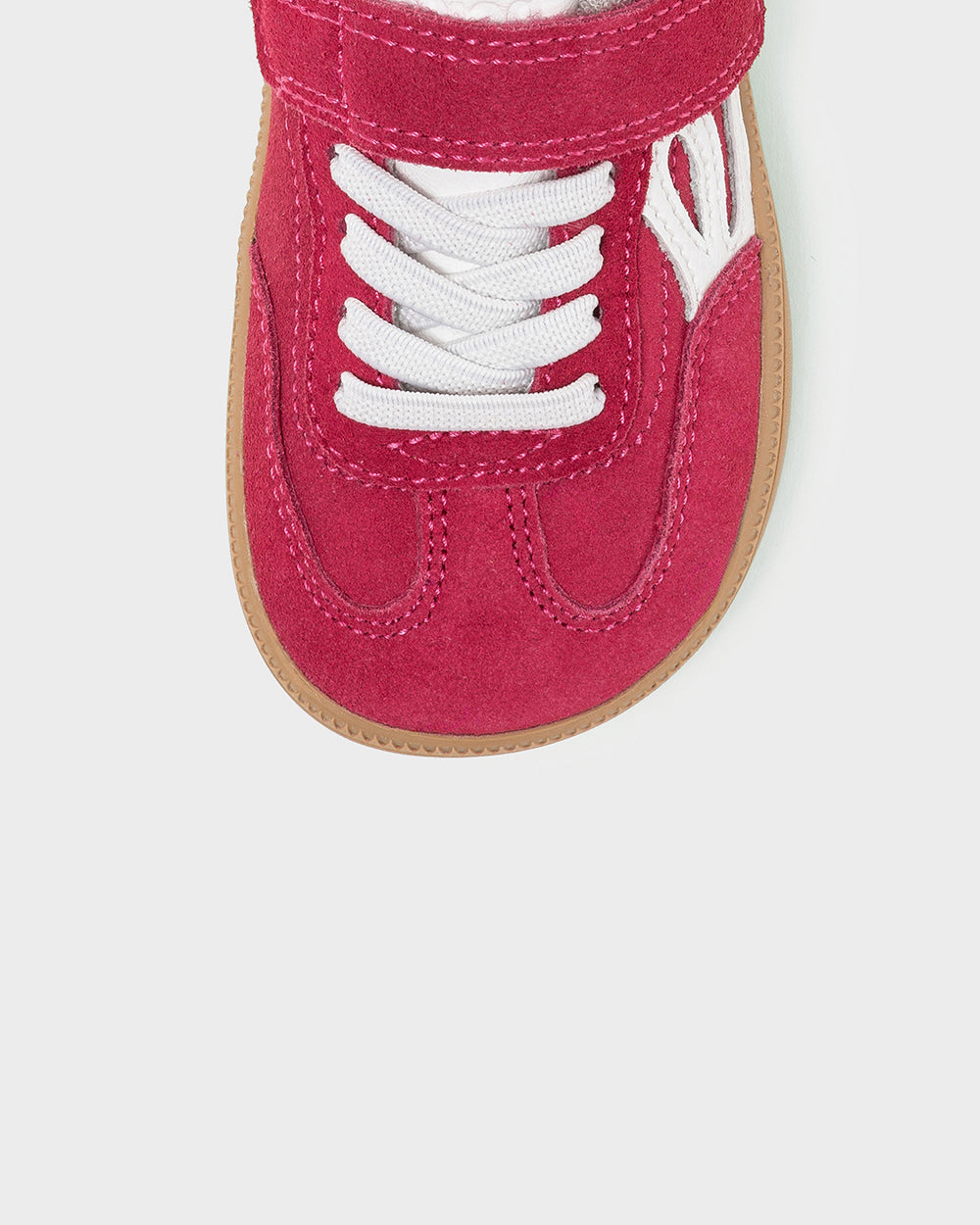
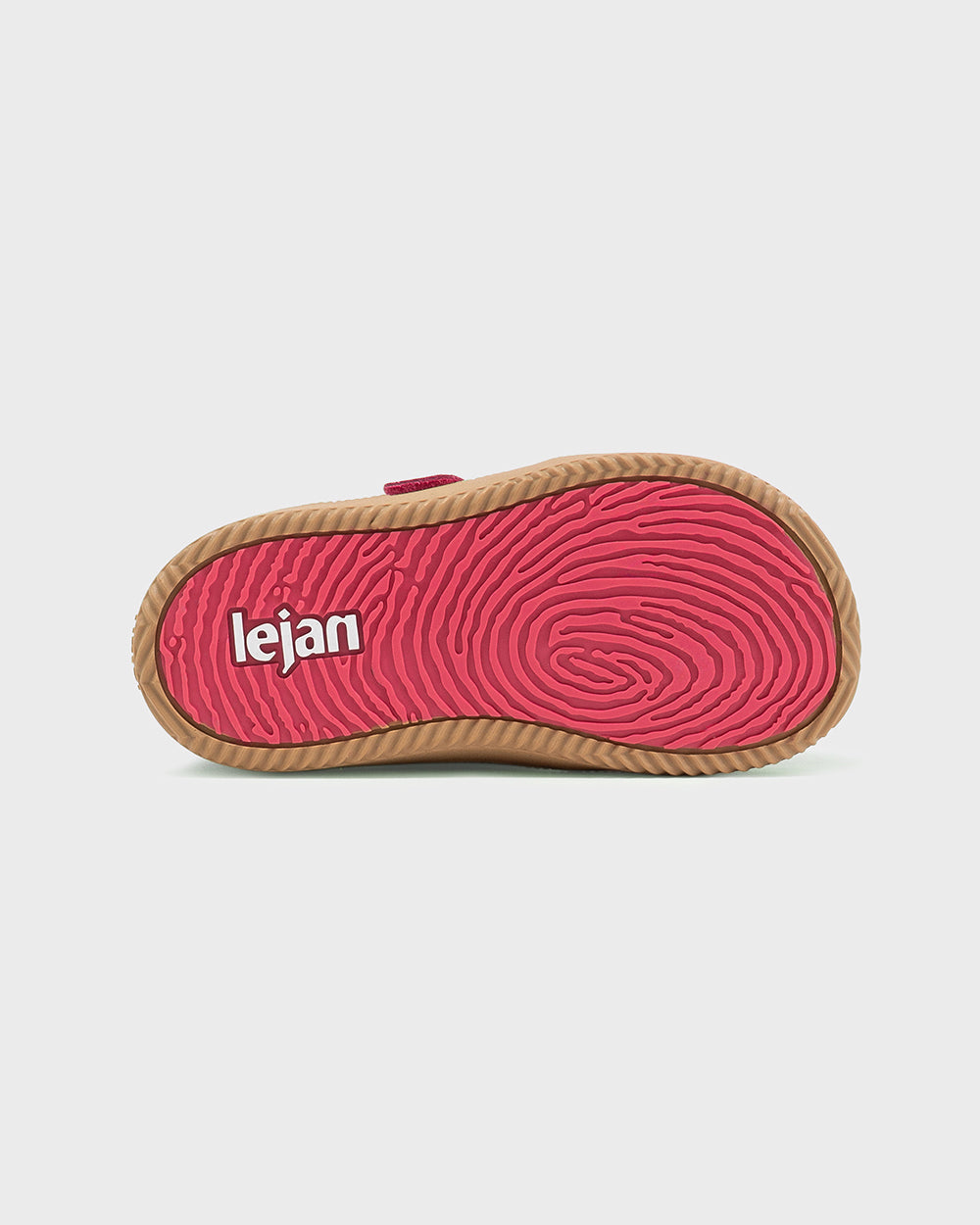
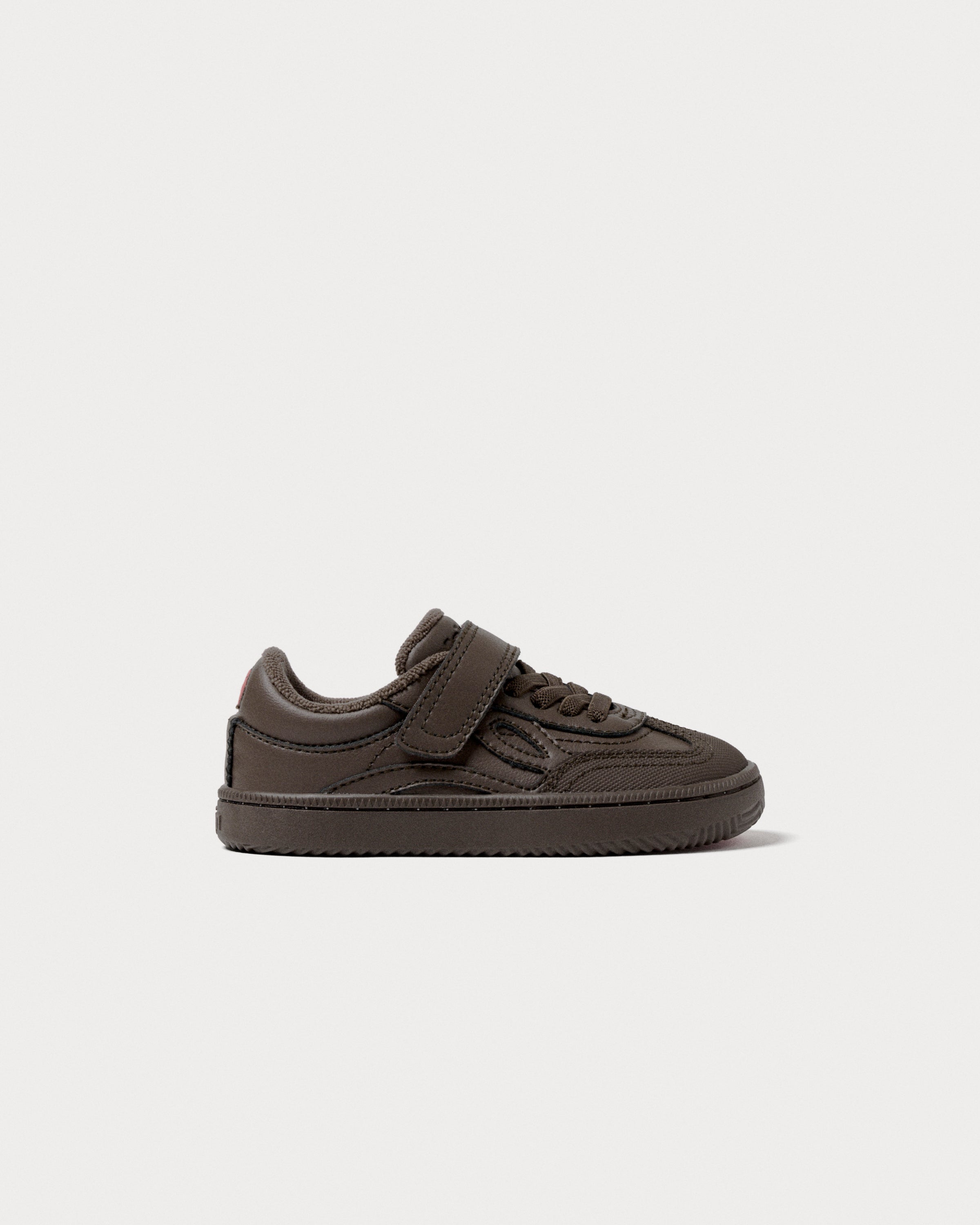
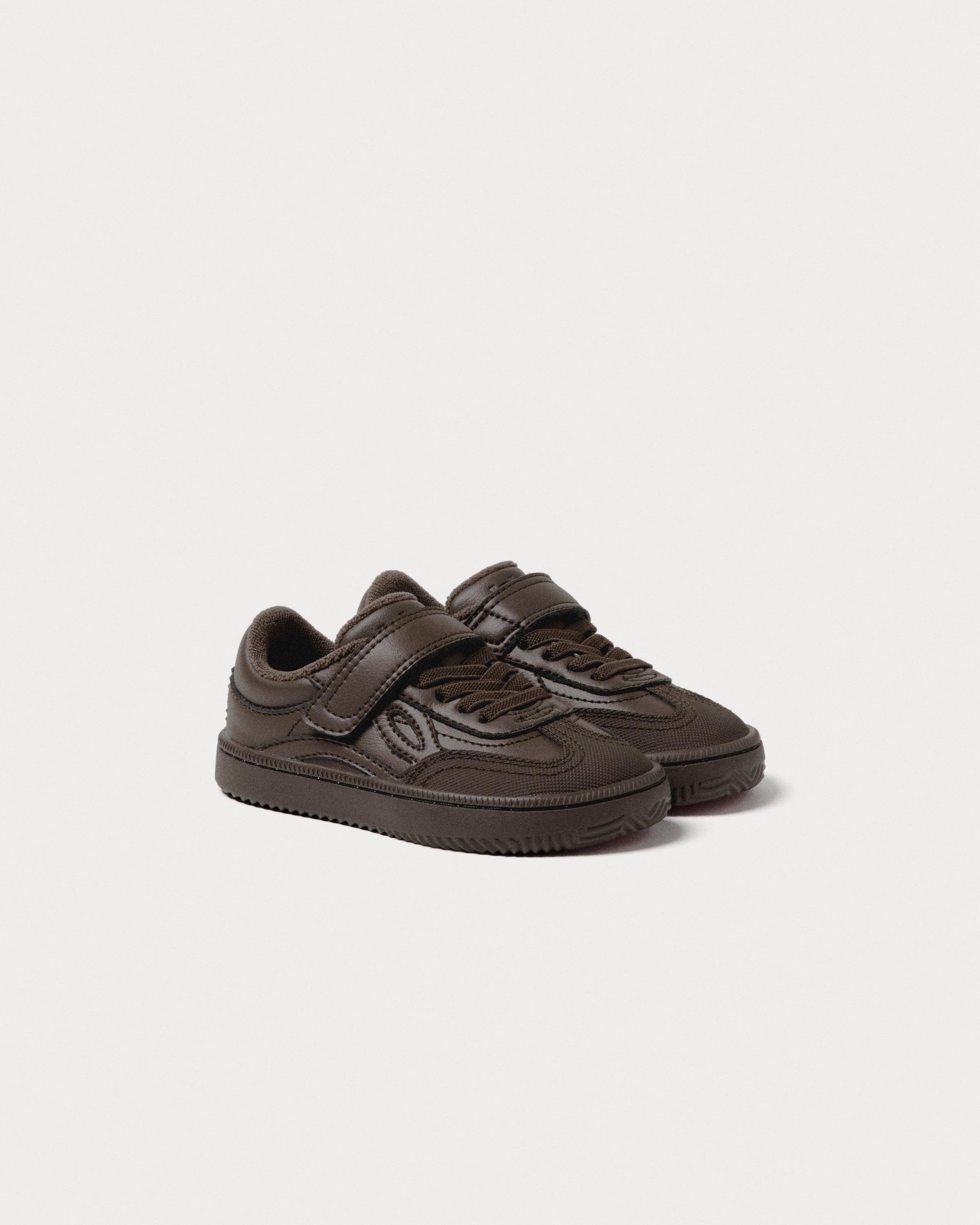
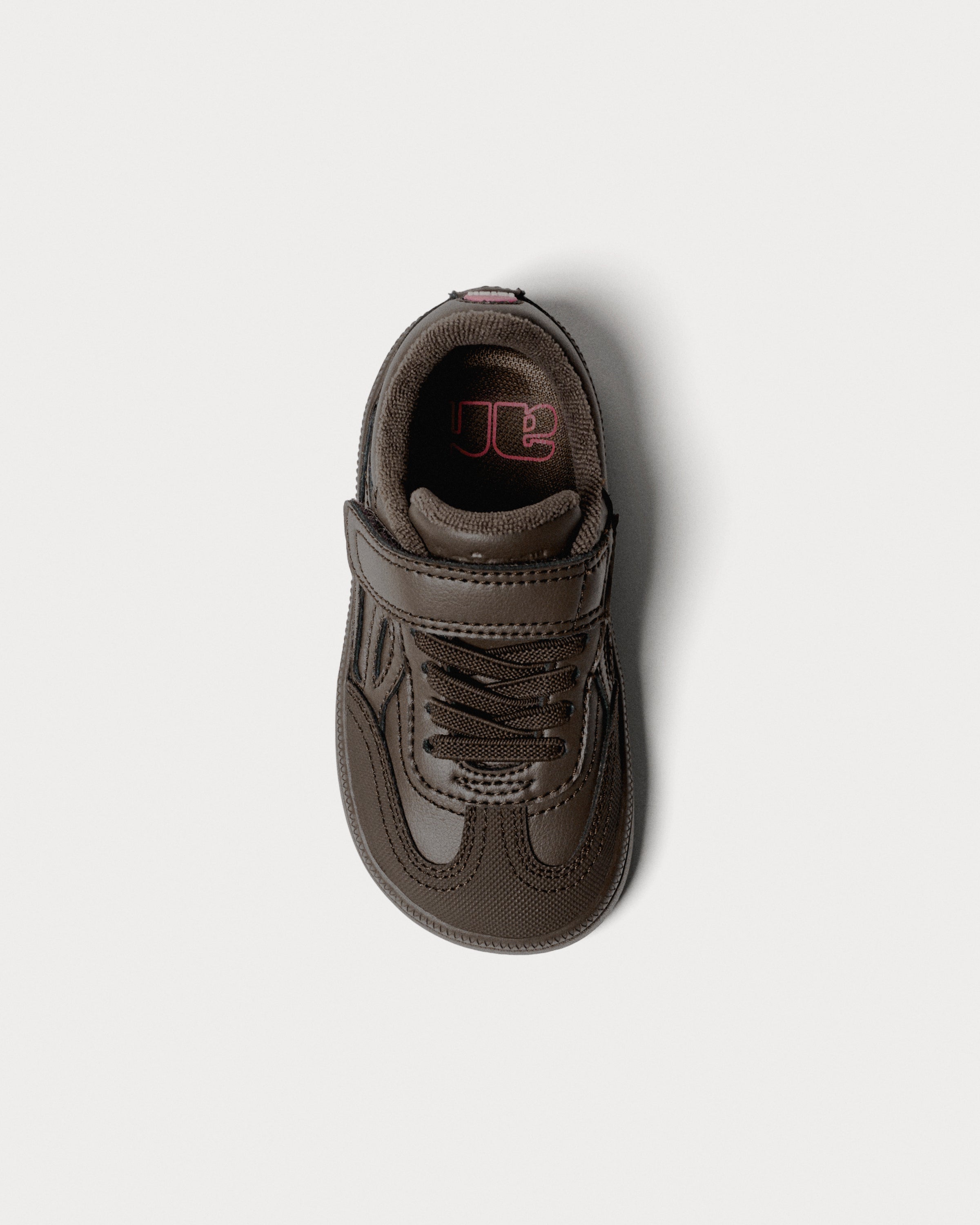
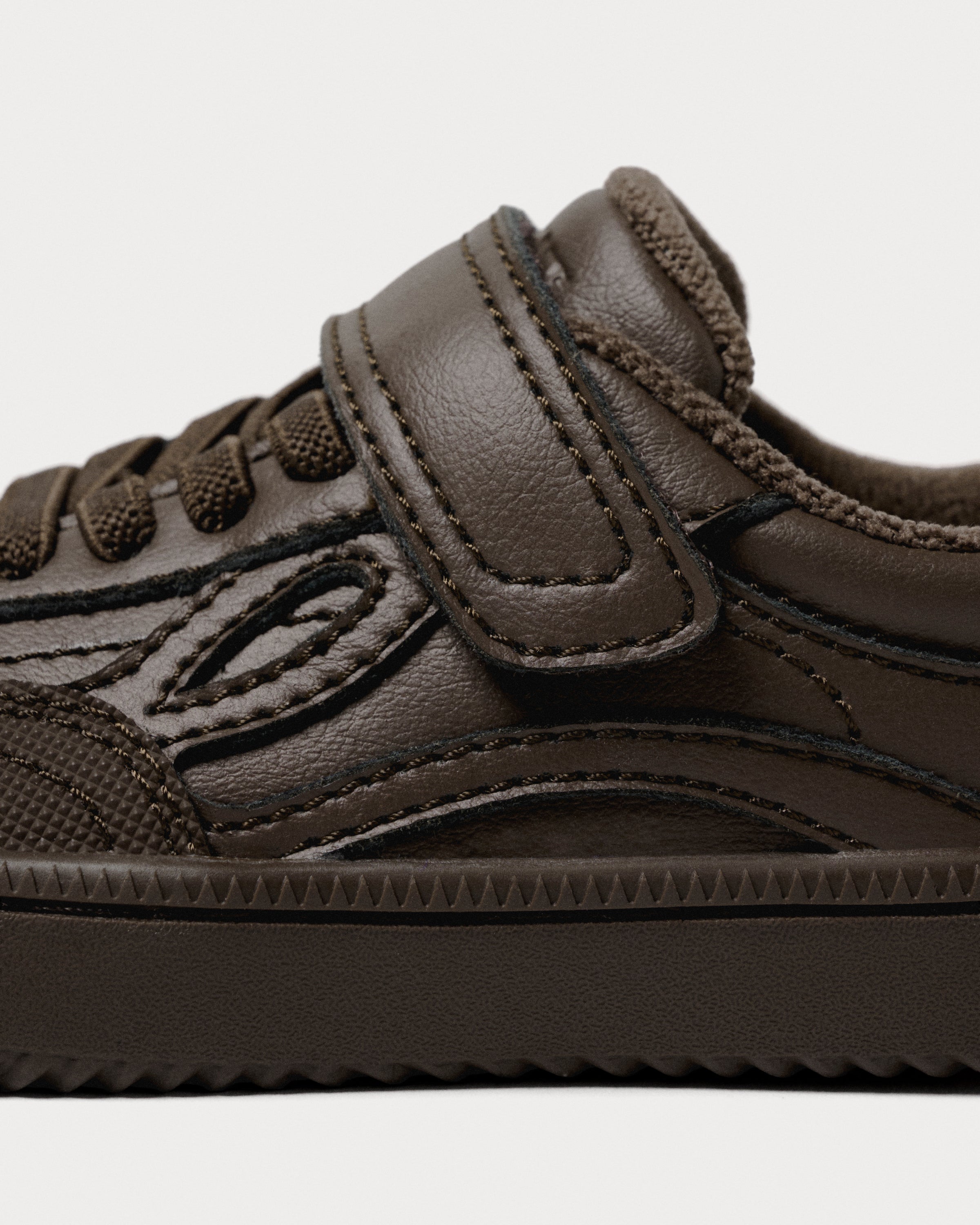
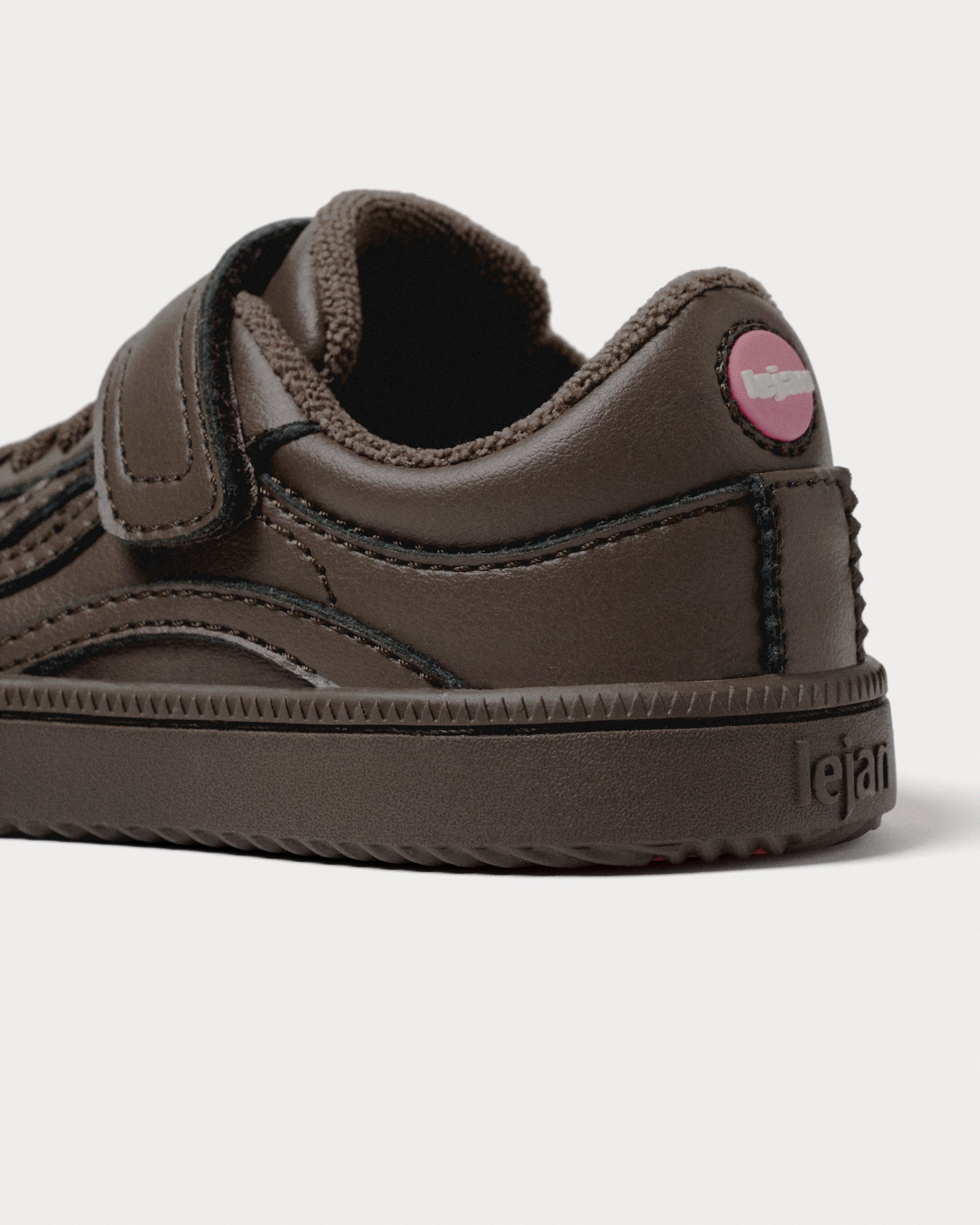
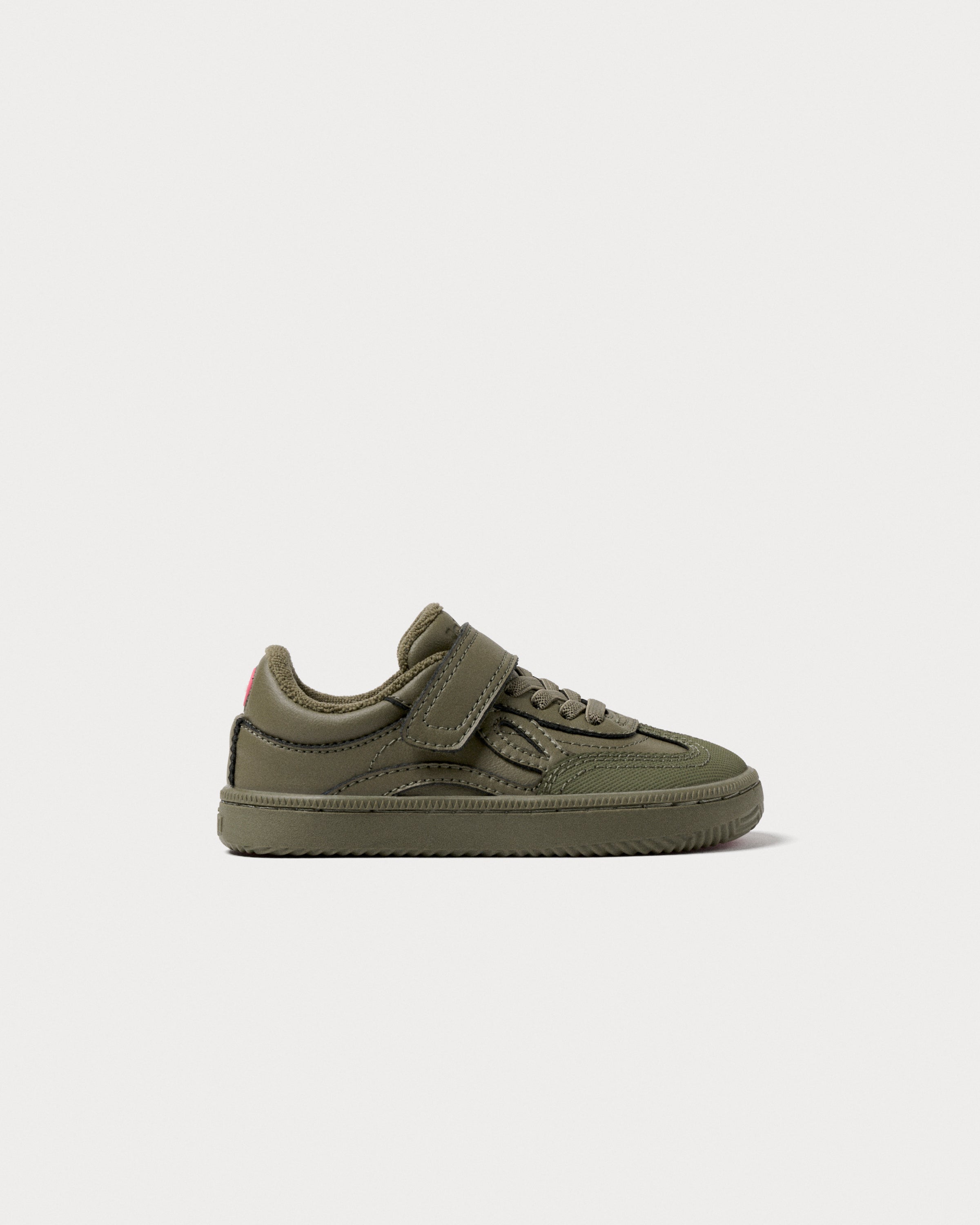
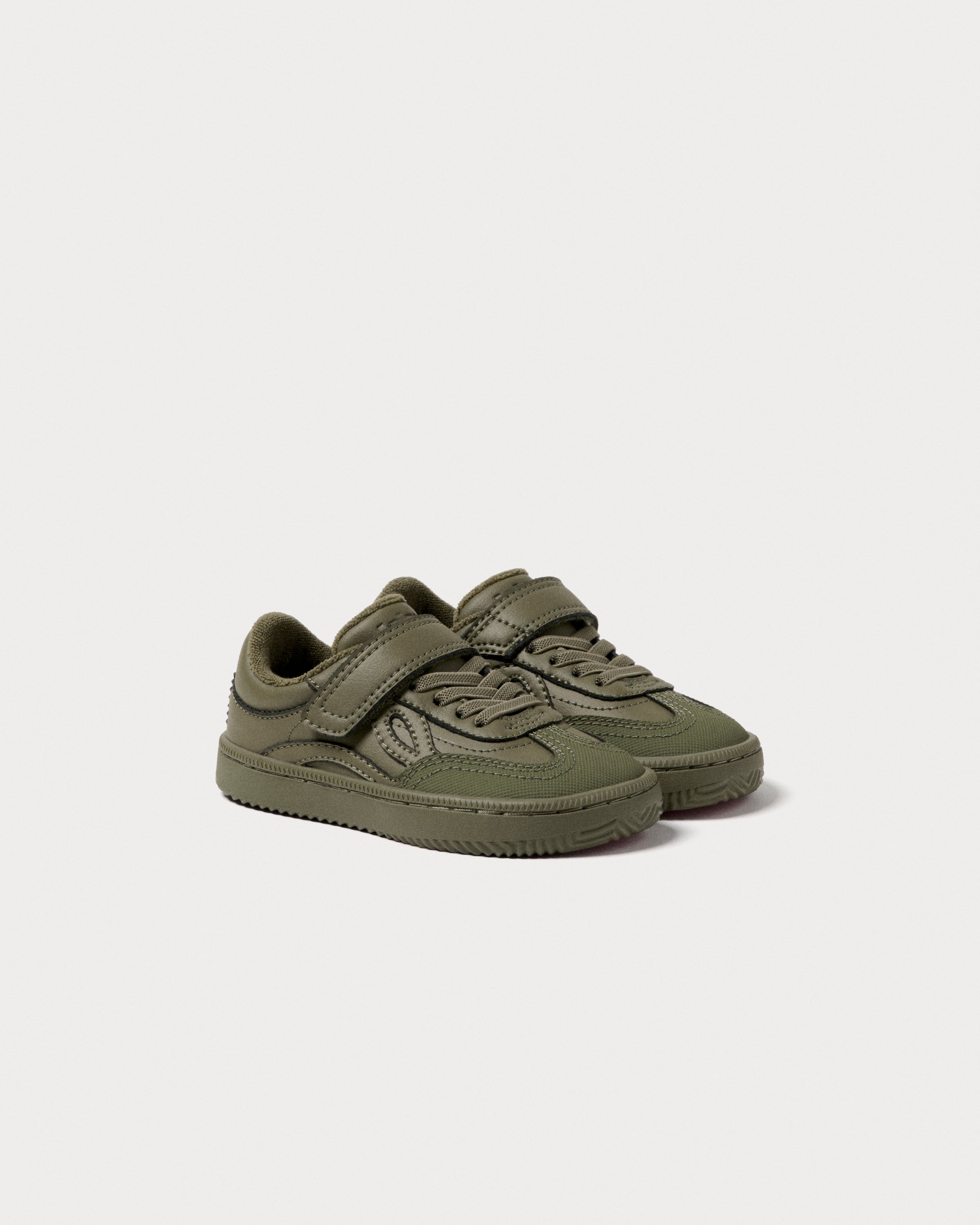
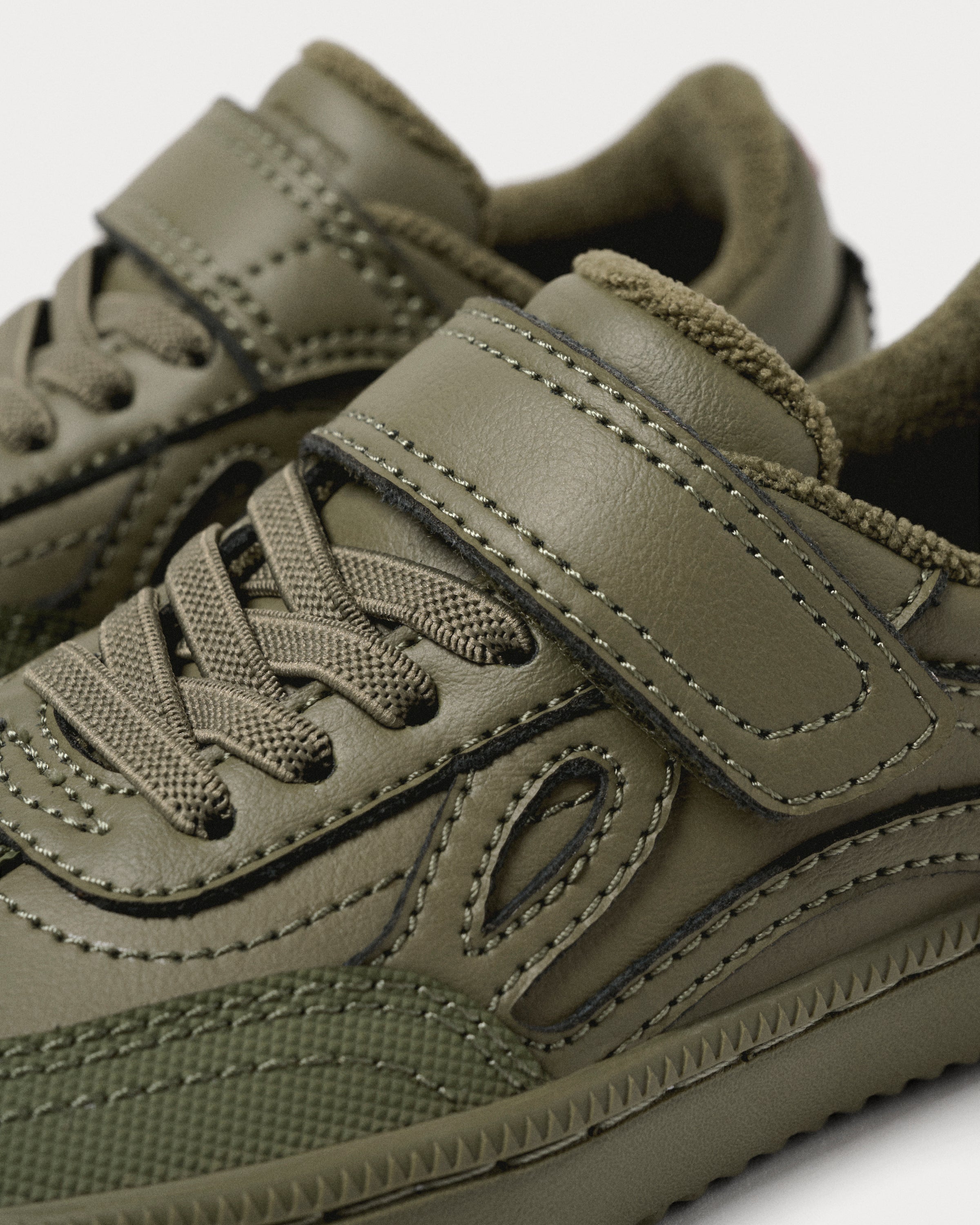
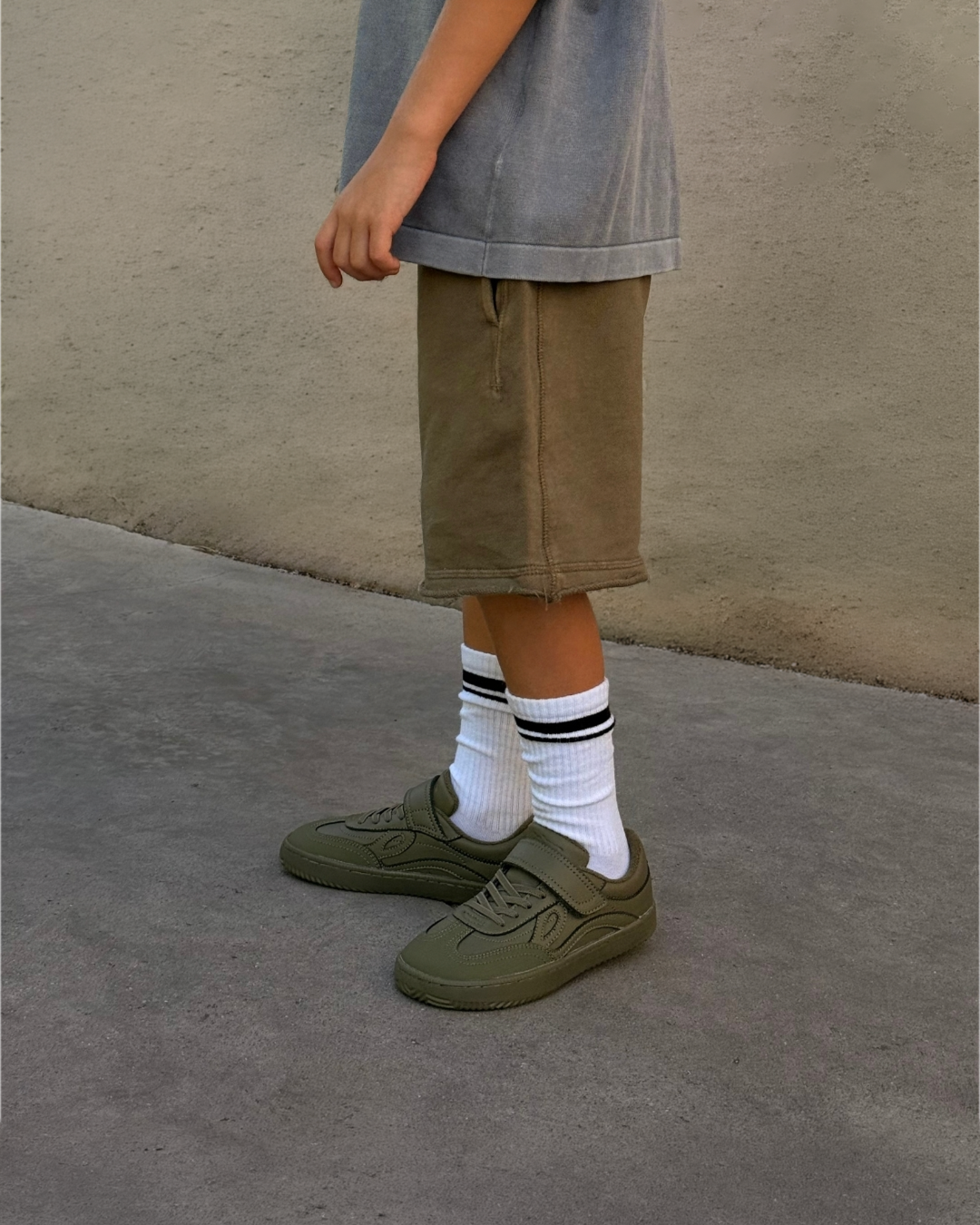
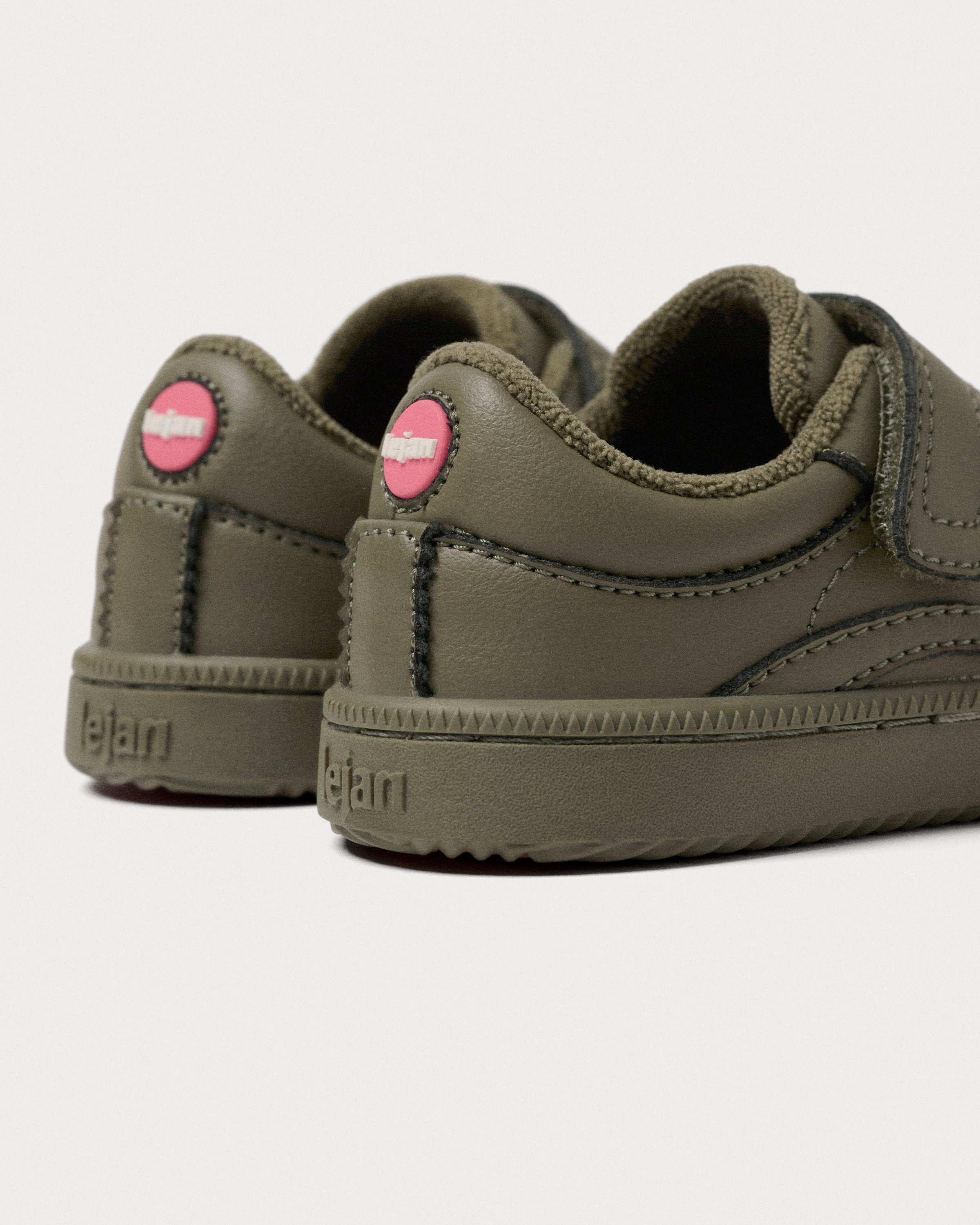
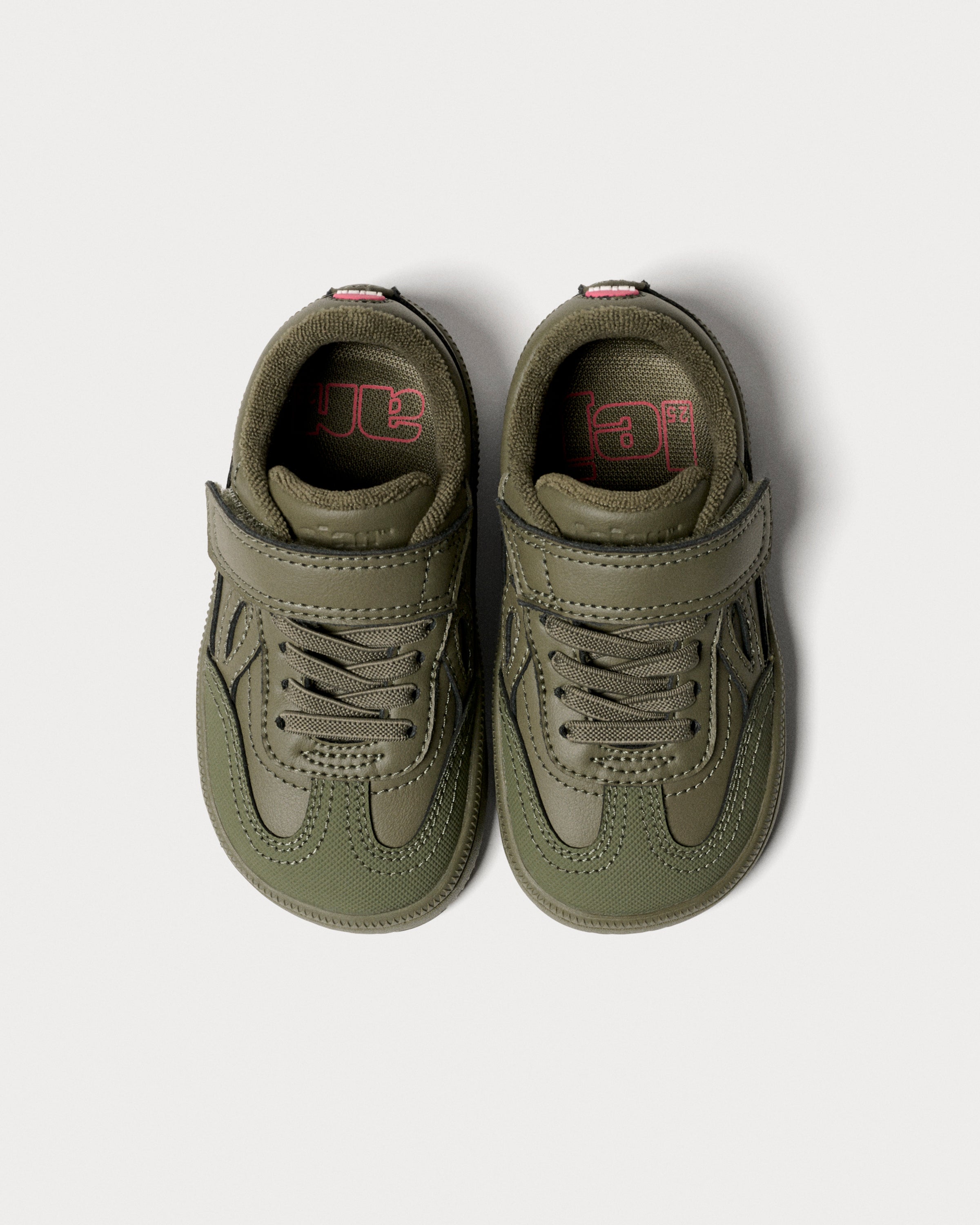
Truly foot-friendly barefoot shoes for children meets four conditions: drop 0, a wide toe box that lets the toes grow and move, a very thin and flexible sole that bends with ease, and very little weight. If a children's shoe has a rigid sole, reinforcements that immobilise the ankle or a narrow toe box, it isn't genuinely foot-friendly, however much it may look the part.
Which foot-friendly footwear should you choose for each stage of your little one's growth?
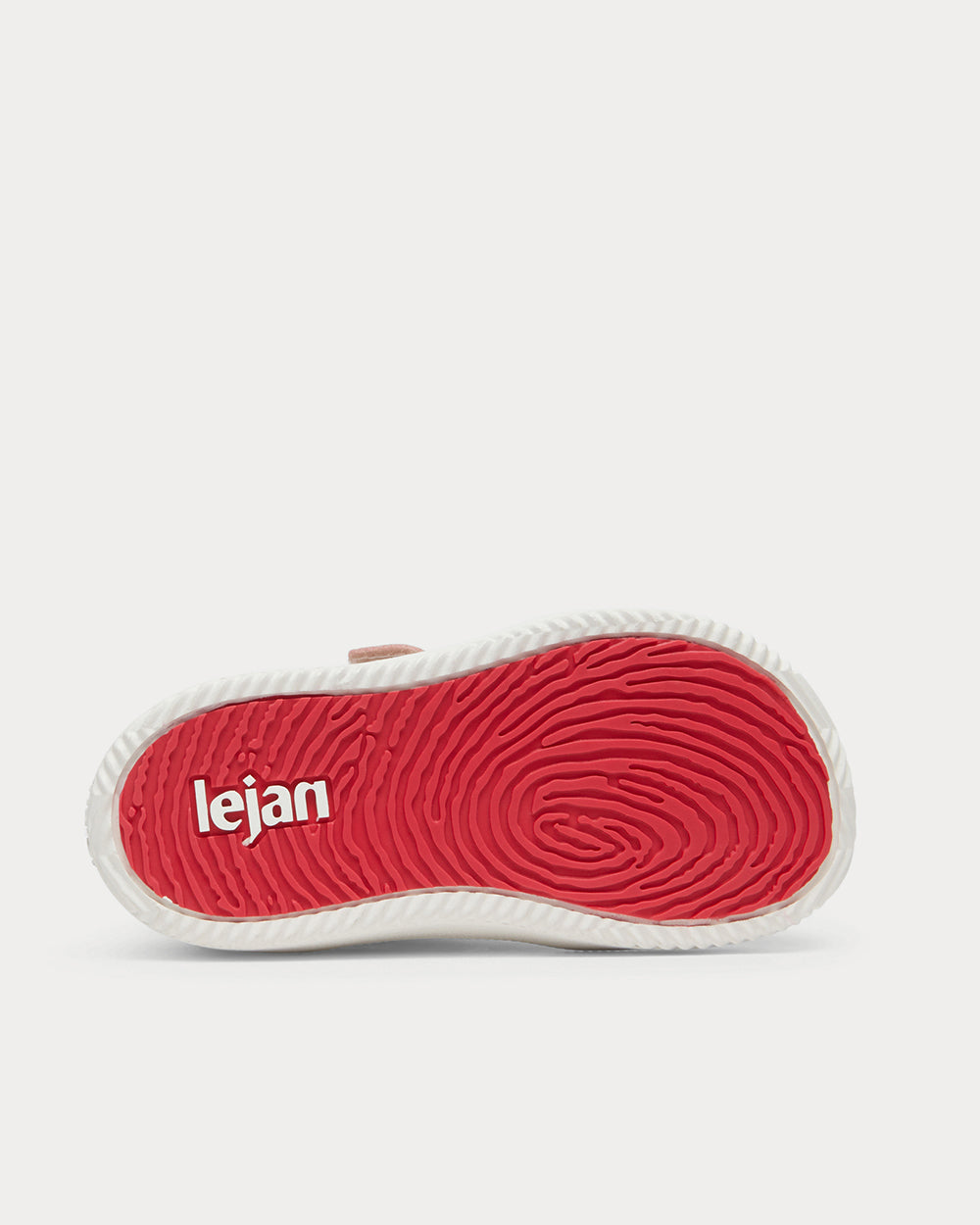
For first steps, prioritise maximum flexibility and lightness so the foot can feel the ground. From crawling to walking, look for a thin sole and good grip. And as they grow, keep to the wide last and check the size often: a child's foot changes quickly and needs room to develop healthily.
How do you get the size right in foot-friendly footwear for children?
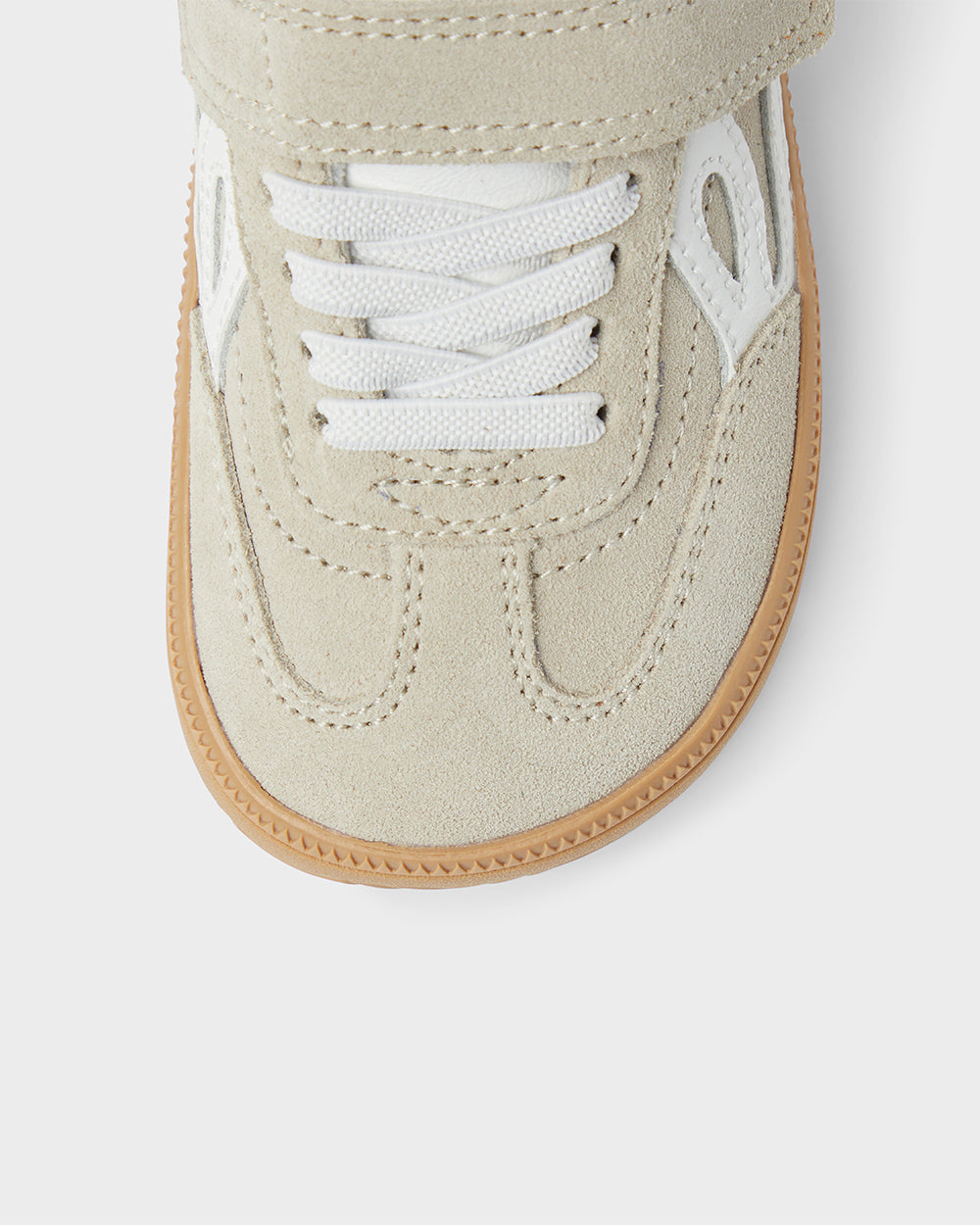
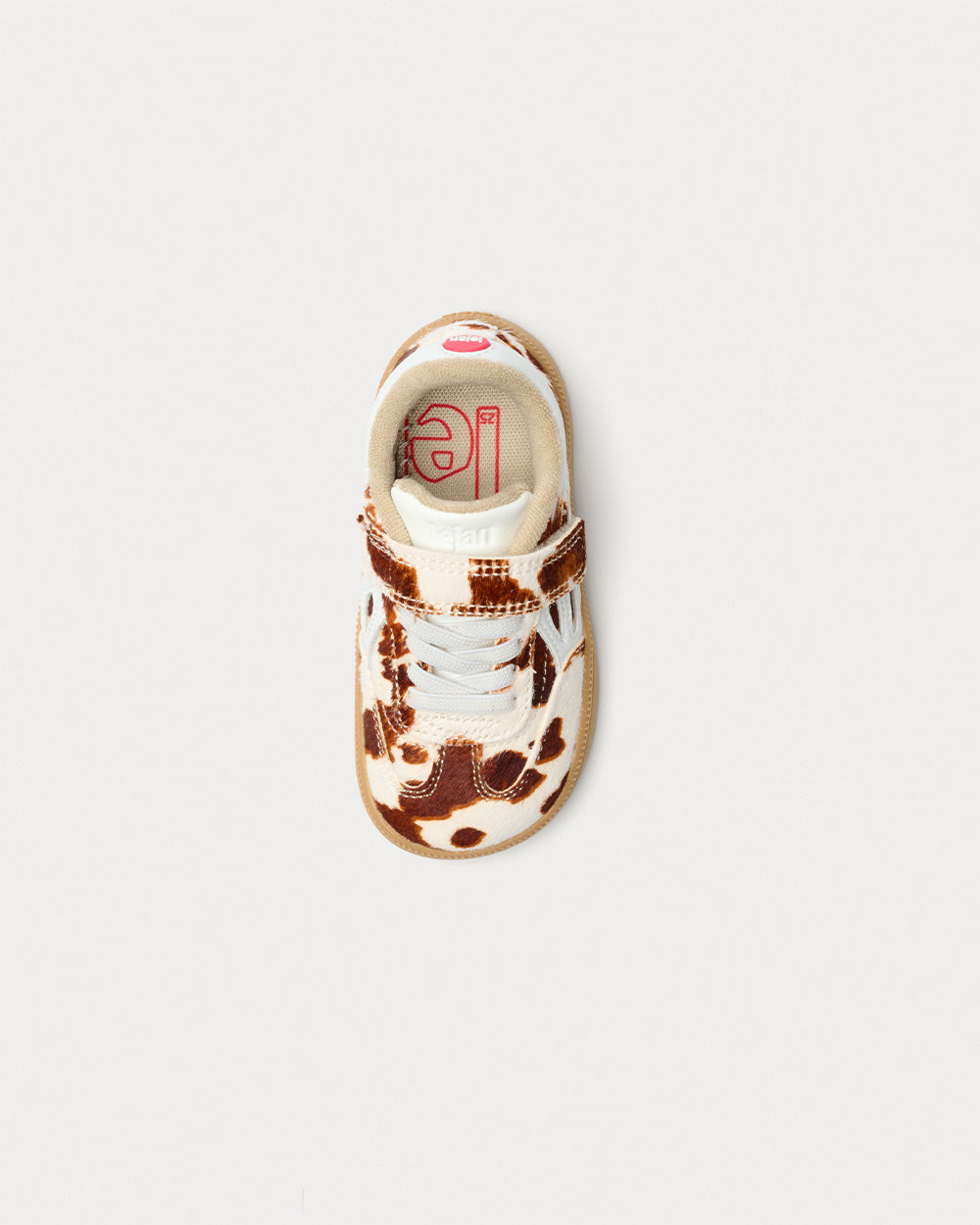
Measure your little one's foot and leave a margin for growth at the toe box (without the foot sliding around). If they have a wide foot, choose the wide version of our children's barefoot sneakers. Check the size every few months, because a shoe that becomes too short limits the foot's natural development.
Frequently asked questions about foot-friendly footwear for children
What sets foot-friendly children's footwear apart from conventional shoes?
Foot-friendly footwear has drop 0, a wide toe box and a thin, flexible sole so the foot can grow and move freely; conventional shoes usually have a rigid sole, a heel drop and reinforcements that limit that natural movement.
At what ages is flexible footwear a good idea?
At every stage of a child's development, and very especially during first steps: the more flexible and lightweight the footwear, the better the little one feels the ground and the more healthily their foot develops.
How do you choose the right size as they grow?
Measure the foot, leave a small margin for growth at the toe box and check the size every few months. If the foot is wide, opt for the wide last. Our size guide will steer you at every step along the way.
Are they suitable for nursery or outdoors?
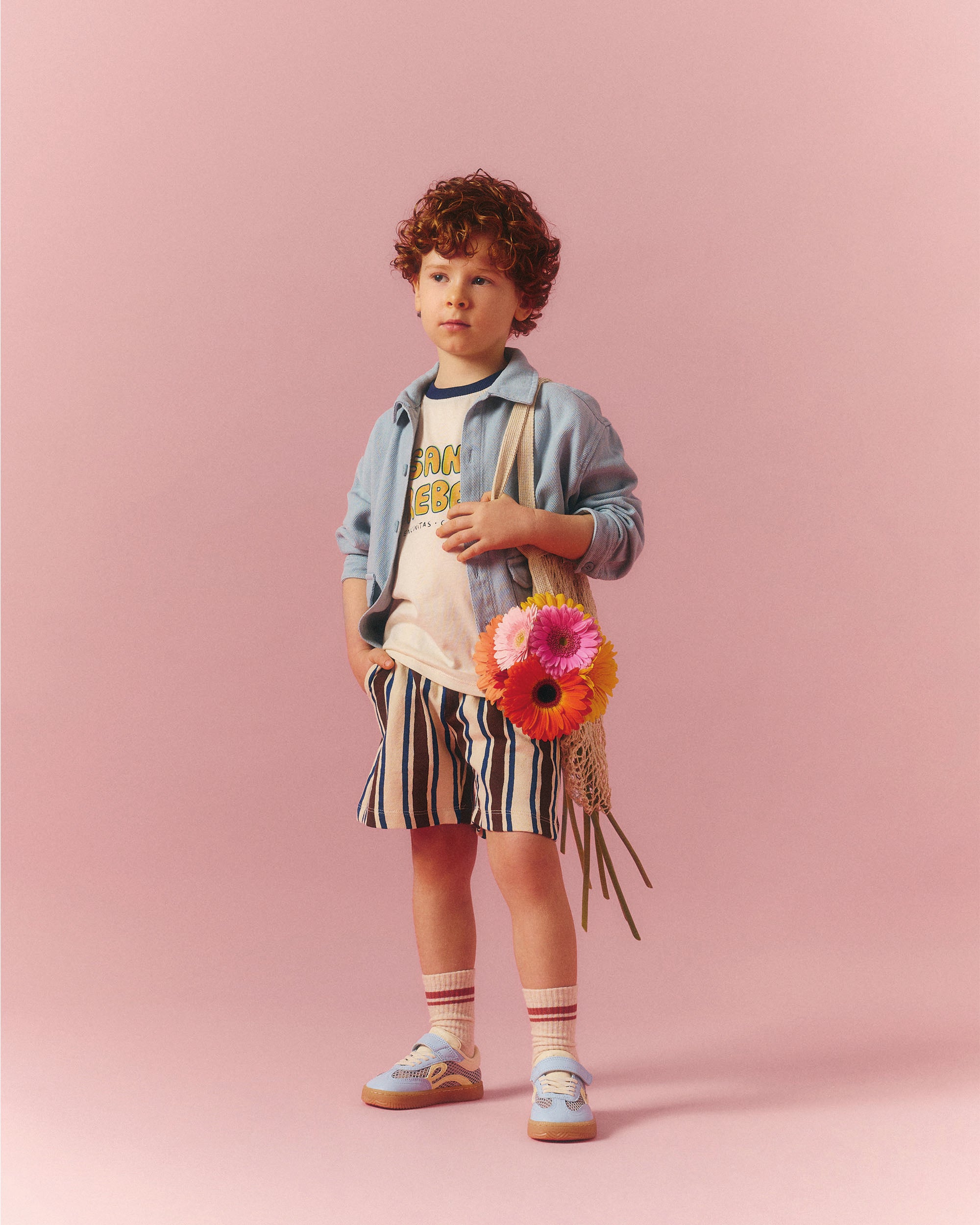
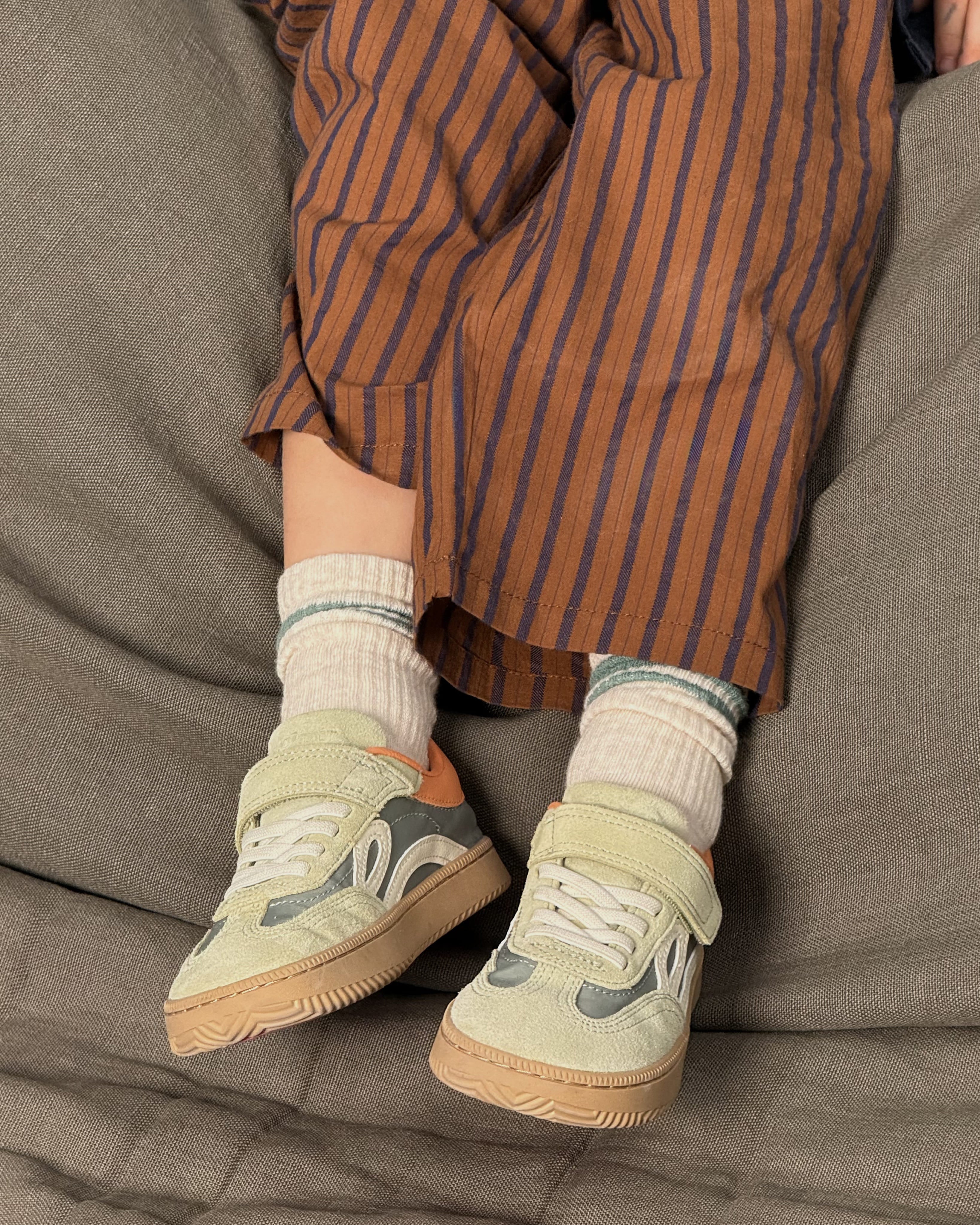
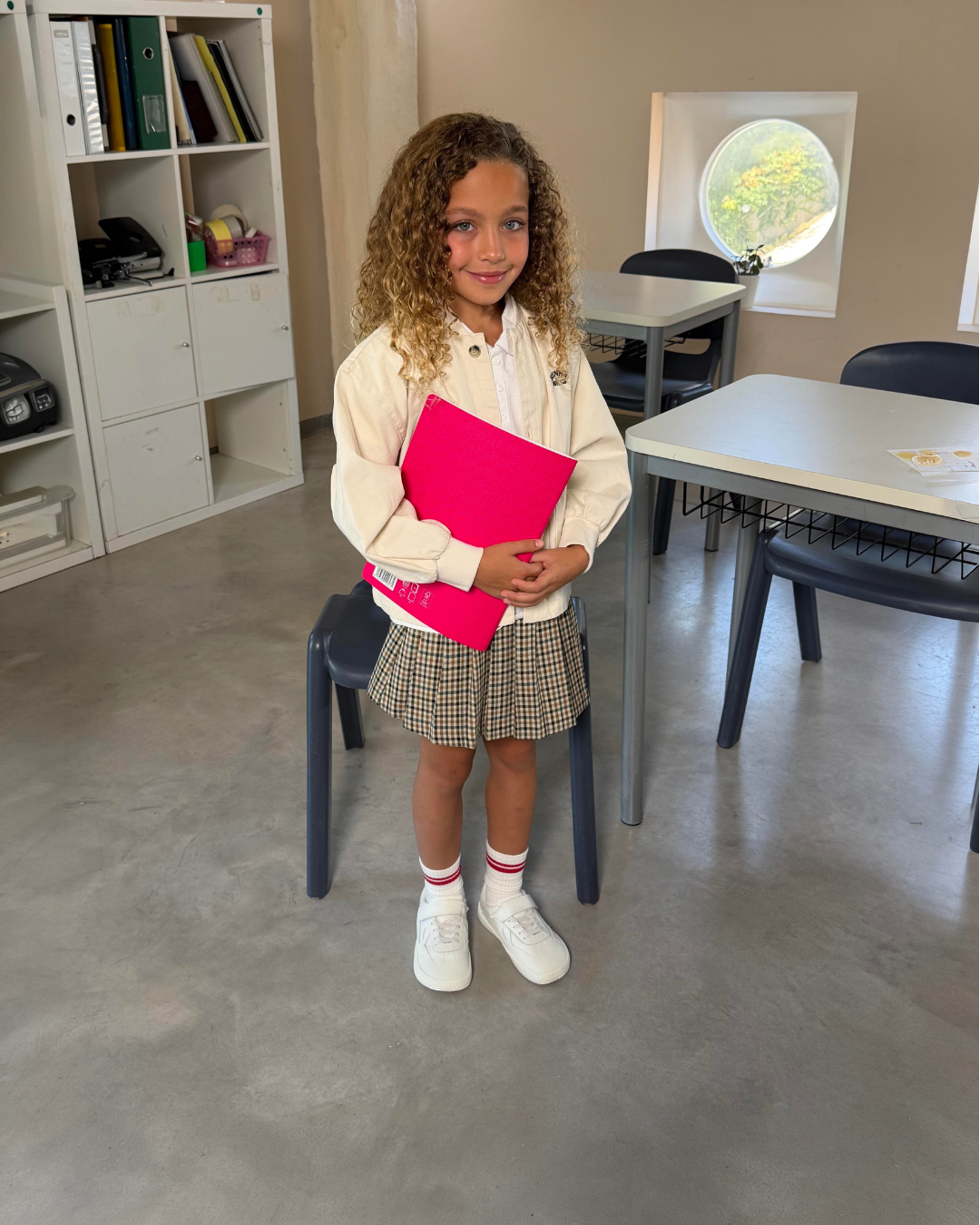
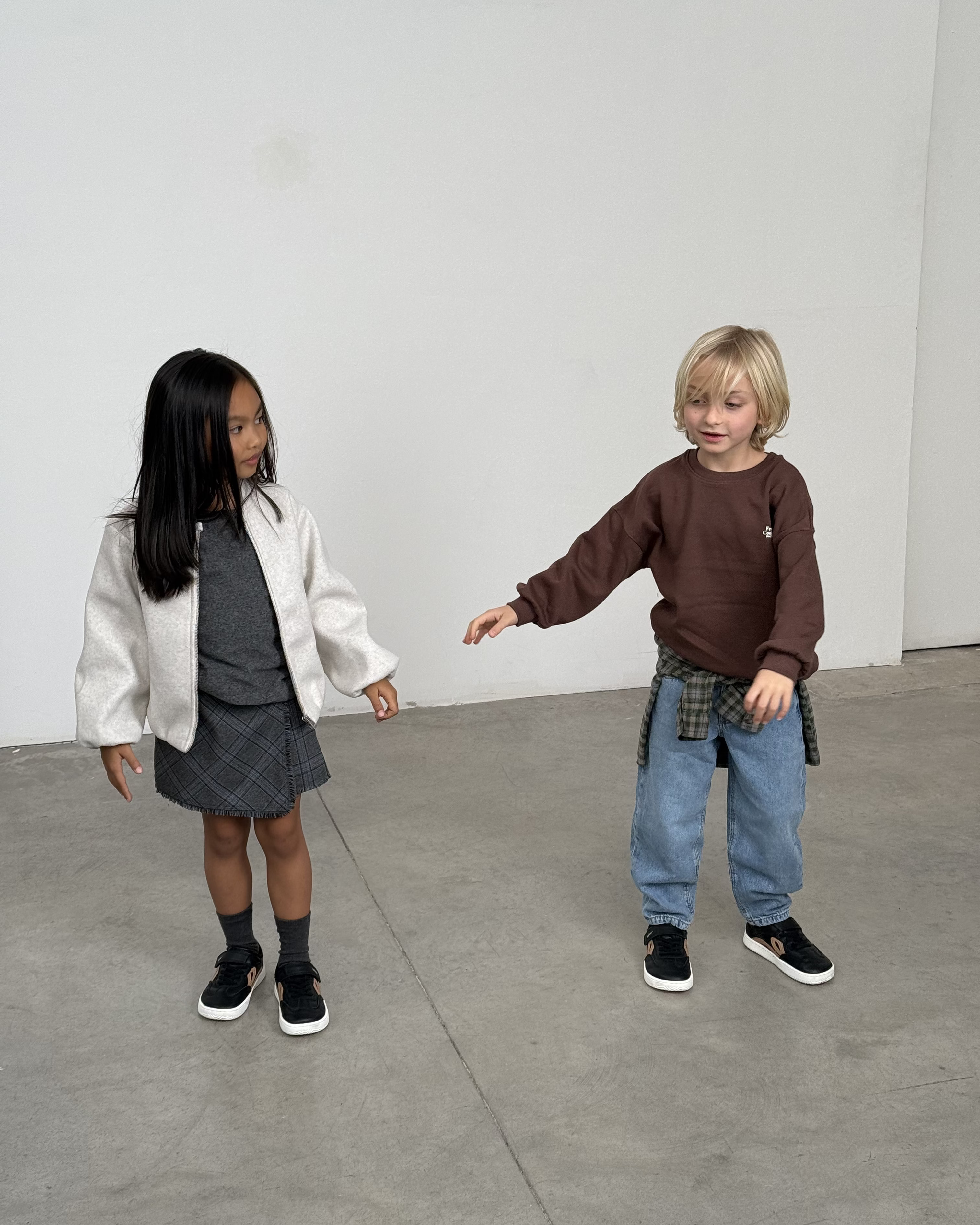
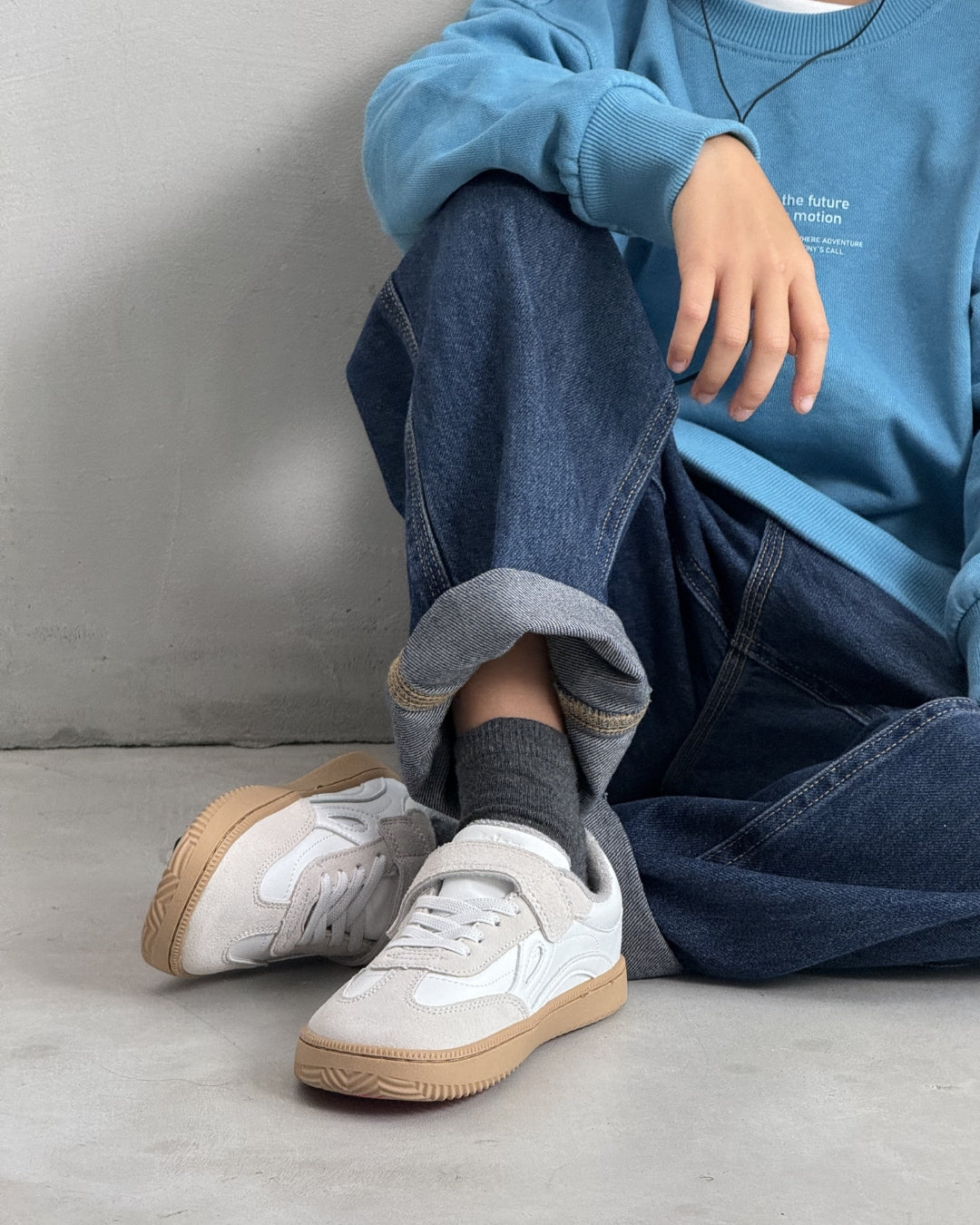
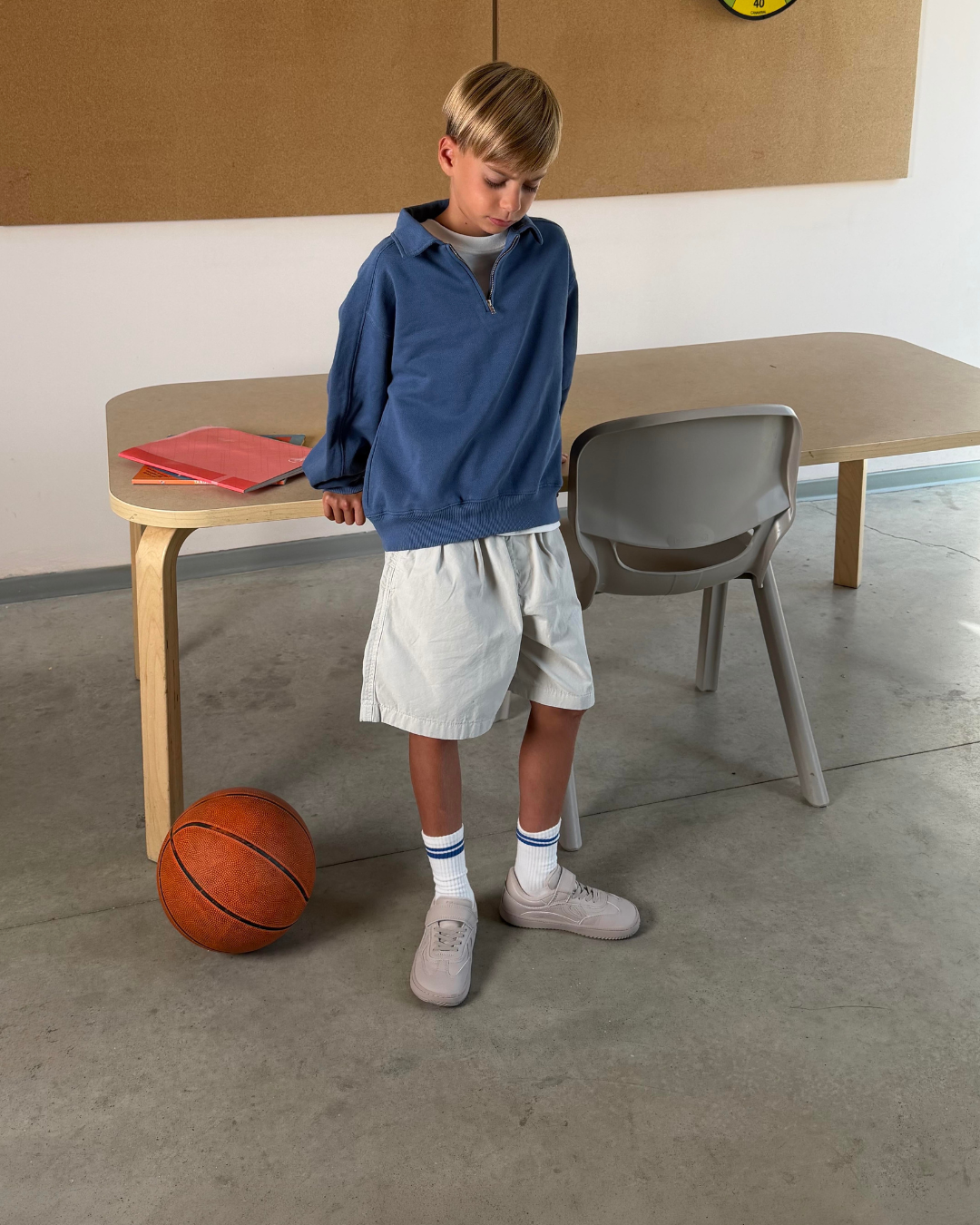
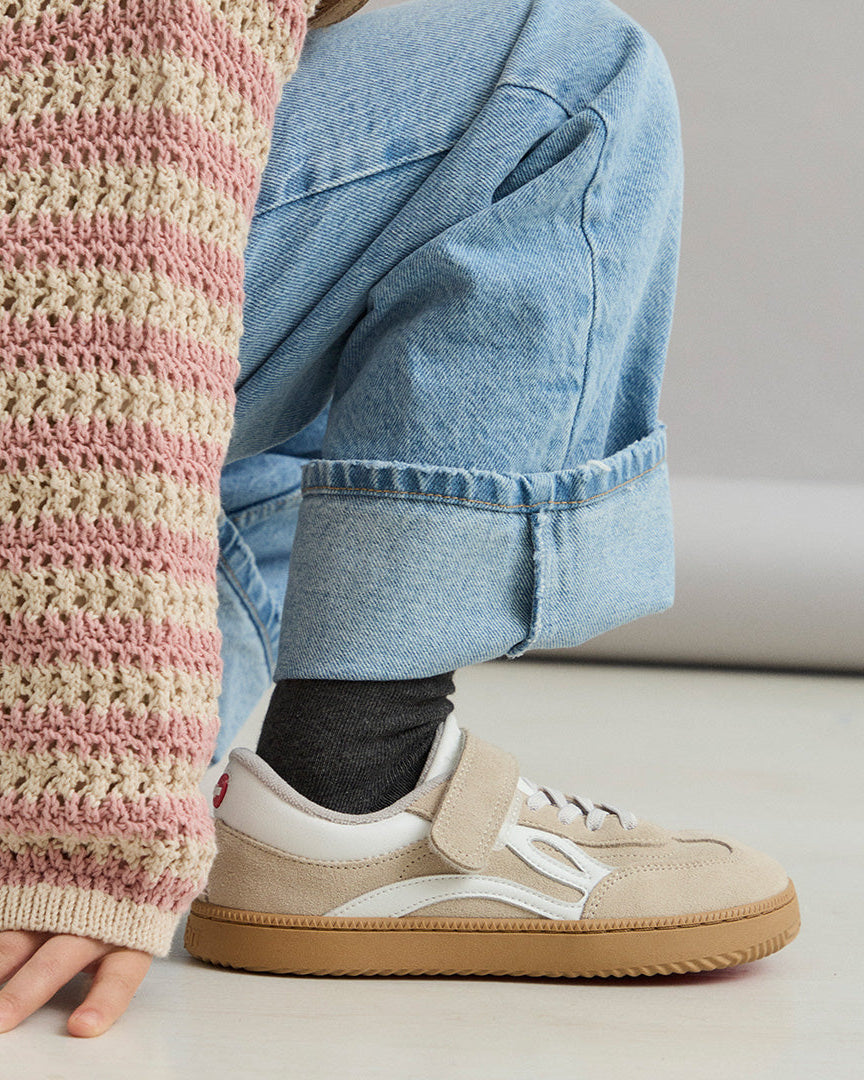
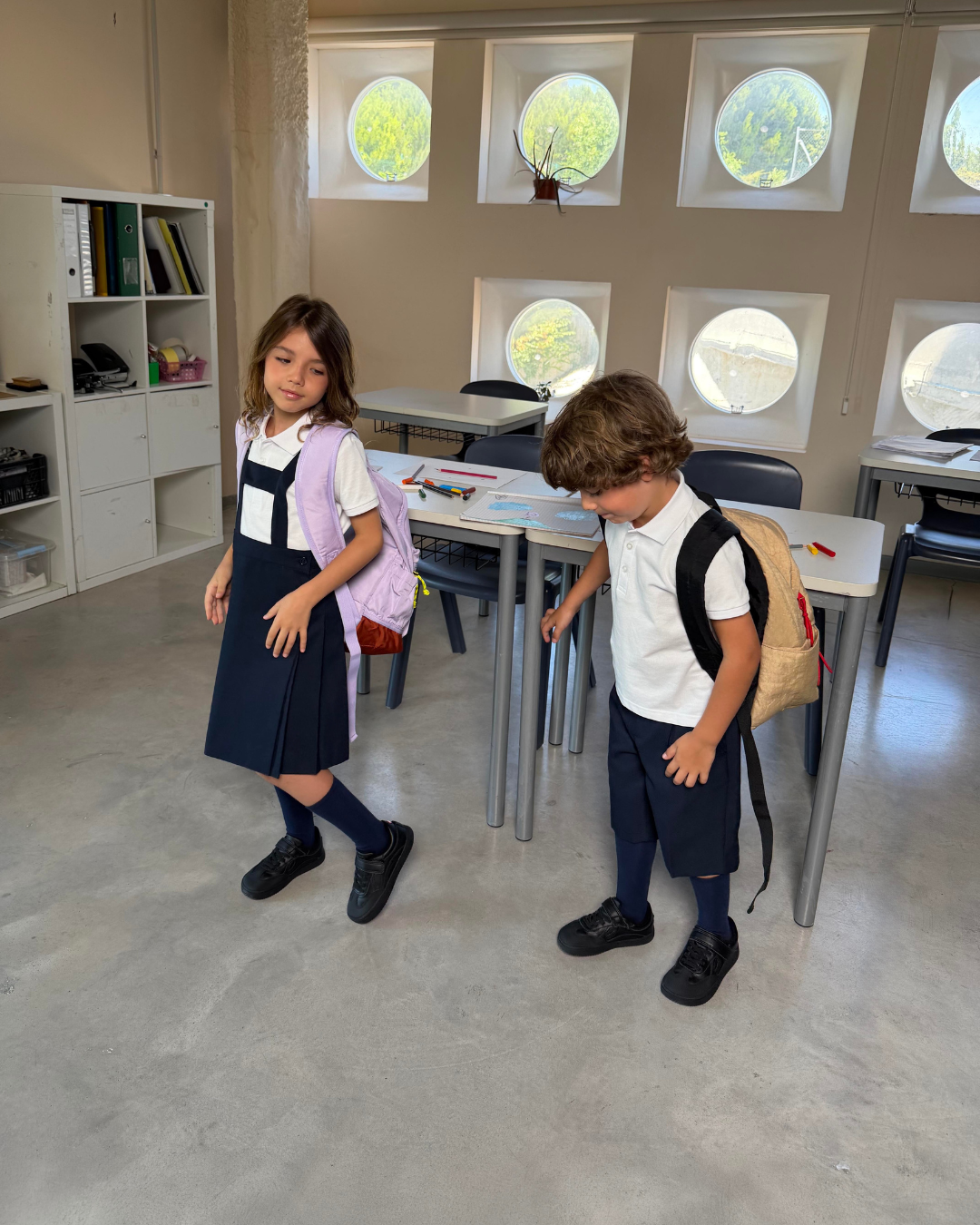
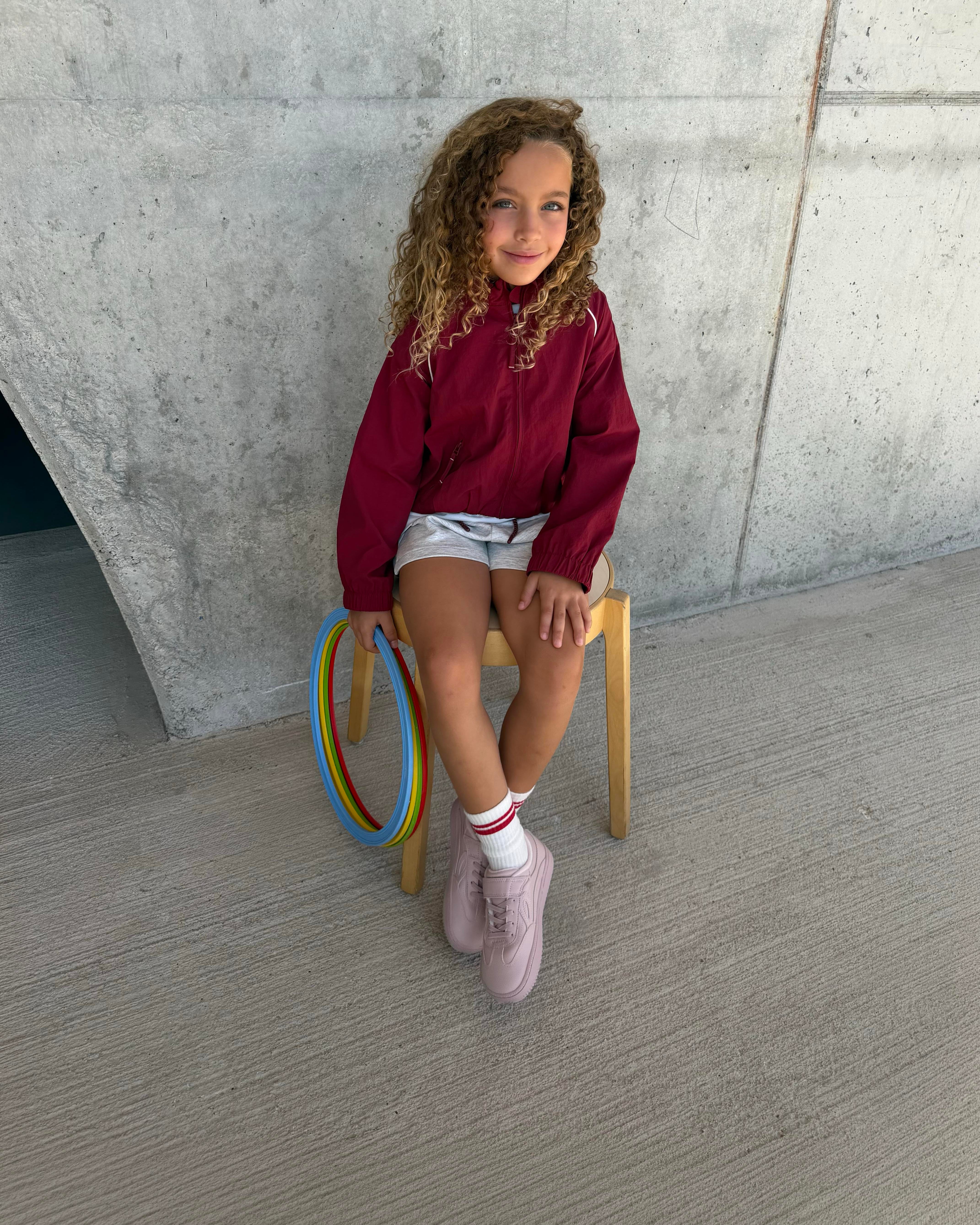
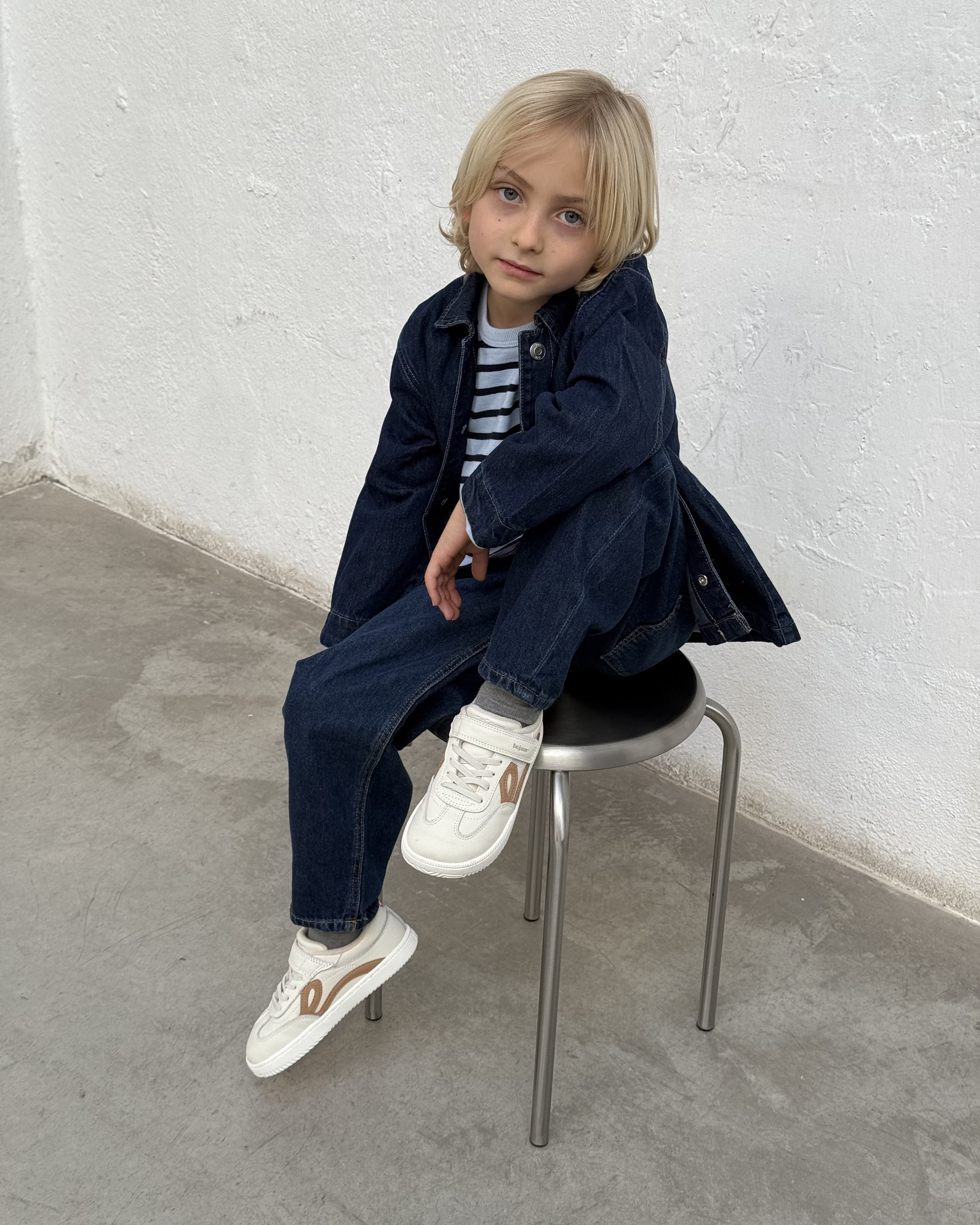
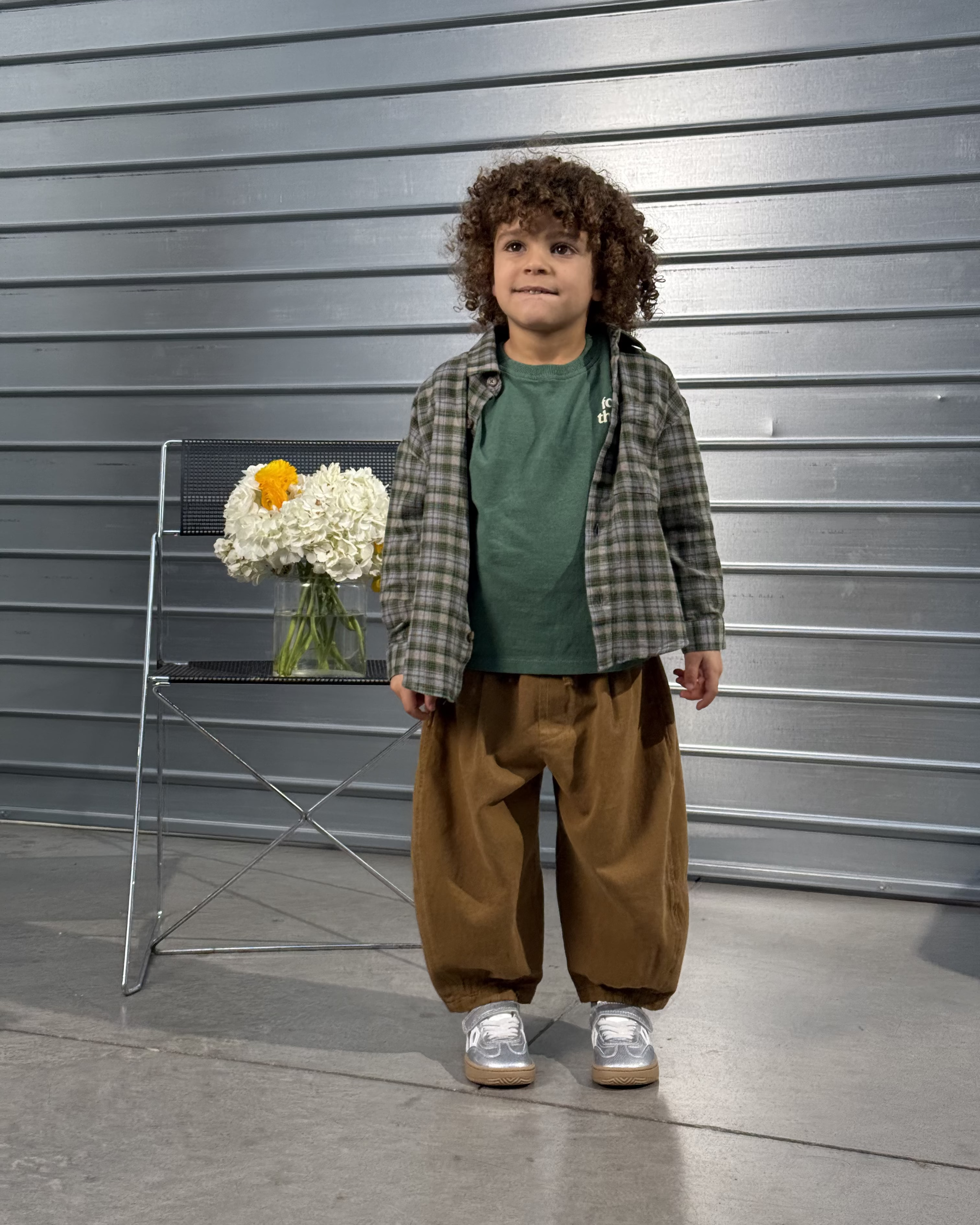
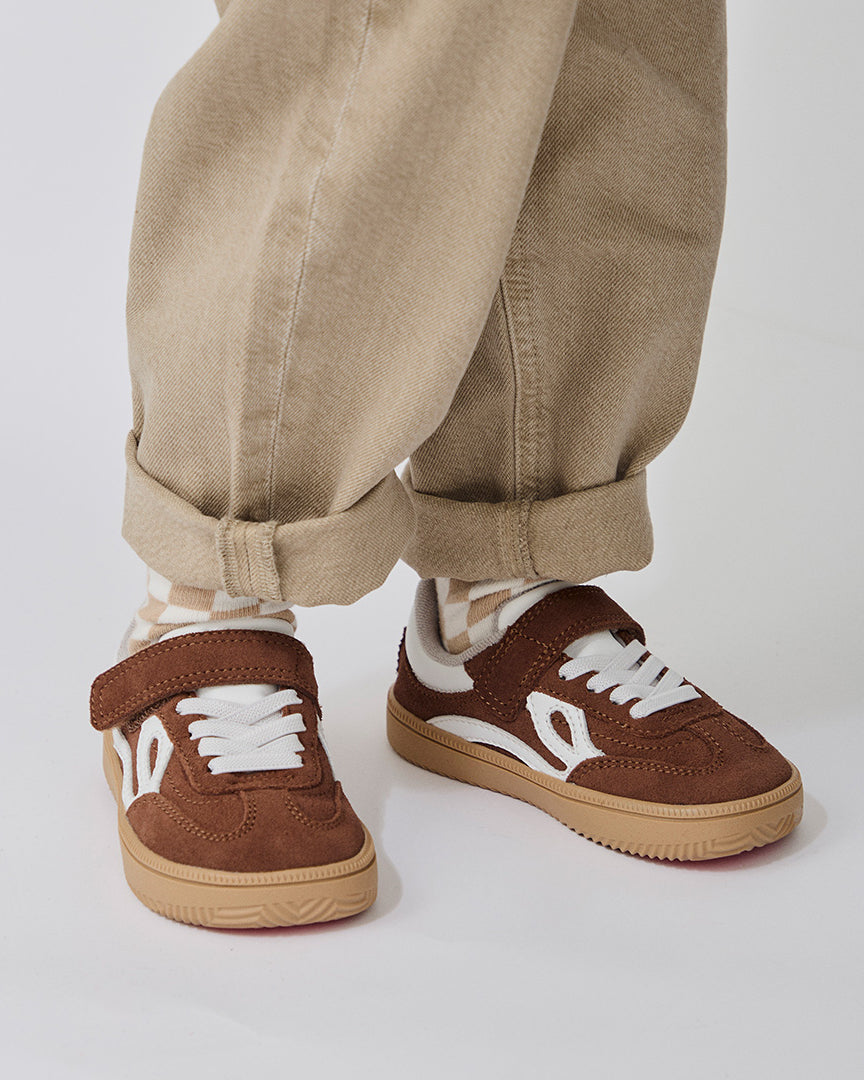
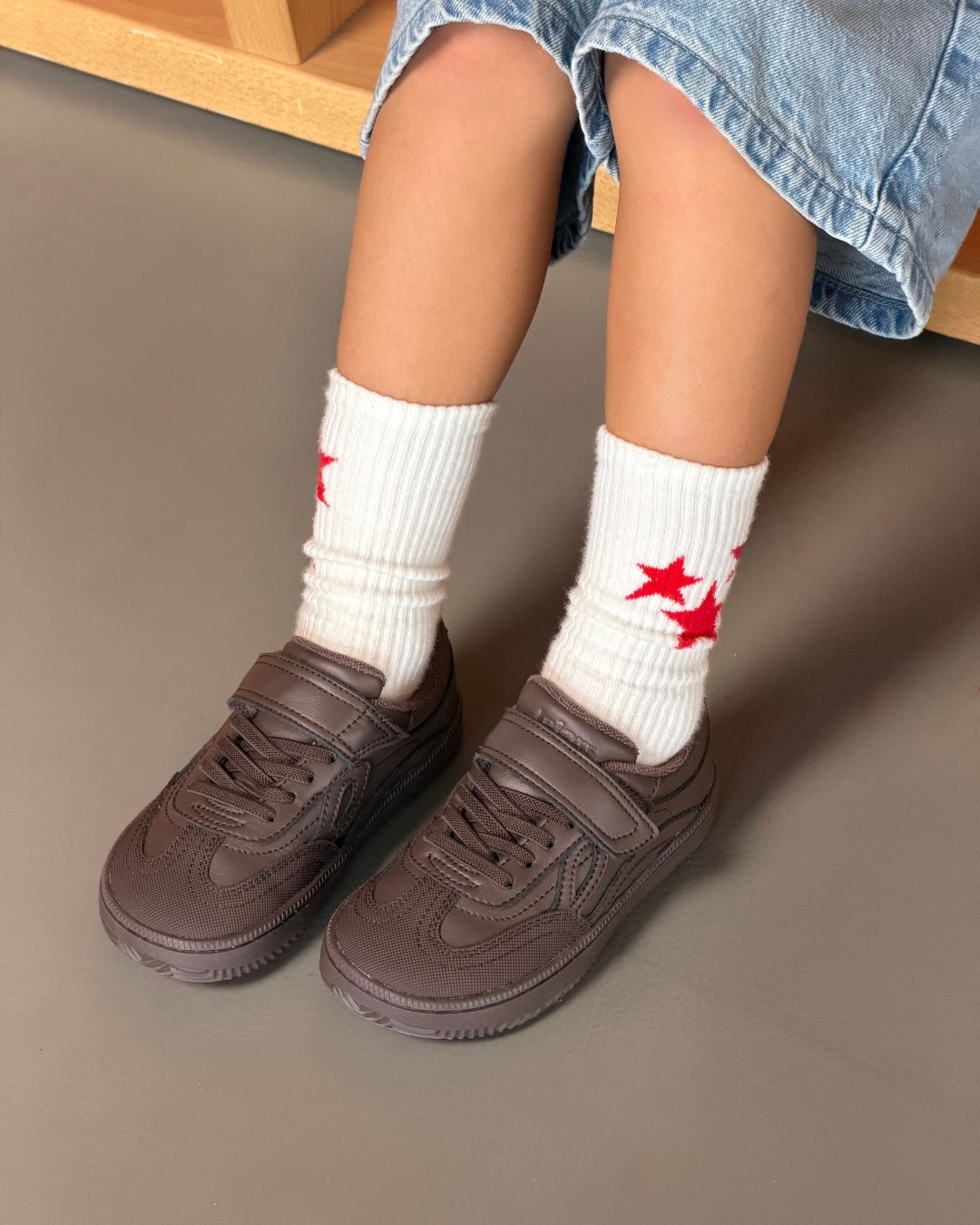
Yes, they certainly are. They're suitable for nursery, the park and the outdoors: lightweight, flexible and comfortable so your little one can run and play with complete freedom.