




We tend to think of our toes as a small, almost insignificant part of the body. They’re there, at the very end of the body, hidden away in our shoes most of the day, and we rarely pay them any attention unless they’re bothering us. But the truth is, they play a much bigger role in walking than they seem.
The toes help stabilize the foot, adapt to the ground, and support the momentum with each step. They are part of the silent work the foot does when it functions properly: supporting you, keeping you balanced, and moving naturally with you. That’s why, when they lose mobility, the foot also loses some of that ability.
And this happens much more often than it seems. Years of wearing tight, stiff shoes or shoes with little room for the toes, combined with a lack of stimulation and movement, cause the foot to gradually stop using this area as it should. The result doesn't always appear all at once. Sometimes it manifests as stiffness, other times as instability, strain, or a feeling that the foot no longer responds the same way.
The good news is that, in many cases, that mobility can be regained. Understanding why we’re losing it is the first step toward regaining it.
What is toe mobility, and why does it matter when walking?
Toe mobility refers to the ability of the toes to move freely, with a full range of motion, and under control. It is not just about bending or stretching them, but about their ability to actively participate in walking, adapt to the ground, and respond to the body’s movements.
When we walk, the foot shouldn’t act like a rigid structure. It needs to adapt to the ground, distribute weight, and move dynamically with each step. And in all of this, the toes play a much more important role than we usually realize.

The Role of the Toes in Propulsion and Balance
The toes play a particularly important role at the end of the stride, when the body propels itself forward. At that moment, the foot needs an active foundation to support the push-off, and that’s where the big toe becomes especially important. If there isn’t enough mobility or if that area isn’t engaging properly, the push-off loses its natural flow and the foot no longer works as efficiently.
But their role doesn't stop there. The toes also help stabilize our footing and make constant, subtle adjustments as we walk or stand. They are part of that delicate balance that the body maintains almost without us realizing it. When that area becomes stiff, it doesn't function as efficiently as when it is flexible.
Relationship with the plantar arch and the kinetic chain
The toes do not work independently. They are connected to the rest of the foot, the arch, and the entire kinetic chain that extends up to the ankles, knees, hips, and back. When the toes can move and work together effectively, they help the foot distribute weight more evenly and function more efficiently.
When that mobility decreases, the foot may lose some of its ability to adapt, the way it bears weight changes, and the body makes small adjustments. These changes often go unnoticed, but they can affect the way a person walks.
Common causes of stiffness in the toes
Loss of mobility in the fingers doesn't usually happen overnight. It typically develops gradually, almost imperceptibly, as a result of everyday habits.
Tight or stiff closed-toe shoes and lack of stimulation
One of the most common causes is the continued use of shoes that restrict the foot’s natural movement. When the toe box is narrow, the toes have no real room to assume their natural position. If the shoe is also stiff or overly structured, the foot moves less and receives less stimulation.
Over time, the body adapts to its daily experiences. If the toes spend hours compressed, unable to spread out or extend, and unable to help support the foot, they eventually lose some of that mobility. Not because the foot “is just like that,” but because it has spent too much time functioning within a space that restricts it.

Weakness of the intrinsic muscles of the foot
The foot itself contains small but very important muscles responsible for supporting, stabilizing, and controlling fine movements. When these muscles lose strength, the toes also lose their ability to move with control and function properly during walking.
Often, it’s not just a matter of stiffness, but of lack of use. The foot stops engaging this area, the toes become less functional, and little by little that feeling of stiffness or lack of responsiveness sets in.
Pain and associated conditions (hallux valgus, claw toes, plantar fasciitis)
When there is pain or a structural abnormality, the body tends to protect itself. And one of the most common ways it does this is by moving less. This can happen in cases such as bunions, claw toes, or various types of foot strain, where the normal function of the toes begins to be impaired.
In these situations, mobility may not only be reduced. The way the foot bears weight may also change, increasing stress on other parts of the foot and causing the problem to persist or worsen if it isn't properly addressed.
Warning signs and consequences of losing mobility in the fingers
Pain isn't always necessary for your feet to send you a warning. Sometimes the first signs are subtle, but just as important.
Changes in gait and stress on the metatarsals and arch
When the toes aren't functioning as they should, the foot's support changes and the load is no longer distributed evenly. As a result, certain areas may have to work harder than they should, which can sometimes lead to fatigue in the forefoot, strain on the metatarsal area, or fatigue in the arch of the foot.
Sometimes the source isn't immediately obvious, because the discomfort isn't felt exactly in the toes. But the foot functions as a whole, and when one part stops doing its job, another ends up taking over.
Loss of stability and distal proprioception
The toes also play a role in proprioception—that is, the body’s ability to sense how it is supported and to adjust its movement accordingly. They are an important source of the information the foot receives from the ground and how it responds to it.
When mobility decreases, that area also loses some of its sensory and stabilizing function. The result can be a feeling of reduced stability or less precise support.
At-home quick tests to assess your finger-to-finger mobility
Watching how your toes move can give you some very useful clues about how your foot is functioning. This is not a diagnosis, nor does it in any way replace a visit to a podiatrist.
Active flexion and extension test (neuromuscular control)
With your foot flat on the ground, try lifting just your big toe while keeping the others on the ground. Then try the opposite: keep your big toe on the ground and lift the rest.
If you find it very difficult, if all the muscles move at once, or if you have little control over them, that area may have lost its independence and coordination. It’s more common than you might think.
Passive range-of-motion test (stiffness and pain)
Using your hand, gently move each toe up and down. Do this without using force, and compare both feet. Notice if one is stiffer, if it feels uncomfortable, or if the sensation is clearly different between the two sides.
This test can help you determine whether there is limited movement or tenderness in a specific joint.
Towel grip test (intrinsic strength)
Place a towel on the floor and try to scrunch it up with your toes. It’s not so much about doing it perfectly as it is about noticing what happens: whether you feel any strength, whether your foot is engaged, whether you get cramps, or whether you can barely move it at all.
It's a very simple way to see just how much work your toes and the muscles in your foot are actually doing.
Step-by-Step Toe Mobility Exercises
Restoring mobility in the toes isn't about forcing them, but about giving them back their space, movement, and function. Often, the foot doesn't need to do more; it just needs to start doing again what it hasn't been able to do properly for some time.
Open and spread your fingers (abduction) and “fan out your fingers”
This exercise helps restore mobility and control in your toes. With your bare feet flat on the floor, try to actively spread your toes apart without straining. Hold for a few seconds and repeat several times.
If you want to make it harder, you can use a light resistance band. The idea is for the movement to come from the foot itself, not from an external source.
Lift the big toe and lower the others (hallux dissociation)
With your foot flat on the ground, try lifting just your big toe while keeping the others on the ground. Then do the opposite: keep your big toe on the ground and lift the others. It’s a small movement, but it’s very helpful for regaining control.
Pick up the towel and do the "claw" exercise (strength + mobility)
Place a thin towel on the floor and try to crumple it up little by little with your fingers. Then you can maintain a slight tension, like a gentle “clench,” without tensing up too much. The idea is to engage your foot, not to tense it up.

Exercise routine with a resistance band (10 guided movements)
A soft elastic band can help guide the movement and provide a little extra resistance for your foot. You can use it to gently flex, extend, and spread your toes—always with control and without causing pain.
Footwear and Mobility: What to Look for to Avoid Going Back (Barefoot Approach)
Working on finger mobility makes sense, but maintaining it in daily life is just as important. And when it comes to that, footwear matters much more than we usually realize. These features are recommended for healthy feet without any medical conditions.
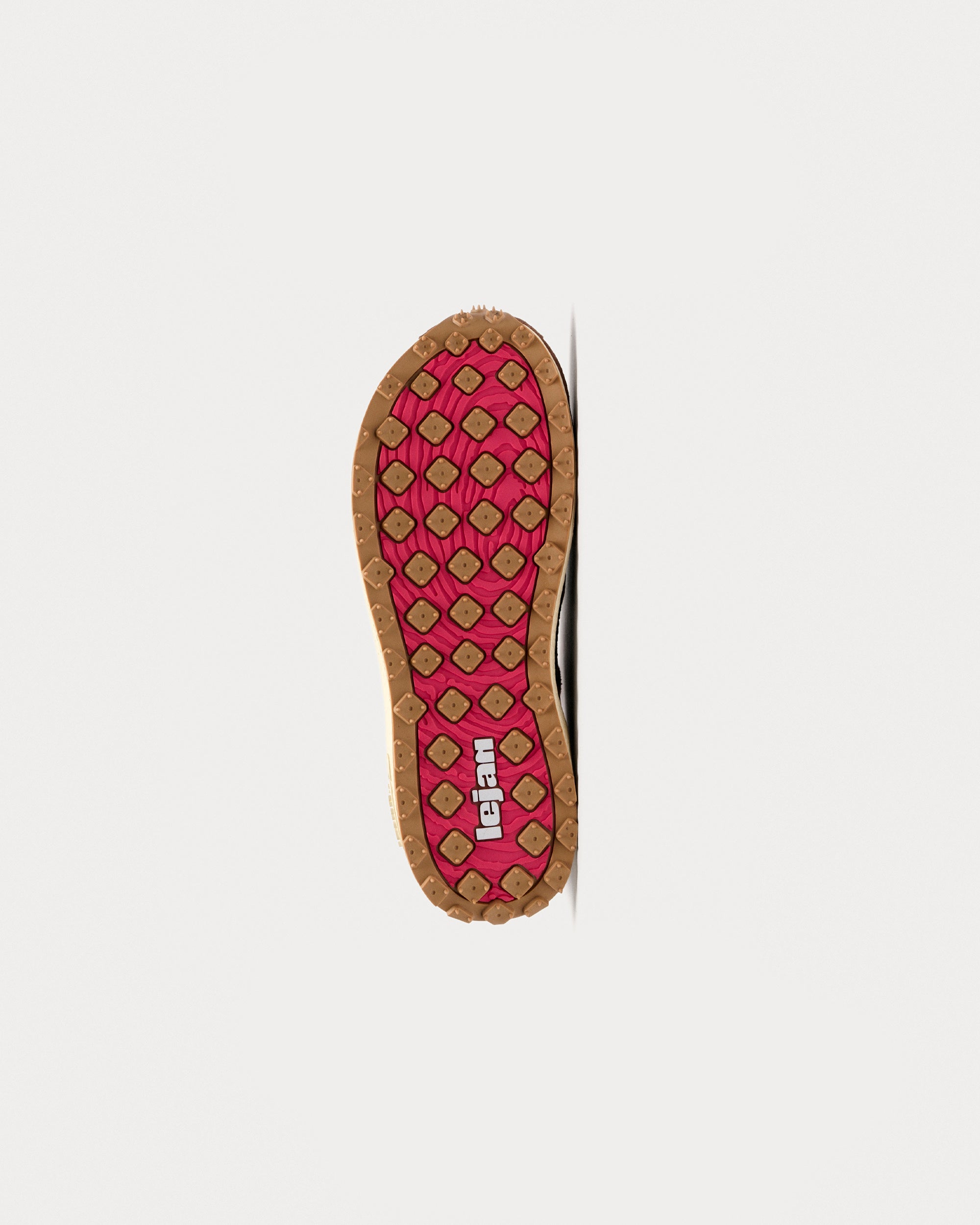
Wide toe box to relieve pressure on the big toe and metatarsals
A wide toe box isn't just about comfort. It's what allows your toes to have room to settle in, spread out, and move freely without being constrained by the shape of the shoe.
When the forefoot is compressed, the foot loses its freedom; when it has room to move, it can function much more naturally.
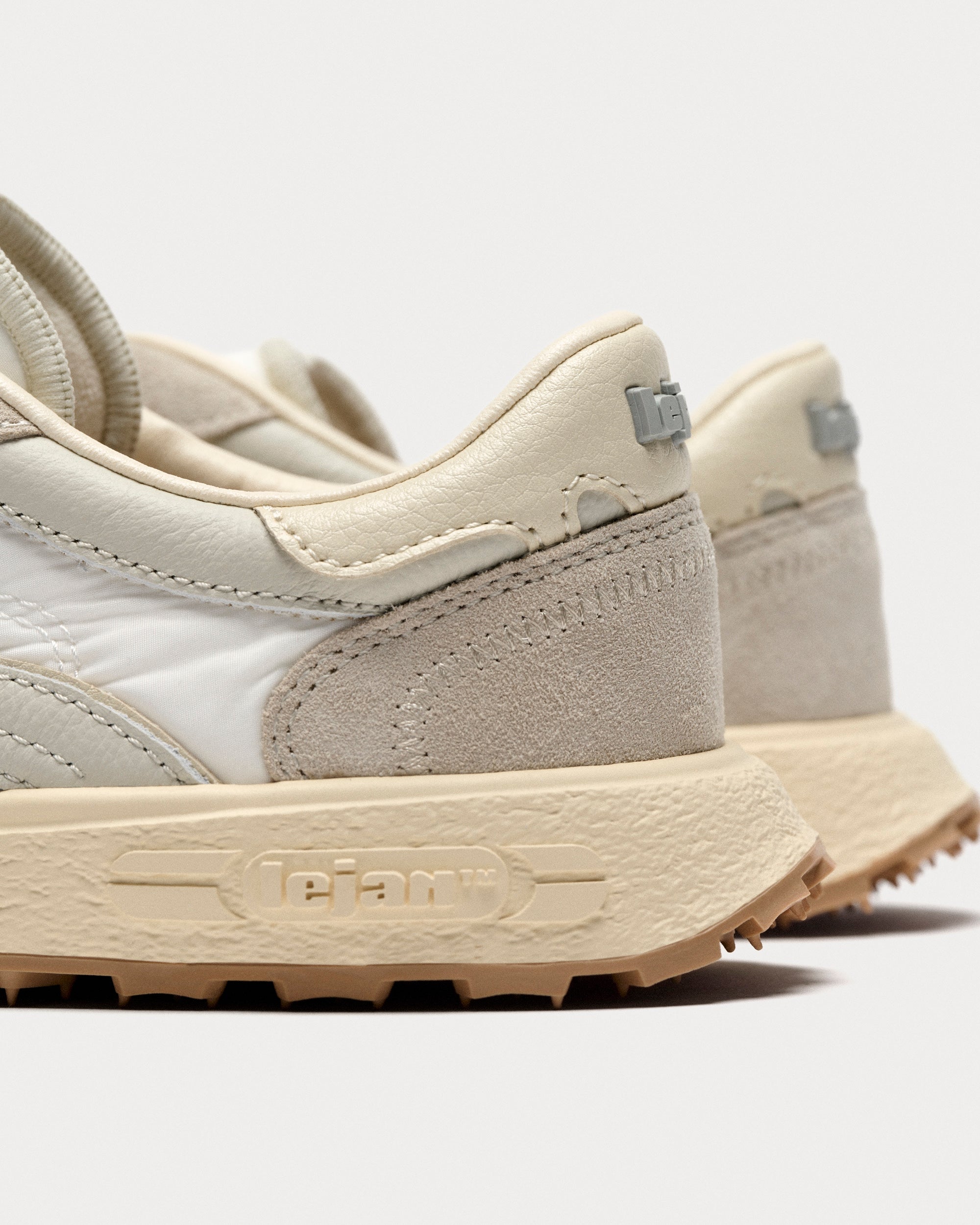
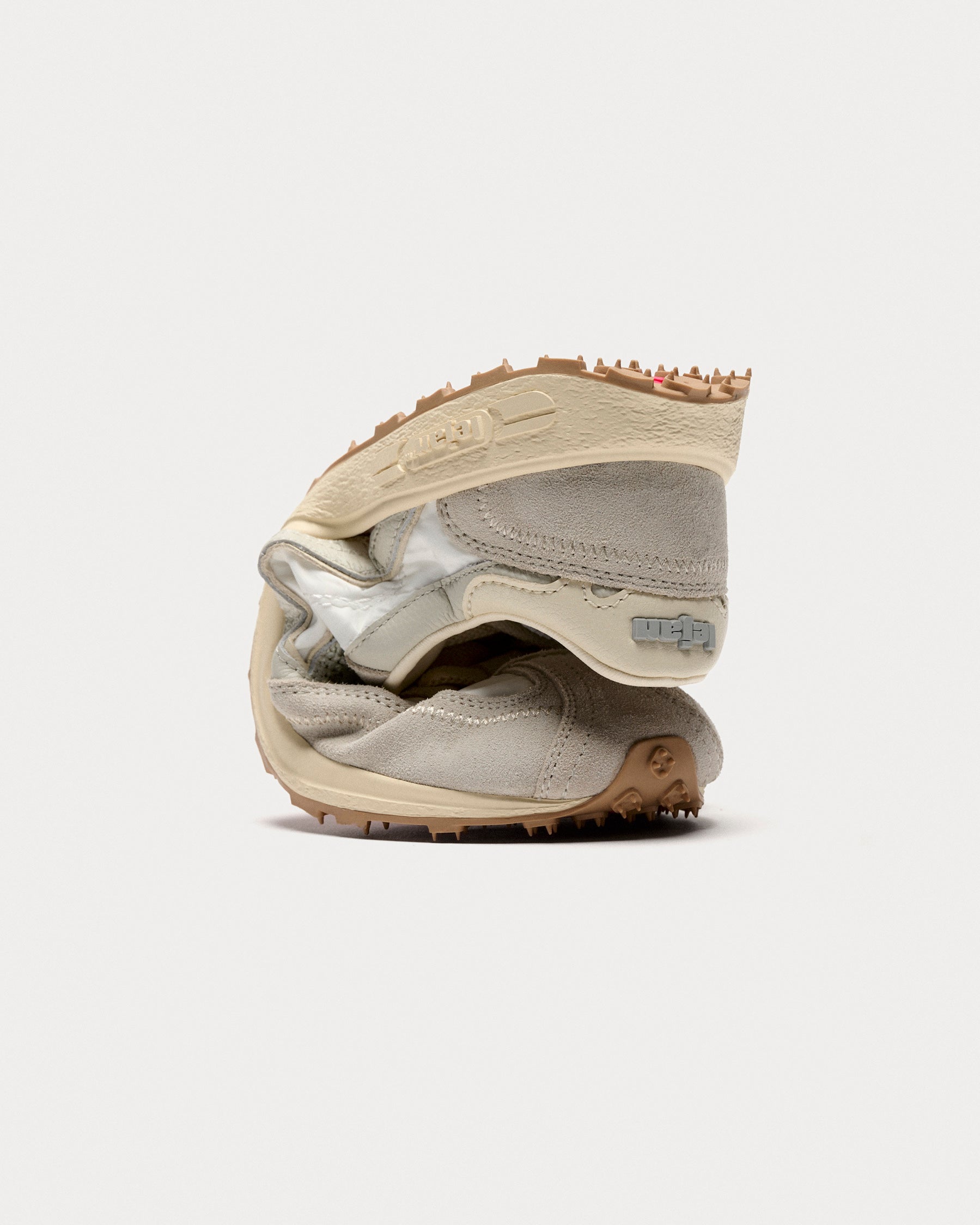
Thin, flexible sole for improved proprioception
A thin, flexible sole provides better ground feel and allows the foot to play a more active role in each step. This not only affects movement but also the quality of the feedback the foot receives.
Zero drop and ankle mobility (how it affects gait)
A shoe with a 0-drop design keeps the heel and forefoot at the same height. This helps ensure that body posture and gait mechanics are less influenced by an artificial elevation of the heel.
In addition, it helps the ankle and foot move more naturally, which also affects how weight is distributed on the forefoot and how the toes are engaged during walking.
Frequently Asked Questions About Toe Mobility
When you start paying attention to this area, it’s normal to have questions. Especially since we often go years without thinking about how our feet actually move.
How long does it take to regain mobility in the toes?
There is no exact timeframe. It depends on the starting point, the degree of stiffness, and how long the foot has been moving below its full capacity. In mild cases, changes may become noticeable relatively quickly. In other cases, the process requires more consistency and patience.
The important thing isn't to look for quick results, but to give your feet the workout they haven't had in a while.
Does walking barefoot help, or can it put too much strain on your feet?
It can be very helpful, because it restores sensation, mobility, and function to the foot. But it can also be too much if done too quickly or for longer than the foot can handle at that time.
As with almost everything, the key is gradual progression. It’s not about going from zero to a hundred overnight, but about giving the foot real opportunities to work without overtaxing it.
When to see a podiatrist or physical therapist
If you experience persistent pain, noticeable deformity, significant stiffness, or a clear limitation in walking, it is best to consult a healthcare professional. You should also seek medical advice if you feel that your foot is not improving, if you are compensating more and more, or if the discomfort is getting worse.
Sometimes the problem isn't just a lack of mobility, but also an issue with load distribution, strength, or structure. And in those cases, an individualized assessment can make a big difference.
Put what you've learned to the test
Answer the questions to see how much you know about this topic.
1. What is the best indicator of good toe mobility?
2. Which of these situations can cause the toes to lose mobility over time?
3. If your toes aren't working properly when you walk, what could happen?
4. What is the best way to maintain finger mobility in your daily life?

Share