




What is infant motor development, and how does it progress step by step?
The development of walking is a neuromotor process: the baby gradually integrates postural control, strength, balance, and coordination until they can move around on their own. It doesn’t happen “all at once,” but rather in stages, and there is a wide range of what is considered normal.
From head control to crawling: necessary prerequisites
Before walking, a baby develops key “building blocks”:
- Head and trunk control (stability for looking, turning, and maintaining balance).
- Changes in position (rolling over, sitting up, getting on all fours).
- Moving around on the floor (crawling or other ways). Crawling isn't necessary for walking, but it usually helps with coordination and weight-bearing.
-
Standing with support (learns to keep their center of gravity over their feet and to react when they lose their balance).
From initial support to taking steps on one's own
It is common to see a progression:
- He stands up with support.
- He moves around by holding onto things ( furniture/hands).
- It comes out in brief bursts.
- Short, unsteady steps appear.
- It becomes more stable over the course of weeks or months.
The order may vary and is not always linear.
Stages of a baby's walking development
Support phase with assistance (furniture, hands)
- Lateral movement and grip changes.
- Knees slightly bent and feet spread wide: that's his strategy for staying steady.
-
A lot of trial and error: sit down, stand up, repeat.

Wobbly first steps
- Short, quick steps, with frequent loss of balance.
-
You can switch between walking and crawling depending on how tired you are or the surroundings.
Long stride with arms in the “high guard” position
Very common at the beginning: arms raised to improve balance and core control. The gait is usually wide with short steps.

A smoother, more coordinated ride
With practice, your running becomes more efficient:
- They give up.
- Turning and braking are being fine-tuned.
- Fewer falls.
-
There's some running and jumping ahead.
What Is Considered Normal in a Baby's Walking Development (Even If It's Worrisome)
Just because something is normal doesn't mean it's normal in every case, so whenever there's any doubt or we suspect something might be excessive, it's best to consult a professional.
Walking on tiptoes from time to time
In the early stages of learning to walk, it may occur intermittently (due to excitement, a fast pace, or new surfaces). This is known as toe walking; it can vary frequently at first, but if it persists beyond a certain age, it should be evaluated (see “warning signs”).

Bowlegs or in-toeing in the early stages
- In-toeing is common in childhood and, in most cases, resolves on its own as the child grows without requiring special treatment.
- In general, if there is no pain, no persistent limping, and the child is making progress, it is usually considered a developmental variation.
Frequent falls are a normal part of learning
Falling is part ofthe “training”of the balance system: the baby learns to adjust their ankles, knees, and hips and reacts better over time. In a safe environment, these falls are usually to be expected at first.
Warning signs: when to consult a professional
These signs do not necessarily indicate a serious problem, but they may warrant an evaluation by a healthcare professional:
Noticeable asymmetry when walking
- One side moves differently (stride, rotation, foot placement).
-
Recurrent limping or a persistent asymmetrical pattern.
Constant rejection of one-foot support
- Avoid consistently carrying weight on one side.
- Pain or discomfort when standing up or walking.
-
A striking regression (they used to support it but have stopped doing so).
Significant delay compared to typical milestones
Every baby develops at their own pace, but it’s often a cause for concern when there’s no clear progress as the weeks go by. If your child is approaching 18 months and still isn’t walking without support and, and you also see little progress in earlier milestones (standing steadily, moving while holding on, shifting weight from one foot to the other), it’s best to consult a healthcare provider to assess whether everything is within the expected range or if your child needs a little help or follow-up.
Persistent tiptoeing after age 2–3
Walking on tiptoes may occur in the early stages or at specific times ( due to excitement, play, or rushing). What you should watch for is whether it becomes a habitual pattern. If, after age 2–3, the child continues to walk on tiptoes most of the time without properly placing their heel on the ground, it’s a good idea to have them evaluated to check their mobility, strength, and gait pattern and rule out any underlying causes.
How the environment influences the development of walking
The Importance of Floor Time and Crawling
More time on the ground usually means more opportunities to:
- Strengthen your core and pelvic floor.
- Practice changing positions.
-
Explore various sources of support.
Avoid forcing the patient to stand or using walkers
Baby walkers do not “teach children to walk” any sooner and are associated with a significant risk of injury; furthermore, they may not provide any motor benefits and may even delay certain developmental milestones in some cases. For this reason, pediatric organizations advise against their use.
Freedom of movement and safe surfaces
- Clothing that doesn't restrict movement at the hips and knees.
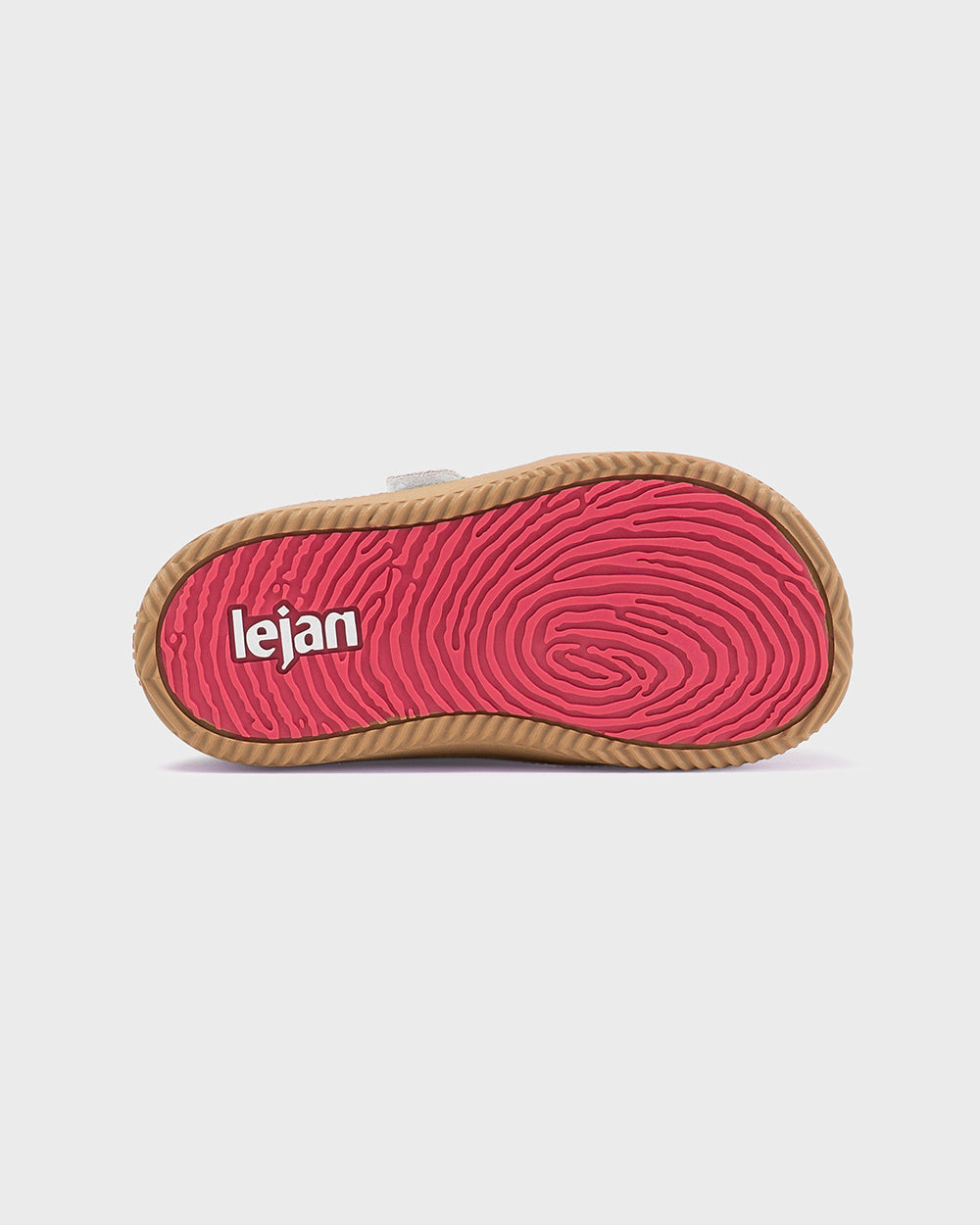
- Surfaces with good traction.
-
A space for “safe” falls (free of hazardous objects).
Footwear and a baby's walking development
Why walking barefoot improves proprioception
Proprioception is the internal sense that helps the body orient itself: it tells the nervous system how the body is positioned, moving, and supported in order to coordinate movement and maintain balance. When a baby walks barefoot, the sole of the foot picks up more information from the ground (pressure, texture, changes), and these sensory stimuli travel to the nervous system, fine-tuning small, natural adjustments with every step. That’s why, at home and on safe surfaces, walking barefoot often helps them explore their footing with greater control.

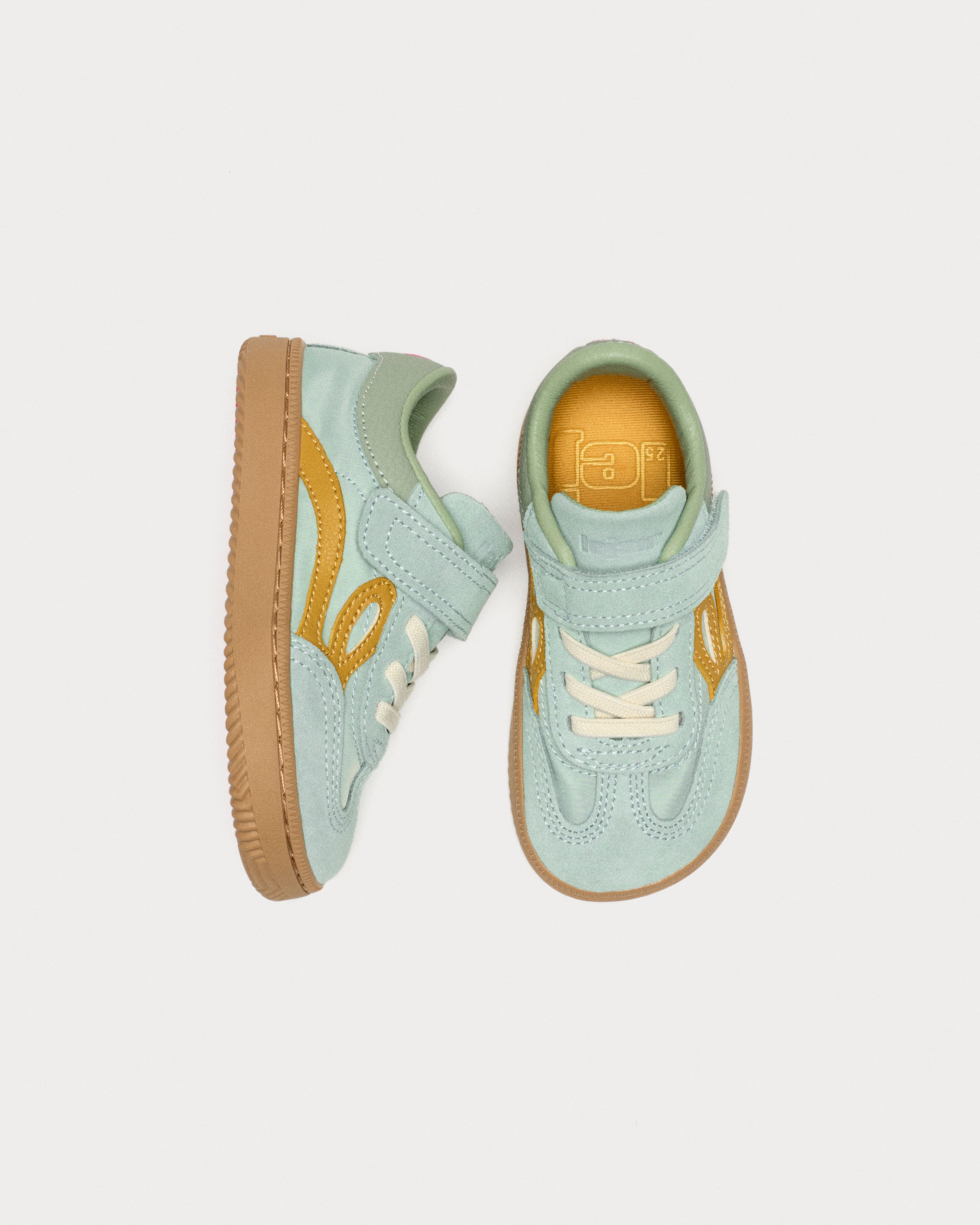
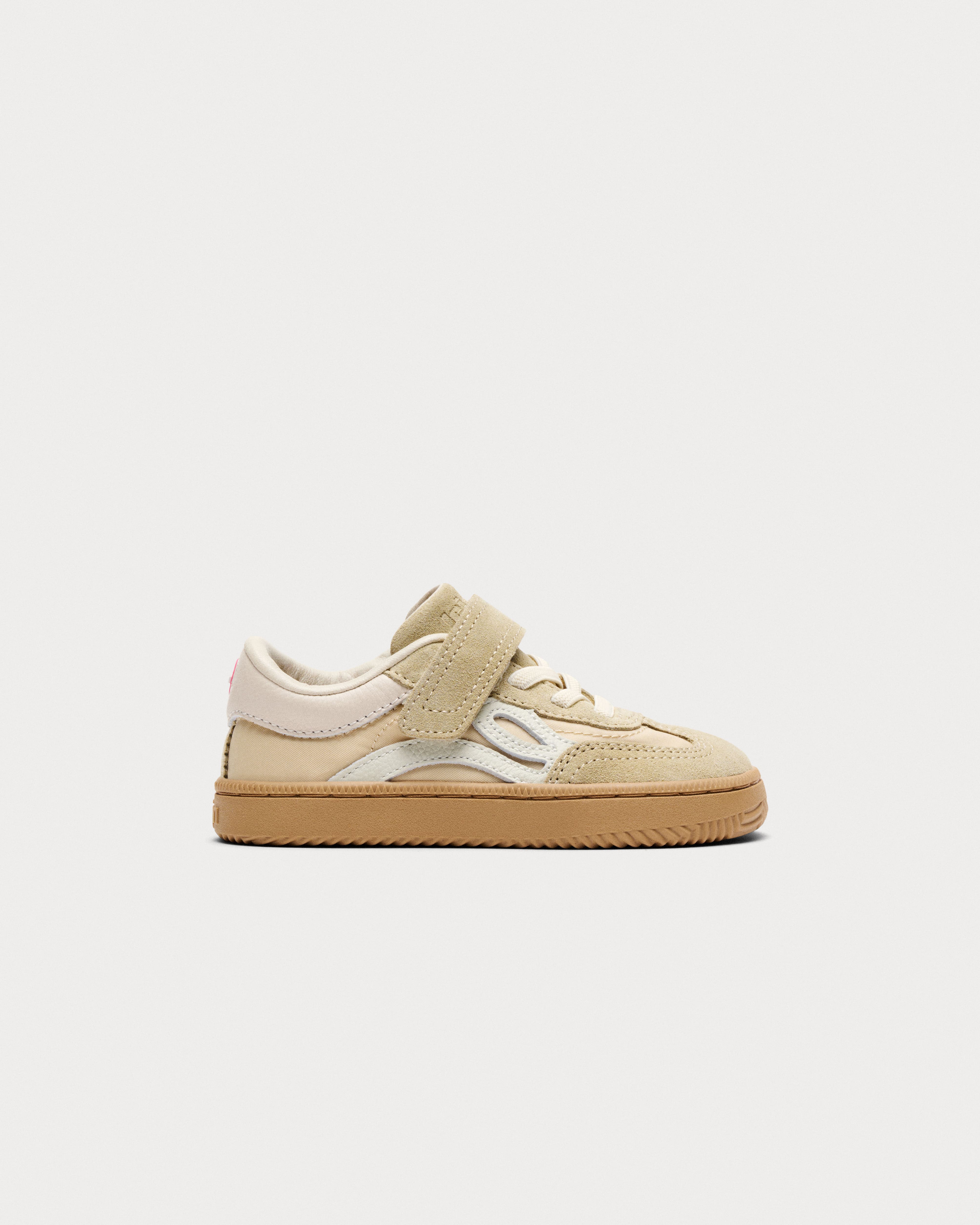
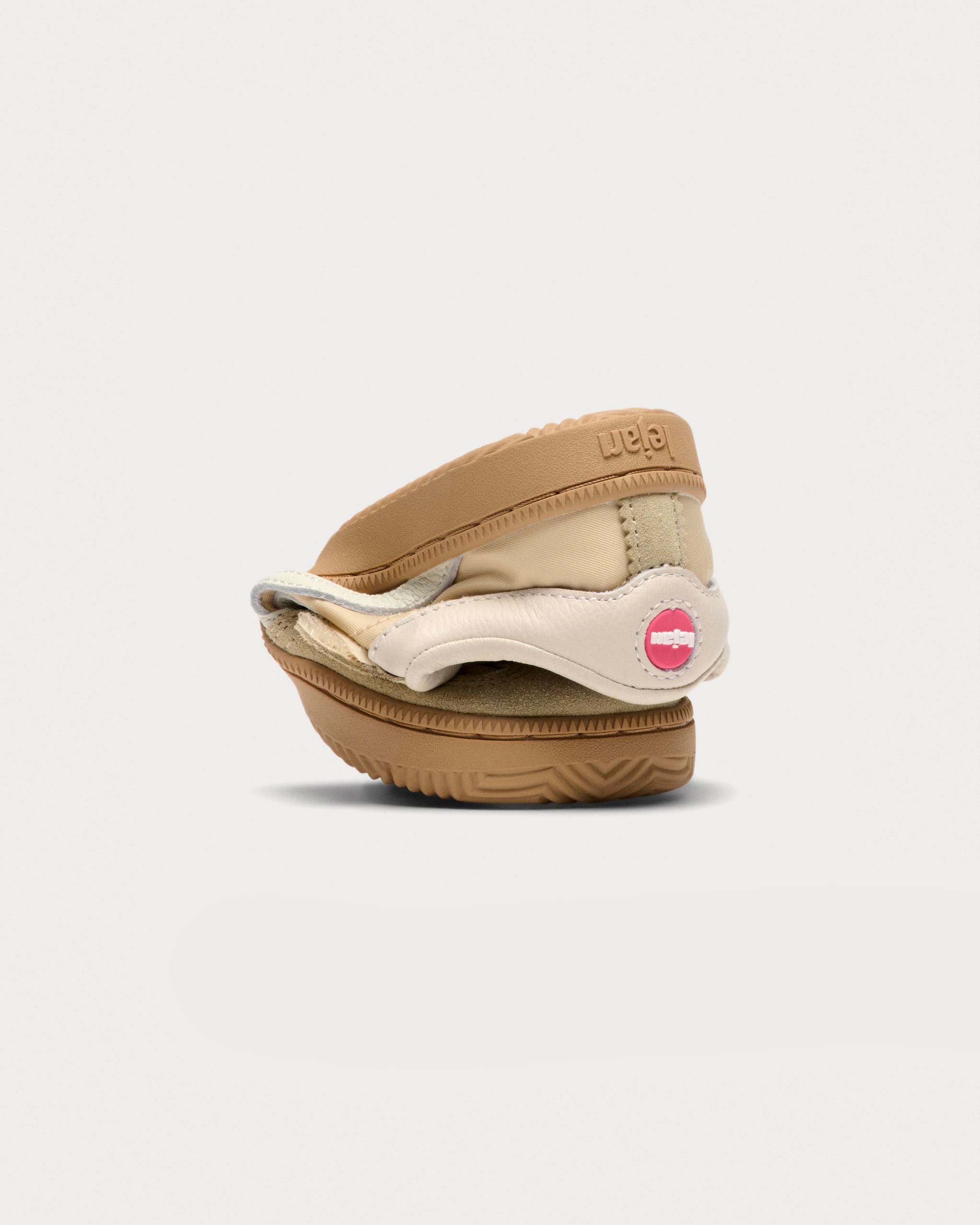
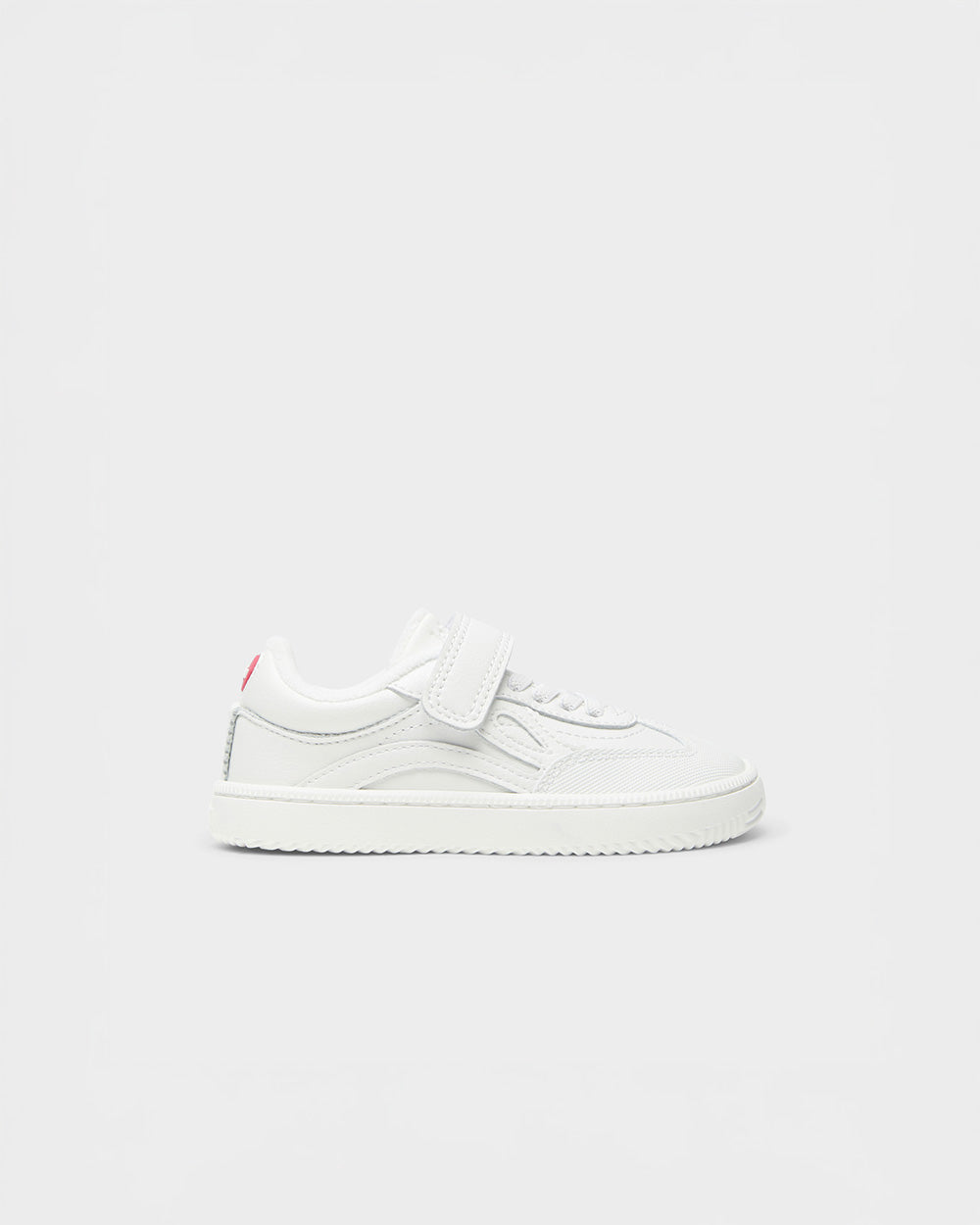
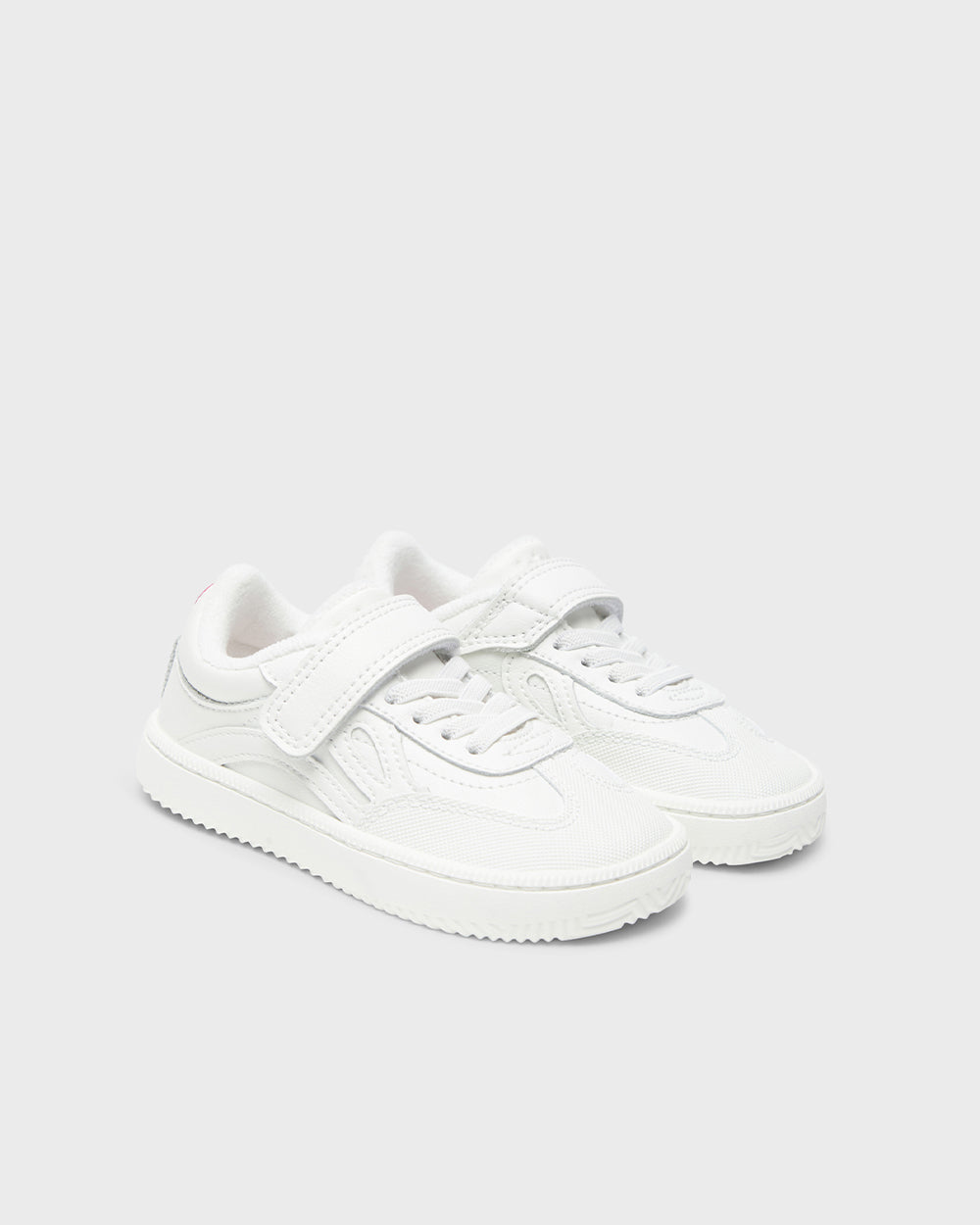
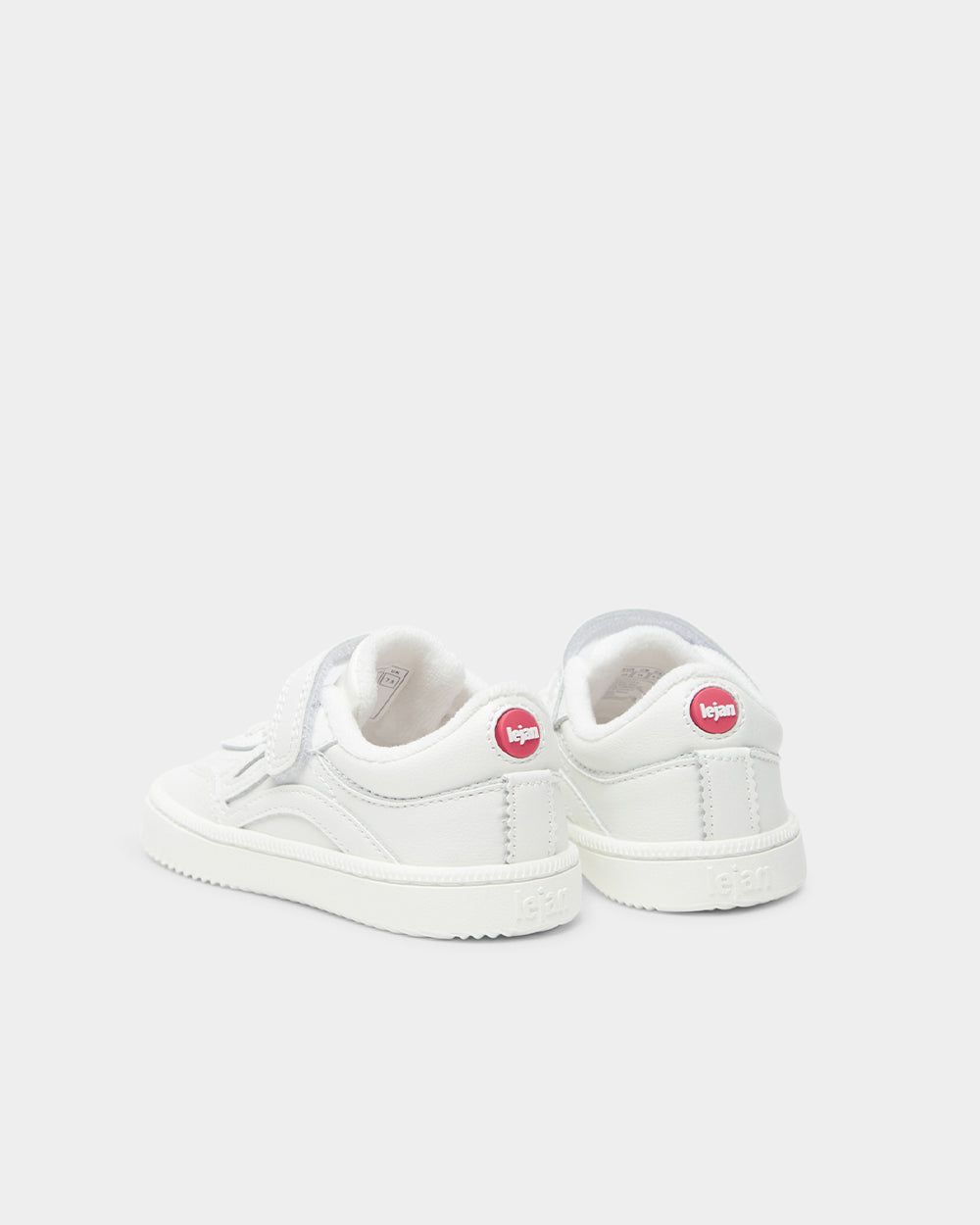
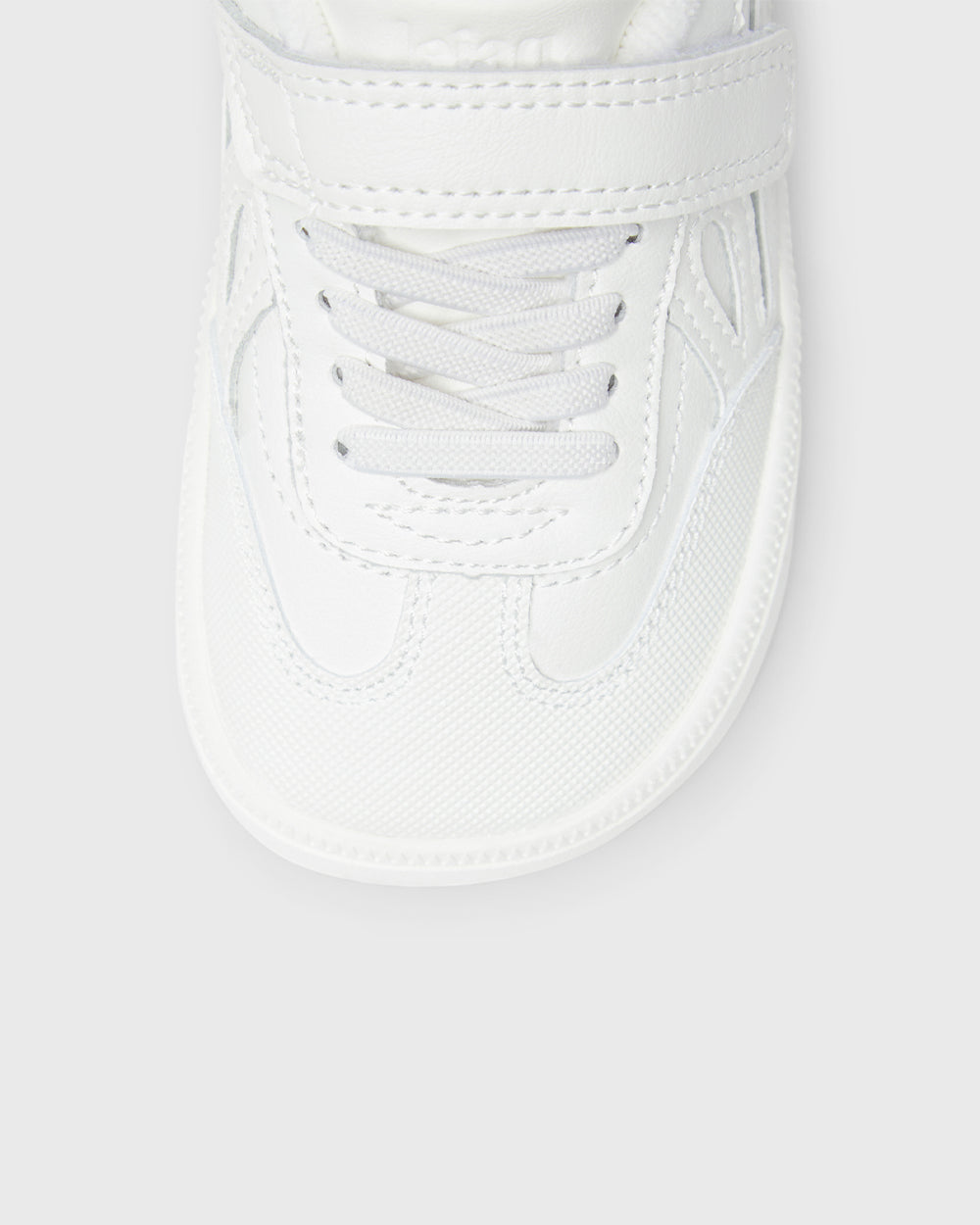
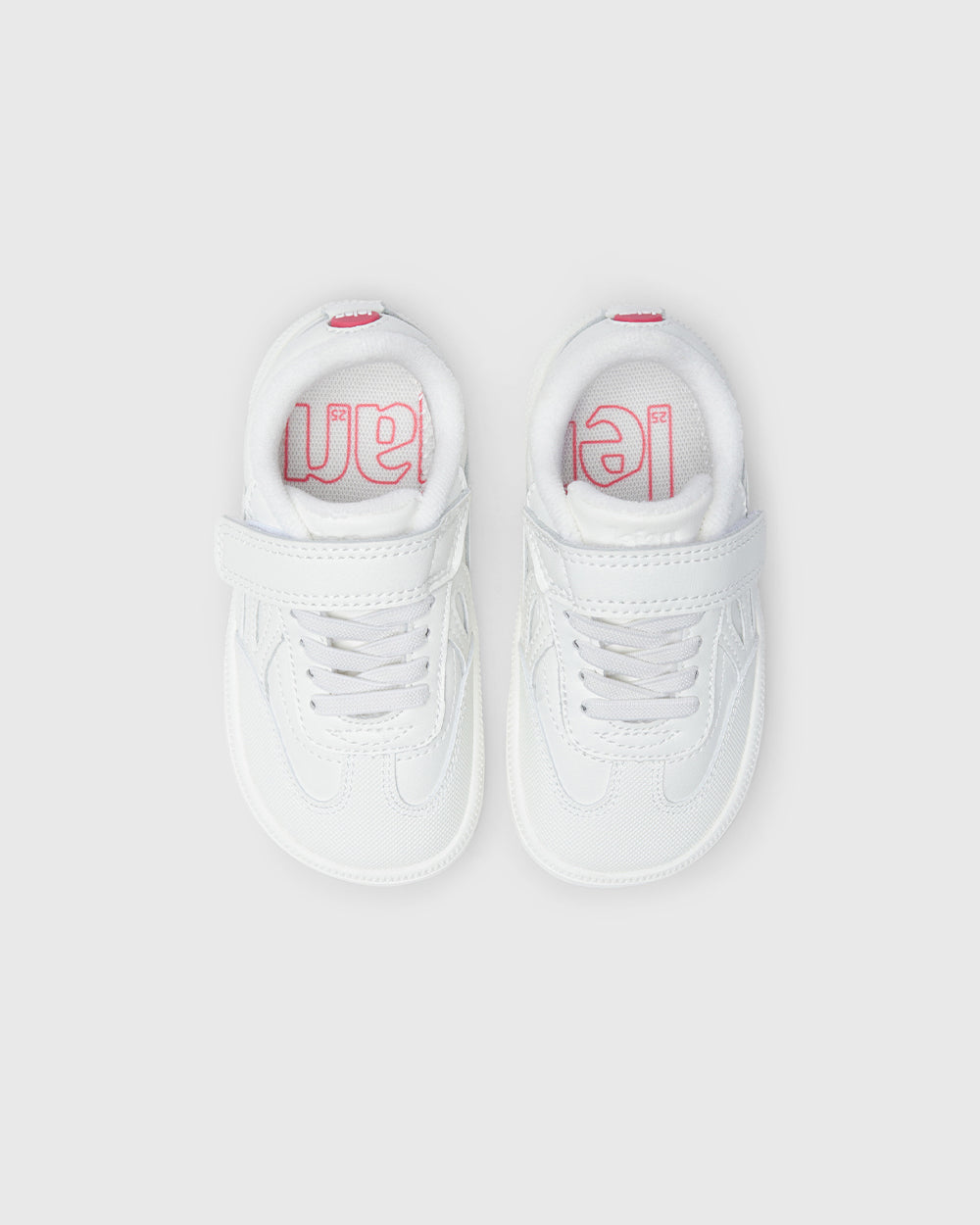
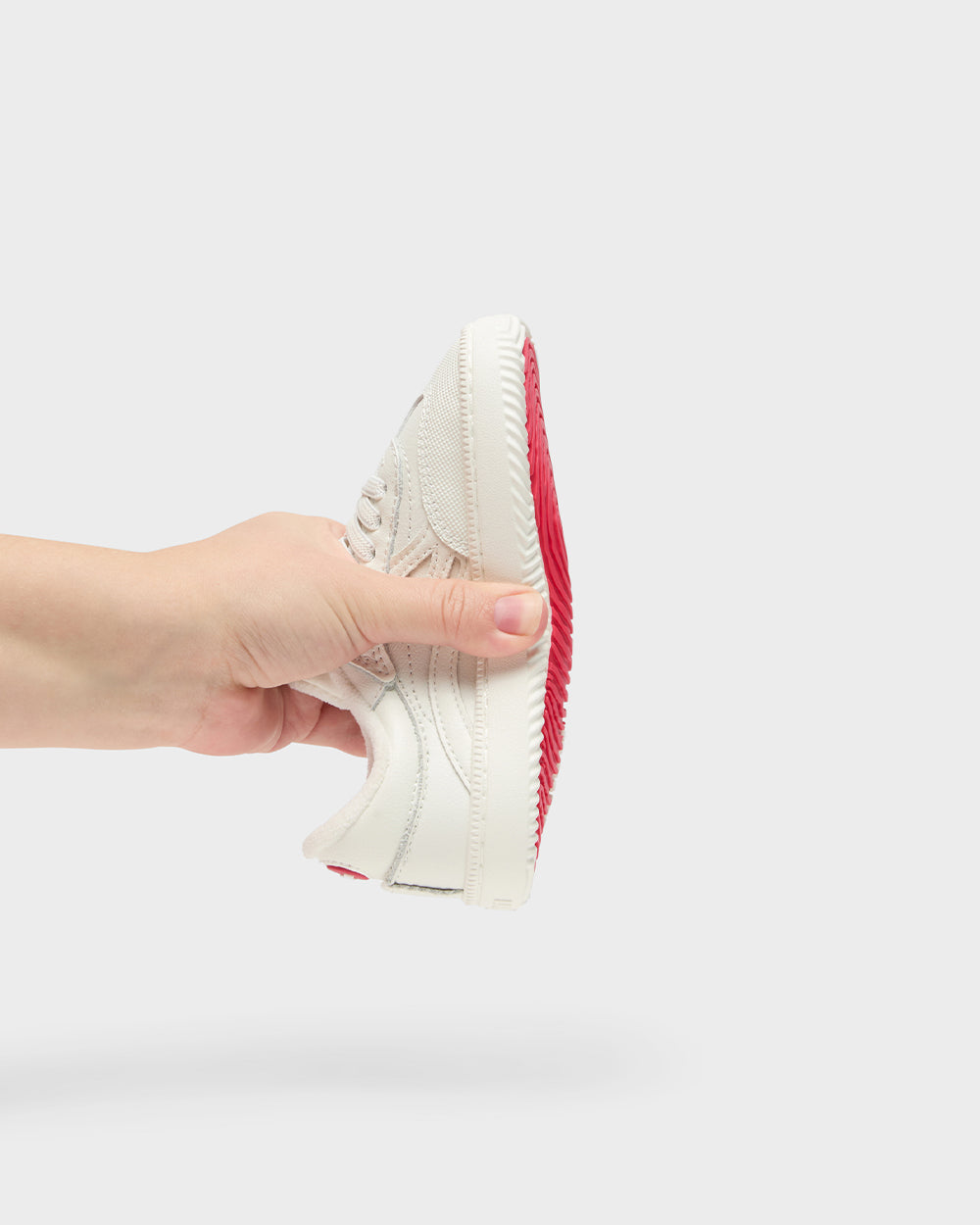
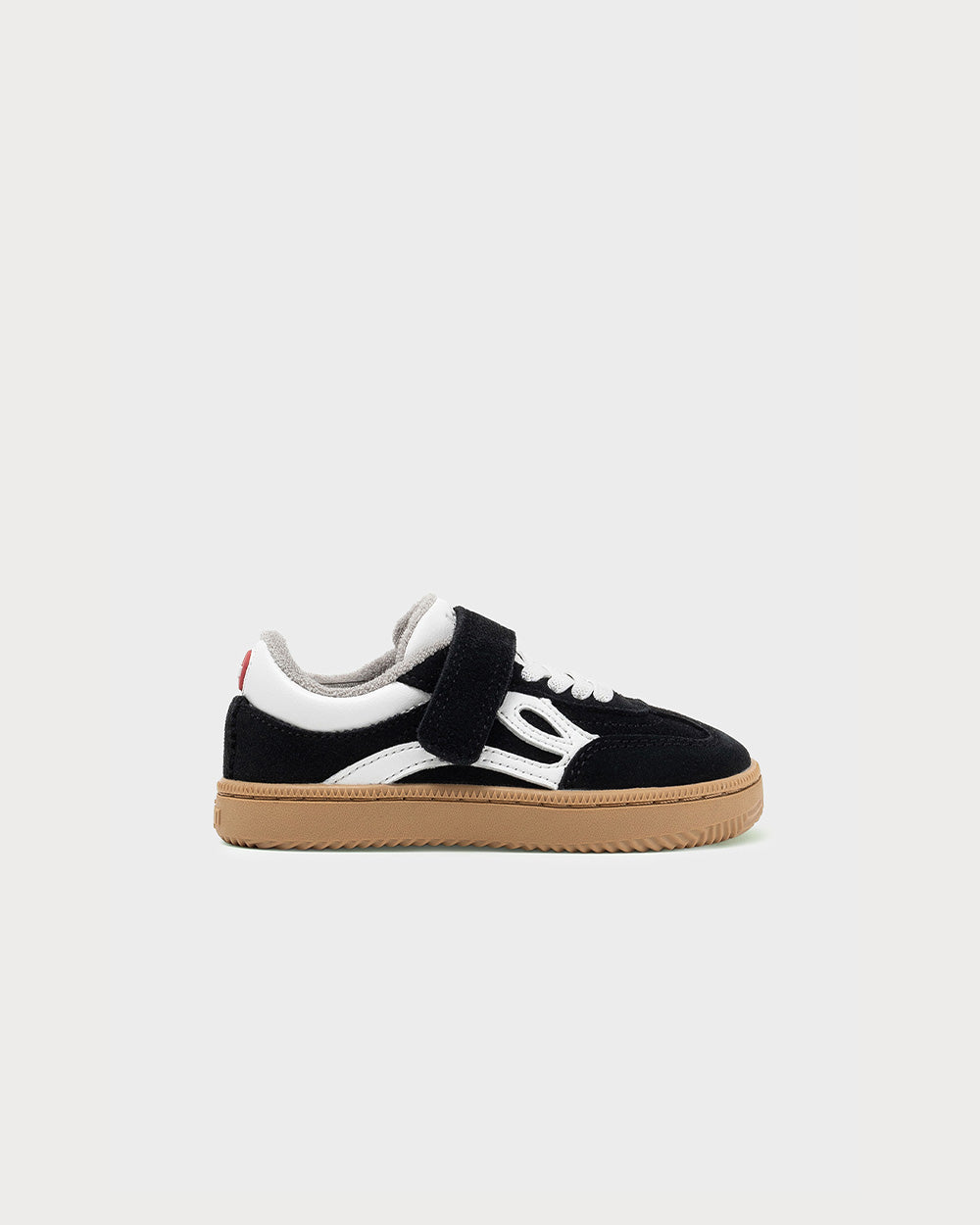
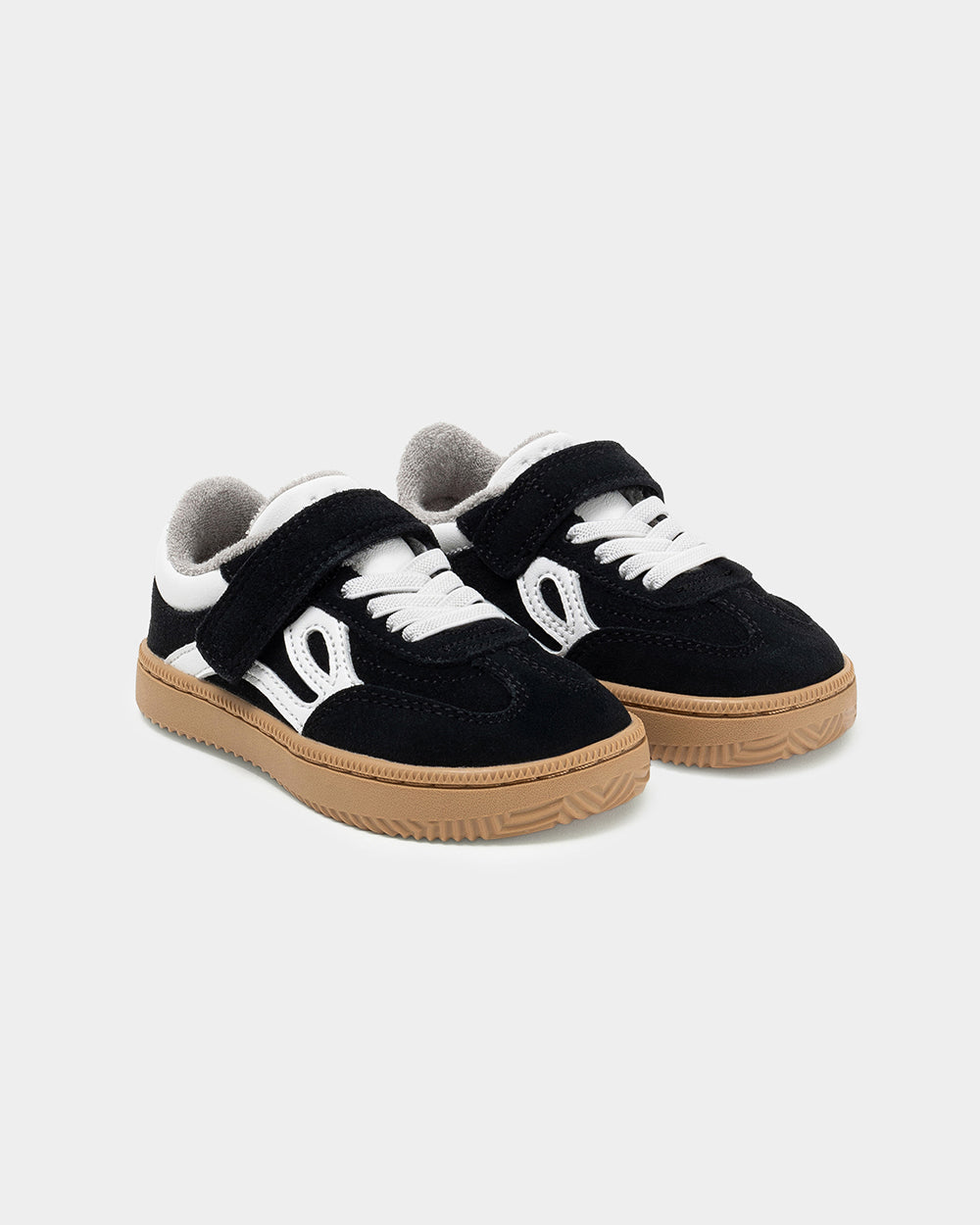
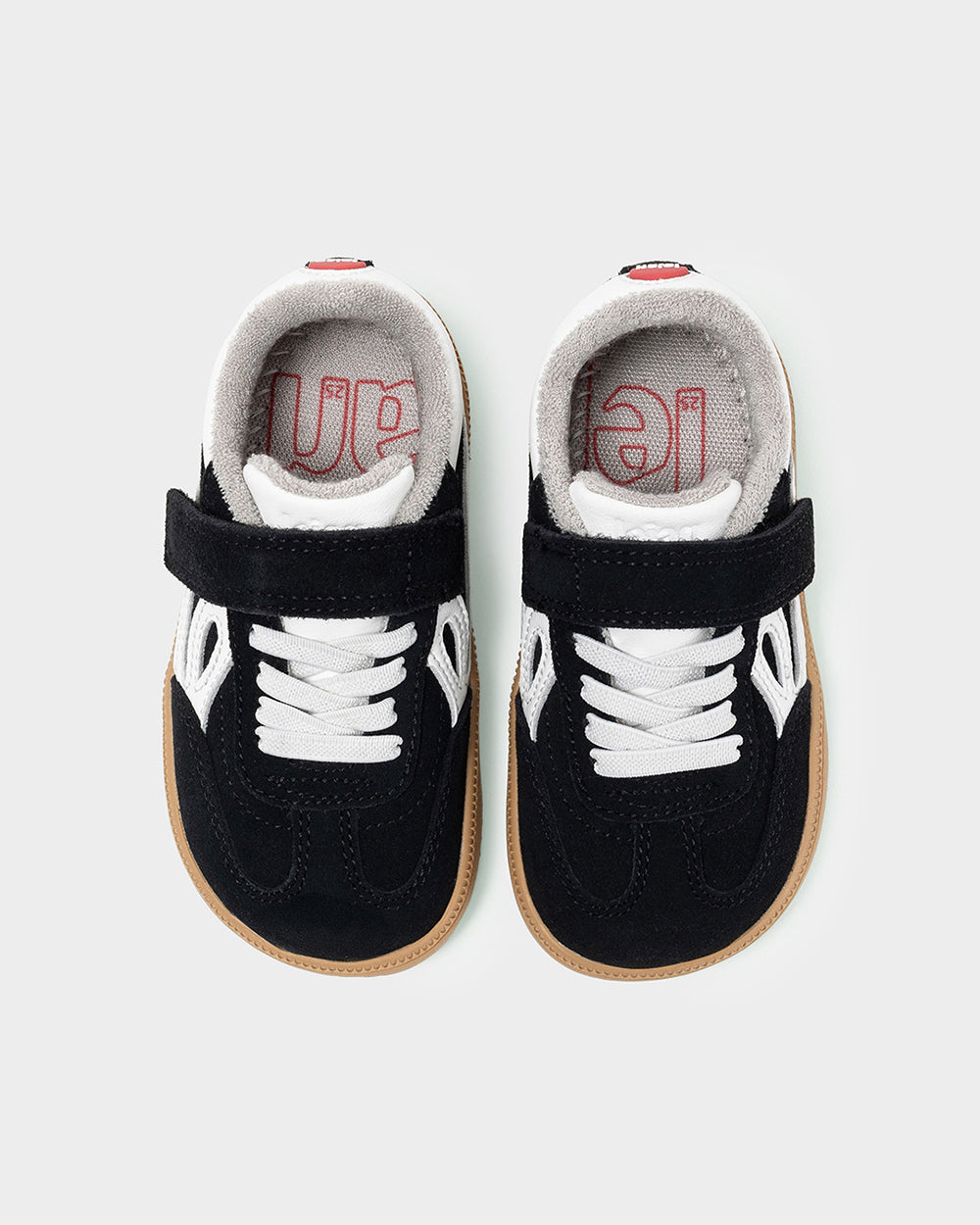
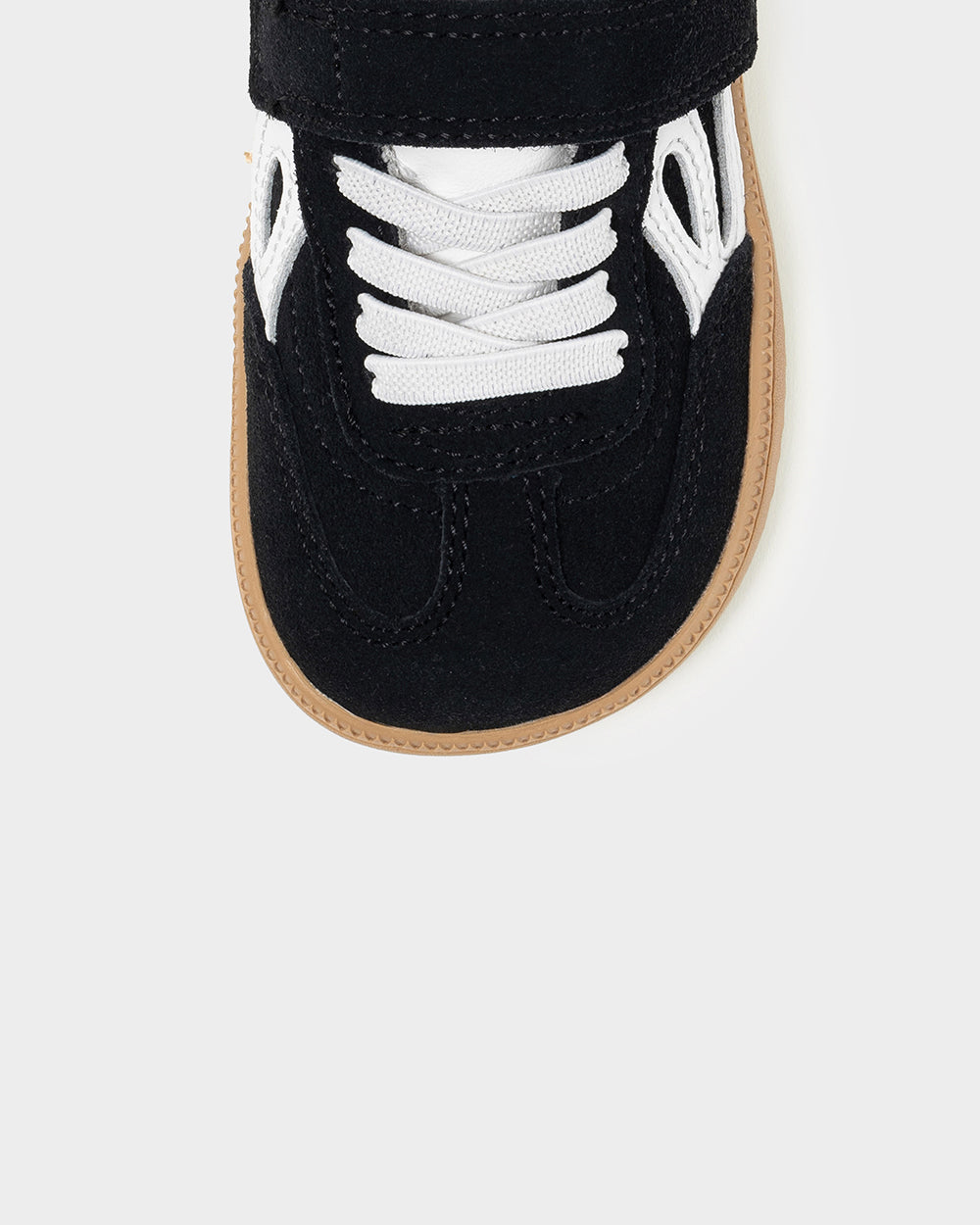
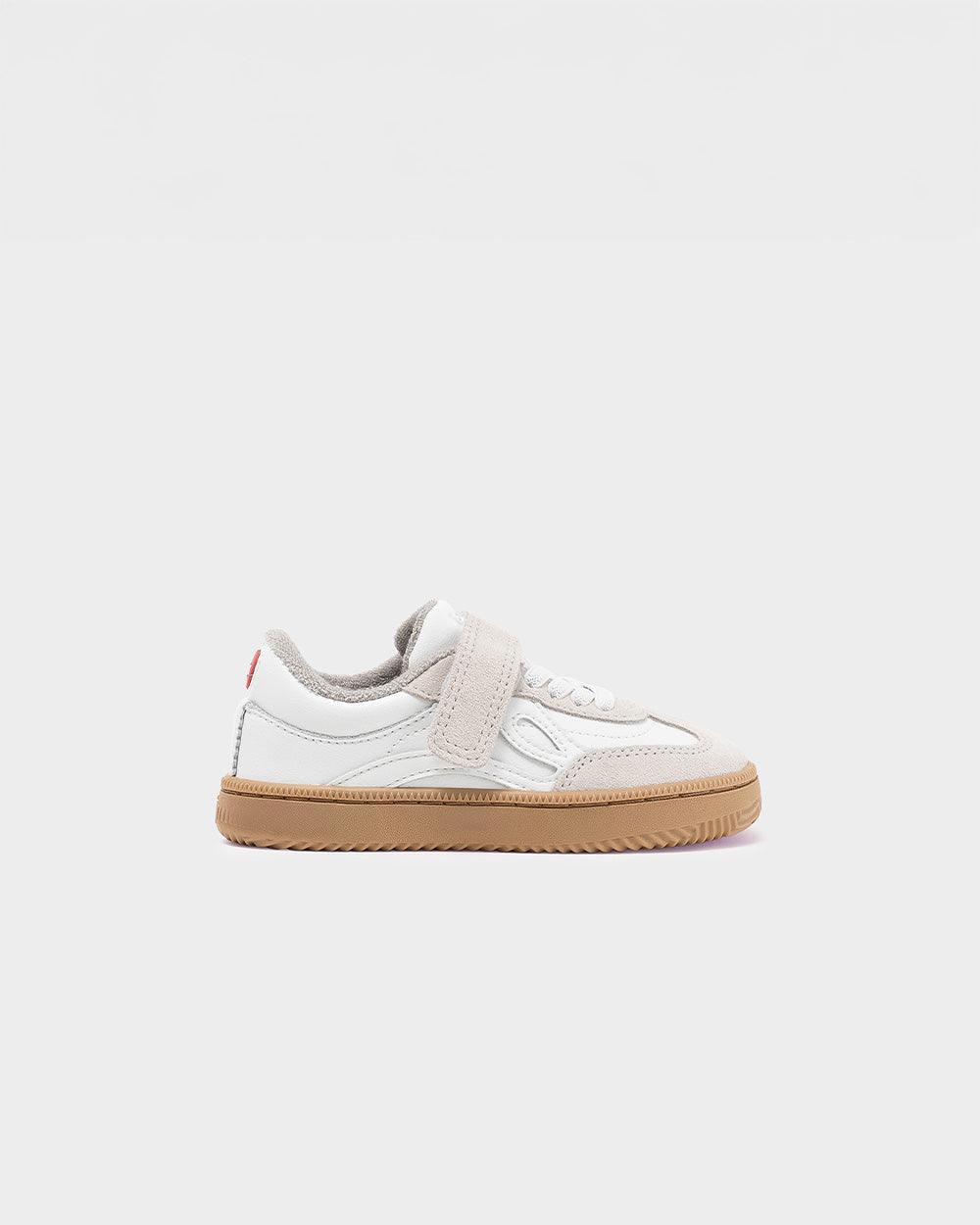
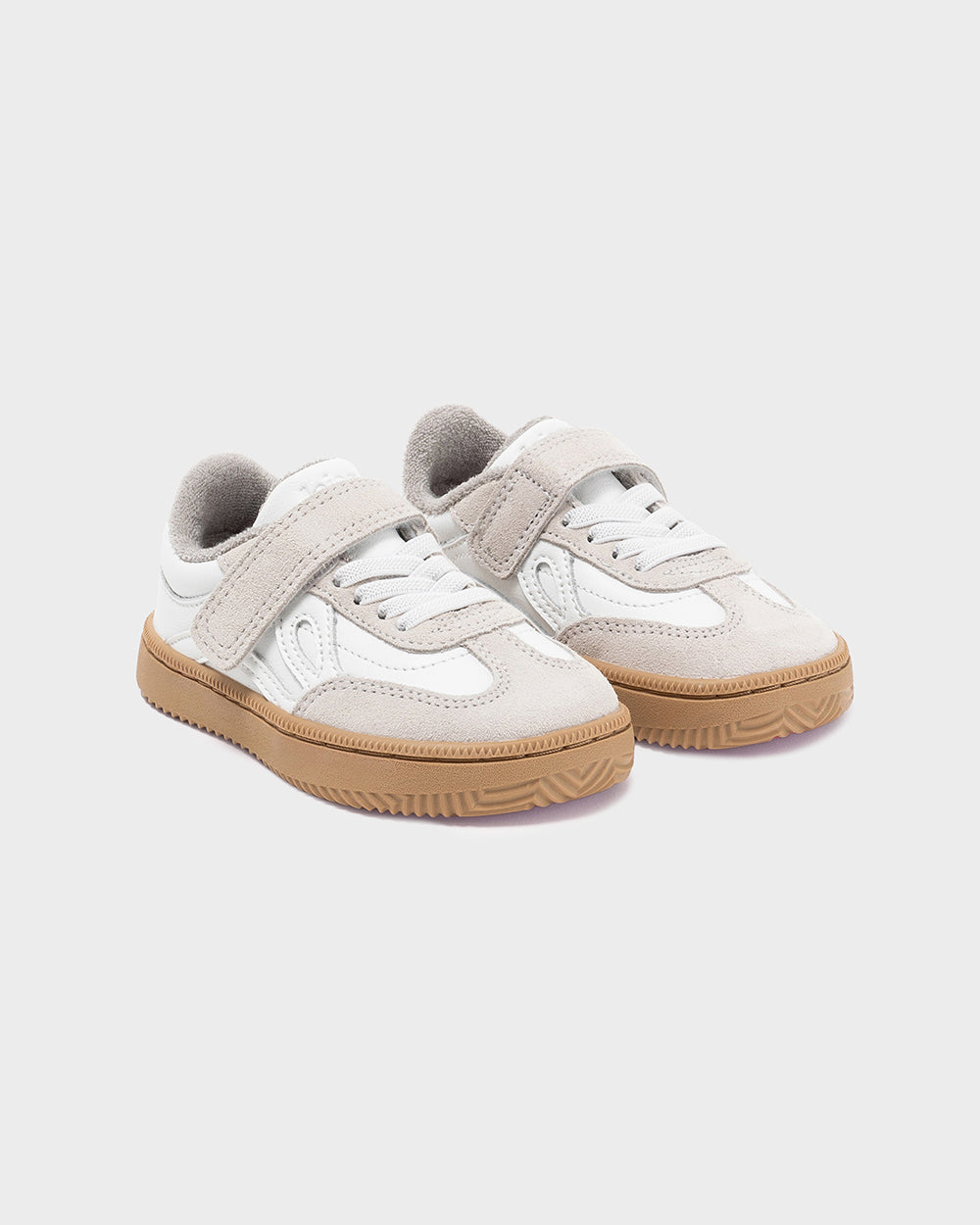
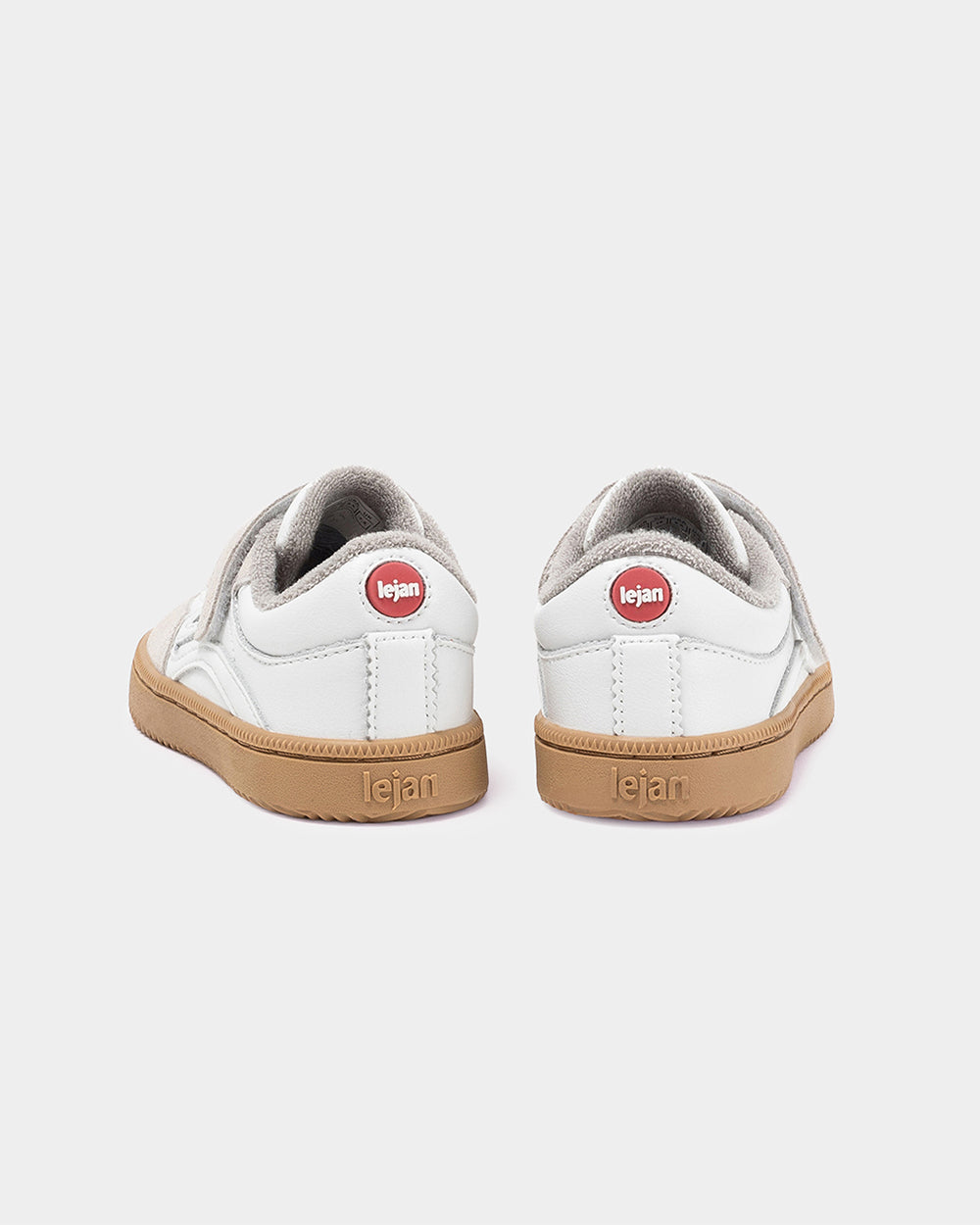
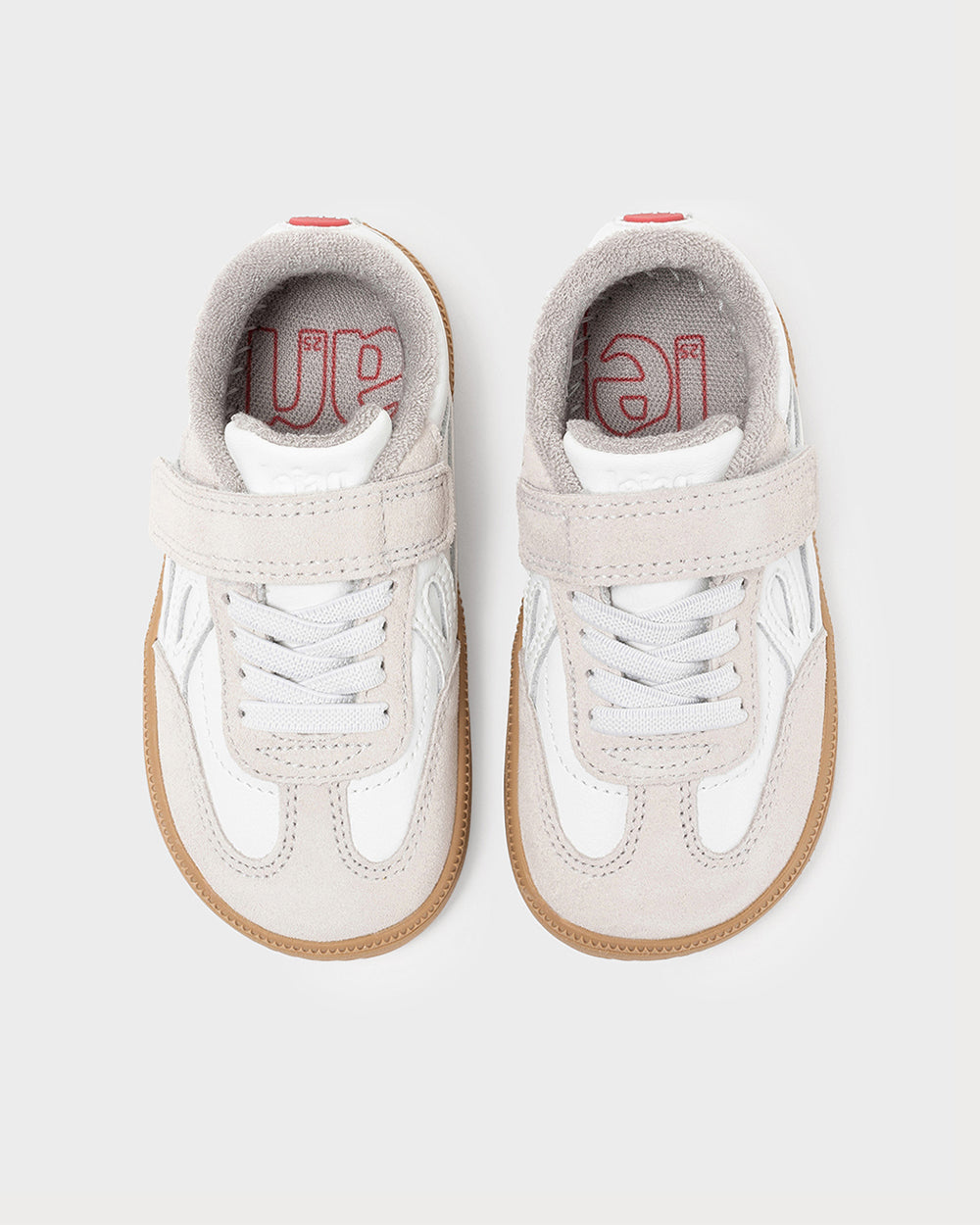
Features of baby-friendly shoes for first steps
When you need footwear (for outdoor use, cold weather, or protection), the key is not to restrict movement. Footwear should be:
- Lightweight.
- Flexible, especially in the forefoot (bends where the toes bend).
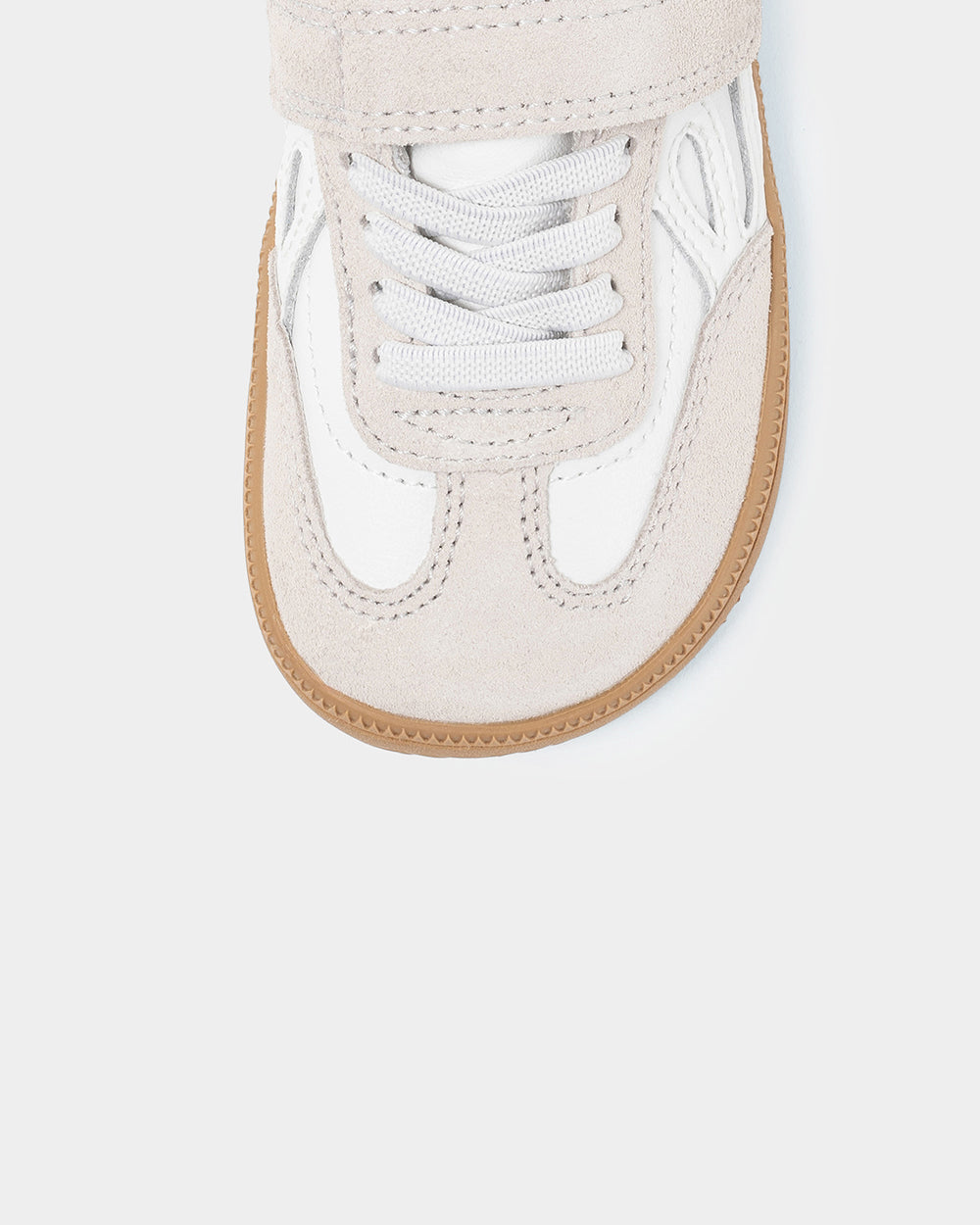
- Wide toe box (ample room for your toes).
- Without unnecessary stiffness that restricts the foot's natural movement.
-
Zero drop (same height at the heel as at the toe)
Common mistakes when choosing your first pair of shoes
- Avoid buying products labeled “rigid support” (they may restrict movement more than necessary).
-
Pointed toe.
Frequently Asked Questions About Baby's Walking Development
Is it normal that he isn't walking yet at one year old?
Yes. There is a wide range of variation. As a general guideline, many children may not be walking independently until 18 months of age; at 12 months, they may still be using assistive devices or crawling on the floor.
What happens if a child skips crawling?
This doesn't necessarily mean there's a problem. Some babies move around in other ways. Still, it usually helps to make sure they get plenty of time on the floor and engage in a variety of motor play activities.
How long does it take for the ride to settle down?
It usually improves significantly in the months following the start: at first, a wide base, arms raised, and falls; later, better coordination and efficiency.
Does the type of ground affect the way you walk?
Yes. Slippery or very soft surfaces can cause the baby to take shorter steps, raise their arms, or seek more stability. That's why safe, grippy surfaces are recommended for practice.
Put what you've learned to the test
Answer the questions to see how much you know about this topic.
1. What is a typical stage before a child starts walking on their own?
2. When first starting out, what is usually the most common?
3. Which of these situations should you consult a doctor about if it persists?
4. Regarding walking barefoot at home (on a safe surface), the best approach is:

Share