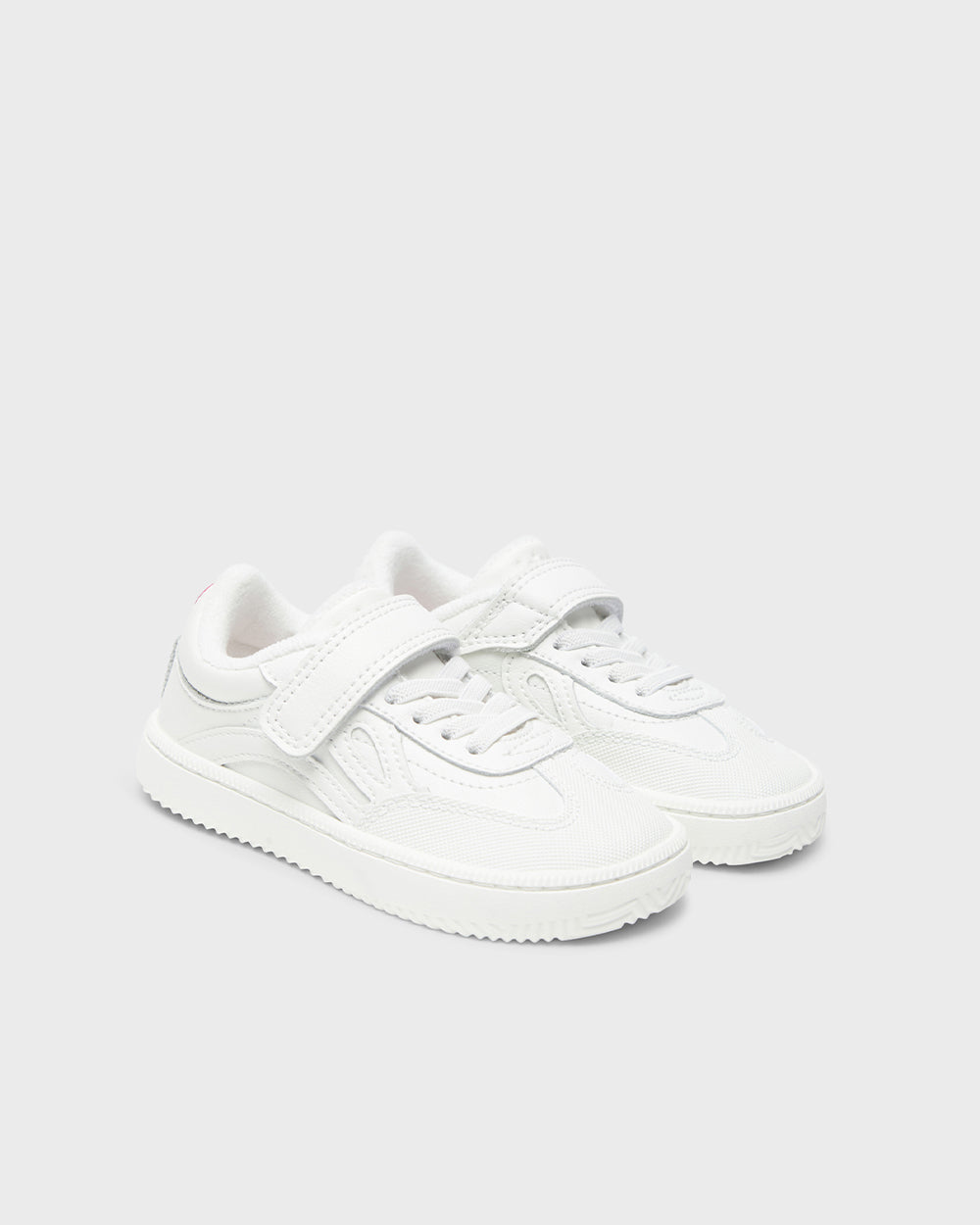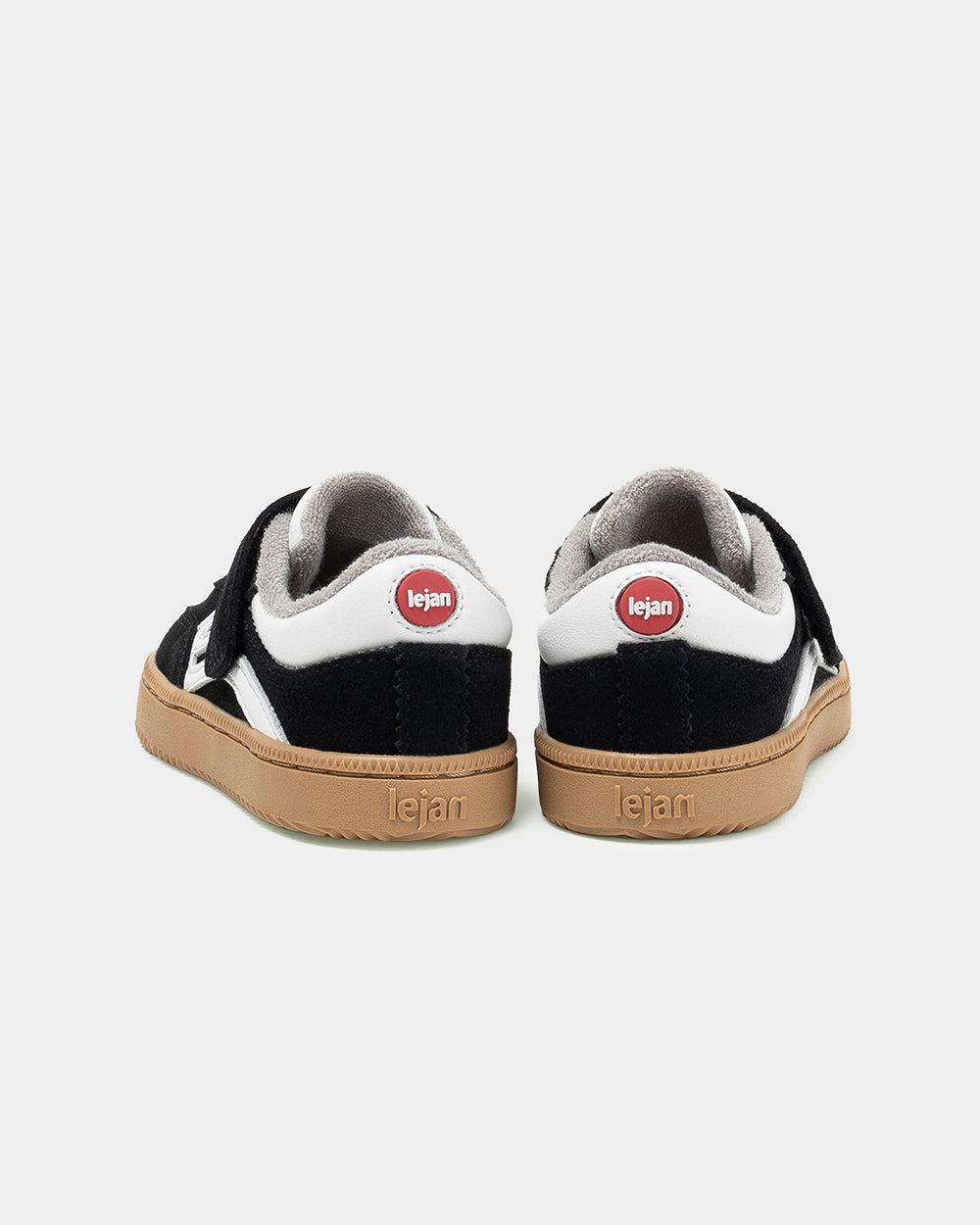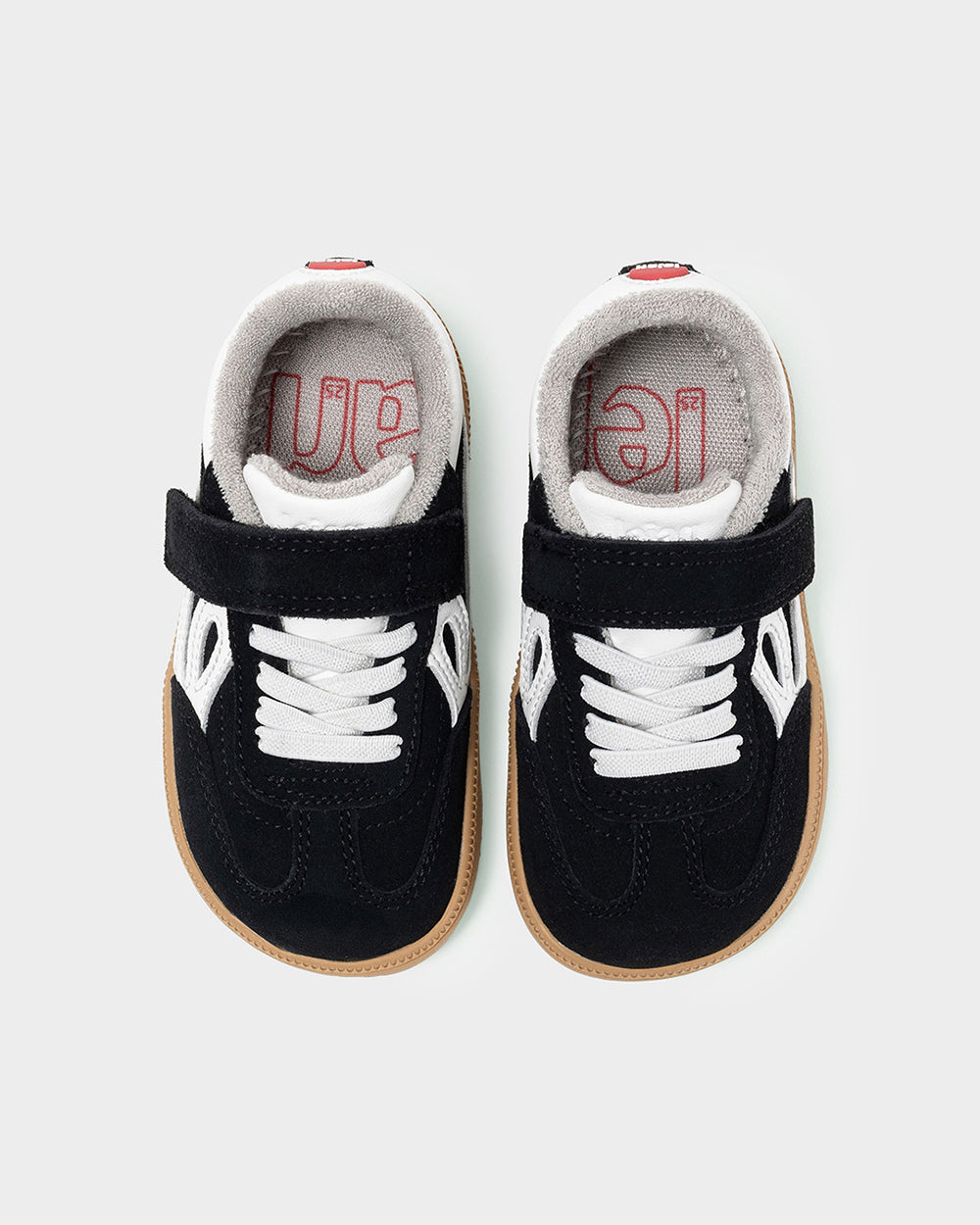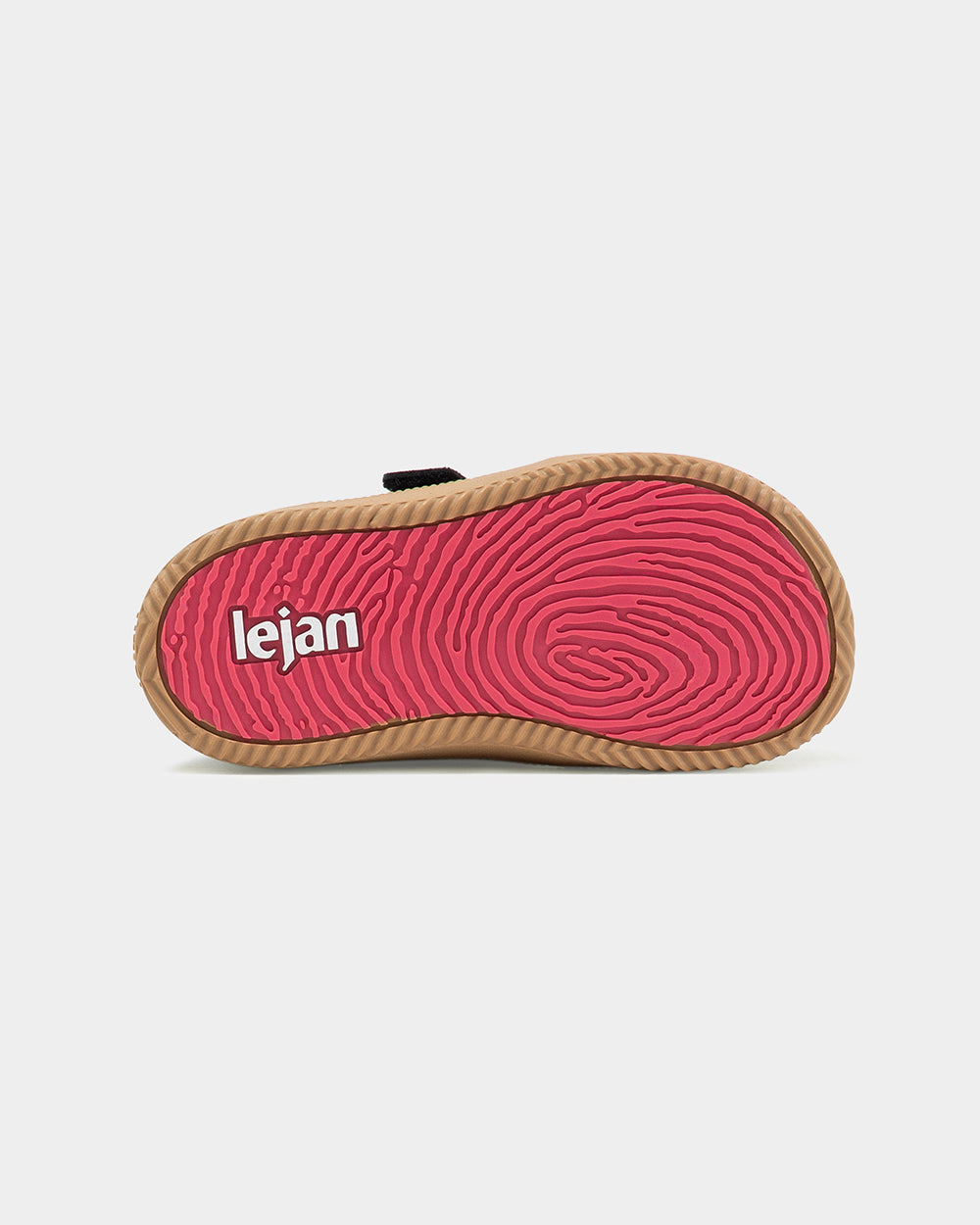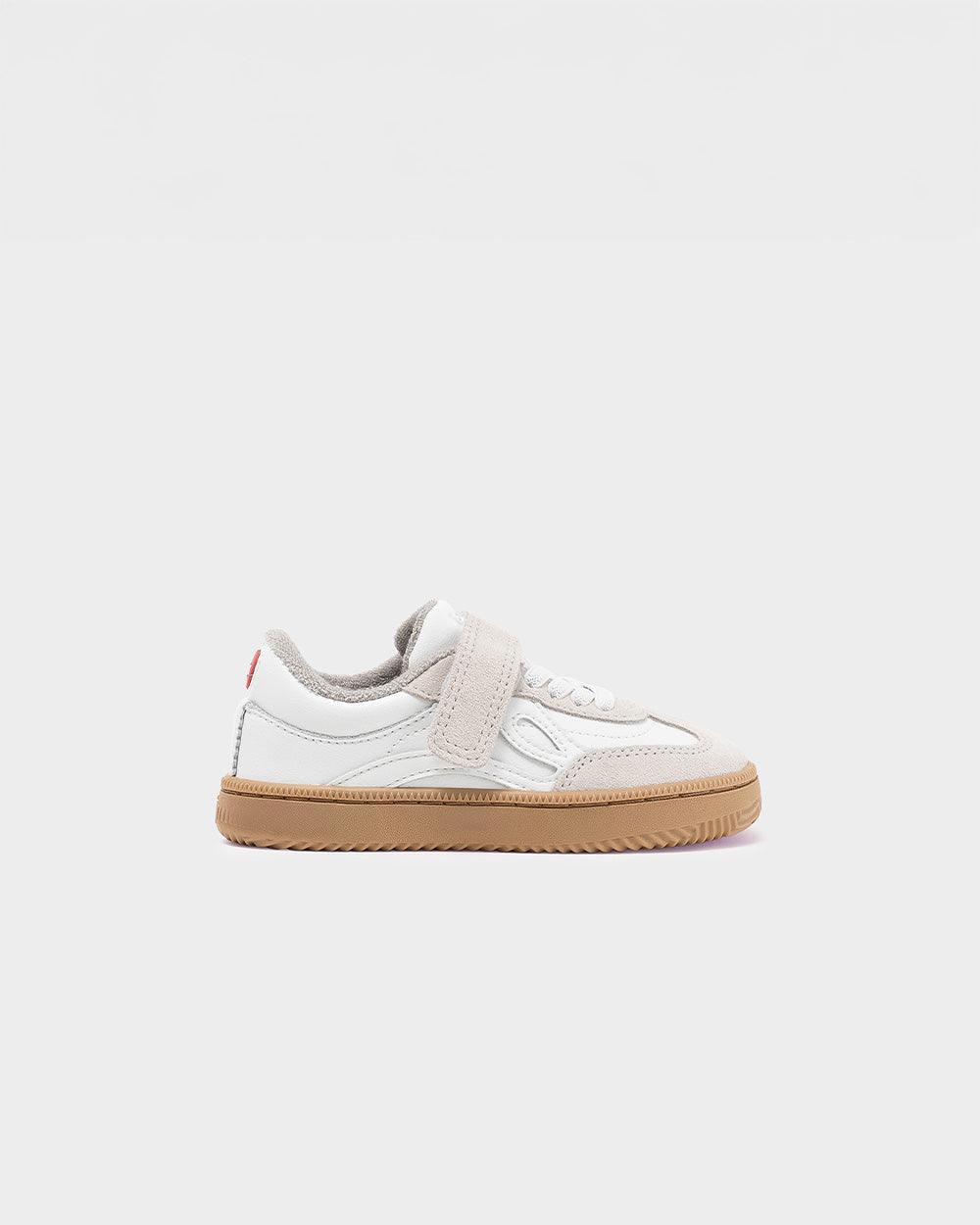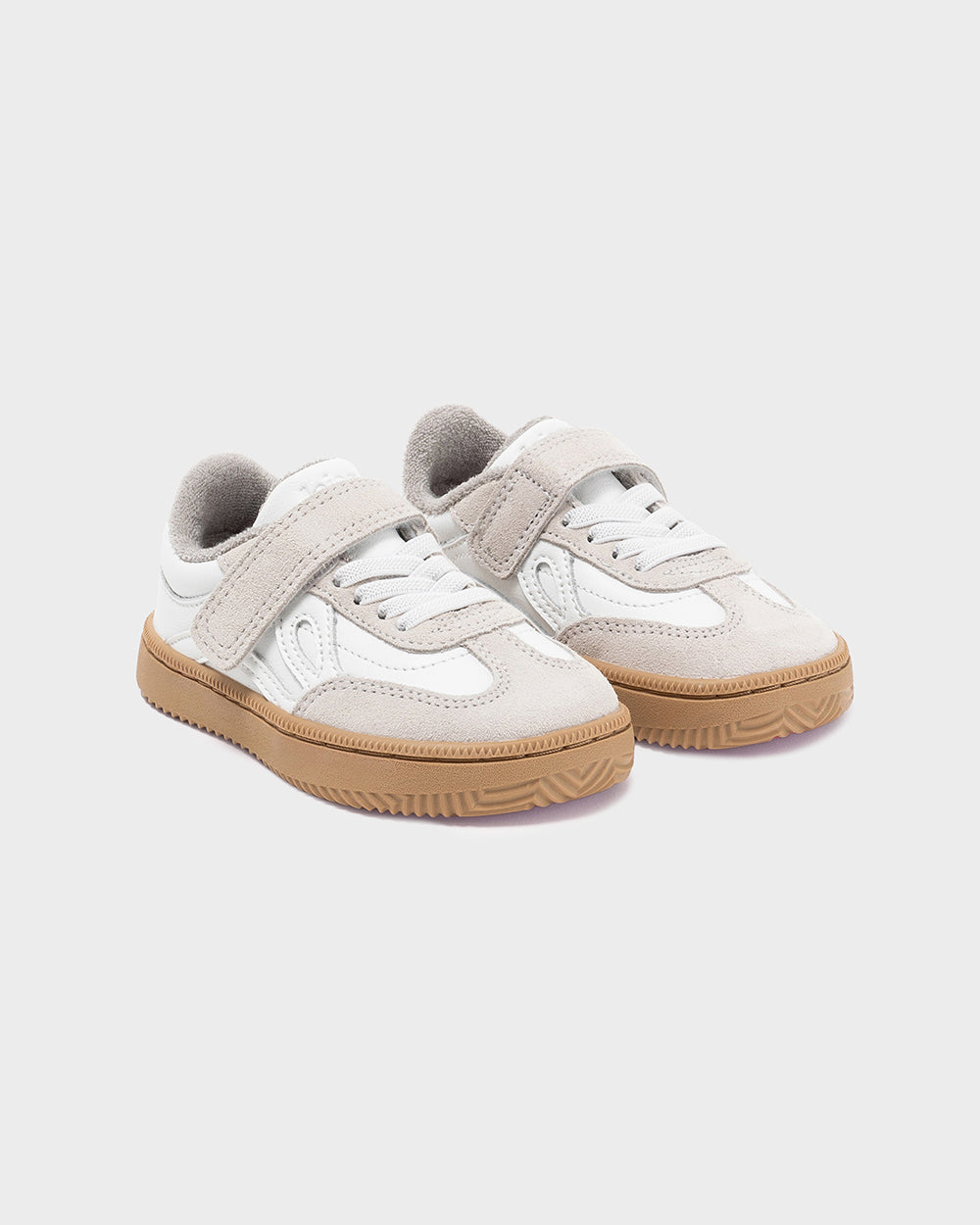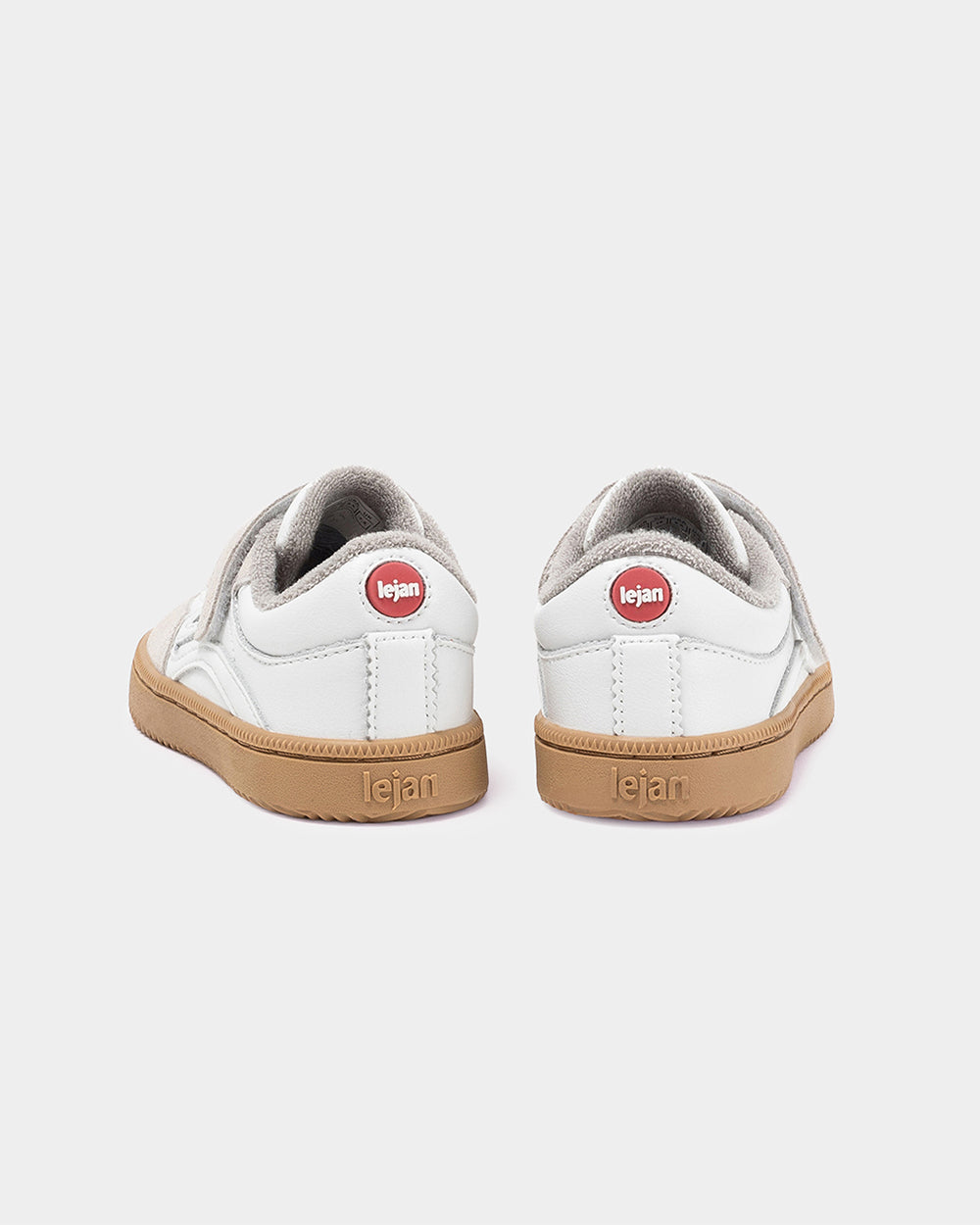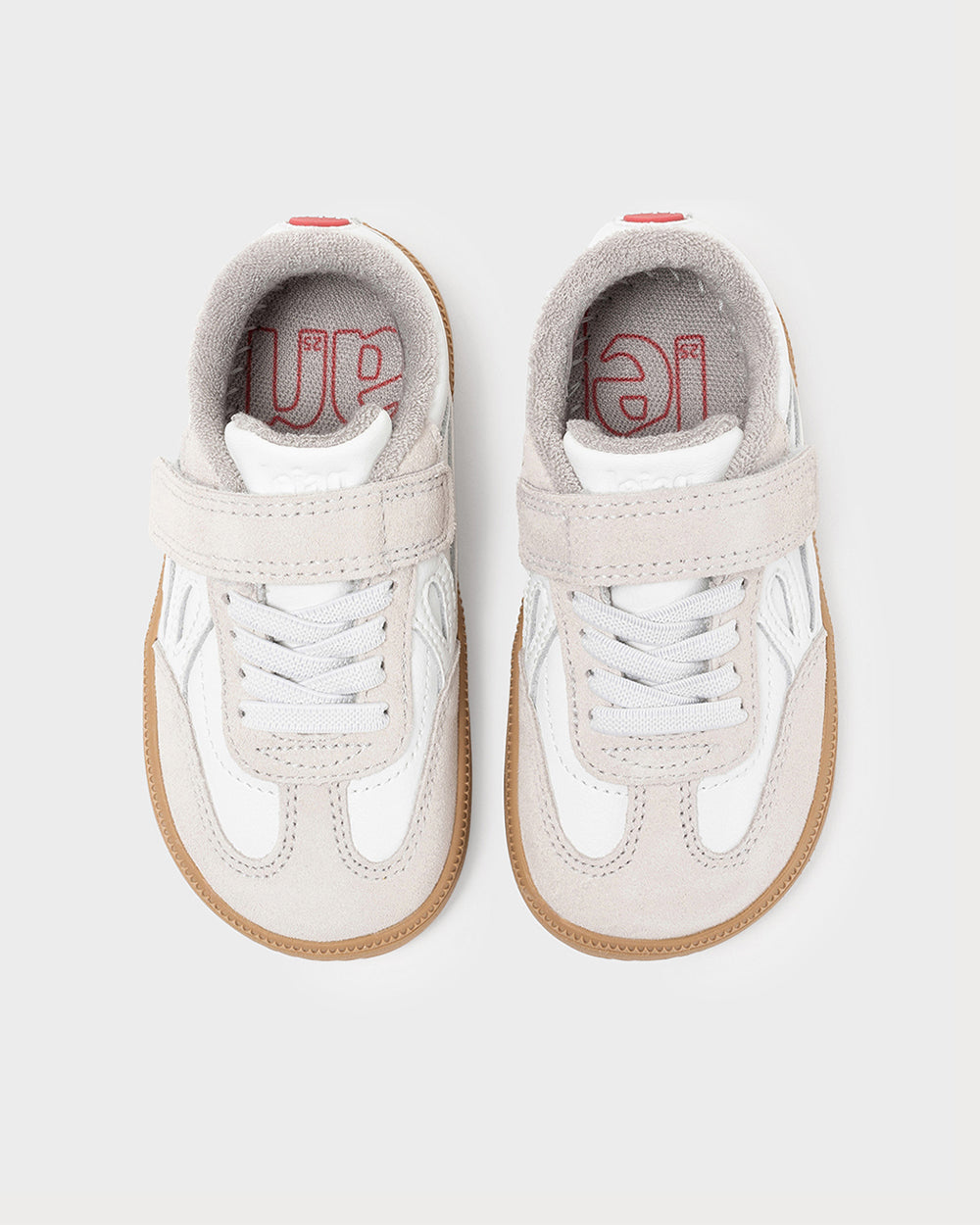




Respectful footwear is essential for the proper development of children's feet, as it ensures their correct evolution and avoids possible biomechanical problems in the future. However, a common question among parents is whether it is safe to reuse second-hand shoes. The answer, as in many aspects of podiatry, is: it depends.
Why is it not advisable to reuse children's shoes?
Each foot is unique, both in its shape and its gait. When a child wears a shoe for a period of time, it tends to adapt to its biomechanics, that is, to its particular way of moving and stepping. If we use a shoe worn by another child, it is likely that it is already "molded" to the previous owner's way of walking, which can cause certain problems for the new user.
Main problems of reusing used footwear:
-
Adaptation of the shoe to the previous footprint: A used shoe adapts to the footprint of its first owner, generating areas of wear that can act as "mini-nails" and alter the new user's gait. These changes can lead to misalignment of the feet, knees or even hips.
-
Uneven wear: If a shoe, when placed on a flat surface, tips to one side, it indicates uneven wear. This means that the structure of the shoe is no longer adequate and can negatively influence the child's posture and balance.
-
Worn insole: If when the insole is removed, it is observed that there are areas that are more sunken than others, this suggests that the previous foot left its mark, which can generate discomfort and affect the new user's stride.
When can second-hand footwear be reused?
Tips for selecting second-hand footwear:
-
Visual inspection: Place the shoe on a flat surface and observe if it leans to one side. If it does, discard it, as this indicates excessive wear.
-
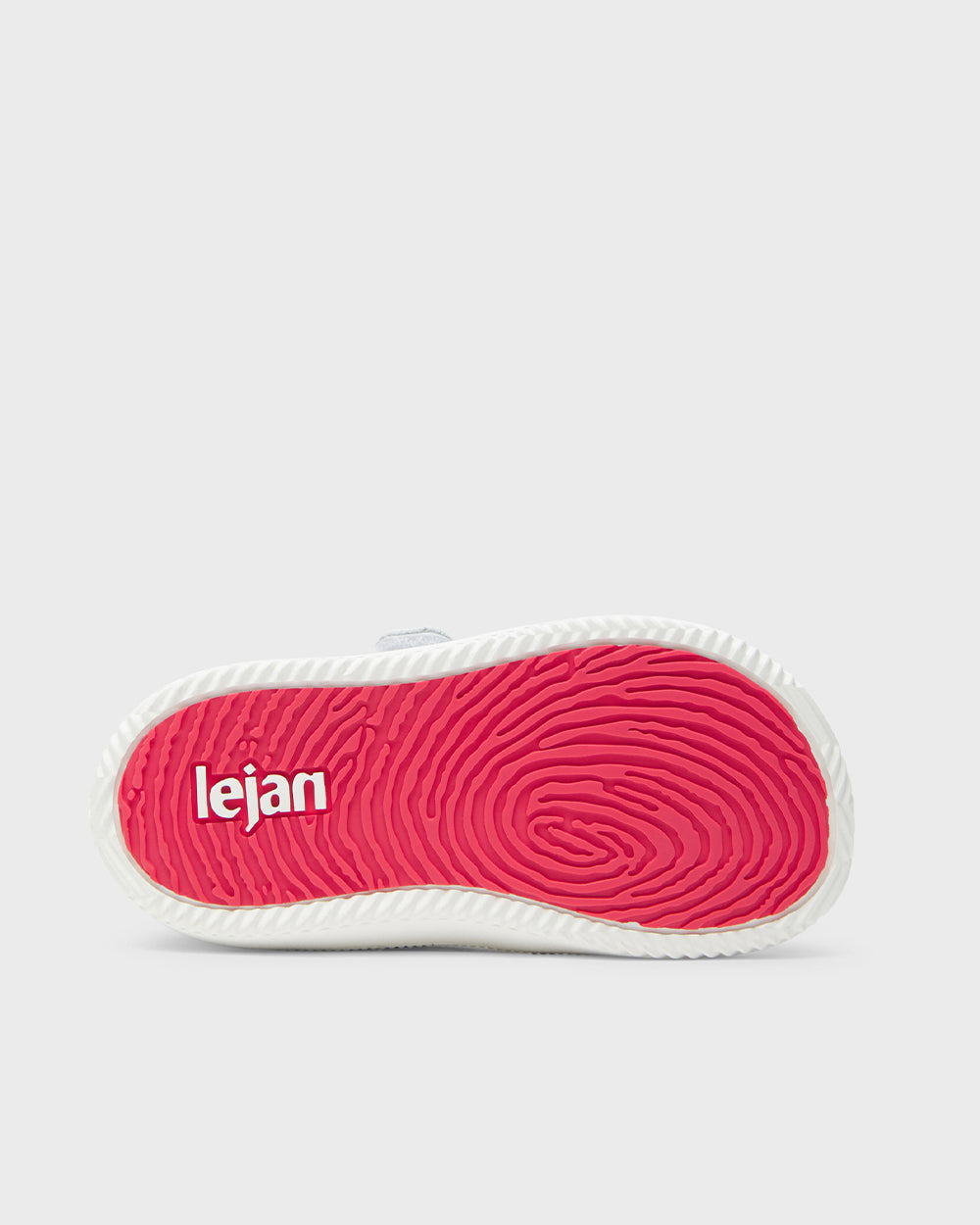
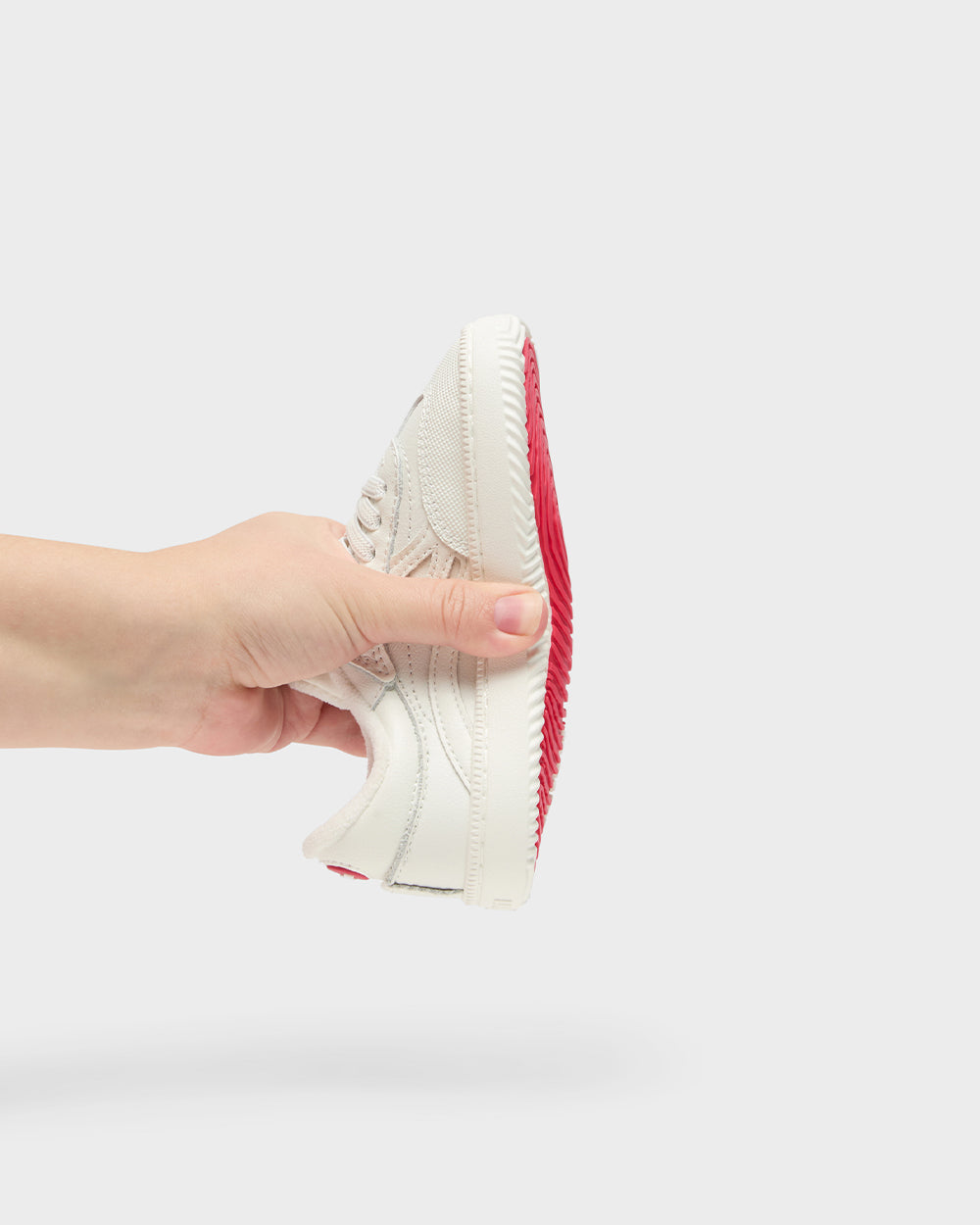
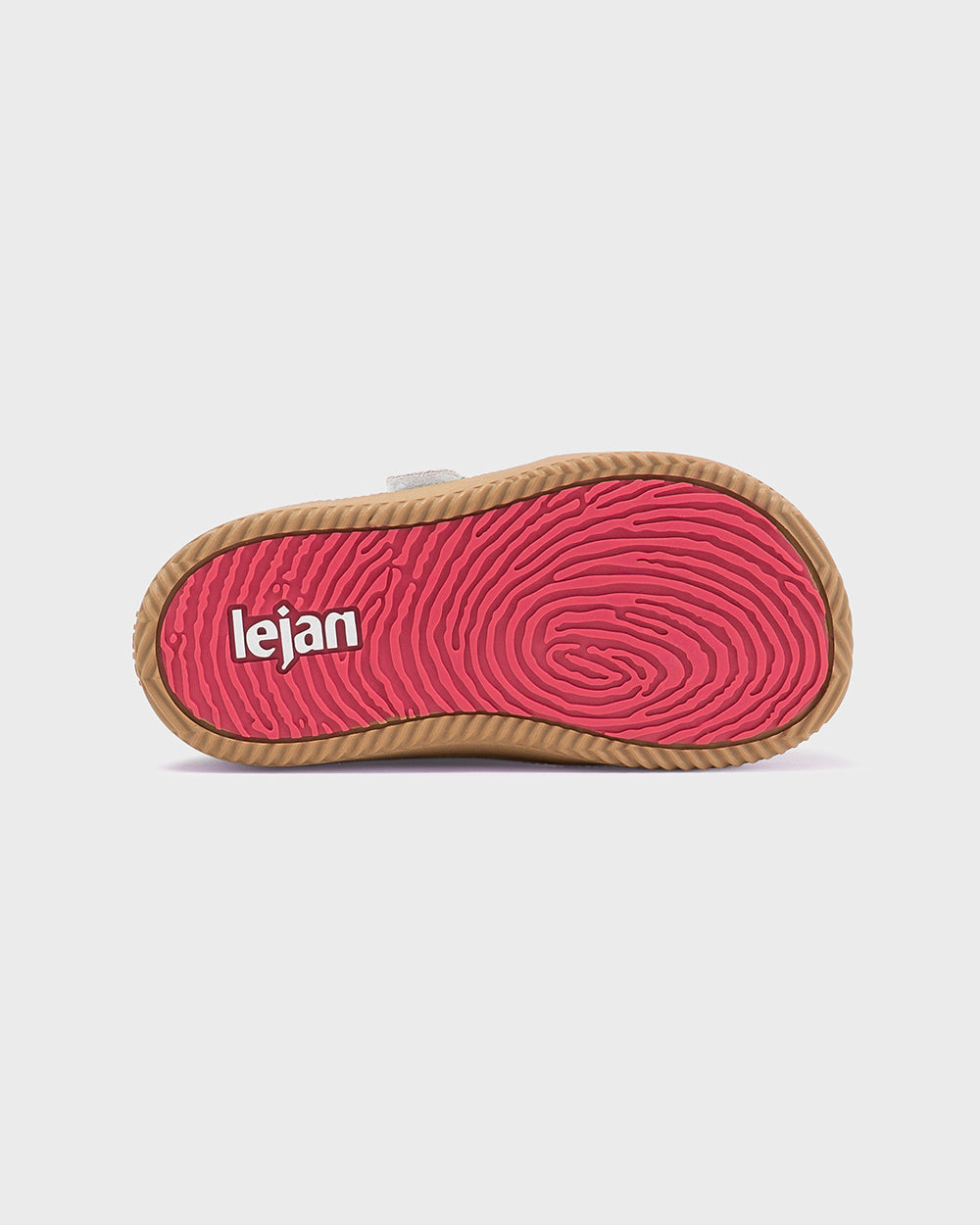
Check the sole: If parts of the sole have less tread or are more worn than others, it is better not to use that shoe. A worn sole can affect the child's stability.
-
State of the insole: Remove the insole from the shoe and check if it has more sunken areas than others. This would indicate that the previous foot left its mark and that the shoe will not adapt correctly to the new wearer. In some cases, changing the insole may be a temporary solution, but if the sole is also worn out, it is better not to use it.
Conclusion: New vs. second-hand footwear
Ideally, from a podiatric point of view, the child should wear his or her own respectful footwear, adapted to his or her needs and characteristics. However, if you decide to use second-hand shoes, make sure they are in good condition and do not have the aforementioned wear and tear. Remember that respectful footwear is not only about the shape and materials of the shoe, but also about its overall condition.
In short, the answer is not a resounding yes or no, but depends on the condition of the shoe. When in doubt, it is always better to opt for a new shoe that guarantees the correct development and care of our little ones' feet.

Share