




If you have young children at home, you have probably noticed that they have flat feet. This condition may seem worrisome at first glance, but it is a common and, in many cases, completely normal phenomenon in child development. Let's delve into why this occurs and when it may be a cause for concern.
Normal Foot Development in Children
Just as a newborn baby cannot hold its head upright because the structures that support the neck are not yet mature, the feet of young children also go through a developmental process. The structures that will support the plantar arch, such as muscles, ligaments and tendons, have not yet reached sufficient maturity in the first few years of life. This means that young children often have flat feet or, as they are commonly called, overdue feet.
In addition, infants and young children have a considerable amount of fat on their feet, which can visibly accentuate the appearance of flat feet. This fat is a normal part of development and decreases as the child grows and their feet develop.
Evolution of Flatfoot in Children
It is completely normal for young children's feet to be flat, and this condition generally improves with age. As children grow, the muscles and ligaments in their feet get stronger, and the plantar arch begins to form properly. However, it is important to watch and make sure that foot development is progressing as it should.
The Relationship Between Respectful Footwear and Flat Feet
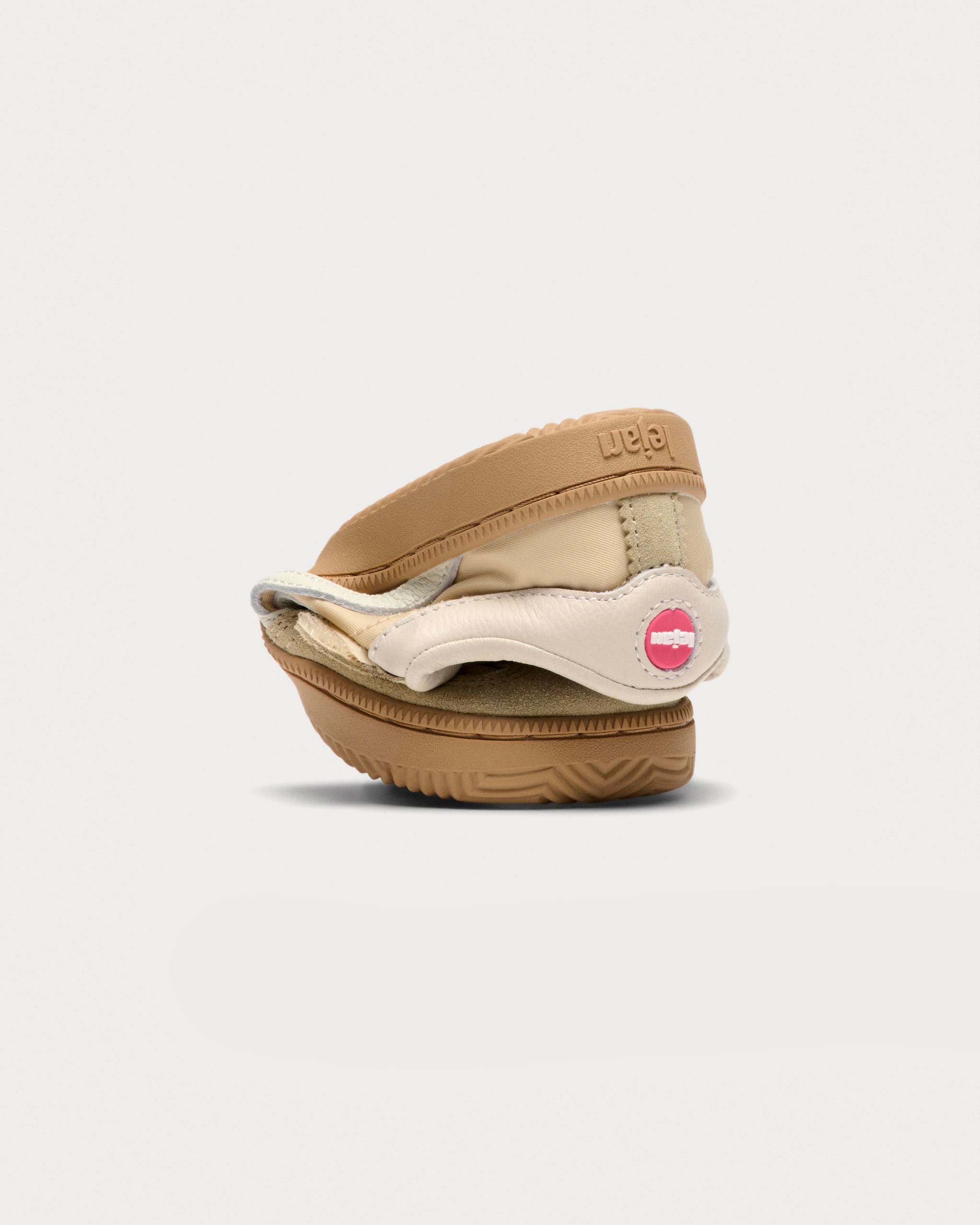
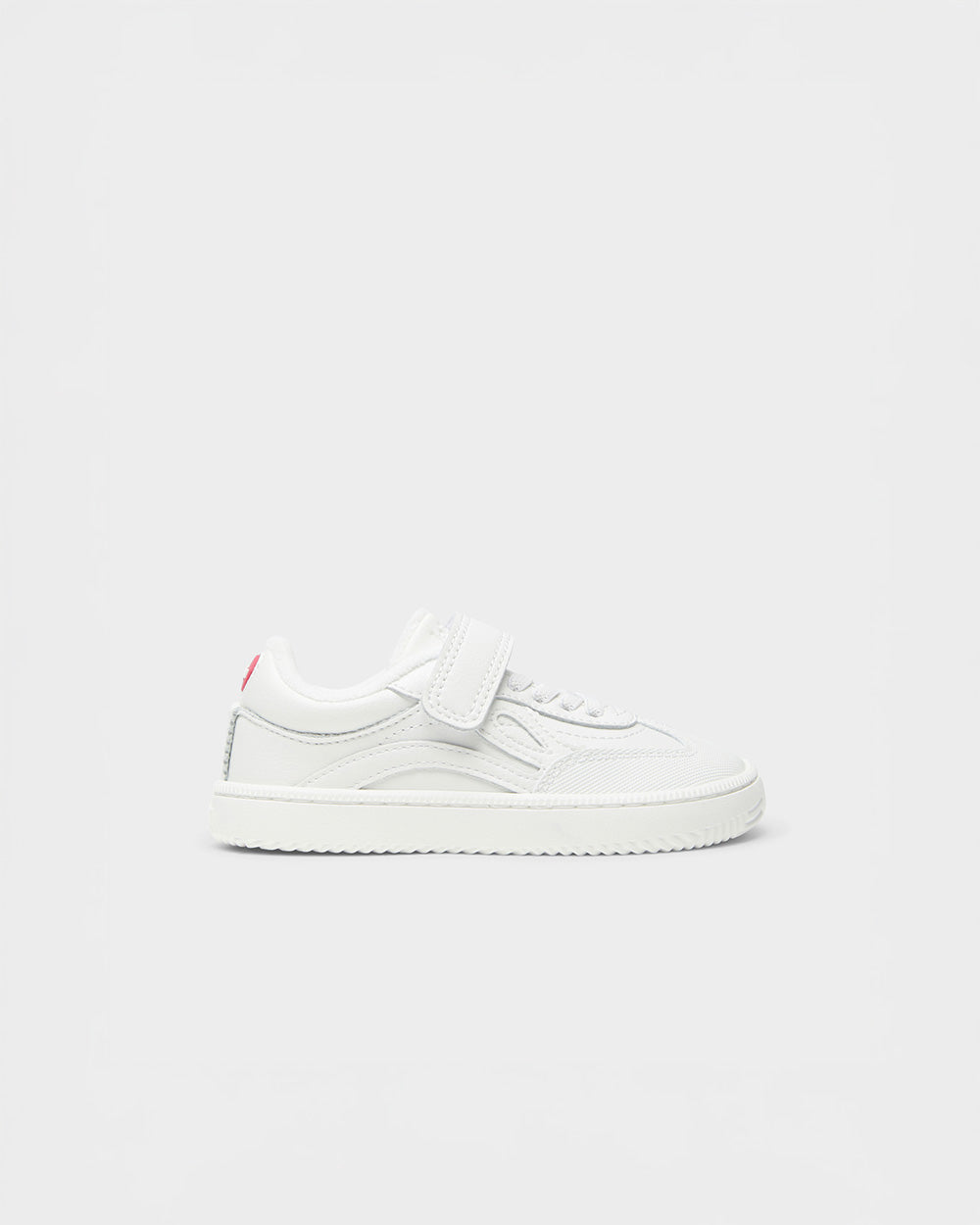
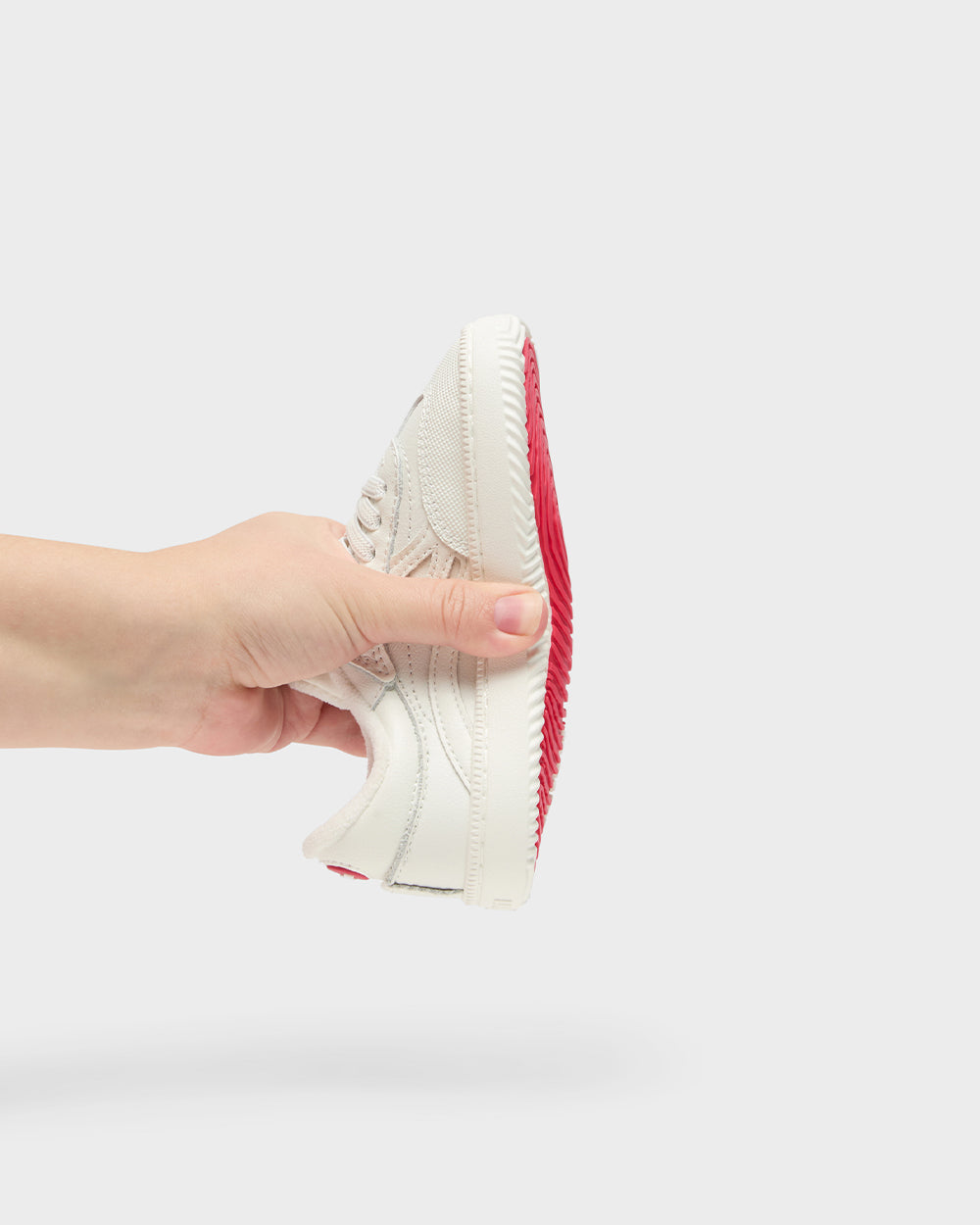
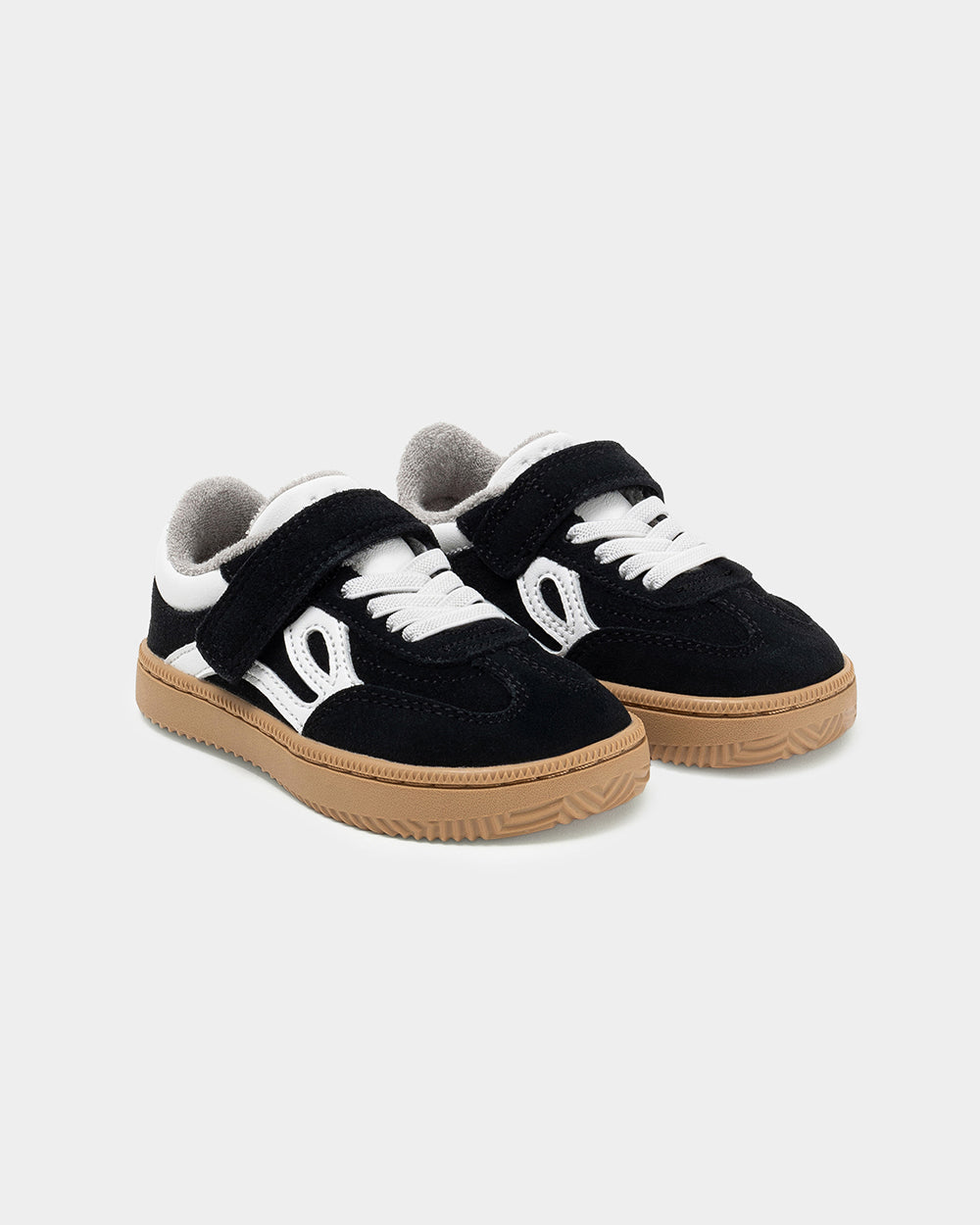
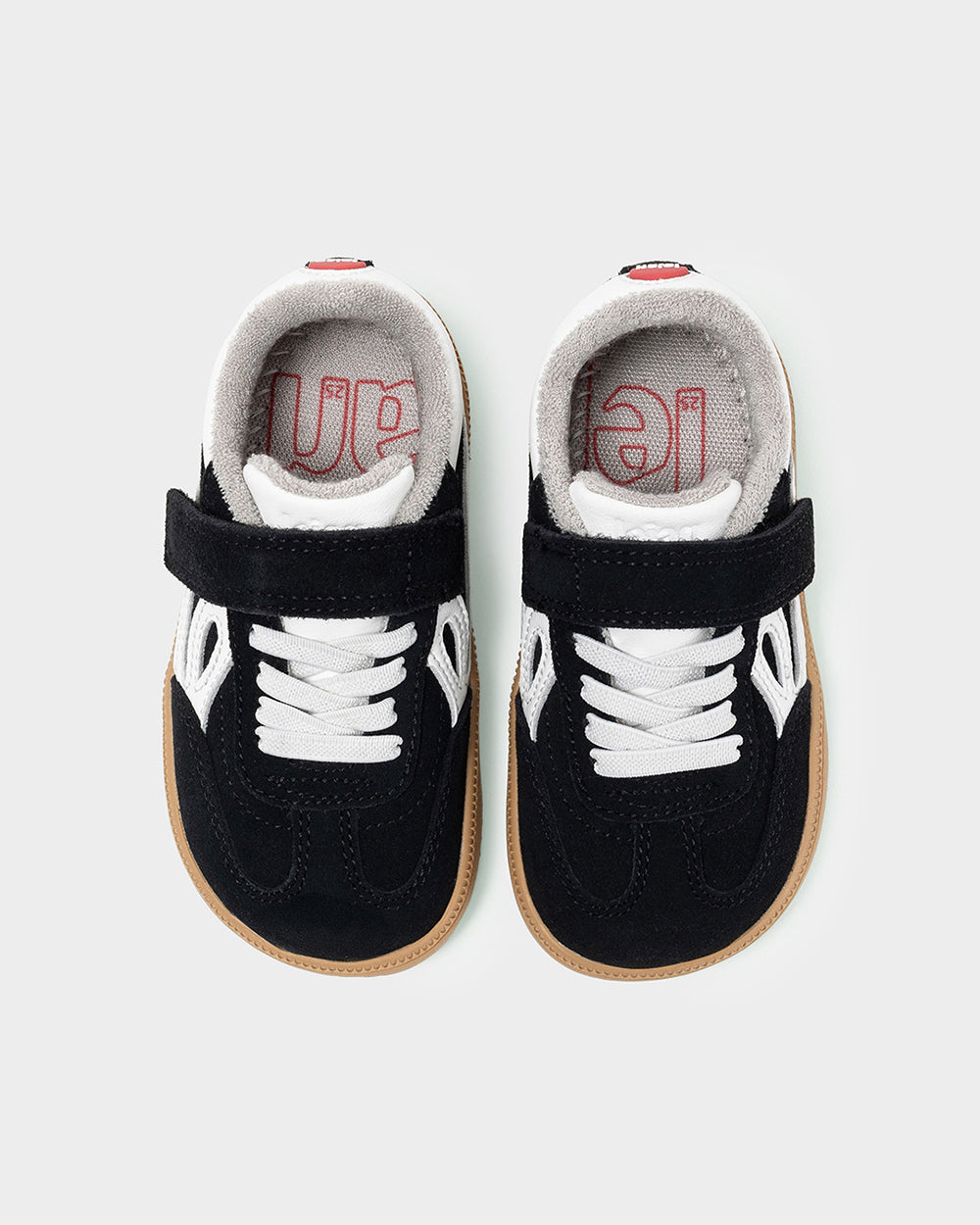
A crucial aspect in the healthy development of children's feet is the use of respectful footwear. This type of footwear plays a vital role in supporting the natural growth of the foot and in preventing problems associated with flat feet.
How does Respectful Footwear Help?
- Stimulation of Arch Development: Respectful footwear allows the muscles and ligaments of the foot to work naturally, which is essential for the development of the plantar arch.
- Deformity Prevention: Wearing footwear that is too stiff or does not conform to the natural shape of the foot can contribute to the persistence of flatfoot.
- Proper Weight Distribution: Provides a correct distribution of body weight, which is crucial to avoid overloading certain areas of the foot and to promote a balanced development of the plantar arch.
- Cushioning and Flexibility: Respectful footwear offers adequate cushioning and flexibility.
When Should You Worry?
Although it is common and normal for young children to have flat feet, this does not always mean there is no cause for concern. There are certain cases where flat feet may persist beyond the expected age of development or may be associated with other symptoms or conditions.
Therefore, it is advisable to have a first podiatric assessment at around 3 years of age, even if there is no specific reason for consultation. An early evaluation can help identify any potential problems and ensure that foot development is on track.
Importance of a Podiatric Evaluation
Podiatric evaluation at 3 years of age can help detect:
- Persistence of Flatfoot: Determine if flatfoot is a transient condition or if it may need intervention.
- Gait Problems: Identify any abnormalities in the way the child walks, which could be indicative of biomechanical problems.
- Pain or Discomfort: Assess whether the child experiences pain or discomfort in the feet, legs or back, which could be related to foot problems.
Conclusion
It is normal for young children to have flat feet due to the immaturity of the structures that support the plantar arch and the presence of fat on the feet. This condition usually improves over time as the child grows and their feet develop properly. However, a podiatric evaluation at age 3 is an important preventive measure to ensure that foot development is on track and to identify any potential problems early.

Share