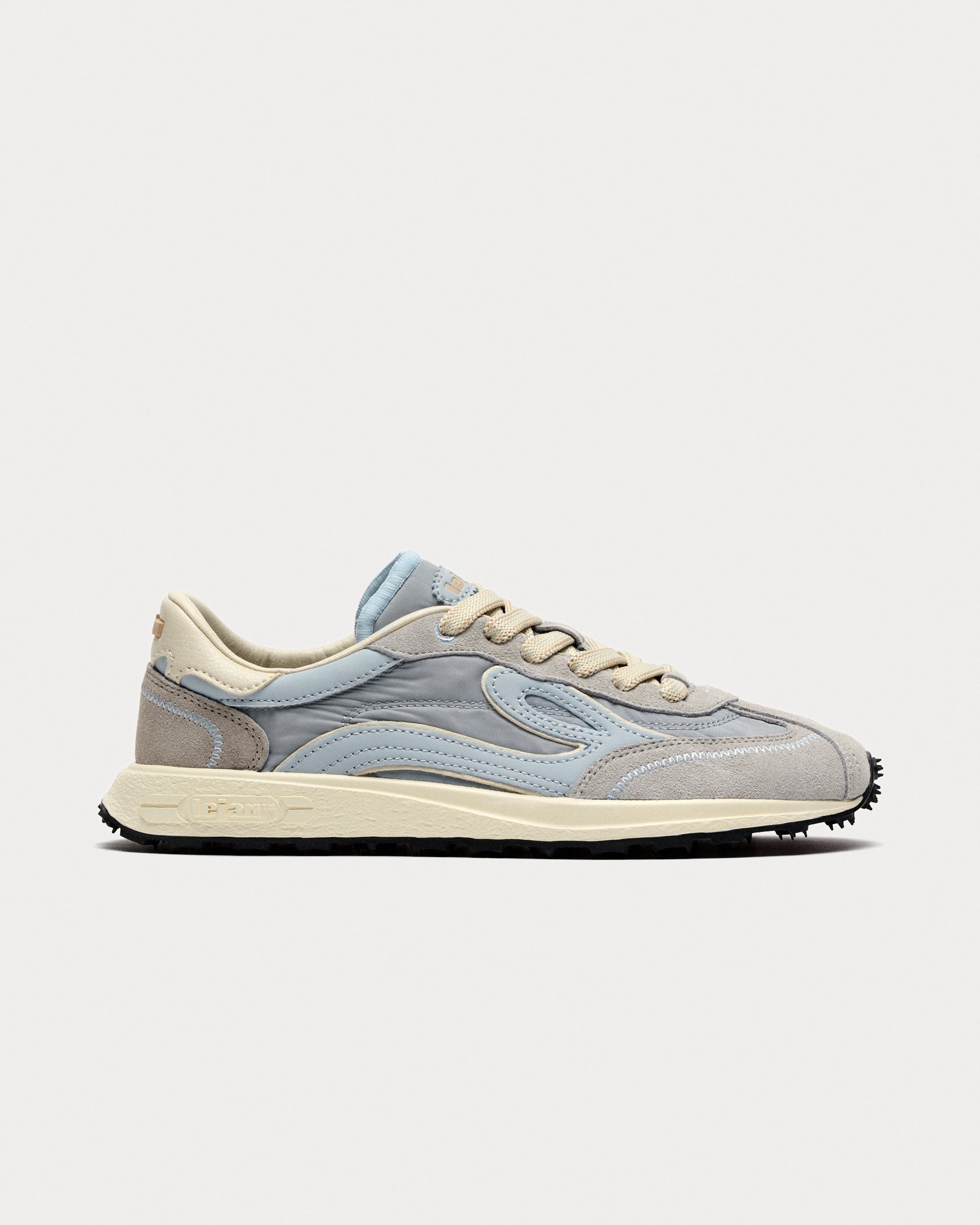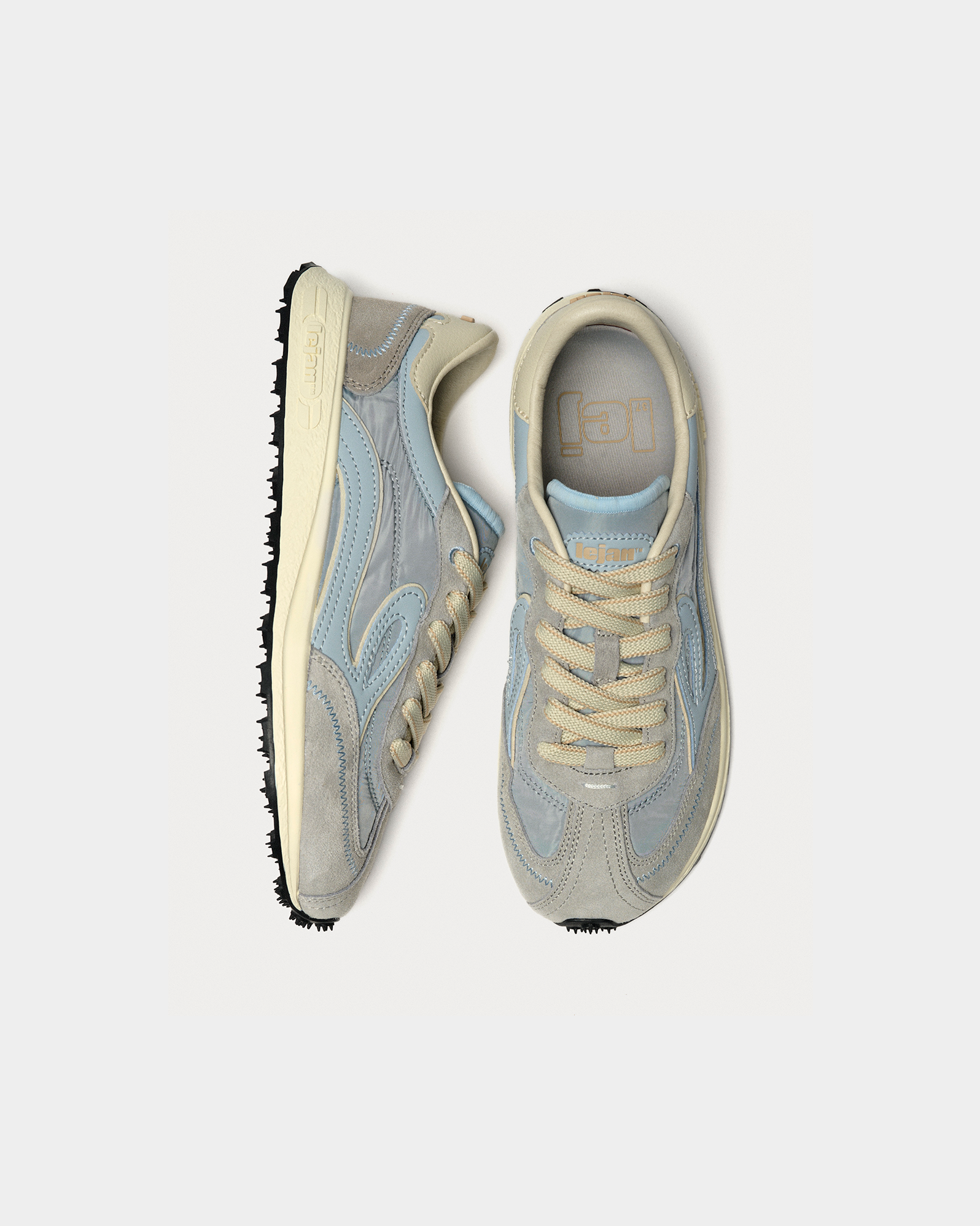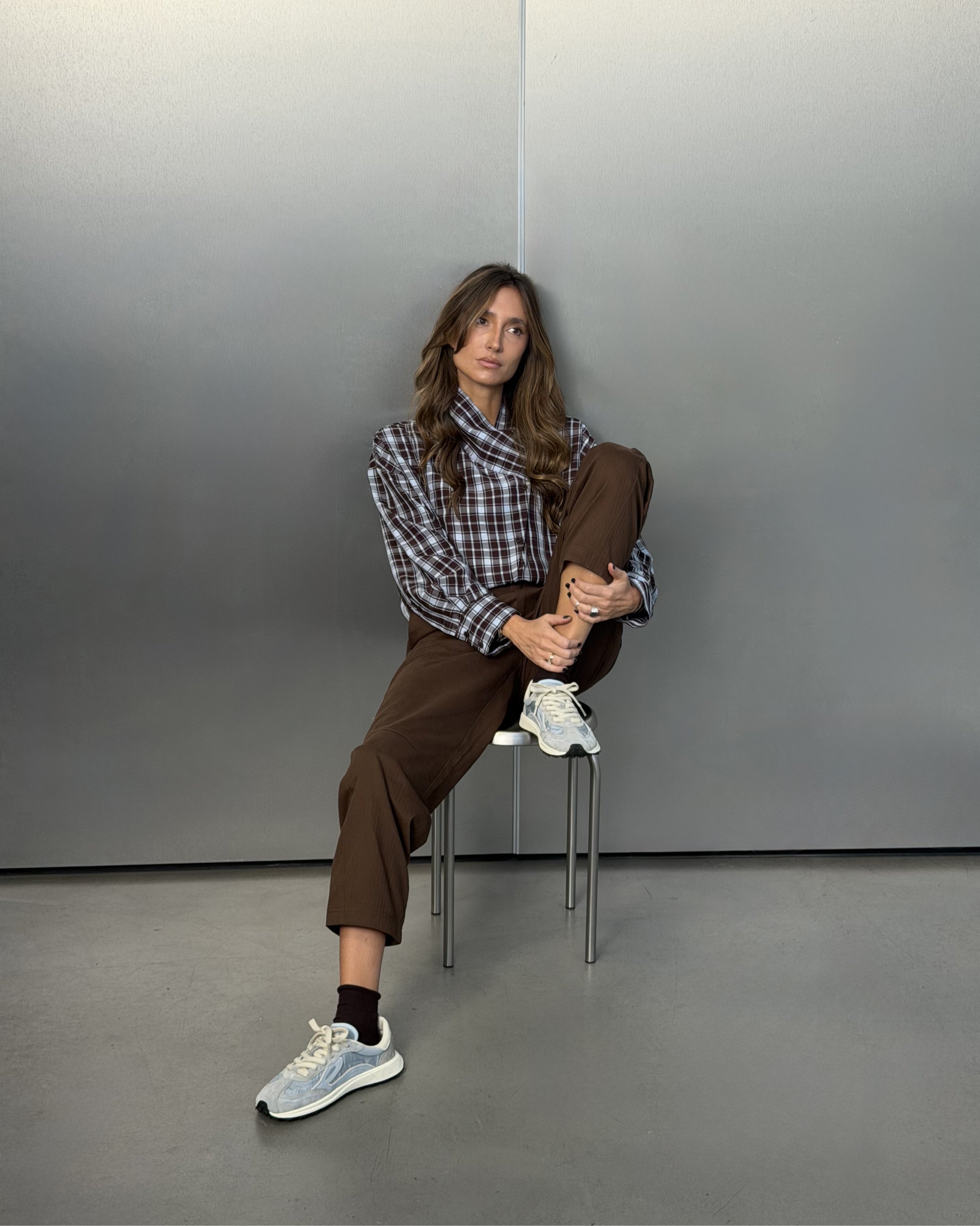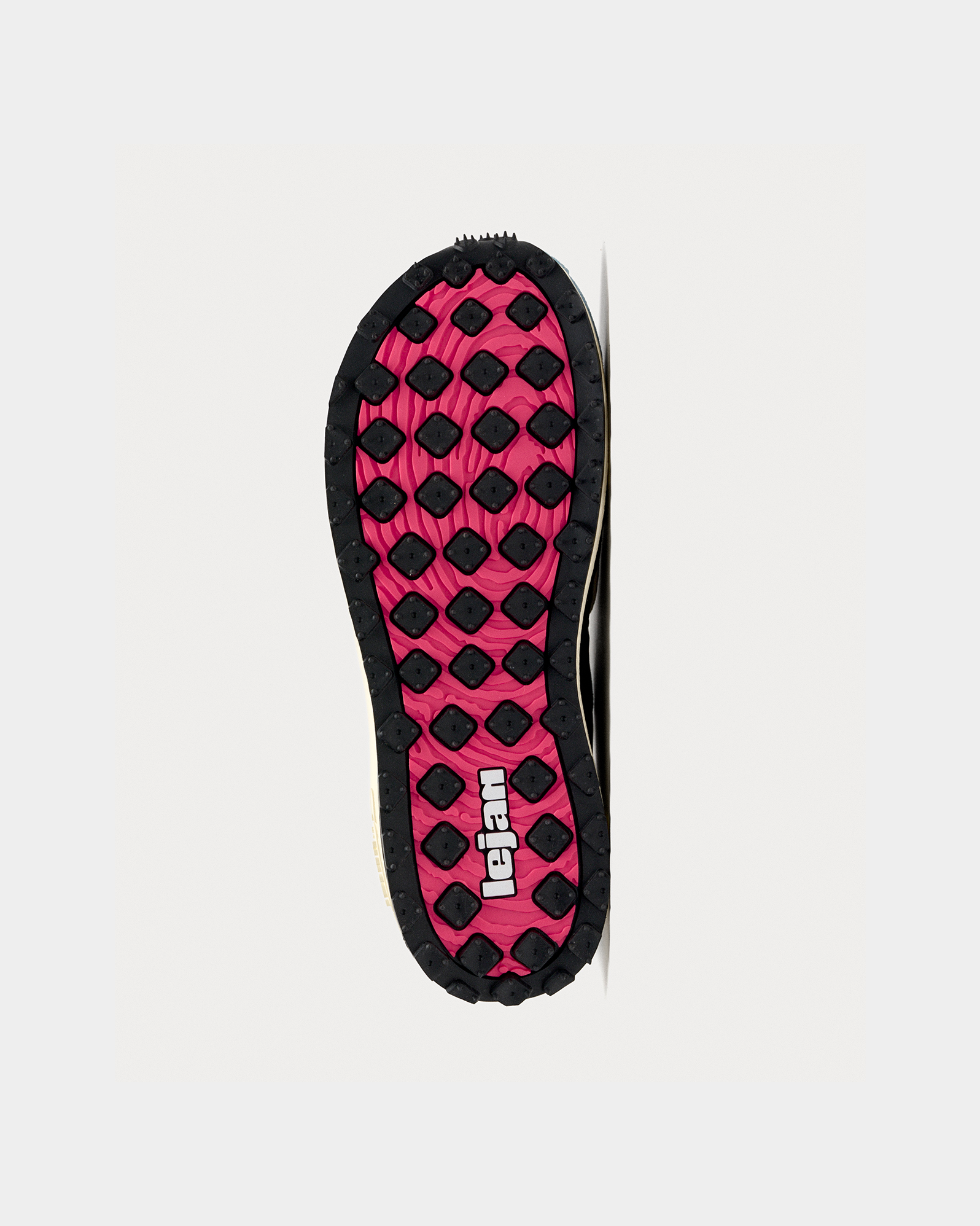



How to choose baby shoes according to their stage of development
During the first years of life, the foot is under construction. Not only at the bone level, but also at the sensory and neuromotor levels. Every step, every push, every imbalance is part of a profound learning process.
Choosing well does not mean choosing more.
It means choosing what is necessary.
How to choose baby shoes according to their stage of development
Why not all shoes are suitable for all stages
Development does not occur in a linear or accelerated manner. The baby first explores the floor with their body. Then with their hands. Later with their feet.
There is a natural sequence: feel → organize → hold → walk.
A shoe designed for walking makes no sense for a baby who still needs to feel. And one that is too rigid can condition a pattern that is still forming. Footwear must adapt to the stage of development. Not the other way around.
Common mistakes when buying your first shoes
Mistakes are often made, such as: soles that are too thick, isolating the child from the feel of the ground; very rigid reinforcements that restrict the natural mobility of the foot; excessively large sizes "to make them last"; narrow toes that compress the toes.
It is essential to understand that the body learns to balance itself by perceiving the ground. When we disconnect the baby from this sensory information, we limit their learning or promote postural compensations.
Very common mistakes:
-
Buy "one size larger" to make it last: the foot dance
-
Choose shoes that provide good support: at this age, feet need movement to organize themselves.
Stage 1 – Baby who cannot walk (newborn and first months)
In the first few months, there is no support function. The foot moves freely, explores space, and responds to stimuli.
Do you need shoes or just thermal protection?
Here, shoes are not necessary from a biomechanical point of view. They usually provide warmth or a soft barrier when the environment requires it.
Key idea: whether it is due to cold or friction (stroller, blanket, surfaces), we look for protection, not structure.
Soft and breathable materials
If footwear is used, it should be almost imperceptible: soft material, no structure, no pressure, no rigidity.
-
Soft, breathable fabrics that do not "mark" the foot.
-
Avoid hard internal seams or tight elastic that leaves marks.
Complete freedom of movement and respect for natural development
At this stage, freedom is not optional. It is part of development.
Stage 2 – Baby in the crawling phase
When crawling, the foot begins to push, to flex intentionally, to partially bear weight. And each step sends information to the nervous system.
Flexible, non-slip sole for safe exploration
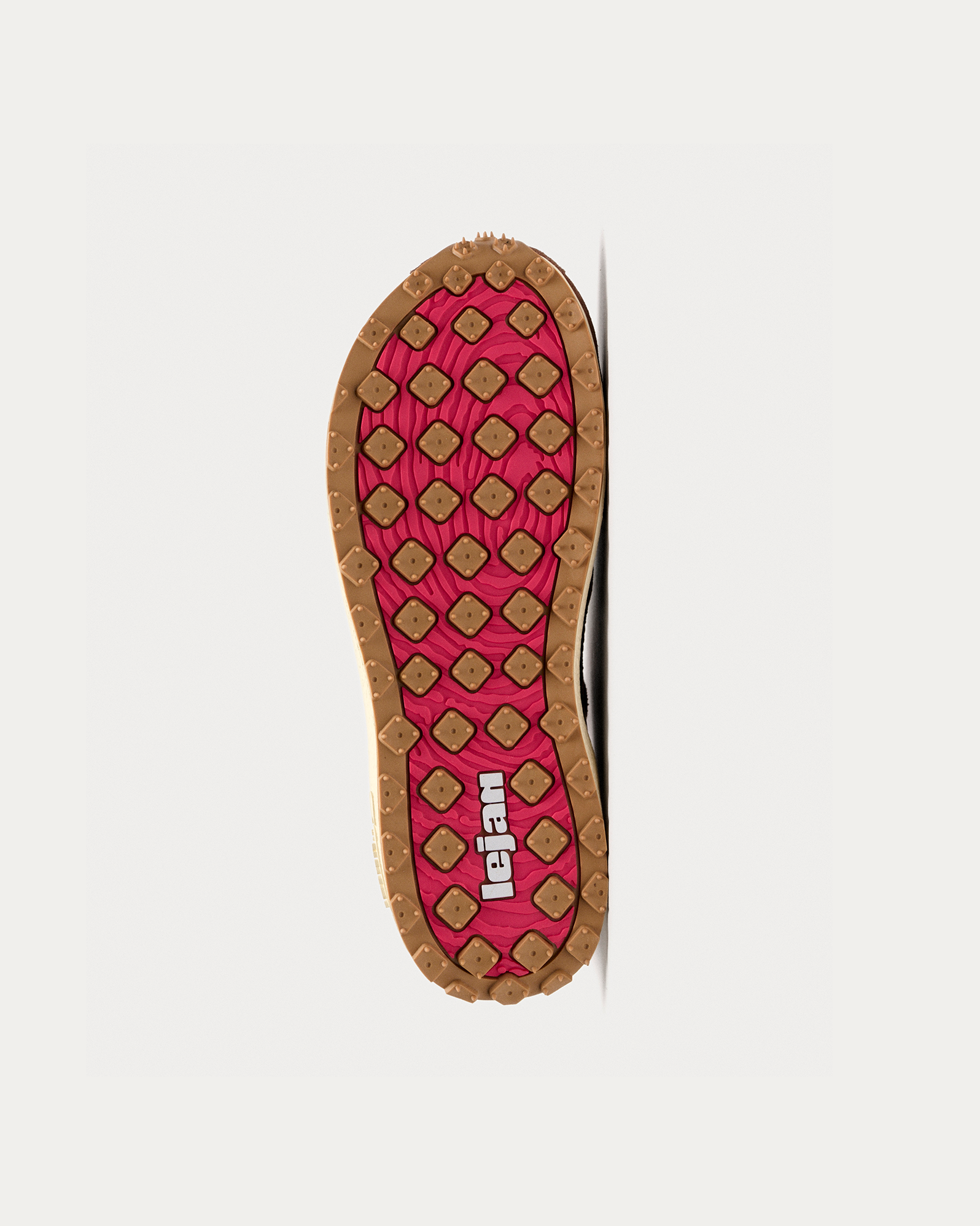
If footwear is worn, it should allow for complete flexion, with a thin sole and light grip.
Think of a sole that accompanies: one that does not slip, but also does not "stick" so much that it slows down natural movements.
Wide toe box to allow for toe expansion
If there are shoes, they need real space for the toes.
Because when crawling, the fingers are also involved: they open, grasp, and stabilize.
Secure fit without squeezing the instep
The shoe should not guide the movement. It should let it happen.
-
A "secure" fit is not "tight": it should hold without leaving marks.
-
If, when removing it, you see a red line on the instep, ankle, or toes, this adjustment is pressing.

Stage 3 – First steps
The first steps appear when the body has integrated enough strength, balance, and coordination to support itself. At this stage, each step is still unstable. The child does not walk "well" or "badly"; they are simply learning.
Footwear can offer protection, yes, but without becoming the one who directs the step.
Thin, flexible sole with good grip
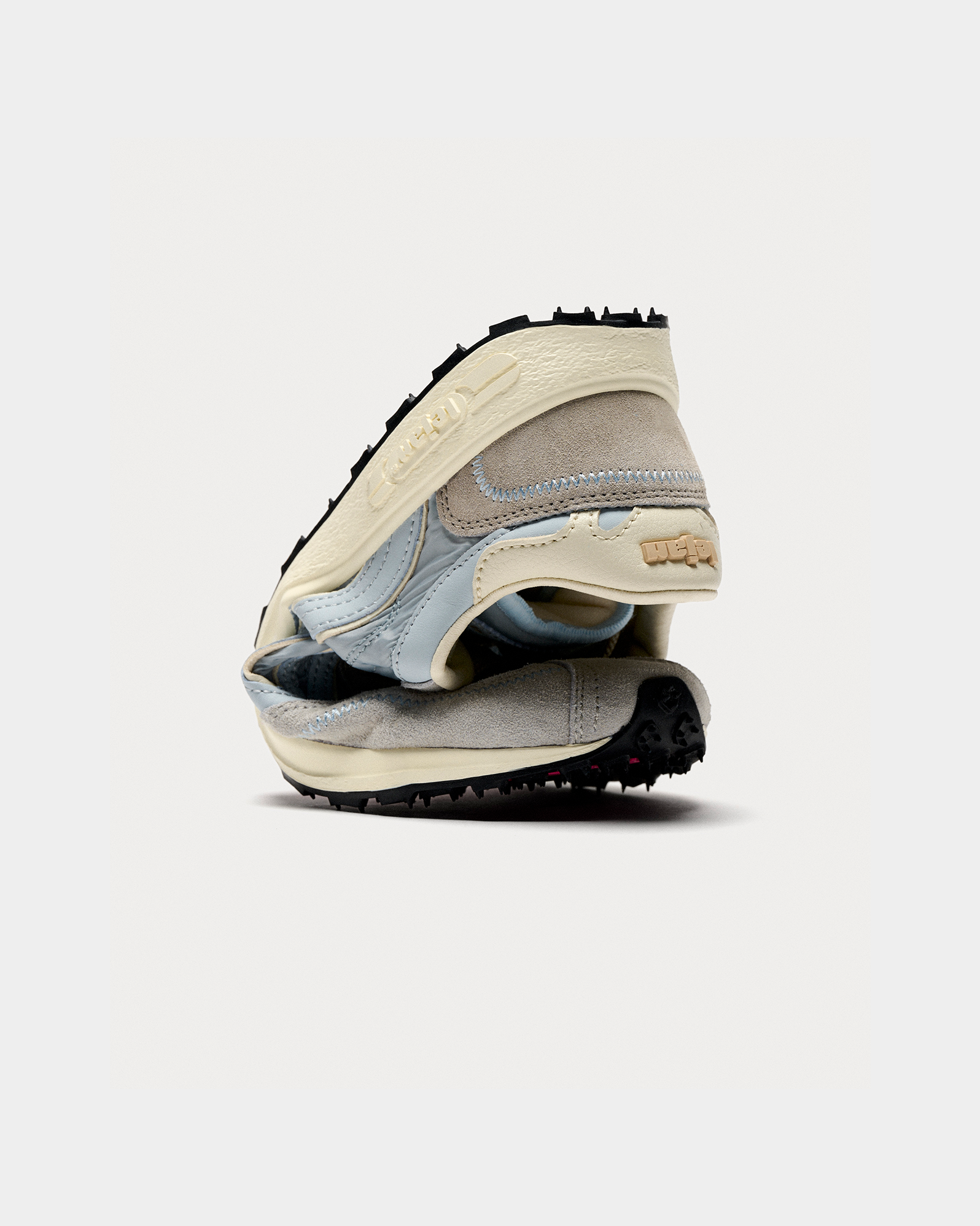
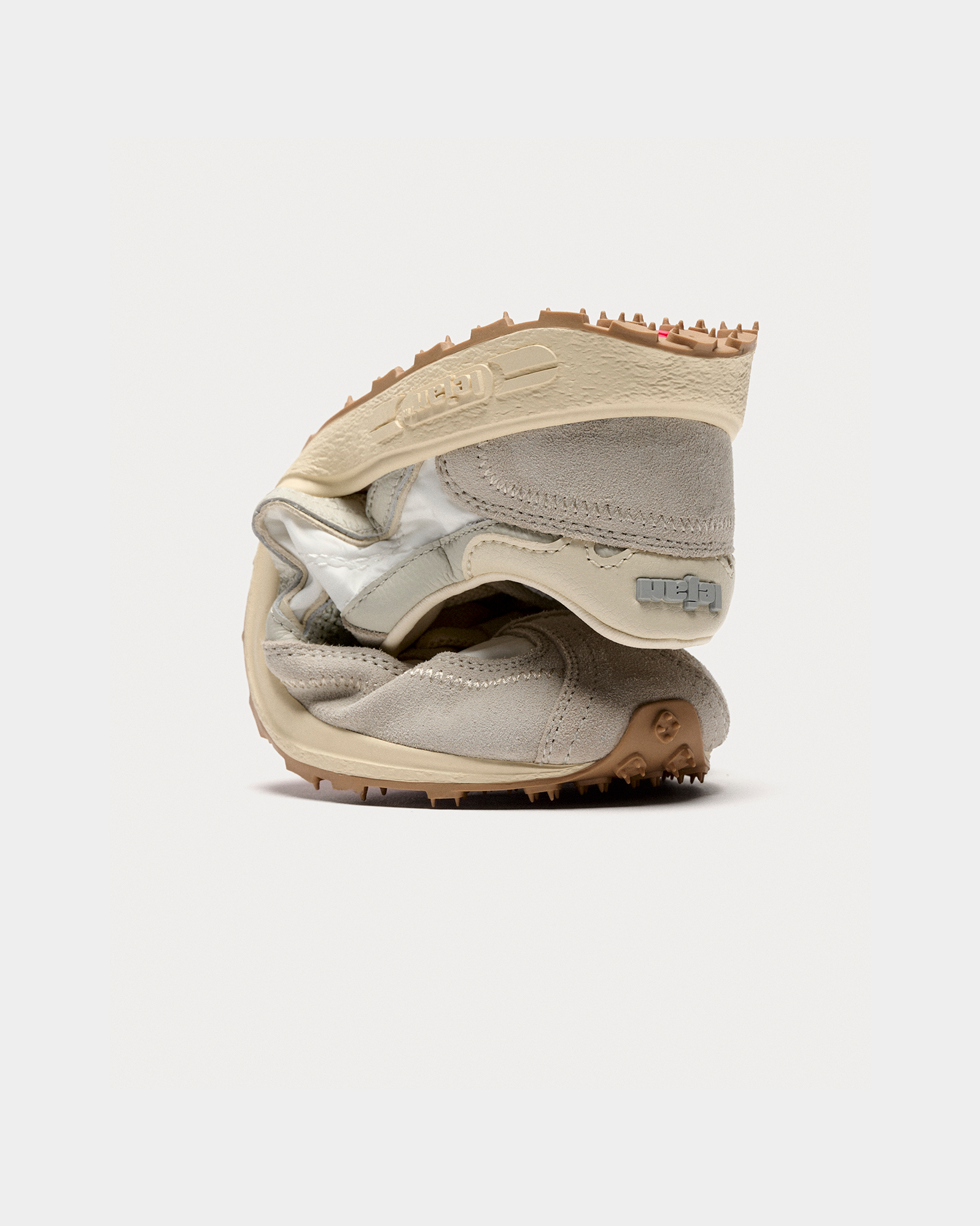
Thin, flexible sole. It should bend where your toes bend.
Quick tip: if you cannot bend it with your hand in the metatarsal area, it is probably too stiff for this stage.
Zero drop and stable base: why it matters
Flat base (zero drop): maintains the body's natural alignment.
With drop, the body "receives" a wedge. With zero drop, the support is more neutral and the child can organize themselves without any imposed inclinations.
How to check that the size is correct (growth margin)
Proper fit: a small margin at the front is sufficient. Neither too loose nor too tight.
-
Check the size while standing, with the baby carrying weight.
-
Look for margin, yes, but controlled: don't let your foot "sail" inside.
-
Also check the width: the toe box should allow your toes to spread out.

Stage 4 – Steady march
When the gait is consolidated, the movement becomes more dynamic: running, turning, changes of pace.
At this stage, the shoe can offer a little more resistance to accompany more active movement, but there are principles that remain unchanged: a wide, anatomical toe box, lightness, a pressure-free fit, and resistance without rigidity.
Greater strength without losing flexibility
There may be greater protection against wear and tear or the environment, but that resistance should not translate into rigidity. Flexibility and freedom of movement remain the basis.
Reinforcement in the toe and heel without excessive stiffness
Reinforcement can be useful if your child "brakes" with their toes or plays a lot on abrasive surfaces, but always on one condition: that the shoe continues to bend where it should and does not block the ankle.
When to change sizes and signs that the shoe has become too small
The size should be checked every 10–15 days. There are stages when the foot can change very quickly (even 3 sizes in 2 months) and others when they can remain almost a year without changing. Growth is not linear, so the most reliable approach is to check periodically and adjust when necessary.
Signs that it has become too small:
-
Frequently removes shoes or touches feet (discomfort).
-
Repeated redness appears in the same spot.
-
The toe reaches "the end" or the toes are compressed in the toe box.
-
Stumbles more for no apparent reason (sometimes due to size/stiffness).
Key features that a good children's shoe should have
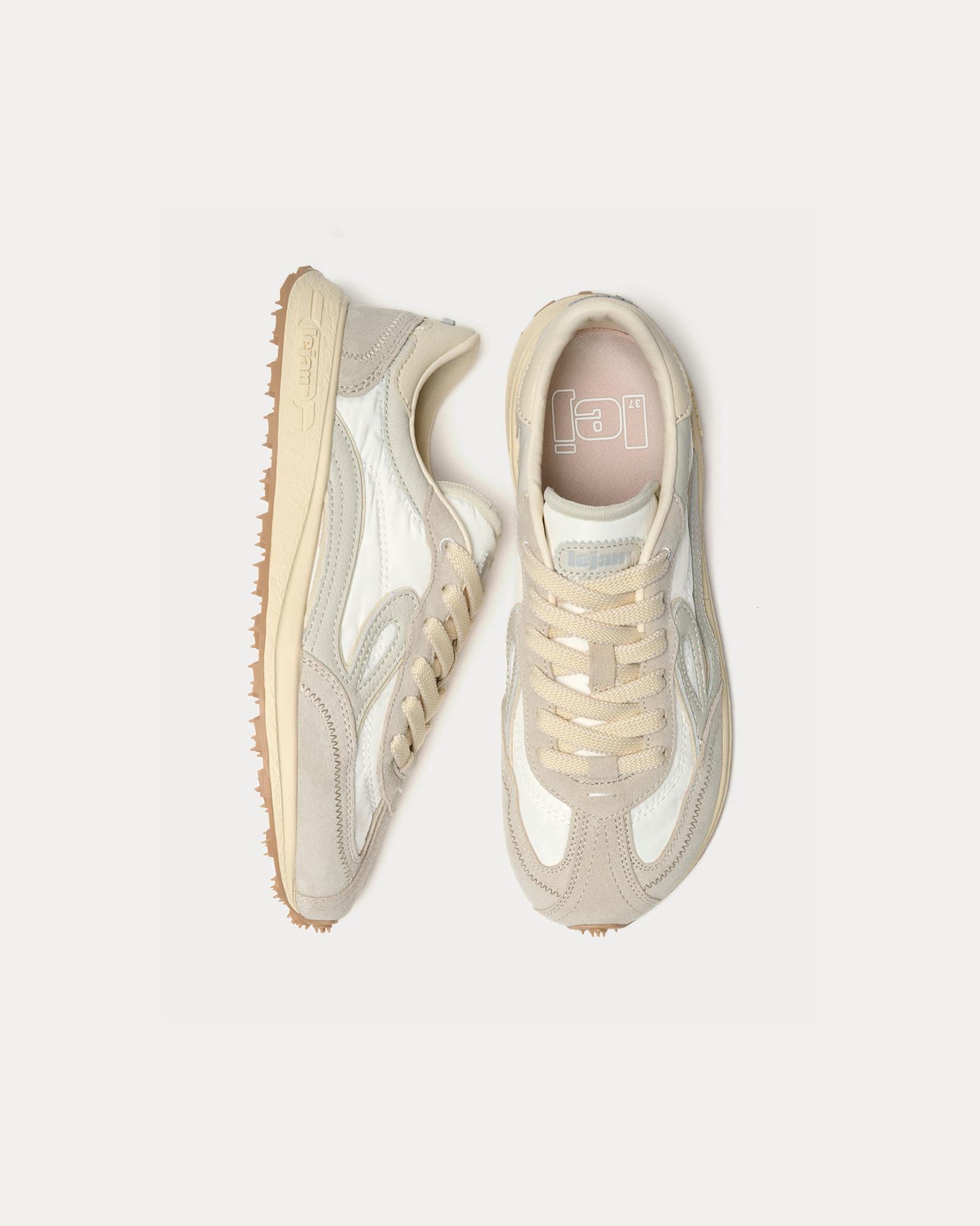
Beyond the specific stage, there are principles that are repeated: anatomical shape, space to spread the toes, real flexion in the metatarsal, flat base, breathable material. A good children's shoe does not correct in advance. It respects the process.
Wide, anatomically shaped toe box
Anatomical shape and real space to spread the fingers.
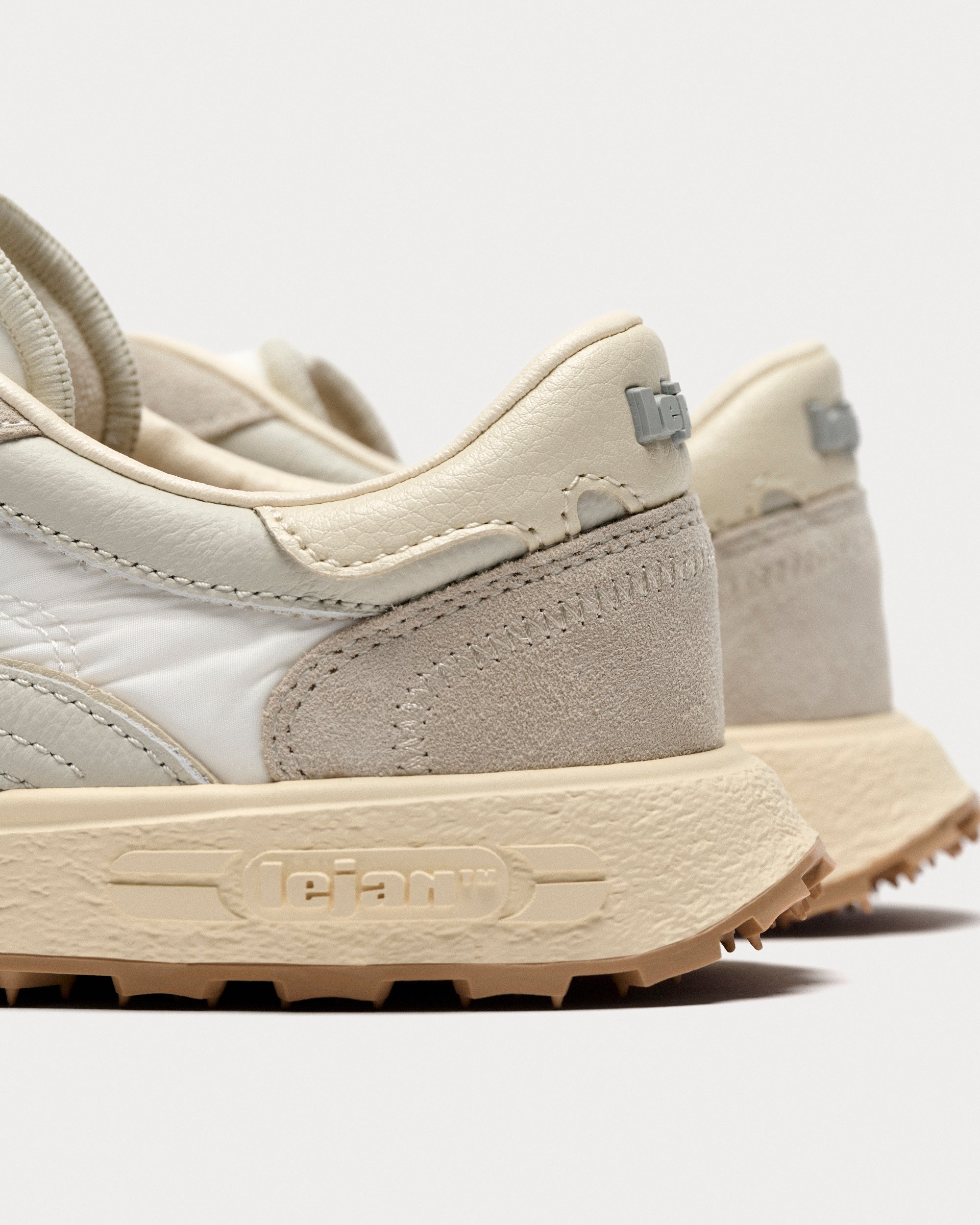
The toe cap should be "foot-shaped," not triangular.
Flexibility in the metatarsal
Actual flexion at the metatarsal: bend where the toes bend.

Natural and breathable materials
Breathable and skin-friendly material.
Adjustable closure system
An adjustable closure (Velcro, elastic cord + Velcro, etc.) helps the shoe fit the instep without squeezing and without the foot shifting inside.
Frequently Asked Questions
Is it better to walk barefoot at home?
Yes, as long as the environment is safe. The foot learns more when it feels.
How often should I check the size?
In the early years, growth is rapid. Checking every 2–3 months prevents silent compression.
Can shoes be inherited?
It is not recommended. Each child leaves a different mark on the internal structure of the shoe.
What if you have wide feet or high insteps?
Then you need space. Repeated pressure at an early age is not neutral.
The development of the foot does not need to be accelerated; itit needs space, stimulation, and time.
The right shoe is not the one that does the most, butit is the one that allows the body to do what it already knows how to do.
Quizz
1. If your baby isn't walking yet, what should shoes really provide?
A) Structure to prepare the foot for walking.
B) Firm support to prevent poor posture.
C) Lightweight protection without restricting movement.
2. When you choose a size that is "a little bigger so it will last," what might be happening inside the shoe?
A) The foot gains freedom and space to grow.
B) The foot loses stability and may seek internal grip.
C) Nothing relevant happens.
3. During the early stages, where should the shoe bend?
A) Through the arch of the foot.
B) It should barely bend.
C) In the area where the fingers bend.
4. If the shoe "holds tightly," does that always mean greater stability?
A) Yes, the more you hold on, the better you will walk.
B) Not necessarily; the foot needs movement to organize itself.
C) It depends solely on the brand.
5. What detail is often overlooked but is key to balance?
A) The color of the shoe.
B) Heel reinforcement.
C) The actual space for the fingers to expand.
Answers:
1- c)
2- b)
3- c)
4- b)
5- c)

Share