


What is crawling and when does it usually appear in a baby's development?
Crawling is when babies start to move around on the floor by themselves. It is the first time that babies actively control their movement and explore their surroundings on their own initiative.
It usually appears between approximately 6 and 9 months, although this is not an exact rule: every baby has their own pace and may be earlier or later. Rather than focusing on a specific date, the important thing is to see that there is progress: that they are gaining control of their trunk, changing position more easily, and increasingly trying to move to reach something.
Types of crawling and why there is no "single" correct pattern
There is no single valid type. And it is normal that before "crawling by the book," the body tries out different ways.
The most common are:
-
Classic or cross-crawl: alternating hands and knees.
-
Dragging: moves with the abdomen more supported.
-
Bear crawl: hands and feet, with knees raised.
-
Seated movement: propel yourself from the floor while seated.
-
Backwards first: many babies start out going "backwards" before coordinating forward movement.
The cross pattern is often seen as the most organized because there is alternation between both sides of the body. But it's okay if another pattern appears first. What we want to see is that the baby:
-
Use both sides (even if you have specific preferences).
-
Do not always avoid the same support.
-
Earn resources over time.

Why crawling is key before walking (what really prepares them)
Walking does not begin when you stand up. It begins much earlier, when the body learns to coordinate and support itself.
Crawling is one of the most complete ways to practice this: there are four points of support, there is stability, there is repetition... and above all, there is intention. The baby moves because they want to, and that changes everything.
Cross-pattern and bilateral coordination for walking
When the baby moves the opposite arm and leg, they are practicing the alternating motion that we will see later when walking.
This movement requires transferring weight from one side to the other, coordinating shoulders and hips, and keeping the torso stable while moving forward. It does not "secure" anything on its own, but it does build a very useful coordination base.
Control of trunk, hips, and shoulders: foundation of stability
Crawling isn't just about the legs. In fact, it's often more noticeable higher up:
-
Shoulders that support and stabilize.
-
A trunk that does not collapse.
-
Pelvis and hips that work together to push and move forward.
Before learning to balance on two feet, the body learns to stabilize itself on four supports. And that shows later on.
Benefits of baby crawling (complete list, explained)
Crawling isn't magic. But it's a very comprehensive stage because it puts many things to work at once: strength, balance, coordination, vision, and spatial orientation.
Motor benefits: strength, balance, and proprioception
Crawling strengthens the "useful" body: the one that supports, pushes, and stabilizes.
-
More strength in the torso, shoulders, and hips.
-
More balance in motion.
-
More proprioception: the body learns to position and adjust itself with each step.
Every step on the ground is a little posture training.
Cognitive benefits: connections between hemispheres and spatial learning
When babies start moving around on their own, the way they learn changes. They no longer depend on others to bring things to them: they go and get them themselves.
Start with:
-
Calculate distances.
-
Choose routes.
-
Overcoming obstacles.
It's movement, yes. But it's also learning.
Vision benefits: near/far focus, eye-hand coordination, and binocular vision
When crawling, the gaze constantly shifts back and forth: hands close, target far away.
This change trains focus and hand-eye coordination. And the movement helps both eyes work together to better orient themselves in space.
Vision is also trained when the body moves.
Benefits for future skills: reading, writing, and laterality
Here's a promise: crawling does not determine whether a child will read or write better.
But it can provide foundations that will help later on:
-
Postural control (remaining stable while seated).
-
Bilateral coordination (one party stabilizes, the other acts).
-
Spatial organization.
It's not a guarantee. It's just another brick in the wall.

Ideal environment for crawling
The most effective approach is often the simplest: grounding, safety, and time.
Less time spent on devices and more time spent on the floor. That's where attempts, mistakes, repetitions, and progress come in.
Why it is advisable to avoid walkers and "force" standing
Walkers with wheels are unnecessary and increase the risk of accidents.
And "forcing" standing (keeping them standing for long periods of time when they are not yet ready) can take away from floor time, which is where the foundation of stability and coordination is built.
Speeding up is not always the best way to move forward.
Barefoot or wearing appropriate footwear: how not to interfere with proprioception
At home, barefoot if possible.
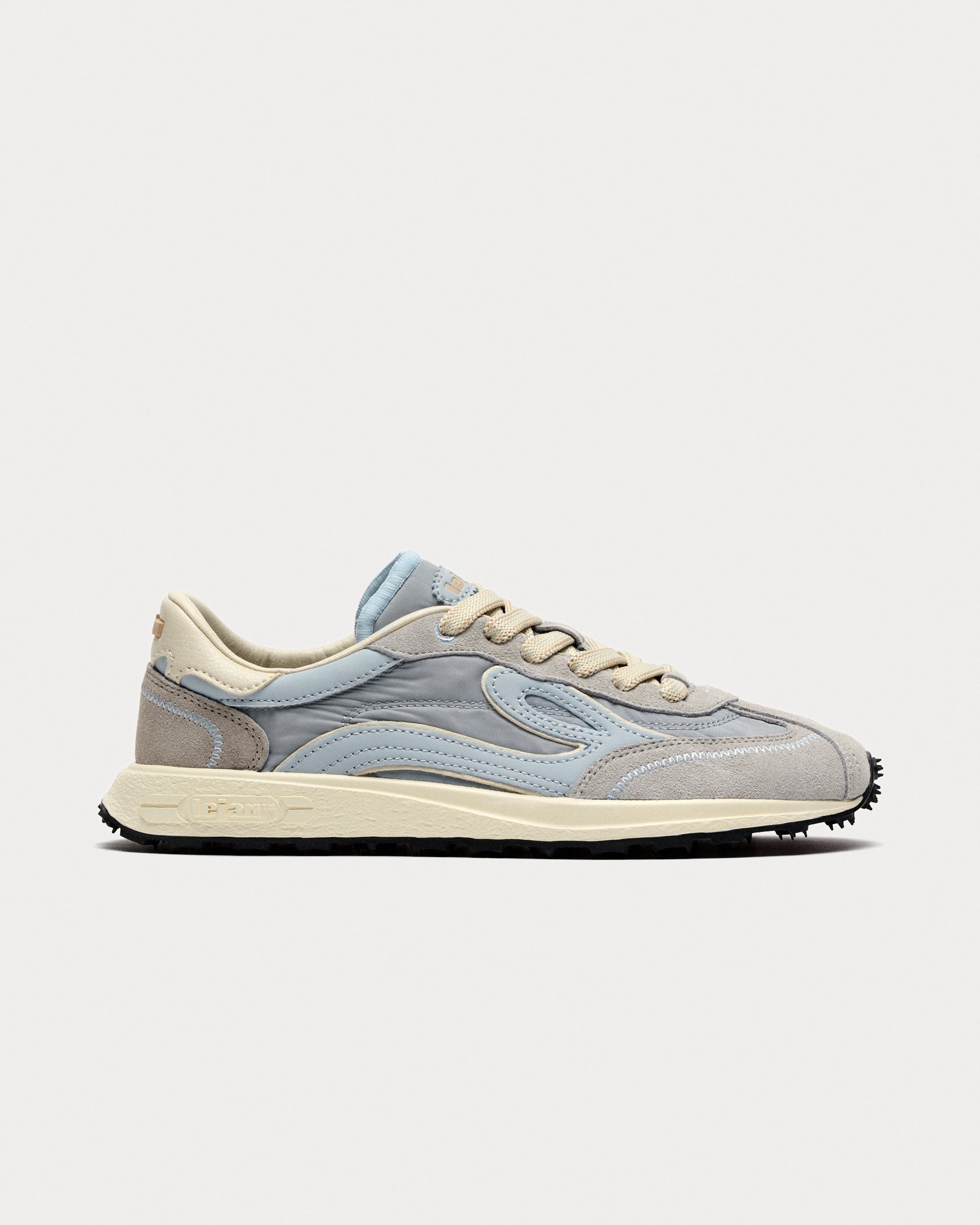
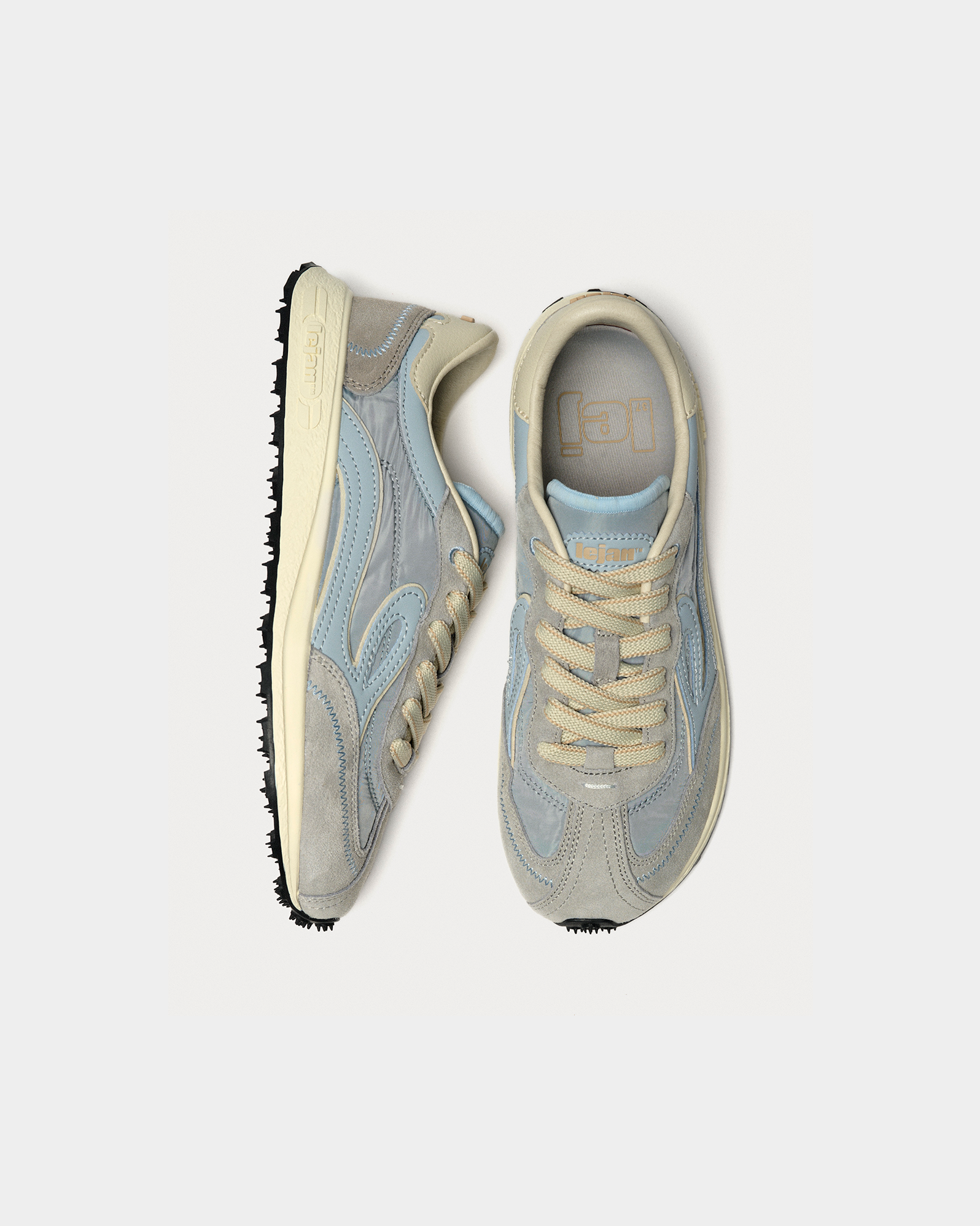
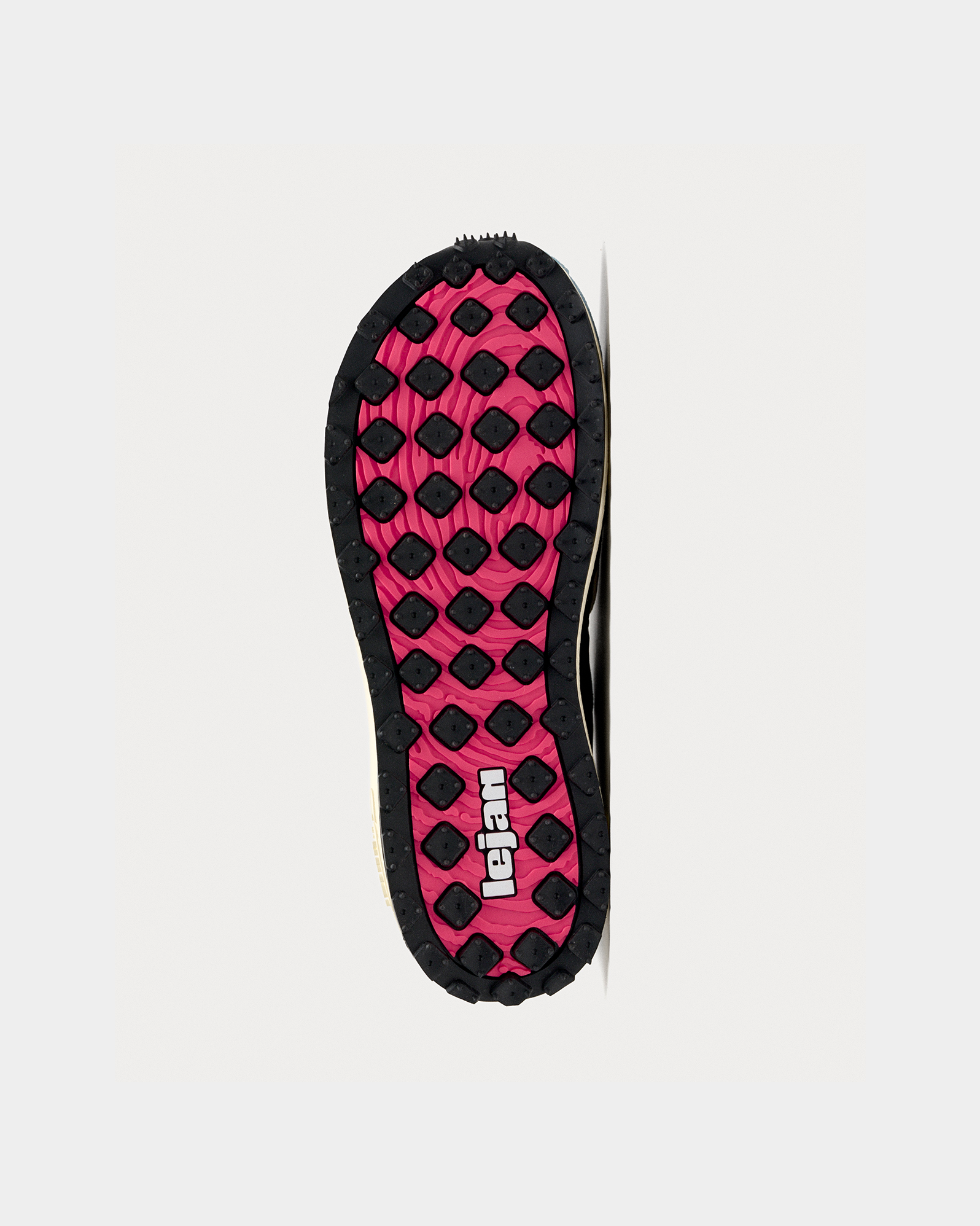
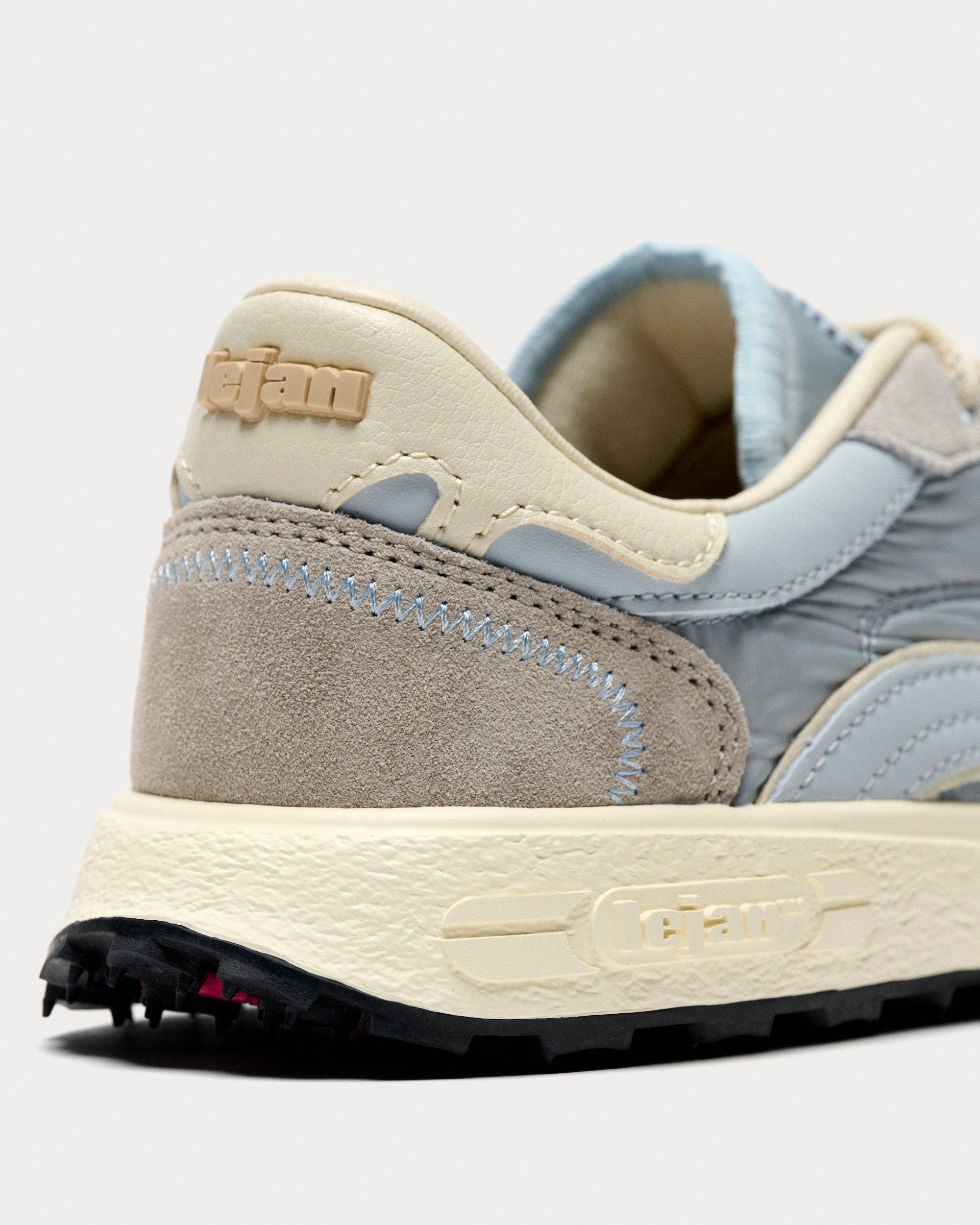
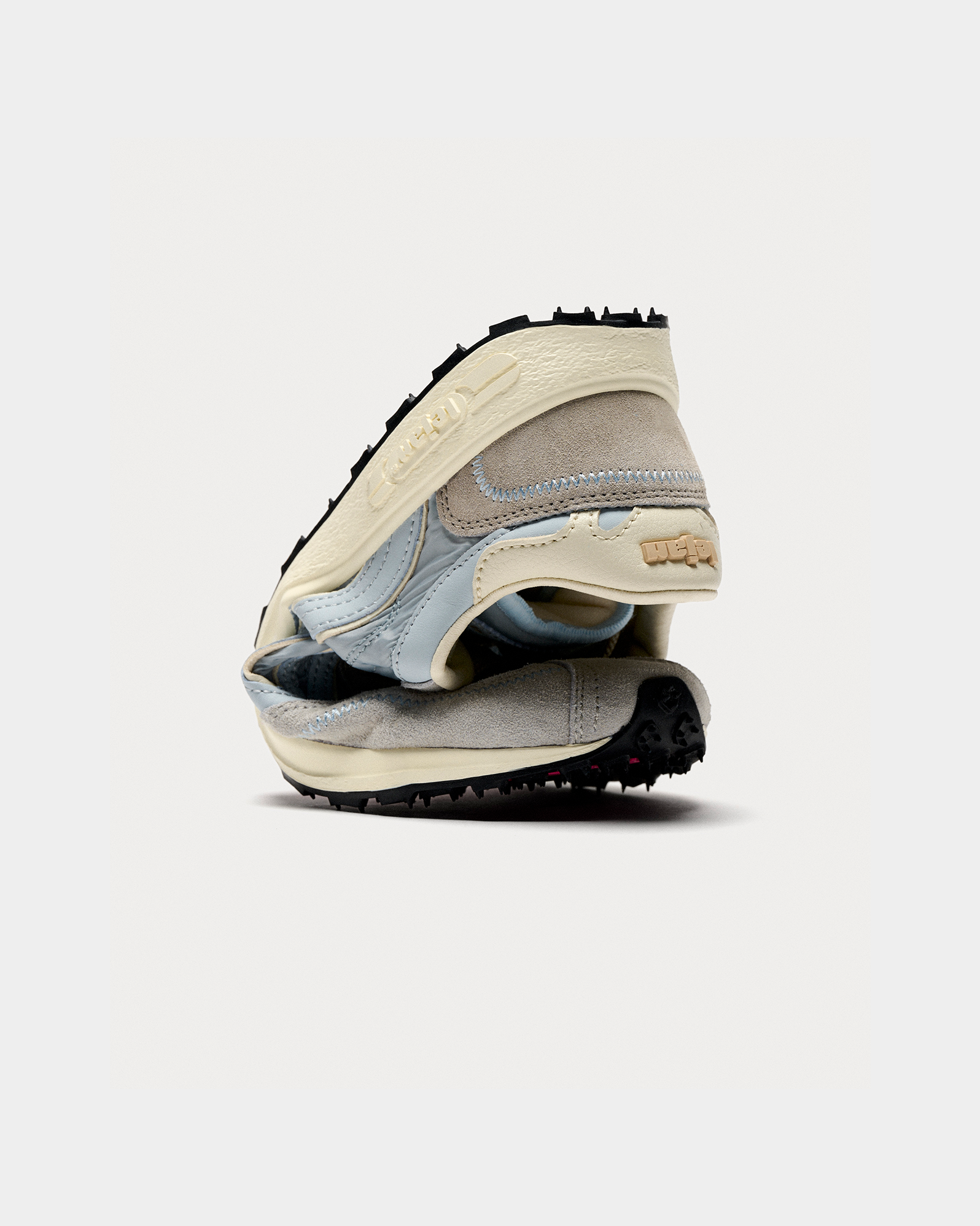
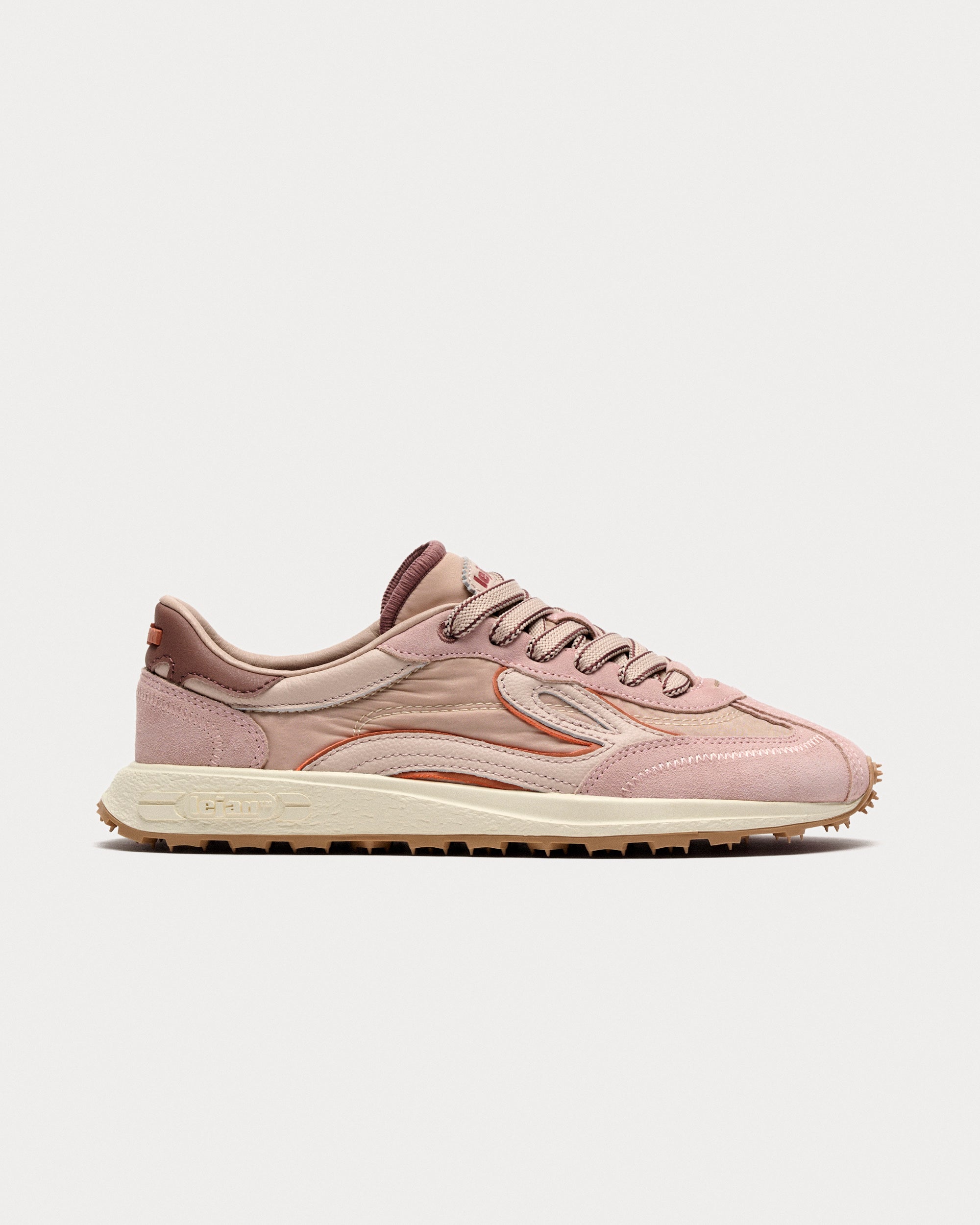
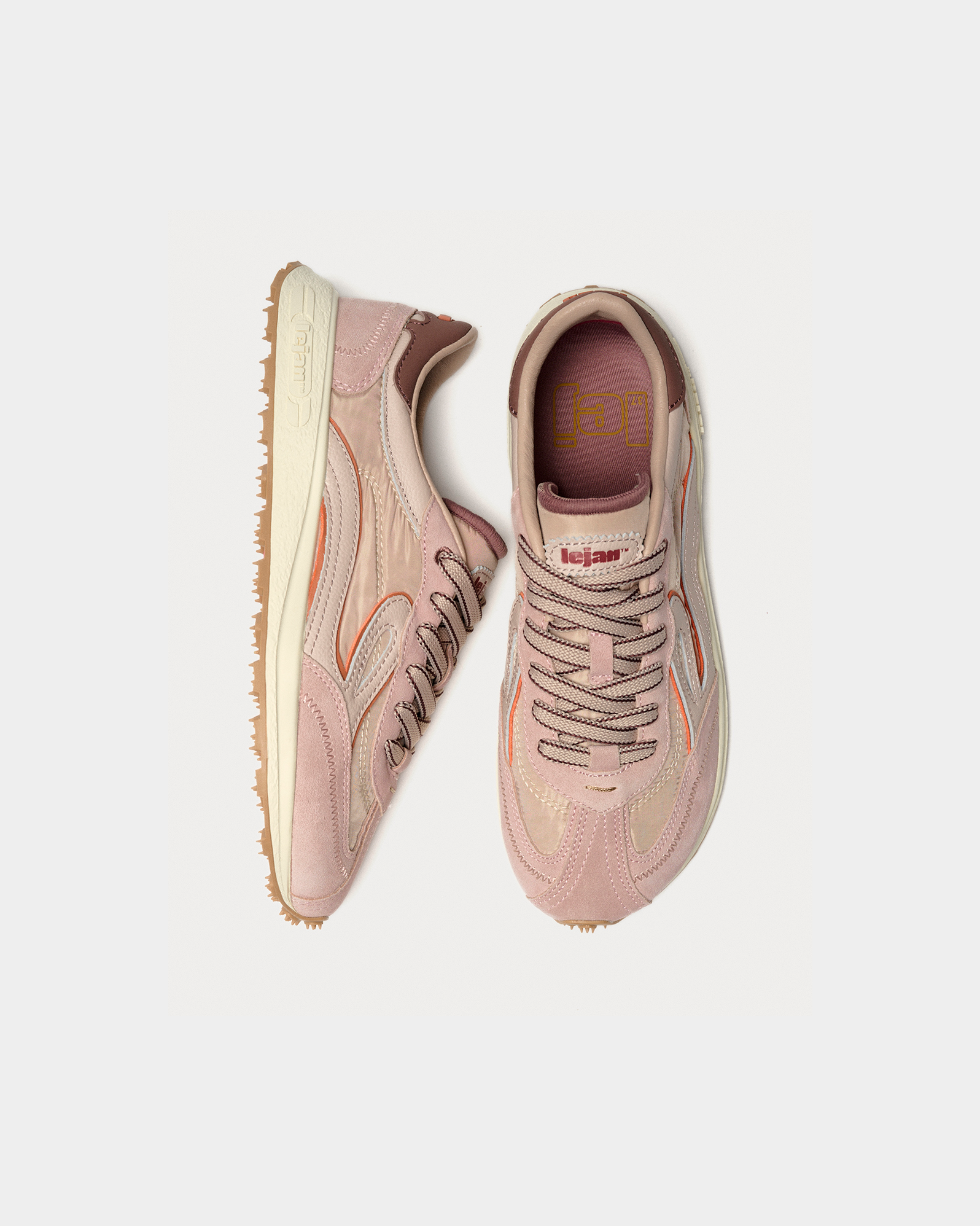
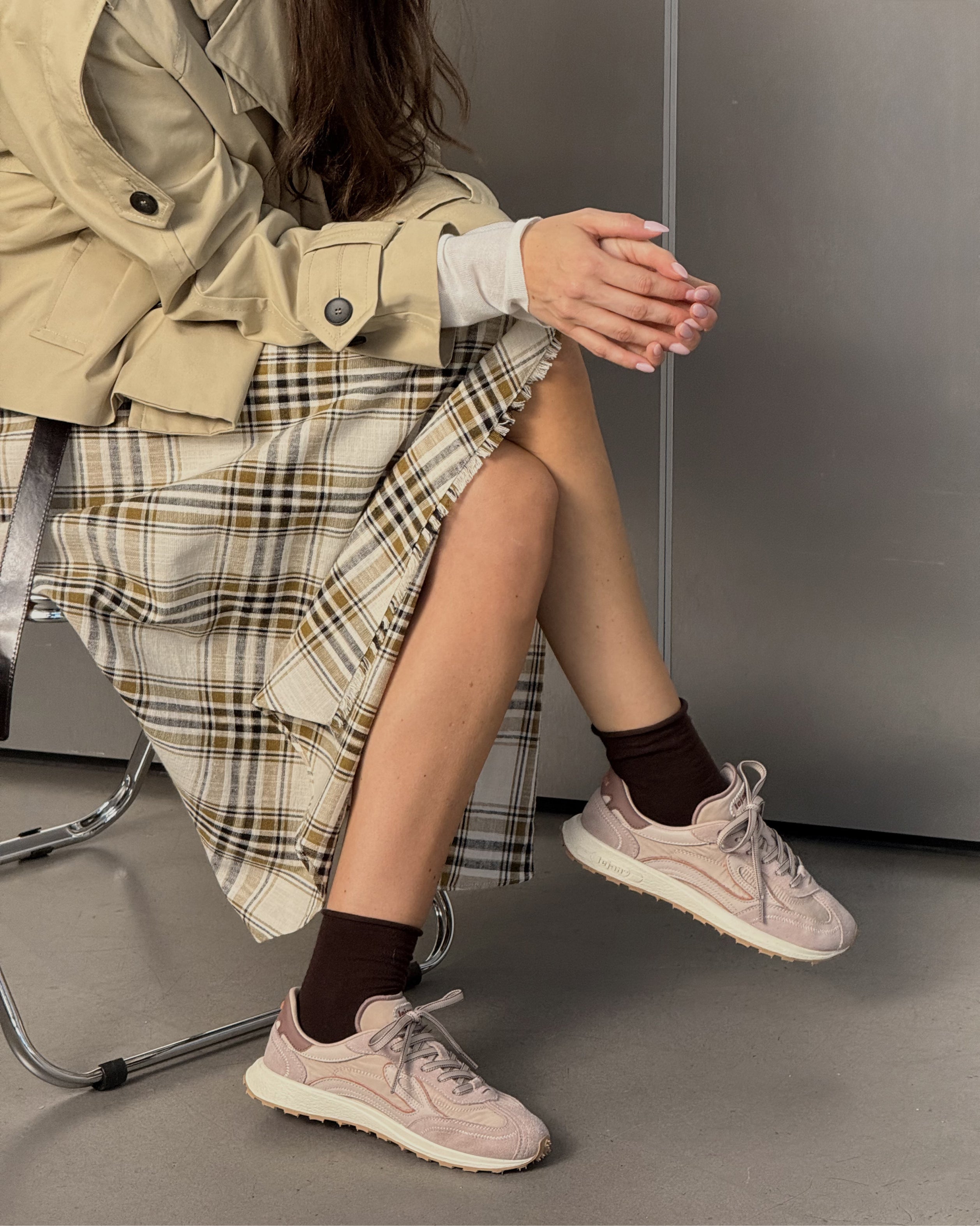
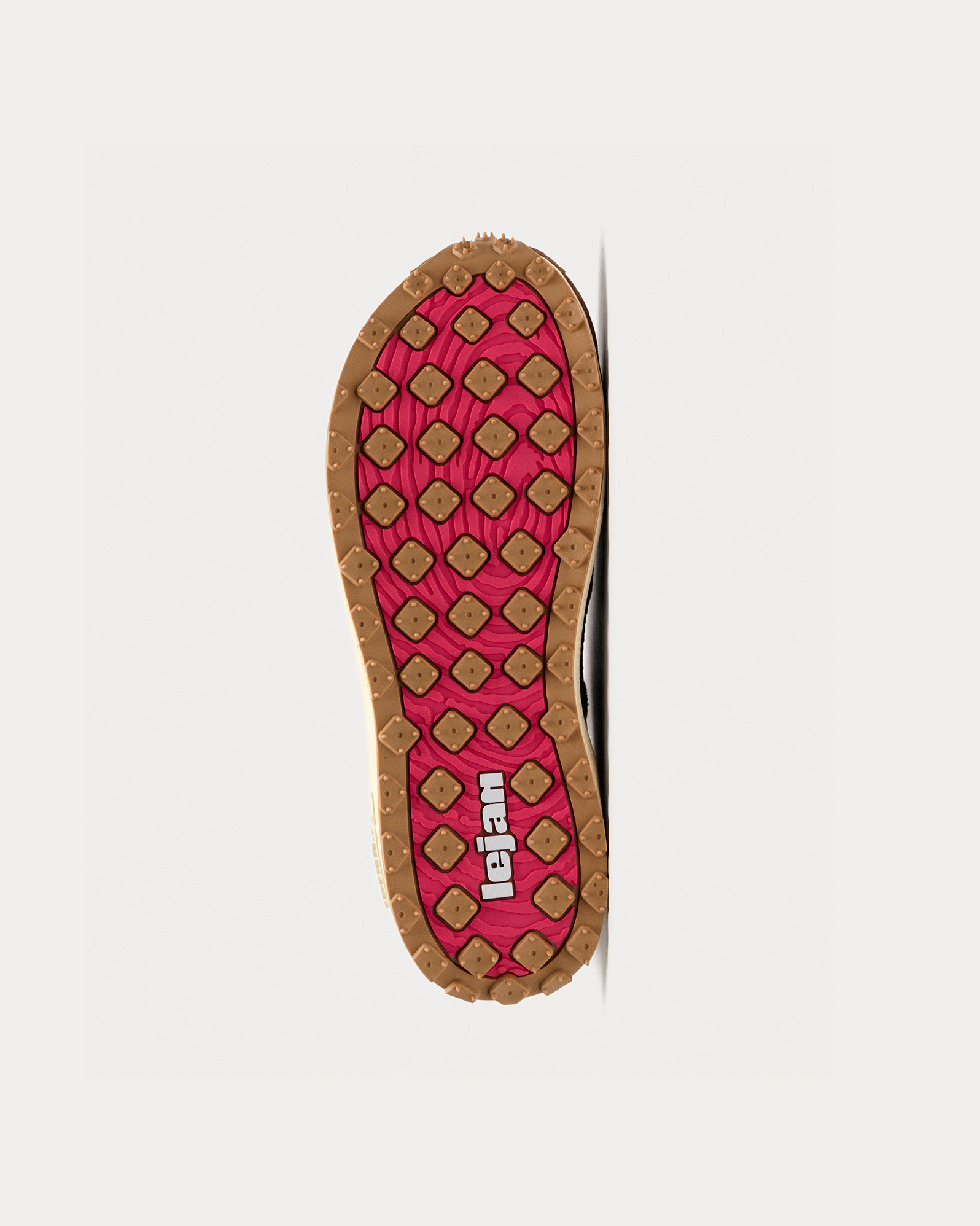
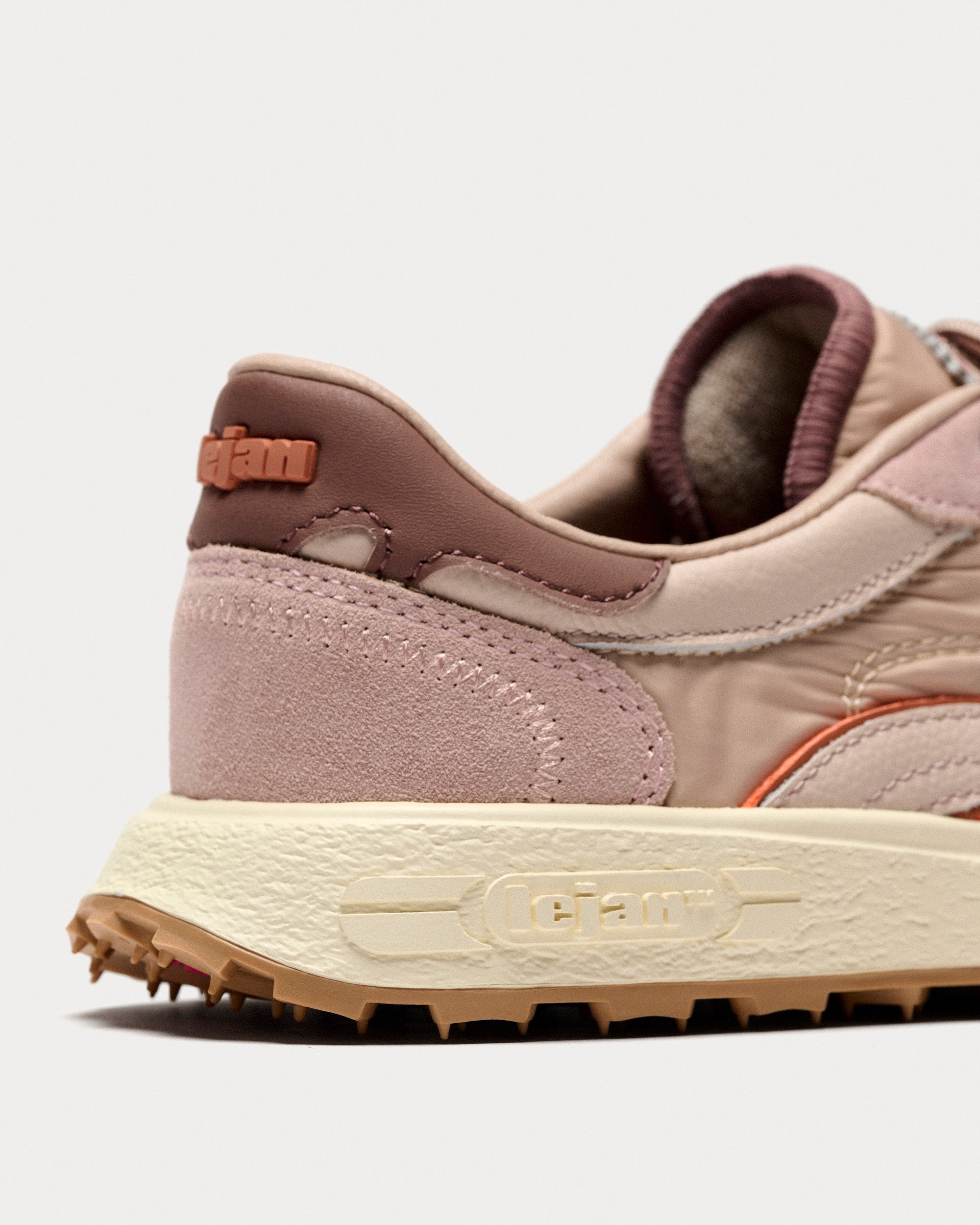
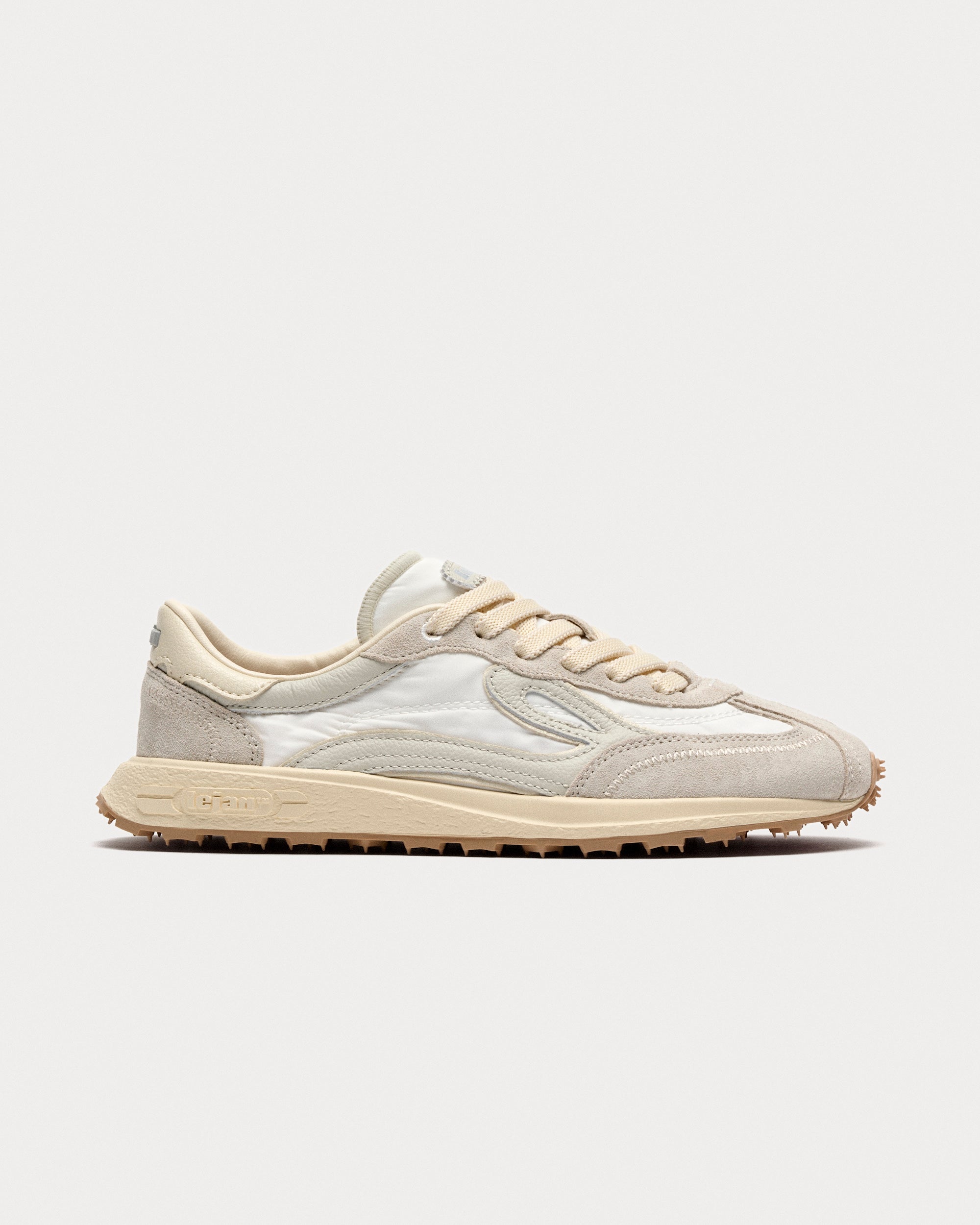
If you need footwear (for cold weather, outdoor use, or safety), the ideal option is one that protects without hindering: flexible soles, wide toes, soft materials, and no unnecessary rigidity. At this stage, the goal is for the foot to feel and move, not to "correct" or immobilize. So, if you're looking for options that fit this idea, you can check out models of barefoot shoes for children, which prioritize precisely that combination of protection + freedom of movement.
How to encourage crawling at home without rushing (step-by-step routine)
It's not about teaching them to crawl. It's about facilitating.
Tummy time and reaching games (motivation + safety)
Short, frequent periods on their tummy. Toys placed within reach to encourage them to try. And you at their level.
Often the best encouragement is simple: a familiar face, a smile, a voice.
Guided exercises (with simple examples)
-
Place an object diagonally so that you have to rotate it slightly.
-
Set two goals: one close by and one a little further away.
-
Change safe surfaces (firm mat + thin carpet) to enrich support.
Accompany without directing. Let the movement be theirs.
Warning signs and when to consult a professional
Consult if you notice:
-
Clear and persistent asymmetry (avoids one side, always uses the same side).
-
Lack of progression (weeks go by and you don't earn any resources).
-
Stiffness or looseness that limits movement.
-
Loss of previously acquired skills.
It's not about comparing them to other babies: it's about watching their development.
Frequently asked questions about baby crawling
Is it bad if they skip crawling?
Not necessarily. Some babies go through other forms of movement or start standing up earlier.
The important thing is that there is real time on the ground and adequate motor progression. If there are doubts due to asymmetries or stagnation, it is best to seek professional advice.
How much time per day is recommended on the floor?
There is no magic number. It works better to think in terms of "frequency": several short periods of free movement throughout the day, rather than one long period.
Which surfaces are best (carpet, parquet, grass, sand)?
-
Firm and stable to start with (parquet flooring/stable mat).
-
Thin carpet if the floor is slippery.
-
Grass as an extra sensory stimulus.
-
Compact sand when there is already more control (it is more demanding).
Always with one criterion above all others: safety.
Quizz
1) If a baby moves "backwards" at first, the most common thing is that...
A. It is a sign that they will never crawl.
B. It is a common phase before coordinating forward movement.
C. It indicates that they have a vision problem.
D. It means that they need to be held upright for longer to compensate.
2) What detail would make it more advisable to consult it (if it remains unchanged over time)?
A. Changes crawling style depending on the day
B. Alternates between crawling and classic crawling for weeks
C. Maintains an asymmetrical pattern when moving (always leading with the same side)
D. Crawls little, but moves around a lot by rolling and turning
3) What environment tends to best facilitate unhurried crawling?
A. Long periods in a hammock to "rest" and short periods on the floor
B. Safe floor and frequent periods of free movement throughout the day
C. Walker with wheels so that they can "build strength" in their legs
D. Only a very soft rug so they don't fall
4) If footwear is needed for crawling (cold/outdoors), which feature best fits "no interference"?
A. Rigid sole to stabilize the ankle
B. Narrow toe box to prevent the foot from "spreading"
C. Flexible sole and space for the toes
D. High drop to keep the heel "protected"
Answers:
1- b)
2- c)
3- b)
4- c)

Share