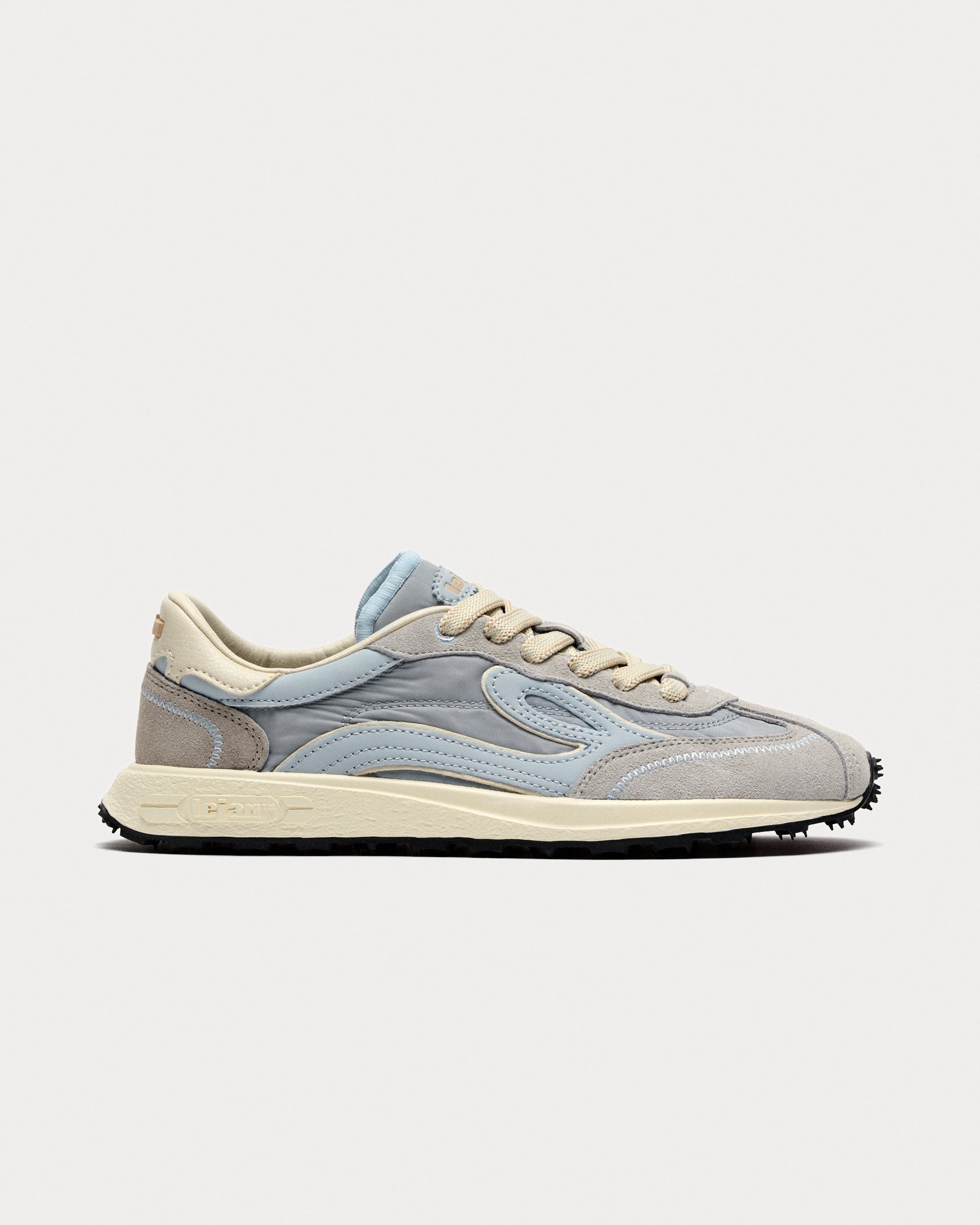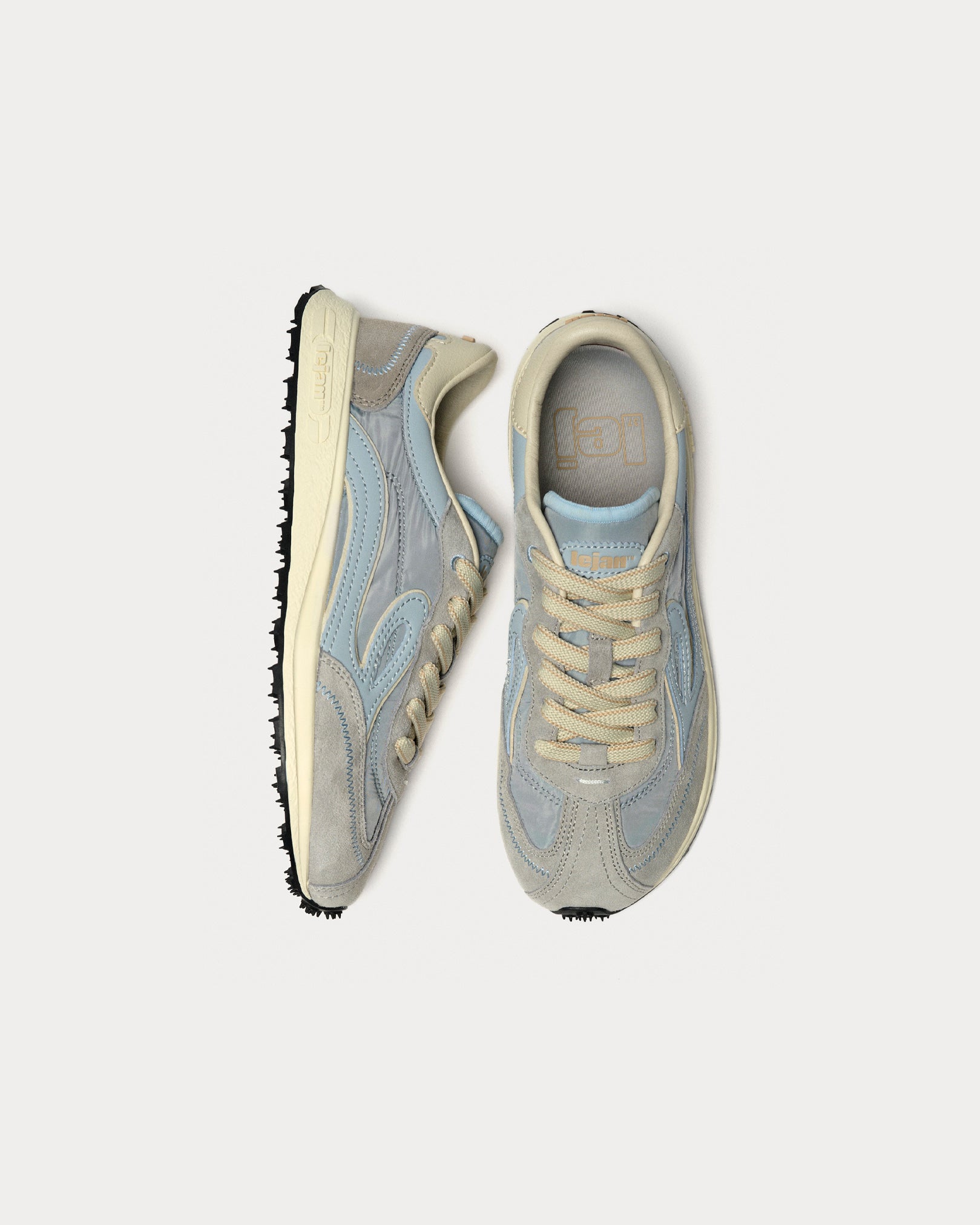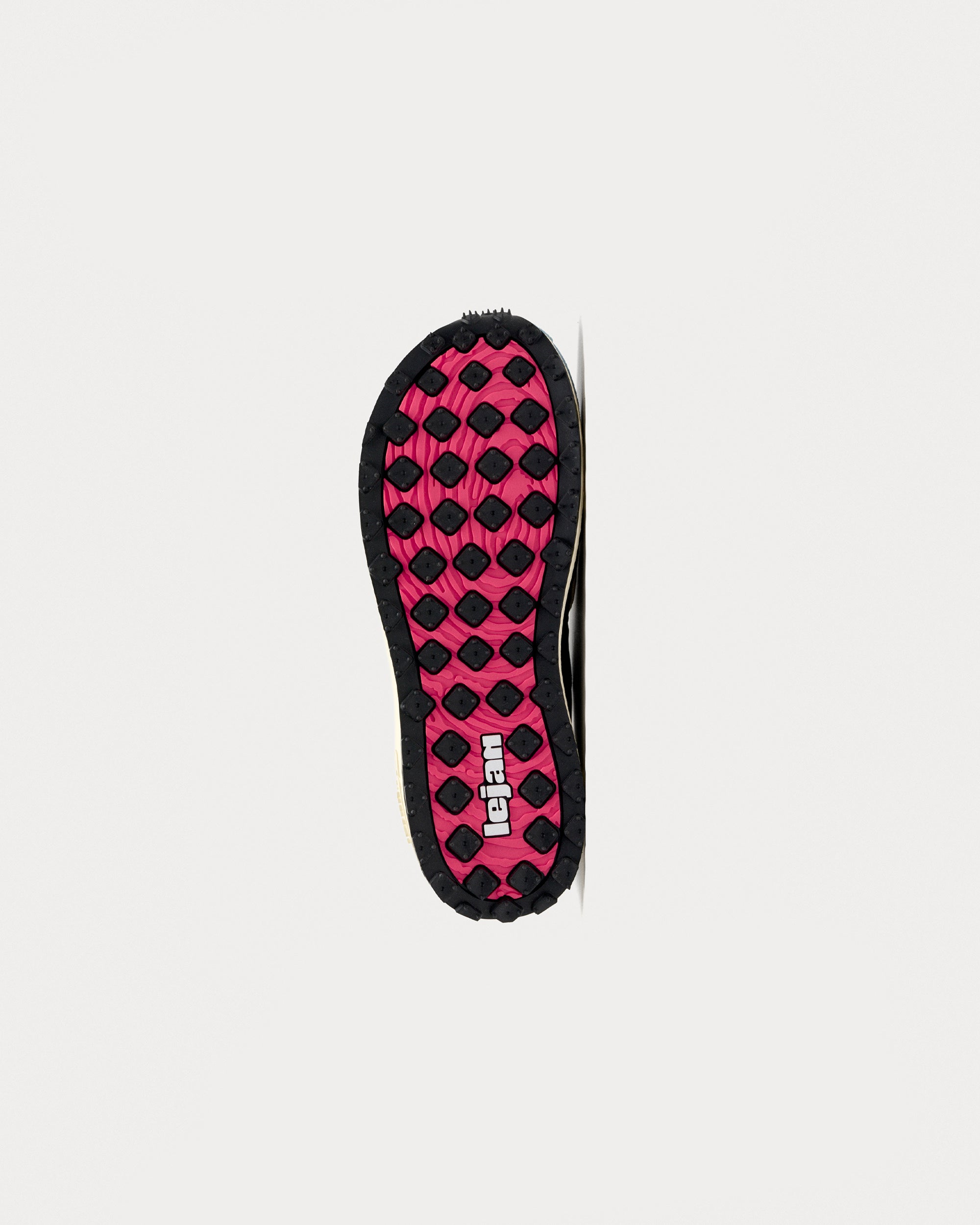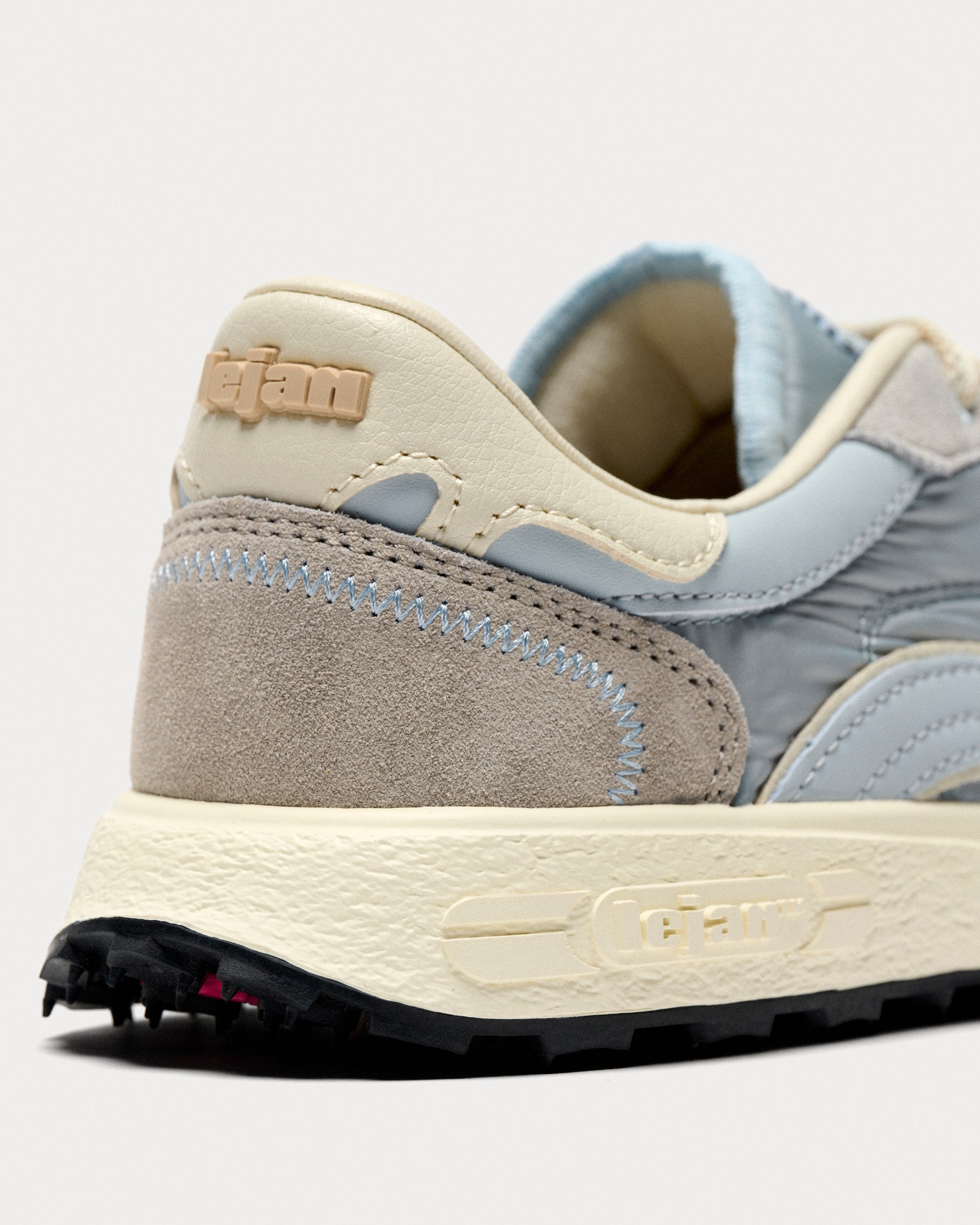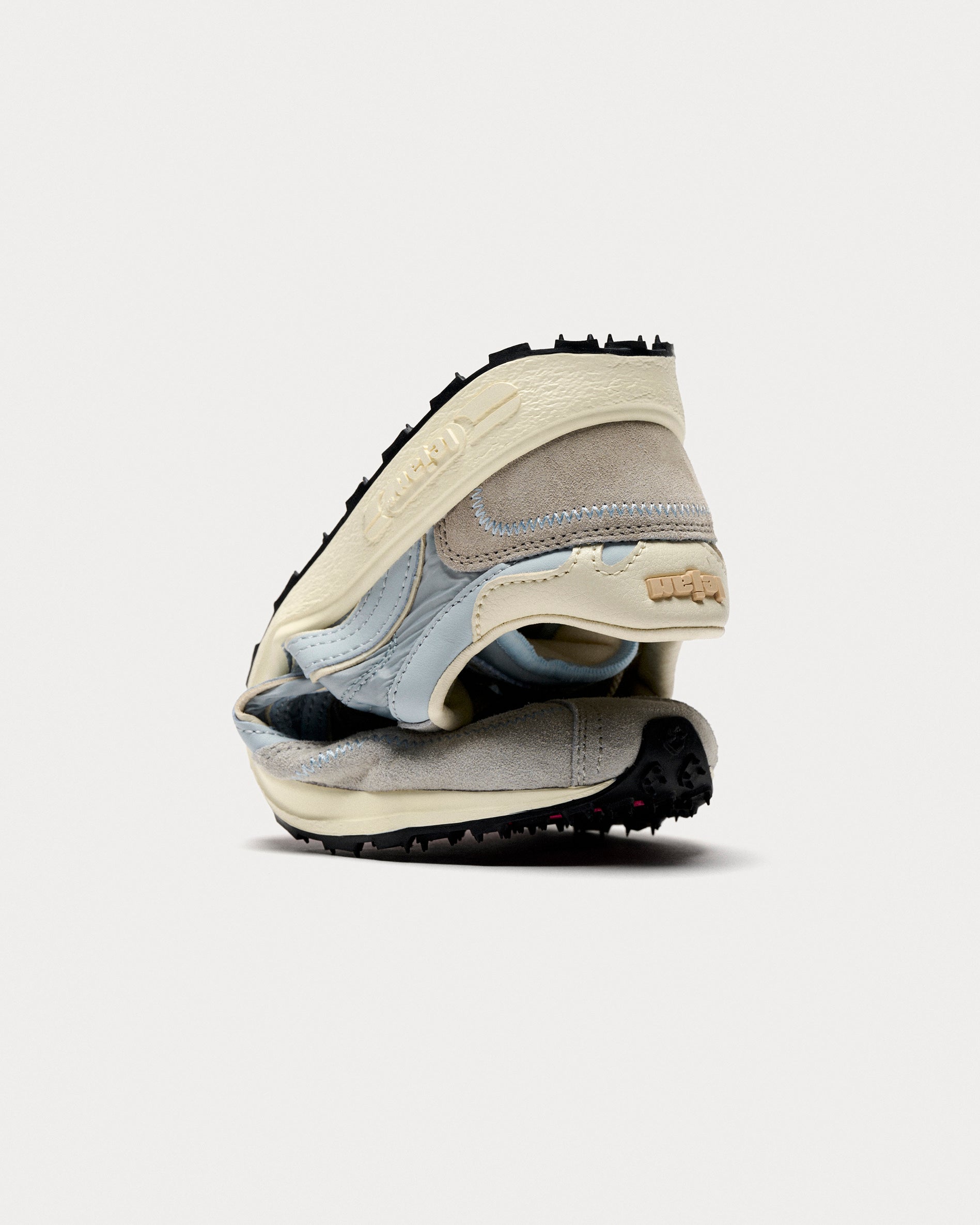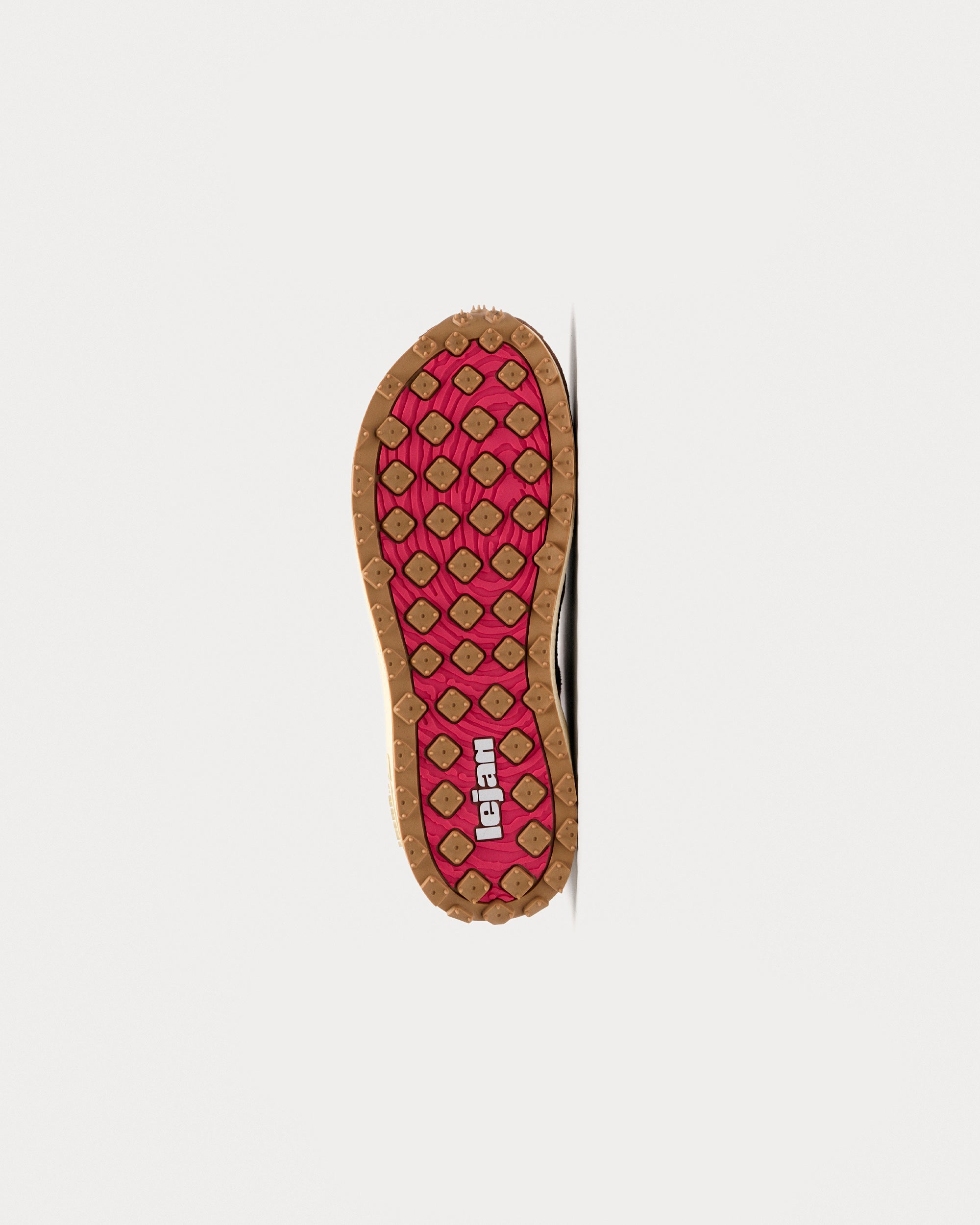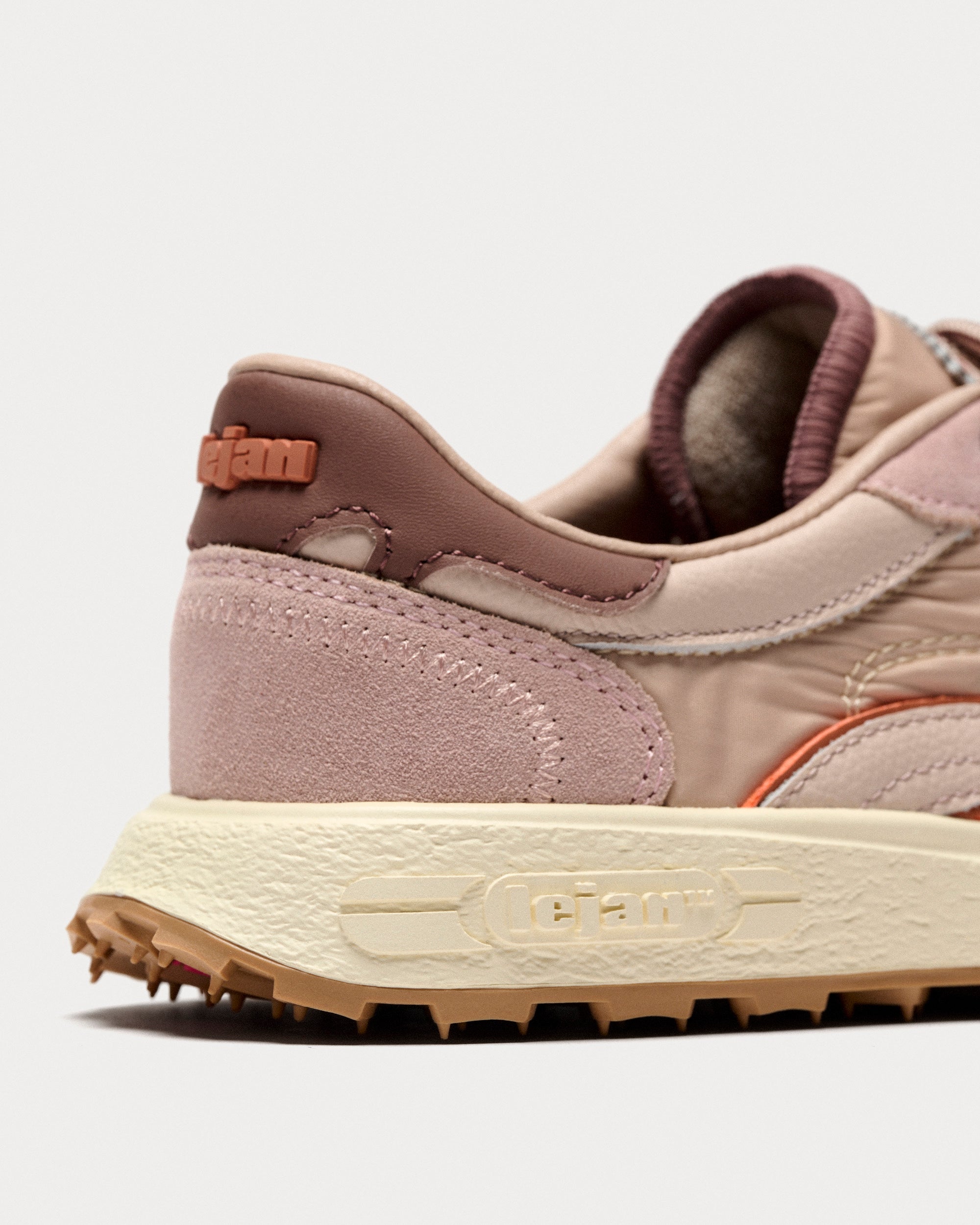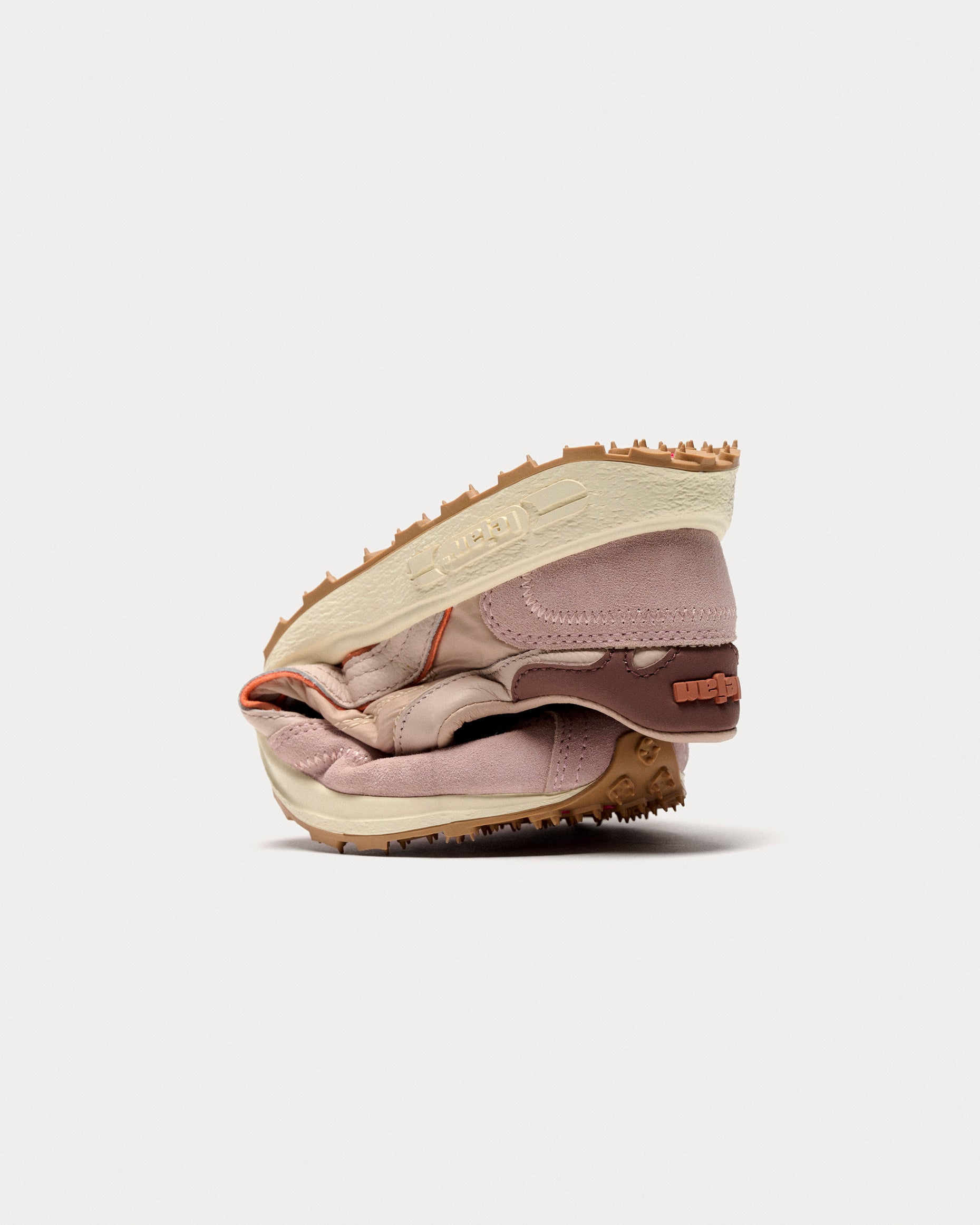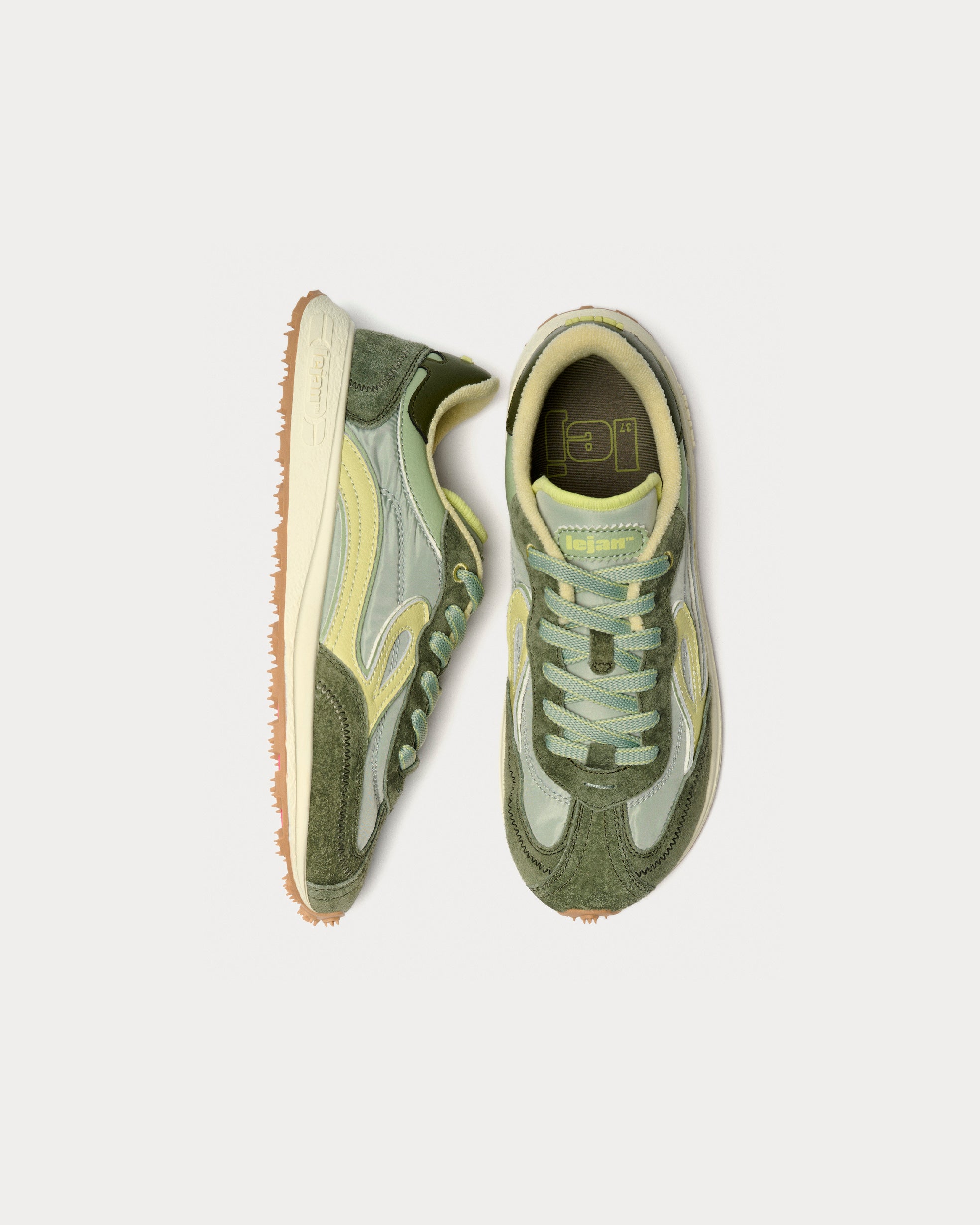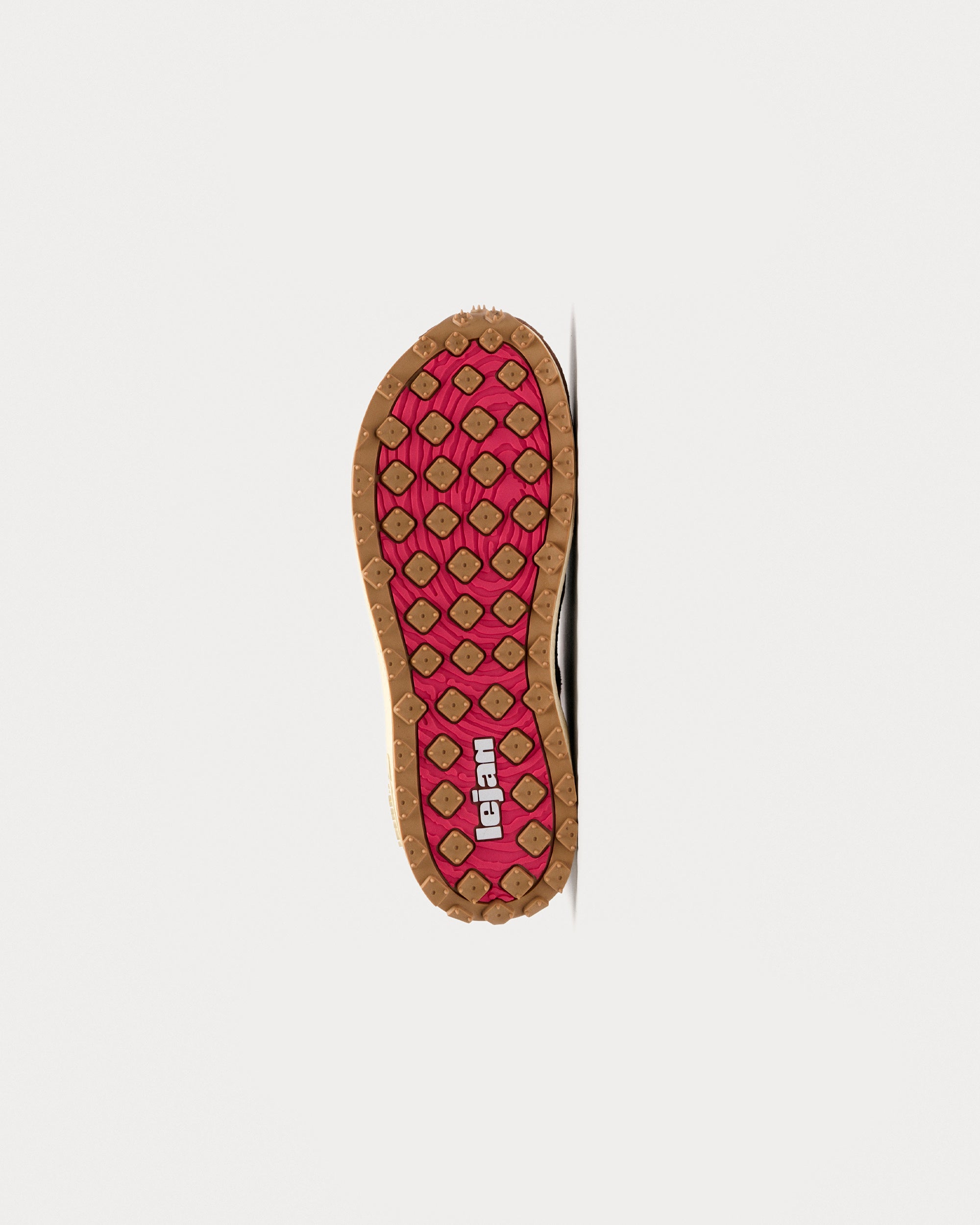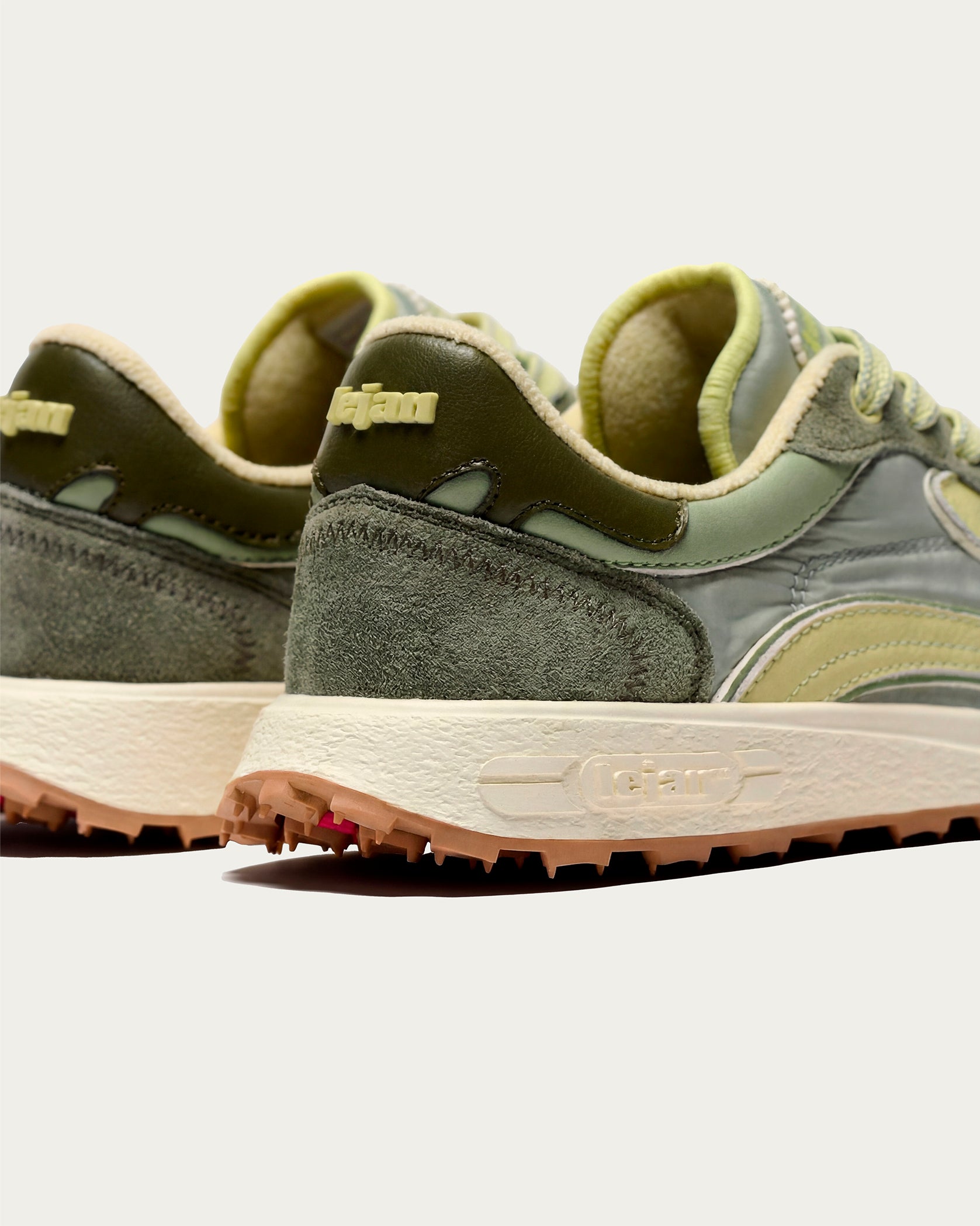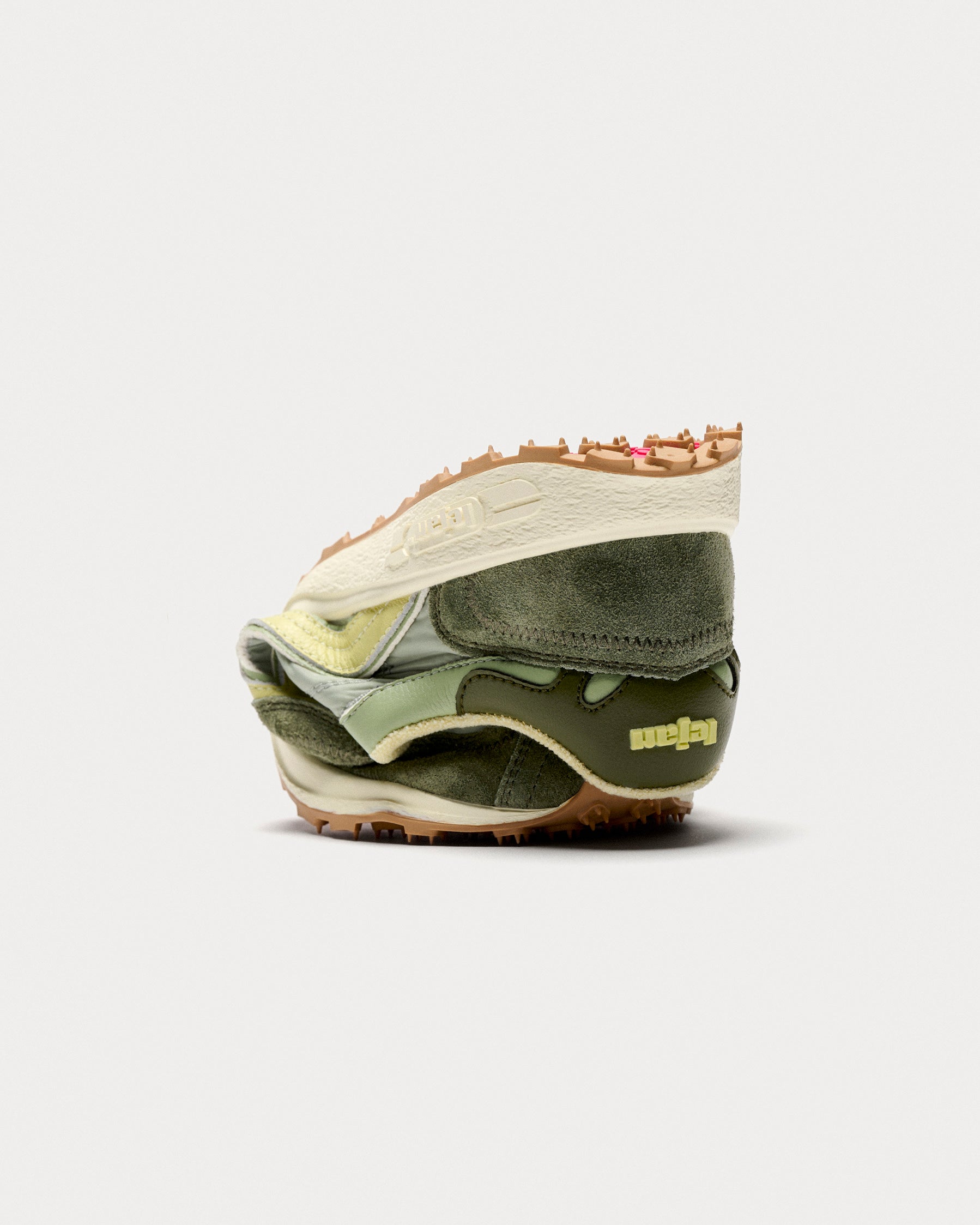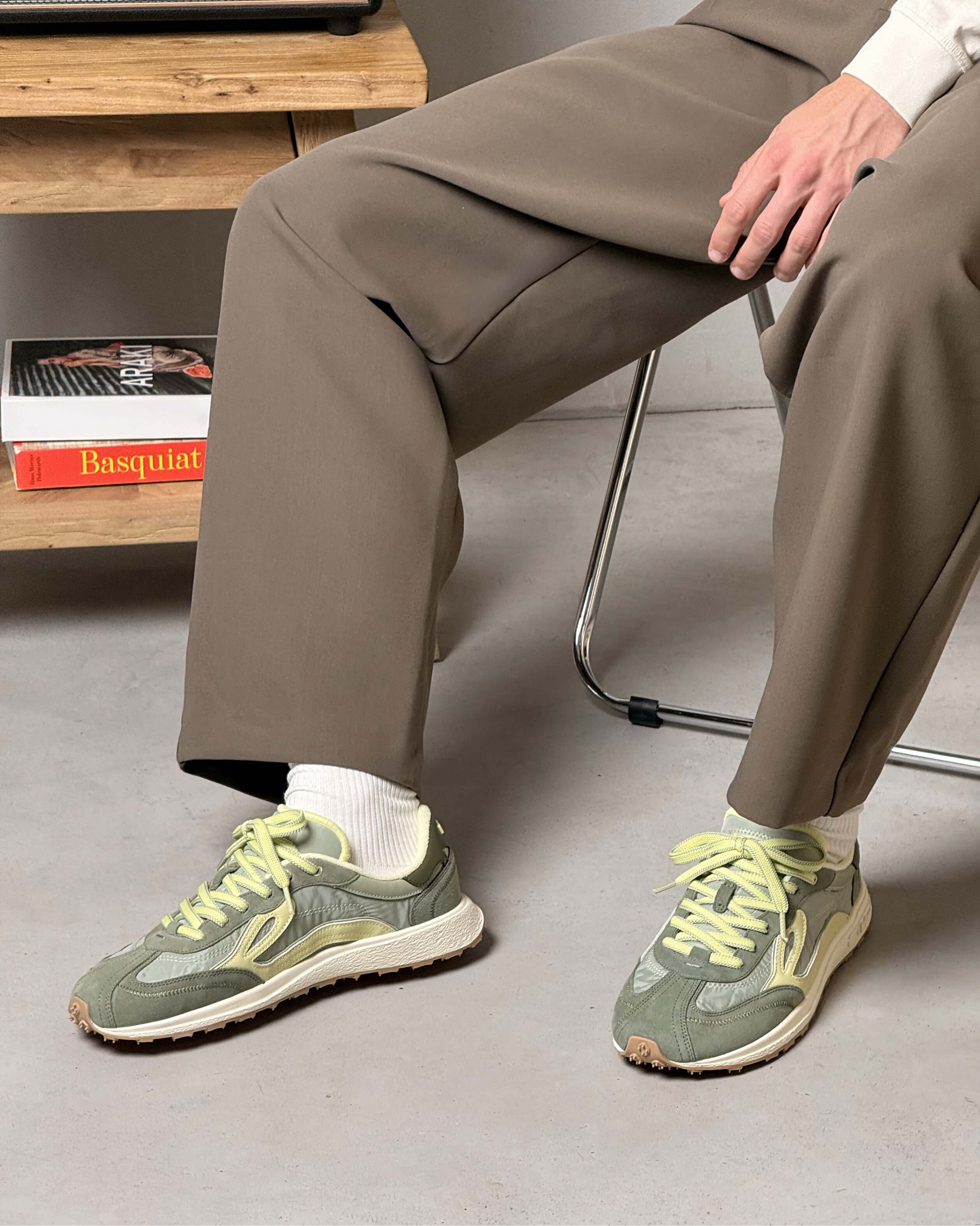





Firm and flexible sole: stability without sinking or "spoiling" your stride
When the sole isflexible, it allows those jointsto work, the footto bend where it needs to bend, andto receiveconstant mechanical stimulation. This stimulation helps tokeep the muscles active,improve support control, andmaintain foot strengthovertime.
In contrast, arigid soletendstoblocksomeof that natural mobility:it limits jointmovement,reduces musclework, and makes the bodymore dependent on the shoeforstability. With continued use, this lack of stimulation can lead to anunder-stimulated footand, therefore, a "lazier" or weaker foot.
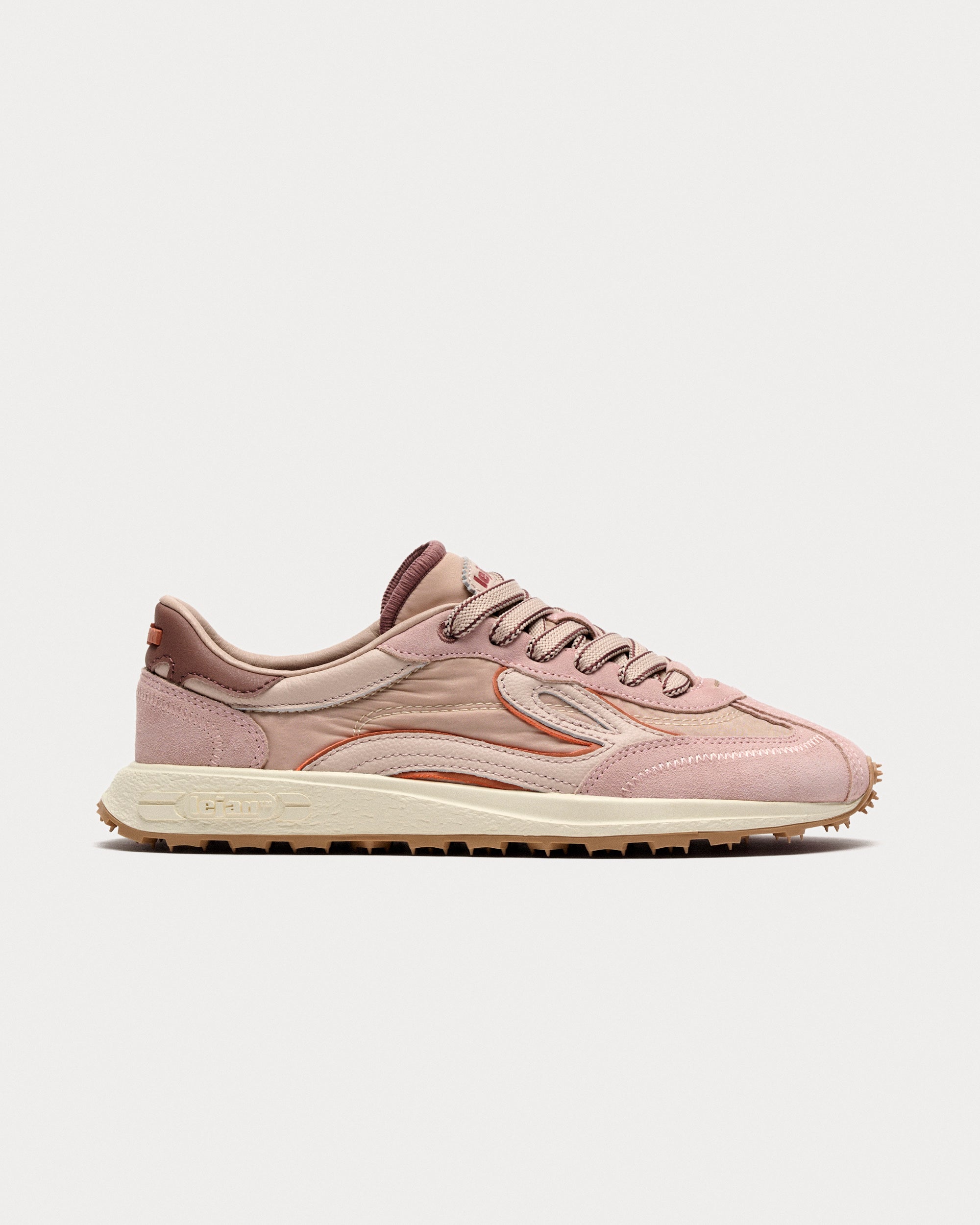
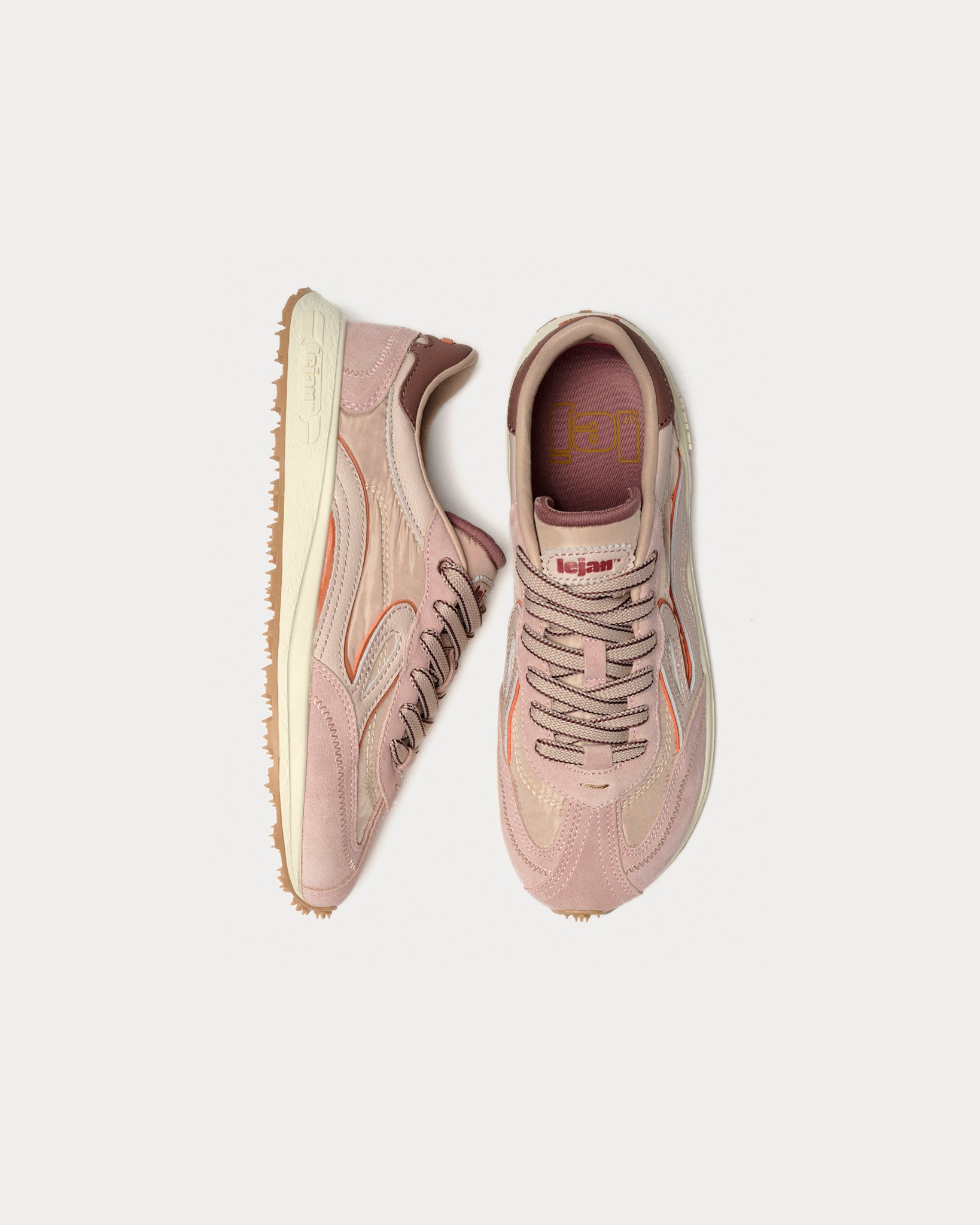
When it comes tobarefoot shoes,hardnessmatters: the sole should befirm and hard, but not soft or overly cushioned.
How to recognize a truly flexible sole
Avoidsoftnessthatsinks. When a material is very padded,it deformsunderyour weight and does not always do so evenly. Sometimes it gives way more on the inside or outside, and that can cause your footto tiltslightlywithout you realizing it, as if the shoe itself were creating a small "wedge." That movement can cause you to step more inward or outward andchange the way you walk.
When you walk barefoot, the ground is stable:it doesn't deformunderyour feet. On the other hand, with a lot of cushioning, some of the movements you feel don't come from your feet, but from the sole compressing. That's why barefoot shoes need afirm, stable sole that doesn't sink and allows you to support yourself consistently.
Real benefits in your daily life: control, sensitivity, and posture from the foot up
With afirm and flexible sole, the footworks: morestimulation,active muscles, bettercontrolofsupport, anda better feel for the ground. Flexibilityis not a technical detail: it is the basic condition forrespecting the function of the footandallowing it to do what it isdesigned to do.

Share