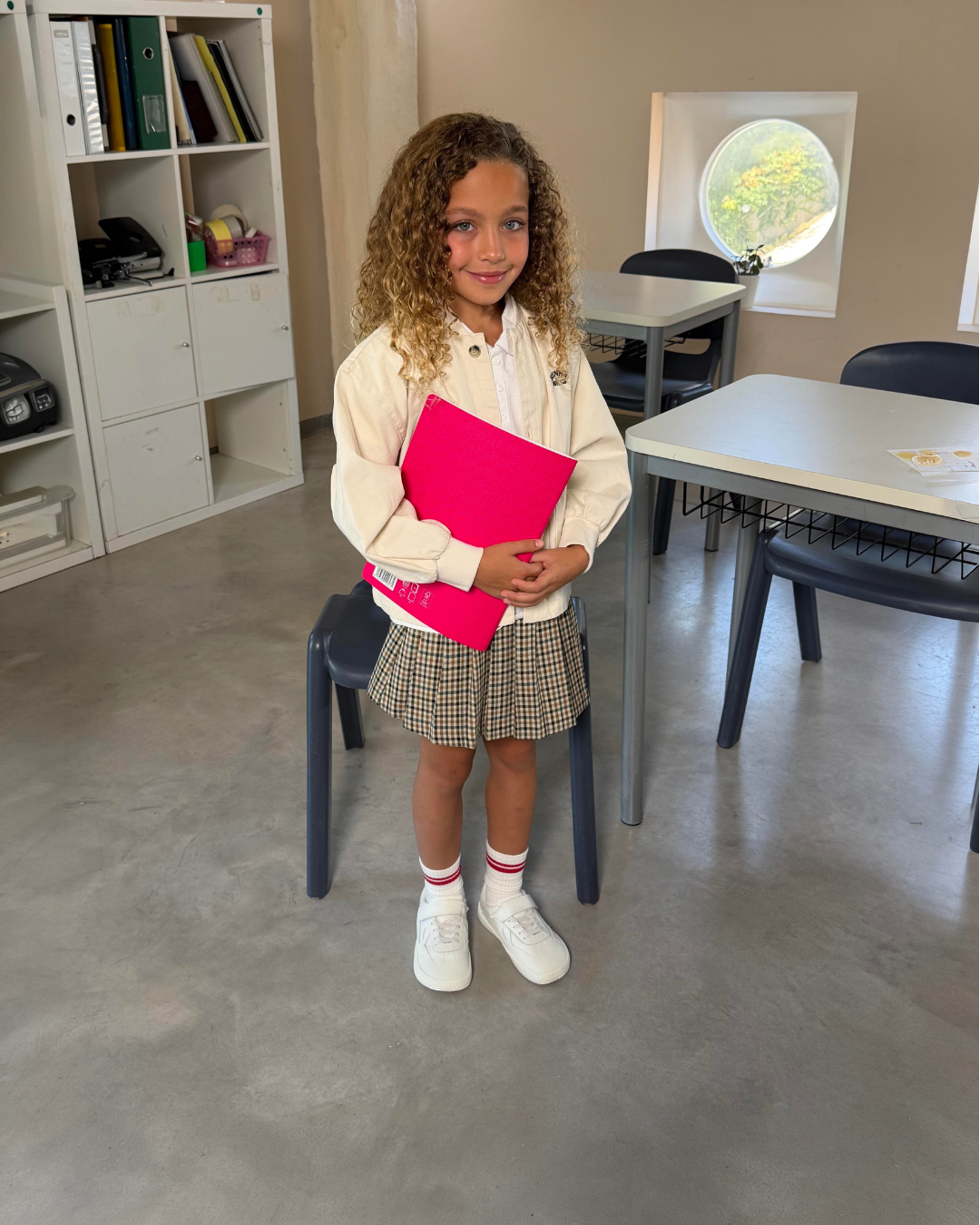
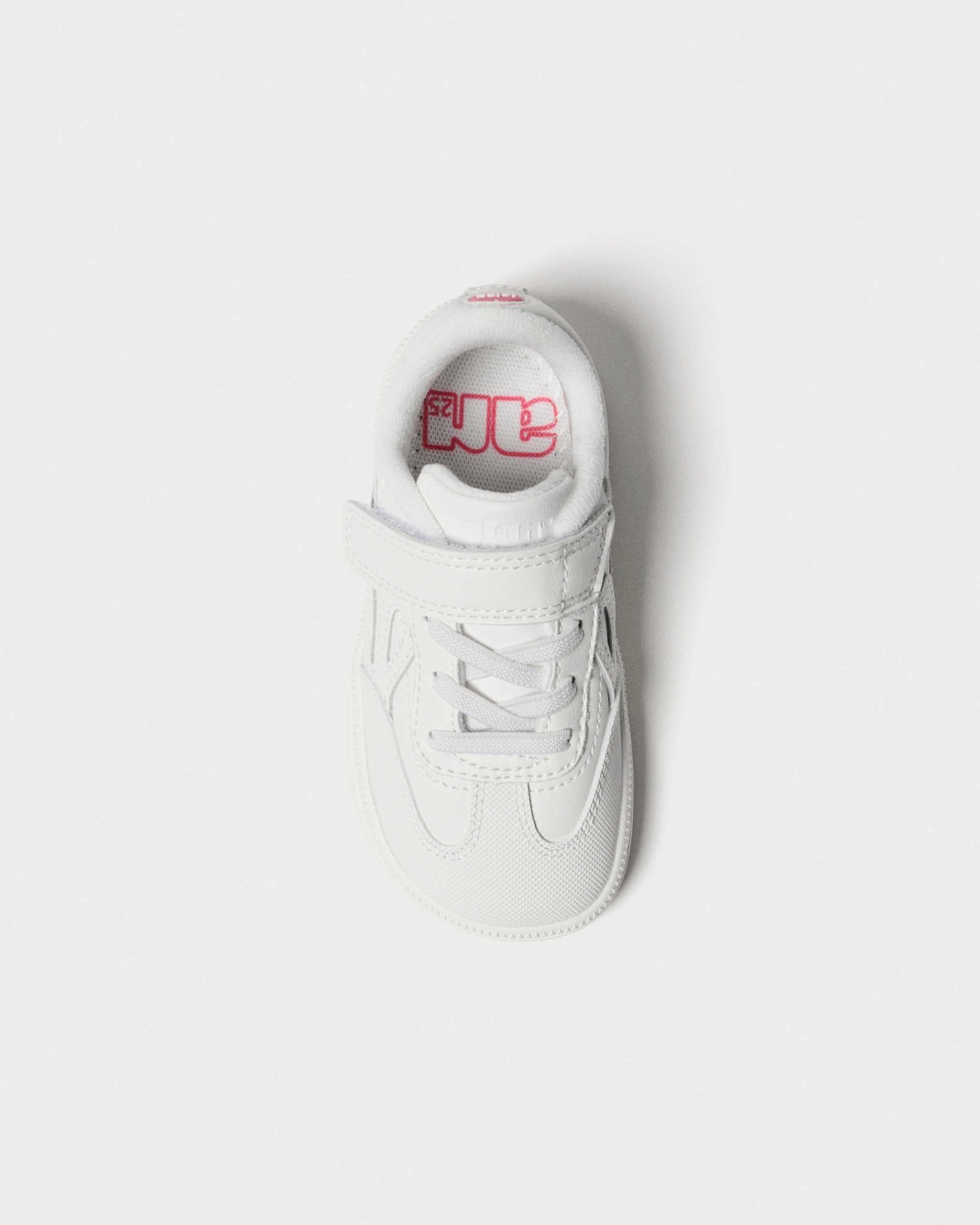
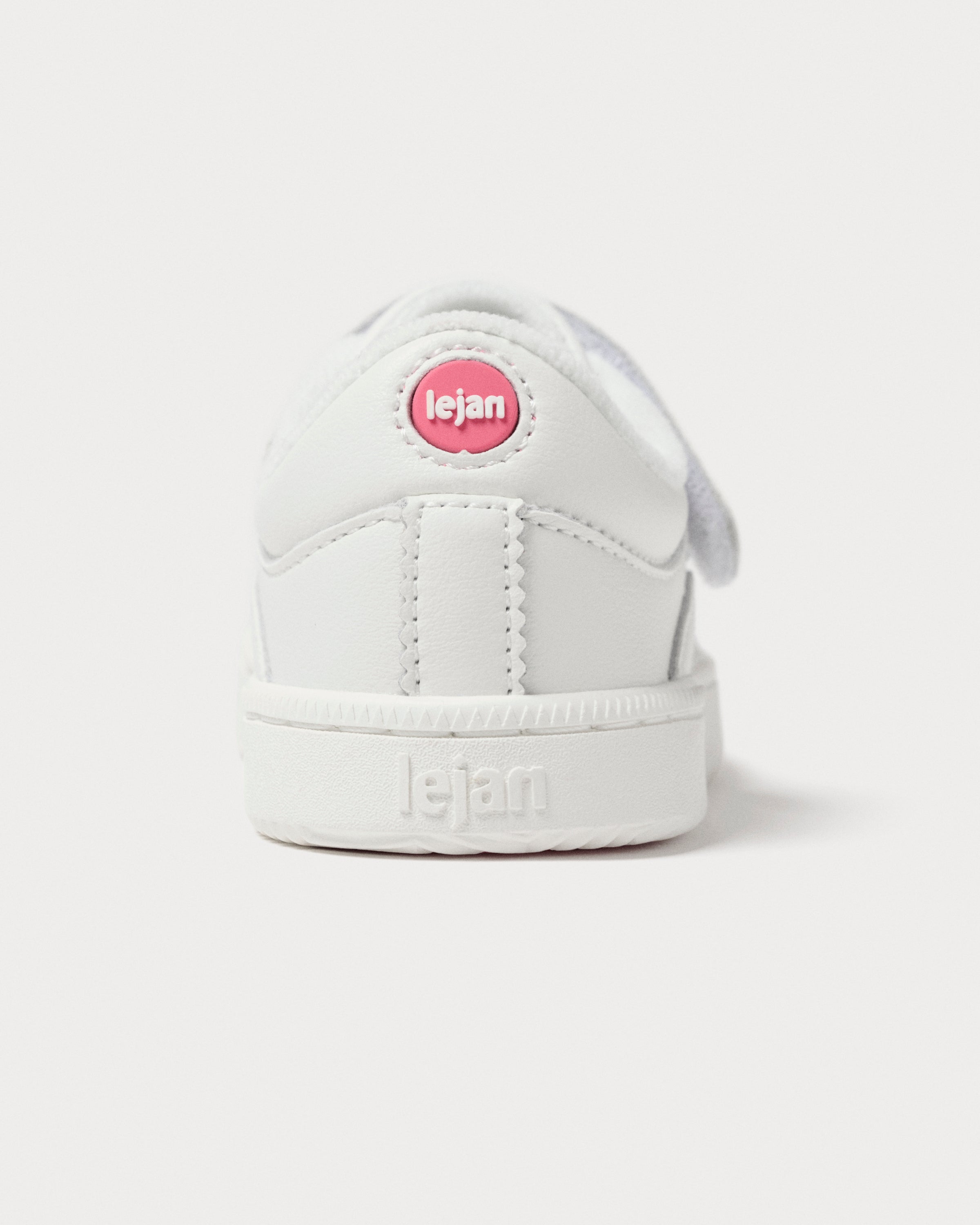
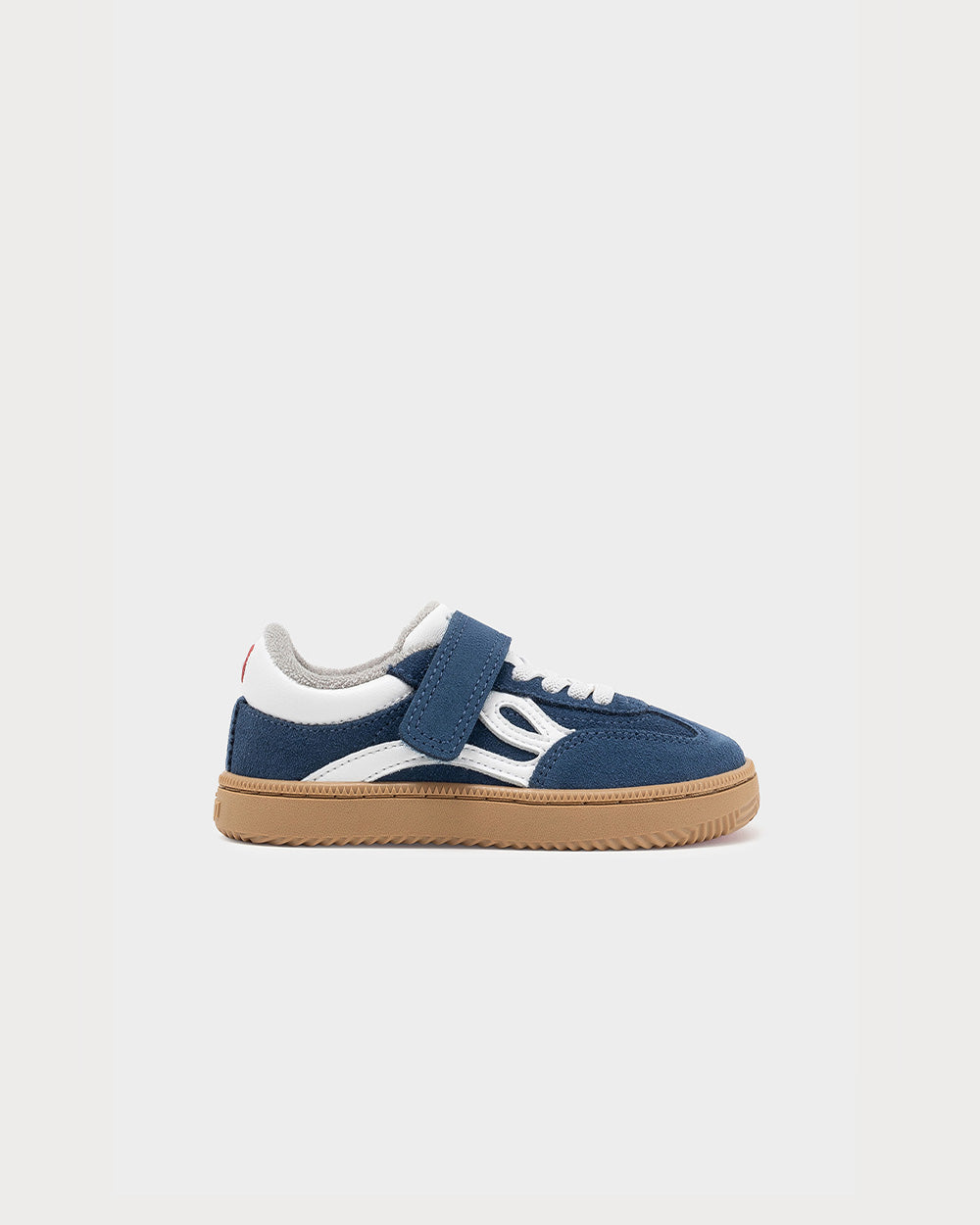
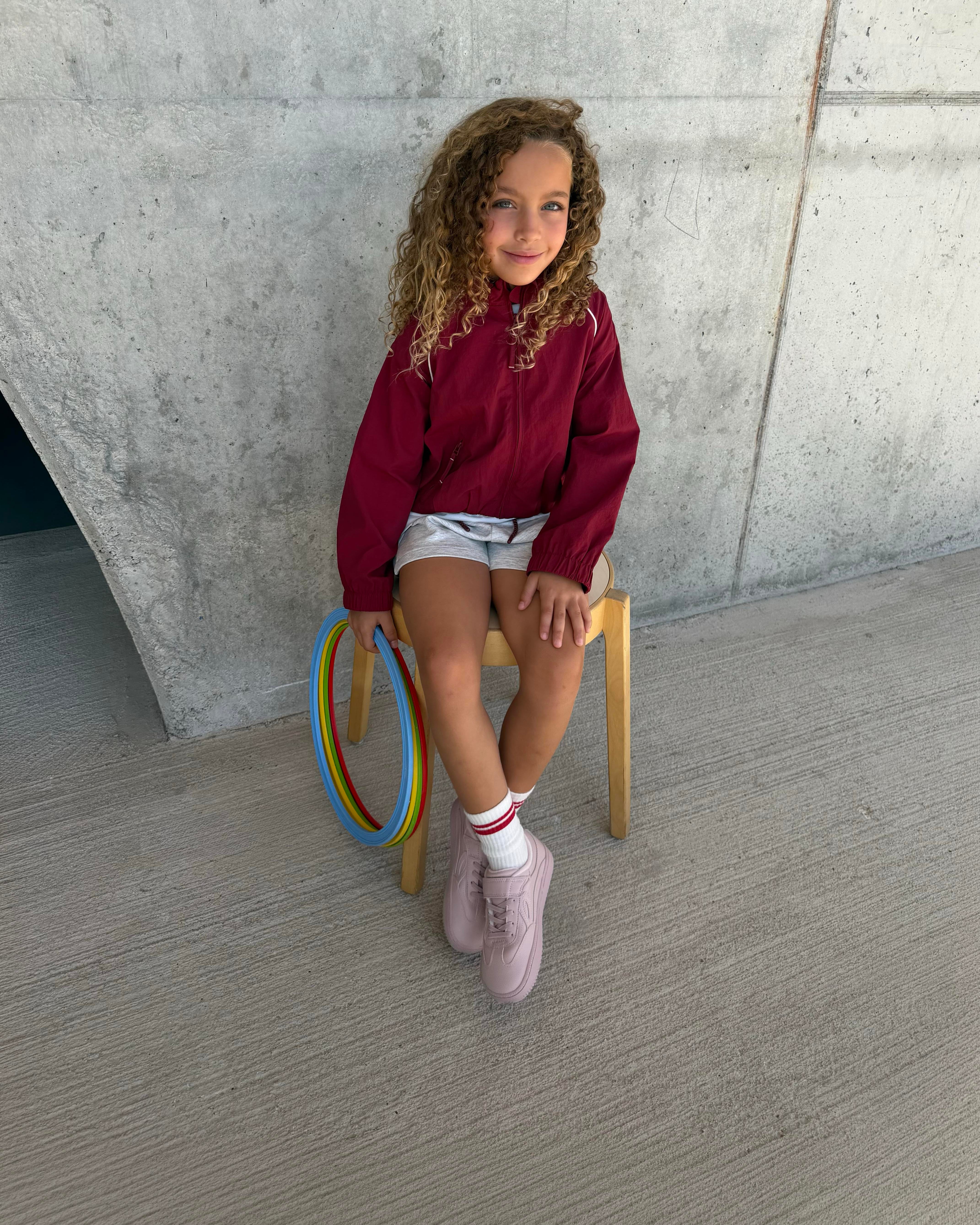
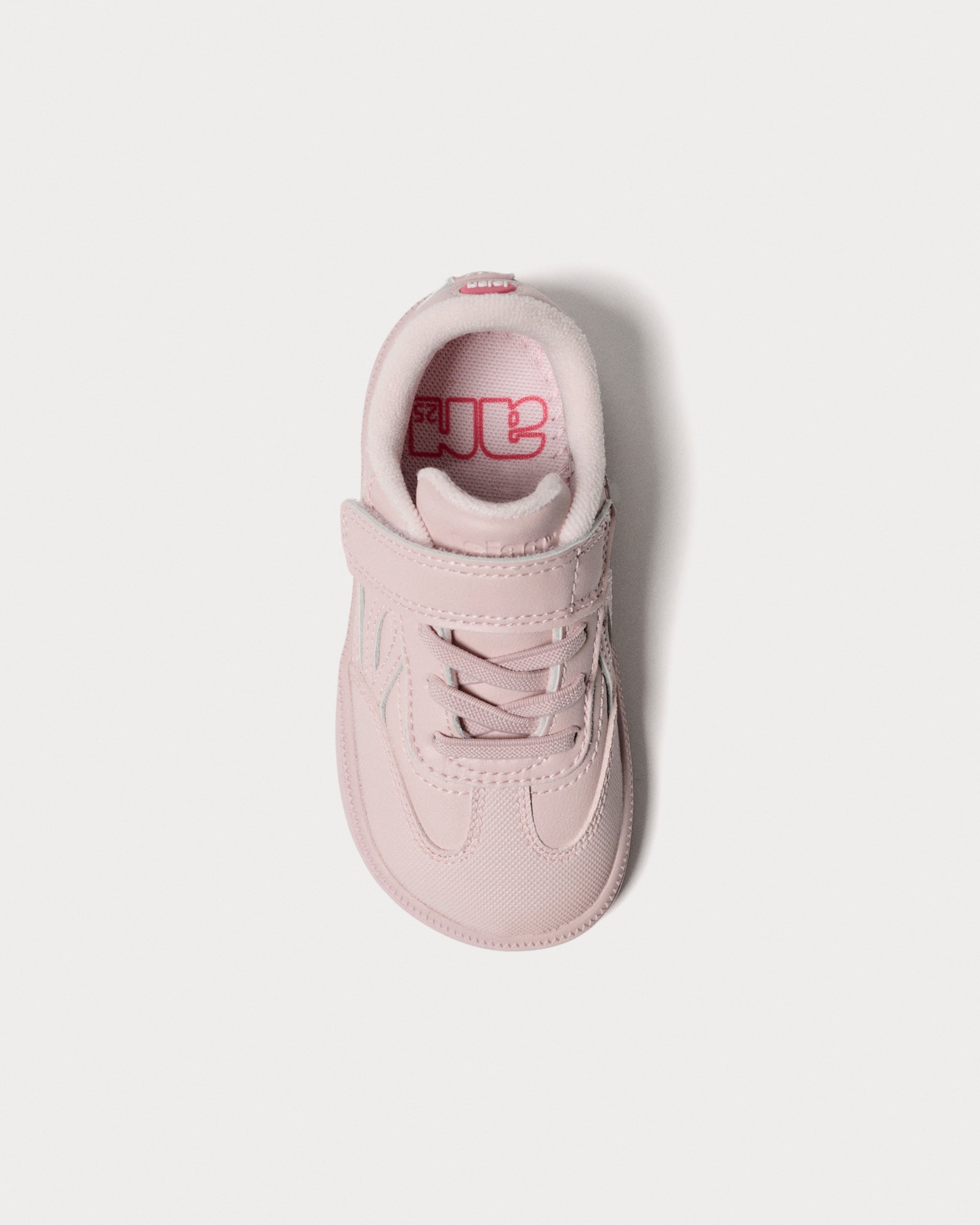
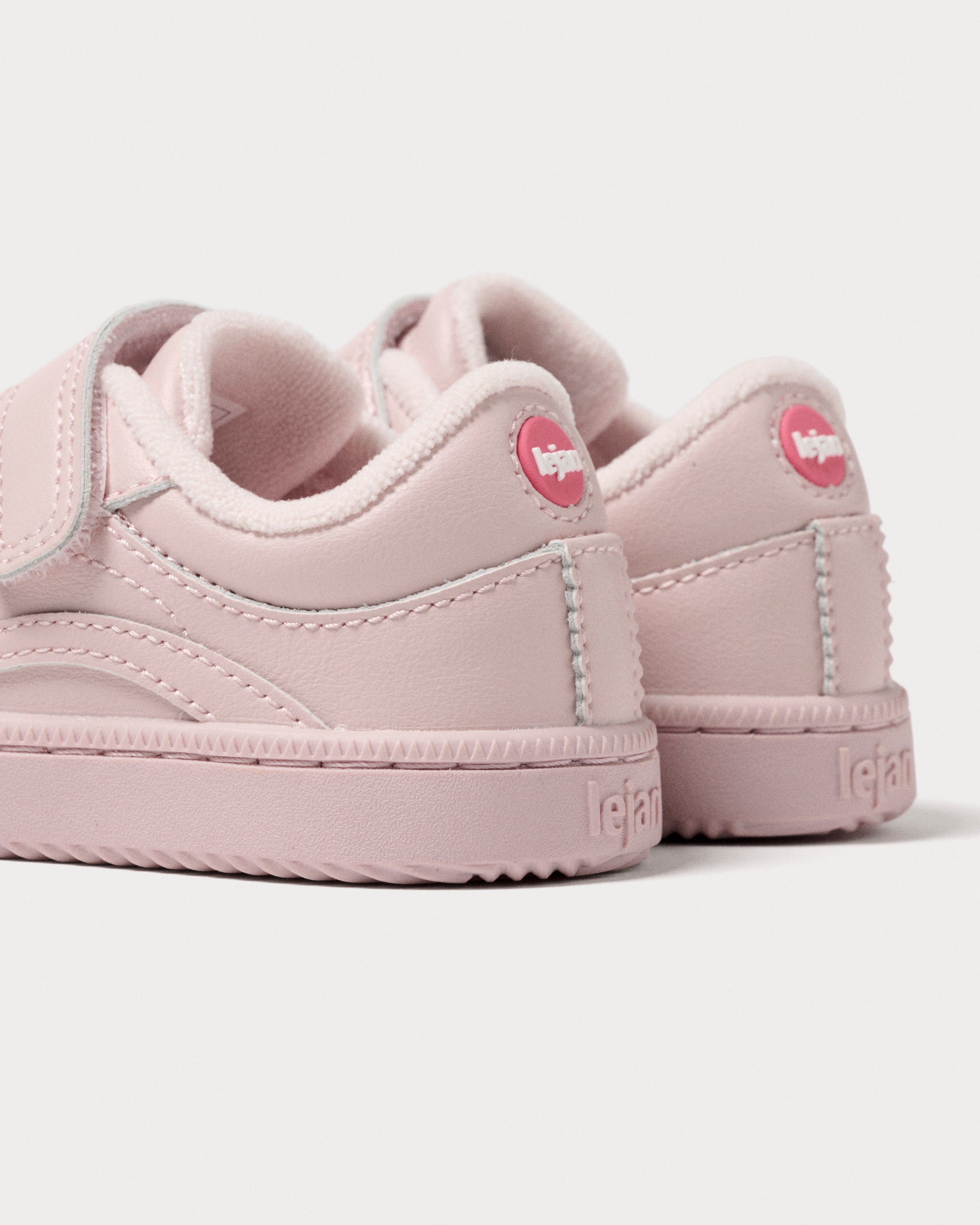
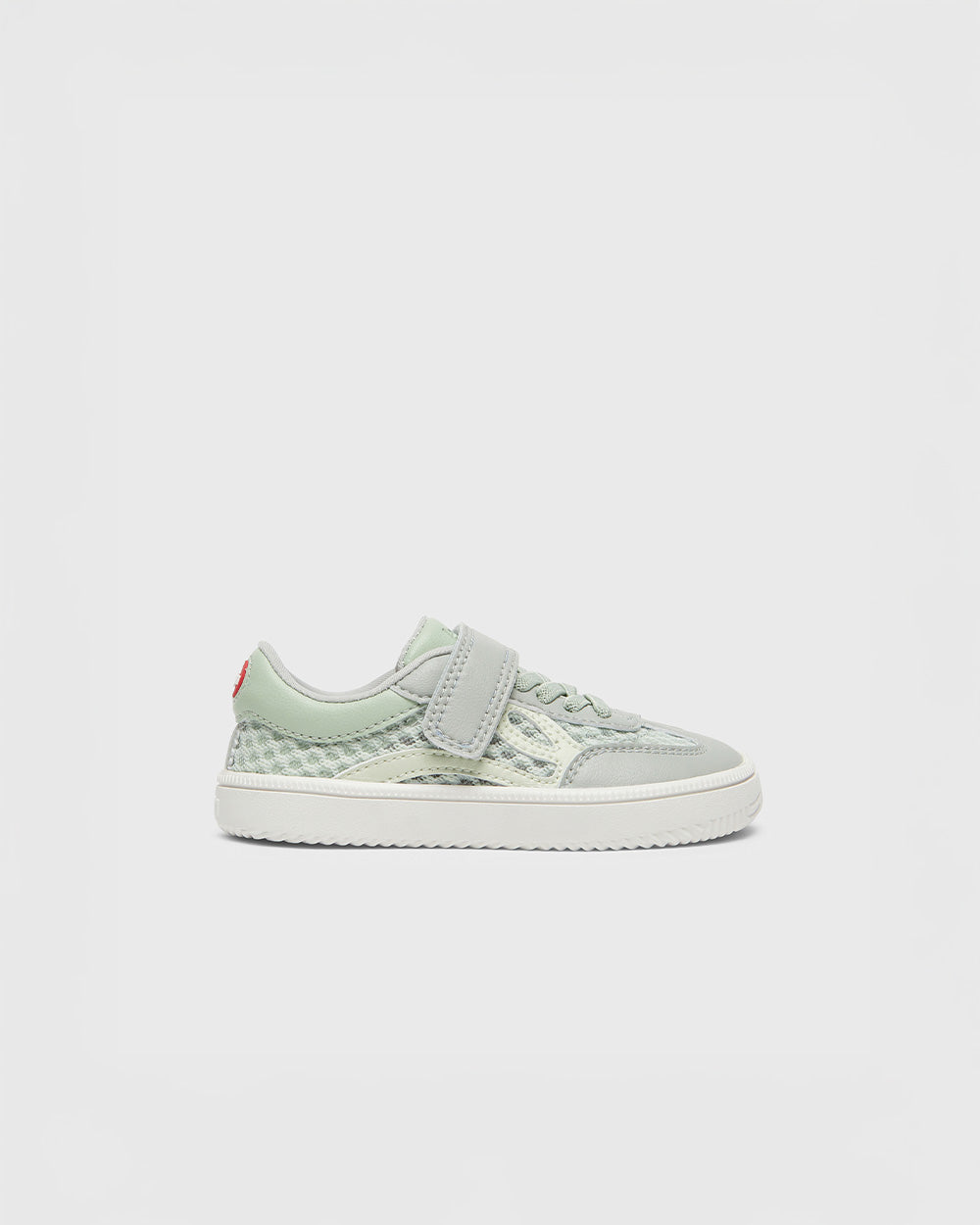
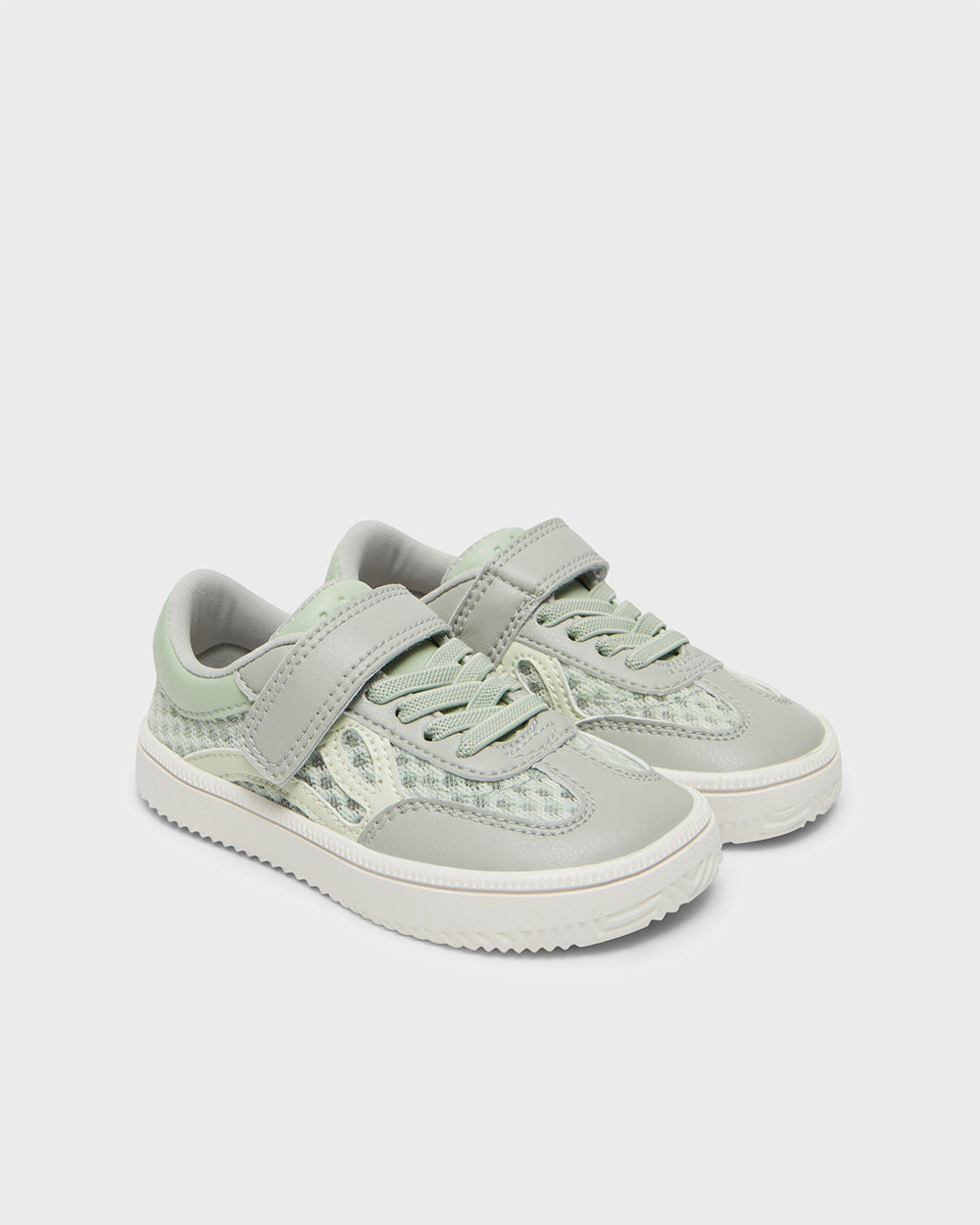
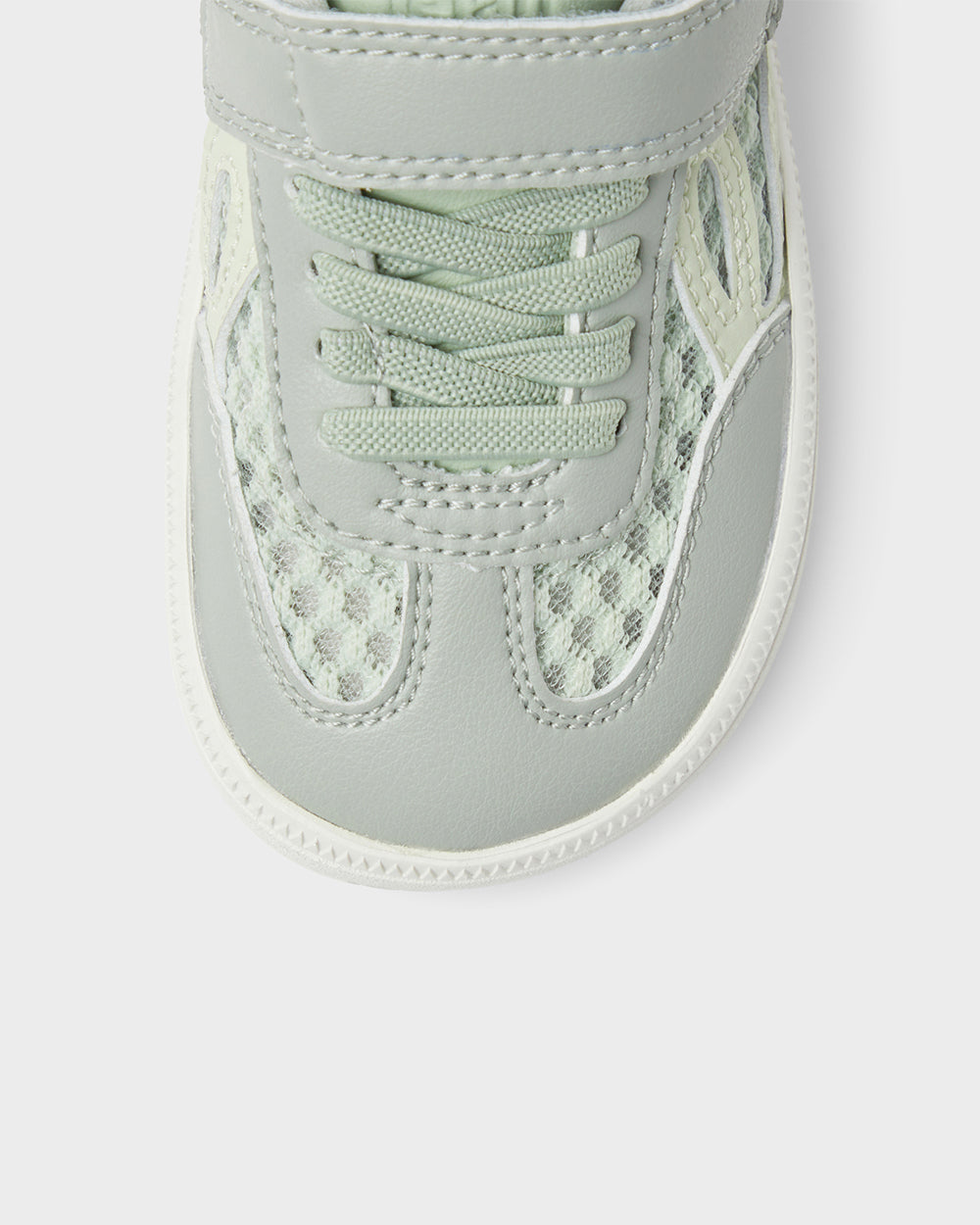
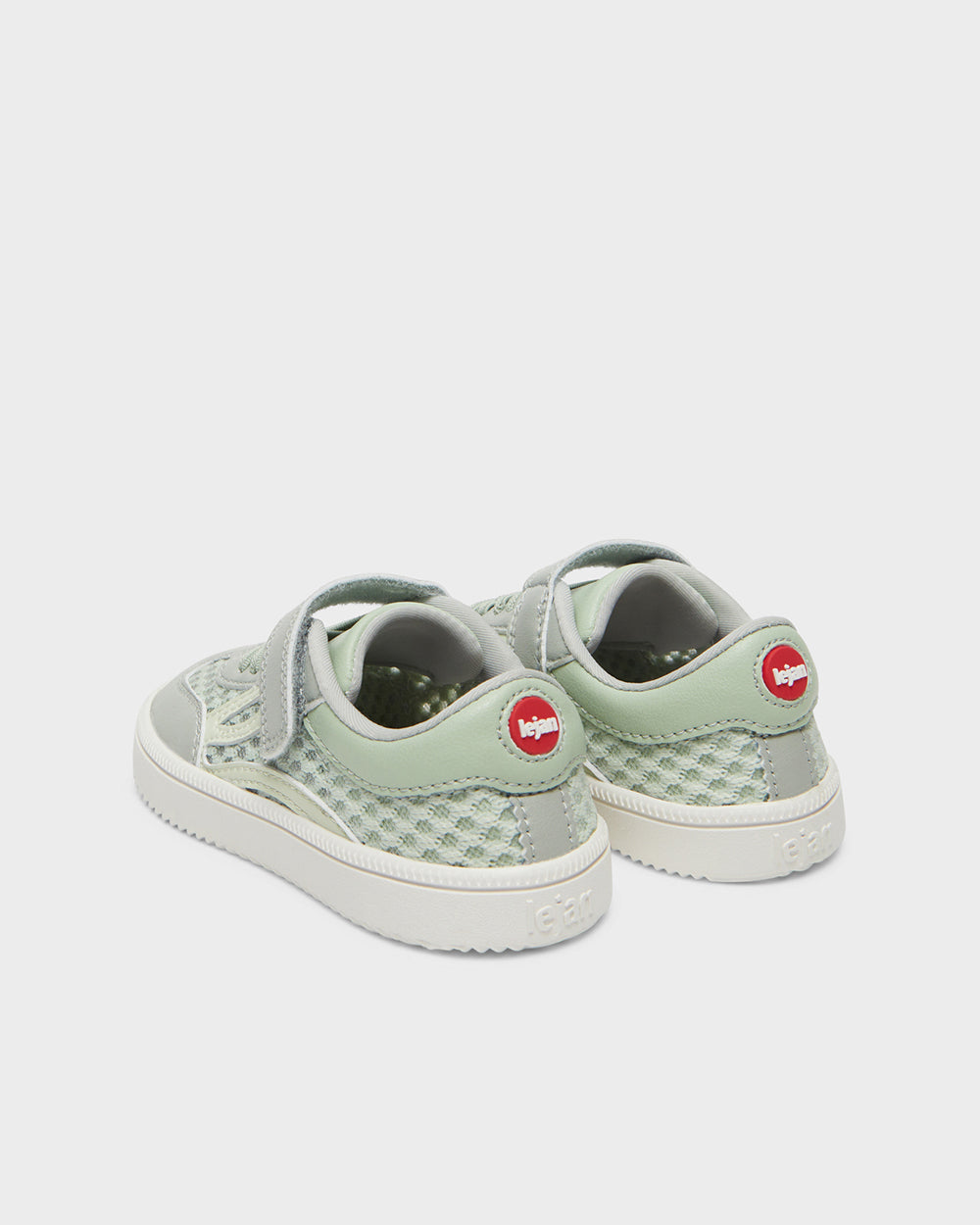
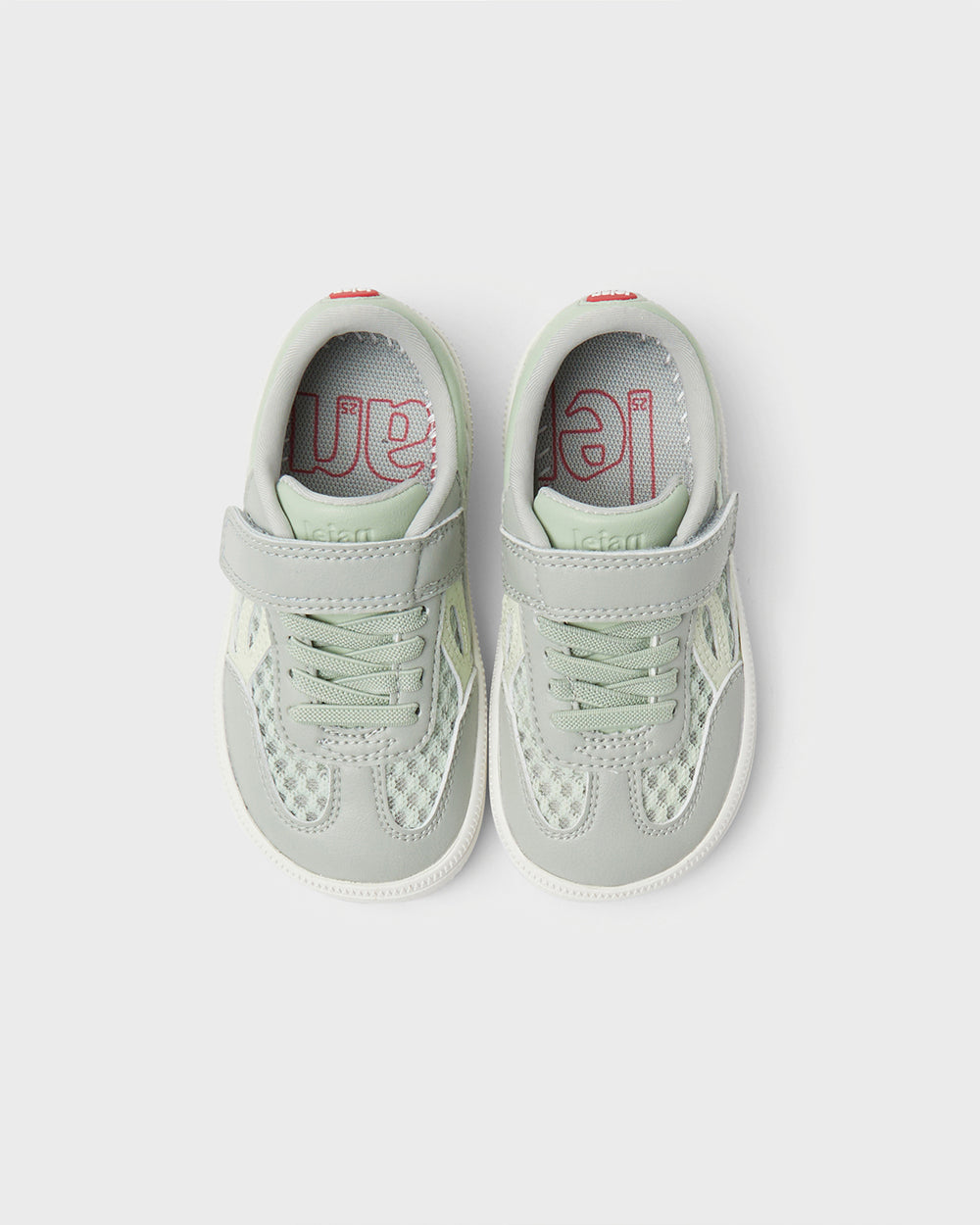
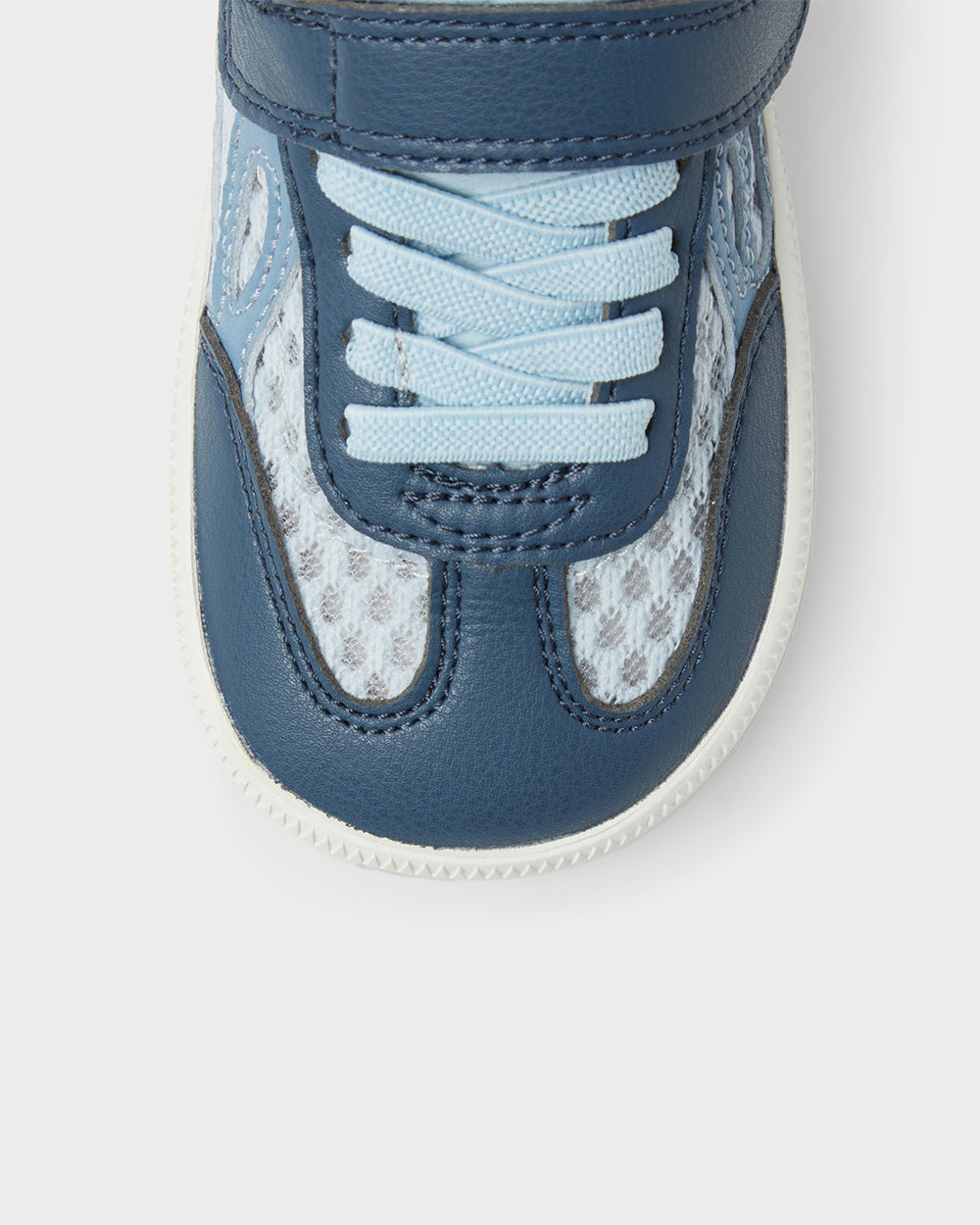
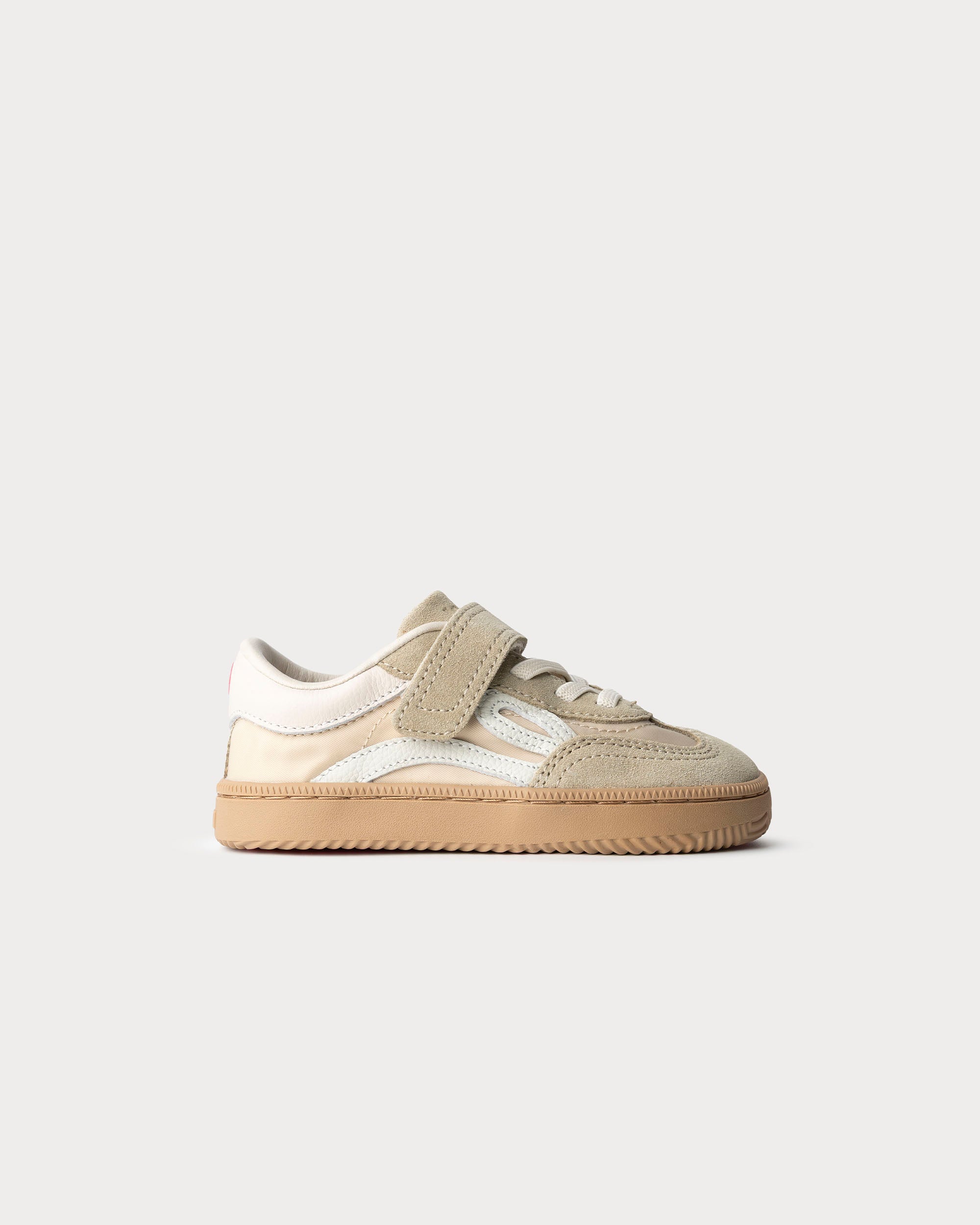
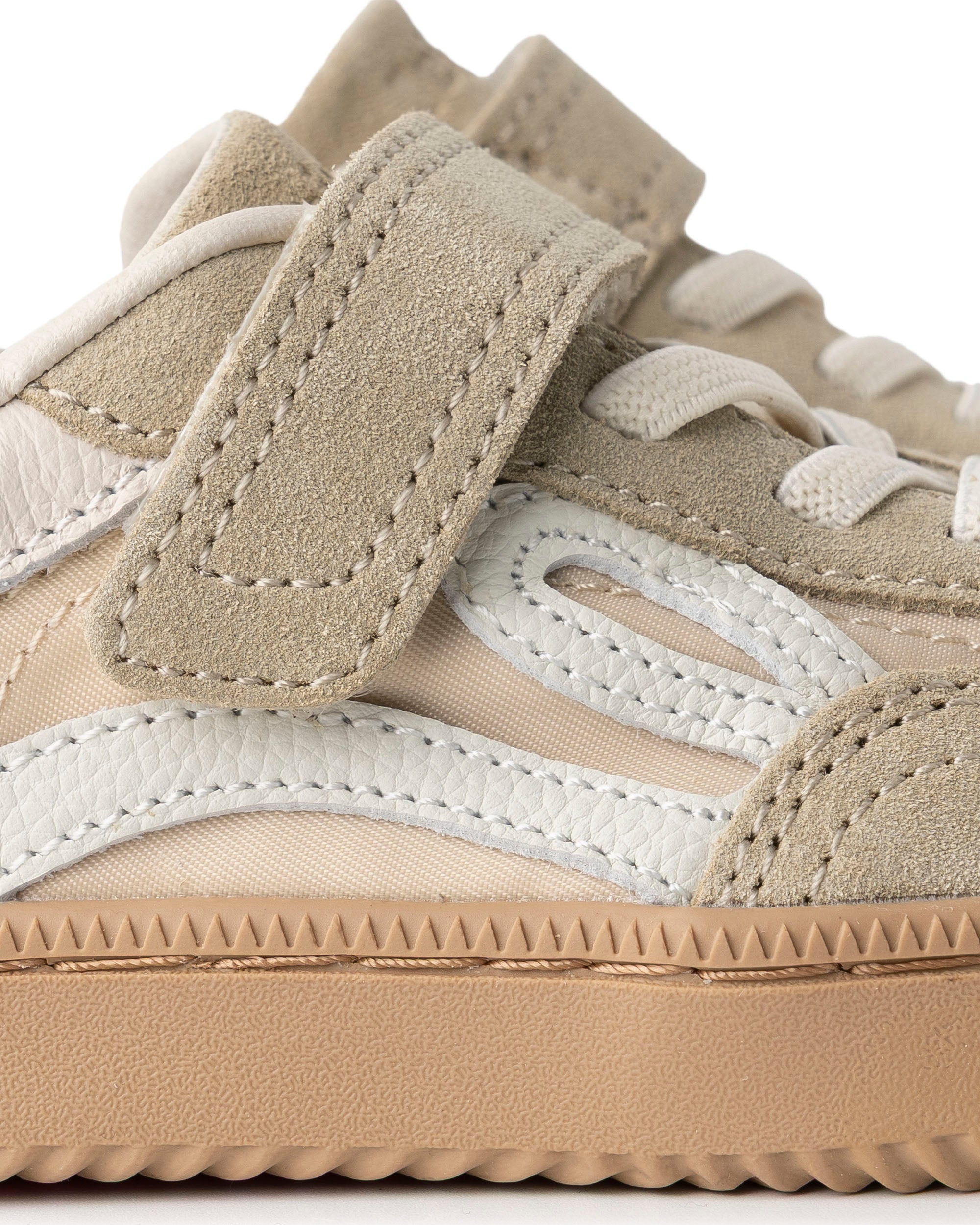
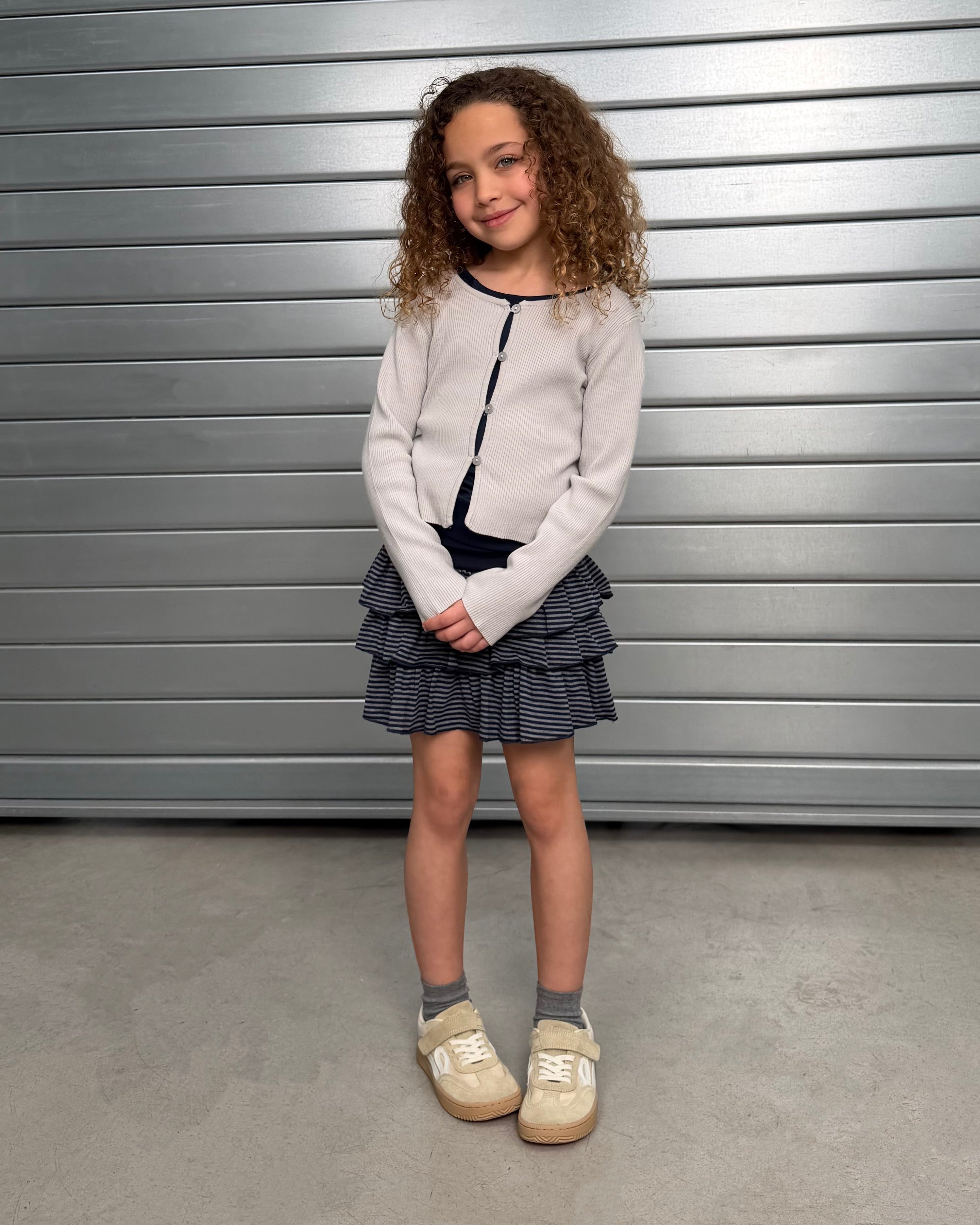
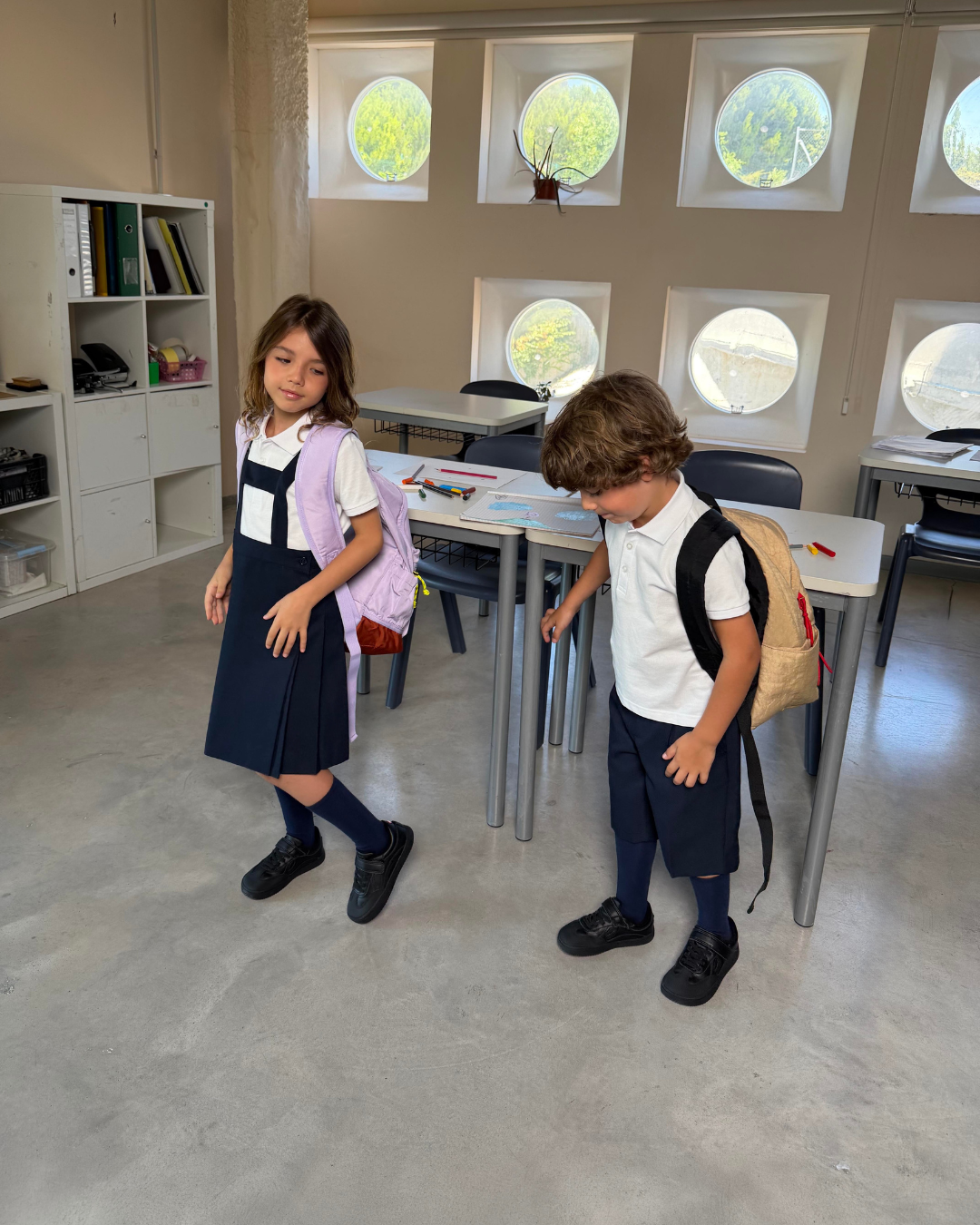
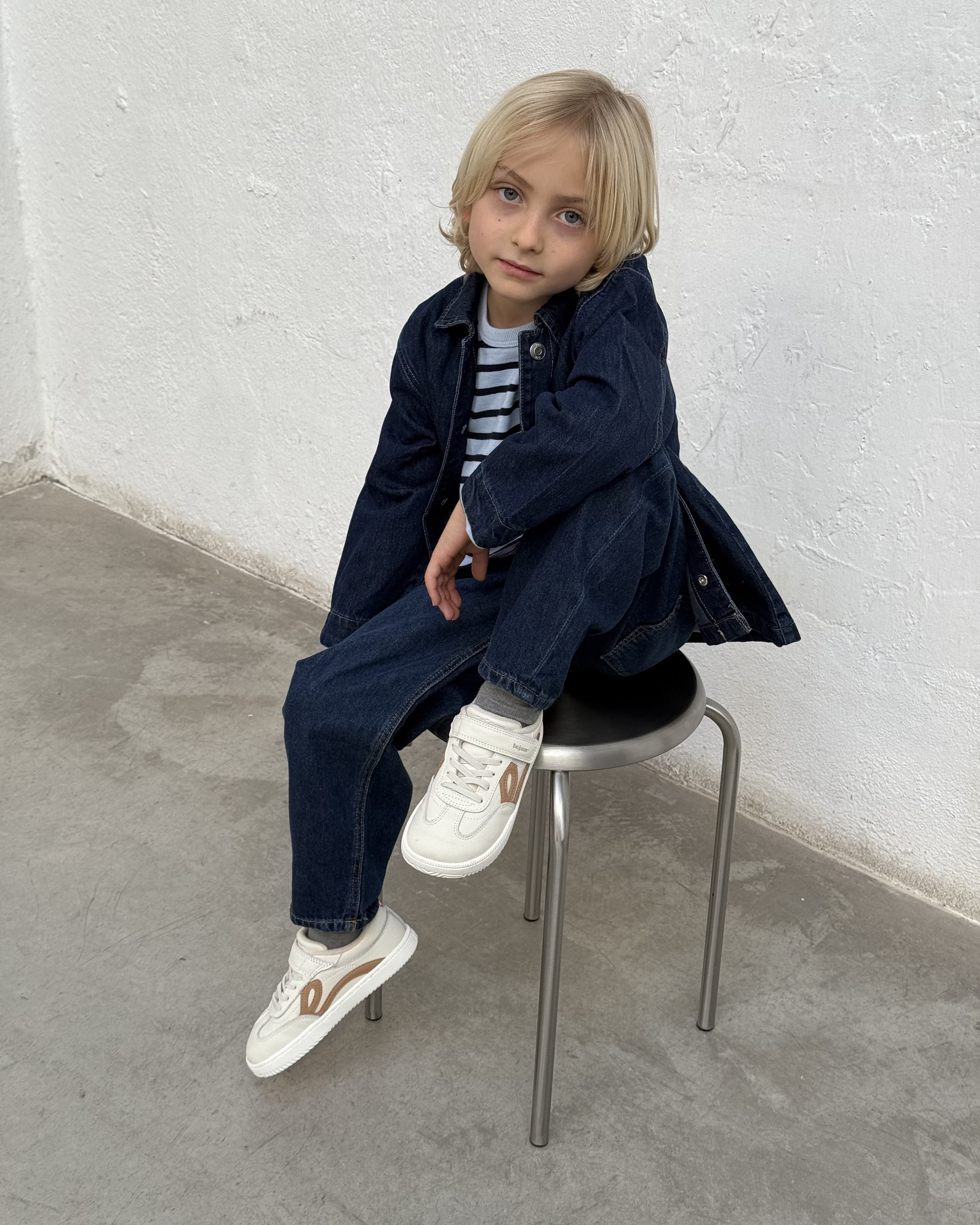
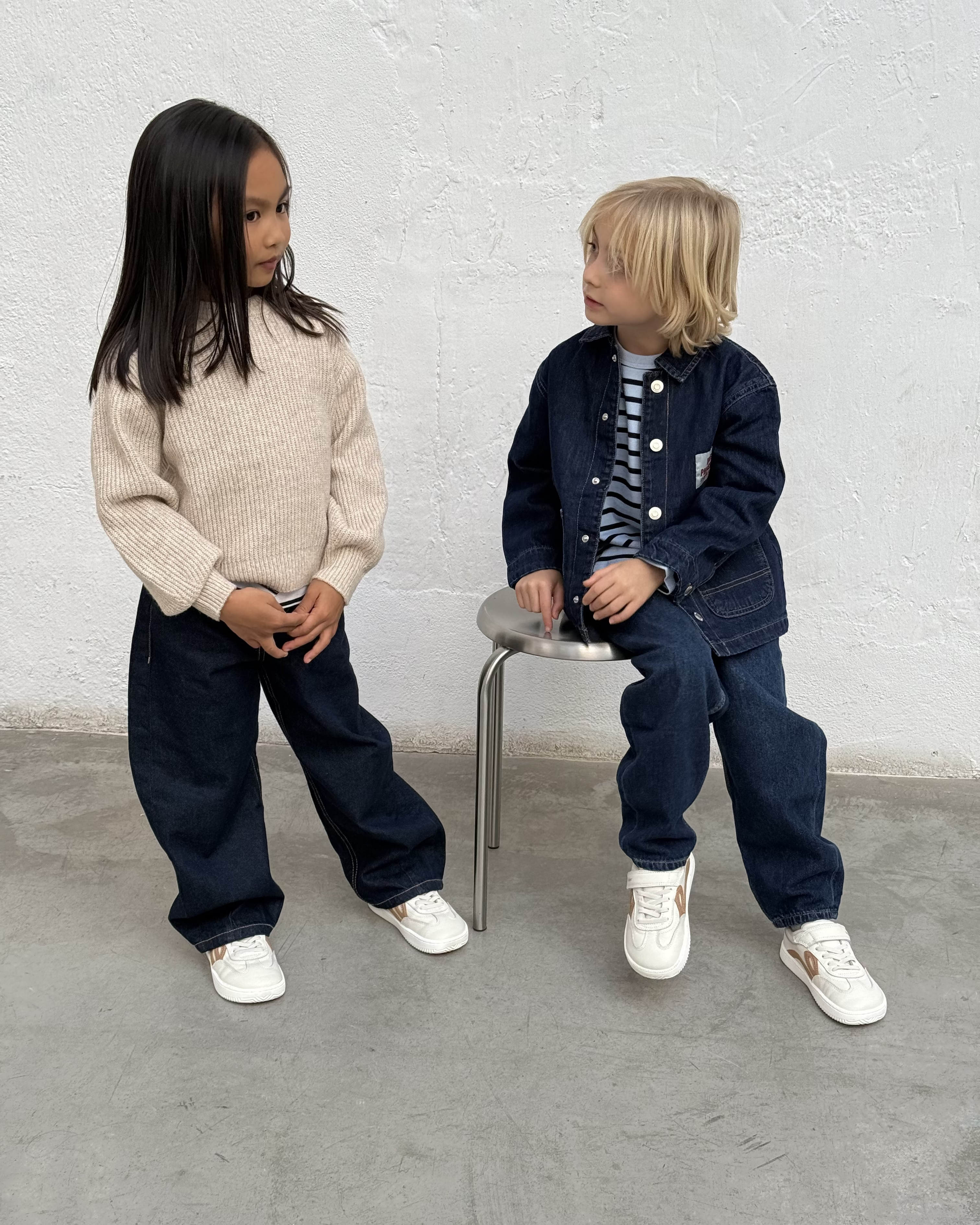
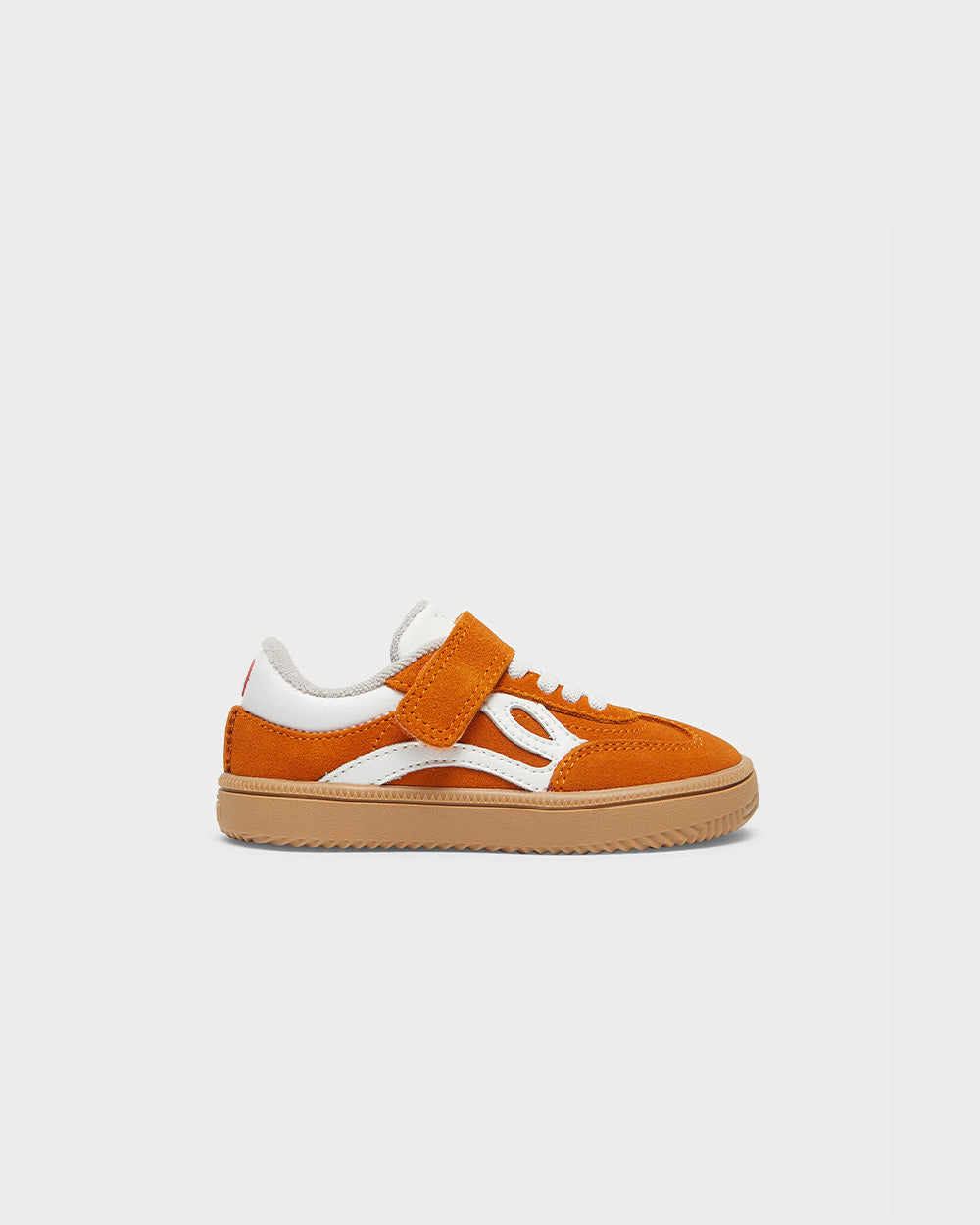
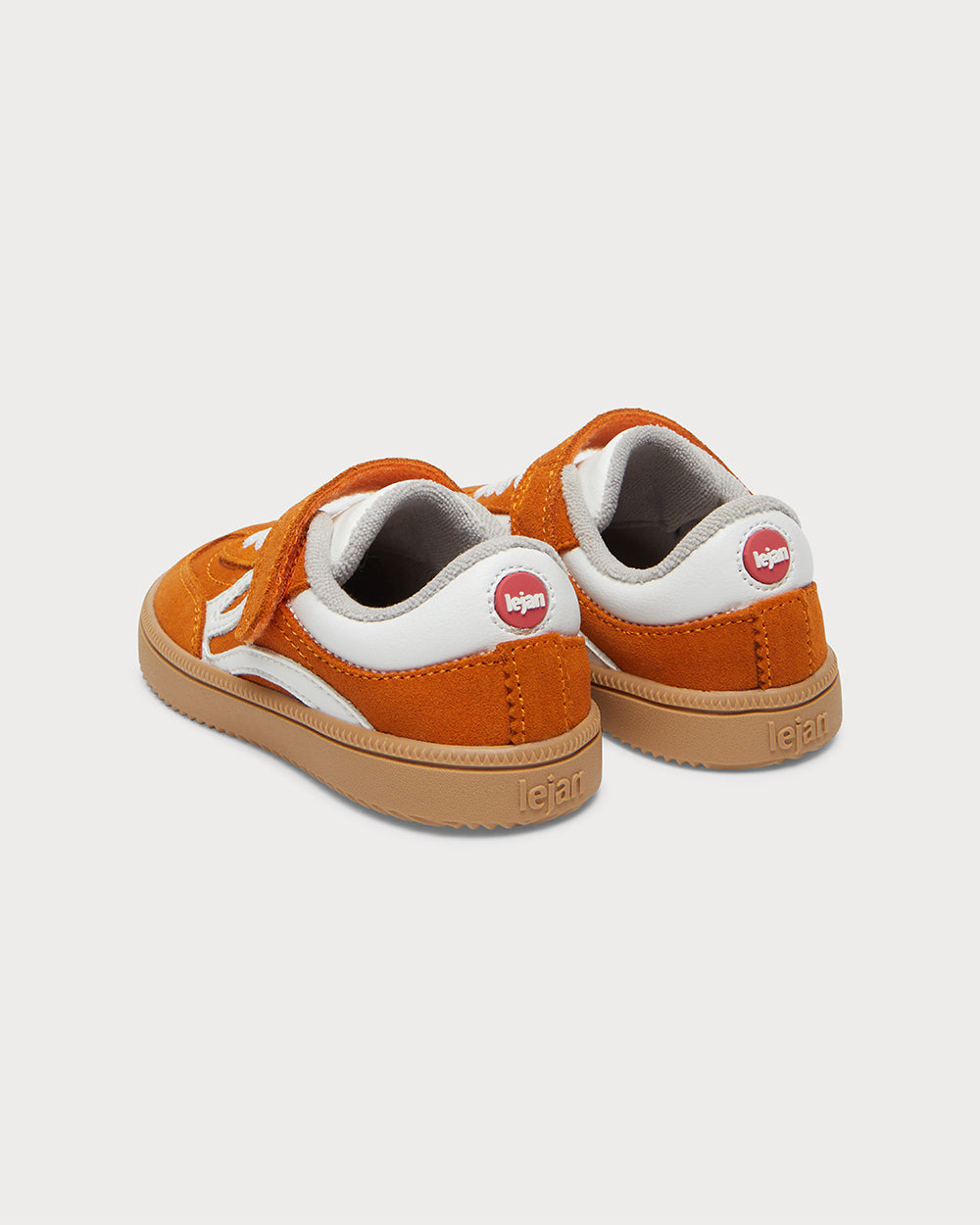
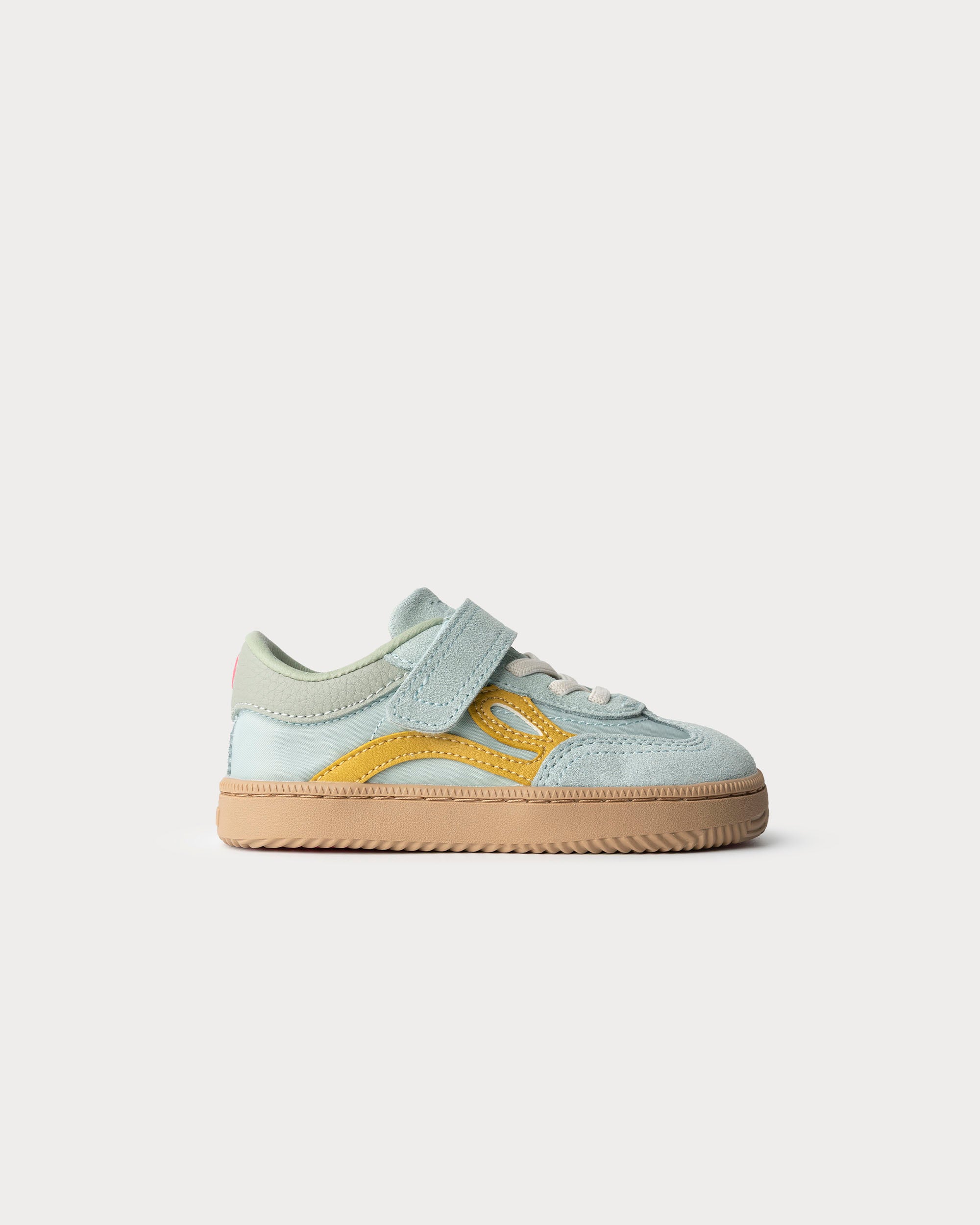
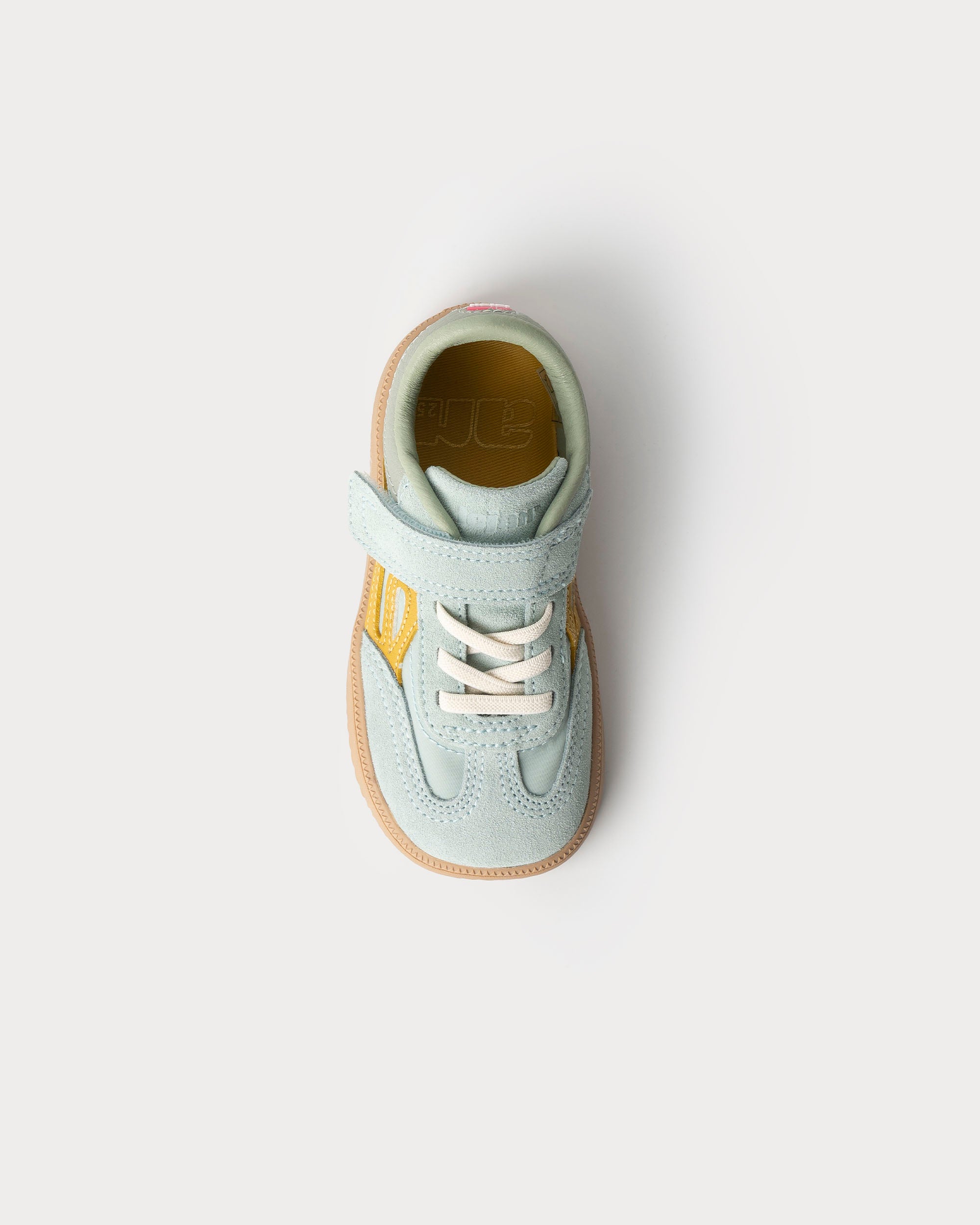
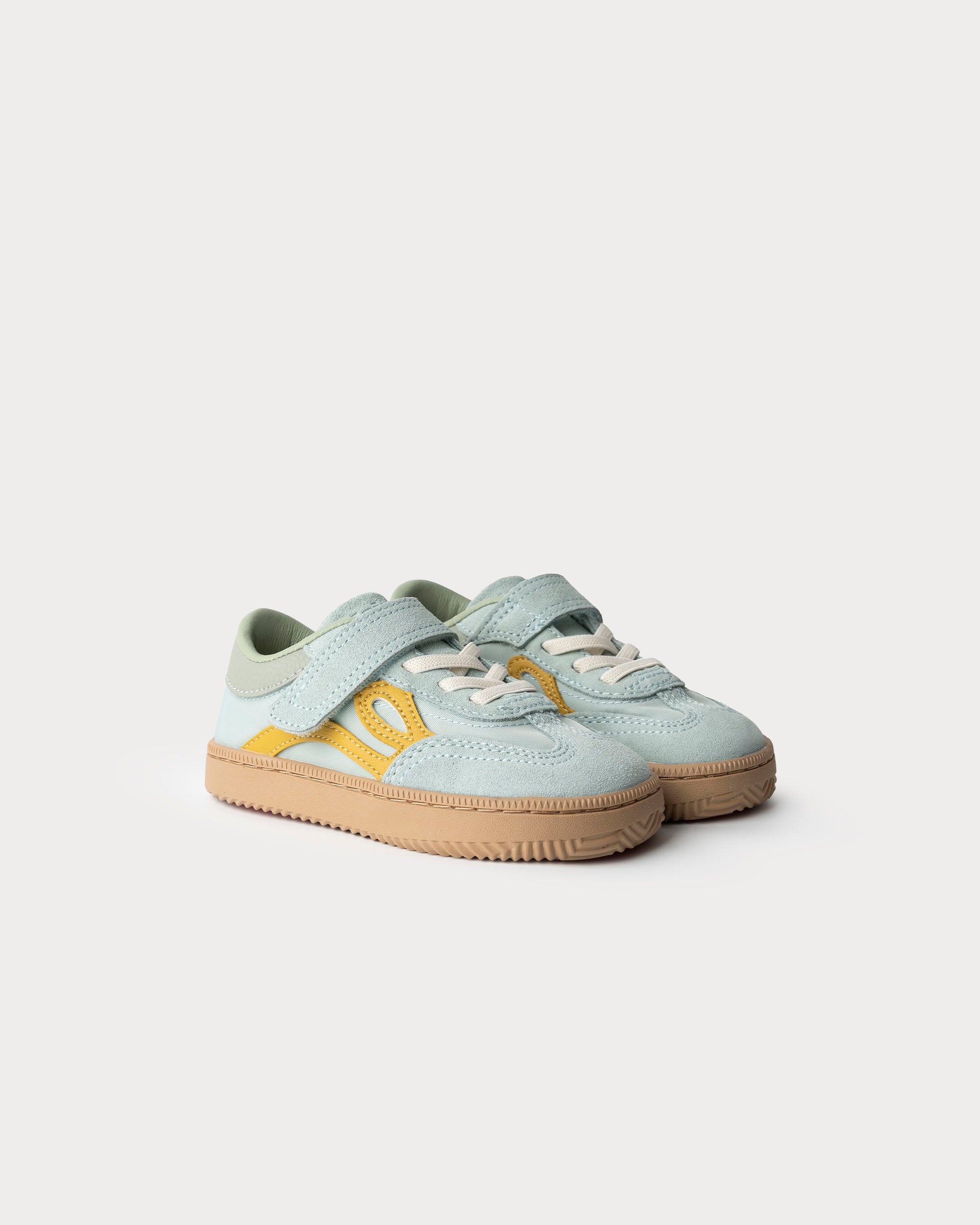
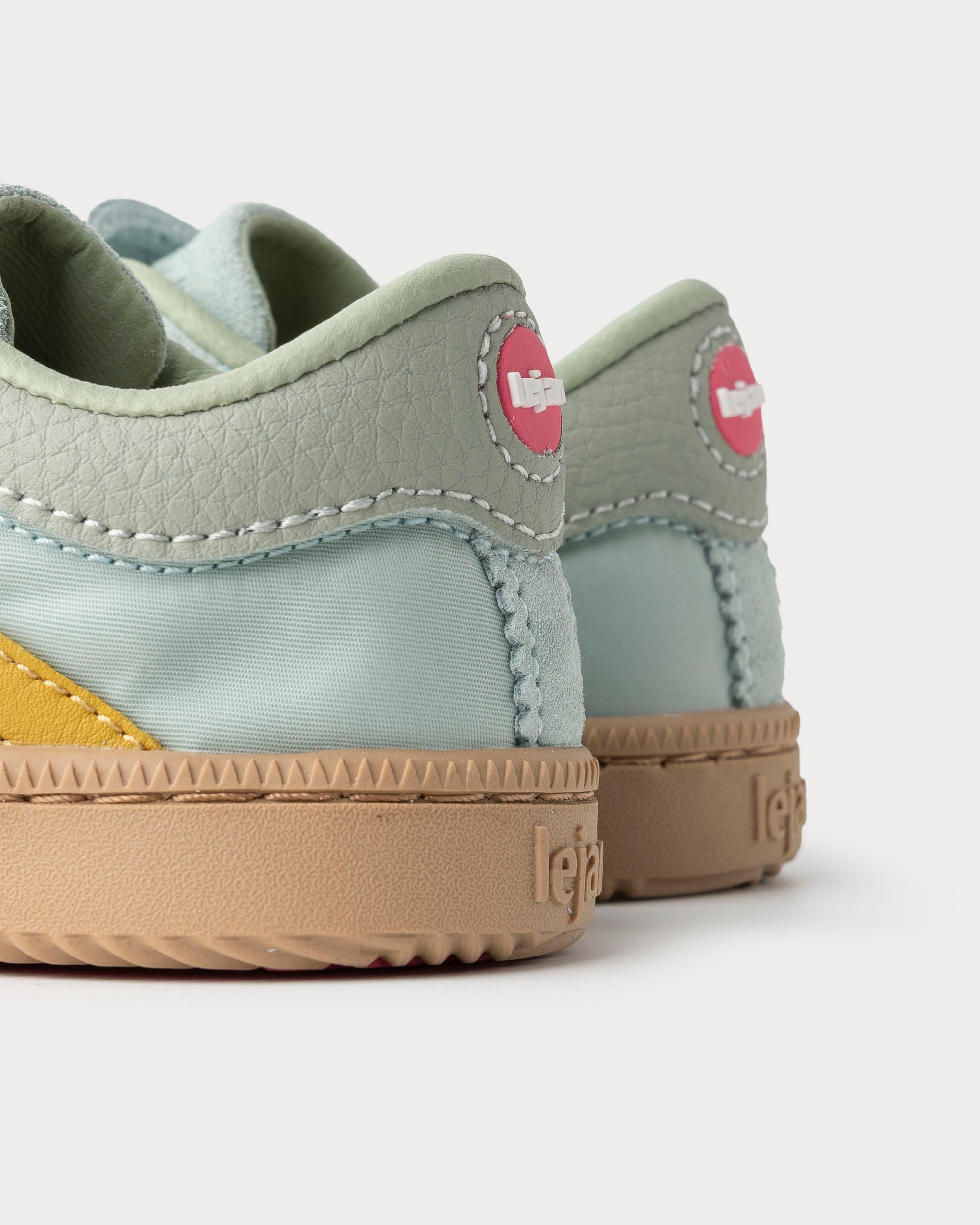
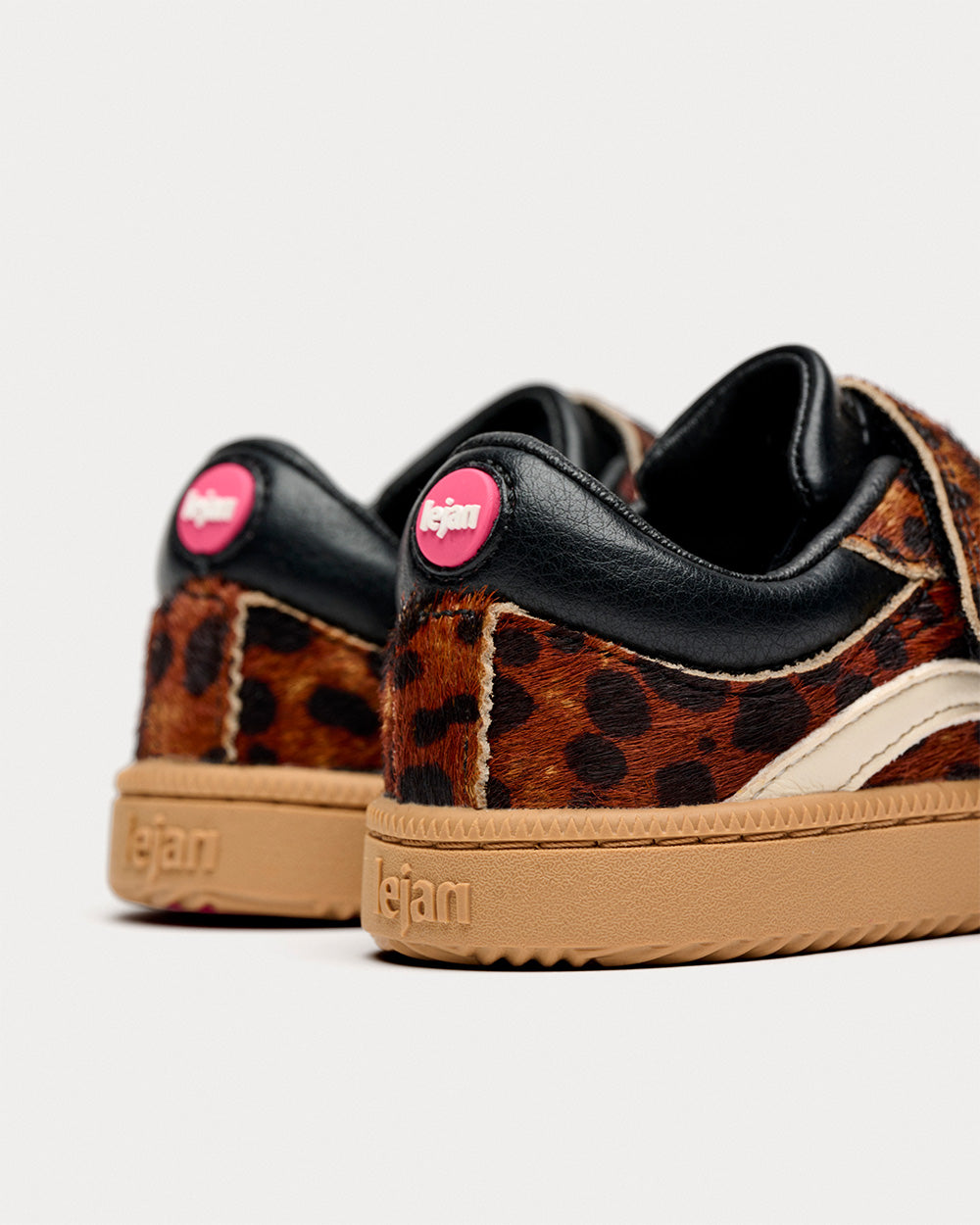
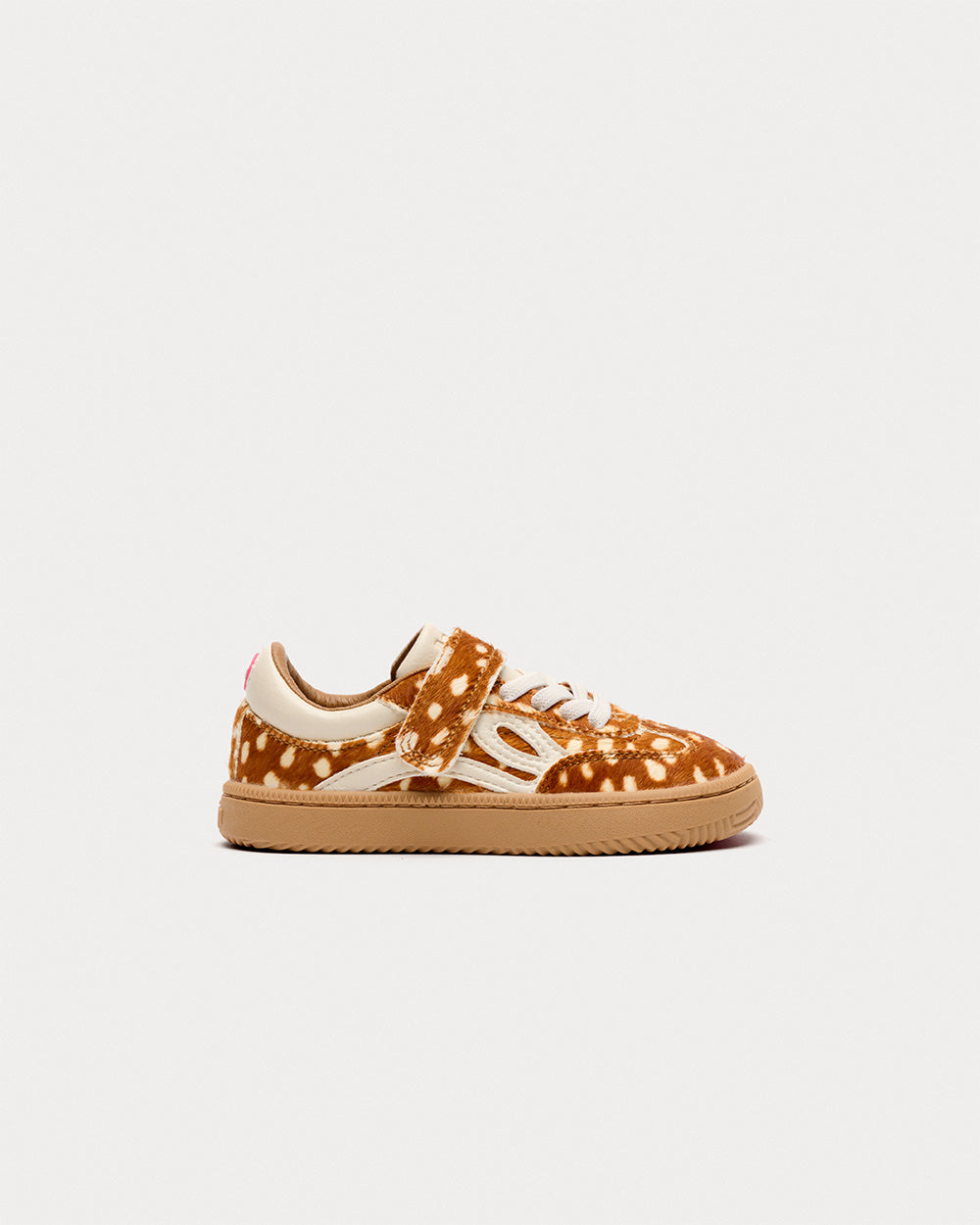
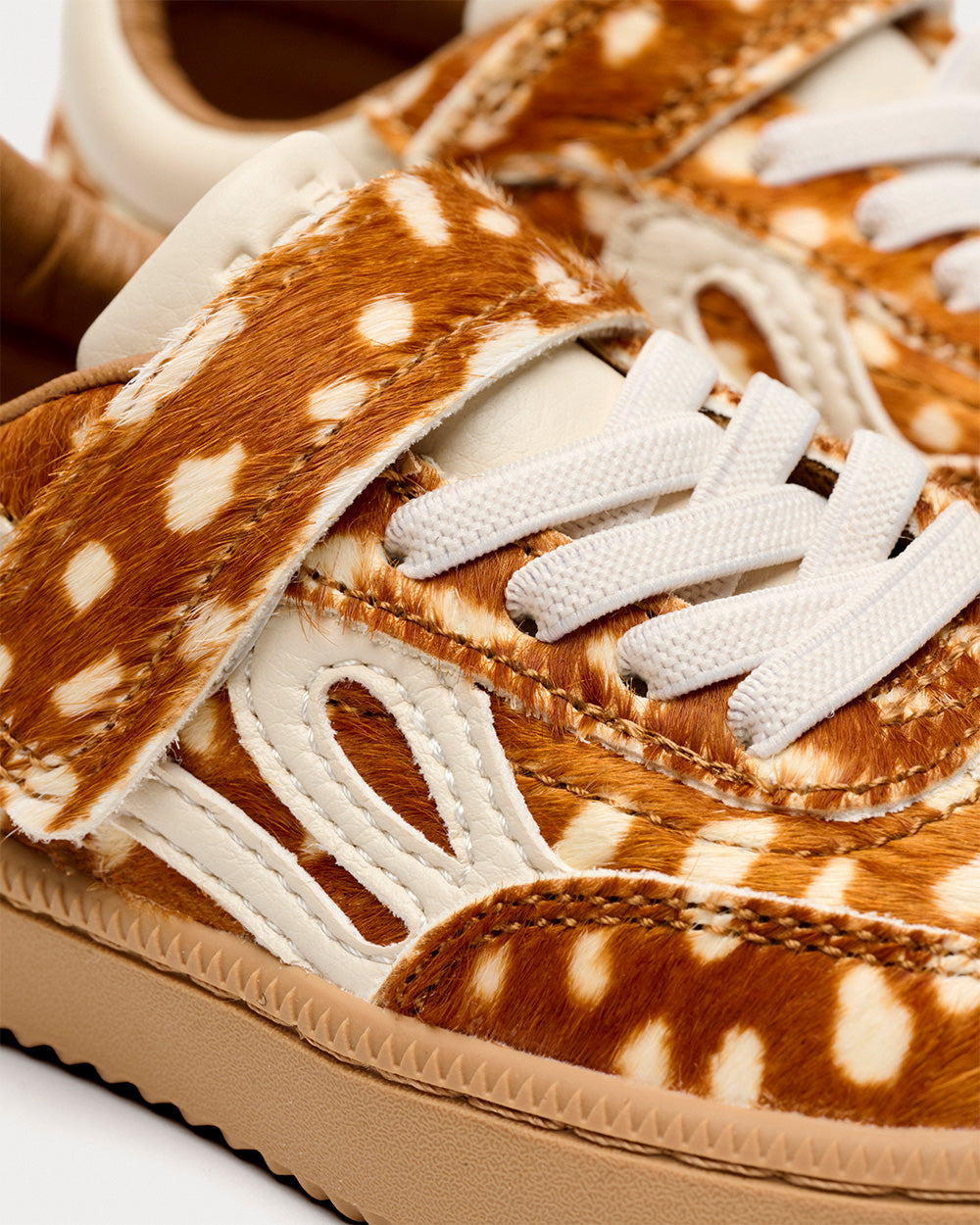
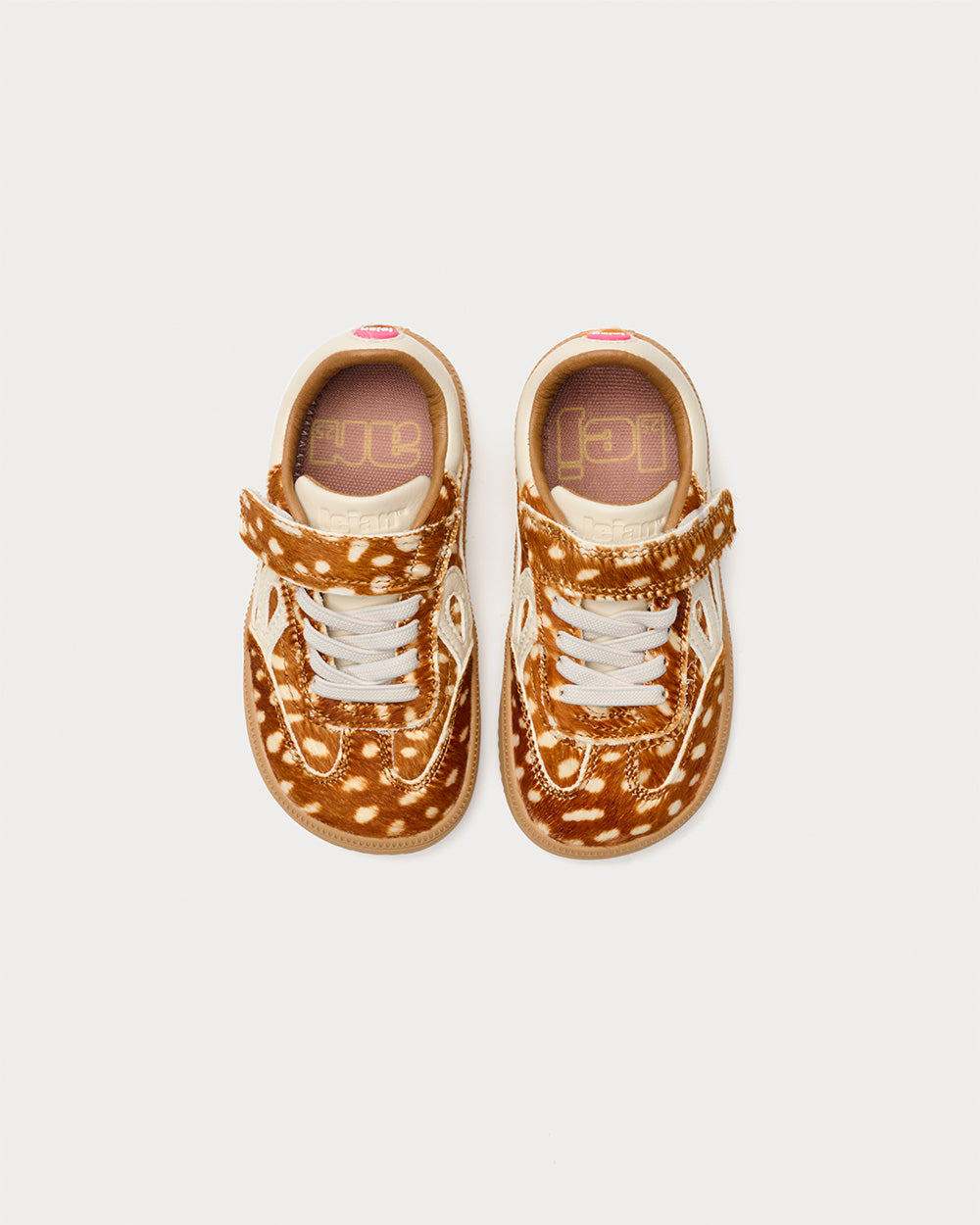
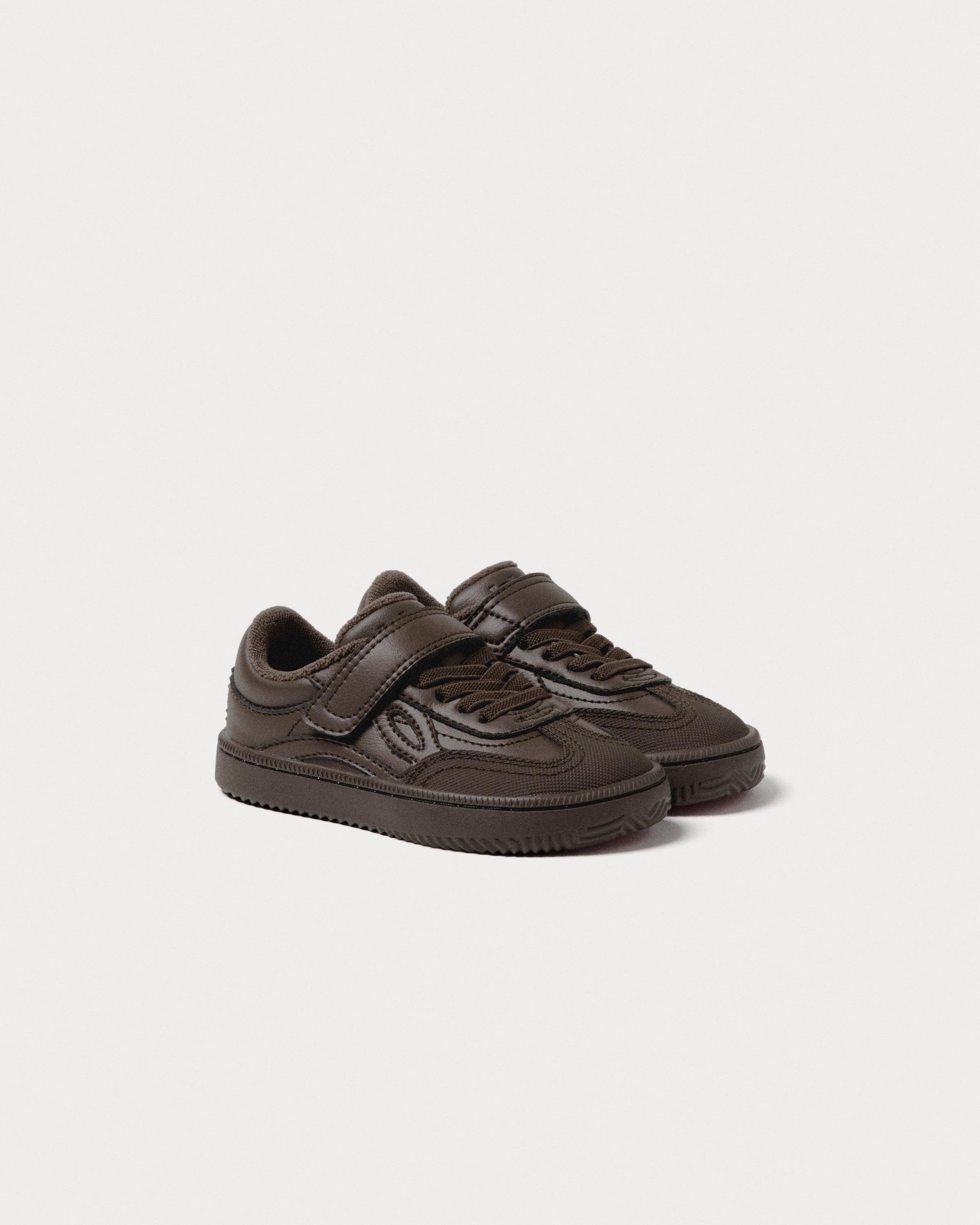
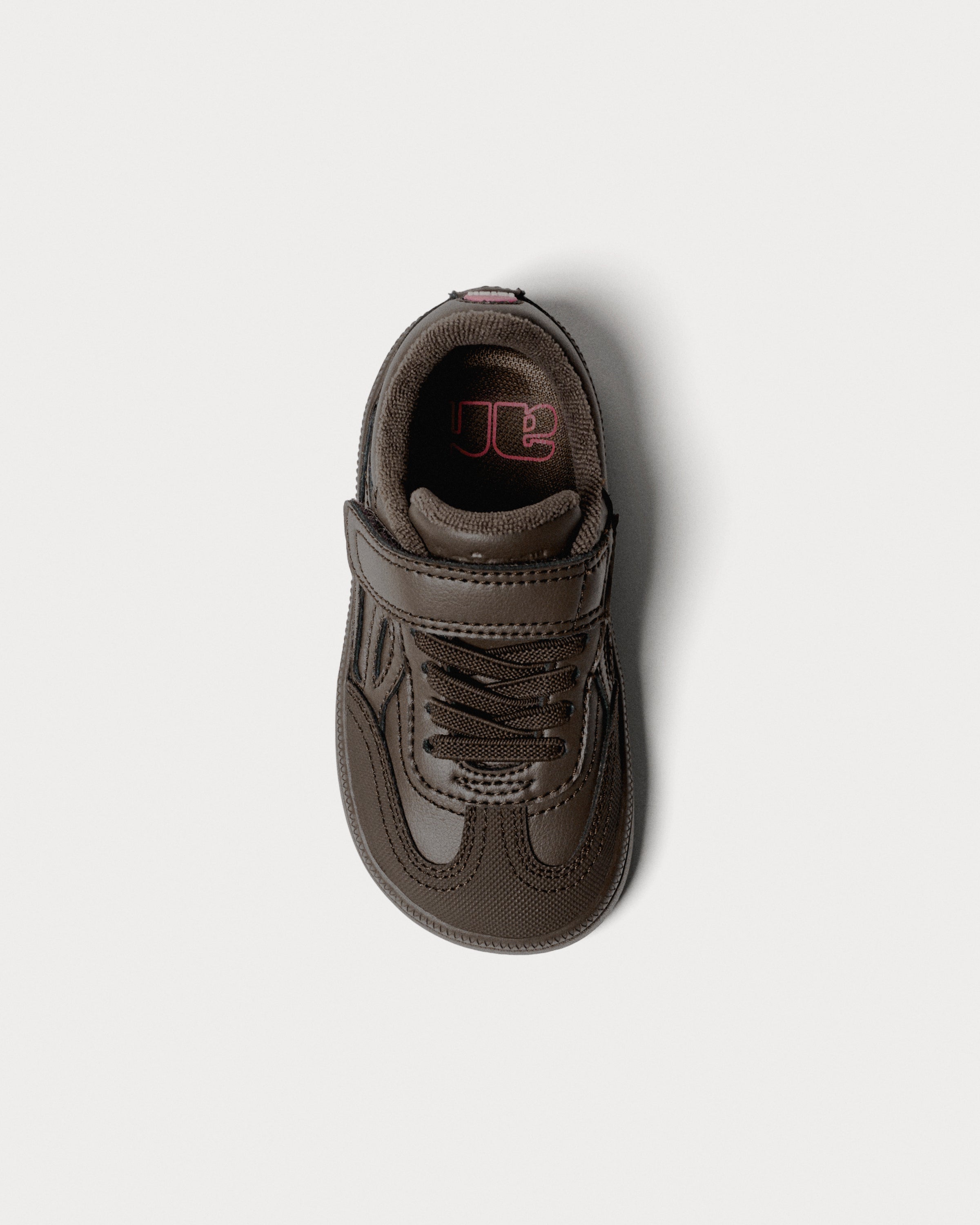
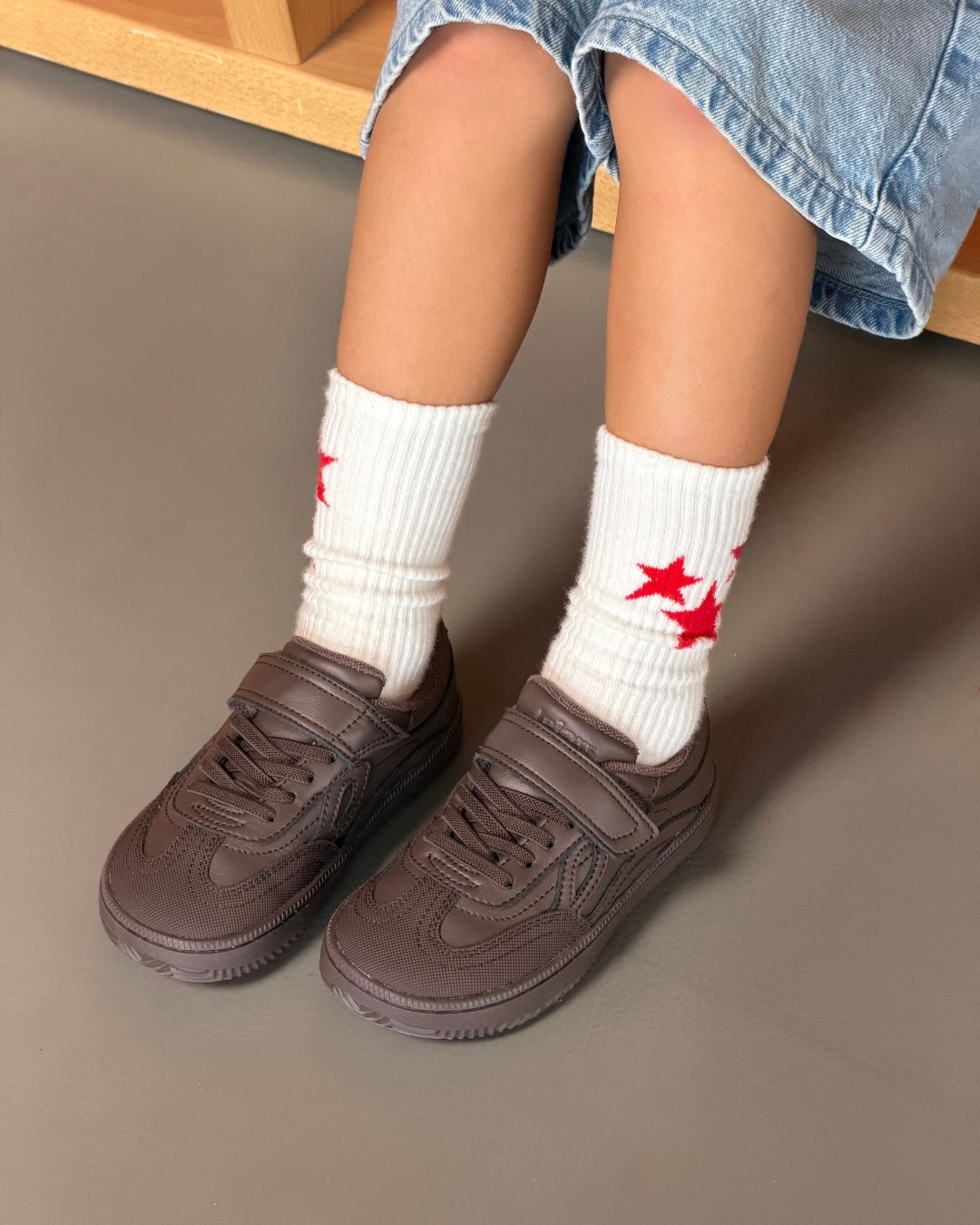
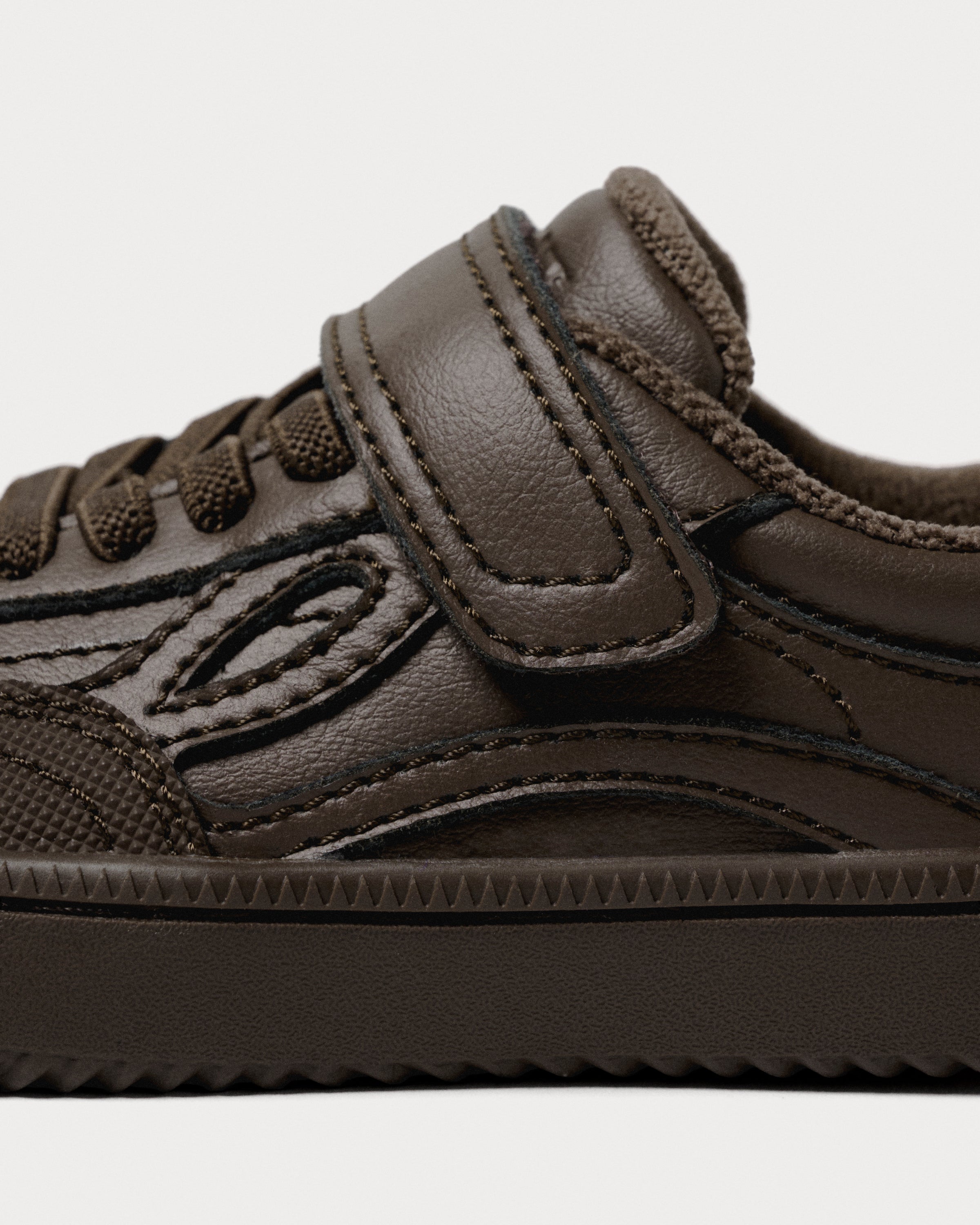
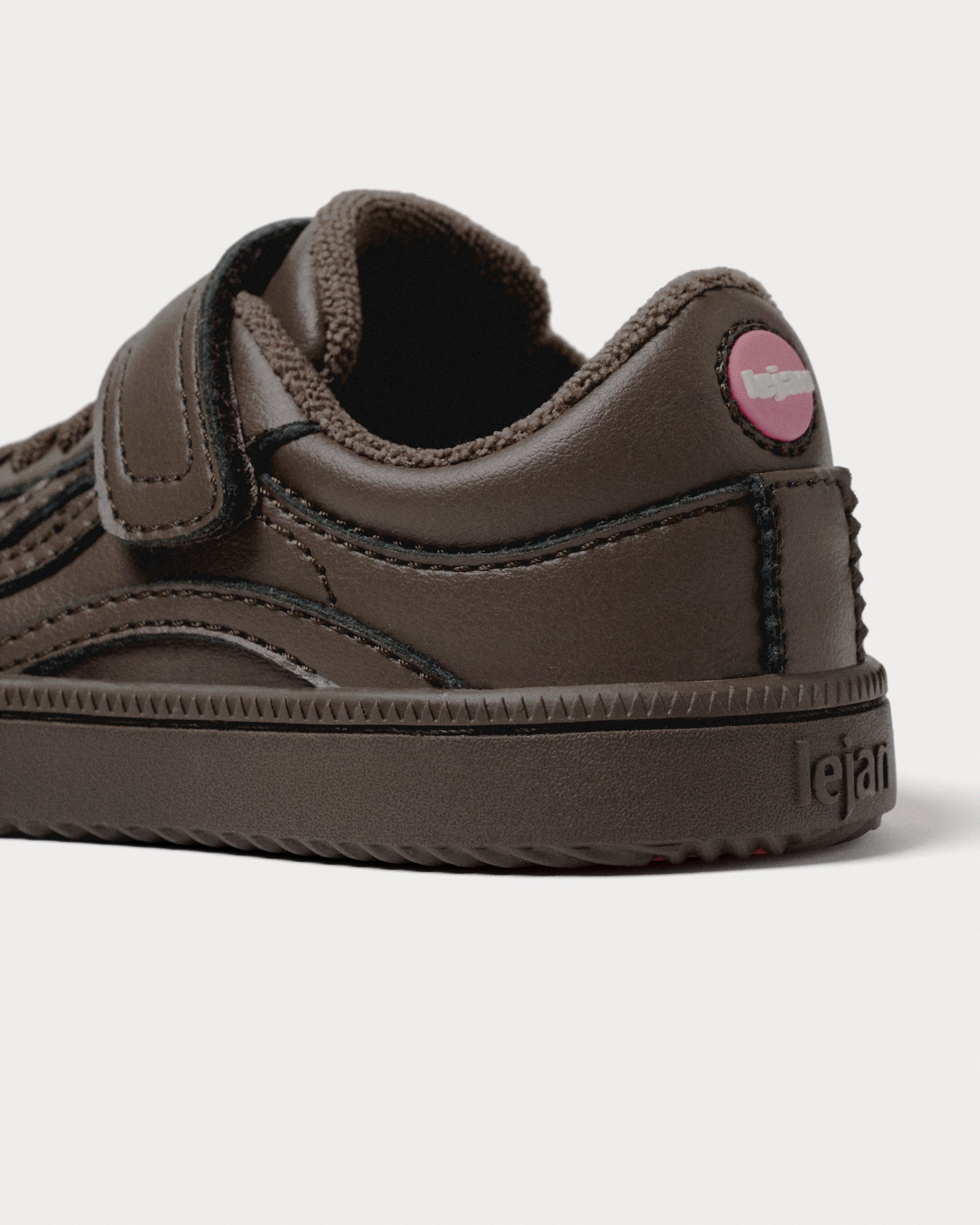
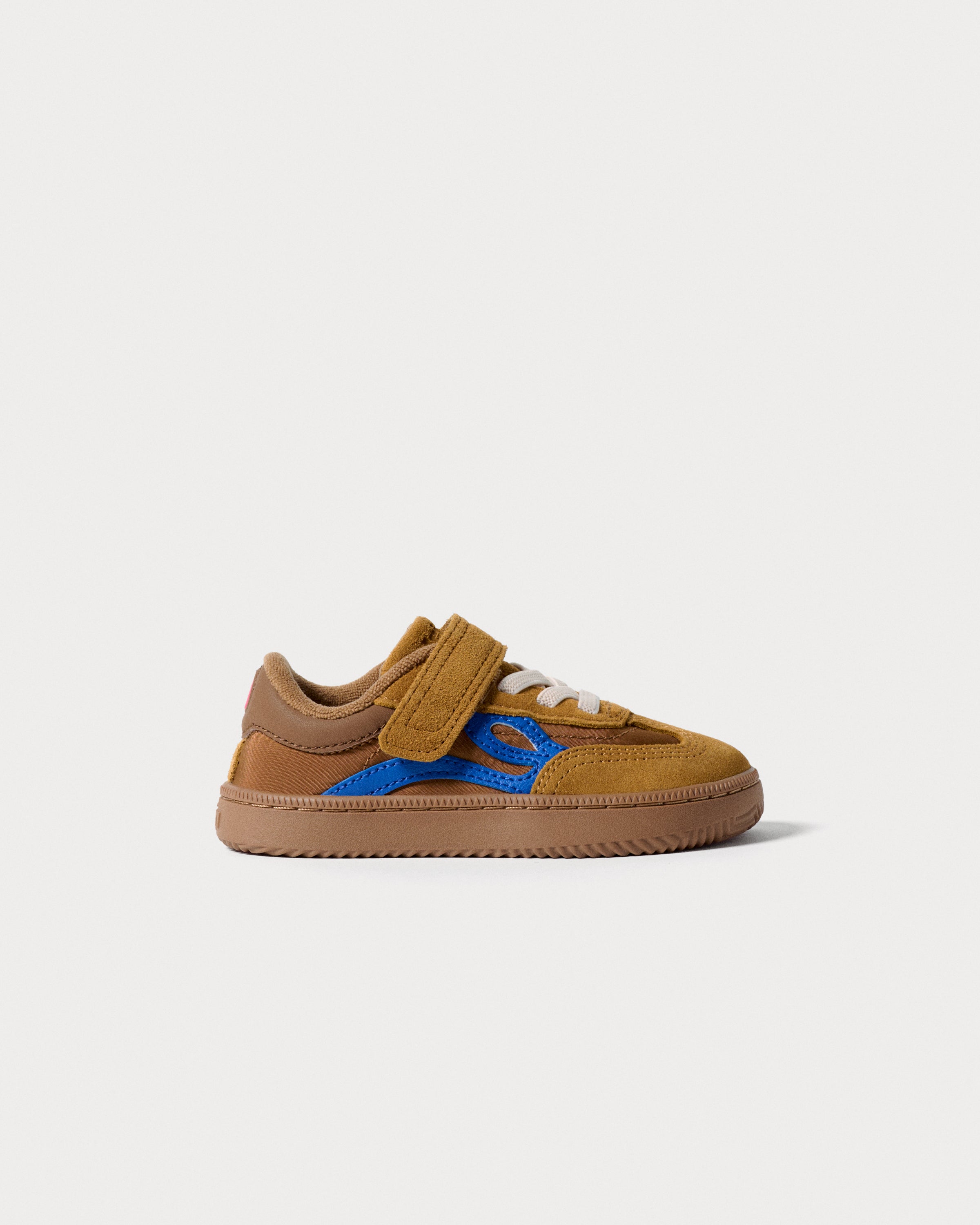
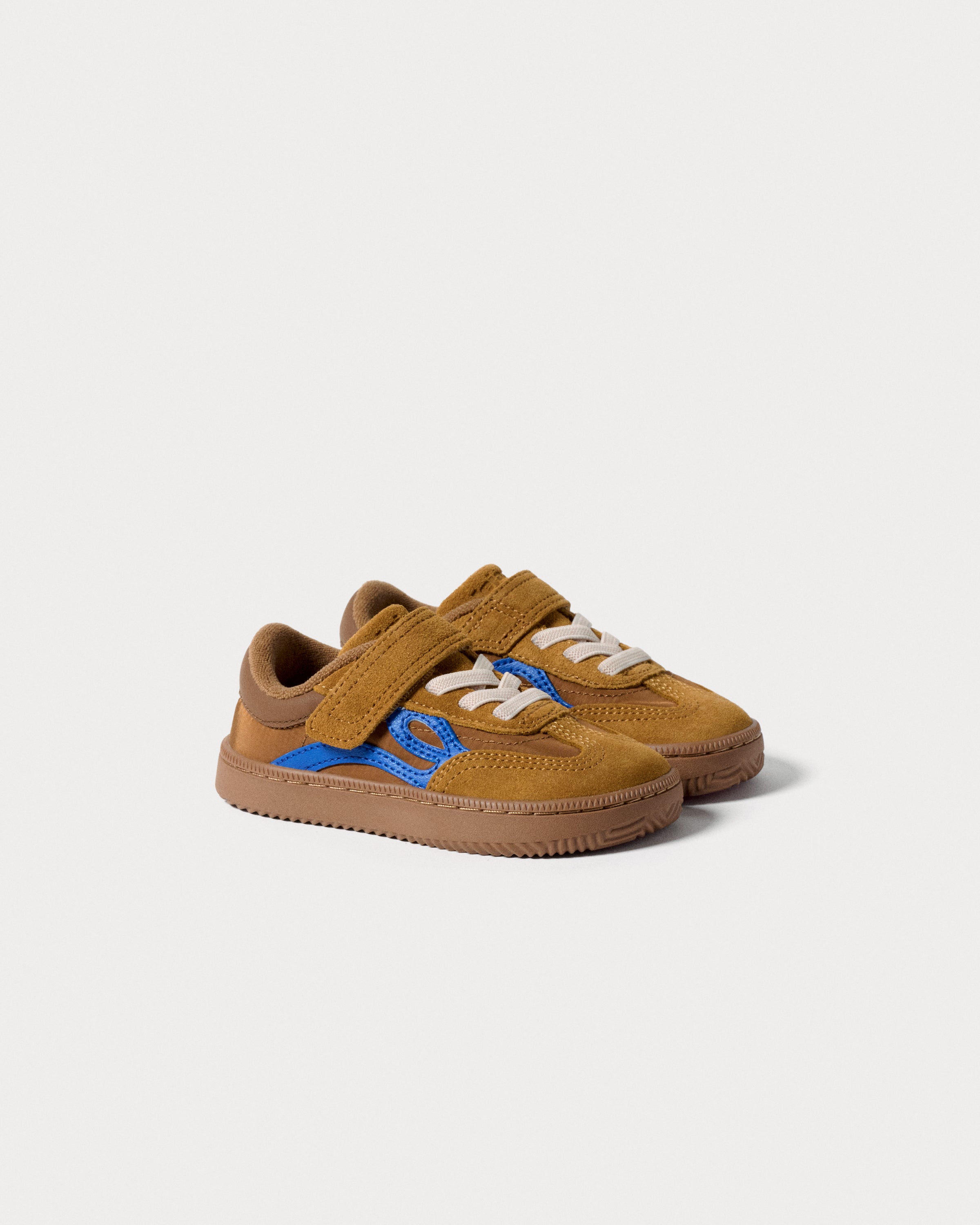
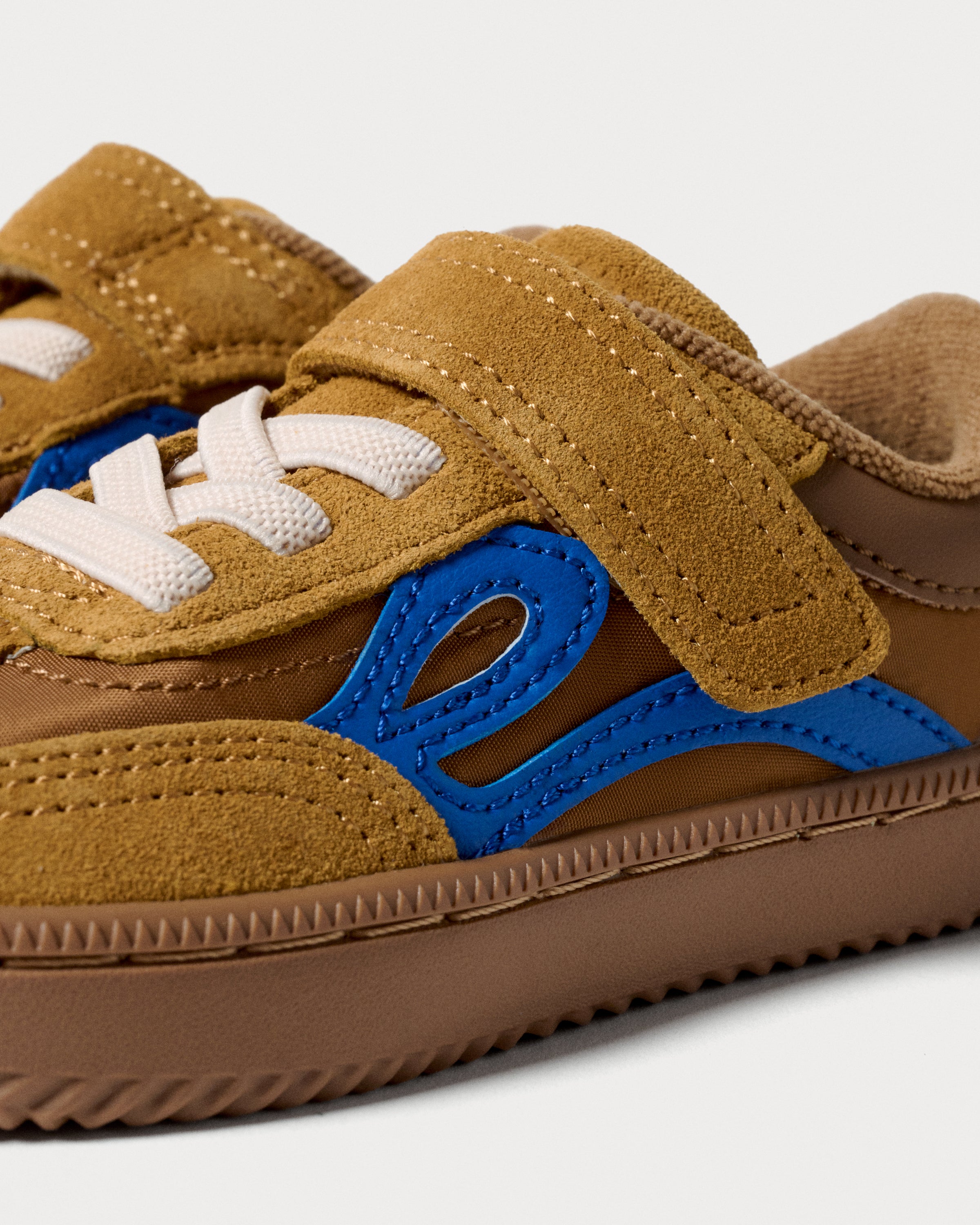
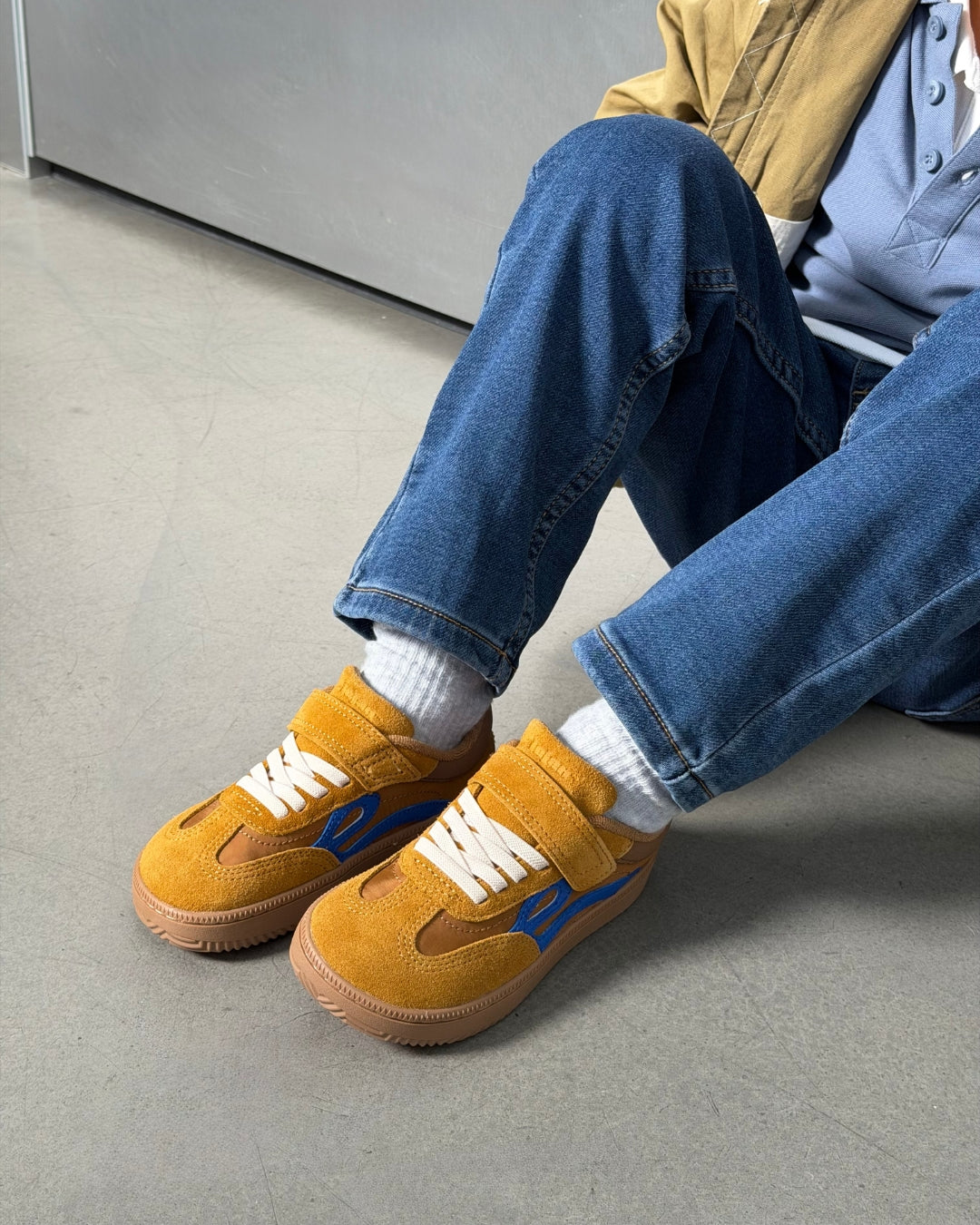
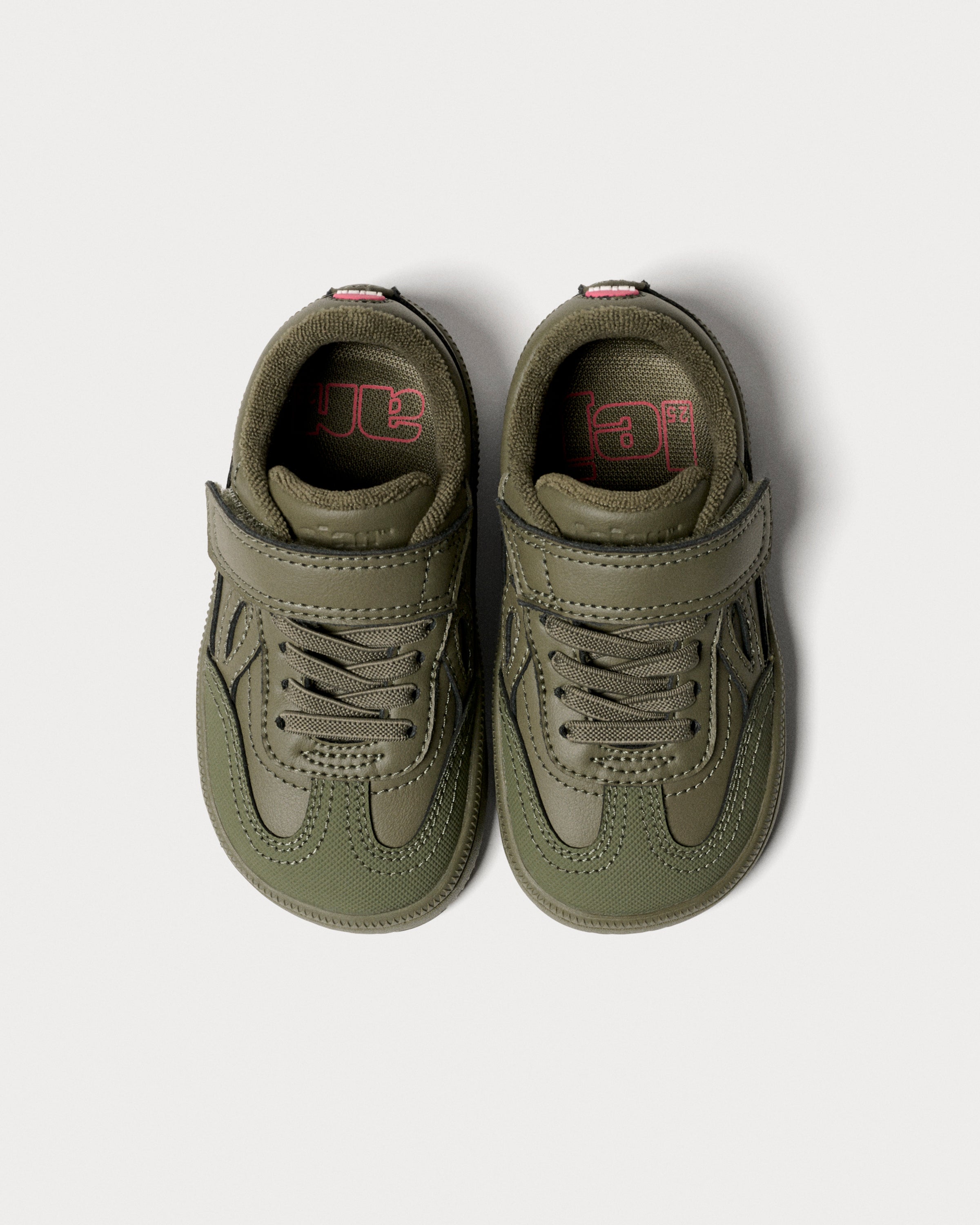
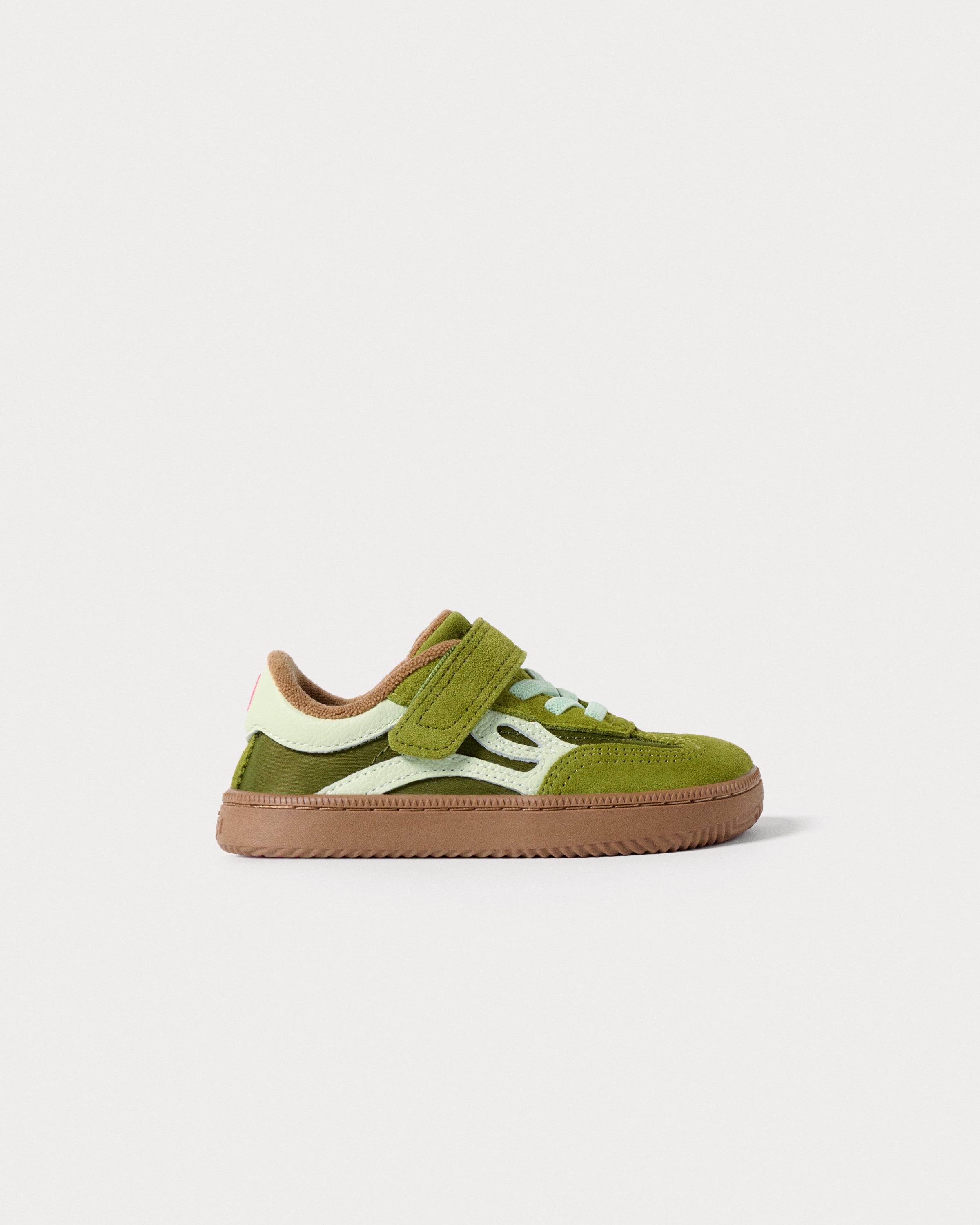
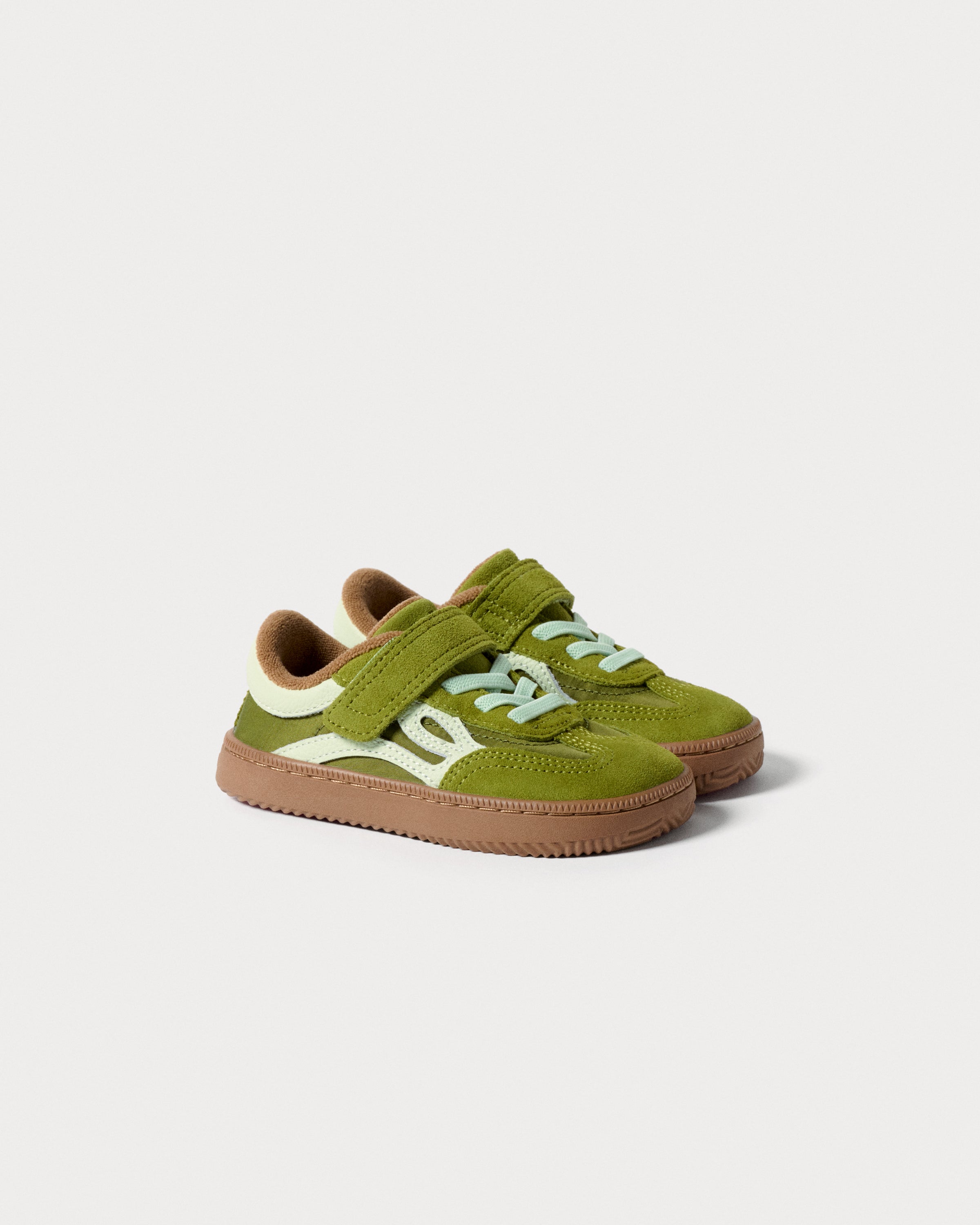
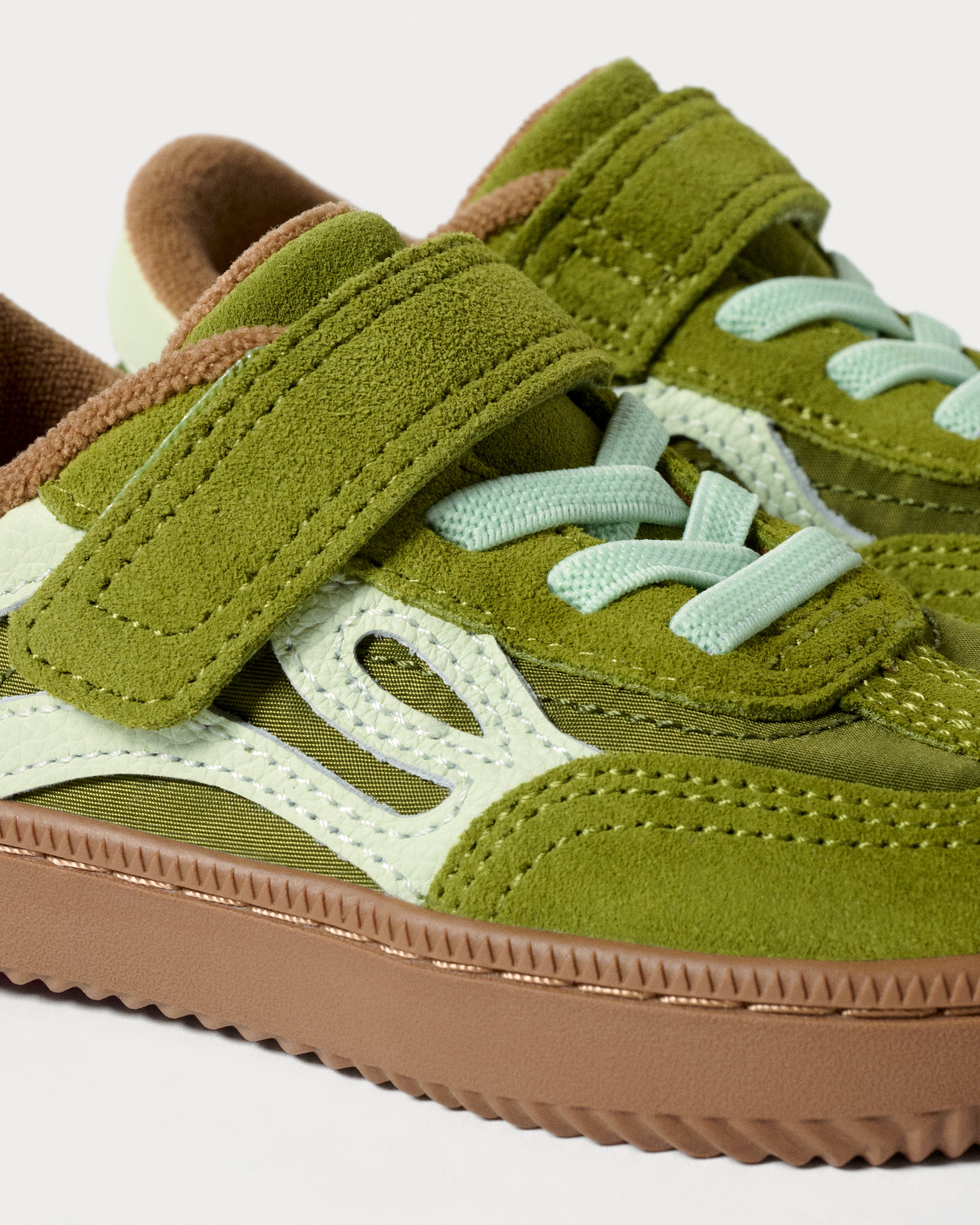
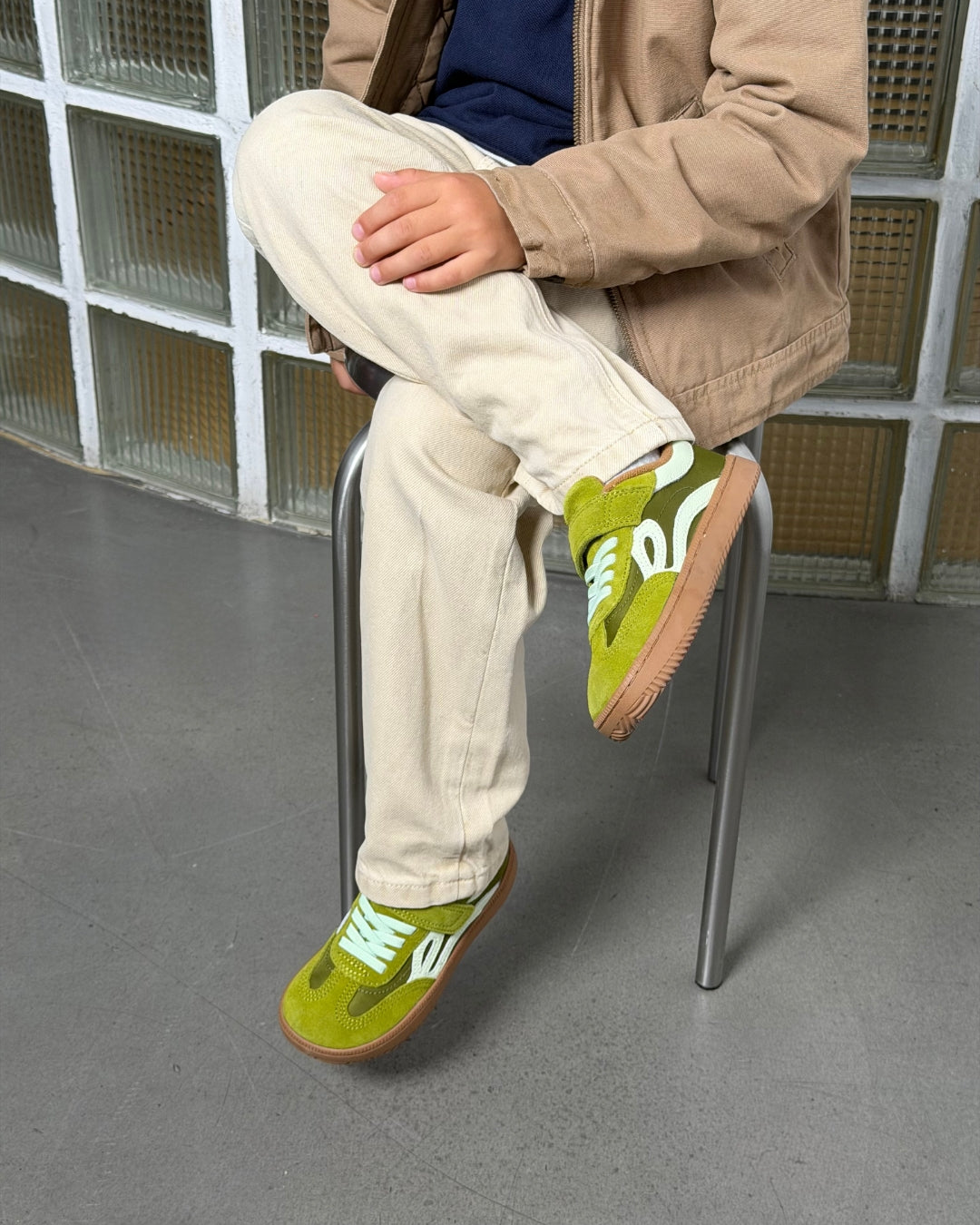
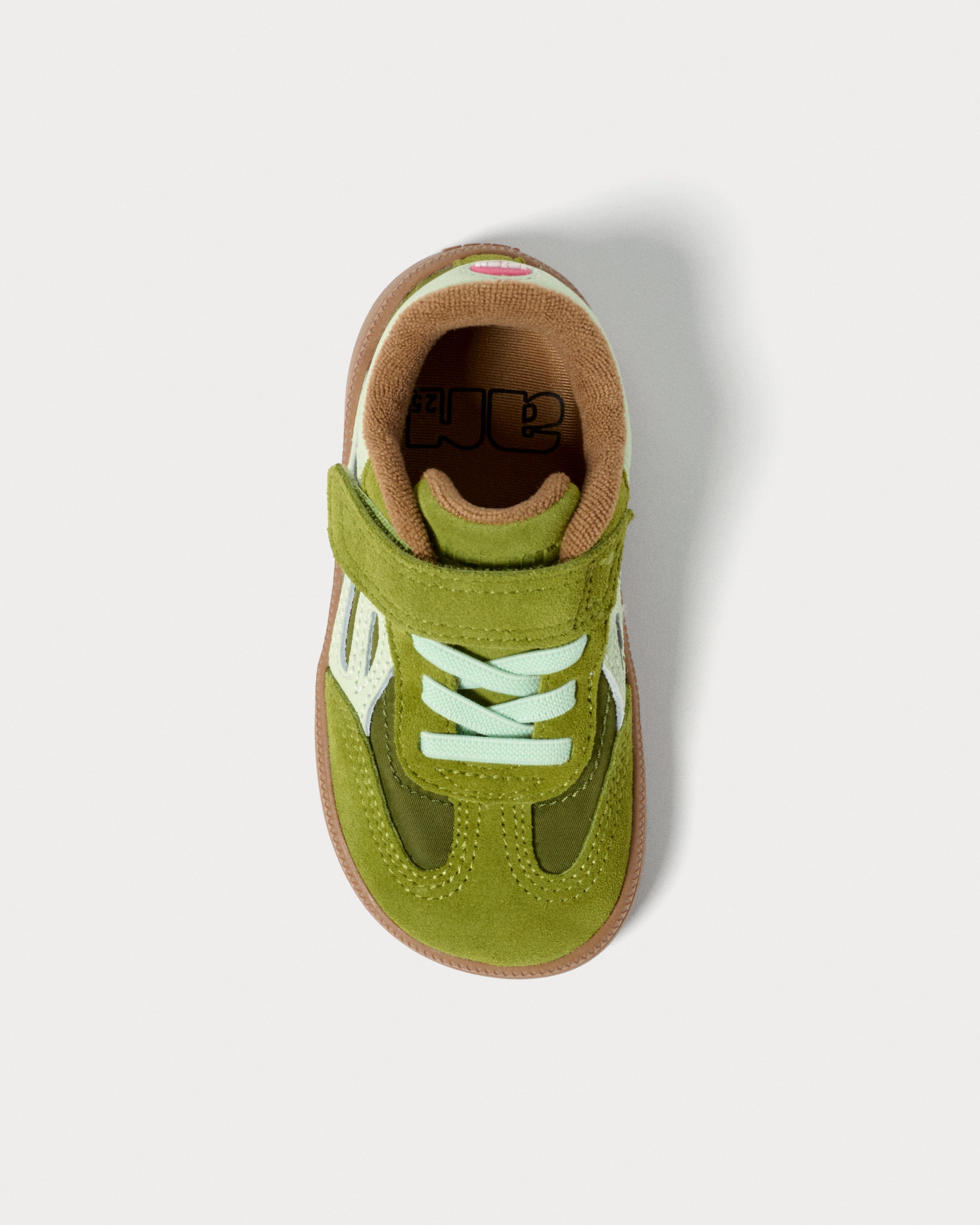
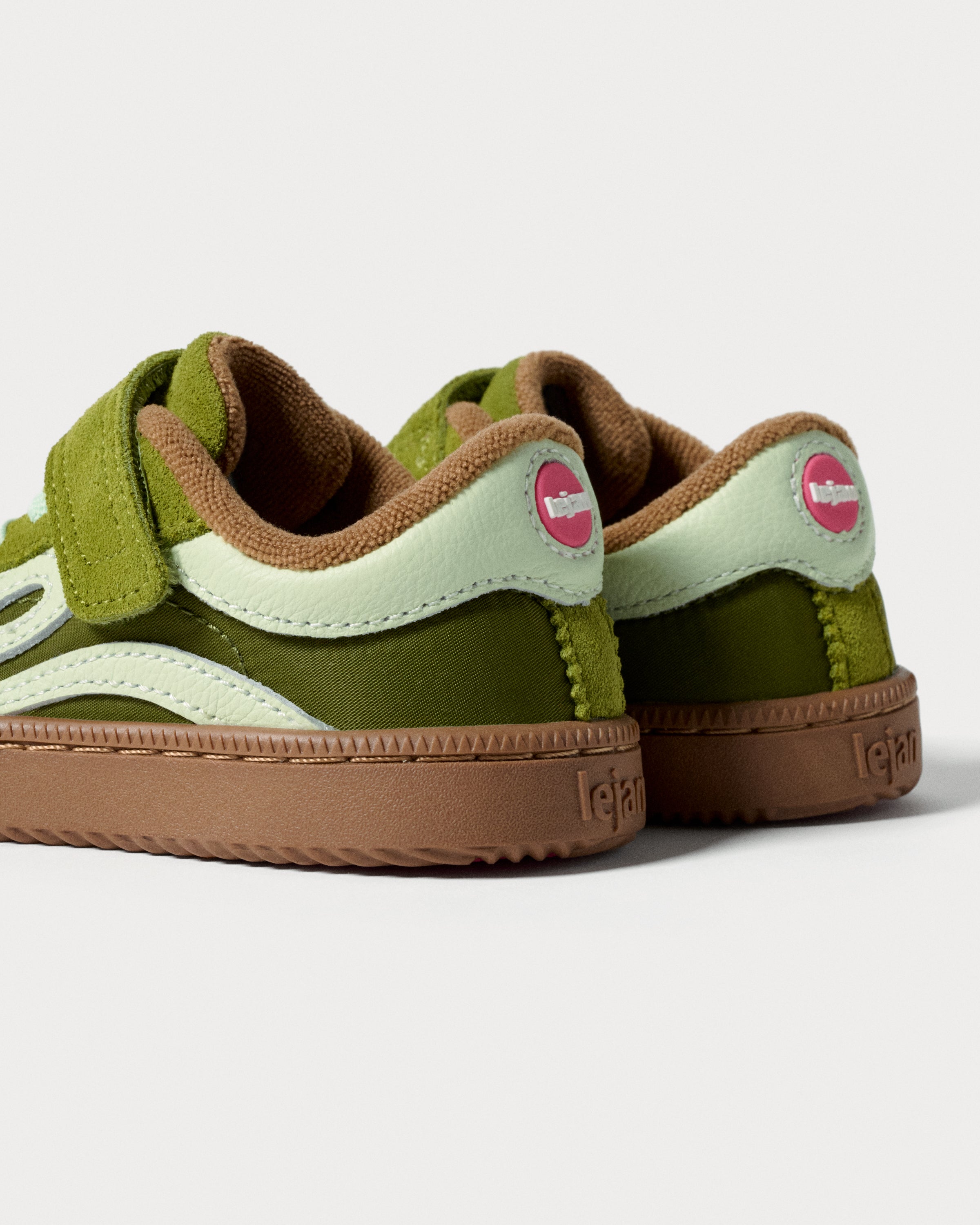
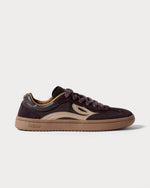
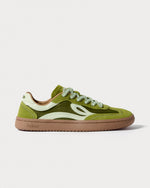
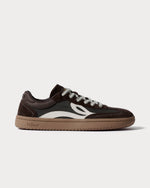
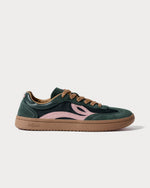
Why school footwear matters more than it seems
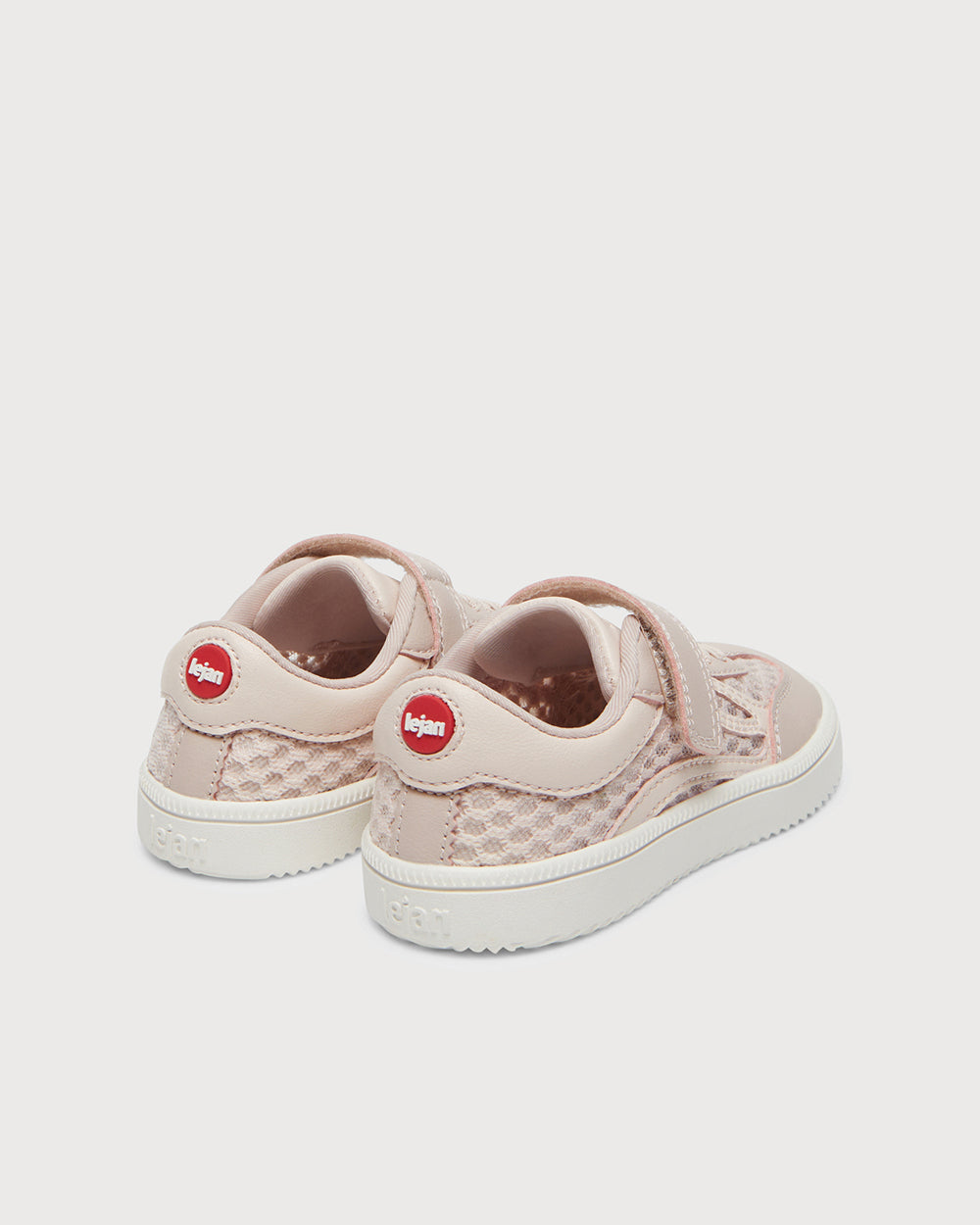
Most families pay a lot of attention to baby shoes and sports footwear, but school shoes take a back seat. And yet they are the ones that spend the most hours on your little one's feet.
A shoe with a narrow toe box, a stiff sole or a heel (however small) spends hours repeating that same pressure on a foot that is still developing. Over time, that leaves its mark: claw toes, plantar fasciitis, poor support, postural compensations.
The foot-friendly school shoes do the opposite: they let the foot work on its own, the toes spread out and the muscles grow stronger with every use.
Our models are designed alongside certified podiatrists for exactly this reason: so that school footwear is not the problem, but part of the solution.
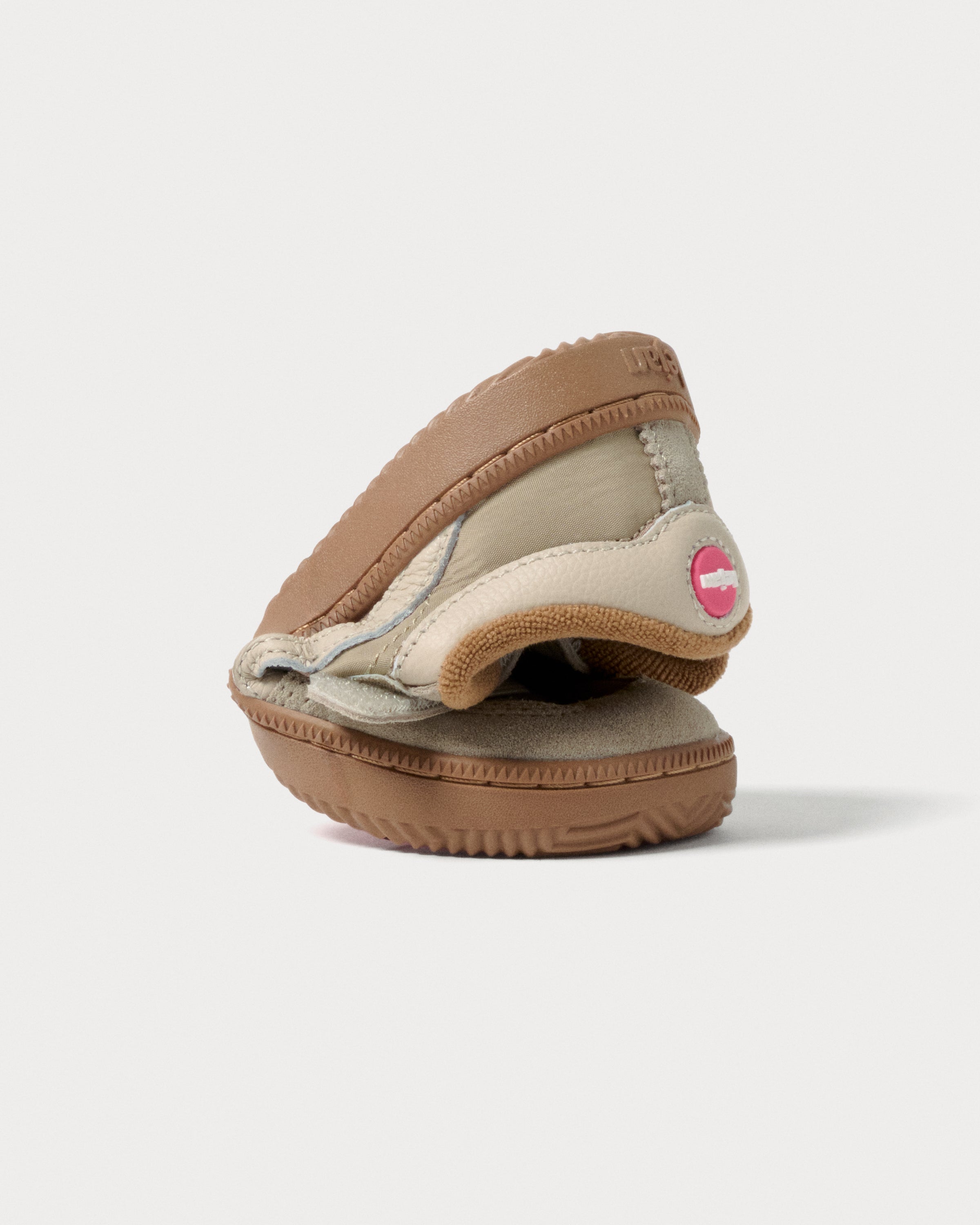
What makes a school shoe truly barefoot
Not everything labelled “barefoot” or “foot-friendly” actually is. For a barefoot school shoe to do its job, it has to meet these five points without exception:
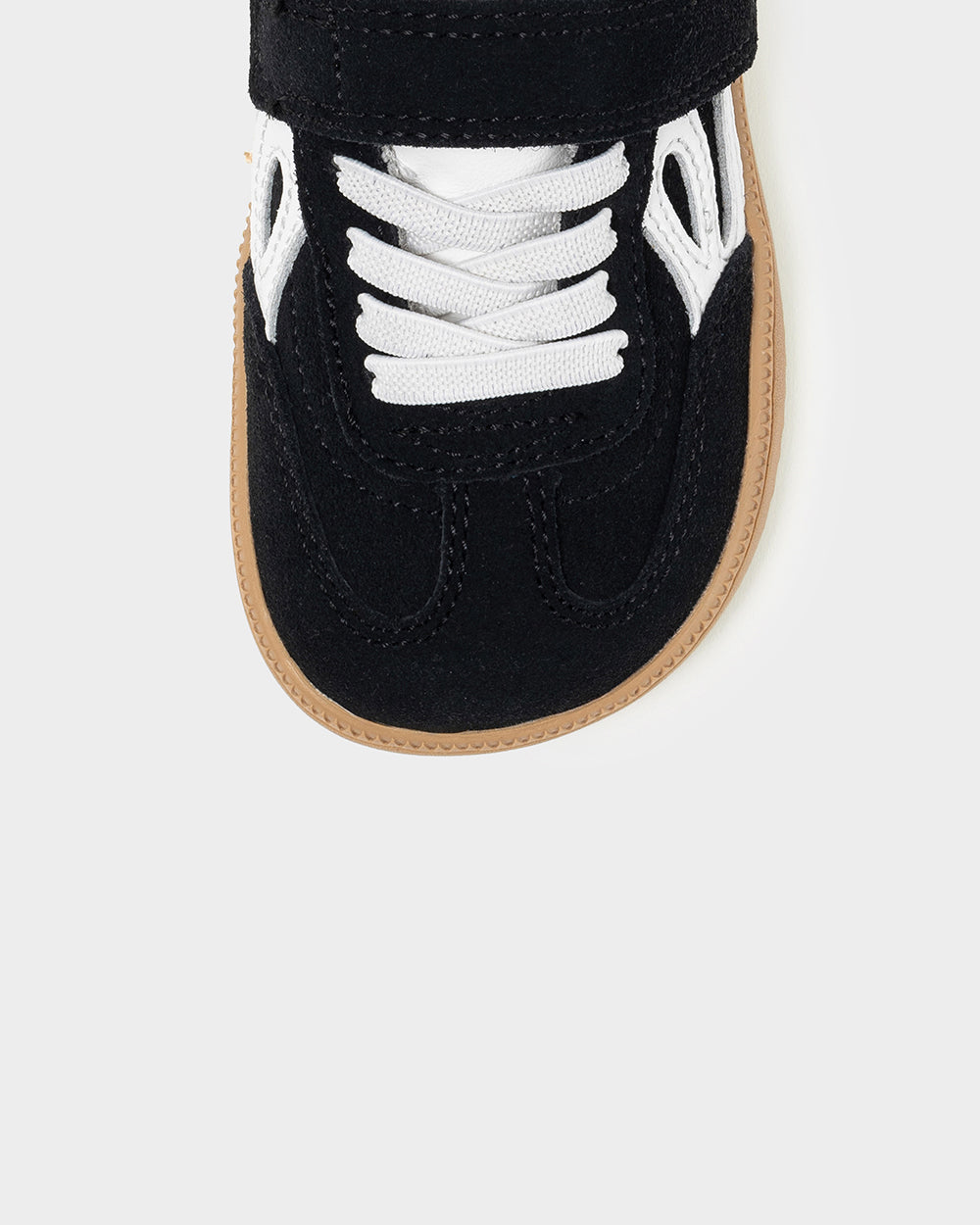
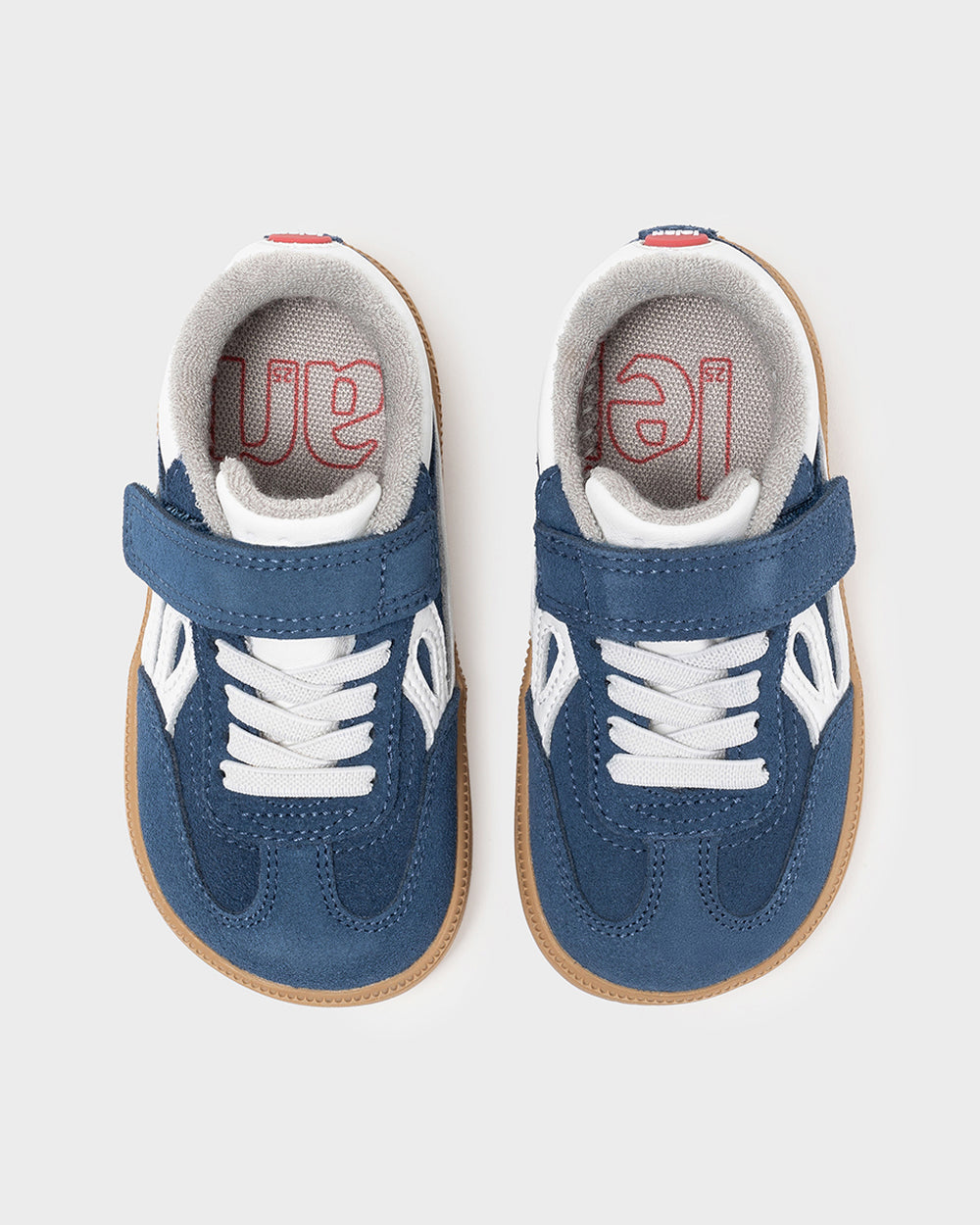
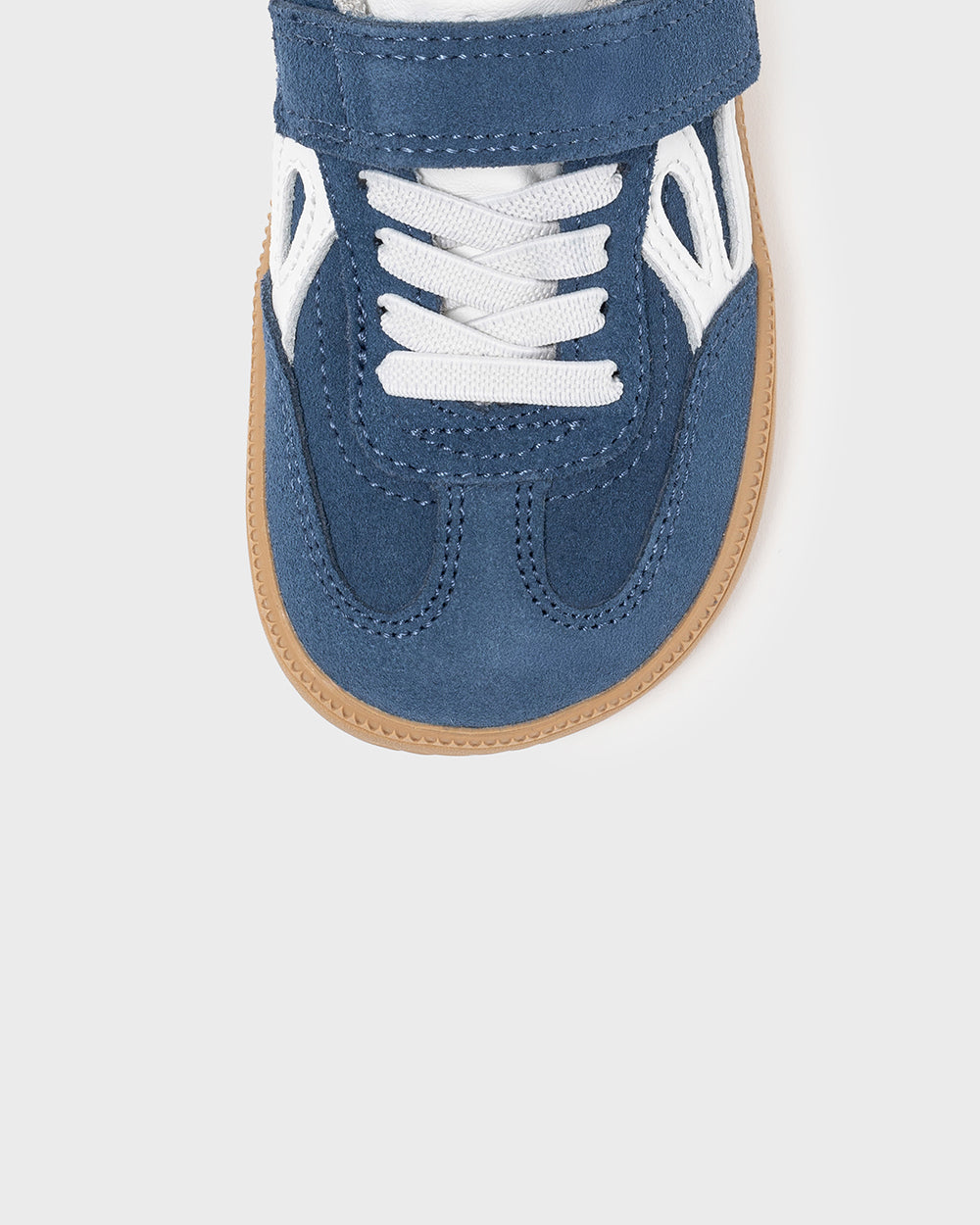
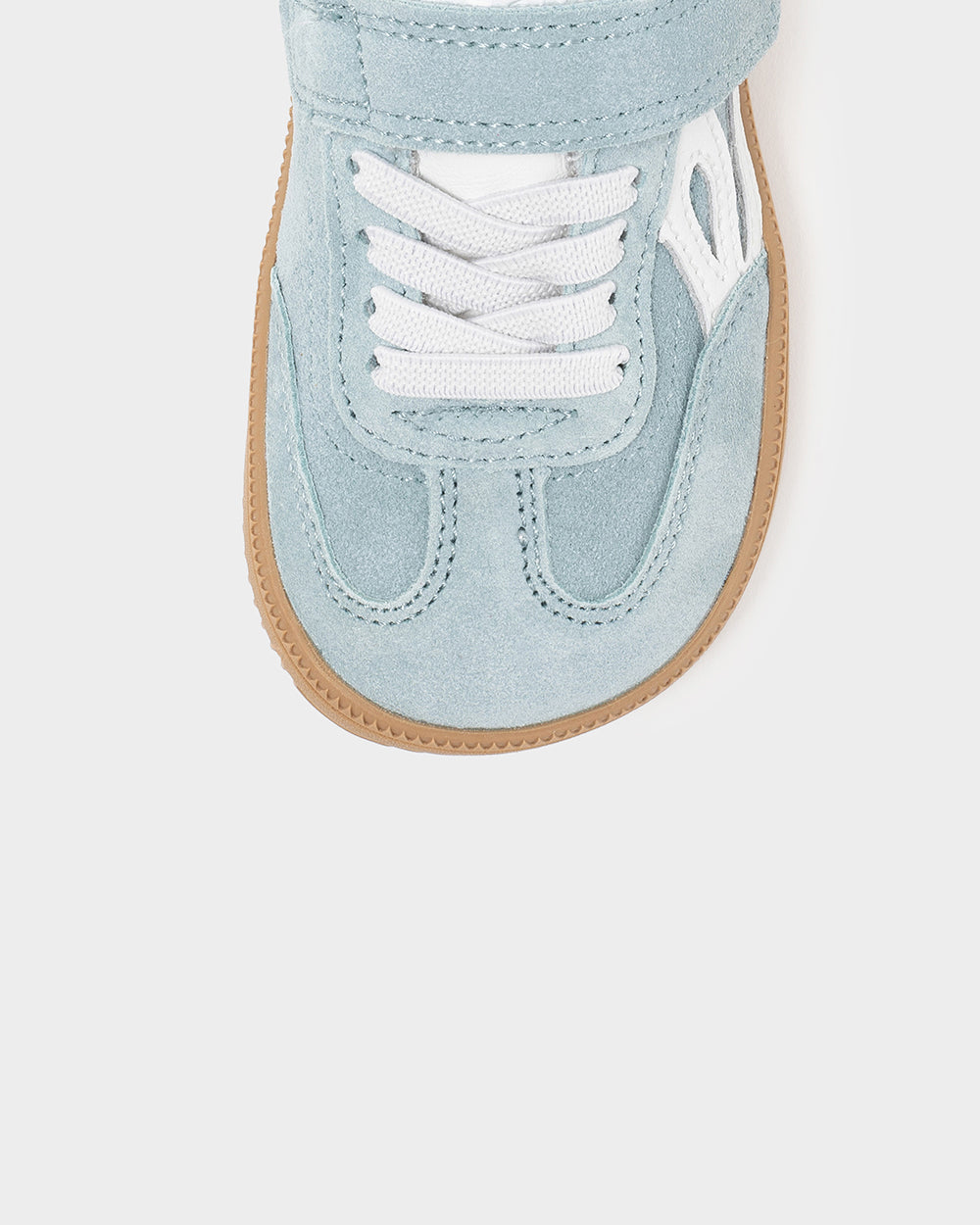
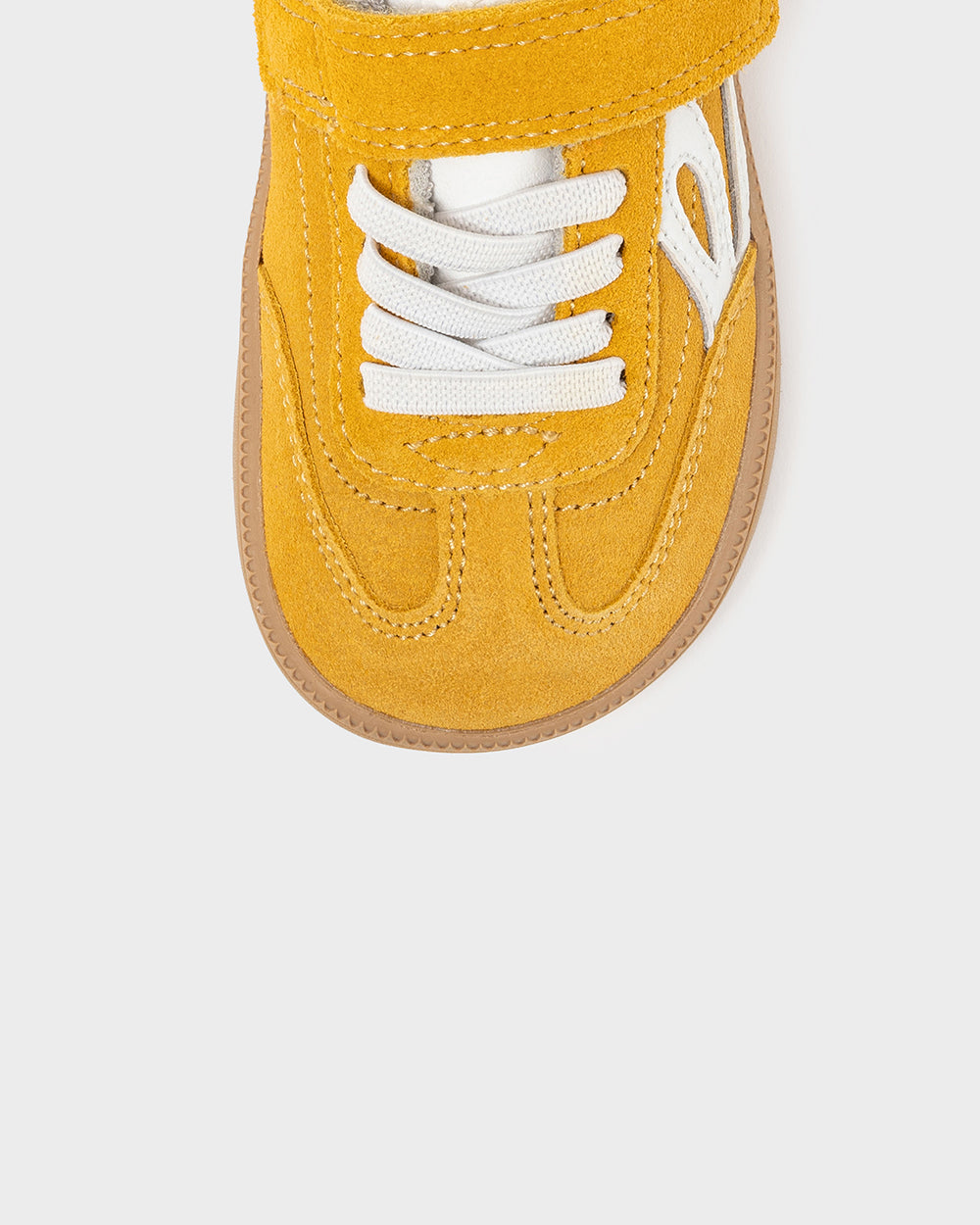
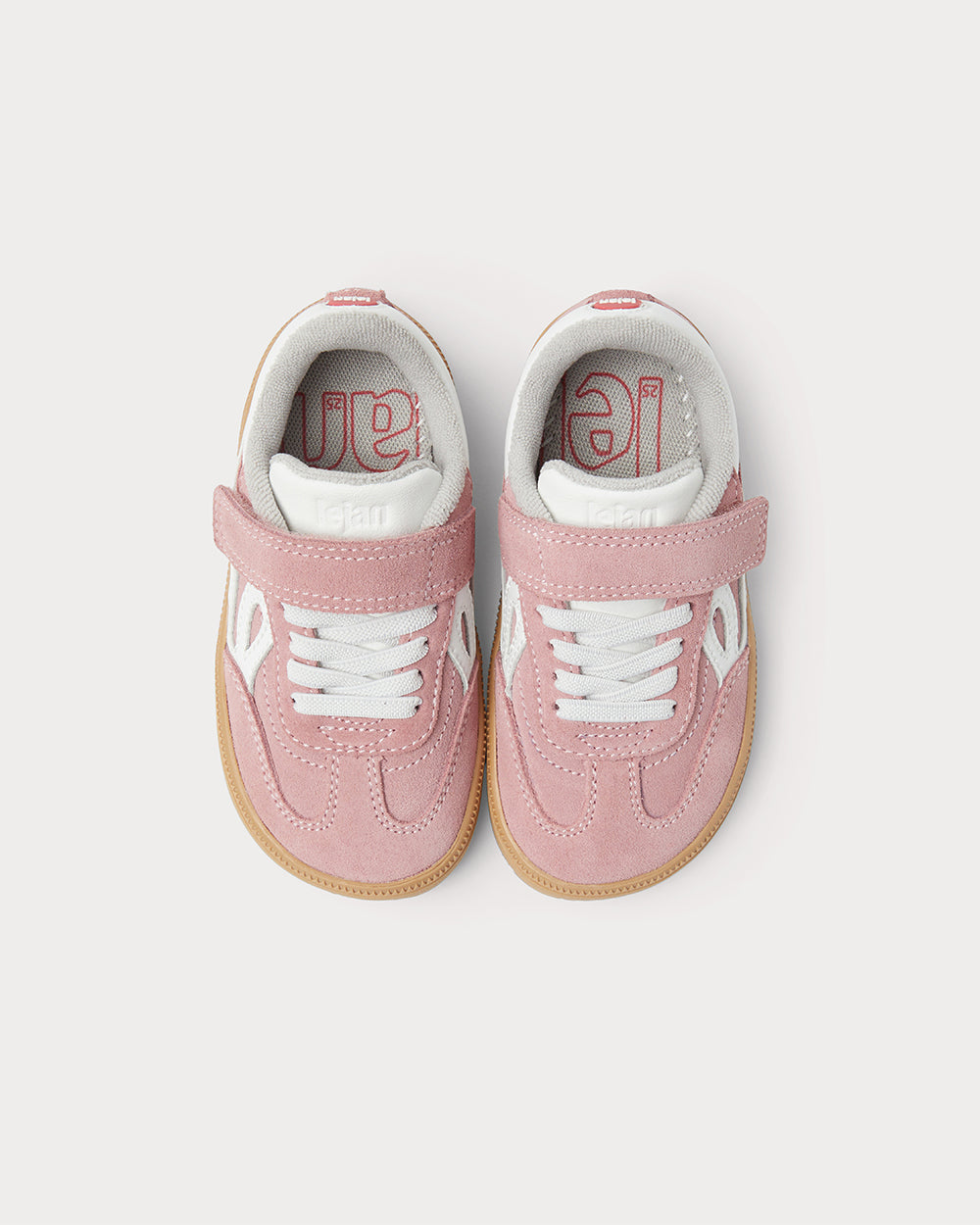
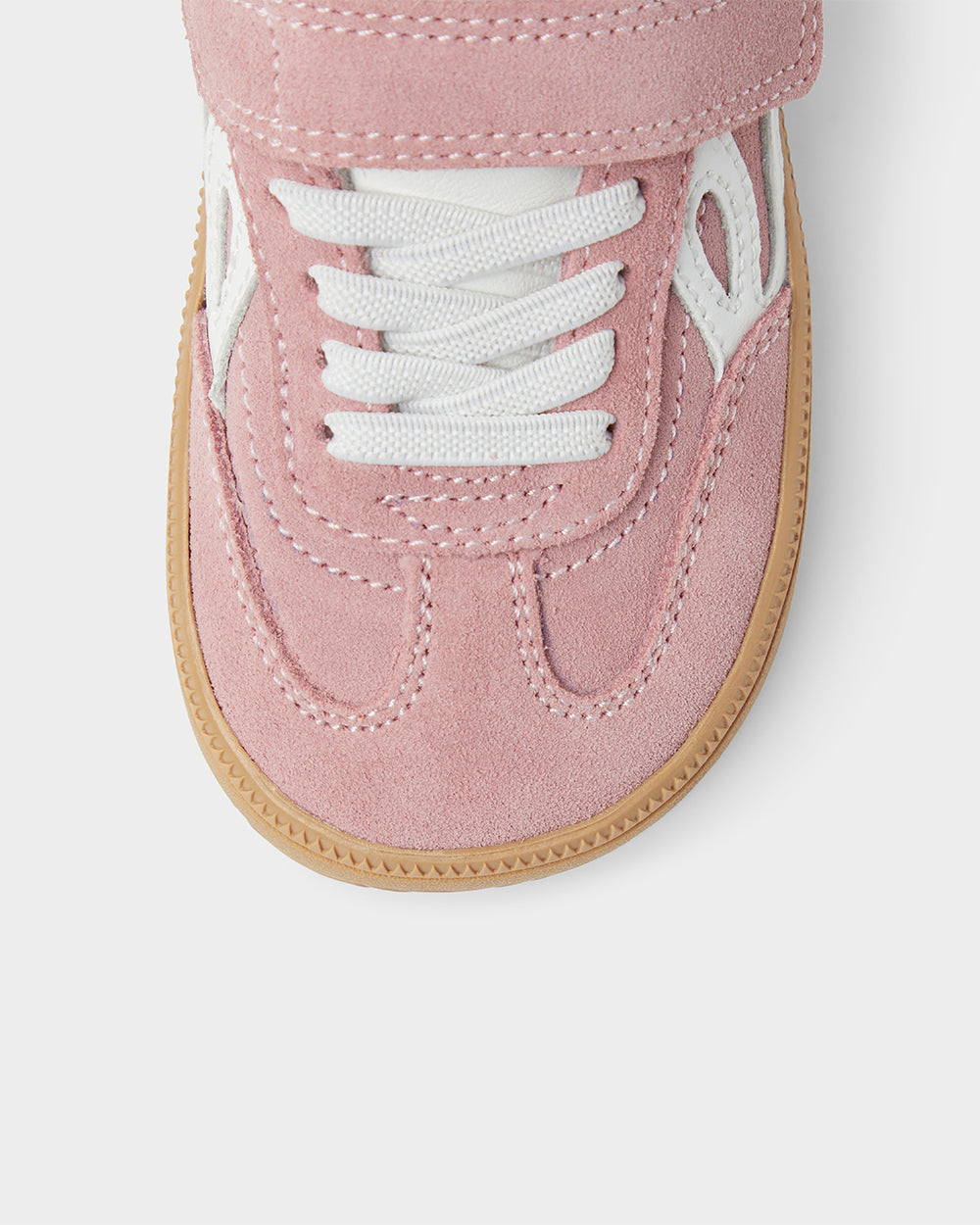
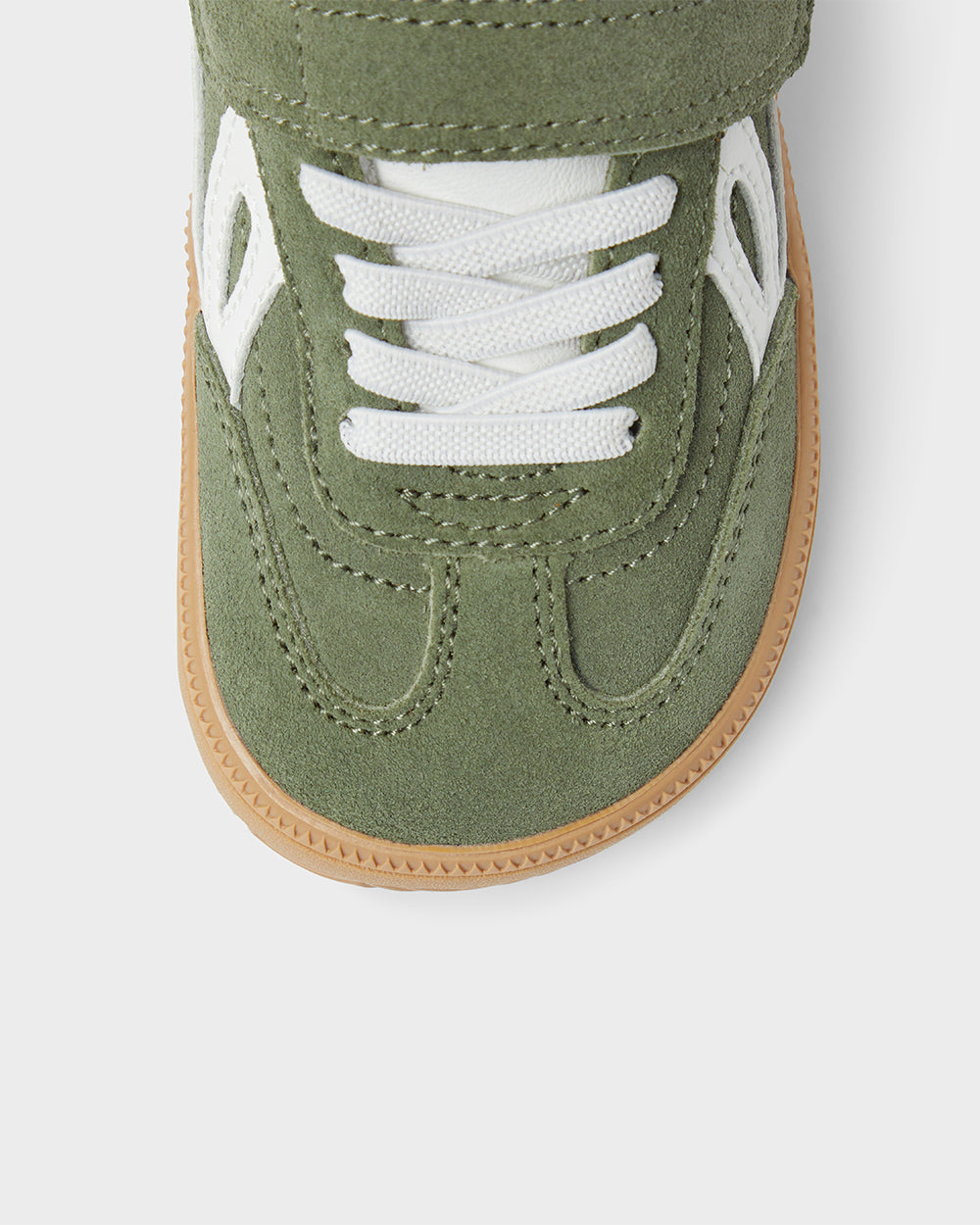
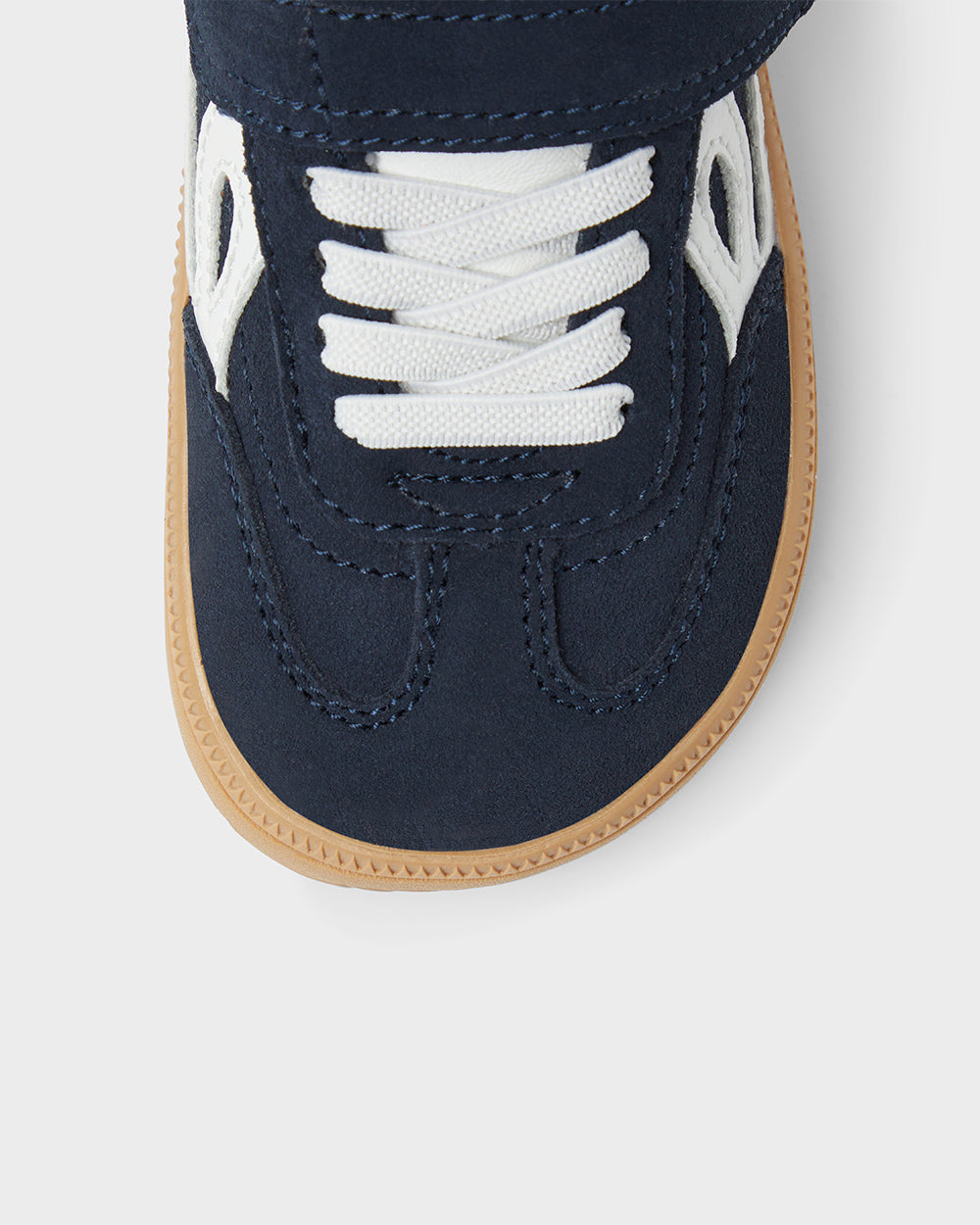
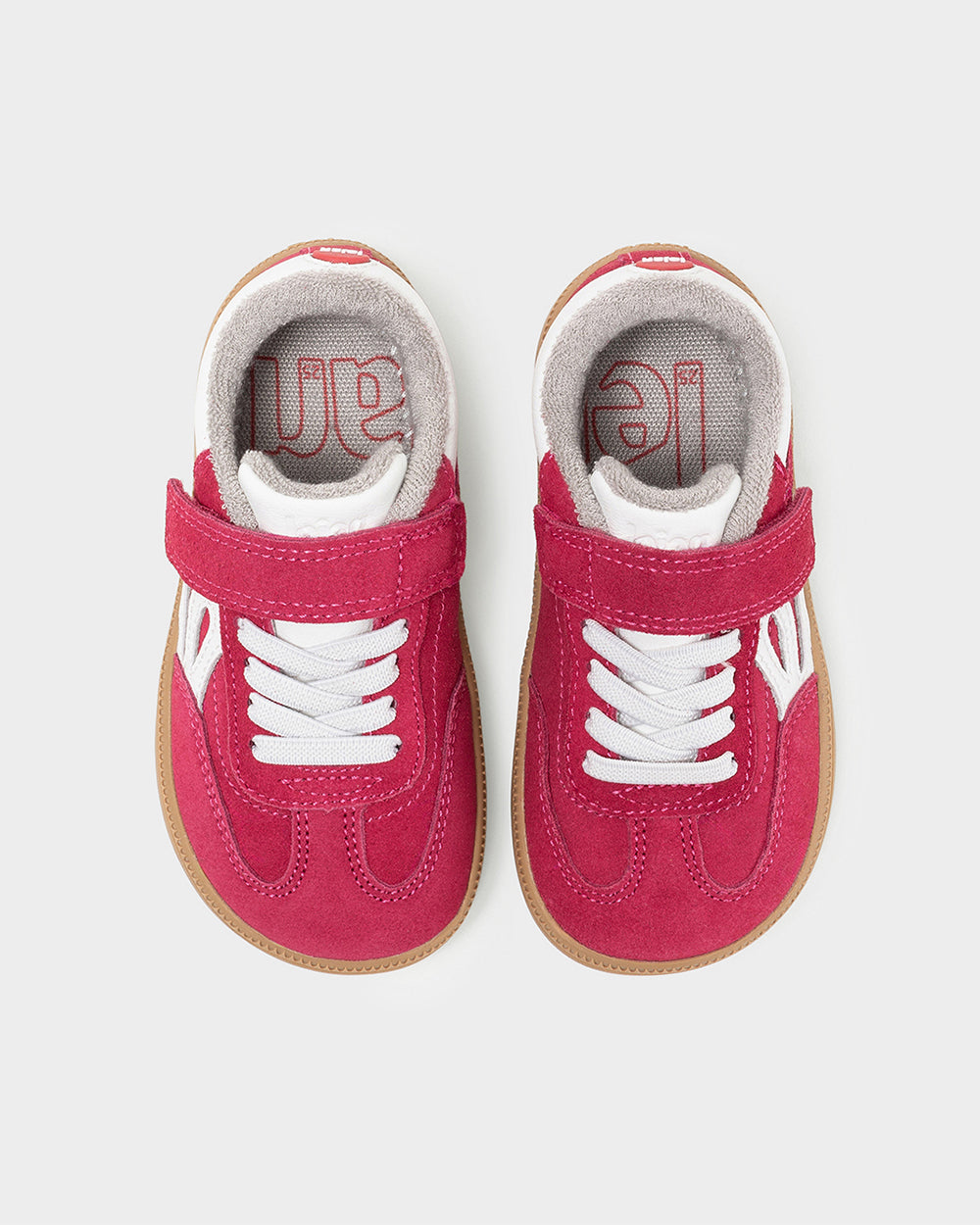
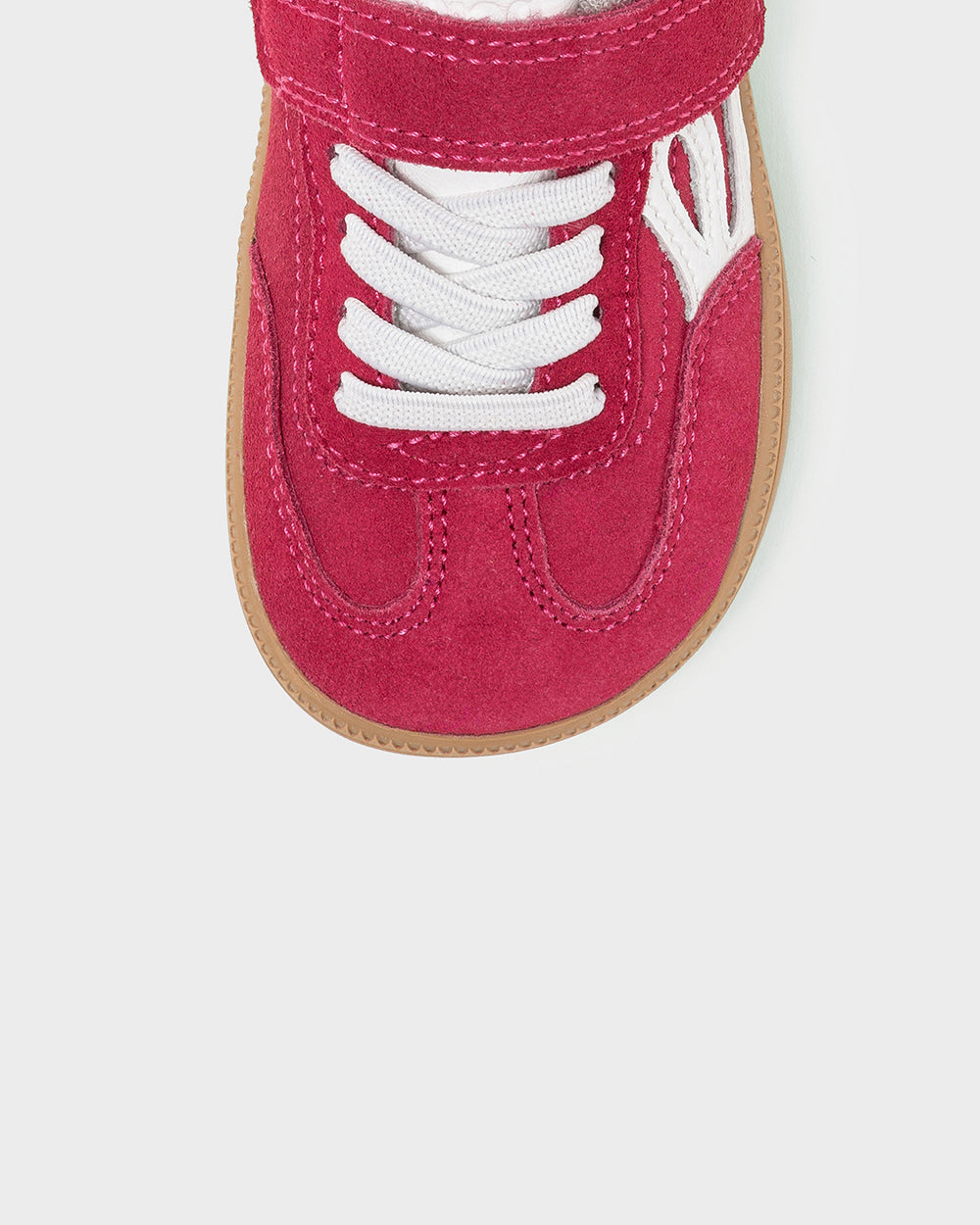
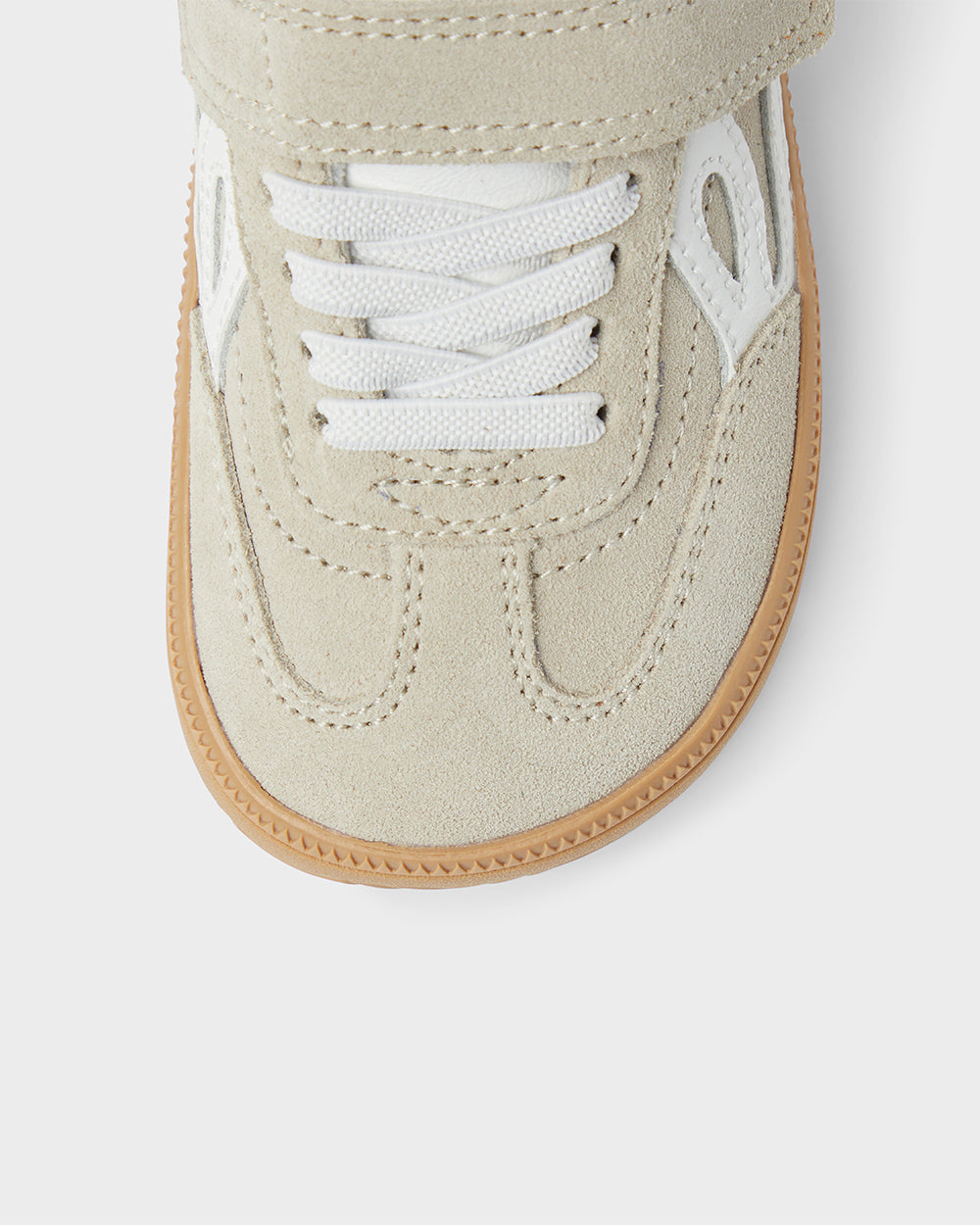
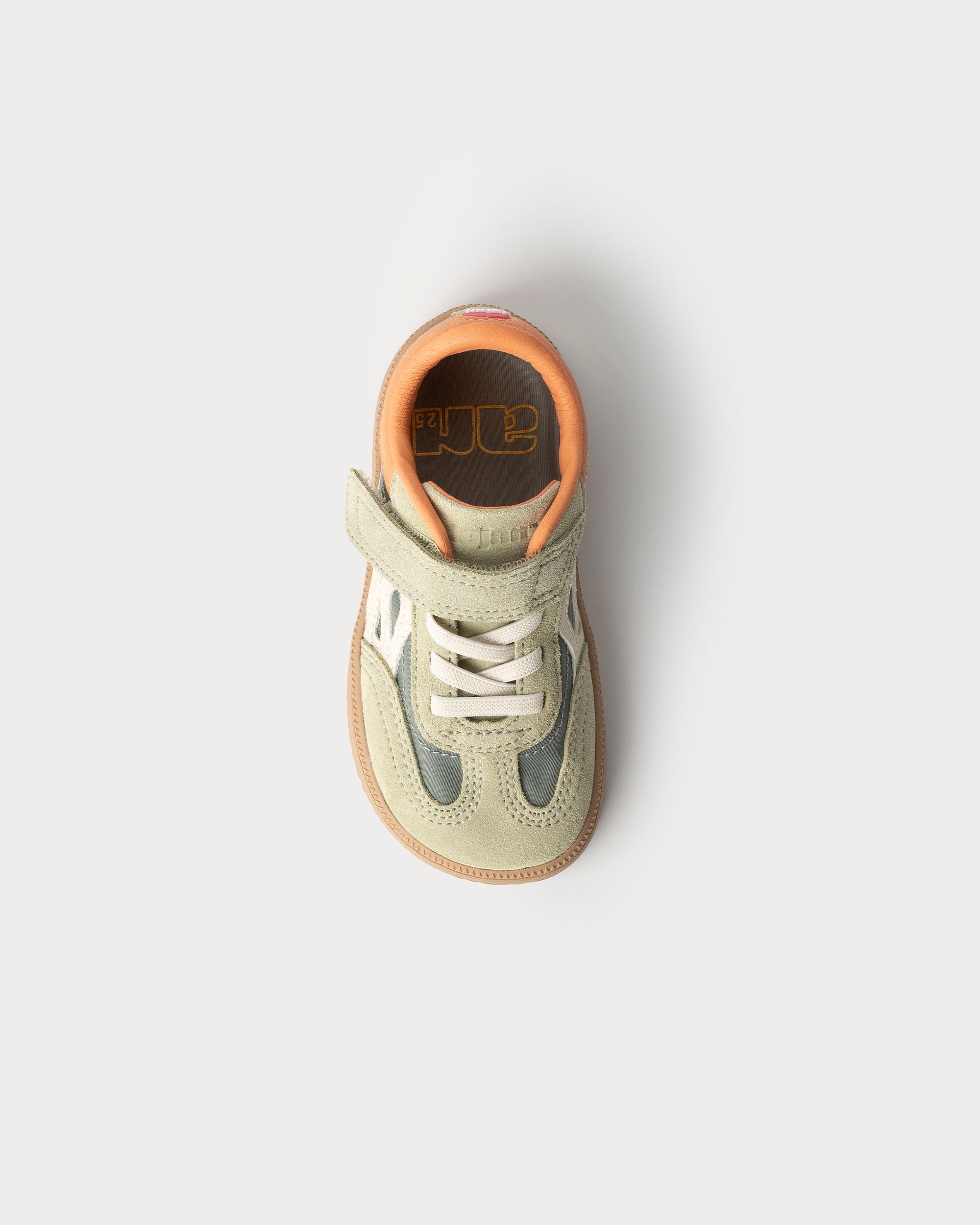
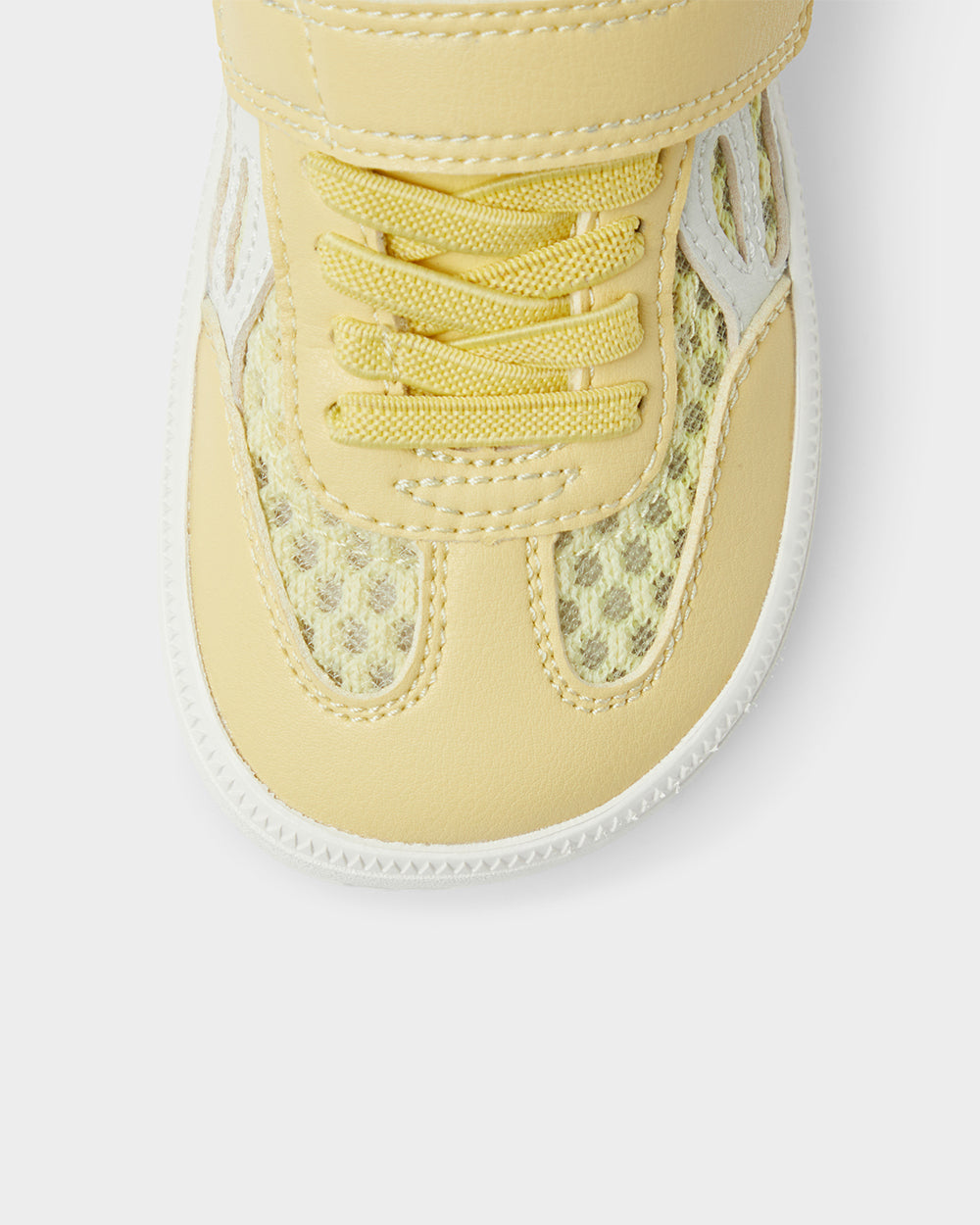
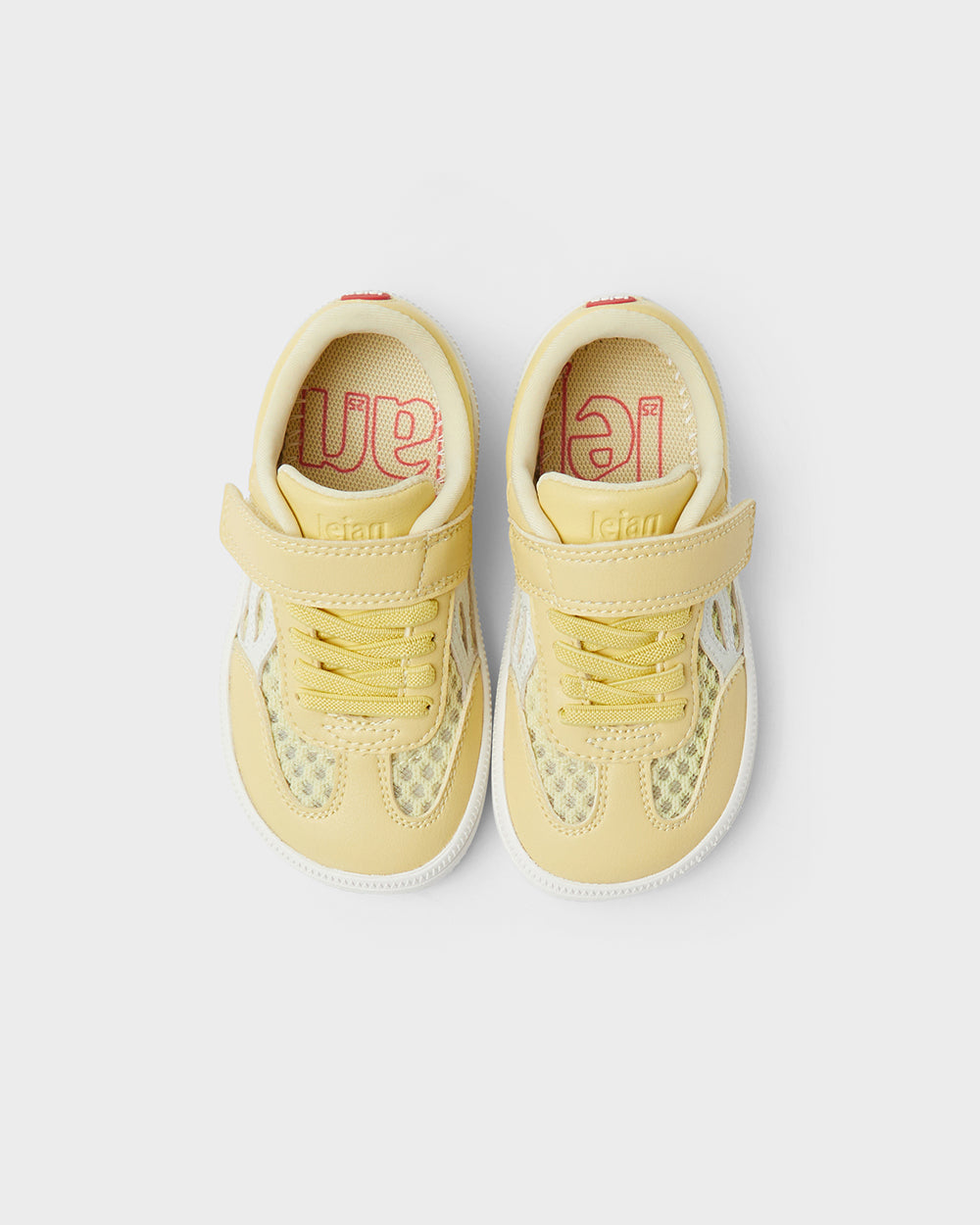
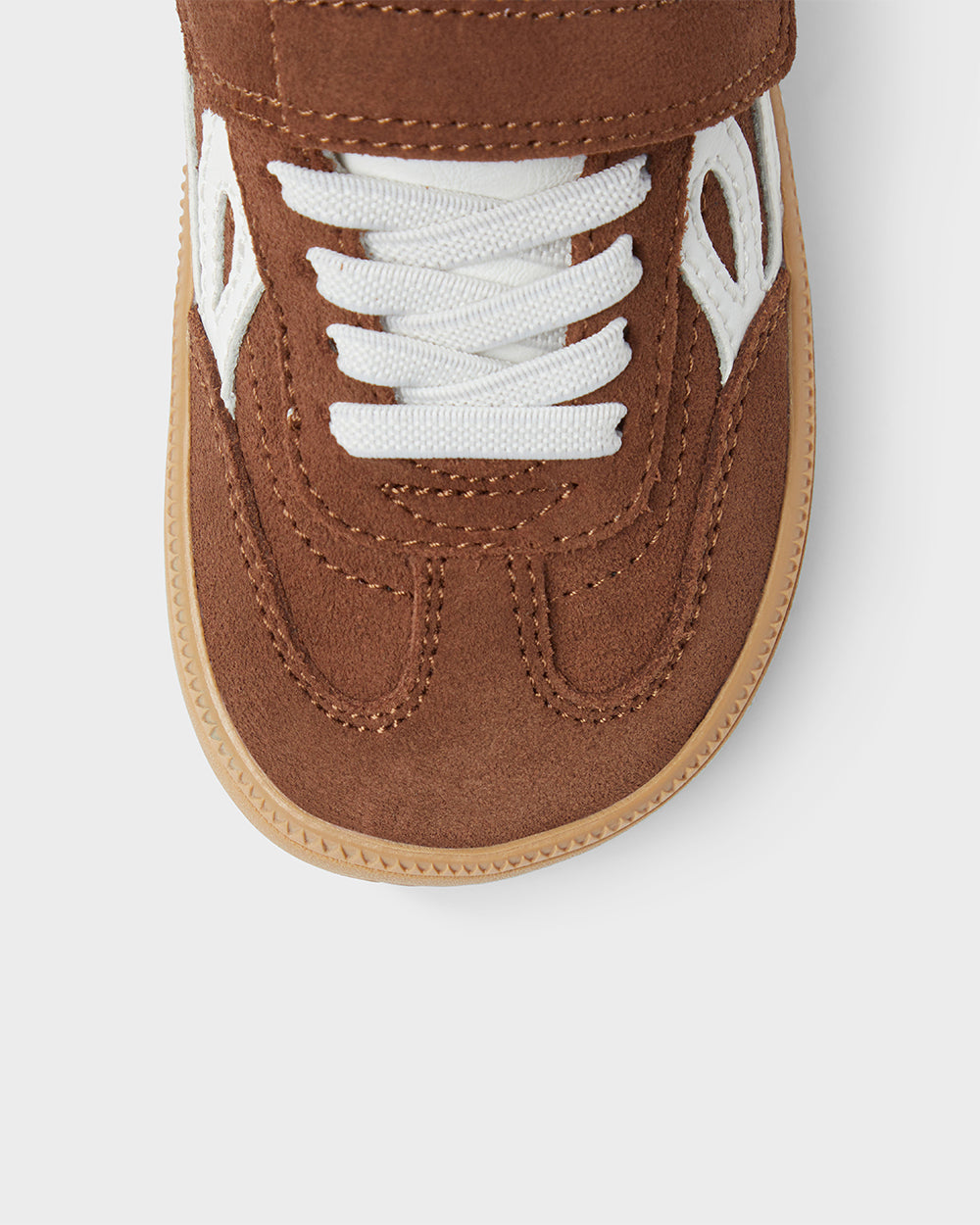
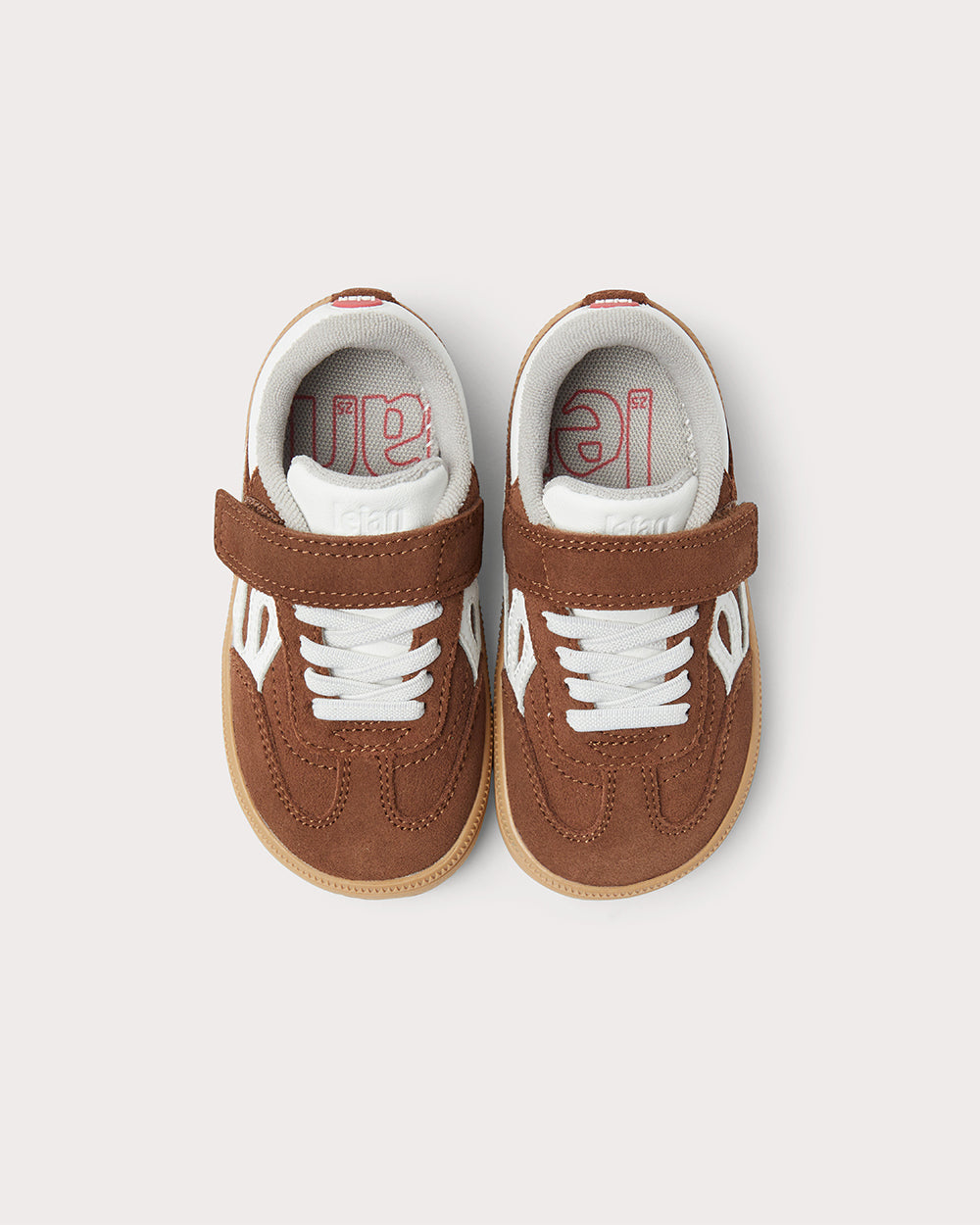
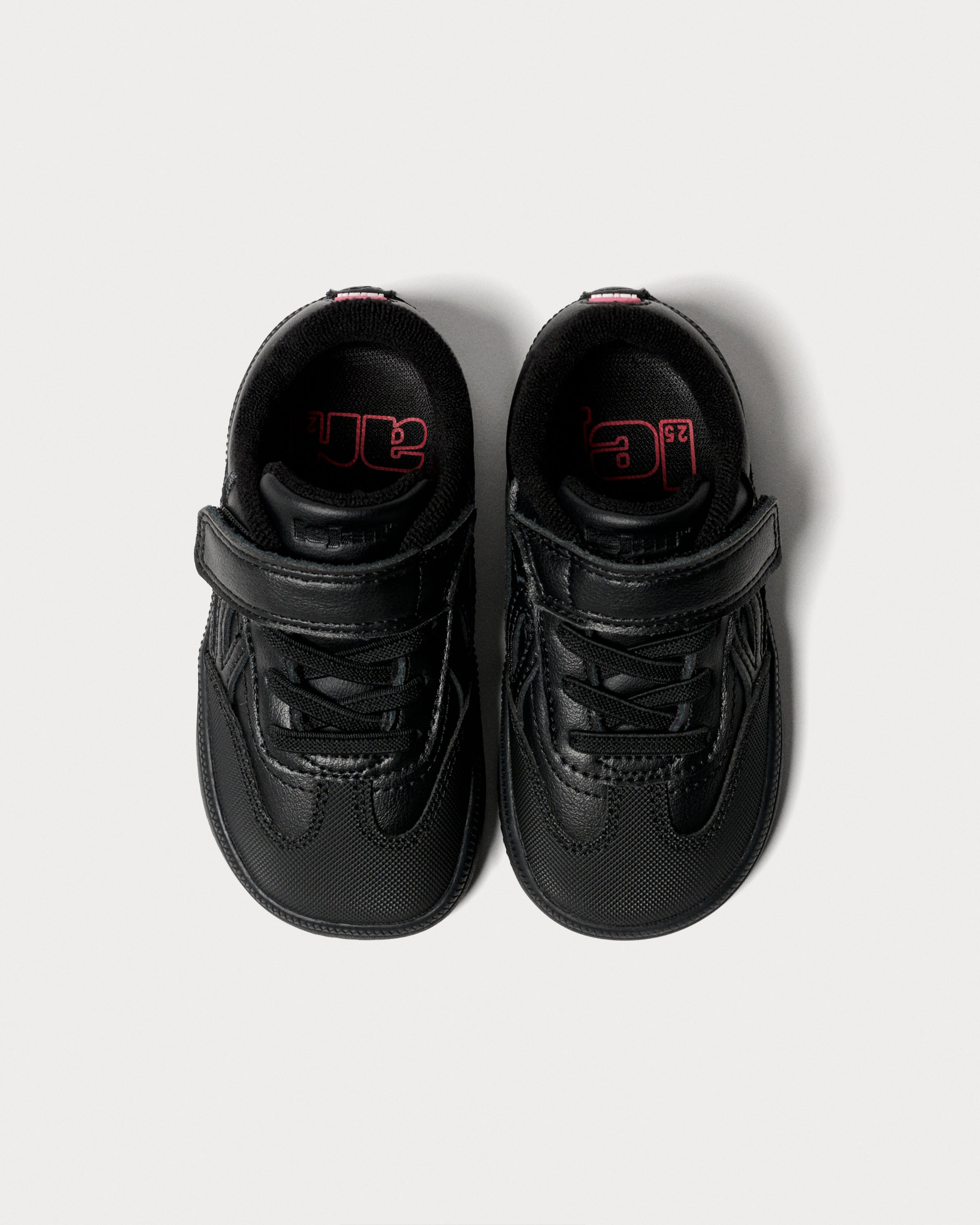
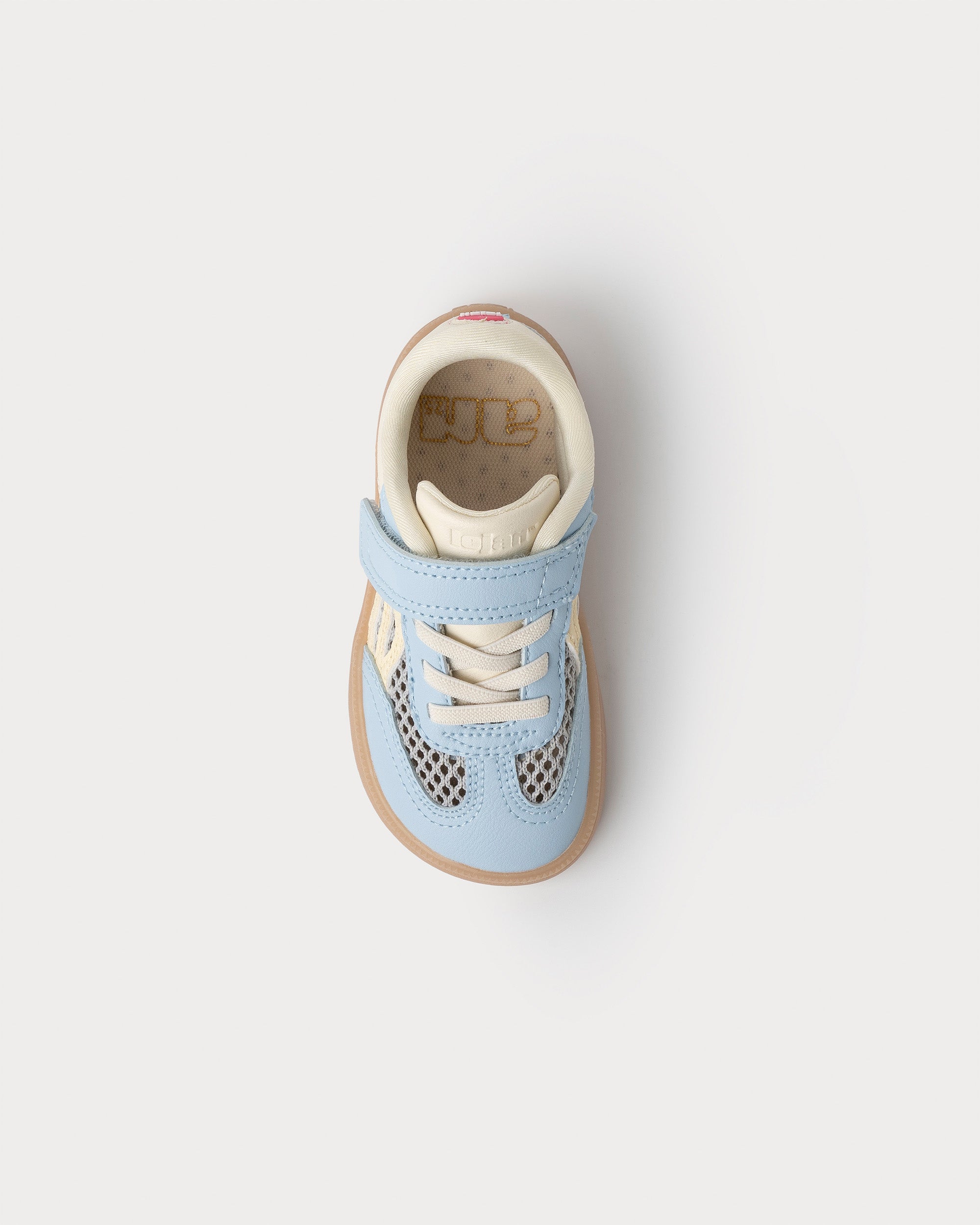
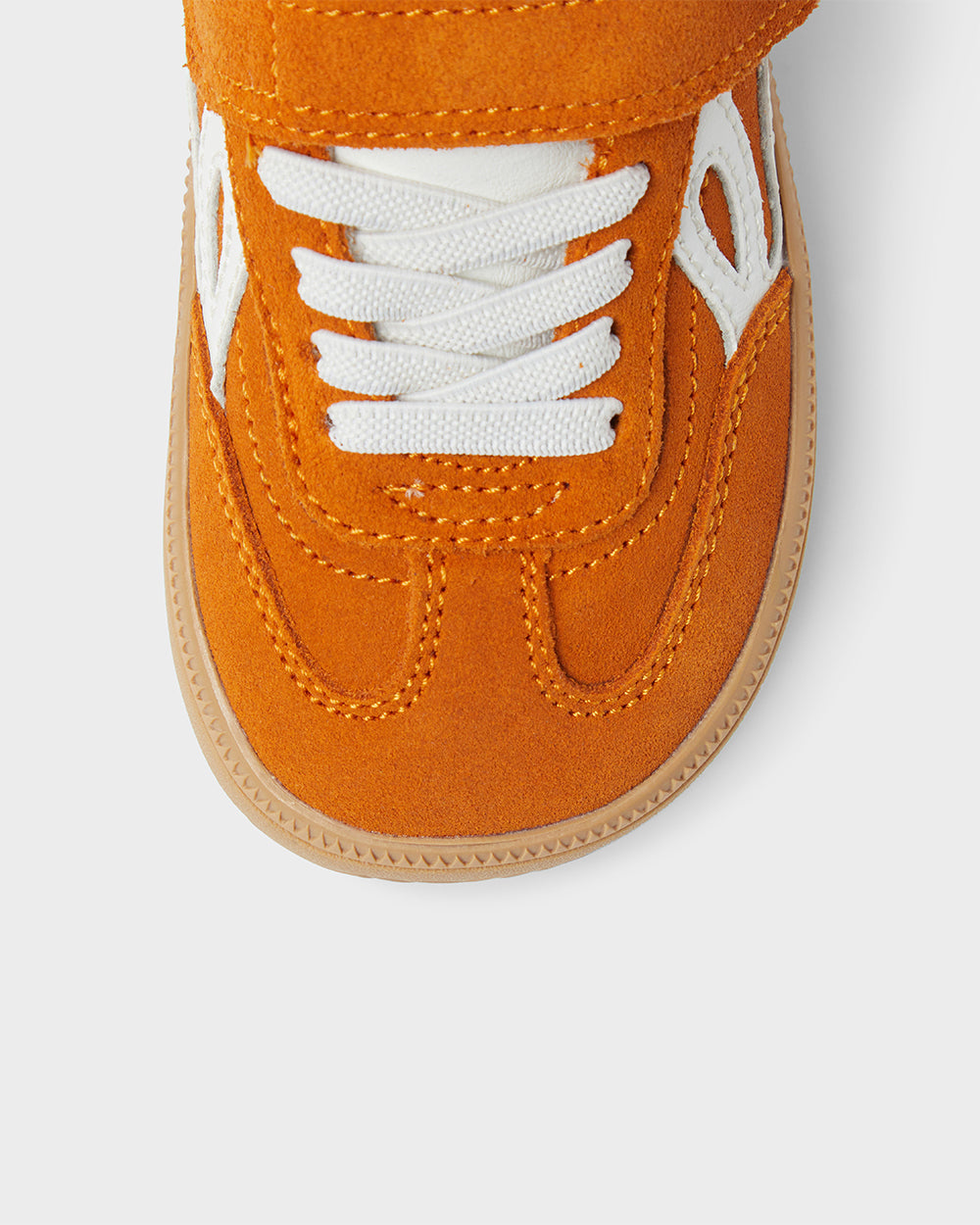
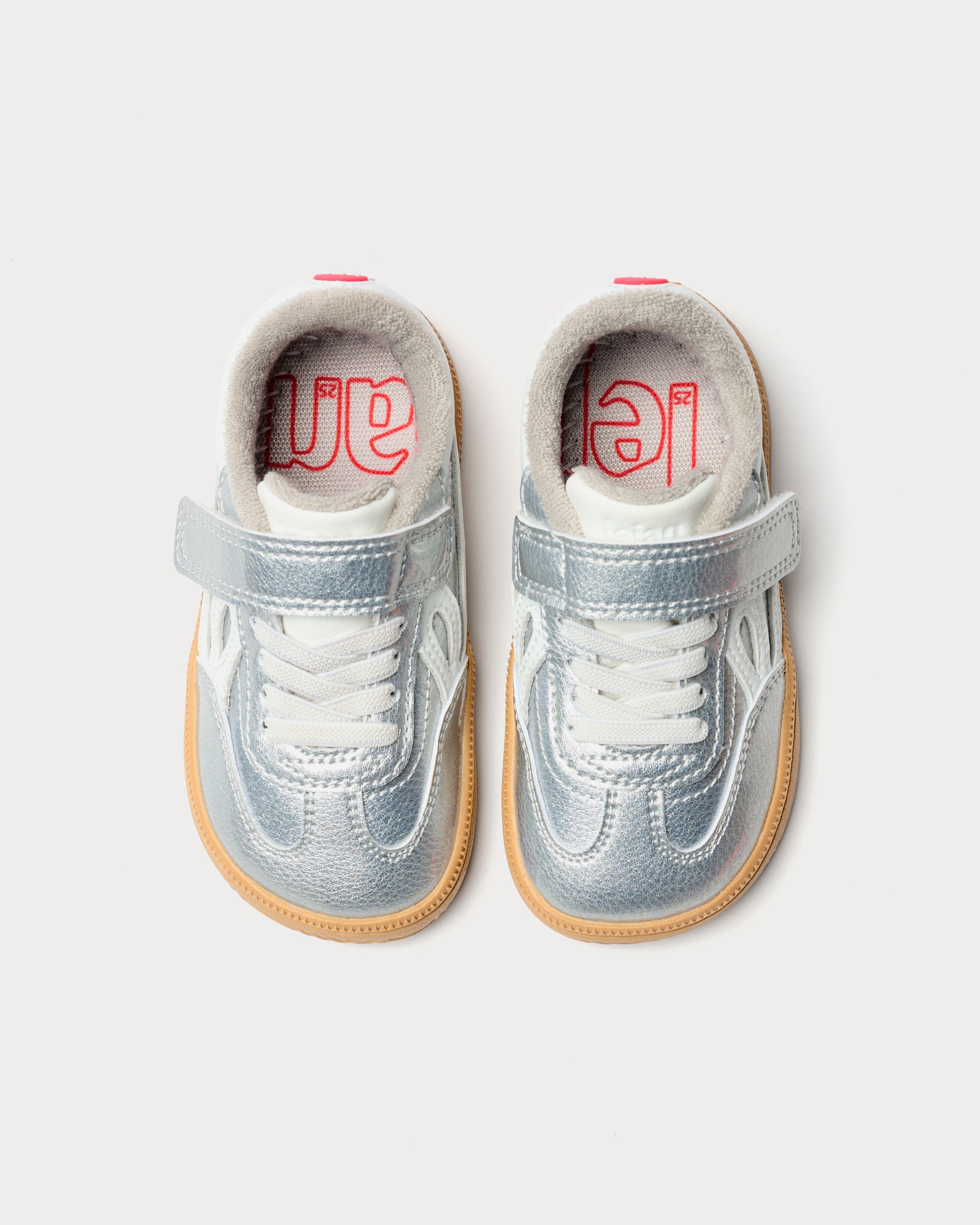
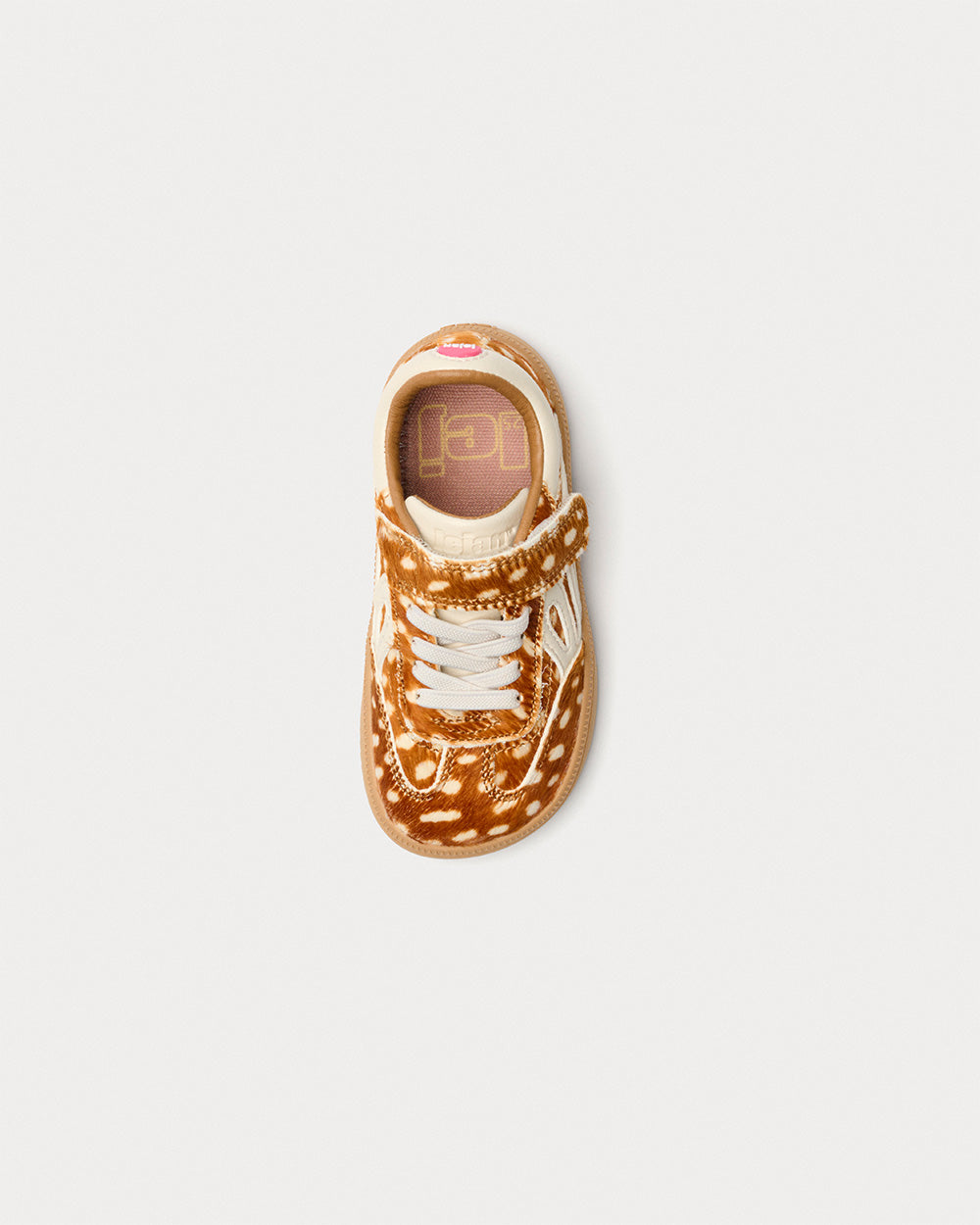
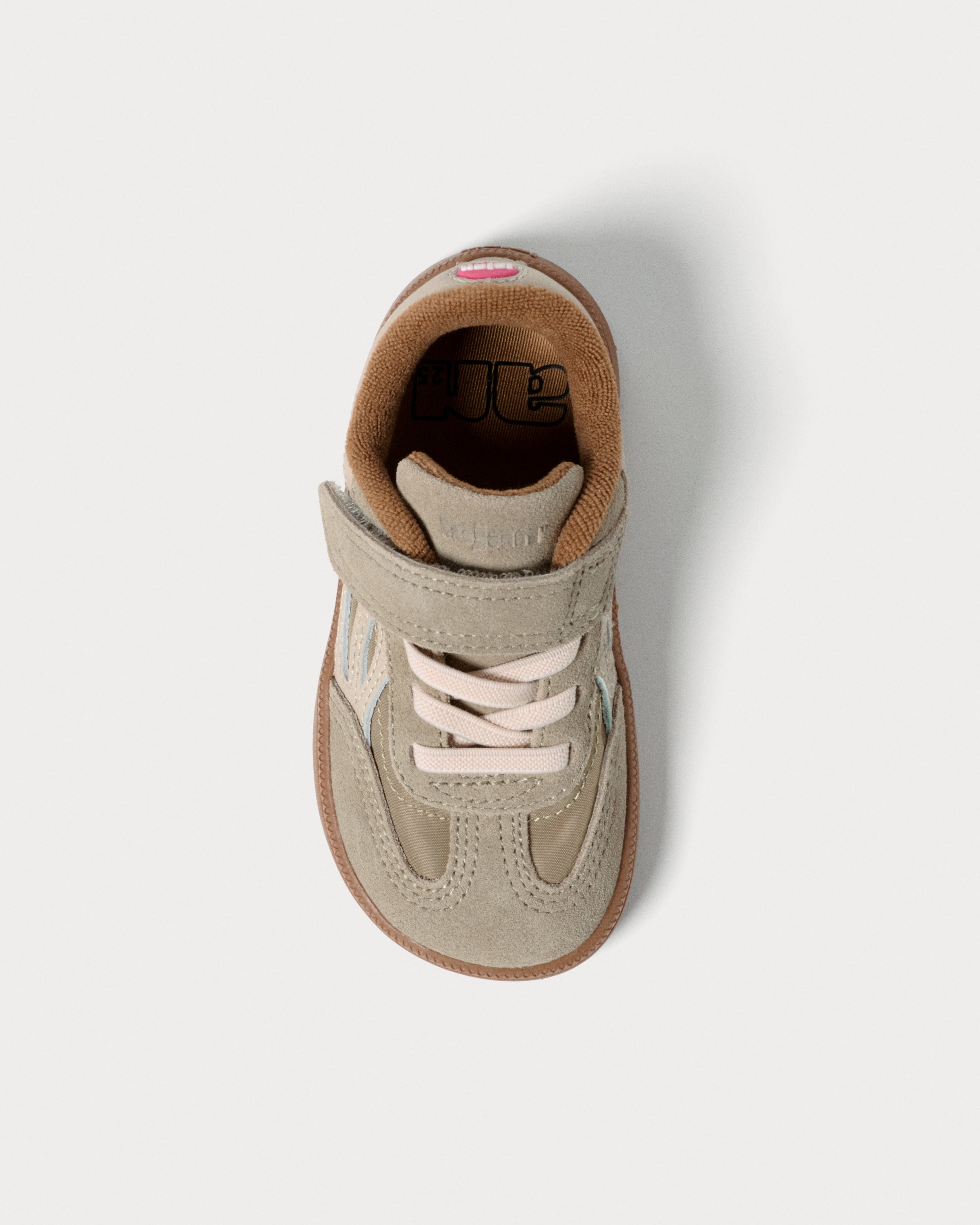
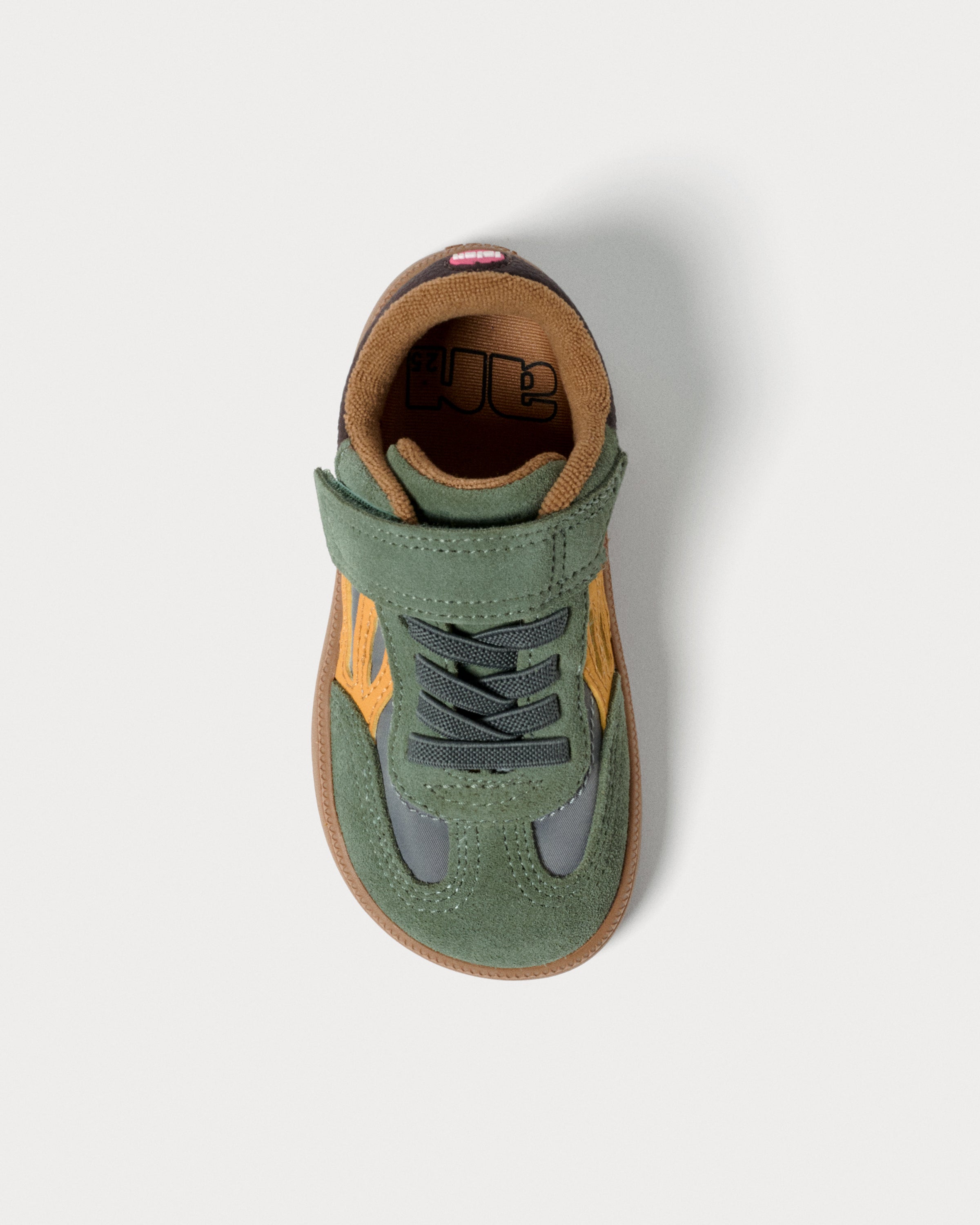
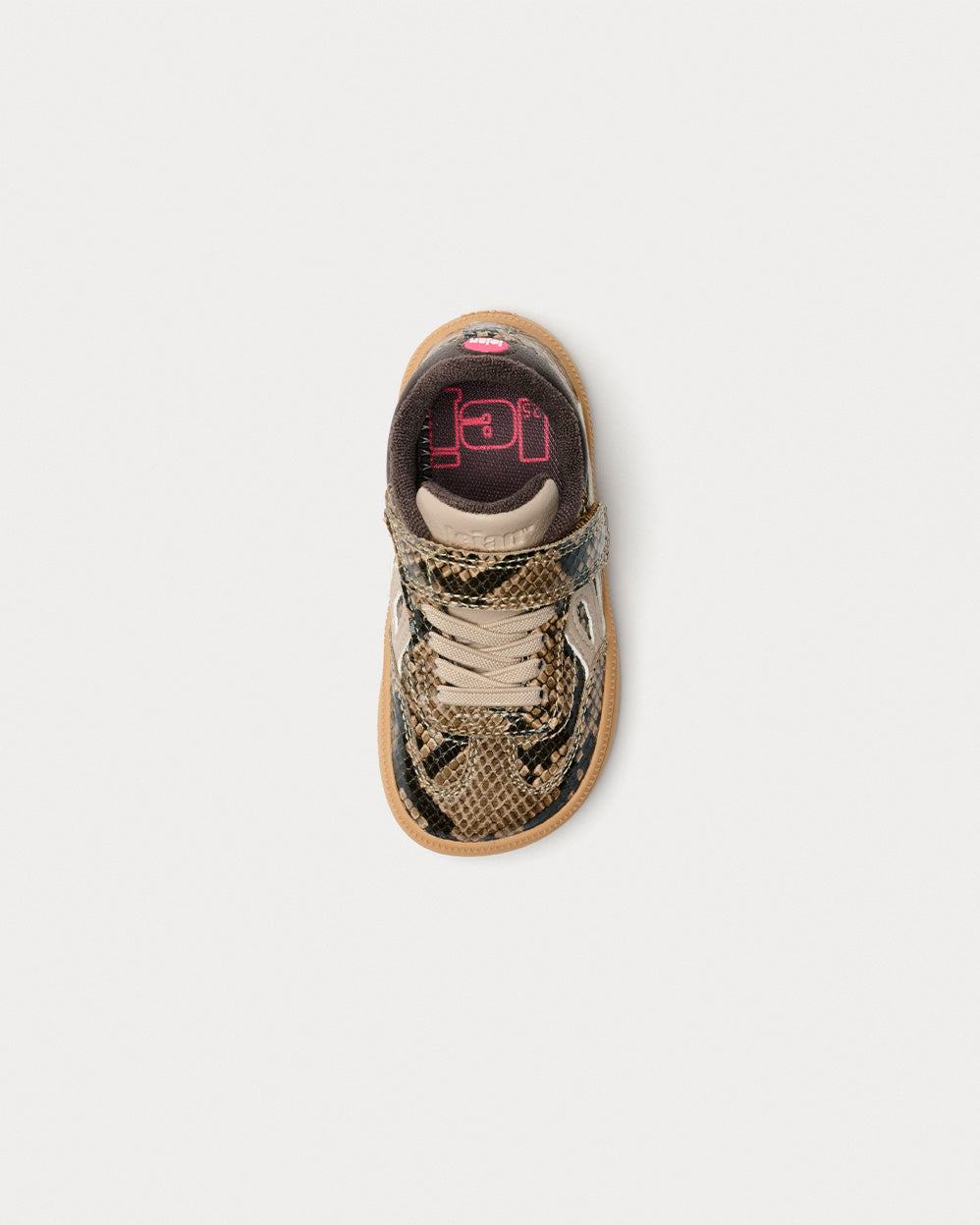
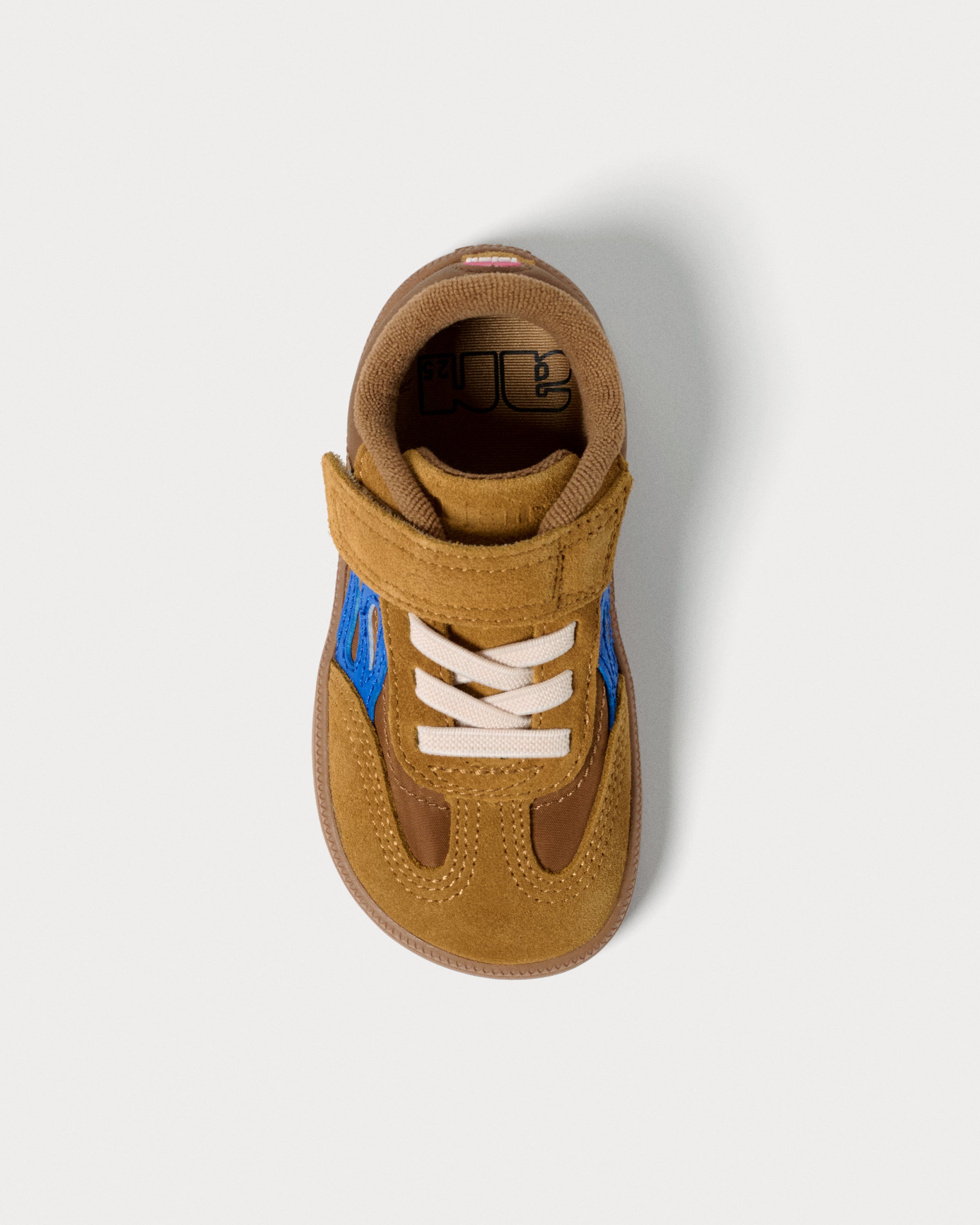
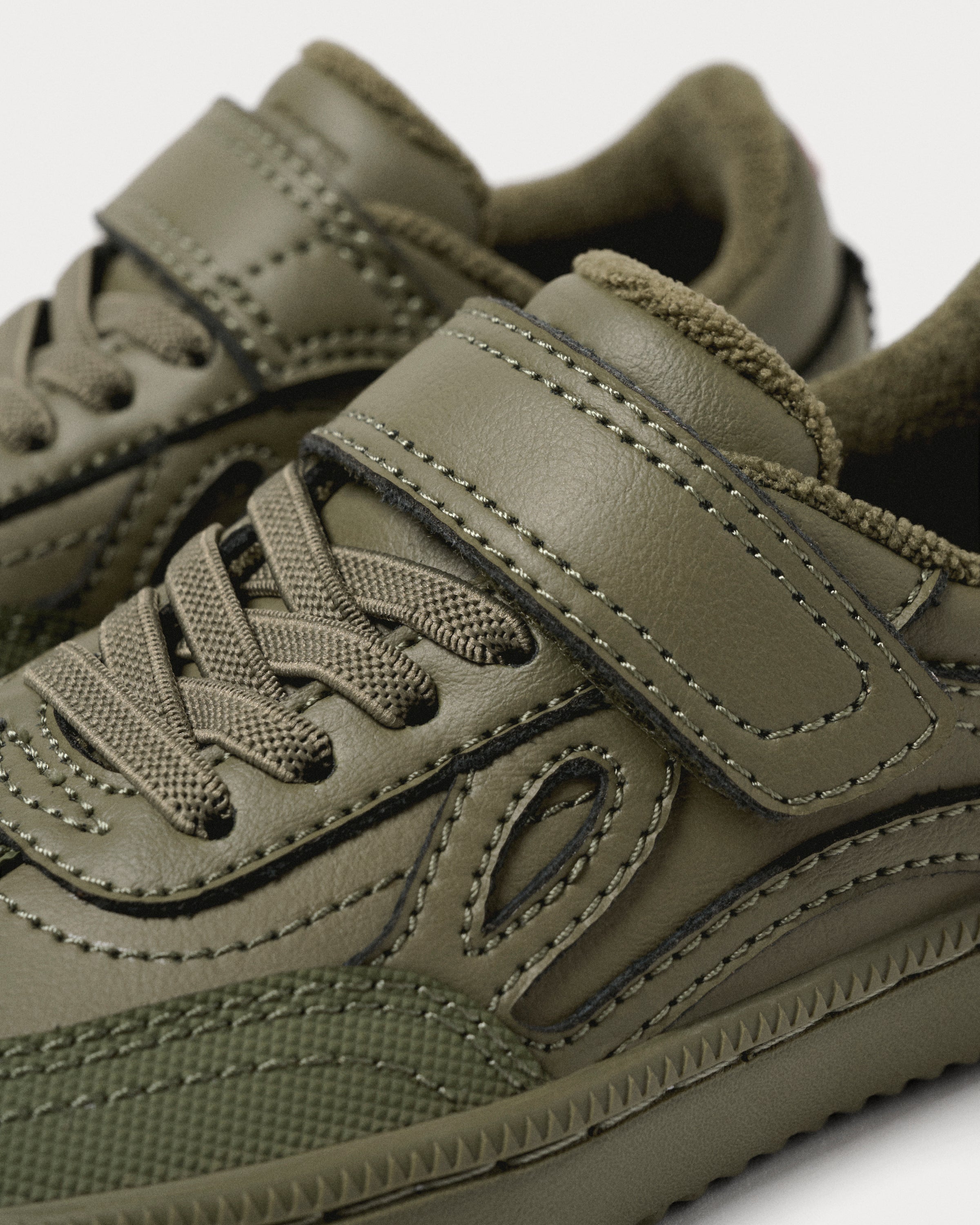
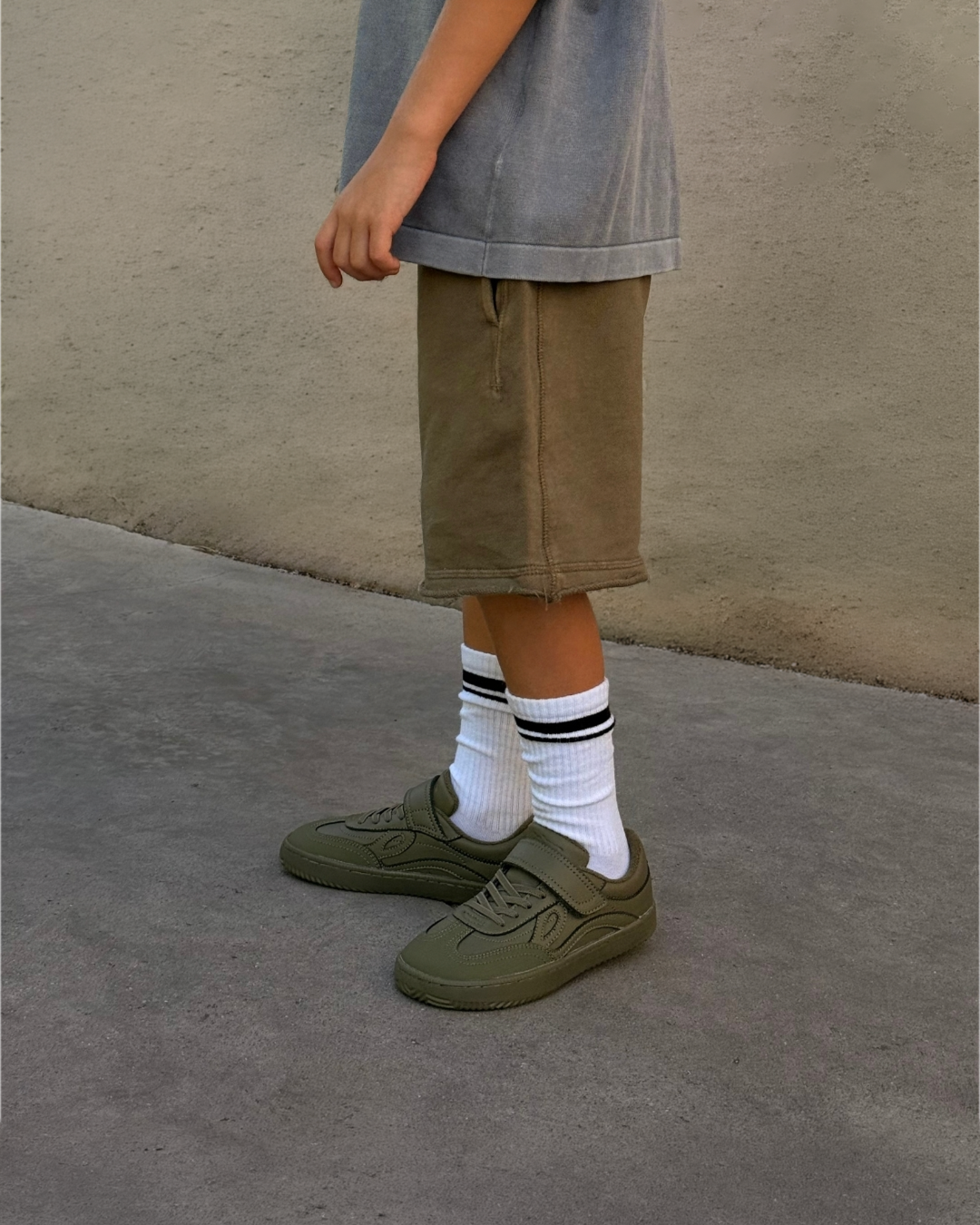
- A wide fit in the toe area. The toes must be able to spread out normally. If the toe box squeezes, the shoe is not foot-friendly, even if the box says so.
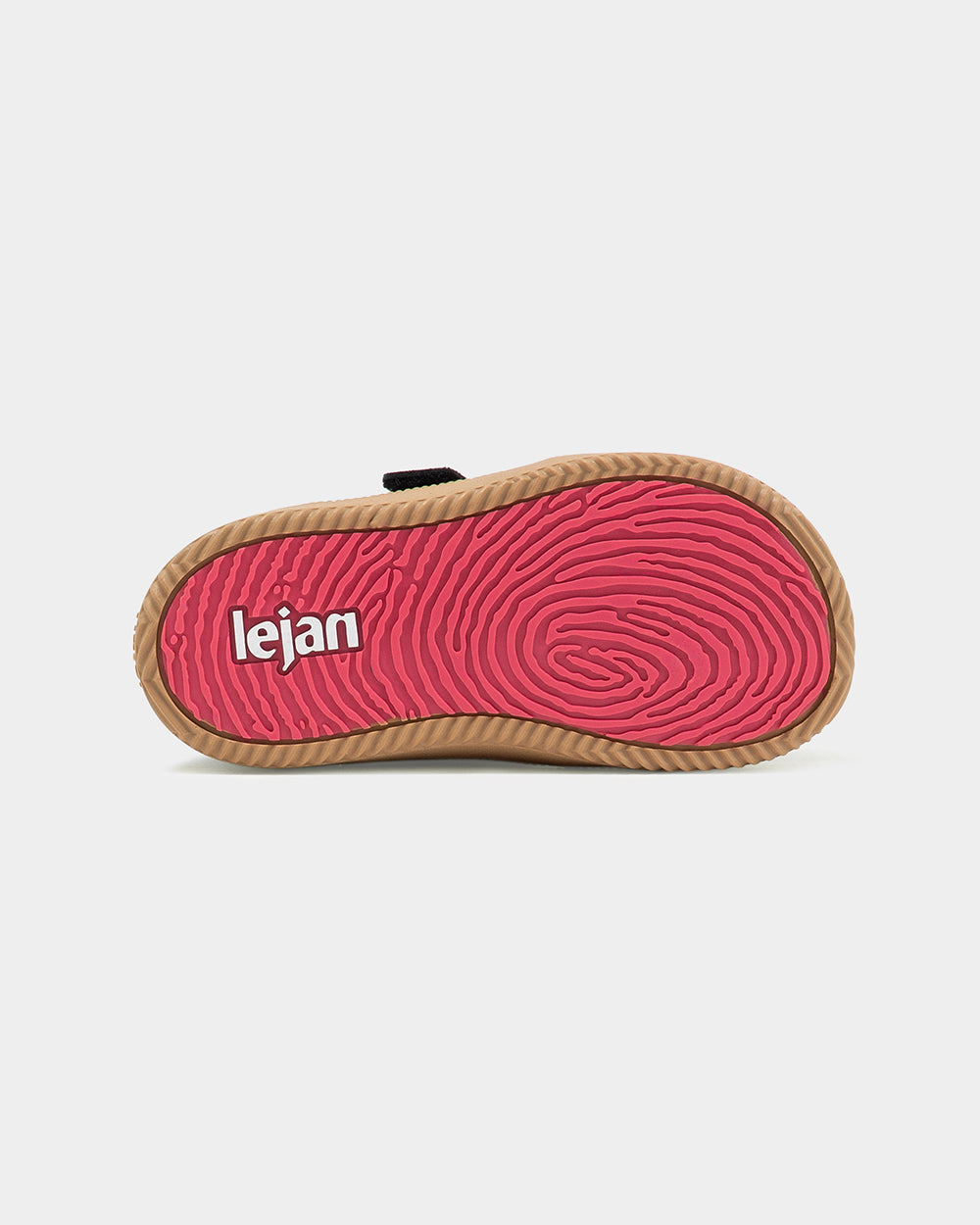
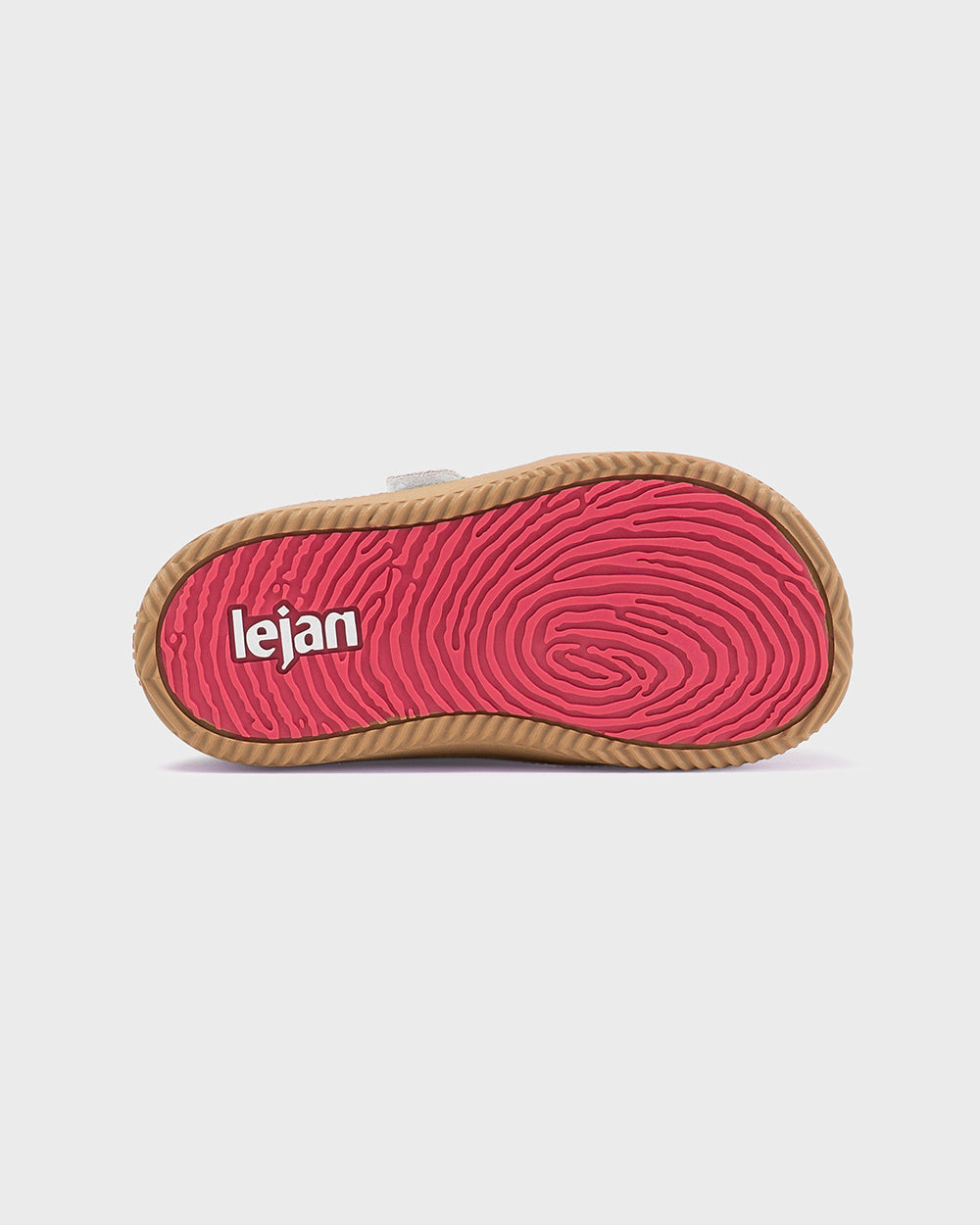
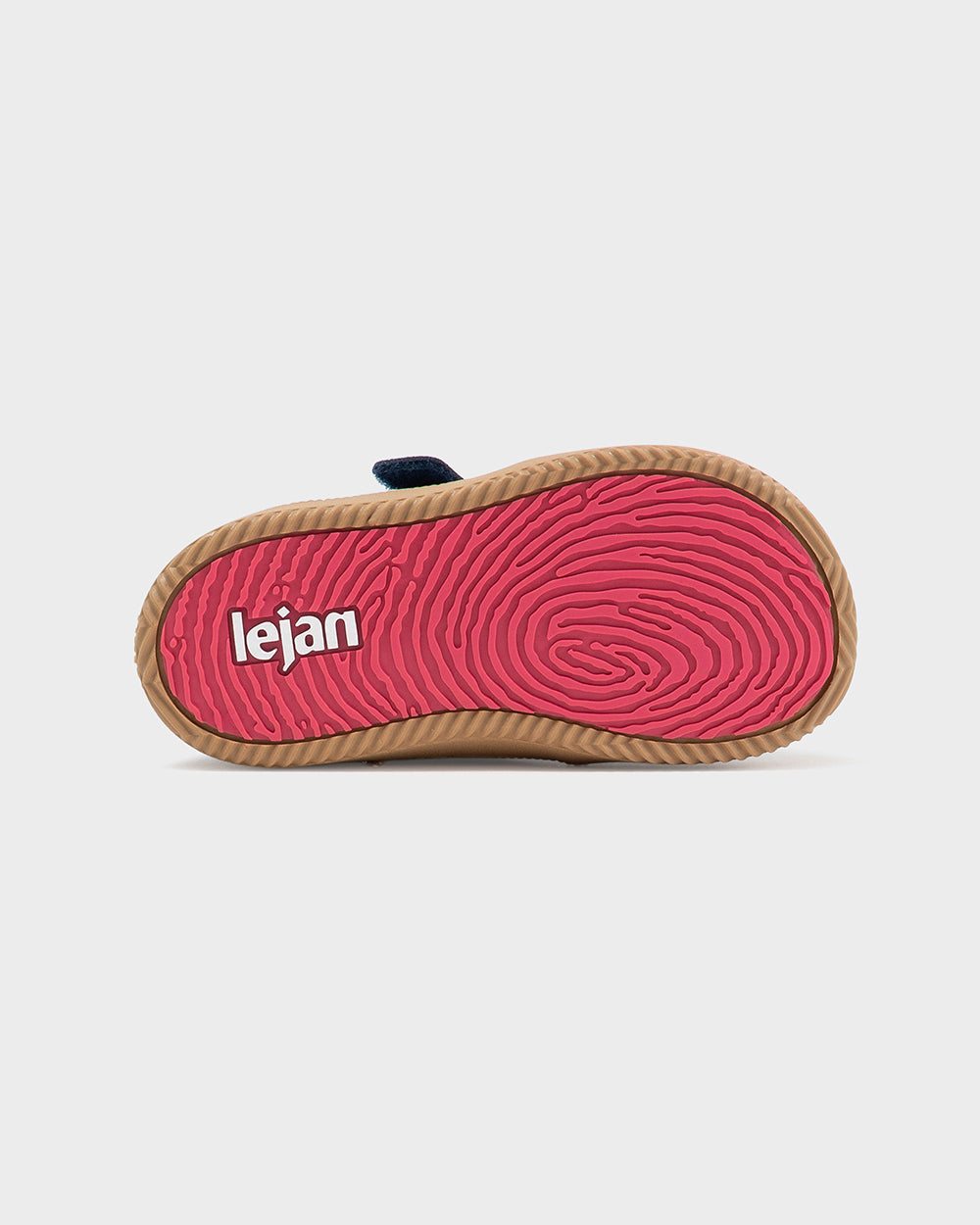
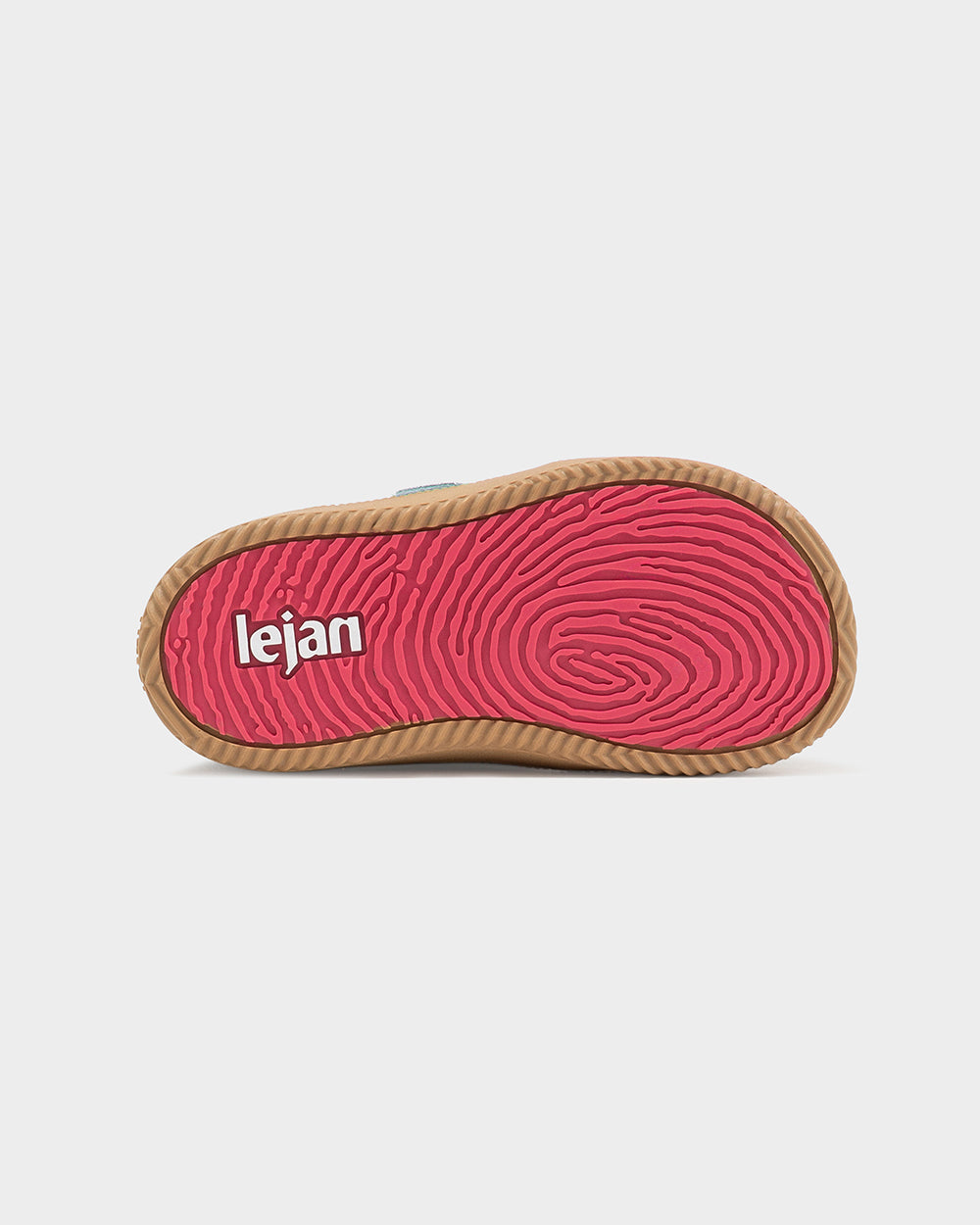
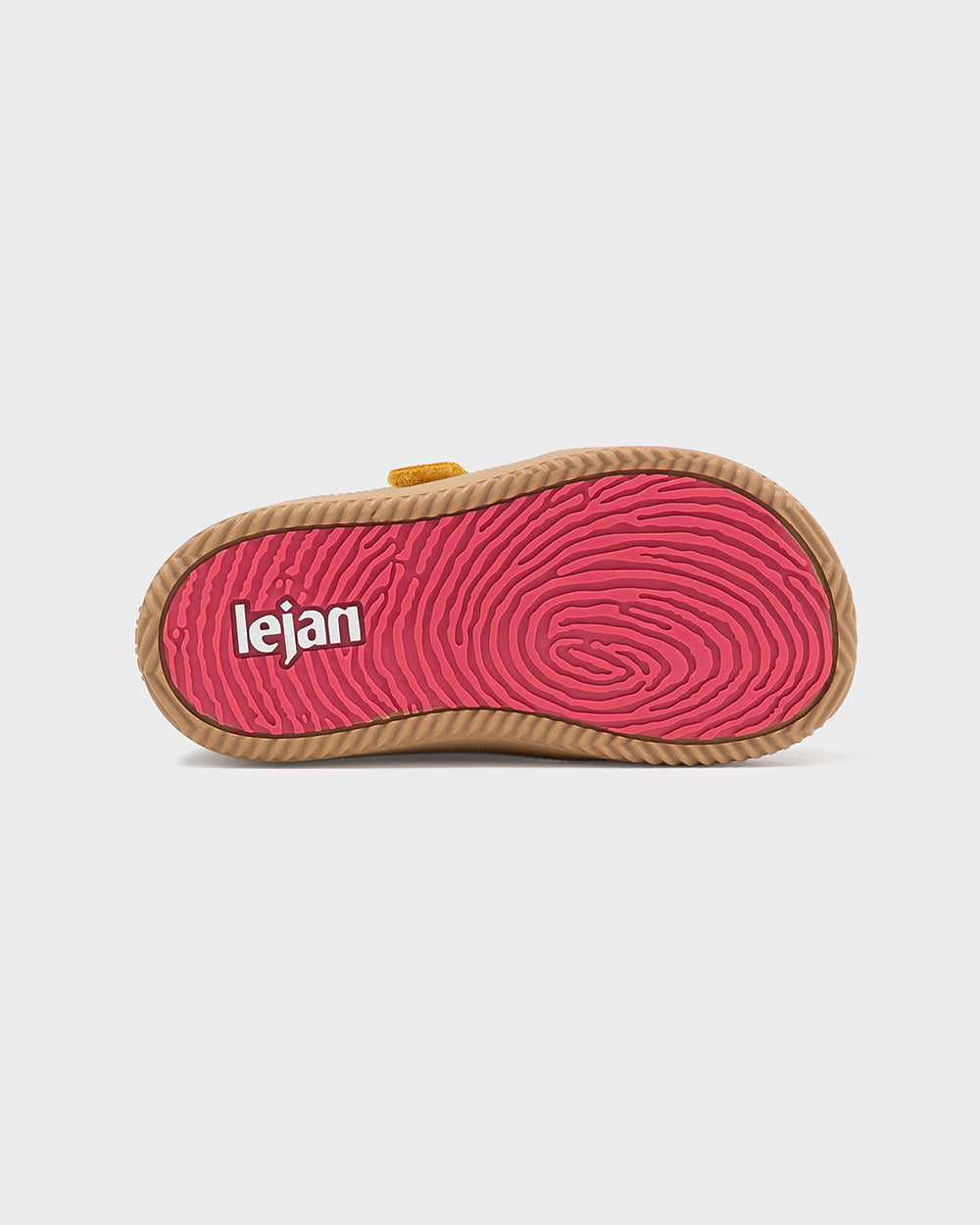
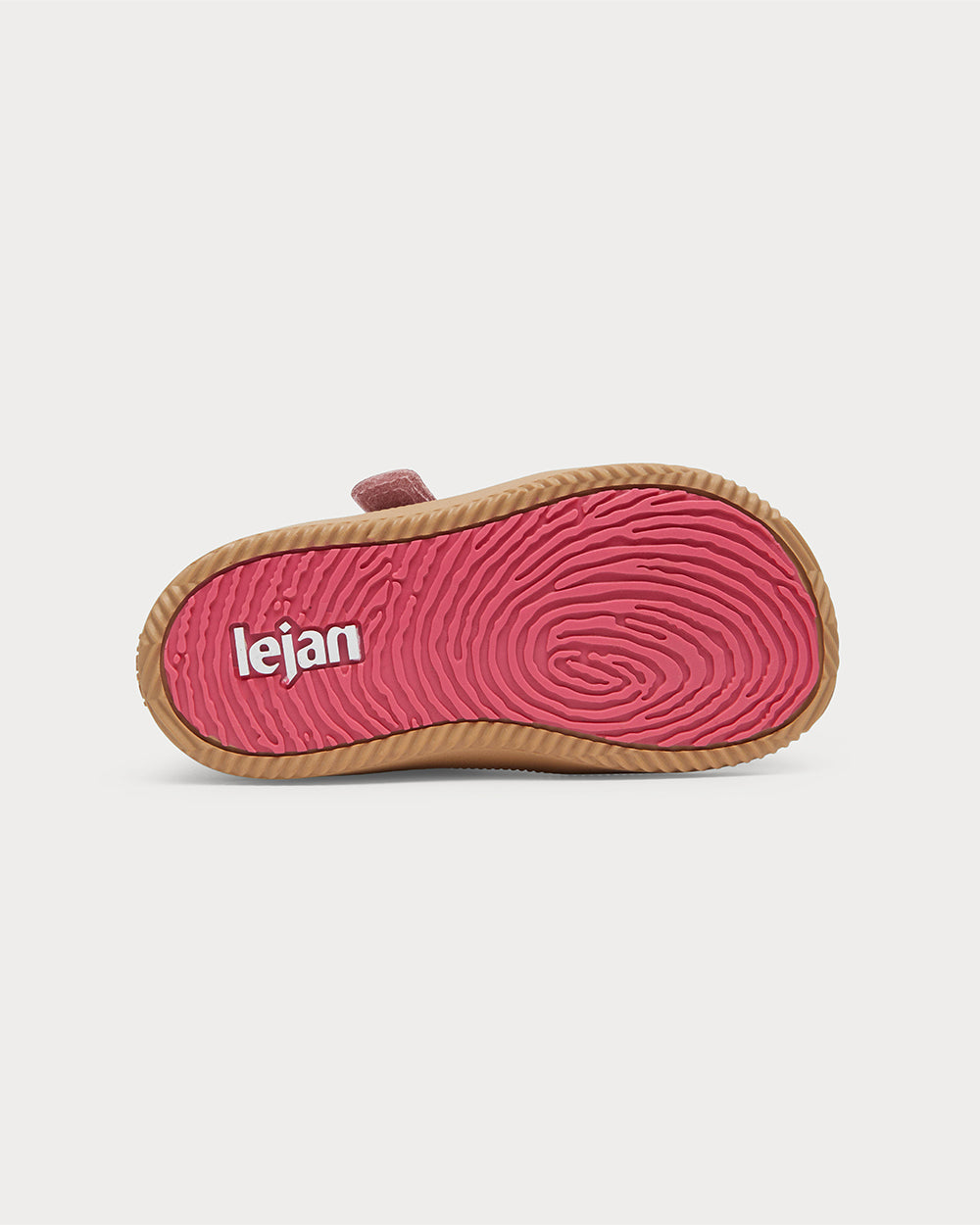
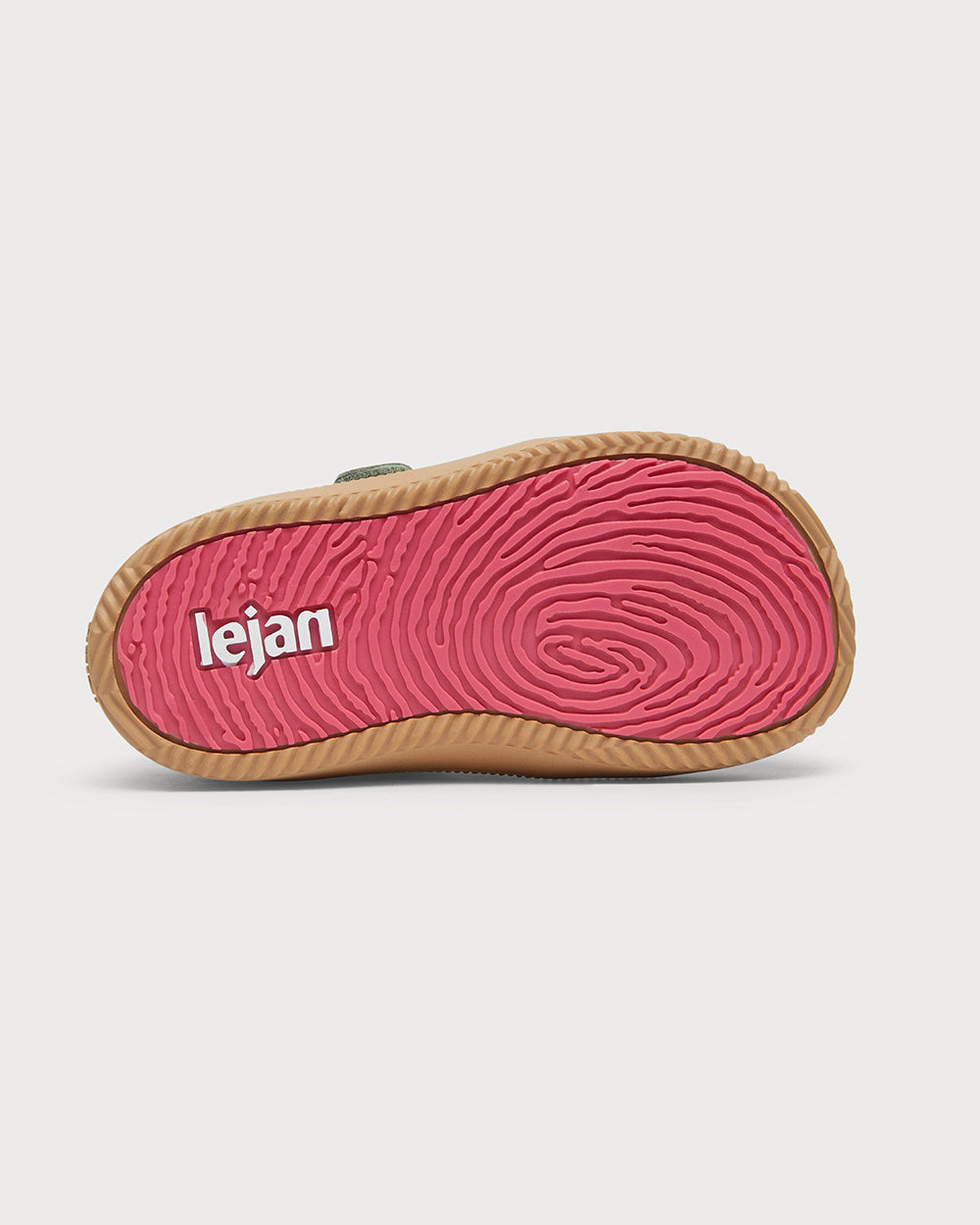
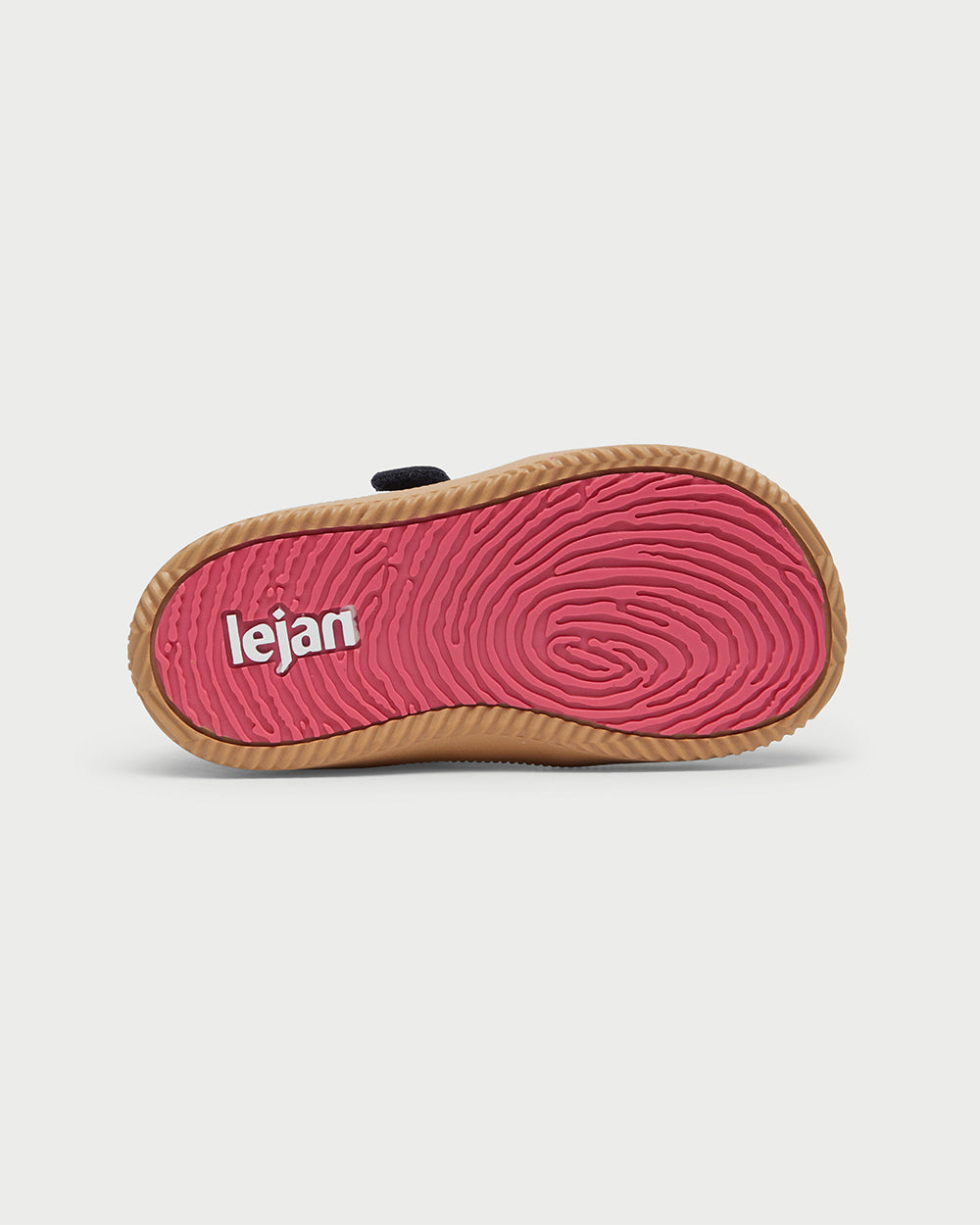
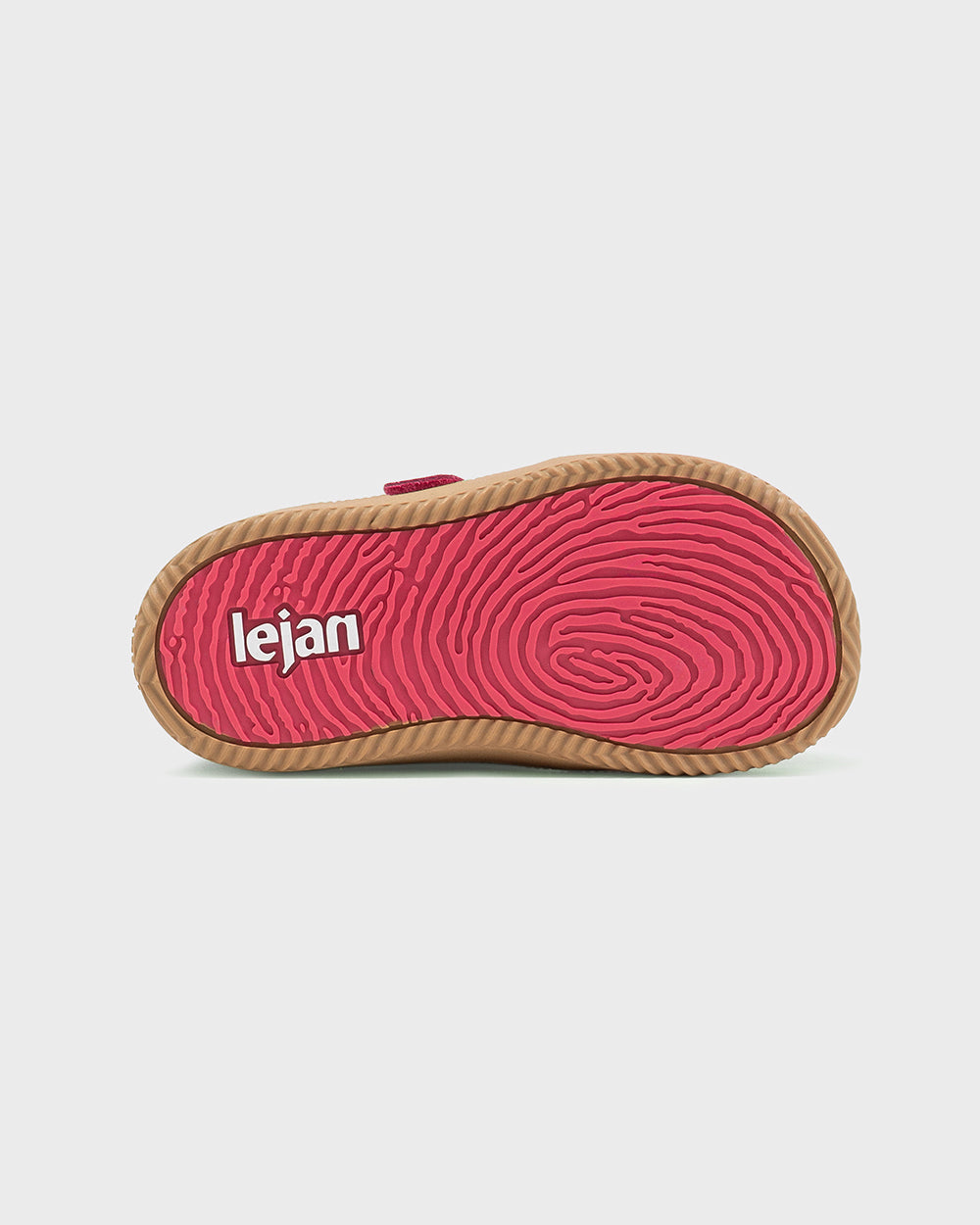
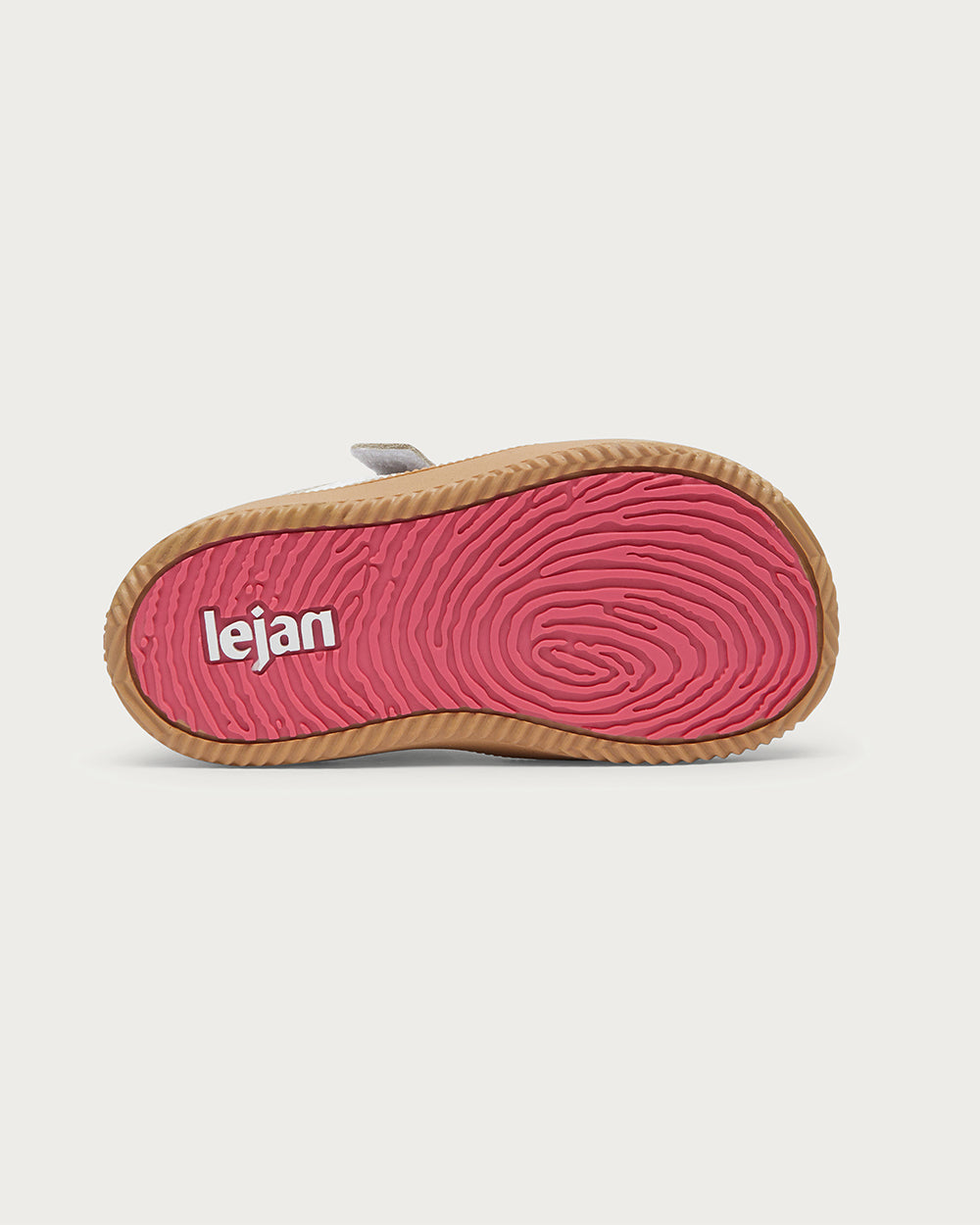
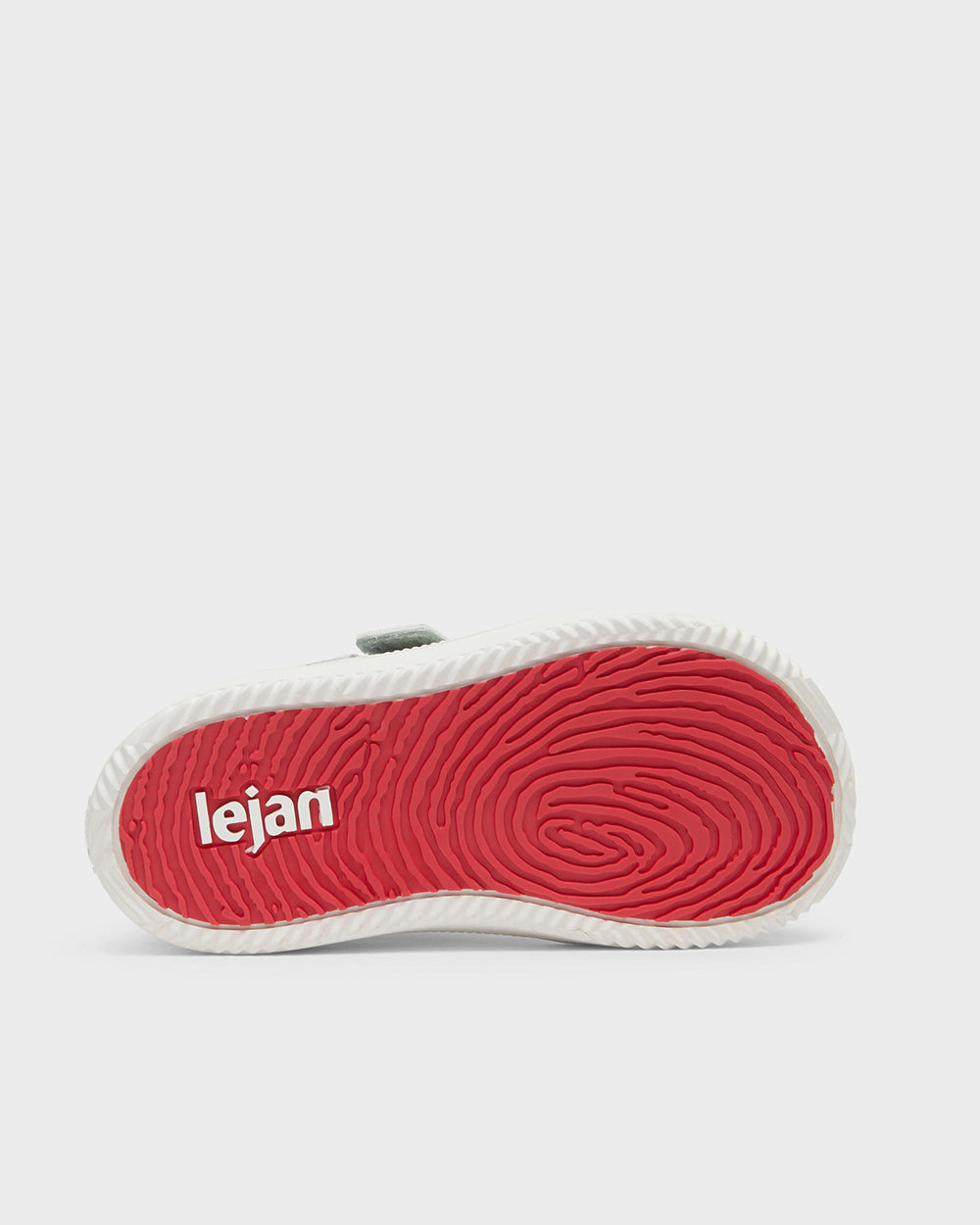
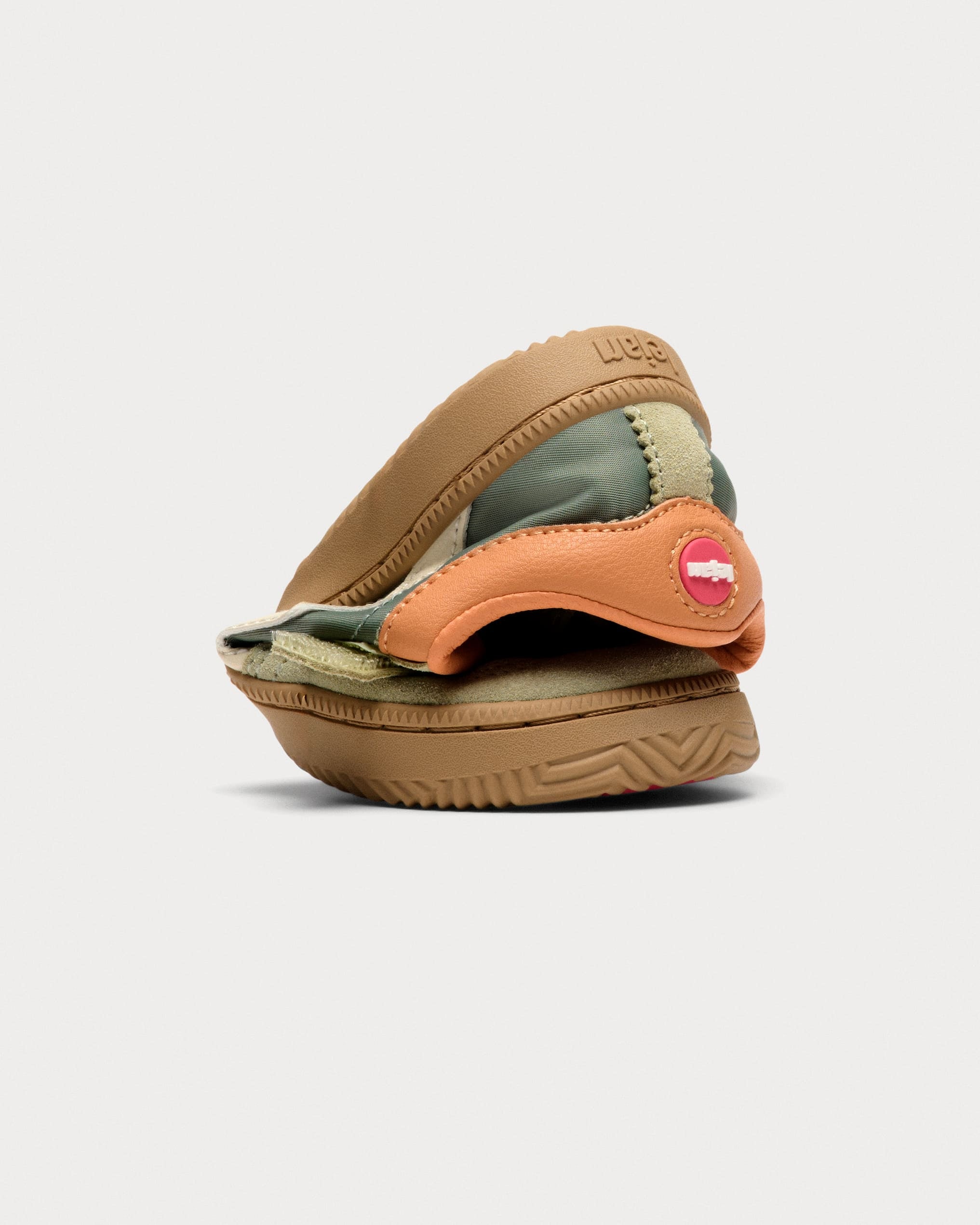
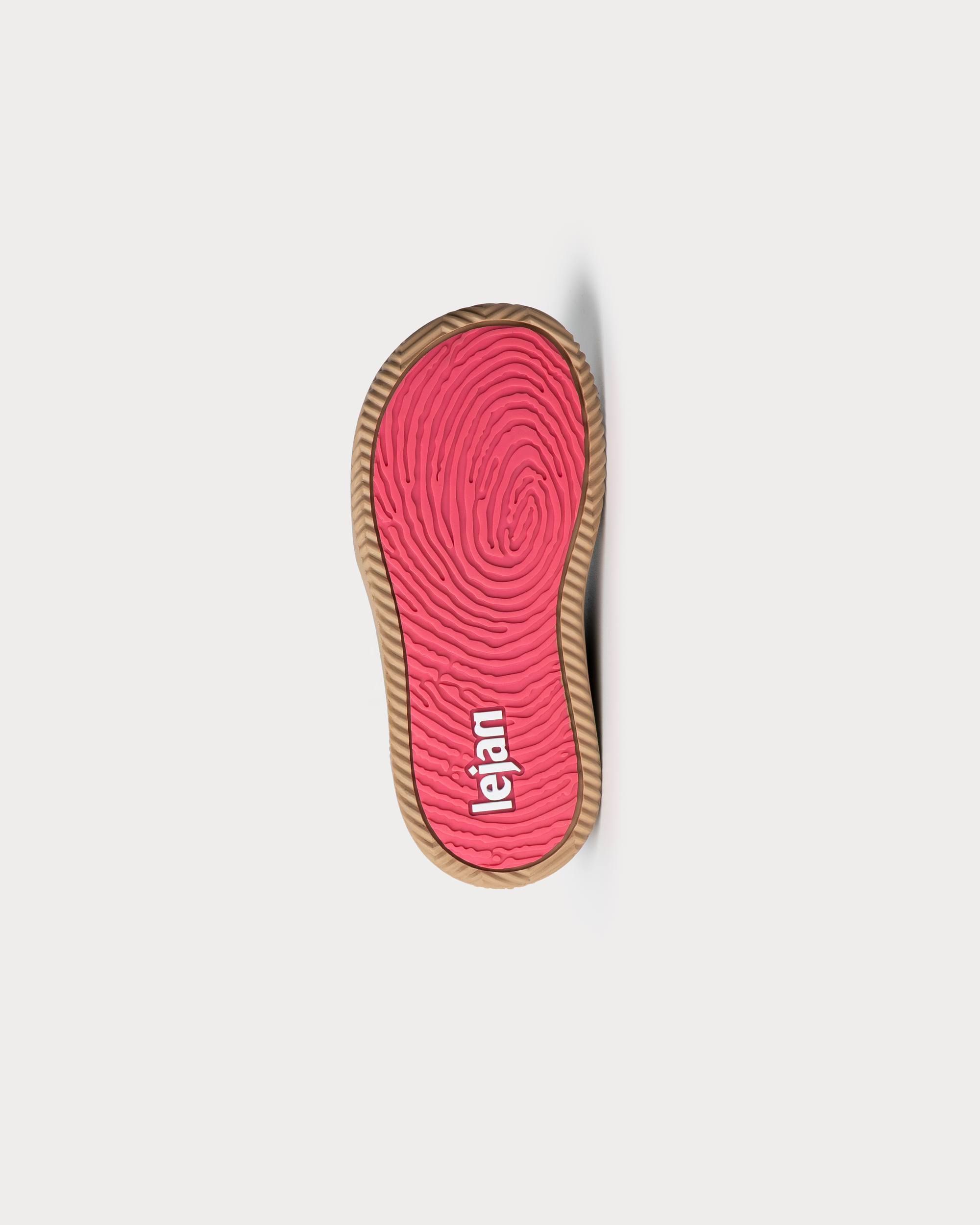
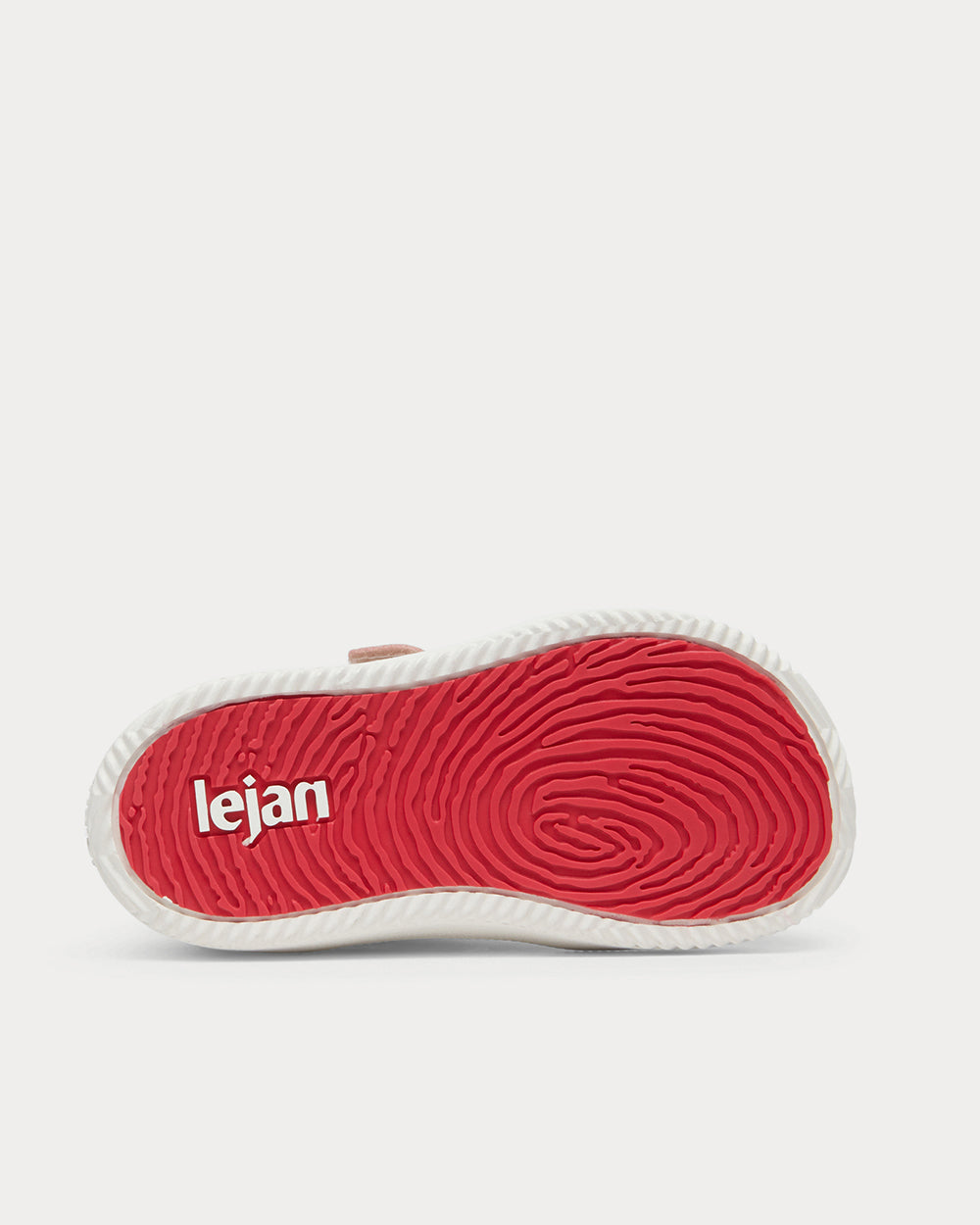
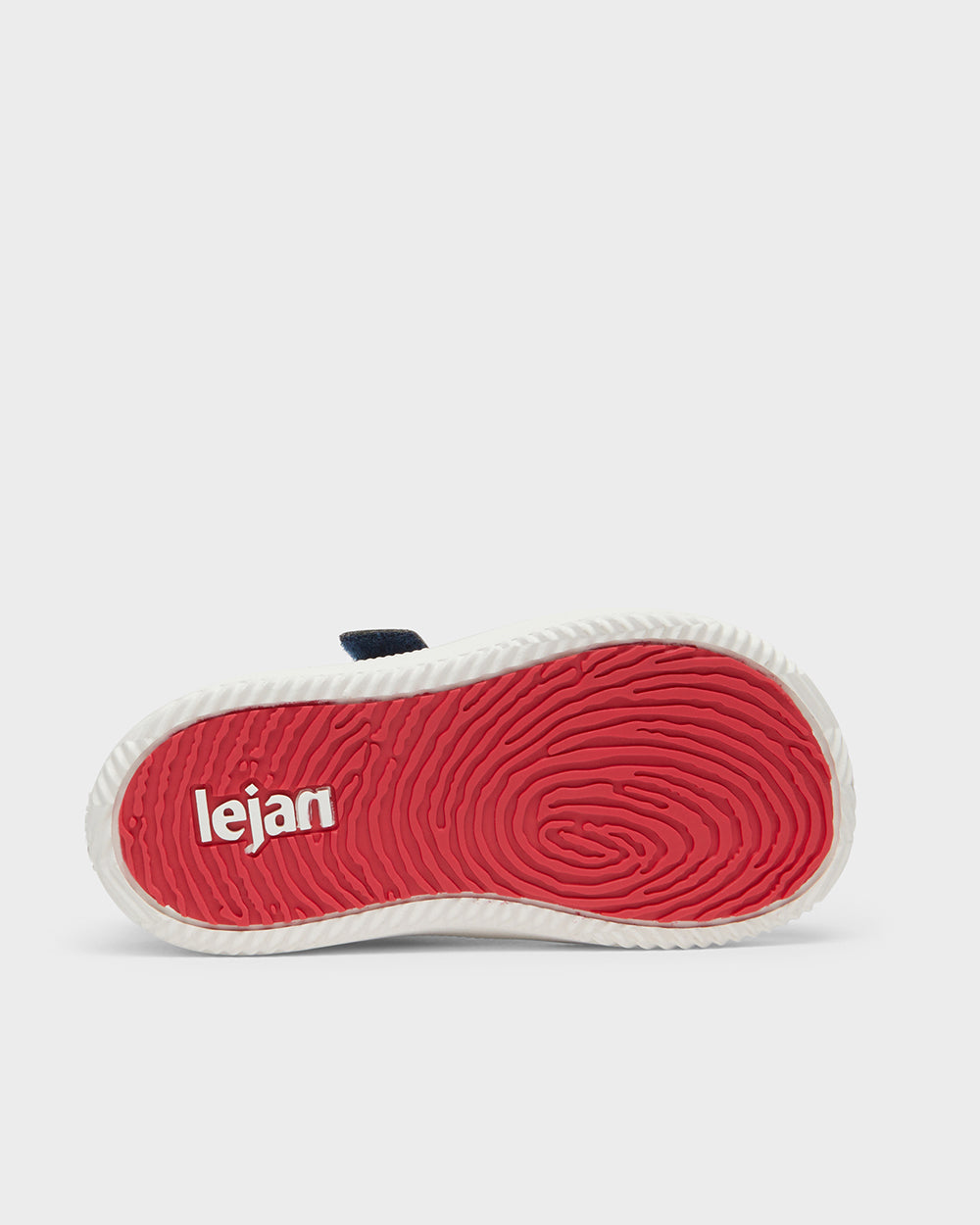
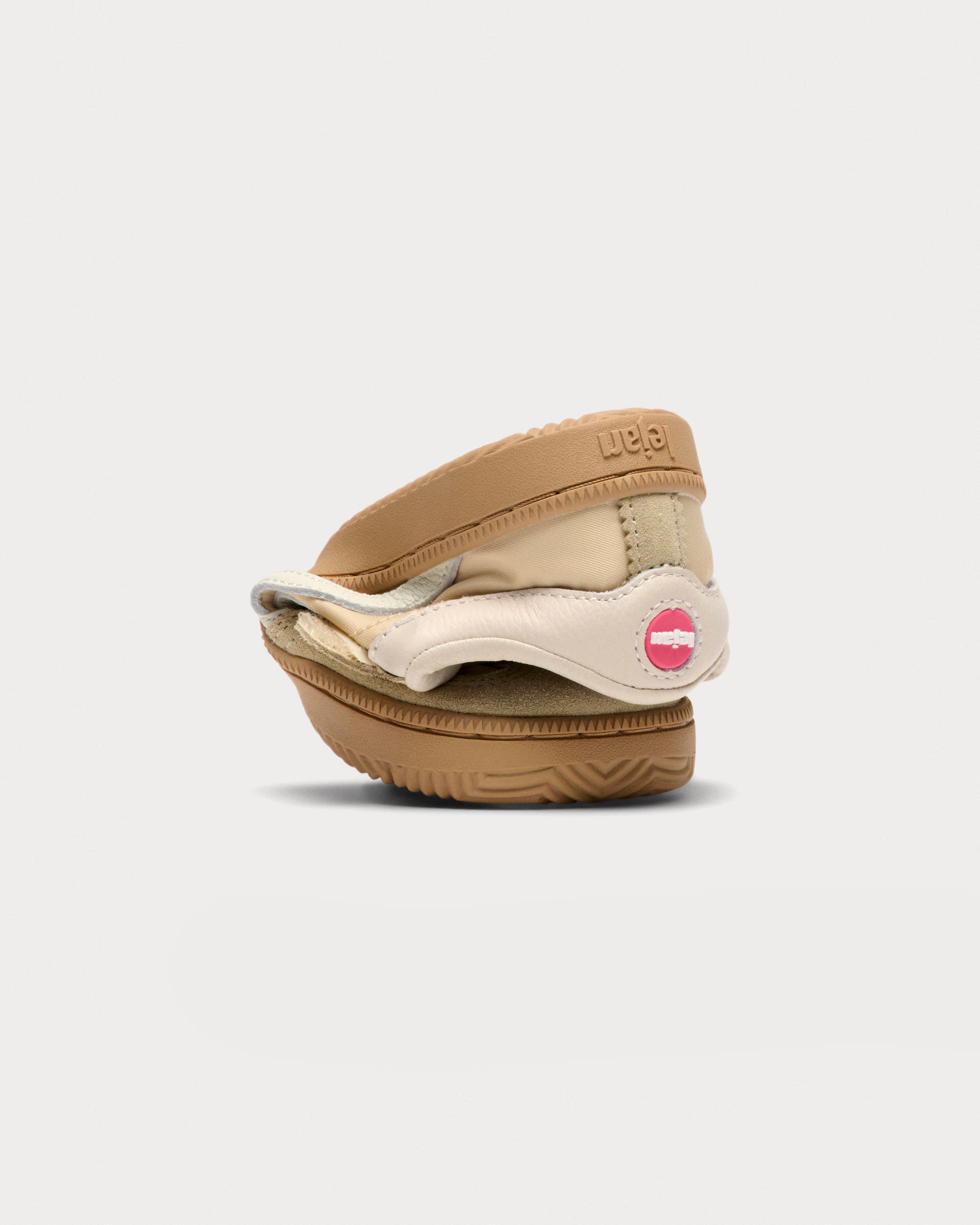
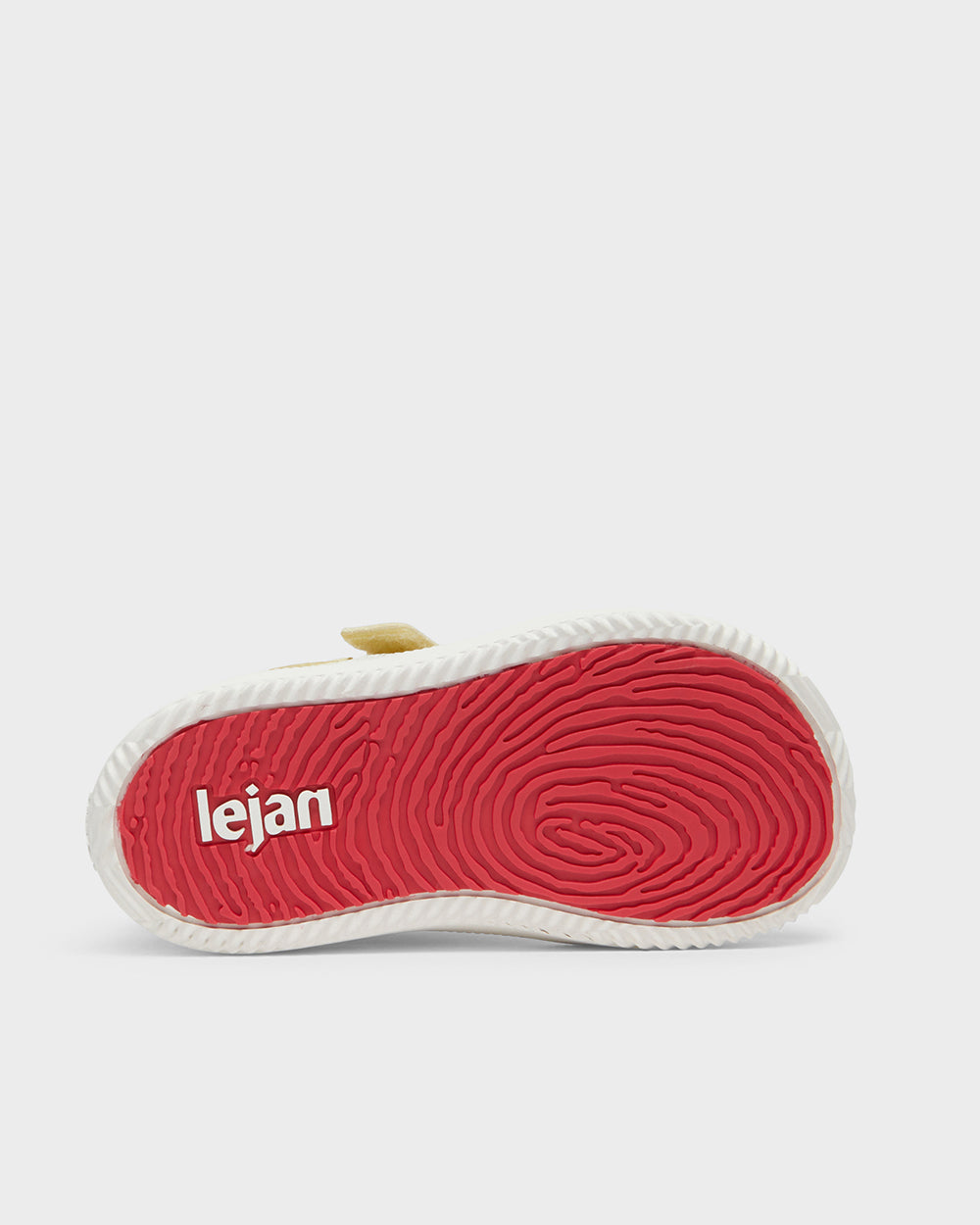
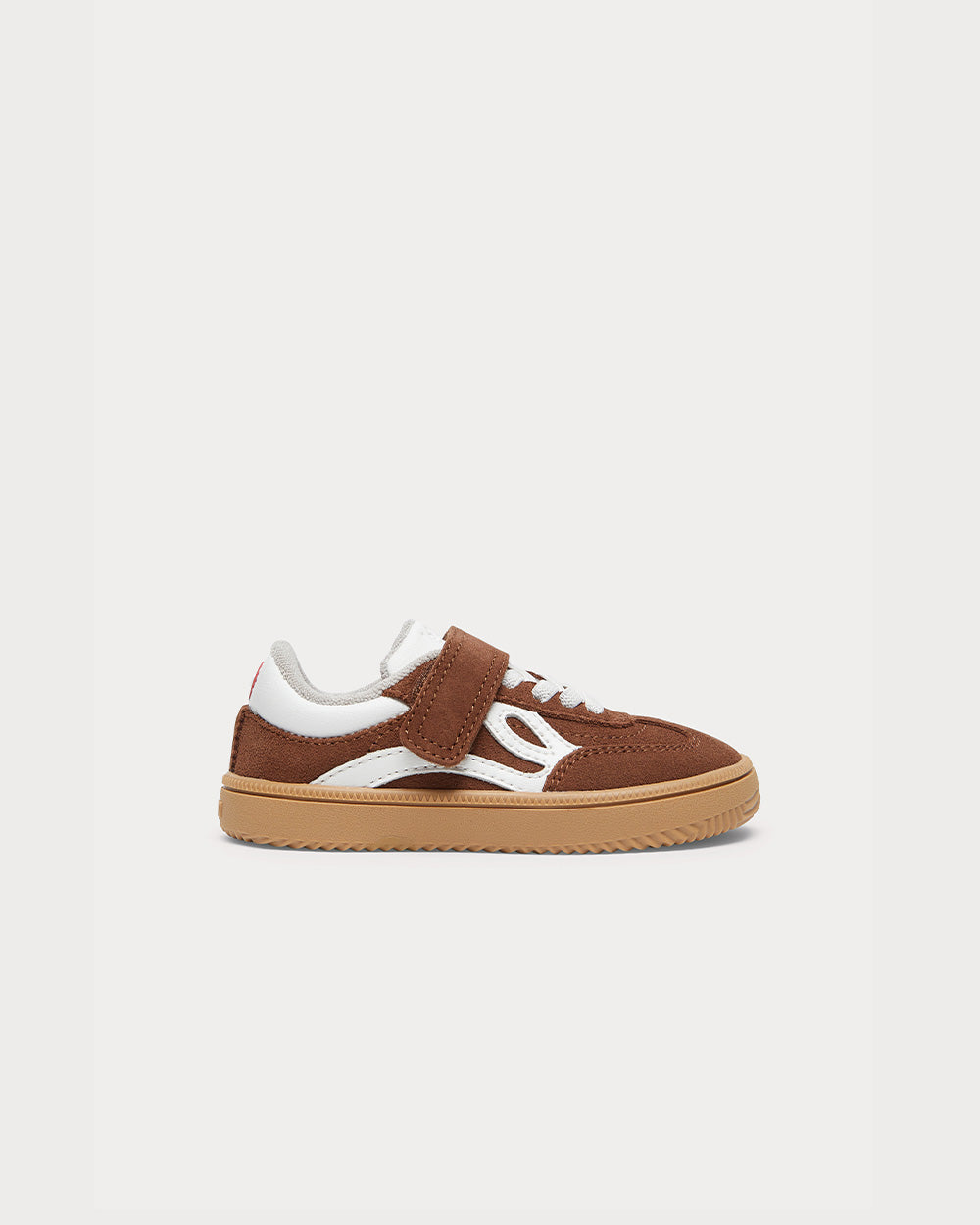
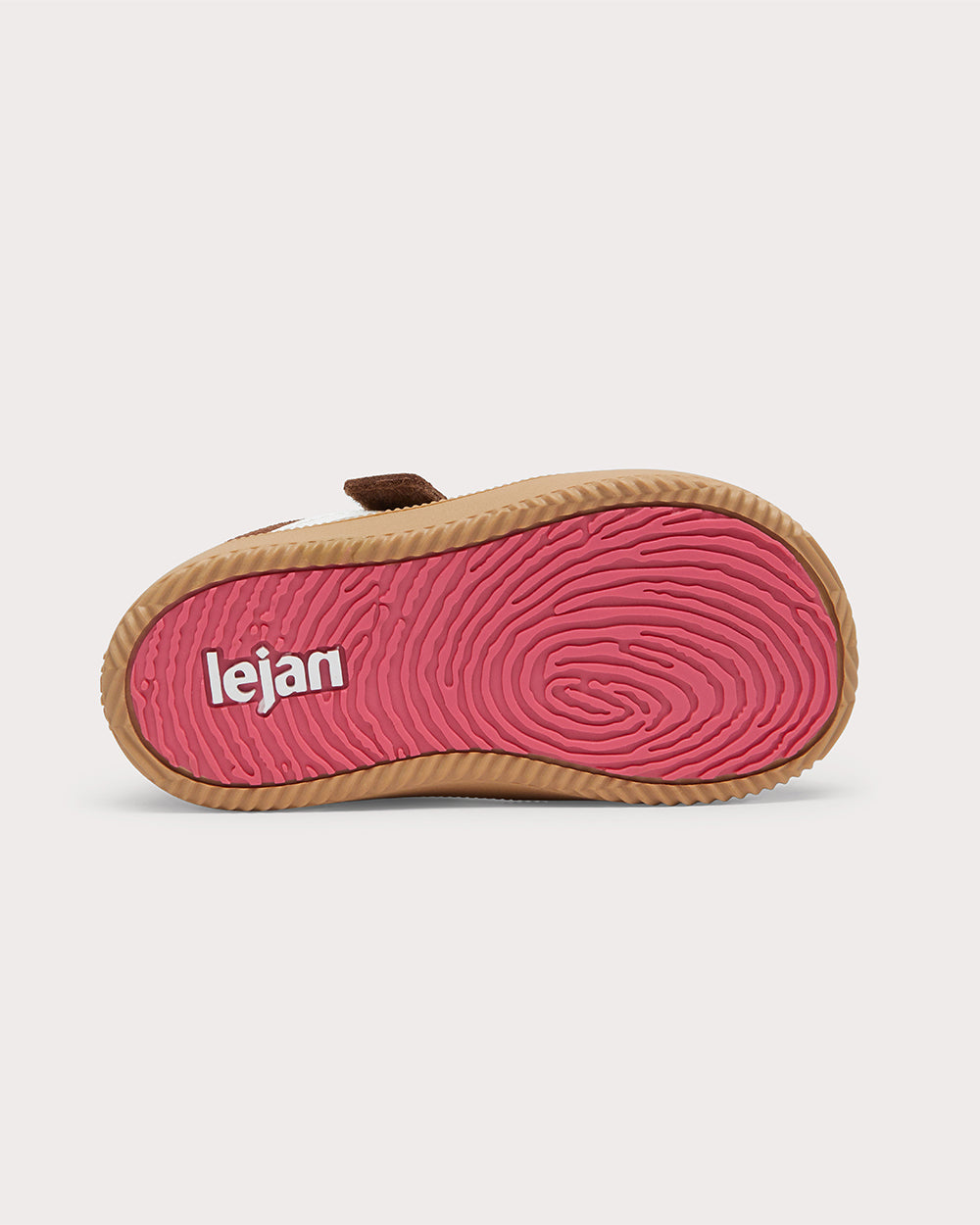
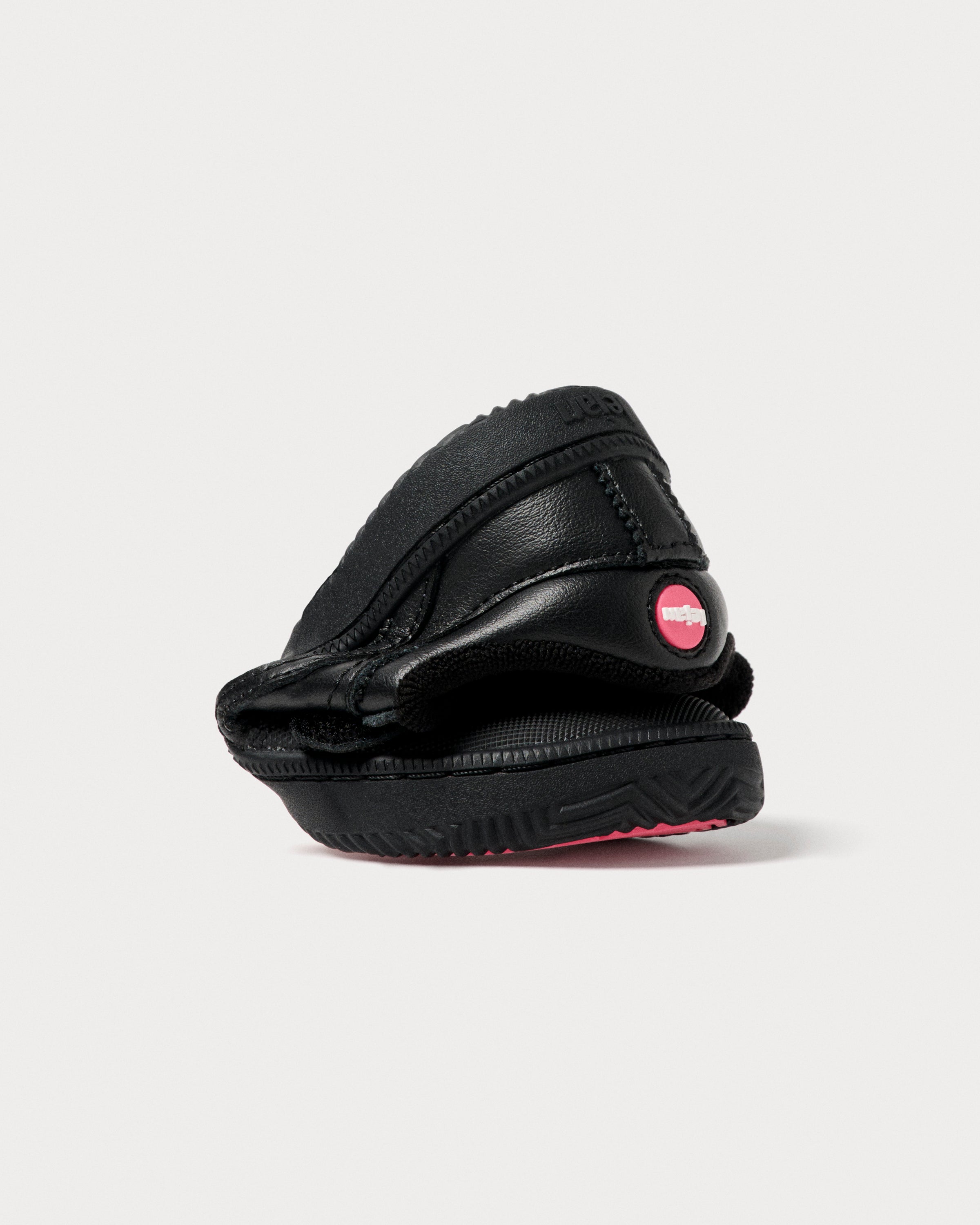
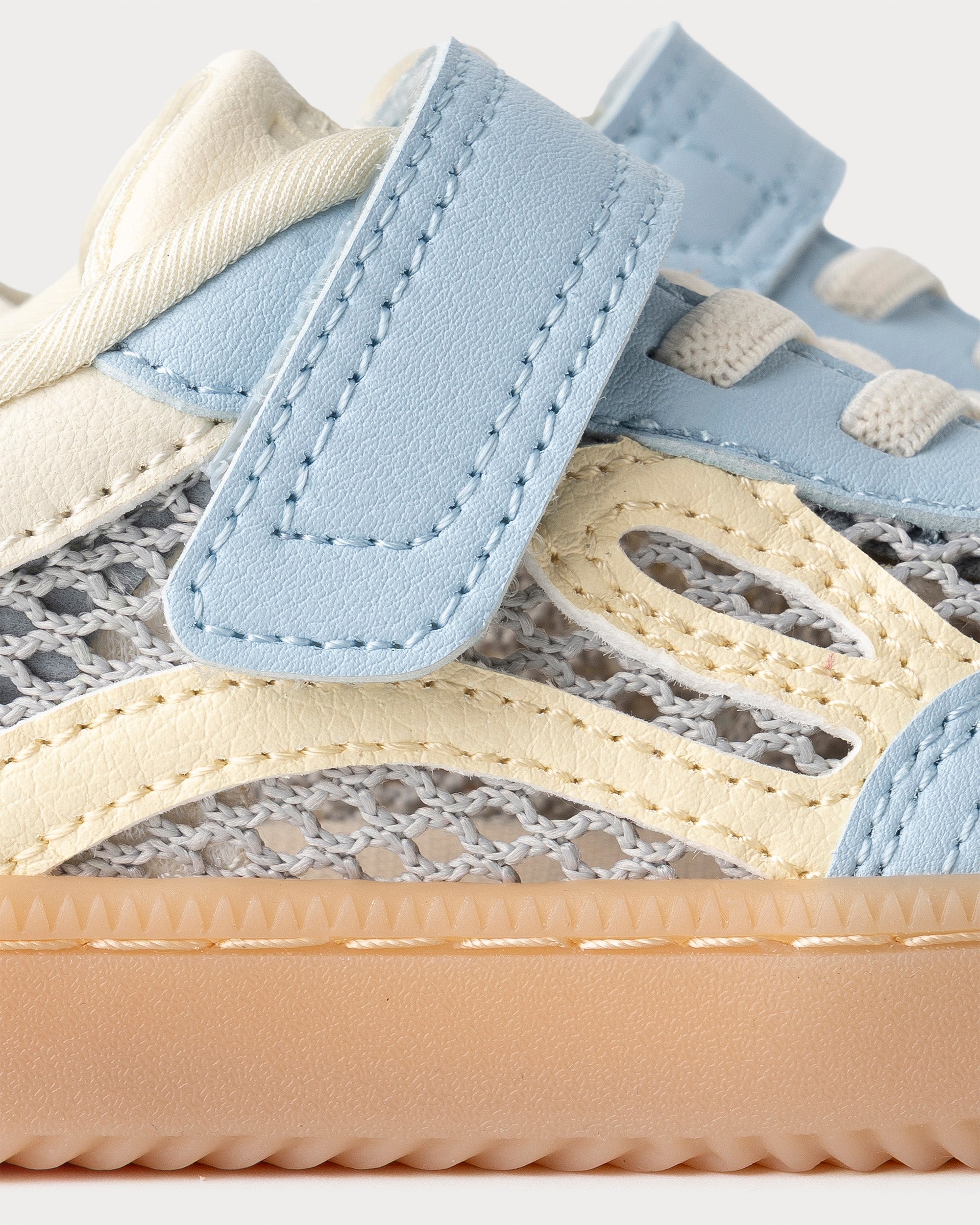
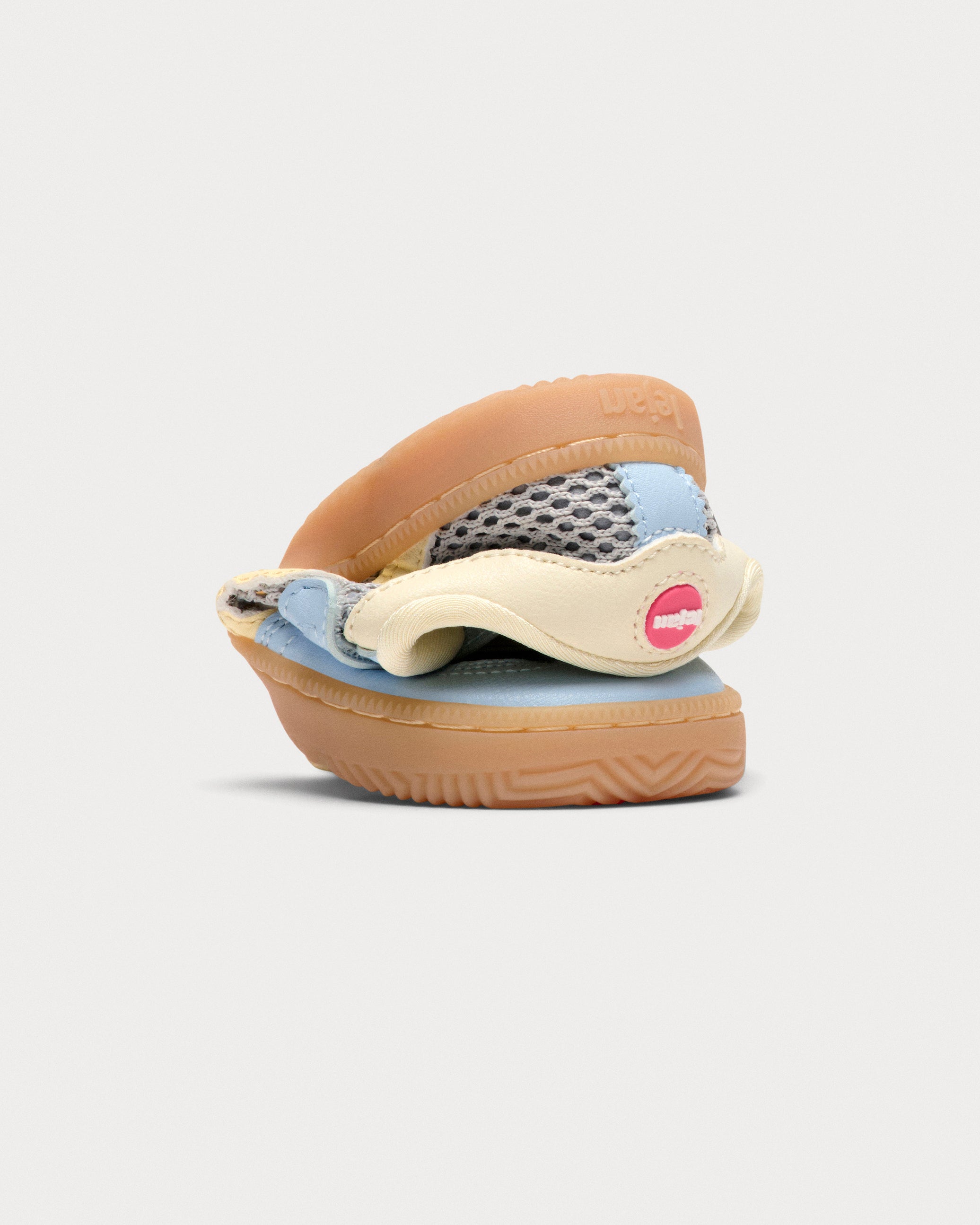
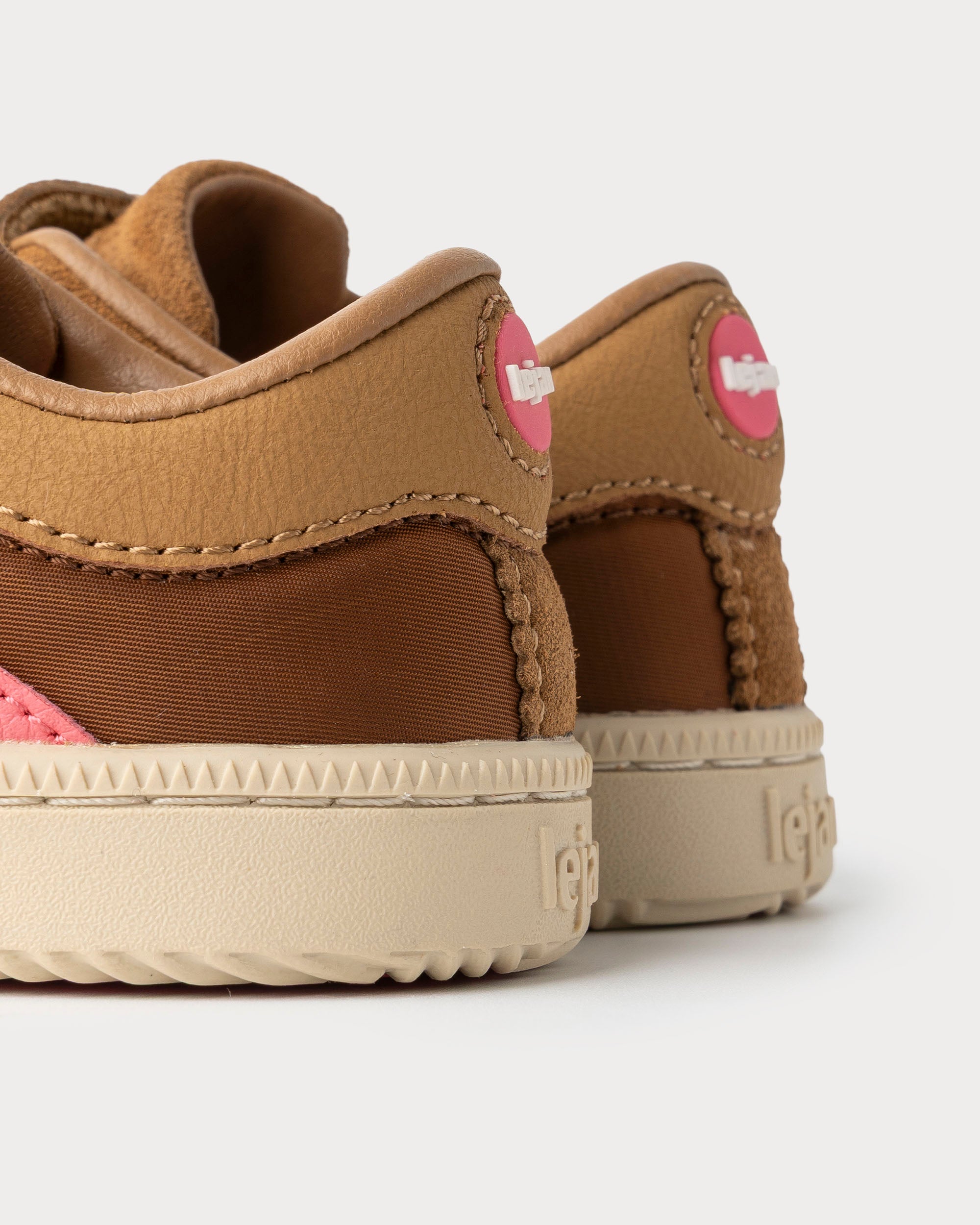
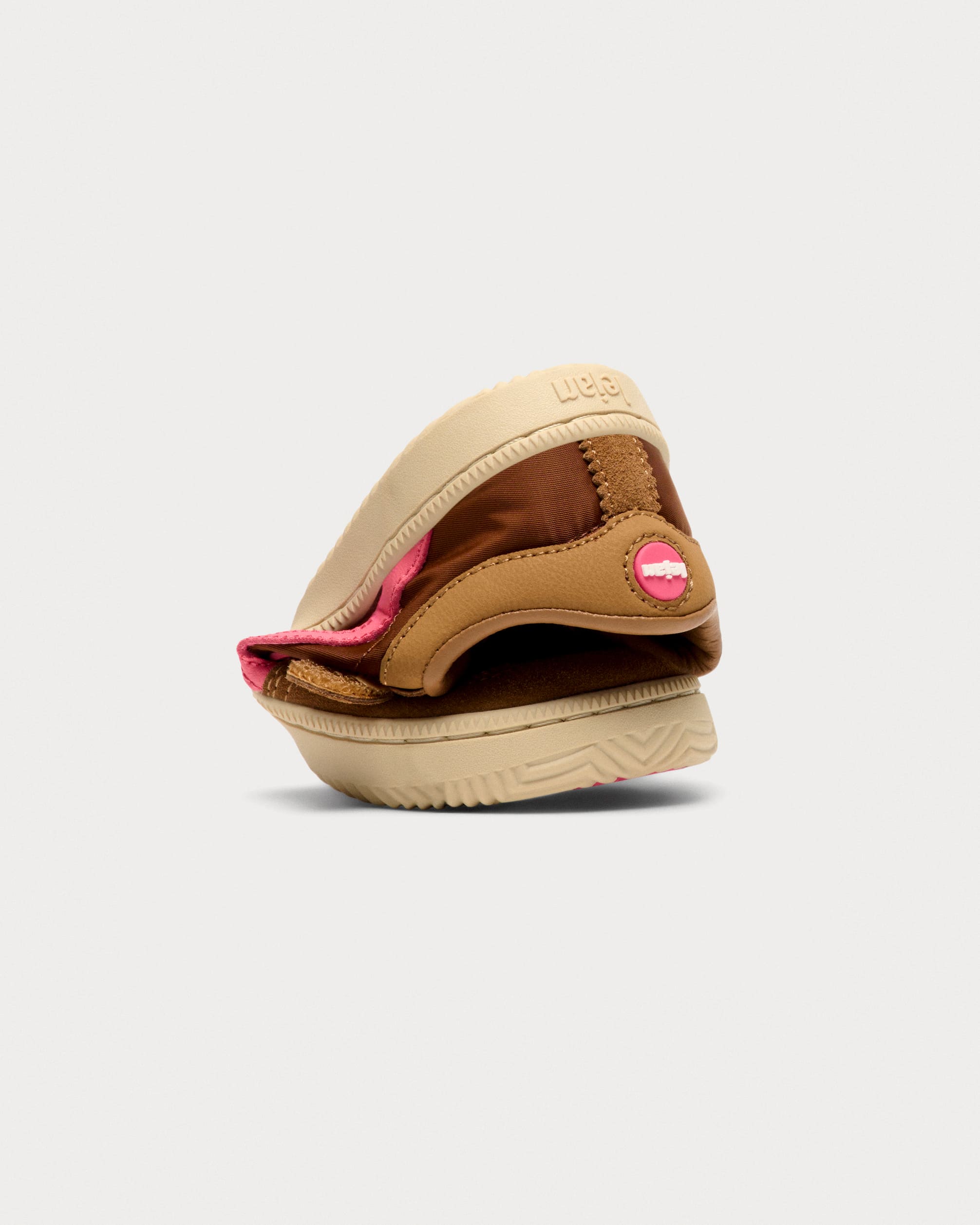
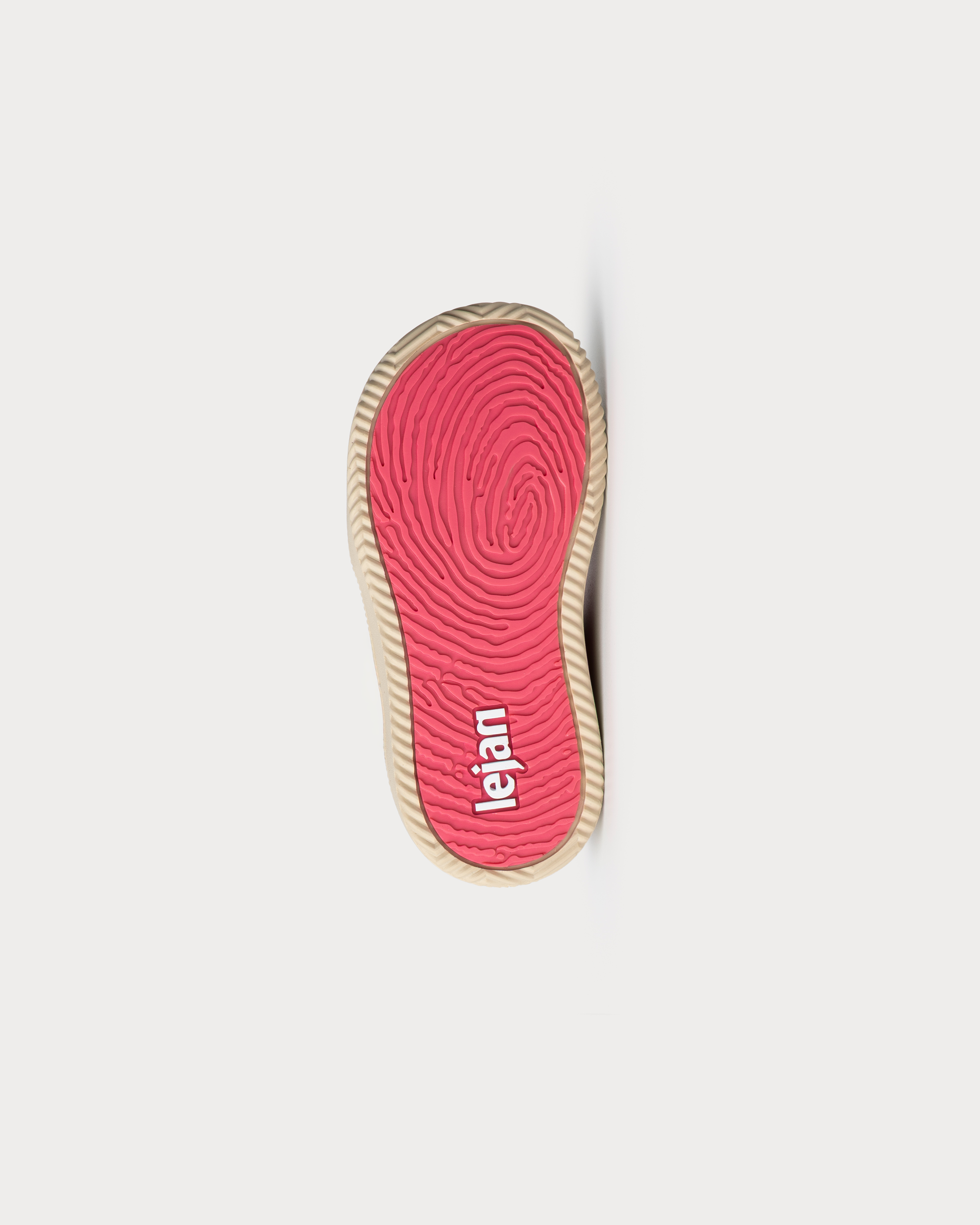
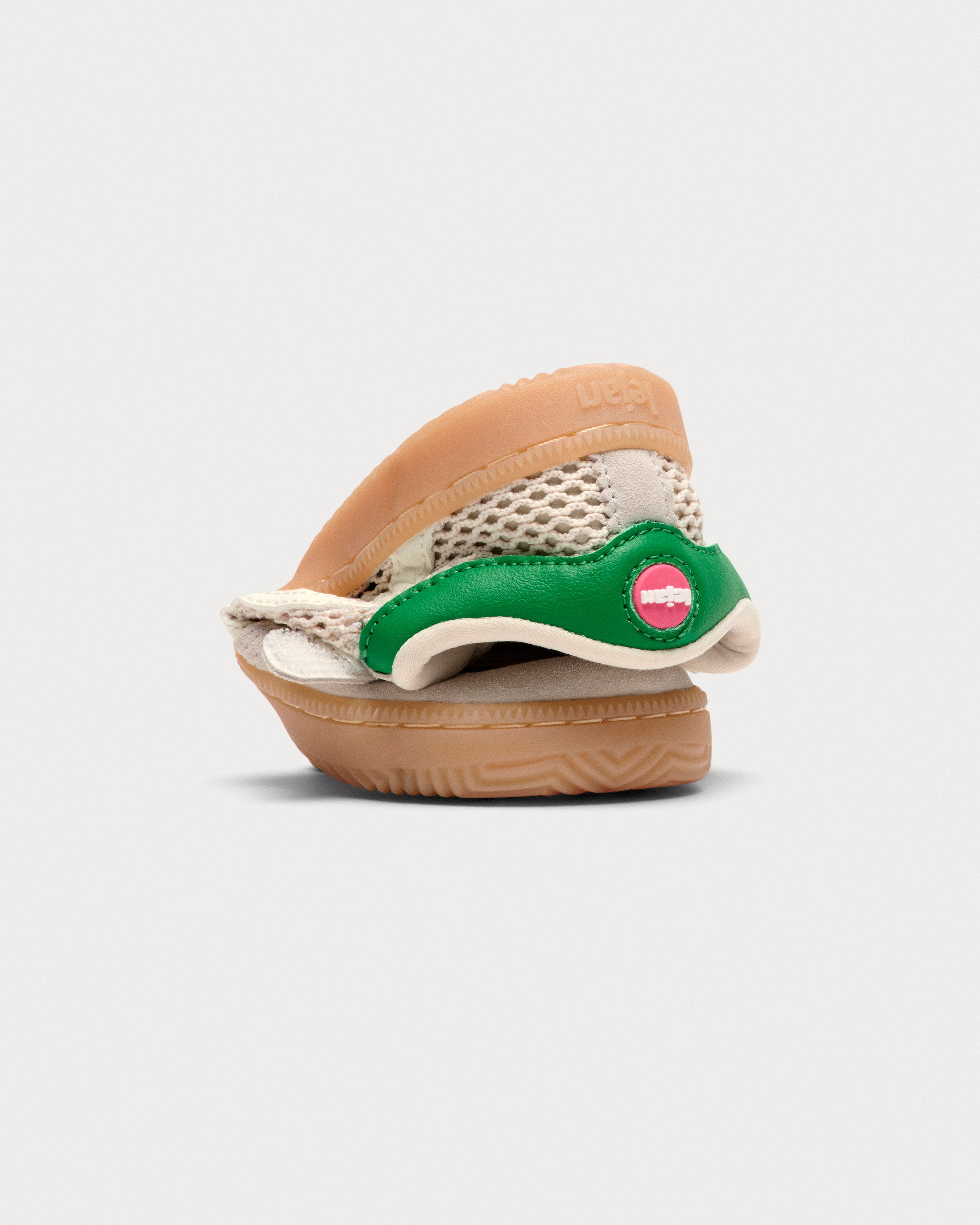
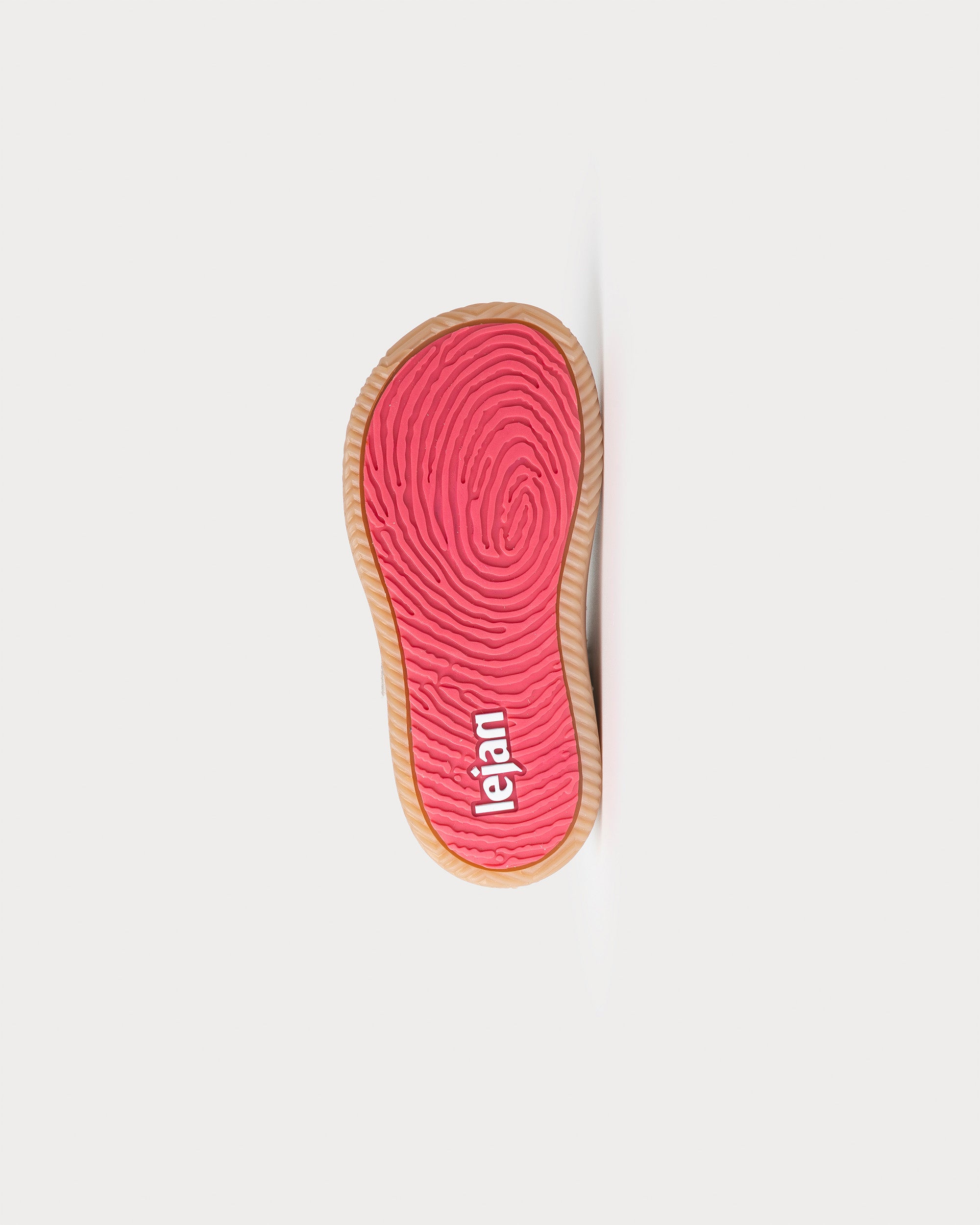
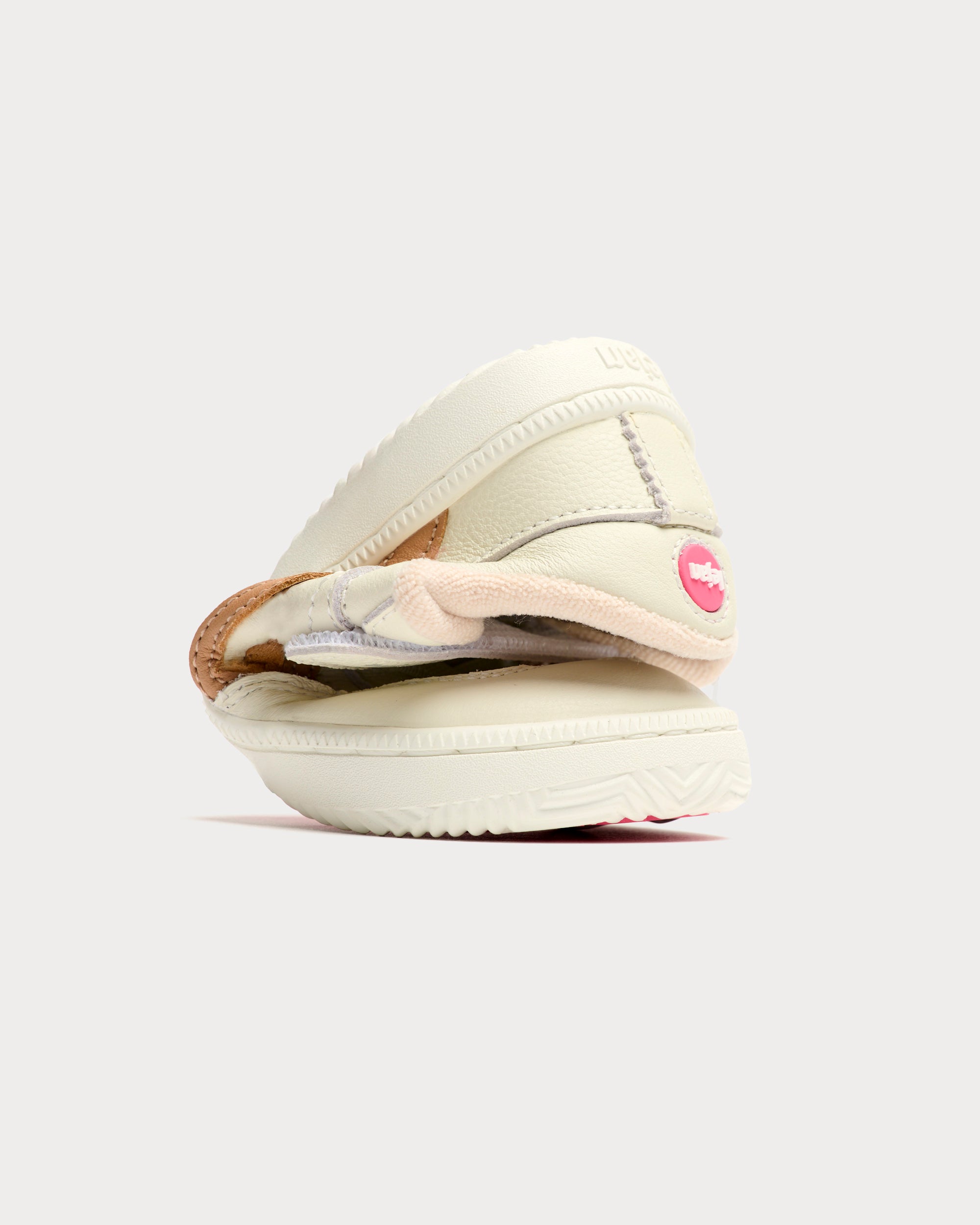
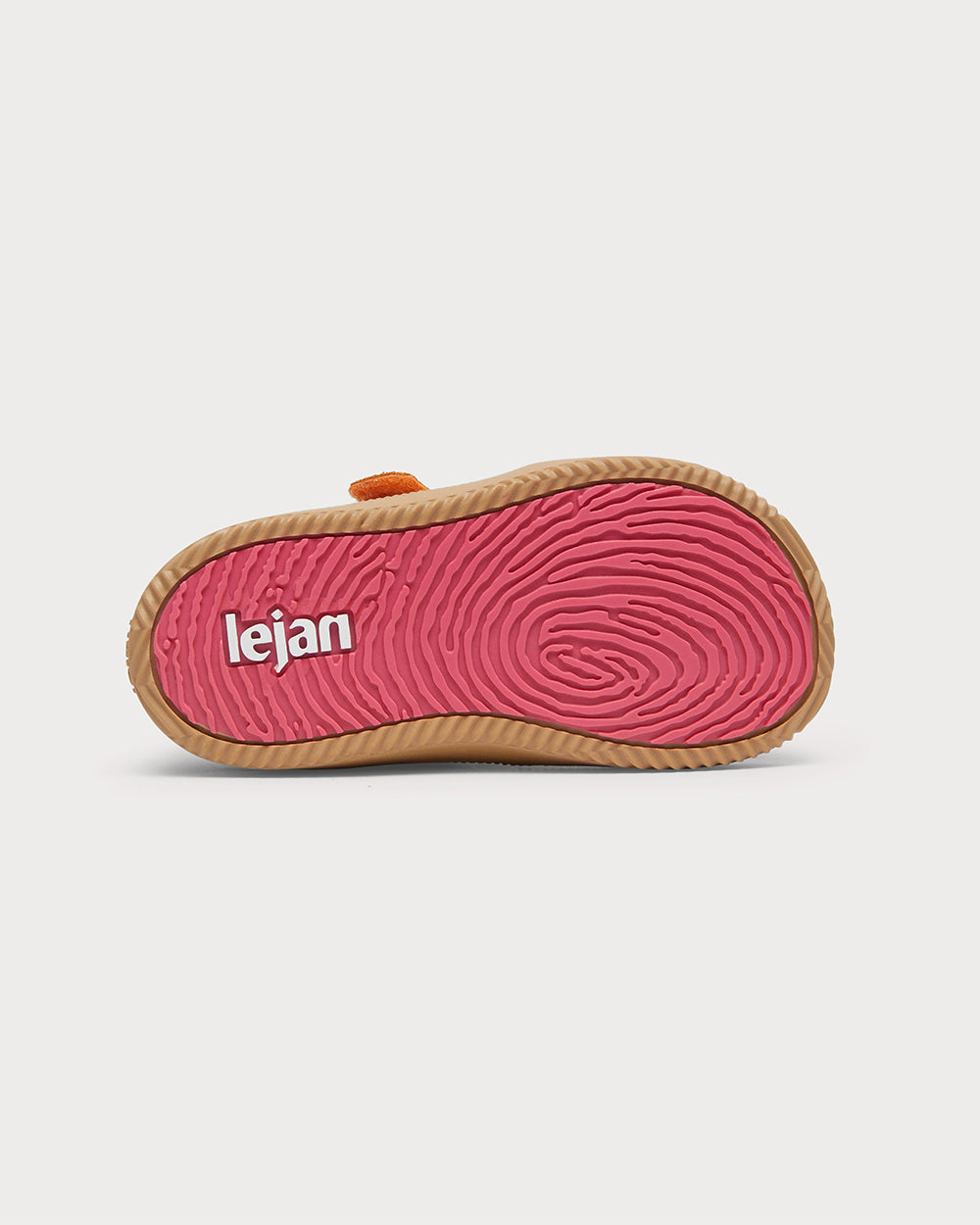
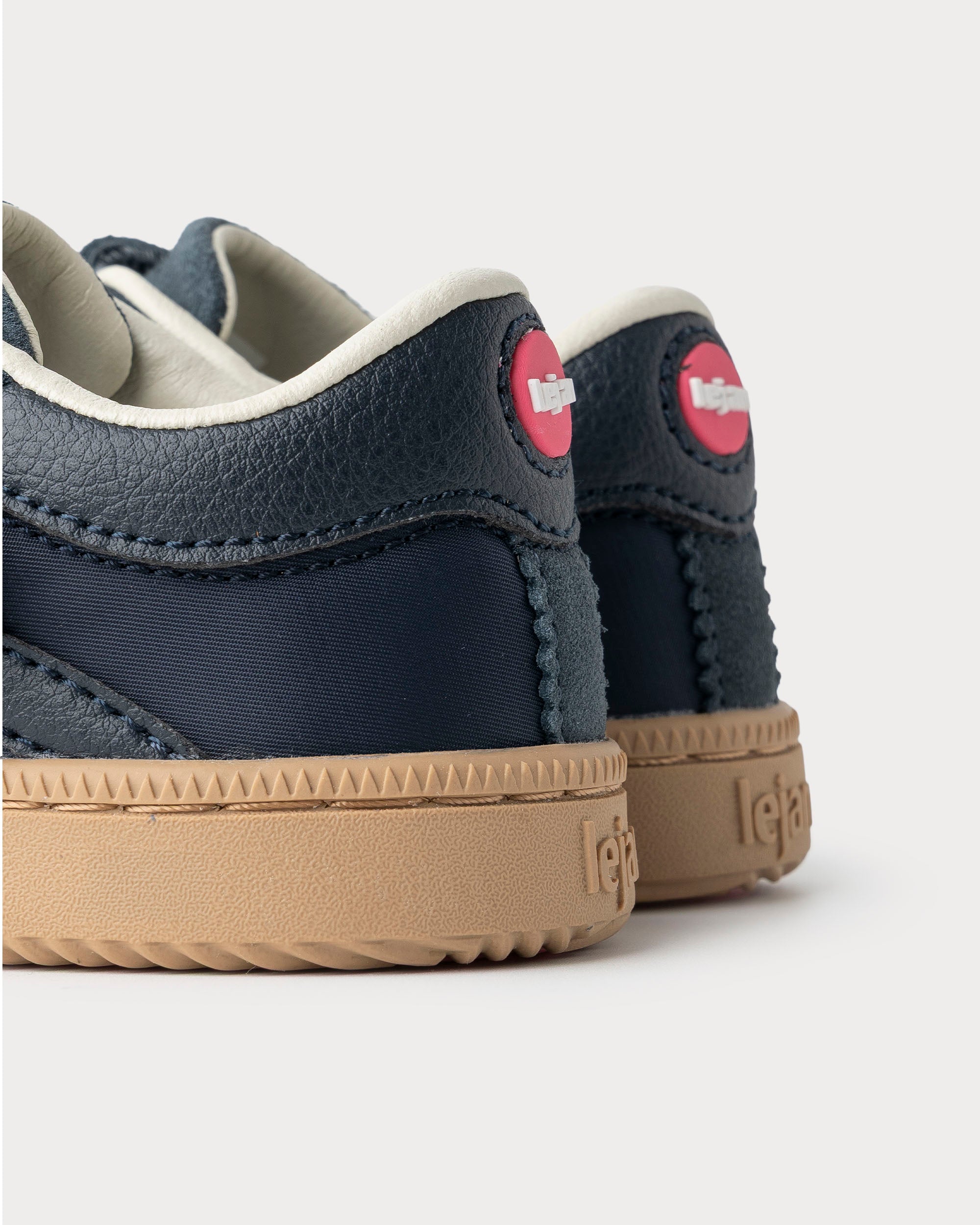
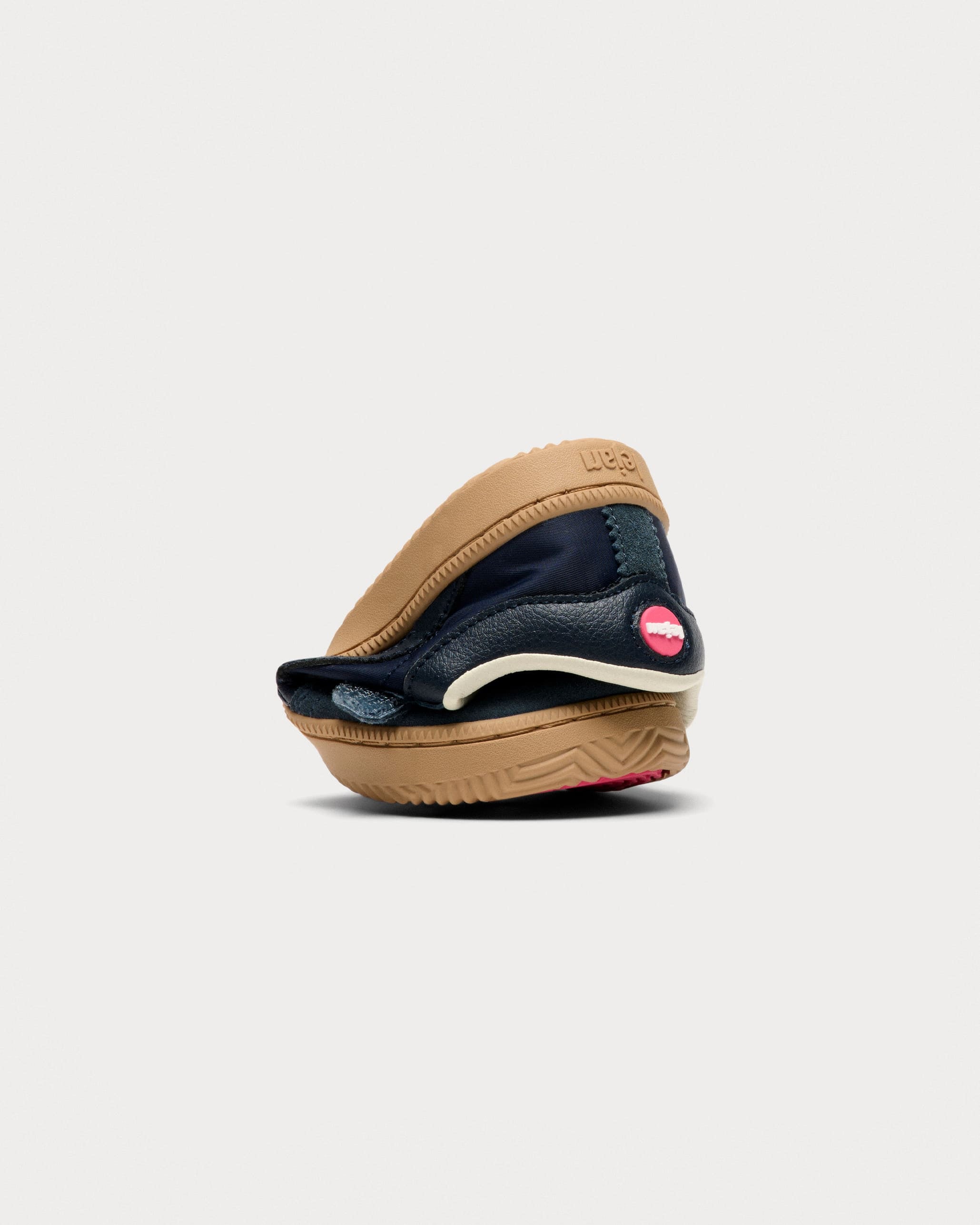
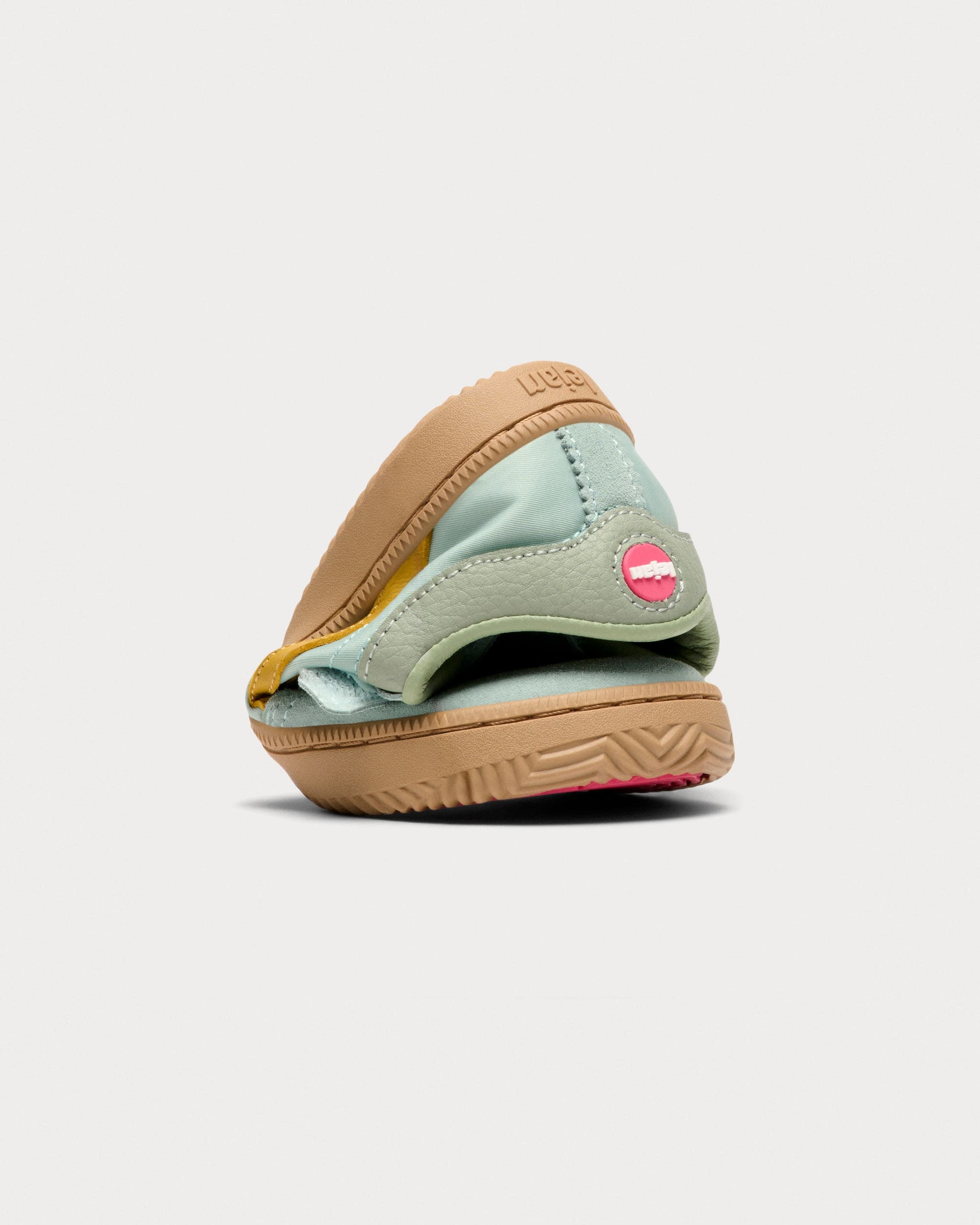
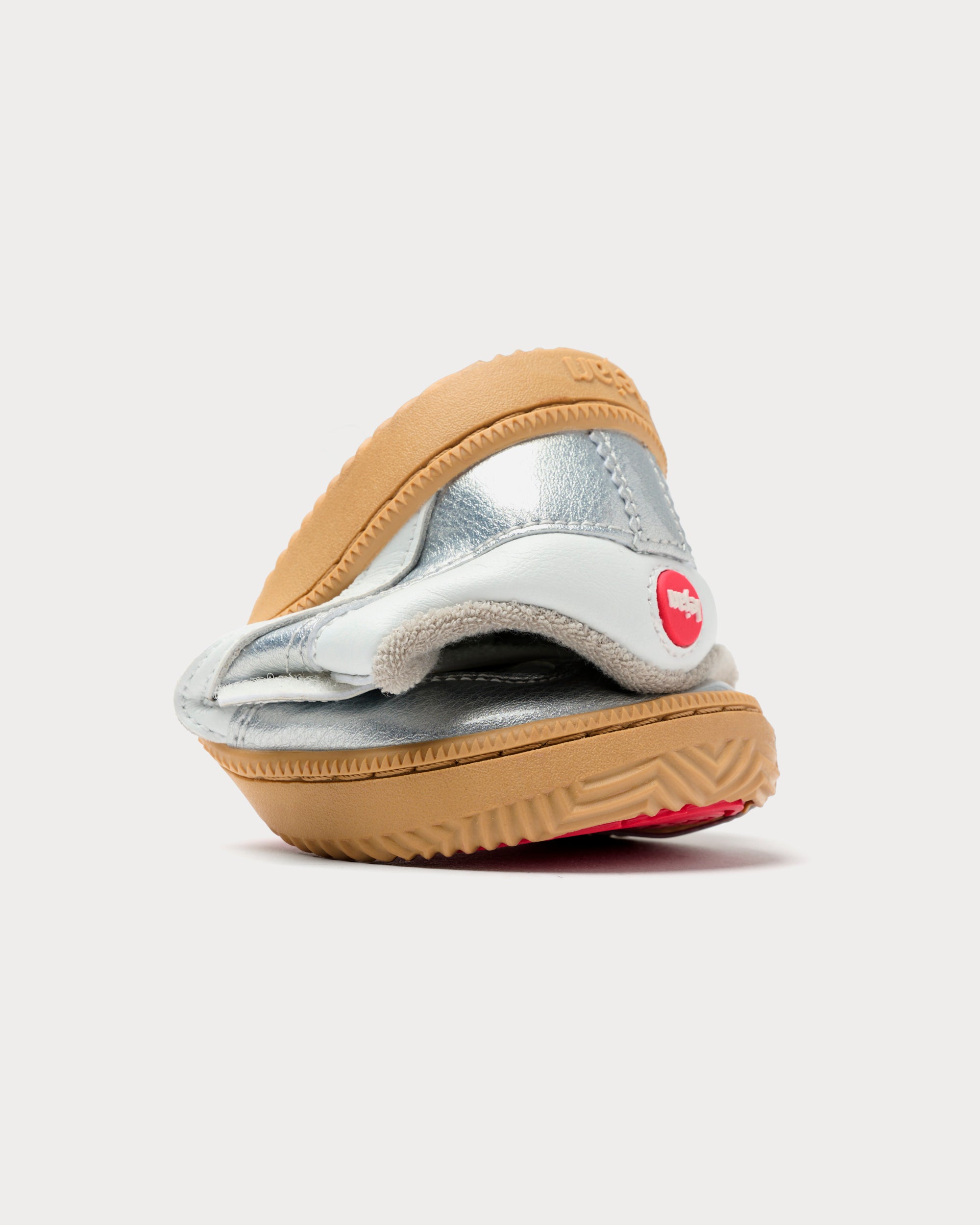
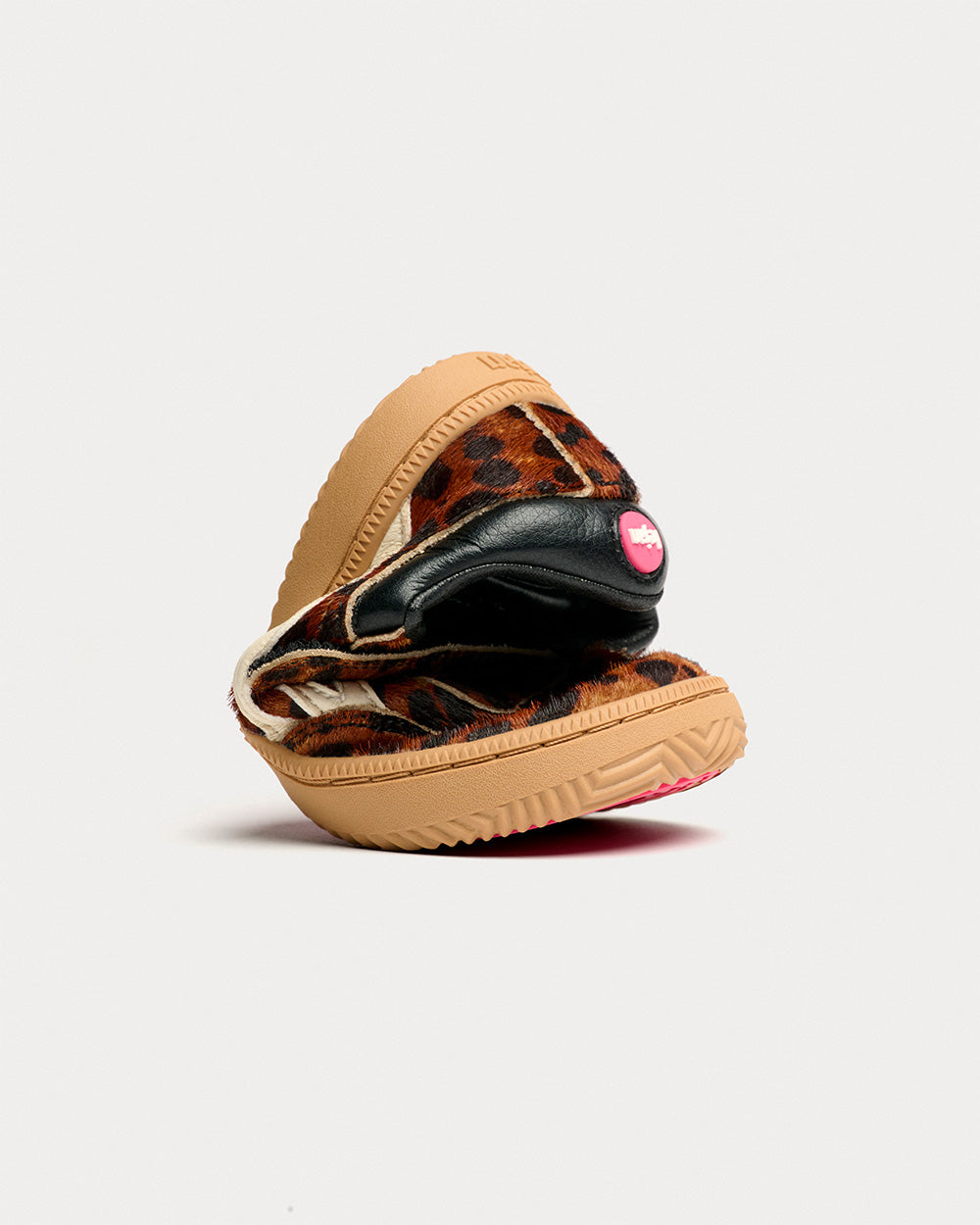
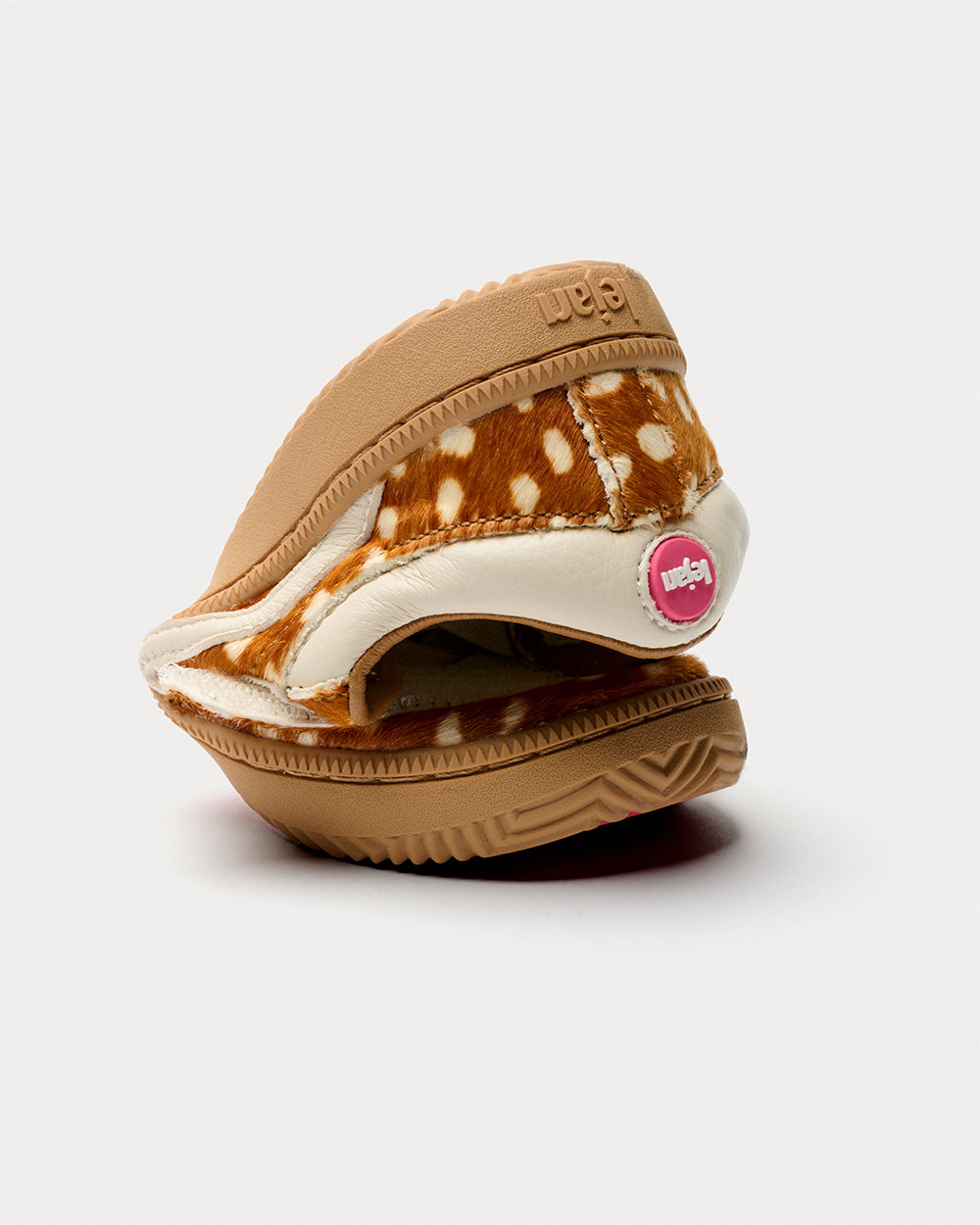
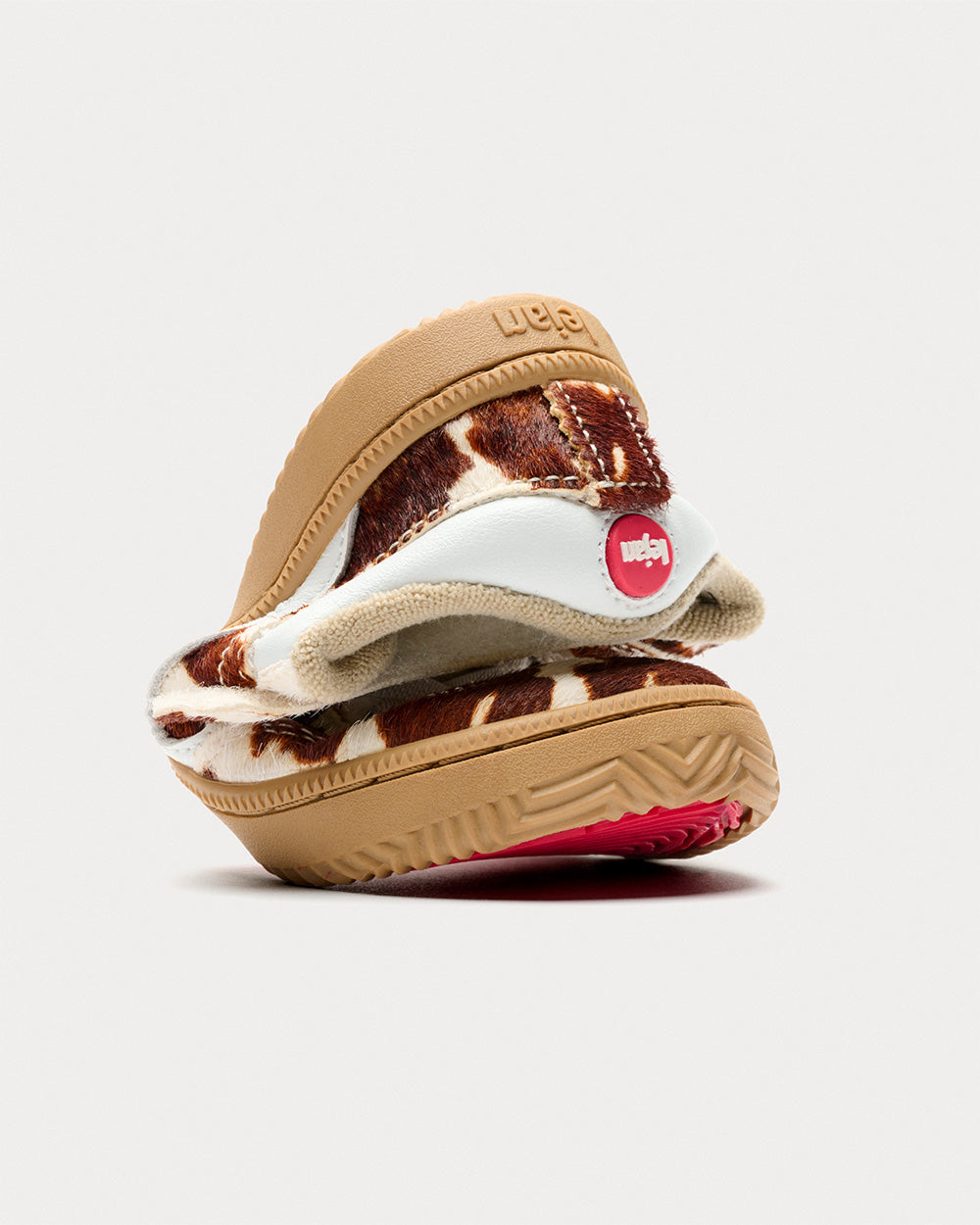
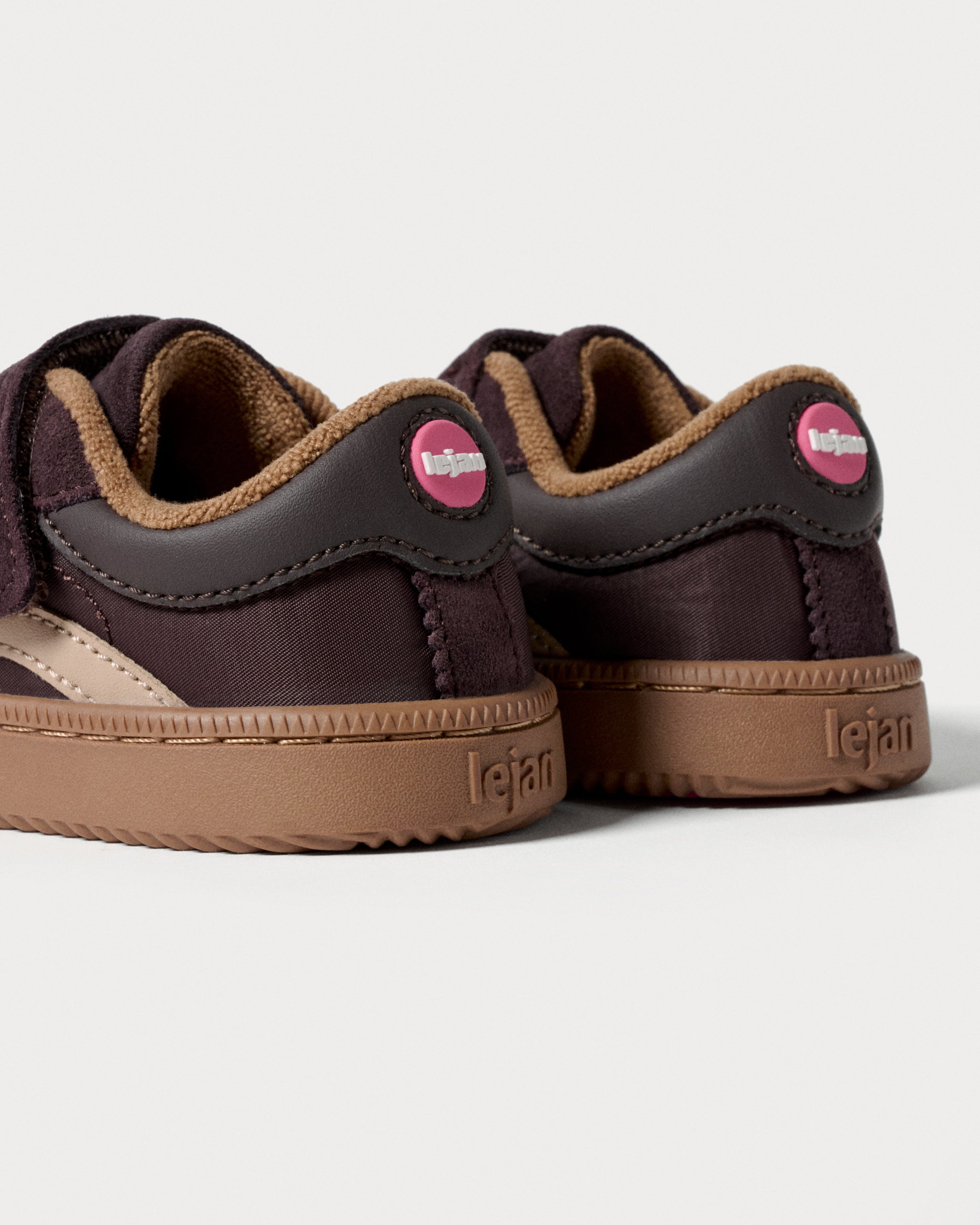
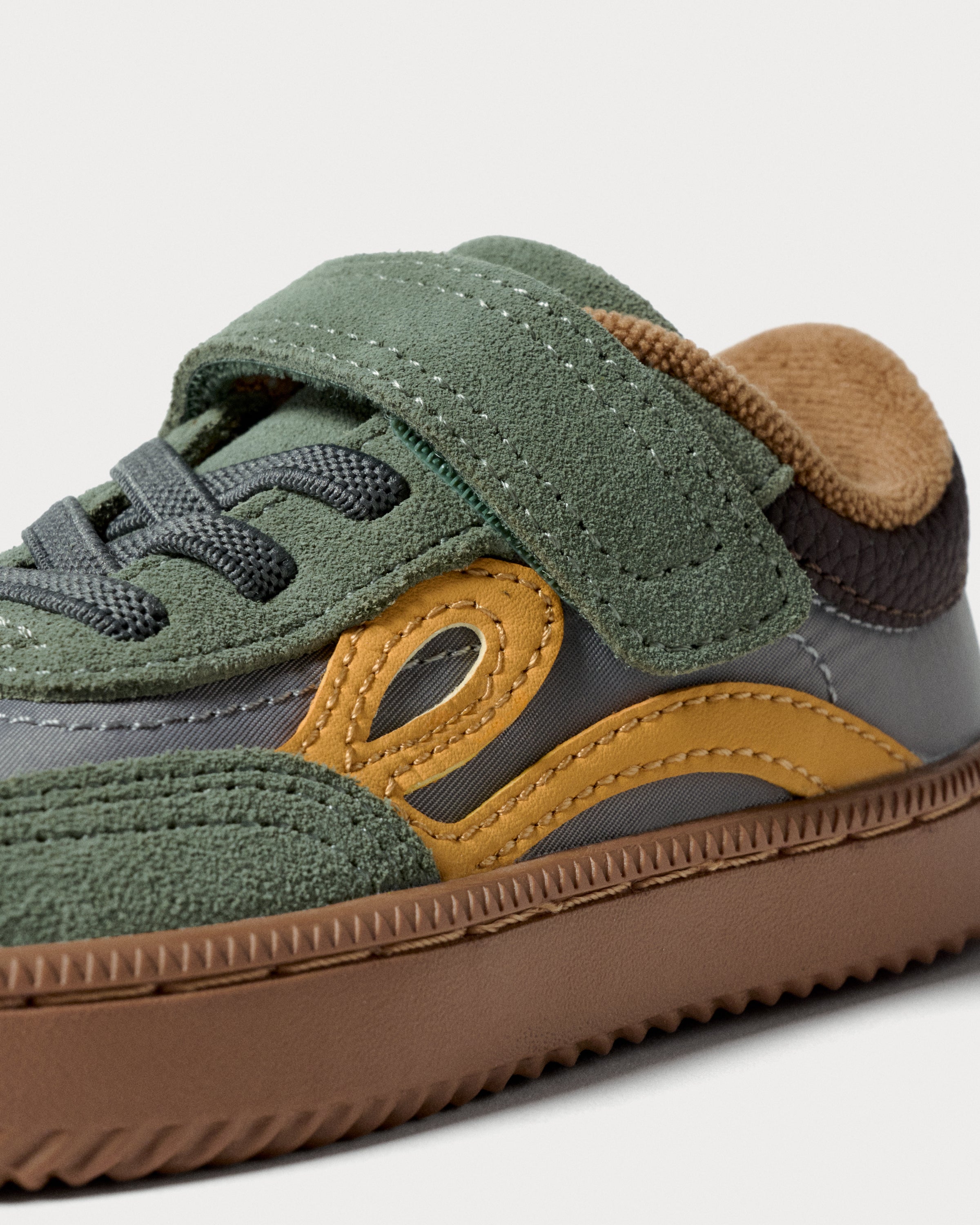
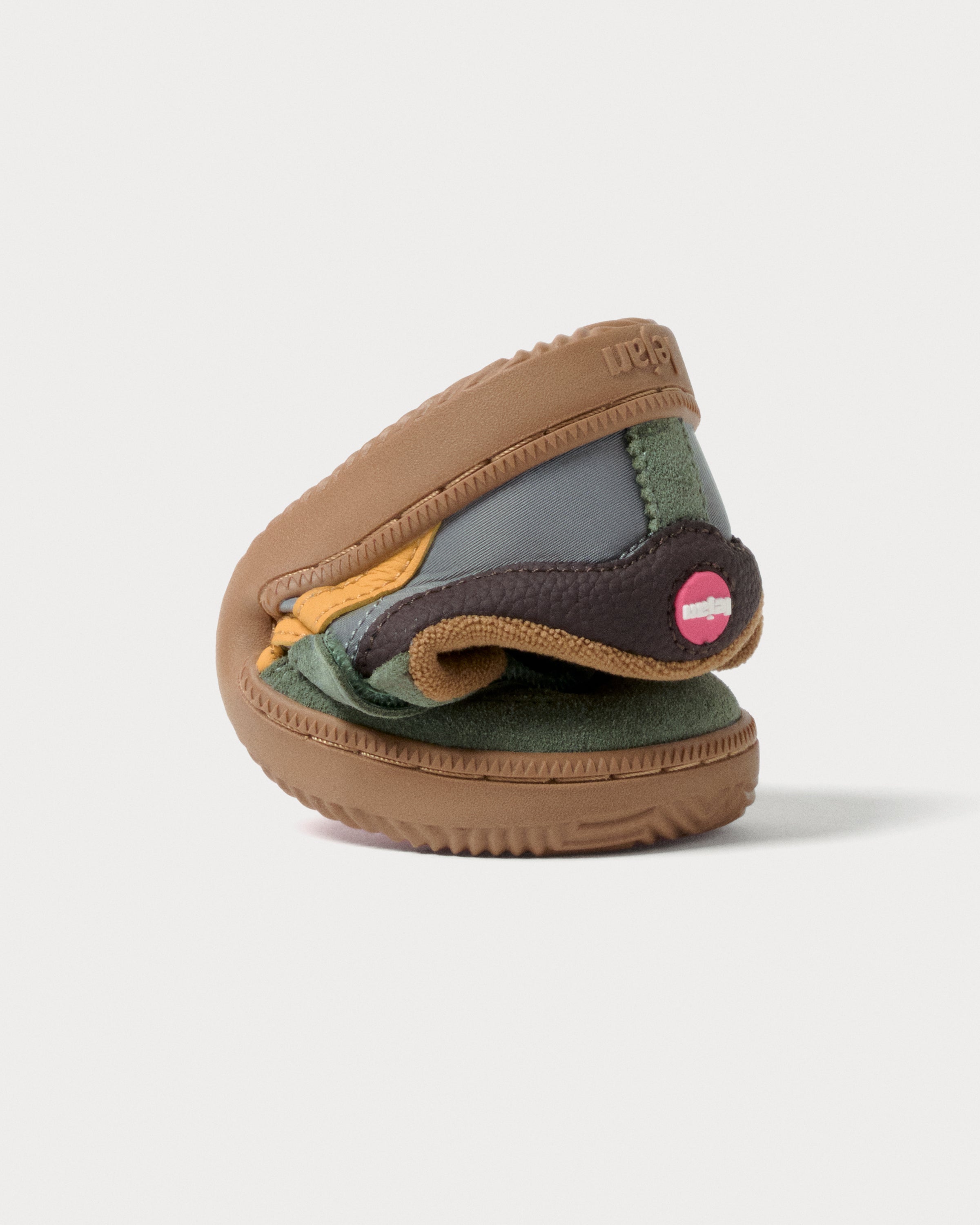
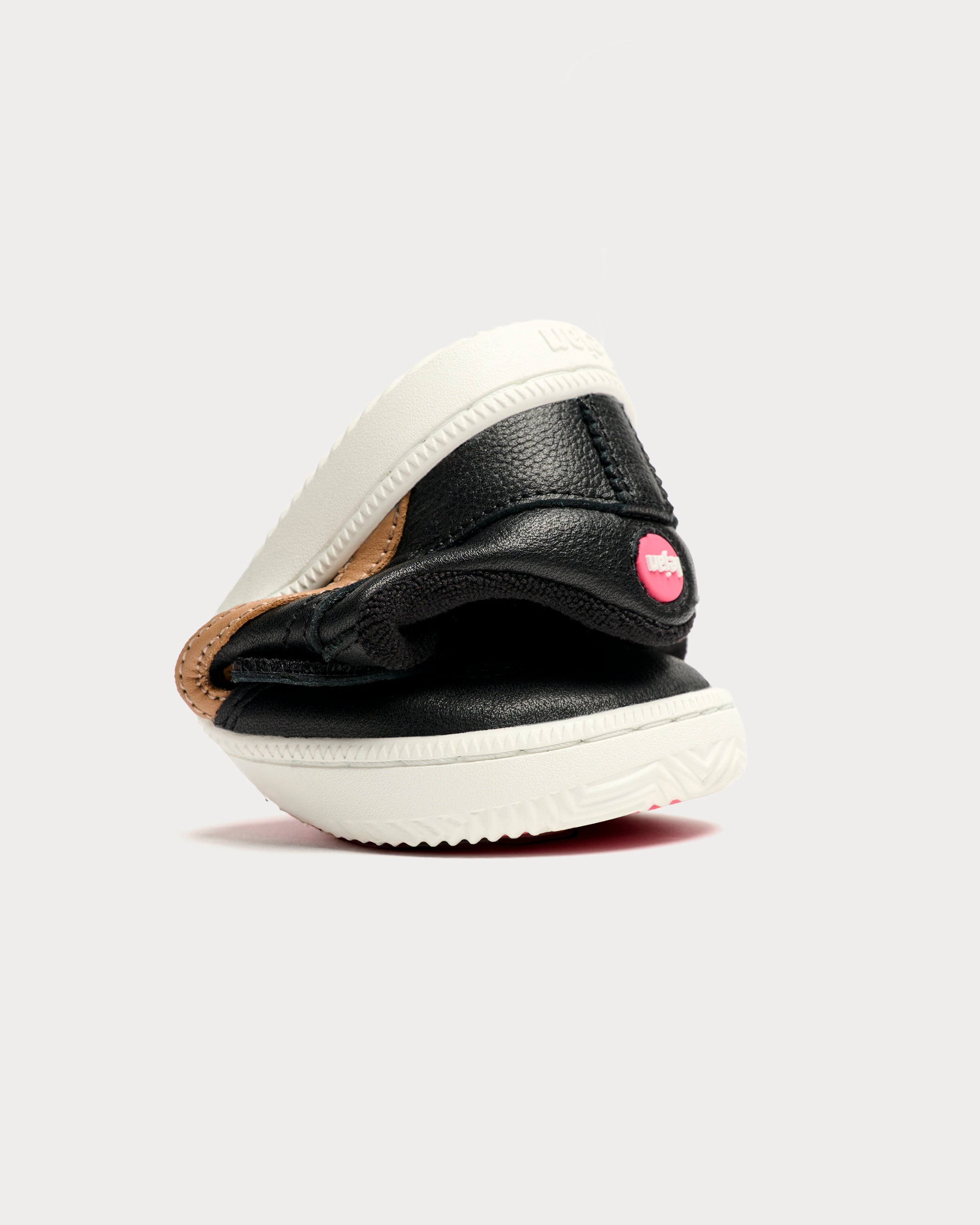
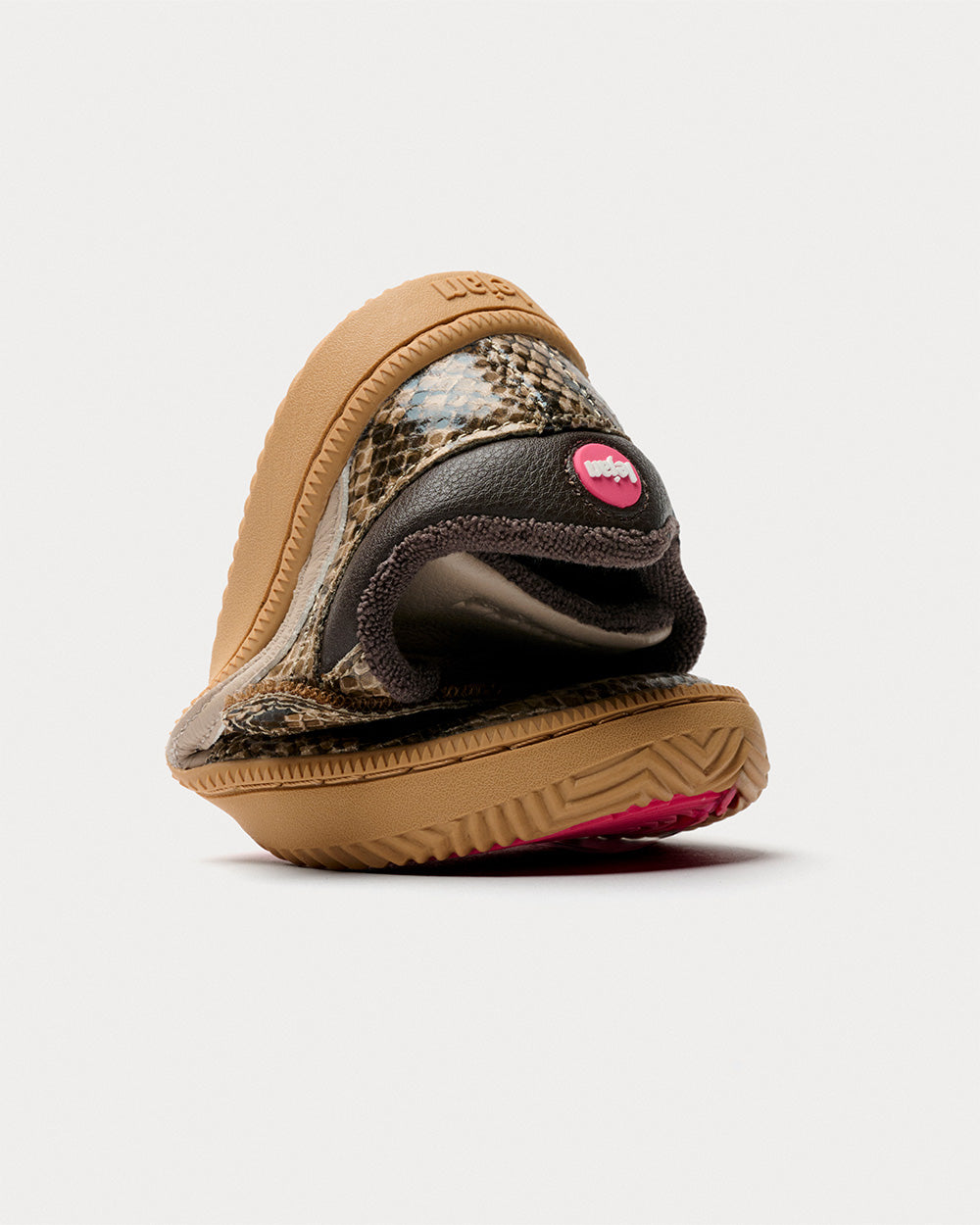
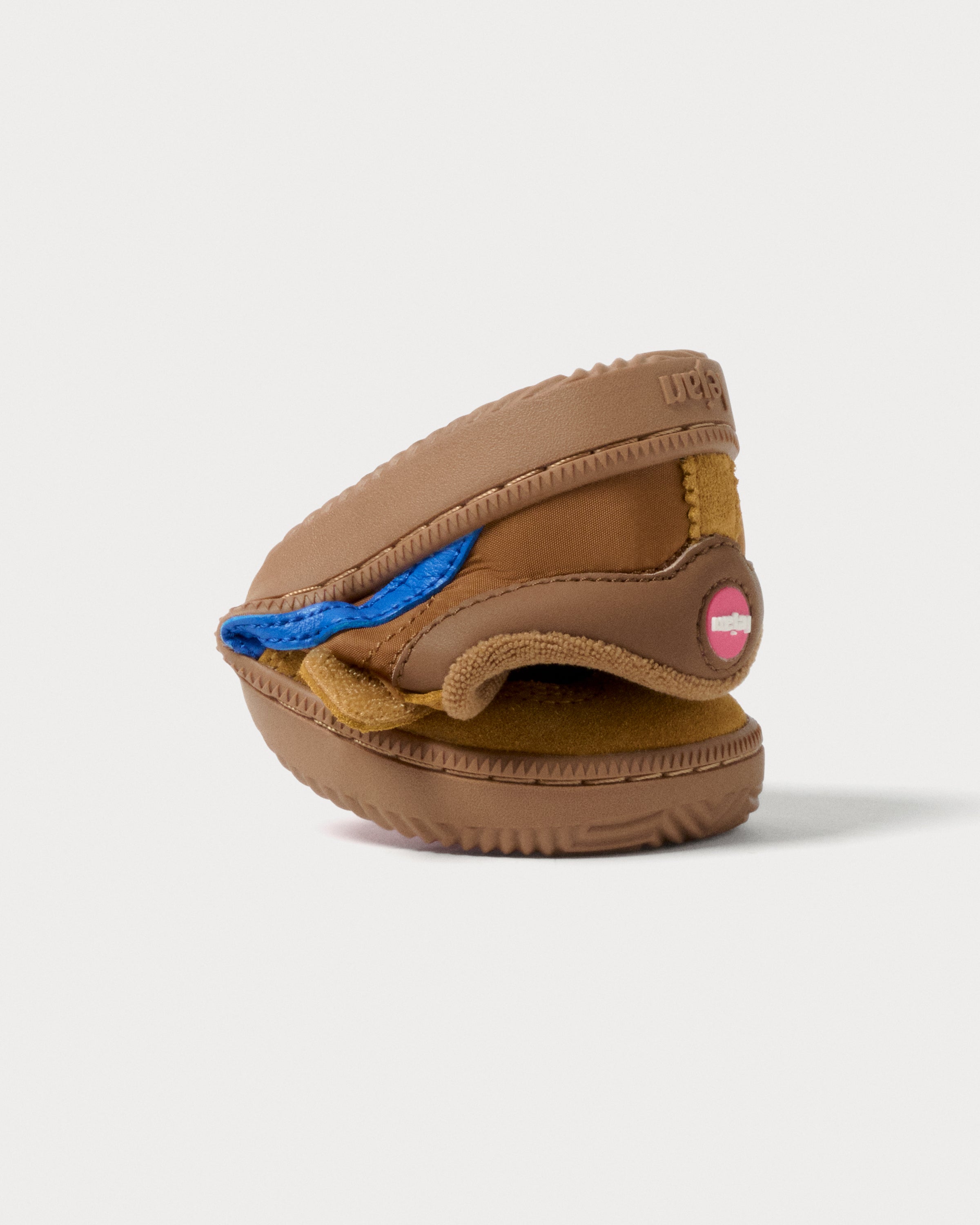
- A thin, very flexible sole. It should bend easily at the ball of the foot. The foot receives information from the ground and works naturally.
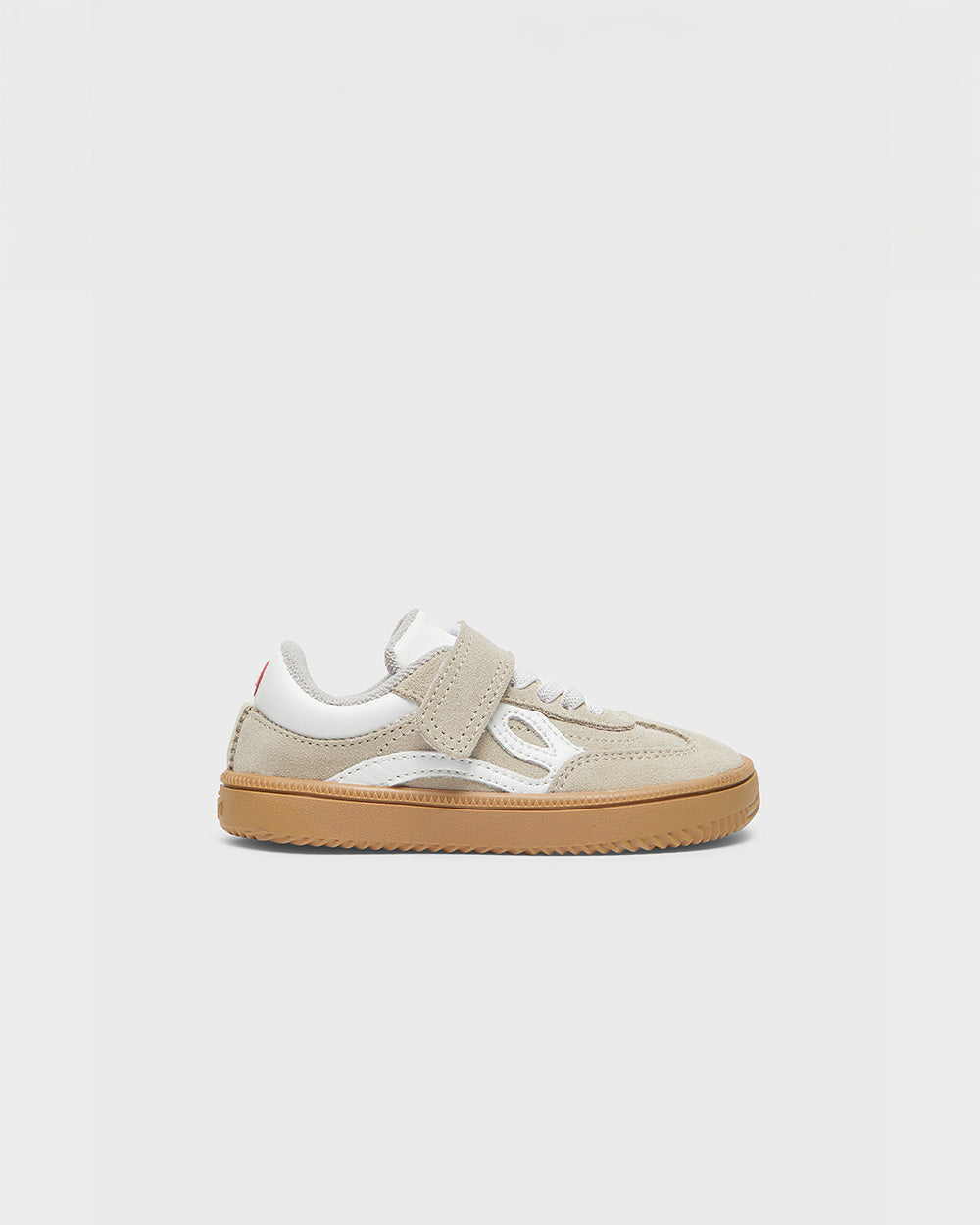
- True zero drop. Heel and forefoot at the same height, with no wedge.
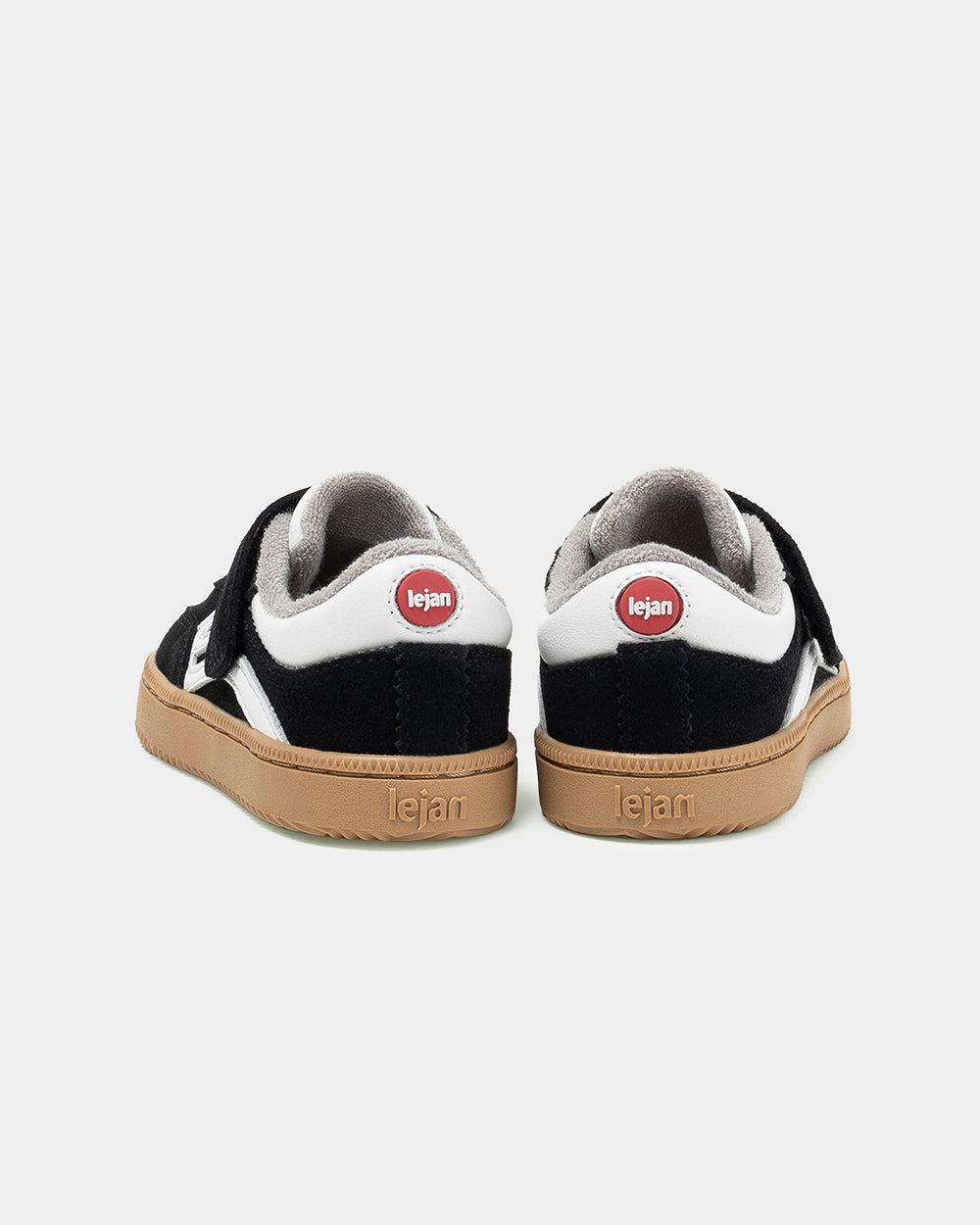
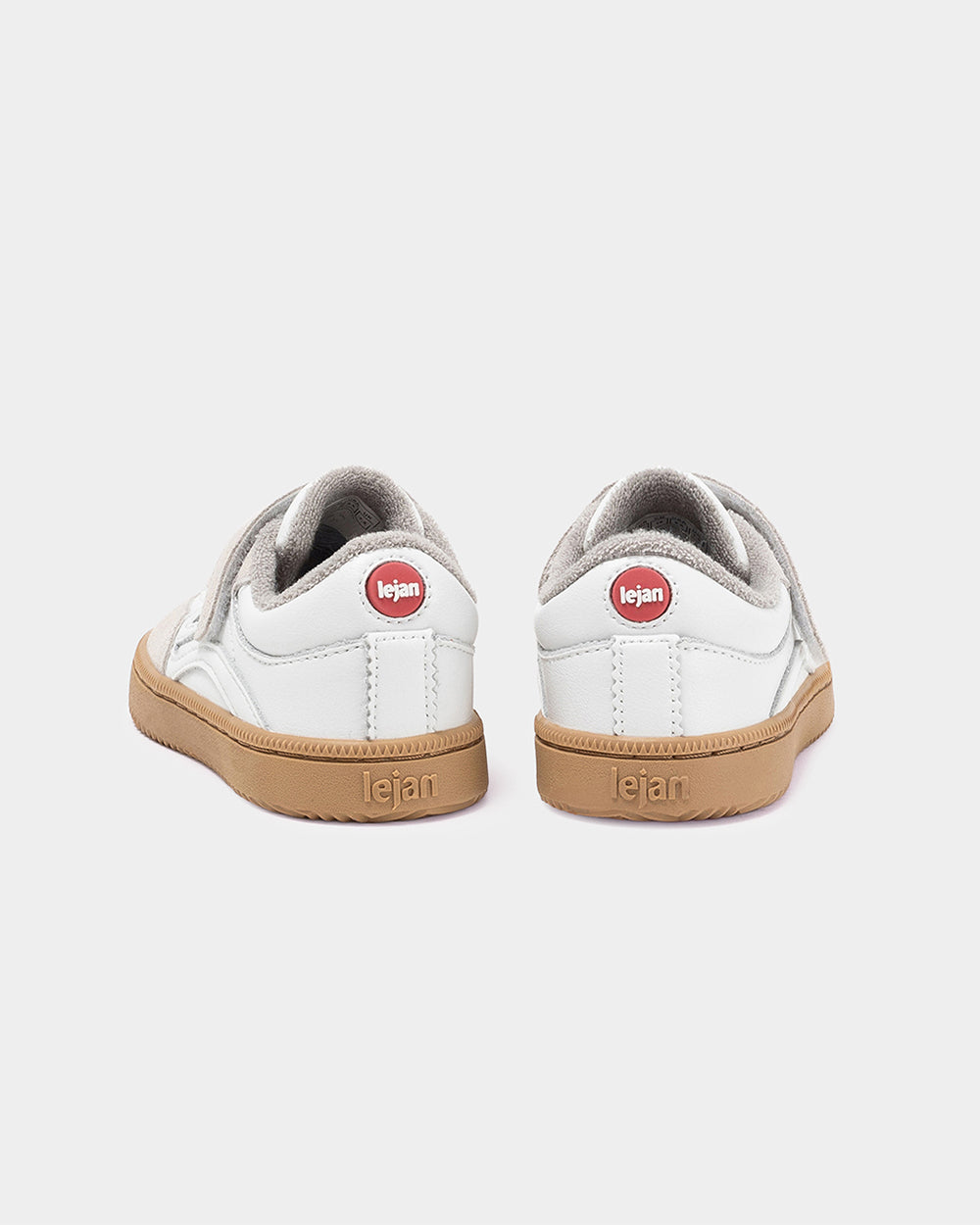
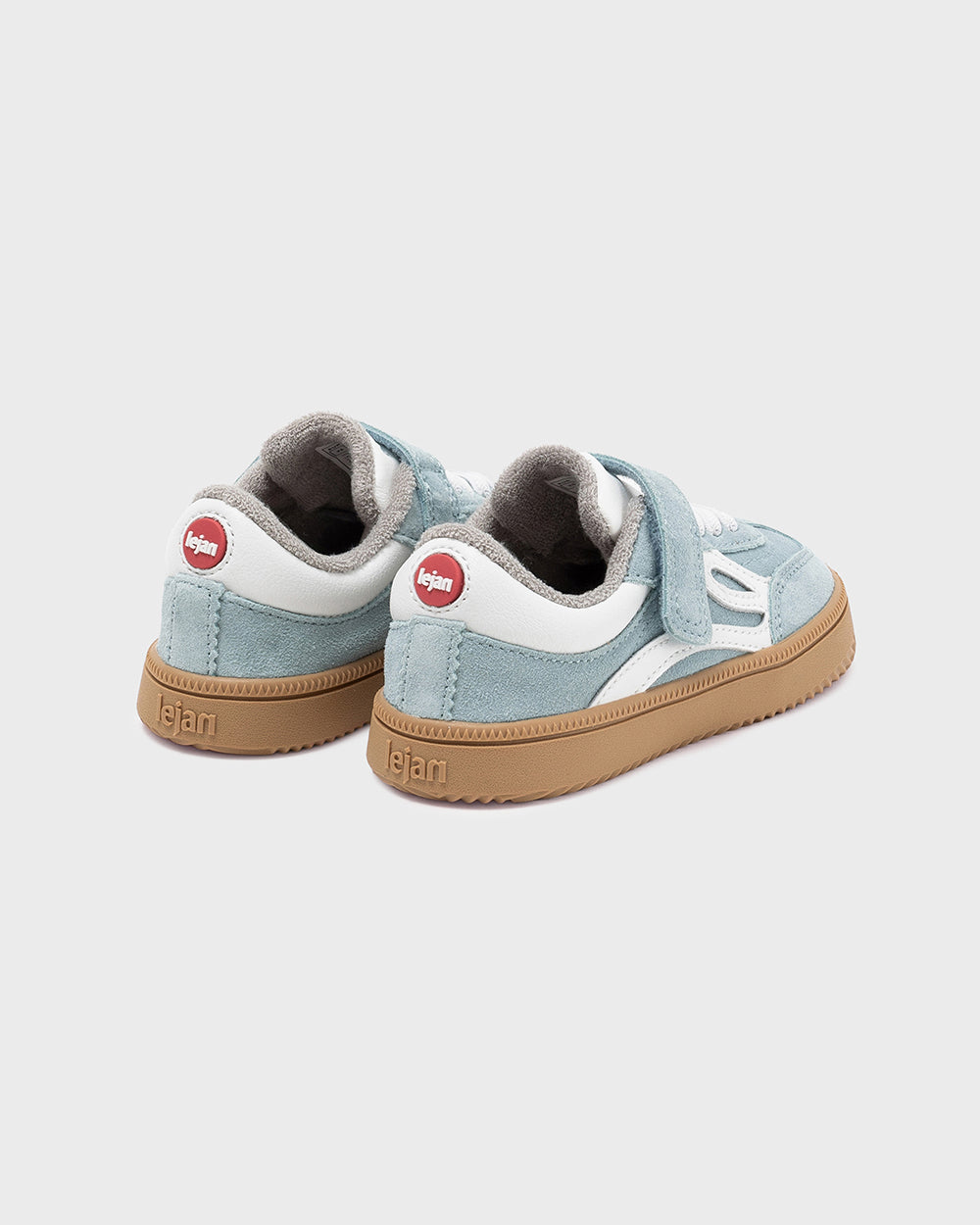
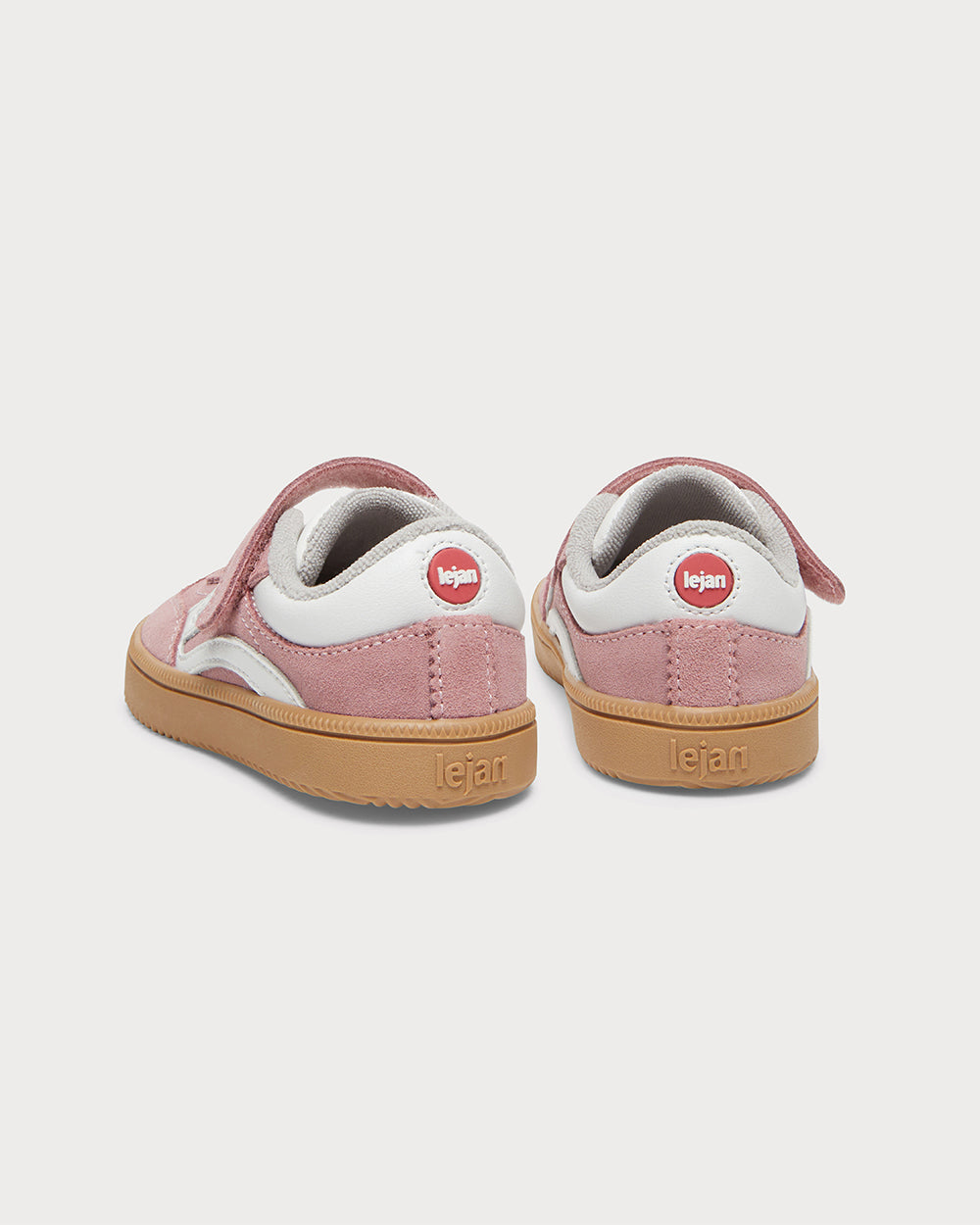
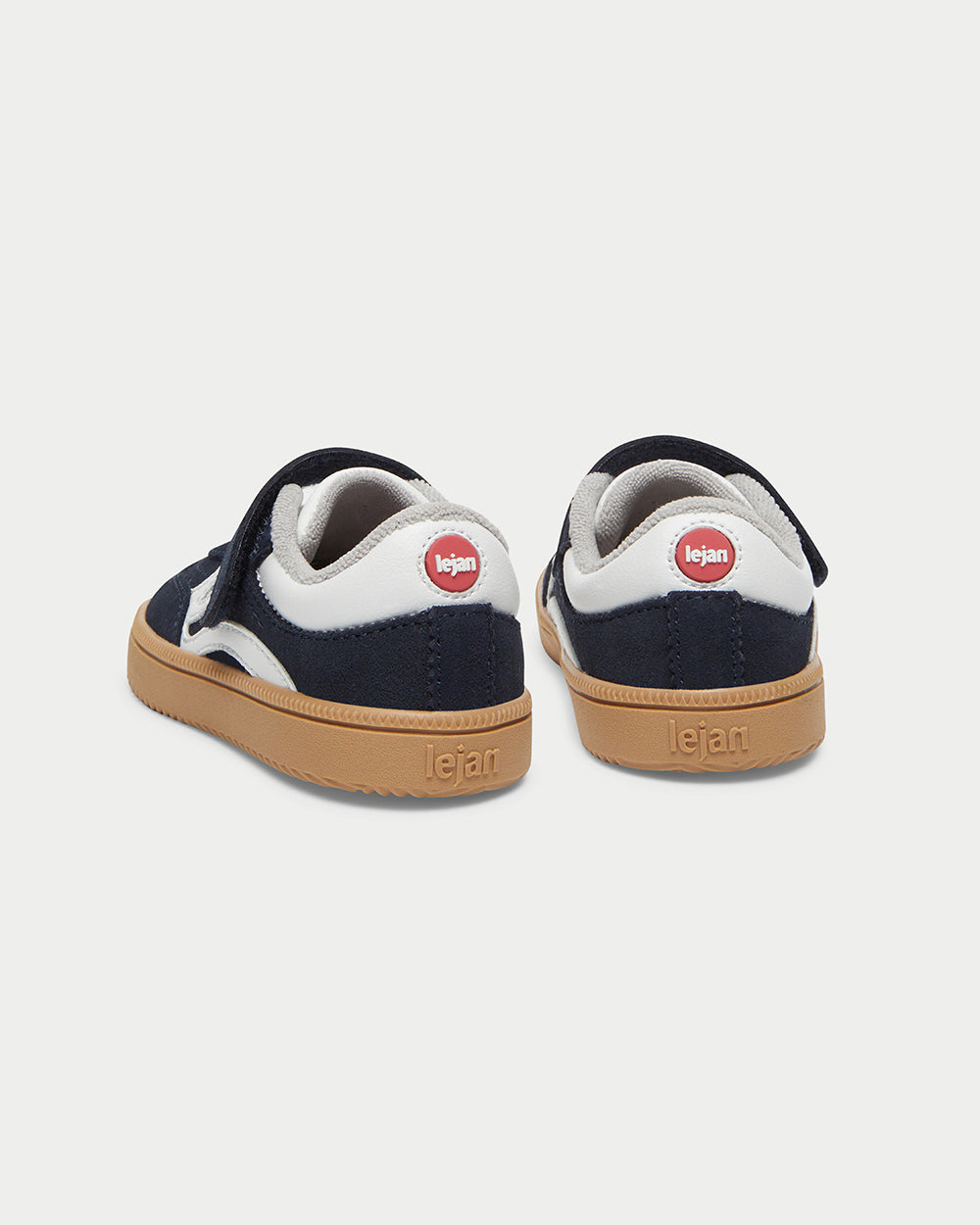
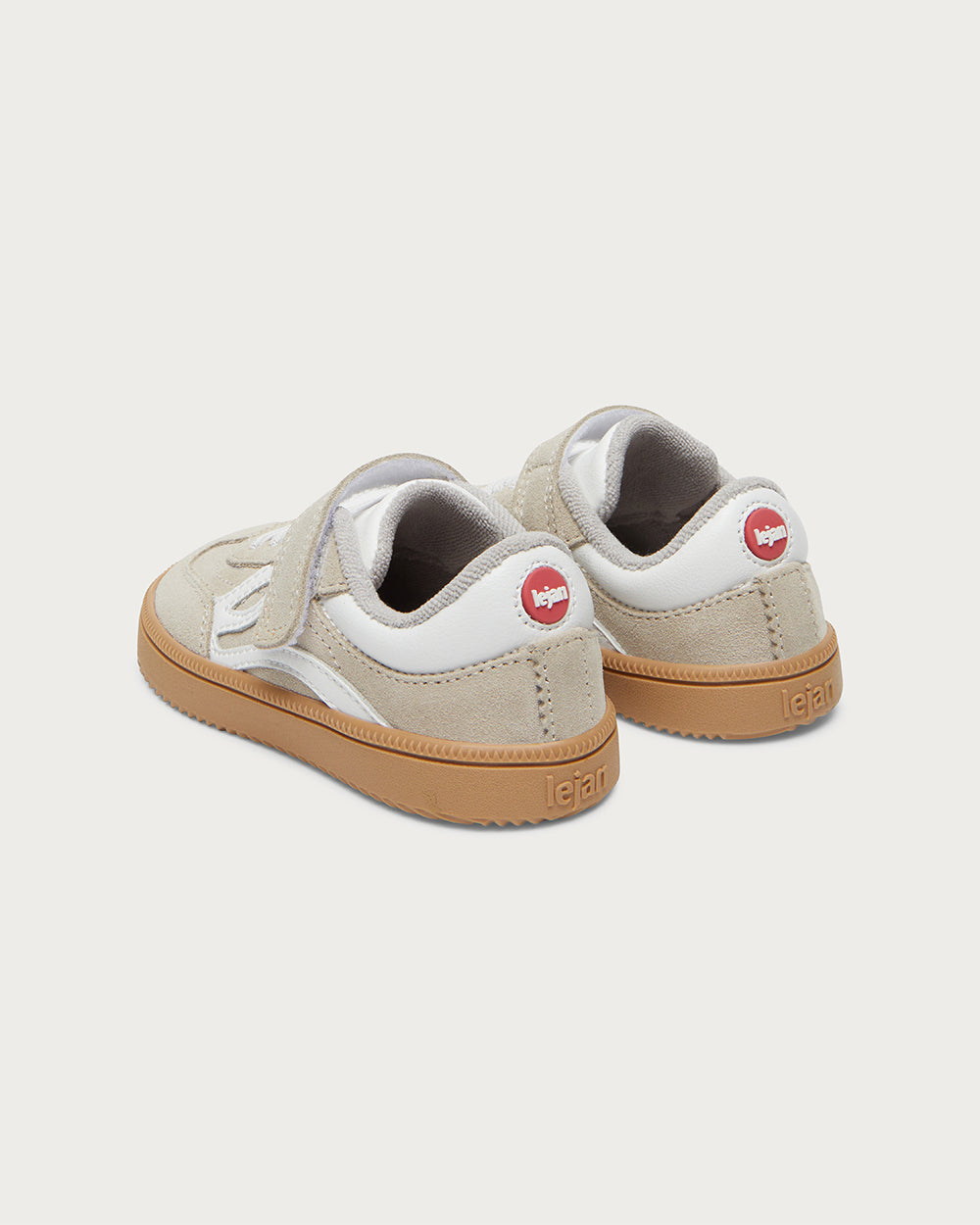
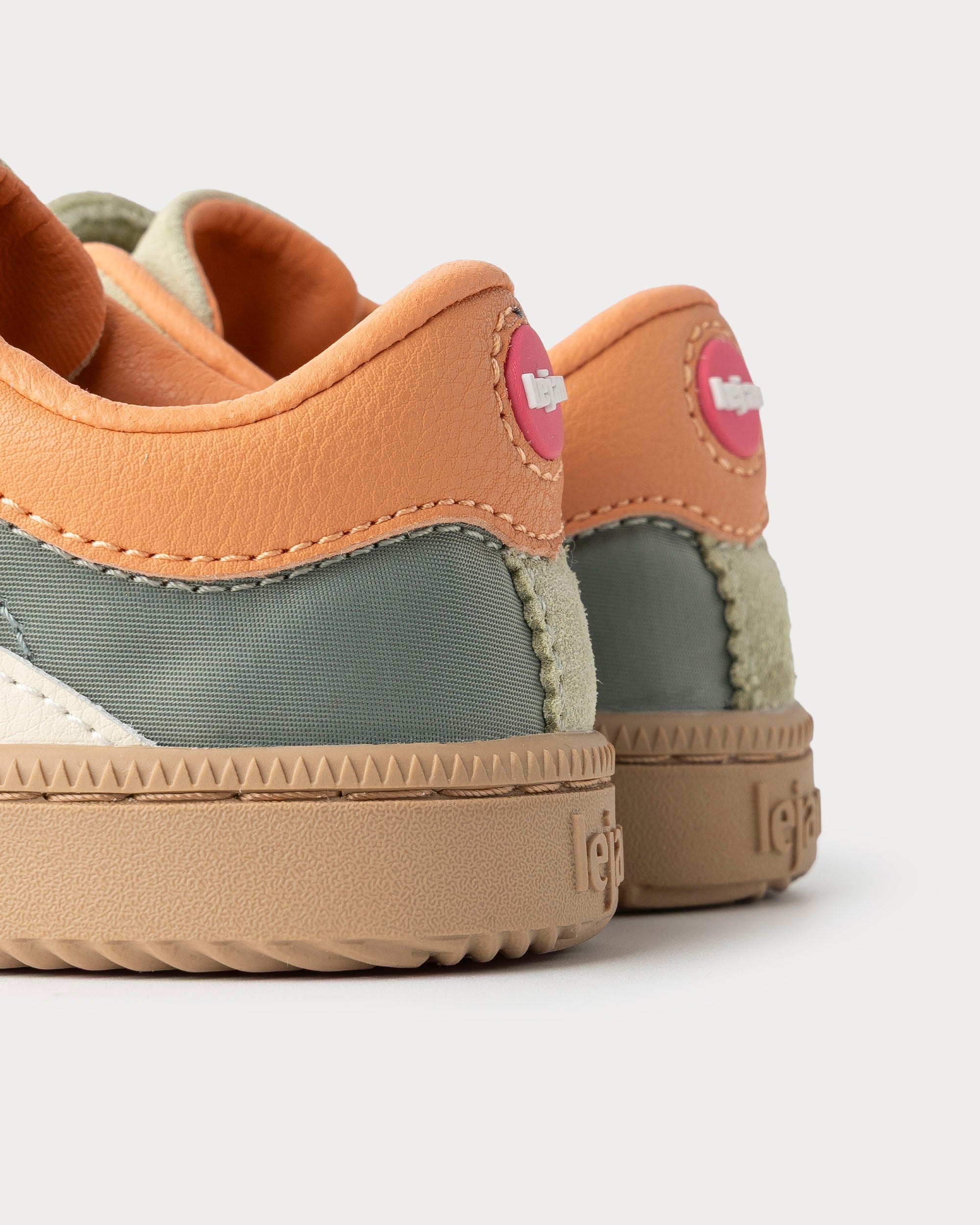
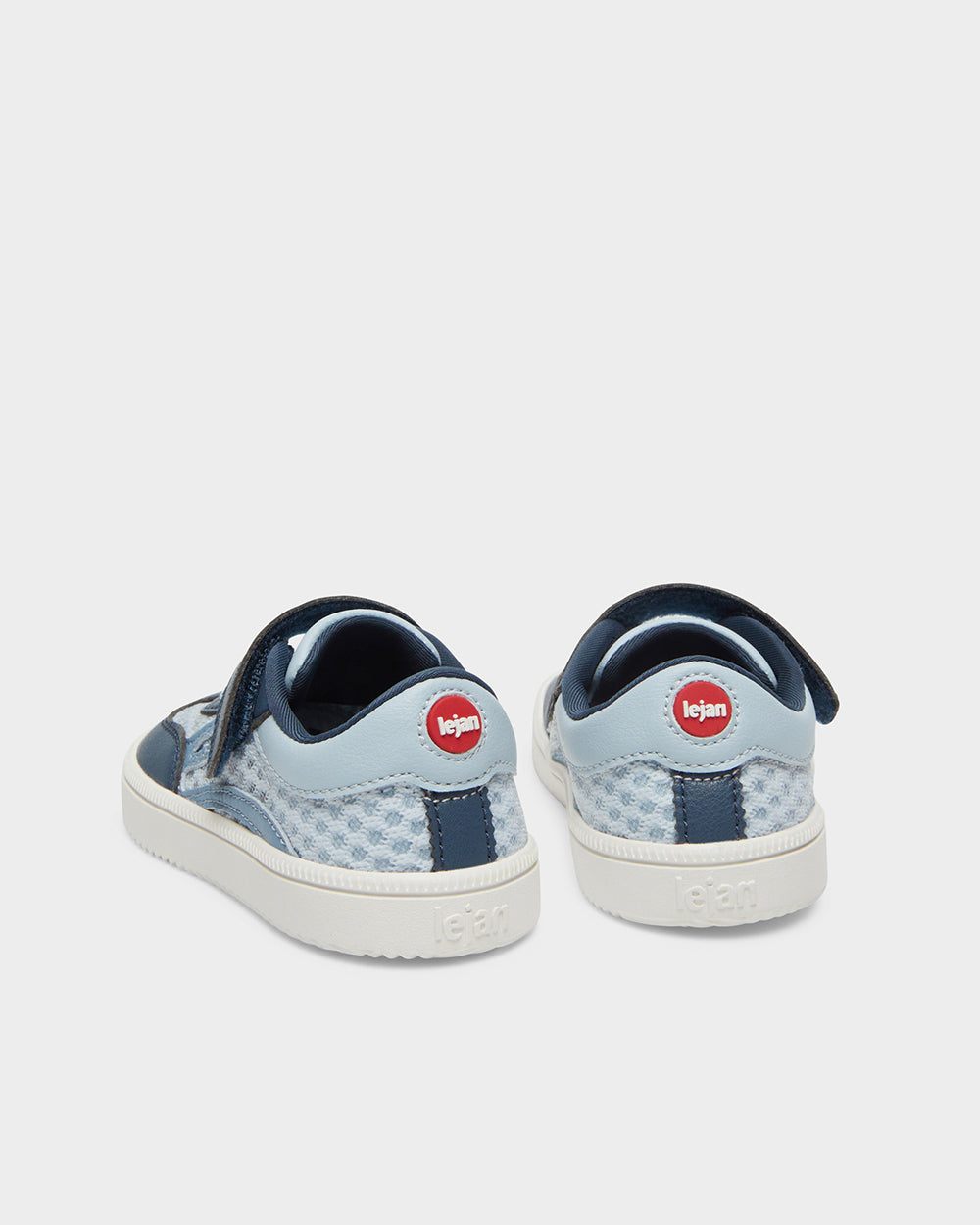
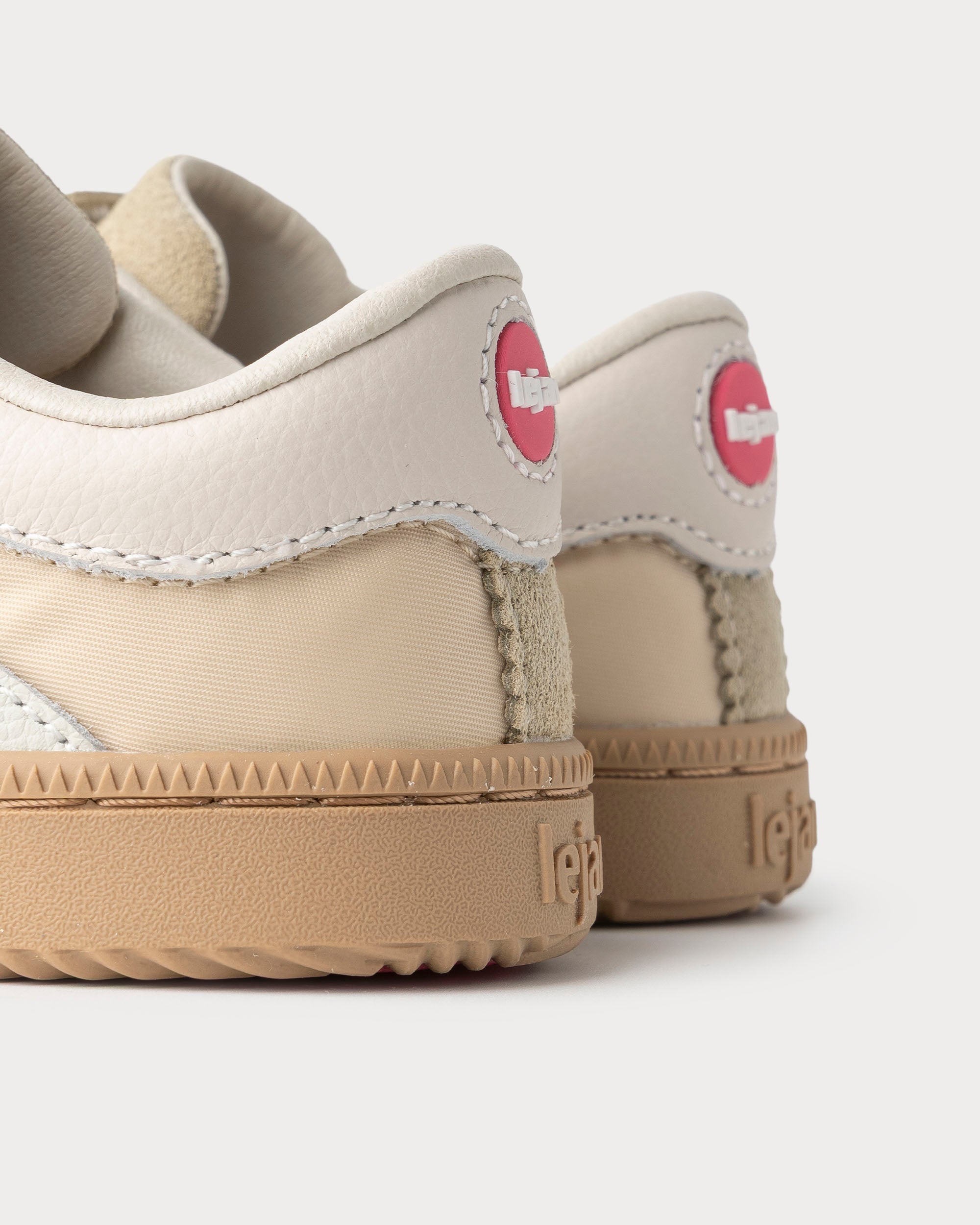
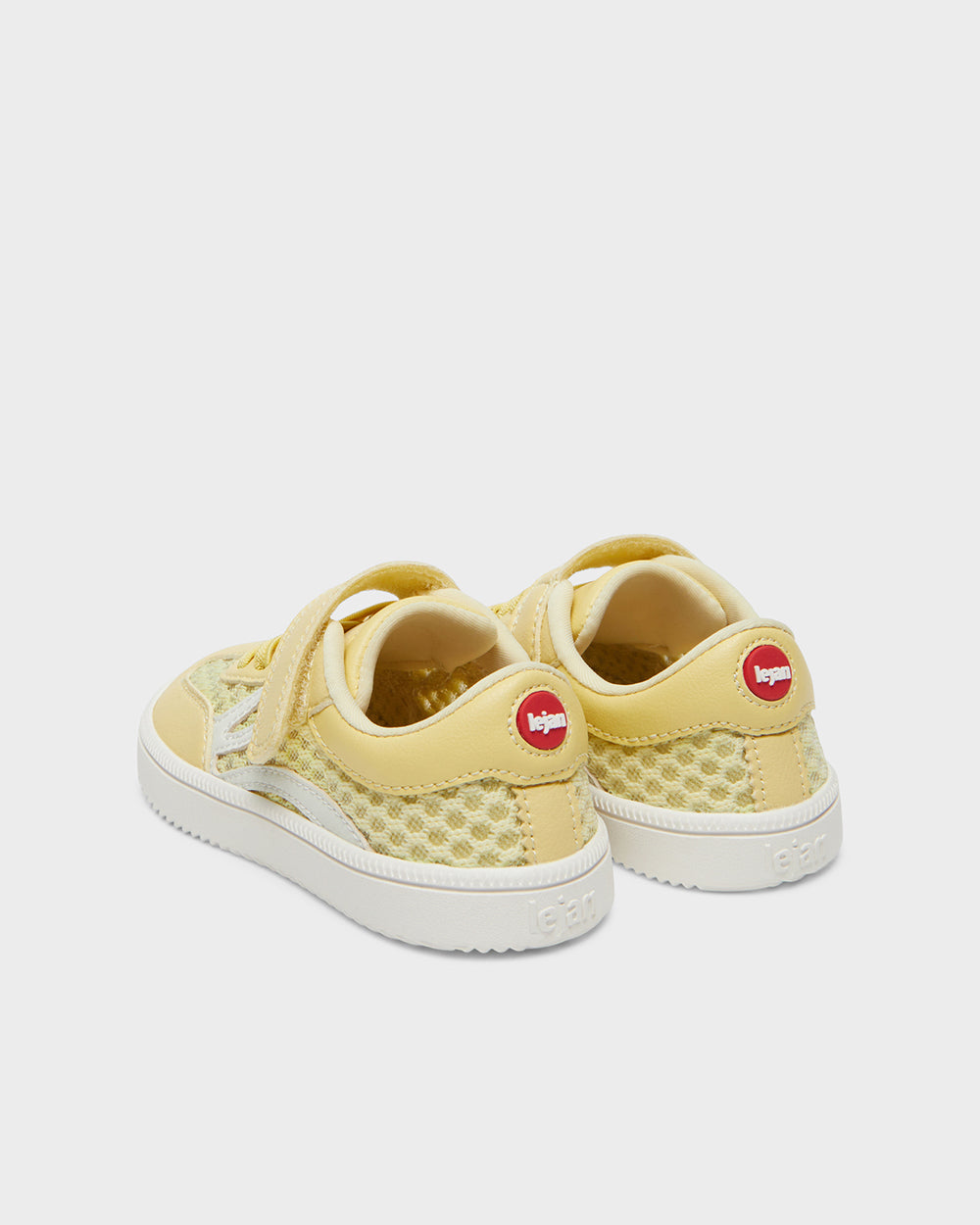
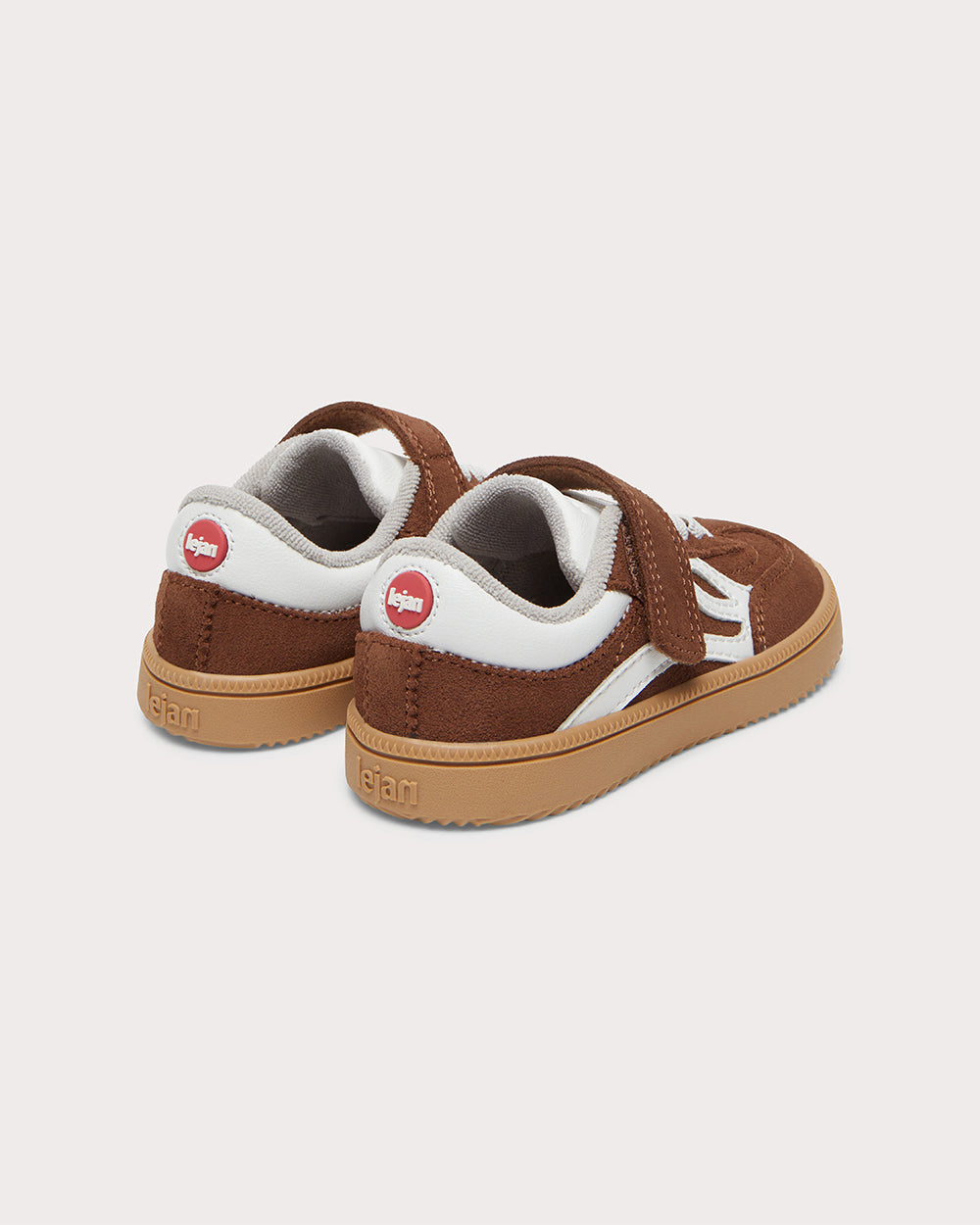
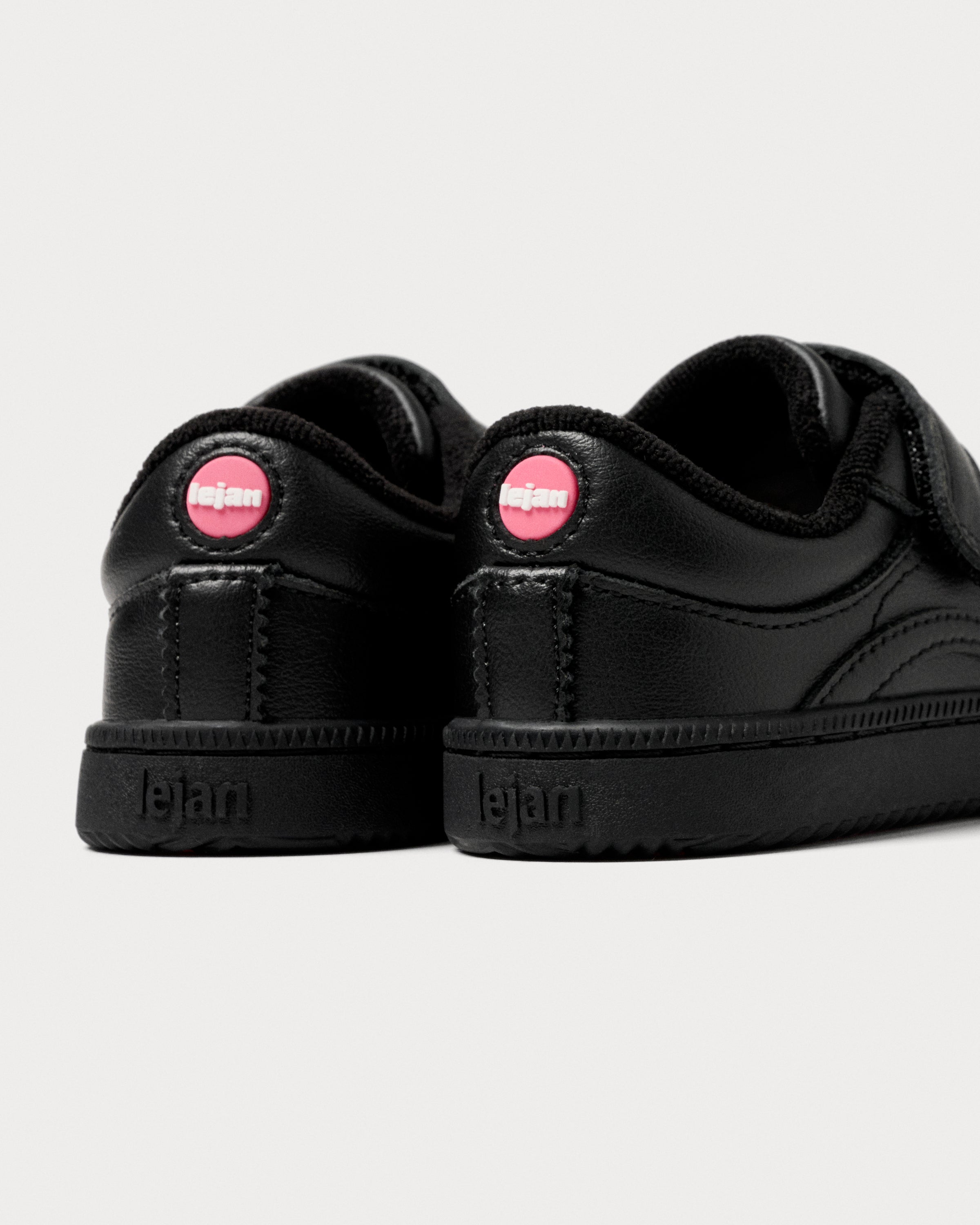
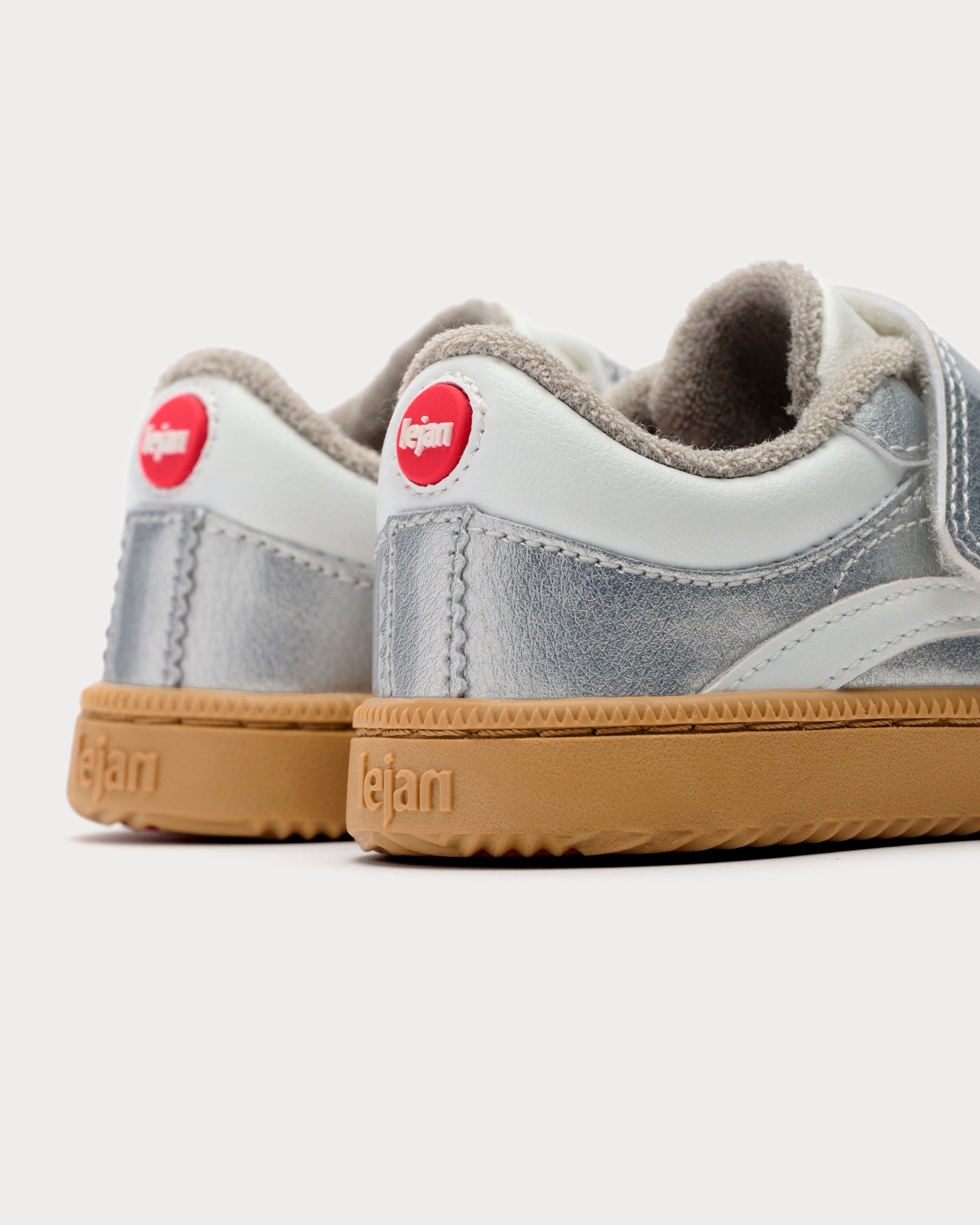
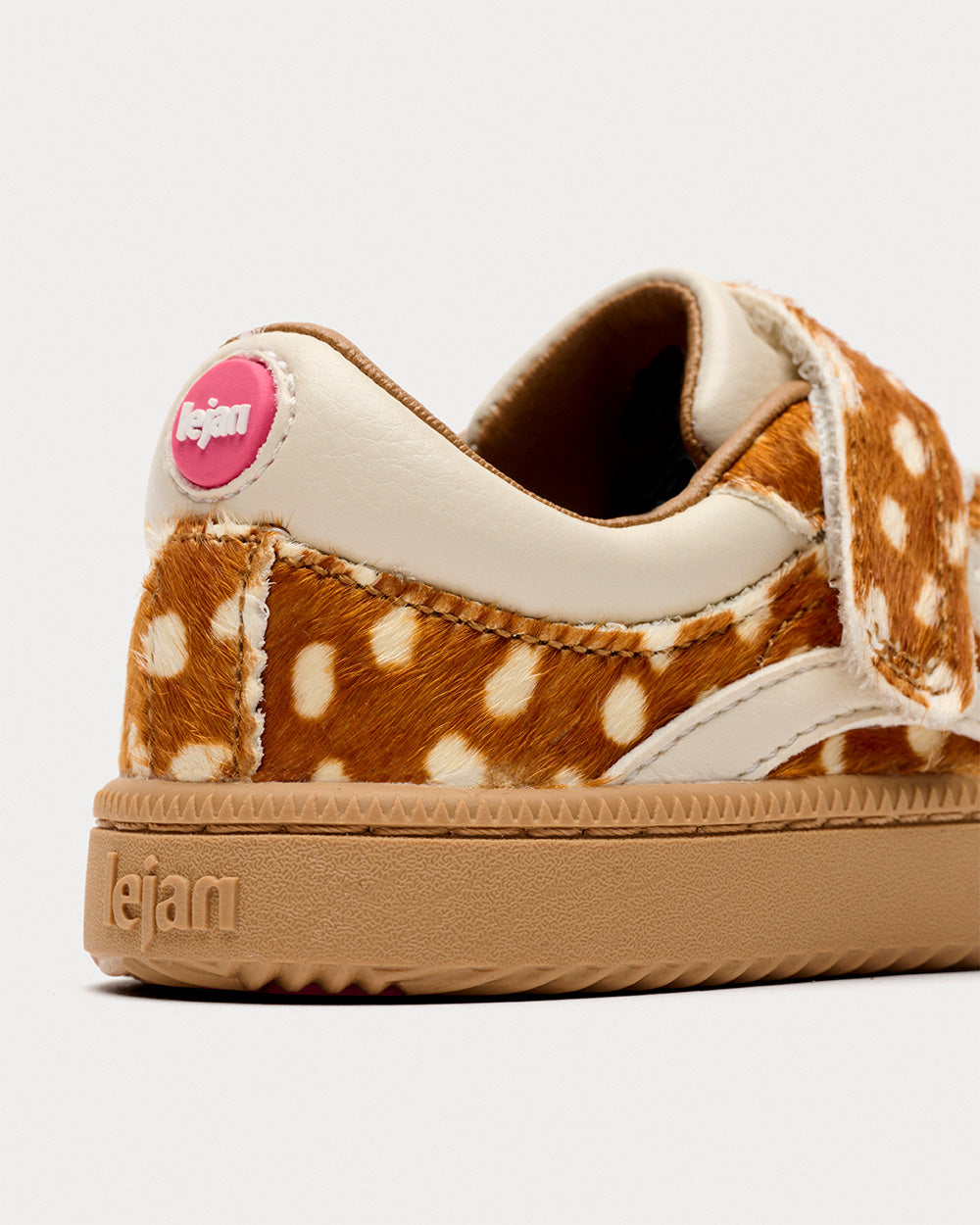
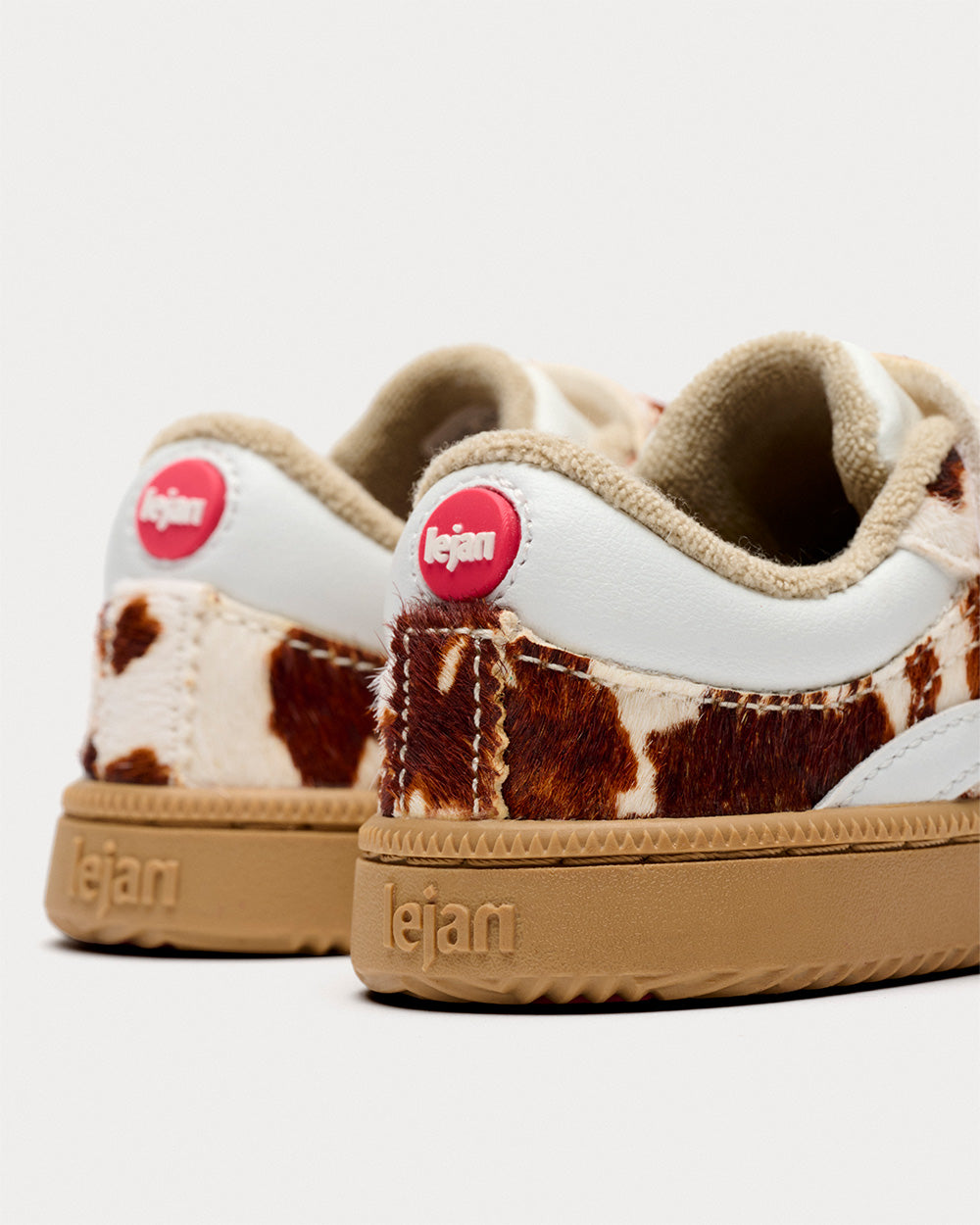
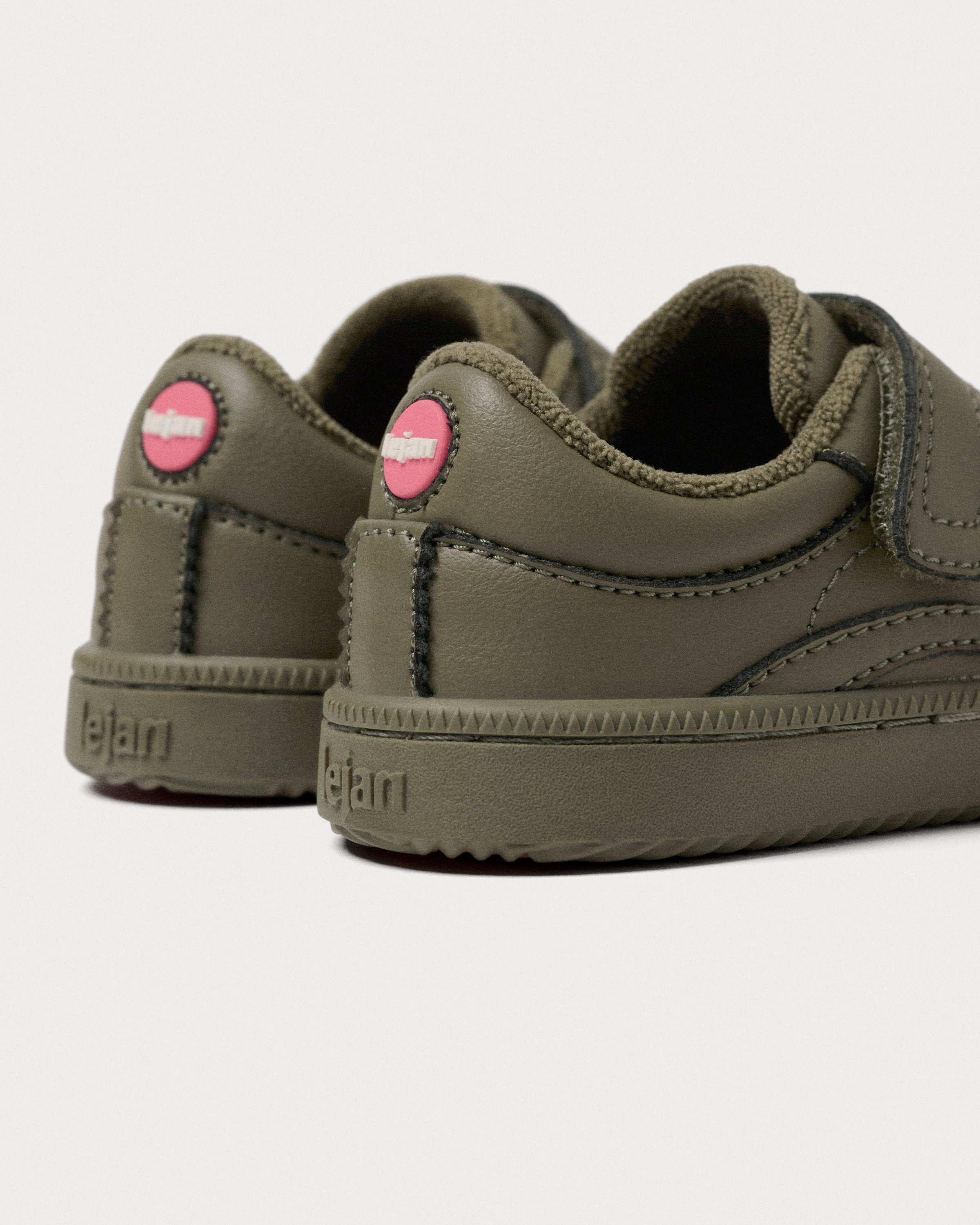
- A soft heel counter or none at all. The ankle doesn't need “support”. It needs to move.
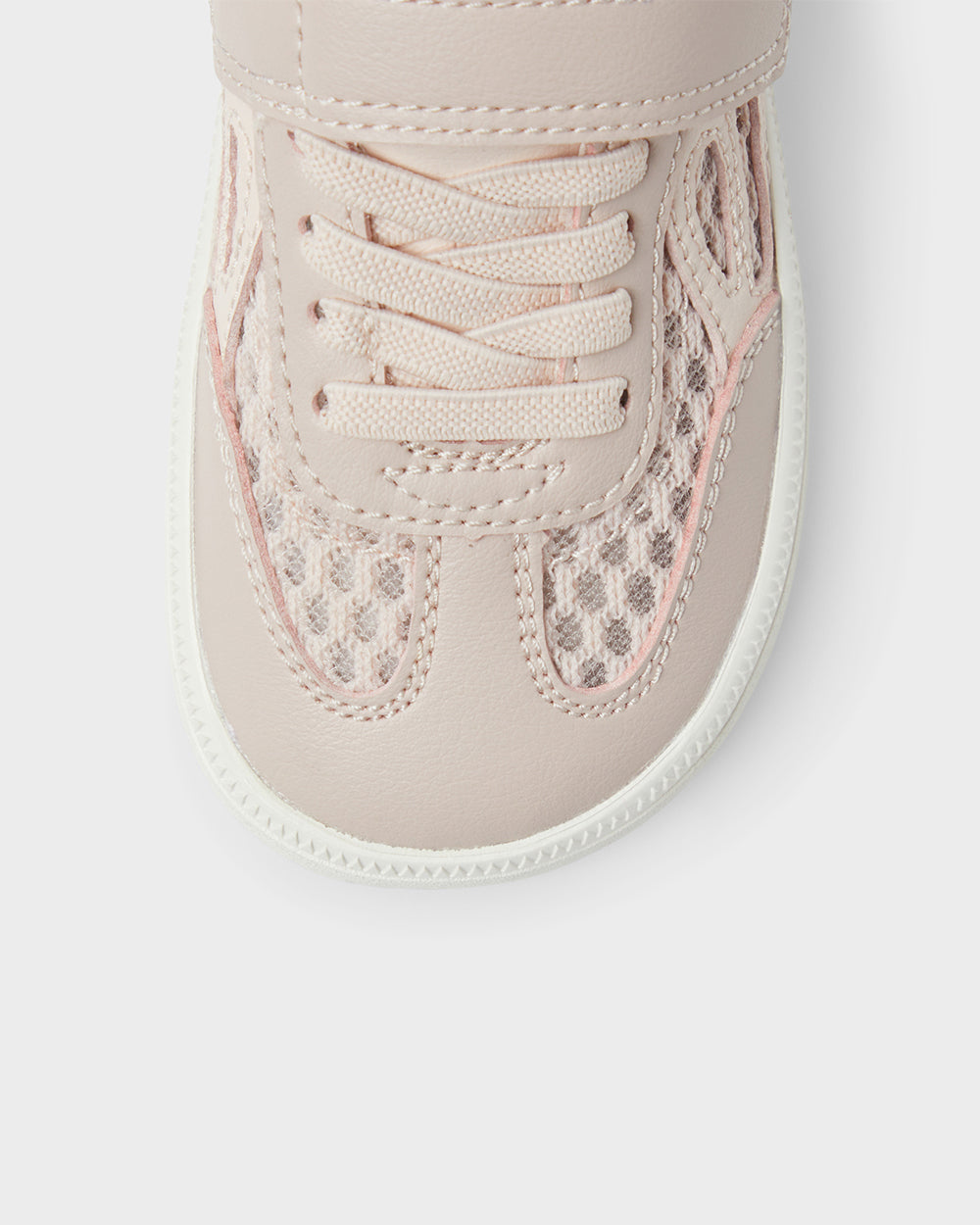
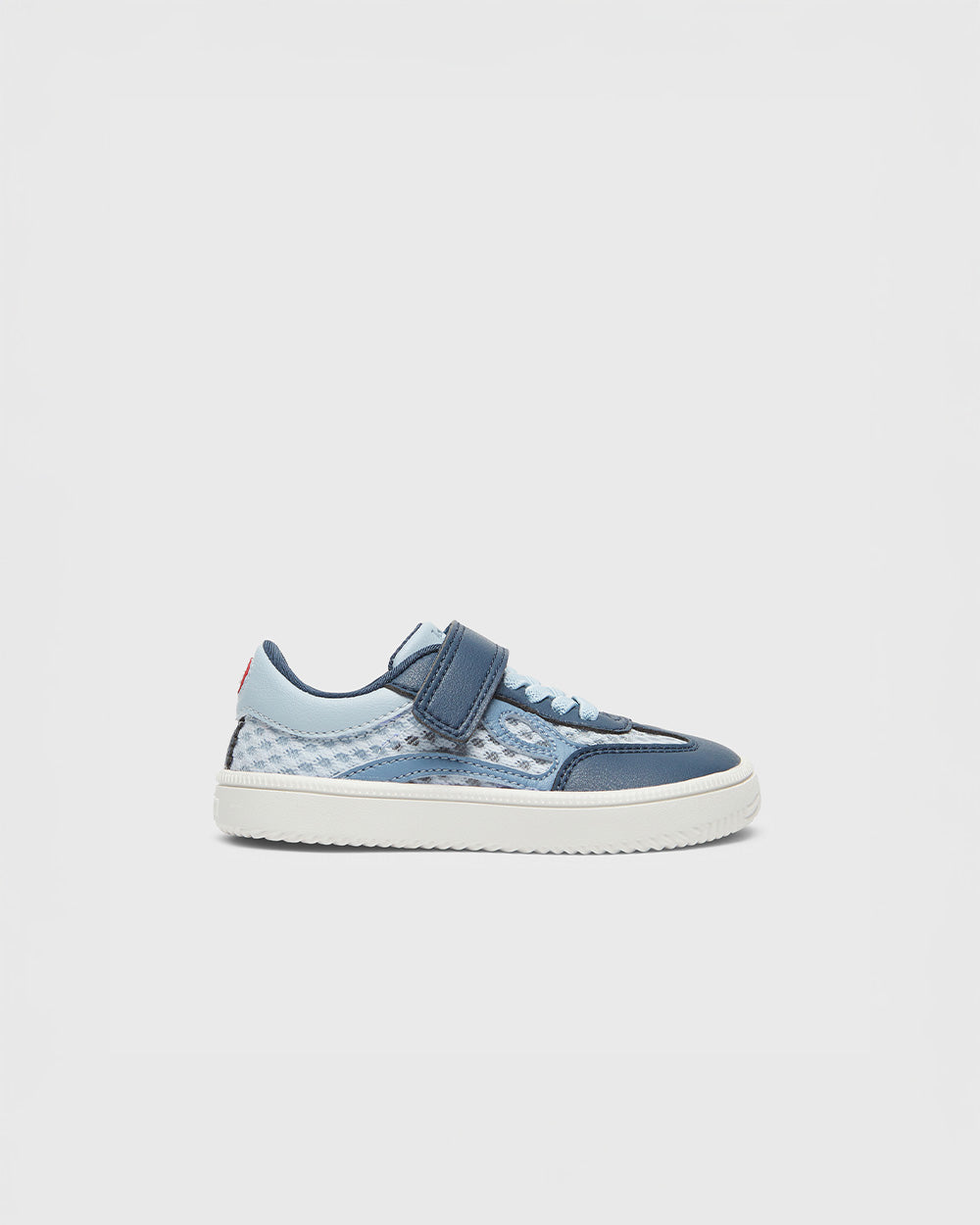
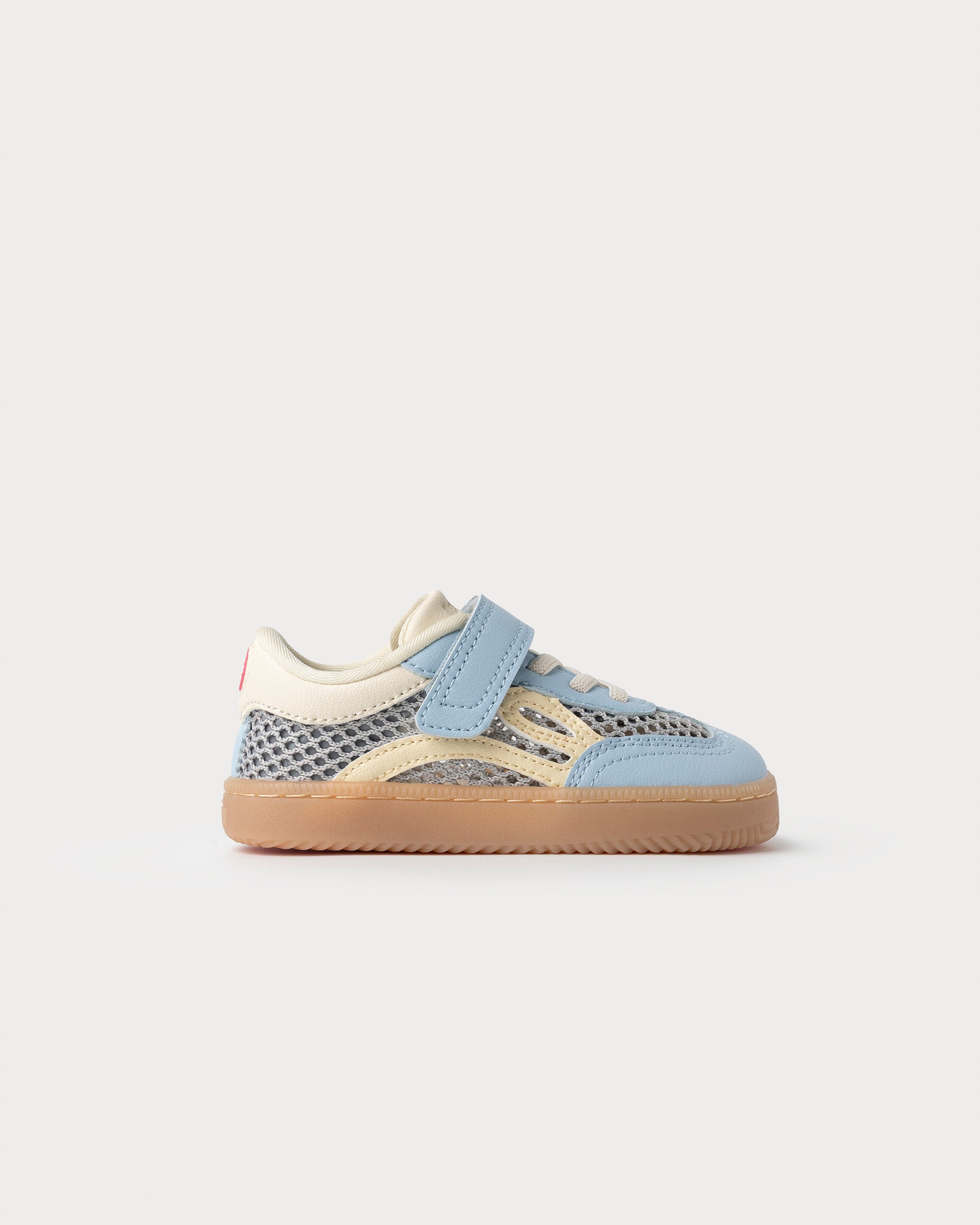
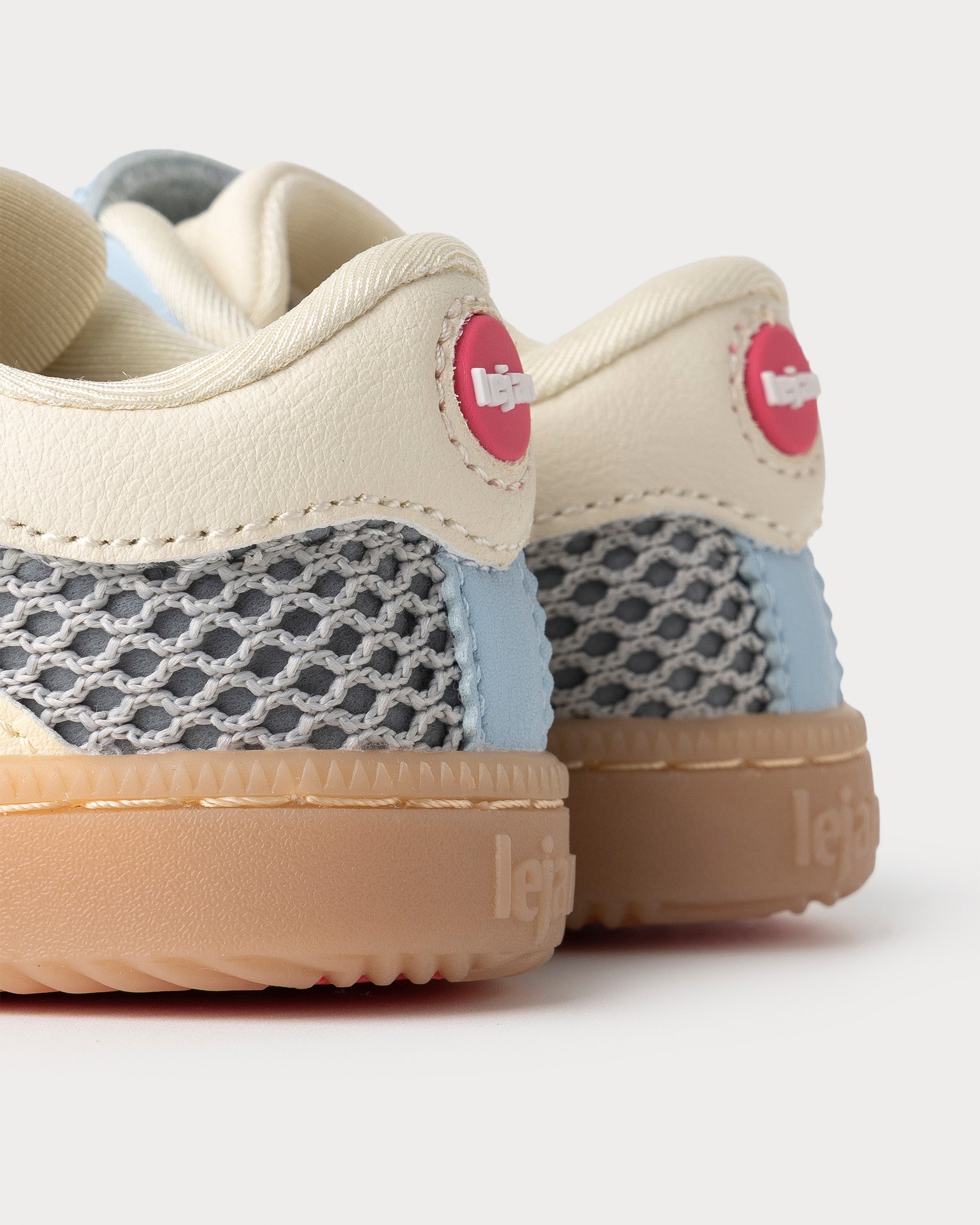
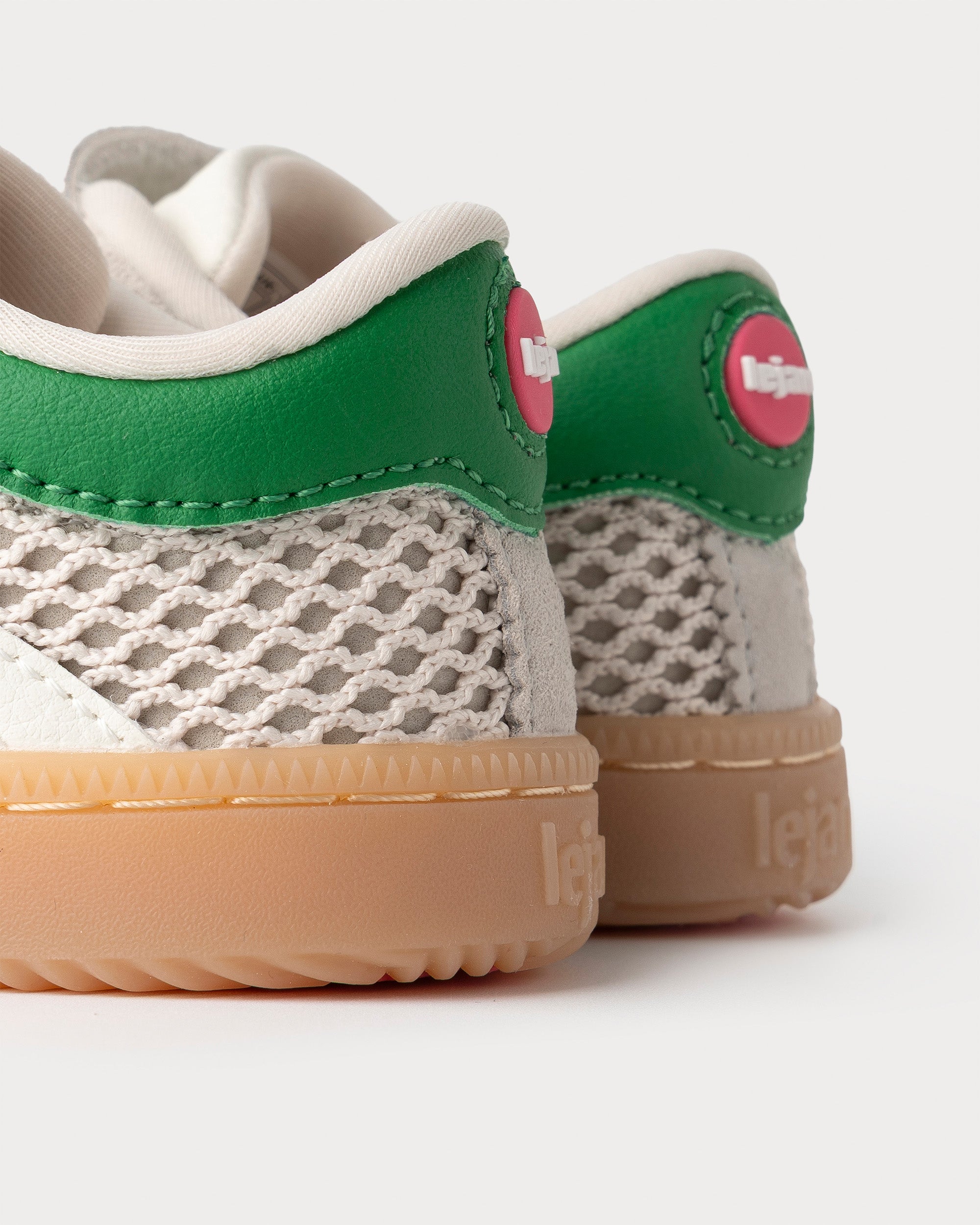
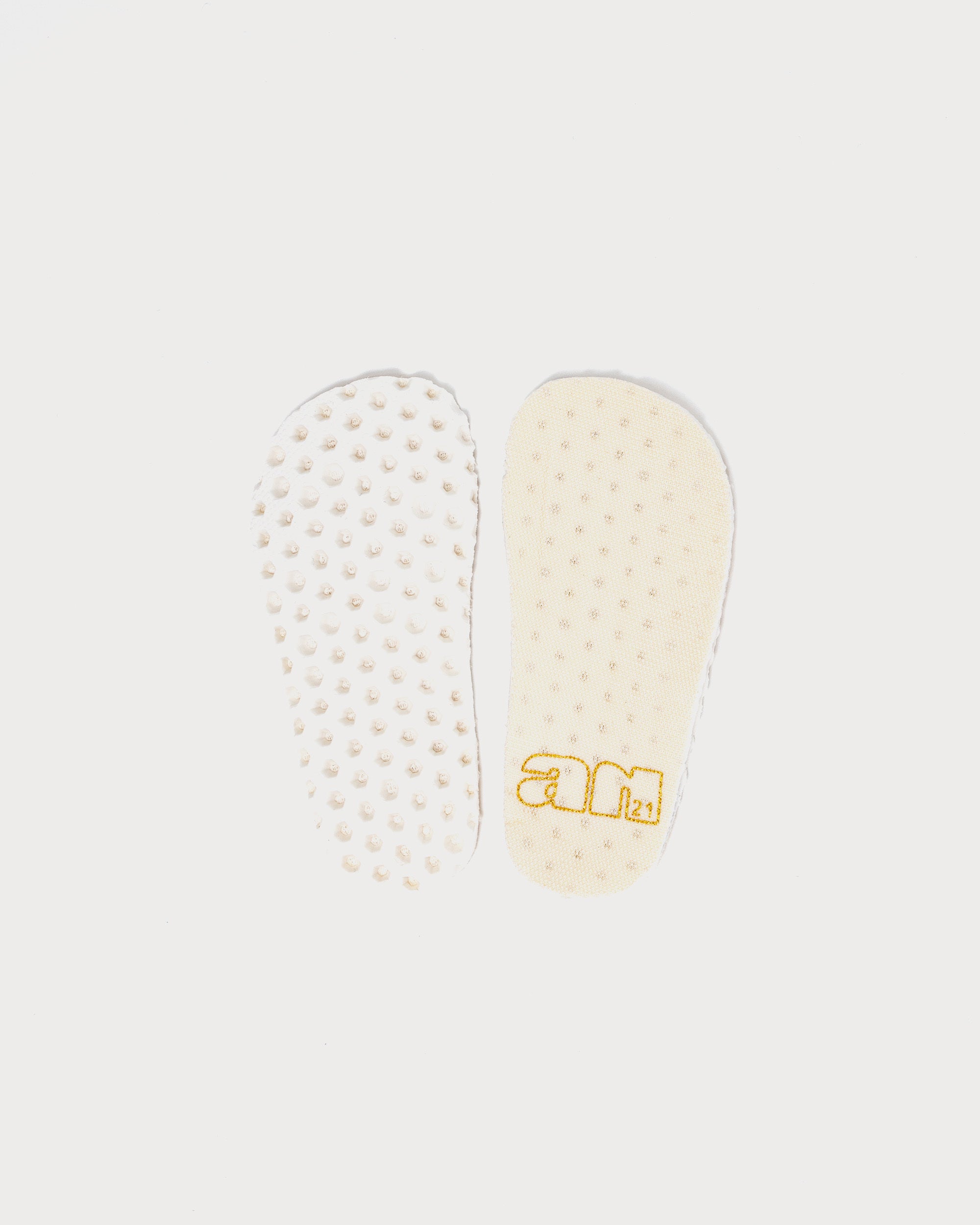
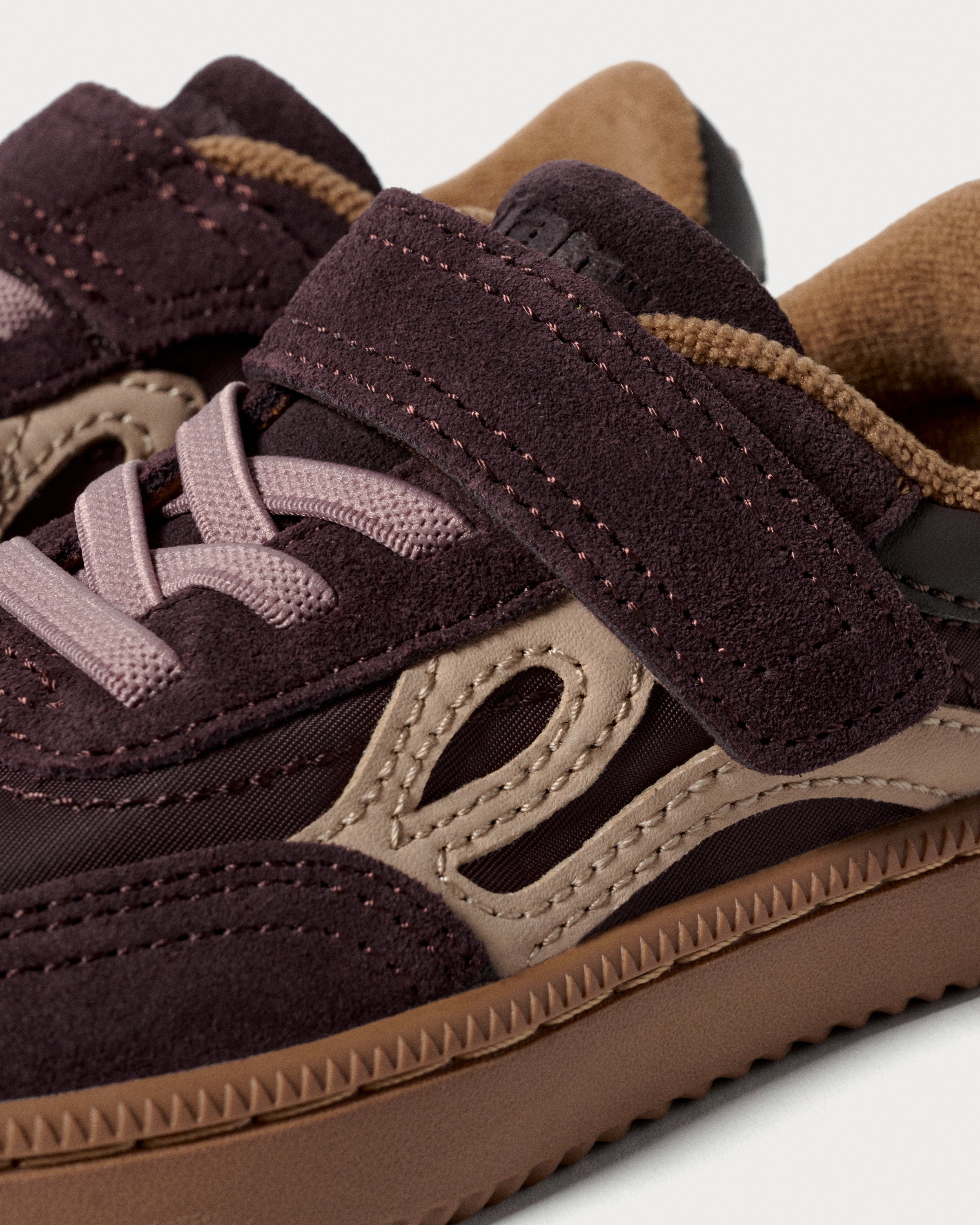
- Lightweight, breathable materials. A child's foot on the move generates heat and moisture. The material matters.
If the model you're looking at doesn't meet these five points, look for another one. Your little one's feet have no margin for error.
Hook-and-loop or laces? Choose based on your child's stage
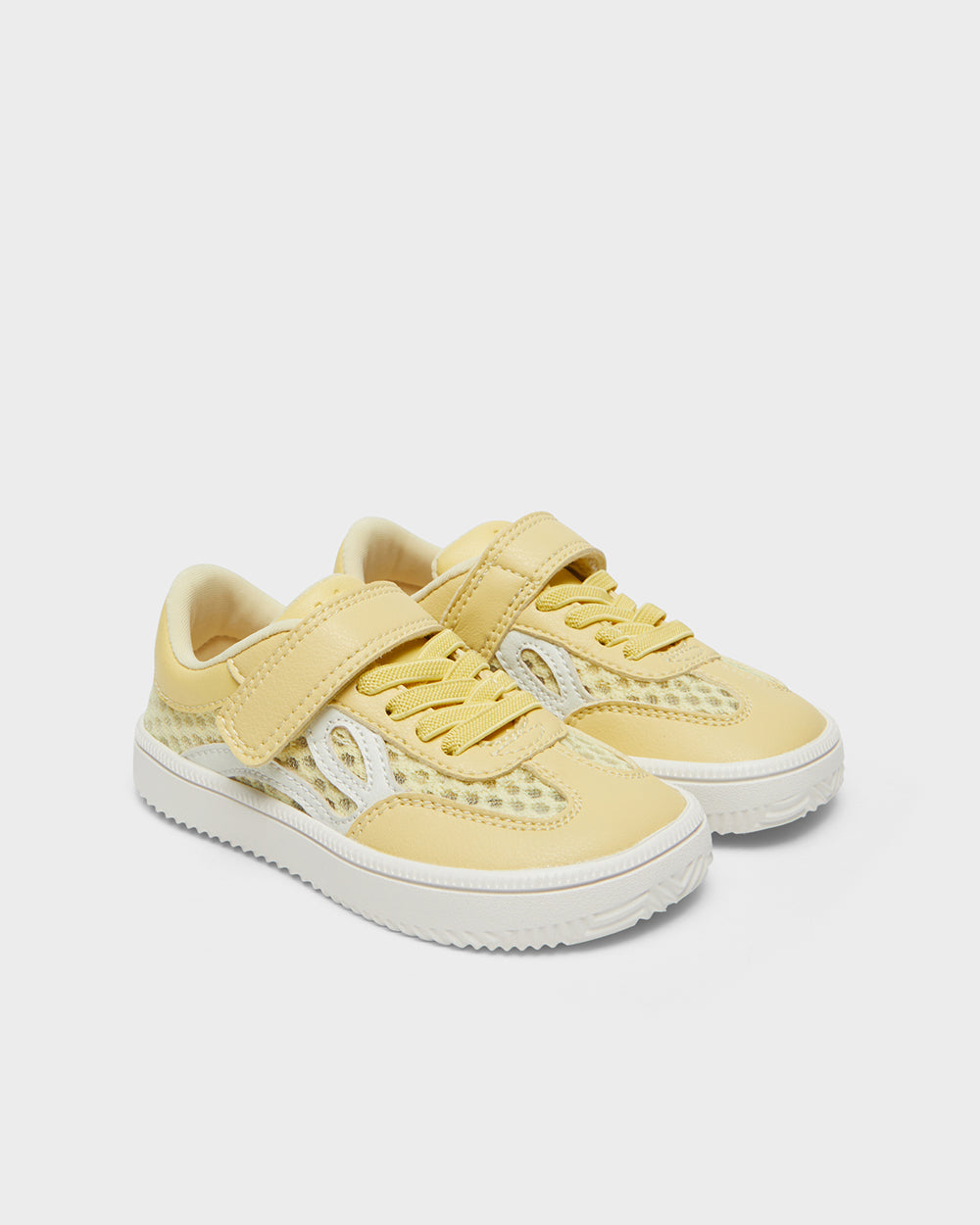
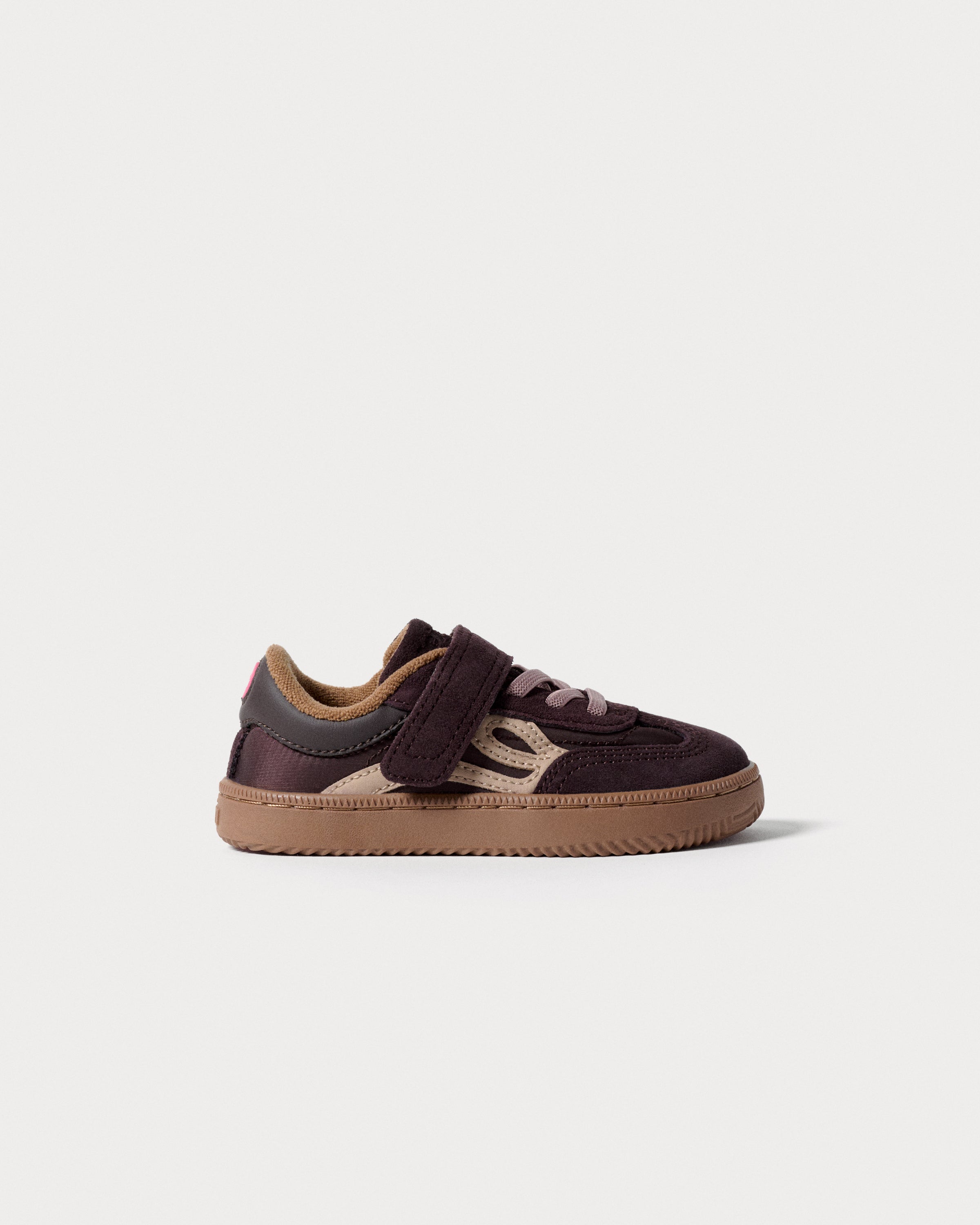
This question has an easy answer: at school, hook-and-loop wins.
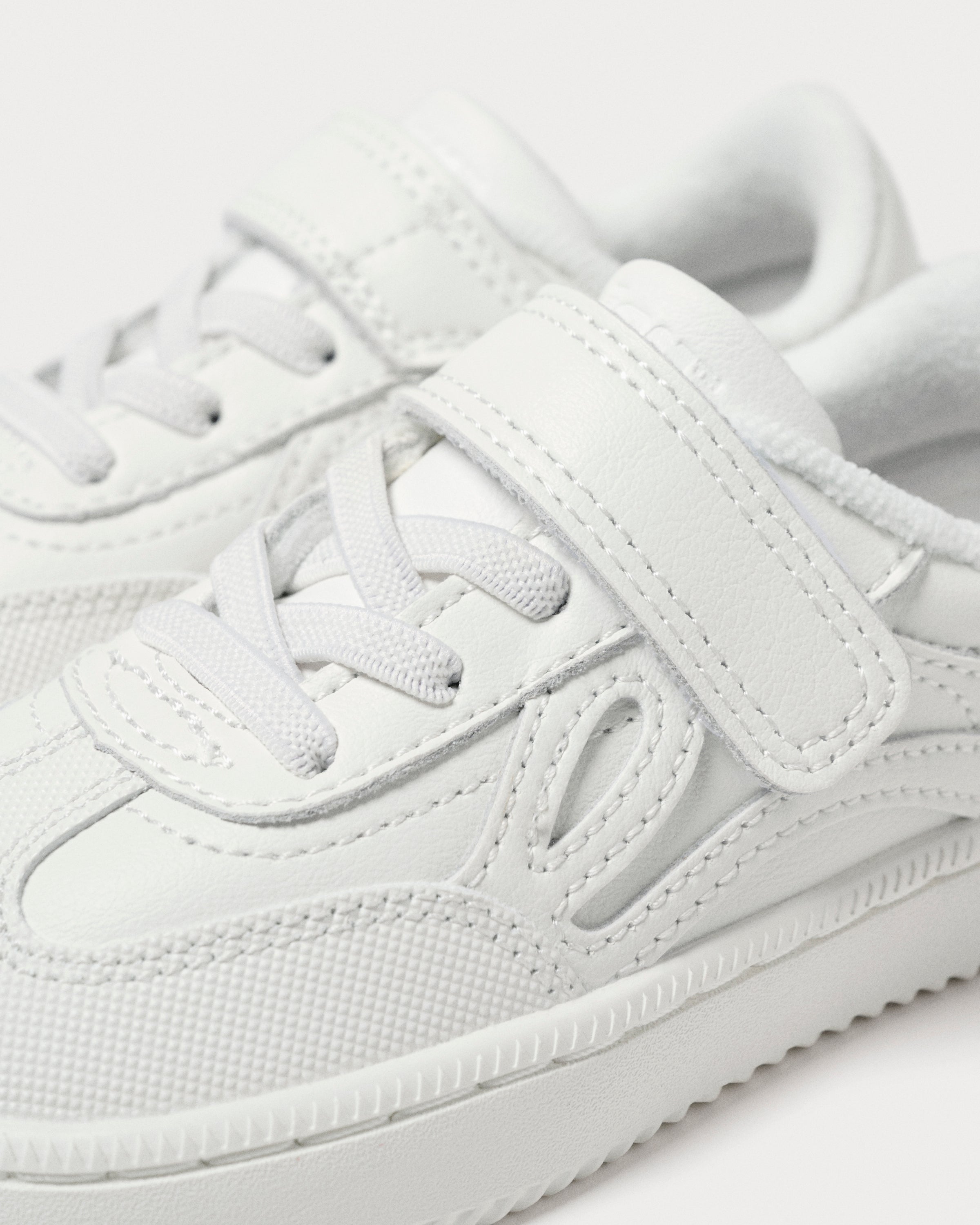
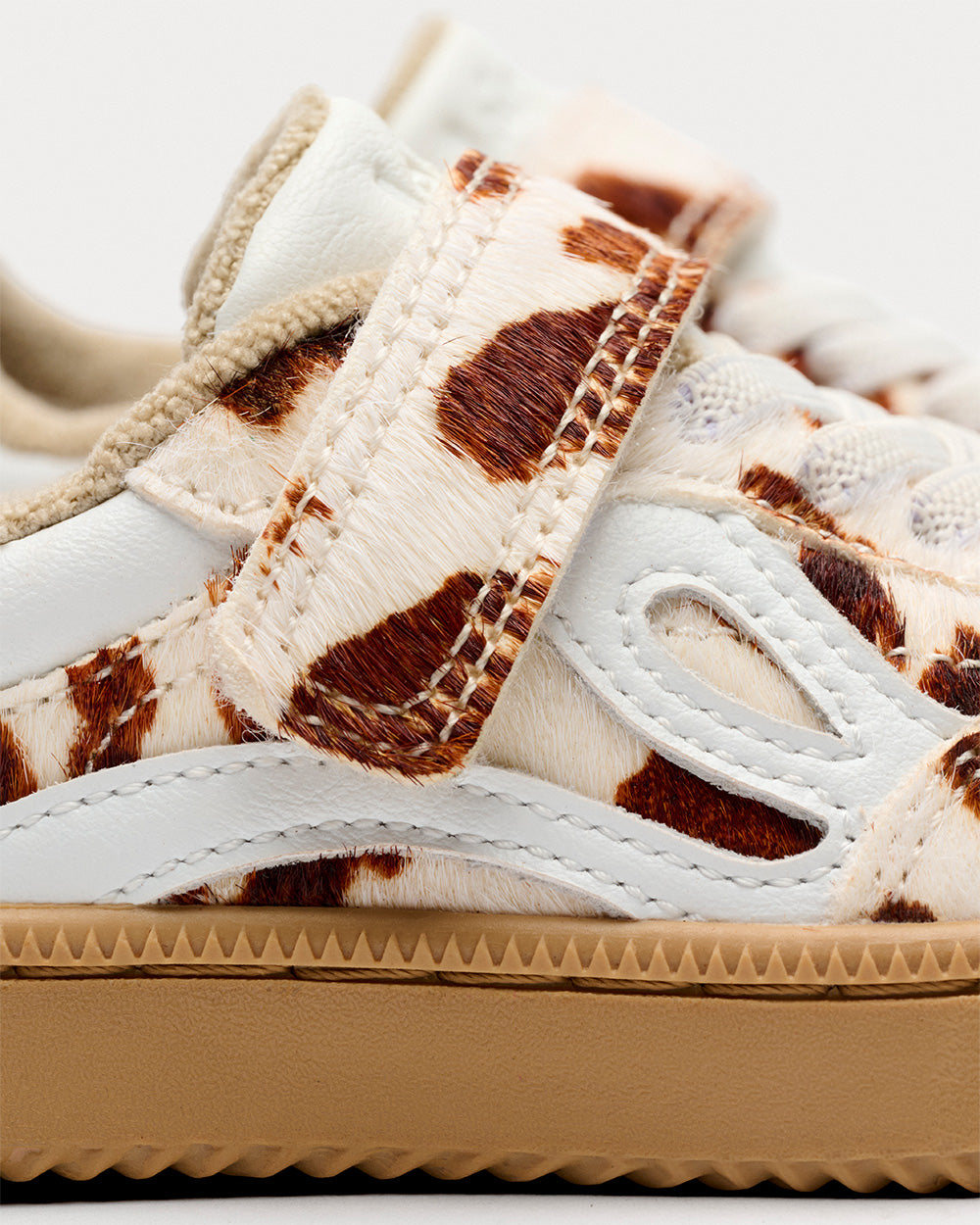
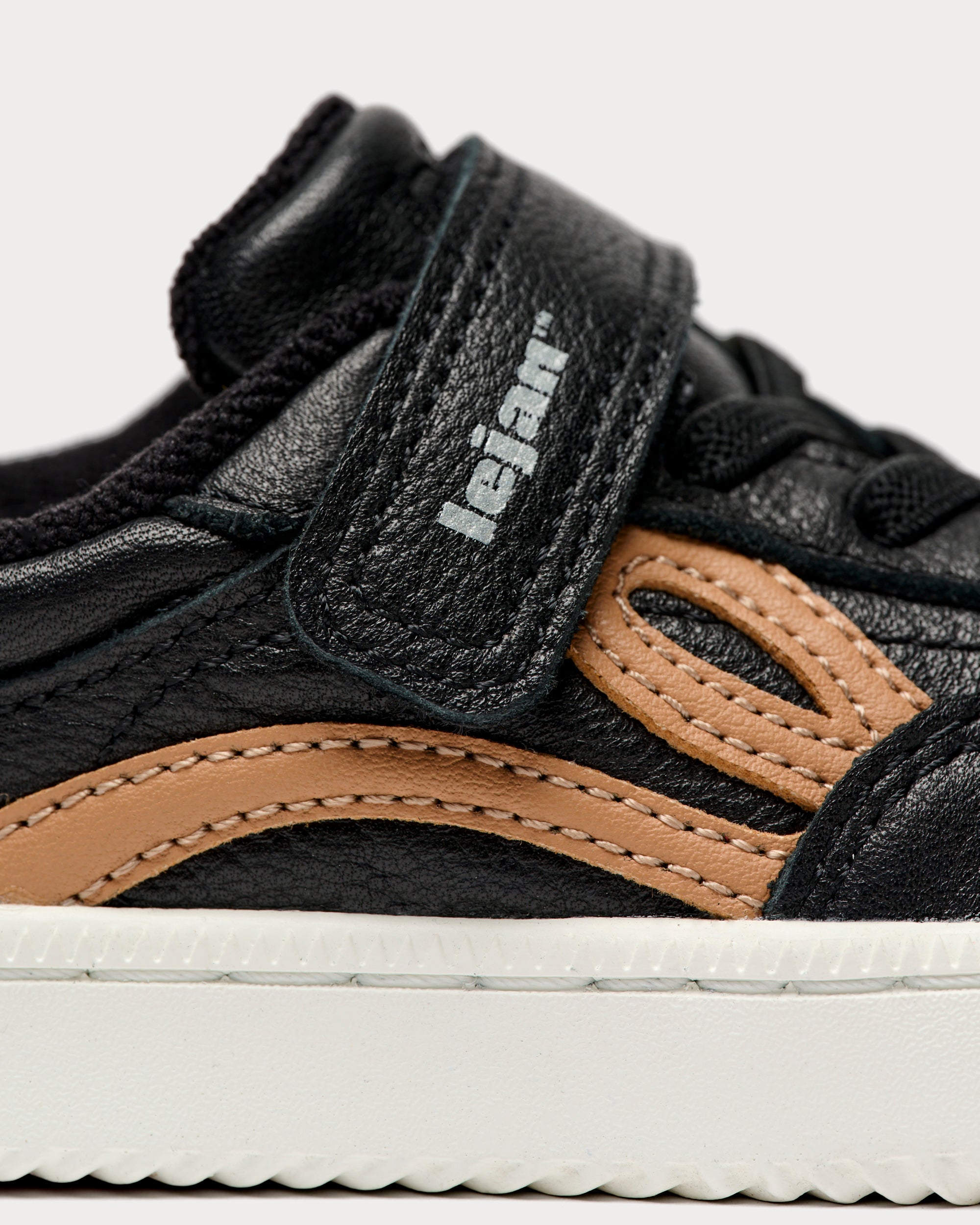
Not because it's inferior, but because a child who can't yet tie laces (or who hasn't got time during break) needs a fastening system they can manage on their own. Hook-and-loop gives them independence, confidence and speed between one class and the next.
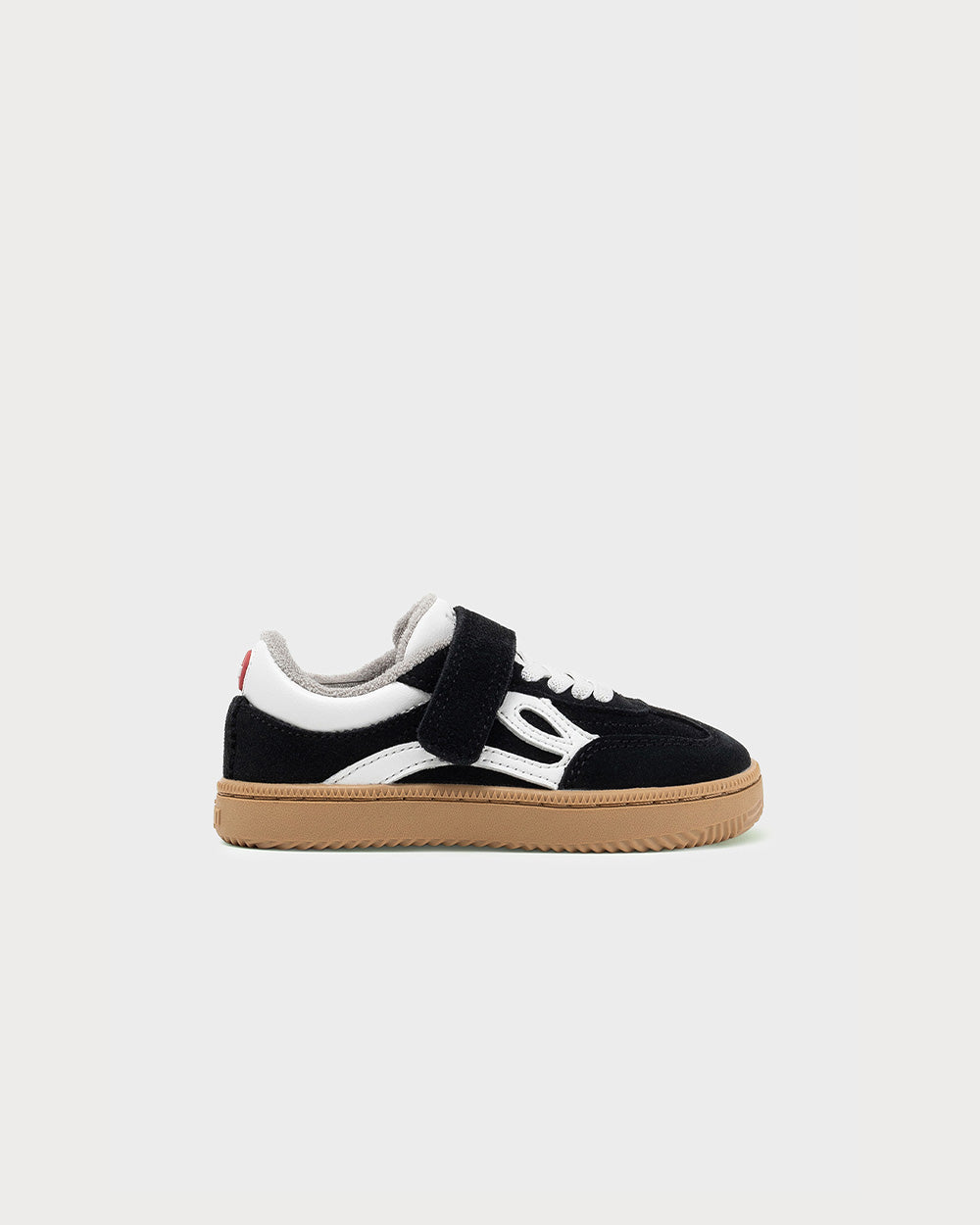
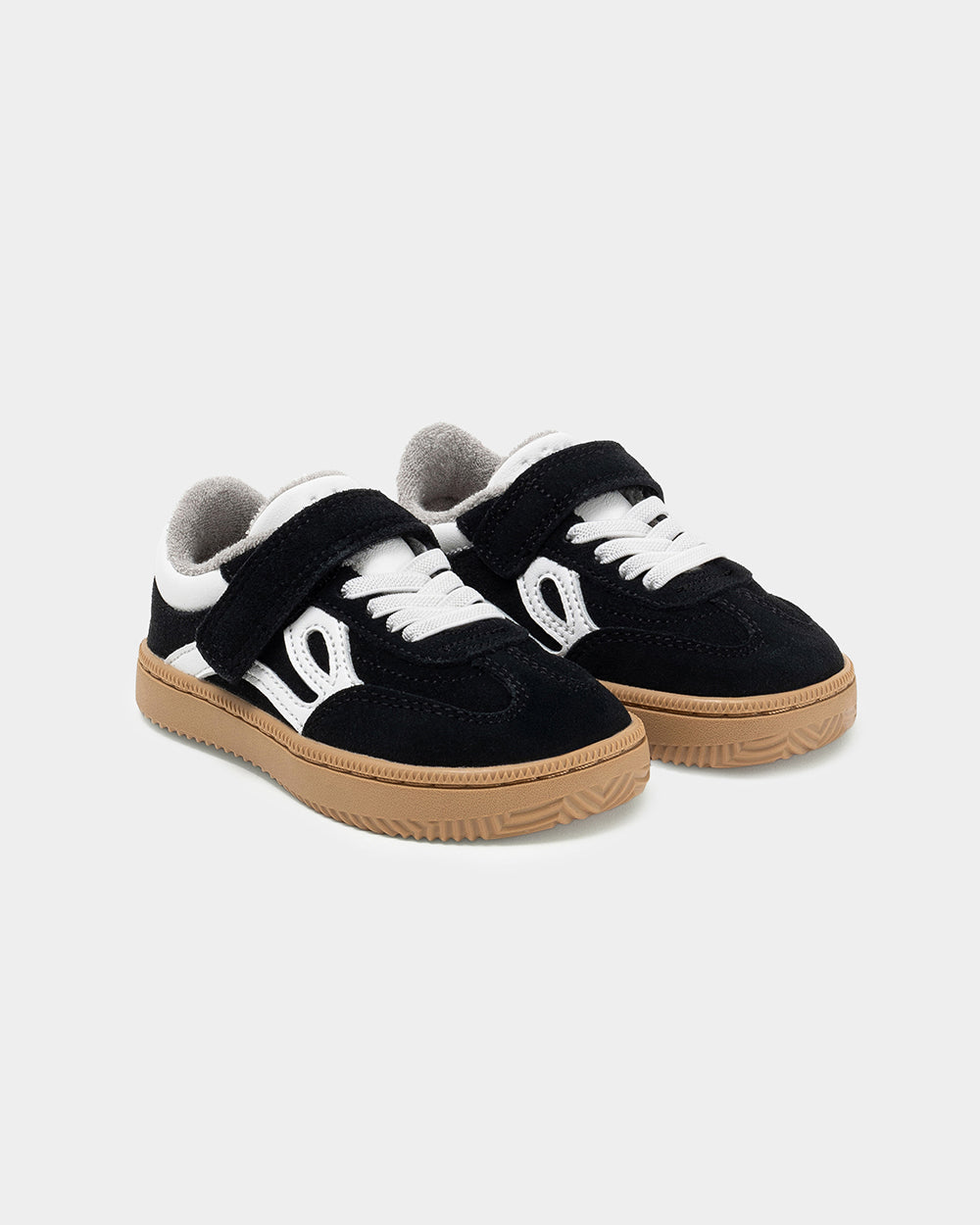
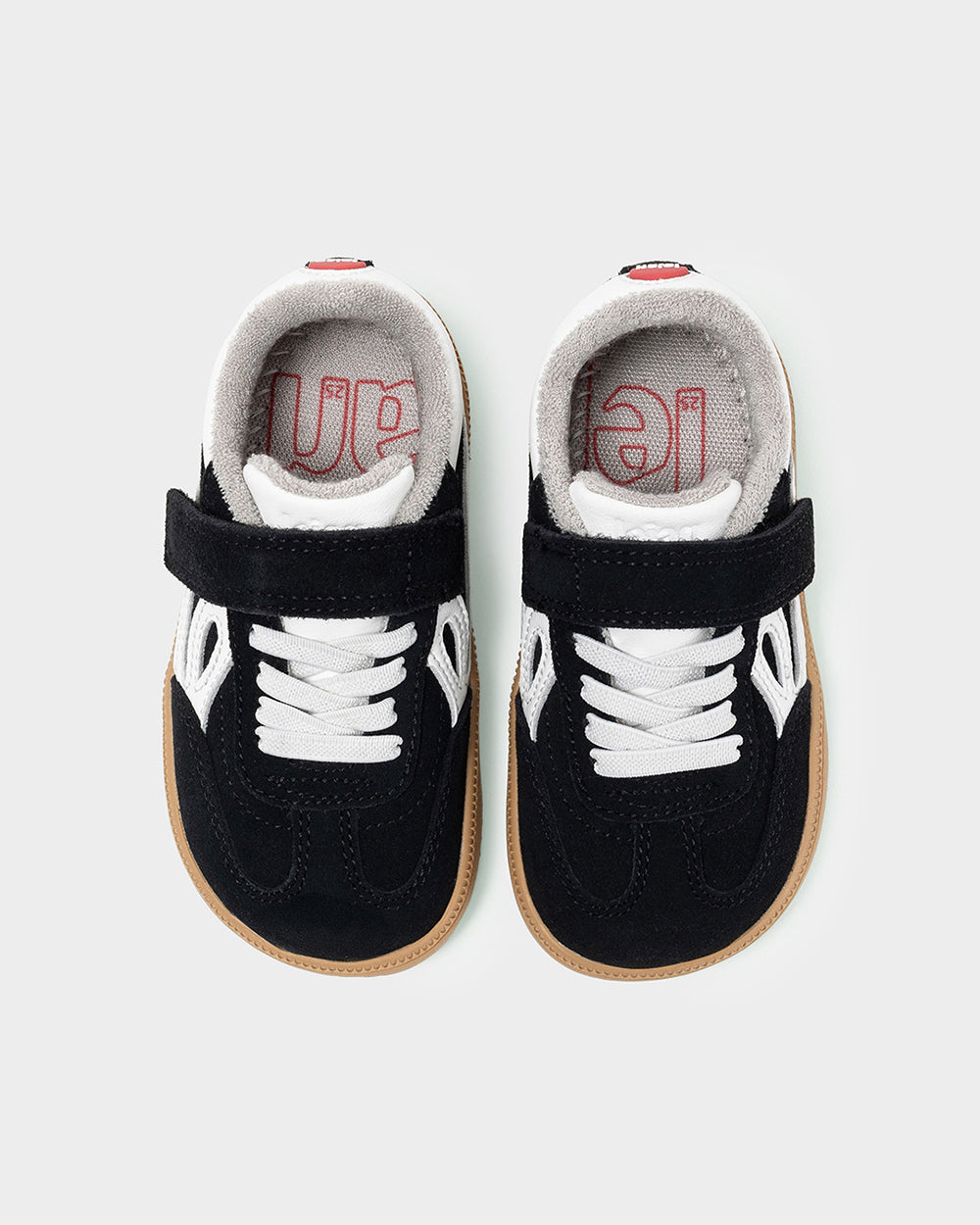
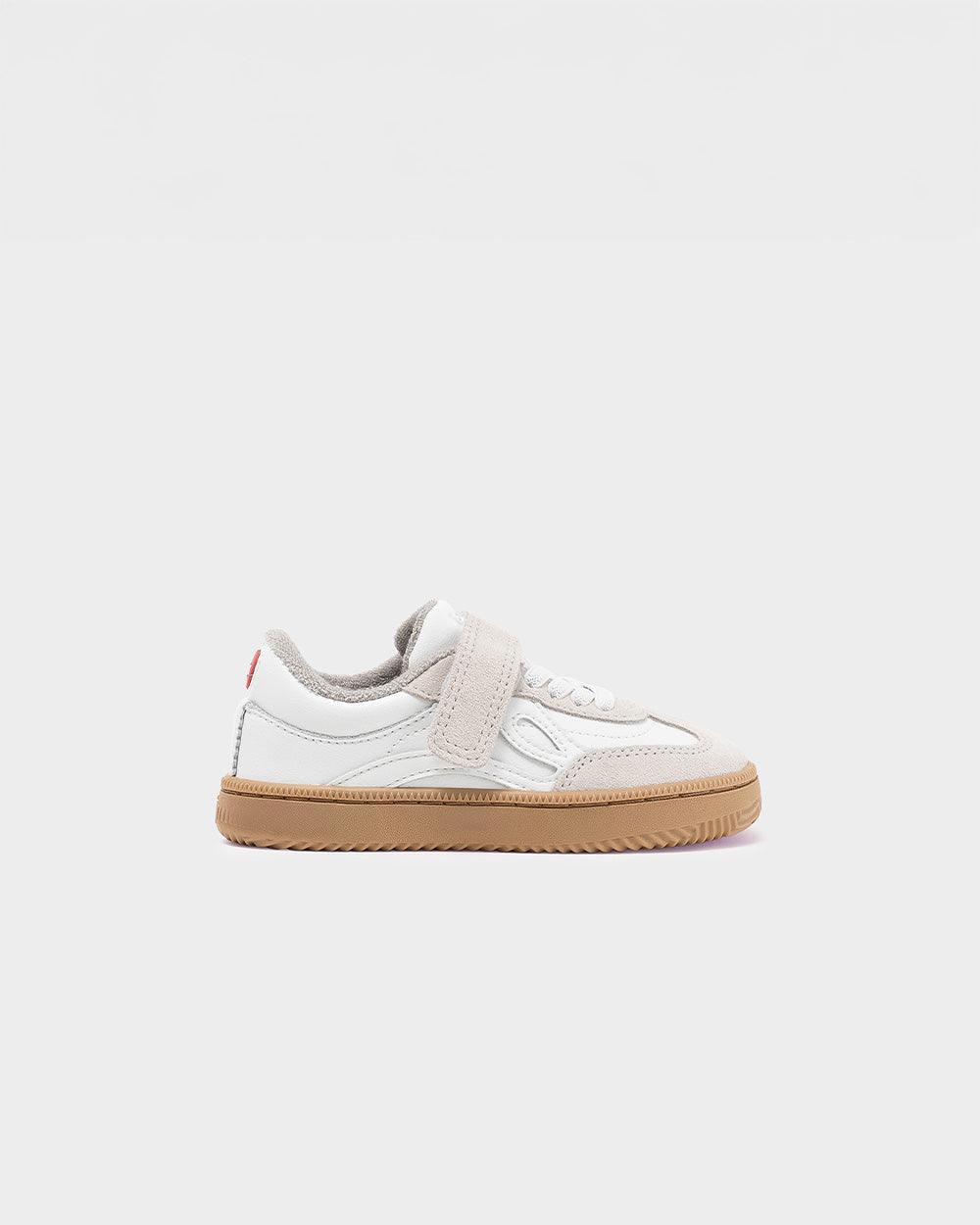
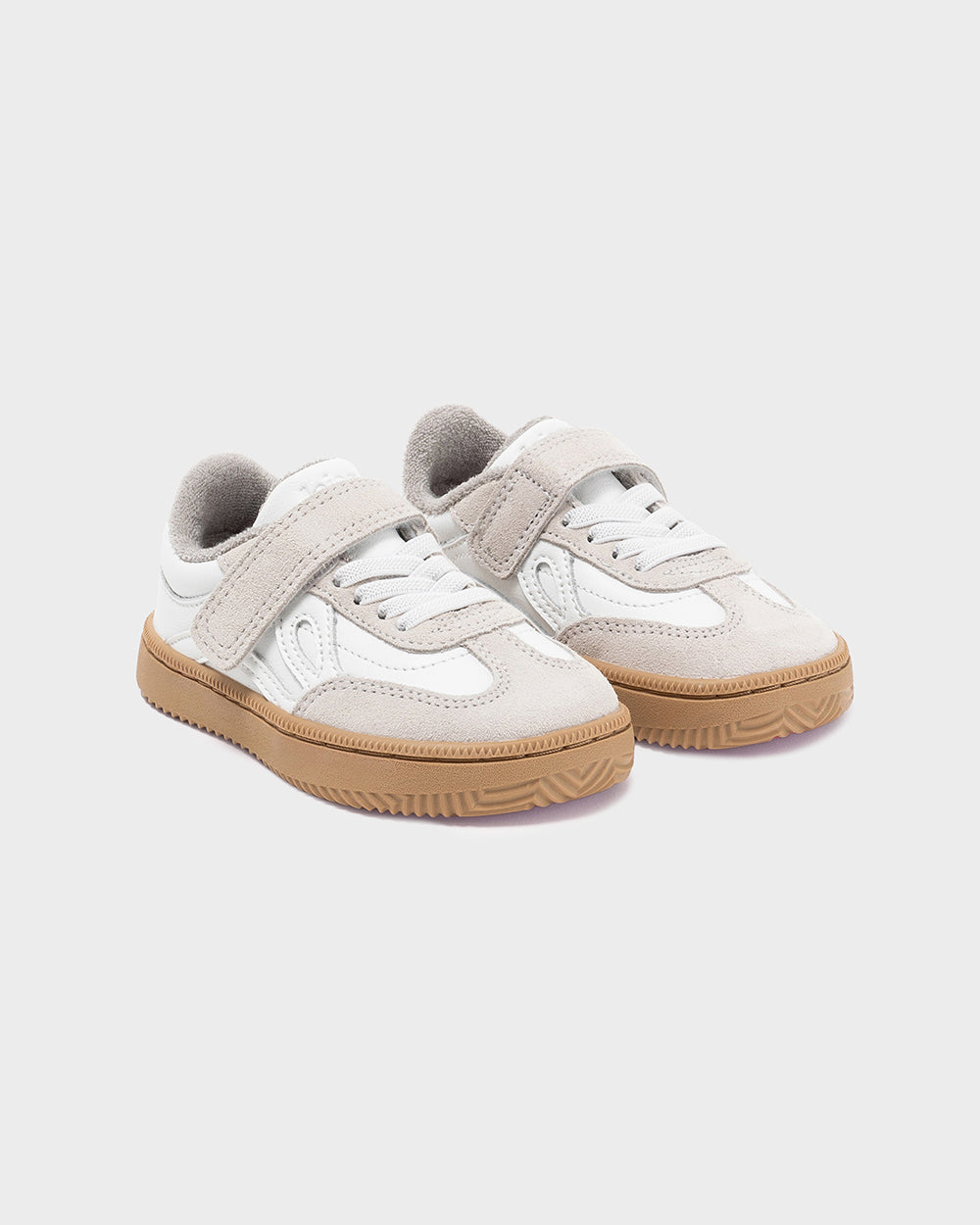
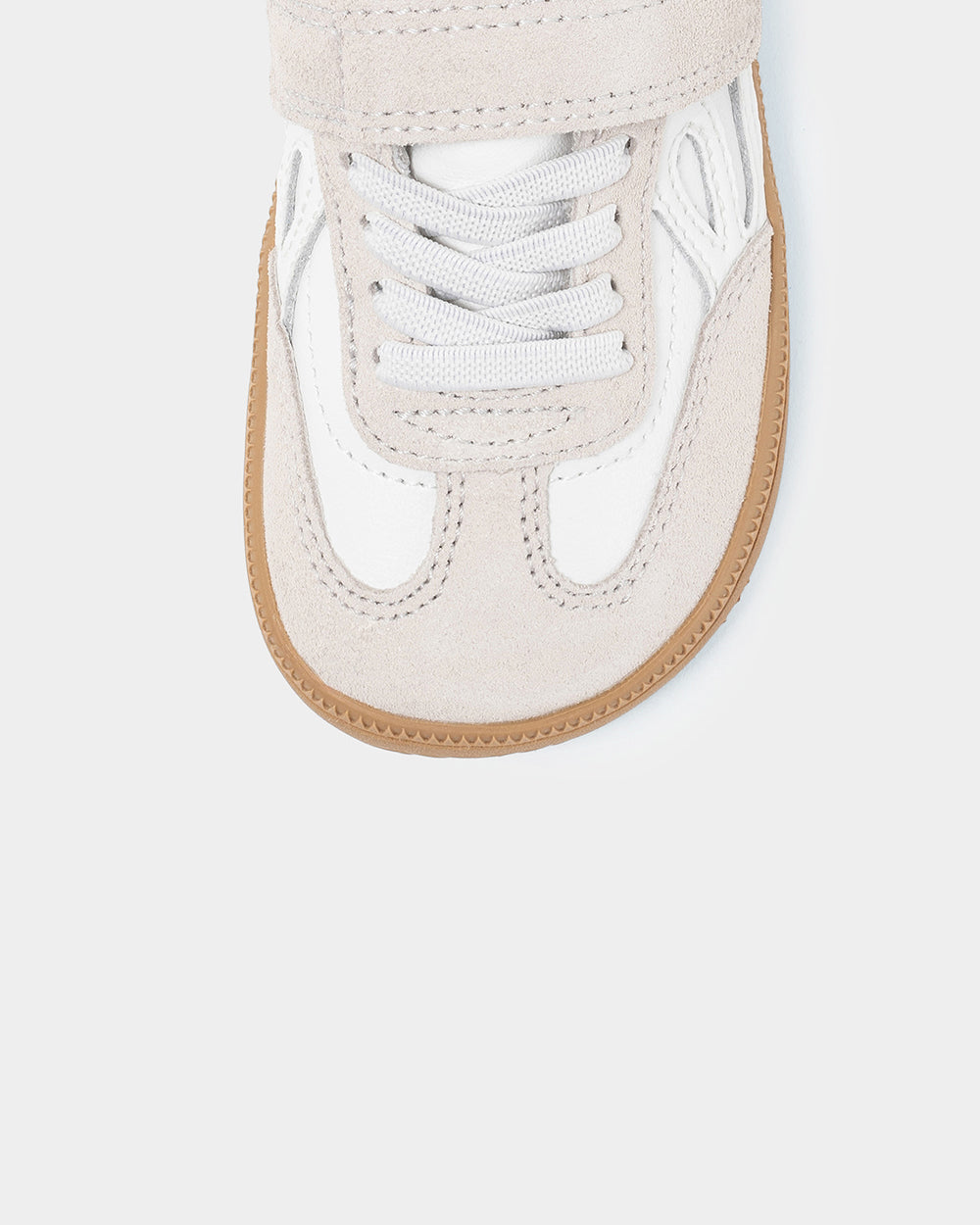
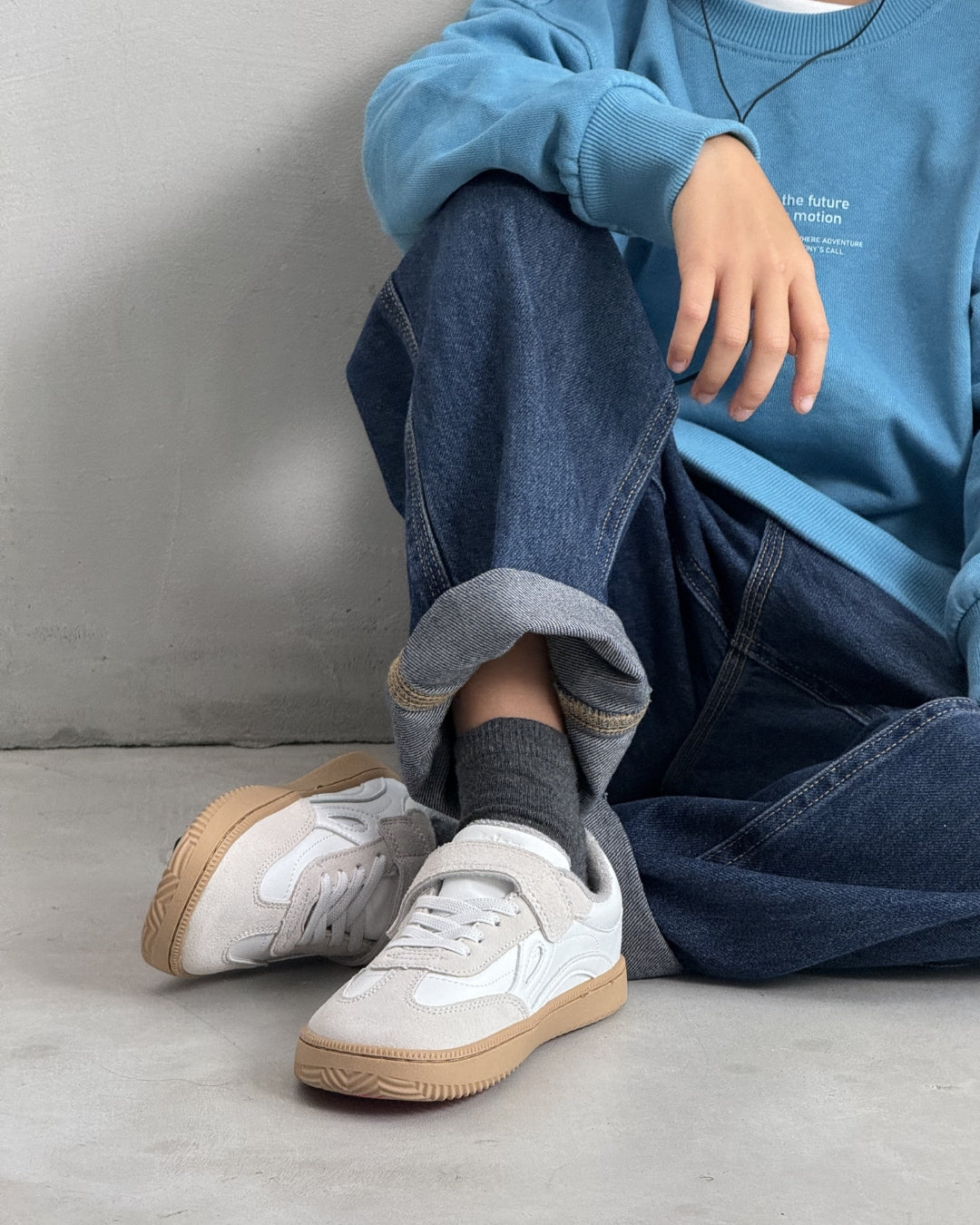
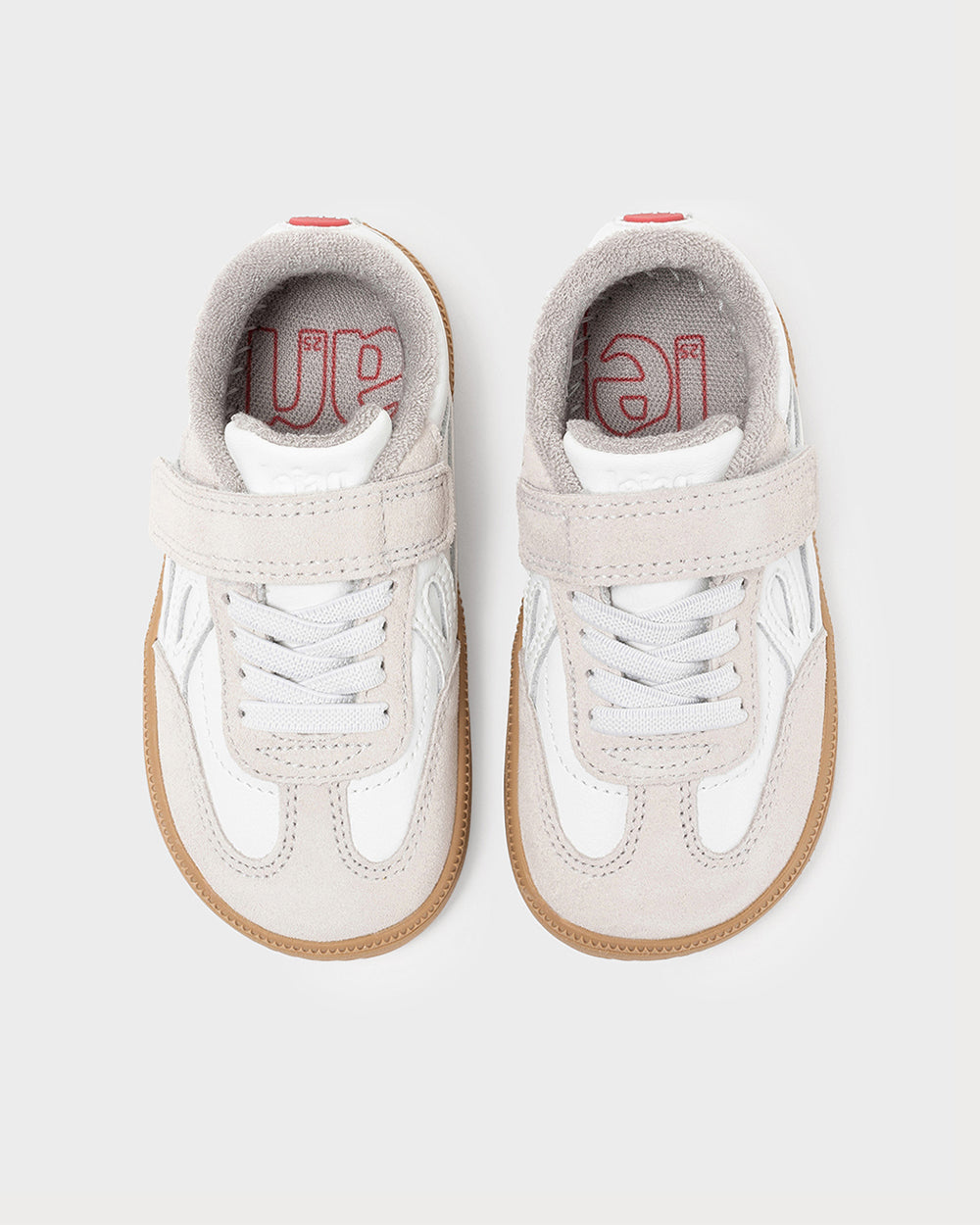
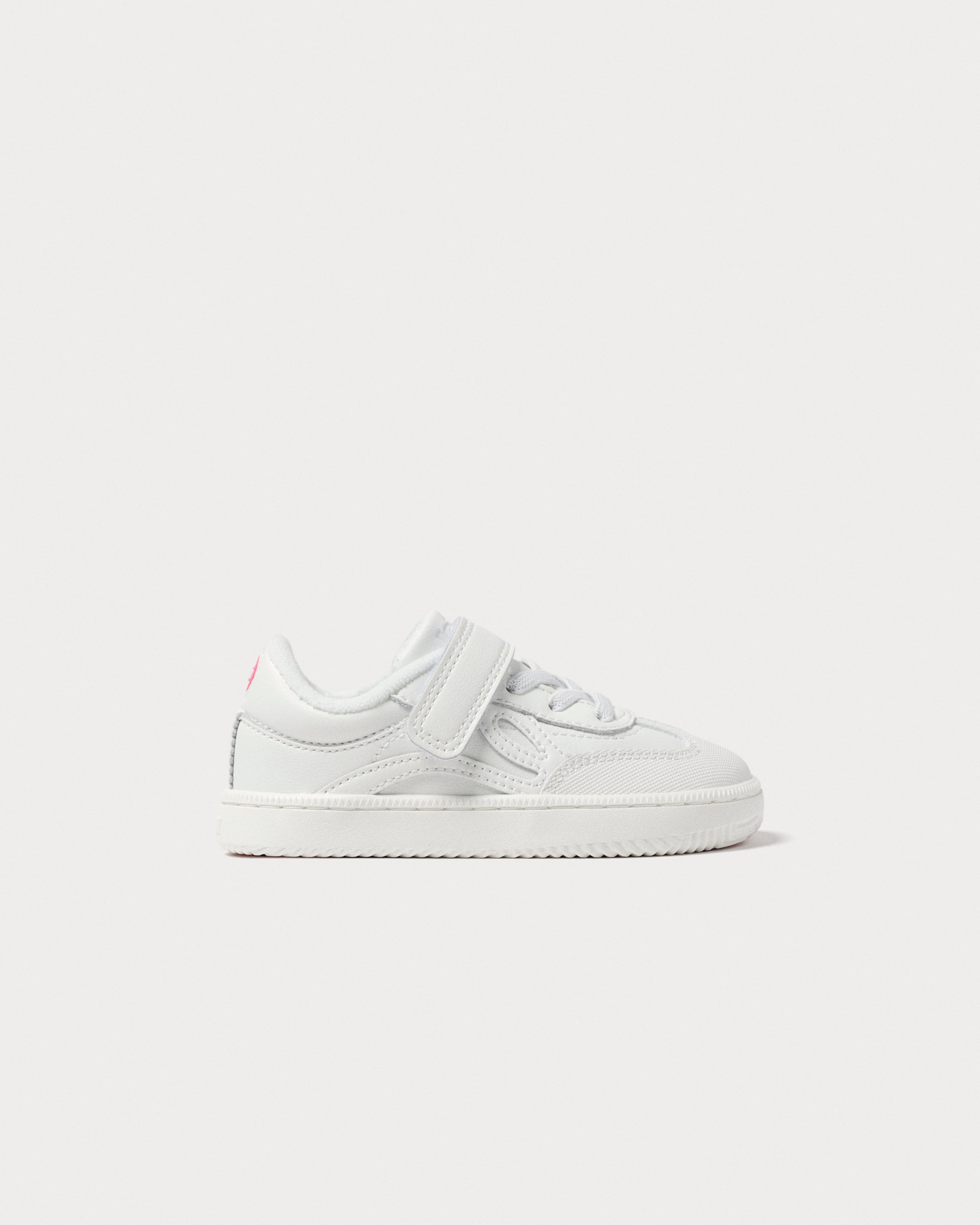
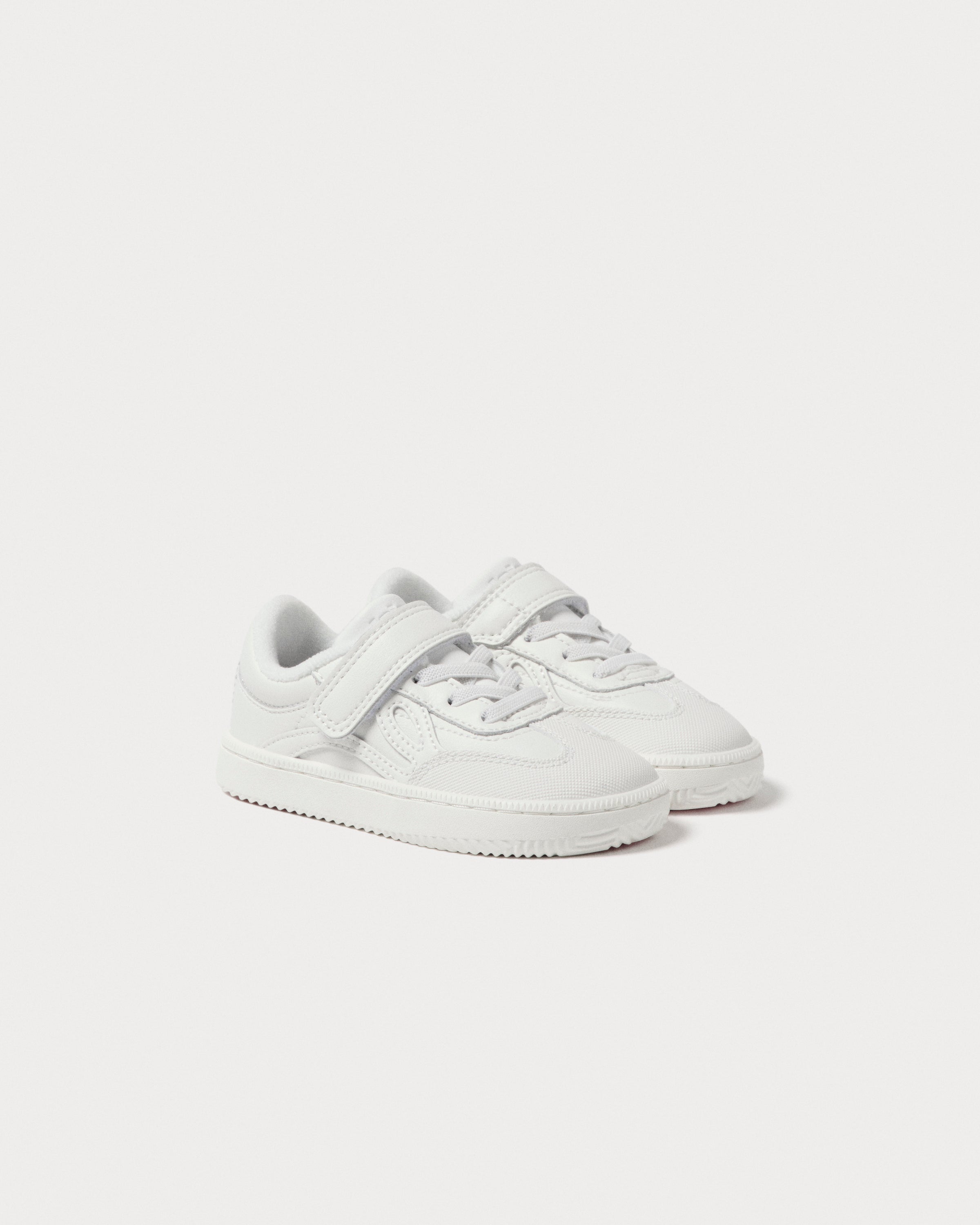
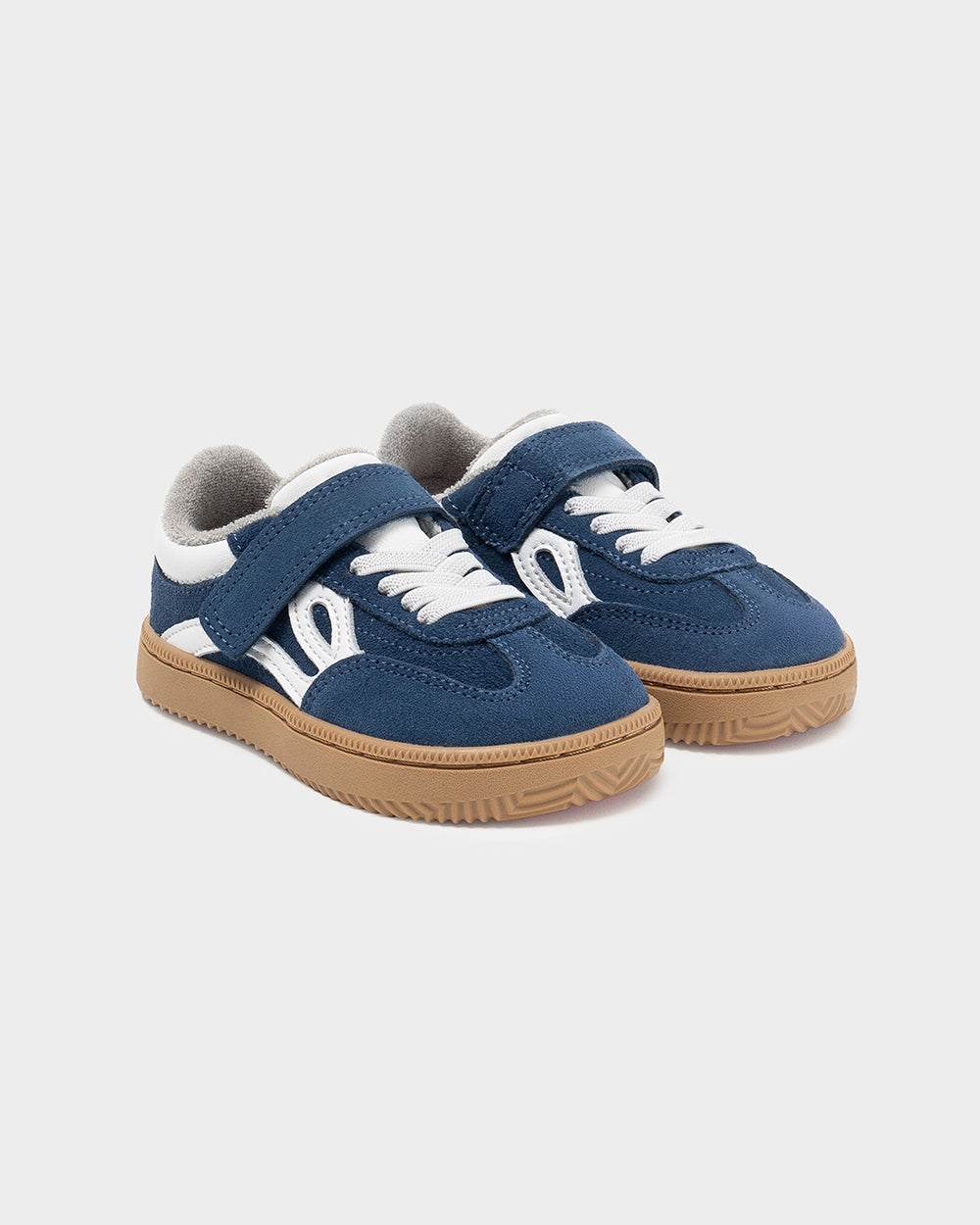
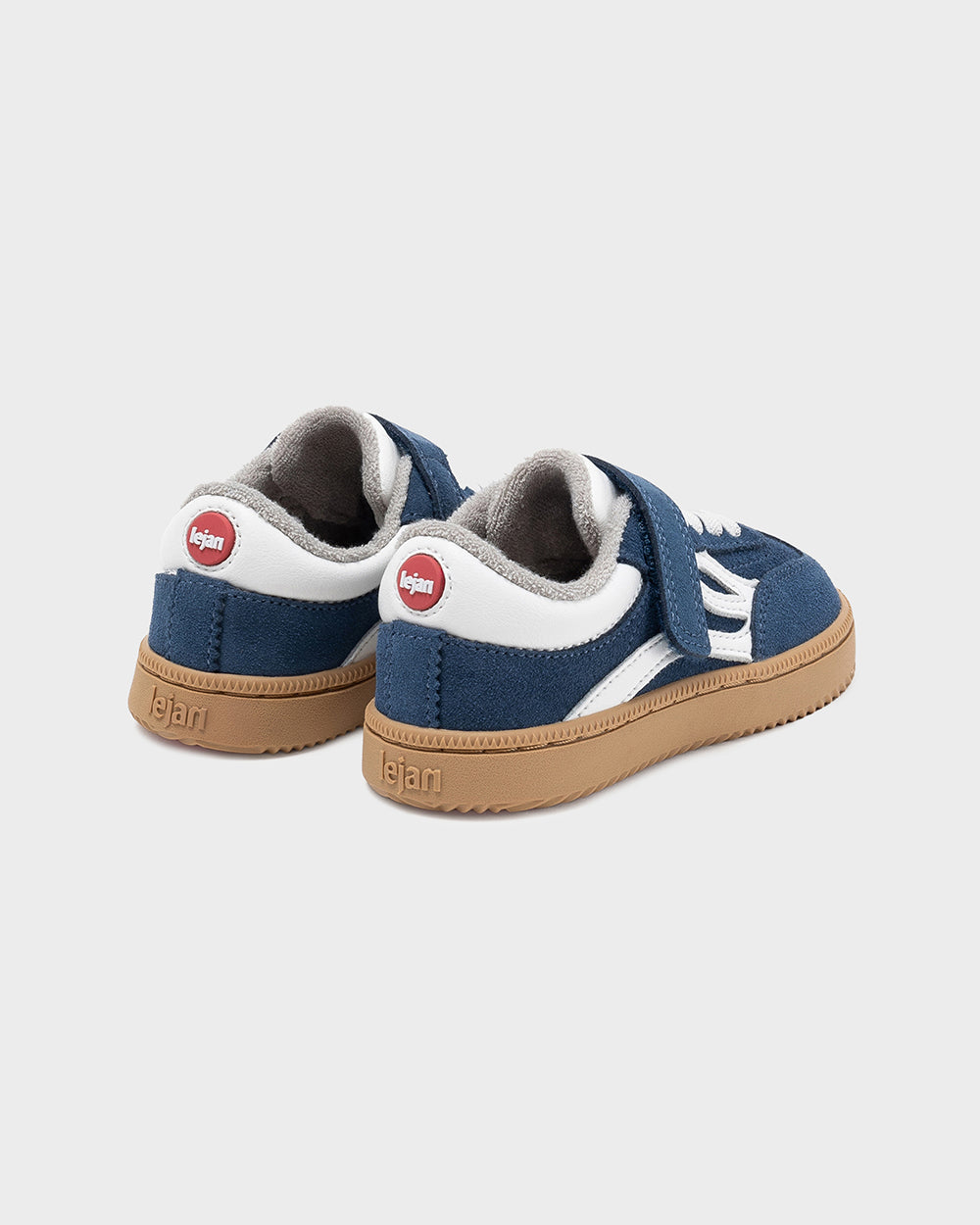
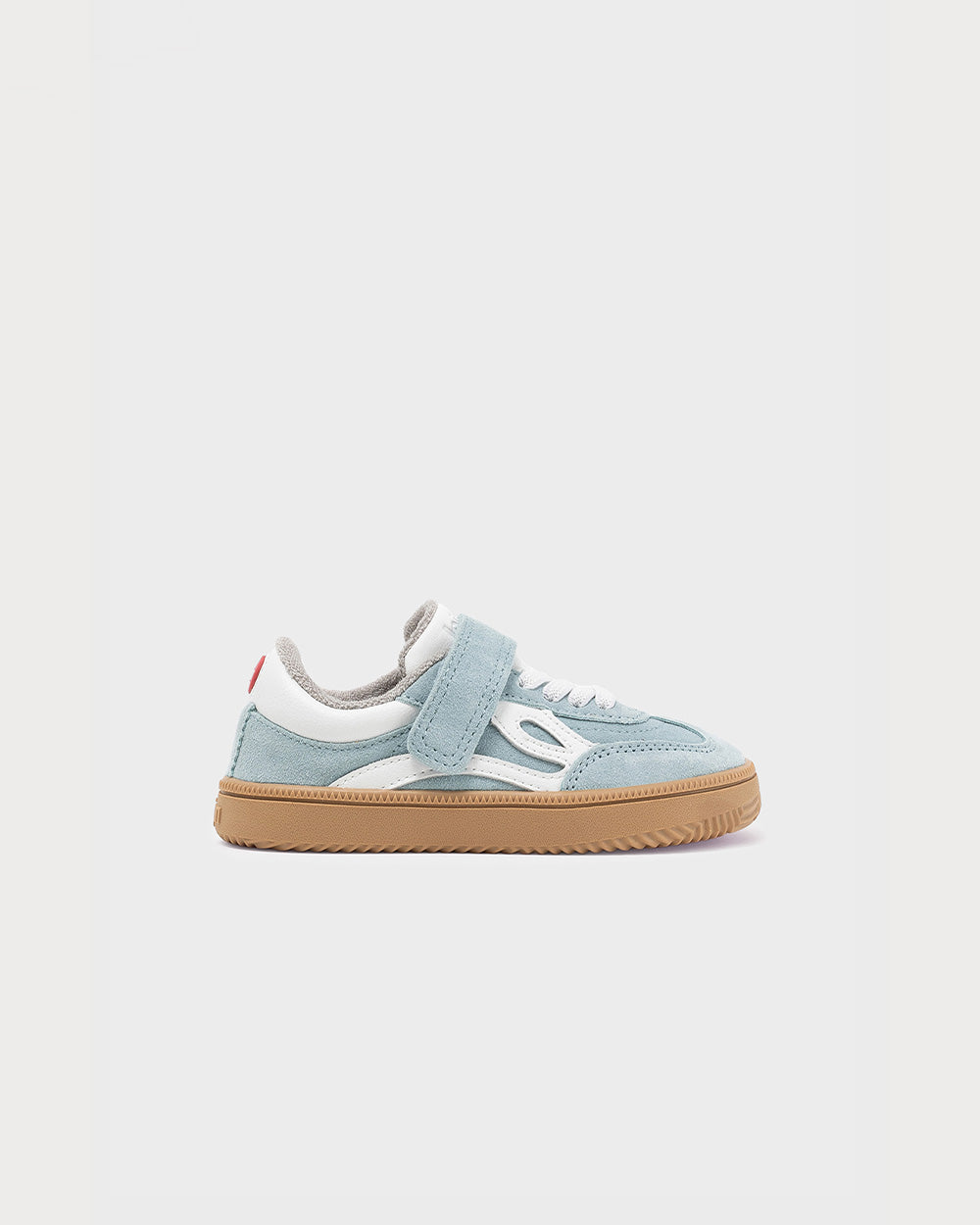
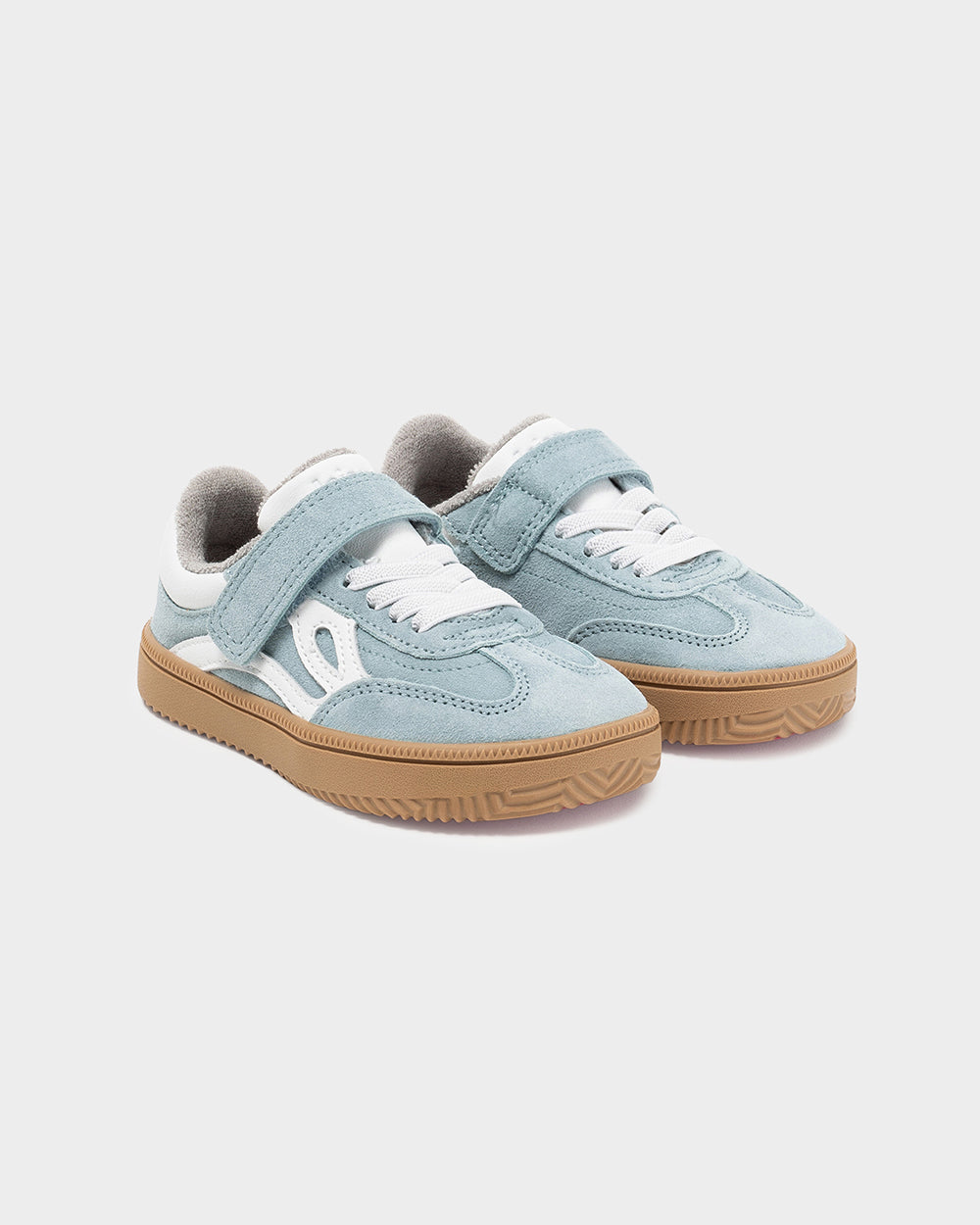
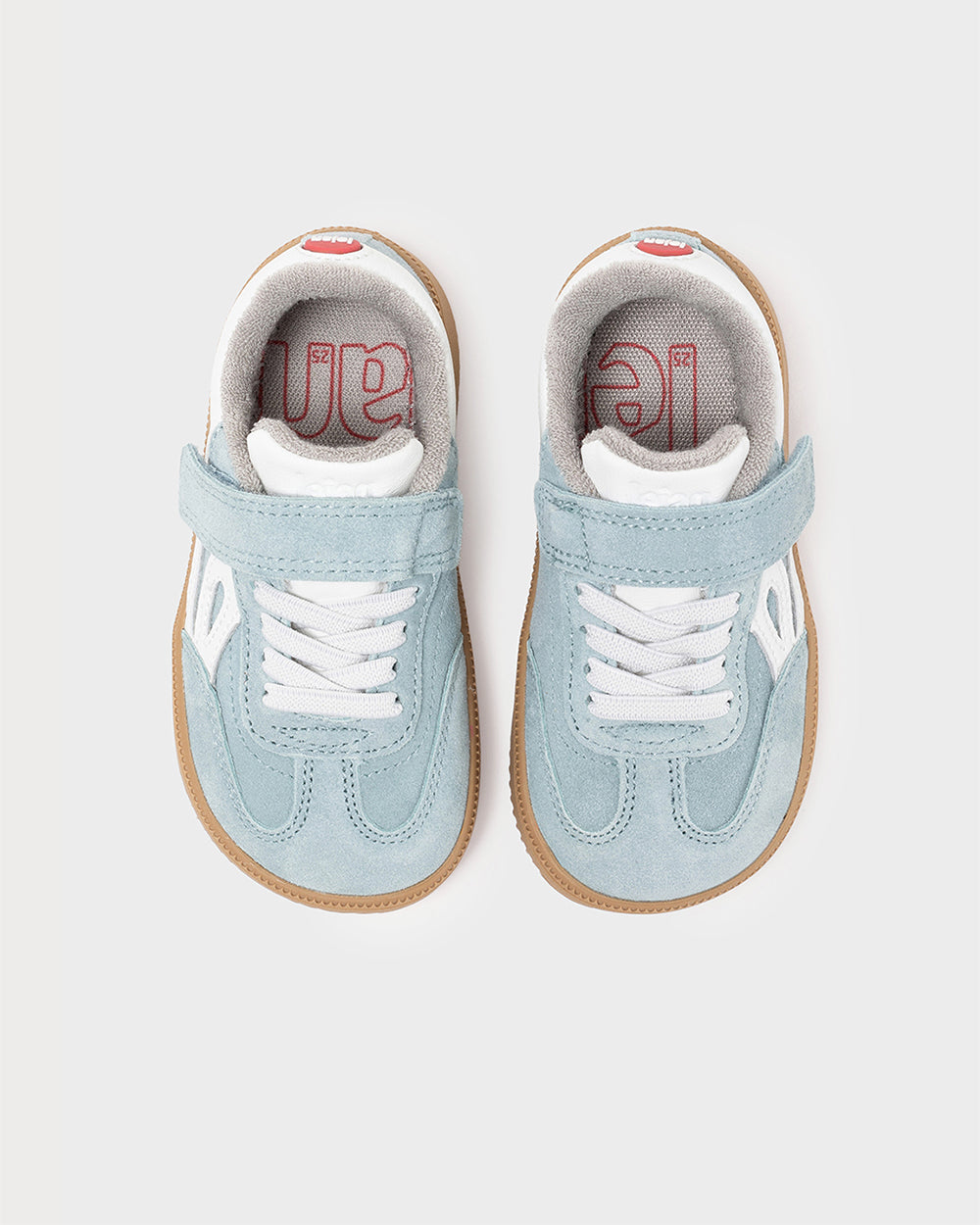
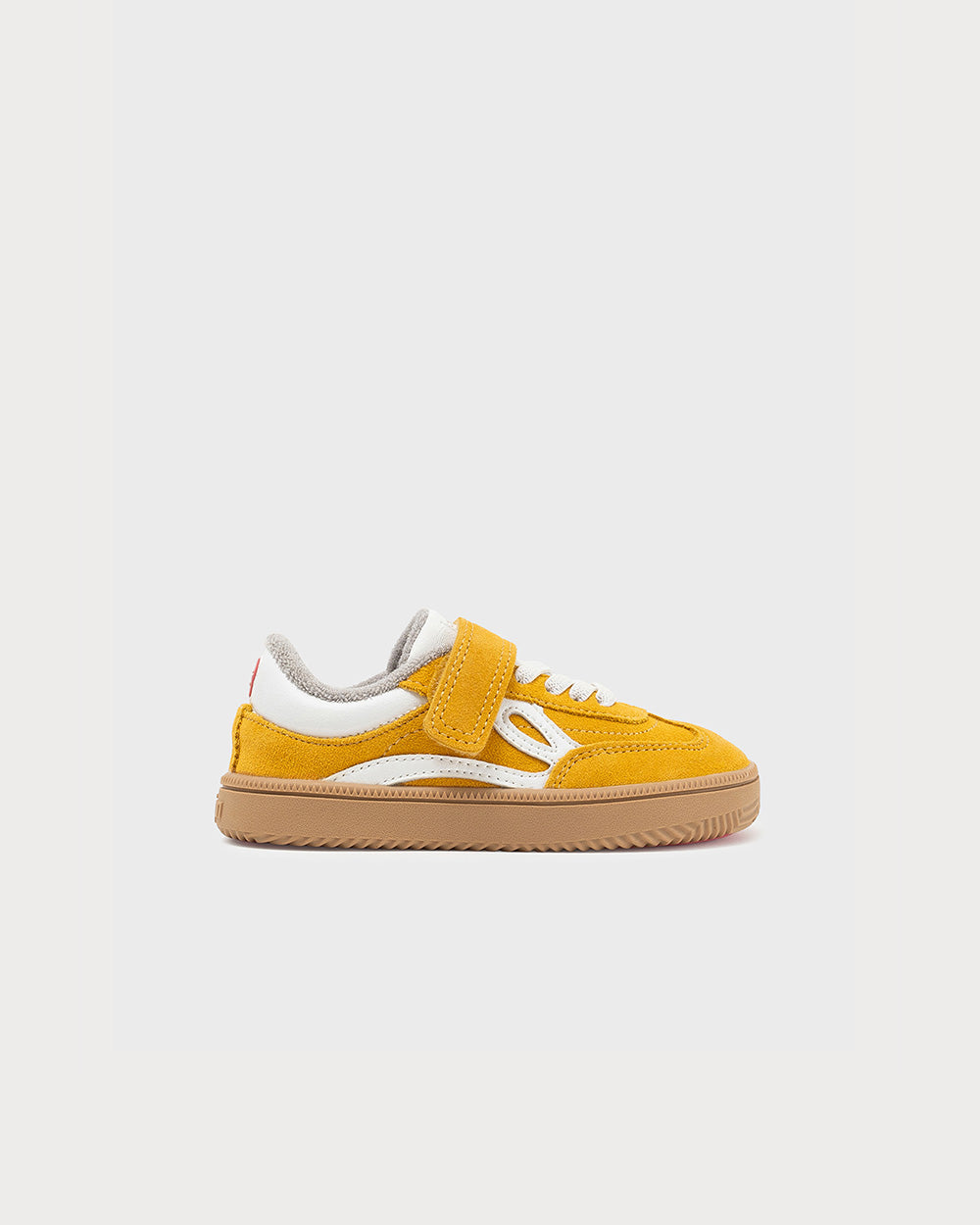
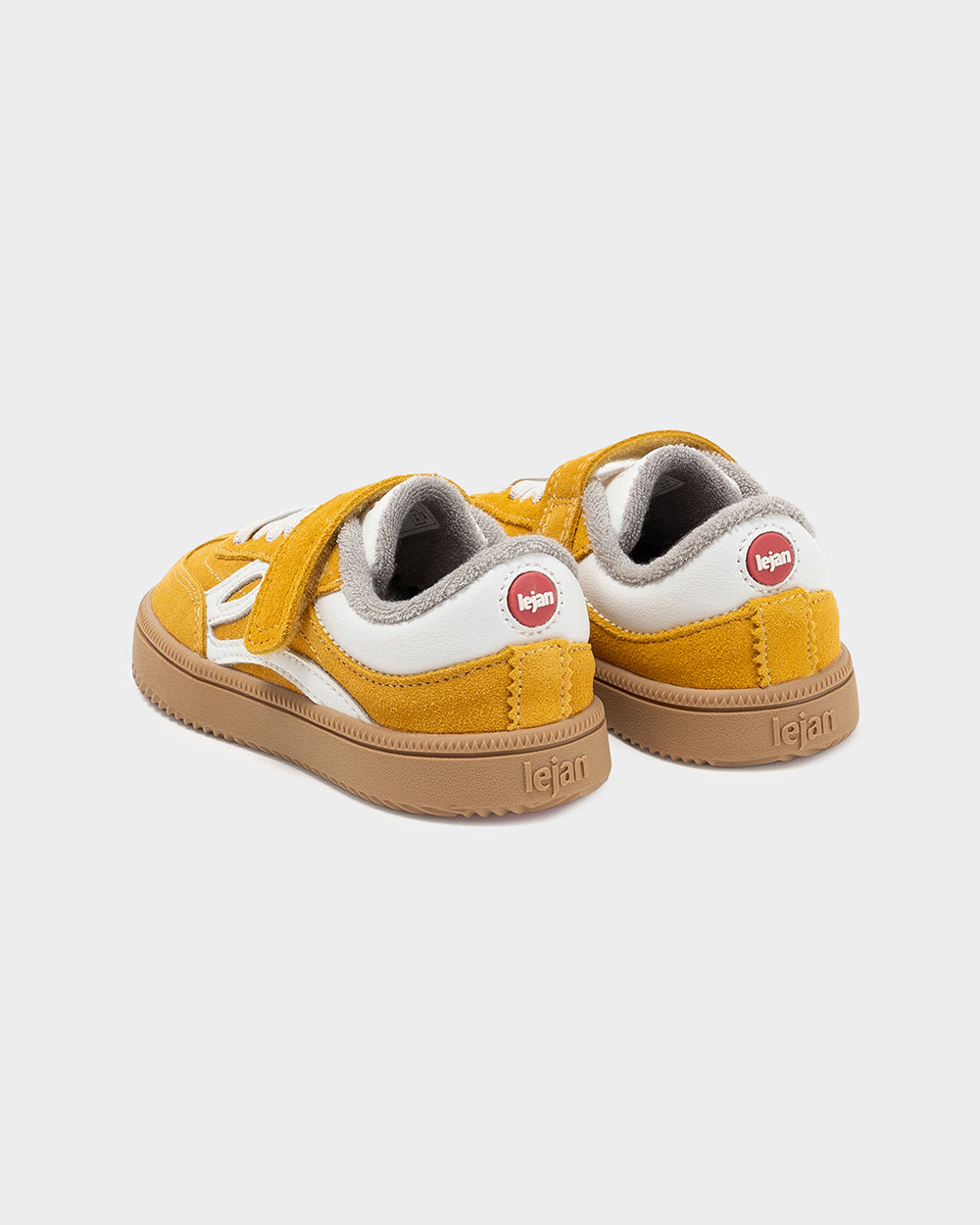
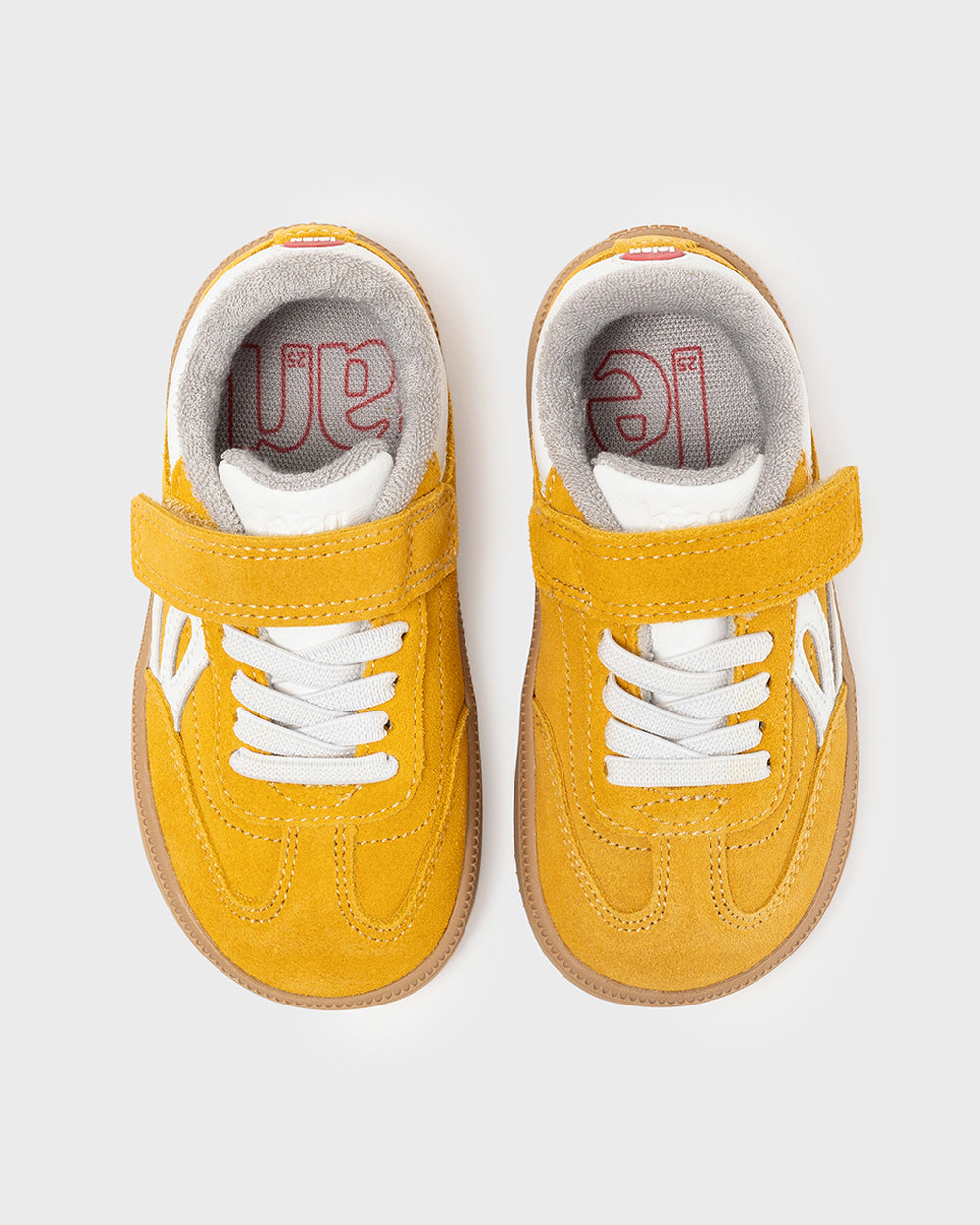
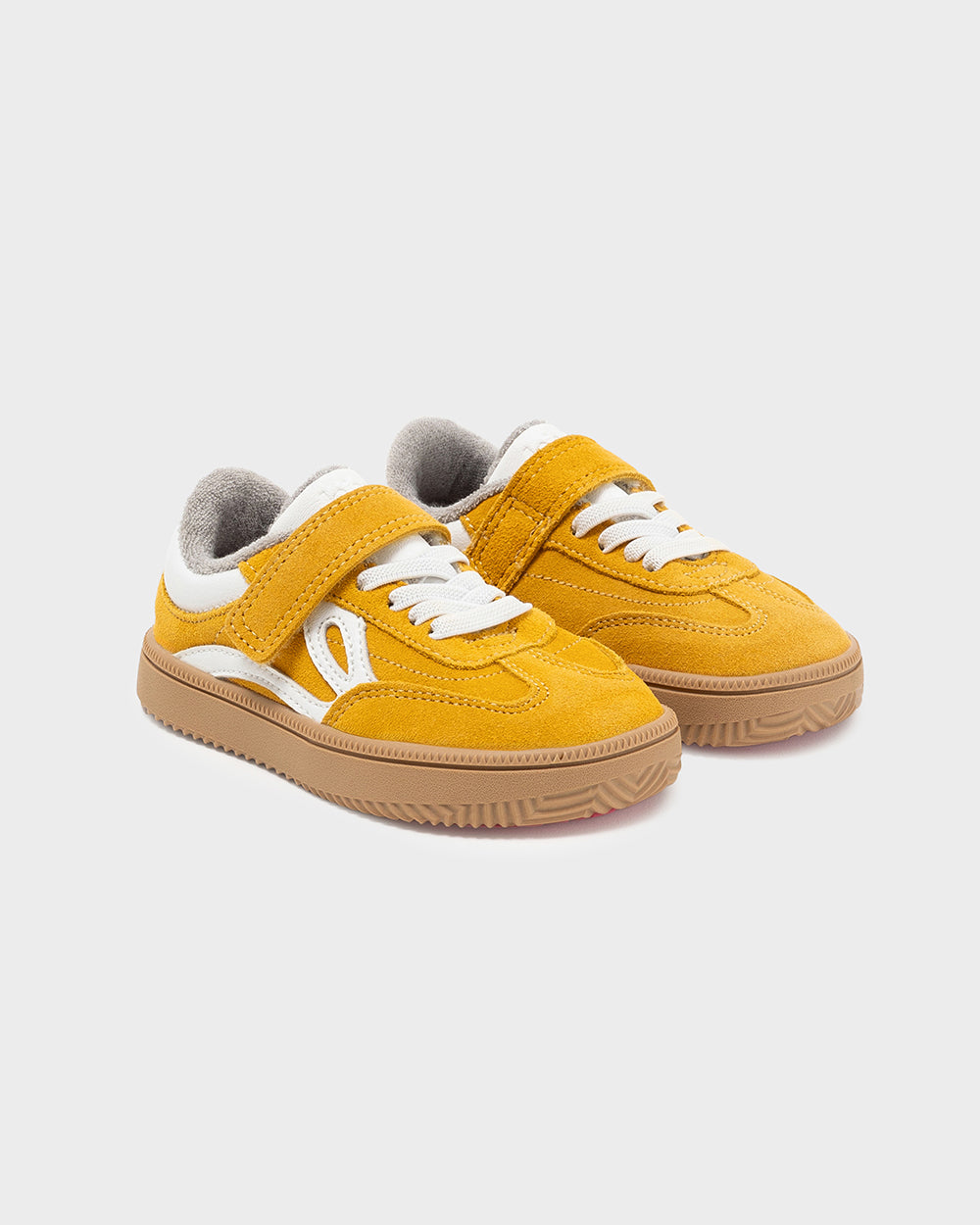
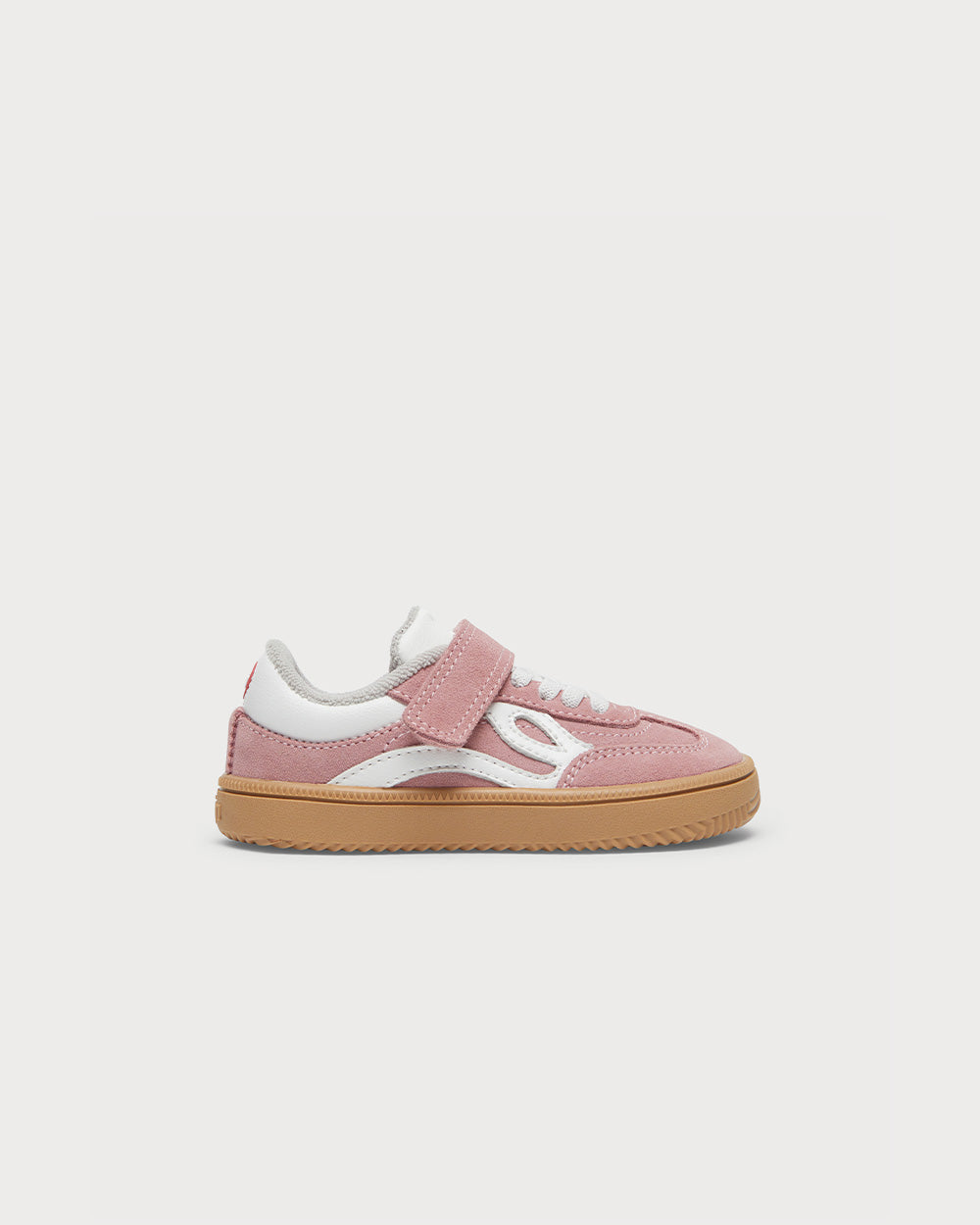
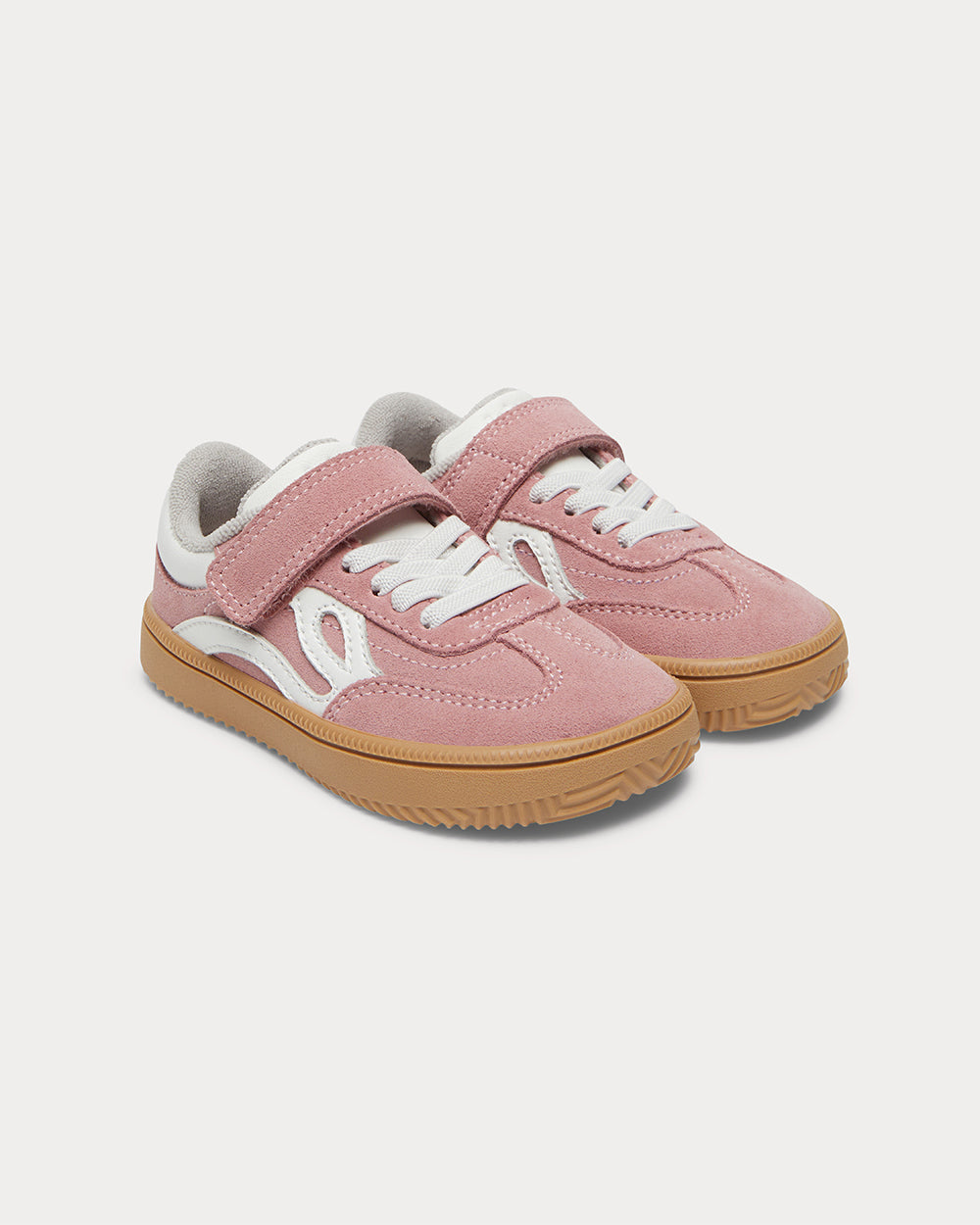
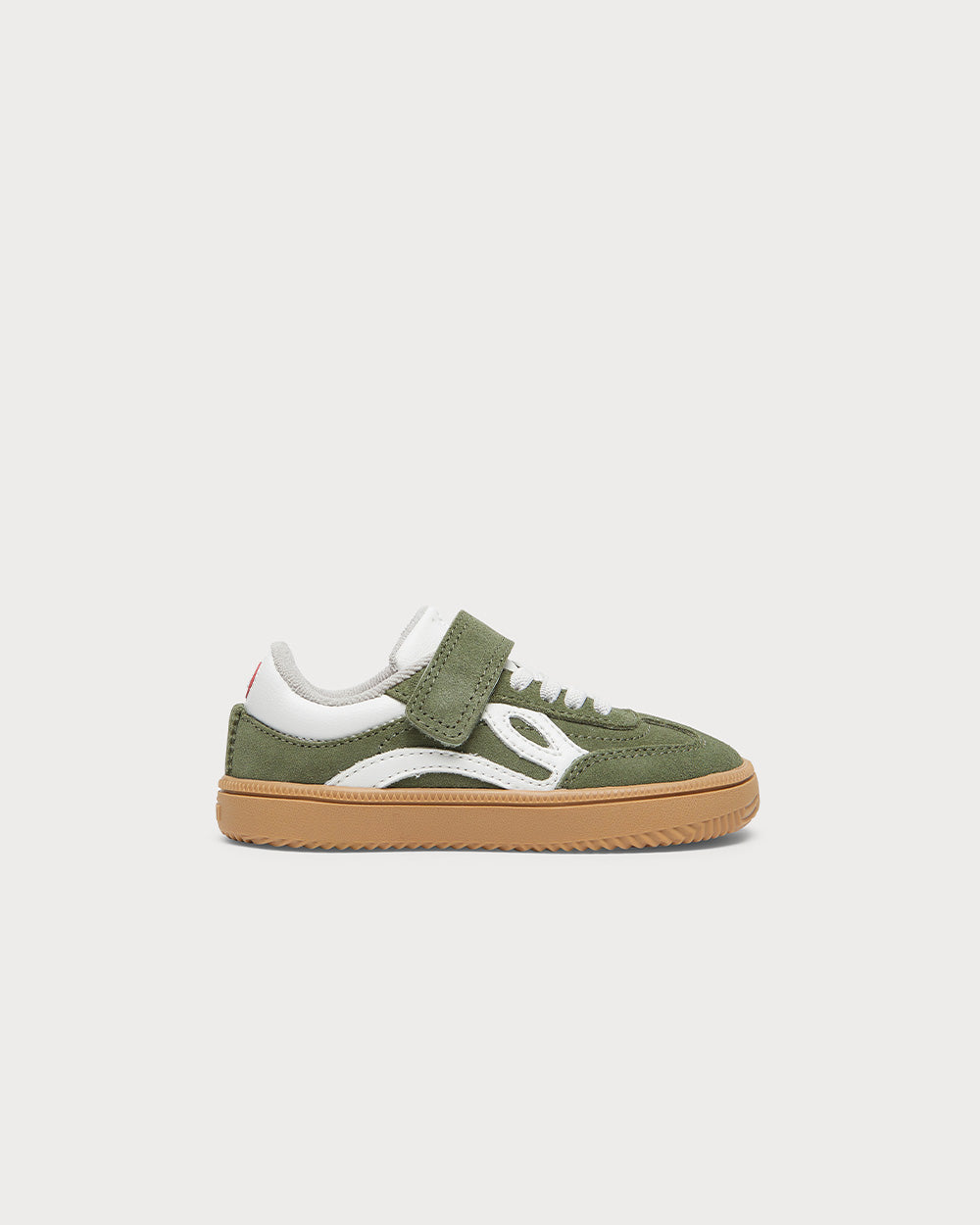
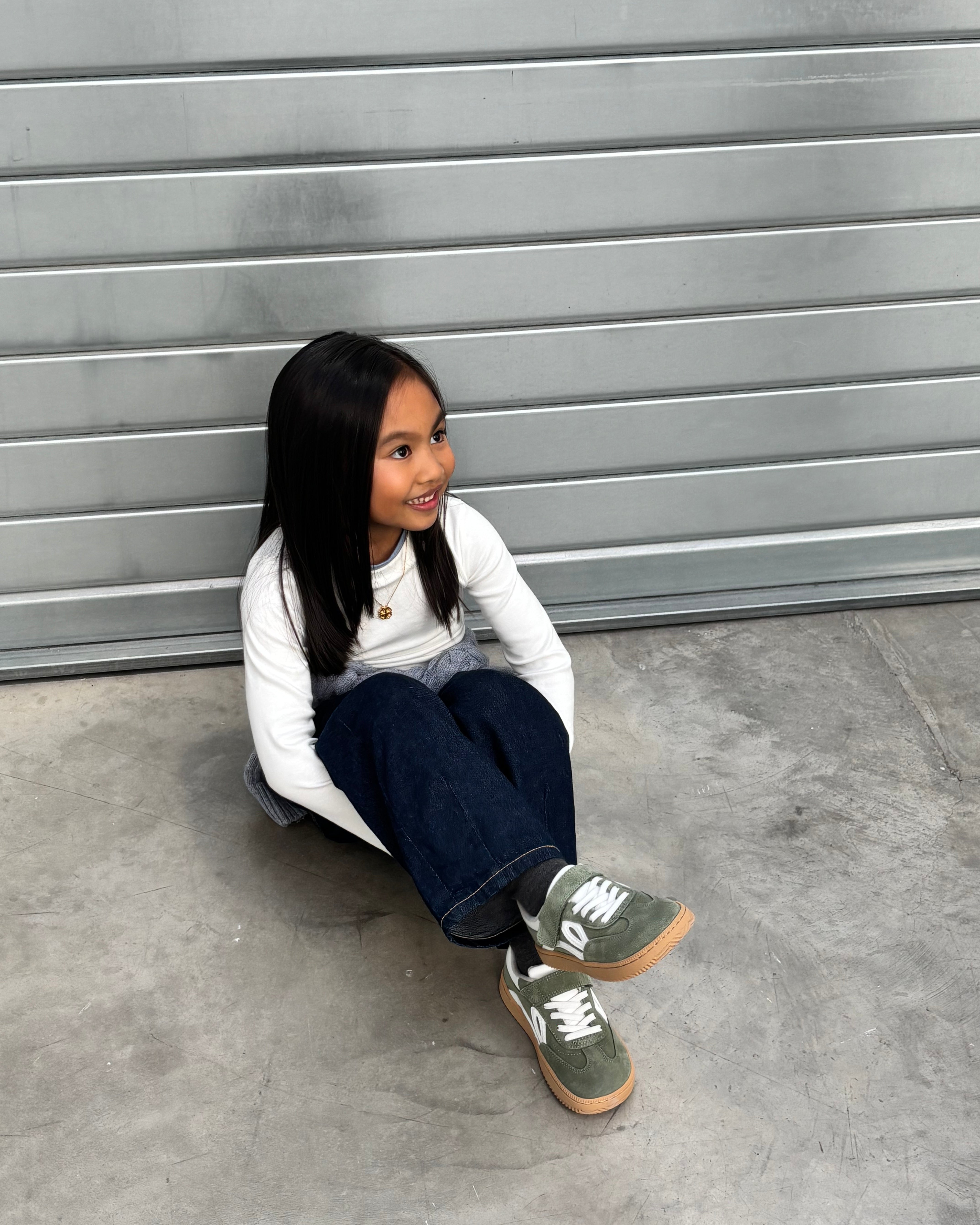
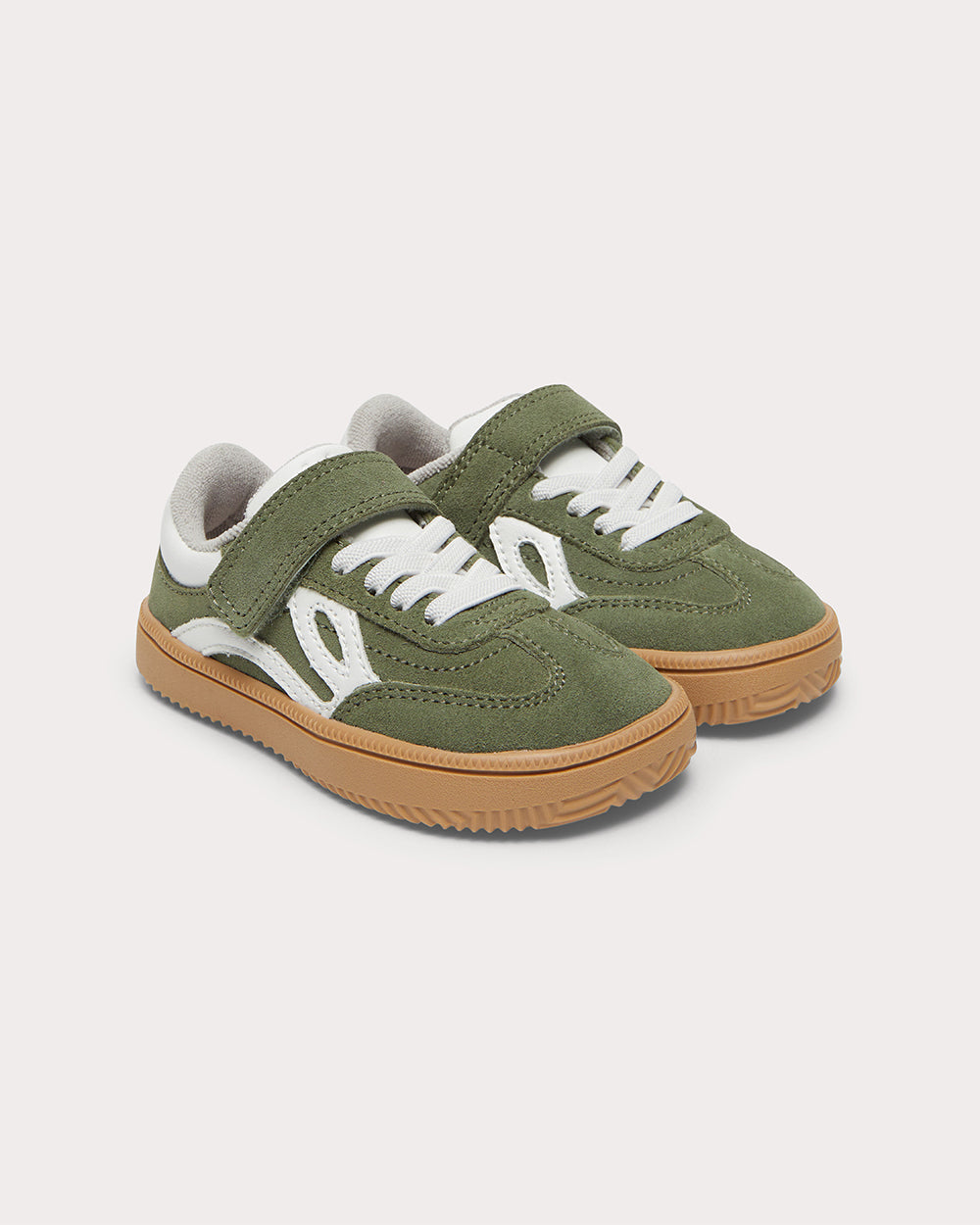
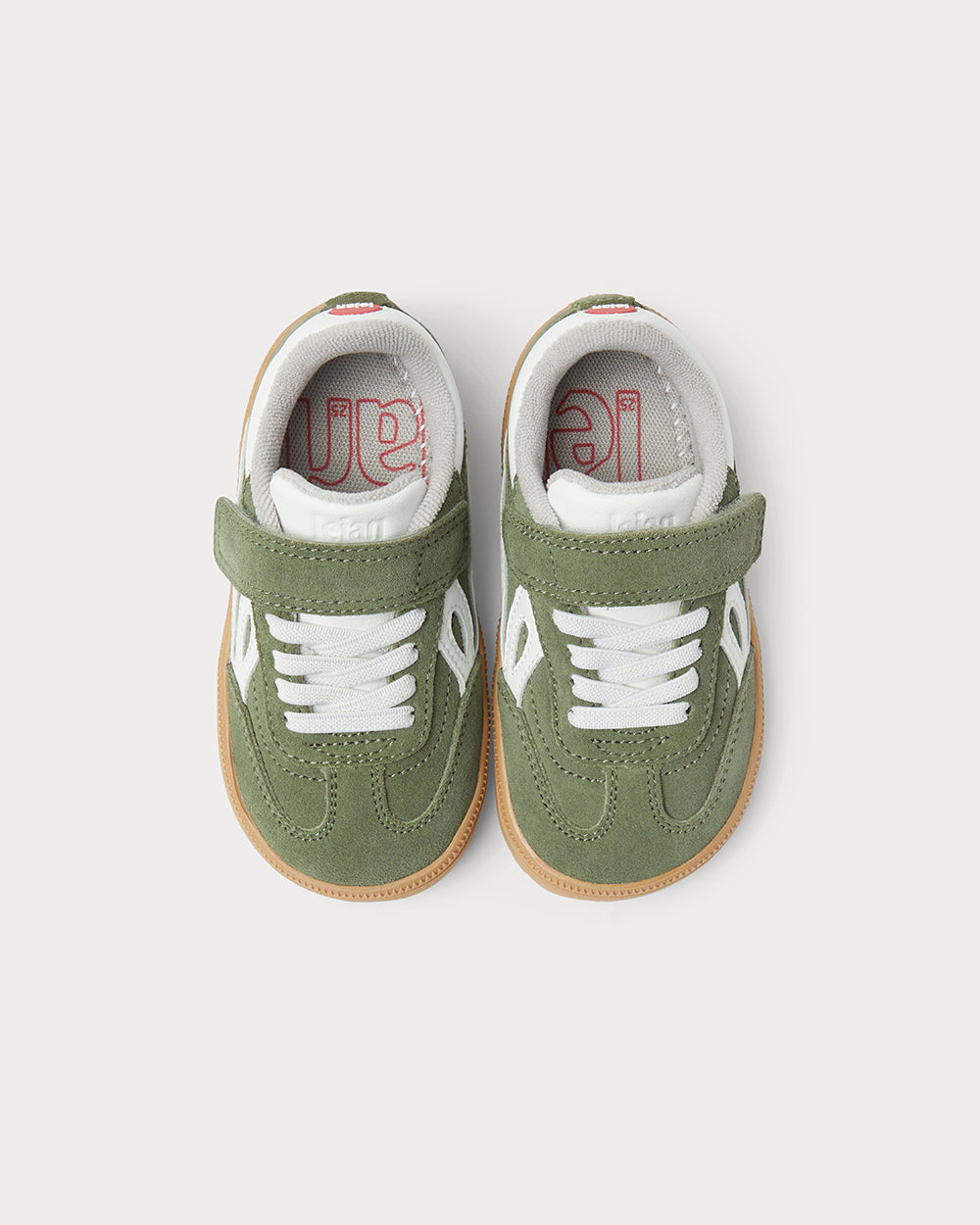
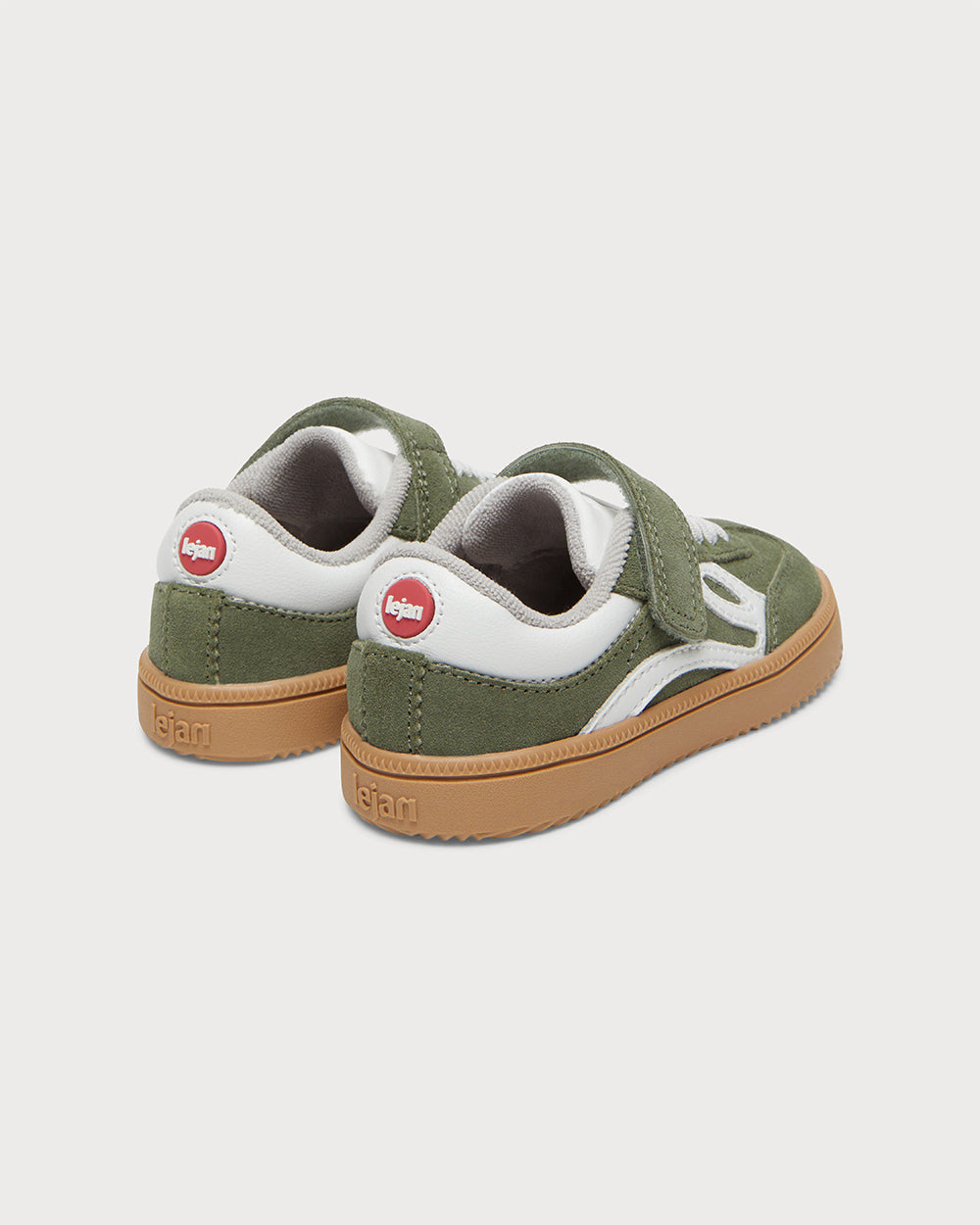
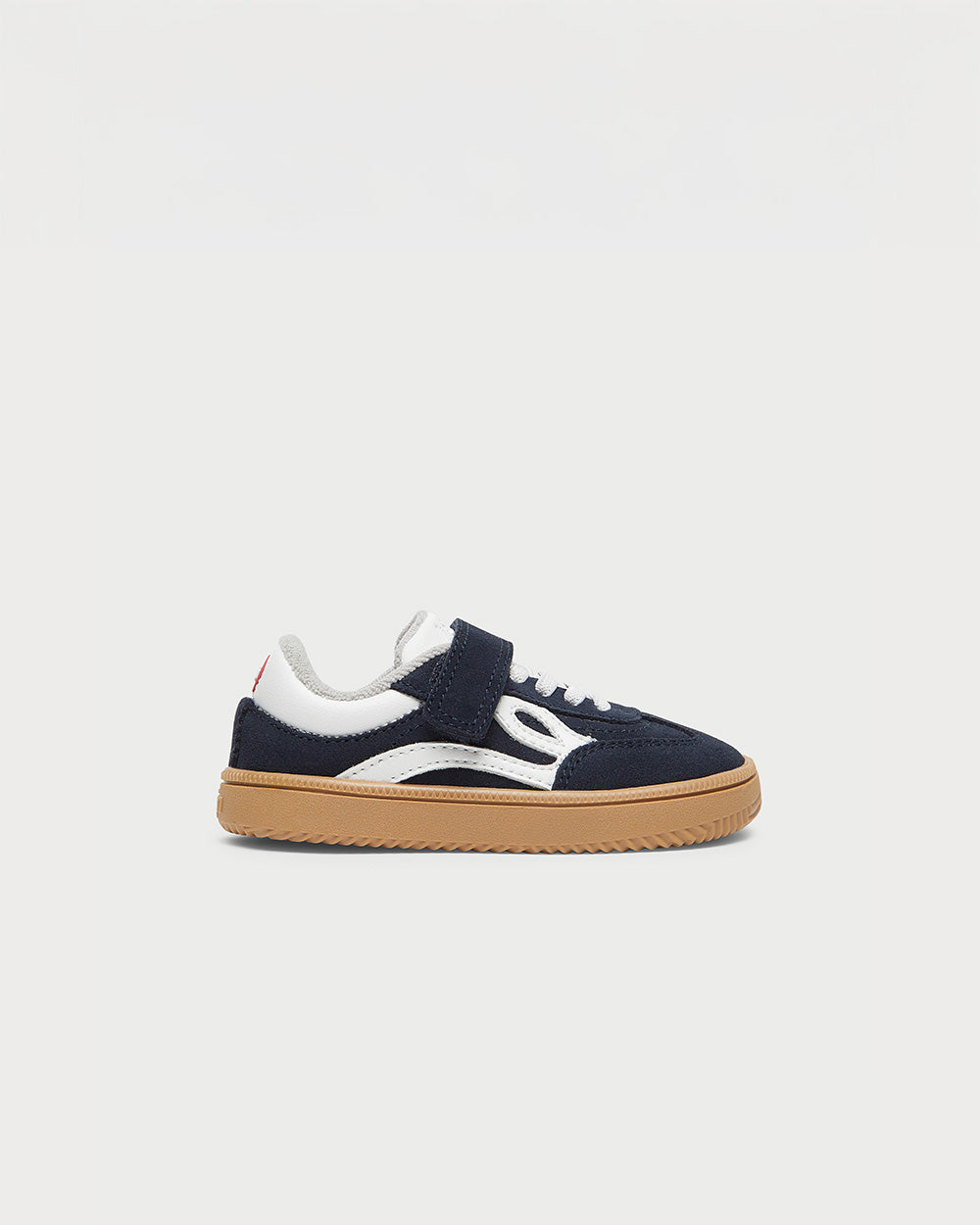
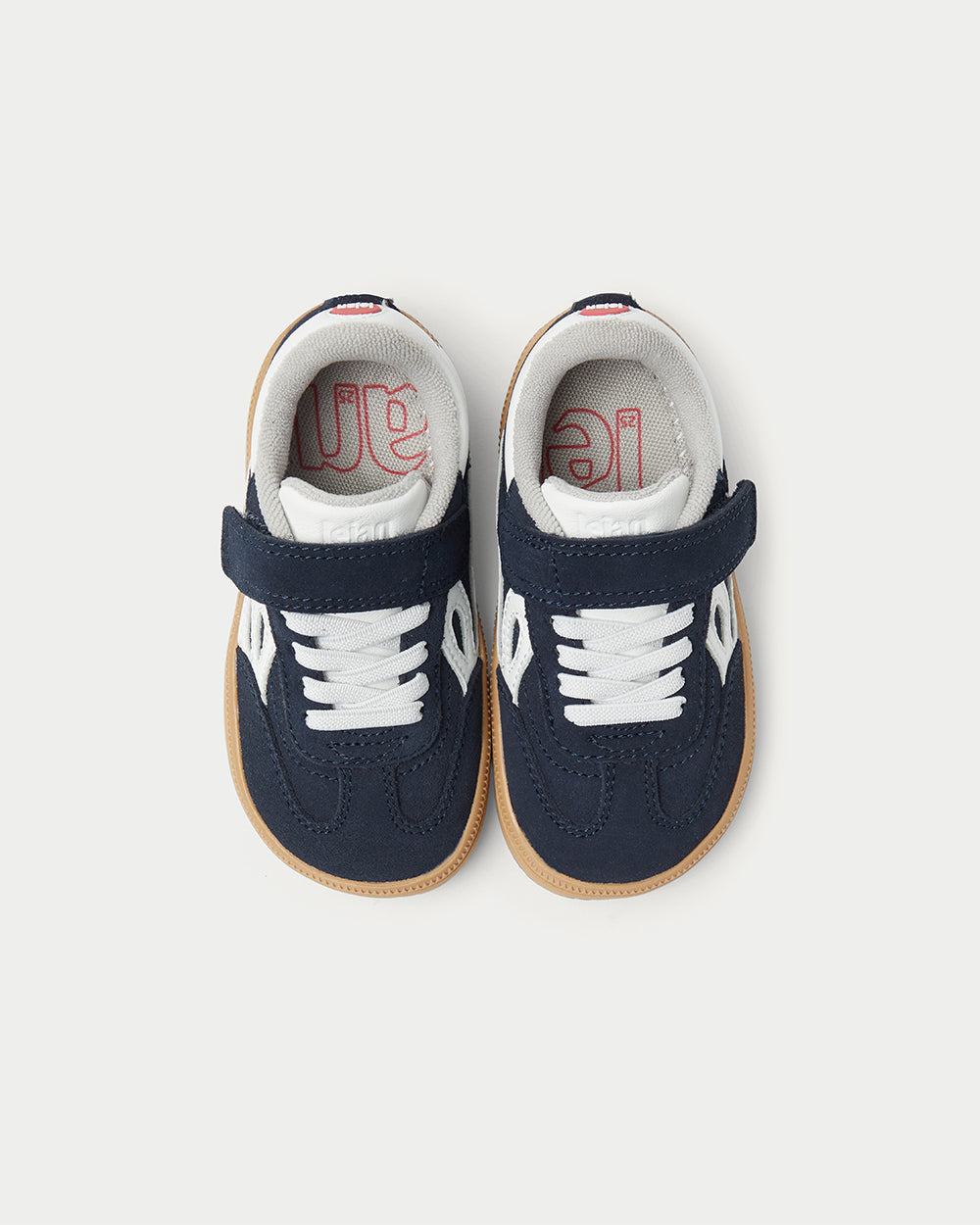
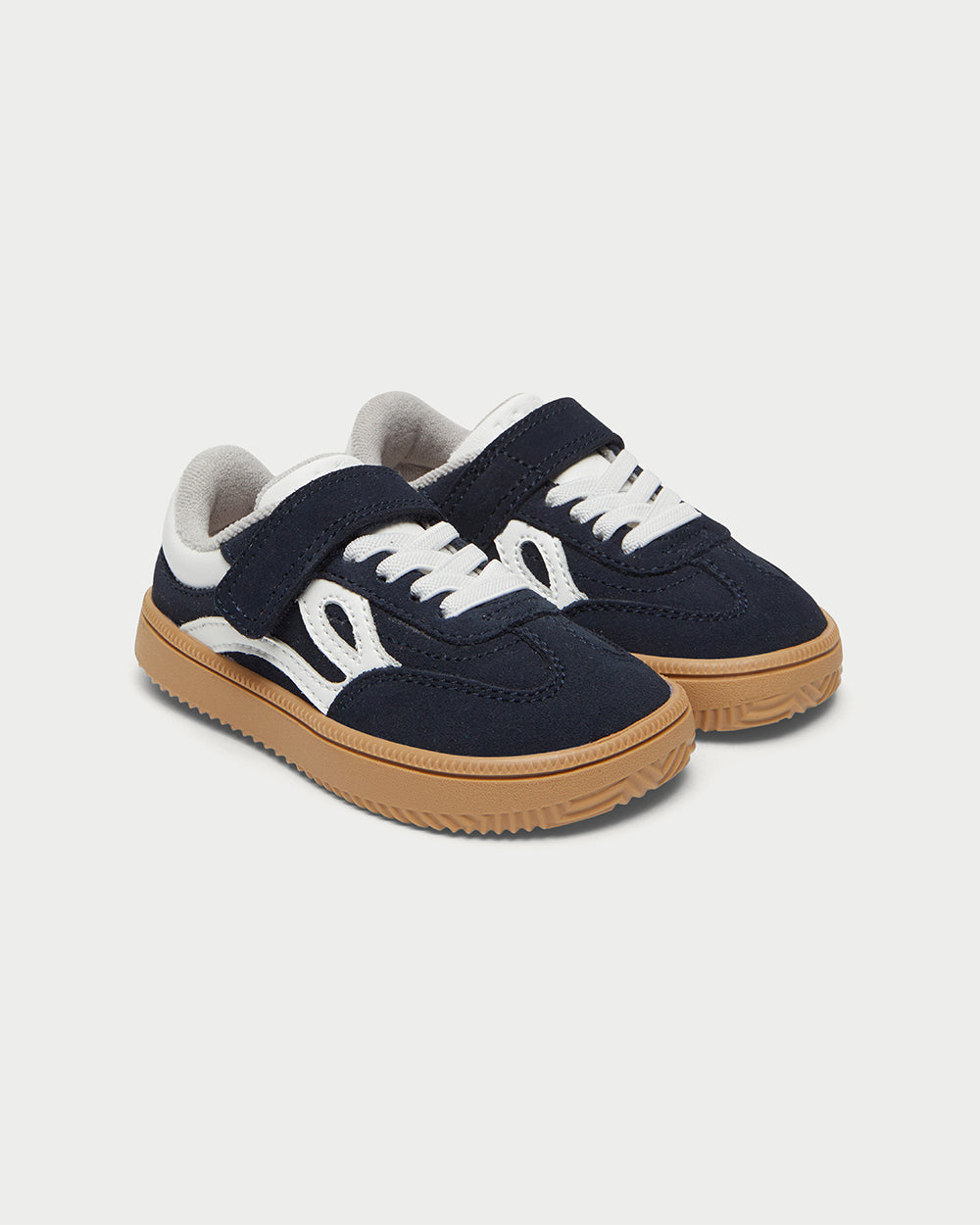
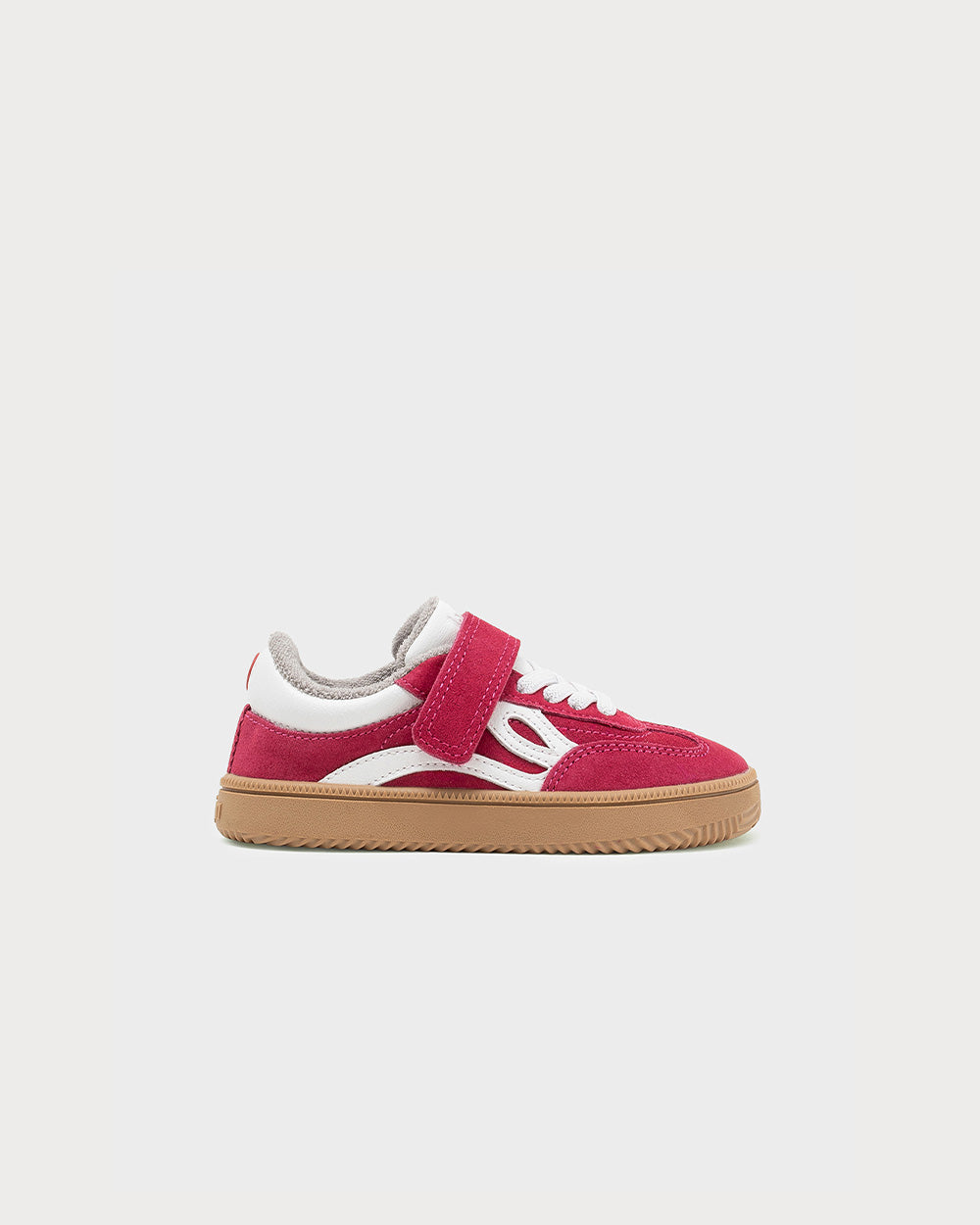
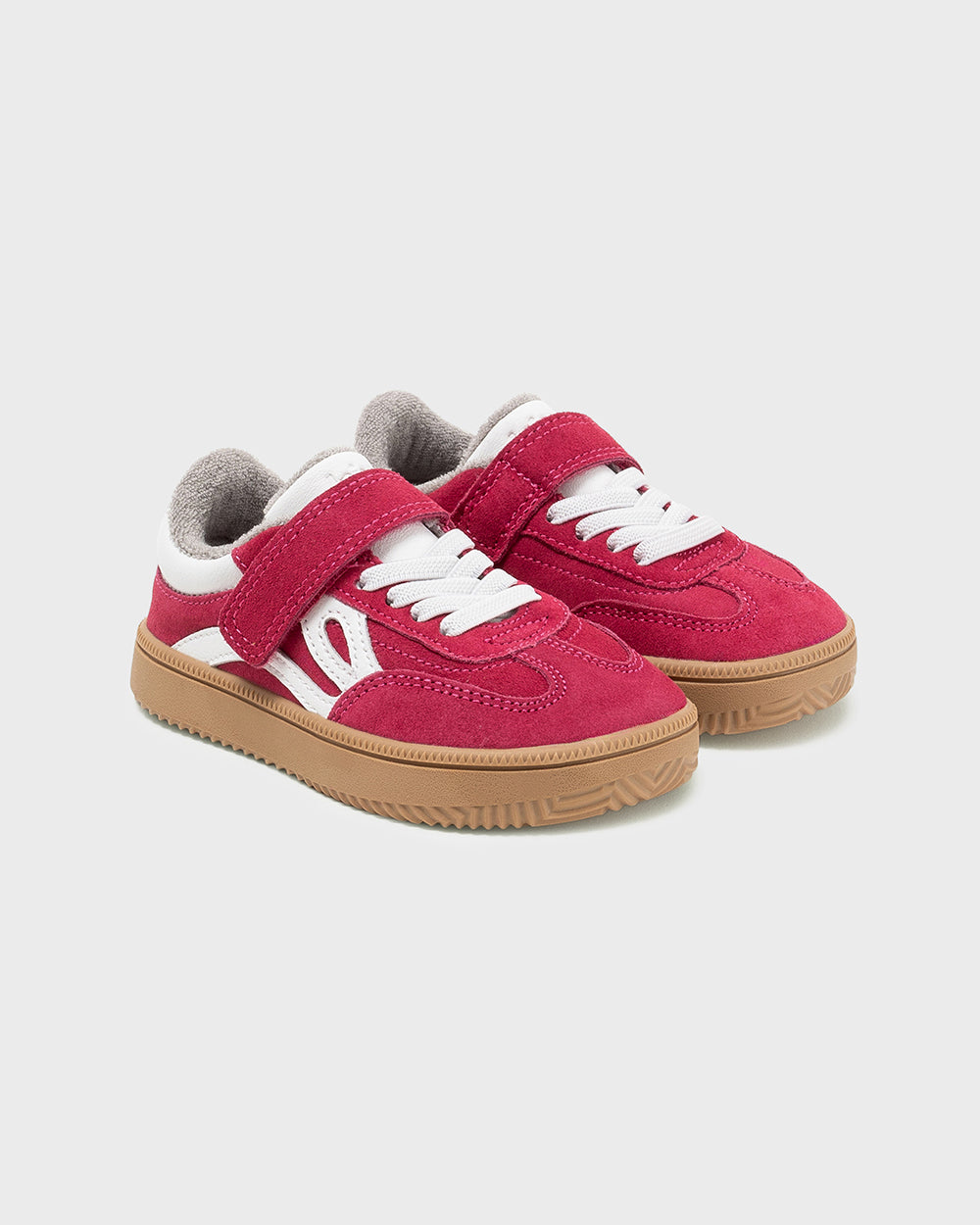
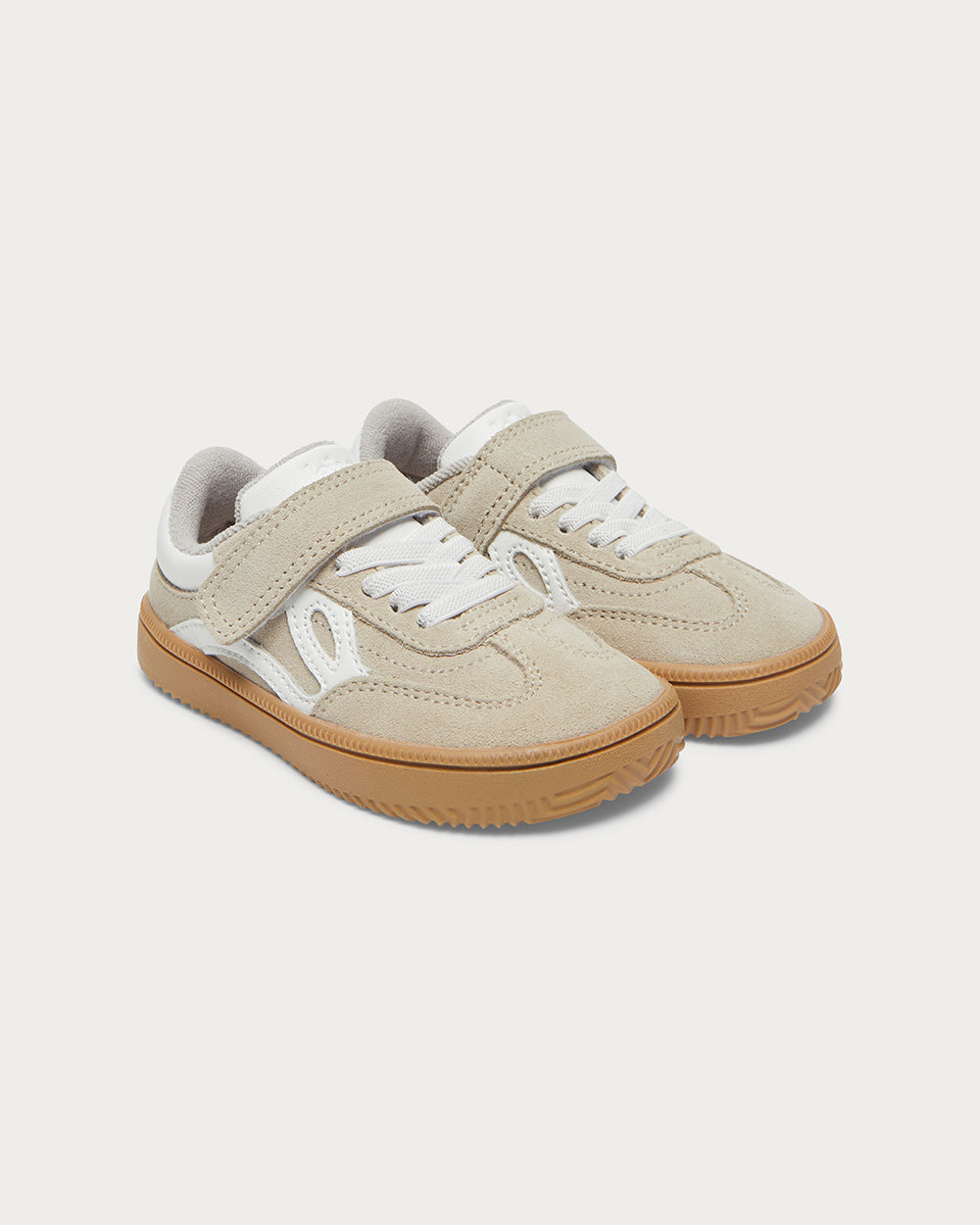
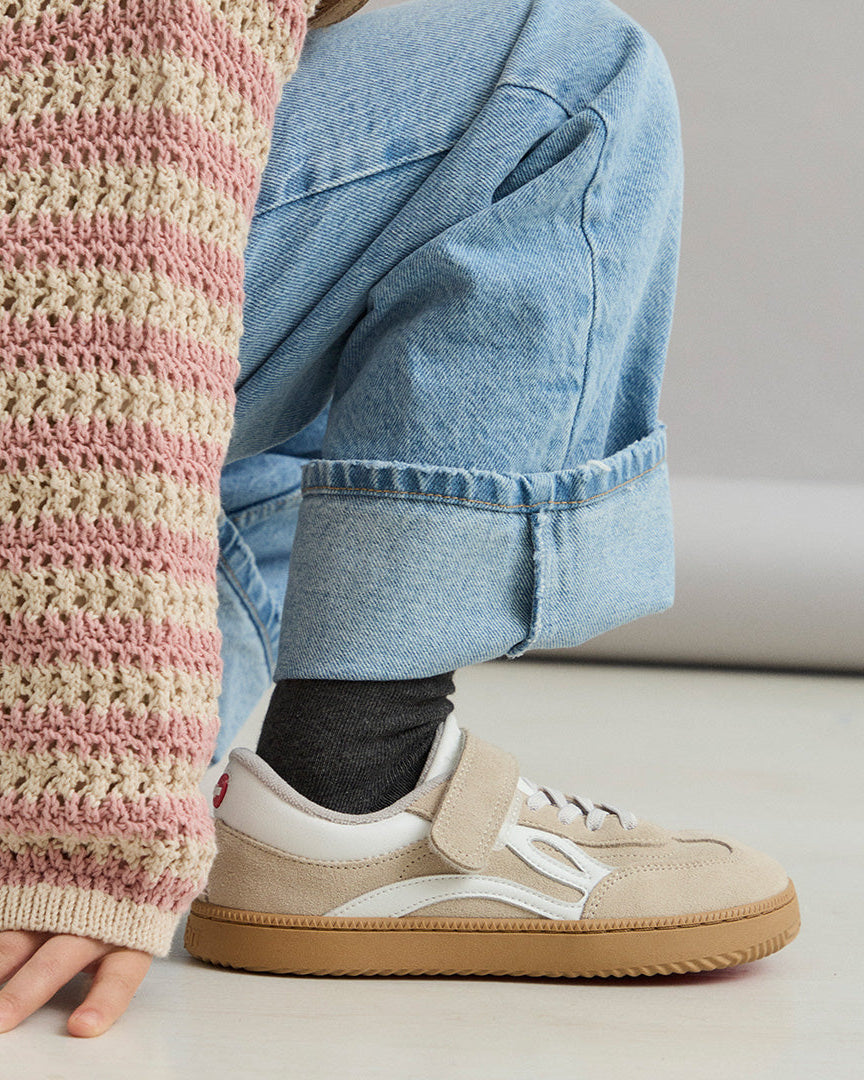
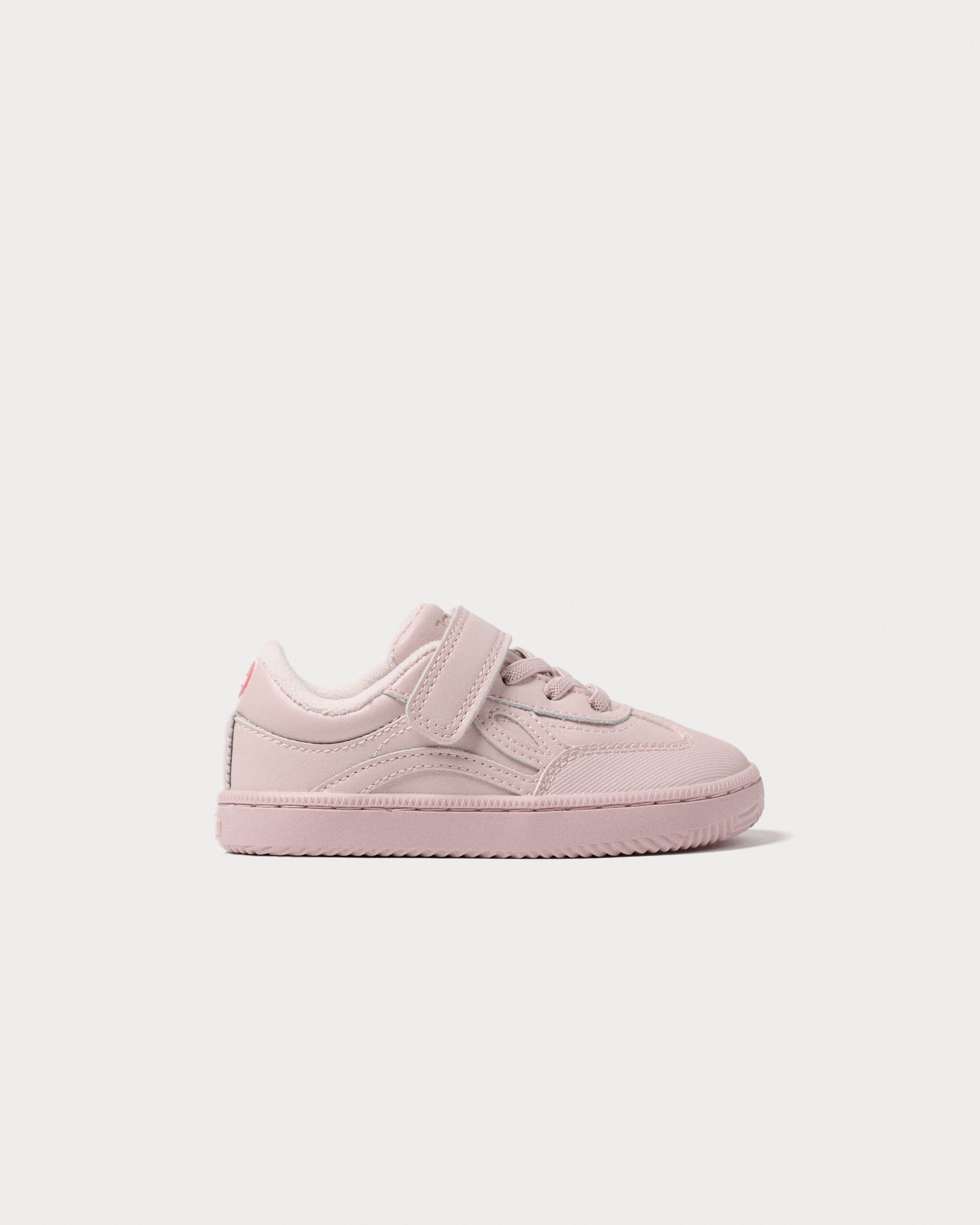
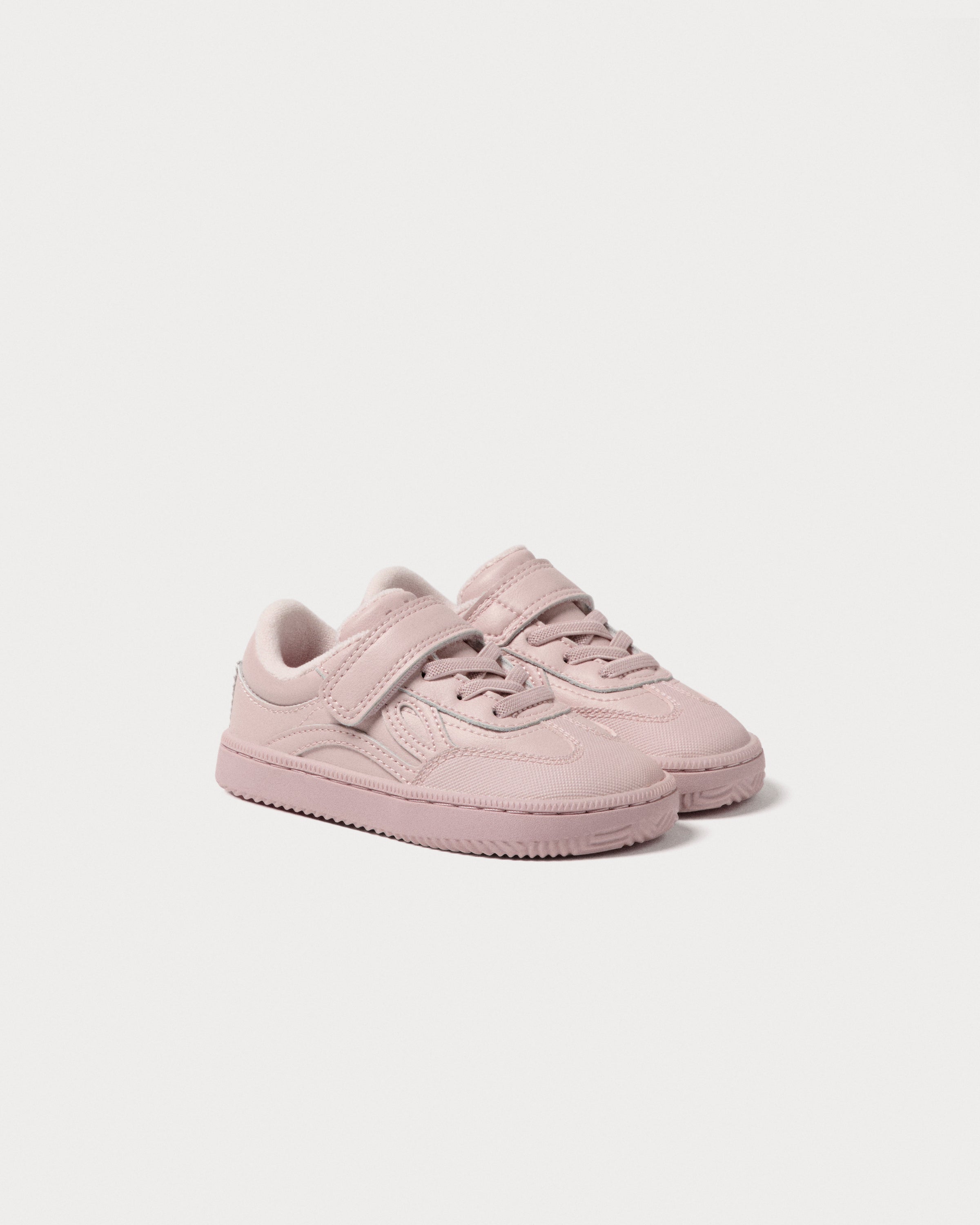
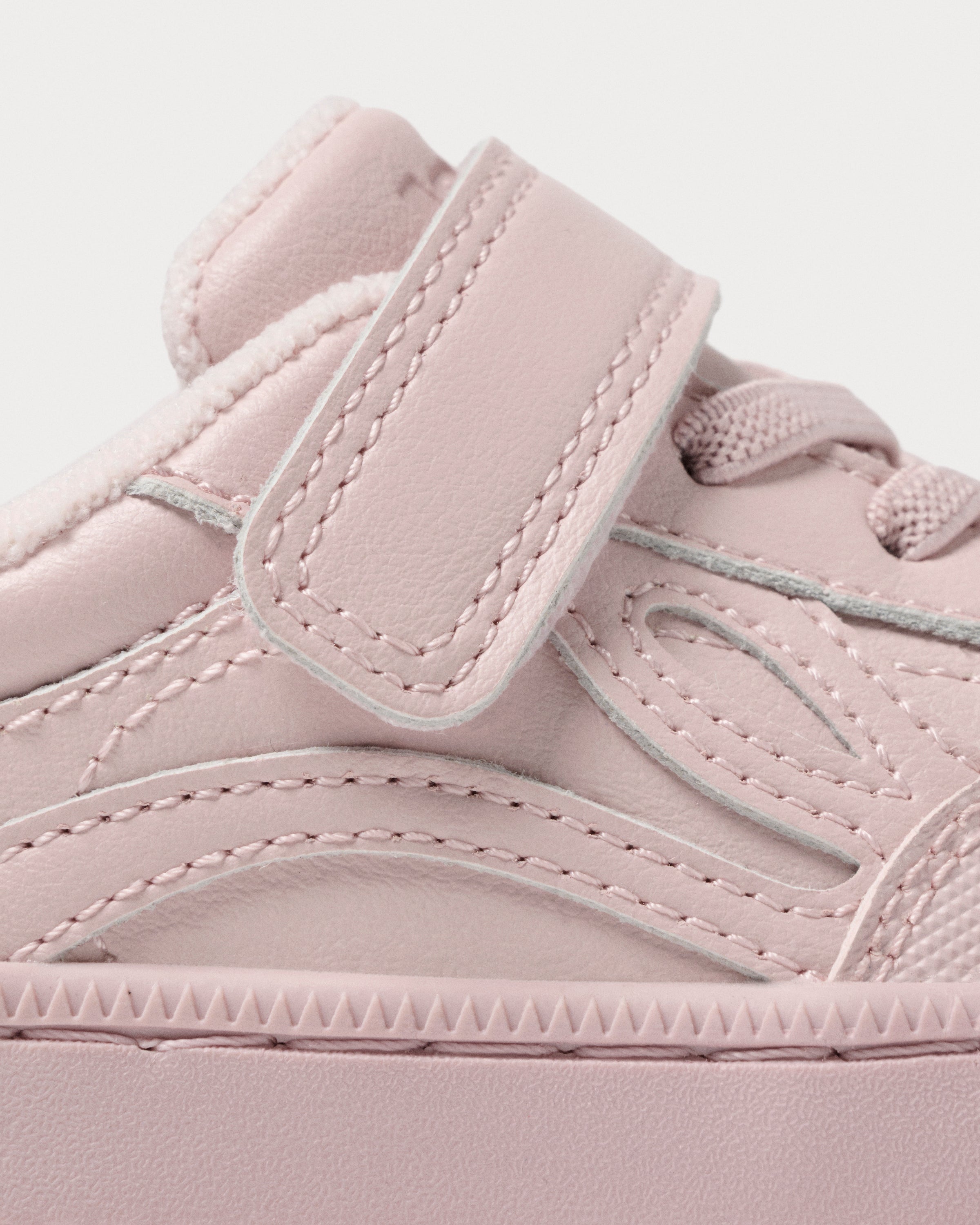
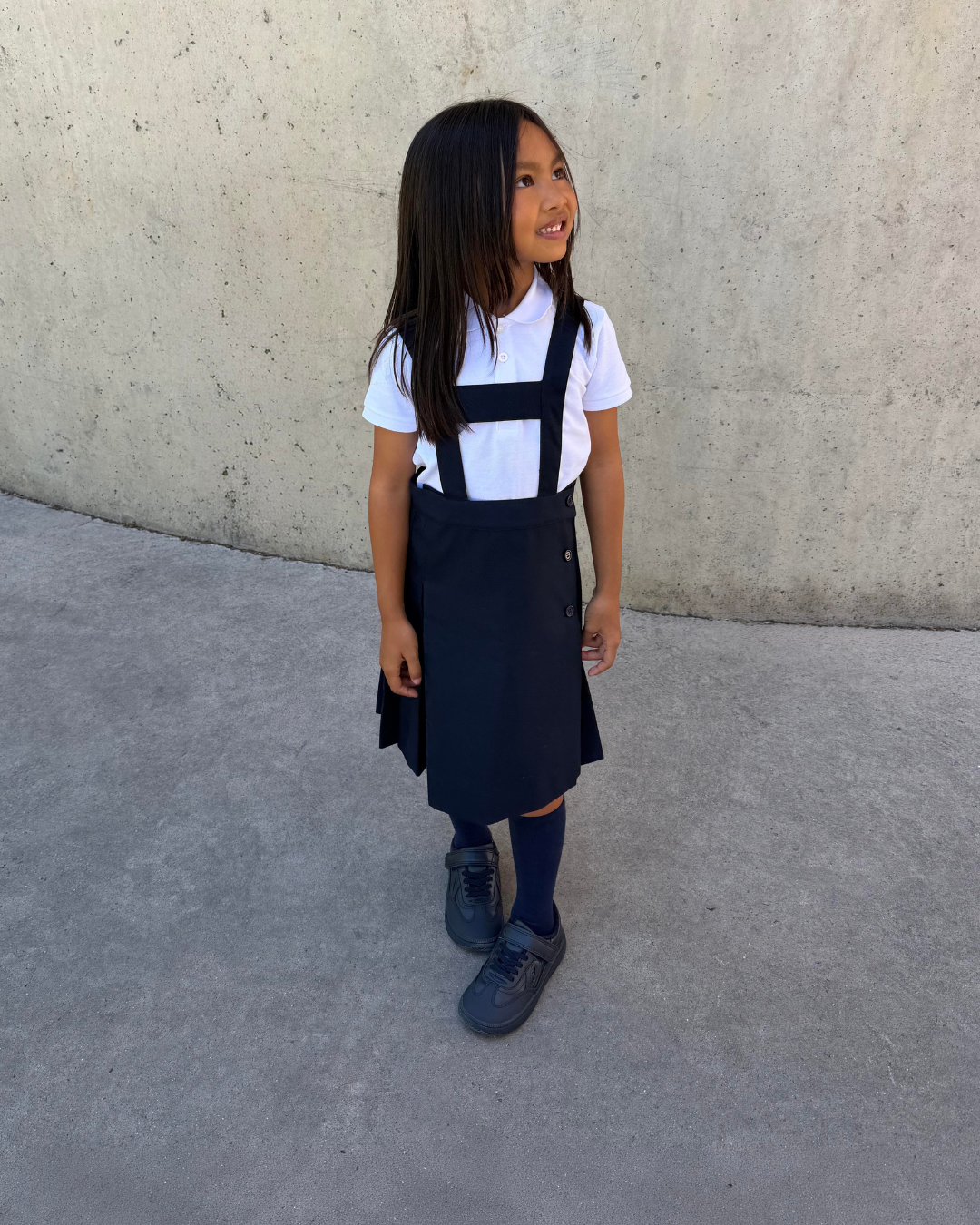
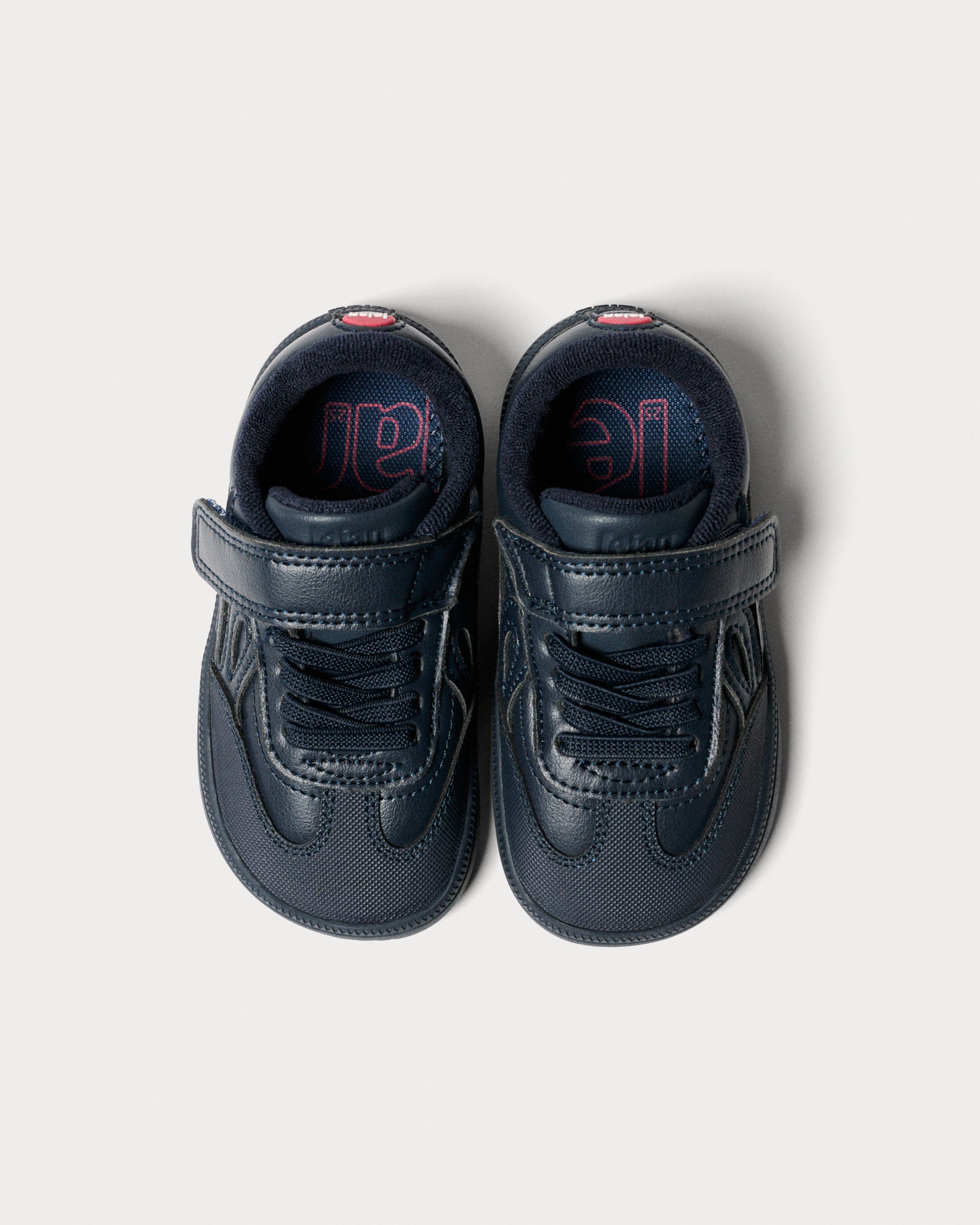
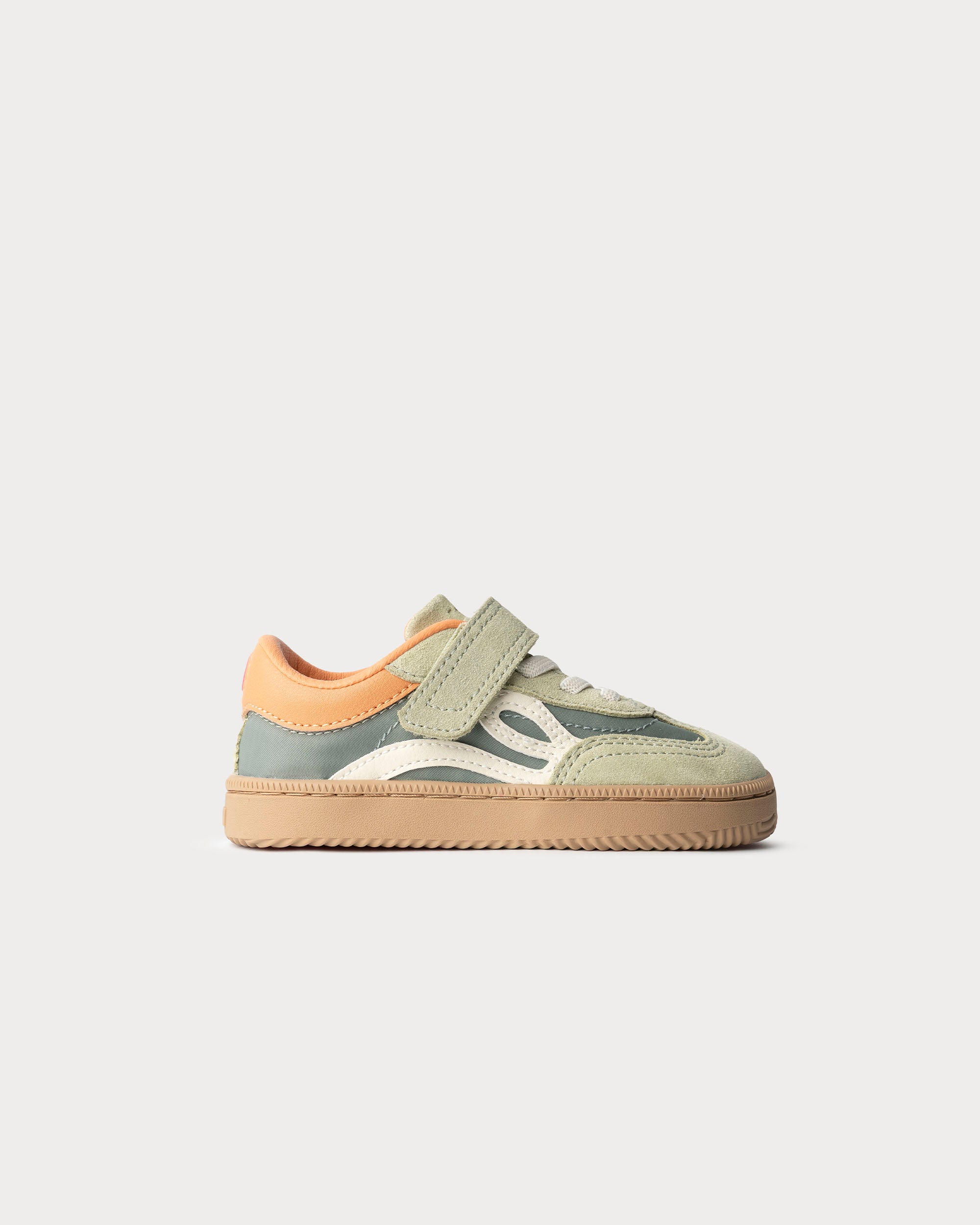
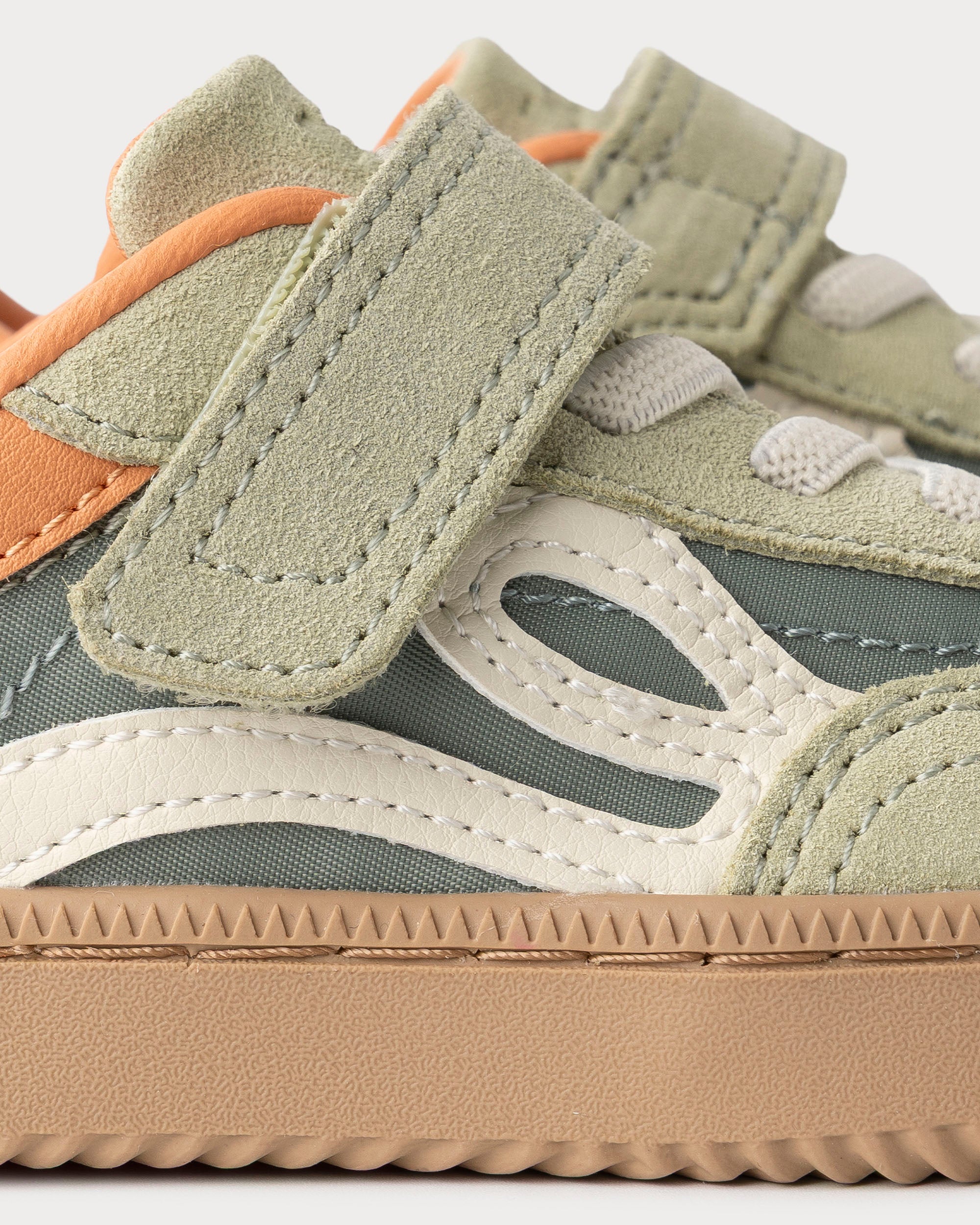
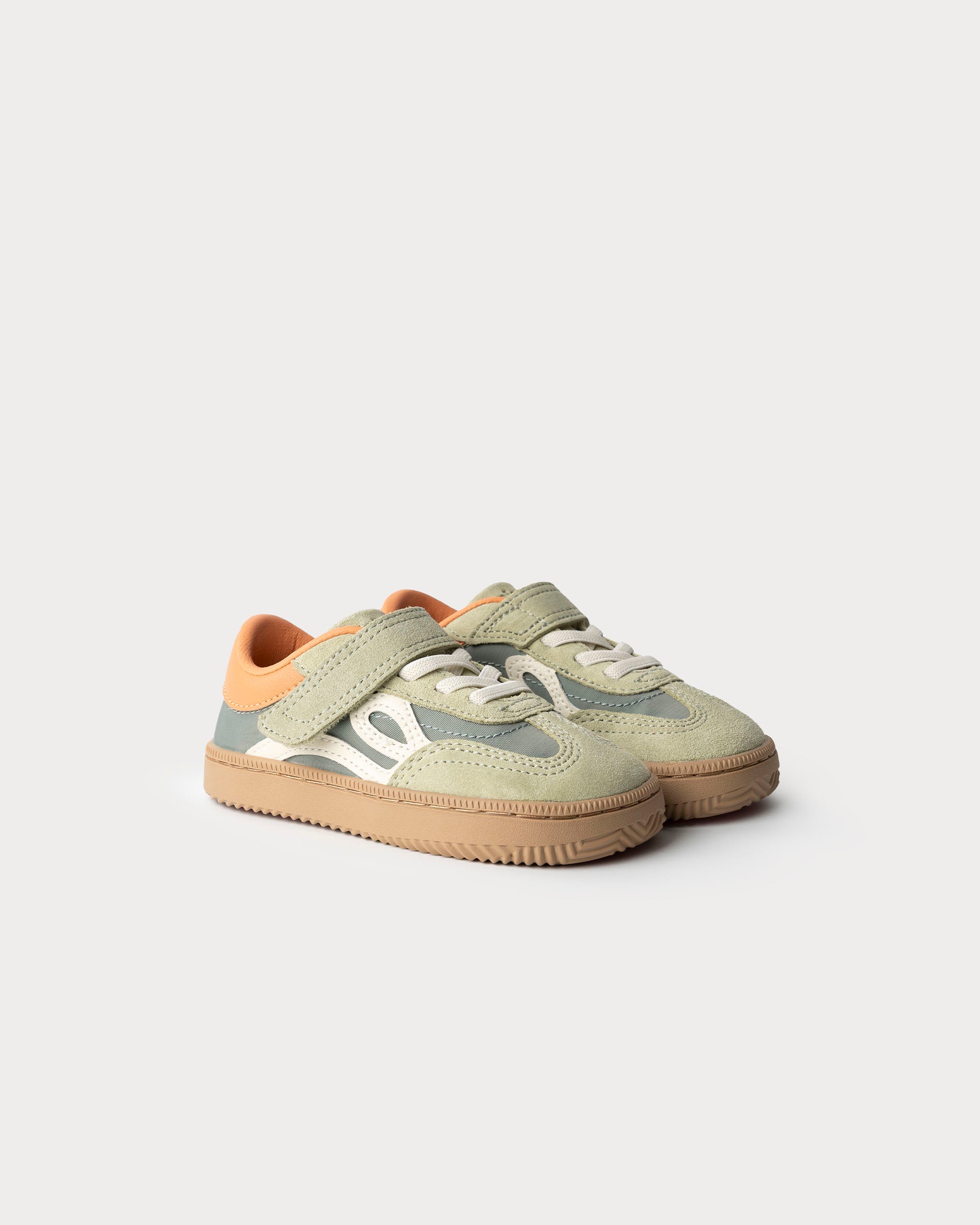
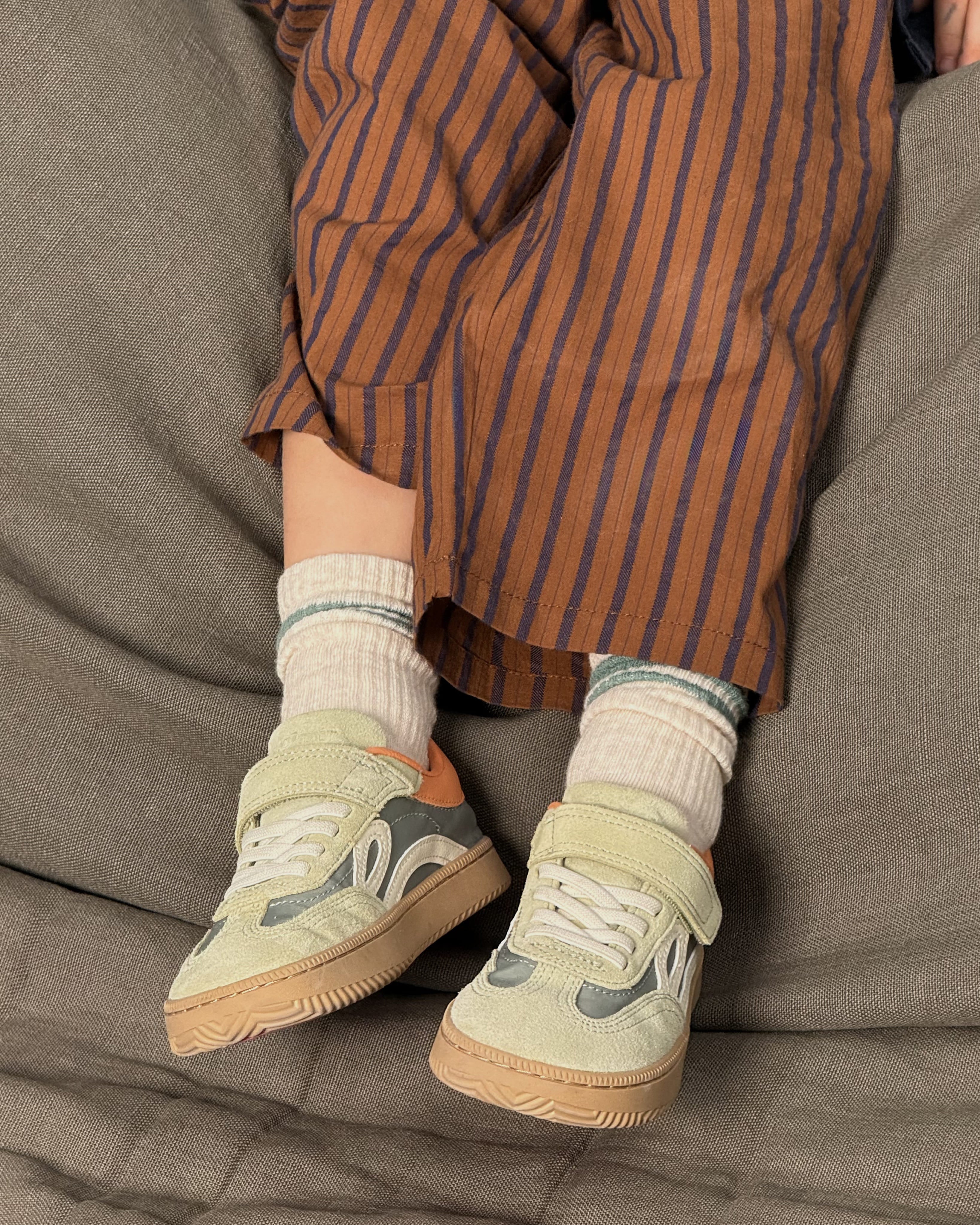
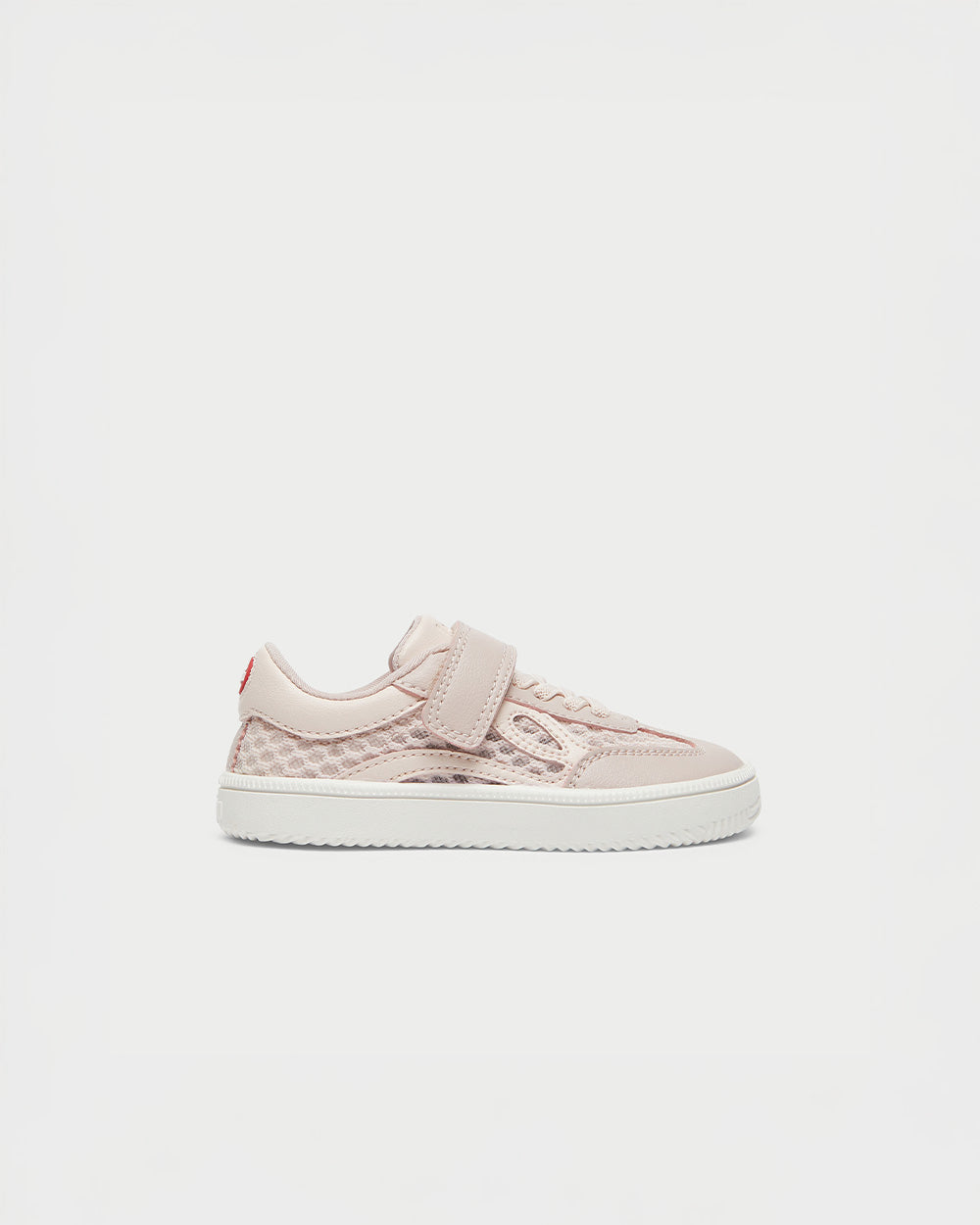
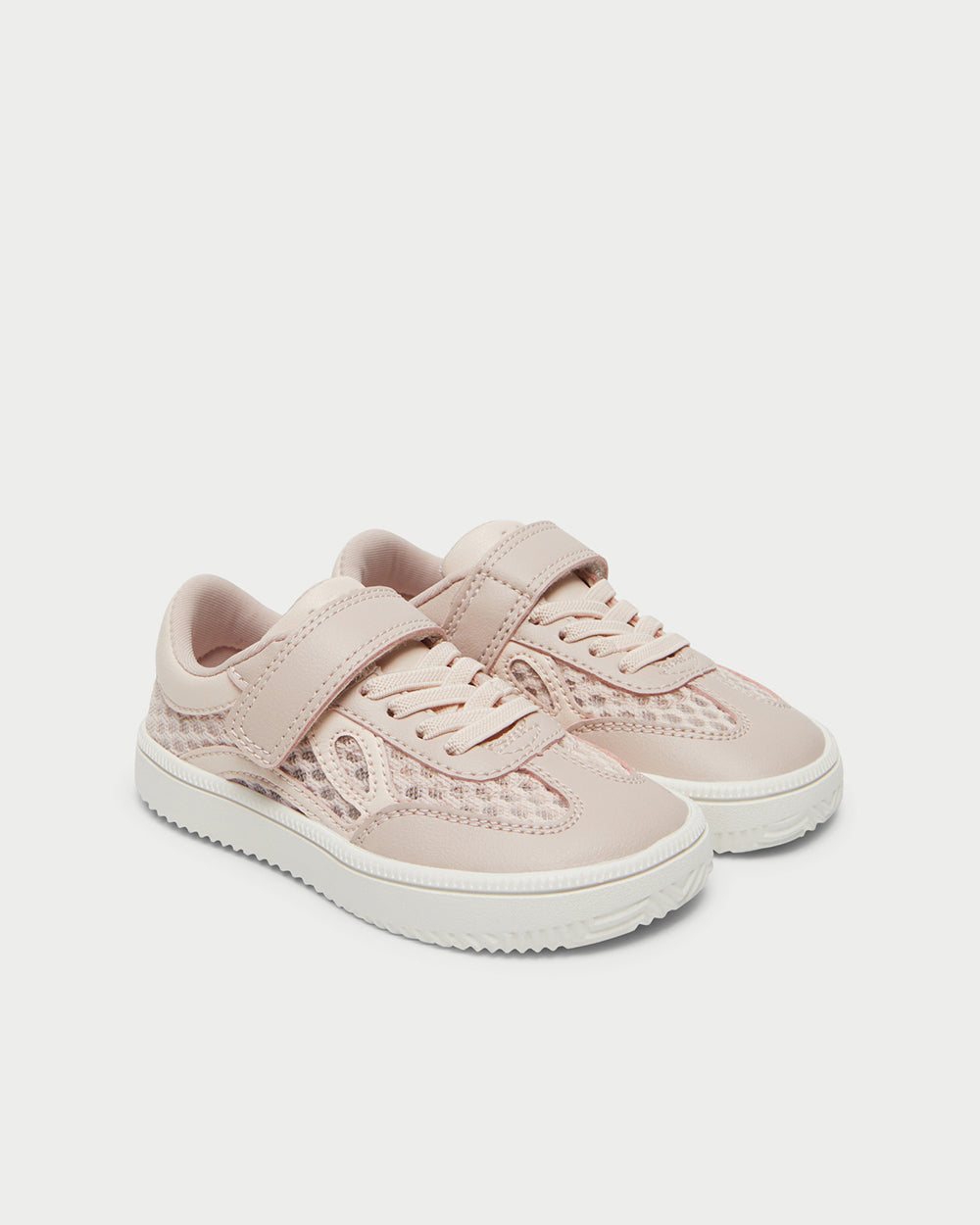
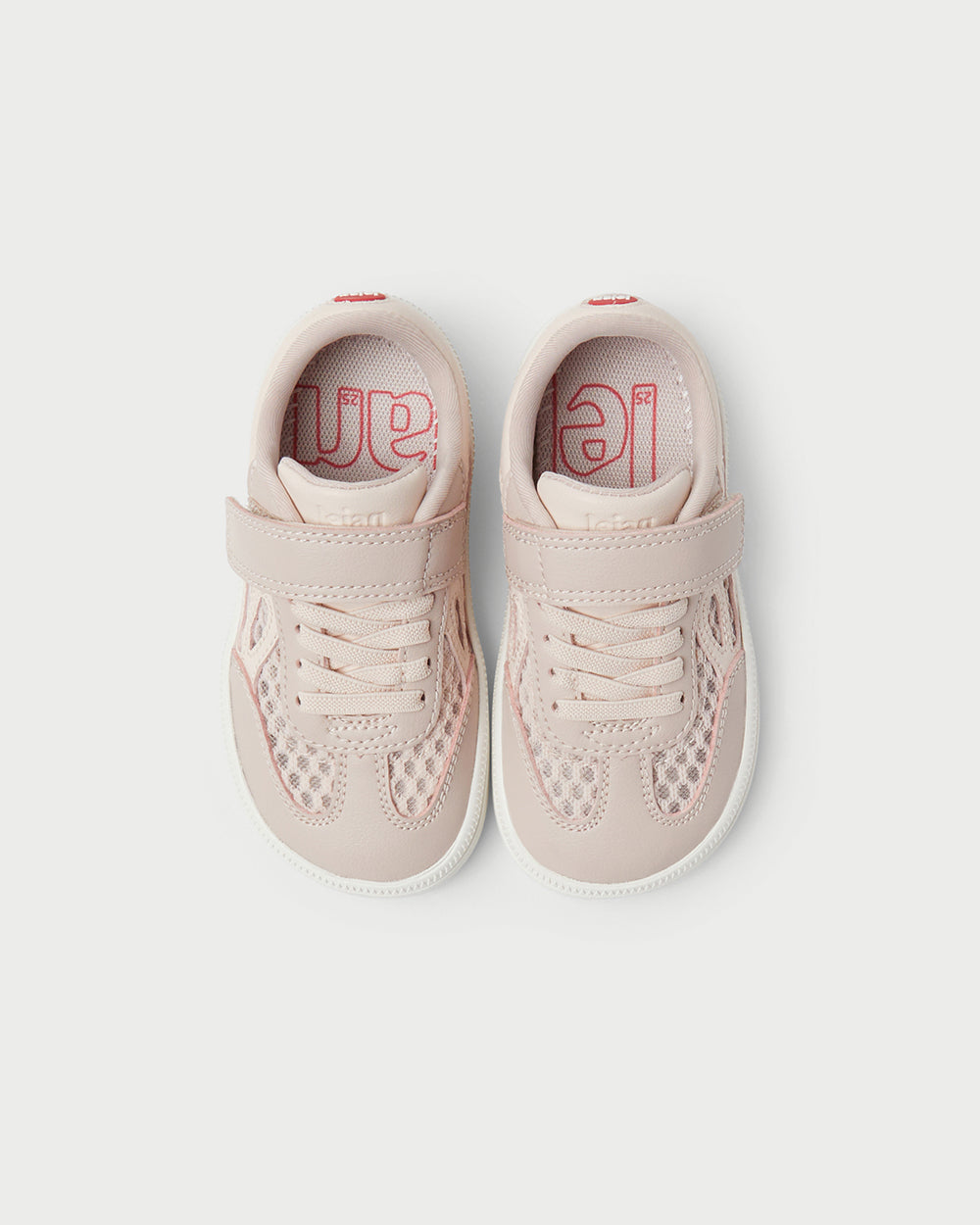
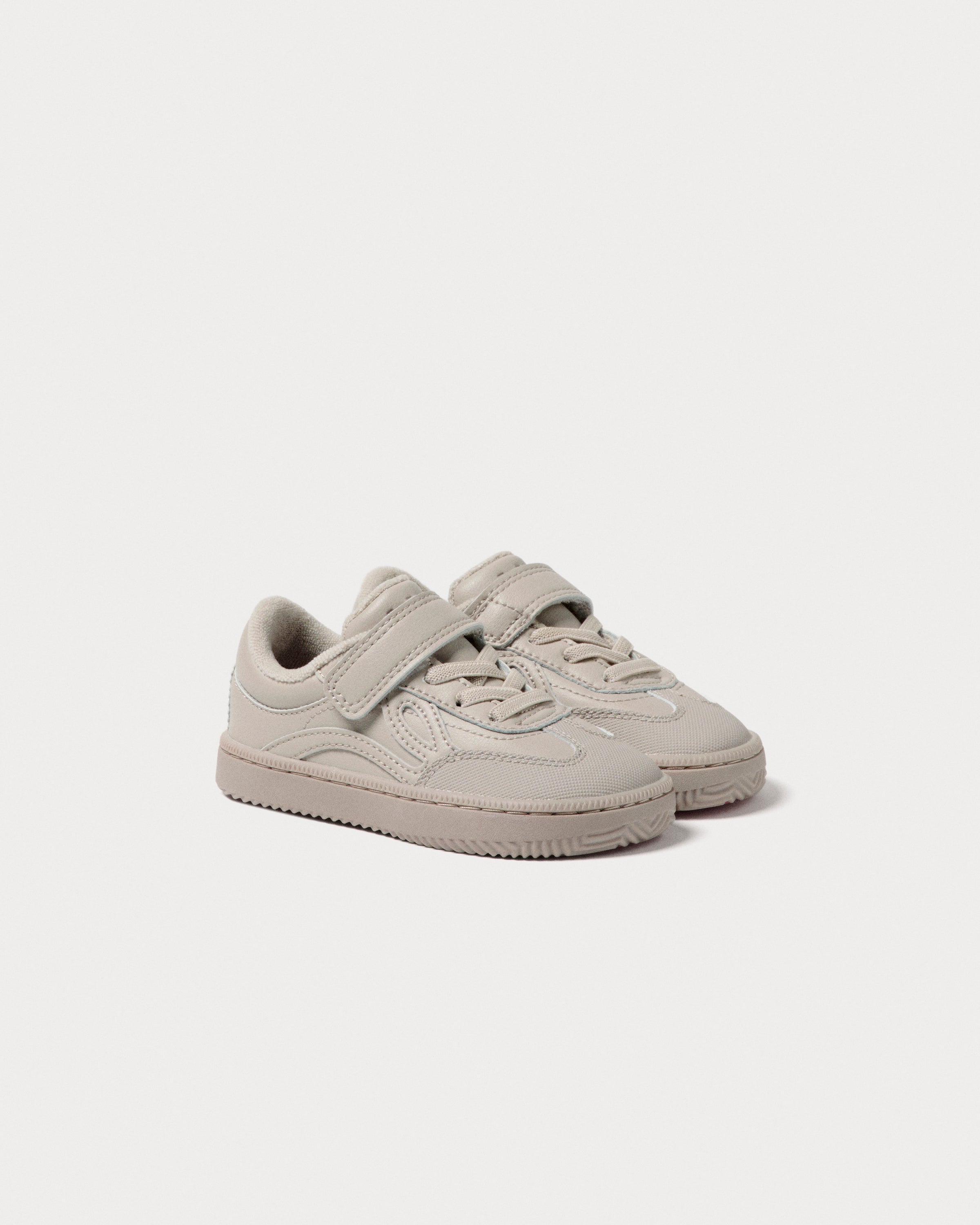
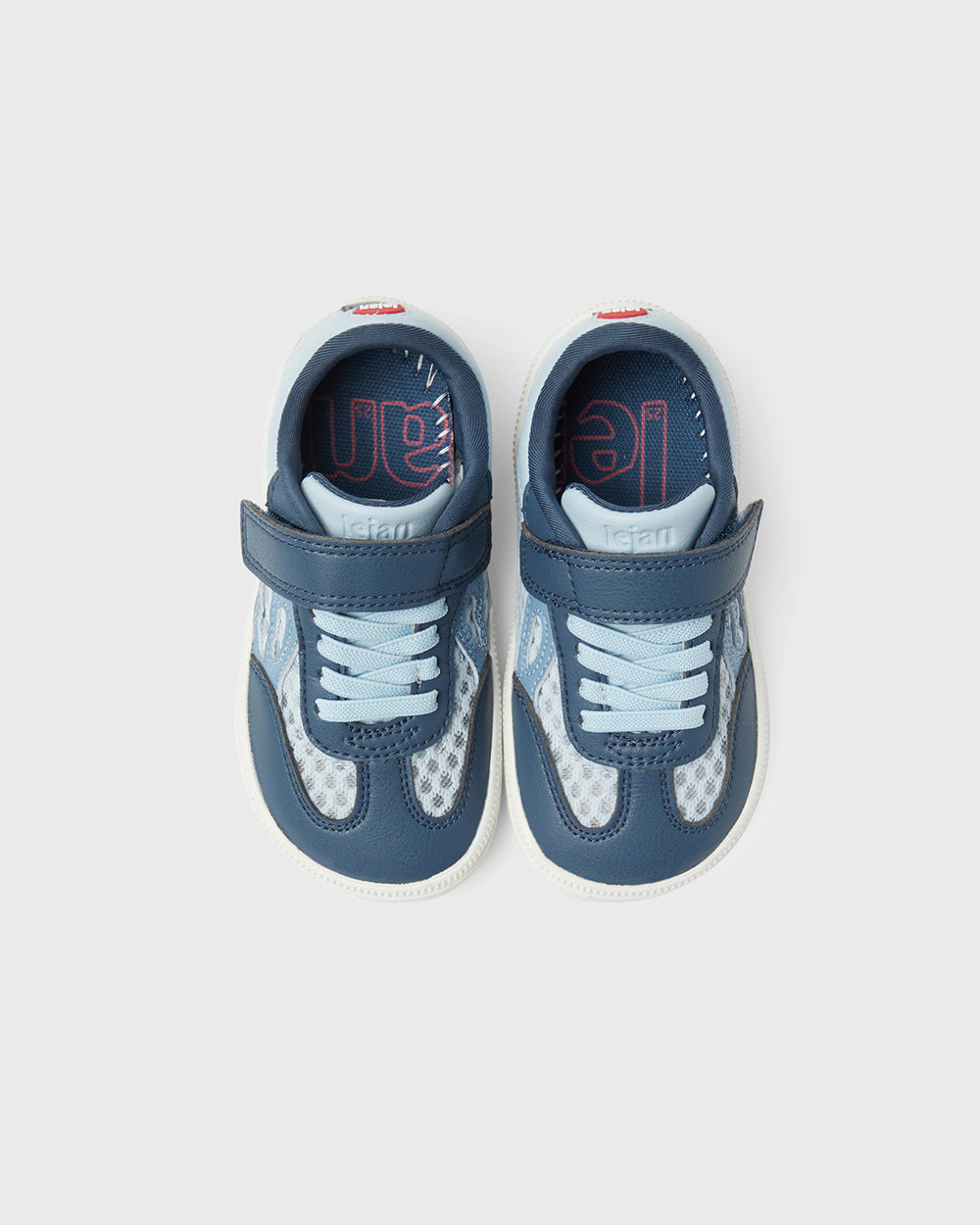
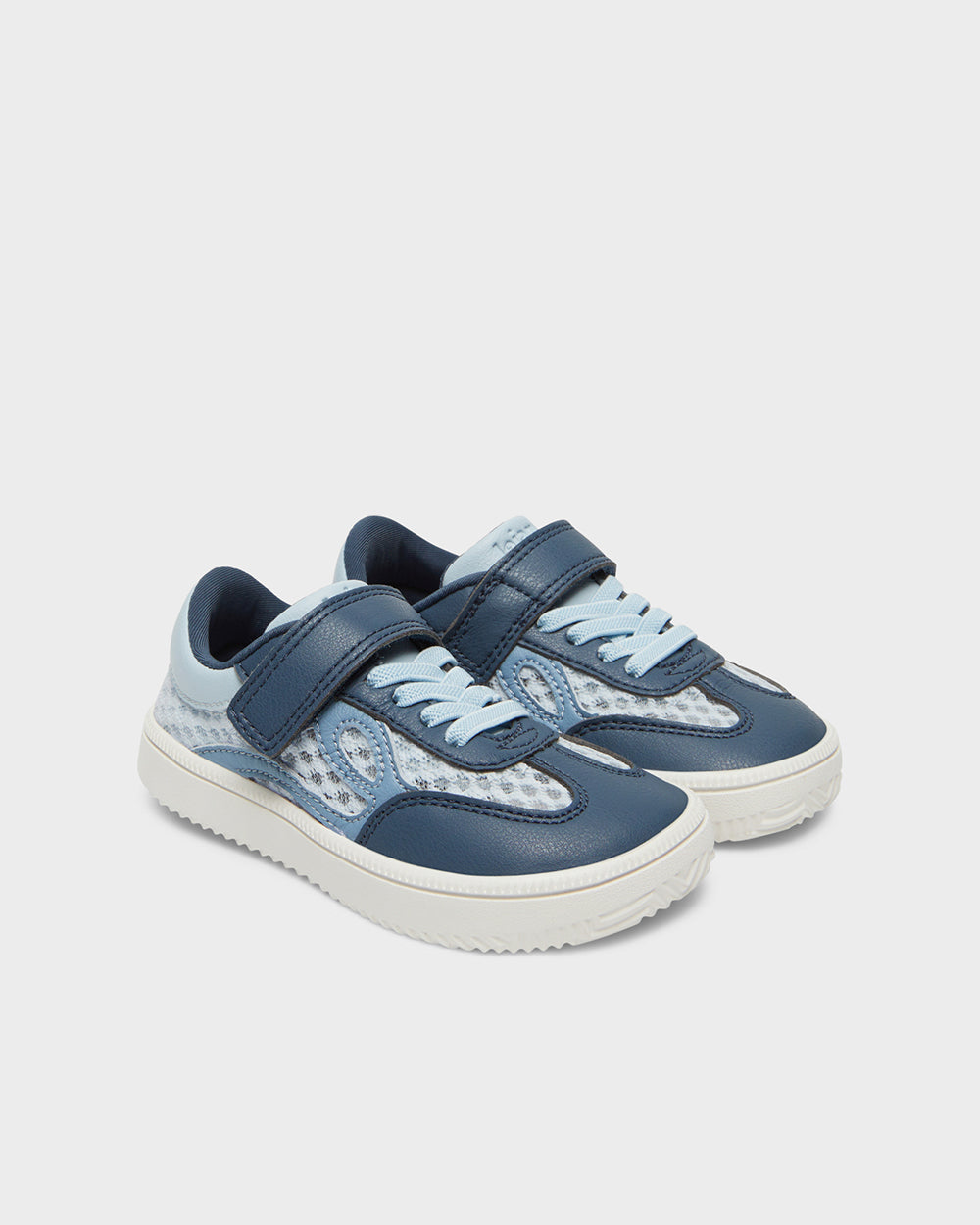
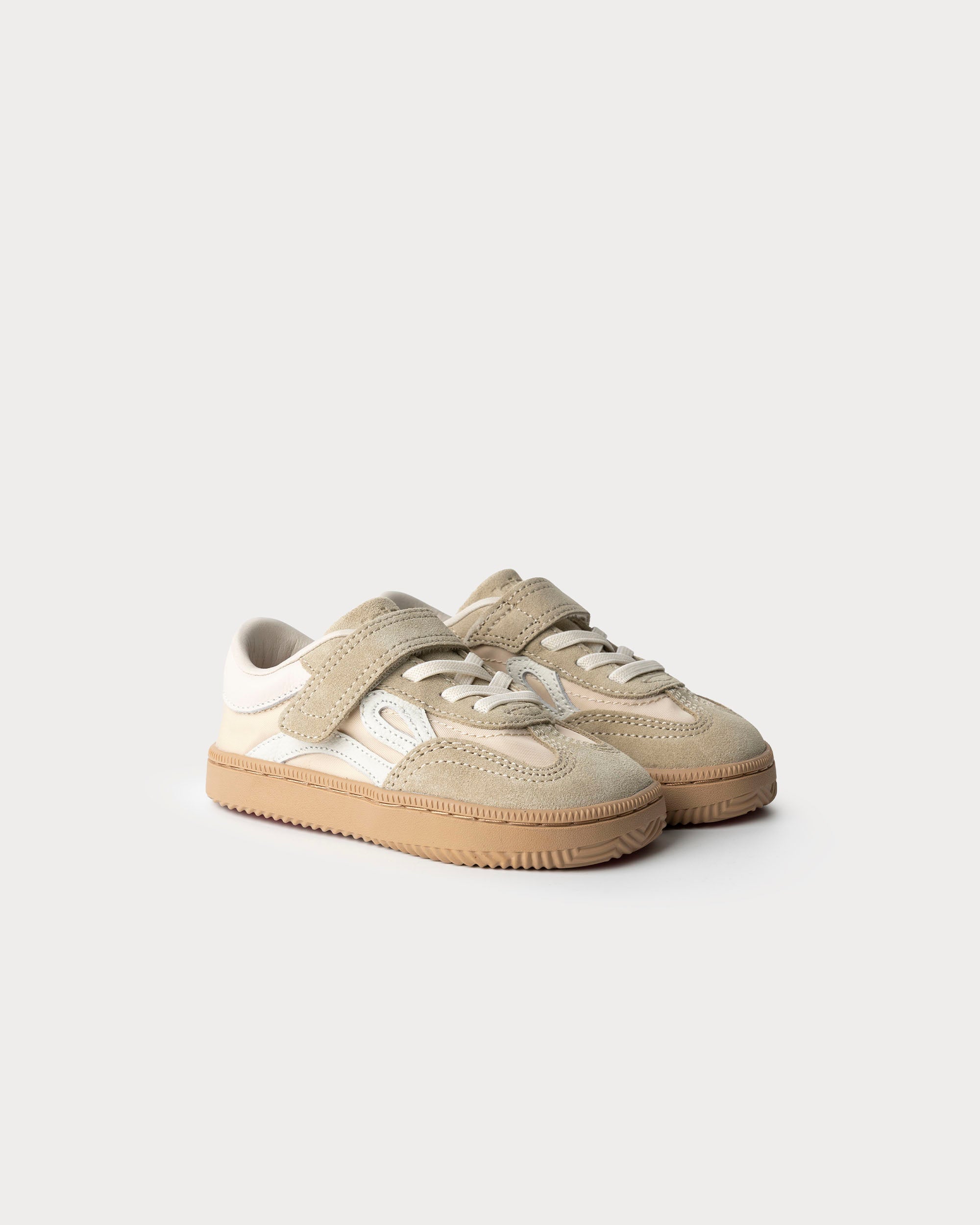
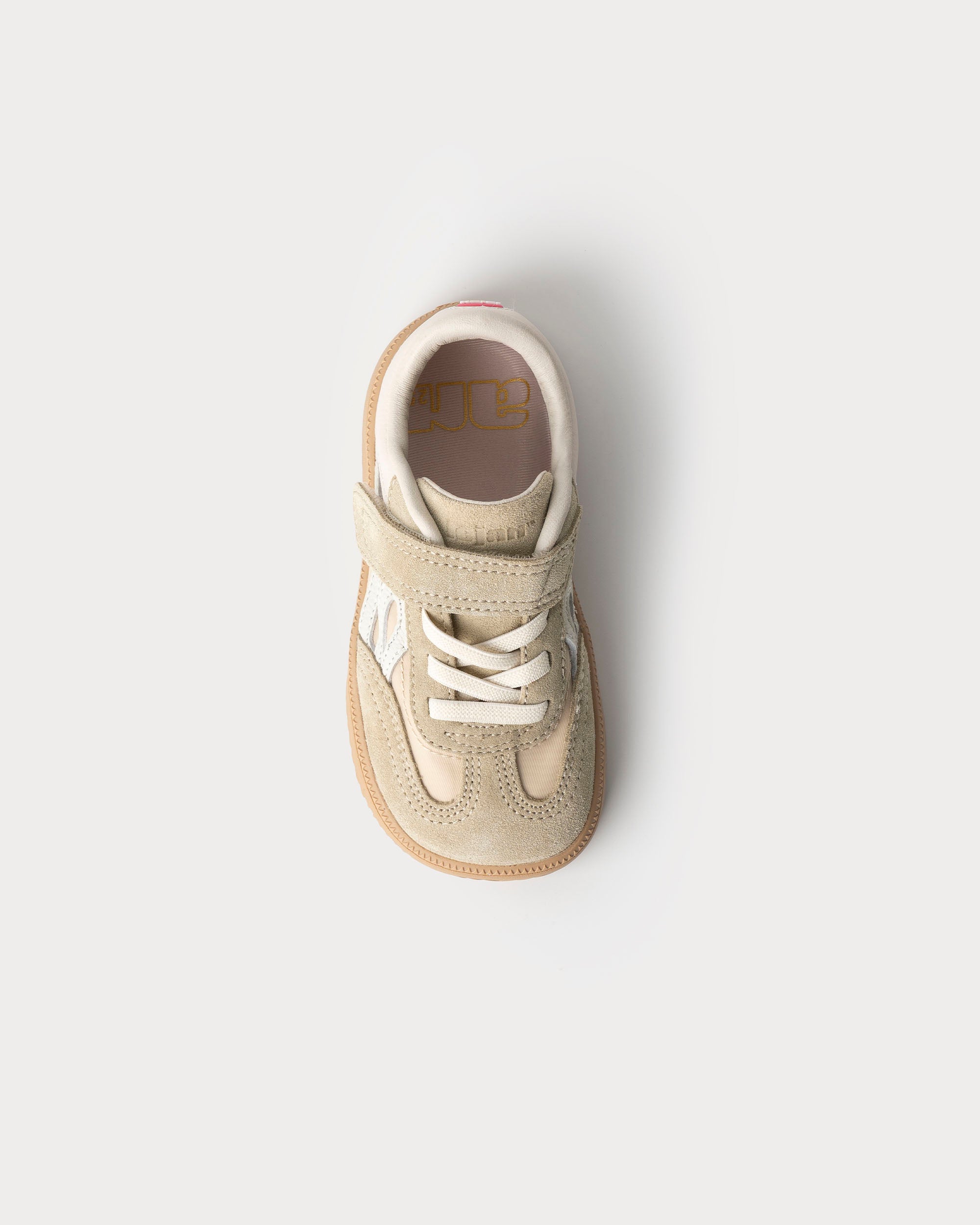
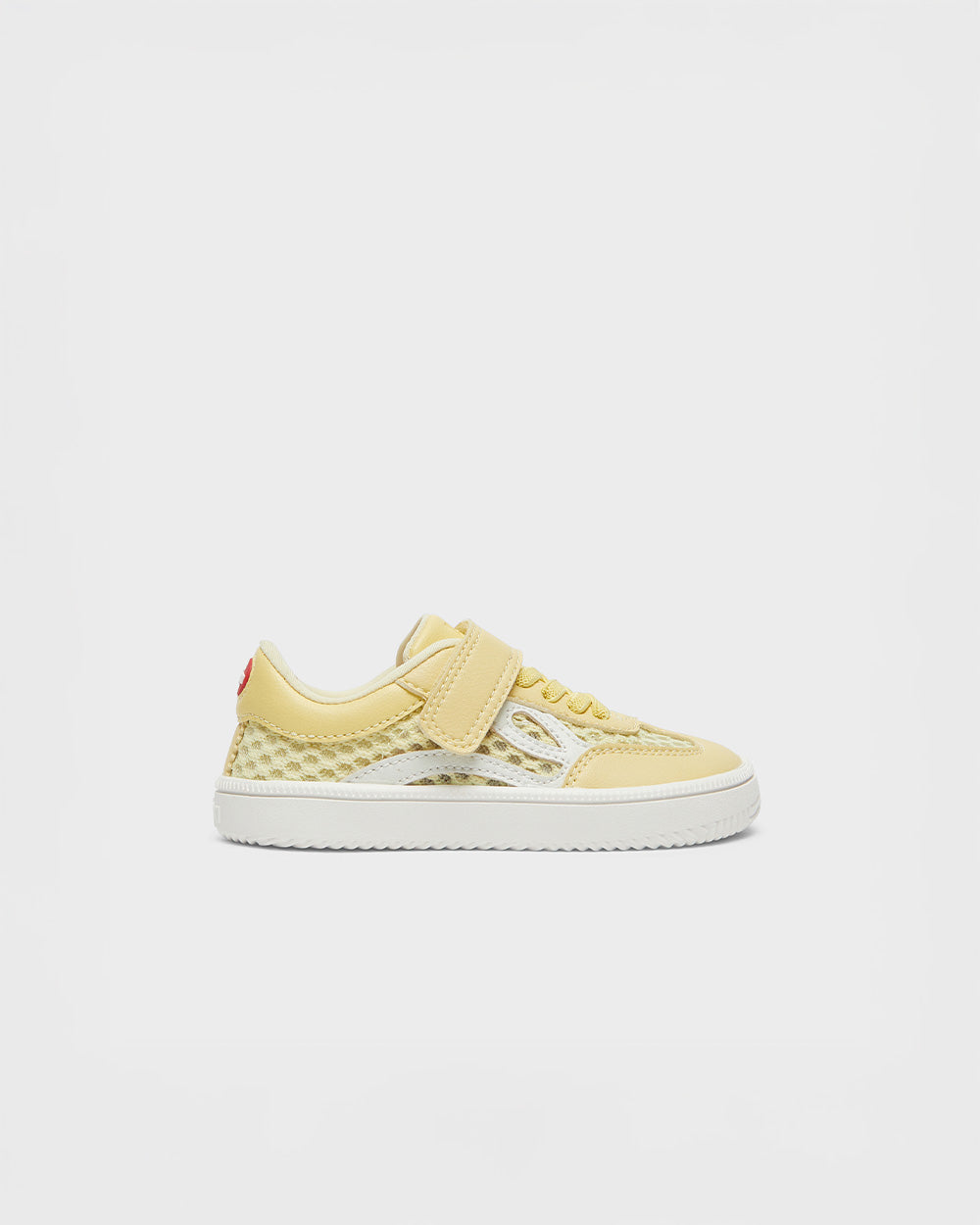
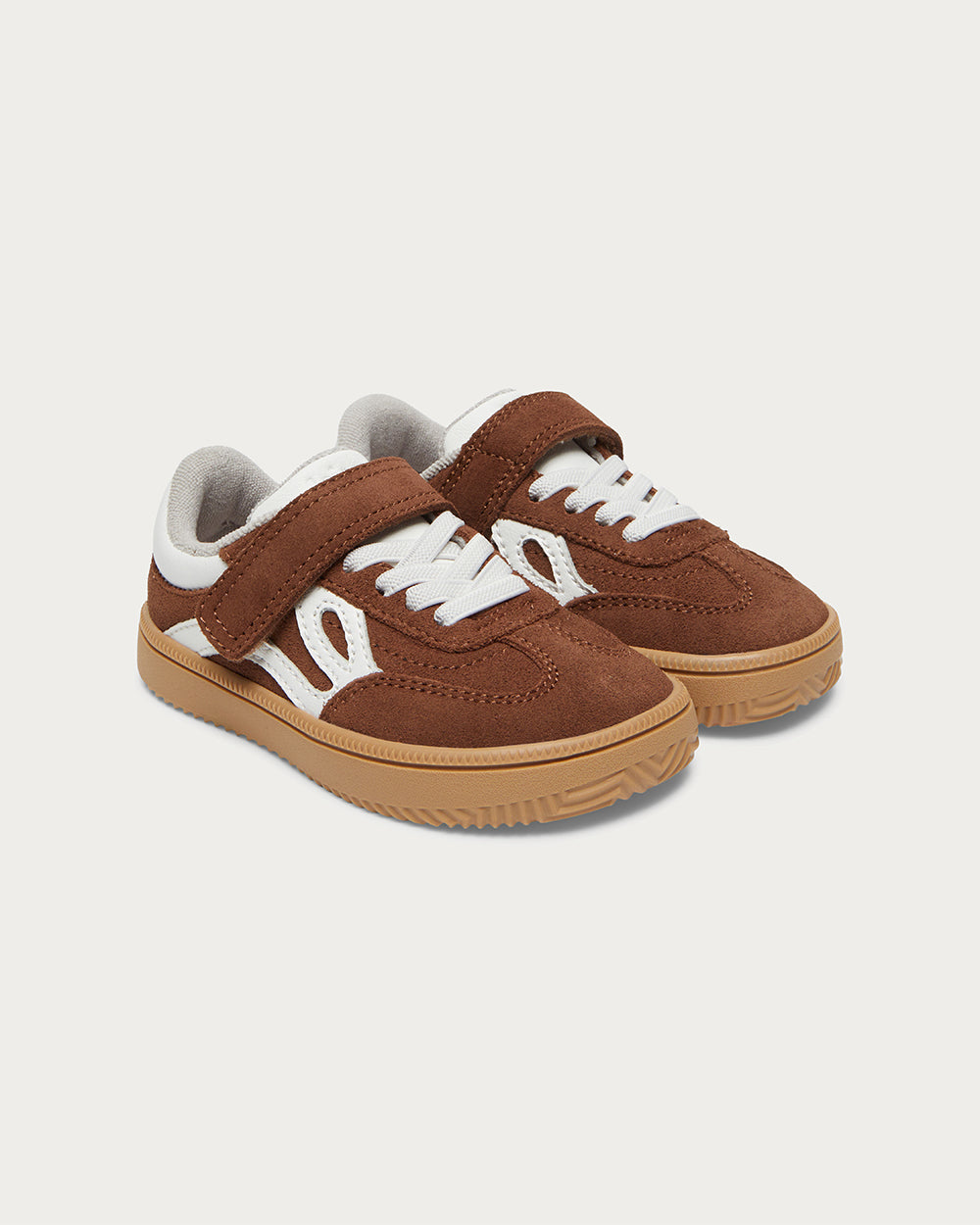
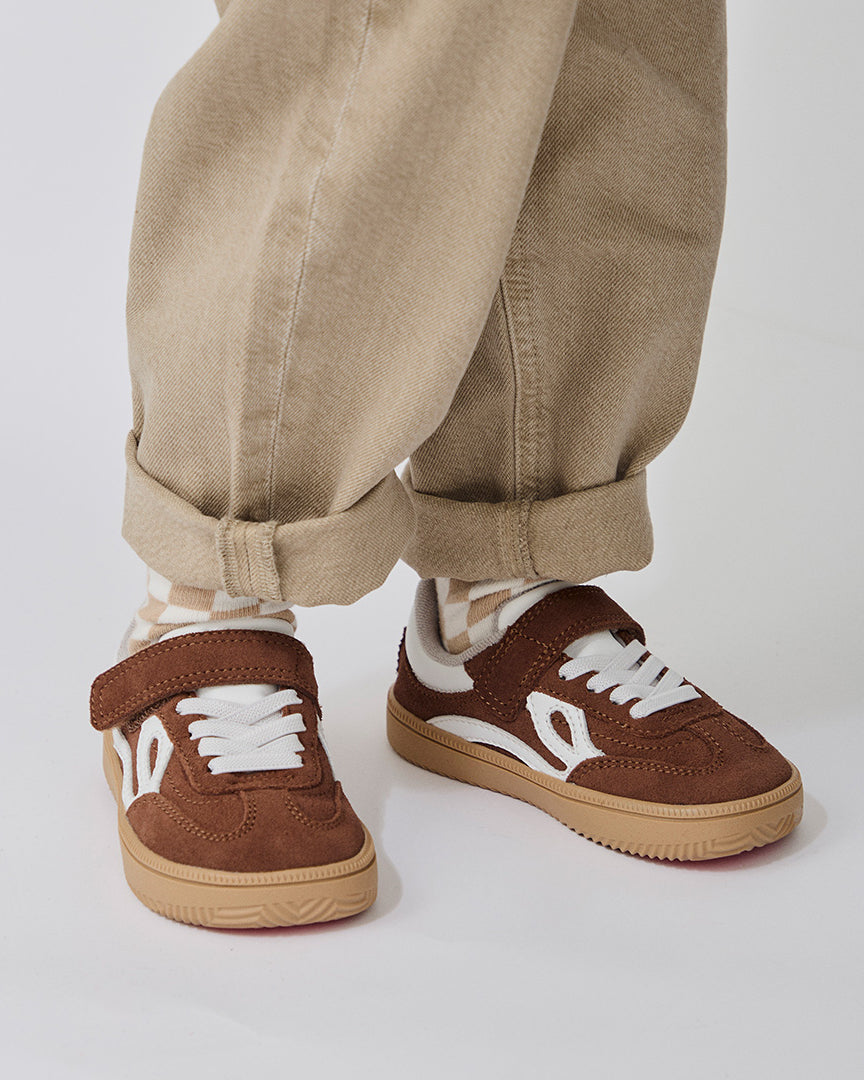
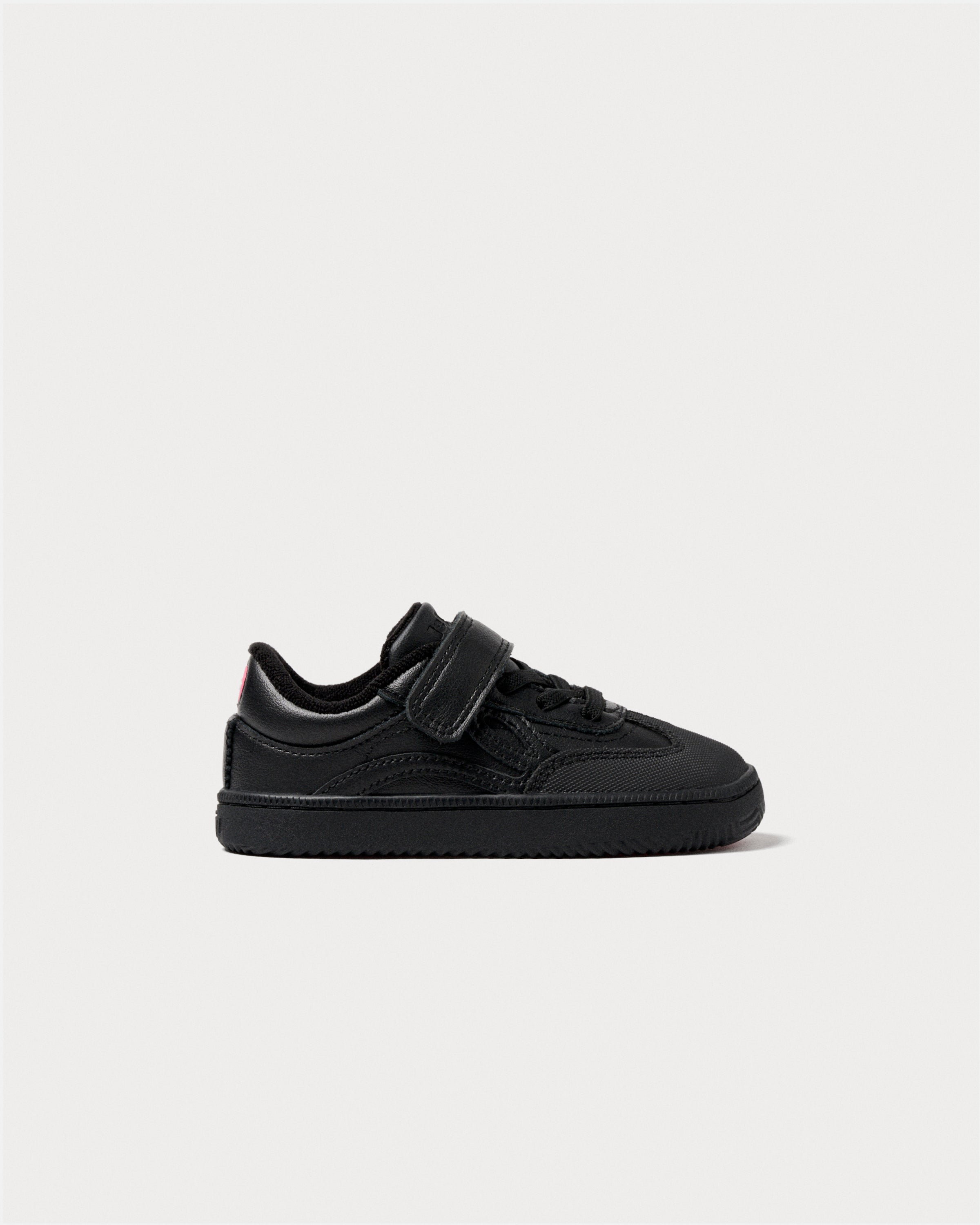
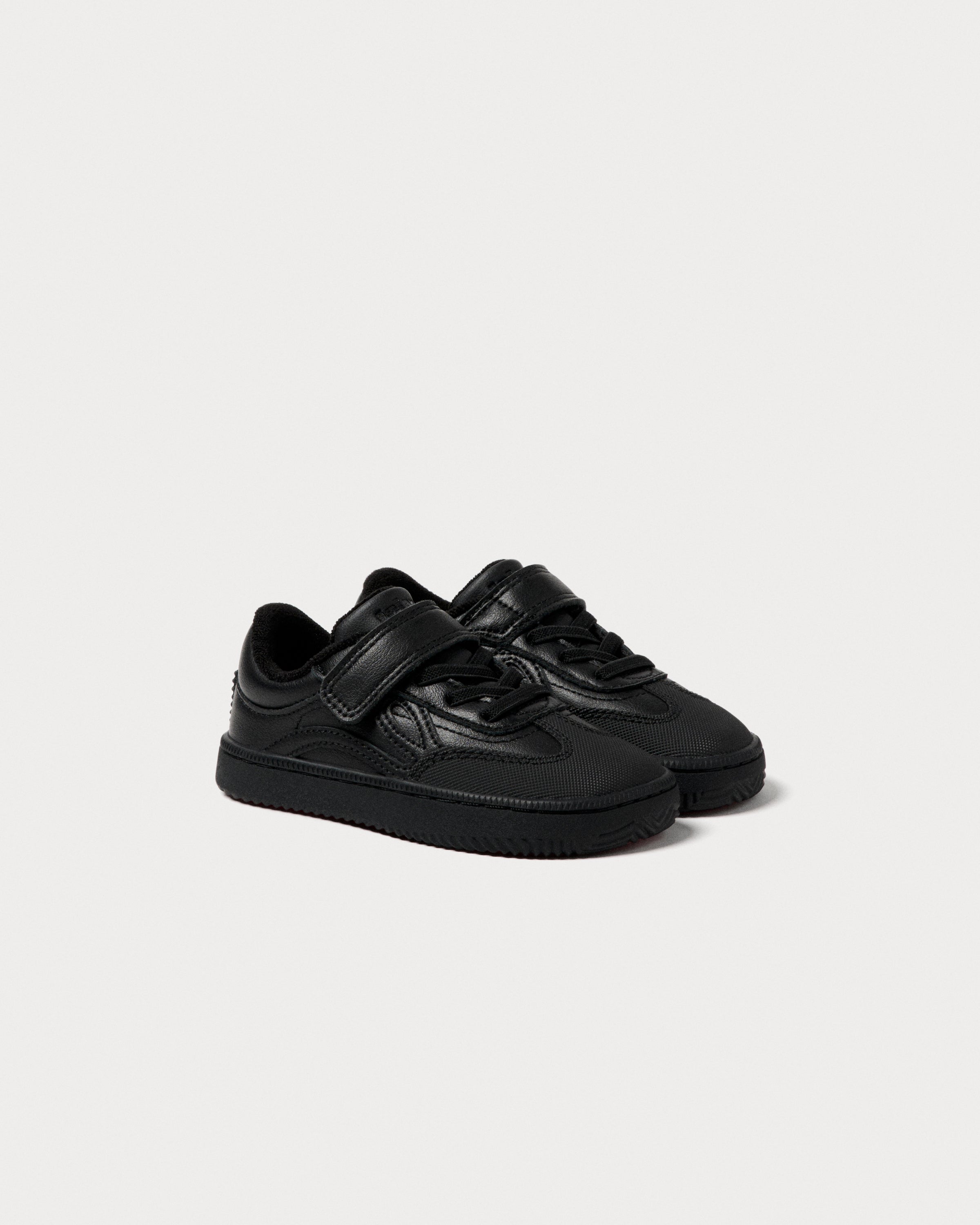
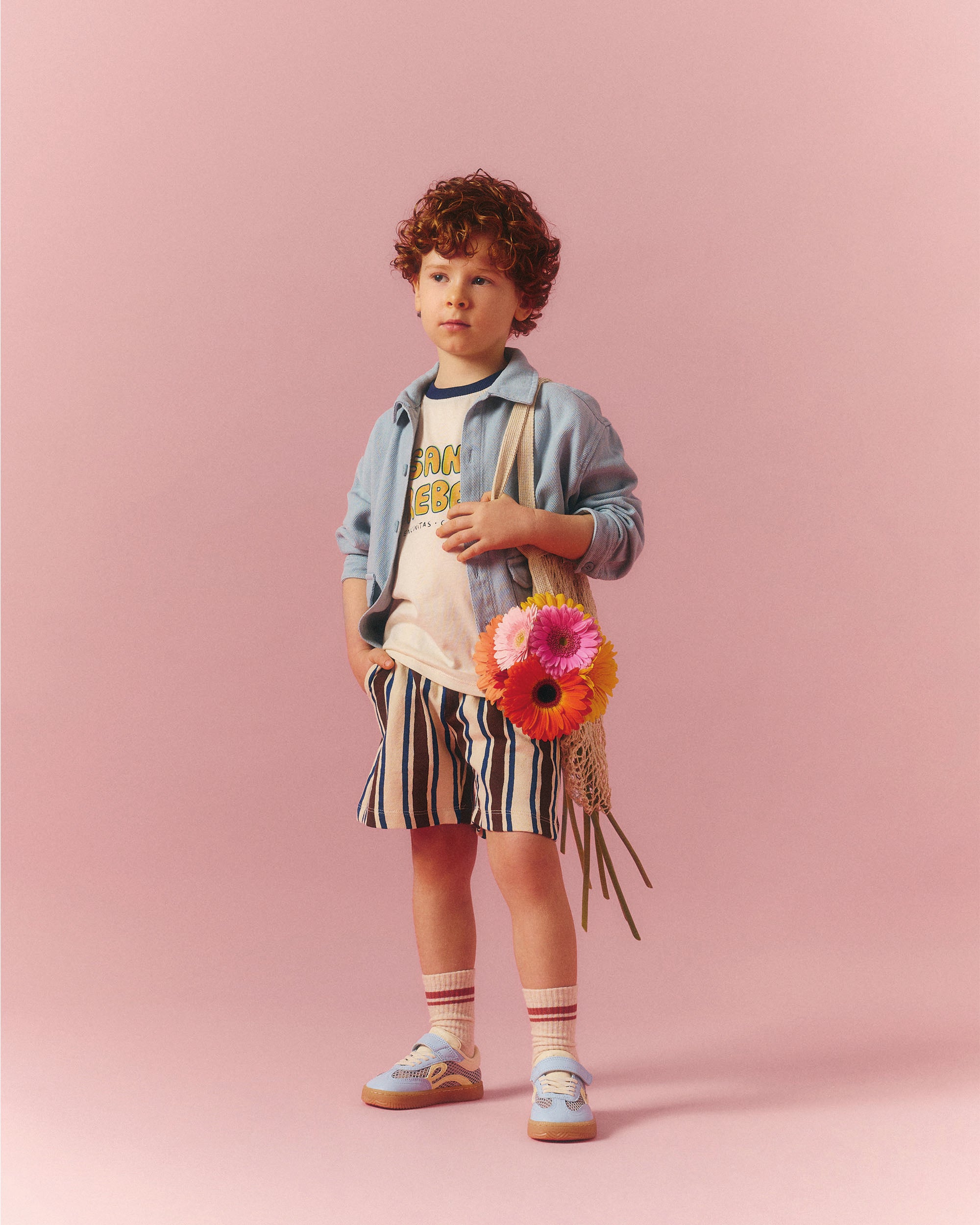
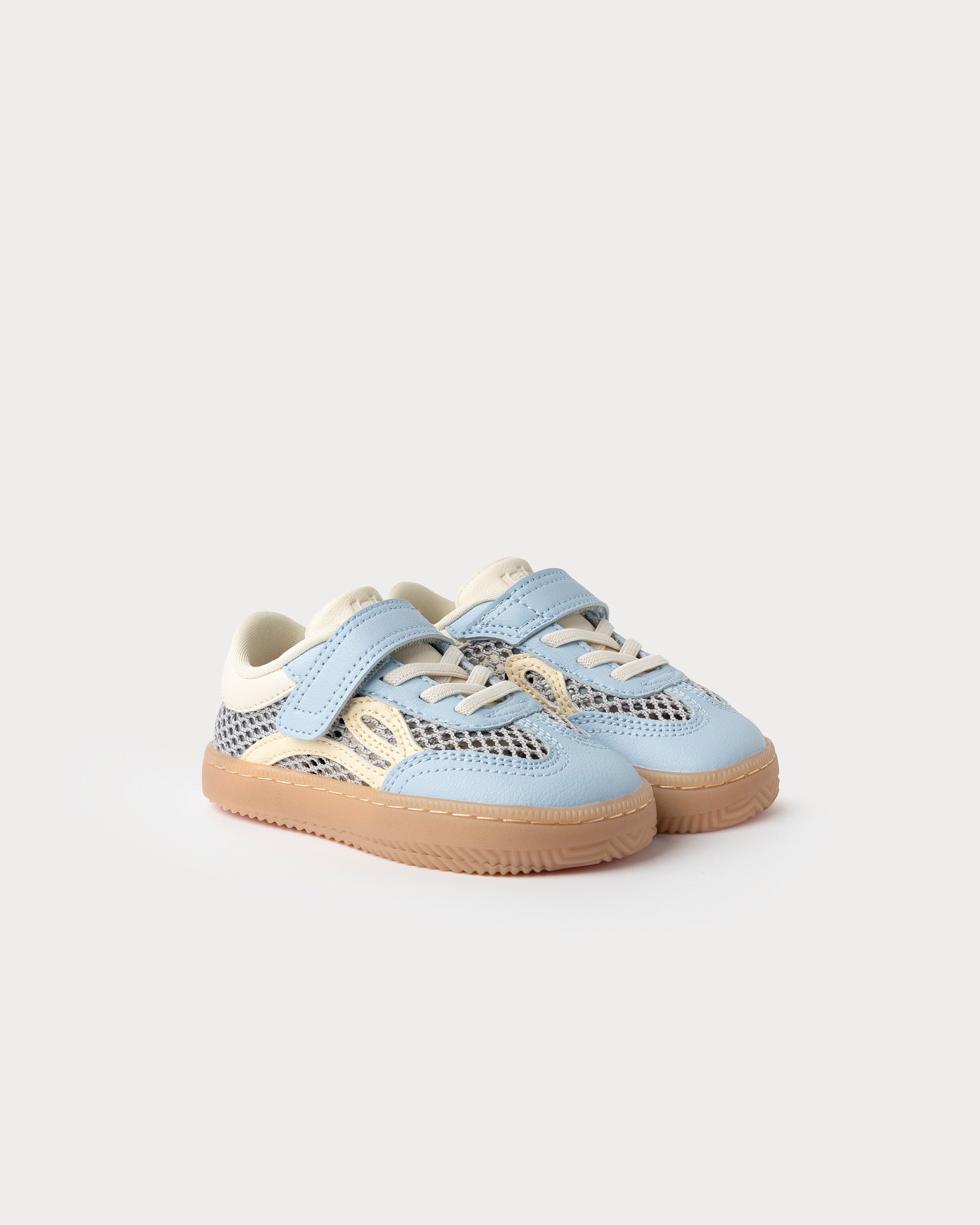
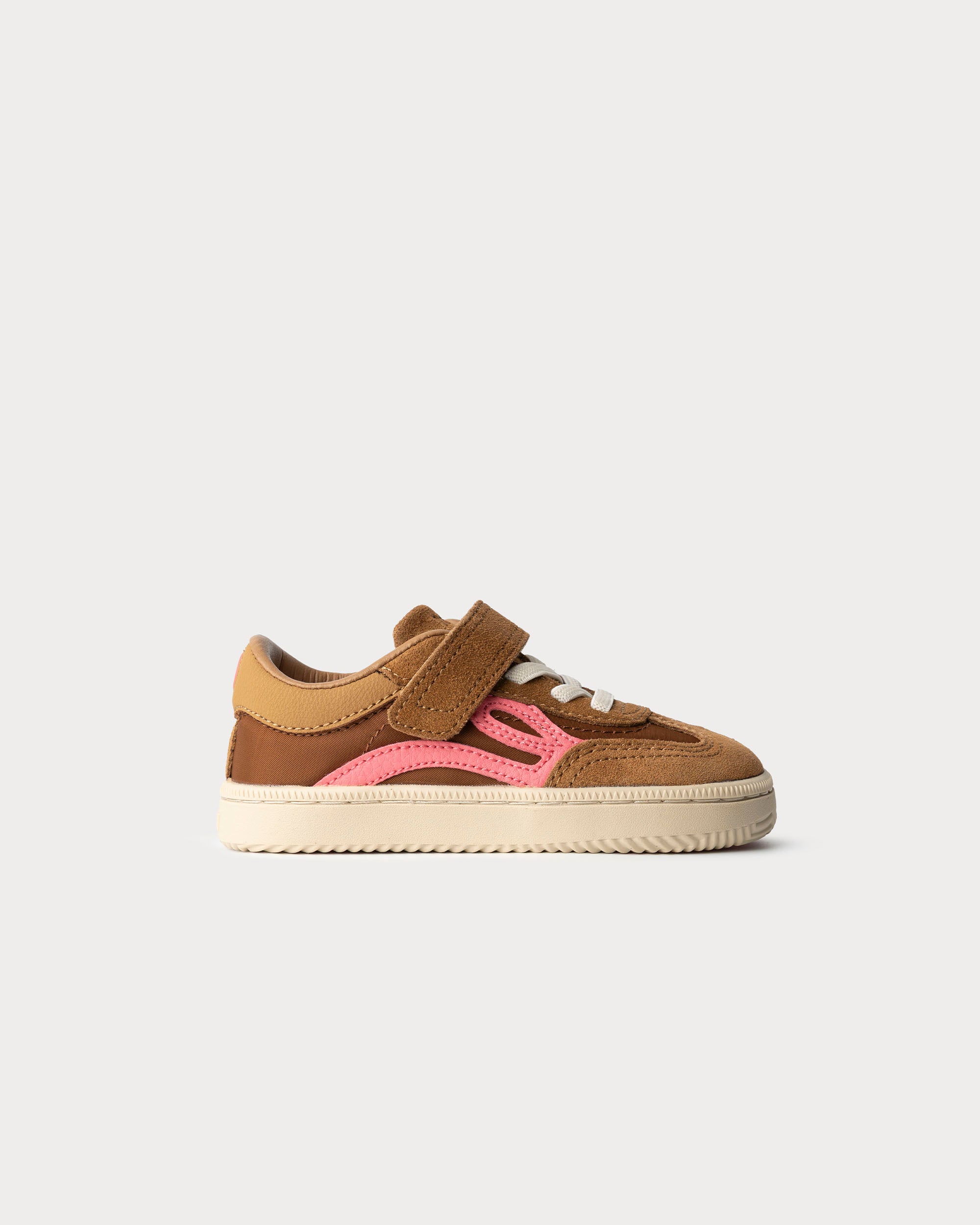
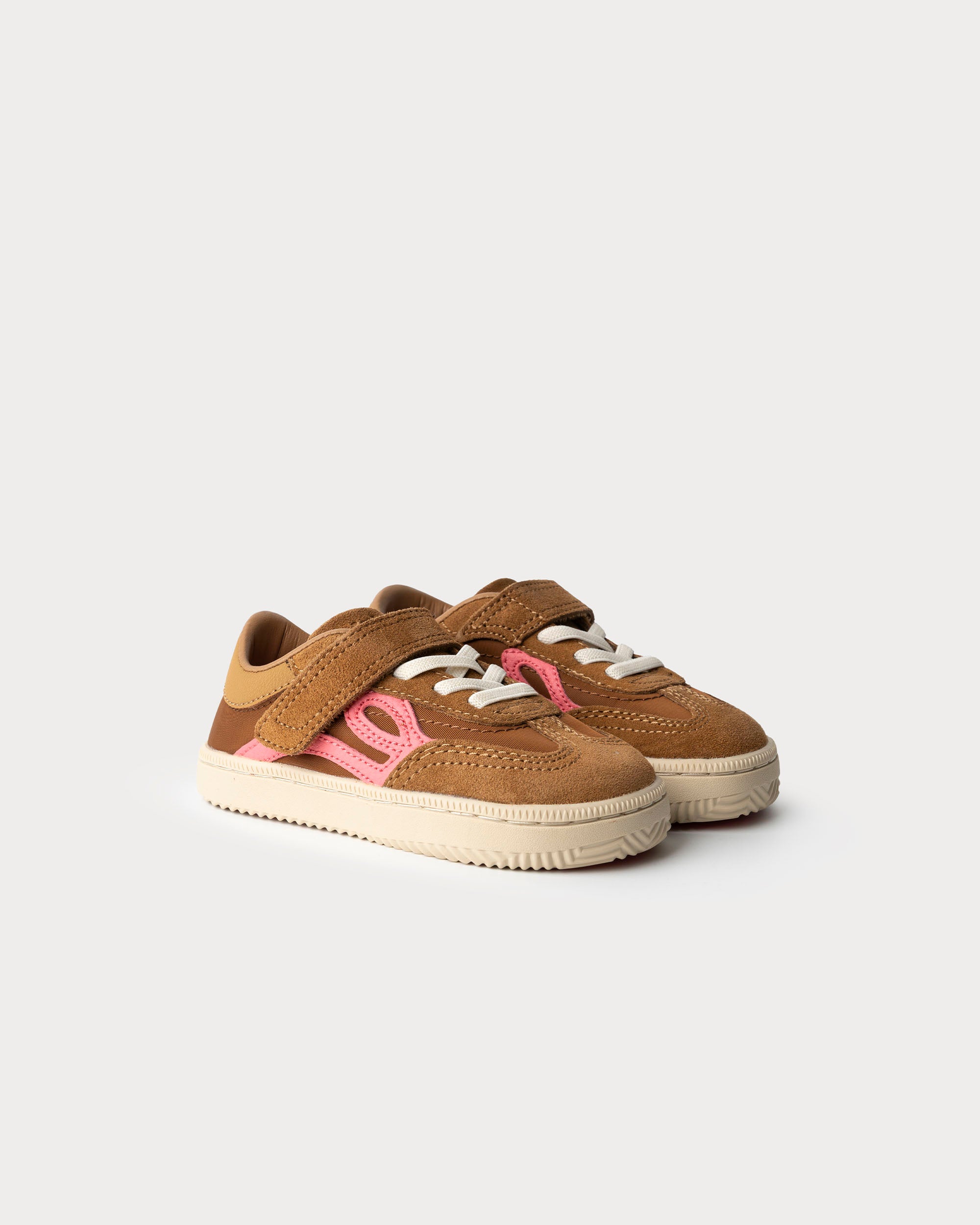
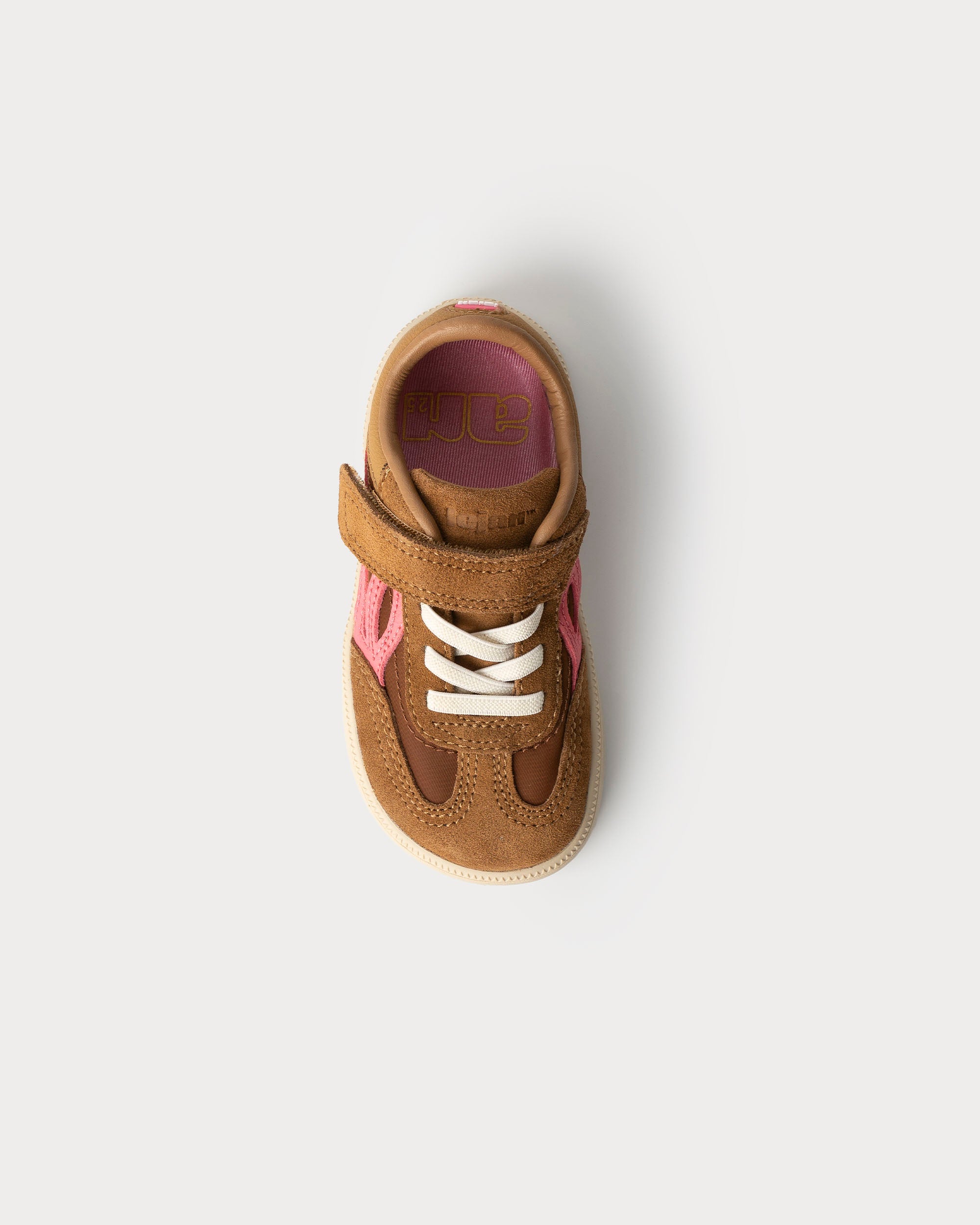
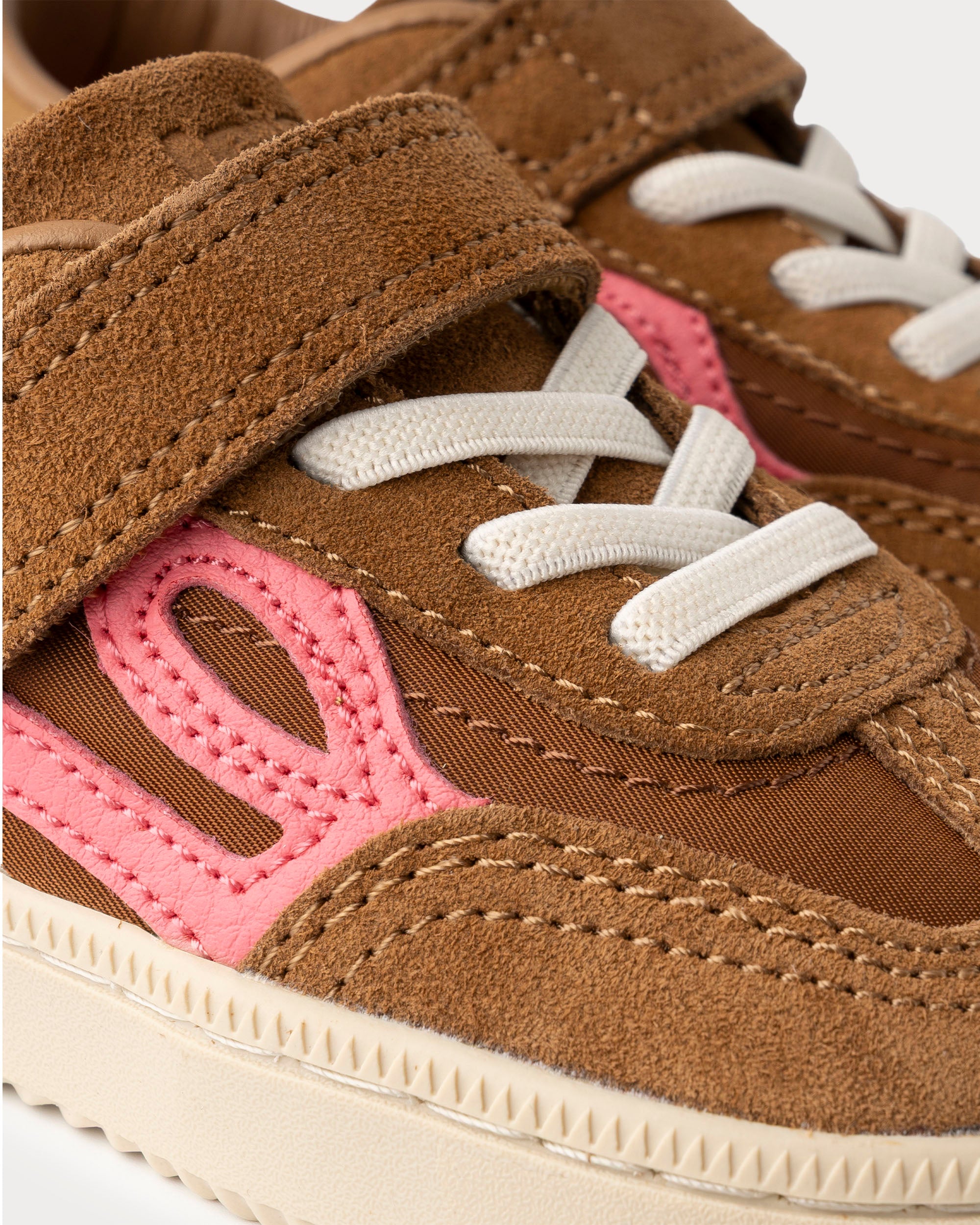
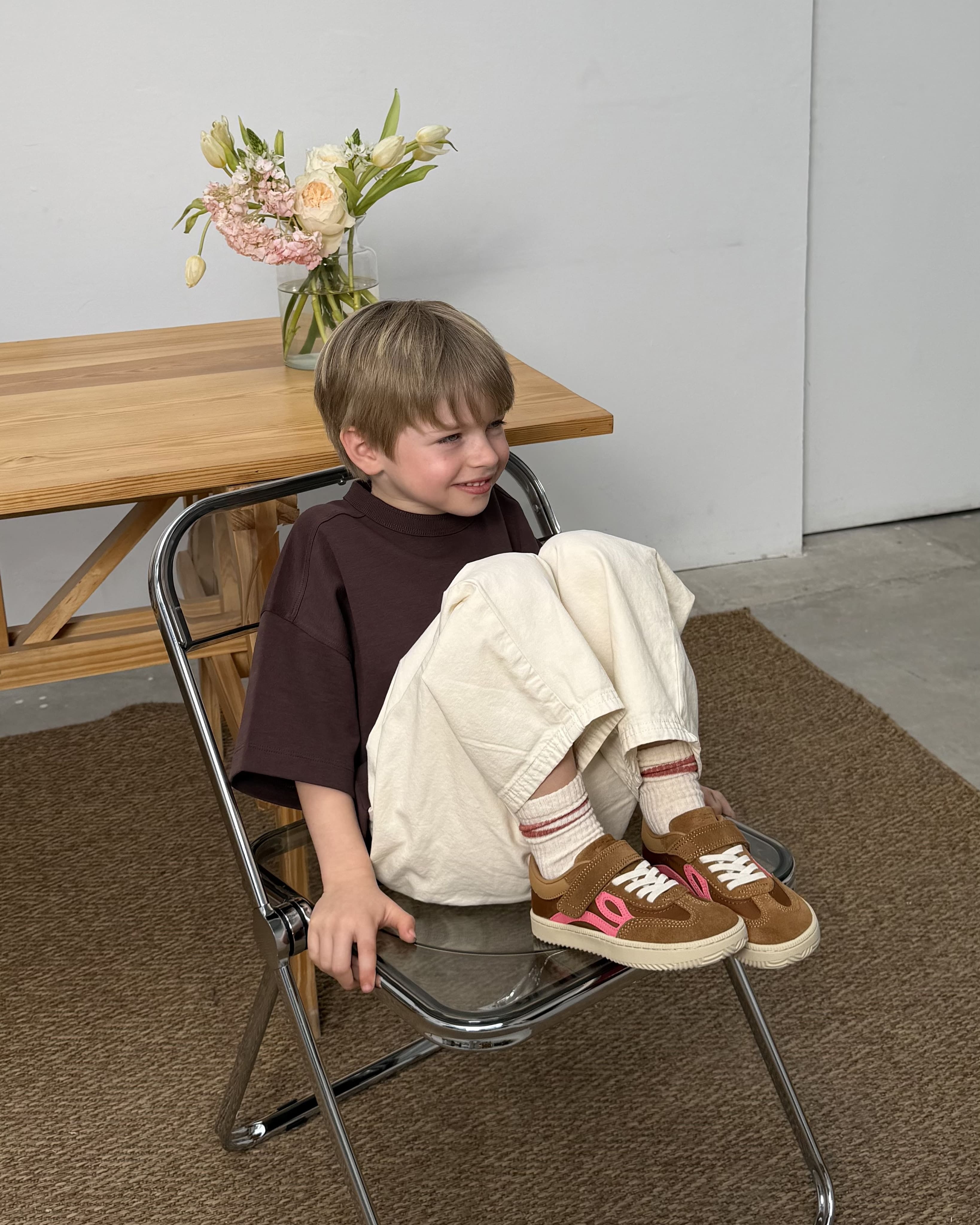
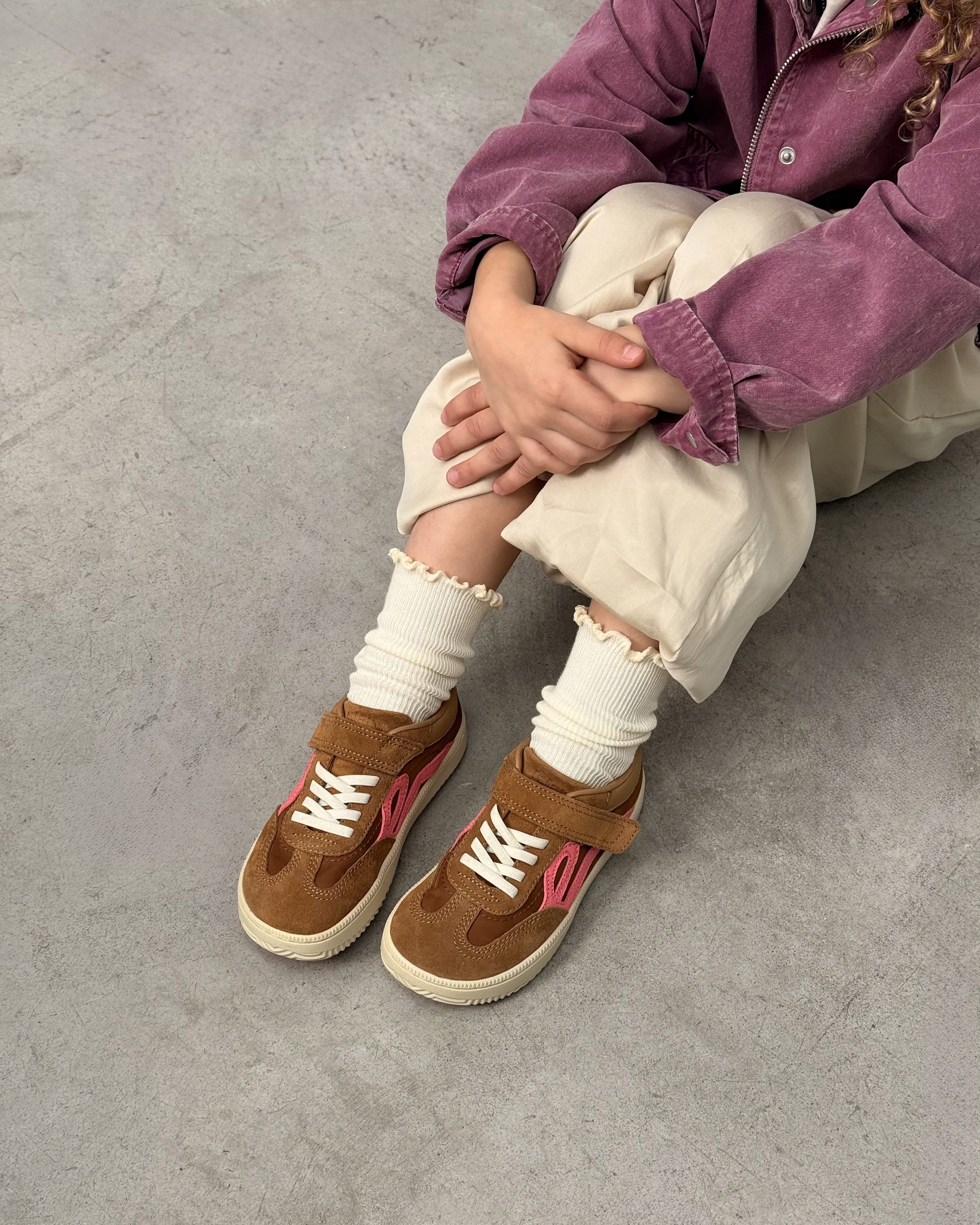
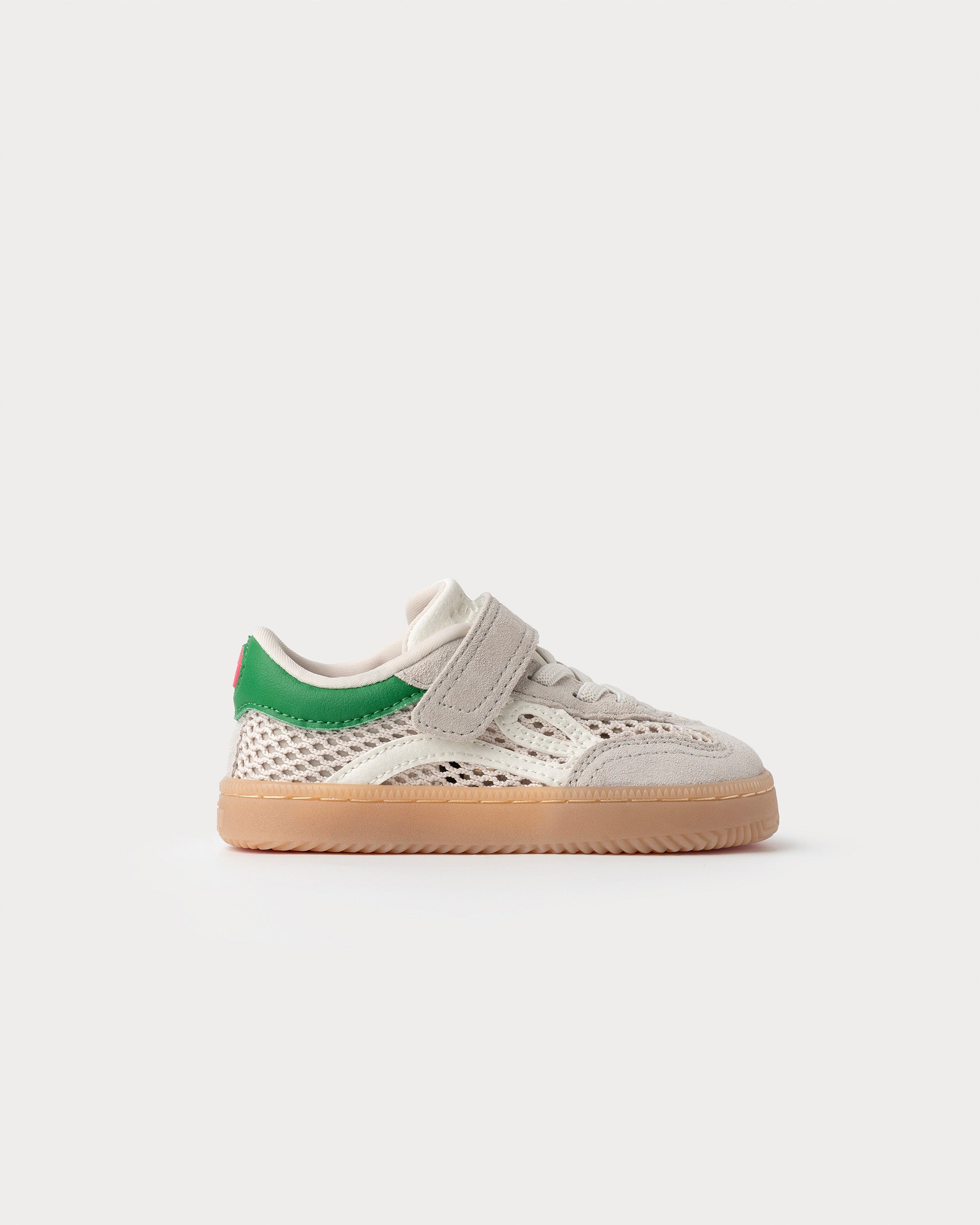
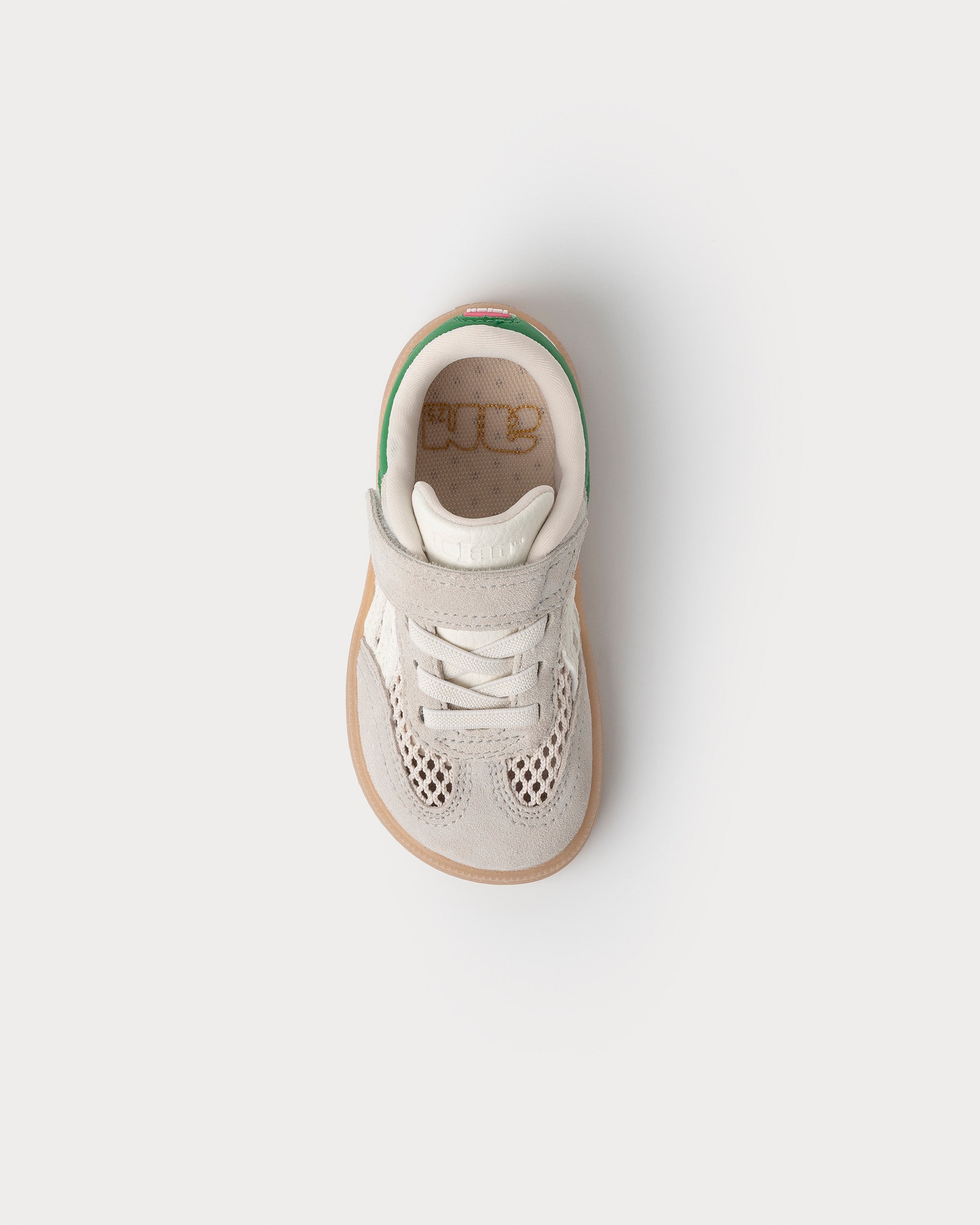
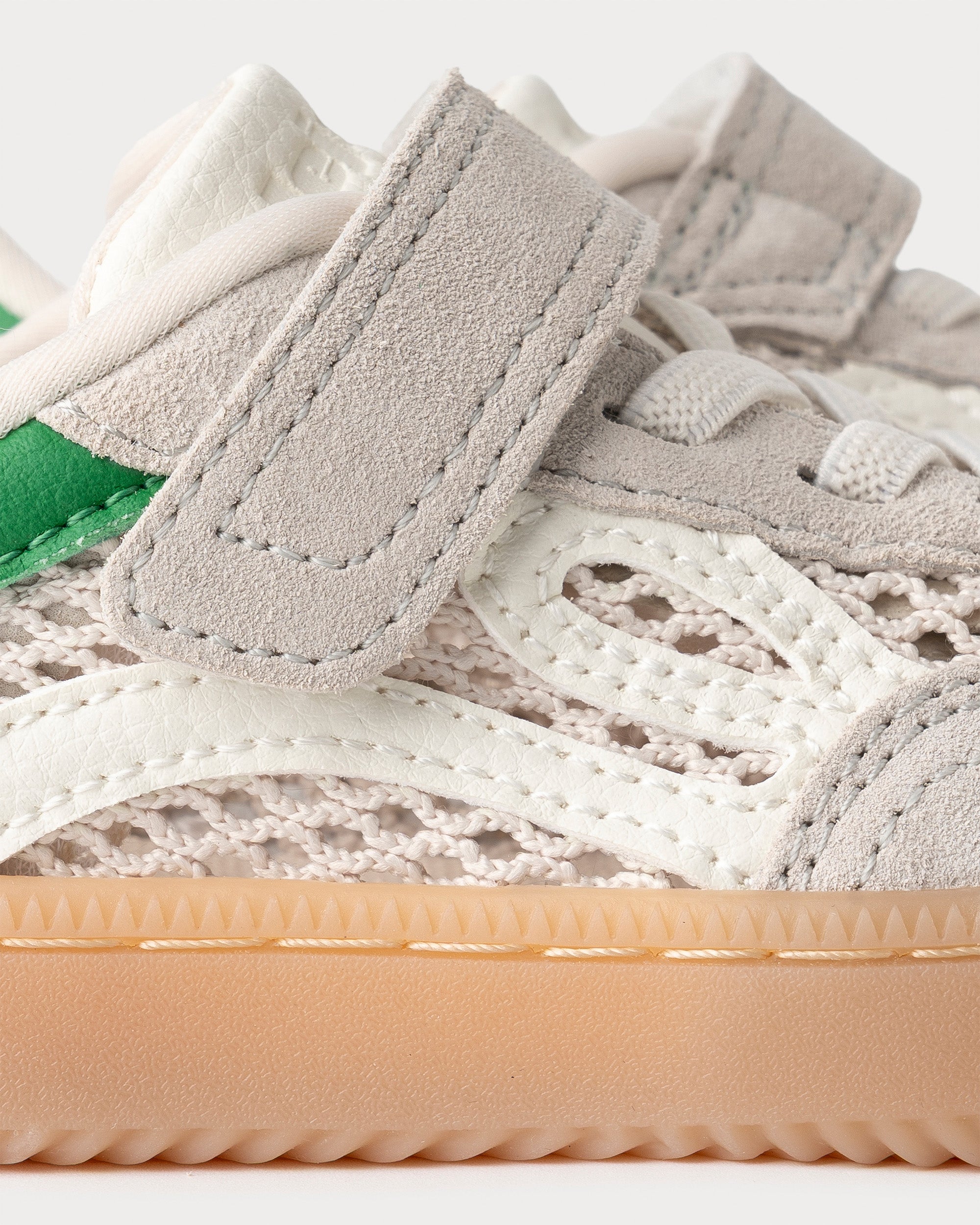
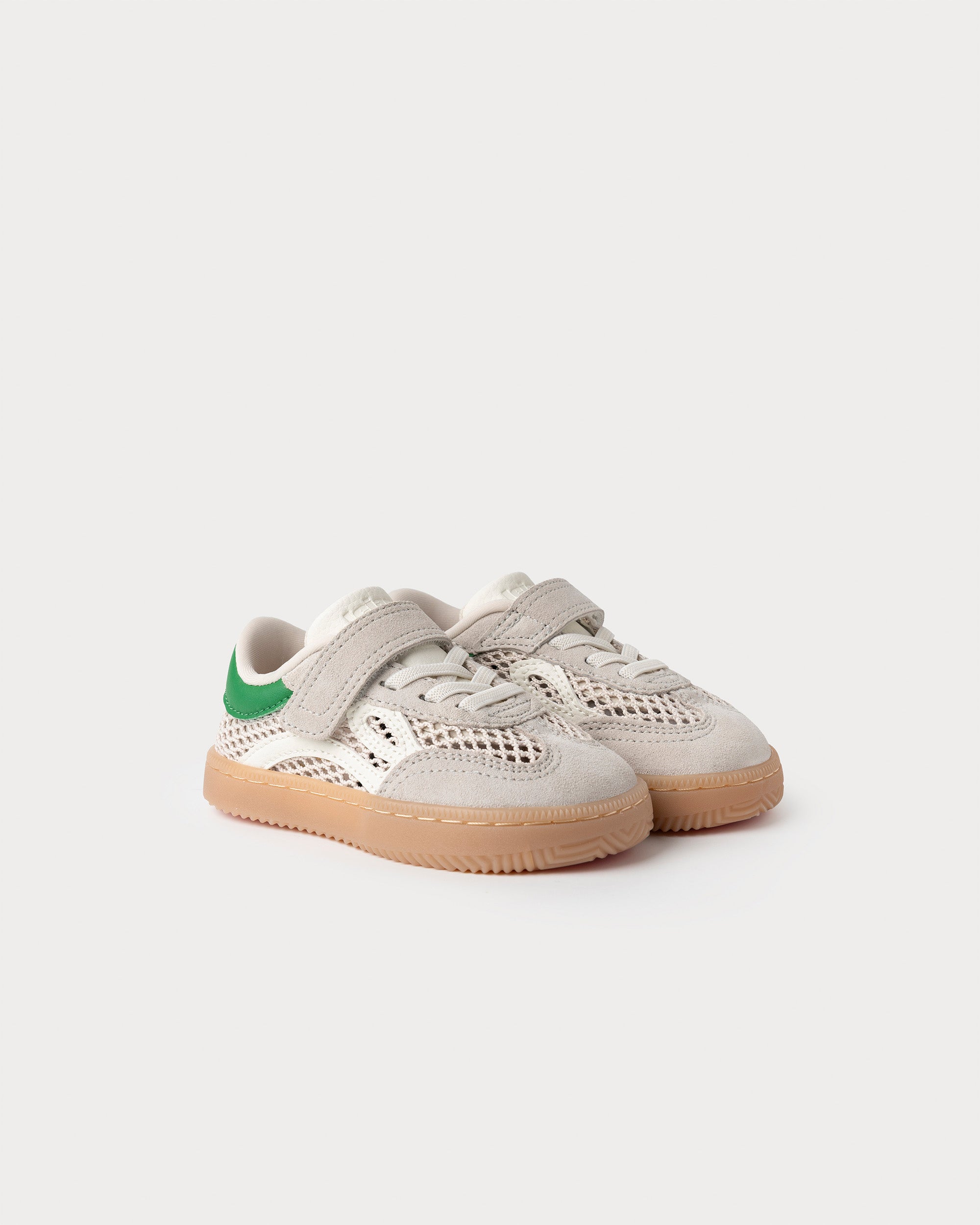
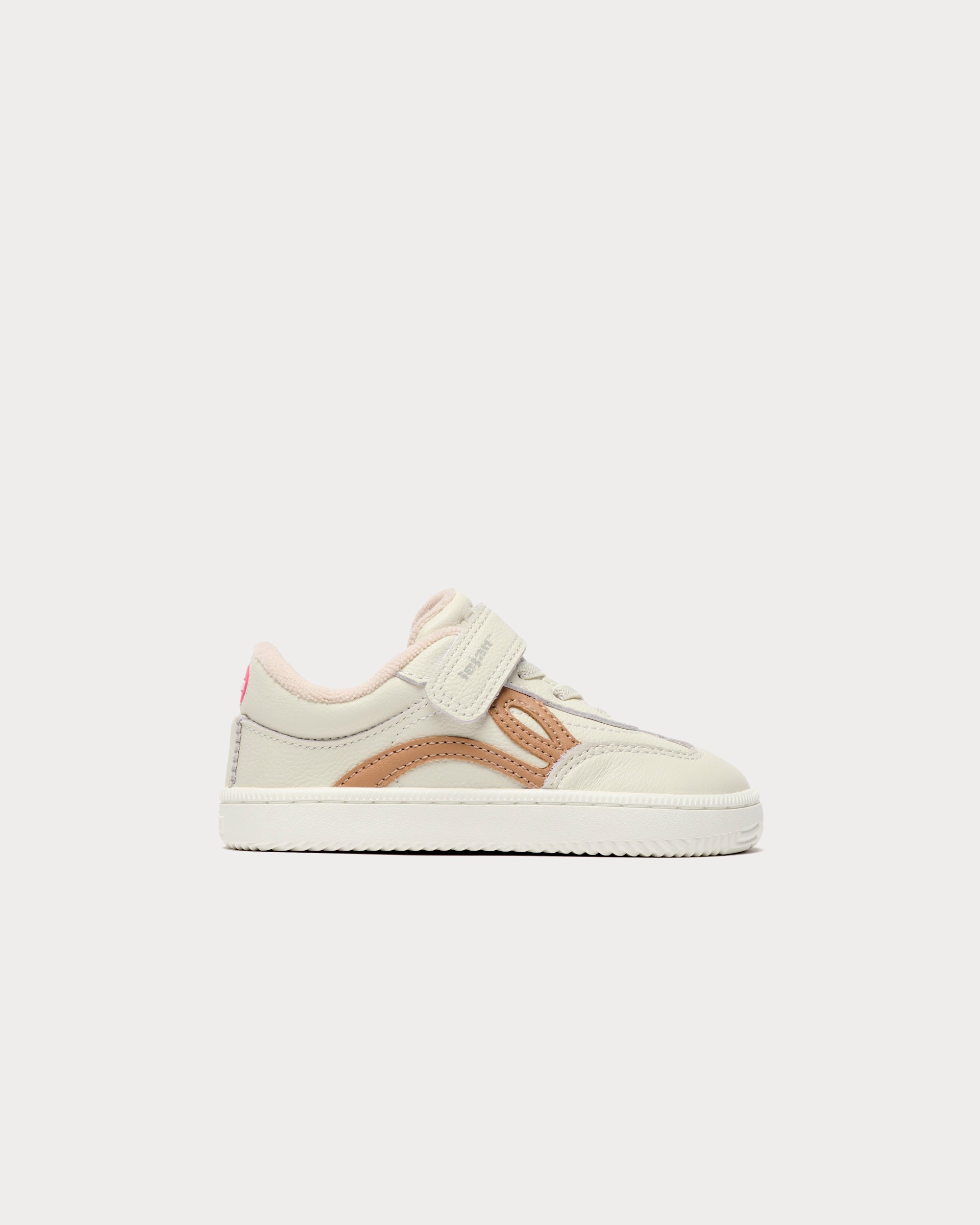
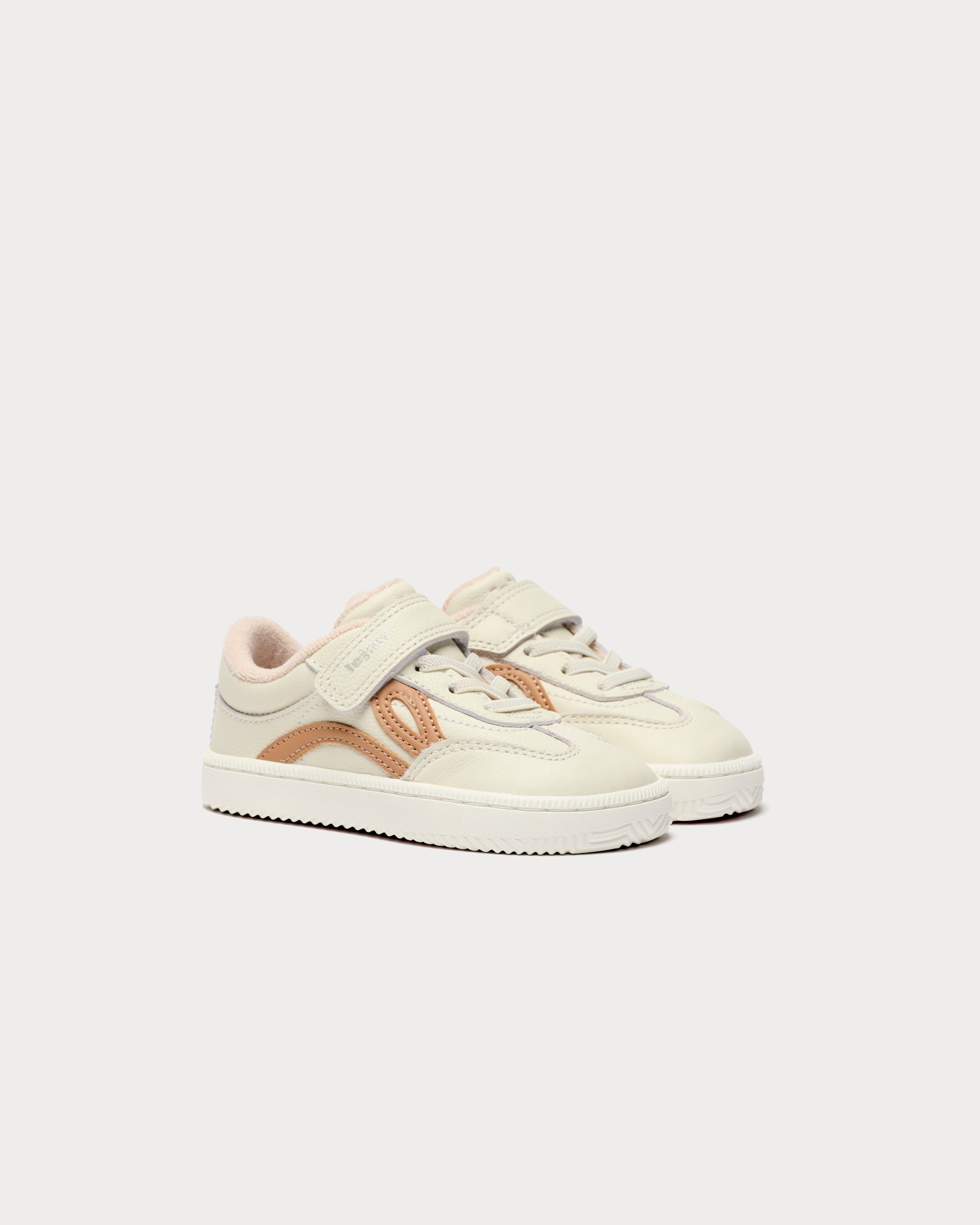
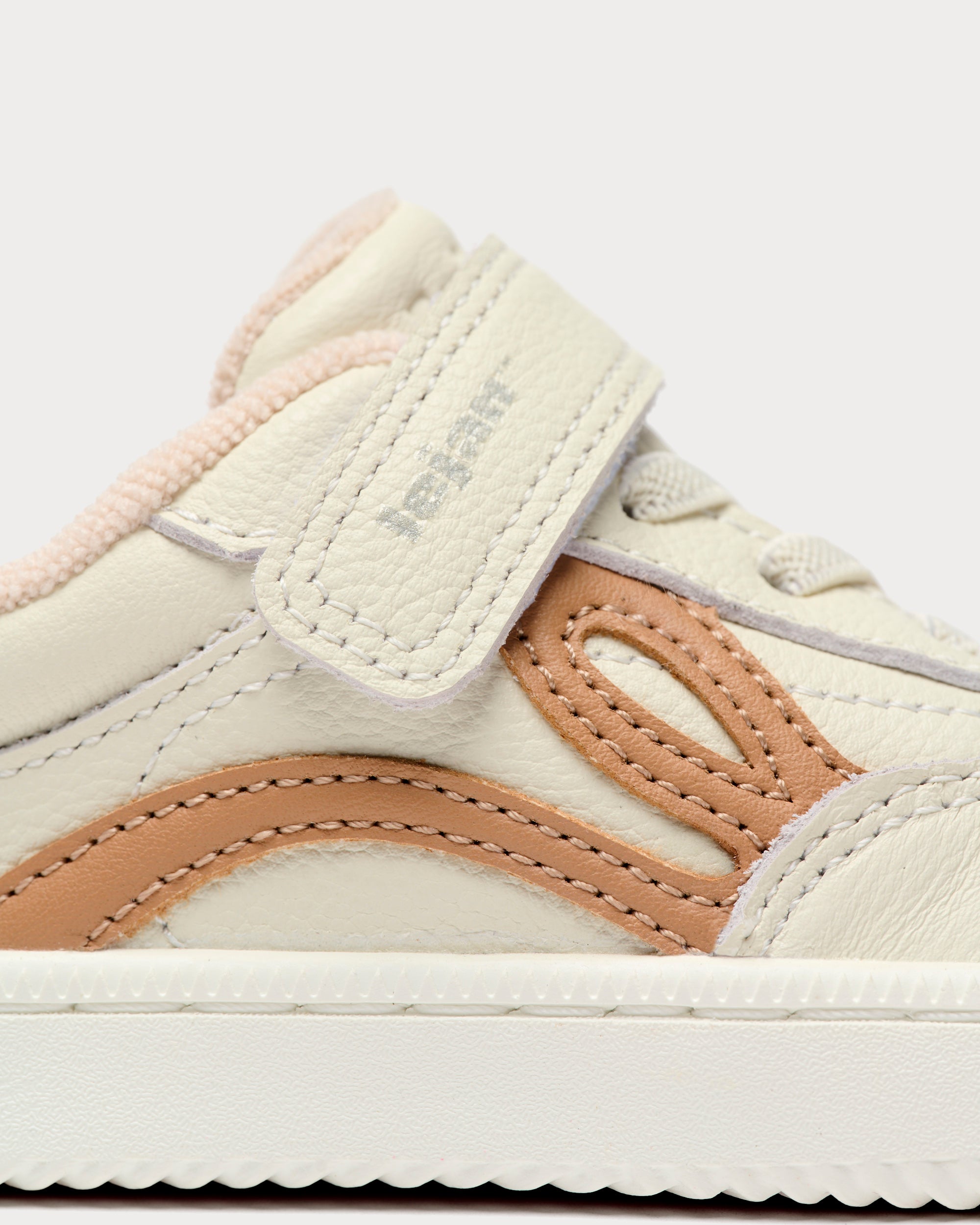
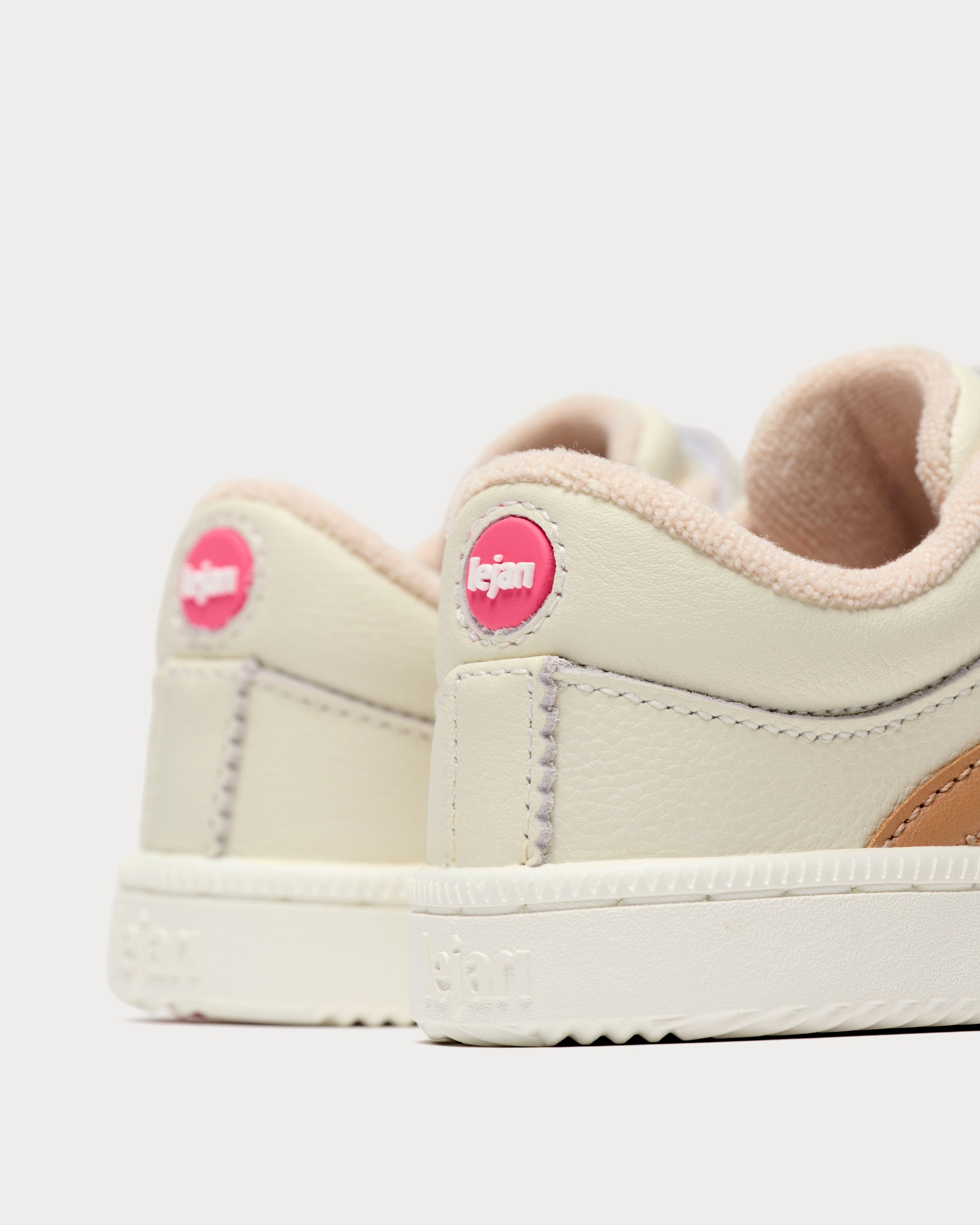
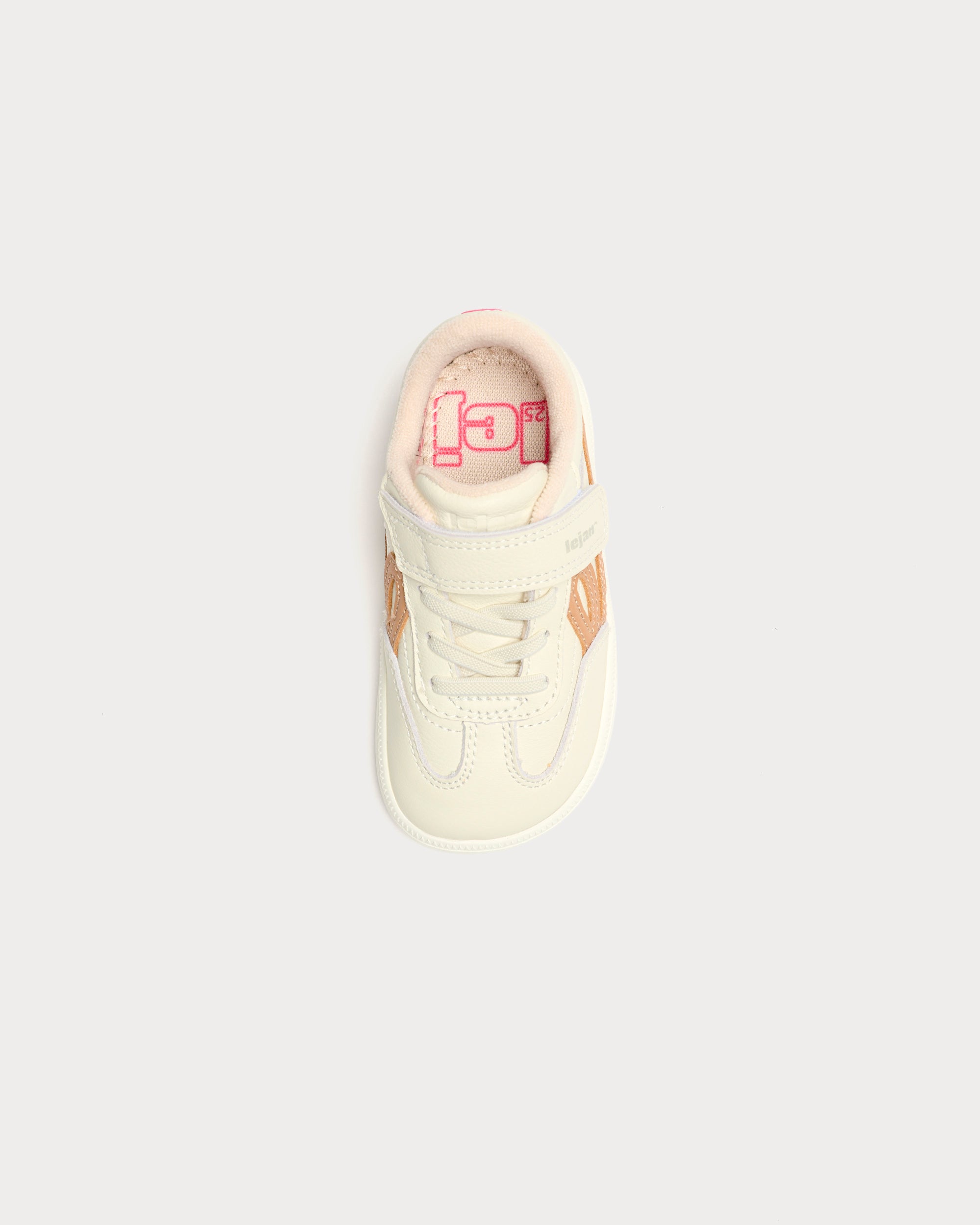
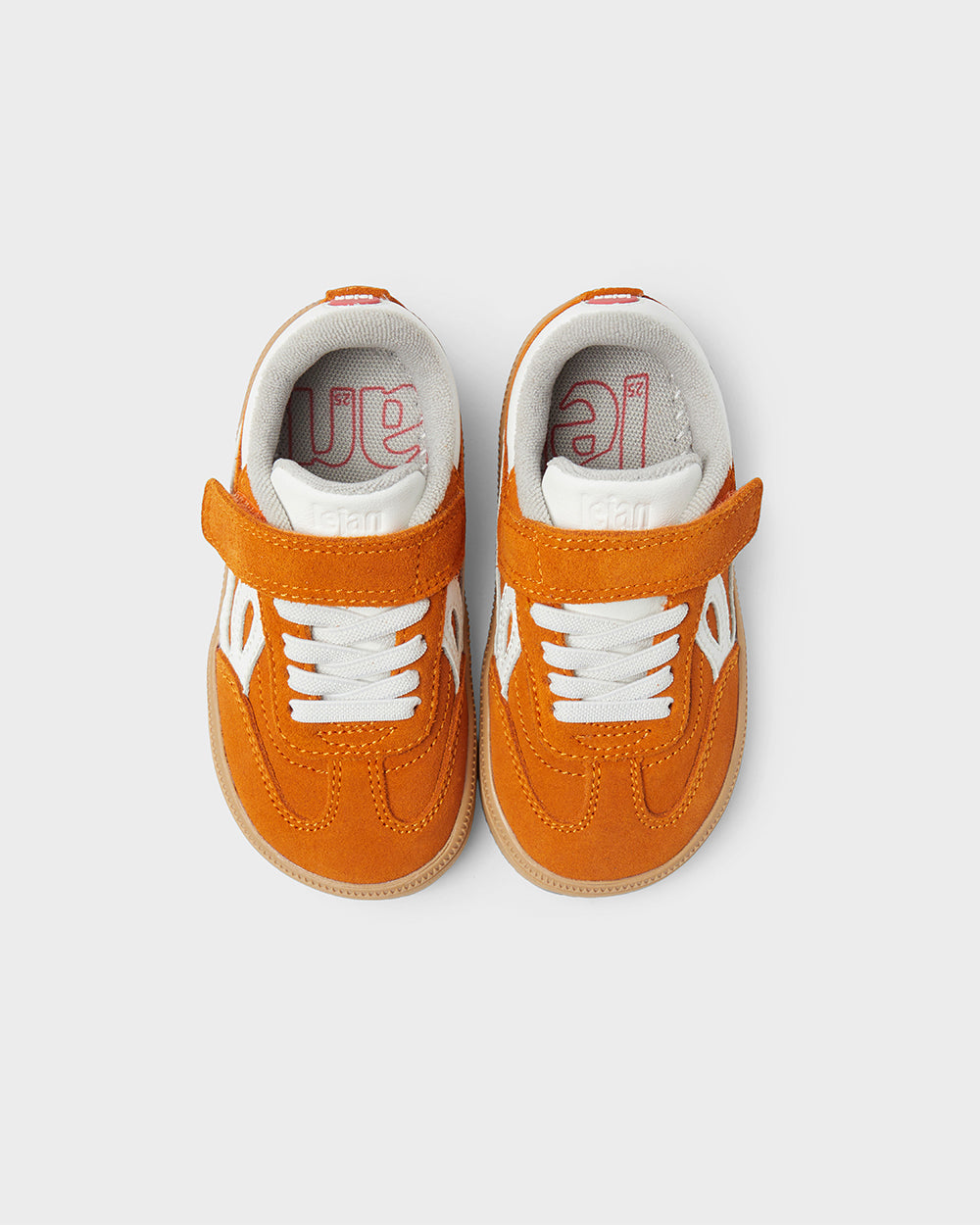
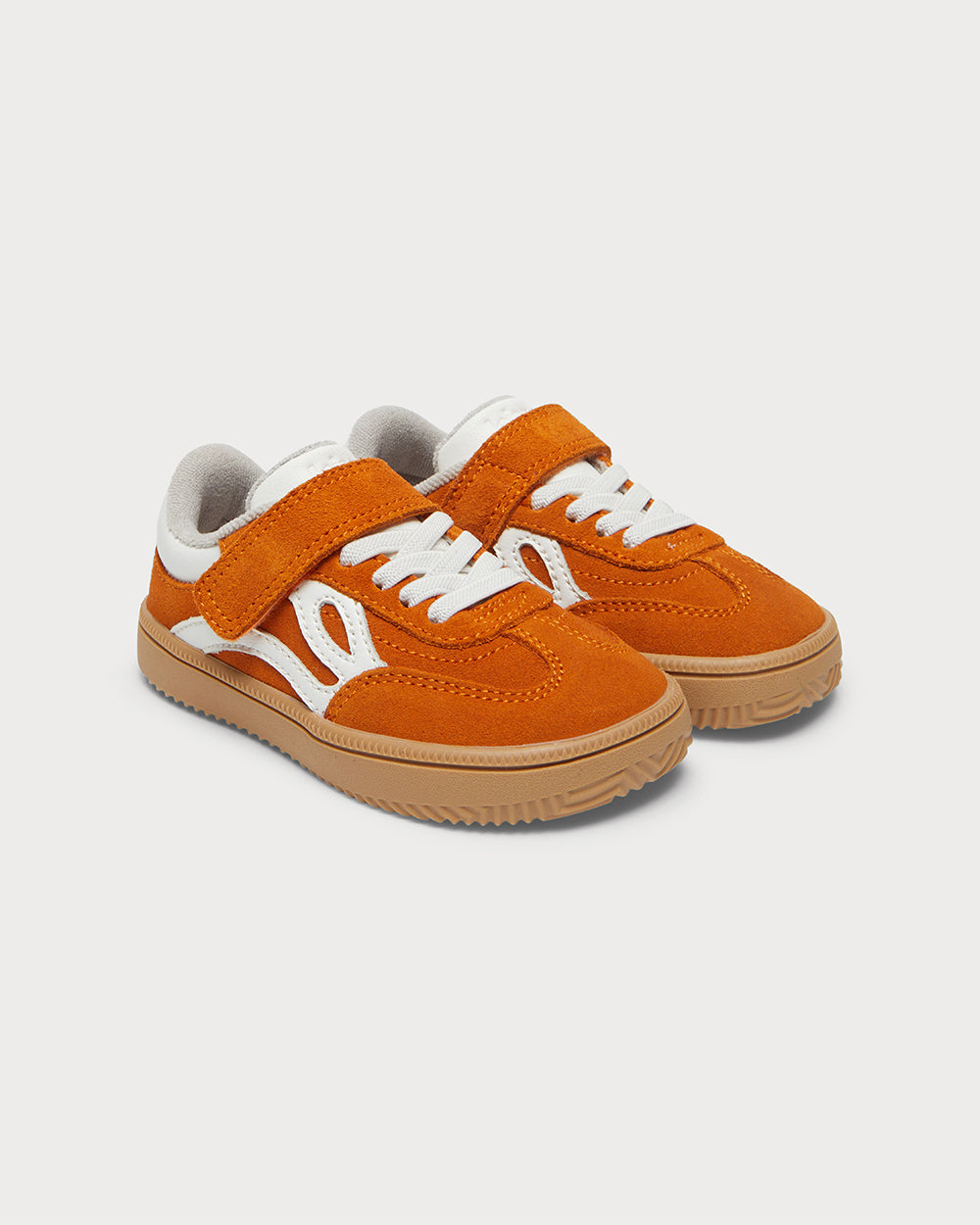
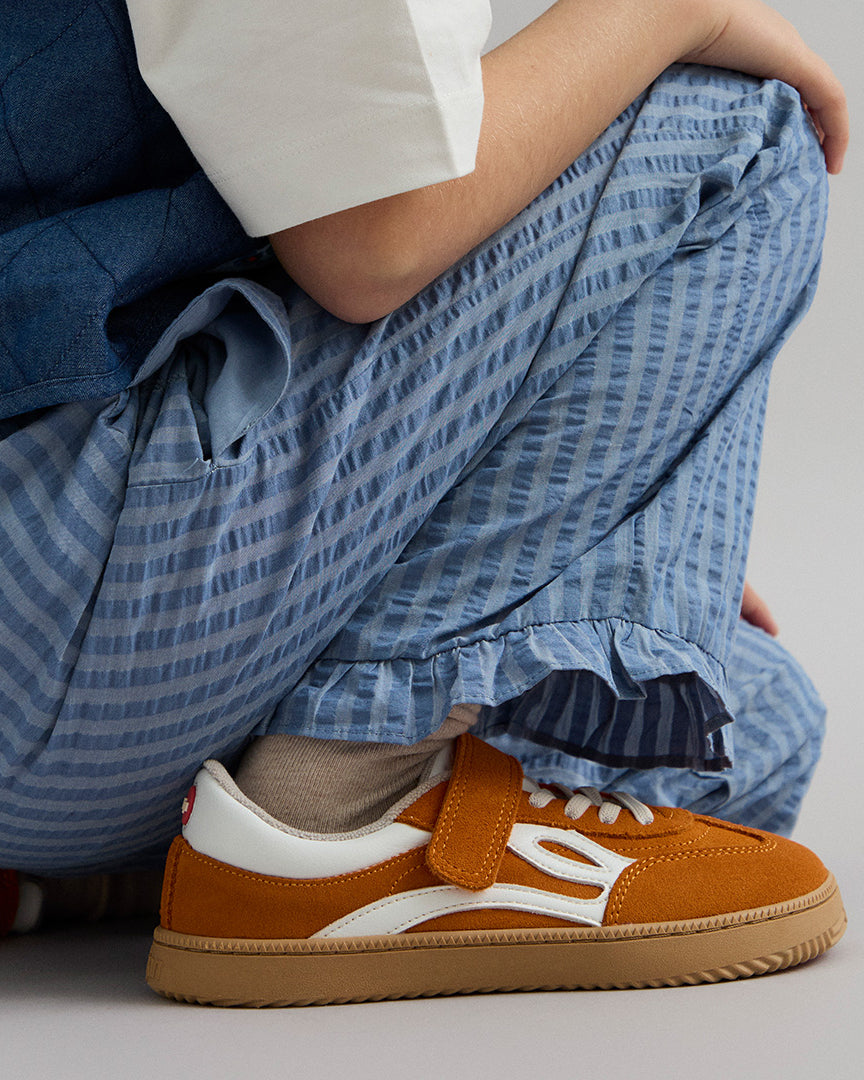
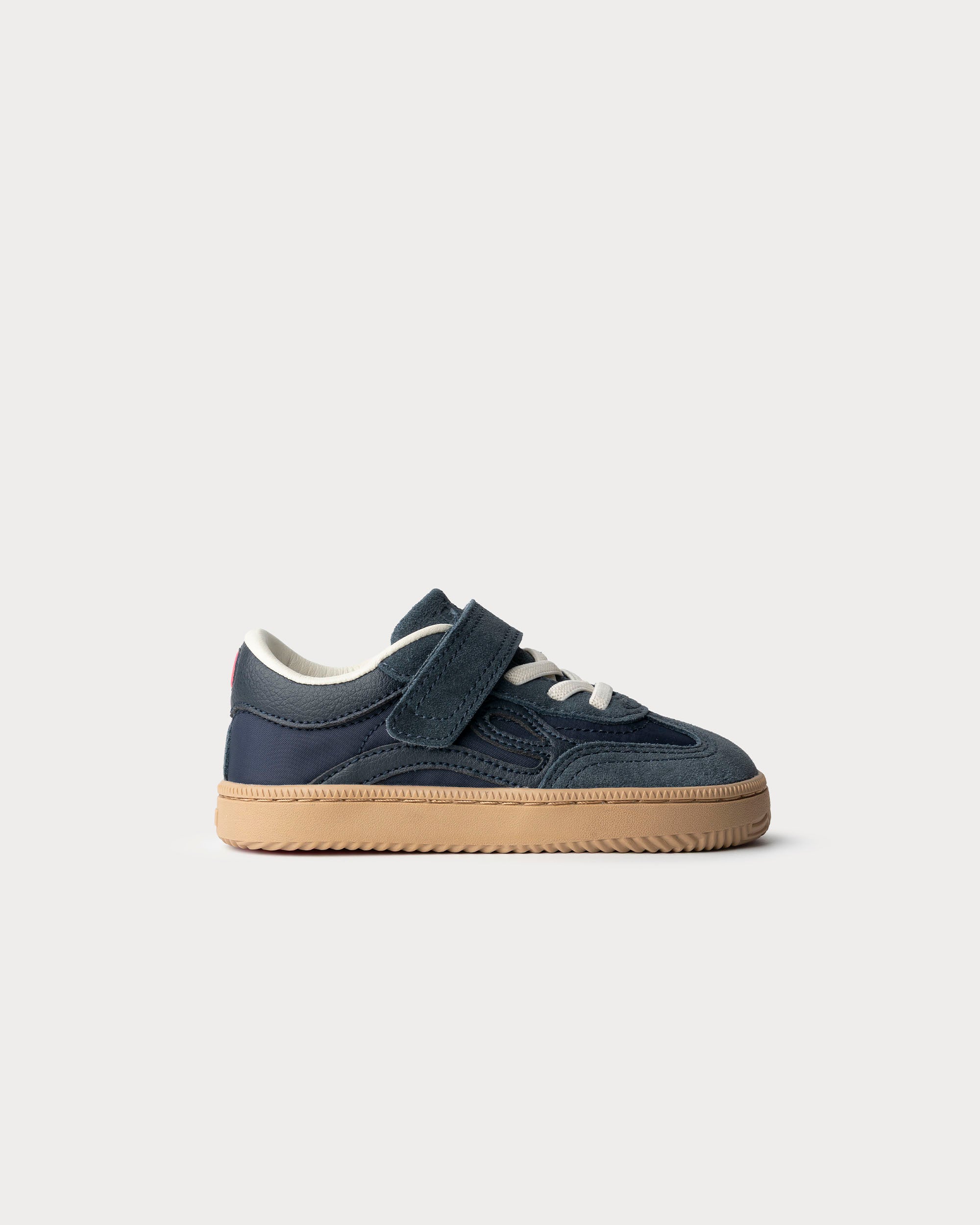
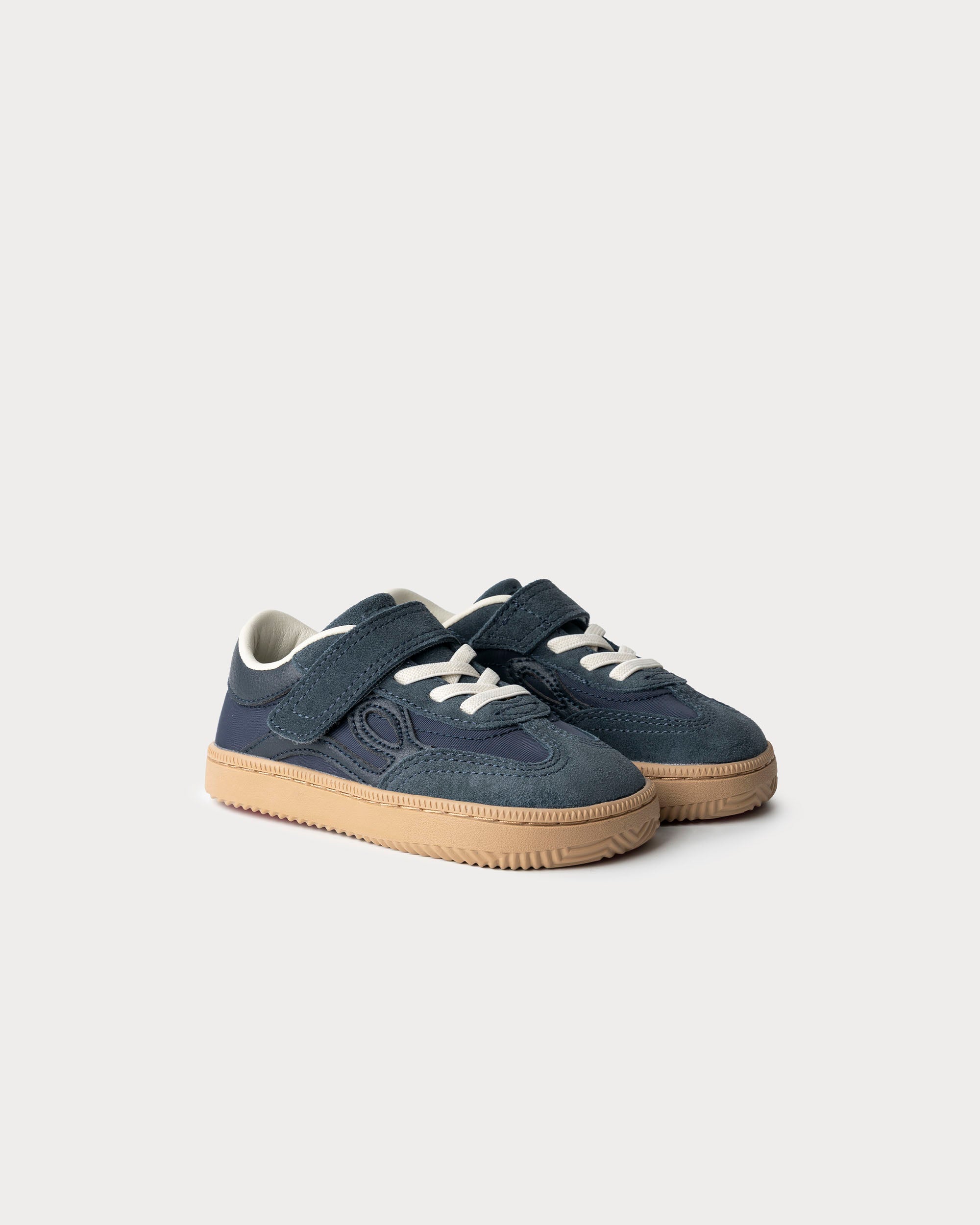
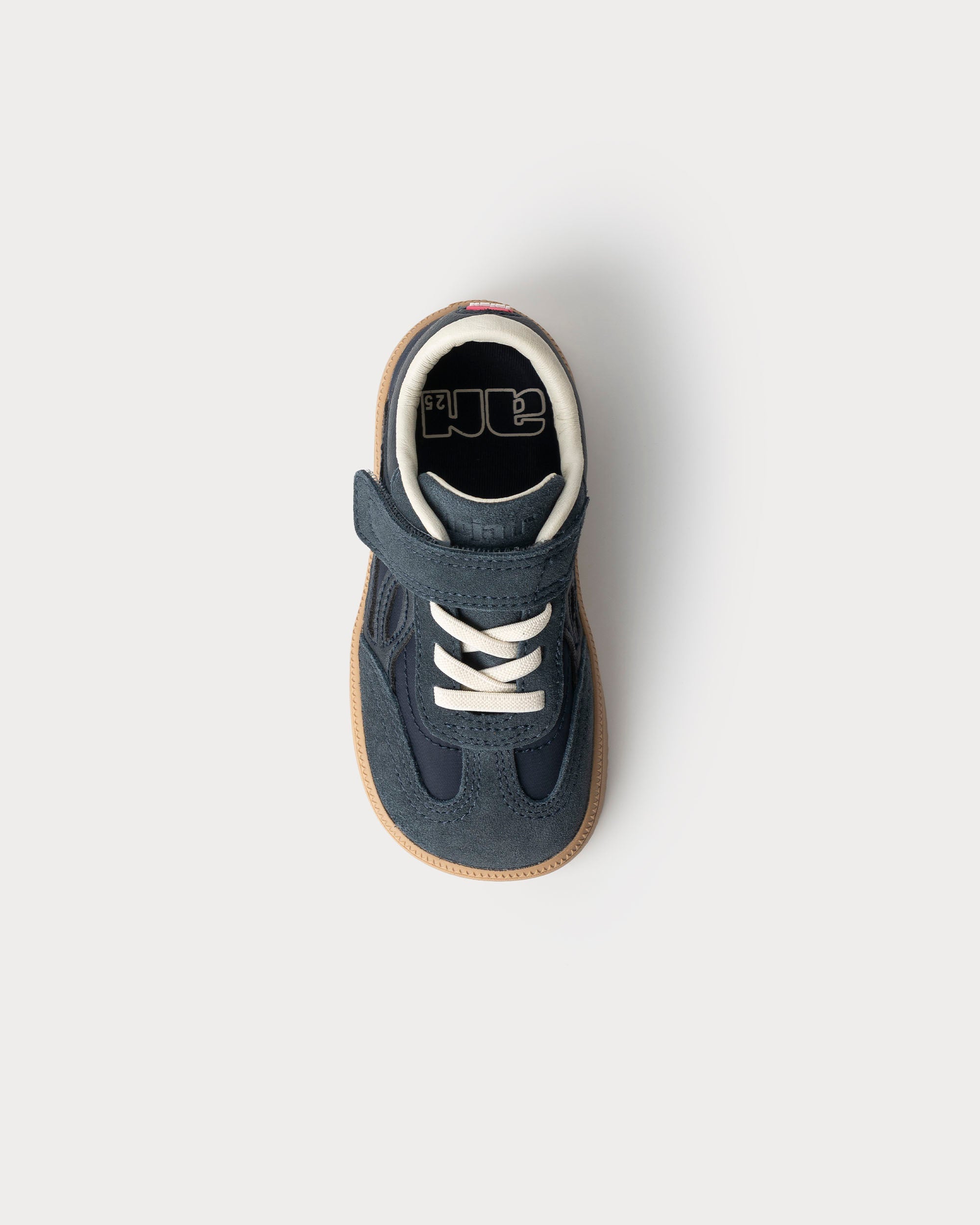
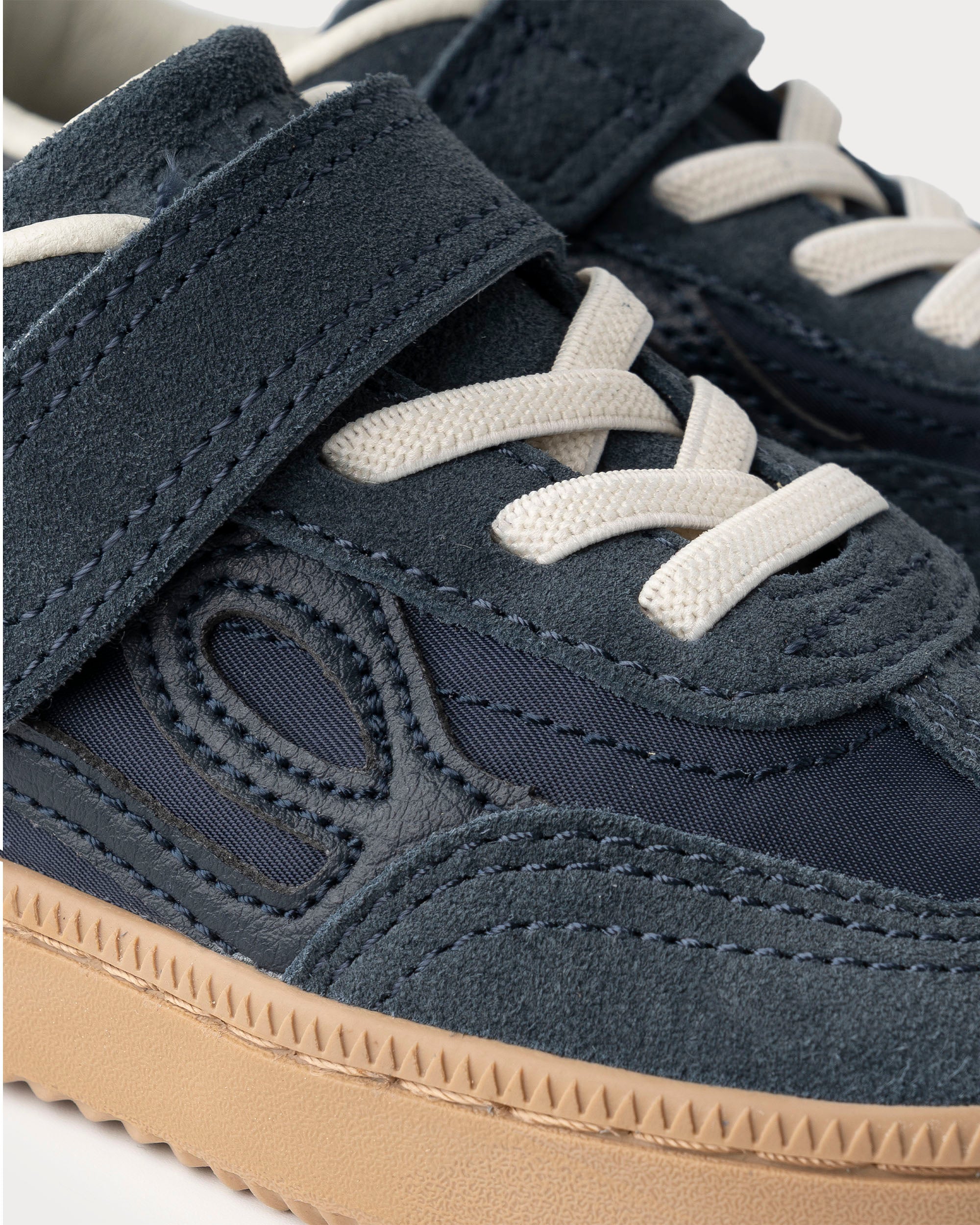
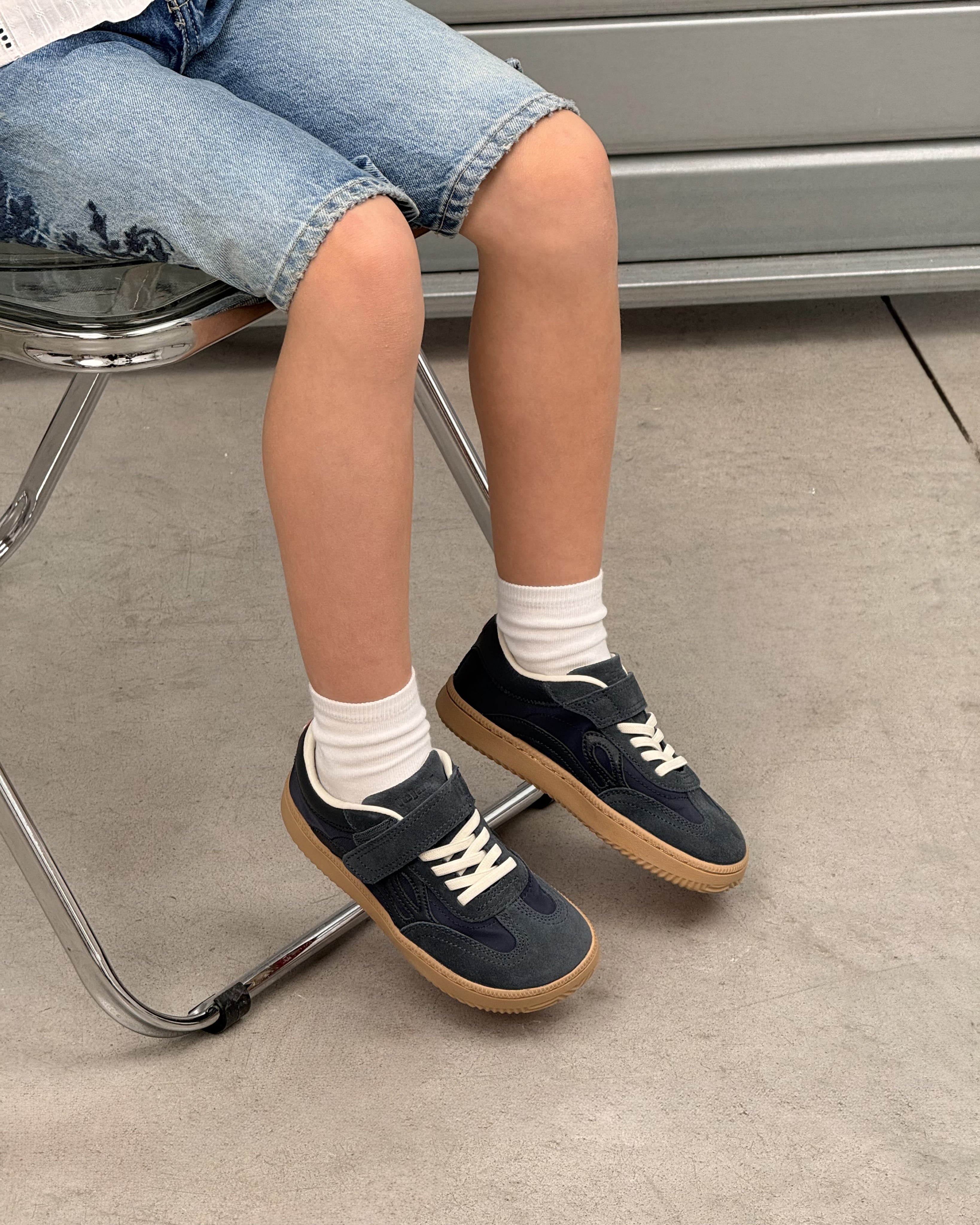
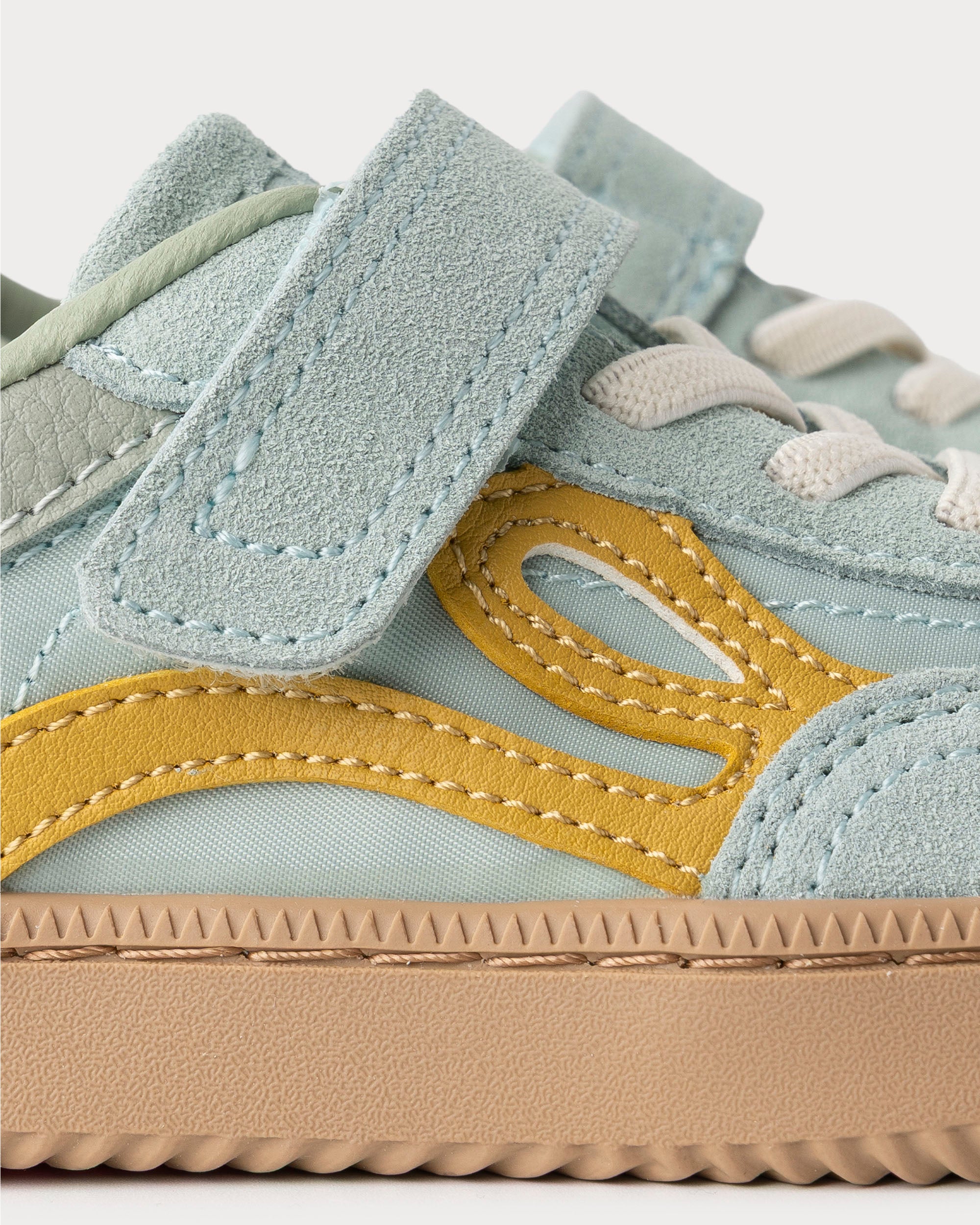
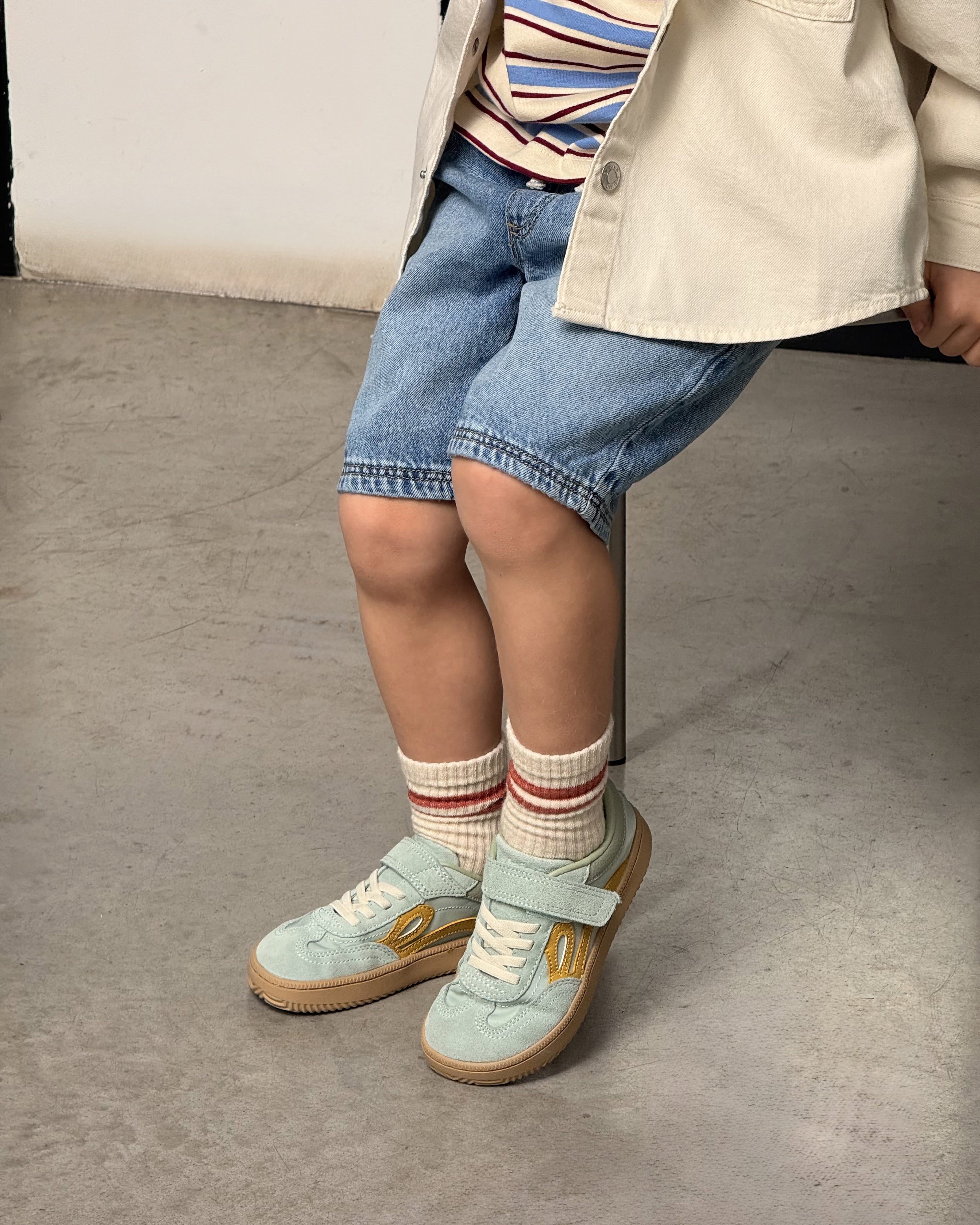
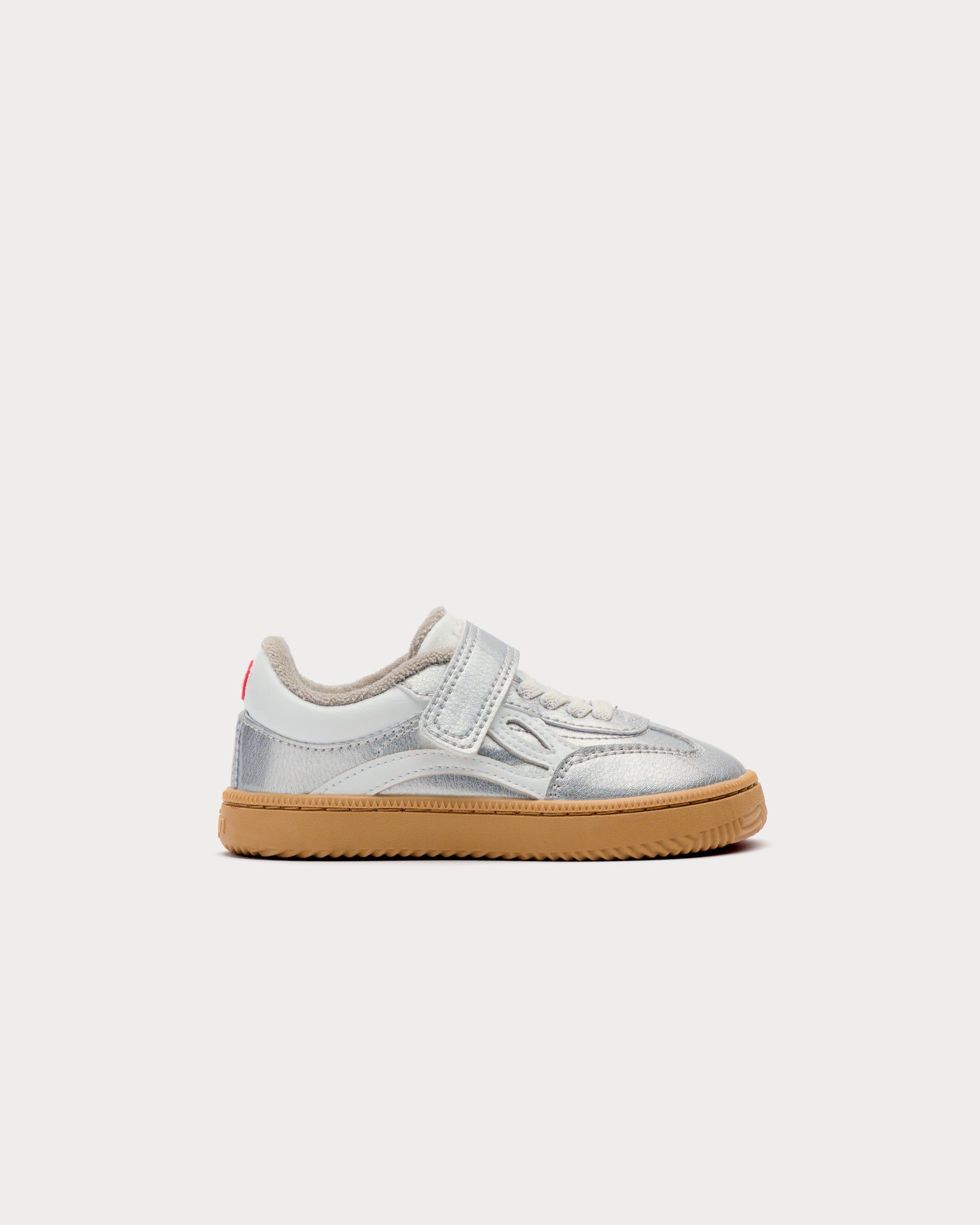
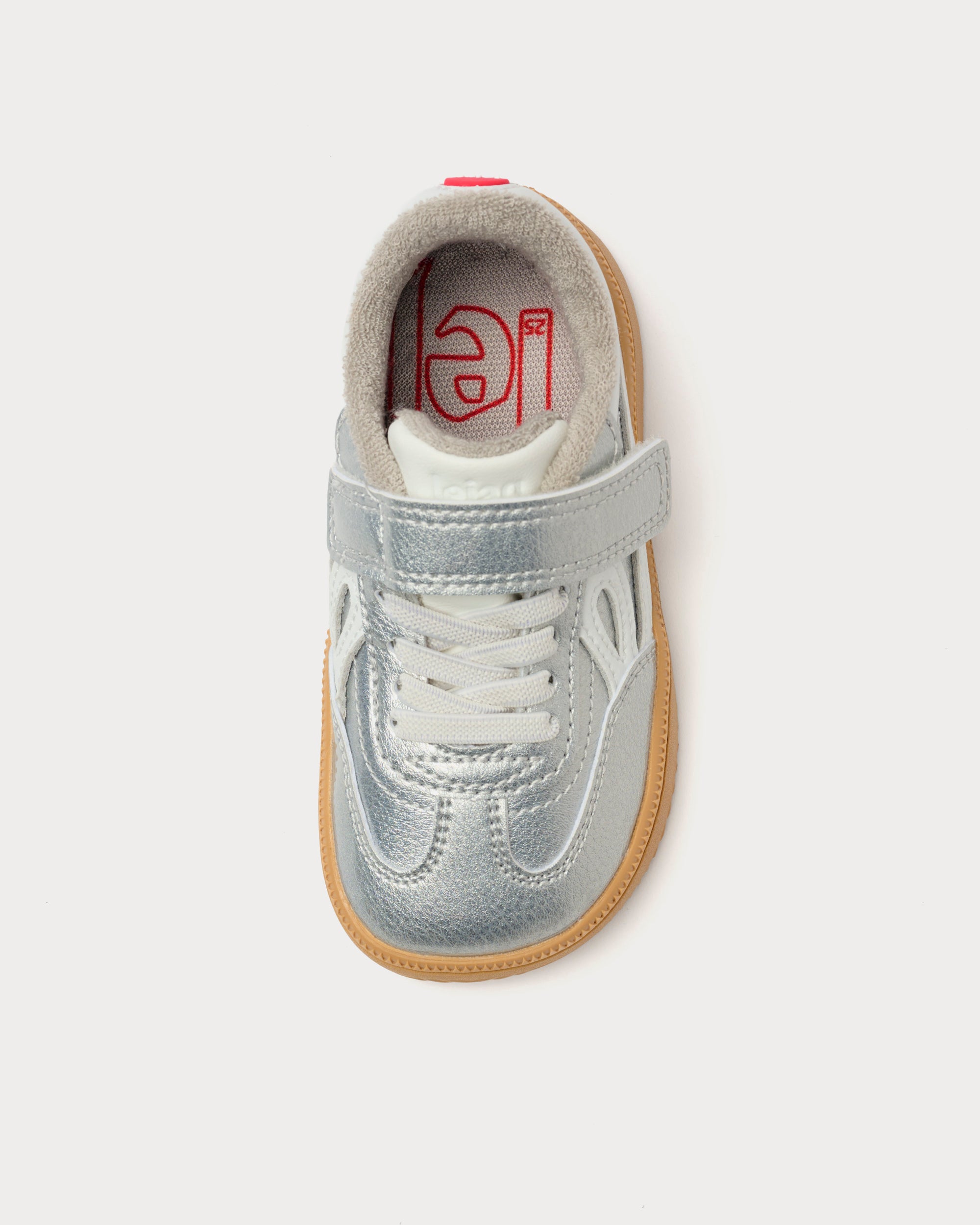
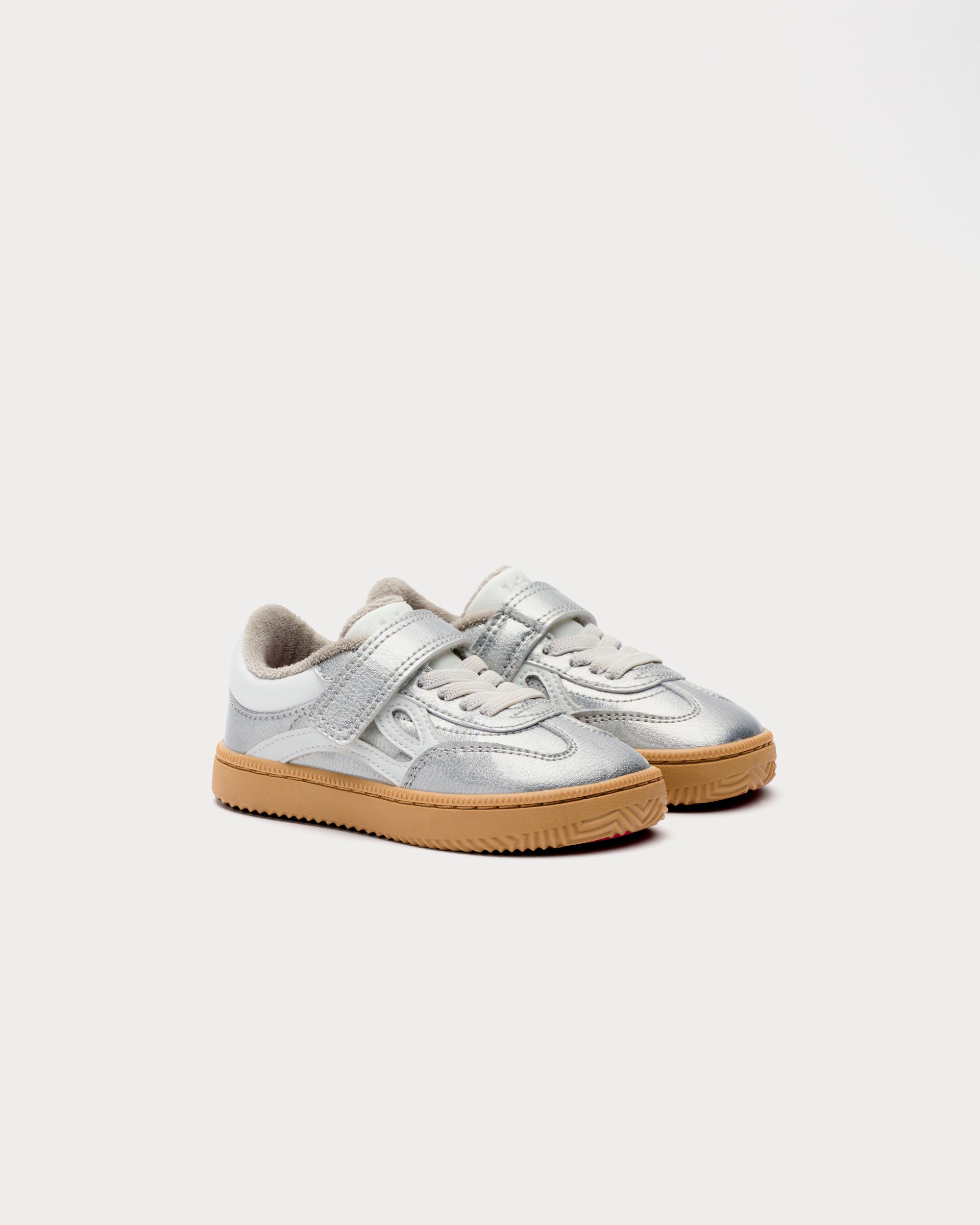
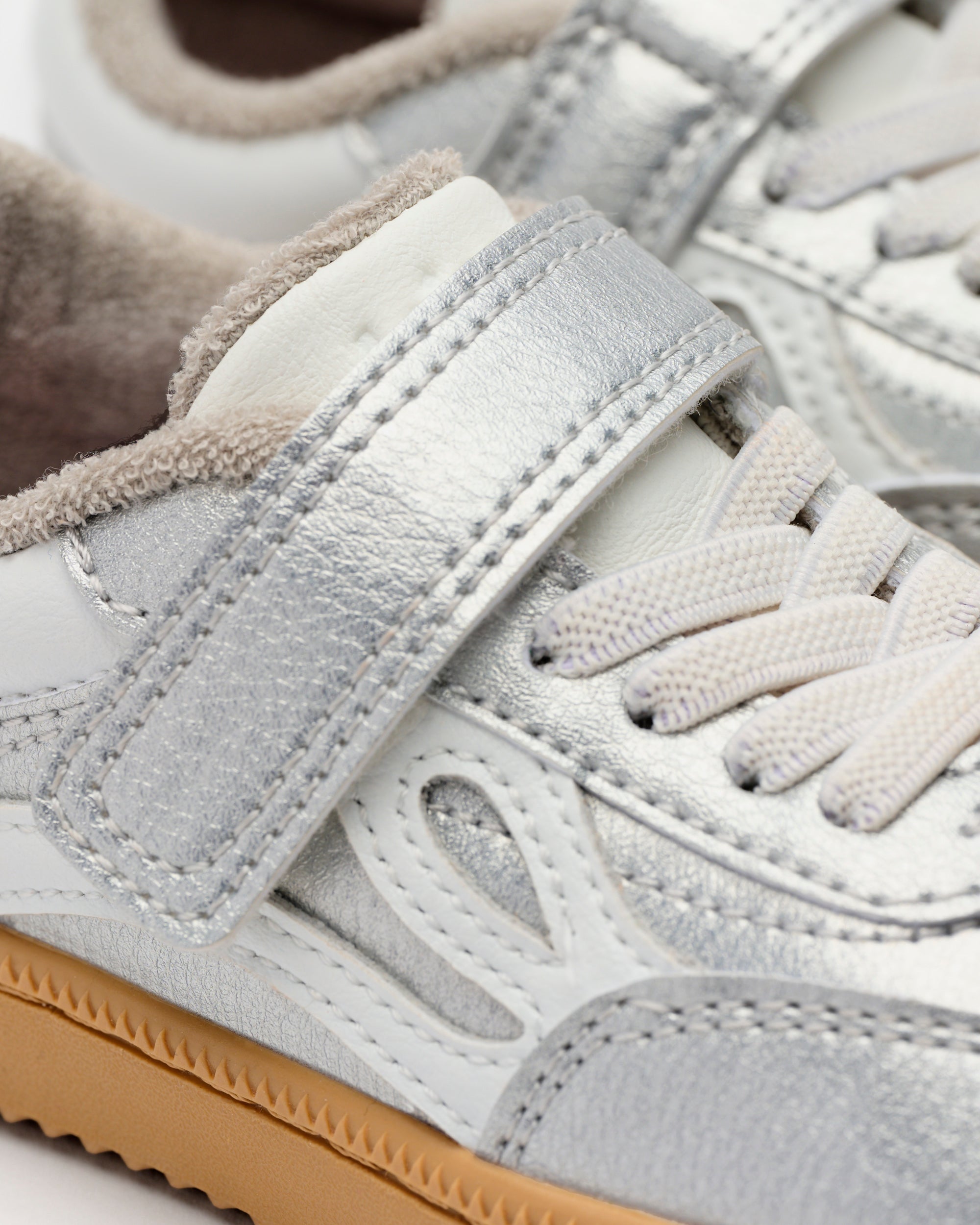
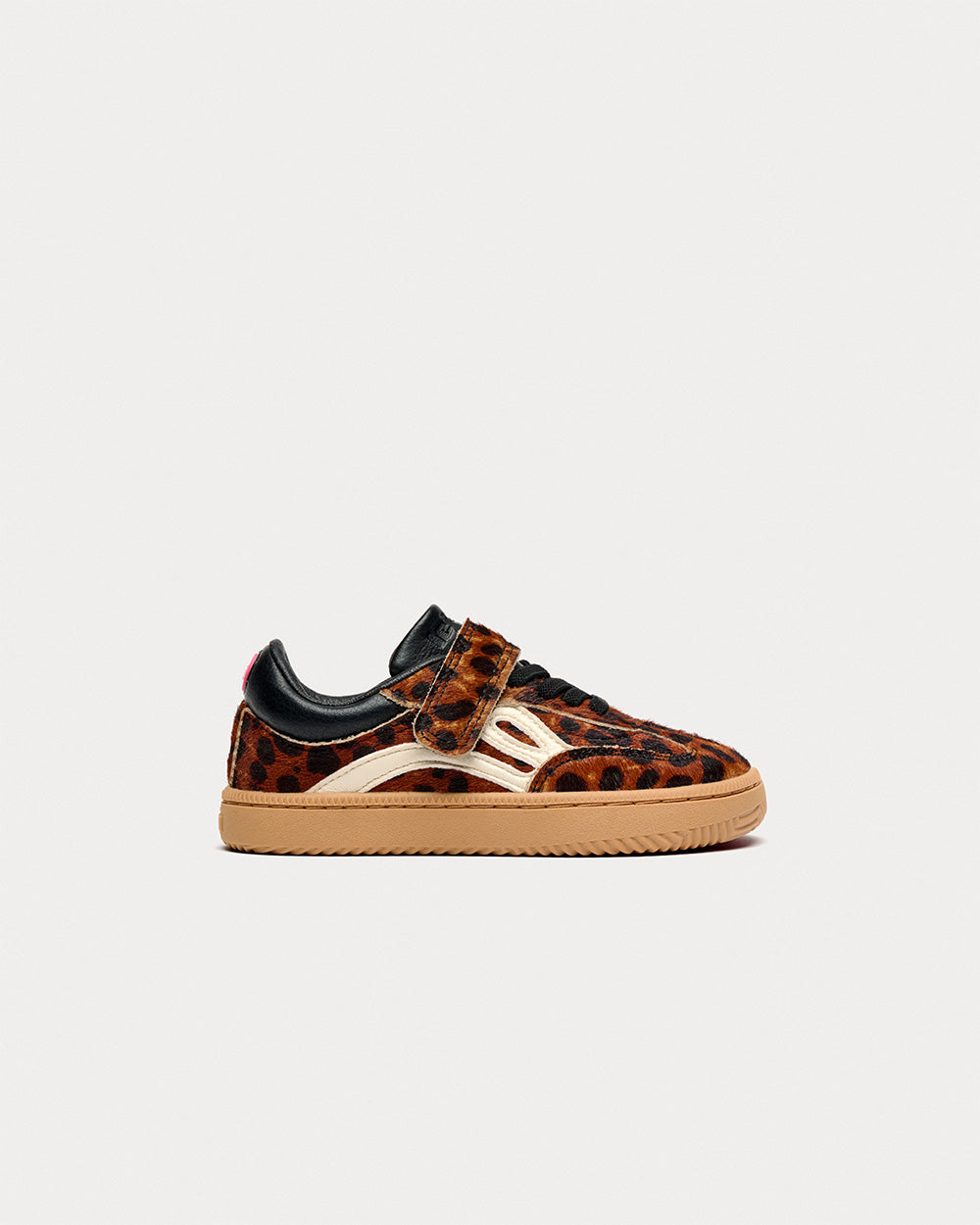
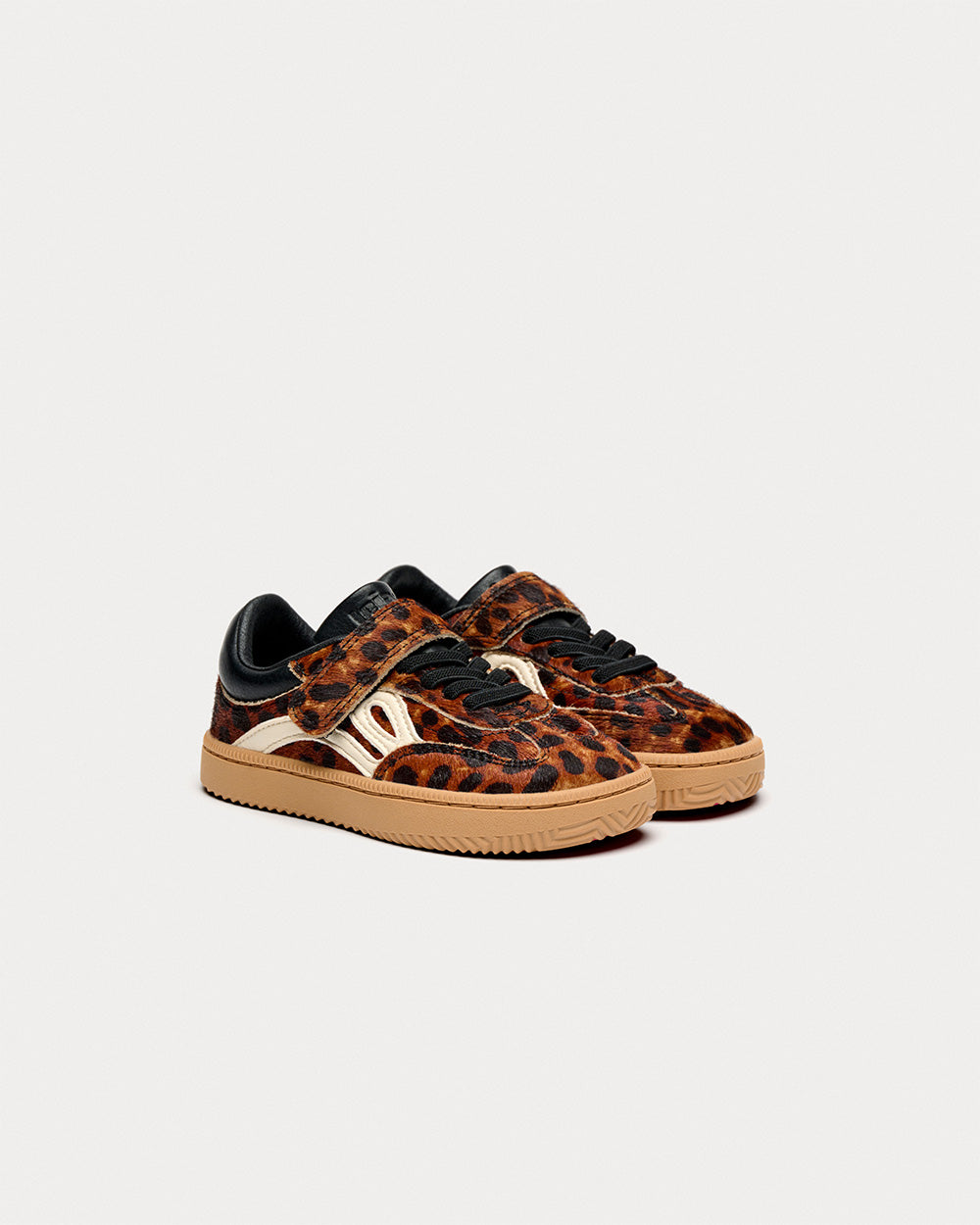
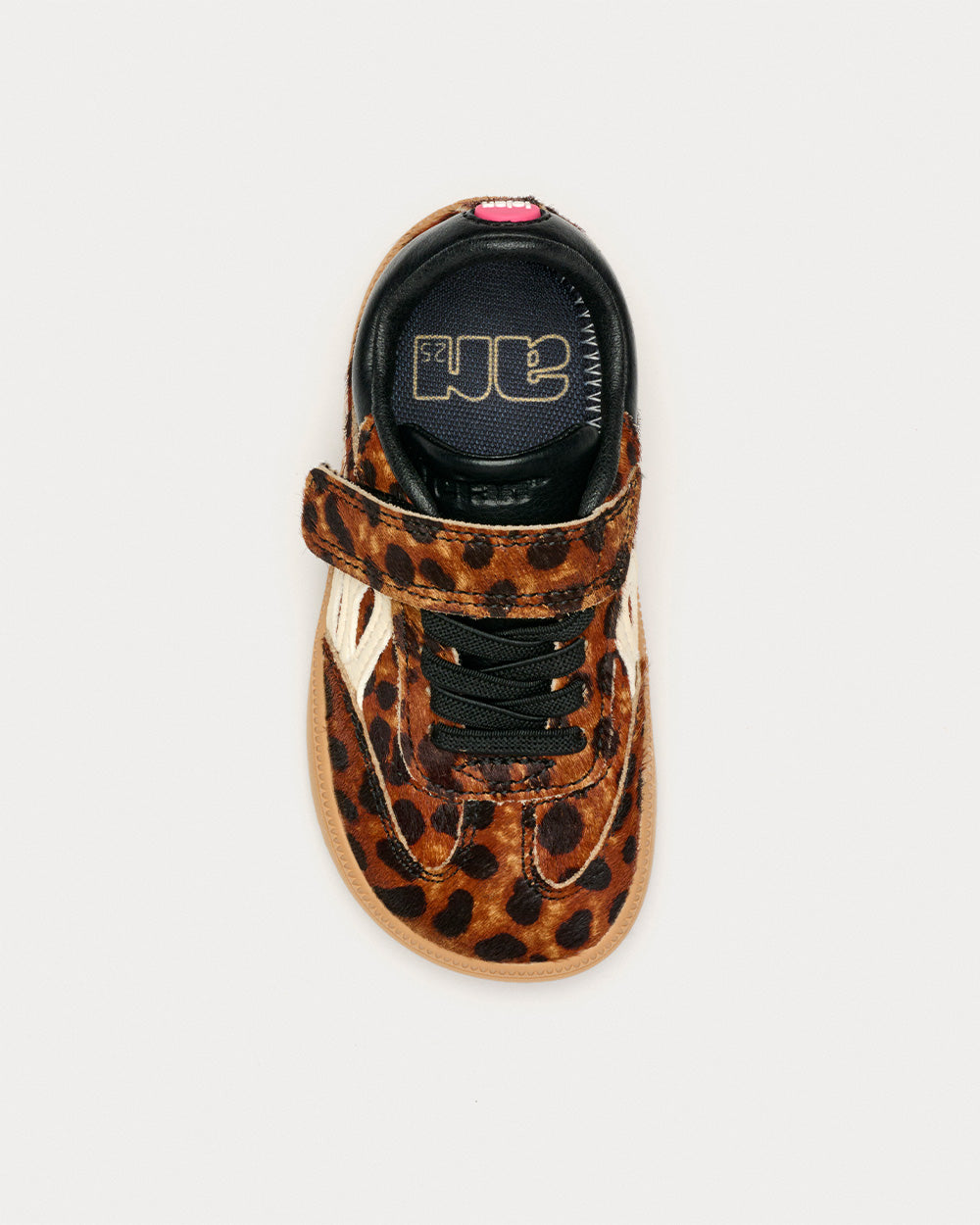
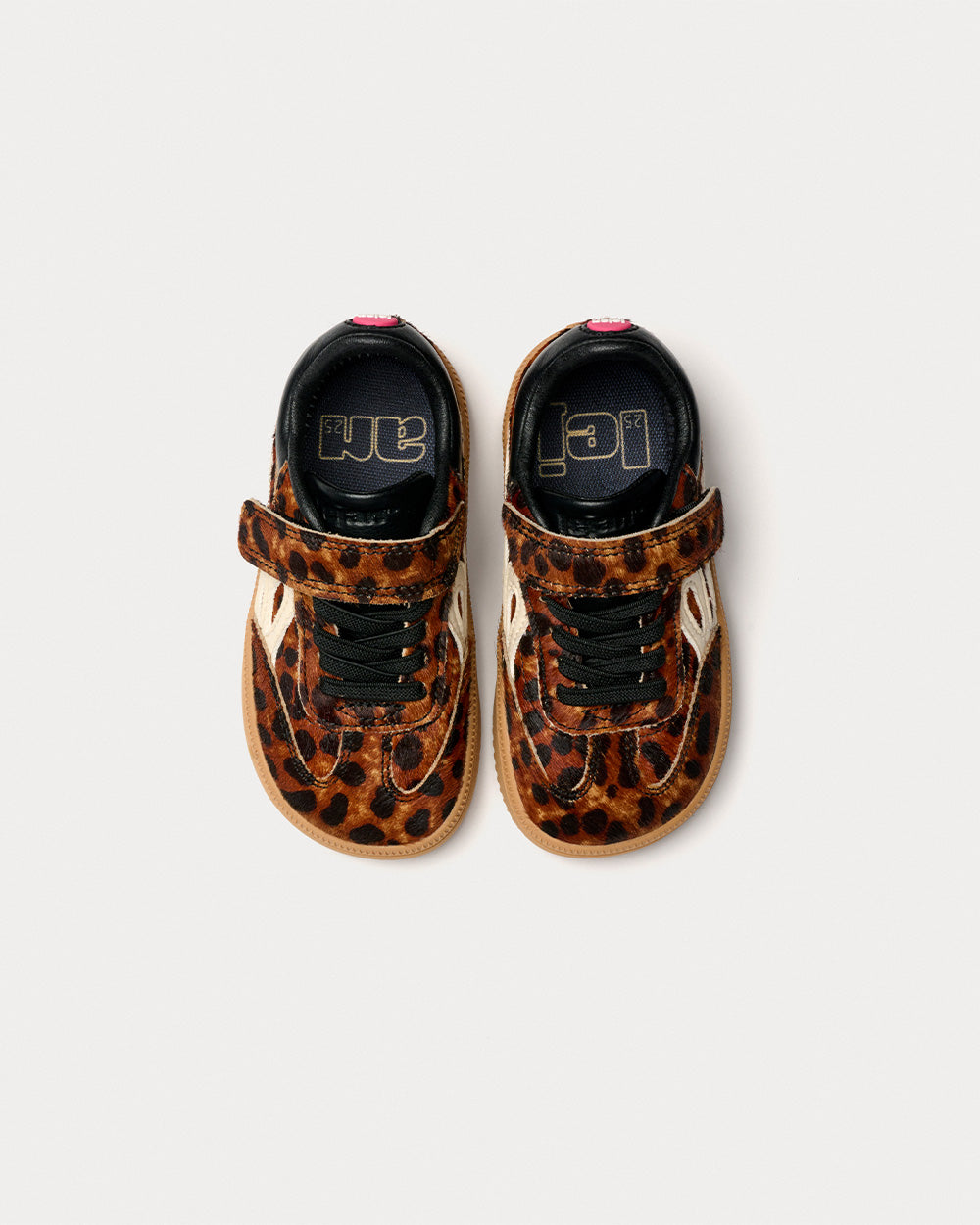
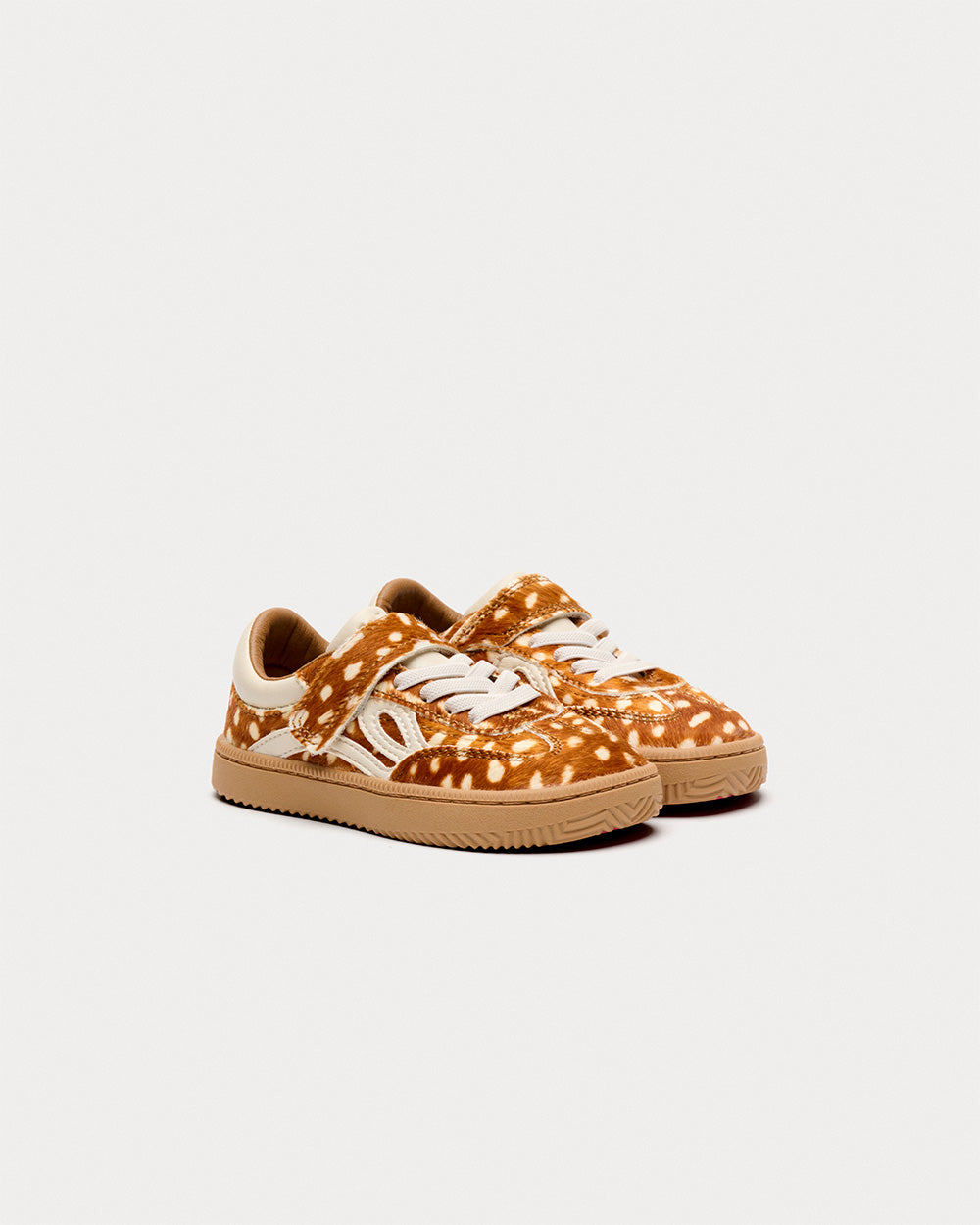
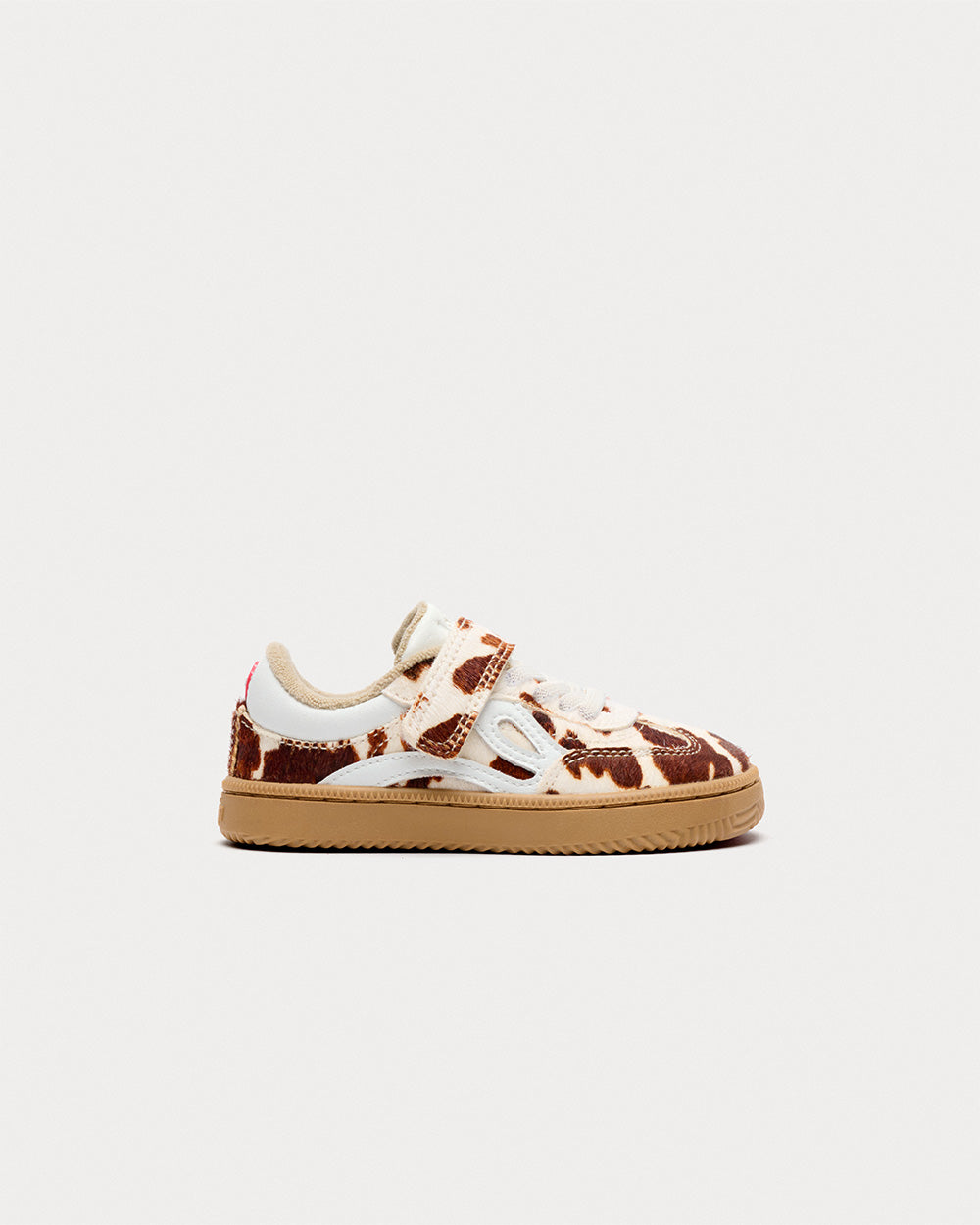
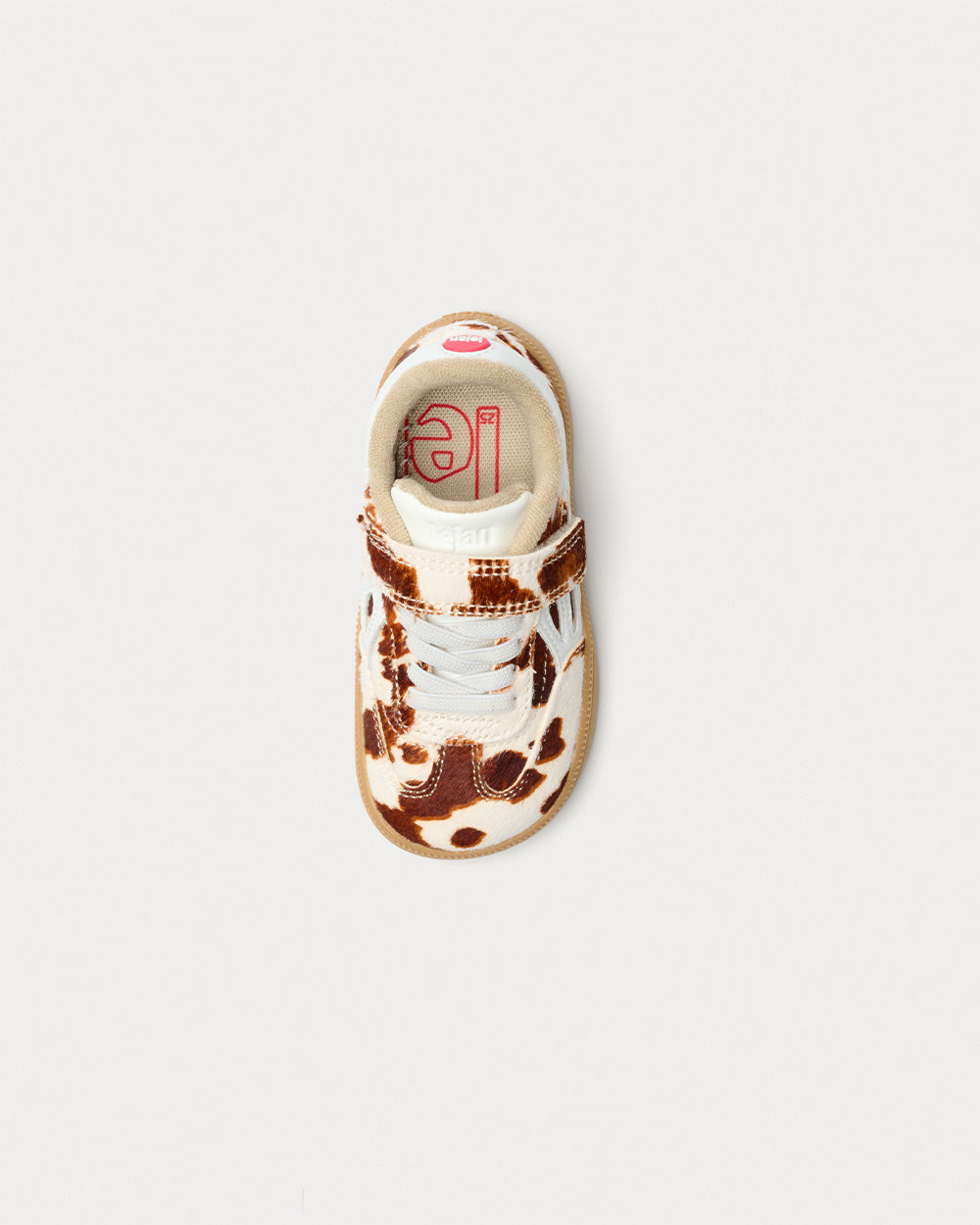
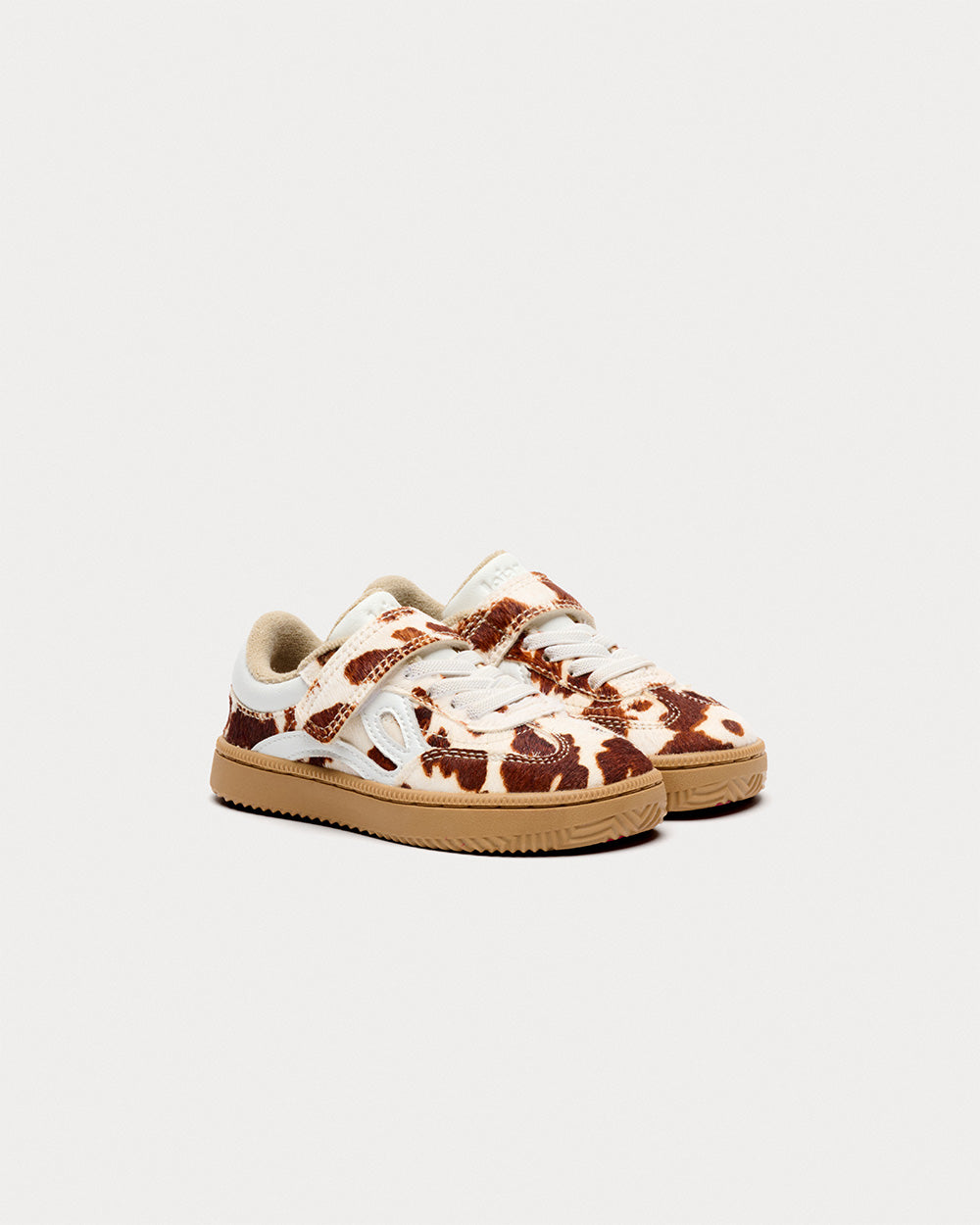
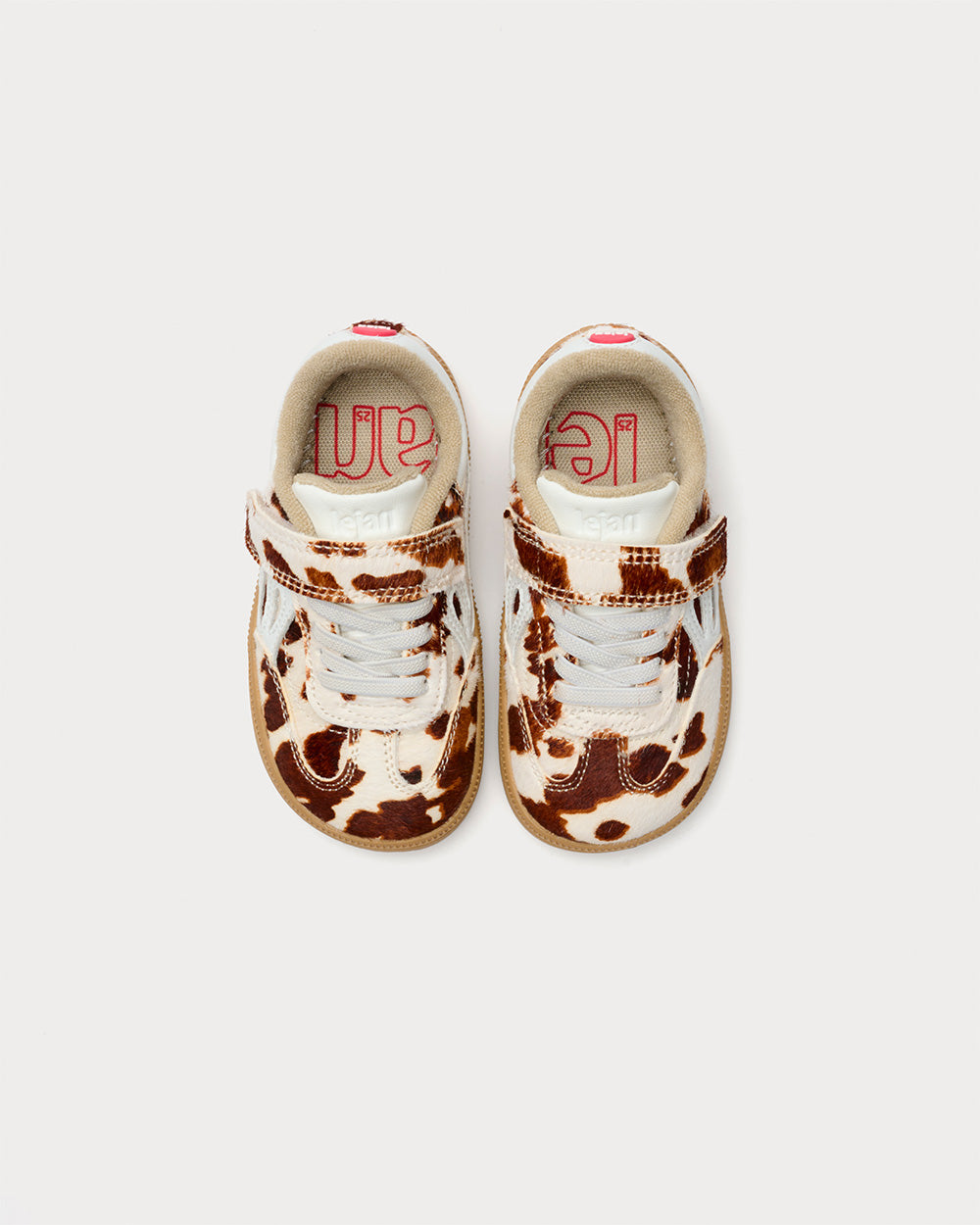
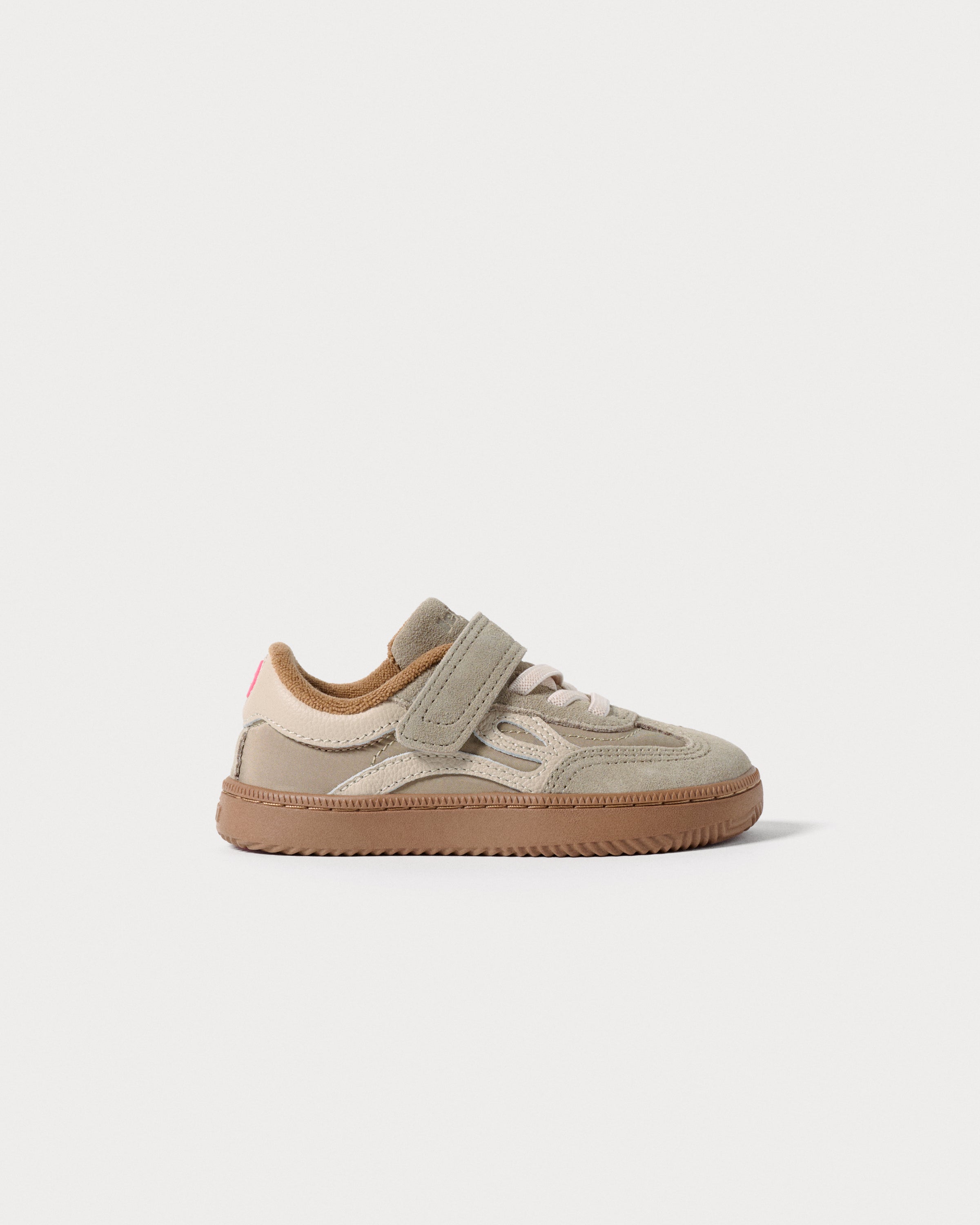
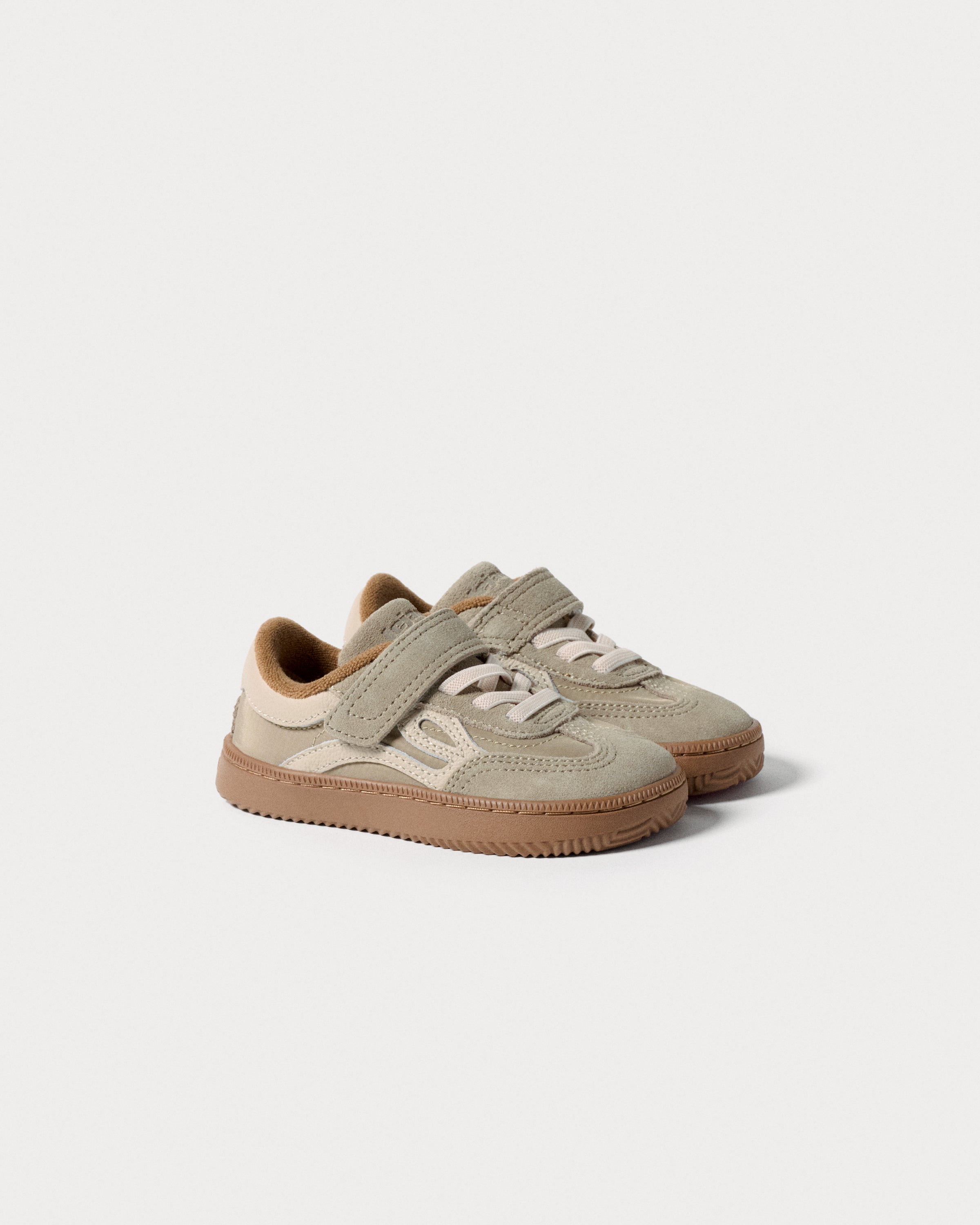
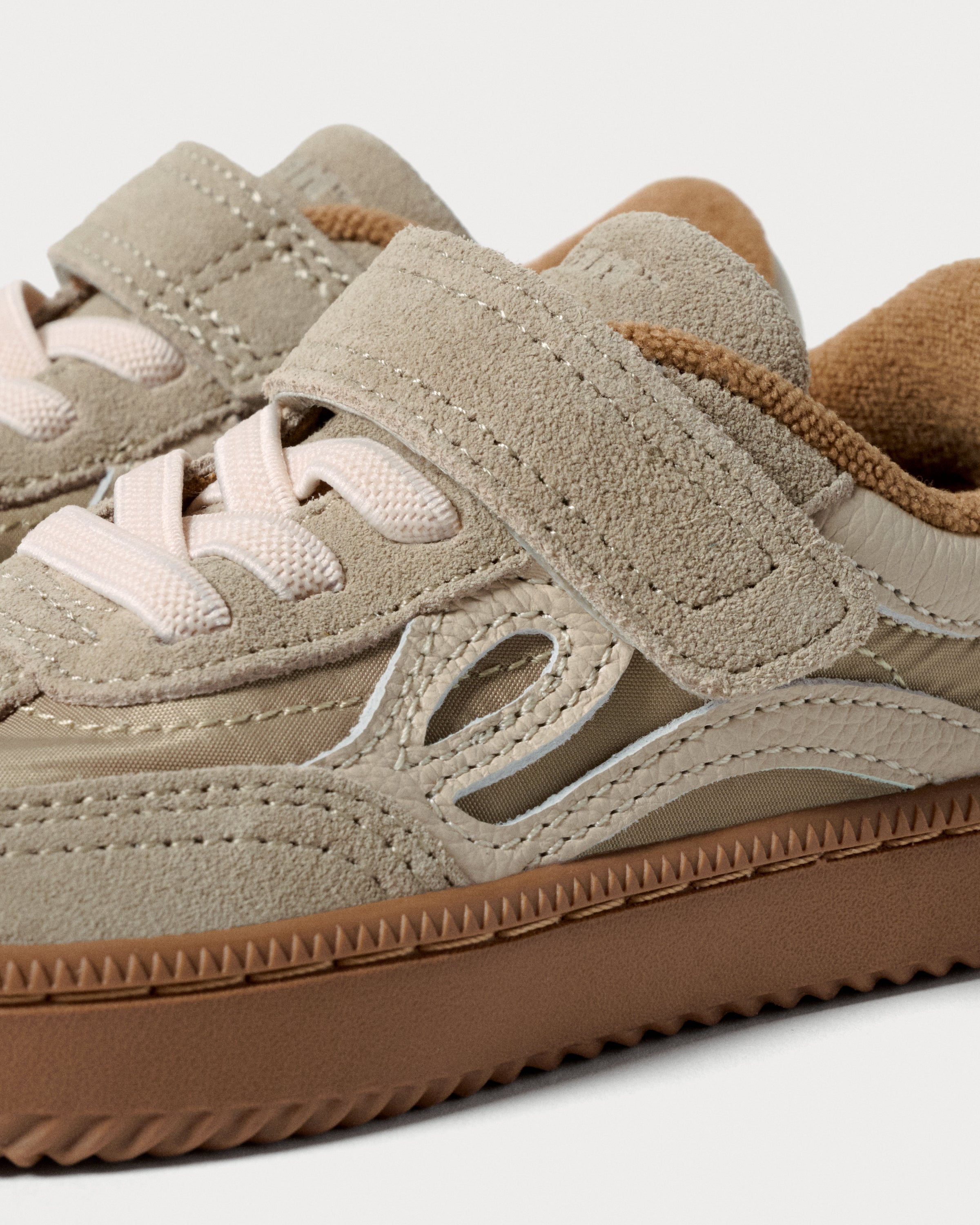
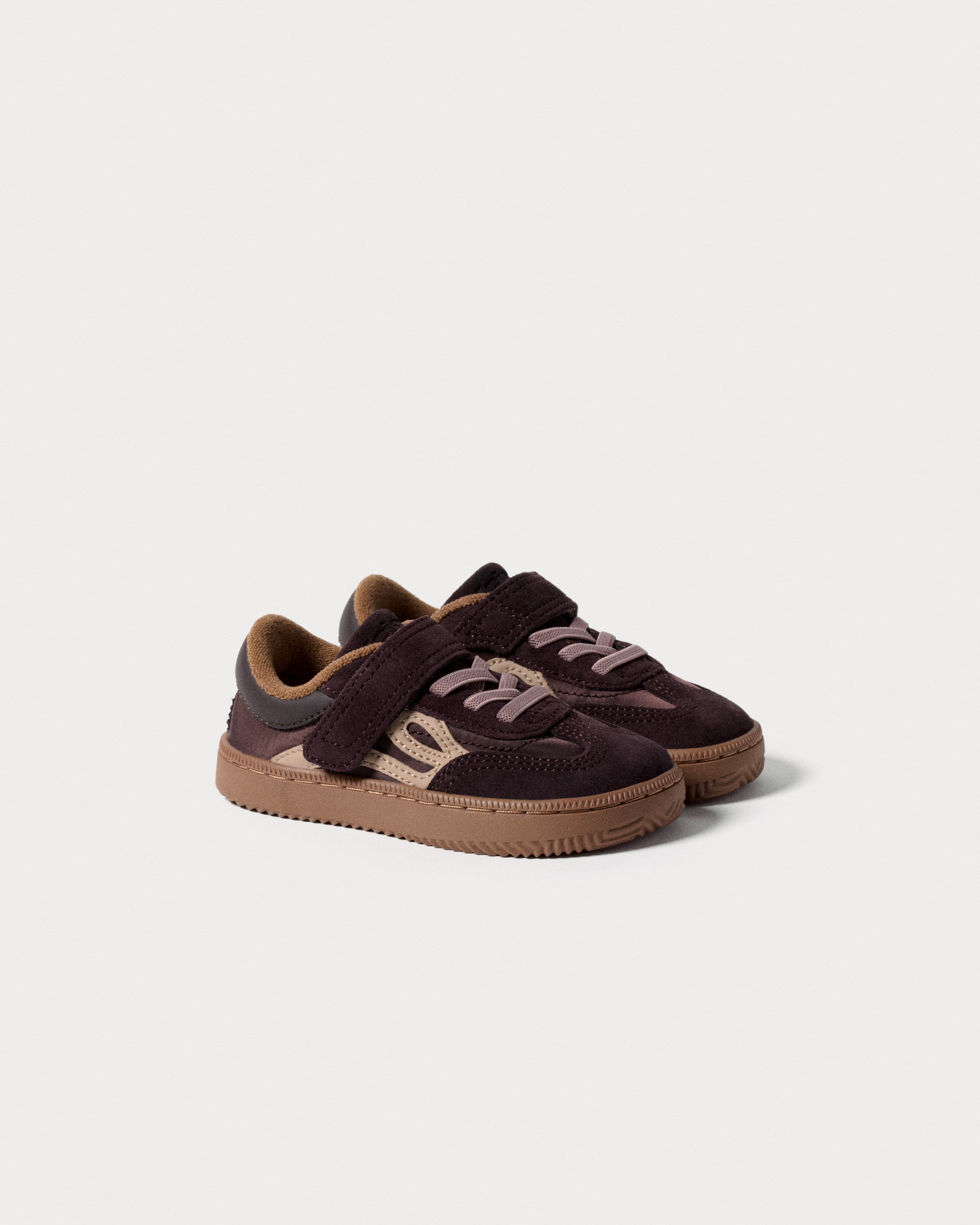
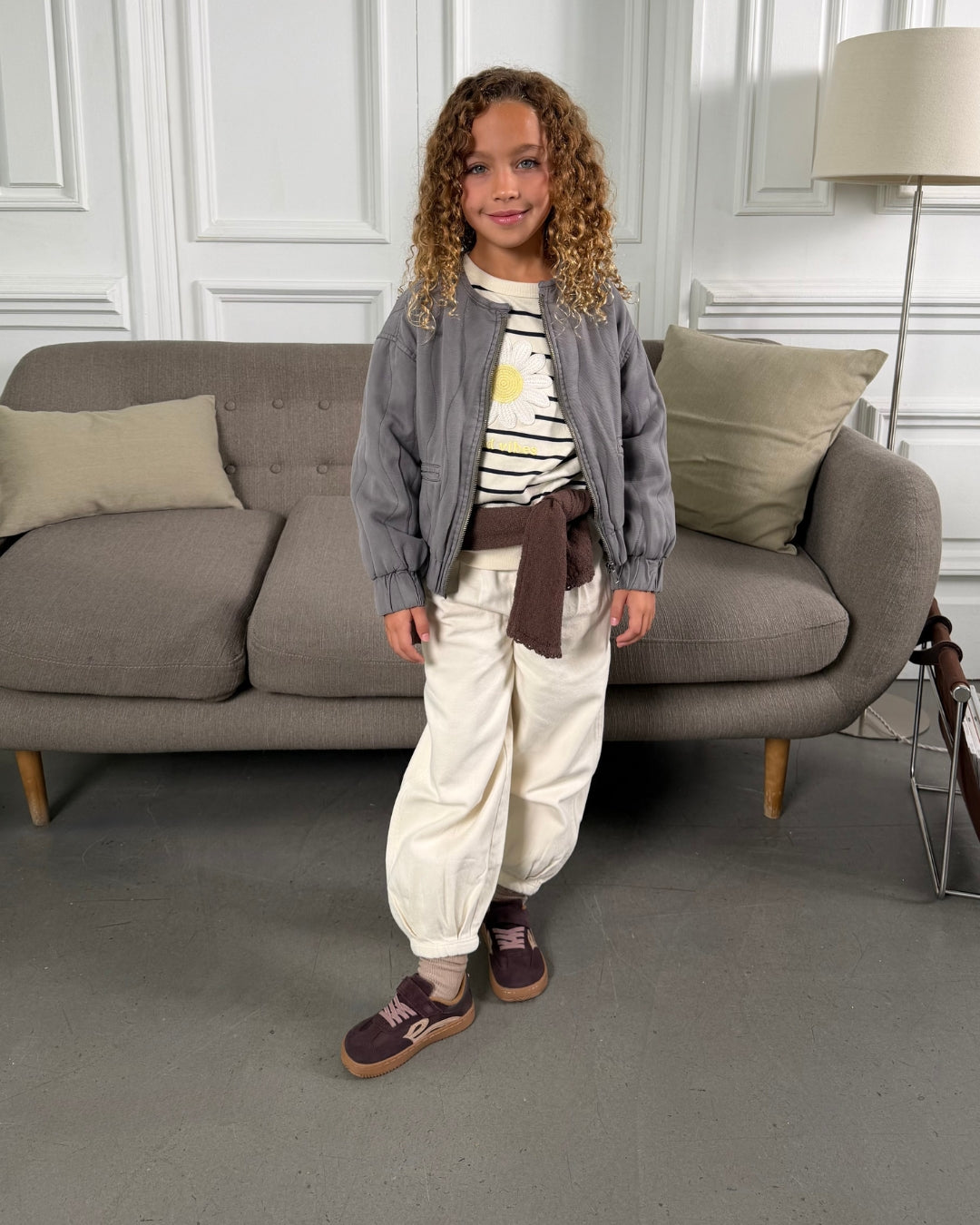
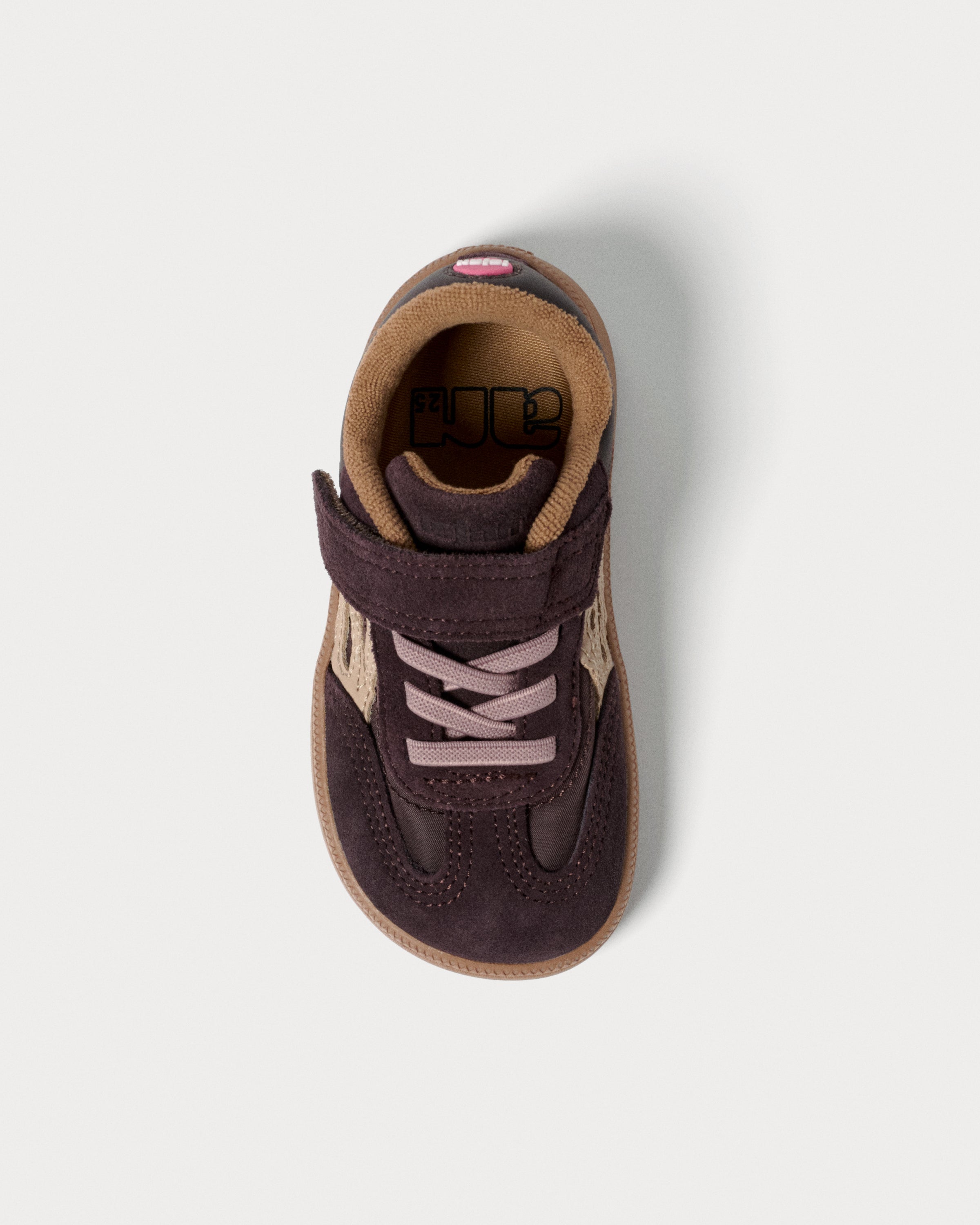
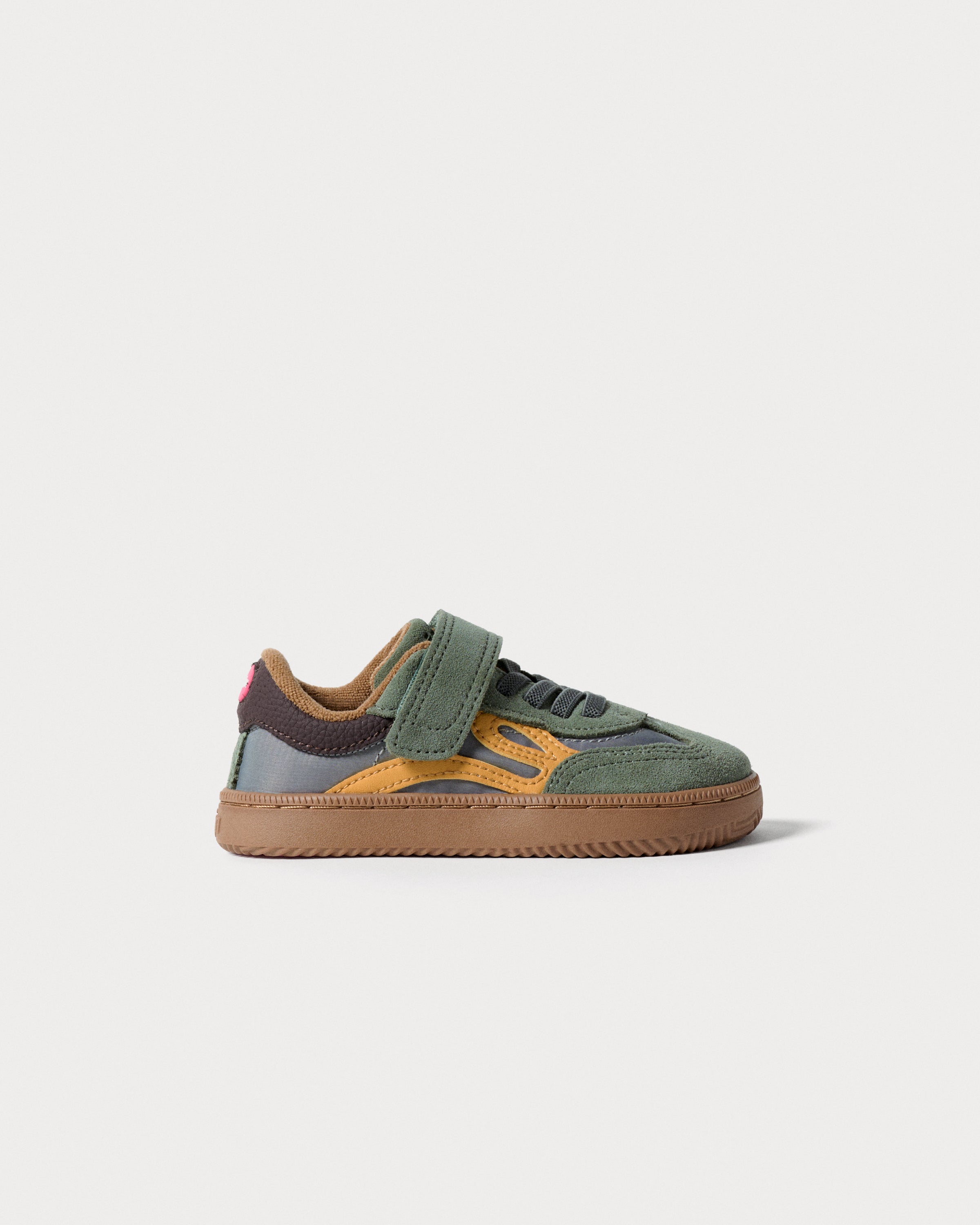
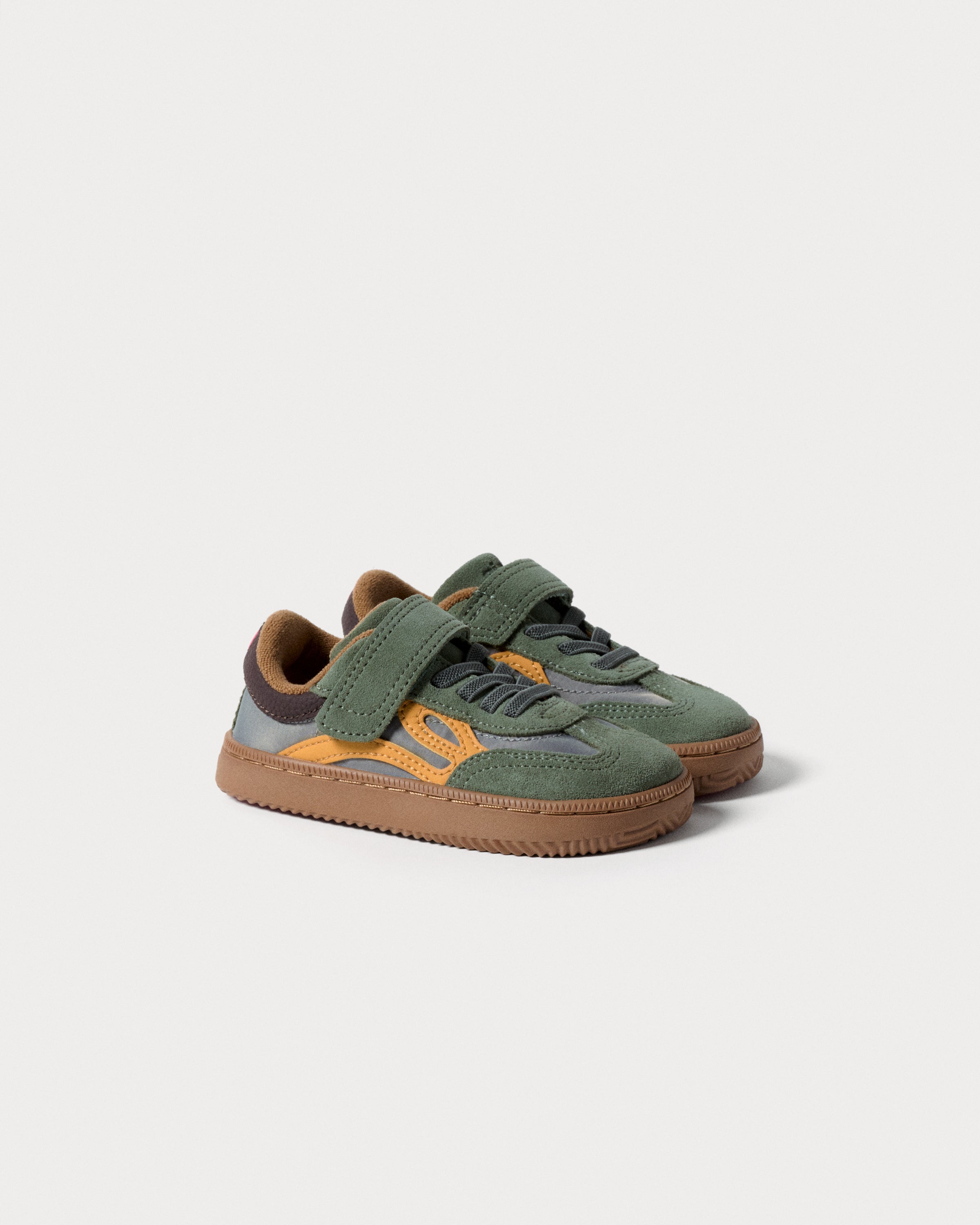
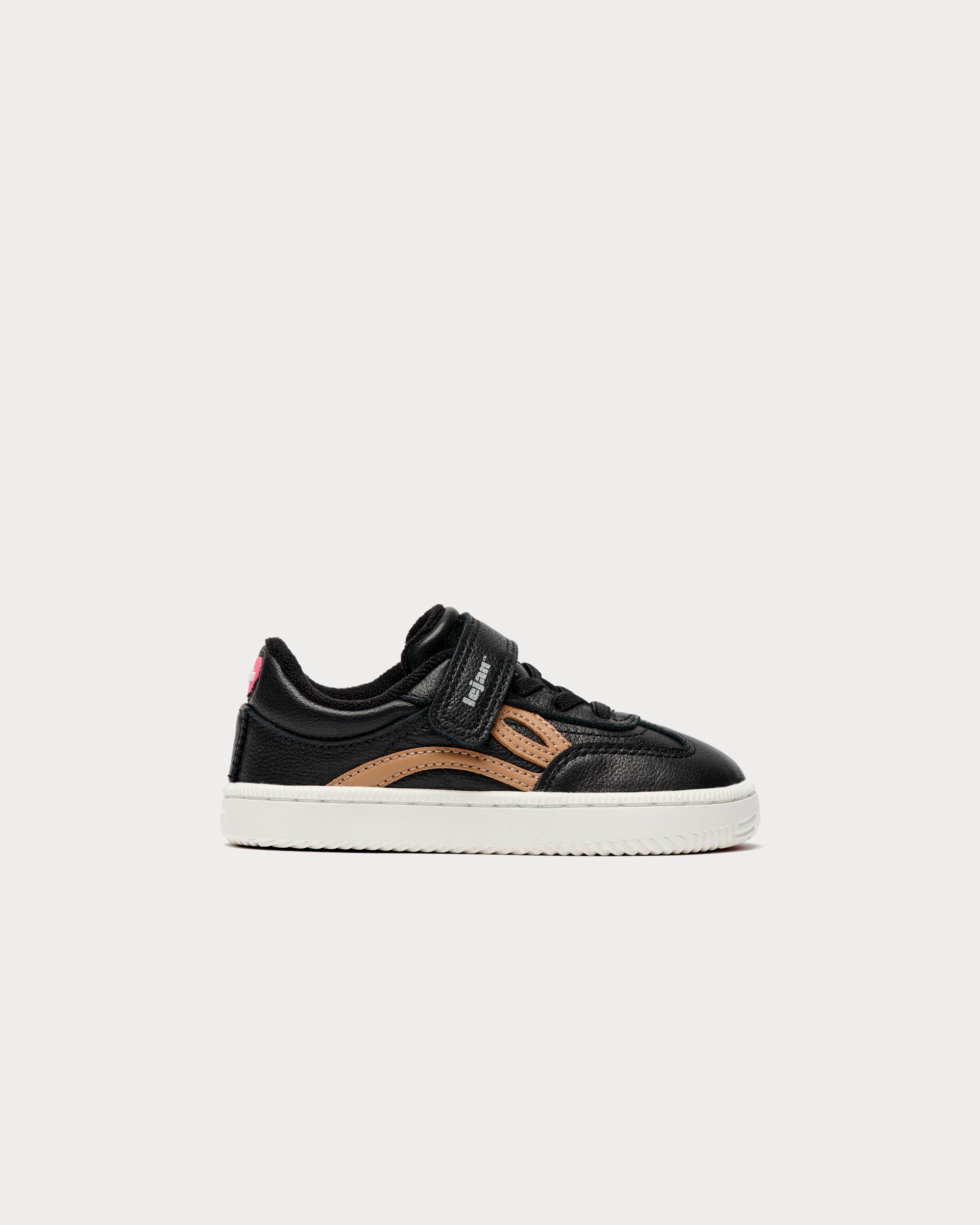
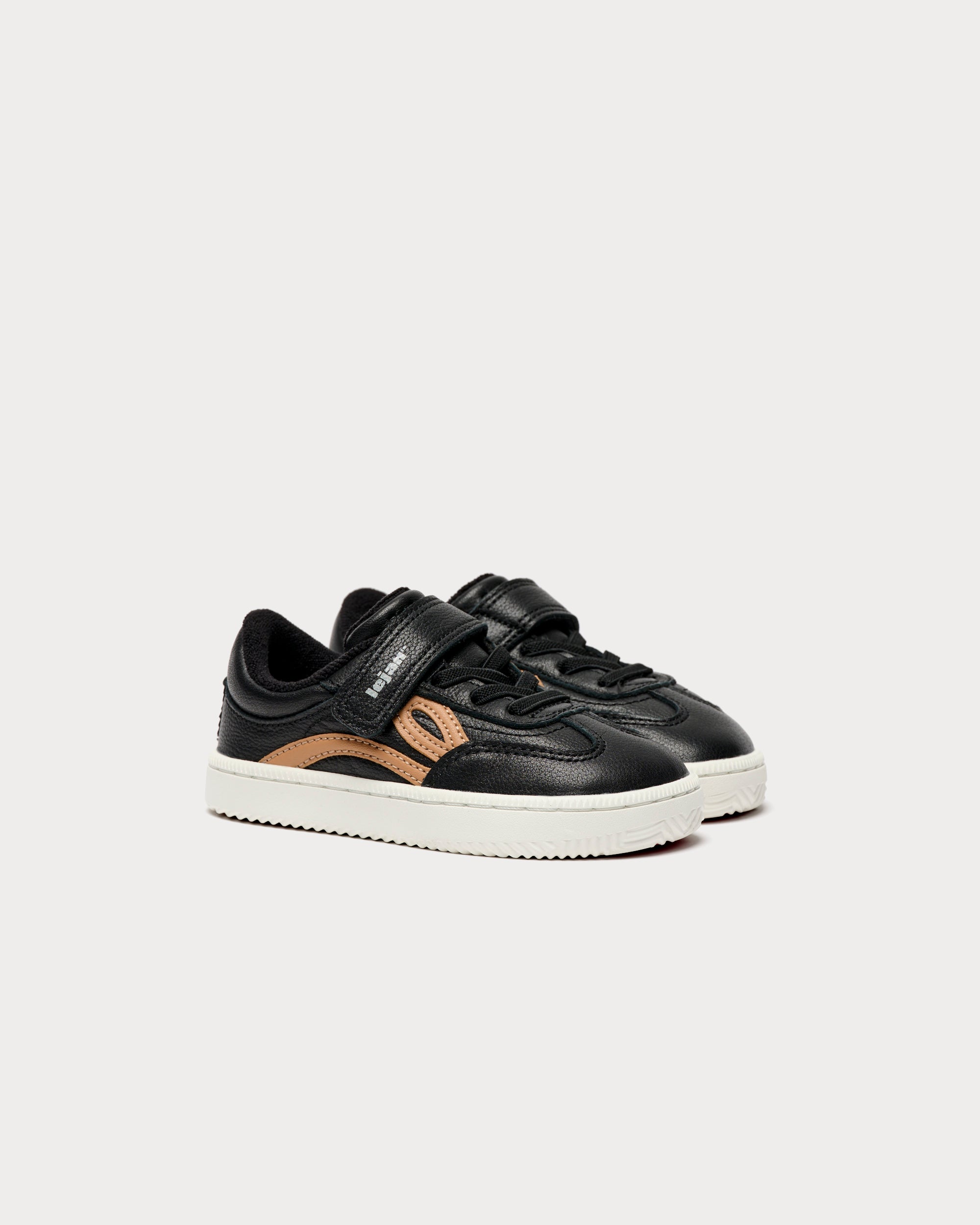
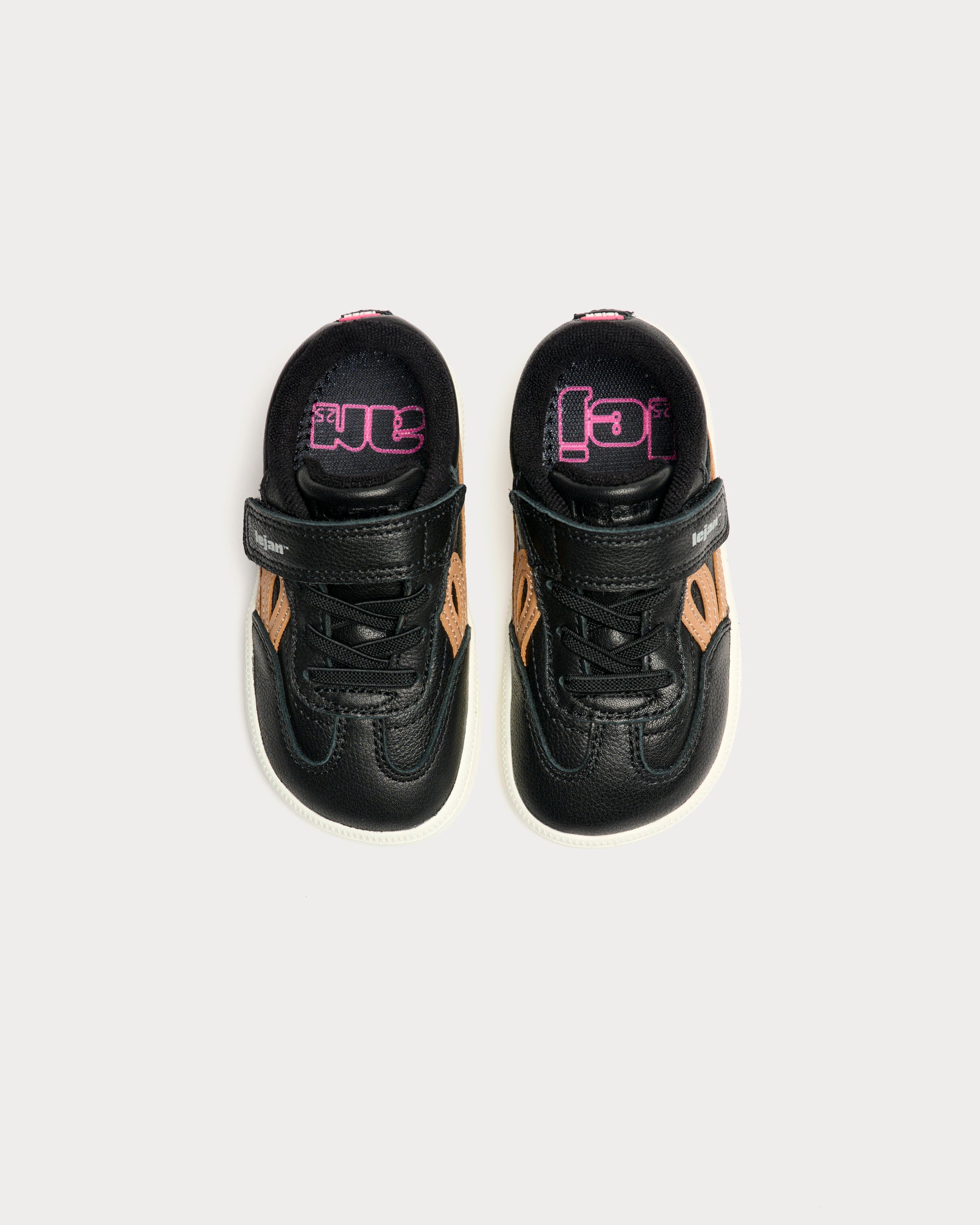
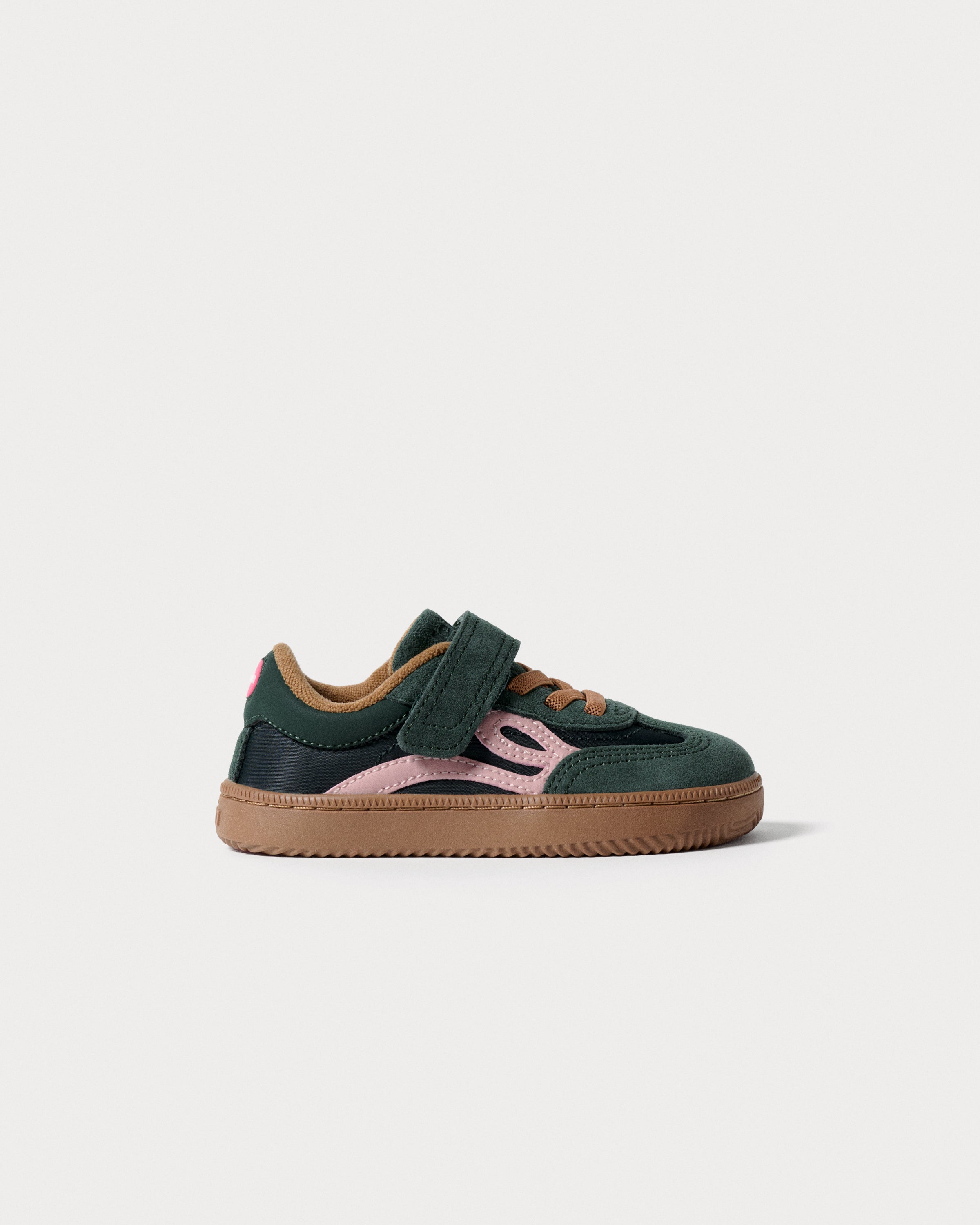
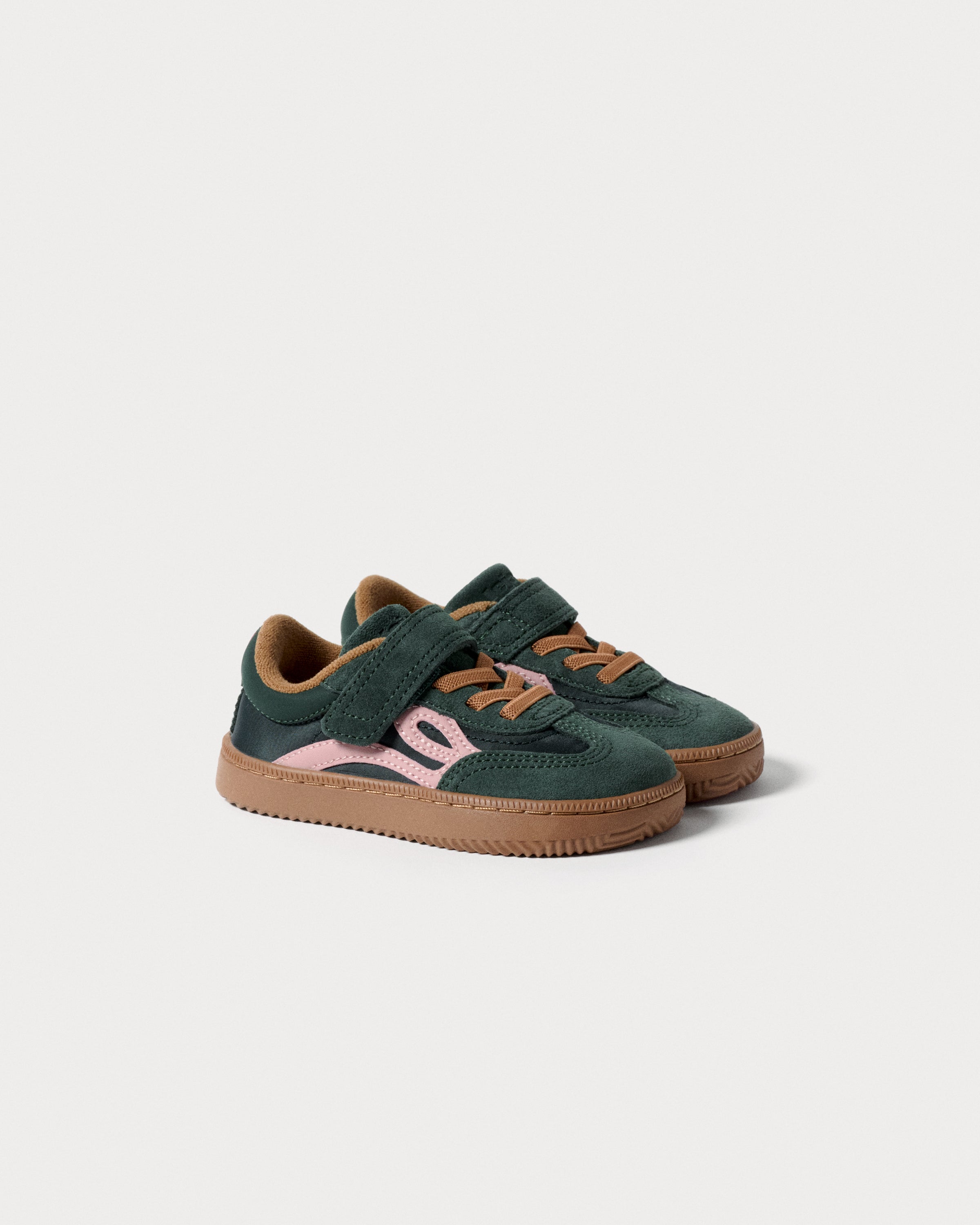
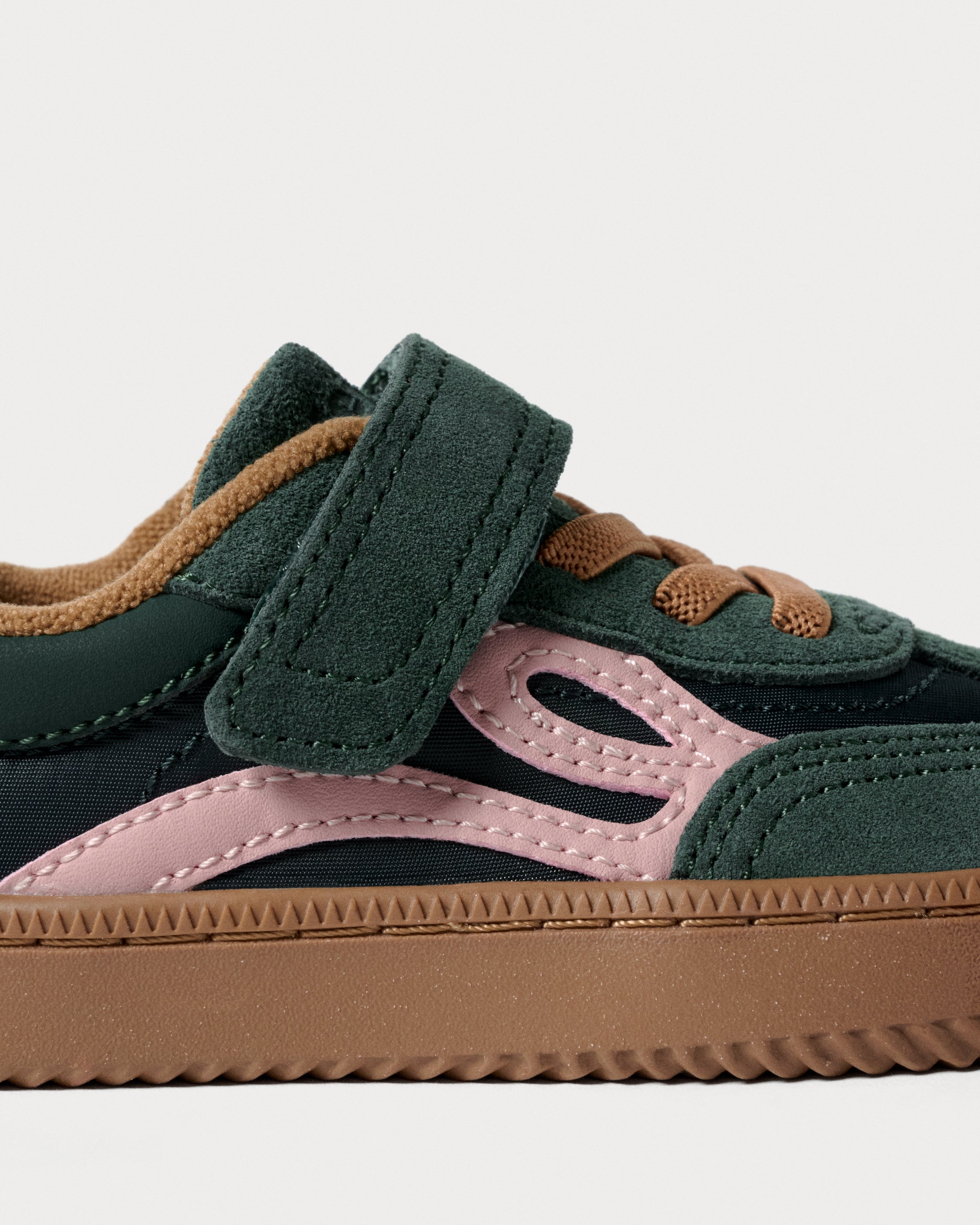
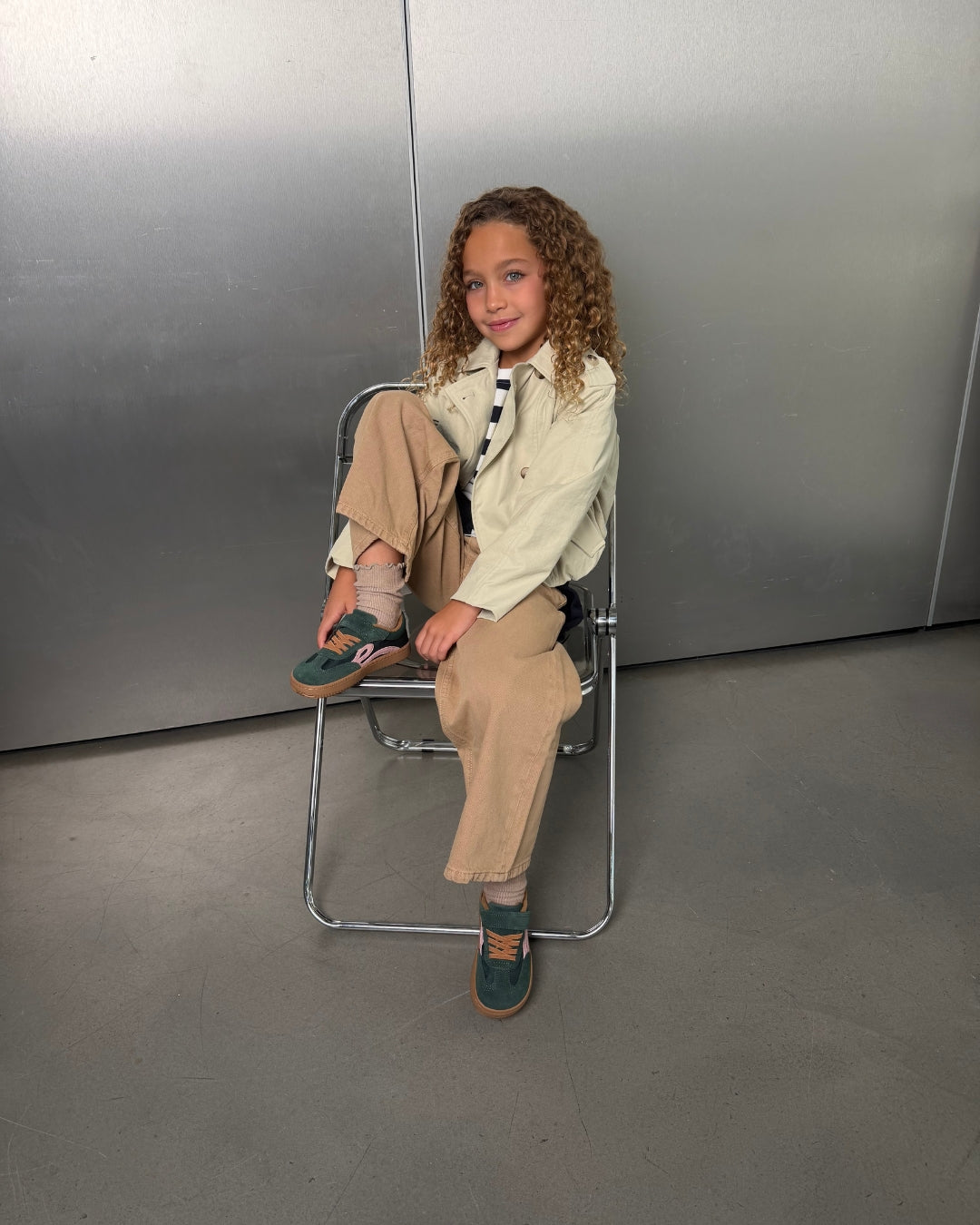
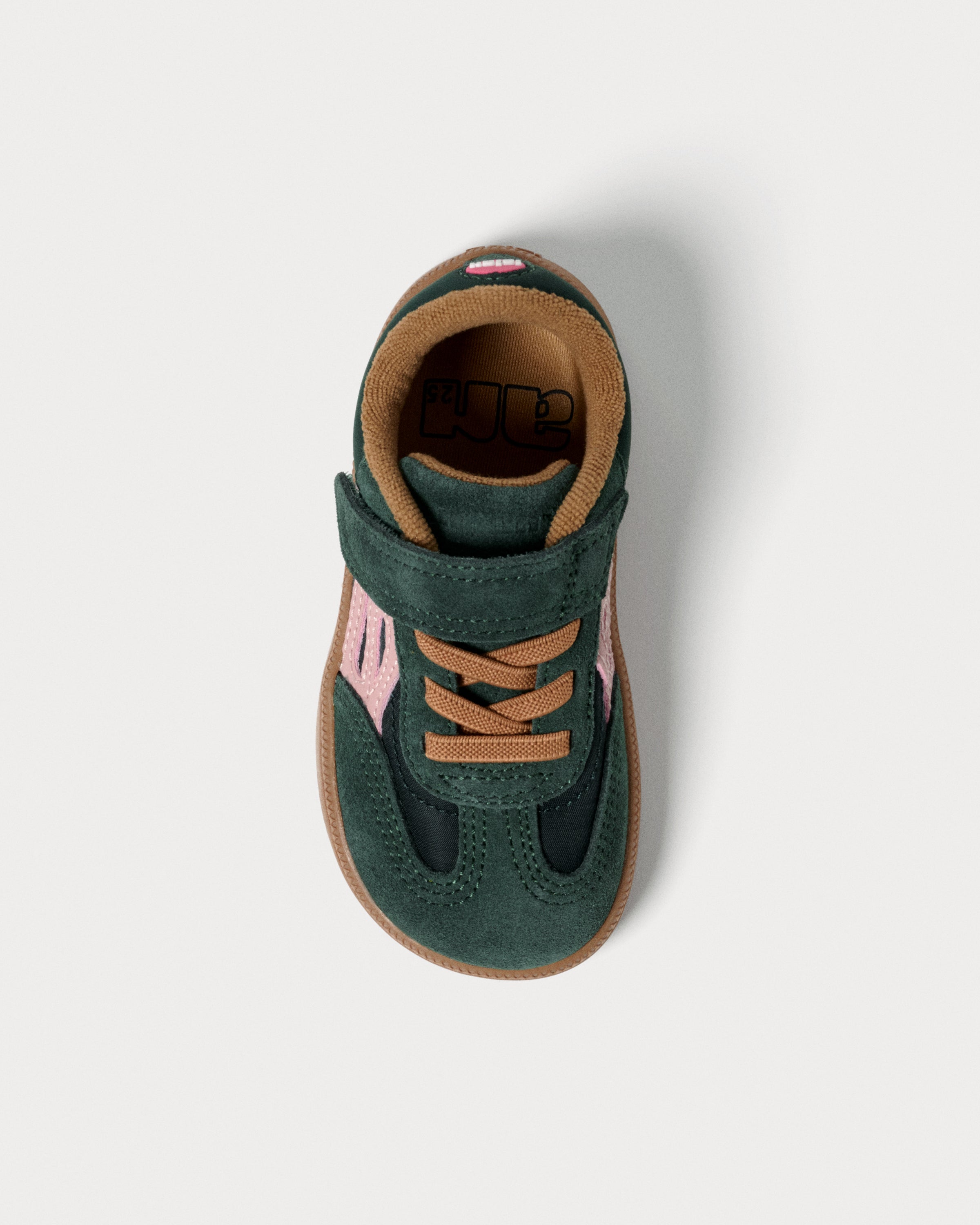
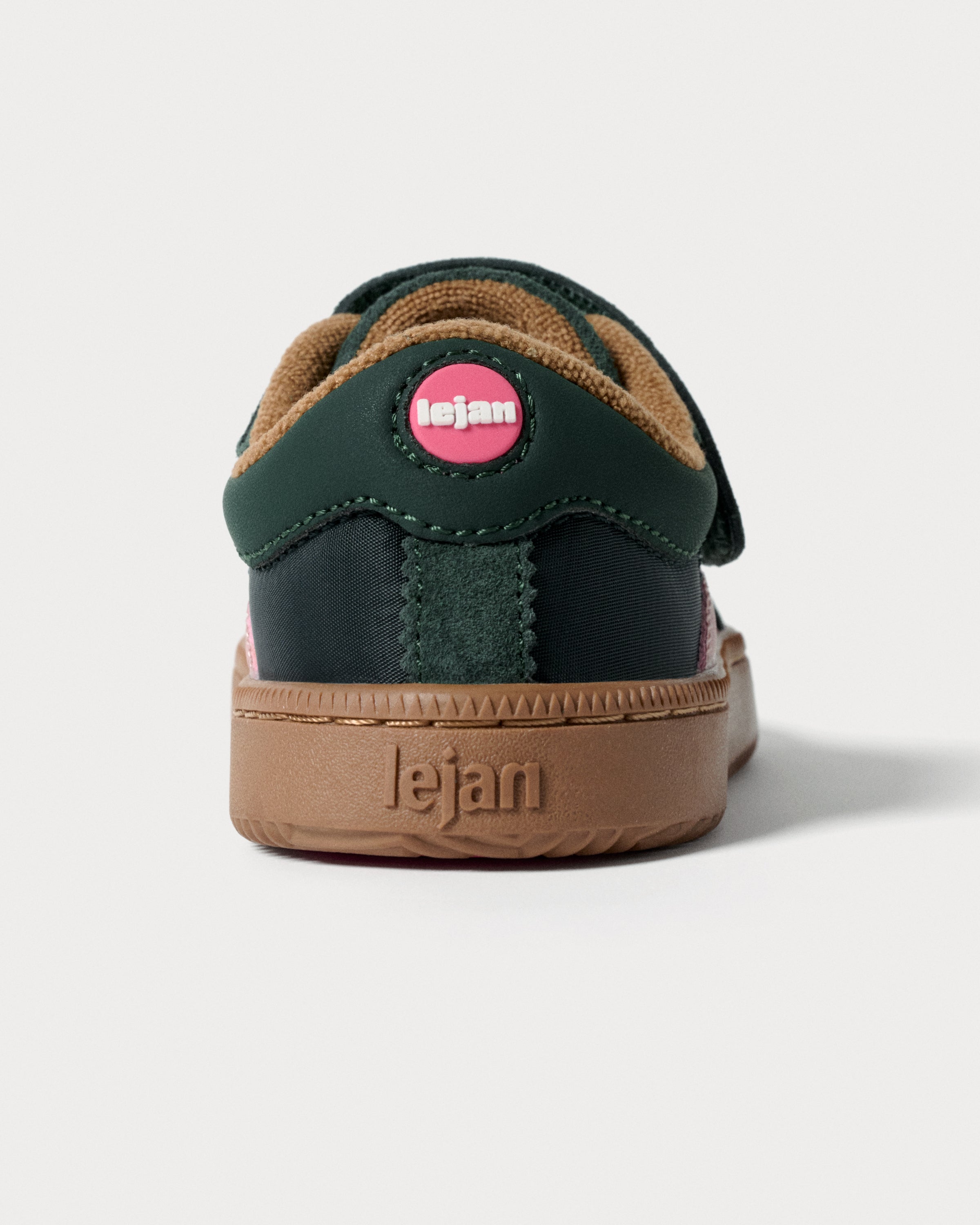
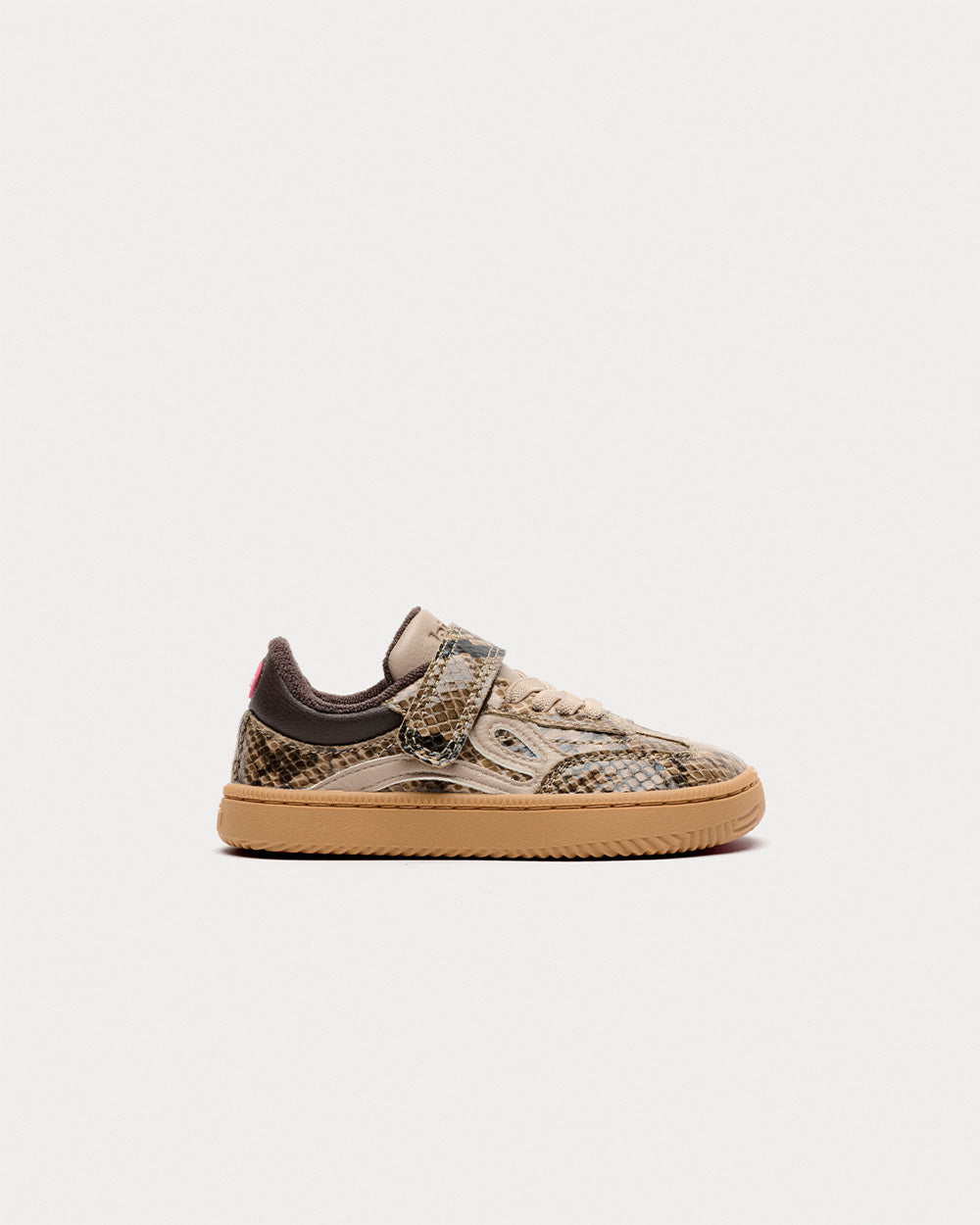
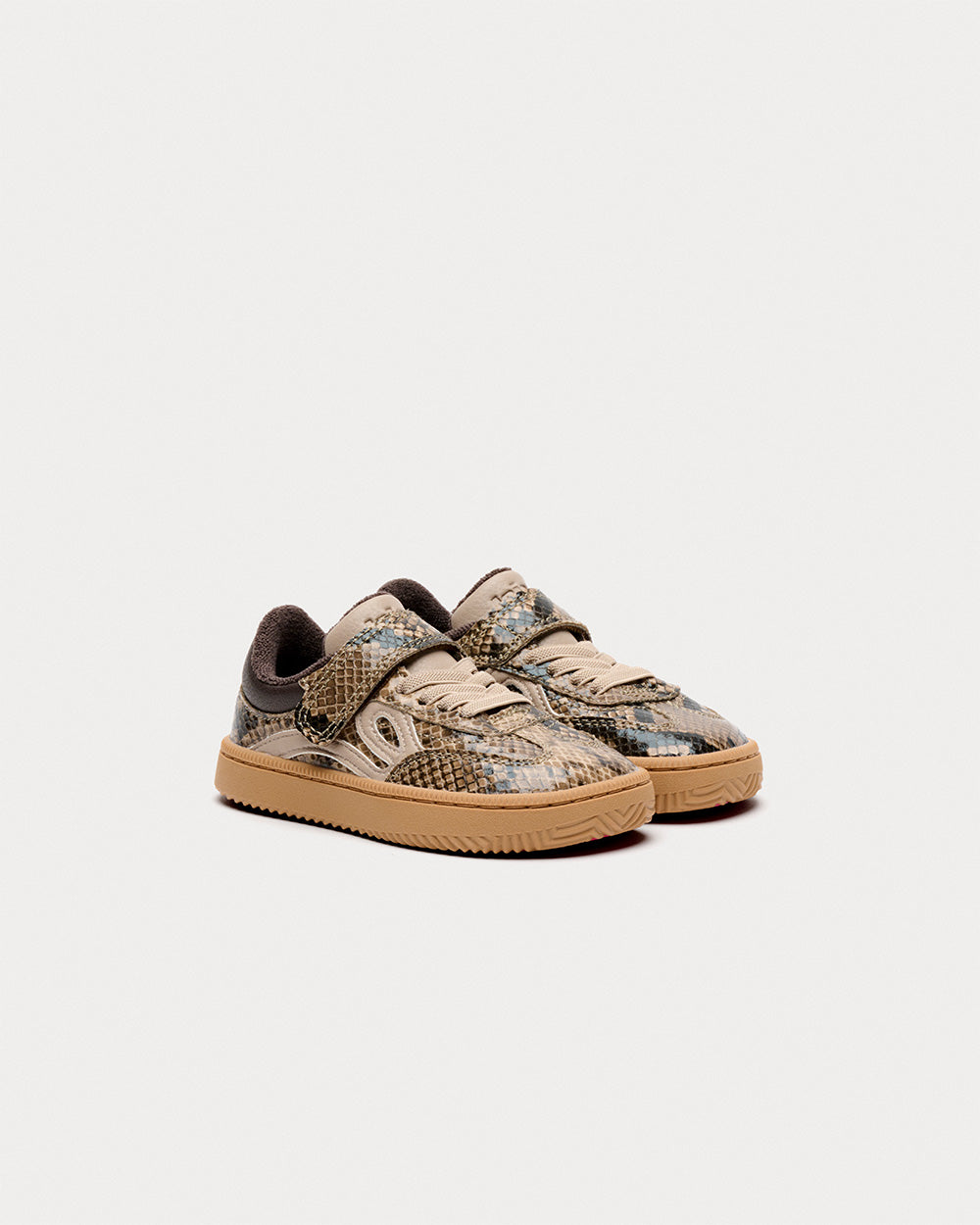
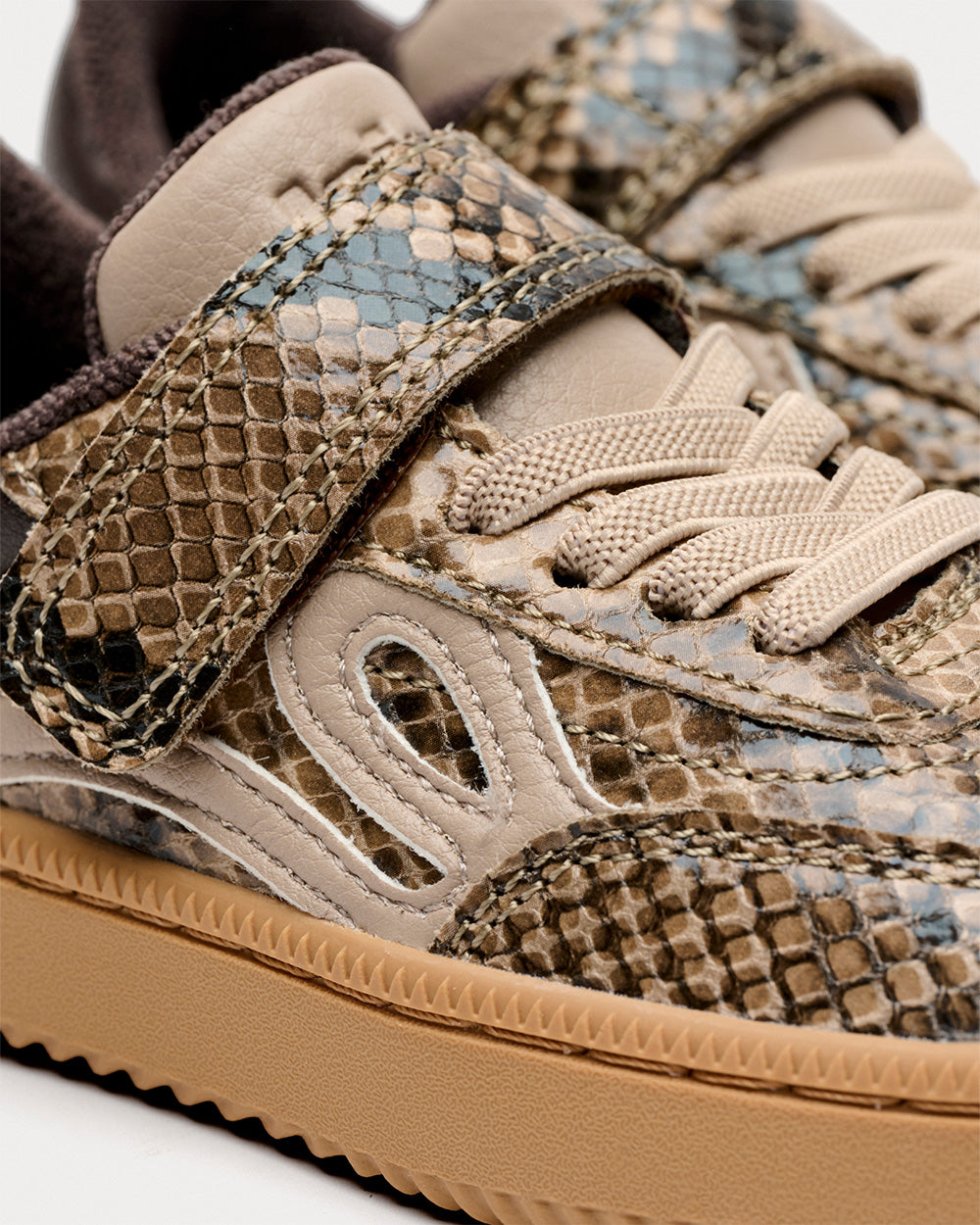
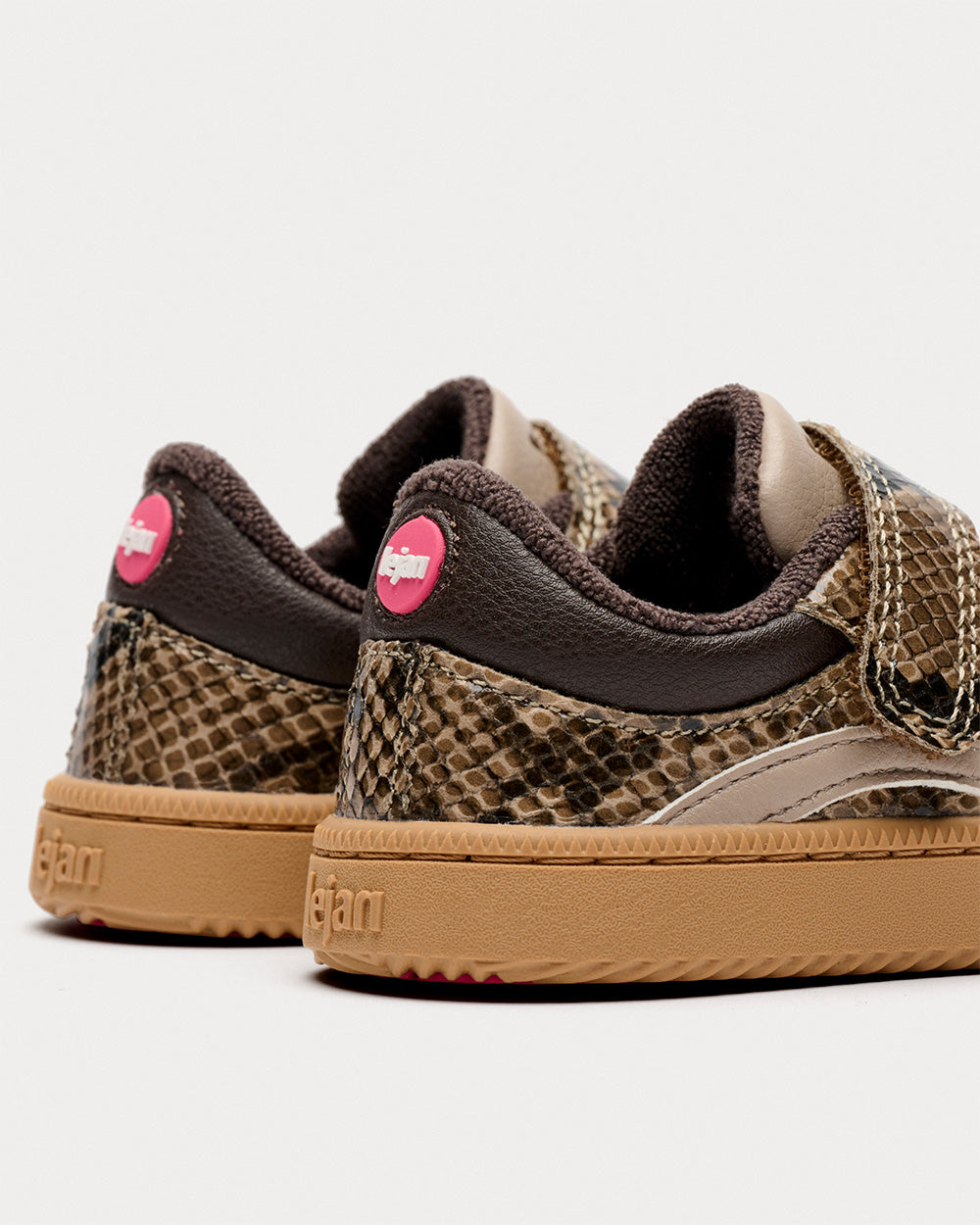
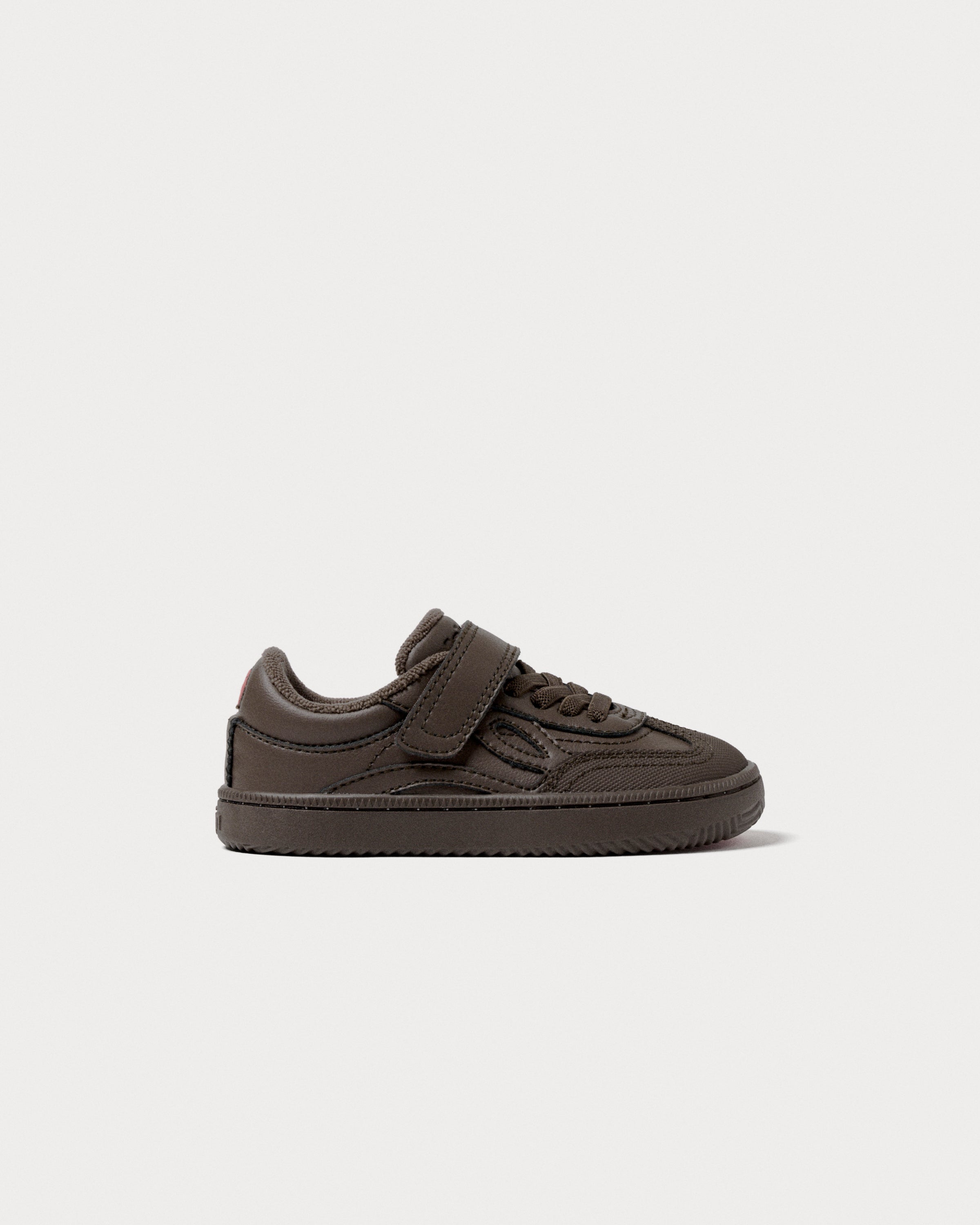
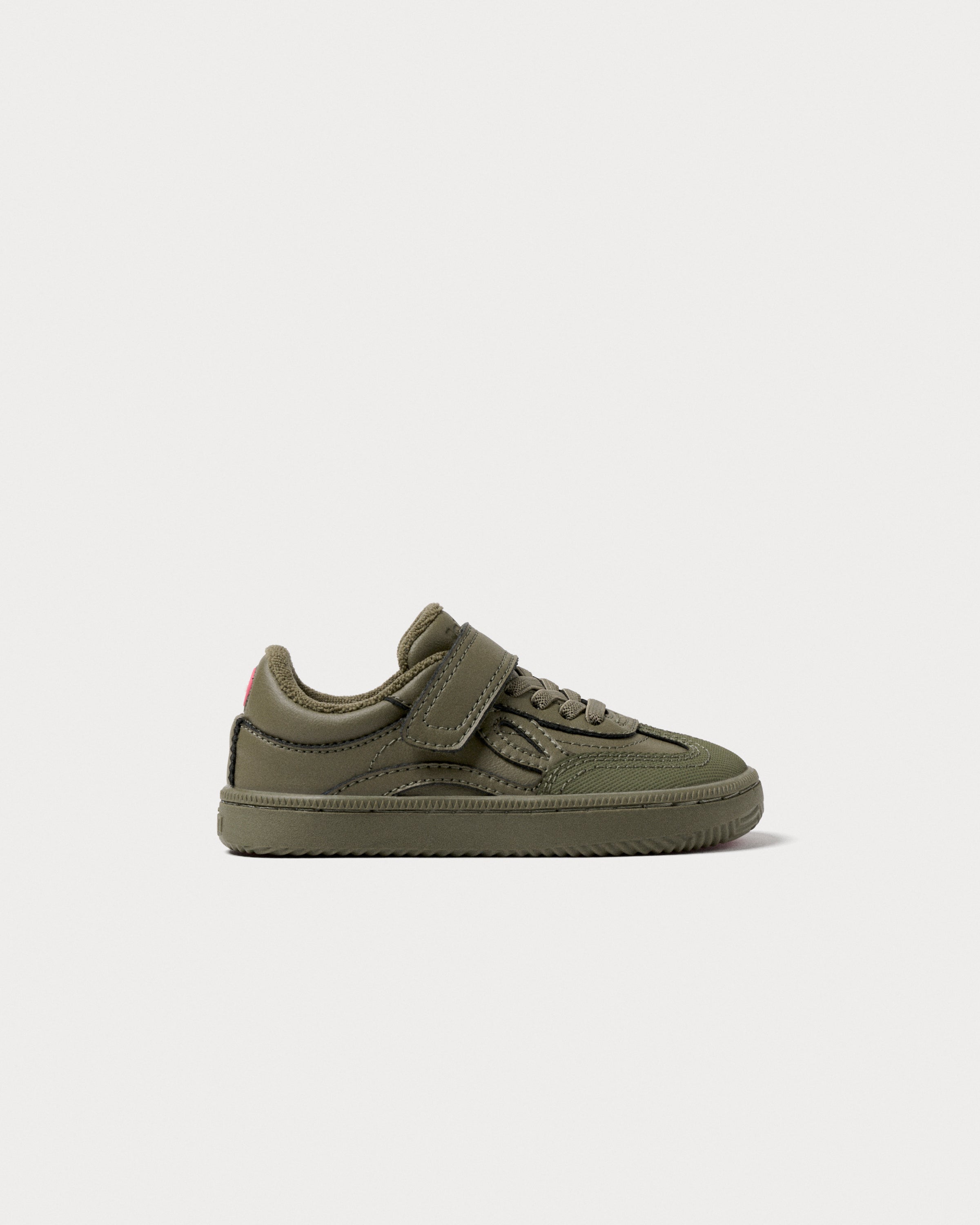
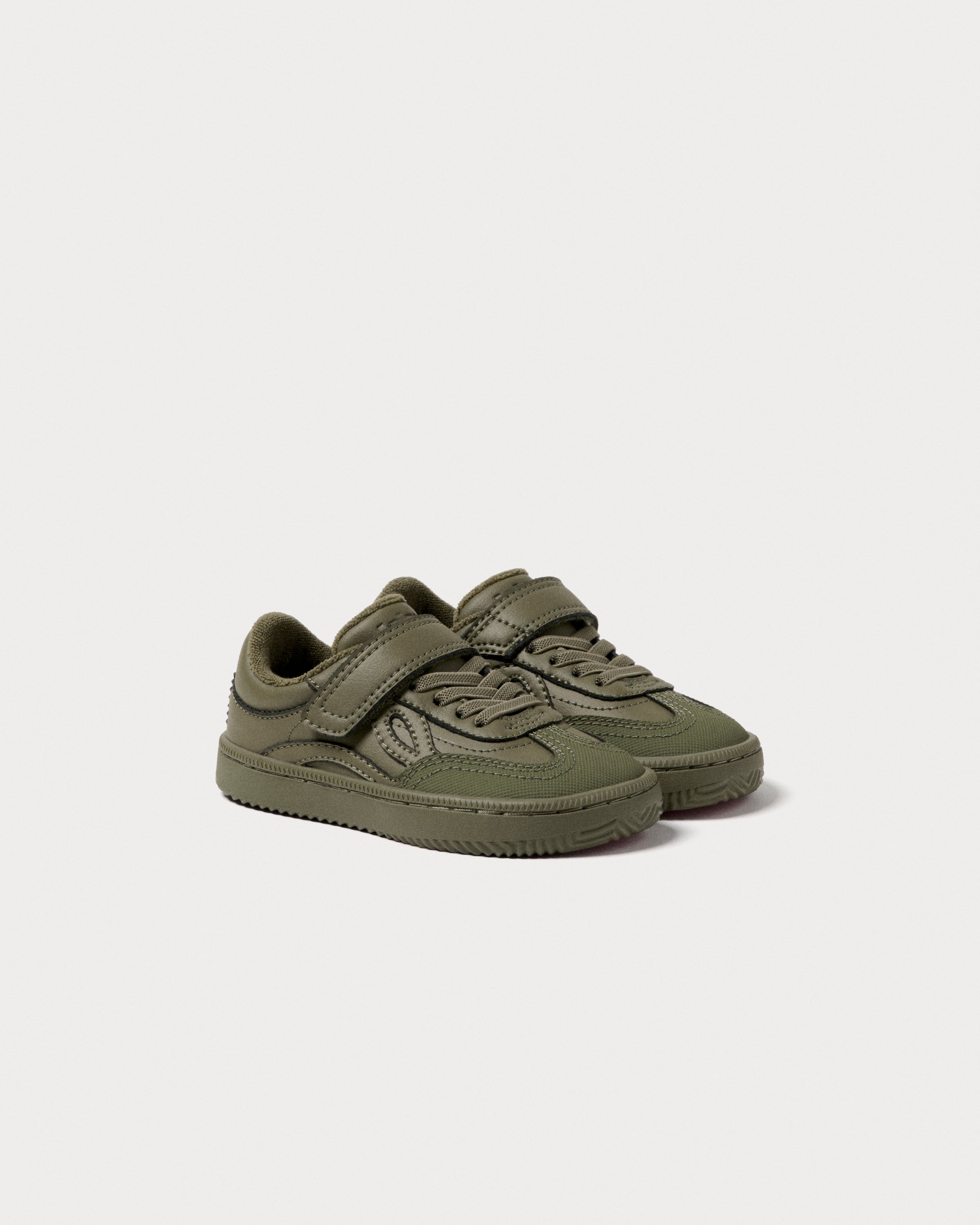
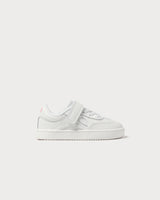
Barefoot hook-and-loop trainers for kids are the ideal option up to age 7-8 (and beyond, if they like the model and the design).
From age 8-9, laces become a real option. They fit the forefoot better, let you customise the tightness and tend to appeal to them more in terms of looks.
Our recommendation by age:
- Ages 3-6: Hook-and-loop every time. Full independence, with no interruptions in the playground.
- Ages 6-9: Hook-and-loop or a double fastening (hook-and-loop + elastic). The child chooses.
- Age 9 and up: They can now consider laces, but hook-and-loop is still perfectly valid.
How to get the size right in barefoot school shoes
With barefoot footwear, size matters especially. There's no heel or compensating sole to “correct” things if the shoe is too tight or too loose.
To choose well:
- Measure the foot flat on the floor, from the heel to the longest toe. With socks on if they're going to wear them at school.
- Add 1 cm of margin: with barefoot school footwear that's enough to allow for growth without the shoe being too big or unstable.
- Check the width. The toes must be able to spread out without touching the sides. With barefoot footwear this is key.
- Check the size every 2-3 months. School-age children's feet grow fast. Running out of room isn't always noticeable straight away.
If you're unsure between two sizes, choose the larger one, as long as the heel stays well held in place. A finger's space in front of the toes is ideal.
Frequently asked questions about barefoot school shoes
Are barefoot school shoes suitable for the playground and physical activities?
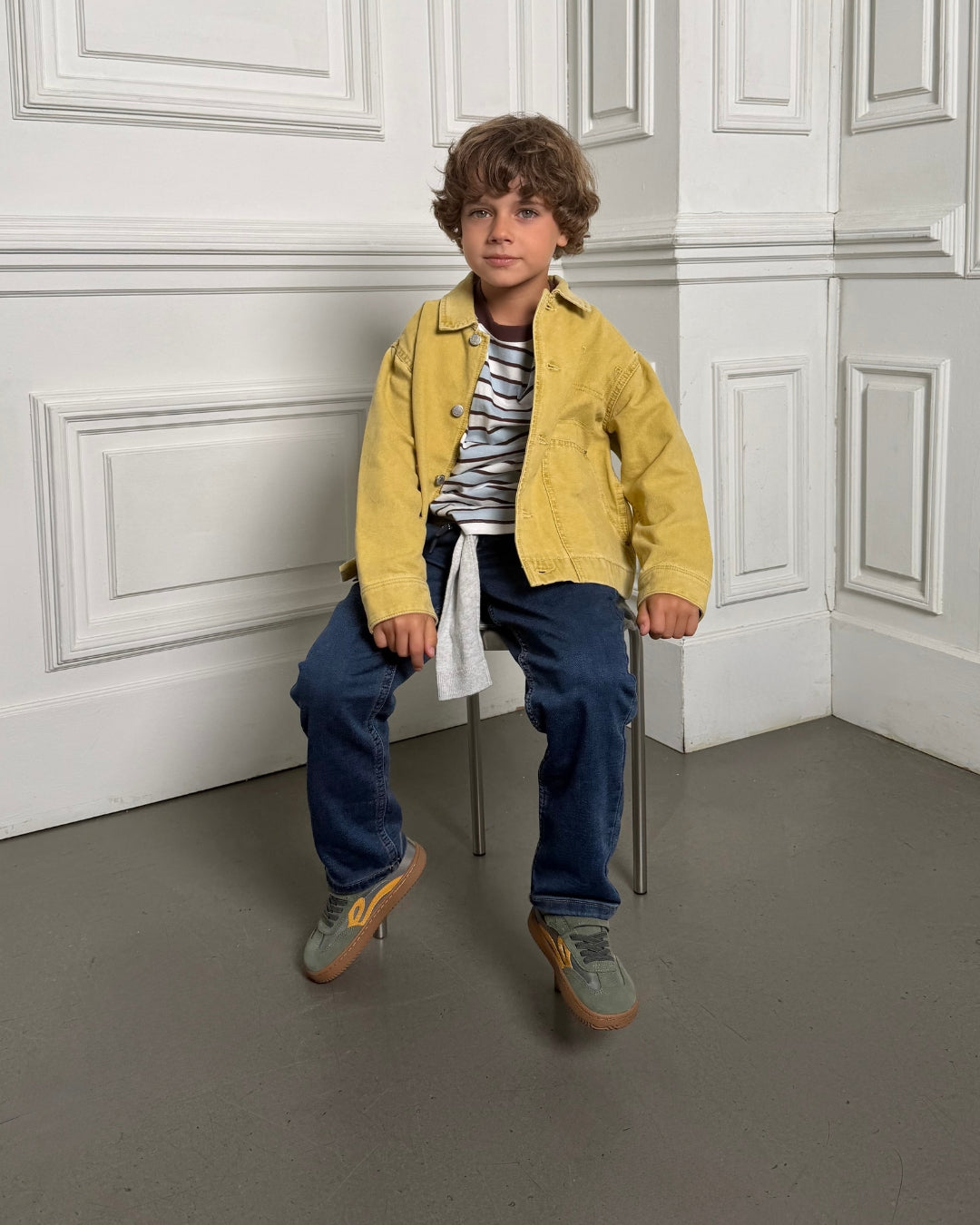
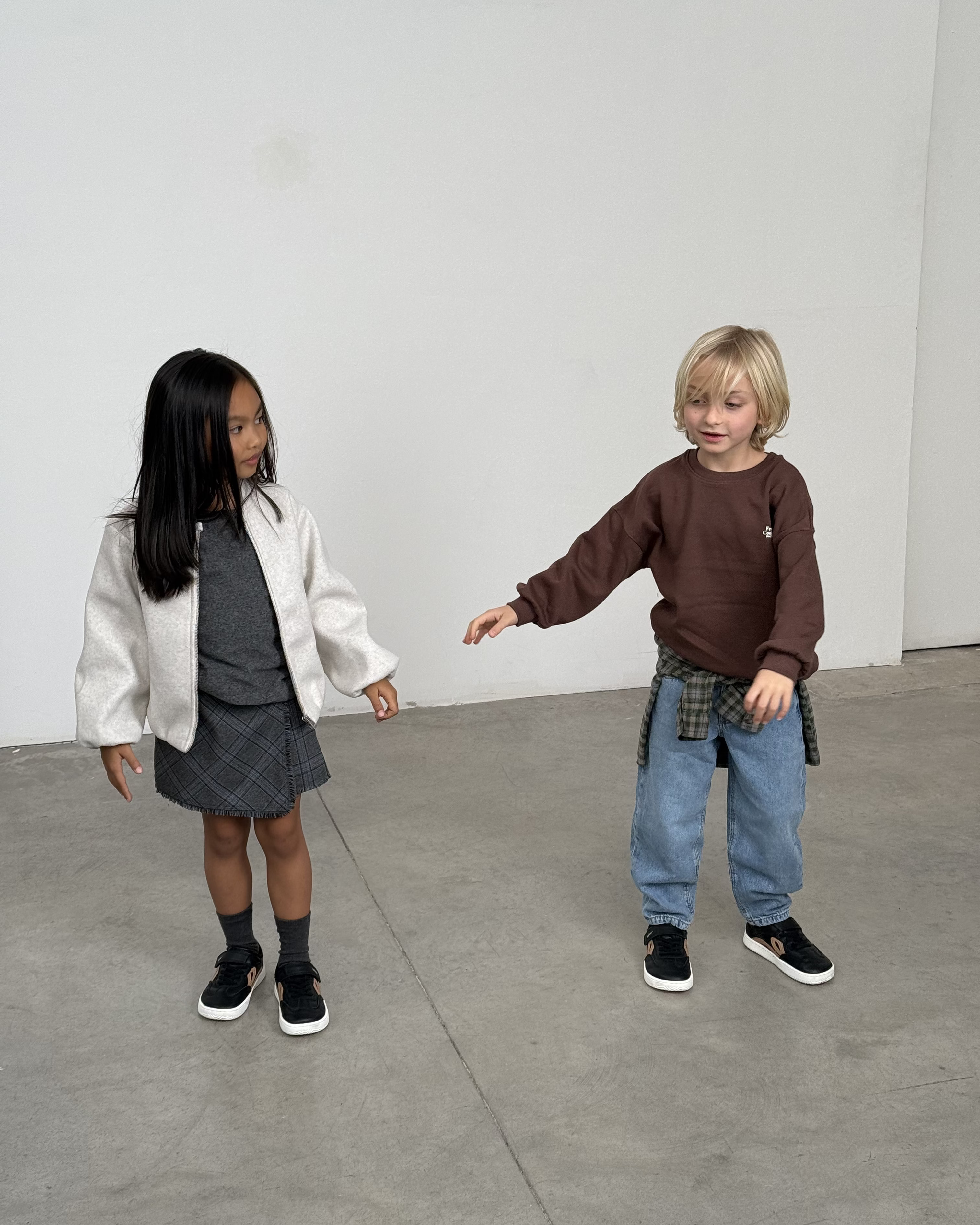
Yes. Our models are designed to withstand real school use: running at break, climbing, playing and walking on different surfaces. The flexible sole has the durability needed for everyday wear without losing its barefoot function.
Can my little one start with barefoot straight away if they came from conventional footwear?
In children, adapting is usually much faster than in adults because their feet are still developing. There's no mandatory transition, but if they're coming from very stiff footwear, you can start with shorter wear during the first few weeks and increase the time gradually.
Do foot-friendly school shoes hold up to water and rain?
It depends on the model. In our collection you'll find options with water-resistant materials made for the rainy months, and more breathable models for spring and summer. Filter by season to find the one that best suits the time of year.
From what age is barefoot school footwear recommended?
From the moment they start walking. The developing foot benefits from foot-friendly footwear from the very first steps. There's no minimum age; the sooner the better for muscular and postural development.
What's the difference between a barefoot school shoe and a foot-friendly one?
In practice, the terms are used interchangeably. “Barefoot” emphasises functionality (thin sole, zero drop, anatomical fit). “Foot-friendly” stresses not interfering with the natural development of the foot. At LEJAN both terms describe the same concept: footwear that keeps up without limiting.