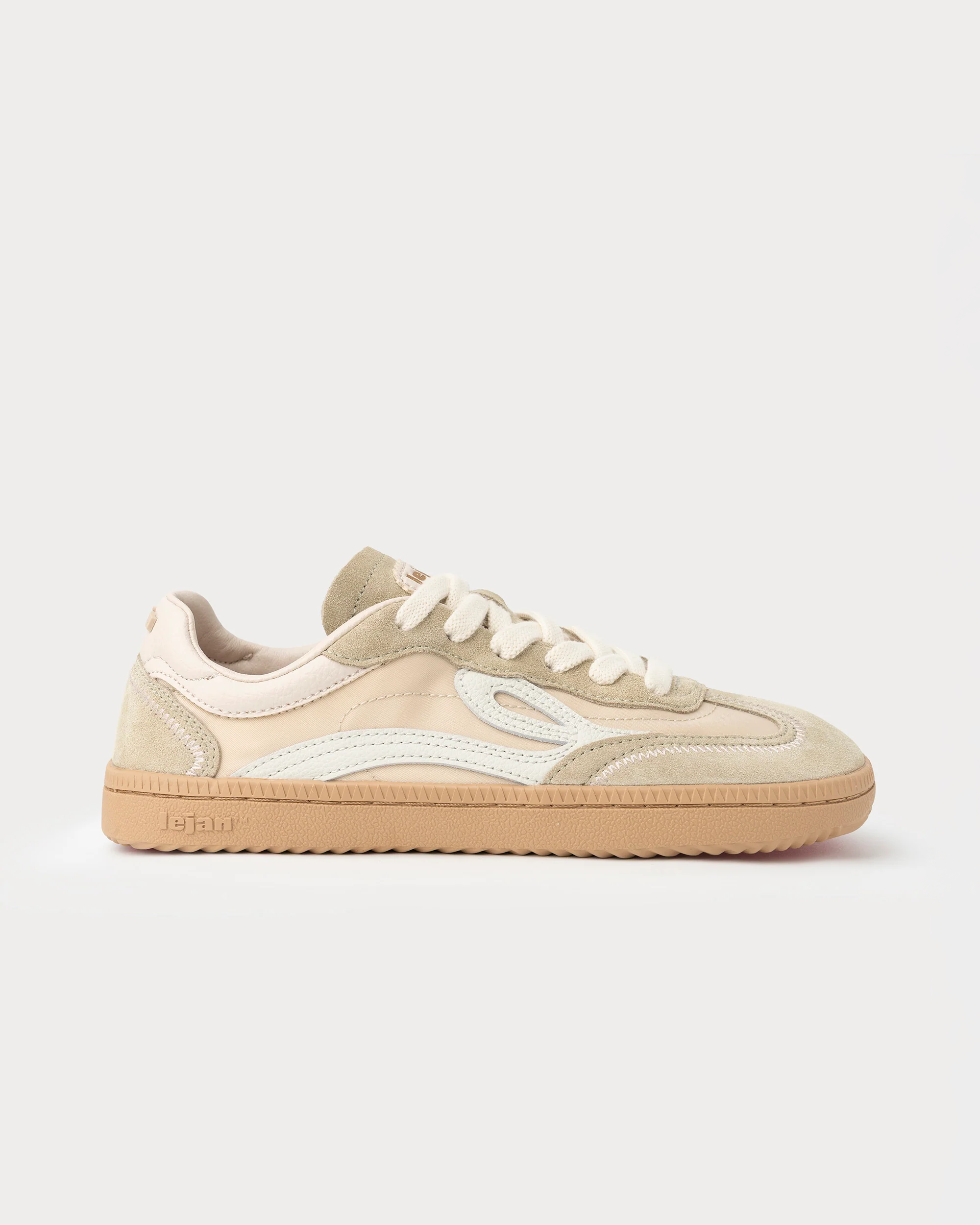
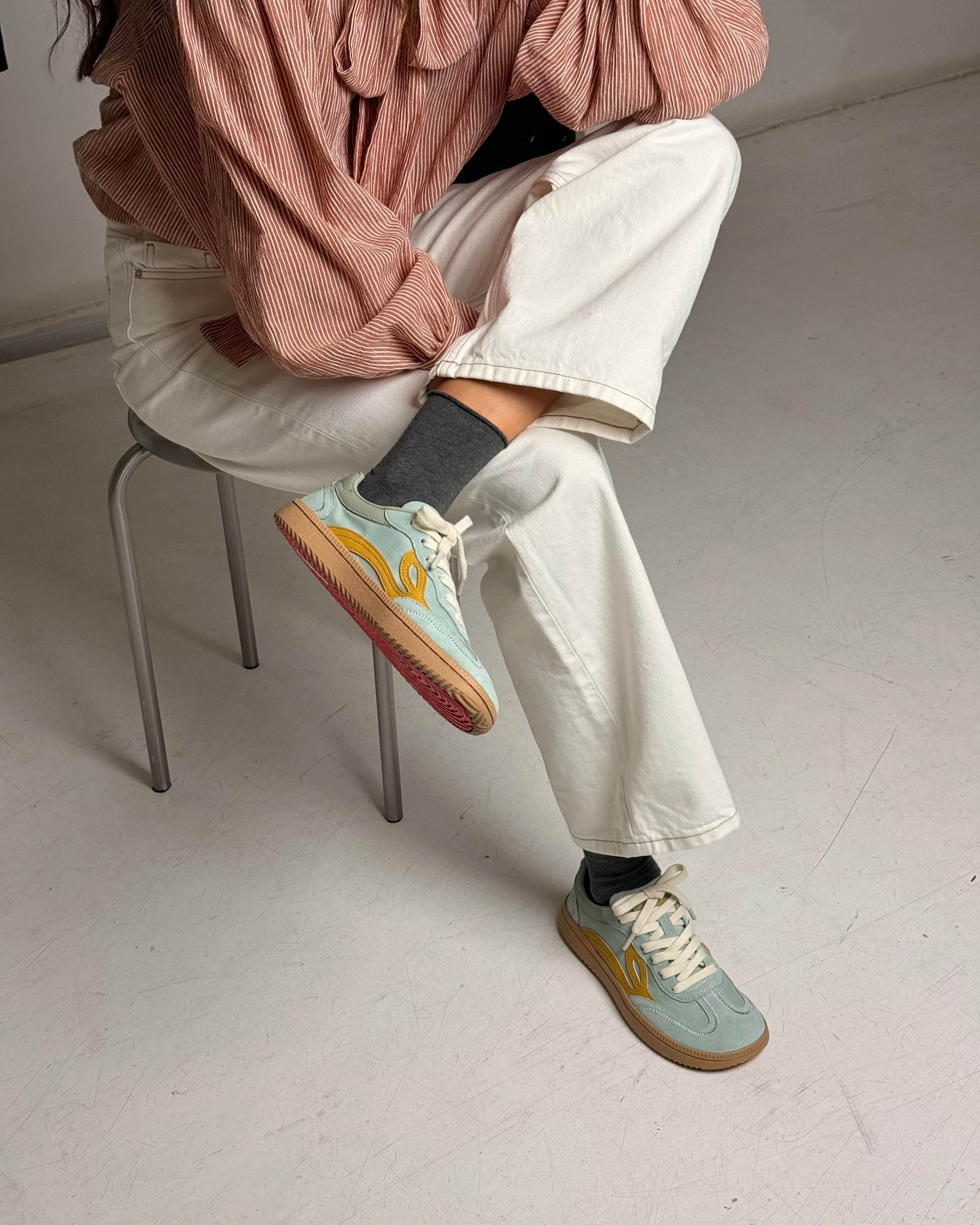
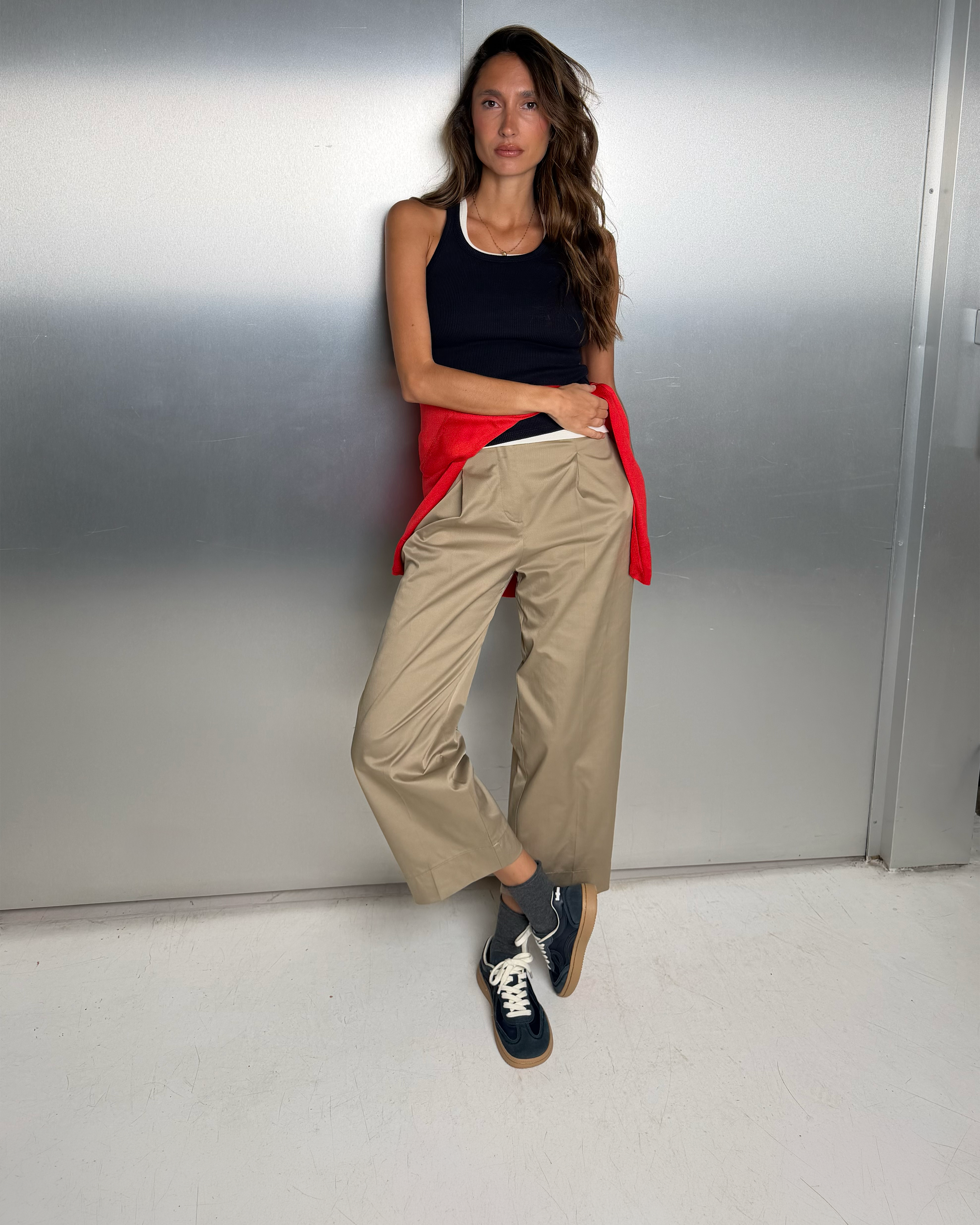
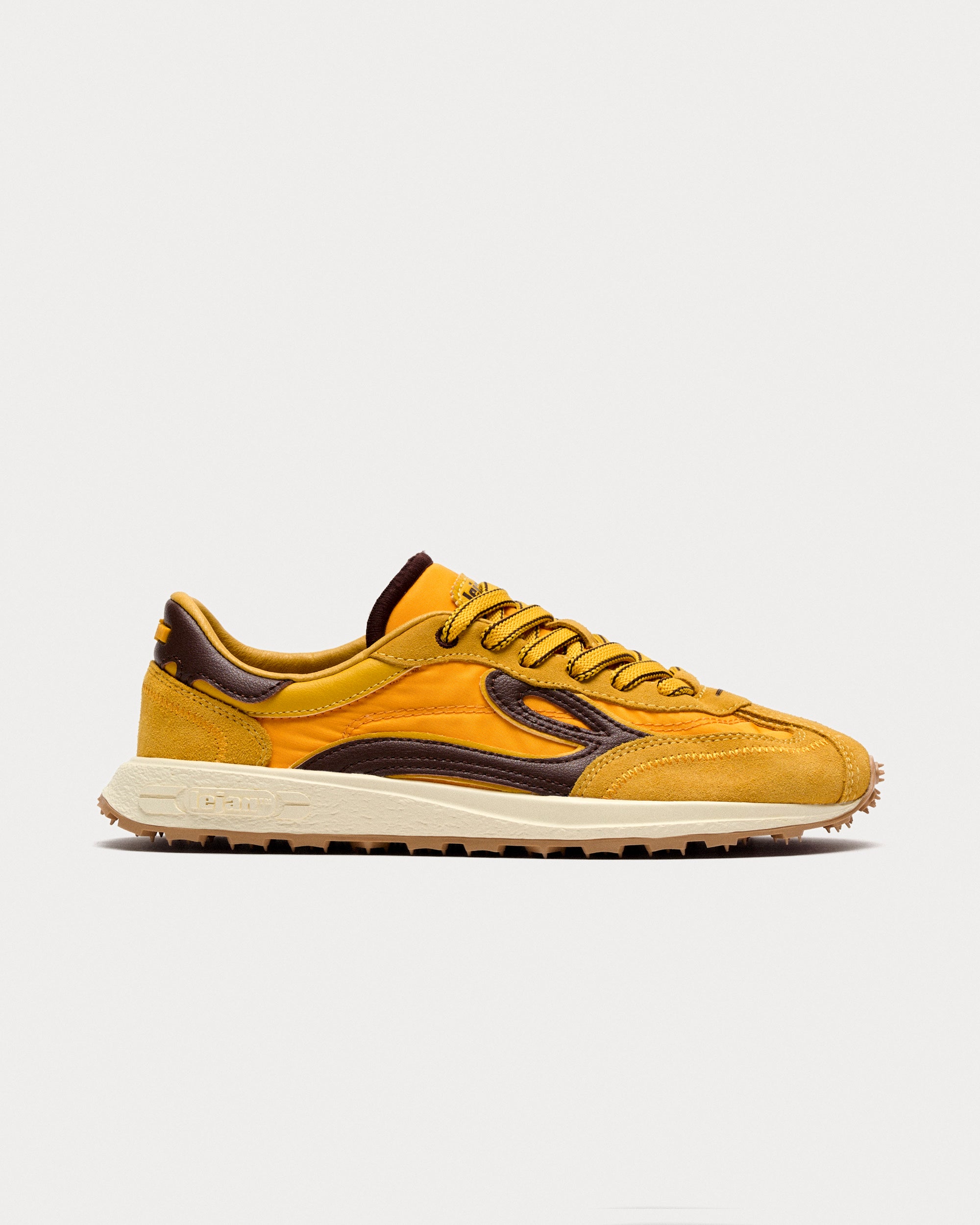
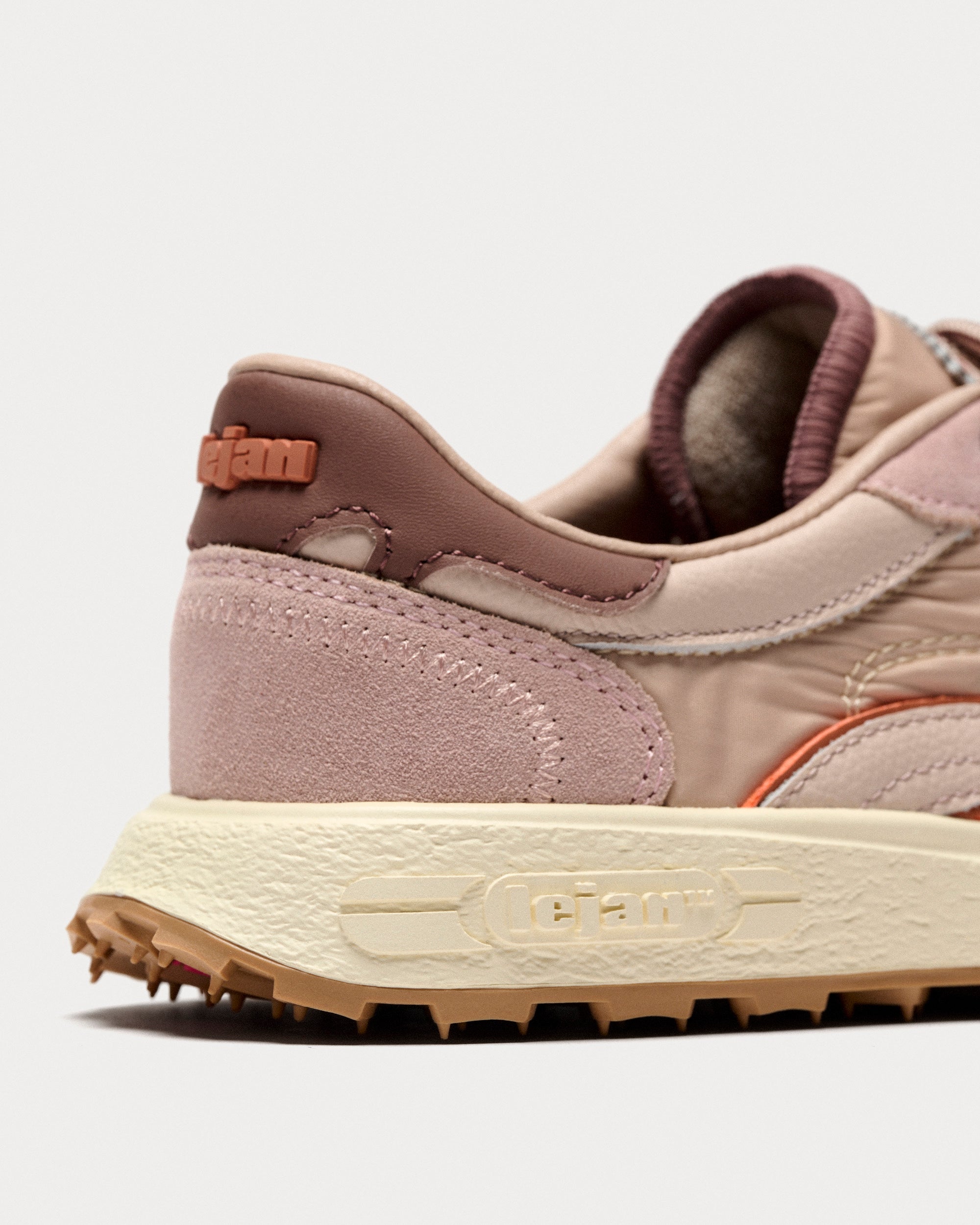
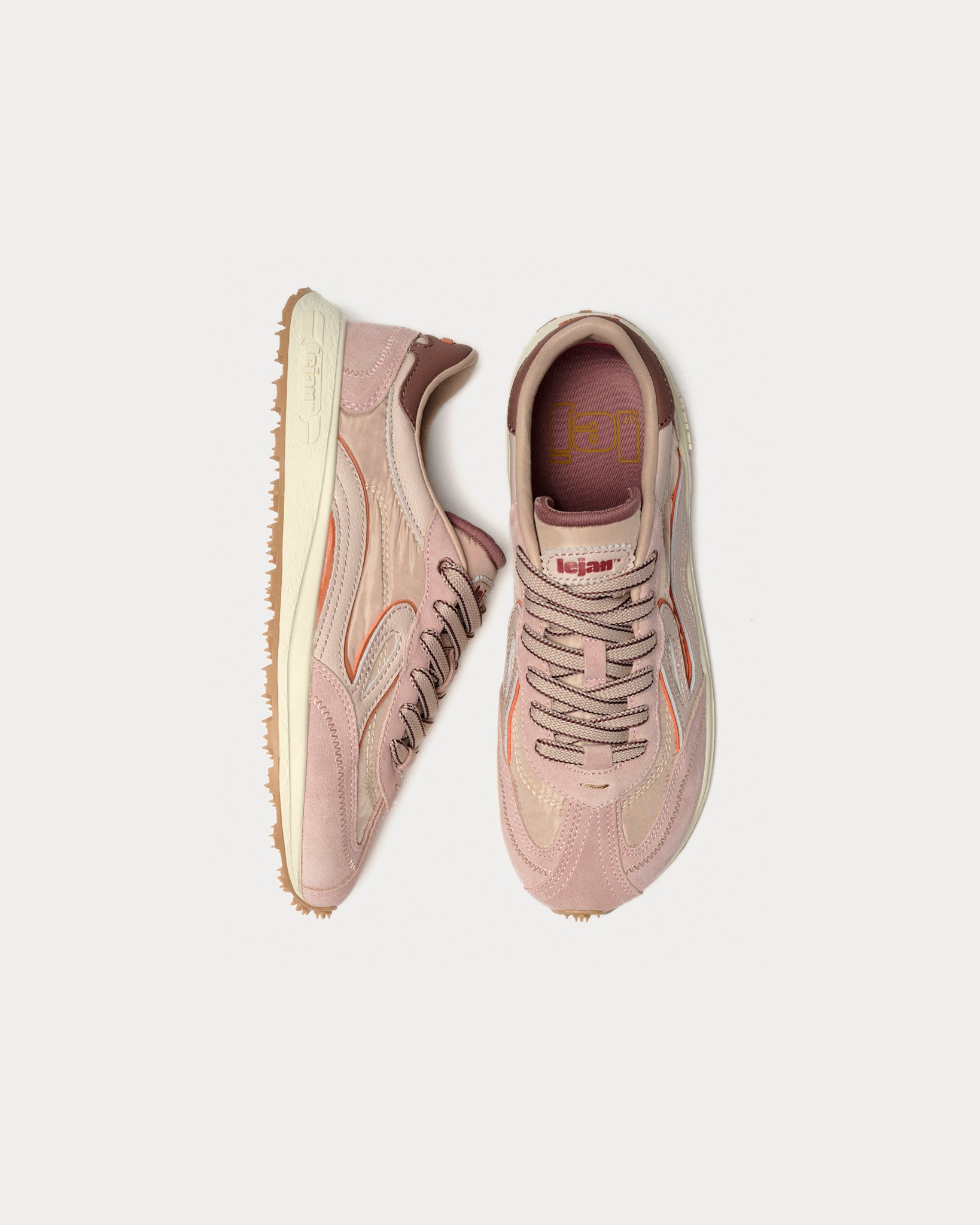
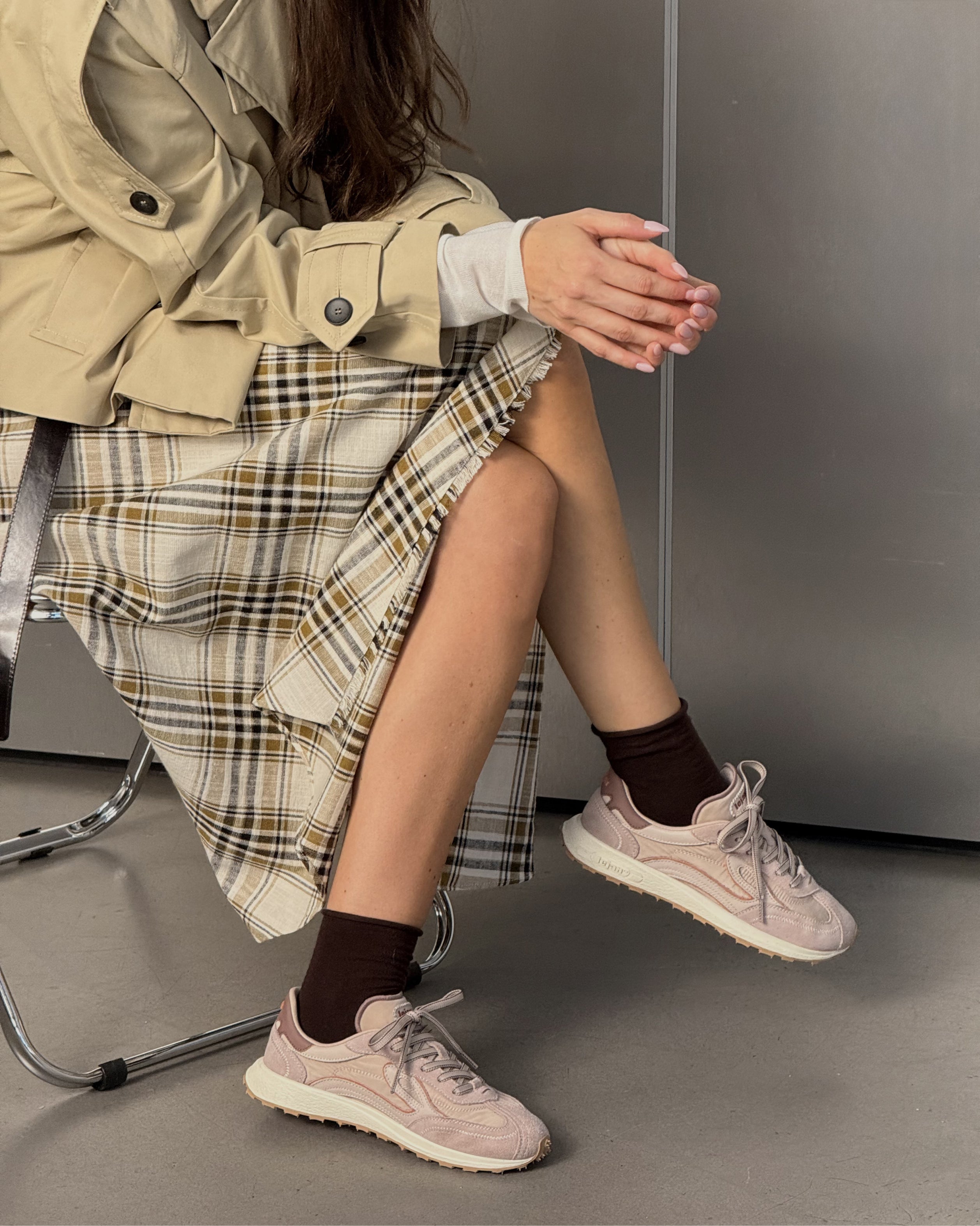
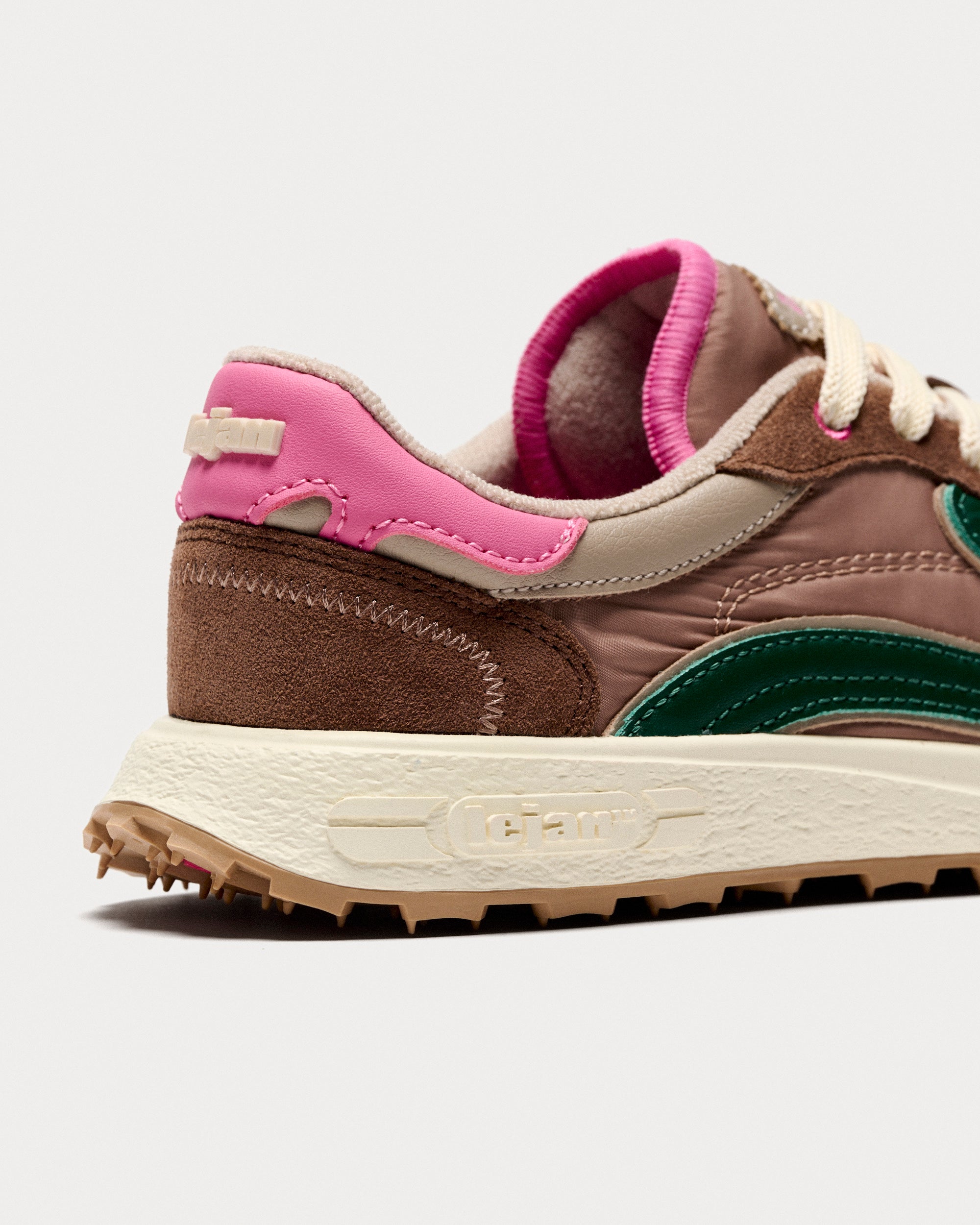
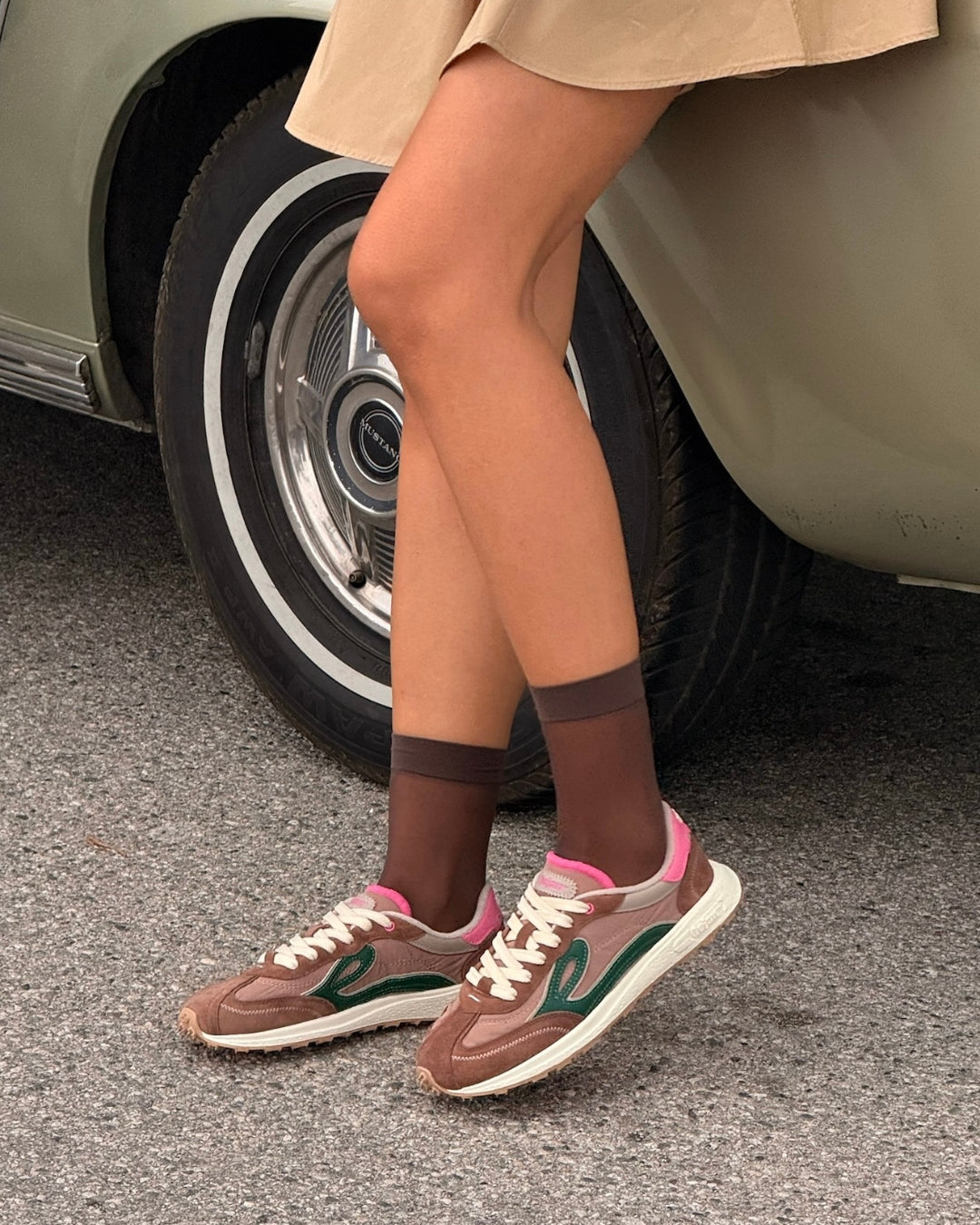
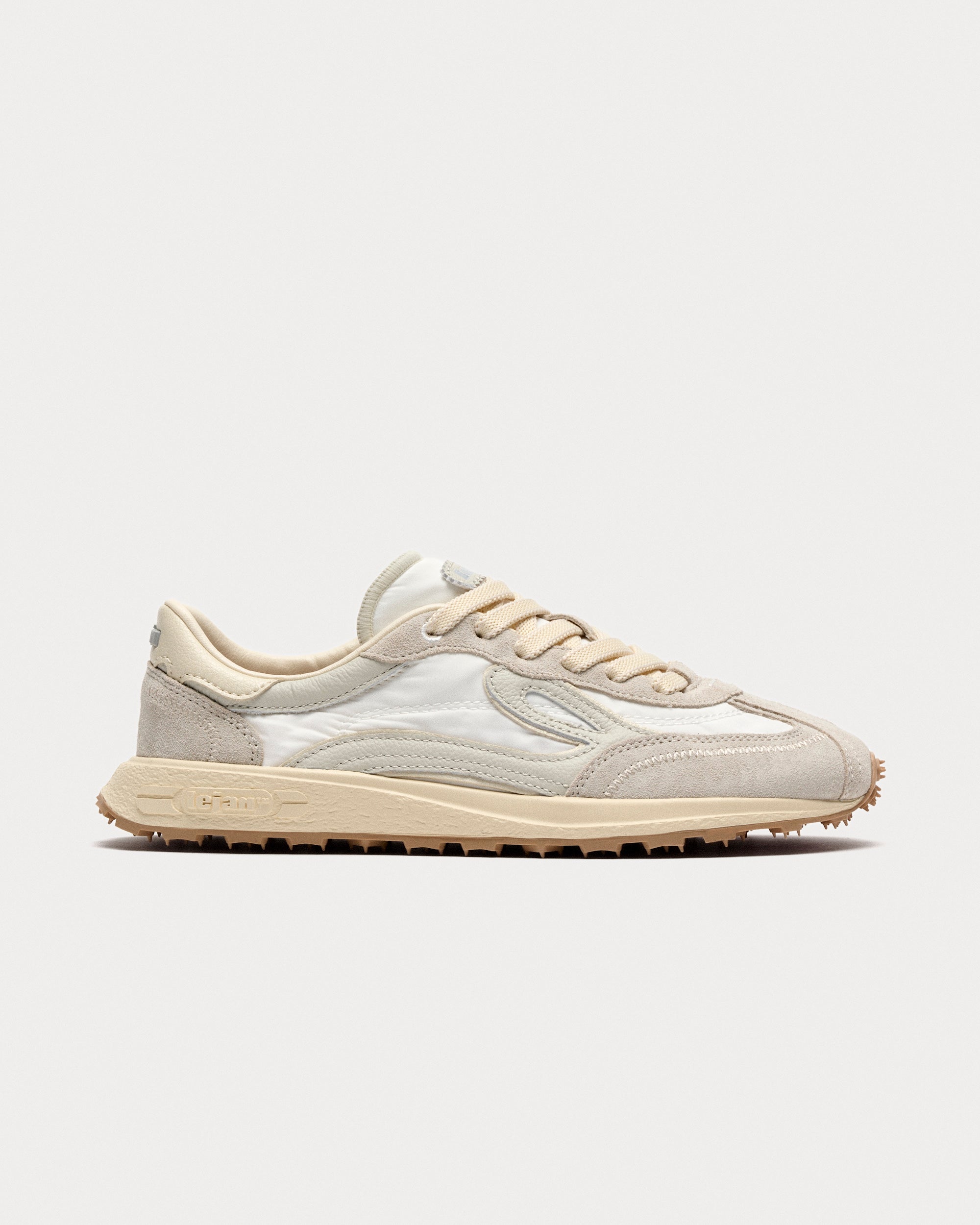
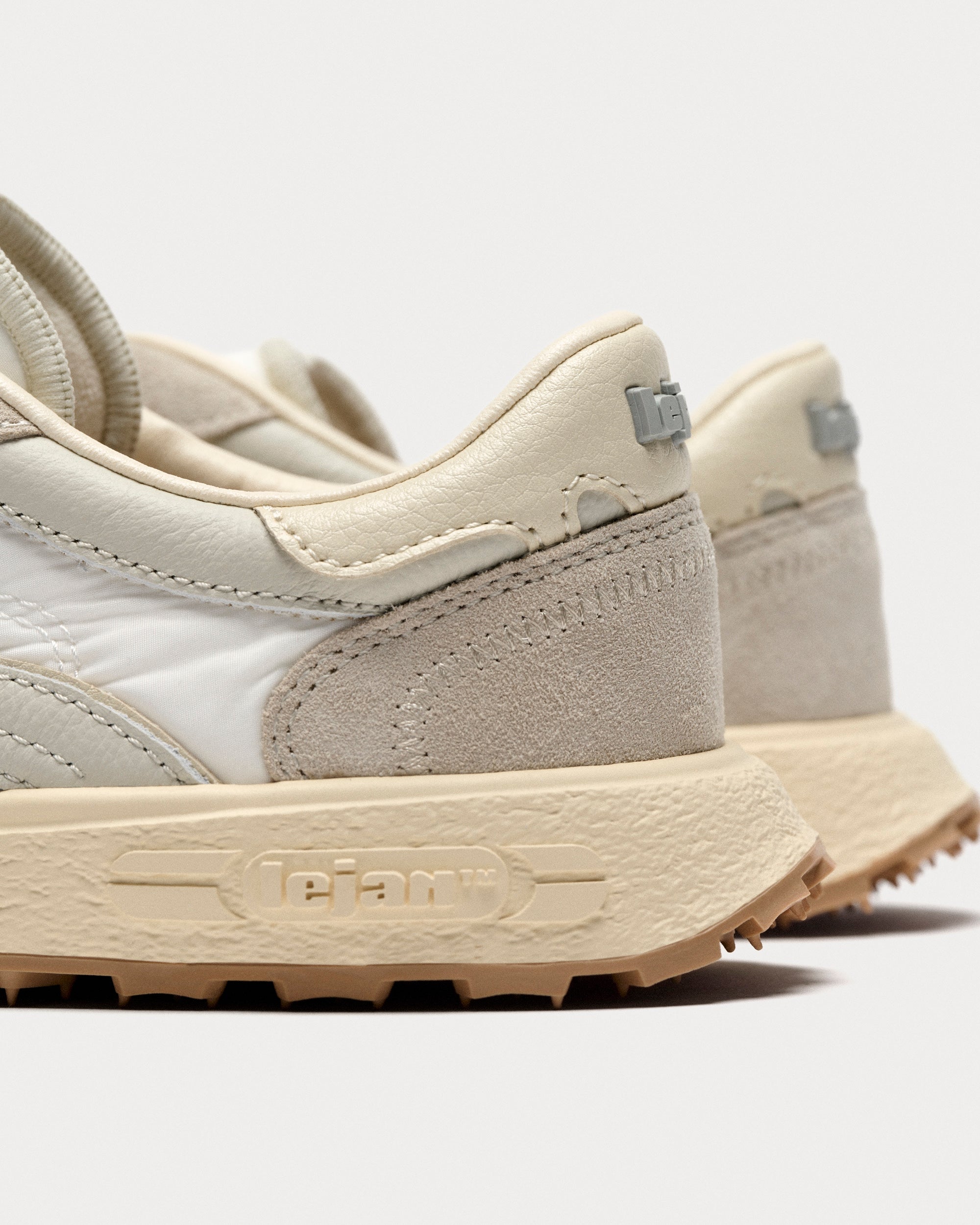
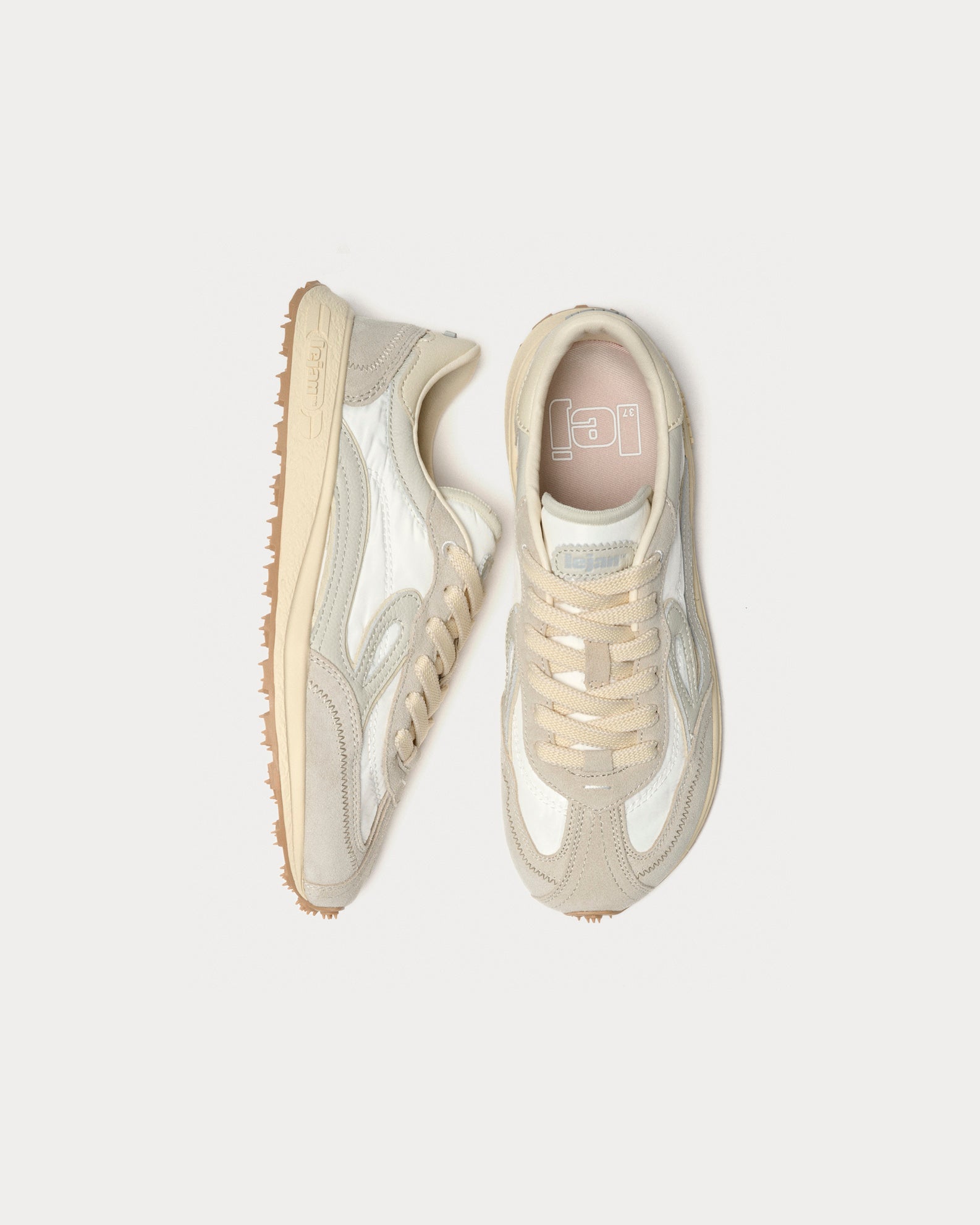
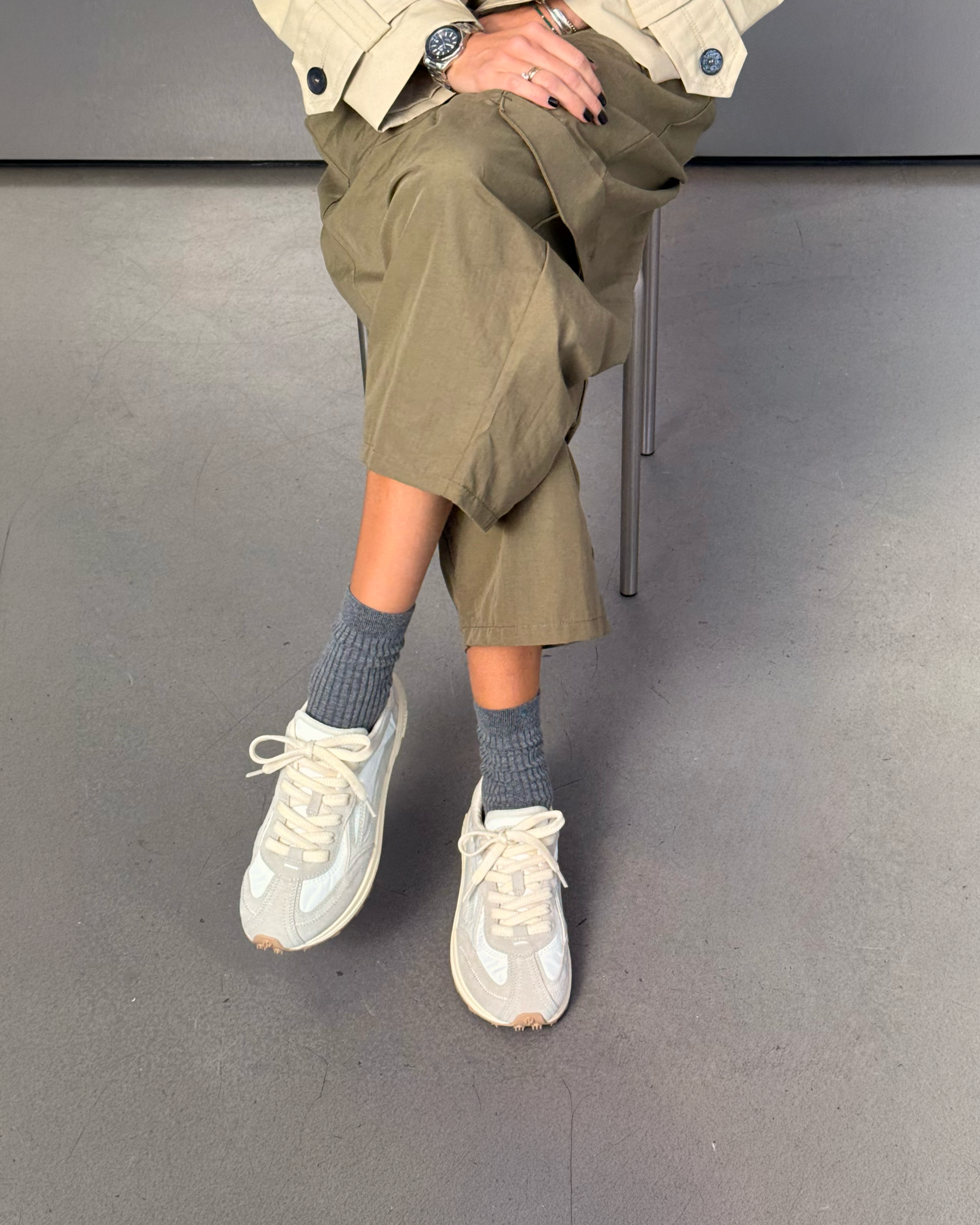
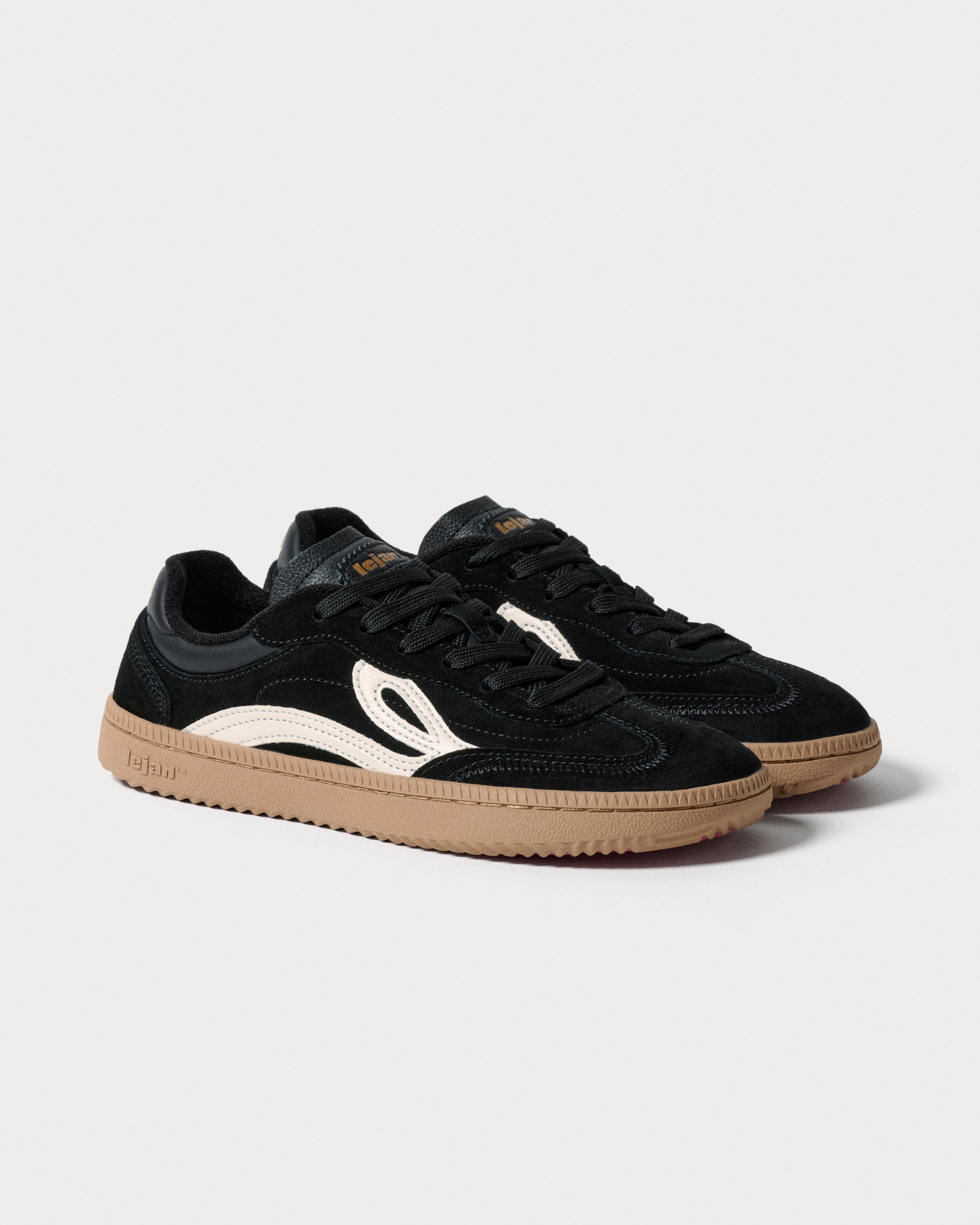
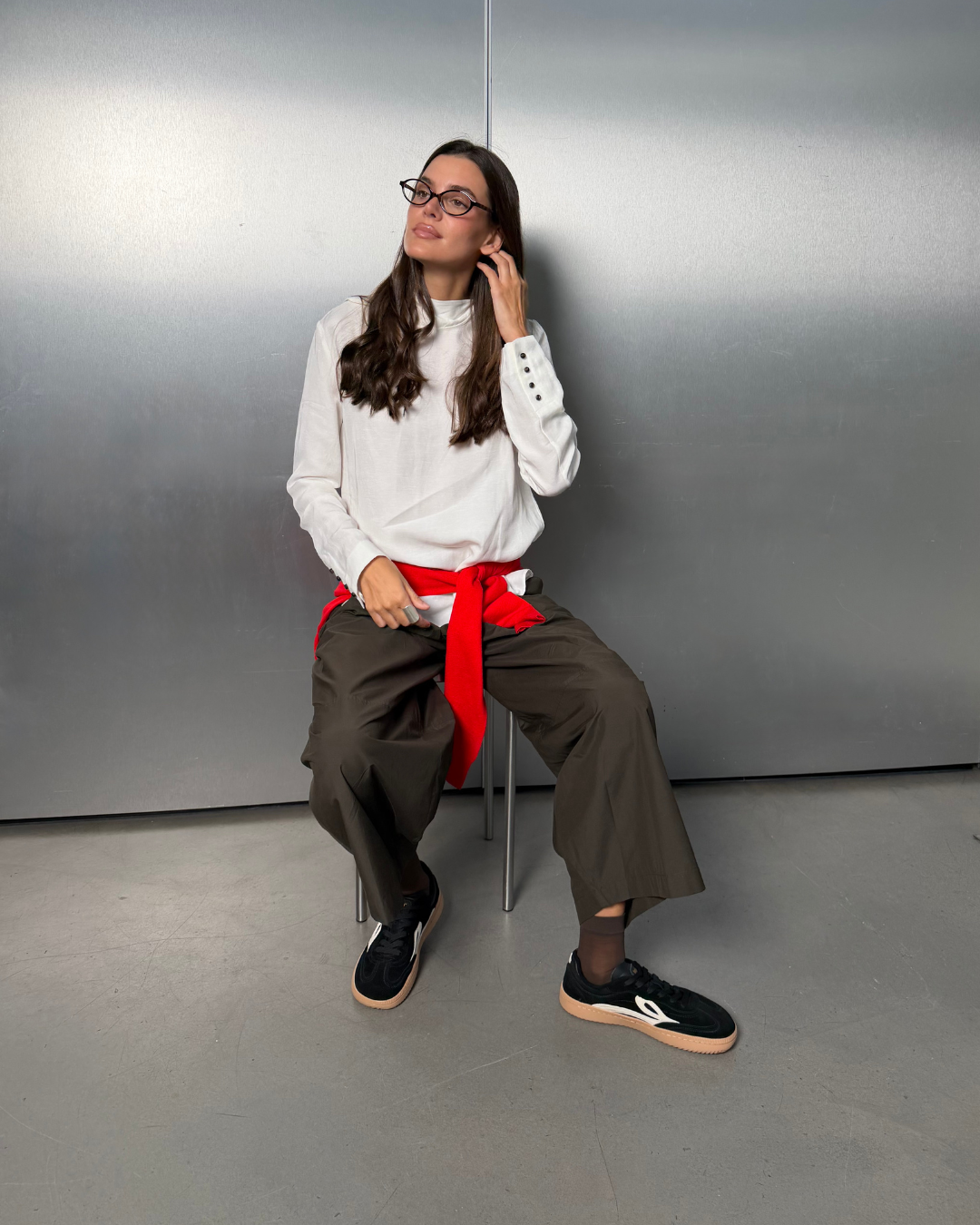
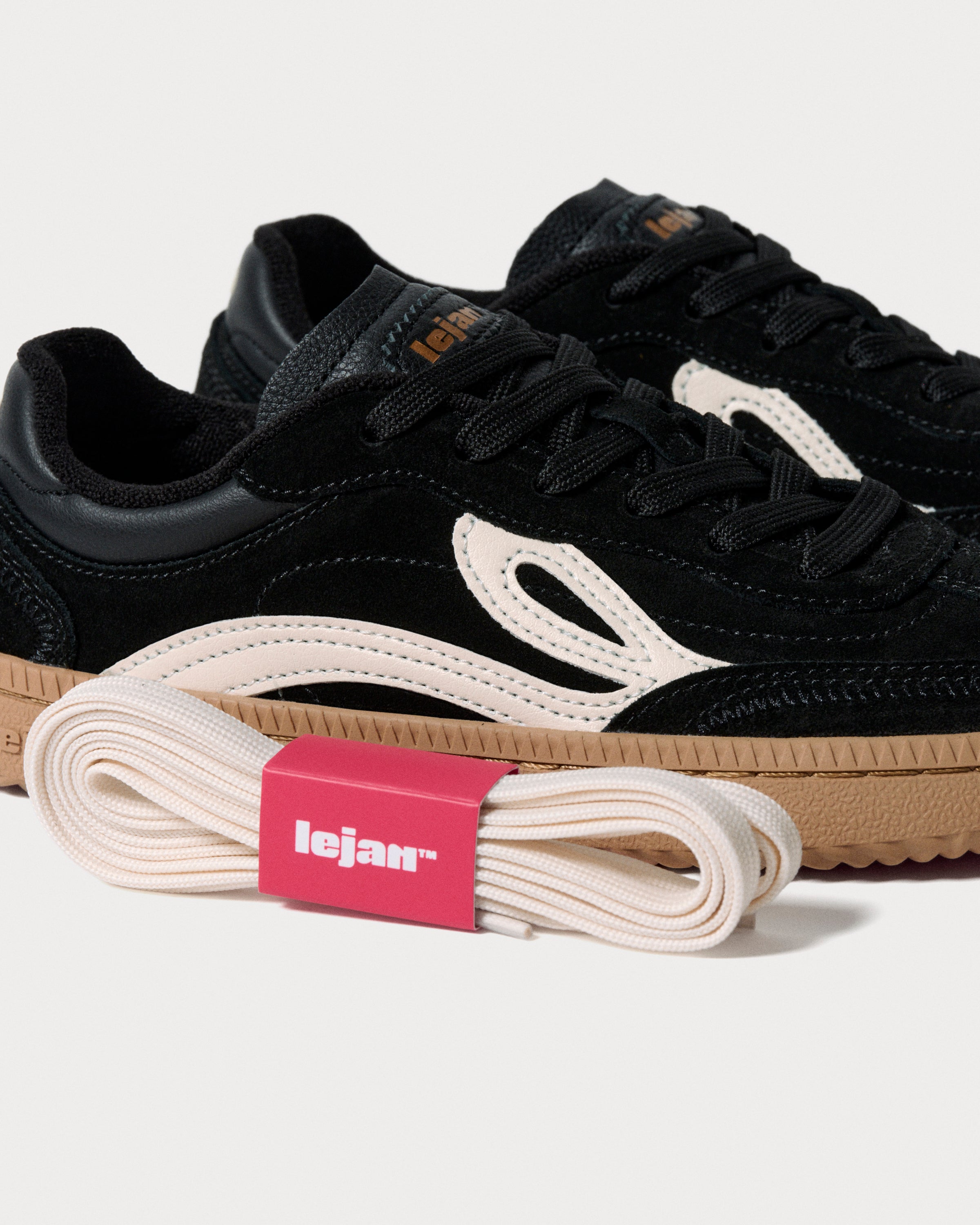
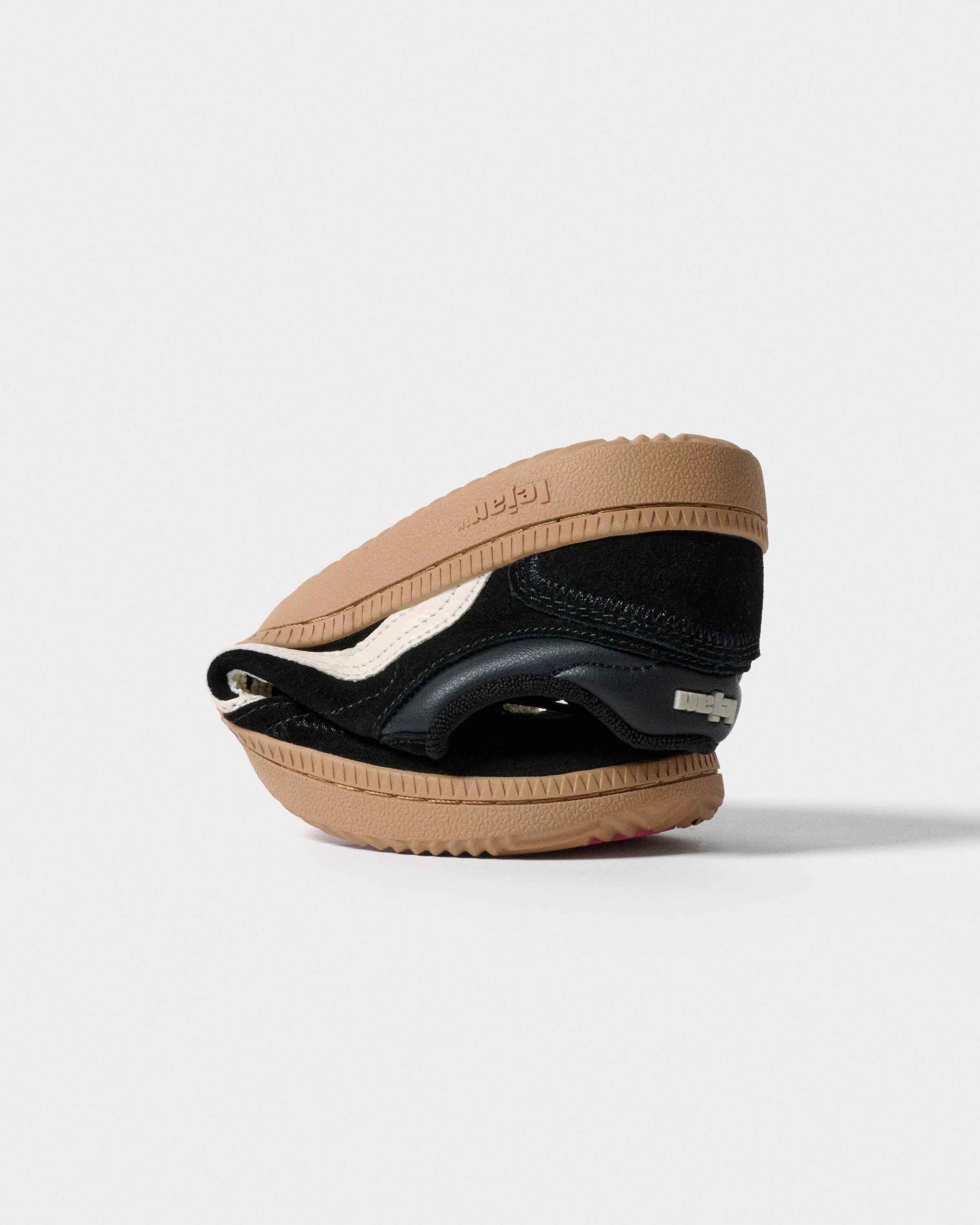
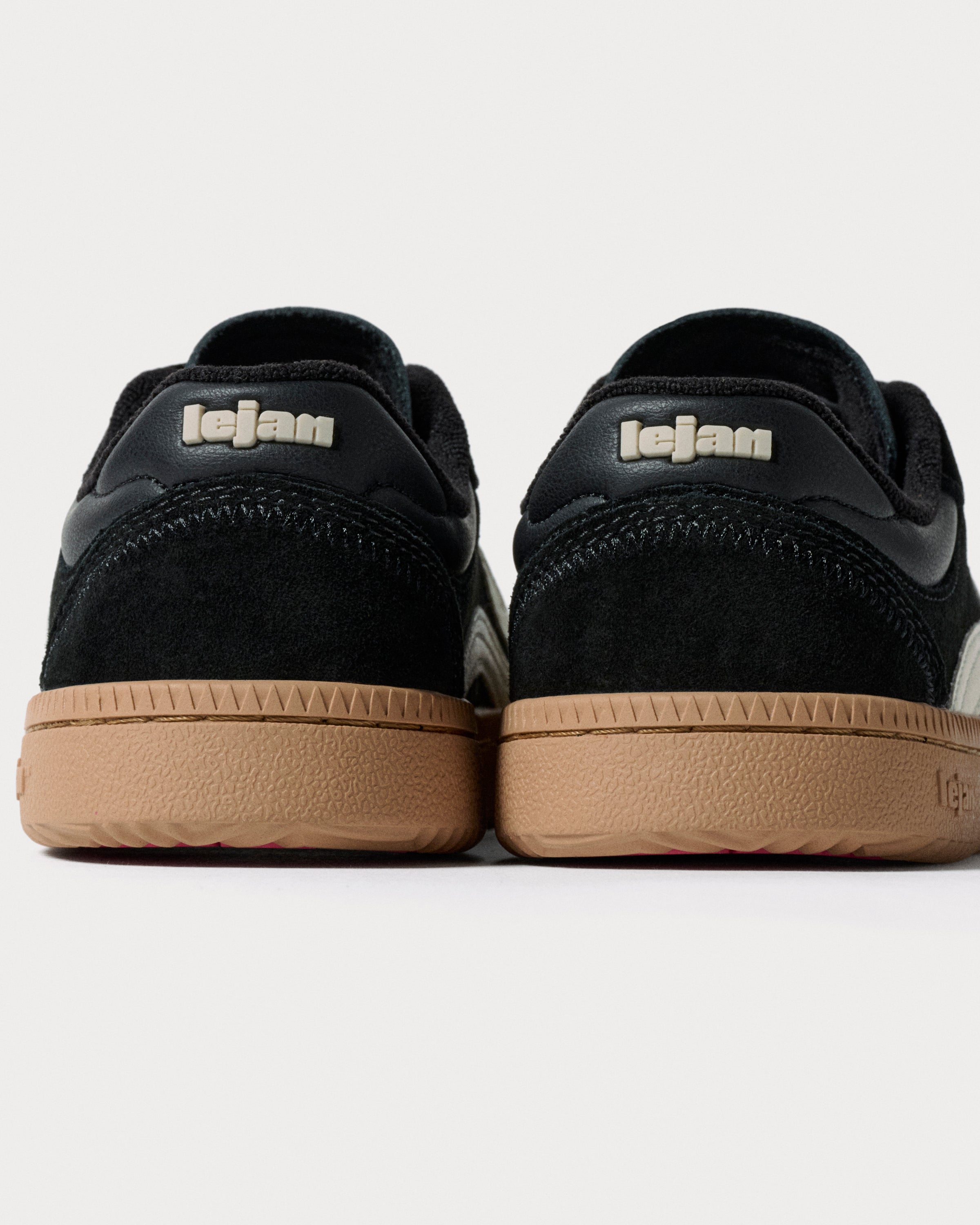
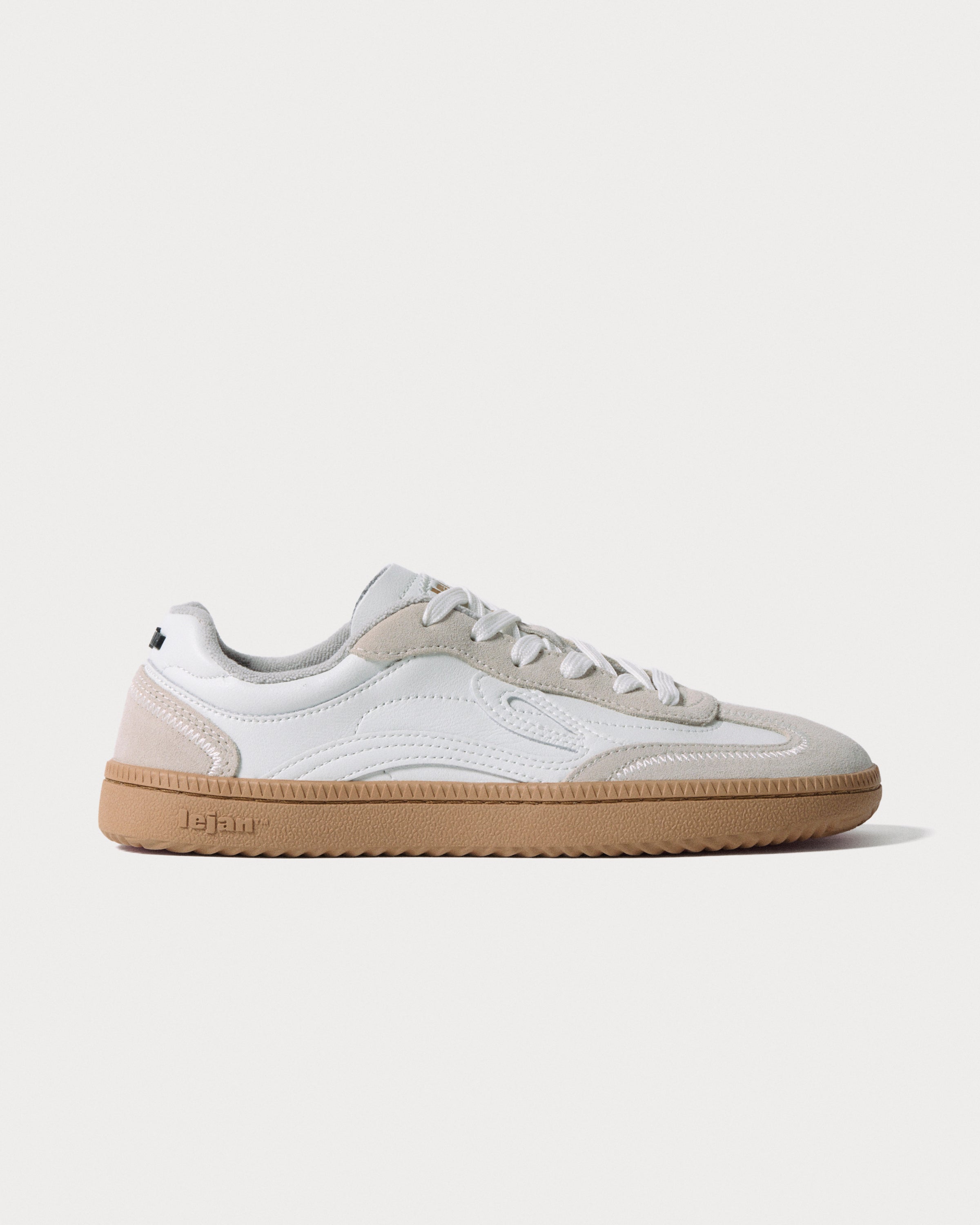
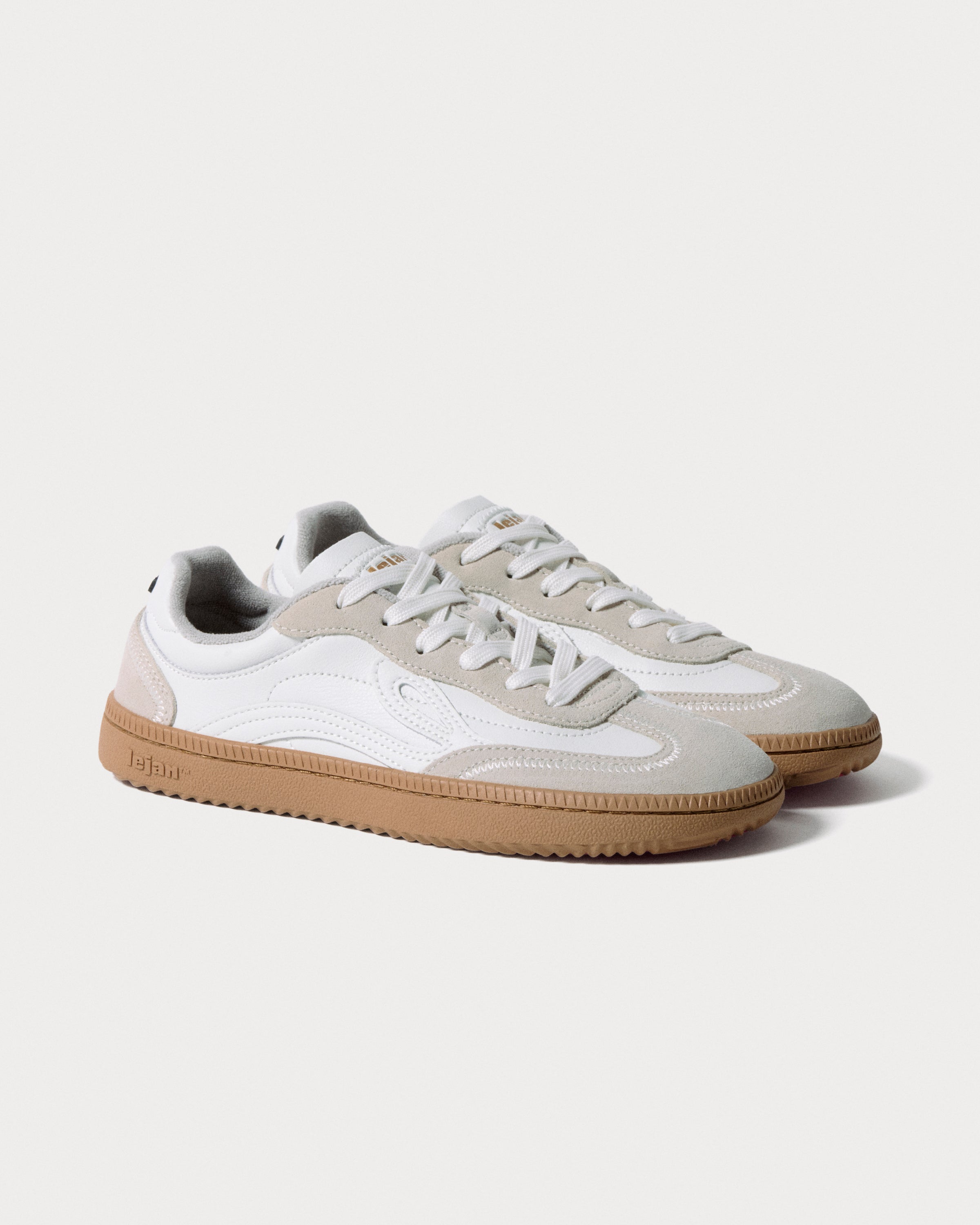
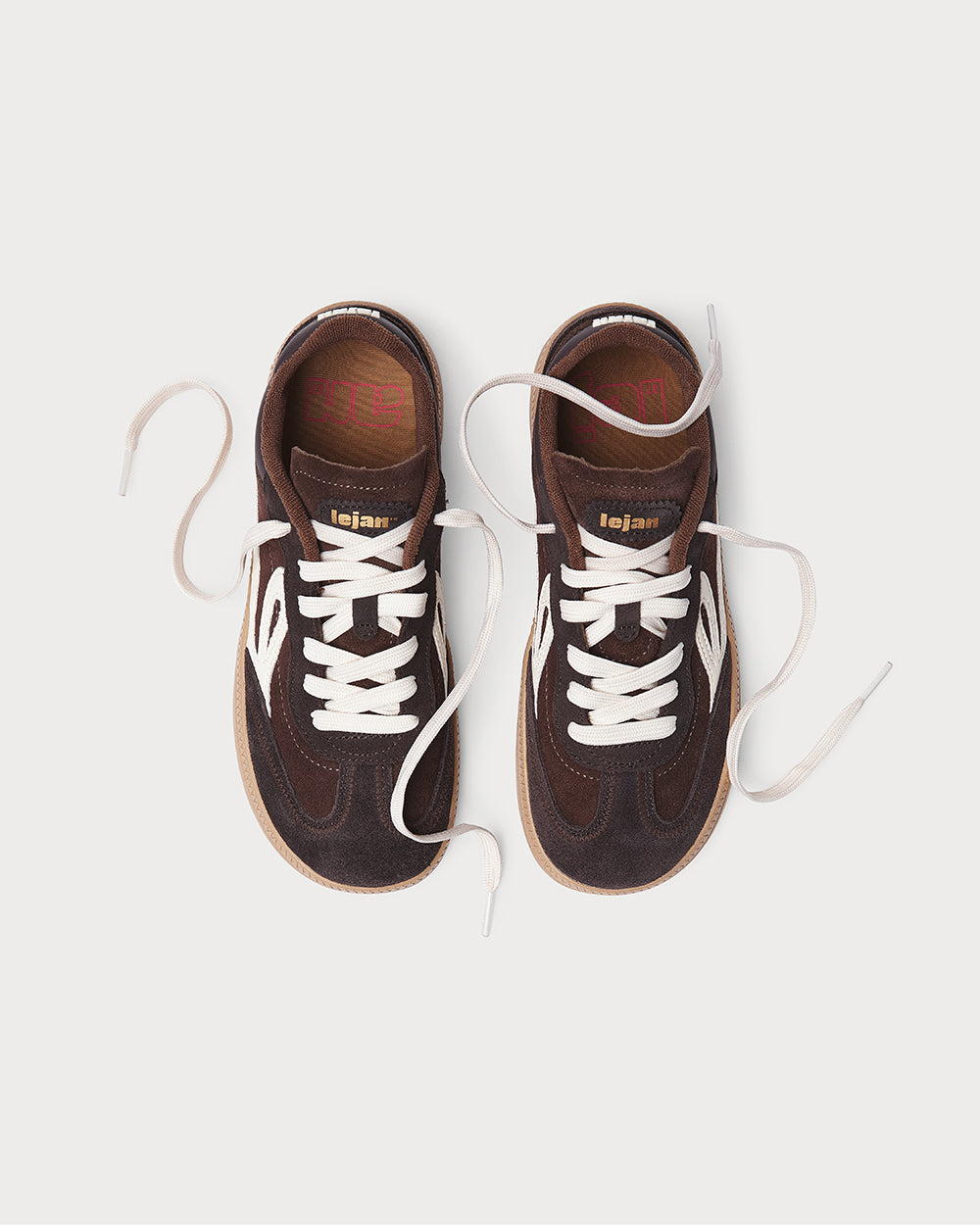
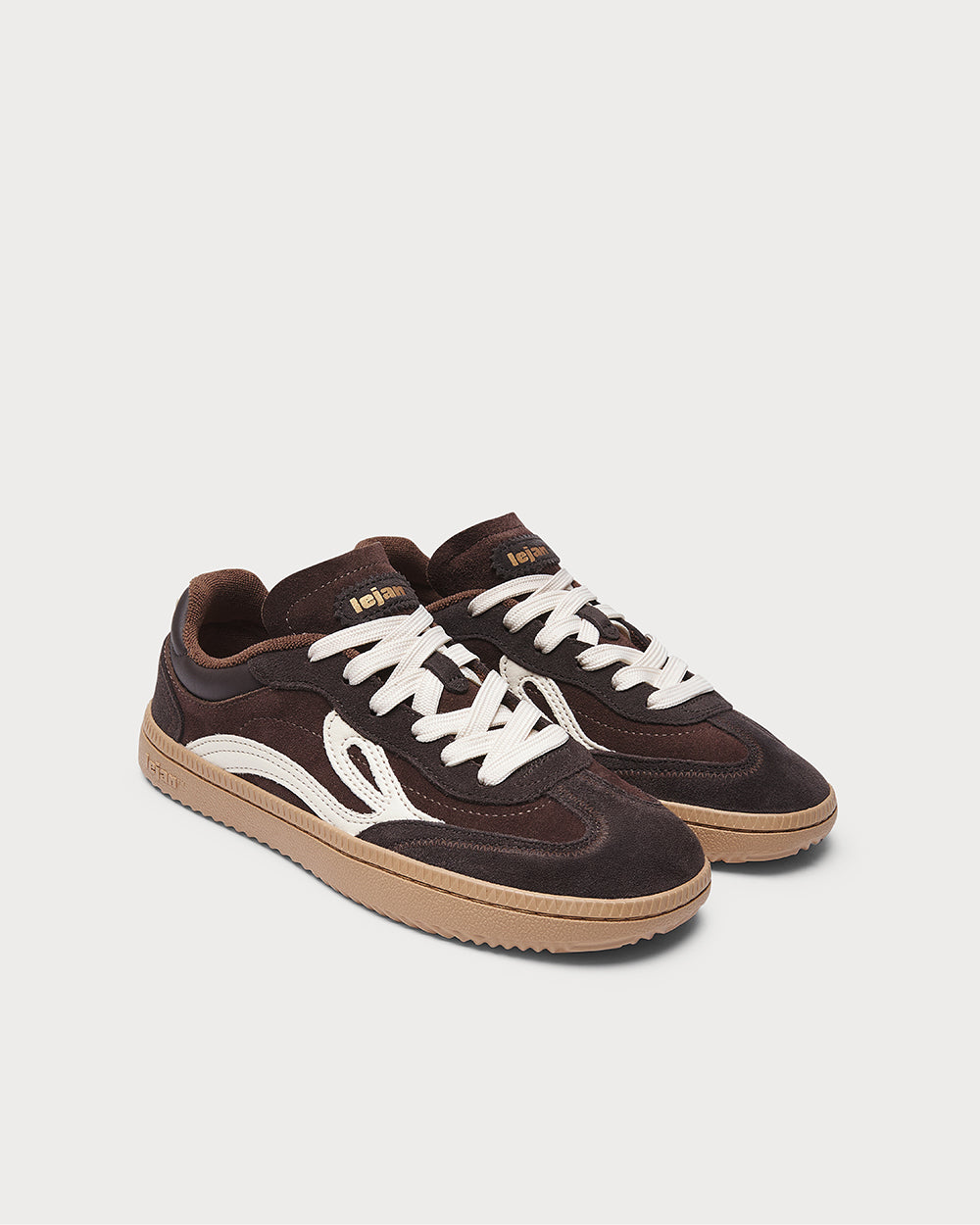
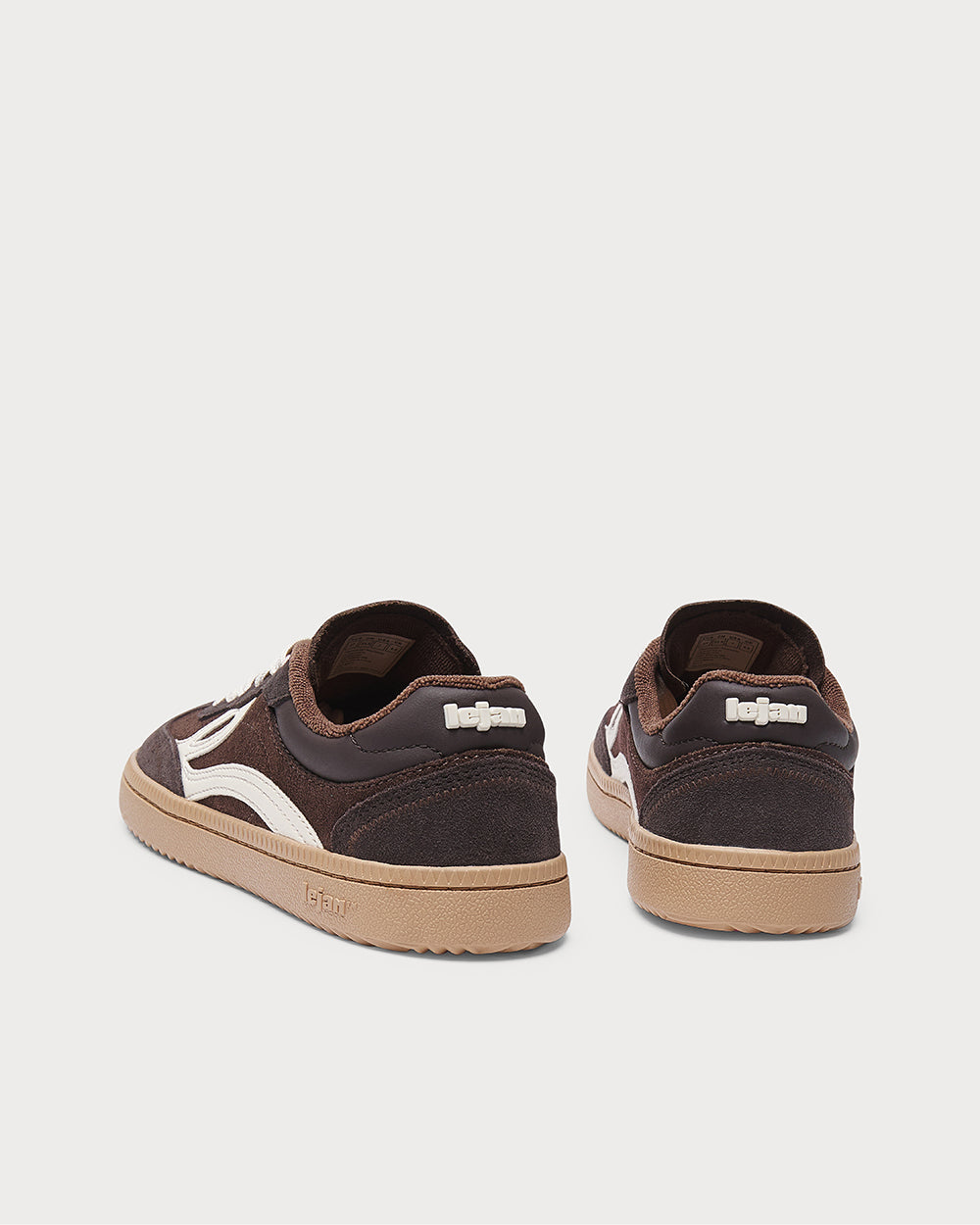
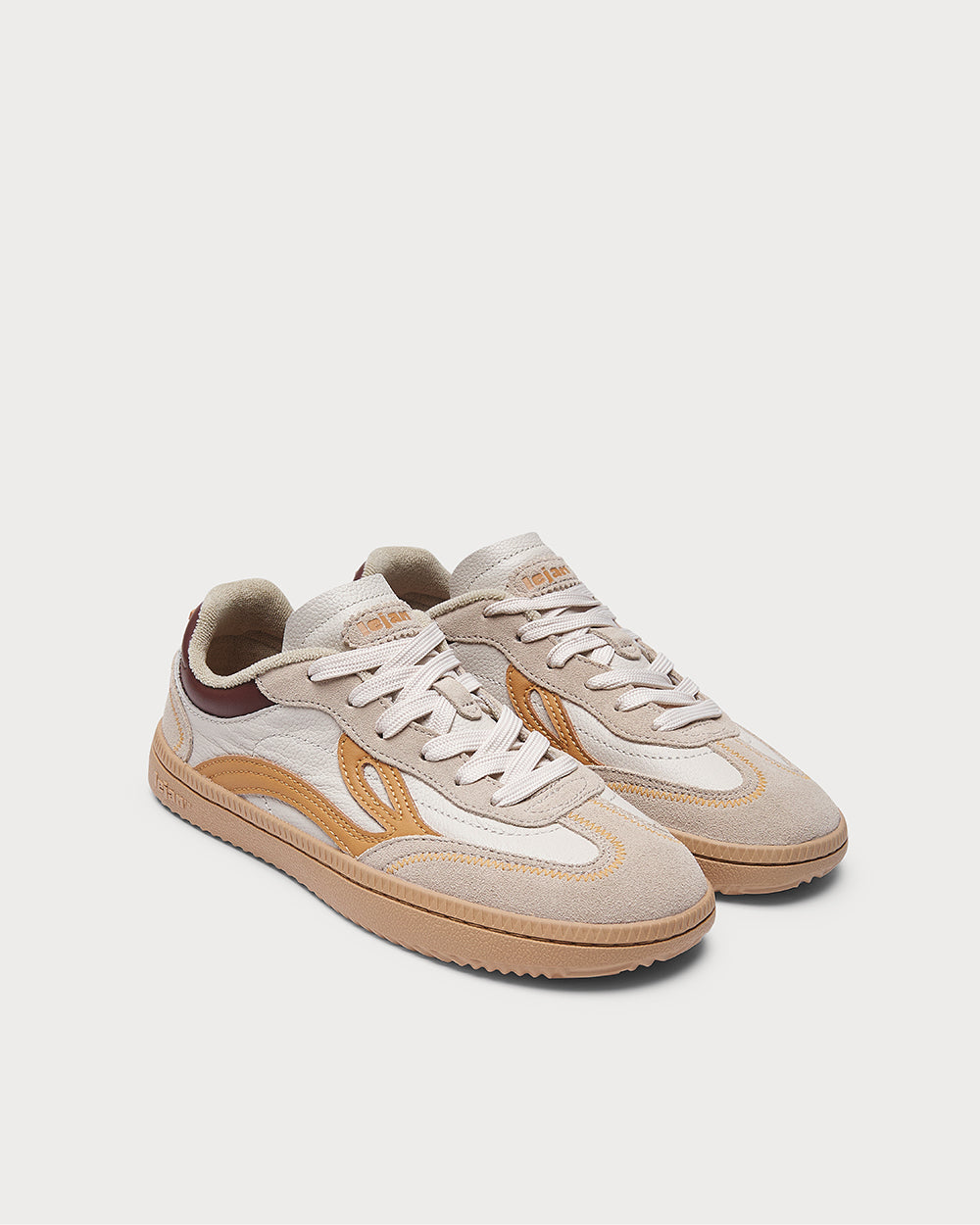
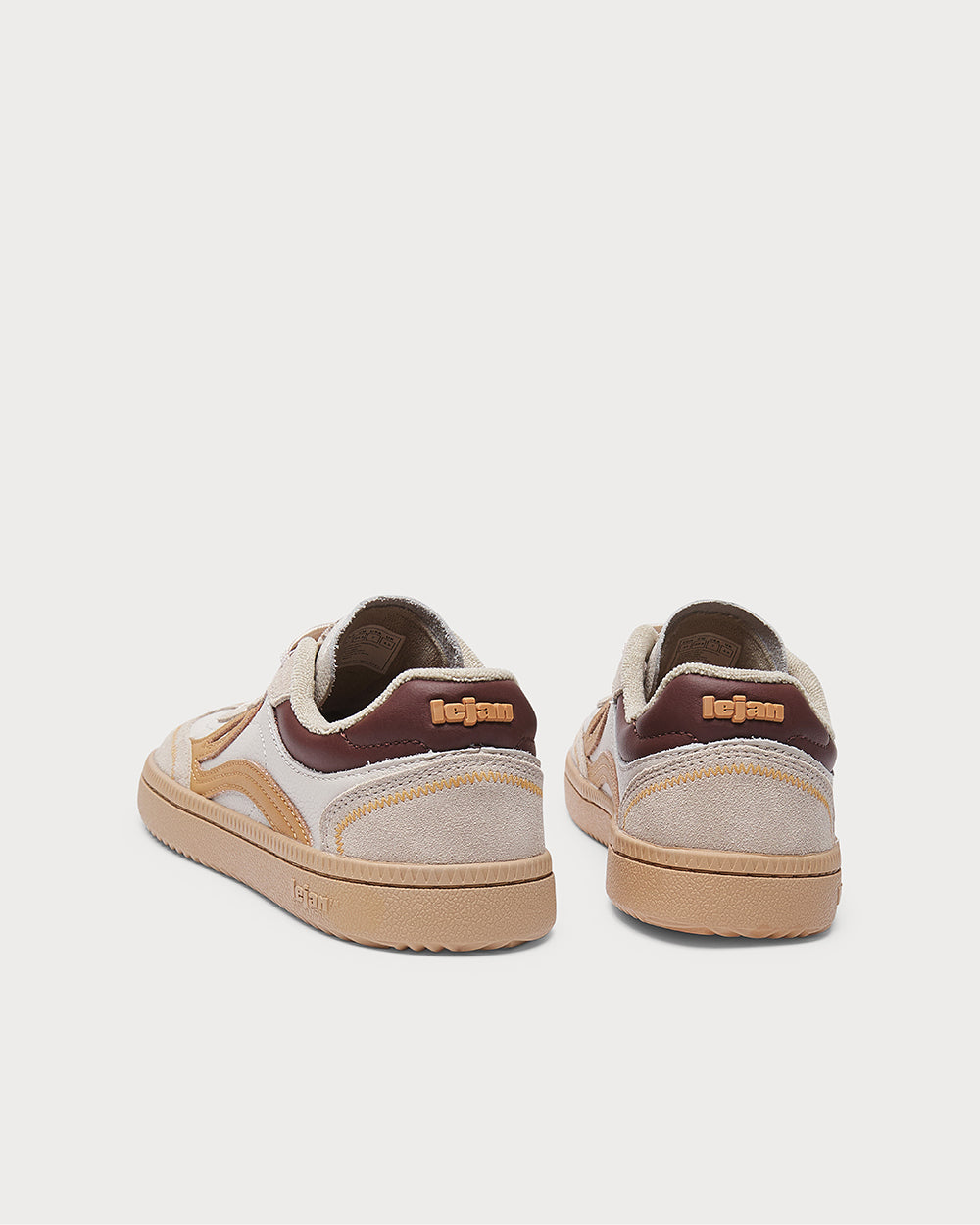
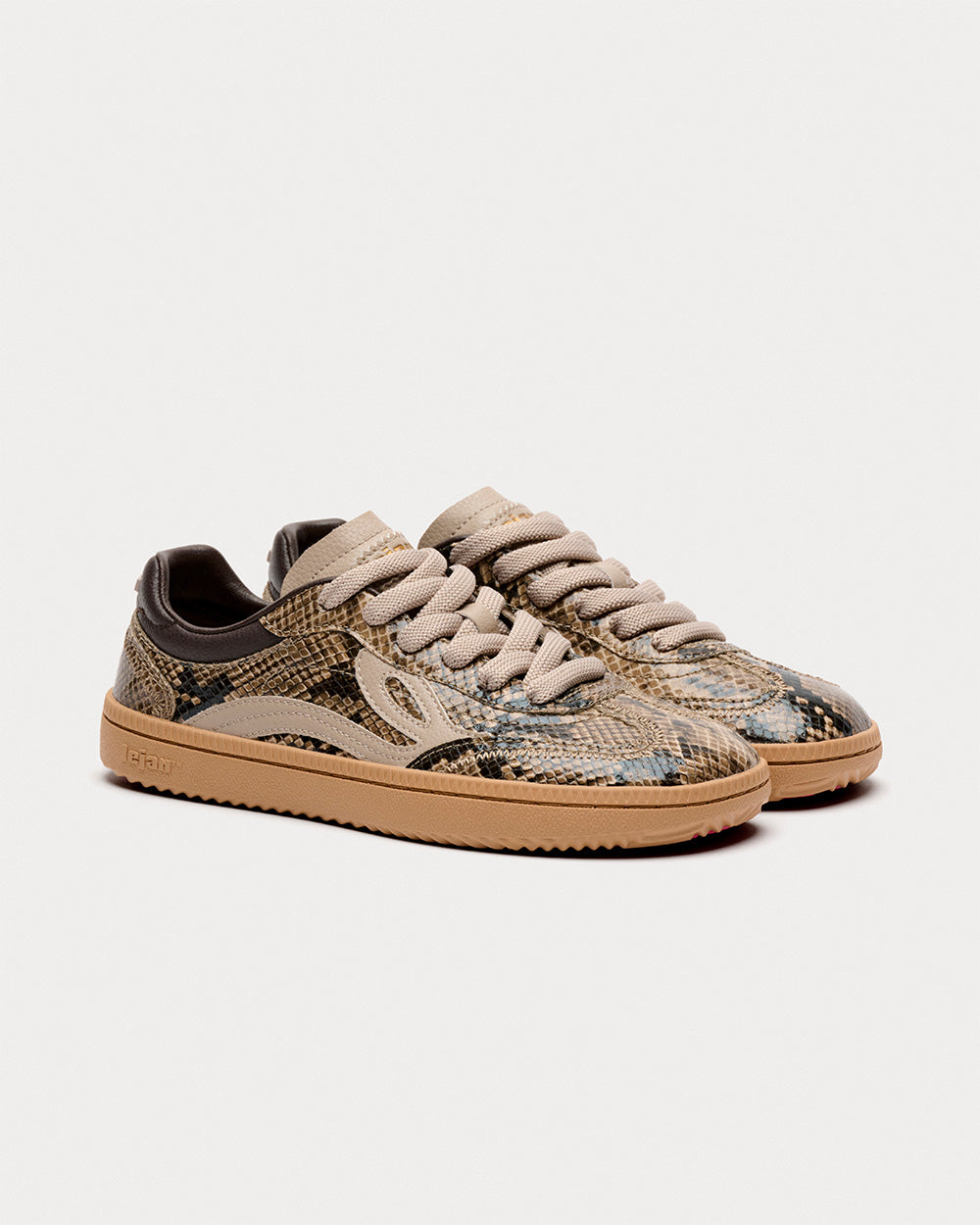
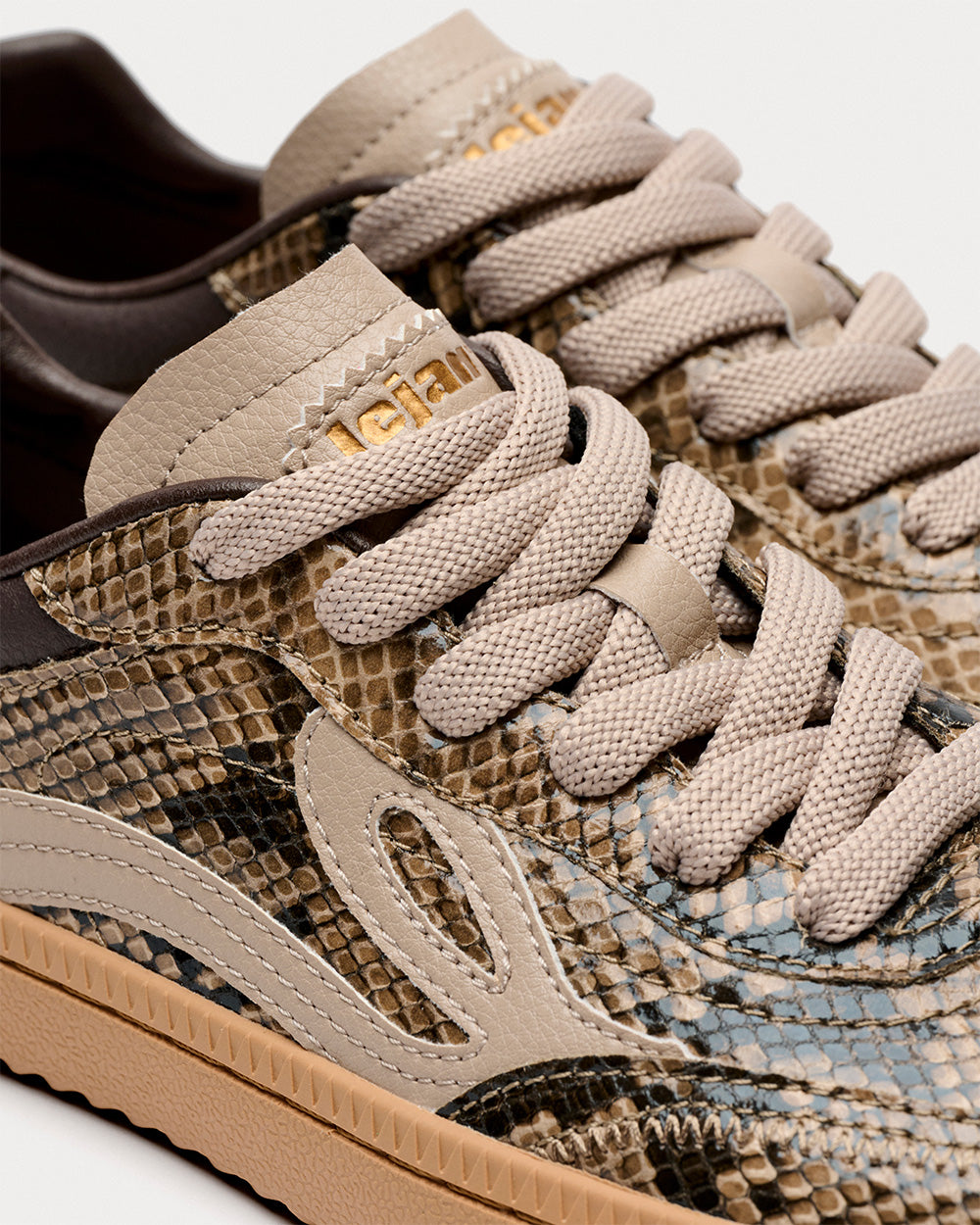
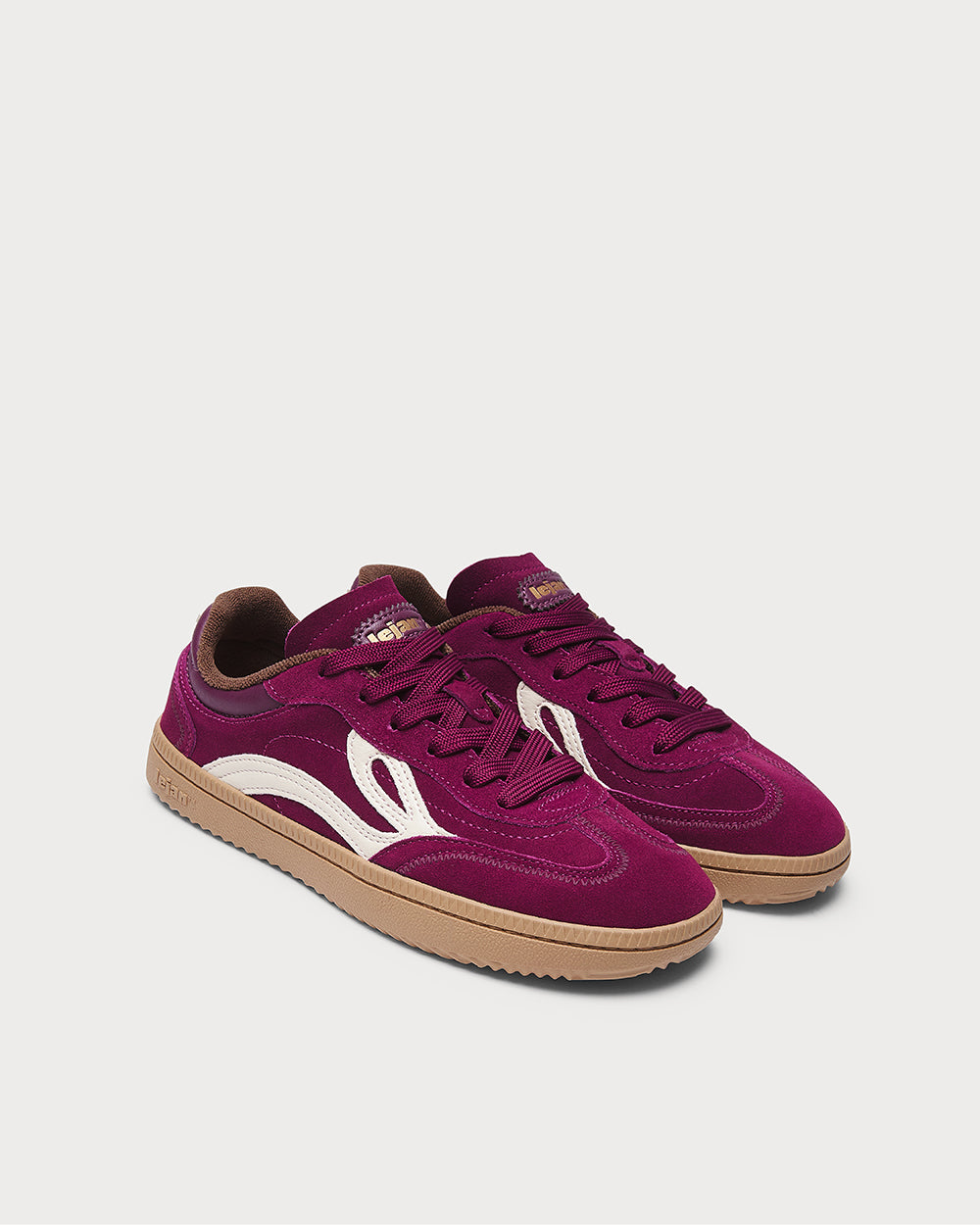
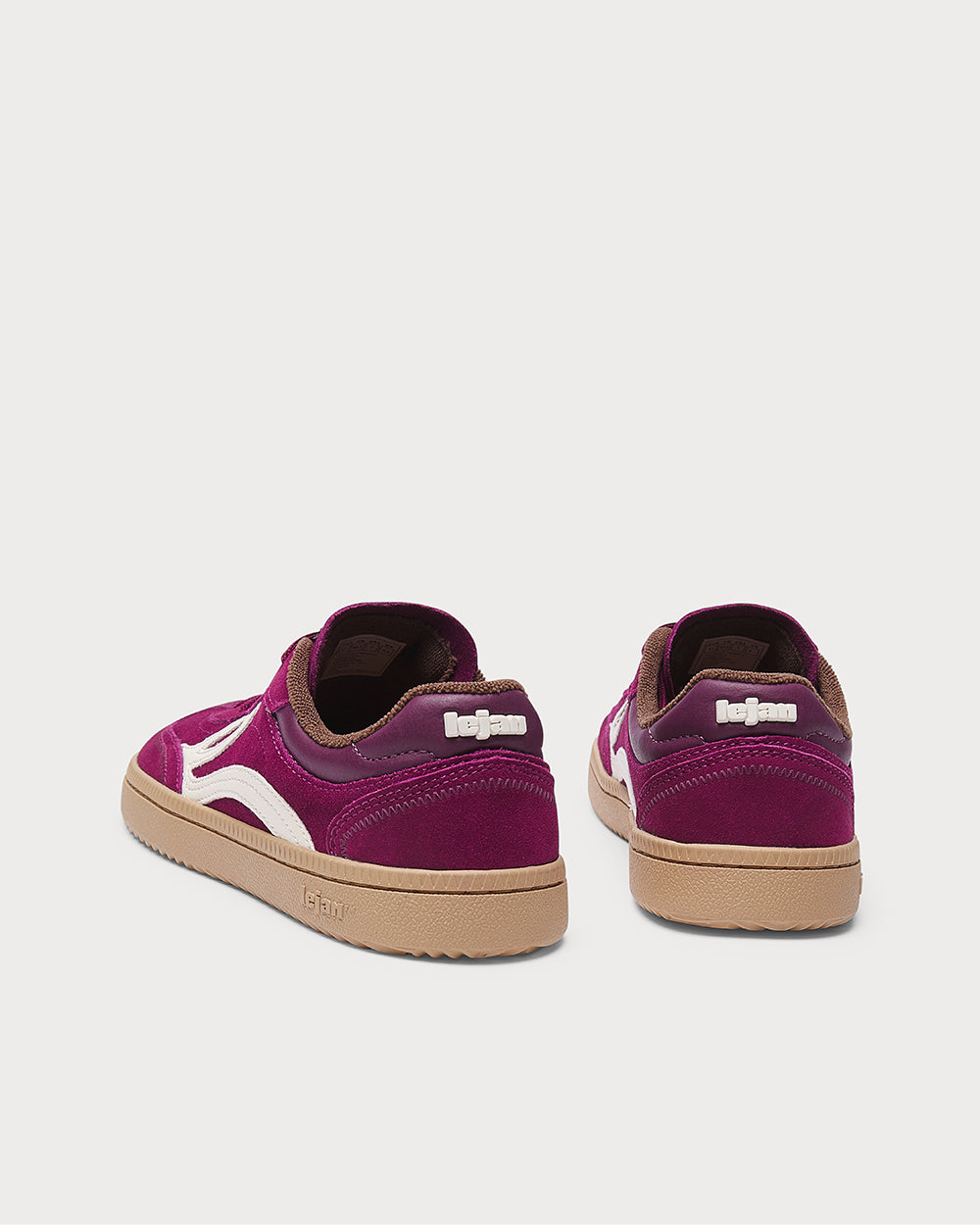
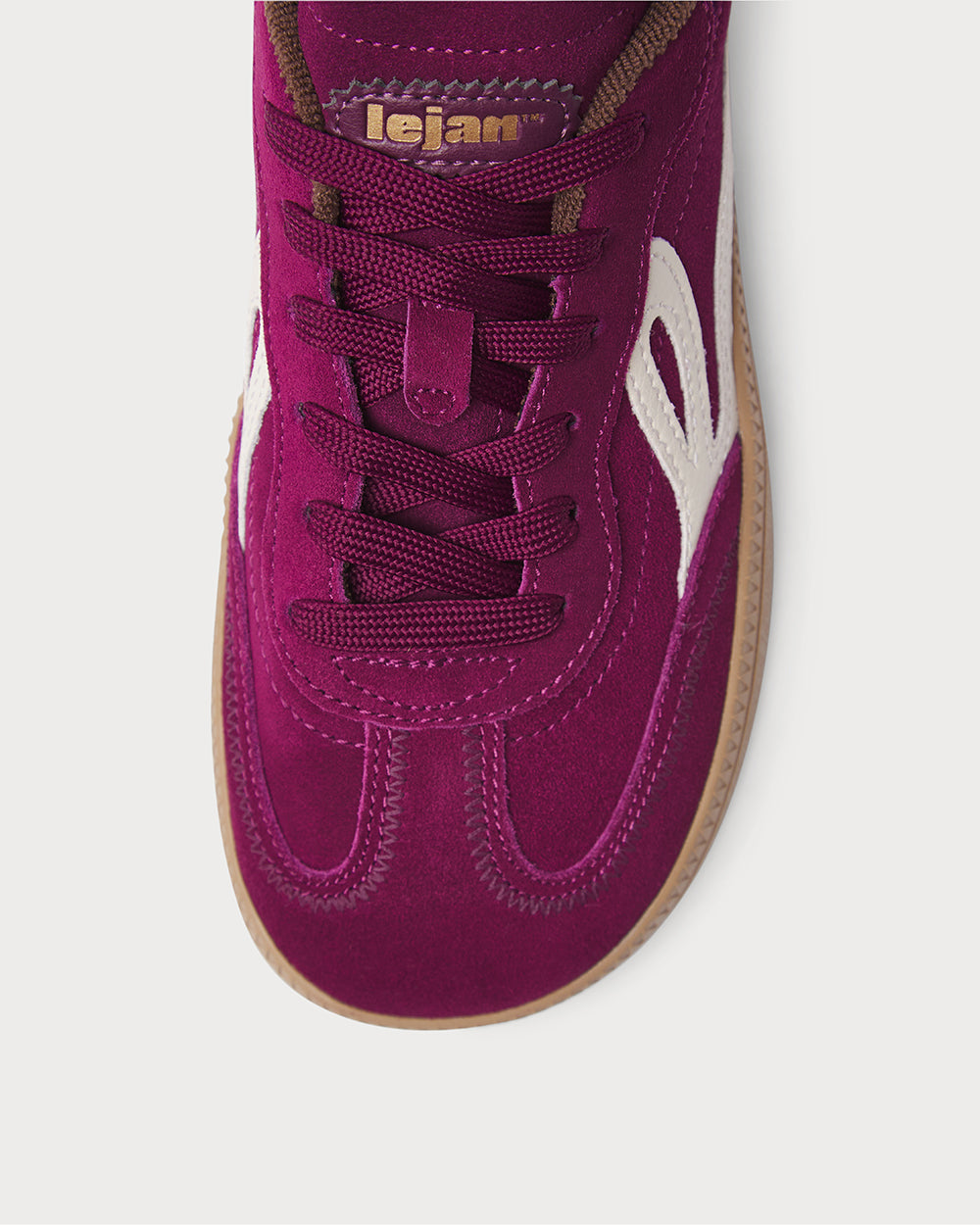
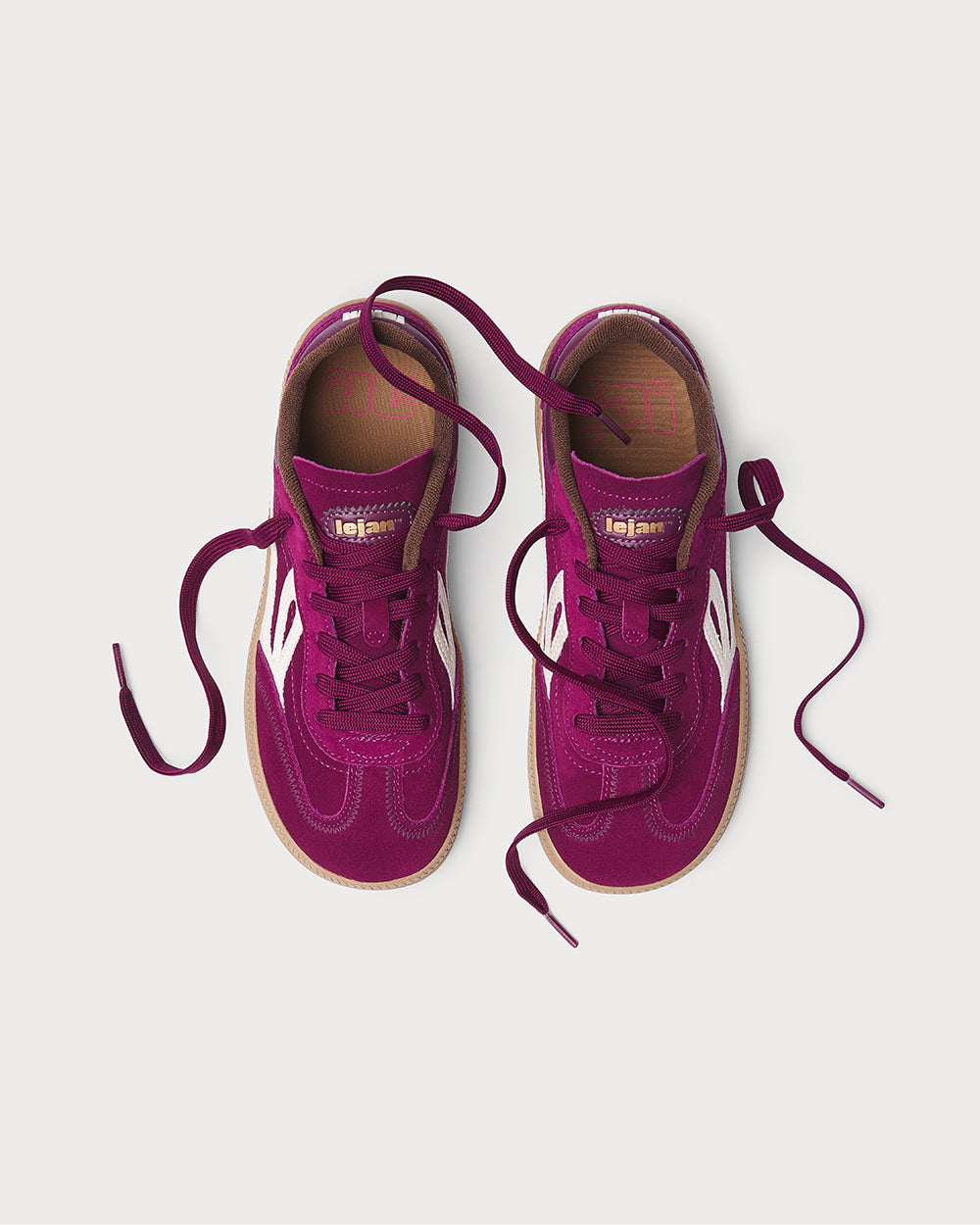
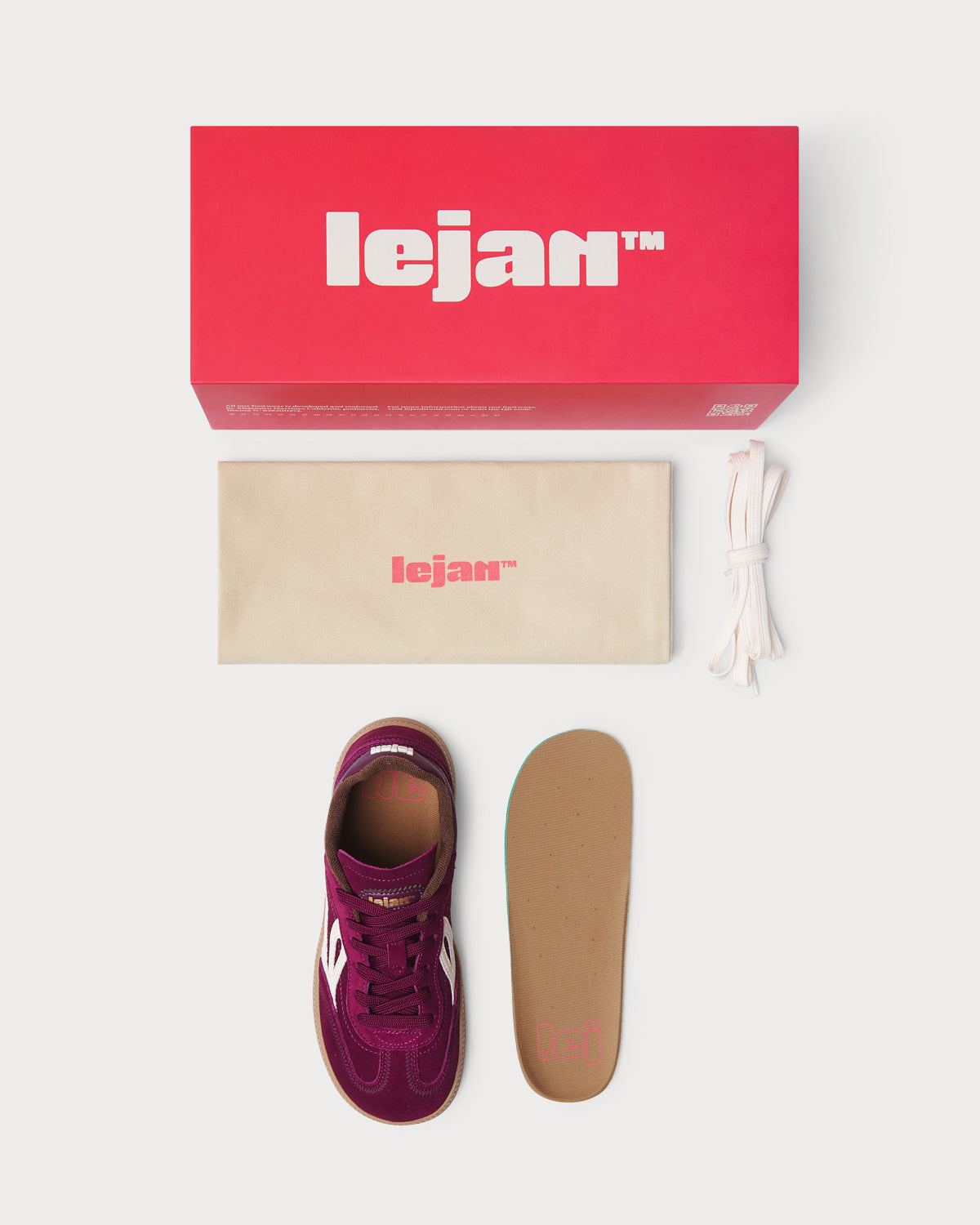
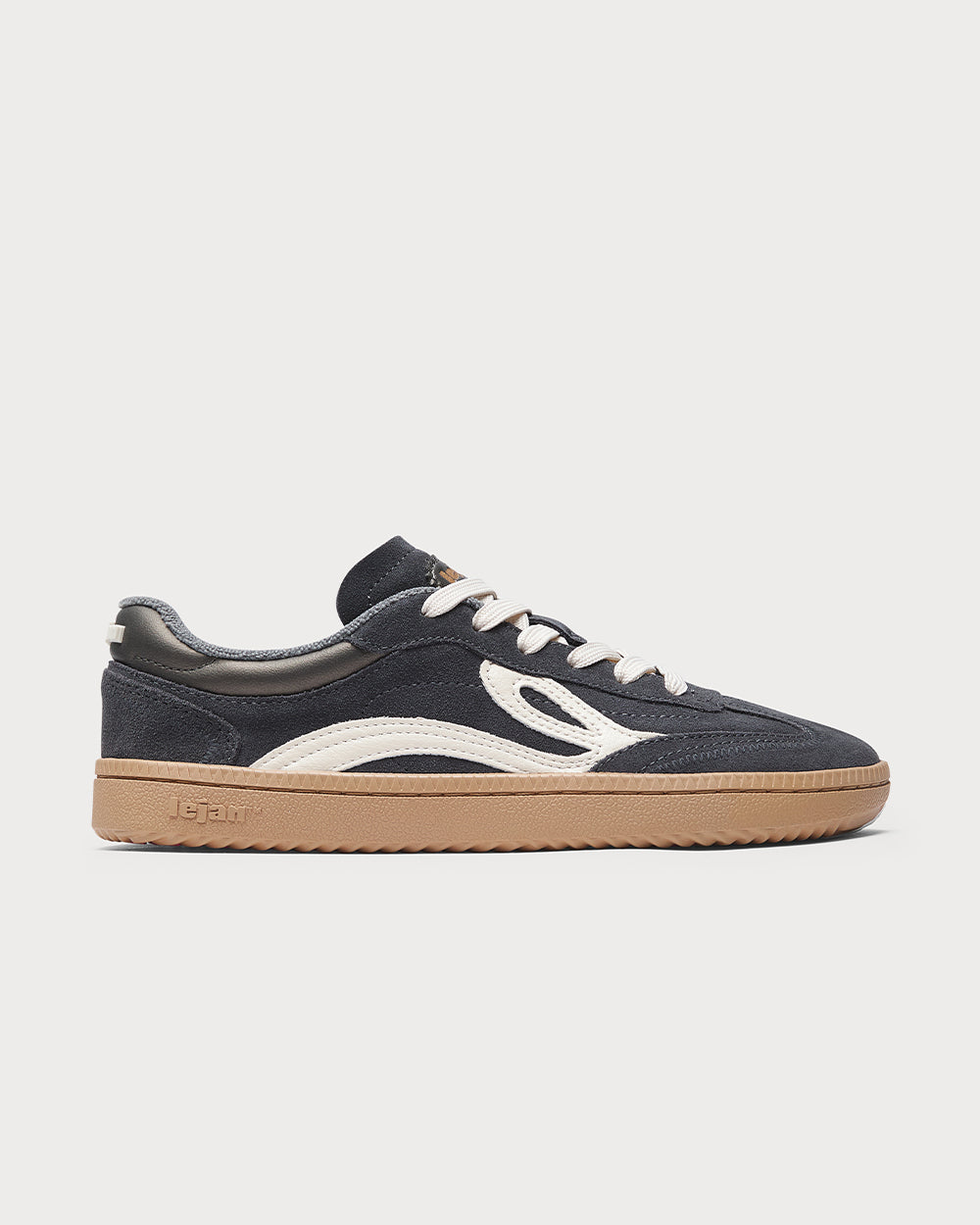
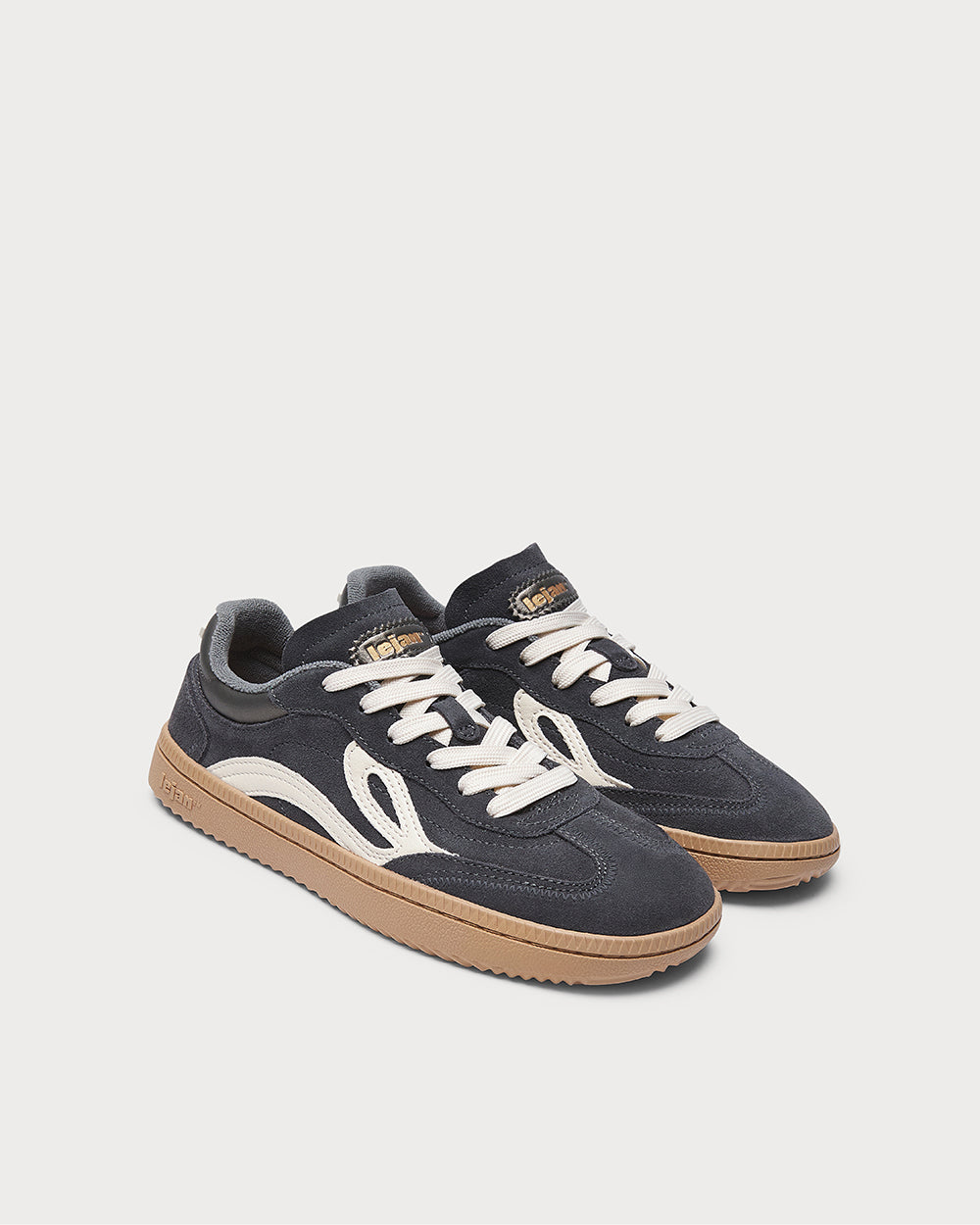
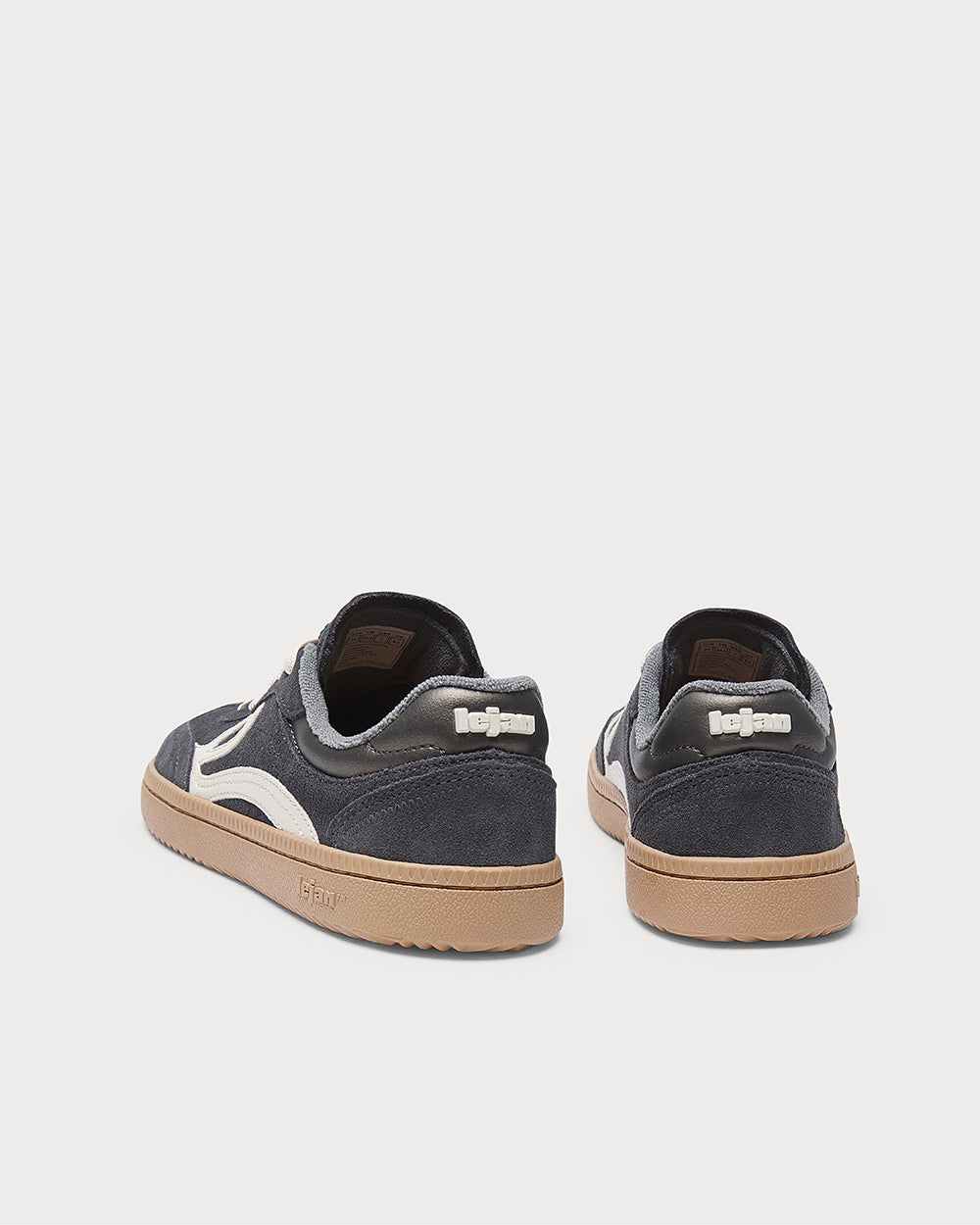
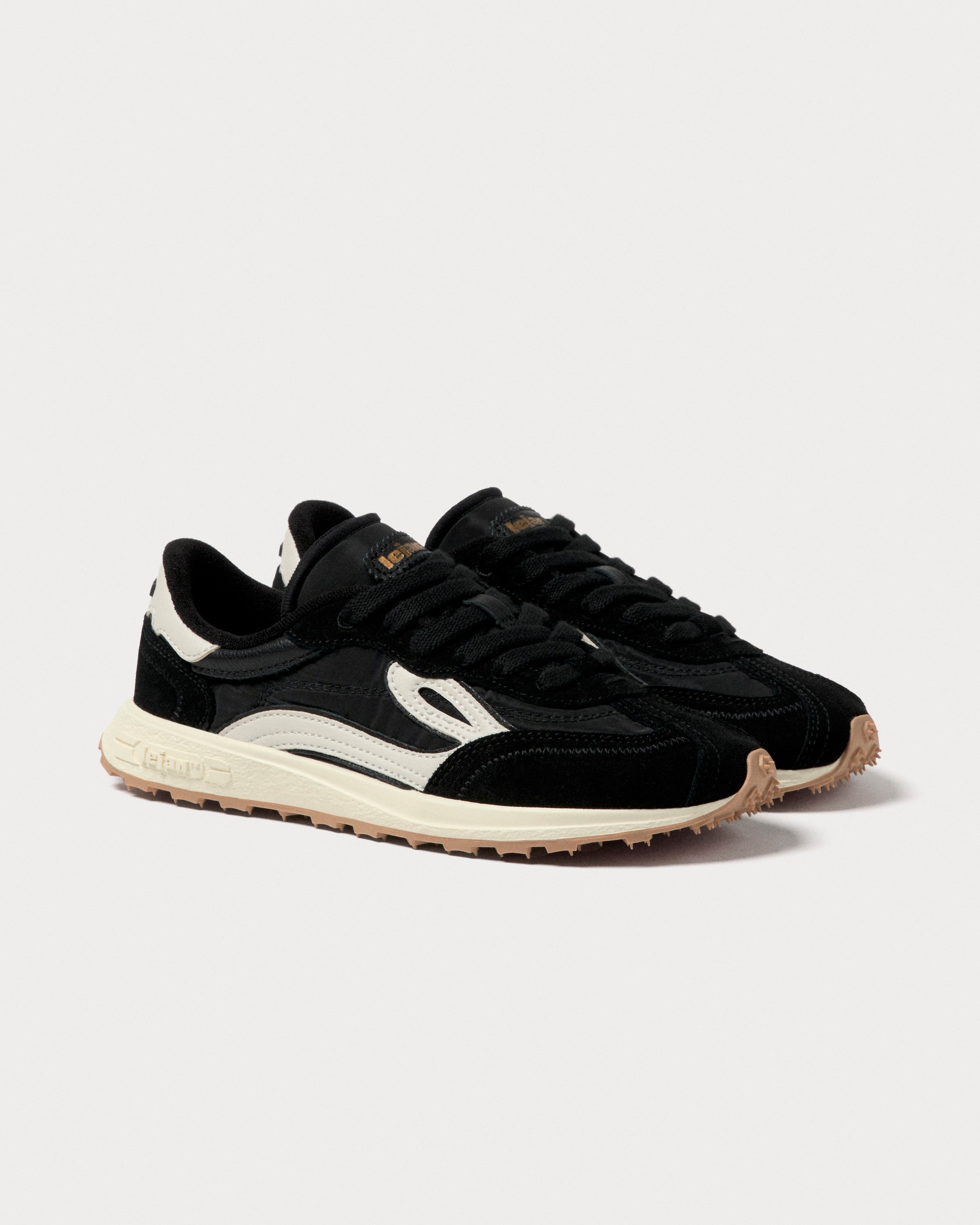
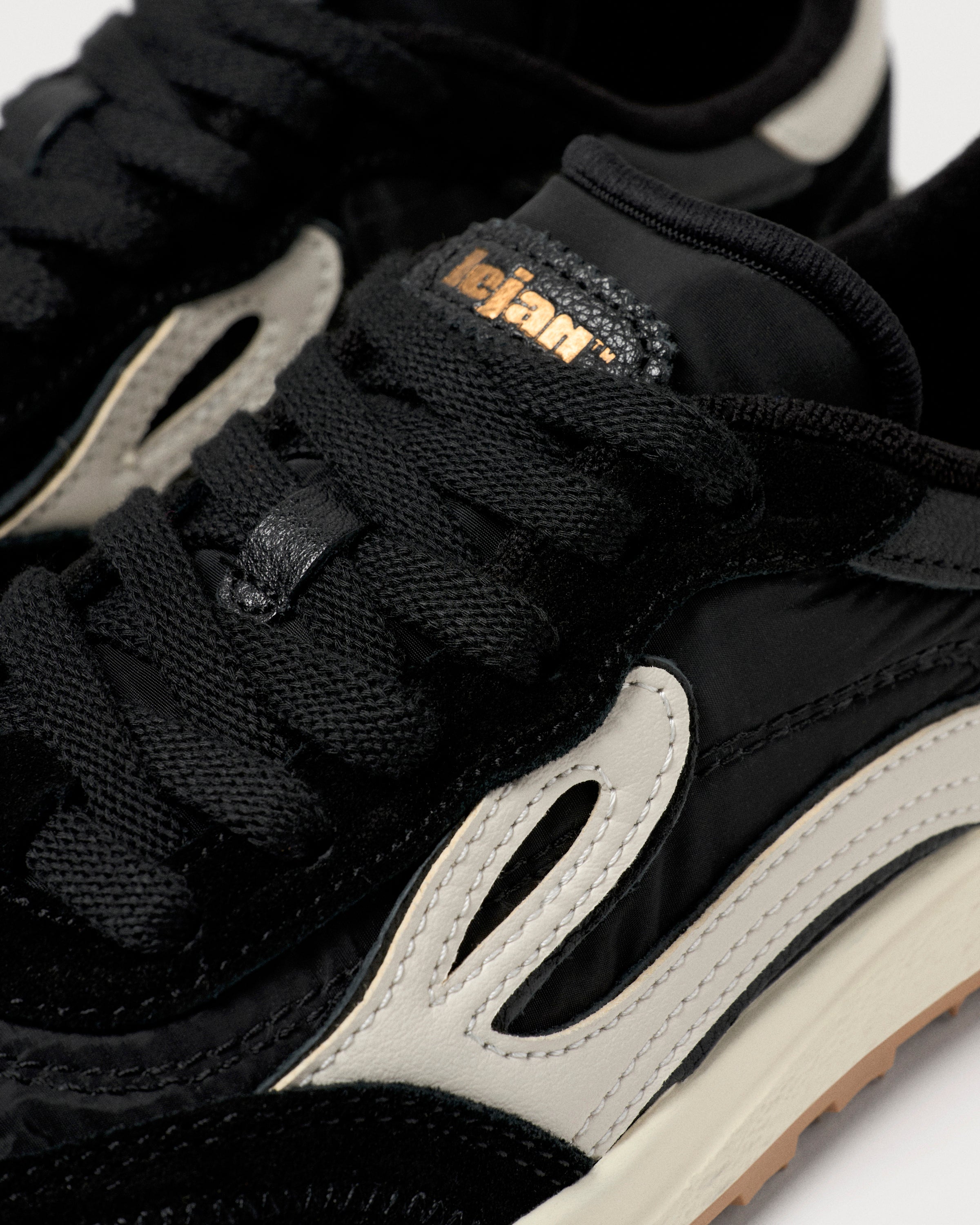
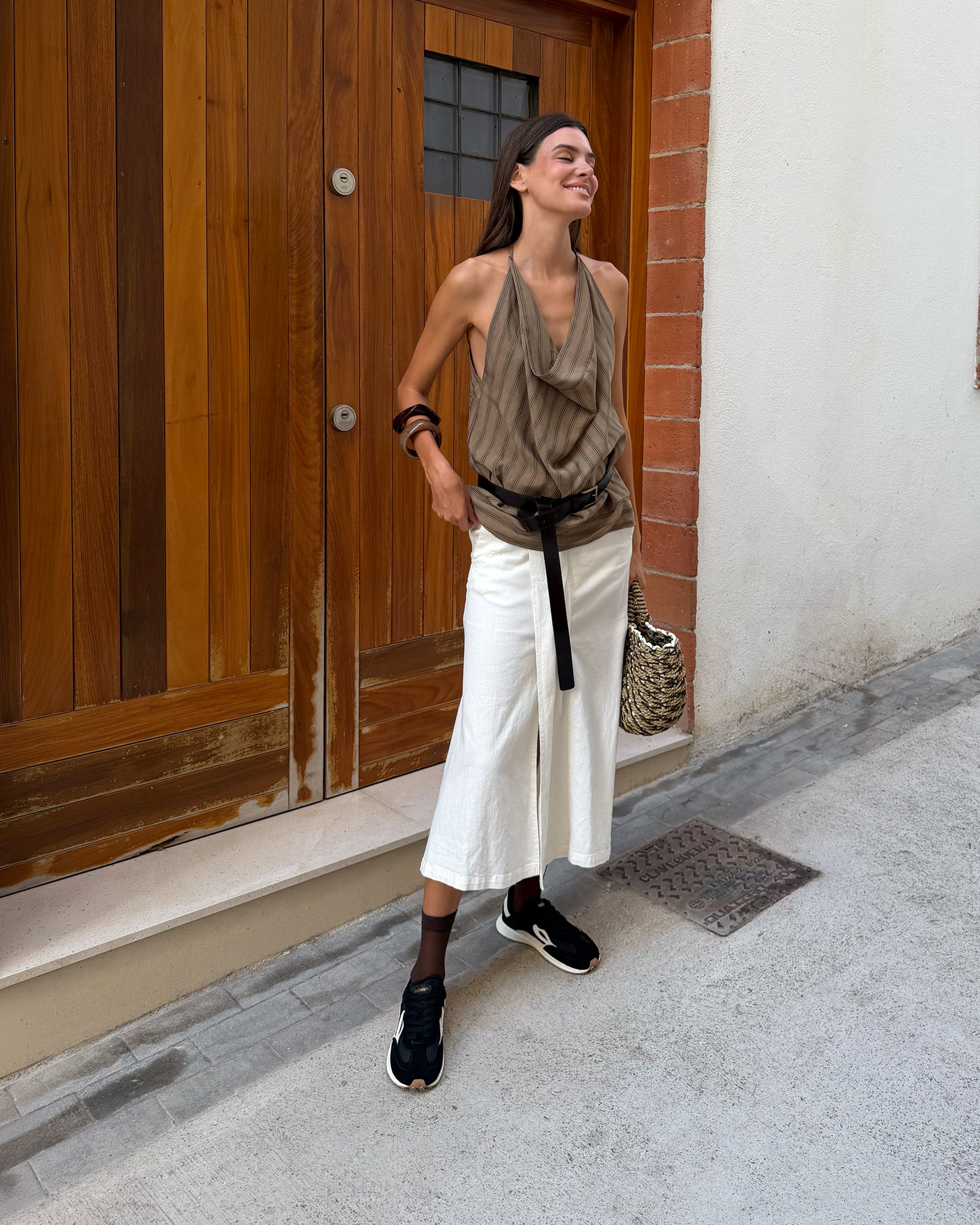
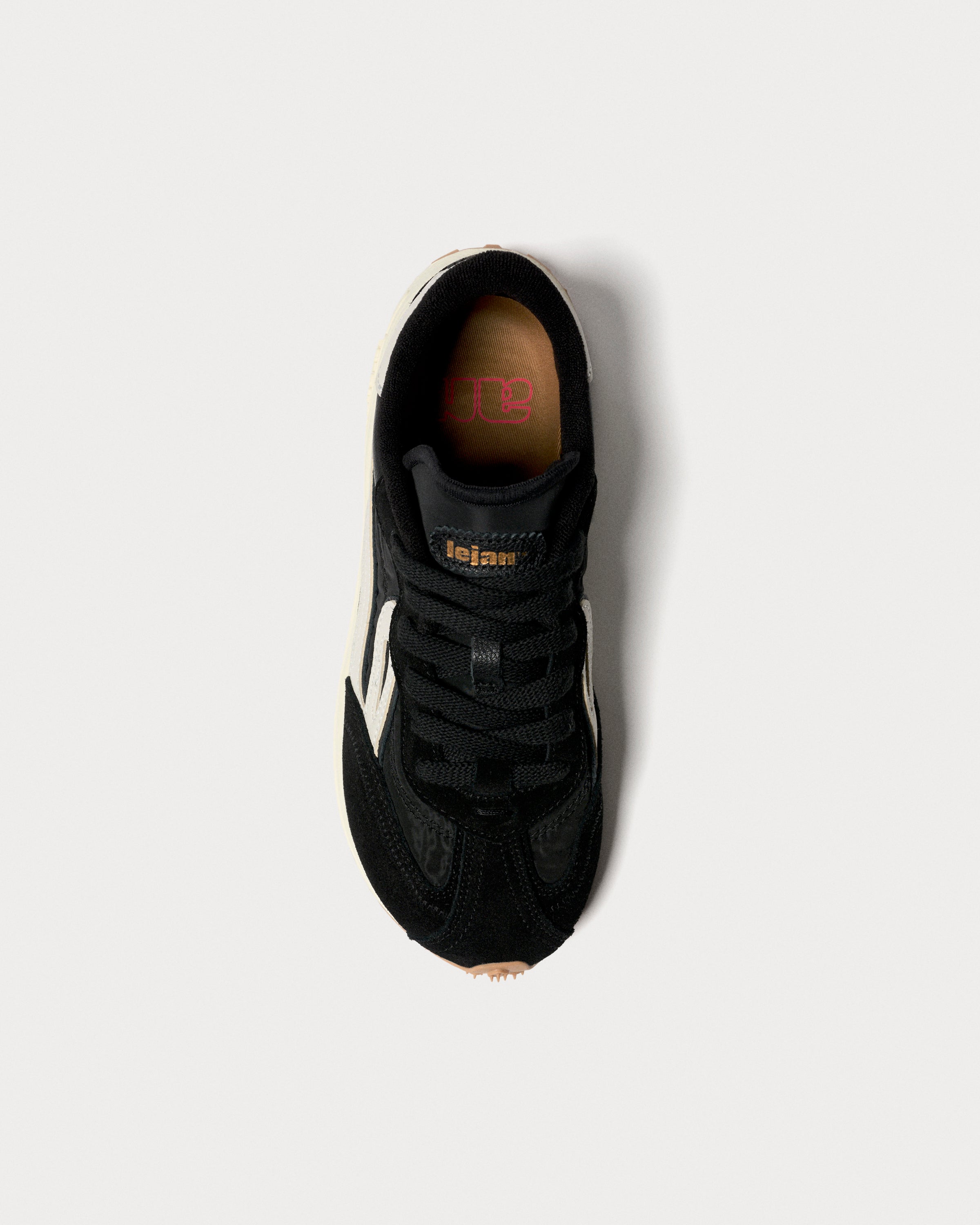
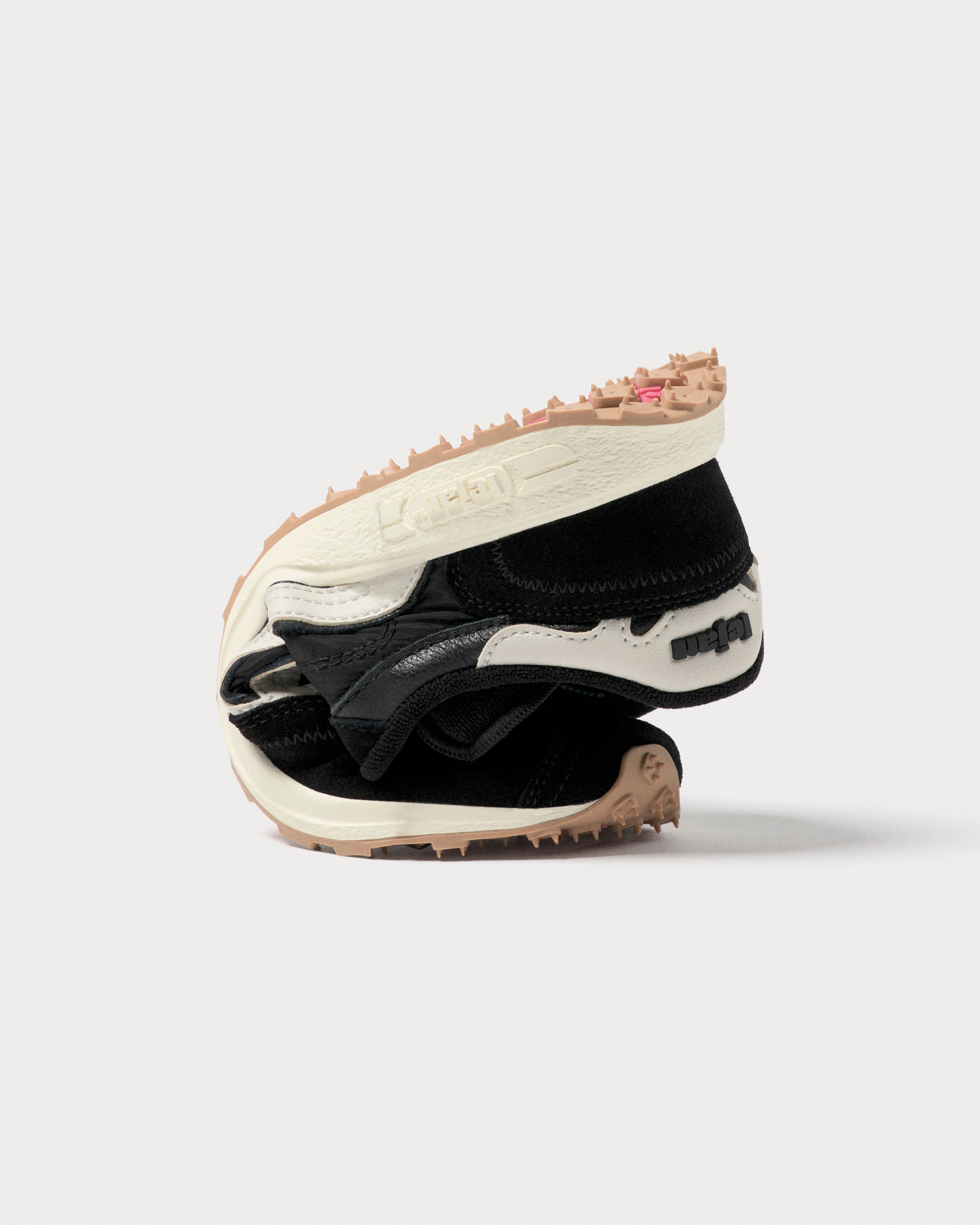
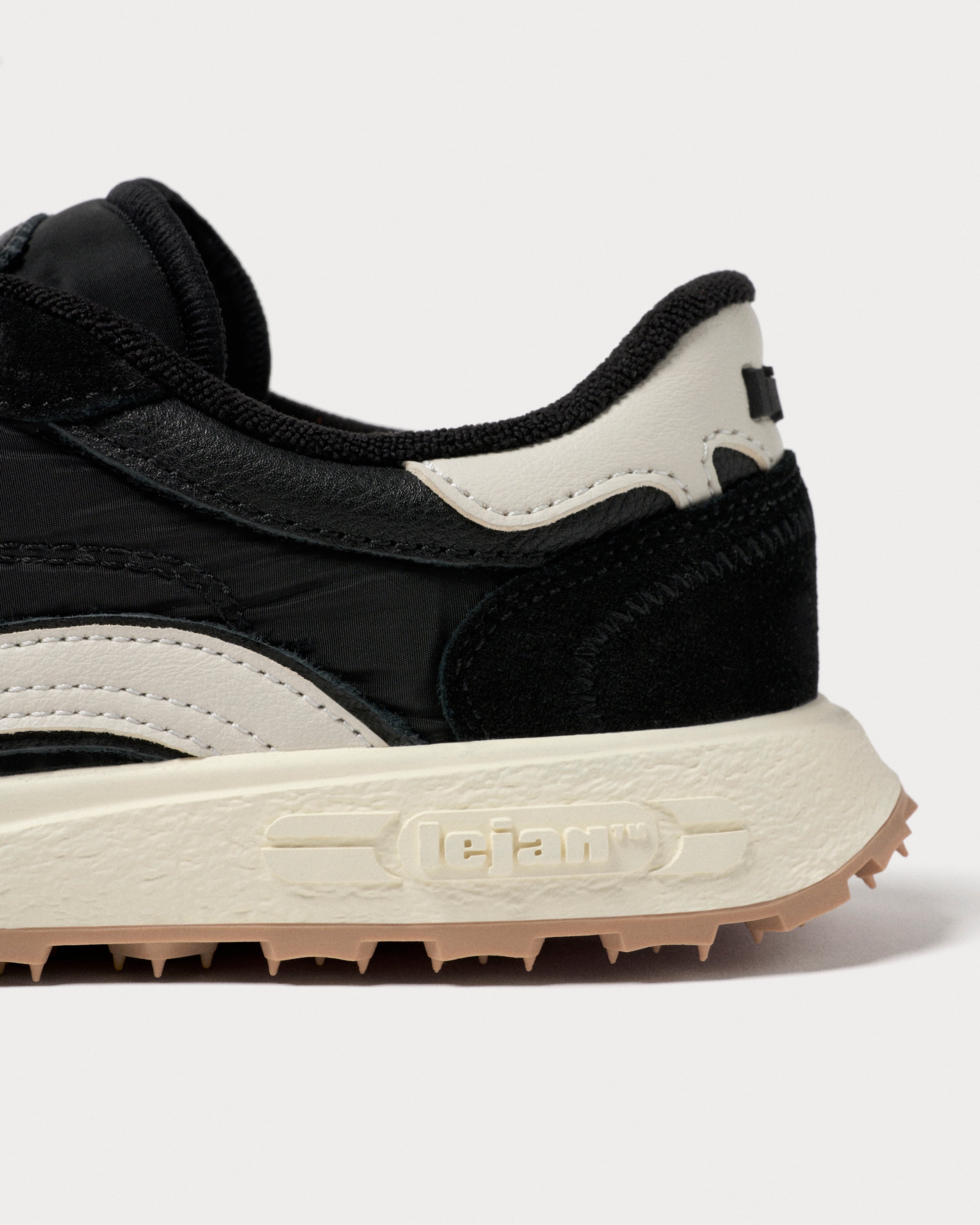
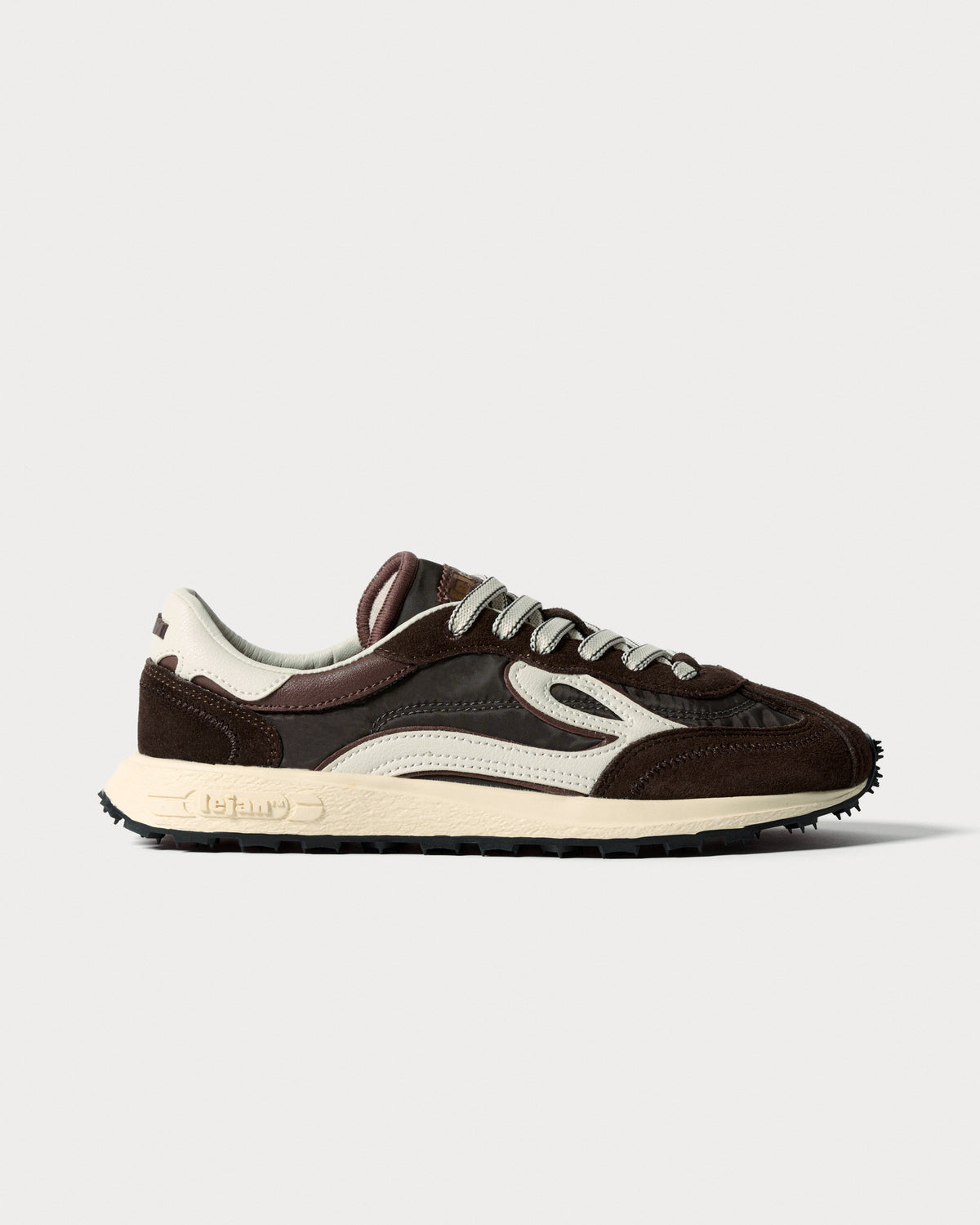
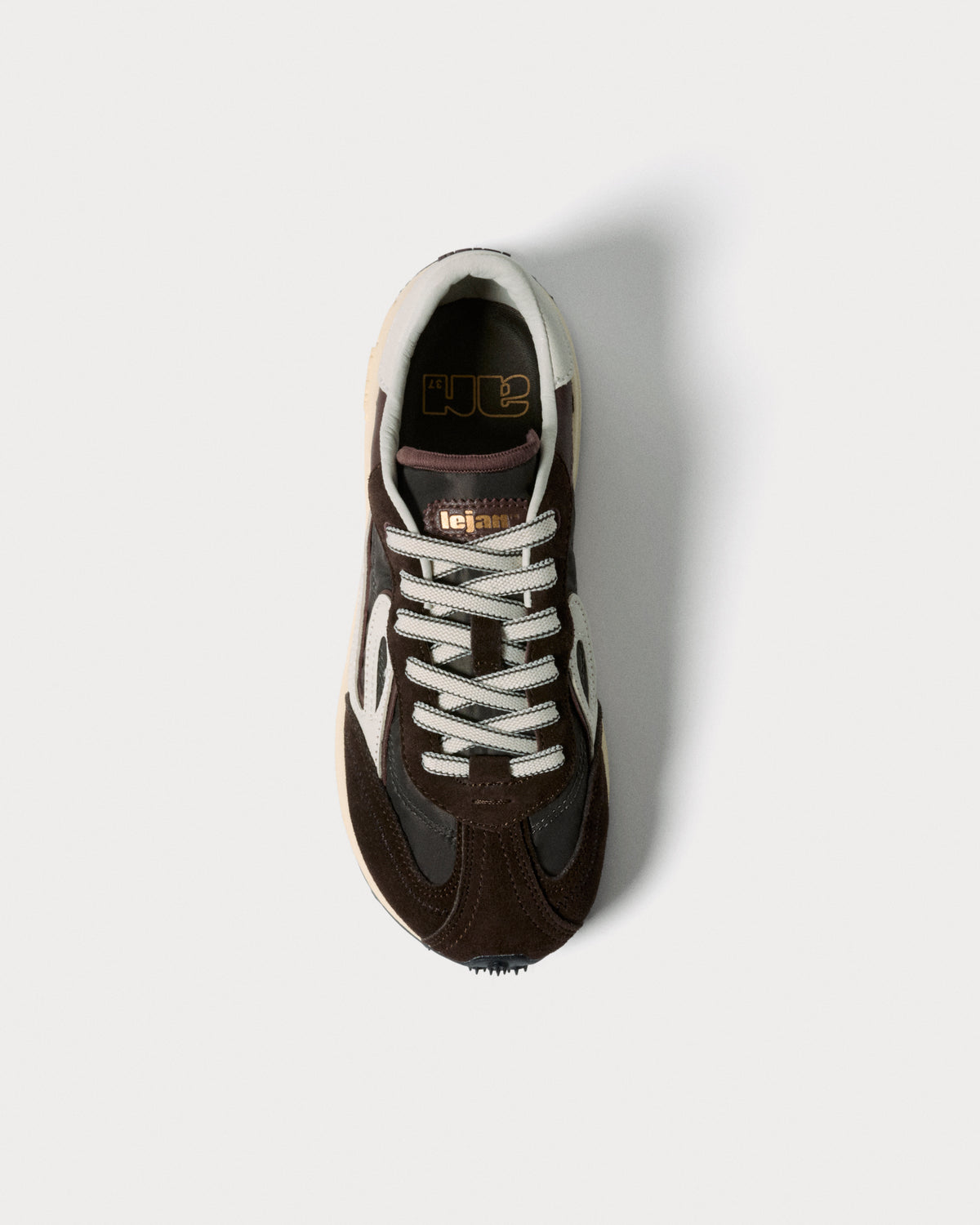
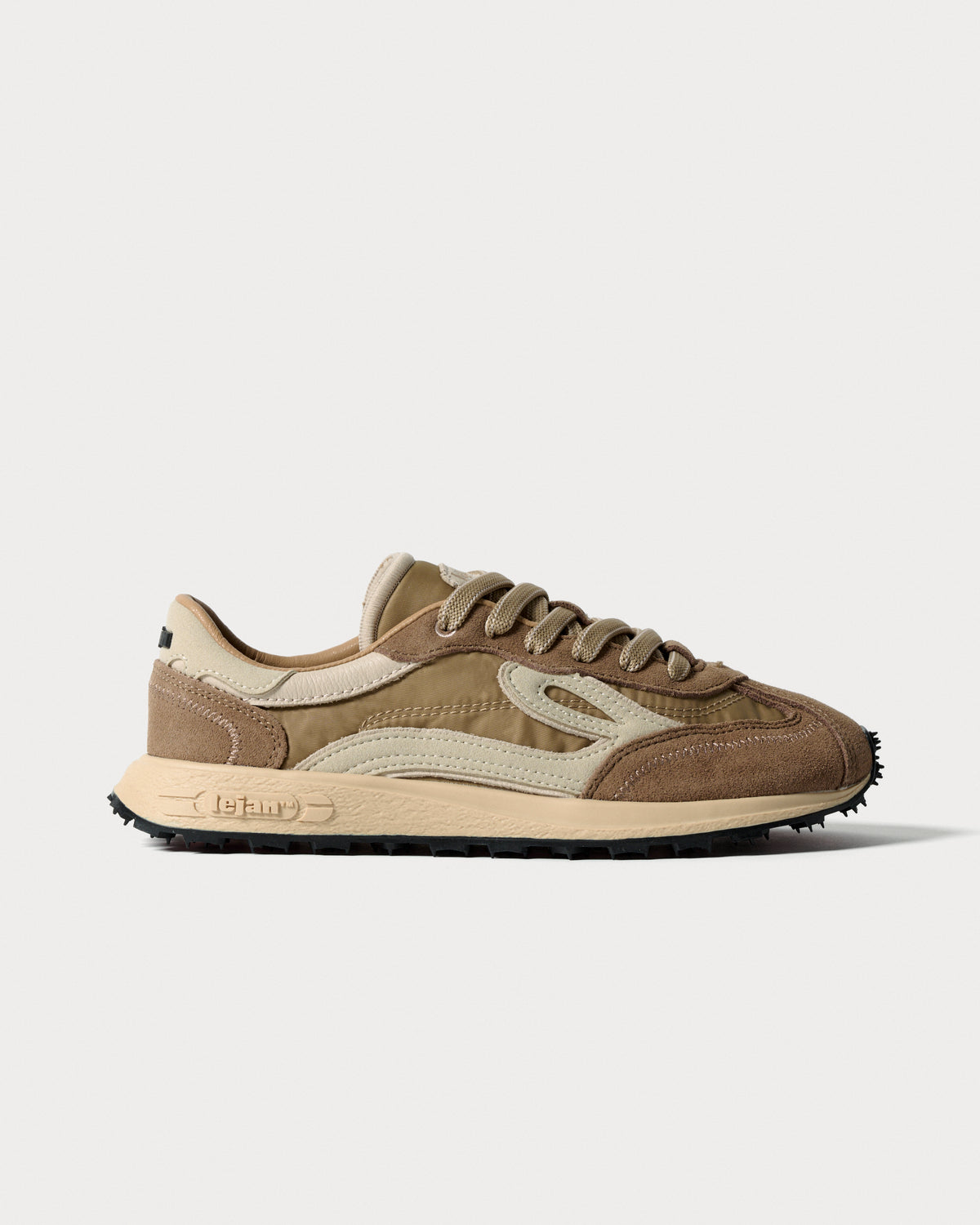
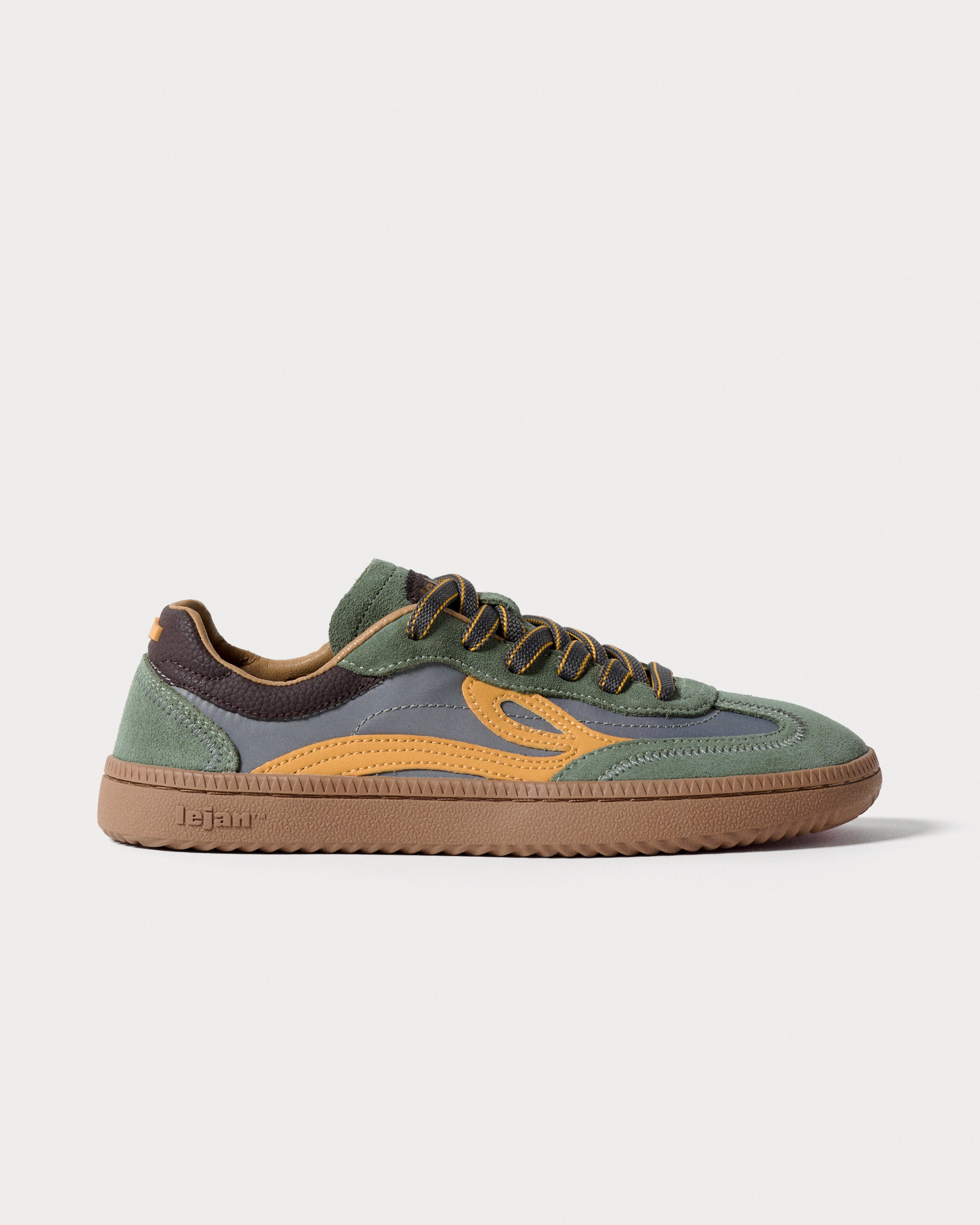
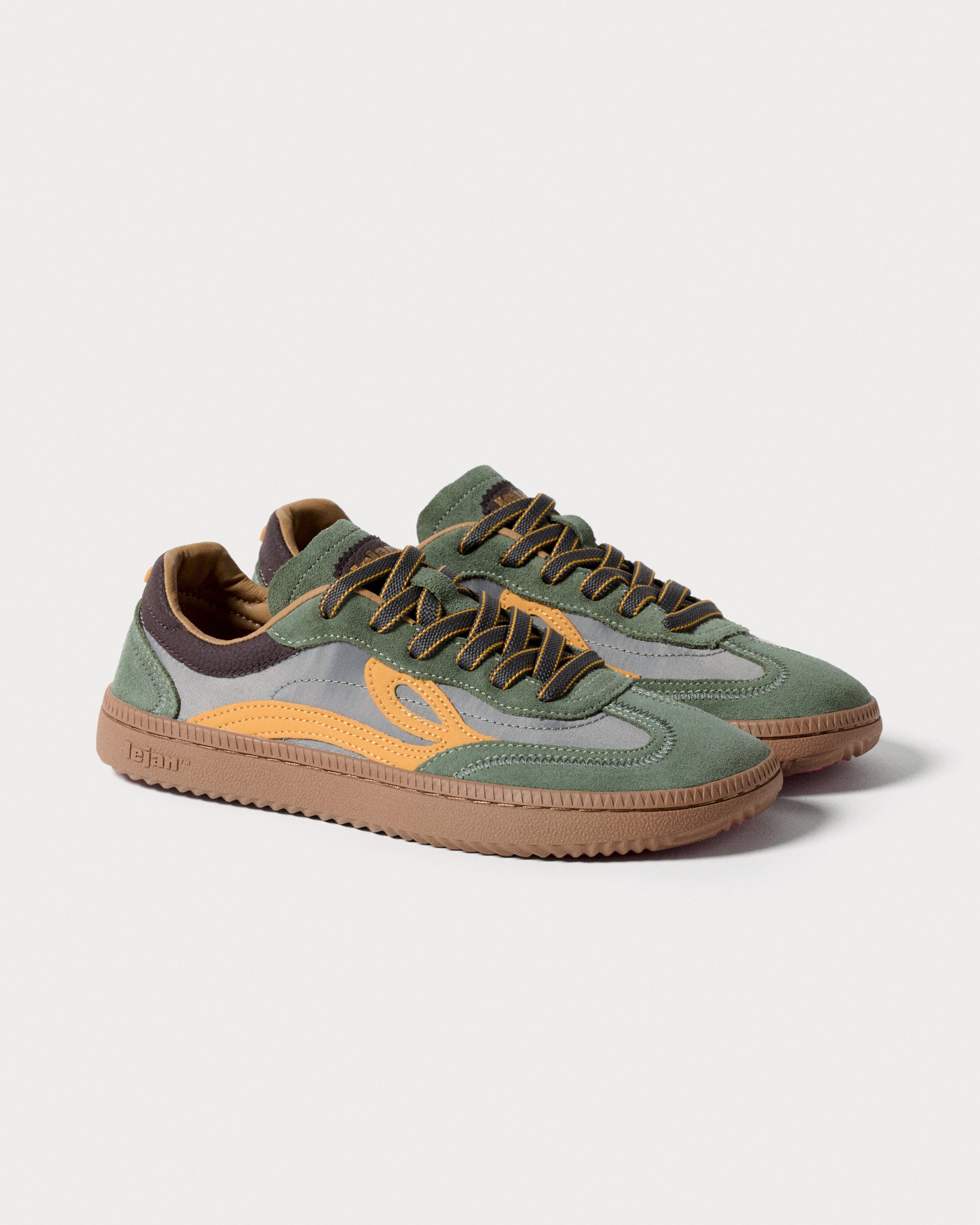
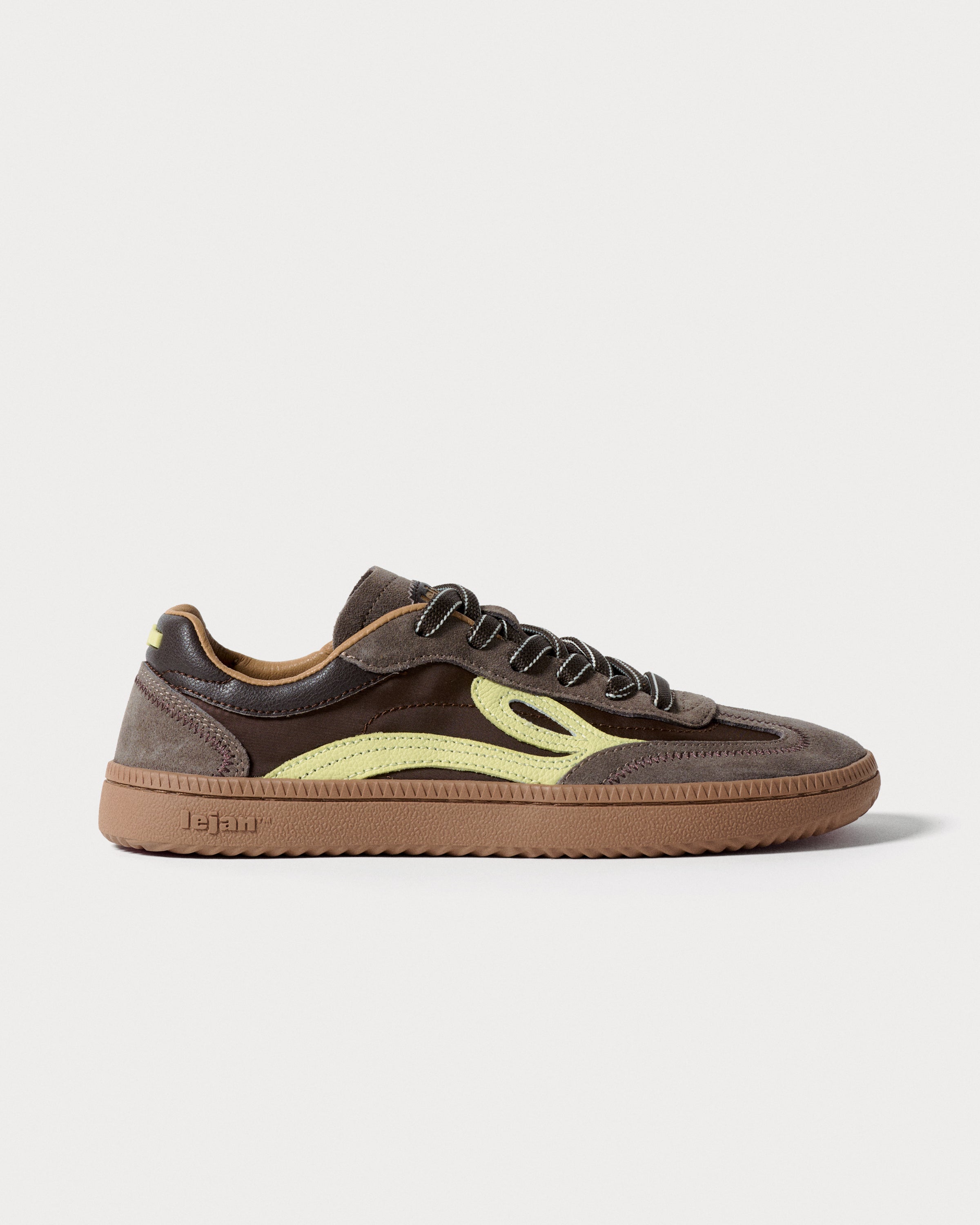
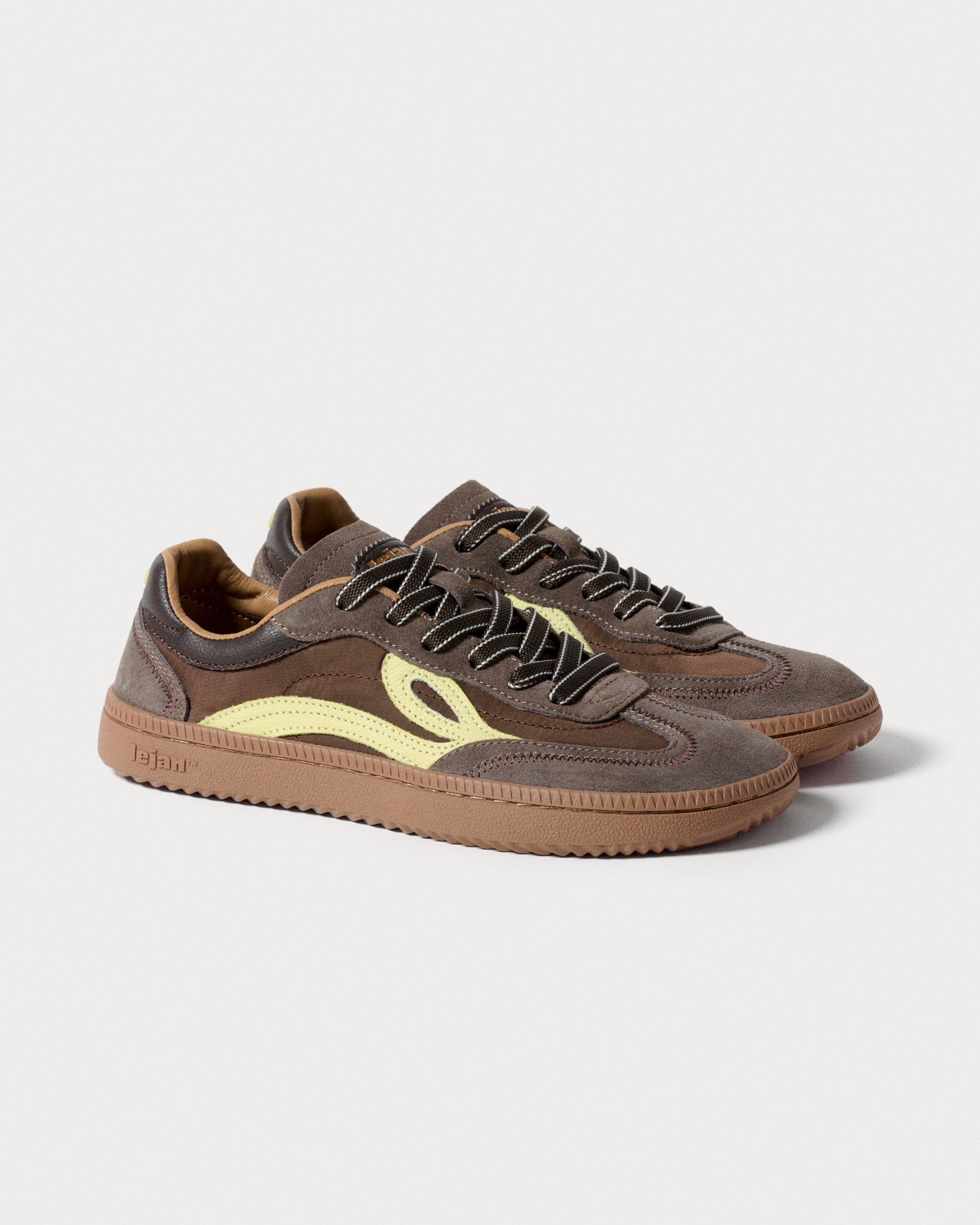
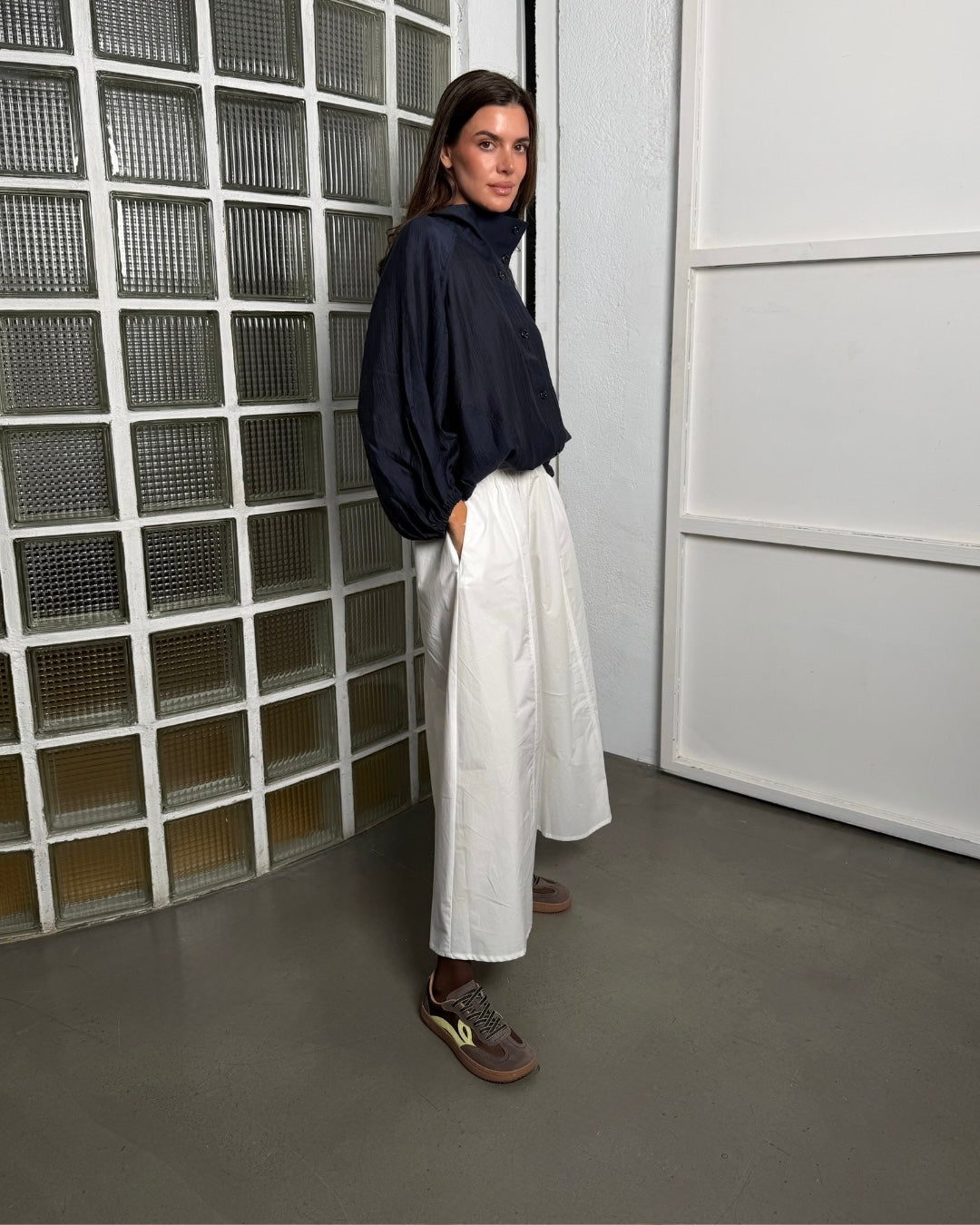
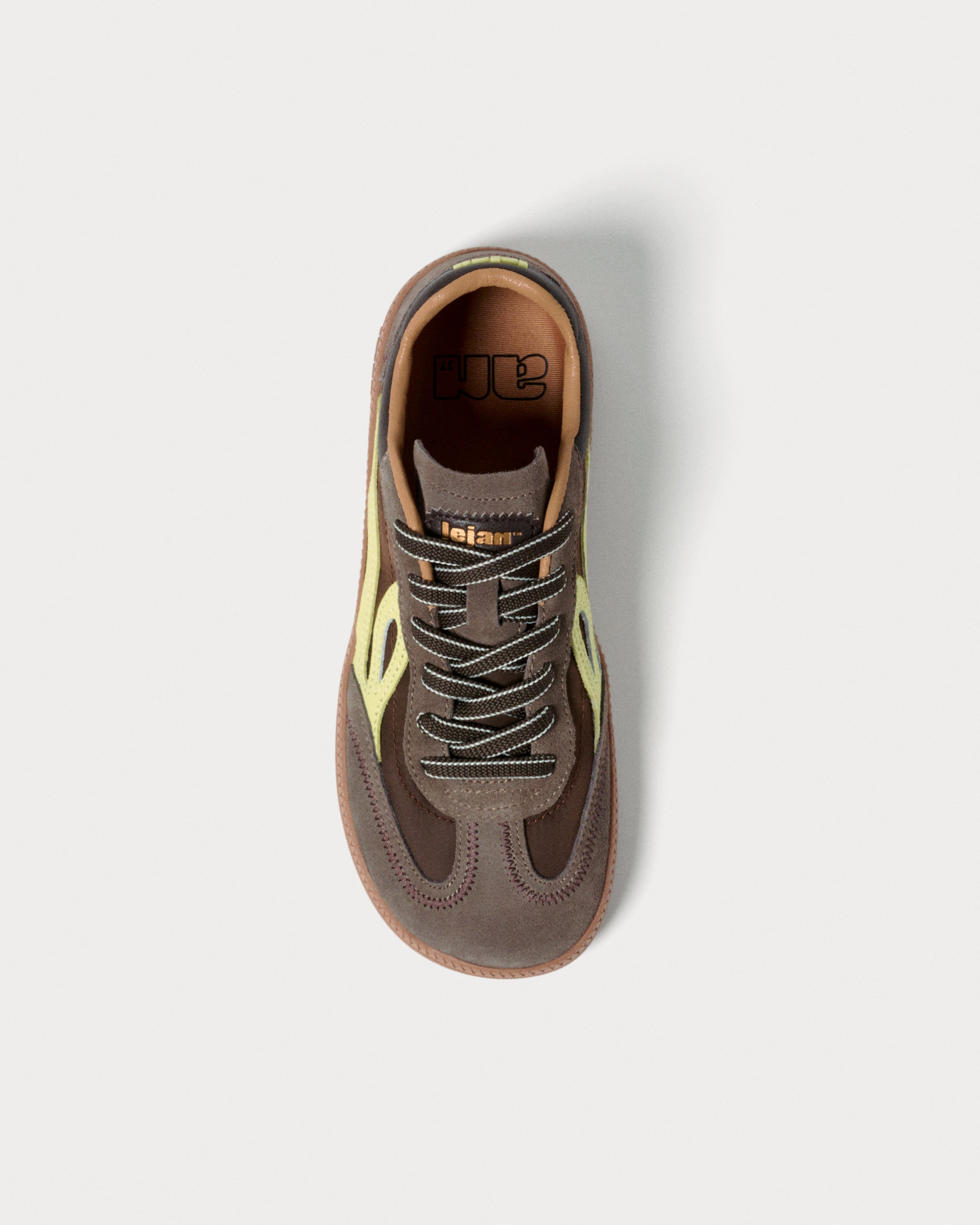
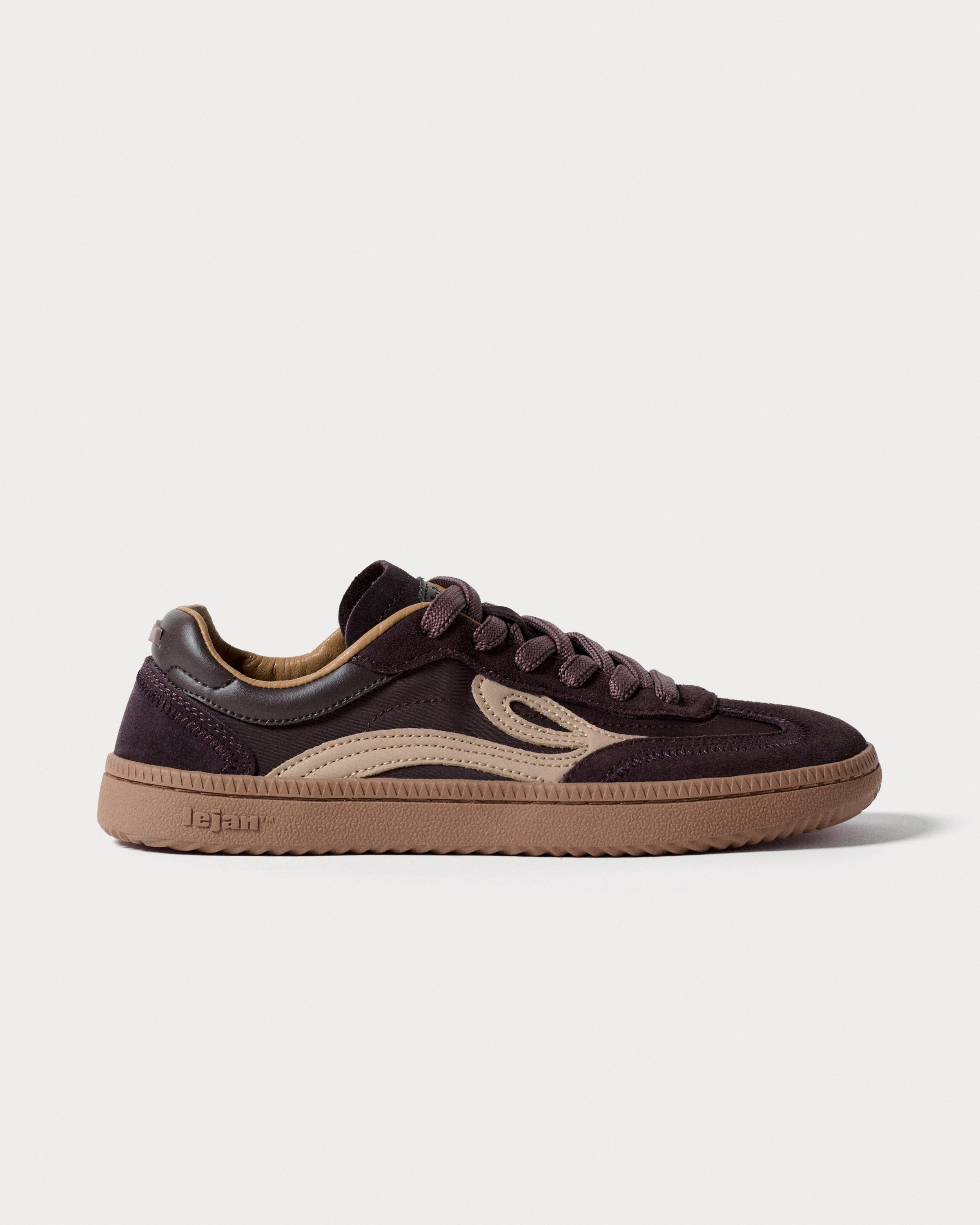
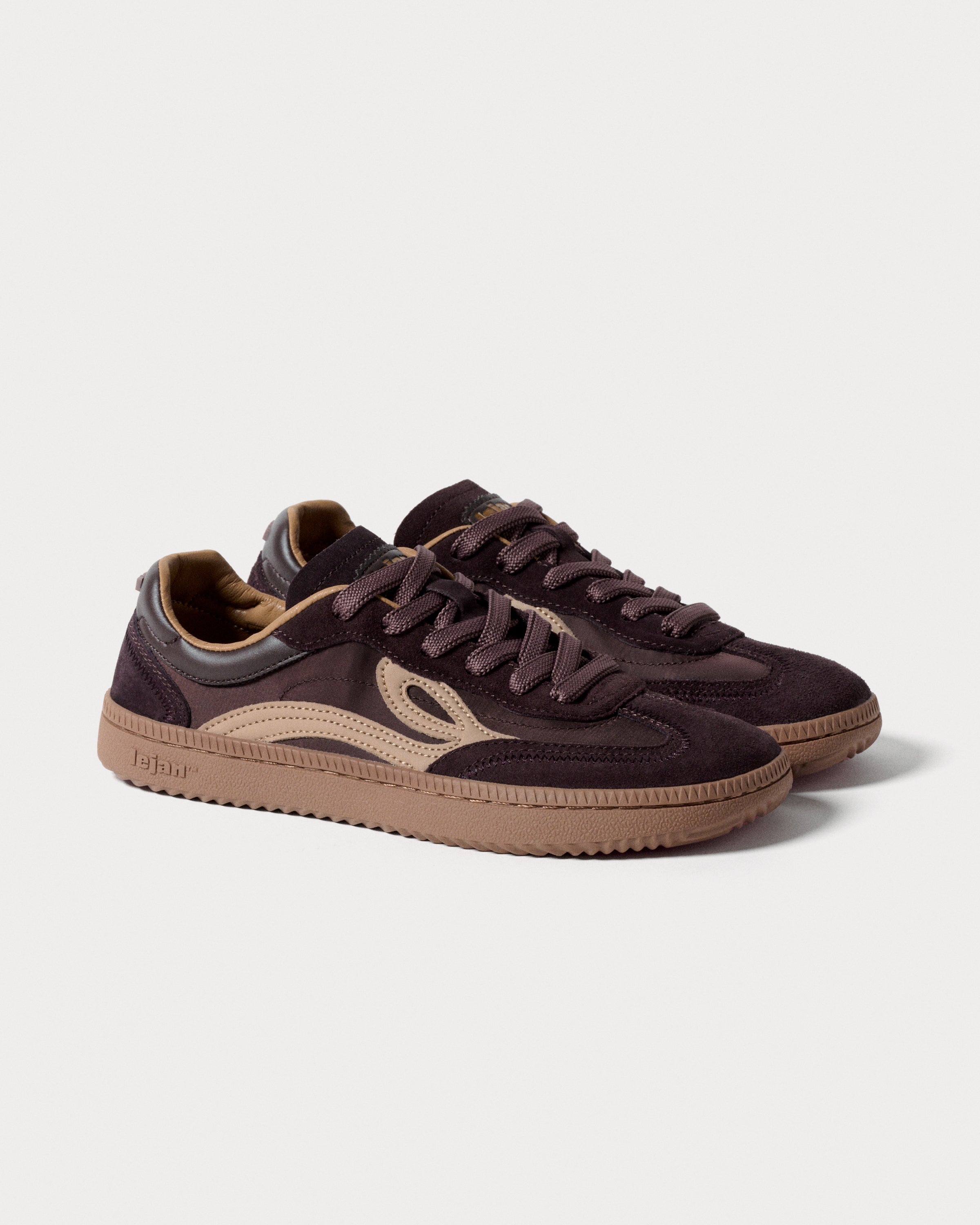
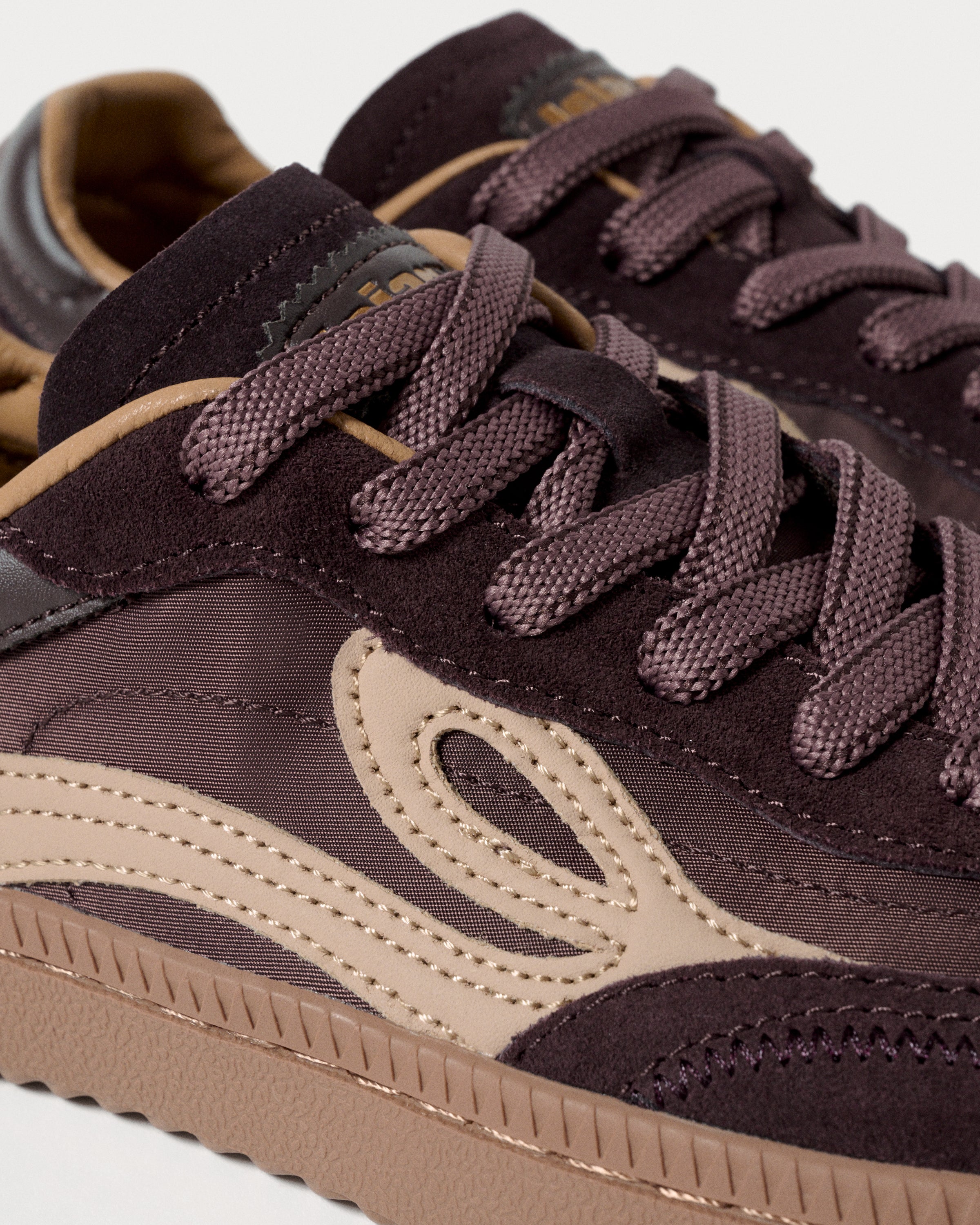
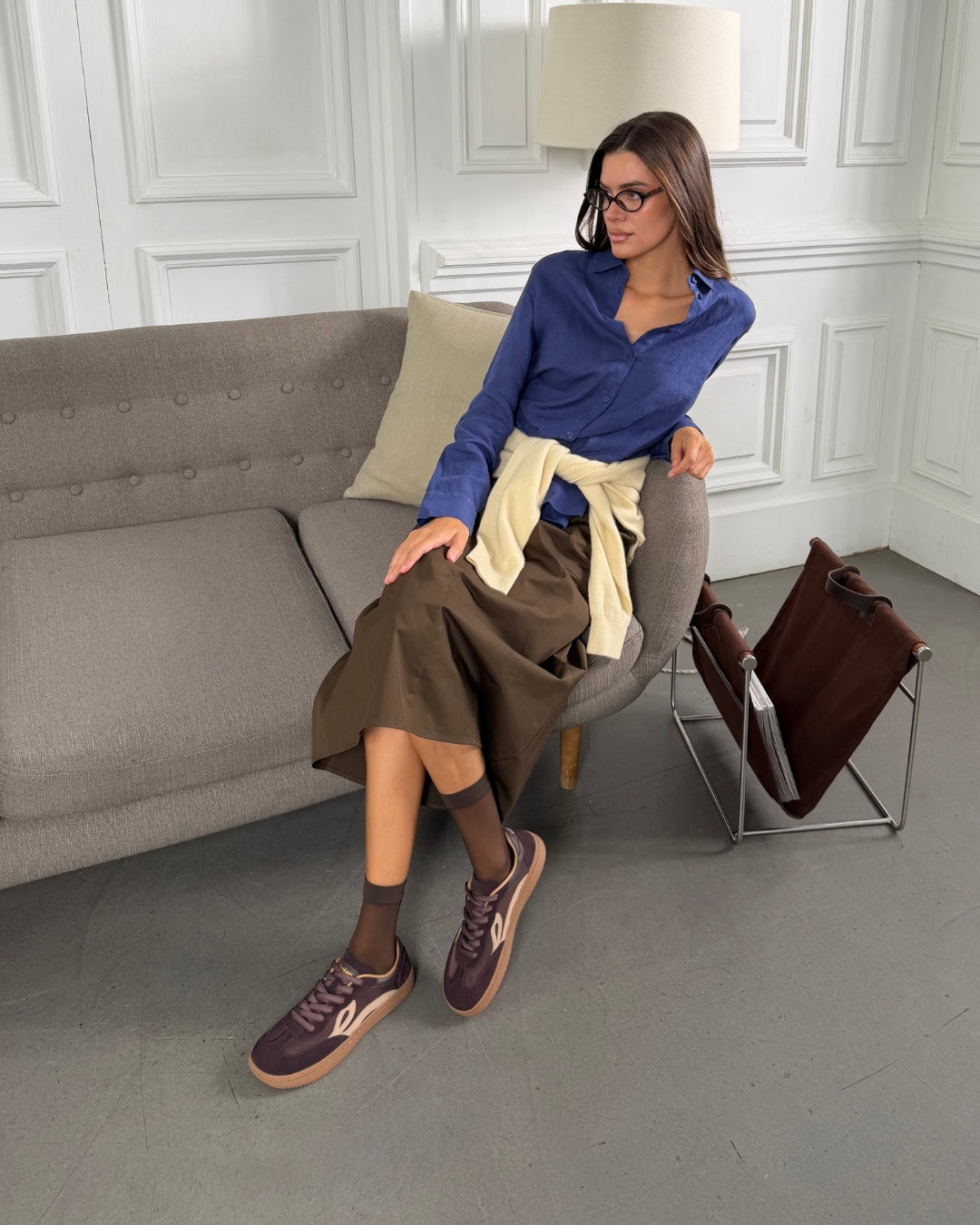
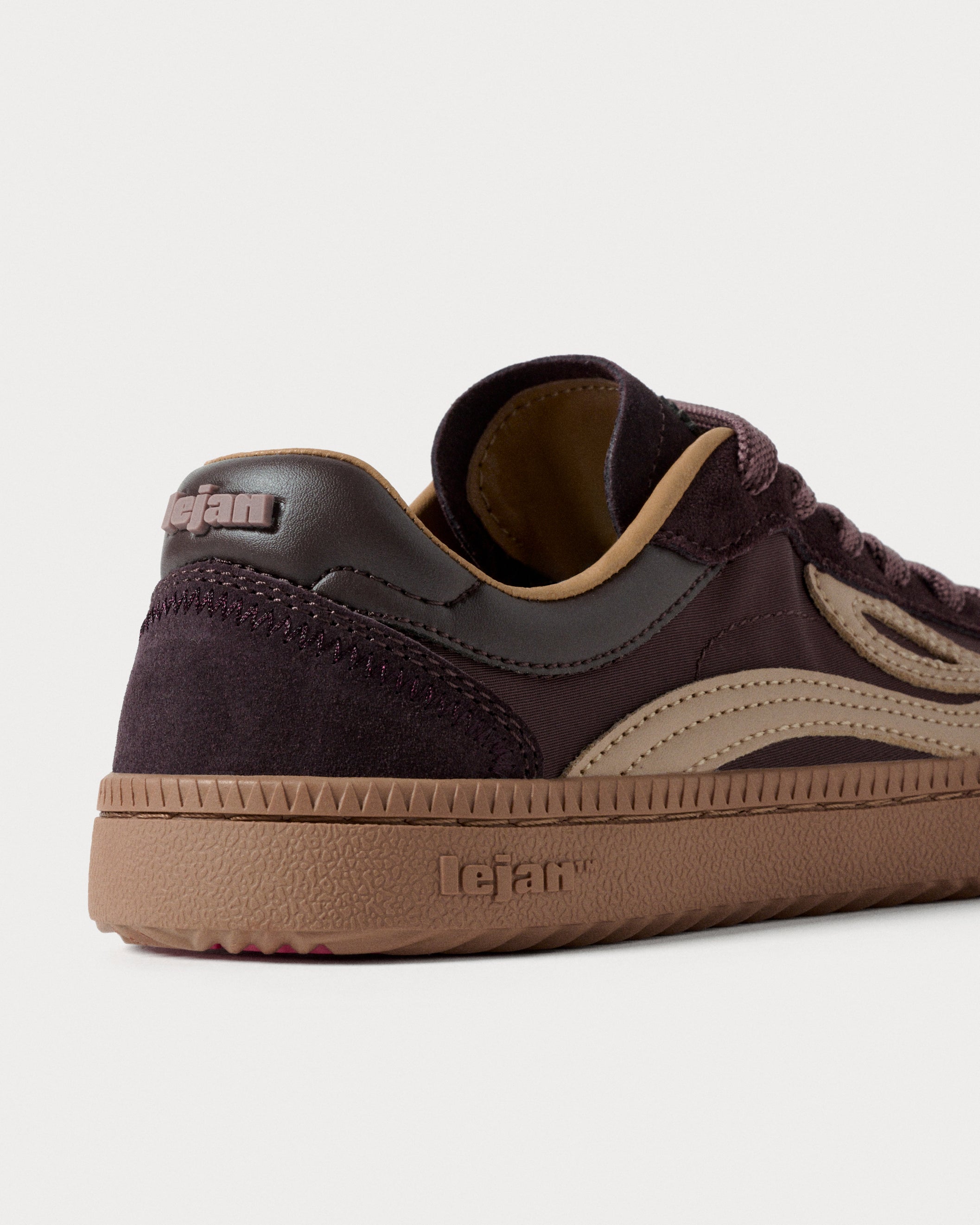
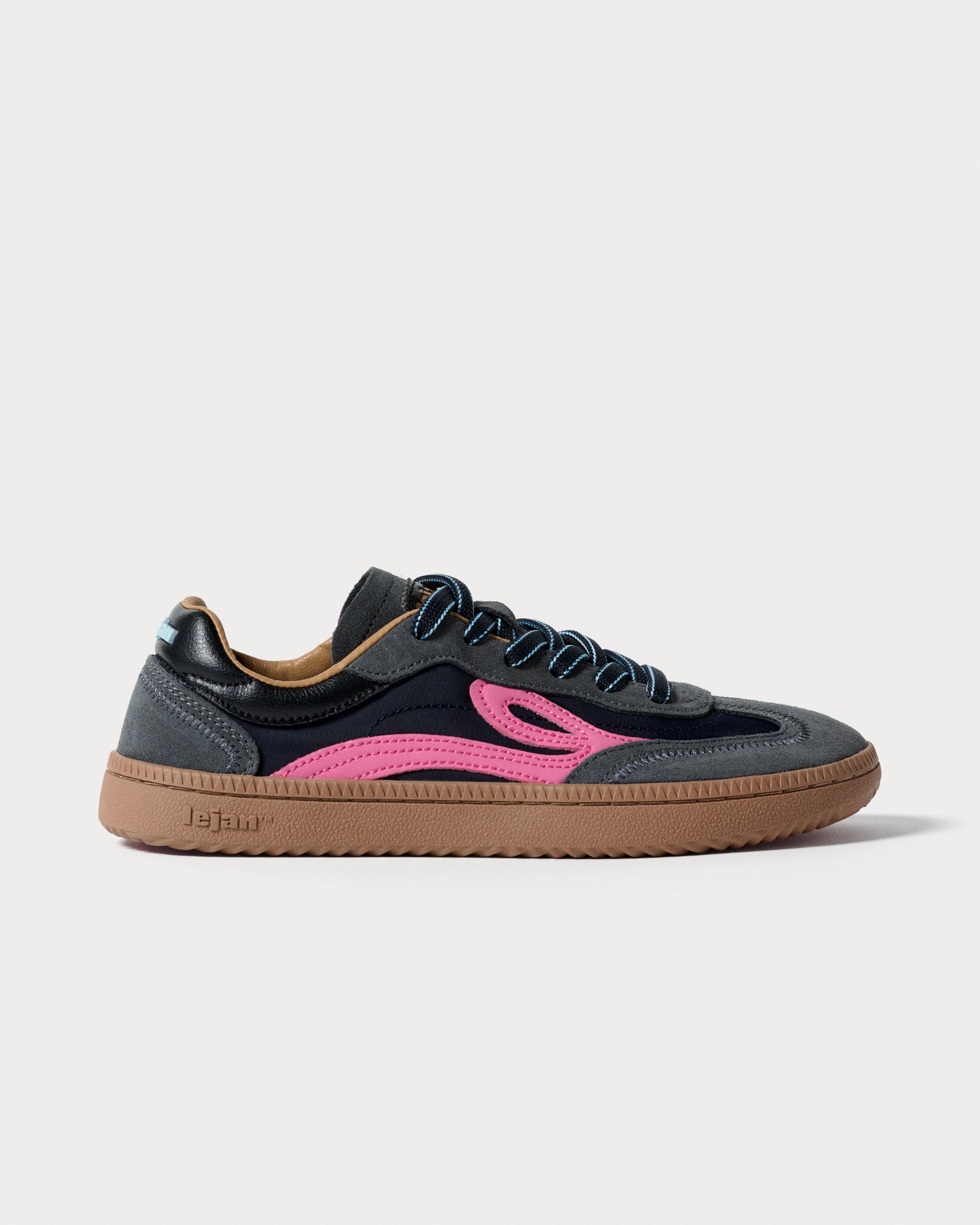
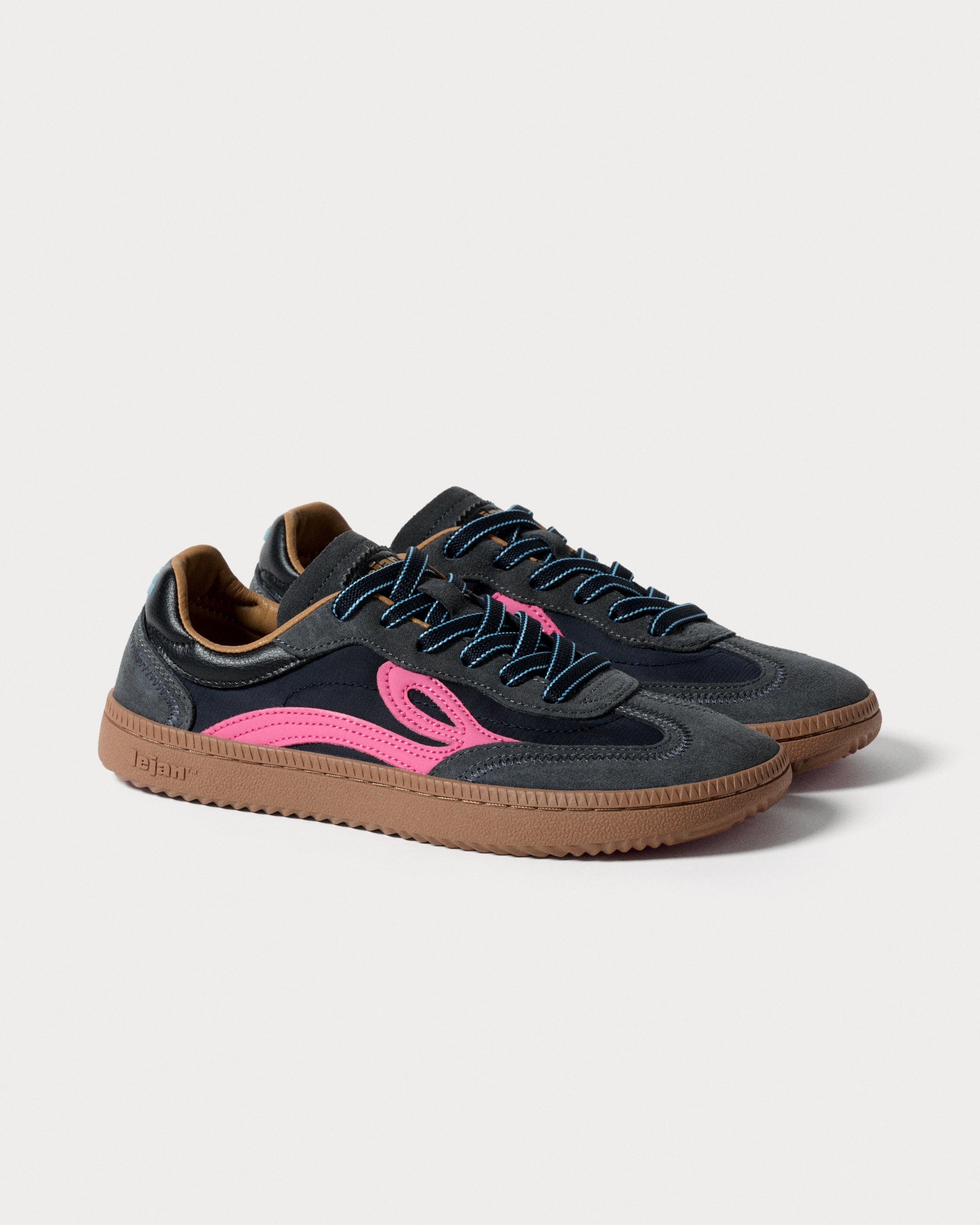
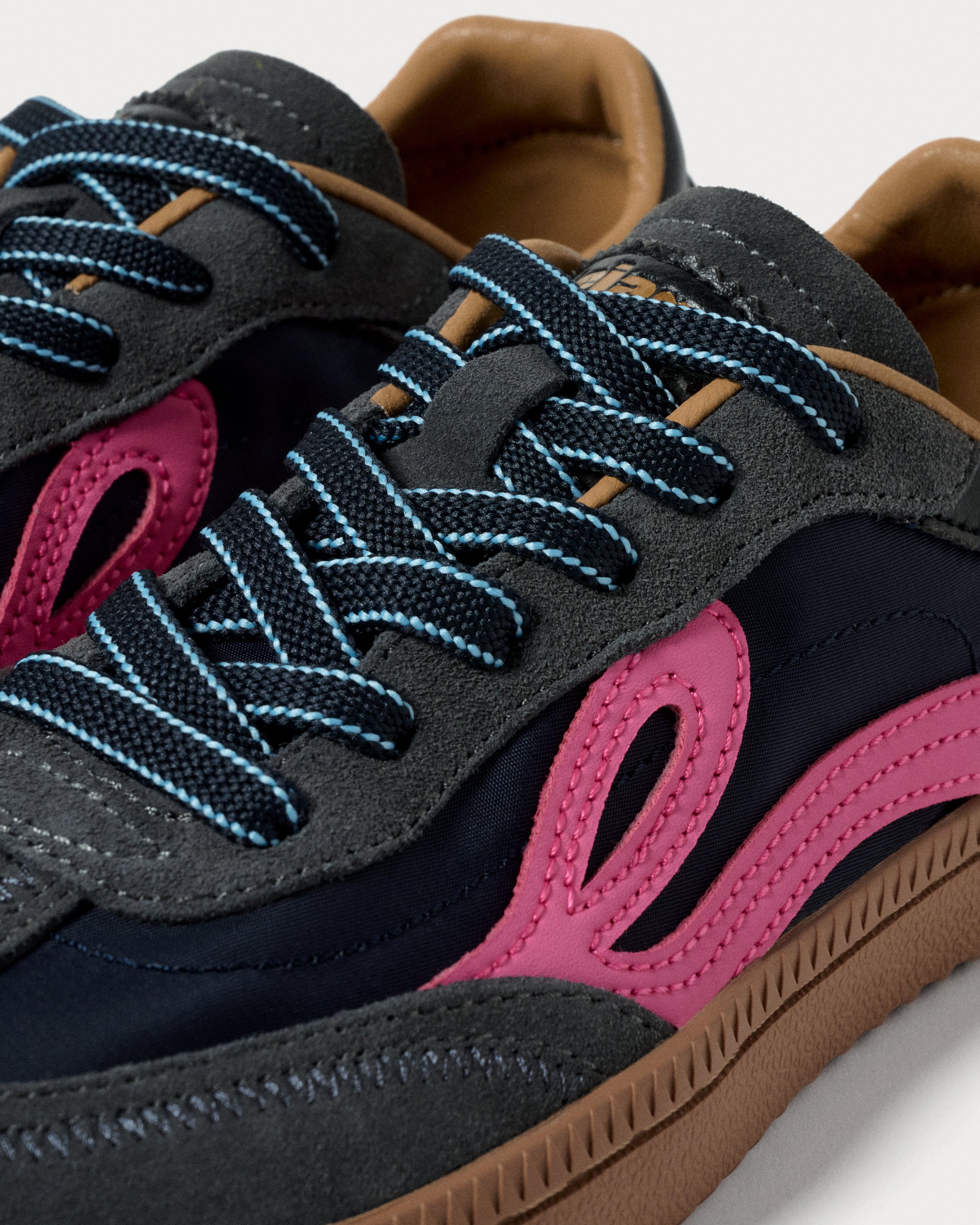
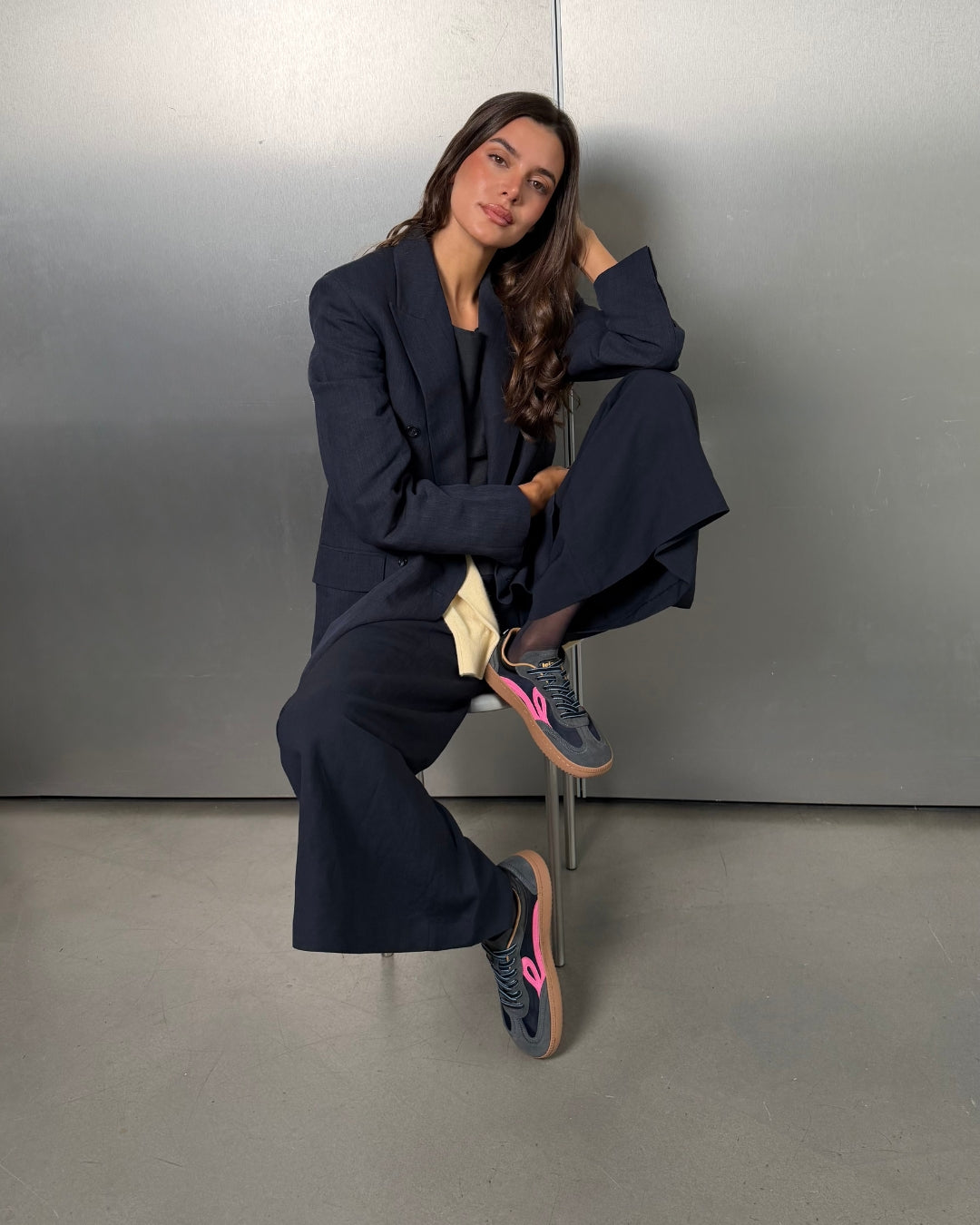
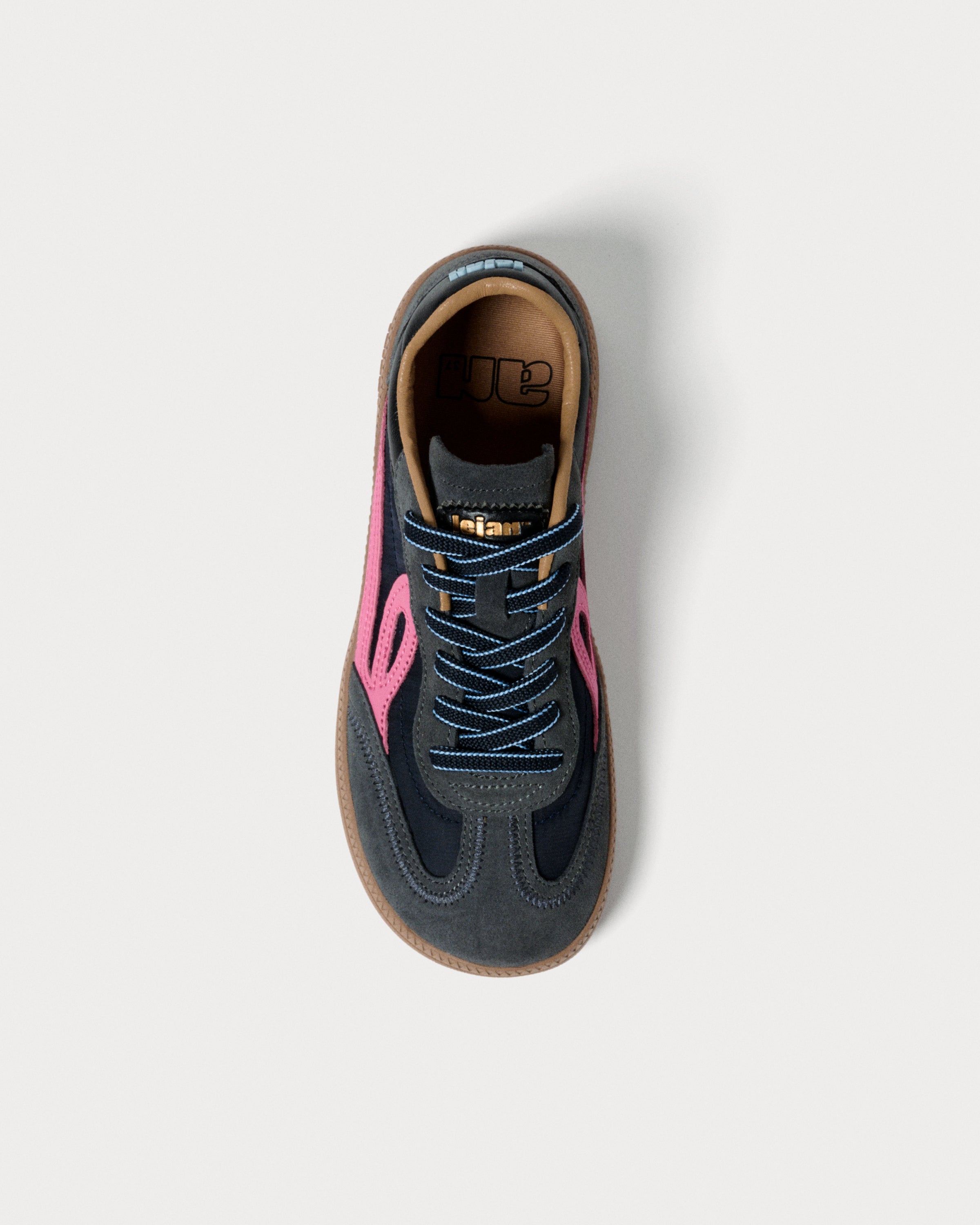
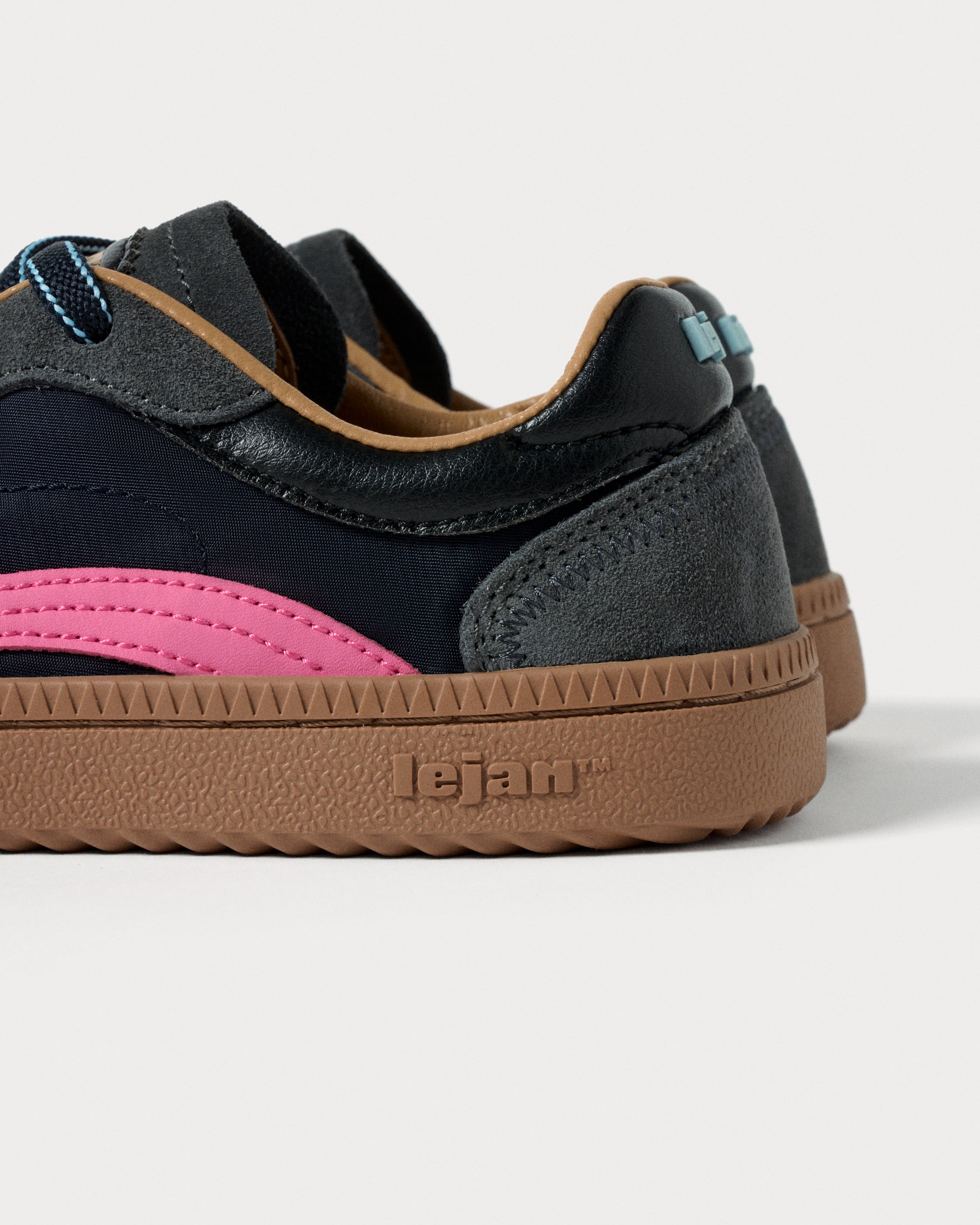
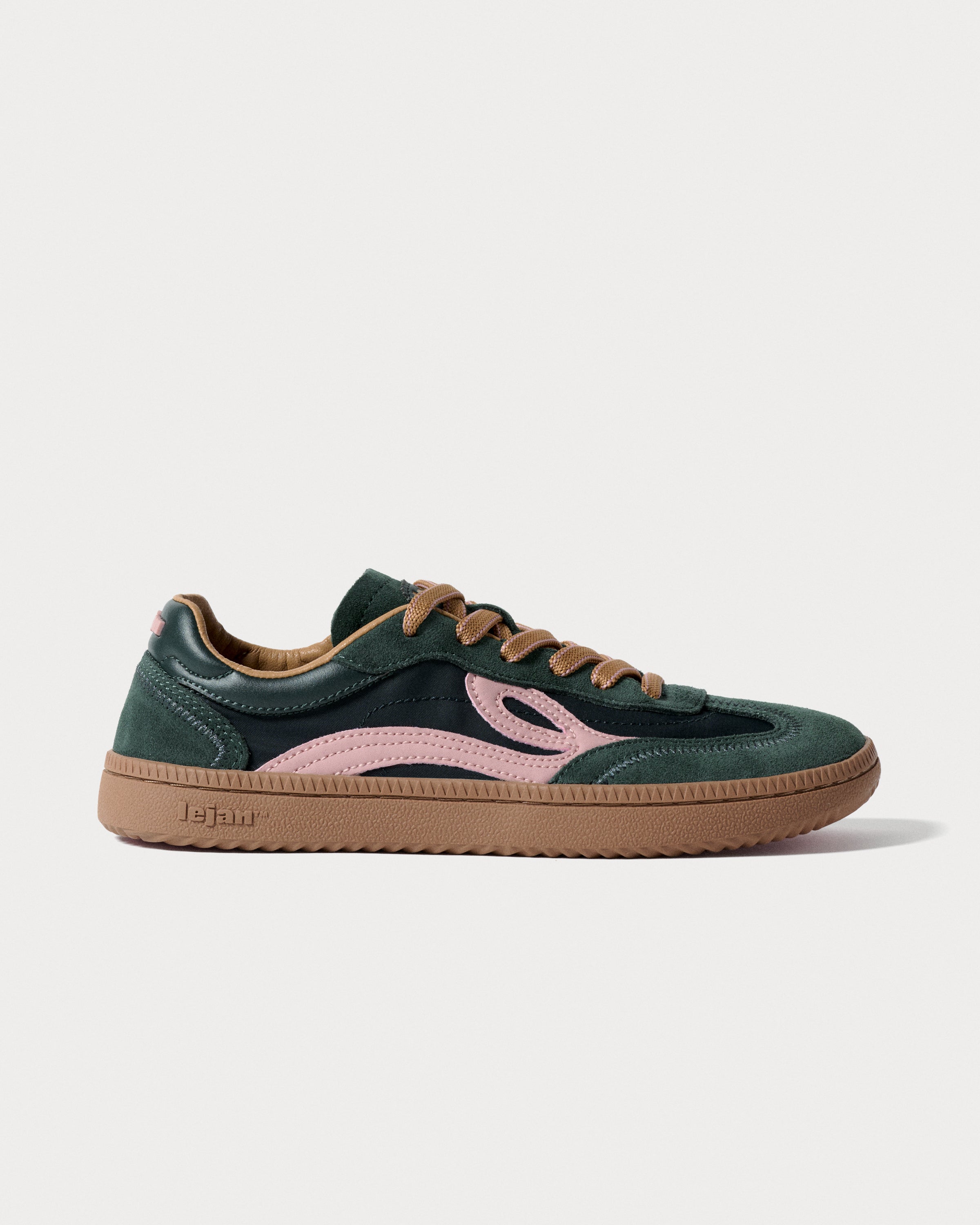
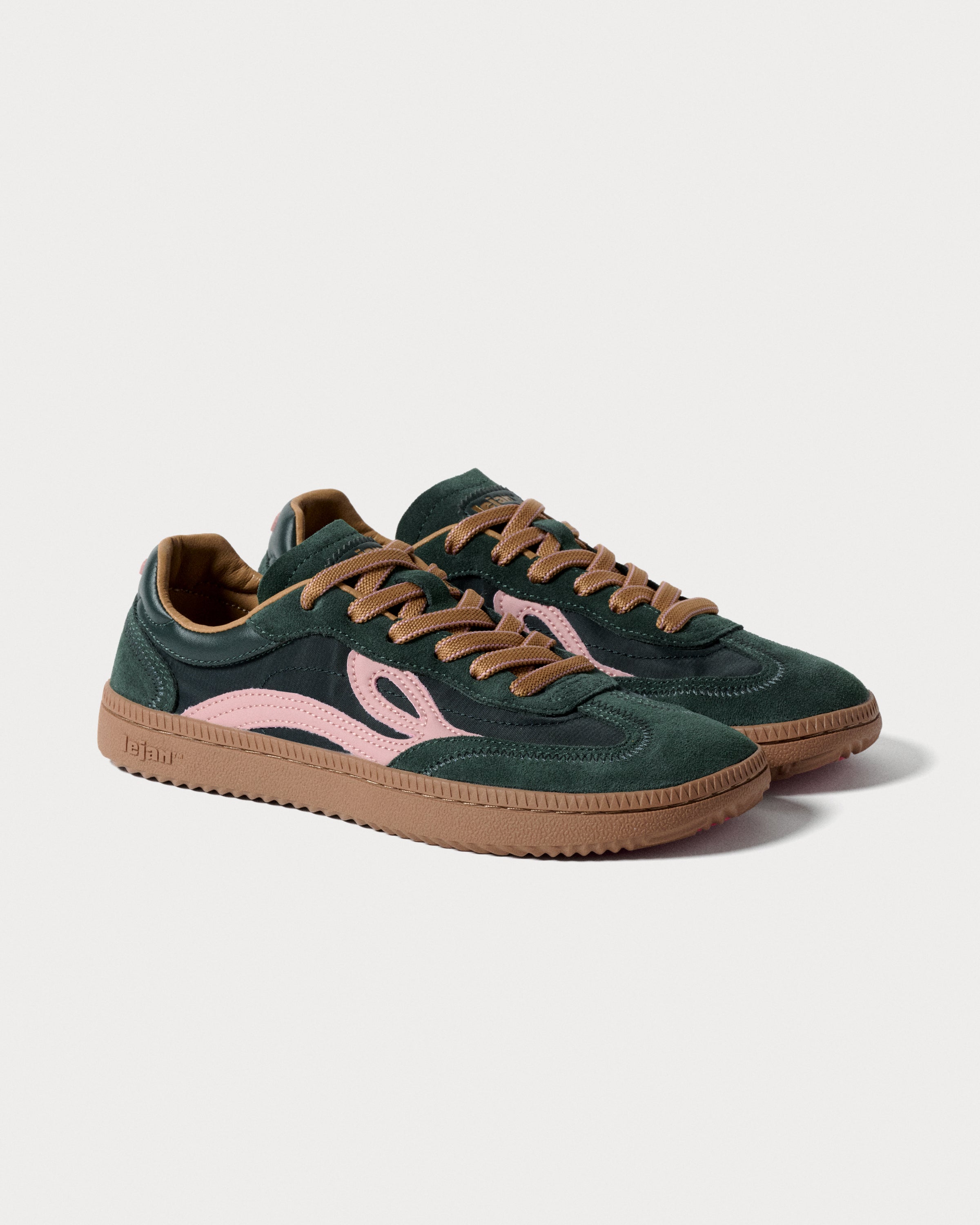
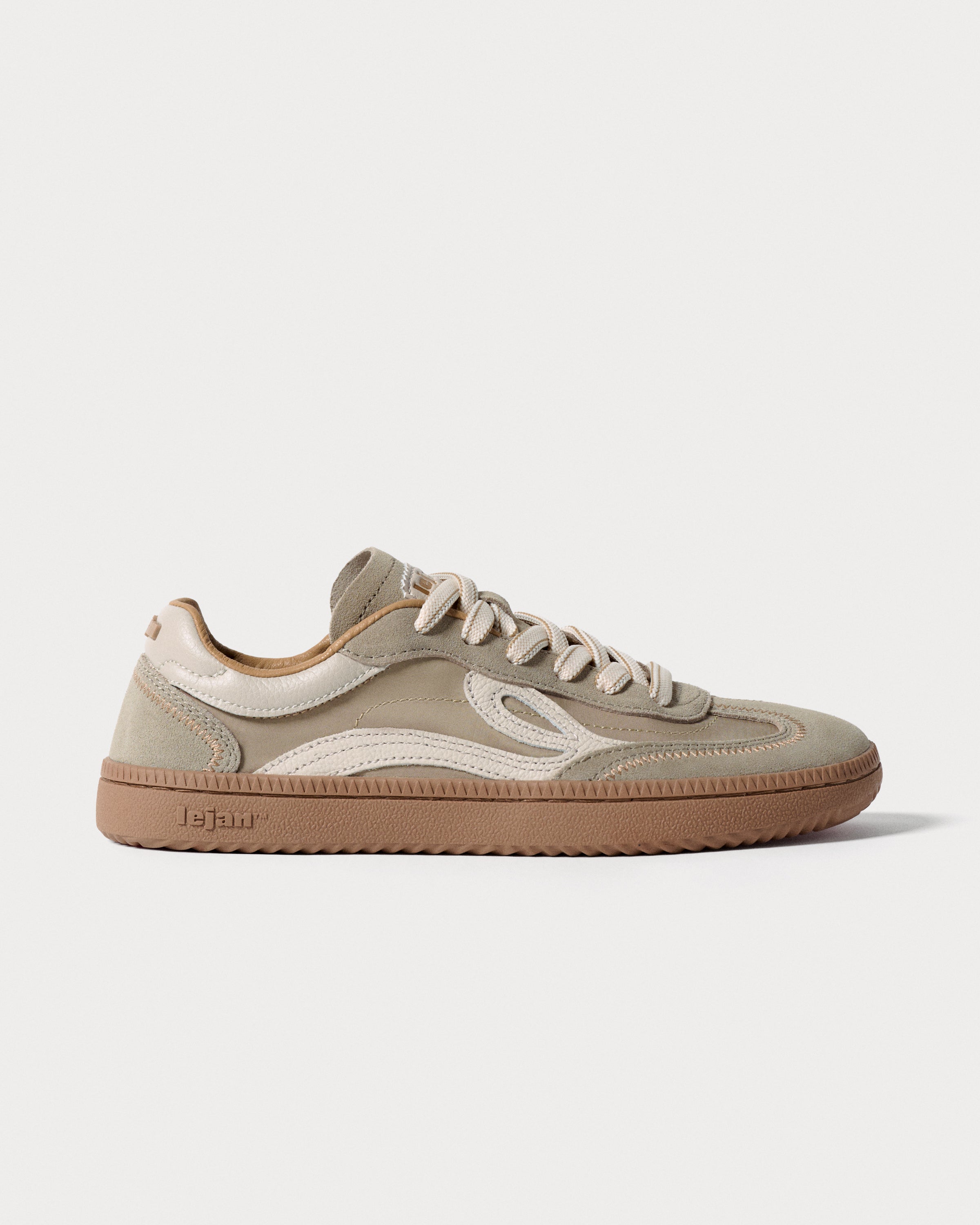
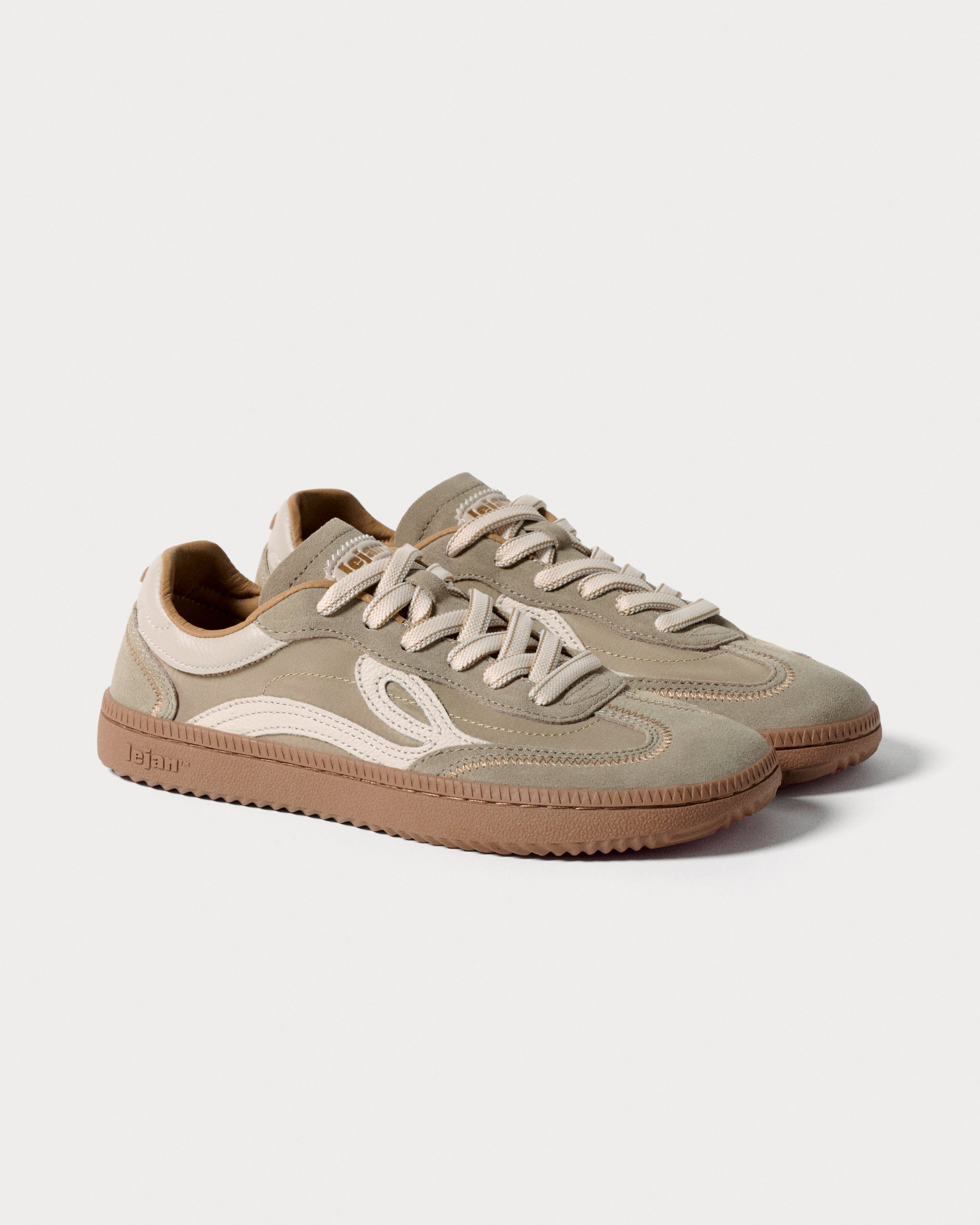
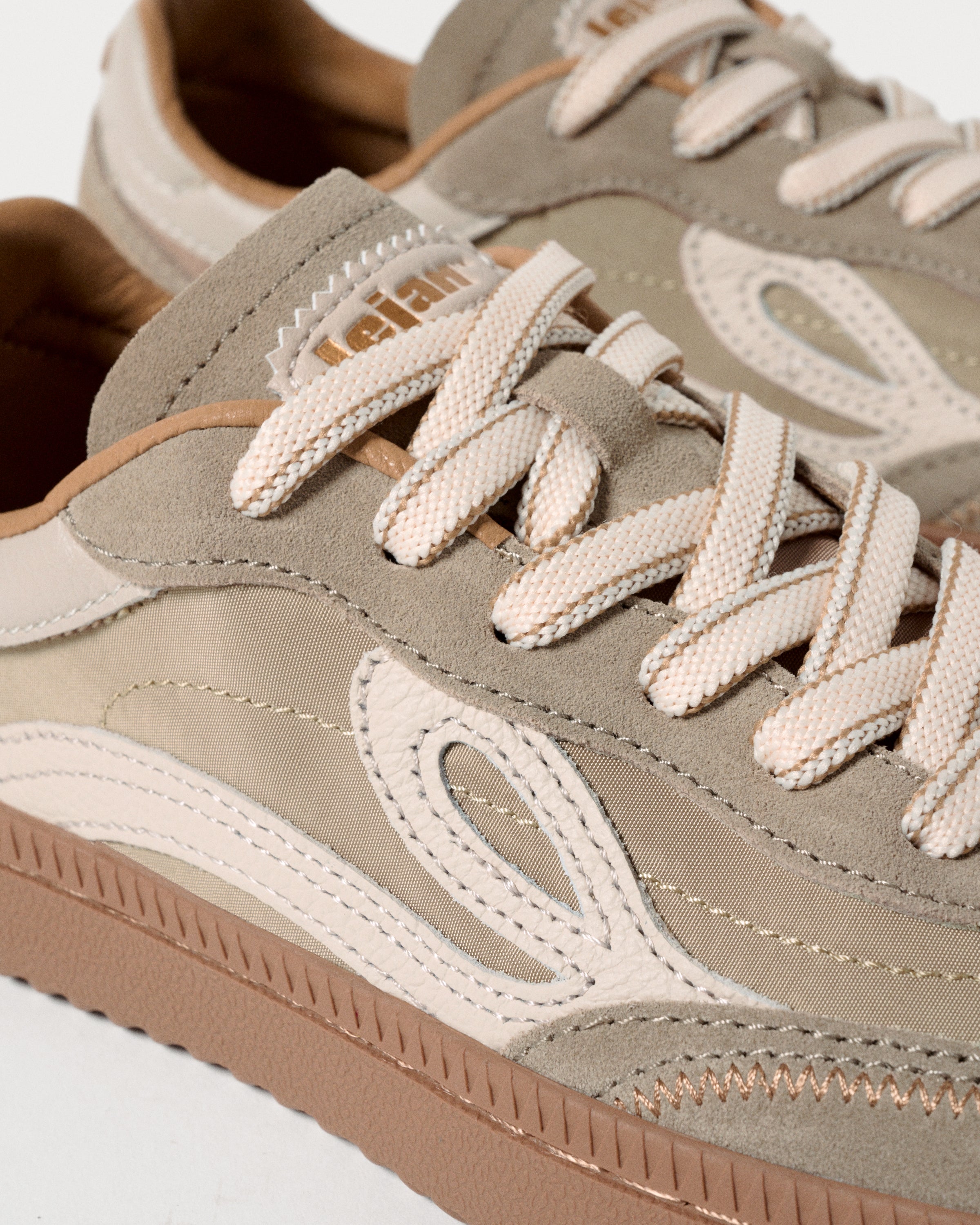
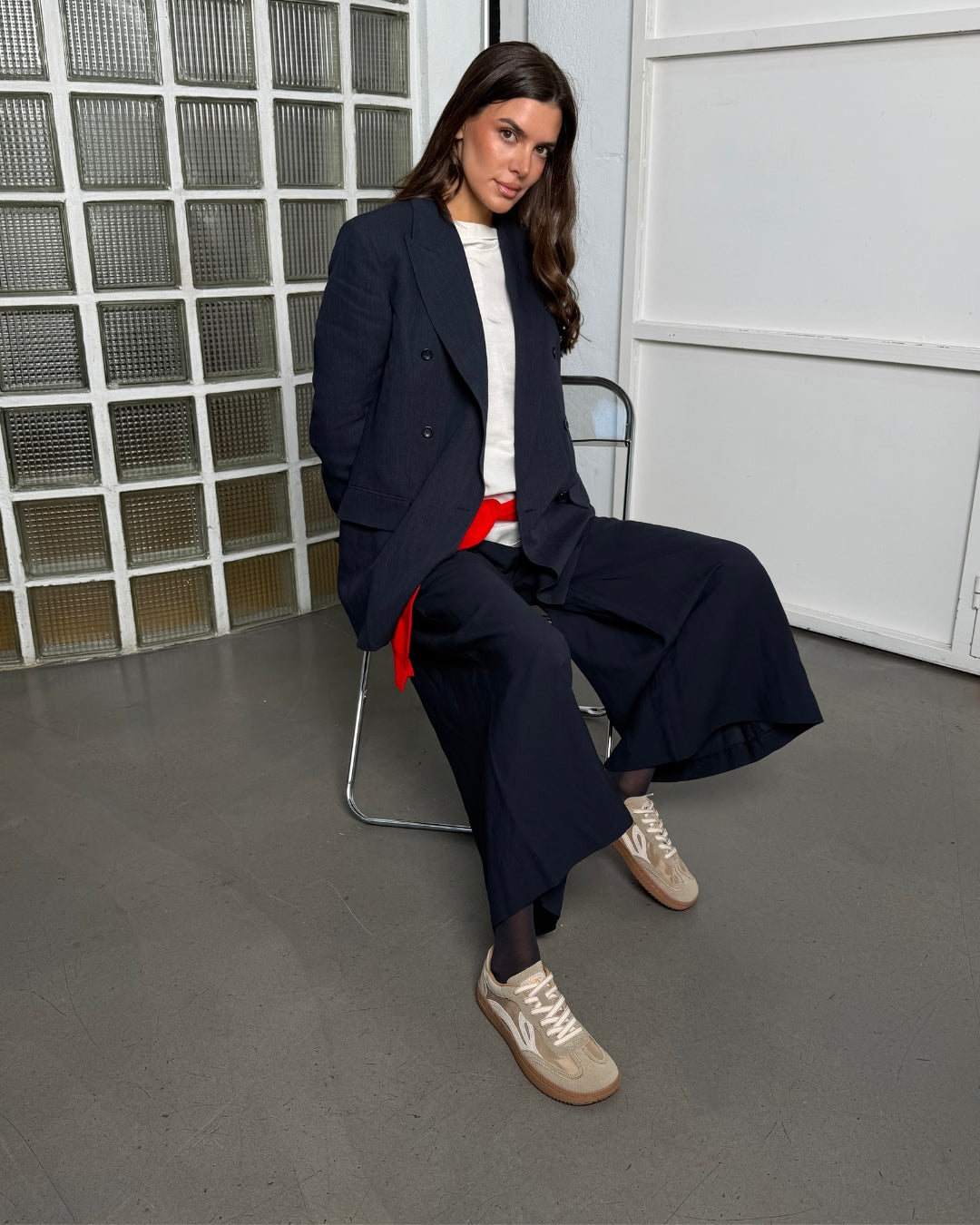
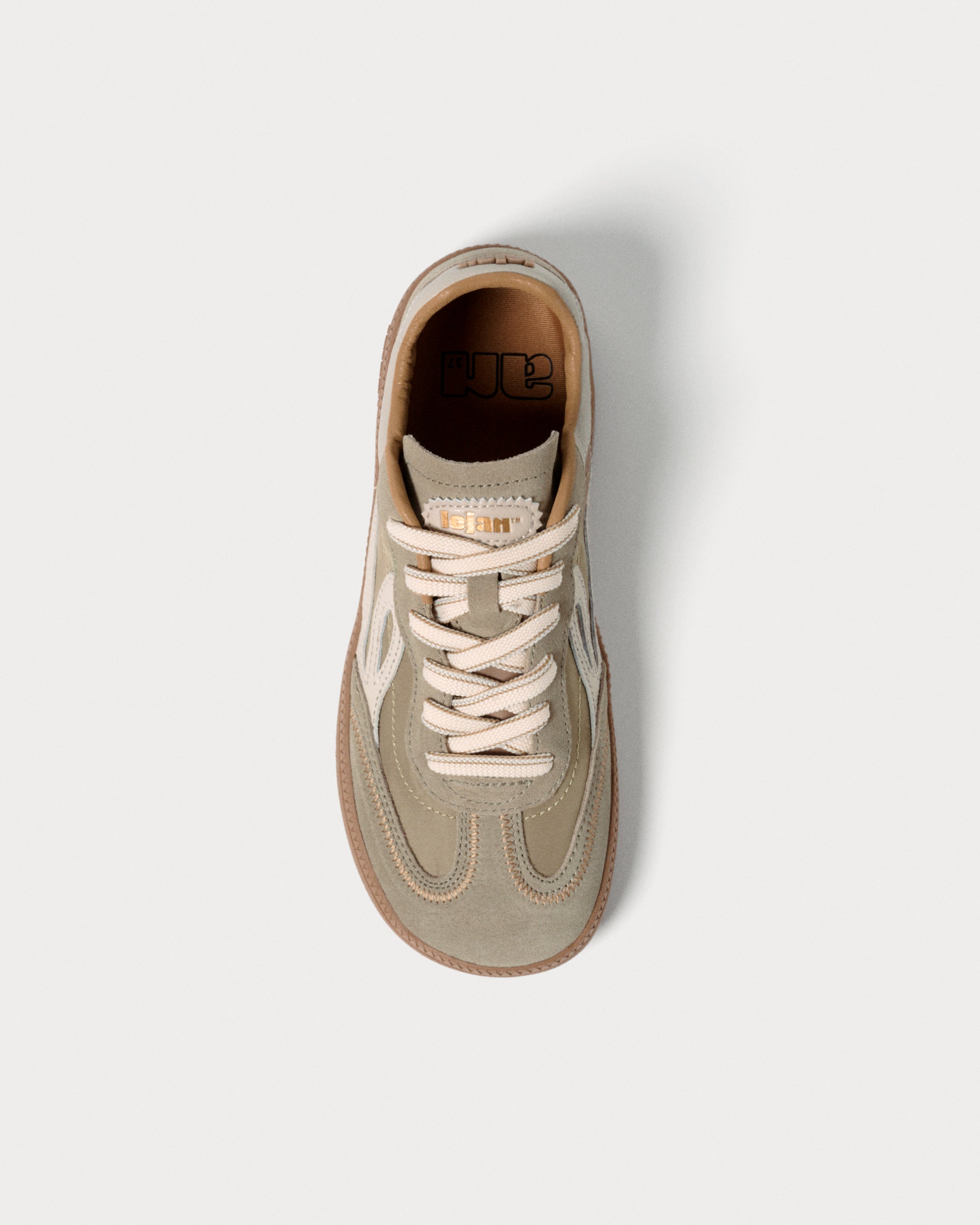
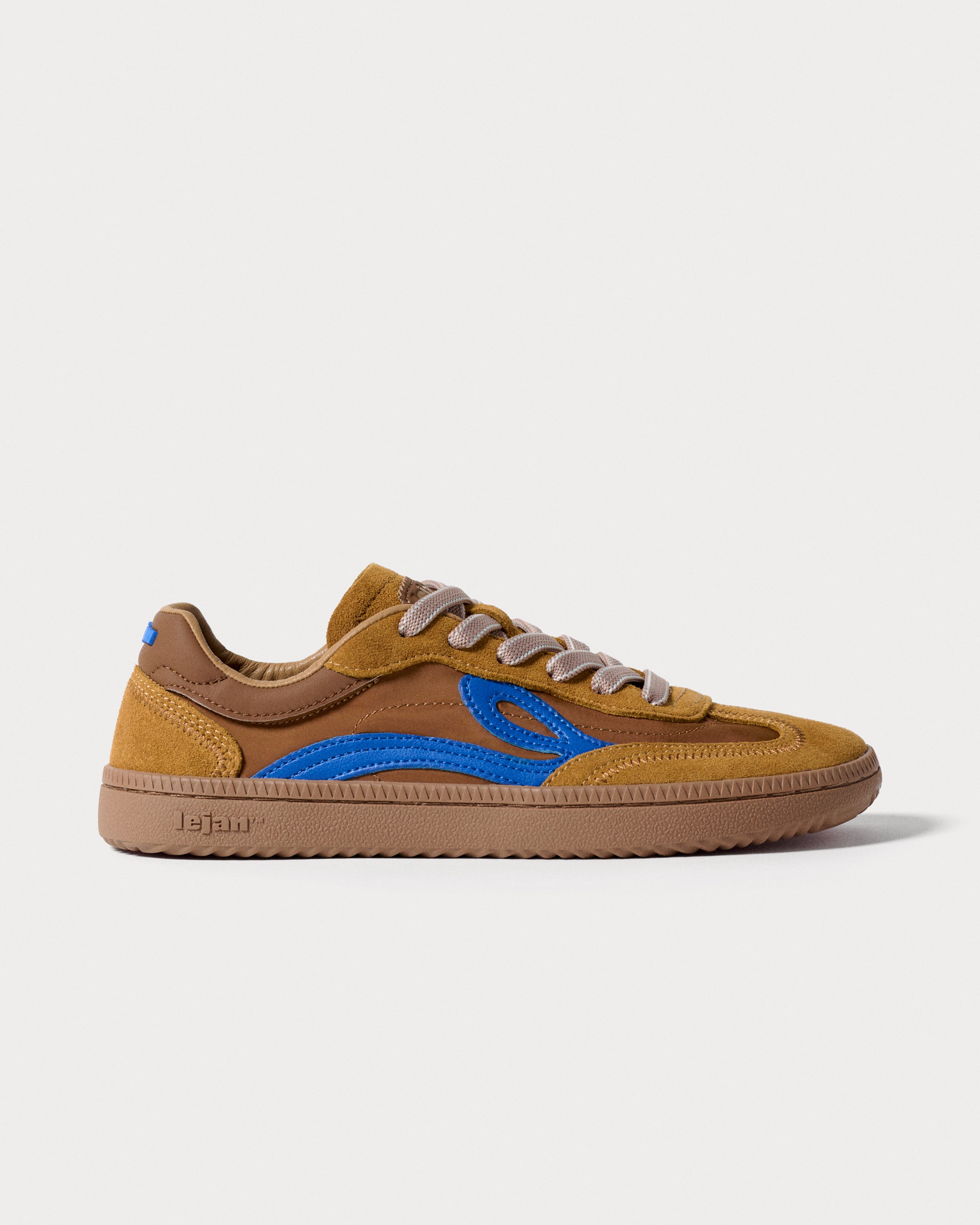
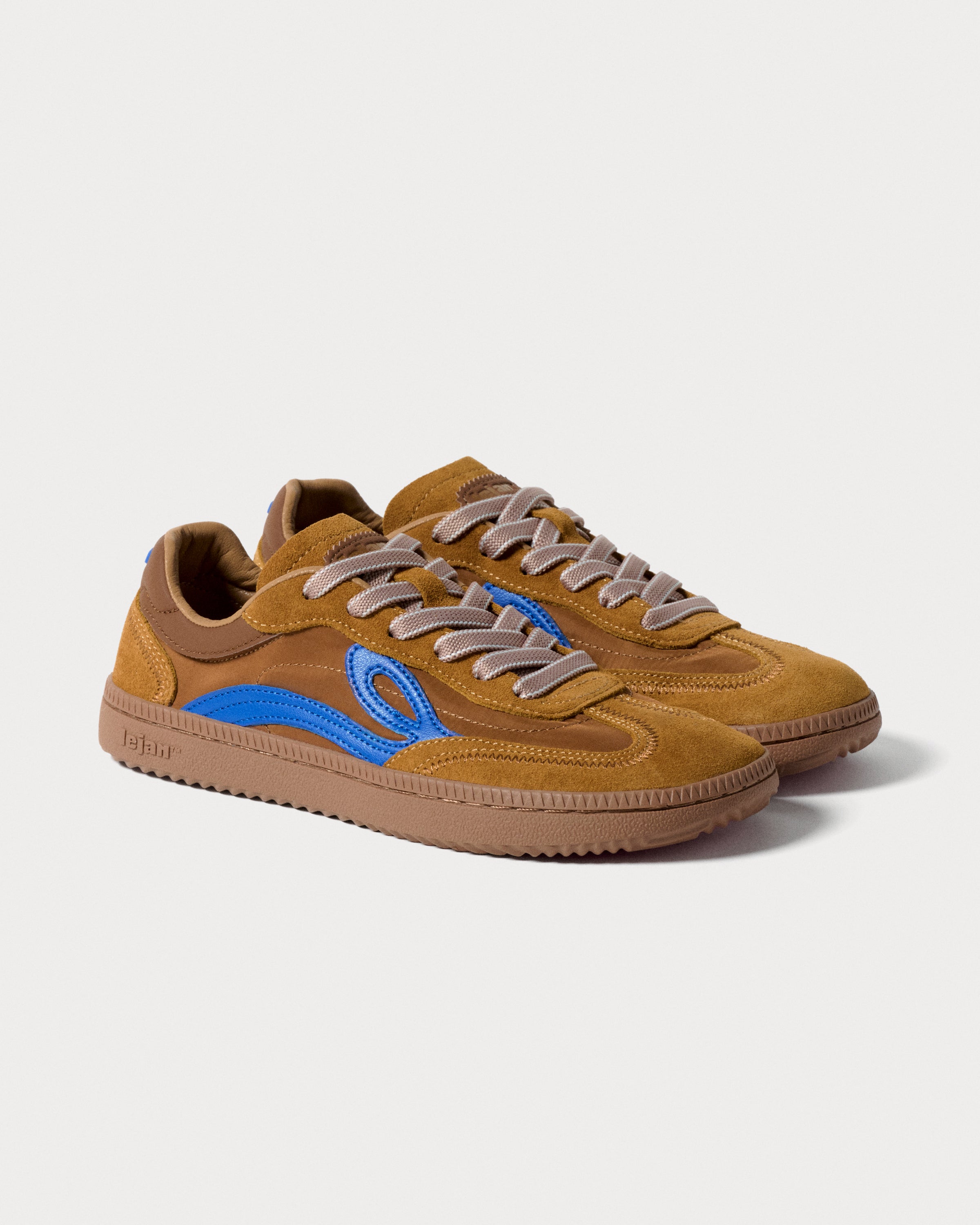
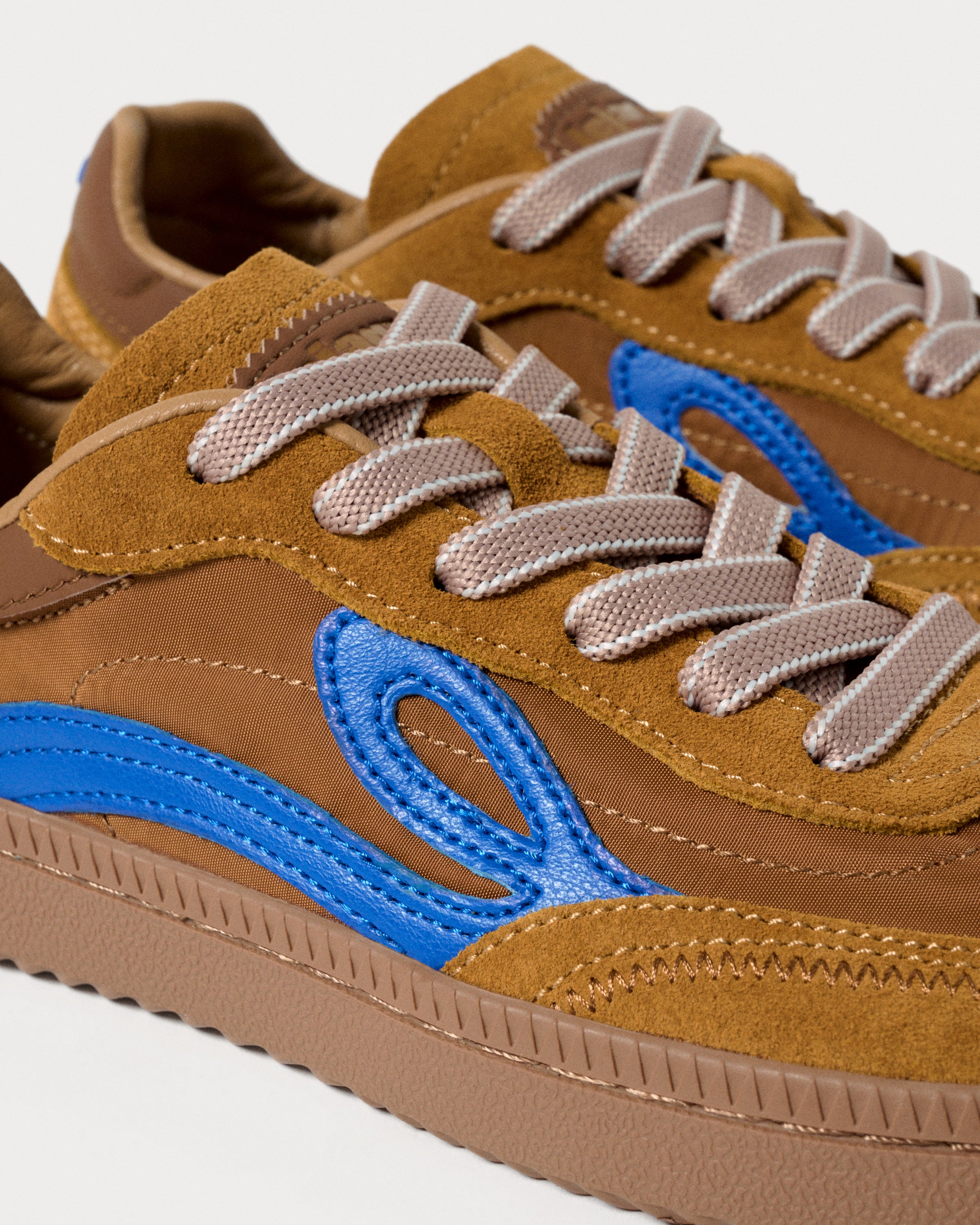
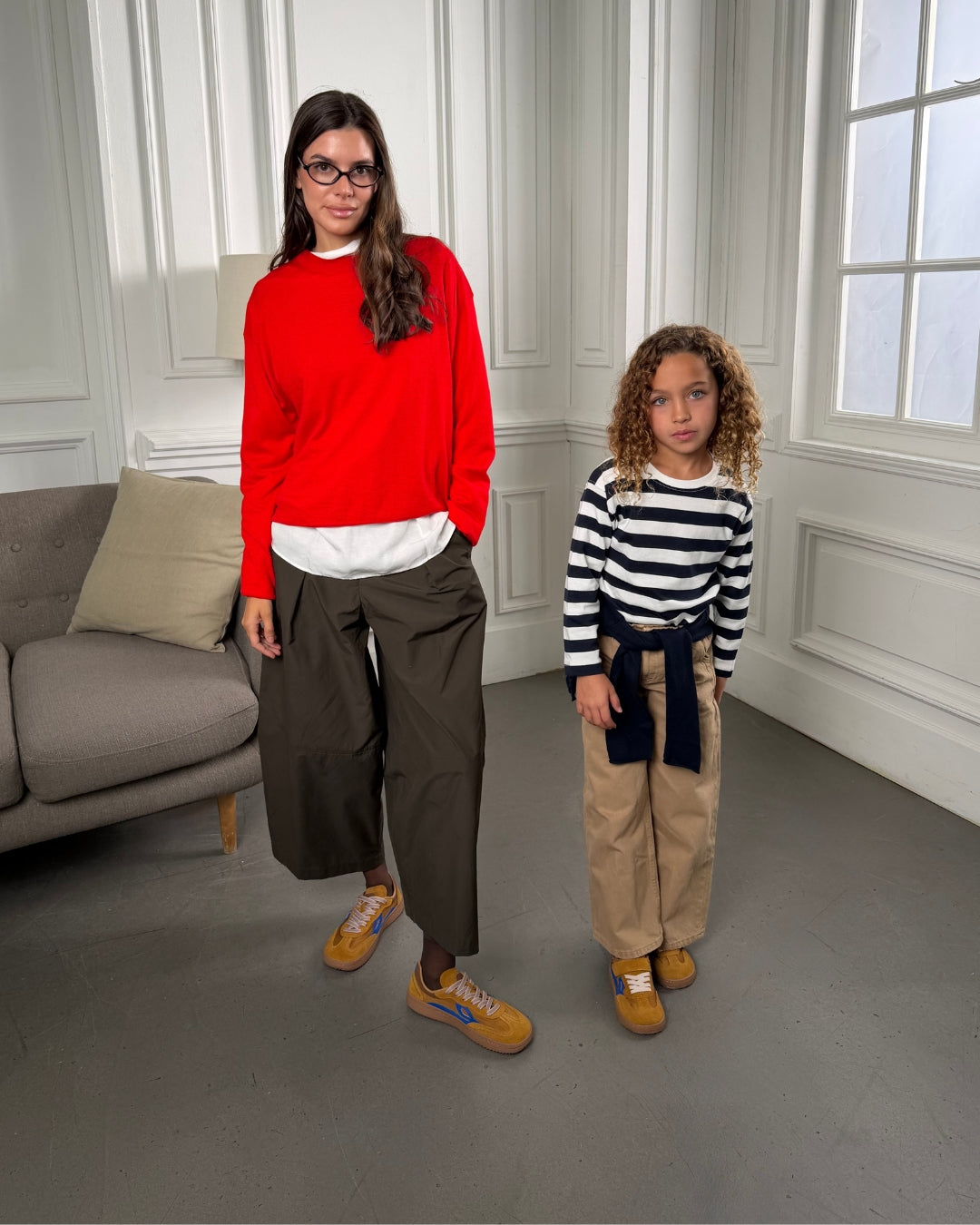
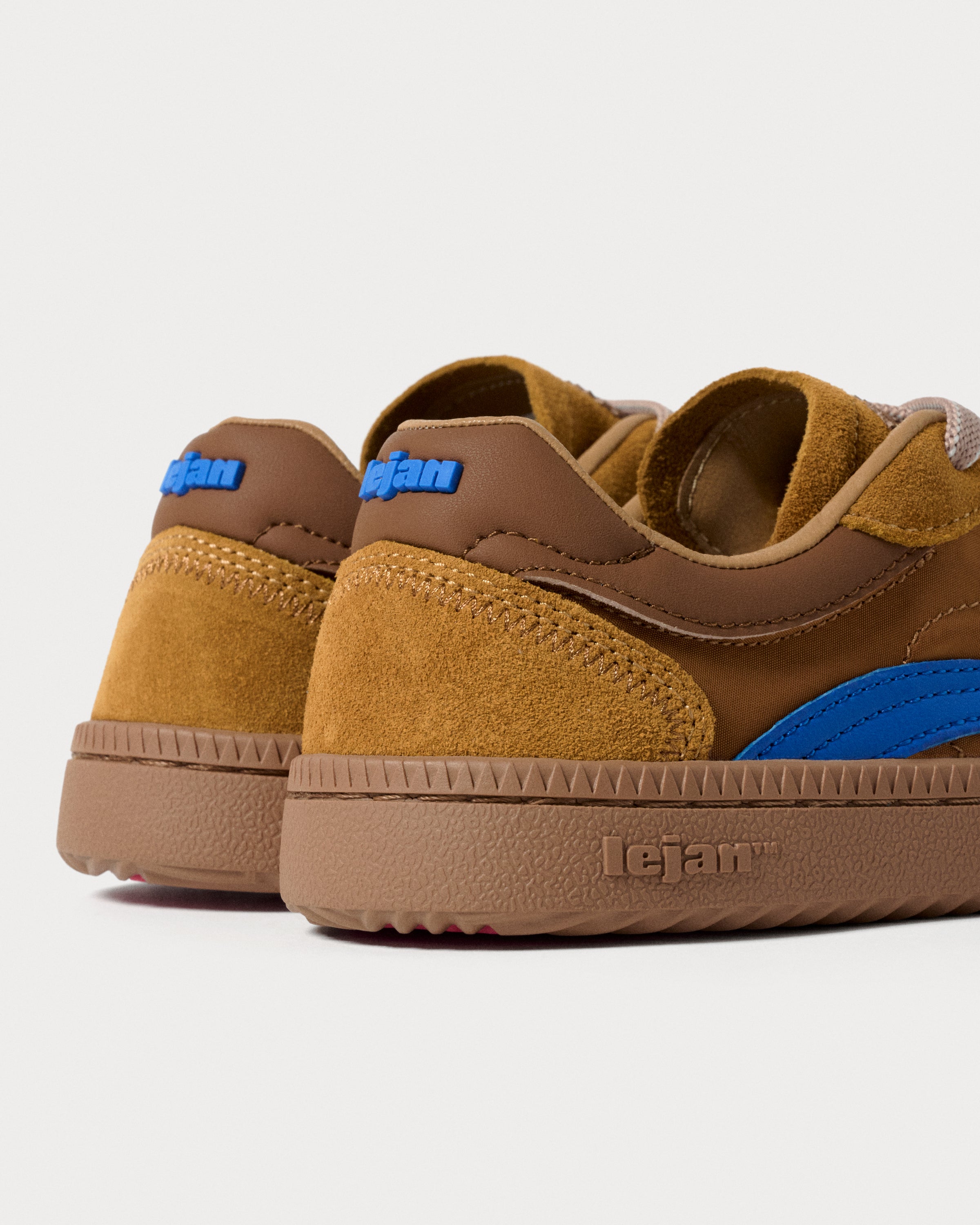
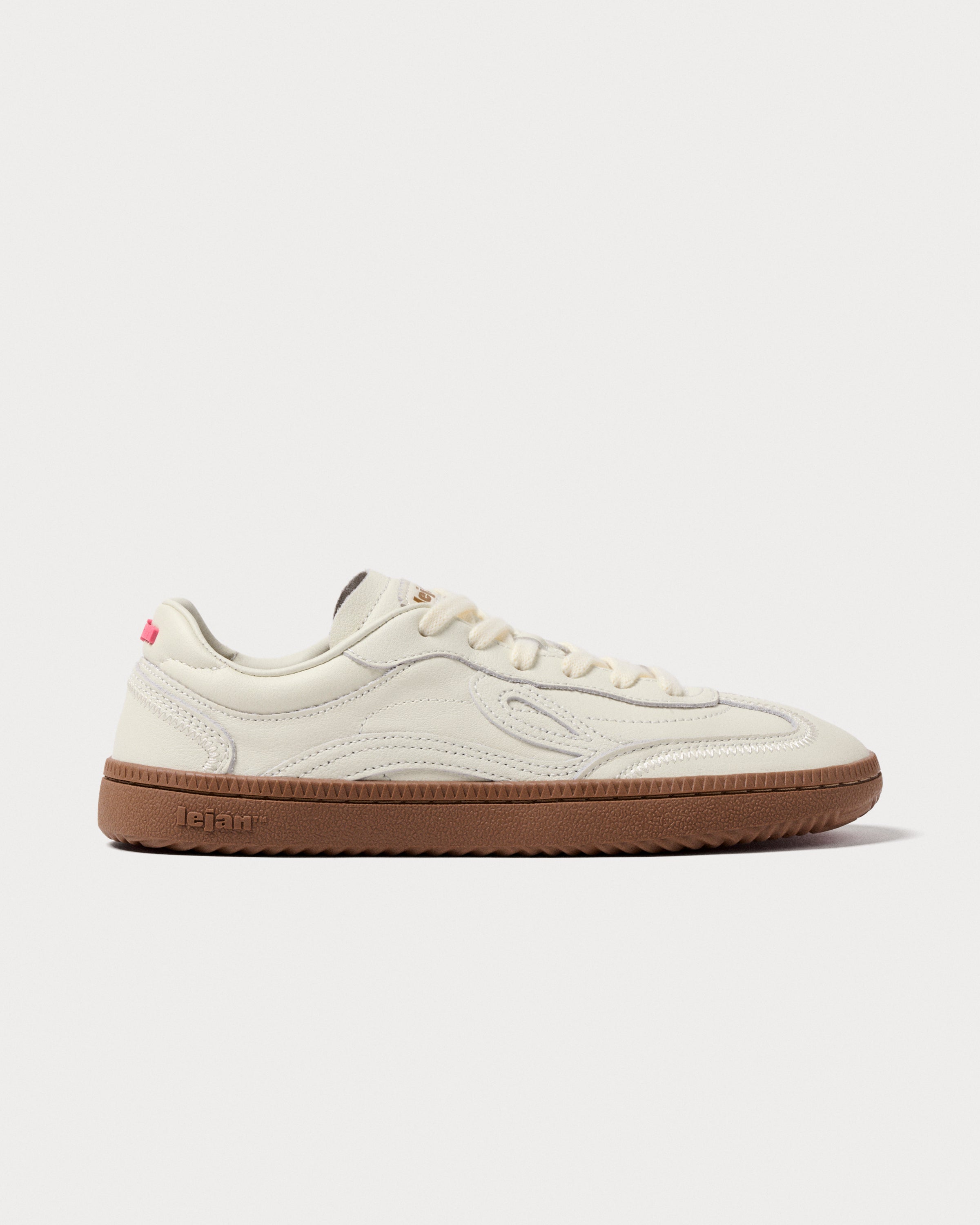
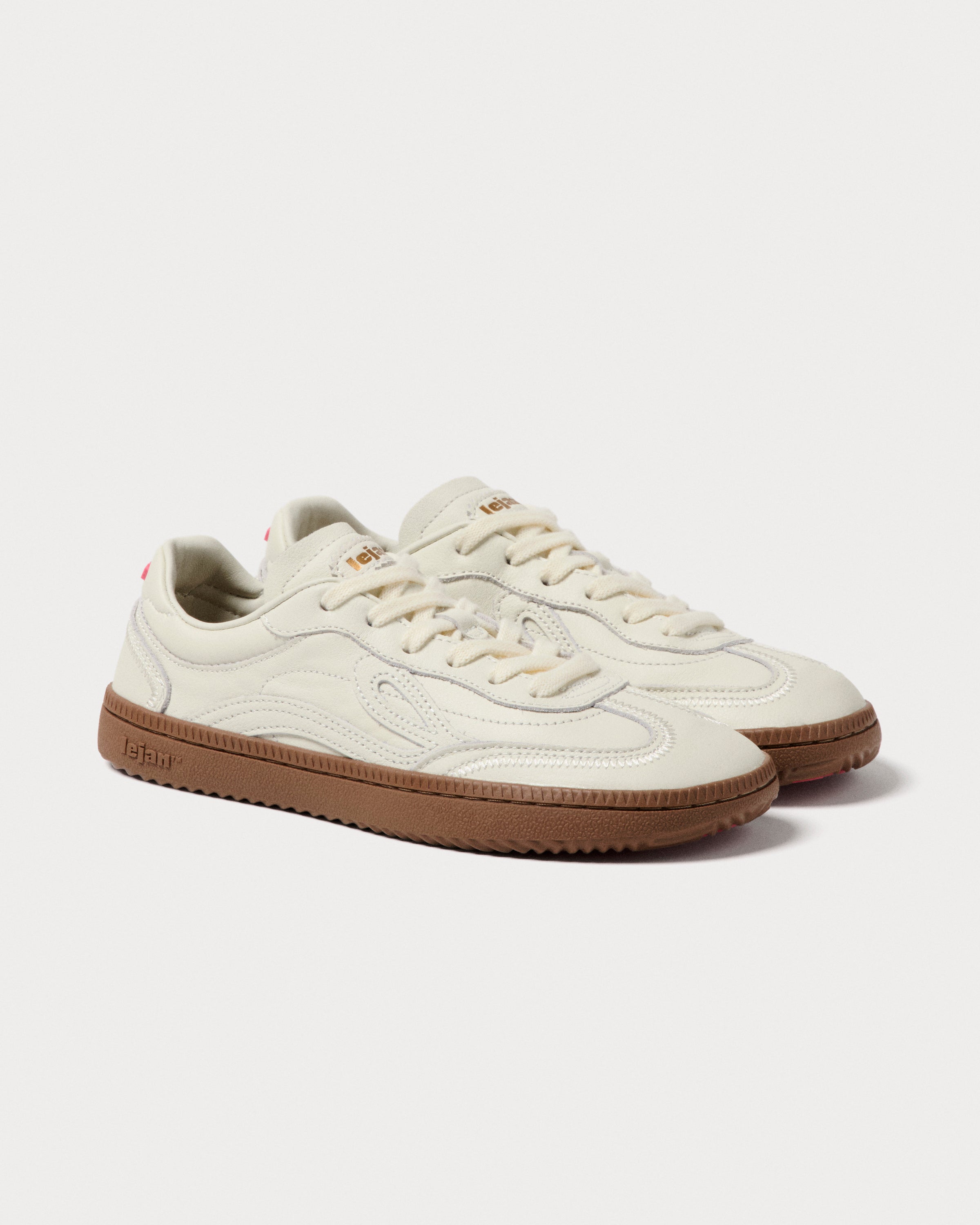
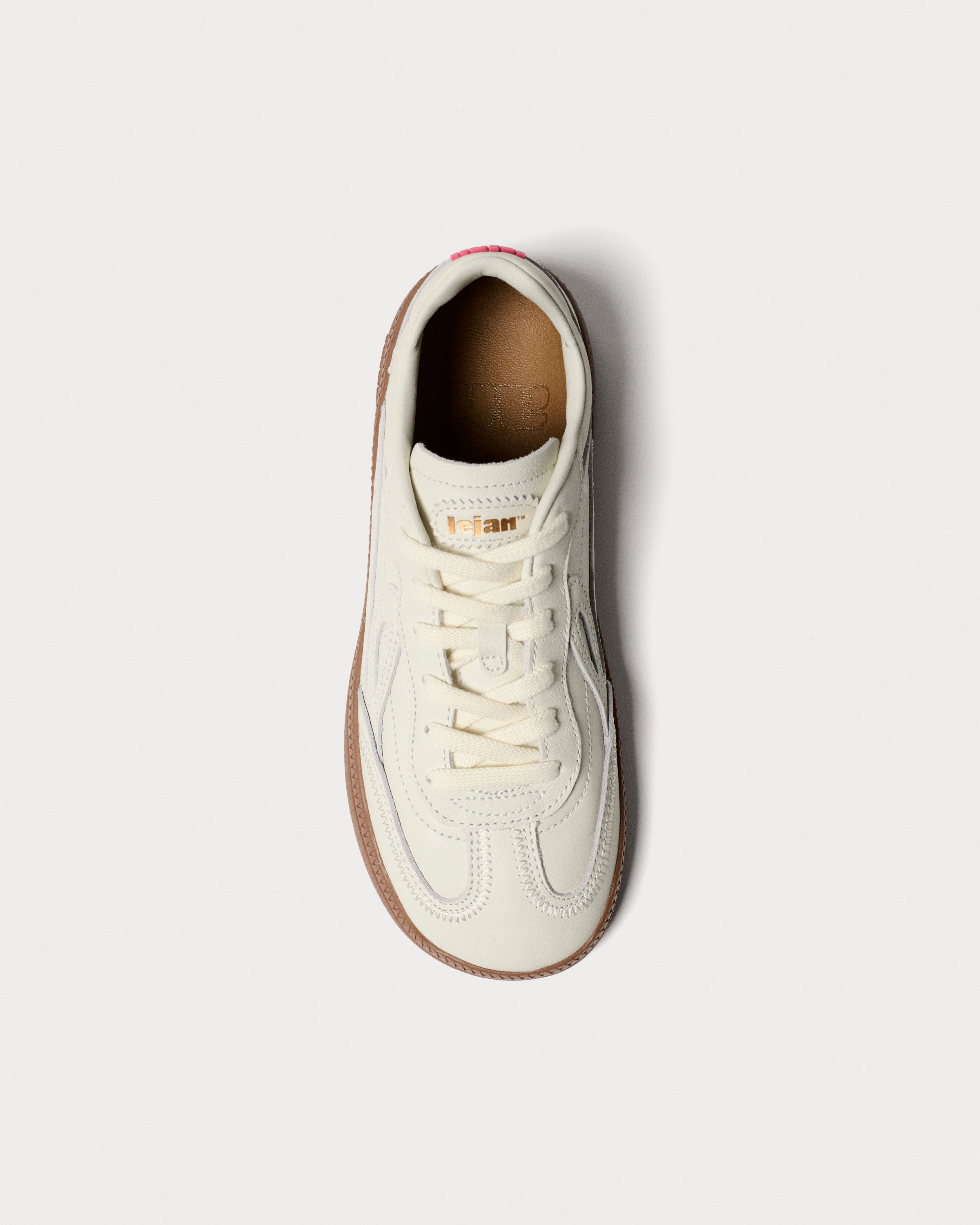
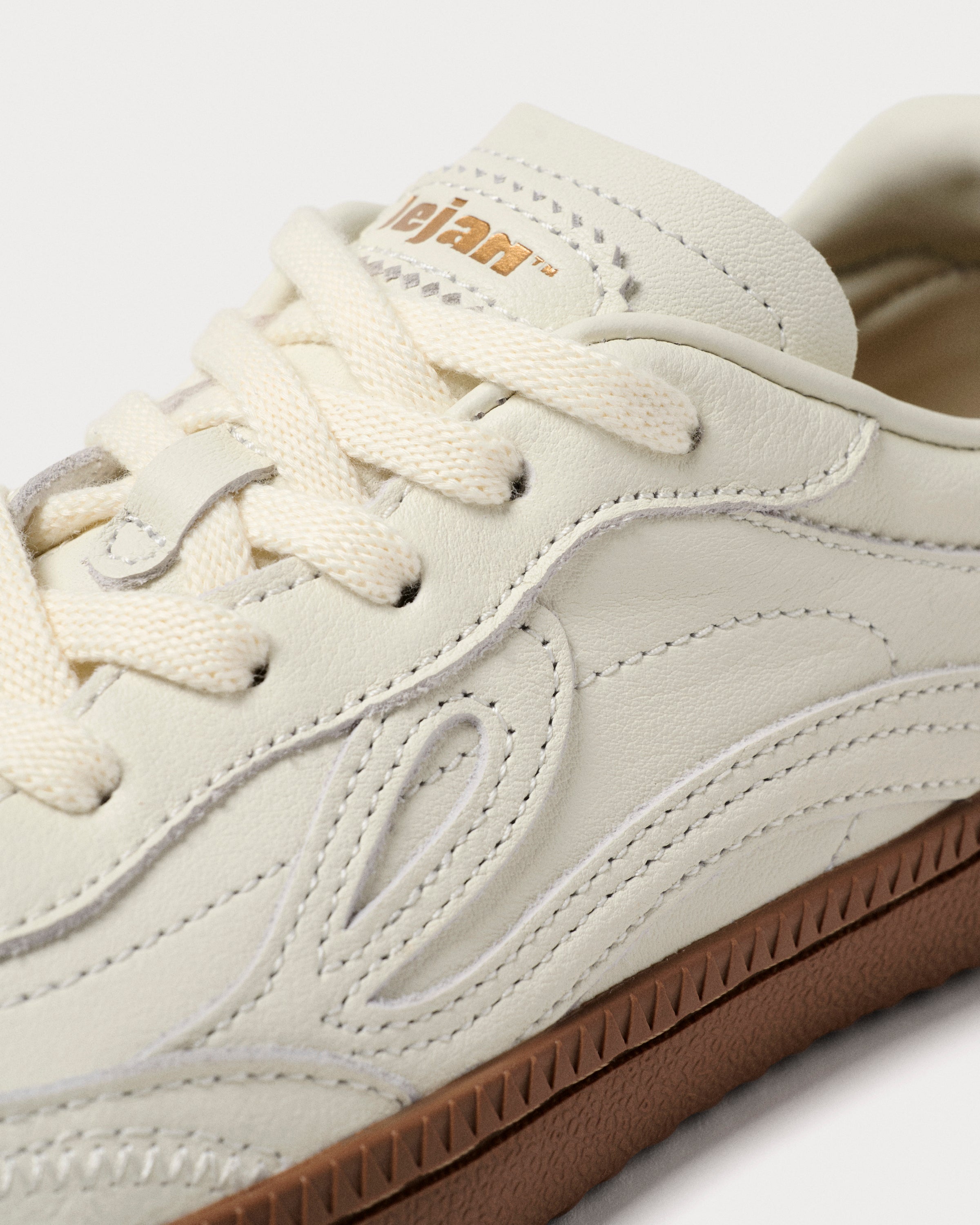
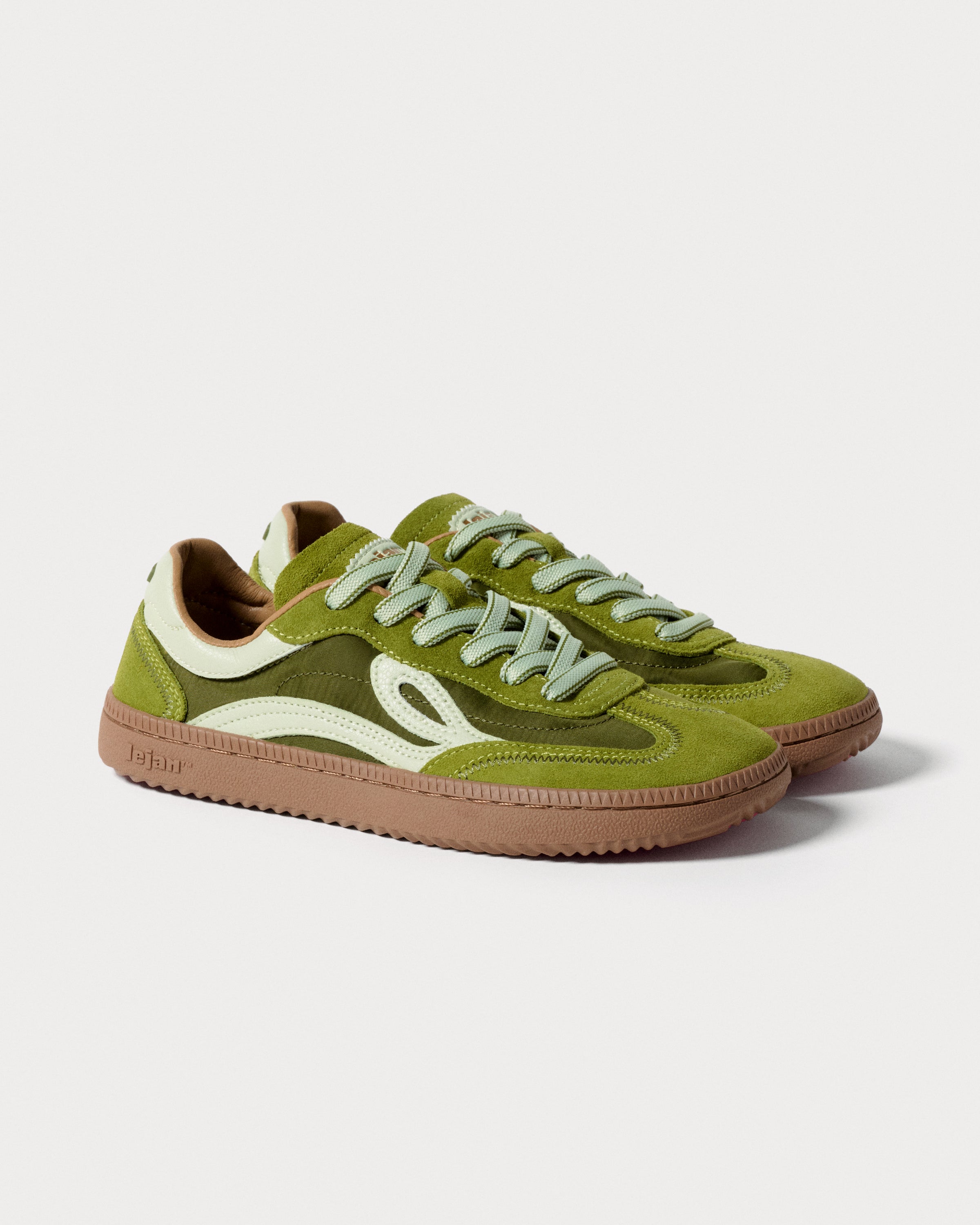
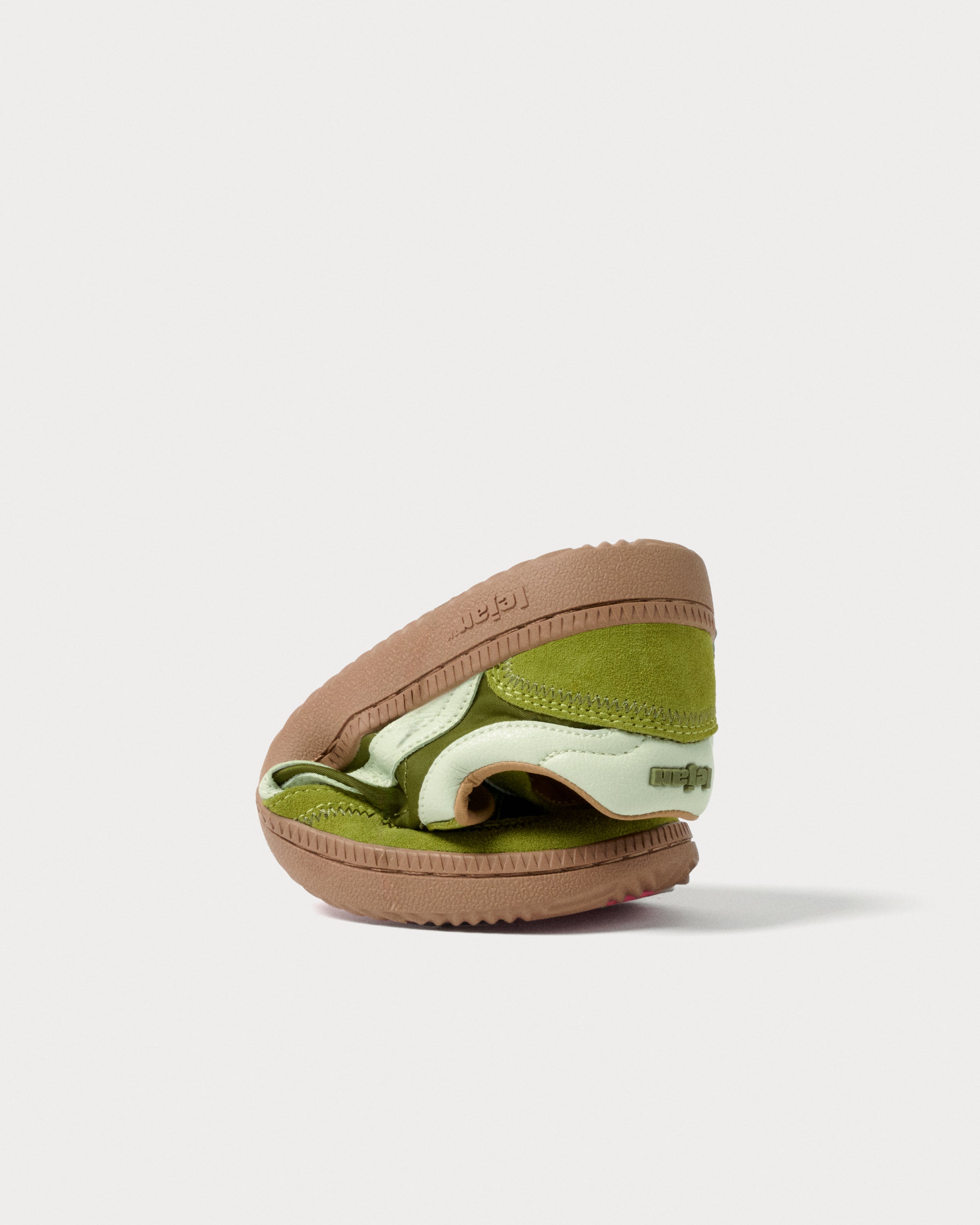
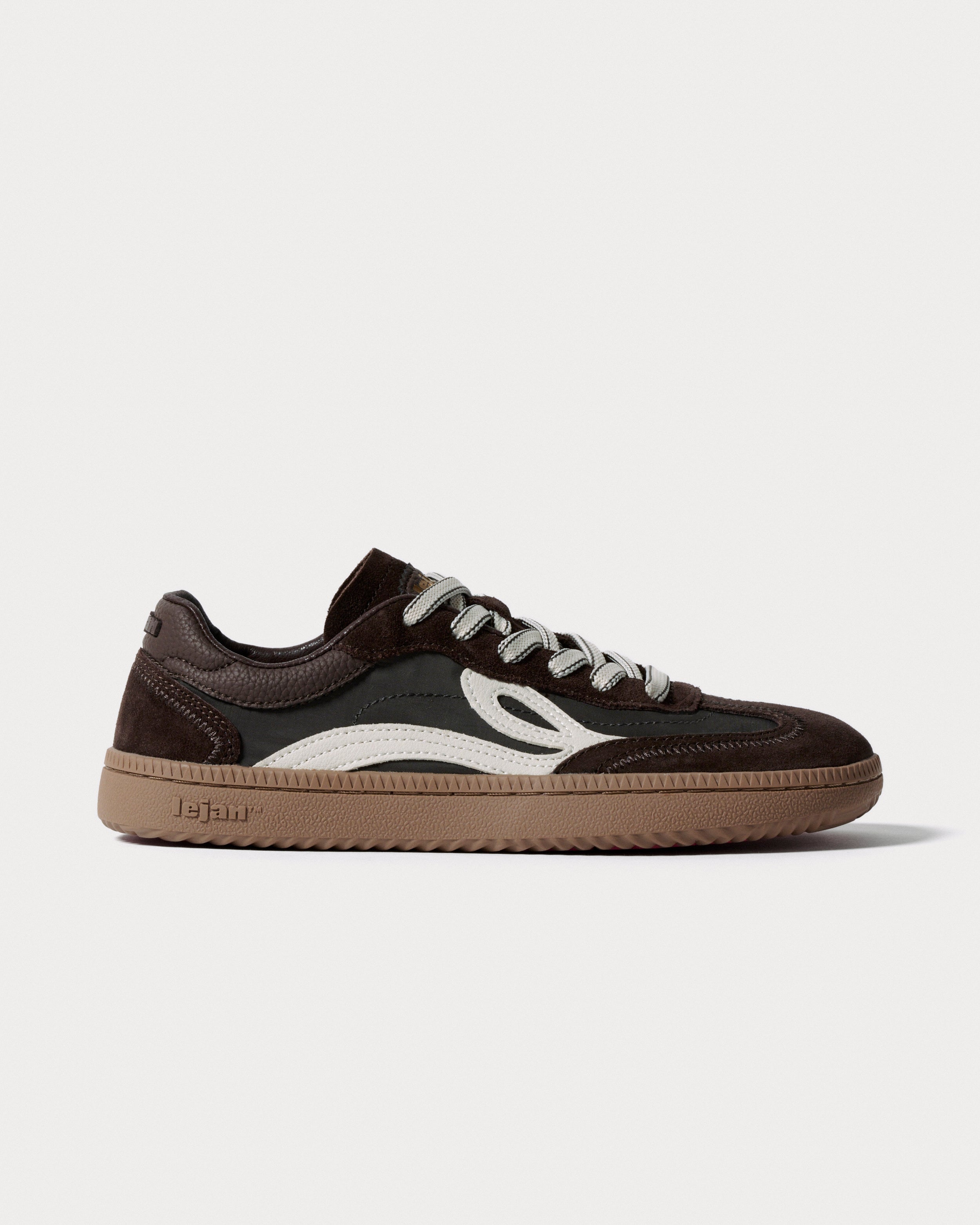
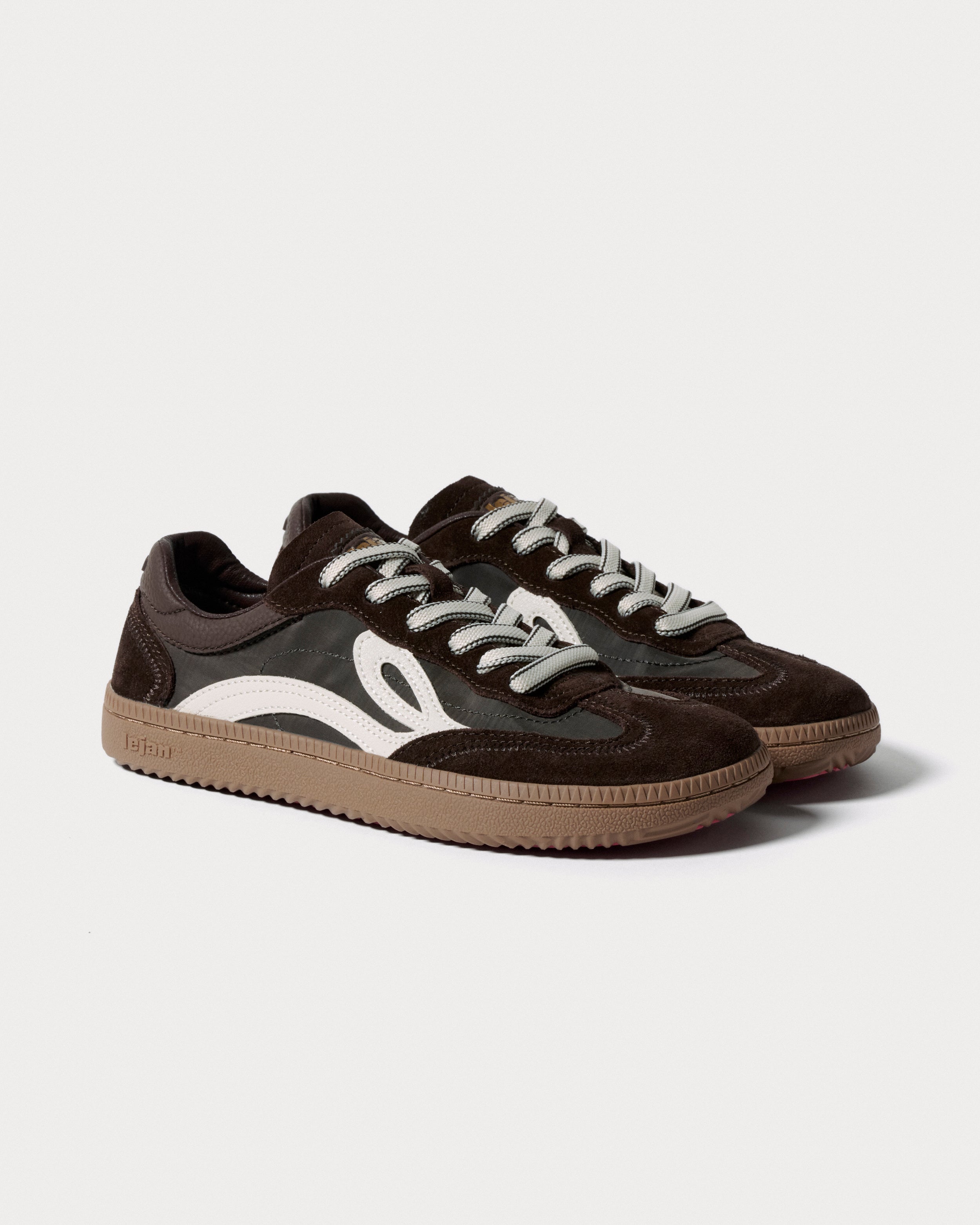
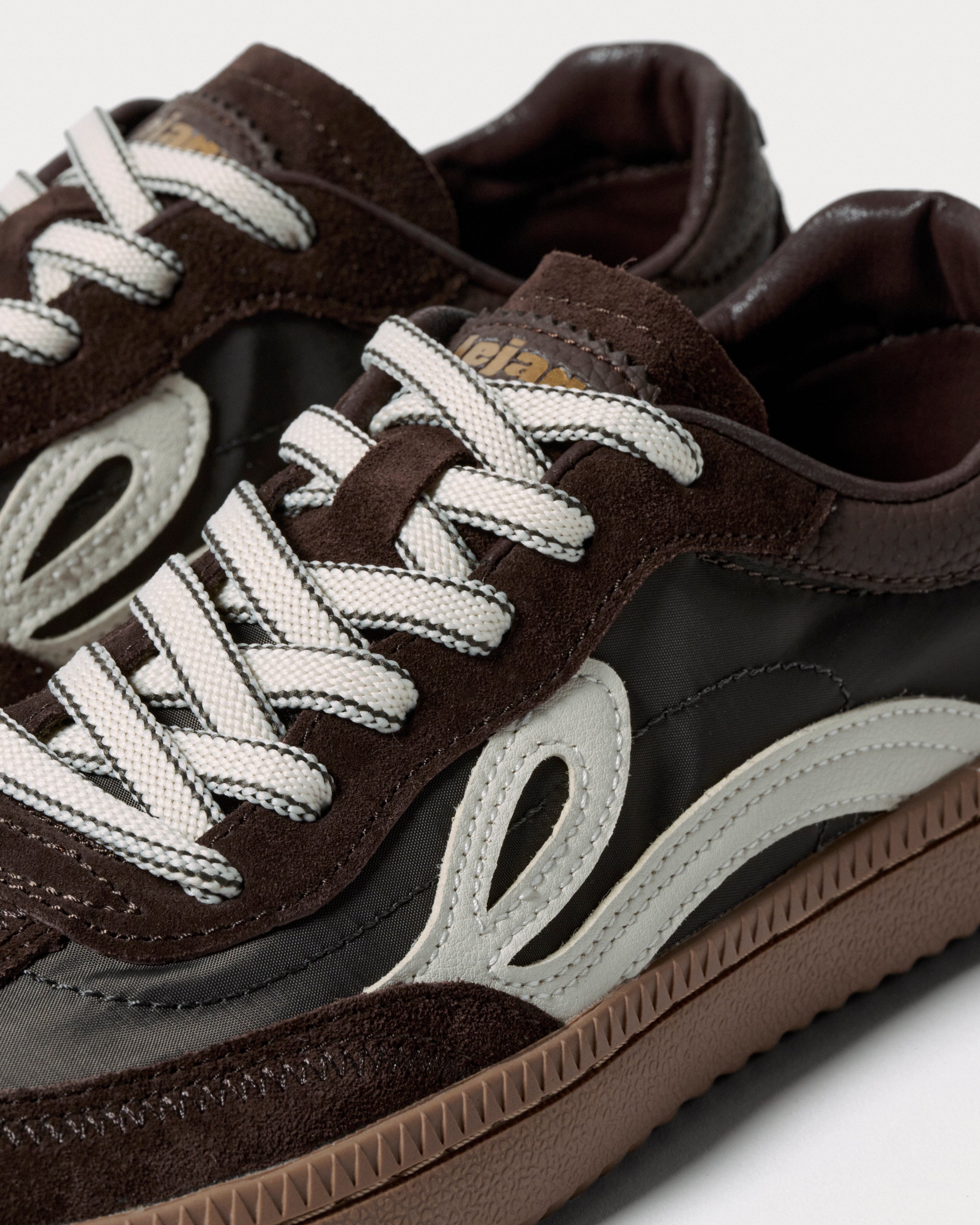
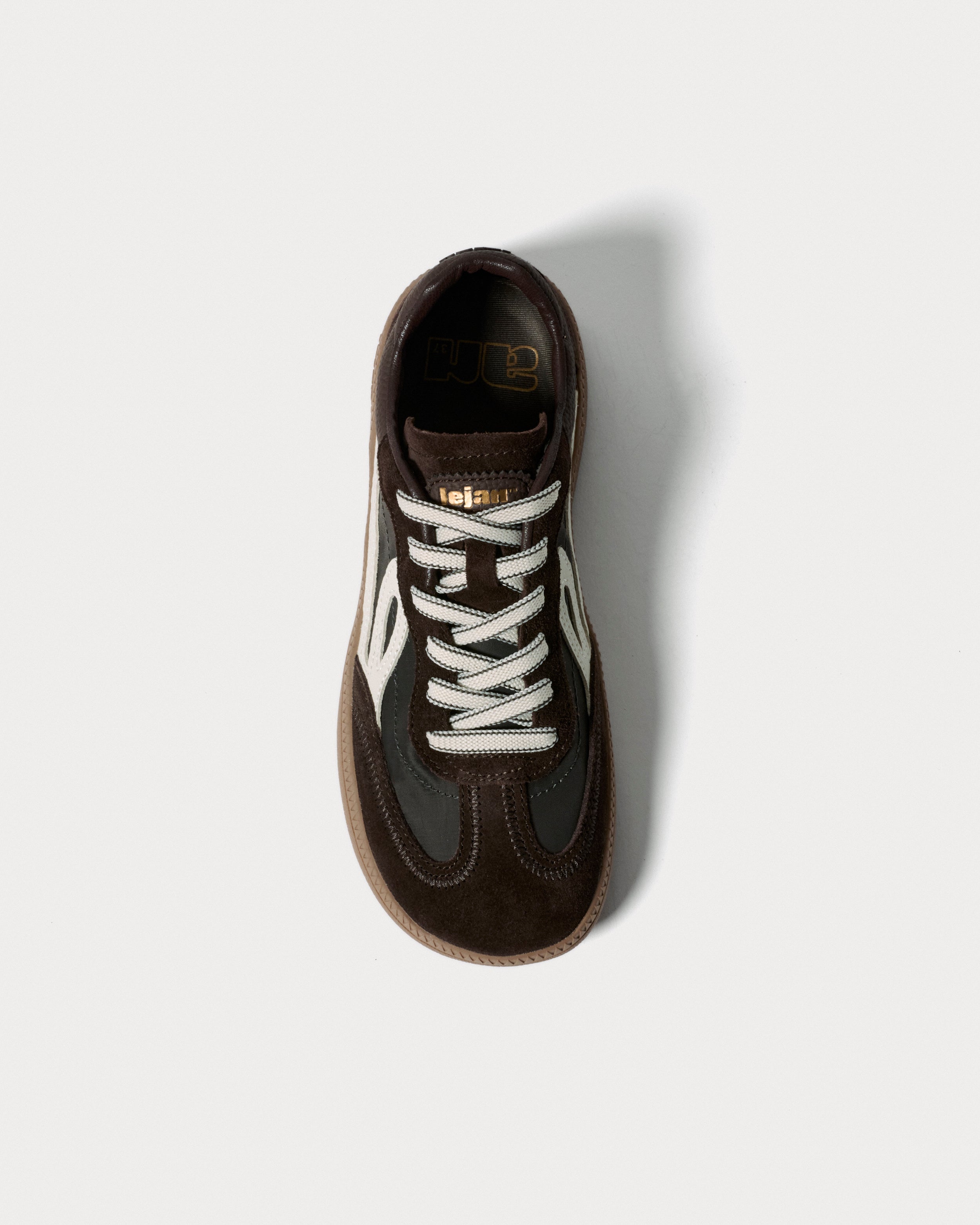
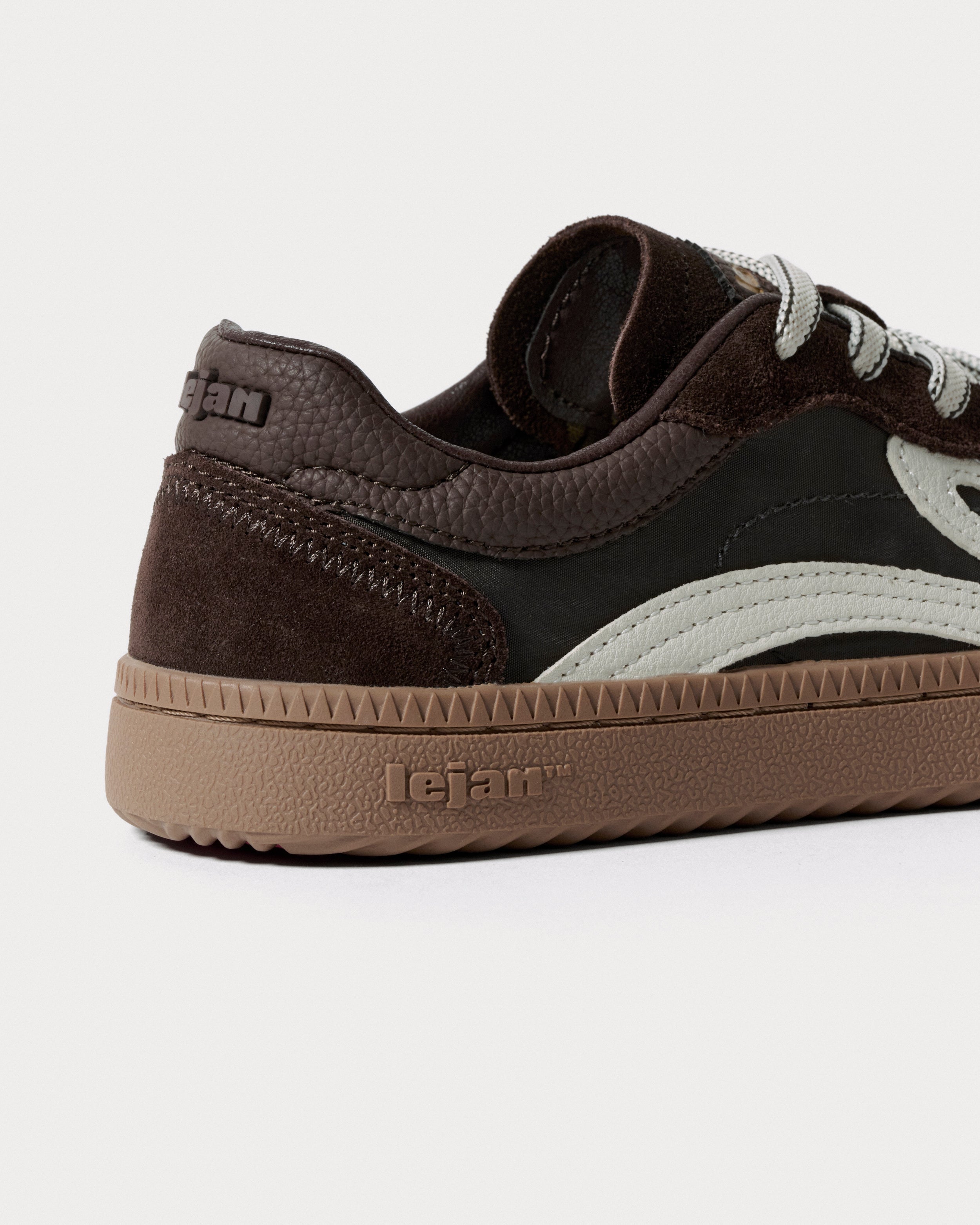
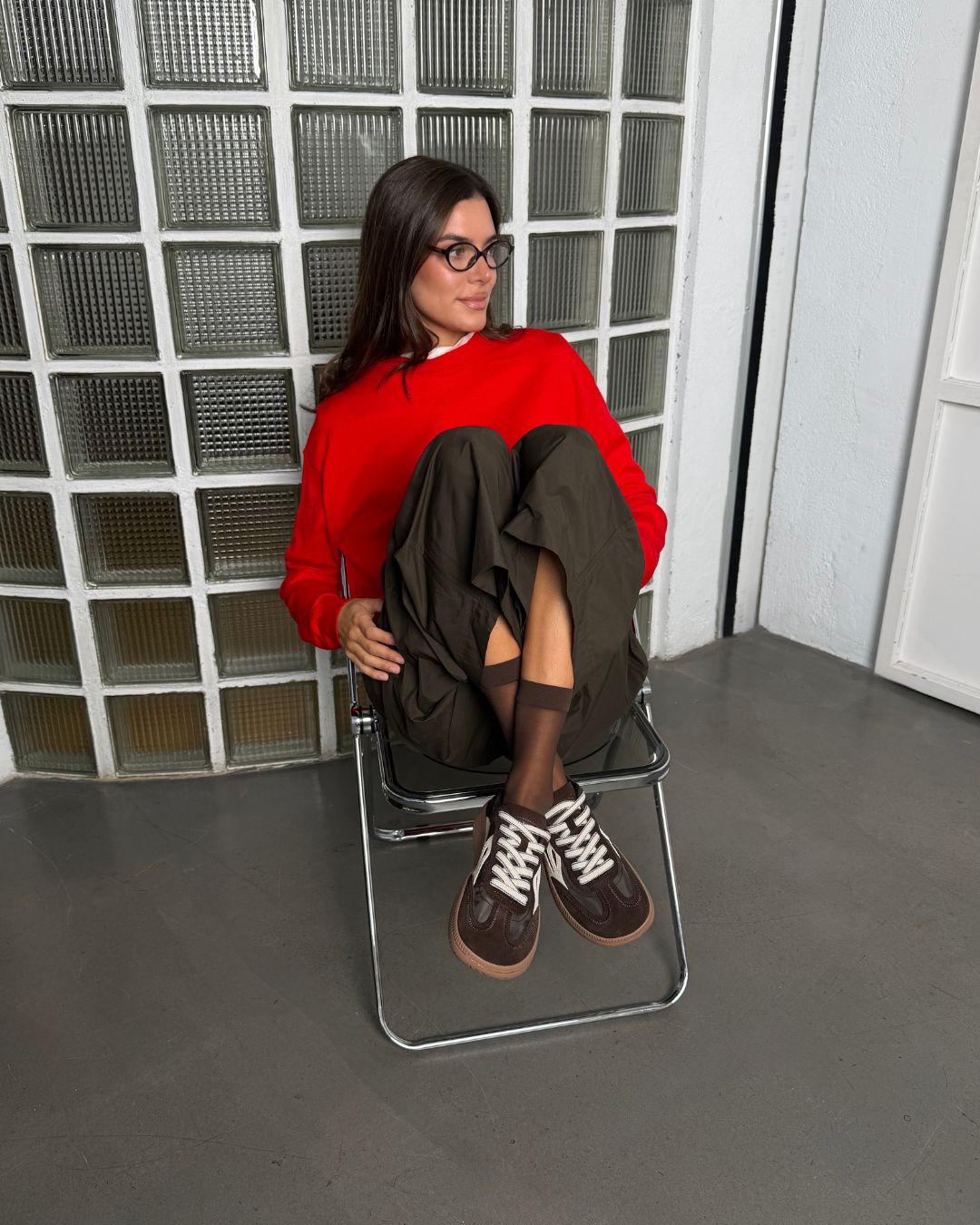
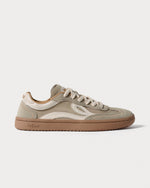
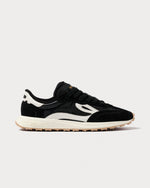
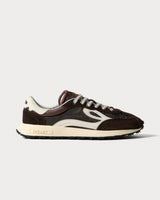
Barefoot shoes for women by LEJAN: find your pair to suit your style
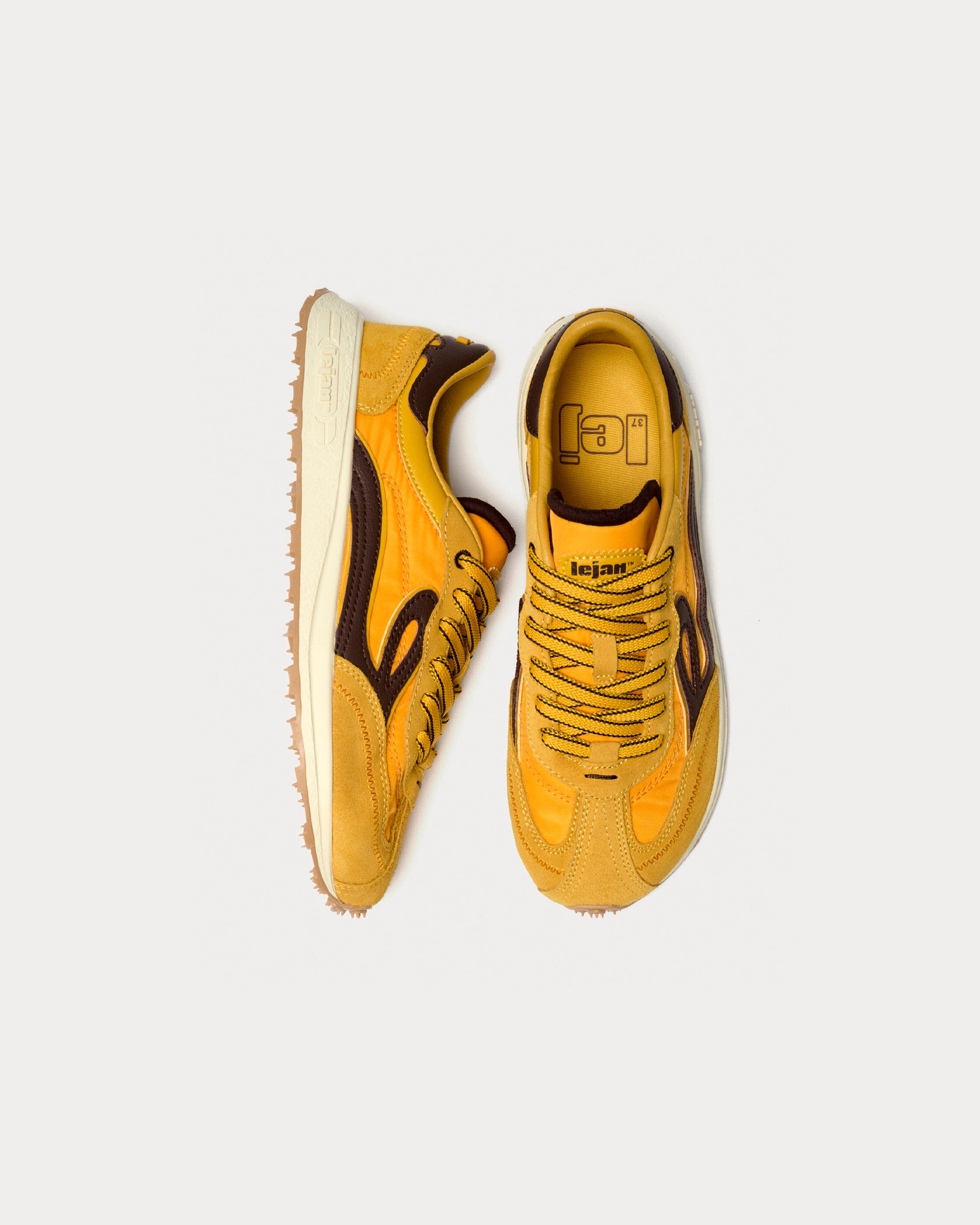
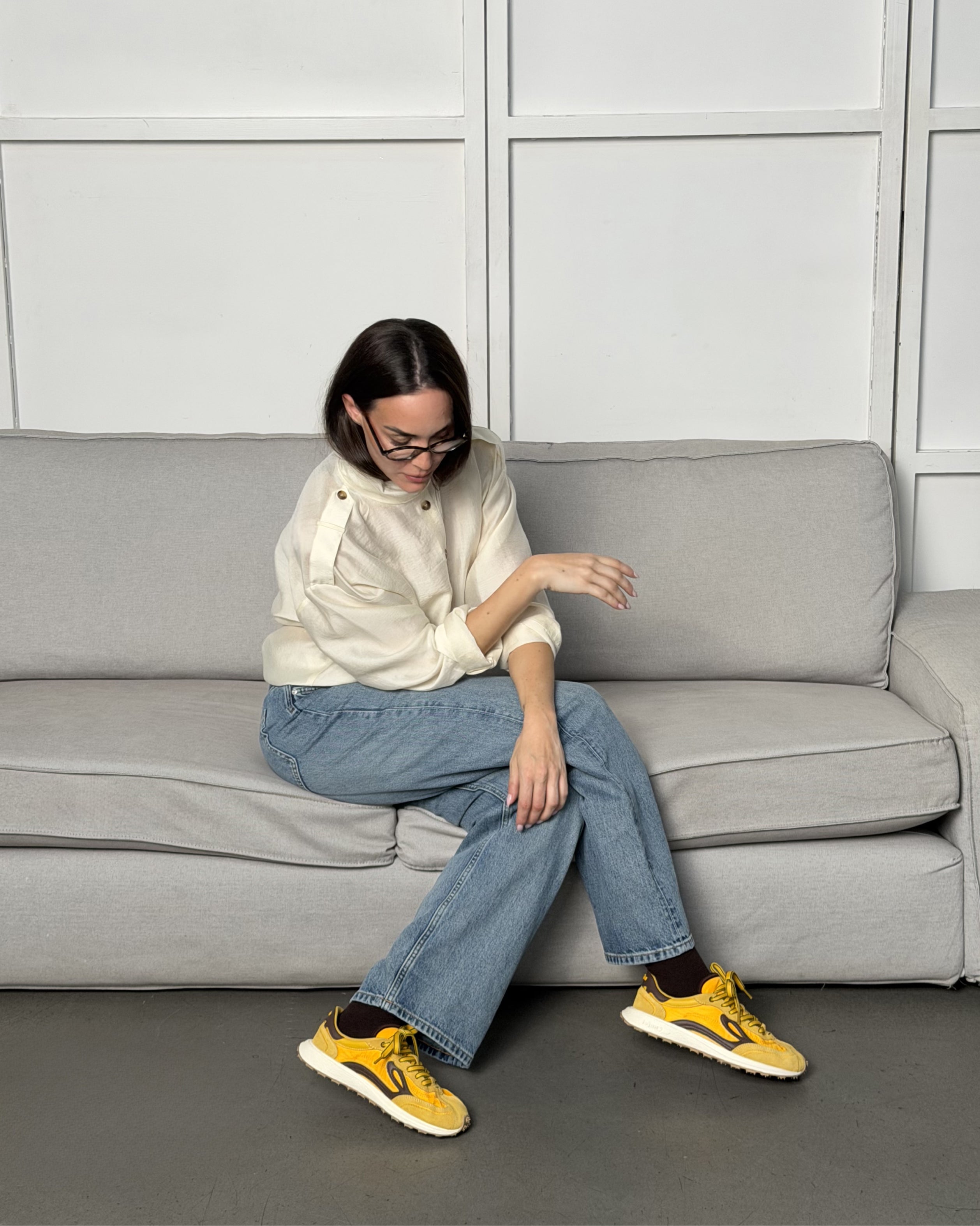
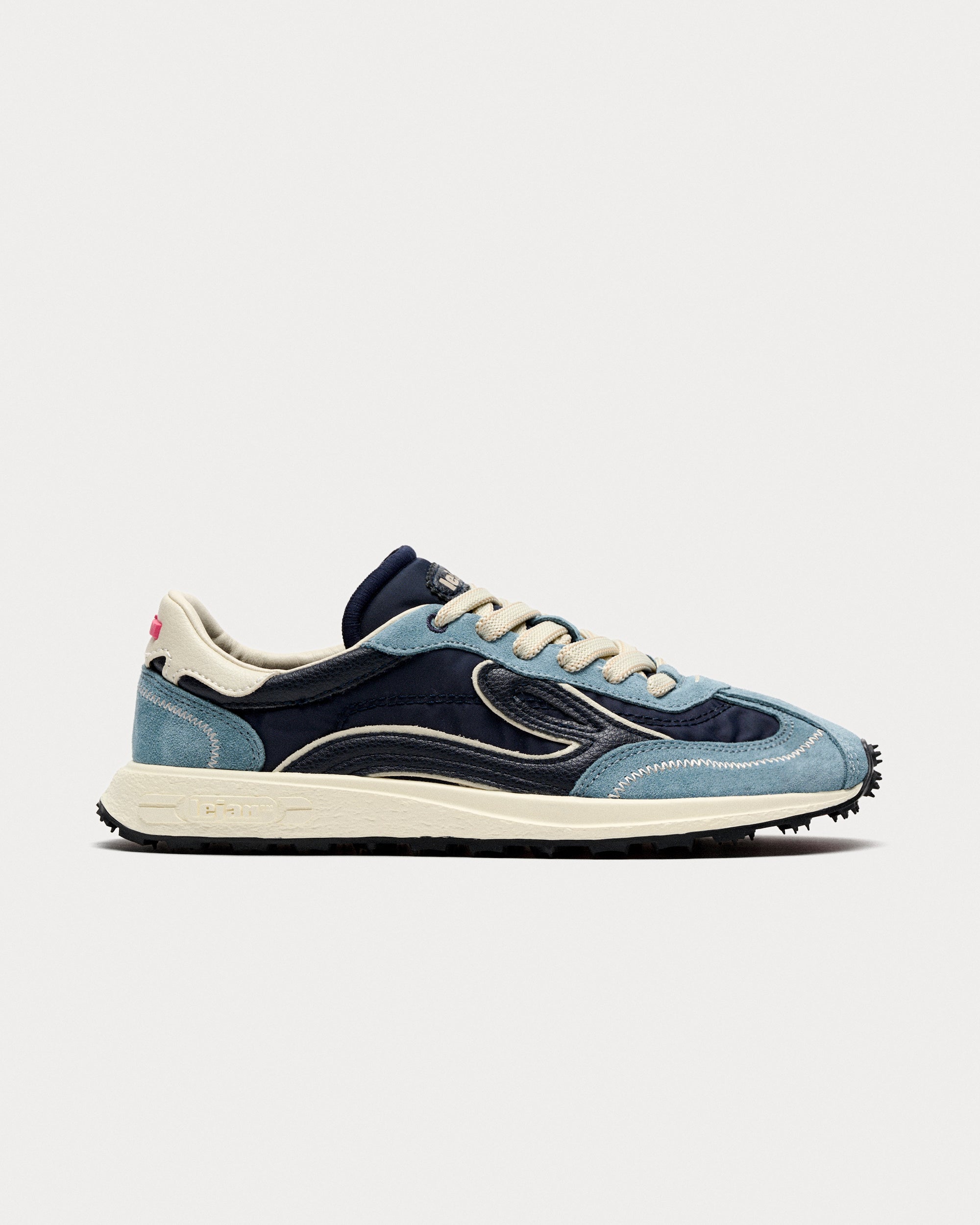
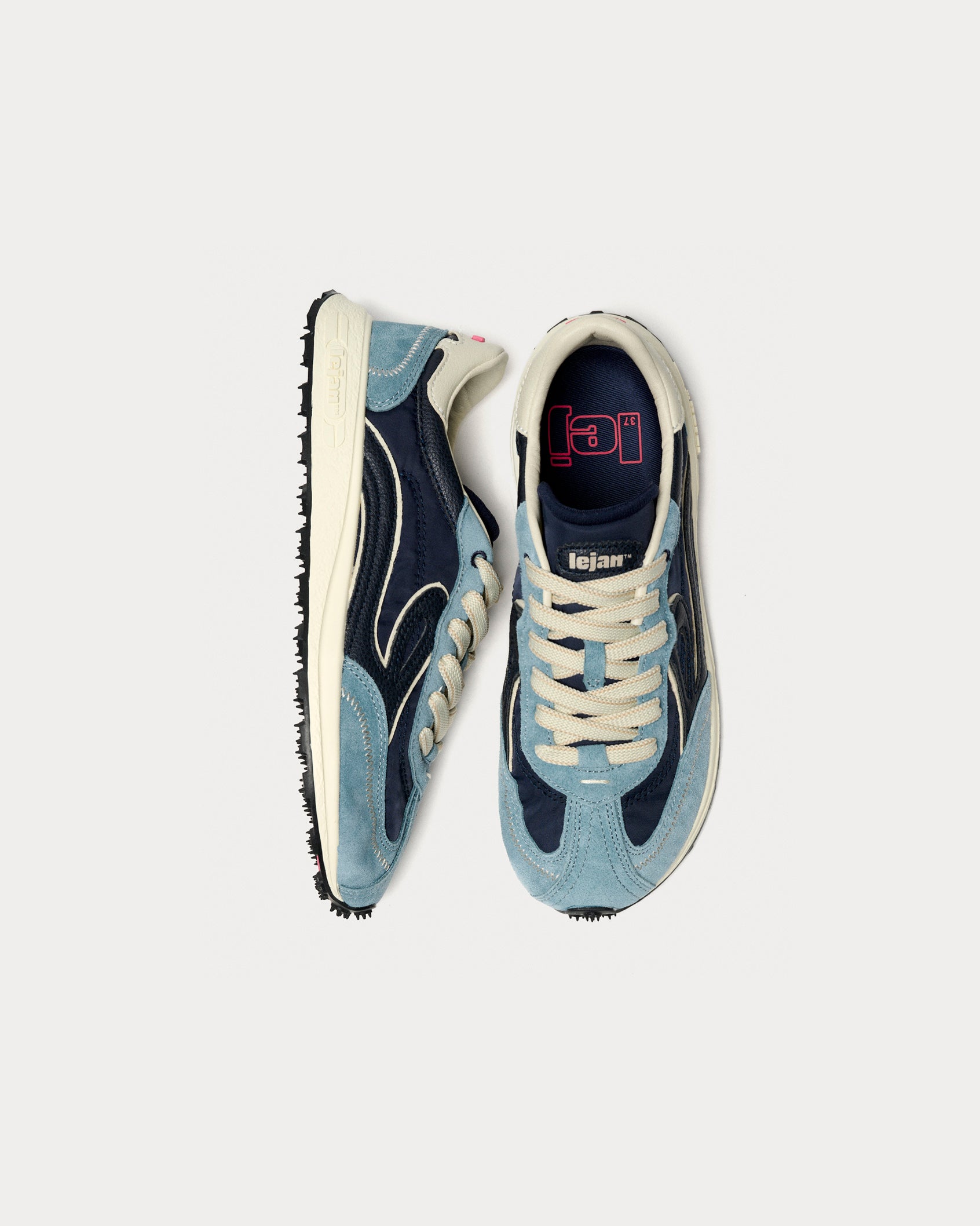
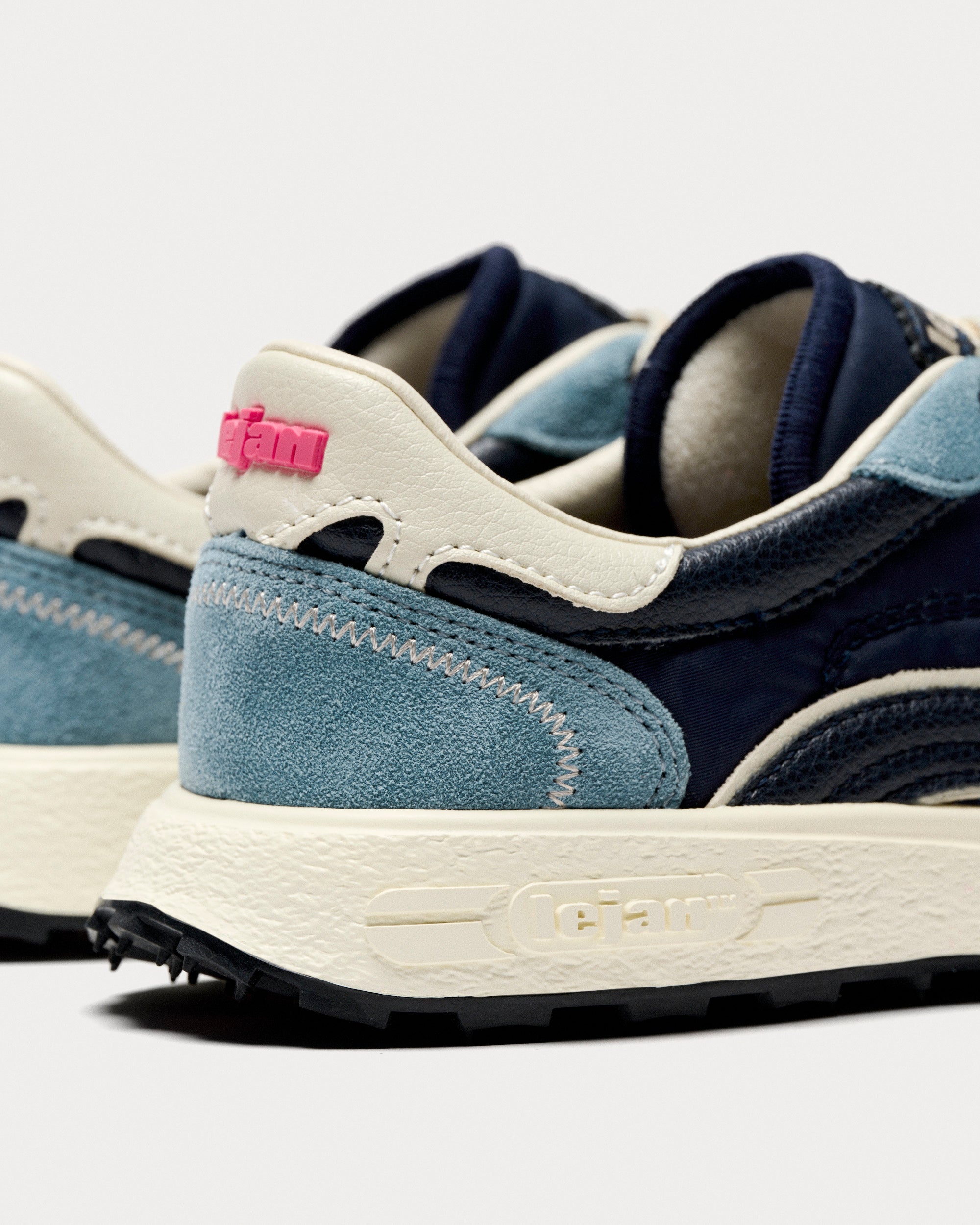
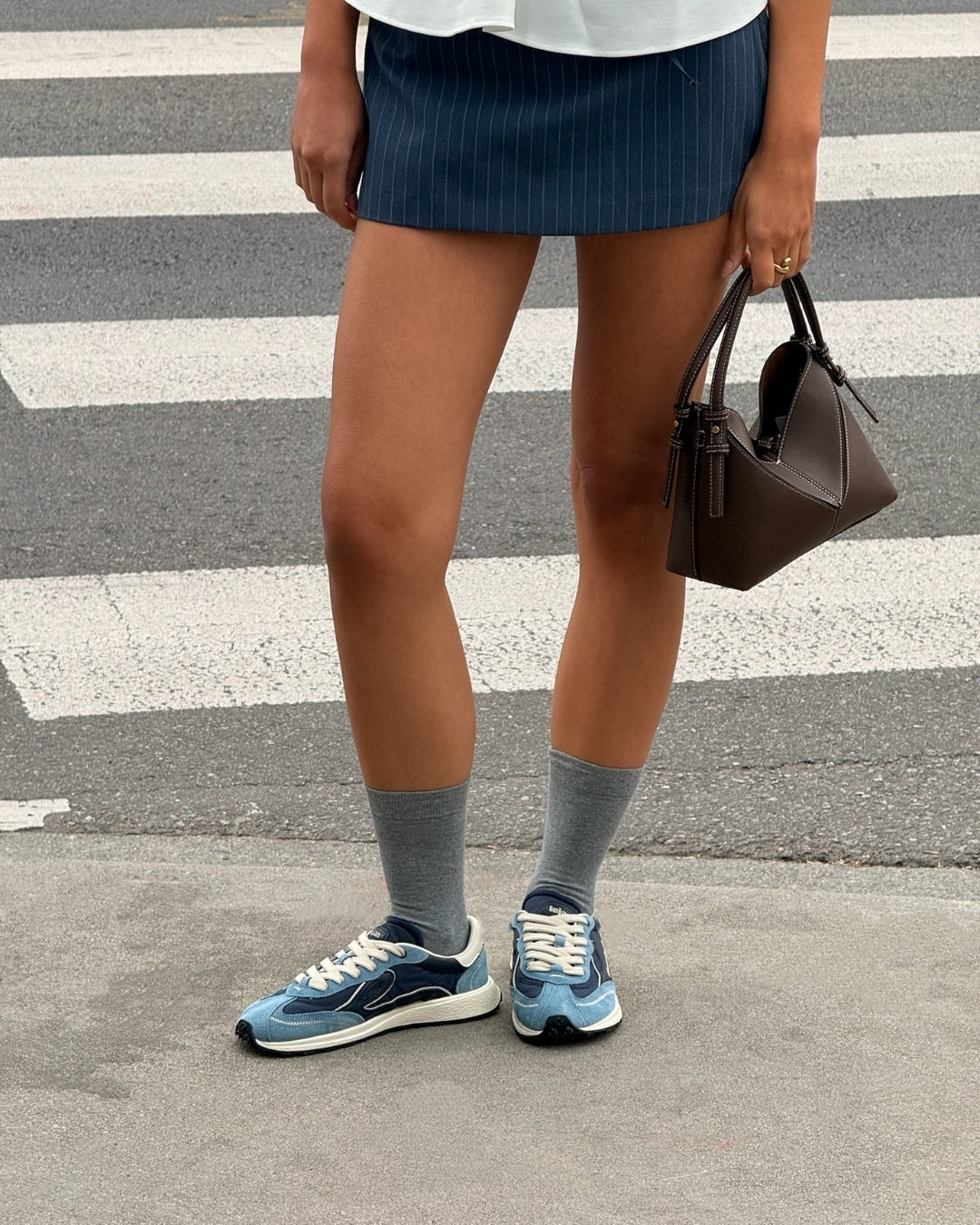
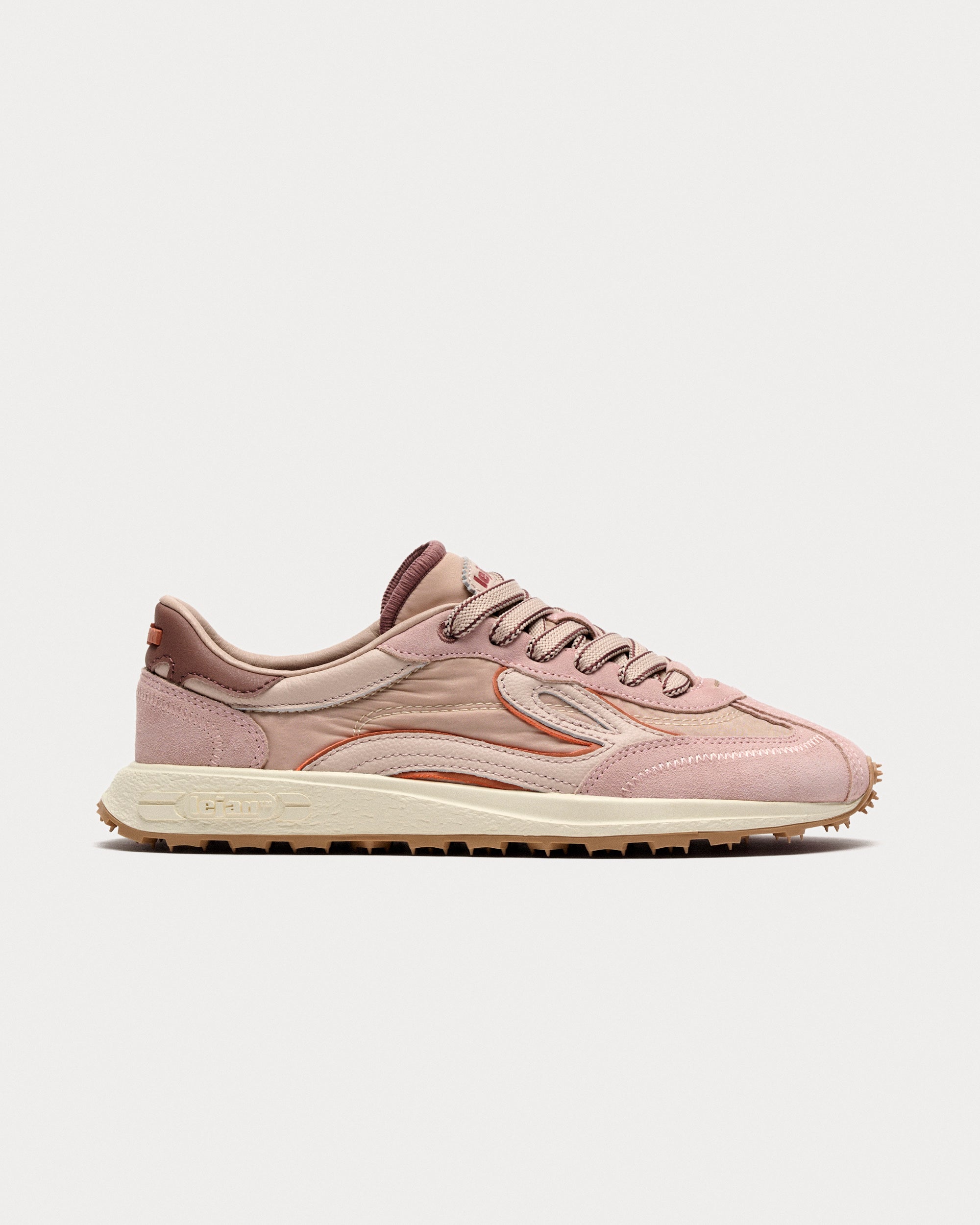
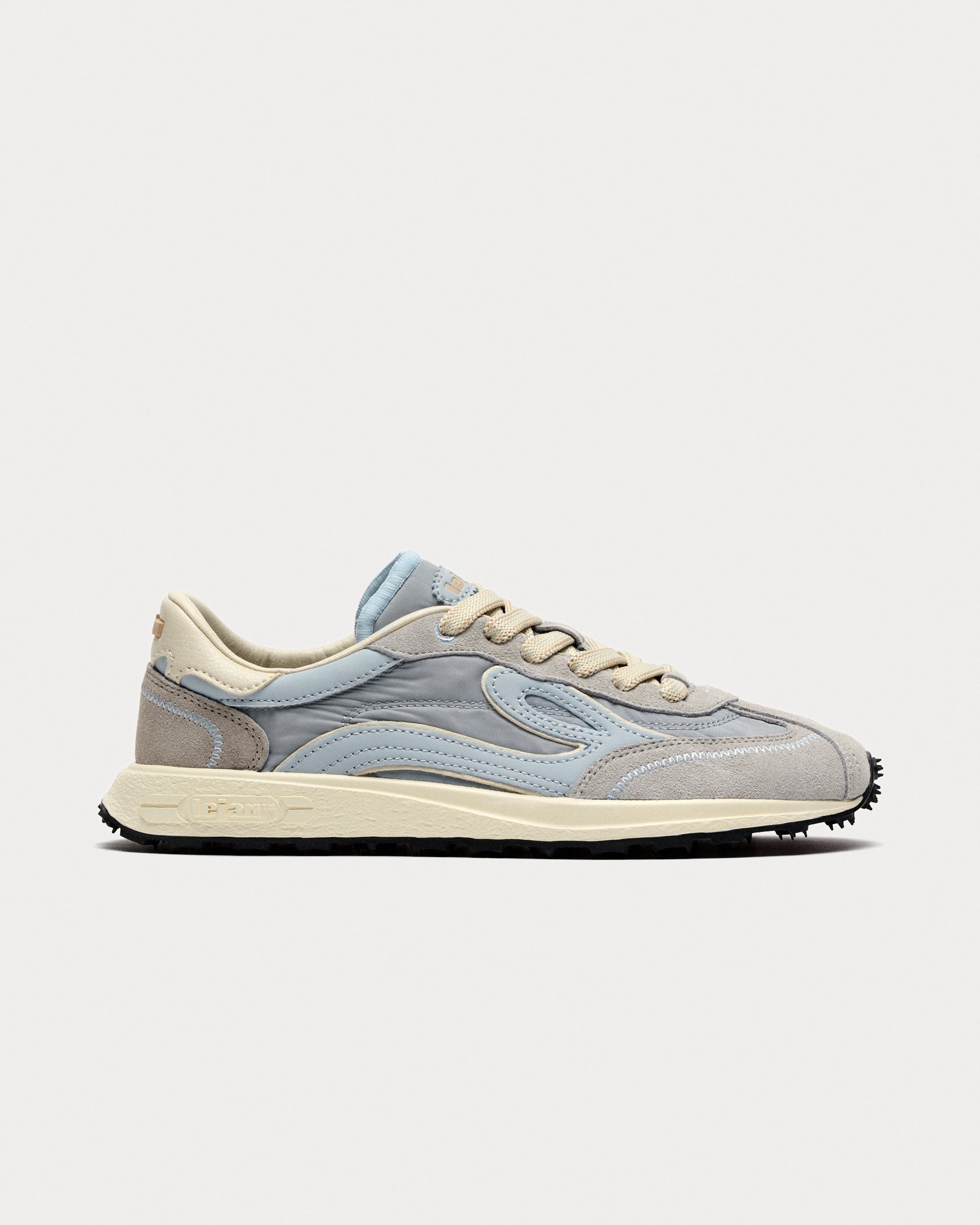
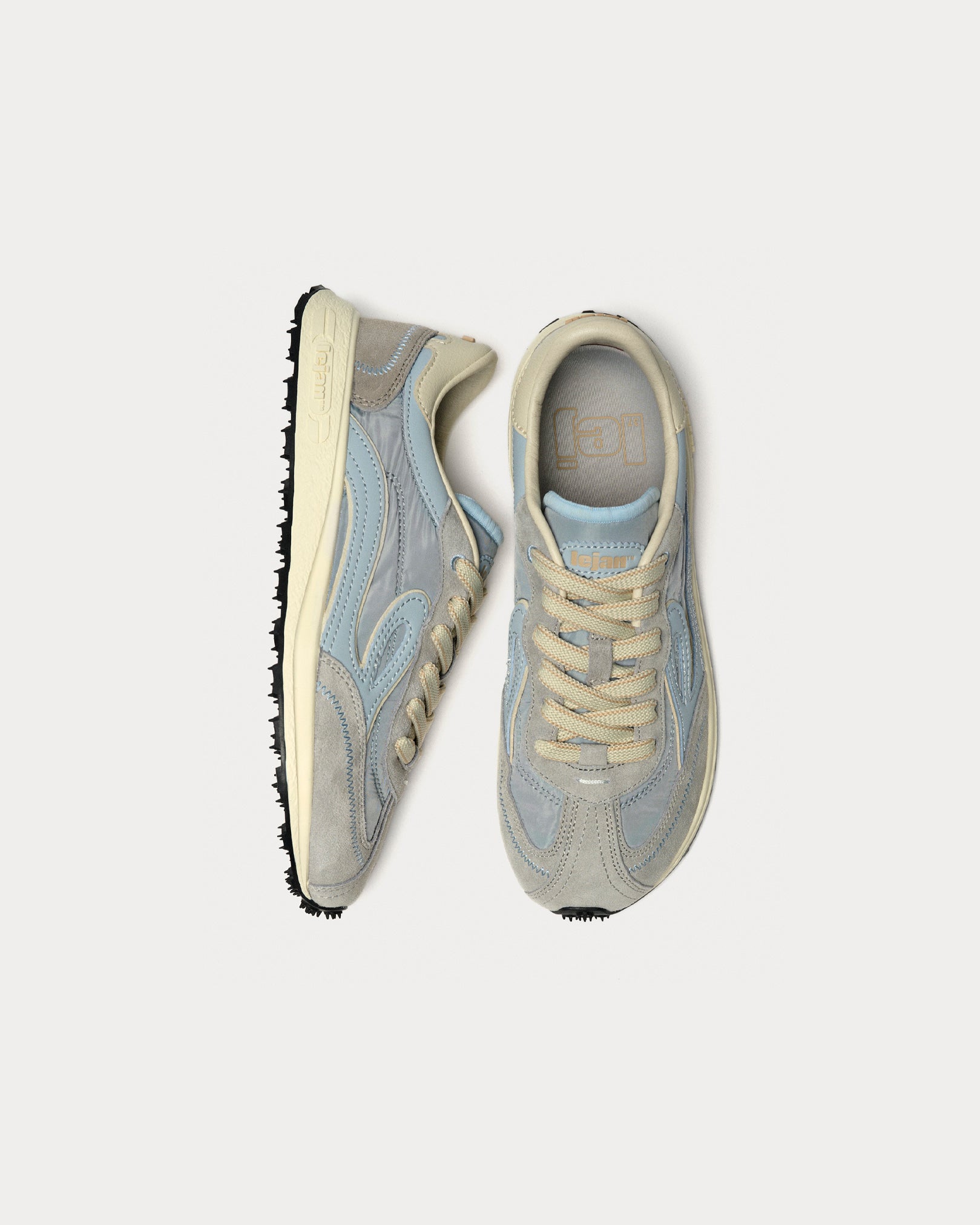
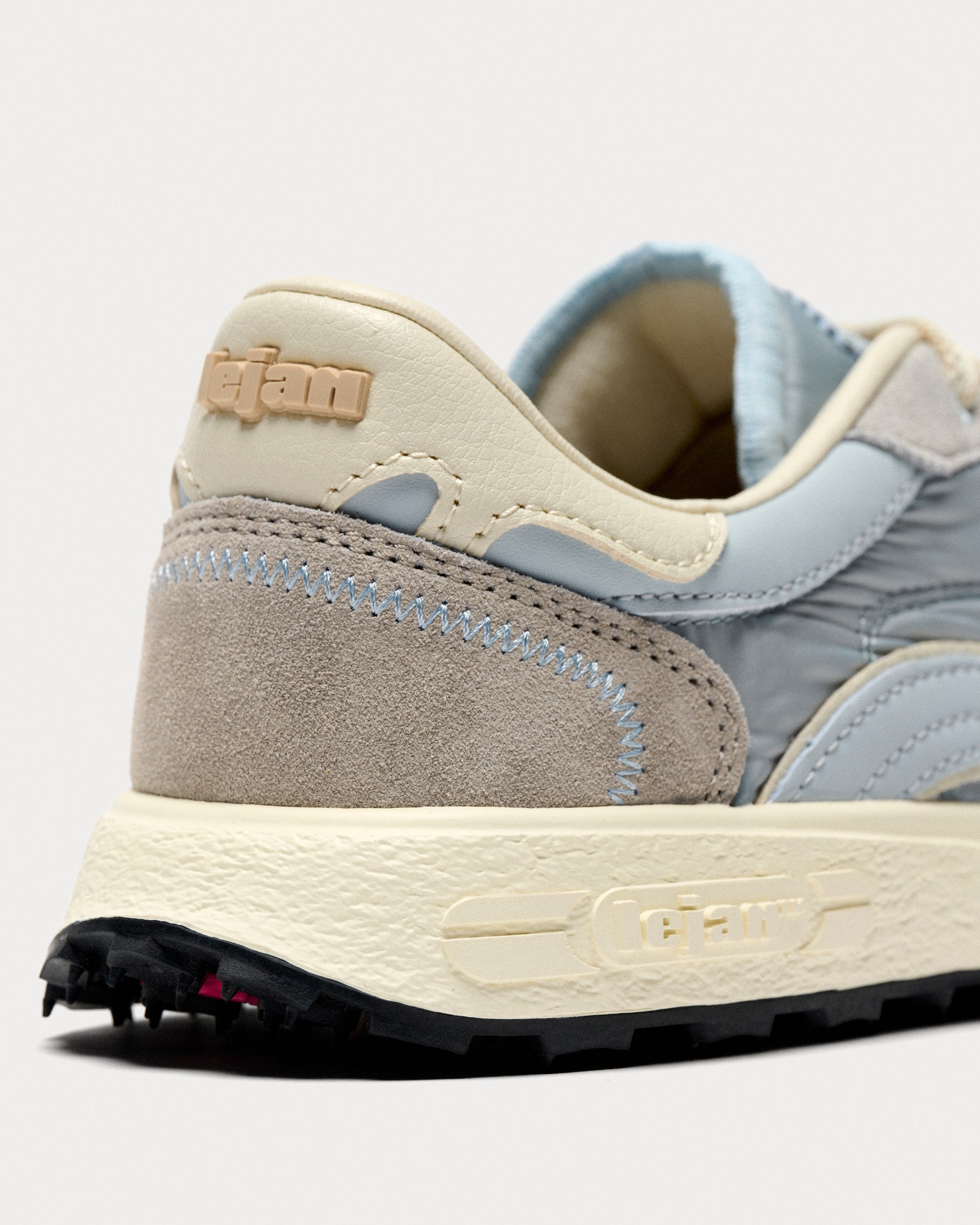
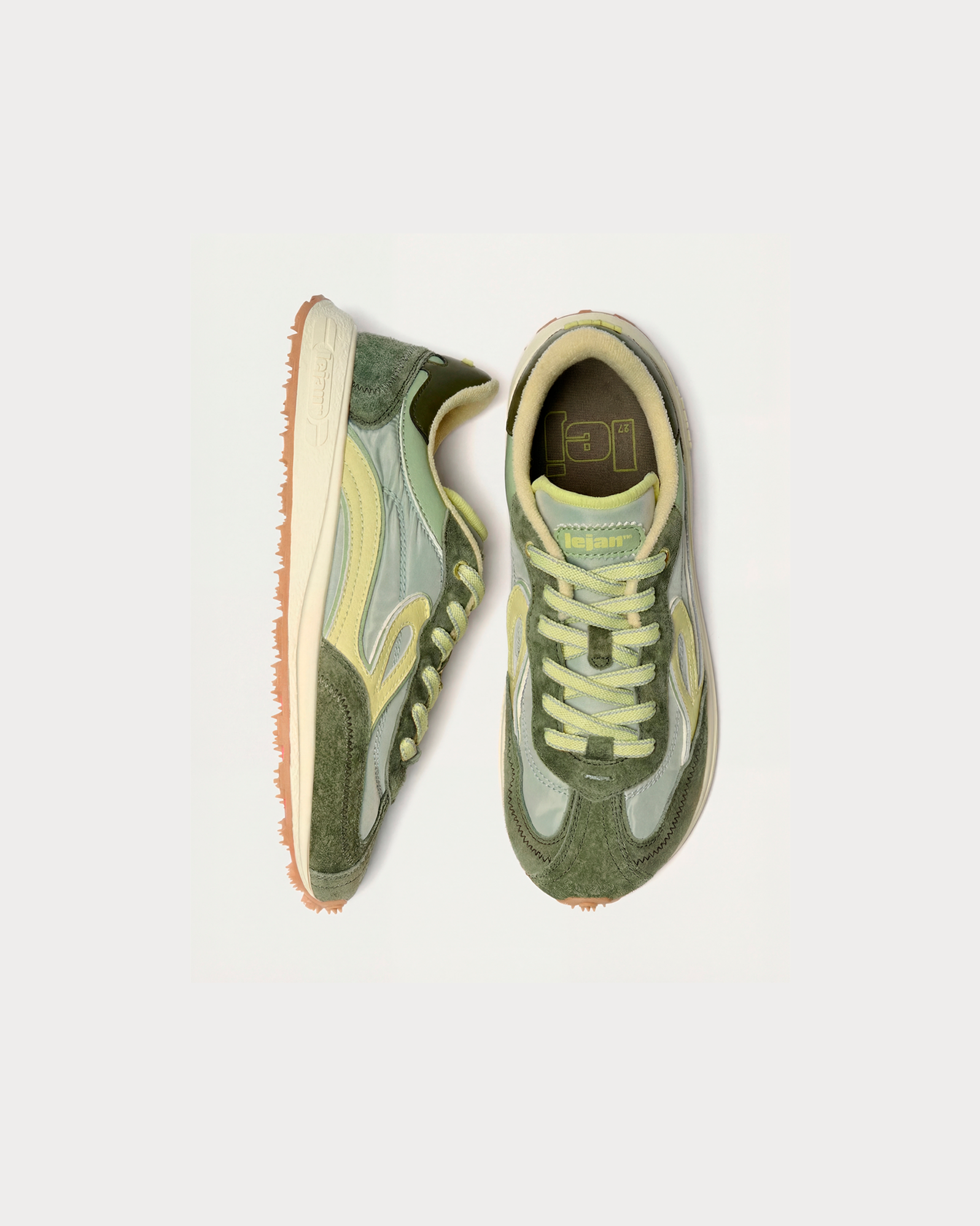
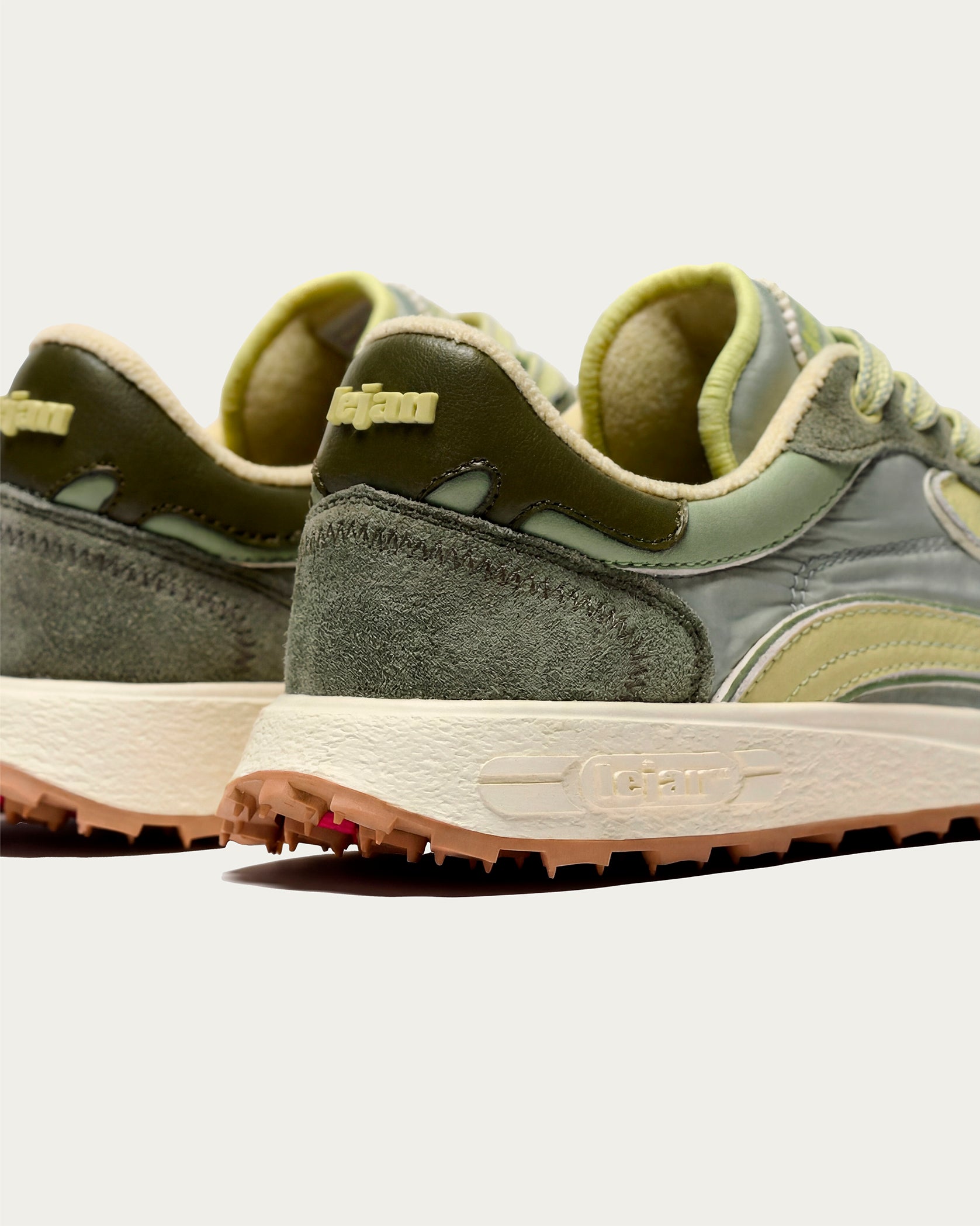
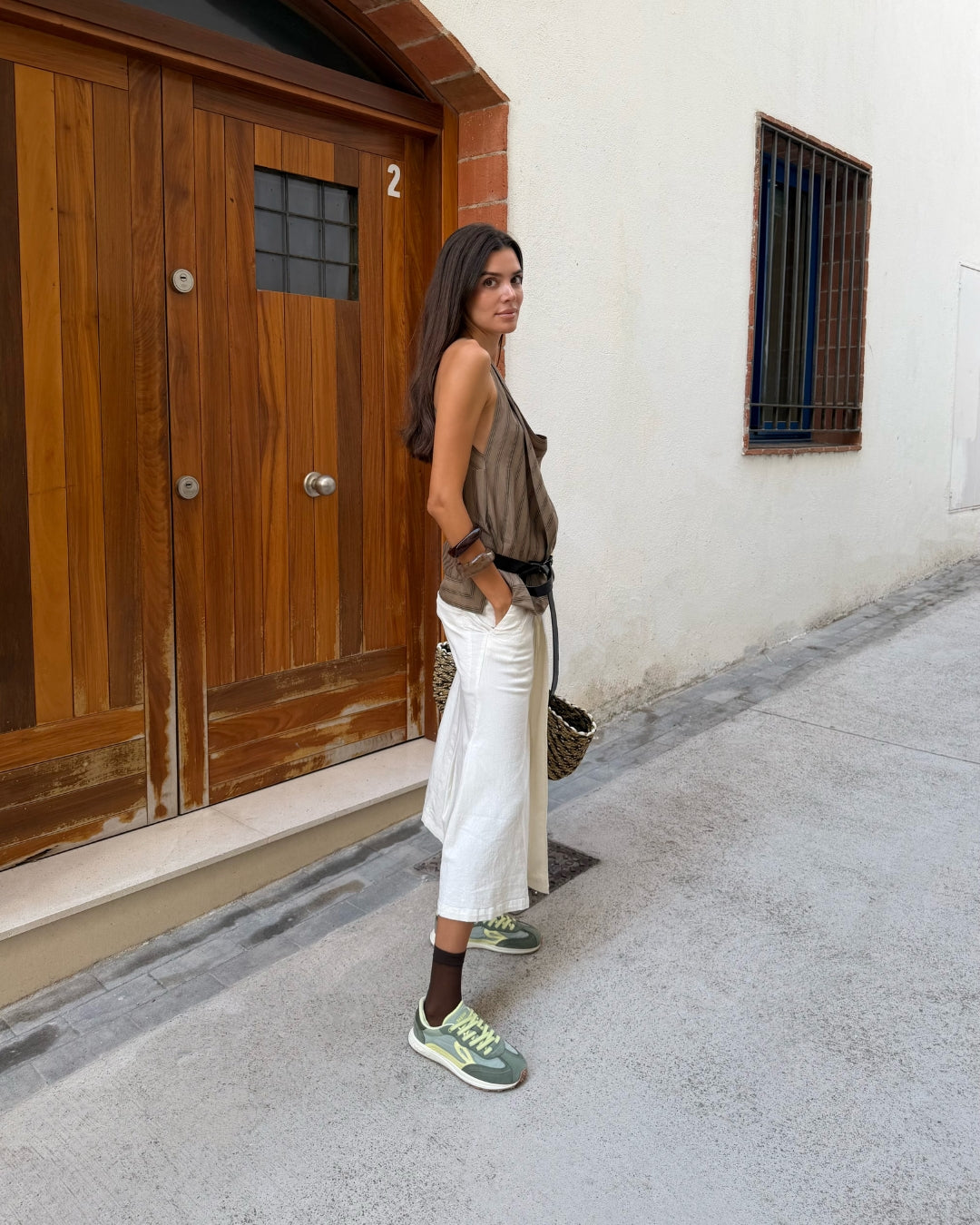
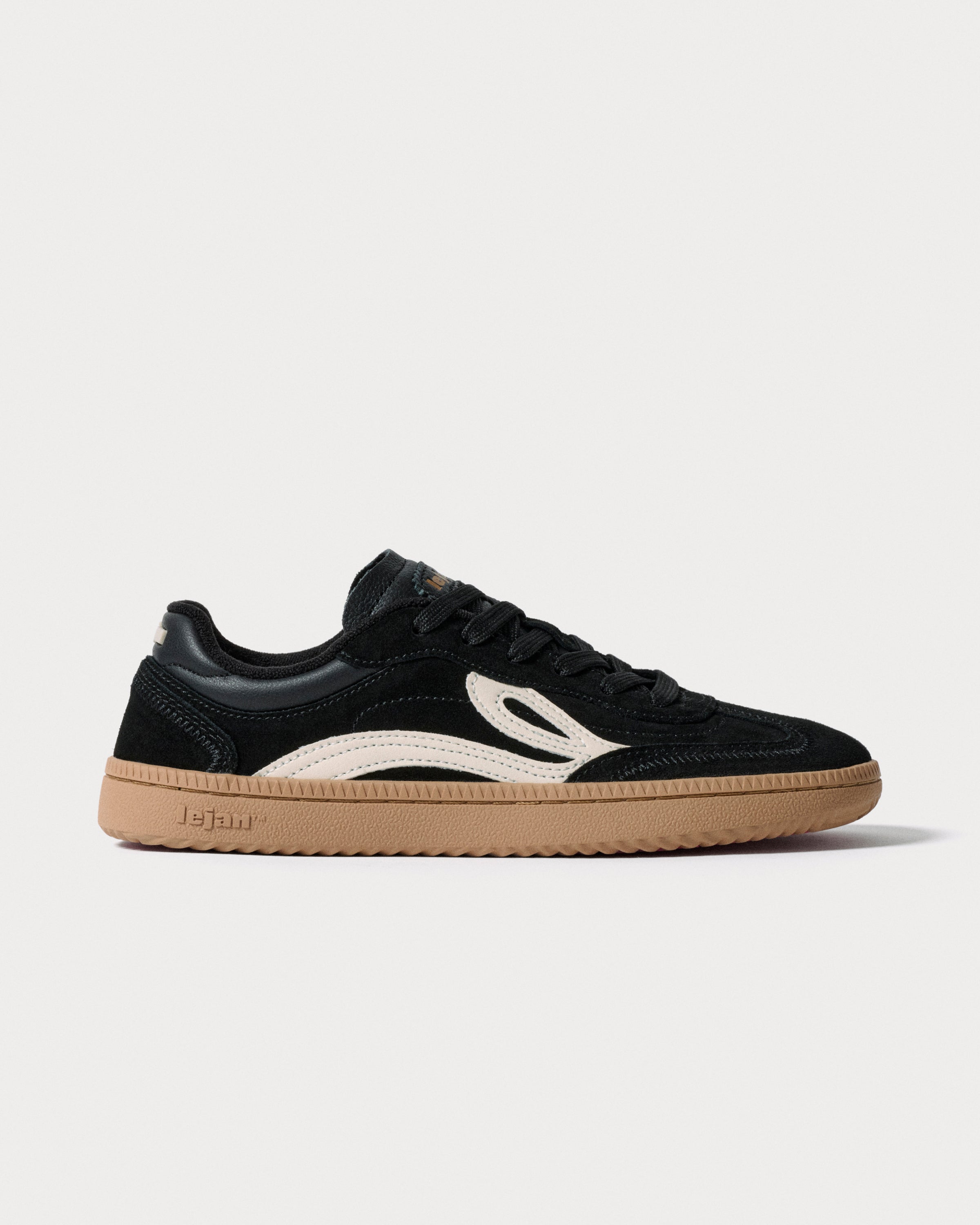
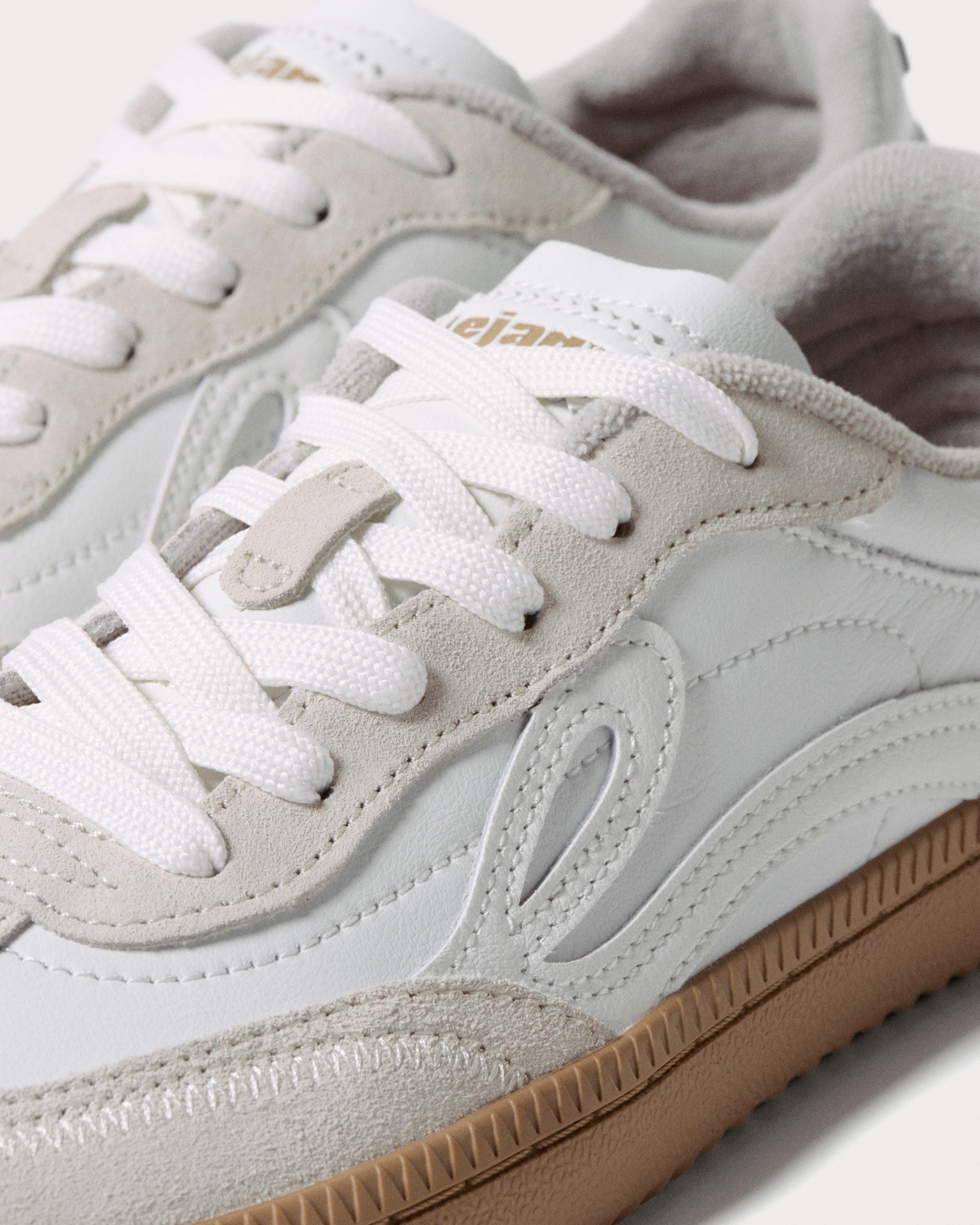
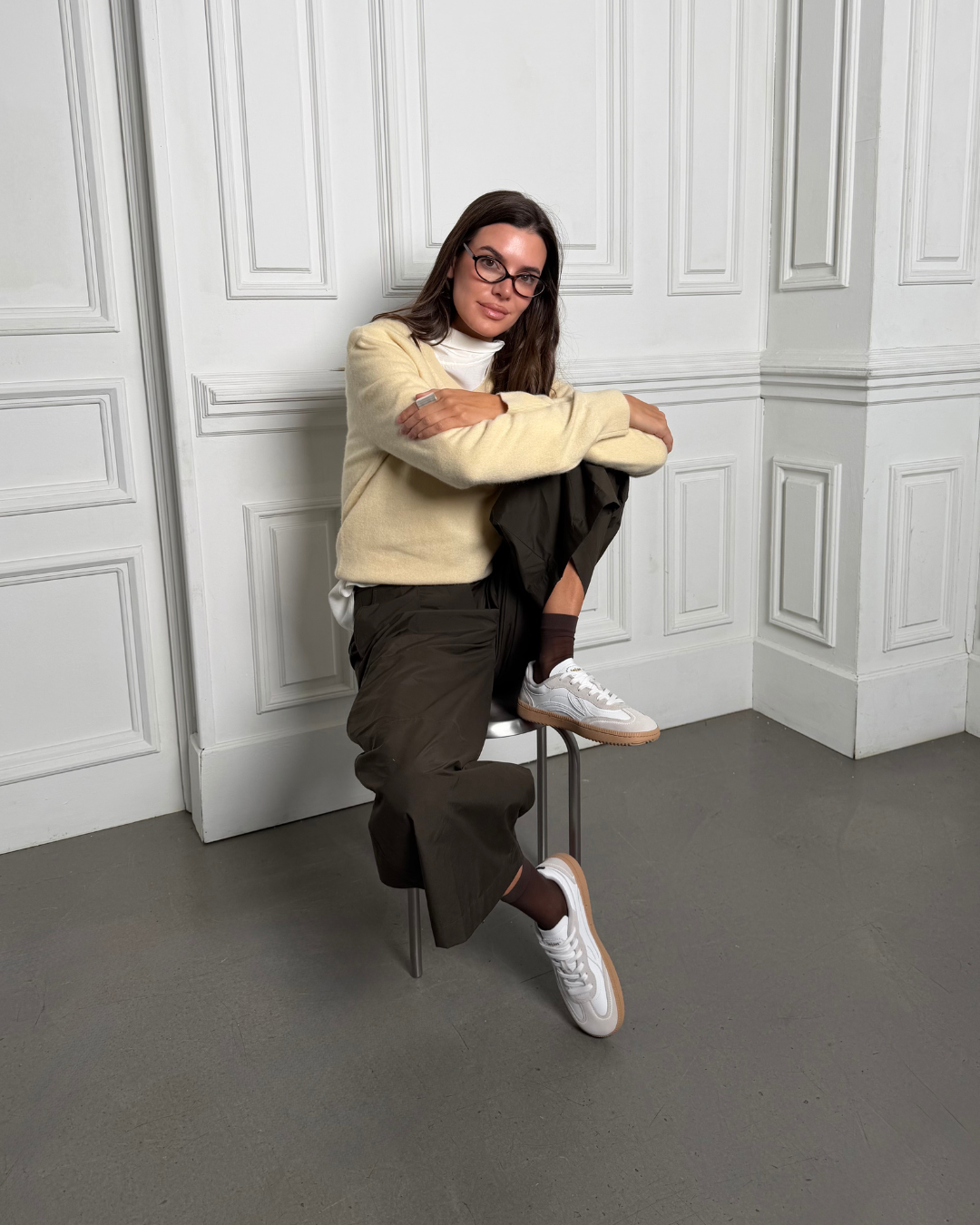
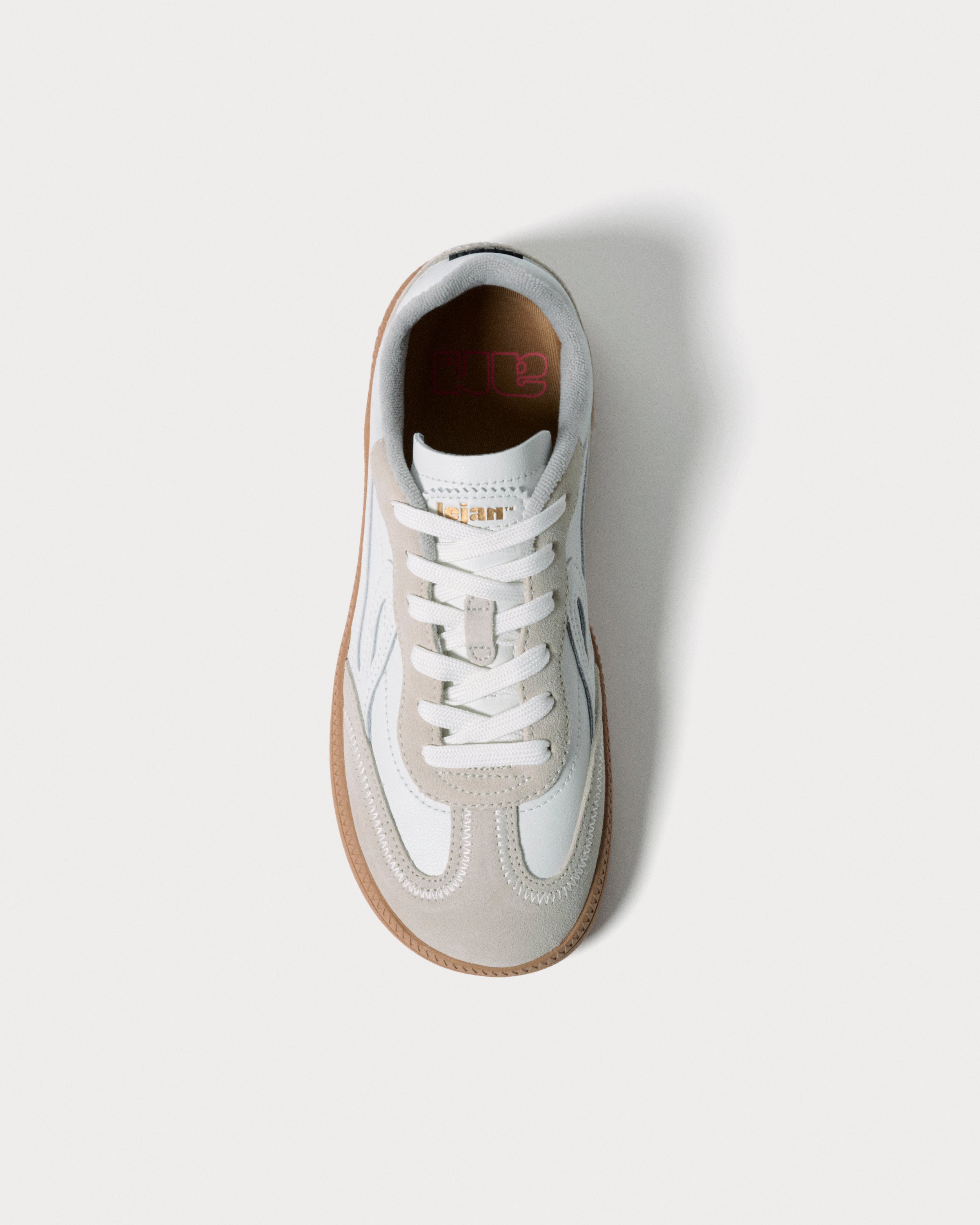
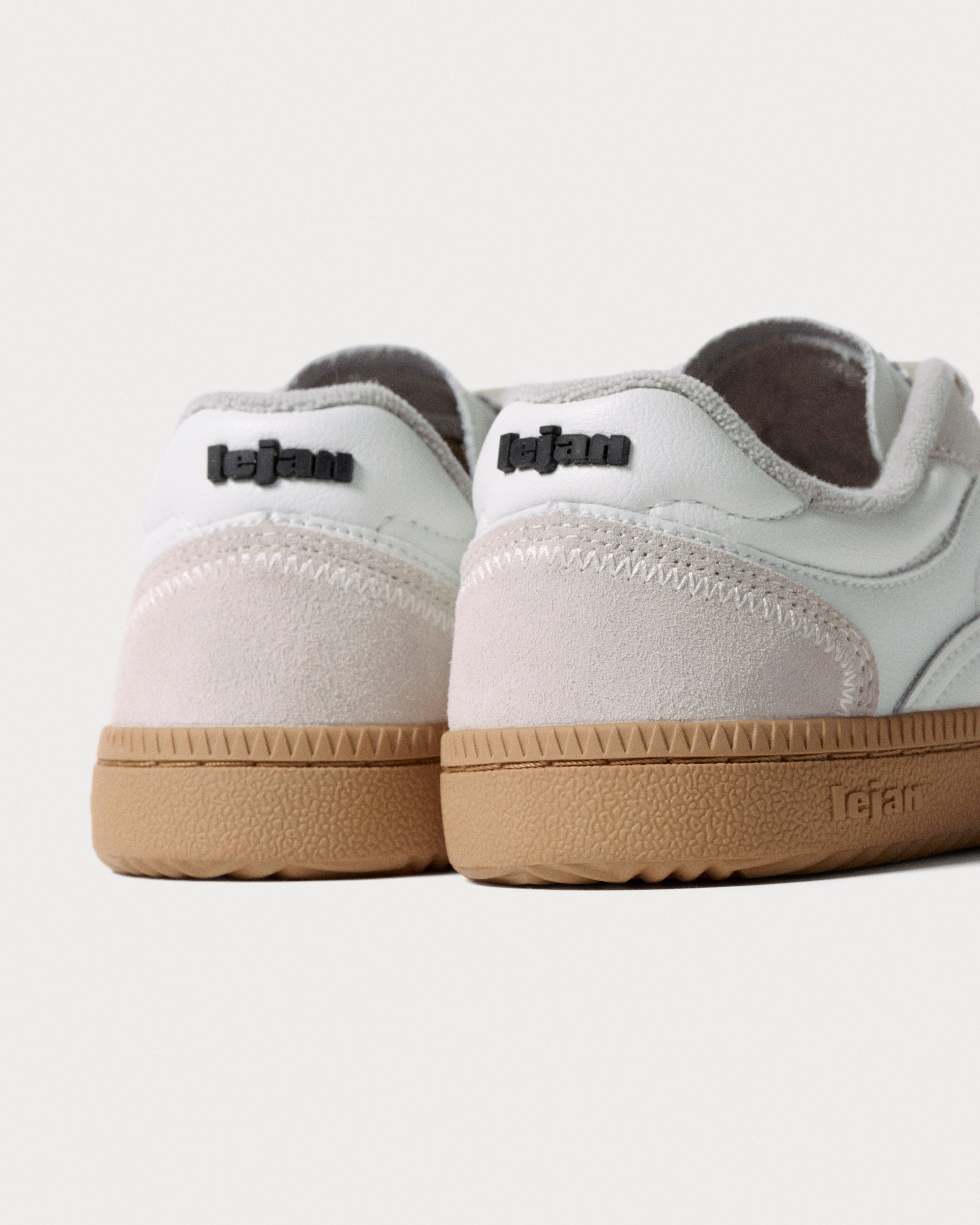
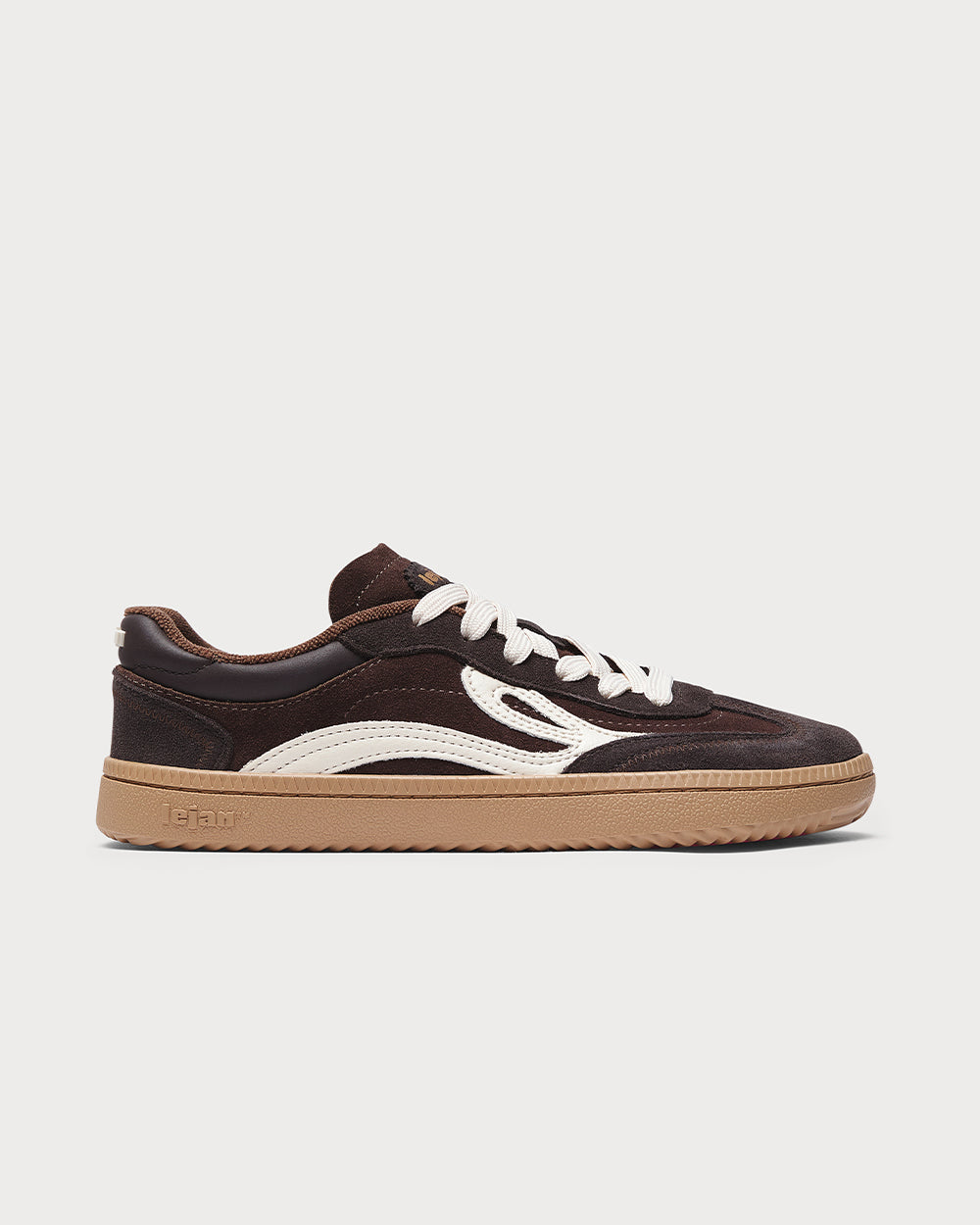
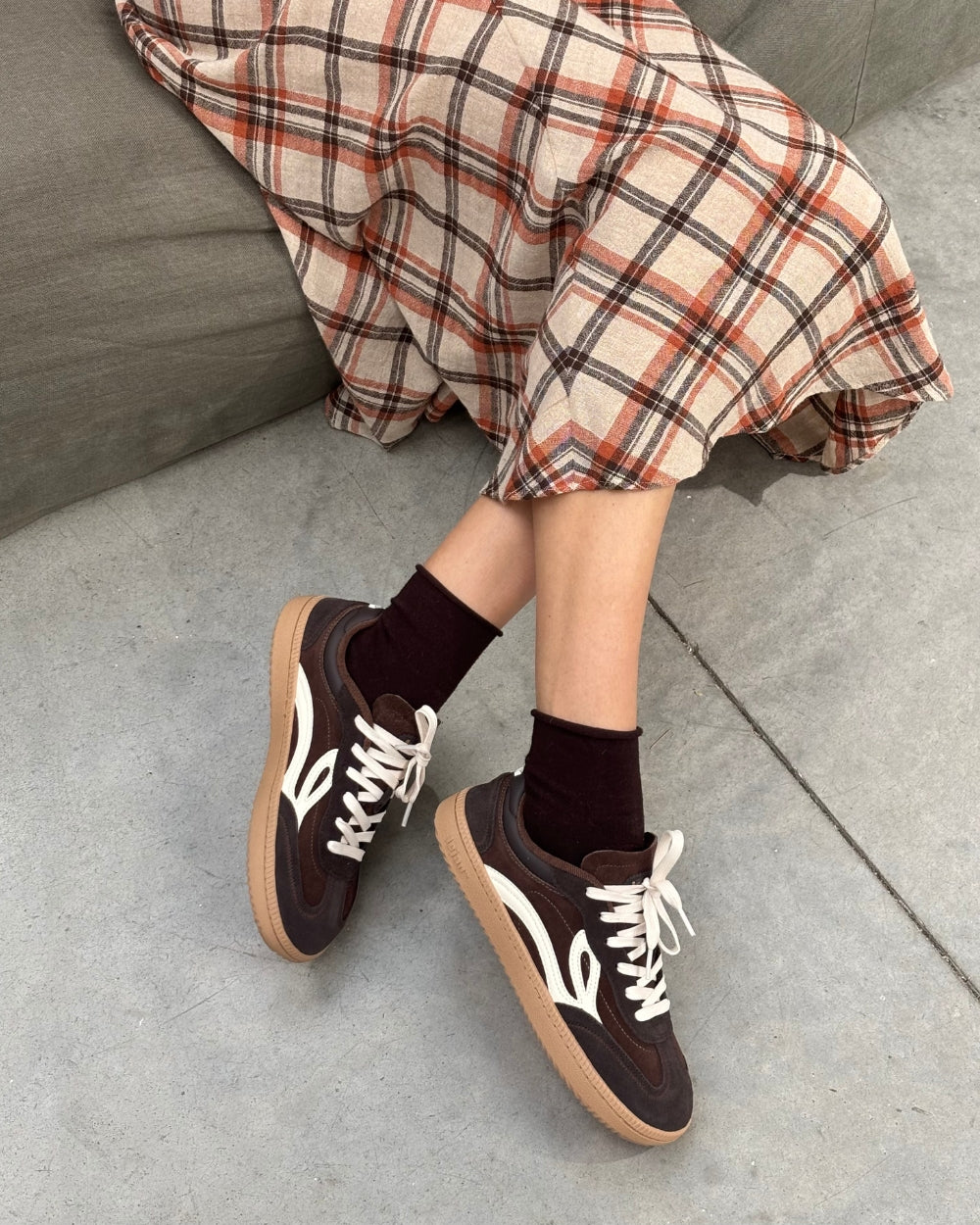
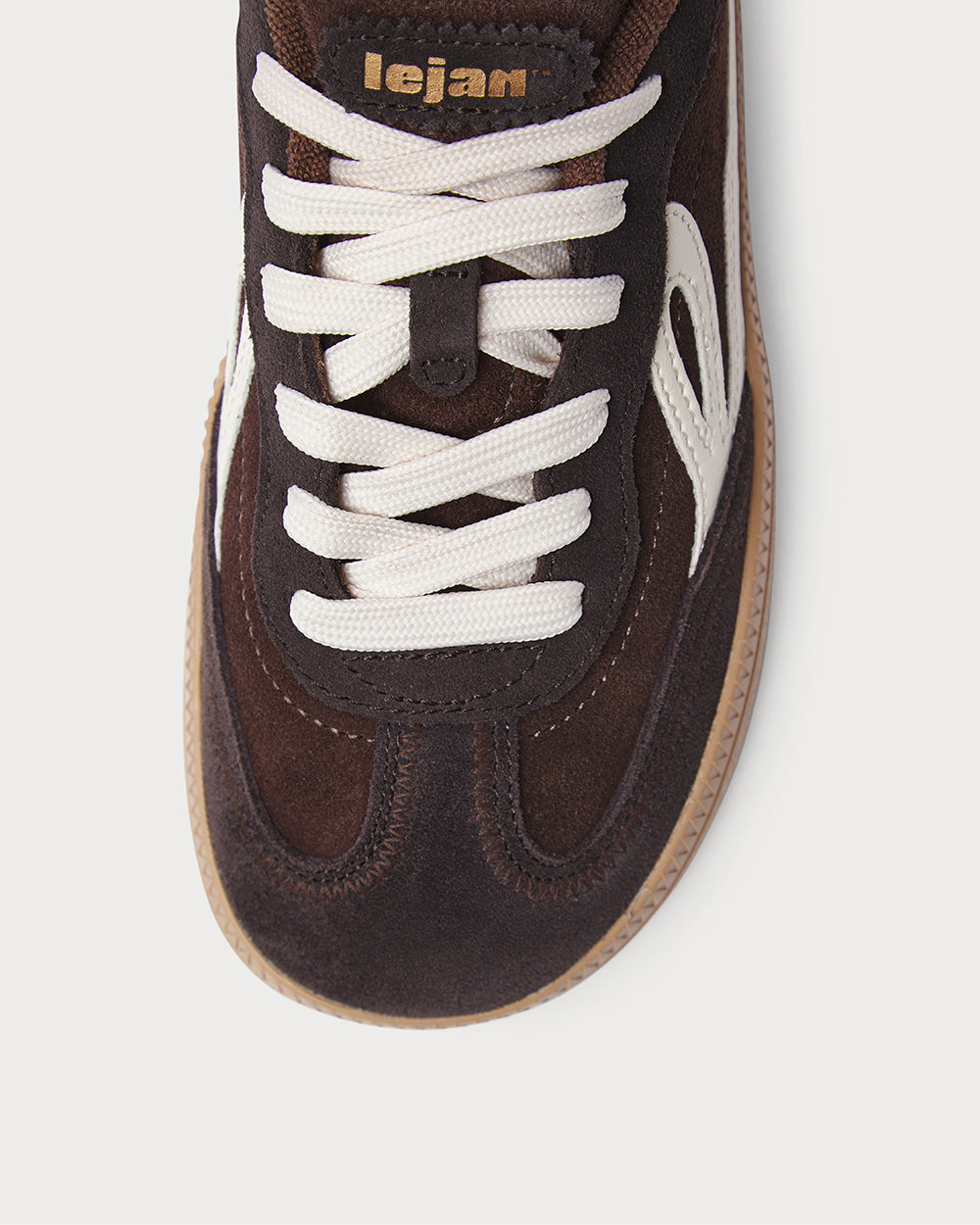
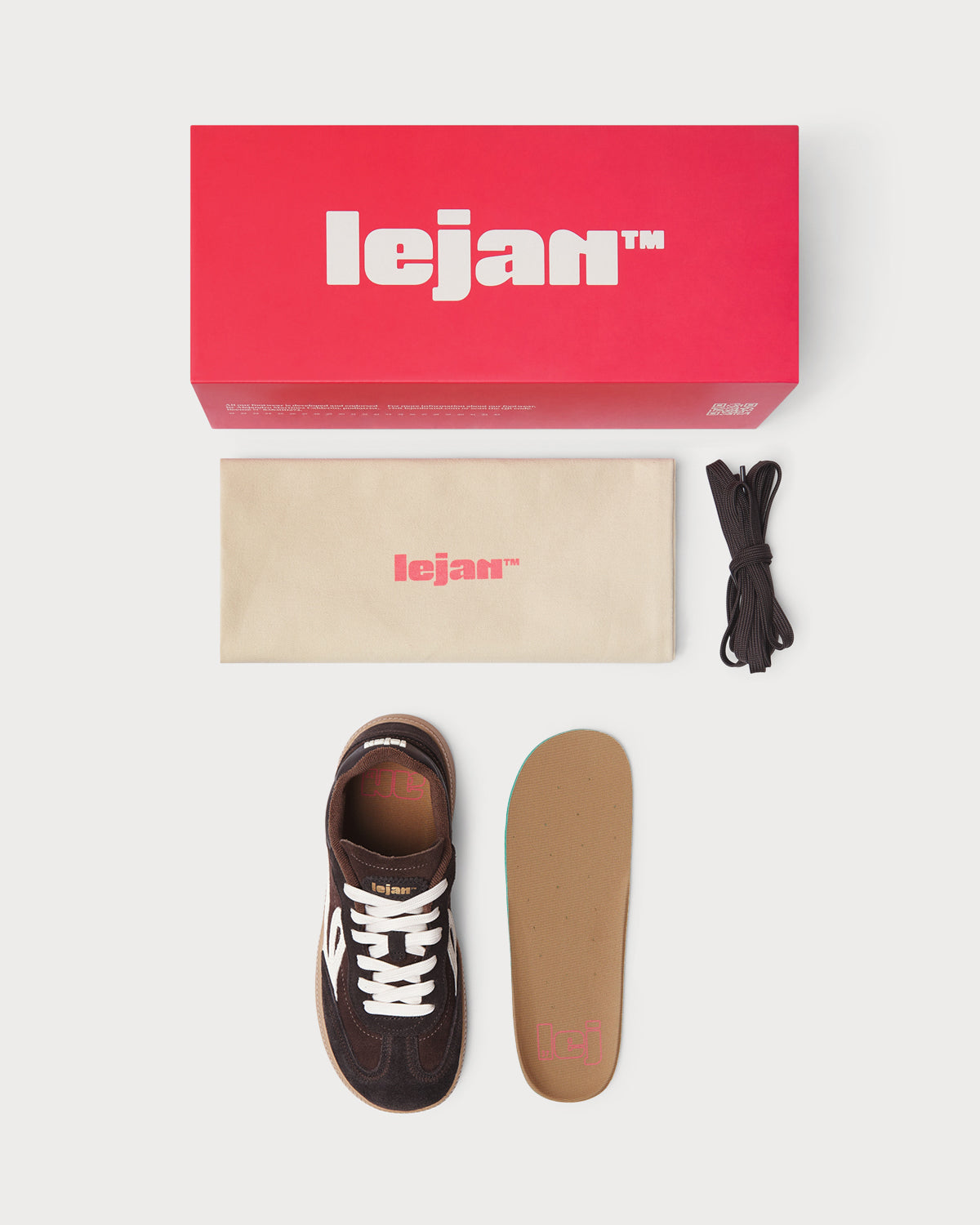
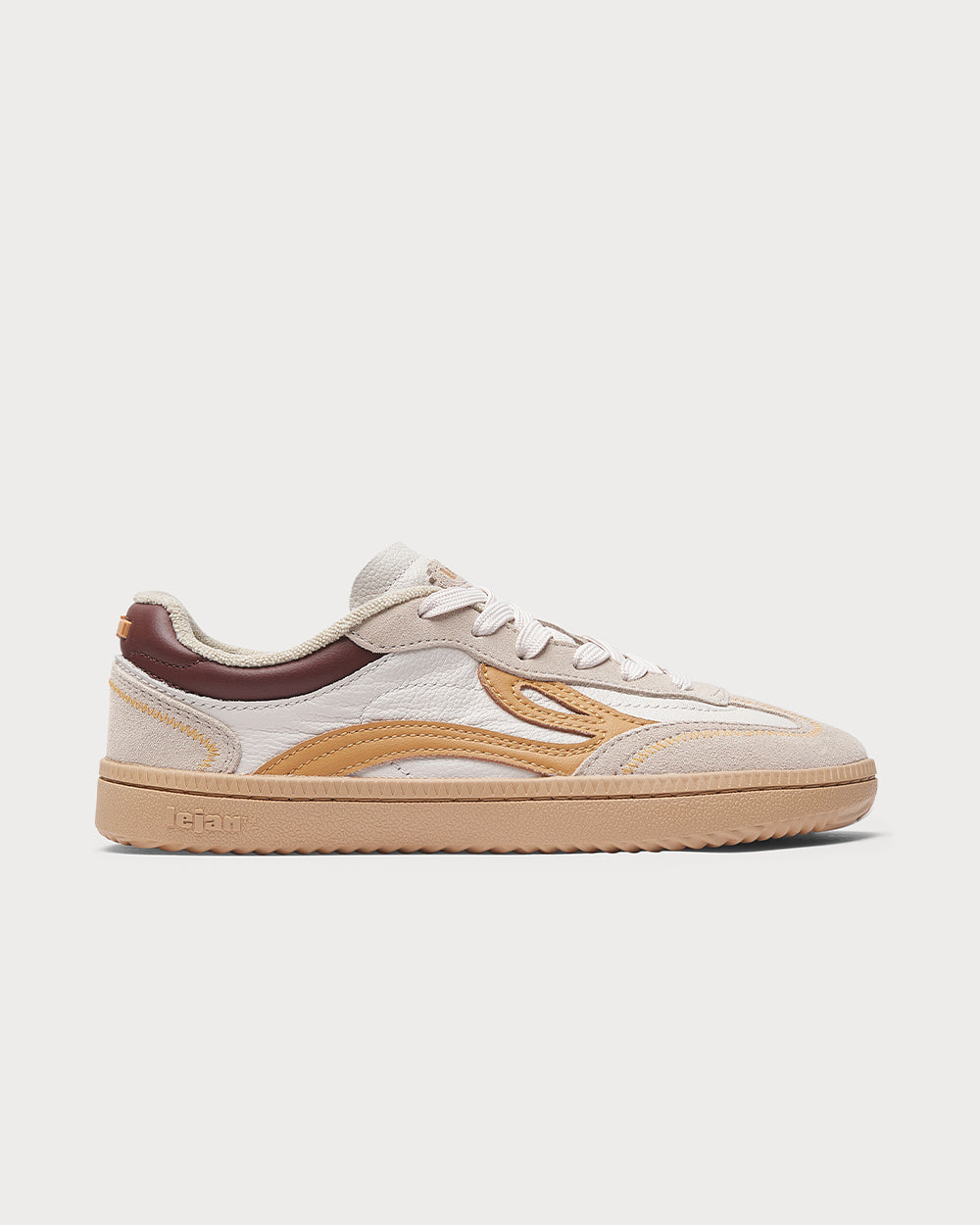
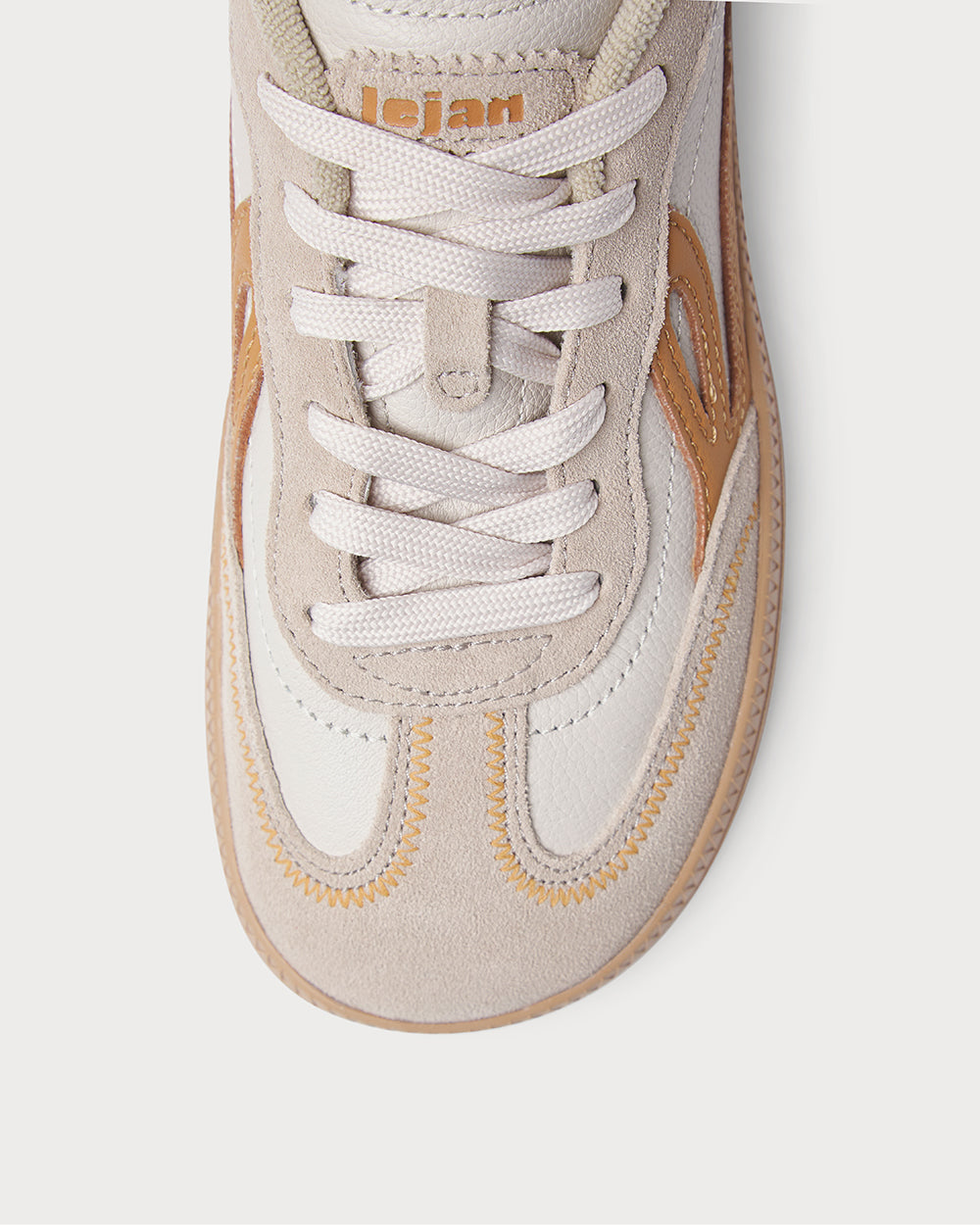
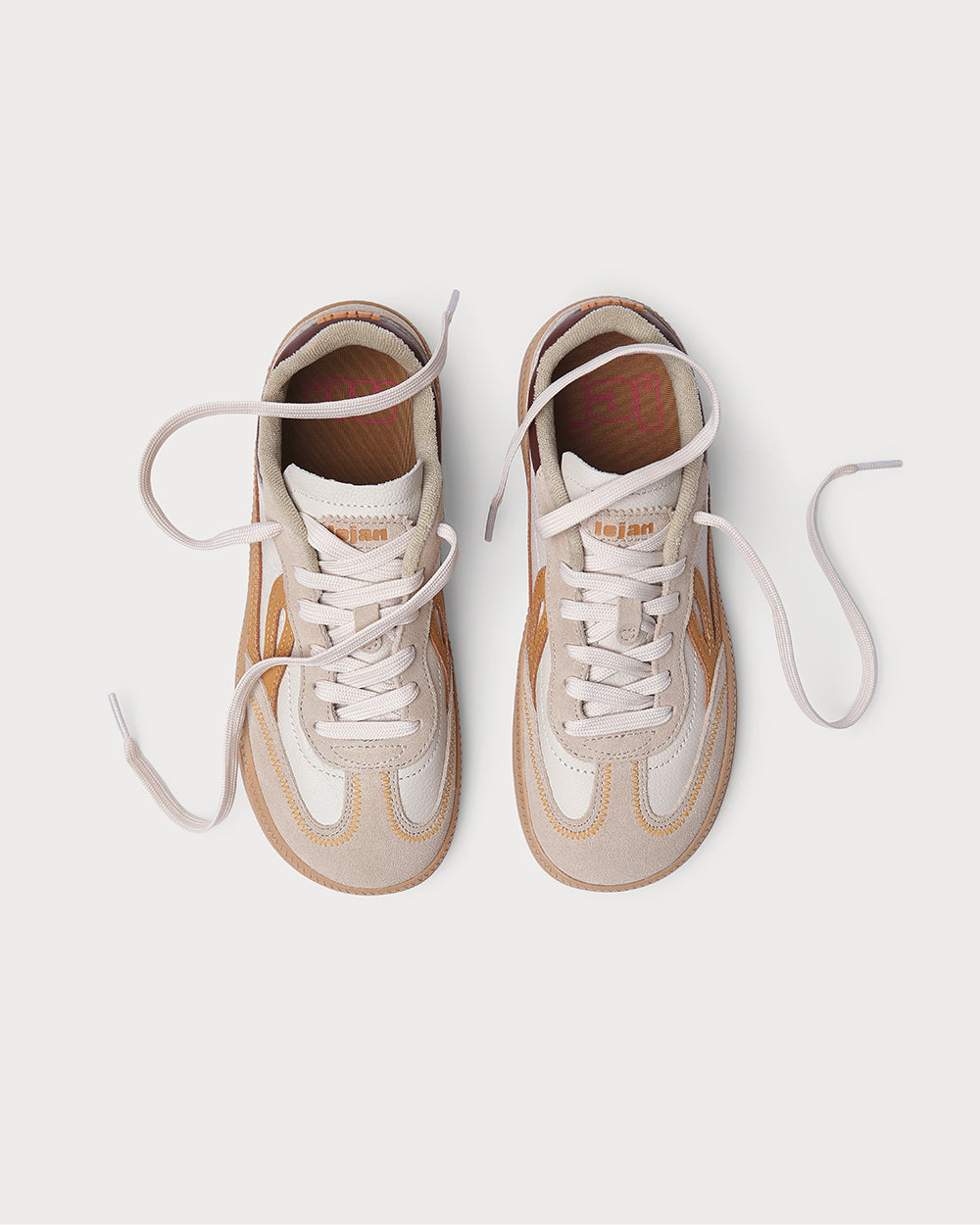
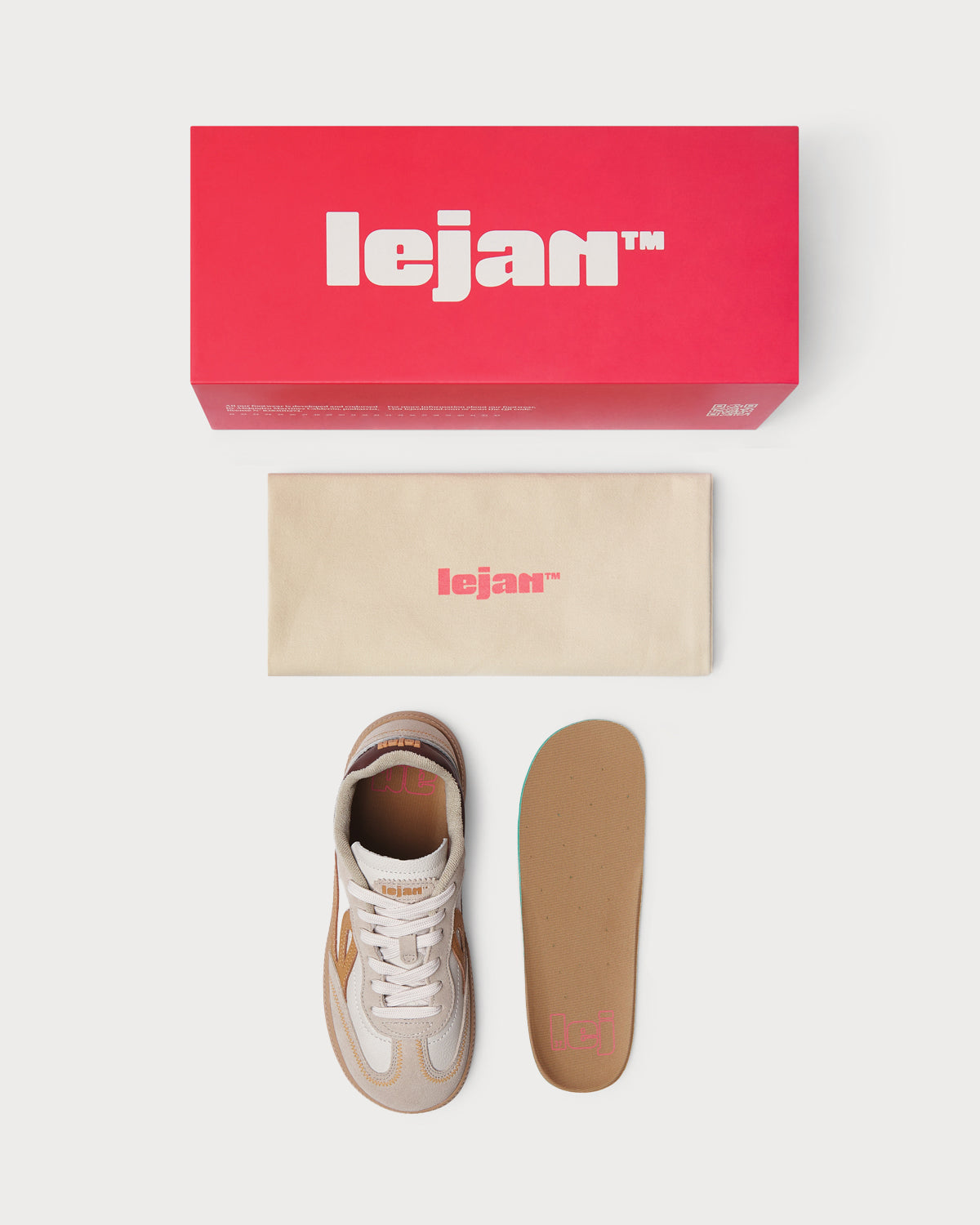
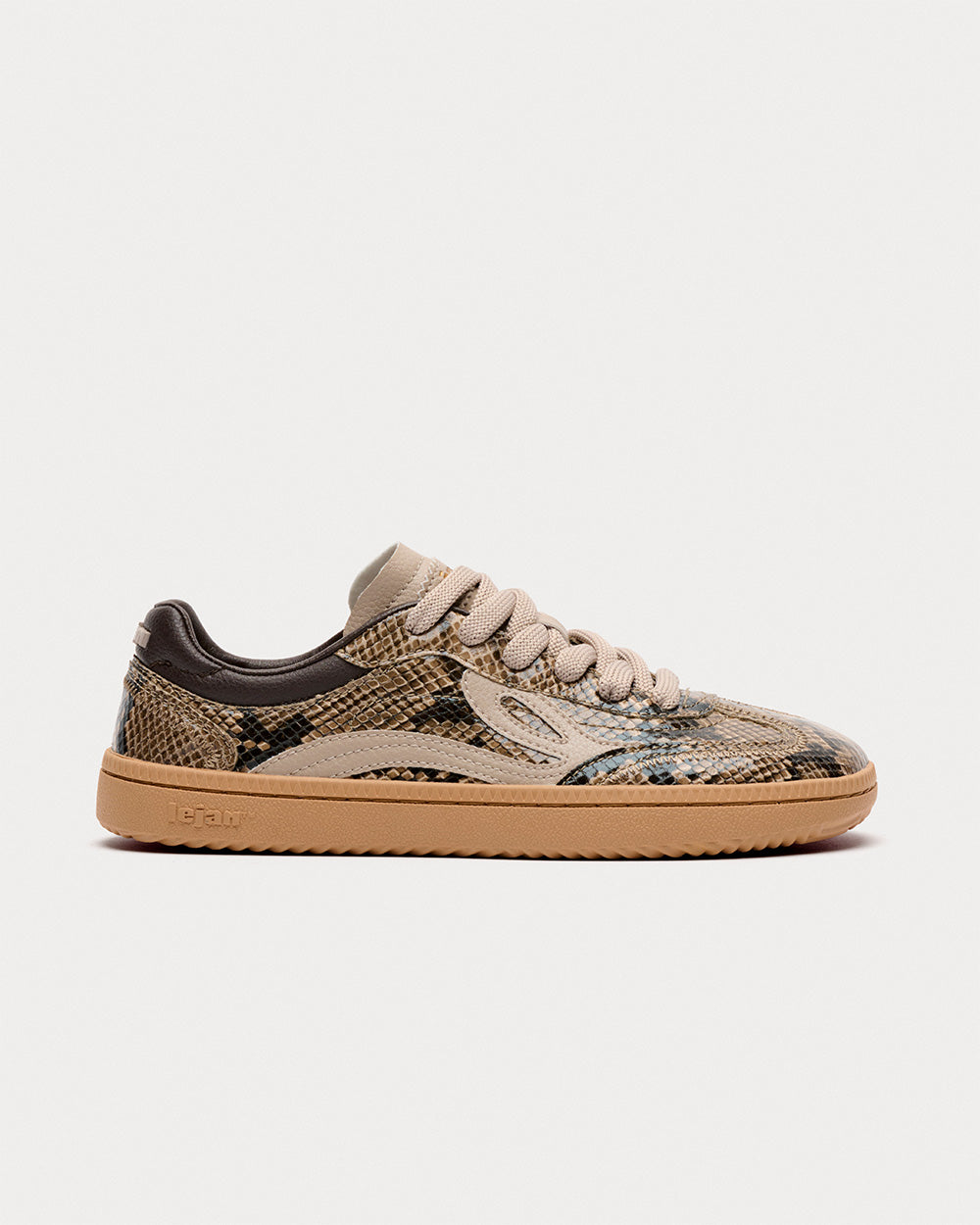
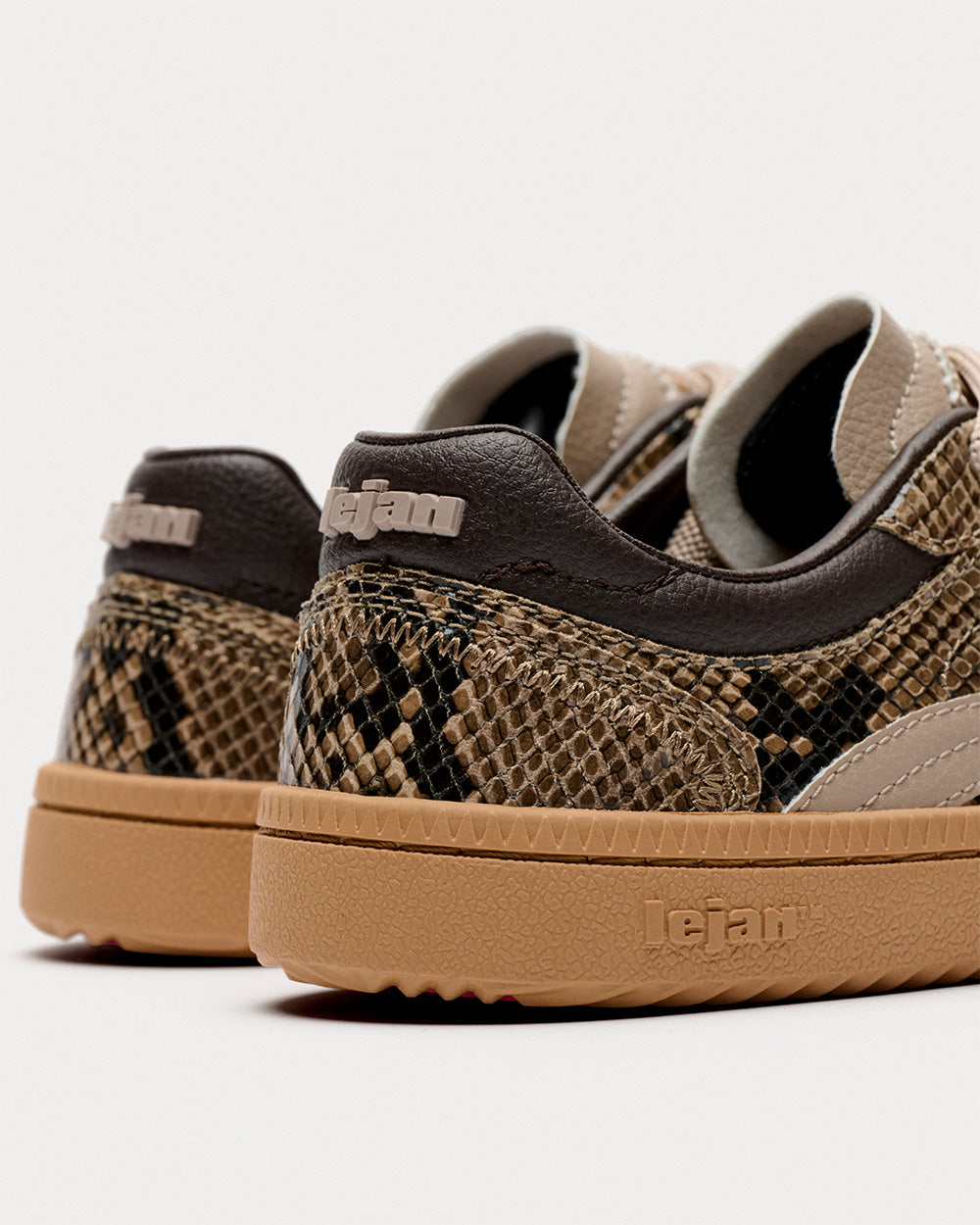
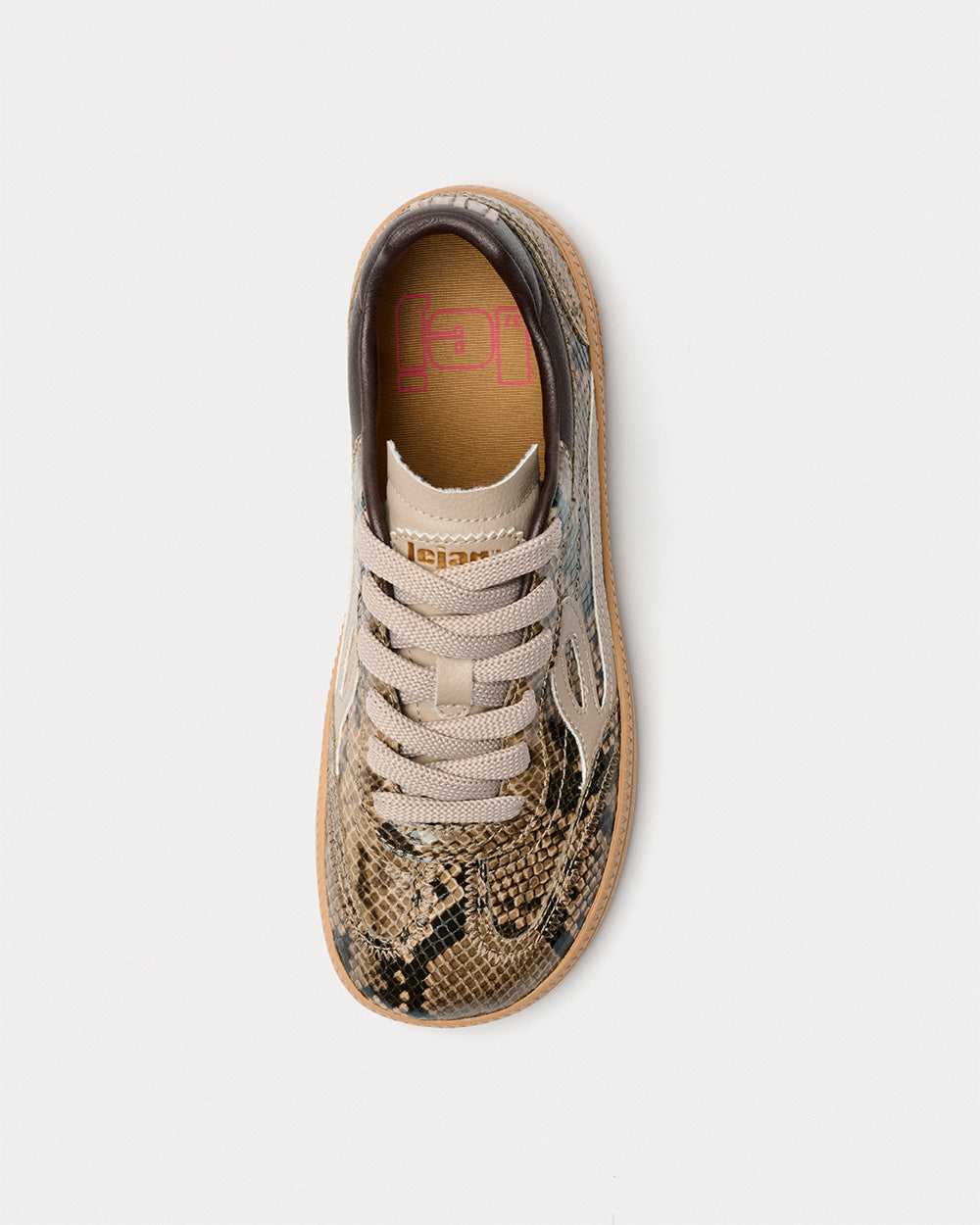
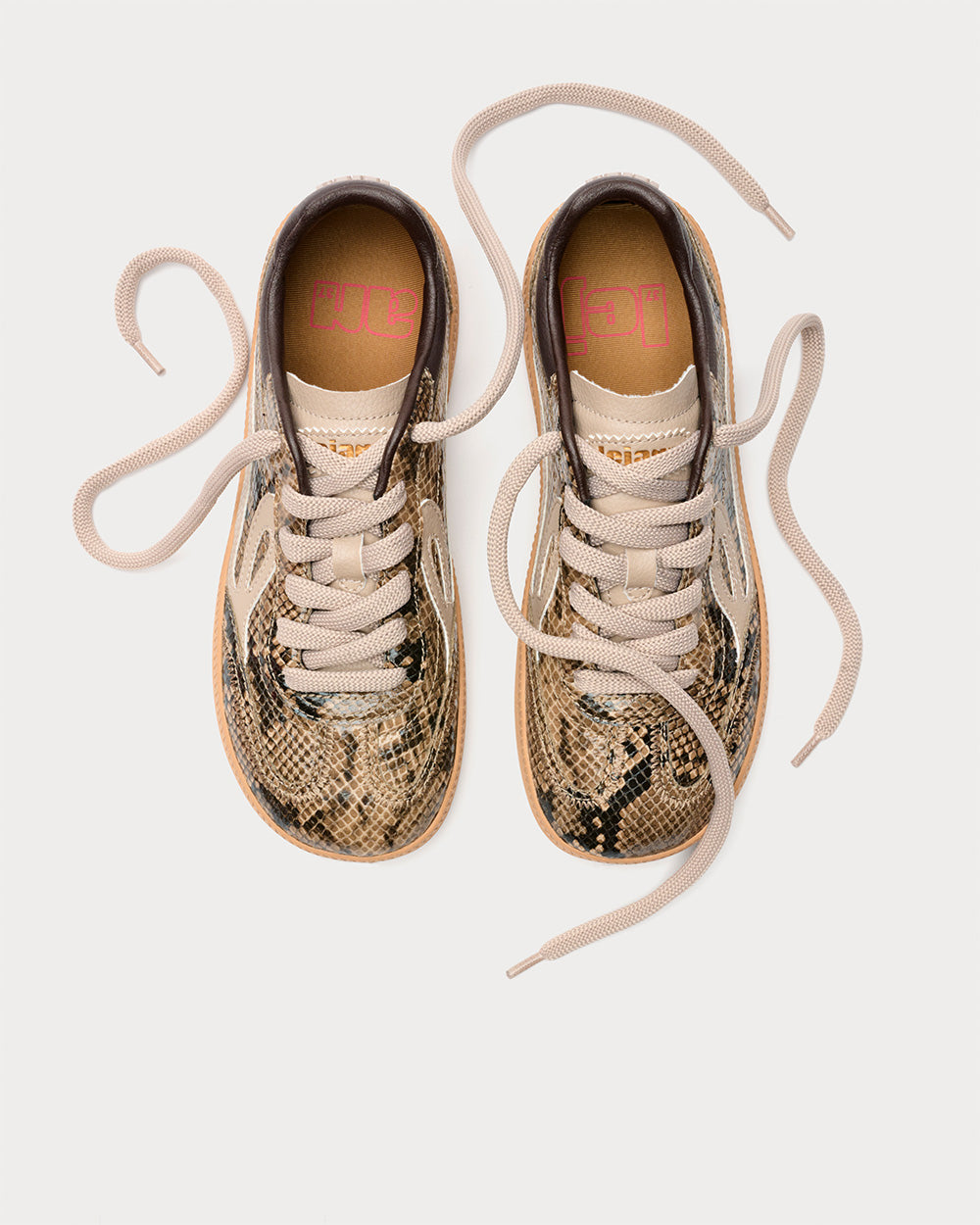
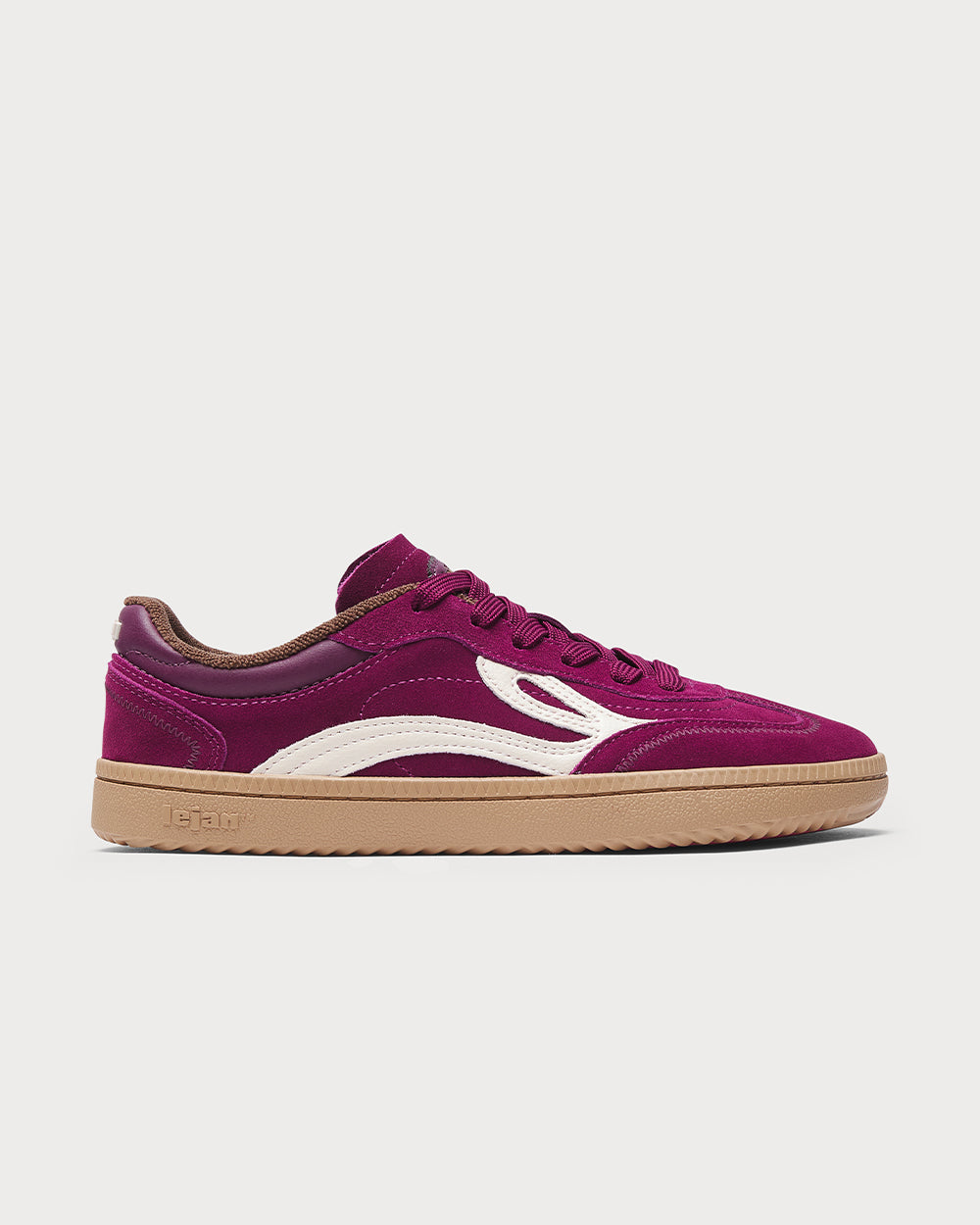
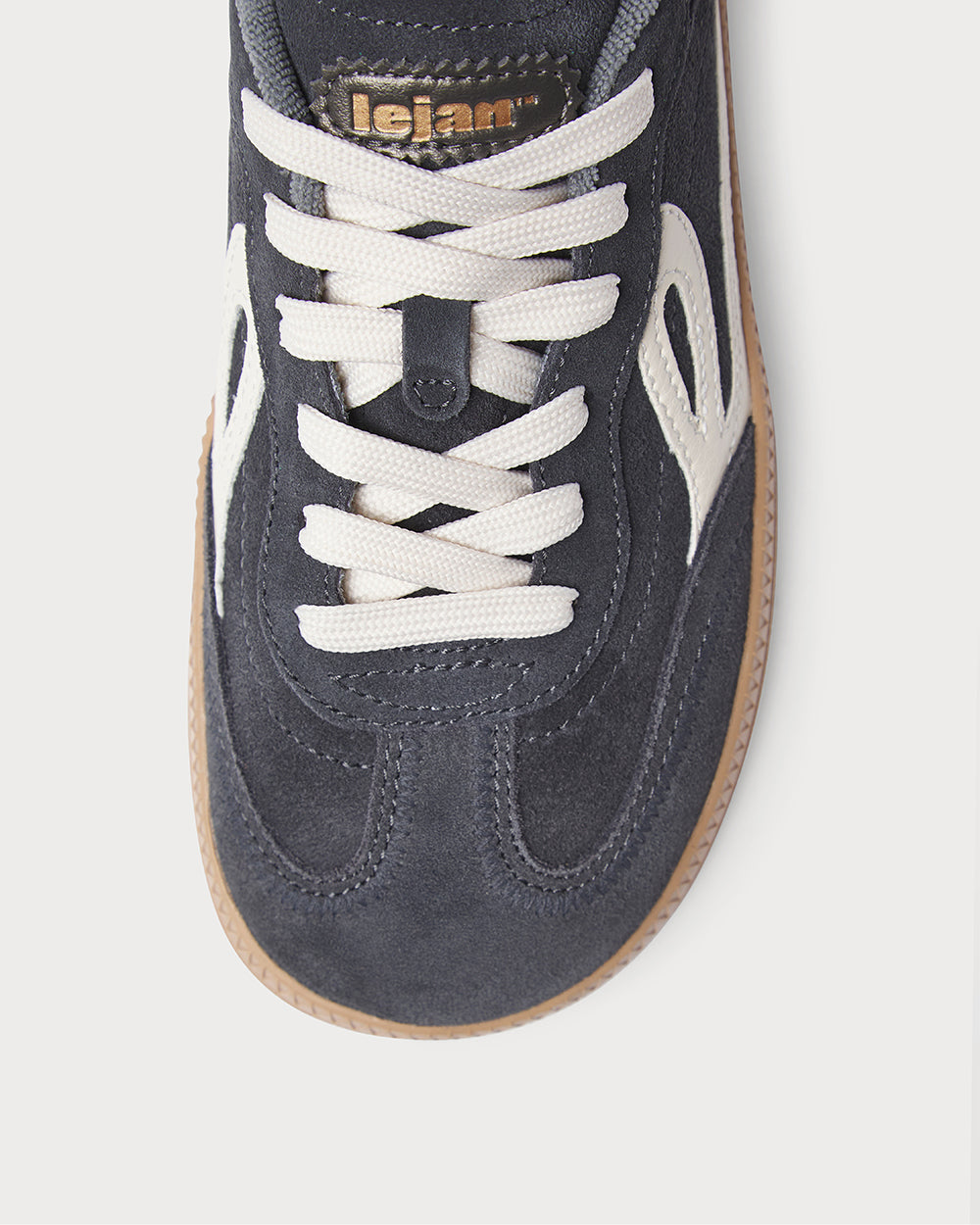
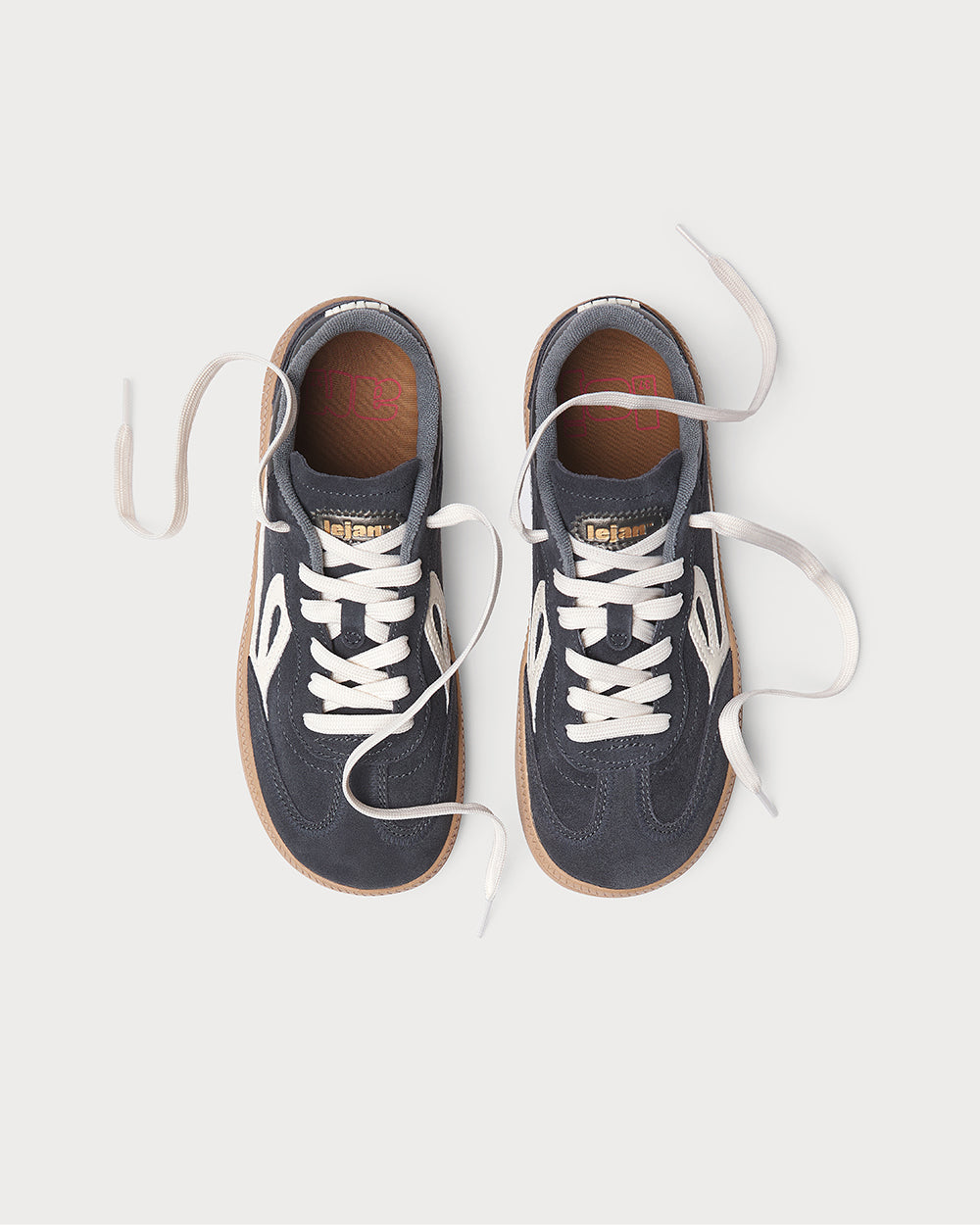
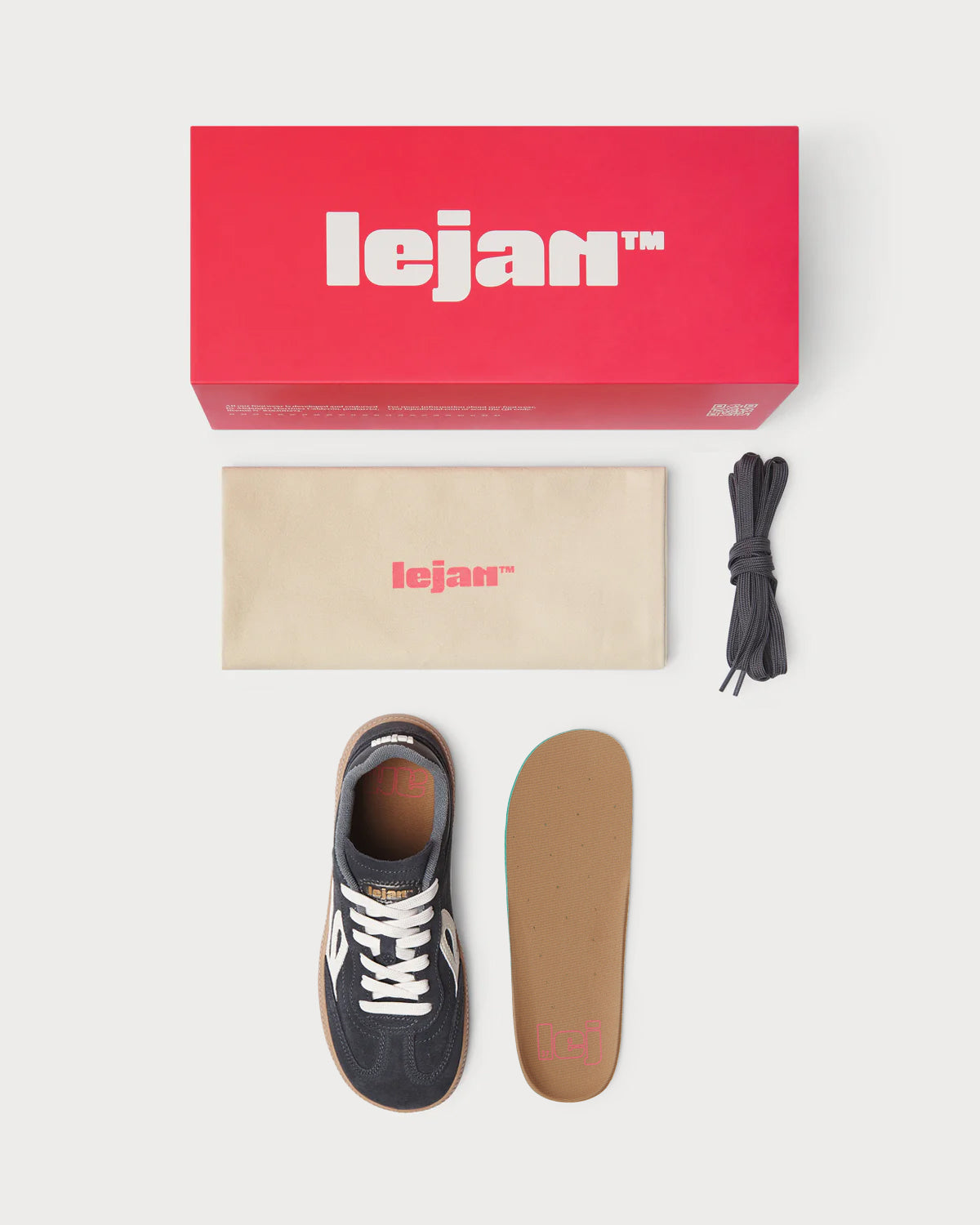
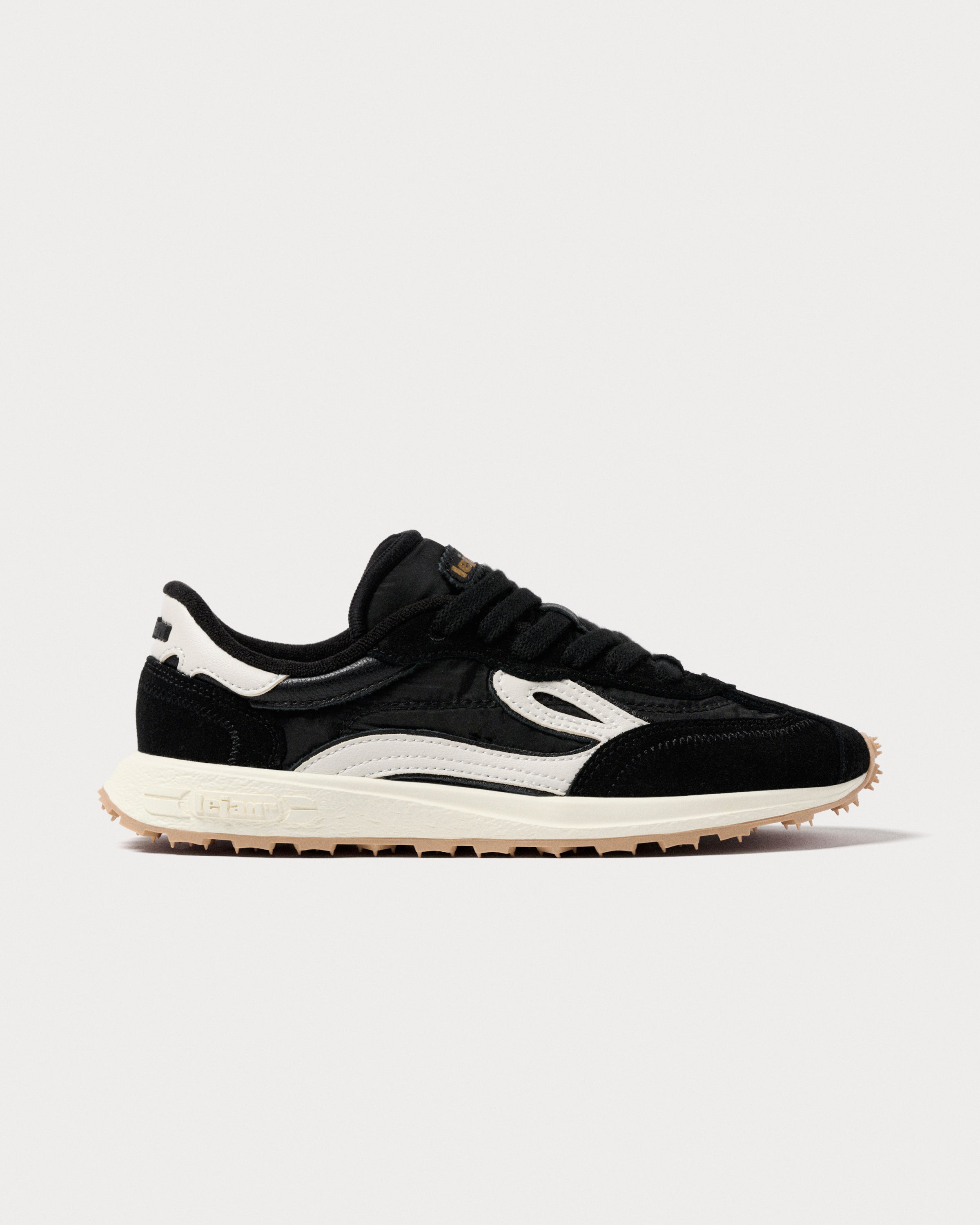
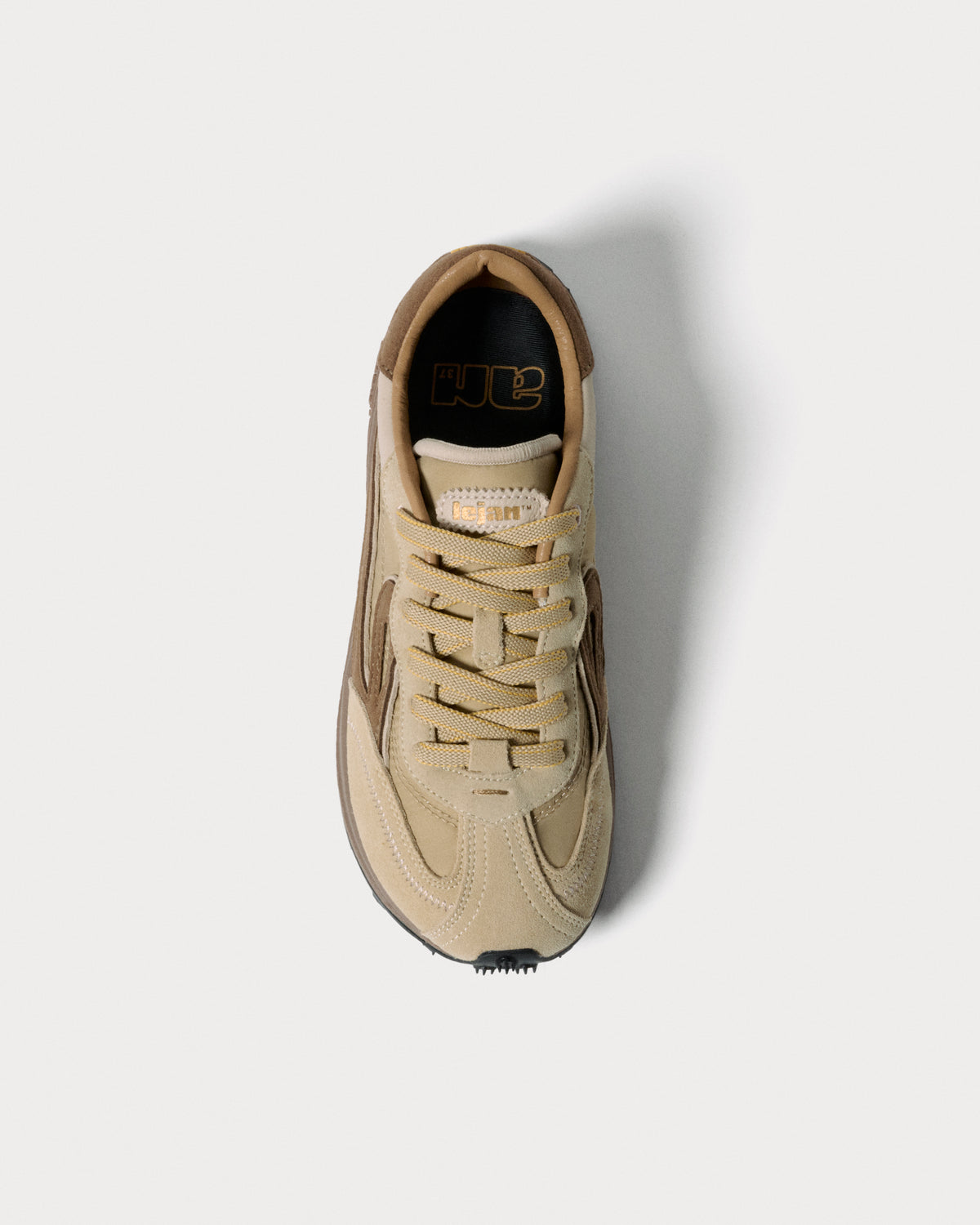
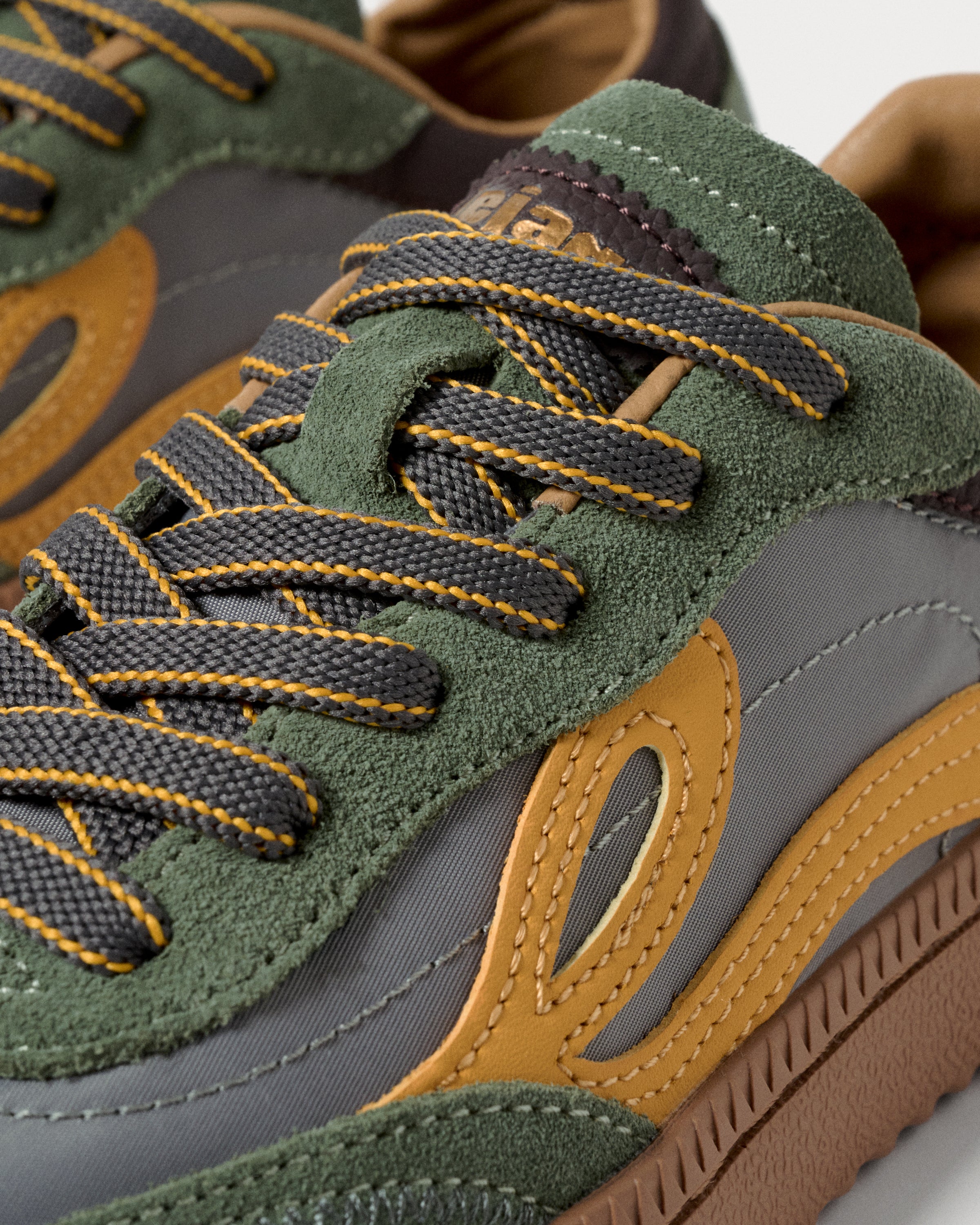
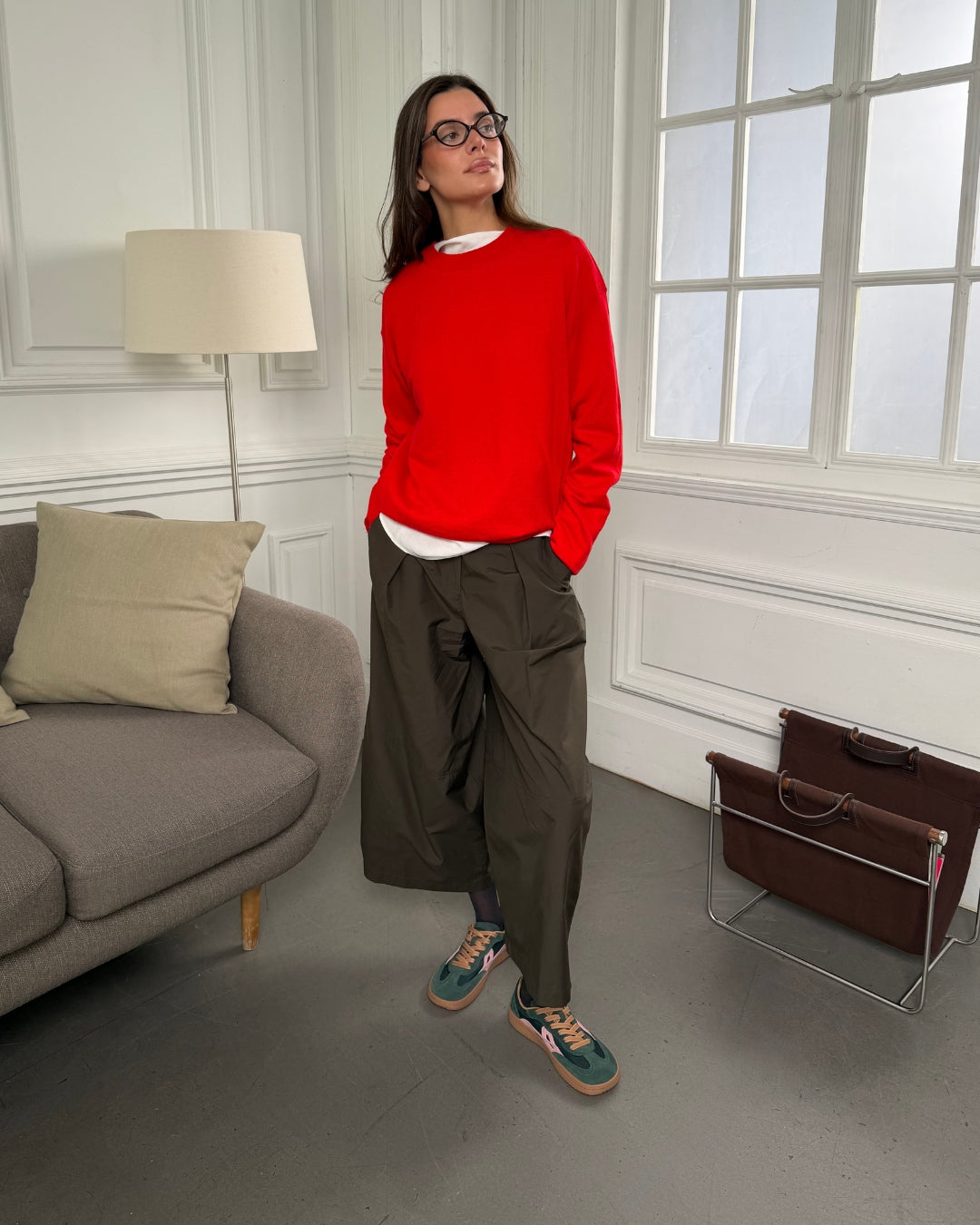
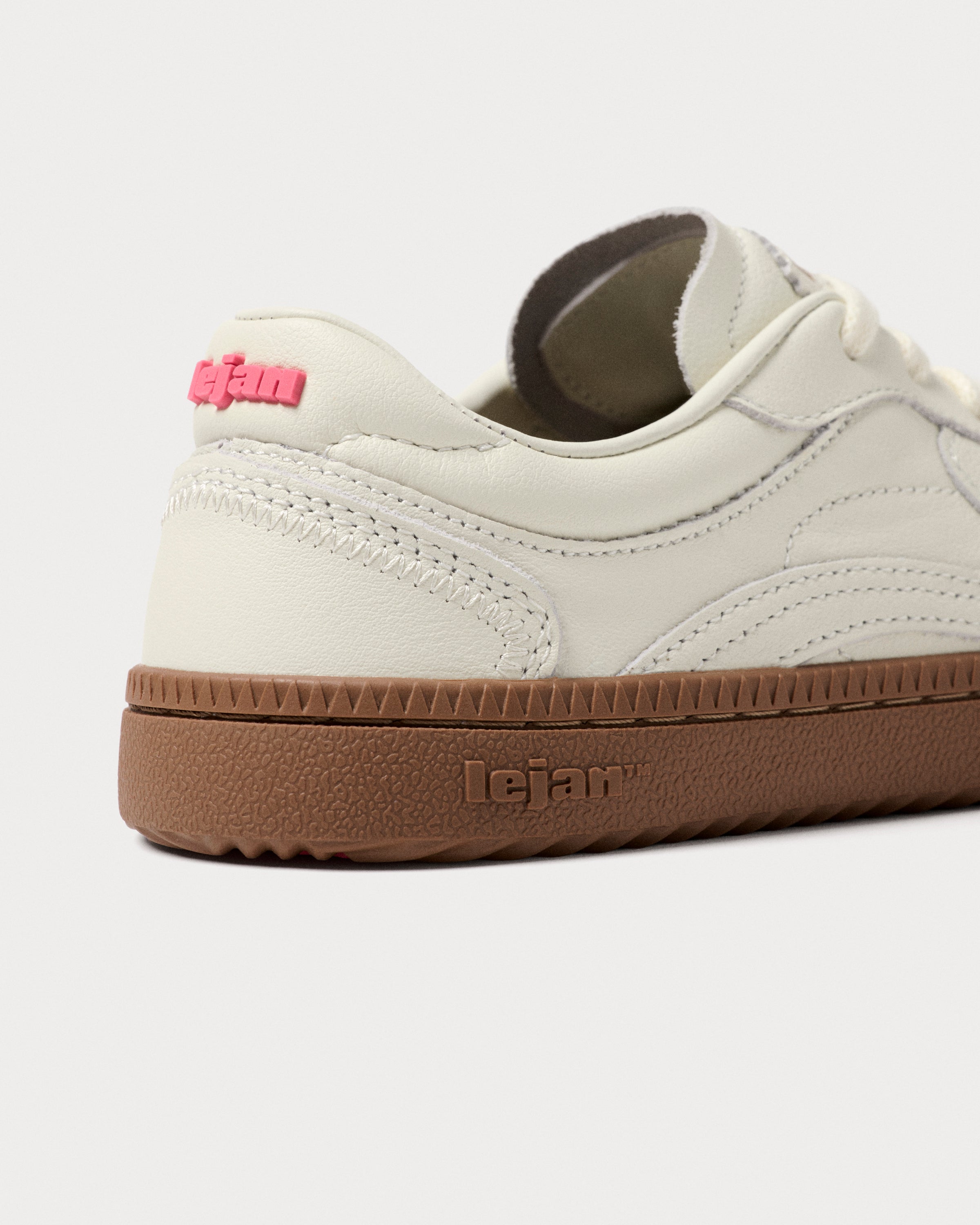
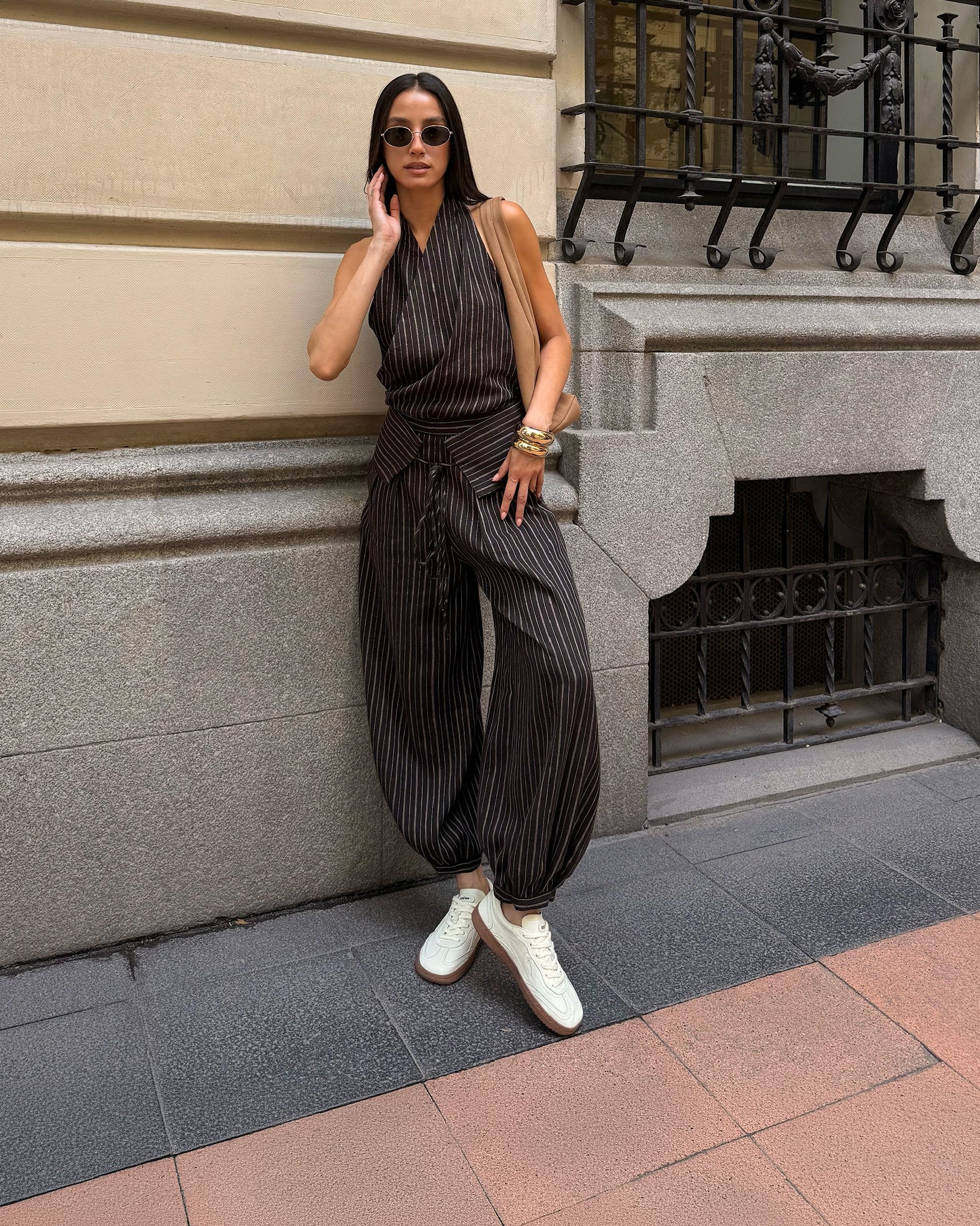
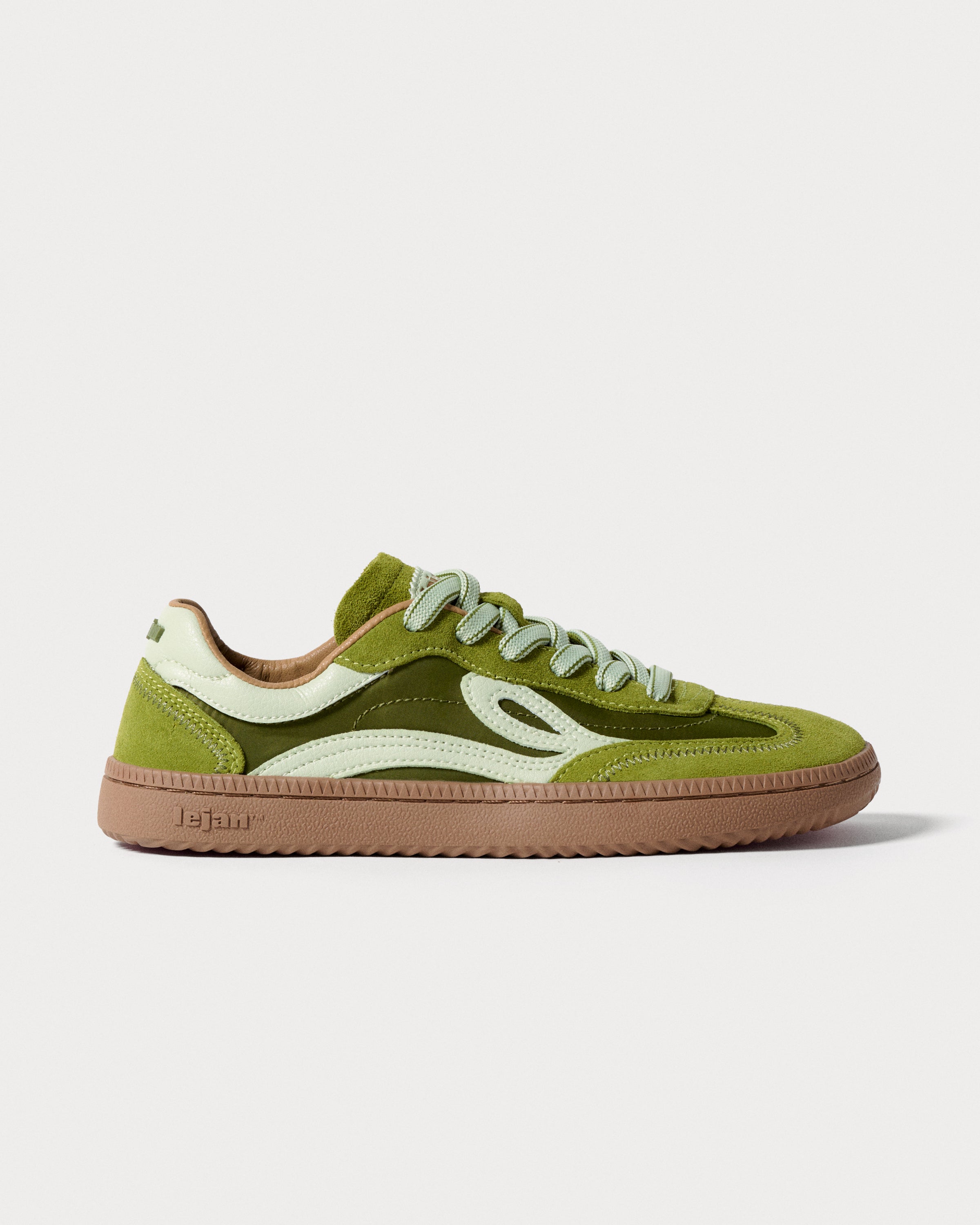
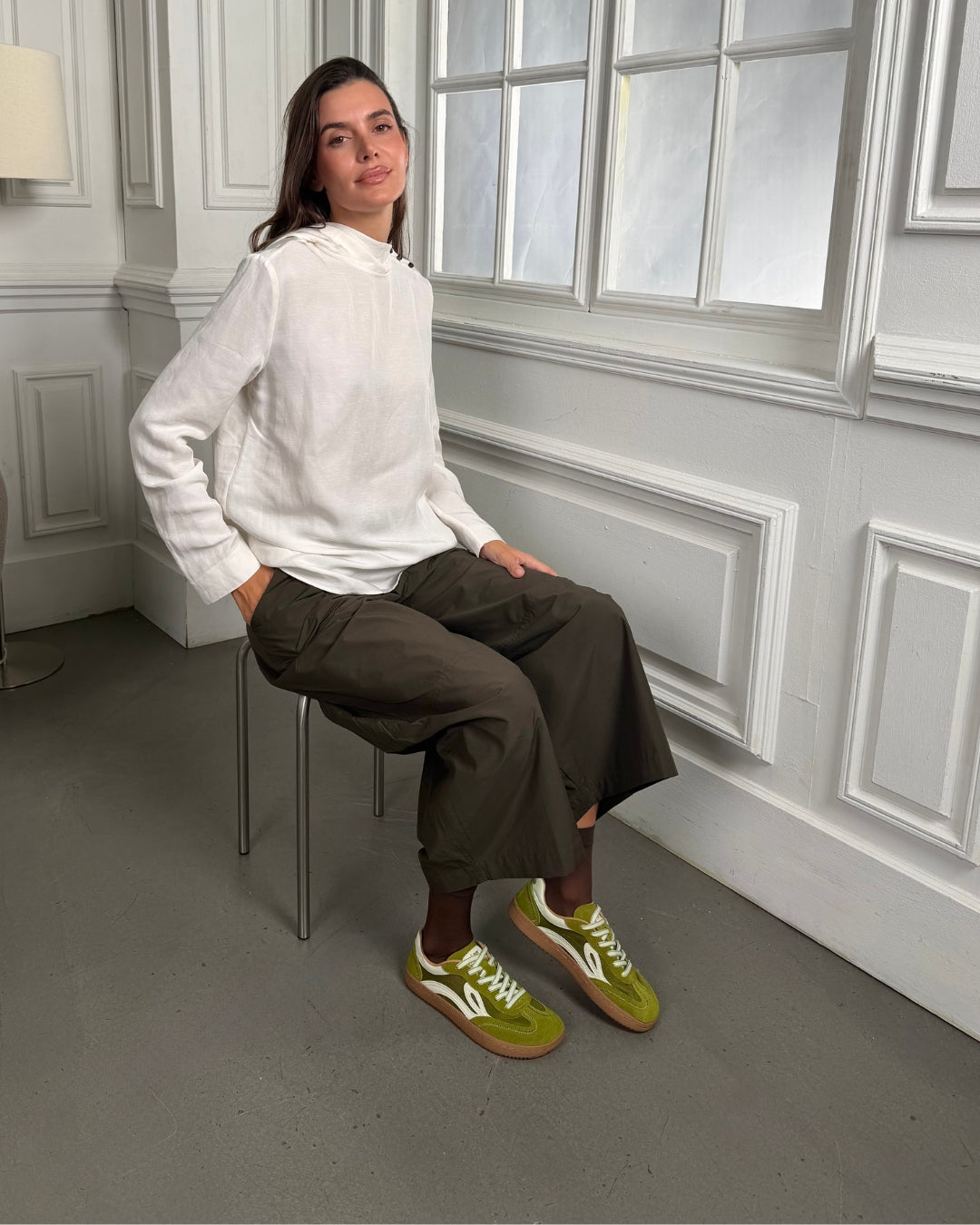
The barefoot shoes for women from LEJAN are designed so your feet can move freely without giving up on style. Our approach is clear: barefoot bonito, meaning respect for your anatomy, carefully considered aesthetics and real everyday comfort. If you’re looking for a versatile option for urban looks, errands, travel or work, you can discover our casual barefoot shoes for women, designed to combine freedom of movement, a comfortable fit and an easy-to-wear style.
How can you tell whether a pair of women’s shoes is genuinely barefoot?
Not everything sold as minimalist truly is. Many minimalist shoes for women still keep some heel drop, a narrow toe box or a rigid sole that limits movement. To know whether a pair is genuinely barefoot, look out for five signs that at LEJAN we care for down to the last detail.
5 LEJAN pillars: wide toe box, thin sole, drop 0, flexibility, the “gestito”
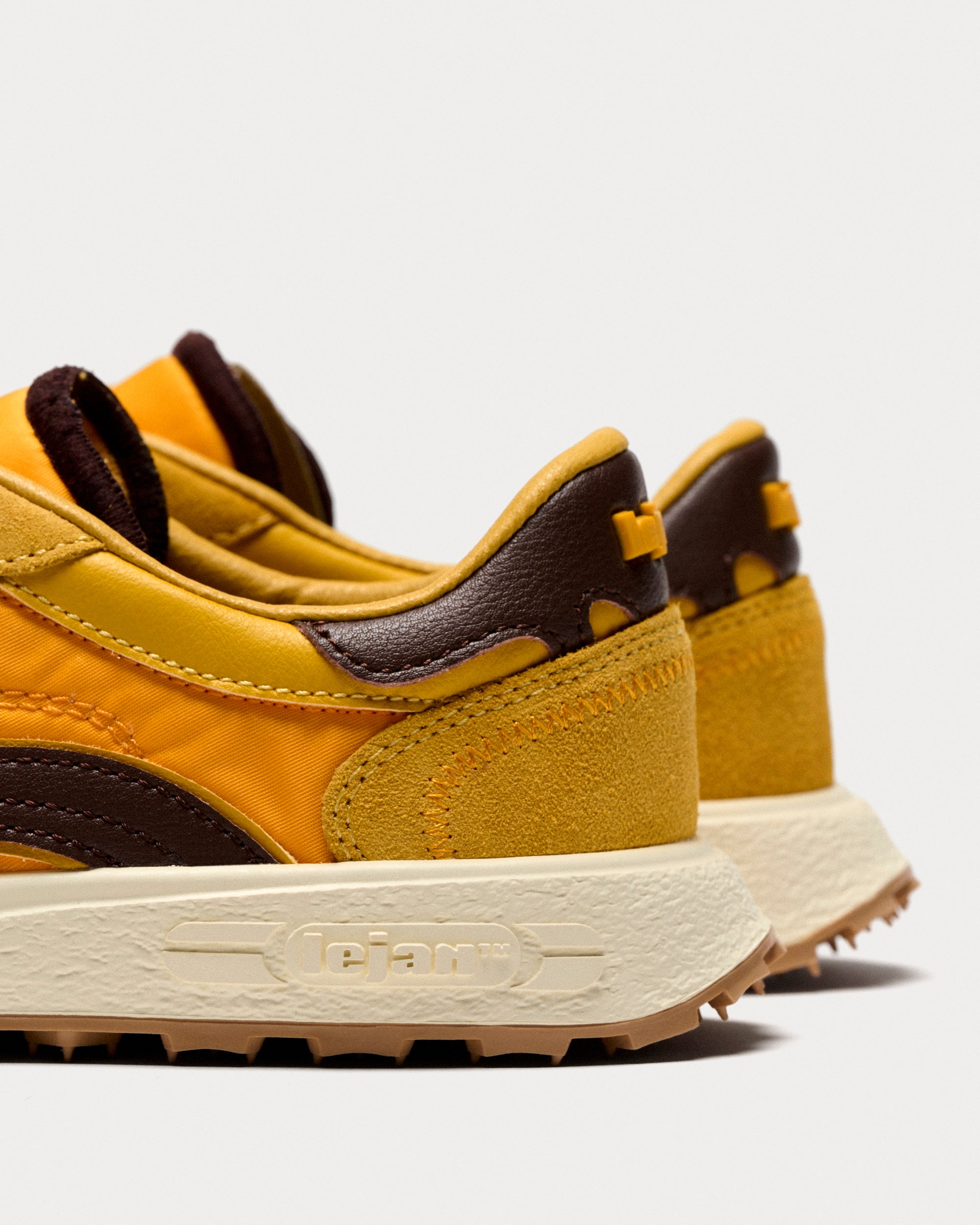
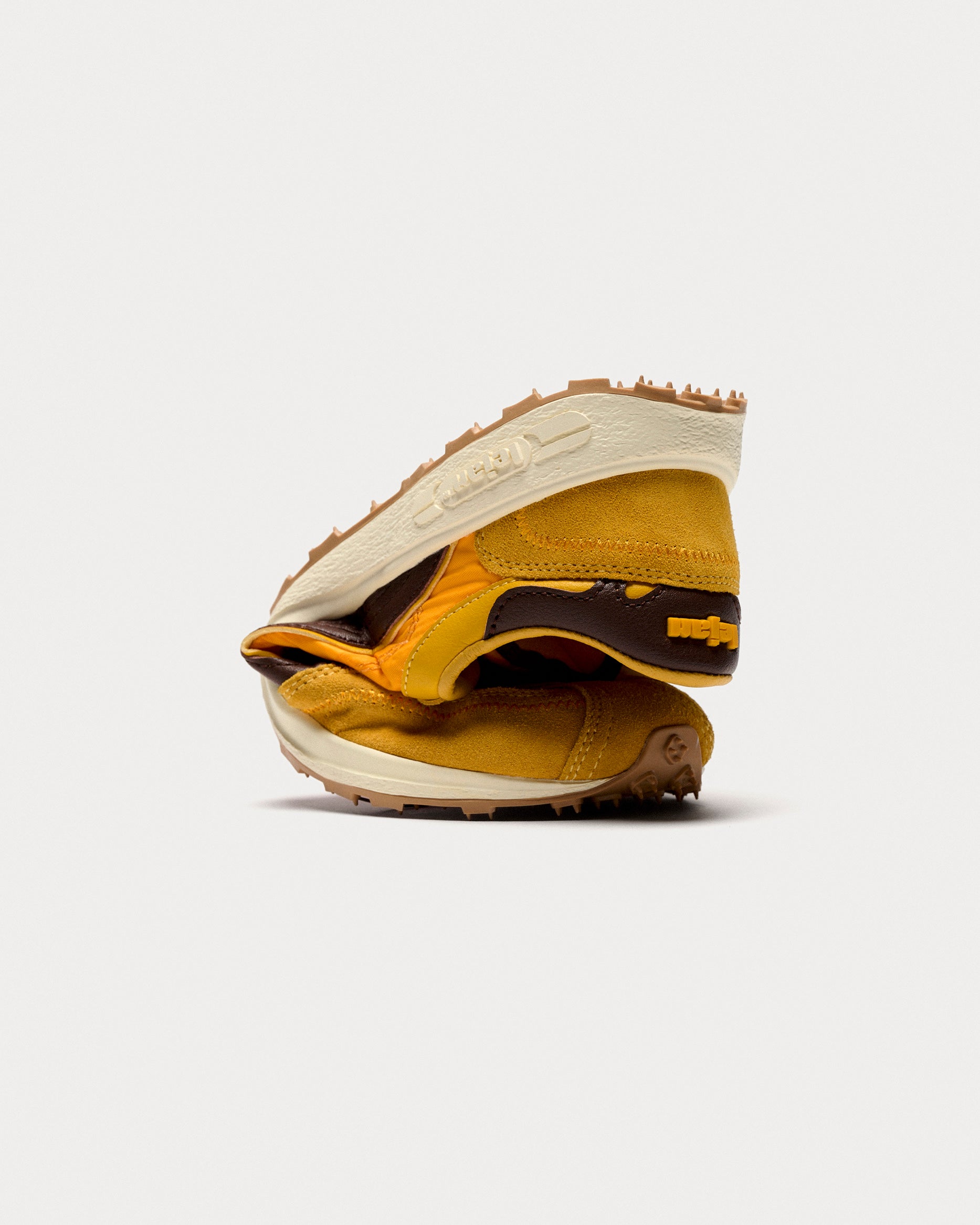
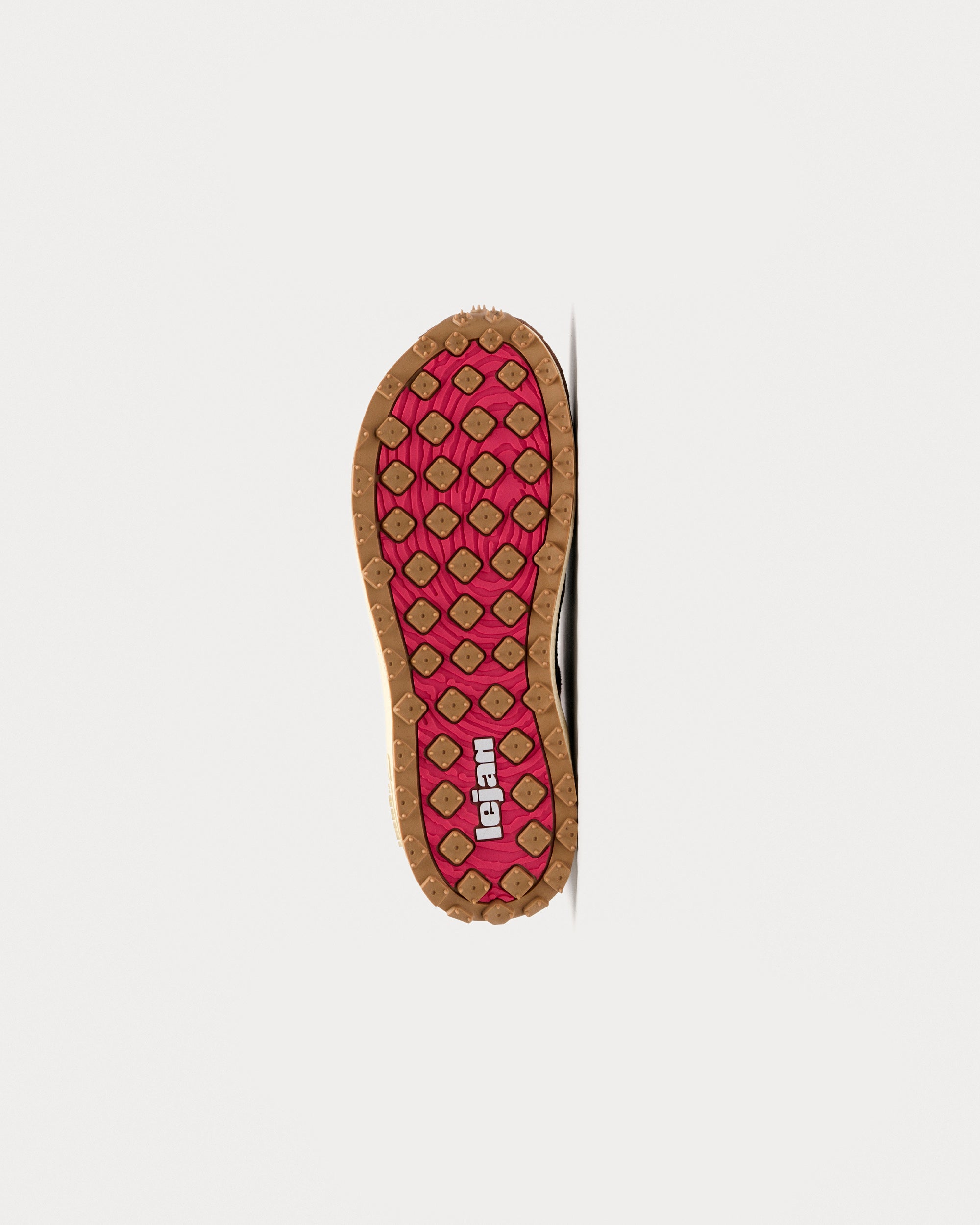
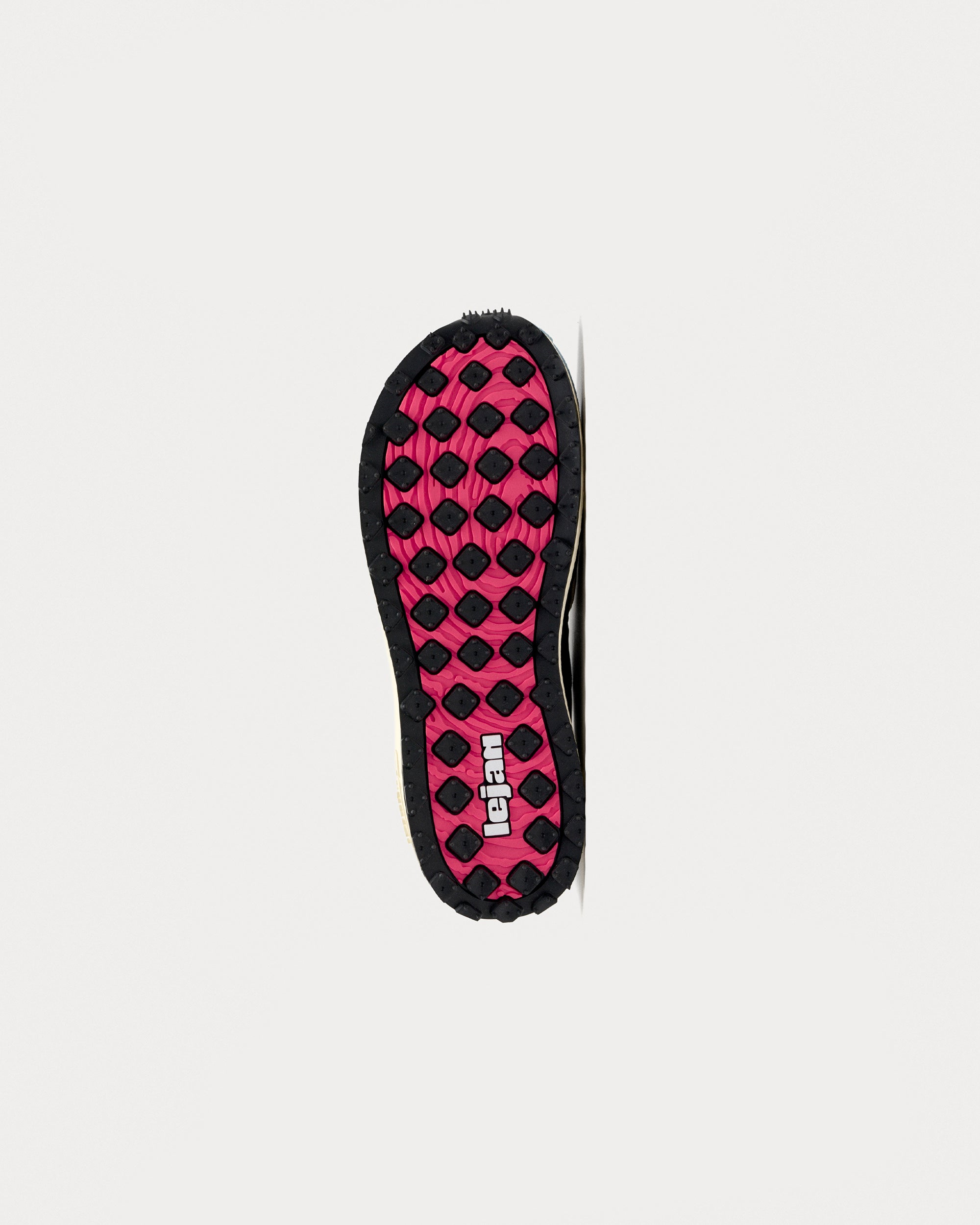
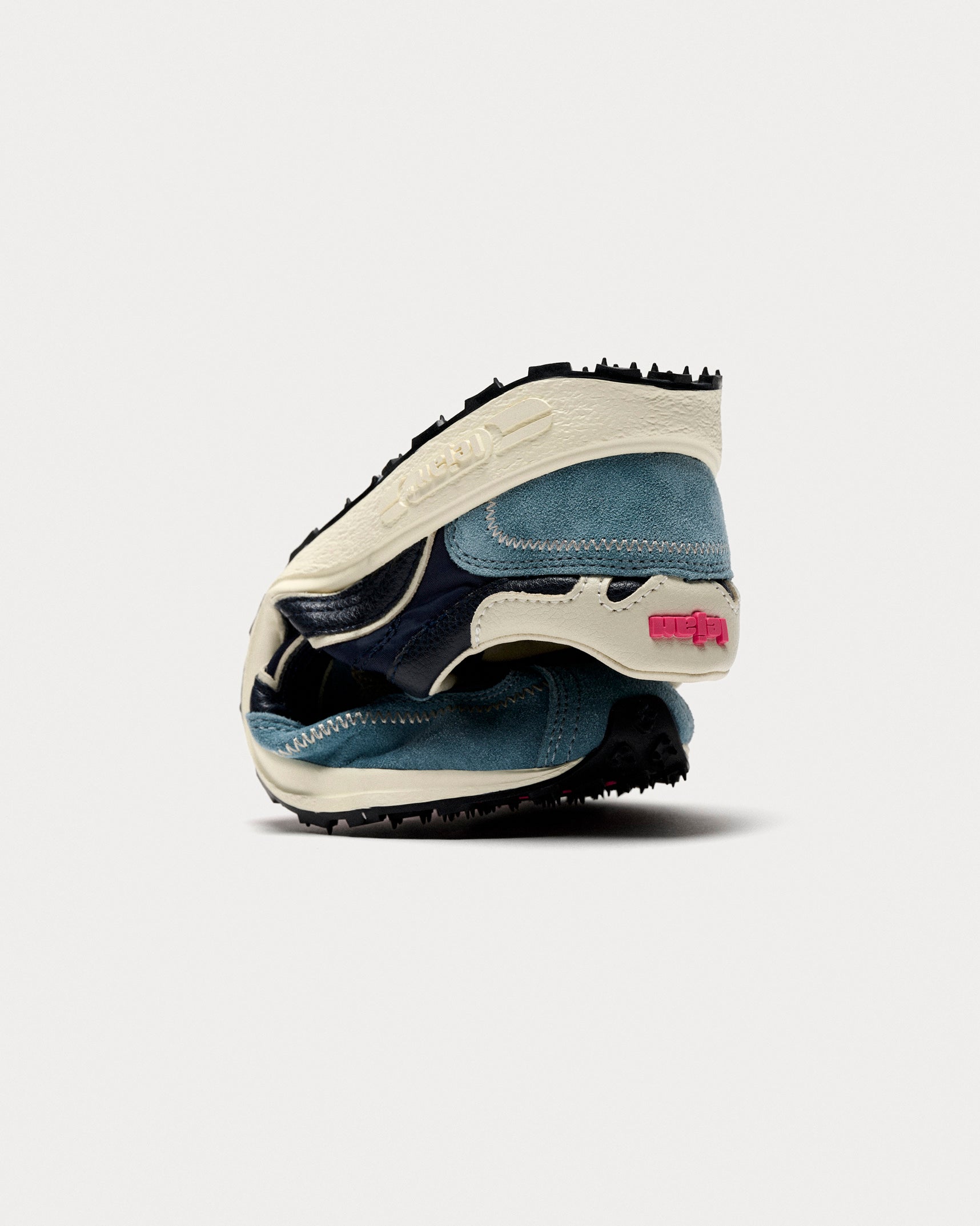
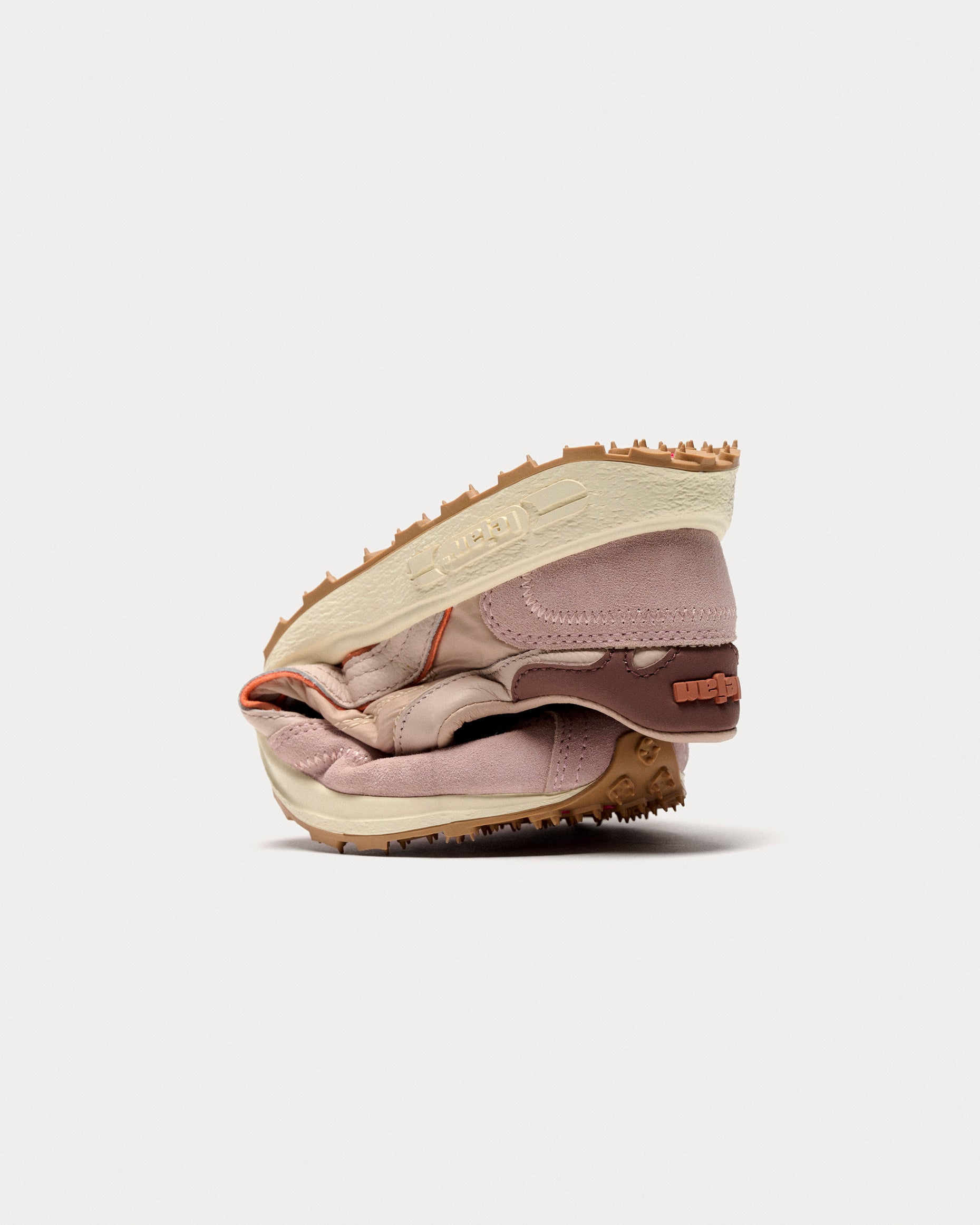
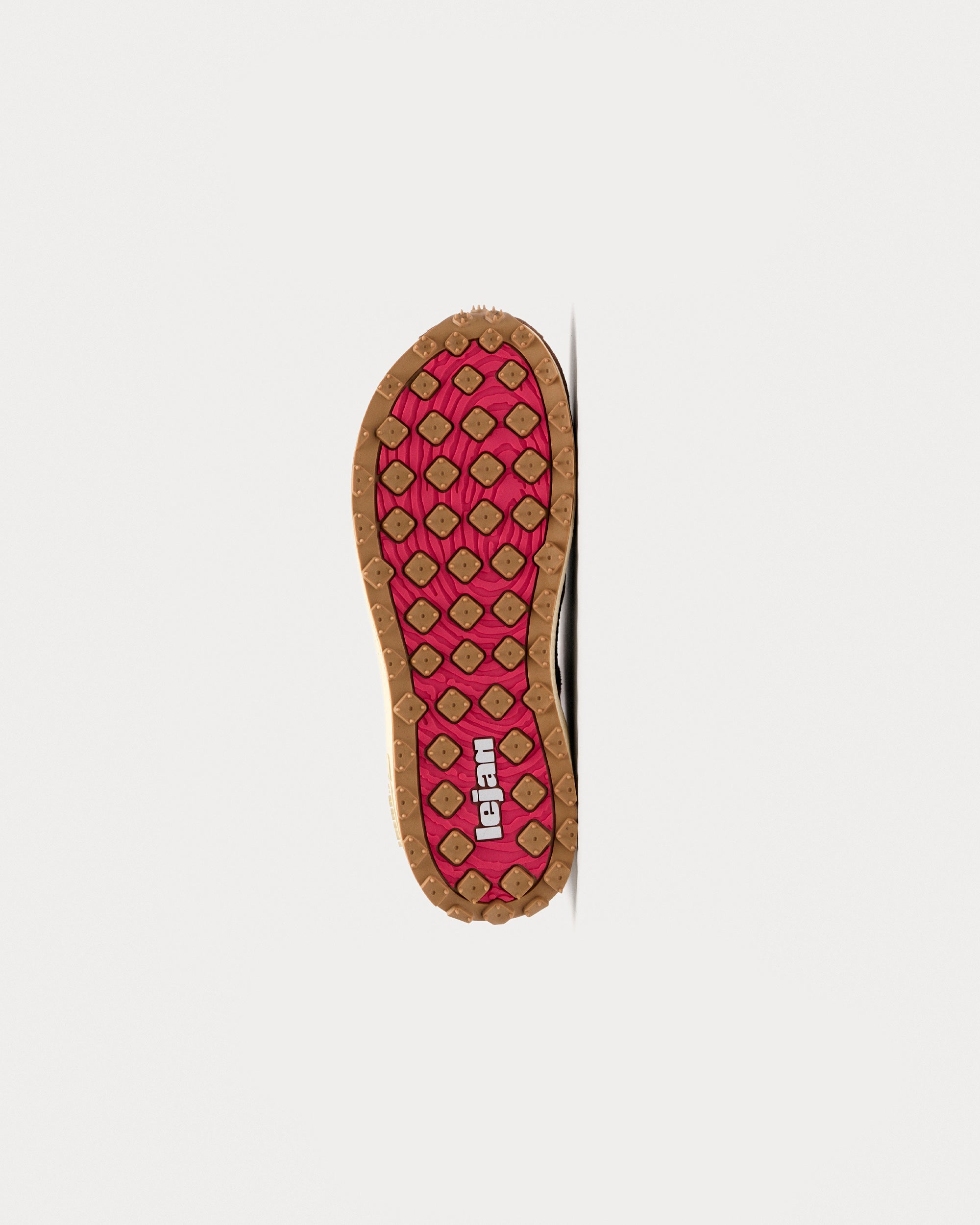
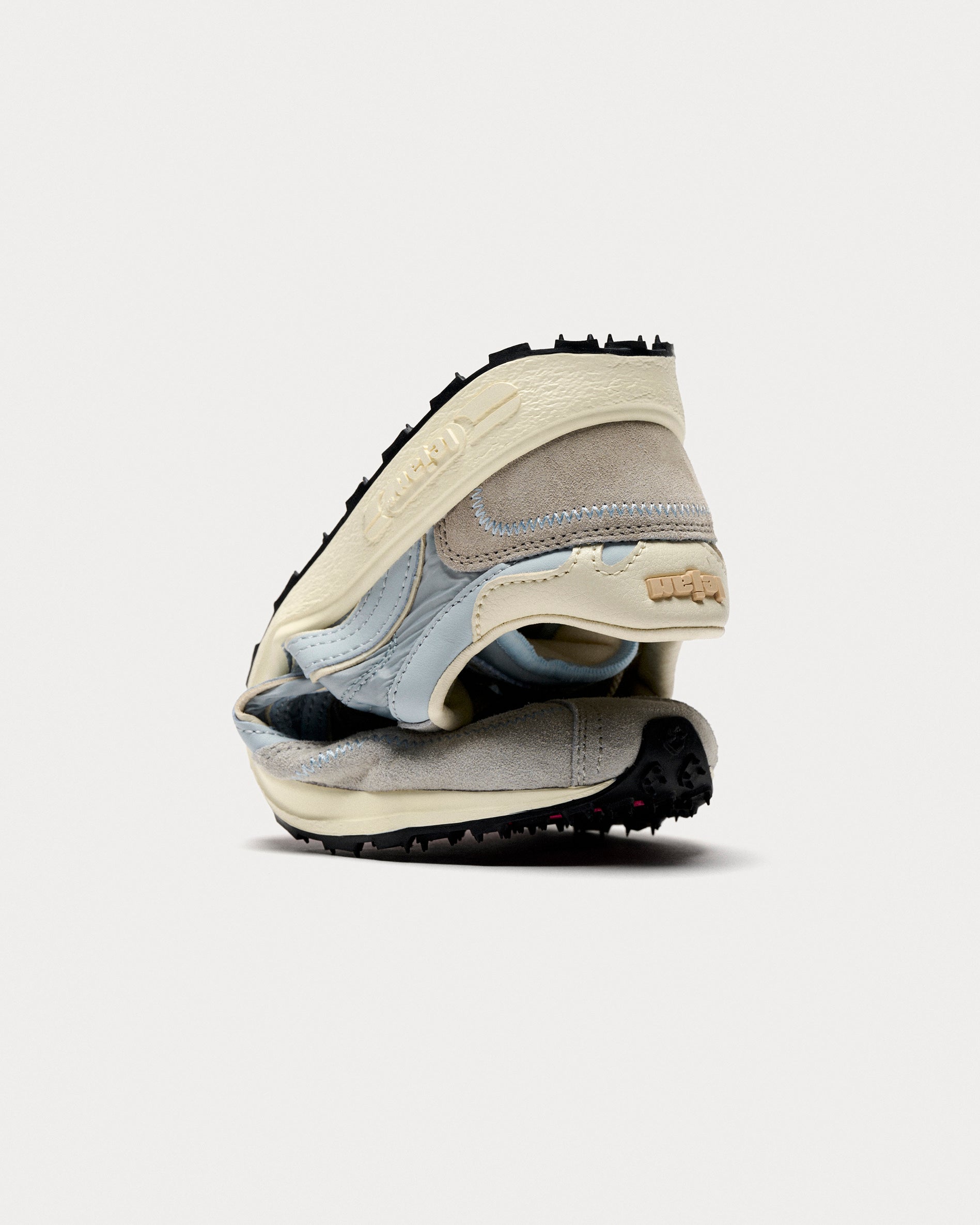
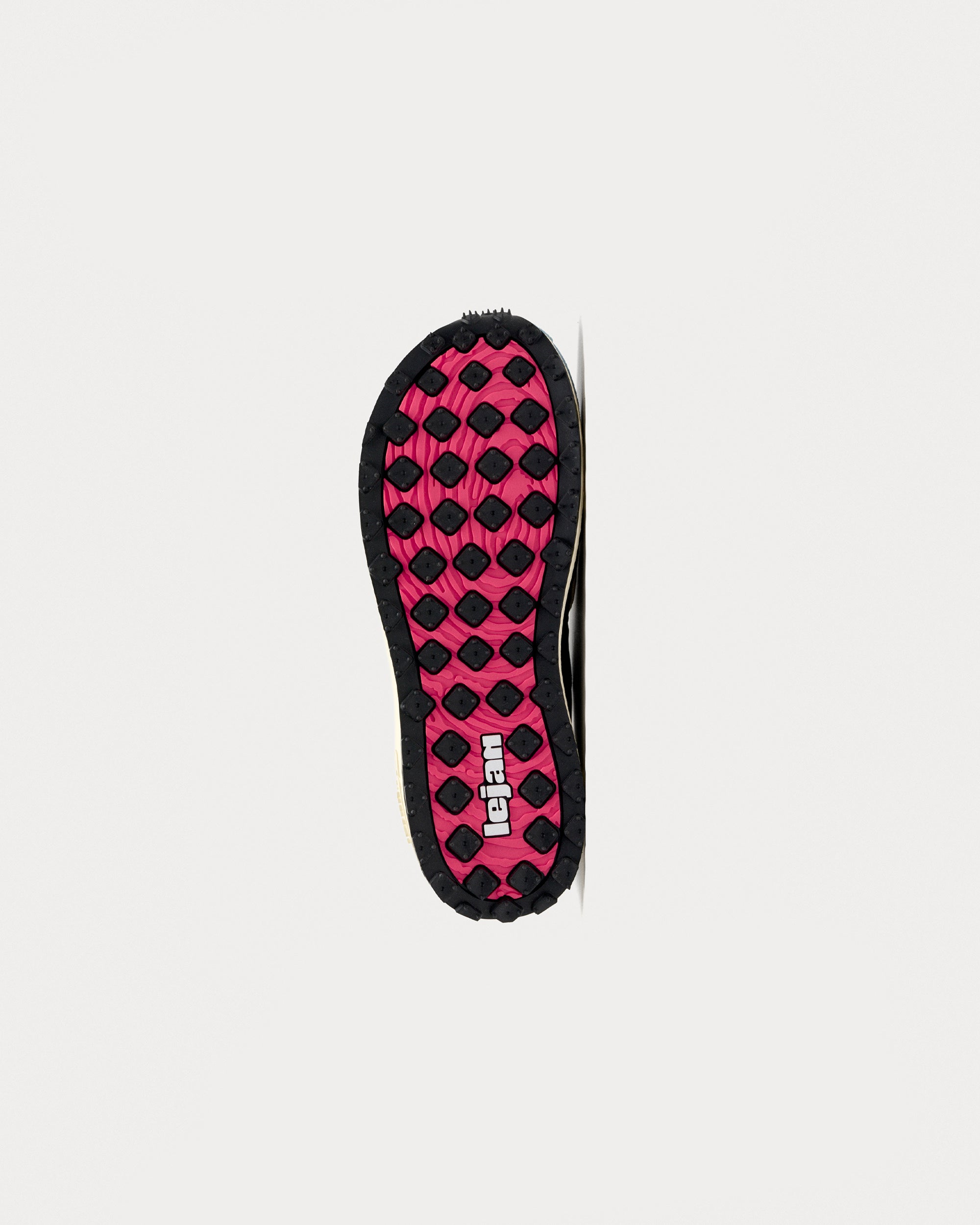
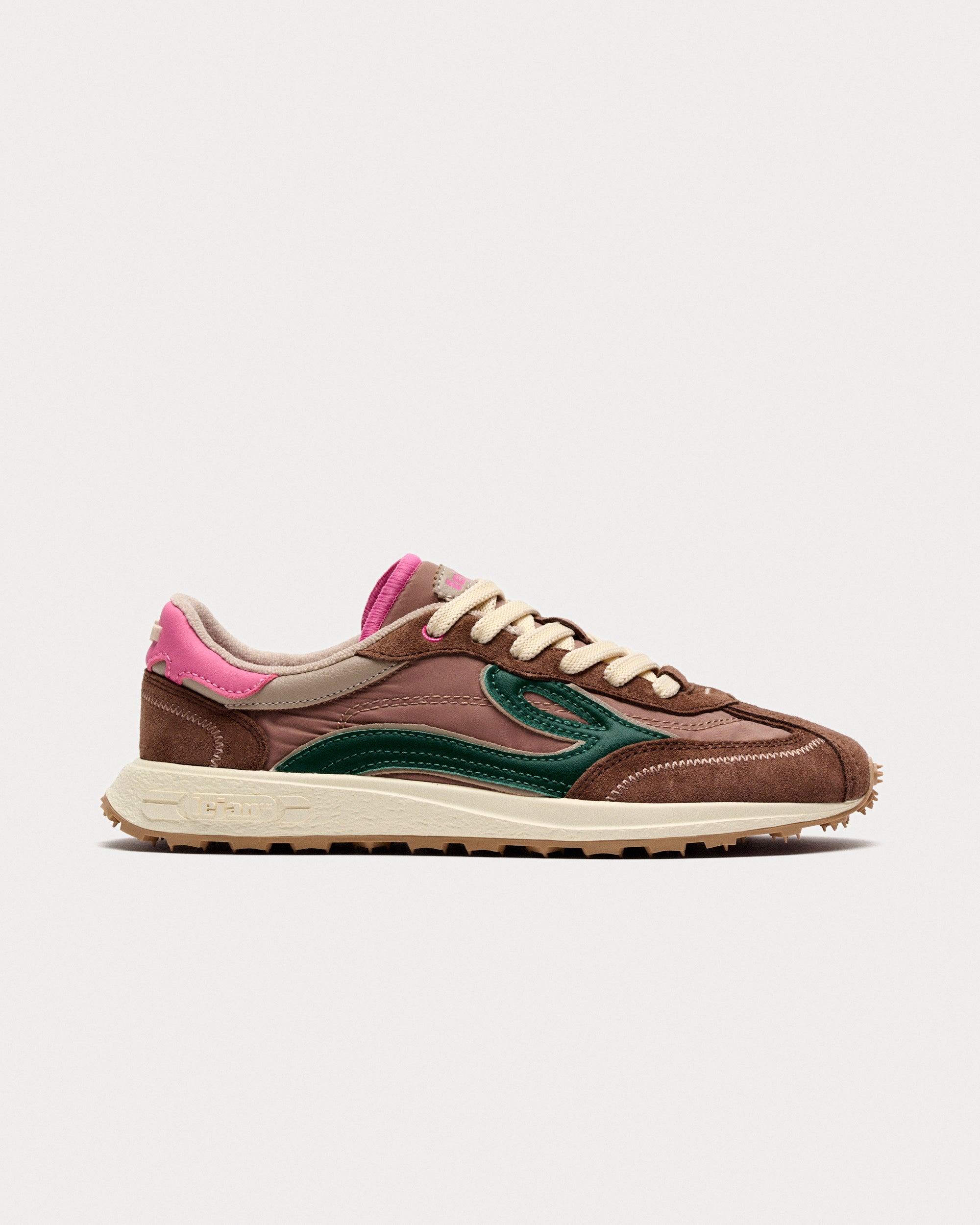
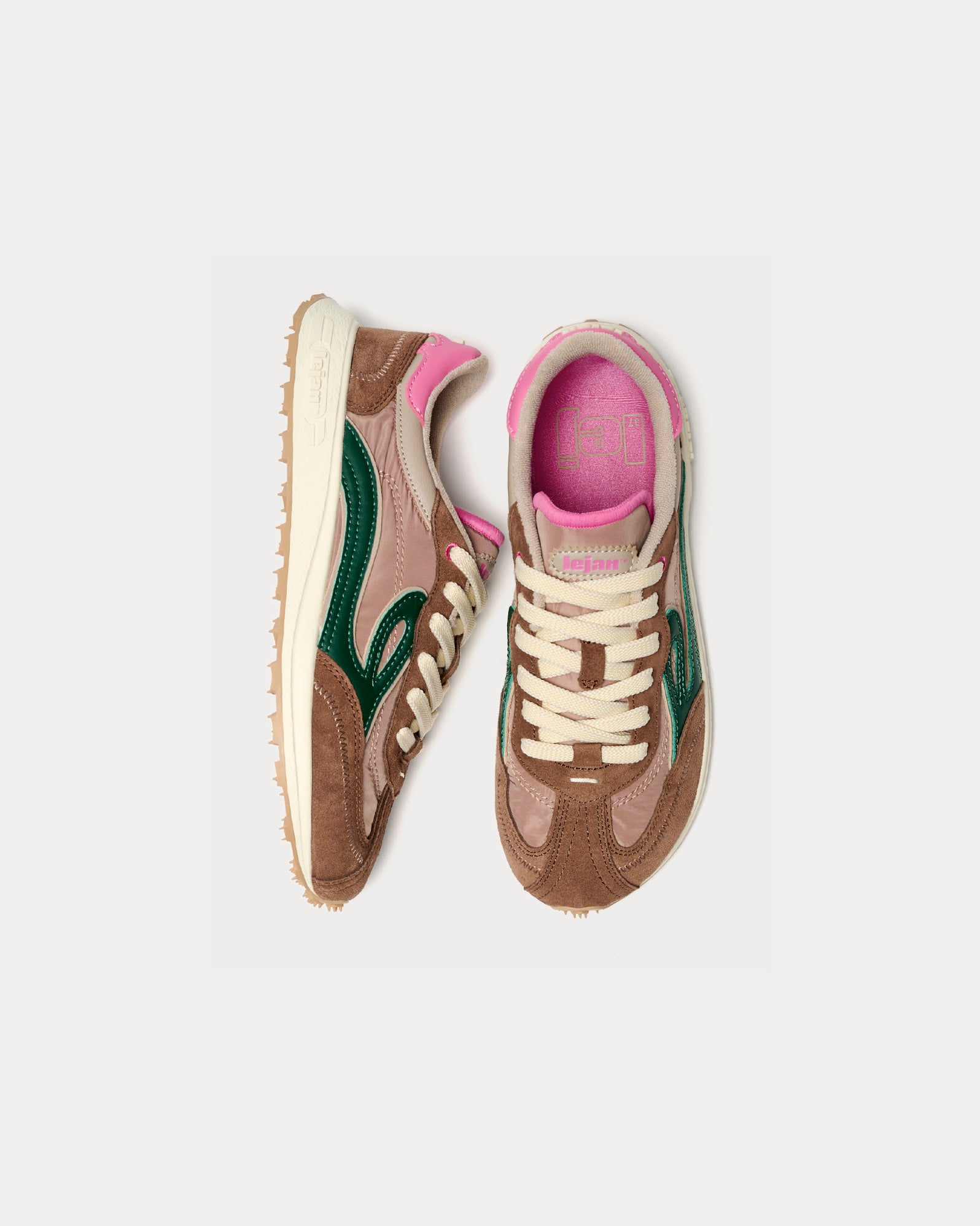
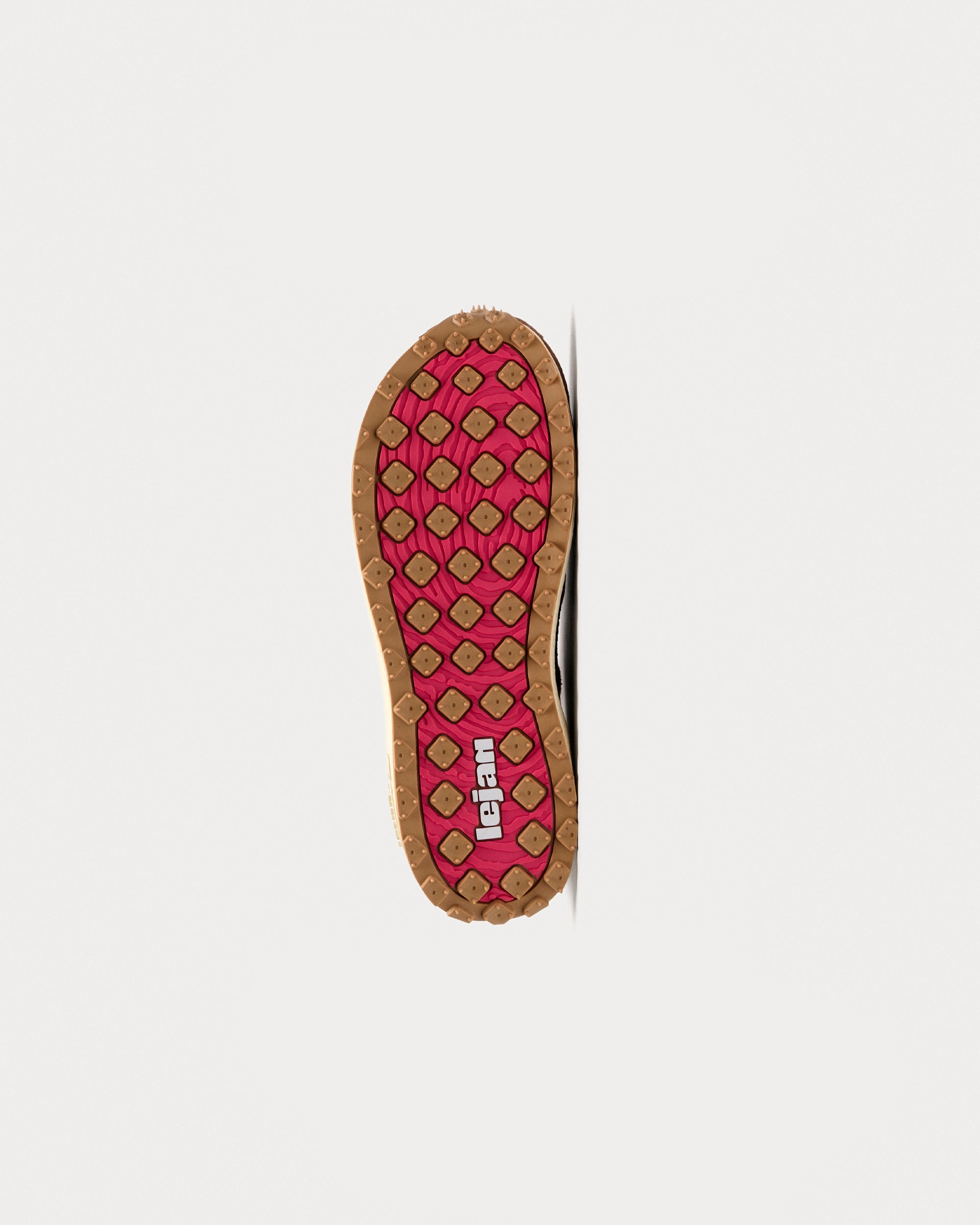
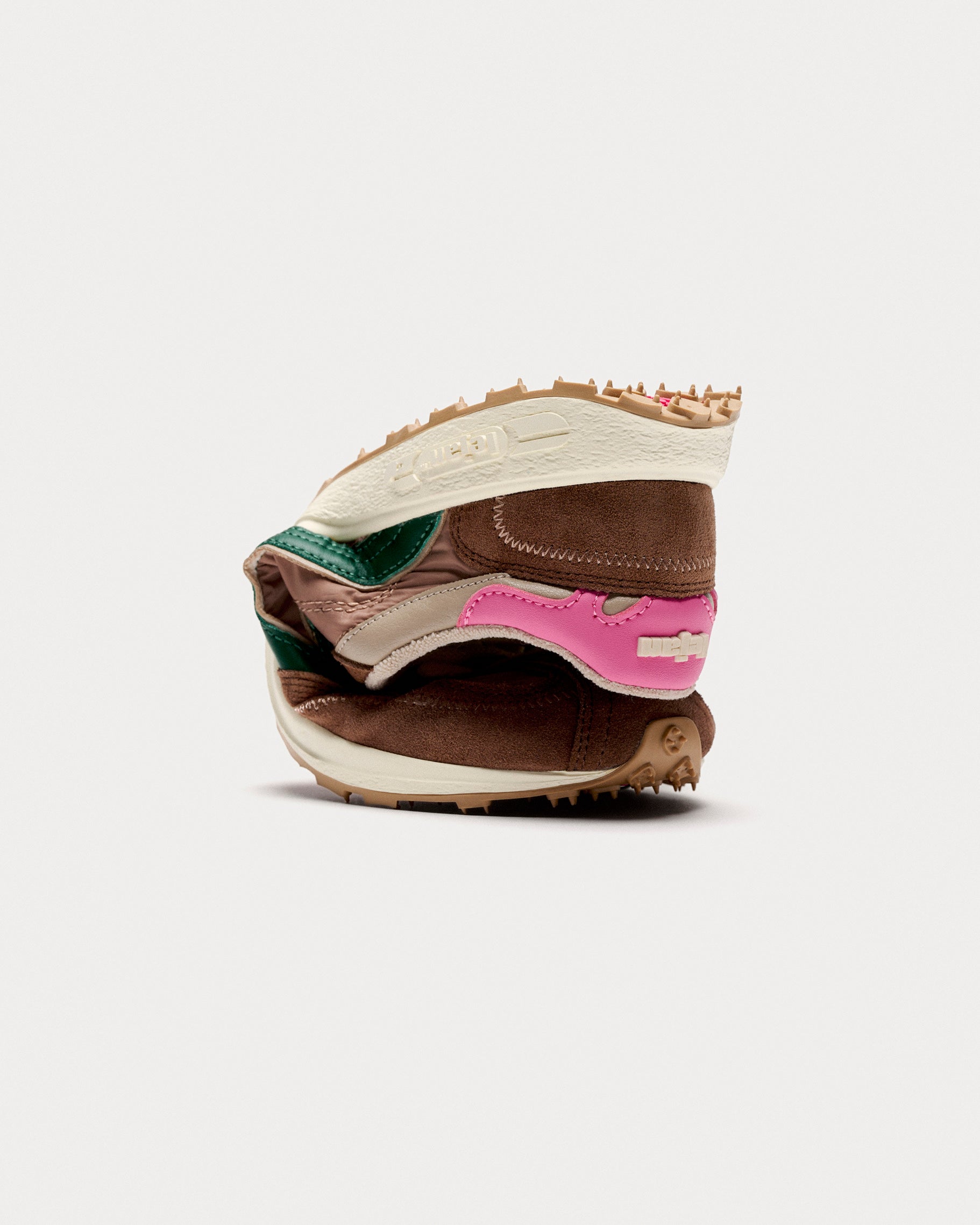
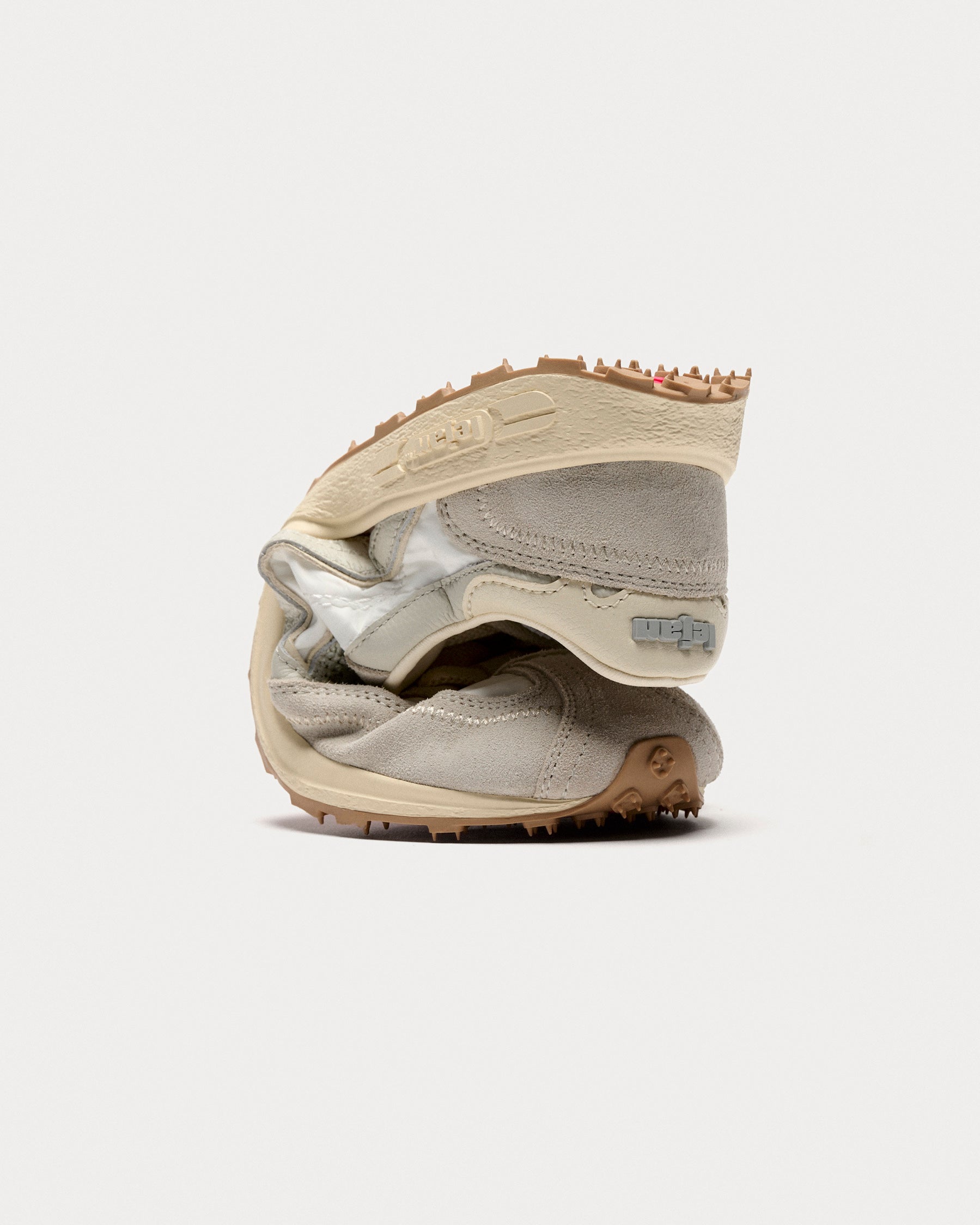
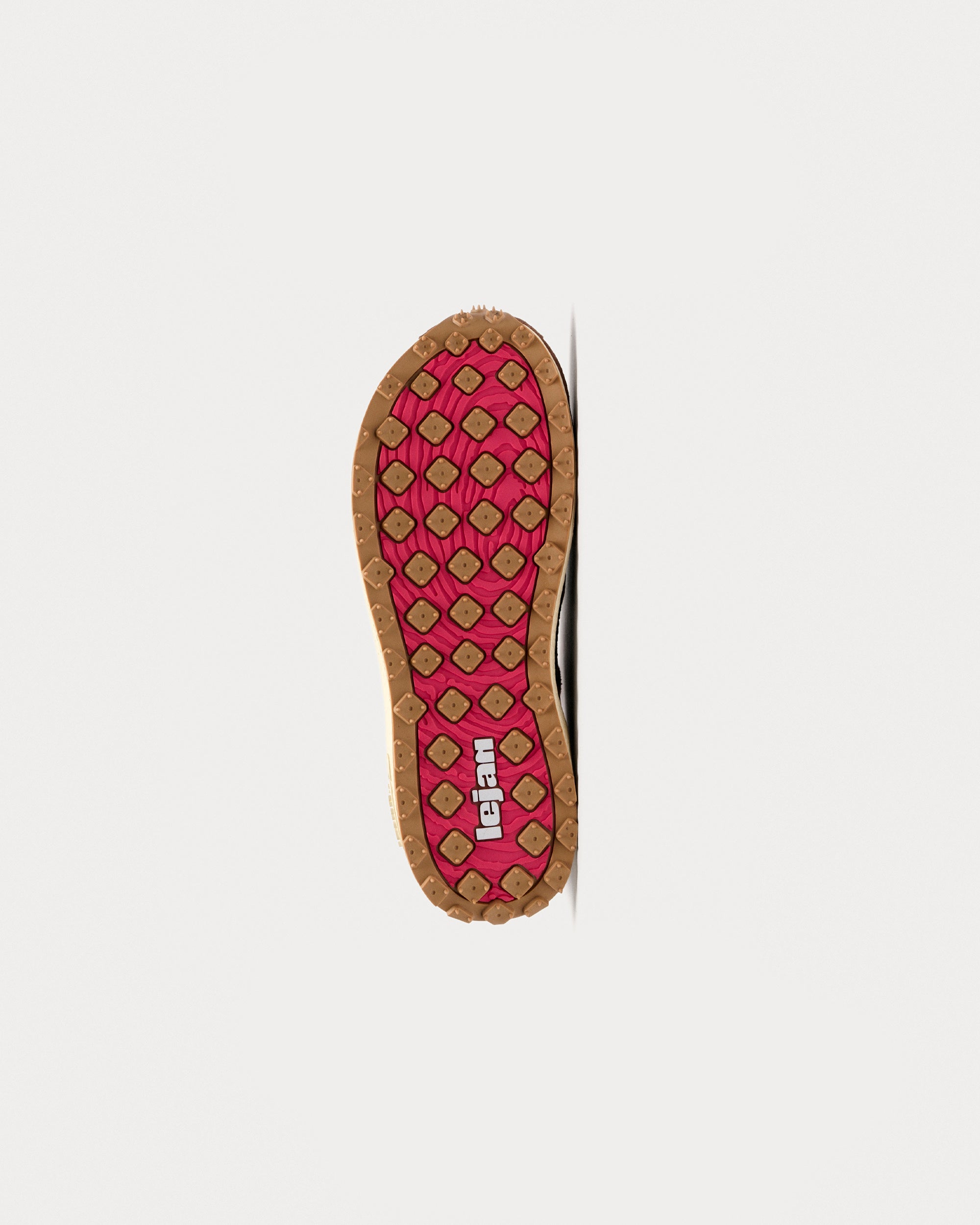
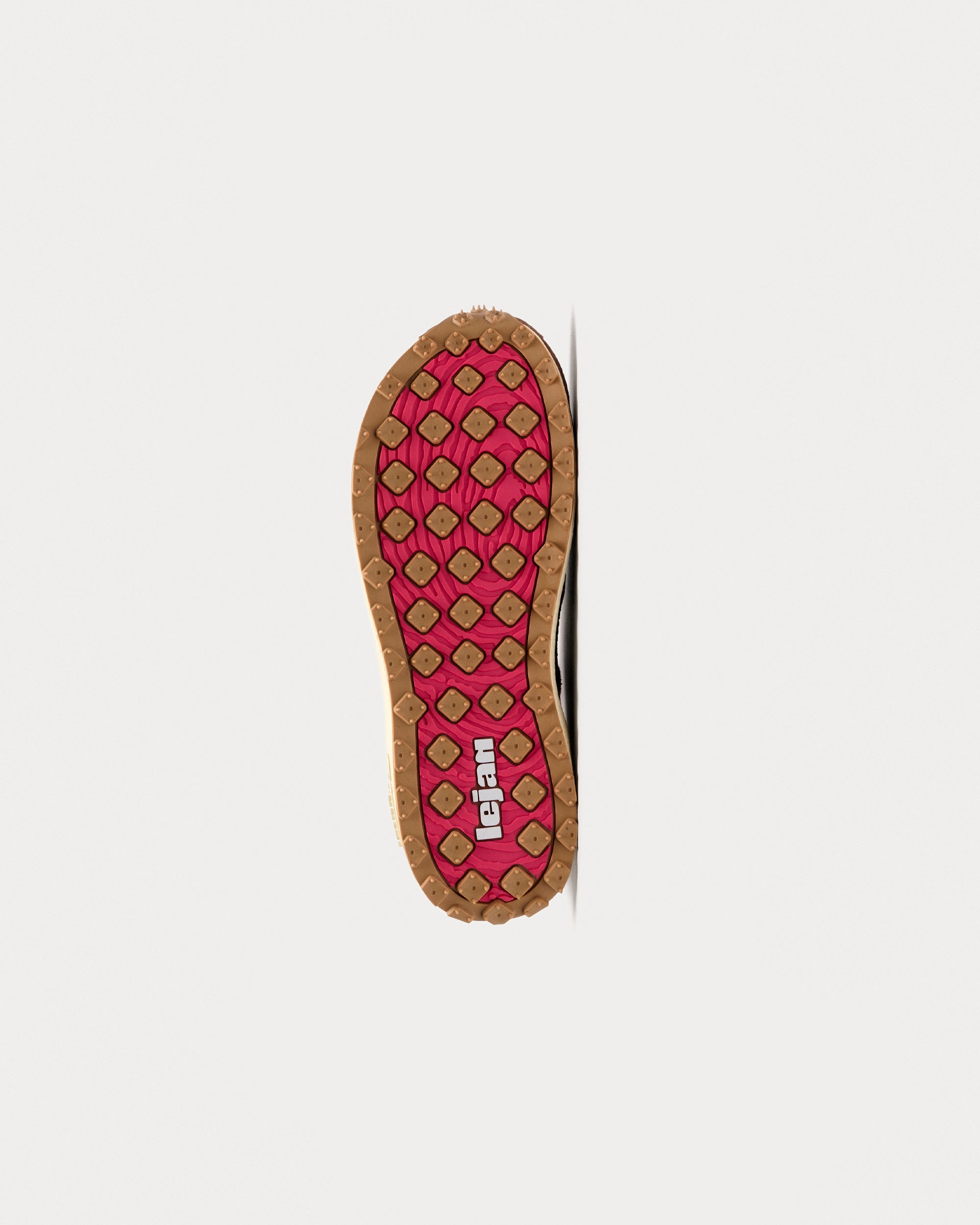
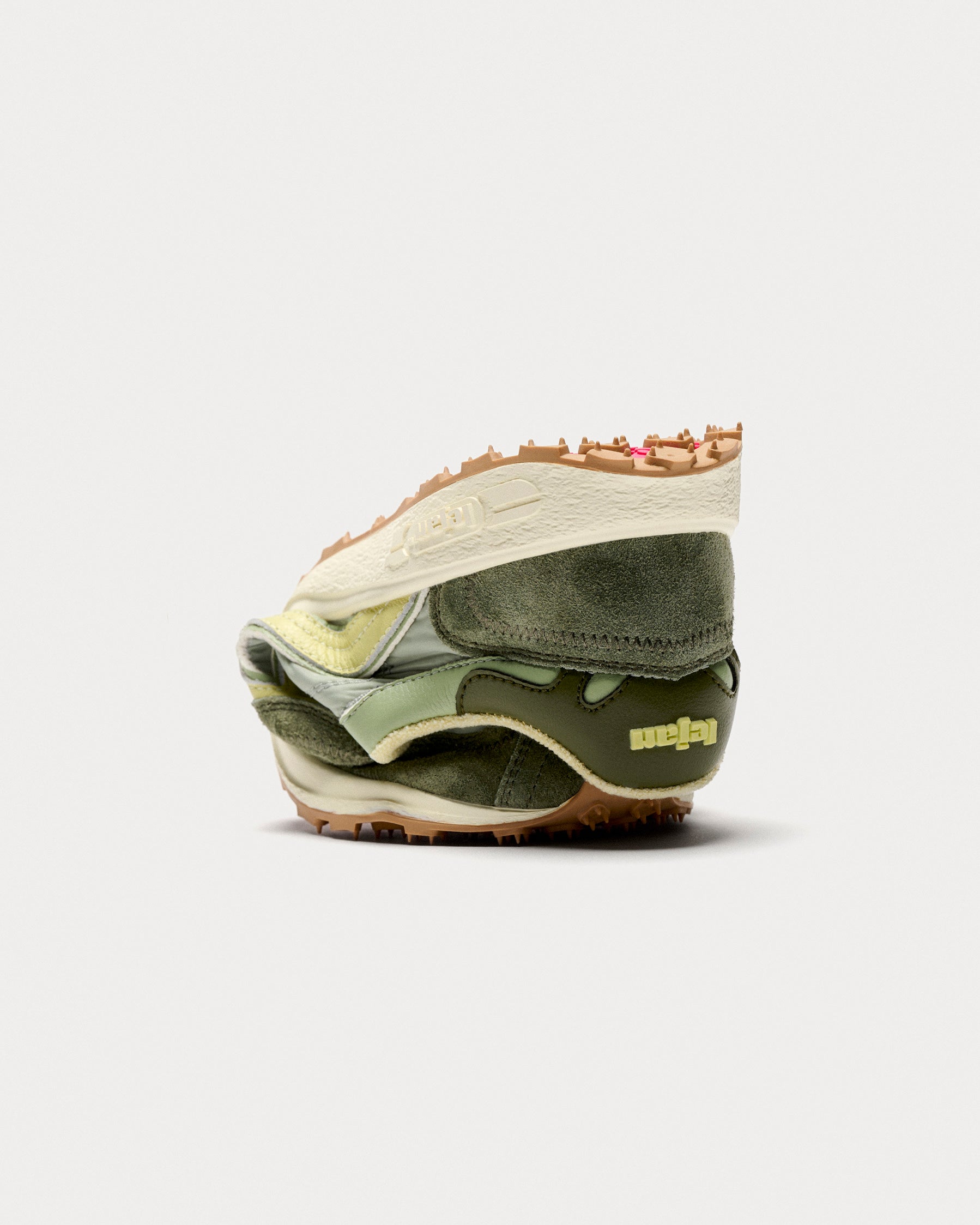
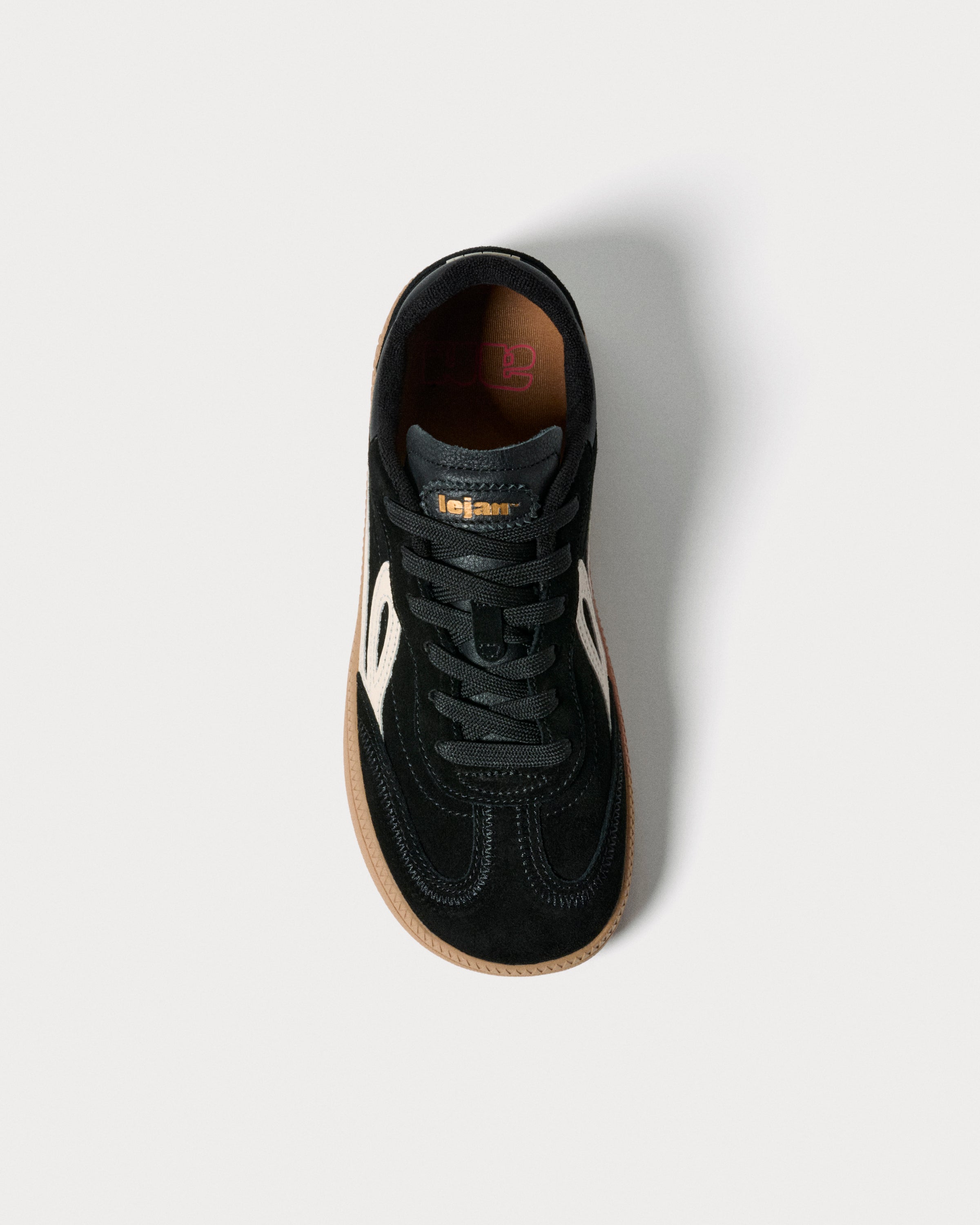
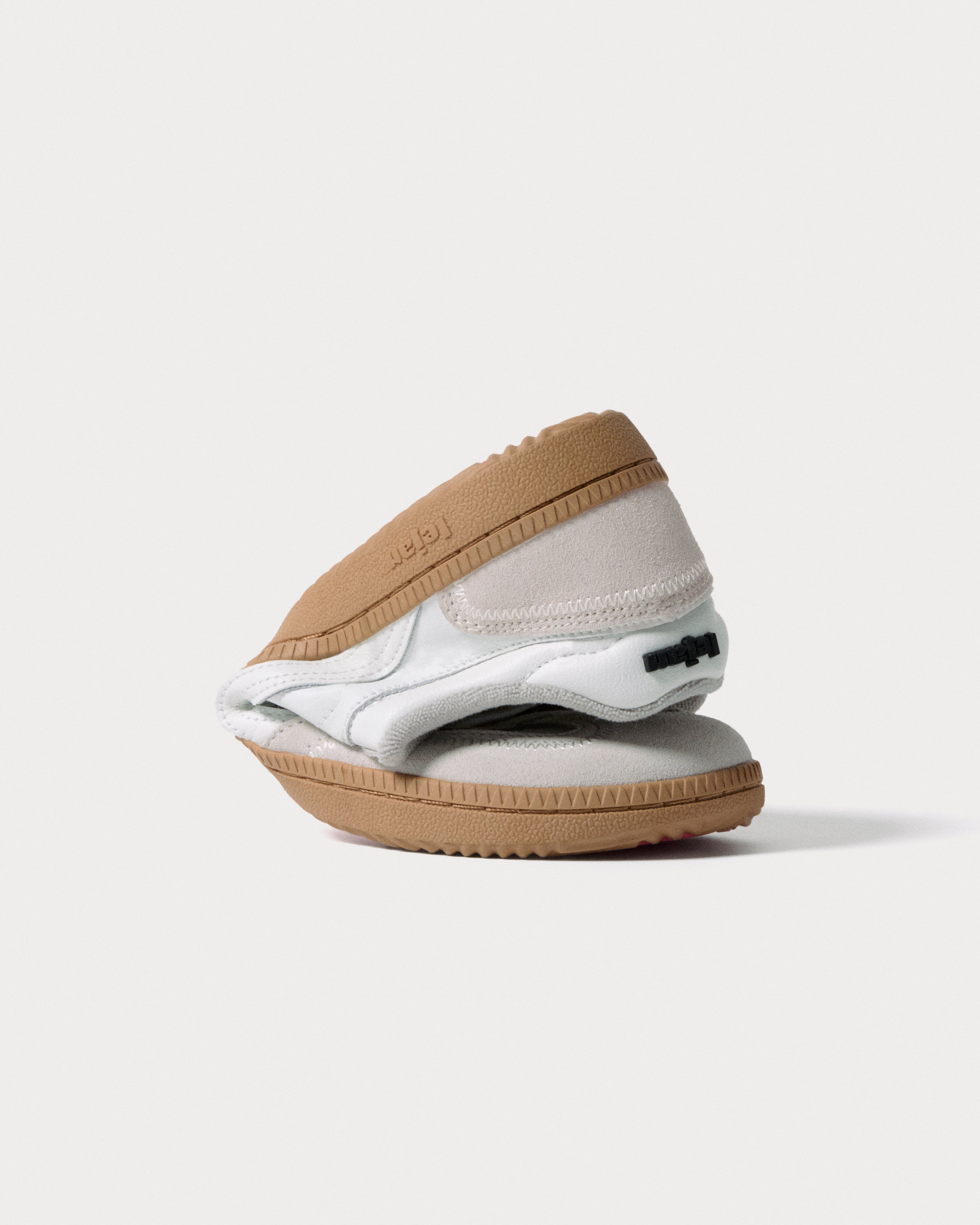
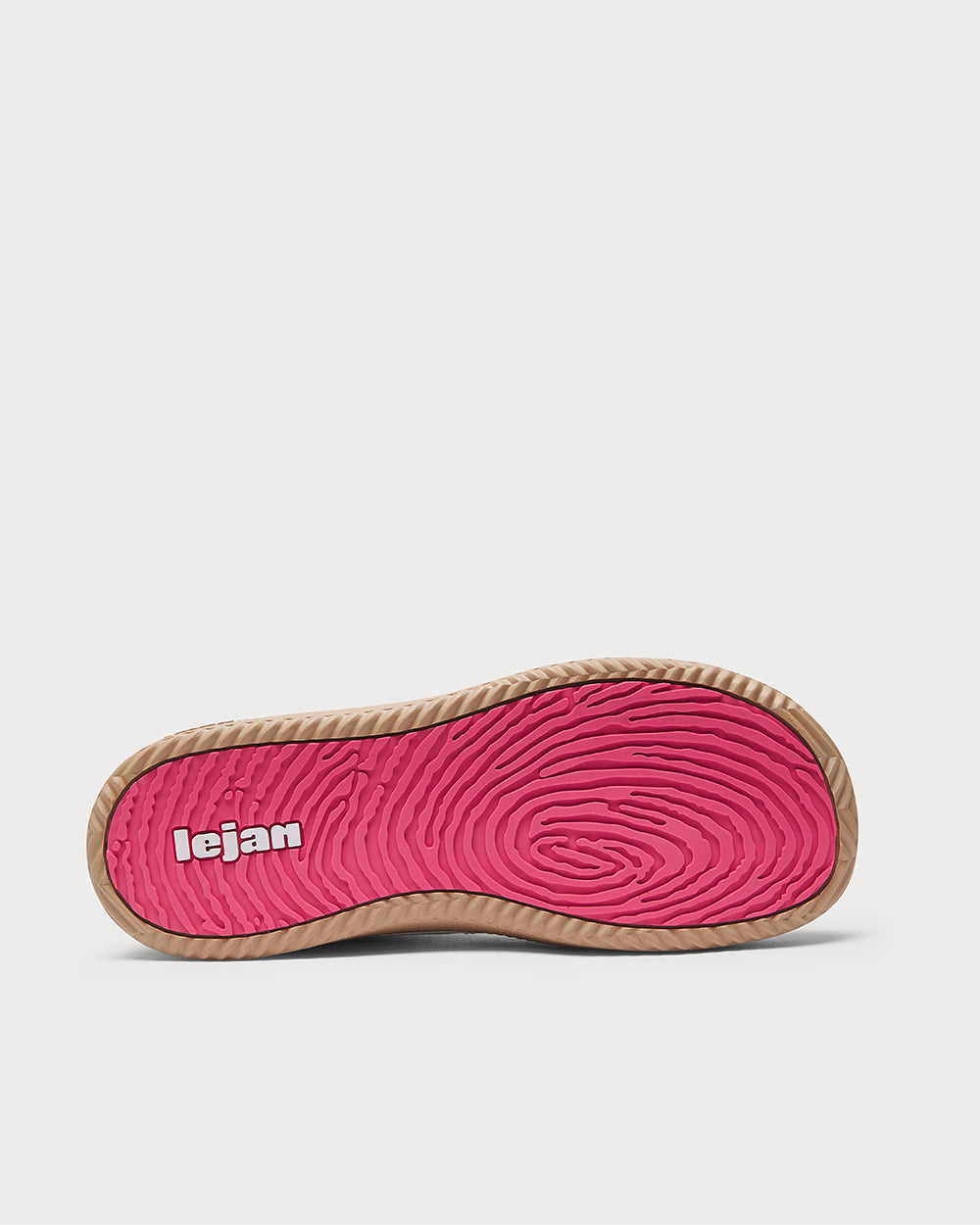
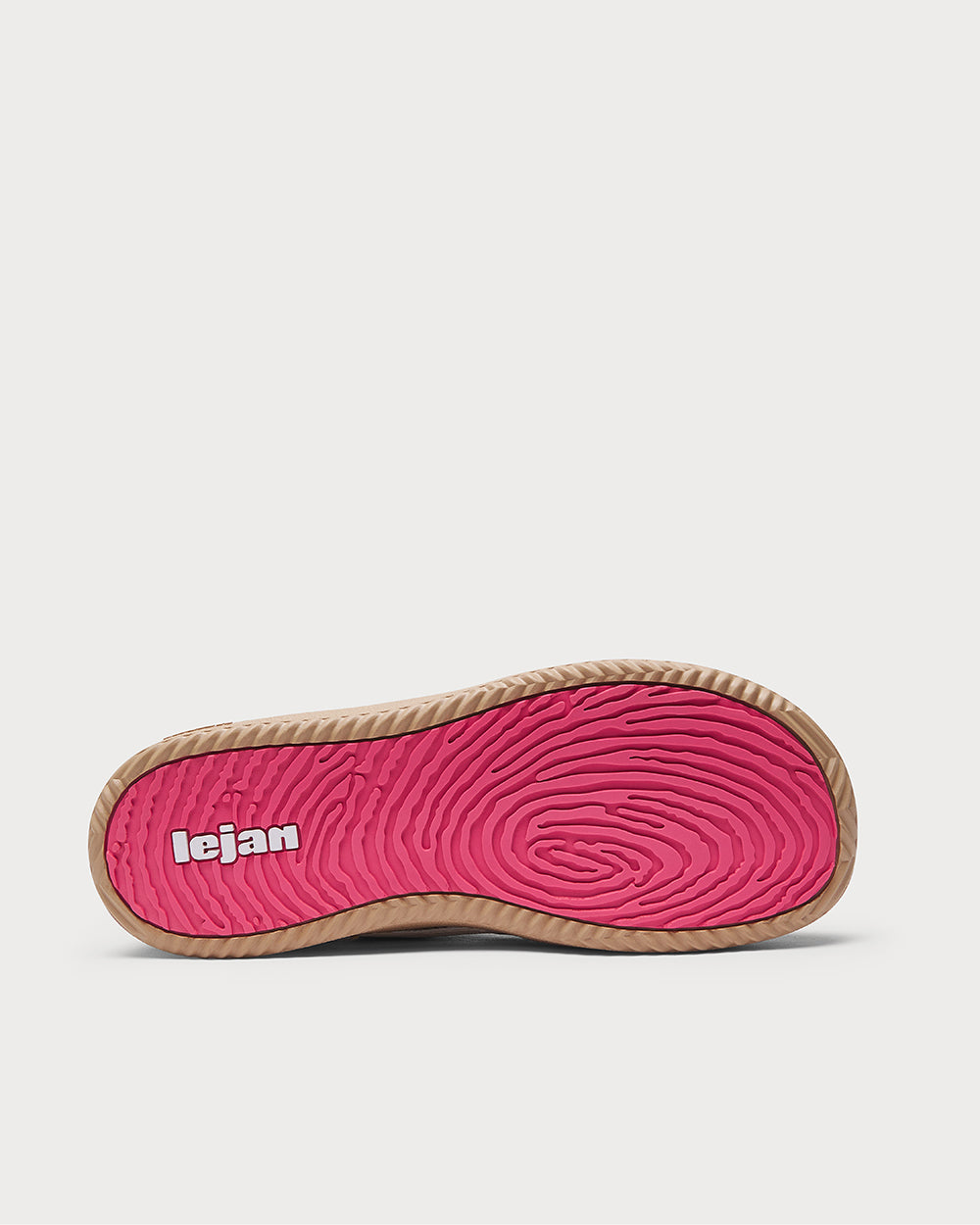
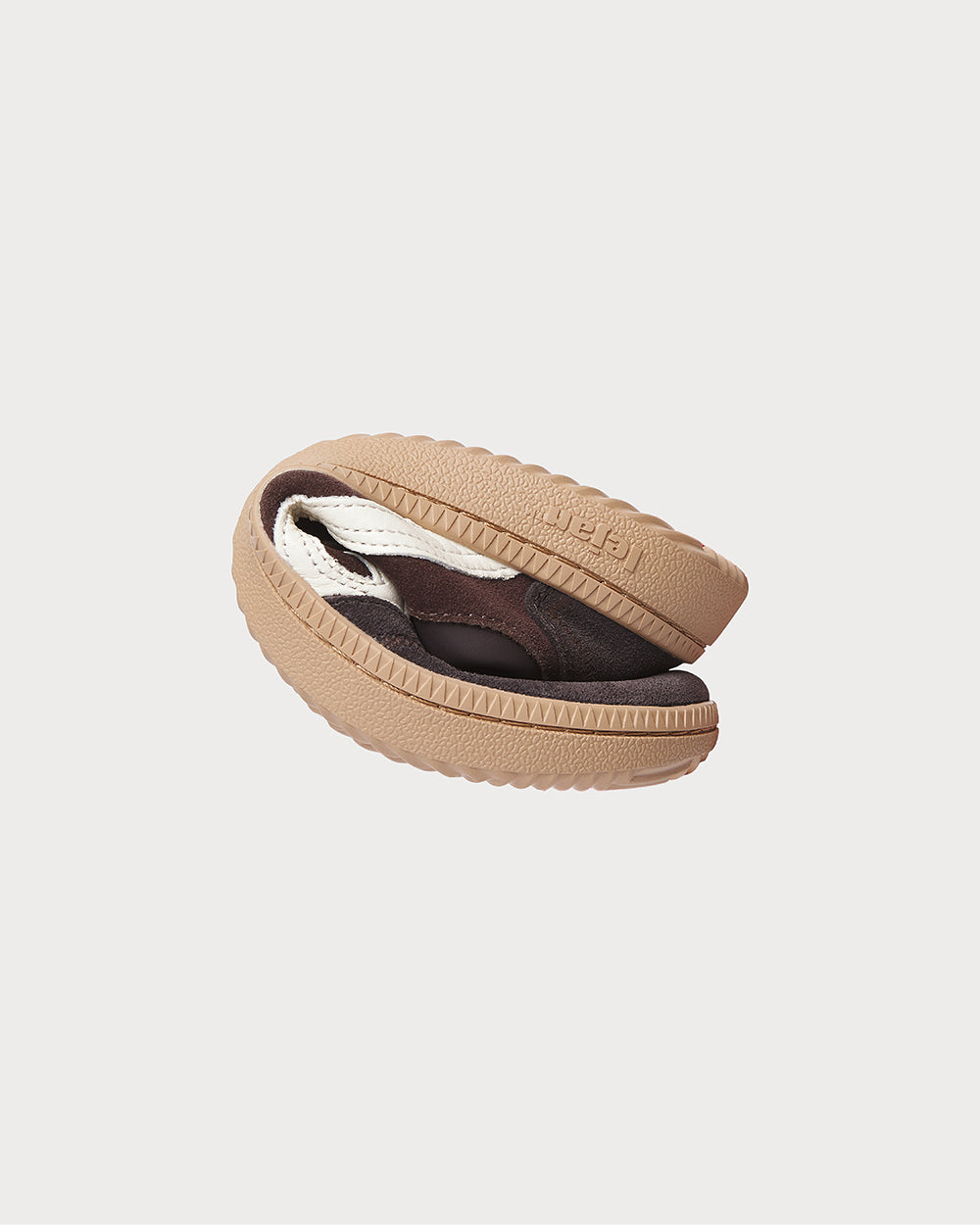
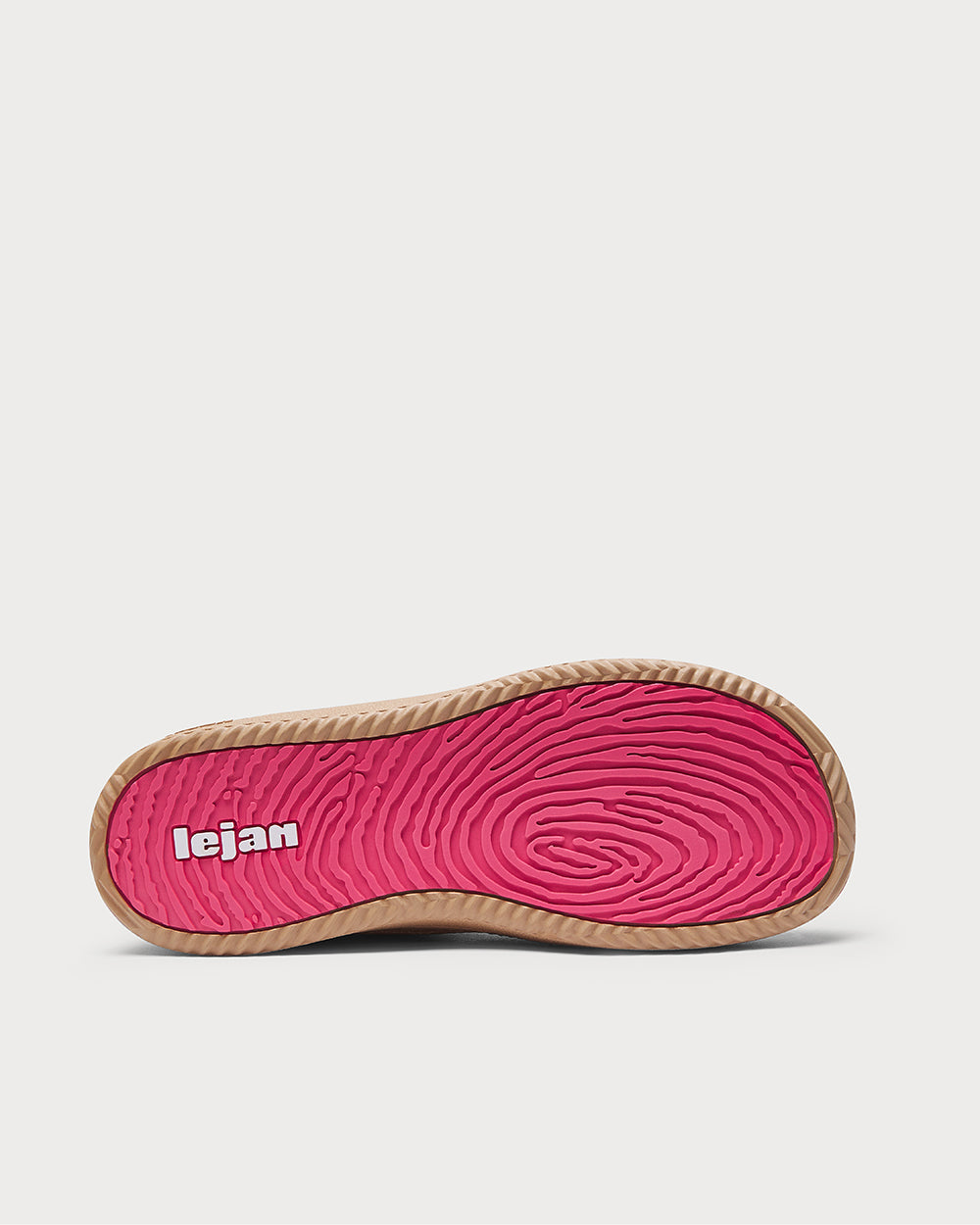
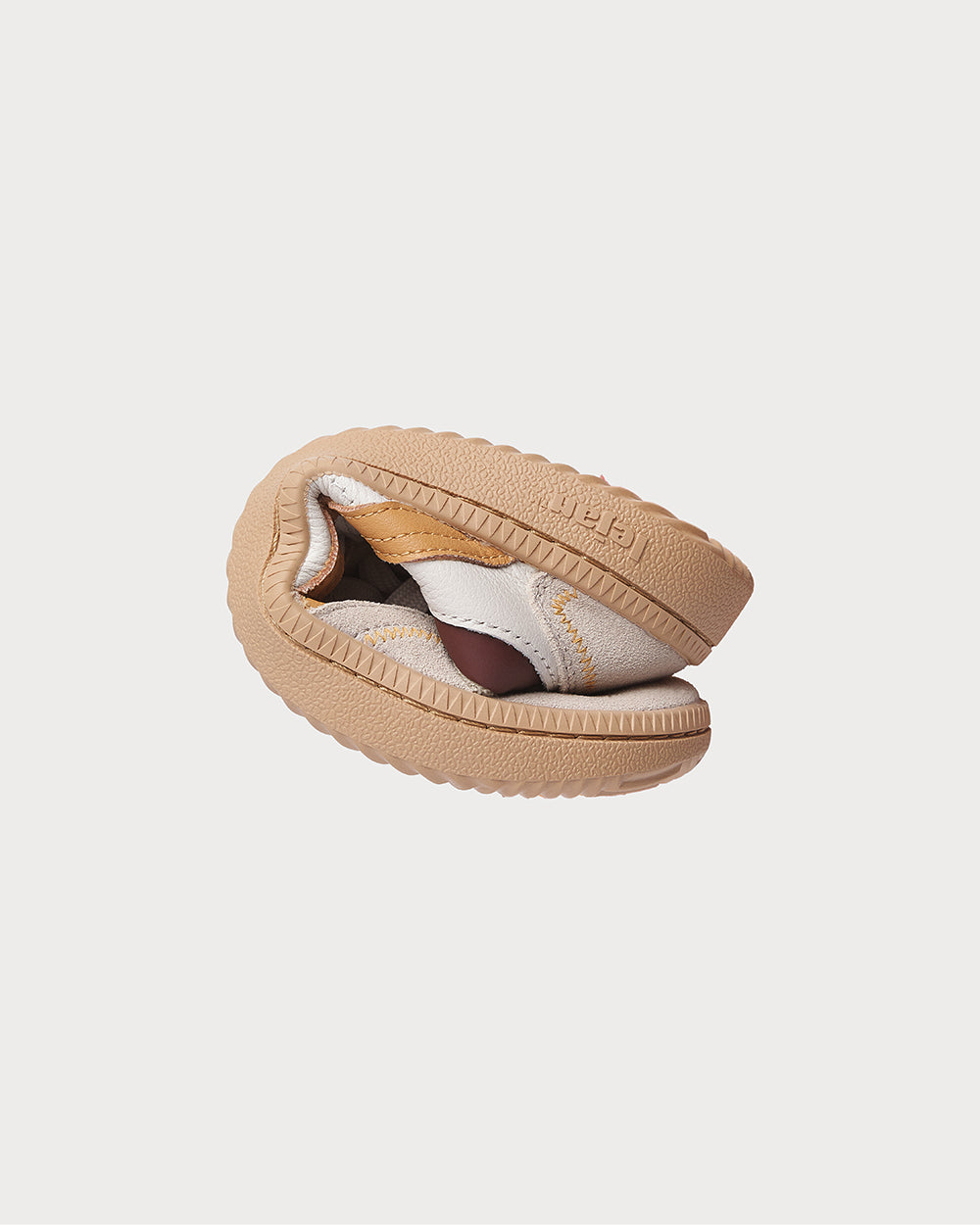
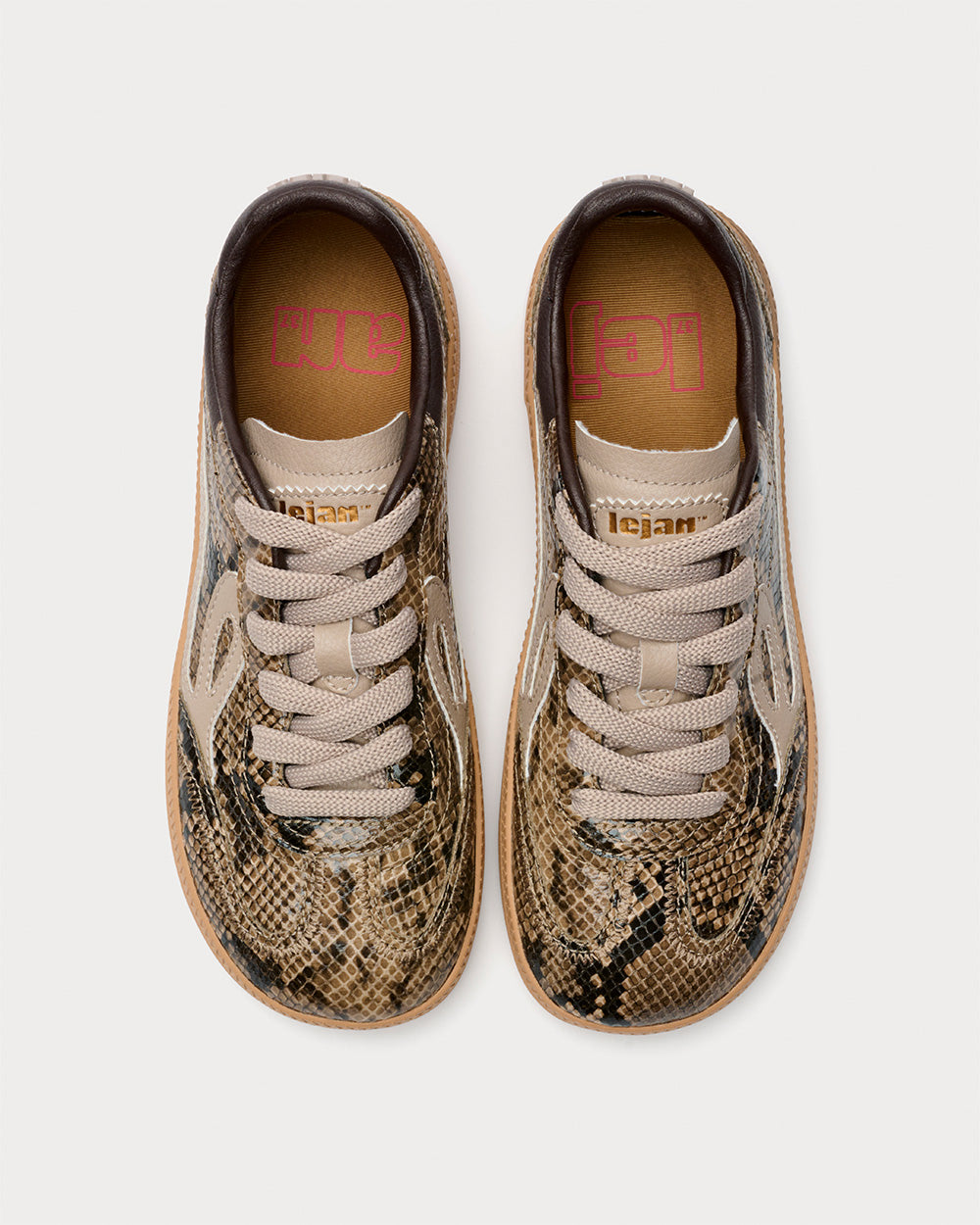
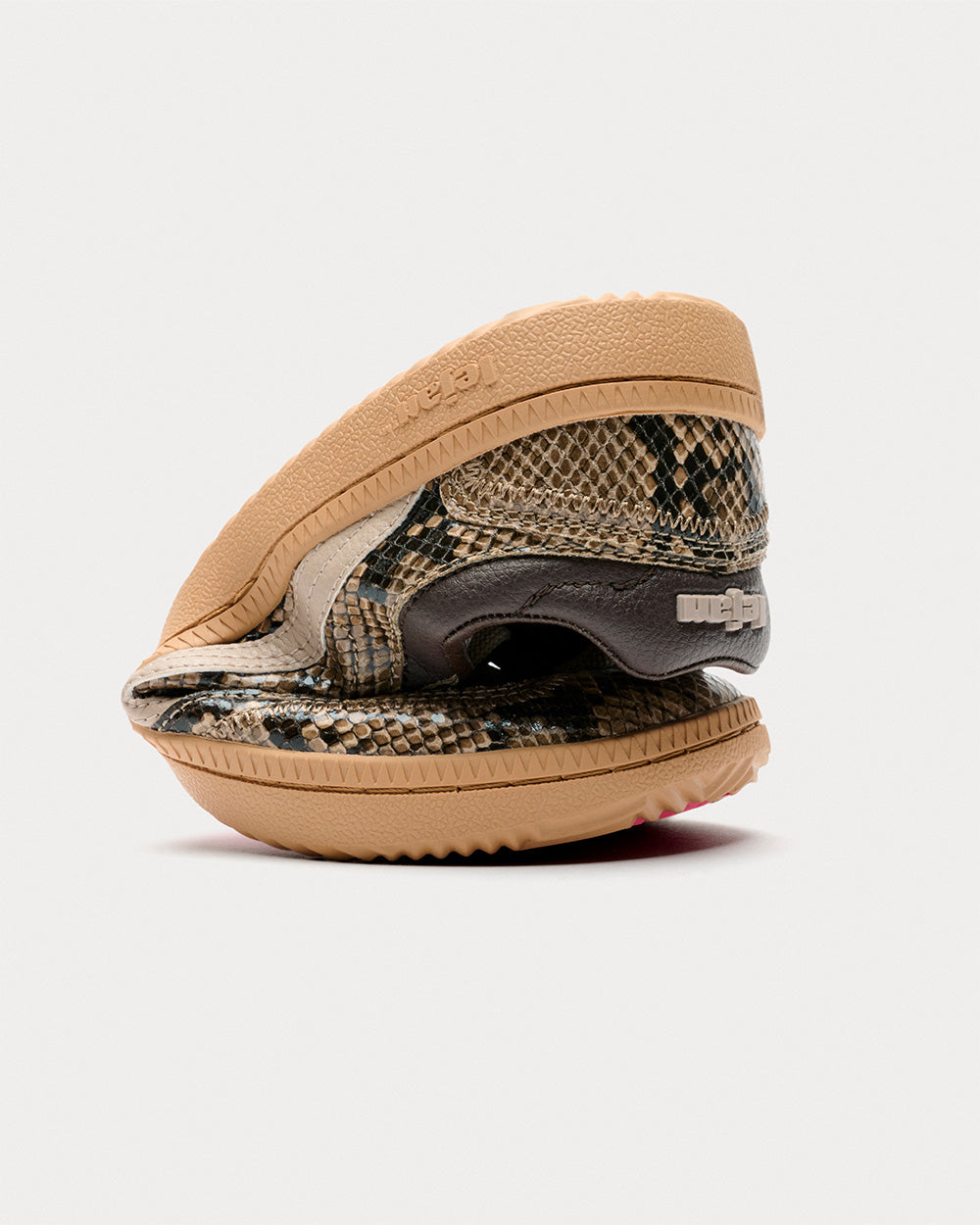
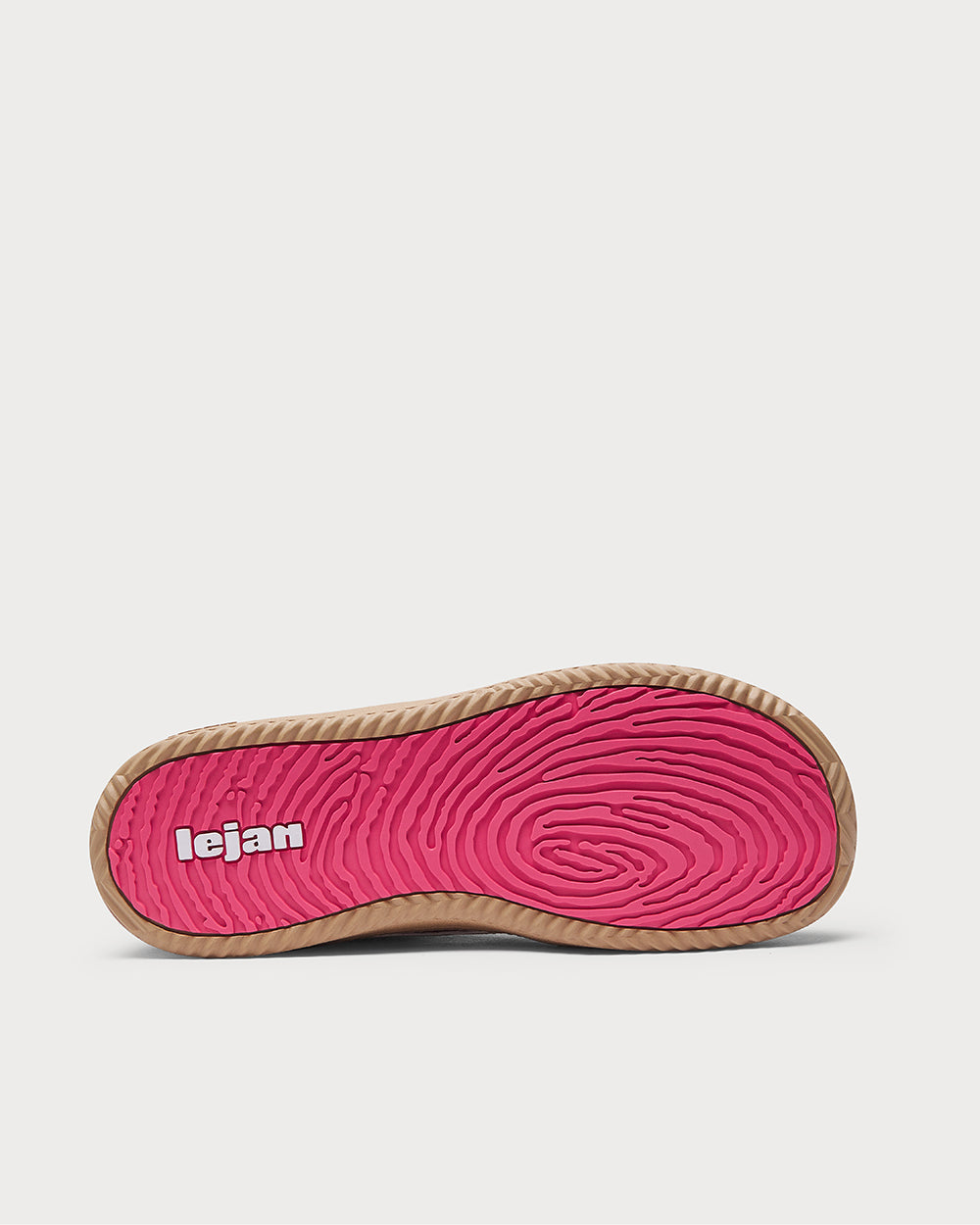
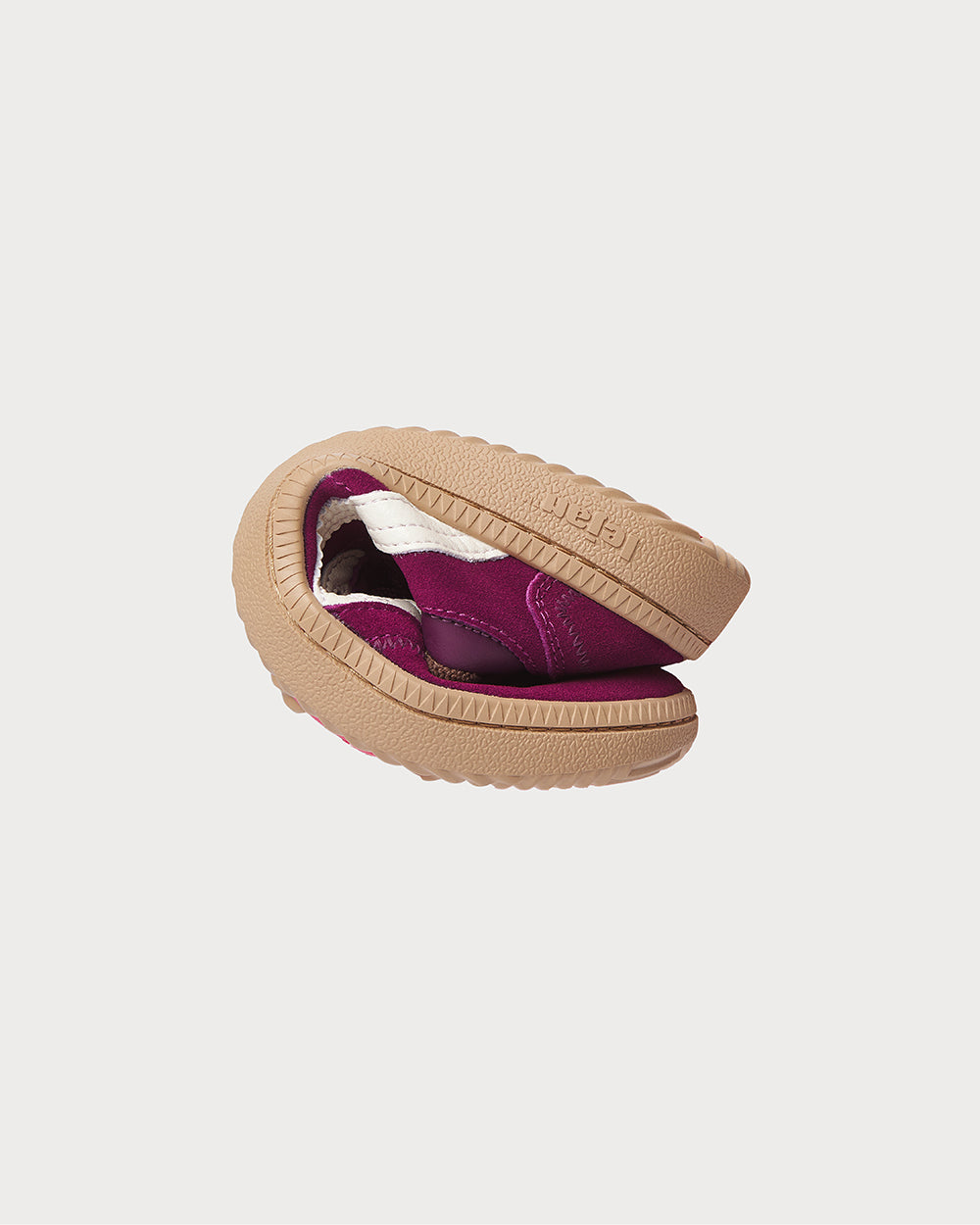
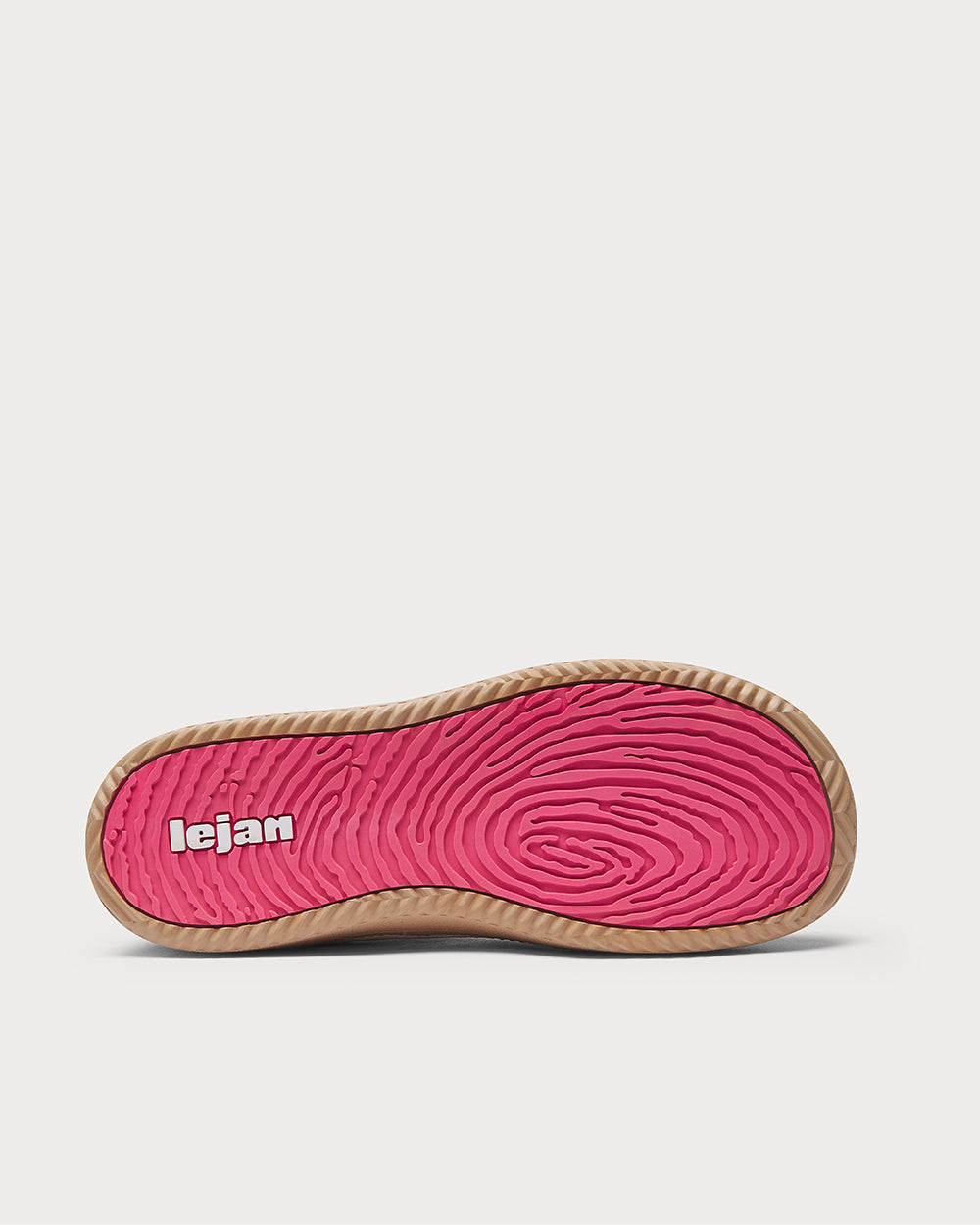
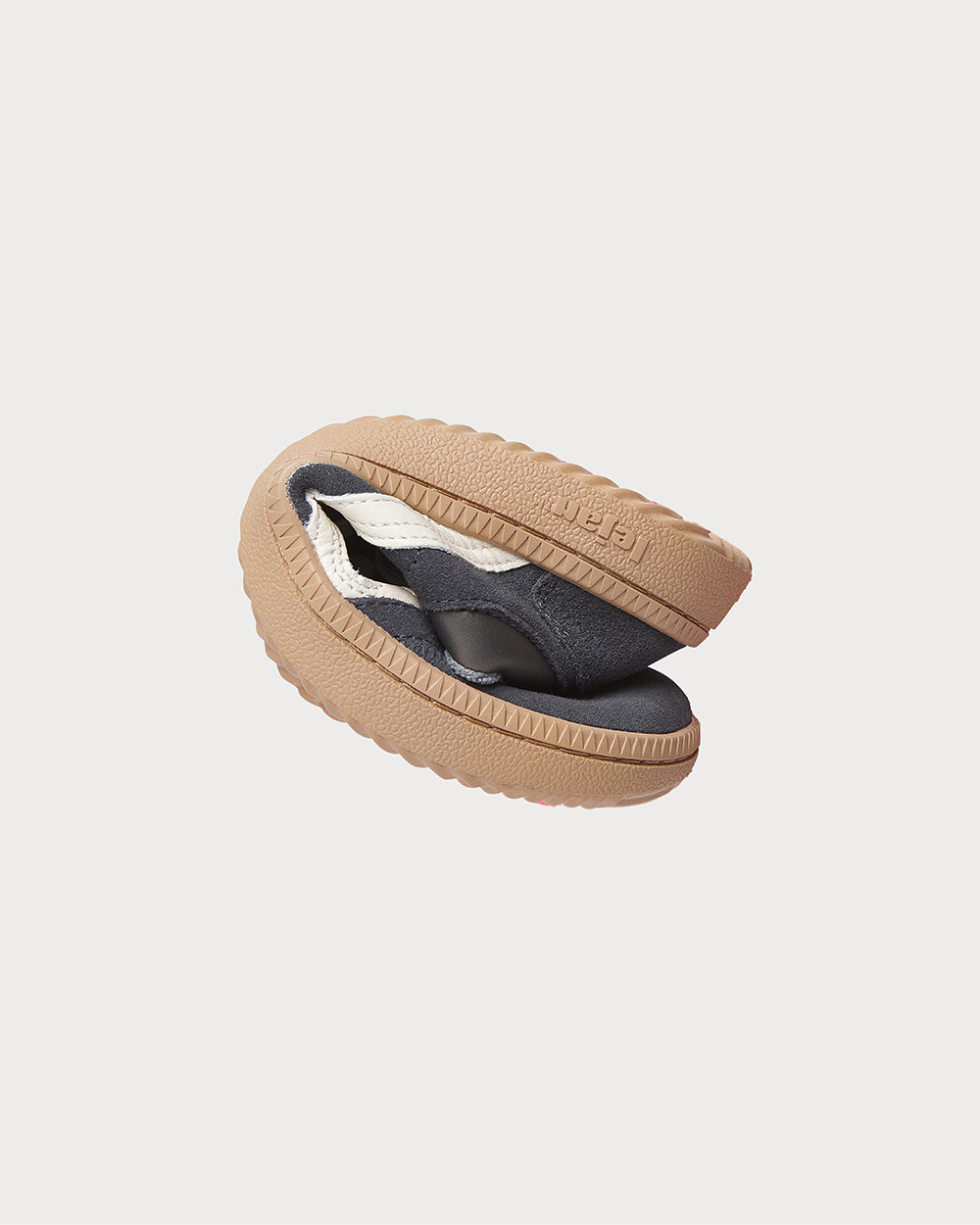
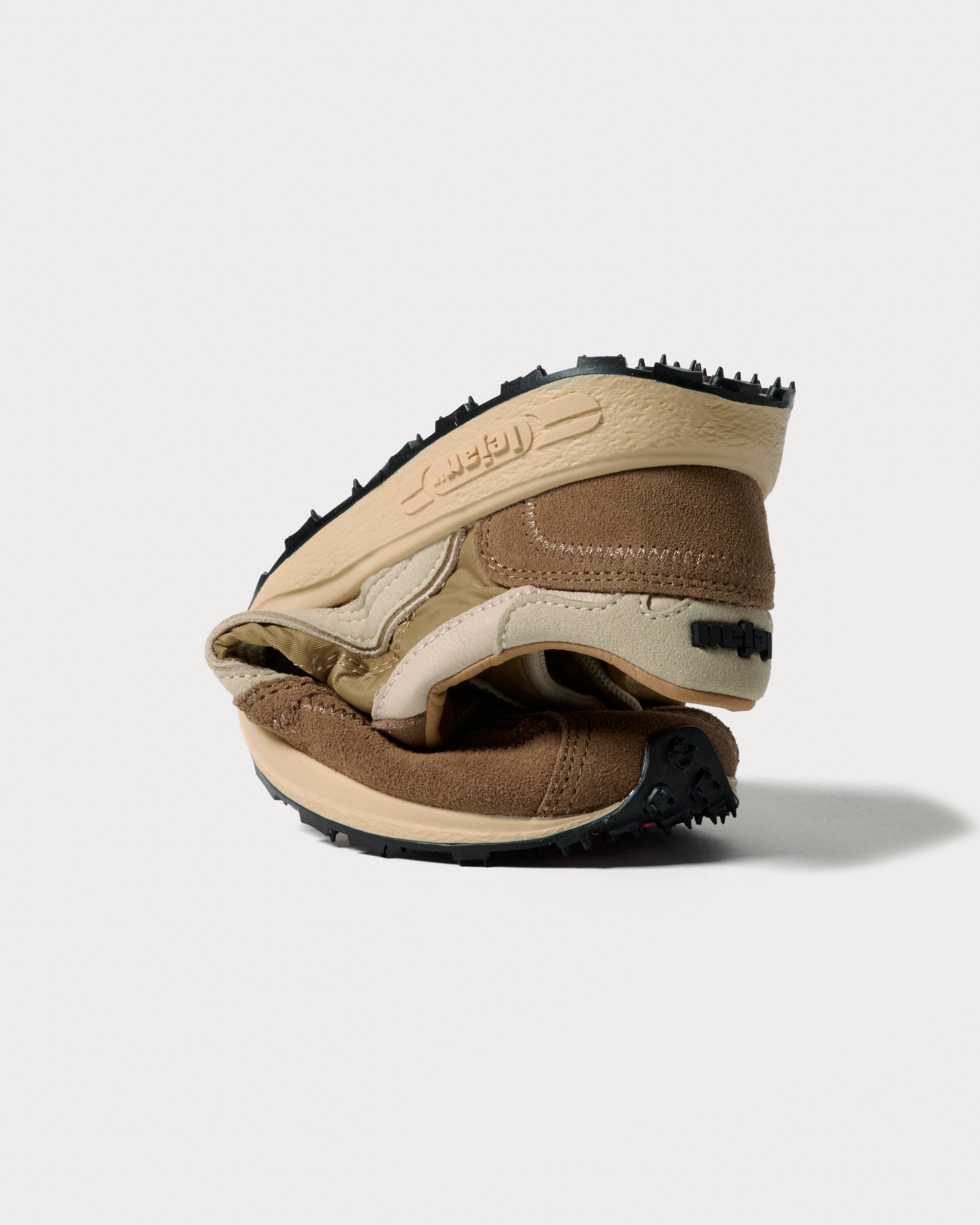
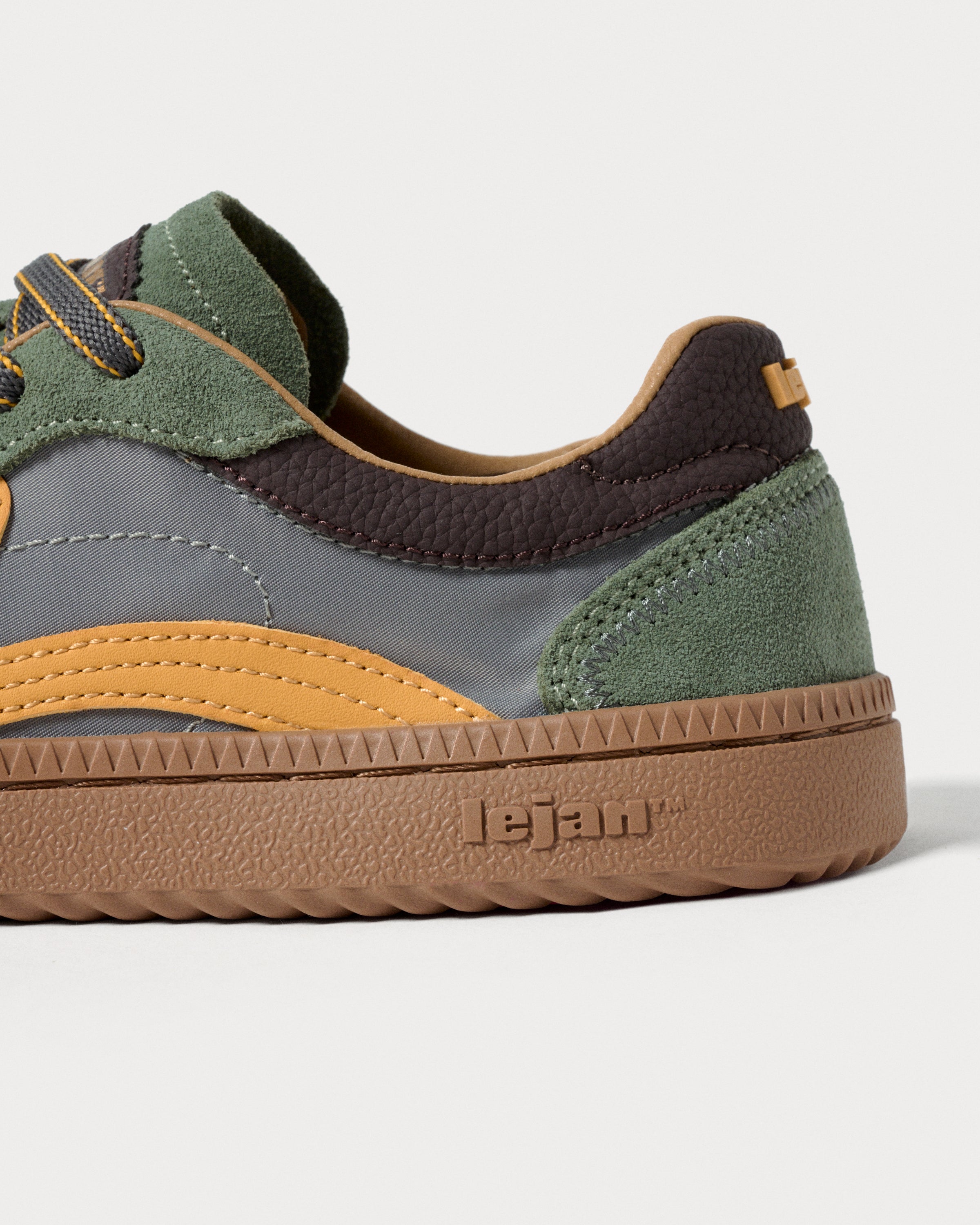
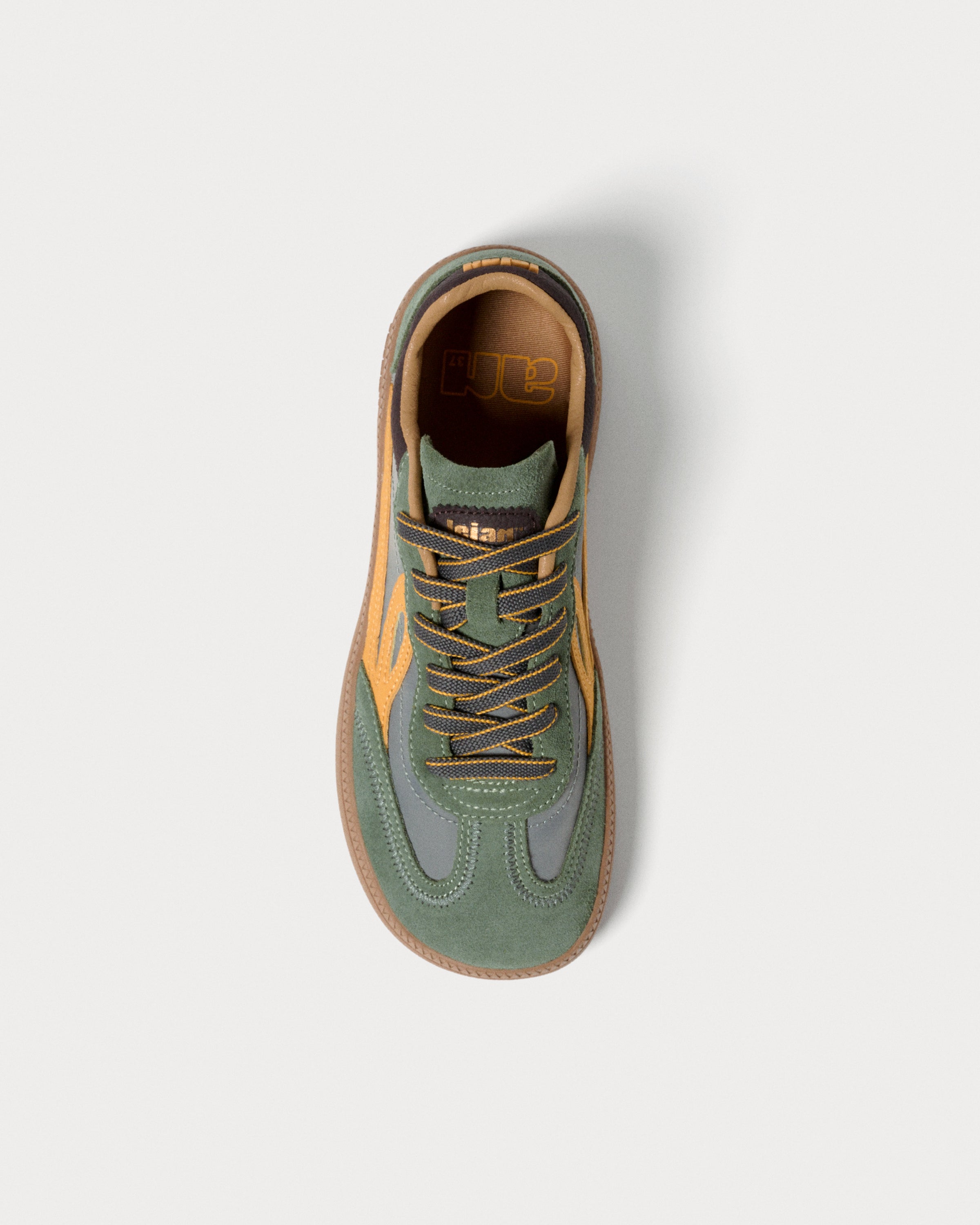
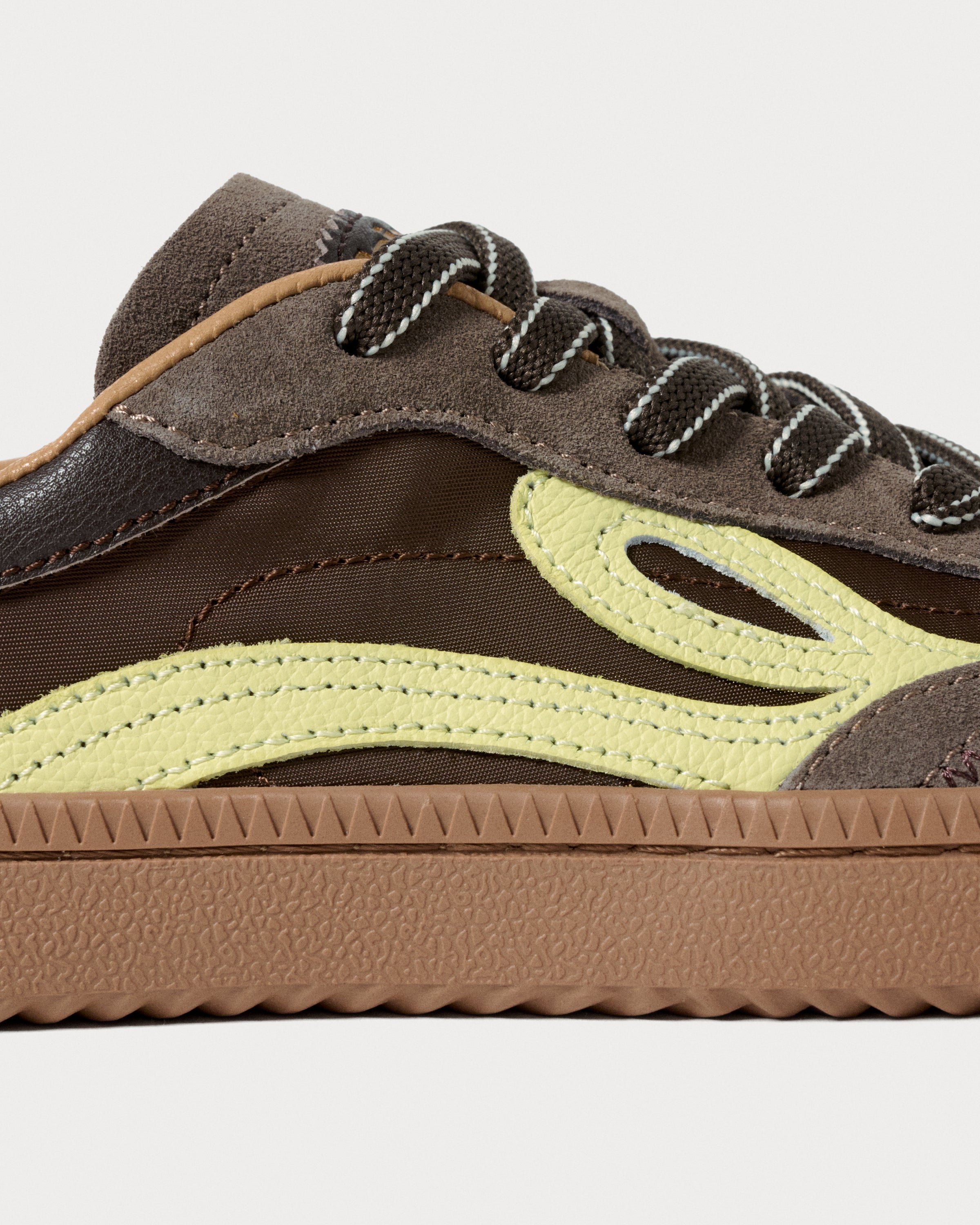
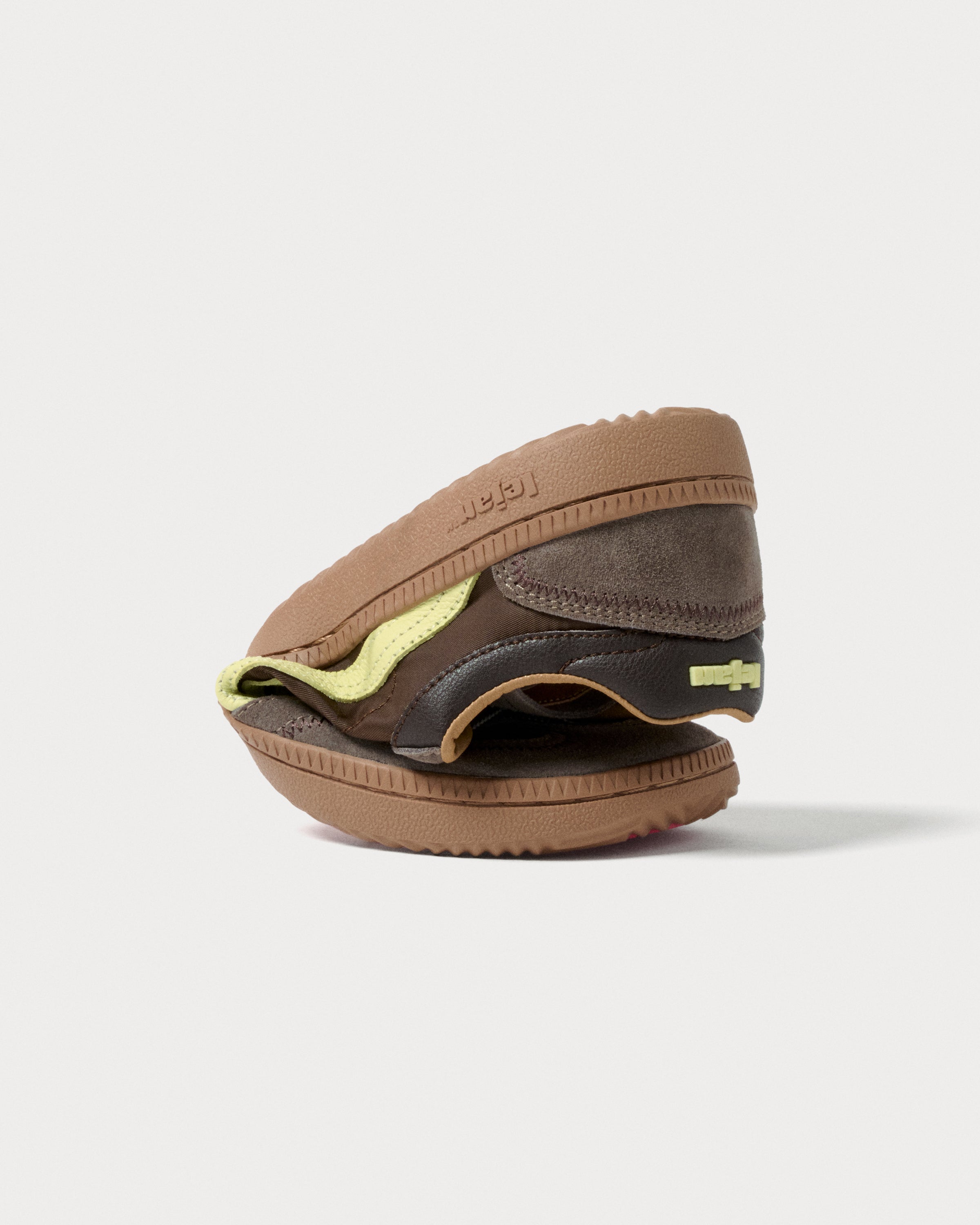
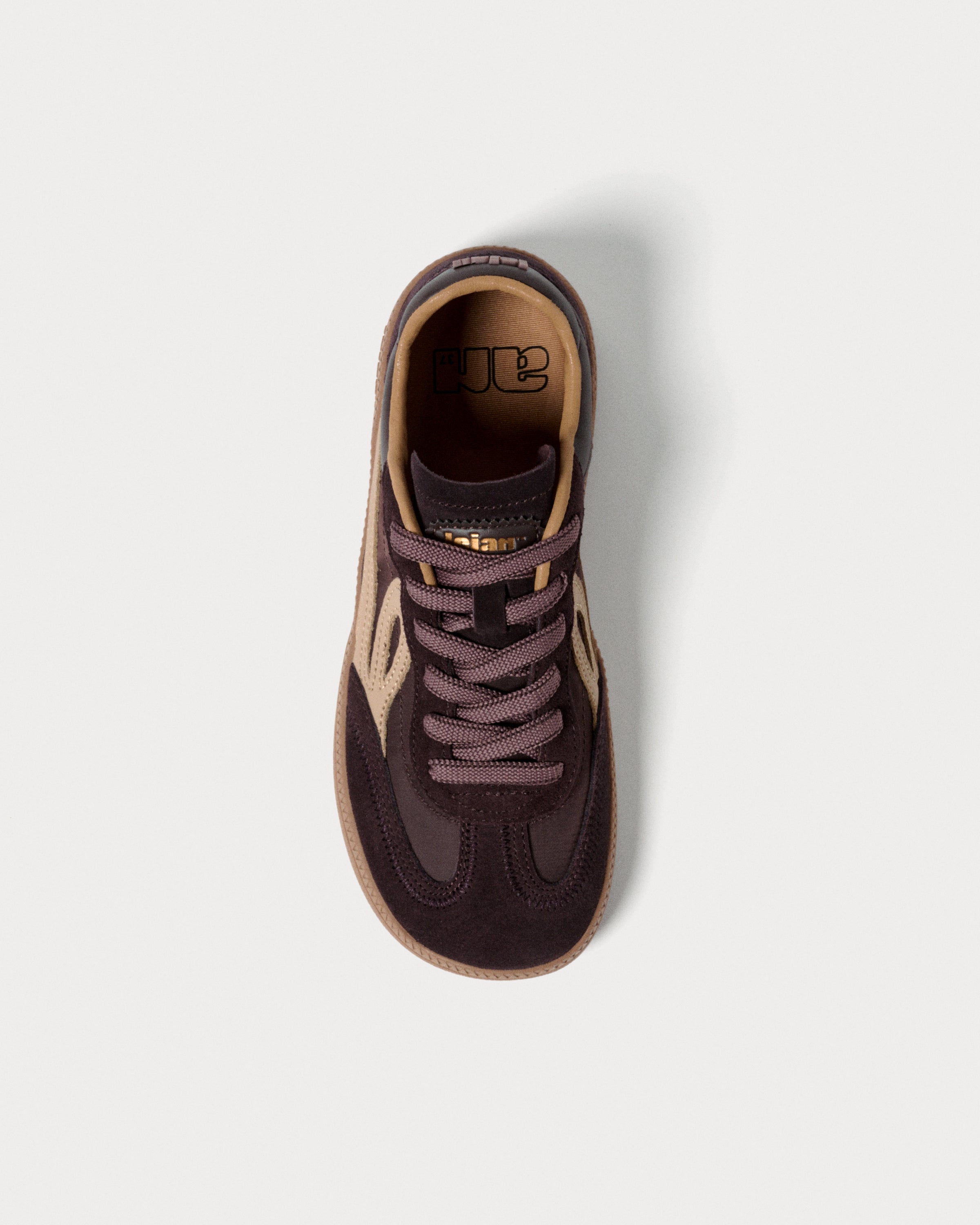
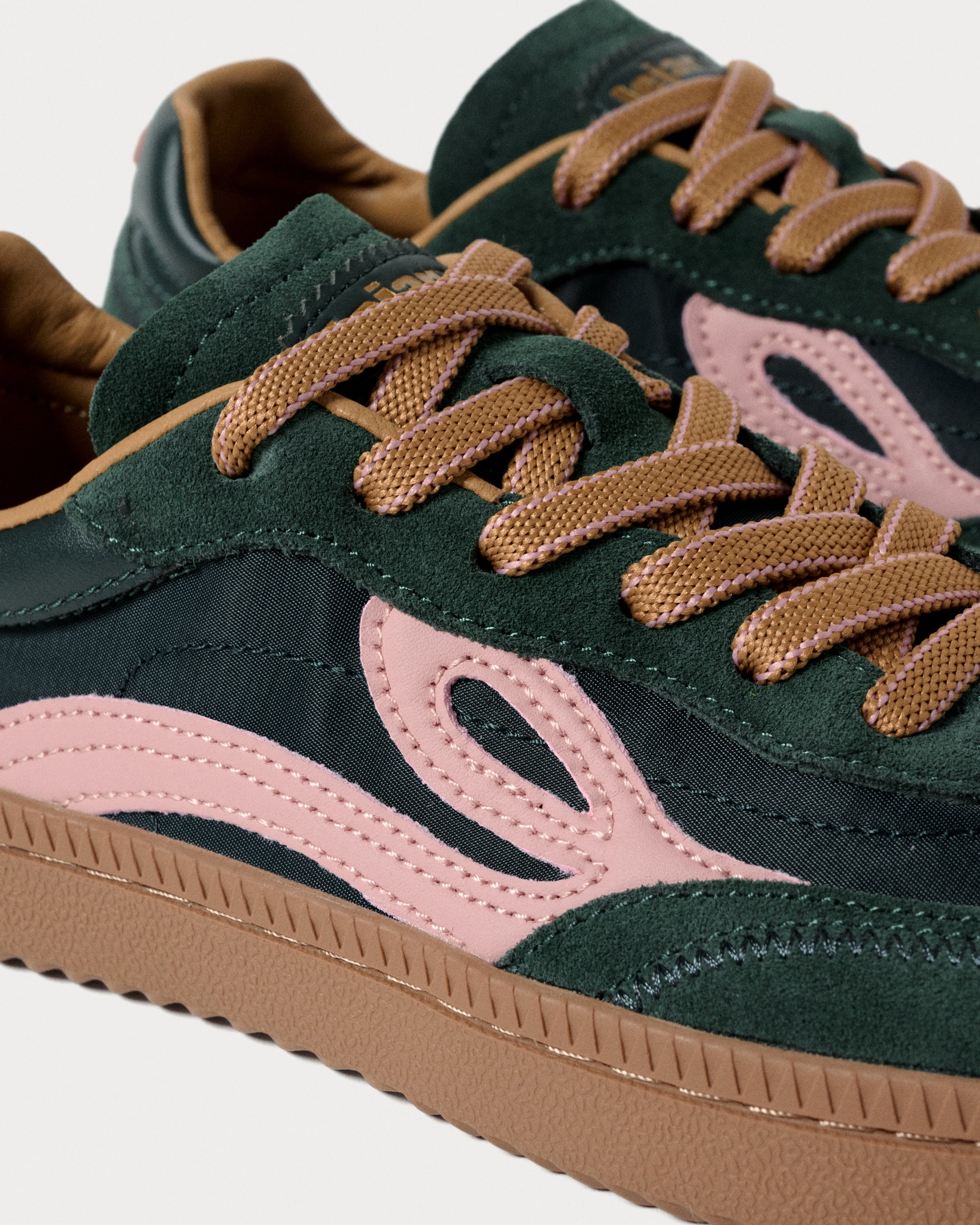
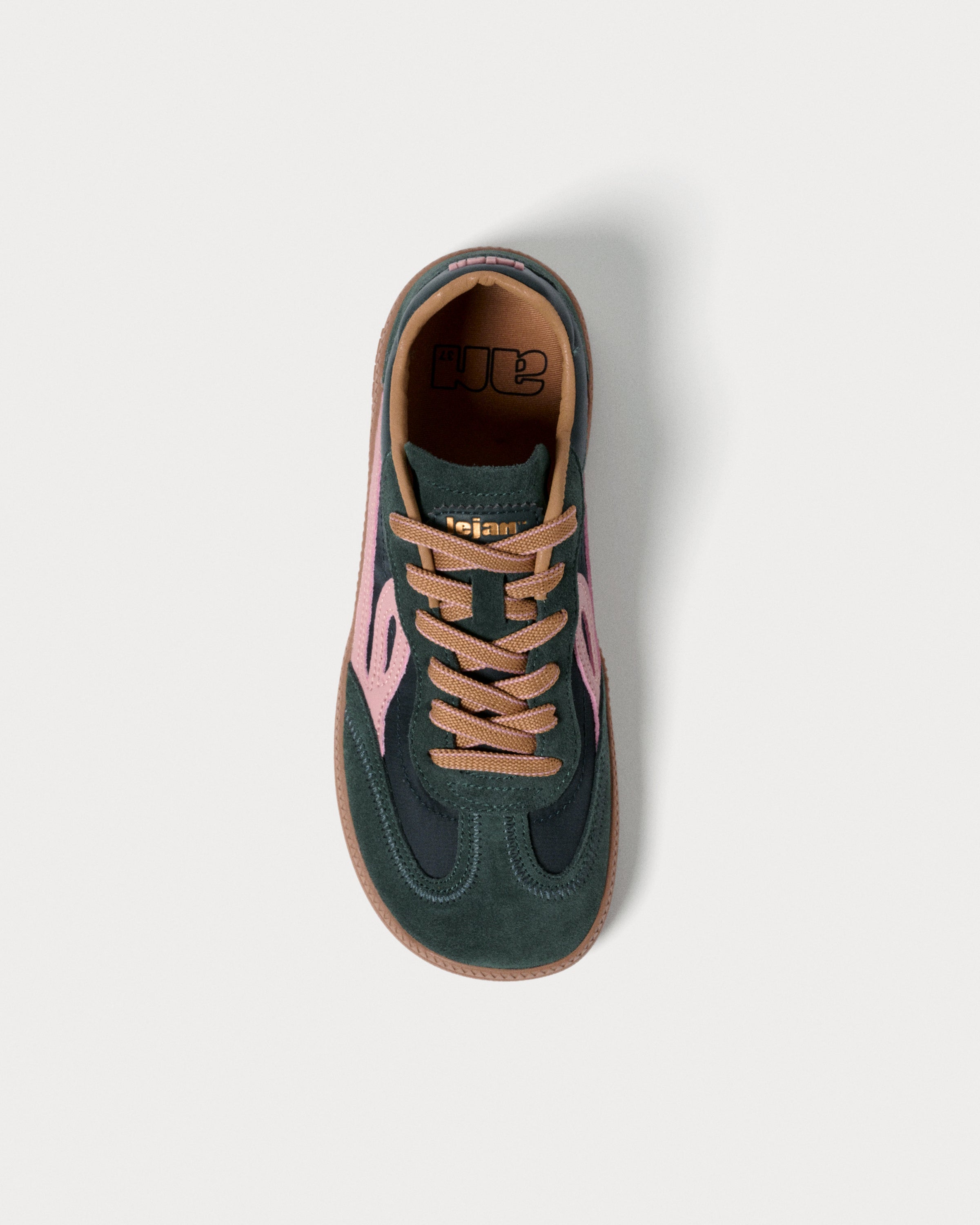
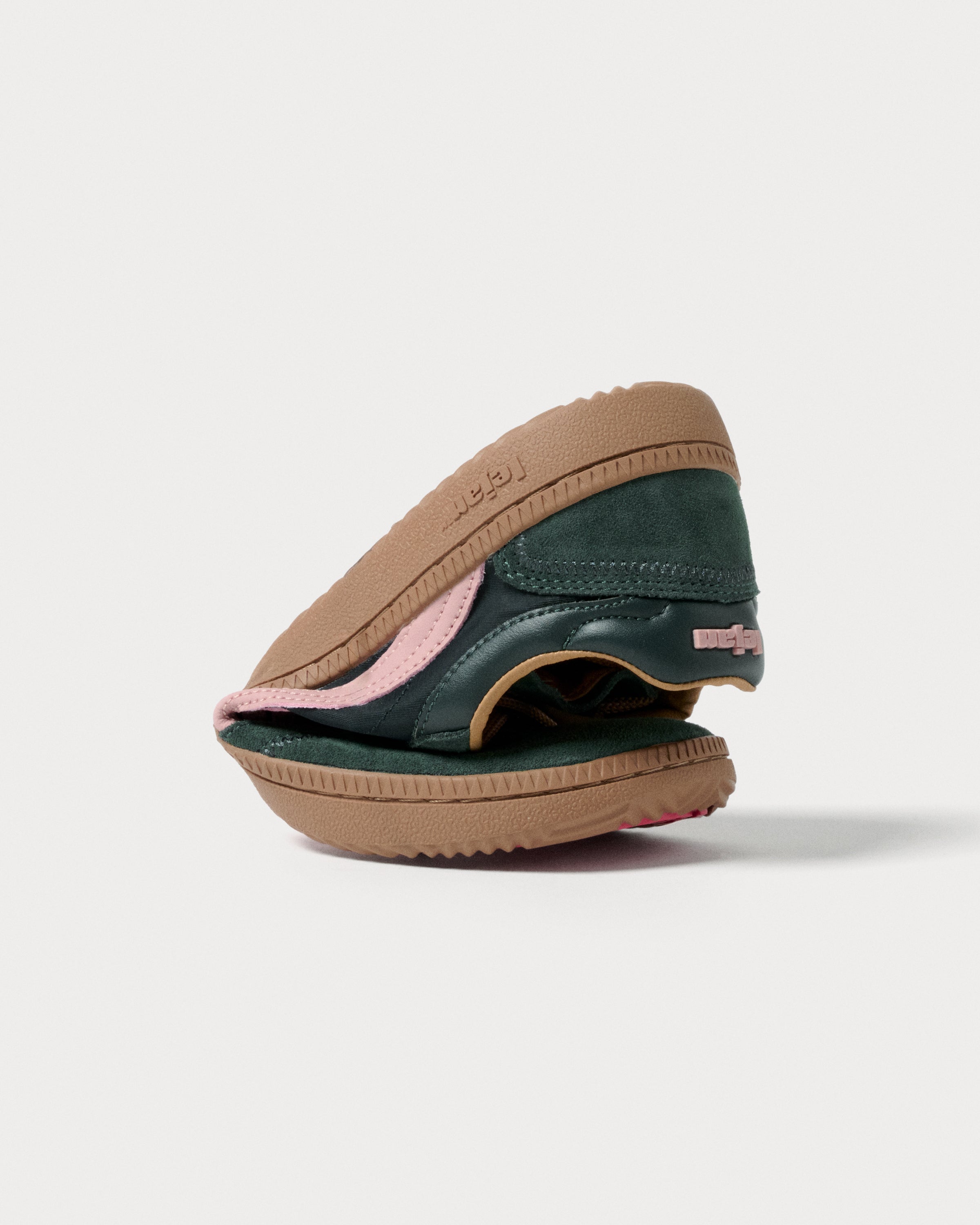
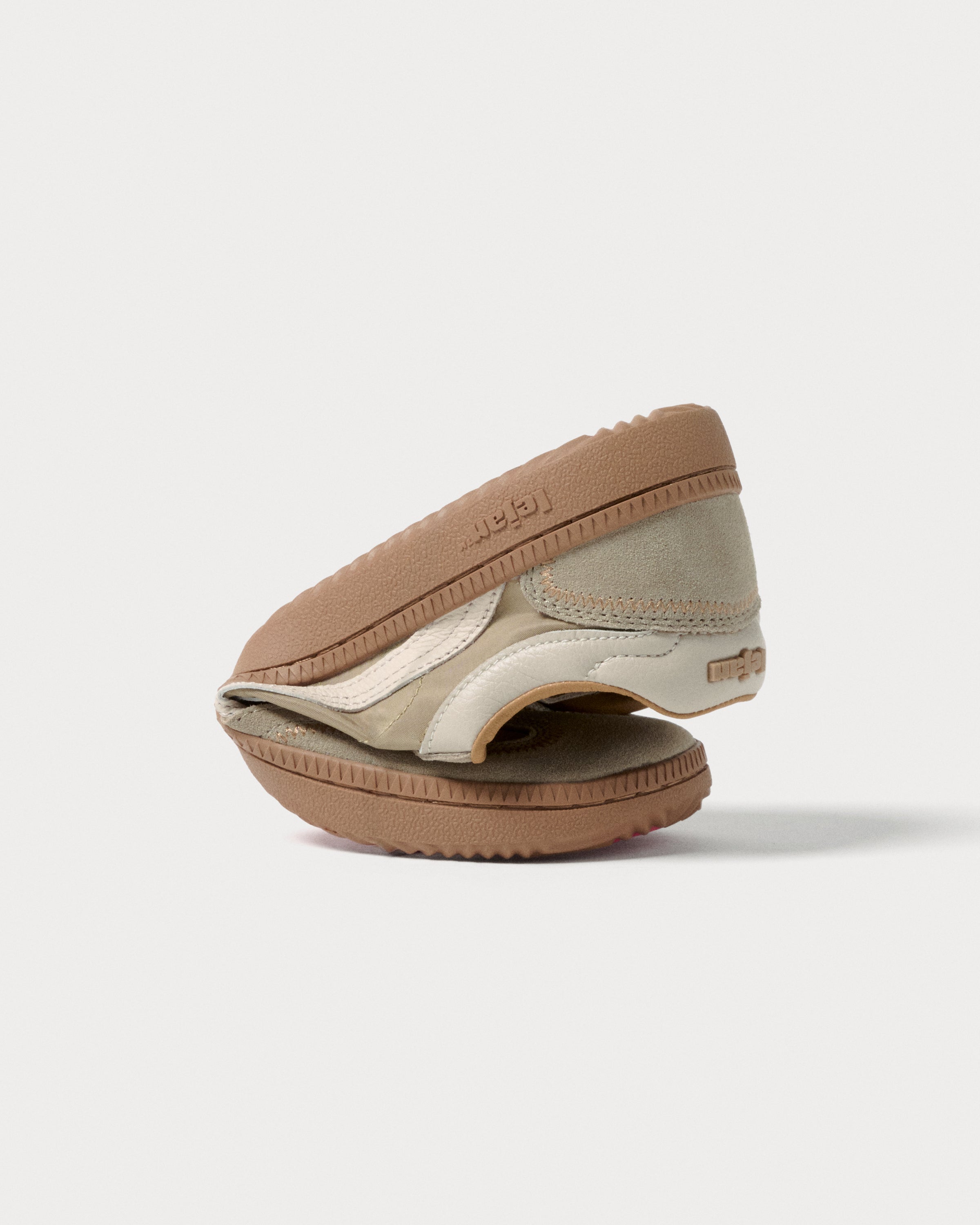
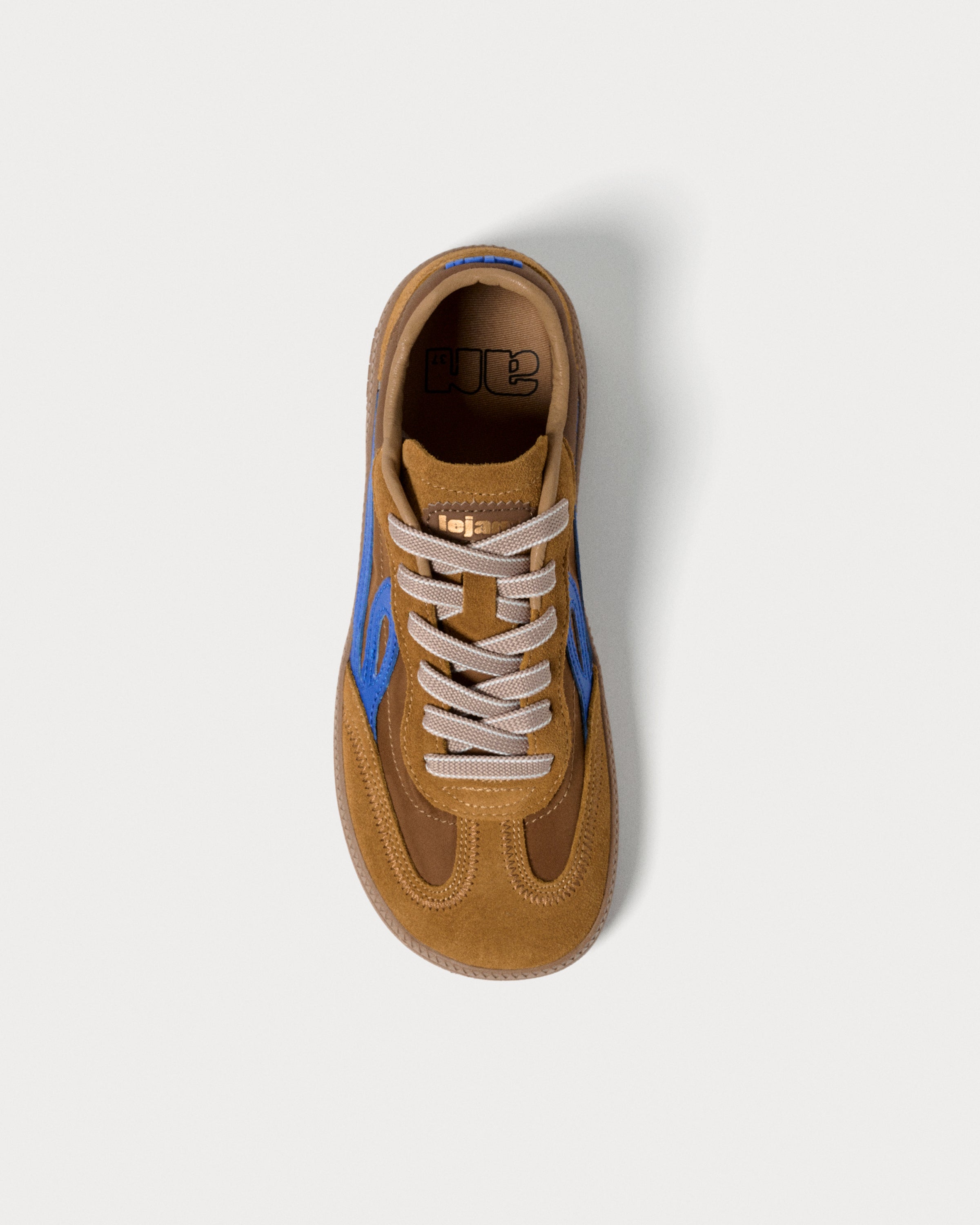
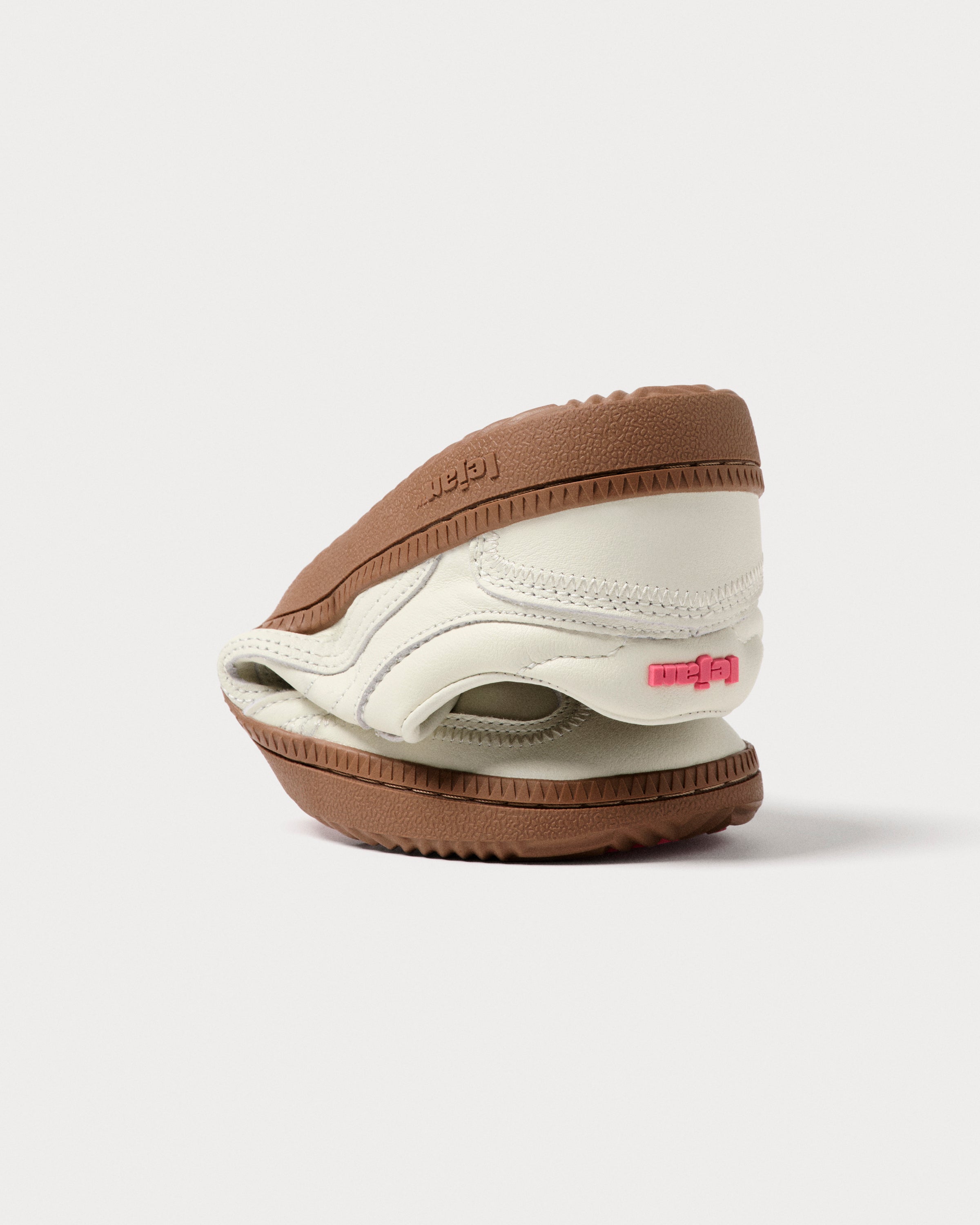
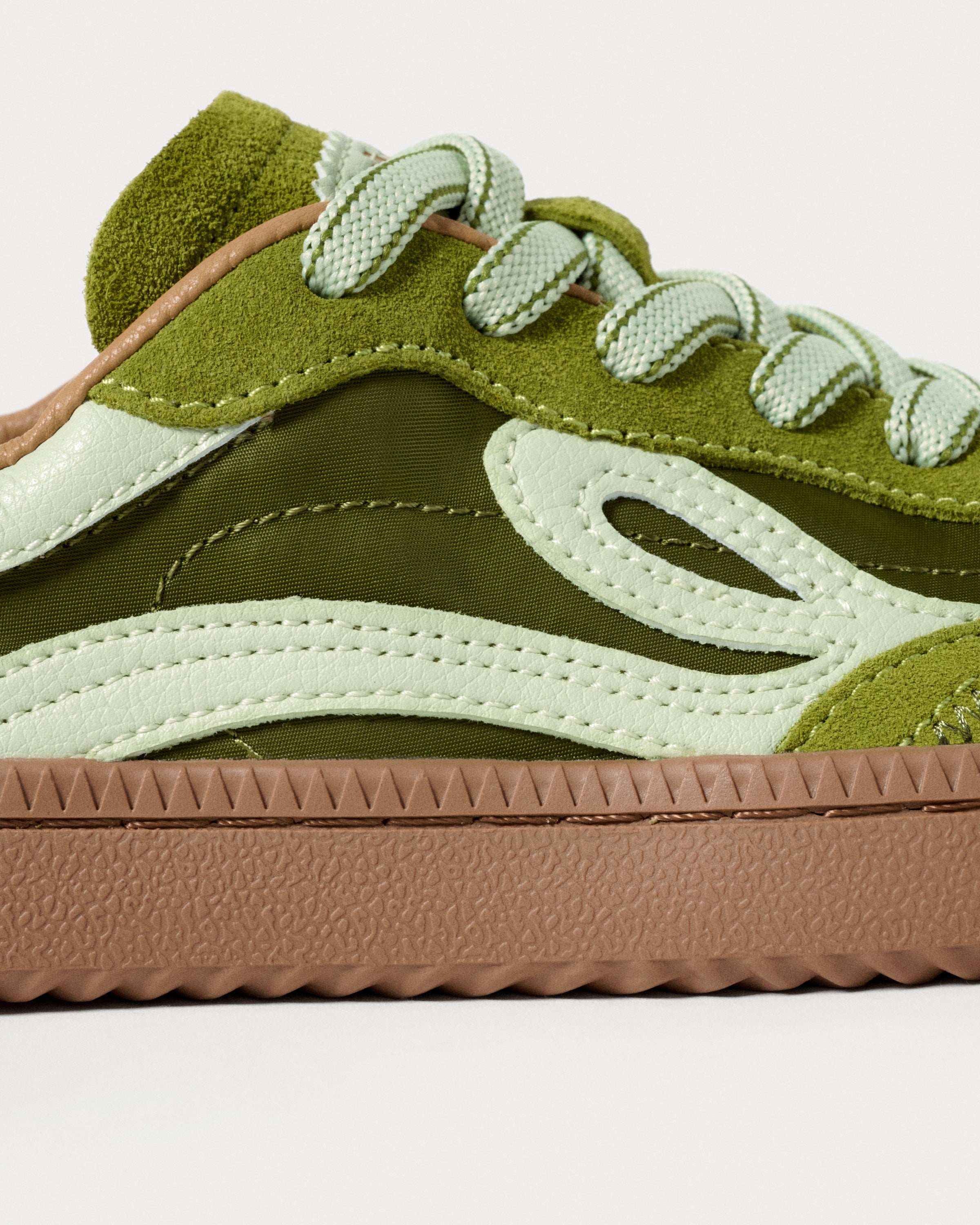
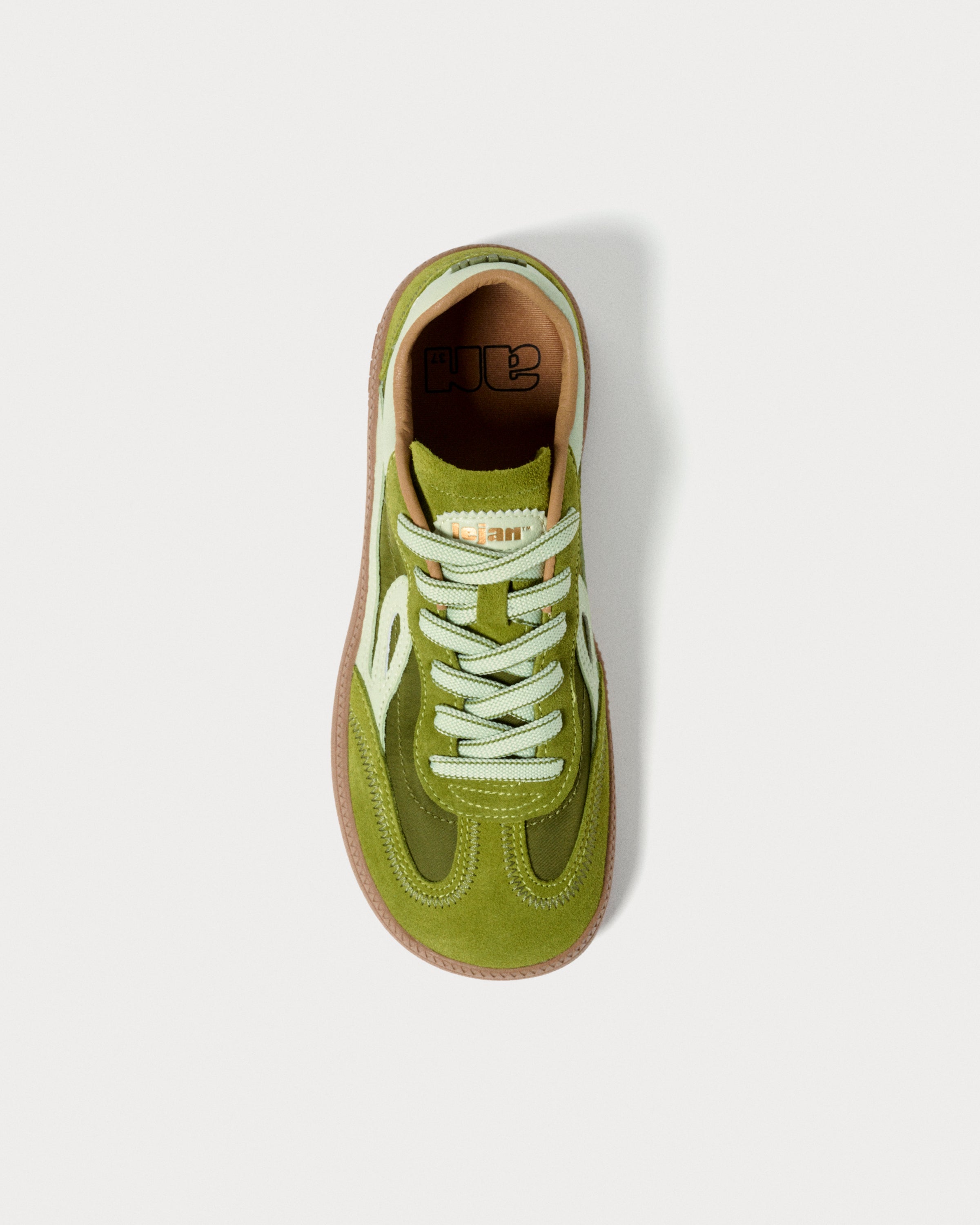
A wide toe box so the toes can splay and work as you walk. A thin sole that connects you with the ground and improves proprioception. A true drop 0, with no height difference between heel and toe, for a natural posture. Complete flexibility: the sole bends and follows your foot. And the LEJAN “gestito”, that gesture of freedom with which the foot moves as if barefoot yet protected. If it meets all five, it’s Barefoot Bonito.
The benefits of choosing barefoot shoes as a woman
After years of heels and narrow lasts, barefoot shoes for women give the foot back its space, mobility and strength. The wide toe box relieves pressure on bunions and cramped toes, drop 0 rebalances your posture and the flexible sole reactivates the muscles of the foot and ankle. The result: more stability and fewer aches, whether you’re after smart barefoot shoes for women for the office or a pair for walking all day long.
Frequently asked questions about barefoot shoes for women
What sets LEJAN’s barefoot shoes for women apart from other similar minimalist brands?
At LEJAN we meet all five barefoot pillars with no compromises: a true drop 0, a wide anatomical toe box, a thin, flexible sole and the “gestito”. Many “minimalist” brands keep some heel drop or a narrow last for the sake of looks; we put the biomechanics of the foot first and add design on top: Barefoot Bonito.
Which types of women’s feet are they especially recommended for?
They’re especially well suited to wide feet, feet with bunions or toes cramped by years of heels, thanks to the wide toe box and the absence of seams that pinch. If you’re unsure between the standard and wide lasts, our size guide will help you choose.
If I’ve worn heels for years, how do I transition to barefoot shoes without discomfort?
Gradually: start with short spells each day and increase them little by little so the muscles of your foot and calf can adapt. Within a few weeks you’ll notice more strength and a more natural stride.
How long does adapting to barefoot take for women?
It usually ranges from a few weeks to a couple of months depending on your previous footwear. If you feel any strain, cut back on wear time and build up more slowly: adaptation isn’t a race.