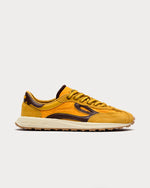
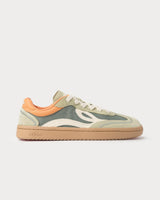
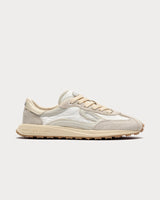
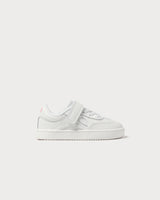
The footwear we wear every day affects how the foot moves, how it distributes load and how much freedom it has to do its job. That is why, over the past few years, there has been more and more talk about barefoot shoes, especially when it comes to children's footwear, although they make just as much sense for adults.
But not everything sold as “barefoot” really is. For a shoe to support the foot properly, it isn't enough for it to be comfortable or soft: it has to meet a number of specific criteria.
What barefoot shoes are
Barefoot shoes are designed to interfere as little as possible with the natural function of the foot. In other words, they don't aim to correct, hold or modify your gait artificially, but rather to let the foot move, adapt to the ground and work freely.
The idea isn't for the shoe to “do the foot's job”, but to support it.
A quick definition and the origin of the barefoot concept
The concept of barefoot footwear is closely linked to the term barefoot, which simply means walking with no shoes on. It doesn't mean you have to go without shoes, but rather that the footwear tries to get as close as possible to the sensations and functions of walking barefoot, while providing minimal protection from the ground.
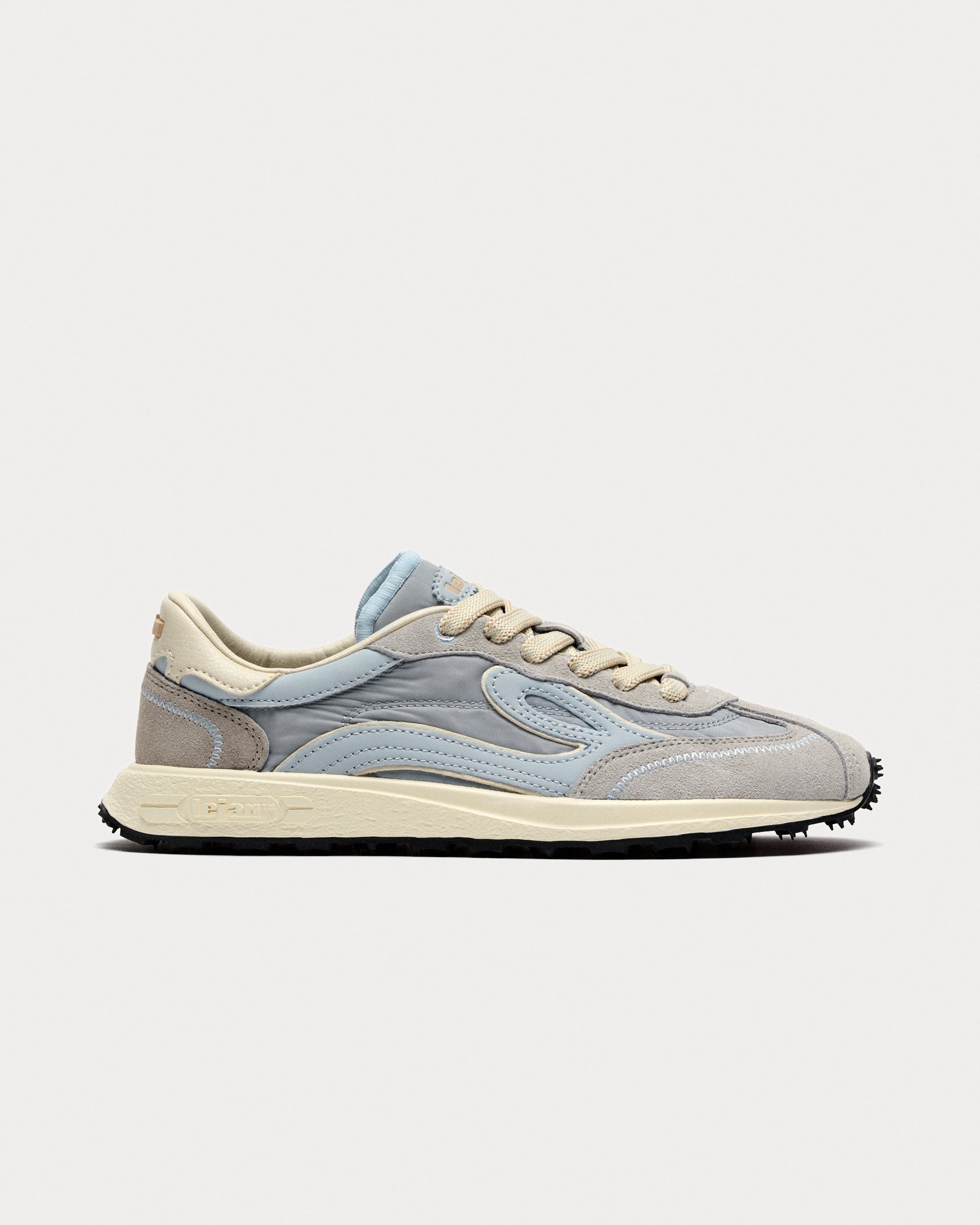
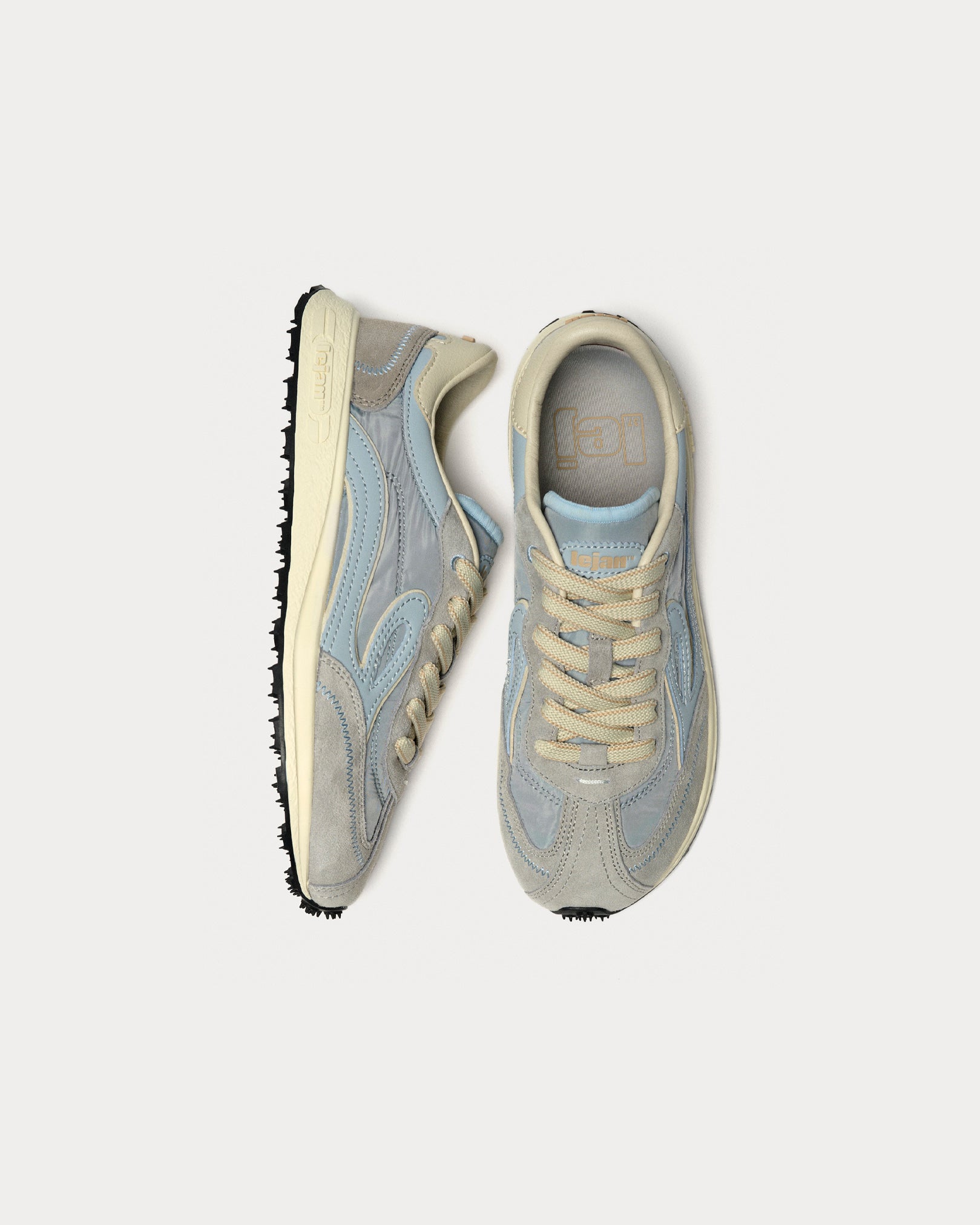
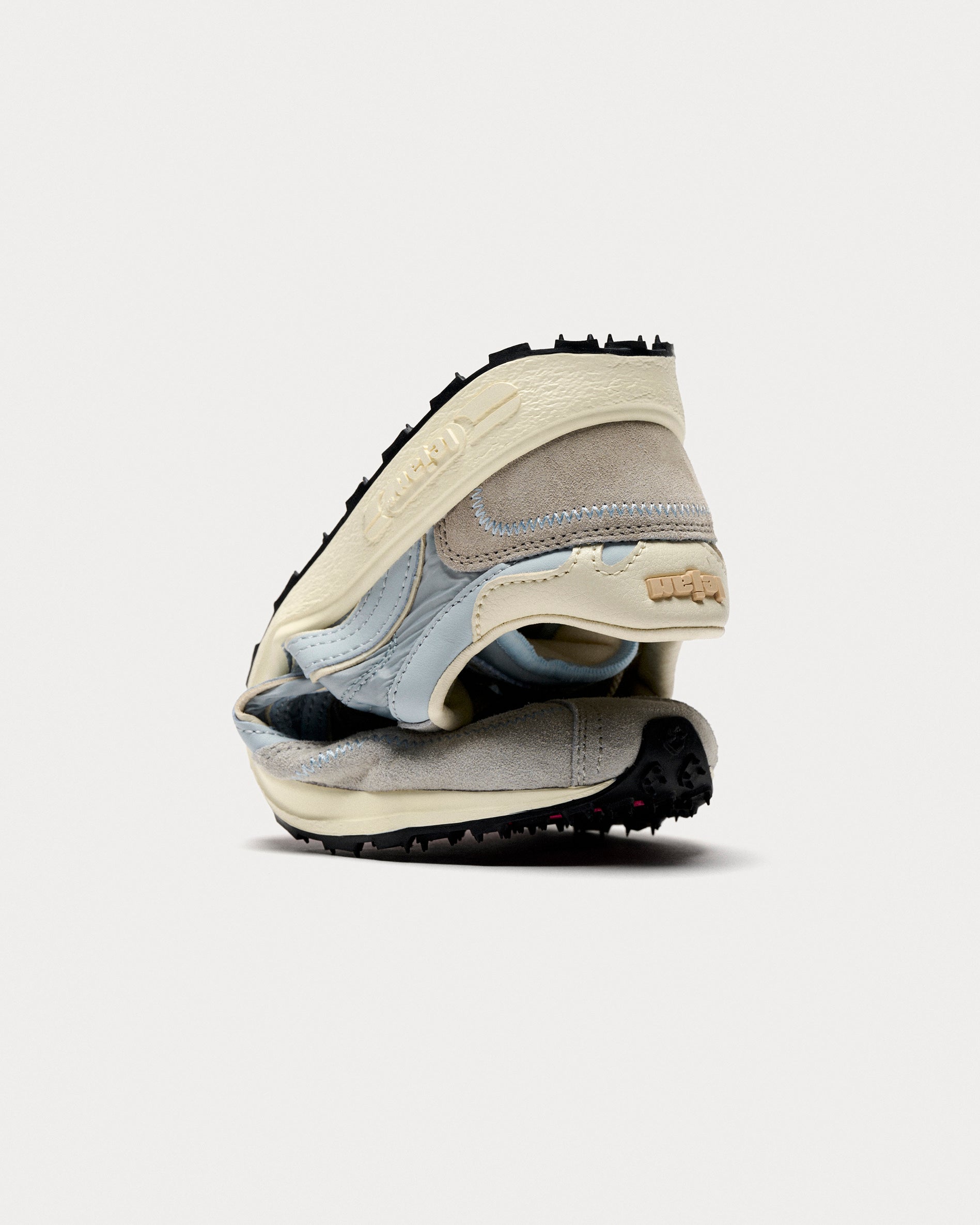
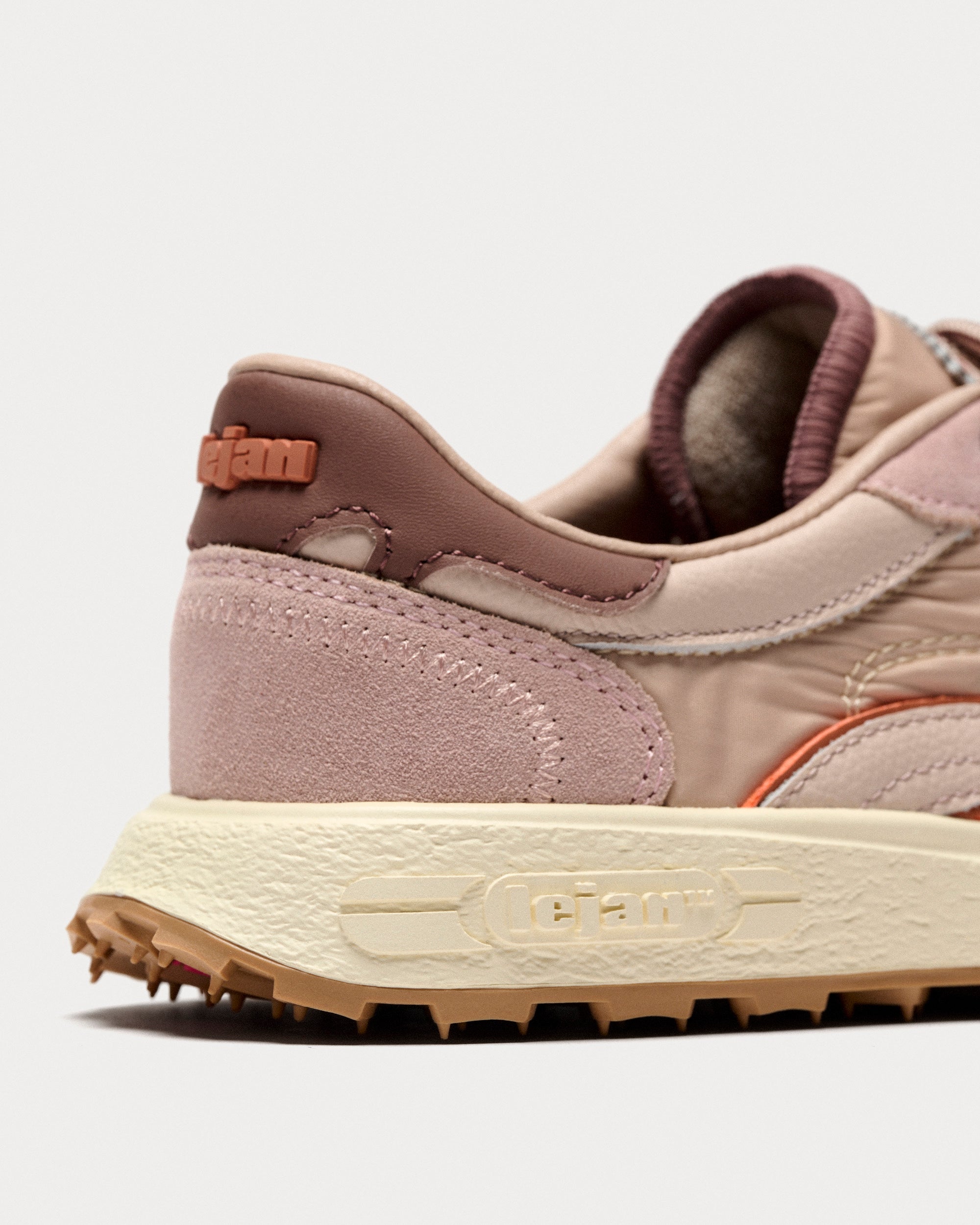
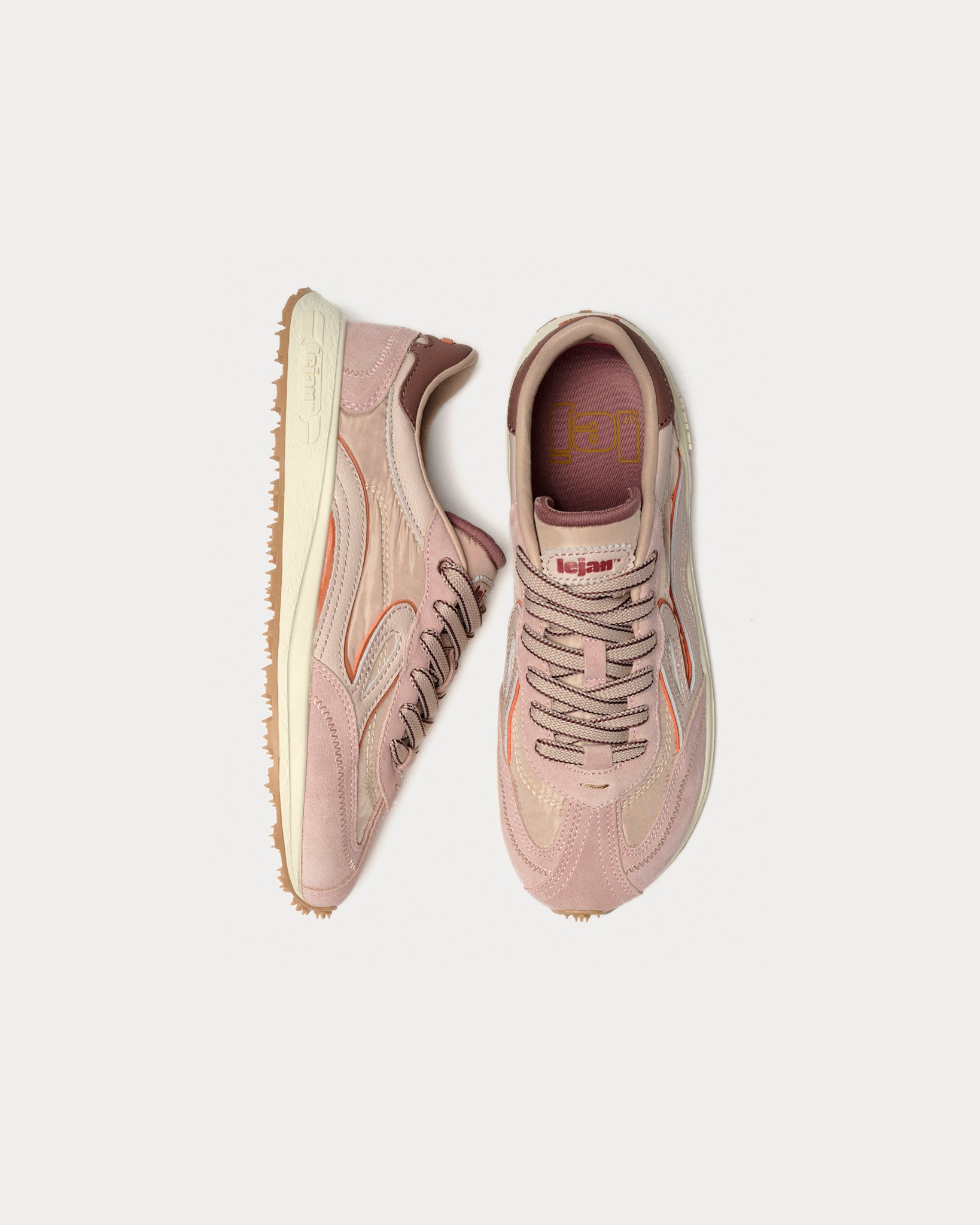
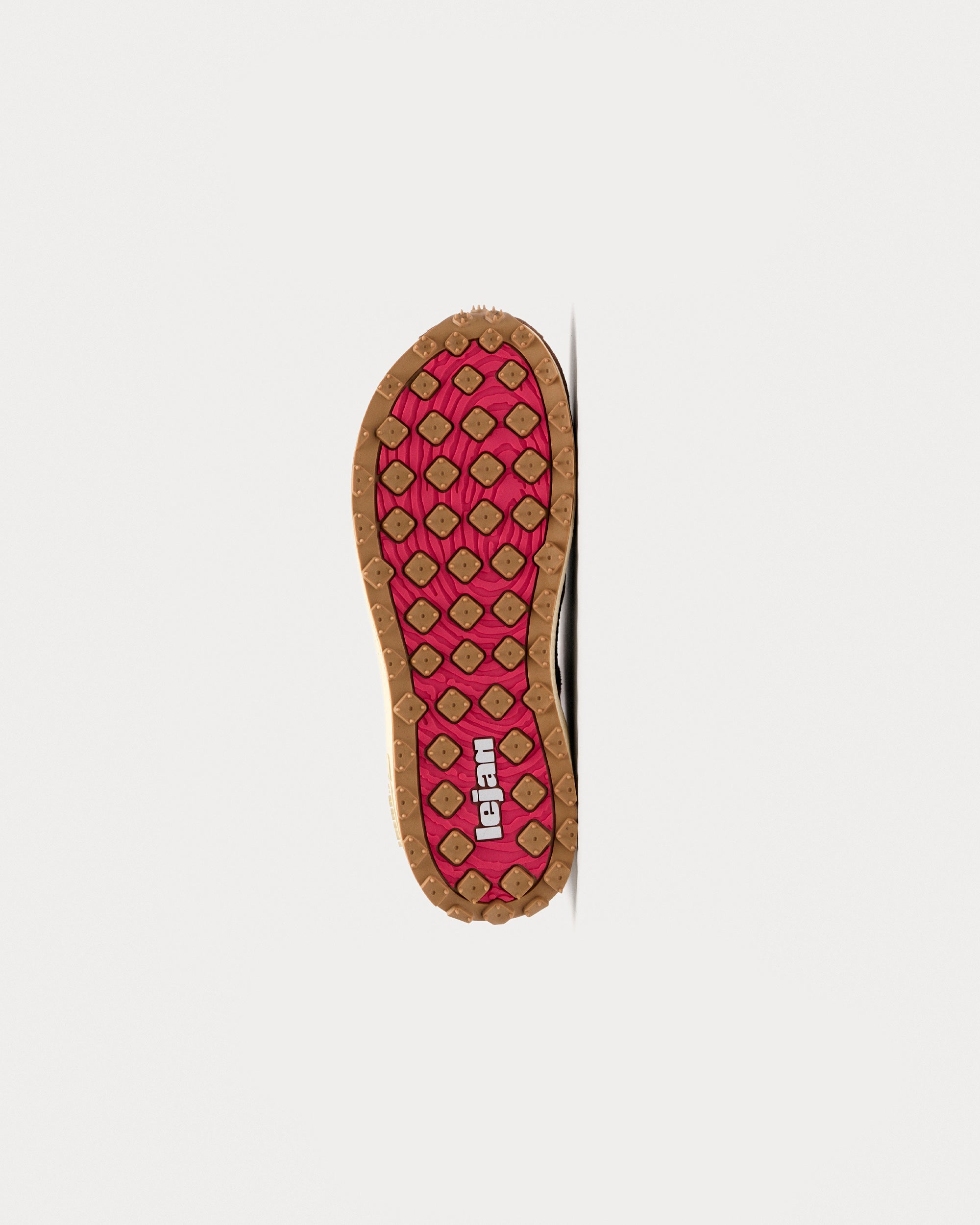
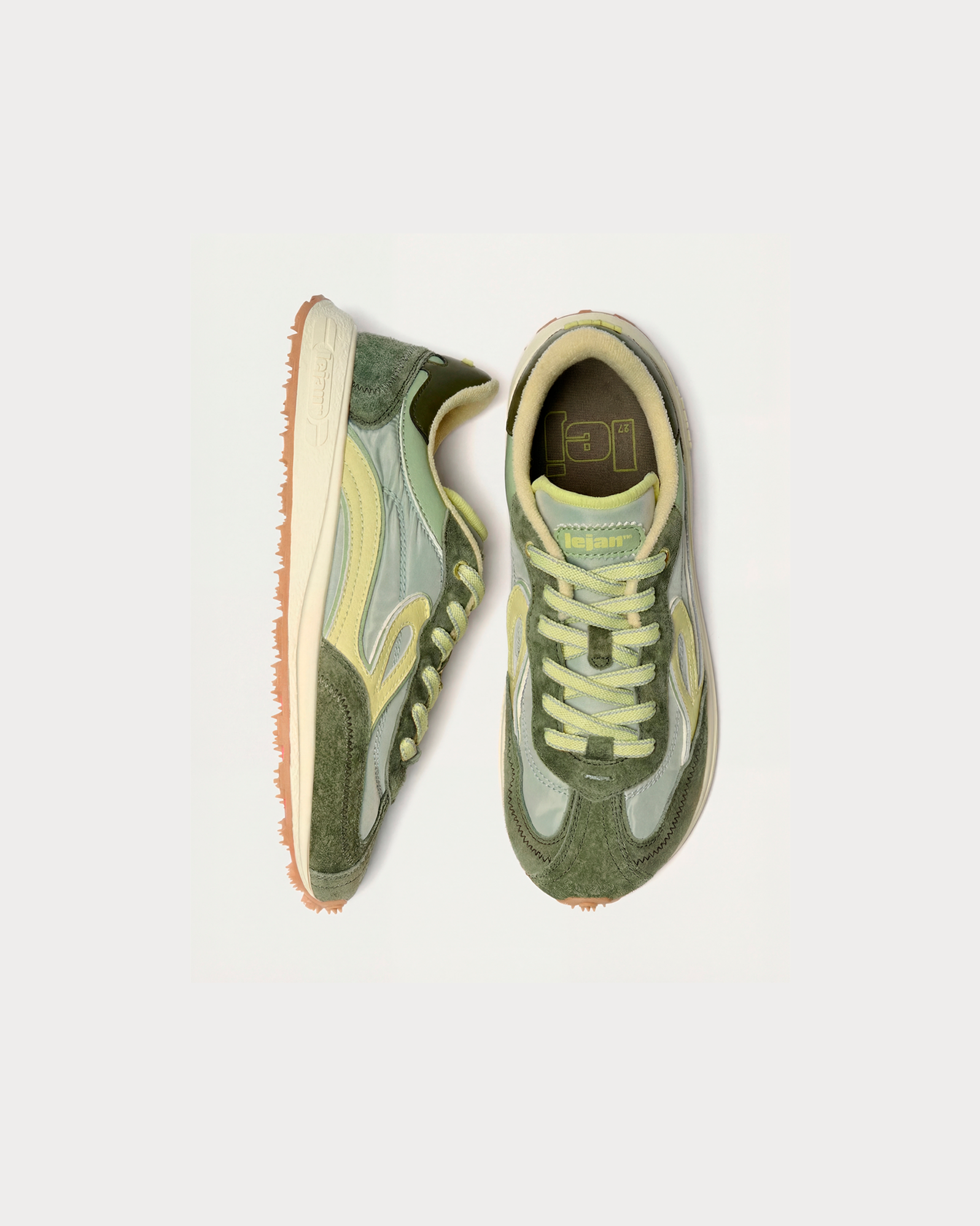
A barefoot shoe usually has a wide toe box, a flexible sole, zero drop and a lightweight structure, with no rigid elements that limit the movement of the foot.
Why more and more families choose them
Many families start to take an interest in this type of footwear when they notice that conventional shoes, especially for children, tend to be too rigid, narrow or structured.
In childhood, the foot is still developing. The toes need space, the muscles need stimulation and the foot needs to be able to move naturally. That is why more and more families look for footwear that doesn't compress the foot, doesn't raise the heel and doesn't restrict mobility.
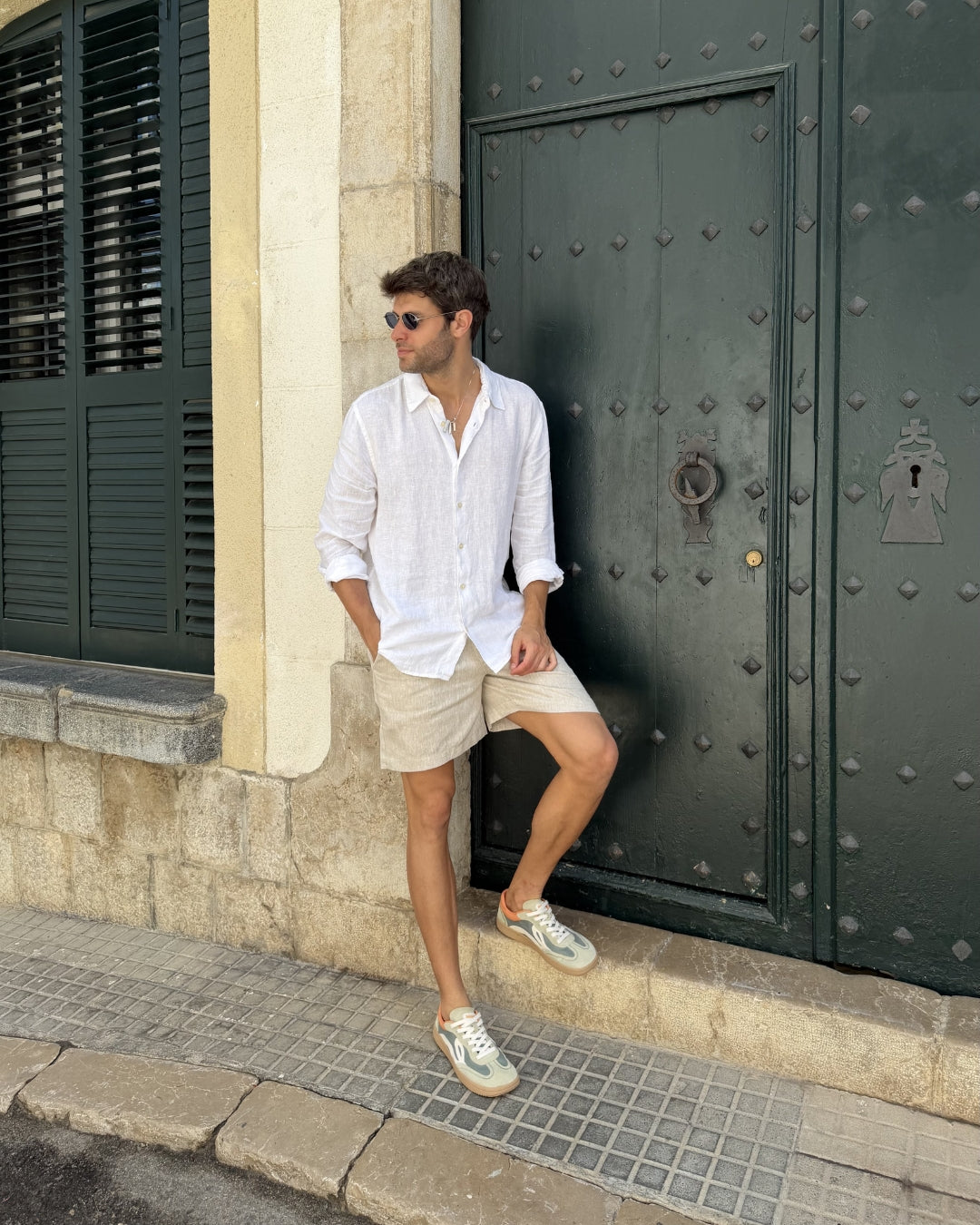
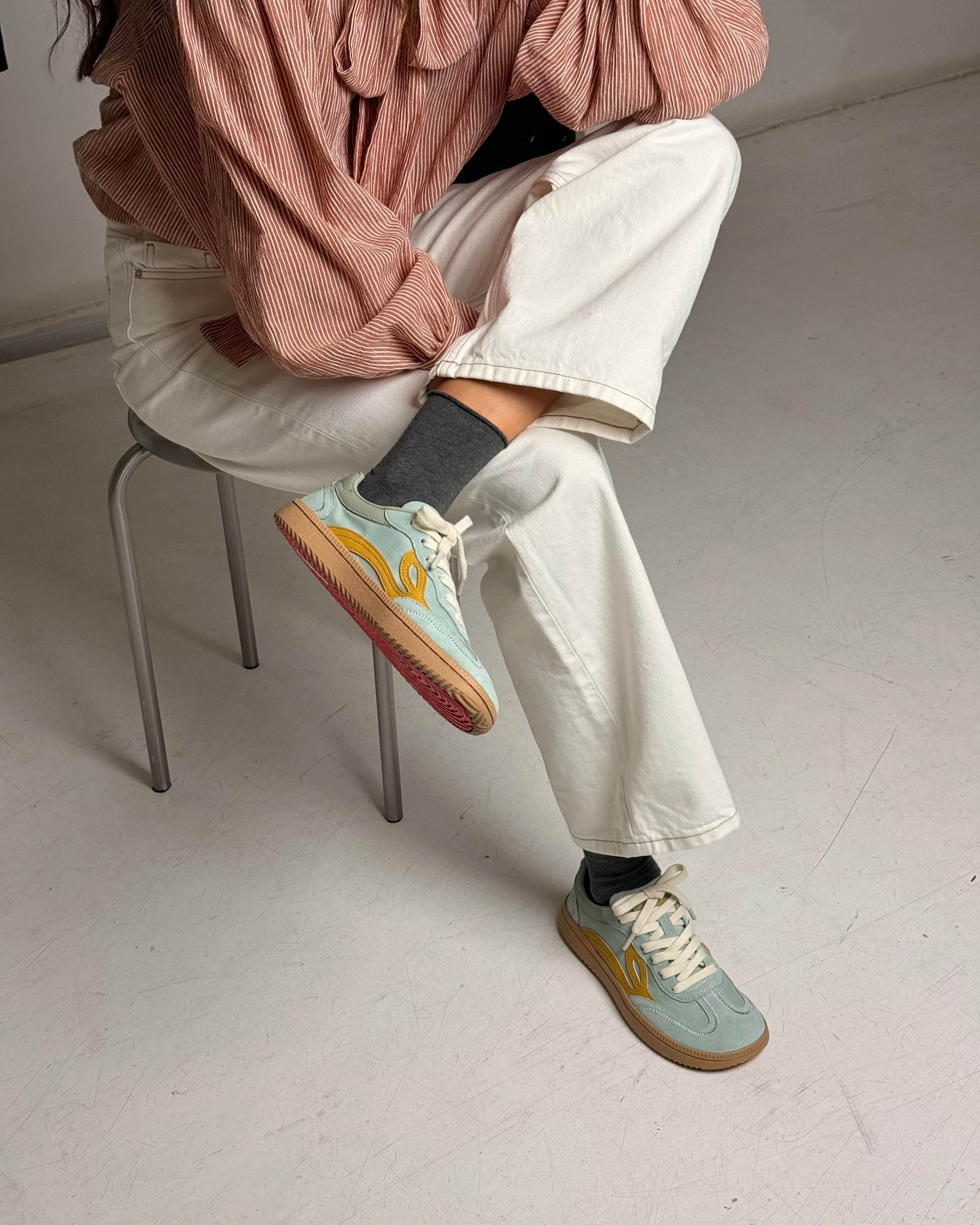
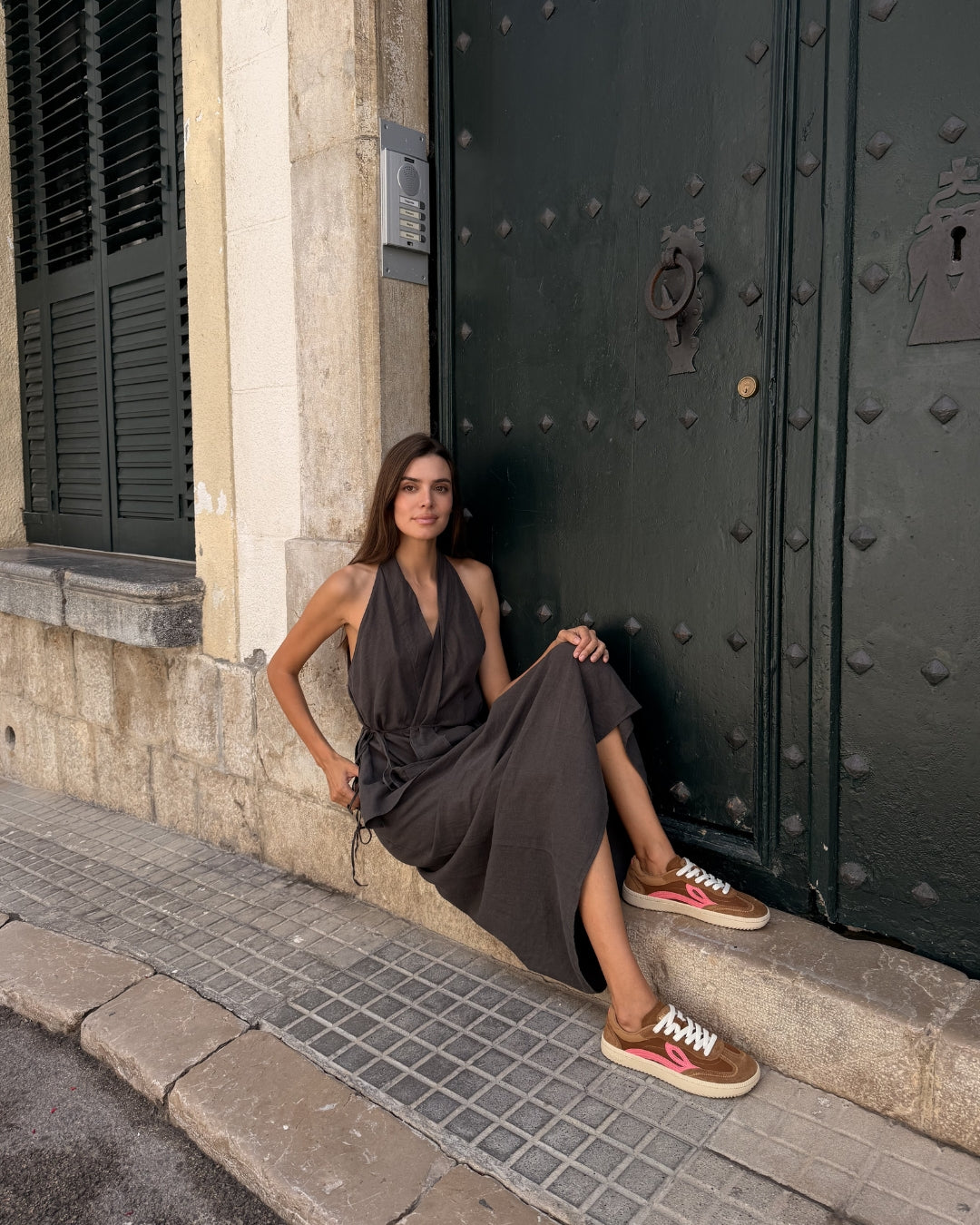
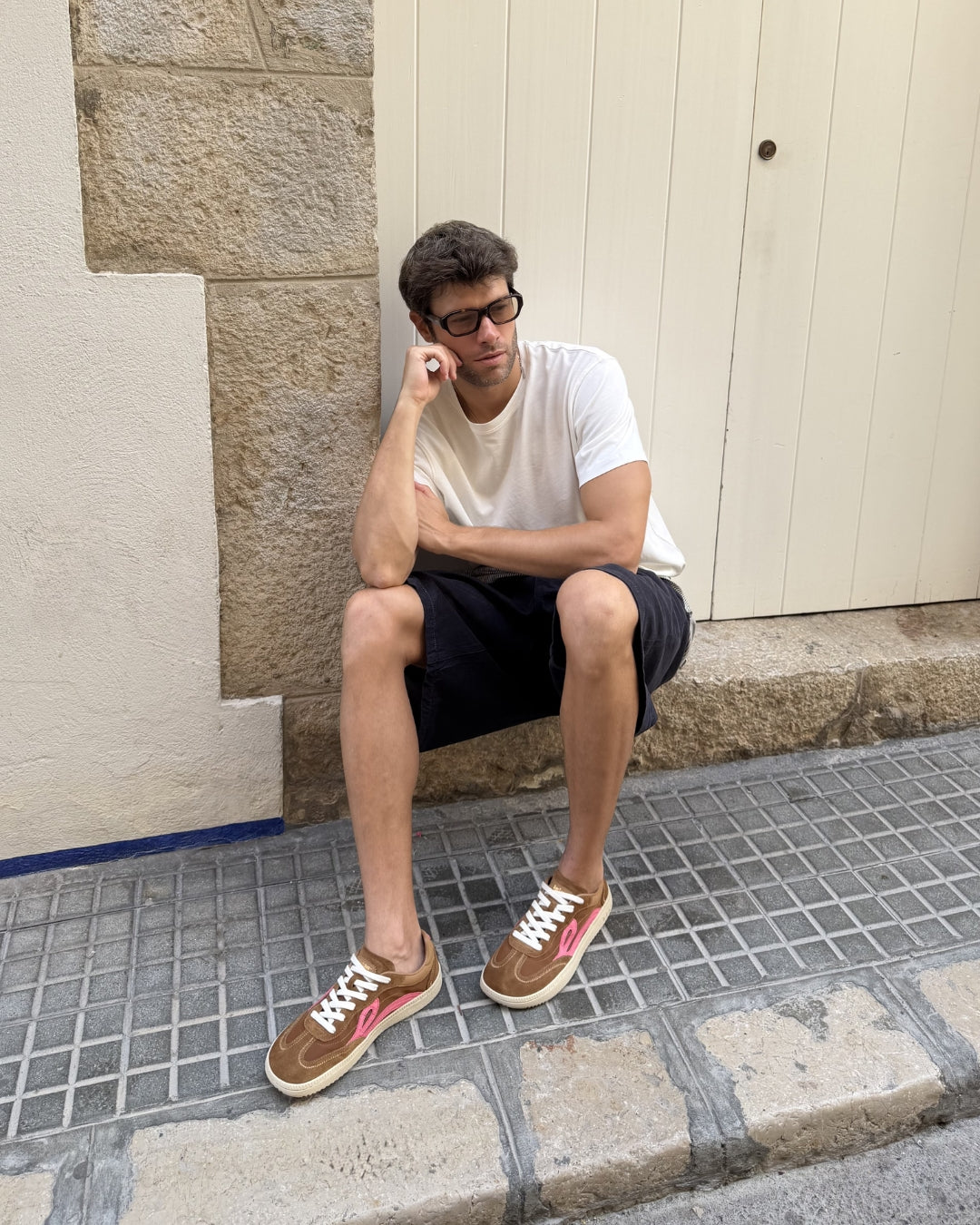
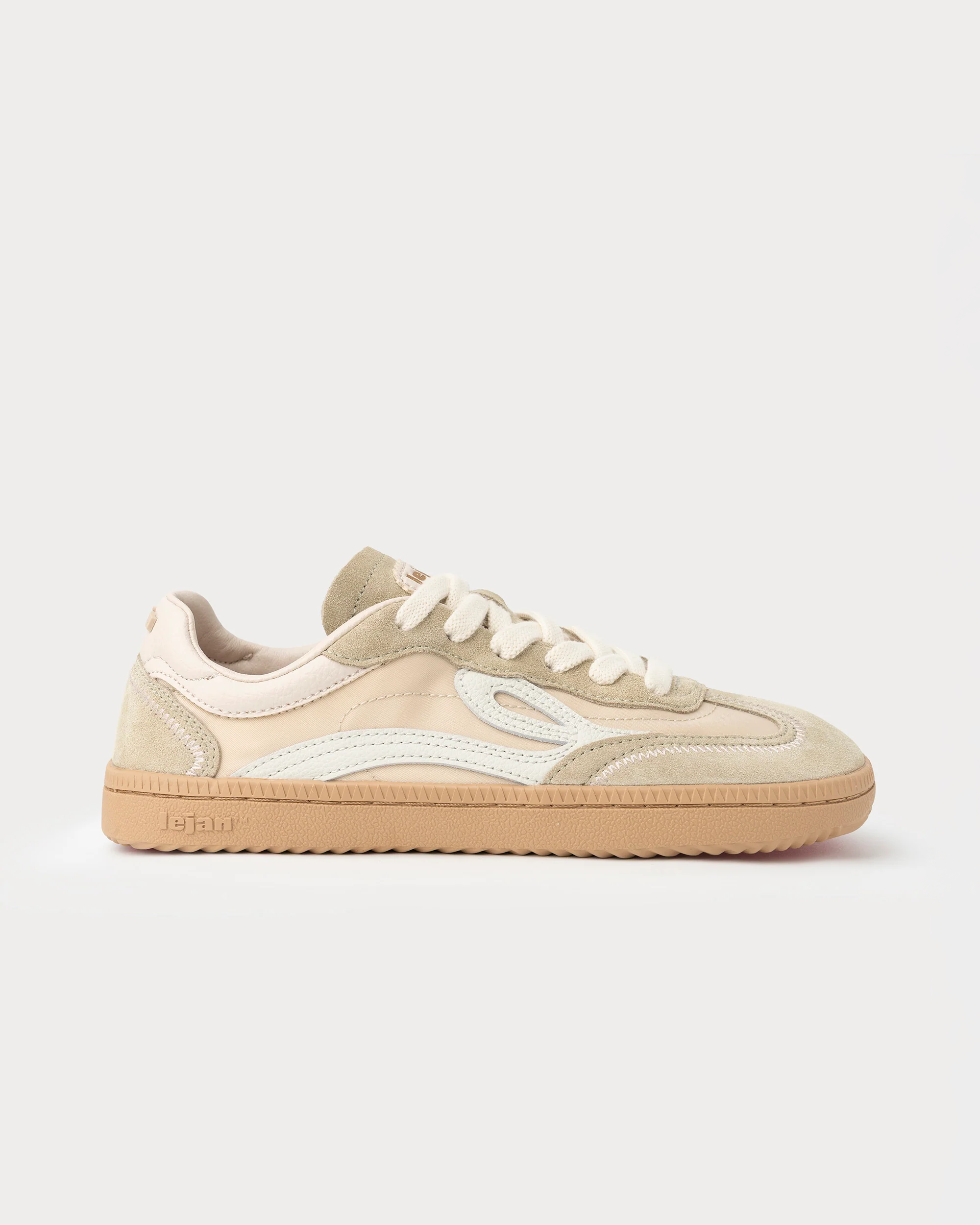
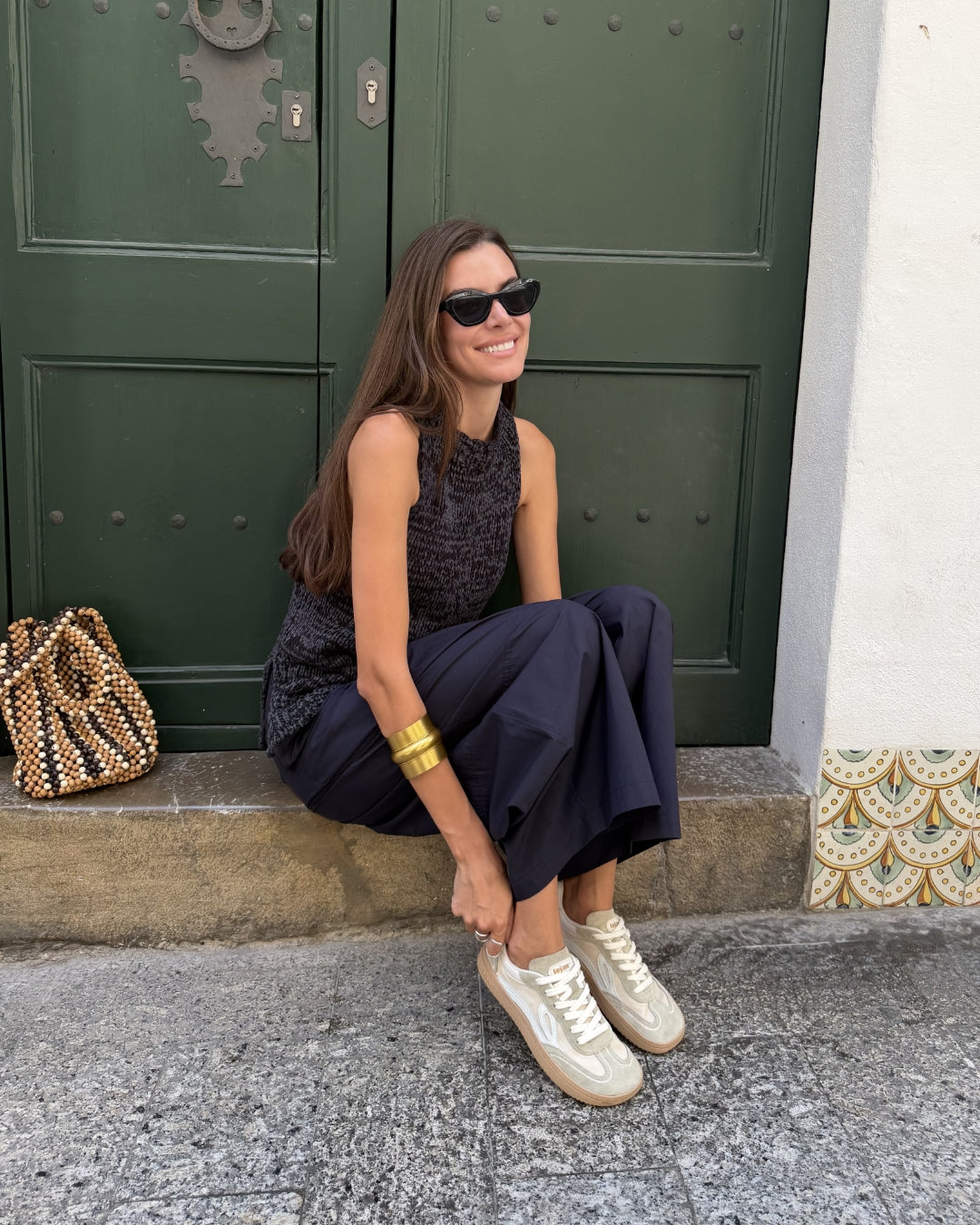
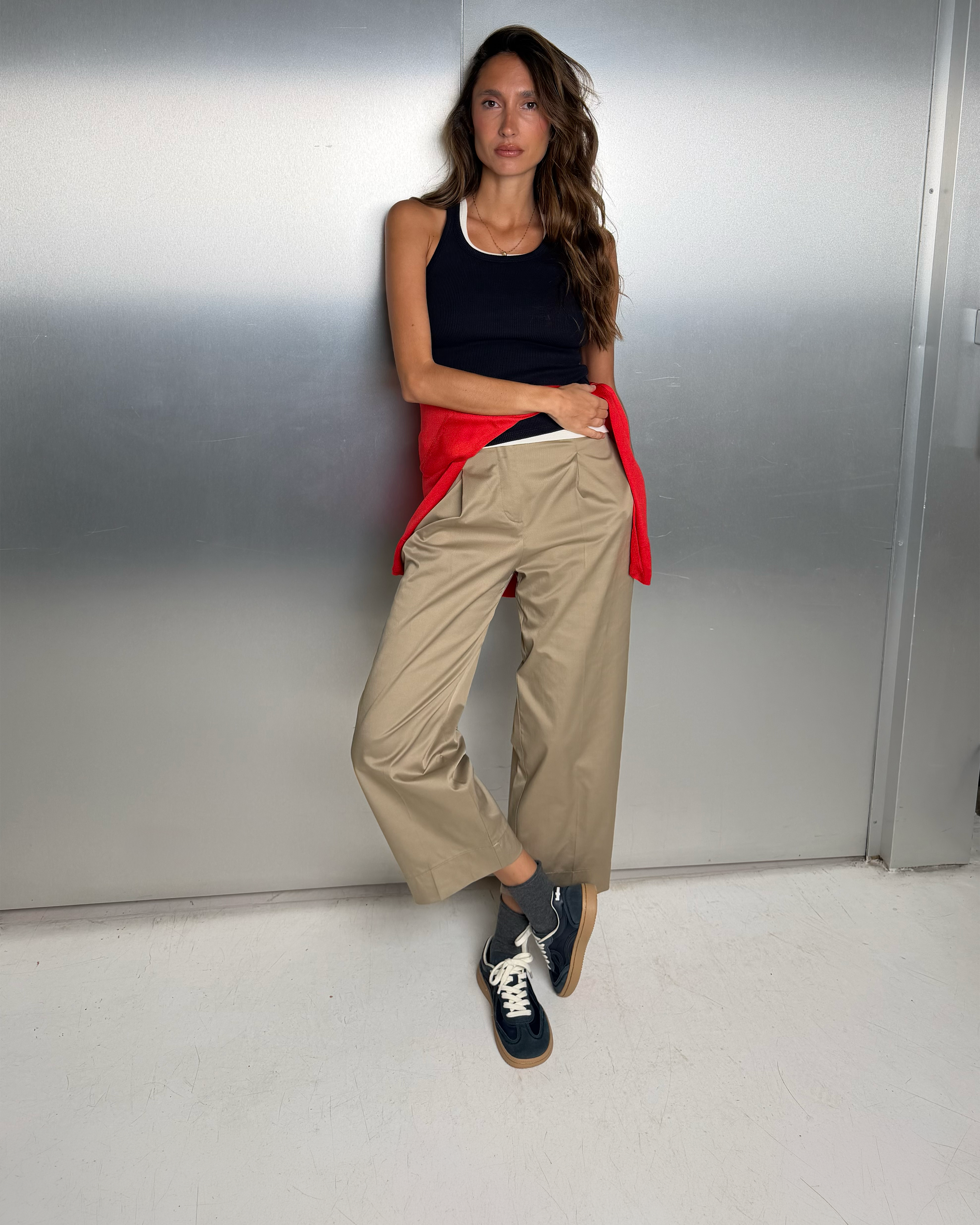
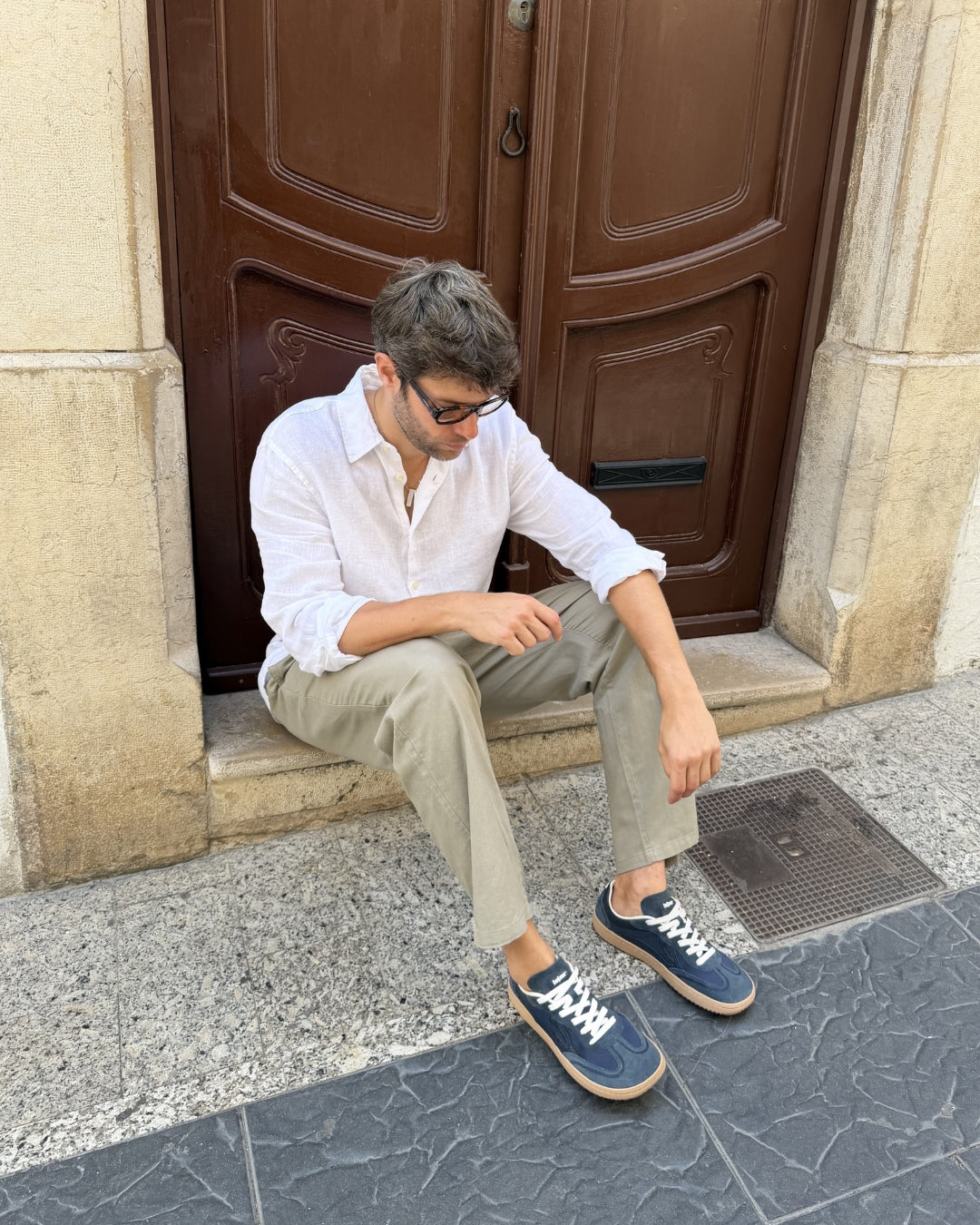
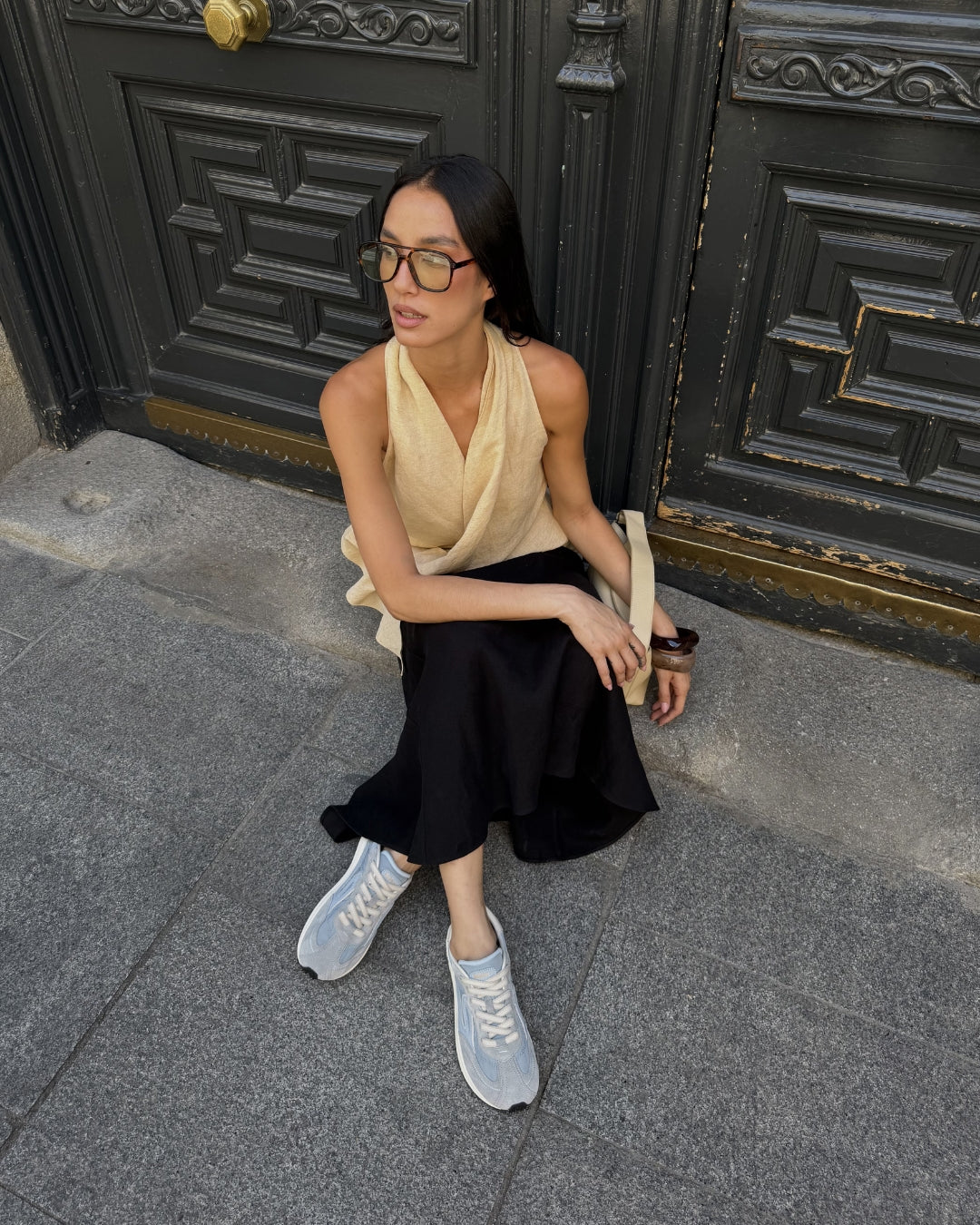
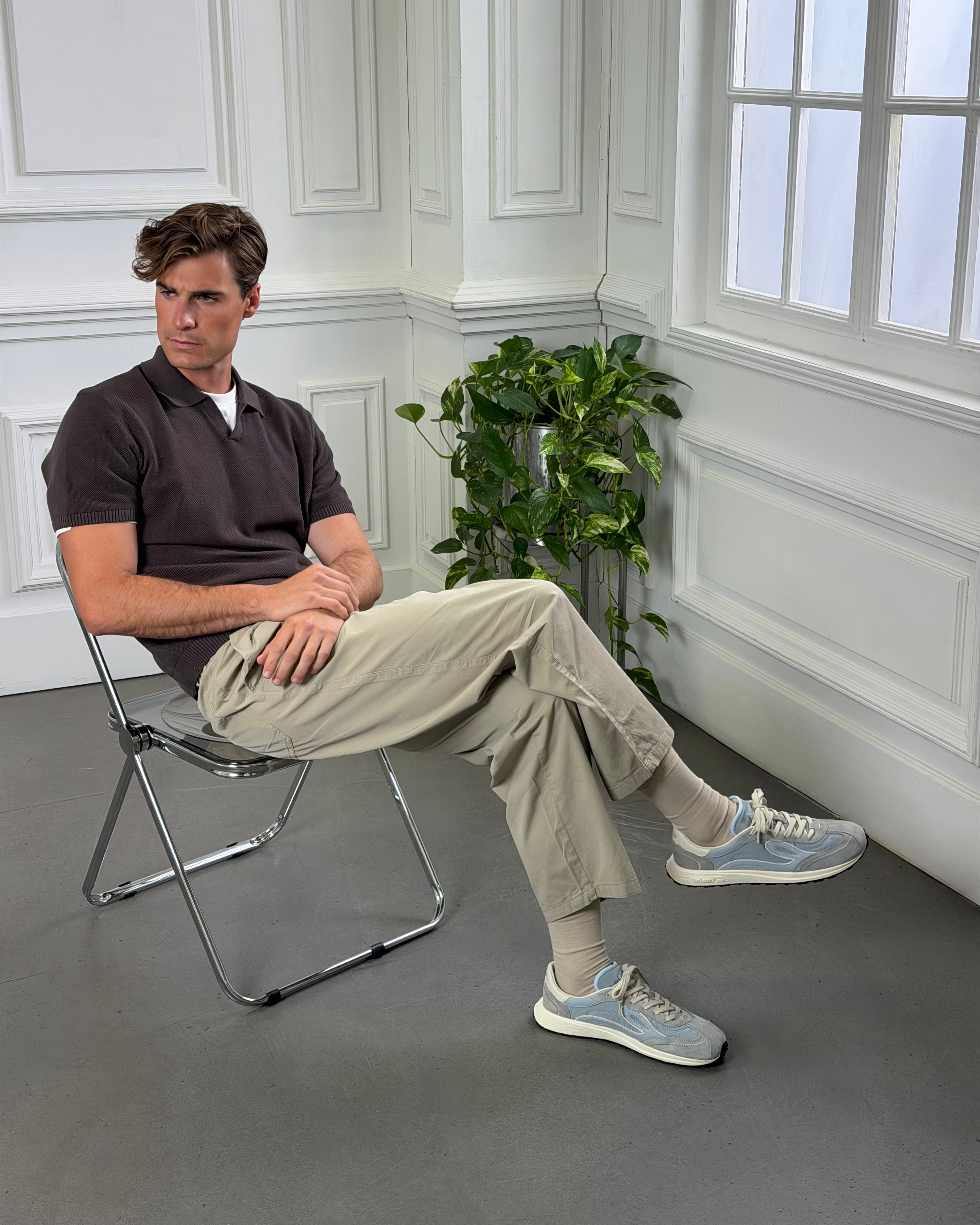
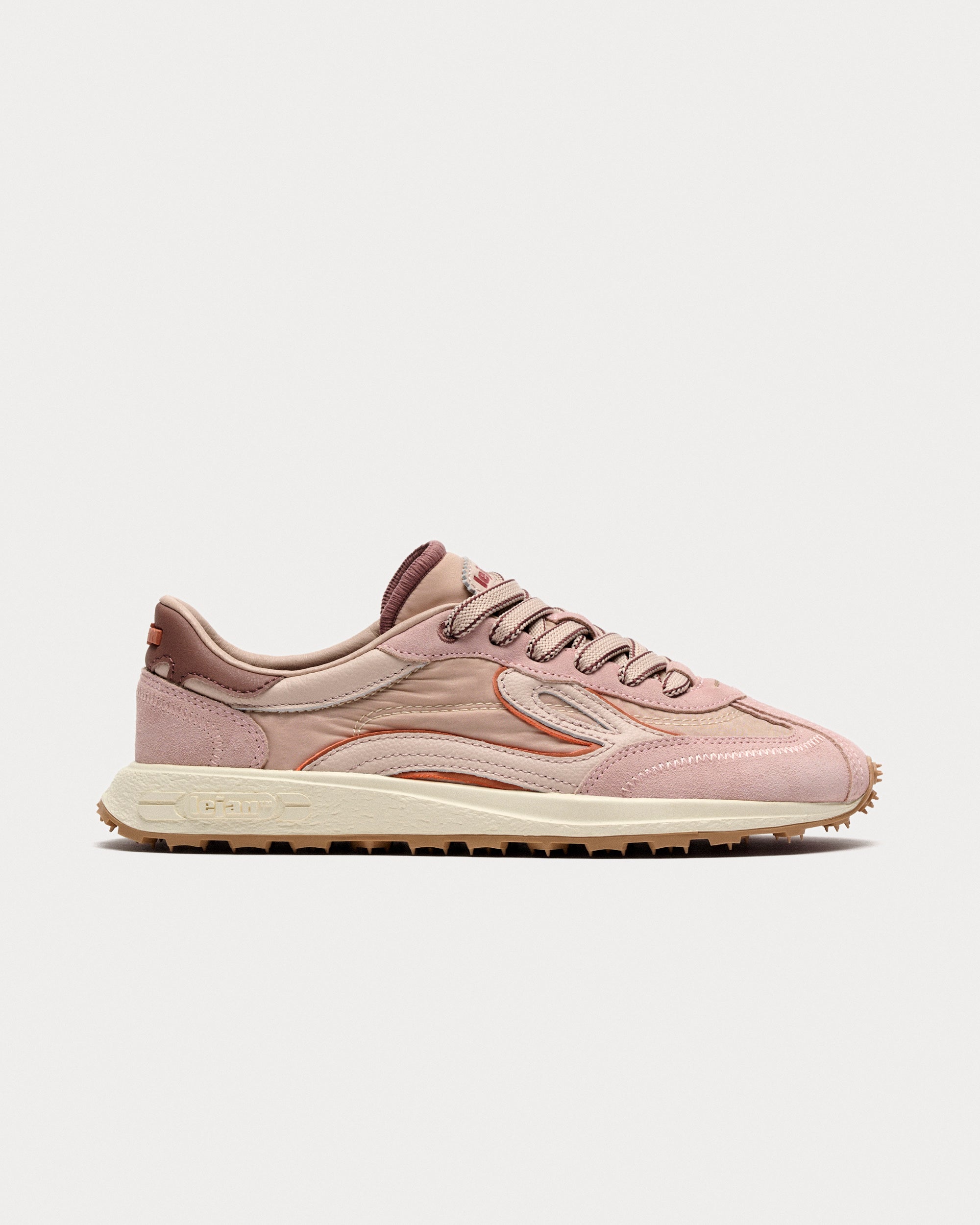
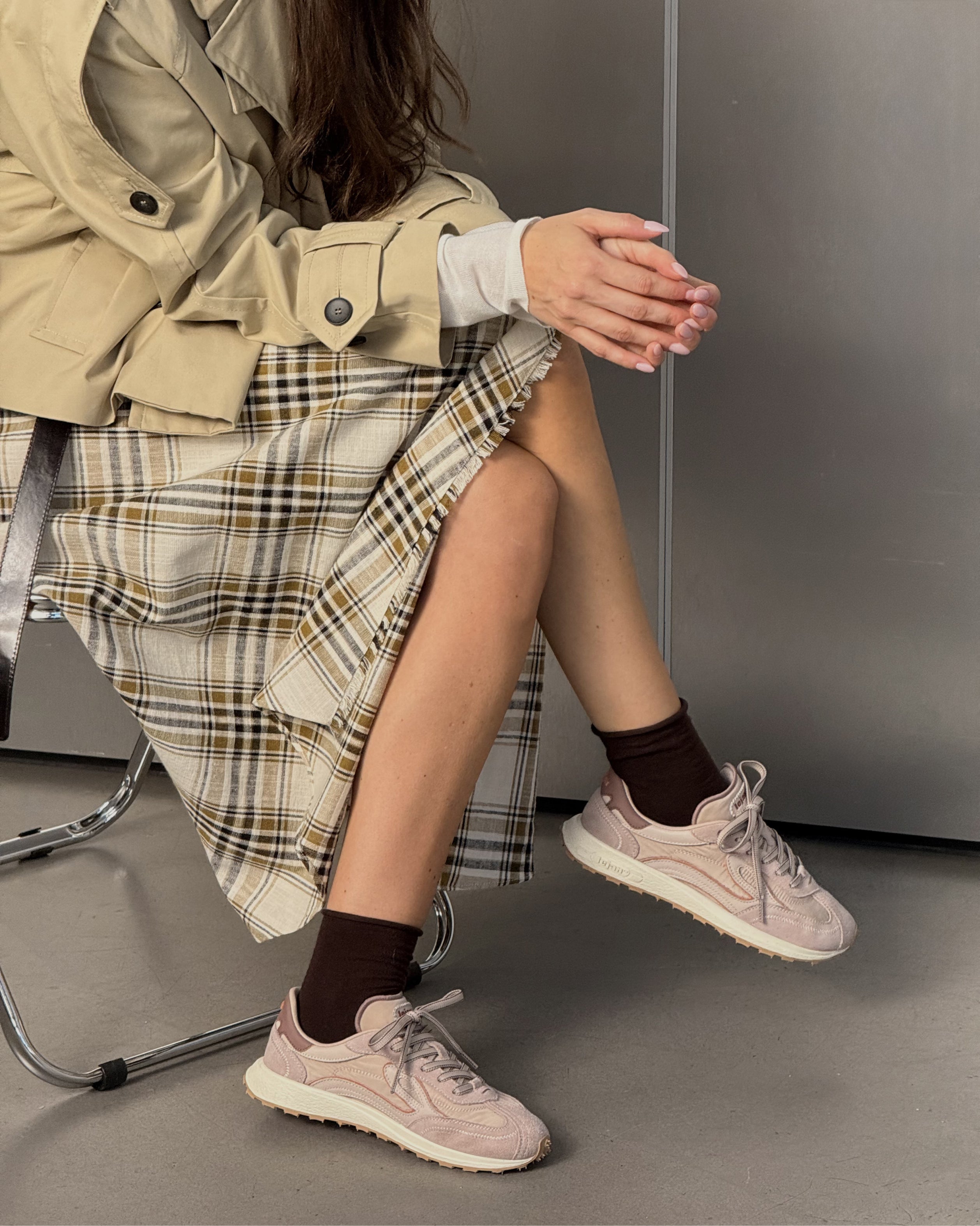
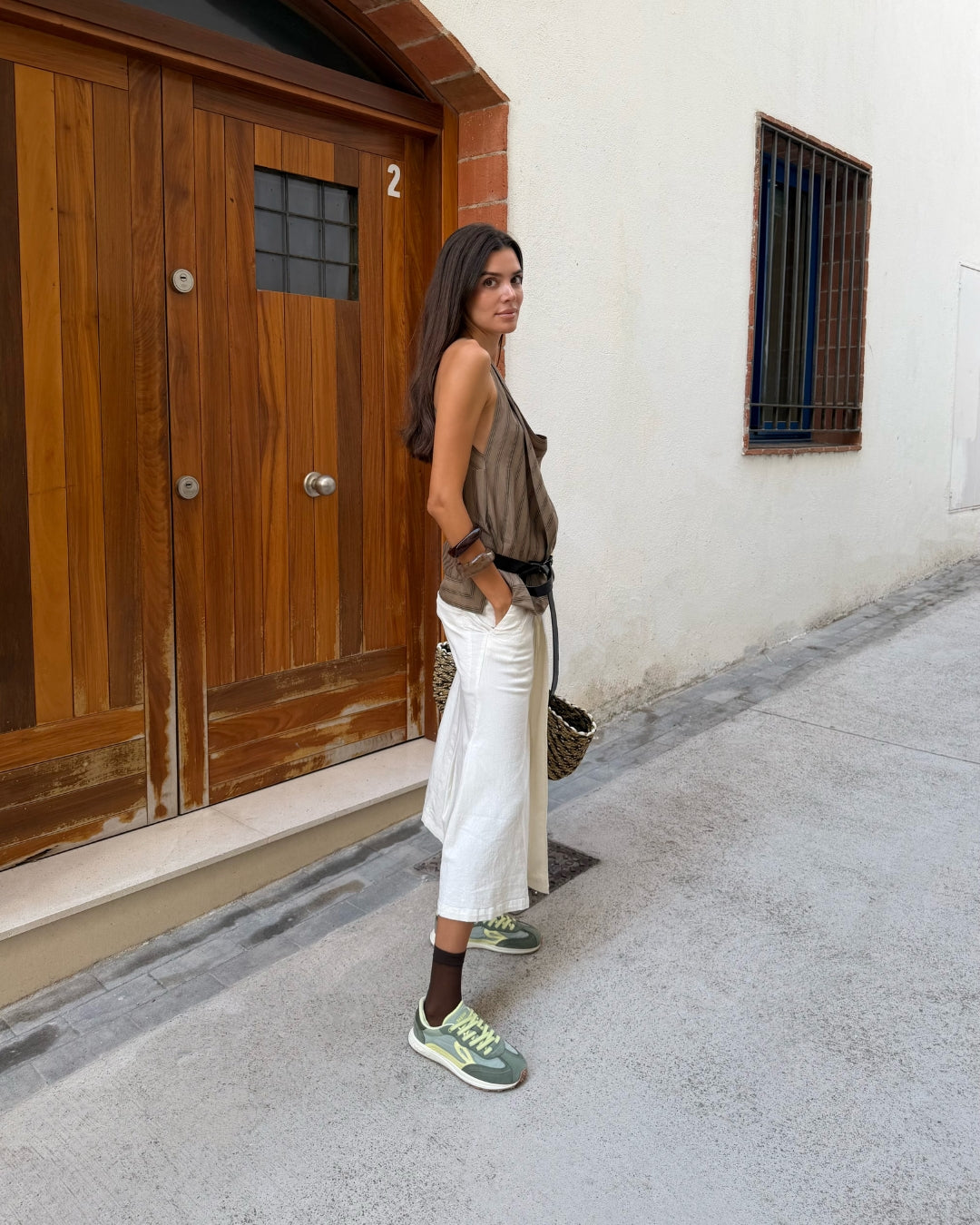
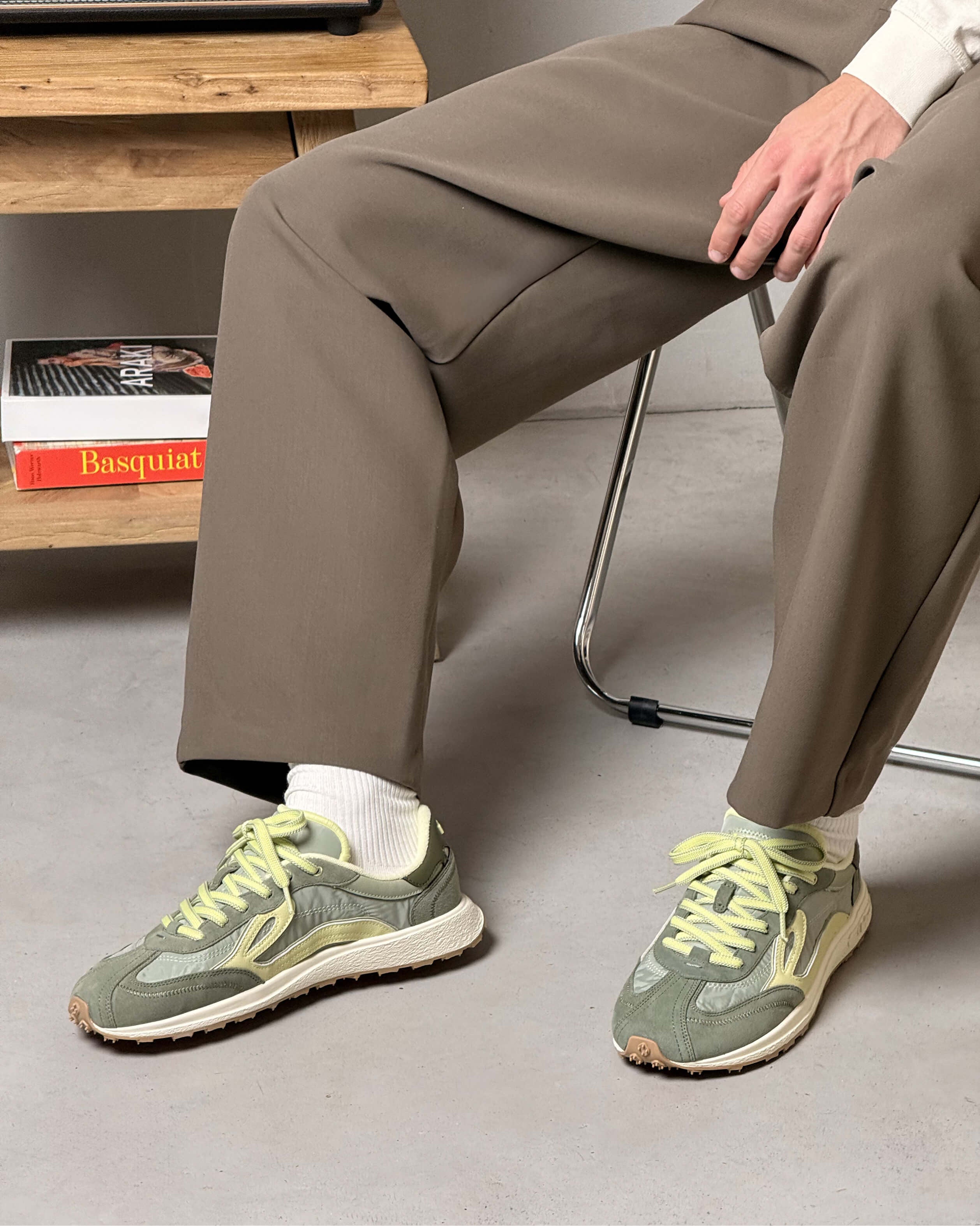
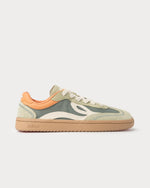
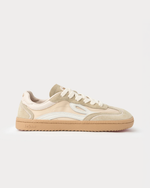
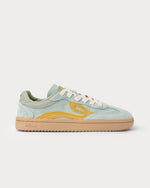
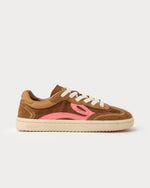
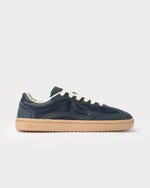
In adults, the interest tends to come from comfort, a sense of freedom, the search for a more conscious gait or the need for a wider fit that doesn't press on the toes. That is why many people start with everyday models, easy to combine and designed for walking more comfortably without giving up on style. If you're looking for that option for your daily routine, you can take a look at our casual barefoot trainers for women or our casual barefoot trainers for men, designed to keep the principles of barefoot footwear in casual, urban looks.
Features of barefoot footwear
For a shoe to be genuinely barefoot, it has to meet several criteria. It isn't enough for it to be flexible or to have a toe box that is “a little bit wider”. It's the combination that makes the difference.
Wide, anatomical toe box
The toe box is one of the most important parts. A barefoot shoe should have an anatomical toe box, meaning a shape that respects the real shape of the foot.
The toes shouldn't be cramped or pushed towards the centre. They should be able to spread out, splay slightly and take part in support and push-off as you walk.
A narrow toe box can restrict the movement of the toes, encourage rubbing, pressure on the nails and the feeling of a jammed foot. In children, it can also affect the way the foot develops if it is worn consistently.
Thin, flexible sole
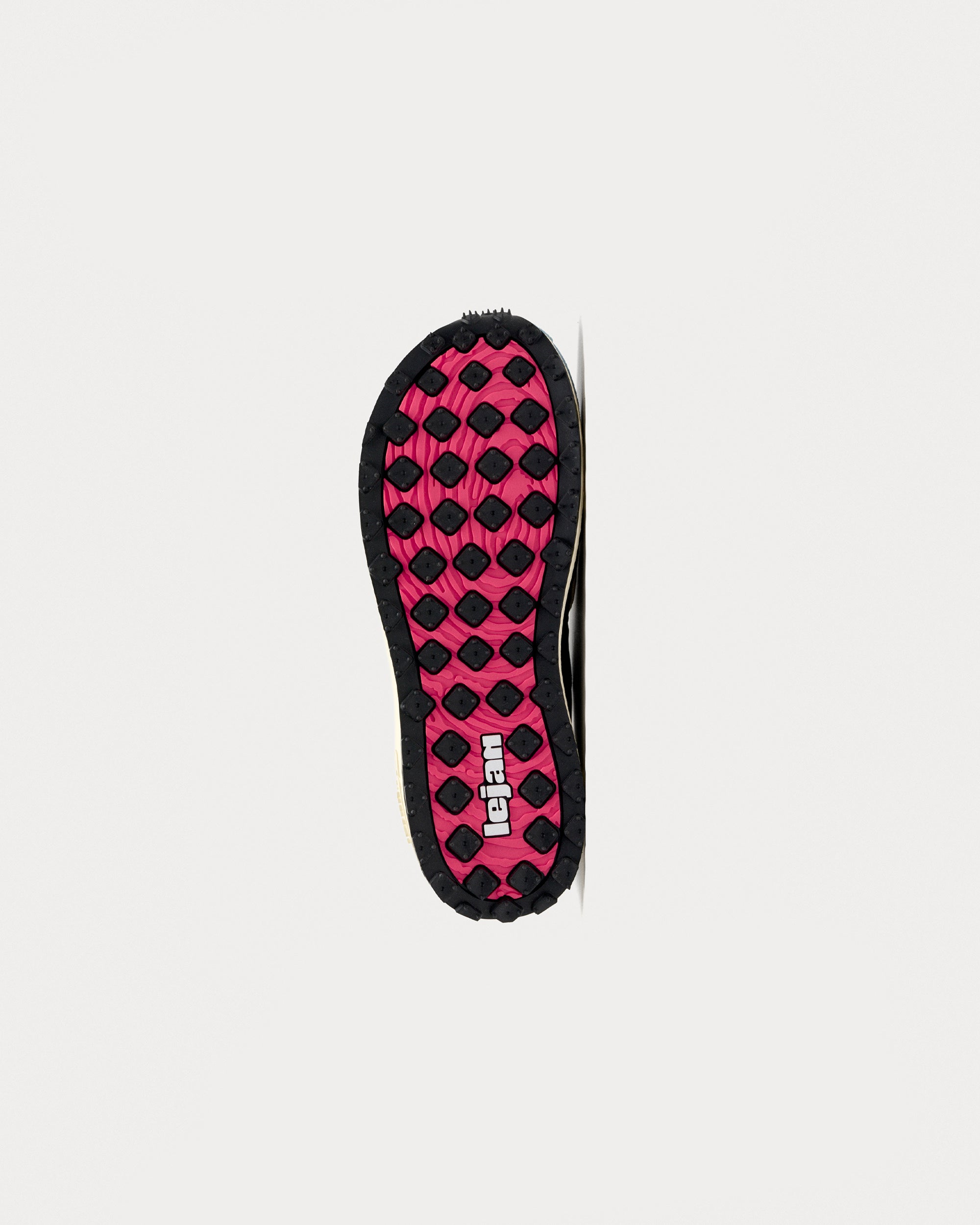
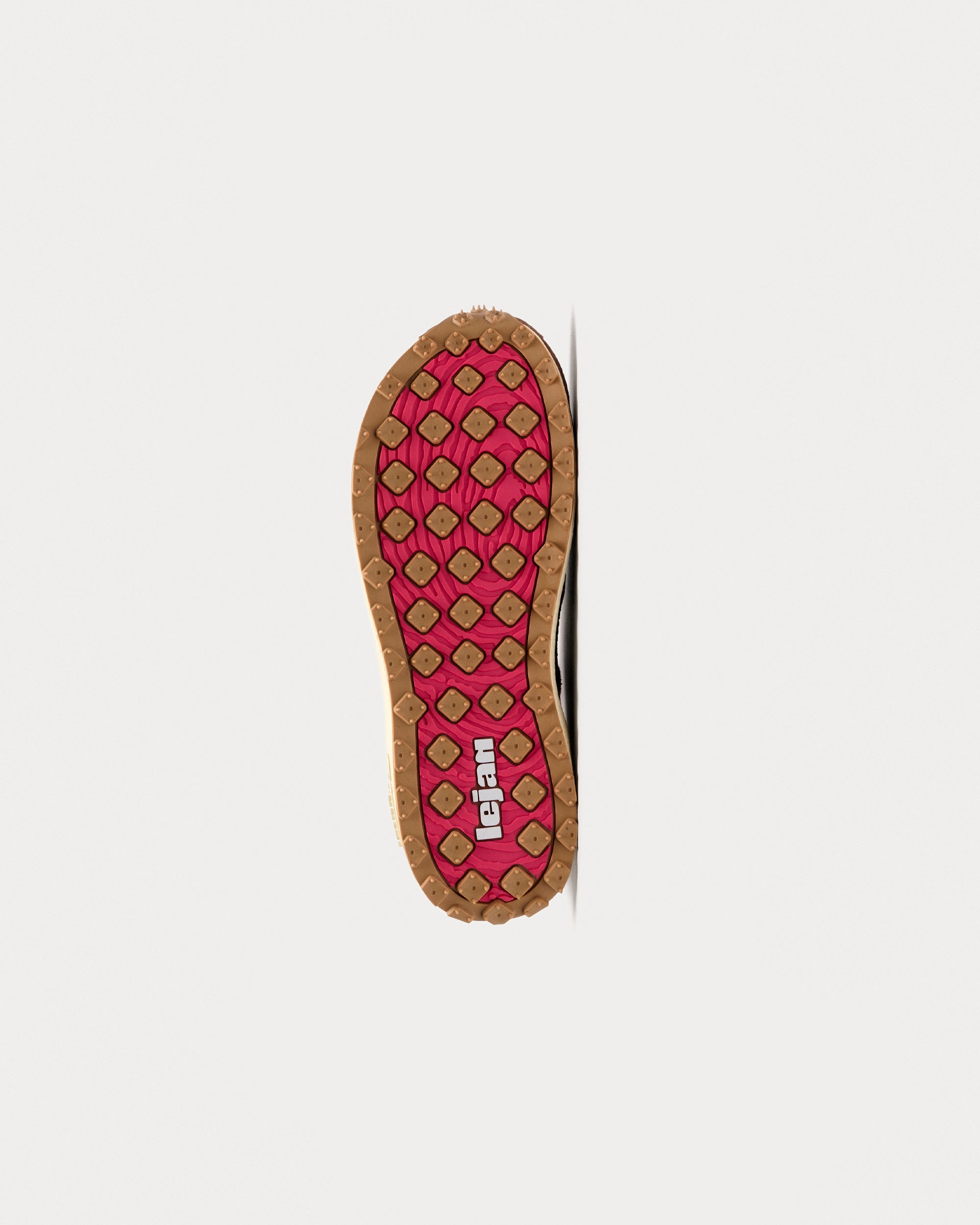
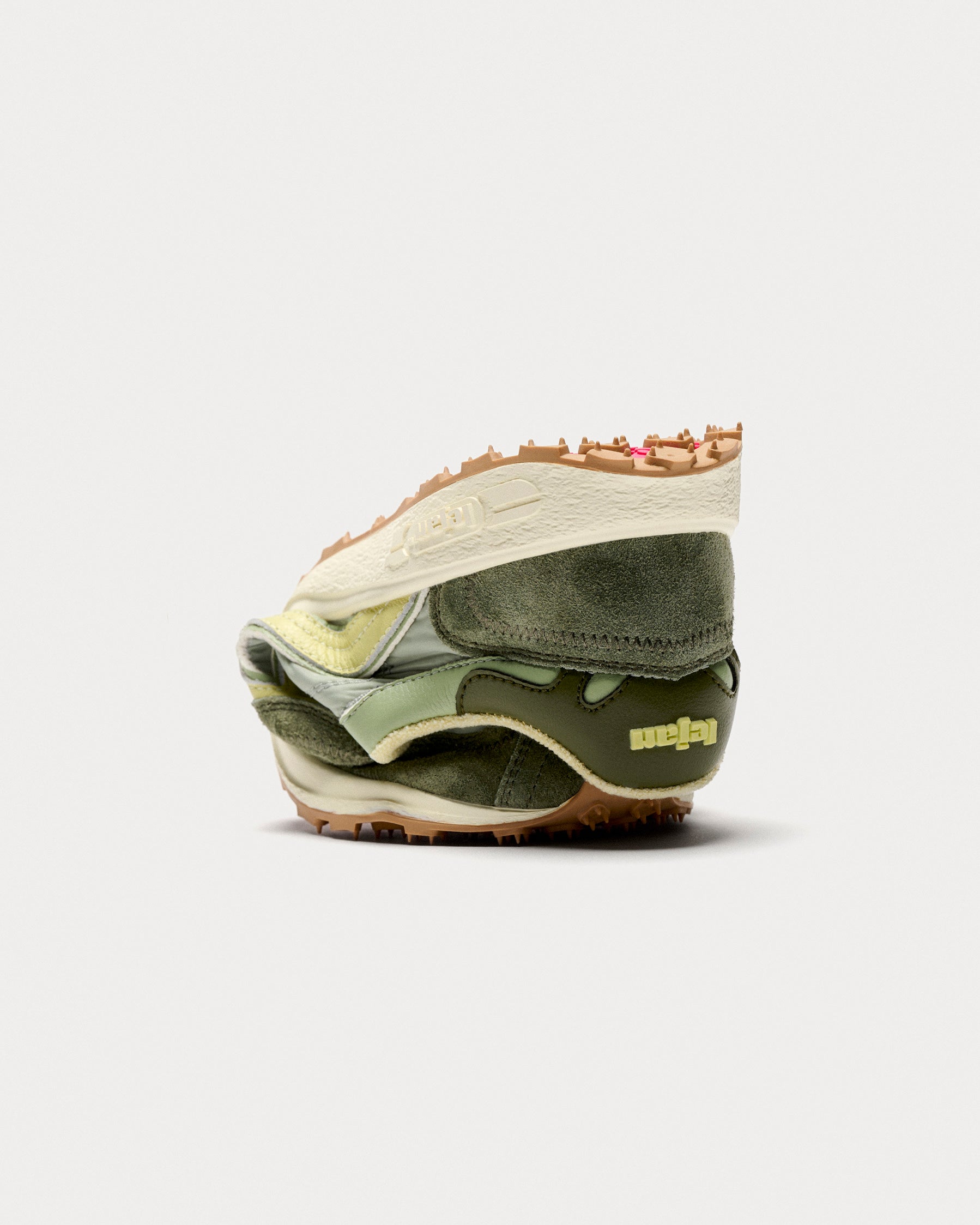
The sole should allow the foot to receive information from the ground and adapt to the terrain. A sole that is too thick or rigid reduces that perception and makes the foot rely more on the shoe than on its own ability to move.
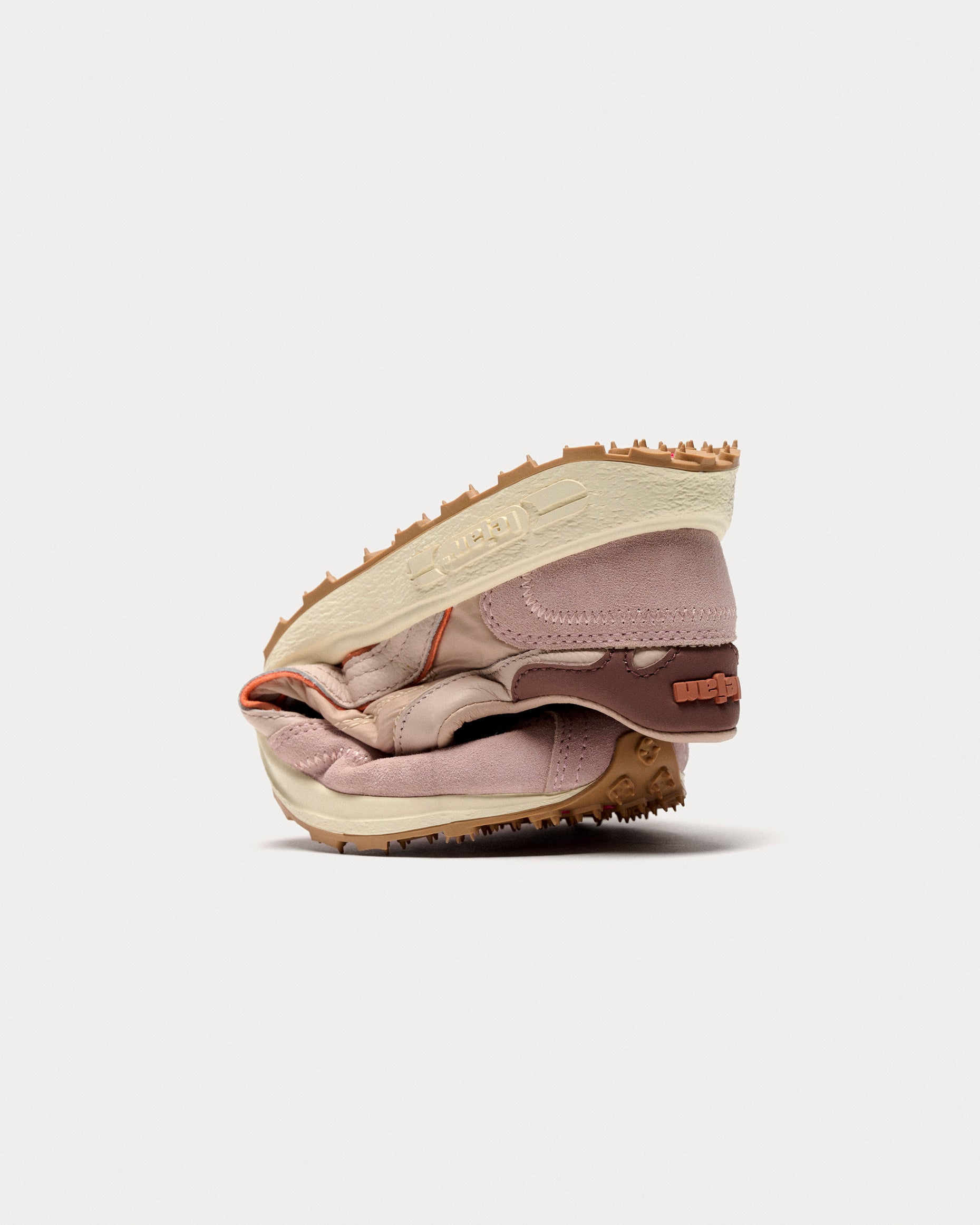
In barefoot footwear, the sole should be able to flex easily, especially in the forefoot area, which is where the foot needs to bend during the gait.
This doesn't mean it has to be an extremely thin sole for everyone or for every situation. The key is that it is flexible enough and that it doesn't block the natural movement of the foot.

Zero drop and natural posture
The drop is the difference in height between the heel and the front of the foot. In many conventional shoes, the heel sits higher than the forefoot, even if it isn't always obvious at a glance.
In barefoot footwear, the ideal is for the drop to be 0, meaning that the heel and forefoot are at the same height.
This allows for a more neutral base and prevents the body from constantly being positioned at a slight forward tilt. For some people, this change can be very noticeable, which is why the transition should be made gradually if you're coming from footwear with a lot of drop or very cushioned soles.
Freedom of movement and no heel counter
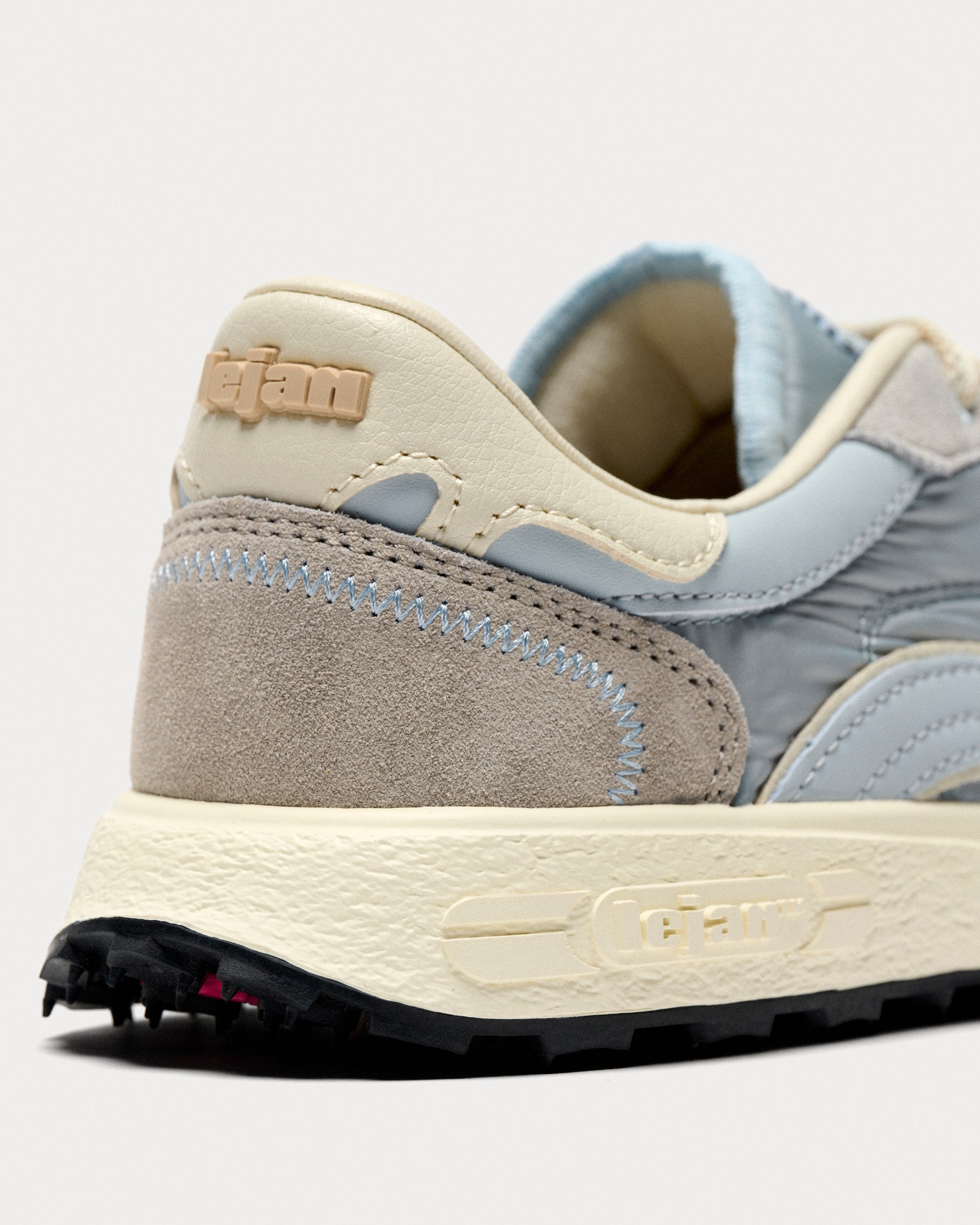
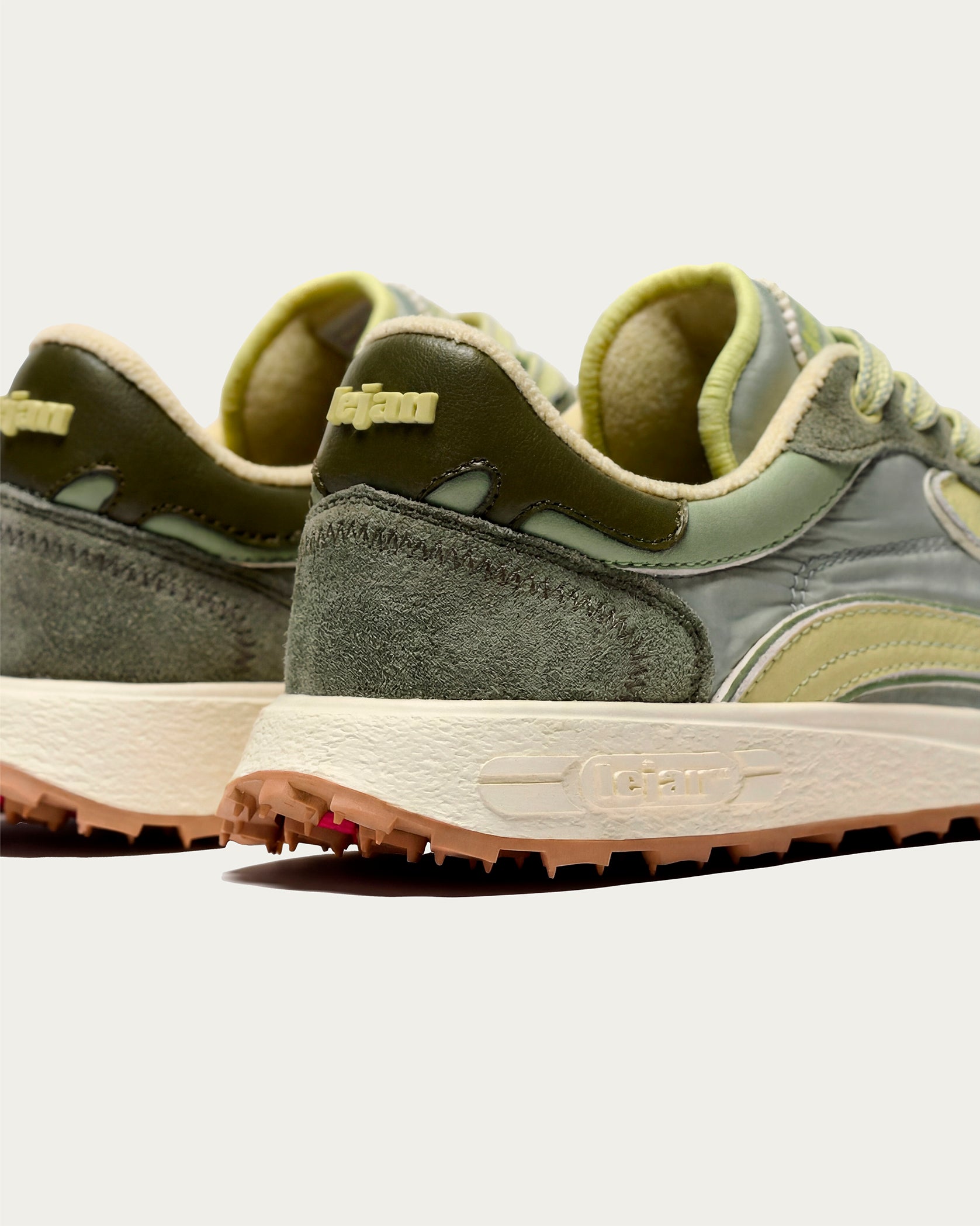
The heel counter is the rigid structure that some shoes have in the heel area. In traditional footwear it has been widely used with the idea of “holding” the foot in place, but in a barefoot shoe it shouldn't be rigid or limit movement.
The heel needs to stabilise itself, but not necessarily with a hard piece that locks it in place. A barefoot shoe should support movement, not limit the foot.
It's also important that the upper, the sides and the fastening system don't compress the foot. The shoe should feel secure, but without preventing the foot from expanding slightly as it bears weight.
Benefits of barefoot shoes for children and adults
The benefits of barefoot footwear depend on the person, their starting point, the type of foot, the activity and how the transition is made. Even so, there are several aspects that explain why this type of footwear can be worthwhile.
Natural development of the child's foot
In children, barefoot footwear gives the foot space to grow and move. During childhood, the foot is not a small version of the adult foot: it is still maturing.
The muscles, ligaments, balance and coordination develop little by little. A flexible, lightweight shoe with an anatomical toe box lets the foot take a more active part in that process.
This doesn't mean that barefoot footwear “corrects” physiological flat feet or that it is a medical treatment for conditions our little ones may have. The important thing is that the footwear doesn't restrict mobility or compress the foot during that stage.
Improved posture and gait
In adults, many people notice that with barefoot footwear they walk more consciously and have a better sense of how they're stepping. With no raised heel or rigid sole, the foot receives more information and the body can adjust its movement more effectively.
That said, it shouldn't be seen as an automatic fix for back, knee or hip pain. Your gait depends on many factors: mobility, strength, technique, habits, activity, previous injuries, the type of footwear worn over the years, among others.
Barefoot footwear can help create a more favourable environment for the foot to work in, but it doesn't replace a professional assessment if you have persistent pain.
Proprioception and connection with the ground
Proprioception is the body's ability to sense its position and movement. In the foot, this information comes partly through contact with the ground.
A thin, flexible sole lets the foot receive more stimuli. This can support a sense of balance, control and adaptation to the terrain.
That is why many people describe barefoot footwear as a way of “feeling the ground more”, without going completely barefoot.
Differences between barefoot and traditional footwear
The main difference lies in the design philosophy. Traditional footwear tends to prioritise structure, cushioning, support and a conventional look. Barefoot footwear prioritises space, flexibility, lightness and freedom of movement.

Comparison table: structure, sole and fit
|
Feature |
Barefoot footwear |
Traditional footwear |
|
Toe box |
Wide and anatomical |
Narrower or tapered |
|
Sole |
Flexible and generally thinner |
More rigid, thick or cushioned |
|
Drop |
0, with no raised heel |
Frequently with a raised heel |
|
Heel counter |
Soft or non-existent |
More rigid and structured |
|
Weight |
Lightweight |
Can be heavier |
|
Foot movement |
Allows greater mobility |
Can limit flexion and expansion |
|
Ground feel |
Greater perception |
Less perception due to thick sole |
|
Main function |
Support the foot |
Hold, cushion or structure |
Risks of conventional footwear for foot development
The problem isn't wearing a conventional shoe occasionally, but wearing footwear for years that compresses, restricts or alters the position of the foot.
A narrow toe box can encourage the toes to bunch together or drift out of line. A rigid sole can reduce the foot's muscular work. A raised heel can change the way load is distributed.
In children, this is especially important because the foot is growing. If the shoe doesn't respect the shape and function of the foot, it can influence how it moves and how it adapts.
How to choose barefoot shoes correctly
Choosing a barefoot shoe isn't just a matter of looking for the word “barefoot” on the label. There are several things to check.
Sizing guide and the ideal margin
The shoe should have enough room in front of the toes, but without being huge. As a general guide, it's usually recommended to leave roughly 0.8 to 1.2 cm of free space in the toe box, depending on age, use and how the foot is growing.
In children, you need to check the size frequently, because the foot can grow fast and they can't always express that a shoe has become too small.
It's also important to consider the width. A shoe may be the right length, but still be narrow for that foot.
To check this:
-
measure both feet, not just one;
-
check both length and width;
-
try the shoe on standing up, not just sitting down;
-
see whether the toes can sit without any pressure;
-
make sure the heel doesn't slip out as you walk.
Recommended materials
The materials should be flexible, breathable and pleasant to move in. They shouldn't create pressure points or make the structure of the shoe too stiff.
Materials such as flexible leather, soft suede, technical fabrics, cotton, canvas or breathable mesh can work well, as long as the overall design of the shoe respects the mobility of the foot.
The material isn't everything. A shoe can be made with a good material and still have a narrow fit, a rigid sole or a heel counter that is too hard.
Common mistakes when buying barefoot
One of the most common mistakes is thinking that any wide shoe is automatically barefoot. The toe box matters, but so do the sole, the drop, the flexibility and the structure.
Another frequent mistake is switching from very rigid, cushioned footwear to something very minimalist all at once, especially in adults. The foot needs time to adapt.
It's also best to avoid choosing a size that is too big “so it lasts longer”, particularly with children. If the shoe is far too roomy, it can alter the gait, cause trips or make the foot work in an awkward way.
Transitioning to barefoot footwear step by step
The transition depends a lot on age. In young children, if there is no condition or pain, the adjustment is usually straightforward because their foot is still developing and tends to move very naturally.
In adults, especially if they have spent years wearing rigid, narrow footwear with a lot of drop or cushioning, it's best to make the change gradually.
Gradual adaptation from traditional footwear
The transition can start by wearing barefoot footwear during low-demand moments: short walks, gentle daily activities or time at home.
After that, you can gradually increase the wear time according to how it feels. There's no need to force it. The goal is for the foot to gradually regain mobility and strength.
It can also help to combine the change of footwear with simple exercises for foot mobility, strength and awareness of how you bear weight.
Signs of a successful adaptation
A successful adaptation usually feels like greater comfort, more room for the toes and more perception of the ground, with no persistent pain or significant strain.
It's normal to feel new sensations at first, especially in the calves, the sole of the foot or the intrinsic muscles. But there shouldn't be any intense pain, limping, swelling or discomfort that gets worse by the day.
If that happens, the best thing is to reduce the wear time and consider whether the chosen model is suitable for that foot at that time.

Frequently asked questions about barefoot footwear
Are they suitable for all ages?
In general, barefoot footwear can make sense at any age, as long as it's chosen well and suited to the context.
In babies who aren't walking yet, shoes aren't necessary except for warmth or protection. When they start to walk, the ideal is for the footwear to be flexible, lightweight, wide and free of rigid elements.
In adults, it can be a good option, but the transition should be tailored to each person's history.
Do they have drawbacks or contraindications?
Yes, they can have downsides if they're chosen poorly or if the transition is made too quickly.
A very thin sole can feel uncomfortable for some people at first. It may also not be the best option for certain types of terrain, jobs or situations where specific protection is needed.
In addition, some people with pain, previous injuries, neurological conditions, loss of sensation or specific conditions should seek advice before making a major change of footwear.
When is wearing them not recommended?
A sudden transition to minimalist footwear isn't recommended if there is active pain, a recent injury, swelling, significant strain or a specific professional recommendation for a different type of footwear.
It's also not advisable to wear very thin or minimally protective models in contexts where the foot needs extra safety, such as certain jobs, rough terrain or high-impact activities without prior adaptation.
Barefoot footwear isn't a fad or a one-size-fits-all solution. It's a way of designing shoes that takes into account how the foot works. Chosen well, it can support movement better, respect the shape of the toes and let the foot play a bigger part in every step.
Test your knowledge
Answer the questions to check how much you know about this topic.
1. What does it mean for a shoe to be barefoot?
2. Which of these features can't be missing from a barefoot shoe?
3. Why is it important for the sole to be flexible?
4. What role does zero drop play in barefoot footwear?

Share