What it means to have pain on the top of the foot when walking
Where exactly the top of the foot is and what structures are there
The top of the foot (the instep area) is the upper part of the foot. Although it's often spoken of as if it were a single area, in fact several structures meet there: bones, joints, tendons, ligaments and soft tissues that take part in walking and in toe movement.
So, when pain appears in that area, it doesn't always mean the same thing. Sometimes it's a simple overload, other times it has more to do with the footwear, and in some cases there can be an injury that's worth assessing more carefully.
Why it hurts more when walking than at rest
It's quite common for pain on top of the foot to bother more when walking than at rest. While walking, the foot bears load, flexes, propels the body forward and also receives direct pressure from the shoe or laces. If some structure is irritated, every step can make you feel it more.
Some people only feel discomfort while walking at first, but as the days go by they may even start to notice discomfort at rest.
Common causes of pain on the top of the foot
Tendinitis or overload of the extensor tendons
One of the most common causes is the overload of the extensor tendons, which run along the upper part of the foot and help move the toes upward.
It can appear after walking much more than usual, running, changing footwear, going back to physical activity or spending several days with more load than normal. It usually causes discomfort in the upper area of the foot, sometimes somewhat diffuse, that worsens when walking or moving the toes.
Tight footwear and pressure from the laces
Often the problem isn't in the foot, but in how the shoe presses. Footwear that's too tight, a rigid tongue or tense laces can generate direct pressure on the top of the foot and end up causing pain.
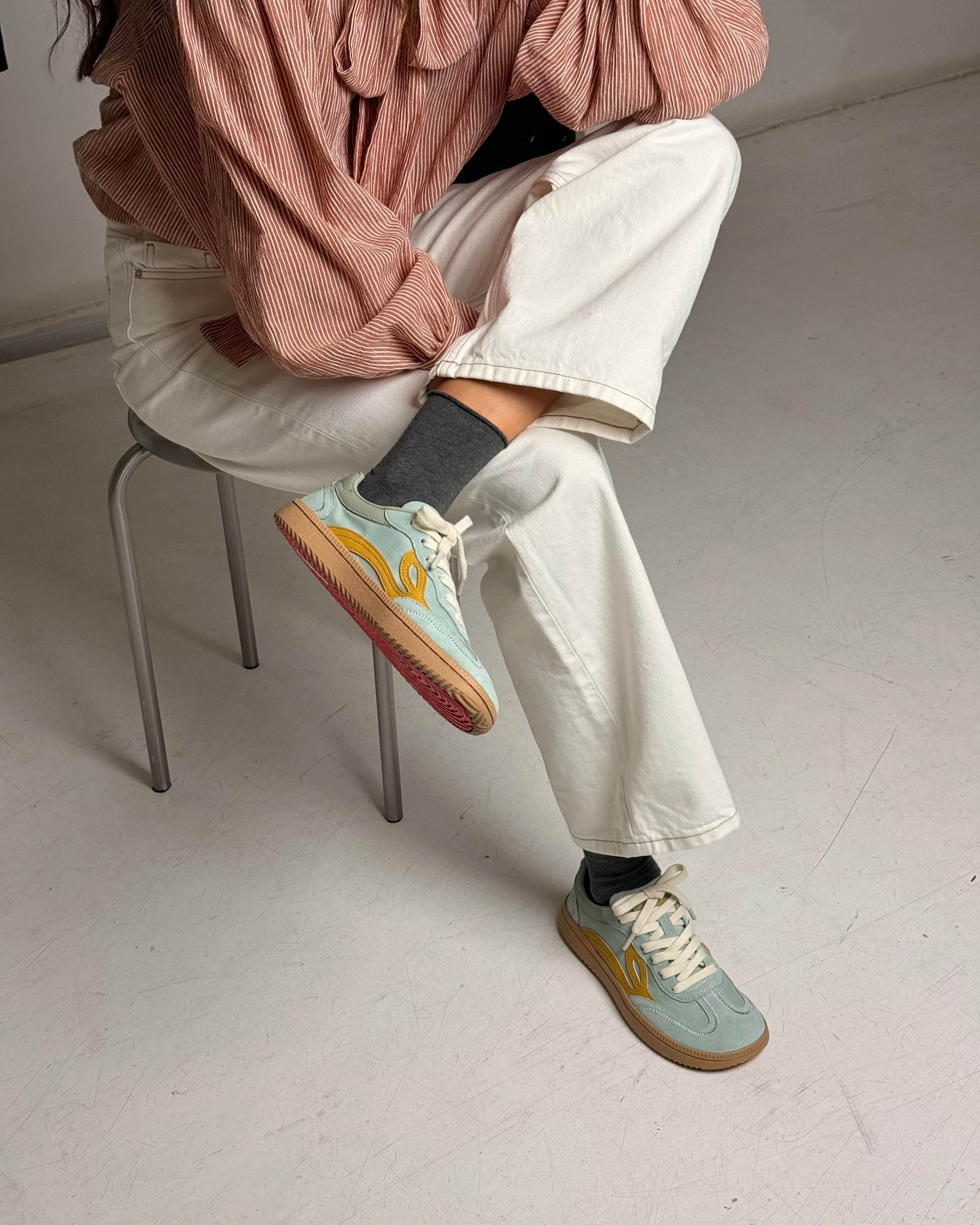
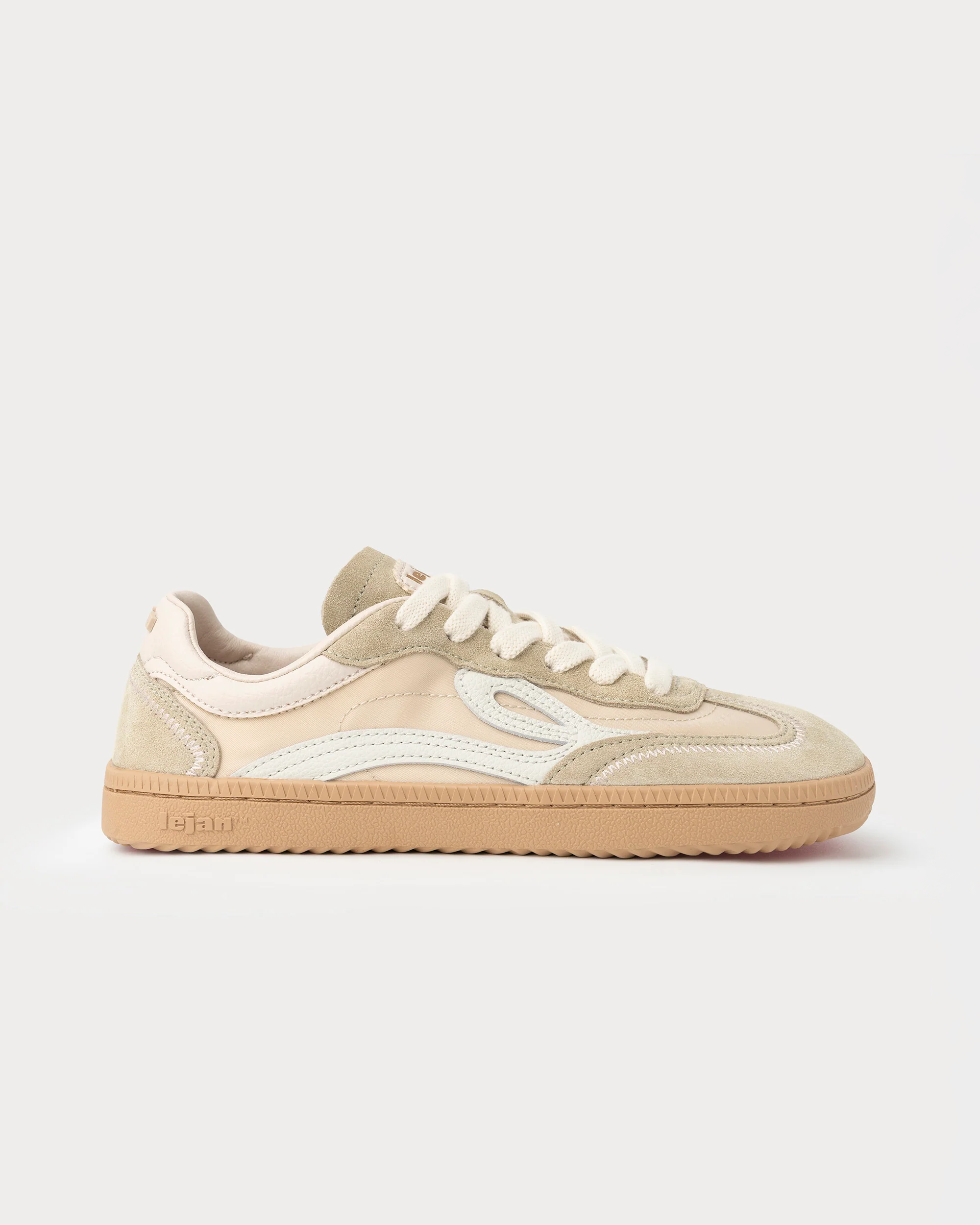
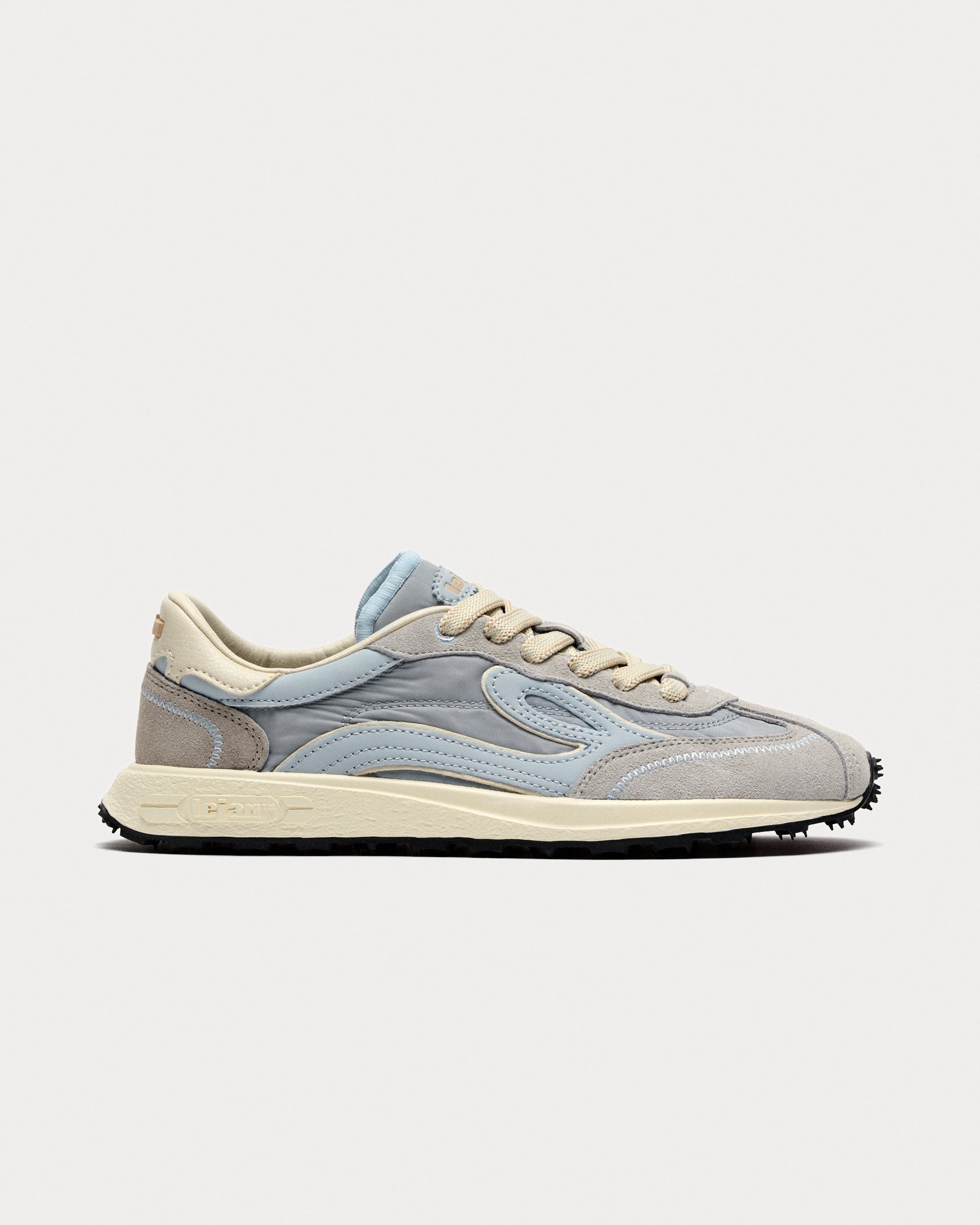
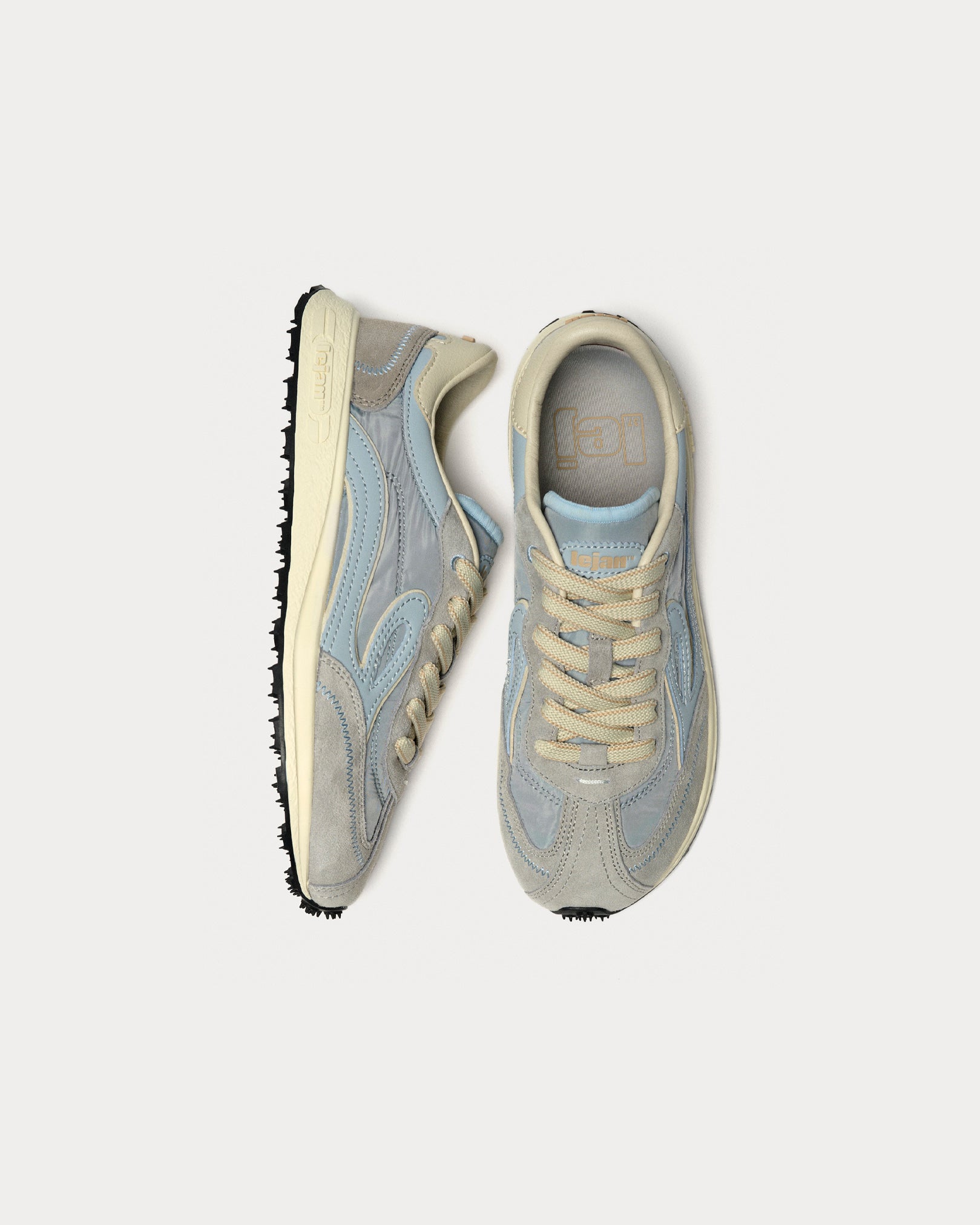
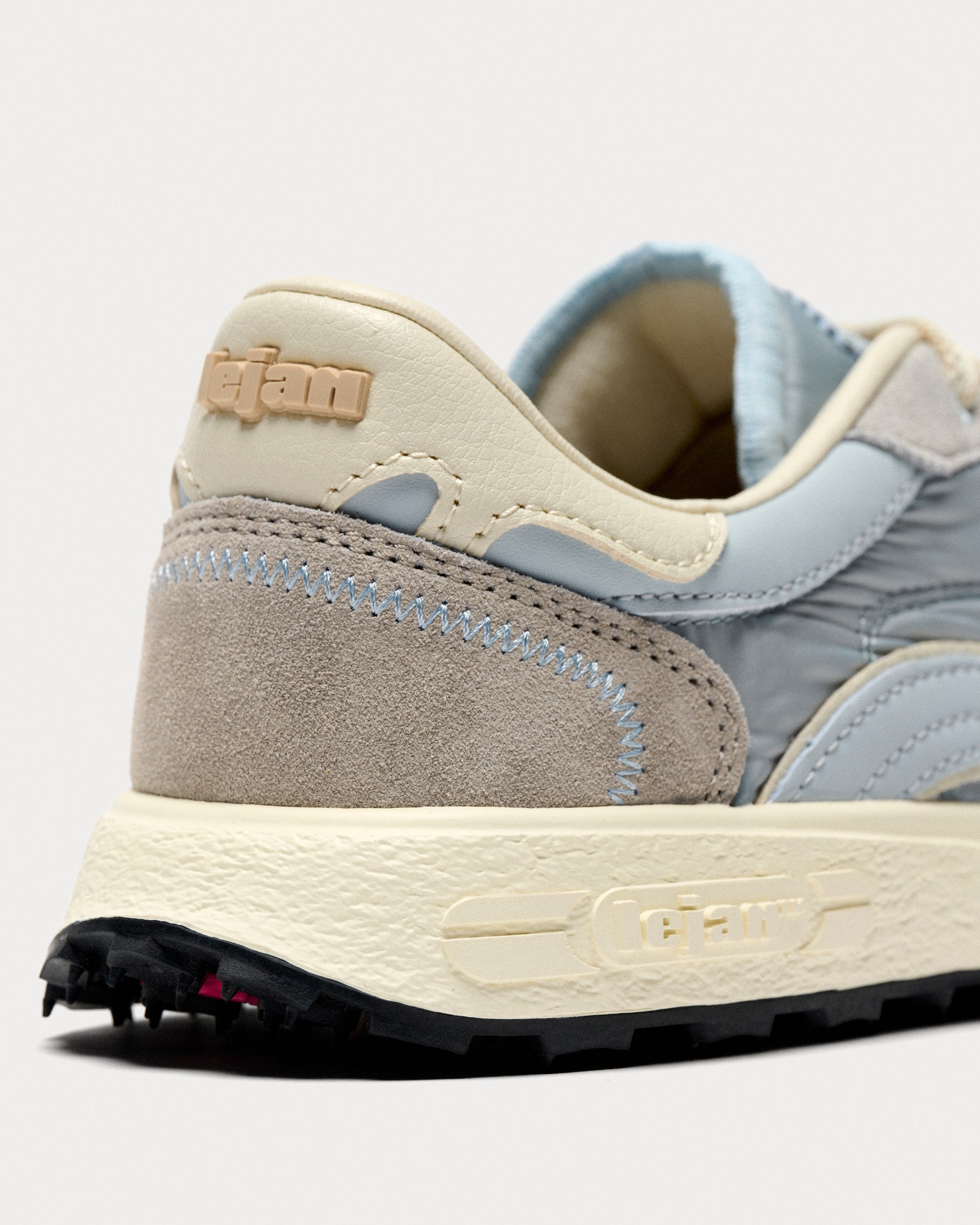
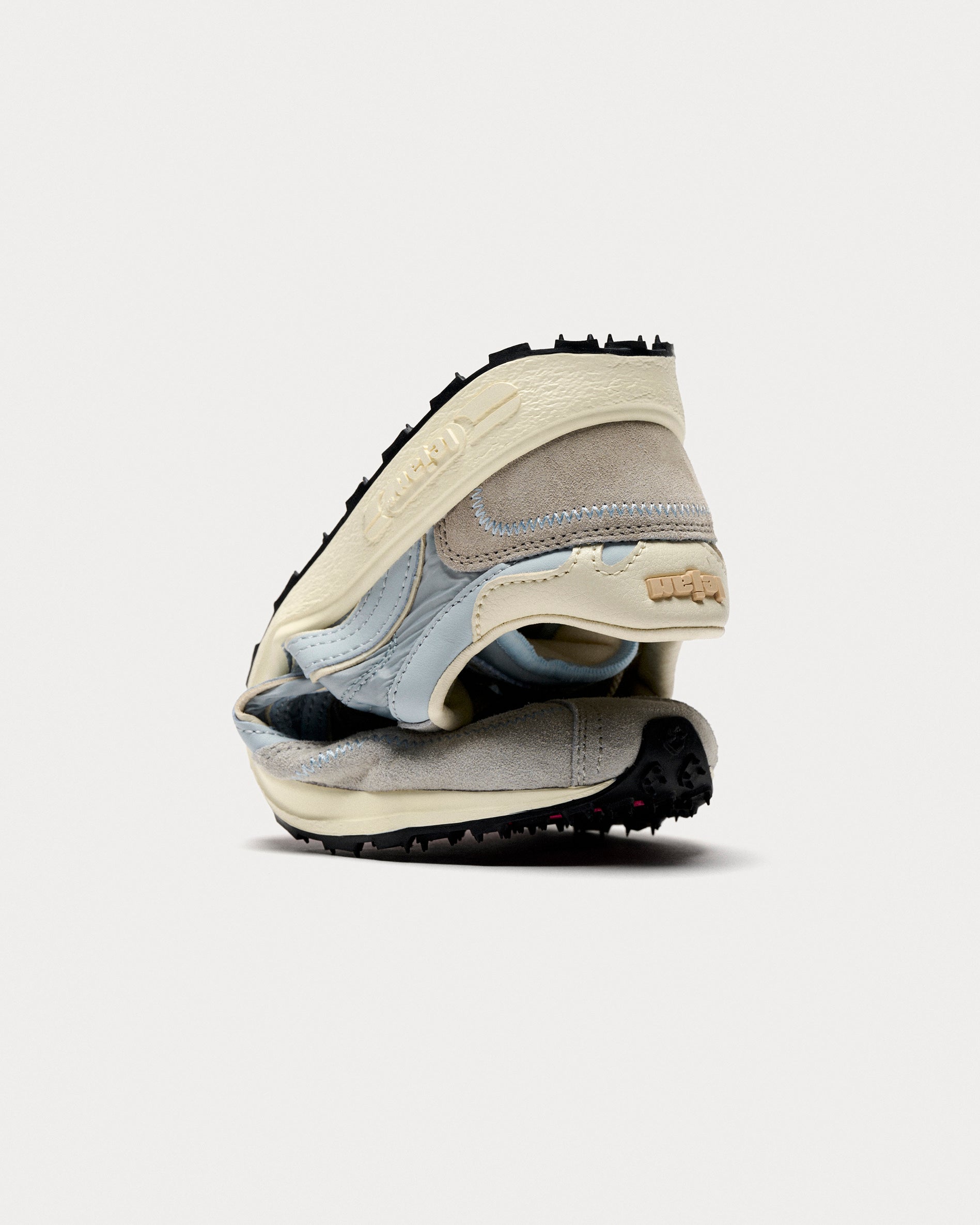
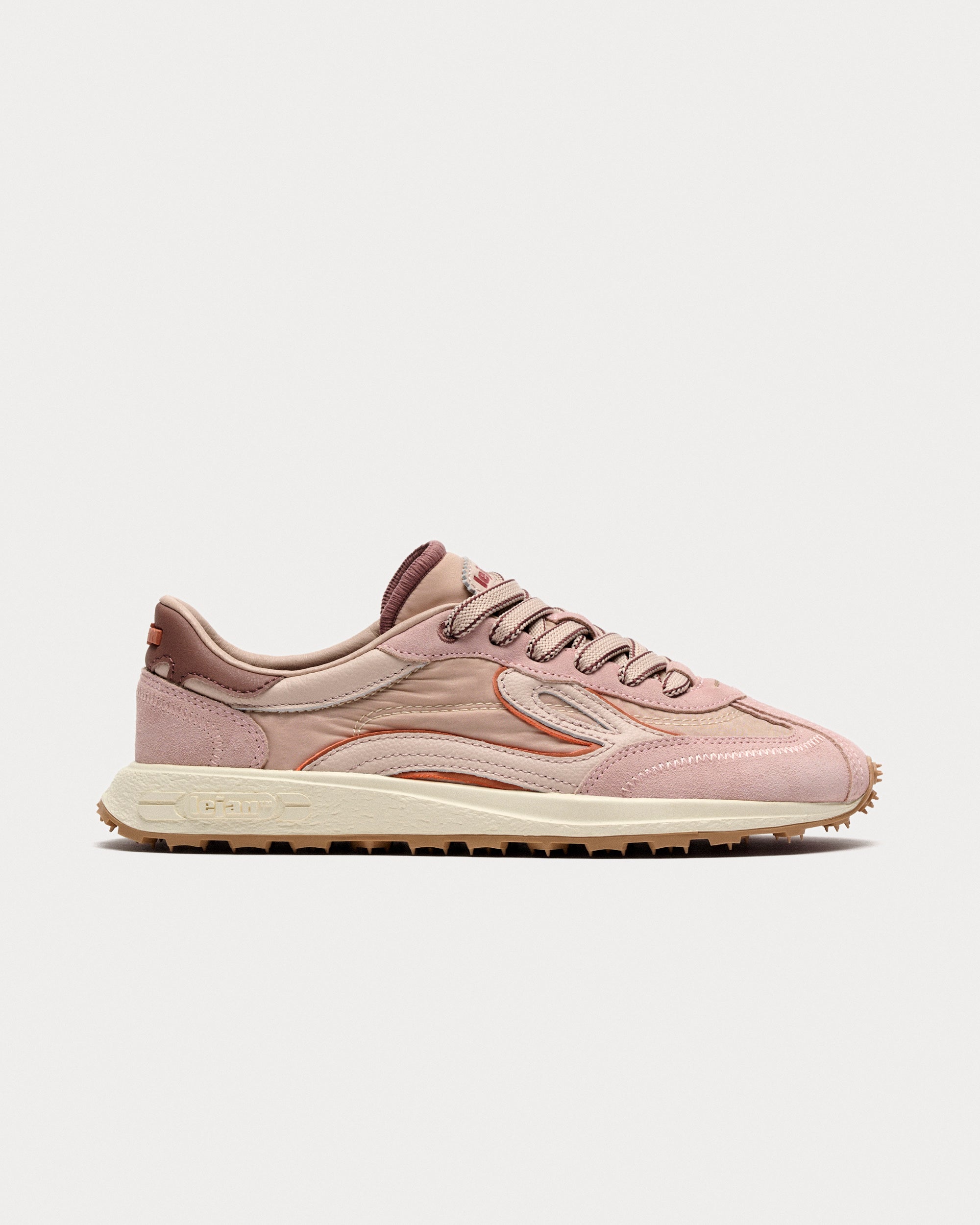
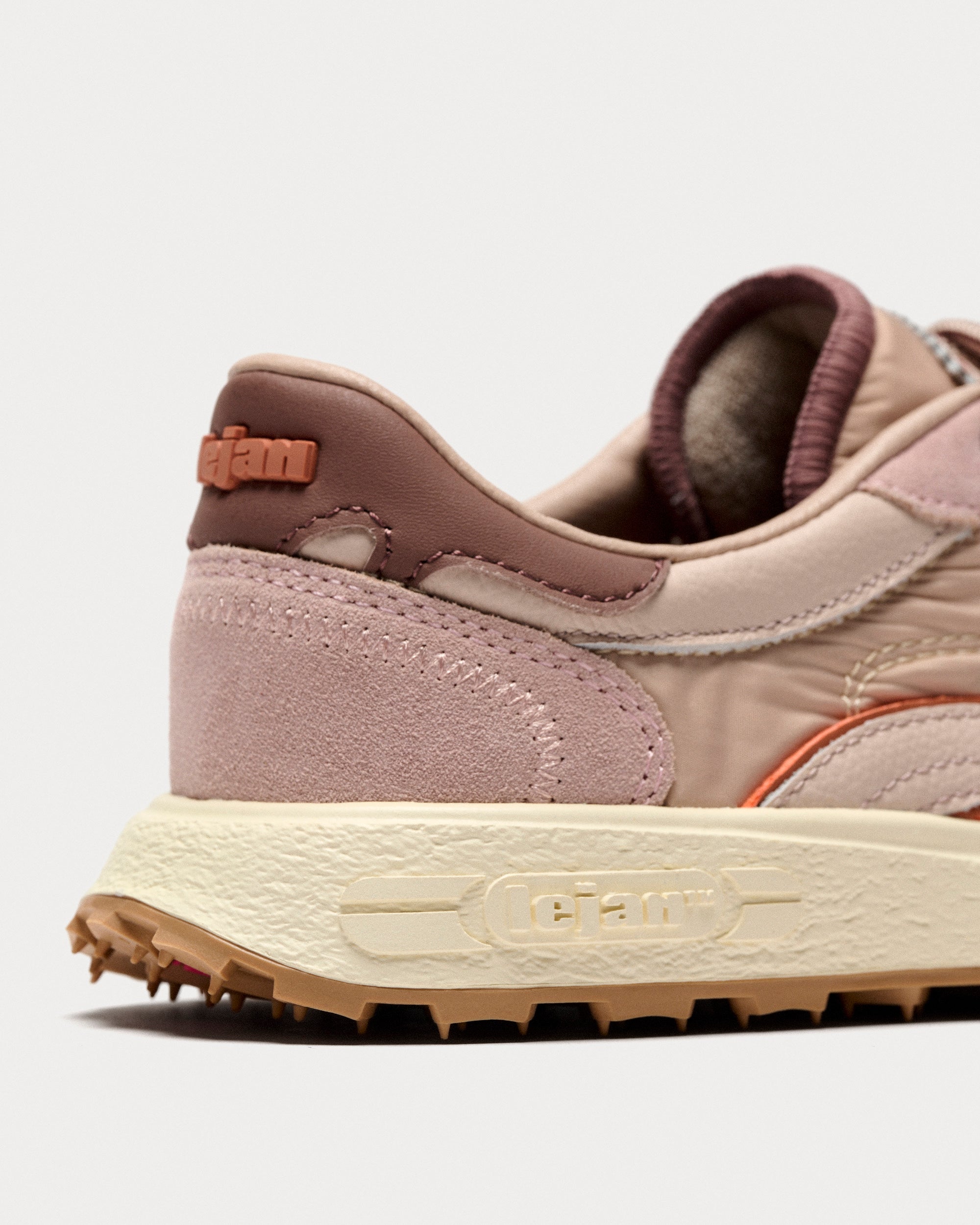
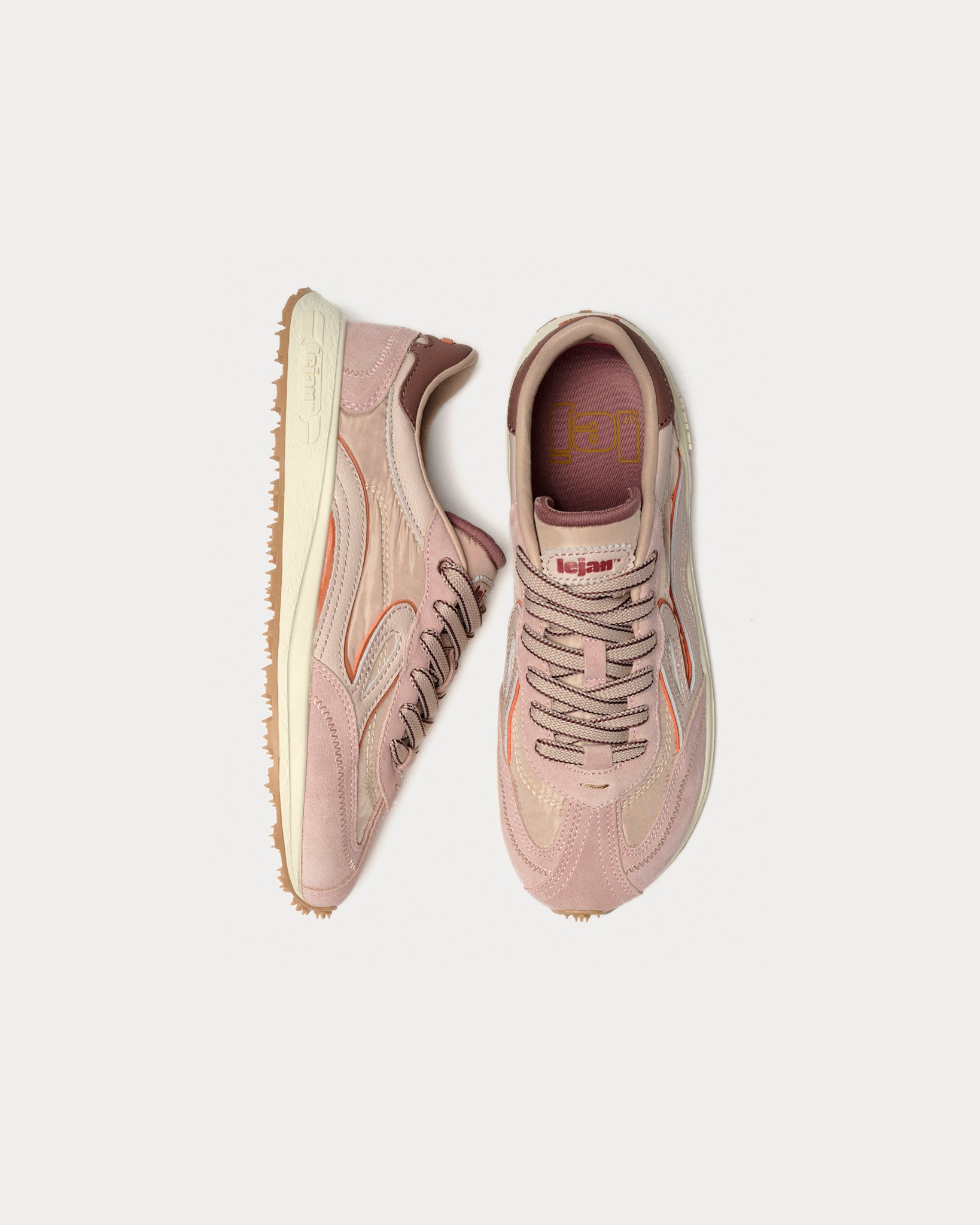
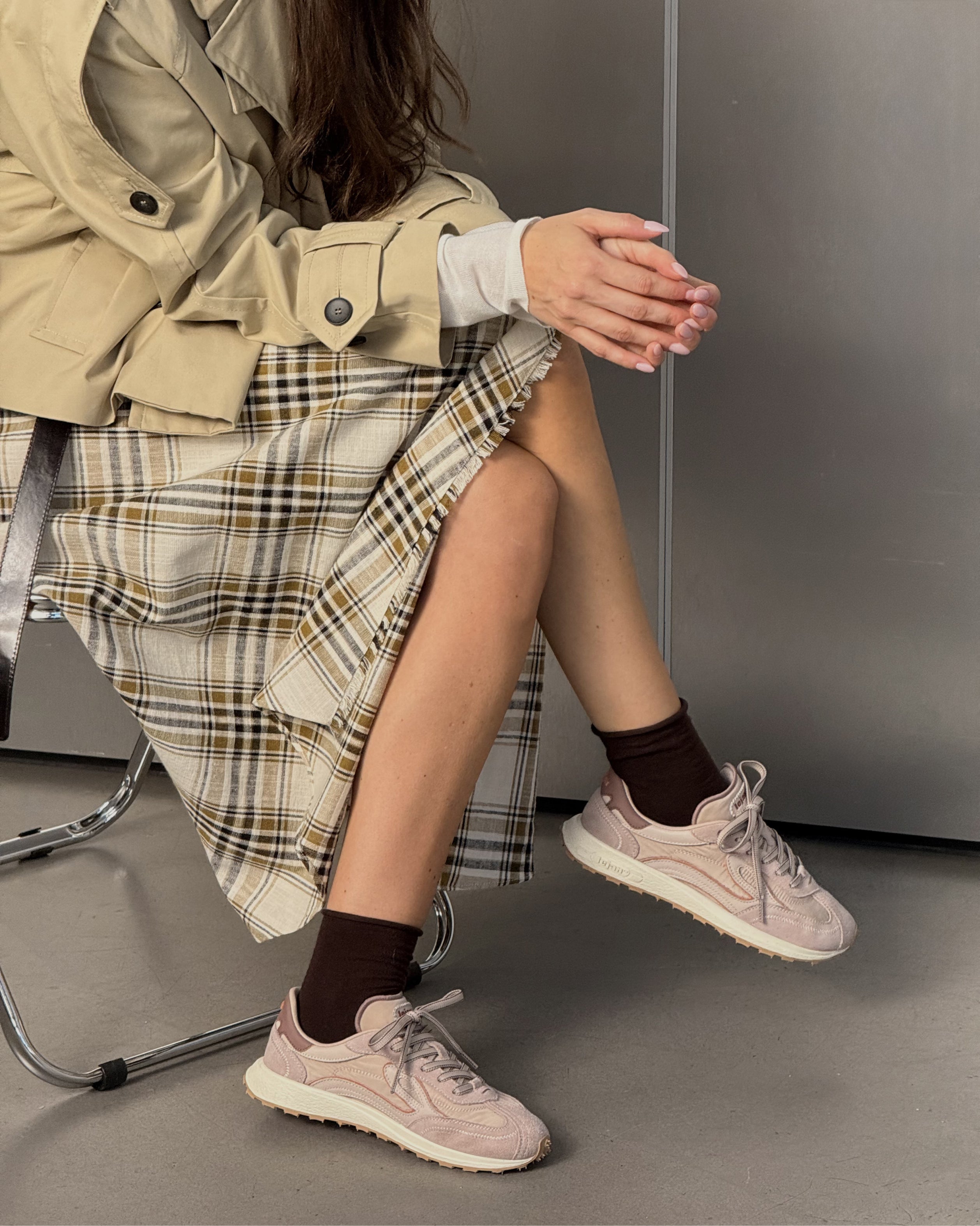
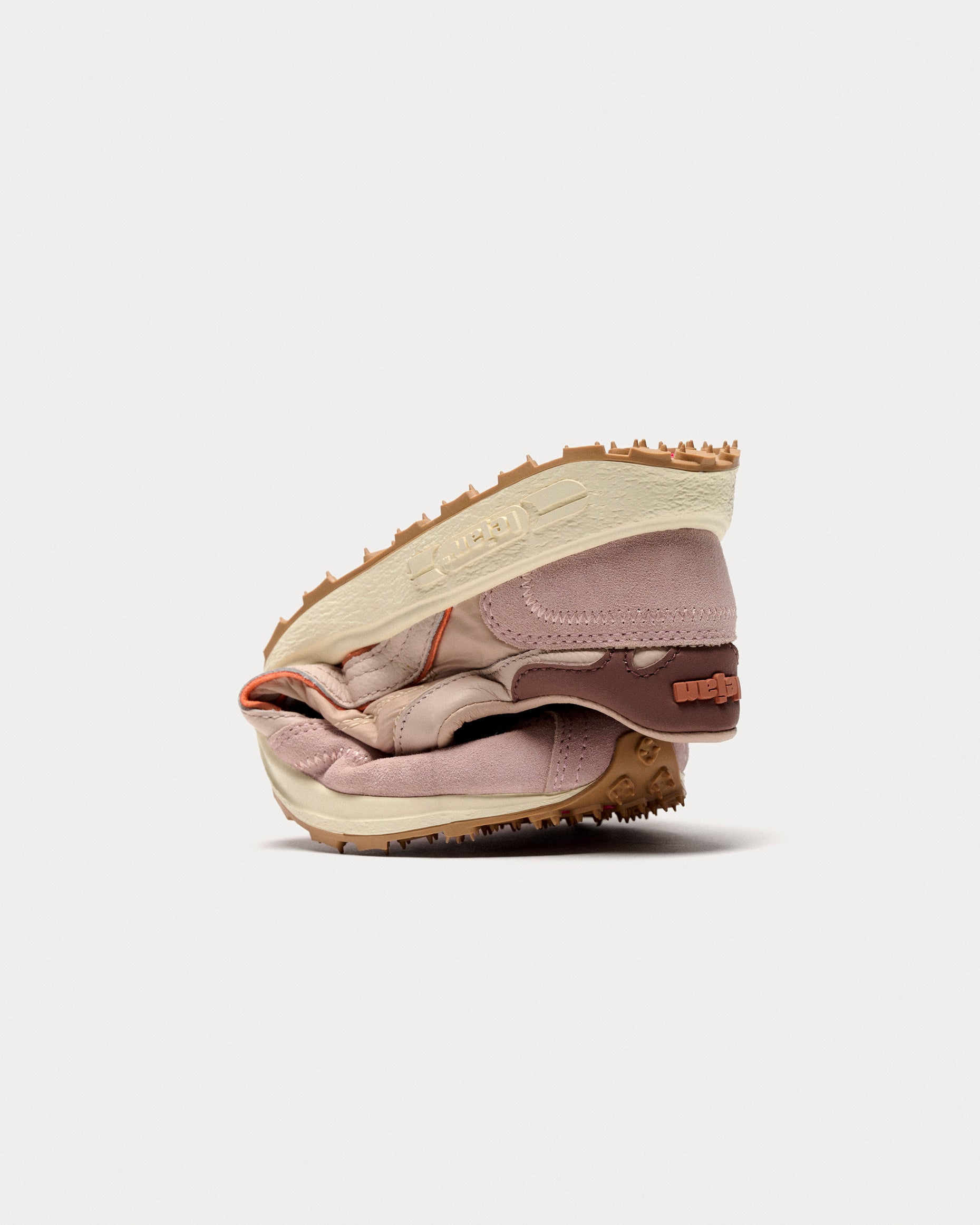
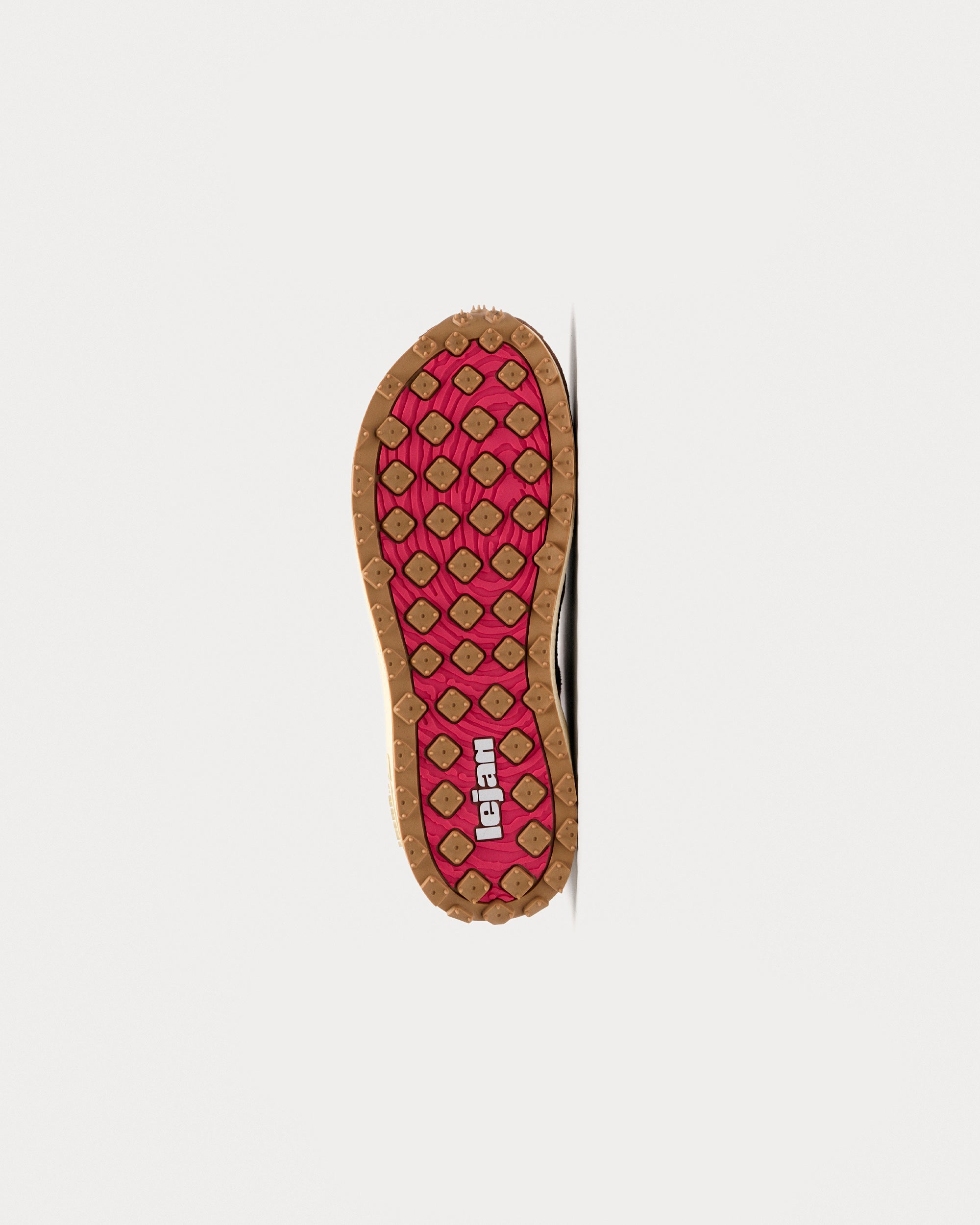
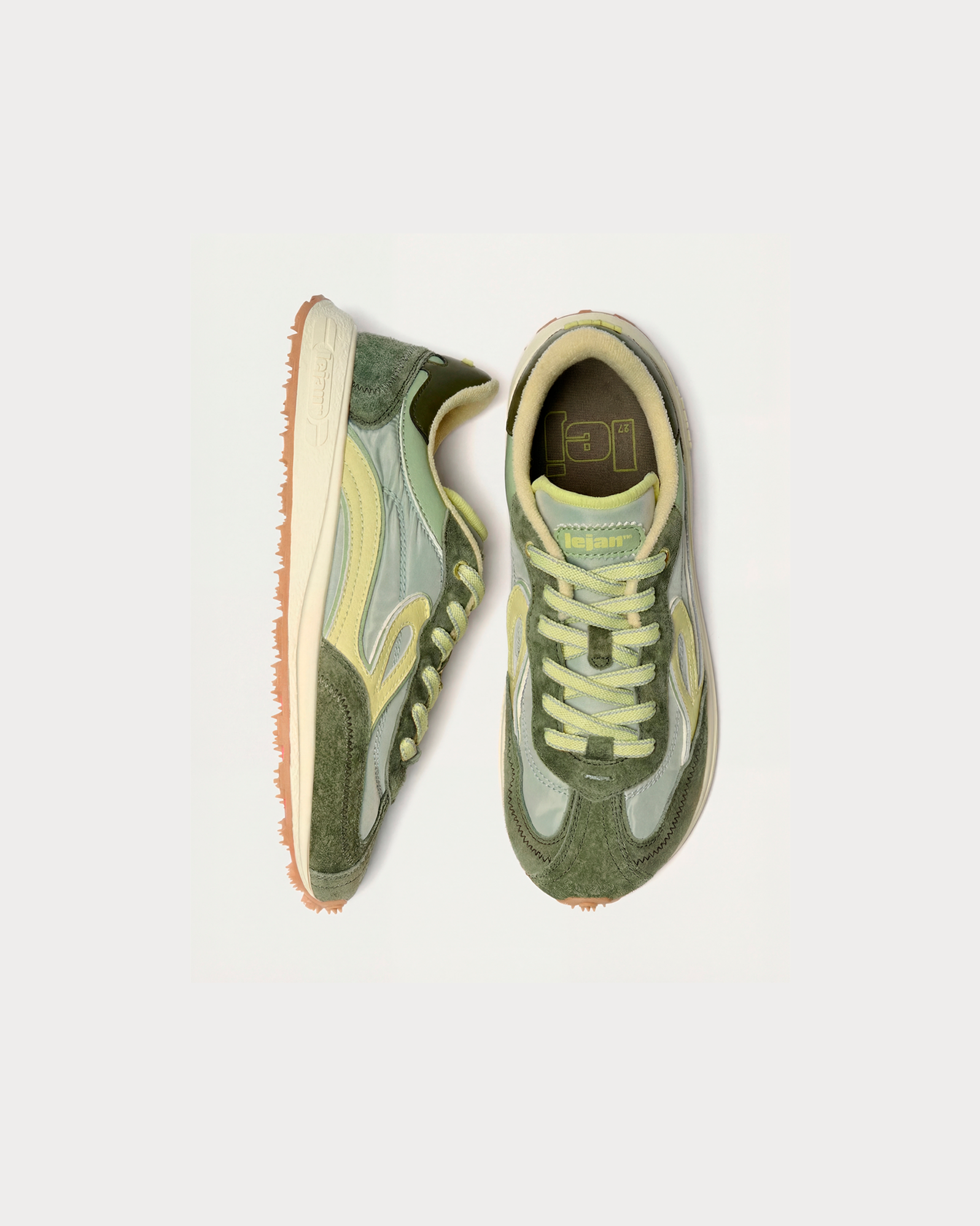
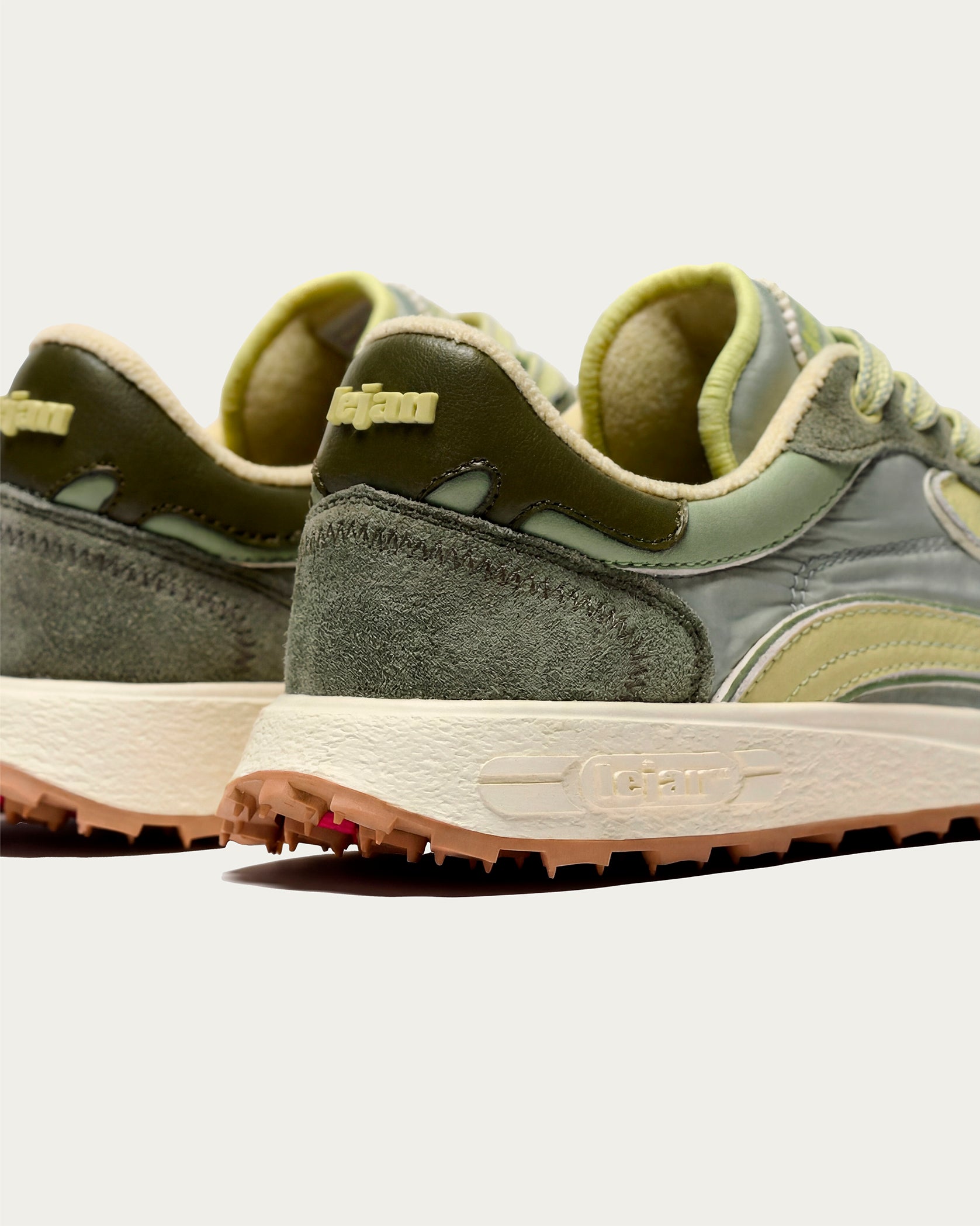
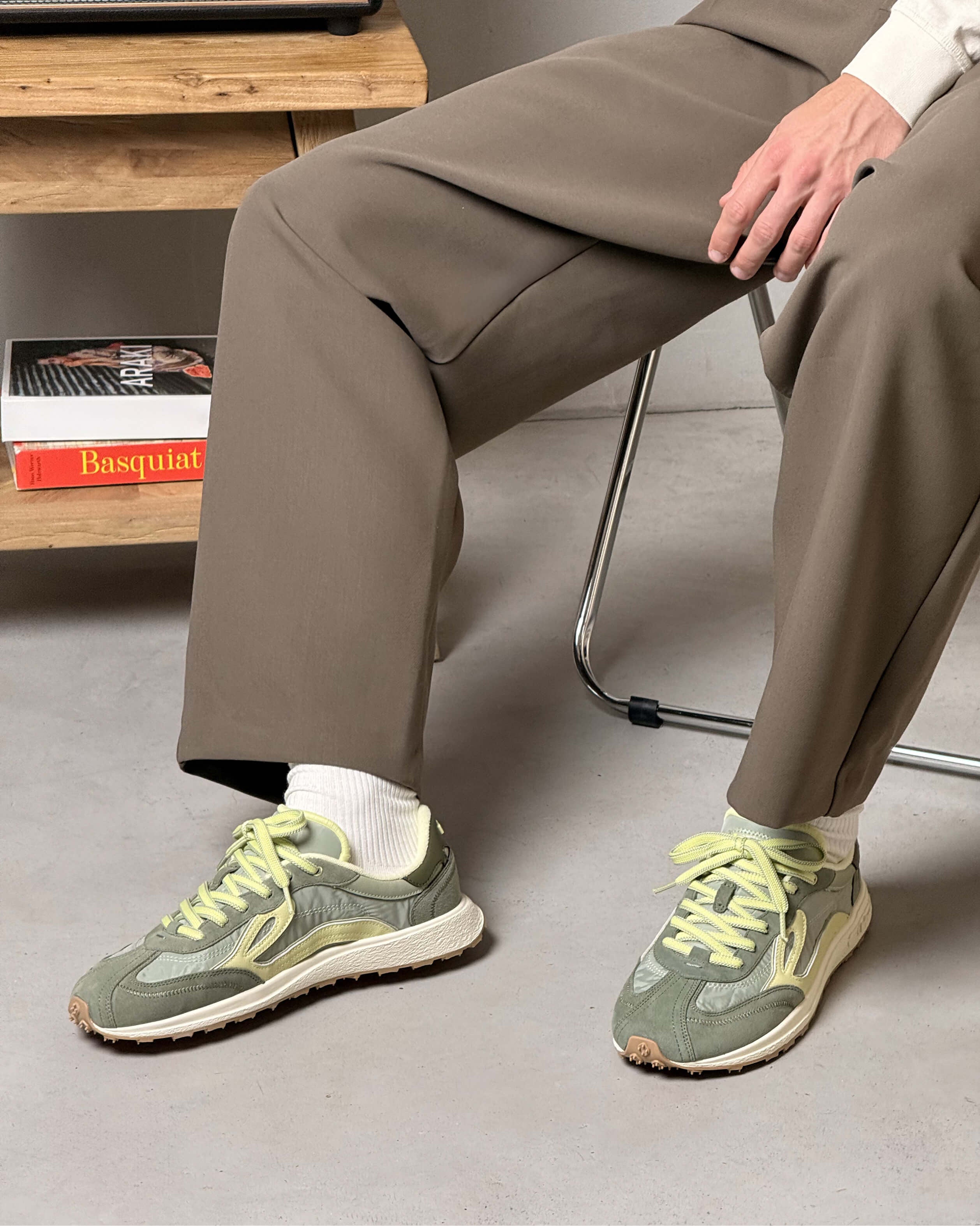
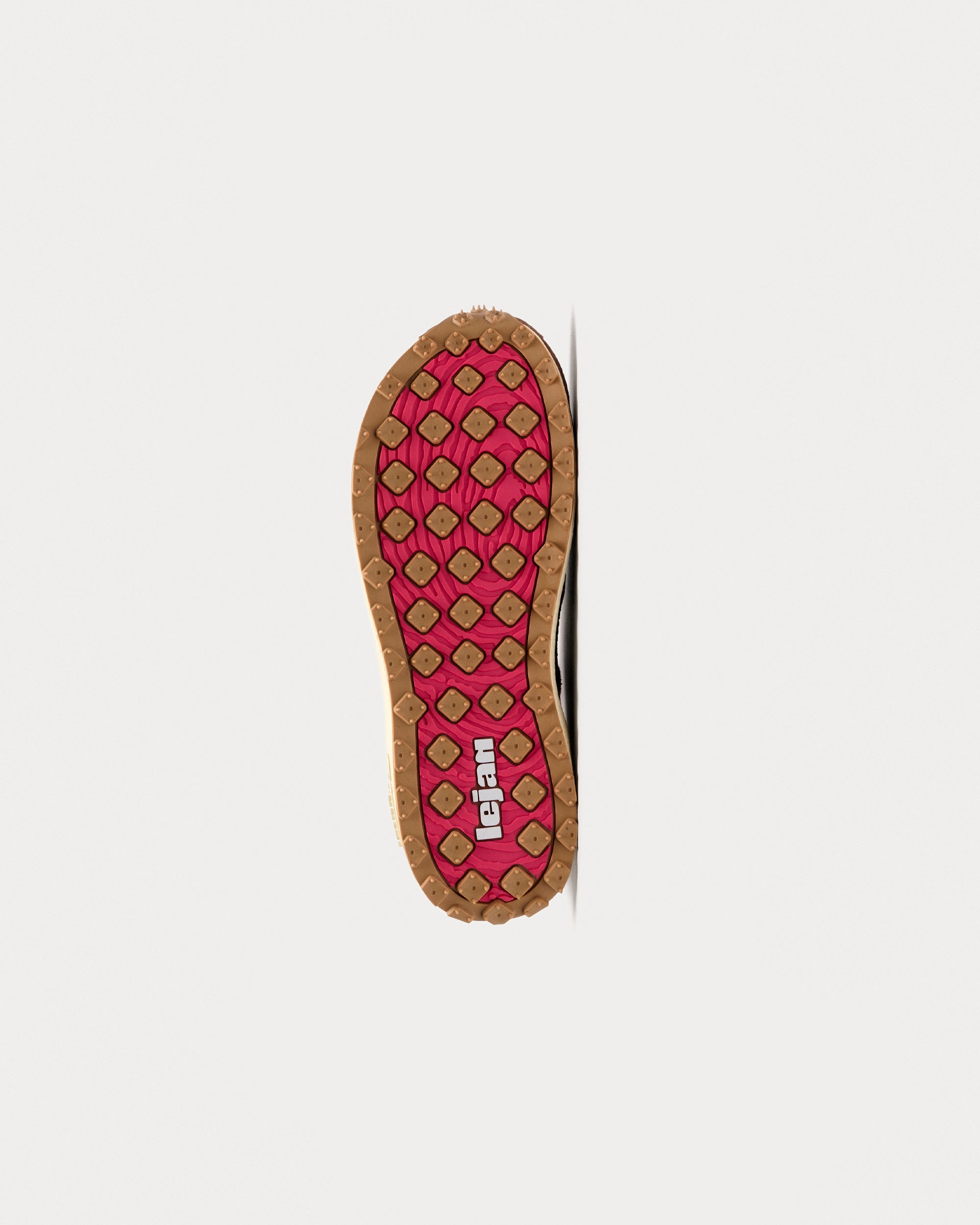
This is very noticeable in people with high insteps, in boots or sneakers that close tightly in the middle of the foot, or in footwear that doesn't distribute pressure well. Sometimes, just by checking the fit, the foot starts feeling much better and that pain stops. In some cases, choosing a model with a more natural last, good flexibility and less pressure on the upper part, like barefoot sneakers for adults, can help walk with better sensations if the foot tolerates that kind of footwear well.
Forefoot overload and metatarsalgia with radiating pain
The pain you feel up top isn't always born exactly there. Sometimes a forefoot overload or metatarsalgia can cause discomfort that radiates and makes you feel the foot loaded also in the upper area.
In those cases, the problem isn't only at one specific point, but in how the foot is working when supporting, distributing loads and walking.

Symptoms and signals that help identify the cause
Pain when supporting, walking or running
One of the most important clues is when it hurts. If it appears when supporting, walking faster or running, it usually indicates the area is irritated by load or repeated movement.
It's also worth focusing on whether the pain appears from the very first step or if it grows as the minutes pass. That detail can be quite telling.
Swelling, sensitivity or pain without visible inflammation
There doesn't always have to be clear inflammation for there to be a real problem. Sometimes the foot looks practically normal, but it hurts when touched, when rubbed by the footwear or when walking.
Other times some swelling does appear, or a feeling of a loaded top of the foot, although it's not very obvious at a glance.
Localized pain, stiffness or discomfort when moving the toes
When the pain is very localized at a specific point, more attention should be paid. And if you also notice stiffness or discomfort when moving the toes upward, there may be irritation in the extensor musculature or in the tendons of that area.
It's not the same to have a general discomfort after a long day as it is to have a specific, repetitive pain that gets clearer with a particular gesture.
When to be concerned about pain on the top of the foot when walking
Warning signs that require professional assessment
It's worth consulting earlier if the pain is intense, if it doesn't let you walk normally, if there's a lot of sensitivity to touch, if significant swelling appears or if the foot clearly changes its way of supporting.
Also if the pain gets worse instead of decreasing, or if you notice that each day you tolerate worse activities you used to do without trouble.
When there might be a stress fracture
You should suspect a stress fracture more when the pain is fairly well localized, gets worse with load, appeared after increasing activity and doesn't improve as you'd expect with a few days of relative rest.
If on top of that it hurts a lot when pressing a specific area, better not to keep pushing as if it were a simple discomfort with no importance.
How long is normal to wait before consulting
If in a few days it doesn't start to improve clearly, if you notice something strange or at any warning sign, consult your specialist.
What to do if the top of your foot hurts when walking
How to reduce load without stopping moving
The most useful thing at first is usually to lower the load without going all-or-nothing. You don't need to stay completely immobile unless the pain is significant, but it is worth reducing long walks, slopes, impact or sport for a few days.
The idea is to give the foot some margin to calm down, not to keep accumulating irritation.
Ice, relative rest and footwear adjustments
In early phases it can help to apply cold occasionally, rest relatively and properly review the footwear you're using.
Sometimes the most useful change isn't complicated: loosen laces, change the type of closure, stop using a shoe that presses on top or choose one that doesn't compress the top of the foot.

What mistakes make pain worse at home
One of the most typical mistakes is to keep walking the same way "to see if it goes away". Another, going back too soon to training or intense exercise when the area is still sensitive.
It also gets quite a bit worse to keep wearing the same footwear that's bothering you, because every step keeps irritating exactly where it hurts most.
Exercises and care to recover the top of the foot without relapses
Always assess in consultation with your specialist.
Gentle ankle and toe mobility
When the acute pain goes down, it usually helps to recover mobility little by little. Moving the ankle, doing gentle circles and mobilizing the toes without forcing can help the foot not stay stiff.
Always with a clear idea: the exercise should accompany recovery, not reactivate the discomfort.
Strength progression and return to normal walking
Then it's time to go back to loading progressively. First walk less time and without clear pain, then gradually increase distance and pace.
When everything goes better, it then makes sense to work on foot and ankle strength and control so the area better tolerates effort and doesn't relapse as soon as you go back to normal activity.

How to resume walks or sport without overload
Here it's worth being patient. The worst is usually trying to recover in two days everything you stopped doing in a week.
The most sensible thing is to resume activity progressively. If afterwards the foot responds worse, with more discomfort or more sensitivity, it probably still needed a bit more margin.
Footwear and top-of-foot pain: what to check so as not to aggravate the discomfort
Laces, fit and pressure on the upper part of the foot
One of the first things worth reviewing is this. Often the top of the foot hurts because the shoe presses exactly where it shouldn't. When there's too much pressure on the upper part of the foot, the discomfort can drag on longer than it should. Sometimes a simple adjustment in the footwear is enough for the area to start calming down.
Wide toe box to free the toes
Even if the pain is in the upper part, it's also worth looking at the front part of the shoe. A wide toe box lets the toes move with more freedom and means the foot doesn't work compressed.
It's not that a wide toe box on its own removes the pain on top of the foot, but it can avoid unnecessary tensions in the front of the foot.
Flexibility, drop and sensation when walking
How the shoe behaves while walking also matters. Footwear that's rigid or that changes the natural way of supporting too much can make the foot work uncomfortable.
That said, here you have to be sensible. If the foot is very sore or there's a suspicion of bone injury, it's not about making abrupt changes without judgment. What's important is that the footwear doesn't increase the discomfort, doesn't press on the top of the foot and lets you walk with better sensations.
Frequently asked questions about pain on the top of the foot when walking
Is it normal to hurt without visible inflammation?
Yes, it can happen. There isn't always clear swelling. There can be pain, sensitivity or a sense of a loaded foot even though from the outside there doesn't seem to be much.
Does walking always make the injury worse?
Not always. It depends a lot on the cause and on the moment the problem is in. With some mild discomfort, adjusting load and continuing to move a bit can fit well. But if pain clearly increases with every step or there's suspicion of a more serious injury, continuing to push usually isn't a good idea.
Test your knowledge
Answer the questions to check how much you know about this topic.
1. Which of these can be a frequent cause of pain in the instep when walking?
2. If pain in the instep increases when walking, what does that usually indicate?
3. What should you check if you feel pain on the upper part of the foot when walking?
4. When should you consult a professional for instep pain?

Share