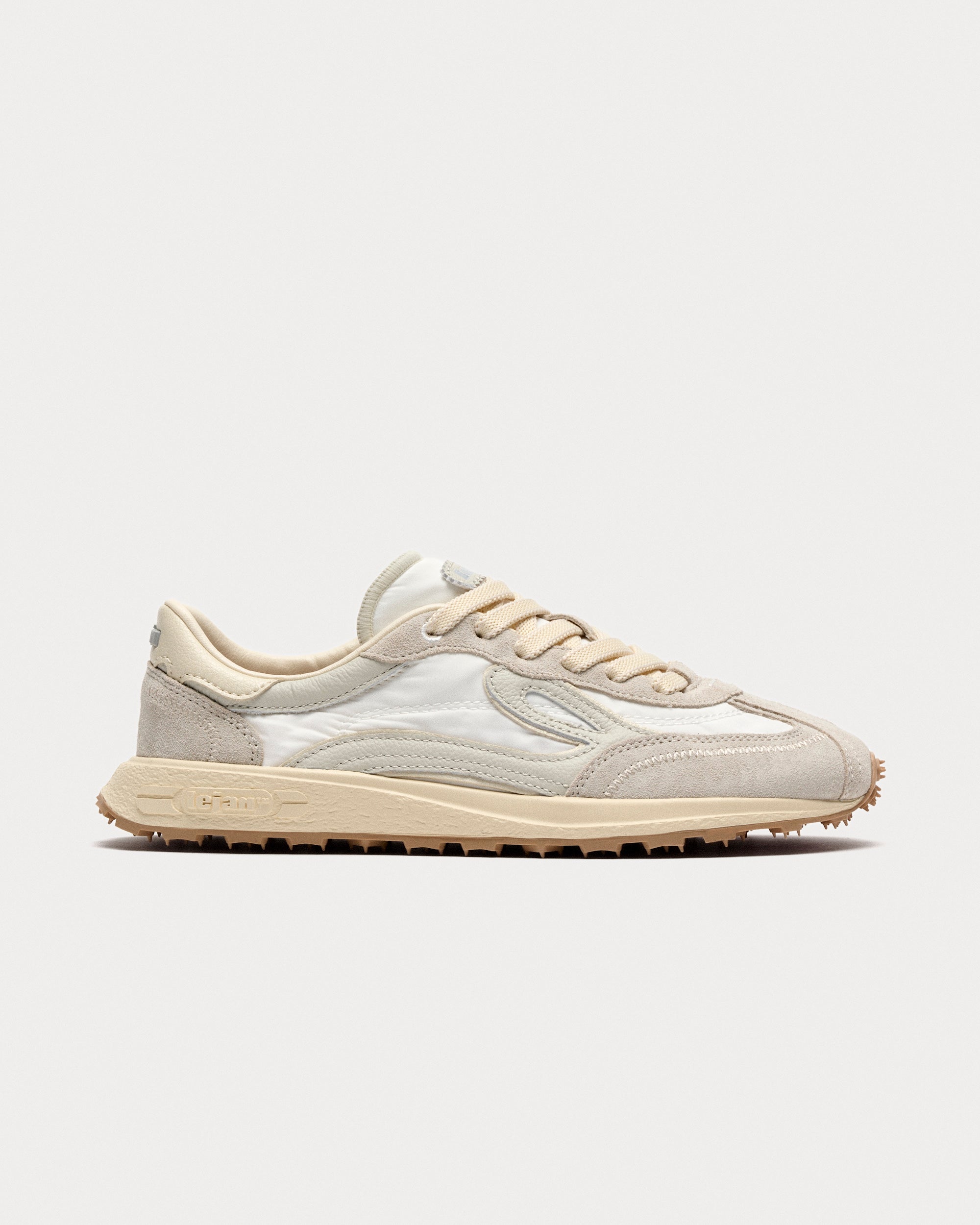
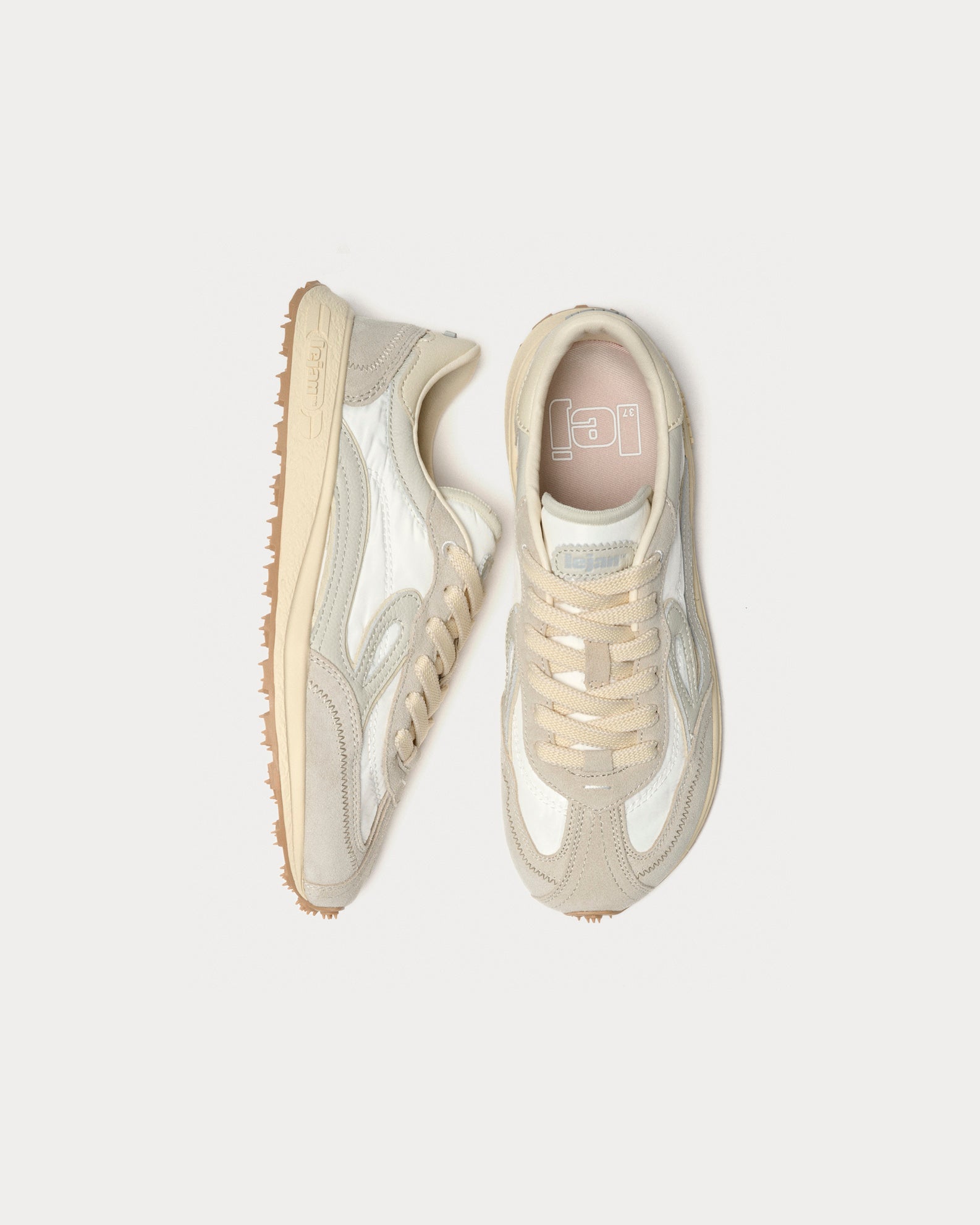
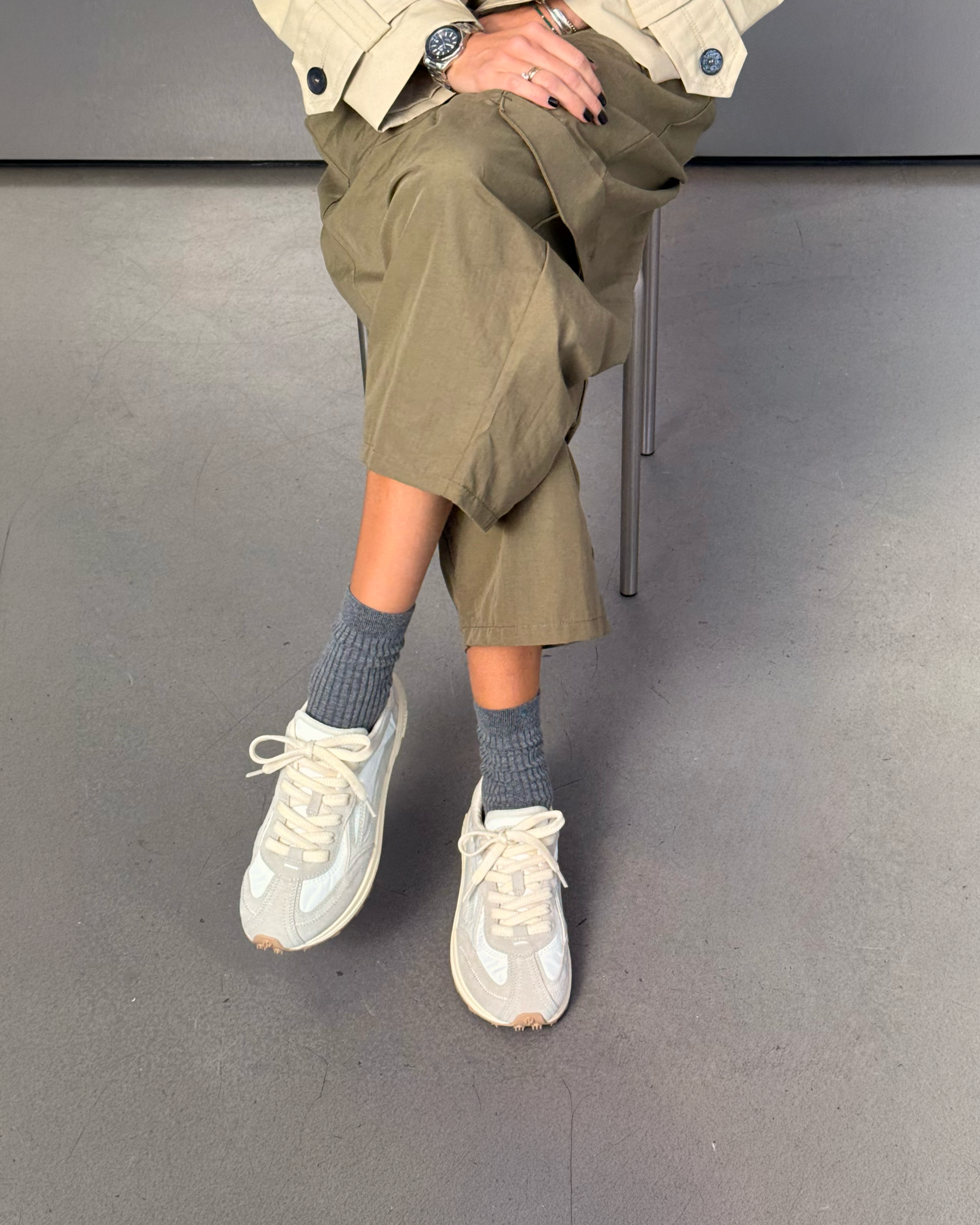
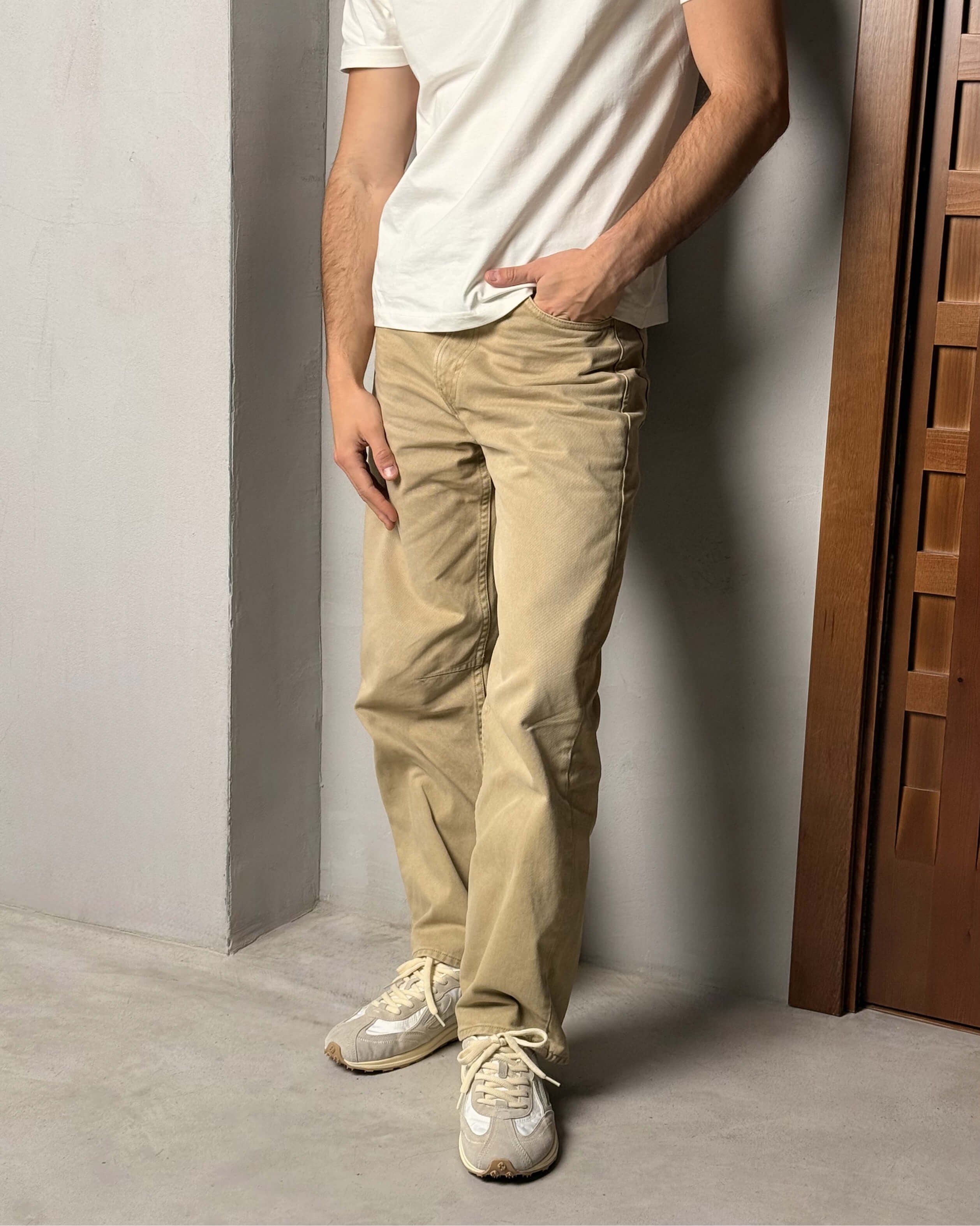
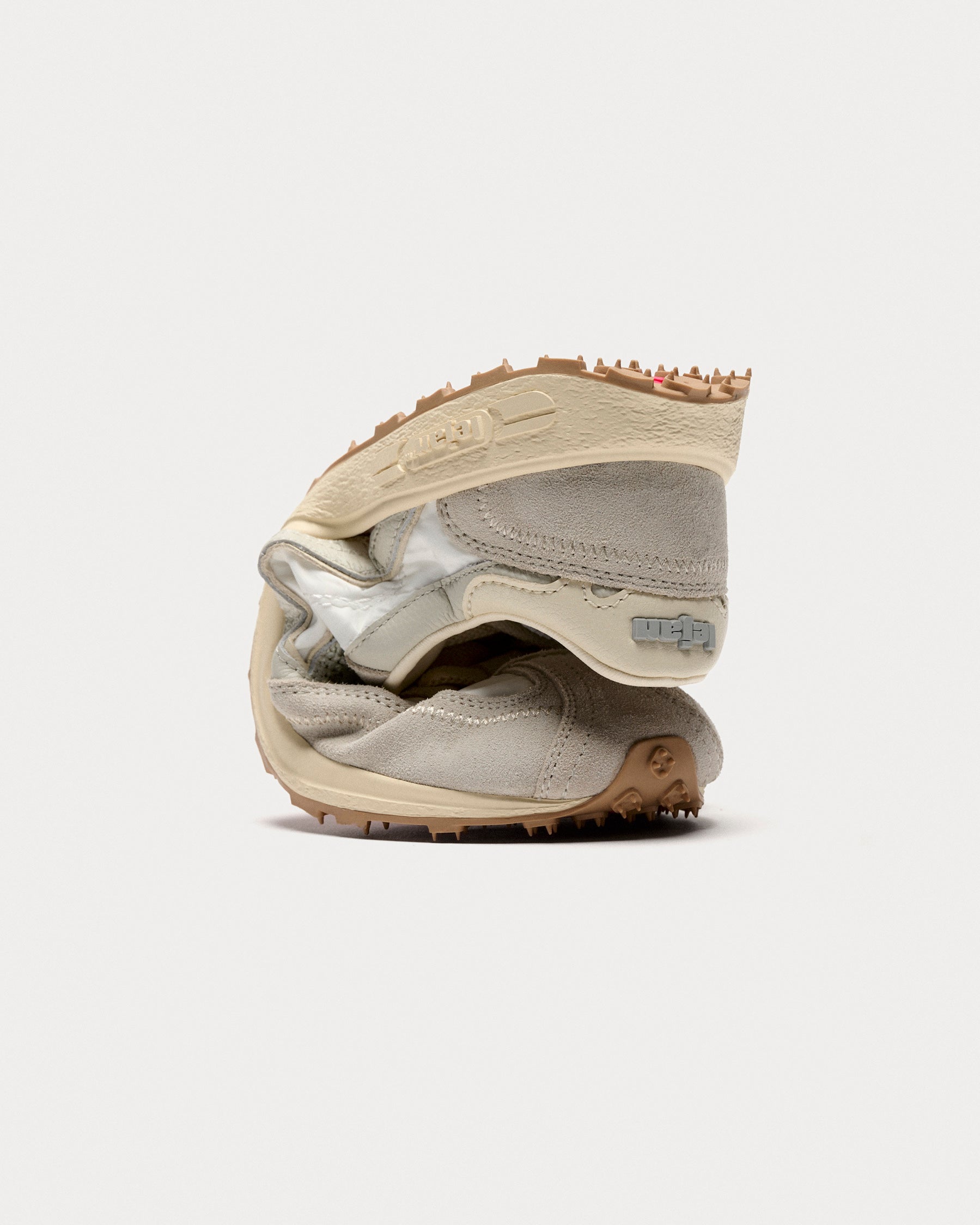
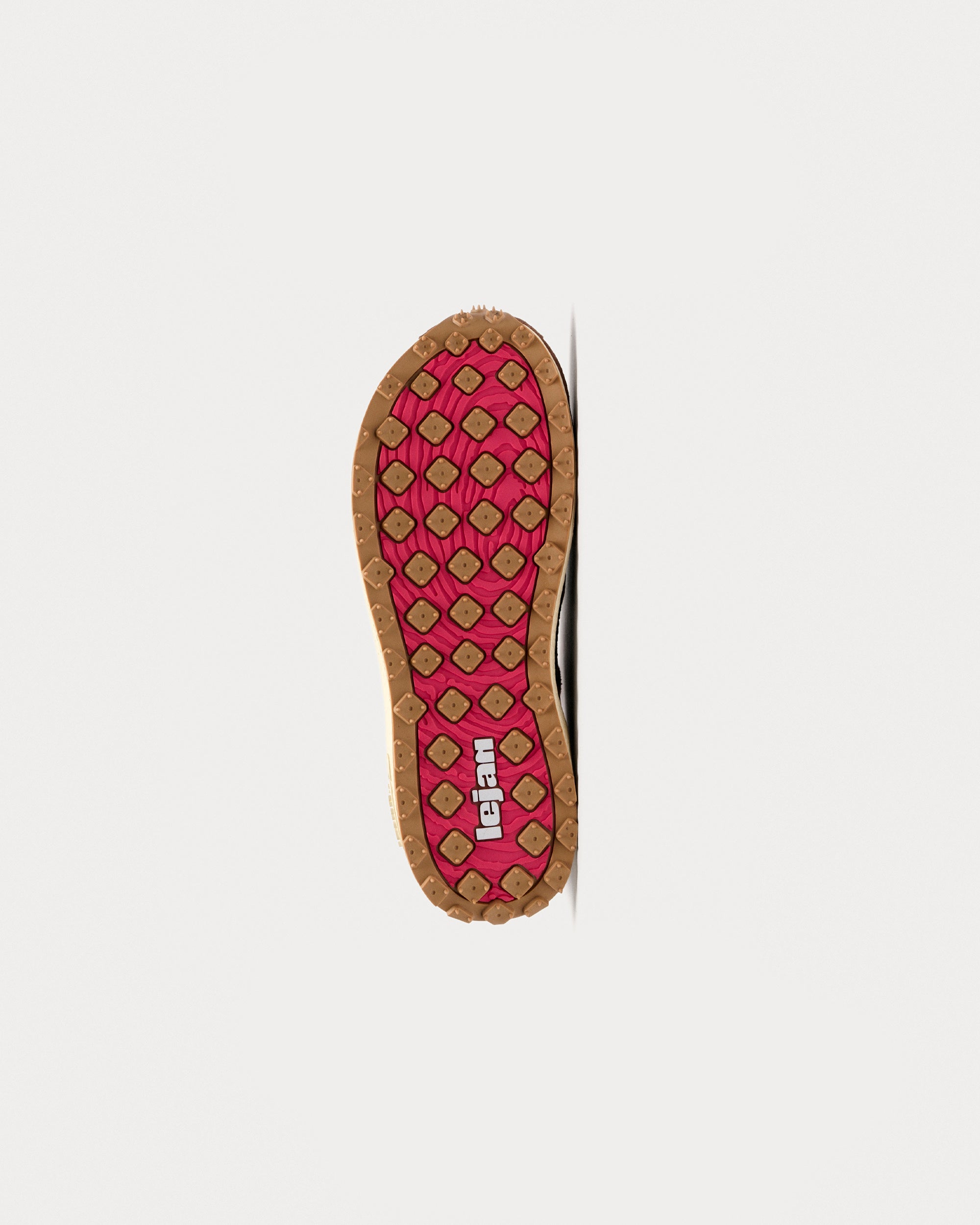
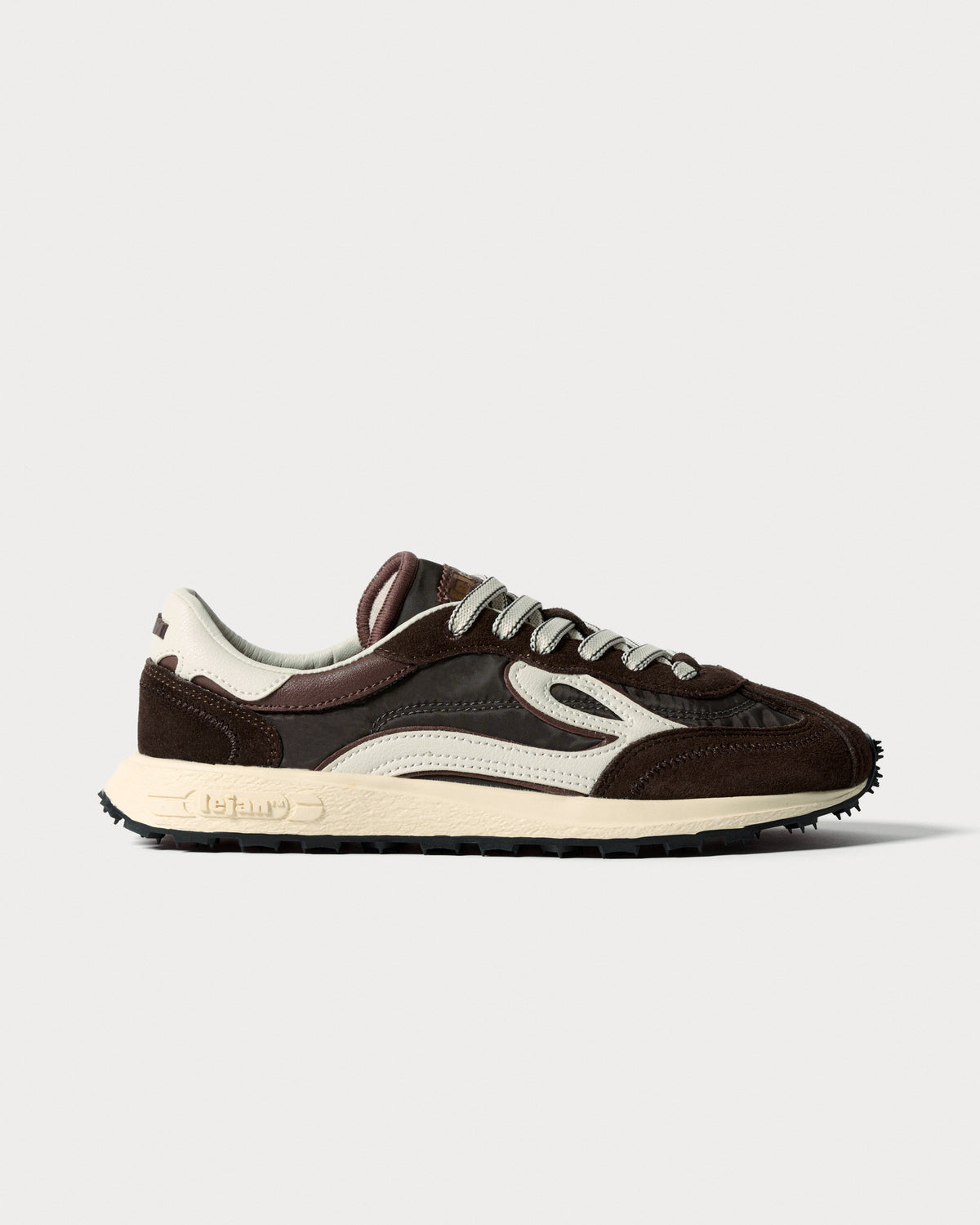
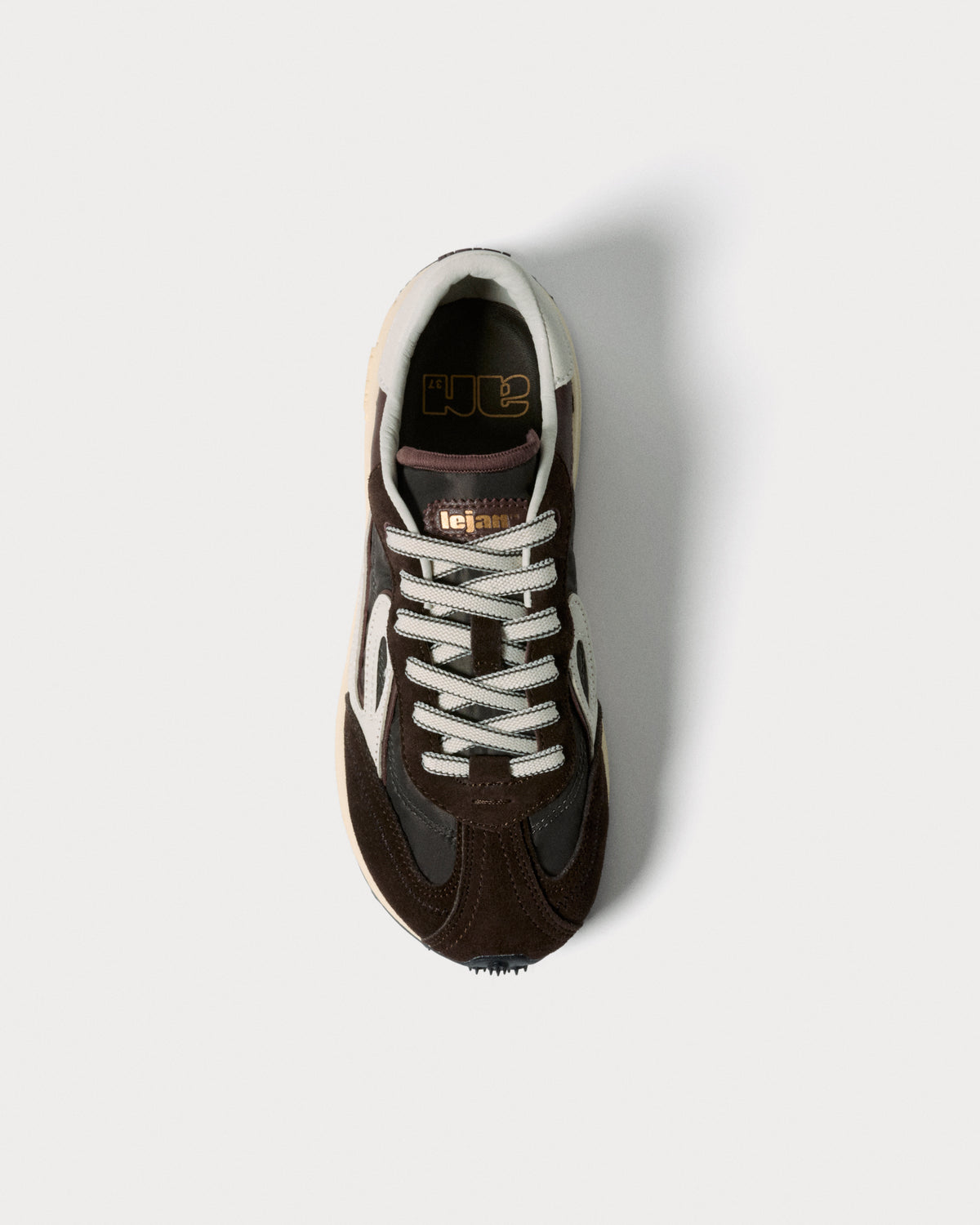
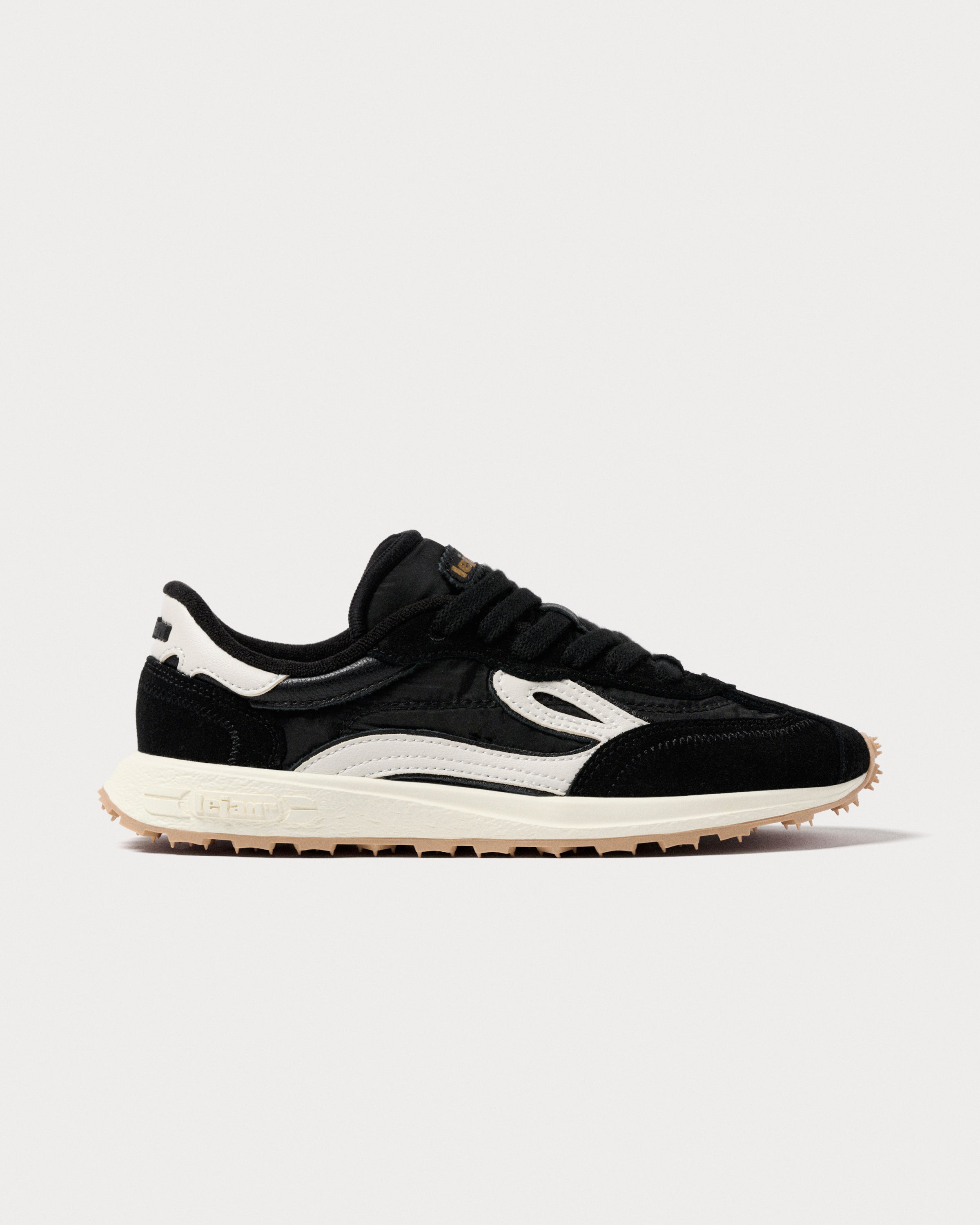
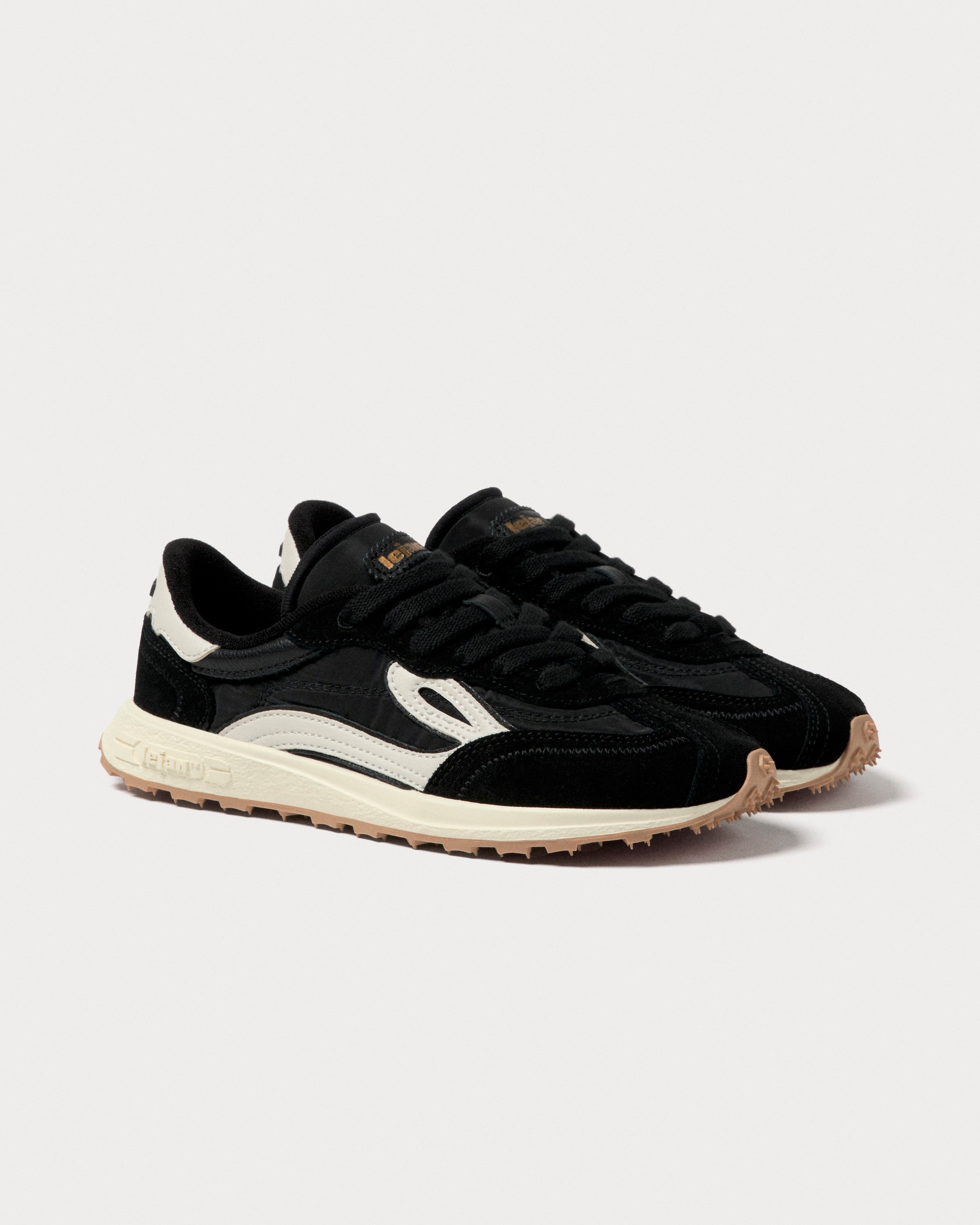
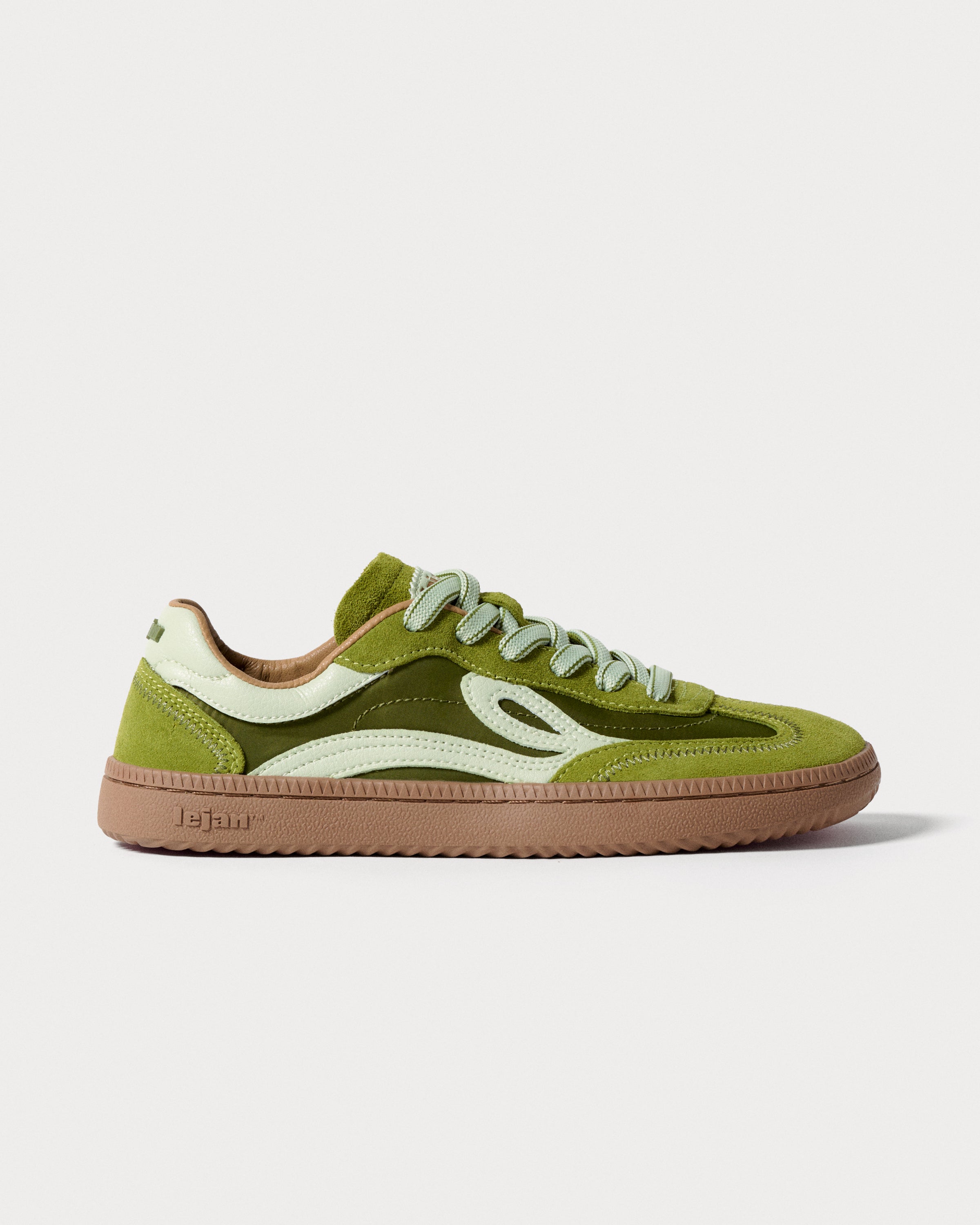
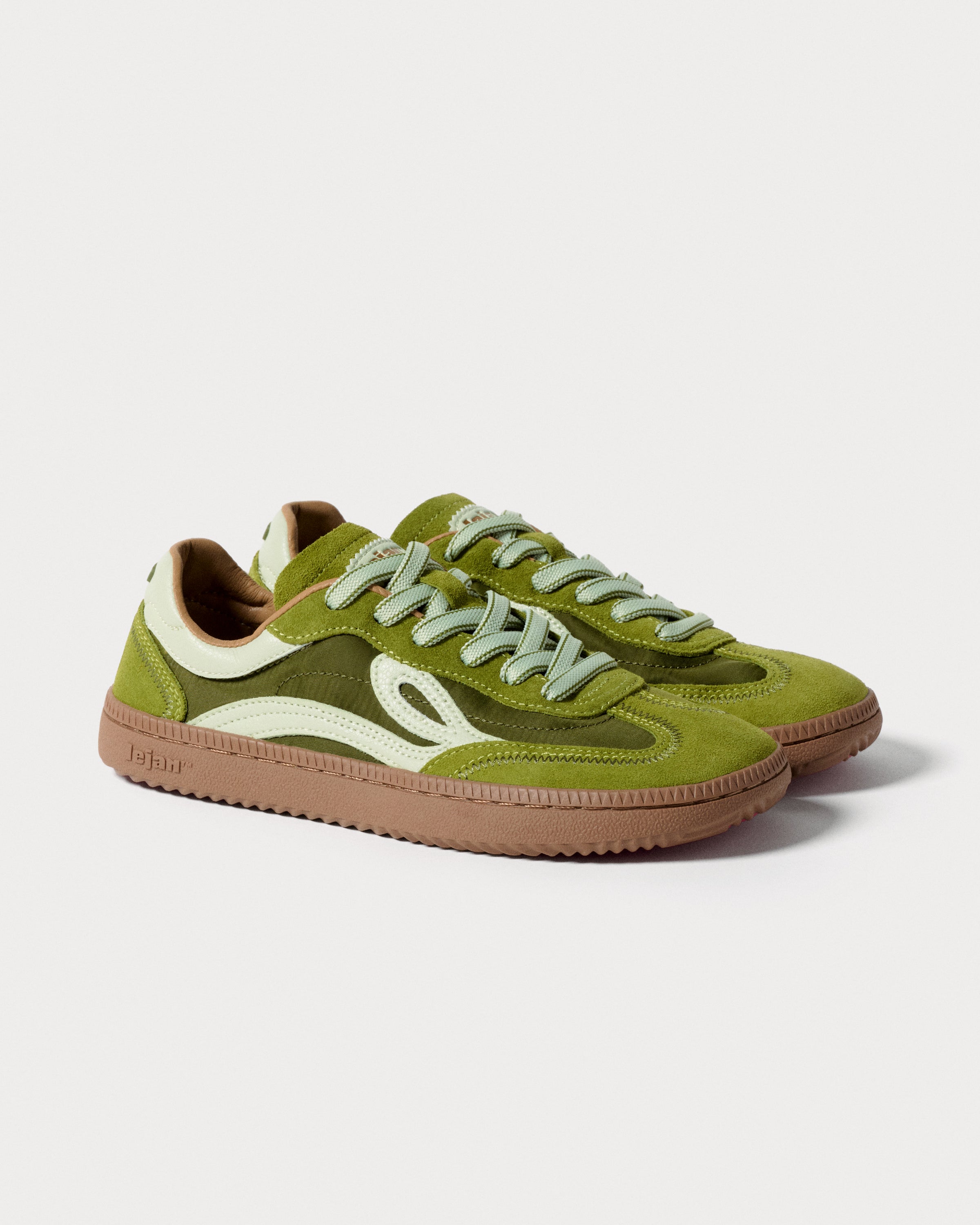
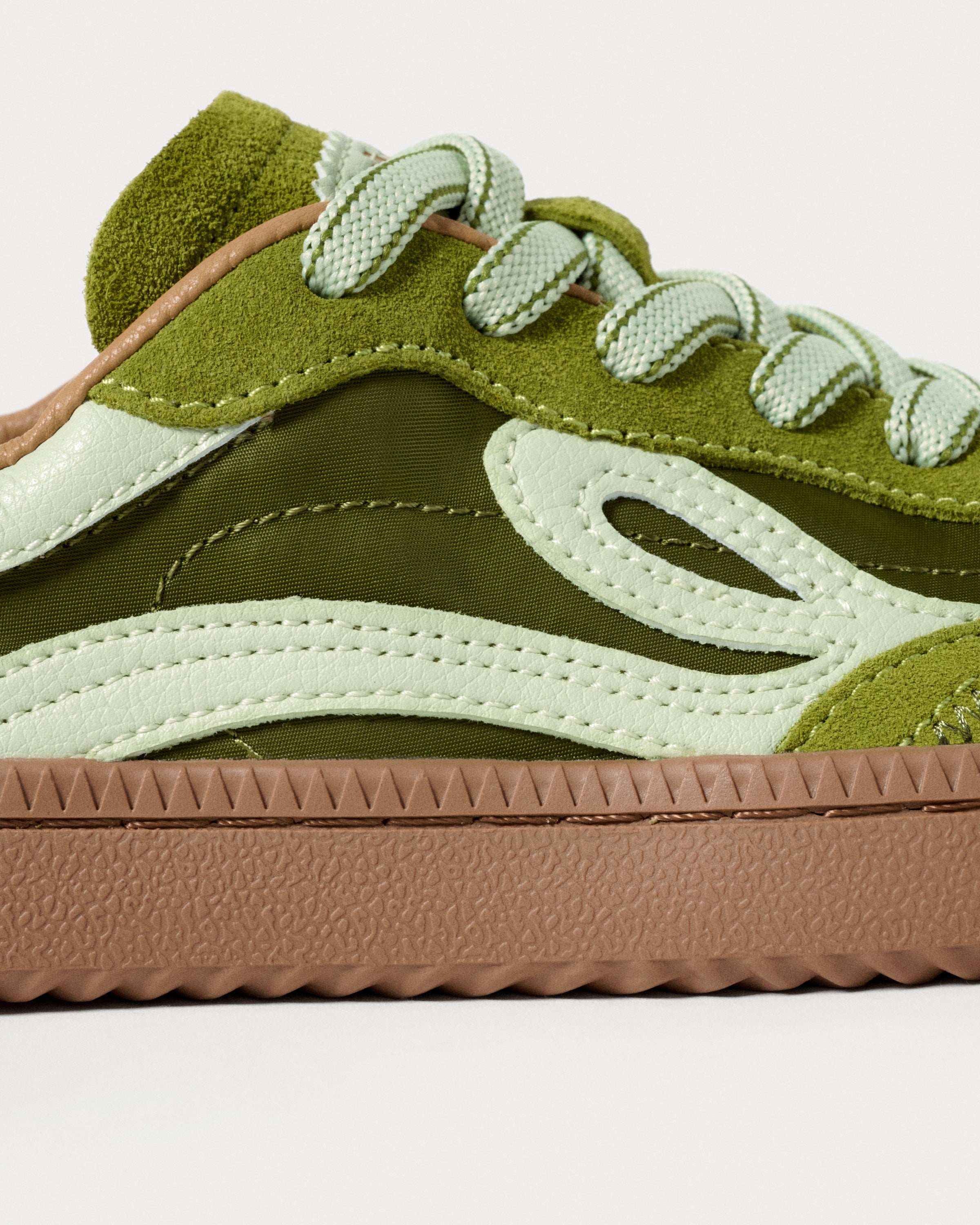
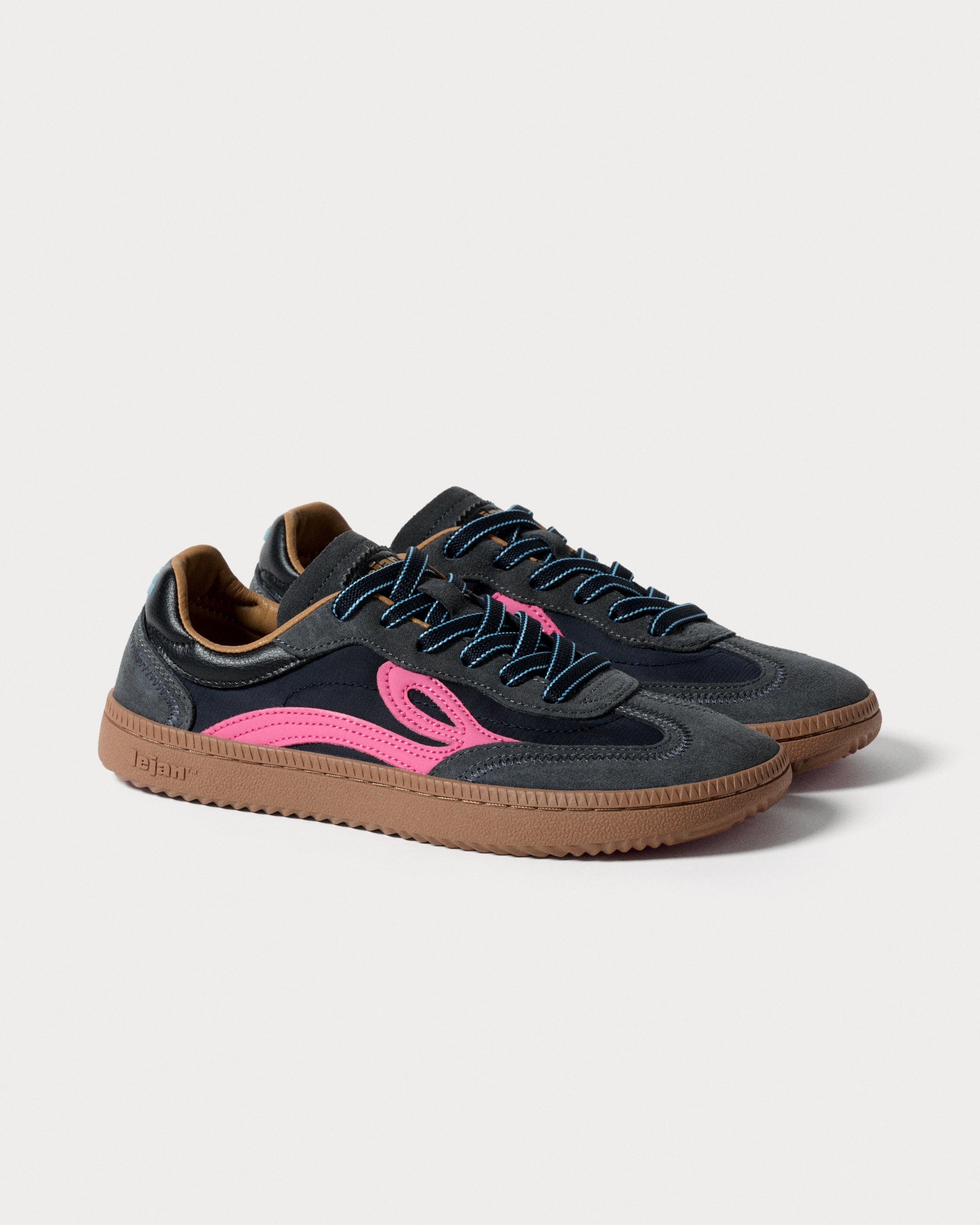
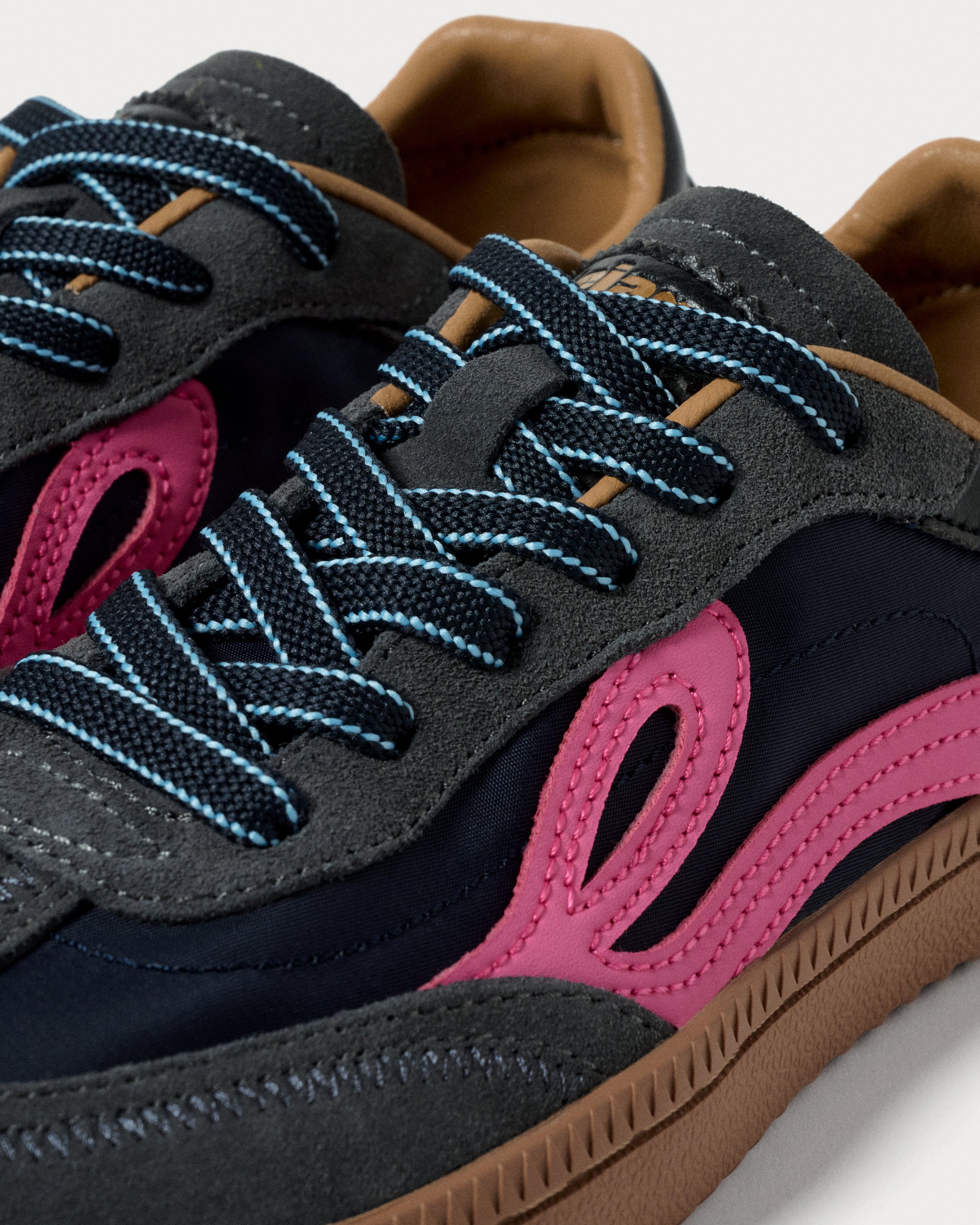
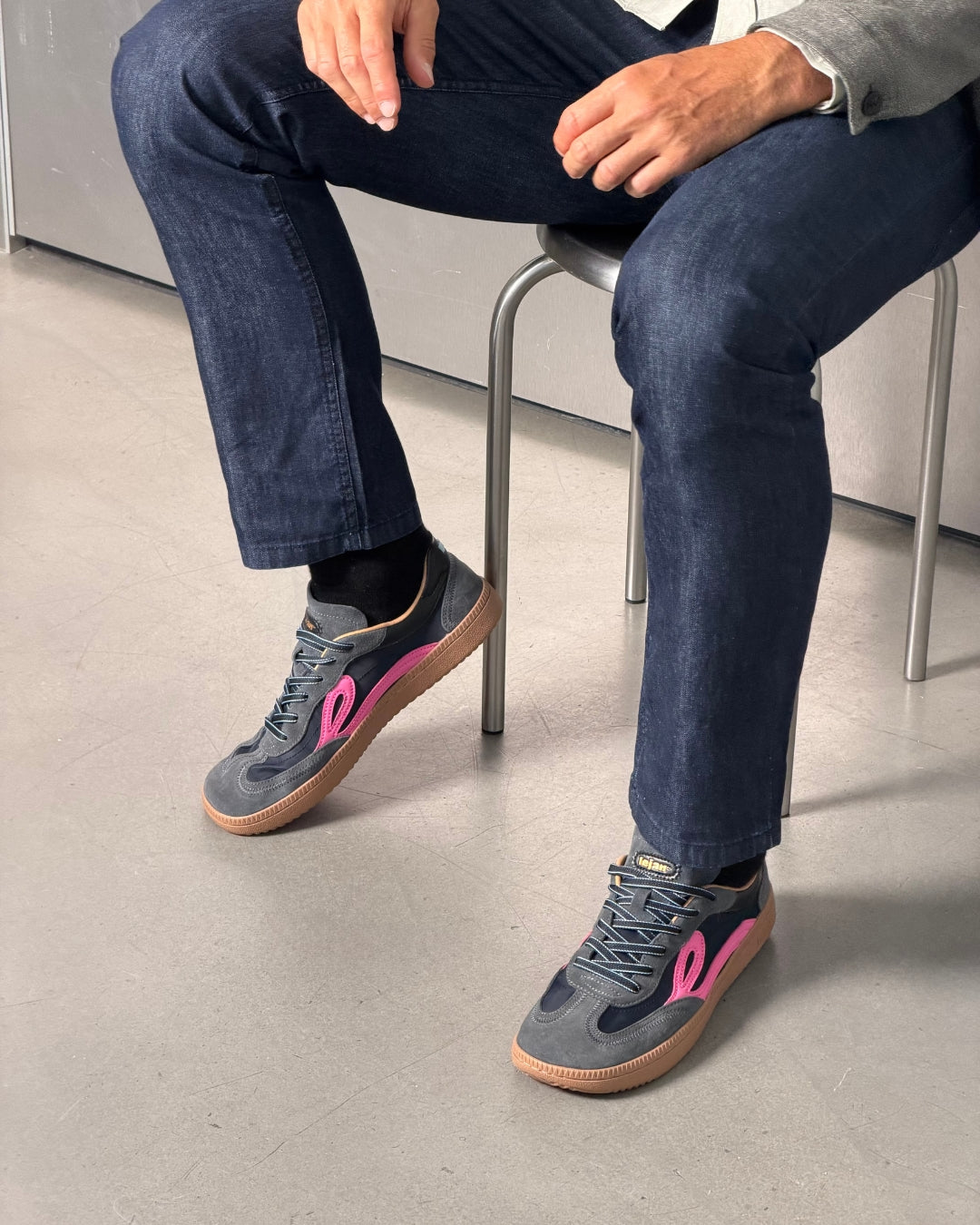
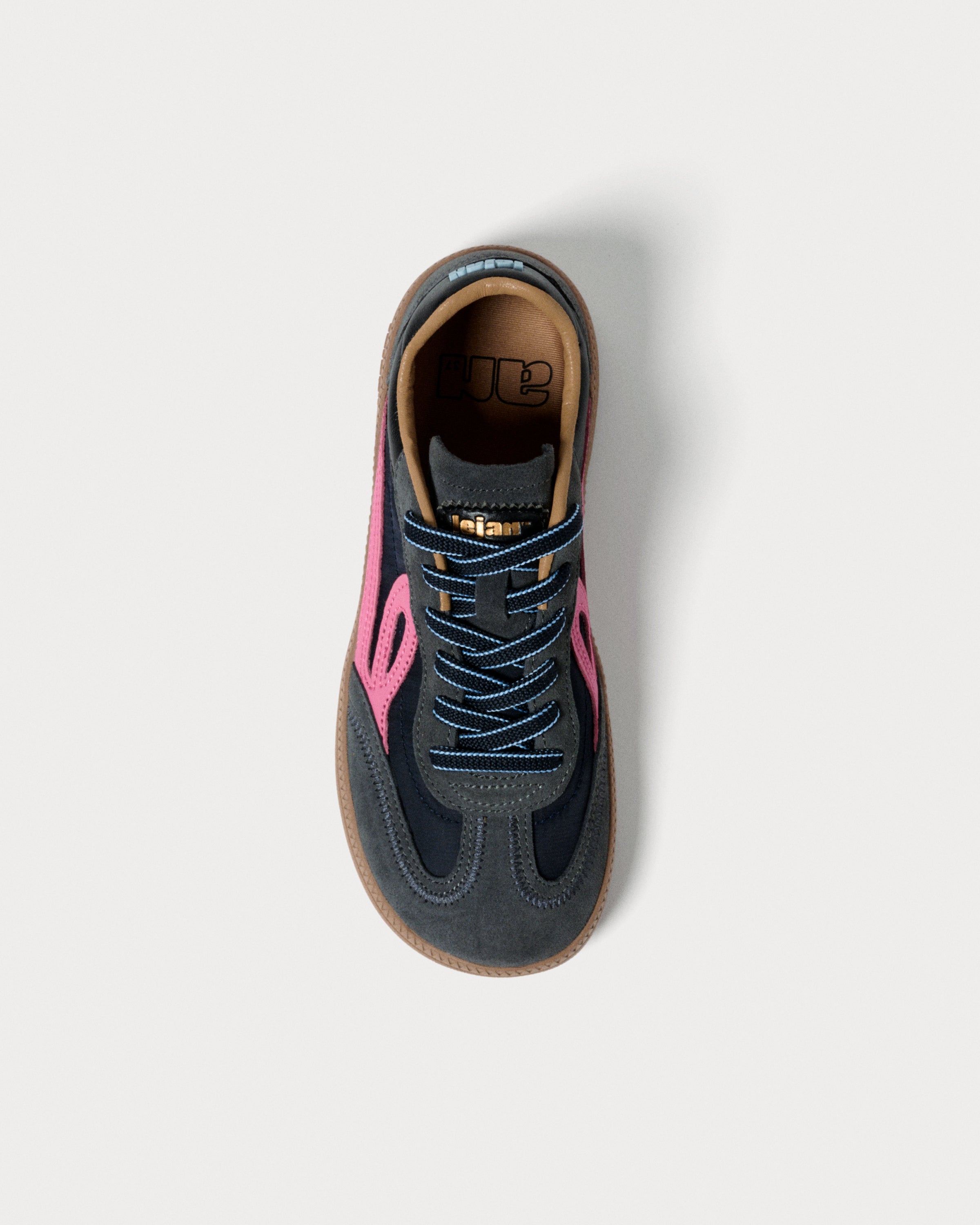
Some shoes pinch from the very first minute, while others, without being unbearable at first, leave you with the feeling that something just doesn't quite fit. Sometimes it's not only a question of size. It can be the last, the internal volume, the stiffness of the material or the way the shoe adapts (or doesn't) to your foot.
Knowing whether a shoe is too small isn't just about checking whether it "fits in". A shoe can go on and still be too short, too narrow or too low in key areas such as the toe, the instep or the heel. And when that happens, your foot can tell.
In this article we'll look at the clearest signs to spot it, how to check whether the size is right and what to review before settling on a pair.
How to know if a shoe is too small for you
A shoe is too small when it restricts your foot more than is reasonable in any of its dimensions: length, width or internal height. In other words, not only when your toes hit the end.
Sometimes the problem is at the toe, because it doesn't leave enough room for your toes. Other times it's the instep, which feels too much pressure as you walk. And in others, the heel sits so tightly that it causes rubbing, stiffness or constant discomfort.
The key isn't only whether the shoe "pinches", but whether your foot can sit inside it naturally. Walking, putting weight on it, slightly bending your toes and moving without feeling boxed in should be the norm. When that doesn't happen, it's worth taking a proper look before assuming "it'll give with wear".
Signs that a shoe is too small for you
Cramped toes, chafing and blisters
One of the clearest signs is feeling your toes compressed, squeezed together or with no room to sit normally. There doesn't have to be intense pain from the start. Sometimes it's enough to feel the front of your foot too closed in.
That usually translates into chafing on the sides of your toes, blisters, irritated skin or discomfort that shows up after a while of walking. It can also happen that your foot doesn't hurt when you try the shoe on, but it does after wearing it for a few hours.
When the toe area doesn't follow the real shape of your foot, the problem isn't always just the length. Often the shoe seems to be your size, but the front shape doesn't give you the room you need.
Sore nails, marks and pressure at the toe
If, when you take your shoes off, you notice marks on the top of your toes, pressure on your nails or discomfort at the tip, it's worth paying attention. That sensation of your big toe or second toe "touching the top" or "pressing against the front" is not a good sign.
It's also common to feel your nails bothering you when going downhill, walking quickly or spending several hours on your feet. In those cases, the shoe may be too short, but the toe box may also be too low or too stiff.
It's not all about whether there's room or not for a toe at the front. Your foot also needs space in height and in shape.
Pain while walking or a feeling of a cramped foot
Another very typical clue is walking with the feeling that your foot is too contained, as if it couldn't move normally inside the shoe. Sometimes it isn't described as pain, but as constant pressure, an odd tiredness or the urge to take them off as soon as possible.
If every step feels stiff, if your foot seems compressed or if you end the day with instant relief the moment you take them off, something isn't working properly. A shoe shouldn't ask you to put up with it from the very first wear.

How to check whether the size is right
How much room should there be at the toe
As a general rule, it's good to have a small margin in front of your toes. We're not talking about "loads of room to spare", but about your foot not sitting right at the limit. That space helps your toes avoid hitting the front as you walk and gives your foot a little room when it swells over the course of the day.
As a rough guide, it usually works well to leave around 1 cm at the toe, though this can vary depending on the type of shoe, the use and the shape of your foot.
What matters isn't only the figure. What matters is that your toes don't press against the front or get squeezed together, and that the shape of the shoe respects the shape of your foot.
How to check length, width and instep
The right size isn't checked just by looking at the number.
You need to review three things:
Length. 1 cm between the end of your longest toe and the end of the insole
Width. That your forefoot isn't squeezed at the sides and that your toes aren't pushed against one another.
Instep. That the top of your foot doesn't receive excessive pressure, deep marks or a feeling of tightness.
A shoe can have a good length and still be too small in width or at the instep. That's why some people go up a size looking for relief, when in reality the problem isn't the length, but the last or the internal volume.
Why you should try on both shoes
We don't always have two feet that are exactly the same. In fact, it's fairly common for one to be slightly longer or to have more volume than the other. That's why it's not enough to try on a single shoe and decide.
It's best to try on both, stand up and walk a little. If one of your feet is clearly tighter, that's the information that counts. Normally the choice should be based on the larger foot, not the smaller one.
Common mistakes when trying on shoes
Trying them on too quickly or while sitting down
A very common mistake is slipping your foot in, checking that it goes on and assuming it's fine. While sitting, your foot bears less load, spreads out less and many discomforts haven't appeared yet.
The ideal thing is to try the shoe on standing up and walk a little. Better still if you take a few steps, turn, go up on your toes slightly and notice how it responds in movement. Some shoes seem comfortable when you're still and reveal themselves the moment you walk.
Choosing the size without taking the last into account
Two shoes in the same number can fit completely differently. The size matters, yes, but the last changes the real feel enormously.
One model can be long but narrow at the front. Another can fit well at the toe, but pinch at the instep. And another can have a structure that grips the heel too much even though the rest is fine.
That's why it's not a good idea to buy thinking only "I always wear a 38". That information helps, but it doesn't solve everything.
Buying online without measuring your foot first
Buying online can turn out really well, but doing so without measuring your foot and without checking the model's size guide noticeably increases the margin for error.
Not all brands size the same. And within the same brand, not all models behave the same. Measuring your foot at home and comparing that measurement with the specific chart for the shoe usually avoids quite a few returns and frustrations.
Factors that make a shoe seem small
Last, material, type of sock and time of day
There are times when a shoe seems small and, in reality, what's happening is that several factors come together.
The last has a huge influence on how the internal space is distributed. The material too: soft leather doesn't behave the same as a stiff fabric or an upper with little give. The sock can change the fit quite a bit, especially if it's thick. And the time of day also matters, because your foot doesn't always have the same volume.
That's why it's usually a good idea to try footwear on at a point when your foot has already been active for part of the day, not first thing in the morning if you're then going to wear it for many hours.
Differences between brands and models
This point is worth repeating because it drives many poor buying decisions: a size doesn't mean exactly the same thing across all brands or all models.
Even within the same label there can be clear differences between trainers, boots, sandals or versions with different materials. That's why automatic equivalences fail quite often.
What can happen if you wear shoes that are too small
Discomfort, chafing and comfort problems
The most immediate thing is usually discomfort: chafing, blisters, sore nails, pressure on your toes, irritation. Sometimes the habit of "walking oddly" to avoid the rubbing or the pain also appears, something that's not worth keeping up either.
You don't always have to reach a big problem to decide that a shoe doesn't suit you. If it forces you to compensate, to put up with it or to think constantly about your feet, it's probably not your pair.
When it's worth changing size or model
If the problem is clearly one of length, it can make sense to try a size up. But if the shoe pinches because of shape, width or internal height, going up a size doesn't always really fix it.
Sometimes your foot doesn't need "more size", but a design that better respects its shape: a more anatomical toe box, more room at the forefoot, a comfortable fit at the instep and a structure that doesn't force your toes to be compressed.
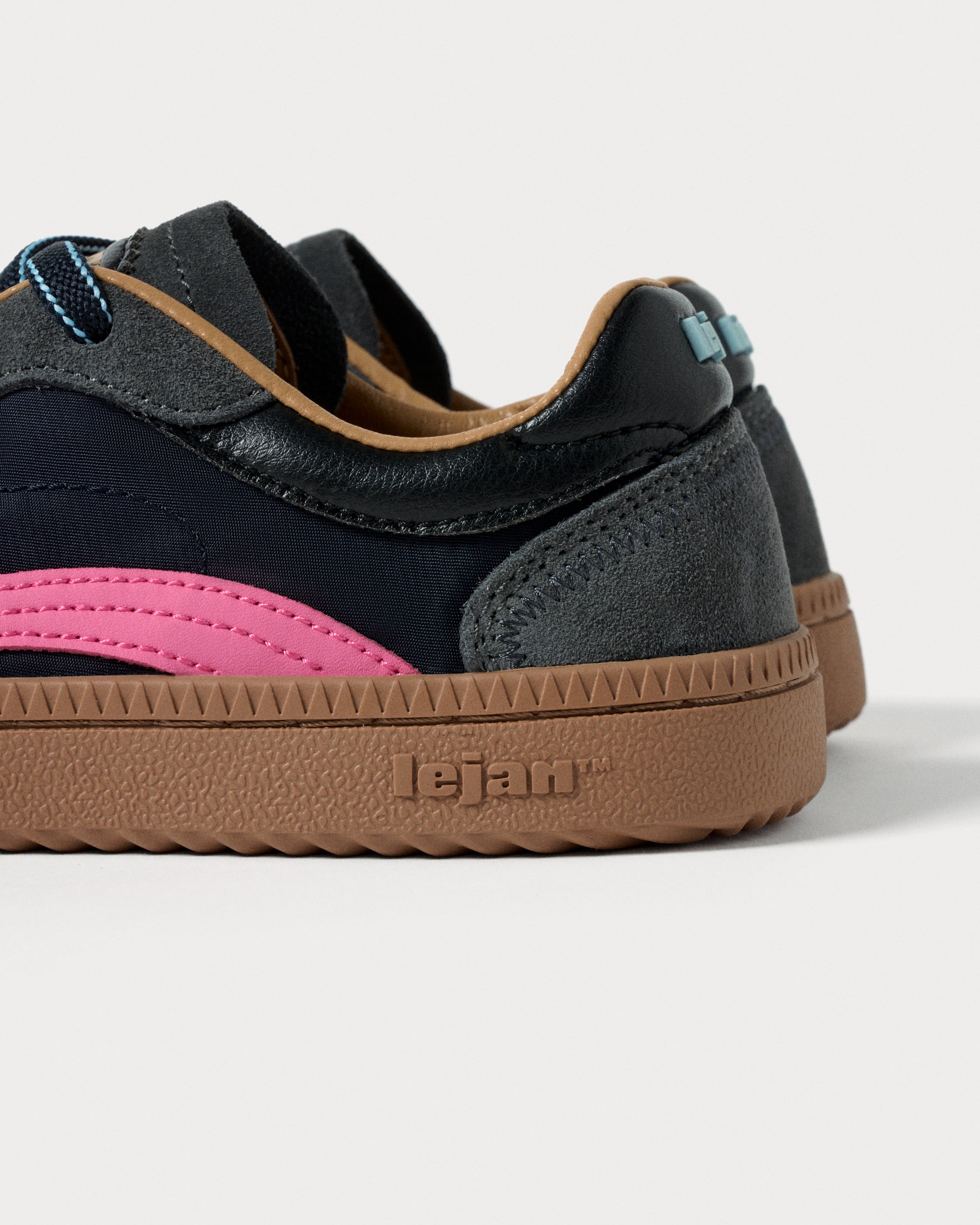
If you're looking for everyday trainers with that idea of space and comfort in mind, you can take a look at our casual barefoot trainers for women or our casual barefoot trainers for men. It's not about wearing a bigger shoe, but one that better follows the real shape of your foot.
How to choose the right size without getting it wrong
Choosing the right size isn't just about looking at the number you usually wear. It's also worth taking into account the real length of your foot, the room at the toe, the width, the instep and how the shoe behaves as you walk.
If you're going to buy online or you're unsure between two sizes, the best thing is to measure both feet and compare the measurement with the size guide for the specific model. At LEJAN we explain this process step by step in our article on the importance of measuring correctly for barefoot footwear.
Before settling on a pair, check that your toes have room at the front, that the forefoot isn't compressed, that the instep isn't under pressure, that the heel doesn't rub and that you can walk naturally.
And, above all, don't trust all the comfort to the idea that "they'll give in". If from the start you feel clear pressure, rubbing or a boxed-in sensation, that model or that size probably isn't for your foot.

Frequently asked questions about whether a shoe is too small
Is it normal for them to give with wear?
It depends on the material and the model, but it's best not to buy a shoe expecting it to transform completely. Some materials can adapt a little with wear, but a shoe that's clearly too small, too short or too narrow doesn't usually turn into a good buy through persistence.
If from the start it really pinches, rubs or boxes your foot in, the most sensible thing is not to trust it all to the idea that it'll give.
How much room should there be at the toe?
As a general guide, it usually works well to leave a small margin of roughly 1.5 cm. But more important than the exact figure is that your toes don't hit the front and can sit naturally.
It also matters that the shape of the toe follows your foot. There's not much point in having some length to spare if your toes are squeezed at the sides.
What do I do if one foot is bigger than the other?
It's fairly common. In those cases, the recommended thing is usually to choose with the larger foot in mind. Then, if the other foot is a bit looser, you can fine-tune the fastenings, the laces or the type of sock depending on the case.
What doesn't usually pay off is buying for the smaller foot and forcing the larger one to sit tight.
Test your knowledge
Answer the questions to check how much you know about this topic.
1. Which is a sign that a shoe is too small for you?
2. What's worth checking besides the length of the shoe?
3. Why isn't it enough to try a shoe on while sitting down?
4. If a shoe pinches because of shape or last, what's usually more useful?

Share