Pain on the outer edge of the foot can show up in many ways: as a mild discomfort when walking, pressure beneath the smaller toes, a feeling of load on the side, or a more pinpointed pain near the fifth metatarsal.
Sometimes it appears after walking more than usual, switching trainers, starting to run, spending many hours on your feet or wearing footwear that doesn't quite support the foot well. Other times, it may be related to the way we distribute our weight as we step.
That's why, rather than settling for “my foot hurts on the side”, it's worth observing the context: when it appears, with which shoes, in exactly which area, and whether there are signs of overload, pressure or instability.

What pain on the outer edge of the foot means
When we talk about the outer edge of the foot we mean the side area, the one running from the outer heel to the base of the fifth toe. It's a part of the foot that plays a big role in stability, in the small adjustments while walking and in adapting to the terrain.
If this area starts to hurt, it can be a sign that the foot is taking on more load than it can handle at that moment. It doesn't always mean there's a serious injury, but it is a discomfort that deserves attention, especially if it recurs or worsens.
It can appear from a one-off overload, from a foot strike that leans heavily outwards, from footwear that compresses or limits movement, or from a sudden change in physical activity. The key is not to look only at the point that hurts, but at everything that may be having an influence around it.
Common causes of pain on the side of the foot
Pain on the outer side can have several origins. Some are milder and related to daily load; others need a professional assessment, especially if the pain is intense, there is swelling or it's hard to bear weight.
Overload on the fourth and fifth metatarsals
The metatarsals are the long bones located just before the toes. On the outer part of the foot we find the fourth and fifth metatarsals, which can take on a lot of pressure when the foot strike shifts too far outwards.
This can happen when walking many kilometres, running, standing for many hours or wearing footwear that doesn't distribute the load well. The discomfort is usually felt in the front and side of the foot, near the outer toes.
Calluses or pressure areas may also appear beneath the fourth and fifth toes. These signs aren't random: they often indicate that this area is bearing more load than it should.
Excessive weight on the outer side
Some people, when walking, tend to load more weight onto the outer part of the foot. Sometimes you can tell from the wear on the sole, from the feeling of going “on the outside”, or from the pain always appearing on the same side.
It's not about labelling your stride or correcting for the sake of correcting, but about observing how the foot is behaving. If the outer strike is very pronounced and persists over time, it can increase pressure on the fifth metatarsal, the cuboid area or the tendons that run along the side of the ankle and foot.
Narrow, rigid or unstable footwear
Footwear can also have a big influence. A narrow toe box can push the toes inwards and increase pressure on the outer part of the forefoot. A rigid sole can limit the small movements of the foot. And a shoe that doesn't adapt well can make the foot seek stability in inefficient ways.
When the shoe doesn't leave enough space, the foot doesn't strike the same way. The toes can lose their ability to spread, adjust and take part in each step. And that lack of space can end up creating pressure in specific areas, such as the outer edge.
It's also worth checking whether the foot moves too much inside the shoe. Sometimes it's not just a question of narrowness: a poor fit can also cause chafing, instability or compensations.
Sudden changes in physical activity
Many discomforts appear after a change: starting to run, increasing your mileage, walking a lot on holiday, training several days in a row or going from heavily cushioned footwear to something more minimalist without a transition.
The foot needs time to adapt to loads. If we suddenly ask it for more mobility, more muscular work or more impact, it may respond with discomfort. And one of the areas where that lack of adaptation can be felt is the outer edge.
That's why, when pain appears, it's important to also look at your routine: how much you've walked, whether you've changed footwear, whether you've trained more, whether you've spent more hours on your feet or whether you've increased the intensity too quickly.
What to check in your stride if the side of your foot hurts
Your stride isn't observed just by looking at a footprint. It's also understood by seeing how you walk, where the pressure appears, how the footwear wears down and what sensations you have throughout the day.
If you put more weight on the outer edge
A simple clue is to look at the soles of your shoes. If the outer part is much more worn than the rest, it may indicate that you load quite a bit through that area.
There's no need to obsess over every step, but it is worth paying attention if the pattern recurs and matches the painful area.

If pain appears when walking, running or standing
The moment when the pain appears gives a lot of information.
If it hurts after walking a lot, it may be an overload. If it appears when running, you might need to review the increase in training, the terrain, the footwear or your technique. If it hurts even at rest or it becomes increasingly hard to bear weight, it's best not to let it slide.
It also matters whether the pain improves with rest or whether it worsens each day. Mild discomfort usually eases when the load is reduced, but a pain that persists, becomes very localised to one point or comes with swelling needs a more precise assessment.
If there are calluses, hard skin or pressure beneath the outer toes
Calluses don't appear for no reason. They usually form in areas where there is more friction or areas of maximum pressure.
Looking at the skin of your foot after walking can help a lot: red marks, pressure on the side, nails that rub, cramped toes or hot spots are very useful clues.
How footwear influences pain on the outer edge
Footwear doesn't explain everything, but it does create the context from which the foot moves, strikes and distributes the load. That's why, when the outer side hurts, it's worth reviewing what you're wearing on your feet.
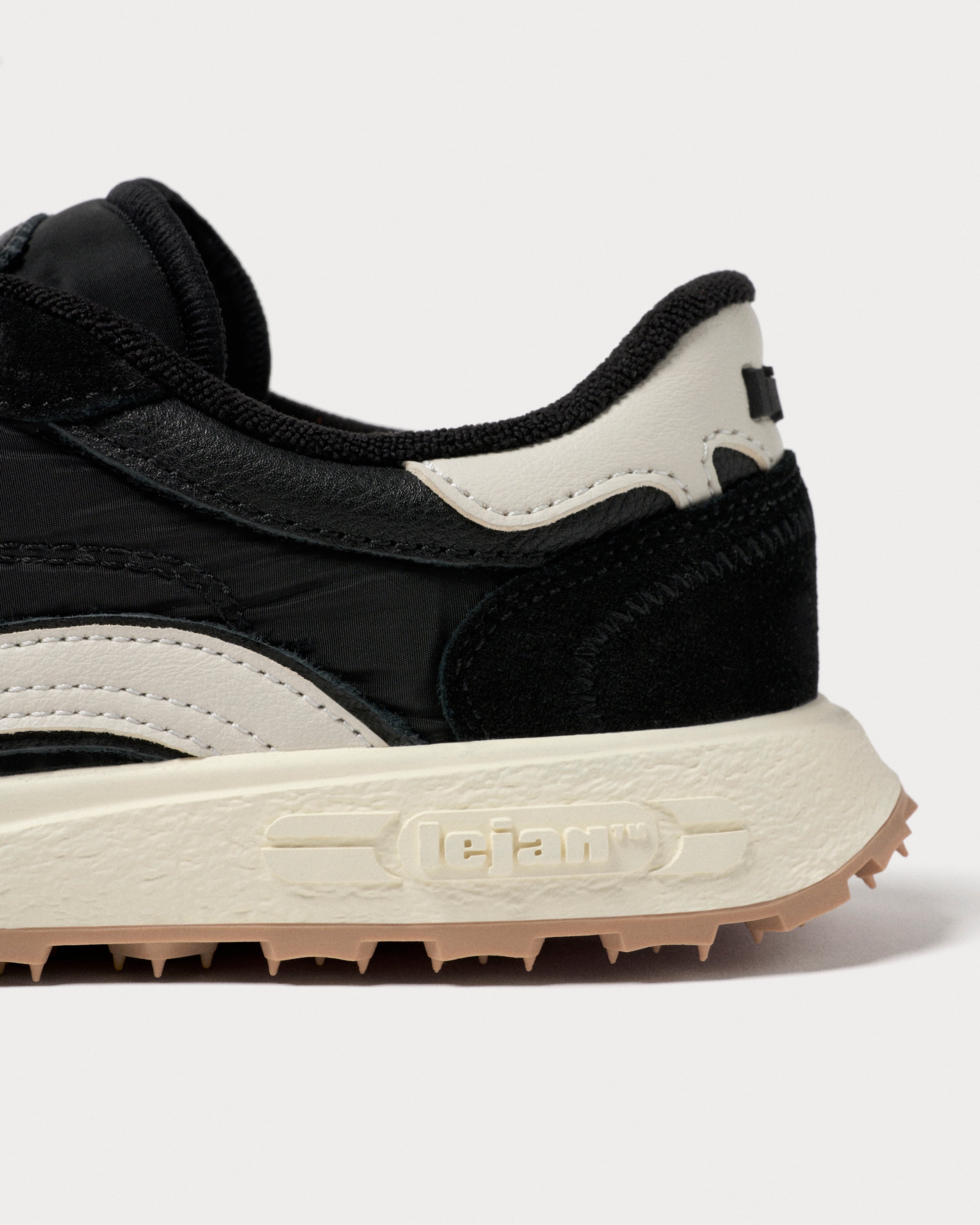
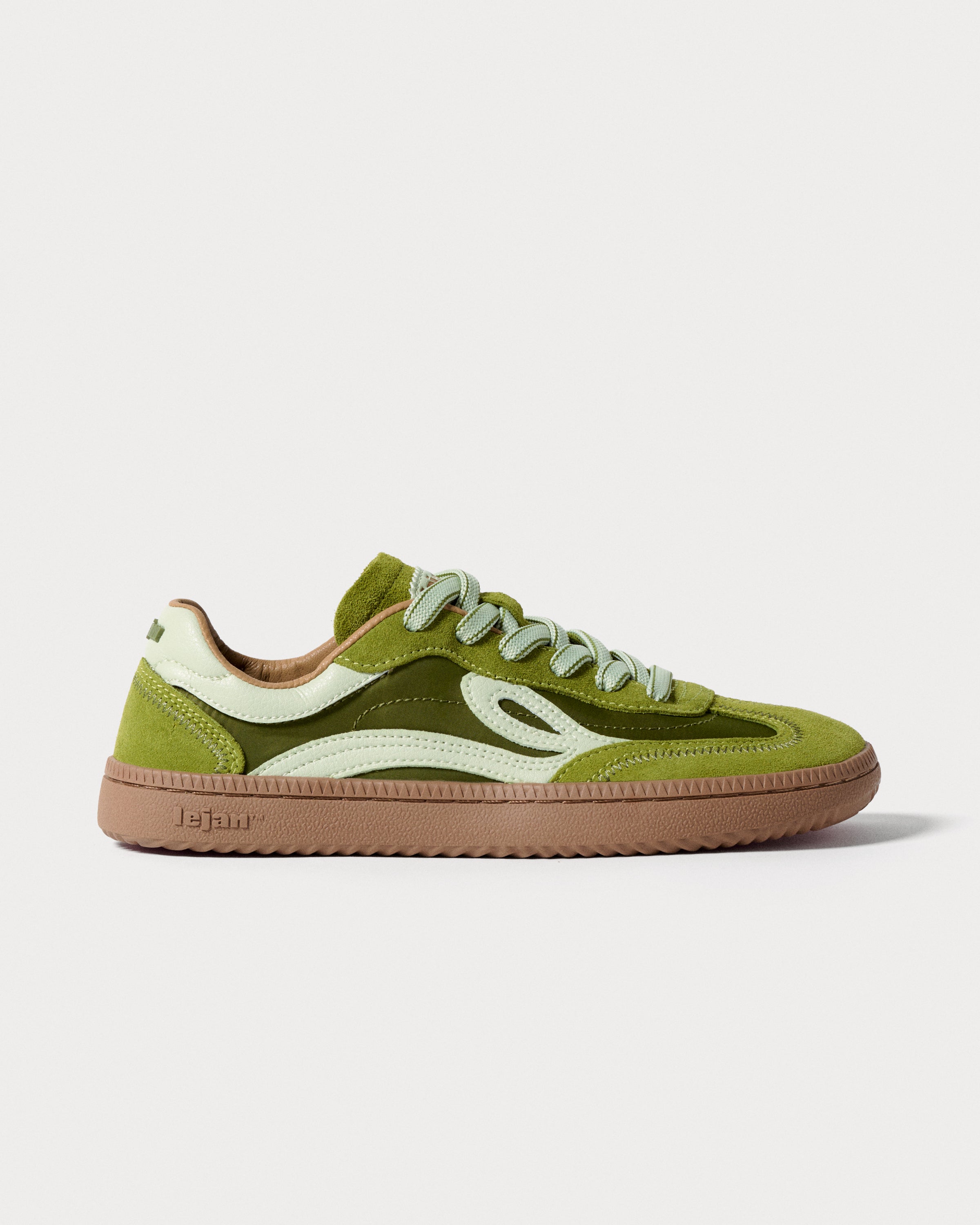
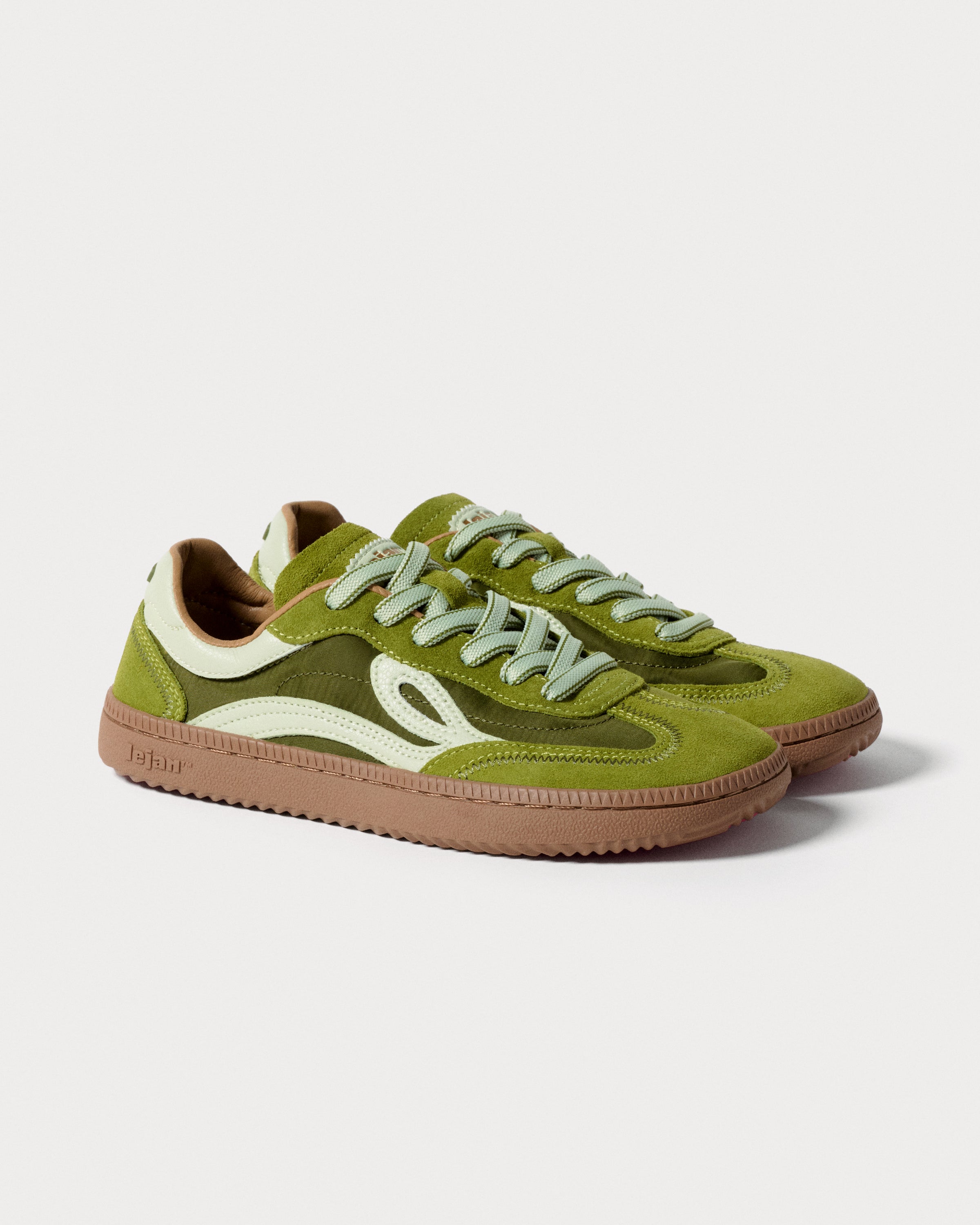
Anatomical toe box and room for the toes
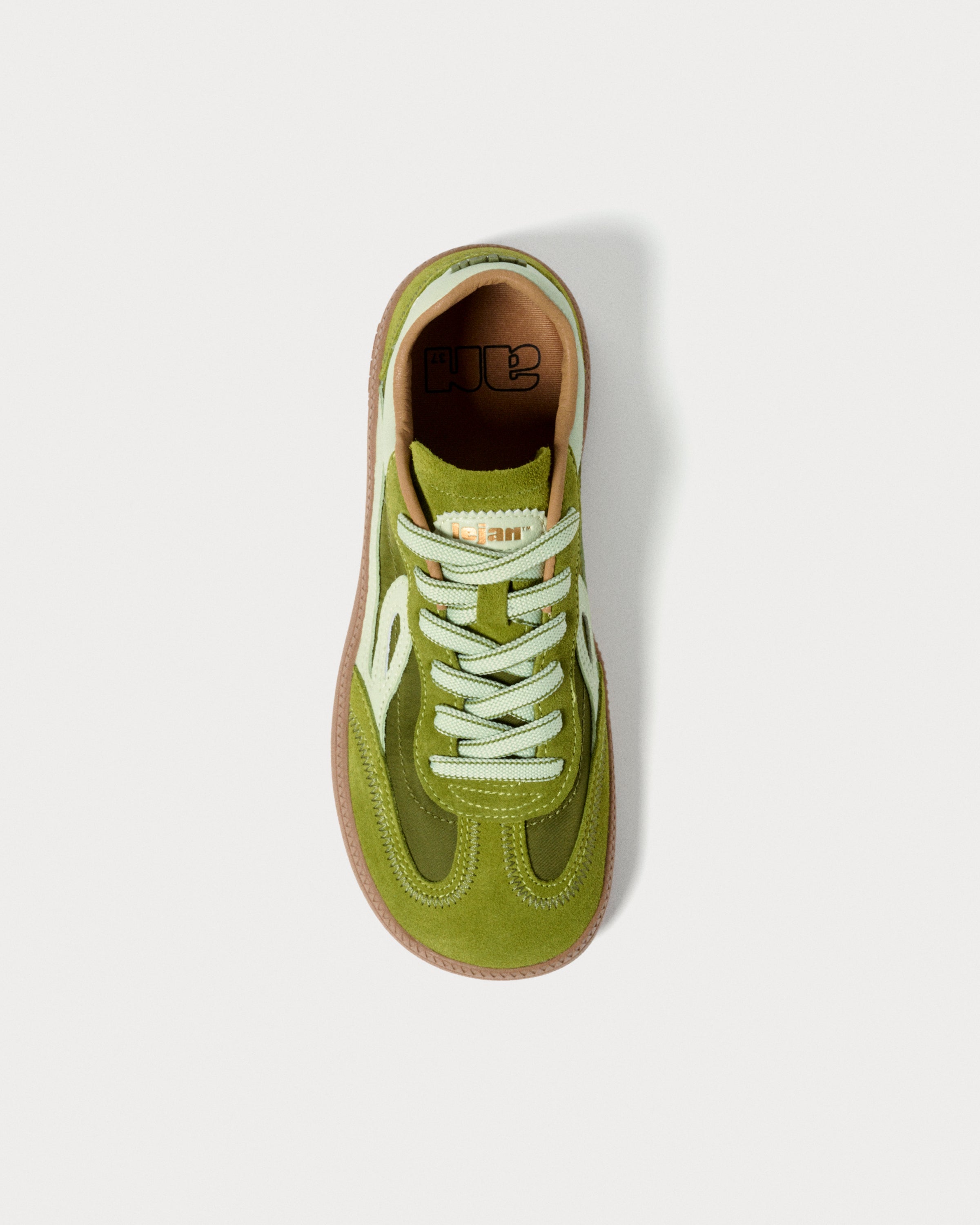
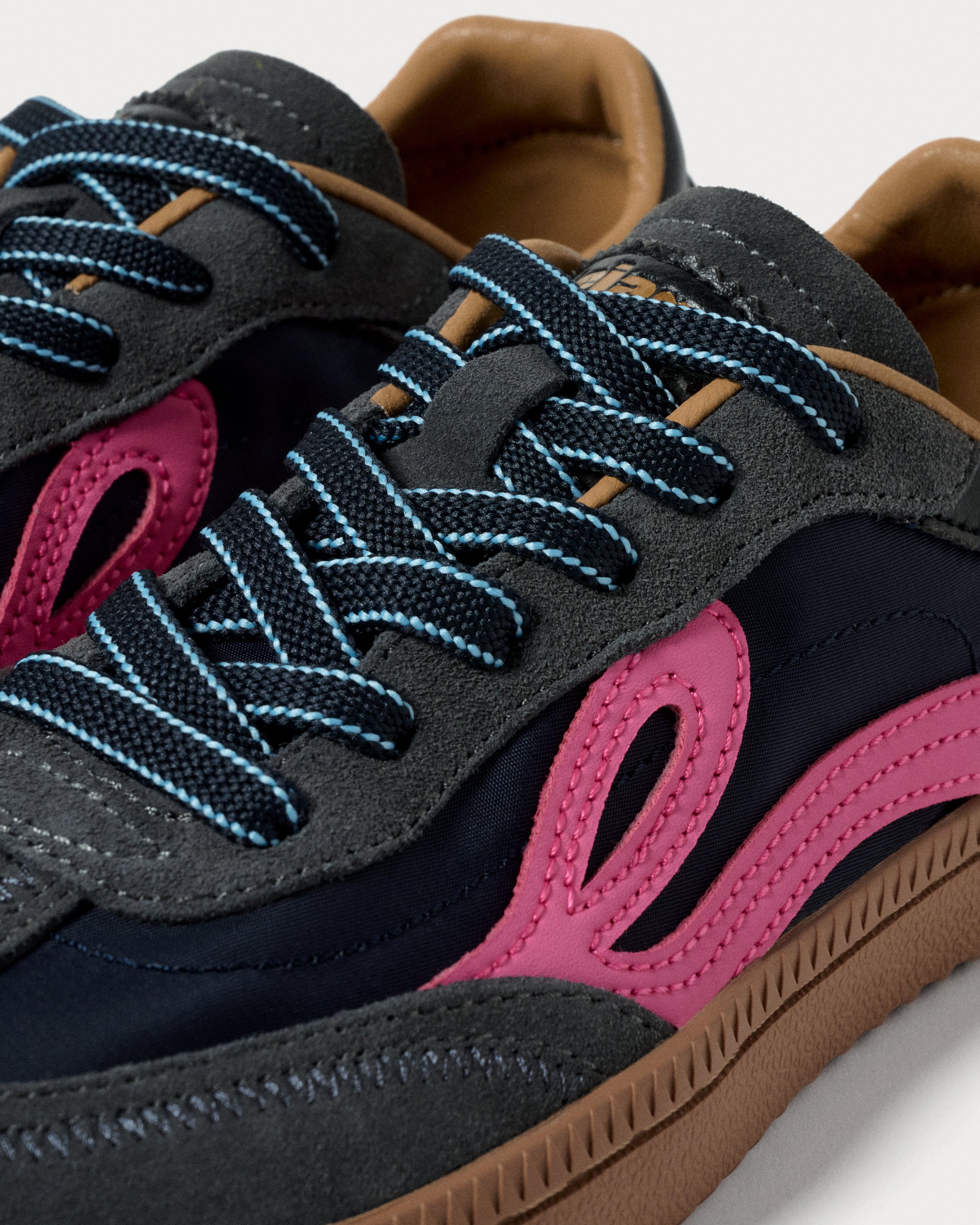
An anatomical toe box lets the toes have real space, especially in the big toe area and also in the outer toes. This helps the foot sit more comfortably inside the shoe and not be squeezed towards the sides.
When the toes are cramped, the forefoot loses part of its ability to adapt to the strike. And if the fifth toe or the outer area is under pressure, discomfort, calluses or a feeling of load on the side can appear.
In barefoot footwear, the recommended margin is usually between 0.8 and 1.2 cm in front of the longest toe. It's not about wearing the shoe too big, but about leaving just enough space for the foot to move without sliding around inside.
Flexible sole, drop 0 and natural mobility
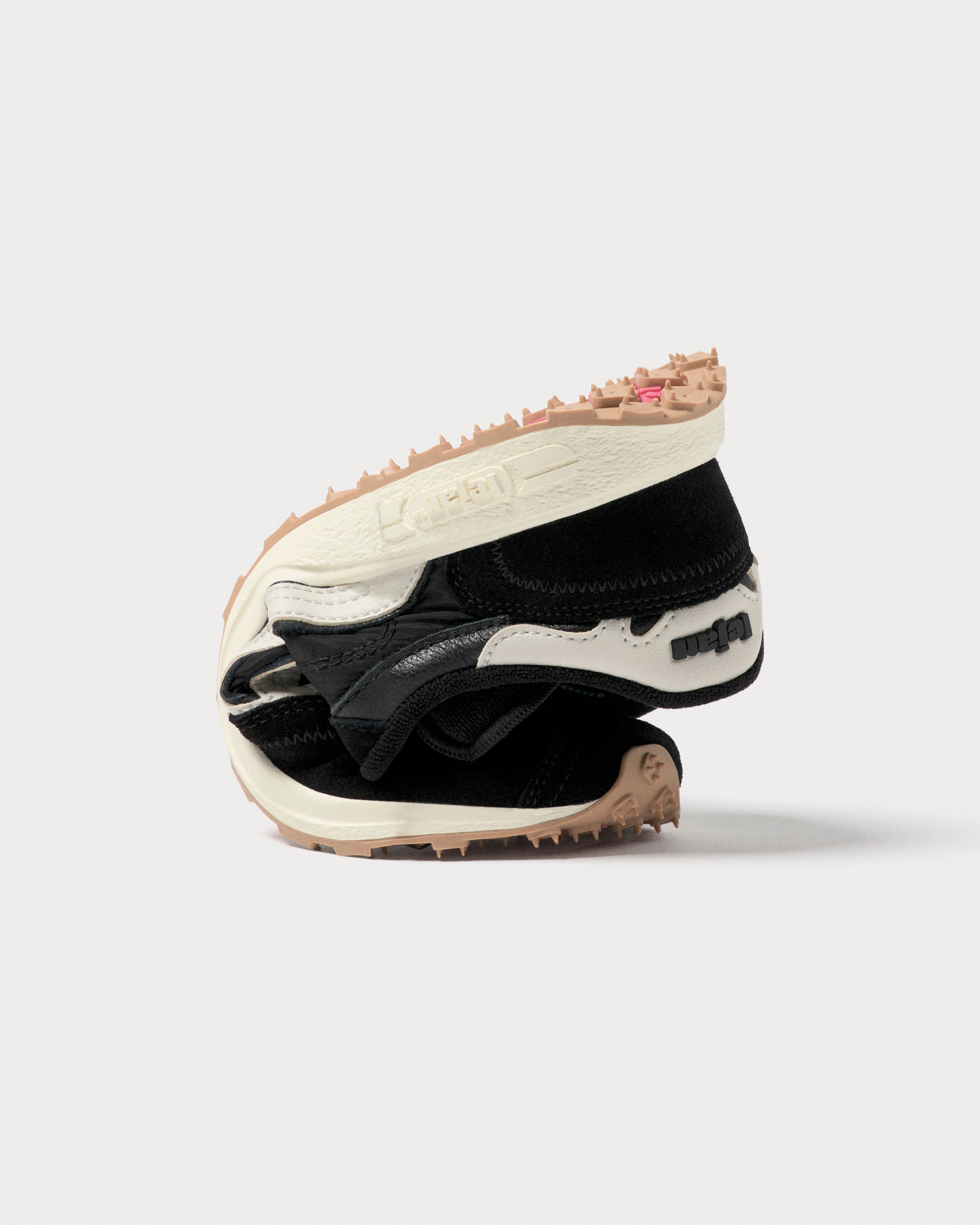
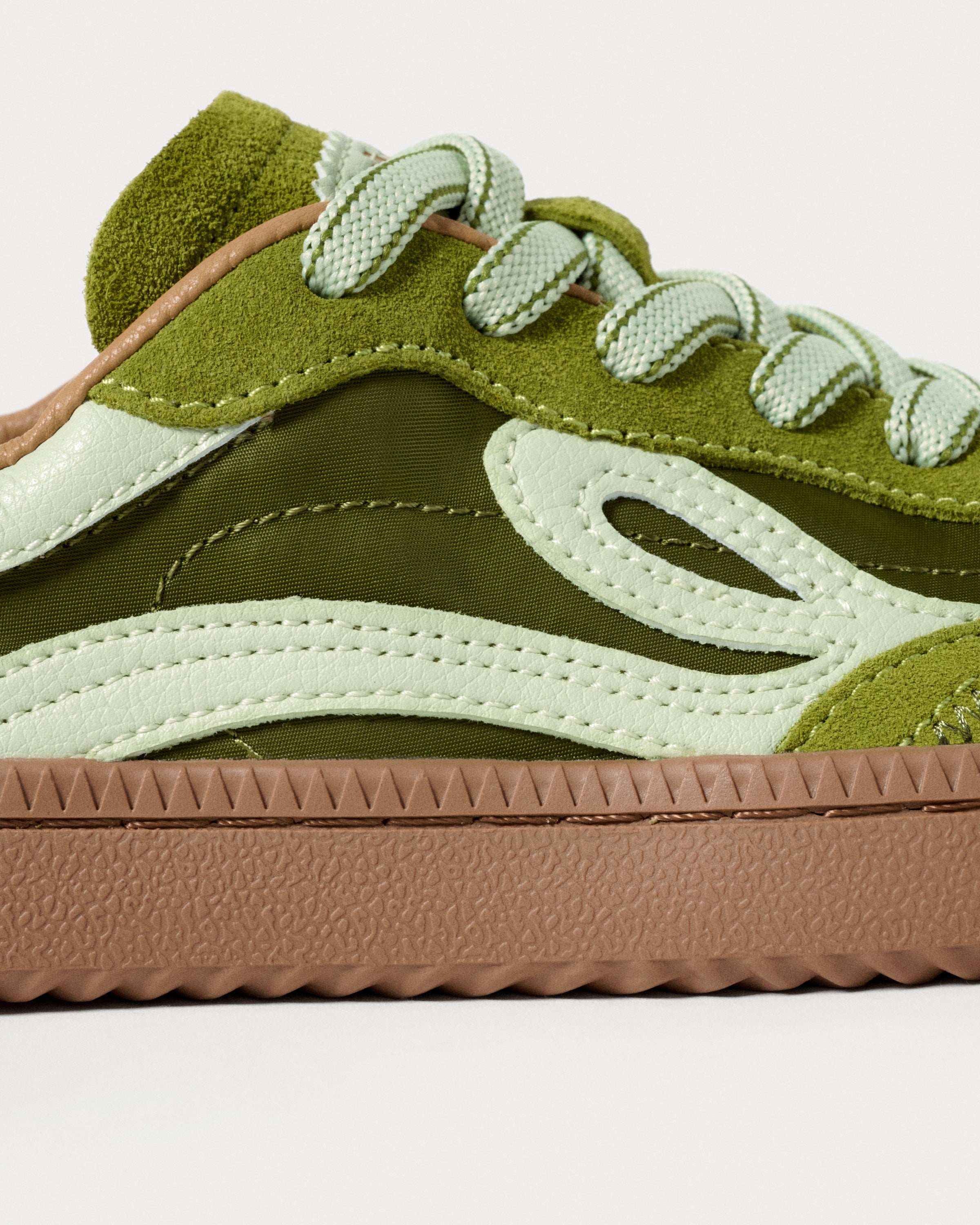
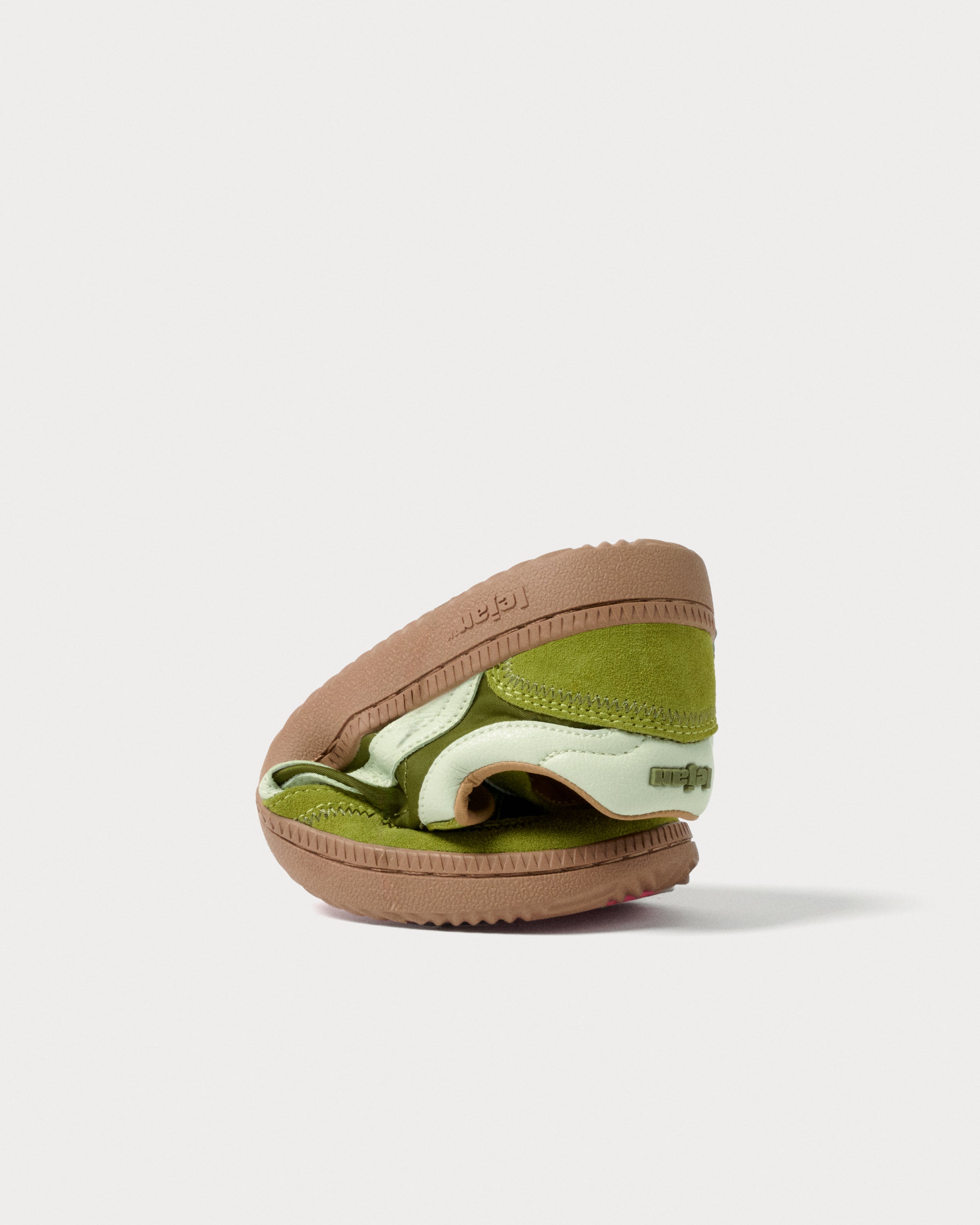
A flexible sole lets the foot take a greater part in the movement. It doesn't force you to walk on a rigid structure; instead it better accompanies the small adjustments of the foot strike.
Drop 0, meaning the heel and forefoot are at the same height, favours a more balanced base. It doesn't raise the heel or shift the body forward, something that can influence how loads are distributed during walking.
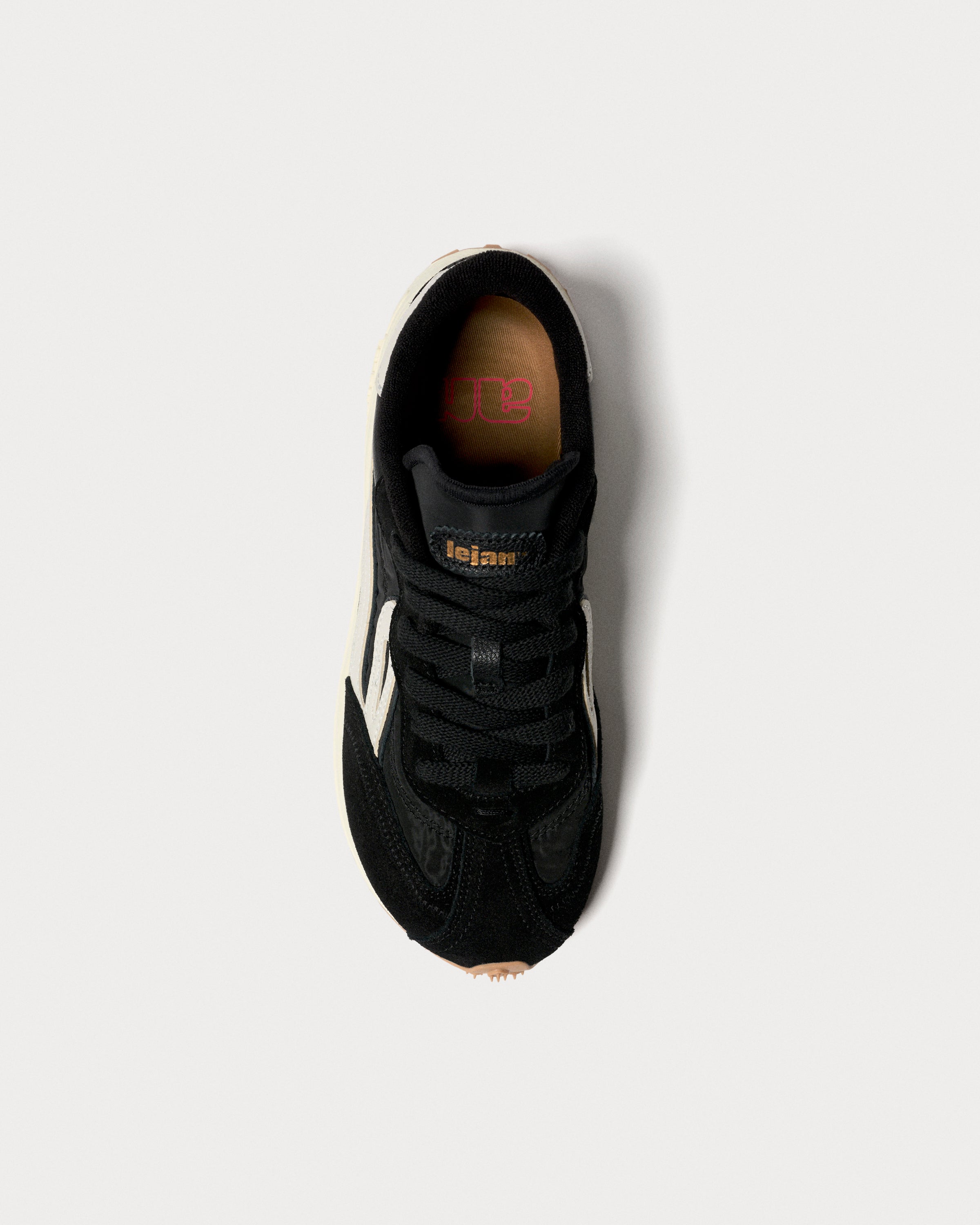
This doesn't mean everyone should switch all at once to very minimalist footwear. It means that, if you're looking for footwear more respectful of the foot, it should have a wide, flexible base, no elevation between heel and forefoot, and enough space for the toes.

Transition insoles if you're coming from traditional footwear
If you're coming from rigid, narrow footwear with a high drop or a lot of cushioning, the change should be made calmly. The foot may need time to regain mobility, strength and tolerance to new sensations.
In some cases, a transition insole can help during the process, especially if there is discomfort, a lot of sensitivity or a big change compared with the previous footwear.
The idea isn't to always depend on an insole, but to make for a gradual adaptation when the foot needs it. The important thing is to listen to the signals: if the pain increases, if overload appears or if you notice the foot isn't ready, it's better to take it step by step.
Daily routine to reduce discomfort and prevent overload
When the pain seems related to overload, small changes in your routine can make a difference. It's not about always stopping everything, but about adjusting what is irritating the area.
Adjust your activity and avoid sudden increases
If the pain appeared after walking more, running more or changing your training, reduce the load for a few days. You can lower distance, intensity or time on your feet, and see whether the discomfort improves.
Sudden increases are one of the most common mistakes. The body adapts, but it needs leeway. Increasing your mileage, changing surface, or breaking in new footwear and going on a long walk the same day can be too much stimulus all at once.
Ideally, changes should be gradual, especially if you're starting out with barefoot or minimalist footwear.
Mobilise the foot and strengthen the ankle and plantar muscles
The foot doesn't only need rest; it also needs the capacity to work. Mobilising the toes, activating the plantar muscles and strengthening the ankle can help distribute loads better.
You can start with simple exercises:
-
Opening and closing the toes without forcing
-
Lifting the toes while keeping the rest of the foot on the ground
-
Walking barefoot at home for a few minutes if there's no pain
-
Doing gentle balance work near a wall
-
Working the calf and ankle gradually
The key is that it shouldn't hurt. If an exercise increases the side discomfort, it's better to reduce the intensity or check it with a professional.
Observe when the pain appears and with which shoes
For a few days, take note of three things: when it hurts, where it hurts and with which footwear it appears.
You might notice that the pain arises with certain trainers, after many hours on your feet or when walking fast. It can also appear in only one foot, only when running or only on hard surfaces.
That information is very valuable. It helps to understand whether the discomfort is more related to footwear, to load, to your stride or to a possible injury that needs assessment.
And if in any doubt, consult your professional.
When to see a podiatrist or physiotherapist
It's advisable to see a podiatrist or physiotherapist if the pain doesn't improve within a few days, if it worsens, if swelling appears, if there is very localised pain at a bony point, if it's hard to bear weight or if the discomfort appears even at rest.
It's also worth checking whether the pain returns whenever you increase your activity, whether there's a feeling of instability in the ankle, whether you've had a recent sprain or whether you notice tingling, numbness or loss of strength.
A professional can assess your stride, footwear, the mobility of the foot and ankle, muscular strength and the exact area of the pain. Sometimes adjusting your routine and footwear is enough. Other times it's necessary to rule out an injury, such as a tendinopathy, a cuboid disorder or a stress fracture.
Listening to the pain in time helps to prevent a small discomfort from turning into a longer-lasting problem.
Frequently asked questions about pain on the outer edge of the foot
Why does the outer side hurt when I walk?
It may be due to an overload, a foot strike that leans heavily towards the outer edge, pressure from footwear, a sudden increase in activity or an irritation of structures in the side area of the foot. If the pain is occasional and improves with rest, it may be something mild. If it persists, increases or makes it hard to bear weight, it's worth getting it checked.
Can it be due to my stride?
Yes, the way you distribute your weight when walking can have an influence. If you load a lot onto the outer side, that area can take on more pressure than it tolerates. Even so, you shouldn't assess your stride in isolation: footwear, activity, mobility, strength and your history of discomfort all matter too.
Which footwear is best if the outer edge hurts?
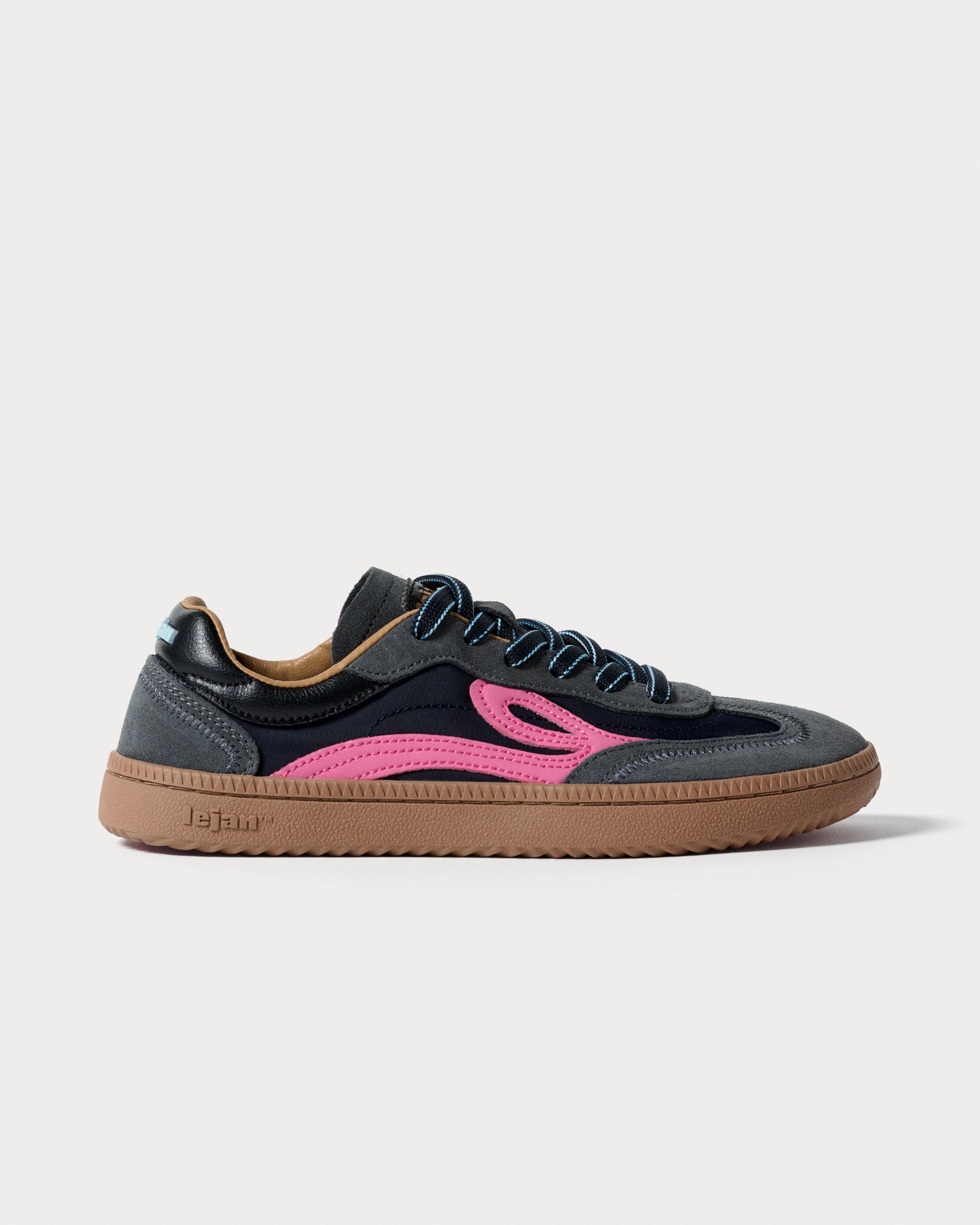
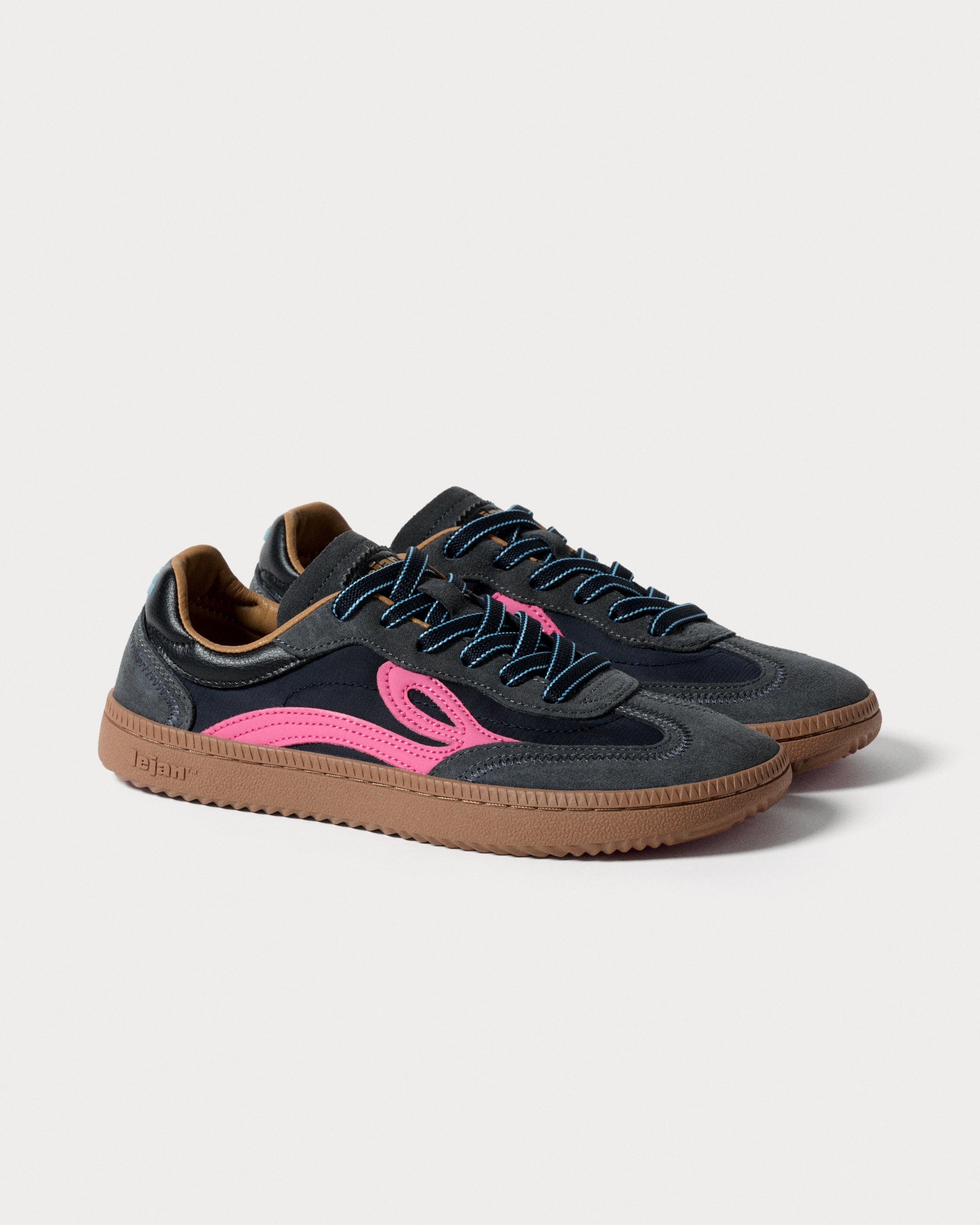
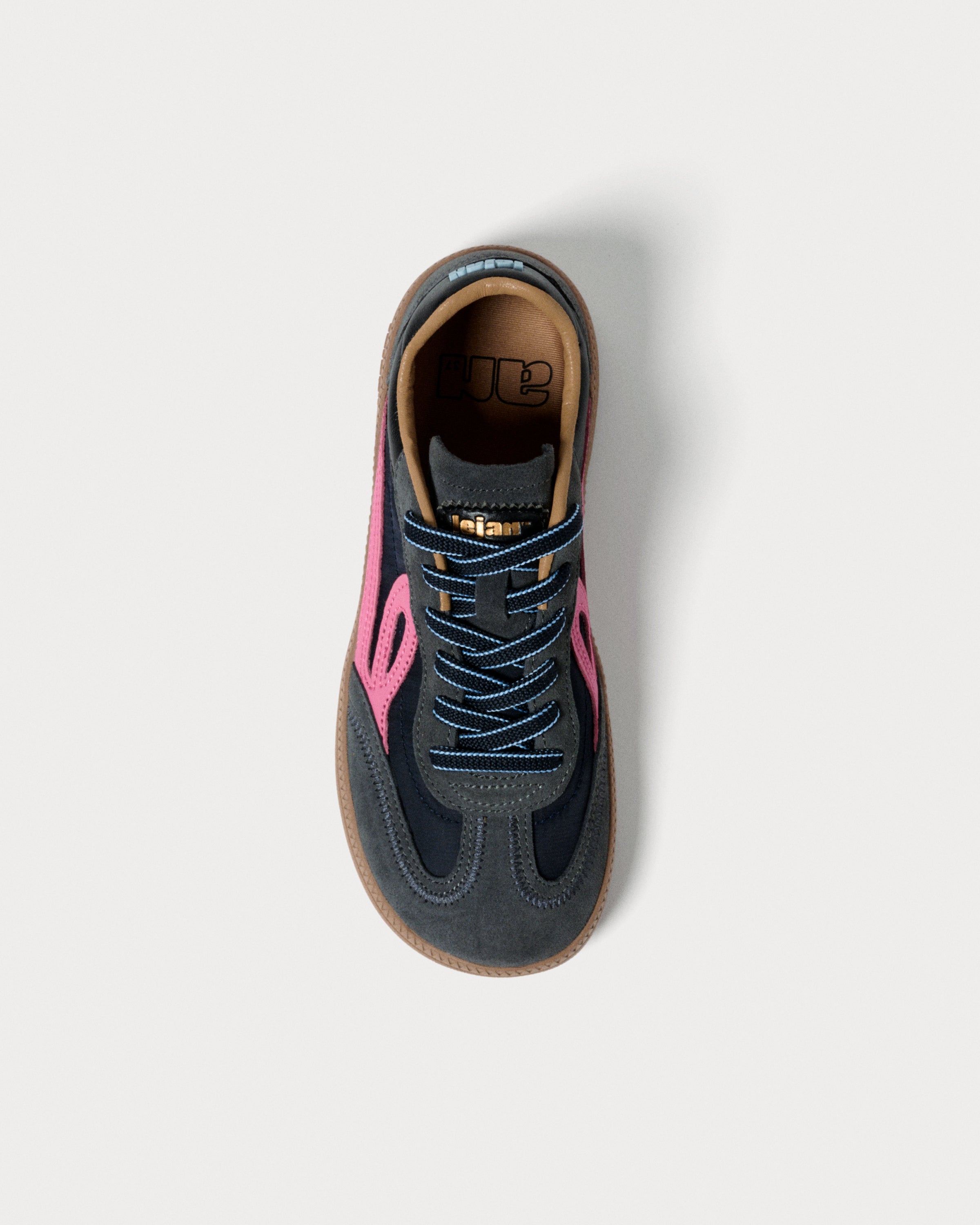
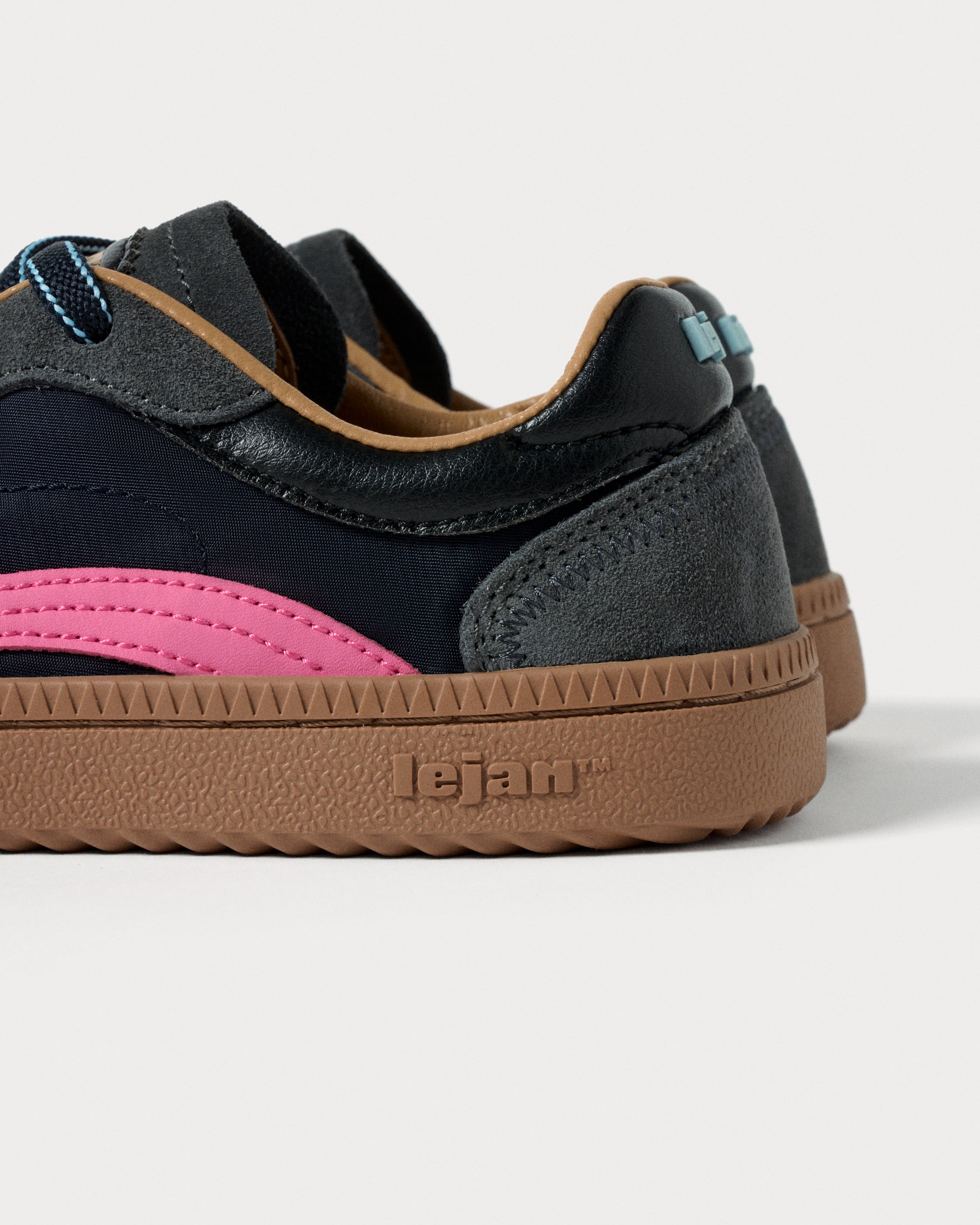
Footwear with an anatomical toe box, enough space for the toes, a flexible sole, a good support base and drop 0 can help the foot have more freedom and not be squeezed. It's also important that the shoe fits well: neither too narrow nor too big. If you're coming from traditional footwear, the transition should be gradual.
When might it be an injury and not an overload?
It may be more than an overload if the pain is very localised, if there is swelling, if it appears after a specific movement, if it worsens with activity and doesn't improve with rest, if it hurts when you touch a specific point or if it's hard to bear weight on the foot. In those cases, the best thing is to consult a professional to assess the area and rule out an injury.
Test your knowledge
Answer the questions to check how much you know about this topic.
1. What can pain on the outer edge of the foot indicate?
2. Which sign can indicate that you're loading too much onto the outer toes?
3. How can narrow footwear influence pain on the side of the foot?
4. What should you do if the pain doesn't improve, worsens or makes it hard to bear weight on the foot?

Share