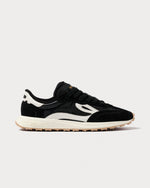
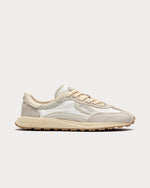
Lejan One
Couldn't load pickup availability
Buy now, pay later.
From 500,00€/month or 3 interest-free payments

Your order arrives between...
- Free shipping on orders over 800 SEK Free shipping on orders over 800 SEK Free shipping on orders over 800 SEK
- Free size exchanges Free size exchanges Free size exchanges
- Secure payment with payment methods Secure payment with payment methods Secure payment with payment methods




Design that respects your foot
The anatomical toe box lets your toes spread and move freely, respecting the natural shape of the foot and supporting its biomechanical function.
The foot doesn't just flex forward — it also twists and adapts to the terrain. The shoe's flexible structure allows for that three-dimensional movement, respecting the foot's natural mechanics.
By giving the foot more freedom of movement, it works harder with every step, activating the intrinsic muscles that provide support, stability and control.
A thin, flexible sole lets the foot receive more feedback from the ground. That information helps the nervous system fine-tune balance and coordination with every step.
Zero drop avoids constantly elevating the heel, supporting a more stable stride, better balance control and a more even distribution of load.


Toes with the room they need
The anatomical toe box lets your toes spread and move freely, respecting the natural shape of the foot and supporting its biomechanical function.

More natural movement
The foot doesn't just flex forward — it also twists and adapts to the terrain. The shoe's flexible structure allows for that three-dimensional movement, respecting the foot's natural mechanics.

Foot activation
By giving the foot more freedom of movement, it works harder with every step, activating the intrinsic muscles that provide support, stability and control.

Greater stimulation
A thin, flexible sole lets the foot receive more feedback from the ground. That information helps the nervous system fine-tune balance and coordination with every step.

More control with every step
Zero drop avoids constantly elevating the heel, supporting a more stable stride, better balance control and a more even distribution of load.
Toes with the room they need
The anatomical toe box lets your toes spread and move freely, respecting the natural shape of the foot and supporting its biomechanical function.
More natural movement
The foot doesn't just flex forward — it also twists and adapts to the terrain. The shoe's flexible structure allows for that three-dimensional movement, respecting the foot's natural mechanics.
Foot activation
By giving the foot more freedom of movement, it works harder with every step, activating the intrinsic muscles that provide support, stability and control.
Greater stimulation
A thin, flexible sole lets the foot receive more feedback from the ground. That information helps the nervous system fine-tune balance and coordination with every step.
More control with every step
Zero drop avoids constantly elevating the heel, supporting a more stable stride, better balance control and a more even distribution of load.


HOW THEY COMPARE

Lejan: Barefoot Footwear
With real space for the toes to settle without pressure.
Protects without blocking flexion or ground adaptation.
Same height at the heel and forefoot: a more stable, balanced support.
Doesn't restrict the heel, which translates into greater freedom of movement.
The foot flexes, twists and adapts without unnecessary restrictions.
The foot works harder with every step — key to support, stability and control.

Traditional Footwear
Forces the foot to adapt to the shoe, compressing the toes and limiting their function.
Isolates from the ground and can reduce the input the foot receives while standing.
Changes the support and can alter how loads are distributed.
Lock the heel in place and limit movement.
Can reduce freedom of movement and alter the stride.
Rigid structures that can reduce the foot's active work.


Lejan: Barefoot Footwear
With real space for the toes to settle without pressure.
Protects without blocking flexion or ground adaptation.
Same height at the heel and forefoot: a more stable, balanced support.
Doesn't restrict the heel, which translates into greater freedom of movement.
The foot flexes, twists and adapts without unnecessary restrictions.
The foot works harder with every step — key to support, stability and control.
Traditional Footwear
Forces the foot to adapt to the shoe, compressing the toes and limiting their function.
Isolates from the ground and can reduce the input the foot receives while standing.
Changes the support and can alter how loads are distributed.
Lock the heel in place and limit movement.
Can reduce freedom of movement and alter the stride.
Rigid structures that can reduce the foot's active work.

Your questions answered
Our customer service team is available Monday to Friday: 8:00am-8:30pm
Average response time: 24h