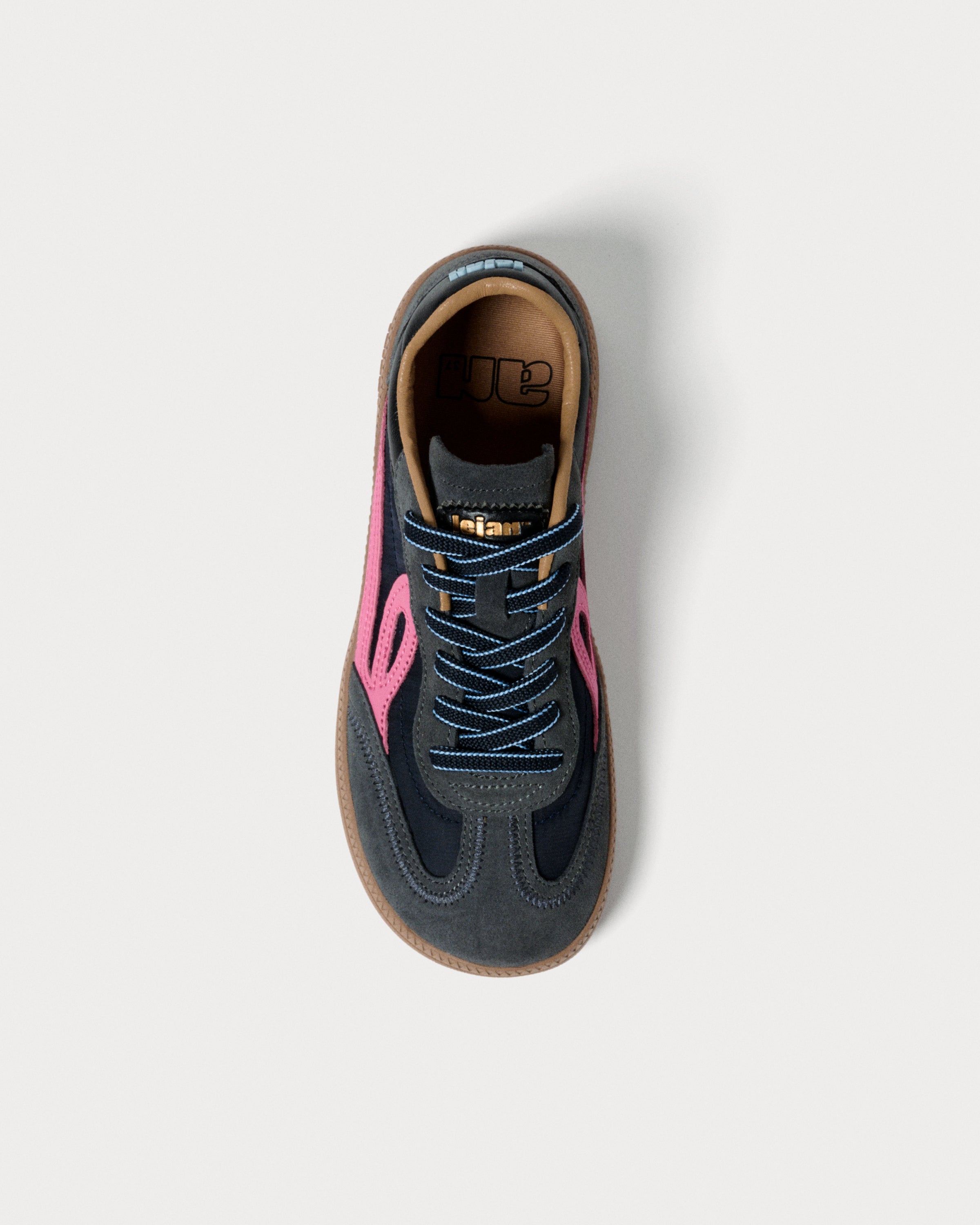
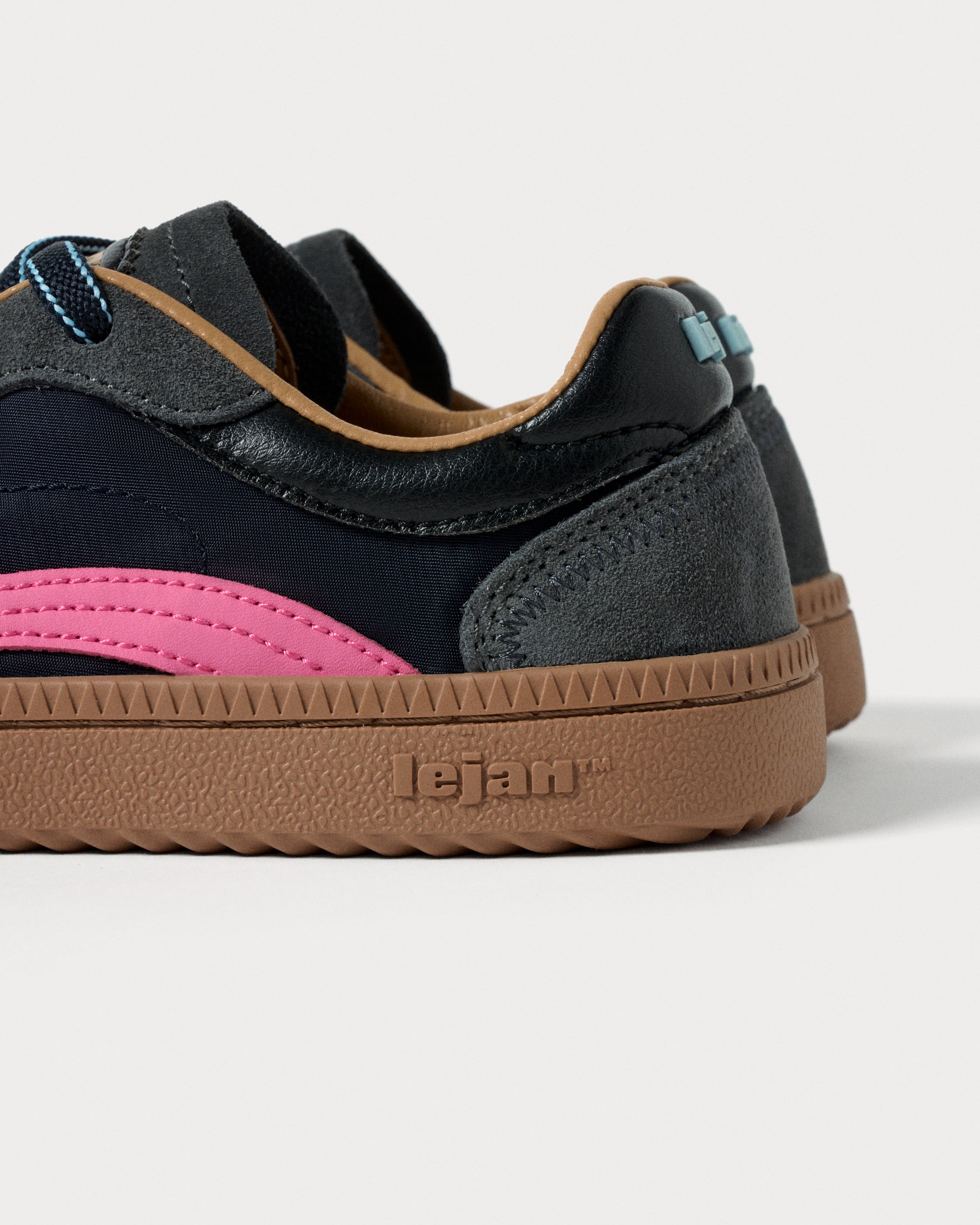
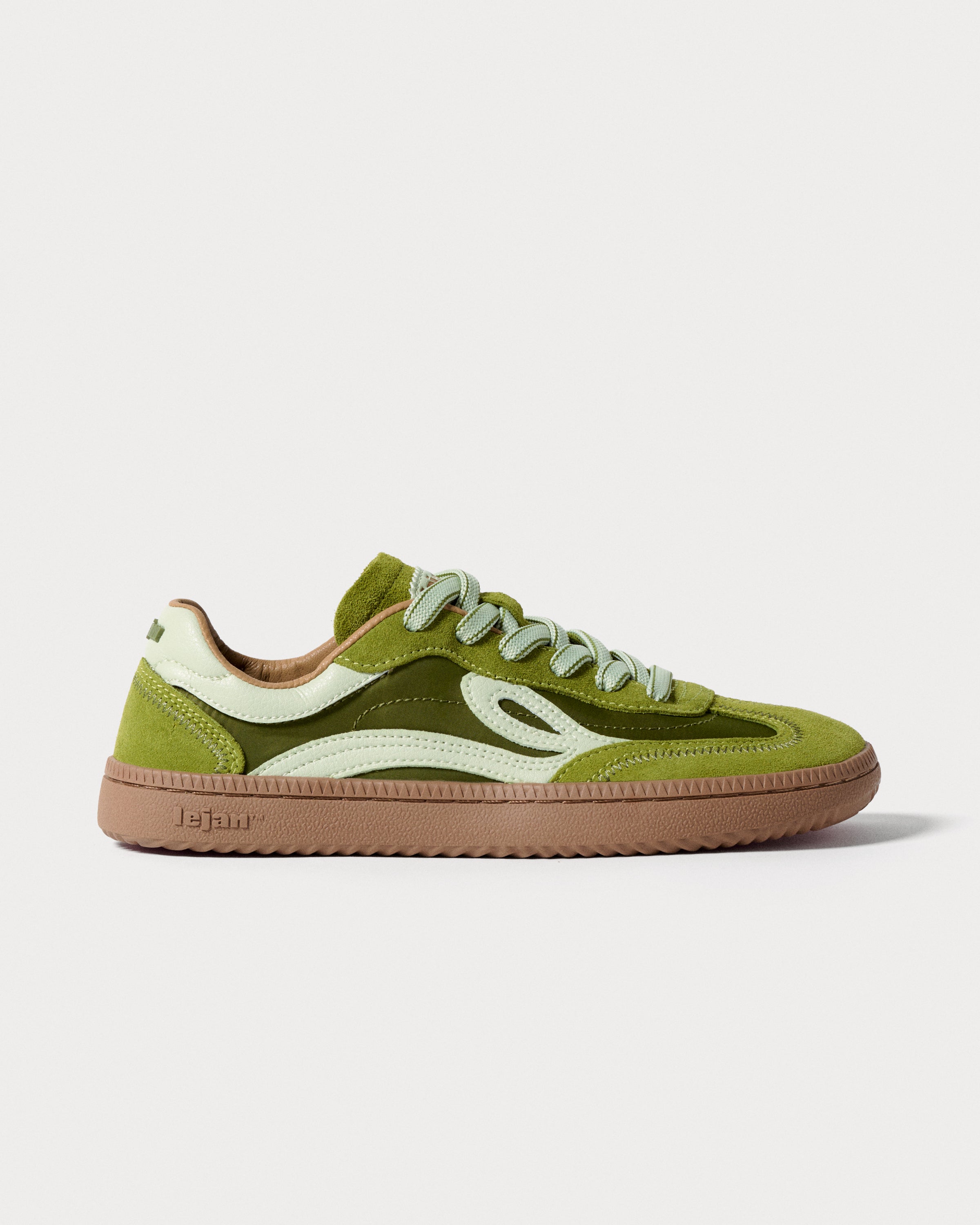
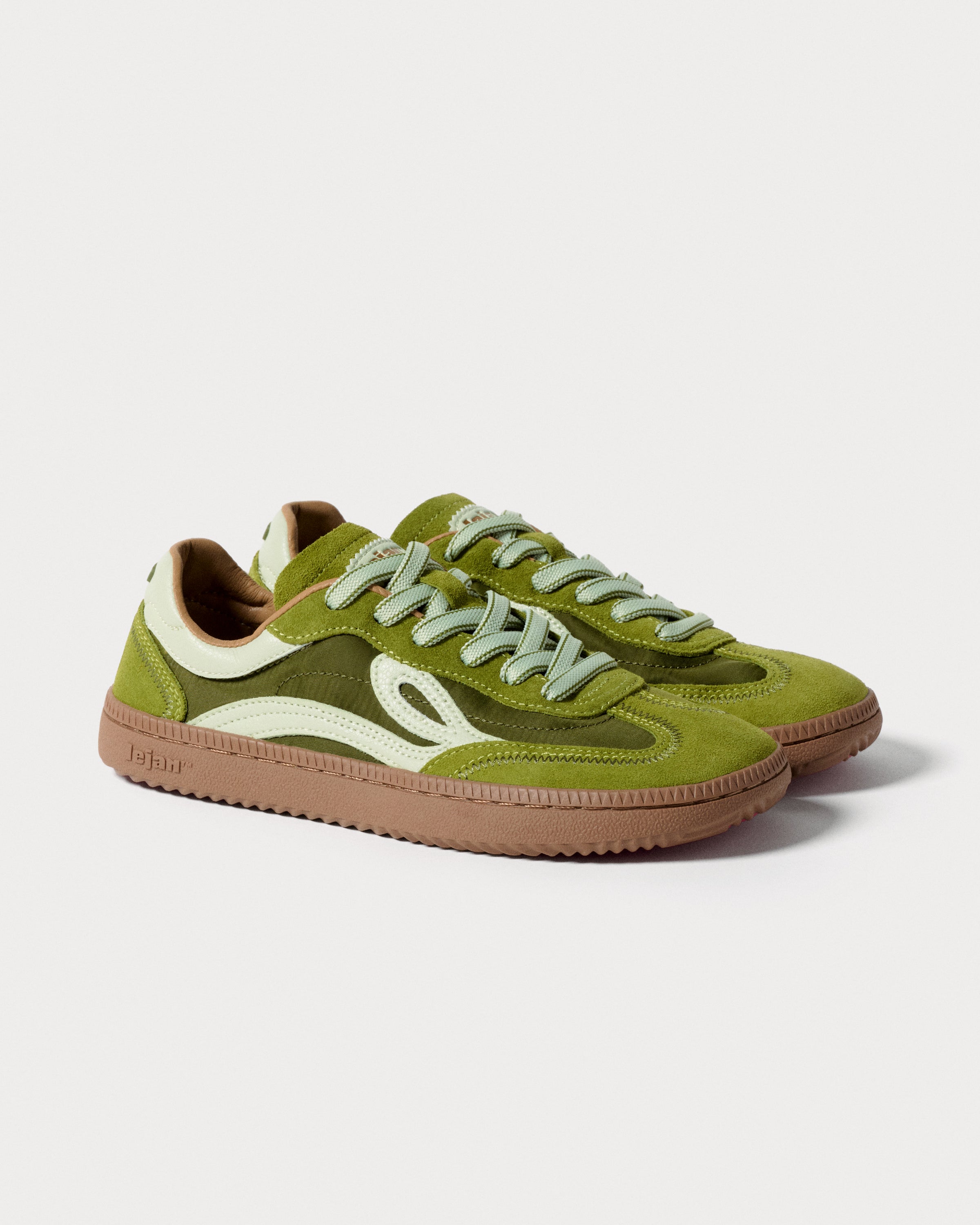
Each step sends information to the nervous system: pressure, changes in support, ankle micro-adjustments, muscle tension…
And the body responds with automatic adjustments to:
-
Maintain balance
-
Stabilize joints
-
Organize movement (walking, running, jumping).
We don't perceive it consciously.
But it happens all the time.
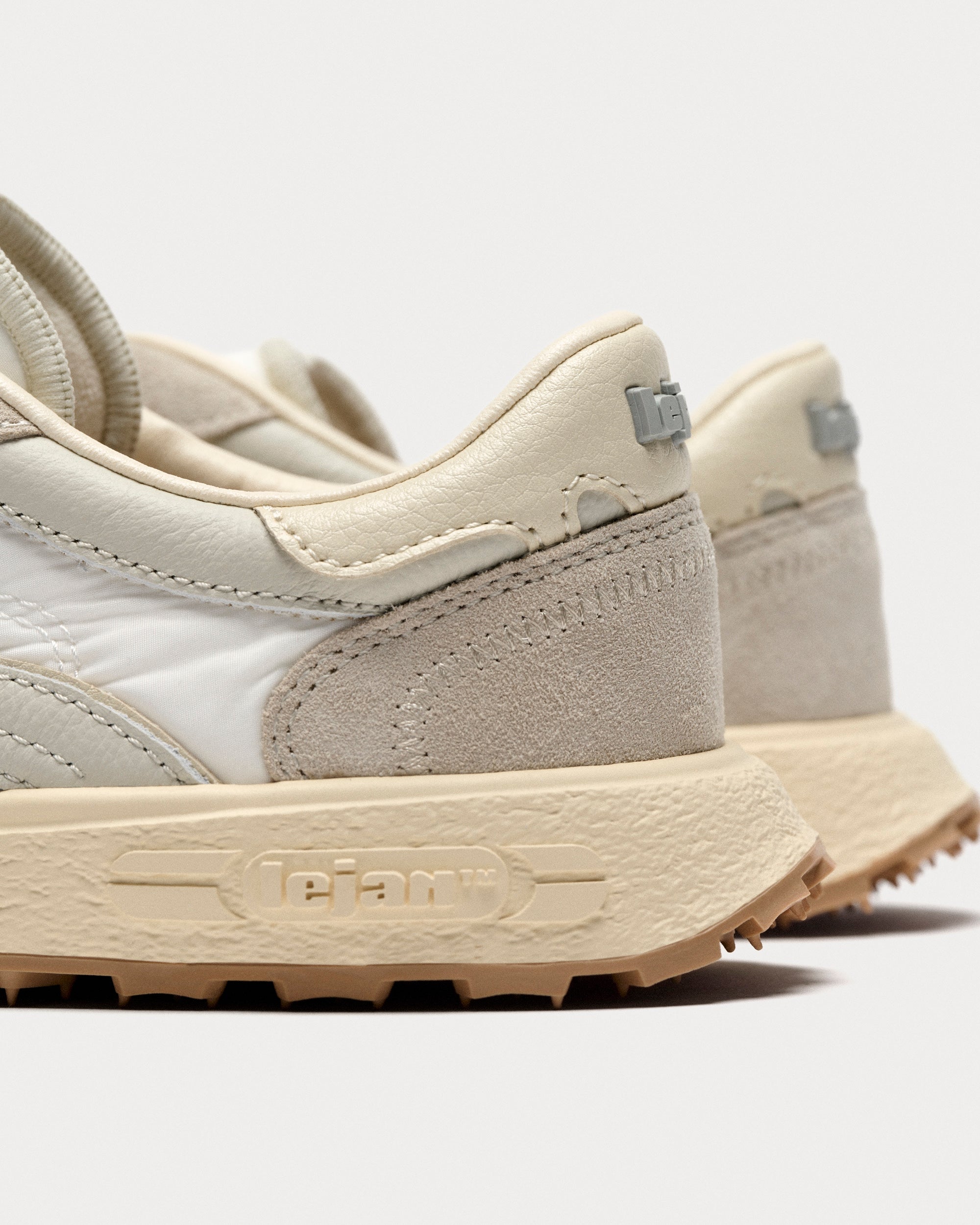
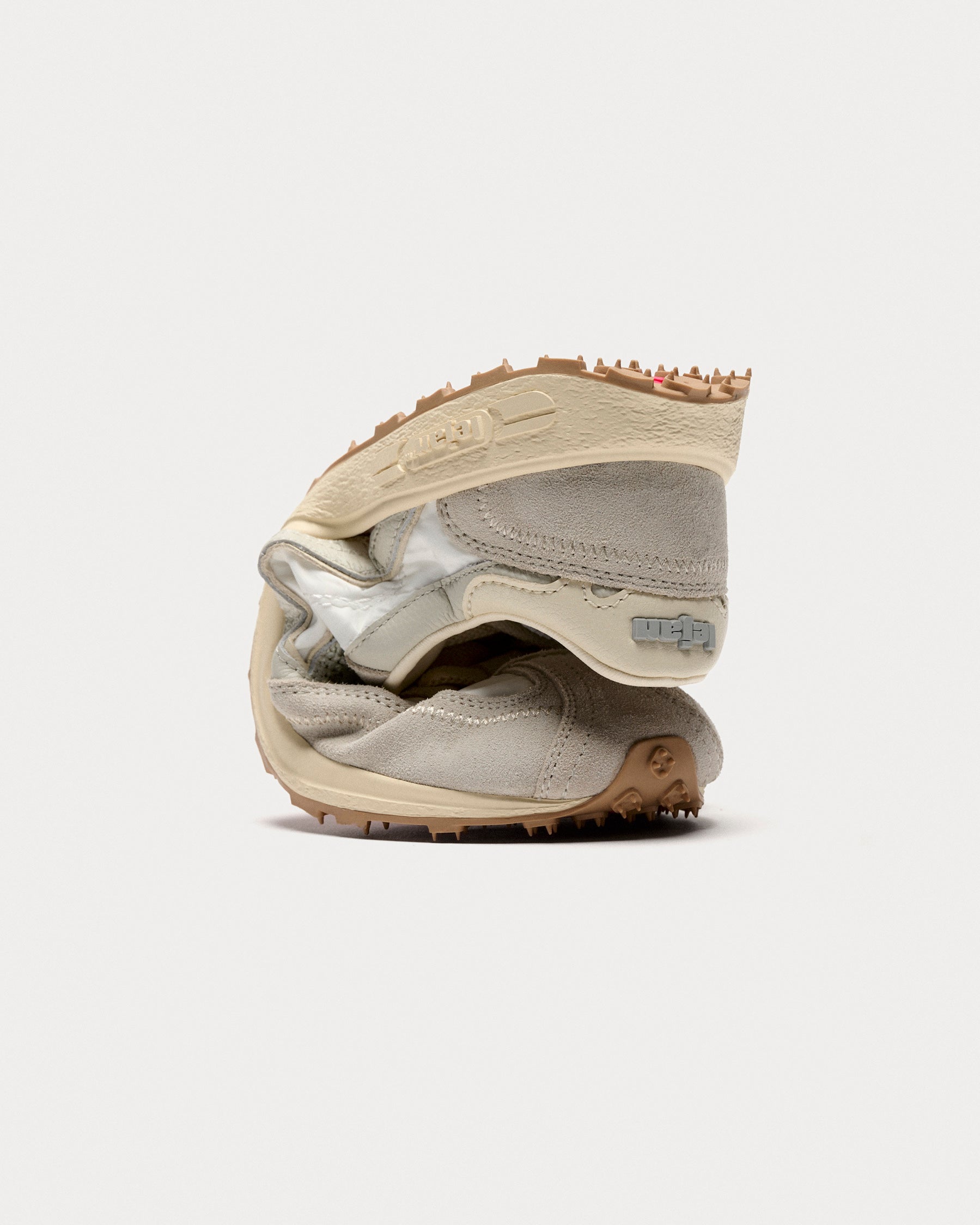
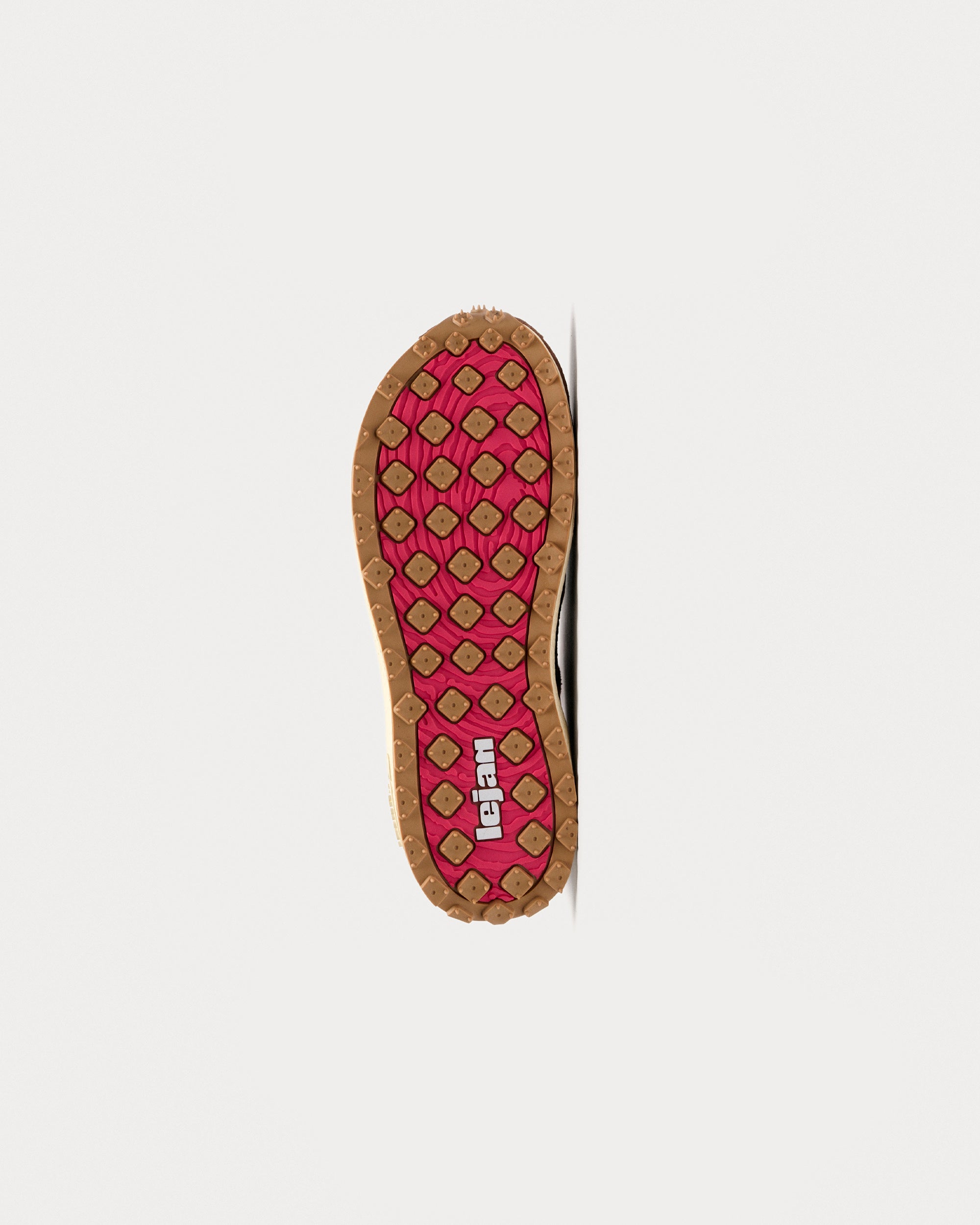
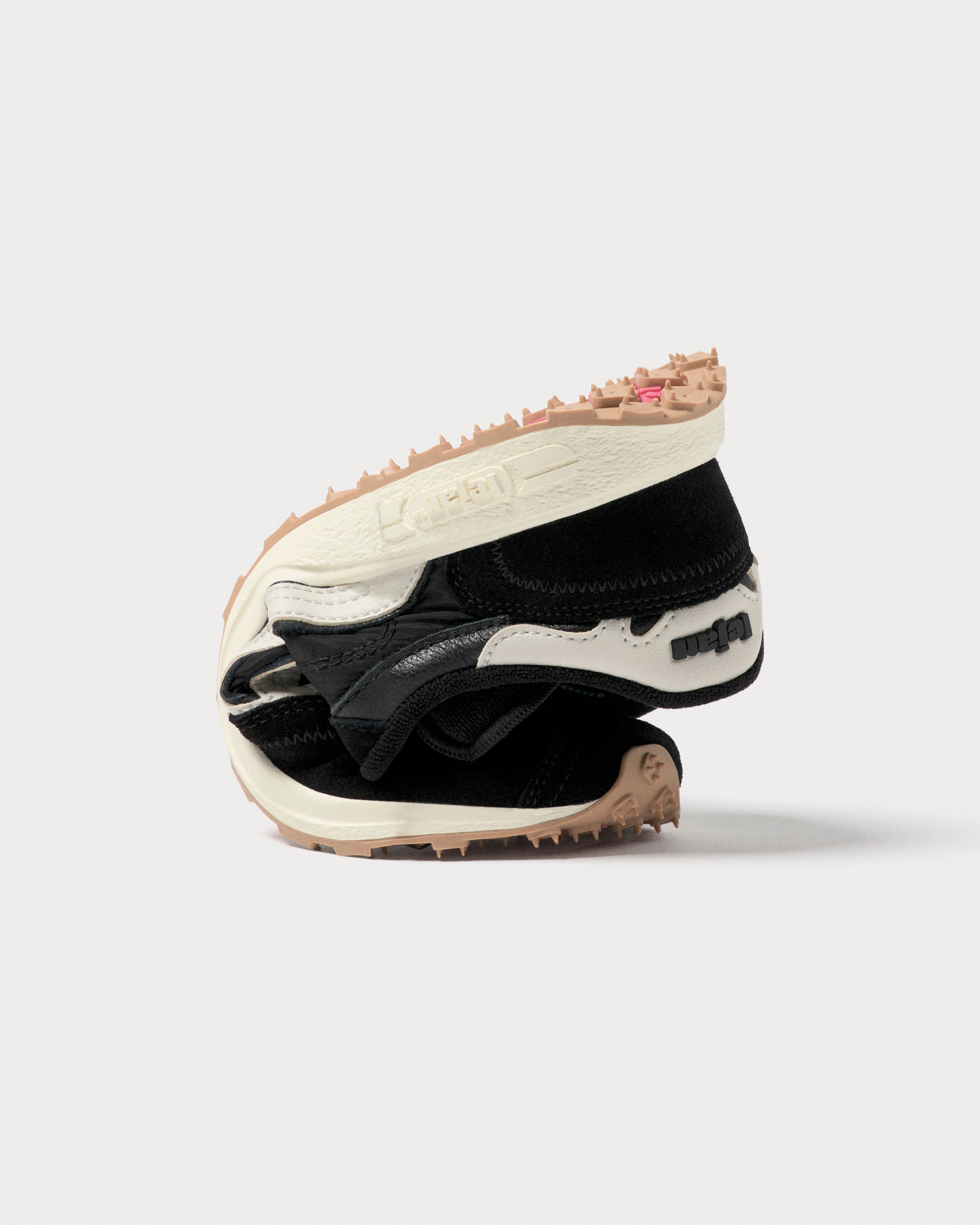
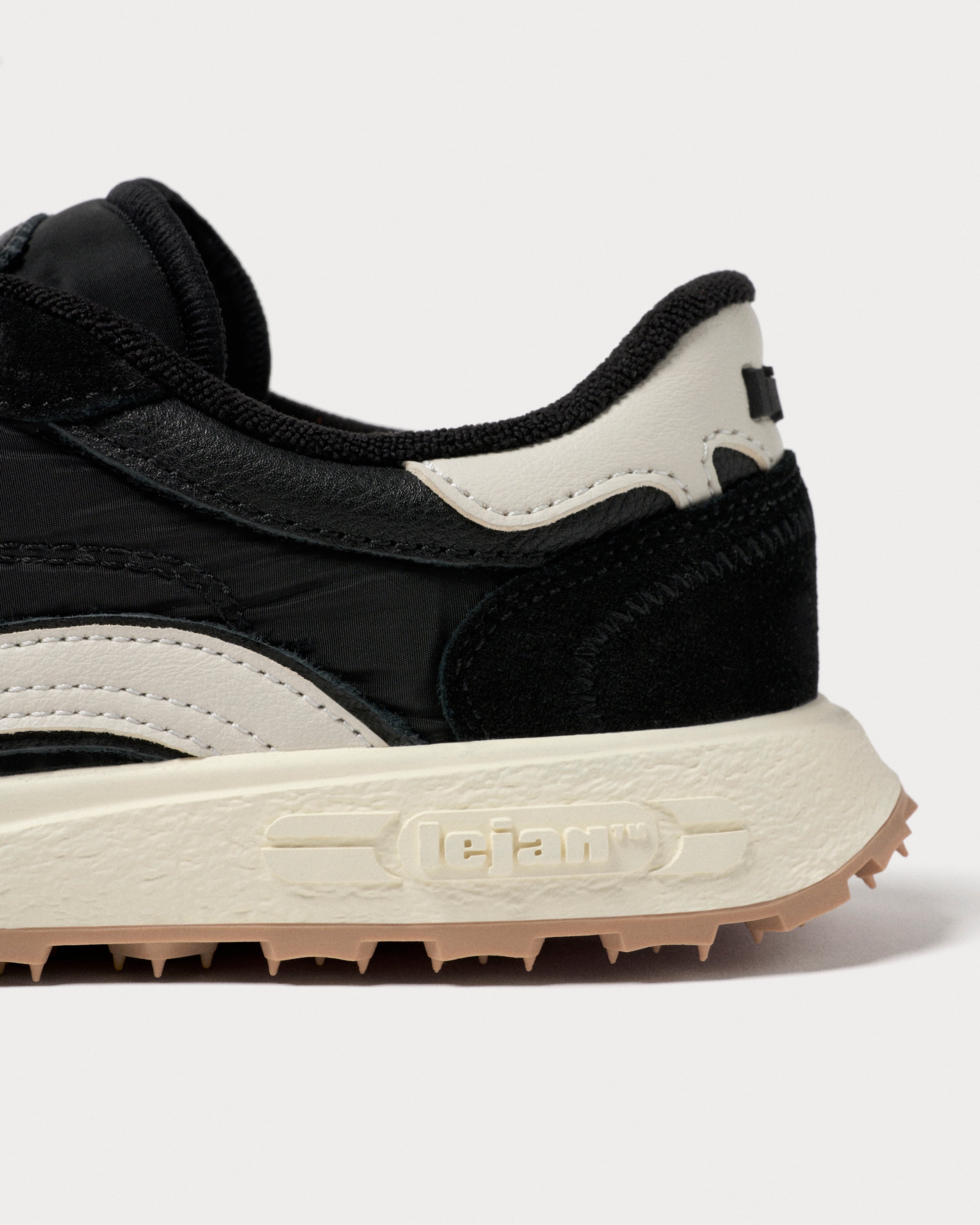
This is where the plantar stimulus comes into play: the sole of the foot is an area with great capacity to detect changes. And a sole can shape that input of information.
Sole ≠ proprioception of the foot (they're not the same)
They are not the same.
-
The proprioception of the foot is the system that informs the brain about position and movement.
-
The sole can influence how that information arrives.
The sole doesn't create proprioception nor does it replace it.
But it can influence the transmission of the stimulus and, with it, how the body adjusts movement.
Clear translation: changing the sole doesn't "fix" proprioception, but it can change the type of signal your system receives.
Want to understand it more deeply?
If you want to take this a step further, we've prepared an ebook where we explain how the sole of the footwear influences:
-
The transmission of the stimulus
-
The organization of movement
-
How the body adapts step by step.

Share