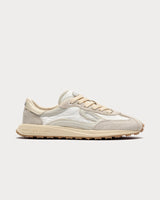
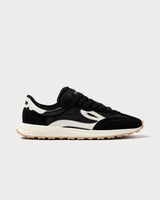
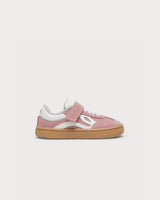
Bone oedema in the foot may sound like a complex injury, but put simply it refers to a change inside the bone, usually linked to inflammation, overload or trauma. It often appears when the foot has taken on more load than it could tolerate at that moment: more impact, more kilometres, an abrupt change of activity, a compensated gait or footwear that does not support movement well.
It is not always visible on an X-ray. In fact, one of the most useful tests for detecting it tends to be an MRI scan. That is why, when there is deep, persistent or hard-to-locate pain, it is worth going beyond "my foot hurts" and looking into what is really going on.
Footwear does not cure bone oedema on its own, but it can influence how load is distributed throughout the day. A stiff or narrow shoe, or one with a sole that does not let the foot adapt, can increase pressure in specific areas. A well-chosen shoe, on the other hand, can help the foot work with more space, less compression and a more comfortable stride during the recovery process.
What bone oedema in the foot is
Bone oedema is a build-up of fluid or inflammation inside the bone tissue. In the foot it can appear in bones such as the metatarsals, the calcaneus, the talus, the midfoot bones or the phalanges, depending on which area has taken the most load or impact.
It should not be understood literally as "water inside the bone", but rather as a sign that the bone tissue is reacting. That reaction can appear after a blow, a sprain, repeated overload or a stress injury.
In many cases, bone oedema comes with pain when bearing weight, discomfort when walking or a feeling of deep pressure. Sometimes the pain is very localised and other times it is hard to pinpoint the exact spot.

Differences between bone oedema, a bone bruise and a stress fracture
Although they can be related, they are not exactly the same thing.
Bone oedema is a finding observed inside the bone, usually through an MRI scan. It can appear for different reasons: a blow, an overload, a joint injury, an altered gait or a stress reaction in the bone.
A bone bruise usually appears after direct trauma or a sprain. It would be something similar to a "bruise inside the bone". It can hurt when bearing weight and take weeks to improve, even if there is no visible fracture.
A stress fracture appears when the bone has been subjected to repeated loads that exceed its capacity to adapt. It can start as a stress reaction, with bone oedema, and progress if the area keeps being loaded without control.
That is why it is important not to normalise pain that increases with activity and does not improve with rest. The sooner the problem is detected, the easier it usually is to adjust the load and prevent it from progressing.
Traumatic bone oedema vs. overload bone oedema
Traumatic bone oedema appears after a blow, a fall, a sprain or a bad landing. It is common, for example, after ankle sprains or direct impacts on the foot.
Overload bone oedema tends to appear more gradually. There is not always a clear moment of injury. The person starts with mild discomfort, carries on walking, training or wearing the same footwear, and the pain increases over days or weeks.
In the foot, this type of oedema can be linked to abrupt changes of activity, more walking, a return to sport, long days on your feet or a gait that concentrates too much pressure in one specific area.
Most common causes: why bone oedema appears in the foot
Bone oedema does not appear from a single cause. There is normally a combination of factors: load, time, recovery, type of gait, mobility, footwear and the previous state of the tissue.
Some common causes are:
-
Blows or trauma.
-
Sprains or twists.
-
An abrupt increase in physical activity.
-
Walking or running more than usual.
-
Spending many hours on your feet.
-
Repetitive overload on the metatarsals, heel or midfoot.
-
Changes in how load is distributed.
-
Footwear that compresses or limits movement.
-
A lack of sufficient rest between loading sessions.
In some cases, it can also appear alongside other conditions, which is why it is important that the diagnosis is made by a healthcare professional.
Repetitive overload and an unsuitable gait
When one area of the foot always takes more load than the rest, the bone may end up reacting. This can happen in people who put too much weight on the forefoot, on the outer edge, on the heel or on one specific metatarsal.
It is not about looking for a "perfect gait", but about understanding how pressure is distributed. If the foot does not have good mobility, if the toes do not take part properly or if footwear conditions the stride, some areas may end up working harder than they should.
An abrupt change of routine can also play a part. For example: taking up running, walking many kilometres on holiday, changing surface, starting to wear stiff new shoes or going from a more sedentary life to intense activity.
Footwear with a stiff sole and a narrow toe box as a trigger
Footwear is not always the main cause, but it can be a factor that maintains or increases the overload.
A narrow toe box can compress the toes and limit their ability to splay while bearing weight. This can alter how pressure is distributed across the forefoot and make certain areas take on more load.
A very stiff sole can stop the foot from adapting to the ground and following the movement. In some cases, this makes the stride more abrupt or concentrates pressure in specific points.
A raised heel or a pronounced drop can also shift more load towards the forefoot. In someone with bone oedema in the metatarsals, for example, this detail can be important.
That is why, during recovery, it is worth reviewing not only how much you walk, but also what footwear you do it in.
Symptoms: how to recognise the pain of bone oedema
The pain of bone oedema can vary depending on the area affected, but it usually has some common characteristics.
It can feel like a deep, internal pain that is hard to describe. It often increases when bearing weight, when walking or when standing for a long time. In more irritated phases, it can be uncomfortable even at rest or after activity.
Some common signs are:
-
Pain localised in one area of the foot.
-
Discomfort that increases when bearing weight.
-
A feeling of internal pressure.
-
Pain that worsens with long walks.
-
Difficulty carrying on with your usual activity.
-
Persistent discomfort despite resting for a few days.
-
Tenderness when touching or pressing the area.
-
Limping or a change in how you walk to avoid the pain.
If the pain forces you to change your gait, visible swelling appears or it does not improve, it is worth seeking advice.
Diagnosis: the MRI scan as the key test
Bone oedema does not always show up on an X-ray. An X-ray can be useful for ruling out certain fractures or other bone changes, but many early stress injuries are not clearly visible on this test.
The MRI scan tends to be the most sensitive test for detecting bone oedema, assessing its extent and telling it apart from other injuries. It also helps to see whether there is a stress fracture, soft tissue involvement, a joint injury or another associated problem.
The diagnosis should not be based on imaging alone. The type of pain, the person's activity, their footwear, the physical examination and how the symptoms progress must also be taken into account.
How long it takes to heal and which factors speed up recovery
The recovery time for bone oedema depends on the cause, the area affected, the intensity of the pain, the daily load and whether or not there is an associated injury.
In many cases, it can take several weeks or even a few months to resolve. It is not an injury worth pushing through, because the bone needs time to recover its tolerance to load.
Factors that can help towards a more orderly recovery:
-
Temporarily reducing the activity that causes pain.
-
Avoiding impact or long walks if they increase the discomfort.
-
Adjusting your footwear to reduce compression and overload.
-
Having your gait checked by a podiatrist.
-
Reintroducing activity gradually.
-
Respecting the timescales set by the professional.
-
Not going back to sport just because "it hurts less".
-
Building strength and regaining mobility when appropriate.
The key is neither to immobilise the foot at all times nor to carry on as if nothing were wrong. The key is finding the level of load the foot can tolerate without irritating the area further.
Which footwear helps recovery and which holds it back
While recovering from bone oedema, footwear can make a difference to day-to-day comfort. It does not replace treatment, but it can help reduce the triggers that keep the discomfort going.
A shoe that pinches, compresses or alters the stride too much can make the foot work worse. A shoe with enough space, a good fit and a sole that follows the movement, on the other hand, can encourage a more comfortable stride.
This does not mean that anyone with bone oedema should switch overnight to very minimalist footwear. If there is active pain, the transition must be careful and tailored. In some cases it may be necessary to use insoles, temporary offloading or specific footwear prescribed by the podiatrist. And in acute cases, cushioned soles can be a good idea.
The aim is for footwear not to add more pressure to the problem.

Features of footwear that reduces overload on the foot
Suitable footwear during recovery should fulfil several roles: not compressing the foot, not creating pressure points and allowing a more stable stride.
Some features to check are:
- A wide toe box: it lets the toes have space and keeps them from being squeezed together. This helps to distribute weight better across the forefoot.
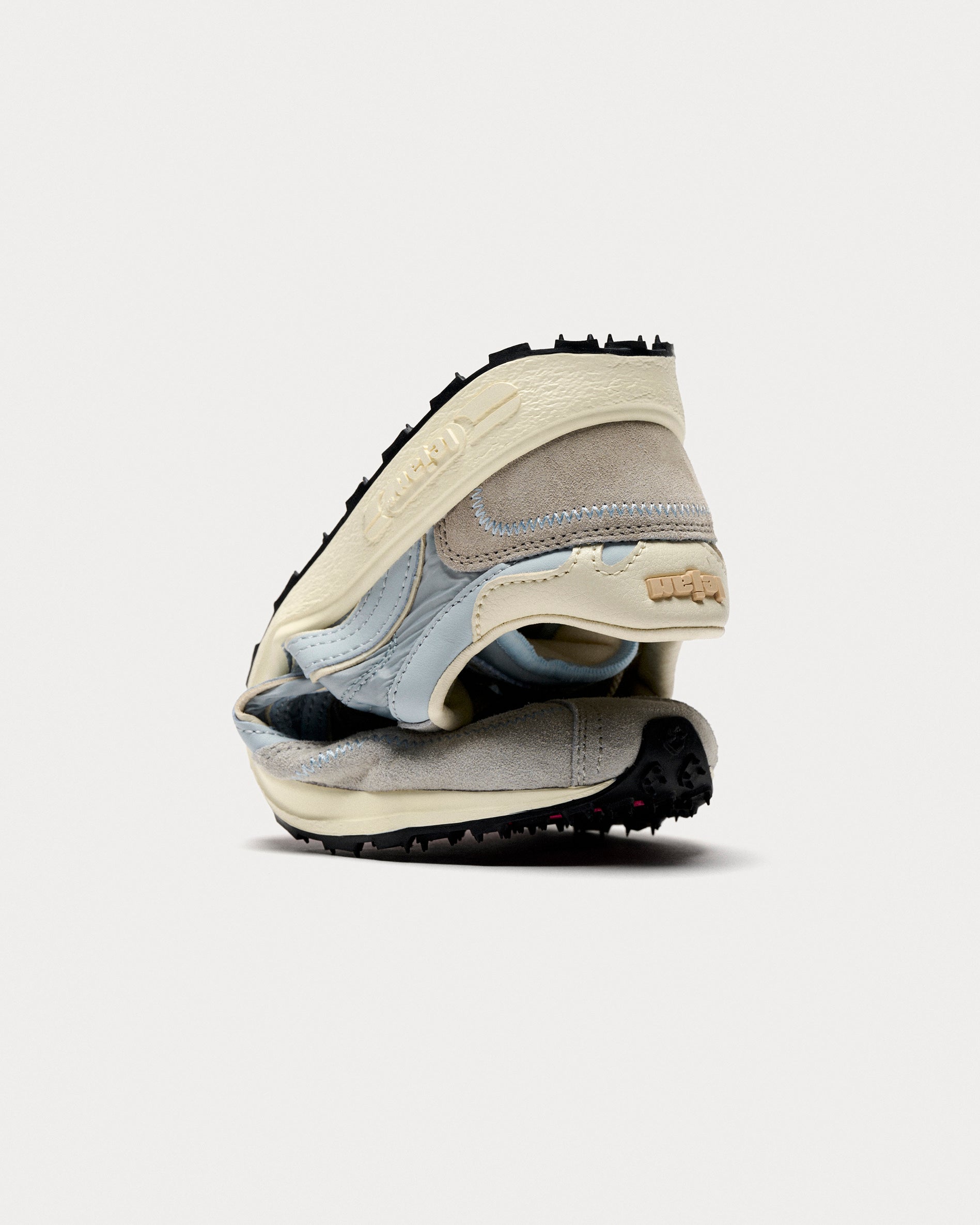
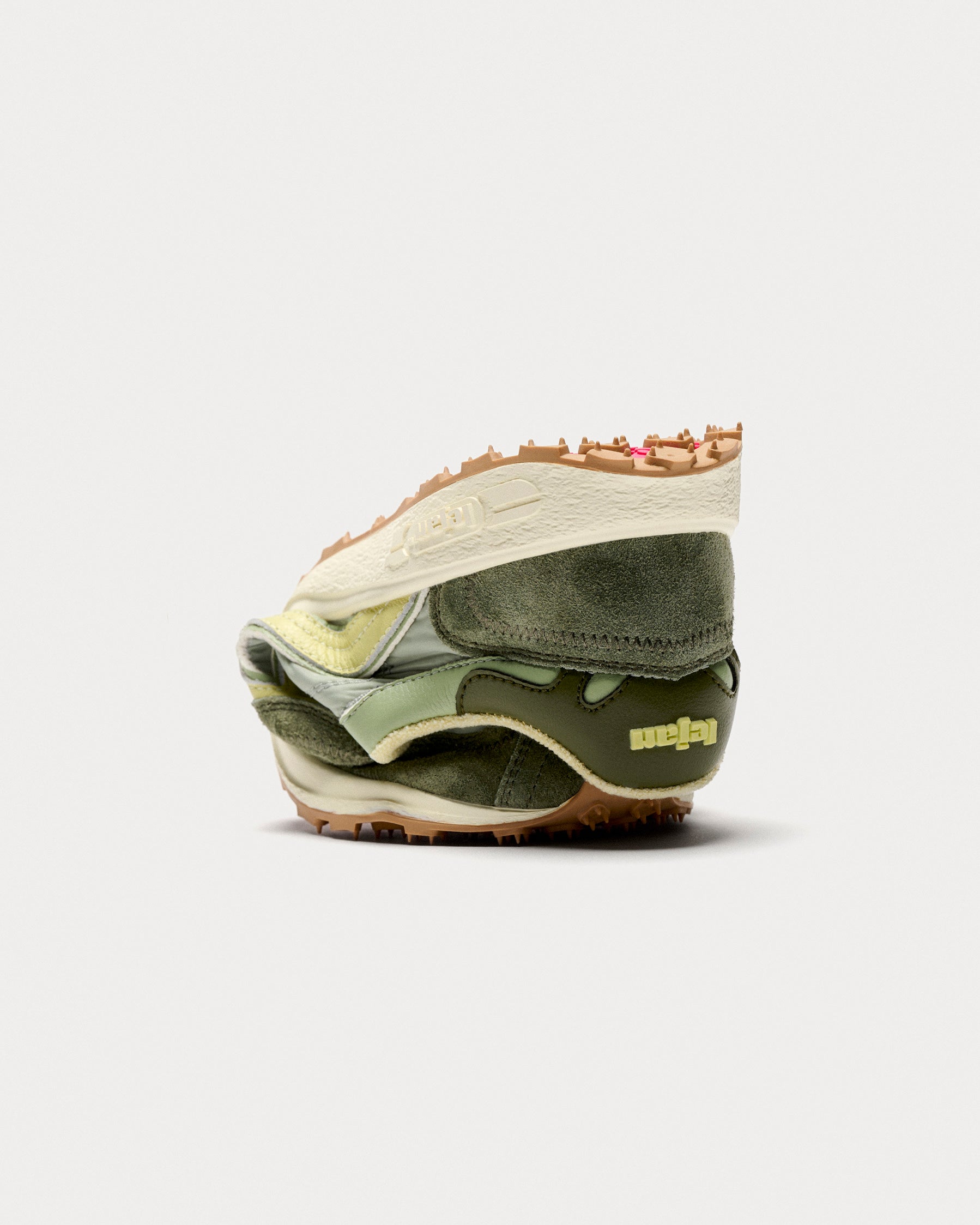
- A flexible but not unstable sole: a sole that follows the movement can be useful, as long as the person tolerates it and it does not increase the pain.
- A low or balanced drop: it avoids shifting load excessively towards the forefoot. In some cases, reducing the height difference can help spread weight more evenly.
- A good fit without pressure: the shoe should hold the foot without squeezing it. Laces or fastenings should allow stability without compressing the instep.
- Enough space in length and width: a shoe that is small or narrow can increase pressure on sensitive areas.
- Materials that do not cause rubbing: if there is pain as well, any rubbing or compression can make you change the way you walk.
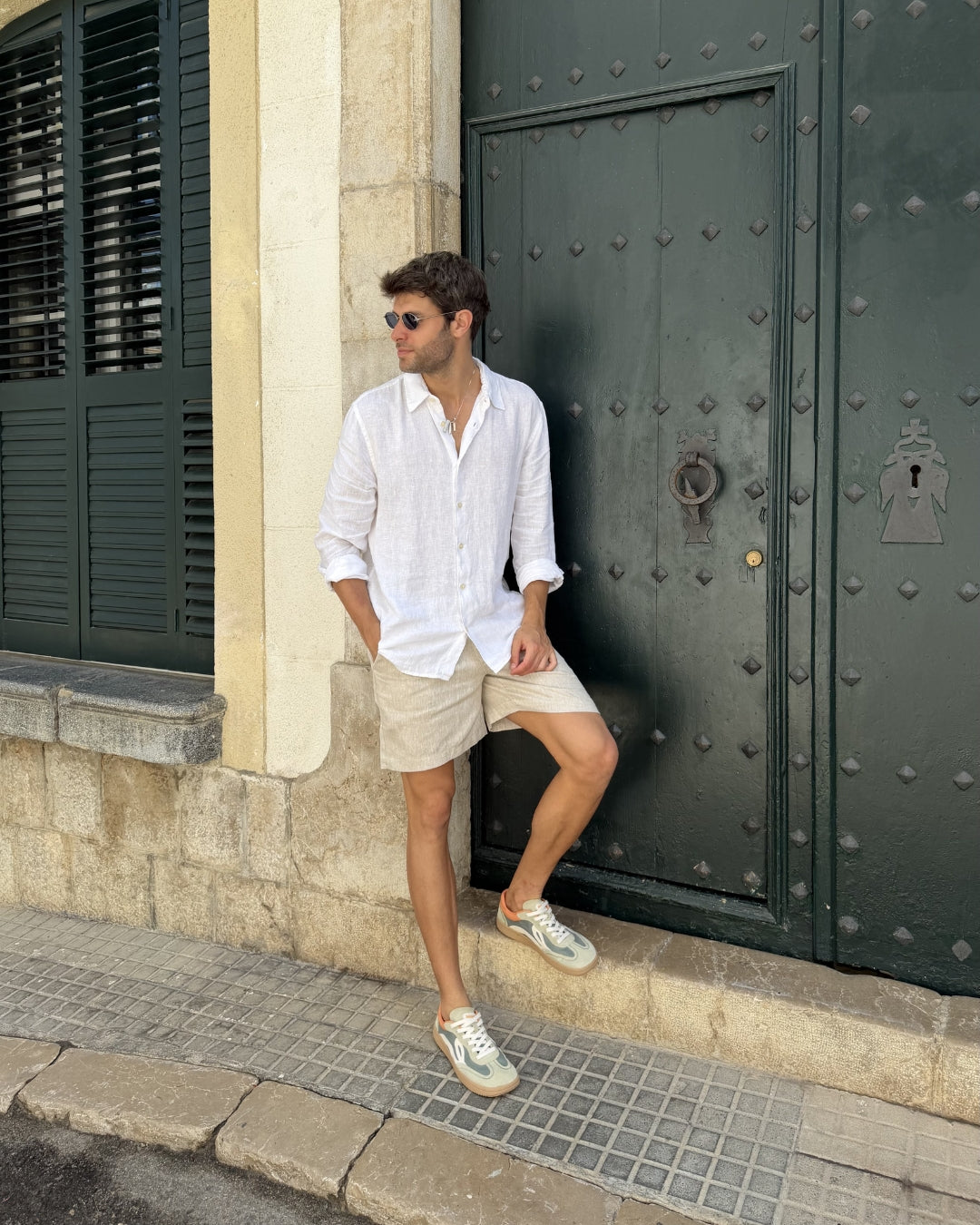
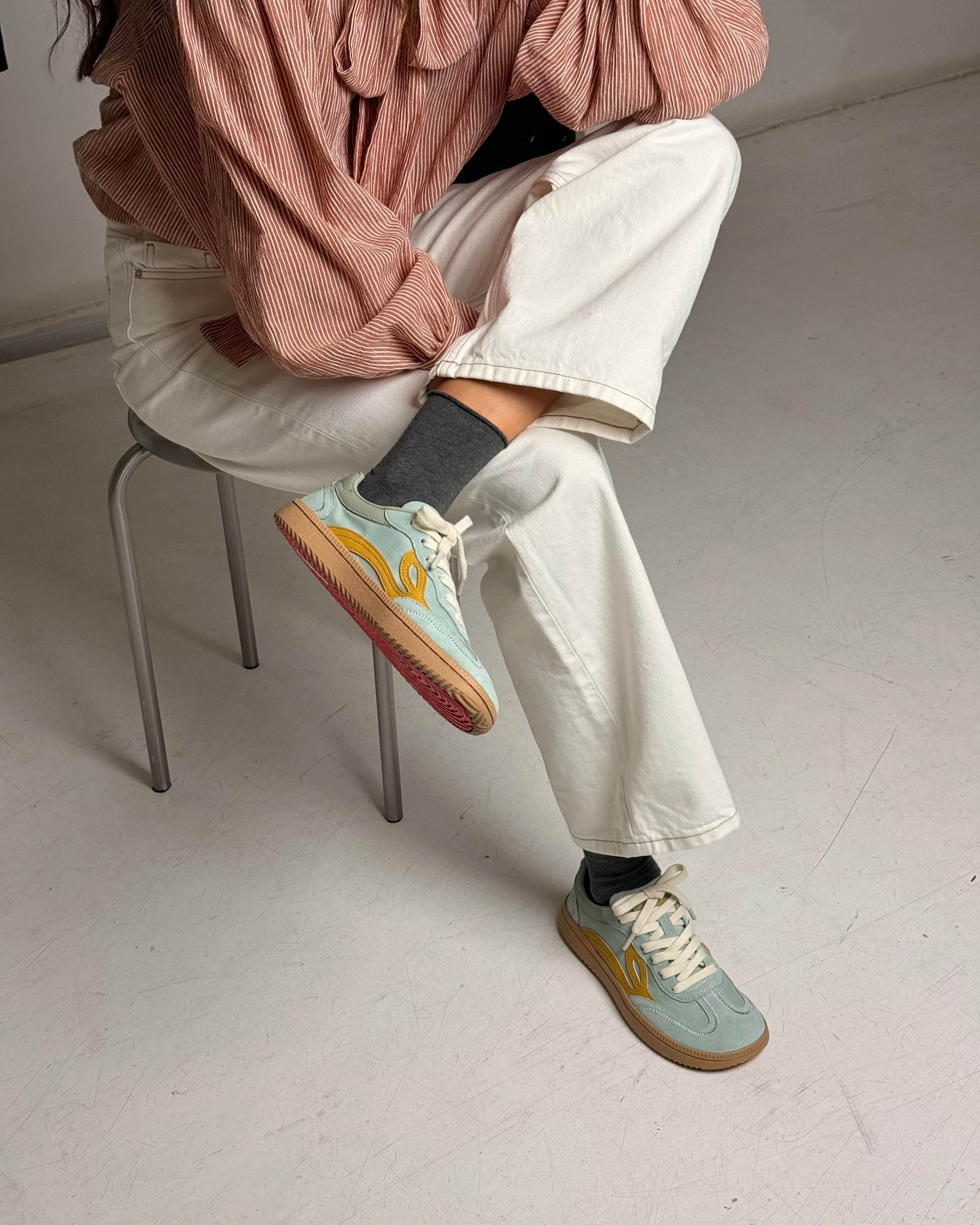
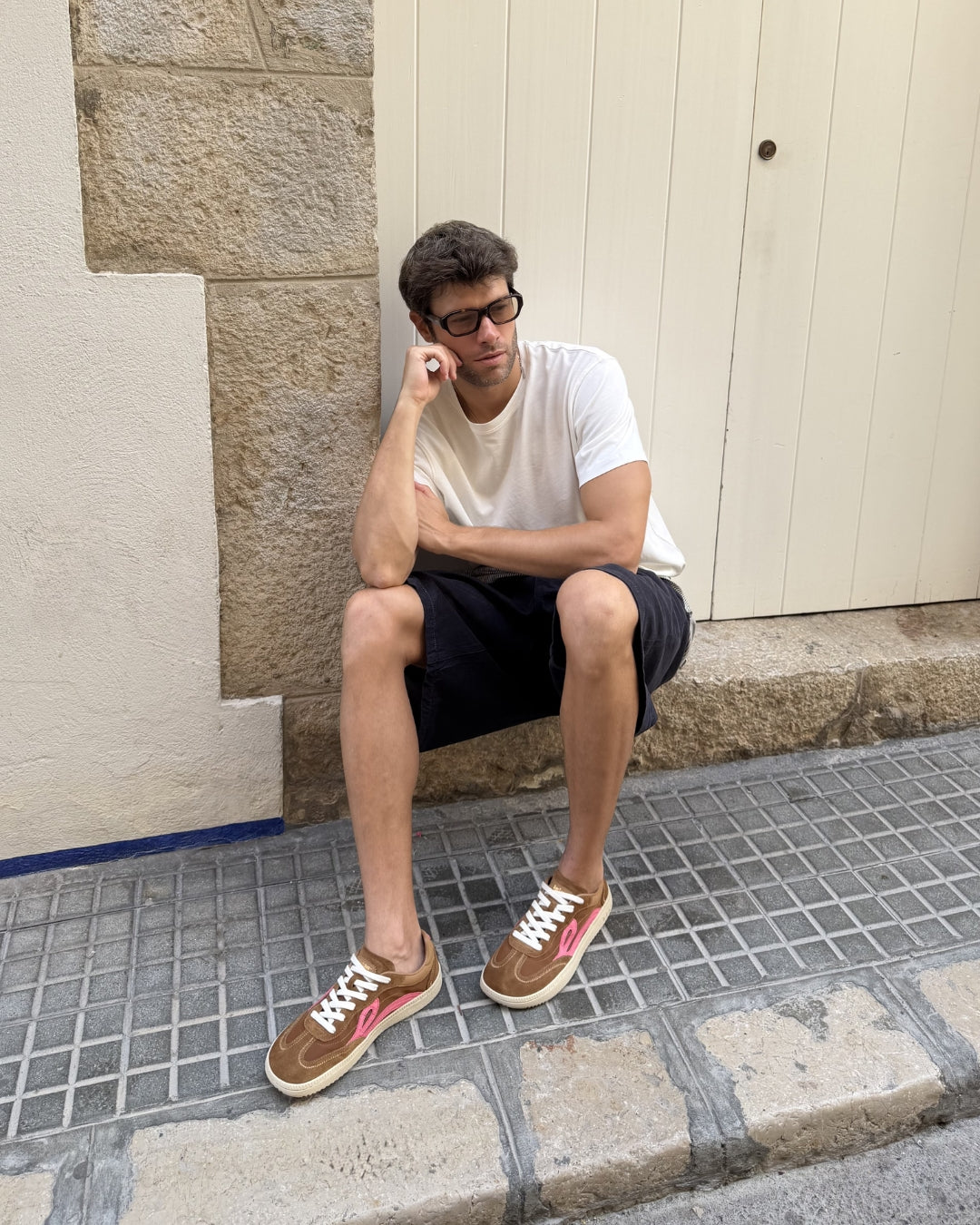
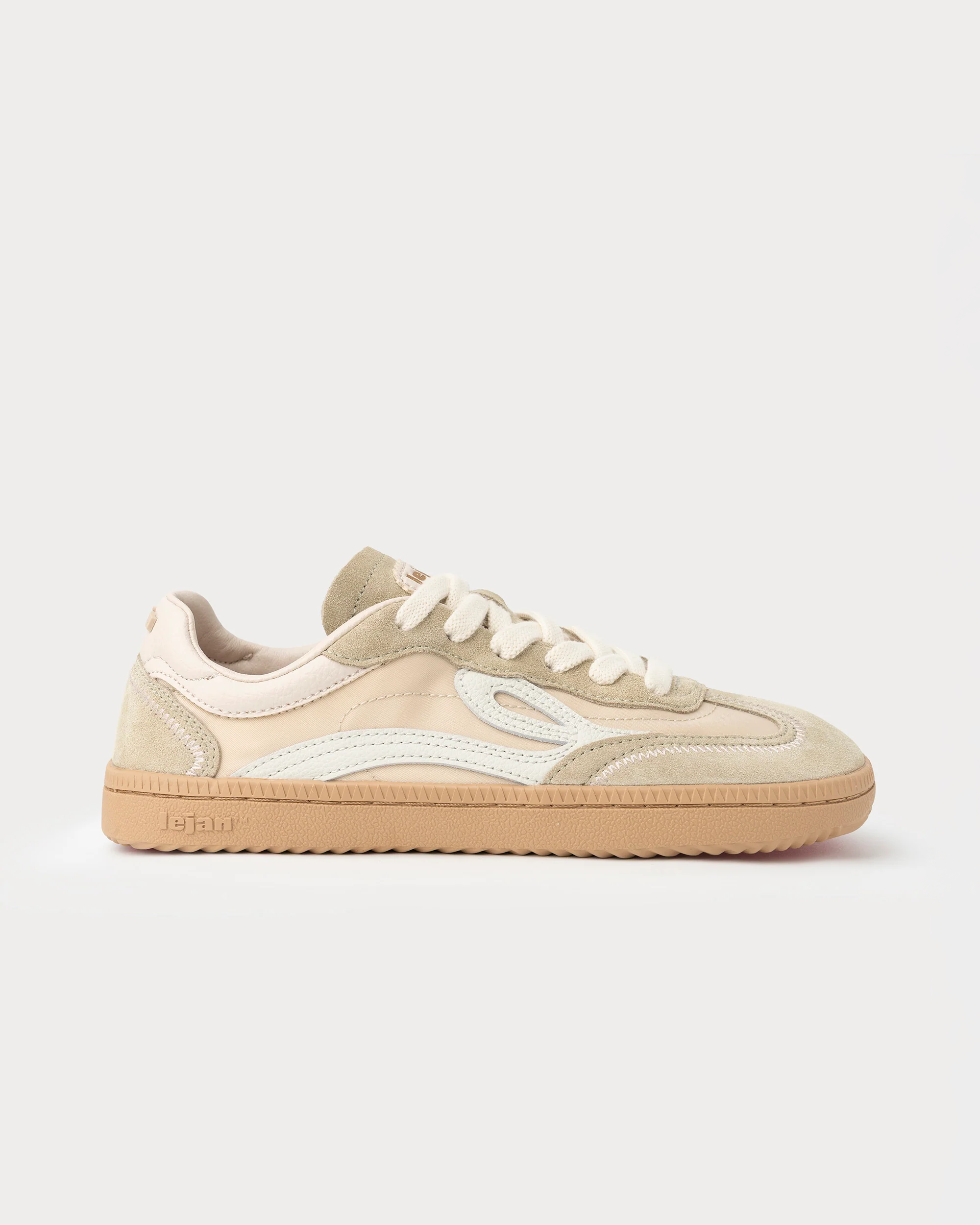
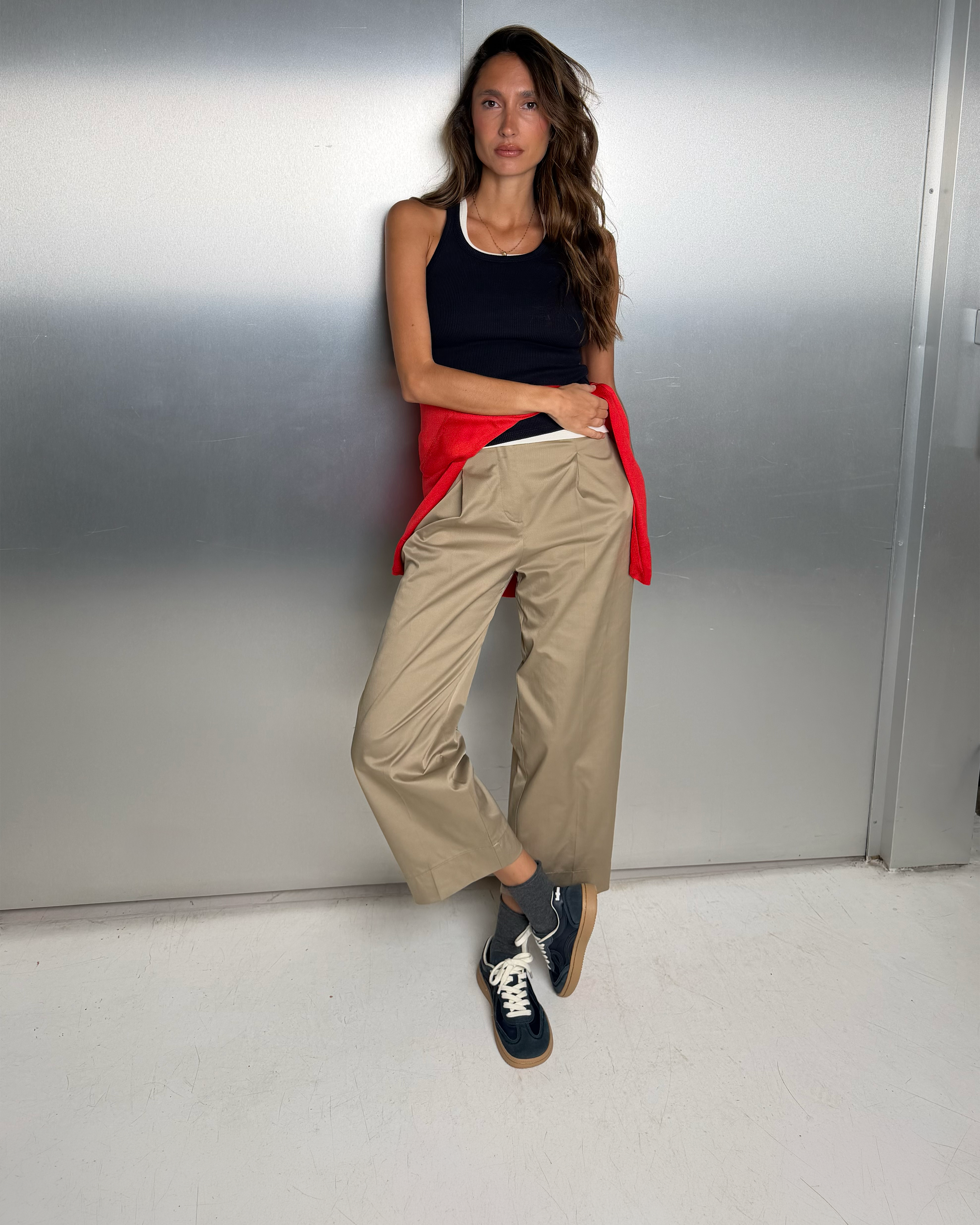
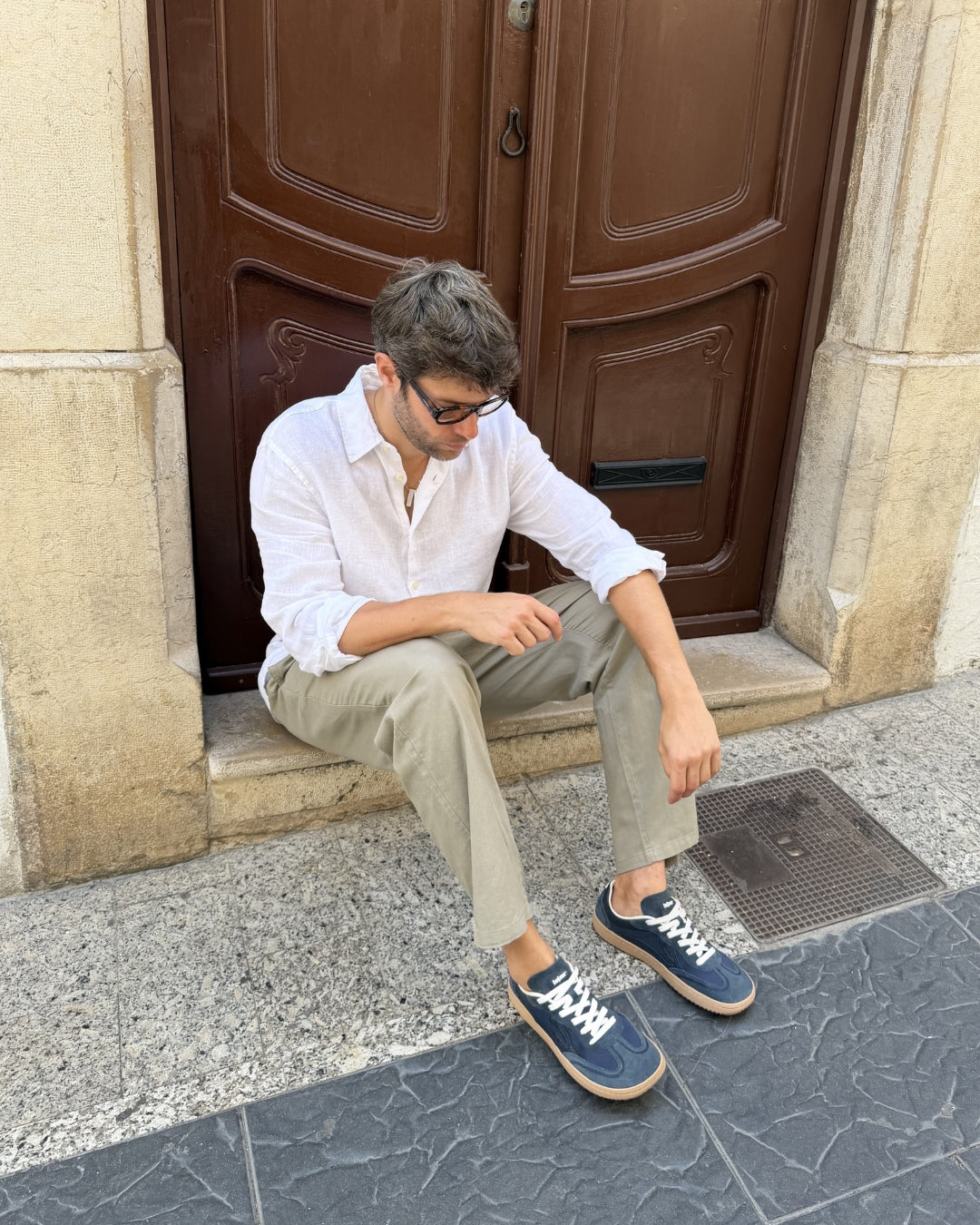
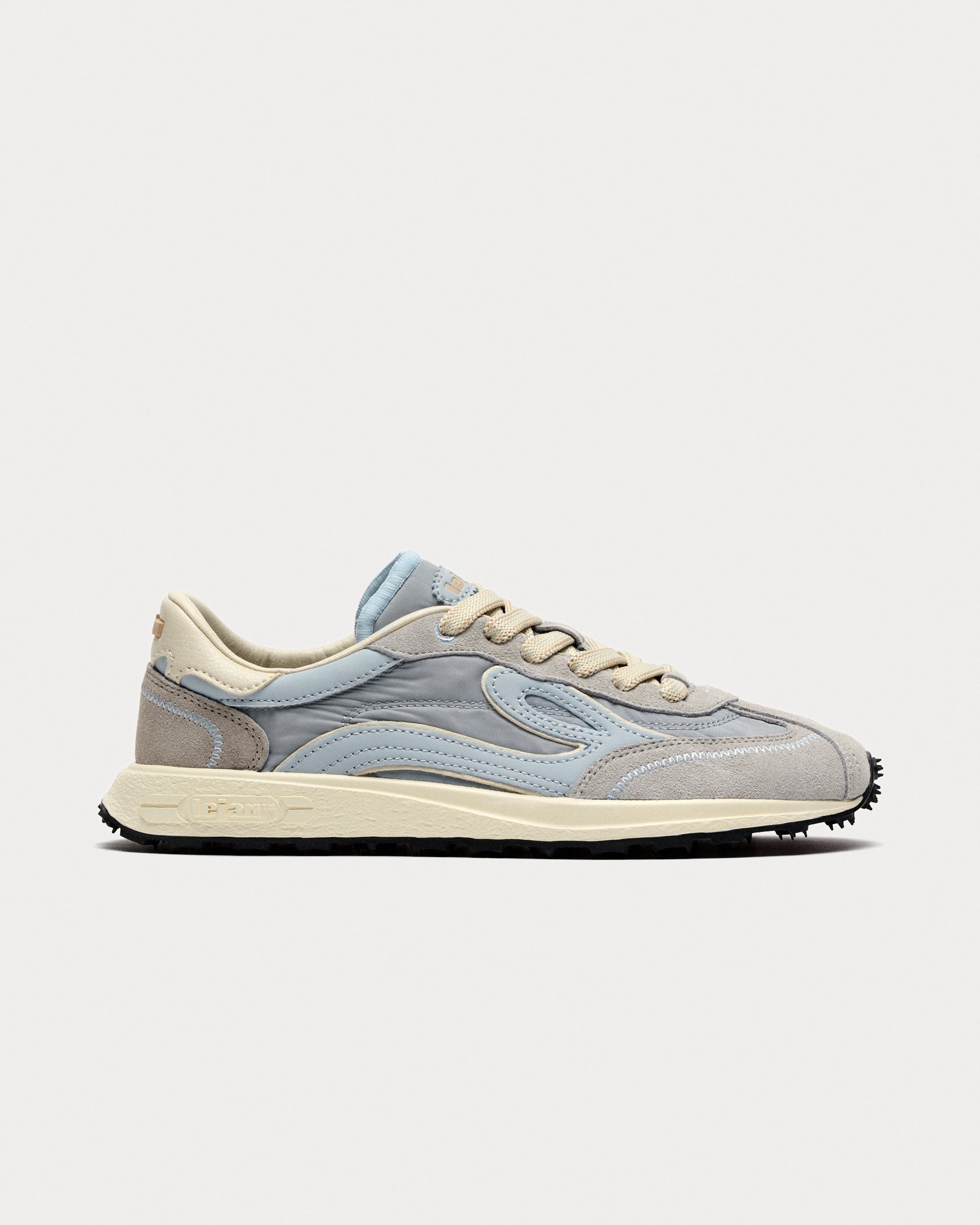
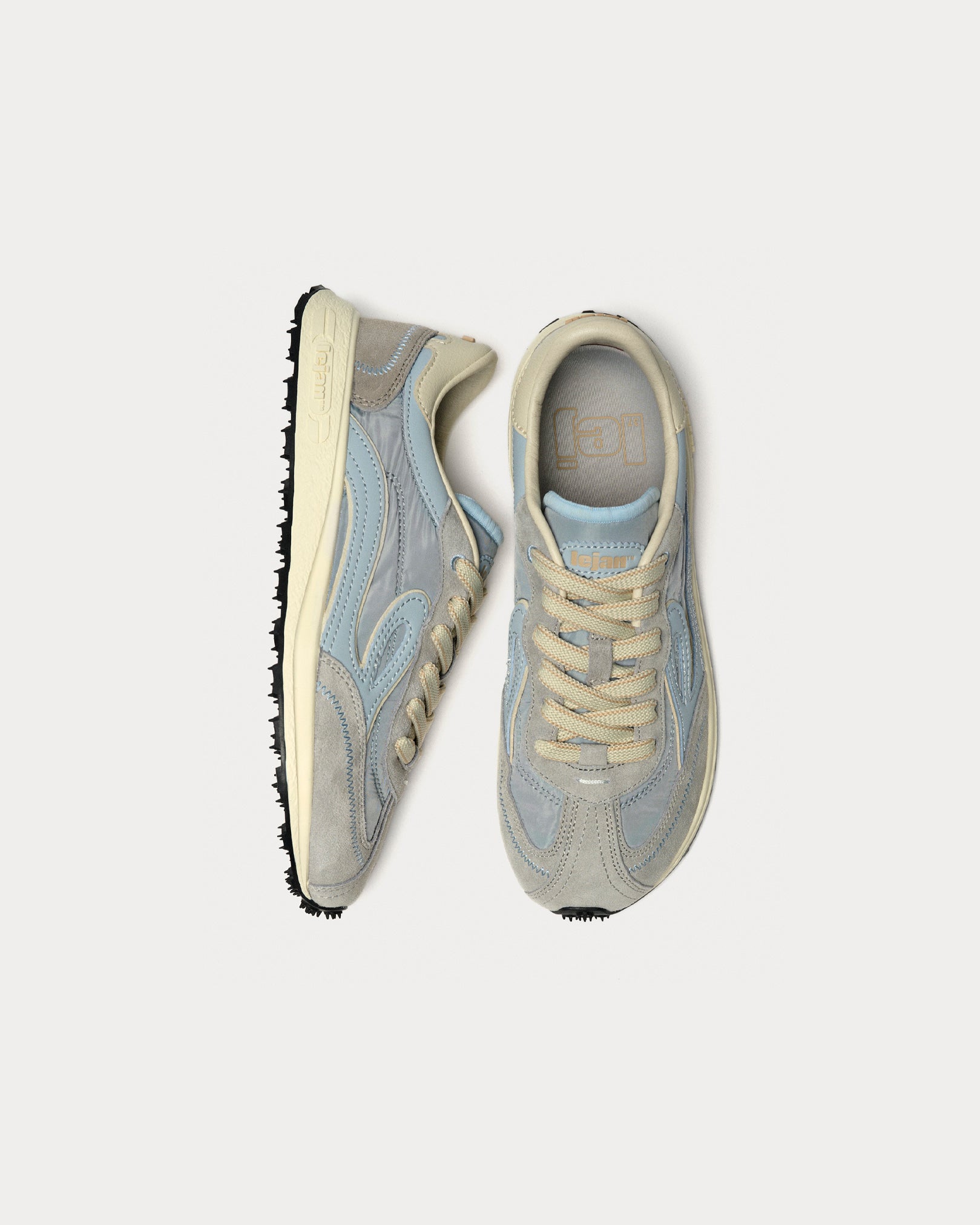
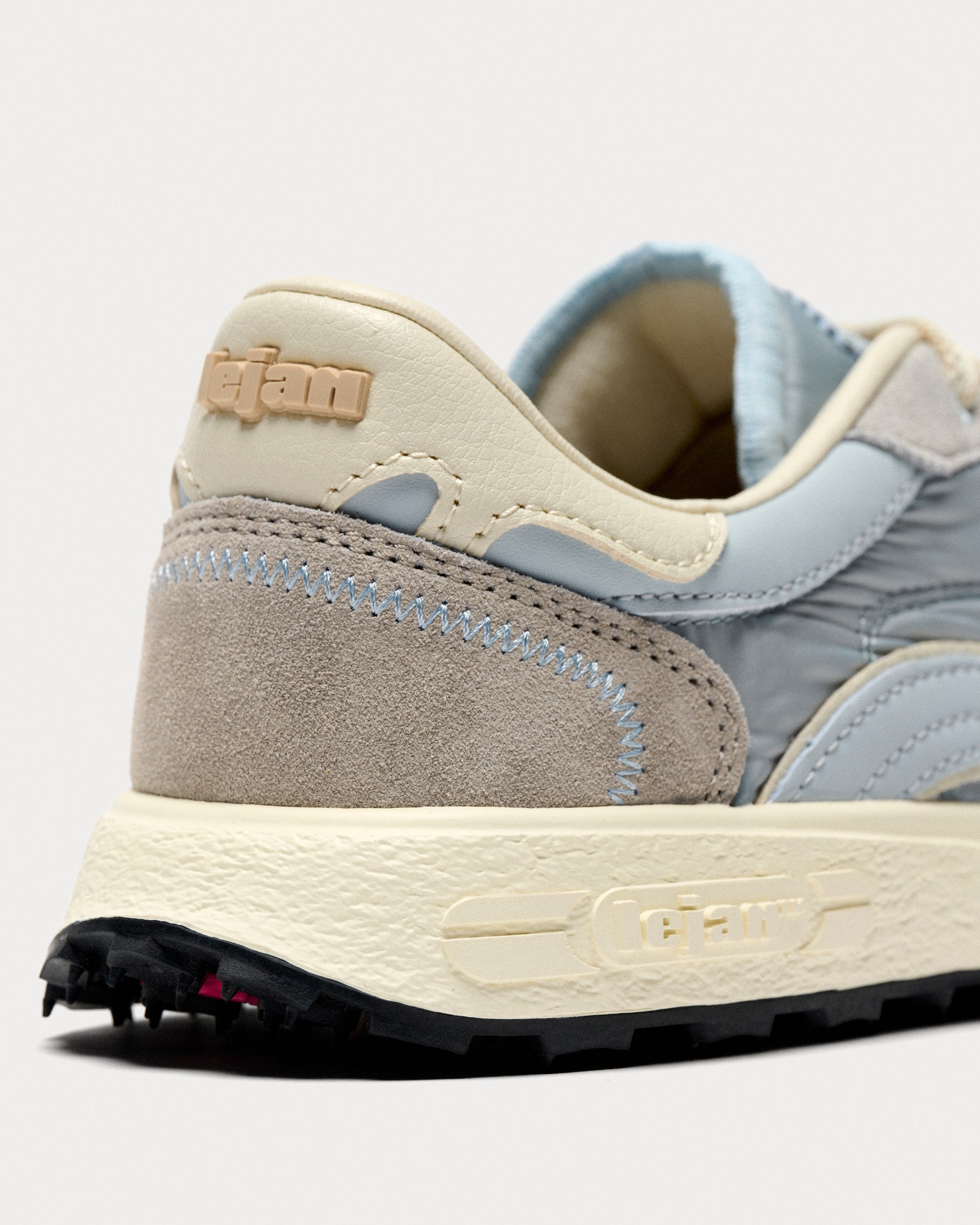
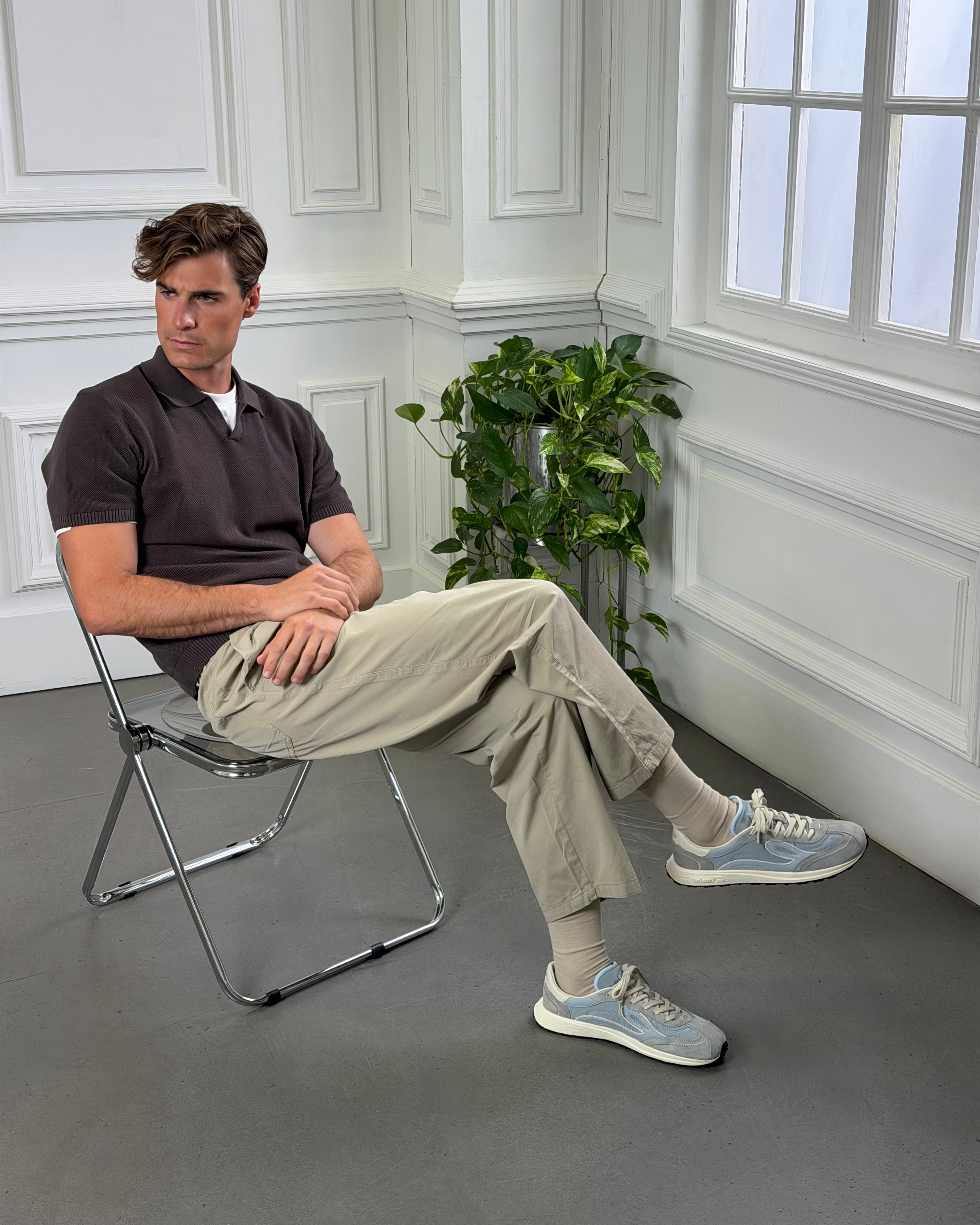
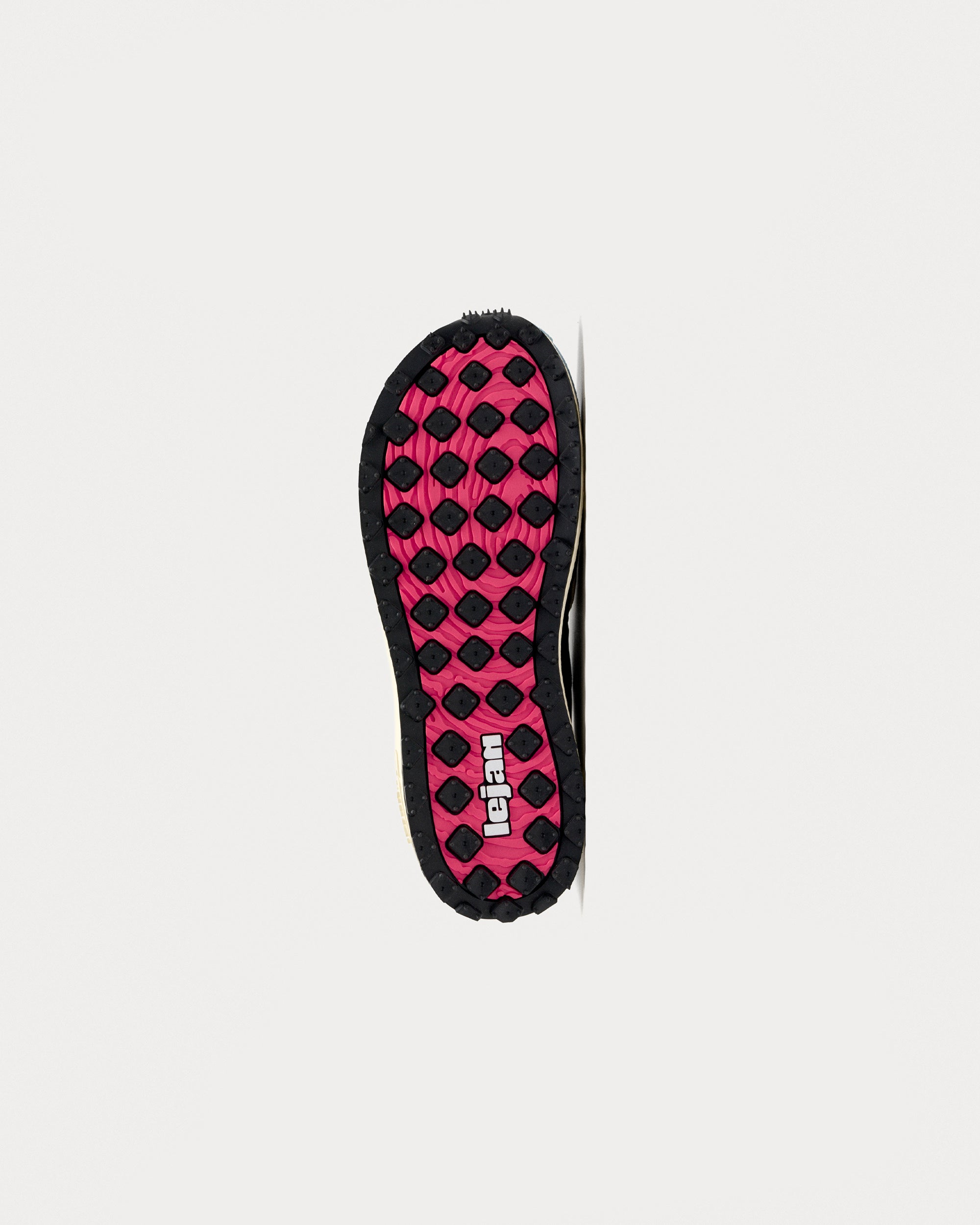
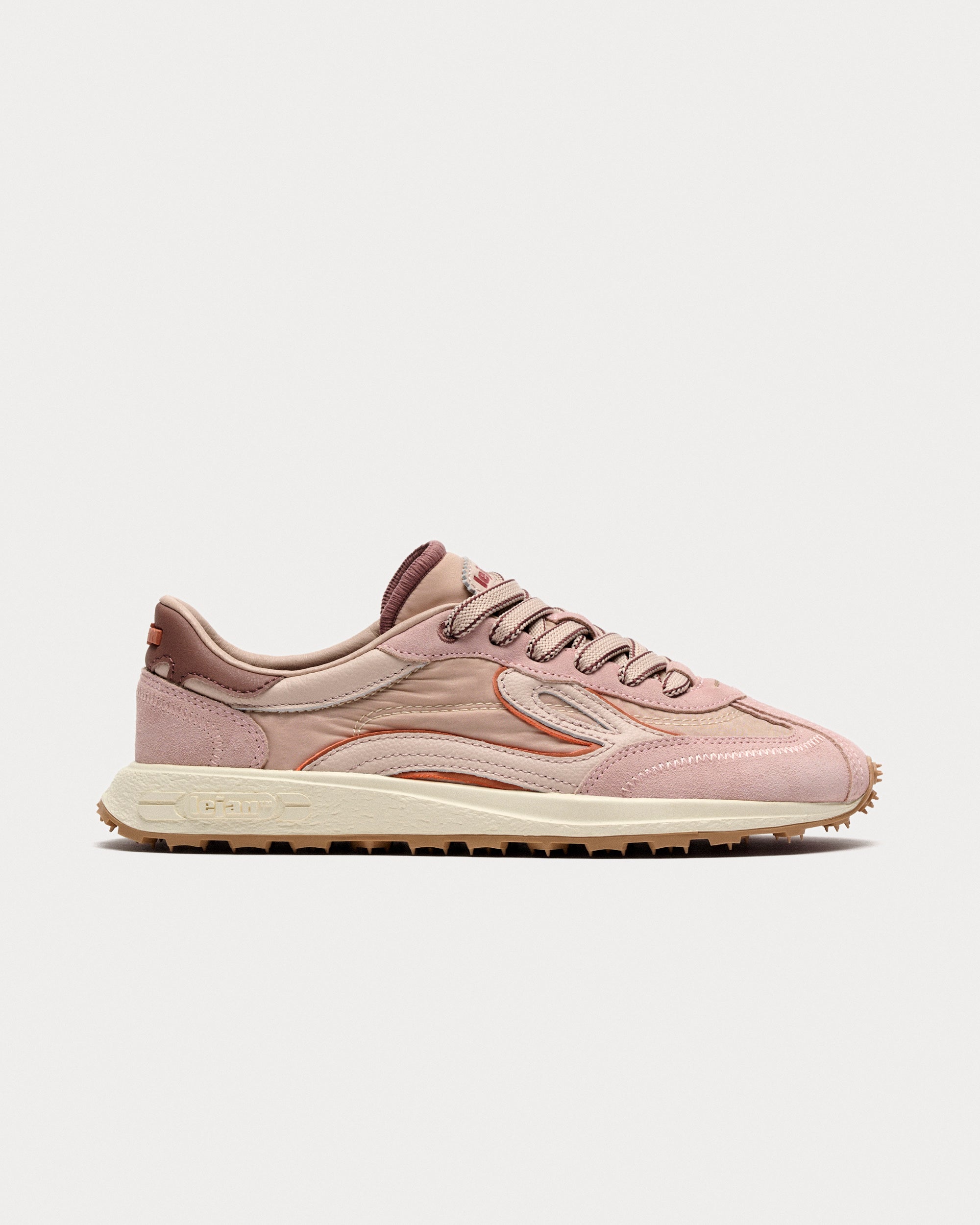
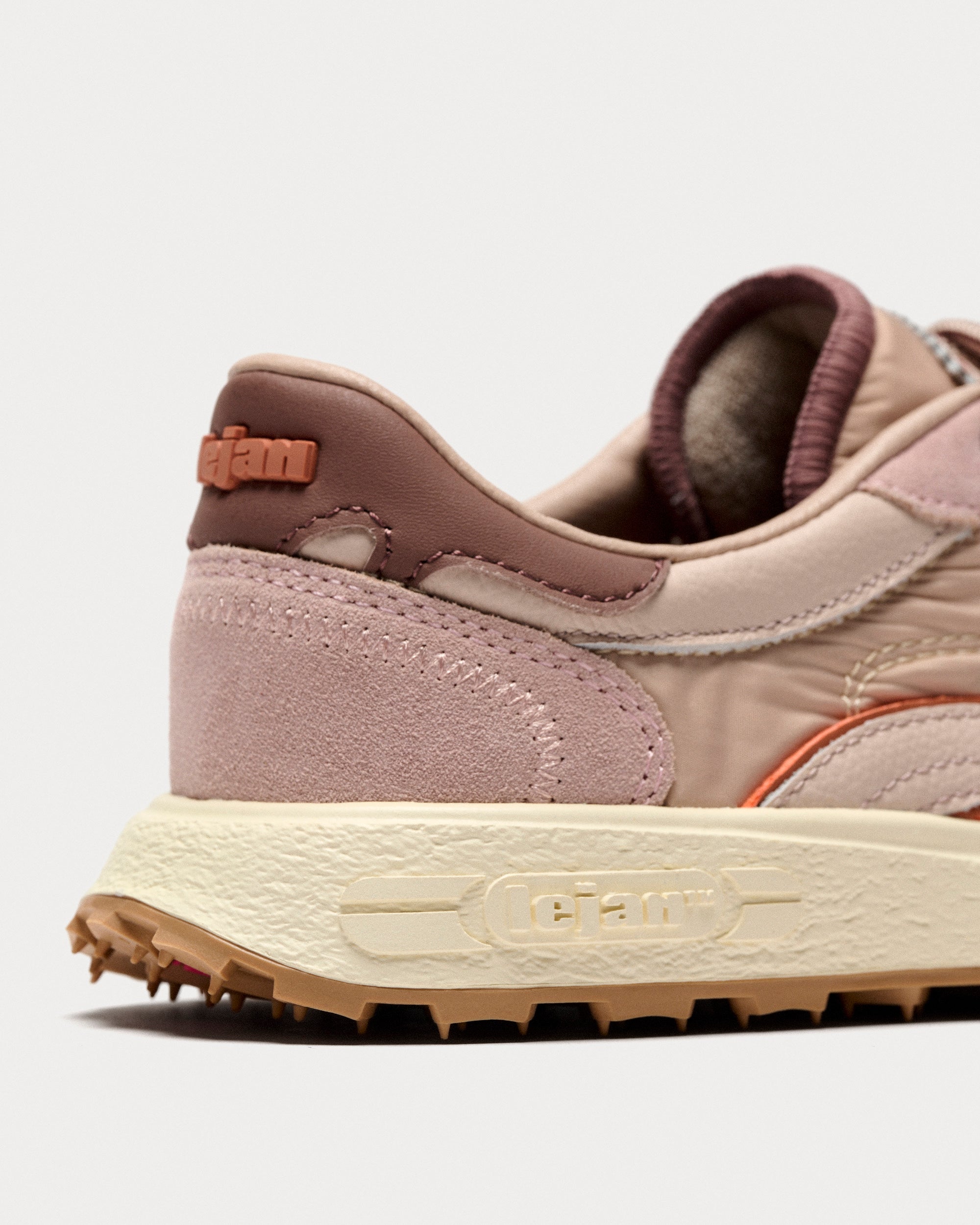
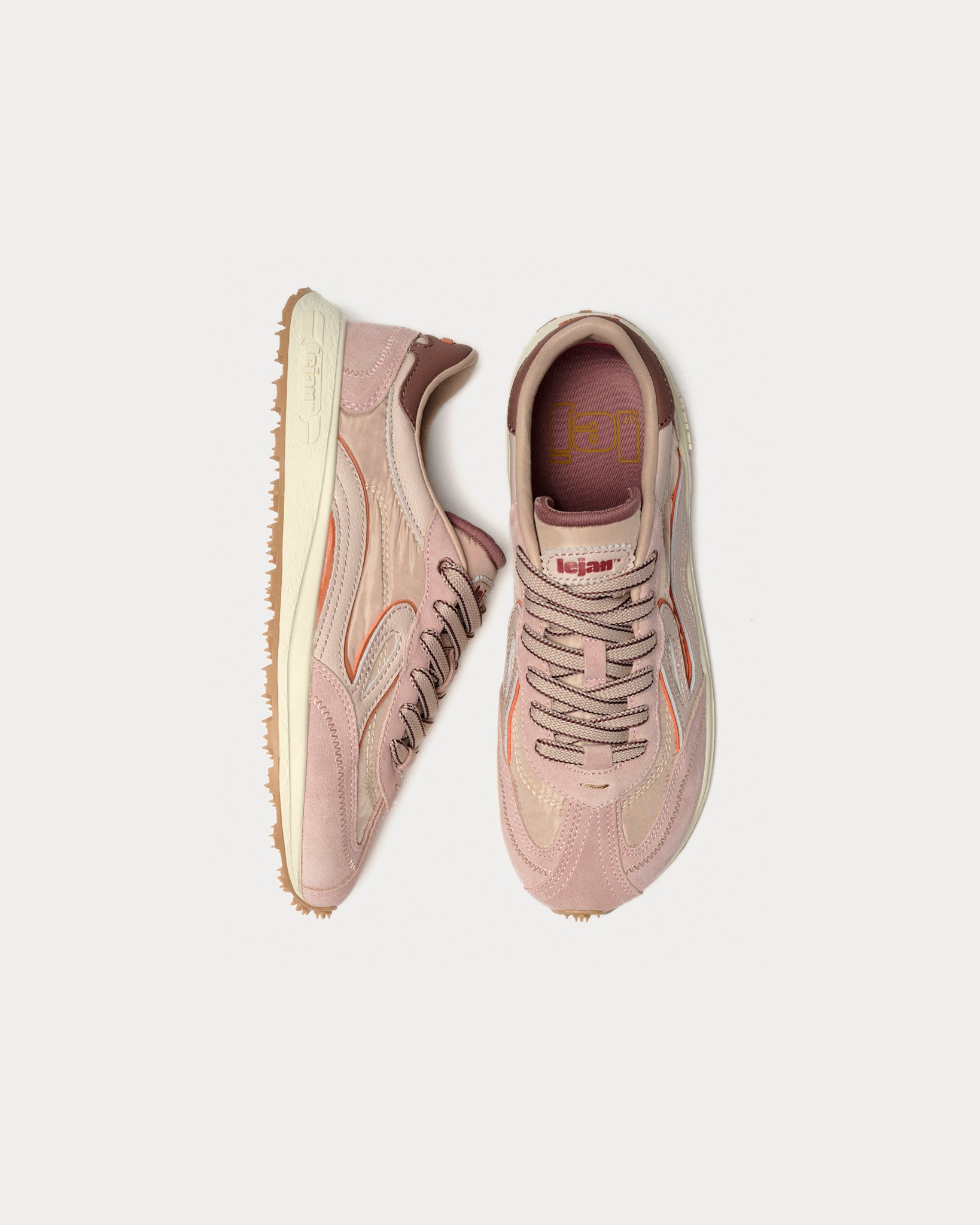
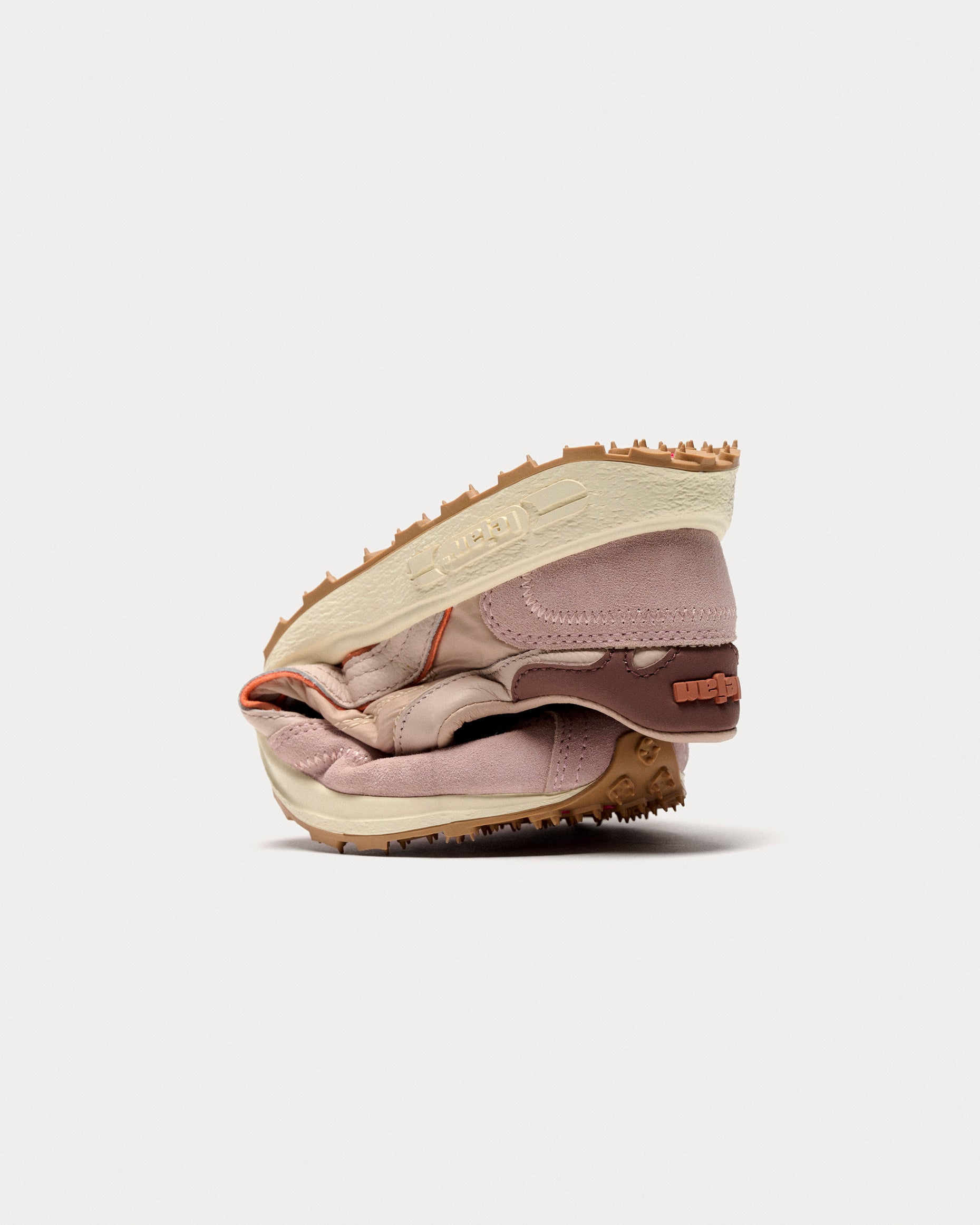
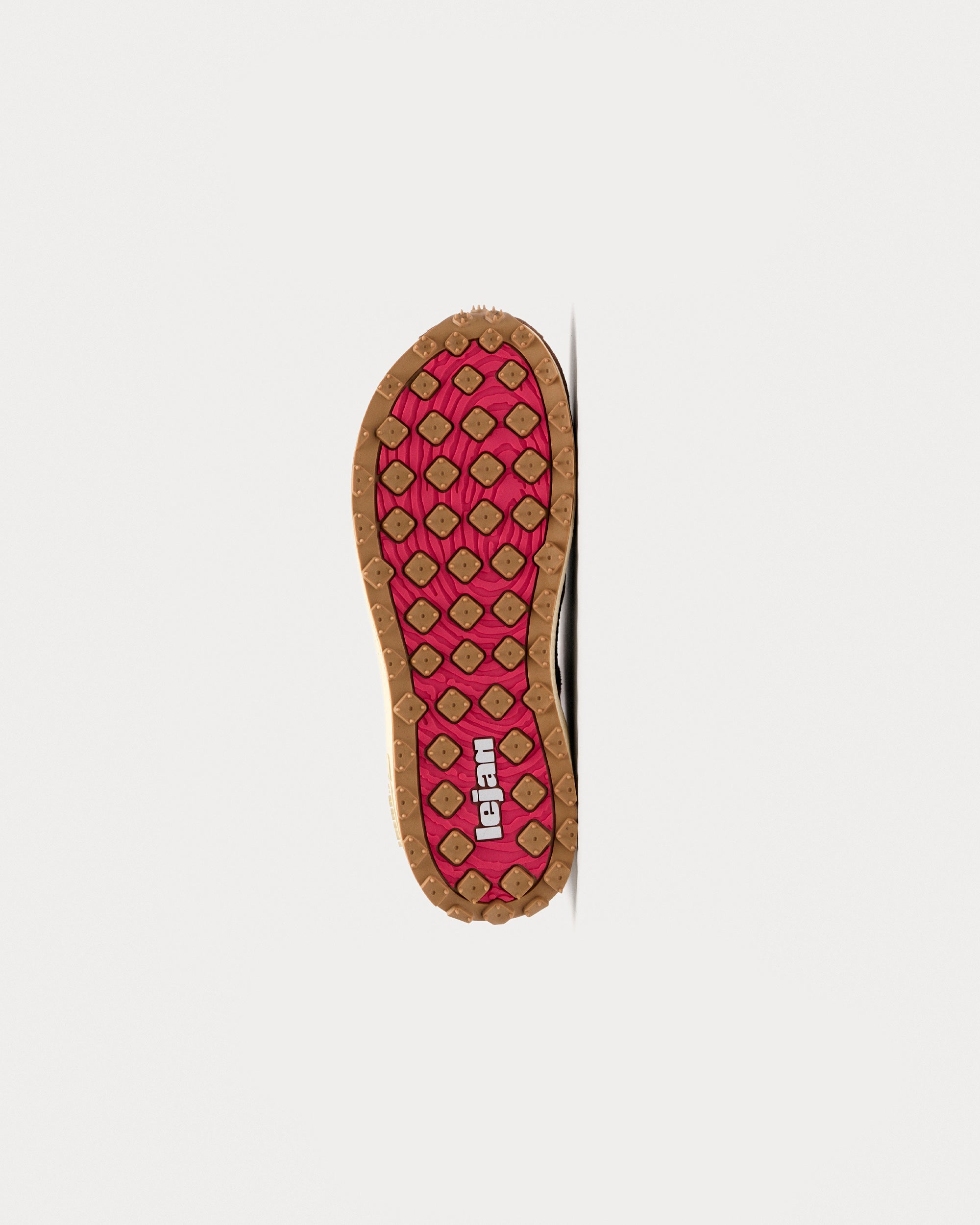
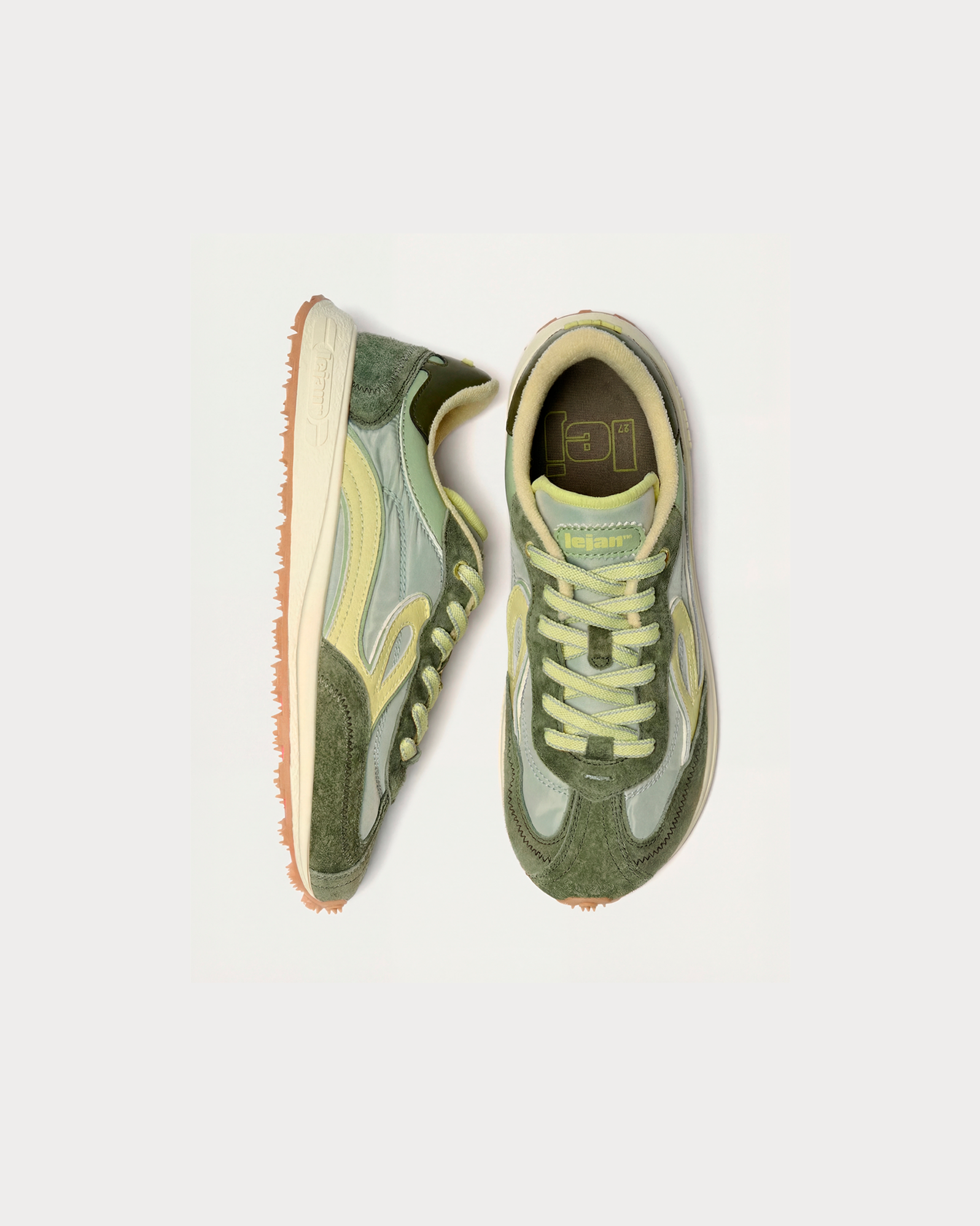
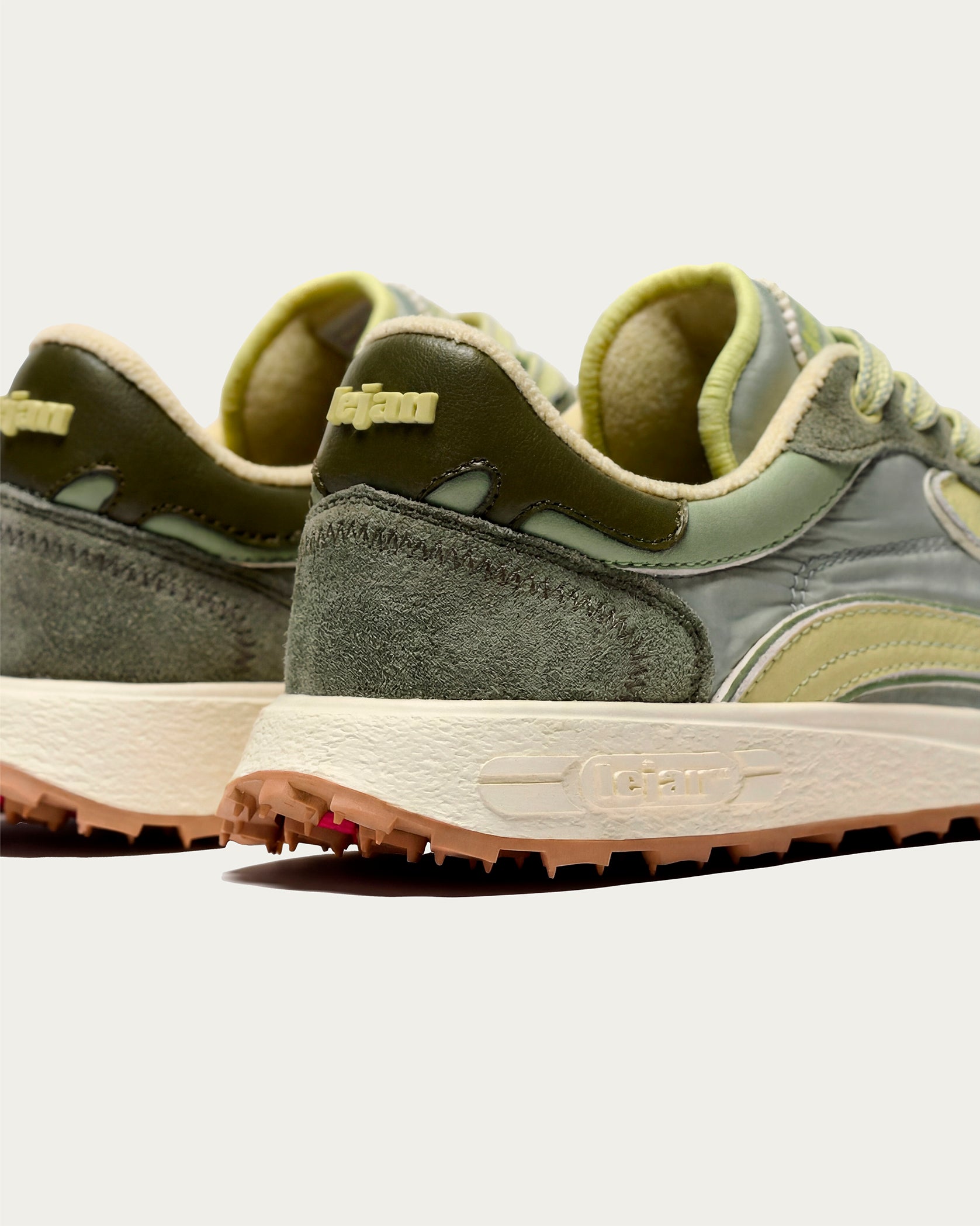
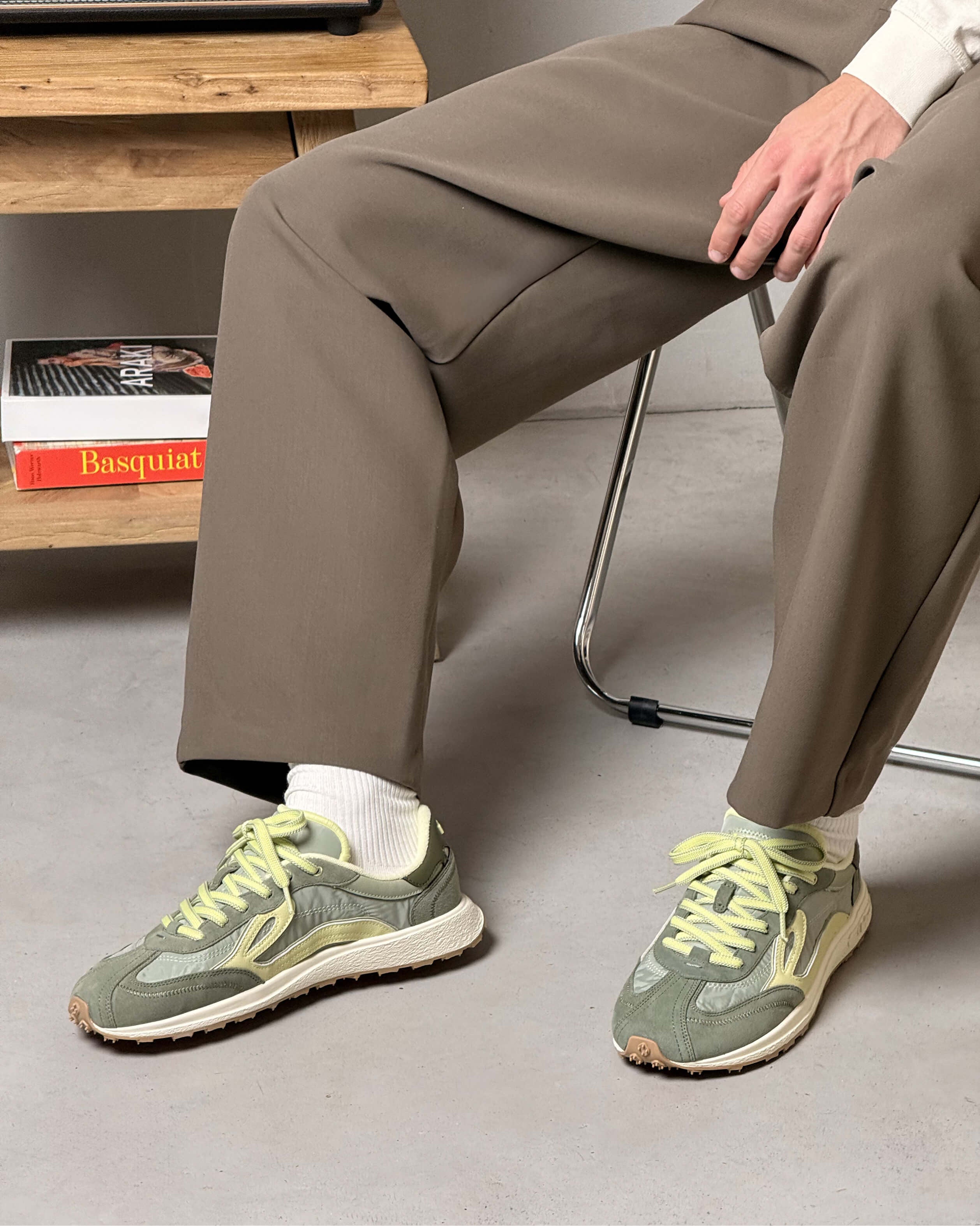
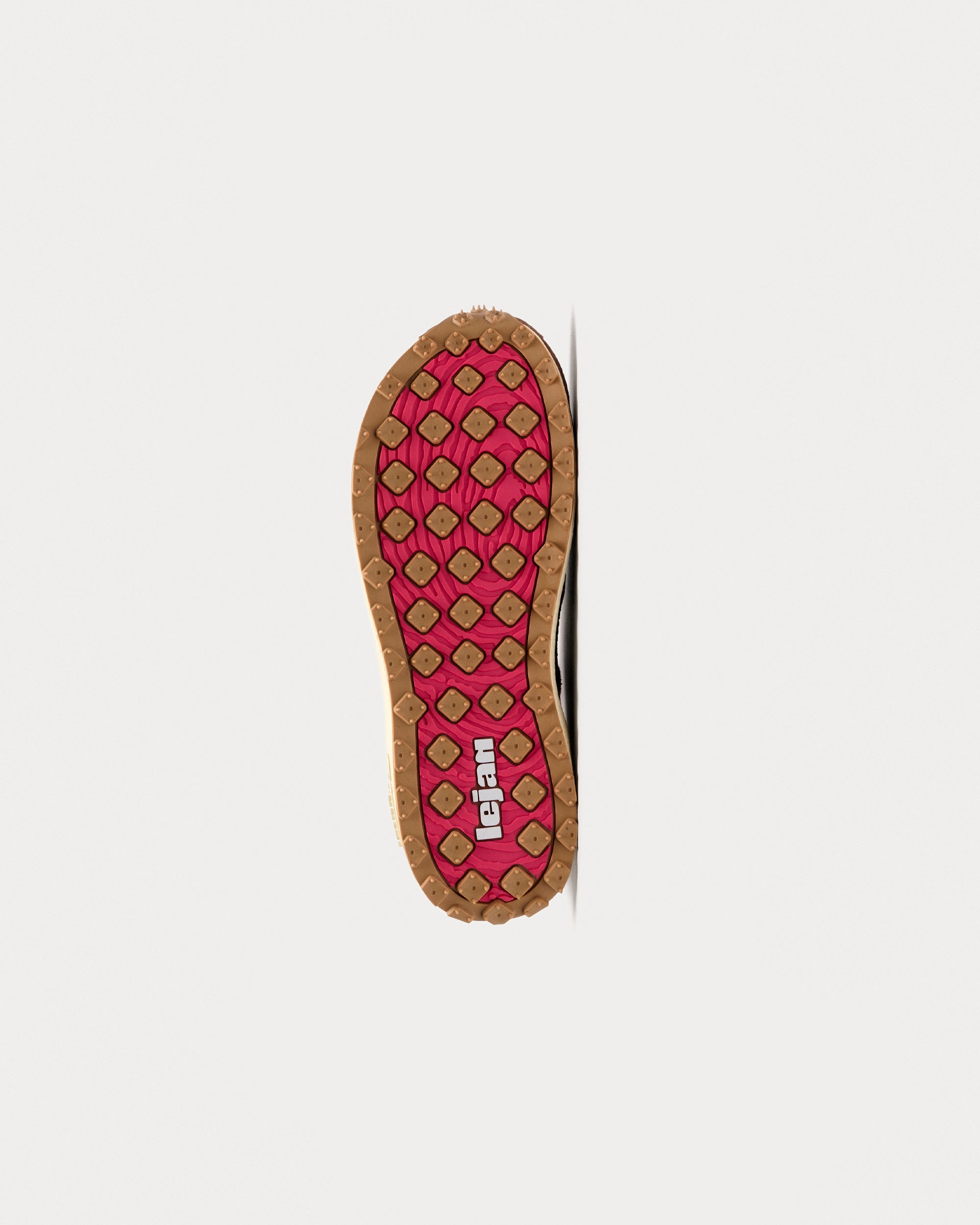
At Lejan, these features are part of how we understand footwear: an anatomical toe box, a flexible sole, drop 0 and real space so the foot is not working boxed in. Even so, if bone oedema has been diagnosed, the most important thing is to adapt how you wear them to the recovery phase and to professional advice.
Table: footwear that makes it worse vs. footwear that supports recovery
|
Footwear that can worsen the overload |
Footwear that can support a more comfortable recovery |
|---|---|
|
A narrow toe box that compresses the toes |
A wide, anatomical toe box |
|
A very stiff sole that blocks movement |
A flexible sole that follows the stride |
|
A heel or high drop that shifts load to the forefoot |
A low drop or drop 0, if well tolerated |
|
A shoe that is small or tight |
Enough space in length and width |
|
Hard material that creates localised pressure |
Comfortable, adaptable materials |
|
Footwear that forces you to change your gait |
Footwear that lets you bear weight without compensating |
|
Prolonged use despite the pain |
Gradual use, adapted to the recovery phase |
When to see a podiatrist
It is worth seeing a podiatrist if the pain in your foot does not improve, increases with activity or forces you to walk differently.
It is also advisable to seek advice if:
-
The pain lasts more than several days without clear improvement.
-
There is intense pain when bearing weight.
-
Swelling or localised tenderness appears.
-
You have had a blow or a sprain.
-
You play sport and the pain always appears in the same area.
-
You notice that you change your gait to avoid the discomfort.
-
The X-ray shows nothing, but the pain continues.
-
You already have a bone oedema diagnosis and need to adapt your footwear, load or activity.
The podiatrist can assess your gait, check your footwear, identify areas of overload and help you adjust your gradual return to activity. If necessary, they can also refer you to or work alongside other healthcare professionals.
Frequently asked questions about bone oedema in the foot
Can you walk with bone oedema in the foot?
It depends on the degree of pain, the area affected and professional advice. In some cases walking with controlled load is allowed; in others it may be necessary to greatly reduce weight-bearing or to use temporary offloading.
The basic rule is not to force it. If walking clearly increases the pain or makes you limp, the foot is warning you that this load is not right at that moment.
How long does bone oedema take to heal?
It can take from several weeks to a few months. The time depends on the cause, the location, the severity of the injury, the daily load and whether it is detected early.
Going back too soon to the activity that caused the pain can lengthen recovery. That is why it is important to respect the progression.
How is bone oedema treated?
Treatment depends on the cause. It can include reducing load, relative rest, changes in activity, physiotherapy, a gait assessment, adapting footwear or temporary offloading.
There is no single solution for every case. The important thing is to identify what is irritating the bone and reduce it while the tissue recovers.
How serious is bone oedema?
Bone oedema is not always serious, but it should not be ignored either. It can be a temporary reaction after a blow or a sign of overload that needs monitoring.
If the area keeps being pushed, in some cases it can progress or be associated with stress injuries. That is why, when there is persistent pain, a clear diagnosis and adjusting the load are essential.
The right footwear can be part of that care: not as the sole treatment, but as a way of not adding more pressure to a foot that needs to recover.
Test your knowledge
Answer the questions to check how much you know about this topic.
1. What is bone oedema in the foot?
2. Which test tends to be key to confirming bone oedema?
3. Which factor can encourage the appearance of overload bone oedema?
4. What type of footwear can help during recovery?

Share