A heel spur often causes alarm when it shows up on an X-ray. Many people see it as “a spike” in the heel and automatically assume it is the direct cause of their pain. But that is not always the case.
Having a heel spur does not necessarily mean having pain. And having heel pain does not always mean the spur is to blame. That is why, before focusing solely on the image, it is worth understanding what is happening in the foot, how load is distributed when you walk and which other tissues may be involved.
What a heel spur is
A heel spur is a bony growth that forms on the heel bone, known as the calcaneus. It usually appears on the underside of the heel, close to where the plantar fascia inserts, although it can also appear at the back, near the Achilles tendon.
It develops gradually, normally as a response to sustained tension in the area. It does not appear overnight, and it is rarely the only factor that explains a complaint.
On an X-ray it can be seen as a small bony projection. And that is where the confusion often begins: seeing it does not automatically mean it is what is causing the pain.

Why it is not always to blame for the pain
For years, heel spurs have been linked directly to heel pain. However, we now know that they can be present in people with no symptoms at all. In other words, one can show up on an imaging test as an incidental finding, without that necessarily implying an active problem.
Heel pain is usually more complex. It may be related to the plantar fascia, to overload, to the way you place your foot, to changes in activity, to a lack of mobility or to footwear that does not work well with the foot.
That is why, when there is pain, looking at the X-ray is not enough. You need to assess the foot in movement, the exact area of the pain, when it appears, how it develops and which habits may be having an influence.
The difference between a heel spur and plantar fasciitis
A heel spur is a bony growth. Plantar fasciitis, on the other hand, is irritation or overload of the plantar fascia, a band of connective tissue that runs along the sole of the foot from the heel towards the toes.
Although they can appear together, they are not the same thing.
Plantar fasciitis usually causes pain in the underside of the heel, especially during the first steps in the morning or after sitting down for a while. The spur may be present in that same area, but it is not always the direct cause of the discomfort.
Put simply: the spur is seen on the X-ray; the fascia is assessed through the symptoms, the examination and the way the pain behaves.
When it can appear without symptoms
A heel spur can appear without any pain. In fact, many people find out they have one by chance, when having an X-ray for another reason.
This happens because pain does not depend solely on a bony growth being there, but on whether there is inflammation, tension, overload or irritation in the surrounding tissues.
That is why one person can have a visible spur and walk without any discomfort, while another can have a great deal of heel pain without the spur being particularly large or relevant.
Why an X-ray does not always explain the pain
An X-ray shows bone, but it does not always show how the foot is working. It can help rule out fractures, bone changes or other alterations, but on its own it does not explain where the pain comes from.
Heel pain can come from soft tissue, such as the plantar fascia, muscles, tendons or nerve structures. It can also depend on how you load your weight, the type of activity you do or the footwear you wear every day.
That is why a good assessment does not stop at the image. The image provides information, but it has to be related to the clinical history, the examination and the person's real symptoms.
Symptoms usually associated with a heel spur
Although a spur does not always hurt, there are symptoms that many people associate with it because they tend to appear in that same part of the heel.
The important thing is not to stop at the name of the diagnosis, but to observe how the pain behaves.
Heel pain when getting up
One of the most common symptoms is pain during the first steps in the morning. You get up, put your foot down and feel intense discomfort in the heel area, which may ease slightly as you walk.
This is usually closely related to the plantar fascia, which stays more shortened during rest and then, when weight is loaded onto it again, receives a sudden burst of tension.
Discomfort after standing for a long time
Another common sign is feeling pain after spending many hours on your feet, walking a lot or being on hard surfaces for a long stretch of time.
In these cases, the problem usually has more to do with accumulated load than with the spur itself. The heel takes the impact, the fascia works constantly and the tissues can end up becoming irritated.
A stabbing sensation when putting weight on the foot
Some people describe the pain as a stabbing feeling in the heel, especially when putting weight on the foot after resting or when walking for a while.
That sensation can give the impression that “something is stabbing” from the inside, but it does not always mean the spur is digging in. Very often it is the irritation of the tissues in the area that produces that sharp feeling.
Causes and factors that can contribute to it
Heel spurs are usually linked to repeated tension in the heel area. There is no single cause, but rather several factors that can contribute to one appearing or to there being associated pain.
Tension in the plantar fascia
The plantar fascia plays an important role in support and in distributing load through the foot. When it is subjected to sustained tension, especially where it inserts into the calcaneus, pain can appear.
Over time, that repeated tension can be linked to changes at the insertion point, such as a spur. But once again, what matters is not just that it exists, but how the foot is working and how irritated the tissues are.
Gait, overload and lack of mobility
The way you place your foot can influence the load the heel receives. If there is repeated overload, little ankle mobility, tension in the posterior muscles or sudden changes in activity, the area can become irritated.
Spending many hours on your feet, suddenly increasing your training, walking more than usual or going back to sport without a gradual adaptation can also have an influence.
The foot needs the capacity to move, strength and time to adapt. When load increases faster than the tissues can tolerate, discomfort is more likely to appear.
Stiff, narrow or heeled footwear
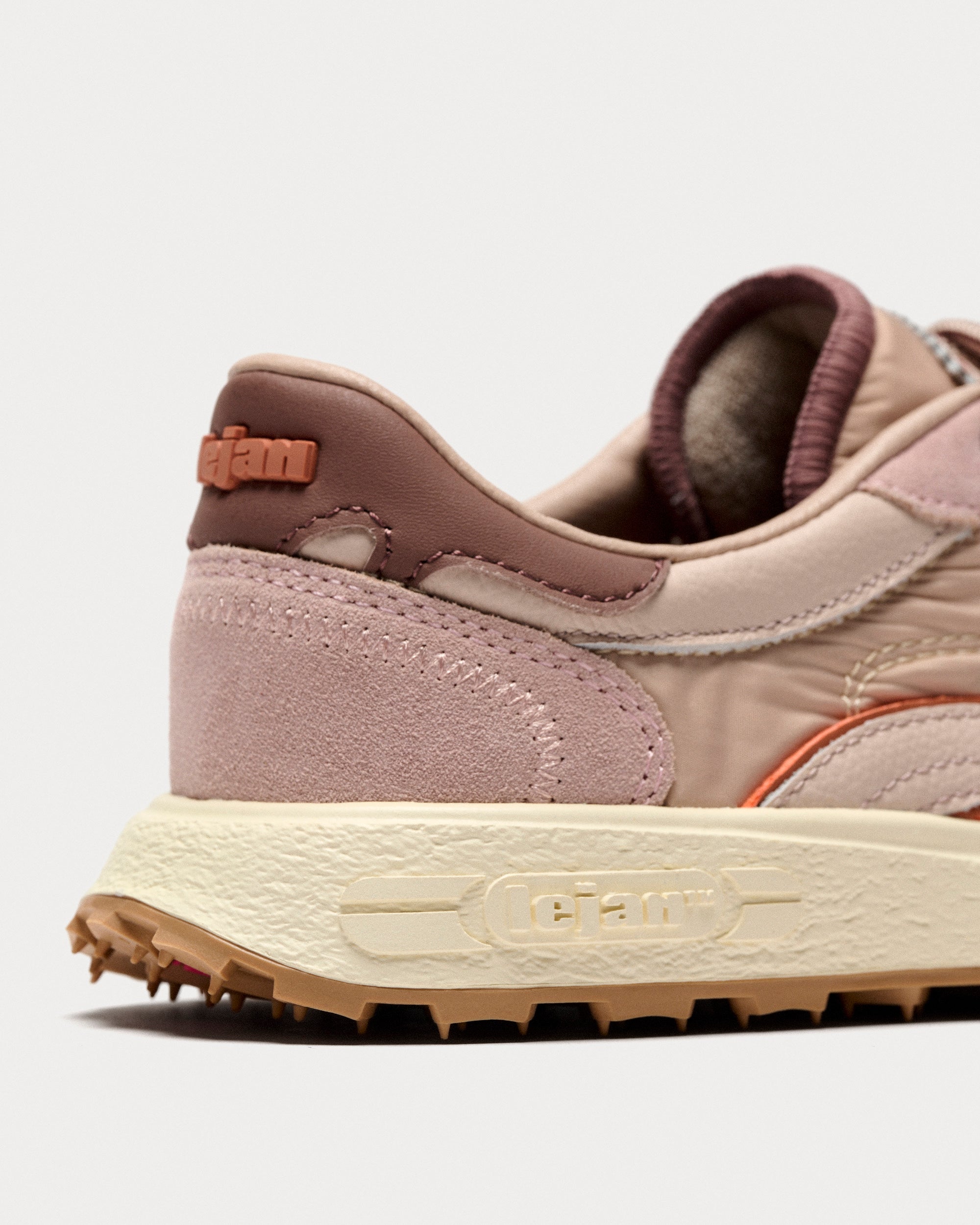
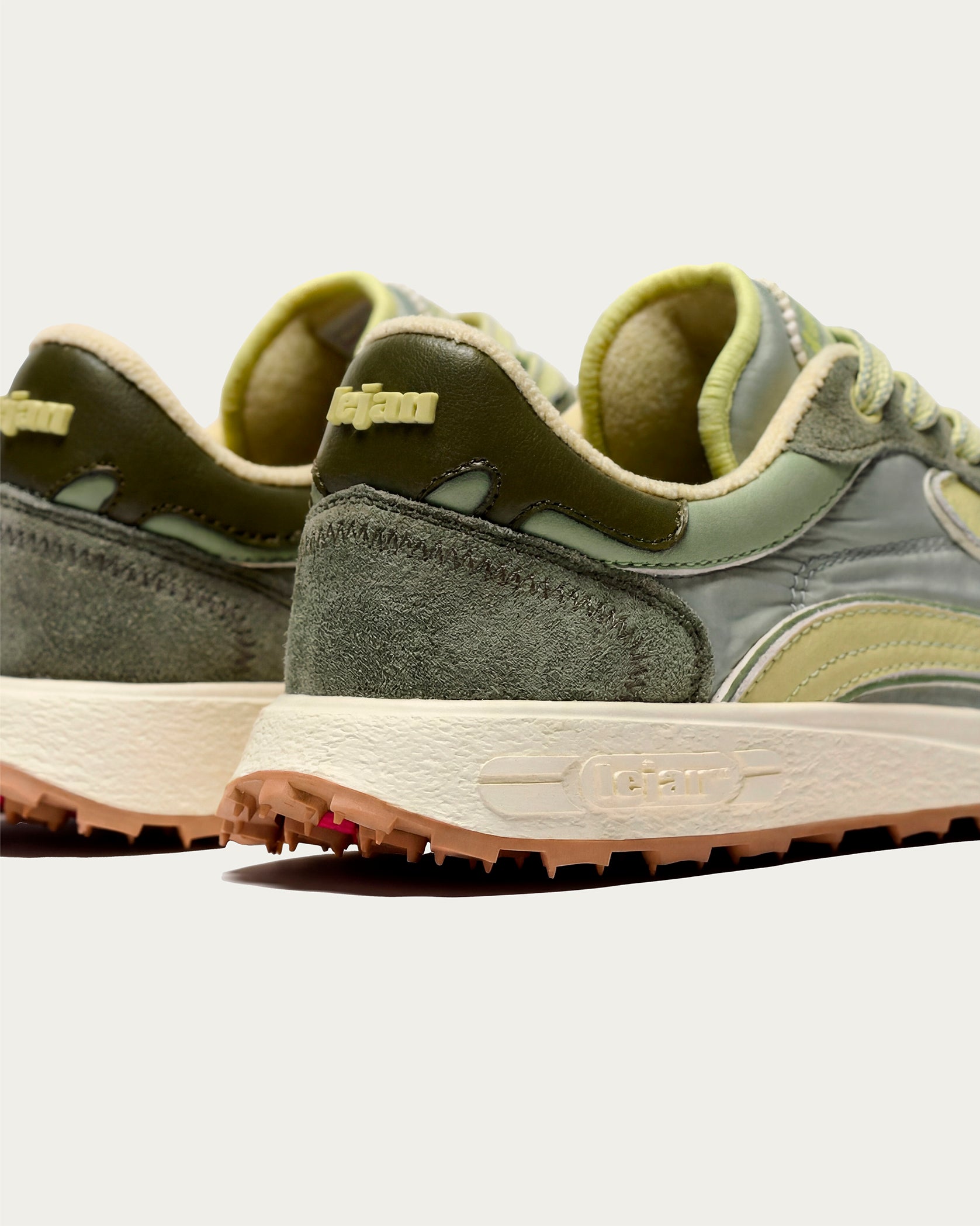
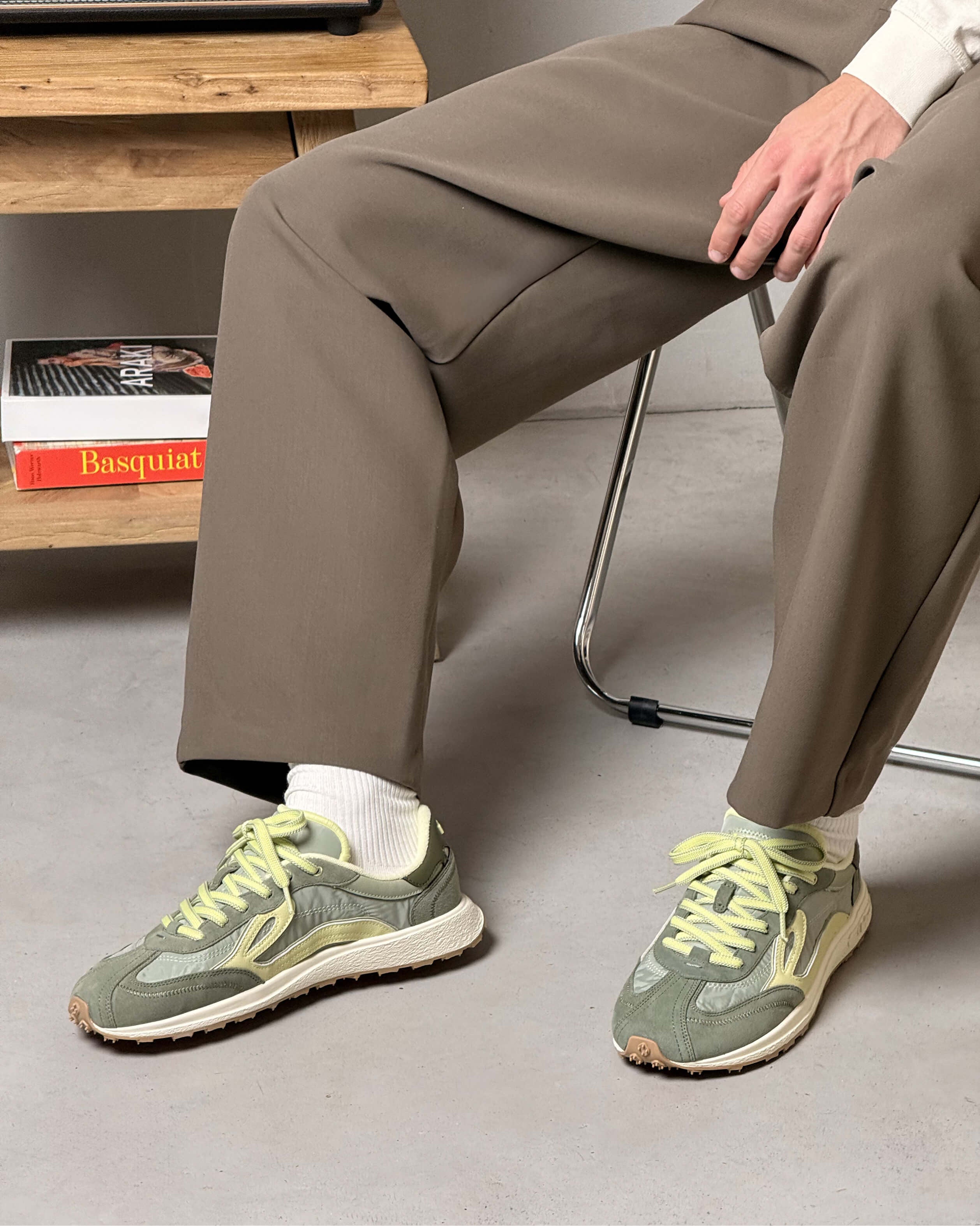
Footwear can also influence how the foot works. A stiff or narrow shoe, or one with a raised heel, can limit part of the foot's natural movement and change how load is distributed.
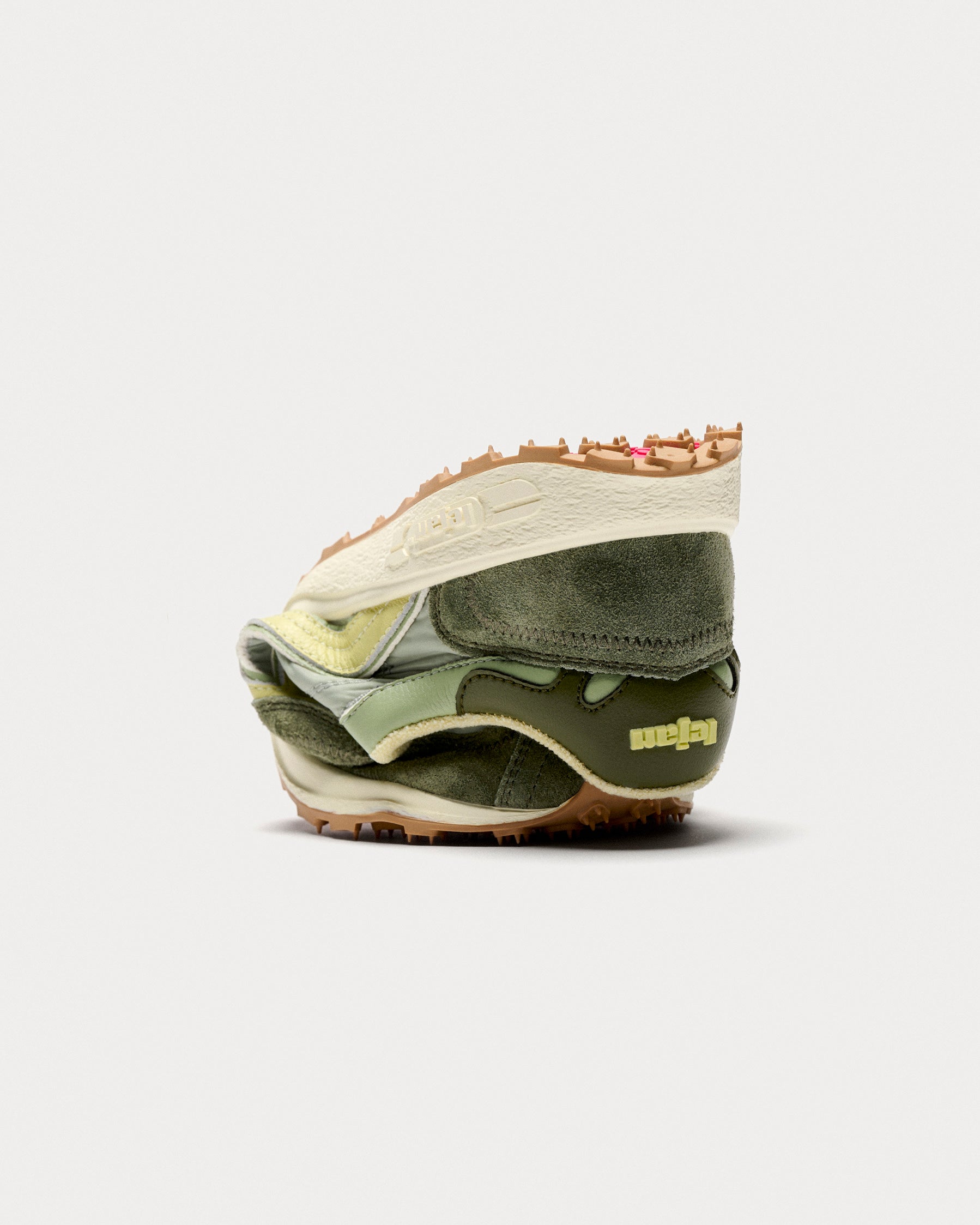
When the toes do not have enough space, the sole does not flex or the heel is constantly raised, the foot can work less efficiently. This does not mean footwear is the only cause of the pain, but it can certainly be one more factor within the whole picture.

What to check in your gait and your daily routine
If you have heel pain, it is worth looking beyond a diagnosis of a spur. Sometimes small changes to your routine, your activity or your footwear help to explain why the area is irritated.
Heel contact and load distribution
Notice whether you put a lot of weight through the heel, whether you land very heavily when walking or whether you always feel discomfort in the same spot.
Looking at the wear on your shoes can also help. It is no substitute for a professional assessment, but it can offer clues about how you are distributing load.
If the pain always appears when you get up, after standing for a long time or after walking on hard surfaces, the problem is probably related to how well the tissues tolerate daily load.
Sudden changes in activity or sport
A lot of heel discomfort appears after a change: starting to walk more, going back to running, doing more training sessions, changing jobs, spending more hours on your feet or wearing different footwear.
The foot needs to adapt. Even a positive change can cause discomfort if it happens too quickly.
So if the pain started recently, ask yourself what has changed over the last few weeks: activity, footwear, surfaces, schedules, sport or rest.
Signs that your footwear is limiting movement
Footwear that does not work well with the foot can show up in several ways:
-
Your toes are squeezed together
-
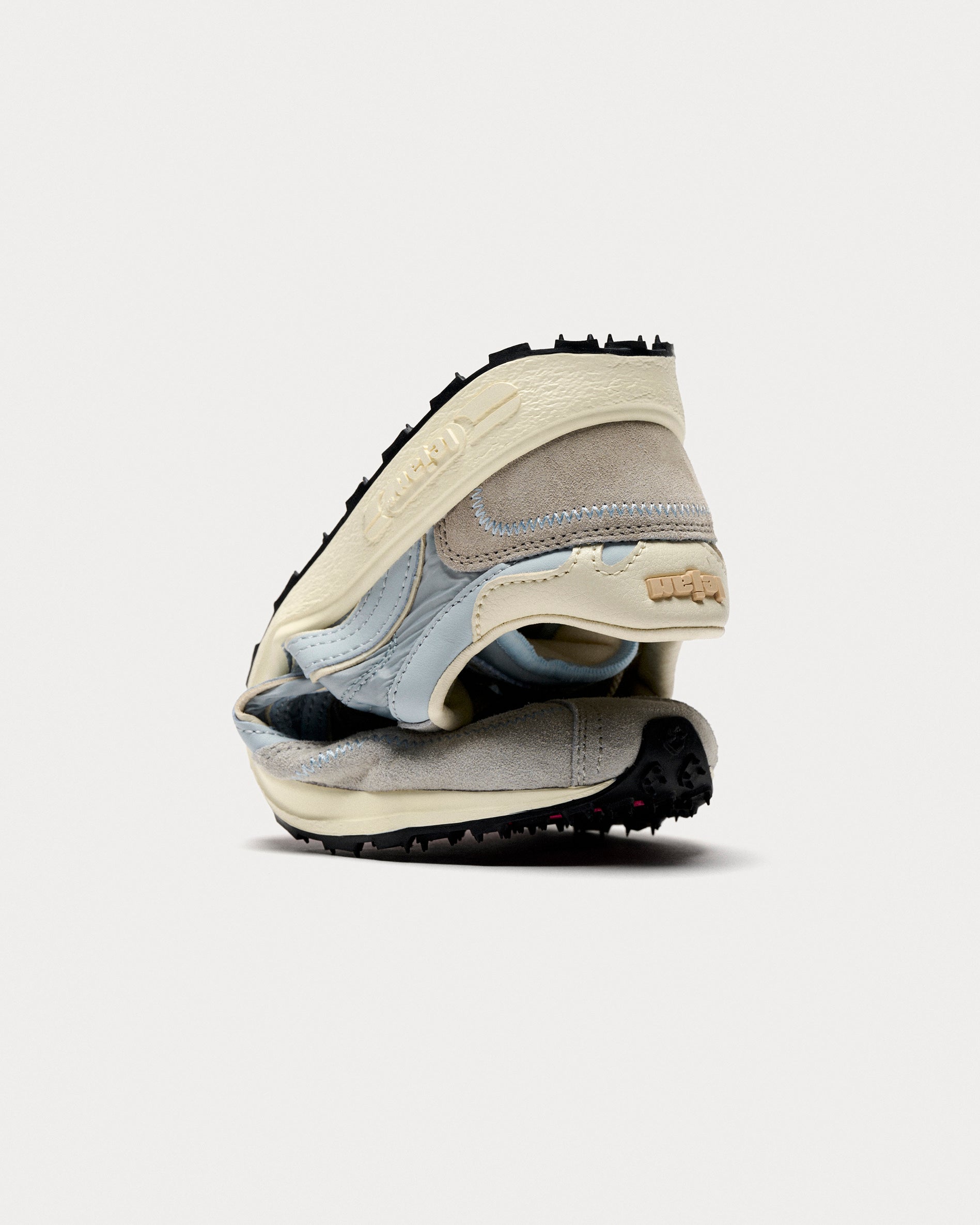
The sole barely bends
-
The heel sits much higher than the forefoot
-
You feel pressure across the instep or the toes
-
The foot feels boxed in, with little room to move
-
You feel immediate relief when you take them off
This is not about changing everything at once, nor about thinking that one particular shoe will solve the problem on its own. It is about checking whether the footwear you wear every day is helping the foot or adding more tension to it.
How to look after your foot if you have heel pain
When there is heel pain, the goal should not be to “remove the spur”, but to reduce irritation, improve tolerance to load and review the factors that may be keeping the discomfort going.
Footwear fit and room for the toes
A good starting point is to check the fit of your footwear. The foot needs enough space at the front so that the toes can sit without pressure.
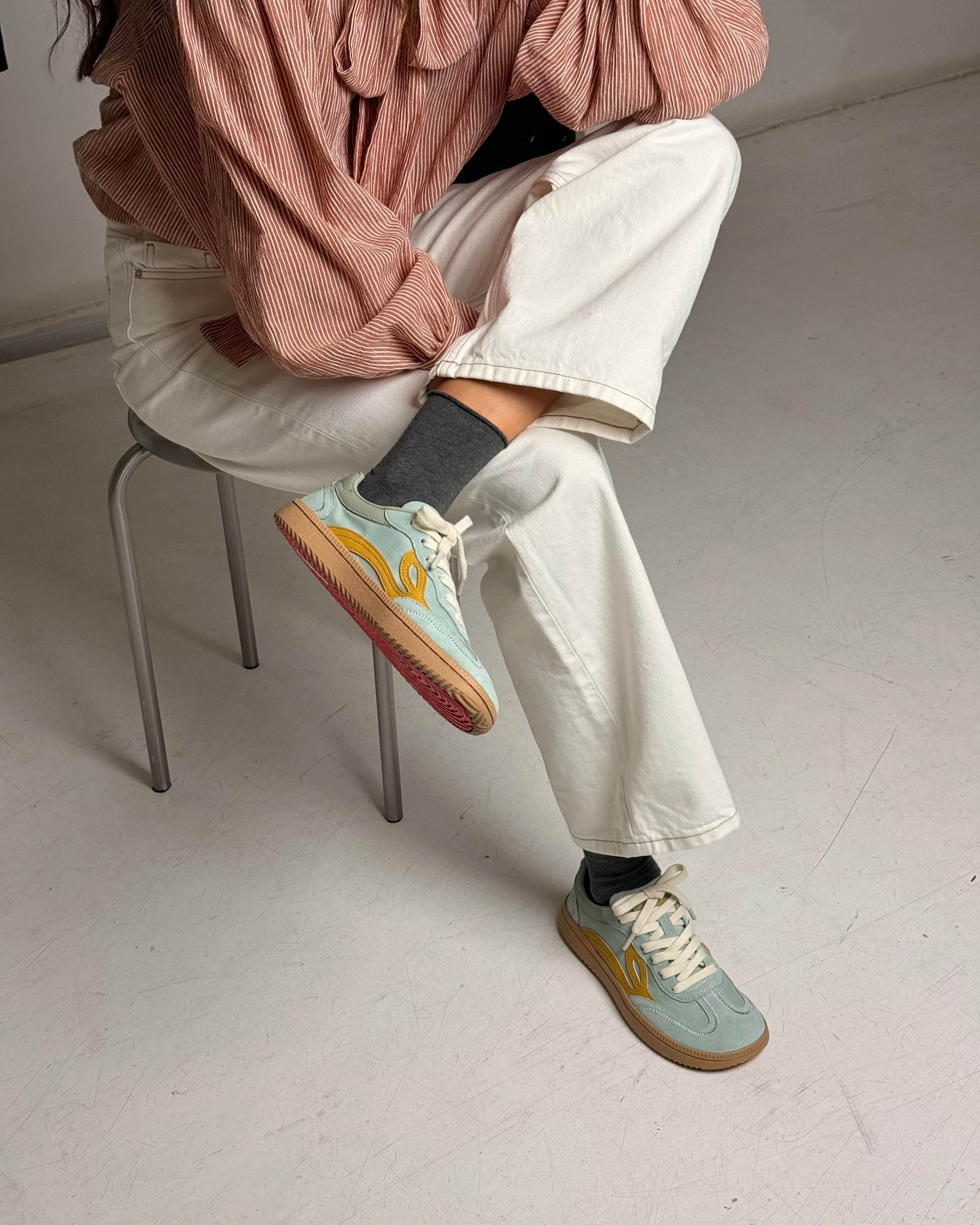
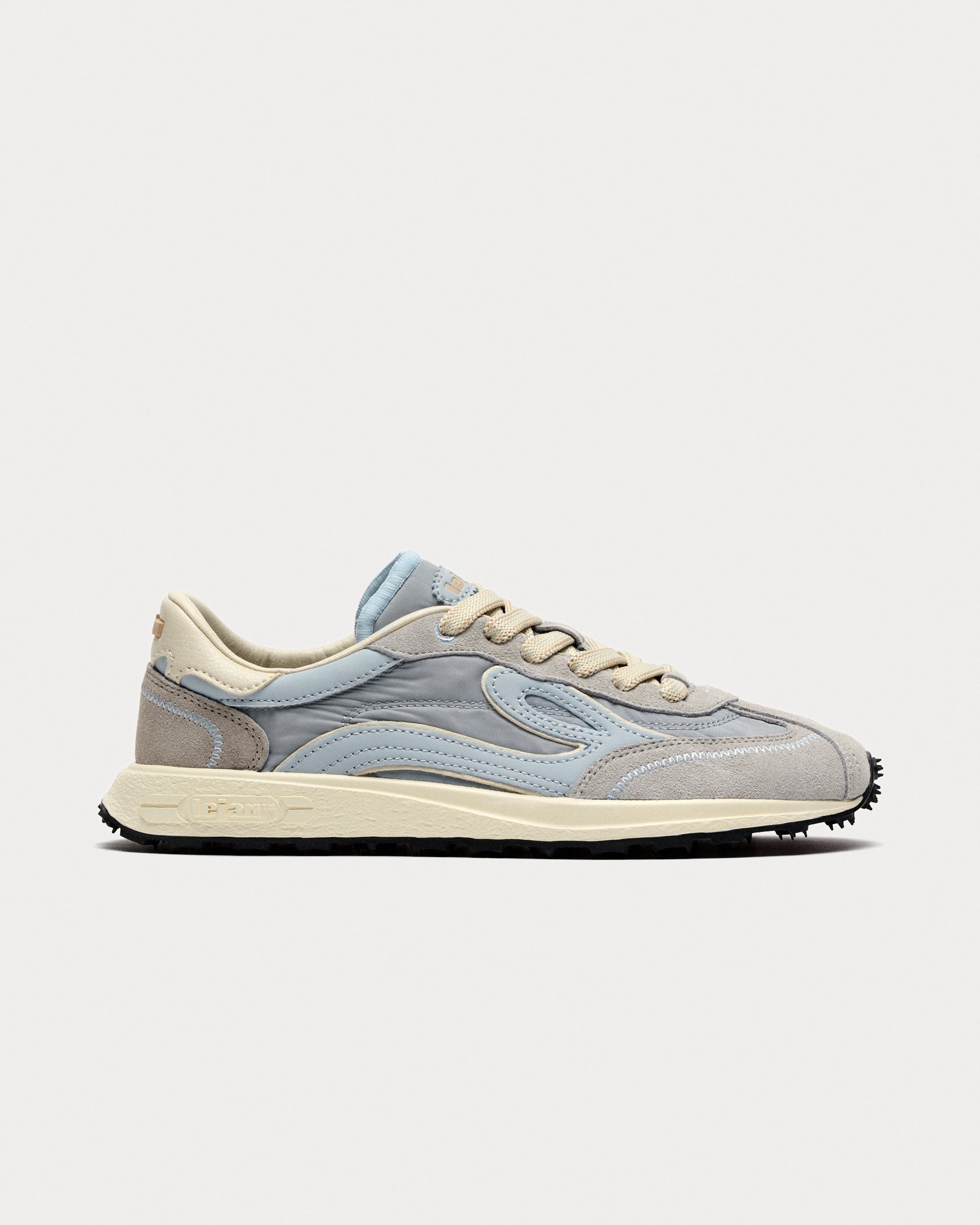
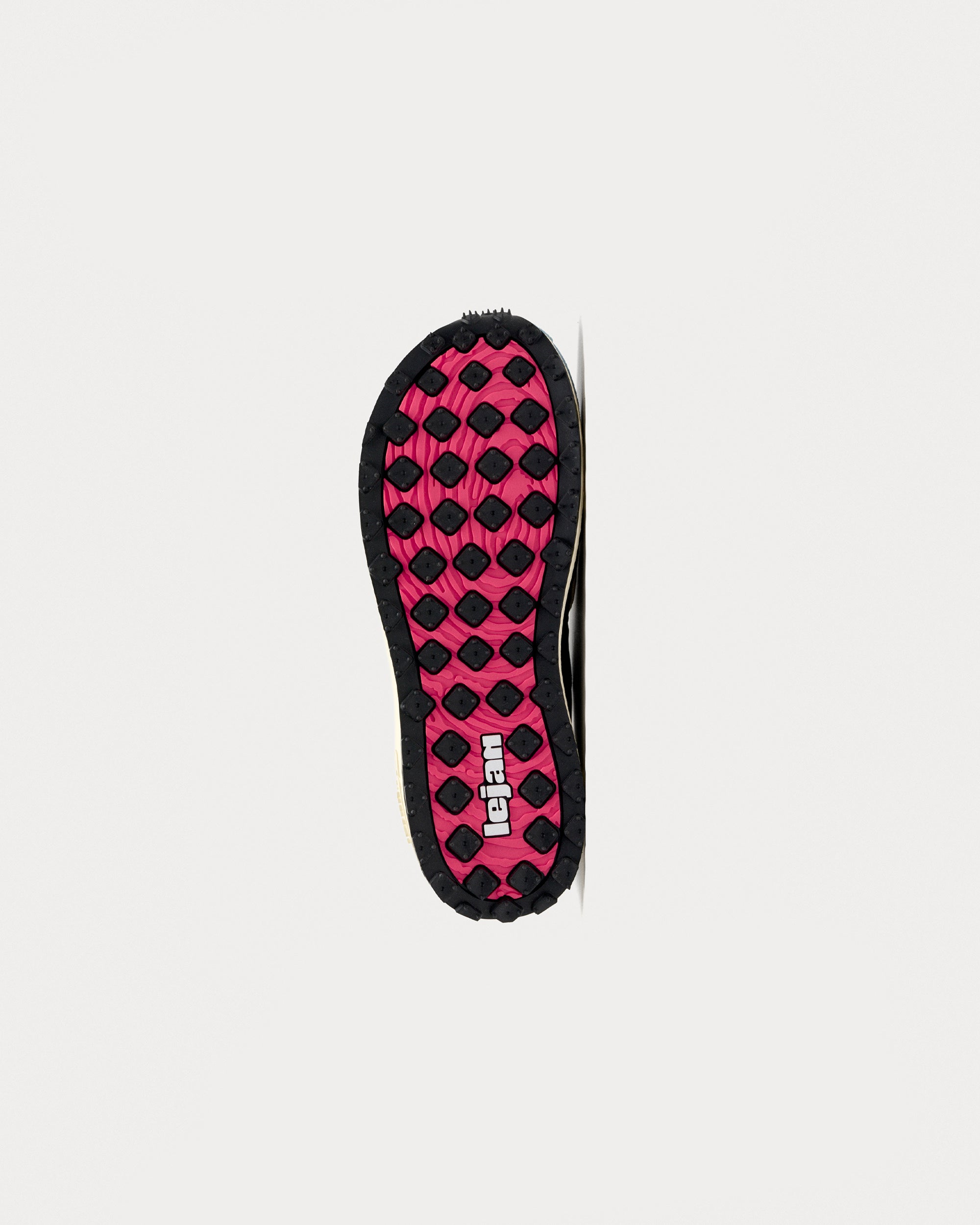
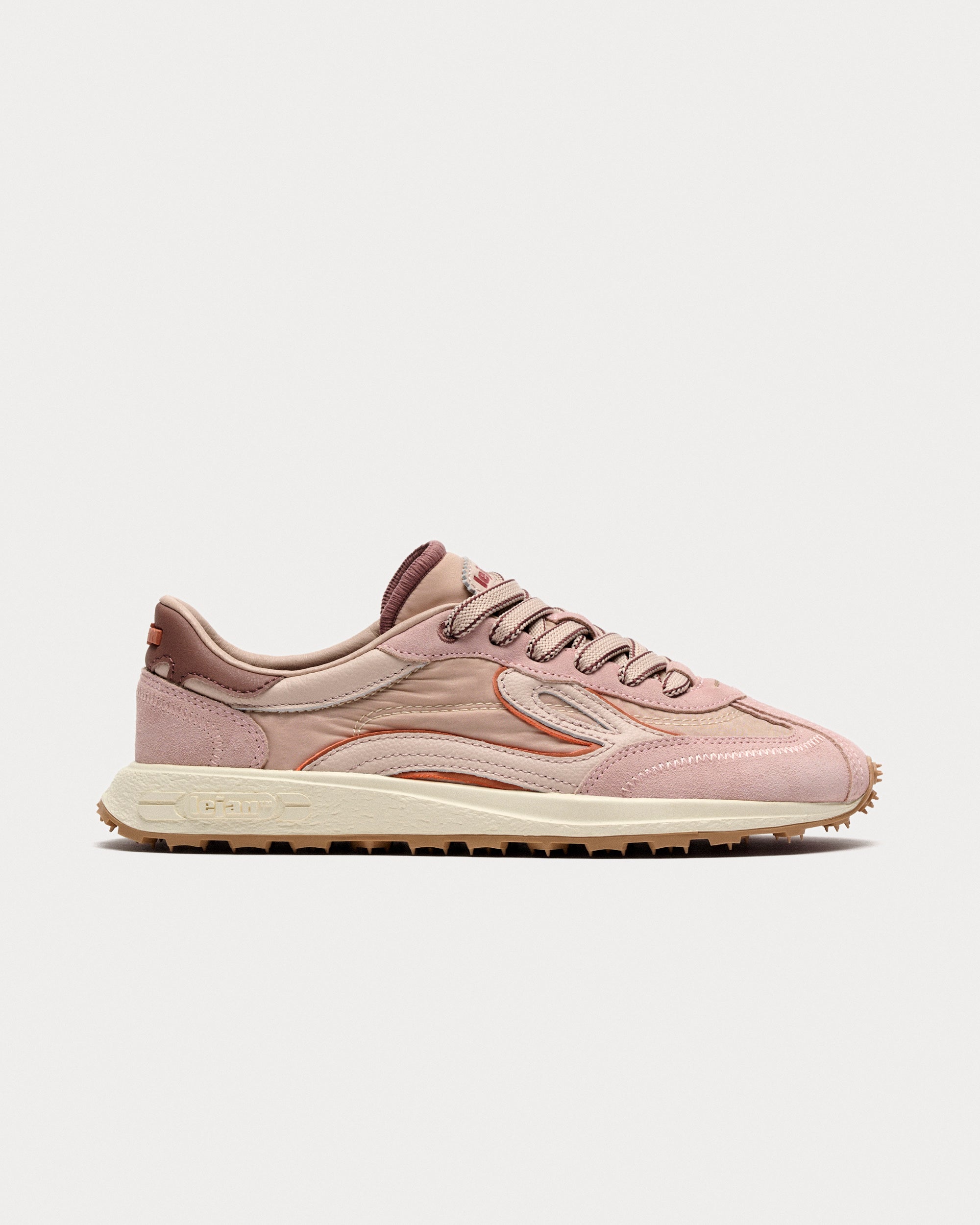
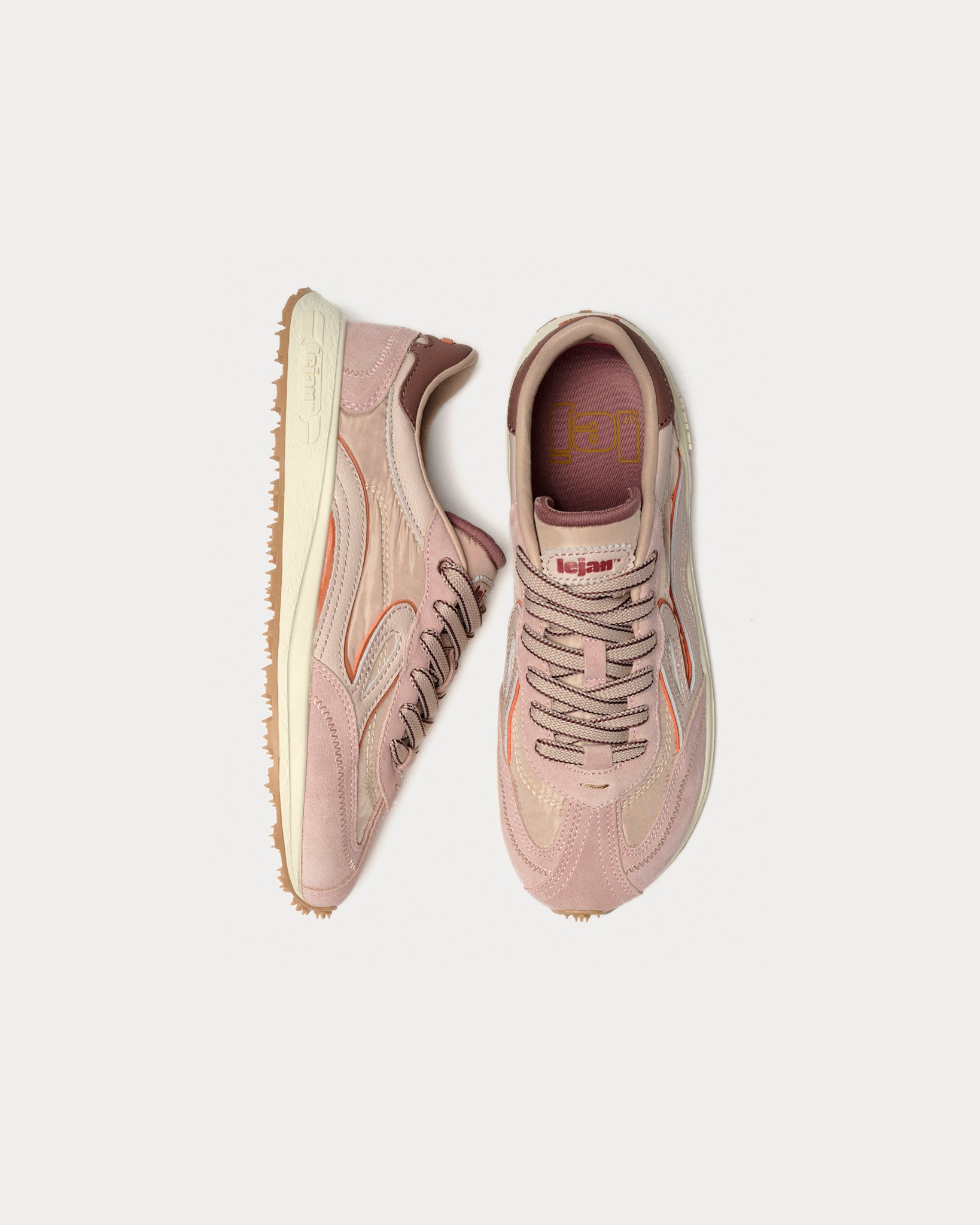
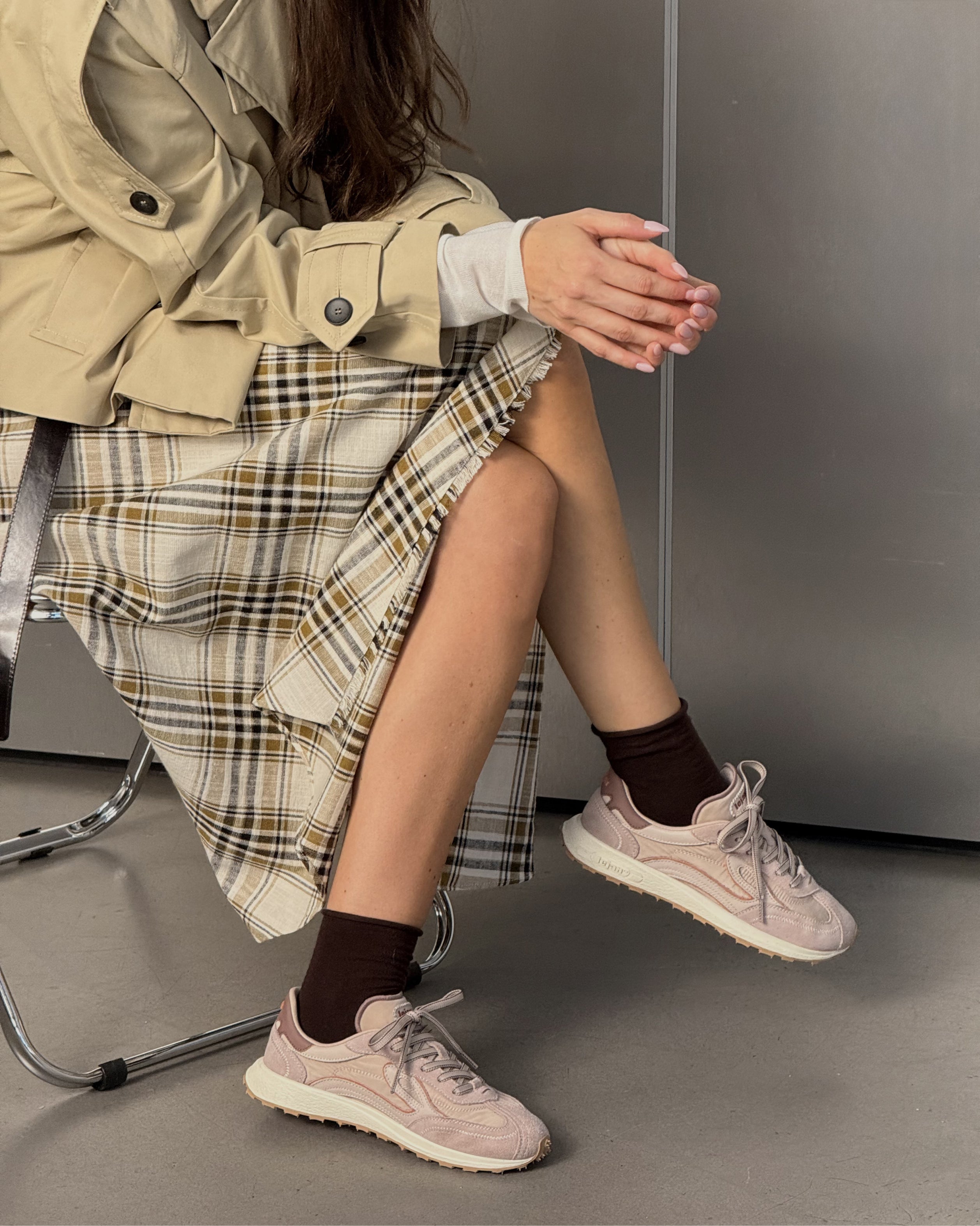
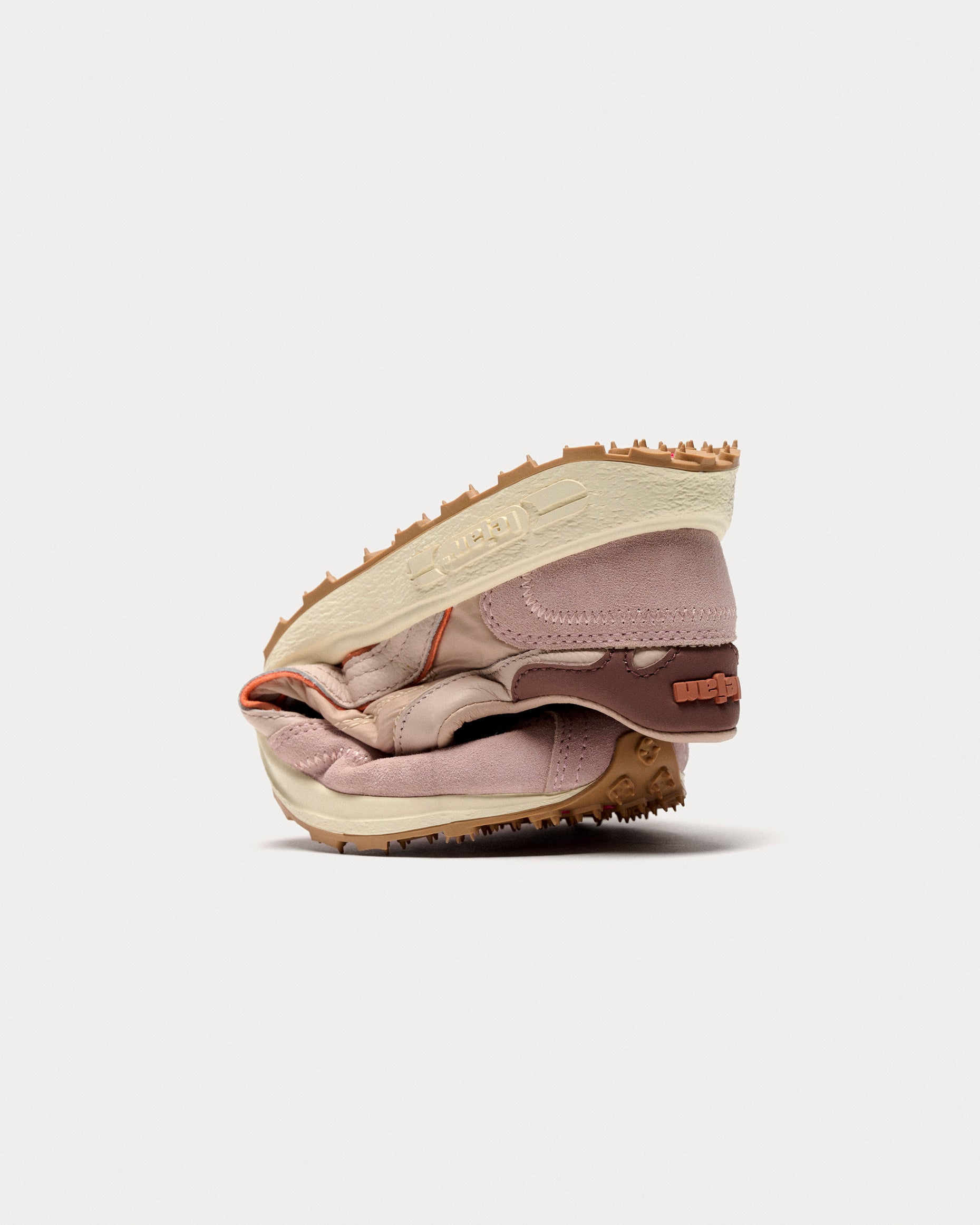
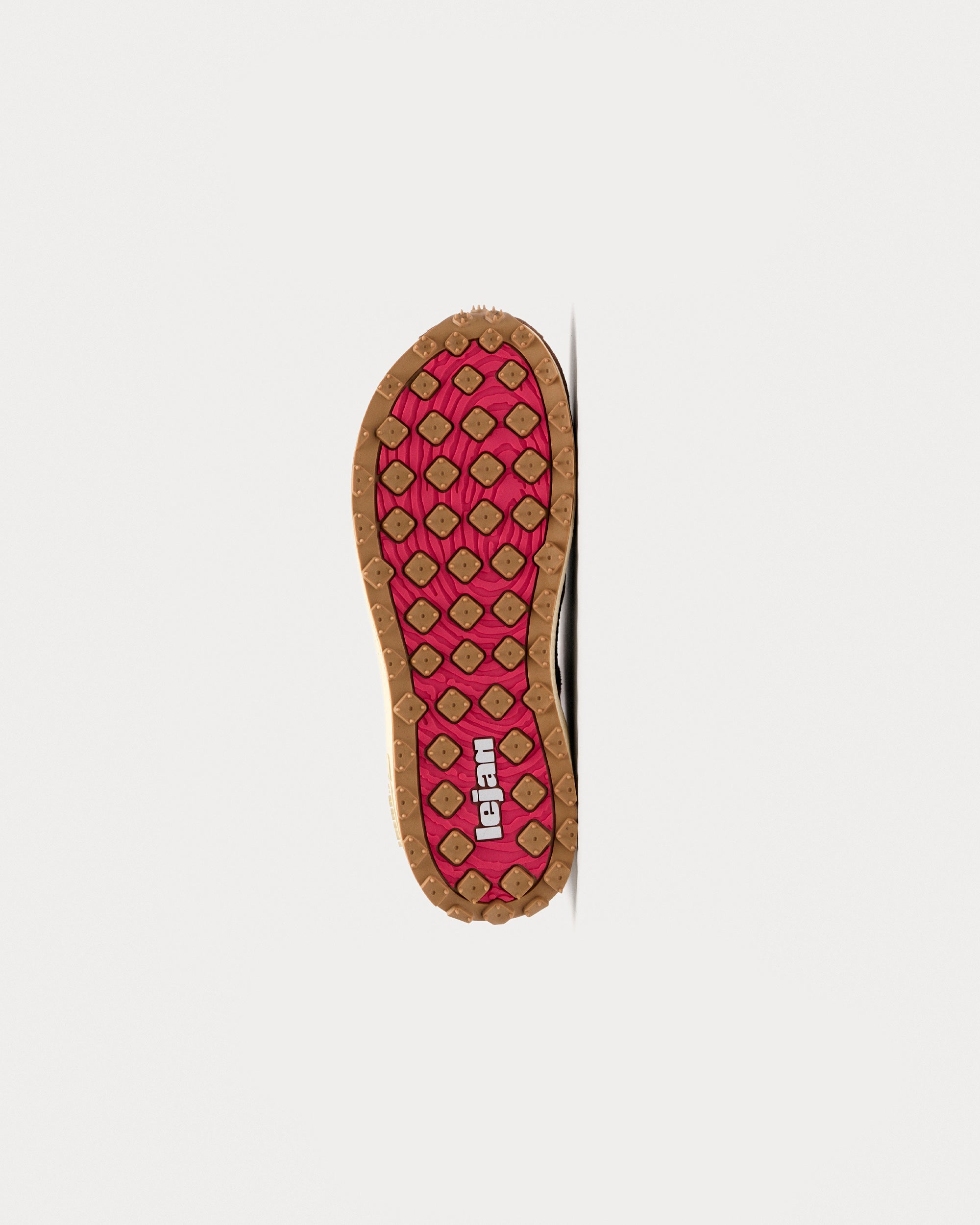
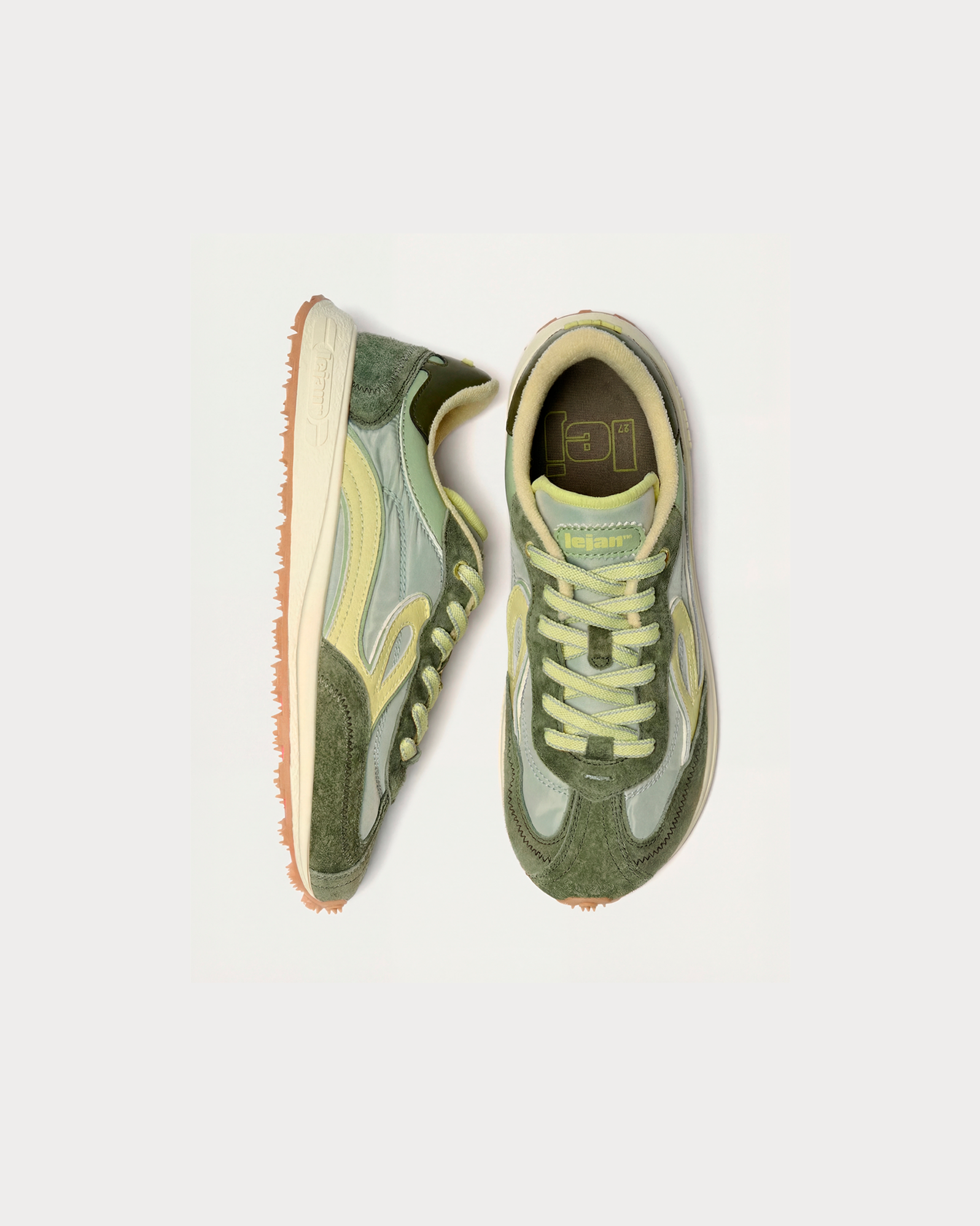
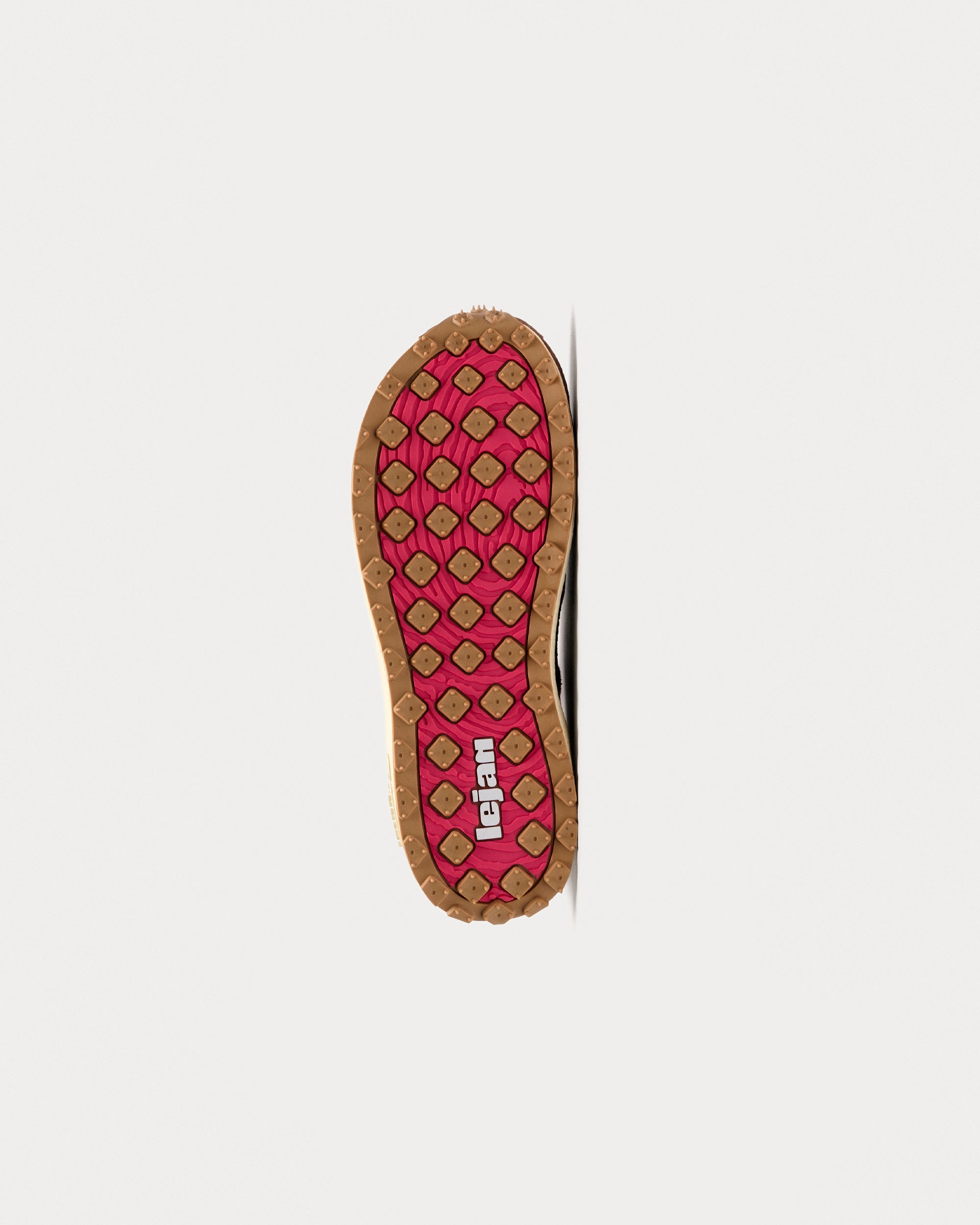
An anatomical toe box, a flexible sole and a structure that does not block movement can help the foot to work more freely. With barefoot footwear, it is also important to have enough room in front of the toes, normally between 0.8 and 1.2 cm, without the foot sliding around inside the shoe.
The fit should allow space, but also stability. If the foot moves too much inside the shoe, rubbing, compensations or a feeling of insecurity can appear.

Mobility, relative rest and gradual adaptation
If your heel hurts, you do not always need to stop completely, but you do need to reduce the load for a while. This might mean walking less, avoiding very hard surfaces, cutting down on impact or spacing out training sessions.
It can also help to work on ankle mobility, the muscles of the foot and the posterior chain, always gradually and without provoking more pain.
The key is not to force things. The foot needs stimulus, but it also needs time to adapt.
When to consider insoles or a professional assessment
Insoles can make sense in some cases, especially when there is a lot of pain, sustained overload or a need to offload a specific area for a period of time.
But they should not be seen as a universal solution. Before using them, it is worth assessing how the foot is loading, what footwear is being worn, what activity the person does and which tissues are involved.
A professional assessment can help decide whether you need an insole, exercises, a change of footwear, an adjustment to your activity or a combination of several things.
When to see a podiatrist
It is worth seeing a podiatrist if heel pain lasts for several weeks, if it is getting worse, if it appears as soon as you put weight on the foot or if it limits your daily activity.
It is also advisable to seek advice if there is significant swelling, night pain, tingling, loss of sensation, a history of injury, diabetes, rheumatic disease, or if the pain started after a knock.
The aim of the assessment is not just to confirm whether there is a spur, but to understand why the heel hurts and what your foot needs at that moment.
Frequently asked questions about heel spurs
Does a heel spur always hurt?
No. It can show up on an X-ray without causing any symptoms. Many people have a heel spur and feel no pain.
When there is pain, you also need to assess the plantar fascia, daily load, mobility, footwear and other factors that may be having an influence.
Is it the same as plantar fasciitis?
No. A heel spur is a bony growth. Plantar fasciitis is irritation or overload of the plantar fascia.
They can appear together, but they do not mean the same thing. In fact, the typical pain during the first steps in the morning is usually more related to the plantar fascia than to the spur itself.
What footwear helps if my heel hurts?
Footwear with real room for the toes, good flexibility, a sole that lets you feel stable and a structure that does not compress the foot can help.
If you are coming from very stiff, narrow or high-heeled footwear, any change should be made gradually. The foot needs to adapt, especially if there is already pain.
Can heel spurs be prevented?
They cannot always be prevented completely, but you can look after the factors that reduce overload on the heel: maintaining good mobility, avoiding sudden changes in activity, reviewing your footwear, strengthening the foot gradually and seeking advice when the pain starts to come back repeatedly.
Rather than obsessing over the spur, it is better to listen to your foot and look at what is making that area work beyond what it can tolerate.
Test your knowledge
Answer the questions to check how much you know about this topic.
1. What is a heel spur?
2. Why is a heel spur not always to blame for the pain?
3. What other cause is usually linked to heel pain?
4. What type of footwear can increase tension in the heel and the fascia?

Share