An ingrown toenail is one of those small niggles that can make day-to-day life a lot harder. It starts with pressure on the side of the toe, moves on to pain when walking and, if it isn't looked after in time, can end in inflammation, discharge or infection.
Although it's often put down to nothing more than cutting your nails badly, footwear plays a bigger role than it seems. A narrow, rigid or pointed toe box can squeeze the toes and make it easier for the edge of the nail to dig into the skin. So rather than simply looking for “a comfortable shoe”, it's worth understanding which type of toe box really helps prevent it.
Why the nail digs into the skin

An ingrown toenail, also known as onychocryptosis, occurs when one of the edges of the nail grows into the surrounding skin. It mostly affects the big toe, because it's the one that takes the most pressure inside the shoe and does the most work pushing off when you walk.
1. What onychocryptosis is, in simple terms
Onychocryptosis happens when the nail doesn't grow freely forwards, but instead one of its sides grows into the soft tissue of the toe. At first it may feel like an occasional niggle, but with the shoe rubbing, the pressure of walking and inflammation in the area, the pain can get worse.
It doesn't always start in an obvious way. Sometimes you only notice a slight tenderness when you touch the edge of the nail or put on certain shoes.
2. Why the big toe is usually the most affected
The big toe carries a lot of load when you walk. It's also usually the one that suffers most when shoes come to a point, when the size is a tight fit or when the foot slides forwards inside the shoe.
If the toe is repeatedly squeezed, the skin on the side is pushed against the nail. Over time, that constant contact can encourage the nail edge to dig in.
3. How a spicule forms
A spicule is that small fragment of nail left on the side that acts like a “splinter”. It can appear after cutting the nail too rounded, too short, or after a DIY attempt to remove the painful part.
The problem is that, small as it may seem, that fragment can keep growing into the skin and keep the inflammation going.
Causes that go unnoticed
An ingrown toenail doesn't have a single cause. Usually several factors come together: how the nail is cut, what the footwear is like, how much the foot sweats, what activity you do and the natural shape of the nail.
1. Cutting incorrectly and rounding the corners

One of the most common causes is cutting the nails too short or rounding the corners too much. When too much of the side edge is removed, the nail can grow towards the skin instead of growing straighter.
The advice is to cut the nail straight across, without going too close on the sides and without leaving sharp points. It's not about leaving the nail long, it's about not cutting into the edges.
2. Narrow shoes, pointed toe boxes and high heels
Narrow shoes squeeze the toes together. If the toe box also comes to a point, the big toe gets pushed inwards and the edge of the nail takes more pressure.
High heels can also play a part, because they shift more load onto the front of the foot. This increases pressure on the toes and can lead to repeated rubbing against the toe box.
3. Repetitive trauma and sport
Activities like running, football, tennis, basketball or sports with sudden stops can cause micro-trauma to the nail. It doesn't take a hard knock: sometimes it's enough for the toe to hit the front of the shoe many times over.
This happens especially when the trainer is a tight fit lengthwise, when there's no room in the toe box or when the foot slides forwards because it isn't held in place.
4. Natural nail curvature and genetics
Some nails, because of their shape, tend to curve more towards the sides. In those cases, even if the nail is cut correctly, the edge may be more prone to digging in.
Here prevention matters even more: check how you cut, avoid outside pressure and see a podiatrist before the pain becomes severe.
5. Hyperhidrosis or excessive sweating
A foot that sweats a lot stays damp for longer. That moisture softens the skin and can make the tissue at the side of the nail more vulnerable to pressure.
That's why keeping your feet dry, changing socks and choosing breathable materials is also part of prevention.
Symptoms and warning signs
An ingrown toenail can start with mild discomfort, but it's worth watching how it develops. Not all of them need the same approach, but it is important not to fiddle with the area too much once it's inflamed.
1. Redness, swelling and pain on the side
The first signs are usually pain on one side of the nail, tenderness when rubbed, redness and slight swelling. It may hurt when walking, when wearing closed shoes or even when touching the area.
At this stage, checking your footwear and avoiding direct pressure can help stop it getting worse, but if the pain increases, the sensible thing is to get it looked at.
2. Granuloma and discharge
When the nail has been ingrown for a while, inflamed tissue known as a granuloma can appear on the side. The area may bleed easily or ooze.
At this point it should no longer be treated at home with improvised cutting, because interfering with the nail can make the wound deeper.
3. When the infection stops being local
If there's pus, intense heat, a bad smell, worsening pain, spreading redness or fever, you need to see a healthcare professional. It's also worth seeking advice sooner if you have diabetes, poor circulation, neuropathy or problems with wound healing.
The V-cut myth and other home remedy mistakes
When a nail becomes ingrown, it's normal to look for quick fixes. Some have been passed around for years, but they don't always make sense and can make the problem worse.
1. Why a V-cut doesn't change the direction of growth
Cutting a “V” in the centre of the nail doesn't stop the sides from digging in. The nail grows from the matrix, not from the free edge, so that cut doesn't actually change the direction it grows in.
It can also weaken the nail plate and leave uneven edges.
2. The risk of dealing with the spicule at home
Trying to “dig out the point” with scissors, clippers or unsuitable tools can leave a fragment even deeper. This usually brings relief for a few minutes, but then the inflammation comes back.
Once there's clear pain on the side, the best thing is to have a podiatrist assess it, especially if it keeps coming back.
3. Home remedies that mask the infection
Foot baths, antiseptics or creams can soothe the area in some mild cases, but they don't fix an embedded spicule if the fragment is still inside.
If there's discharge, a granuloma or persistent pain, the problem isn't just “irritated skin”: there may be a nail edge acting as a foreign body.
Prevention: 5 habits that really work
Preventing ingrown toenails combines nail care, hygiene, moisture control and choosing the right footwear.
1. Cut straight across, neither too short nor rounded
The cut should be straight, leaving the sides alone and not going too close. If small corners are left, you can soften them slightly with a file, but without rounding them too much.
2. Keep your feet dry
After showering, dry your toes and the spaces between them thoroughly. If your feet sweat a lot, it can help to change socks during the day and alternate pairs of shoes so they can air out.
3. Moisturise around the nail
Very dry skin can crack and lead to small wounds around the nail. Moisturising your feet helps keep the skin more supple, though always avoid leaving moisture trapped between the toes.
4. Check your feet daily if you've had one before
If you've already had an ingrown toenail, it's worth looking at the area every few days. Spotting redness or pressure early on is much easier than treating a nail that's already inflamed.
5. See a podiatrist if it keeps coming back
When the same nail becomes ingrown several times a year, “cutting it better” isn't enough. There may be a curved nail, a particular gait, a clash with your footwear or a recurring spicule that needs professional treatment.
What footwear that helps prevent ingrown toenails should be like
Footwear won't cure a nail that's already ingrown, but it can reduce one of the biggest contributing factors: repeated pressure on the toes.
1. An anatomical or wide toe box
The ideal toe box for preventing ingrown toenails is anatomical, roomy and shaped to match the foot. It shouldn't come to a point or force the big toe to bend inwards.
The key is that the toes can sit without being squeezed from the sides. If the big toe is constantly pressed against the second toe or the inside wall of the shoe, the edge of the nail takes more load.
A good toe box isn't just “bigger”: it's one that respects the shape of the forefoot.
2. Enough room in front of the toes
Besides width, length matters. If the toes hit the front of the shoe when walking or going downhill, the nail takes repeated impacts.
There should be enough margin so the foot doesn't hit the toe box, but without the shoe being so big that the foot slides around inside.
3. Heel support so the foot doesn't slip
This point is key: a roomy shoe with no support can cause problems too.
If the foot slides forwards with every step, the toes end up hitting the toe box. That's why footwear needs to combine room for the toes with good support at the heel and instep.
Room without stability isn't always prevention.
4. Flexible materials that don't press on the big toe
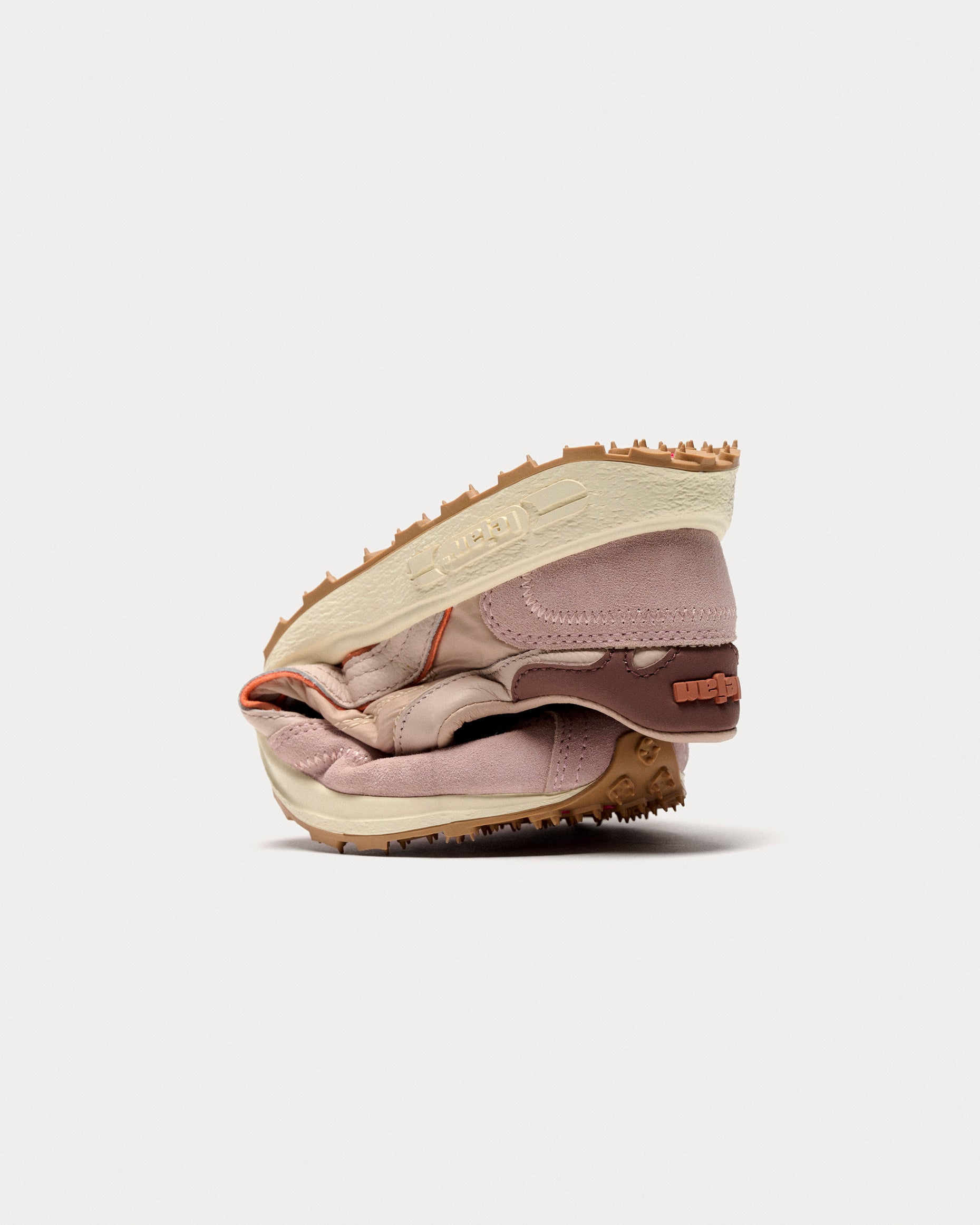
Rigid materials in the toe box can increase rubbing on the nail, especially if the toe is already tender. It's better to choose materials that move with the foot and don't create hard spots over the big toe.
That doesn't mean the shoe should be soft with no structure, but it shouldn't squeeze or put direct pressure on the nail edge.
5. Low drop or zero drop, if your foot can handle it
Shoes with a high heel or a big height difference between heel and forefoot can shift more load forwards. For some people, a low drop or zero drop can help spread the load more evenly, as long as their biomechanics, posterior chain and transition can handle it.
It's not a universal rule. Some feet need gradual adaptation or individual advice, especially if there's existing discomfort.
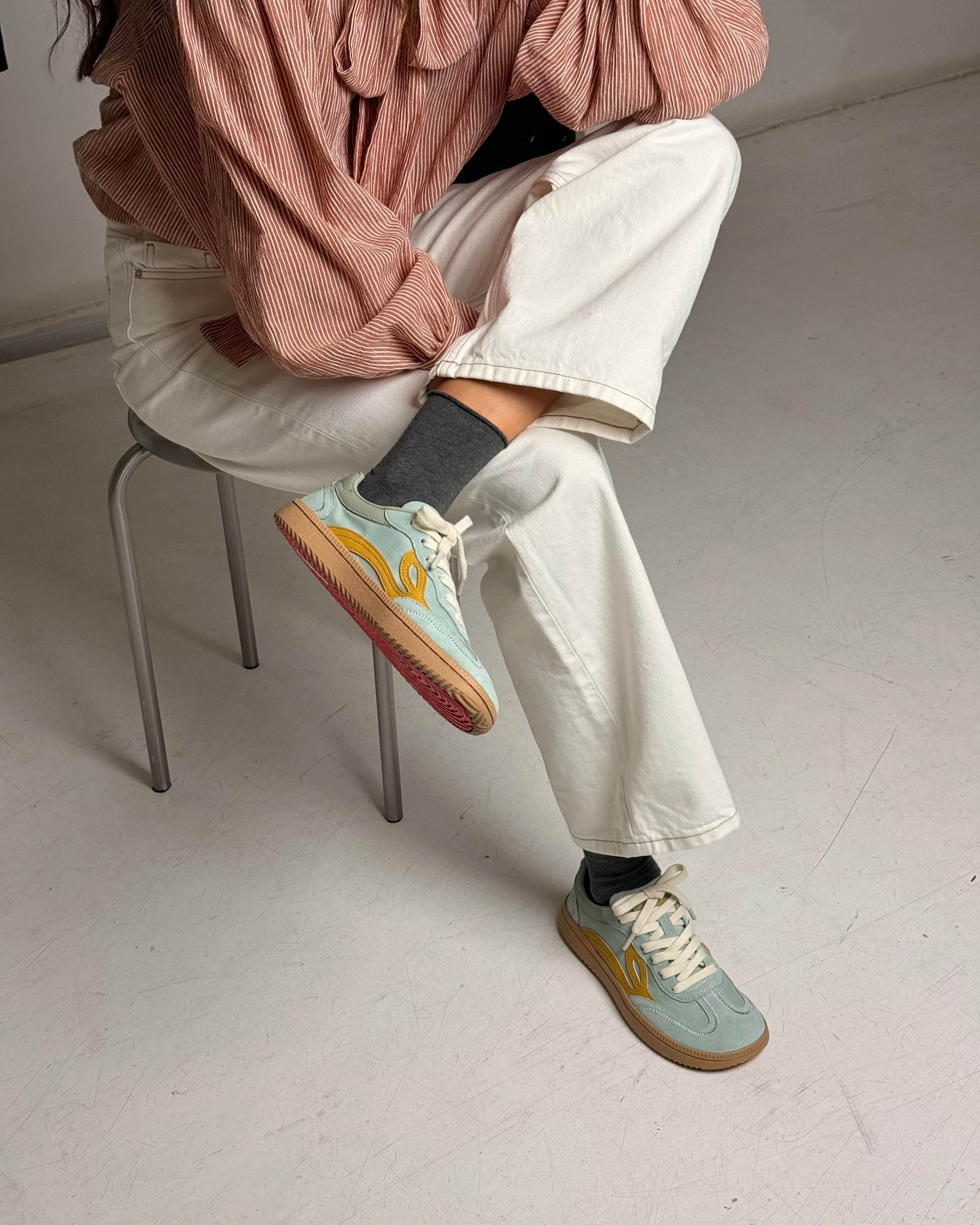
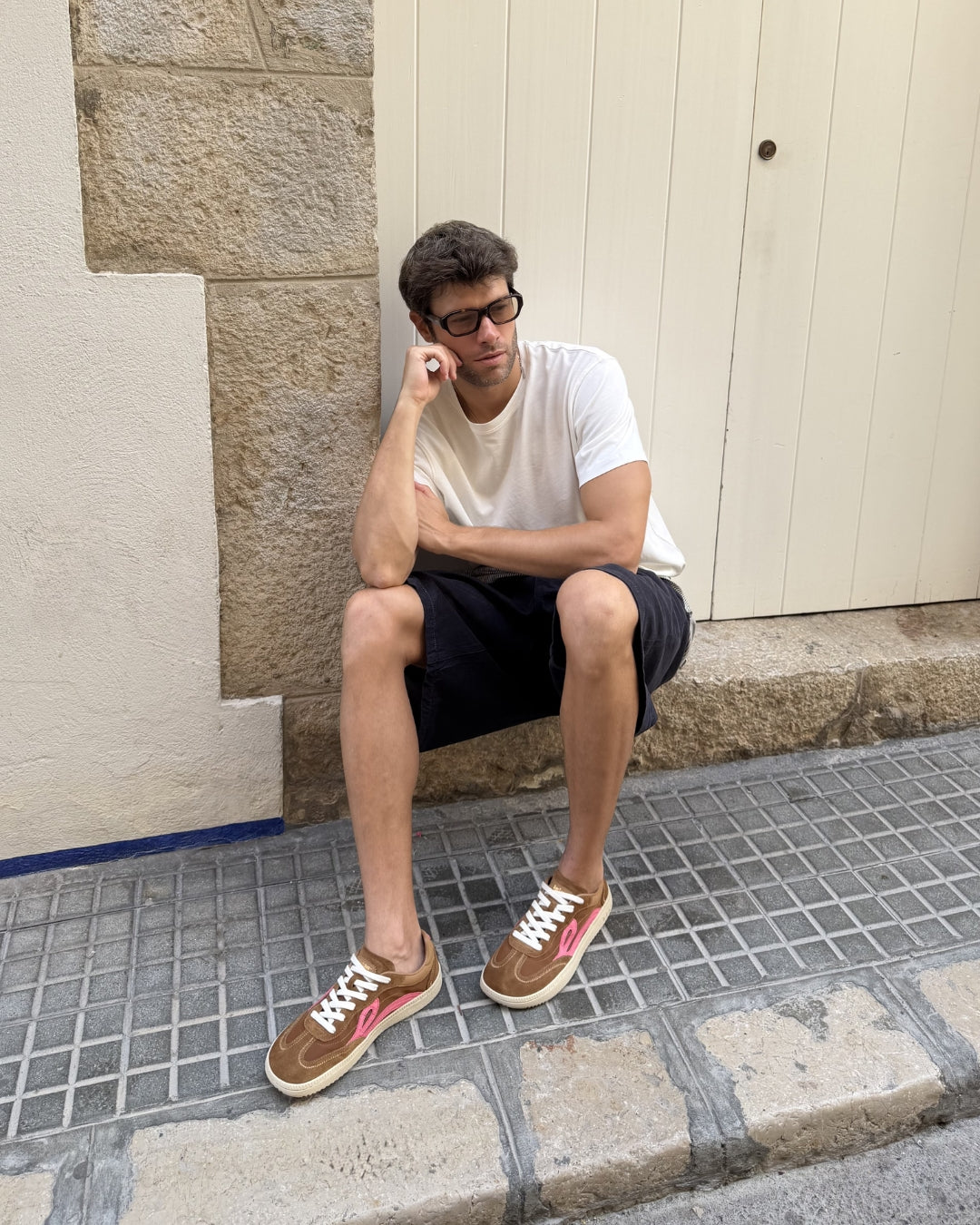
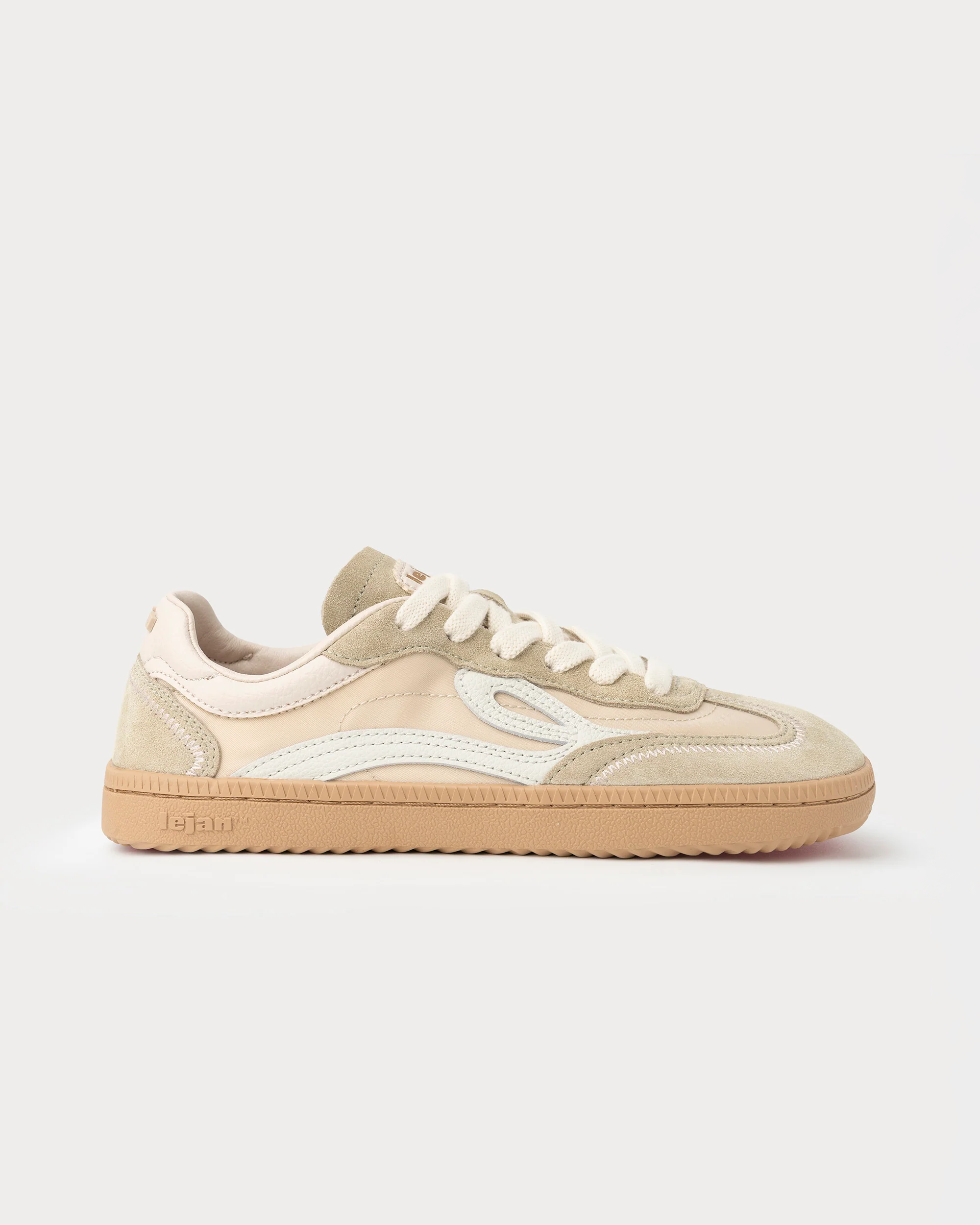
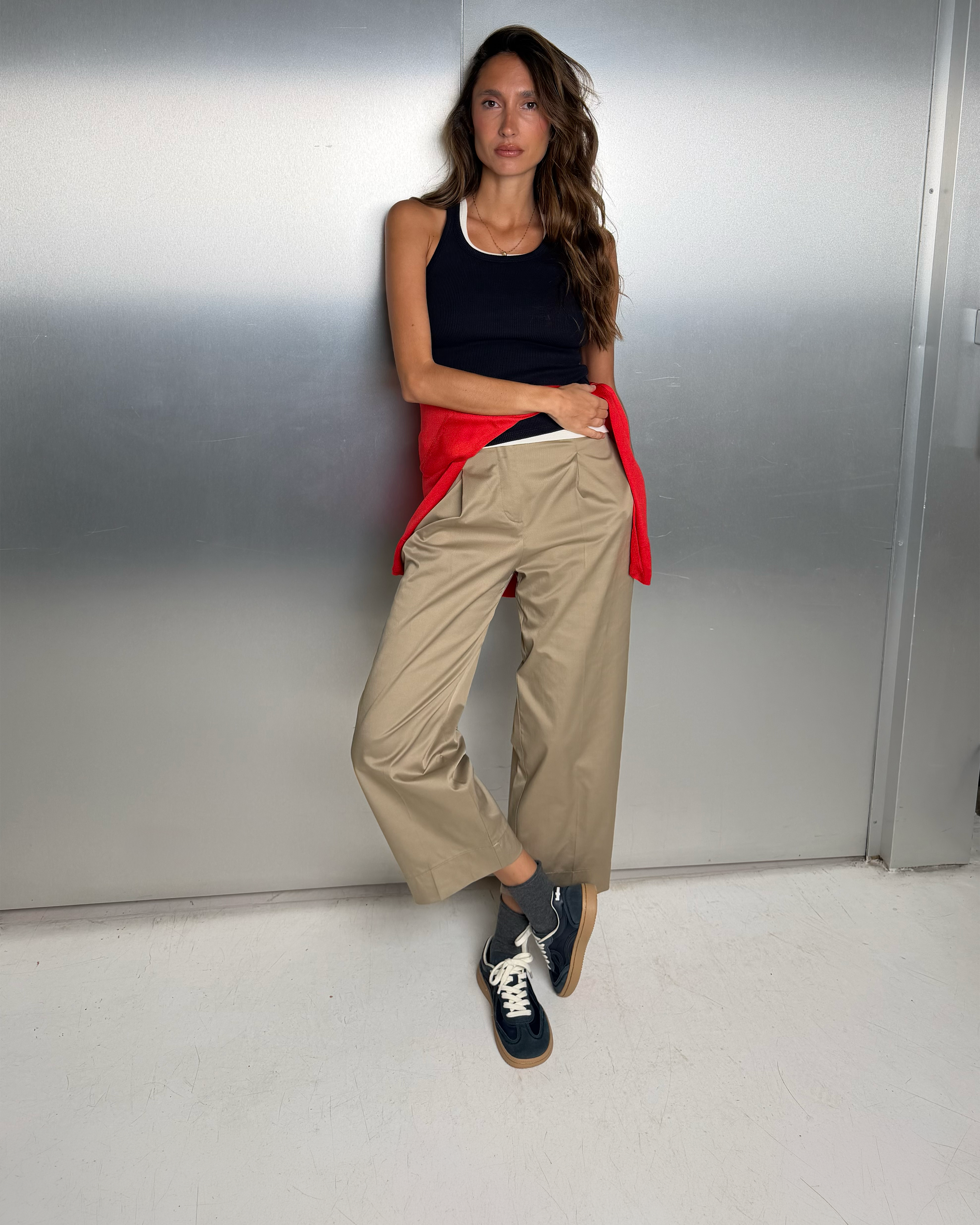
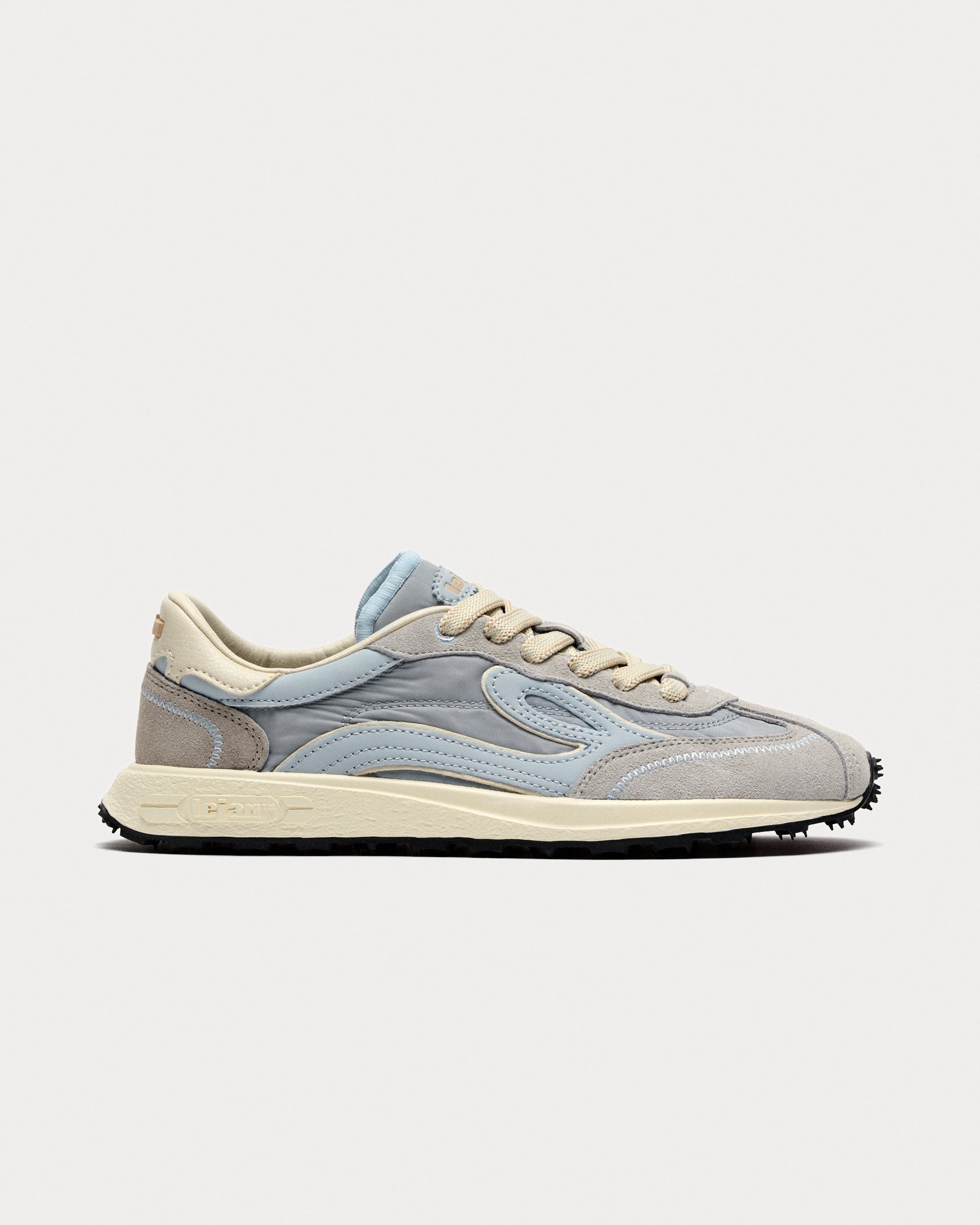
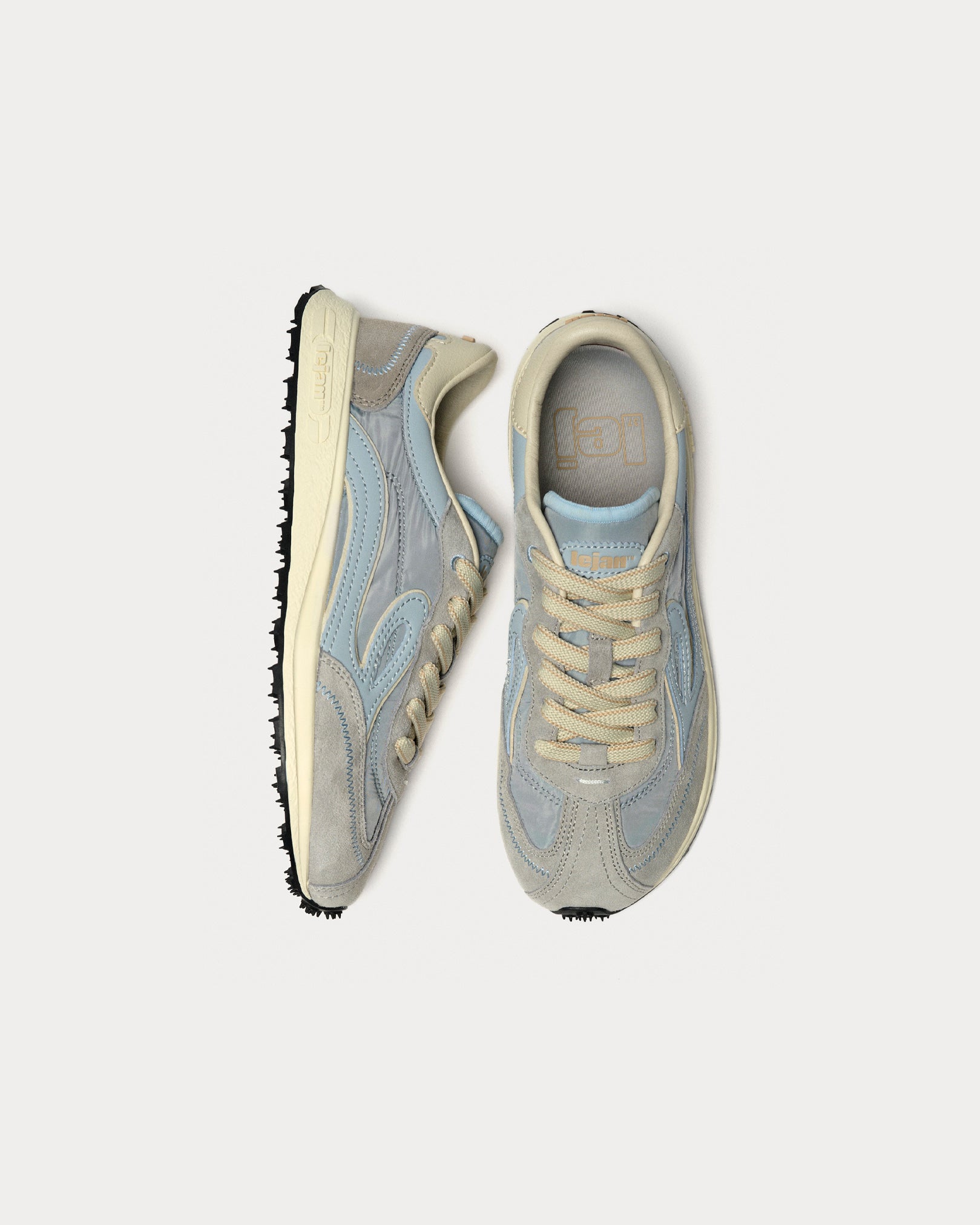
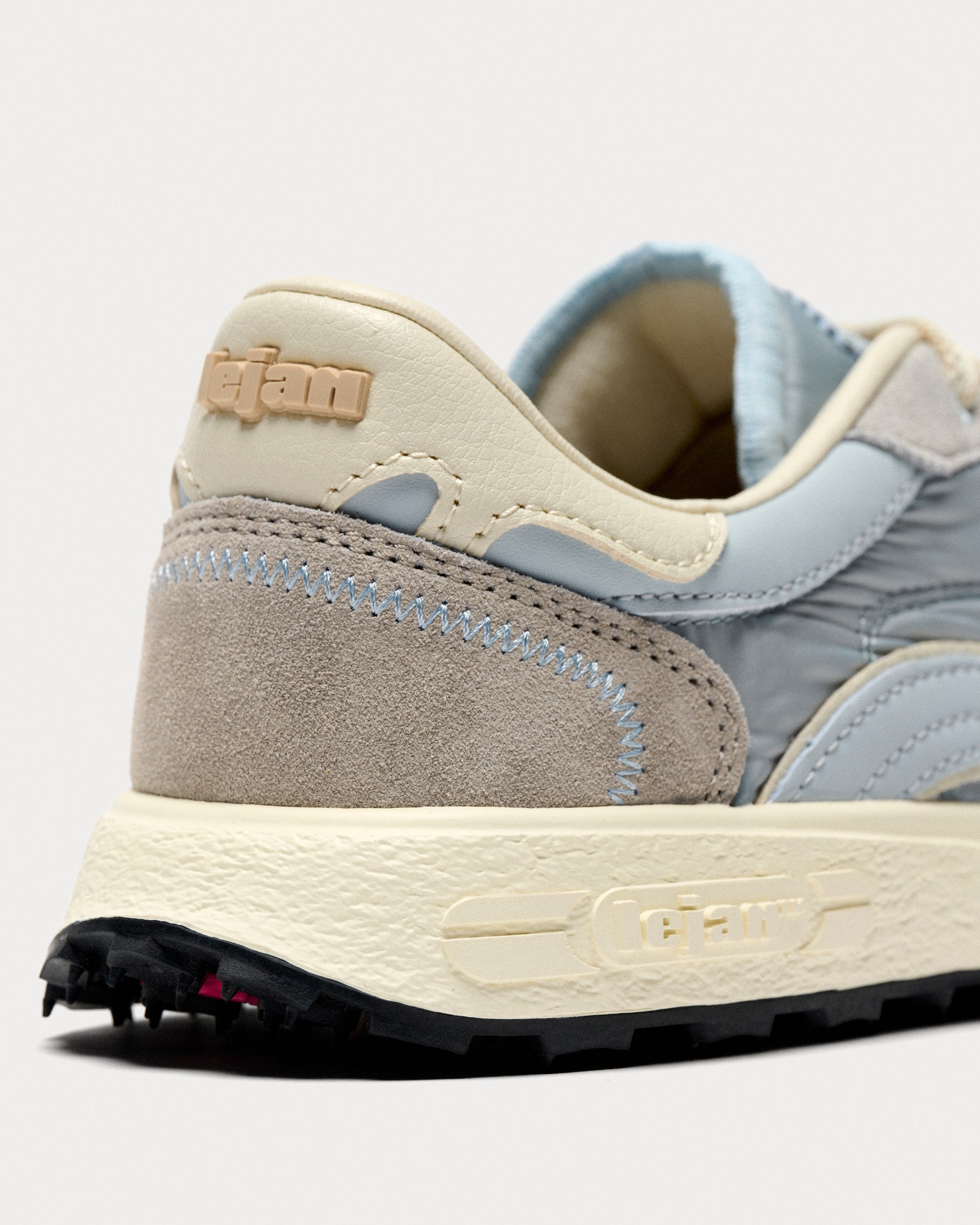
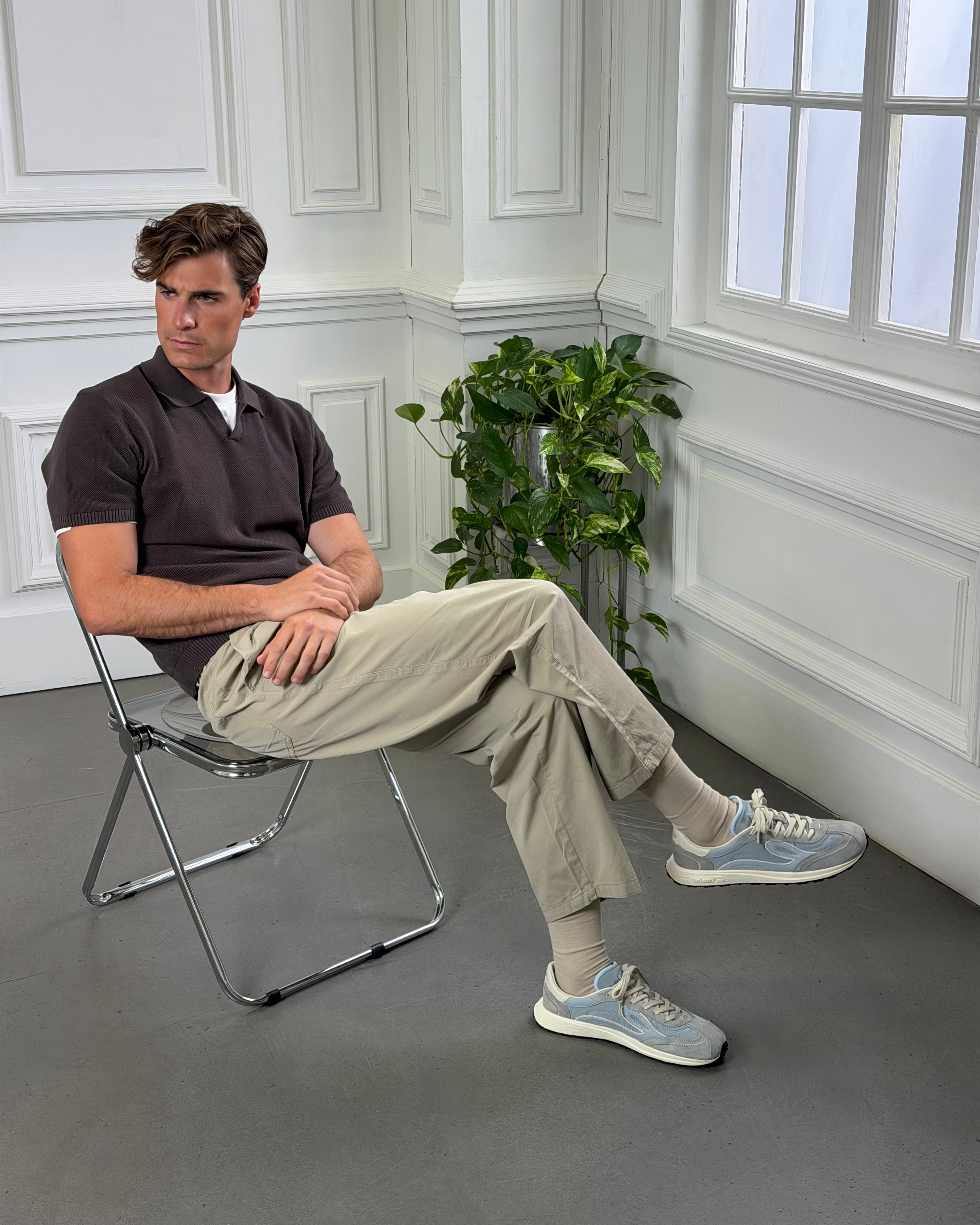
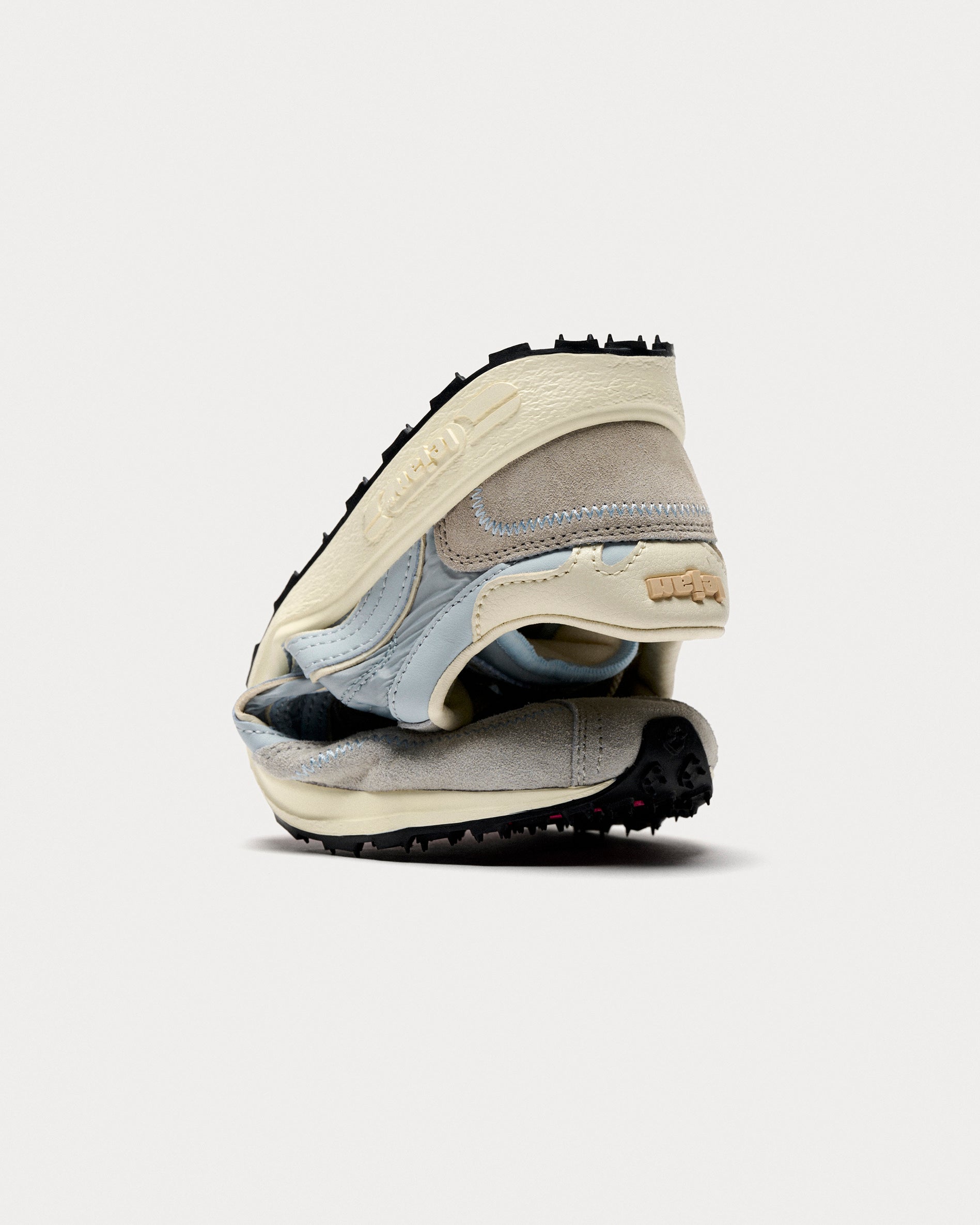
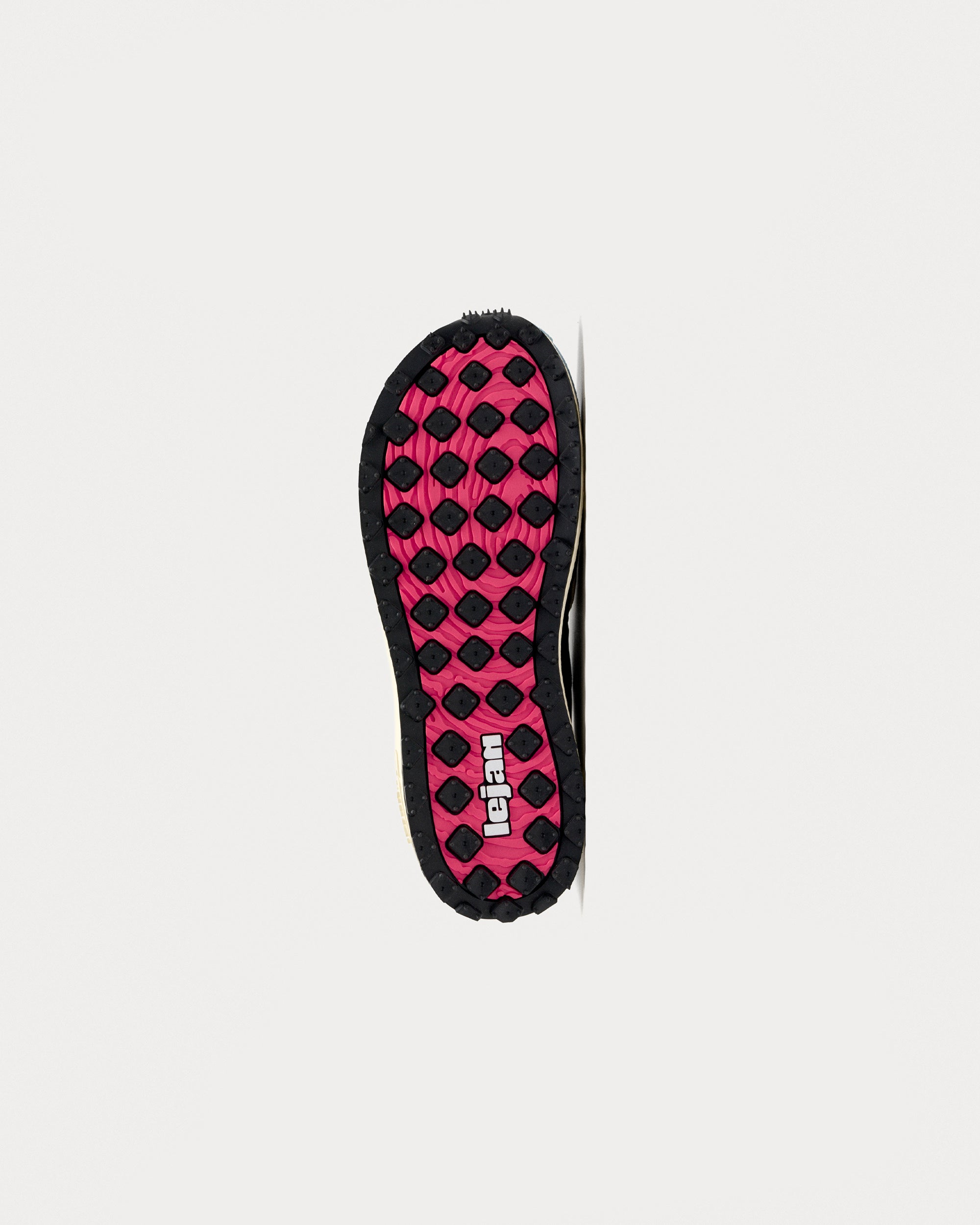
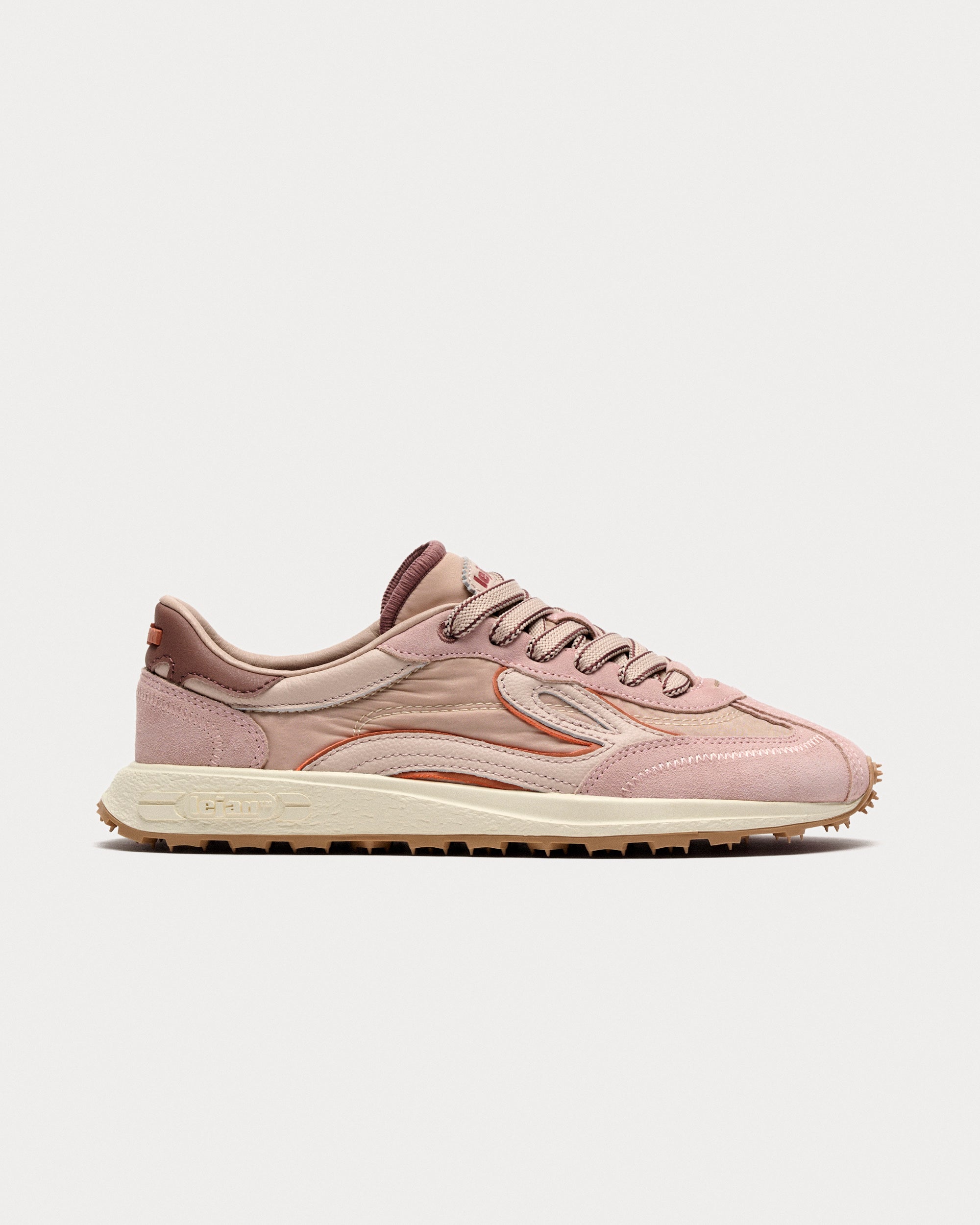
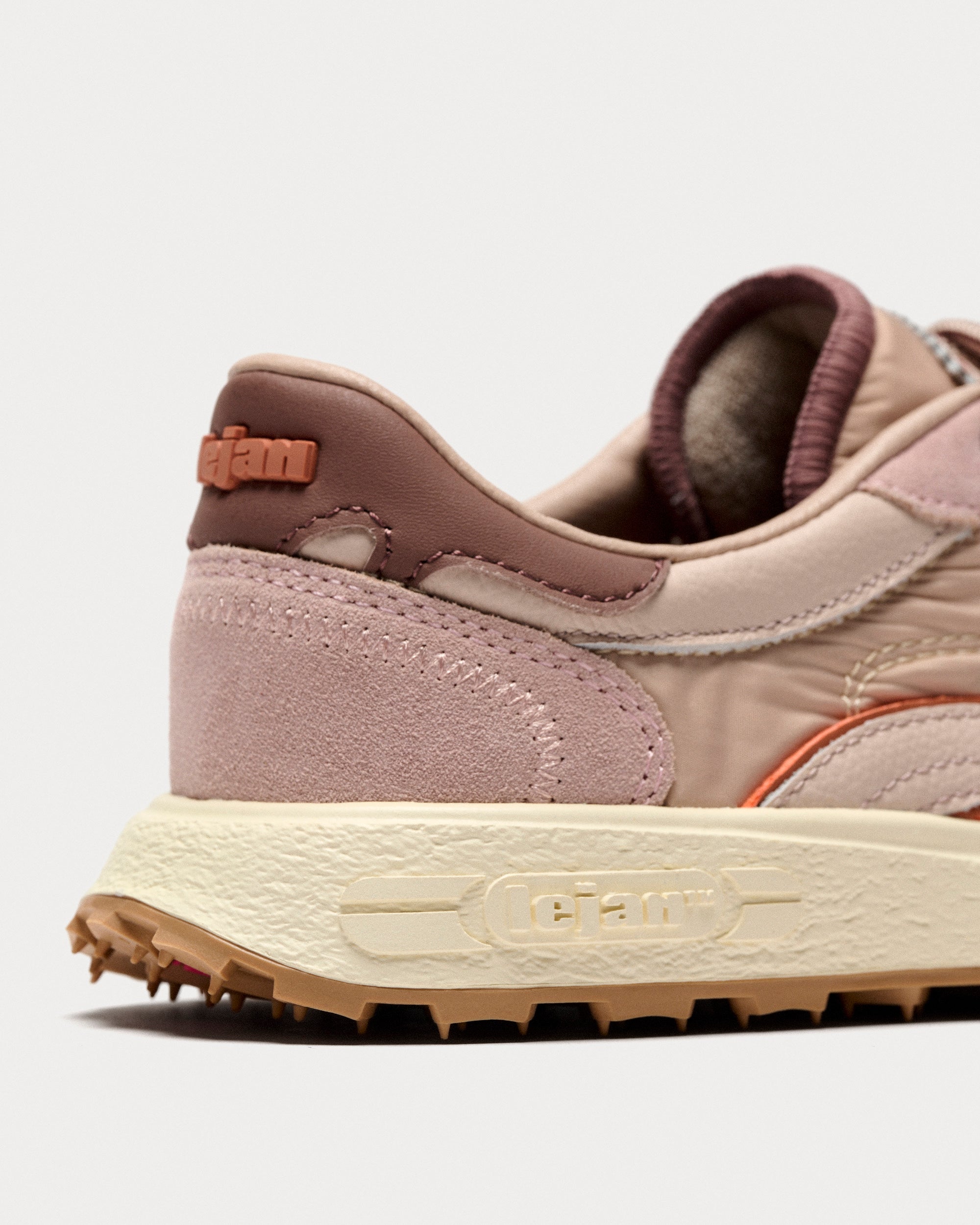
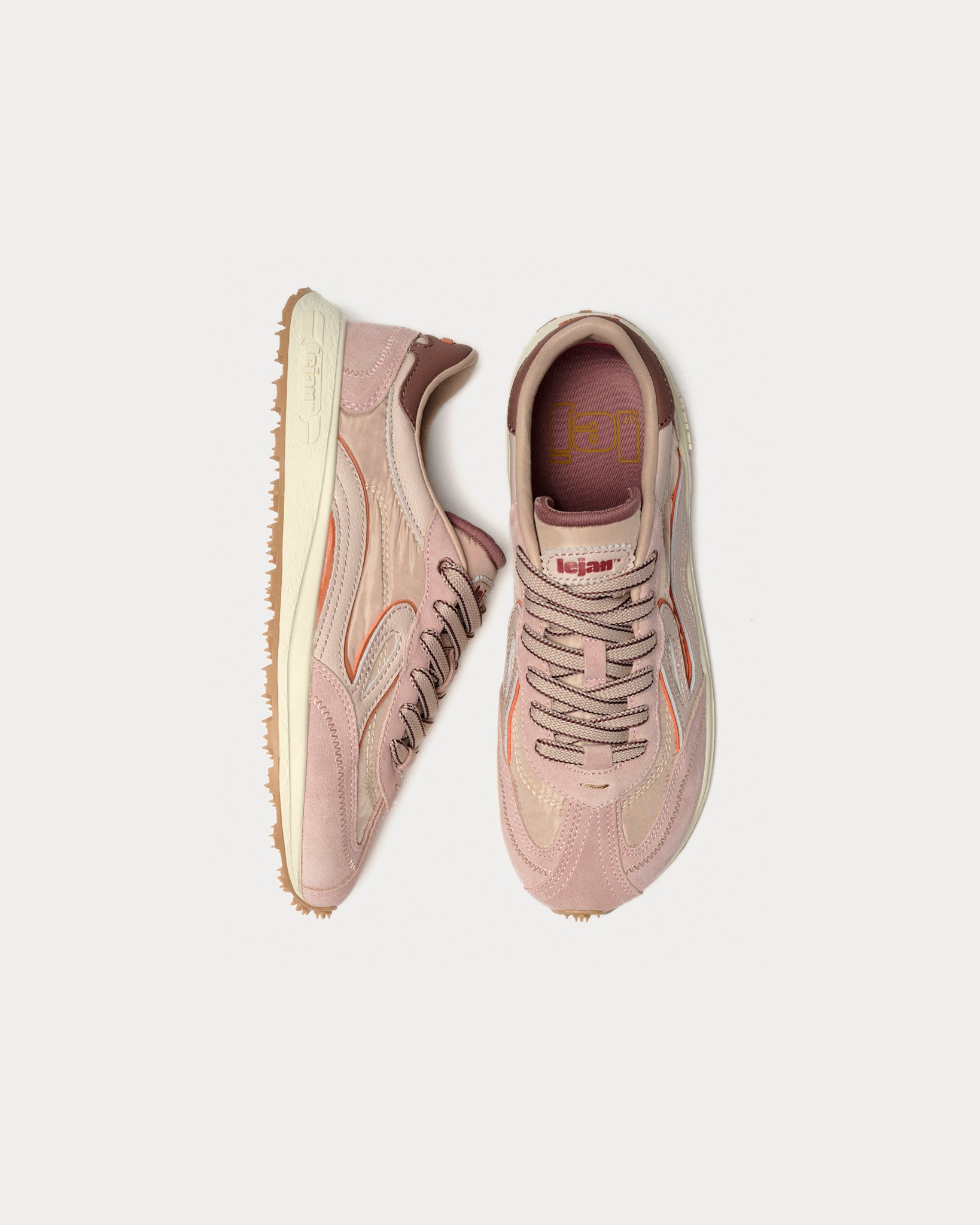
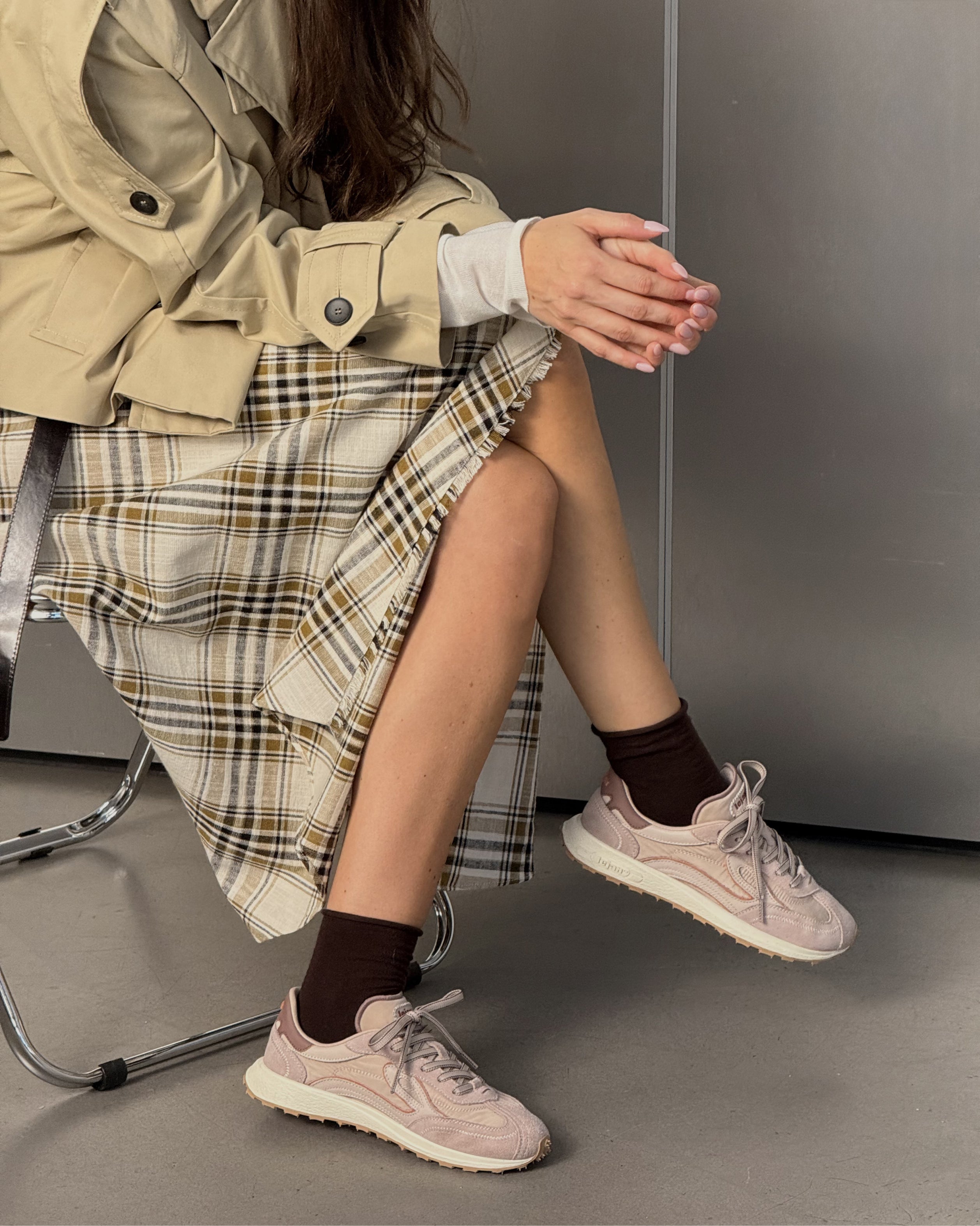
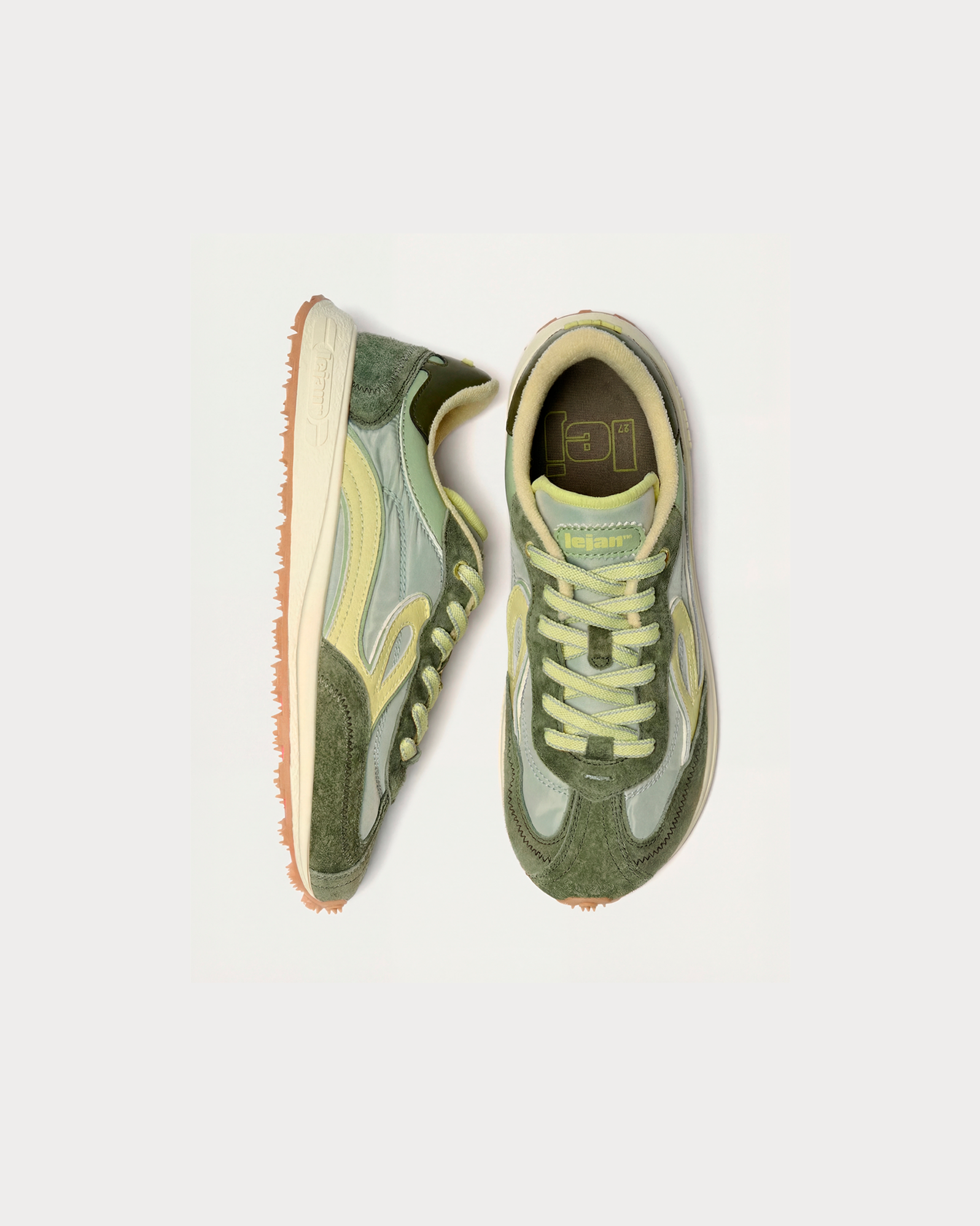
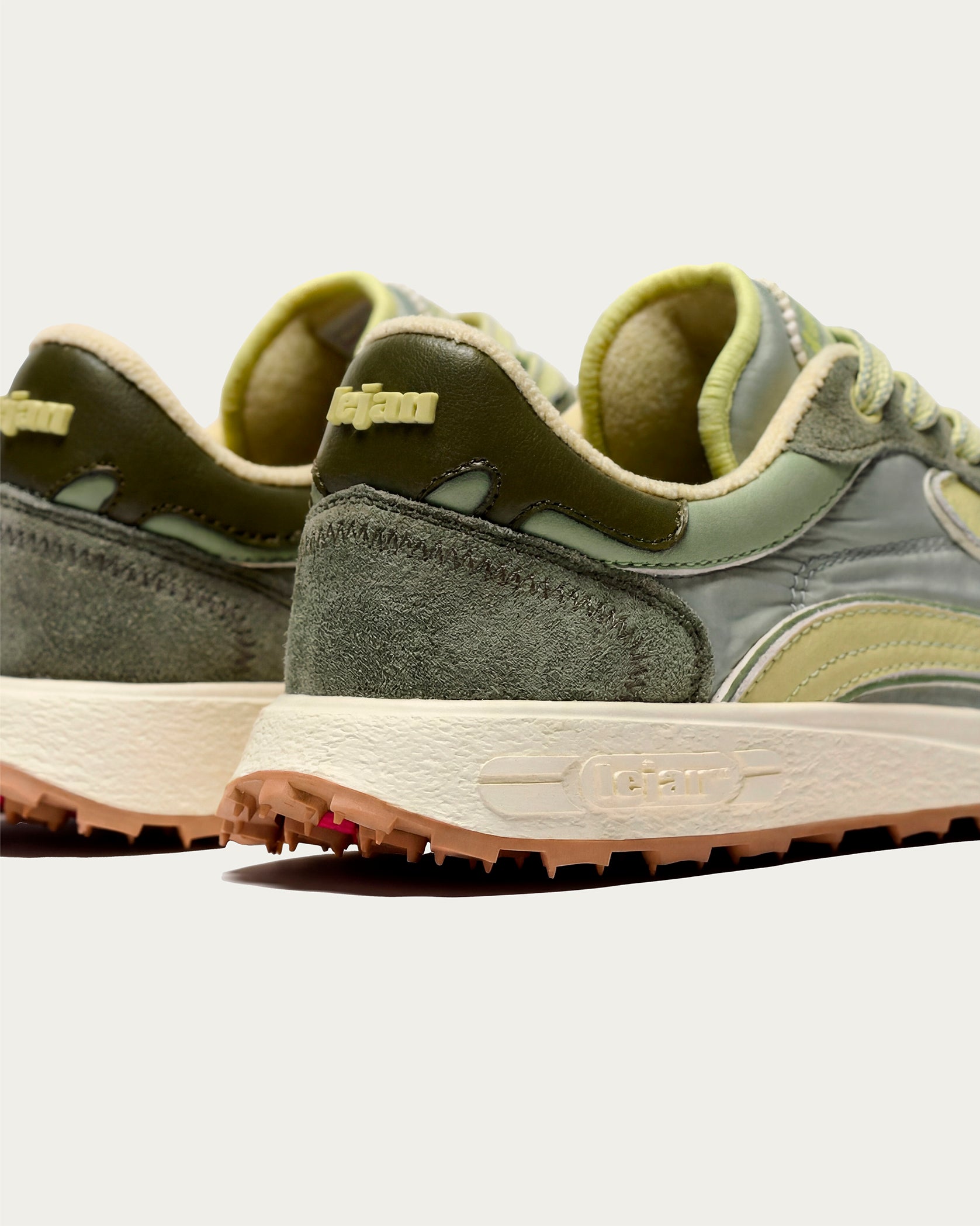
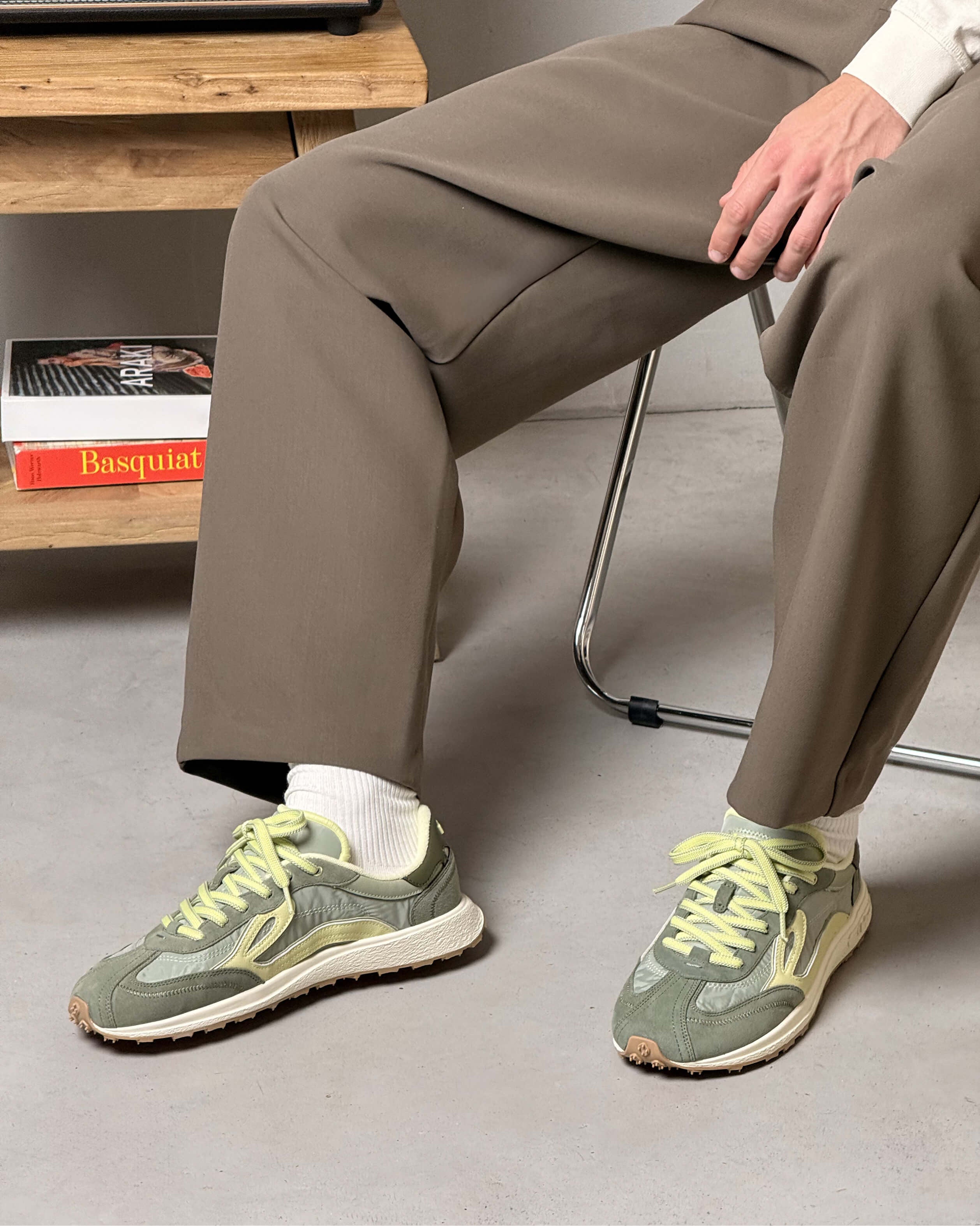
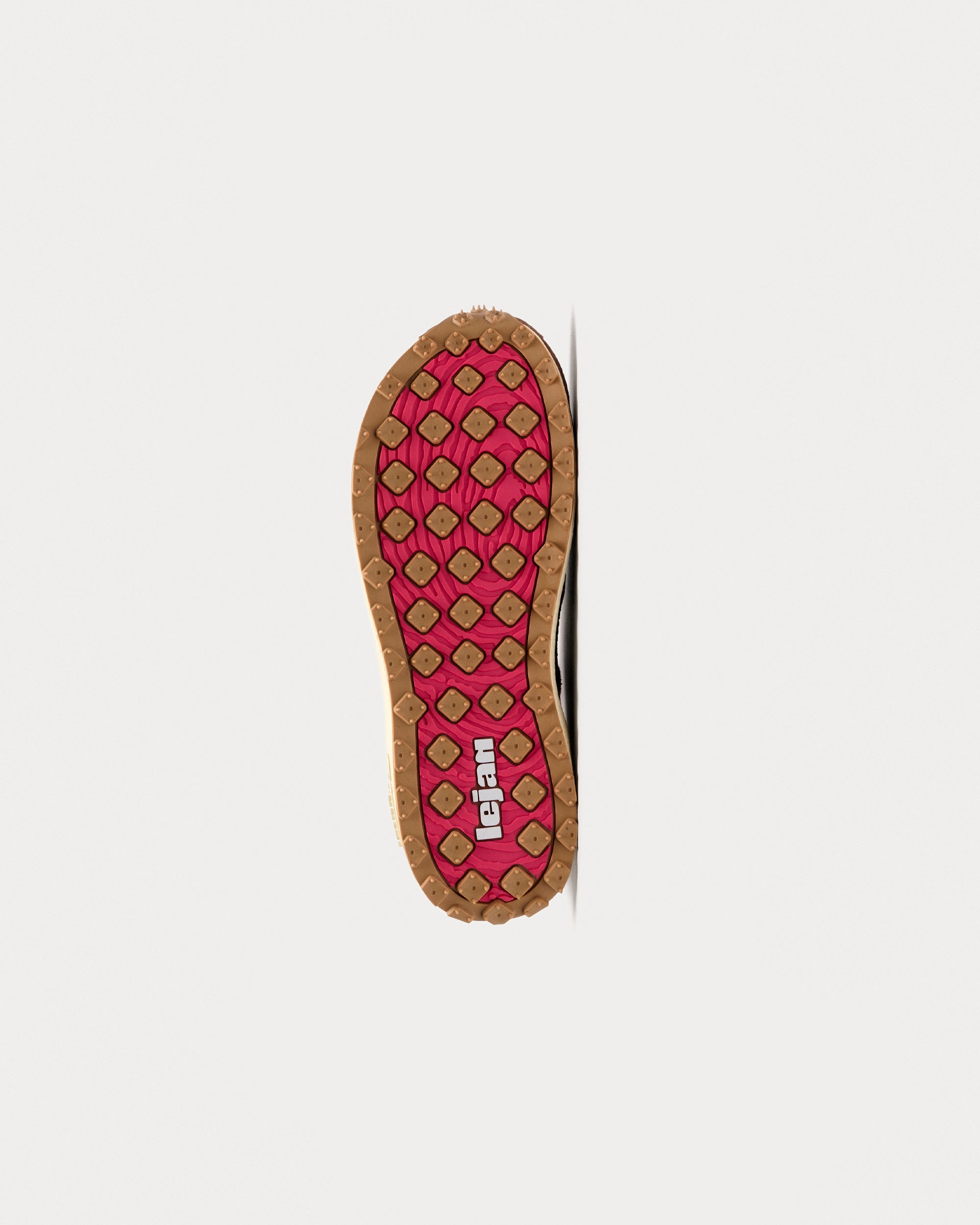
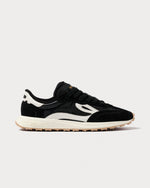
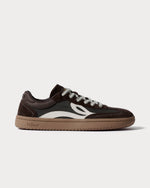
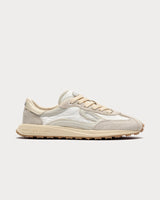
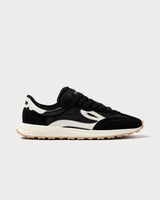
Models like Lejan One or Lejan Melrose can be a good fit for those looking for everyday footwear with an anatomical toe box, room for the toes and support. The choice should always be based on the shape of your foot, the type of activity and your history of discomfort.
Mistakes when choosing roomy footwear
Not everything sold as “comfortable” or “wide” prevents ingrown toenails. Sometimes the problem isn't just a lack of space, but how the foot moves inside the shoe.
1. Confusing roomy with big
Going up a size doesn't always solve the problem. It may give you more length, but not necessarily more width in the right place. And if the shoe is too big, the foot can shift and hit the toe box.
What matters is that the shape of the shoe is right, not just that the number is bigger.
2. Choosing a wide toe box with no fastening
A roomy toe box needs to come with laces, Velcro or a fastening system that keeps the foot stable. Without support, the foot moves too much and the toes end up taking the impacts.
3. Wearing very rigid soles
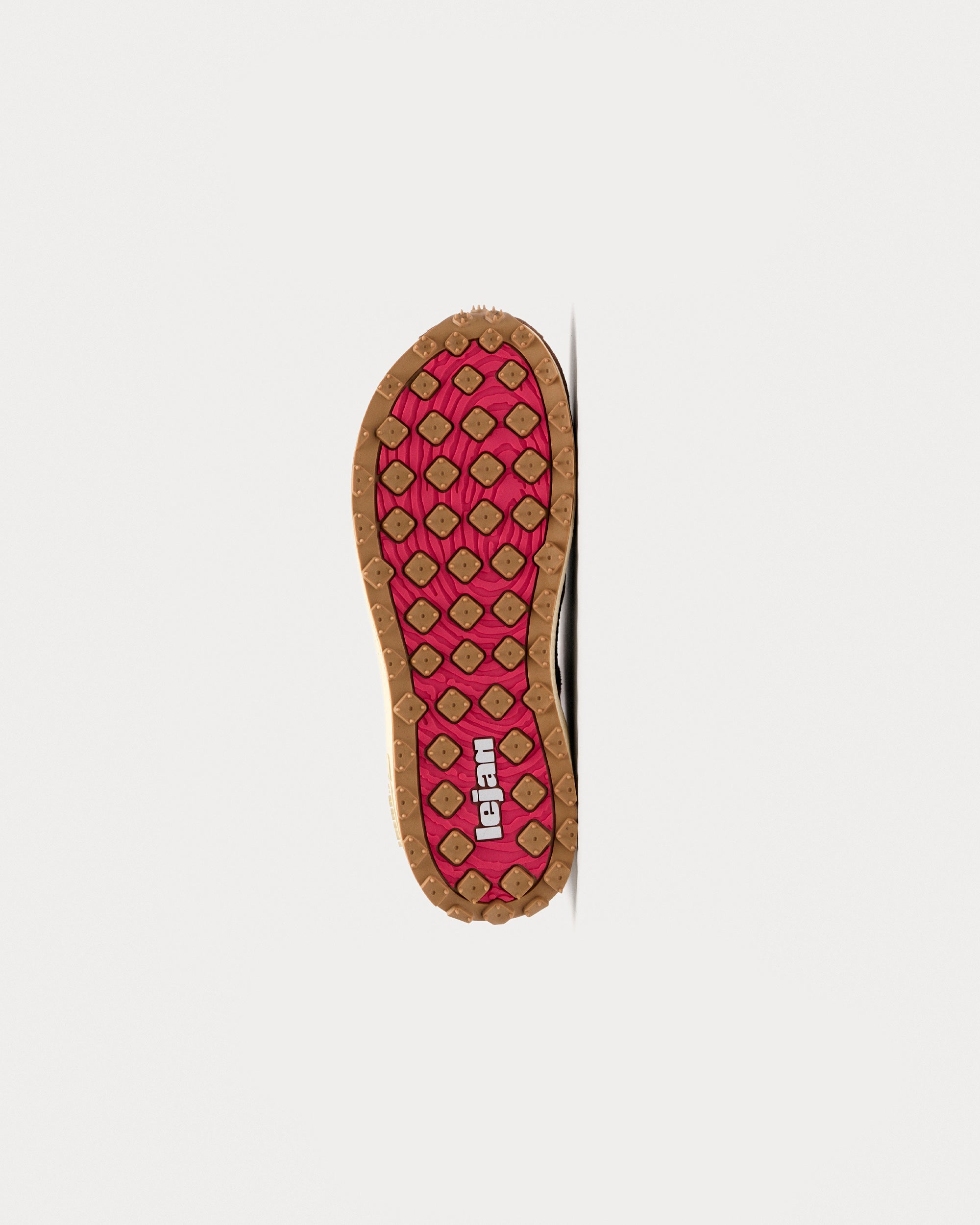
A rigid sole can stop the foot moving naturally and make the push-off more abrupt. For some people, this increases pressure on the forefoot and toes.
A flexible sole lets the foot do more of the work, always within a sensible transition.
4. Not checking the insoles
An insole that's badly positioned, too thick or that takes up room inside can push the toes upwards or forwards. If you use insoles, it's worth checking the whole set-up: foot, sock, insole and shoe.
Ingrown toenails and sport
Sport can bring on ingrown toenails when there are repeated knocks, sudden stops, changes of direction or trainers that are too tight.
1. Why running, tennis and basketball can trigger it
In sports with impact or braking movements, the foot tends to shift forwards. If the trainer doesn't hold the foot well or the toe box is a tight fit, the big toe repeatedly hits the front.
That built-up micro-trauma can inflame the edge of the nail.
2. How to choose a training shoe
For training, look for a trainer with real room in the toe box, good support at the heel and midfoot, breathable materials and enough margin in front of the toes.
For specific sports, not everything has to be barefoot. Sometimes a particular sports shoe may make sense depending on the discipline, the terrain and the loads. What matters is that it doesn't squeeze the nail or let the foot constantly hit the toe box.
3. Care after training
After sport, take off damp footwear, wash and dry your feet thoroughly, change socks and check for redness on the sides of the nail.
If an area always starts hurting after training, don't wait for it to become inflamed.
When to see a podiatrist
An ingrown toenail doesn't always sort itself out. If there's persistent pain or signs of infection, a professional assessment stops the problem getting worse.
1. Pain that doesn't ease in 2 or 3 days
If the pain increases, if it bothers you when walking or if it doesn't improve once the pressure from your footwear is removed, get it looked at.
2. Recurrence in the same nail
If the same nail becomes ingrown several times, there may be an underlying cause: curvature, cutting, footwear, biomechanics or a spicule that hasn't been properly dealt with.
3. Signs of infection
Discharge, heat, marked swelling, a bad smell, increasing redness or fever are signs not to deal with it at home.
4. When orthonyxia or partial matrixectomy is considered
In recurring cases, the podiatrist may consider treatments such as orthonyxia, to correct the curvature of the nail, or a partial matrixectomy, when that side needs to be stopped from digging in again.
Special cases: diabetes and recurrences
There are situations where an ingrown toenail needs to be taken more seriously.
1. Diabetes or neuropathy
With diabetes, neuropathy or circulation problems, pain may not give the same warning and a small wound can get complicated more easily. In these cases, it's better not to cut or touch the nail at home.
2. At-risk feet
If there's loss of sensation, previous wounds, poor healing or toe deformities, podiatry check-ups should be more frequent.
3. Recurring nails
A nail that becomes ingrown time and again needs more than a one-off trim. You need to look at the shape of the nail, the footwear, the pressure on the toe and your care habits.
Frequently asked questions about ingrown toenails
Is an ingrown toenail the same as an ingrowing toenail?
Yes, they're usually used as synonyms. The technical term is onychocryptosis.
Can I cut the nail myself if it's already ingrown?
If it's very mild discomfort and there's no inflammation, you can check how it's cut and avoid pressure. But if there's clear pain, redness, pus or a granuloma, it's best not to touch it. See a podiatrist instead.
Does barefoot footwear prevent ingrown toenails?
It can help reduce some risk factors if it has an anatomical toe box, room for the toes and good support. But it doesn't prevent every case, and it's no substitute for cutting your nails properly or a professional assessment if you're already in pain.
What type of toe box is best?
The best toe box is roomy, anatomical and doesn't come to a point. It should let the big toe sit without pressure from the side and without hitting the front of the shoe.
Does going up a size stop the nail becoming ingrown?
Not necessarily. Going up a size can give you more length, but if the shape is still narrow, the problem continues. And if the shoe is too big, the foot can slide forwards and hit the toe box.
Can a nail become ingrown from sweating a lot?
Excess sweat isn't usually the only cause, but it can make the skin softer and more vulnerable. That's why keeping your feet dry and using breathable materials helps with prevention.
What should I do if I have diabetes and an ingrown toenail?
Don't touch it at home. See a podiatrist or healthcare professional, especially if there's redness, a wound, discharge or pain.
Test your knowledge
Answer the questions to check how much you know about this topic.
1. ¿Cuál de estos factores puede favorecer la aparición de una uña encarnada?
2. ¿Por qué una puntera estrecha puede aumentar el riesgo de uña encarnada?
3. ¿Cuál es la forma más recomendable de cortar las uñas de los pies?
4. ¿Qué característica del calzado puede ayudar a evitar una presión excesiva sobre las uñas?

Share