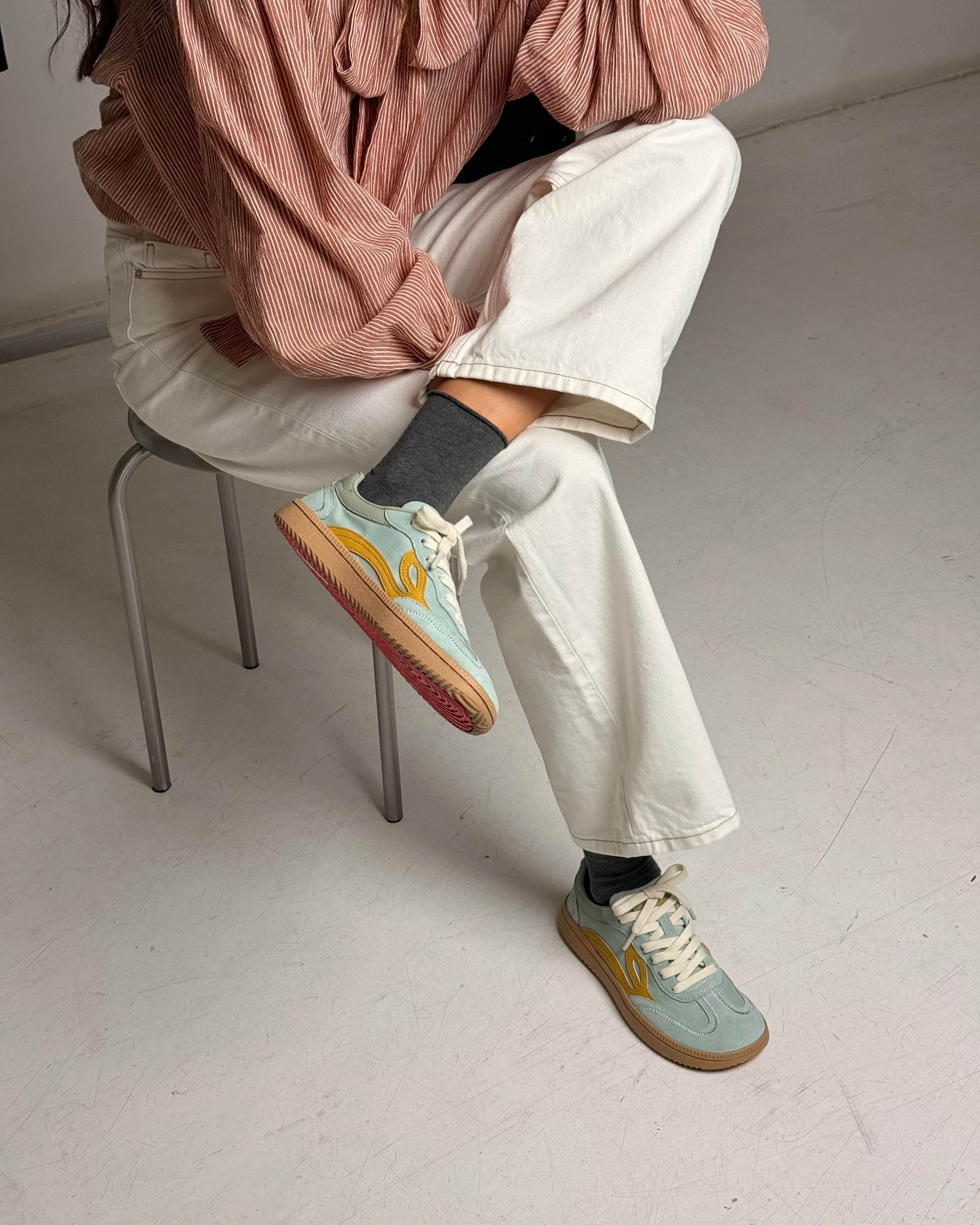
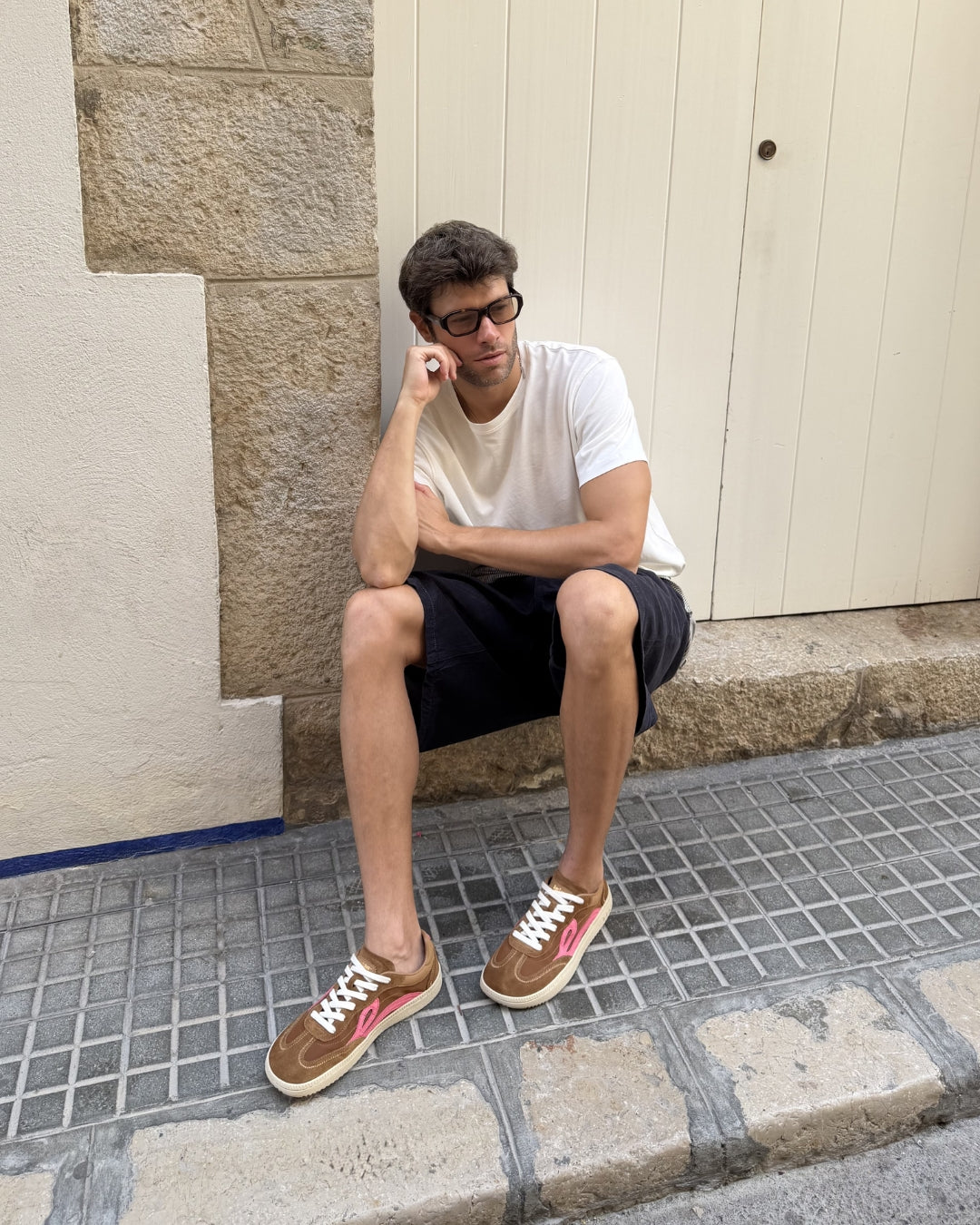
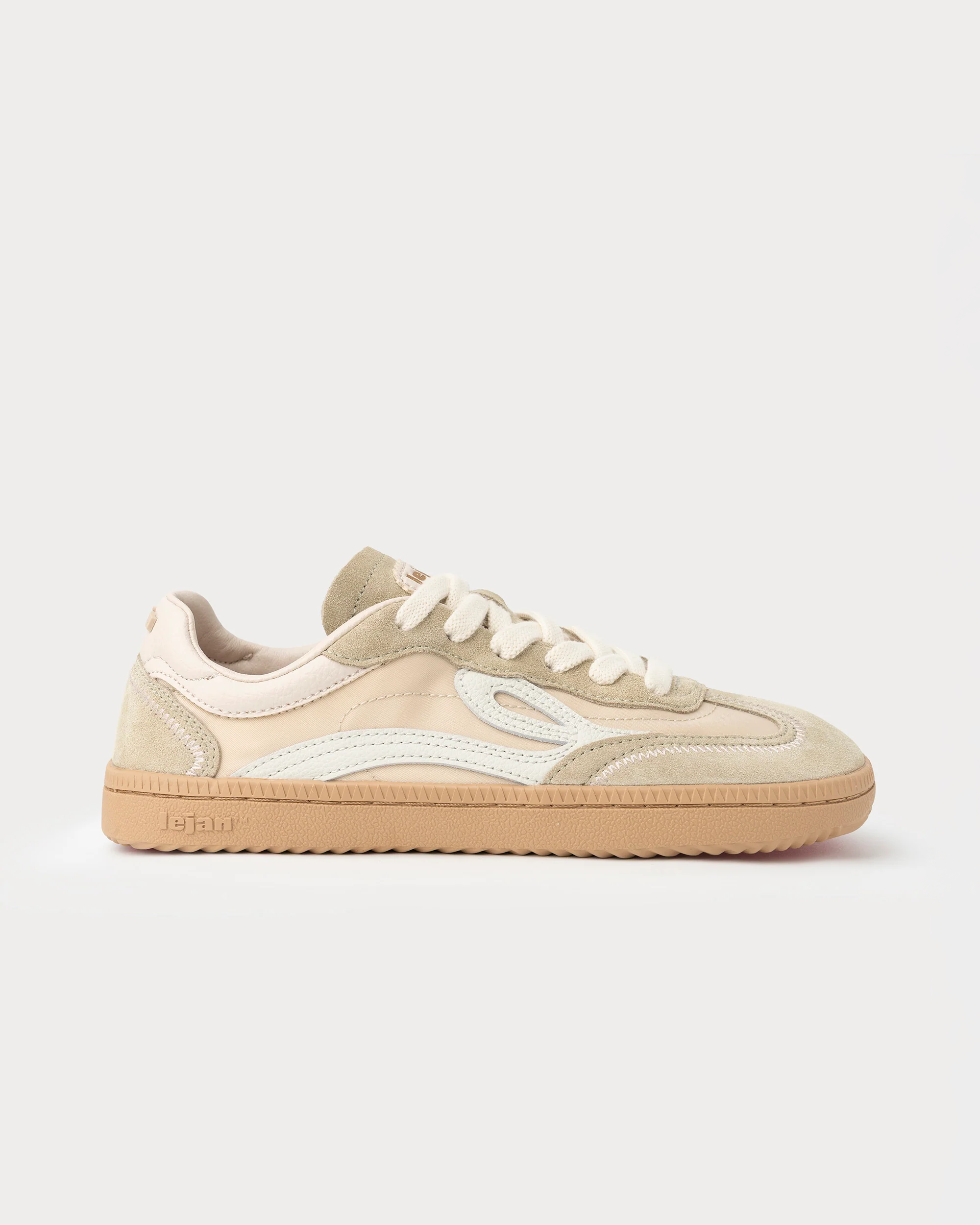
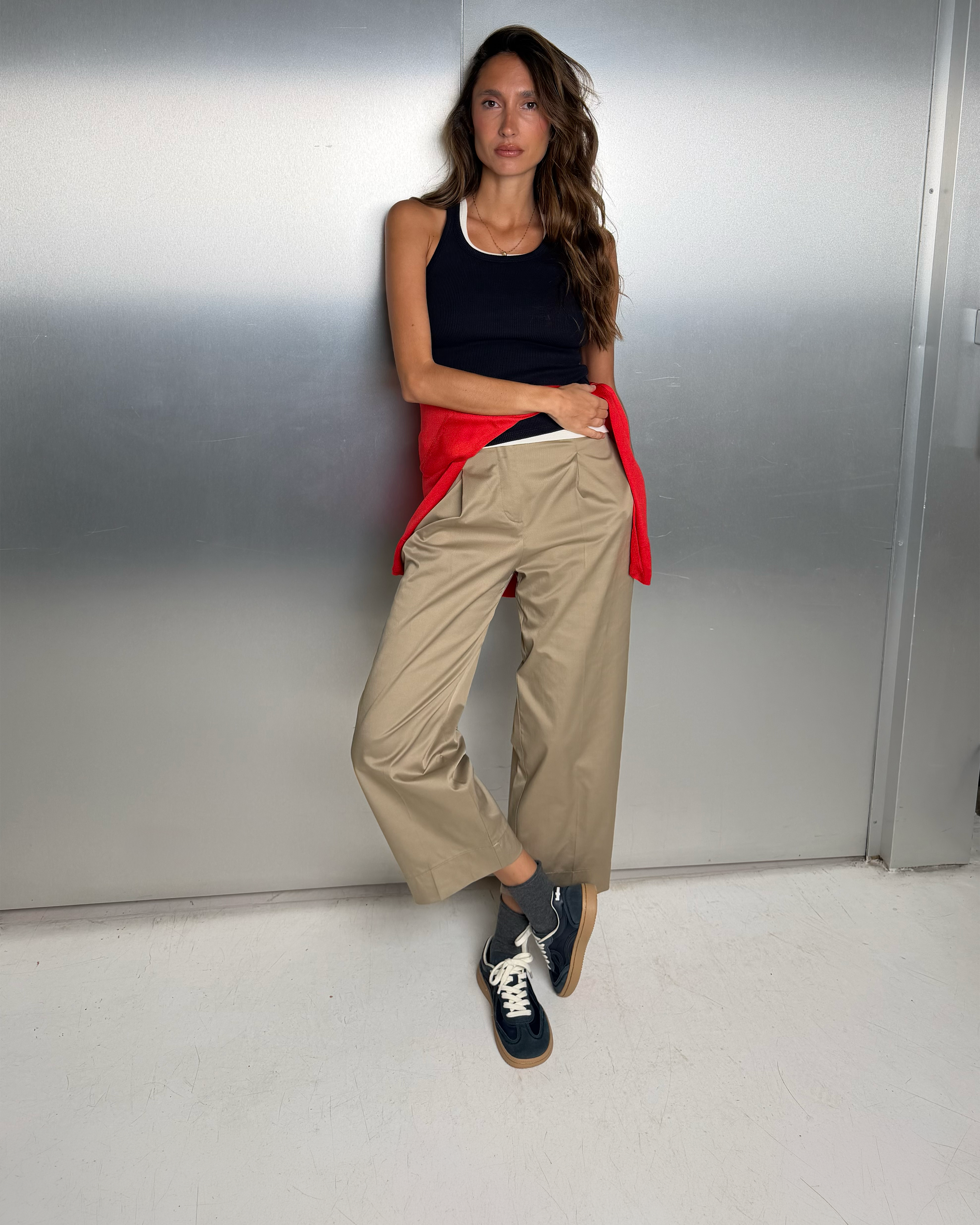
For years we have got used to choosing shoes based on looks, size or immediate comfort. If they are not too tight and they go with our clothes, they seem to be doing their job. But footwear does not simply cover the foot: it can also change how we land, how the toes move and how the whole structure of the body works as we walk.
That is why, when we talk about barefoot footwear versus conventional footwear, this is not about a passing trend or about going through life “unshod”. It is about understanding which elements of a shoe support the foot and which ones may be limiting it without us noticing.
In this article we are going to look at the real differences between barefoot and normal footwear, when each option can make sense and what you should check before choosing.
What barefoot footwear is and what it is not
Barefoot footwear is a type of shoe designed to better respect the shape and the function of the foot. Its aim is not to correct a condition on its own, nor to replace a professional assessment, but to allow the foot to have more room, more mobility and fewer external interferences while walking.
A barefoot shoe is not simply a flat shoe, nor a soft trainer, nor just a wide model. For a shoe to be considered genuinely barefoot, it has to meet a series of technical criteria.
Nor does it mean that everybody should switch to it overnight, or that it is the only valid option for every person, sport or situation. As with any change of footwear, it depends on biomechanics, sensitivity, previous injury history, the type of surface, daily activity and each foot’s capacity to adapt.
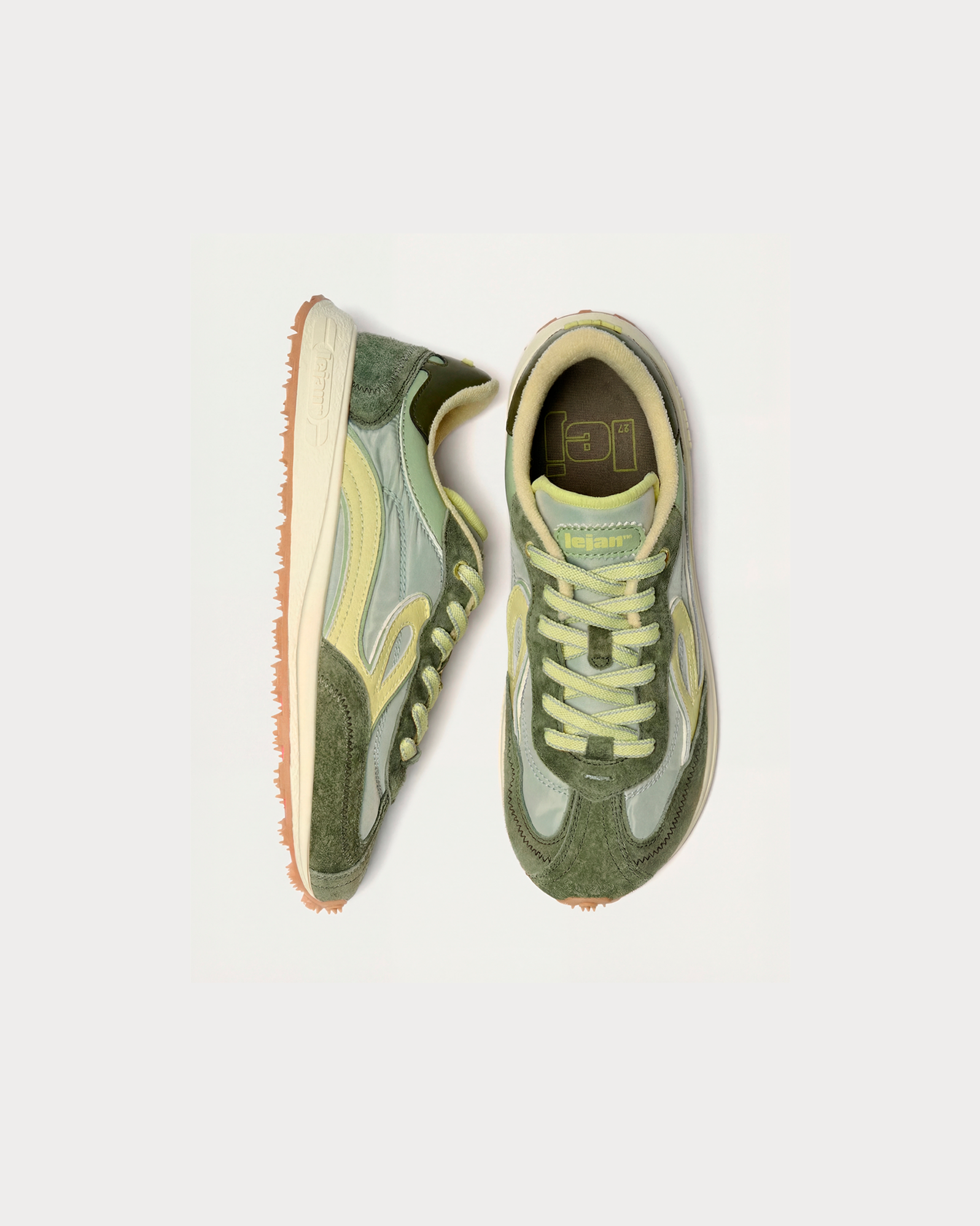
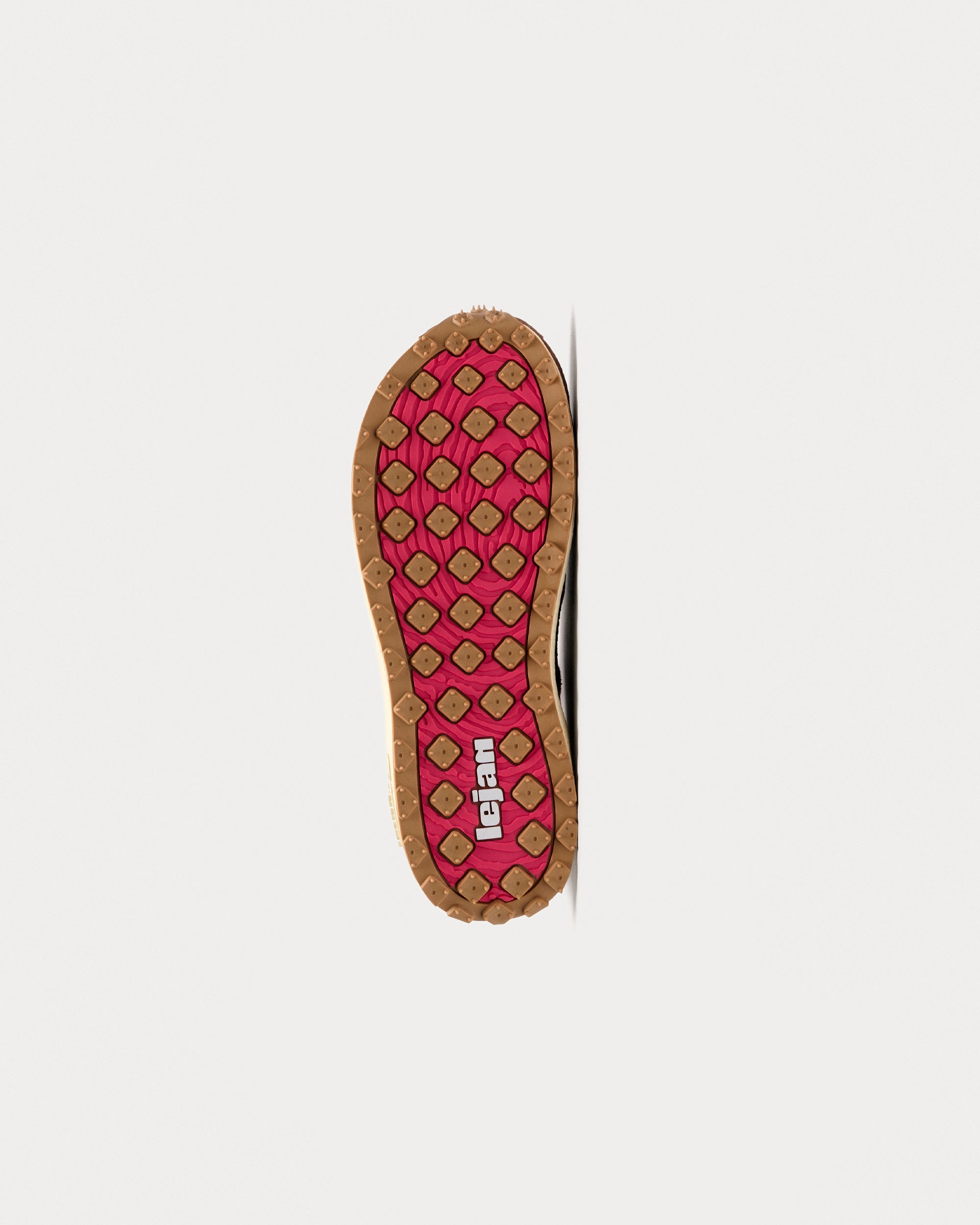
The 4 technical criteria that define a genuine barefoot shoe: drop 0, flexible sole, wide toe box, anatomical shape
To tell a real barefoot shoe apart from one that merely uses the label, it is worth checking four main features.
1. Drop 0
The drop is the difference in height between the heel and the front of the foot. In barefoot footwear, that difference is zero: the heel and the forefoot sit at the same height.
This allows a more balanced stance, without artificially raising the heel. Even so, it is important to bear in mind that zero drop is not always the best option for everyone from day one. In some people, especially where there is a lot of stiffness, pain, overload or limited adaptation, a gradual transition may be needed, or intermediate options may need to be considered.
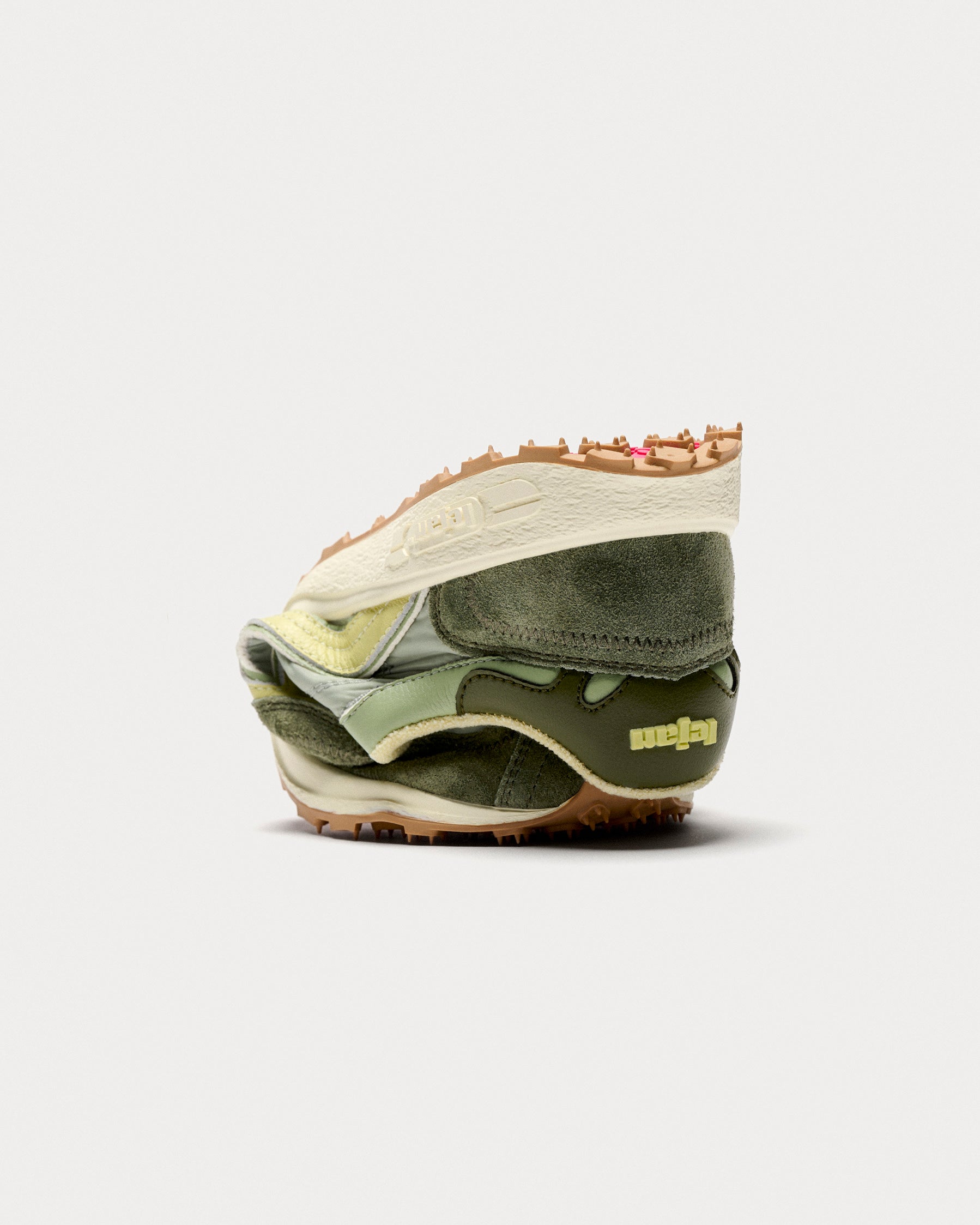
2. Flexible sole
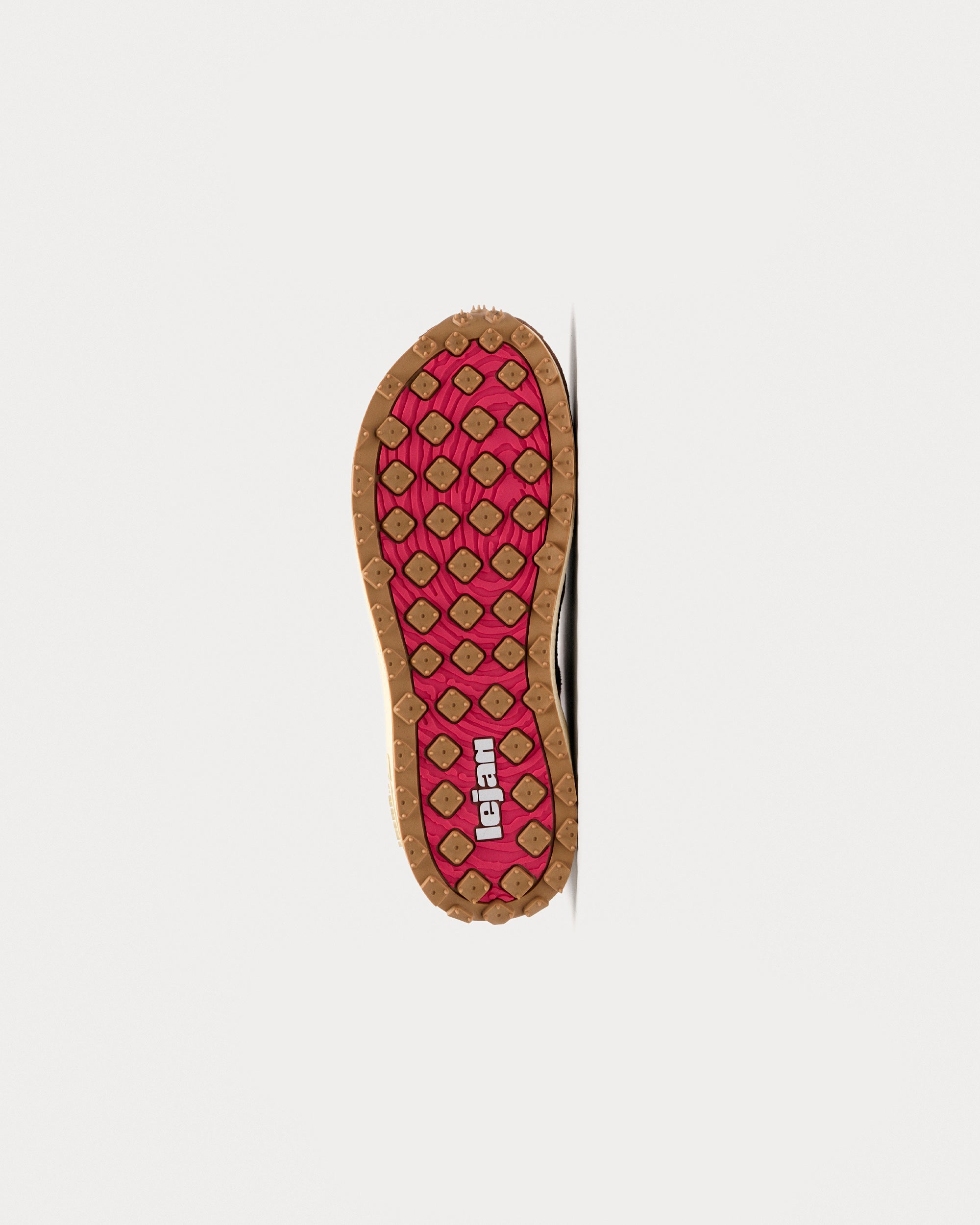
The sole of a barefoot shoe should follow the movement of the foot. It is not only a question of being thin, but of allowing the foot to flex, twist and adapt better to each step.
A very rigid sole can limit the work of the foot muscles and reduce mobility while walking. A flexible sole, on the other hand, lets the foot take a more active part in every step.
3. Wide toe box
The toe box is one of the most visible differences between barefoot and conventional footwear. In a barefoot shoe, the toes must have enough room to settle, spread and move without being squeezed.
This matters especially because the toes are not there simply to “fill” the shoe. They take part in balance, propulsion and load distribution.
4. Anatomical shape
A genuine barefoot shoe respects the real shape of the foot. This means that it does not artificially narrow the forefoot, nor force the toes into a position that is not their own.
An anatomical shape is not just about the shoe being wide, but about the last following the outline of the foot: more room where the foot really needs it and fewer interferences around the toes.

Conventional footwear: what it does to your foot without you noticing
Conventional footwear is usually designed around aesthetic and structural logic: raise the heel, taper the toe box, add rigidity and hold the foot firmly in place. In the short term it can feel comfortable, especially if we are used to that kind of support. The problem is that, with constant use, some of these elements can condition the way the foot moves and distributes loads.
This does not mean that all conventional footwear is harmful or that it always has to be ruled out. But it is worth understanding what effects it can have when it is worn every day over a long period.
Raised heels and their effects on the musculoskeletal chain
Many conventional shoes have the heel higher than the front, even when they do not appear to have a heel at all. This difference in height changes the position of the foot and can influence how loads are organised further up: ankle, knee, hip and back.
When the heel is habitually raised, the body adapts to that position. It can change the way we land, the tension in the muscles at the back of the leg and the way weight is distributed while walking.
This does not mean that any drop is bad. In fact, in certain specific situations, a small drop can be useful or more tolerable for some people. The key is not to assume that a raised heel has to be the norm for every foot, every day and in every context.
Narrow toe boxes and the gradual deformation of the forefoot
A narrow toe box is one of the most common features of conventional footwear. We often do not see it as a problem because the shoe “fits fine”, but that does not mean the toes have enough room.
When the toes spend many hours compressed, they lose their ability to spread and move. The forefoot can end up restricted and some areas take more pressure than they should.
Over time, this compression can encourage discomfort, rubbing, hard skin, a feeling of cramped toes or difficulty for the foot to work freely. In people who are predisposed, it can also contribute to progressive deformities of the forefoot, such as deviation of the big toe or claw toes.
Comparison table: barefoot vs conventional
|
Feature |
Barefoot footwear |
Conventional footwear |
|
Drop |
0 mm, heel and forefoot at the same height |
Usually has a raised heel, even when it is not obvious |
|
Toe box |
Wide and anatomical |
Narrower or tapered towards the front |
|
Sole |
Flexible and able to follow the movement |
More rigid and structured |
|
Shape |
Respects the outline of the foot better |
Can change the natural position of the toes |
|
Feel |
More freedom of movement and more involvement of the foot |
More external support and less muscular demand |
|
Adaptation |
Requires a gradual transition |
Usually the type of footwear we are used to |
|
Everyday use |
Can be a good option if it suits the person well |
Can feel comfortable, but it is worth checking room, rigidity and drop |
|
Purpose |
To support the function of the foot |
To protect, hold and structure the stance |

Barefoot, minimalist or conventional? When to use each one
Not everything has to be black or white. In practice, many people combine different types of footwear depending on the moment, the activity and their tolerance.
Barefoot footwear can make sense for everyday life when the person is looking for more room for the toes, a more flexible sole and a stance with no heel lift. It is particularly interesting for those who want to review how their foot moves and reduce their dependence on rigid structures.
Minimalist footwear usually shares some features with barefoot shoes, such as less rigidity, less structure or lighter weight, but it does not always meet every criterion. It may have some drop, a slightly thicker sole or a less anatomical last. For some people, it can work as an intermediate step.
Conventional footwear can still make sense in specific contexts: particular sports, jobs with safety requirements, periods of pain, situations where a specific protocol is needed or when the person does not yet tolerate a transition to more flexible footwear.
The choice should not be made from the label, but from the function. The question is not only “is it barefoot or not?”, but: does my foot have room? Does the sole follow the movement? Does it let me walk without discomfort? Does it suit my biomechanics and my routine?
The real downsides of barefoot footwear and how to manage them
Barefoot footwear has its advantages, but it also calls for honesty. It is not a magic solution and it should not be presented as footwear that suits everyone from day one.
One of the most common mistakes is going from very structured footwear, with a rigid sole and a raised heel, straight into barefoot shoes for many hours at a time. The foot, the leg muscles and the way we walk all need time to adapt.
The adaptation period: what to expect in the first few weeks
During the first few weeks, some people may notice more muscular work in the feet, calves or soleus muscles. A feeling of tiredness may also appear in the sole of the foot or at the back of the leg, especially if usage is increased too quickly.
This does not necessarily mean that barefoot footwear is bad, but that the body is receiving a different stimulus. Even so, if intense pain, limping, swelling or discomfort that does not improve appear, it is best to stop and seek advice.
A sensible transition can start with short spells, familiar surfaces and gentle activities. For example, wearing them first on short walks or at specific moments of the day, and gradually increasing according to how the body responds.
It can also help to alternate with other shoes for a while, especially if we are coming from years of wearing very rigid footwear or shoes with a lot of drop.

Who should not use it without podiatric supervision
Barefoot footwear should not be introduced without supervision in every case. It is advisable to seek advice first if there is persistent pain, a recent injury, loss of sensitivity, significant gait alterations or conditions affecting the foot.
Particular care should also be taken with people who have diabetes, neuropathies, circulatory problems, severe deformities, acute pain, active inflammatory processes or a history of overload injuries.
In children, older people or athletes, the choice must be adapted to the context. Barefoot footwear can be an interesting tool, but it does not replace an individual assessment when there are doubts or discomfort.
What the podiatrist says: real results after the transition
In the clinic, what we usually see is not an immediate, spectacular change, but a gradual evolution when the transition is done properly.
Many people start by noticing that their toes have more room and that they no longer tolerate narrow shoes in the same way. Others feel that they walk with more awareness of their footfall, that the foot works harder, or that certain rubbing and pressure points decrease once the forefoot is no longer being compressed.
An improvement in foot mobility can also be observed when the change of footwear is combined with an appropriate transition, specific exercises and a review of daily habits.
But not every case is the same. Some people adapt quickly and others need more time. Some require intermediate models, insoles prescribed temporarily or a slower progression. That is why the real outcome does not depend on the shoe alone, but on how it is introduced, on the previous history of the foot and on each person’s biomechanics.
How to tell whether a barefoot shoe is a quality one or just carries the label
More and more brands are using the word barefoot, but not every model delivers what it promises. To identify whether a barefoot shoe is a quality one, it is worth looking beyond the name.
A good barefoot shoe must have a broad, anatomical toe box, not just a large size. The toes should be able to settle without lateral pressure, especially around the first and fifth toes.
The sole should be flexible, but also hard-wearing and consistent with its intended use. It is not about being soft for the sake of it, but about allowing movement without losing stability.
The drop should be genuinely zero if it is presented as a pure barefoot shoe. If there is a difference in height between heel and forefoot, it may be minimalist or transitional, but it is not barefoot in the strict sense.
The last also needs to be checked. A shoe can have a slightly broader toe box and still fail to respect the shape of the foot. The key is that the front of the shoe should not force the toes to close in towards the centre.
Finally, a quality barefoot shoe has to be well made. Materials, stitching, flexibility, durability and fit all matter. Comfort does not depend only on the shoe being wide, but on the whole design making sense.
Frequently asked questions about barefoot vs normal footwear
Who should not wear barefoot footwear?
It is not advisable to start wearing barefoot shoes without supervision if there is persistent pain, a recent injury, neuropathy, diabetes with loss of sensitivity, circulatory problems, significant deformities or gait alterations that are already causing discomfort.
Nor is it a good idea to make the change abruptly in people who are very used to rigid footwear, with a lot of drop or with raised support. In those cases, the transition should be gradual and, if there are any doubts, reviewed by a professional.
What are the downsides of barefoot footwear?
The main downsides appear when it is worn without adaptation. It can cause overload in the feet, calves or soleus muscles if wearing time is increased too quickly. It can also feel uncomfortable at first on very hard surfaces if the person is coming from thick or heavily cushioned soles.
Another important point is that not every barefoot model suits every foot. The last, the width, the fit and the type of sole all have to be matched to each person.
What is the difference between barefoot and minimalist?
Barefoot footwear meets more specific criteria: zero drop, flexible sole, broad toe box and anatomical shape. Minimalist footwear can come close to that idea, but it does not always tick every box.
A minimalist shoe may have some drop, a thicker sole or a less anatomical last. It can be useful as a transition, but it does not always offer the same freedom of movement as a genuine barefoot shoe.
Is barefoot footwear bad for your feet?
It does not have to be bad. In fact, well chosen and well introduced, it can help the foot to have more room and to take a more active part in walking. The problem appears when it is used as a universal solution or when the transition is made abruptly.
Barefoot footwear should not be understood as an extreme trend, but as a form of footwear that reduces interferences and lets the foot work harder. For many people it can be a good option, but it must always be adapted to the context, to the state of the foot and to each body’s tolerance.
Test your knowledge
Answer the questions to check how much you know about this topic.
1. Which of these features is characteristic of barefoot footwear?
2. What does it mean for footwear to have zero drop?
3. Why should the transition to barefoot footwear be made gradually?
4. What is the difference between an anatomical toe box and a narrow conventional one?

Share