During the first months of life, much of a baby's development happens somewhere far simpler than it seems: the floor.
Rolling, pushing up on their arms, reaching for a toy, turning over, moving around, crawling or pulling themselves up are experiences that help your baby get to know their body and learn how to use it. Your baby's psychomotor development is built little by little through movement, repetition and interaction with their surroundings.
That's why setting up a safe space to move, choosing clothes that don't restrict them and avoiding unnecessary footwear in the stages before walking can matter more than looking for products designed to “teach” your baby to walk.
The floor gives them something hard to replace: the freedom to try.
What psychomotor development means in the first year
Psychomotor development refers to the relationship between movement, physical development, perception and how your baby interacts with their surroundings.
Huge changes happen in the first year. A baby who at first depends entirely on an adult gradually starts to control their head, roll over, sit up, move around and, in many cases, stand up.
But this process doesn't follow the same timetable for everyone.
Gross and fine motor skills: two kinds of learning that move forward together
Gross motor skills cover movements that involve large muscle groups: holding up the head, rolling over, sitting, crawling, standing up or walking.
Fine motor skills relate to more precise actions, such as reaching for an object, passing it from one hand to the other or handling pieces of different shapes.
Although they're usually explained separately, the two are constantly connected.
A baby lying on the floor may need to steady their trunk to free up a hand and reach a toy. When they crawl towards an object, they combine movement, balance, spatial awareness and hand coordination.
Development happens as a whole.
Developmental milestones aren't a race
Head control, rolling, sitting, moving around, crawling, standing and walking are some of the skills that usually appear during motor development.
However, there's considerable variation between babies.
Two children of the same age can be at different stages and both be developing normally. Constantly comparing when one baby sat, crawled or walked with another can cause unnecessary worry.
Rather than chasing an exact date, it's better to look at overall progress: an interest in moving, skills being picked up progressively and a fairly balanced use of the body.
Why the floor is your baby's best “gym”
Sometimes we look for too much stimulation when what a baby still needs is something far more basic: space.
On a stable, safe surface they can experiment with their own body without a device dictating the position they have to hold.
They can lean, push, get it wrong, shift their weight from one side to the other and try again.
Freedom of movement
A bouncer, a chair or any kind of containment device can be useful at certain points in the day, but they keep your baby in fixed positions.
On the floor, the opposite happens.
Your baby decides where to look, which arm to use to reach an object, how to turn or which strategy to try to get moving. Every attempt gives them information about their own body and the space around them.
So the goal shouldn't be to place your baby straight into the position we want them to reach, but to create opportunities for them to get there gradually.
Muscles working together
Being on the floor involves much more than strengthening arms and legs.
When your baby tries to lift their head, roll over or reach a toy, the neck, trunk, shoulder girdle, pelvis and limbs all work together.
Later, as they start moving around, your baby also learns to shift their weight from one part of the body to another.
These are small experiences that lay the groundwork for more complex skills later on.
Hands and feet take in information too
Contact with a surface lets them feel pressure, temperature and different textures.
When your baby puts their hands down to push up, or their feet during their first attempts to stand, the brain receives information about where the body is and how it's positioned.
That's why it makes sense to avoid unnecessary barriers. In a safe home environment at a comfortable temperature, leaving the feet free lets the toes move and the sole make direct contact with the surface.
Benefits of floor time that go beyond walking
Floor time isn't just about getting your baby to crawl or walk sooner. In fact, that shouldn't be the aim.
Its purpose is to offer opportunities to move and explore.
Coordination between both sides of the body
Many of the ways babies move involve coordinating the right and left sides.
In cross-crawling, for example, the arms and legs on opposite sides move alternately. This kind of motor organisation is a workout in whole-body coordination.
But development doesn't depend on performing one perfect pattern. Babies can use different ways of getting around as they develop.
Coordination between sight and movement
Moving towards a toy makes your baby look at where it is, judge the distance and organise their body to reach it.
Vision goes from passively receiving stimuli to taking part in an action.
Your baby looks, moves, checks the result and adjusts again. This link between perception and movement repeats itself constantly as they explore.
Spatial awareness
Moving lets them start to grasp concepts they can't yet put into words.
A toy can be near or far. One object can be behind another. A table can block the way in a straight line and force them to find another route.
All of this is discovered by moving.
Control of the neck, trunk and pelvis
There's a lot of groundwork before walking.
Head control, trunk stability, the ability to change position and coordination between the upper and lower body are all part of the process.
That's why it doesn't make much sense to try to speed up walking on its own. Those first independent steps are the visible part of something that's been building for months.
Tummy time: the foundation of movement in the first months
Tummy time is the time your baby spends on their tummy while awake and supervised.
This position gradually works on head control and bearing weight on the arms.
It doesn't mean putting your baby on their tummy and leaving them to cry for long stretches. The experience should be adapted to each child.
When to start
Time on the tummy can be introduced from the very early stages, in short spells and always under supervision.
At first it doesn't have to be done only on a blanket. Your baby can lie on their tummy on an adult's chest, for example, which encourages eye contact and makes the experience more pleasant.
Short, frequent sessions work best
When a baby doesn't yet tolerate being on their tummy well, it's usually more helpful to spread the experience over small moments throughout the day than to push for one long session.
Over time, and as they develop more control, they'll be able to stay there for longer and start pushing up on their forearms and hands.
Toys, mirrors and face-to-face contact
There's no need to turn the floor into a room full of stimulation.
An object placed within reach, a baby-safe mirror or a familiar face can be enough to encourage movement.
The key is to invite, not to force.
What if they cry when you put them on their tummy?
It's common for some babies to protest at first.
In these cases you can start with a more inclined position, place them on an adult's chest or keep the spells very short.
If the resistance is intense, persistent or comes with other movement difficulties, it's worth mentioning it to your paediatrician or paediatric physiotherapist.

Types of crawling: there's no single way to get around
Cross-crawling is probably the image we all have in mind: the baby moves forward on hands and knees, alternating limbs.
But not all babies move this way.
Classic or cross-crawling
The baby moves forward on hands and knees in an alternating pattern.
It's a common way of getting around and calls for coordination, trunk stability and shifting body weight.
Bear crawling and commando crawling
Some babies move on their hands and feet, keeping their knees raised. Others start out moving with their tummy closer to the floor.
They're different strategies for solving the same problem: getting from one place to another.
Bottom shuffling
There are also babies who move along sitting down, using their hands and legs to push themselves forward.
When a pattern is very asymmetrical, always uses the same side or raises doubts about your baby's overall development, it's worth checking with a professional.
What if your baby doesn't crawl?
Some babies go from other ways of moving straight to standing and walking without a clear phase of traditional crawling.
Not crawling, on its own, doesn't mean there's a problem.
It's more important to assess development as a whole than to turn a single milestone into a test every baby has to pass in the same way.
How to set up a safe, stimulating floor
“Floor time” doesn't mean putting your baby on just any surface and waiting.
The environment should allow freedom of movement without creating unnecessary risks.
A stable surface
Overly soft surfaces can make it harder to push up because hands and knees sink in.
A fairly firm, clean base with enough grip usually makes movement easier. On top of it you can use a suitable mat or a surface set up for play.
A comfortable temperature
A floor that's too cold can make your baby uncomfortable and dampen their urge to explore.
In those cases you can prepare the surface or use a suitable layer, without turning the space into something so soft it gets in the way of movement.
Varied textures
Hands and feet are major channels for exploration.
Offering surfaces with different textures can enrich the sensory experience, as long as you choose materials that are safe, non-abrasive and age-appropriate.
The variety doesn't need to be extreme. Soft fabrics, smooth wood, a mat or grass in a safe setting already offer different sensations.
Hygiene without obsessing
When there are pets at home, it's worth keeping the surface clean and keeping an eye out for small objects, food scraps or anything your baby could put in their mouth.
It's not about creating a sterile environment, but a safe one.
Toys that invite movement
The most useful toys for movement aren't necessarily the most complex.
An appealing object placed slightly out of reach can prompt a roll, a shift of weight or a small move.
What matters is that the stimulus invites your baby to take an active part.
How much floor time a day is reasonable
There's no universal figure that works for every baby and every age.
What's more, the idea of floor time changes as they develop. As long as your baby is healthy and alert
0 to 3 months
At this stage you can introduce short spells of supervised tummy time and gradually increase them depending on how well your baby tolerates it.
3 to 6 months
The floor starts to become an ever more interesting place.
Your baby can spend more time exploring rolling, pushing up and the objects around them.
6 to 12 months
As sitting, moving around and attempts to pull up appear, the space available becomes even more important.
At this stage, the floor should be part of the daily routine, not just a one-off activity.
Tiredness is part of the process too
Yawning, irritability, losing interest or struggling to carry on with an activity can be signs that it's time to rest or try something else.
More time doesn't always mean better stimulation. Movement needs breaks too.

Clothes, socks and footwear in the pre-walking stage
A baby can have room to move and still run into small barriers in something as everyday as their clothes.
Comfortable clothes that let hips and knees move
Overly stiff or tight garments can make some movements harder.
Floor clothes should allow them to bend their hips, spread their legs, rest on their knees and change position without resistance.
It's not about using special garments, but about checking that clothes move with them.
Bare feet indoors
When the temperature and the safety of the environment allow it, bare feet are a good option in the stages before walking.
The toes can move freely and the sole stays in direct contact with the surface.
At this stage the foot doesn't need a shoe to “form” or to learn to walk.
Non-slip socks when the floor calls for it
When it's cold or the surface is very slippery, a non-slip sock can work as a halfway solution.
It should stay properly in place, not squeeze the foot and let the toes move.
A sock that's too big and twists around the foot can also get in the way of movement.
Why a stiff shoe before walking doesn't help
During the crawling stage there's no functional need for conventional footwear indoors.
A stiff structure adds weight and limits some of the foot's movement without offering any advantage for learning to get around.
The time to think about a first shoe will come later, when walking outdoors makes protection necessary.
Baby walkers, jumpers and playpens: tools that don't replace the floor
In everyday life there are times when families need to put their baby in a contained, safe space.
The problem comes when containment devices replace a big share of the opportunities for free movement.
“Sit-in” baby walkers
Wheeled baby walkers don't teach a baby to walk.
They let babies move using mechanics that differ from independent walking, and can make it easier for a child to reach areas or objects that would normally be out of reach.
For these reasons, various paediatricians and paediatric physiotherapists advise against using them.
Jumpers and similar devices
They can be used as an occasional activity in some contexts, but keeping your baby in a repetitive pattern for long stretches is no substitute for the variety of movement that happens on the floor.
A playpen can be useful, but it has its limits
A playpen can create a safe space at certain times of day.
However, the older your baby gets and the more mobile they become, the more important it is to also offer them open spaces where they can explore different distances and directions.
The playpen is a tool. The floor is the learning environment.
Screens vs the floor: the real competition for movement
Today, the biggest rival to movement time isn't always the baby walker.
Very often it's the screen.
A screen can hold your baby's attention without requiring any movement, handling of objects or active exploration of the space.
Watching isn't the same as exploring
On the floor, an object makes your baby take part: look, turn, try to reach it, shift their weight and try again.
In front of a screen, most of the information arrives without any need for the body to act.
That difference matters.
For babies, interaction is worth more
In the early years, playing on the floor, hearing familiar voices, looking at faces, touching objects and moving freely provide experiences a screen can't reproduce in the same way.
The idea isn't to build perfect routines, but to stop passive time from constantly crowding out opportunities to move.
How to fit the floor into everyday life
There's no need to set aside an hour called a “psychomotor session”.
Floor time can pop up several times a day: after a nappy change, during a bit of play, before the bath or in small moments shared as a family.
The more everyday it is, the less it will feel like a chore.
When to see a paediatrician or paediatric physiotherapist
Variation is part of development, but that doesn't mean ignoring any sign that causes concern.
A professional assessment may be advisable when you notice persistent differences or development that isn't progressing.
Lack of head control
If head control isn't developing as expected in the first months, it's worth mentioning it to your paediatrician.
Little interest in changing position or moving around
Not all babies crawl, but a lack of initiative to move or explore should be assessed as part of the child's overall development.
Persistent asymmetries
Always using the same side, constantly dragging a limb or holding clearly asymmetrical positions are all reasons to seek advice.
Loss of skills
When a baby stops doing something they had already mastered, it's advisable to ask for a professional assessment.
Signs should be read together. A single isolated observation isn't enough for a diagnosis, but a family's concerns deserve to be heard too.
First shoe: when it's time for footwear
Children's footwear has one main job: to protect.
Before a baby is walking independently outdoors, that protection usually isn't needed in a safe environment.
The shoe comes with the need, not with a date
Reaching a certain age doesn't mean it's time to buy their first shoes.
Every baby develops at a different pace.
When they start walking independently outdoors and need protection from temperature, dirt or surfaces that could hurt them, the shoe starts to have a purpose.
Flexible and lightweight
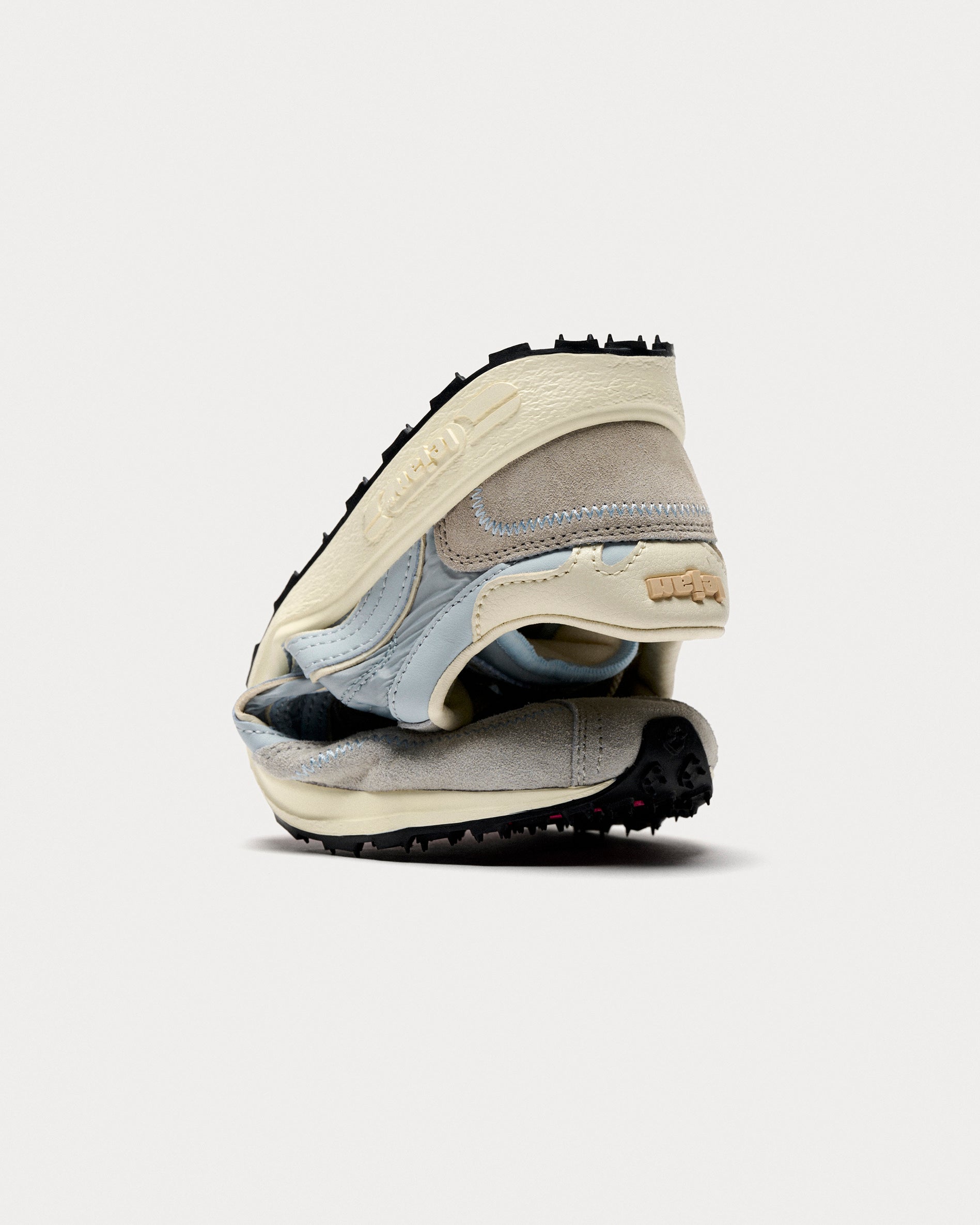
A first shoe shouldn't turn into a suit of armour.
A light, flexible structure lets the foot take part in the movement without constantly having to fight the resistance of the shoe.
The sole should follow the foot as it flexes with each step.
A toe box shaped to the toes
The front needs enough room so the toes aren't squashed together.
A wide toe box lets the toes keep their position and gives them room for their small movements when the foot is planted.
A thin sole with no unnecessary drop
A thin sole reduces the distance between the foot and the ground and avoids adding excess material under the foot.
And a design with no height difference between heel and forefoot keeps the foot on a flat base.
A fit that moves with the foot
The shoe shouldn't be loose either.
A wide toe box doesn't mean buying several sizes up or letting the foot slide around inside the shoe. The fit should keep the shoe stable without squeezing.
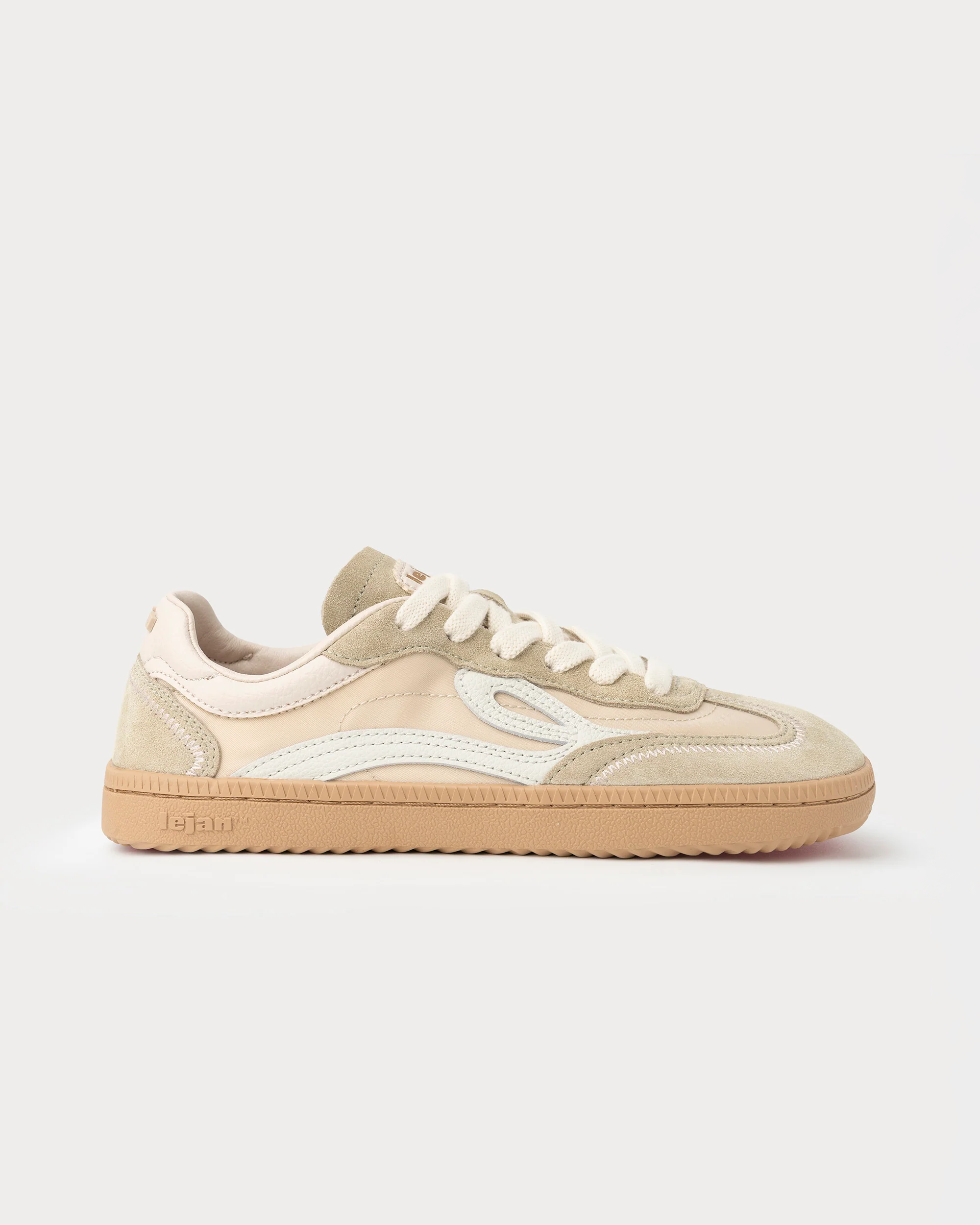
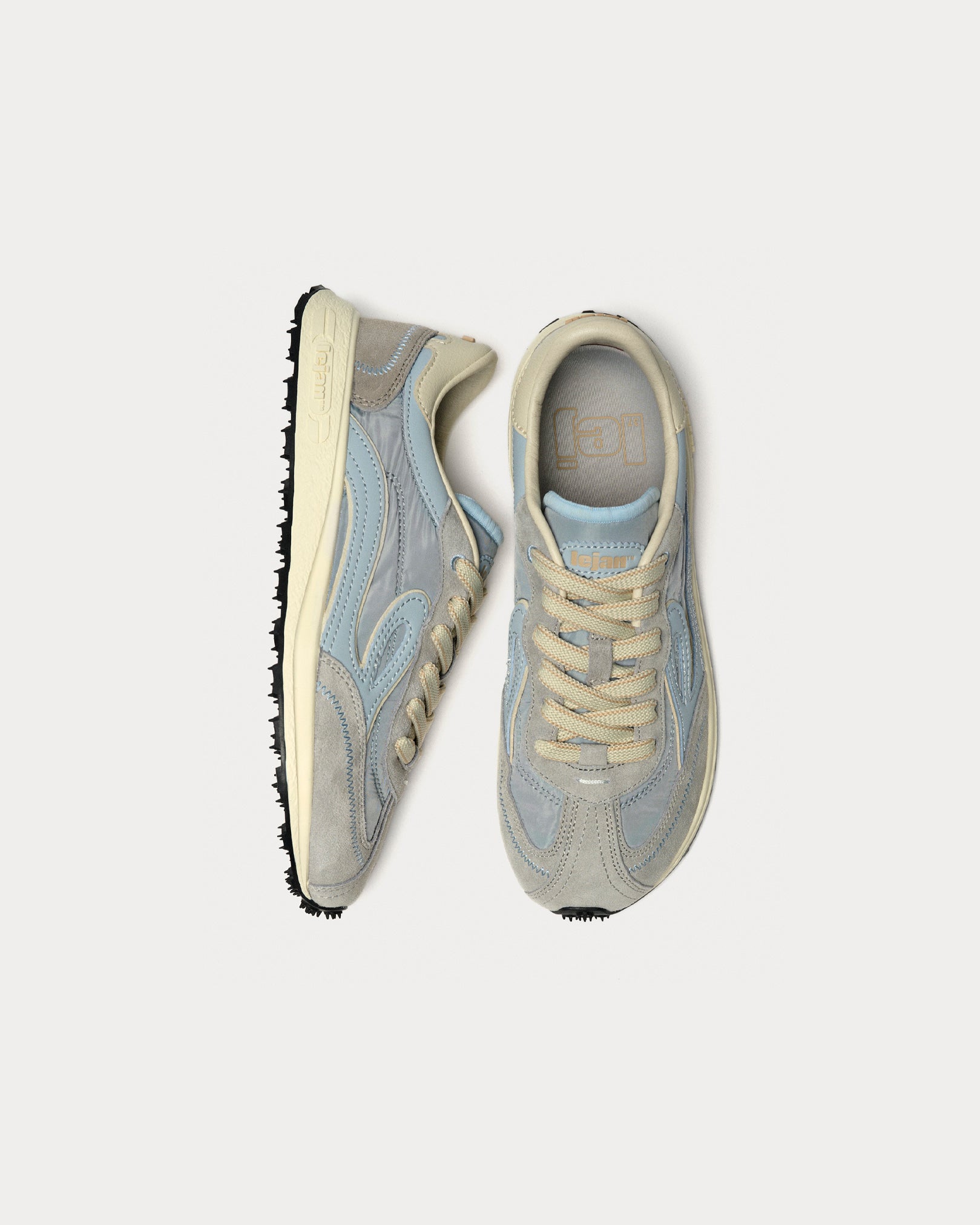
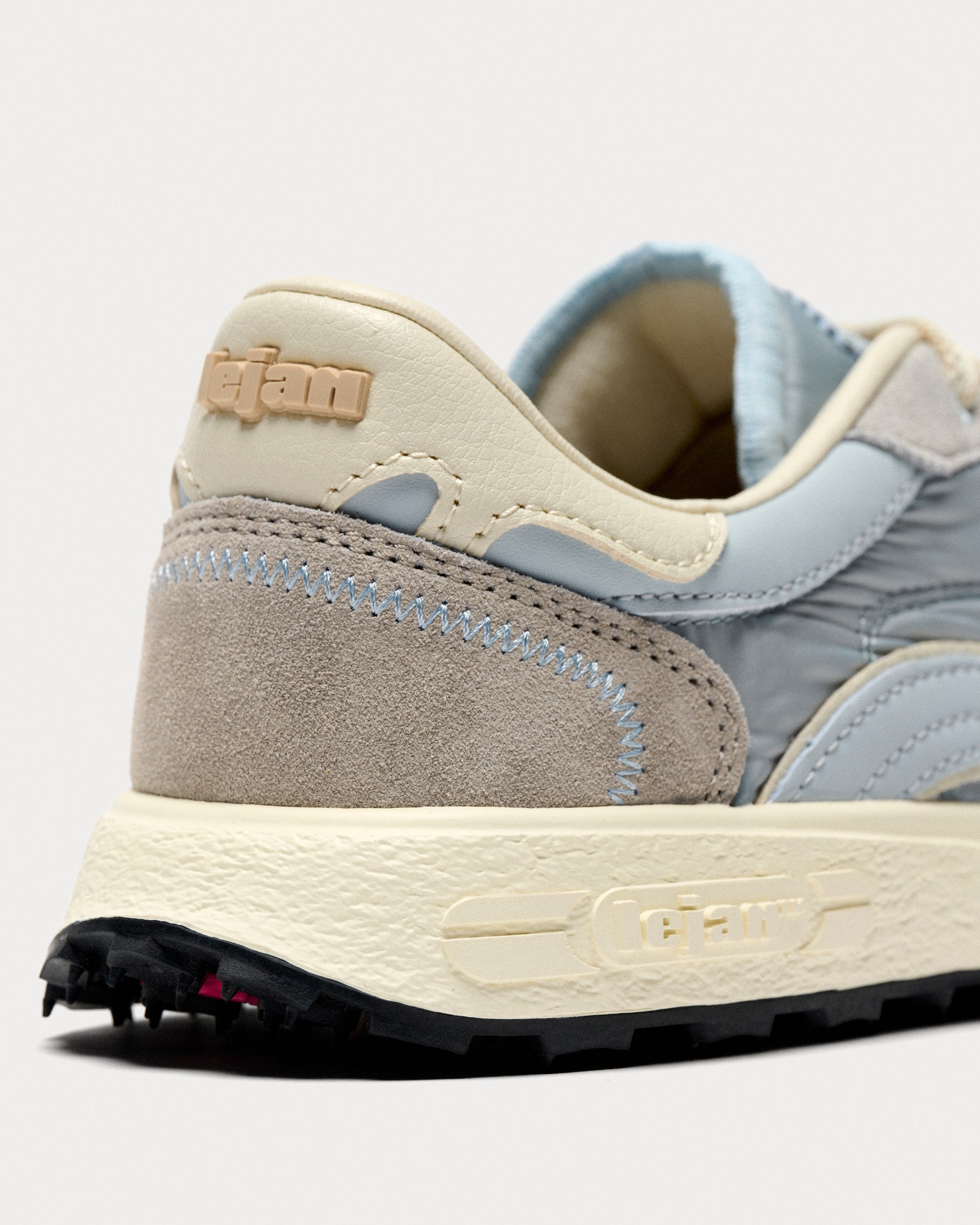
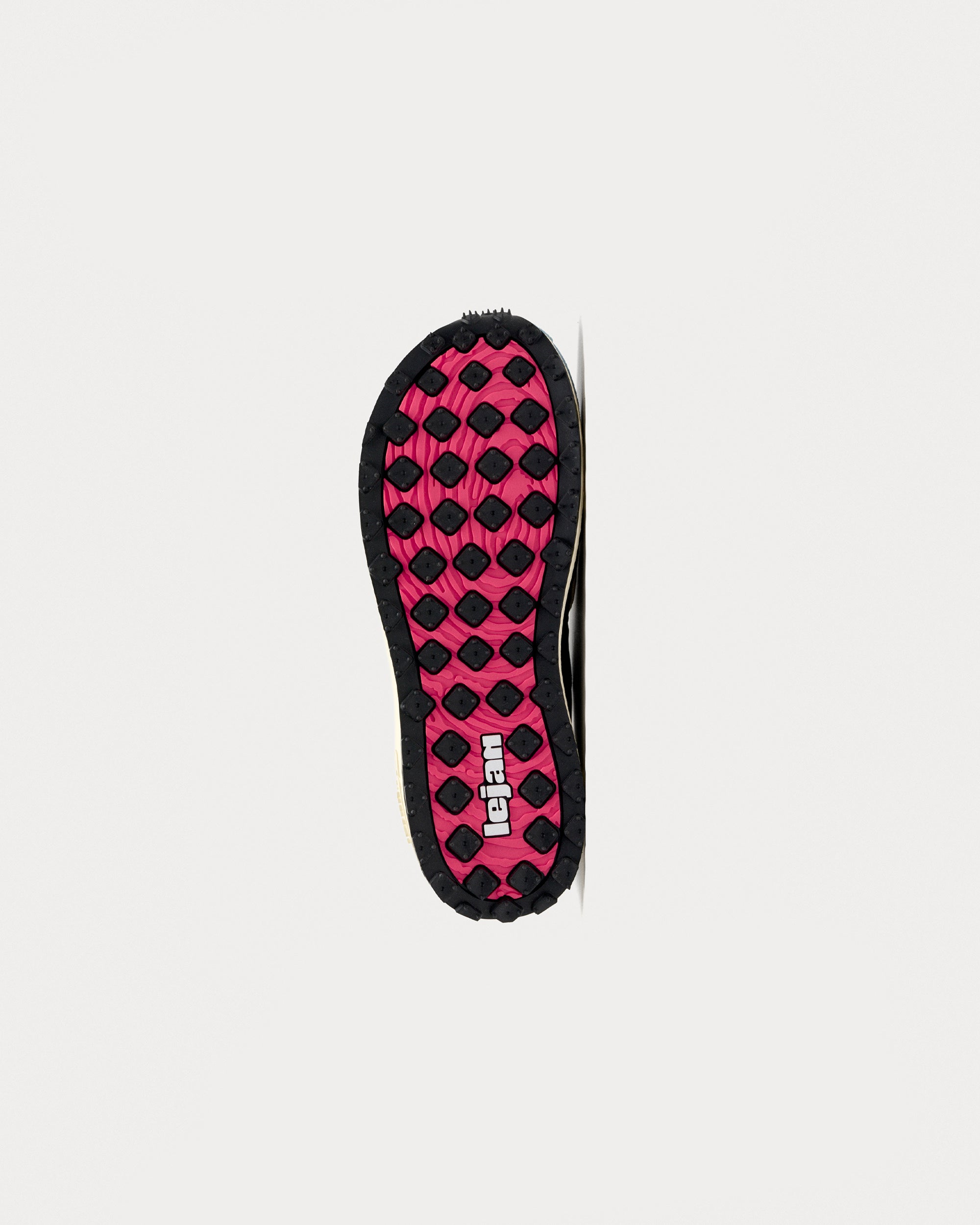
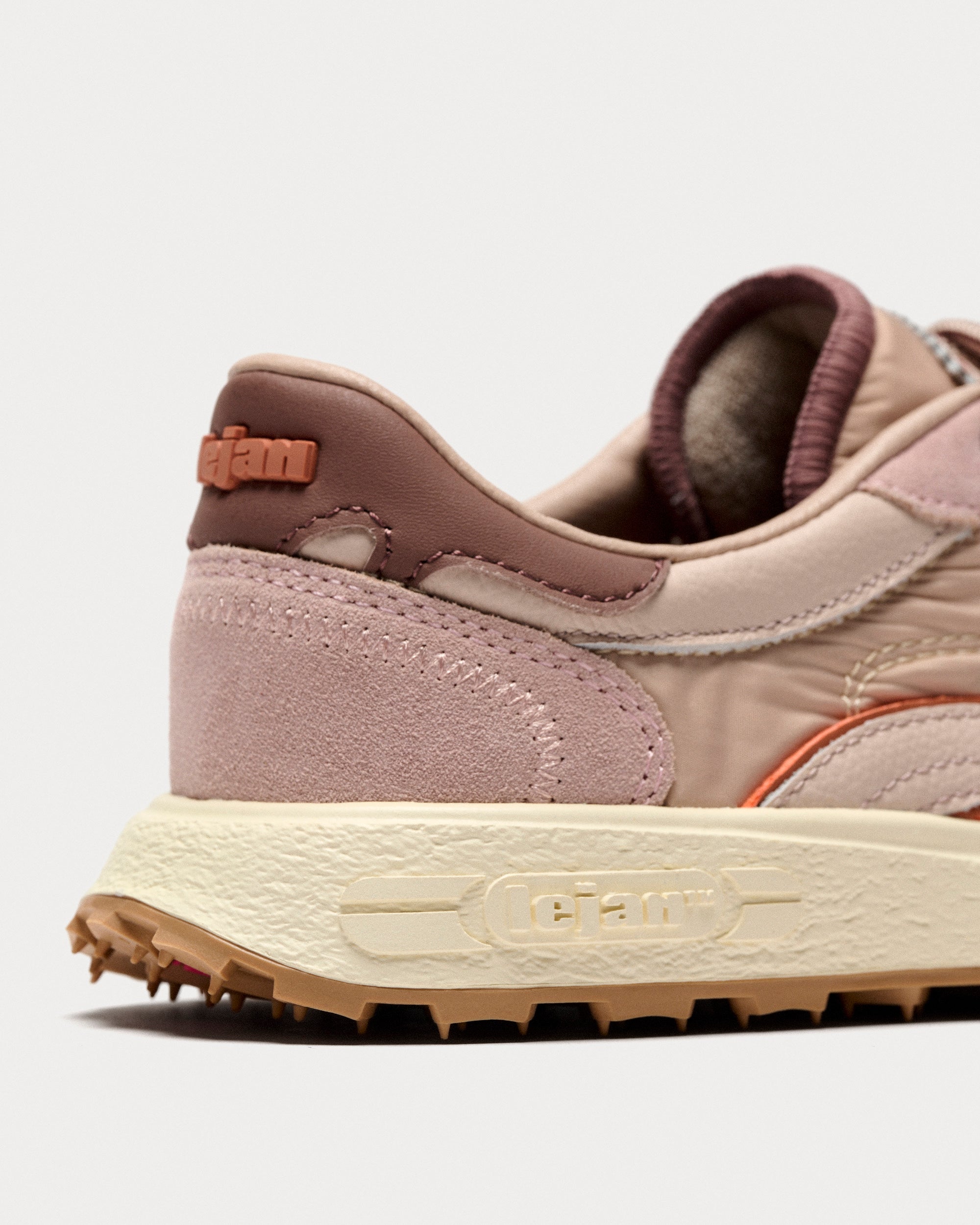
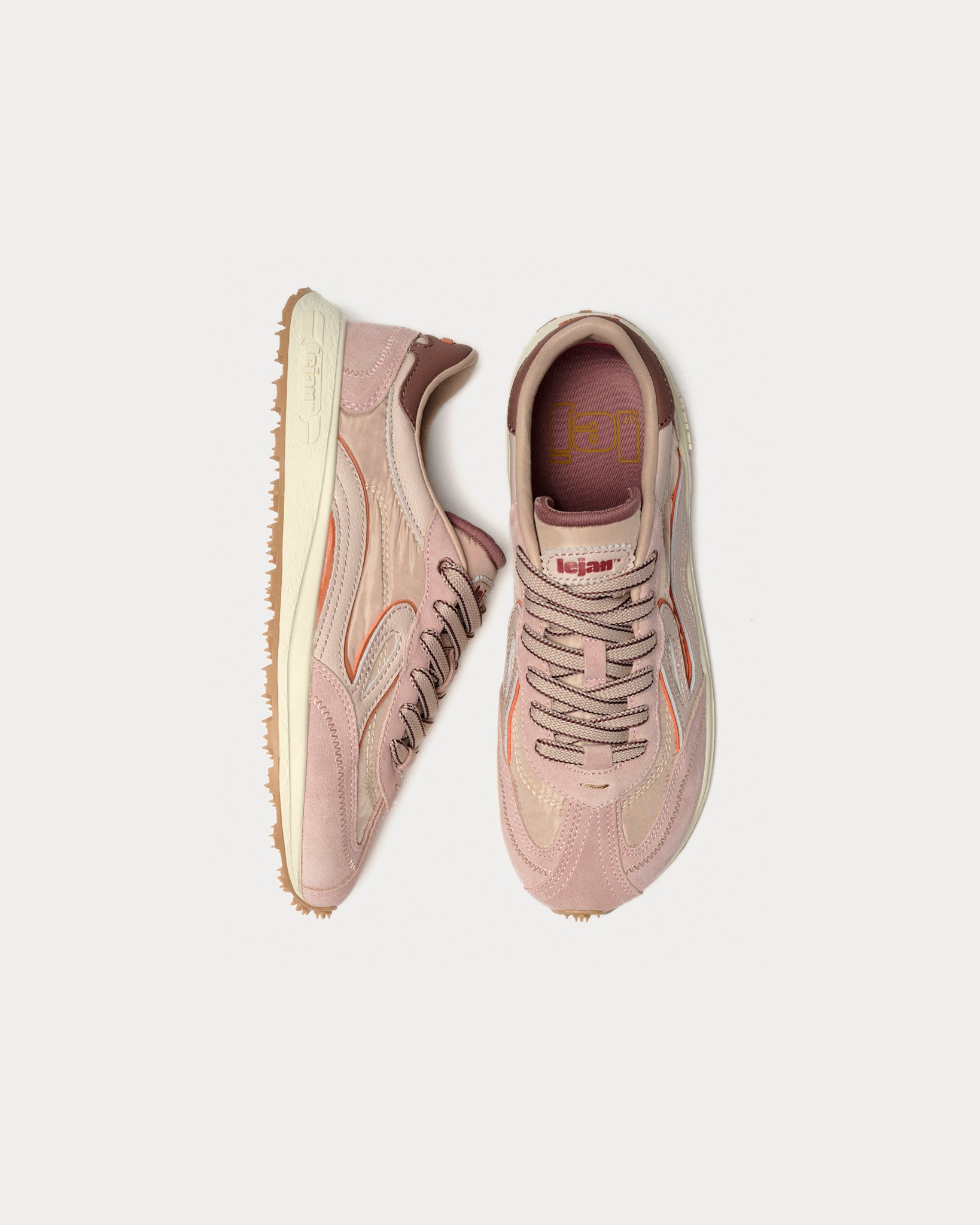
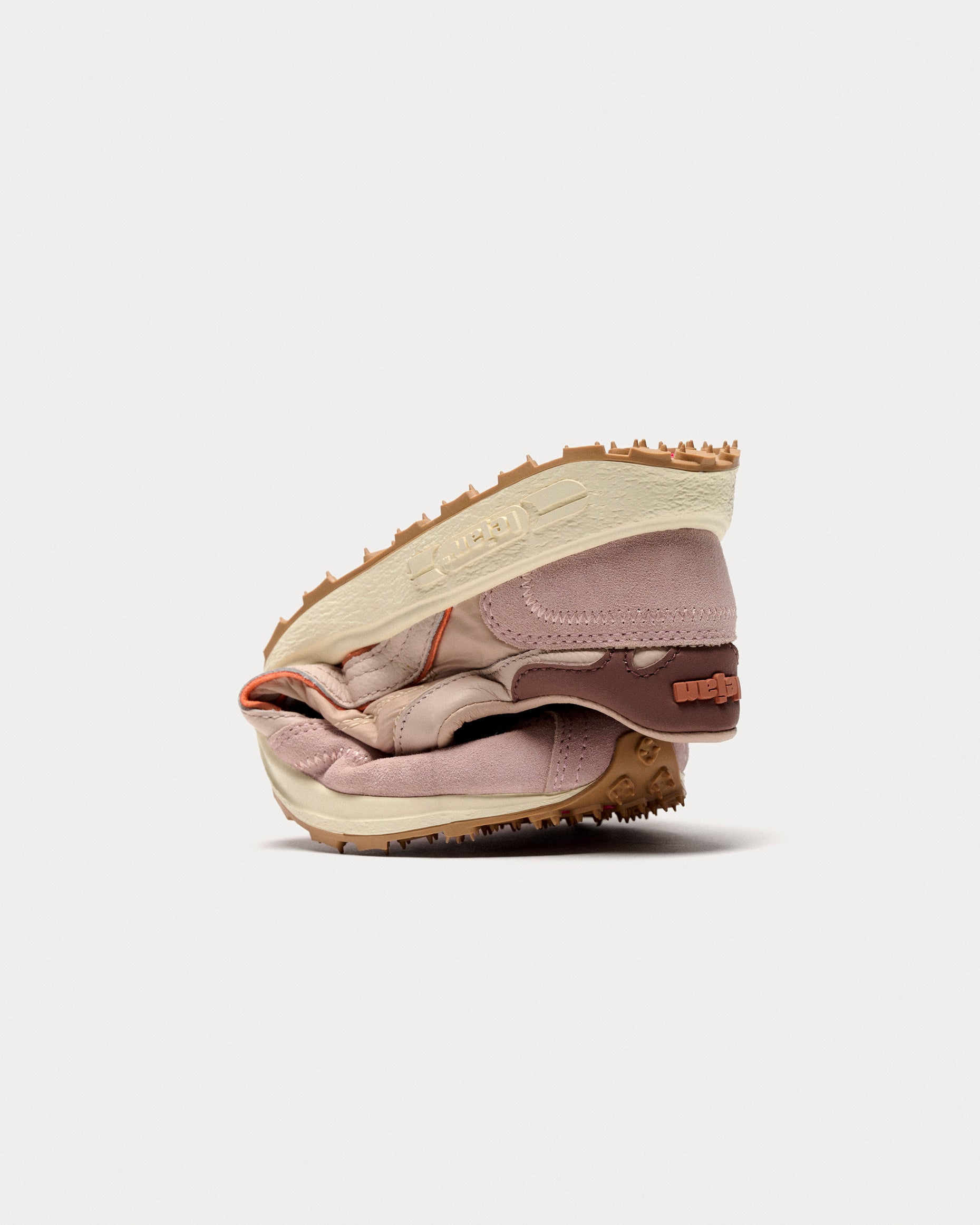
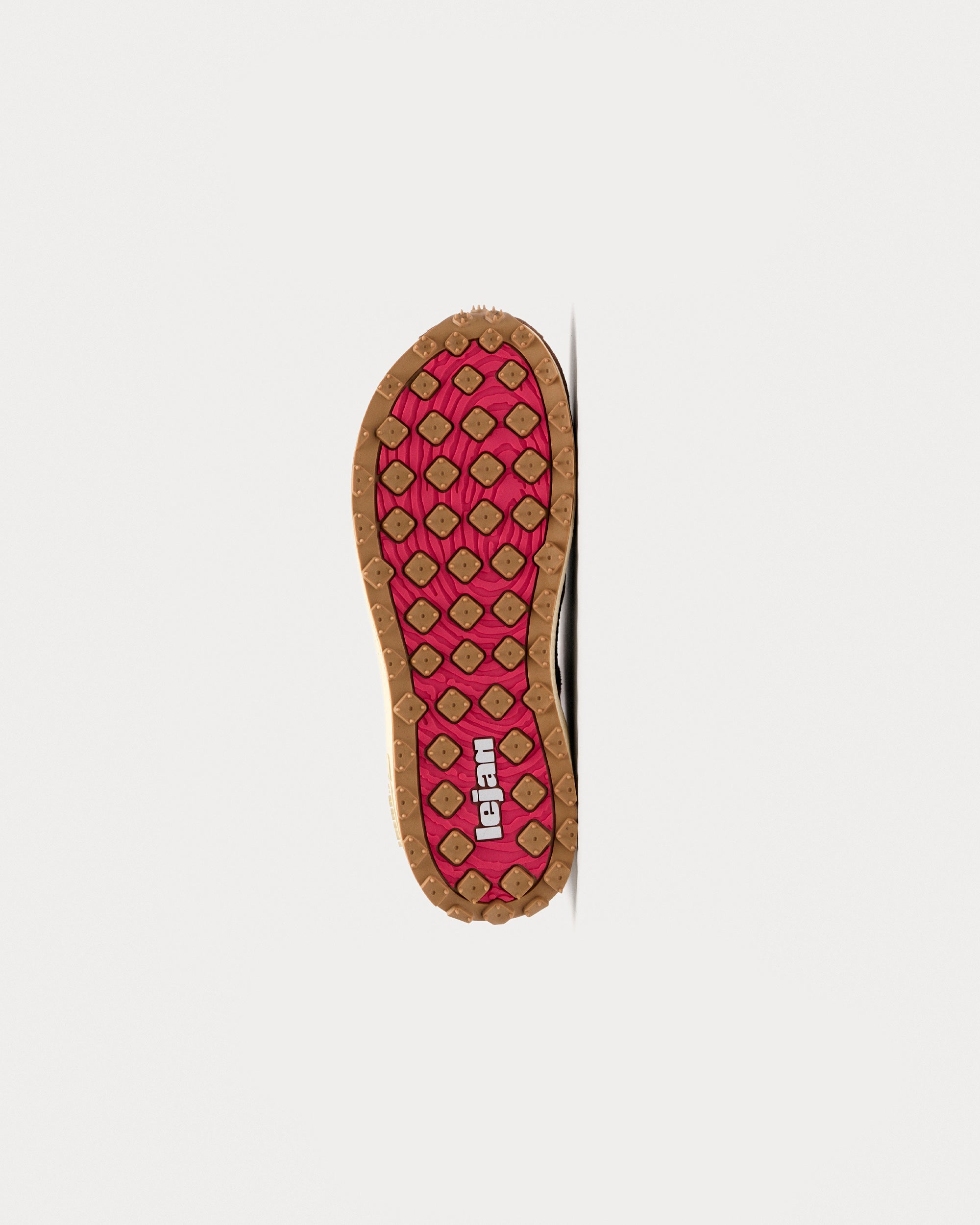
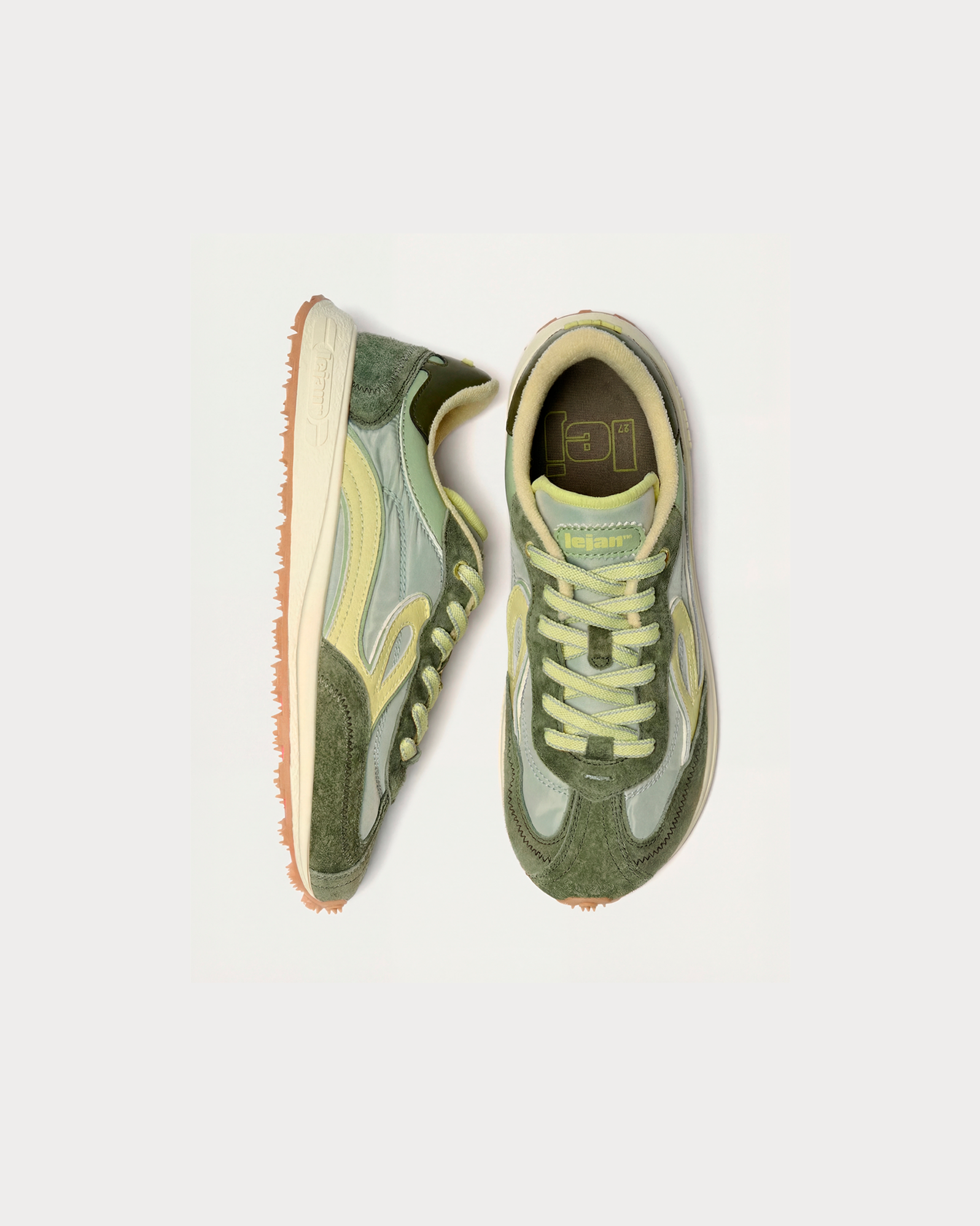
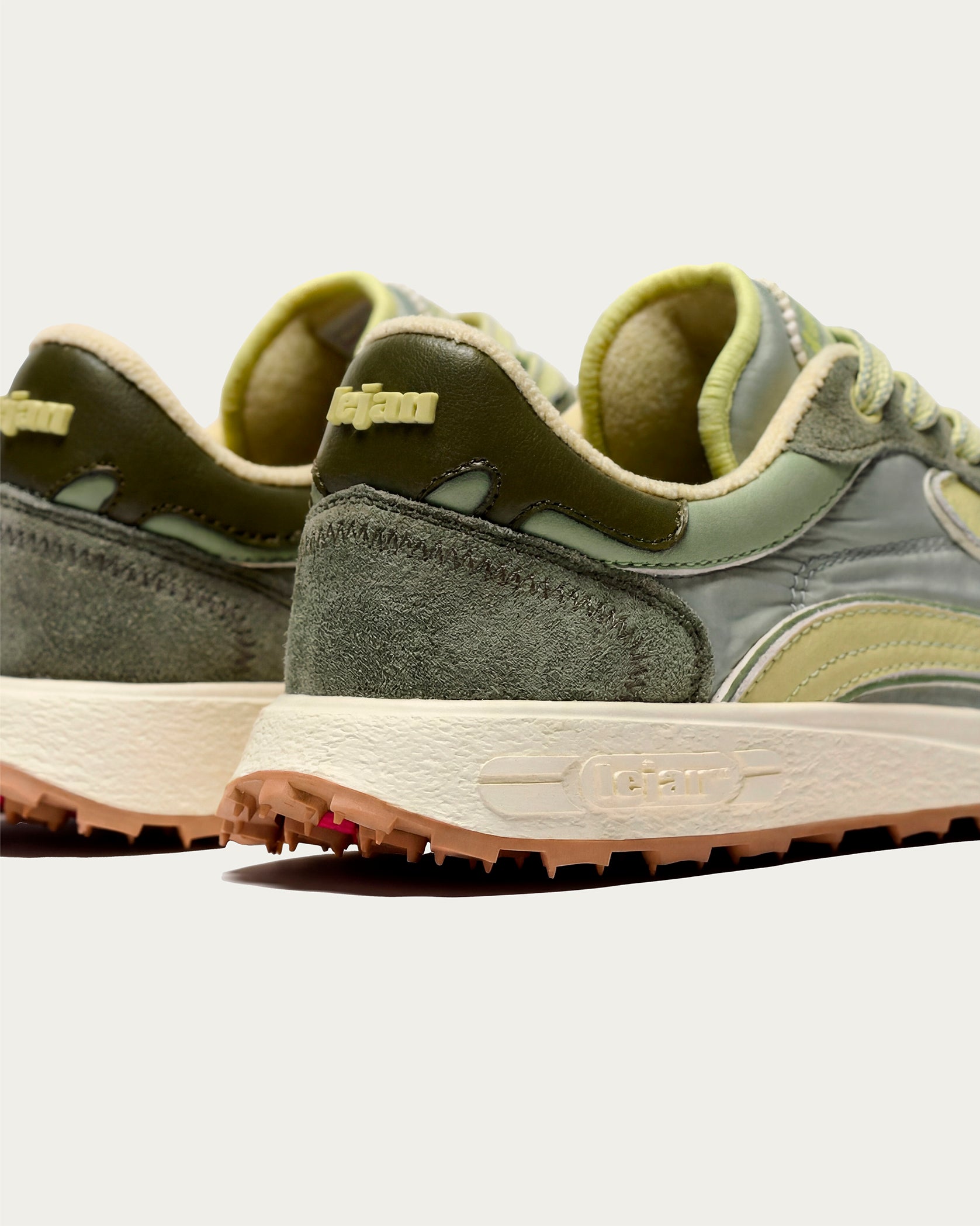
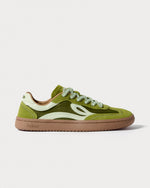
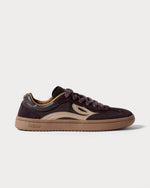
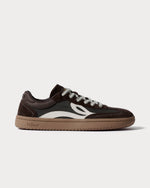
Models like Lejan One® Kids start from exactly this idea: protecting the foot during those first steps outdoors with a light, flexible construction and a toe box with room for the toes.
The shoe doesn't teach walking. Its job is much simpler: to be there when protection starts to be needed.

FAQs about psychomotor development, floor time and footwear
Is it bad if my baby doesn't crawl?
Not necessarily. There's variation in how babies get around, and some don't go through a clear phase of traditional crawling.
It's worth watching overall development and seeking advice when there are persistent asymmetries, a lack of progress or any other sign that causes concern.
How long is floor time recommended for?
The floor is still a space for play and movement even after they start walking.
The activities will change with age: first rolling and pushing up; later moving around, pulling up, balance games, running and jumping.
Should my baby go barefoot around the house?
When the temperature and the safety of the surface allow it, they can stay barefoot.
On cold or slippery floors you can use non-slip socks that don't squeeze the foot or restrict the toes.
When should I buy the first pair of shoes?
When your baby starts walking independently outdoors and needs protection.
While crawling or moving around indoors before that, footwear isn't necessary simply because your baby has reached a certain age.
Do baby walkers help babies walk sooner?
A baby walker doesn't reproduce the pattern of independent walking, nor does it replace the learning that happens when changing position, moving across the floor, pulling up with support and practising balance.
What's more, wheeled walkers add a risk of accidents at home, which is why their use is widely advised against.
How much tummy time is safe?
Tummy time should be done while your baby is awake and supervised.
You can start with short, frequent spells and gradually increase them according to your baby's age, tolerance and progress. For sleep, always follow the safe sleep guidance given by healthcare professionals.
Development needs space, not haste
Supporting your baby's psychomotor development isn't about trying to bring every milestone forward.
It's about creating the conditions for them to explore.
A safe floor. Time. Clothes that allow movement. Objects that spark curiosity. Free feet when the environment allows it. And, when walking outside the house makes protection necessary, footwear that follows movement rather than imposing it.
Because in those first months, before learning to walk, your baby is learning something even more important: how their own body works.
Test your knowledge
Answer the questions to check how much you know about this topic.
1. ¿Qué espacio favorece más el movimiento libre del bebé?
2. Cuando el bebé todavía no camina, lo más recomendable es…
3. ¿Qué característica es importante en el calzado durante los primeros pasos?
4. ¿Todos los bebés alcanzan los hitos motores a la misma edad?

Share