Some aches seem to show up only with certain shoes. You put on a pair of trainers and everything's fine, you switch to a model with a stiffer heel and, before long, the pain is back. In some cases, behind that pattern may be Haglund's deformity, linked to a bump on the back of the heel that gets irritated especially by the rubbing and pressure of footwear.
That's why, when it comes to Haglund's, heel and footwear are closely linked. A stiff heel counter, a shape that presses right on the bump or a poor fit can turn a seemingly comfortable shoe into a constant source of irritation.
But changing footwear doesn't simply mean looking for a bigger shoe or getting rid of all structure. You need to understand what's going on at the back of the heel, which tissues are affected and why some footwear features may be more suitable than others.

What Haglund's syndrome is and why it's called a “pump bump”
Haglund's is linked to a bony prominence on the posterosuperior part of the calcaneus, right next to where the Achilles tendon inserts.
Put simply: the heel bone sticks out at the back and top. This area can clash with the surrounding tissues and with the back of the shoe.
A small distinction is worth making here. Not everyone with a bony prominence has pain. The problem starts when the structures around the area become irritated and inflamed.
A bony prominence that doesn't always hurt on its own
The hard lump you can see or feel behind the heel is the prominence of the calcaneus. The pain, however, can come from different tissues:
-
the bursa between the bone and the tendon;
-
the superficial tissues that rub against the shoe;
-
the insertion point of the Achilles tendon;
-
or a combination of several of them.
That's why two people with a similar calcaneus shape can have completely different symptoms.
Where does the name “pump bump” come from?
The term pump bump became popular because of the link between this problem and certain closed dress shoes, traditionally stiff at the back of the heel.
The problem isn't just high heels. The main issue is that a hard back edge can press repeatedly on the same spot. When every step means more friction on an already irritated bump, symptoms can linger or get worse.
Bursa, Achilles tendon and bone: an area with little room
Several structures sit very close together at the back of the heel.
The bursa acts as a small sac that reduces friction between tissues. When it gets irritated, bursitis can develop. At the same time, the Achilles tendon insertion may show changes or tenderness.
So calling it “a lump that rubs” doesn't do it justice. Pain at the back of the heel can be the result of an interaction between bone, tendon, bursa, soft tissue and footwear.
Why the back of the heel hurts
One of the most common clues is that the discomfort changes depending on the footwear.
Walking barefoot around the house may cause hardly any symptoms, while a particular shoe is unbearable. It can also happen that a pair of trainers is tolerable and a pair of stiff boots immediately brings the discomfort back.
Why does this happen?
Constant rubbing against the shoe's heel counter
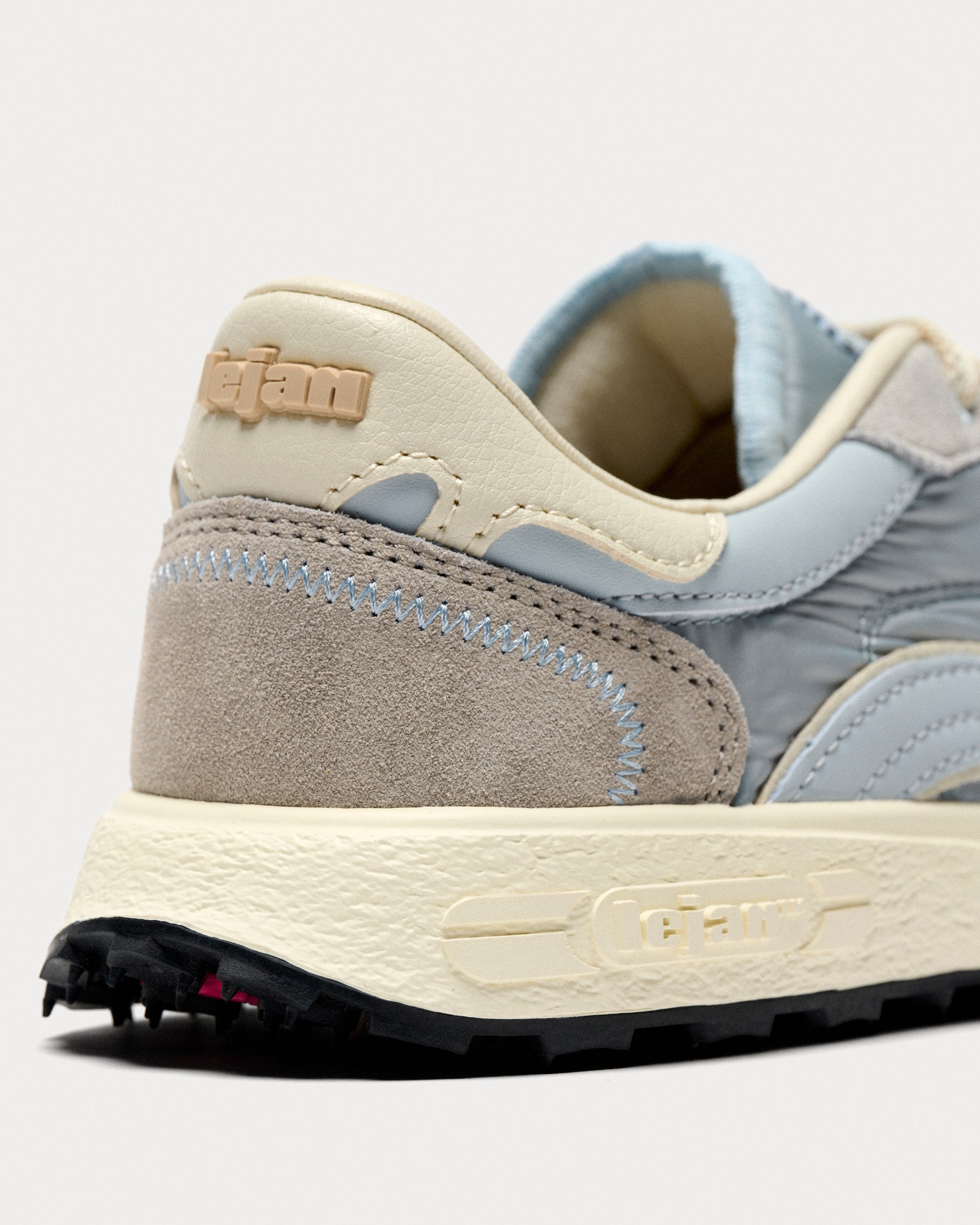
The heel counter is the back part of the shoe that wraps around the heel. In some designs it's very stiff, while in others it's more flexible or padded.
When the hardest part of the shoe lines up exactly with the prominence of the calcaneus, it creates a repeated pressure point.
The problem can follow a fairly simple sequence:
pressure → rubbing → irritation → inflammation → greater sensitivity to rubbing.
Once the area is inflamed, even pressure that used to seem tolerable can become painful.
Inflammation of the bursa
Repeated friction can irritate the bursa in this area.
In these cases, alongside pain, you may notice:
-
swelling;
-
a feeling of pressure;
-
redness;
-
increased sensitivity;
-
significant discomfort when putting your foot into a closed shoe.
When the bursa is inflamed, carrying on wearing footwear that squeezes exactly the same spot can make it harder for the area to settle down.
Irritation of the Achilles tendon insertion
The Achilles tendon transmits large forces when walking, running, jumping and during other activities.
When there's an associated insertional tendinopathy, pain can appear not just from the shoe rubbing, but also under load: walking fast, running, going uphill, climbing stairs or standing on tiptoe.
This nuance matters because not all pain at the back of the heel goes away just by changing shoes. When several tissues are affected, the approach usually calls for a fuller assessment.
The difference between Haglund's, heel spur and Achilles tendinopathy
It's easy to mix up different problems because they all get described as “heel pain”. However, where the symptoms are and how they behave give different clues.
Haglund's: pain and a bump at the back
With Haglund's, the tell-tale area is behind the heel, not underneath it.
A hard lump can be seen or felt, and the pain usually gets worse especially with closed shoes that press on the area.
Insertional Achilles tendinopathy: the tendon takes centre stage
In an insertional tendinopathy, the pain is concentrated where the Achilles attaches to the calcaneus.
There may be stiffness after rest, tenderness under certain loads and pain during activities such as running, jumping or walking on slopes.
What's more, Haglund's and an insertional tendinopathy can coexist. That's why trying to self-diagnose just by looking at the heel doesn't always tell you which structure is really causing the pain.
Causes and factors that predispose you to Haglund's
There's no single explanation that applies to everyone. Several factors are usually at play.
Individual anatomy matters, but so do the type of footwear, ankle mobility, sports load and the condition of the muscles at the back of the leg.
Footwear that's stiff or narrow at the heel
It's one of the most obvious external factors.
Hard boots, shoes with a very stiff back piece or models whose edge lines up exactly with the lump can increase the mechanical conflict in the area.
And here's a common mistake: thinking the only solution is to buy a size up.
A longer shoe doesn't necessarily have a better-fitting heel. In fact, if the foot moves around too much inside the shoe, rubbing can increase.
The key isn't just size, but where the shoe presses and how it holds the foot.

High arches and rearfoot position
Certain foot shapes can lead to more conflict at the back of the calcaneus.
In some high-arched feet or with certain rearfoot positions, the relationship between the calcaneus, the tendon and the footwear can leave the prominent area more exposed to rubbing.
This doesn't mean everyone with high arches will develop Haglund's. It's one factor to be read as part of the bigger picture.
Shortening of the posterior chain
Limited ankle mobility or a posterior chain with little capacity to work in certain positions can increase the demands on the Achilles-calcaneus complex.
The gastrocnemius and soleus play an especially important role here.
That's why a professional assessment shouldn't look only at the lump. It's also worth looking at ankle mobility, strength, sports loads and how the tendon behaves.
Running, jumping and sudden changes in load
The body adapts to load when it has time to do so.
The problem usually appears when demand rises much faster than the tissues' ability to adapt.
For example:
-
starting to run lots of kilometres all at once;
-
adding lots of hill sessions;
-
increasing jumping;
-
suddenly changing surface;
-
suddenly switching the type of trainer.
It doesn't mean running or jumping necessarily cause Haglund's, but changes in load can play a part in symptoms appearing or persisting in a susceptible area.
Typical symptoms and when to seek advice
The most recognisable symptom is pain at the back of the heel, especially where the shoe makes contact.
But it can show up in different ways.
Pain that gets worse with closed shoes
It's one of the most characteristic patterns.
You may notice there are shoes you can no longer tolerate even though you used to wear them without any trouble. Some boots, loafers or trainers with a particularly hard heel can be far more uncomfortable than other models.
Redness, swelling and a hard lump you can feel
The bump may be visible, although its size doesn't necessarily determine how intense the pain is.
In the most irritated phases, there may also be swelling or redness around the area.
Pain when running, climbing stairs or standing on tiptoe
When, on top of the conflict with footwear, the Achilles-calcaneus complex is affected, discomfort can appear during activities that increase demand on this area.
In that case, taking the shoe off may reduce the external pressure, but it doesn't necessarily get rid of the pain under load.
Signs you shouldn't ignore
It's worth getting a professional assessment when:
the pain persists or gradually gets worse, walking is significantly limited, there's intense swelling, the area is excessively hot or red, there's a wound over the bump or there has been sudden pain along with loss of strength.
It's also a good idea to get the problem assessed before working your way through different shoes, heel cups and exercises without knowing which structure is really affected.
How Haglund's syndrome is diagnosed
Diagnosis starts with something far more basic than an imaging test: understanding where it hurts, when it hurts and what makes it worse.
Clinical examination
During the assessment, the following may be looked at, among other things:
-
exact location of the pain;
-
presence of a bony prominence;
-
condition of the skin;
-
ankle mobility;
-
tenderness of the Achilles tendon;
-
response to load;
-
relationship with your usual footwear.
Two heels that look alike may need different strategies if the affected tissues aren't the same.
Lateral X-ray
A lateral X-ray shows the bone shape of the calcaneus.
It can be useful for studying the prominence and assessing other structural features of the area.
Ultrasound
Ultrasound can help assess soft tissues such as the Achilles tendon and the bursae.
It's especially useful when you want to find out whether the pain is also linked to inflammation or changes in the tendon.
MRI scan
Not everyone with suspected Haglund's needs an MRI.
It's usually reserved for situations where the tissues need to be studied in more detail, there's diagnostic doubt or surgery is being considered.
Conservative treatment: the 5 main levers
In many cases, the first approach is conservative and combines several measures.
There's no single universal treatment. The strategy depends on which structure hurts, for how long, what activities the person does and which factors are keeping the irritation going.
1. Change the conflict with footwear
If every day the shoe presses on exactly the same painful spot again, it's hard to break the cycle of irritation.
That's why reviewing your everyday footwear can be one of the first steps.
The aim may be to look for:
-
a more flexible back section;
-
an edge that doesn't line up with the highest point of the bump;
-
well-distributed padding;
-
enough hold to stop the foot sliding around inside;
-
materials that give without creating a hard spot.
It's not necessarily about wearing shoes with no structure, but about avoiding localised pressure on the sensitive area.
2. Heel lifts, wedges and insoles
In certain cases, a professional may temporarily recommend modifications that change the demands on the Achilles-calcaneus complex.
However, not everyone needs the same thing.
Adding a wedge or heel cup without assessing the whole picture can change how the foot sits inside the shoe. It also takes up space and can end up making the heel rub somewhere else.
That's why both the added element and the shoe it goes into need to be looked at.
3. Managing symptoms and load
In irritated phases, it may be necessary to temporarily cut back on the activities that cause the most symptoms and reorganise the load.
This doesn't necessarily mean giving up all movement, but adjusting intensity, volume and type of activity to what the tissues can tolerate.
Decisions about anti-inflammatory medication should be made with a healthcare professional, taking into account the individual case and any possible contraindications.
4. Physiotherapy and therapeutic exercise
Strength and mobility work can be part of the treatment, especially when the Achilles-posterior chain complex is affected.
Progression should be tailored to each person's situation. More stretching isn't always the answer, and a painful tendon shouldn't get an identical exercise prescription in every case.
Physiotherapy can also use other tools within a broader plan, but the key element is usually managing load properly and gradually restoring the tissue's capacity.
5. Temporarily adjust activity
Carrying on with exactly the same loads that trigger intense pain is rarely helpful.
But it's not always necessary to stop all activity for weeks either.
Sometimes you can temporarily reduce running volume, swap hills for flat ground, replace impact sessions or keep up other activities that are well tolerated.
The goal is to find a level of load you can build back up from.
Which footwear helps and which to avoid if you have Haglund's
This is one of the most important parts and, at the same time, one of the most oversimplified.
“Wear a comfortable shoe” is far too generic a piece of advice.
What does comfortable mean when the problem is precisely at the back of the heel?
Soft heel counter or relieved back section
The first thing to check is exactly what happens where the shoe touches the lump.
A flexible heel can reduce direct pressure for some people. In other cases, a design where the edge of the shoe doesn't line up with the bump works well.
The idea is simple: avoid a hard point pressing repeatedly on another hard point.
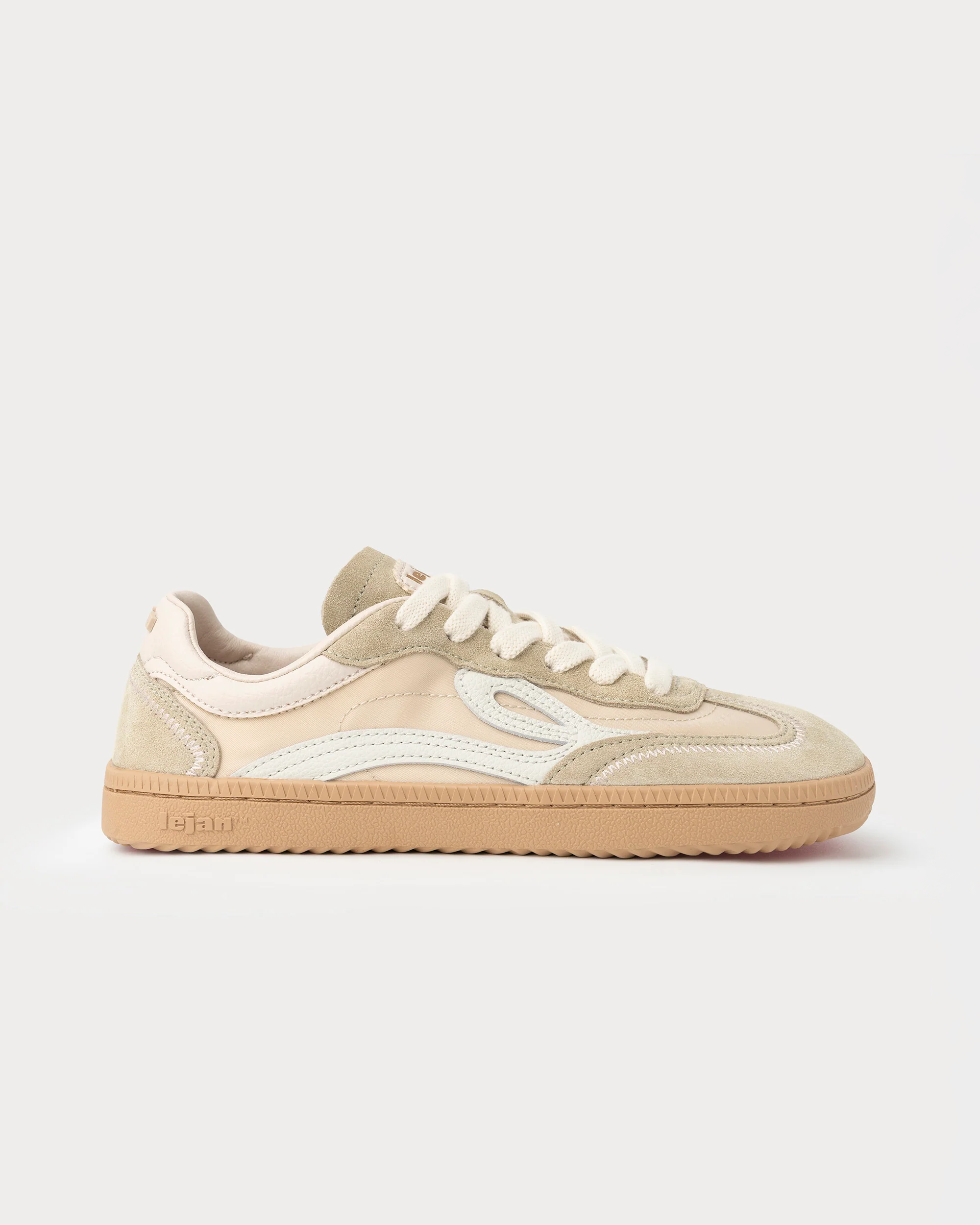
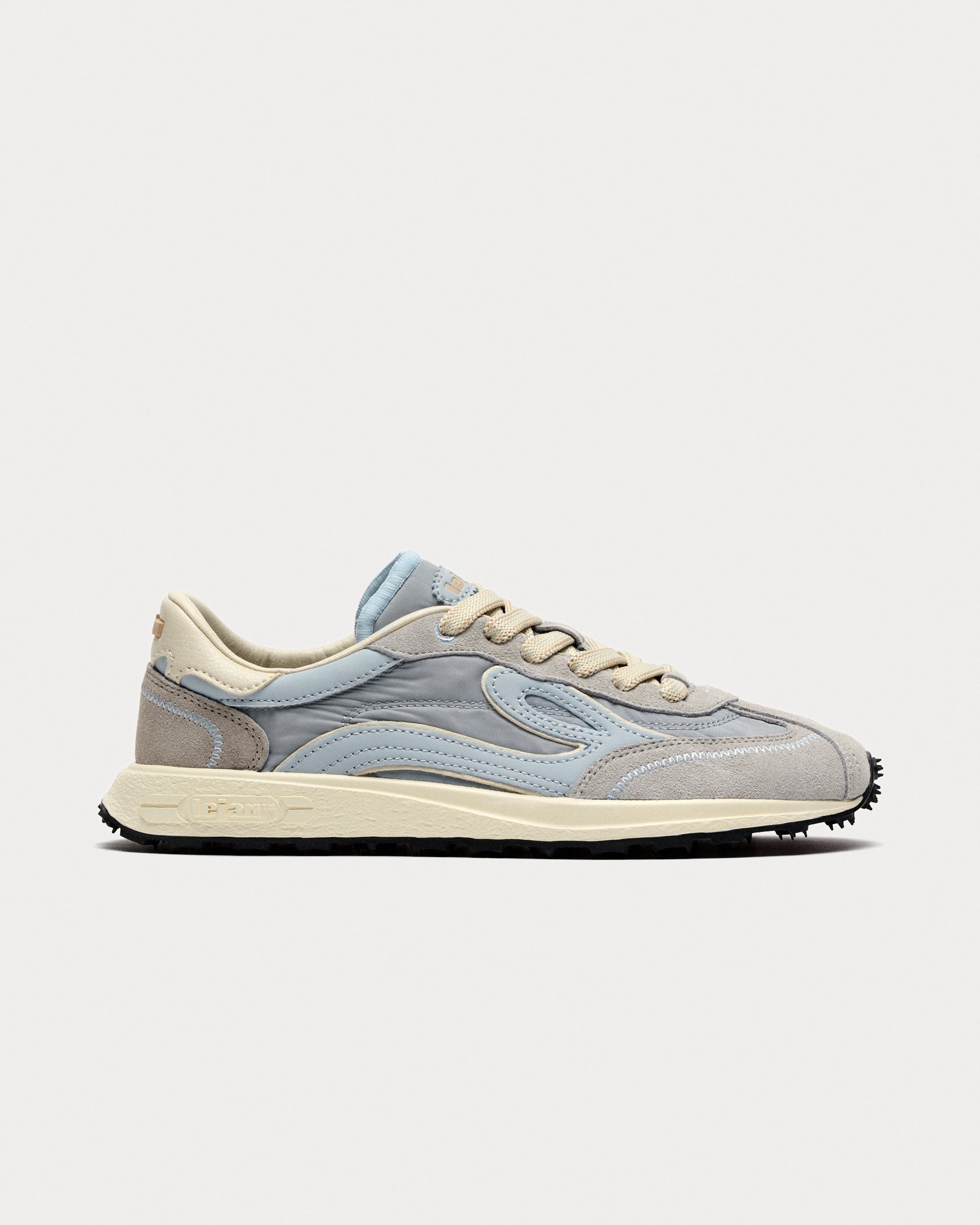
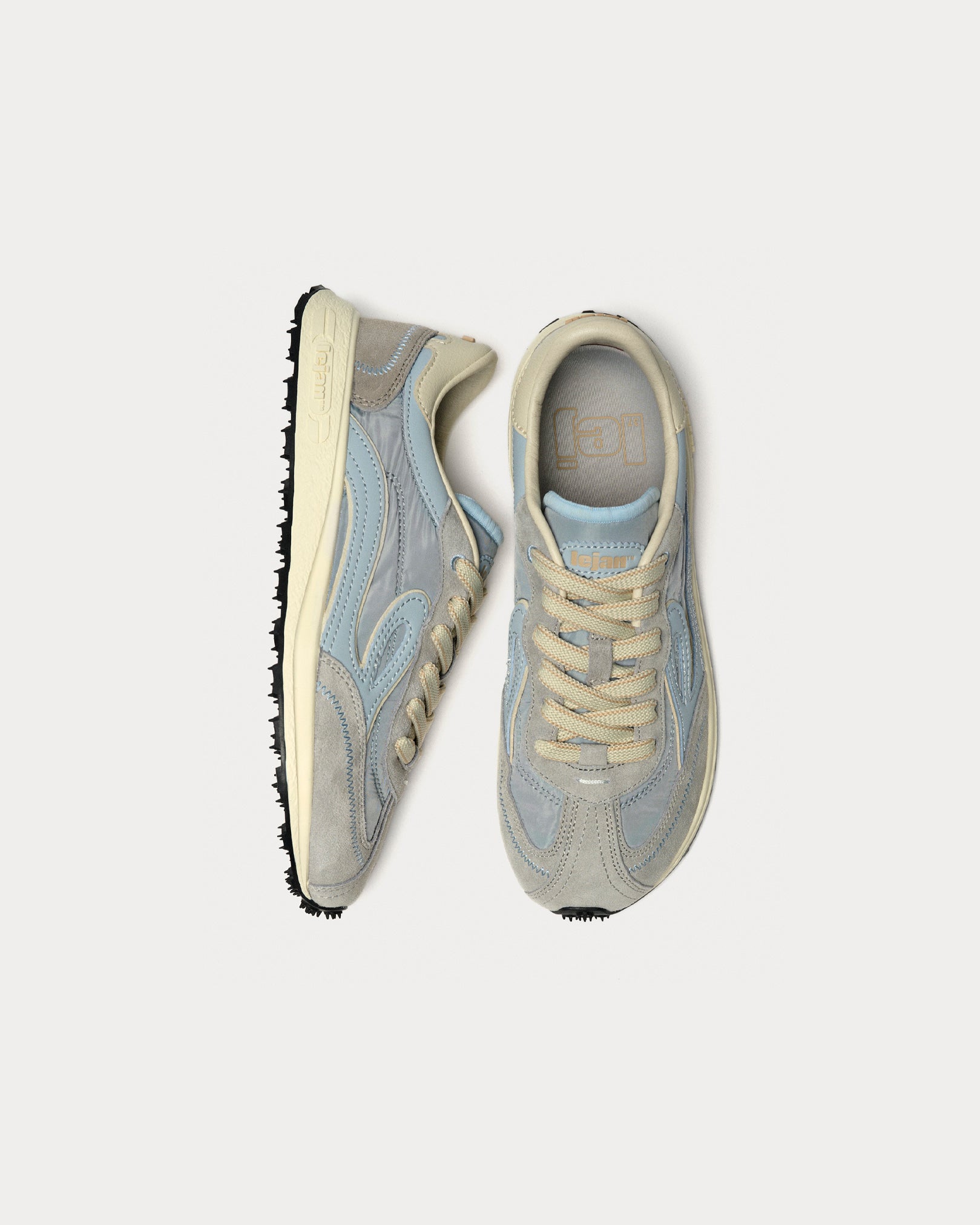
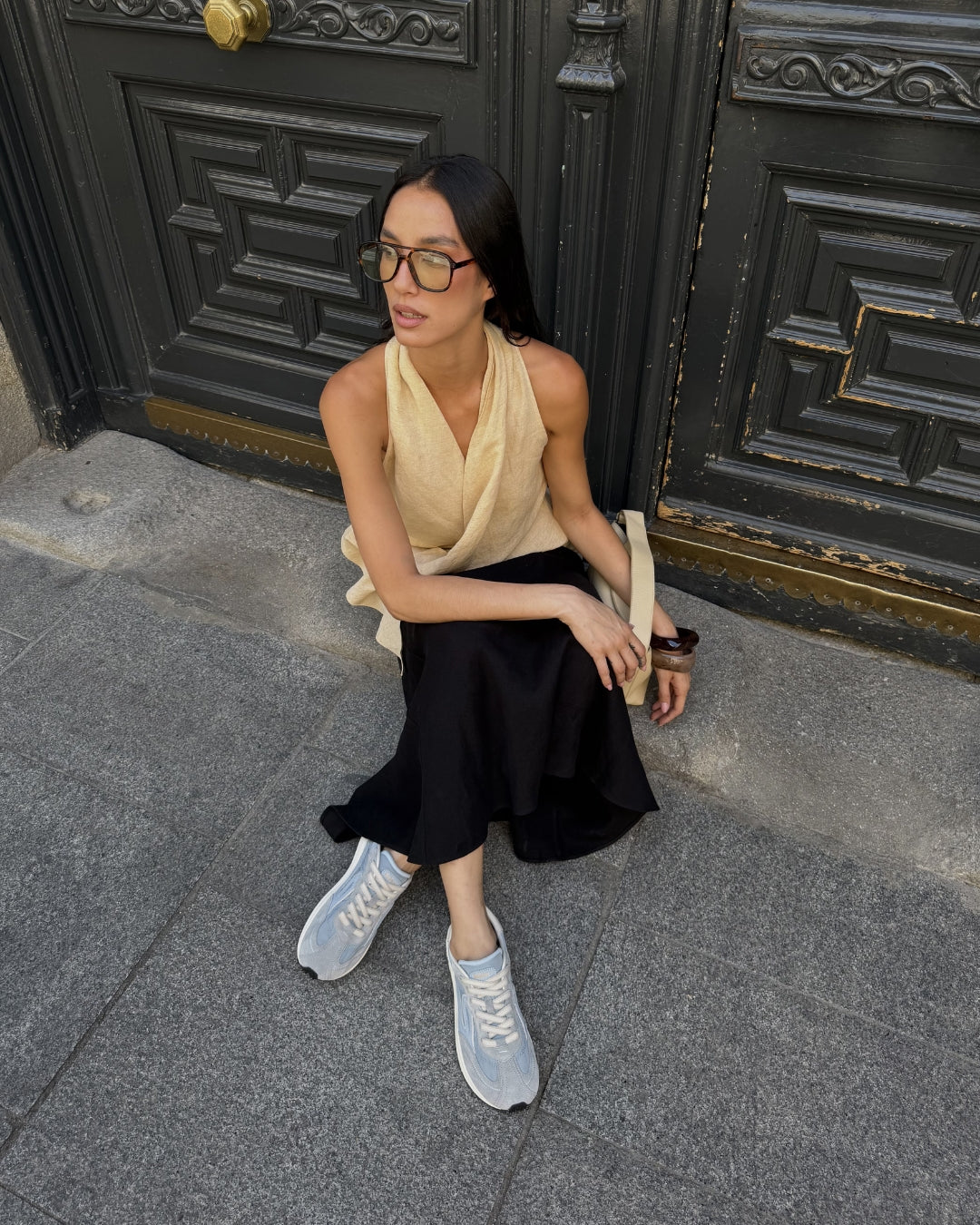
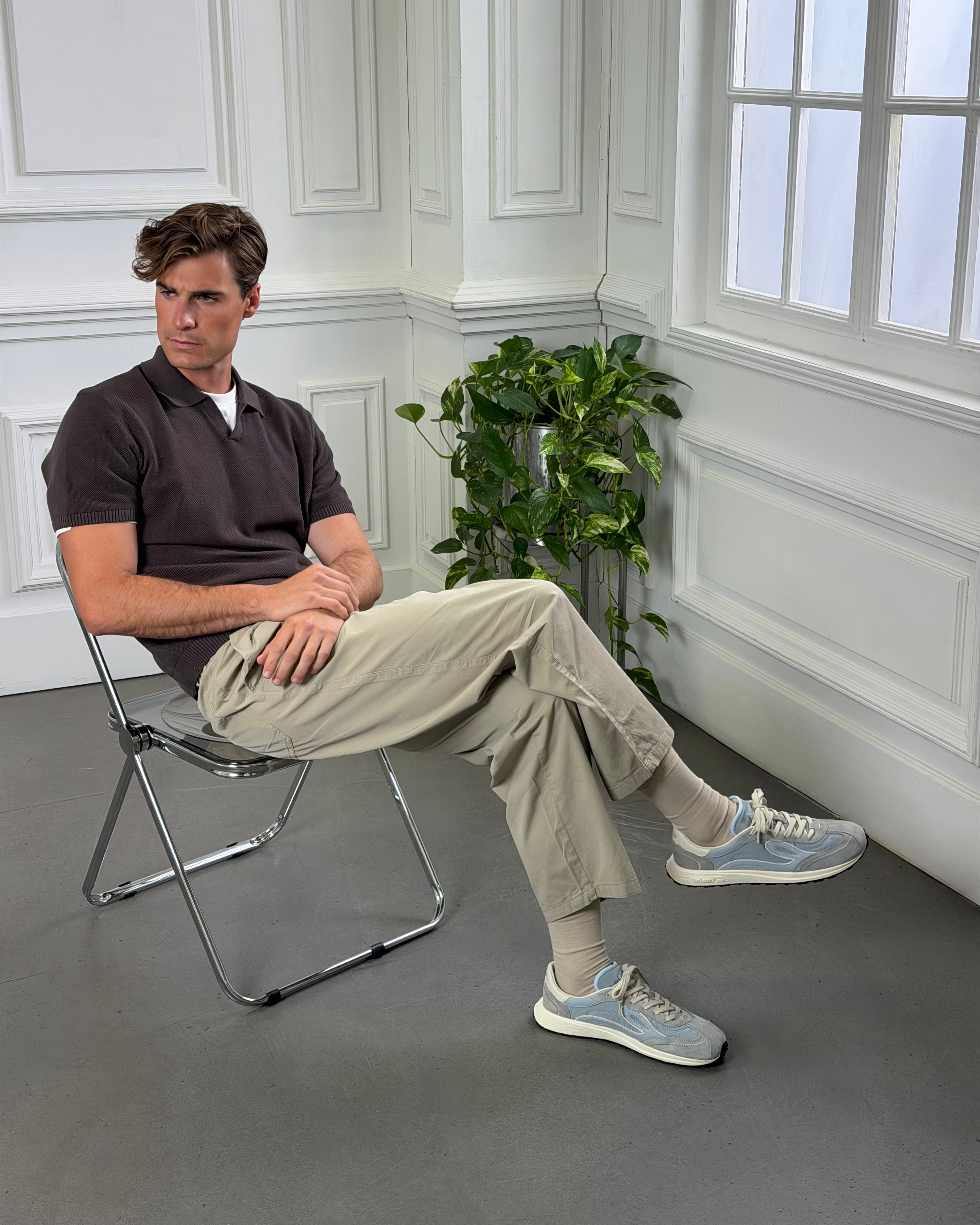
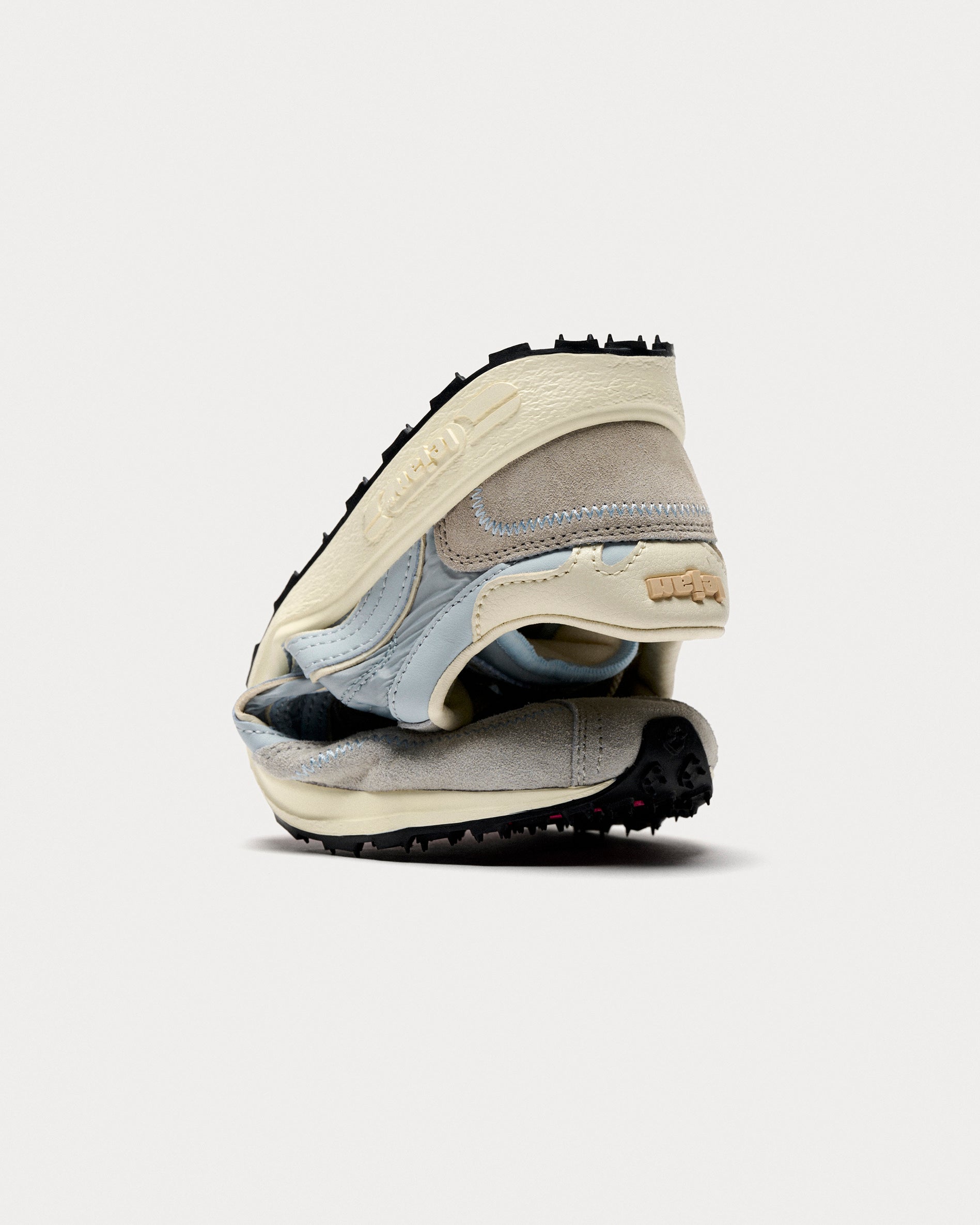
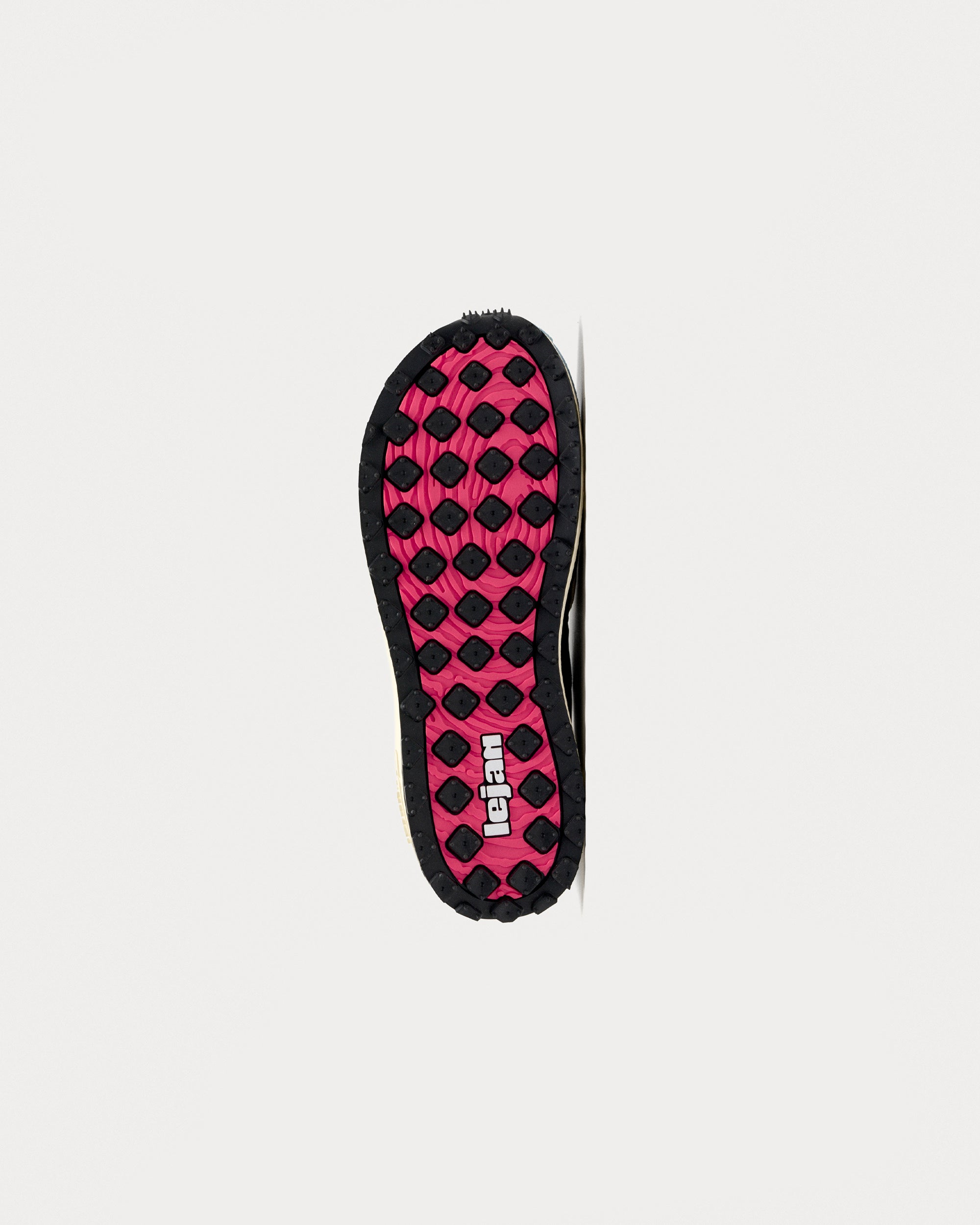
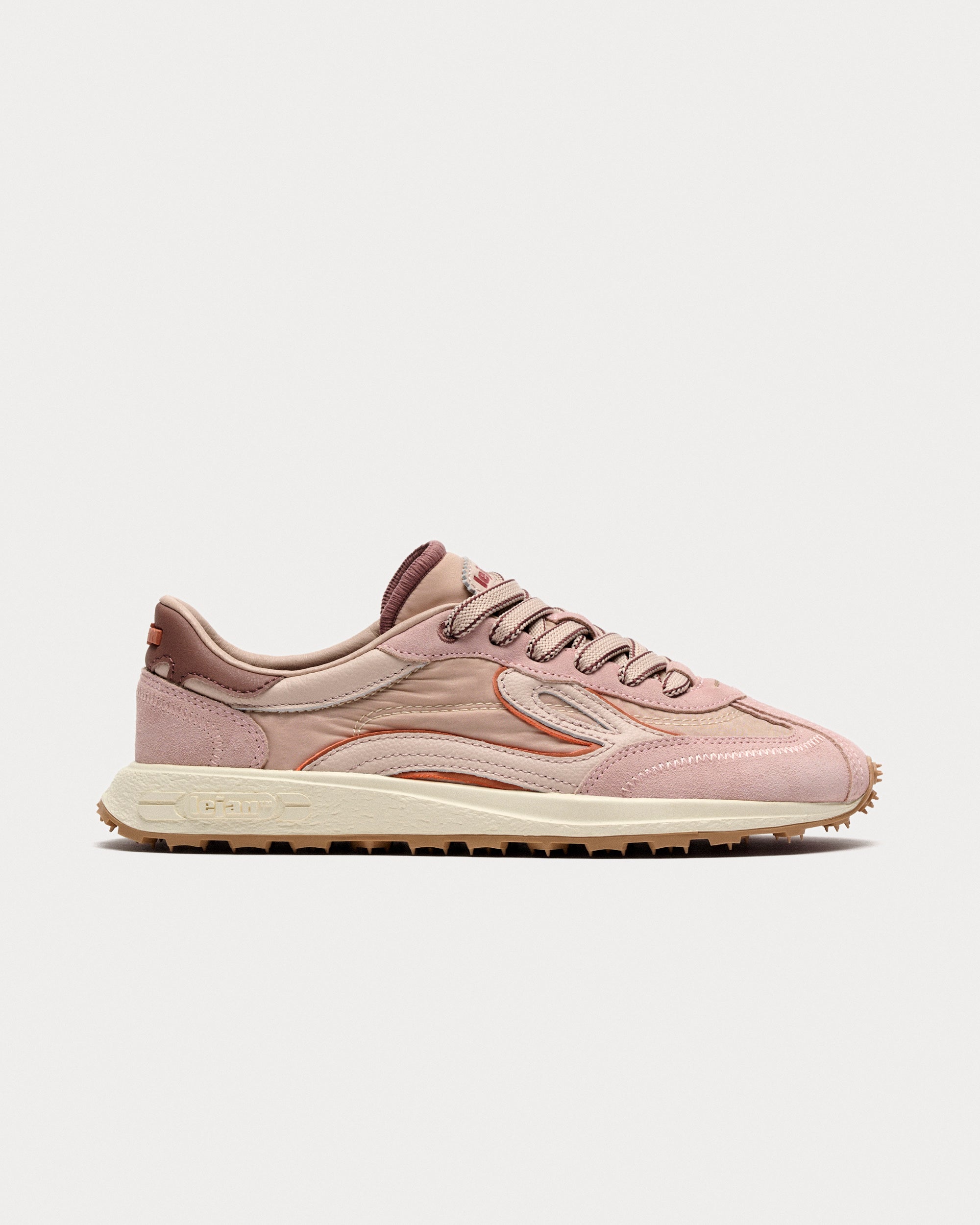
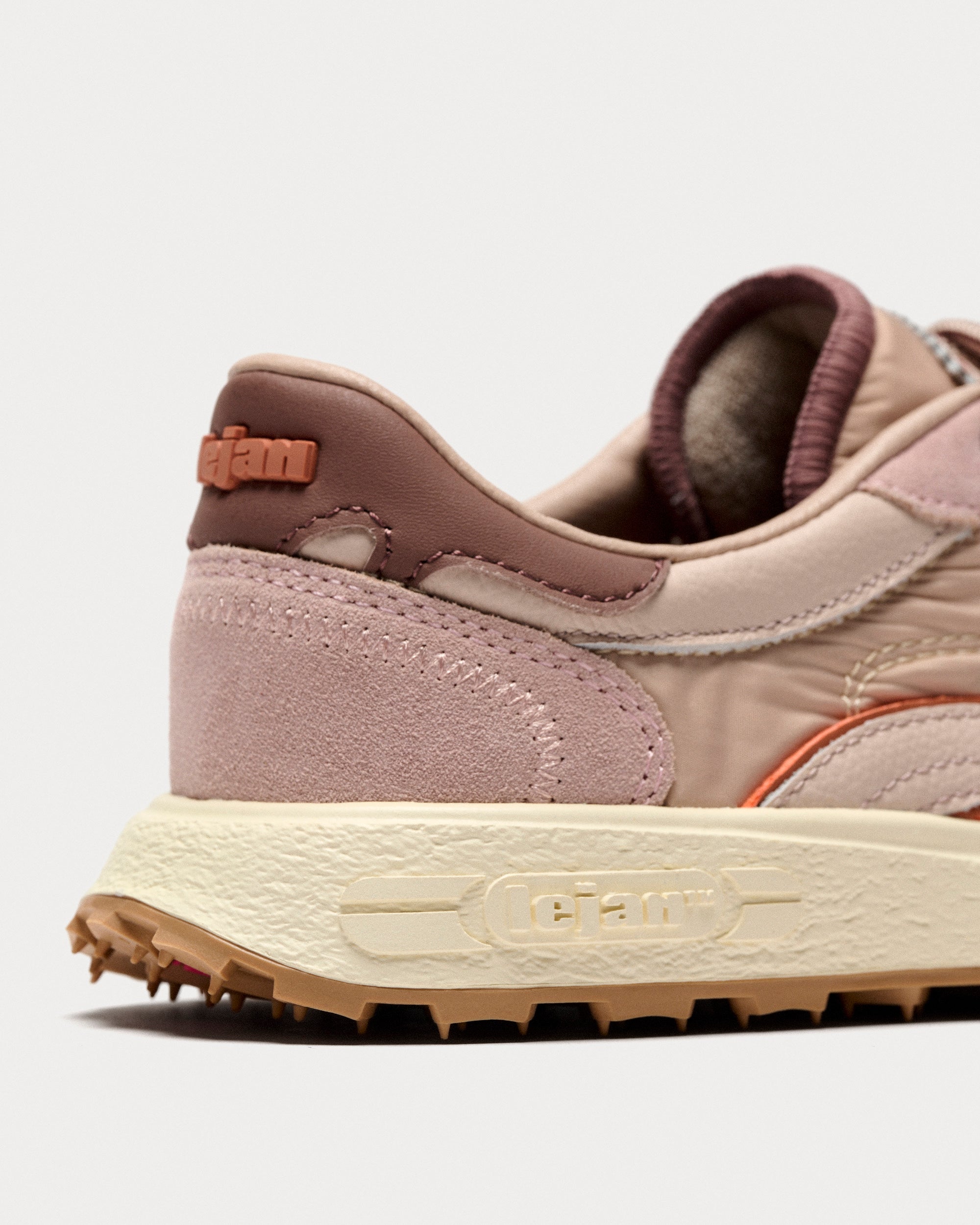
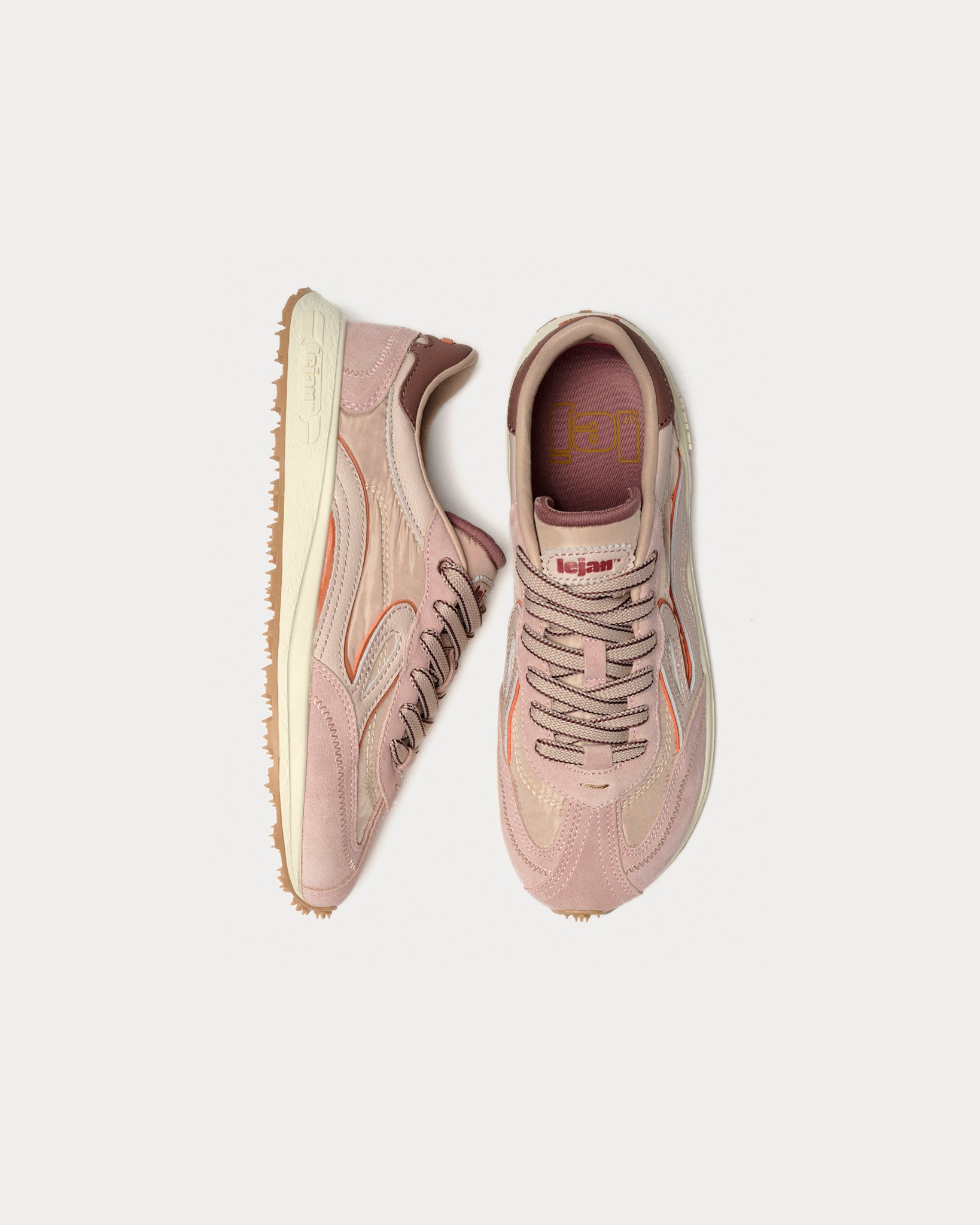
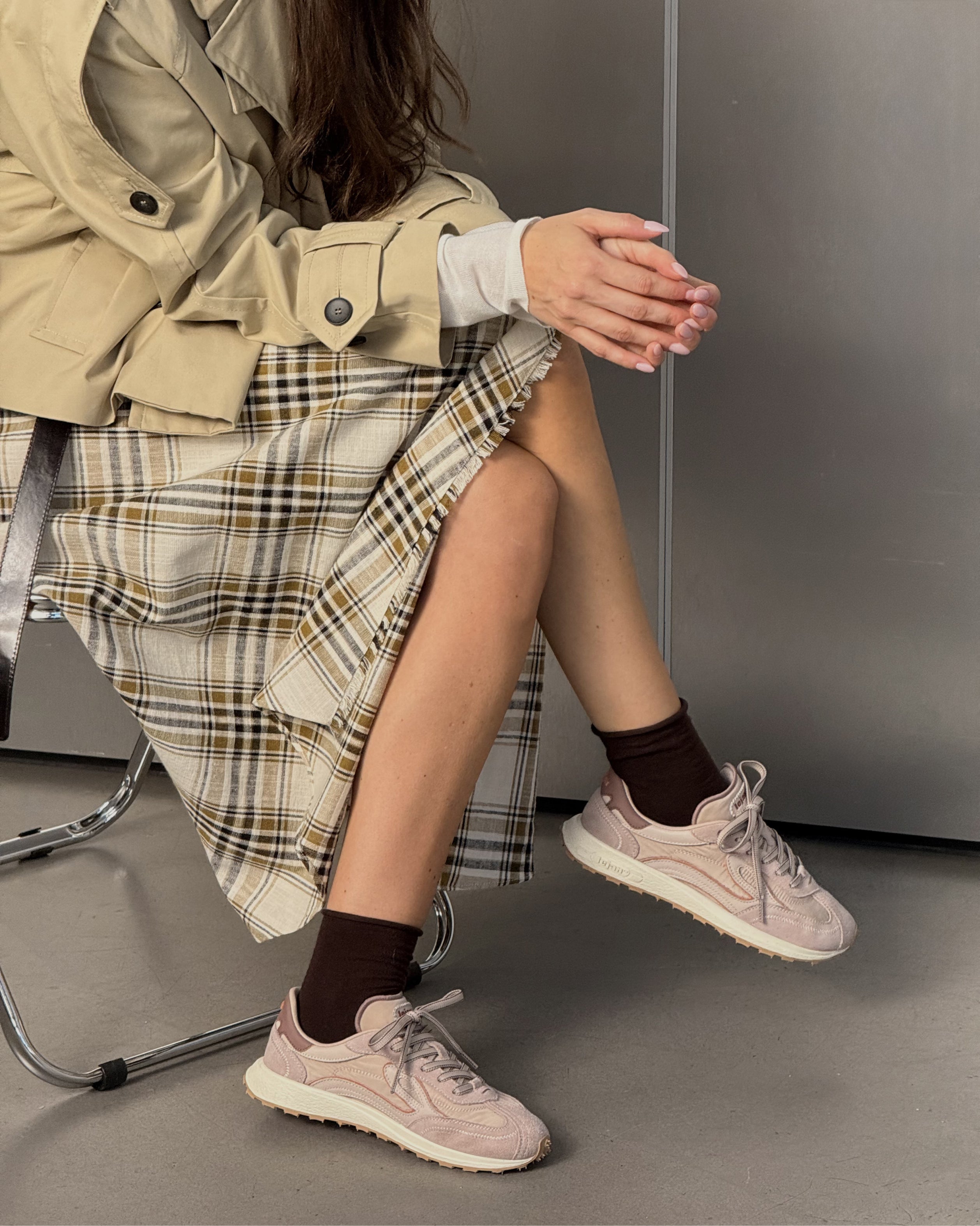
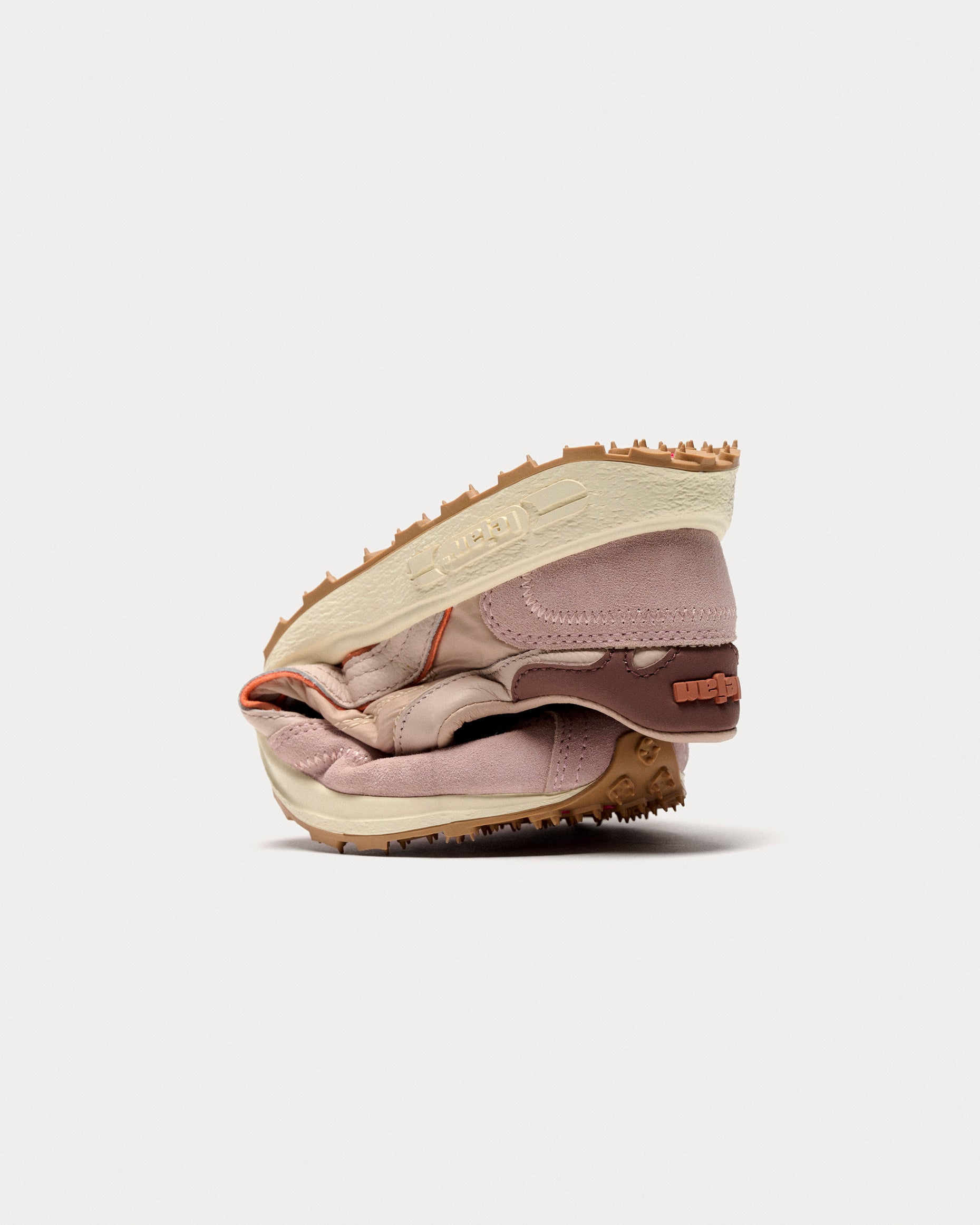
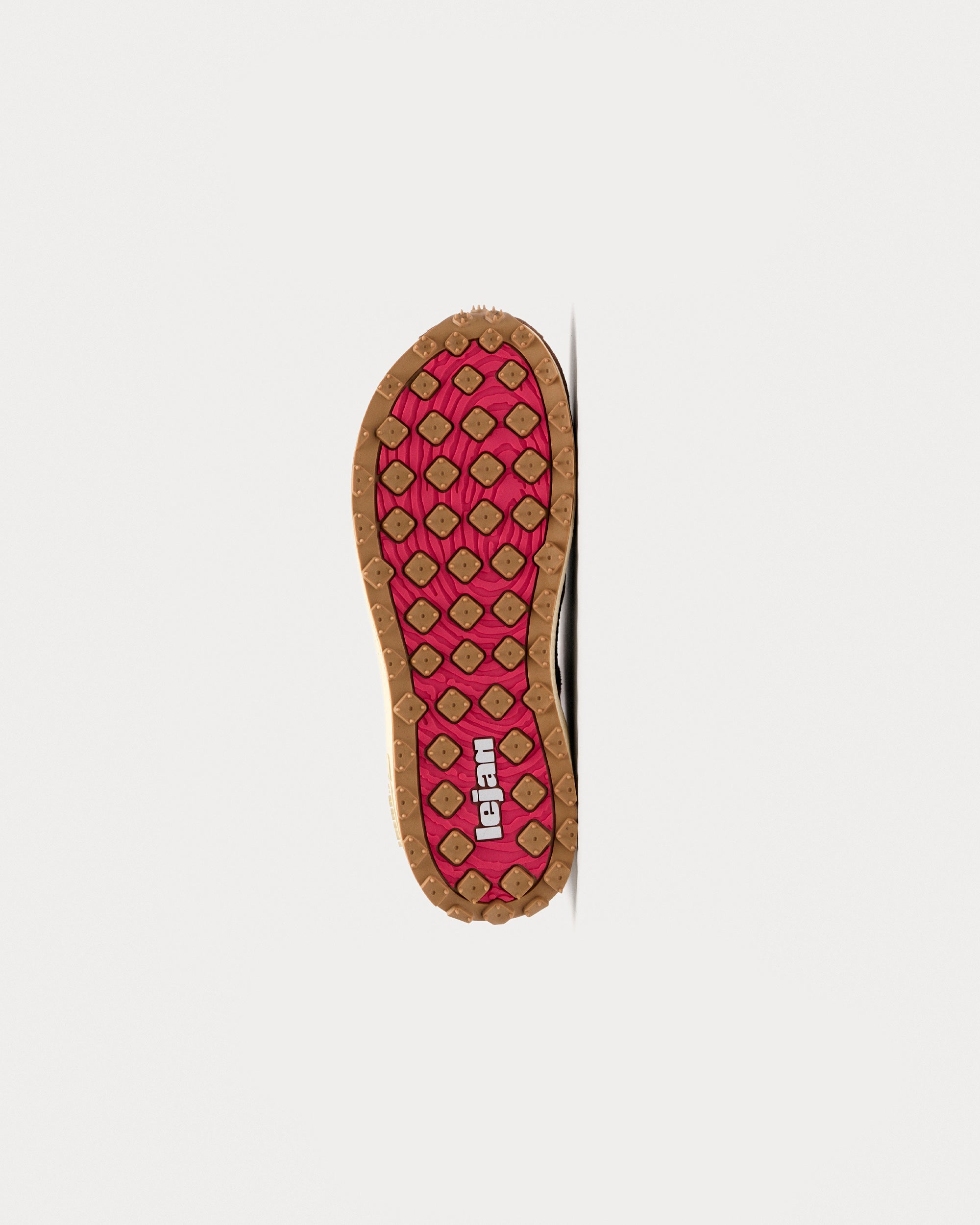
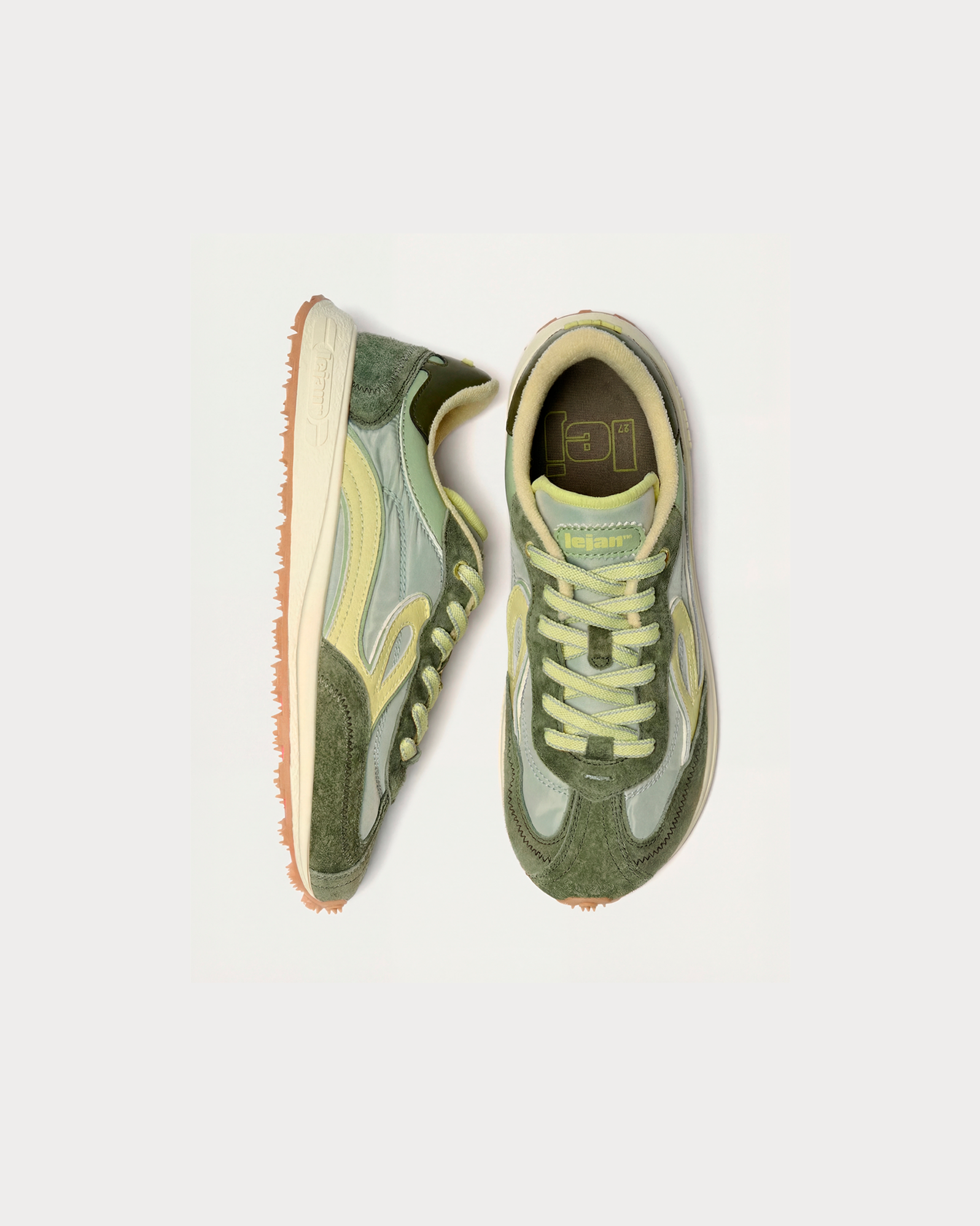
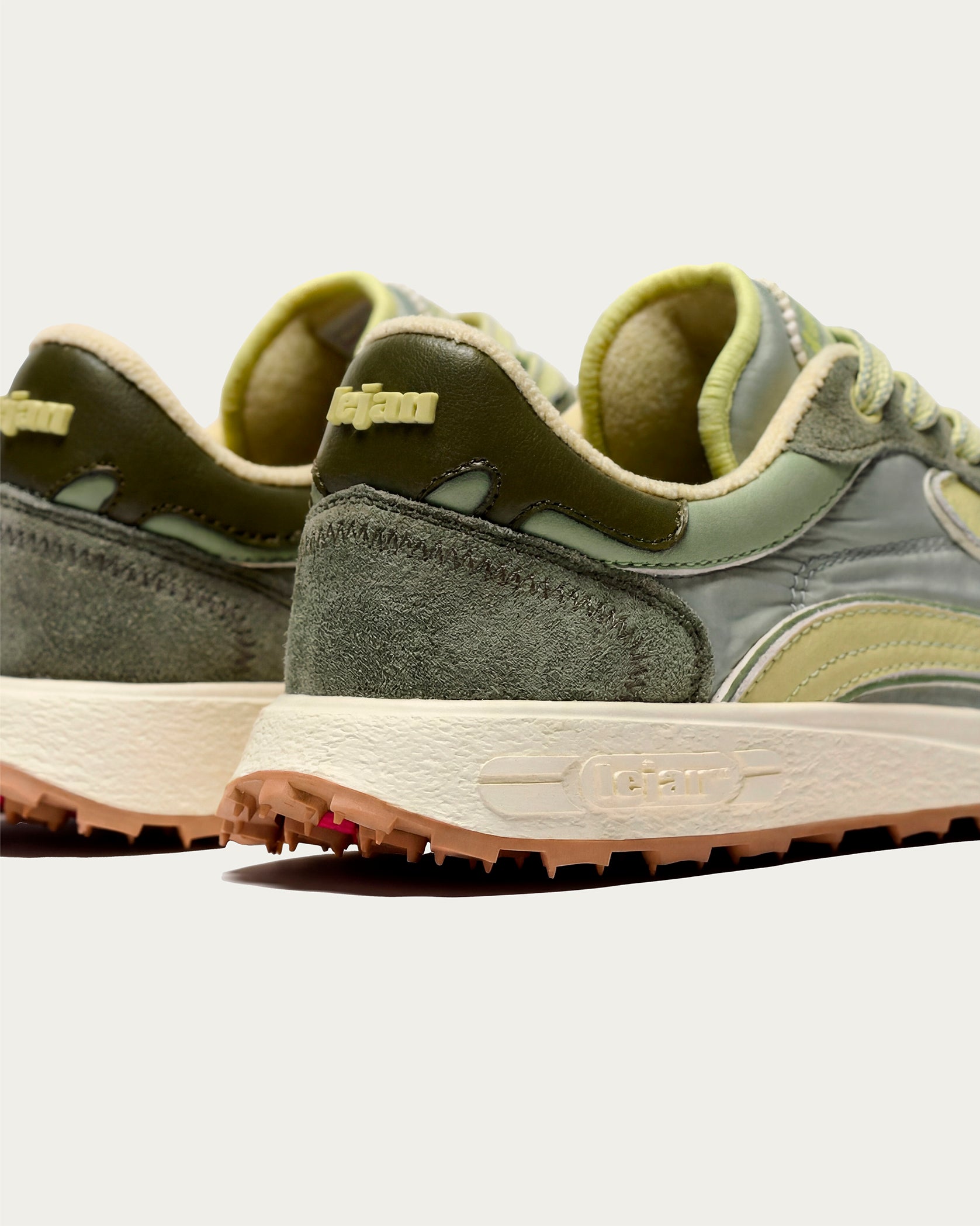
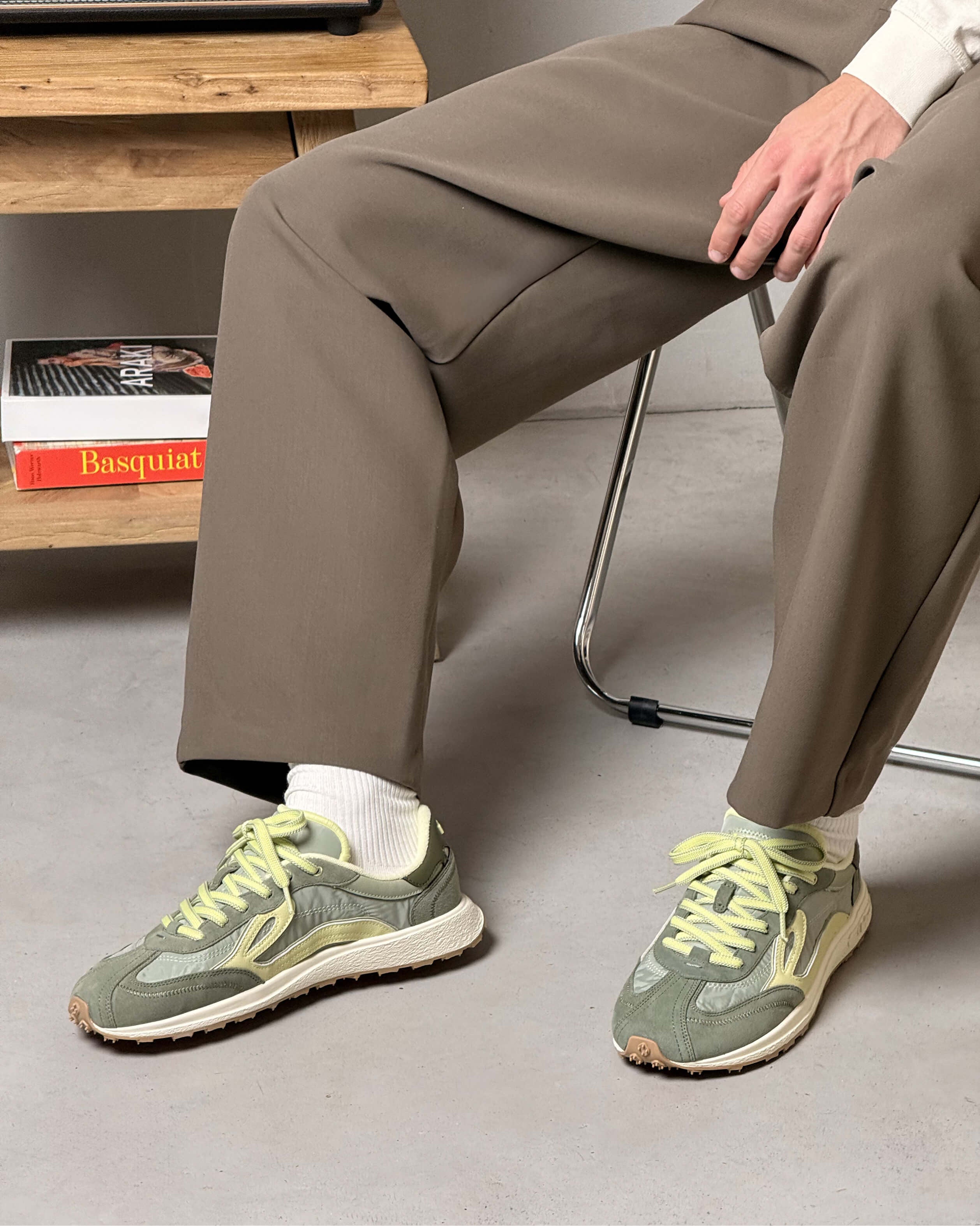
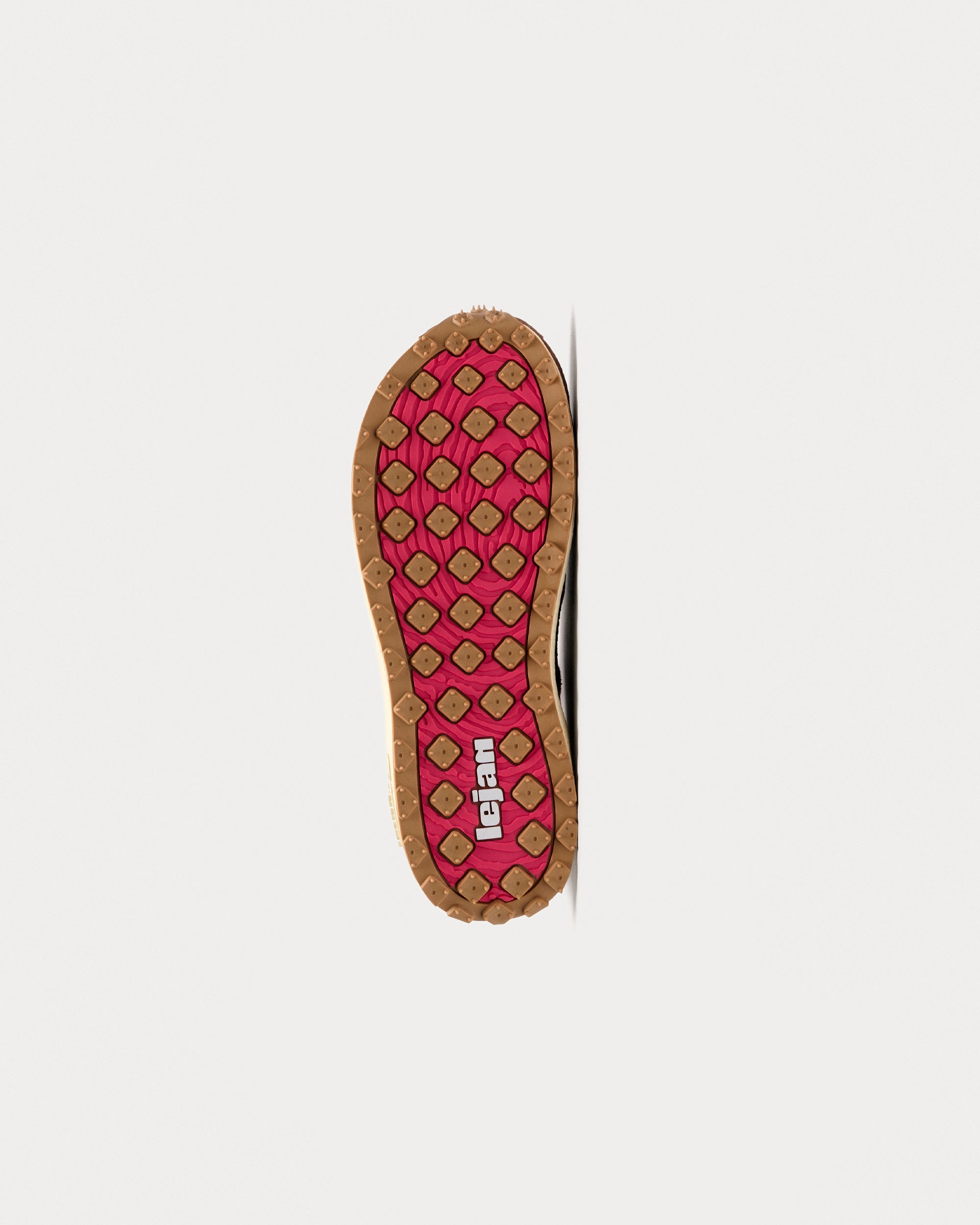
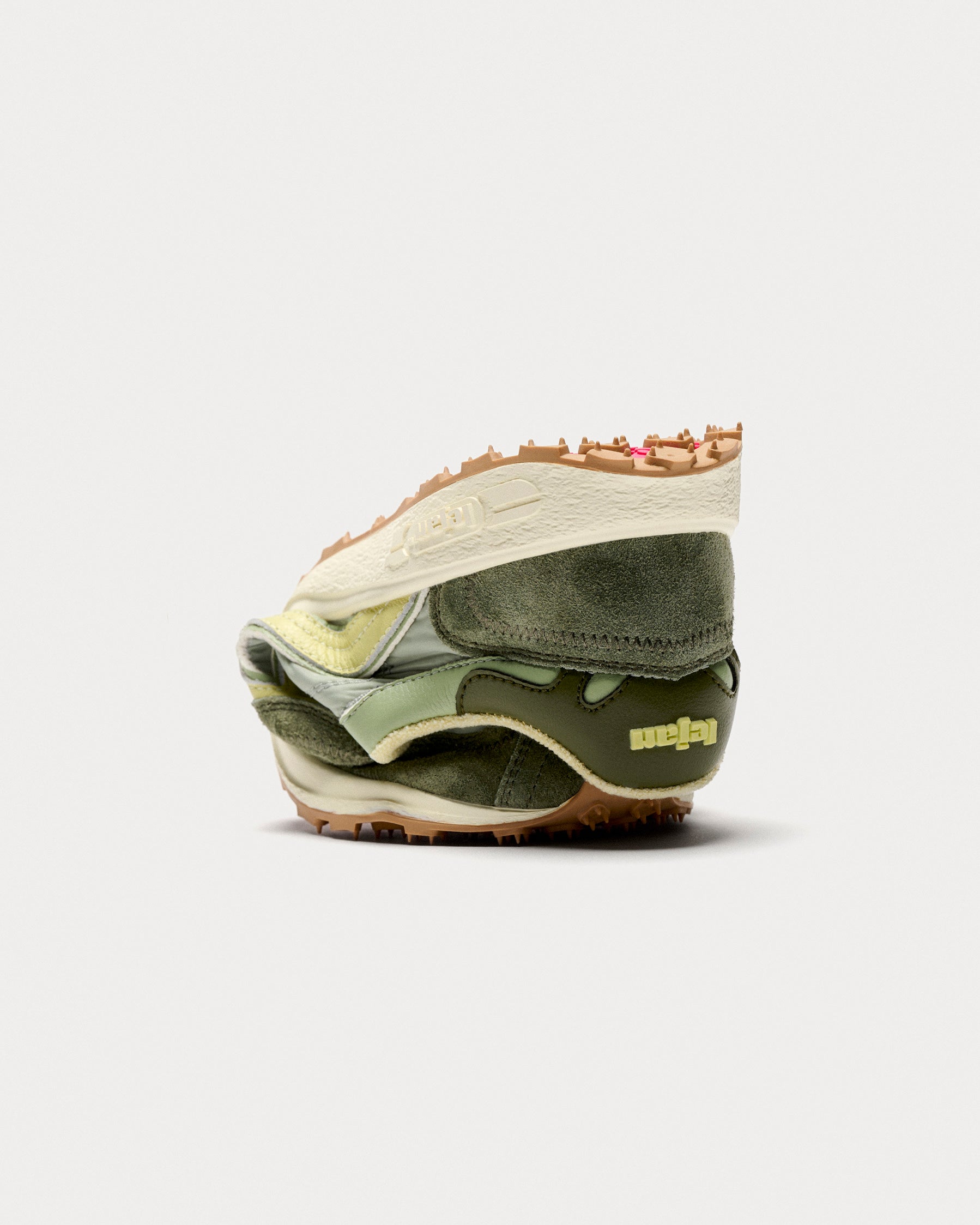
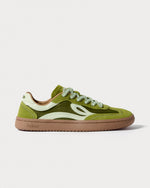
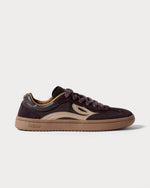
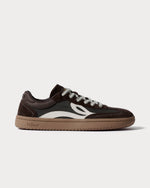
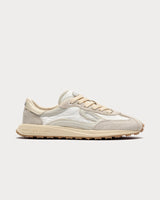
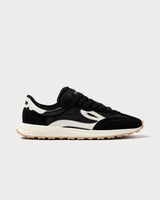
Some urban-style models, such as Lejan Melrose®, use a construction designed to keep an everyday trainer look without resorting to the extreme stiffness of certain conventional shoes. Even so, suitability will always depend on the exact location of the bump, the state of the Achilles and individual tolerance.
Drop: neither a universal answer nor an enemy
When there's pain at the Achilles insertion or a poorly adapted posterior chain, a moderate drop can temporarily reduce the demand on this area for some people.
That's why suddenly removing a heel or drop the body has spent years adapting to isn't always a good idea during a painful phase.
The goal shouldn't be to pick the lowest possible number on a spec sheet, but to find a set-up the person tolerates and can progress from.
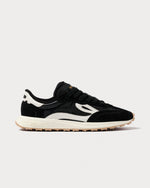
Between "your usual shoe" and zero drop there's a middle ground that often gets overlooked: the transition insole. It's a removable insole that adds a slight heel lift inside a flat shoe, so the change isn't binary: you start with it and remove it once your tolerance allows. Some Lejan One® models include one for that very reason.
That said, it's a progression tool: it doesn't replace posterior chain work or fix an active insertional tendinopathy.
Rearfoot hold without localised pressure
A completely loose shoe isn't always the answer.
When the foot moves around too much inside the shoe, friction appears. In an already sensitive area, that repeated movement can also be uncomfortable.
That's why it's worth finding a balance:
enough hold to control movement, but without squeezing the bump.
Sandals, trainers and closed shoes: they don't all do the same job
Open sandals can be useful at times of high irritation because they remove contact at the back. However, whether they're suitable depends on the activity and on their fastening system.
For longer walks, many people find a trainer with a flexible heel and a good fit easier to tolerate.
With closed dress shoes, it's especially worth checking the back edge. A nice-looking, seemingly roomy model can still have an extremely stiff heel counter in the worst possible place.
Heel counter materials: how to spot a genuinely soft heel
Two trainers can look the same on the outside and behave completely differently.
That's why it's worth touching, pressing and flexing the back section before deciding.

Stiff leather versus flexible, padded leather
Leather isn't automatically good or bad for Haglund's.
Thick, structured leather can create a significant pressure point. A more flexible construction, on the other hand, with padding and without an excessively hard internal reinforcement, can behave differently.
What matters is the whole construction, not just the name of the outer material.
Mesh and knit uppers with flexible internal reinforcement
Textile materials can offer more adaptability, but you need to look at what's going on underneath.
A trainer can look soft because it has mesh on the outside and yet hide a stiff heel counter inside.
So looking isn't enough. You have to touch.
Foams and mouldable materials
Some designs use foams or deformable materials to spread the pressure.
Padding can help when it distributes the load, but a thick pad doesn't always solve the problem if underneath there's still a rigid piece pressing on exactly the same spot.
Two quick tests before you buy
Before buying a shoe, try two things:
Press the back section with your fingers. Check whether it gives or whether you find a hard internal plate.
Gently flex the heel. See whether there's some give or whether the whole back behaves like one rigid piece.
Then try the shoes on and walk in them. A shoe that feels soft in your hand can have an edge that lines up exactly with your bump.
Barefoot, zero drop and Haglund's: when yes and when no
Here it's important to steer clear of absolute statements.
Barefoot isn't a treatment for Haglund's. Nor is it automatically off-limits for everyone who has this bump.
It depends on the state of the tissues and each person's ability to adapt.
What footwear that respects the shape of the foot can offer
A wide toe box avoids squeezing the toes and gives the forefoot enough room.
A flexible sole reduces some of the external restrictions the shoe imposes.
A less rigid back construction may be better tolerated when the main problem is localised rubbing on the bump.
These features can be worthwhile, but none of them removes a bony prominence on its own or replaces treatment for an active tendinopathy.
Why zero drop isn't always the starting point
Going from years of wearing a high drop to completely flat footwear changes the demands on the ankle, calves, soleus and Achilles tendon.
Someone without symptoms can make that transition gradually.
But with active insertional pain, very stiff ankles or a poorly adapted posterior chain, jumping straight into zero drop can make symptoms worse.
That's why more minimalism doesn't always mean more suitable at that particular moment.
Barefoot and heel lifts: a possible temporary combination in some cases
In specific situations, a professional may consider the temporary use of modifications inside the shoe.
This shows that concepts don't always have to be seen as closed categories. Someone may need room for their toes and a non-rigid heel, but at the same time not yet tolerate an immediate switch to zero drop.
Function matters more than the label.
How to transition to more flexible footwear
When the state of the tissues allows it, a transition can start with short wears and undemanding activities.
For example, bringing the new footwear in first for low-demand everyday moments and increasing the time as tolerated, rather than wearing it for the first time on a ten-hour day or a long hike.
Barefoot models such as Lejan One® or options such as Lejan Melrose® can suit certain people looking for more room at the front and a different construction from the conventional stiff shoe. However, when there's active insertional tendinopathy, significant pain or low tolerance to zero drop, the transition should be tailored to the individual.
The right question isn't: “Is barefoot good or bad for Haglund's?”
The question is: “What does this foot need and what can it tolerate right now?”
When surgery is considered
Surgery isn't the first option in every case.
It's usually considered when symptoms persist despite well-executed conservative treatment and there's a clear link between the anatomy, the affected tissues and the pain.
Persistent symptoms despite conservative treatment
Before considering an operation, it's usual to check whether the following have been properly addressed:
-
footwear adaptation;
-
load management;
-
therapeutic exercise;
-
mobility;
-
strength;
-
individual biomechanical factors.
The decision shouldn't be based solely on how big the lump looks.
Recovery
Recovery depends on the procedure carried out.
When the operation also involves the tendon, timings and load progression may differ from surgery with a more limited approach.
That's why there's no single timeline that applies to all patients.
How to stop the pain coming back
Getting rid of the symptoms doesn't always mean the factors that caused them have been resolved.
Prevention needs to look beyond the pair of shoes that triggered the last episode.
Keep up the posterior chain work
Mobility and strength need continuity.
There's not much point doing exercises only during the weeks of pain and dropping them as soon as the discomfort goes away.
Keeping the calves, soleus, ankle and foot in good working order can help you cope better with the demands of daily life and sport.
Rotate your trainers if you run
Using different pairs can slightly change the pressure points and mechanical demands.
This isn't a must for everyone, but it can be a useful strategy for runners who train often, especially when one particular model irritates the back of the heel.
Build up loads gradually
The tendon and tissues need time to adapt.
After a painful phase, going straight back to maximum training volume can exceed their capacity all over again.
It's better to build distance, intensity, elevation and frequency back up gradually.
Go through the back of the wardrobe
Sometimes the shoe that triggered the problem is still waiting in the wardrobe.
Before wearing it again, it's worth checking:
-
where its back edge ends;
-
how much the heel counter gives;
-
whether the foot moves around inside;
-
whether there's direct pressure on the lump.
A shoe that hurts every time you wear it doesn't need any more chances to prove it.
Frequently asked questions about Haglund's deformity
Can Haglund's syndrome be treated without surgery?
In many cases, treatment starts conservatively, based on footwear adaptation, load management, therapeutic exercise and other measures depending on the affected tissues.
The need for surgery should be assessed individually when symptoms persist despite a proper approach.
Why does it hurt more with closed shoes?
Because certain shoes press or rub directly on the back and top of the calcaneus.
If the heel counter is stiff or its edge lines up with the bump, every step can cause fresh irritation.
Is barefoot footwear good for Haglund's?
It depends.
A less rigid back section and more freedom for the foot can be well tolerated by some people. However, zero drop means a change in the demands on the posterior chain.
If there's active Achilles pain, significant stiffness or little prior adaptation, an abrupt transition may not be appropriate.
Can I run with Haglund's syndrome?
It depends on how intense the symptoms are, which structures are affected and how they respond to load.
In some cases, it may be necessary to temporarily reduce volume or intensity. In others, the pain means changing activity for a while.
When the pain alters your technique, gradually gets worse or lingers after training, it's worth getting the problem assessed before piling on more load.
How long does it take to improve with conservative treatment?
There's no set time.
It depends on how long it's been going on, whether the tendon is affected, daily and sports loads and whether the factors keeping the irritation going can be changed.
Tendon problems, when present, usually call for patient, structured progression.
Is Haglund's the same as a heel spur?
No.
Haglund's affects the back and top of the calcaneus, whereas a plantar heel spur refers to the underside of the heel.
The location of the pain and the structures involved are different.
Shoes don't cause every case of Haglund's, but they can keep the problem going
The shape of the calcaneus doesn't change just because you pick a different pair of shoes. But the relationship between that anatomy and the footwear can make a huge difference to the symptoms.
A heel counter that presses on the same bump every day can keep the irritation going. A shoe that's too loose can also cause friction. And switching abruptly to a totally different set-up can change the demands on the Achilles tendon before it's ready.
That's why choosing footwear for a heel with Haglund's isn't simply about looking for something “soft”.
It's about looking at where it presses, how it holds, how much it adapts and what demand it places on the foot and posterior chain at that moment.
Because, once again, the right footwear isn't the one that ticks a list of features on paper. It's the one that fits the foot that's going to wear it.
Test your knowledge
Answer the questions to check how much you know about this topic.
1. ¿Dónde aparece normalmente el bulto característico de la enfermedad de Haglund?
2. ¿Qué tipo de calzado puede empeorar las molestias?
3. Además del bulto, ¿qué síntomas pueden aparecer?
4. Si las molestias persisten o empeoran, lo recomendable es…

Share