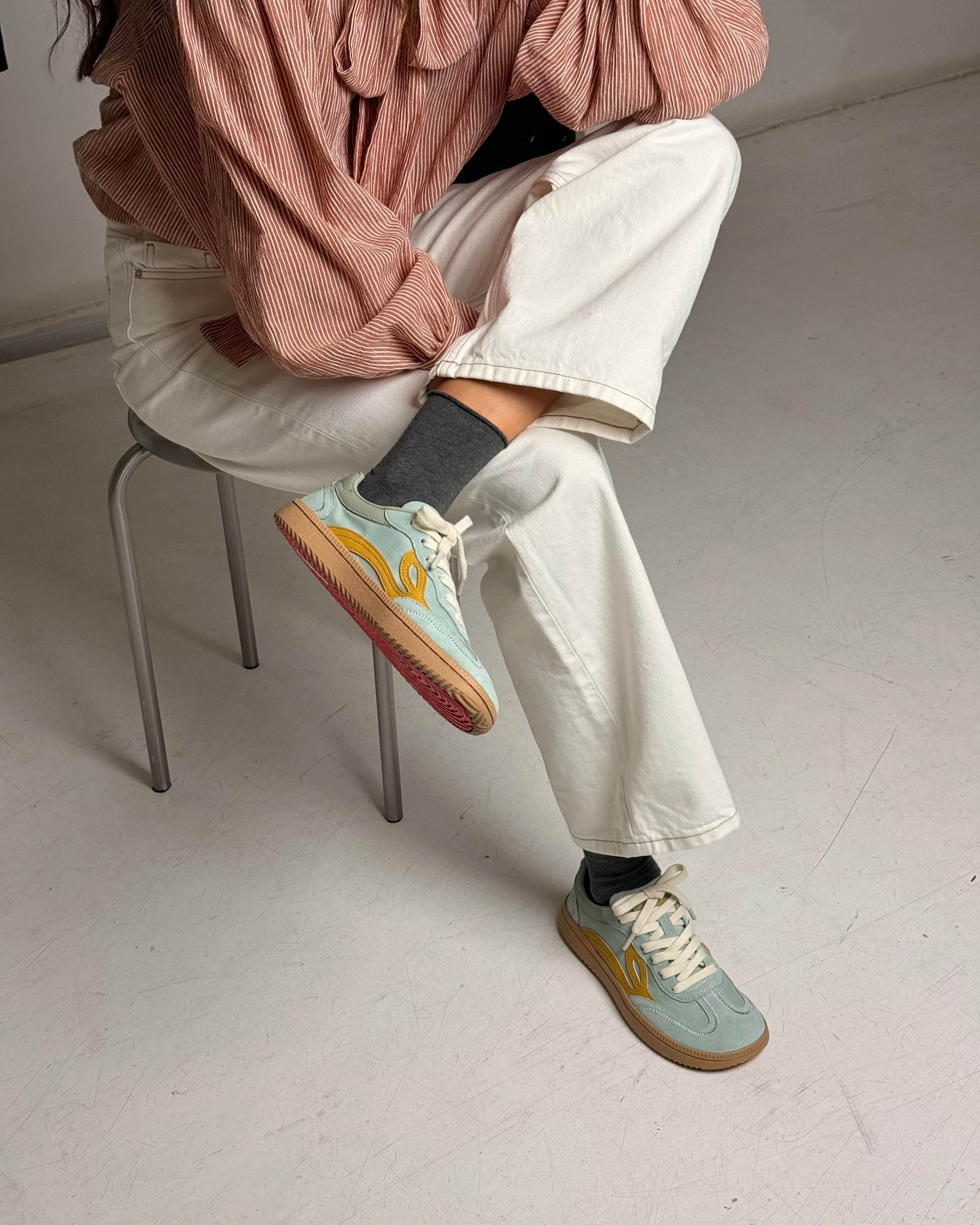
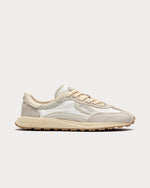
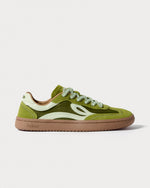
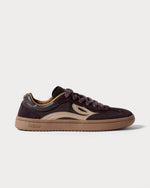
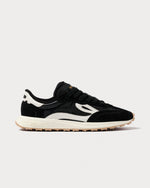
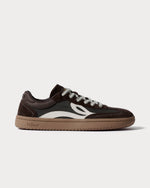
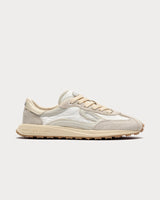
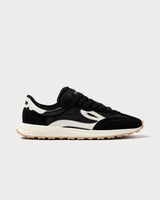
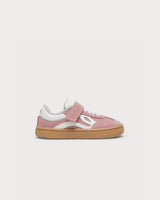
For a long time, dressing formally meant almost always reaching for stiff shoes, heels or classic structured loafers. But the way we dress for work, for a meeting or for certain events has changed.
Today, a well-chosen pair of trainers can be part of a formal look without taking anything away from it. The key isn't simply swapping a shoe for a sneaker, but understanding which designs, colours, materials and proportions work best.
And this is where barefoot footwear has an interesting advantage: you can keep a clean, easy-to-match look while your foot gets more room and freedom to move.
Why trainers have won over formal looks (and it's not just a trend)
Trainers making their way into more formal settings is part of a much broader shift in how we dress.
Dress codes have relaxed, garments are mixed more freely and concepts like smart casual have blurred the lines between strictly formal and informal. A blazer no longer necessarily calls for a dress shoe, just as a trainer doesn't have to be reserved for sport.
The difference lies in how the outfit is put together.
From street style to the office: how the unwritten rule of formal footwear changed
For years, trainers were mainly linked to sport and urban looks. Little by little they started appearing alongside pleated trousers, structured coats, blazers and even full suits.
The result was a new way of understanding formalwear: less rigid, but not necessarily less polished.
Today, a simply designed trainer can fit into an office look as long as the pieces work together. Well-cut trousers, a crisp shirt, a well-structured blazer and an understated trainer can create a perfectly balanced outfit.
The key is for the trainer to complement the look rather than unintentionally become the element that throws the whole thing off.

Why barefoot shoes fit these looks better than other trainers
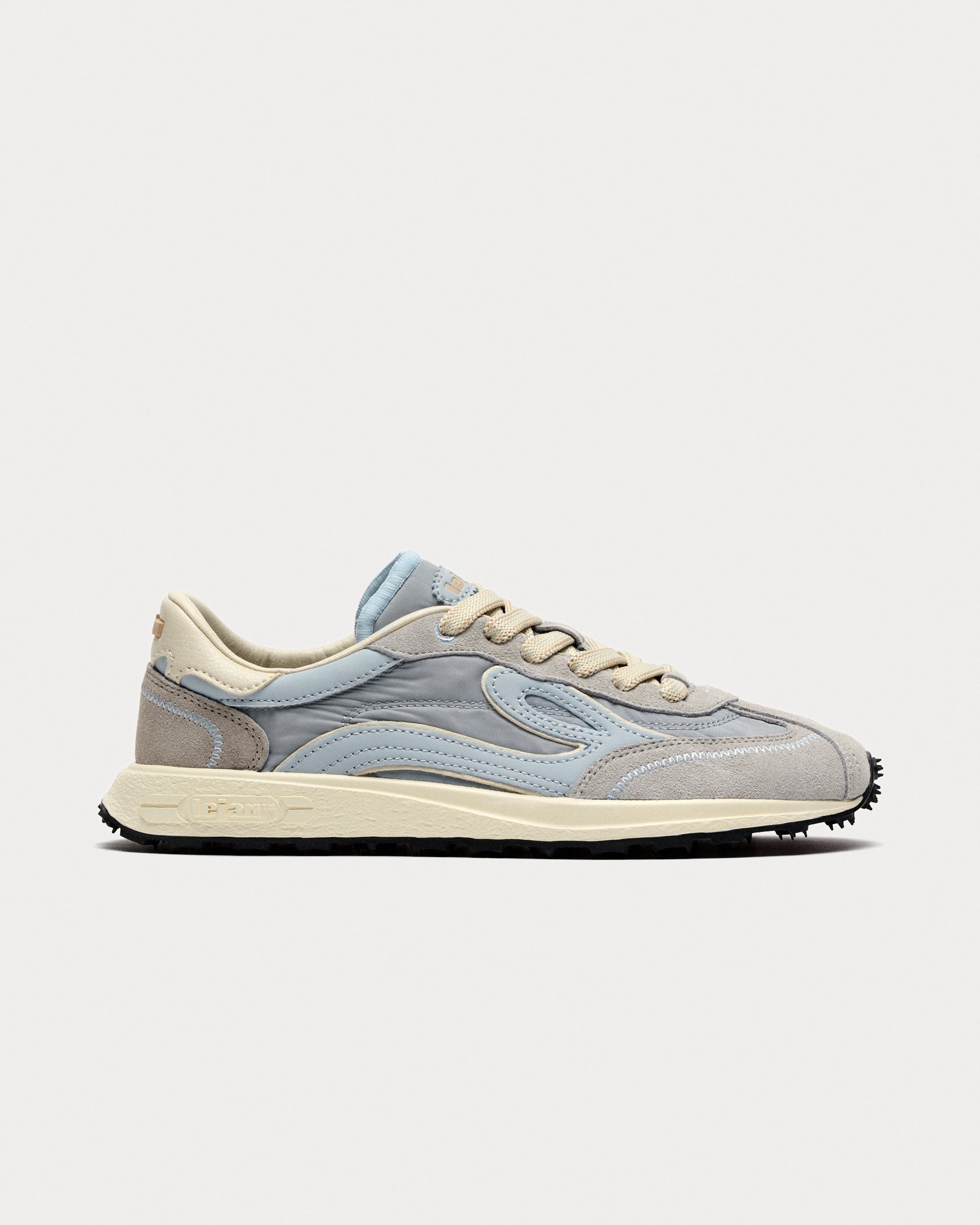
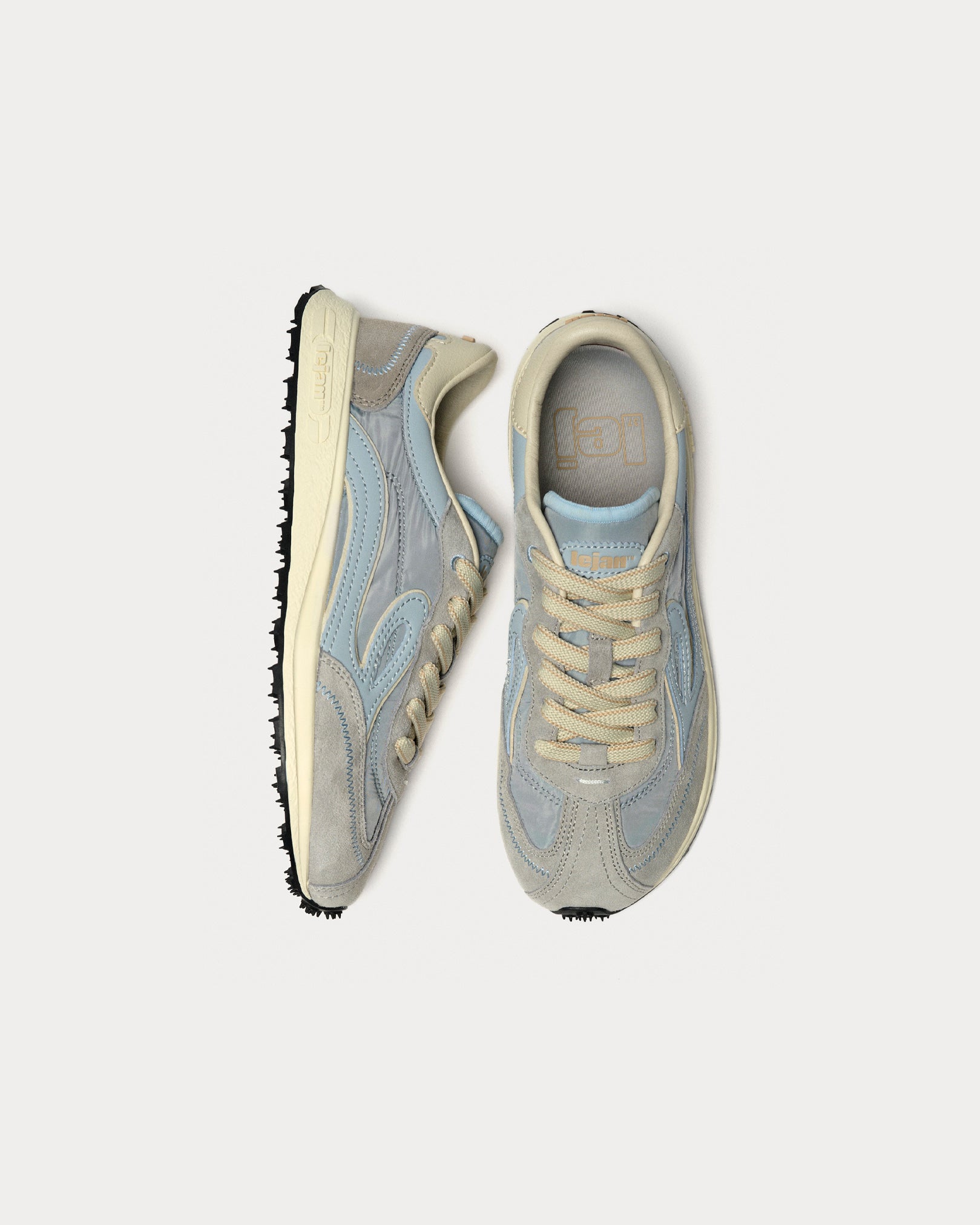
Not all barefoot trainers have a sporty look.
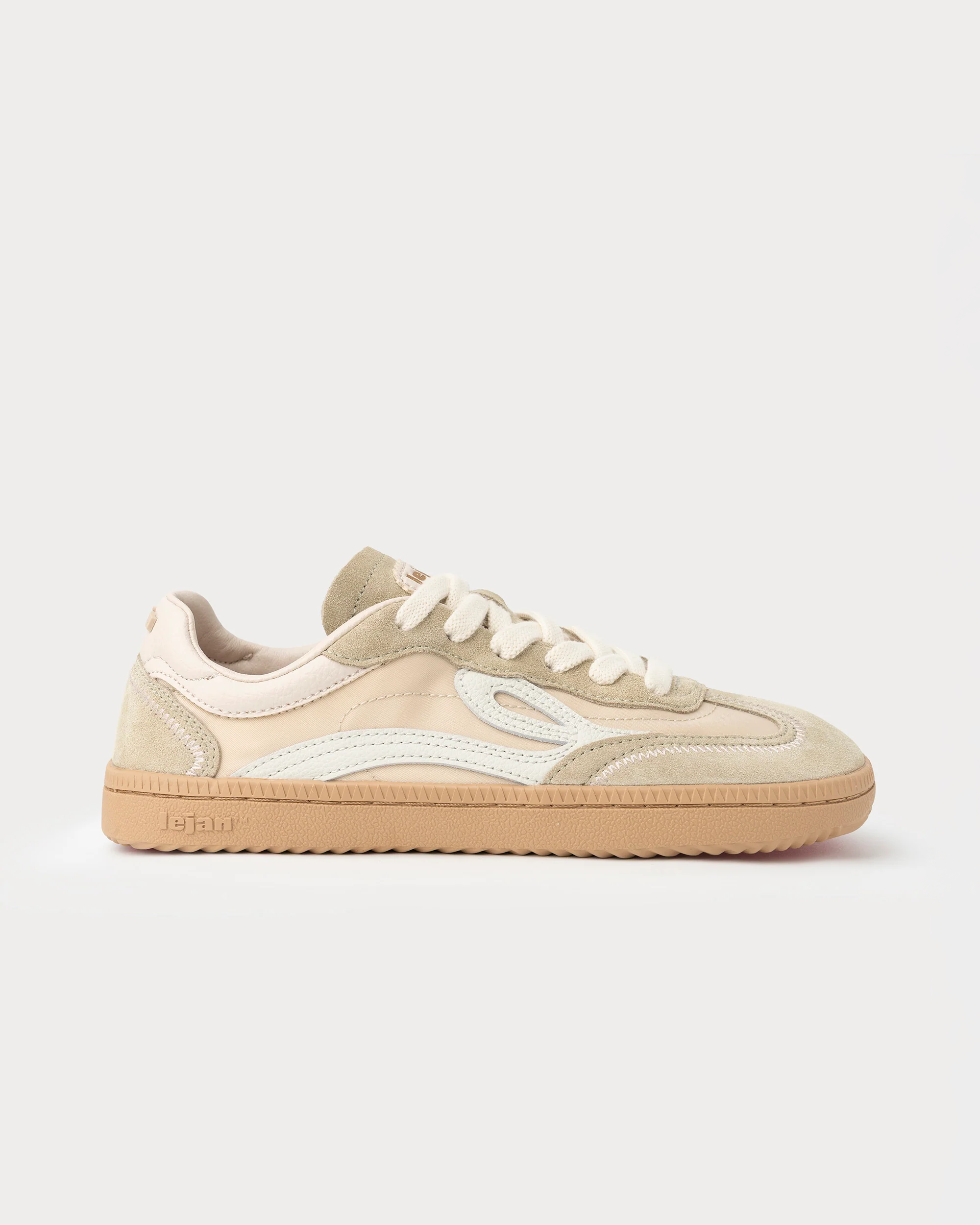
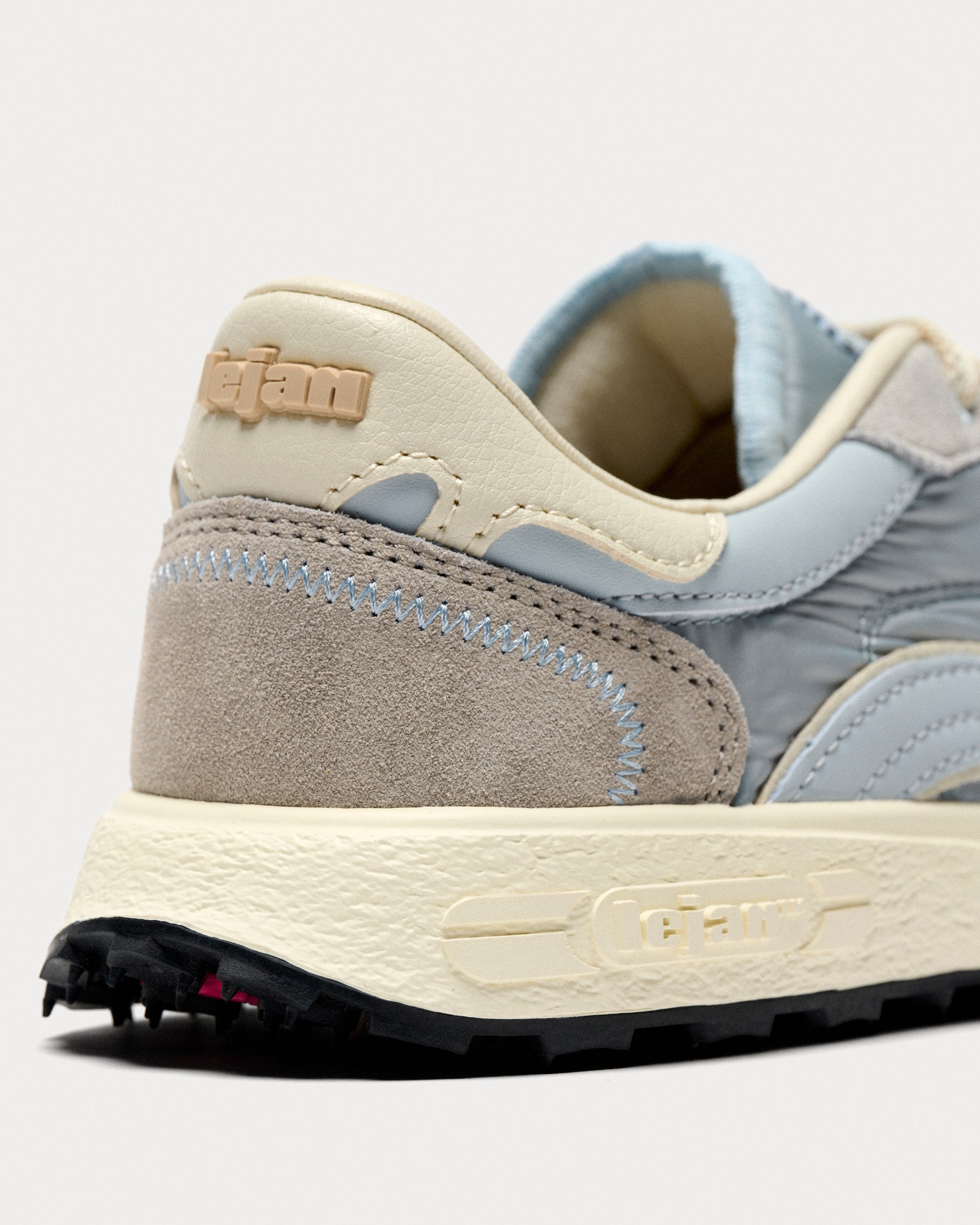
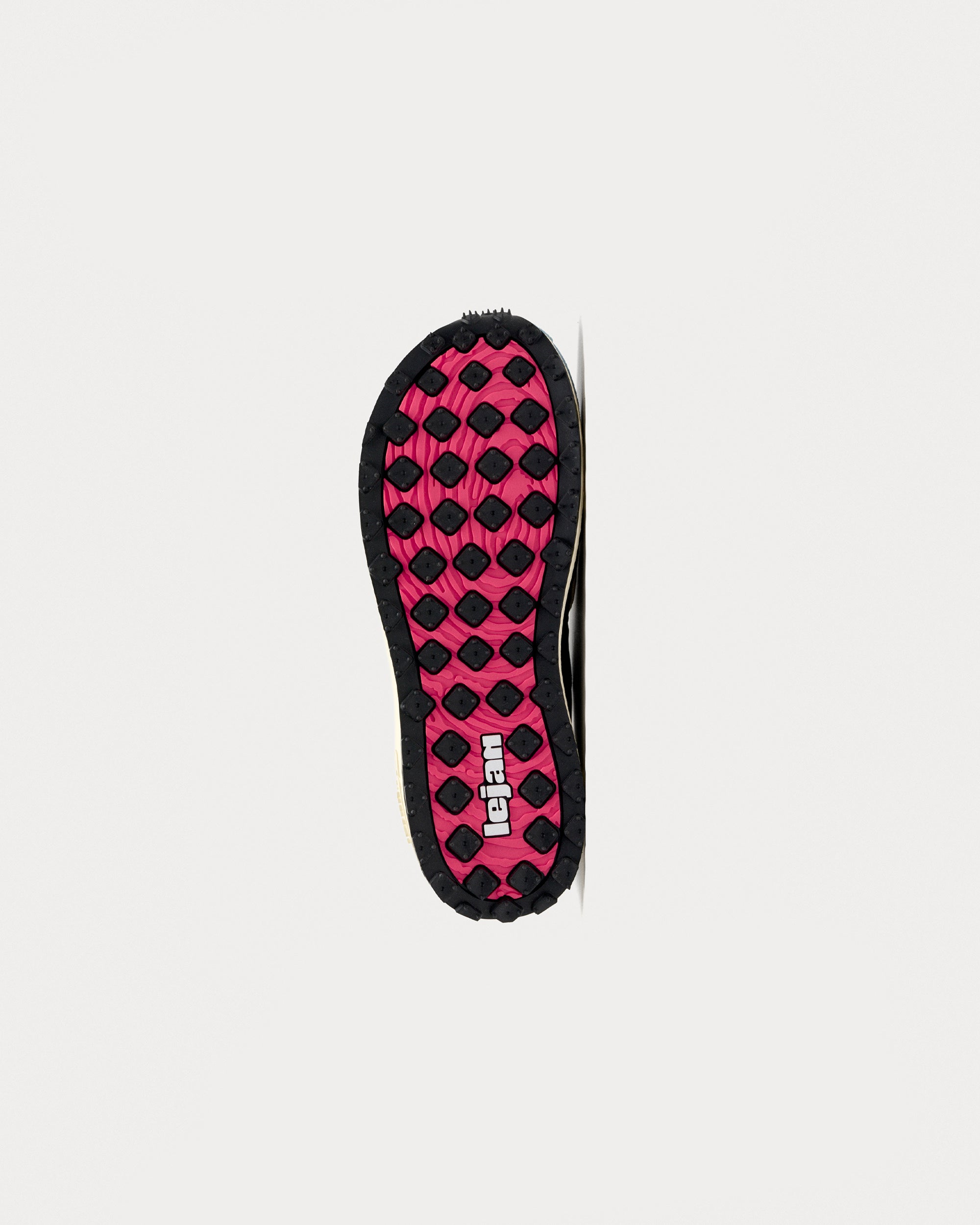
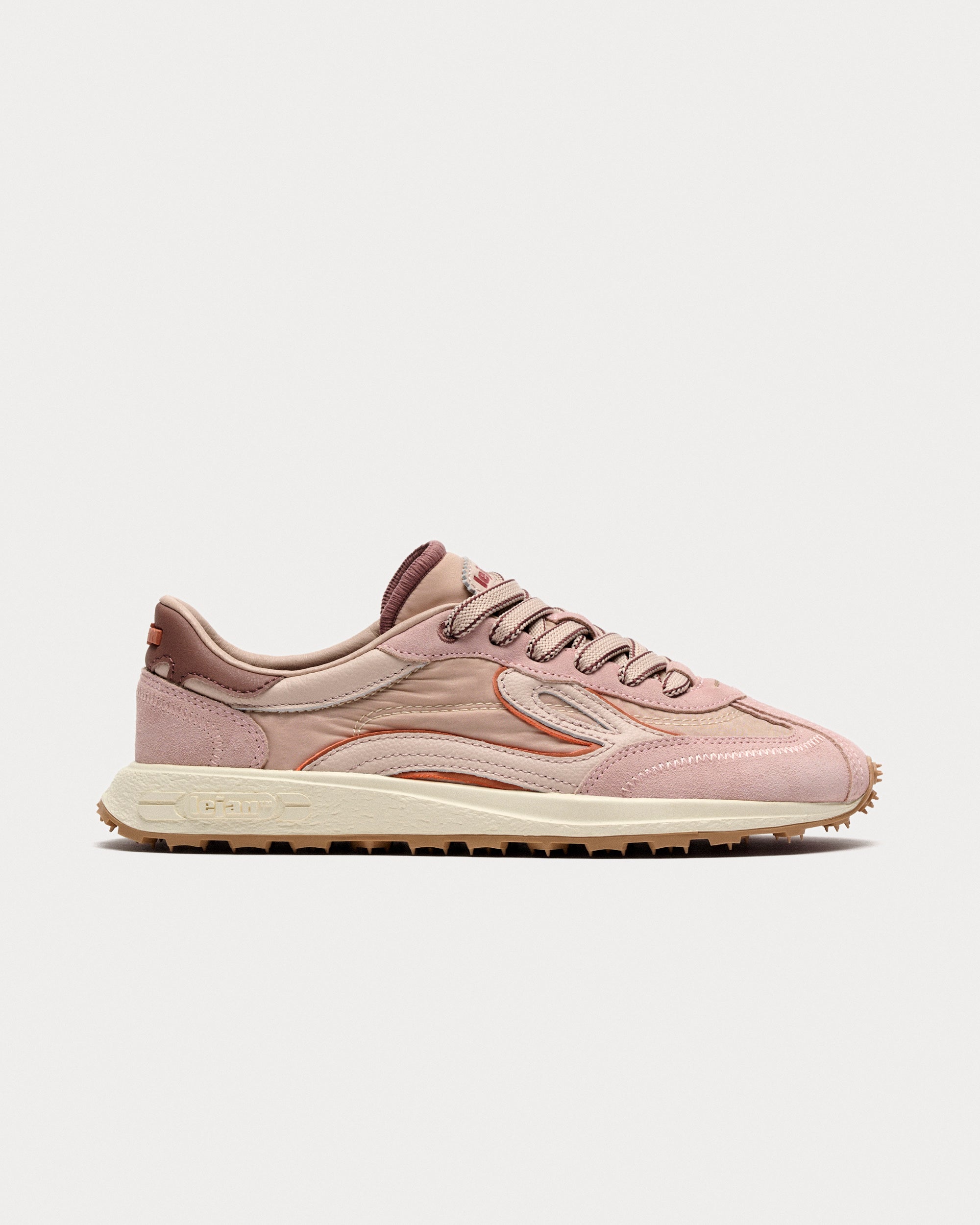
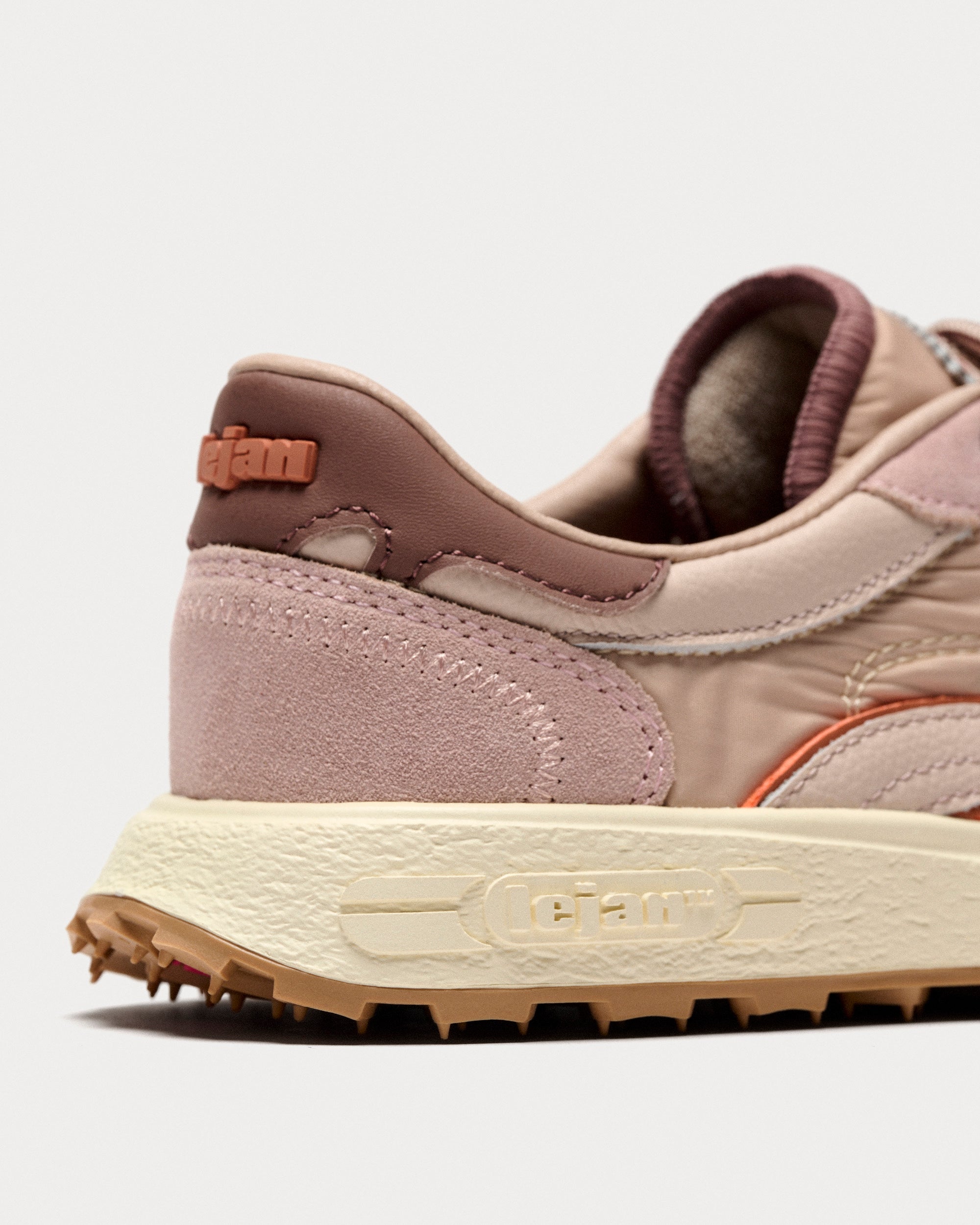
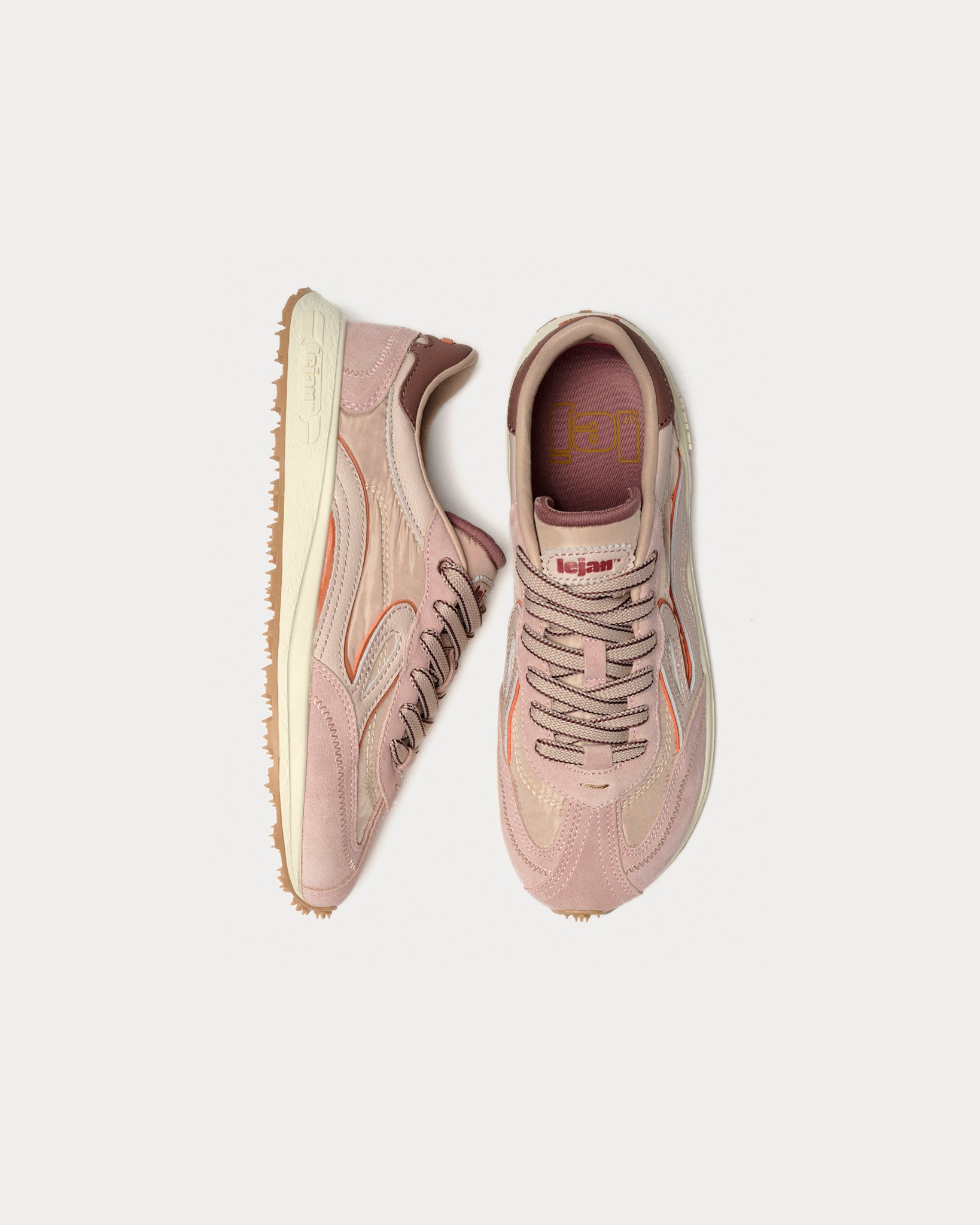
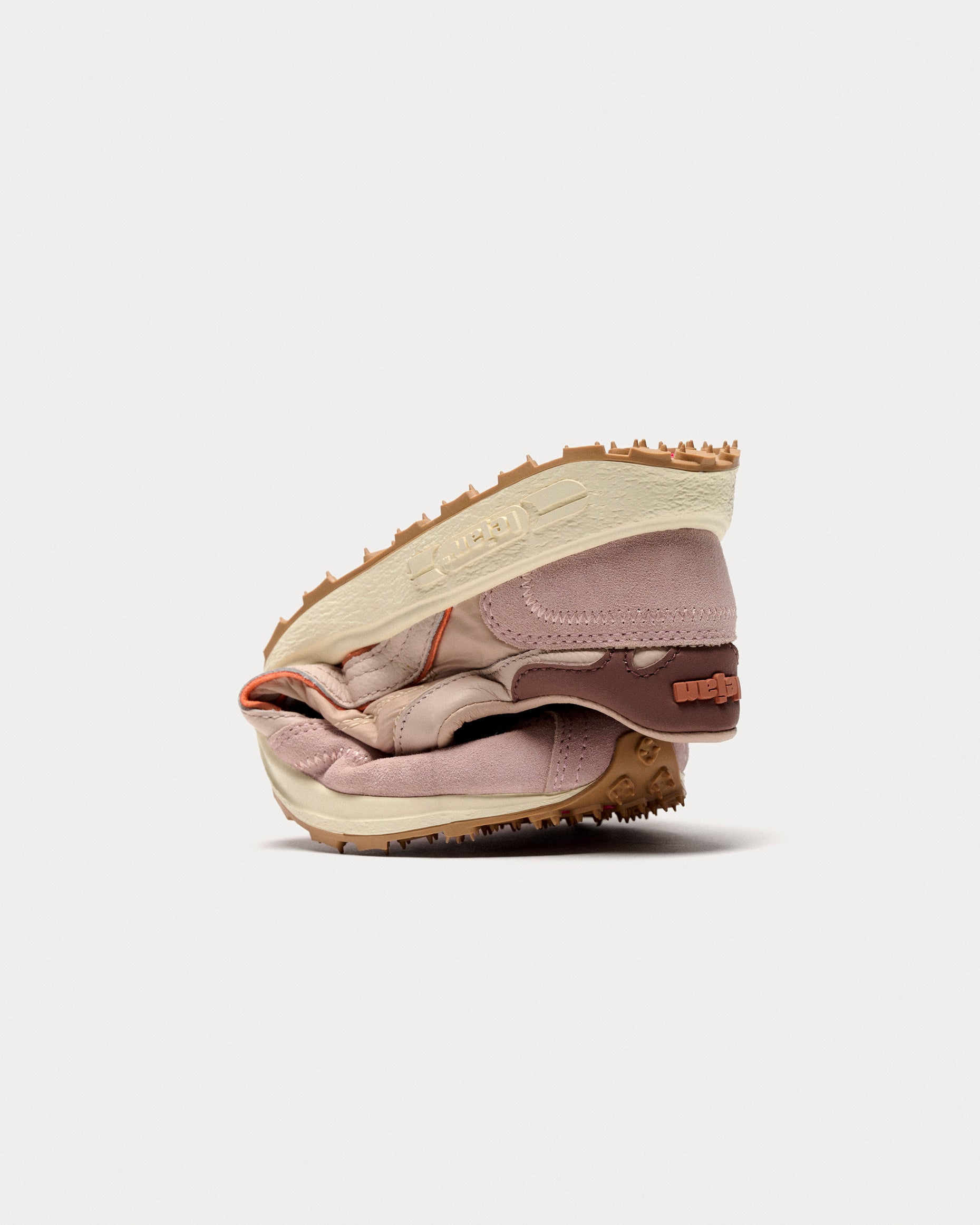
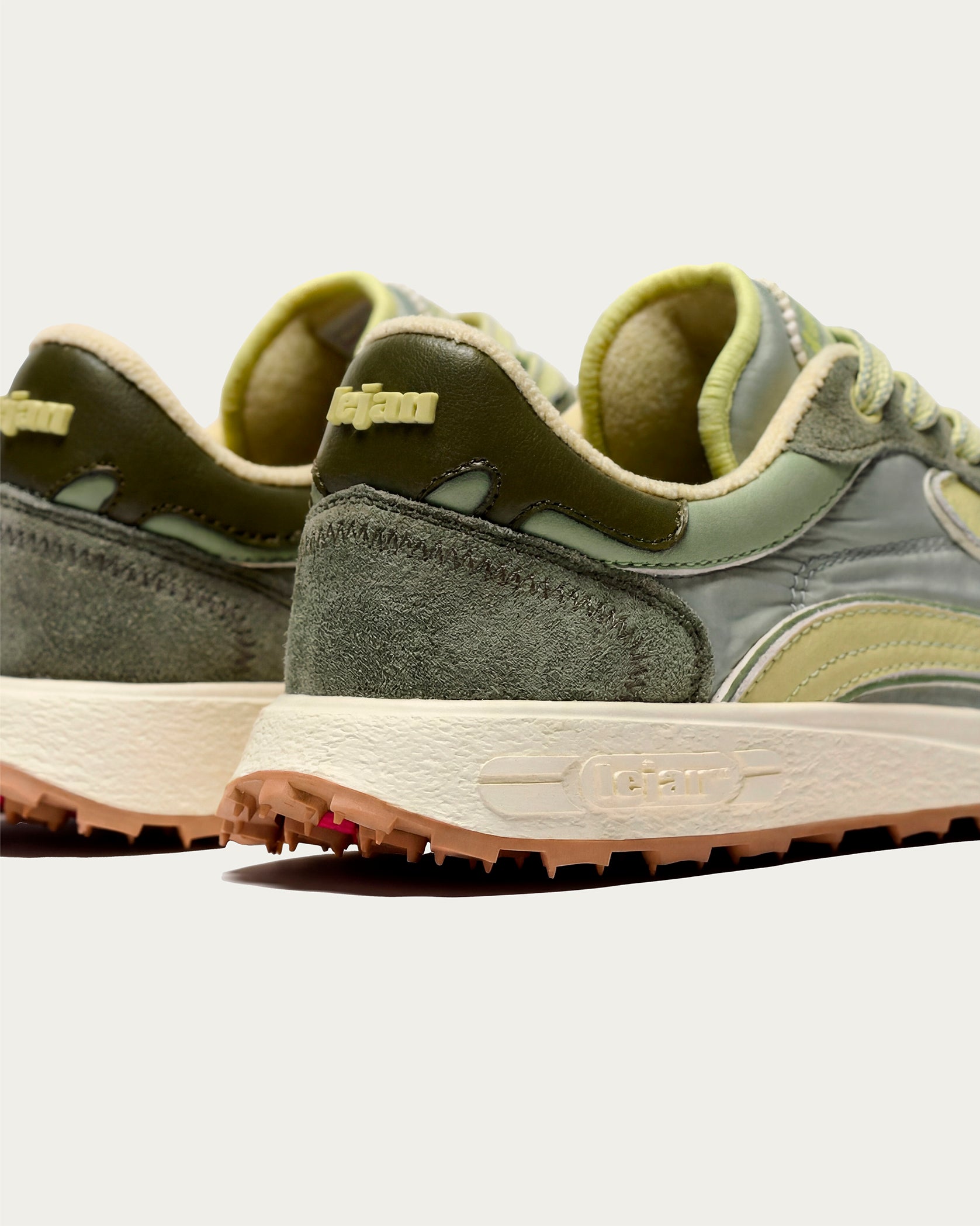
Some models have clean lines, low profiles and materials like leather or nappa that visually sit much closer to an urban sneaker than to technical footwear.
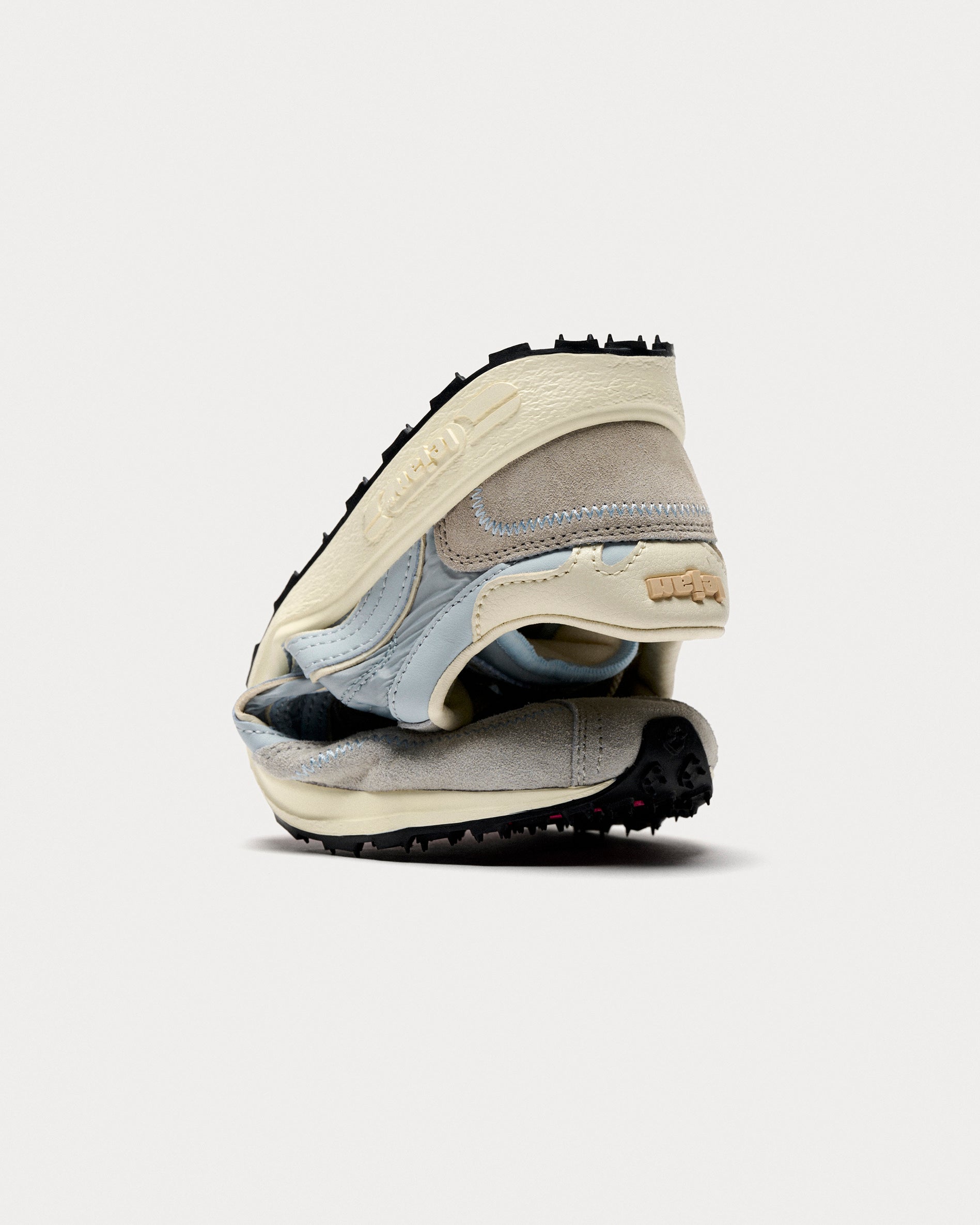
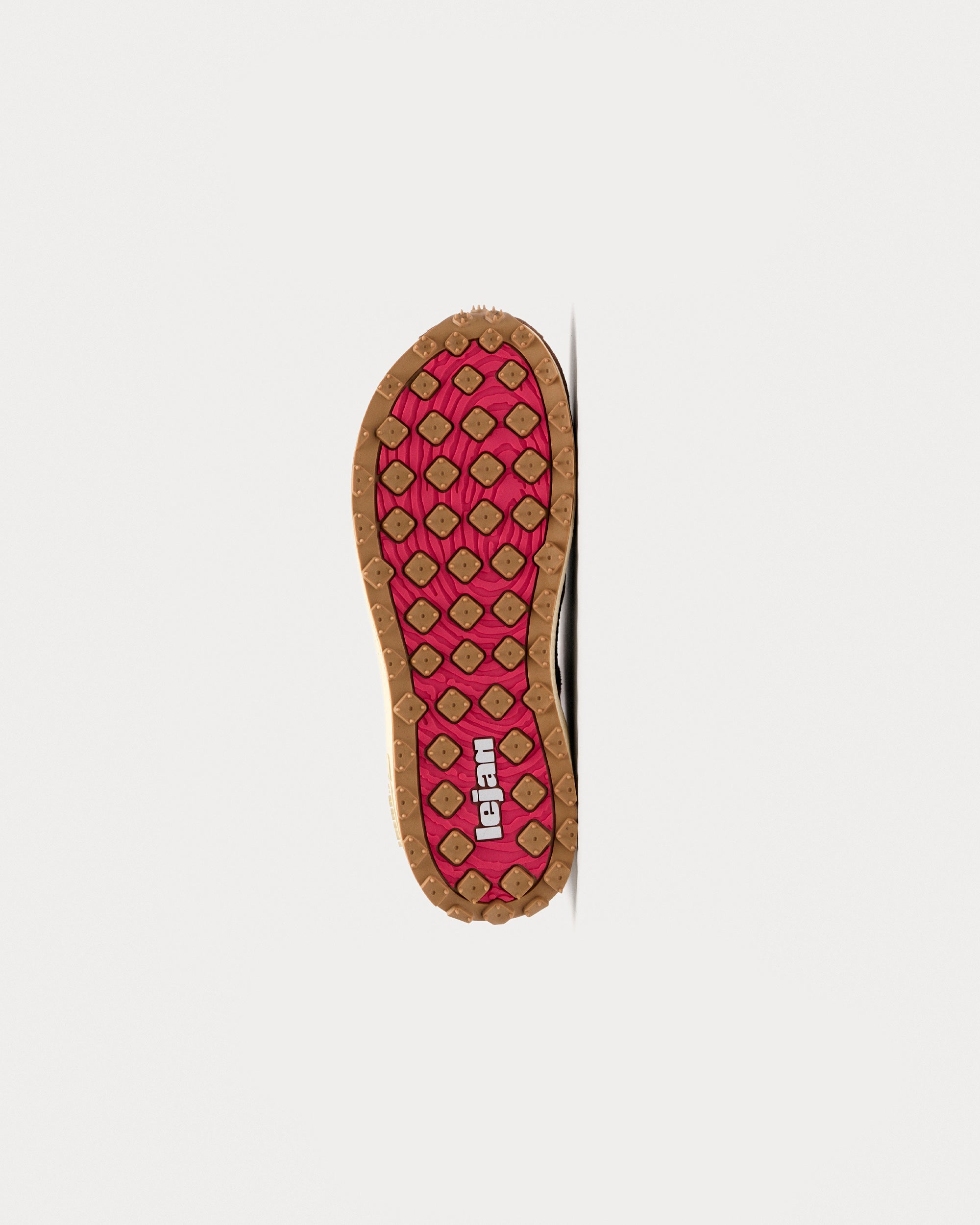
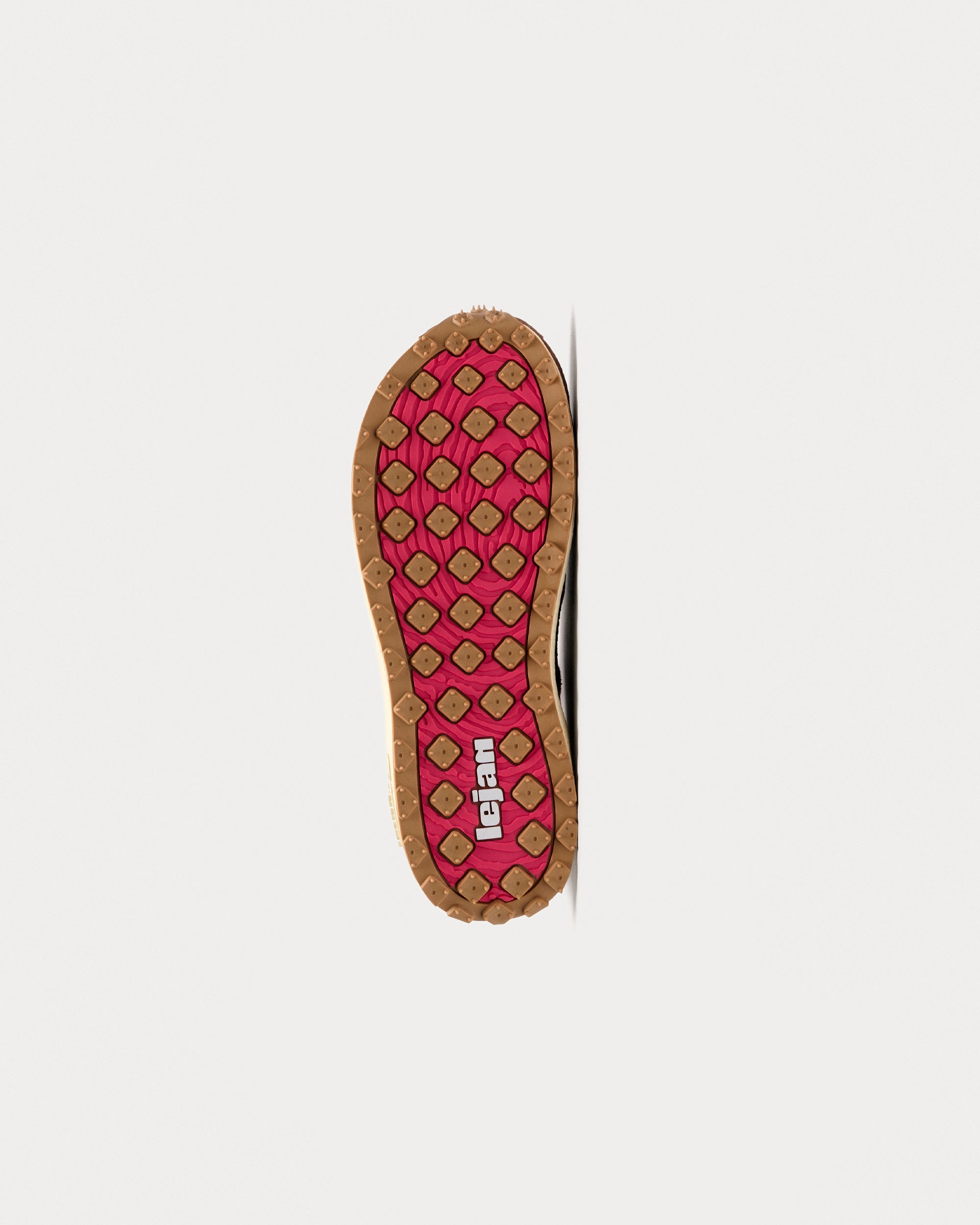
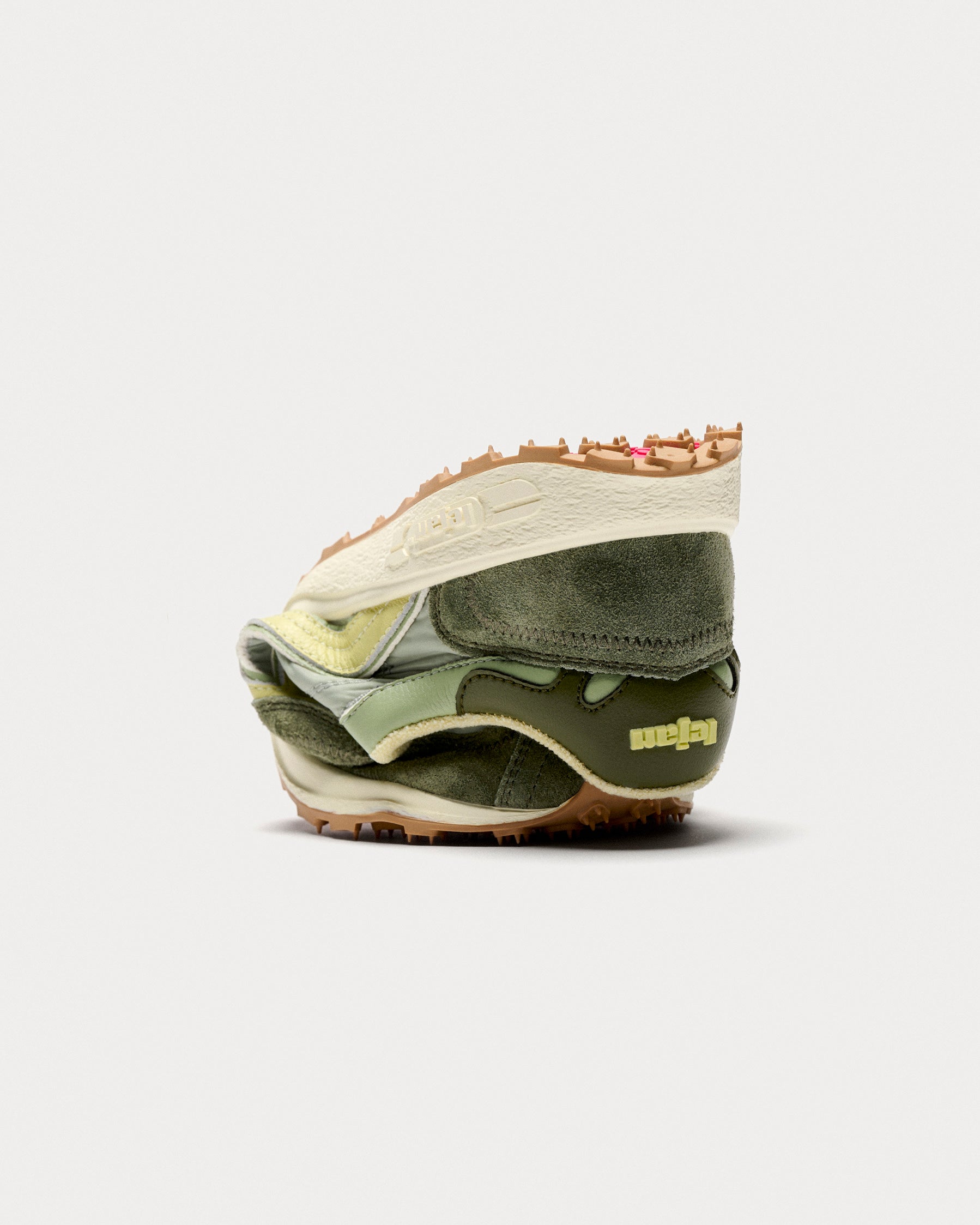
That means you keep the usual barefoot features – zero drop, flexibility and a roomy toe box – without giving up a polished image.
And for those who spend long hours on their feet, walk during the working day or simply want to avoid getting to the end of the day desperate to take their shoes off, choosing footwear that doesn't squeeze the forefoot can make a real difference.
The basic rules for pairing trainers with formalwear
Pairing trainers with formalwear is easier than it looks. That said, there are certain visual rules that make the result work much better.
Clean, logo-free design: the first condition for making it work
The more formal the setting, the more understated the trainer should be.
Models with big logos, lots of colour combinations or a clearly sporty look are harder to pair with suits, smart trousers or structured dresses.
A clean silhouette with few visual elements, on the other hand, can work almost like a wardrobe staple.
That doesn't mean a formal trainer has to be boring. Texture details, tonal combinations or small contrasts can add personality without dominating the whole outfit.

Colour and material: neutral tones as a safe starting point
White, black, cream, chocolate, beige or kaki are some of the easiest colours to bring into a formal wardrobe.
The choice will depend on the dominant tone of your clothes:
White adds contrast and works especially well with navy, grey, black and denim.
Black creates visual continuity and tends to blend easily into dark outfits.
Cream tones soften the contrast and work especially well with beige, camel, light grey or off-white pieces.
Chocolate and kaki tones add depth to earthy outfits and warmer-toned wardrobes.
Material matters too. A leather or nappa finish usually gives a more polished image, while nylon brings a more casual feel.
The low-top silhouette: an ally for formal looks
Low-top trainers – those that sit below the ankle – are usually the easiest to work into formal outfits.
Visually they leave more space between trouser and shoe, they streamline the outfit and let the drape of the trousers take centre stage.
They also work well with straight-leg trousers as well as slimmer cuts, jeans or midi dresses.
Suit with trainers: how to pull it off without it looking like a mistake
Yes, you can wear a suit with trainers. But not any suit with any trainer.
Harmony depends mainly on three things: the cut of the suit, how clean the footwear looks and the proportion of the trousers.
Slim suit + white or black leather trainer: the most versatile combination
A relatively slim-cut suit pairs especially well with a low-top trainer.
White works as a contrast, especially with navy, grey or black suits. A black trainer, meanwhile, keeps a more sober, understated continuity.
For office settings or meetings where the dress code isn't strictly classic, this combination softens the suit without losing a professional image.
One important detail: the simpler the trainer, the better.
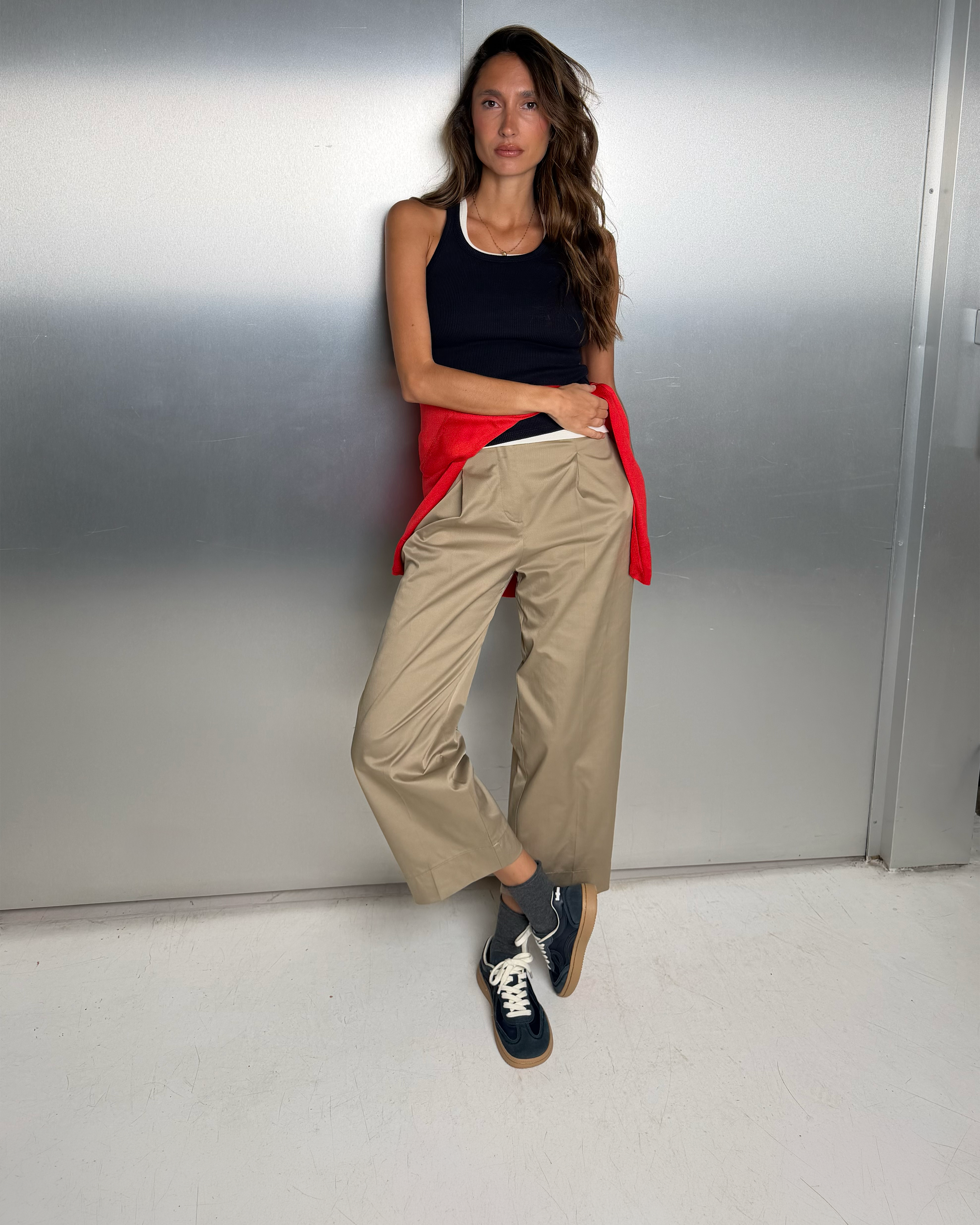
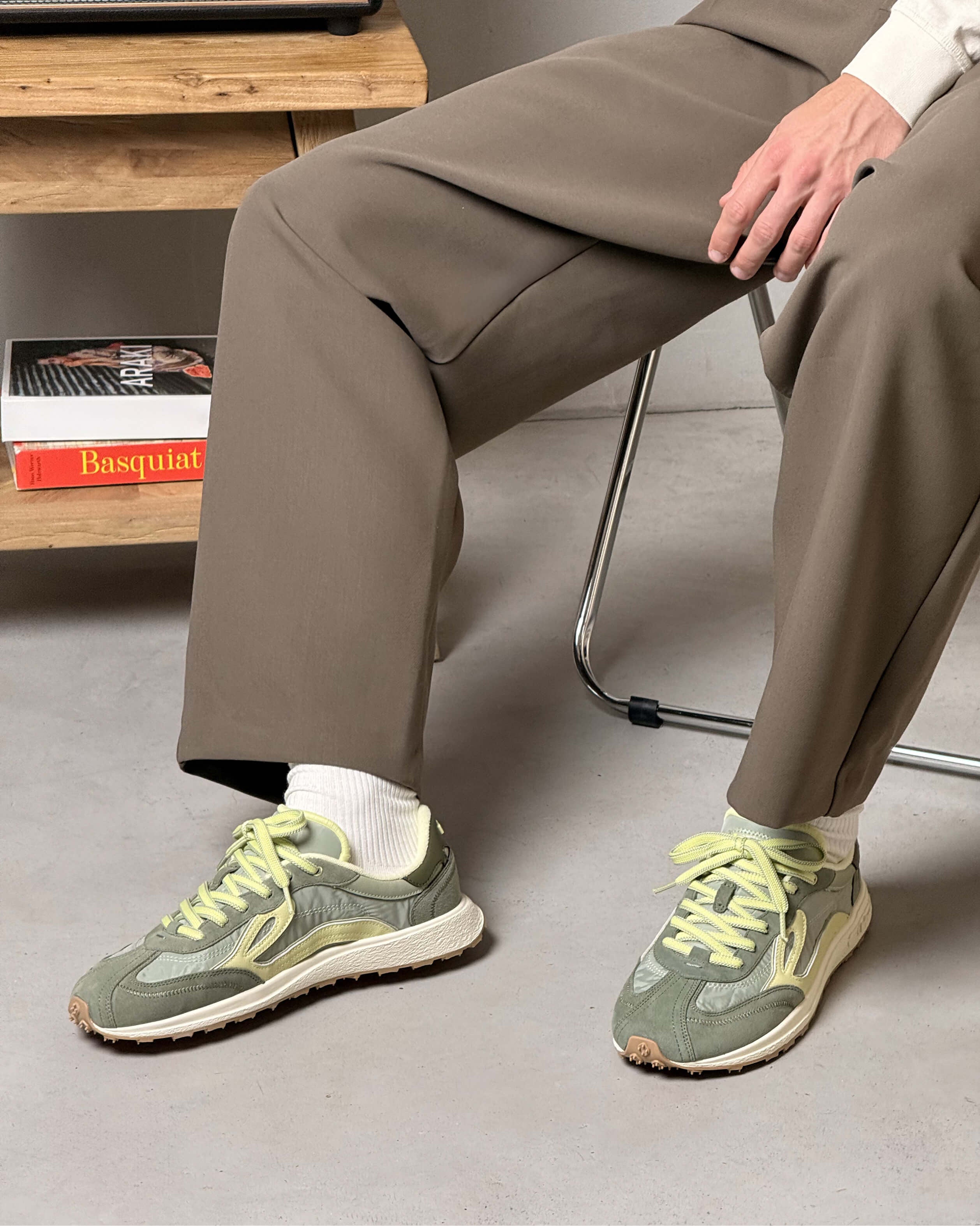
Earth-toned suit + trainer in Kaki, Cream or Chocolate: office smart casual
Beige, sand, taupe, brown or olive green suits let you play with less obvious combinations than the classic black and white.
A Cream trainer blends softly into a beige or sand suit. Chocolate creates monochrome outfits with more depth, while Kaki works especially well alongside muted greens, browns and more relaxed pieces.
The result is an office look that's less rigid, but perfectly thought through.

Which trouser cut works best with a low-top trainer
Trousers matter more than they seem.
A hem that's too long can fall over the trainer and bunch up too much fabric. On the other hand, trousers that are too short can make the outfit lose some of its formality.
Straight, slightly slim or relaxed-but-well-structured leg cuts tend to work especially well.
The idea is simple: let the trousers fall cleanly and let the trainer be visible without stealing the whole show.
Blazer and trainers: the modern professional's uniform
Blazer and trainers is probably one of the easiest combinations to recreate.
It has enough structure to work in many professional settings, but it also lets you adjust the level of formality with the rest of the outfit.
Blazer + jeans + white trainer: how to balance formal and casual
It's one of those outfits that works because each piece plays a different role.
The blazer brings structure.
The jeans dial down the formality.
The white trainer keeps the outfit light.
For the best result, go for jeans in a fairly even wash, with no rips or heavy distressing. A basic T-shirt, a white shirt or a fine-knit jumper can complete the look.
Trainer colours and textures that work with any blazer
To build a versatile wardrobe, neutral tones are once again the easiest option.
A white or Cream trainer can go with practically any blazer. Black works especially well with greys, navy and dark pieces, while earth tones pair with fabrics like wool, corduroy, heavy linen or tweed.
The texture of the footwear can also help build the outfit. A more polished finish raises the sense of formality; a lighter or more technical one pushes the look towards casual territory.
Formal dress with trainers: looks more and more women are choosing
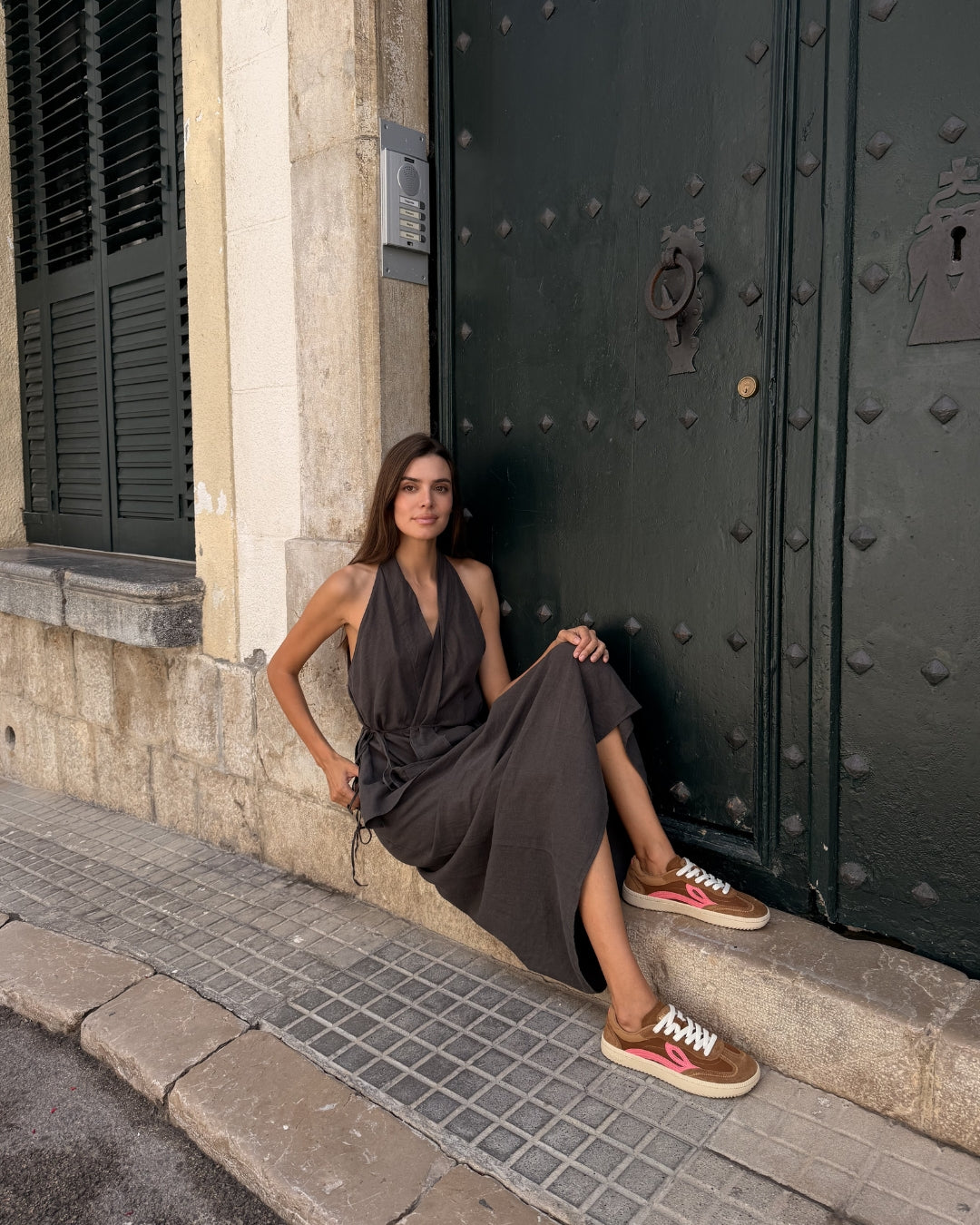
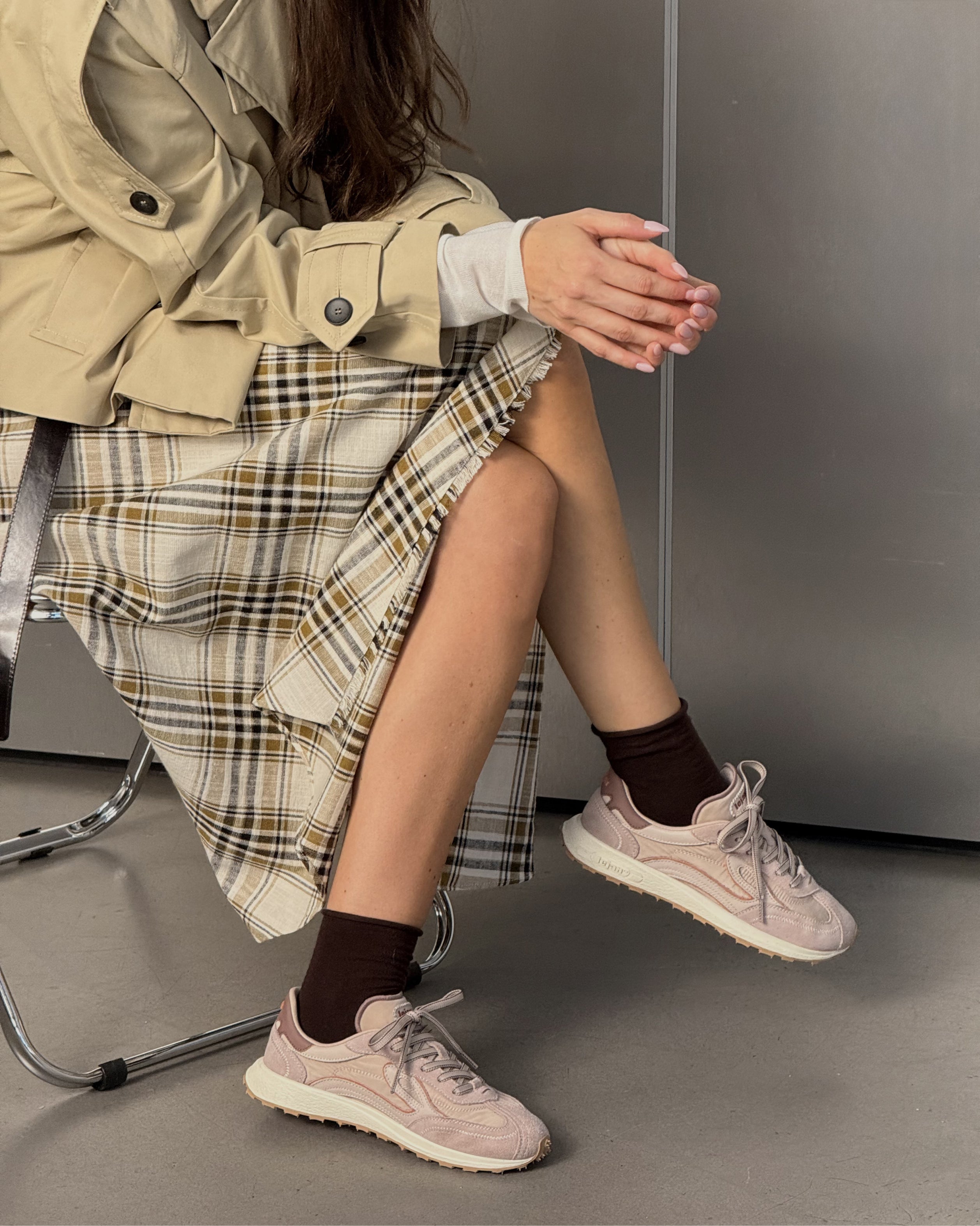
A dress with trainers is no longer an unusual combination.
In fact, it can be one of the easiest ways to adapt a formal dress to everyday life, especially when the day involves walking, long hours away from home or going from one plan to the next.
Midi dress + neutral-toned barefoot shoes: total comfort without losing your look
Midi dresses work especially well with low-top trainers because they keep a balanced visual proportion.
Flowing styles can be paired with a simple trainer for a more relaxed result, while structured dresses let you create an interesting contrast between formality and comfort.
Neutral tones are especially easy to work in because they don't compete with prints, textures or accessories.

Black dress + white or cream trainer: the contrast that always works
A simple black dress is probably one of the easiest pieces to style.
With a white trainer, the contrast is sharper and more contemporary.
With a Cream trainer, the transition is softer and warmer.
Both options turn a dress that might otherwise be saved for specific occasions into a far more versatile piece for work, lunch out or a day in the city.
Which barefoot trainer to choose for a formal look: the features that make the difference
Choosing a barefoot trainer to dress up doesn't depend solely on its technical features.
How it's built visually matters too.
A good trainer for this kind of look should keep a balanced aesthetic, a relatively clean silhouette and a combination of materials and colours that's easy to work in.
Leather or nappa vs. nylon: when to go for each material depending on the setting
Leather and nappa are usually the easiest options for more formal looks.
Their more uniform surface and visual finish work especially well with smart trousers, blazers, relaxed suits and dresses.
Nylon, on the other hand, brings a lighter, more casual aesthetic. It can be a good choice for offices with more relaxed dress codes, long days, work trips or outfits where you're after a sportier contrast.
There's no one best material for every case. The choice depends on the setting and the rest of the outfit.

Anatomical last and wide toe box: why it doesn't show under trousers but your foot notices
One common worry when pairing barefoot shoes with formalwear is thinking that an anatomical toe box will make the footwear stand out too much.
But in a well-designed trainer, the extra room in the toe area doesn't have to visually dominate the silhouette.
The difference is mostly in how it feels.
While a narrow toe box gradually squeezes the toes towards the centre, a roomy last lets them settle more freely inside the shoe.
Under suit trousers, probably no one will notice that difference.
Your feet, after several hours, probably will.
The LEJAN catalogue colours that work best in office looks
To create a versatile office wardrobe, neutral tones are usually the easiest to combine.
White is a bright option that's easy to bring into blue, grey, black or denim outfits.
Black works especially well in monochrome looks or a more sober aesthetic.
Cream pairs with beige, off-white, camel, grey and natural fabrics.
Chocolate can become an alternative to black for those who usually wear a warm colour palette.
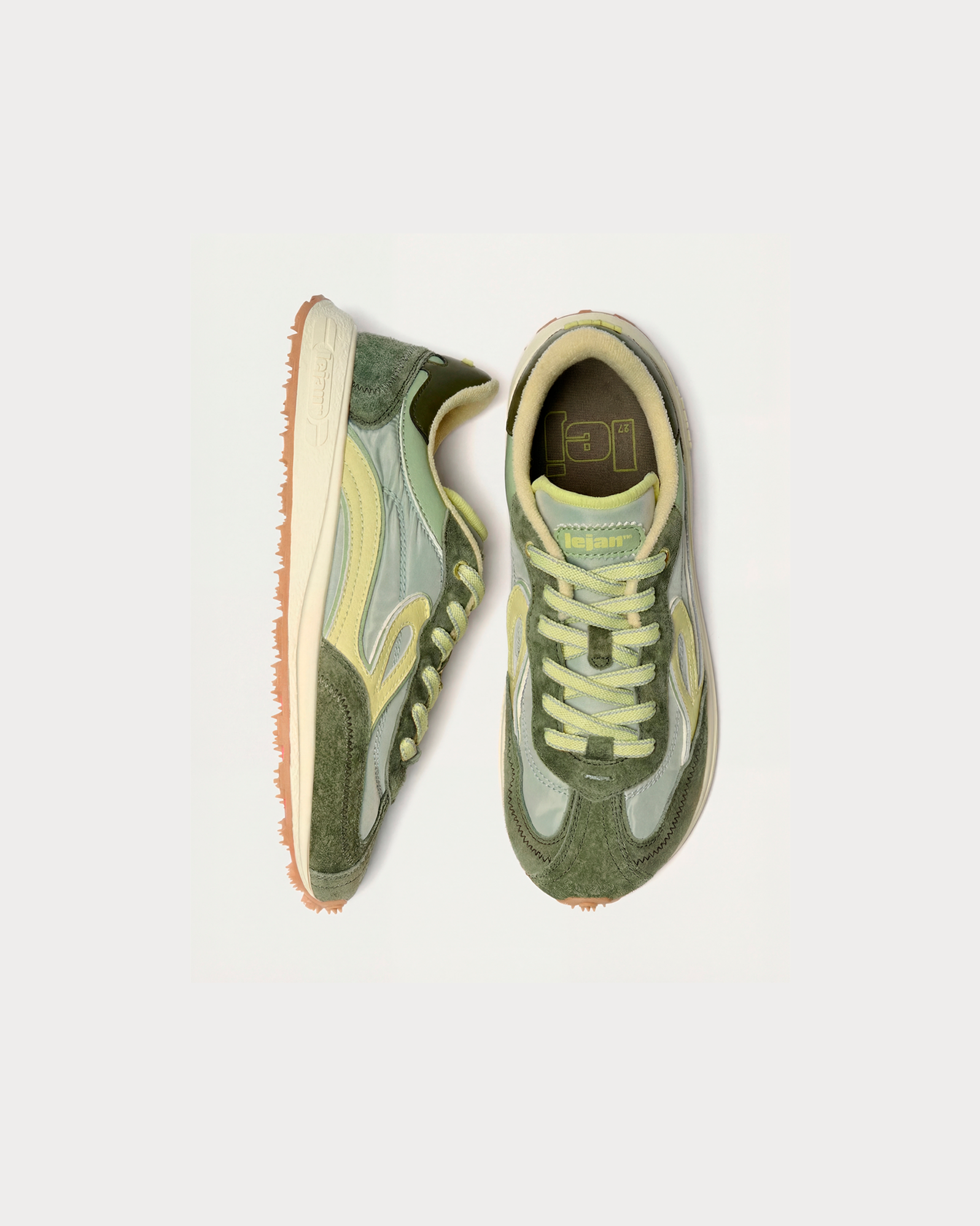
Kaki works especially well with earth tones, browns, beige, denim and olive green.
The choice is less about finding “the colour that goes with everything” and more about identifying the dominant tones in your wardrobe.

The most common mistakes when pairing trainers with formalwear
Even though today's rules are much more flexible, some details can stop a seemingly correct combination from quite working.
Animal print and bright colours: when they add to the look and when they break it
A statement trainer can work with formalwear, but it needs balance.
If the outfit is completely neutral, a print or a bold colour can become the star of the show. But when the suit, dress or accessories already have a lot of visual presence, adding another focal point can overload the result.
A simple rule: when the trainer speaks louder, the rest of the look should turn the volume down.
The proportion between the trainer and the trouser length
One of the most frequent mistakes isn't in the trainer, but in the trousers.
A hem that covers practically the whole shoe can feel visually heavy. One that's too short can break the line of the outfit, especially in more formal settings.
That's why it's important to try the trousers on with the exact trainer you're going to wear.
The height of the instep, the volume of the shoe and the drape of the fabric can completely change the proportion.

Frequently asked questions
Which trainers can I wear with formalwear?
The trainers that are easiest to pair with formalwear usually have a clean design, a low-top silhouette and neutral colours.
White, black, cream and earth tones are good options to start with. In more formal settings, leather or nappa finishes tend to blend in better than trainers with a clearly sporty look.
Can you wear barefoot trainers to work?
It depends on your workplace dress code and the specific design of the trainer.
In offices with a smart casual or business casual dress code, a barefoot shoe with a clean, understated, urban look can fit perfectly with pleated trousers, blazers, shirts, relaxed suits or midi dresses.
Barefoot mainly describes how the footwear is built. It doesn't mean every trainer has to have a technical or sporty look.
How do you pair trainers with a formal dress?
The easiest way is to balance the outfit.
If the dress has a very structured design, a simple trainer can tone down its formality and make it more versatile. If, on the other hand, the dress has prints, volume or lots of decorative details, a neutral trainer usually works better.
Low-top models keep a lighter silhouette and tend to pair especially well with midi lengths.
Which trainers go with all kinds of clothes?
There's no trainer that literally goes with everything, but some designs are especially versatile.
Clean-lined white trainers work with jeans, dresses, pleated trousers and many suits.
Cream tones can be even easier to work into wardrobes with beige, camel, brown and off-white.
Black is a good option when dark colours dominate, while Chocolate and Kaki work especially well in wardrobes built around earth tones.
In the end, dressing formally with trainers isn't about ignoring the rules, but about understanding which ones still make sense.
Good proportion, coherent colours and a clean silhouette can make a trainer fit perfectly into an office look, a relaxed suit or a formal dress.
And when a carefully designed exterior comes together with a last that also thinks about the space and movement of your foot, the choice stops being purely aesthetic.
Because dressing well and feeling comfortable shouldn't be two separate decisions.
Test your knowledge
Answer the questions to check how much you know about this topic.
1. ¿Se pueden llevar zapatillas con un look formal?
2. ¿Qué tipo de zapatilla suele encajar mejor con prendas más arregladas?
3. ¿Qué puede aportar una zapatilla barefoot a un look formal?
4. ¿Cuál es una buena combinación para empezar?

Share