Foot odour is far more common than it seems, and it doesn't necessarily mean poor hygiene. Feet have a huge number of sweat glands and, when they spend many hours inside a shoe, a warm, damp environment builds up that encourages microorganisms to multiply.
That's why understanding why feet smell is the first step to preventing it. And here, footwear has far more to say than we think.
Why feet smell: the real mechanism (sweat + bacteria + environment)
Sweat on its own has hardly any smell. The problem starts when it stays on the skin and comes into contact with the bacteria that normally live on our feet.
These bacteria break down certain substances found in sweat and in dead skin cells, producing the compounds responsible for that characteristic smell.
And if the foot then spends hours inside poorly ventilated footwear, the combination is perfect: heat + moisture + little airflow.

The main causes of foot odour
Closed shoes made of synthetic materials: the perfect environment for bacteria
A very closed shoe, or one made from materials that don't breathe well, can make it harder for sweat to evaporate.
When moisture stays trapped for hours, bacteria multiply faster and the shoes themselves can end up building up odour with wear.
Poor hygiene and not drying properly between the toes
Washing your feet matters, but drying them properly matters almost as much. Moisture left between the toes can encourage both bacteria and fungi to grow.
So after a shower, it's worth paying special attention to these spots.
Fungal infections: athlete's foot and fungi
Athlete's foot can cause itching, flaking, cracks, redness and, in some cases, a stronger smell.
Warm, damp environments encourage it, especially if we spend many hours in footwear that holds on to moisture.
Plantar hyperhidrosis (excessive sweating)
Some people produce considerably more sweat than usual. This is what we know as plantar hyperhidrosis.
The more moisture stays inside the shoe, the higher the chances of odour appearing, even with good daily hygiene.
Internal factors: diet, stress and hormonal changes
Sweating can also be influenced by factors such as stress, hormonal changes or certain foods and drinks.
They're rarely the only explanation for the odour, but they can temporarily increase the amount of sweat produced.
Lesser-known causes of foot odour (even if you shower)
You can shower every day and still notice a smell if the problem lies in whatever comes back into contact with your feet.
For example, wearing the same pair of shoes every day without letting them dry out completely, putting damp socks back on or keeping insoles that have built up sweat and bacteria.
Shoes can also look dry on the outside while still holding moisture inside.
That's why tackling the odour isn't just about washing your feet: you also need to look after the environment they spend a good part of the day in.
How footwear directly affects foot odour

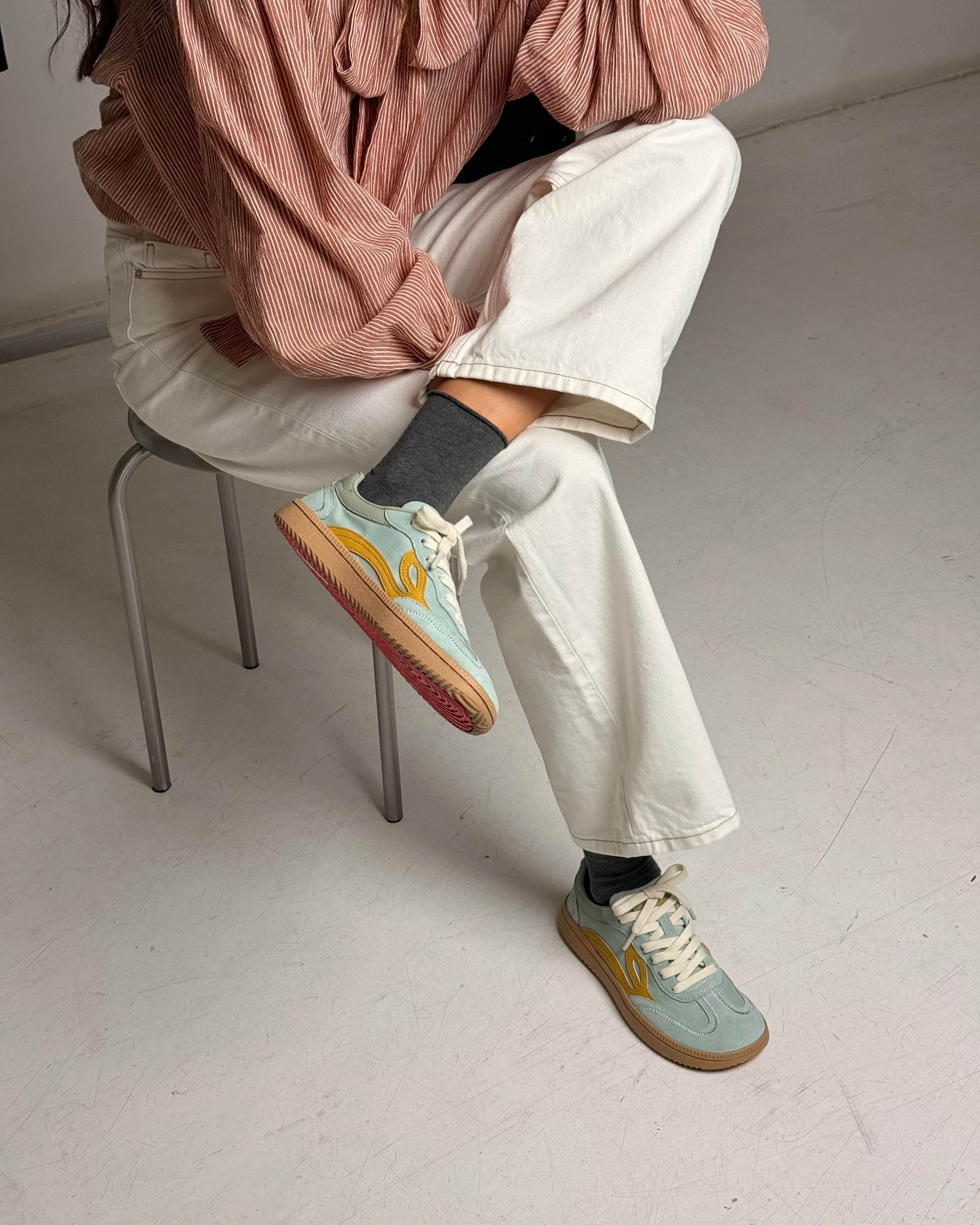
After several hours walking, working or going about your day in the same footwear, the difference between a shoe that wicks moisture away well and one that holds on to it is noticeable.
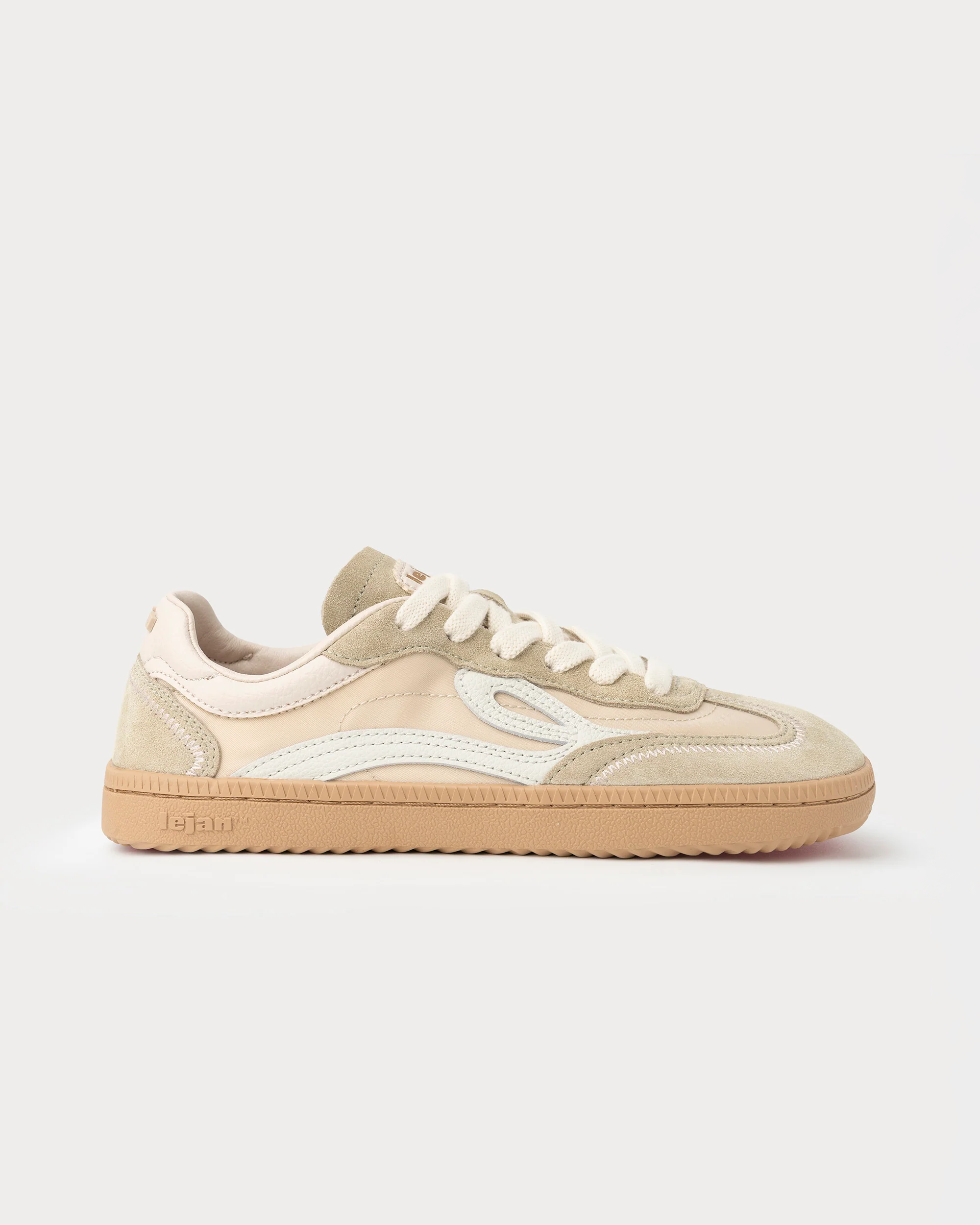
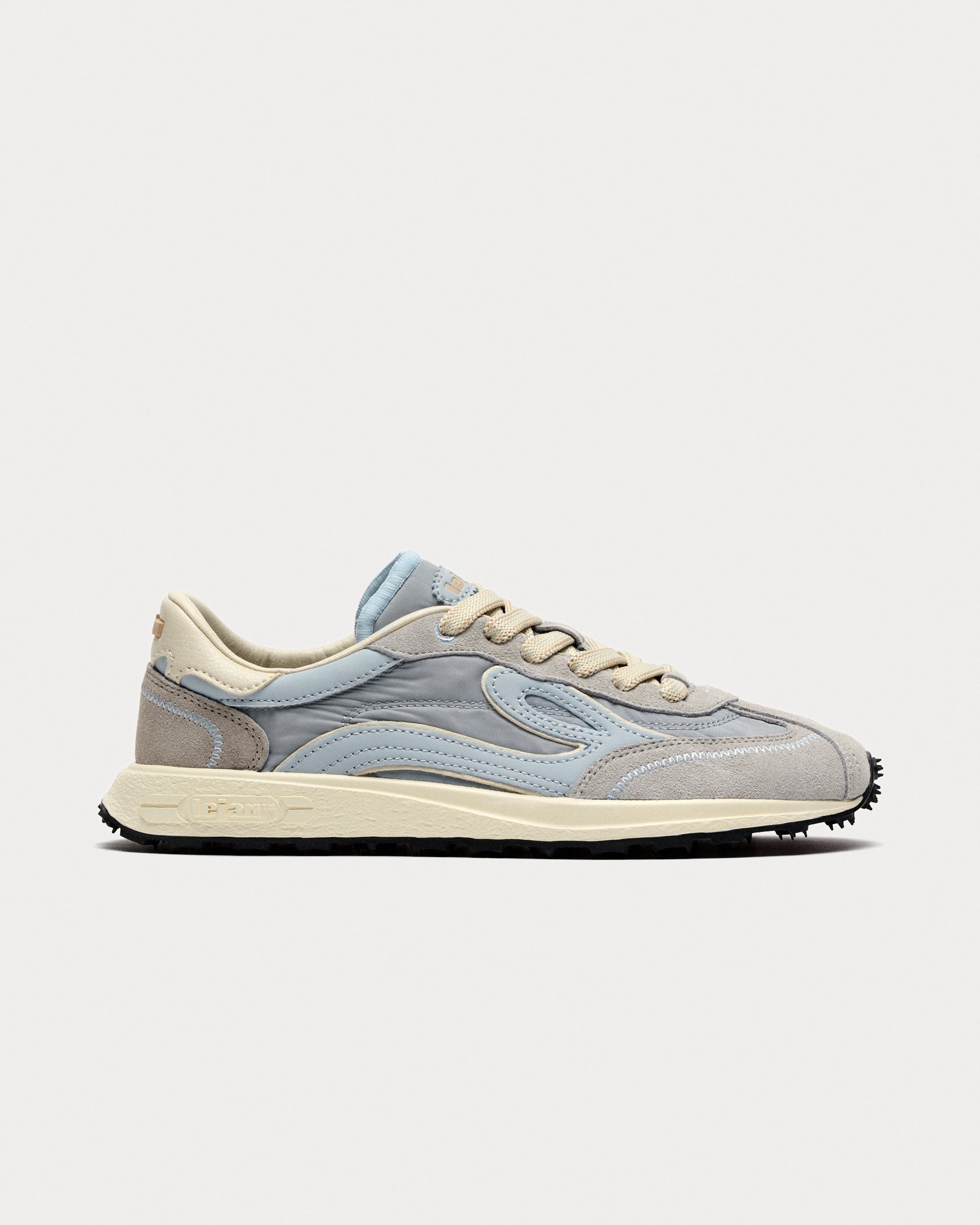
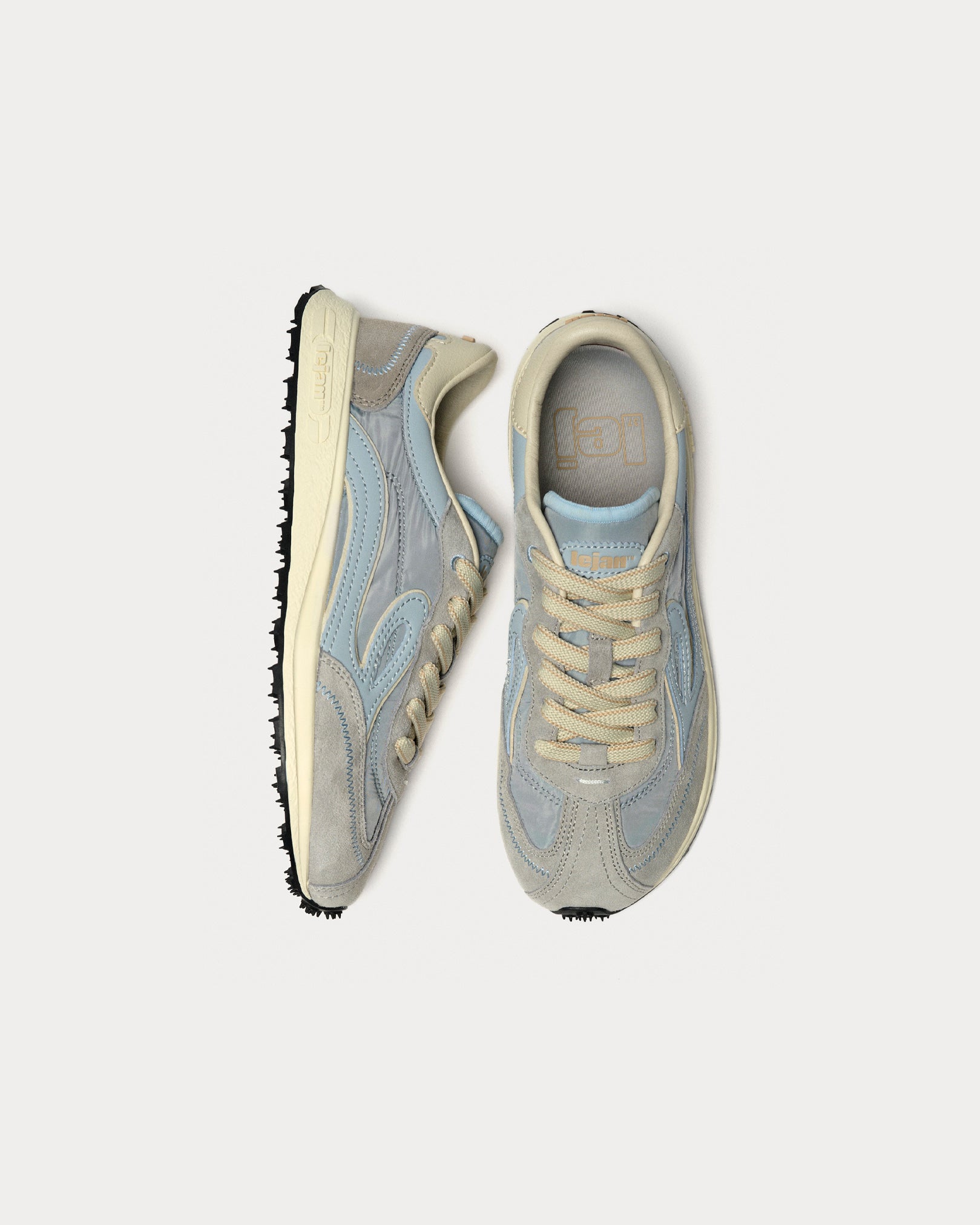
Footwear that allows some air exchange and doesn't squeeze the foot unnecessarily can help create a more comfortable environment. Having enough room also stops the toes from being constantly pressed against each other, which is especially useful when there's a lot of sweating.
Breathable vs. synthetic materials: what makes the difference
More breathable materials help some of the heat and moisture to escape.
On the other hand, some synthetic materials that don't breathe well can hold more moisture inside, especially when the shoe stays on for many hours.
That doesn't mean every synthetic material causes odour, but rather that ventilation and moisture management across the whole shoe matter.
Why rotating and airing your footwear reduces odour in the long run
Wearing the same pair every day can stop the inside from ever drying out completely.
Whenever you can, alternate between different pairs and leave your shoes open and airing after wearing them. Taking out the insoles, when they're removable, can also help them dry.
It's a simple step that can make a big difference in the long run.

Socks as allies against odour: which materials work and which make it worse
Socks are the first layer that absorbs sweat, so choosing them well matters too.
It's worth going for fabrics that can manage and wick away moisture, especially if you sweat a lot. Some technical fibres or materials such as merino wool can perform well against moisture.
By contrast, a sock that stays soaked for hours keeps the foot damp regardless of the footwear you're wearing.
If your feet sweat a lot, it can even help to change socks halfway through the day.
An effective hygiene routine to get rid of foot odour
Washing and drying properly (the area between the toes)
A simple routine is usually enough:
-
Wash your feet daily with soap and water.
-
Clean between the toes too.
-
Rinse well so no soap is left behind.
-
Dry the whole foot carefully, especially between the toes.
-
Always put on completely clean, dry socks.
If you wear shoes for many hours at a stretch, remember that keeping them clean is part of the routine too.
Recommended products and home remedies that actually work
Foot-specific powders or antiperspirant products can help people who sweat a lot.
There are also deodorant sprays for the inside of shoes, although they shouldn't be used just to mask the smell: what matters is keeping the shoe dry, clean and ventilated.
Some home remedies can reduce the odour temporarily, but if it persists or there are skin lesions, it's better to identify the cause first.
When foot odour points to a health problem that needs a check-up
See a healthcare professional if the odour comes with:
-
Intense itching.
-
Flaking or cracks.
-
Wounds that won't heal.
-
Changes in the nails.
-
Redness or swelling.
-
Excessive sweating that's hard to control.
-
A very strong smell that persists despite better hygiene and footwear.
In these cases there may be an infection, hyperhidrosis or another problem that needs specific treatment.
Frequently asked questions about foot odour
Why do my feet smell even though I shower?
Because washing them is only part of the solution. If you put them back into damp shoes, socks that don't breathe or footwear that has built up bacteria, the smell can come back quickly.
Why do my feet stink if I don't have a fungal infection?
Fungi aren't the only cause. The bacteria that normally live on the skin can also produce a strong smell as they break down sweat.
What conditions can cause foot odour?
Athlete's foot and some infections can cause odour, while plantar hyperhidrosis can encourage it by creating constant moisture. If the odour persists alongside other symptoms, it's worth getting it checked.
How can I get rid of foot odour for good?
There's no single fix, but there is a very effective combination: keep up good hygiene, dry your feet properly, wear socks that manage moisture, choose the right footwear, air it after every wear and alternate between different pairs.
The goal isn't to stop your feet sweating — sweating is normal — but to stop that moisture staying trapped for hours.
Test your knowledge
Answer the questions to check how much you know about this topic.
1. ¿Qué provoca principalmente el mal olor de los pies?
2. ¿Qué hábito puede ayudar a reducir el mal olor del calzado?
3. ¿Qué zona es especialmente importante secar bien después de lavar los pies?
4. Si el mal olor persiste y aparece junto con picor, descamación o grietas, ¿qué conviene hacer?

Share