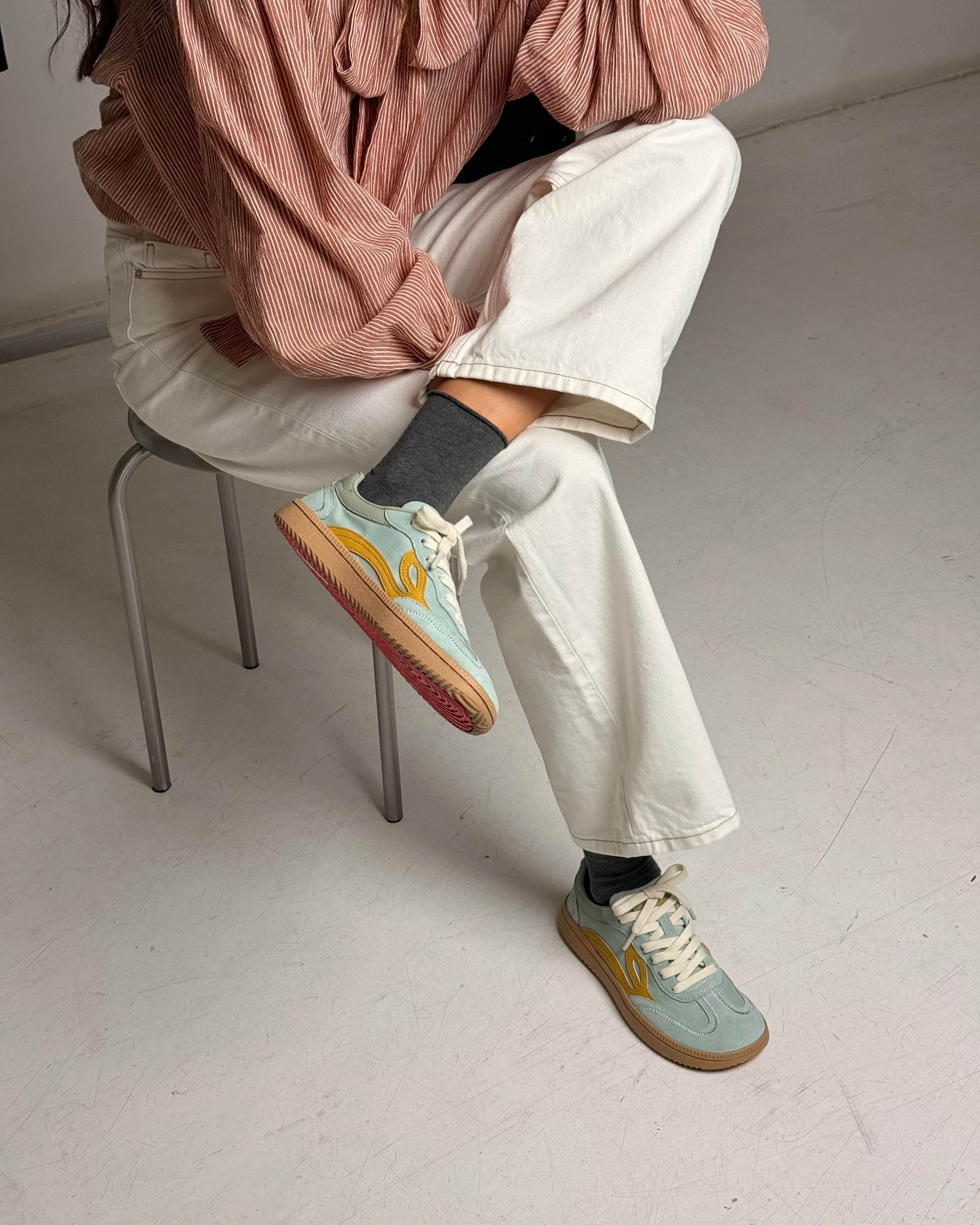
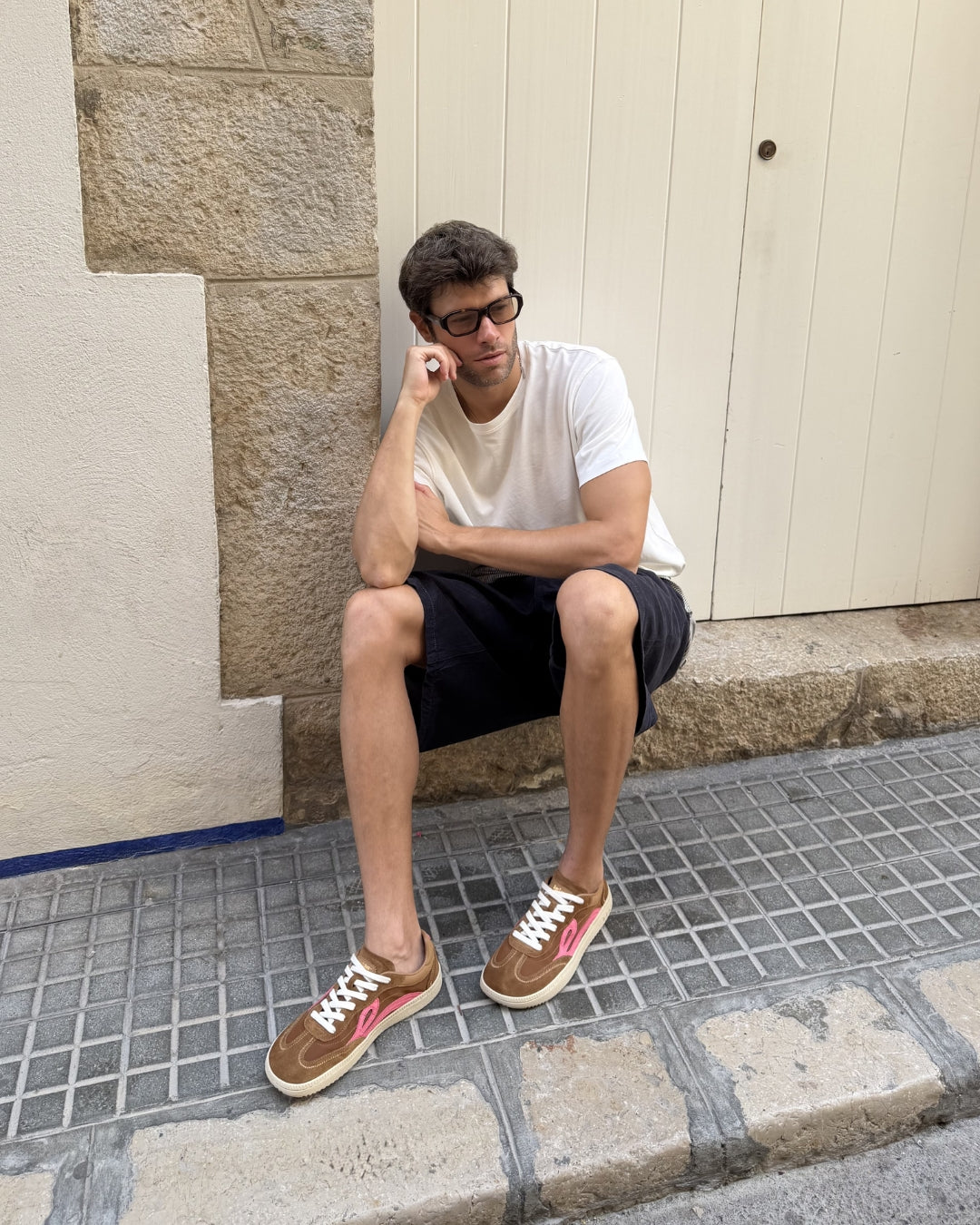
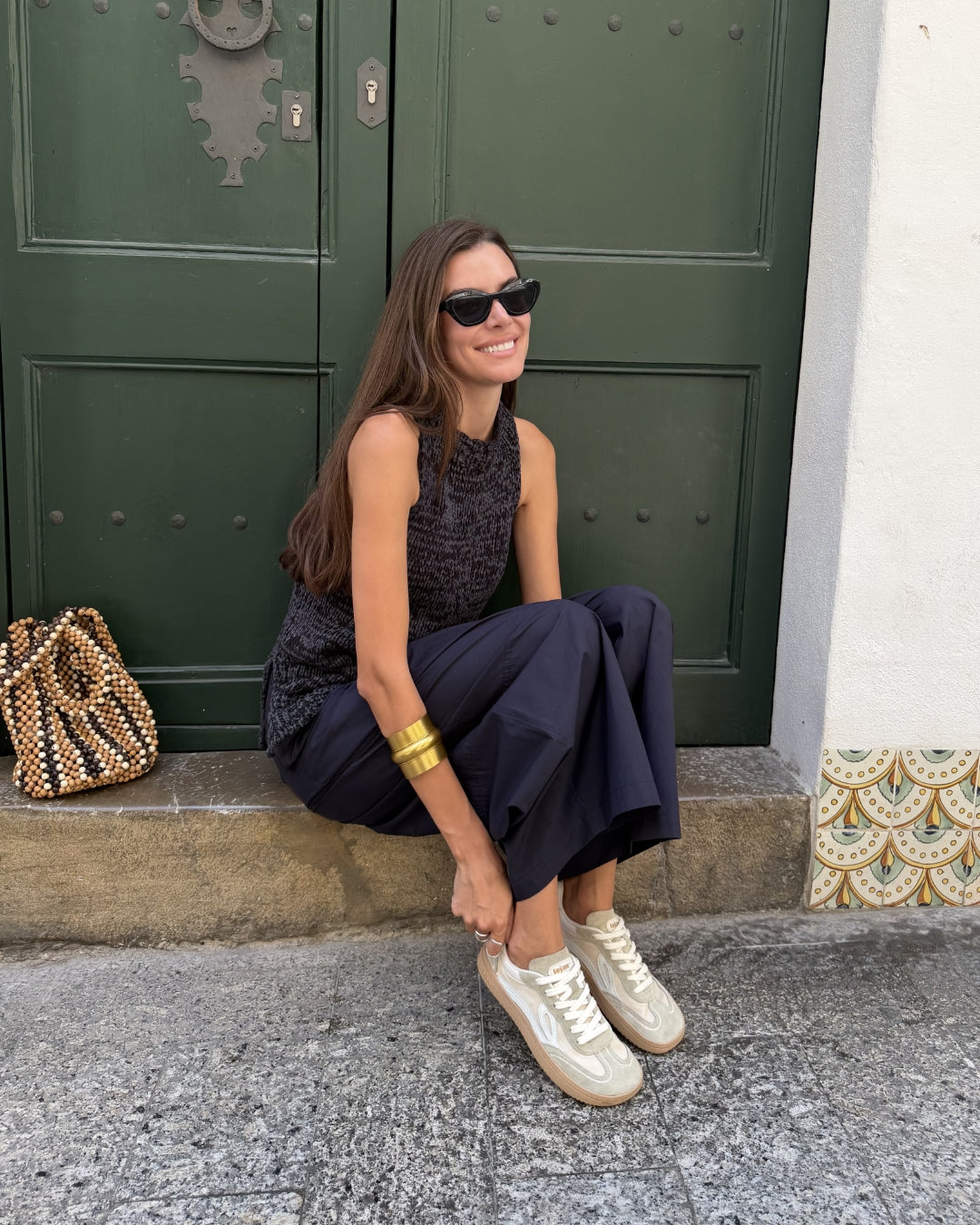
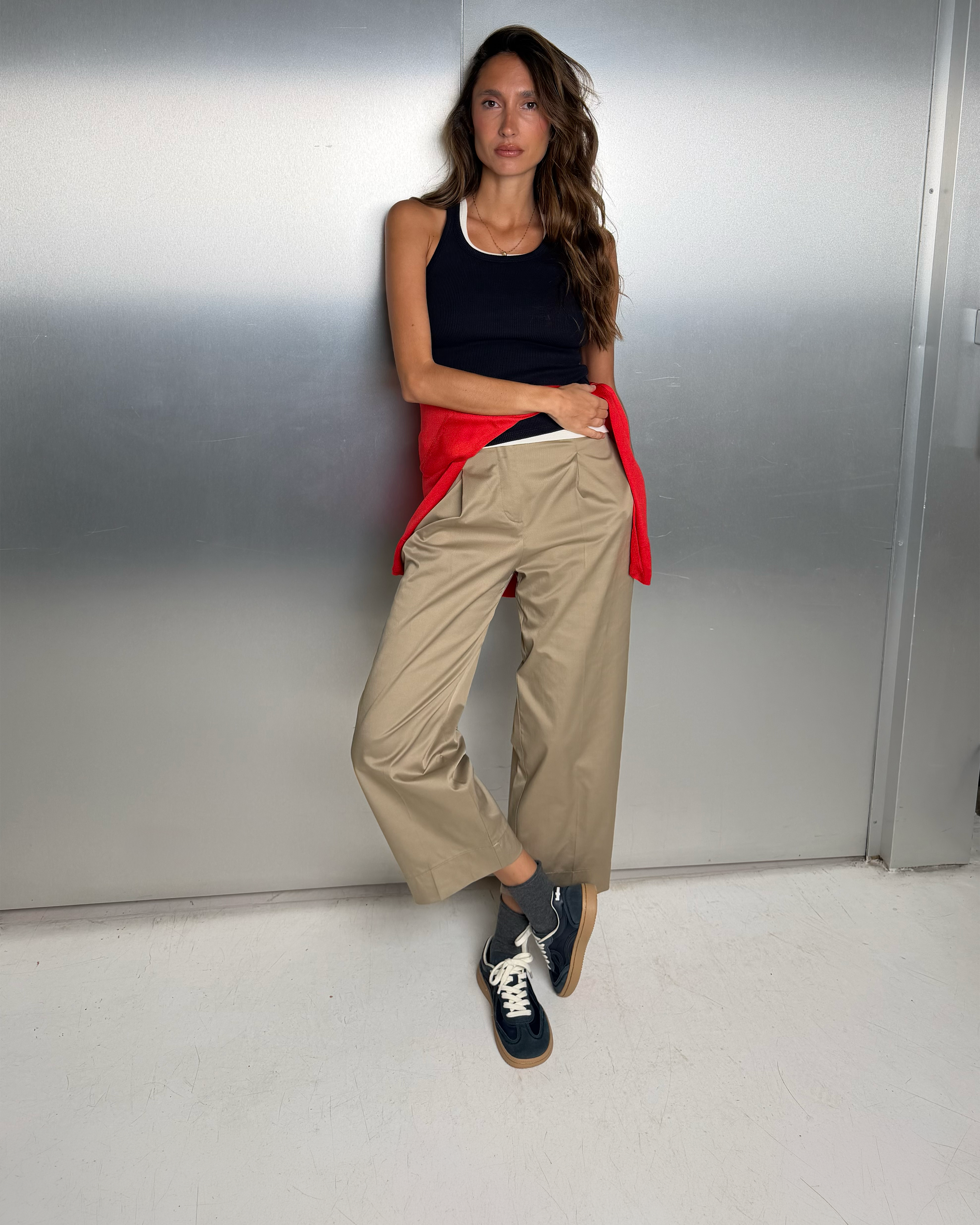
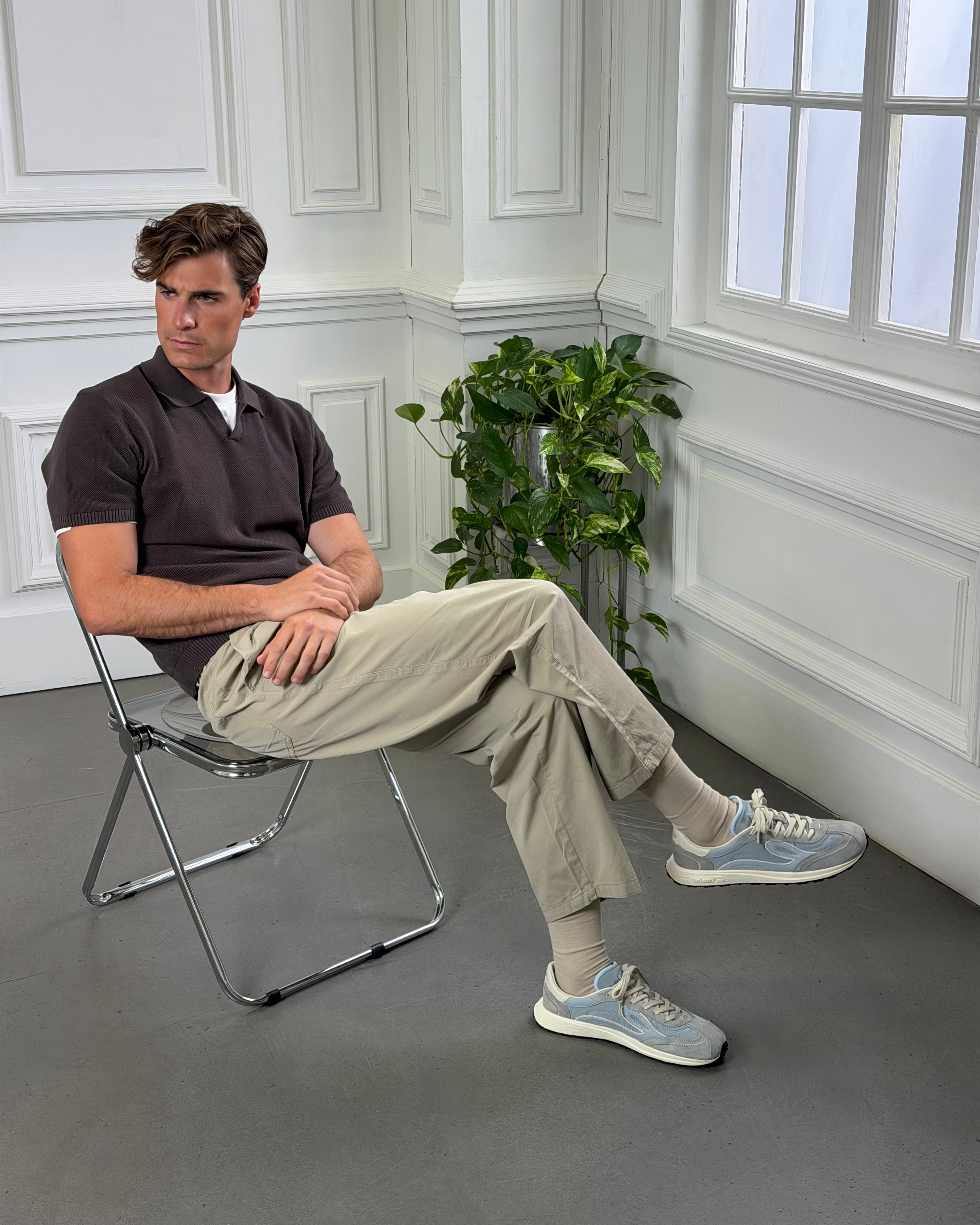
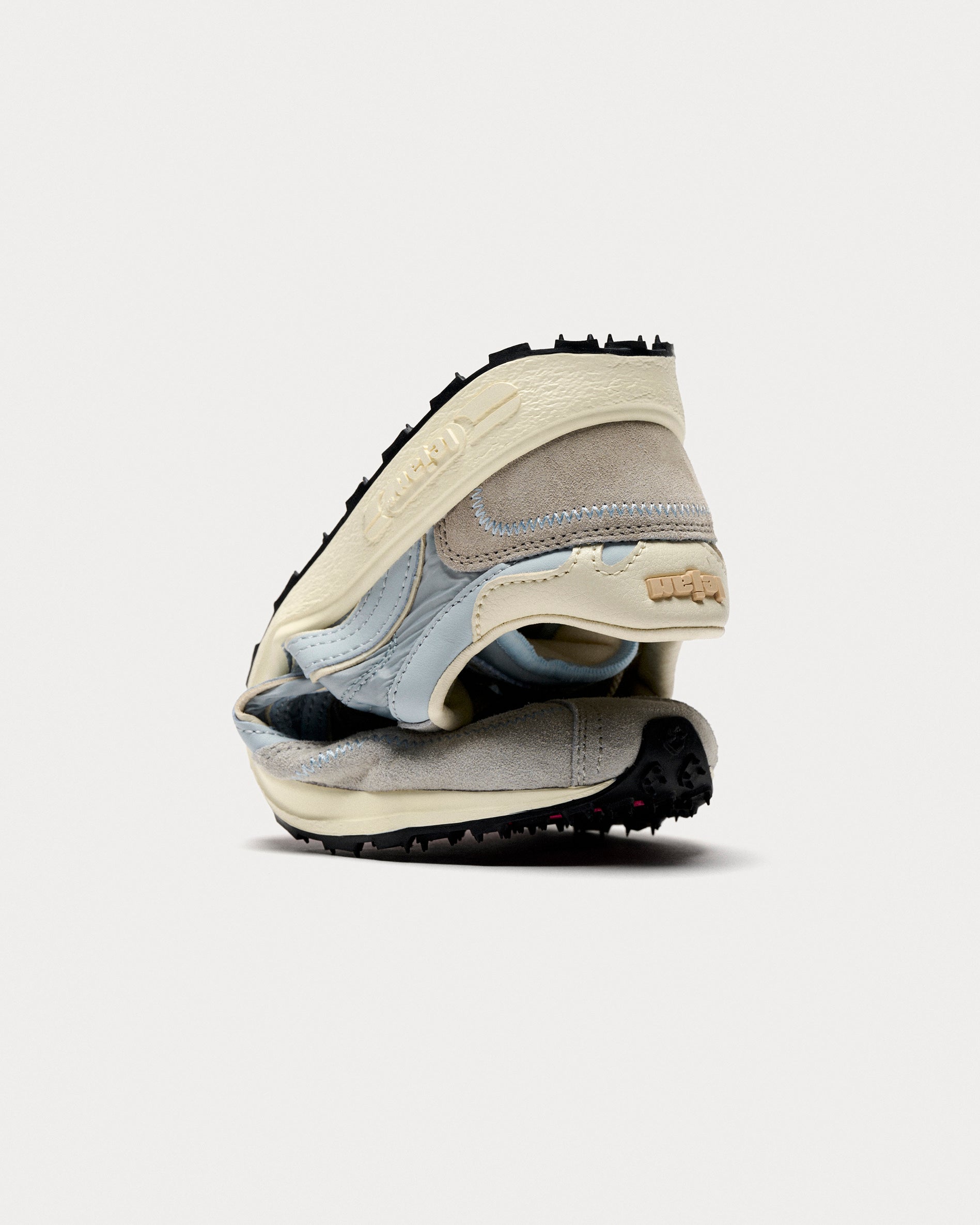
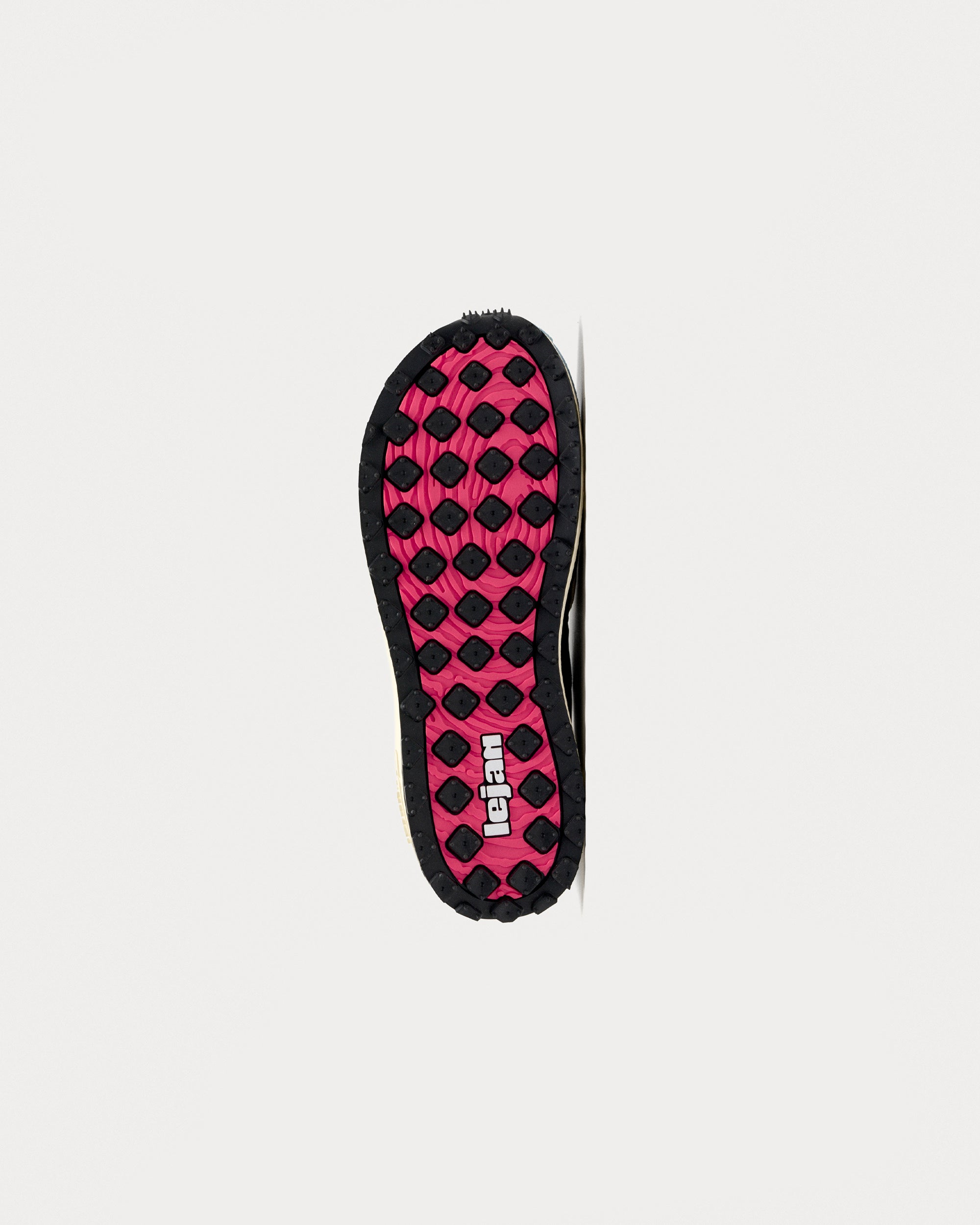
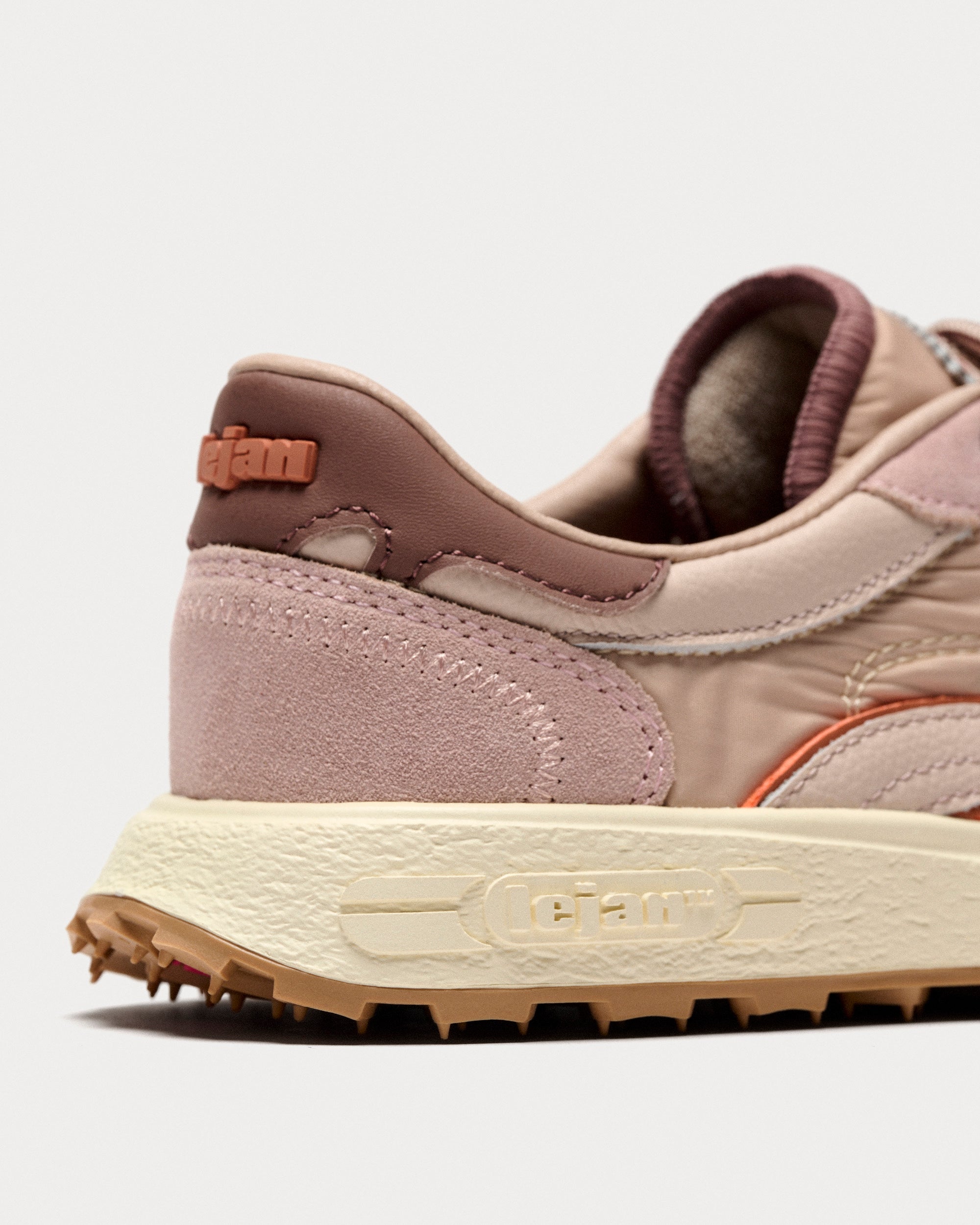
The way we walk doesn't depend on our feet alone. Every step involves the ankles, knees, hips, trunk and even the way we distribute our body weight.
That's why, when we feel we walk “badly” or someone points out that we land differently, consciously trying to change our footstrike usually isn't the best solution. Before correcting anything, you need to understand why we walk that way.
In some cases it may simply be an individual trait that causes no problem at all. In others, there may be mobility restrictions, a lack of strength, compensations or alterations behind it that are worth assessing.
Is there a correct way to walk?
There's no single way of walking that's perfect for everyone.
Everyone has a different anatomy, mobility and way of moving. Two healthy people can have different gait patterns without either of them necessarily being wrong.
What matters is that your gait is functional, comfortable and doesn't cause pain or limitations.
That's why concepts like pronation, foot rotation or differences in how you land shouldn't automatically be read as something that needs correcting. The problem arises when that pattern is linked to discomfort, loss of mobility, instability or difficulty doing certain activities.

Why might we walk differently?
Gait can be shaped by many factors and, sometimes, several show up at the same time.
Lack of ankle mobility
To move forward normally, the ankle needs enough mobility, especially when the leg passes over the foot during the step.
If that mobility is restricted, the body may look for other ways to move forward: lifting the heel earlier, turning the foot outwards or changing the movement of the knee and hip.
Lack of strength
The muscles of the foot and leg are constantly involved in walking.
When some muscle groups lack enough strength or control, compensations can appear that affect stability and the way you land.
It's not just about strengthening the foot. The calves, the hip muscles and the rest of the lower limb also play an important role.
Reduced toe mobility
The toes, and especially the big toe, are involved in the final phases of the step.
If they can't move properly, the body may change the direction it moves in or look for support in other areas of the foot.
Footwear that's too narrow or rigid can also temporarily restrict that movement while we walk.
Habits and compensations
Spending many hours sitting, always practising the same movements or having changed the way we walk after an injury can lead to certain patterns appearing.
Sometimes, even after the initial problem has gone, the body keeps part of that compensation.
Injuries or structural alterations
An ankle injury, a difference in mobility between the two sides, certain alterations of the lower limb or some conditions can also change your gait.
In these cases it's especially important to assess the cause before trying to change the pattern through exercises.
Exercises to improve mobility and control when walking

There's no universal exercise routine for “walking well”. Exercises should be chosen based on whatever is limiting the movement.
Even so, working on mobility, strength and control can help the foot and the rest of the leg take part better during walking.
1. Ankle mobility
Stand facing a wall with one foot forward.
Keeping your heel on the floor, slowly bring your knee forward, trying to get it closer to the wall. The knee can move forward in the direction of your toes without the heel lifting.
Do the movement in a controlled way and compare the mobility between both sides.
2. Big toe mobility
With your foot relaxed, gently move your big toe up and down.
The aim isn't to force it, but to check it can move comfortably.
This mobility is especially important when the body moves forward over the foot before lifting it off the floor.
3. Toe spreading and control
With your feet on the floor, try to gently spread your toes without curling them.
You can also practise lifting your big toe while keeping the others on the floor, then doing the opposite.
It can be tricky at first. More than strength, we're working on control and coordination.
4. Heel raises
Standing, and holding on to something if you need to, slowly raise your heels until you're on the front of your feet.
Then lower back down in a controlled way.
Should we think about how we place our feet while walking?
Usually, no.
Walking is an automatic movement. Constantly trying to control where to place your foot, how to land your heel or where to point your toes can make the movement less fluid.
If there's a real problem with your gait, it's usually more useful to work on the cause – for example, improving a mobility restriction or building strength – than to consciously try to change every step.
The aim shouldn't be a visually perfect footstrike, but to allow the body to have enough mobility, strength and options to move comfortably.
What role does footwear play in the way we walk?

Footwear doesn't correct the way you walk on its own, but it can influence how the foot moves inside the shoe.
A narrow toe box can squeeze the toes. A very rigid sole can reduce part of the foot's movement. And a big height difference between heel and forefoot changes the position we start each step from.
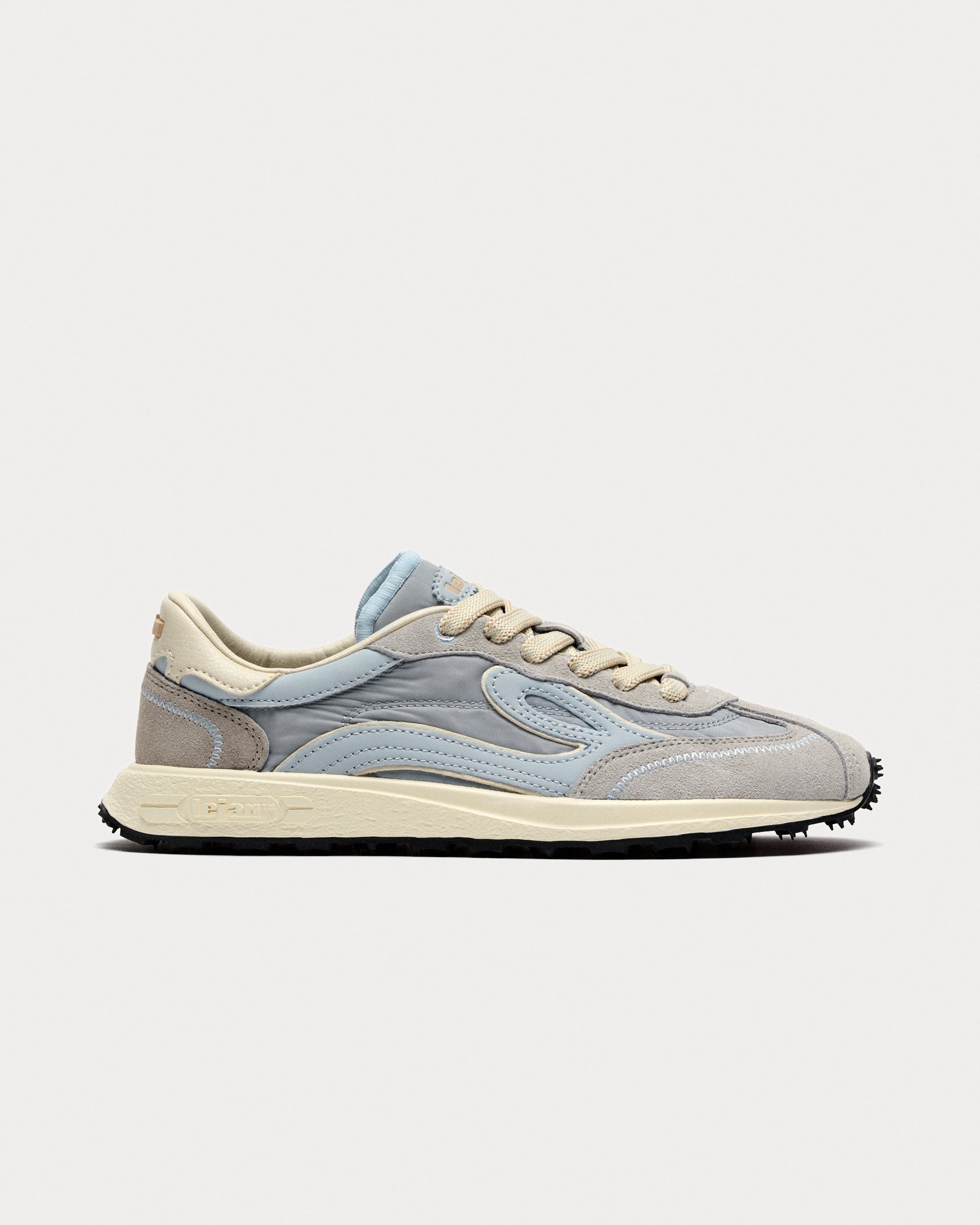
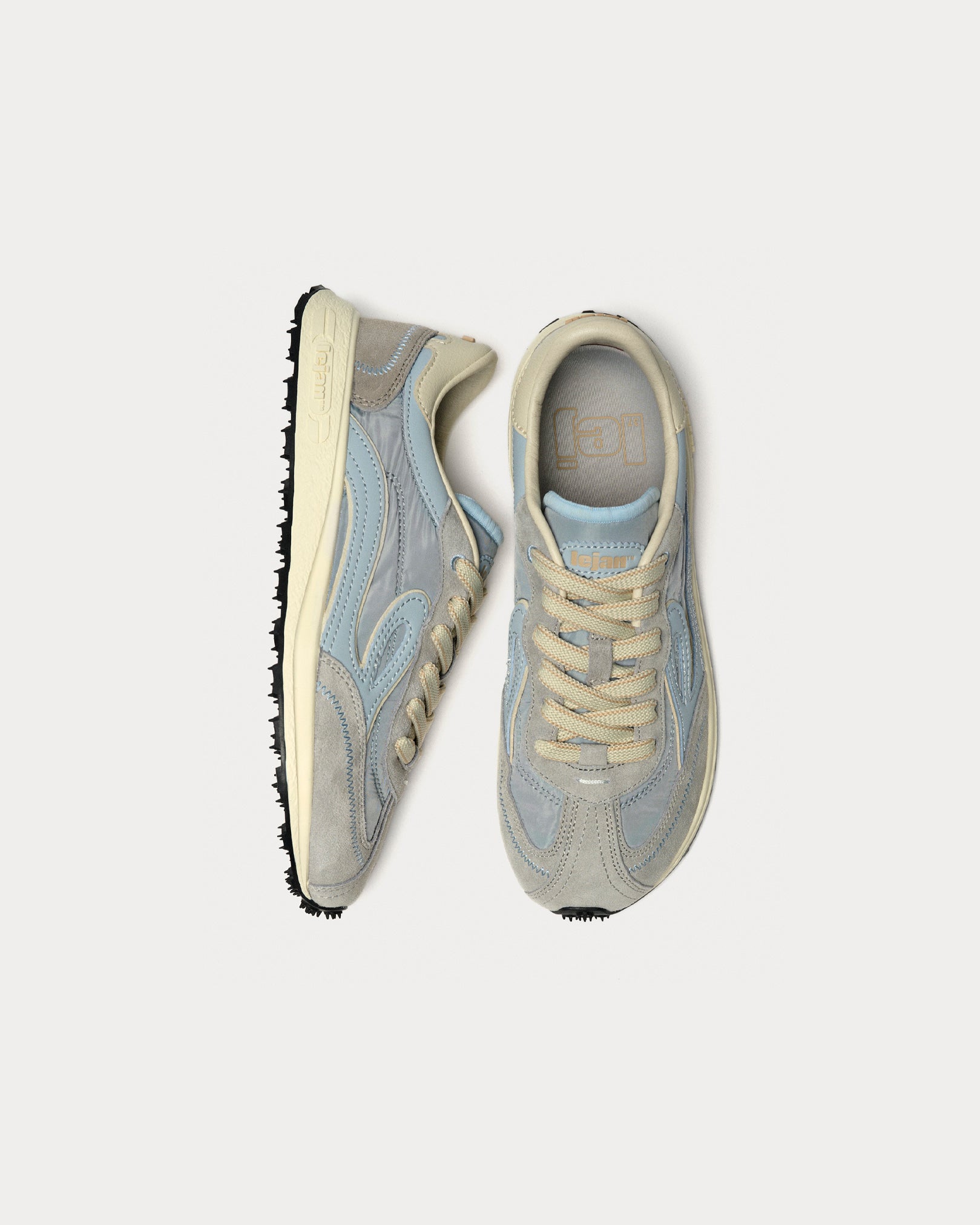
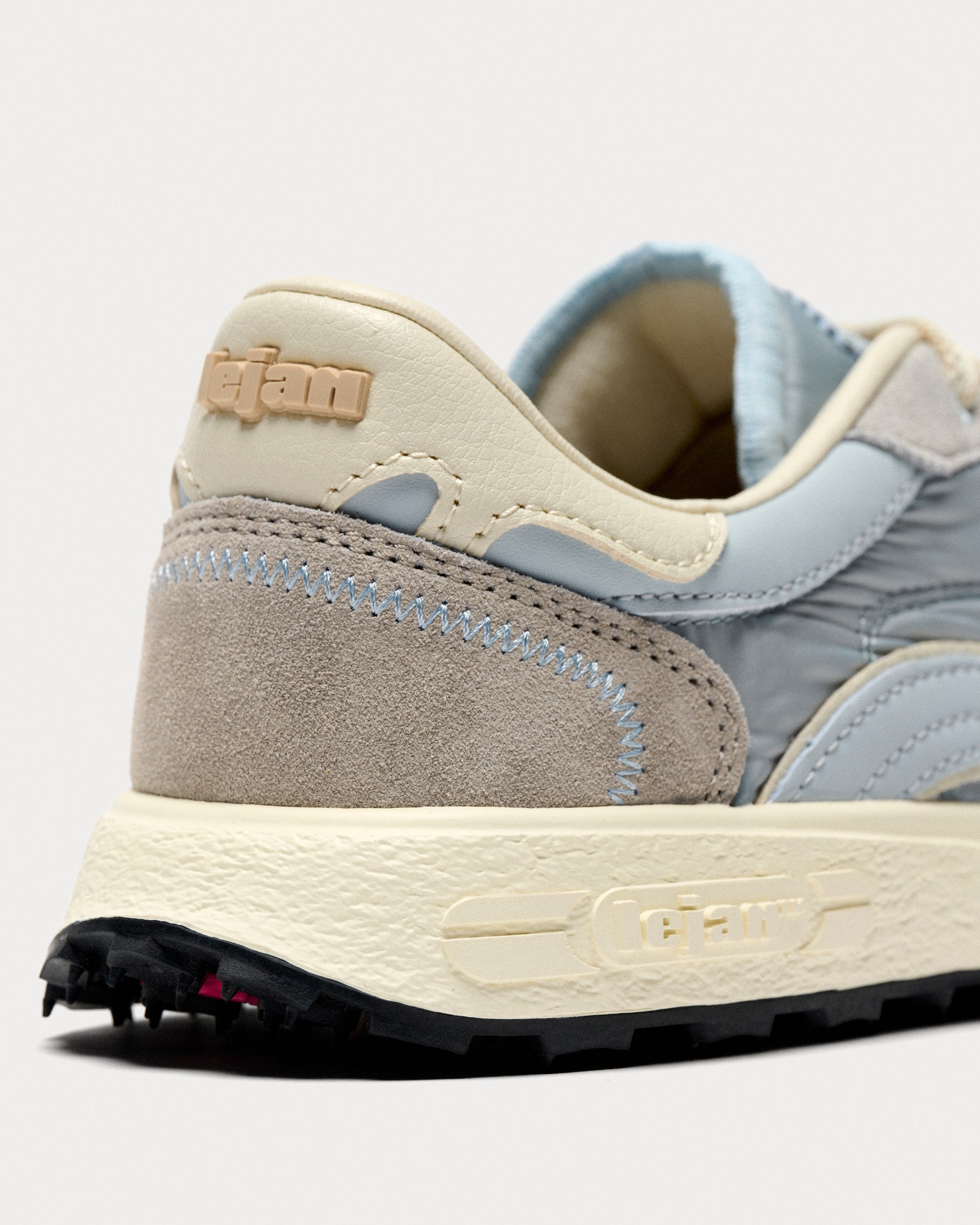
That's why, when looking for footwear that interferes as little as possible with the foot's movement, features like these can be worth considering:
-
Anatomical toe box, leaving enough room for the toes.
-
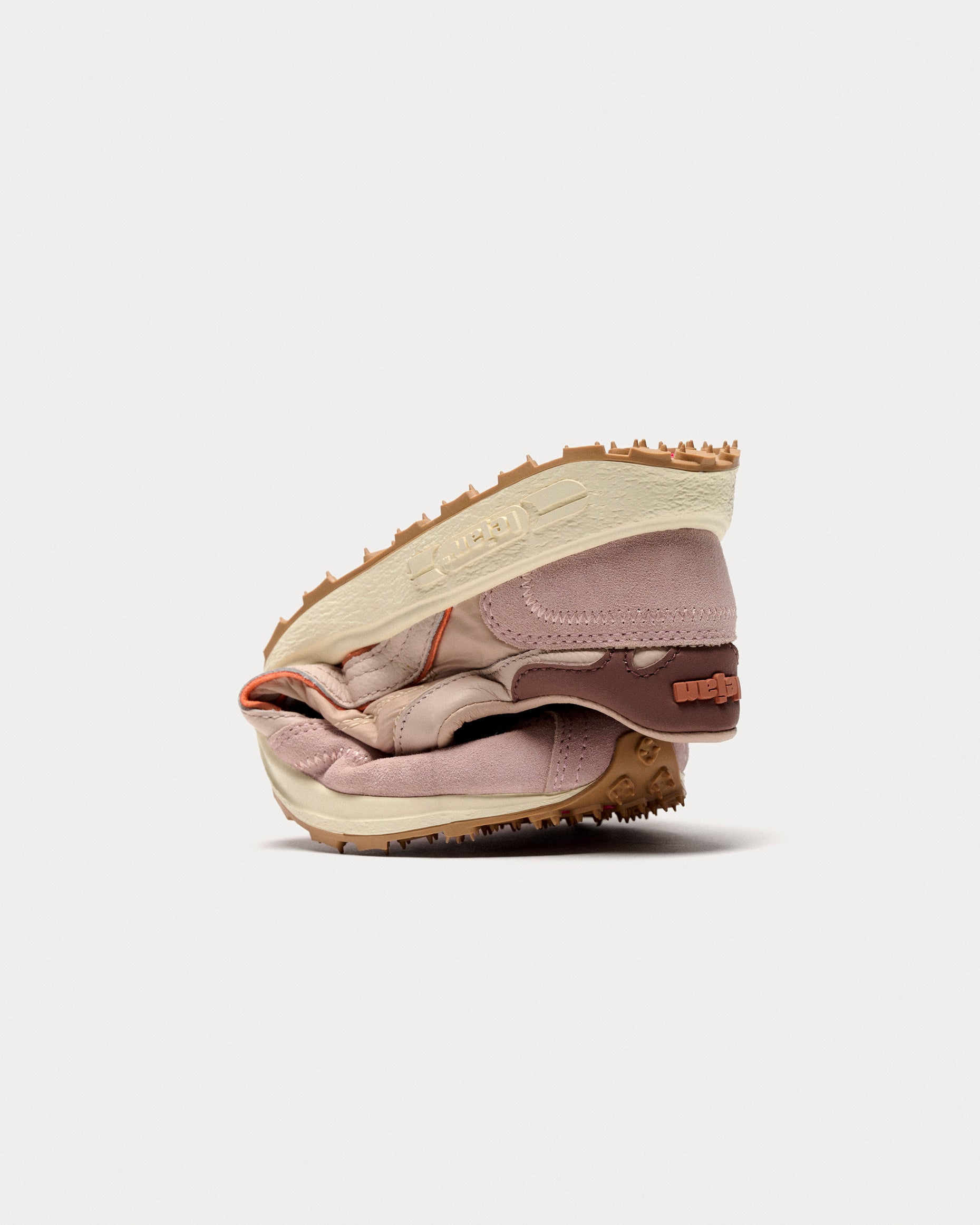
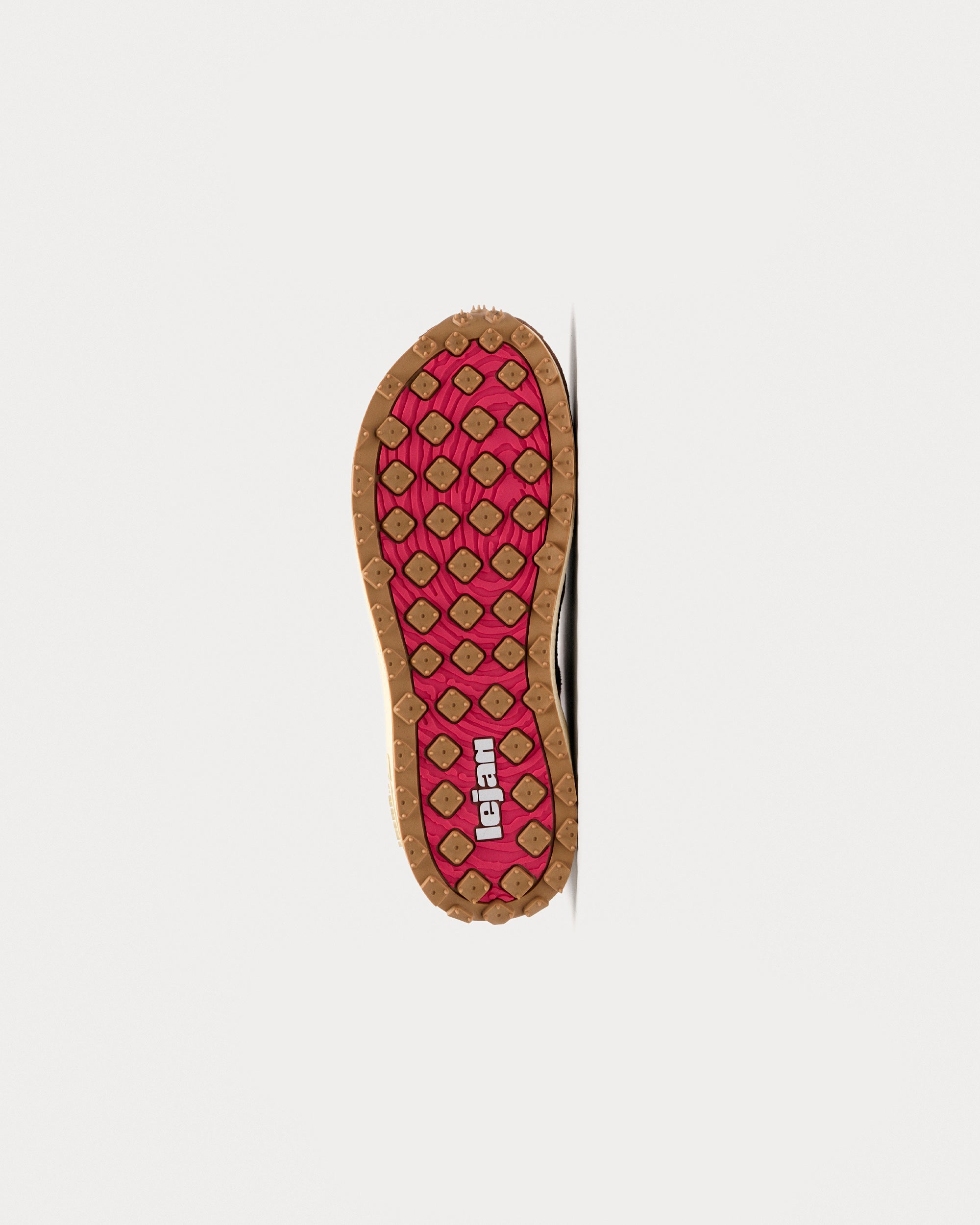
Flexible sole, which follows the foot's movement.
-
Zero drop, with heel and forefoot at the same height.
-
A good fit, so the foot is held in place without being squeezed.
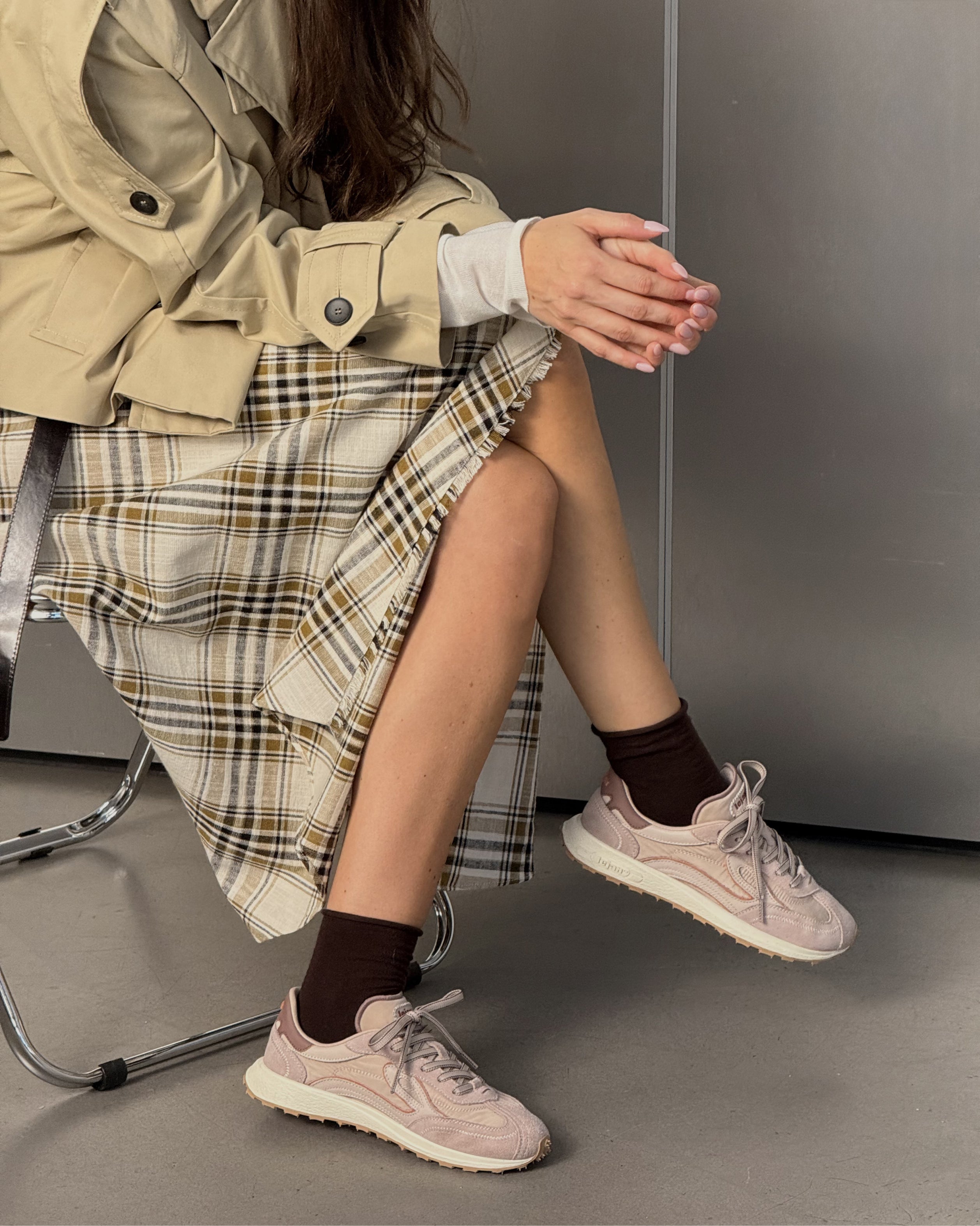
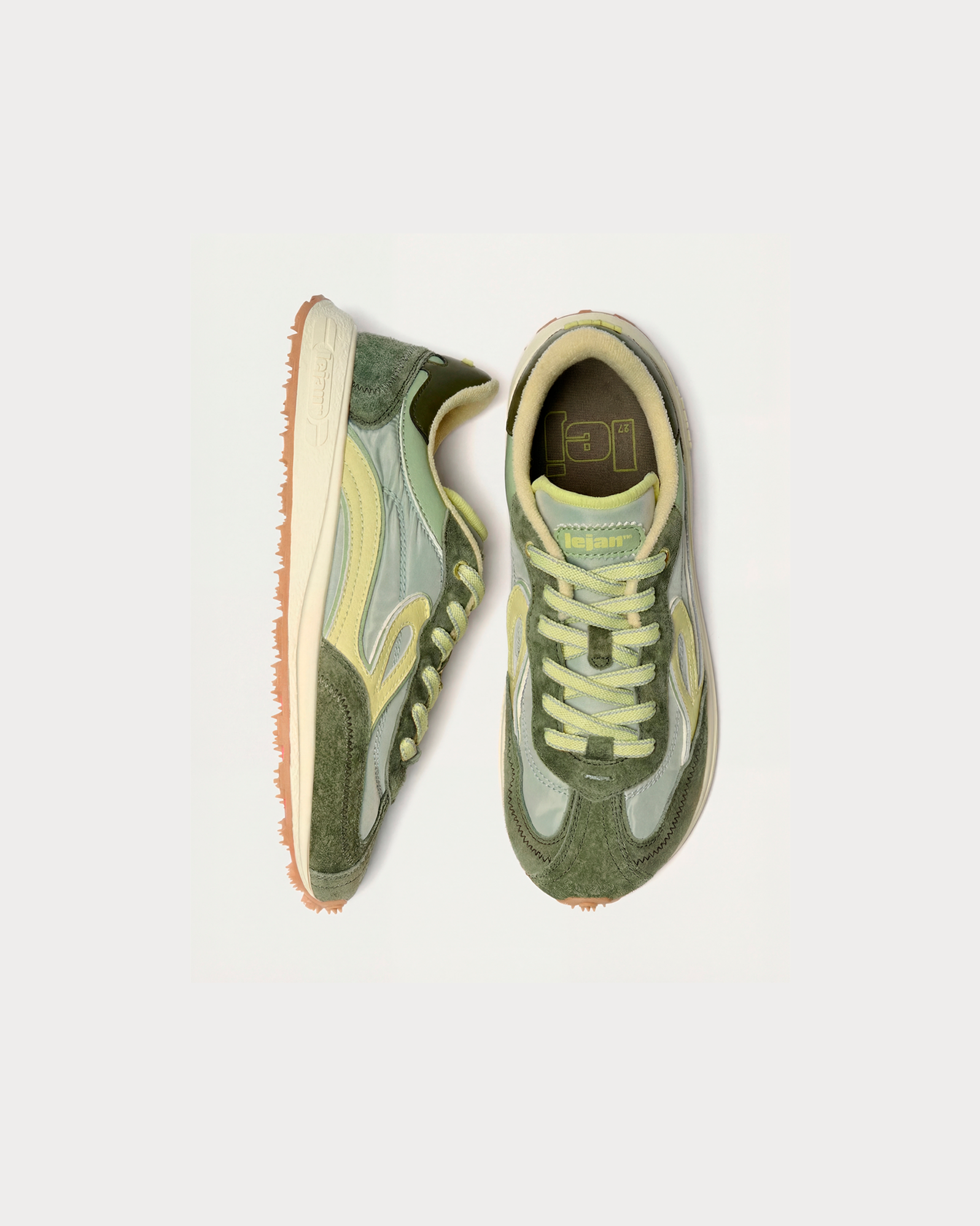
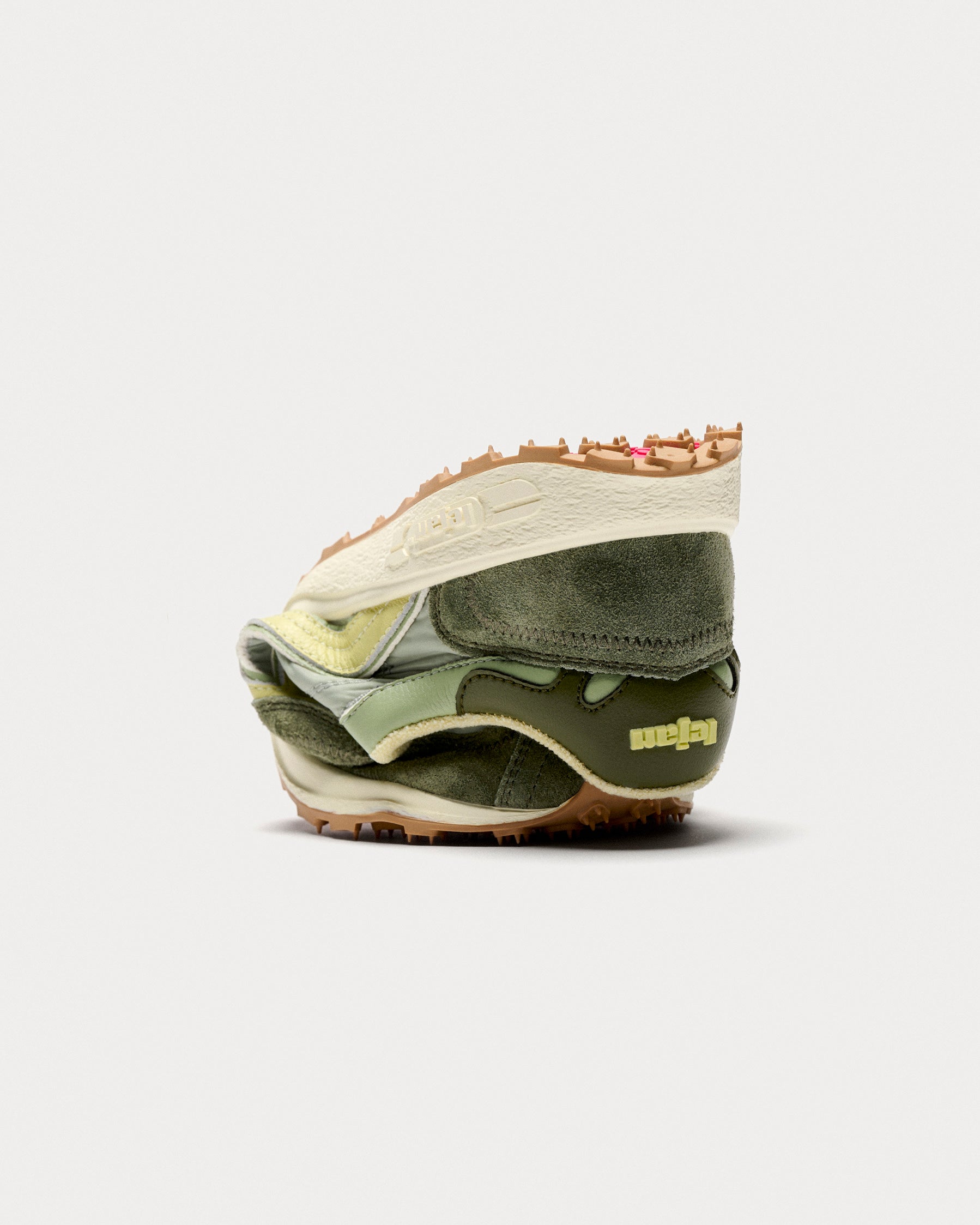
These are some of the usual features of barefoot footwear.
Its job isn't to force you to walk in a particular way, but to give the foot space and freedom of movement.
Can barefoot footwear help you walk better?
It depends on what we mean by walking better.
Barefoot doesn't work as a tool designed to automatically correct a gait alteration. What it does is strip back some of the structures in conventional footwear that can restrict the foot's movement.
With a wider toe box and a flexible sole, the toes can take part more freely and the foot gets more feedback from the ground.
But that doesn't mean everyone should switch straight to minimalist footwear, or that doing so will fix a discomfort on its own.
If you've spent years wearing shoes with thick, rigid soles or a considerable height difference between heel and forefoot, the transition should be gradual, especially during higher-impact activities.
Walking barefoot can also be a tool
On safe surfaces, spending short periods barefoot can let the foot move without the restrictions of footwear.
Walking around the house, doing balance exercises or simply standing barefoot can be a simple way to regain sensation and see how the foot behaves.
There's no need to look for unstable surfaces or complicated exercises. The floor itself already provides enough feedback to work on control and awareness of how you land.
When to see a professional
If you simply notice that your feet point slightly outwards or that you walk differently from someone else, it doesn't necessarily mean there's a problem.
However, it's worth seeing a podiatrist or another healthcare professional if you notice:
-
Pain when walking
-
Recurring discomfort in your feet, ankles, knees or hips
-
Frequent falls or a feeling of instability
-
A marked difference between both sides
-
Significant loss of mobility
-
Recent changes in the way you walk
-
Difficulty doing everyday activities
An examination allows your gait to be assessed as a whole and determines whether there's really something that needs treating.
It's not about walking perfectly, it's about moving well
Gait is far more complex than deciding whether we land heel first or whether the foot points a few degrees inwards or outwards.
Our body constantly adapts every step to the terrain, speed, fatigue and the activity we're doing.
That's why, rather than chasing a perfect way of walking, it makes sense to work so that our feet and legs have enough mobility, strength and freedom to adapt.
Exercises can help improve those abilities, and footwear that respects the shape of the foot can support the movement. But when there's pain or a significant gait alteration, identifying the cause should always be the first step.
Test your knowledge
Answer the questions to check how much you know about this topic.
1. ¿Existe una única forma “correcta” de caminar?
2. ¿Qué puede influir en nuestra forma de caminar?
3. Si queremos mejorar un patrón de marcha, ¿qué suele ser más útil?
4. ¿Qué papel puede tener el calzado barefoot en la marcha?

Share