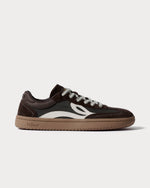
Foot cramps can come on suddenly: while walking, while playing sport, while resting or even at night. Sometimes they last a few seconds; other times they leave an uncomfortable sensation for hours. Although they are often not serious, they can be a sign that something is not working properly in the muscles, the circulation, your hydration levels or even in the way the foot moves inside your shoes.
And here is a cause that almost nobody mentions: a shoe that compresses, lifts or overly restricts the foot can make the muscles work under tension, with less room and less freedom of movement. It is not always the sole origin of the problem, but it can be an important trigger in people who already have a tendency to suffer cramps.
What foot cramps are and why they happen
A cramp is an involuntary, sudden and painful contraction of a muscle. In the foot it can be felt in the sole, in the arch, in the toes or even around the instep. It can appear while you are moving, after walking a lot, when you take your shoes off or while you are asleep.
Cramps are usually linked to muscle fatigue, dehydration, electrolyte imbalances, lack of stretching, overexertion or circulatory and nerve problems. In many cases there is no single cause, but rather a combination of factors.
In the foot there is also something important to bear in mind: it is a small structure, but a very active one. Its muscles work to stabilise, adapt to the ground, distribute loads and support every step. When those muscles are overloaded, compressed or unable to move freely enough, they may respond with tension, fatigue or cramps.

The most common causes of foot cramps
Dehydration and electrolyte imbalance: magnesium, potassium and calcium
One of the best-known causes of cramps is dehydration. When the body loses fluids, especially in the heat, with sweating or during intense physical activity, muscle function can be affected.
Electrolytes such as magnesium, potassium, calcium or sodium also play a part. These minerals are involved in muscle contraction and relaxation. When there is an imbalance, the muscle can become more irritable and contract involuntarily.
This does not mean that every cramp indicates a “magnesium deficiency”. It is one possible cause, but not the only one. Taking supplements without knowing whether there really is a deficiency is not always the answer. What matters is to look at the whole picture: hydration, diet, physical activity, rest, medication and how often the symptoms appear.
Poor circulation and prolonged static posture
Spending a long time standing or sitting can encourage cramps to appear, especially if the foot stays in the same position for hours. When there is little movement, the muscles work less efficiently and blood return can be reduced.
In some cases, cramps may also be related to poor circulation. For example, a lack of blood flow to the legs and feet can cause cramp-like pain during exercise, which usually improves when you stop.
This matters because not all cramps are “normal”. If they always appear after walking a certain distance, if they force you to stop, if they come with a feeling of cold, colour changes or persistent pain, it is worth getting them checked.
Muscle overexertion and fatigue
Walking more than usual, doing sport without preparing beforehand, spending many hours on your feet or suddenly increasing training intensity can cause fatigue in the muscles of the foot.
When a muscle is tired, it can lose its ability to contract and relax in a coordinated way. In that situation, the cramp appears as a kind of sudden “lock-up”.
This happens a lot when travelling, on long walks, during long working days spent standing or after abrupt changes in routine. The foot does not only bear the weight of the body: it also manages balance, adaptation and propulsion with every step.
Footwear as a trigger: narrow toe box, rigid sole and heel
This is one of the least mentioned causes, but it can make a great deal of sense in everyday life.
A shoe with a narrow toe box can compress the toes and reduce the natural space of the forefoot. A rigid sole can limit the mobility of the sole of the foot. A heel or an excessive heel lift can change the tension of the posterior chain and put more load on certain areas of the foot.
When the foot spends many hours inside footwear that restricts it, the muscles work in a less favourable position. The toes cannot splay properly, the arch may stay more tense and the sole of the foot receives less movement. In people who are predisposed, this can encourage fatigue, tension or cramps.
It does not mean that footwear is always the main cause, but it can be the factor that sustains or worsens the problem.
Warning signs: when cramps may point to something more serious
Most occasional cramps are nothing to worry about. But it is worth seeking advice if they recur very frequently, if they regularly wake you up at night, if they last longer than 10 minutes or if they appear alongside other symptoms such as swelling, numbness, weakness, skin changes or intense pain.
It is also advisable to get an assessment if the cramps appear suddenly with no clear cause, if they persistently affect only one foot or if they are associated with conditions such as diabetes, neurological problems, circulatory disorders or the use of certain medicines.
An isolated cramp may be a one-off. A repeated pattern is a sign that deserves more attention.
Why conventional footwear increases the risk of cramps
Conventional footwear does not always cause cramps, but some designs can create an environment that is unhelpful for the foot. Especially when they combine a narrow toe box, a rigid sole and a raised heel.
The problem is not just immediate comfort. A shoe often feels comfortable because it cushions a lot or holds the foot firmly, but at the same time it reduces the foot’s active involvement. If the toes cannot spread, if the sole of the foot cannot flex or if the heel is constantly raised, the muscles work in a different way.
Over time, that restriction can translate into tension, overload or a feeling of tired feet. In people prone to cramps, it can be one more factor in the problem.
How a narrow toe box compresses the metatarsals
The front of the foot needs space. The metatarsals and the toes are not designed to stay squeezed together for hours. When the toe box of the shoe is too narrow, the toes press together and the forefoot loses its ability to expand.
That compression can affect the way the foot distributes loads. The small muscles of the foot have less room to work and the toes contribute less to support.
On a long walk, this becomes more noticeable. You may feel pressure, tingling, tiredness in the sole of the foot, pain between the toes or cramps around the arch and the toes. Sometimes people interpret it as “my feet hurt at the end of the day”, but the origin may be that the foot has spent many hours without enough space.
The effect of the heel on the tension of the plantar arch
When the heel is raised in relation to the forefoot, the position of the foot changes. This elevation can increase tension in certain structures and change the way weight is distributed.
In some cases, the plantar arch and the muscles of the sole of the foot can be put under greater demand. It can also increase tension in the calves and soleus, muscles that directly influence the mechanics of the foot.
This does not mean that everyone should switch to zero drop overnight. Tolerance depends on each person, on their biomechanics, their history and their adaptation. But it is worth checking whether your everyday footwear keeps the foot in a raised, rigid position for too many hours.
What to do when you get a cramp: a step-by-step technique
When a cramp appears in the foot, the first rule is not to force it. The aim is to help the muscle relax gradually.
-
Stop what you are doing and rest the foot carefully.
If the cramp appears while you are walking or exercising, stop and find a stable position. -
Gently stretch the toes.
If the cramp is in the sole of the foot or in the toes, try to pull your toes upwards with your hand, without any sharp tugging. -
Massage the area.
Rub the sole, the arch or the toes with slow movements. Massage can help relax the contracted muscle. -
Change position.
If it appears while you are sitting or lying down, standing up and placing the foot on the floor can help in some cases. -
Apply heat if tension remains.
Gentle heat can help when the muscle stays stiff after the cramp. On the other hand, if there is inflammation or pain following an injury, it is best to proceed more cautiously. -
Rehydrate.
Drink water, especially if you have been sweating, if it is hot or if you have gone hours without drinking.
Stretching and gentle massage are the usual measures for relieving a muscle cramp.

How to prevent foot cramps: practical measures
Preventing cramps does not depend on a single action. The most useful approach is usually to combine hydration, mobility, rest, a review of your footwear and a gradual adaptation to activity.
Hydration and diet
Drinking enough water throughout the day is essential, especially if you do sport, walk a lot, work on your feet or spend time in hot environments.
It is also worth maintaining a varied diet, with sources of minerals such as magnesium, potassium, calcium and sodium. Bananas, nuts, pulses, leafy green vegetables, dairy products or electrolyte drinks at specific moments can help cover your needs, depending on the case.
But if the cramps are frequent, do not automatically assume that you are lacking a vitamin or a mineral. There may be other factors: fatigue, footwear, circulation, medication, lack of mobility or neurological problems.
Stretching and foot mobility exercises
The foot needs to move. Not just walk. It also needs to flex, extend, splay the toes, activate the sole and recover mobility after many hours shut inside a shoe.
Some simple exercises can help:
- Stretch the sole of the foot by gently pulling the toes upwards.
- Mobilise the toes, trying to spread them without forcing.
- Make circles with the ankle.
- Roll a soft ball under the sole of the foot.
- Raise and lower your heels in a controlled way.
- Walk barefoot around the house for a few minutes, if there is no pain or contraindication.
The key is consistency. Little and often is better than doing lots of exercises all at once when the foot is already overloaded.
Footwear that does not interfere with natural muscle function
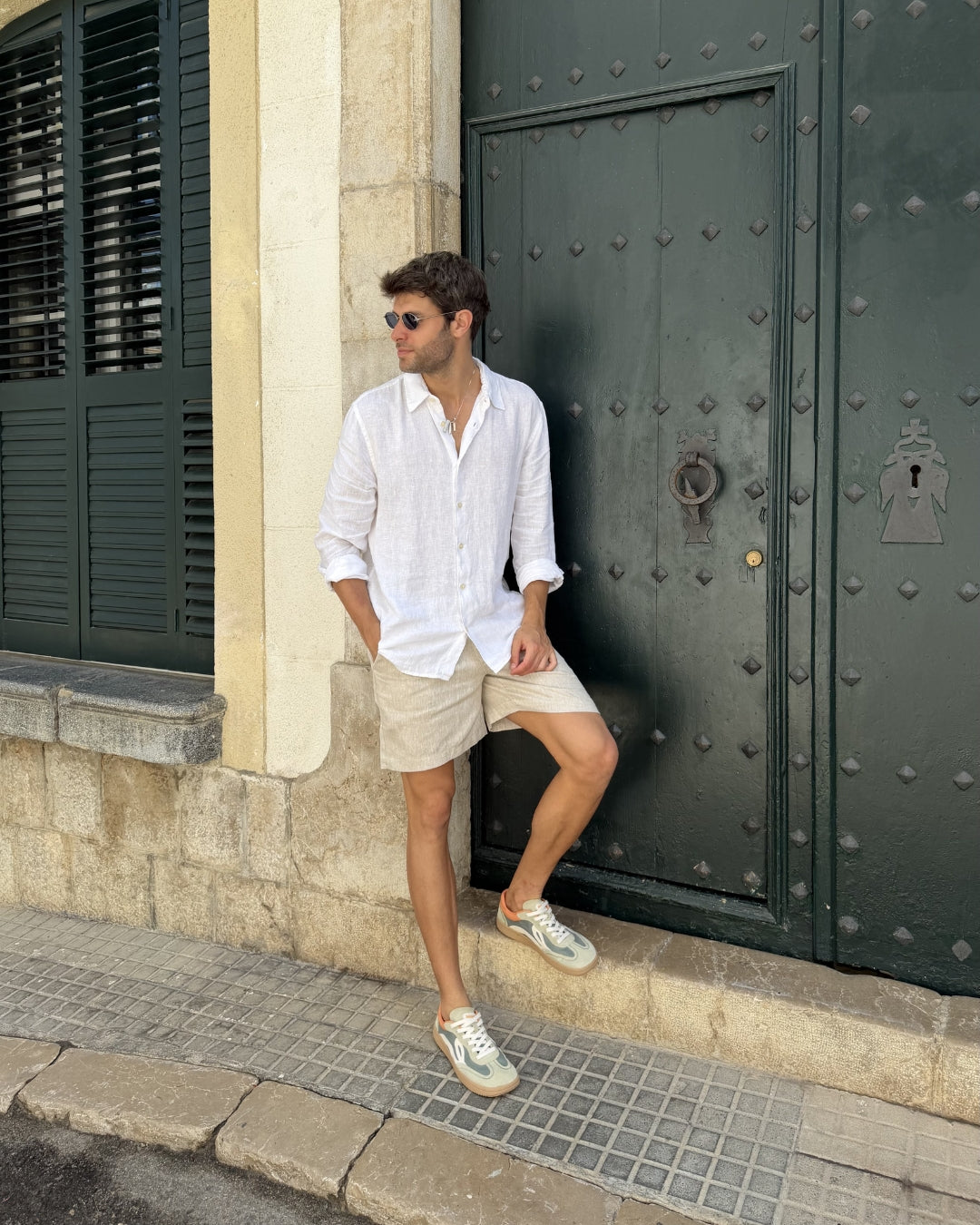
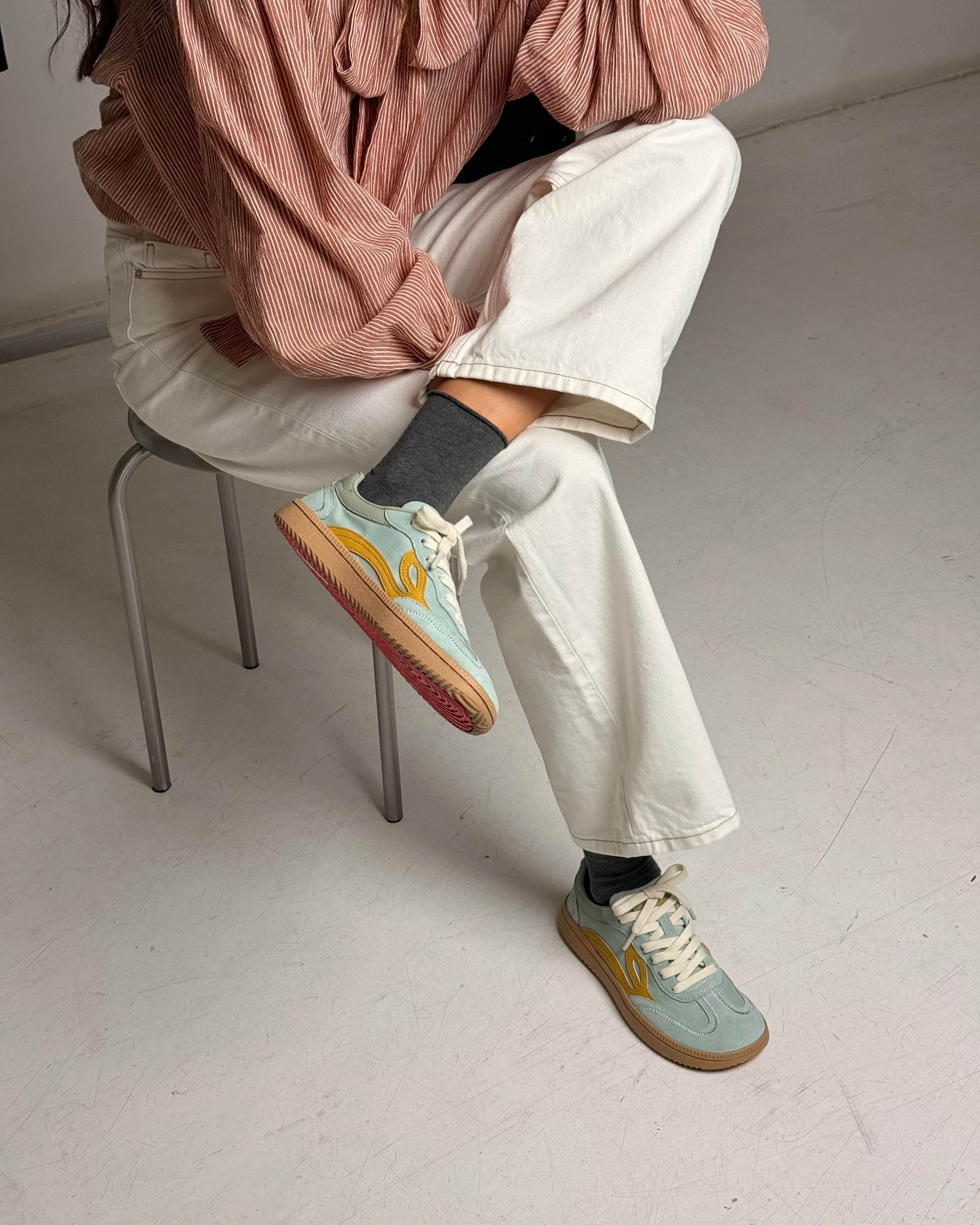
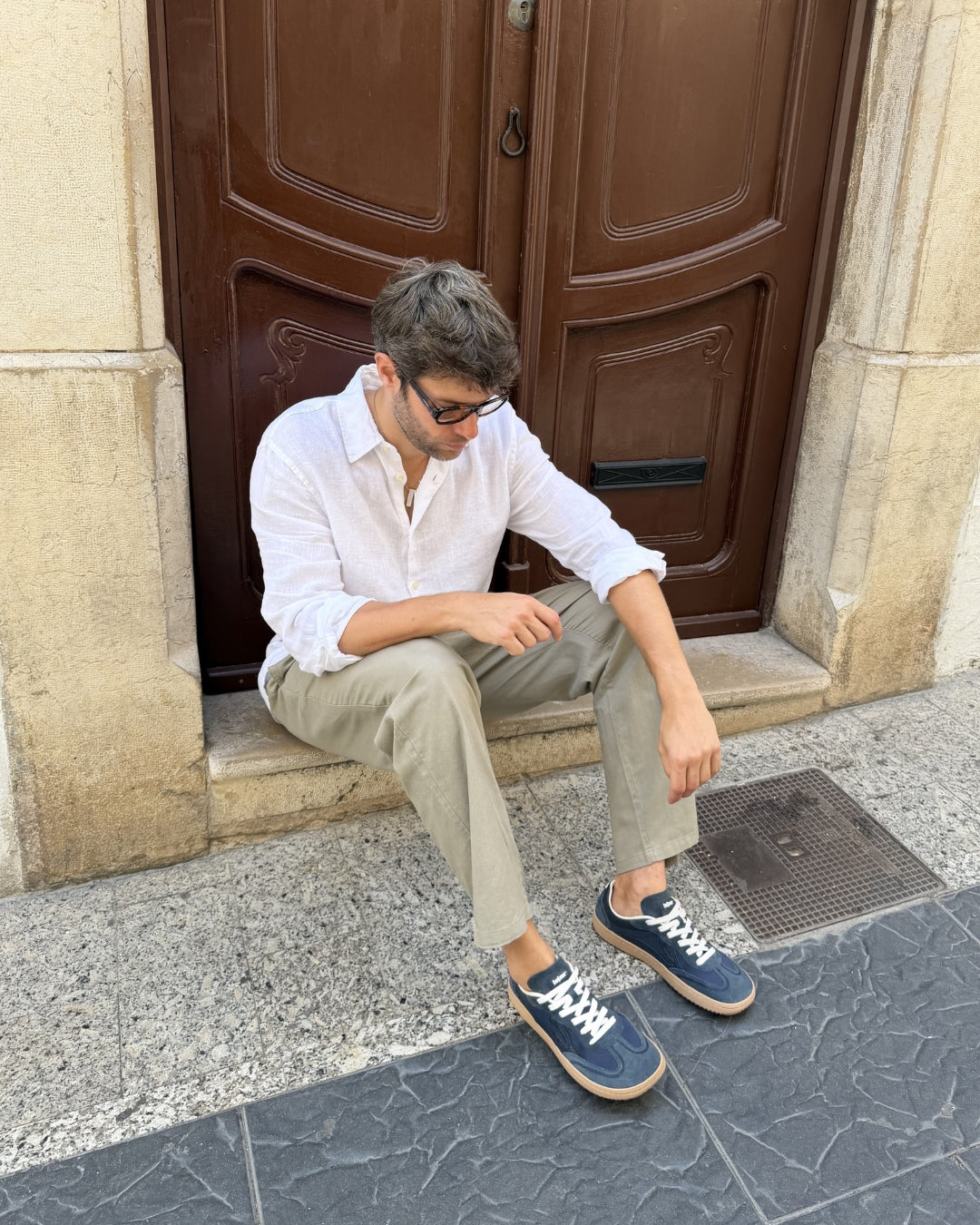
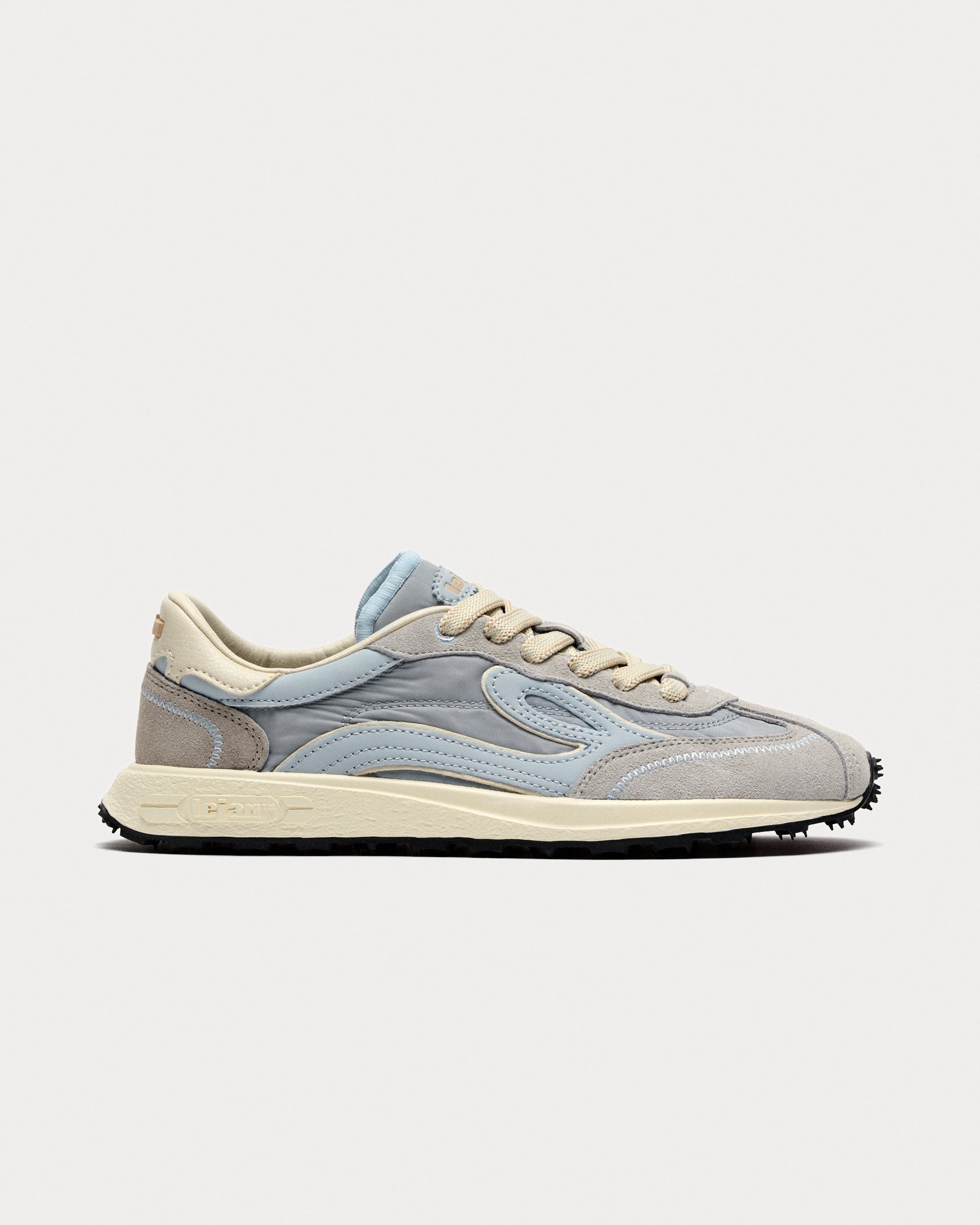
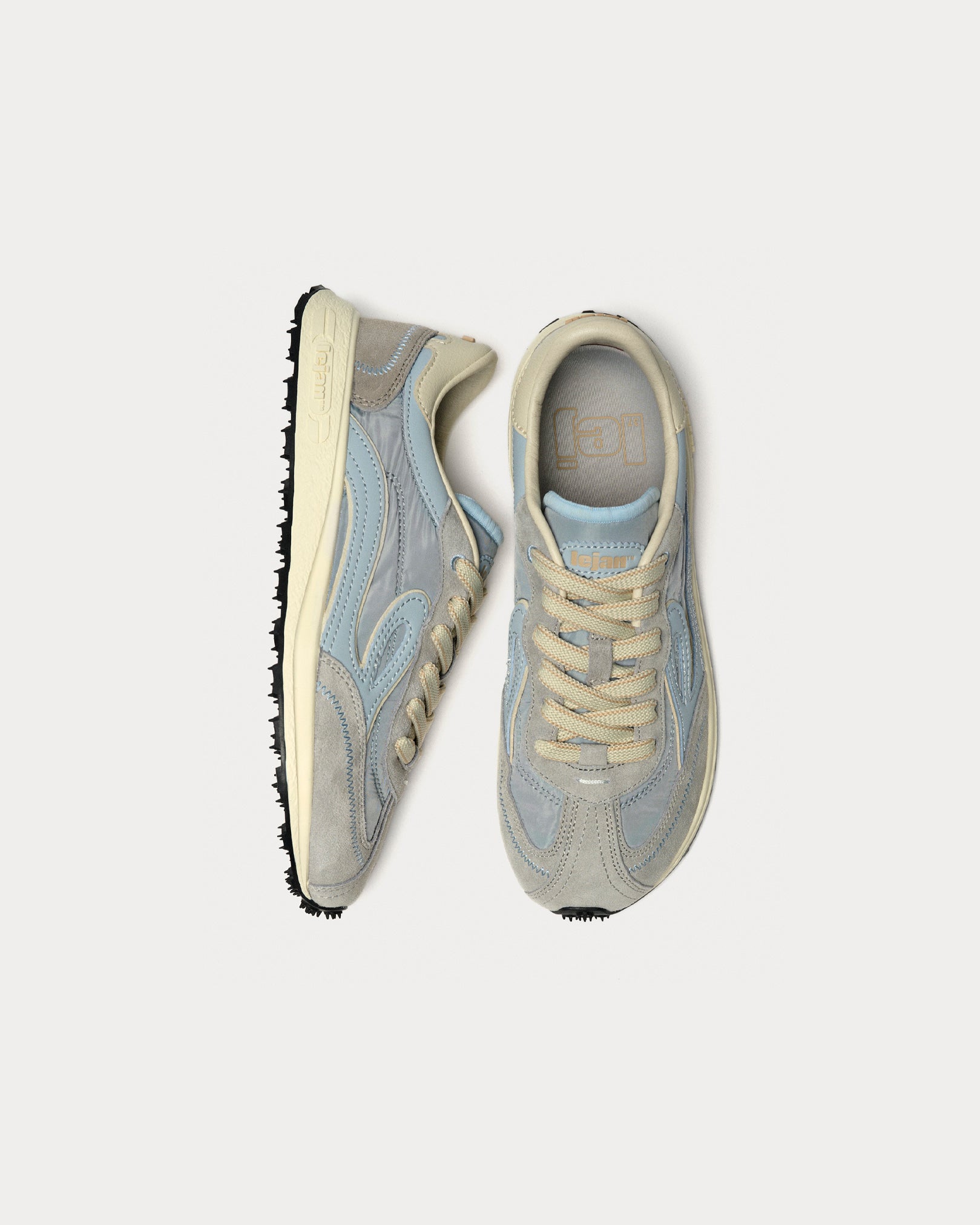
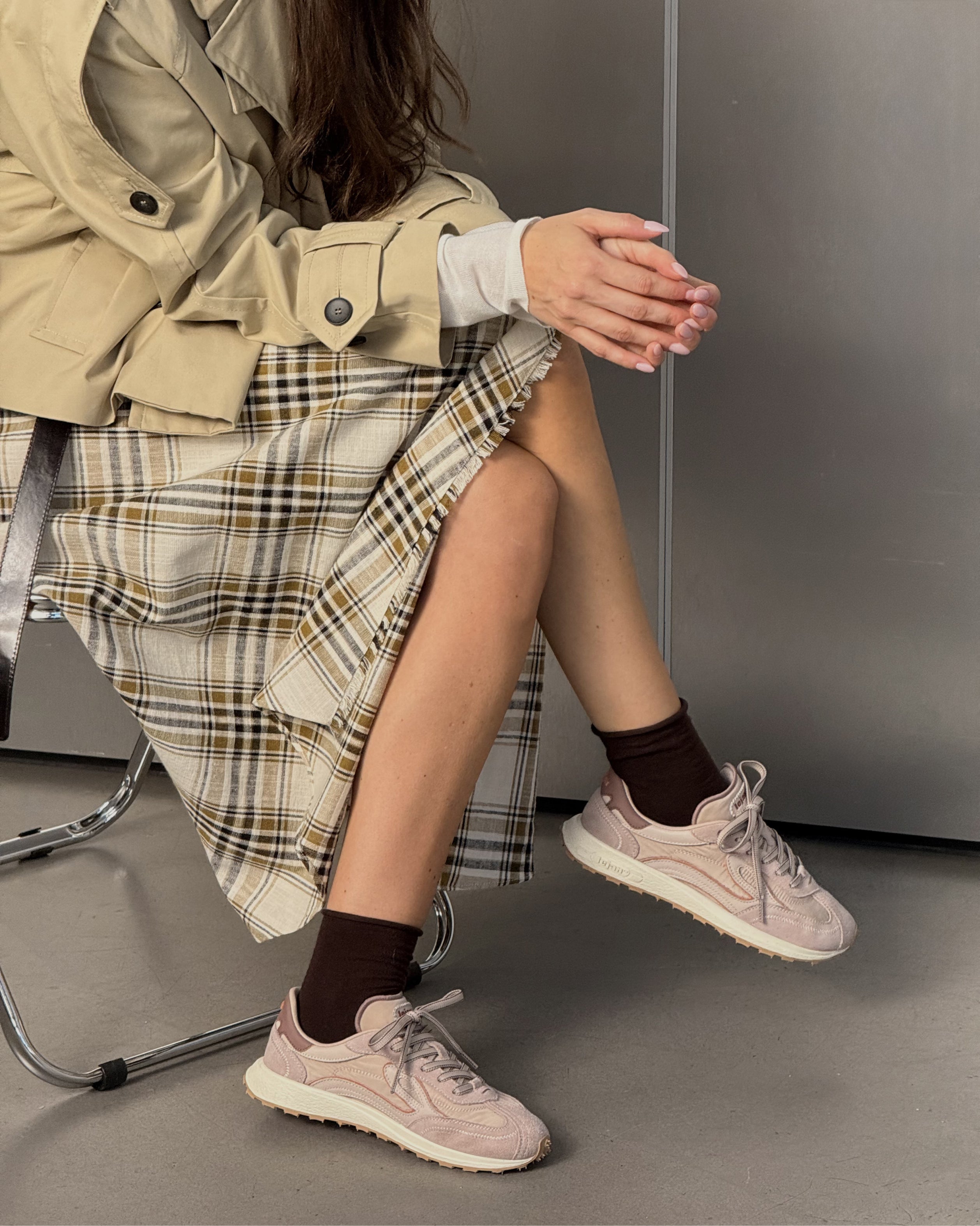
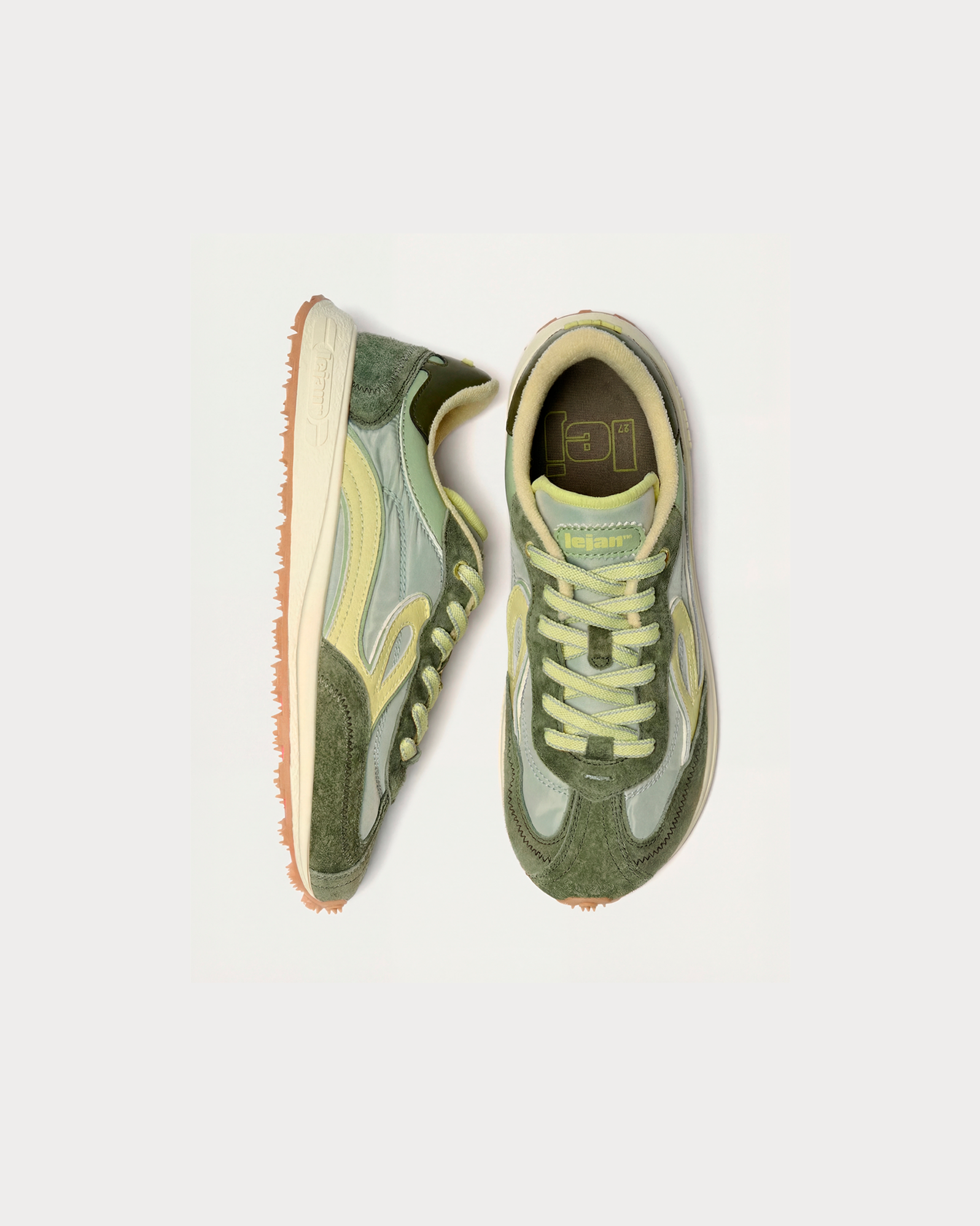
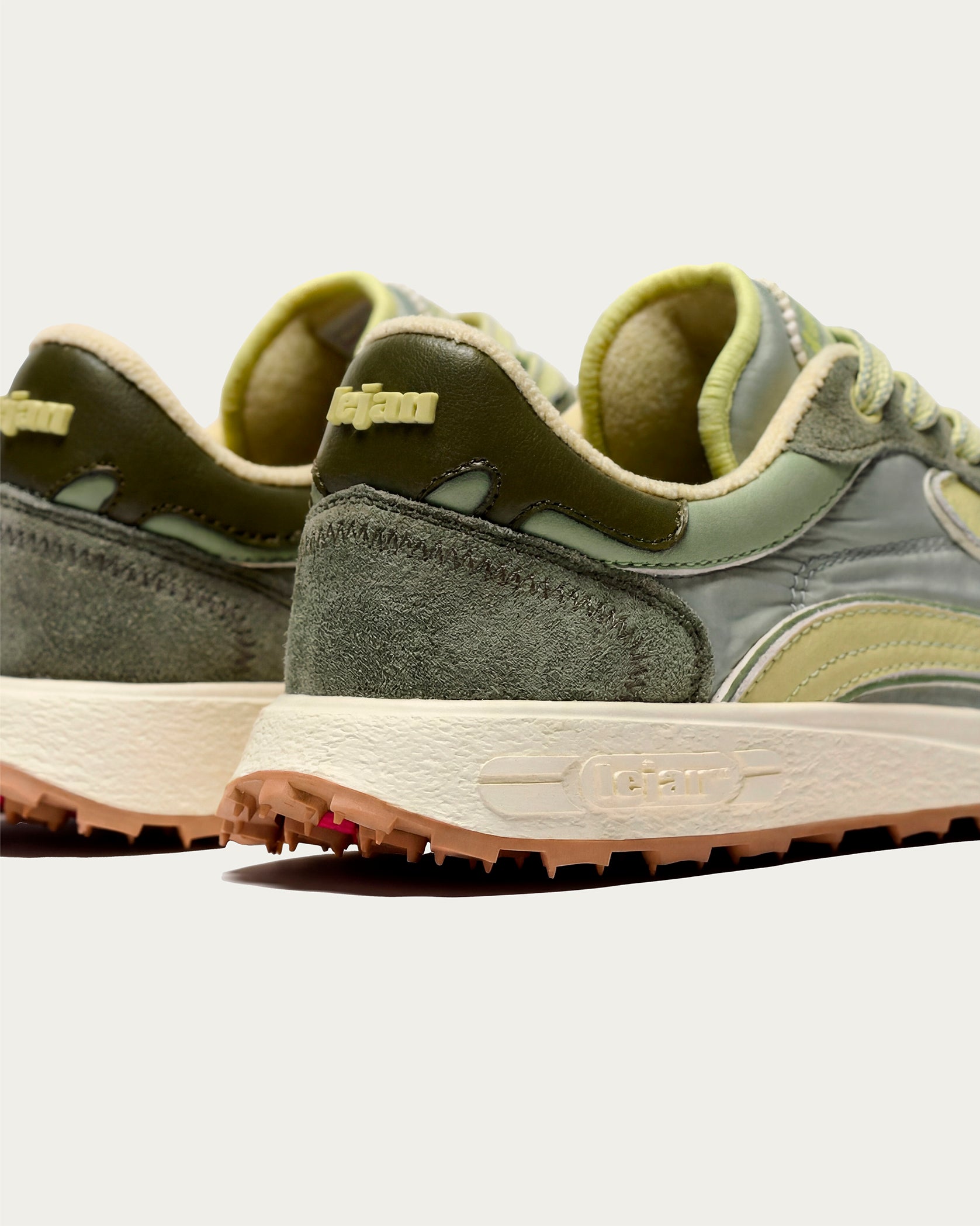
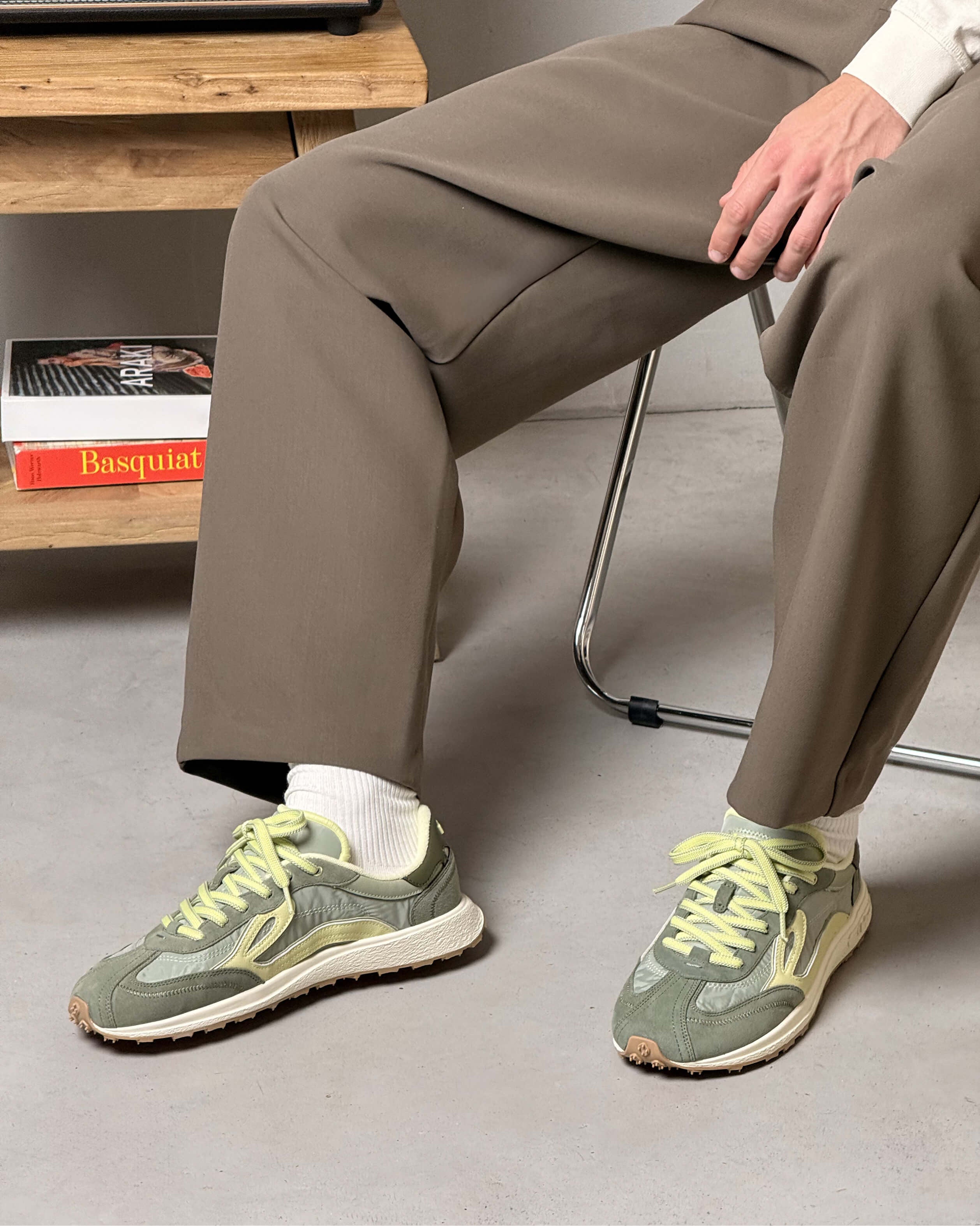
Foot-friendly footwear can help give the foot more space and let it play a fuller part in everyday movement. To prevent cramps related to compression or lack of mobility, check that the shoe has:
- A wide toe box, so the toes are not squeezed.
- An anatomical last, in keeping with the real shape of the foot.
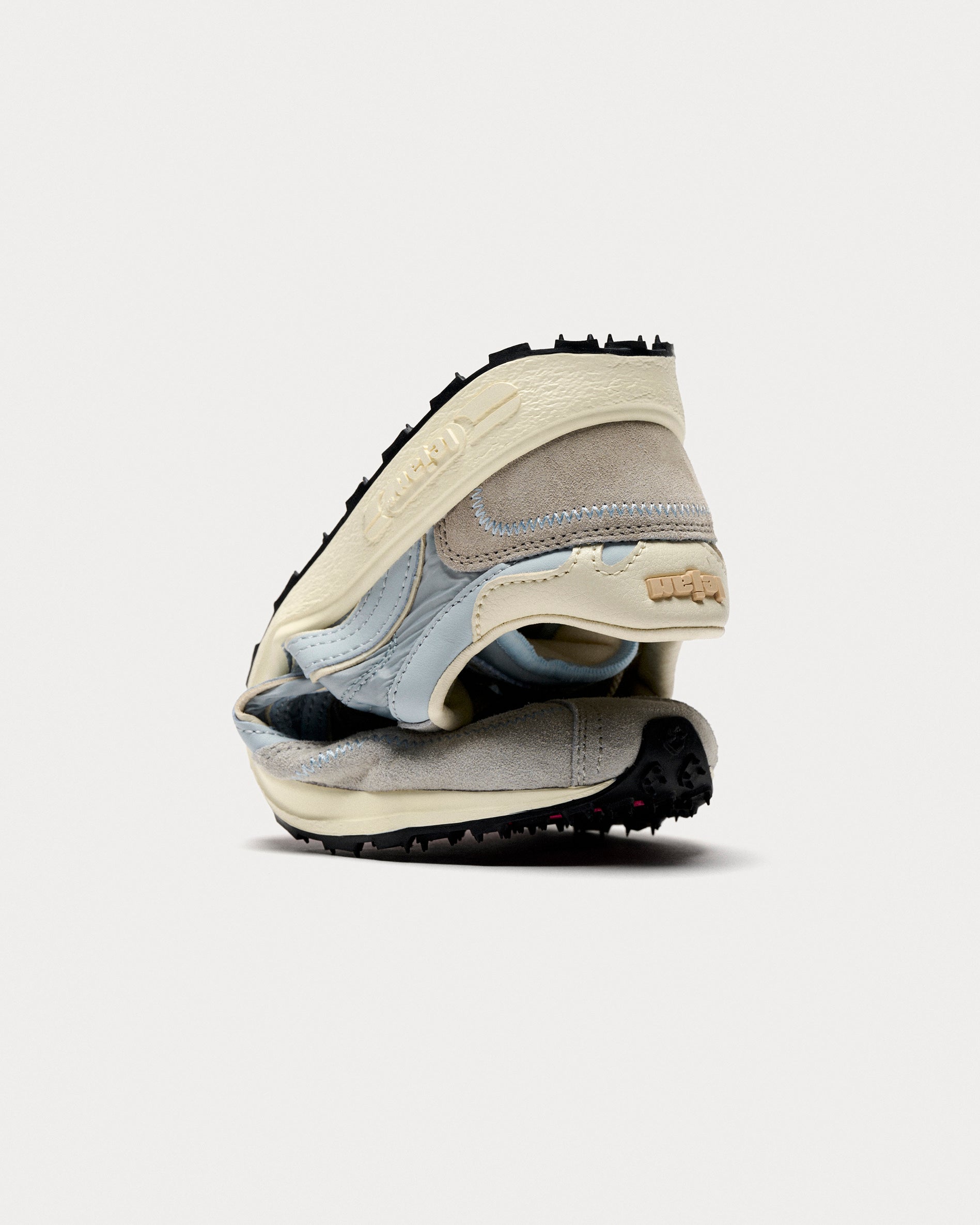
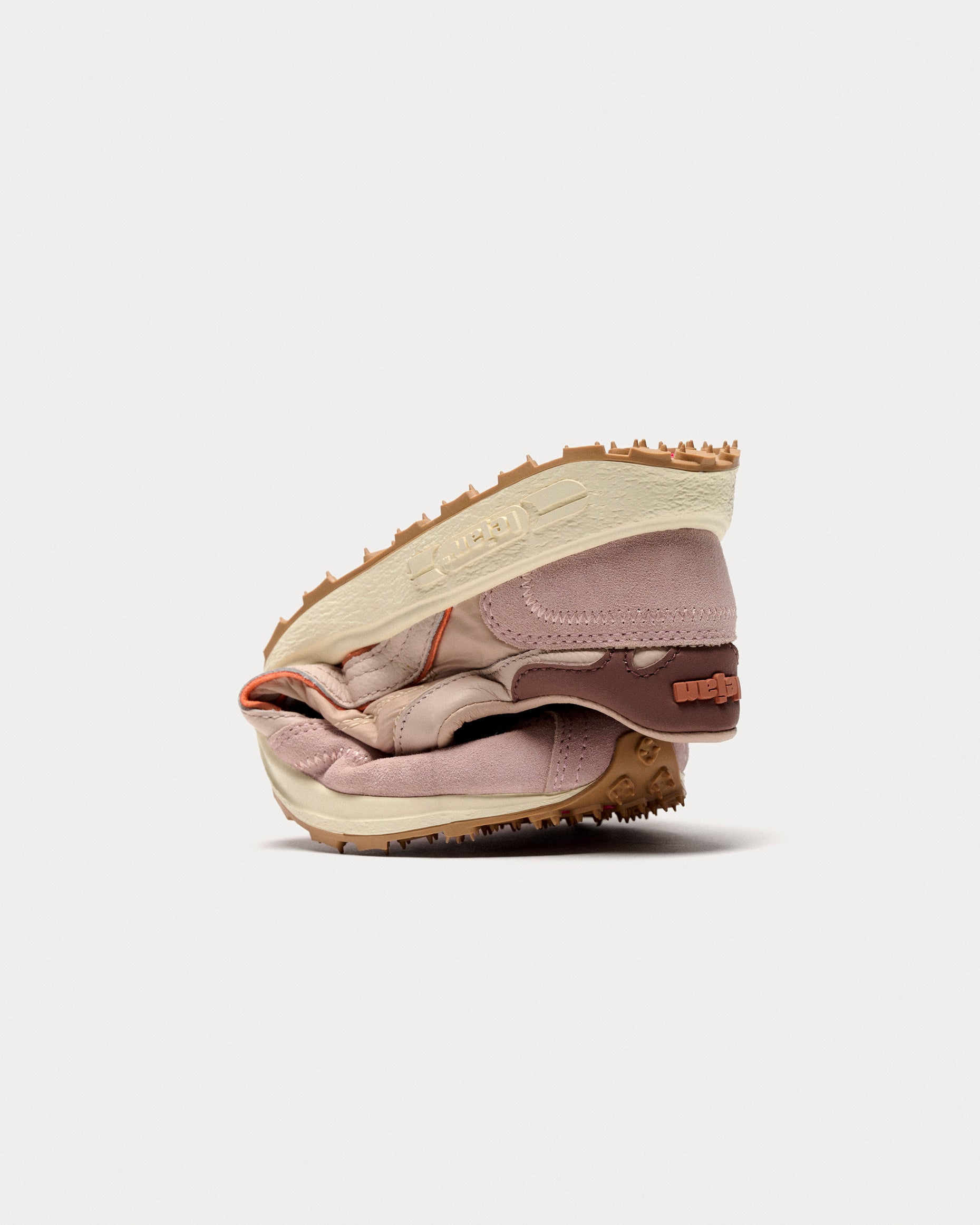
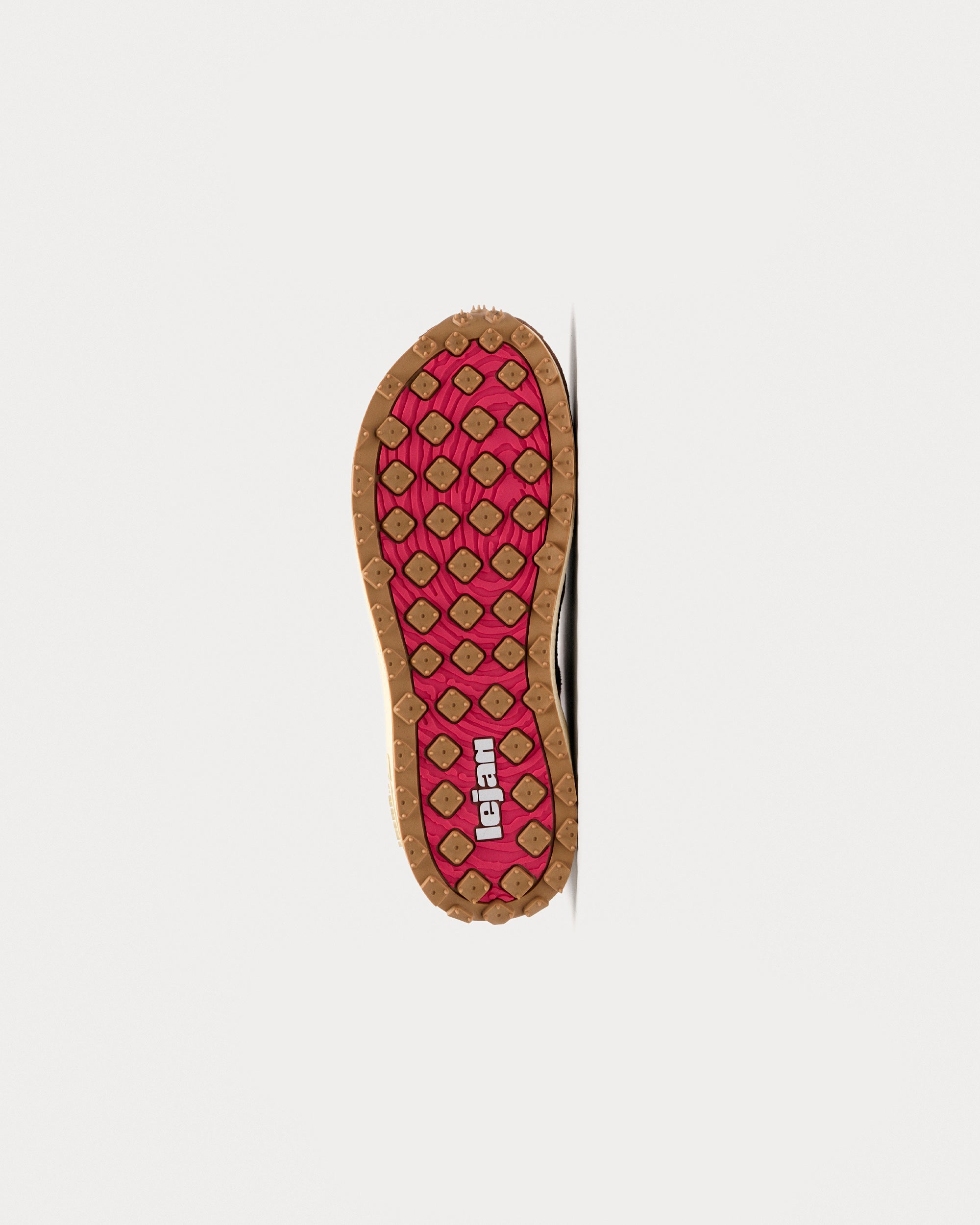
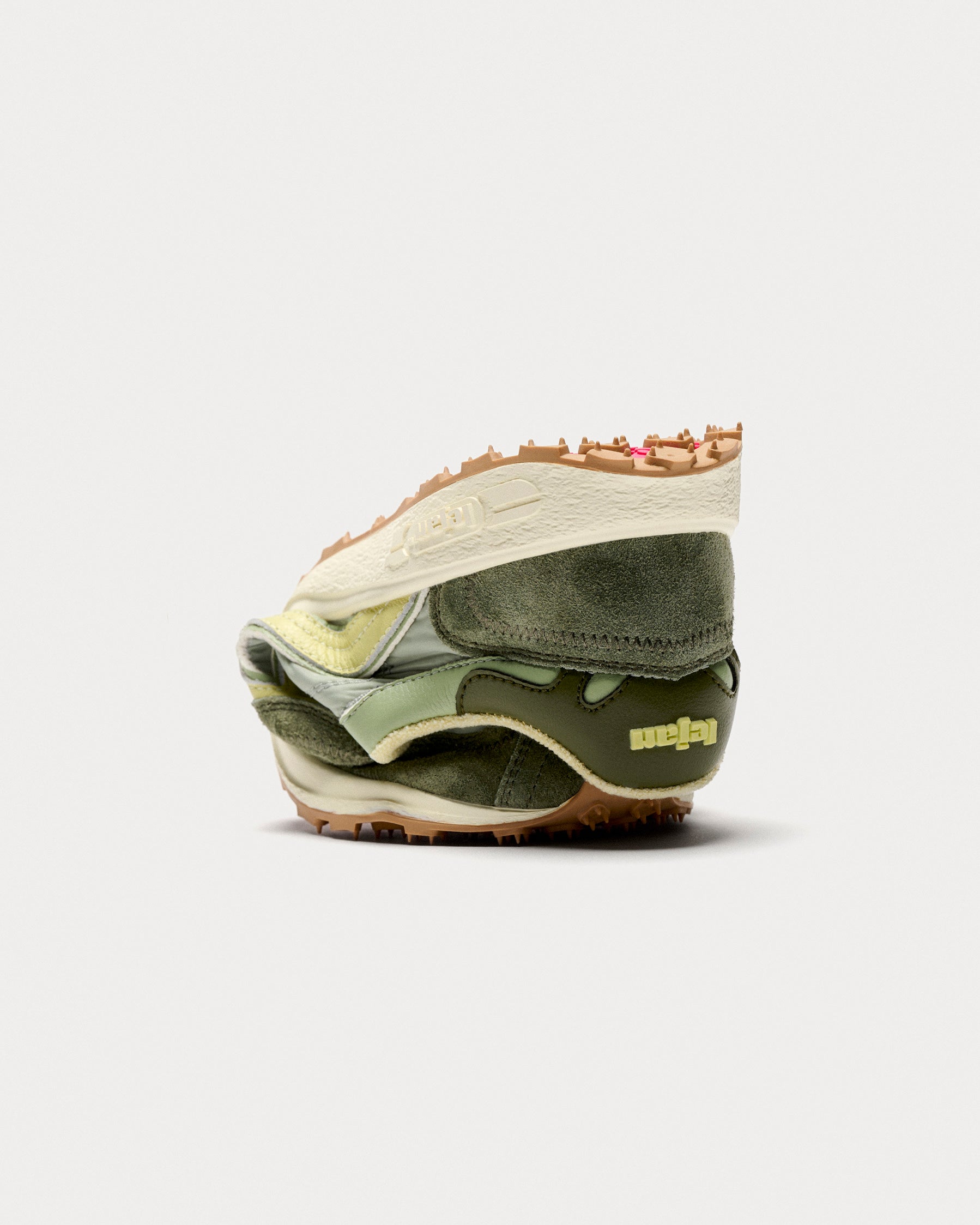
- A flexible sole that follows the movement.
- Light weight, to reduce fatigue.
- Materials that do not compress the forefoot.
- A low drop or zero drop, provided the person tolerates it and makes a gradual transition.
The idea is not to change footwear overnight without any adaptation. If someone has spent years wearing rigid, narrow or heeled shoes, the foot needs time to recover mobility and strength. During that process, alternating footwear and listening to how your feet feel is essential.

When to see a podiatrist
It is worth seeing a podiatrist if foot cramps are frequent, if they always appear in the same area, or if they come with pain, numbness, tingling or changes in the way you walk.
It is also advisable to seek advice if you notice that certain shoes trigger cramps, if you have a feeling of compressed toes, if the arch tenses up easily or if you work many hours on your feet and the problem keeps coming back.
A podiatrist can assess the mobility of the foot, the distribution of loads, the type of footwear, the muscles involved and whether there is any biomechanical factor encouraging the overload.
If a vascular, neurological or metabolic cause is suspected, they can refer you to the appropriate specialist.
Frequently asked questions about foot cramps
Which vitamin am I lacking if I have foot cramps?
It is not always a vitamin deficiency. Cramps can be related to dehydration, muscle fatigue, electrolyte imbalance, poor circulation, nerve compression, unsuitable footwear or overexertion.
People often talk about magnesium, potassium or calcium, but you should not take supplements without assessing the case. If the cramps are frequent, the best approach is to review your habits, diet, hydration, medication and any possible clinical causes.
What do frequent foot cramps warn you about?
Frequent cramps can be a warning that the foot is working under too much tension or fatigue. They can also be related to a lack of hydration, mineral imbalances, circulatory problems, nerve compression or excessive load.
In some cases, footwear can also be part of the problem, especially if it compresses the toes, limits the mobility of the sole of the foot or keeps the heel raised for many hours.
If they keep coming back, do not treat them as normal. It is better to note when they appear, with which shoes, at what time of day and whether they come with other symptoms.
When should I worry about foot cramps?
You should pay closer attention if the cramps are very frequent, if they last longer than 10 minutes, if they constantly wake you at night, or if they appear with swelling, weakness, numbness, skin changes or intense pain.
It is also worth seeking advice if you have diabetes, circulatory problems or a neurological history, or if the cramps appear when you walk and improve when you stop. In those cases, there may be something more than simple muscle overload.
Test your knowledge
Answer the questions to check how much you know about this topic.
1. Which of these can be a common cause of foot cramps?
2. What can footwear have to do with cramps?
3. What is it advisable to do when a cramp appears in the foot?
4. When should you consult a healthcare professional about cramps?

Share