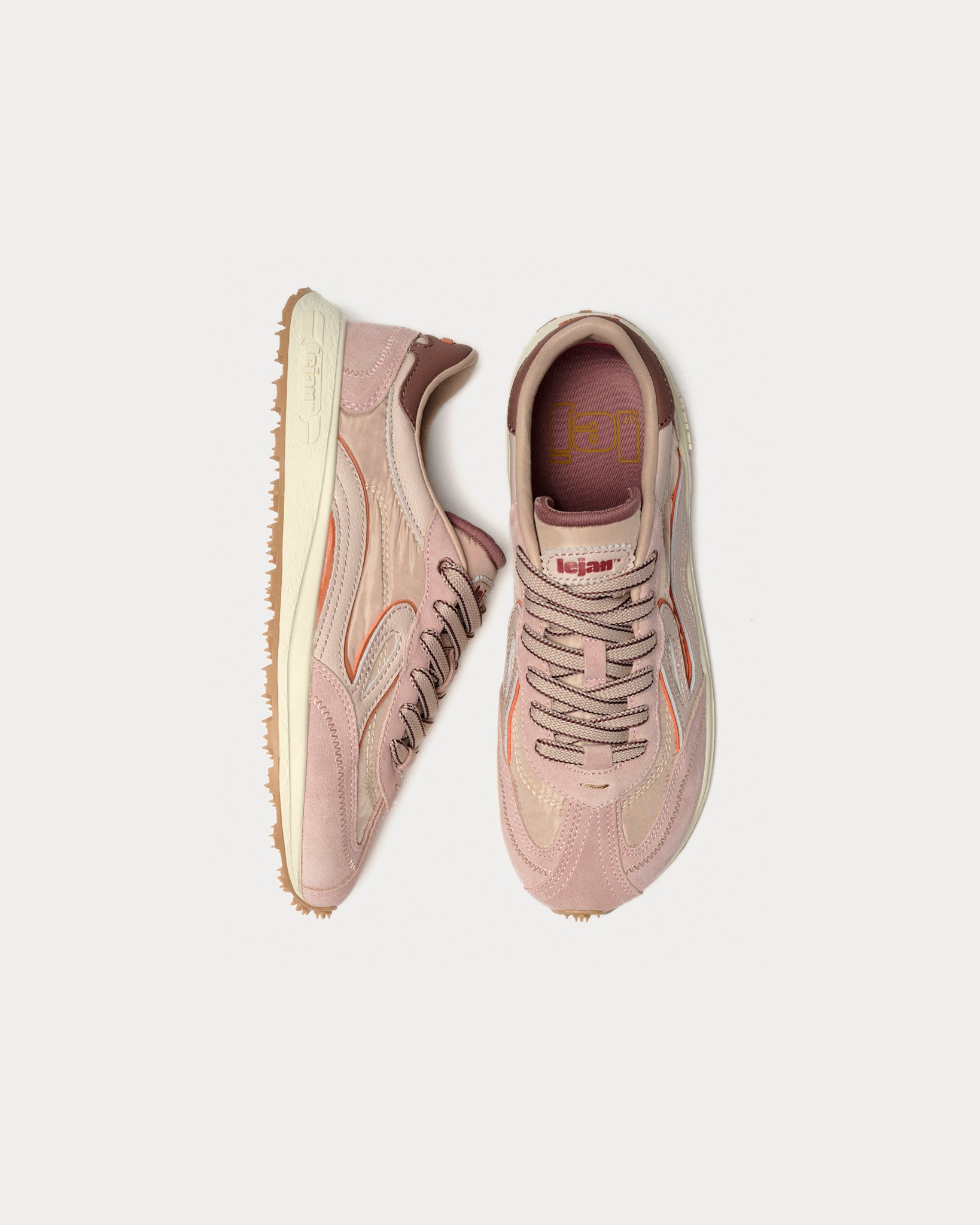
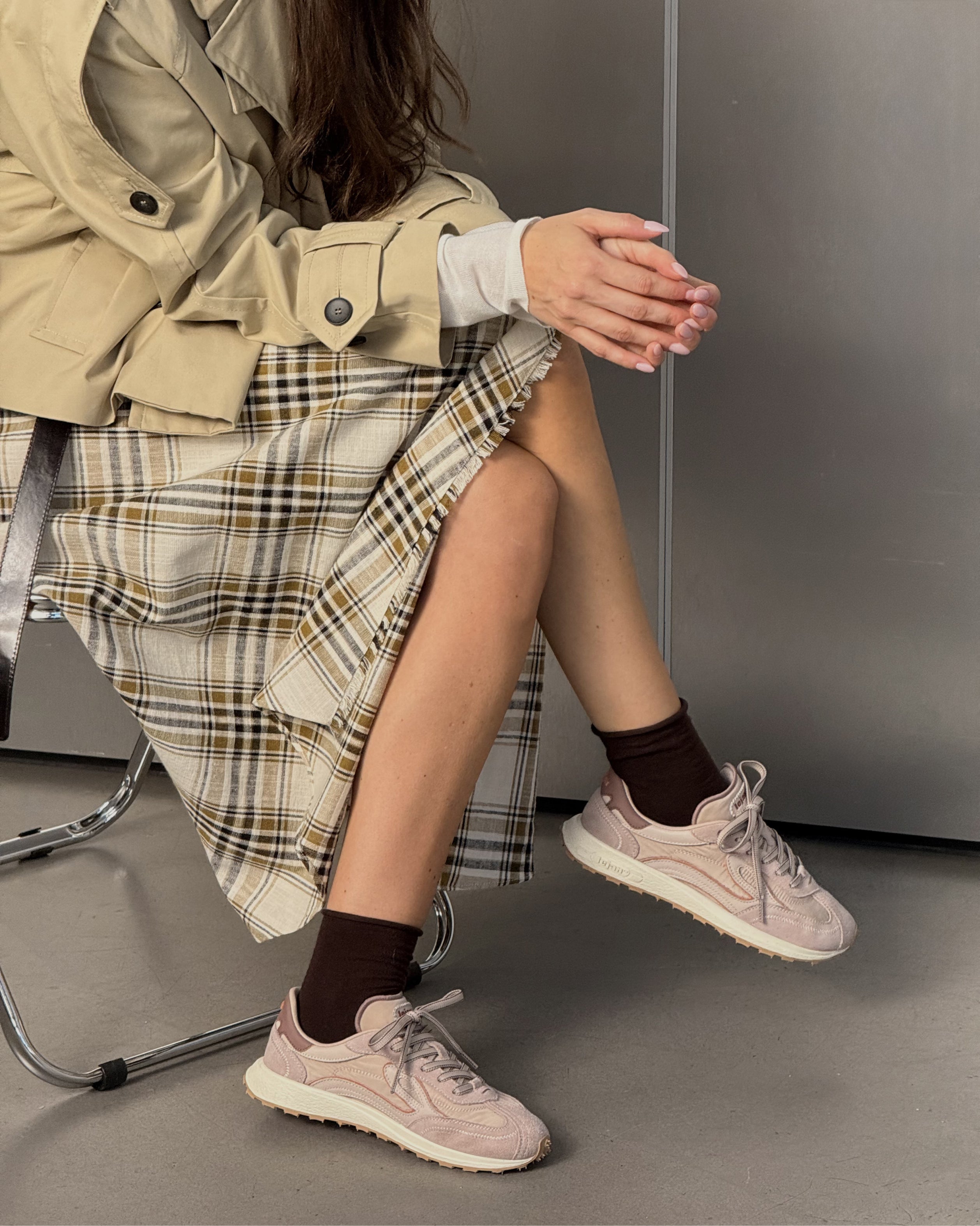
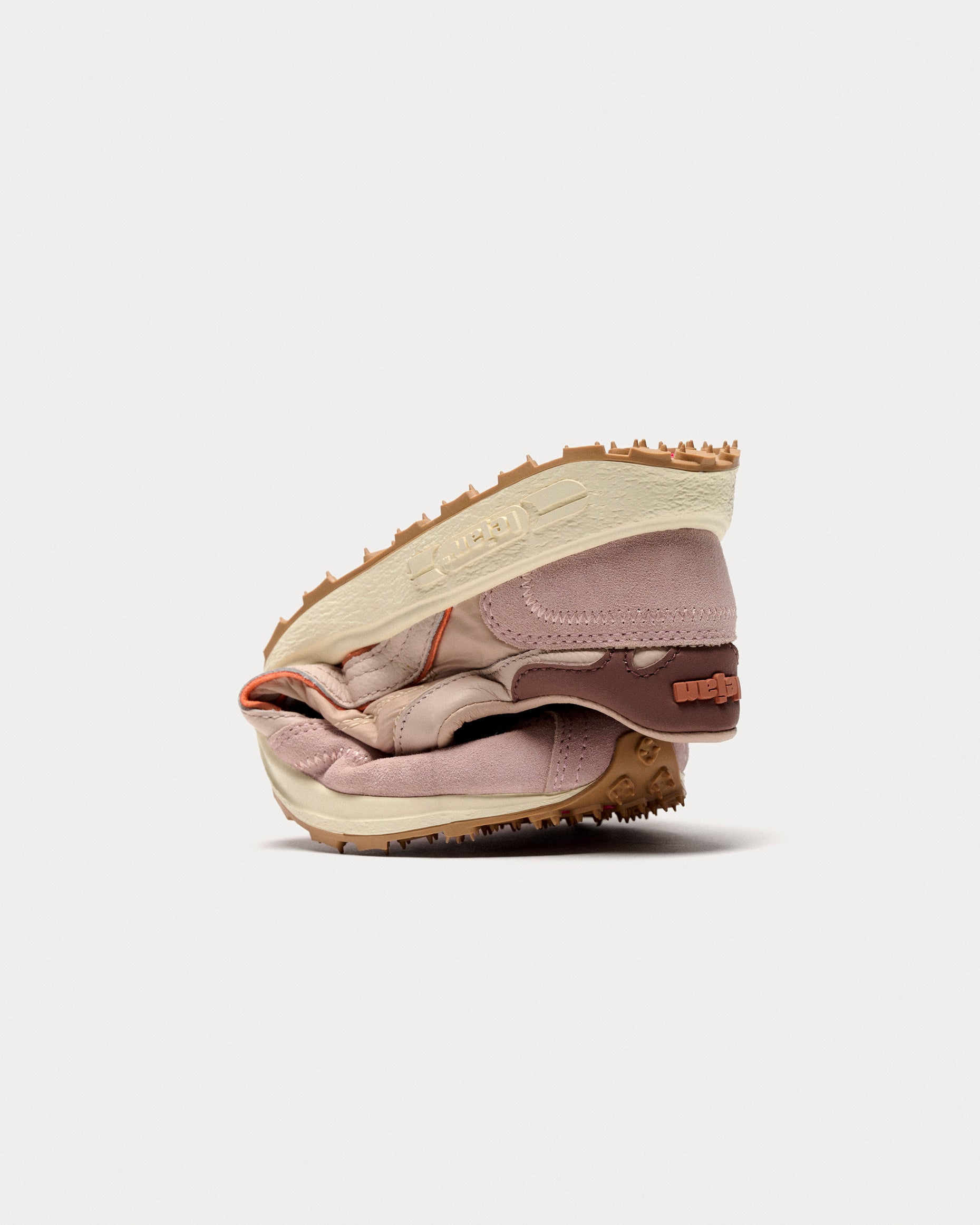
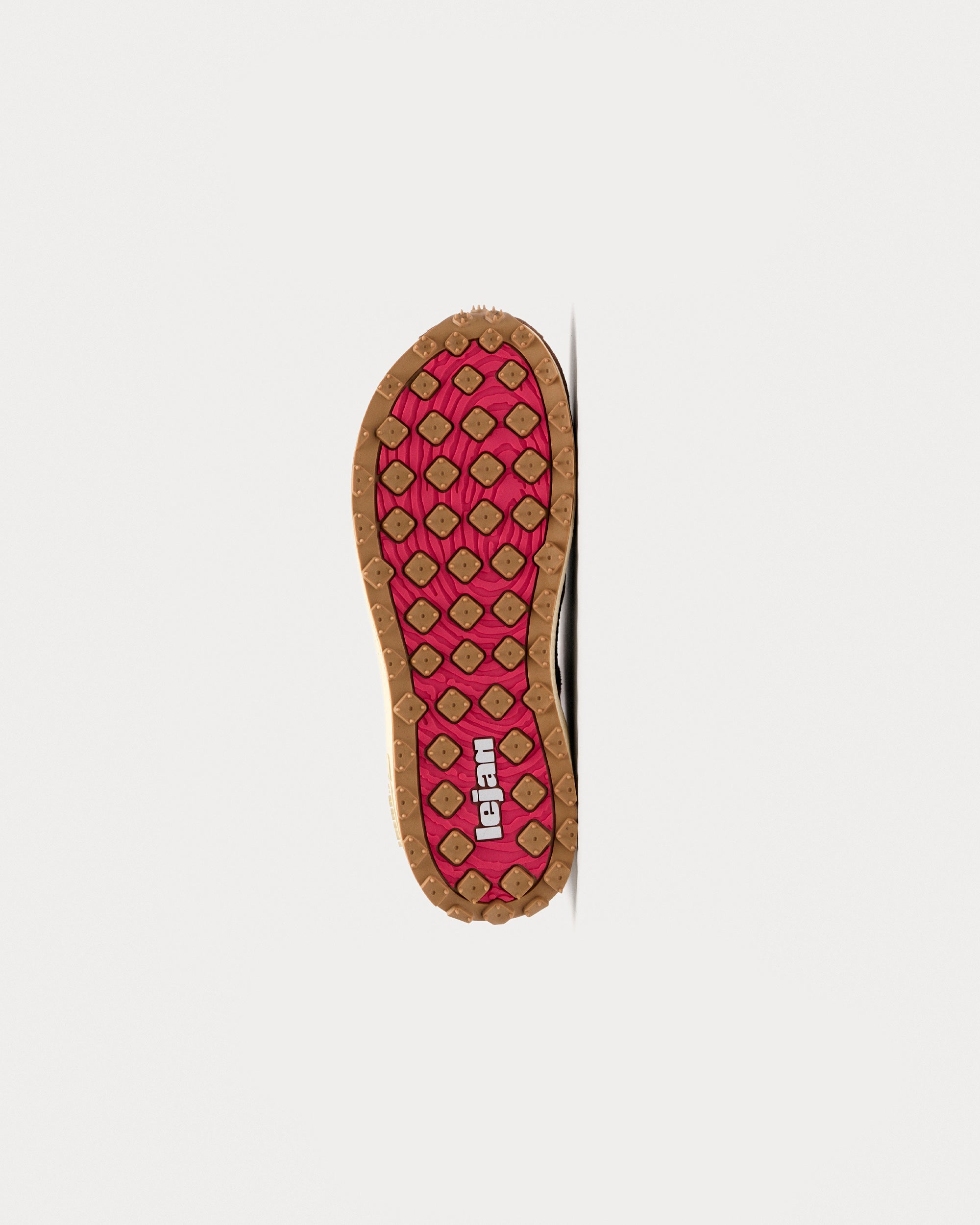
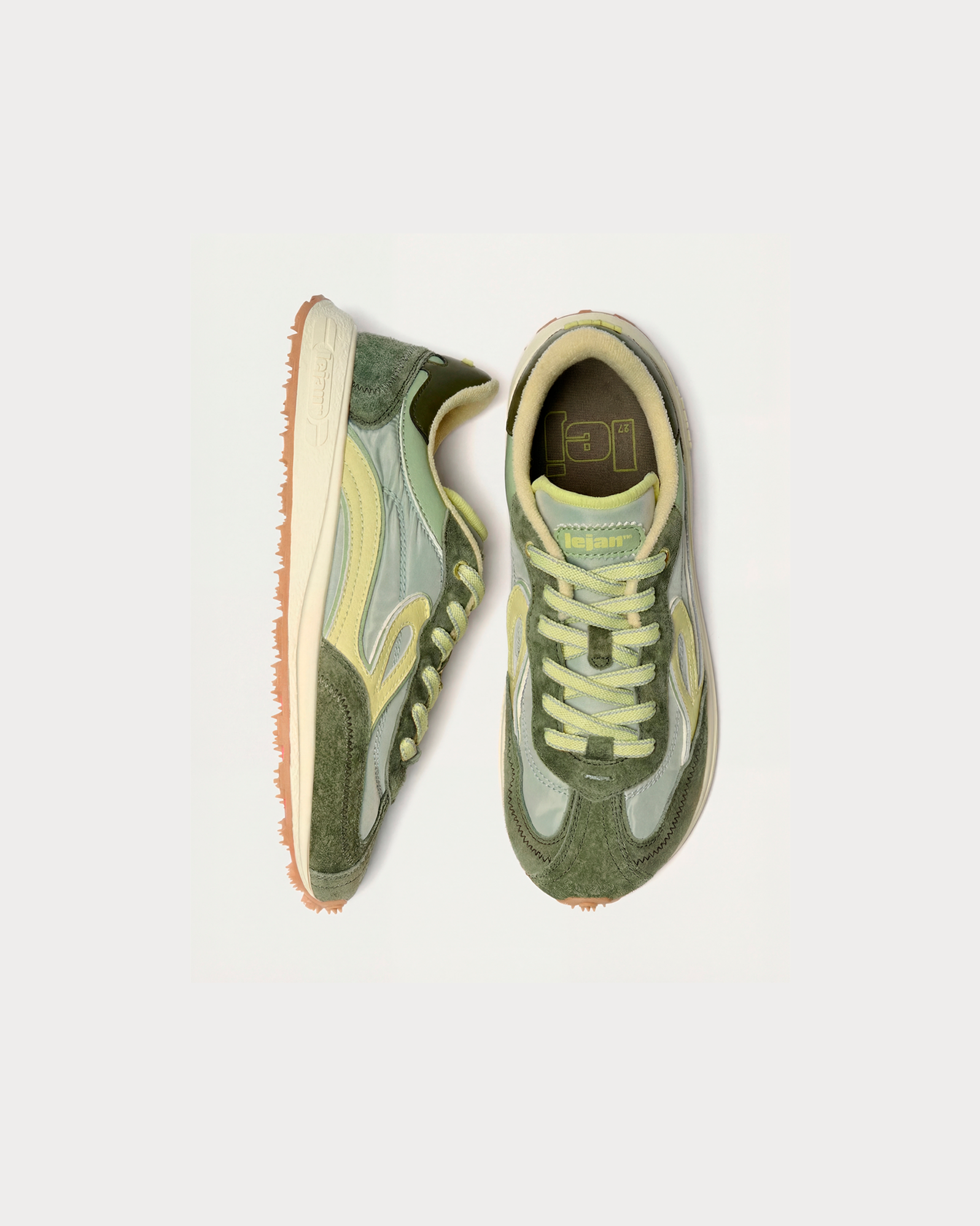
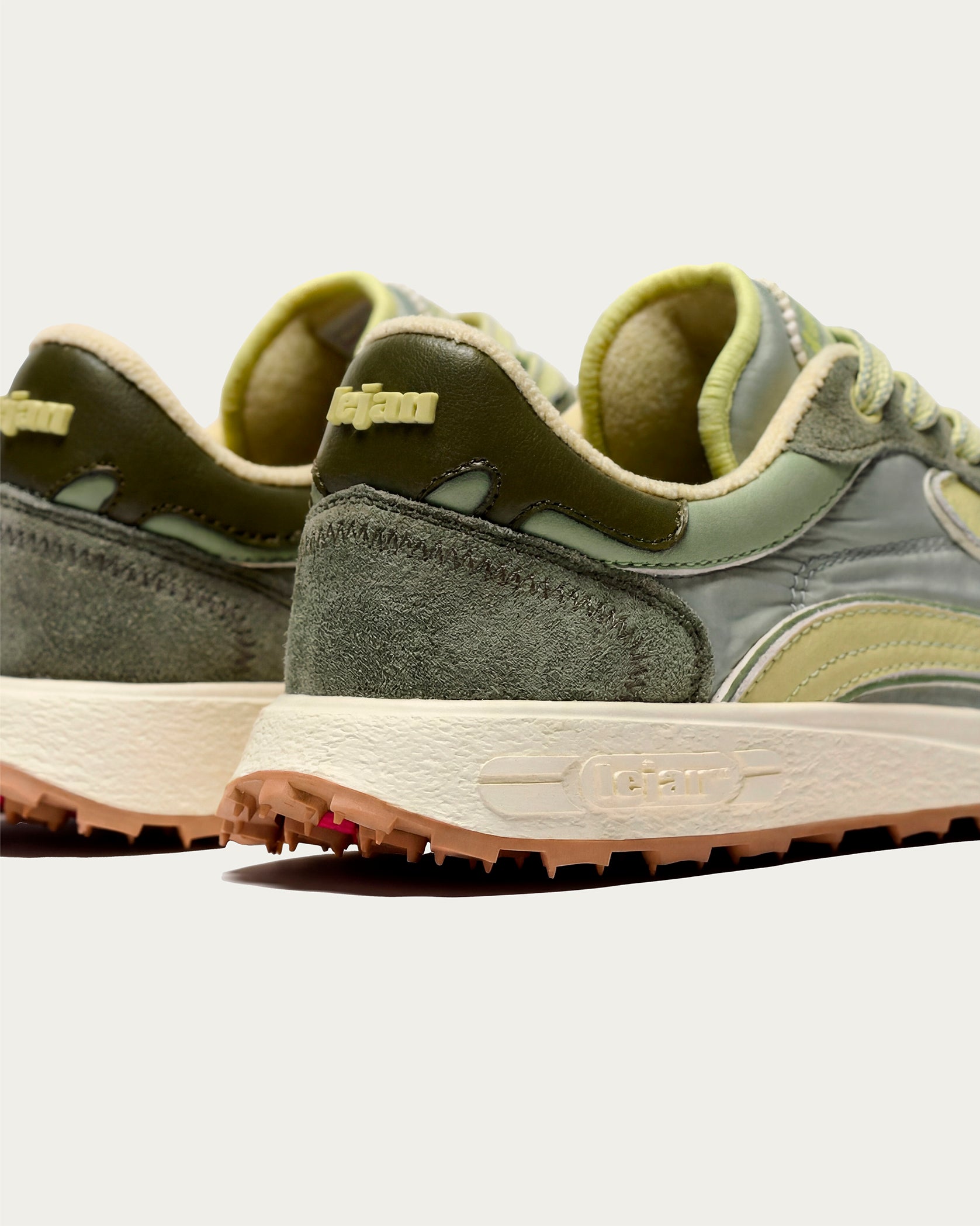
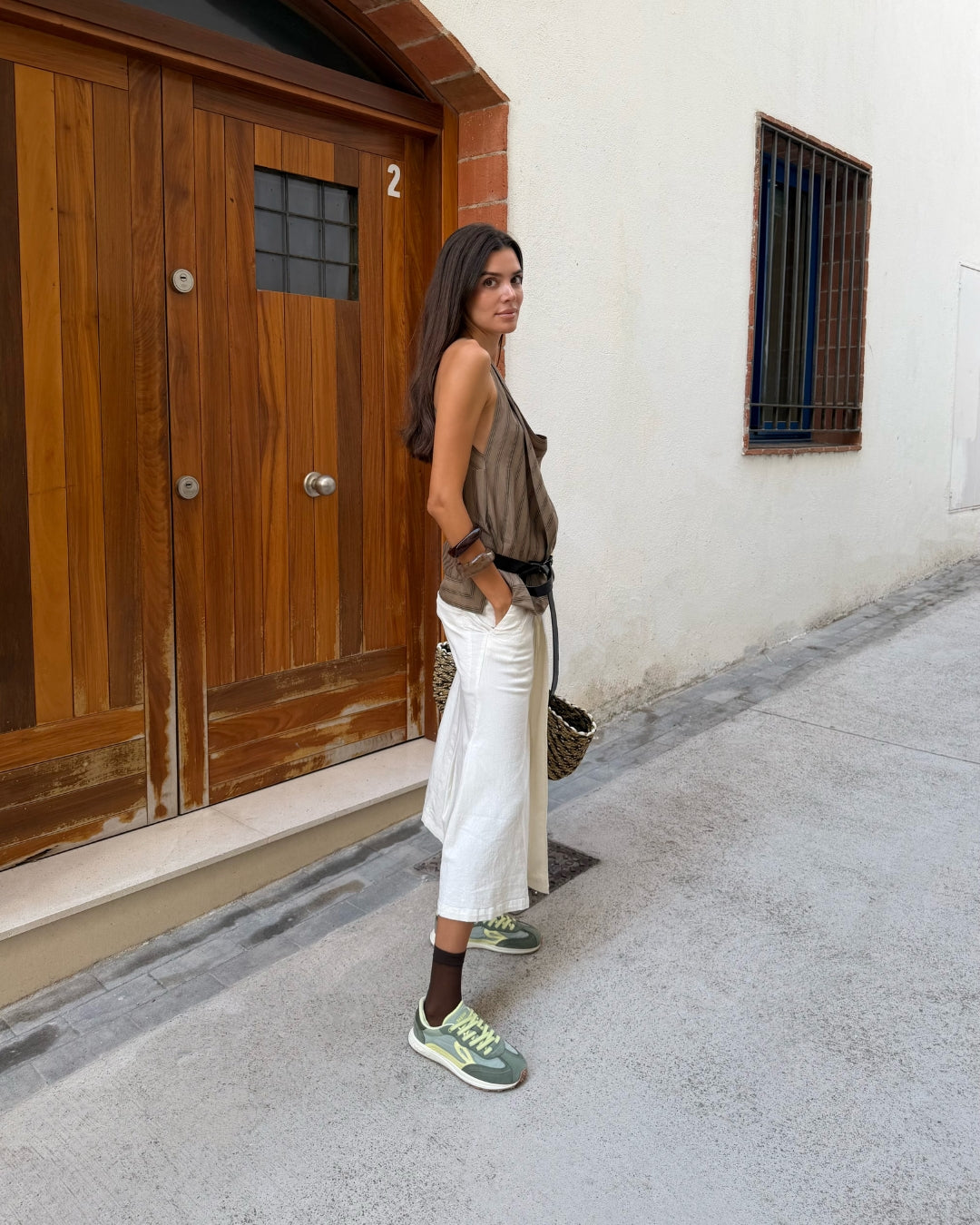
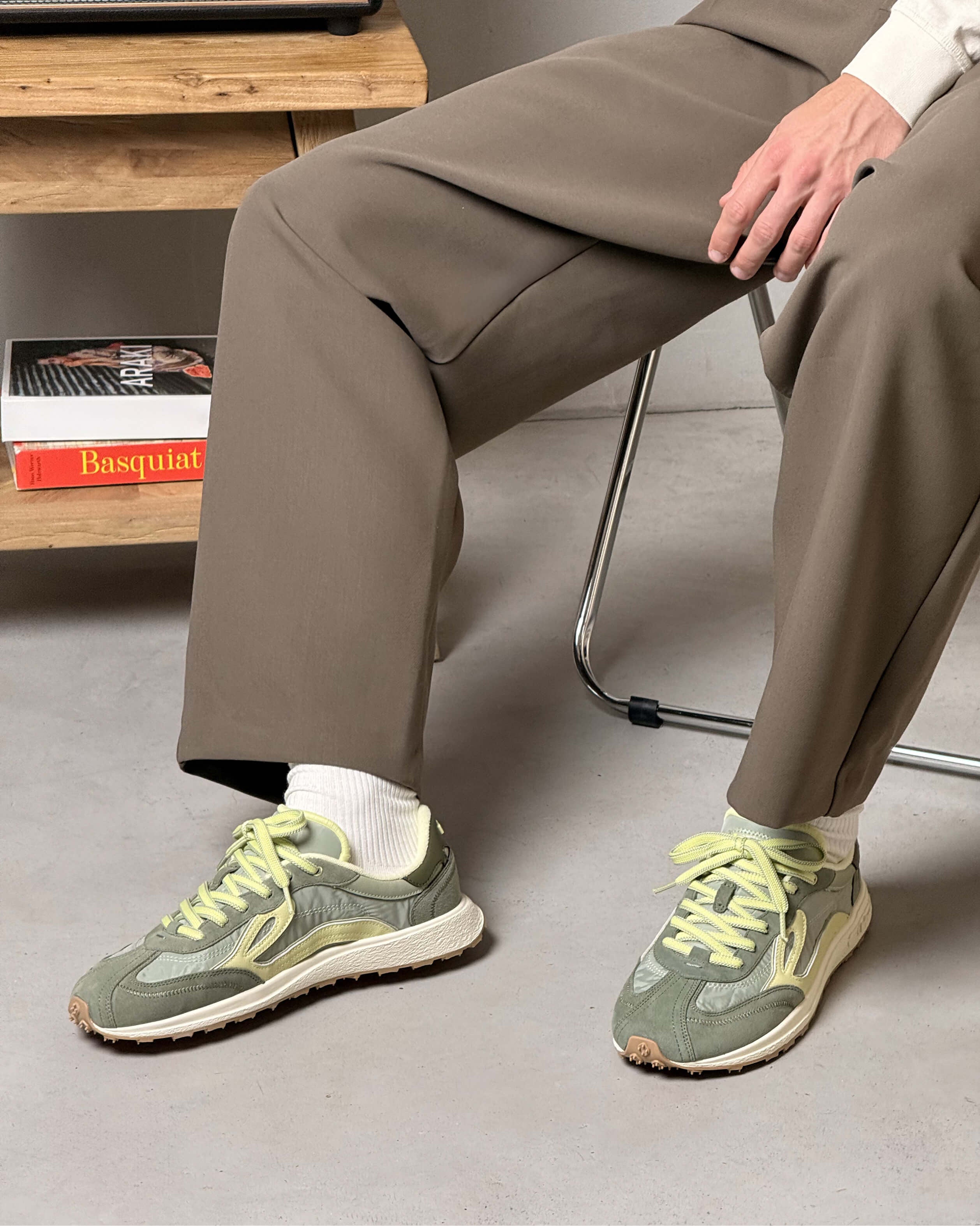
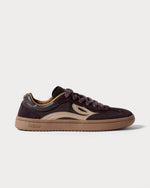
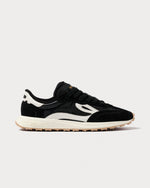
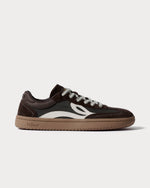
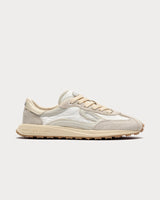
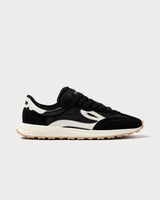
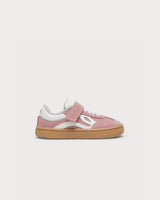
Choosing the right shoes for travelling can make the difference between enjoying a city for hours on end or ending up looking for a bench every two streets. When we travel, our feet work much harder than usual: we walk more kilometres, we spend more time standing, we climb stairs, we carry a backpack, we change terrain and, very often, we wear the same footwear several days in a row.
That is why the best shoes for travelling are not necessarily the most cushioned or the most technical ones. They are the ones that support the foot for many hours without compressing it, without adding unnecessary weight and without limiting its movement more than needed.
Why footwear ruins — or saves — a trip
On a trip, footwear stops being an accessory and becomes a tool. You may have the perfect itinerary, but if your shoes are not up to it, your body notices it fast.
Footwear that is too stiff, too narrow or too heavy can cause discomfort in the toes, a feeling of tired feet, chafing, overload on the sole of the foot or discomfort at the end of the day. It does not always show up as clear pain from the very first moment. Sometimes it starts with a little pressure on the forefoot, some rubbing on the heel or the feeling that you need to take your shoes off as soon as you get back to your accommodation.
When footwear works well, exactly the opposite happens: you walk more comfortably, the foot has room, the body adapts better to the rhythm of the trip and you do not have to keep thinking about your feet.
Travelling means movement. And footwear should make it easier, not turn into a limitation.
What a good travel shoe needs to have
A good travel shoe has to cope with several situations: walking for hours, taking up little space in your suitcase, going with different looks, adapting to different urban surfaces and staying comfortable even after many kilometres.
It is not just about being “soft”. In fact, many shoes feel comfortable when you try them on for a few minutes, but they do not respond in the same way after a whole day of walking.
Weight and cushioning: less is more
When you travel, every gram counts. Not only in your suitcase, but also on your feet.
A heavy shoe forces the foot and the leg to work harder with every step. It may seem like a tiny detail, but after several hours of walking that difference becomes noticeable. That is why lightness is one of the most important features in travel footwear.
Cushioning also has to be chosen wisely. More cushioning does not always mean more comfort. A sole that is too thick or too rigid can isolate the foot too much, reduce its ability to adapt and make movement less fluid.
The ideal is to look for a shoe that is light, flexible and with a sole that protects without blocking. The goal is not for the foot to feel “sunk in”, but for it to be able to move comfortably and respond to the terrain.
Versatility: from day to night without changing shoes
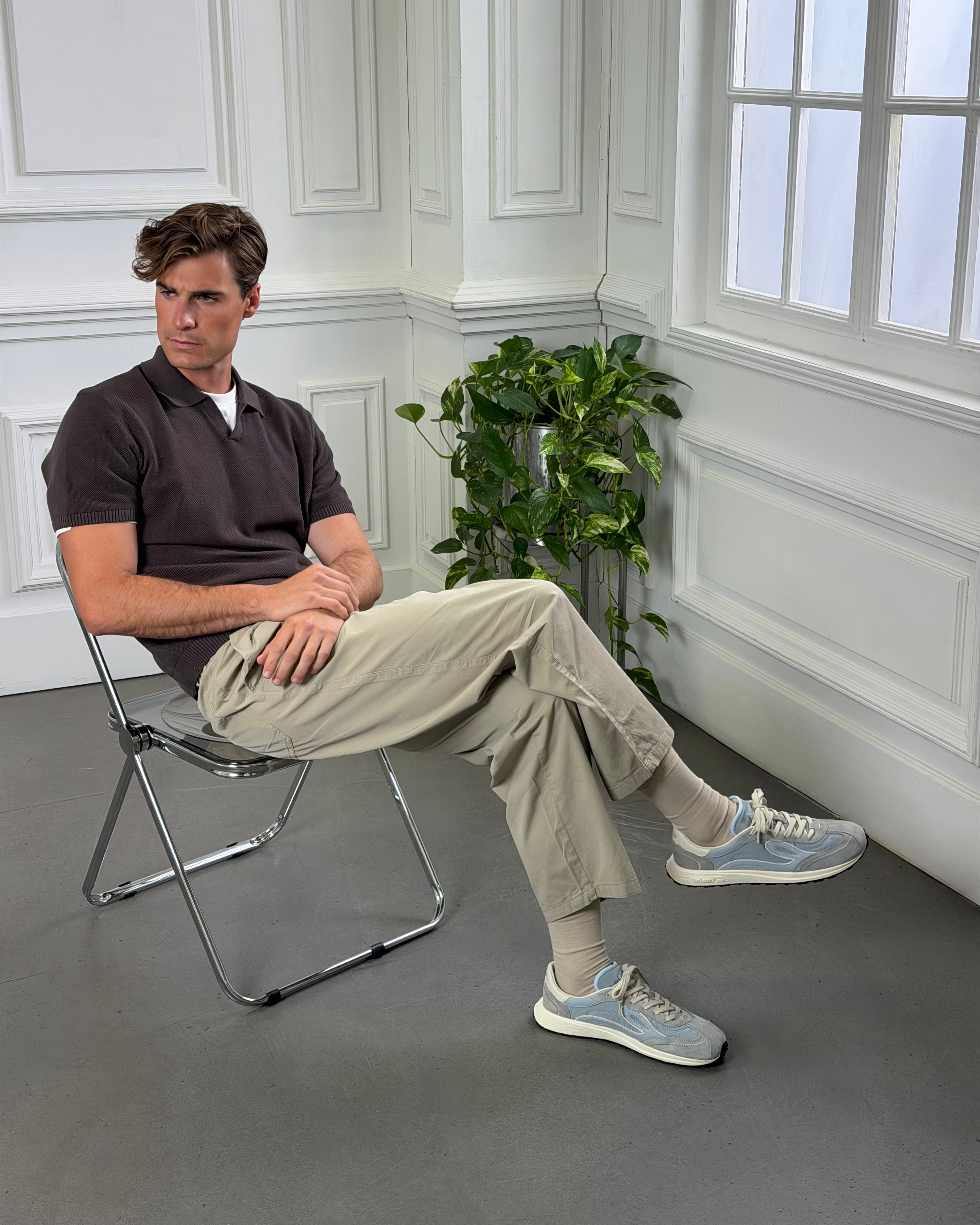
On a trip, a good pair of shoes should work for walking in the morning, visiting a city in the afternoon and going out for dinner without having to go back to your accommodation to change.
This is where versatility comes in. Travel footwear not only has to be comfortable, it also has to fit the kind of trip you are taking. If you only bring very sporty trainers, they may be useful for walking, but they do not always go with more urban or smarter plans. If you bring a shoe that is very good-looking but not very functional, your feet will probably pay the price.
The key is finding a middle ground: a shoe with a refined look, pleasant materials, a good fit for the foot and a design that is easy to combine.
For city trips, this balance is especially important. You can go from walking 15 kilometres along cobbled streets to walking into a restaurant, visiting a museum or getting around on public transport. Your footwear has to be there for all those moments without feeling out of place.
Breathability and quick drying
When you walk for many hours, your feet sweat more. If footwear does not breathe well, moisture builds up inside the shoe and, with it, the feeling of heat, bad odour, chafing or softened skin.
That is why, for travelling, it is worth choosing materials that allow a certain amount of ventilation and that do not hold too much moisture. This is especially important in warm destinations, summer trips or long days of city sightseeing.
Drying matters too. If it rains, if you sweat a lot or if you need to clean your shoes during the trip, footwear that takes too long to dry can become a problem. You do not always need a technical trekking model, but you do need practical, comfortable materials that are easy to look after.
A simple trick is to alternate your footwear if the trip is a long one. That way you give each pair time to air out and you reduce the build-up of moisture.
Anatomical last and wide toe box: why they matter over long distances
After many hours of walking, the foot does not behave the same way as it did at the start of the day. It can swell slightly, the toes need more room and the forefoot appreciates not being compressed.
That is why an anatomical last and a wide toe box are key in shoes for travelling. We are not talking about wearing an enormous shoe, but about the shape of the footwear respecting the real shape of the foot, especially around the toes.
A narrow toe box may seem bearable for a while, but over long distances it can cause pressure, chafing, sore toenails or a feeling of fatigue in the forefoot. When the toes have room to sit better, the step usually feels more comfortable and less restricted.
On trips where you walk 10, 15 or even 20 kilometres a day, this difference becomes very obvious. Very often it is not that the foot “gets tired just because”, but that it is working inside a space that does not let it move freely.

How to choose 3 pairs that cover every situation
For a long trip, you do not always need lots of shoes. In fact, taking too many pairs usually takes up space and complicates your suitcase. The most practical thing is to choose three options that cover different situations.
The first pair should be your main shoe: comfortable, light, flexible and suitable for walking for many hours. It is the footwear you will use the most, so it must be tried and tested before the trip. It is never a good idea to wear brand-new shoes on your first day of sightseeing.
The second pair can be a smarter or more urban option, but just as comfortable. This is where models fit that you can wear for dinner, for a stroll or for getting around the city without giving up room for your toes or a pleasant sole.
The third pair will depend on your destination. If you are going to the beach, a comfortable pair of sandals may be enough. If you are heading to the mountains or to uneven terrain, you may need more technical footwear, with more grip and protection. If the trip is mainly urban, a light alternative to rest your feet and rotate your shoes may be all you need.
The idea is not to take three pairs for the sake of it, but to avoid depending on a single pair of shoes for the whole trip. Alternating helps to reduce moisture, pressure points and accumulated fatigue.

Barefoot for travelling: what changes compared with conventional footwear
Barefoot footwear offers a different way of understanding comfort. Instead of focusing everything on rigid structures, very thick soles or narrow shapes, it aims to give the foot more room so that it can play a bigger part in movement.
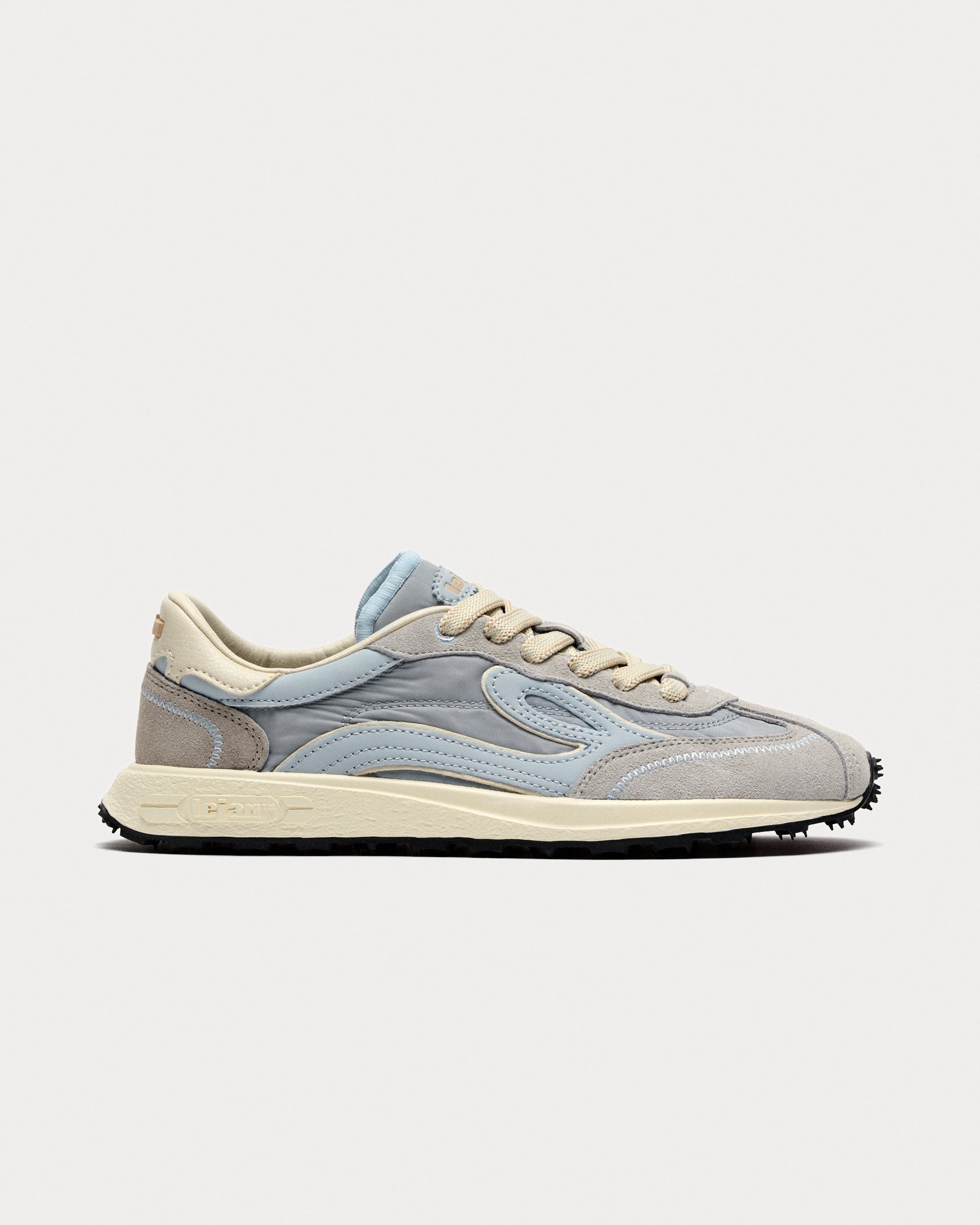
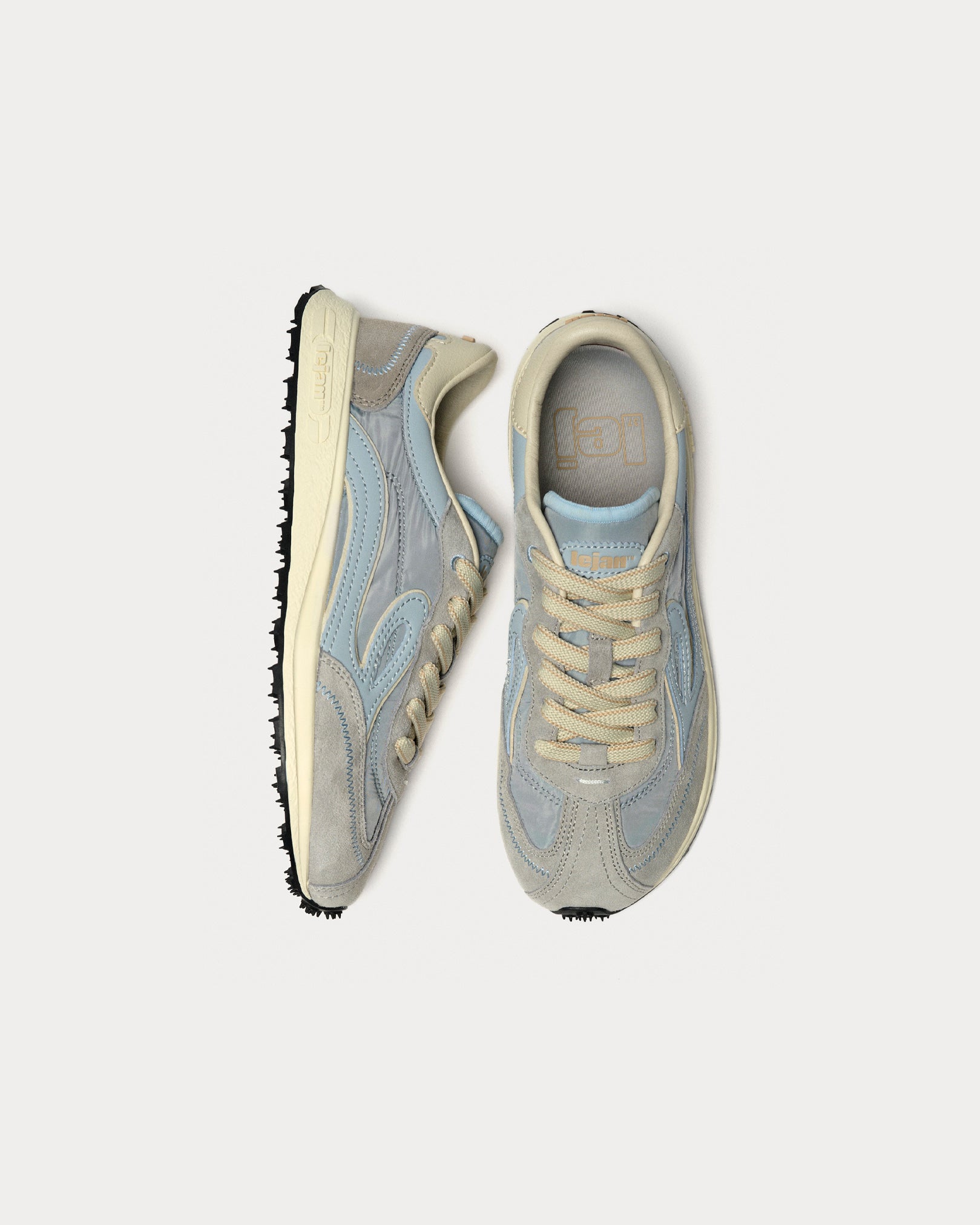
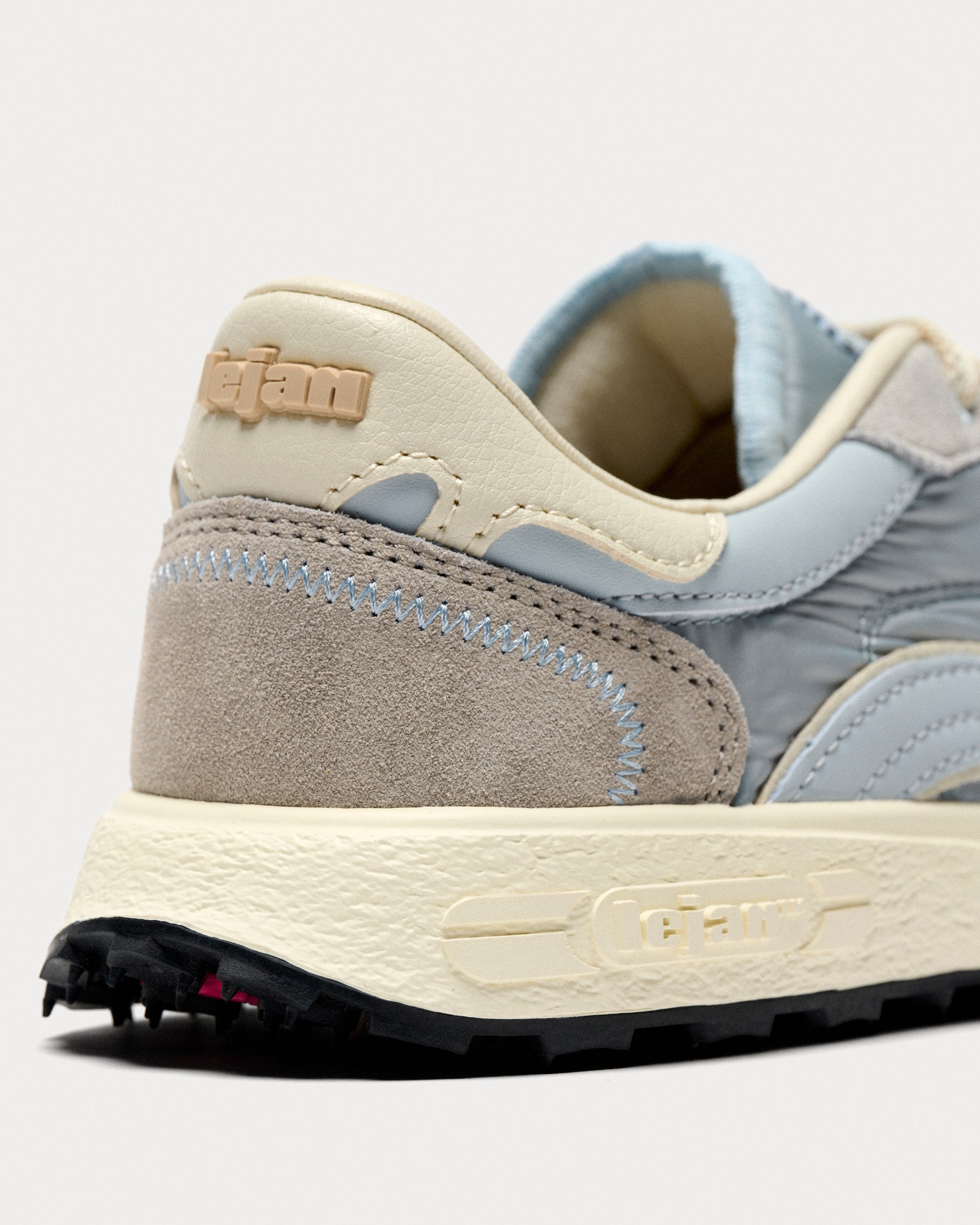
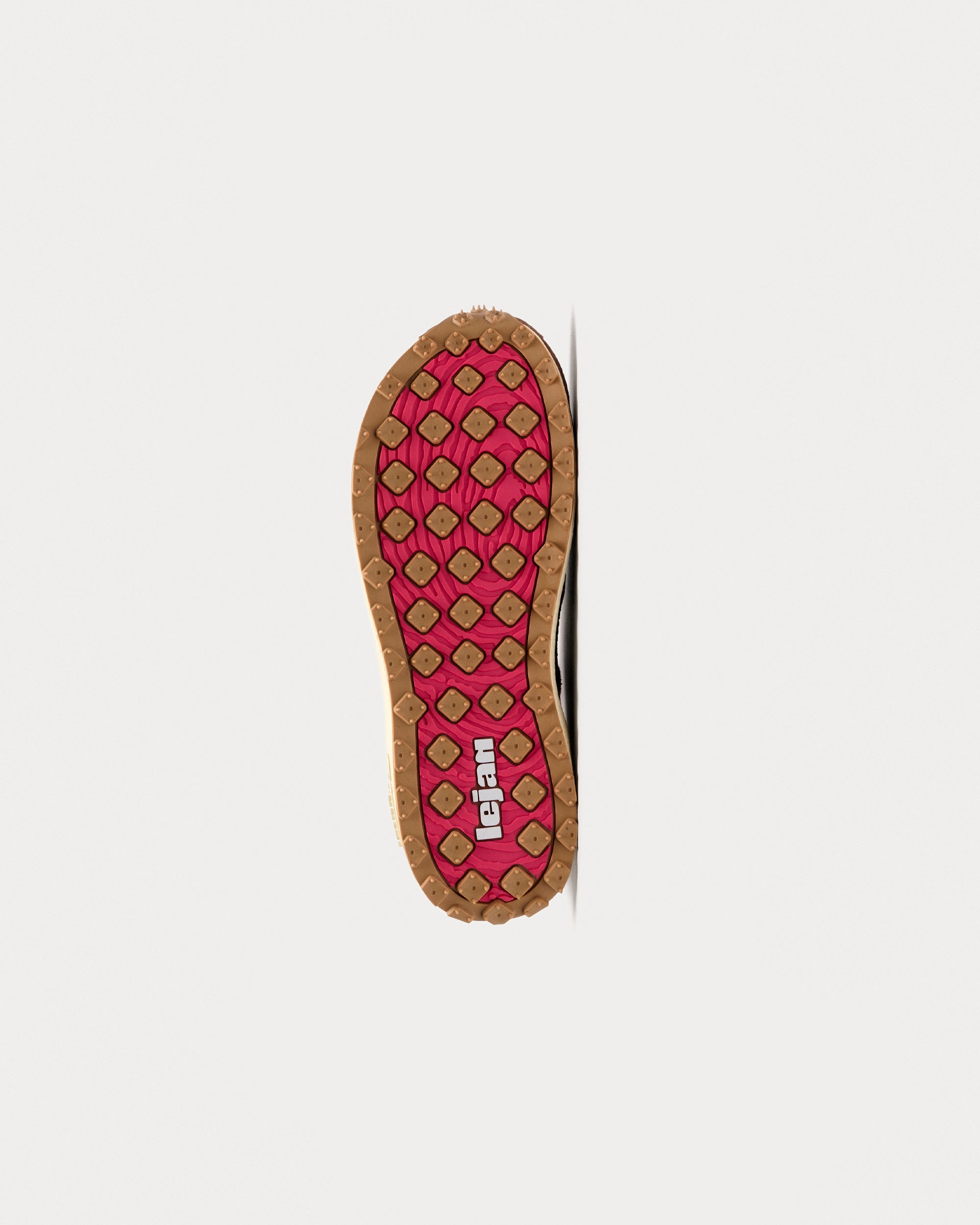
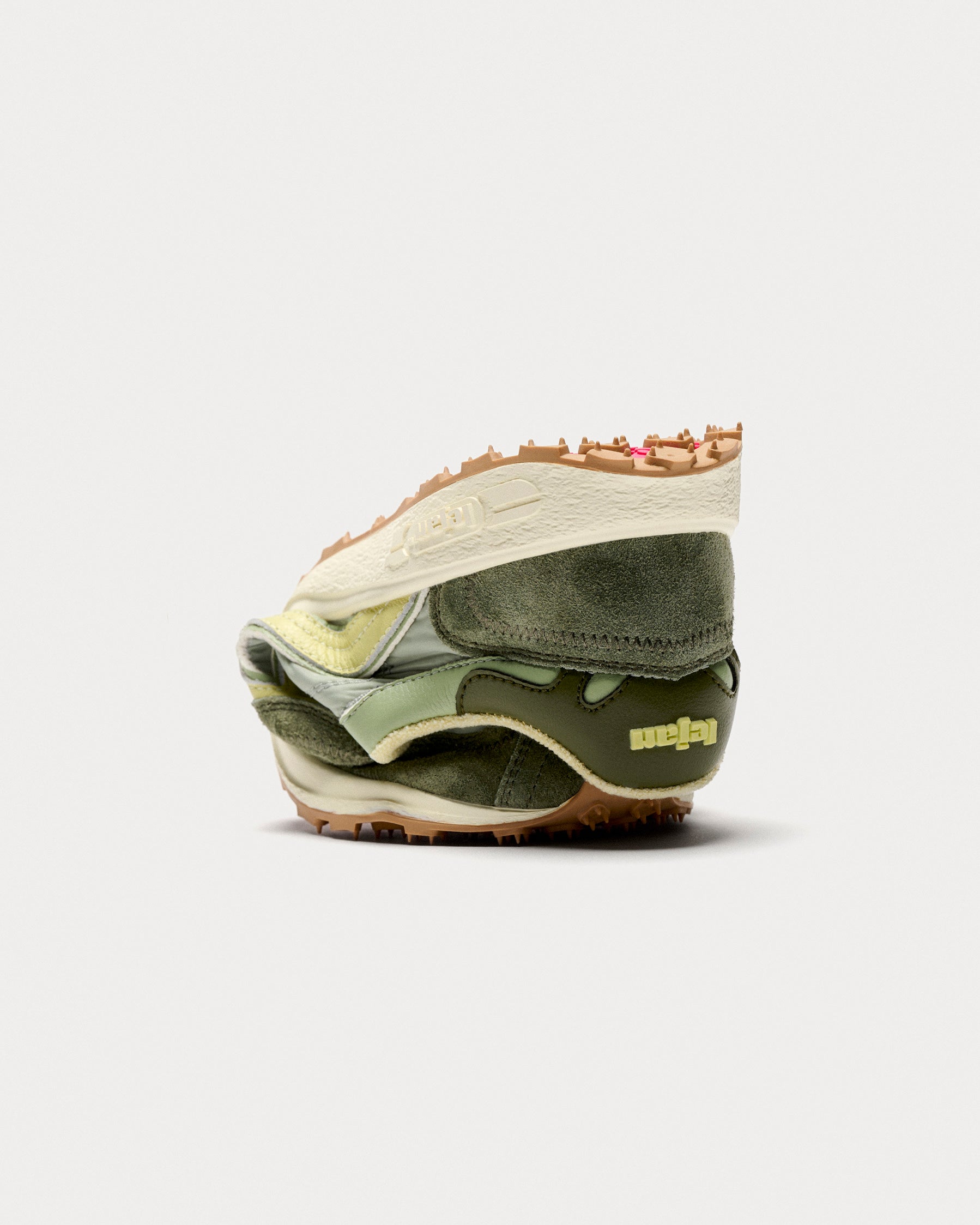
A barefoot shoe usually has zero drop, a flexible sole, a wide toe box and a last that is more respectful of the shape of the foot. This can be very interesting for travelling, especially on city routes where you walk a lot and need footwear that is comfortable, light and easy to wear for hours.
The main difference compared with conventional footwear lies in how the experience of walking is shared out. In a very rigid shoe, the foot is guided more by the structure of the footwear. In a barefoot shoe, the foot has more scope to move, adapt and work.
That said: not everyone should switch straight to barefoot on a long trip without adapting first. The change has to be made gradually.
Benefits for those who walk 10-20 km a day
On trips where you walk many kilometres, a well-chosen barefoot shoe can bring several benefits.
The first is lightness. With less unnecessary structure, it is usually easier to wear for many hours and it also takes up less room in your suitcase.
The second is room. The wide toe box means your toes are not compressed all day long, which is especially important when the foot gets tired or swells slightly.
The third is flexibility. A sole that follows your movement can make your step feel less blocked and more fluid, especially in the city.
The fourth is versatility. Some barefoot models have an urban look that lets you wear them during the day and also for more casual plans at night, without looking like a purely sporty trainer.
For those who are already adapted to this kind of footwear, it can be a very comfortable option for trips with many hours of walking.

The adaptation period before the trip: what nobody tells you
The most common mistake is buying barefoot shoes right before travelling and wearing them for the first time during the trip. Even if they are comfortable, the foot and its muscles need time to adapt to a more flexible sole, to a different drop and to a way of walking that is less conditioned by footwear.
If you are coming from conventional trainers with plenty of cushioning, a rigid sole or a raised heel, it is best to start little by little. First with short walks, then with longer days and after that with routes similar to the ones you will be doing on your trip.
Adaptation is not a race. Some people feel comfortable quickly and others need more time. The important thing is to listen to your body and not use the trip as your first test.
If you have been wearing barefoot footwear for a while, you can travel with this kind of shoe without any problem, as long as the model suits the destination and how demanding the trip is. If you are just starting out, the best thing is to alternate it with another pair you are already used to.
The most common mistakes when choosing travel footwear and how to avoid them
One of the most frequent mistakes is wearing brand-new shoes on the trip. Even if they feel comfortable in the shop or at home, you do not know how they will respond after many hours of walking. Ideally, you should try them out beforehand on several real walks.
Another mistake is choosing on looks alone. A nice-looking shoe may work for an afternoon, but not always for walking kilometres every day. Style matters, but it should not come before room, flexibility and comfort.
It is also common to choose shoes that are too narrow. If your toes are compressed from the outset, discomfort is likely to appear by the end of the day. For travelling, a wide toe box is not a minor detail: it is a question of lasting comfort.
Another common error is thinking that more cushioning will always be better. A very thick sole can feel pleasant at first, but it can also make the foot work less actively or make your step feel heavier. You have to look for balance: protection, yes; unnecessary excess, no.
Finally, many people take a single pair for the whole trip. This can work on short getaways, but on long trips it is better to alternate. That way you reduce moisture, you let your footwear rest and you avoid always hitting the same pressure points.
Frequently asked questions about shoes for travelling
How many pairs of shoes should you take on a long trip?
For a long trip, the most practical thing is usually to take between two and three pairs. One main pair for walking for many hours, another more urban or versatile pair for afternoon or evening plans, and a third one depending on your destination: sandals, technical footwear or a light alternative to rest your feet.
The key is not taking a lot of them, but choosing well. Each pair should have a clear purpose and be tried and tested before the trip.
Which shoes are the most comfortable for walking all day?
The most comfortable shoes for walking all day are usually light, flexible and breathable, with enough room around the toes. They should also fit the foot well without squeezing the instep, the heel or the forefoot.
There is no single perfect shoe for everyone. It depends on your type of foot, your adaptation, the destination, the terrain and the kilometres you are going to walk. But, in general, an anatomical last, a roomy toe box and a sole that follows your movement tend to help a lot on long days.
Can you wear barefoot shoes for city sightseeing?
Yes, you can wear barefoot shoes for city sightseeing, as long as you are adapted to this kind of footwear and the model is suitable for walking for many hours.
For the city, they can be a very comfortable option thanks to their lightness, flexibility and room for the toes. That said, if you have never worn barefoot footwear, it is not a good idea to wear it for the first time on a trip lasting several days. Start beforehand, try short distances and build up little by little.
The best travel footwear is the one that lets you walk, move and enjoy yourself without your feet becoming the centre of the problem. And, very often, that starts with something as simple as giving them room, lightness and freedom of movement.
Test your knowledge
Answer the questions to check how much you know about this topic.
1. Which feature is especially important in shoes for travelling?
2. Why is it important for the toe box to have enough room?
3. If you are going to wear barefoot footwear on a trip with many hours of walking, what is the most advisable thing to do?
4. How many pairs of shoes do you need to take on a trip?

Share