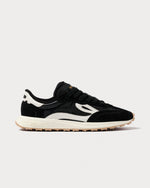
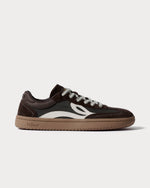
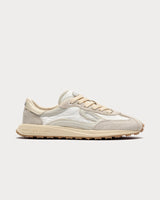
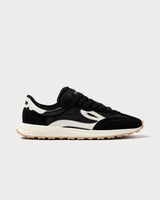
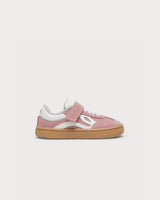
Barefoot and minimalist are two terms that are often used as if they meant exactly the same thing. And although they're closely related, there's no universal technical line that separates them completely.
In practice, both concepts aim to reduce how much the shoe interferes with the foot. The main difference lies in how these terms are used in the market: barefoot is usually associated with models that take that minimalism closer to the feeling of walking barefoot, with features such as zero drop, an anatomical toe box, great flexibility and a shape that follows the foot.
Why 'barefoot' and 'minimalist' are used as synonyms (and when they aren't)

It's easy to see why the two terms get mixed up. Both barefoot and minimalist footwear move away, to a greater or lesser degree, from elements commonly found in conventional shoes, such as a very stiff sole, a raised heel or structures that restrict movement too much.
However, minimalist is a broader concept and there's no single commercial definition applied in the same way by every brand. You can find minimalist models with a very low or zero drop, thin soles, low weight and great flexibility.
The term barefoot is usually used for models that aim to get even closer to the experience of walking barefoot.
Where the term barefoot comes from and what it literally means
Barefoot literally means “without shoes”.
When we talk about barefoot footwear, it doesn't mean actually walking without shoes, but wearing footwear designed to interfere as little as possible with the movement of the foot.
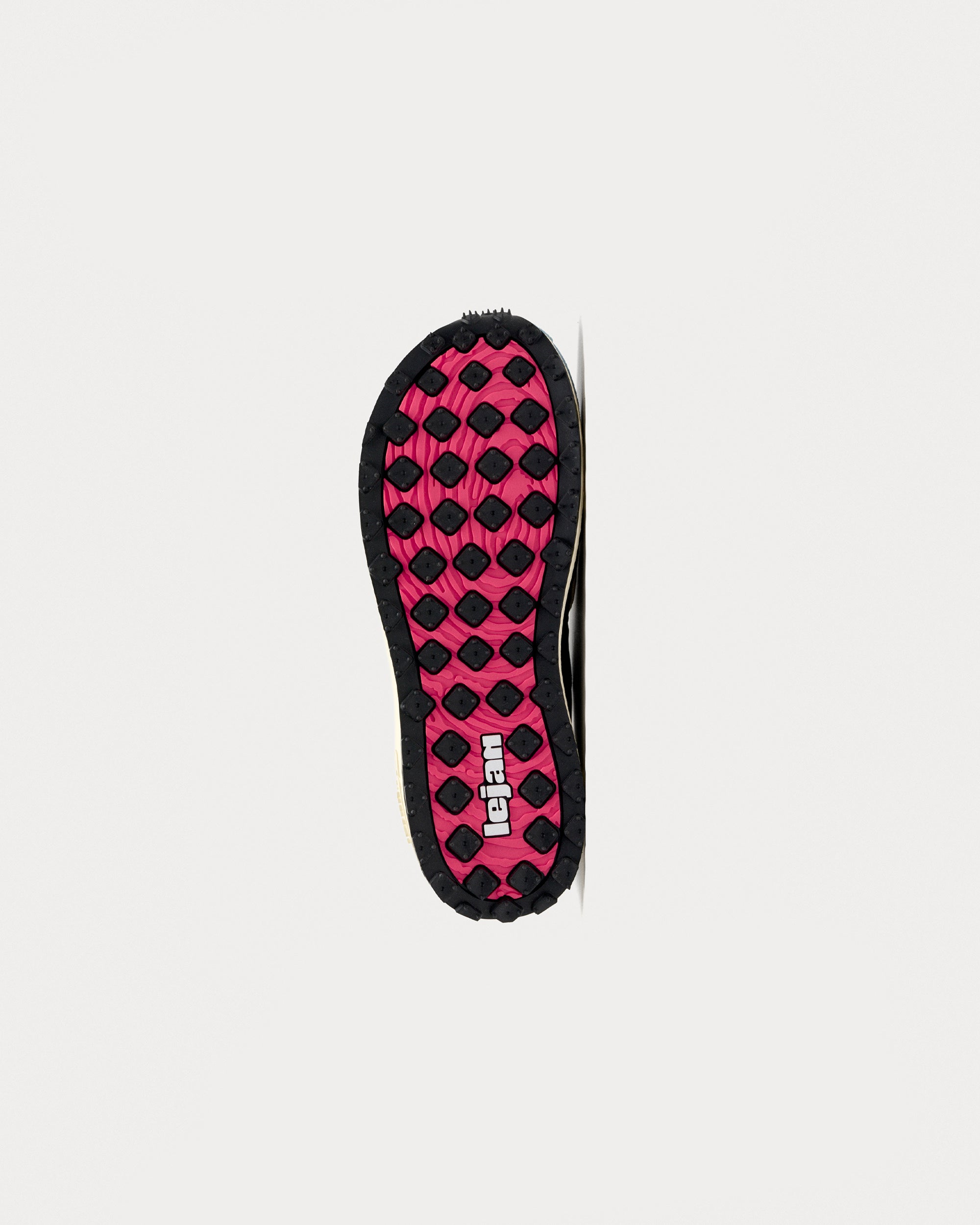
That's why these models usually combine a flexible, lightly structured sole, enough room in the toe area and no height difference between heel and forefoot.
How the market distorted the minimalist concept
As this type of footwear has become more popular, the word minimalist has come to be used for products that are very different from one another.
Sometimes all it takes is for a shoe to be lightweight or have less cushioning than a conventional model for it to be marketed as minimalist, even though its features may be very different from those of other models in the same category.
That's why it matters more to look at the shoe's actual features than to rely on the label alone.
The 4 key features of barefoot footwear
Although there's no universal scientific classification that sets out exactly four mandatory requirements, there are several features that help identify the type of footwear we usually call barefoot.
Zero drop: one of the features of barefoot footwear
The drop is the height difference between the heel and the forefoot area.
Barefoot footwear usually aims for a zero drop, meaning the heel and forefoot sit at the same level.
Within minimalist footwear, on the other hand, you can find models with zero drop or with a small height difference.
Wide toe box: real room for your toes
The shape of the toe box is one of the most distinctive aspects of barefoot footwear.
Toes need enough room to sit naturally without being squeezed against each other. That's why, unlike the narrow tips of many conventional shoes, barefoot footwear usually has an anatomical toe box, better suited to the shape of the forefoot.
That doesn't mean every foot needs exactly the same width. It's always important to check the model's measurements and choose a last that suits each foot.
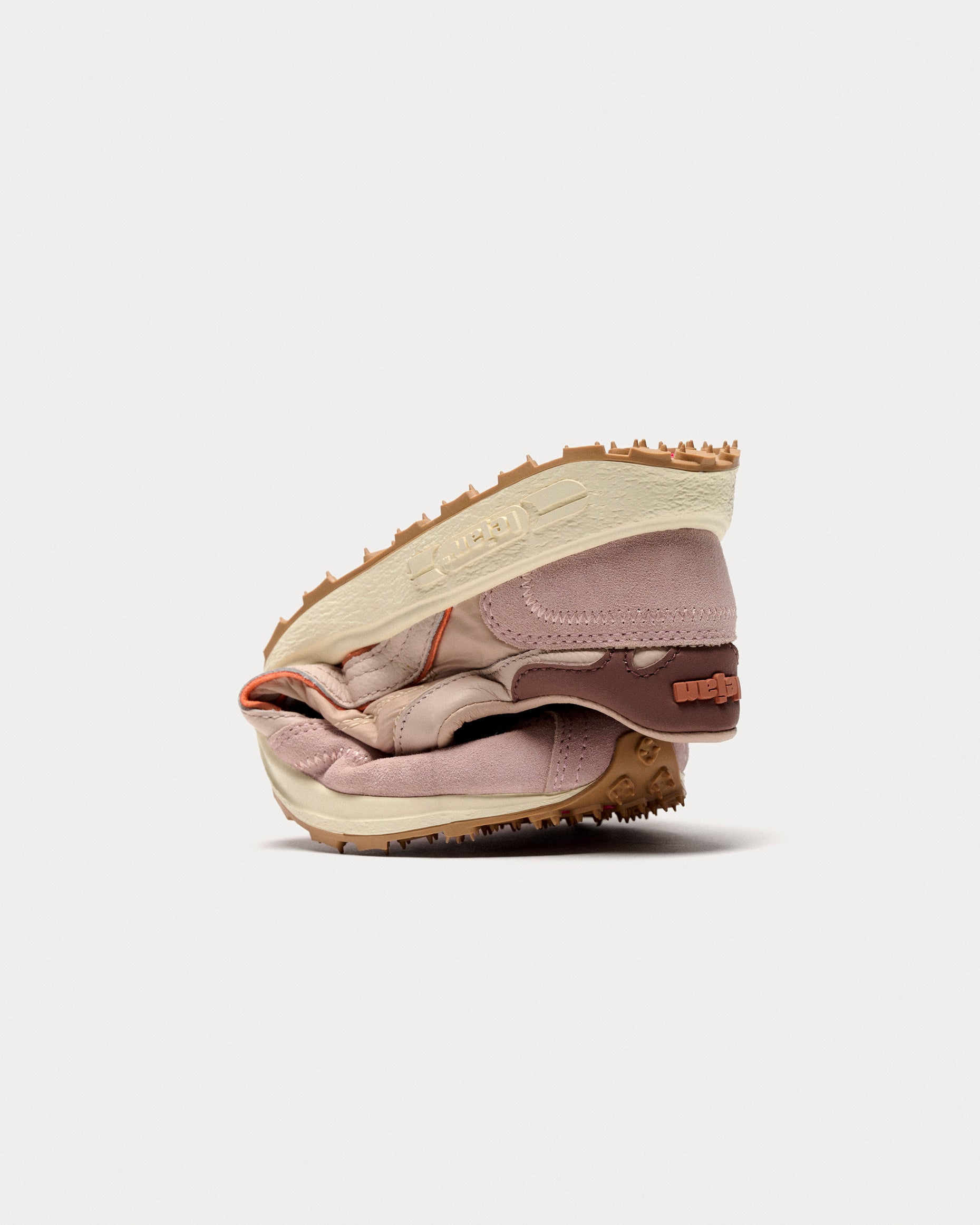
Flexible sole: the bend test
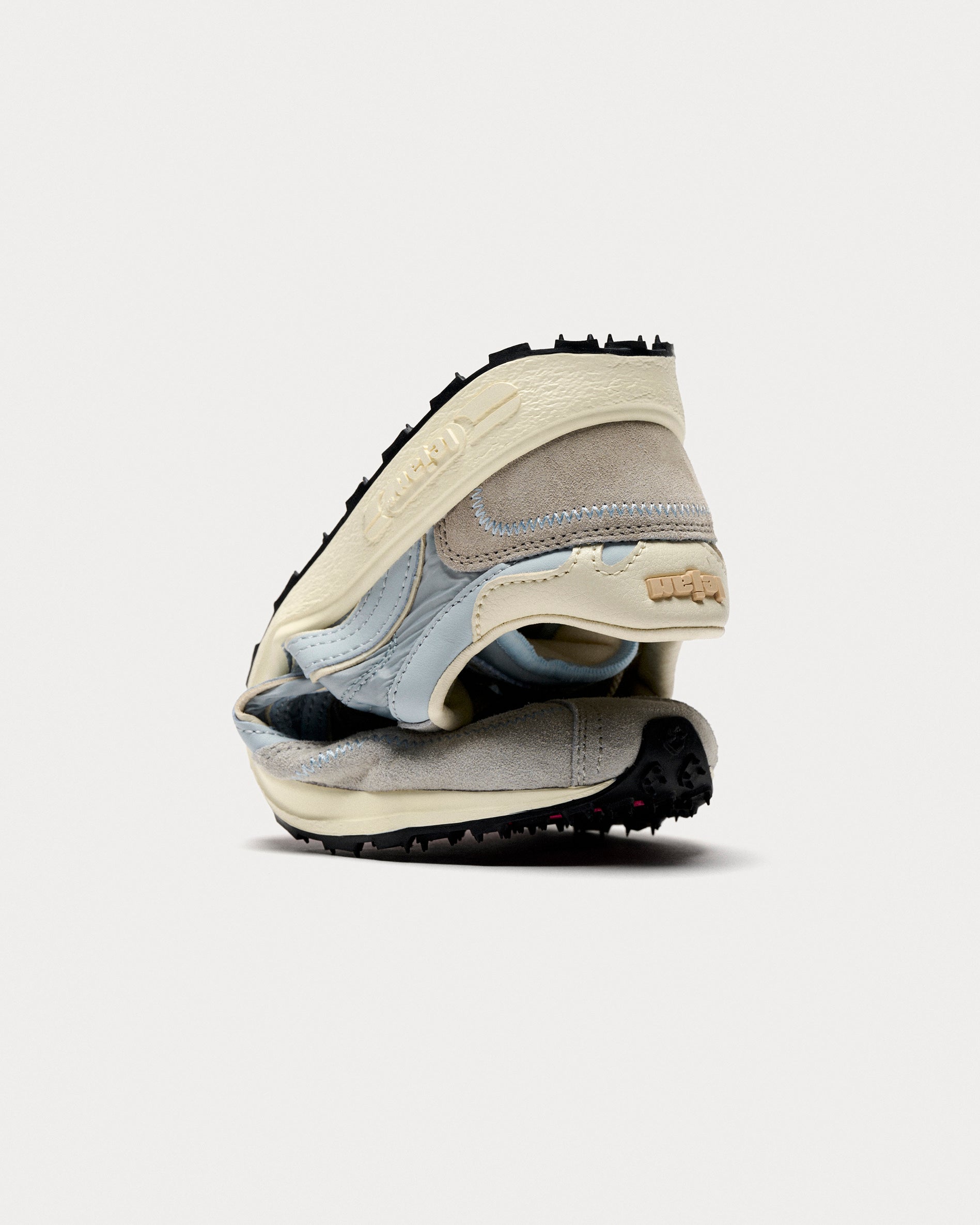
Flexibility lets the shoe follow the foot's movements more closely.
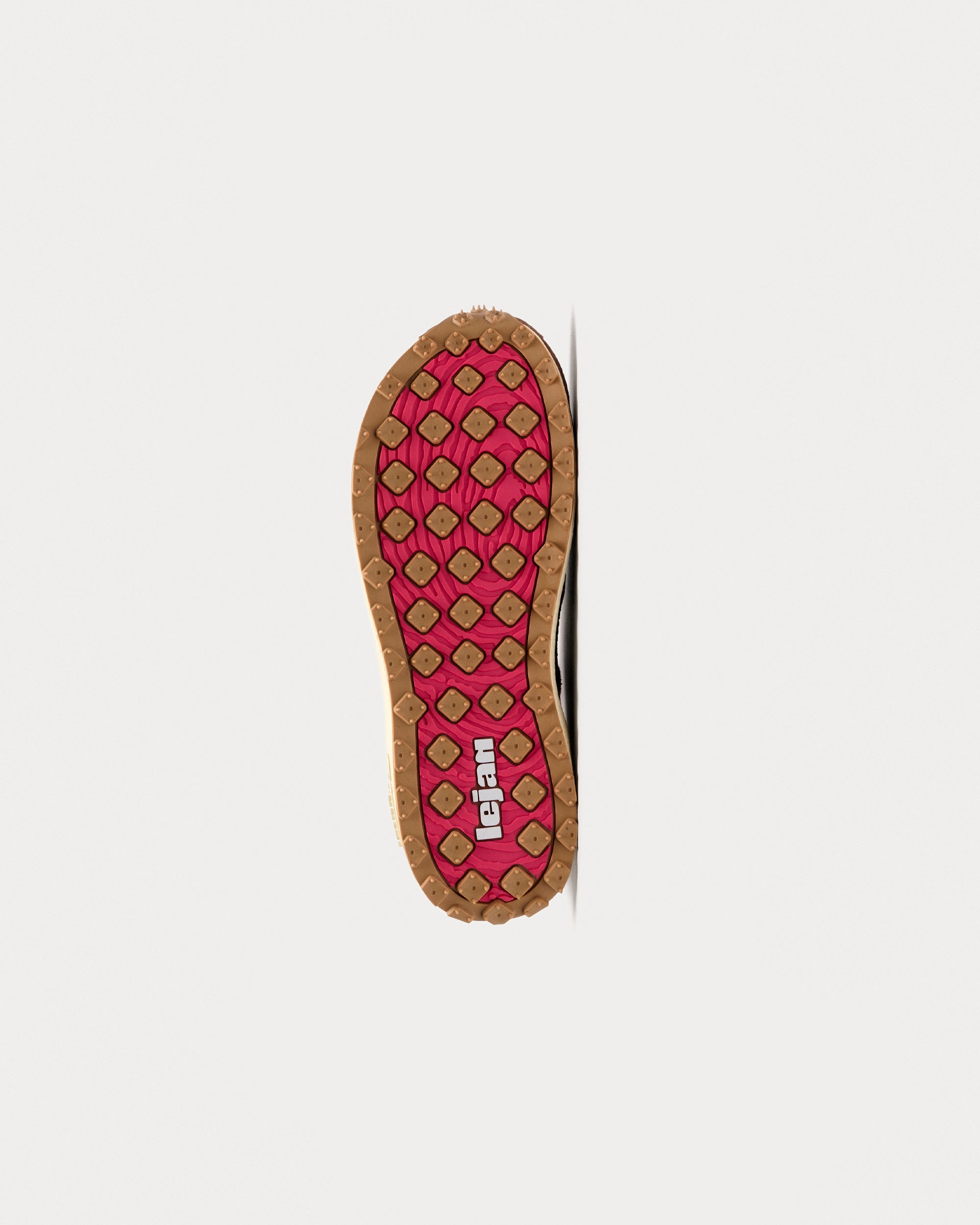
A simple way to check it is to take the shoe in your hands and try to bend it, especially in the forefoot area. A barefoot model should offer little resistance and bend easily.
In minimalist footwear, flexibility is also one of the fundamental features.
Anatomical shape: the shoe follows the foot, not the other way round
The anatomy of the last matters as much as the width.
The aim is to stop the foot having to adapt to an overly narrow or pointed shape. That's why barefoot design aims for the shoe to follow the geometry of the foot, especially in the forefoot area.
Can a minimalist shoe NOT be barefoot? Comparison table

Yes, depending on how each brand uses these terms.
Barefoot and minimalist overlap a lot, and there's no fixed scientific line that separates the two concepts completely. However, in everyday market usage there are some differences.
|
Feature |
Barefoot |
Minimalist |
|
Drop |
Usually 0 mm |
Low or 0 |
|
Toe box |
Wide and anatomical |
Aims to reduce interference with the forefoot |
|
Flexibility |
High |
High |
|
Sole thickness |
Thin |
Thin |
|
Weight |
Light |
Generally light |
|
Stability elements |
Minimal or none |
Minimal or none |
|
Ground feel |
Usually high |
Depends on the model |
So rather than thinking of two completely opposing categories, we can see barefoot as a particularly pronounced form of minimalism, aimed at bringing the experience inside the shoe closer to walking barefoot.
Pros and cons of each type of footwear
Barefoot strips away much of the structure found in conventional footwear. The foot has more room, the sole follows movement more closely and the raised heel disappears.
Precisely because of those differences, some people may need a gradual adaptation, especially if they've spent many years wearing stiff shoes with plenty of cushioning or a high drop.
A slightly less demanding minimalist model can work as a stepping stone in some cases. For example, a shoe with a low drop and good flexibility, but a bit more cushioning, may feel more comfortable at first for some people.
The choice depends on previous experience, what the footwear will be used for and how each person responds.
Who should start with minimalist and who can go straight to barefoot?
There's no single answer.
Someone used to walking barefoot, wearing flat shoes or flexible footwear will probably notice less of a difference when trying a barefoot model.
On the other hand, someone who has spent years in heavily cushioned shoes, stiff soles or a high drop may notice a much bigger change.
In these cases it can help to increase wear time gradually, alternating with your usual footwear for a while.
The type of activity matters too. Wearing barefoot shoes for a few hours of walking isn't the same as breaking them in straight away for running, a long hike or a full day on your feet.
The transition should be adapted to each person and how they feel.
Why LejanOne® and LejanMelrose® meet the barefoot criteria
At Lejan, design starts precisely from the elements that usually define this type of footwear.
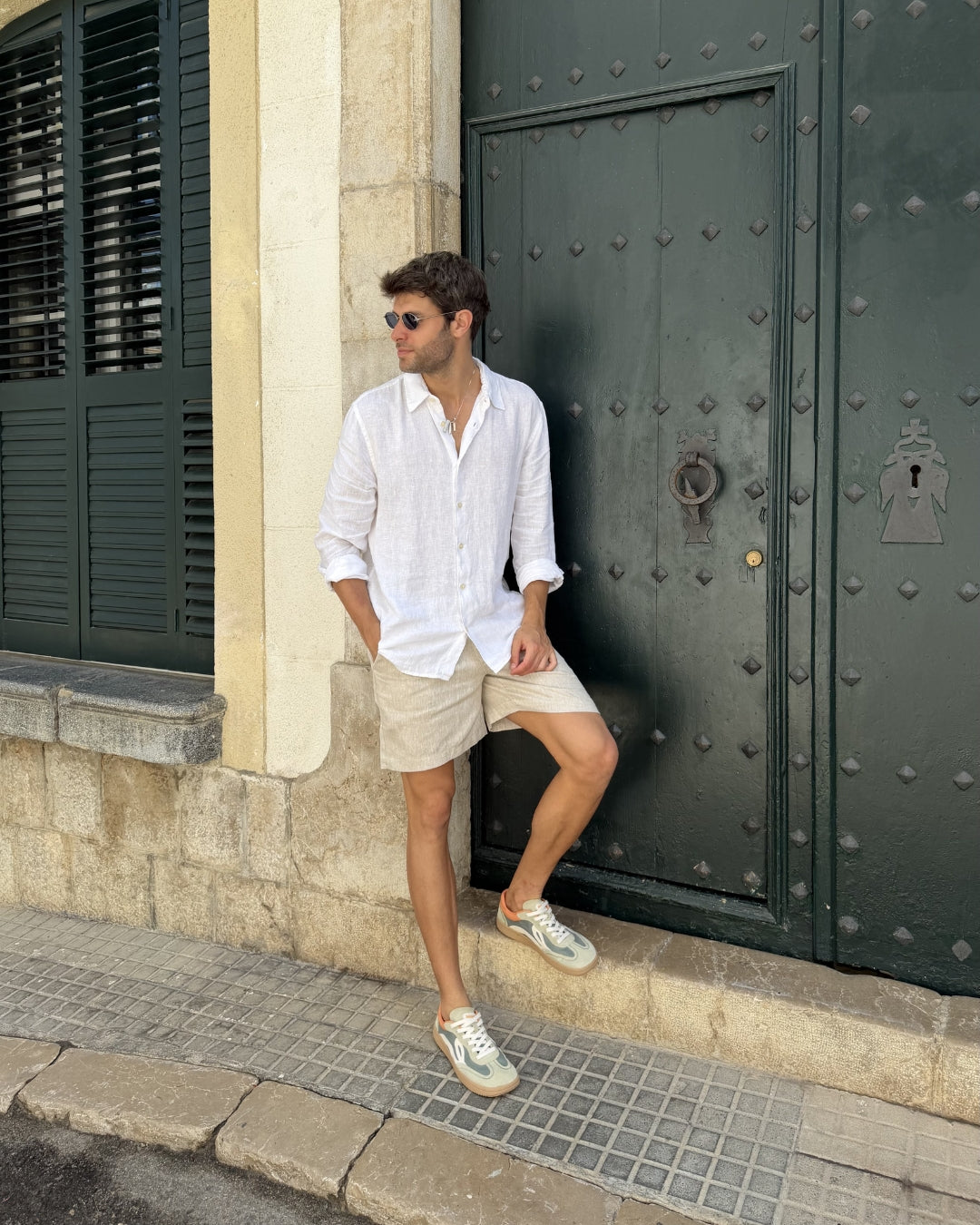
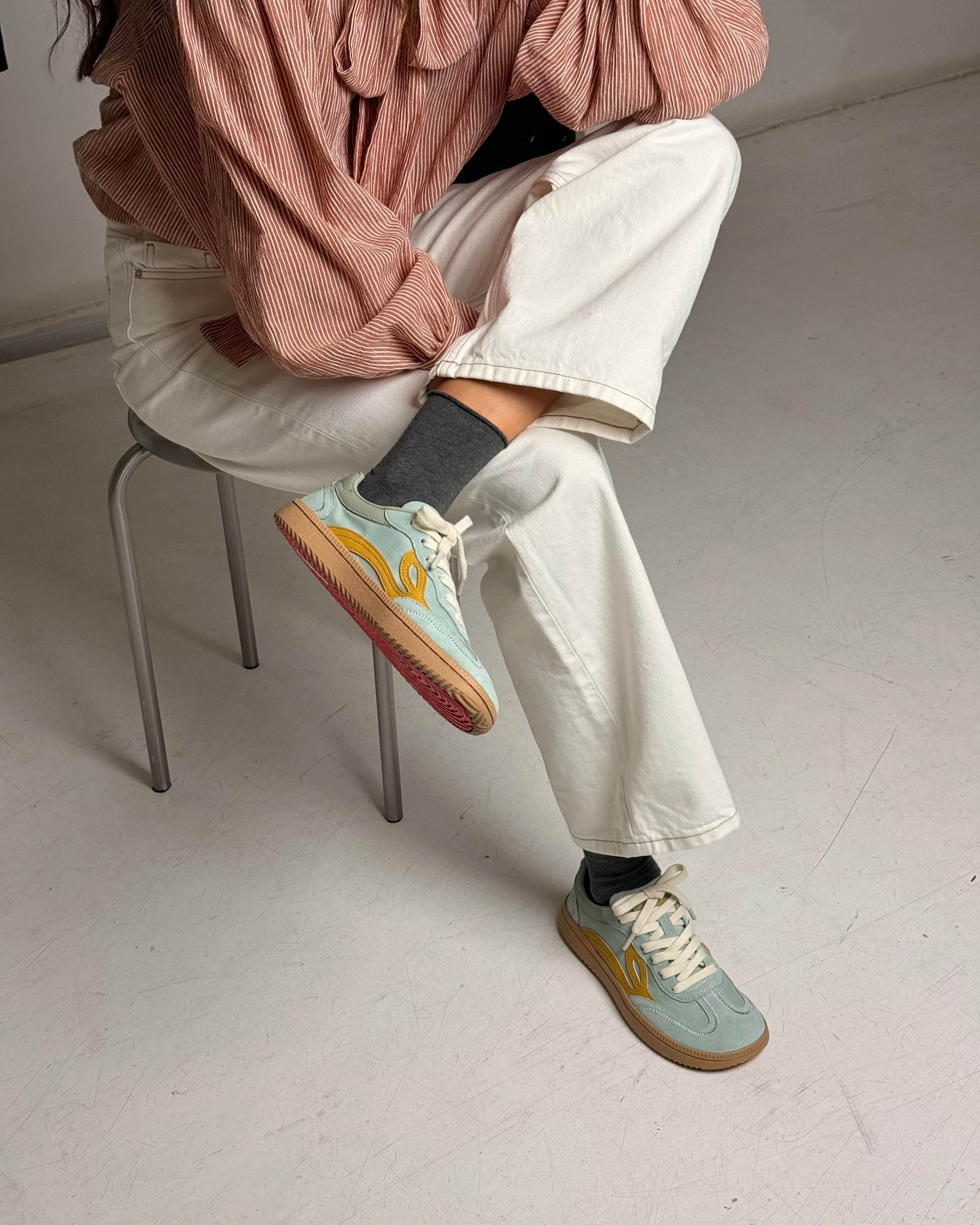
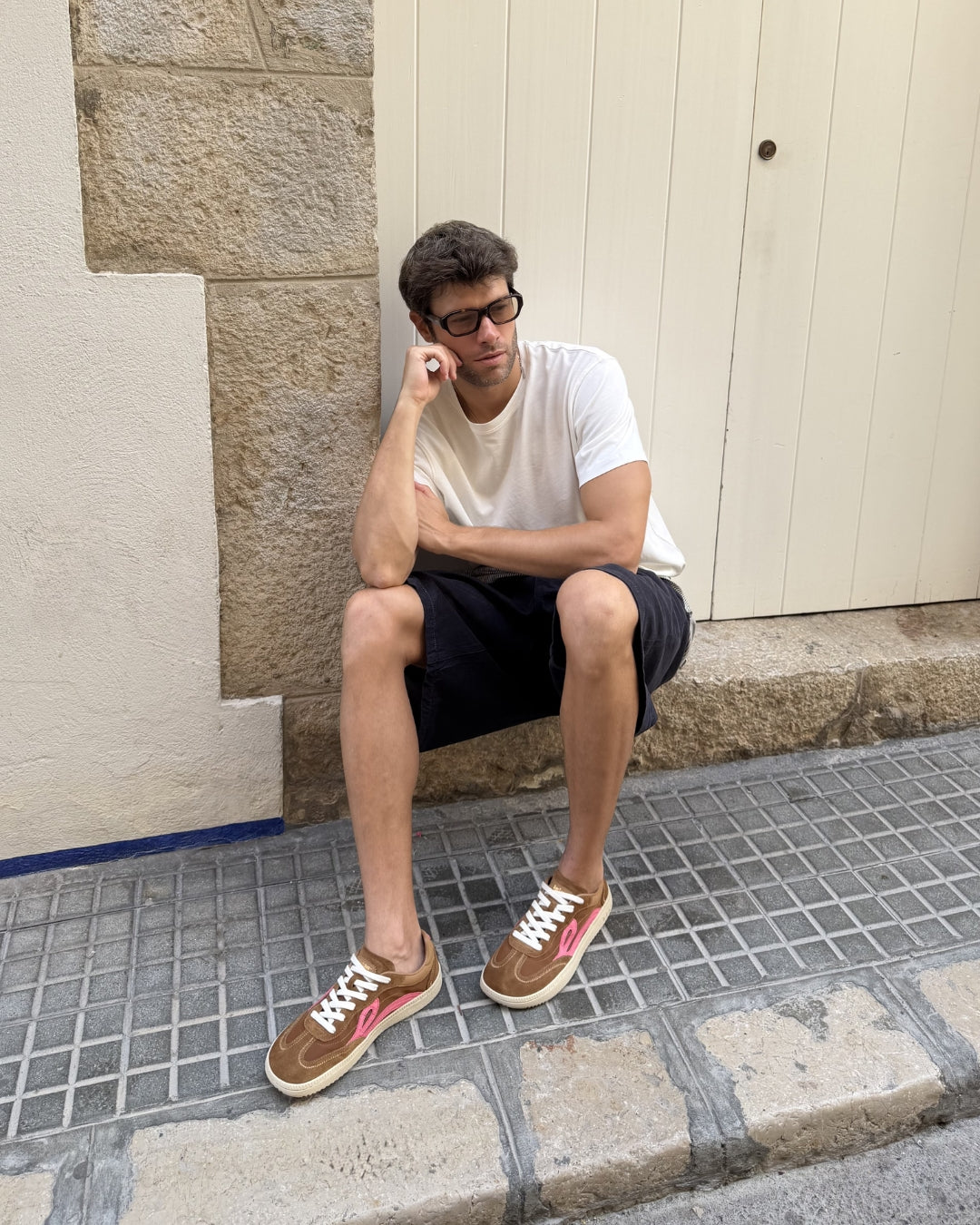
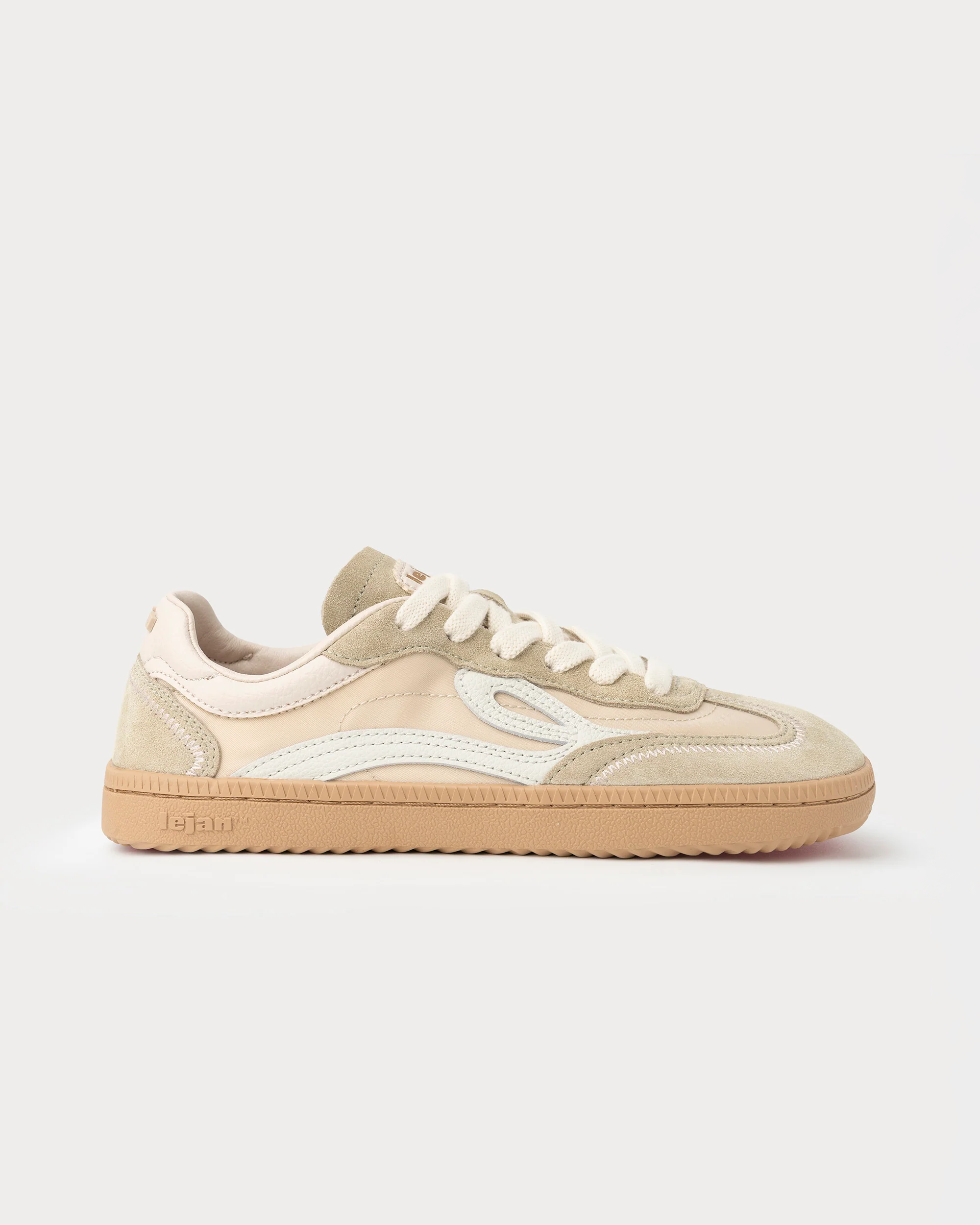
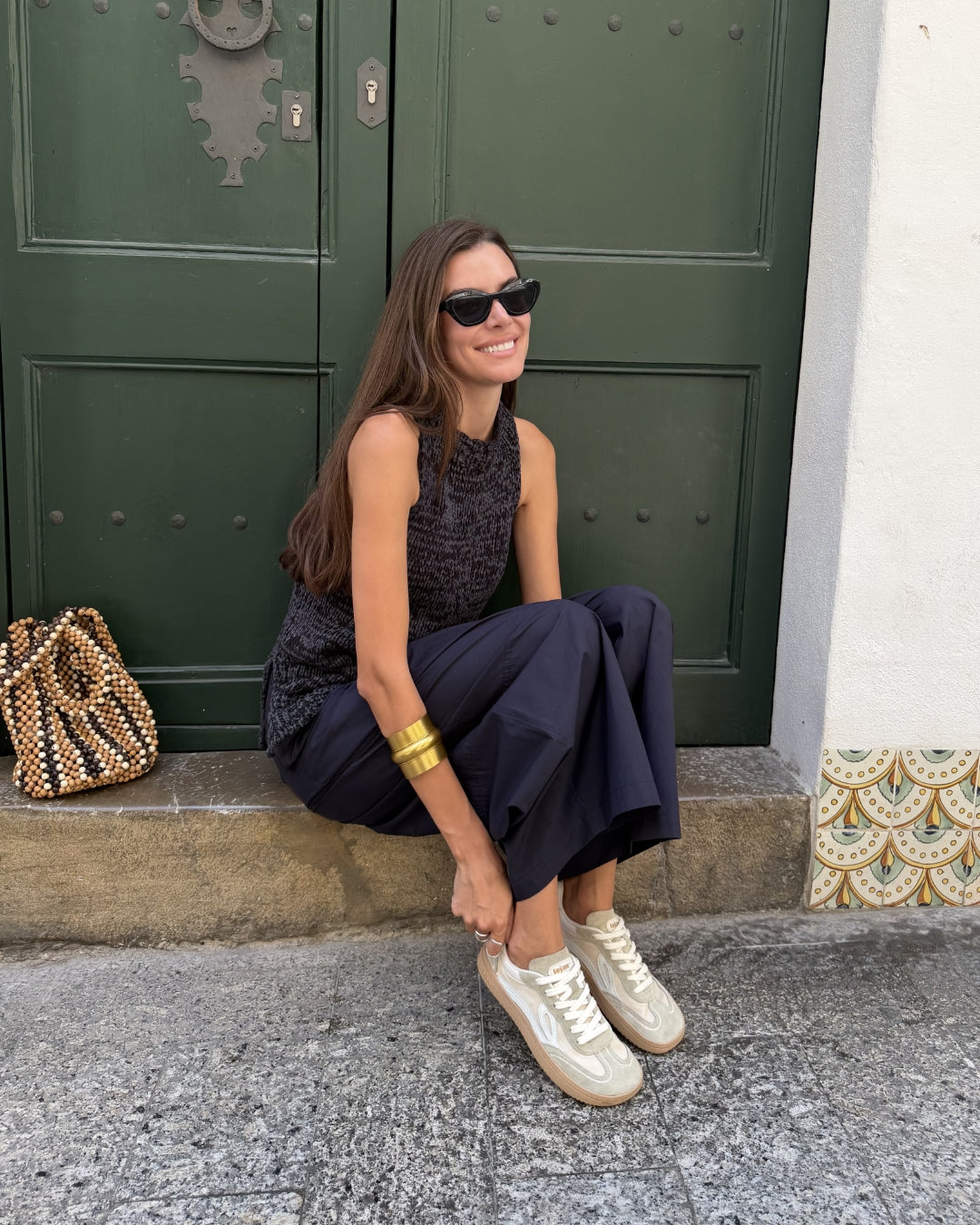
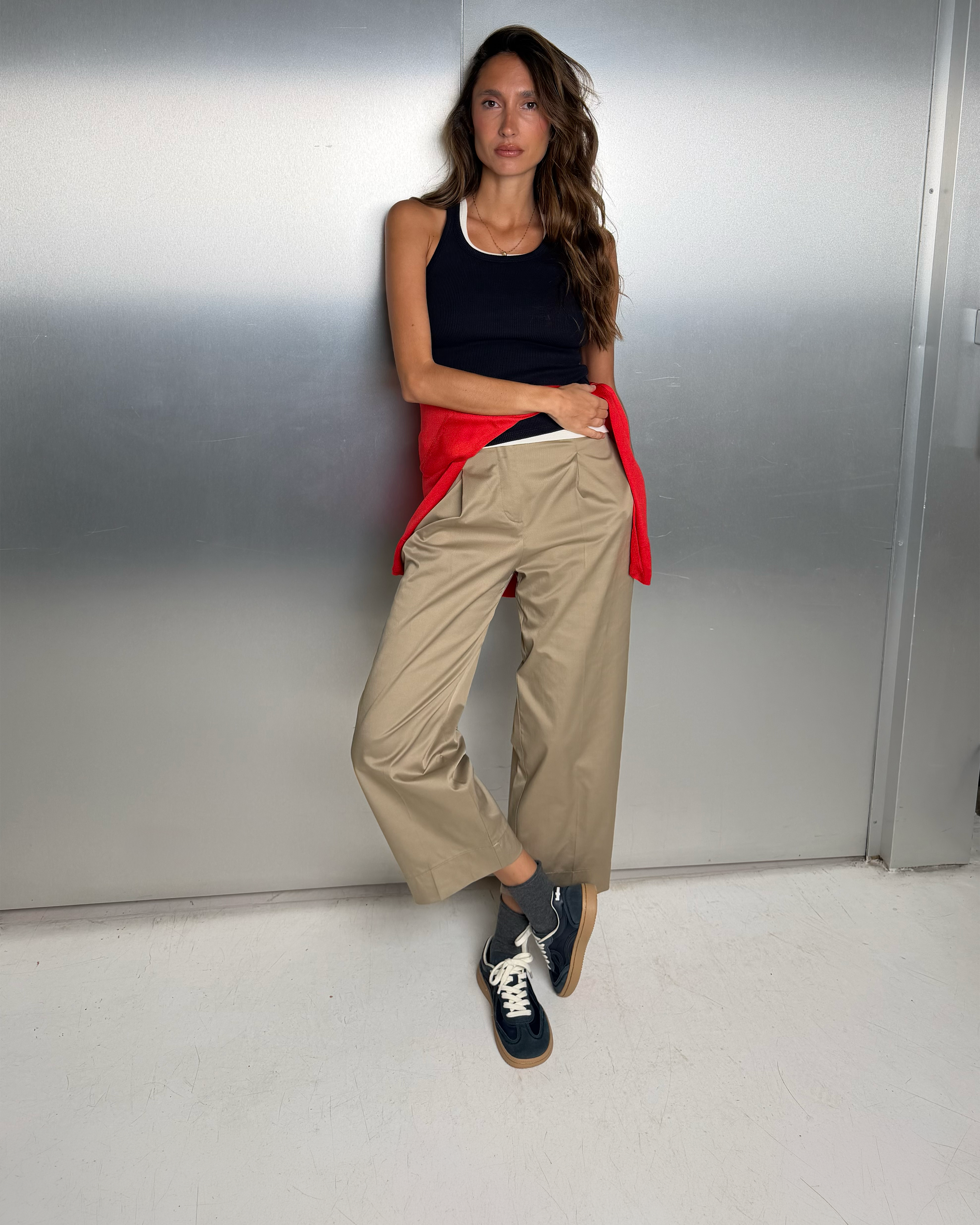
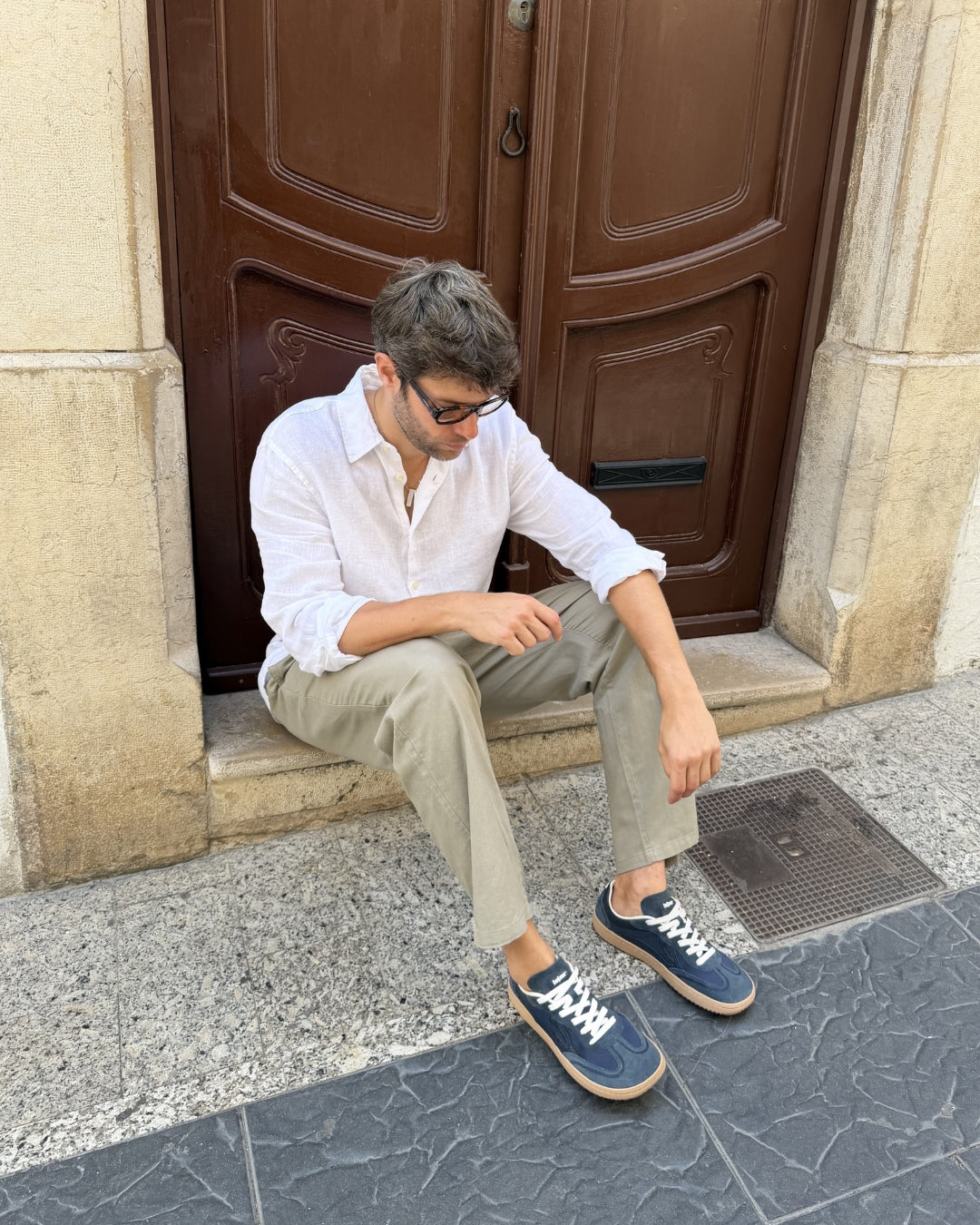
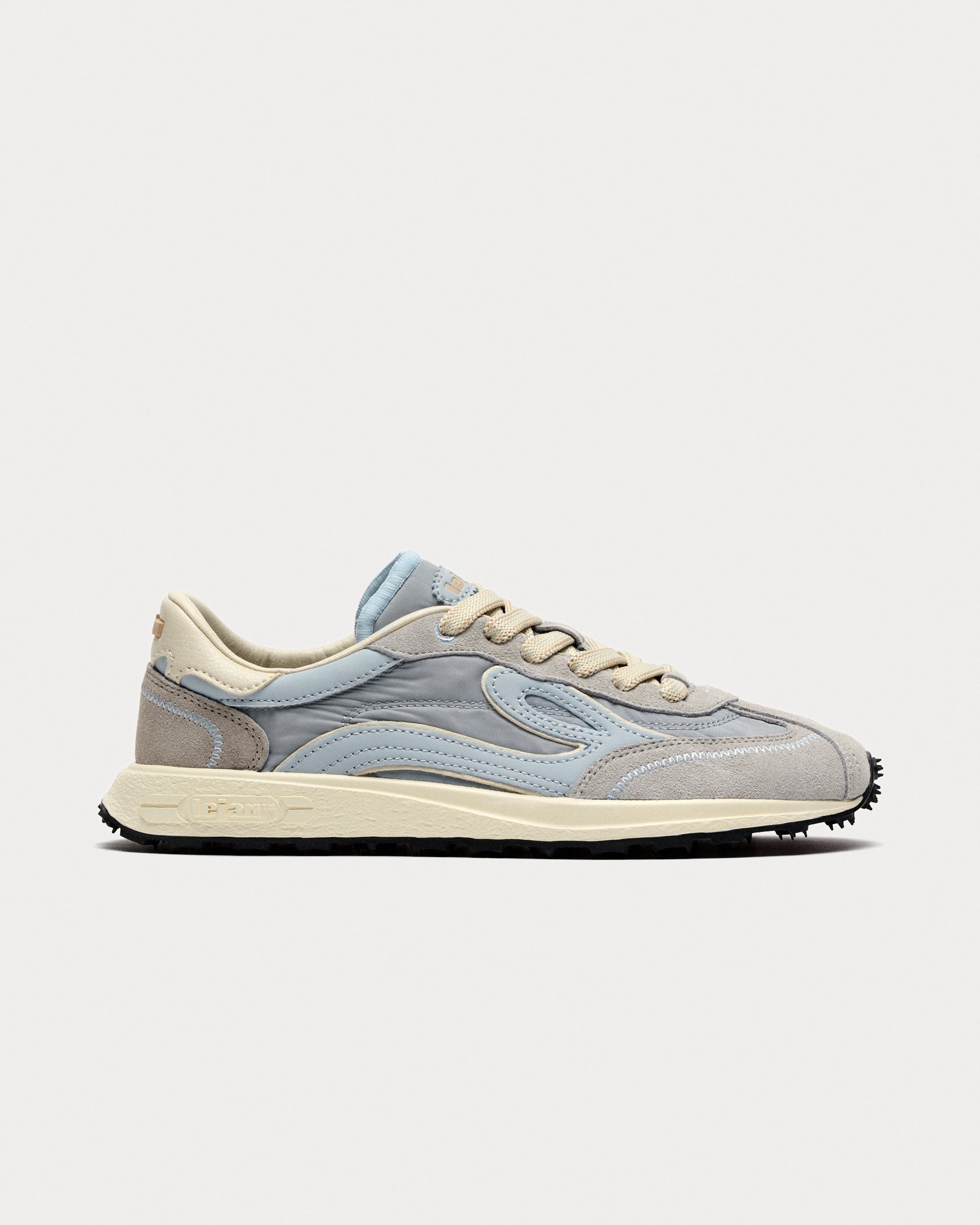
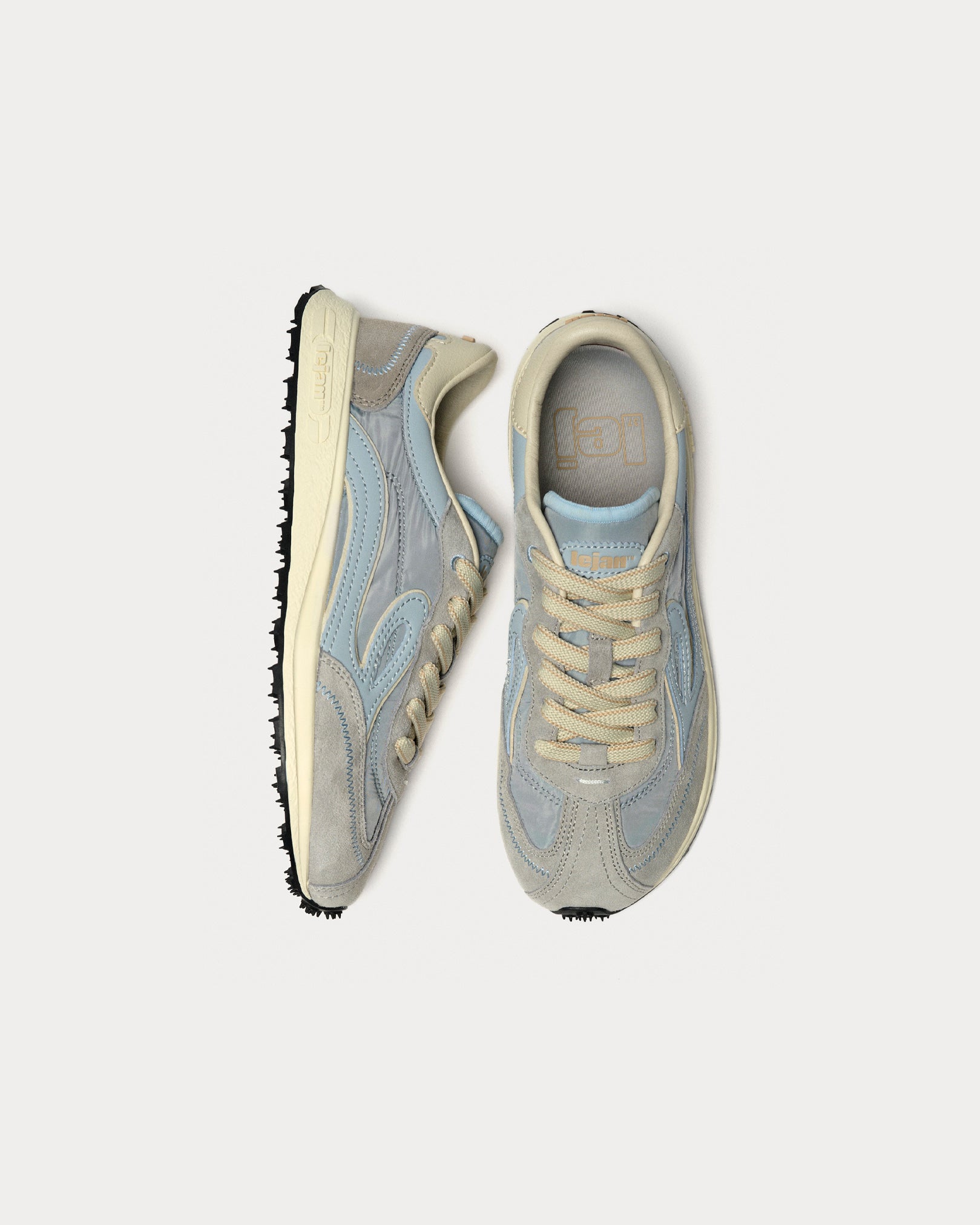
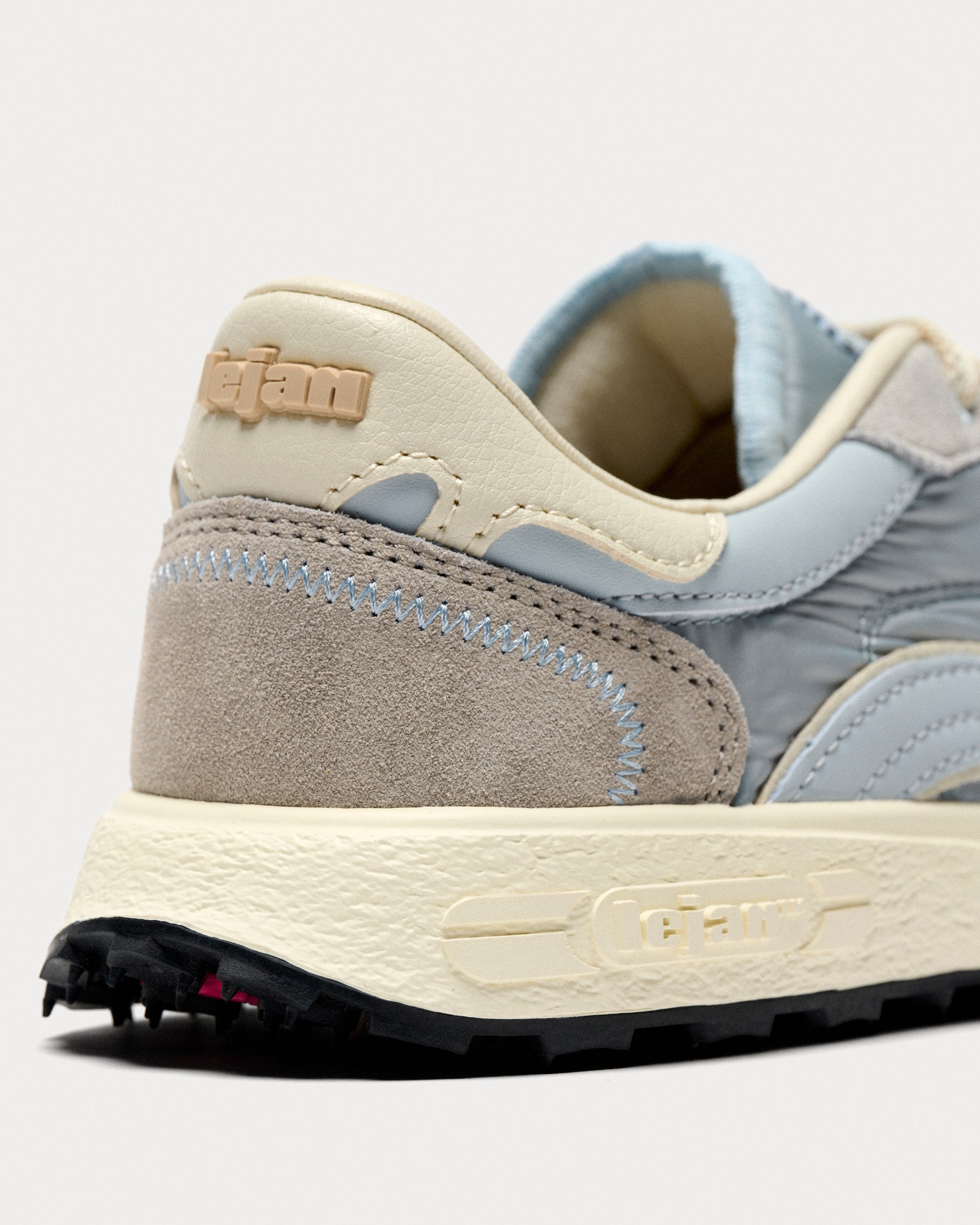
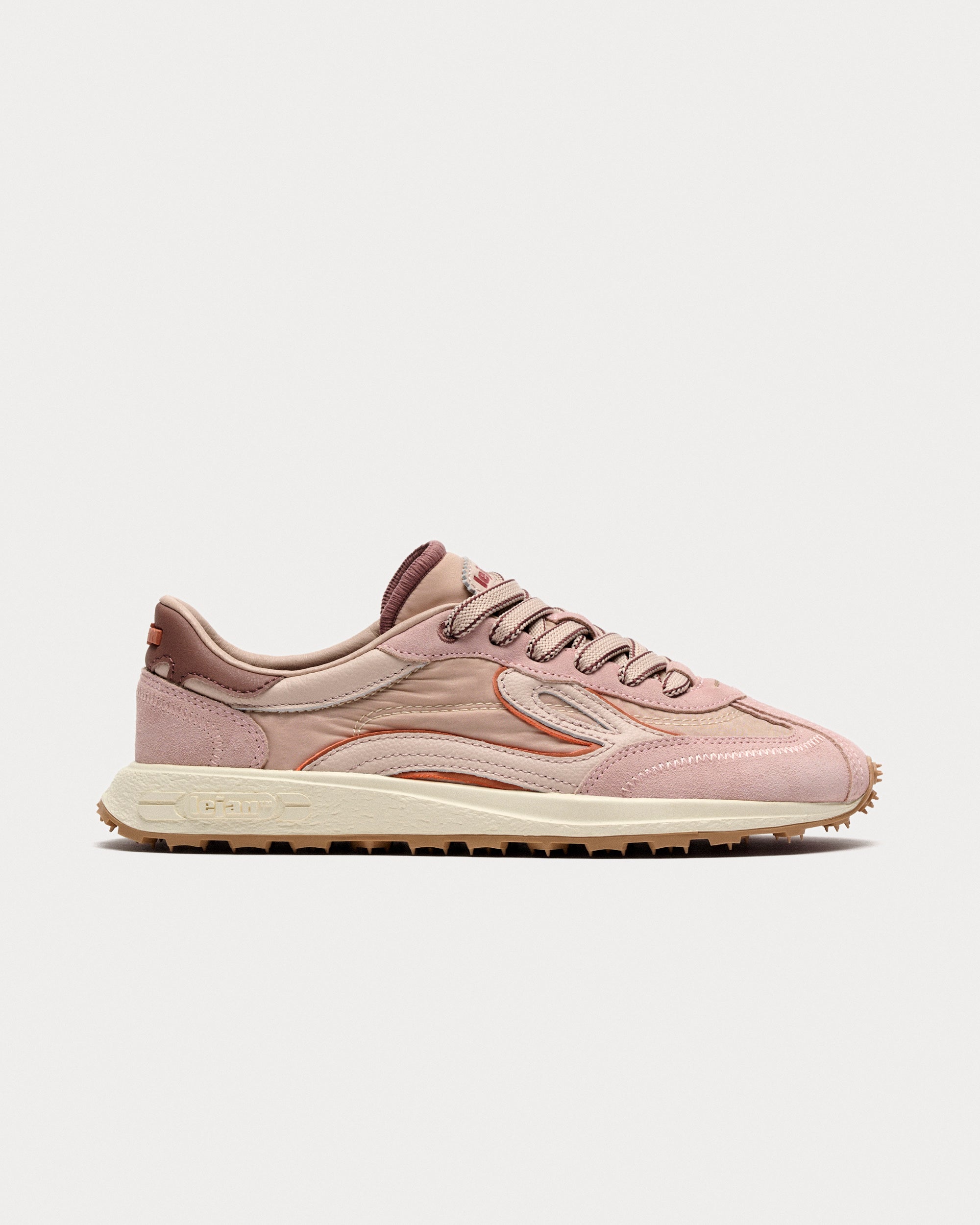
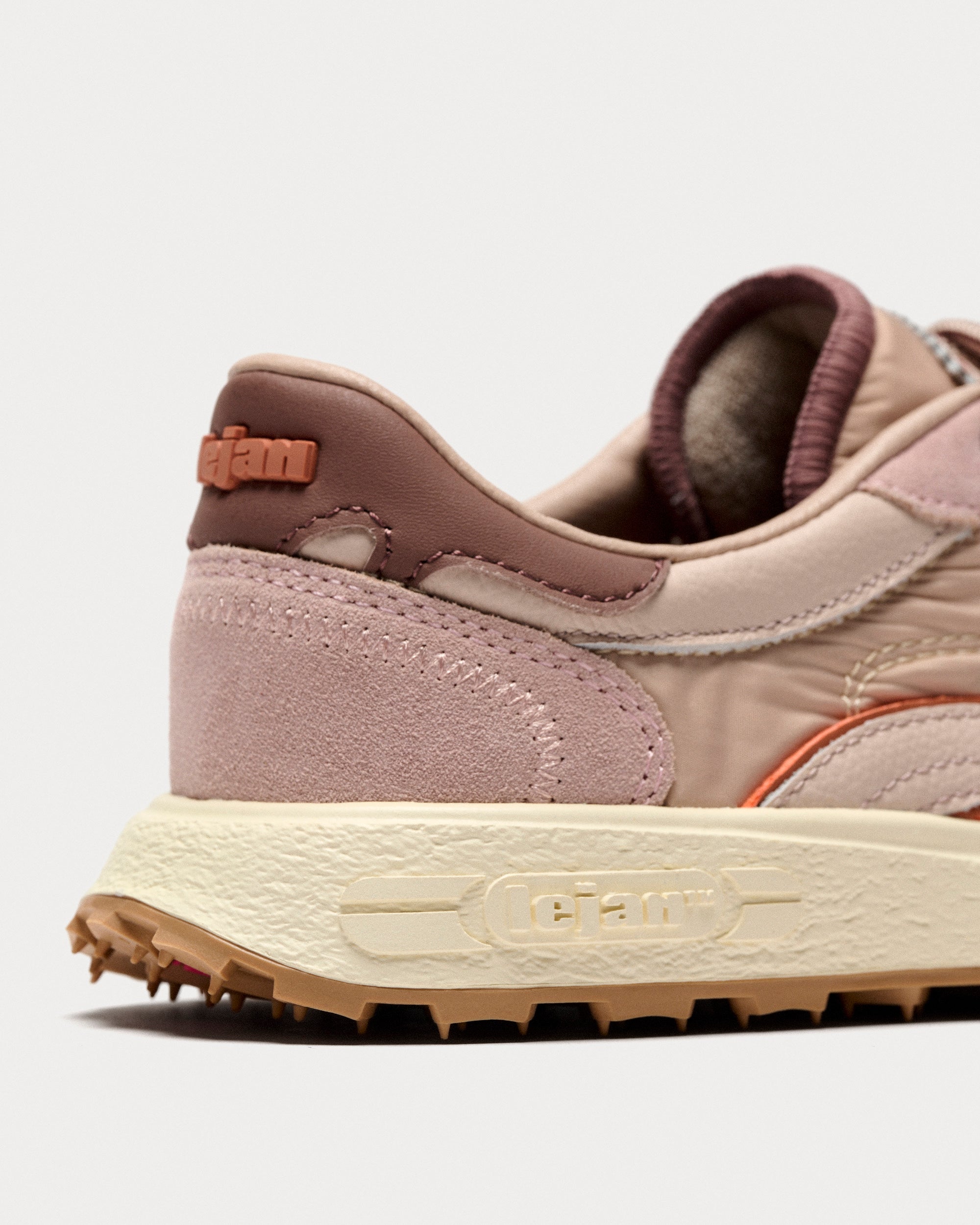
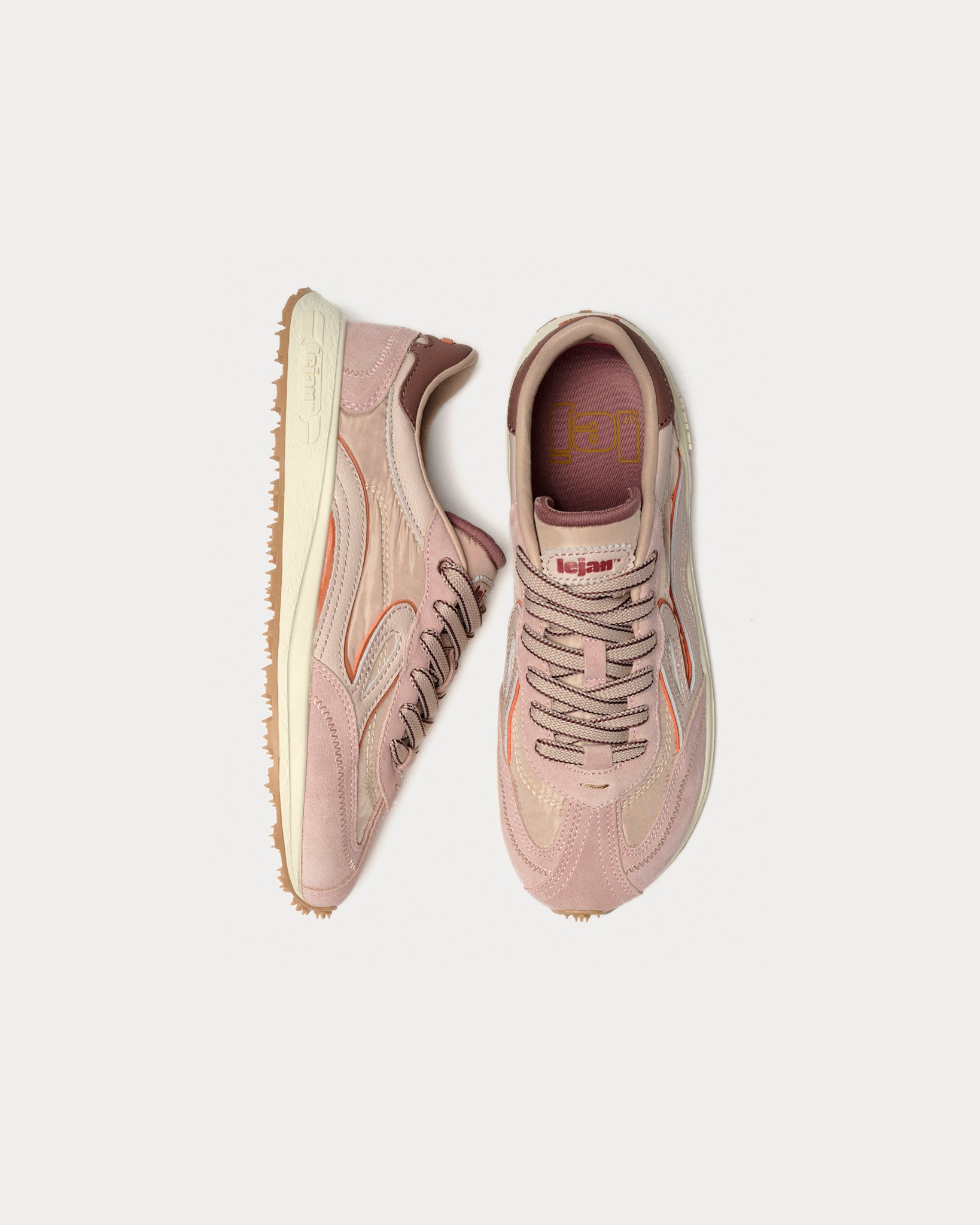
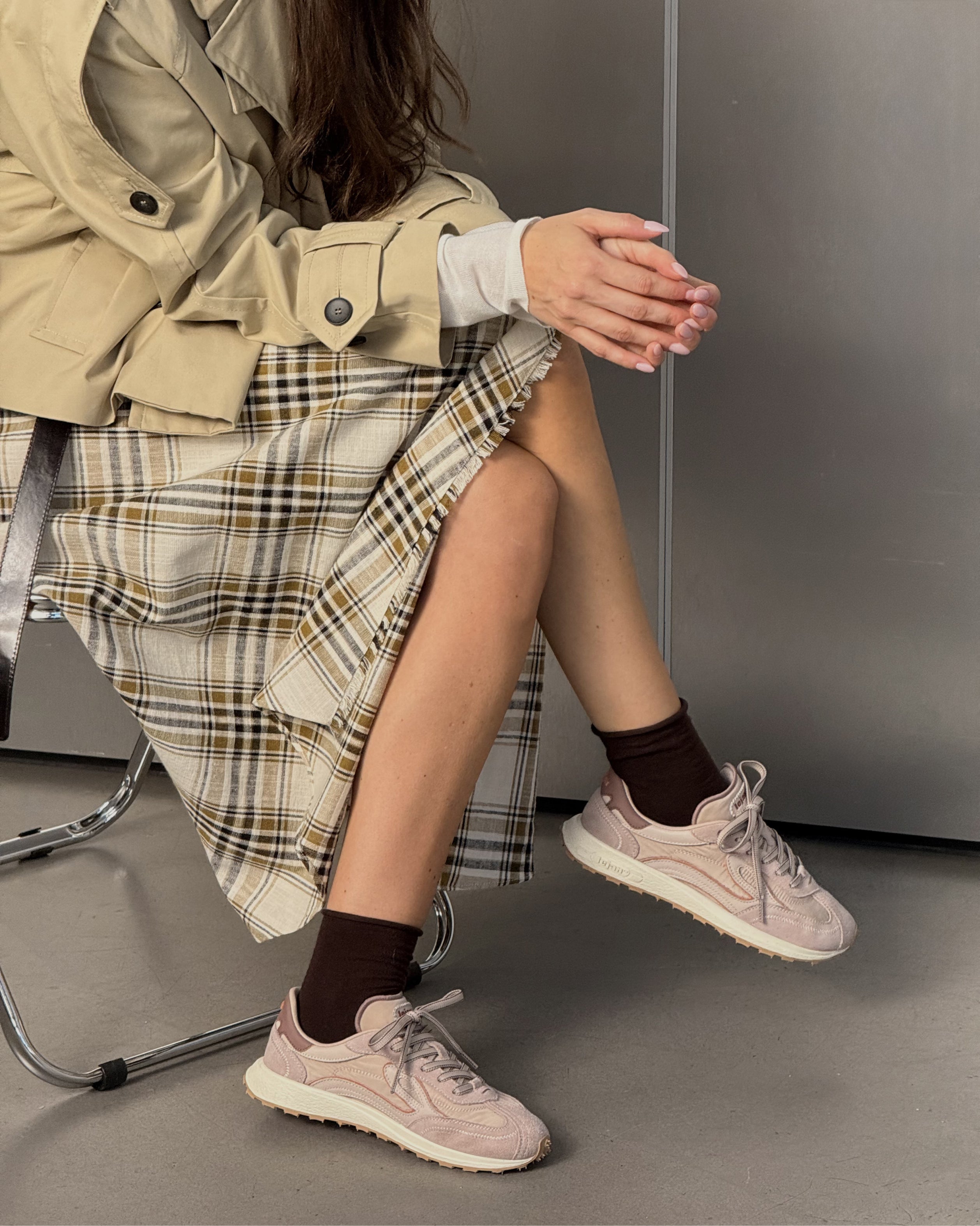
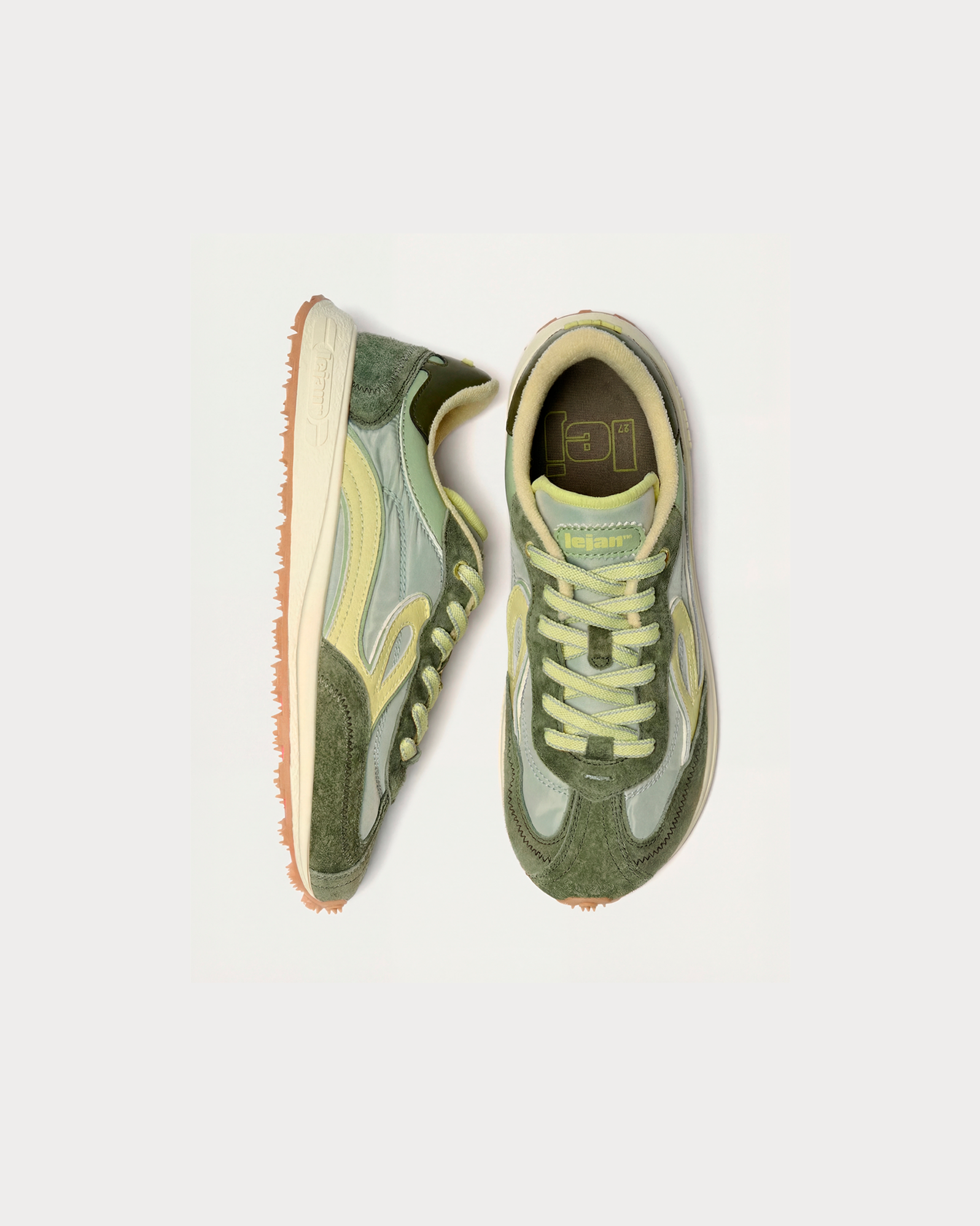
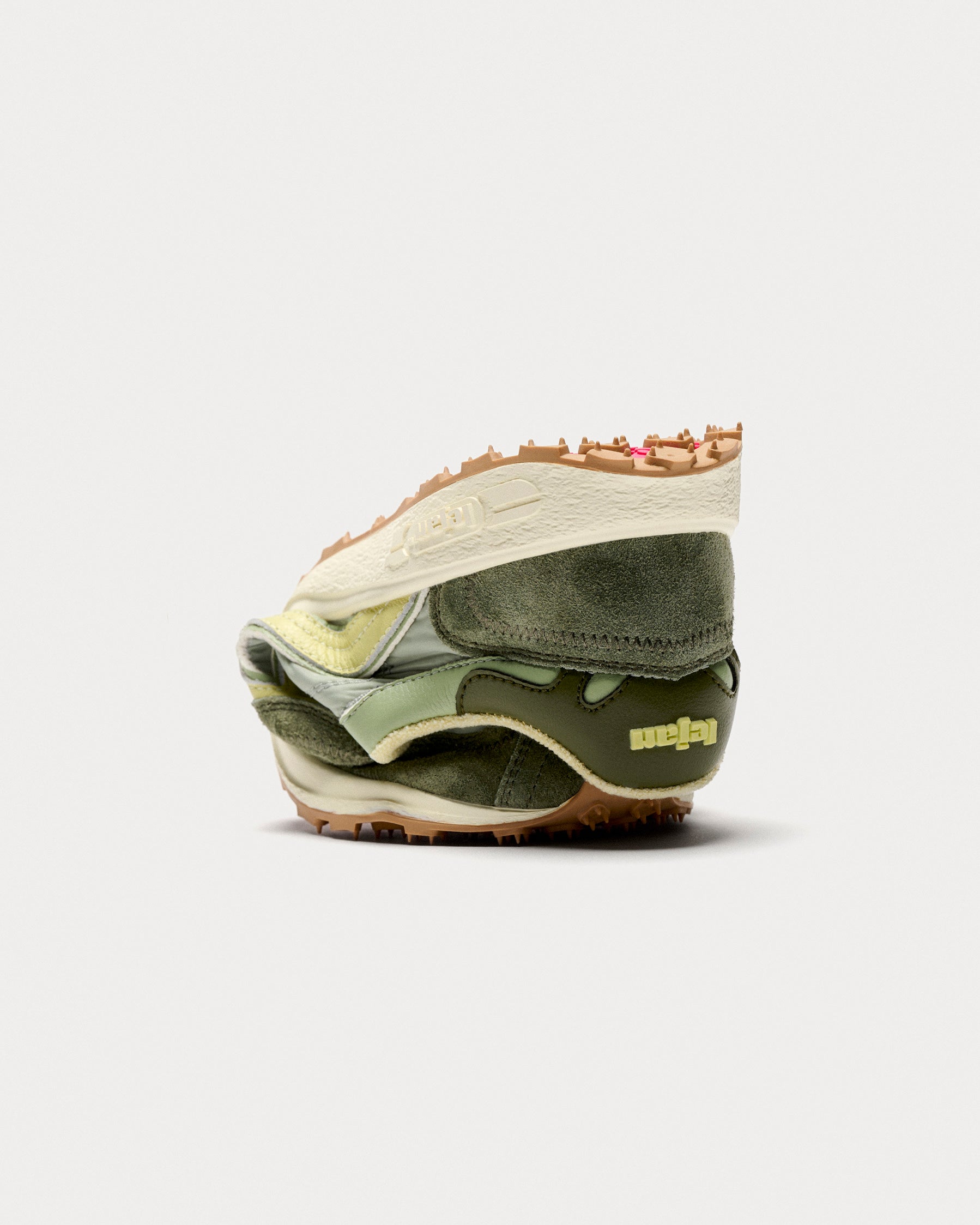
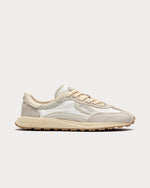
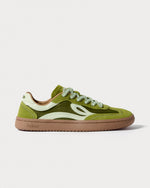
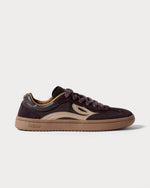
Both LejanOne® and LejanMelrose® combine an everyday look with the features that define barefoot footwear.
Zero drop, anatomical toe box and flexible sole in every model
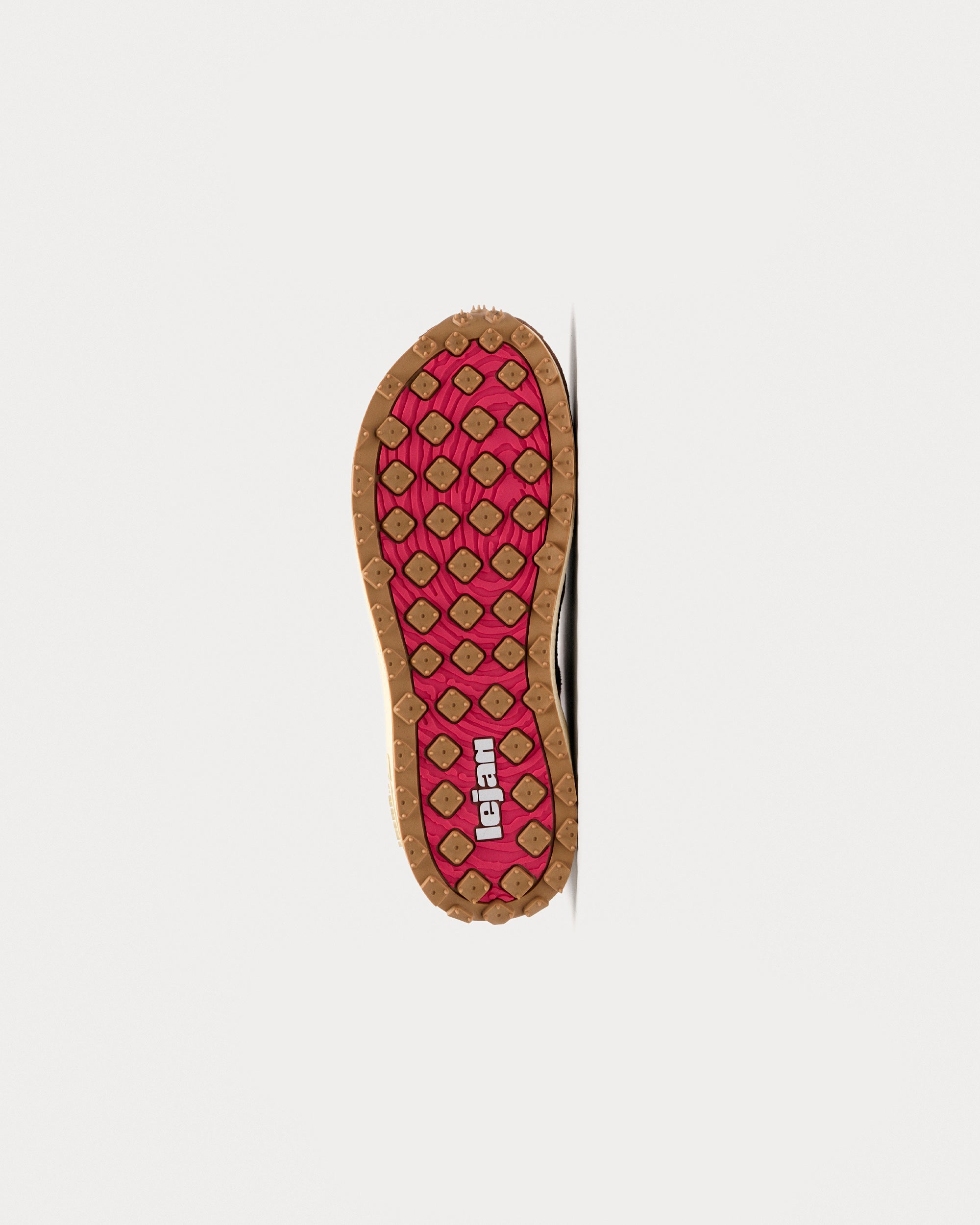
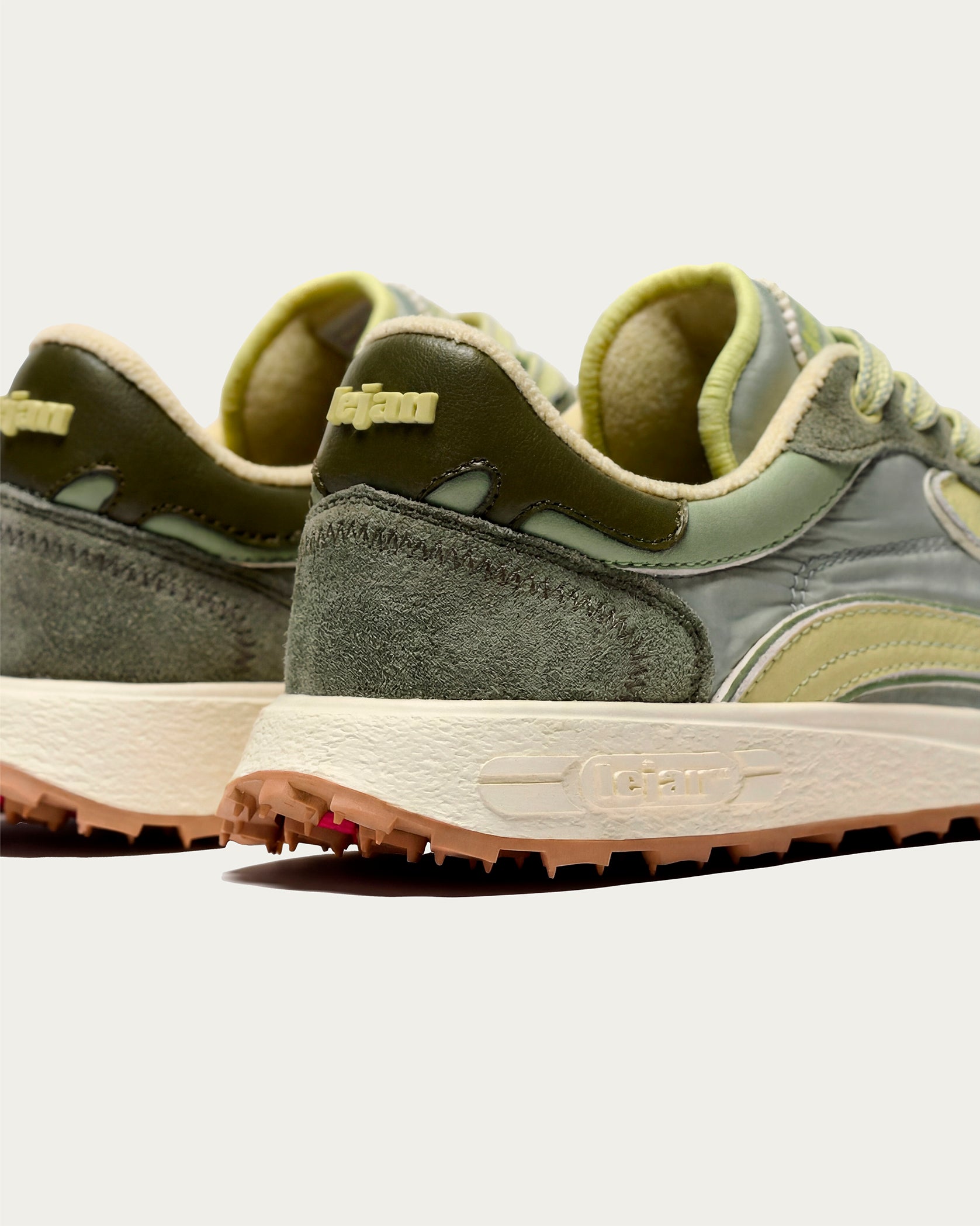
Both models feature zero drop, an anatomical toe box and a flexible sole, designed to reduce how much the shoe interferes with the foot's movement.
The shape of the last gives more room in the toe area compared with the narrow tips common in many conventional shoes.
The flexible design also lets the shoe follow the foot's movements more closely as you walk.
The "Barefoot Bonito" concept: health without giving up style
One of the barriers barefoot footwear has traditionally faced has been its looks.
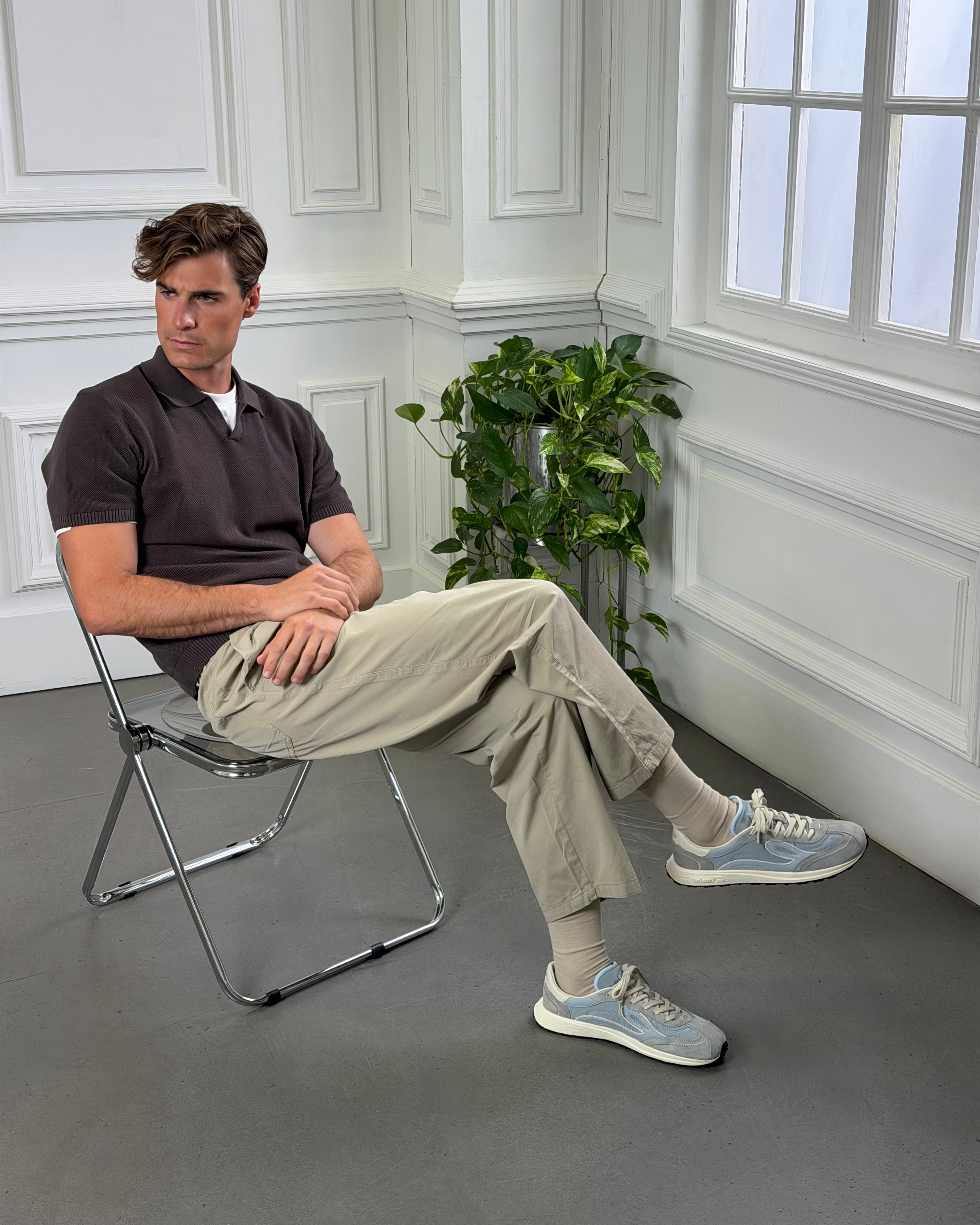
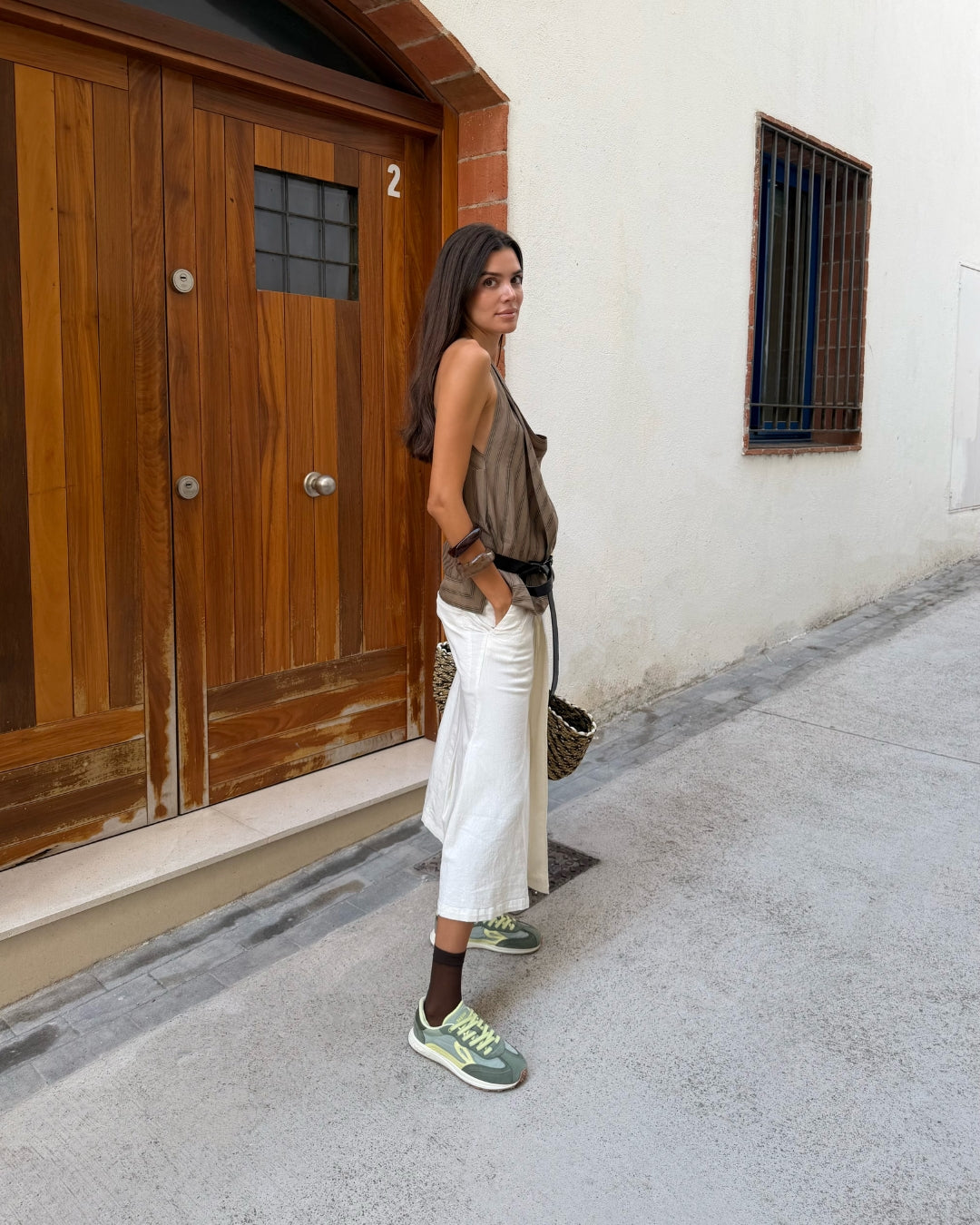
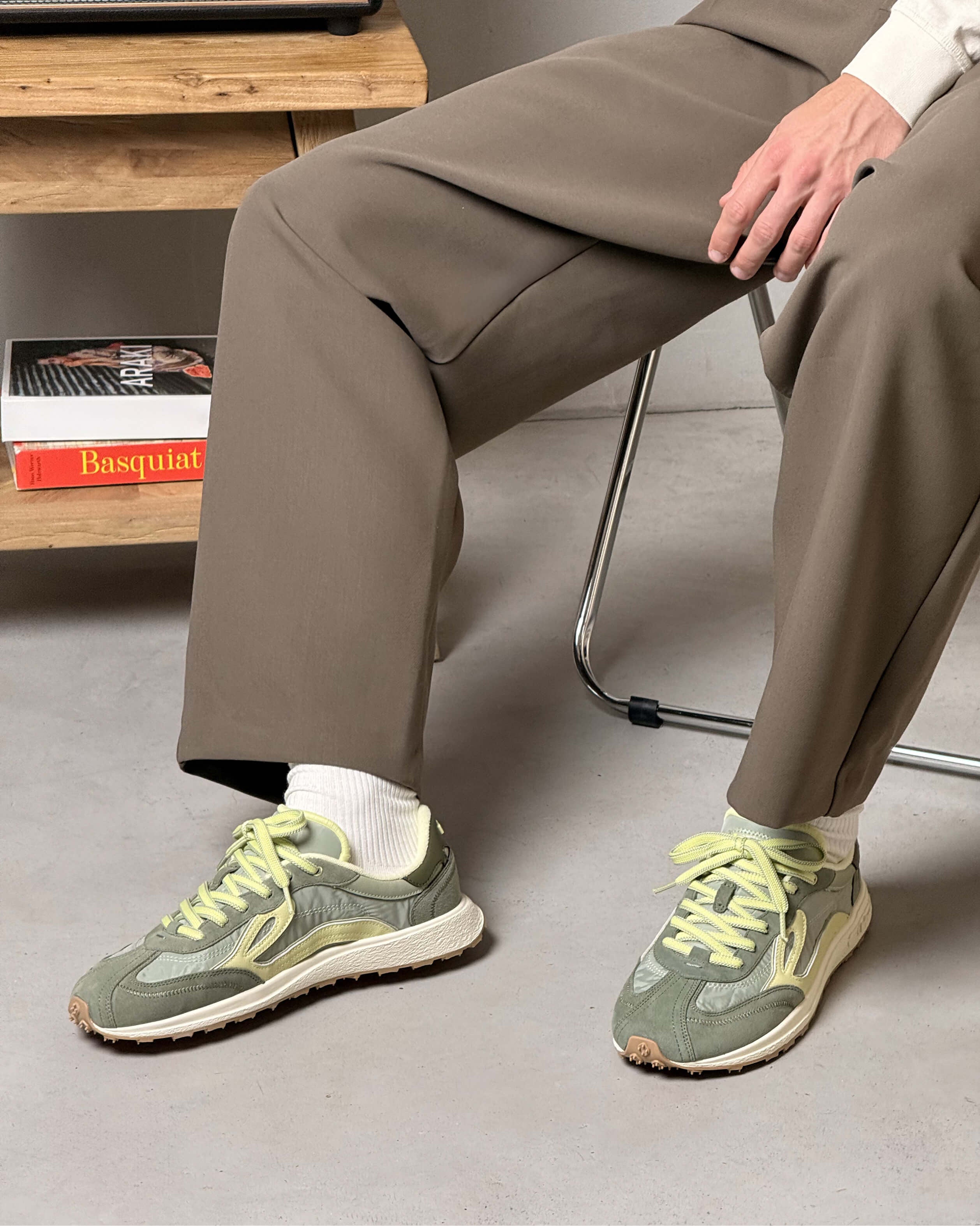
The Barefoot Bonito concept from Lejan starts from a simple idea: the features of barefoot footwear can also be built into designs that are easy to combine day to day.
Zero drop, room for your toes and flexibility don't have to be at odds with a polished look.

Frequently asked questions
Who shouldn't wear barefoot footwear?
There's no blanket ban, but it's not automatically the right type of footwear for everyone either.
With recent injuries, persistent pain, significant loss of sensation, certain neurological conditions or specific offloading needs, a different type of footwear may be necessary.
In these cases, it's best to assess each situation individually with a healthcare professional.
Do physiotherapists recommend minimalist footwear?
Some physiotherapists, podiatrists and other healthcare professionals use minimalist or barefoot footwear as part of certain adaptation, movement or functional recovery processes.
However, there's no universal recommendation that applies to everyone.
The choice will depend on the condition of the foot, the activity, the footwear worn previously and each person's needs.
Is walking in barefoot shoes good for you?
It can be a good option for many people, as long as the footwear fits the foot properly and the switch is made gradually when needed.
Barefoot doesn't just mean wearing a thin sole. What also matters is the drop, flexibility, toe box shape and overall fit of the shoe.
What are the downsides of barefoot footwear?
One of the main difficulties can come up during the transition.
If someone has spent years wearing heavily cushioned, stiff or high-drop shoes, switching to barefoot means changing the way the foot and other structures take on load while walking.
Bear in mind, too, that not every barefoot model works for every foot. Width, instep volume, length and fit are still essential.
So rather than simply looking for a label that says “barefoot” or “minimalist”, what matters is knowing the shoe's actual features and checking whether they suit each foot.
Test your knowledge
Answer the questions to check how much you know about this topic.
1. ¿Qué característica es habitual en un calzado barefoot?
2. ¿Todo el calzado minimalista es necesariamente barefoot?
3. ¿Qué debe permitir una puntera anatómica?
4. Si vienes de utilizar calzado rígido, amortiguado y con mucho drop, ¿qué suele ser recomendable al pasar al barefoot?

Share