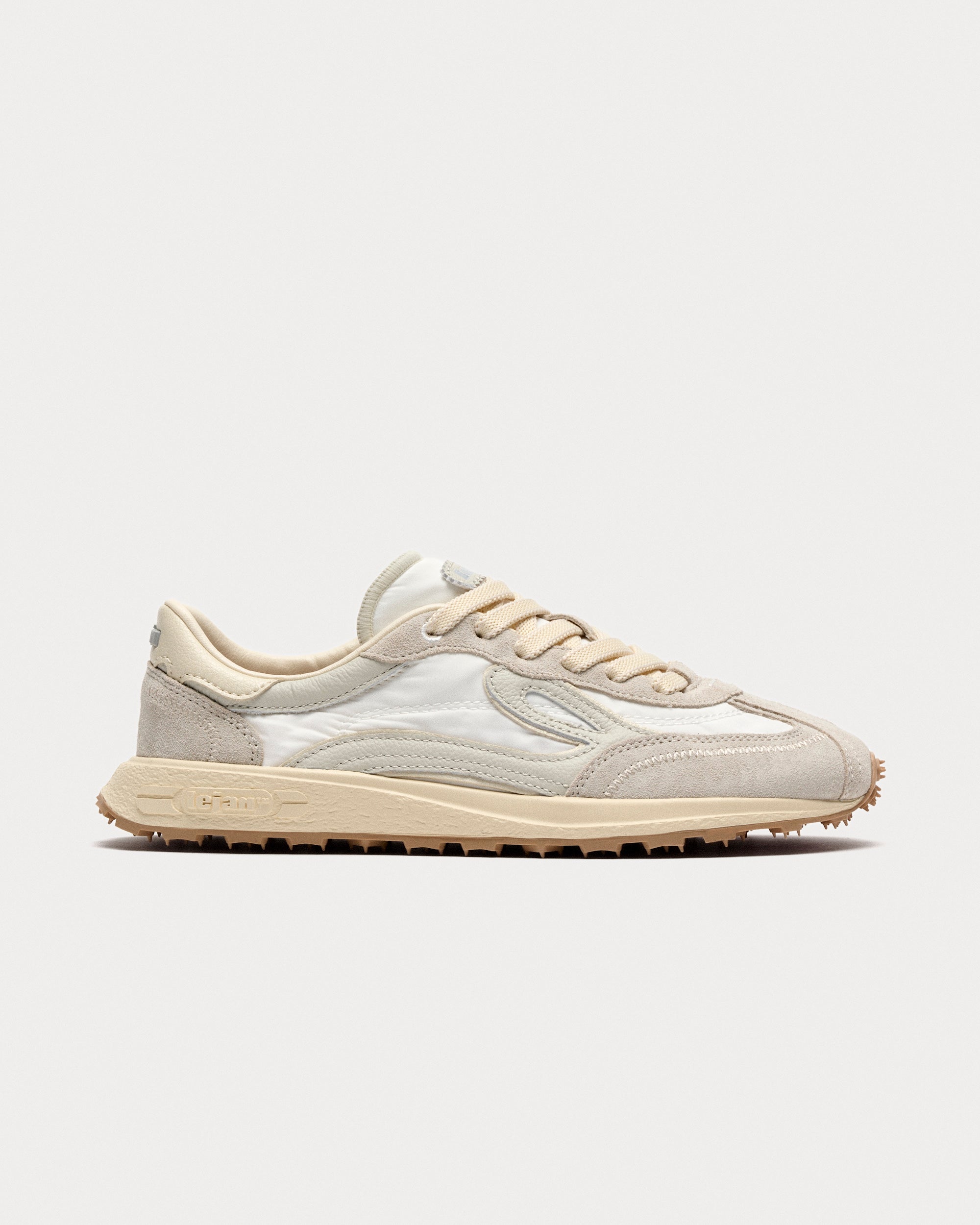
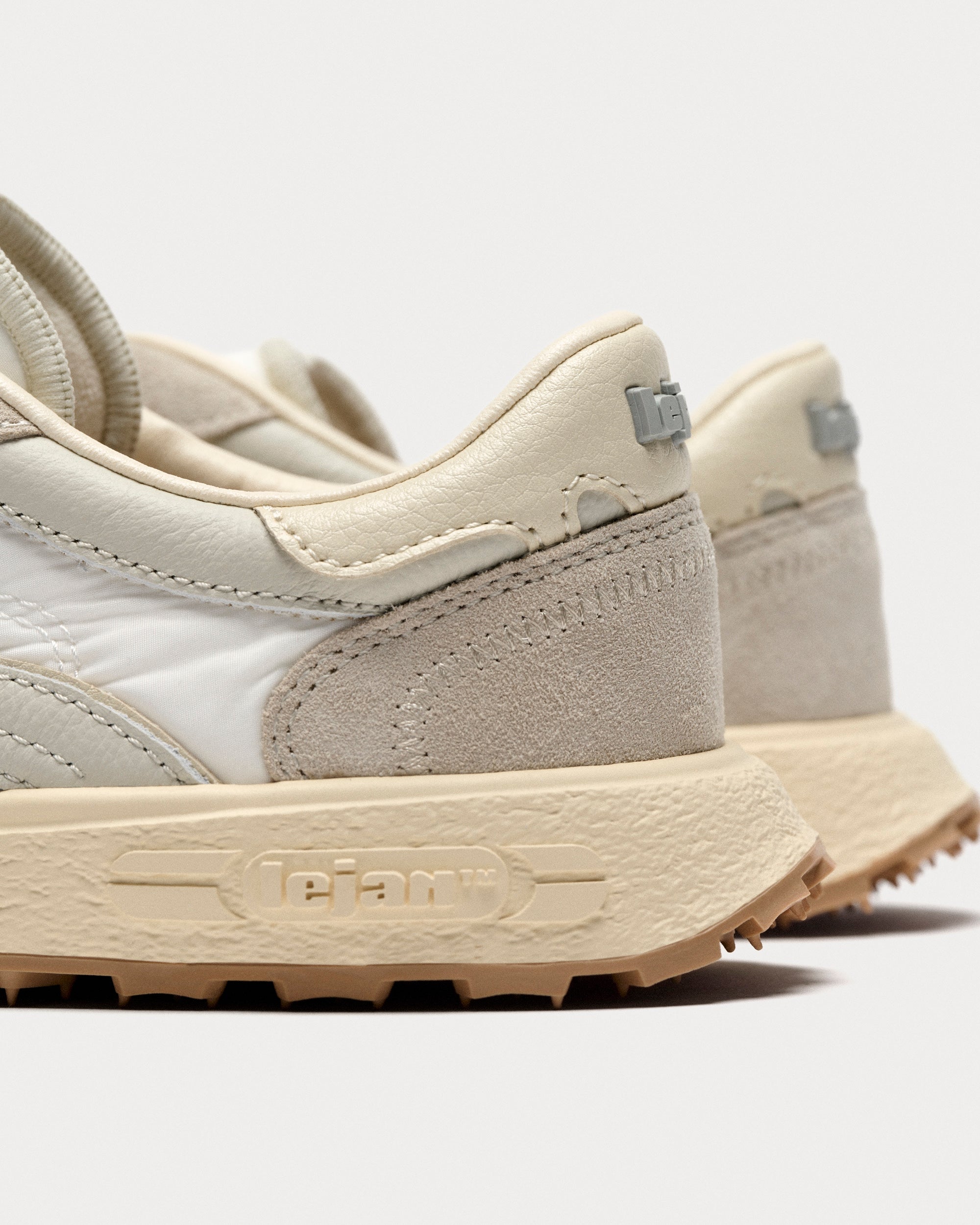
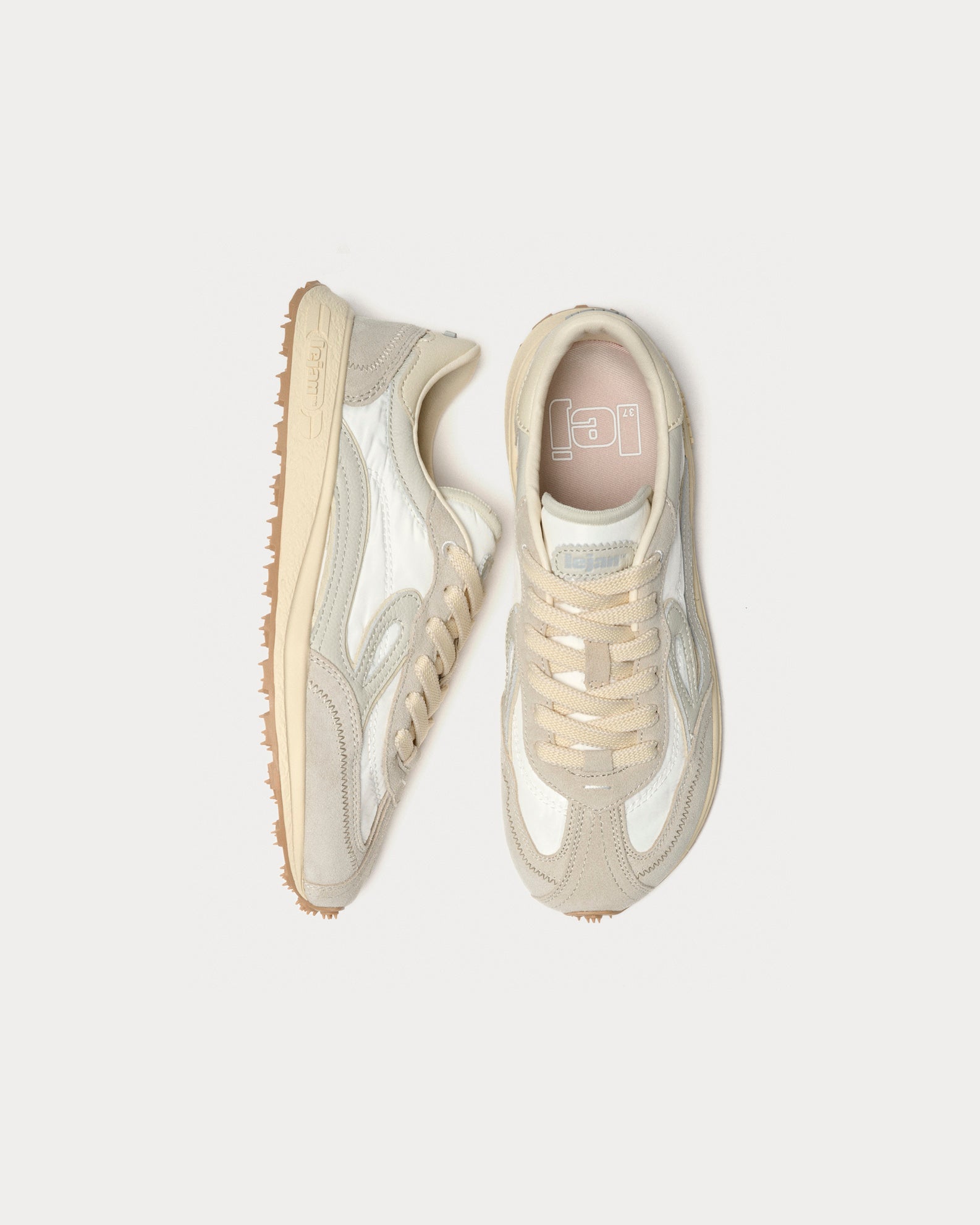
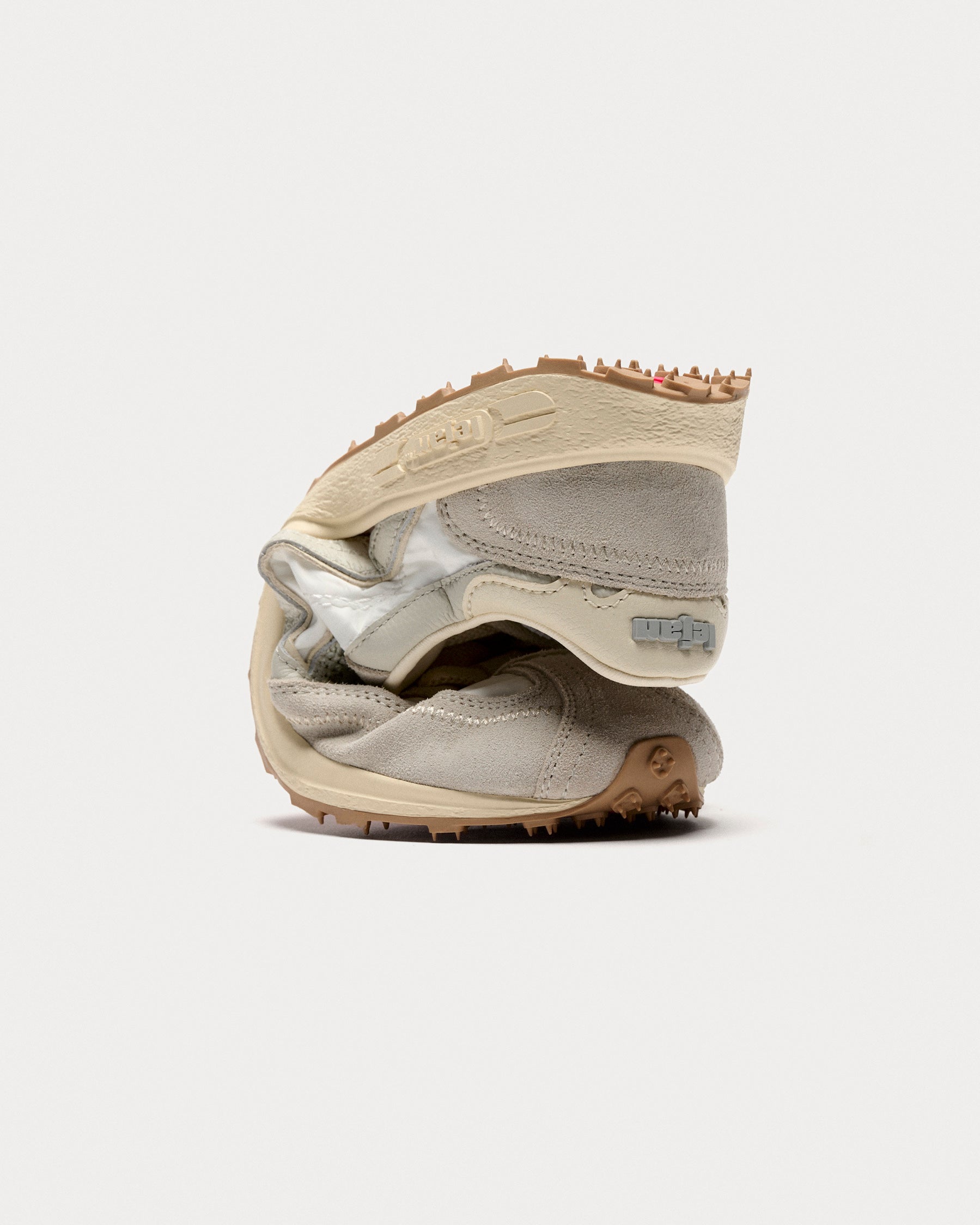
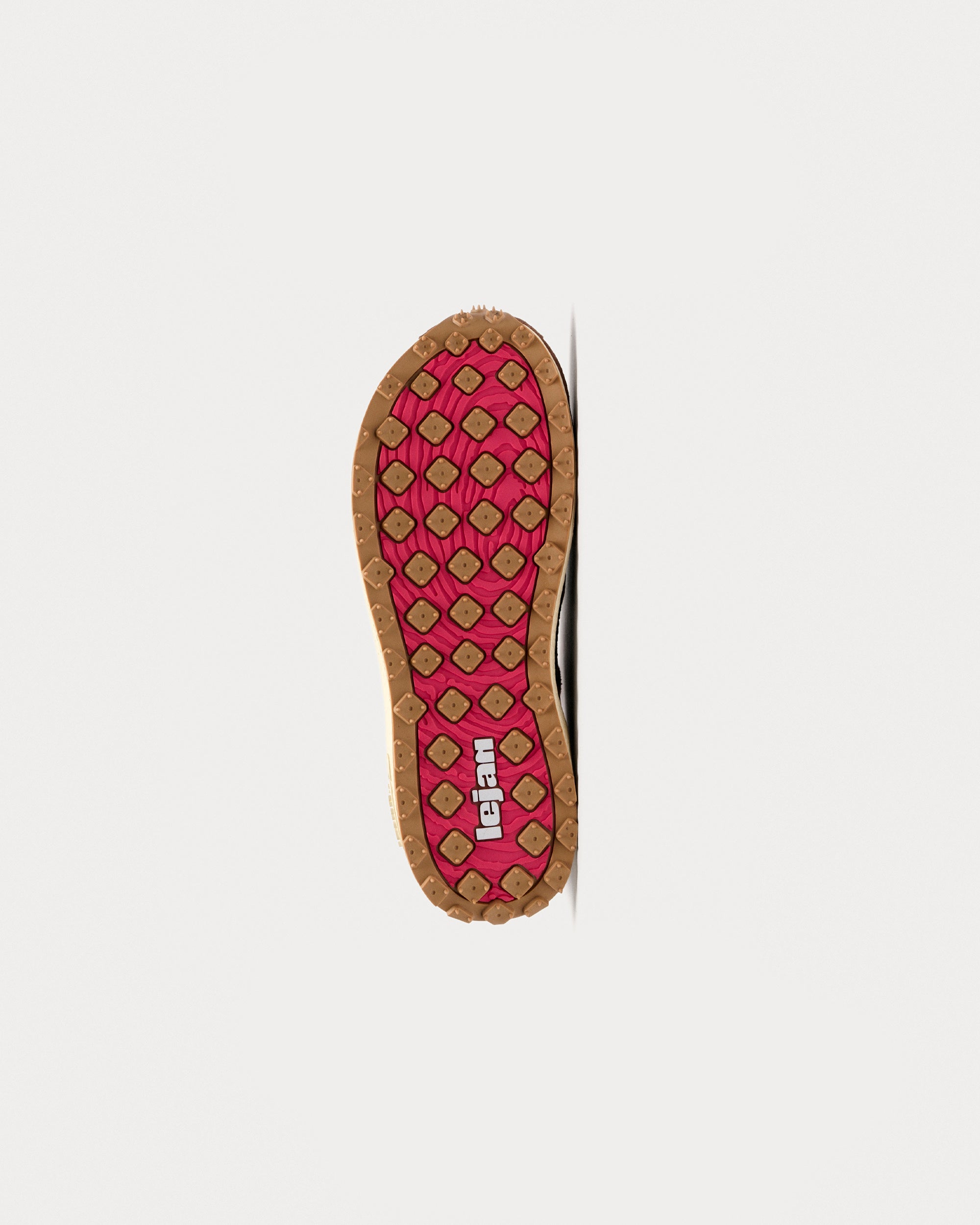
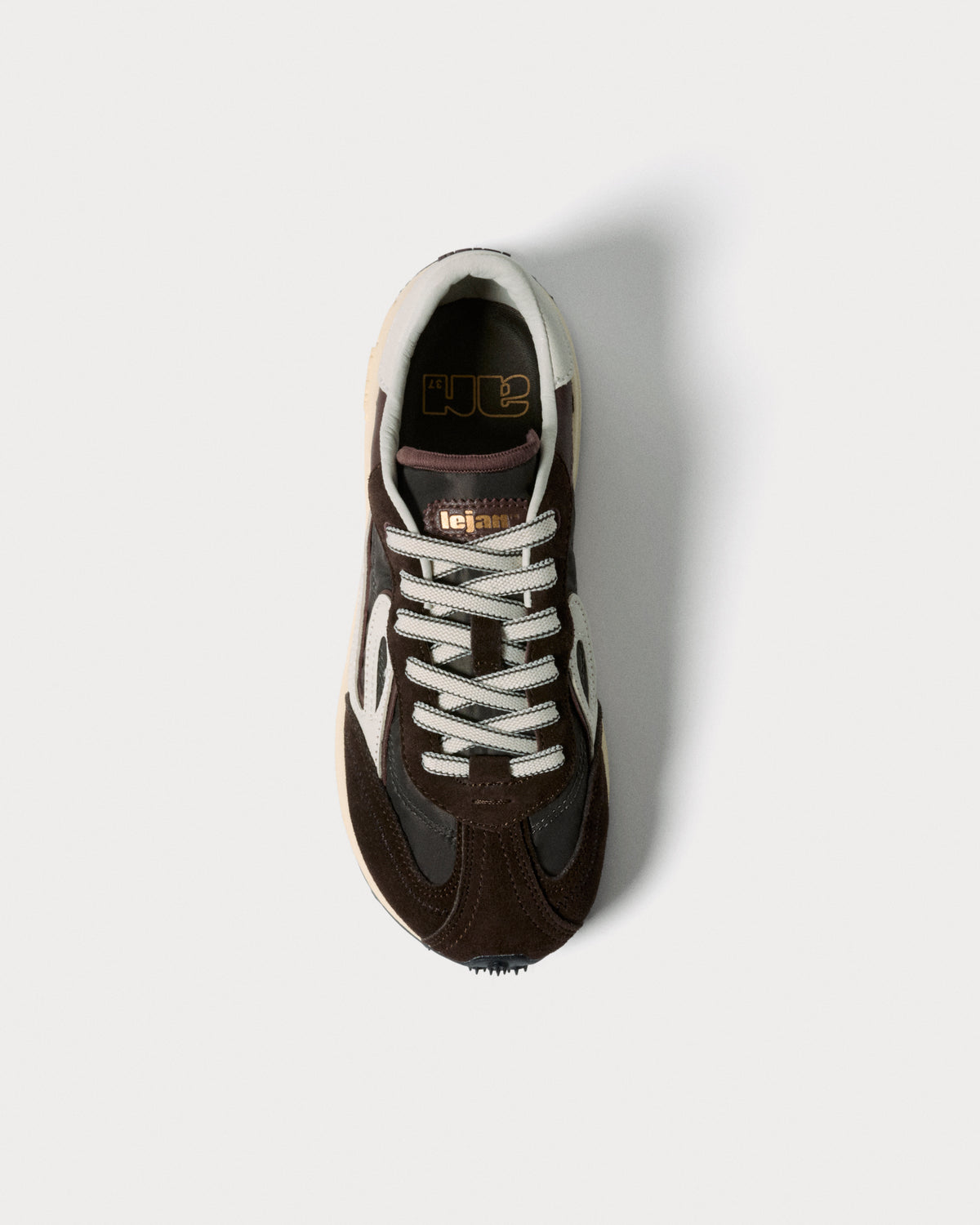
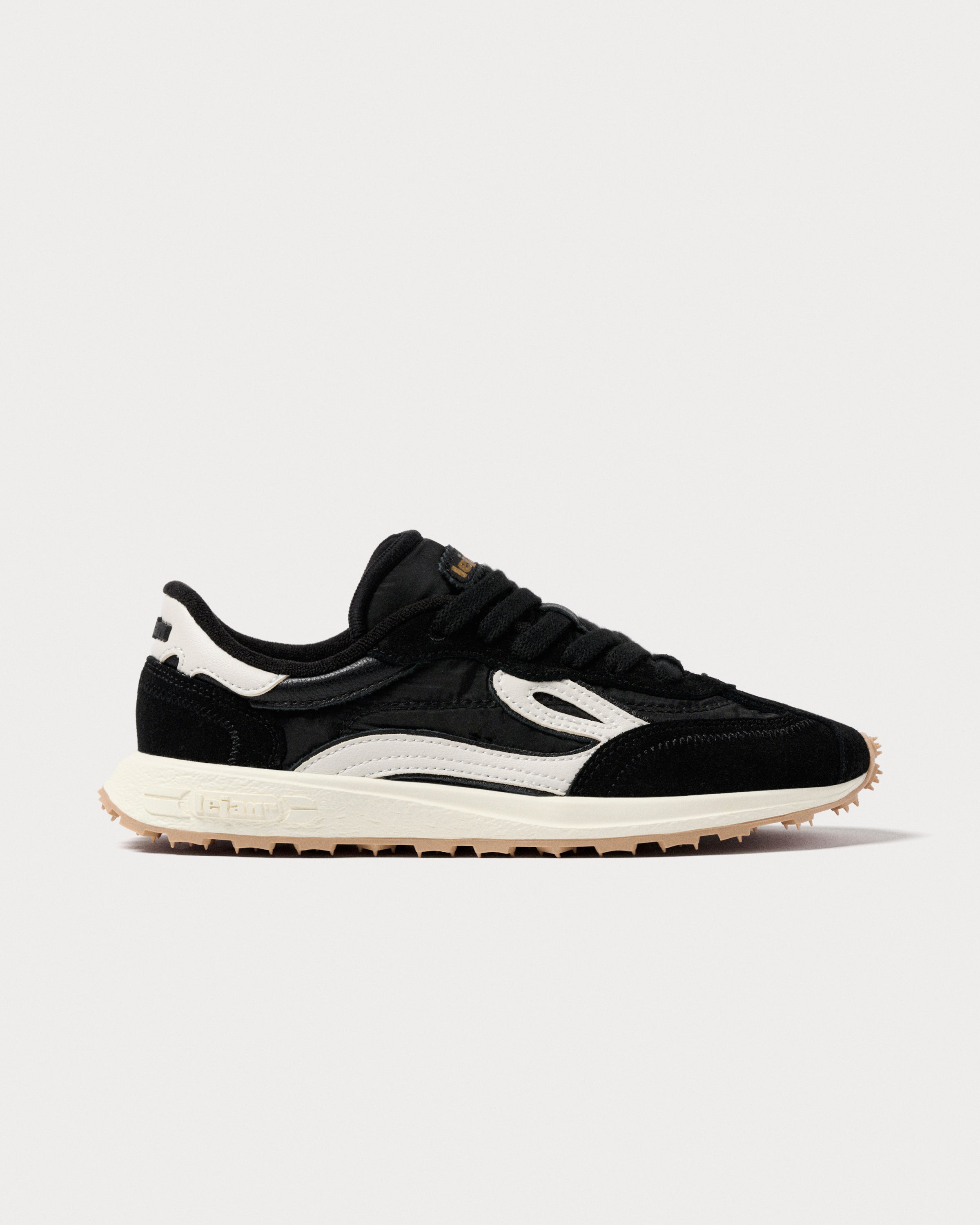
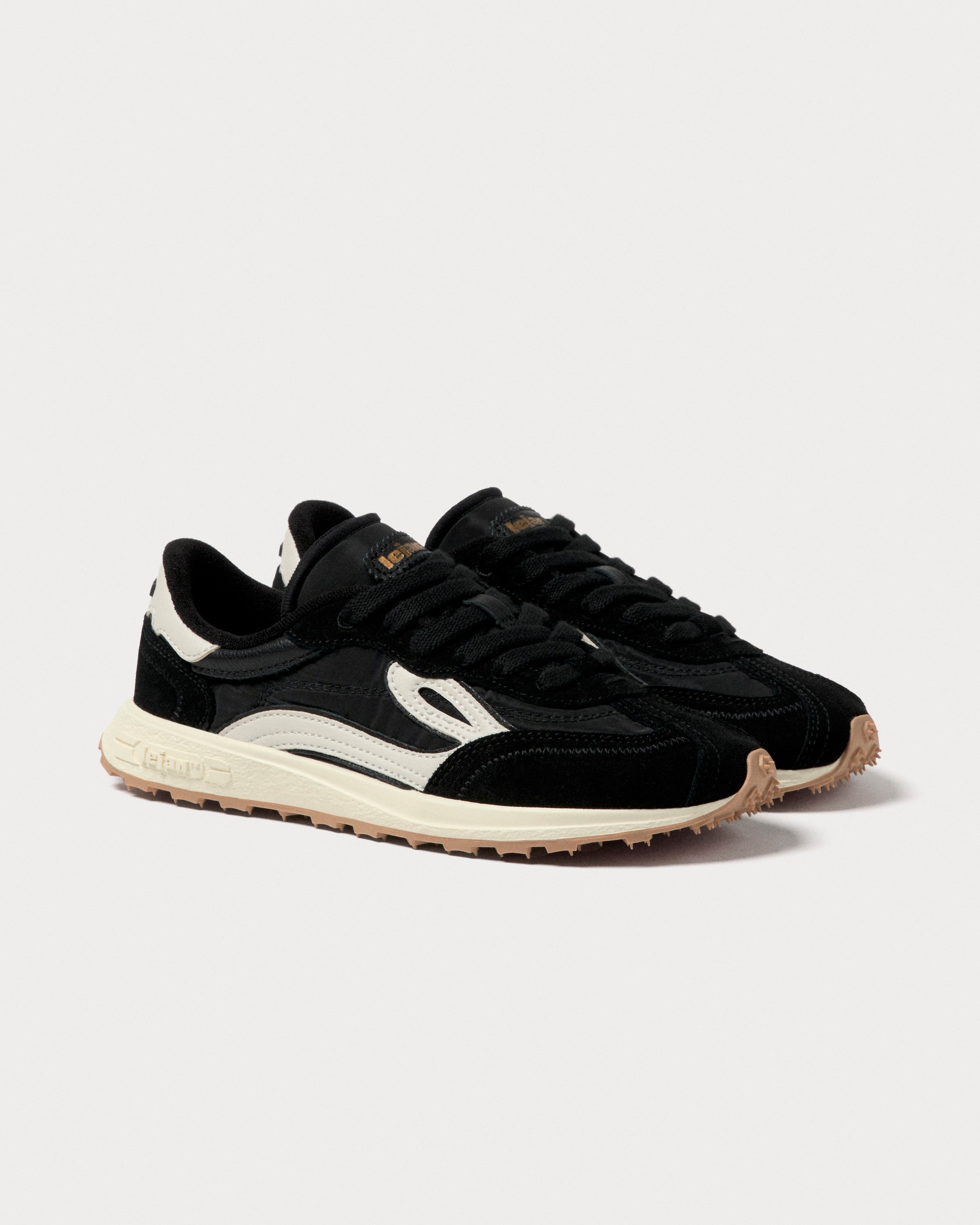
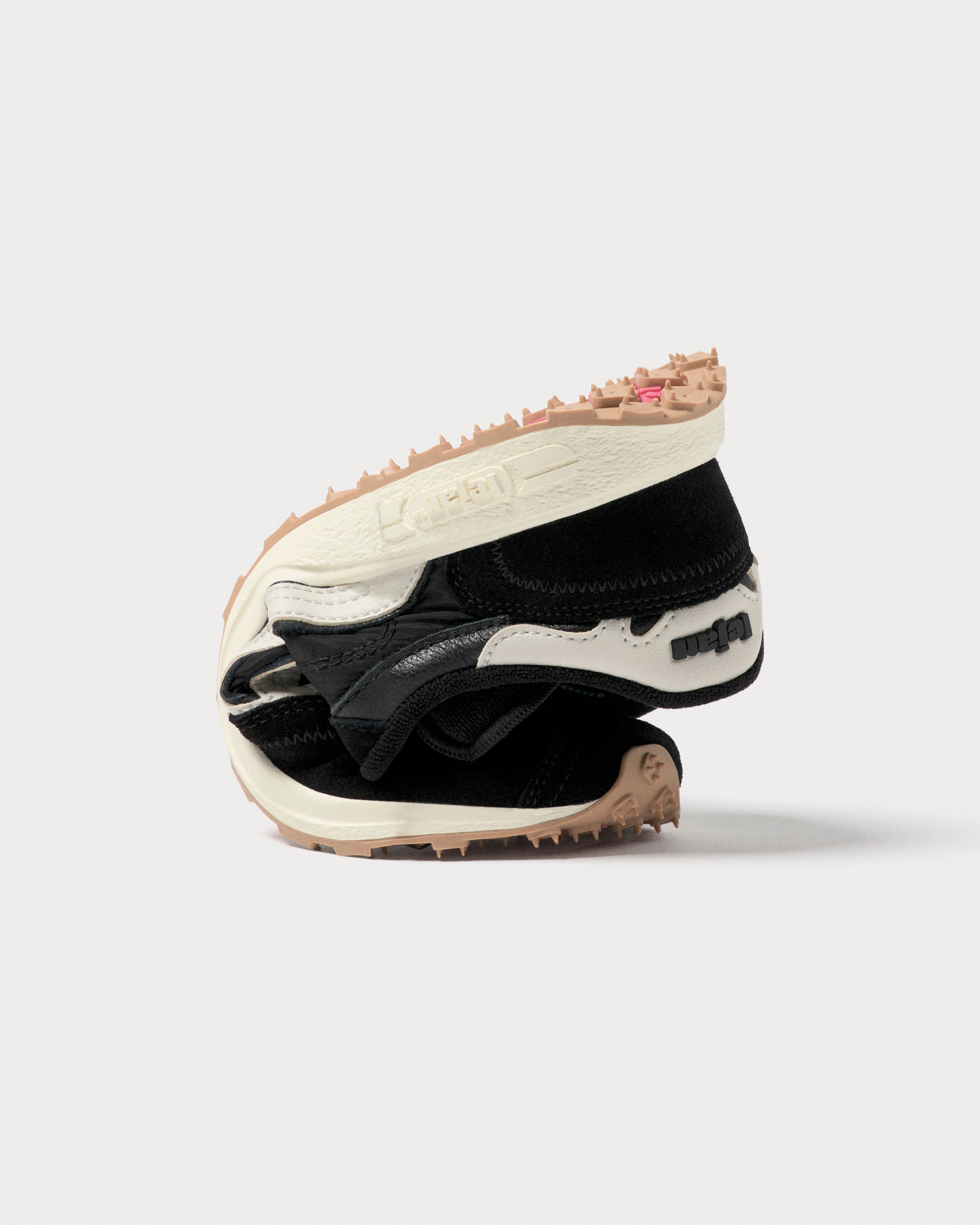
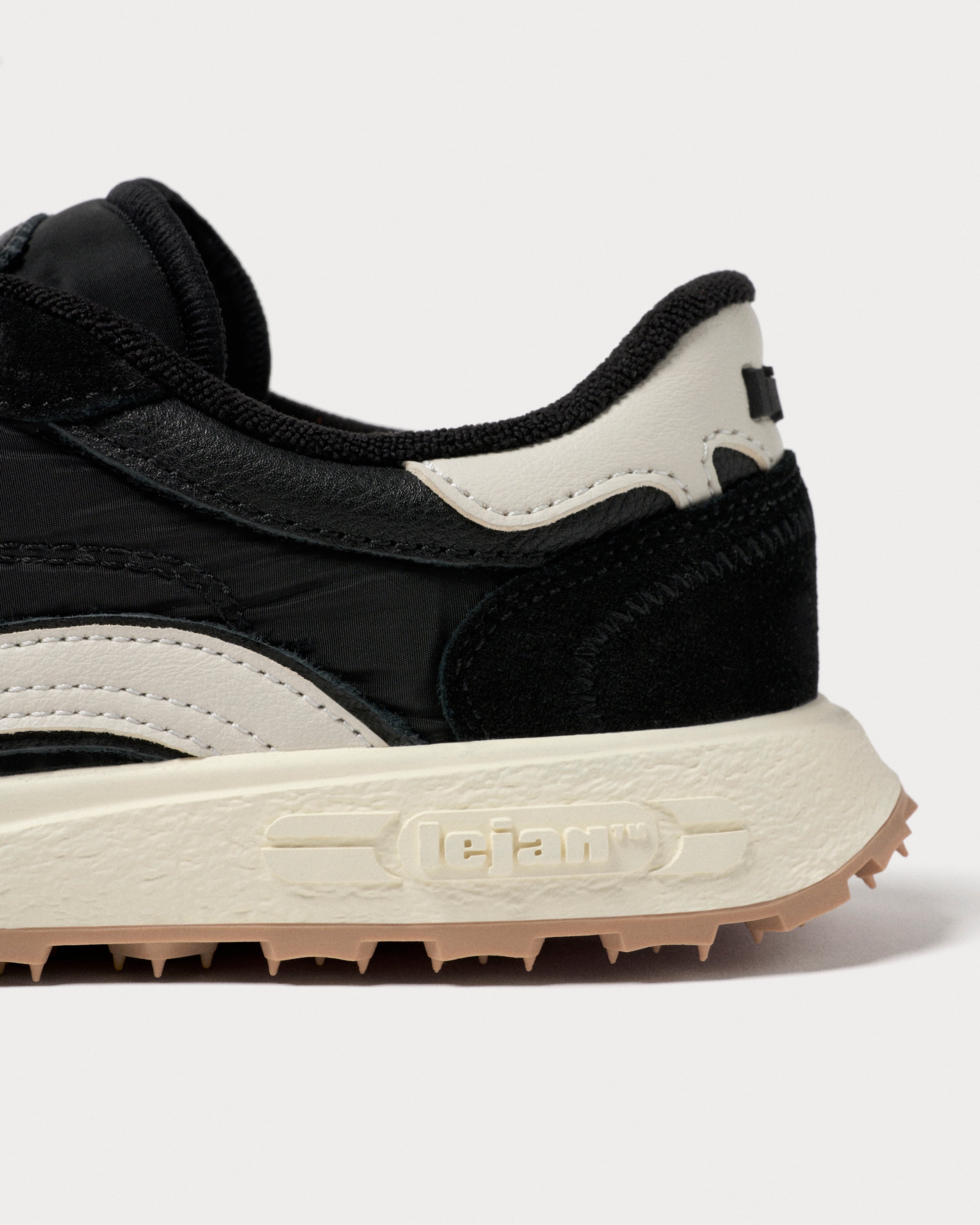
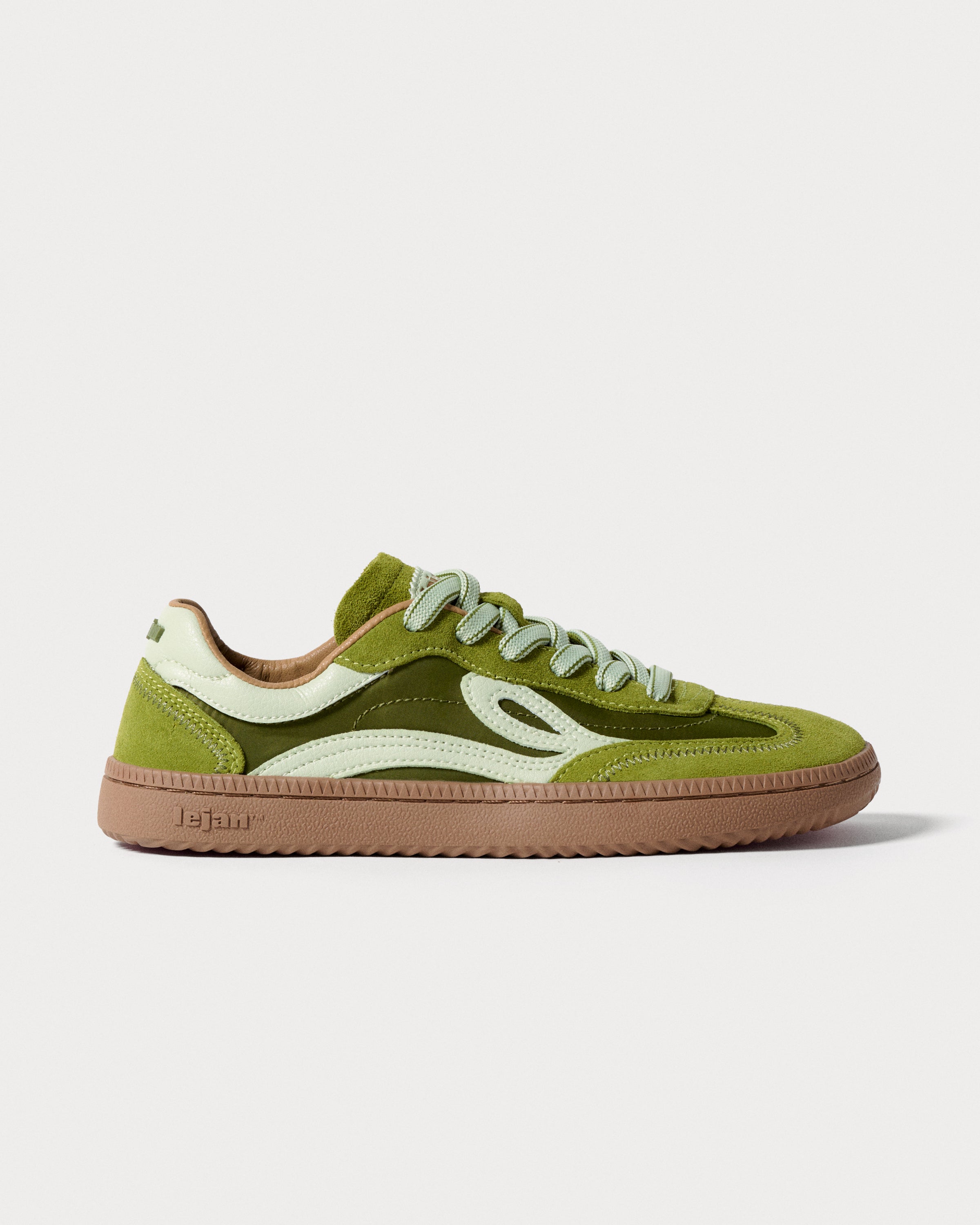
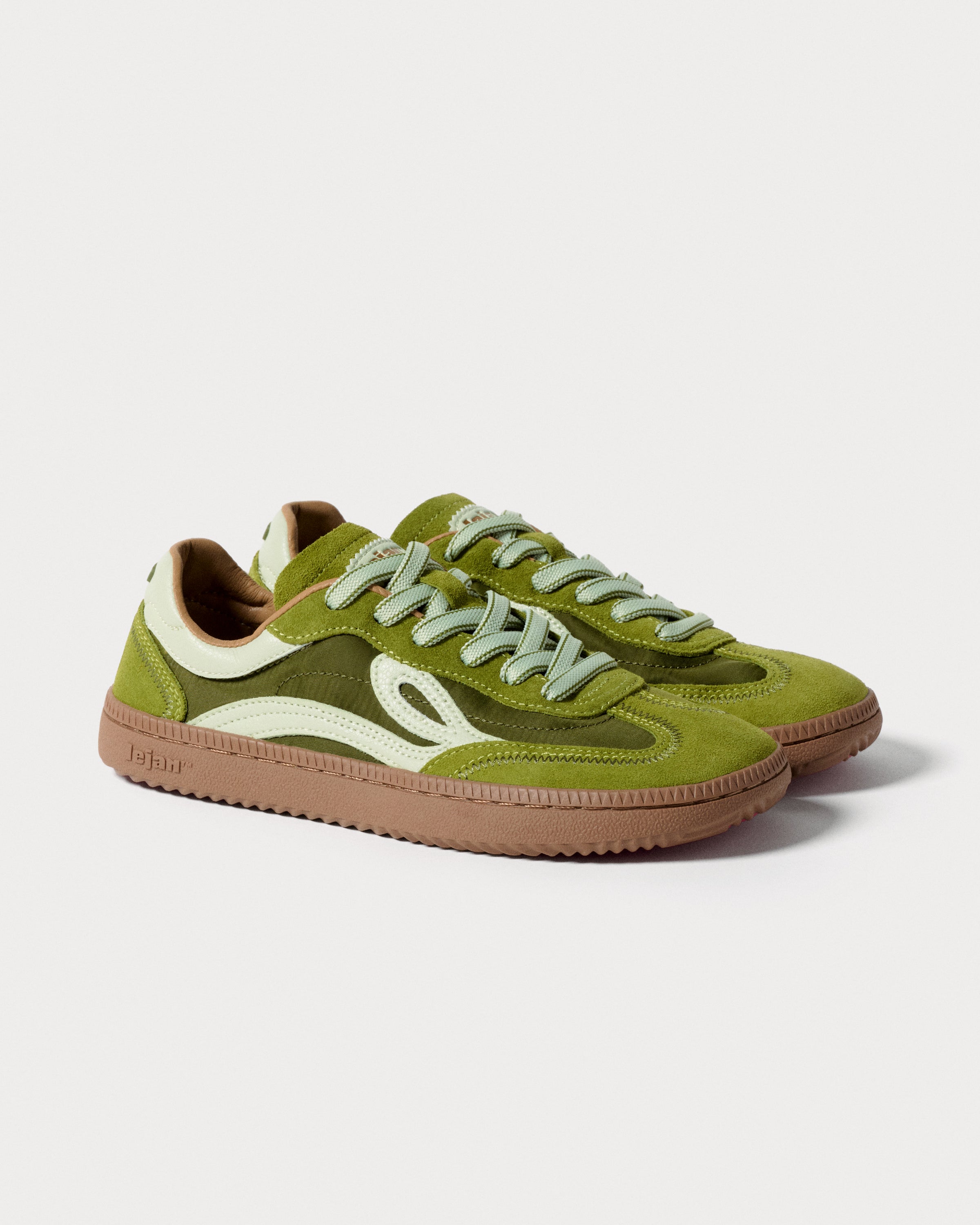
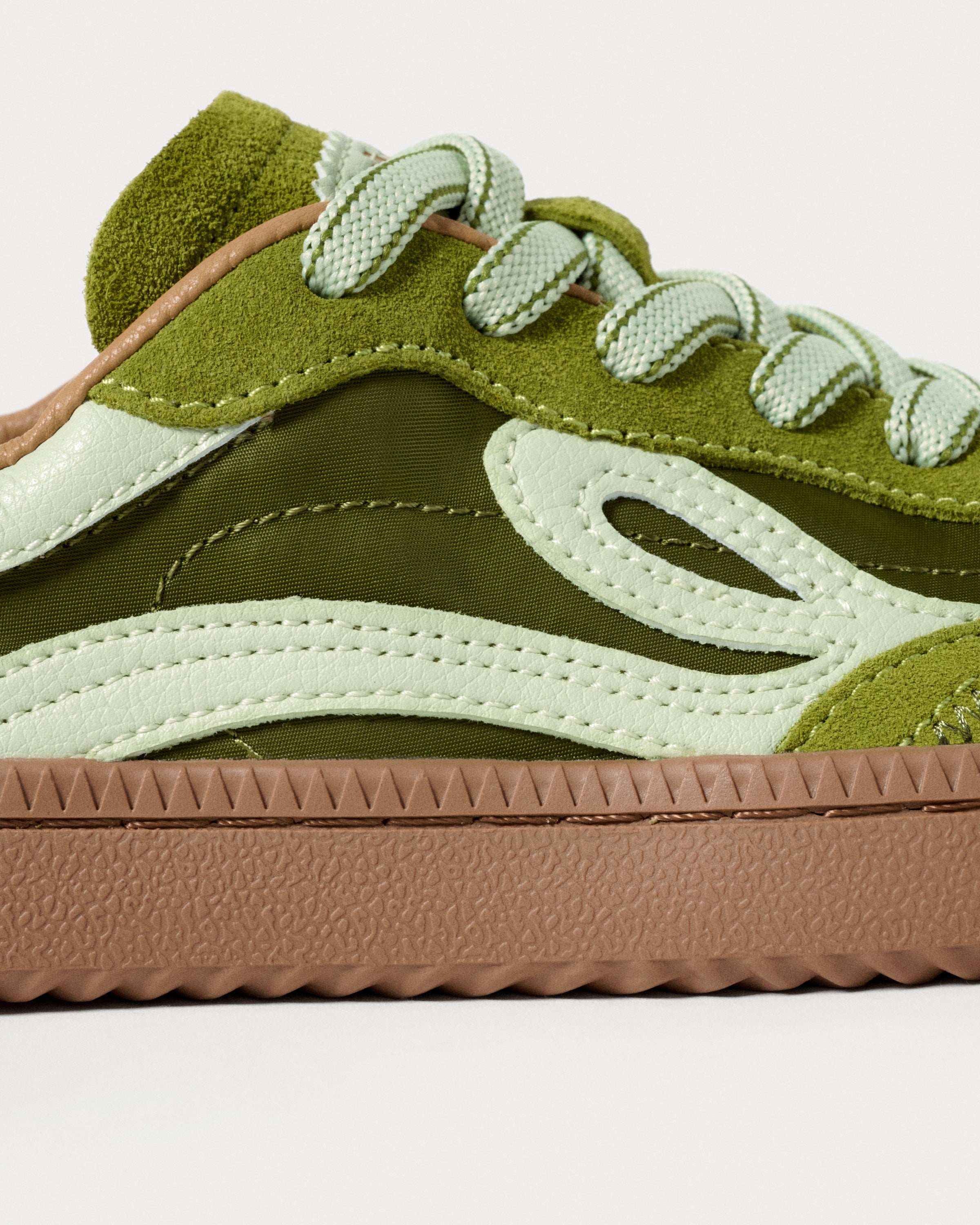
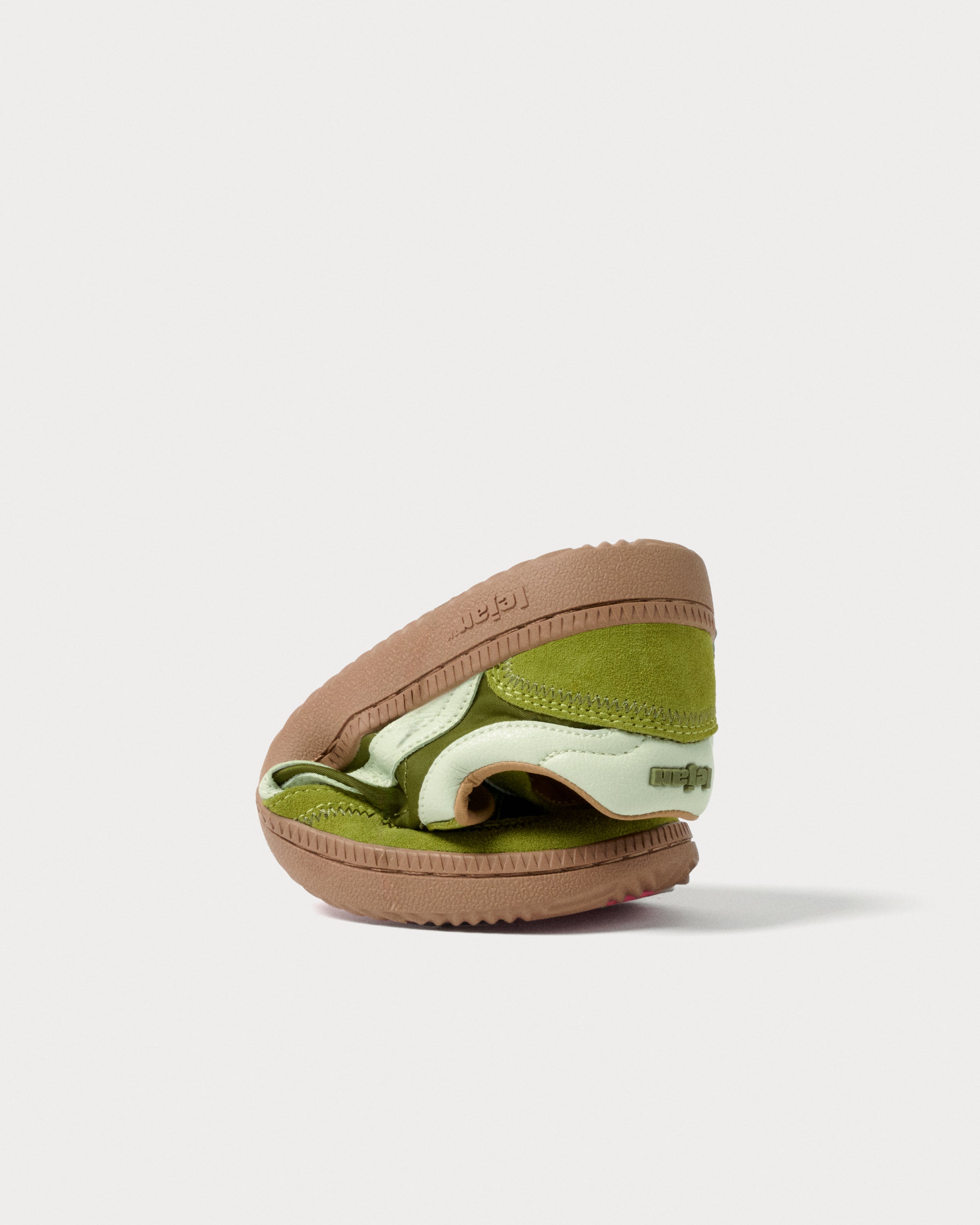
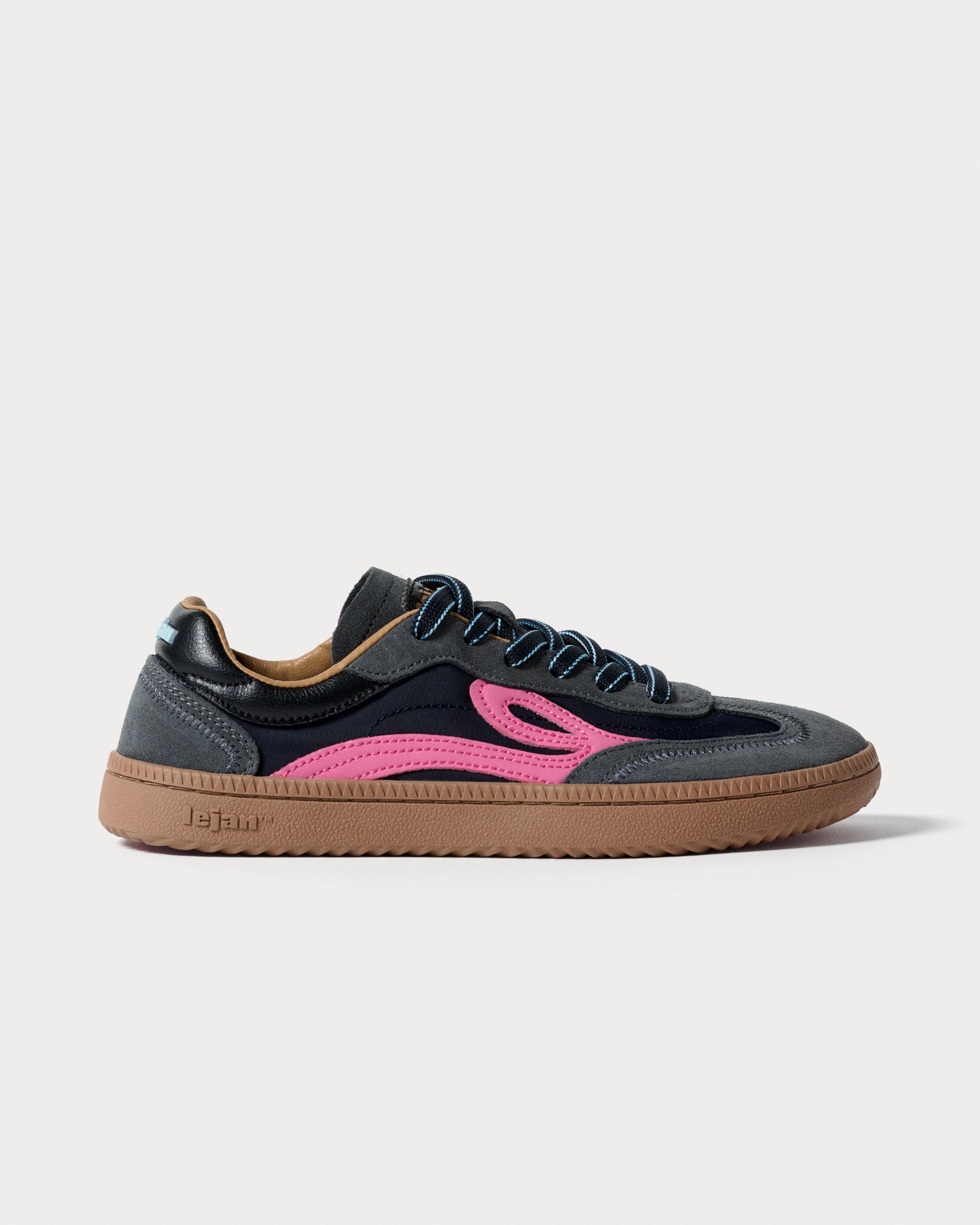
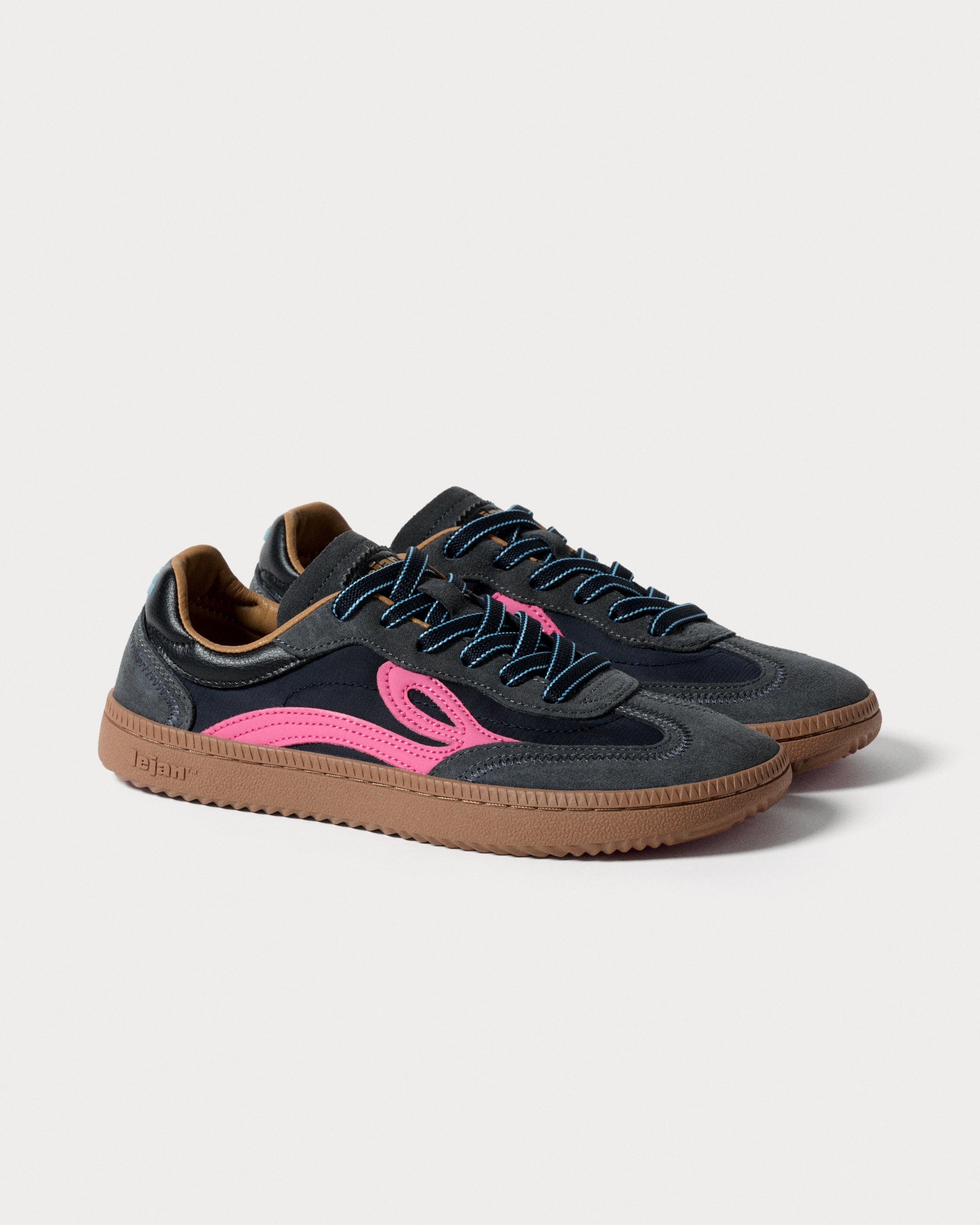
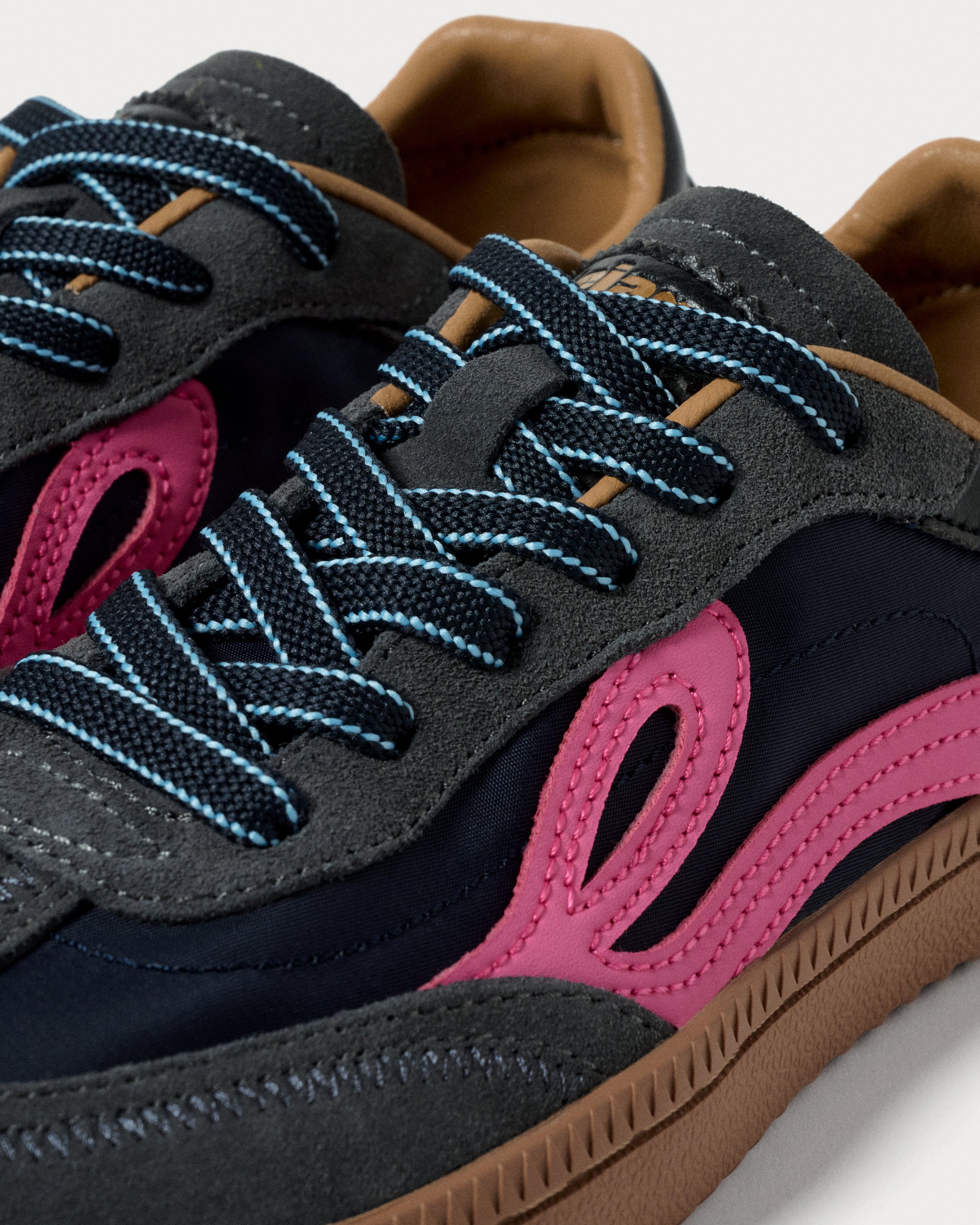
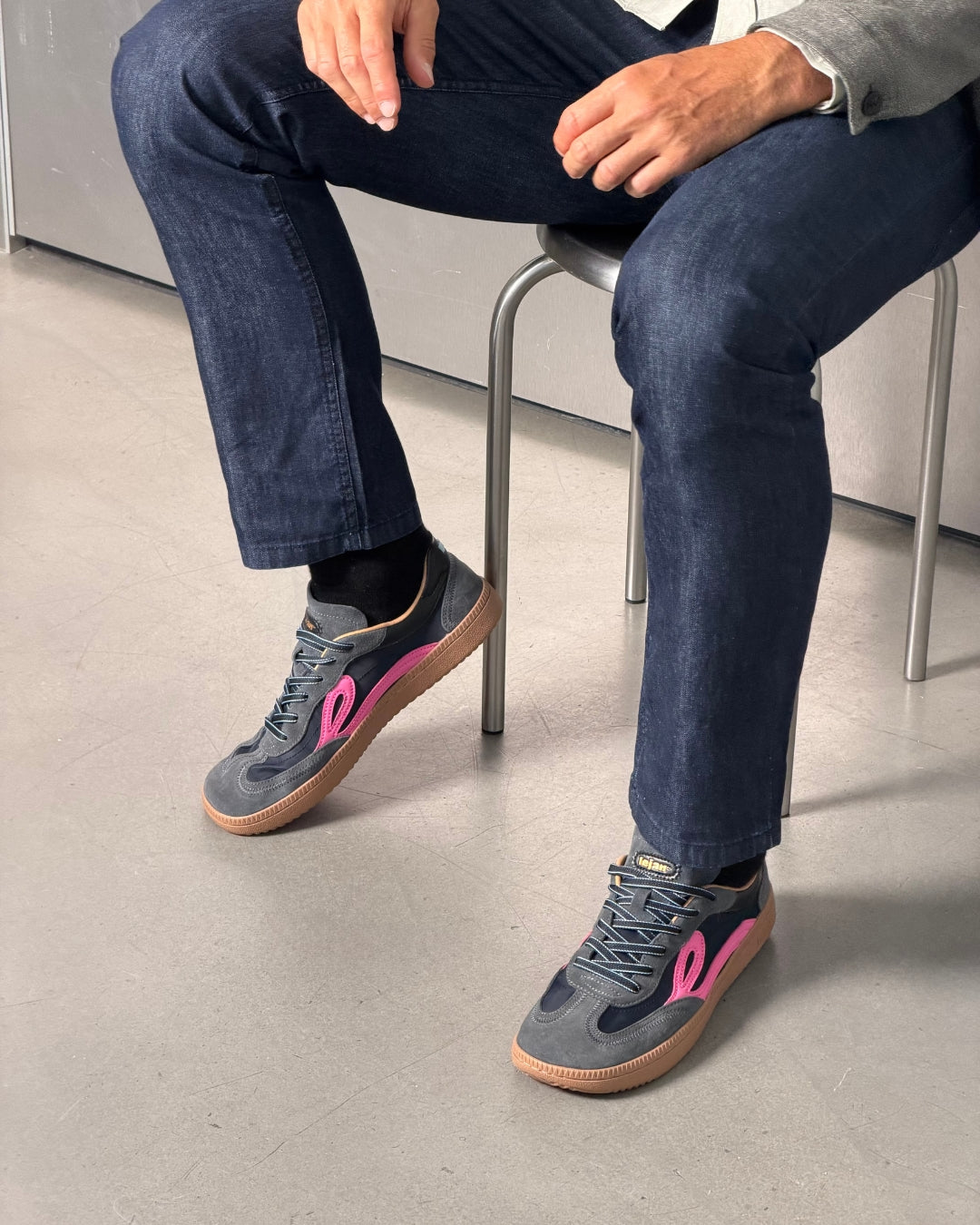
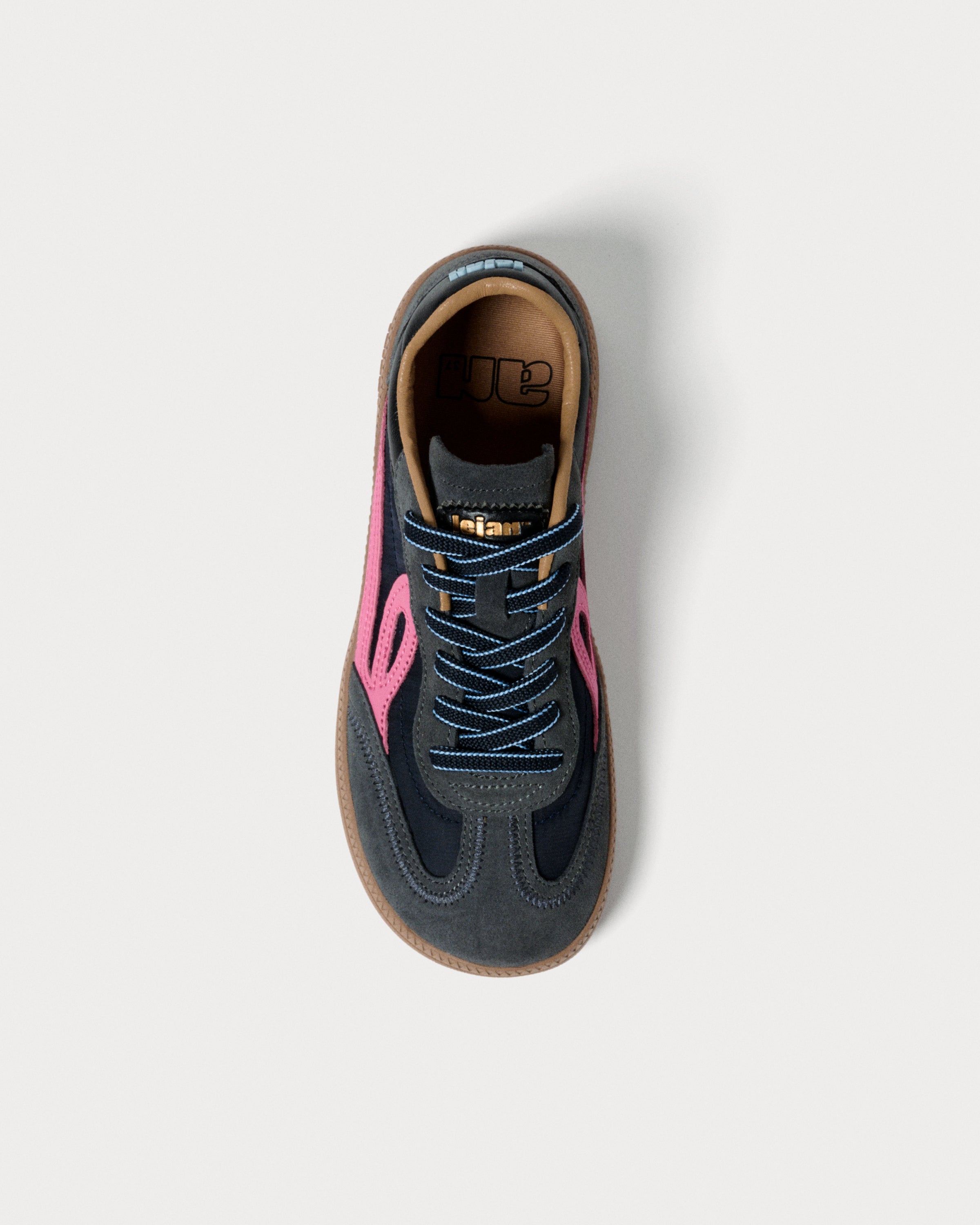
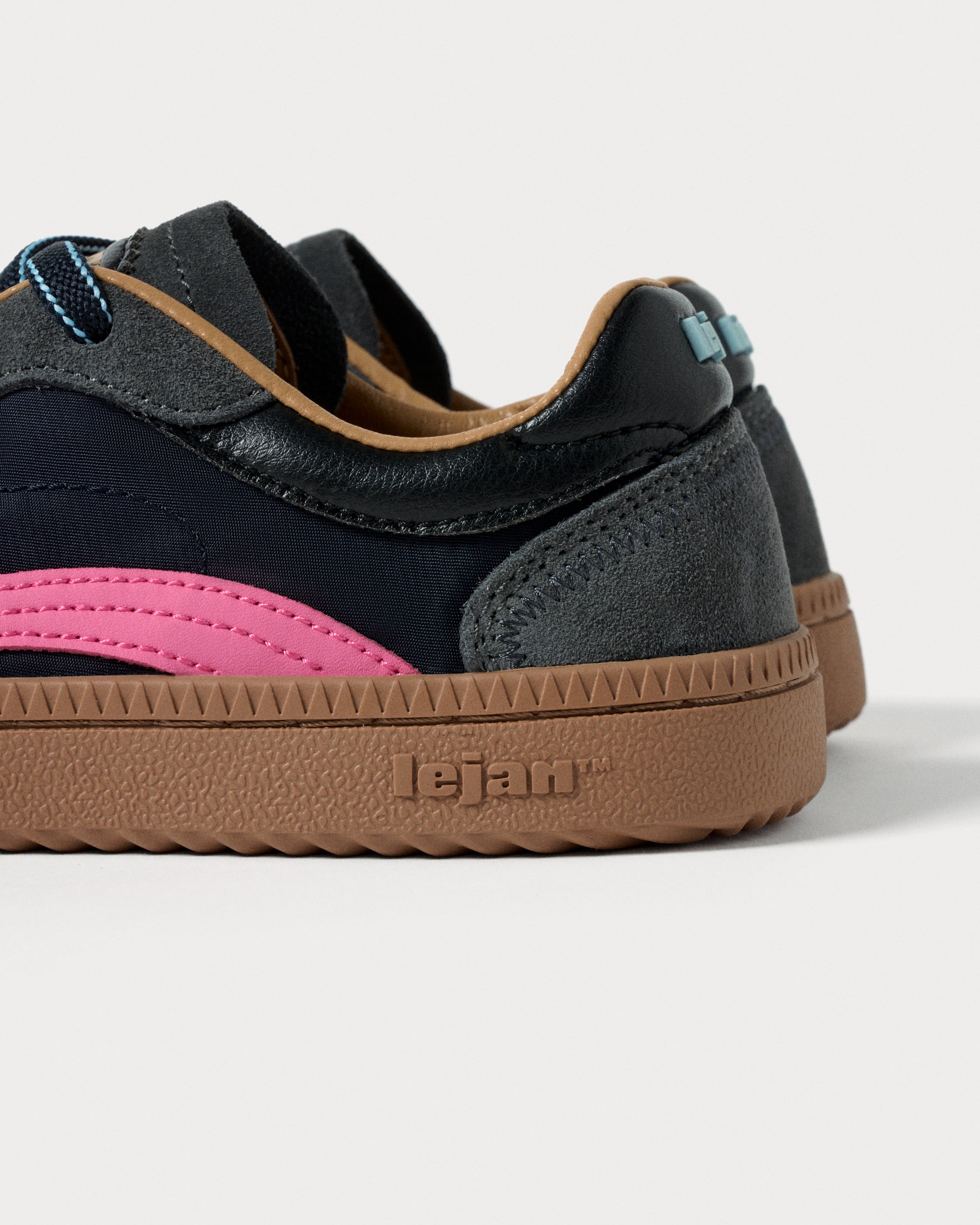
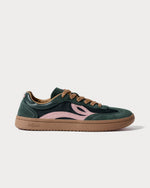
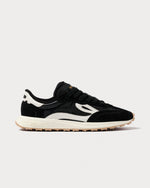
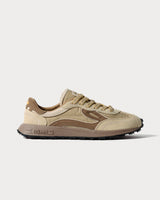
Firm and flexible sole: stability without sinking or "spoiling" the gait
When the sole is flexible, it lets those joints work, lets the foot bend where it needs to bend and lets it receive constant mechanical stimulation. That stimulation helps to keep the musculature active, to improve support control and to preserve foot strength over time.
On the other hand, a rigid sole tends to block part of that natural mobility: it limits joint movement, it reduces muscular work and makes the body rely more on the shoe to stabilize itself. With continued use, that lack of stimulus can lead to an understimulated foot and, therefore, a "lazier" or weaker one.
In barefoot footwear, hardness matters: the sole should be firm and hard, not soft or heavily cushioned.
How to recognize a truly flexible sole
Avoid softness that sinks. When a material is very padded it deforms under your weight and doesn't always do so evenly. Sometimes it gives way more on the inside or outside, and that can make the foot tilt slightly without you noticing, as if the shoe itself were creating a small "wedge". That can push you to step more inward or outward and change the way you walk.
When you walk barefoot, the ground is stable: it doesn't deform under your foot. With a lot of cushioning, on the other hand, some of the movement you feel doesn't come from your foot but from the sole compressing. That's why barefoot footwear aims for a firm and stable sole that doesn't sink and lets you support consistently.
Real benefits in your day-to-day: control, sensitivity and posture from the foot
With a firm and flexible sole, the foot works: more stimulation, active musculature, better support control and ground feel. Flexibility isn't a technical detail: it's the basic condition to respect the function of the foot and let it do what it is designed to do.

Share