Barefoot for Neuroma

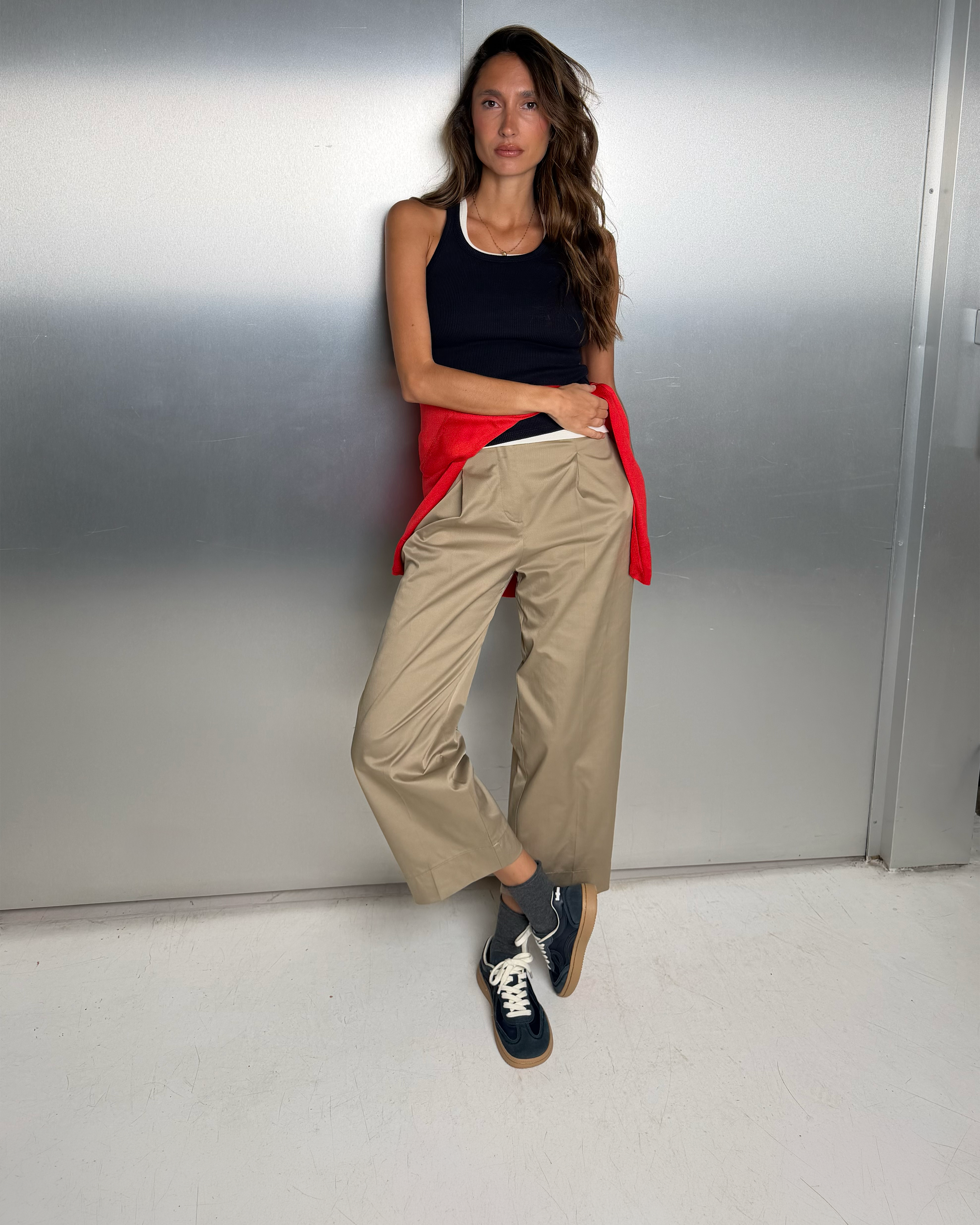
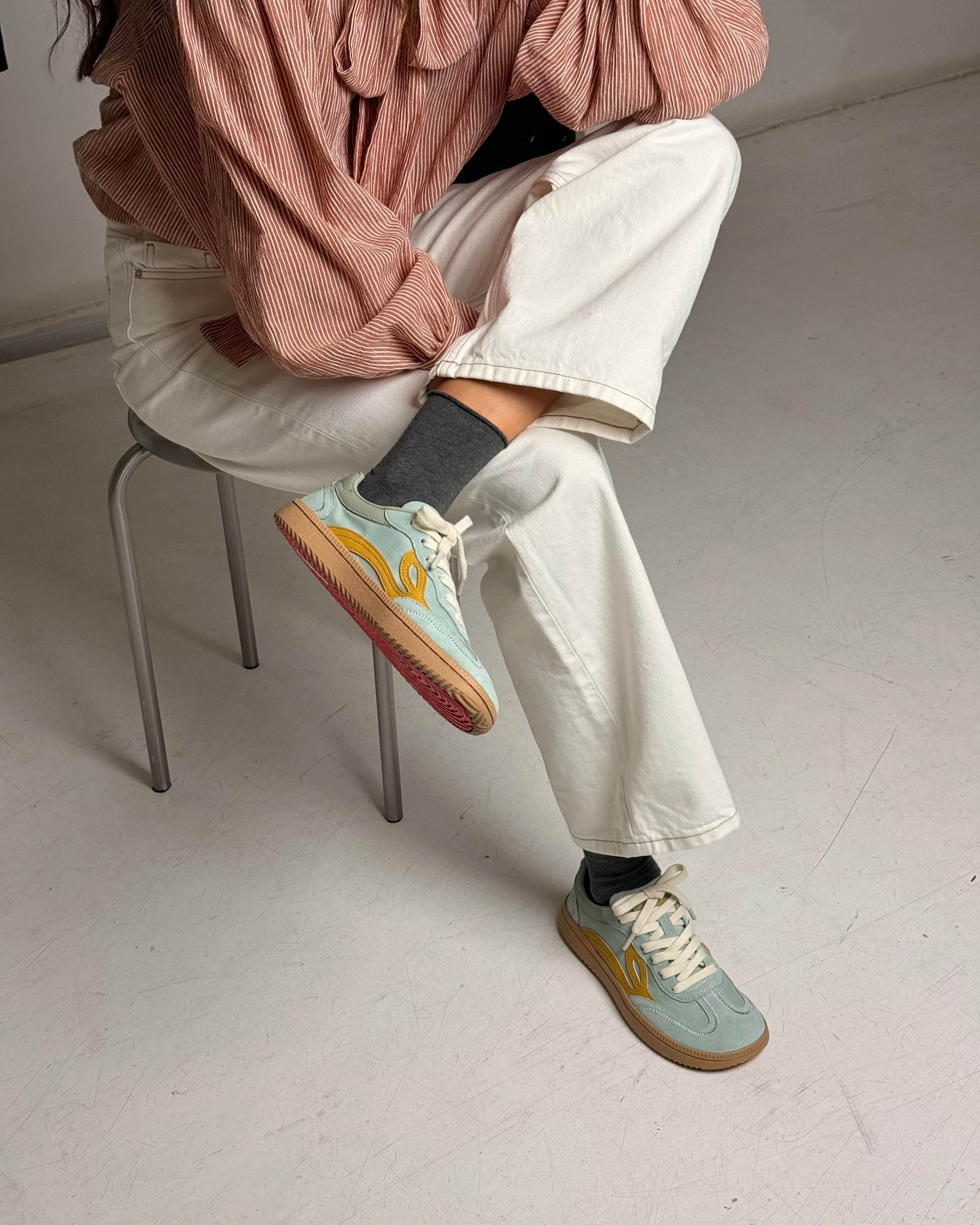
Barefoot shoes for neuroma with a wide last that frees the forefoot: more room for the toes and less compression in the metatarsal area. Barefoot Bonito.
mujer
hombre
NEW IN
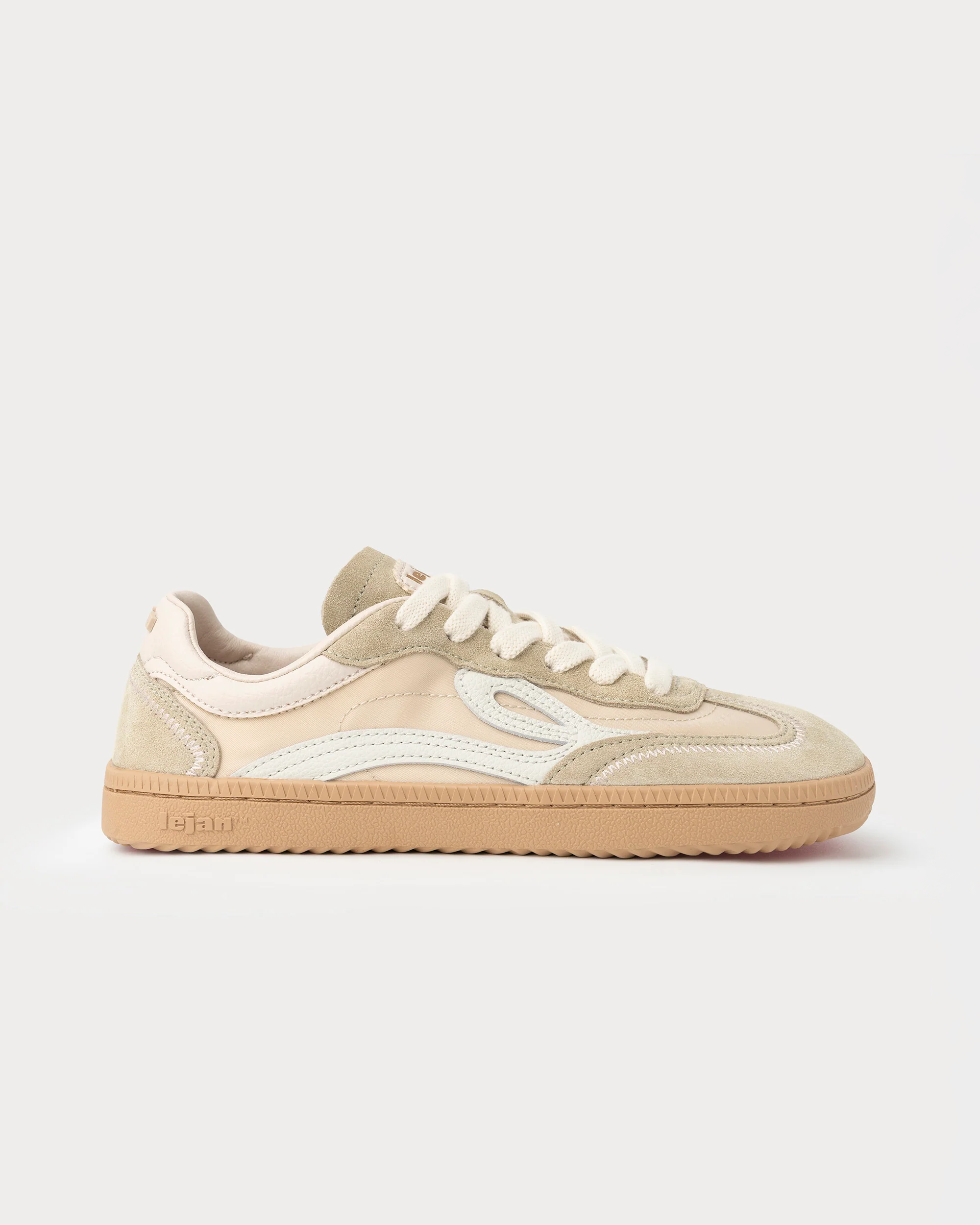
Lejan One
Beige
980 kr
mujer
hombre
NEW IN
Lejan One
Matcha
980 kr
mujer
hombre
NEW IN
Lejan One
Navy
980 kr
mujer
hombre
NEW IN
Lejan One
Terra
980 kr
mujer
hombre
NEW IN
Lejan One
Skyblue
980 kr

A neuroma, such as Morton's neuroma, makes pressure on the forefoot especially uncomfortable, and here space matters more than ever. Lejan's barefoot footwear for neuroma starts from a wide last that gives the toes room and reduces compression in the metatarsal area, right where it hurts most.

To that roomy toe box it adds a thin, flexible sole, zero drop and a very light weight, with no rigid seams squeezing the forefoot. This kind of footwear may help with your symptoms, because barefoot for neuroma aims to give freedom back to the front of the foot so that each step is gentler on the affected area.

The whole Barefoot Bonito collection, in adult versions and a range of colours. If you live with a neuroma, ask your podiatrist which footwear suits you and discover our selection of barefoot for neuroma.

Respectful footwear is no substitute for professional advice; if discomfort persists or you have any doubts about a possible condition, consult your podiatrist.

View more View less

Morton's neuroma usually comes down to one simple need: more room around the toes and less pressure on the metatarsals. Lejan's wide last is designed for exactly that — an anatomical toe box, drop 0 and a flexible sole, so the foot is never compressed at any point.

Why Lejan's wide last helps with Morton's neuroma

Morton's neuroma appears when the nerves between the metatarsals are repeatedly compressed, usually by narrow lasts that squeeze the toes towards the centre. A genuinely wide last — not just a bigger size — lets the forefoot spread naturally and distributes pressure better as you walk.

What to look for in a shoe if you have Morton's neuroma

A wide toe box, to free the metatarsal area

The more real room the toes have, the less compression there is in the area where the neuroma appears. A toe box that just looks rounded on the outside isn't enough: there has to be real width inside.

A thin, flexible sole with no pressure points

A rigid or reinforced sole can create concentrated pressure points right on the sensitive area. Lejan's thin, flexible sole lets the foot spread its weight more evenly.

One® or Melrose®: which model to choose

Both models share the same wide last and drop 0. The One® is the more understated option for everyday wear; the Melrose® has a stronger presence in its silhouette, if you're after something with more character. For the neuroma itself, the choice is more about style than any technical difference.

Frequently asked questions about barefoot shoes for Morton's neuroma

Can barefoot shoes help with Morton's neuroma?

Many people with Morton's neuroma feel relief when they switch to shoes with more room in the toe box, as it reduces the compression that tends to aggravate symptoms. It's no substitute for professional diagnosis or treatment — if you have persistent pain, consult a podiatrist.

Do I also need an insole, or is changing shoes enough?

It depends on the case. Some people improve simply with more room in the toe box; others benefit from a specific insole recommended by a professional. If your case is recent or the pain is intense, it's best to get advice before deciding.

How long before I notice an improvement?

It varies a lot from person to person. A change of shoes tends to be felt gradually, not overnight — needing a few weeks to adapt is normal, just like any transition to barefoot shoes.

Which size should I choose with this condition?

Leave a margin of roughly 0.8 to 1.2 cm between your longest toe and the end of the insole, just as in the rest of our size guide. If the sensitivity of the area leaves you unsure, write to us and we'll help you get the fit right.