



We walk every day, but we hardly ever think about the number of things the foot has to do with each step. It doesn't just support: it also absorbs shock, adapts to the ground, distributes loads, stabilizes, and helps propel you forward. All of this is part of foot biomechanics.
What foot biomechanics is and what exactly it analyzes
Foot biomechanics studies how the foot moves, how it supports weight, and how it transmits forces during activities like standing, walking, or running. It doesn't just focus on "whether the foot steps straight," but on how bones, joints, muscles, fascia, ligaments, tendons, and the nervous system work together to make movement stable and efficient.
In practice, it analyzes things like ankle range of motion, how the foot strikes the ground, how the load progresses from the heel to the forefoot, whether the arch behaves functionally, and how the entire body responds during gait. That's why a biomechanical study doesn't just look at the foot in isolation: it also observes how the rest of the body functions while you are standing and walking.
Functional anatomy of the foot and ankle (the bare minimum)
Key bones and joints (ankle, subtalar, midfoot)
The foot is not a rigid piece. It is a complex structure with 26 bones and 33 joints that work together to bear weight, adapt to the terrain, and generate propulsion. Within all this, there are three areas worth understanding well: the ankle, the subtalar joint, and the midfoot.
The ankle, strictly speaking, is the joint between the tibia, fibula, and talus. It is what primarily allows dorsiflexion and plantar flexion, meaning pointing the tip of the foot up or pointing the foot down.
The subtalar joint, located between the talus and the calcaneus, helps the foot not to behave like a rigid structure when walking. It allows it to adapt to the ground in the initial moments of contact and then gain stability to keep moving forward more efficiently.
The midfoot, where bones like the navicular, cuboid, and cuneiforms connect, helps the foot transition from a more flexible phase to a more stable one depending on the moment of the step. That ability to "give" or "stiffen" when it's supposed to is one of the foundations of an efficient gait.
Plantar arches and plantar fascia (how they "support" your gait)
The arches of the foot aren't just there to "look pretty" or to classify the foot type. Their function is to help distribute loads, absorb part of the impact, and assist in propulsion. At rest, they already have a structural role, but during gait, their behavior changes constantly.
This is where the plantar fascia comes into play, a structure that runs from the calcaneus to the front part of the foot and contributes to supporting the arch. In addition to providing support, it participates in load absorption, among other functions. When the big toe extends at the end of the step, the fascia tightens, the arch rises, and the foot gains stiffness for a better push-off.
Intrinsic and extrinsic muscles (what they actually do)
Extrinsic muscles are those that come from the leg and act on the foot and ankle. Intrinsic muscles are located within the foot itself. Both groups work together to stabilize, control the arch, absorb shock, and aid in propulsion.
Simply put: some help move the foot from the "outside," and others fine-tune control from the "inside." During gait, it's not just about having strength, but about that strength appearing at the right time and in the right direction.

Basic movements: dorsiflexion, plantar flexion, pronation, and supination
Dorsiflexion is the movement where the foot gets closer to the tibia (shin); plantar flexion is the opposite, when the foot points downward. These are basic ankle movements and largely determine how you receive the load and how you move forward when walking.
Alongside them are pronation and supination, which are part of the natural adjustments the foot makes with each step. They are not a bad thing in themselves: they help the foot adapt to the ground when necessary and then gain stability to better accompany the stride.
Pronation vs. supination: what they are and when they are normal
We pronate when walking. And that is normal. The problem isn't pronating, but doing it excessively, too little, or at the wrong time.
The same goes for supination: it's also normal for it to occur, especially when the foot needs to become a firmer lever for push-off. In other words, walking well isn't about "not pronating," but about the foot knowing how to go from flexible to stable when appropriate.
How the load is distributed from the heel to the toes
In a normal gait, the contact generally progresses from the initial heel strike to a fuller foot contact, then to the forefoot, and finally to the toes during push-off. It's not a perfect line nor is it the same for everyone, but there is a functional sequence of load transfer.
During that progression, the foot changes its role: first it receives the load, then it supports it as the body passes over it, and finally, it helps propel it forward. If any part fails, other areas usually take on more work than they should.
Foot biomechanics when walking: phases of the gait cycle
Stance phase and swing phase (subphases and events)
When walking, the foot changes function throughout each step. First, it makes contact with the ground and begins to receive the load. Then, it accompanies the body's forward movement while supporting it. And in the end, it stops behaving as a base of support to help with propulsion and prepare for the next step.
Although the gait cycle is divided into several phases, you don't need to get hung up on the technical names to understand what's important: the foot needs to know how to adapt at the beginning, properly support the body in the middle of the step, and respond with stability at the exit.
For that to happen, the ankle has to move well, the load must be distributed logically, and the foot has to transition from a more flexible function to a more stable one as you move forward. That change is part of a fluid gait.
What should happen in the midfoot and during push-off (hallux and toes)
In the middle part of the step, the midfoot helps ensure the foot doesn't remain too soft or too rigid. It needs a certain ability to adapt to the contact when it receives the load, but also to organize itself afterward to provide stability as the body moves forward.
At the end of the step, the spotlight shifts to the forefoot and, especially, the big toe. If this area moves well, the foot can propel itself more continuously, making the push-off more efficient. When this doesn't happen, it's common for the body to seek compensations in other areas of the foot or even higher up.
The other toes also assist during this moment. They don't generate the propulsion on their own, but they do help stabilize and guide the exit of the step. That's why having room in the front and good mobility in this area can make quite a difference in how you walk.
Signs that your foot biomechanics are off (without being alarmist)
Pain in the heel, metatarsals, knee, or back: possible clues
Suboptimal biomechanics don't always cause symptoms, and when they do, it doesn't automatically mean there's a serious injury. But it can leave clues. Among the most common are heel pain, overloaded metatarsals, arch discomfort, fatigue when walking, or pain that always repeats on the same side.
Sometimes the signs don't just appear in the foot. They can also manifest in the ankle, knee, hip, or lower back, because gait is a chain and the body compensates constantly. That doesn't mean all pain comes "from the foot," but it is worth looking into when the pattern repeats.
Shoe wear and contact patterns (a quick interpretation)
Sole wear can provide clues, although it isn't a final verdict. If you always wear out a specific area more, if one side of the heel breaks down before the other, or if the forefoot marks very asymmetrically, there may be a repeated contact pattern worth reviewing.
Even so, you shouldn't jump to conclusions just by looking at an old shoe. Wear also depends on the material, usage, walking speed, and the shoe model itself. It serves as a quick clue, not as a diagnosis.
What you can do to improve your foot biomechanics
Mobility (ankle and big toe) and arch control
There are two areas that often make quite a difference in how you walk: the ankle and the big toe. When the ankle lacks good mobility, the body starts looking for solutions wherever it can, and the stride loses fluidity. And when the big toe doesn't move well, the final push-off also suffers.
But not everything depends on having a greater range of motion. How the foot organizes itself while bearing weight also matters. The arch, for instance, isn't there to stay rigid or to collapse uncontrollably, but to follow the load and respond with stability when necessary.
Foot strength: basic exercises and weekly progression
To begin with, there's no need to overcomplicate things. Simple exercises like improving ankle movement, working the big toe, scrunching a towel with your toes, picking up small objects from the floor, practicing arch control, or doing heel raises with good technique can be a great starting point.
Here, consistency usually yields better results than intensity. Rather than doing a lot all at once, it's better to repeat with some regularity and let the foot adapt little by little. As a general guideline, working out several days a week is typically more useful than cramming it all into a single long session.
Common mistakes (overtraining, etc.)
One of the most common mistakes is wanting to change too much in too little time: starting many exercises at once, walking much more suddenly, etc. The foot can improve, yes, but it needs time to better tolerate the load.
It also happens often that all the attention is placed on technique, leaving aside more basic things like strength, mobility, rest, or sensible progression. In the end, improving foot biomechanics doesn't usually depend on one perfect movement, but on repeating several simple things well over the course of weeks.
Footwear and foot biomechanics: what to look for so you don't sabotage the work
Anatomical toe box and room for your toes (function and comfort)
The front part of the shoe influences things much more than we usually think. When the toe box is narrow, the toes lose space, and that can change the way the foot strikes the ground and organizes itself when walking.
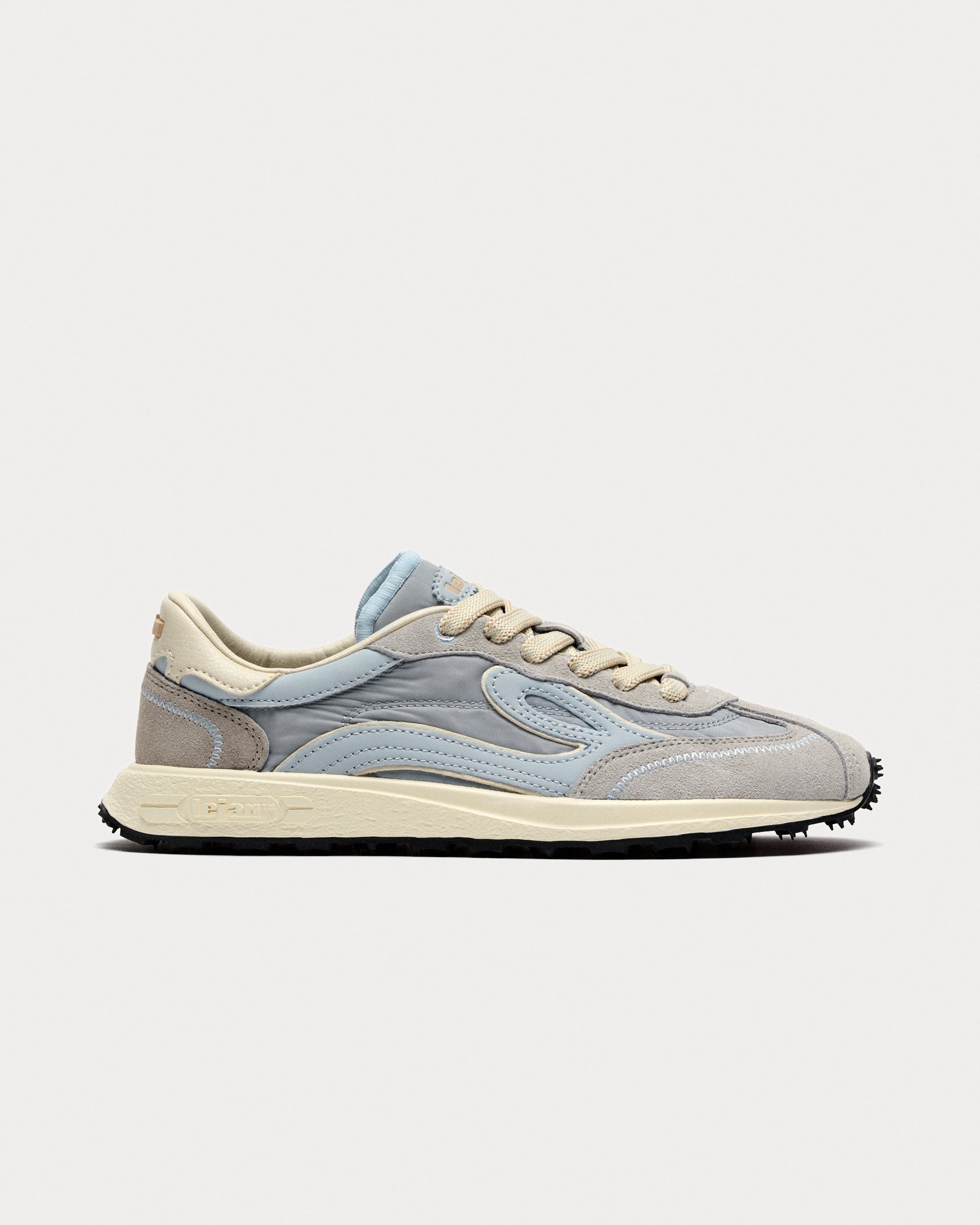
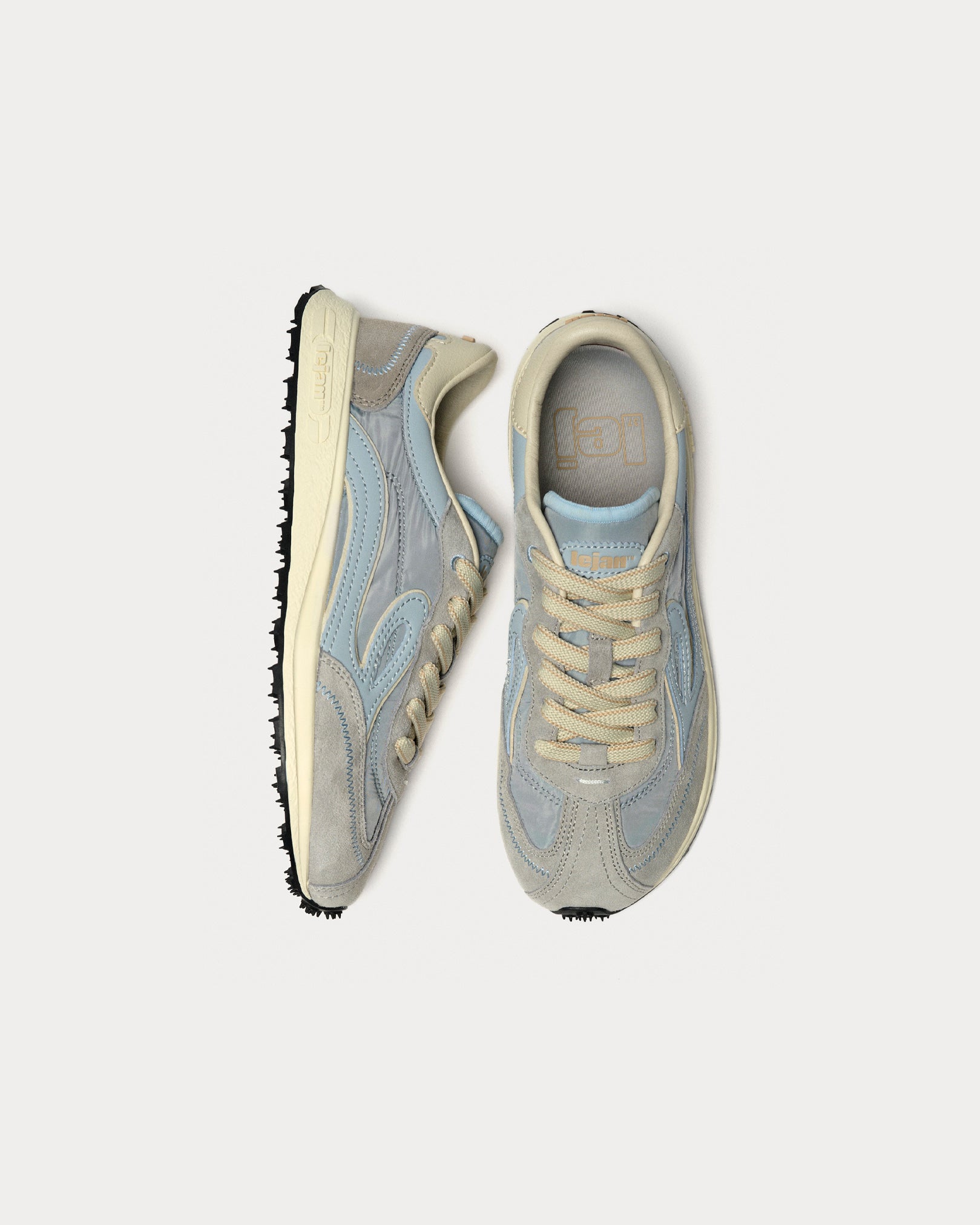
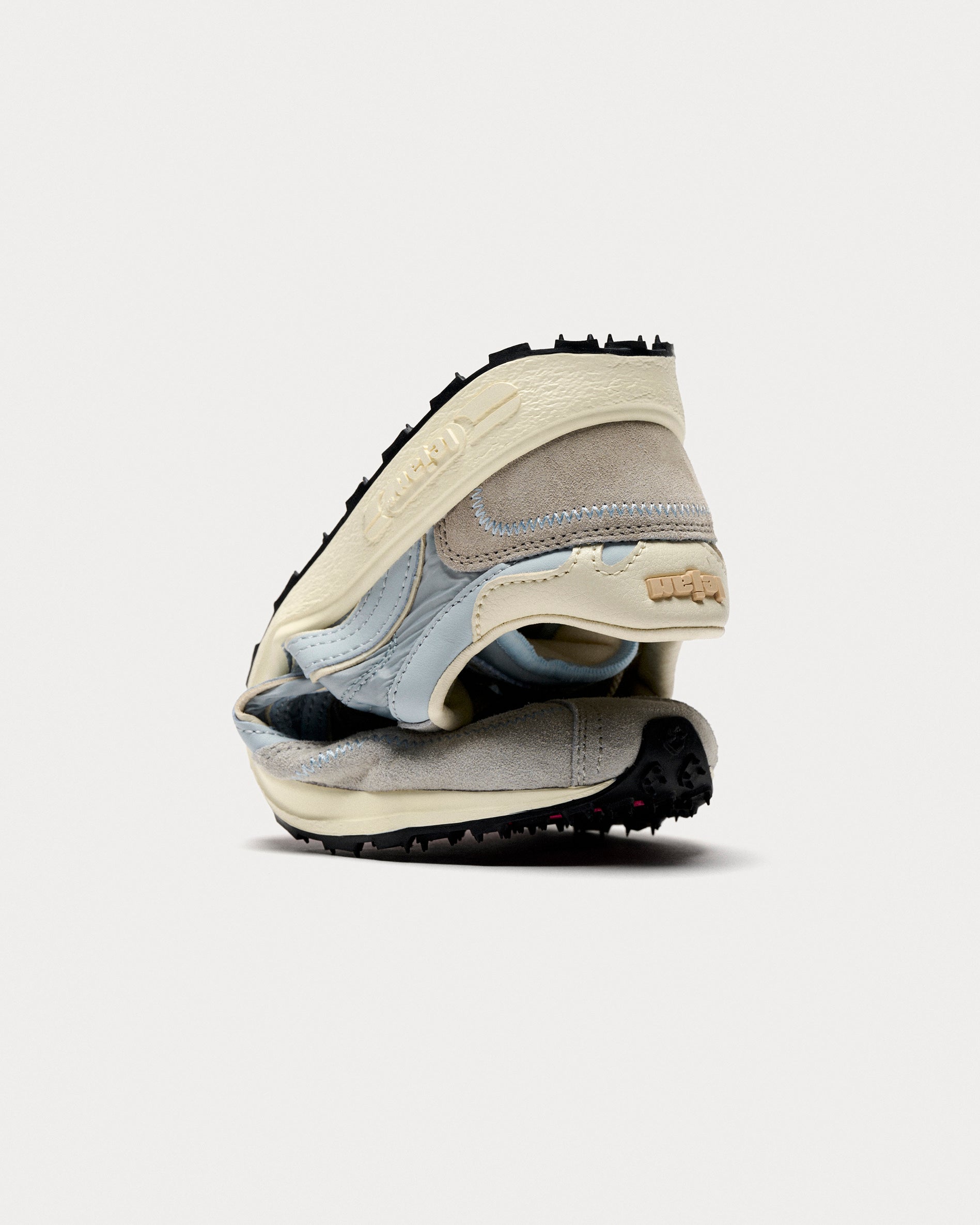
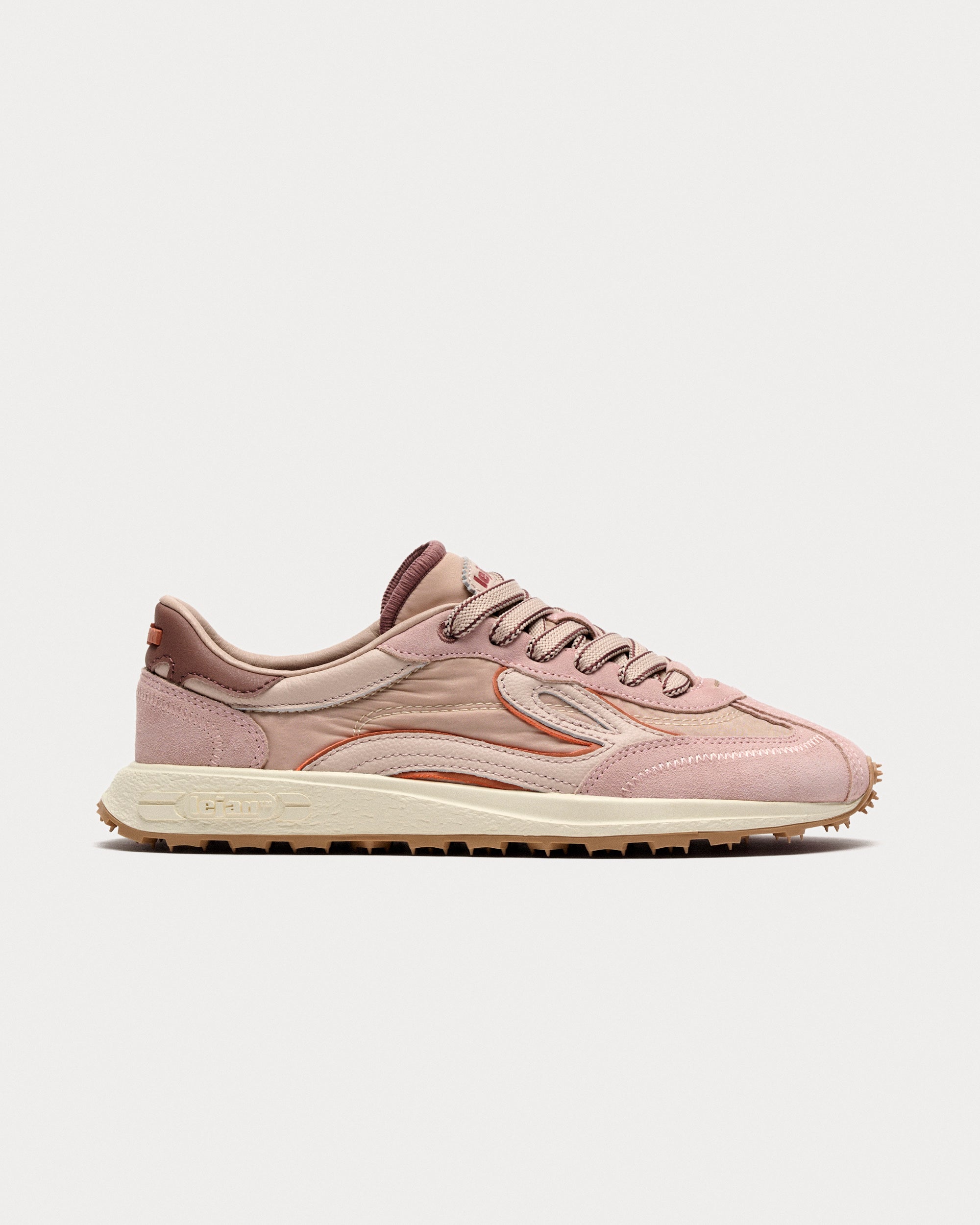
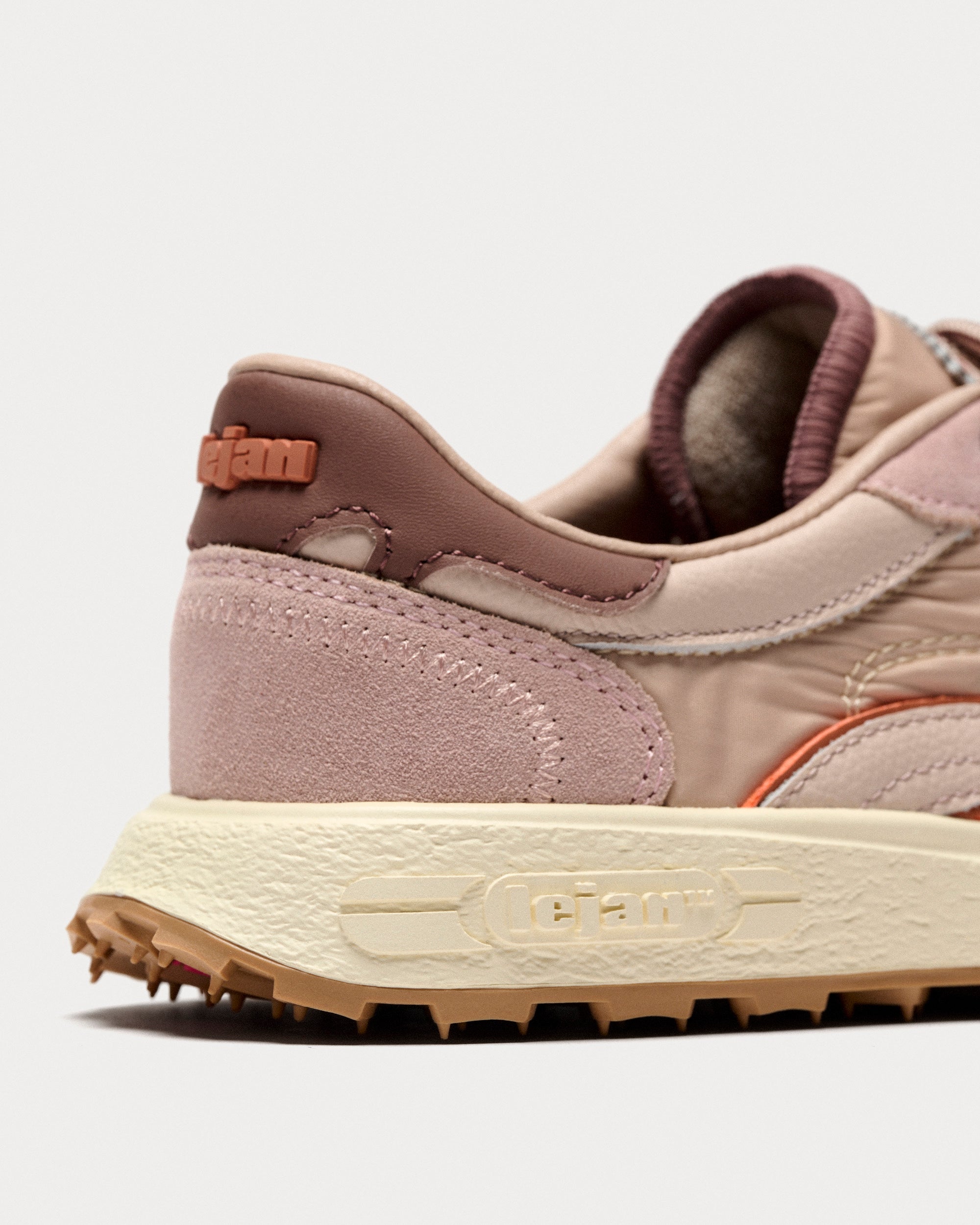
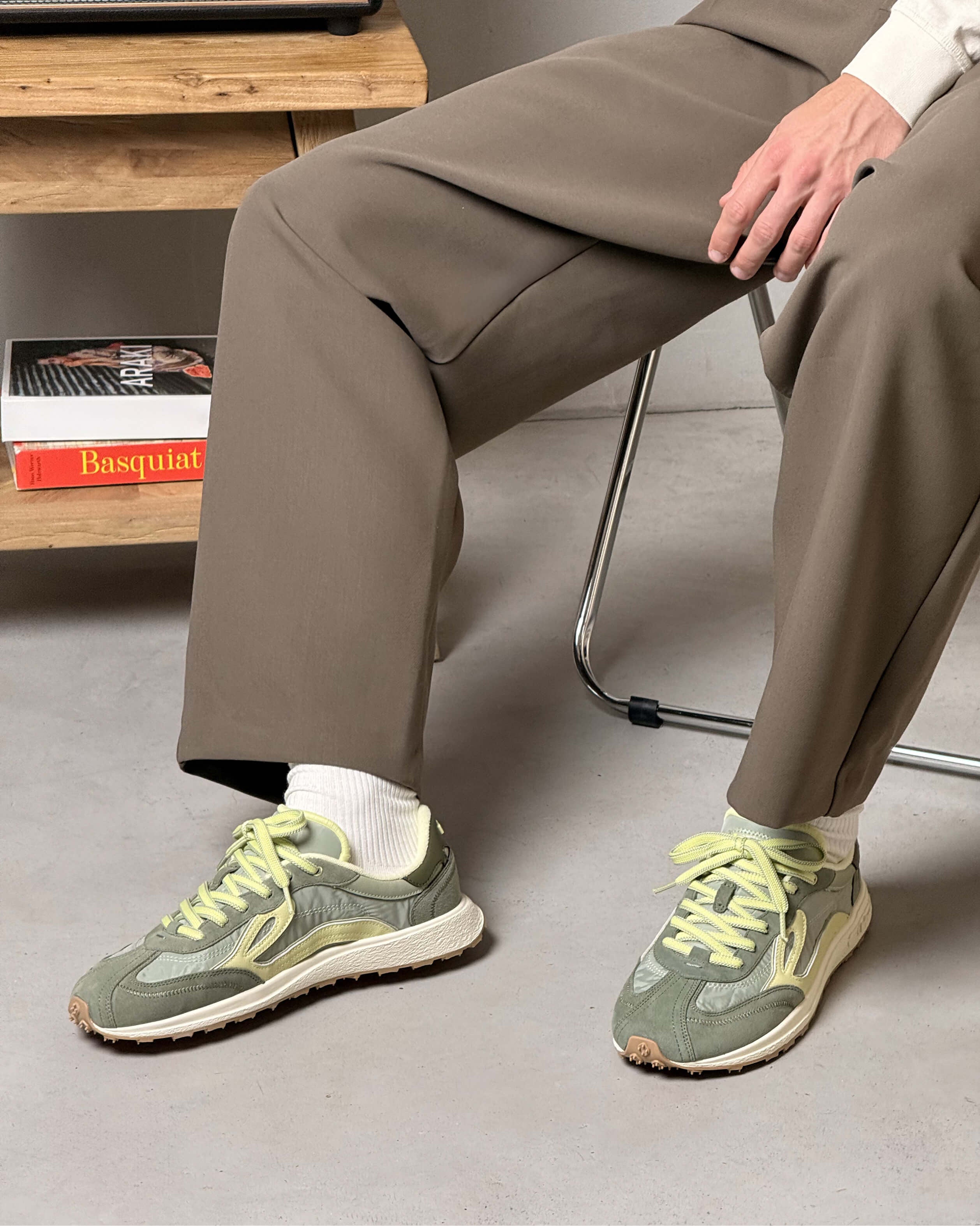
It's not just a matter of comfort. If the toes can't position themselves properly, the final step can become less fluid. That's why it makes sense to look for footwear that leaves actual space in the front area, without the rest of the foot being loose or poorly fitted. In this regard, choosing barefoot shoes for adults can be a great option to promote a more natural stride and give your toes the space they need during gait.
Thin and flexible sole: connection with the ground
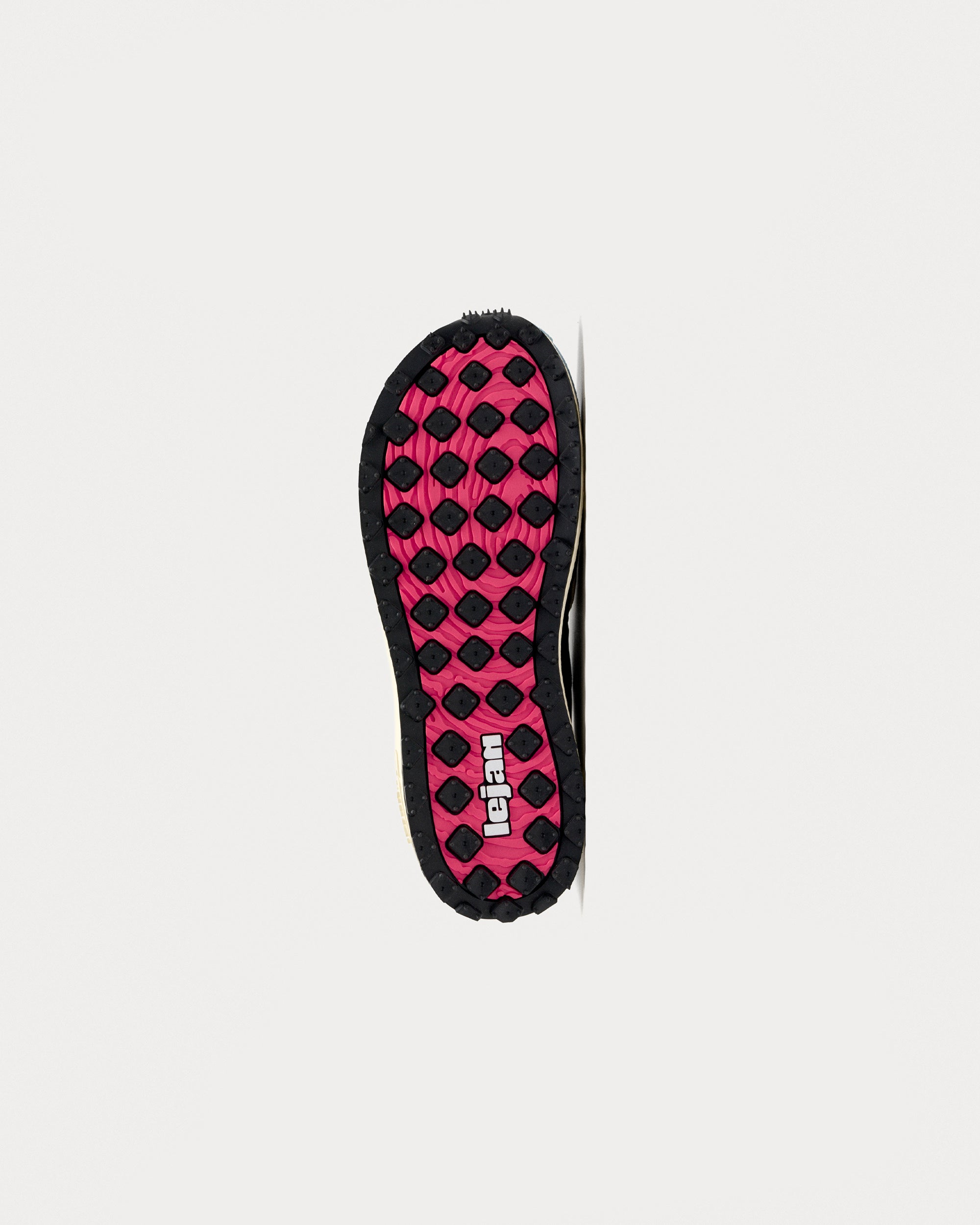
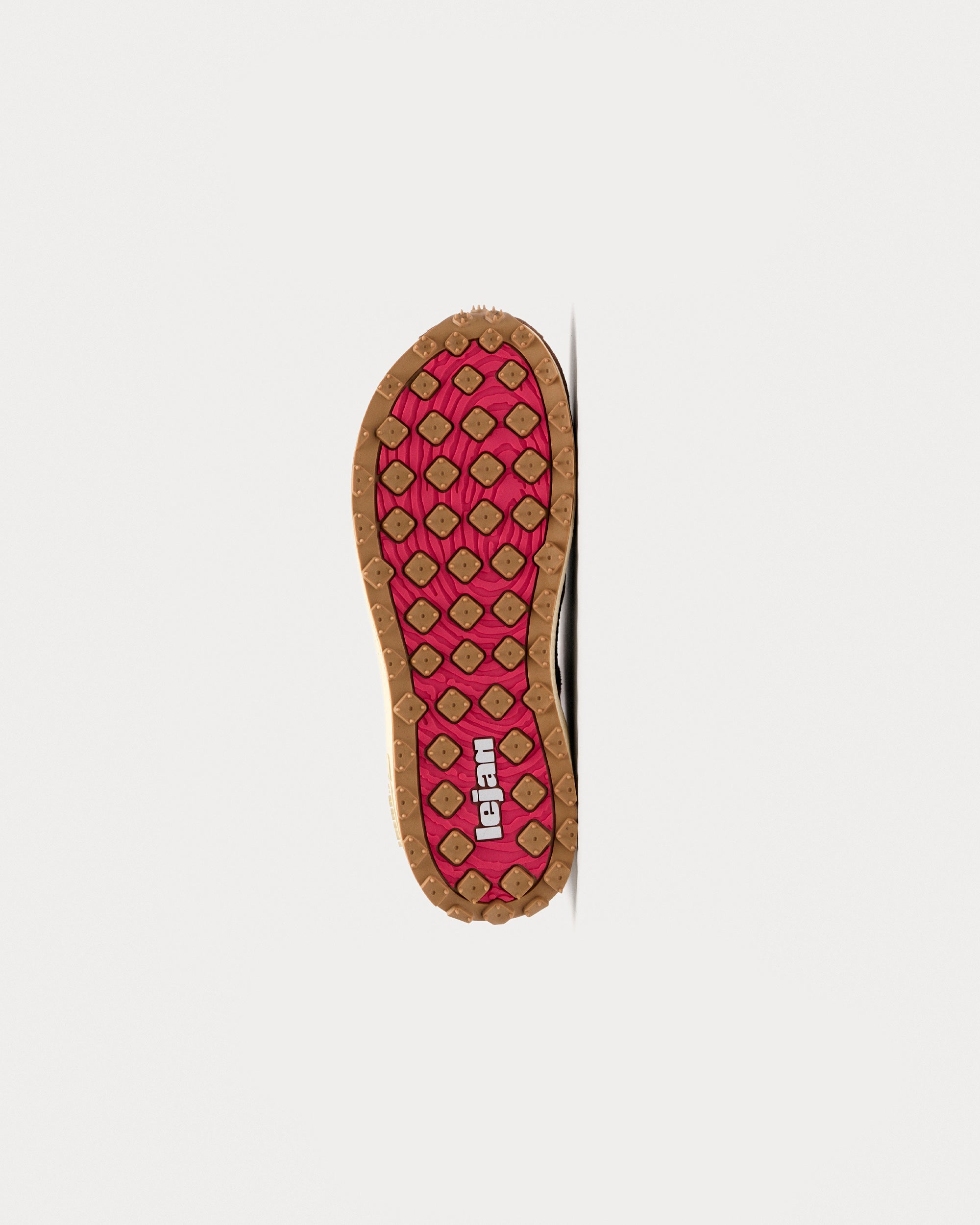
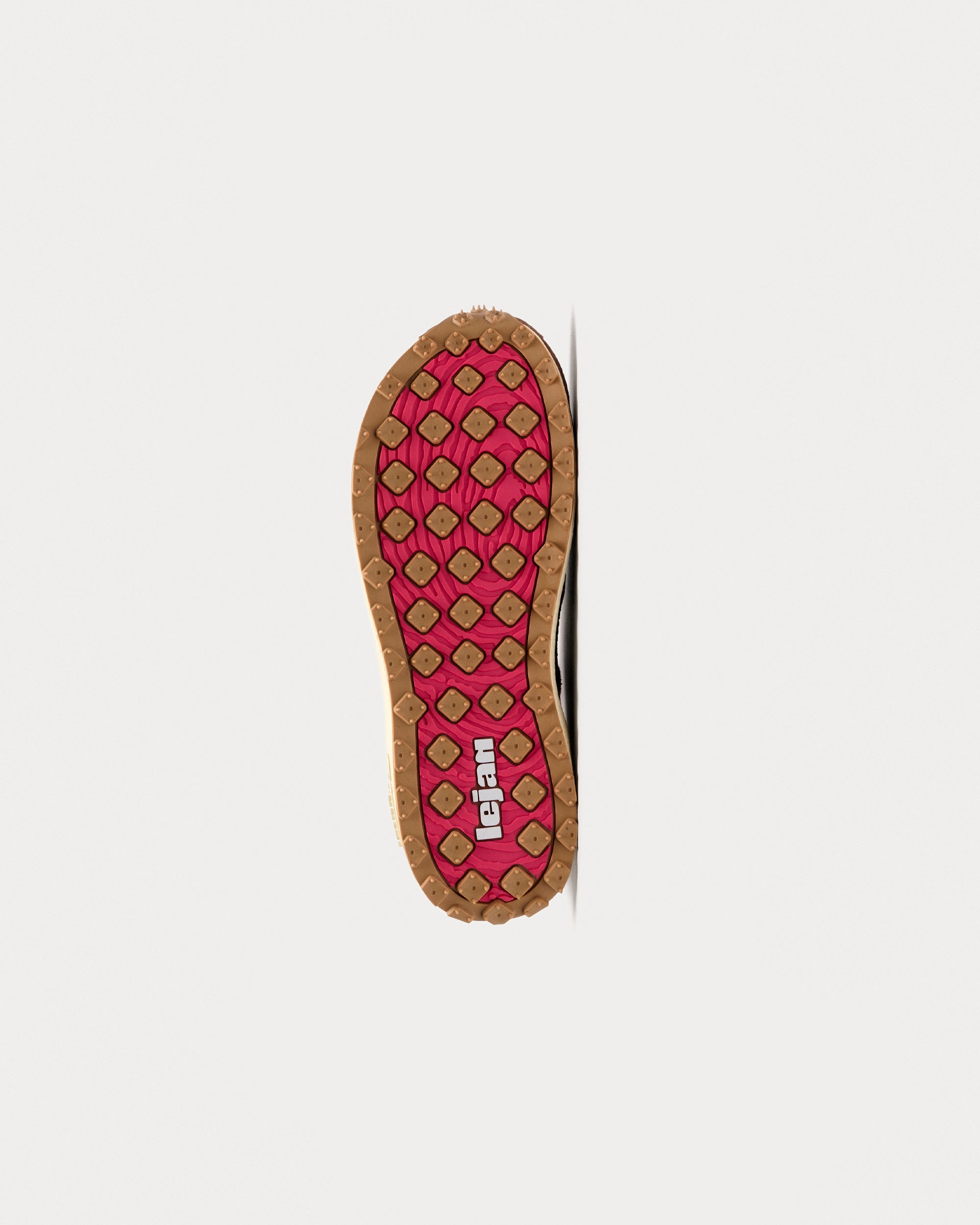
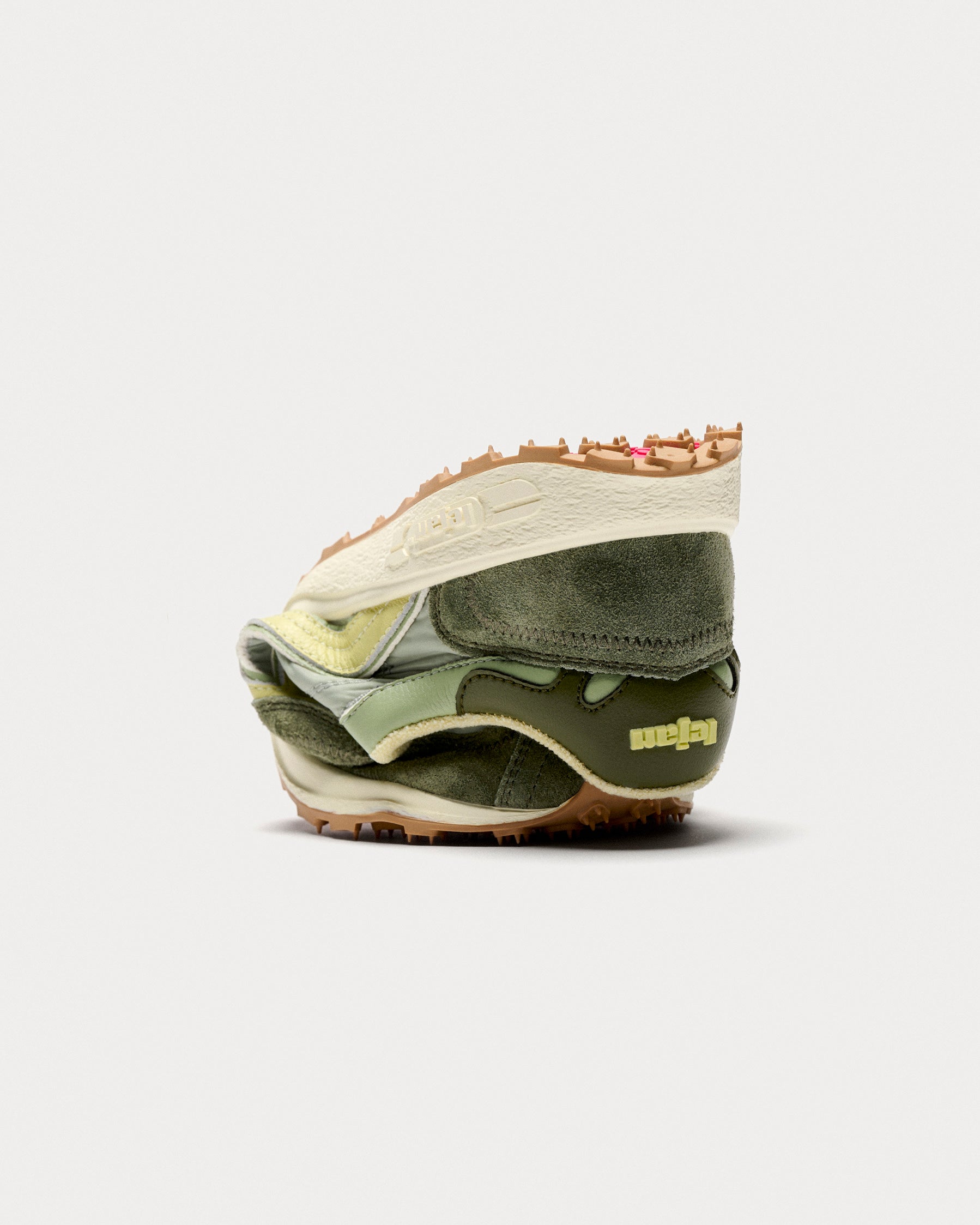
The sole also significantly changes how the foot receives information. When it is thinner and more flexible, the foot can feel the ground better and respond more naturally to what's happening underneath.
That information is part of balance and movement control. It doesn't mean that thinner is better in all cases, but a very rigid or highly isolating sole can limit part of the foot's ability to adapt and adjust while you walk.
Zero drop and stability: when it helps and how to transition
A zero drop means that the heel and forefoot are at the same height. In some cases, this can encourage a more balanced stride and prevent the body from being pushed forward by the shape of the shoe itself.
However, this doesn't work the same for everyone, and it's not a good idea to make the switch all at once. For the foot, ankle, and entire chain to adapt properly, the transition to flatter footwear should be done gradually. Giving the body time is usually the best way to avoid unnecessary overloads.

Frequently asked questions about foot biomechanics
What professional performs a foot biomechanical study?
Usually, this can be done by a podiatrist or a physiotherapist, depending on the context. In some cases, orthopedic surgeons or specific foot and ankle units also get involved. The important thing isn't just the title, but that the assessment includes an examination, weight-bearing observation, and gait analysis.
When to use insoles and when not to?
Insoles aren't "bad" nor are they a "cure-all." They can be useful when there is a biomechanical dysfunction.
That being said, not everything is fixed with insoles, nor is everything worsened by them. Sometimes the main focus is on footwear, mobility, strength, or load progression. Even in clinical guidelines for heel pain, orthotics appear as one more tool within a combined approach, not as an isolated solution.
How long does it take to notice real changes?
It depends on the starting point and the goal. Some people notice changes in a few weeks when they improve mobility, strength, and footwear, but more stable changes usually require consistency. In transition or motor re-education programs, the actual adaptation of tissue and movement patterns is rarely immediate.
The key usually lies here: less rushing, more consistency. The foot changes better when it receives sufficient stimulus, but also time to adapt.
Pon a prueba lo aprendido
Responde las preguntas para comprobar cuánto sabes sobre este tema.
1. What does the biomechanics of the foot study?
2. What happens to the foot when walking?
3. What role does the big toe play in walking?
4. What should you keep in mind when switching to zero-drop shoes?

Share