What drop in footwear is and why barefoot means DROP 0 mm
Chapter 3

What drop in footwear is and why barefoot means DROP 0 mm

Table of Contents

Drop in 60 Sekunden erklärt (mit einfachen Beispielen)

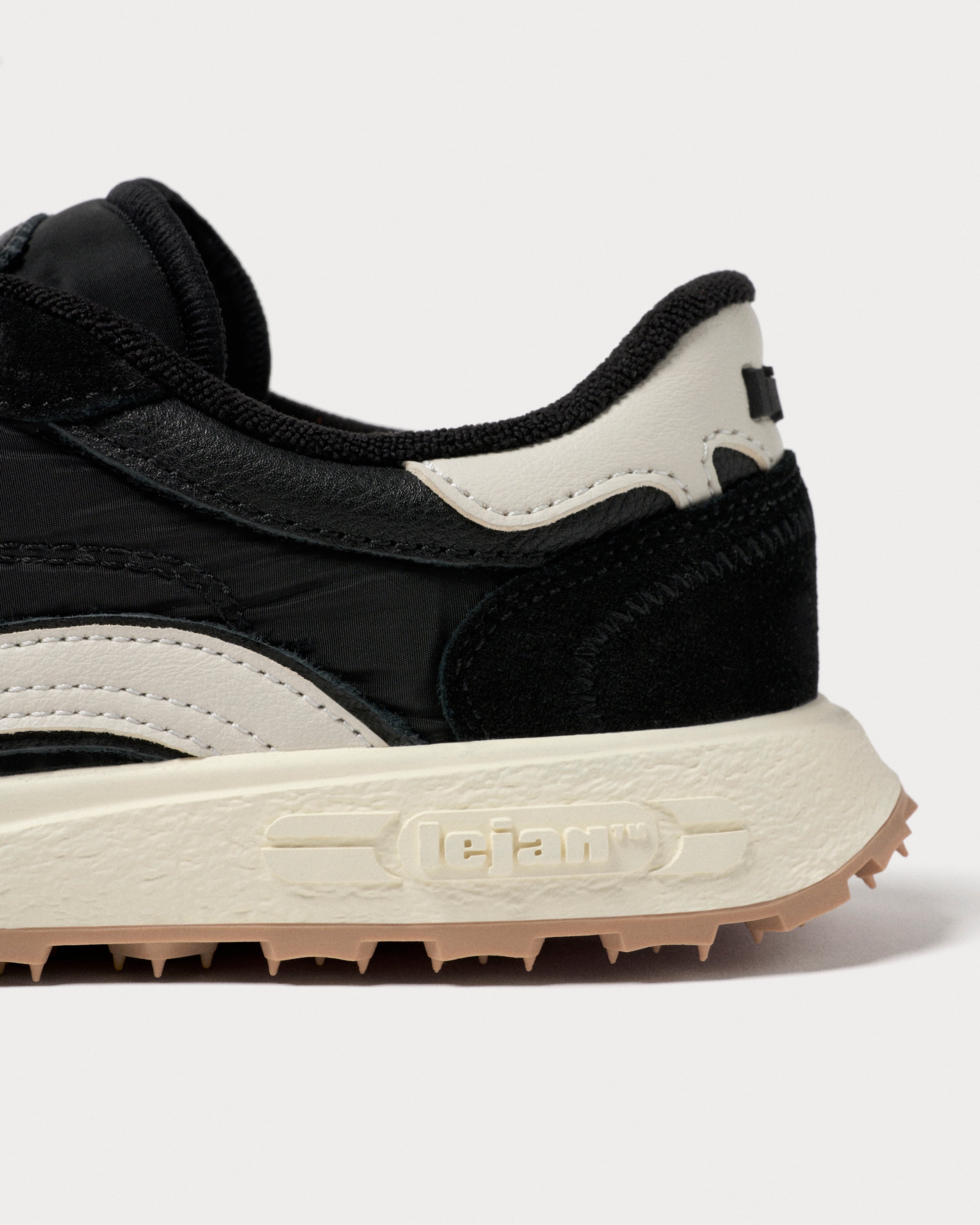
Der Drop ist der Höhenunterschied zwischen dem hinteren Teil des Schuhs (Ferse) und dem vorderen Teil (Mittelfuß). Wenn hinten 20 mm und vorne 10 mm sind, wäre der Unterschied von 10 mm der Drop. Man kann sagen, es ist eine Art „Absatz“, der der Schuhsohle eigen ist.

Wenn wir von Barfußschuhen sprechen, ist das Ziel, dass alle Eigenschaften dem Barfußlaufen entsprechen, daher ist das völlig flache Gehen viel natürlicher als mit einer gewissen Neigung.

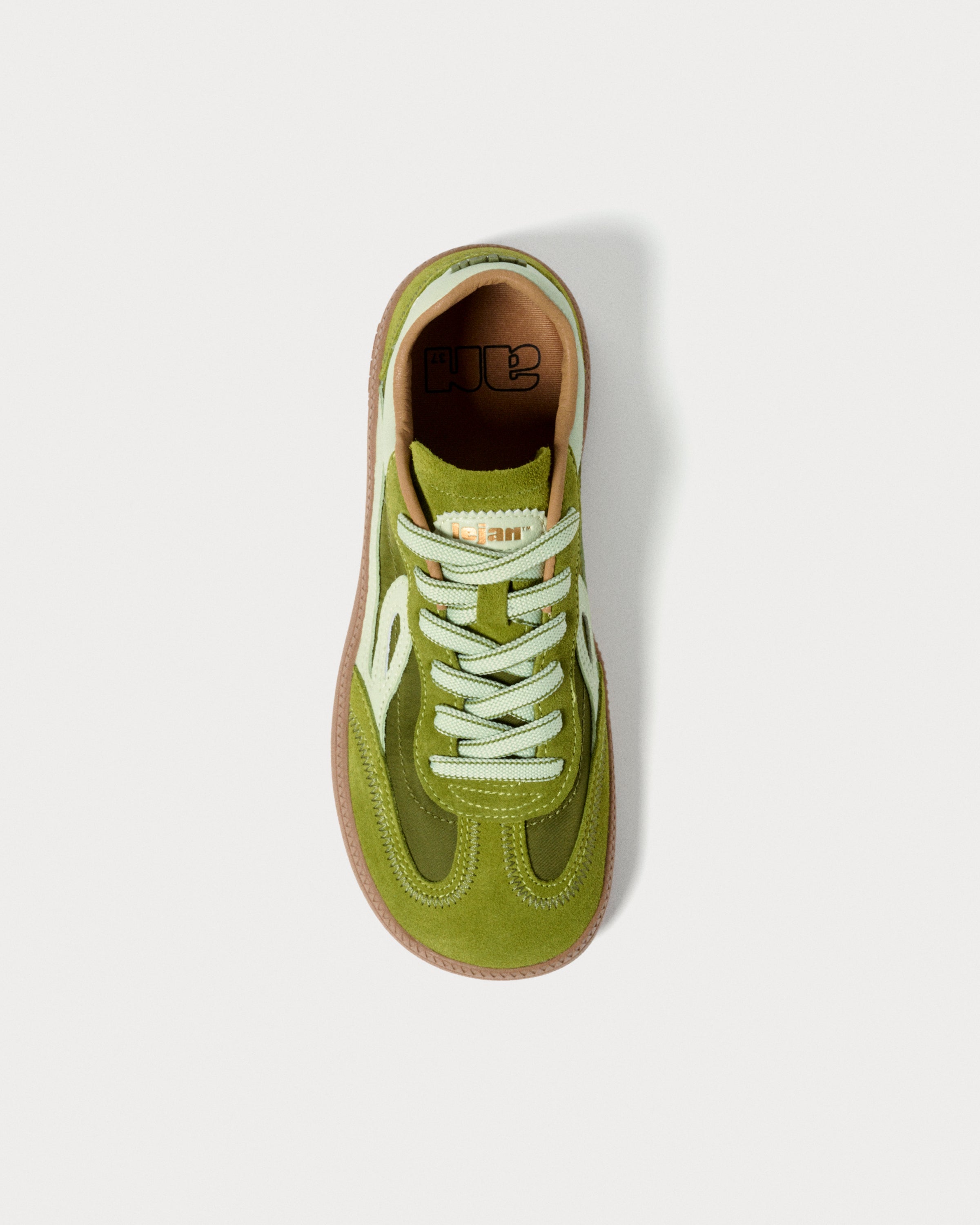
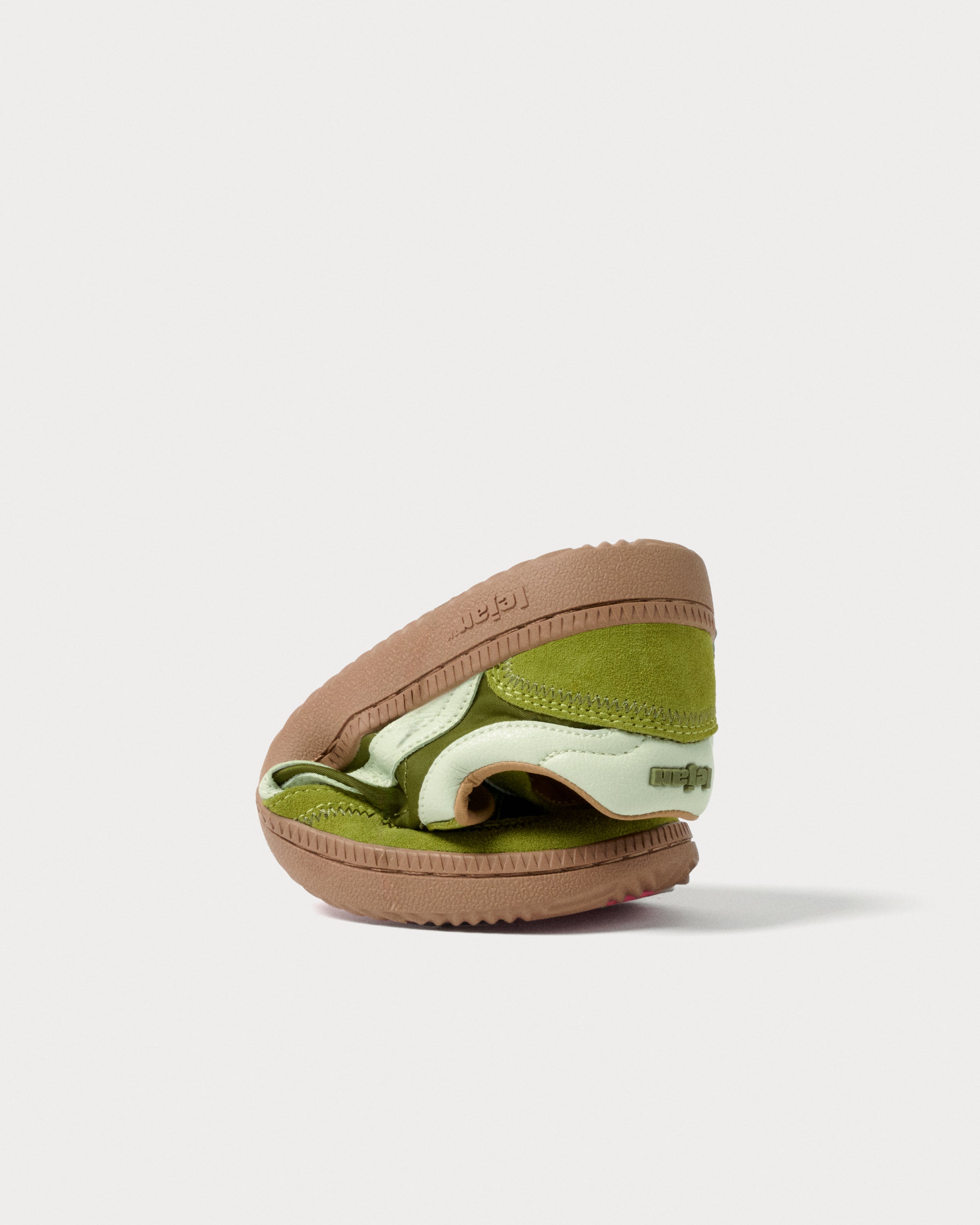
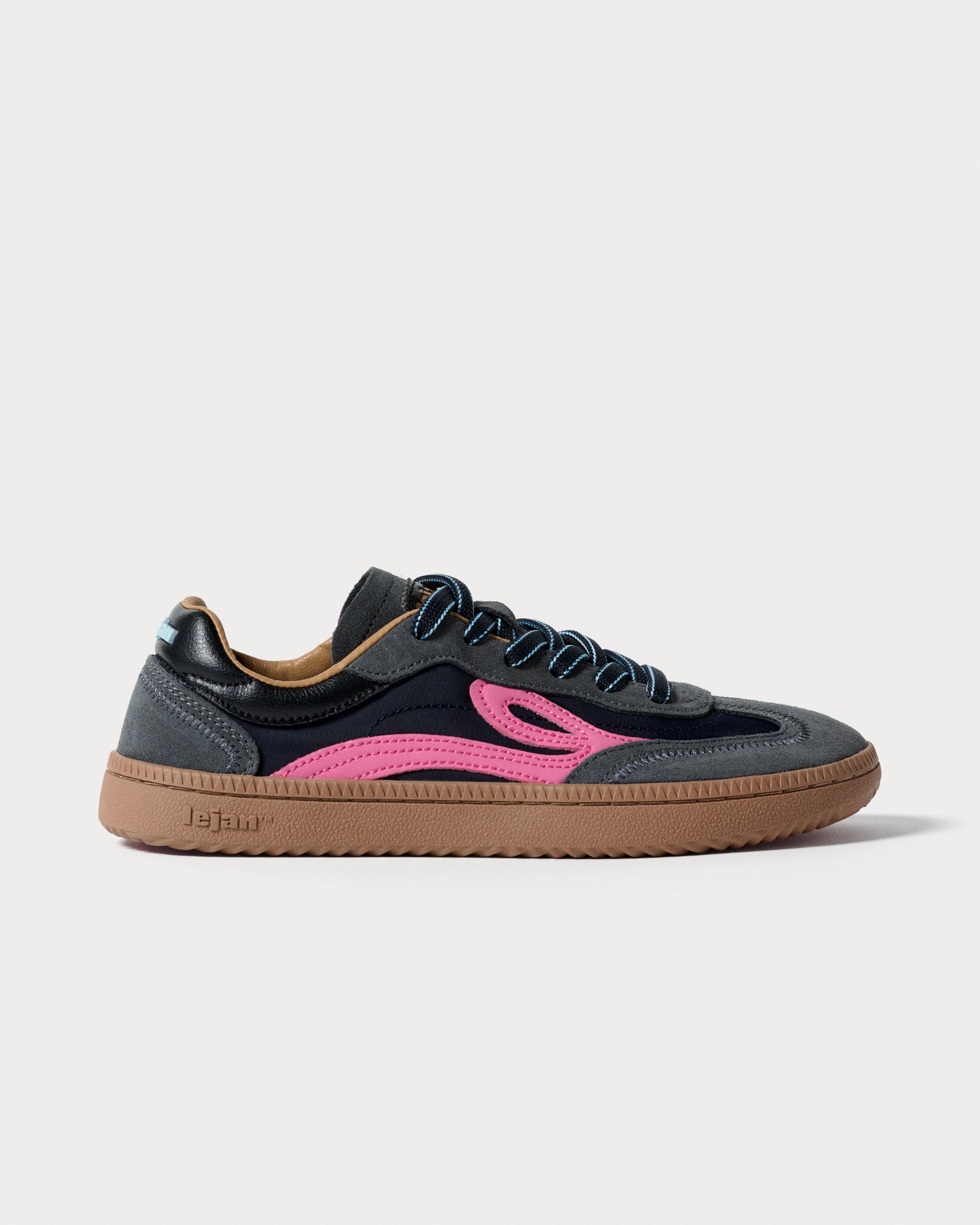
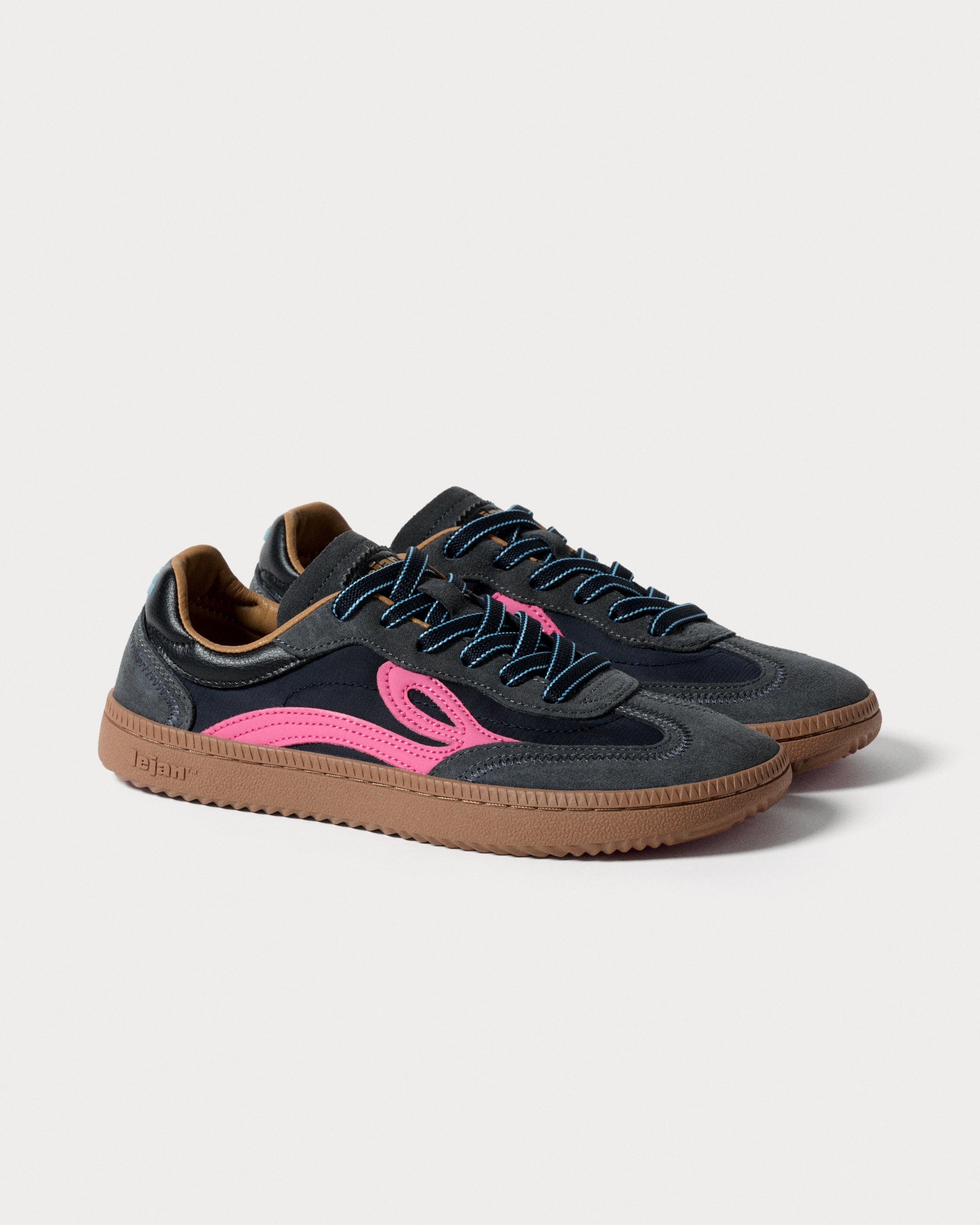
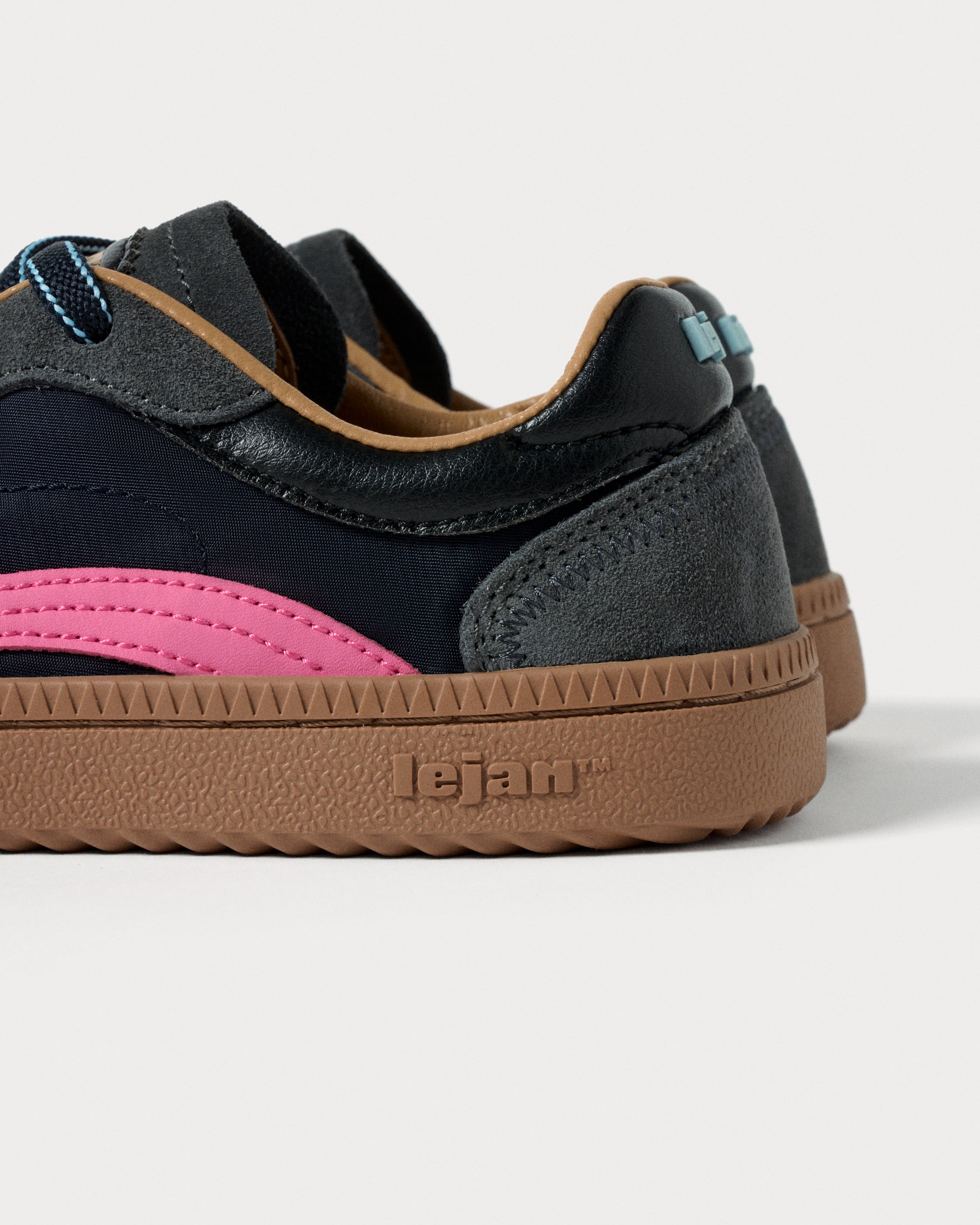
Deshalb haben Barfußschuhe einen DROP von 0 mm, weil die Höhe ihrer Sohle im Fersenbereich genauso hoch ist wie im Mittelfußbereich.

Wenn an der Ferse 5 mm und am Mittelfuß 5 mm gemessen werden, beträgt der Höhenunterschied 0 mm, wir haben also einen DROP von 0 mm, oder wie man gemeinhin sagt „er hat keinen Drop“.

Wie man den Drop deiner Schuhe zu Hause misst (Murmel-Methode)

Sehr einfach. Du brauchst nur eine Murmel und eine ebene Fläche:

  1. Lege den Schuh auf die Oberfläche.
  2. Lege die Murmel in den Fersenbereich, oberhalb der Einlegesohle.
  3. Beobachte, ob sich die Murmel nach vorne bewegt (das würde uns anzeigen, dass es eine Neigung und somit einen positiven Drop gibt), und falls die Murmel im Fersenbereich unbeweglich bleibt, bedeutet das, dass es keine Neigung gibt, und wir haben somit einen Drop von 0 mm.

Effects of drop on your body

It's important to consider the drop of a shoe when choosing it, since it can have repercussions on the way we walk (we're always referring to healthy people without conditions):

  • Postural alteration: it generates a series of "zigzag" compensations to keep us stable.
  • Gait alteration: it speeds up the first two phases of the gait, and by moving the center of gravity forward it causes a slightly forward-leaning gait.
  • Alteration in the distribution of plantar pressures: it shifts part of the weight that the heel bears toward the toes (due to its tilt), which is not natural.

That's why it's worth knowing what you're wearing and choosing with sound criteria, especially if you spend many hours on your feet.

Drop ≠ cushioning

They are not the same.

  • The drop is the height difference (angle).
  • Cushioning is the amount/property of the foam (softness).

You can have drop 0 mm with lots of foam or a high drop with a thin sole. What counts is how the combination makes you move.

Alejandro Martínez Calderón

Written by

Alejandro Martínez Calderón

Podiatrist & Founder

Podiatrist specialising in foot biomechanics. Passionate about barefoot footwear and natural foot health.

EBOOK

Download our free ebook with additional information about this chapter:

Discover more

View all