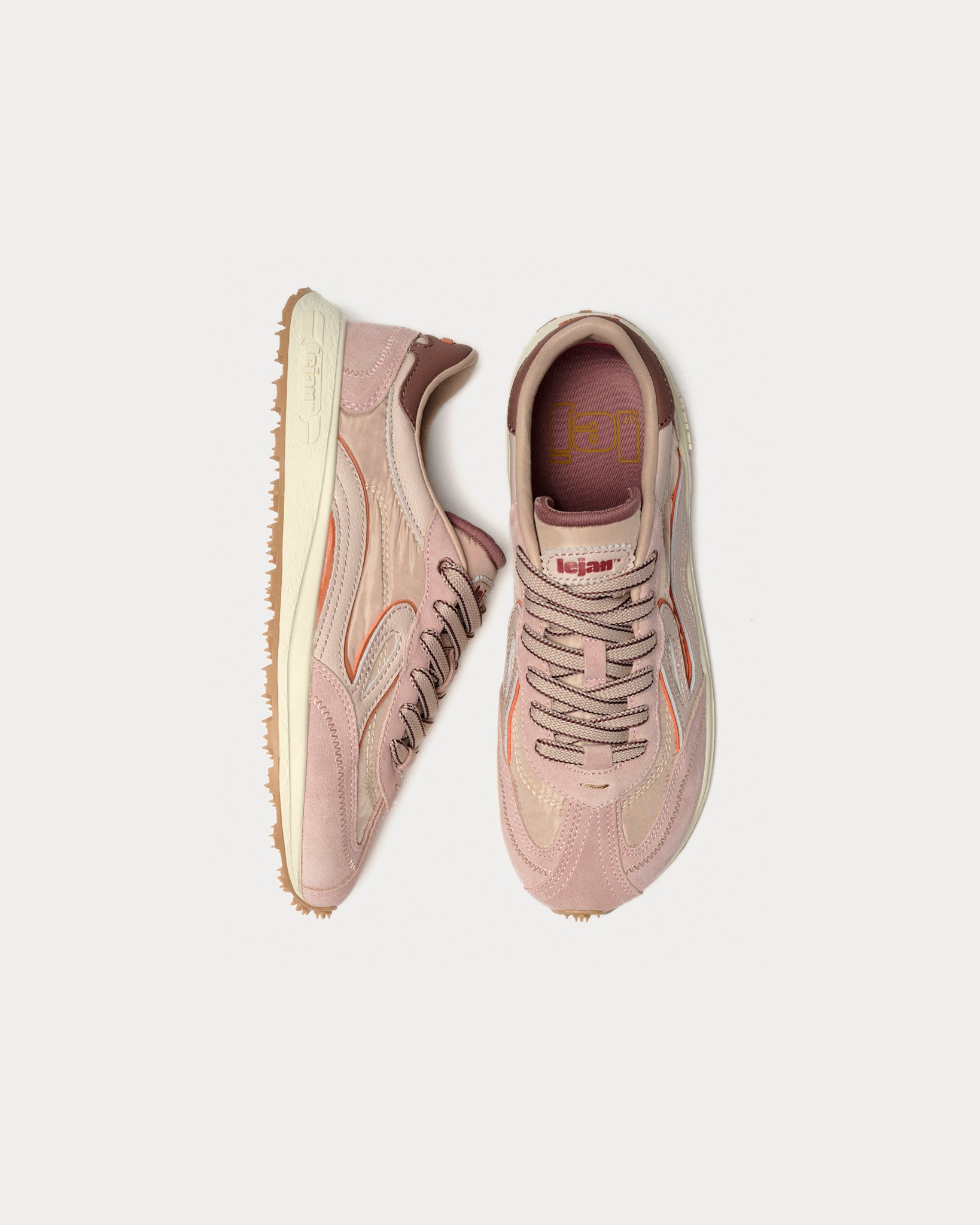
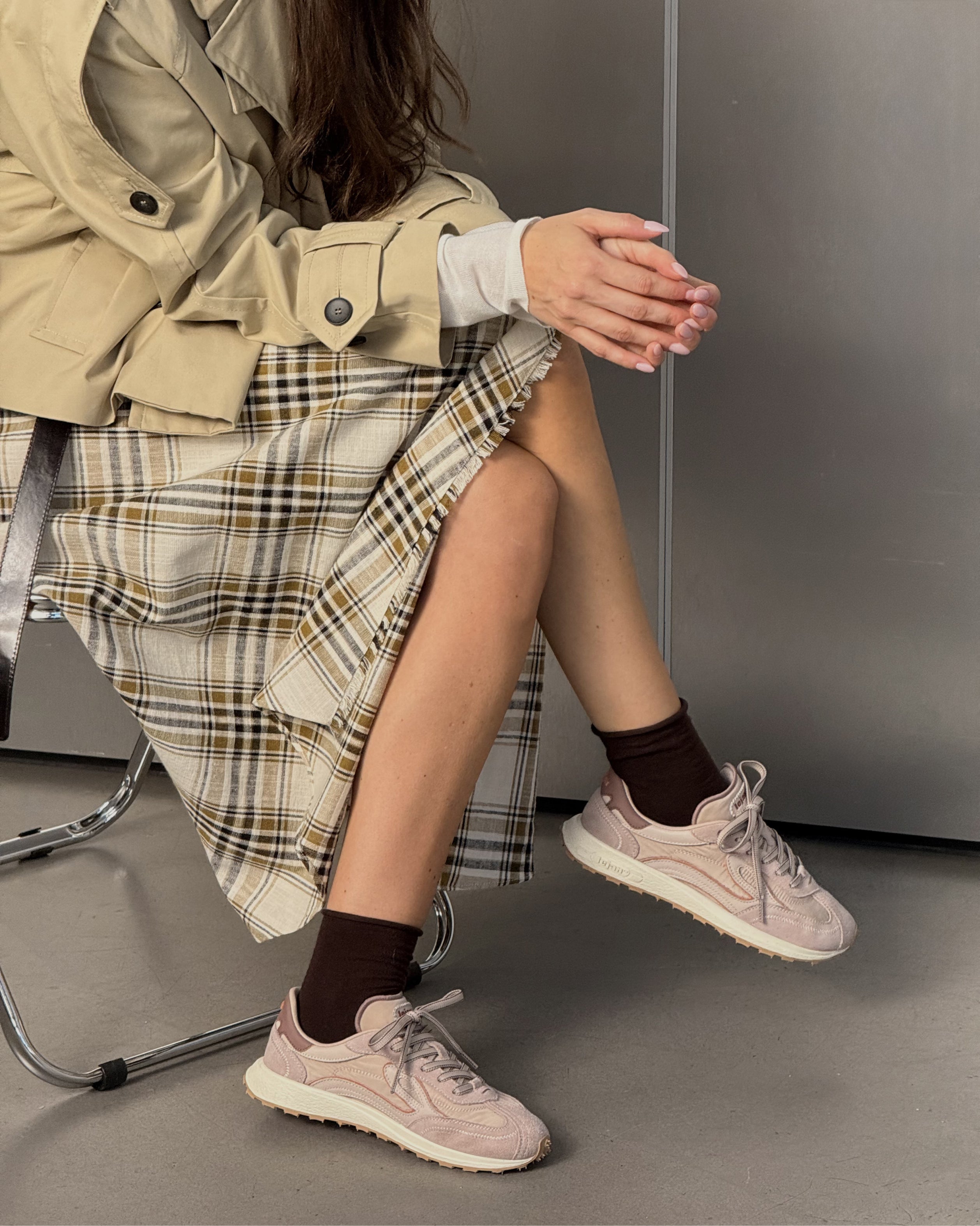
Ending the day with tired feet is very common, especially when we spend long hours standing, walk more than usual or wear shoes that don't move well with the foot. That feeling of heaviness, pressure, heat or “heavy feet” is usually linked to overload, lack of mobility, poorly fitting footwear or a build-up of tension in the muscles of the foot and leg.
In most cases, tired feet can improve with simple habits: active rest, mobility, self-massage, the right footwear and small changes during the day. Even so, if the pain persists, or you notice significant swelling, tingling, loss of sensation or difficulty putting weight on the foot, it's best to see a healthcare professional.

What to do to relieve tired feet
Quick answer in 5 steps
When your feet feel heavy at the end of the day, you don't always need a long routine. Sometimes the most useful thing is to follow a simple sequence that helps release, move and relax.
-
Take your shoes off and let your feet breathe
Remove your shoes and socks for a few minutes. Check for marks, pressure on the toes, redness or areas where the shoe has squeezed more than it should. This can give you clues as to whether your footwear is contributing to the fatigue. -
Raise your legs for a few minutes
Lie down or sit and raise your feet slightly. This can help relieve the feeling of heaviness, especially if you've spent many hours standing or barely moving. -
Move your toes and ankles
Make gentle circles with your ankles, flex and stretch your toes, spread them apart and try to “open up” the foot. Don't go for intensity; the aim is to get movement back. -
Massage the sole of the foot
You can use your hands or a small ball under the sole. Make slow movements from the heel towards the forefoot, without causing pain. The idea is to relax the tissue, not irritate it. -
Change the stimulus
After many hours inside a shoe, the foot welcomes variety: walking barefoot at home for a few minutes, doing some mobility work or standing on a different surface can help the foot stop feeling stiff.

Common causes of tired feet
Long hours standing, overload and poor circulation
One of the most frequent causes of tired feet is spending too many hours standing or walking for long stretches without a break. The foot bears load, absorbs impact, stabilises the body and takes part in every step. If the day is long, those muscles can end up fatigued.
A lack of breaks can also play a part. Standing still for hours doesn't always rest the foot: sometimes it loads it more, because the muscles are working constantly and there's less variation in movement.
For some people, the feeling of heavy feet is also linked to slower venous return, heat, fluid retention or circulatory changes. That's why feet often feel worse at the end of the day than in the morning.
Narrow shoes, heels and lack of mobility
Your footwear also plays a much bigger role than it seems.
A narrow shoe can squeeze the toes and limit the space the forefoot needs to adapt as it bears weight. And when the toes can't move, spread slightly, stabilise and take part in each step, the foot ends up working with less freedom and more tension.
The same goes for heels or shoes with a big height difference between the heel and the front. That slope shifts more load onto the forefoot and can leave the metatarsals and toes bearing more pressure than they need to. That's why, by the end of the day, you may notice discomfort such as burning, overload or a feeling of tiredness in the front of the foot.
And there's another important point: mobility. When the foot spends many hours inside a rigid shoe, with a sole that barely bends or a structure that doesn't let it adjust to movement, it's normal for it to end the day more locked up, stiffer and feeling less light.
Tips for tired feet you can try at home
Toe and ankle stretches and mobility
A bit of gentle mobility can be one of the simplest ways to ease the feeling of heavy feet. It's not about forcing anything, but about giving the foot back some of the movement it has lost during the day.
You can try these exercises:
-
Ankle mobility: sitting or standing, make slow circles with each ankle. First one way, then the other. Repeat 8 to 10 times per foot.
-
Toe flexion and extension: stretch your toes out, curl them gently and release again. Repeat several times, keeping the movement controlled.
-
Toe spreading: try to spread your toes apart without lifting your foot off the floor. If it's hard at first, you can use your hands to help.
-
Calf and soleus stretch: place your hands on a wall, step one leg back and keep the heel on the floor. Then bend the knee slightly to feel the stretch lower down, near the Achilles tendon.
These movements can help especially when the fatigue comes after many hours standing, walking more than usual or wearing shoes that aren't very flexible.
Self-massage of the sole and a ball under the foot
Self-massage of the sole is useful for easing the feeling of tension under the foot. You can do it with your hands, a soft ball or a massage ball.
Place the ball under the sole and roll slowly from the heel towards the forefoot. Avoid pressing too hard. If there's localised pain or a very sensitive spot, ease off the pressure.
A good rule of thumb is that the massage should feel pleasant or slightly intense, but not painful. If the foot feels more irritated afterwards, you've probably applied too much pressure.
You can also use your hands to massage the arch, the heel and the base of the toes. Two or three minutes per foot can be enough to feel the release.
Foot baths, moisturising and active rest
A warm foot bath can help you relax after a long day. No need to overcomplicate it: warm water, a few minutes' pause and then dry the skin well, especially between the toes.
Moisturising matters too. Dry, cracked or neglected skin can add to the discomfort. Applying moisturiser at night, avoiding excess between the toes, can be part of a simple care routine.
Active rest is also key. We sometimes think resting means staying still, but the foot usually responds better to small doses of gentle movement: walking around the house for a few minutes, moving your ankles or doing toe exercises can bring more relief than staying completely still for hours.
How to choose footwear to avoid foot fatigue
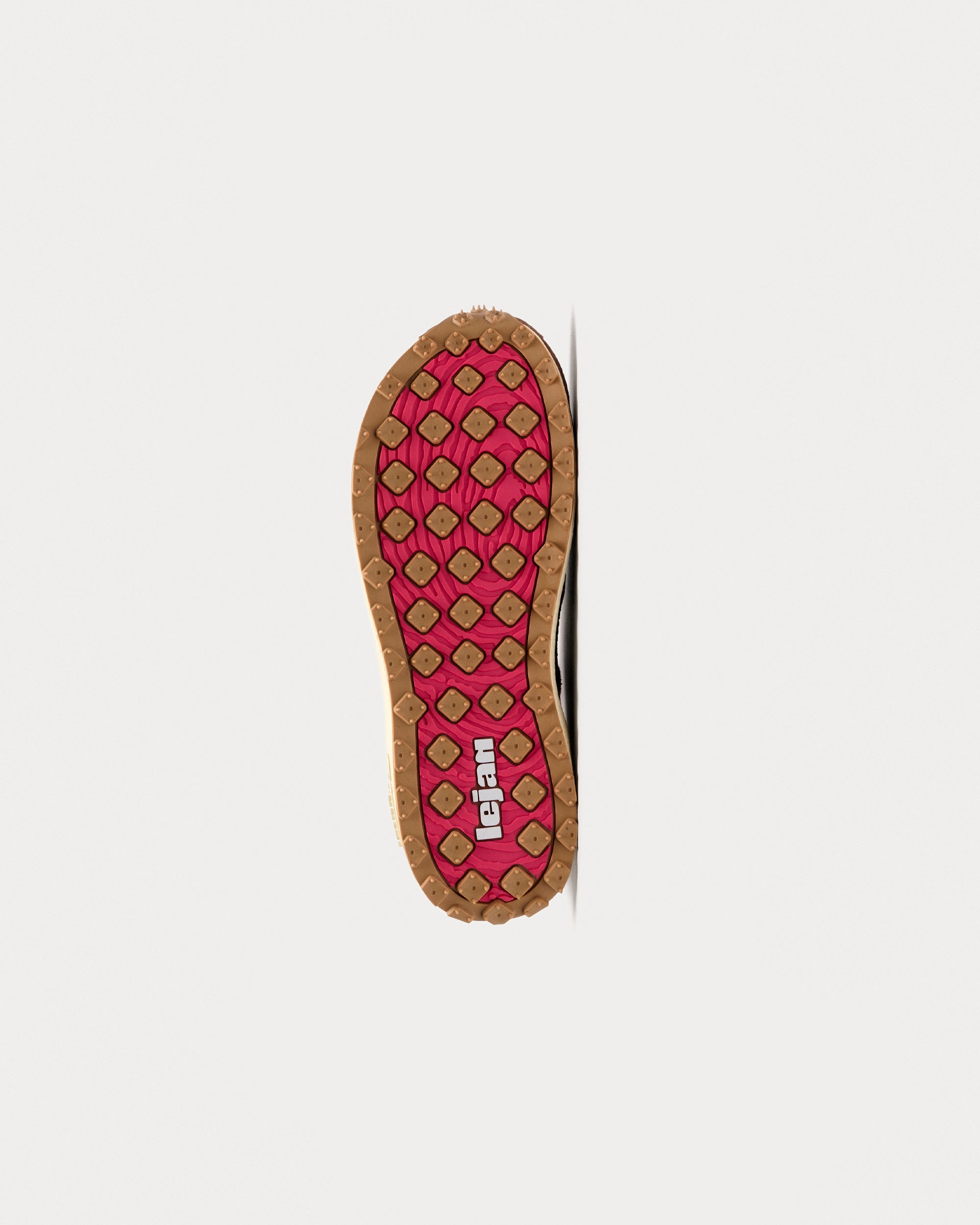
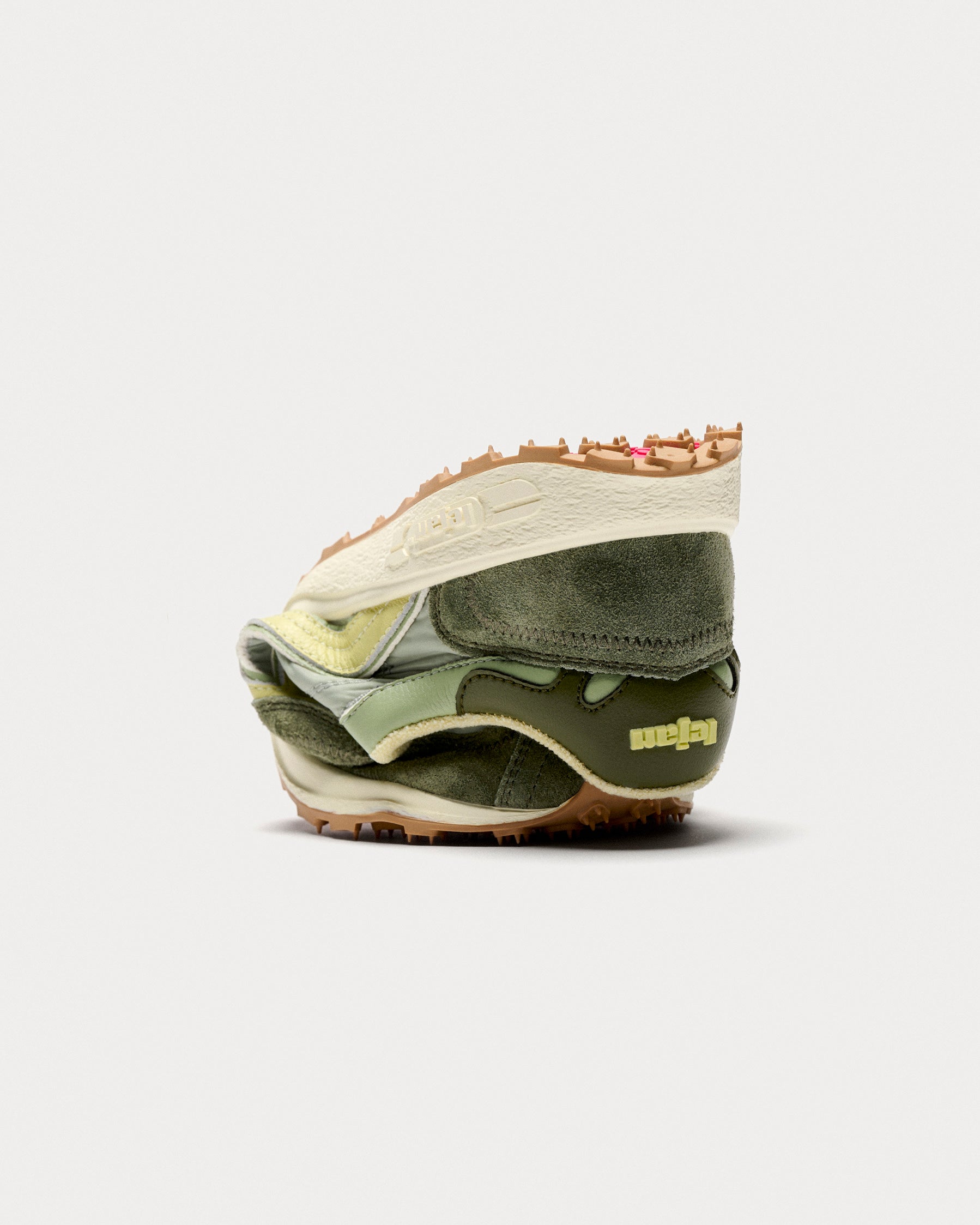
Wide toe box, zero drop and flexible sole
Footwear that better respects the shape and function of the foot usually has three important features: room at the front, a balanced base and freedom to move.
-
Wide or anatomical toe box: gives the toes real space. It's not just about them “fitting”, but about them being able to settle, spread and take part in bearing weight.
-
Zero drop: means the heel and forefoot are at the same height. This encourages a more balanced base, without artificially raising the heel.
-
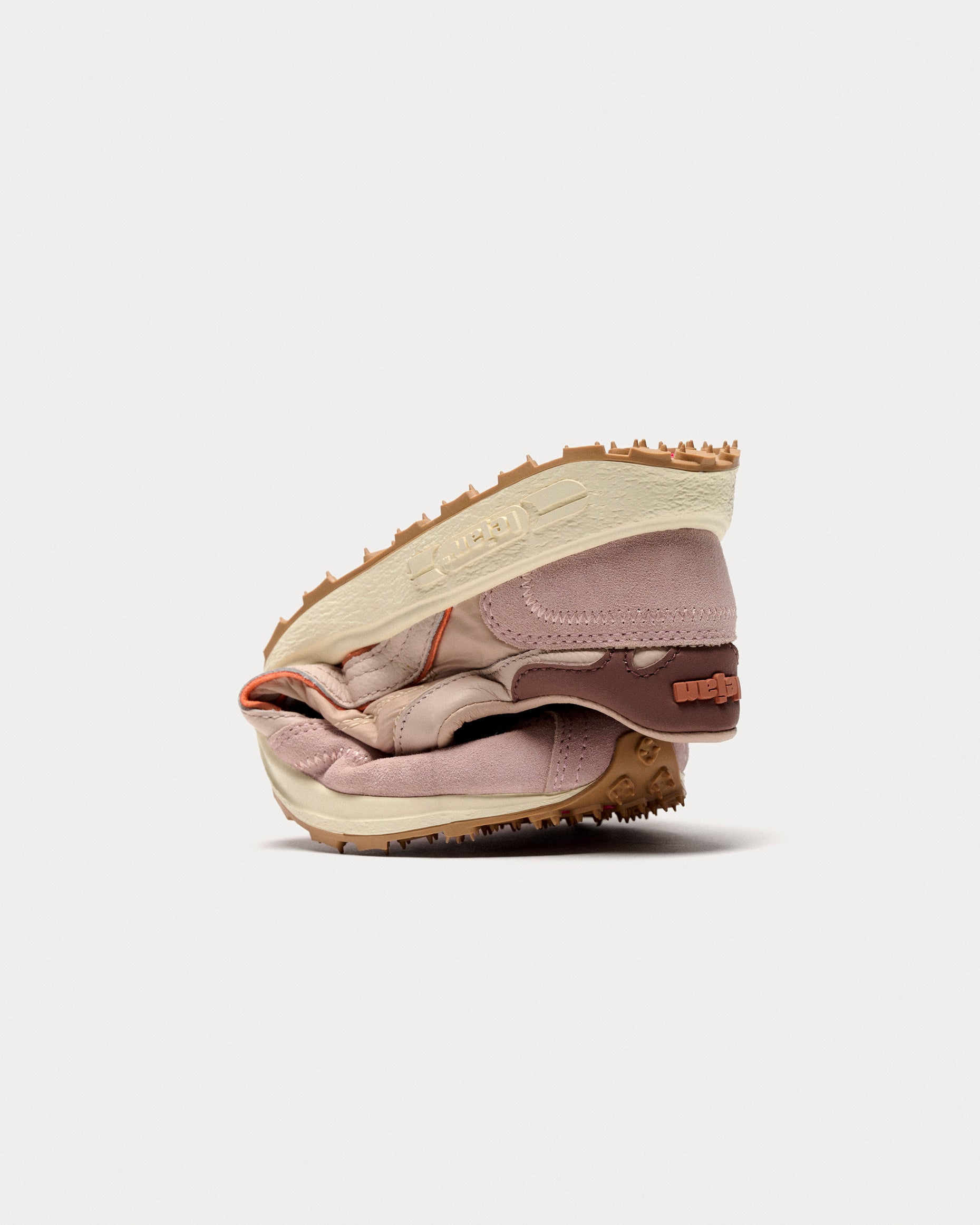
Flexible sole: a sole that moves with you lets the foot flex and adapt better. If the sole is too rigid, part of the foot's natural movement is restricted.
These features can help the foot work more freely. Even so, if you're coming from very structured or cushioned footwear, it's best to make a gradual transition.

The difference between comfortable shoes and barefoot shoes
Not all comfortable footwear is barefoot. And not all soft footwear necessarily respects the foot.
A shoe can seem comfortable because it's padded, looks wide or is heavily cushioned, yet still have a narrow toe box, a rigid sole or a raised heel. That initial comfort may not translate into freedom of movement.
Barefoot footwear, on the other hand, aims to interfere as little as possible with the foot's natural function. Its key features are: an anatomical toe box, a thin, flexible sole, zero drop, lightness and no unnecessary rigid structures.
The difference lies in the approach: comfortable footwear usually aims to cushion or support; barefoot aims to let the foot move, feel and take part.
Transitioning from cushioned footwear
If you're used to footwear with lots of cushioning, support or a high drop, it's not a good idea to switch suddenly to more minimalist shoes and wear them all day.
The foot needs time to adapt. The muscles, tissues and the way you walk may have been shaped for years by a different kind of footwear.
That's why, if it's your first time with this kind of trainers, we recommend making a gradual transition to barefoot footwear, listening to how your body feels and increasing wear time little by little.
Daily routine to prevent tired feet
Checklist before, during and after the day
Before heading out:
Check that your shoes don't squeeze your toes.
Check that the sole bends and doesn't force the foot to move as one block.
Choose socks that don't pinch or restrict the toes.
Do 1 minute of ankle and toe mobility.
During the day:
Change position whenever you can.
Avoid staying completely still for long periods.
Take short active breaks: walk, move your ankles or raise your heels.
If you work standing up, shift your weight from foot to foot and find moments to take the load off.
When you get home:
Take your shoes off and check how your feet look.
Do some gentle mobility.
Massage the sole with a ball or your hands.
Raise your legs for a few minutes if they feel heavy.
Moisturise the skin if it's dry or tight.
Exercises to activate the foot muscles
These exercises take just a few minutes and help the foot take a more active role.
Short foot or gentle doming: rest your foot on the floor and try to slightly shorten the distance between heel and toes, as if you wanted to lift the arch a little without curling your toes. Hold for a few seconds and relax.
Toe raises: with your foot flat, try to lift your toes without lifting the heel or forefoot. Then lower them slowly.
Big toe press: press your big toe into the floor and notice how it takes part in supporting you. Hold for a few seconds without gripping the floor hard.
Walk barefoot at home for a few minutes: on a safe surface, walking barefoot can help you regain sensation and movement. Start gradually if you're not used to it.
Heel raises: standing, raise and lower your heels slowly. This exercise activates the calves, soleus and the muscles involved in push-off.
The key isn't doing lots of exercises, but repeating a few consistently.
When to see a podiatrist
Persistent pain, swelling or changes in your gait
The occasional bout of tired feet usually improves with rest, mobility and a change of footwear. But there are signs you shouldn't ignore.
See a podiatrist or healthcare professional if:
The pain doesn't improve with basic care.
The discomfort comes back every day or is getting worse.
There's persistent swelling.
You notice tingling, numbness or loss of sensation.
There's intense pain when you put weight on the foot.
Your way of walking changes.
There's noticeable redness, heat or inflammation.
You have diabetes, circulatory problems or a relevant medical history.
Gait assessment and choosing the right footwear
A podiatry check-up can help you understand why your feet get overloaded. The problem isn't always just in the foot: the way you walk, ankle mobility, muscle strength, the kind of work you do, your footwear or recent changes in activity can all play a part.
The podiatrist can assess:
Foot and ankle mobility.
Load distribution.
The kind of footwear you wear.
The presence of calluses, pressure points or overloaded areas.
Whether you need exercises, gradual adaptation or specific treatment.
Choosing footwear well doesn't mean looking for the softest shoe, but the one that best suits your foot, your circumstances and where you are right now.
Frequently asked questions about tired feet
Is it good to walk barefoot if I have tired feet?
It depends. Walking barefoot at home for a few minutes, on a safe surface, can help the foot move more freely and regain sensation. But if there's intense pain, a recent injury, inflammation or a lot of sensitivity, it may not be the best idea at that moment.
The idea isn't to go from zero to everything, but to introduce it gradually. If you're not used to it, start with a few minutes and see how the foot responds.
What kind of sole helps most?
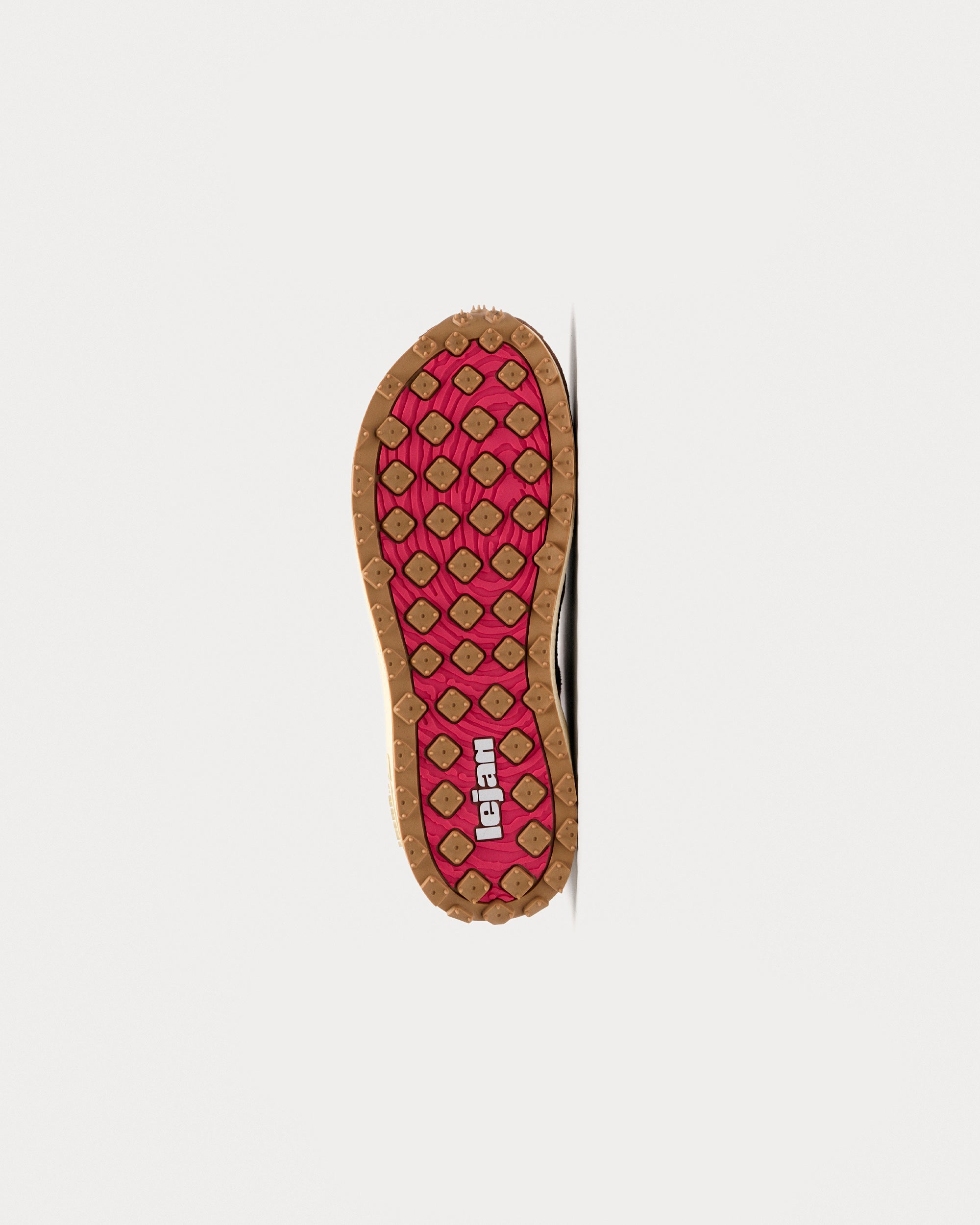
To prevent fatigue linked to stiffness or lack of mobility, a flexible, lightweight sole that lets you feel the ground better is usually a good option. In barefoot footwear, the sole tends to be thinner and more flexible to follow the foot's natural movement.
However, if there's pain, injury or a specific condition, the choice may need adjusting. Not everyone needs the same thing at every stage.
How long should I rest if my feet feel heavy?
If it's occasional tiredness, a few minutes of active rest, mobility and elevation may be enough. If the feeling comes back every day, it may not just be a matter of “resting more”, but of looking at what's causing that load: footwear, hours on your feet, lack of breaks, muscle weakness or too much activity.
As a general guide, if the pain doesn't improve with care at home, keeps coming back or limits your normal activity, it's best to get it checked.
Test your knowledge
Answer the questions to check how much you know about this topic.
1. ¿Cuál suele ser una de las causas más habituales de pies cansados al final del día?
2. ¿Qué puede ayudar a aliviar la sensación de cansancio en los pies?
3. ¿Por qué es importante que el calzado tenga espacio suficiente en la puntera?
4. ¿Cuándo conviene consultar con un profesional?

Share