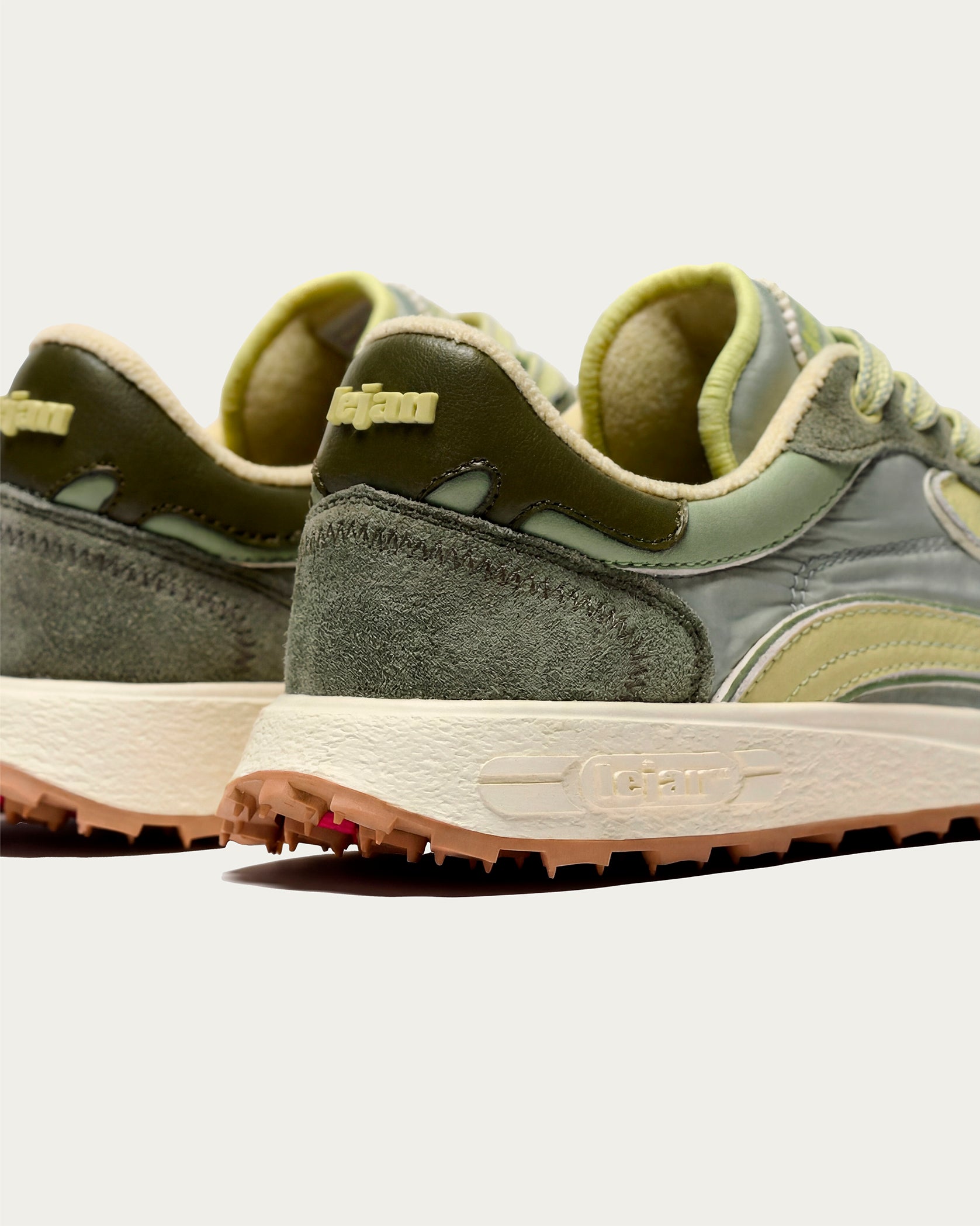
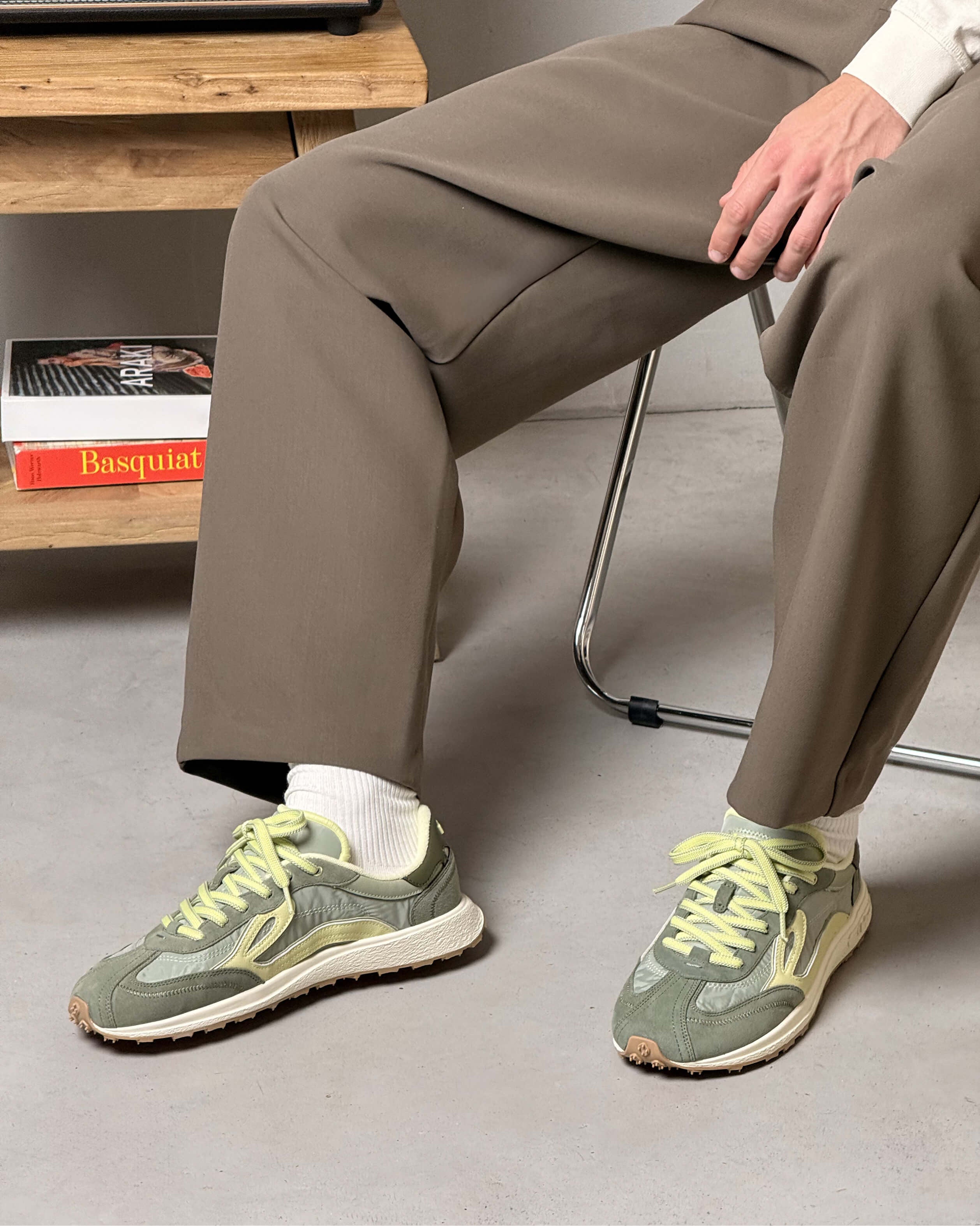
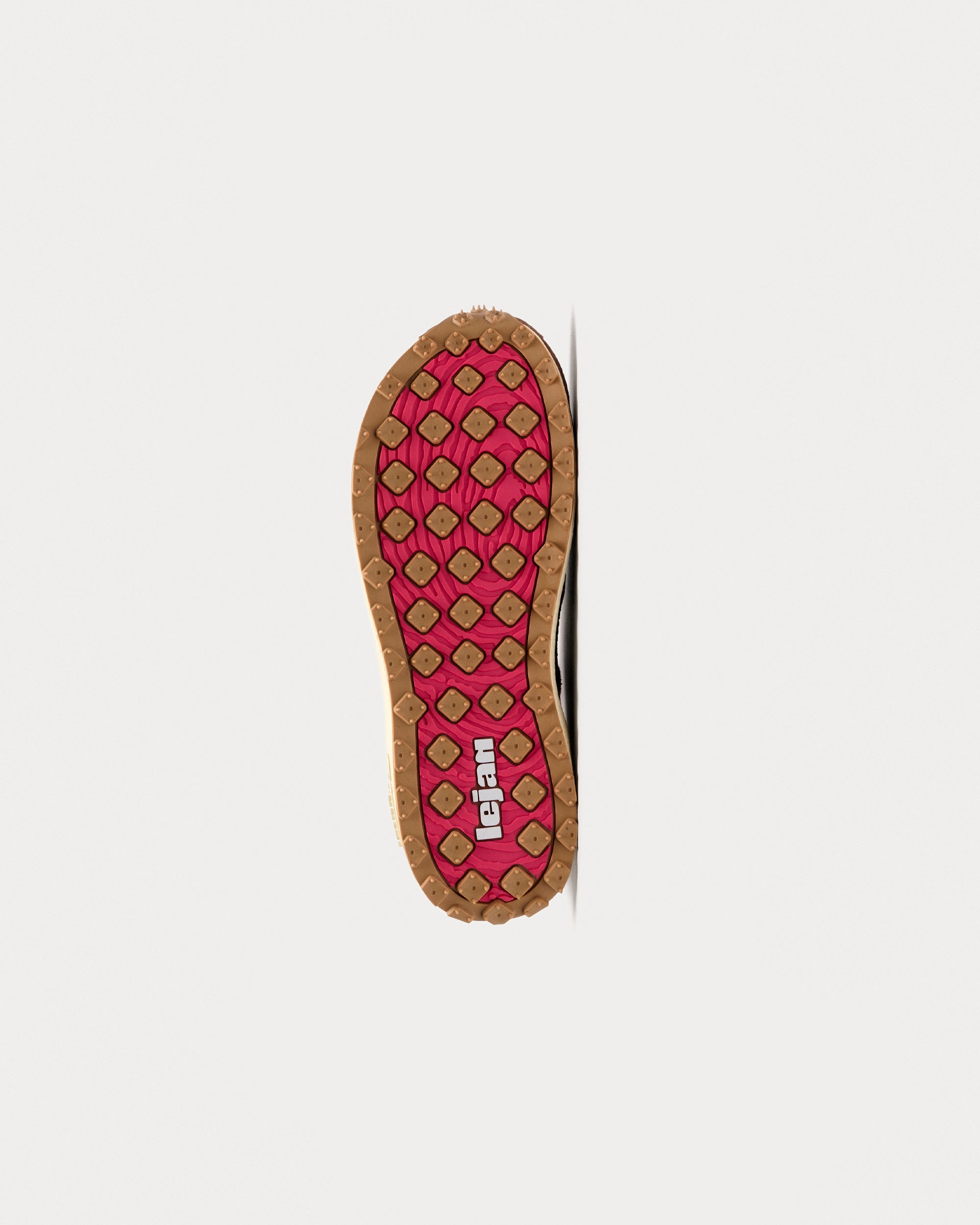
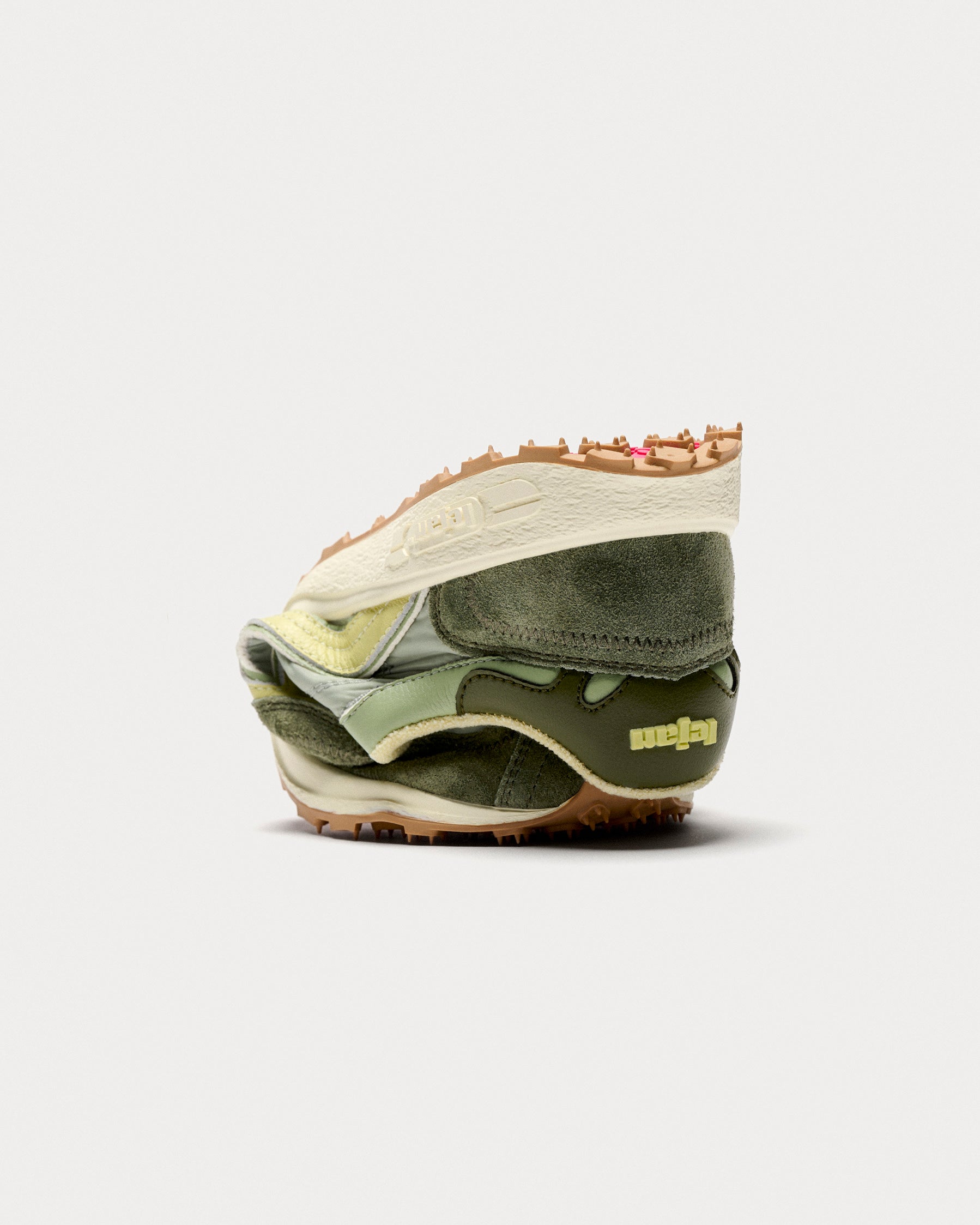
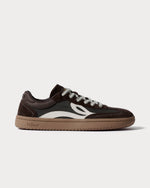
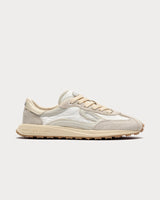
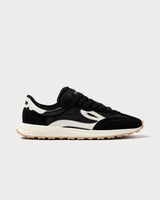
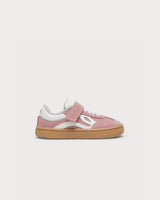
Heel chafing is one of those small annoyances that, if you don't deal with it in time, can end up ruining a walk, a day at work or the first outing in a new pair of shoes.
It usually starts with a very specific feeling: heat, stinging, pressure or a spot that “warns” you with every step. And that warning is worth listening to. Because many blisters don't appear out of nowhere: they start as repeated friction that your foot puts up with until the skin gets irritated.
The good news is that, if you catch it early, chafing can often be stopped before it goes any further.
What heel chafing is and how to recognise it
Heel chafing is a skin irritation usually caused by repeated rubbing between your foot, your sock and your shoe.
At first it may feel like a warm, tender or reddened patch. Sometimes there's hardly anything to see, but the feeling is clear: something is rubbing where it shouldn't.
The most common signs are:
-
Redness on the back of the heel
-
A burning or stinging sensation
-
Skin that's more tender to the touch
-
Discomfort when walking
-
A blister appearing later on if the rubbing continues
The problem usually isn't just “the new shoe”. Often several factors come together: a stiff heel counter, a sock that slips, moisture inside the shoe or a fit that doesn't quite work with your foot.
Why heel chafing happens
Chafing happens when the skin is subjected to more friction or pressure than it can tolerate. The heel is an especially common spot because it's in direct contact with the back of the shoe and is involved in every step you take.
Friction, pressure and heat inside the shoe
Friction is repeated rubbing. When the heel moves against the shoe or the sock, the skin starts to get irritated.
Add heat and moisture to that, and the skin becomes more vulnerable. Damp skin tends to cope worse with rubbing, which is why a lot of chafing appears after long walks, on hot days or when your feet sweat more than usual.
It doesn't always take a long walk. Sometimes a hard spot in the shoe and a few minutes of constant rubbing are enough for the heel to start complaining.

Stiff, narrow or poorly fitting footwear
A shoe can cause chafing for different reasons.
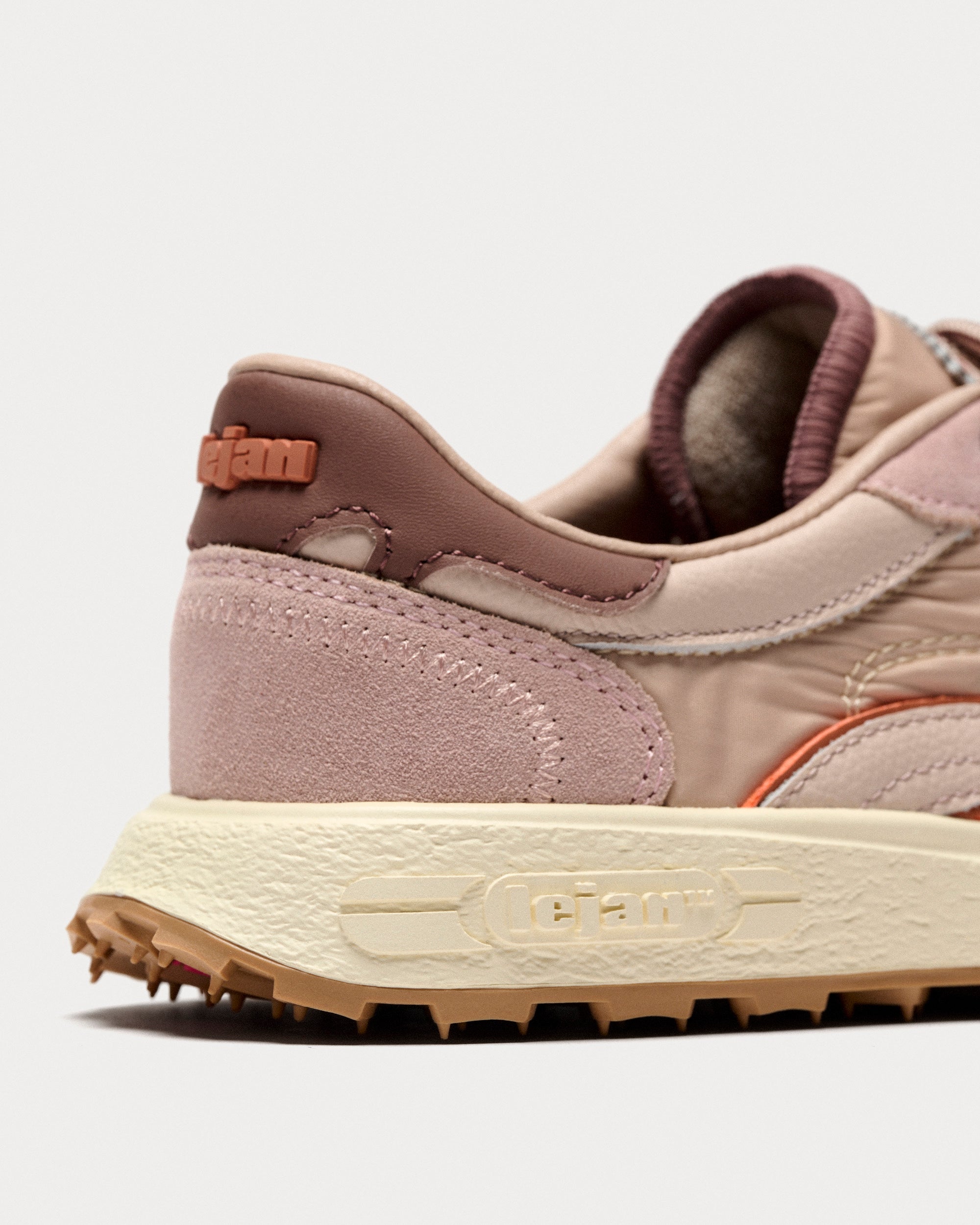
It might be too stiff around the heel, have a hard heel counter, a badly placed seam or a shape that doesn't match your foot. It can also happen when the shoe is too tight and squeezes the area, or when it's too big and the heel slides with every step.
Fit is key here. A shoe shouldn't squeeze, but it shouldn't let your foot slide around inside either. When the heel lifts up and down too much as you walk, the rubbing increases and the skin ends up paying for that lack of stability.
Socks with seams, moisture or the wrong size
Socks also matter a lot more than you'd think.
A sock with thick seams, creases or a size that doesn't fit properly can create pressure points. If it also slips inside the shoe or holds moisture, the risk of chafing goes up.
Ideally, choose socks that move with your foot without bunching up, don't squeeze too much and help keep your foot comfortable for longer.
How to stop heel chafing in time
The key is to act as soon as the first sign appears. There's no need to wait until the skin has lifted or a blister has formed.
If you notice heat, stinging or a spot that's starting to bother you, your foot is already warning you.
Stop what you're doing when you feel heat or stinging
When that burning feeling appears on your heel, the best thing is to stop for a moment.
It might seem over the top, but a few minutes at the right time can prevent a blister that then takes days to heal. Take your shoe off, look at the area and check for redness, a seam that's left a mark, a creased sock or a hard spot on the heel counter.
Often, simply straightening your sock or fastening the shoe better can reduce the rubbing.
Clean, dry and protect the area that's rubbing
If the skin is irritated but there's no open wound, gently clean the area and dry it well. Moisture doesn't help when the skin is already tender.
Then protect the spot before you carry on walking. You can use a specific protector, a suitable plaster or a barrier that reduces friction between the skin and the shoe.
The important thing is not to carry on as if nothing's wrong. If the rubbing continues, the skin can lift and turn into a blister.
Use plasters or protection before a blister forms
Plasters aren't just for when there's already a blister. You can also use them earlier, when you notice an area starting to suffer.
In those cases, they help reduce friction and protect the skin while you finish what you're doing. It's especially handy to carry a few with you when you're wearing new shoes, going on long walks or know you'll be on your feet for hours.
One small move can spare you a very uncomfortable problem.

How to prevent heel chafing when wearing new shoes
Wearing new shoes shouldn't mean suffering. It's normal for new footwear to need a bit of breaking in, but it shouldn't cause pain or sores from day one.
Leave enough room without letting the heel slip
To avoid chafing, the shoe needs room, but also stability.
At the front, your toes need room to move without being squashed. But around the heel, the fit needs to hold your foot properly. If the heel lifts too much with every step, it creates constant rubbing at the back.
The ideal feeling is: your foot has room, your toes aren't squeezed and your heel stays stable without hard pressure.
Check the heel counter, seams and hard spots
Before wearing a new shoe for hours on end, it's worth checking it with your hands.
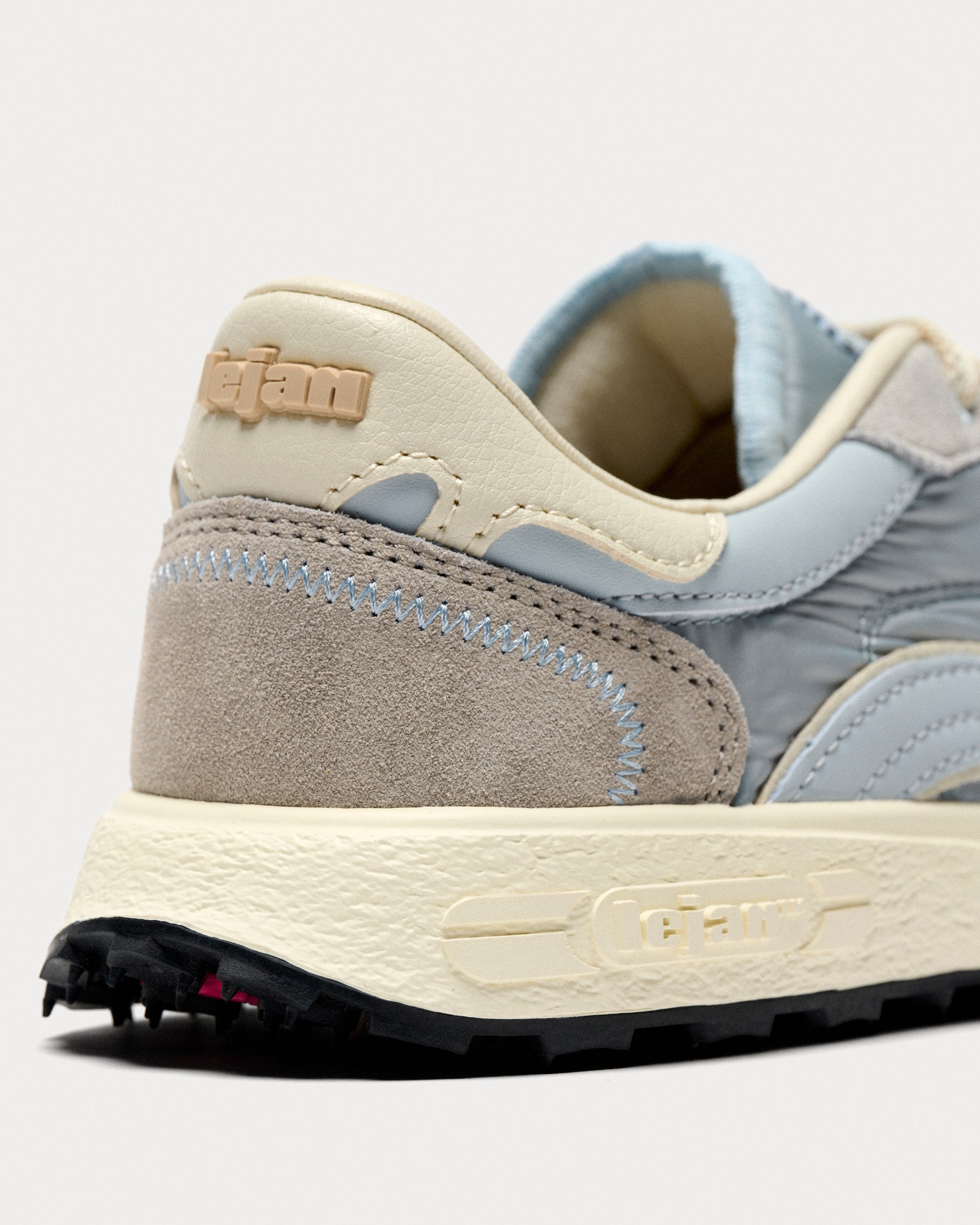
Feel the inside of the heel area. Check for thick seams, stiff edges, ridges or hard areas that might sit right against the skin. Sometimes the discomfort doesn't come from the size, but from a specific detail in how the shoe is made or designed.
It's also useful to try them on at home for a while and see if any pressure points show up before wearing them out for a whole day.
Break your shoes in gradually
Even if a shoe is comfortable, it's not always a good idea to wear it for hours on end straight away.
Start with short spells. Wear them in controlled settings, watch how your foot responds and increase the time bit by bit. This is especially important if you're coming from very different footwear, if the material is still a bit stiff or if you have a sensitive spot on your heel.
Breaking them in gradually lets you spot problems before they turn into an injury.
Which footwear helps prevent heel chafing
Footwear can't prevent all chafing, because your skin, socks, activity and the way you walk all play a part too. But it can create a much kinder environment for your foot.
Anatomical shape, flexibility and a stable fit
An anatomical shape gives your foot real room, especially around the toes. Even if the chafing is on the heel, space at the front matters too: when your foot is squashed, it can change the way you land and increase tension or movement inside the shoe.
Flexibility also helps the shoe move with your foot, rather than forcing your foot to adapt to a structure that's too rigid.
But as well as room and flexibility, you need a stable fit. A shoe that's too loose can rub just as much as one that's too narrow.
Soft, breathable materials without excess stiffness
Footwear materials have a big impact on heel comfort.
A back that's too hard can create direct pressure. Softer materials, on the other hand, with a good interior finish and no harsh seams, tend to reduce the risk of rubbing.
Breathability counts too. If your foot stays drier, the skin usually copes better with activity. That's why it's not just about the shoe looking good or being the right size: how it's built on the inside matters too.
Transition insoles if you're coming from traditional footwear
If you're coming from heavily cushioned, very stiff footwear or shoes with a fairly raised heel, switching to more flexible or minimalist footwear may take some adjusting.
In some cases, a transition insole can help your foot get used to it more gradually. It's not about relying on it forever, but using it as a temporary tool when the change is very sudden or when your foot still needs a bit more support.
The important thing is to listen to how it feels: comfort, stability and no pain are far more useful signs than forcing a quick adaptation.

What to do if the chafing has already turned into a blister
When the chafing has progressed and a blister appears, the priority changes: now it's about protecting the skin and stopping it from getting infected or worse.
When to leave it alone
If the blister is intact, doesn't hurt too much and doesn't stop you walking, it's usually best to leave it alone. The skin covering it acts as a natural barrier and helps protect the area while it heals.
In that case, keep it clean, dry and protected with a suitable plaster. It's also important to avoid the shoe that caused the blister, at least until the skin has healed.
If the blister is large, very painful or makes walking difficult, it's best to see a podiatrist. If needed, they can pierce it with sterile equipment, drain the fluid without removing the skin covering it and set out the right care, for example with Betadine or another suitable antiseptic.
Popping it at home or handling it without proper hygiene can leave the skin more exposed and increase the risk of infection.
When to see a podiatrist or a specialist
It's worth seeing a podiatrist or a specialist if the blister is very painful, if it keeps appearing in the same spot, if there's intense redness, discharge, a bad smell, heat around the area or if you're unsure how to treat it.
It's also a good idea to get checked if the chafing keeps happening with different shoes. In that case there may be an issue with fit, the way you land, the shape of your heel, your size choice or the type of footwear.
And if you have diabetes, circulation problems or reduced sensation in your feet, any wound or blister should be treated with extra care.
Frequently asked questions about heel chafing
Why do my shoes always rub my heel?
There can be several causes: a stiff heel counter, a shoe that doesn't match the shape of your foot, too much heel movement, socks that bunch up or a particularly sensitive patch of skin.
If it always happens in the same spot, don't just accept it. Check the inside of the shoe, the fit and the size. Sometimes the problem isn't that “your feet are delicate”, but that the footwear isn't working with them.
How do I stop my shoes hurting the back of my heel?
First, check that your heel doesn't slip when you walk, but isn't squeezed either. Then check for seams, hard edges or a heel counter that's too stiff.
It can also help to wear the right socks, protect the area before a long walk and break the shoes in gradually. If a shoe hurts from the very first moment and always in the same spot, it's probably not the best fit for your foot.
Which socks help prevent chafing?
The best socks are the ones that fit your foot well, don't crease and keep your foot feeling dry and comfortable while you wear them.
Avoid socks that are too big, which slip and bunch up, or too small, which squeeze and create tension. Thick seams can also be a problem if they sit on areas that rub.
On long walks or with new shoes, a good sock can make a big difference.
Is a wide shoe better for avoiding chafing?
It depends what we mean by wide.
A shoe with an anatomical shape and enough room for your toes can help your foot move more comfortably. But if the shoe is wide without a good fit, your foot can slide around inside and increase rubbing on the heel.
The key isn't to choose a “big” shoe, but footwear with room where your foot needs it and a stable hold where it's needed. For the heel, that means it shouldn't squeeze, but it shouldn't slip either.
Test your knowledge
Answer the questions to check how much you know about this topic.
1. ¿Cuál suele ser una de las primeras señales de una rozadura en el talón?
2. ¿Qué puede aumentar el riesgo de rozadura dentro del zapato?
3. Al estrenar zapatos, ¿qué es recomendable hacer para evitar rozaduras?
4. Si el talón se levanta demasiado al caminar, puede ocurrir que…
Share