When we talk about balance, we often think of the inner ear, vision or posture. But there's a foundation that usually goes unnoticed: the foot. It's the first point of contact with the ground and one of the main sources of information the body uses to orient itself, adapt and respond while we're standing, walking or changing direction.
What foot proprioception is and why it's key for health
Proprioception is the ability to perceive the body's position and movement without having to look at it. In the case of the foot, this function doesn't depend only on the sense of joint position, but also on the tactile and mechanical information coming from the sole, the toes, the joints and the muscles. All of this allows the nervous system to know how we're supporting ourselves, how much weight we're loading and how to reorganize the body to stay stable.
It's key for health because the foot doesn't just support: it also detects and regulates. When plantar sensory information is good, the body's ability to adjust balance, modulate posture and respond to small changes in the terrain or the support improves. When that sensory input worsens, postural control can also be affected.

What foot proprioception is for in daily life
Foot proprioception is active in everyday gestures we do without thinking: standing, walking on an uneven sidewalk, going up stairs, turning, stopping or recovering balance after a stumble. It isn't an "extra" function; it's part of how the body organizes movement from the base.
Stability and injury prevention
Good proprioception helps detect changes in support sooner and generate faster, more precise responses. This is especially important in the ankle and foot, where small control errors can favor sprains, instability or repeated compensations. In several studies, worse plantar sensitivity is associated with worse balance and reduced lower-limb function.
Improvement of balance and coordination
Balance isn't only "not falling". It also involves coordinating continuous adjustments between foot, ankle, knee, hip and trunk. The information arriving from the sole of the foot contributes to those postural adjustments and to the coordination of movement, both at rest and during walking.
Development of the plantar arch and intrinsic musculature
The plantar arch doesn't depend only on the shape of the foot, but also on its function. The foot's intrinsic musculature takes part in the dynamic support of the arch, in stability and in the fine control of support. When this musculature works well and is stimulated appropriately, it can favor better foot function, more control during support and an improvement in dynamic balance, although the response can vary from one person to another.
How proprioception works in the foot
Foot proprioception works as an integrated system. It doesn't depend on a single structure, but on the combination of cutaneous receptors, joint receptors, muscles, spinal cord and brain. The result is an automatic, continuous response that constantly adjusts movement.
Sensory receptors of the sole of the foot
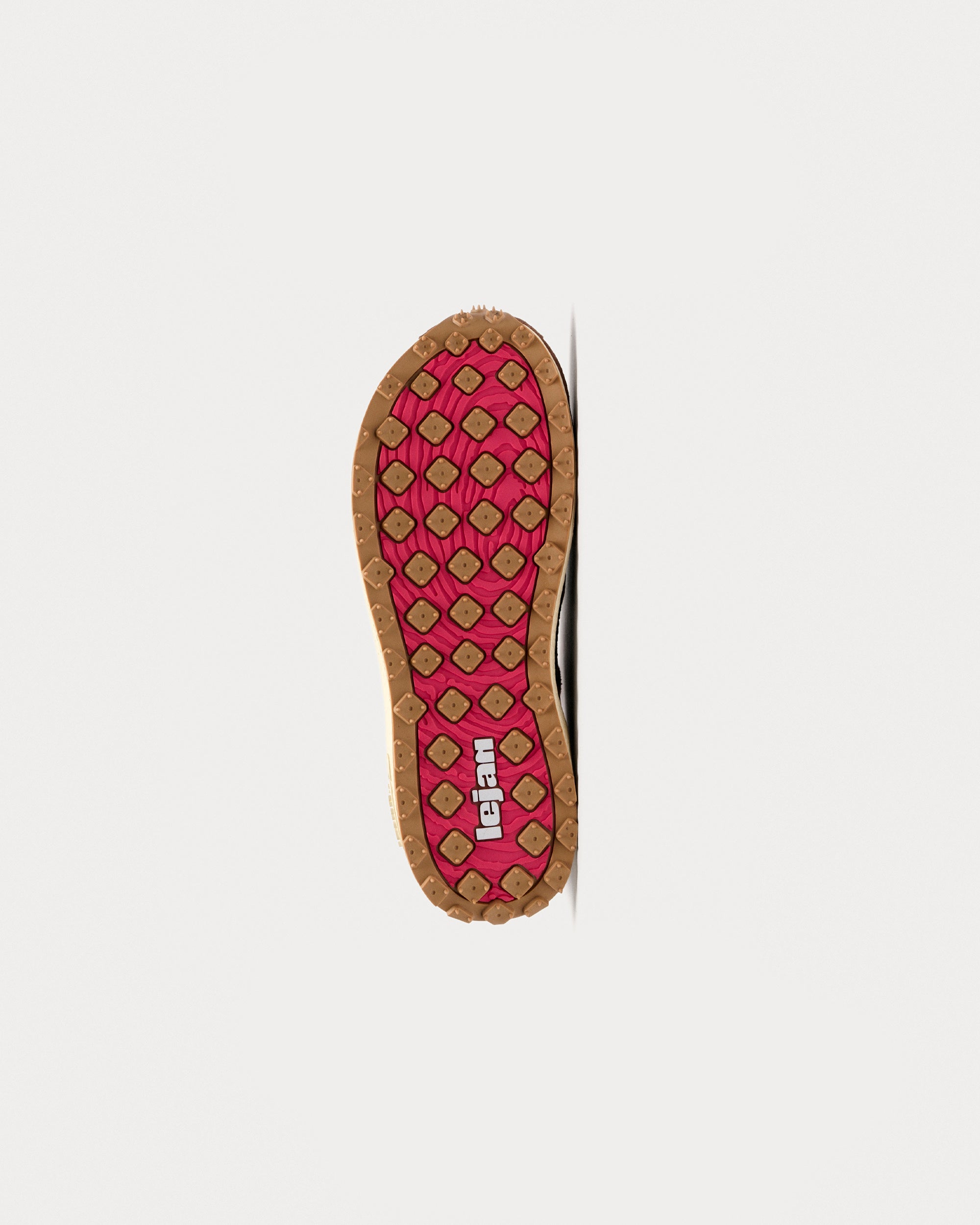
The sole of the foot contains mechanoreceptors capable of detecting pressure, skin deformation, vibration and changes in load. That information has functional value: it helps the nervous system identify how the weight is distributed and how the center of pressure shifts during support.
Connection between foot, nervous system and brain
The information collected at the foot travels up sensory pathways and integrates with vision, the vestibular system and other body signals. The brain doesn't "look" only at the foot: it combines all those inputs to decide how to adjust posture, activate musculature or modify the gait pattern.
Importance of contact with the ground and sensory feedback
The clearer and more useful the information the foot receives, the better the system can respond. So, contact with the ground and the quality of sensory feedback matter. When plantar sensitivity changes, the way the body organizes postural control can also change. That reinforces the idea that the foot doesn't only support: it also informs.
Foot proprioception and footwear: what you should know
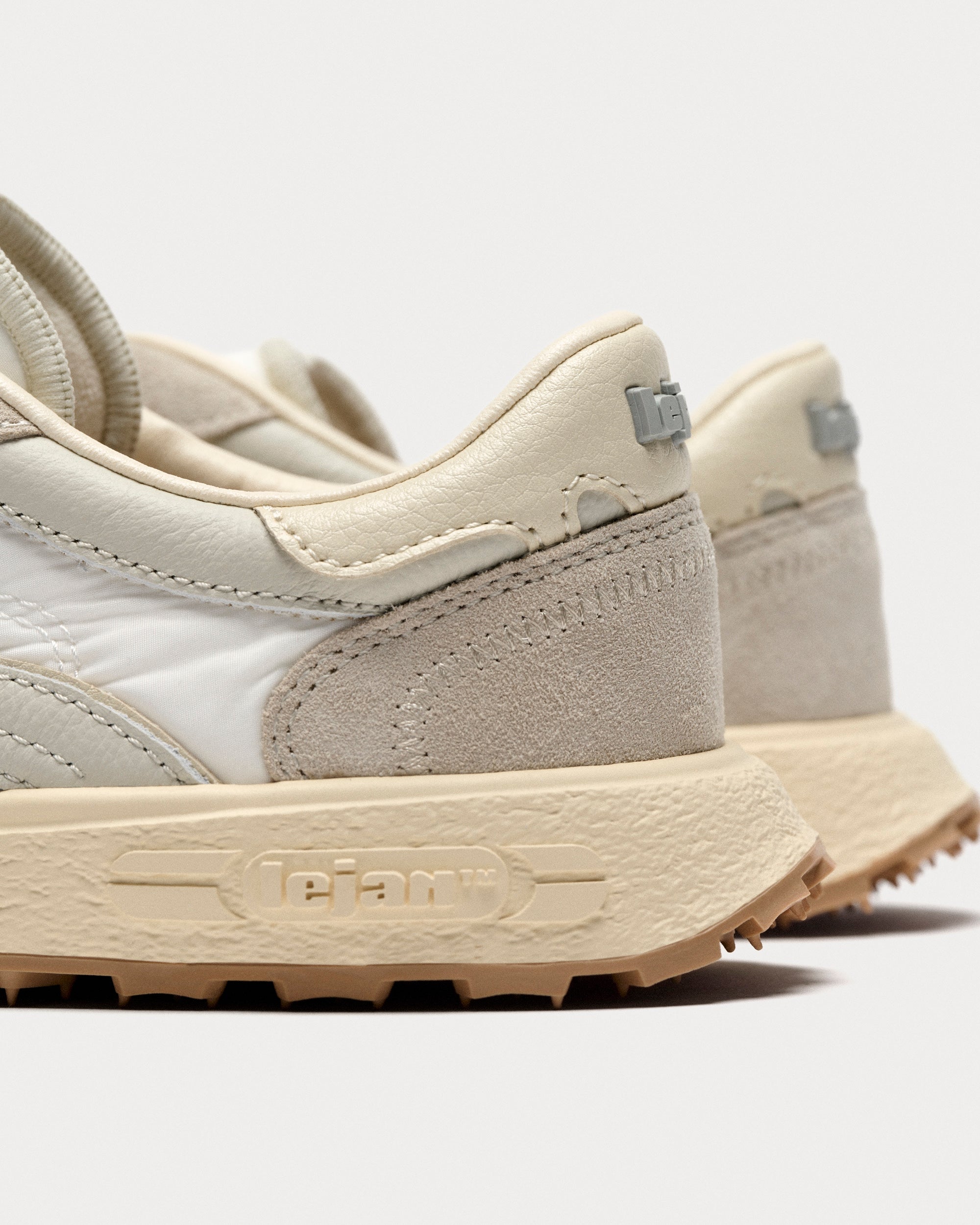
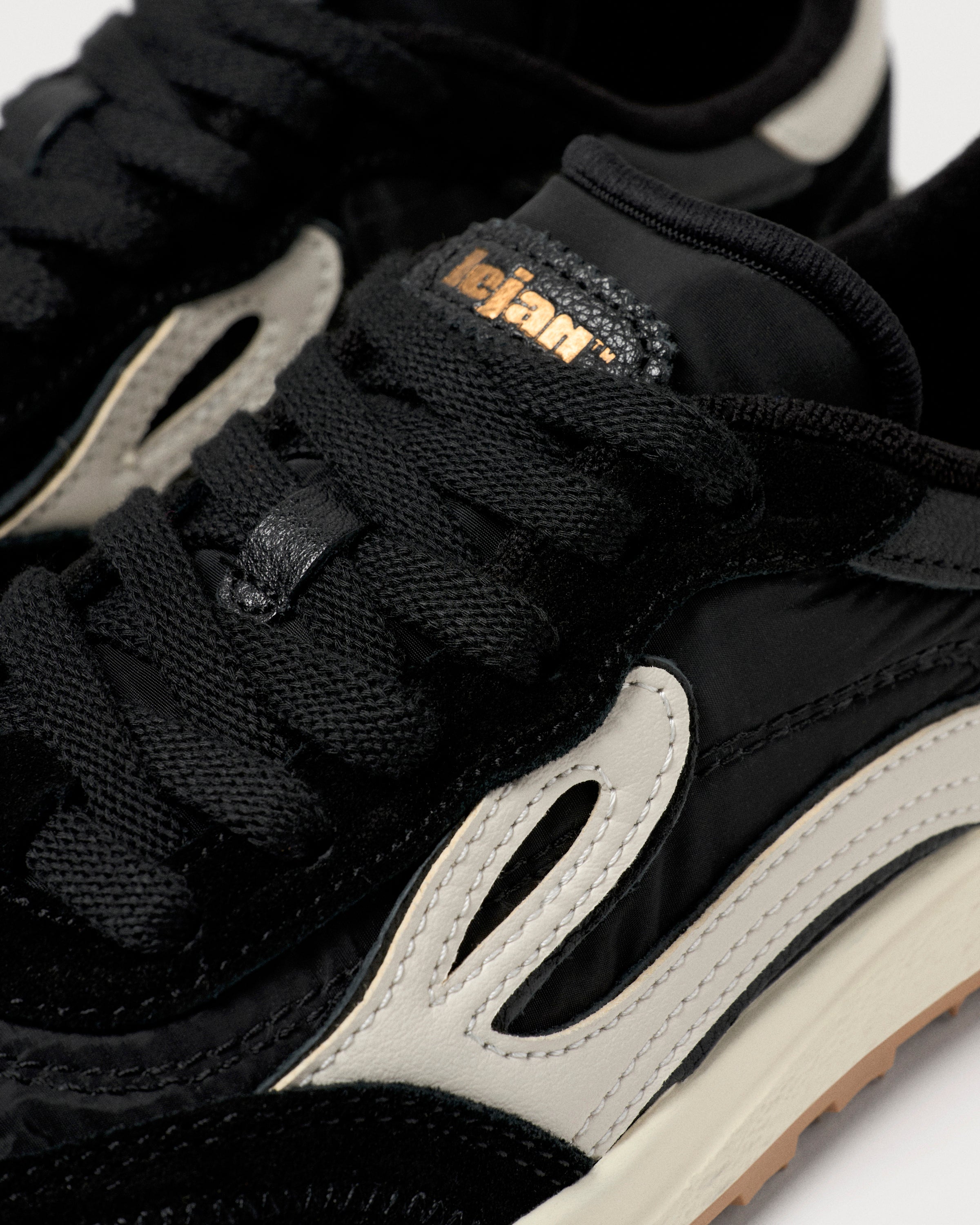
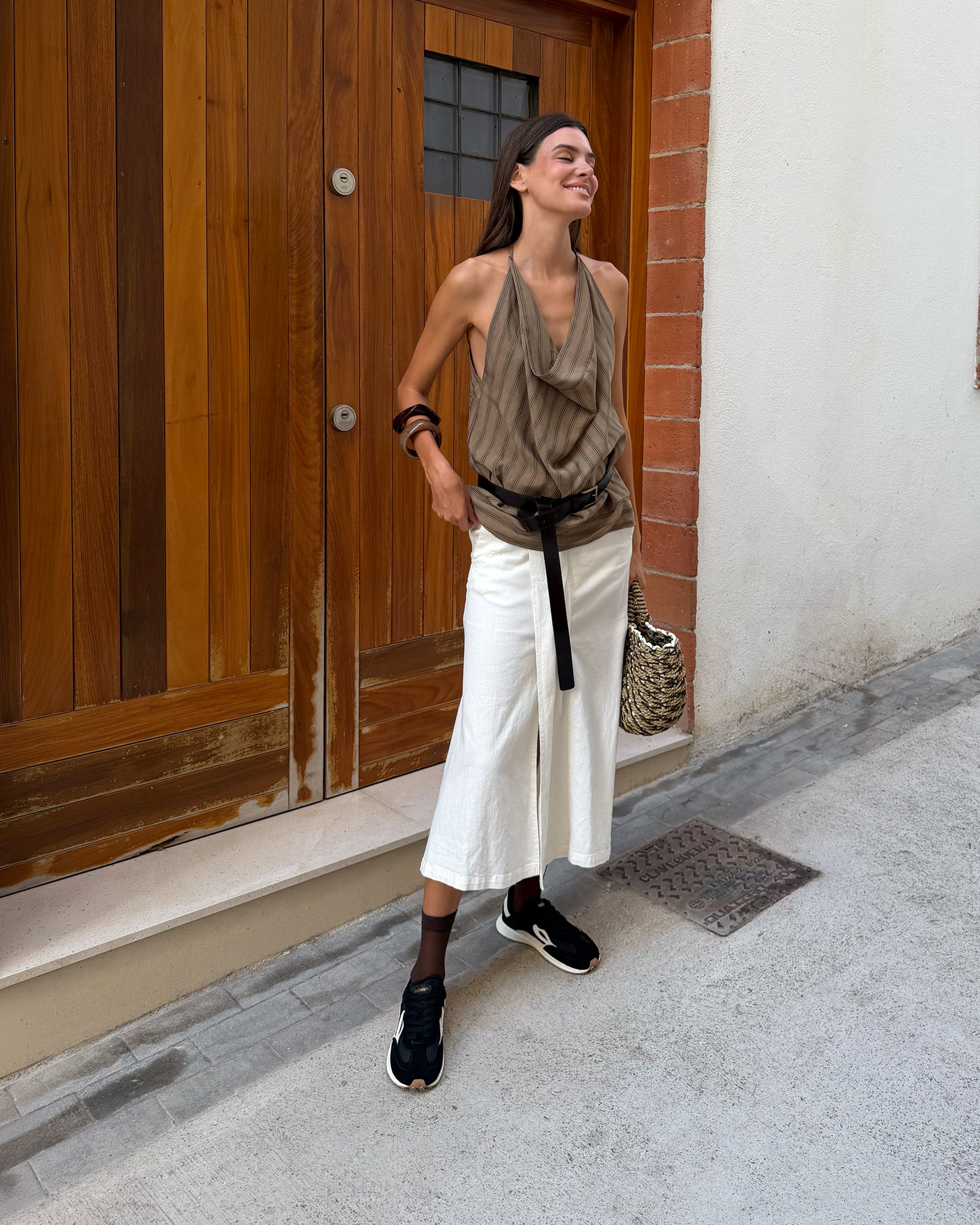
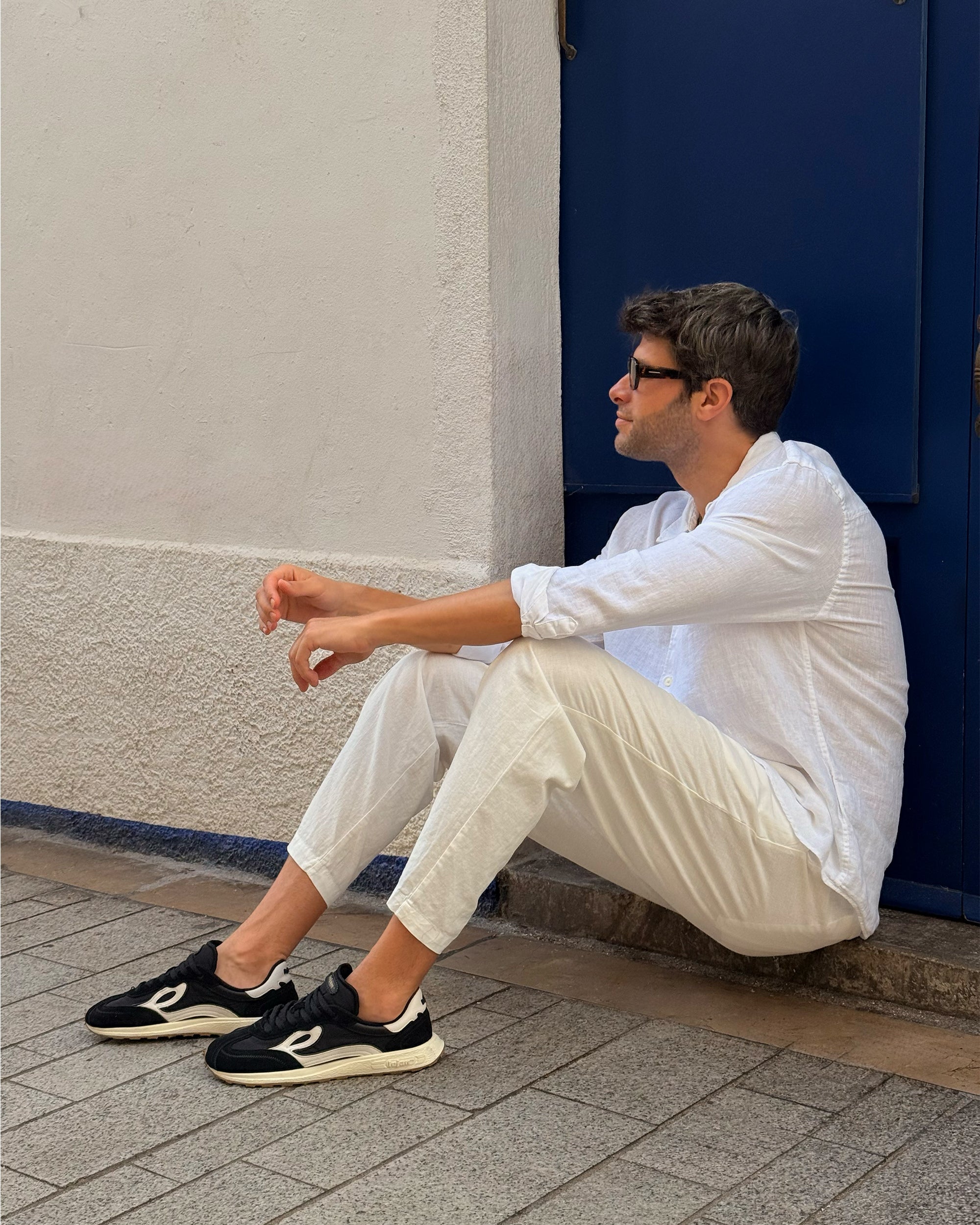
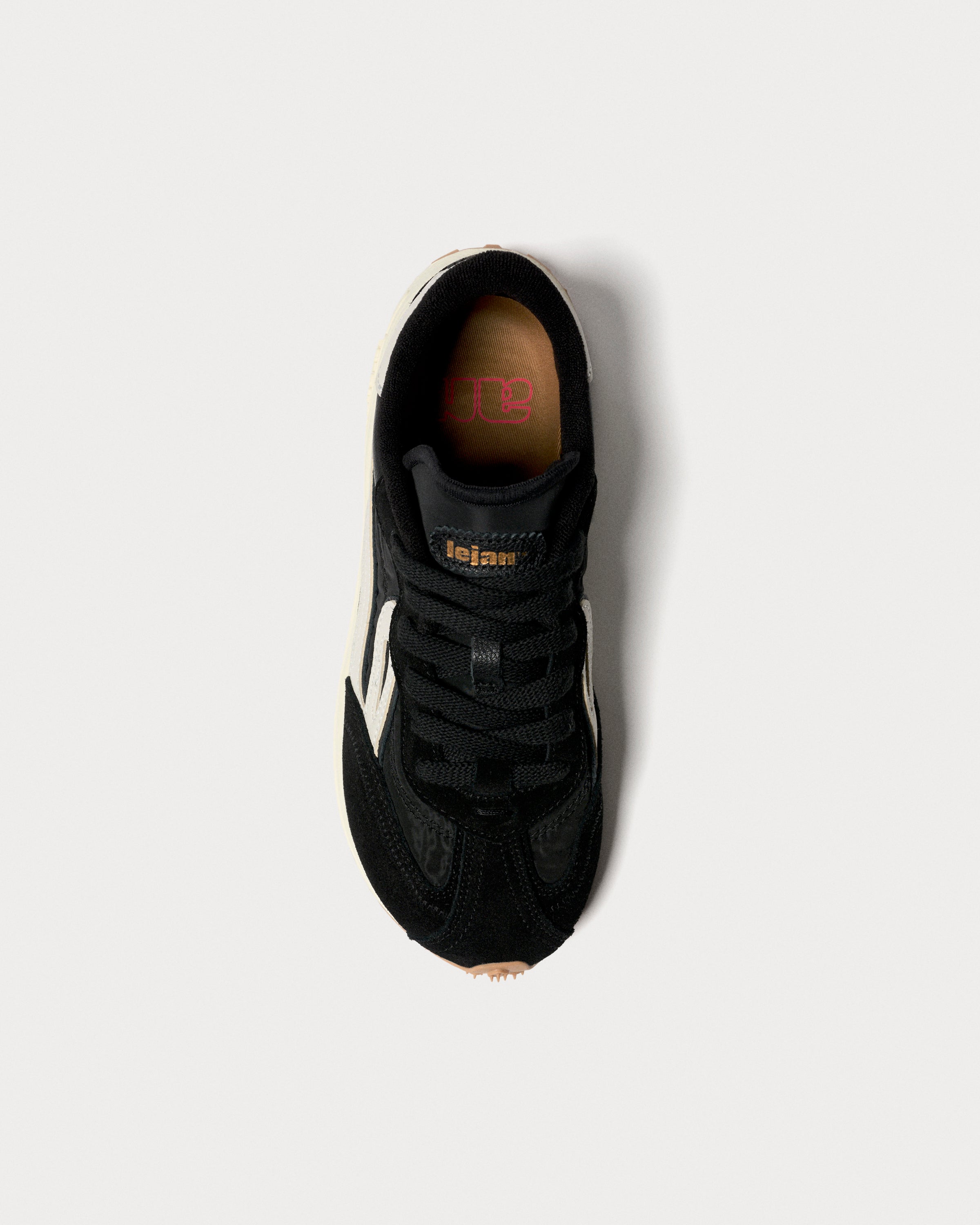
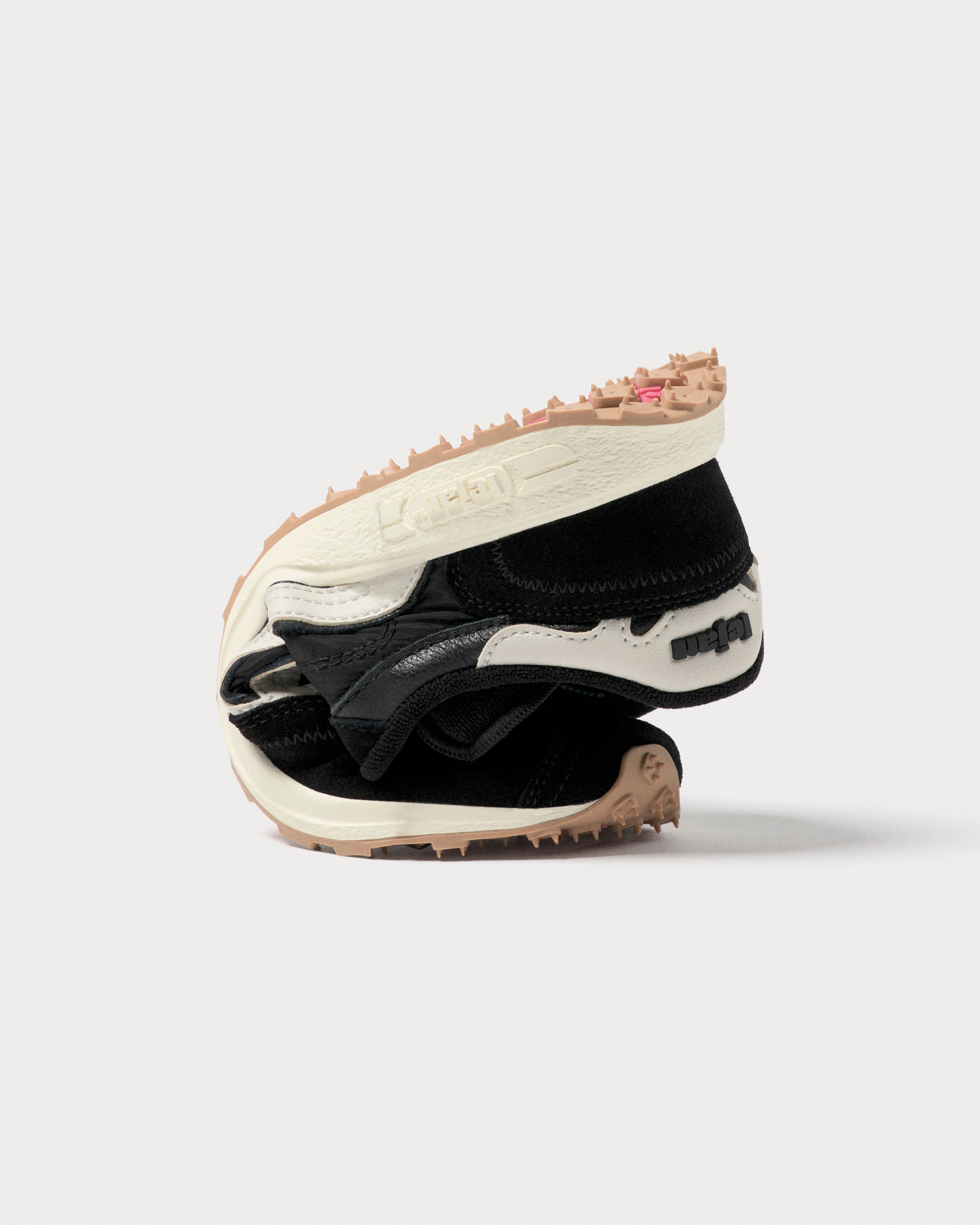
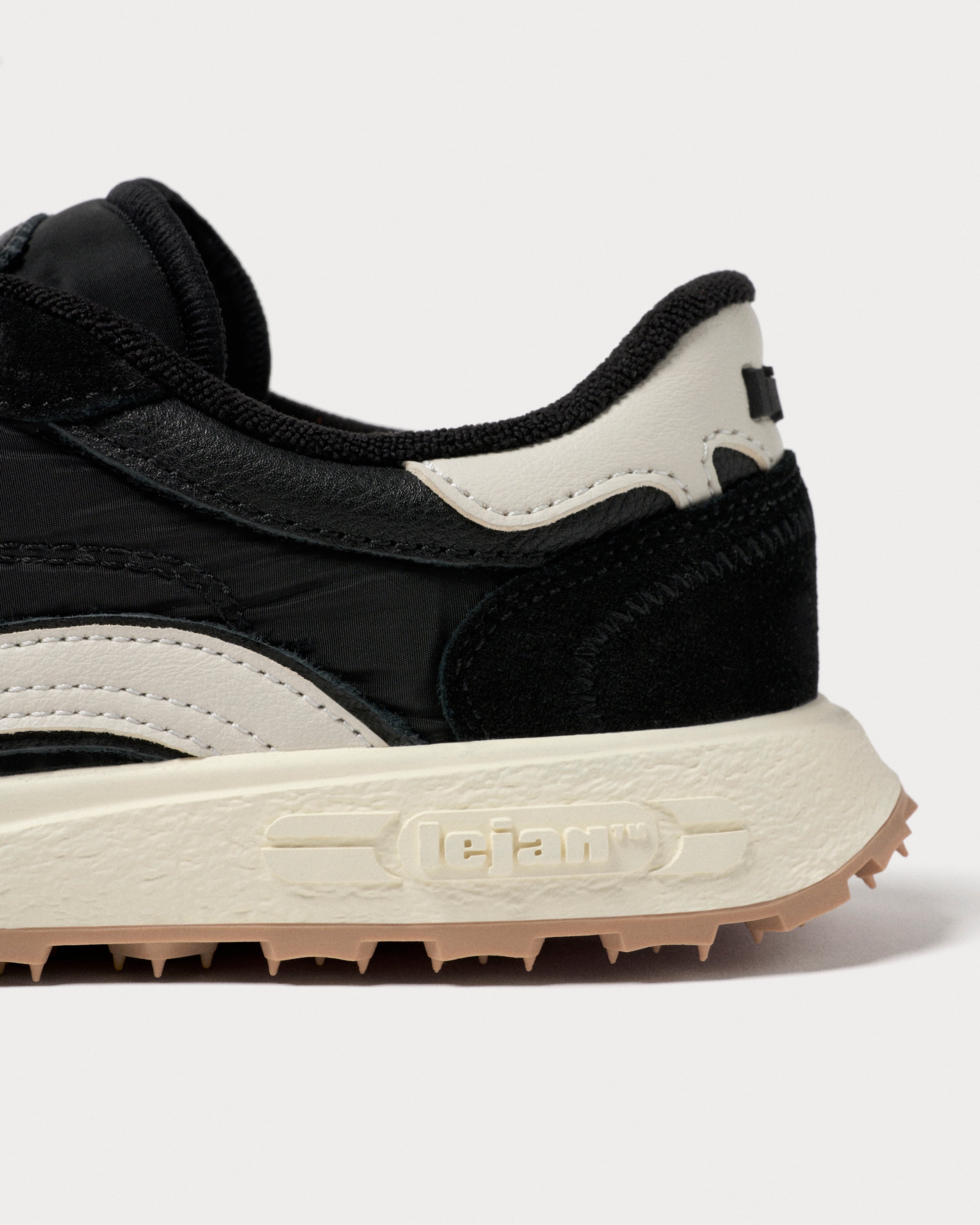
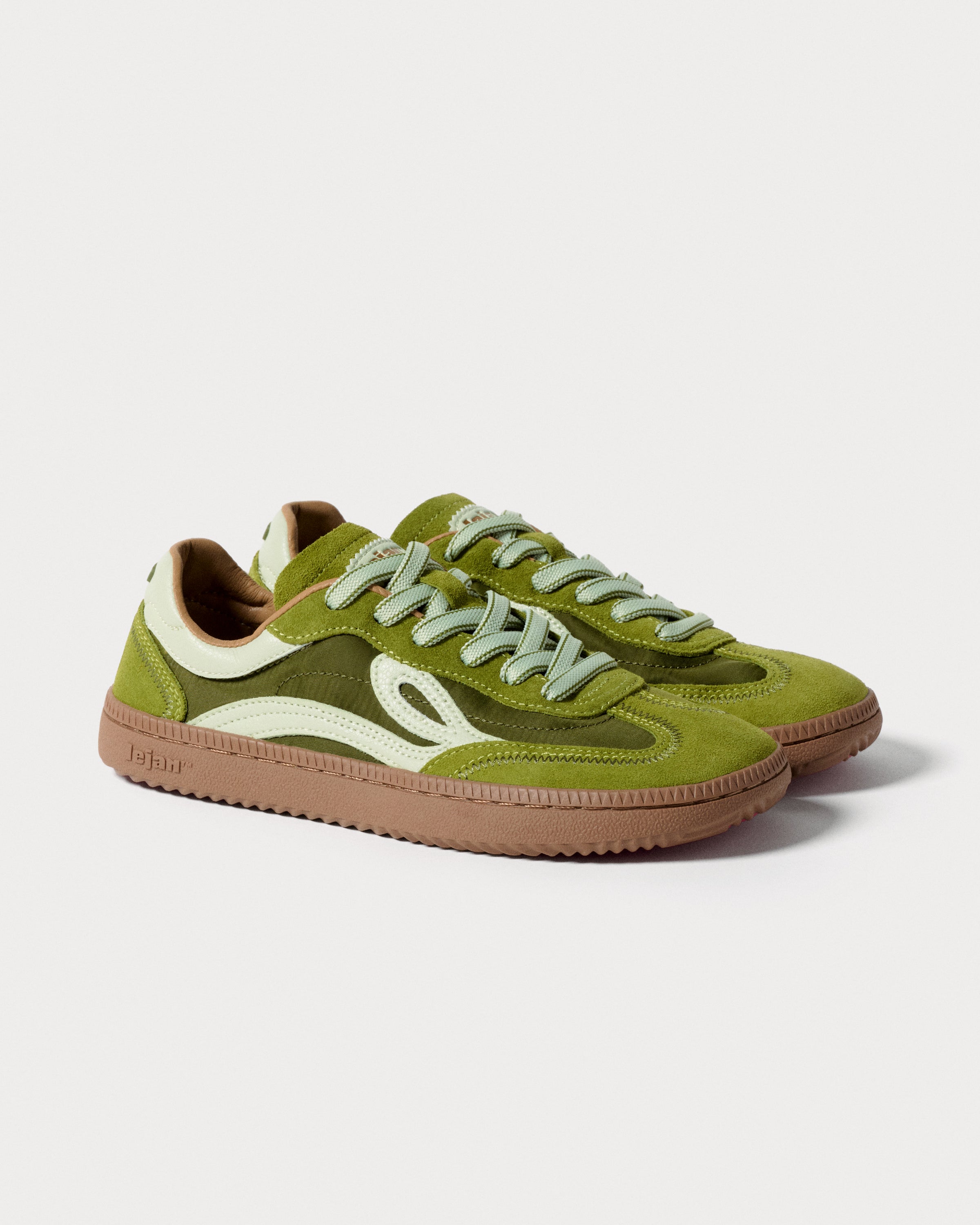
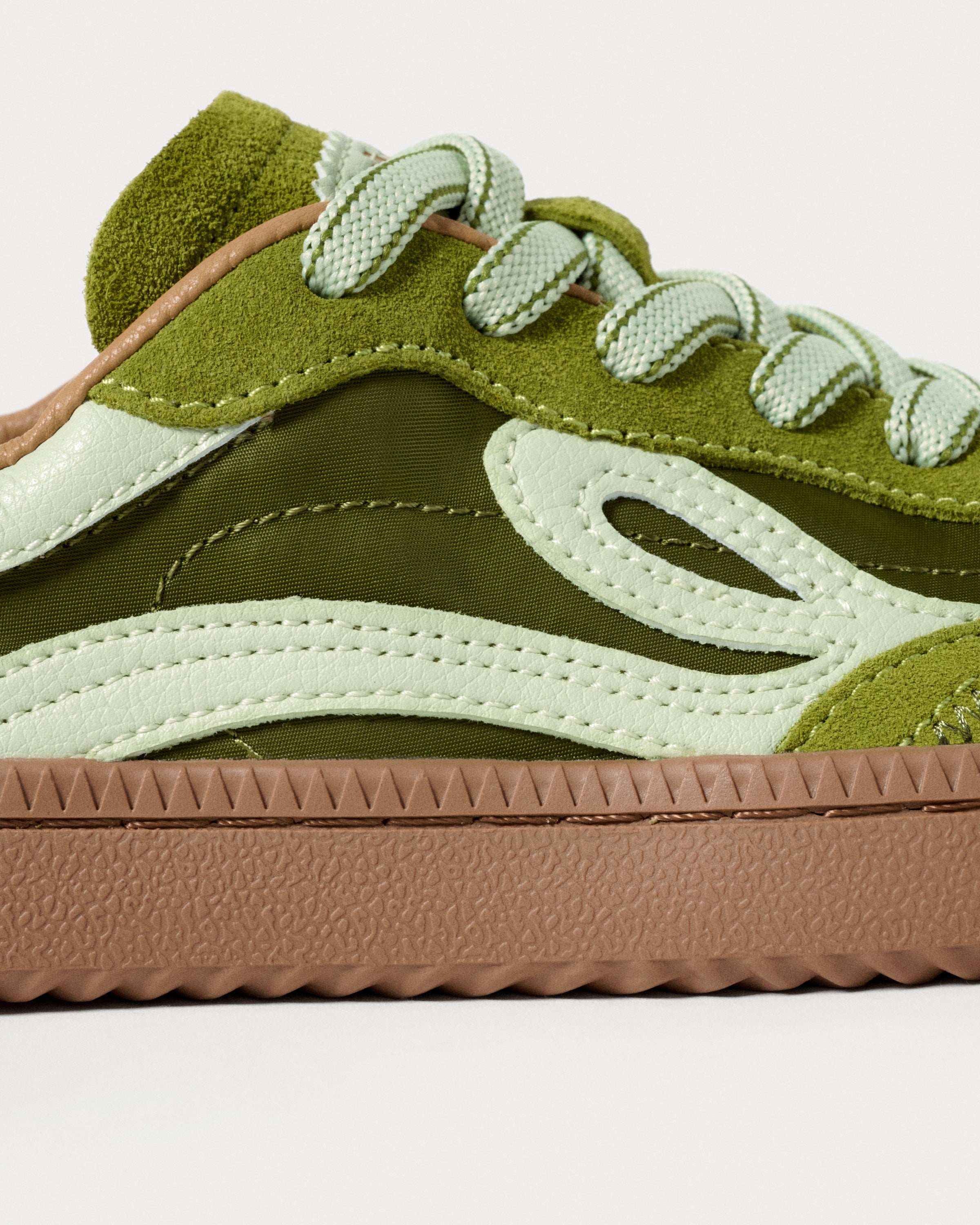
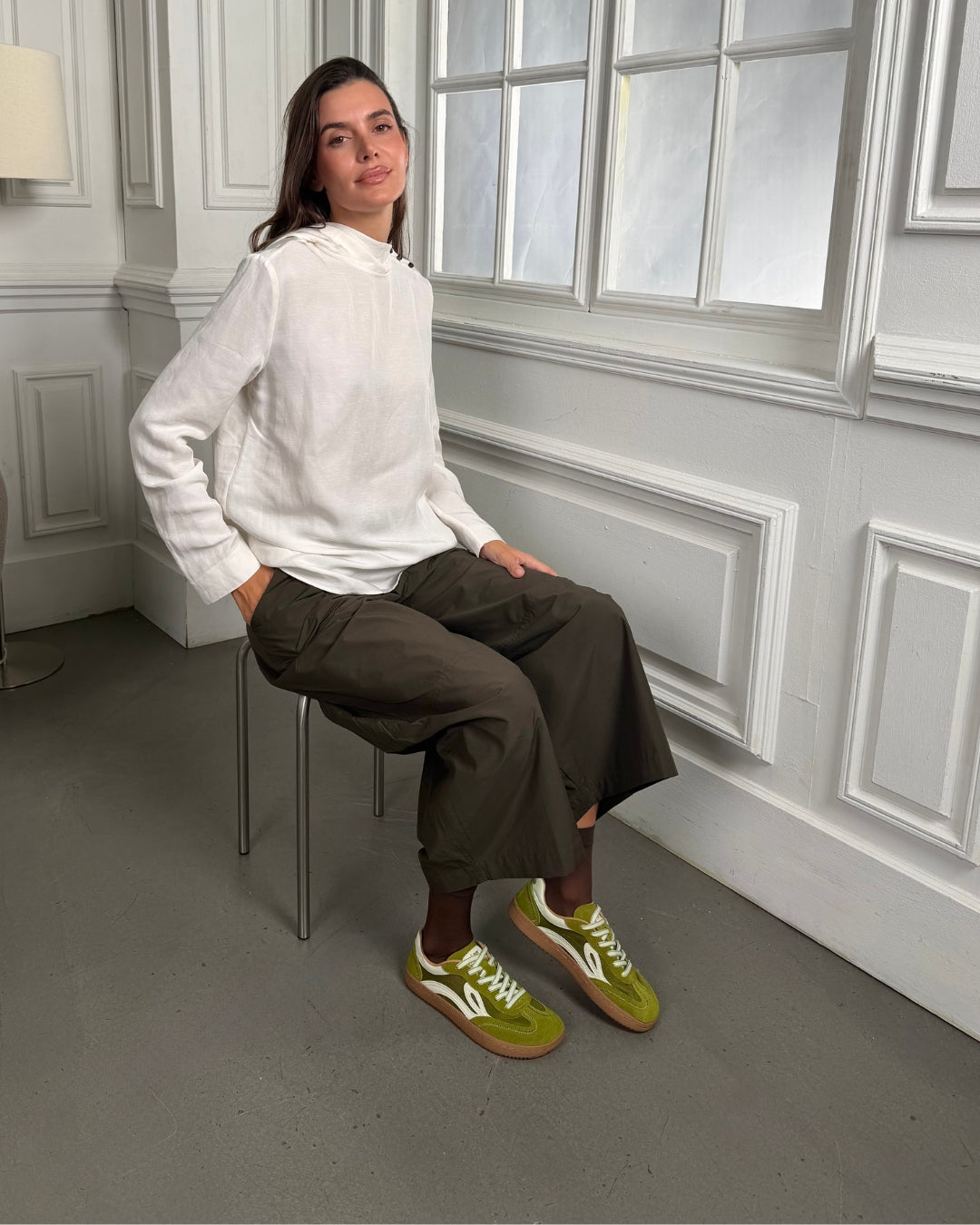
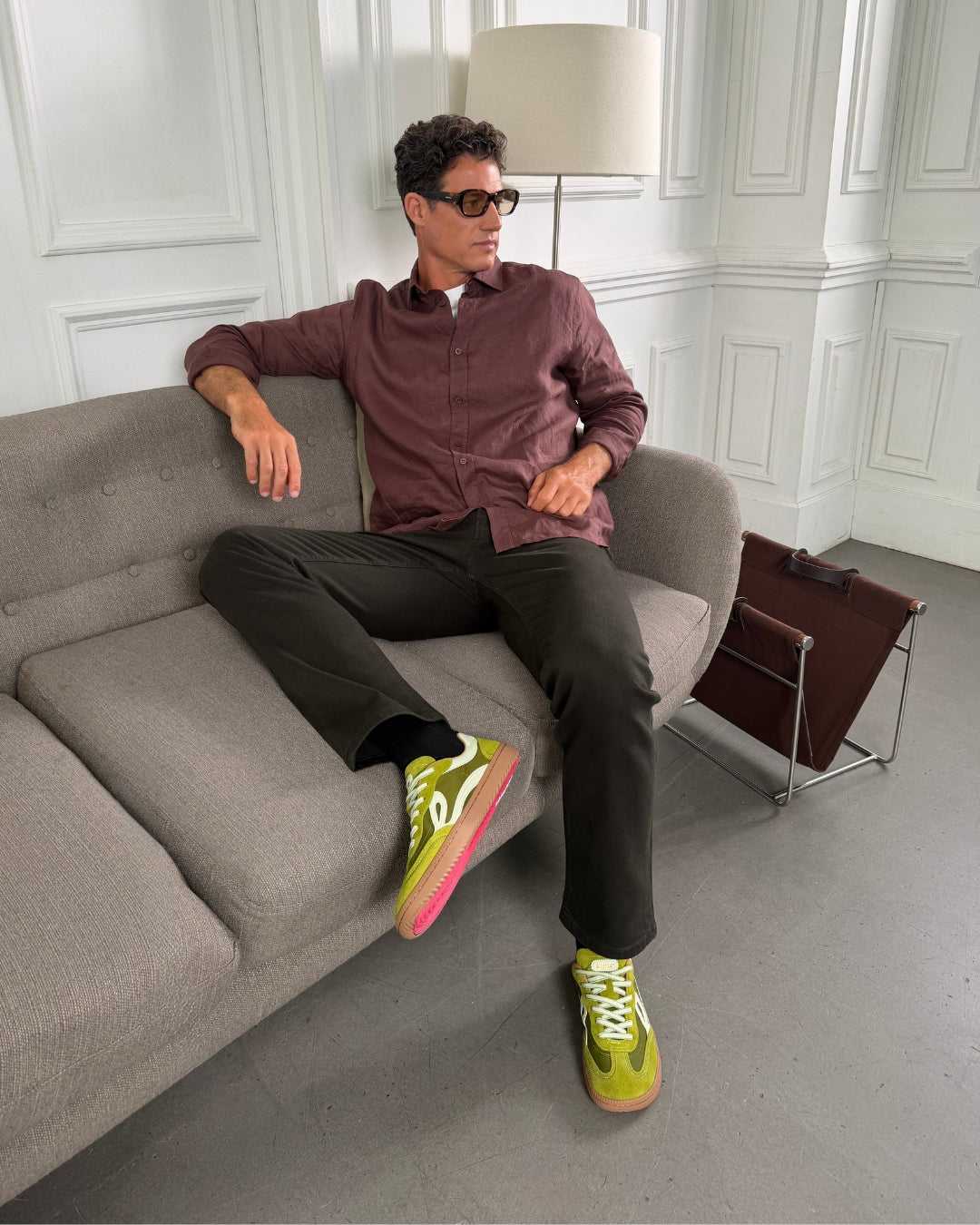
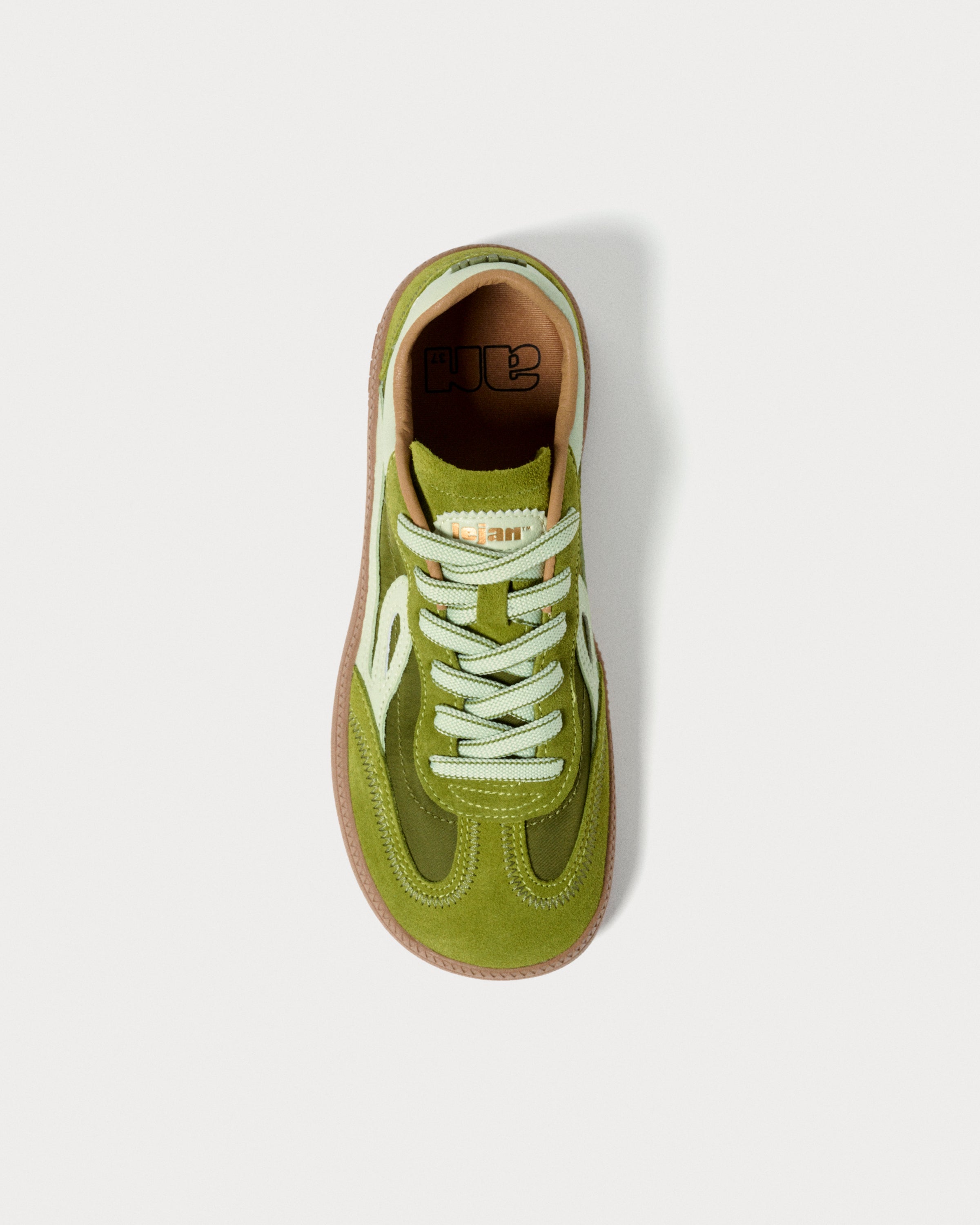
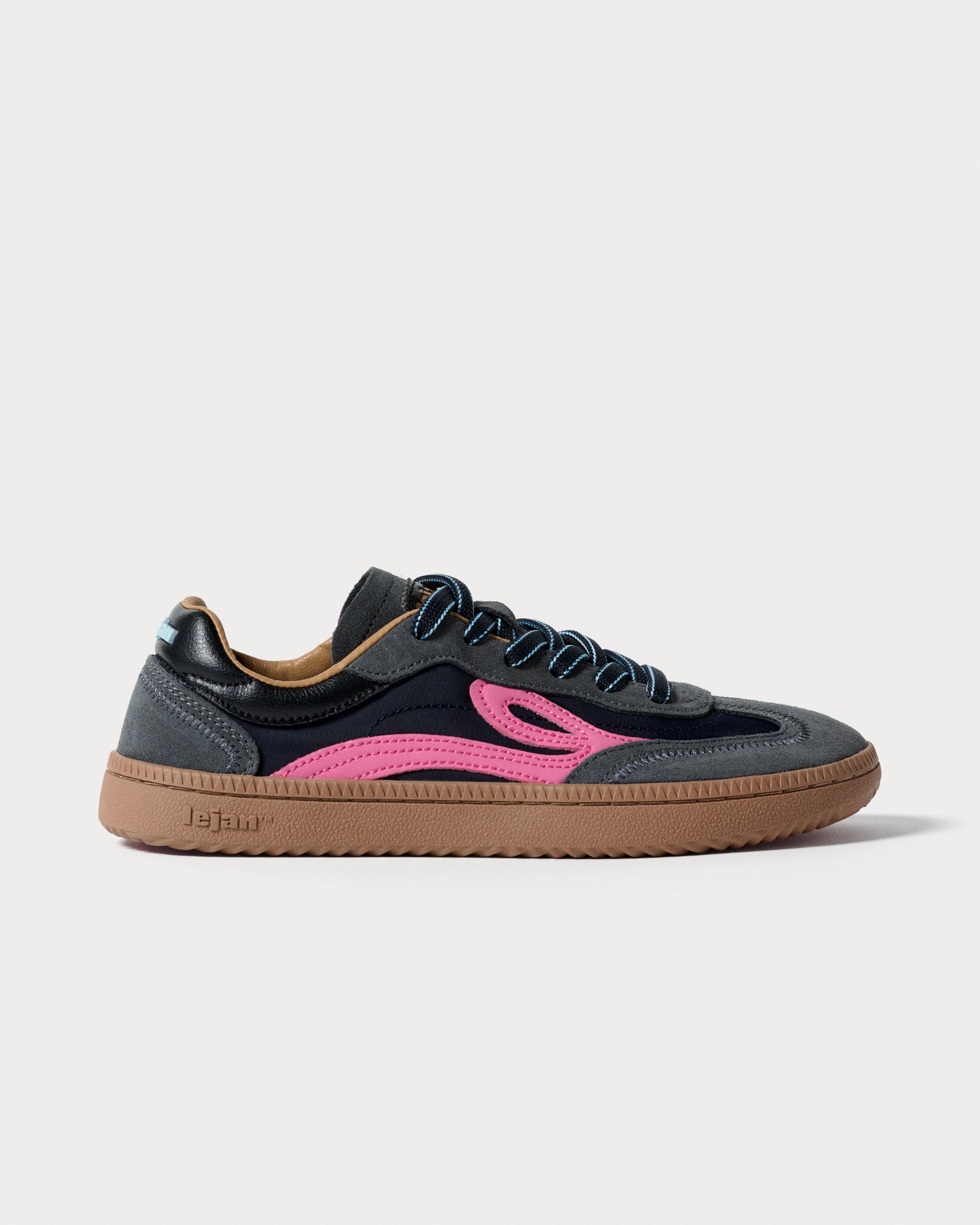
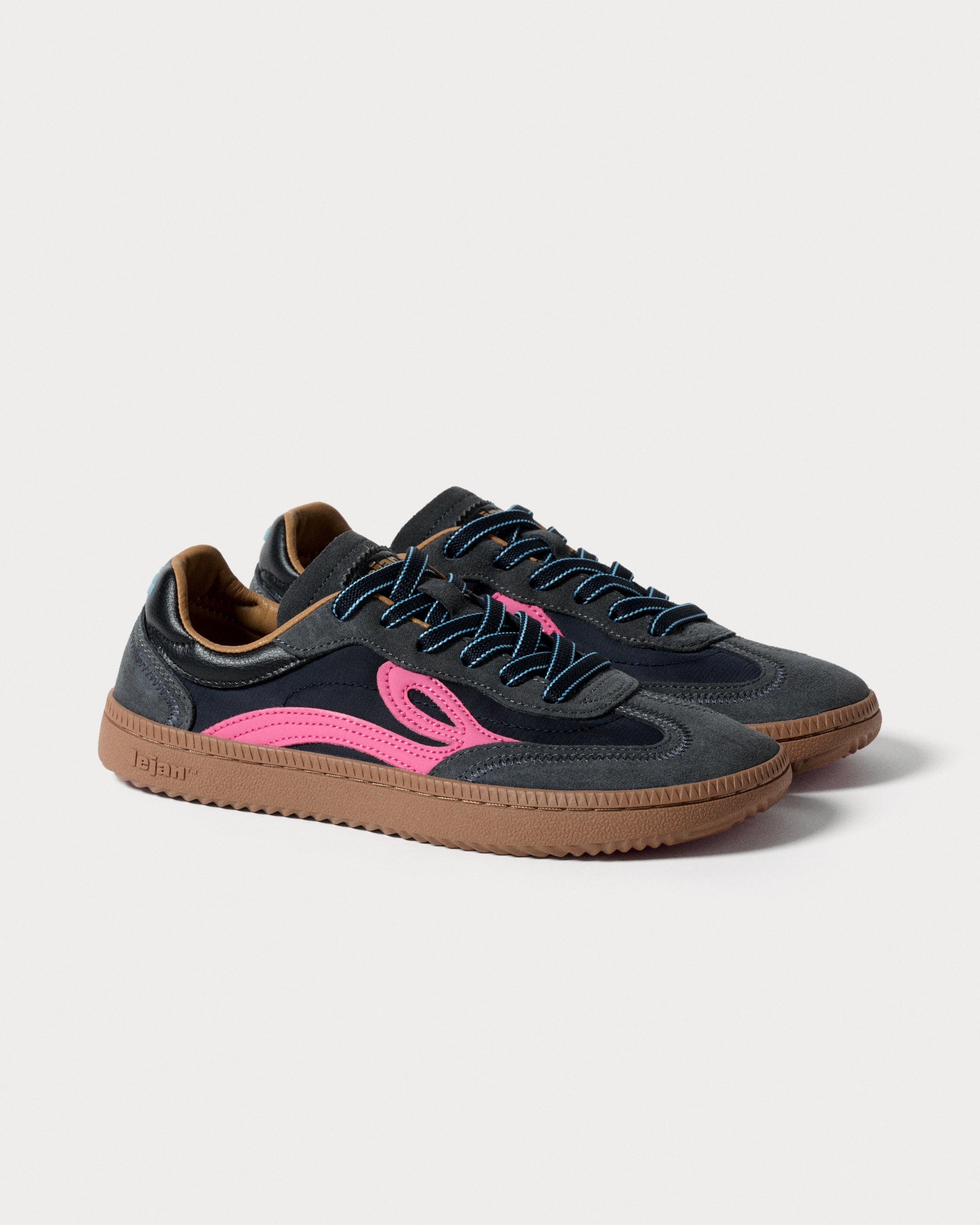
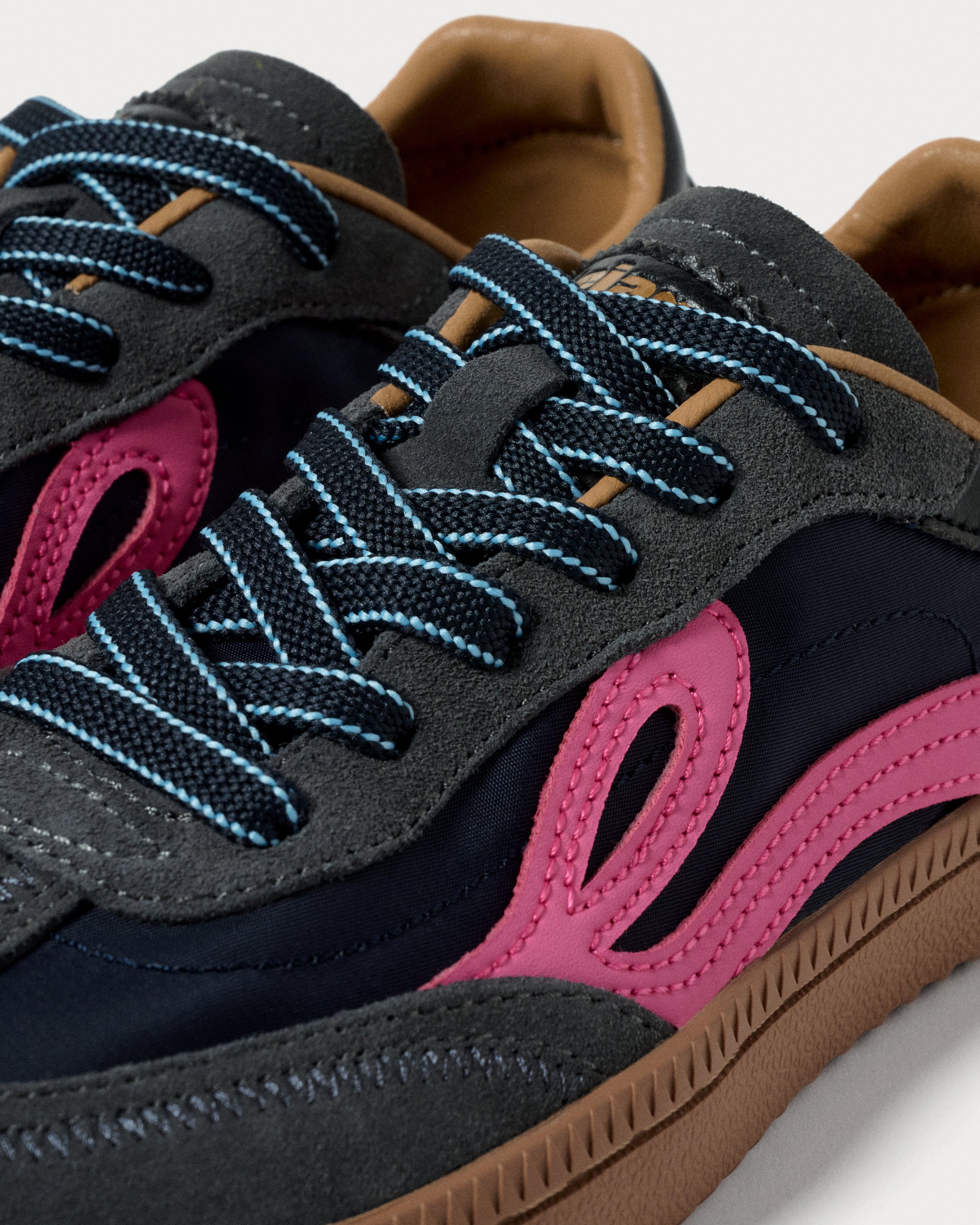
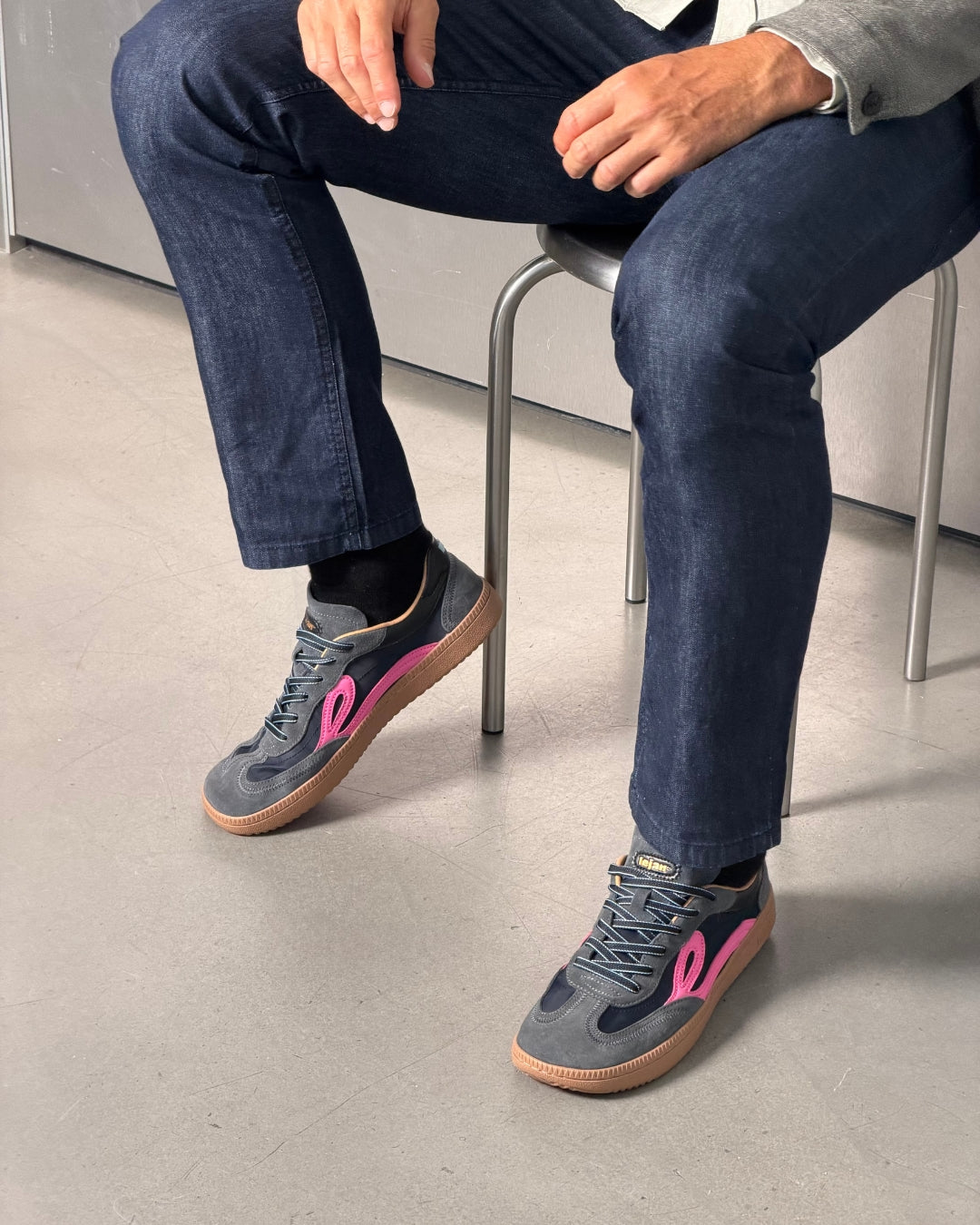
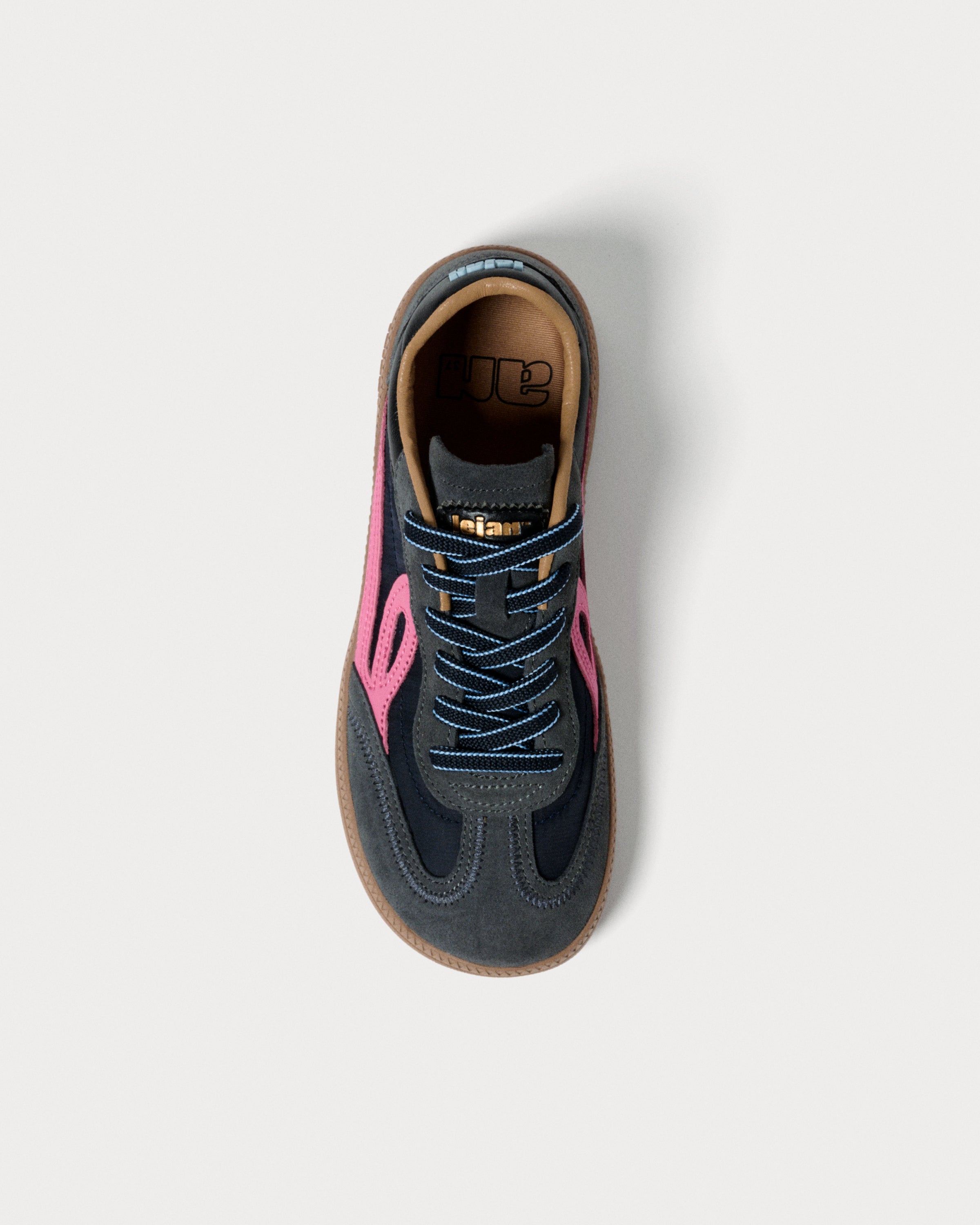
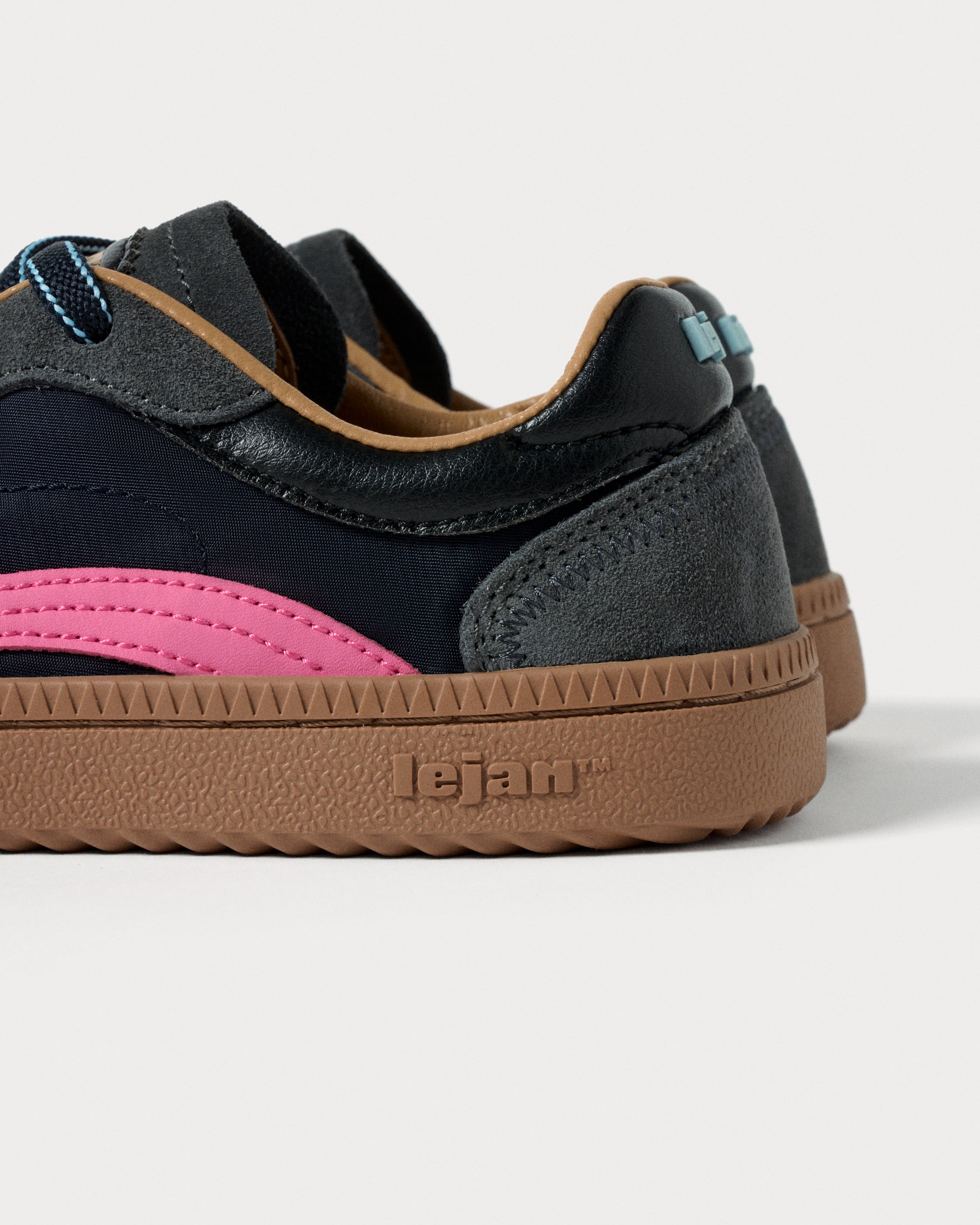
Footwear influences how the foot perceives the ground, although not all models or all situations affect this in the same way. The sole, thickness, rigidity and type of use can change how that information reaches the foot and how the body responds based on it. Therefore, footwear doesn't only protect: it can also influence stability and postural control. Choosing good barefoot sneakers for adults can be a way to favor a more natural step and a better connection with the ground in daily life.

How rigid footwear reduces sensory information
A thicker or more rigid sole can filter part of the information coming from the ground and modify how the foot responds during support. When footwear cushions or isolates too much, the sensation of the terrain can become less precise, and that influences how the body organizes stability. Even so, this effect doesn't show up the same way in all people or in all situations.
Benefits of a thin, flexible sole for proprioception
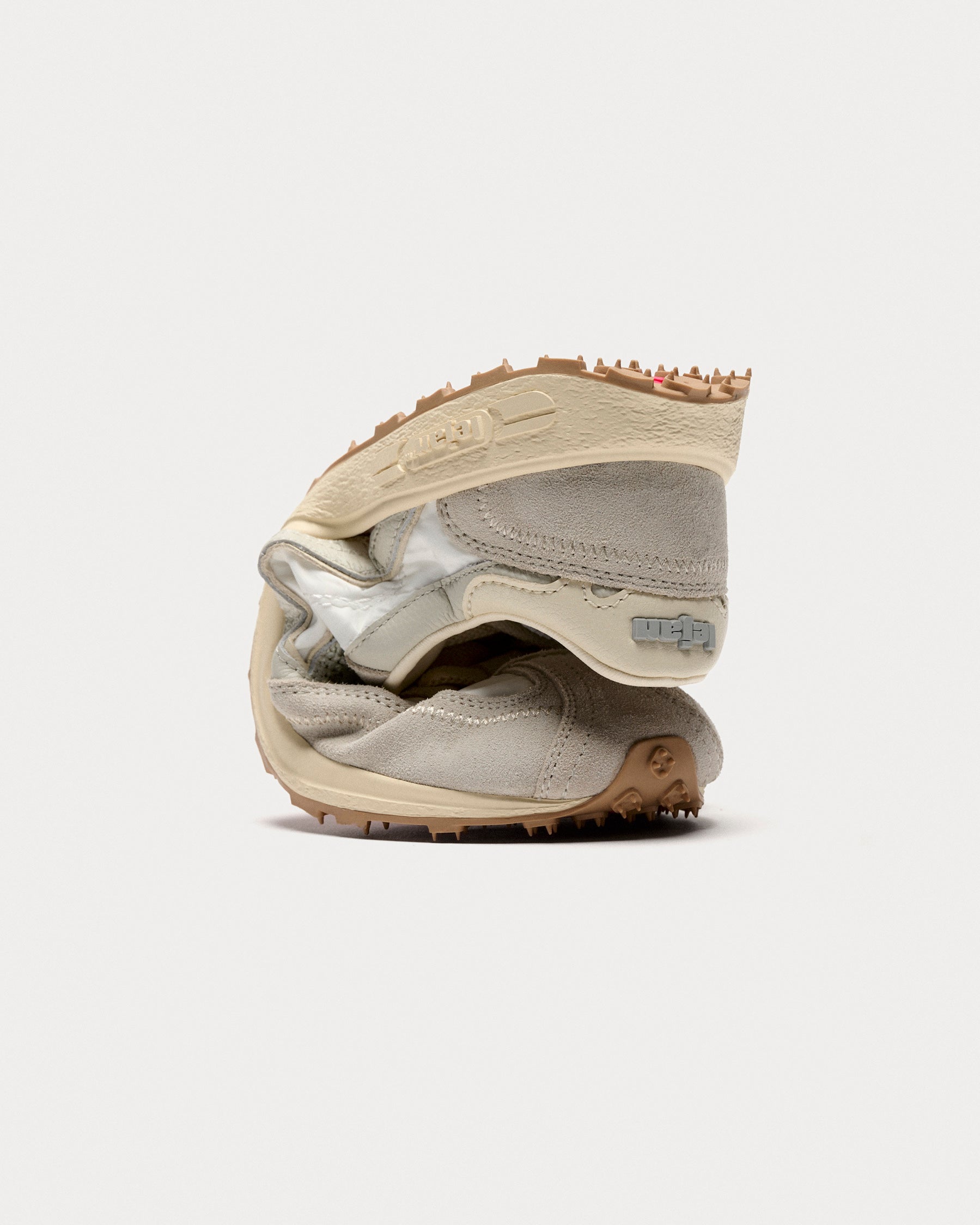
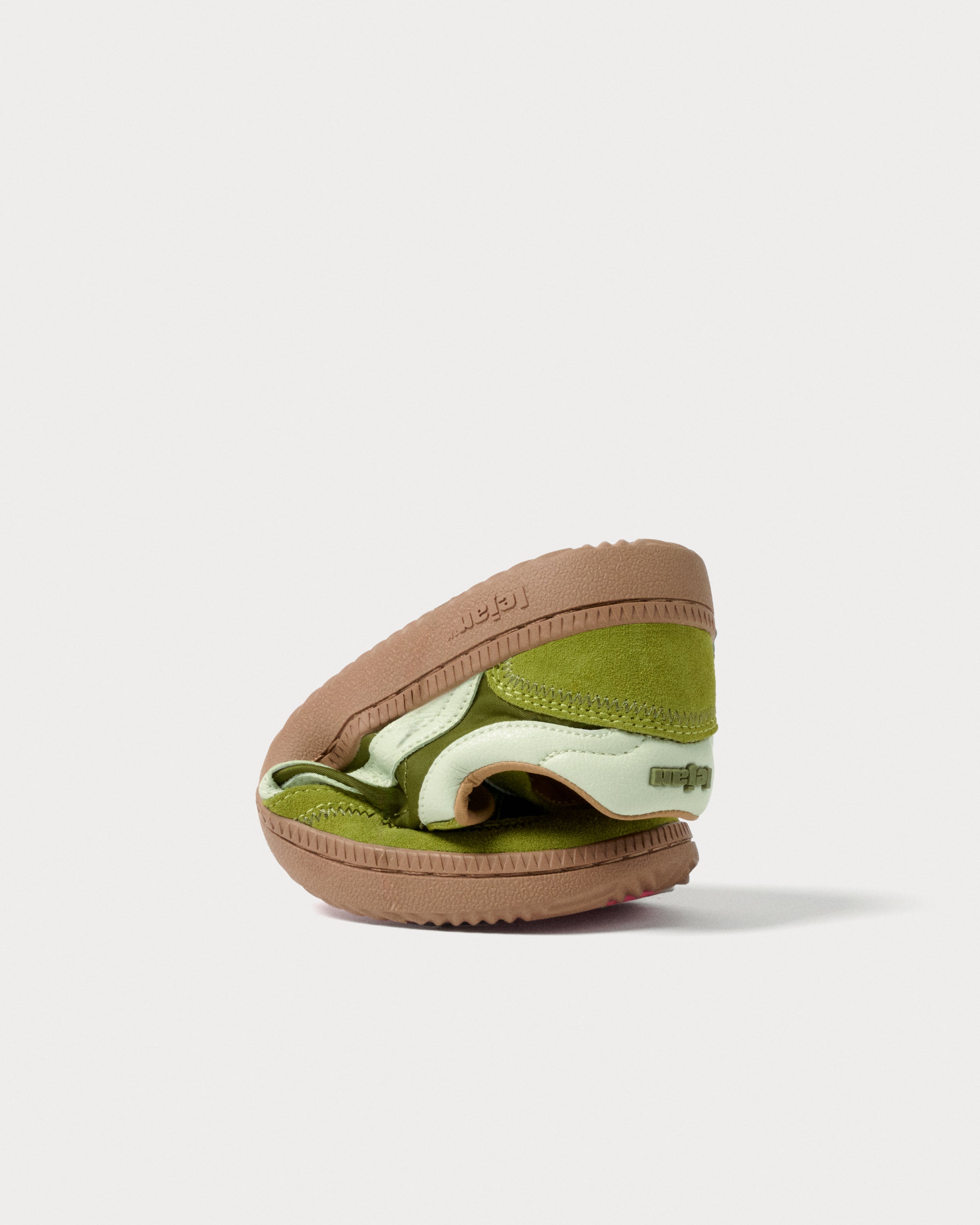
A thin and flexible sole lets the foot feel the ground better and move more naturally with each step. With fewer barriers between the foot and the surface, the support information arrives more clearly and the body can make more precise adjustments to maintain stability.
So, this kind of sole can favor a more active participation of the foot in balance and in the way of walking. That said, it's not about changing all at once, but about respecting each person's adaptation process.
Relationship between drop zero, mobility and postural control
Drop zero keeps the heel and forefoot at the same level, which favors a more neutral position of the foot relative to the ground. From a biomechanical standpoint, this can facilitate more natural support mechanics and more range of mobility compared to a heel-elevated shoe, although postural control doesn't depend only on that factor. In practice, footwear with fewer interferences can encourage the foot to take part more actively, provided there's adaptation and tolerance.
Proprioception exercises to strengthen the foot
Proprioception can be trained, and you don't always have to start with complex exercises. Working on the foot's intrinsic musculature, along with sensory and balance exercises, can help improve its function and stability.
Balance on one foot
Single-leg support is a very useful base because it forces the foot and ankle to continuously adjust load. It's simple, accessible and lets you progress little by little: first on stable ground, then with eyes closed or with small surface changes if appropriate.

Walking barefoot on different surfaces
Walking barefoot in safe environments can increase plantar stimulation and enrich sensory information. In people without specific conditions and with adequate progression, it can be a useful tool to reactivate sensitivity and support control. That said, it shouldn't be approached the same way in every case.
Basic proprioceptive training routine
A basic routine can include single-leg balance, toe mobility, intrinsic muscle activation, weight shifts and conscious walking. The most important thing usually isn't complexity, but consistency, progression and the quality of the gesture.
When to work foot proprioception (children and adults)
Foot proprioception can be worked at any age, but the focus changes by stage. In childhood, the interest is development; in sport, prevention and performance; and in adult life or recovery processes, function and long-term stability.
Foot development in childhood
In children, the foot is growing and adapting to the environment, movement and footwear habits. The way the foot is protected and accompanied during this stage can influence its function and development. So it's usually important to look for footwear that protects but doesn't interfere with its natural mobility more than necessary, as is the case with good barefoot shoes for kids.
Injury prevention in athletes
In sport, working on proprioception helps improve support control and the response to rapid changes of direction, landings or imbalances. It's a frequent resource in prevention and rehabilitation, especially for ankle and foot.
Recovery and long-term foot health
After periods of immobilization, pain, inactivity or loss of sensitivity, recovering the foot's sensory and motor function can improve stability, mobility and confidence when walking.
Common mistakes when training foot proprioception
Working on proprioception isn't only about balancing on an unstable surface. Often, mistakes come from forgetting that the foot needs to feel, move and respond.
Always wearing footwear that's too cushioned
A constant excess of cushioning can diminish part of the plantar stimulus useful for support control. It doesn't mean that all cushioned footwear is unsuitable, but that, if we always filter information excessively, the foot participates less at the sensory level.
Not training the intrinsic muscles of the foot
Feeling better also implies responding better. If the intrinsic musculature doesn't work, the foot loses part of its ability to stabilize and modulate the support. So, training these muscles can be an important part of balance and overall foot function.
Ignoring the foot's natural mobility
A rigid foot does receive information, but it has more difficulty adapting. The mobility of toes, forefoot and ankle is part of a functional support. So, proprioception improves more when it's trained alongside mobility and strength, not as something isolated.
Frequently asked questions about foot proprioception
Which exercises improve foot proprioception
The most useful are usually those that combine sensory stimulus, support control and muscle activation: single-leg balance, toe work, intrinsic muscle exercises, weight shifts, conscious walking and progressions on slightly more demanding surfaces.
Walking barefoot improves proprioception
It can help, especially because it increases plantar stimulation and exposes the foot to more direct information from the ground. In children and healthy adults, walking barefoot can favor foot function and provide sensory stimulus, but it's always good to assess the context and do it progressively. Walking barefoot at home isn't the same as doing it for many hours, outdoors or in people with some condition.
How long it takes to improve proprioception
Proprioception can be trained, and you don't always have to start with complex exercises. Working on the foot's intrinsic musculature, along with sensory and balance exercises, can help improve its function and stability.
Foot proprioception isn't a secondary detail: it's part of how the body orients, stabilizes and moves itself from the base. When the foot receives good information, has enough mobility and keeps its responsiveness, balance doesn't depend only on "holding on", but on feeling and adapting better with every step.
Test your knowledge
Answer the questions to check how much you know about this topic.
1. What role does foot proprioception play in movement?
2. Why is the information coming from the sole of the foot important for balance?
3. What can a thin and flexible sole favor?
4. Which of these is a simple way to start working on foot proprioception?

Share