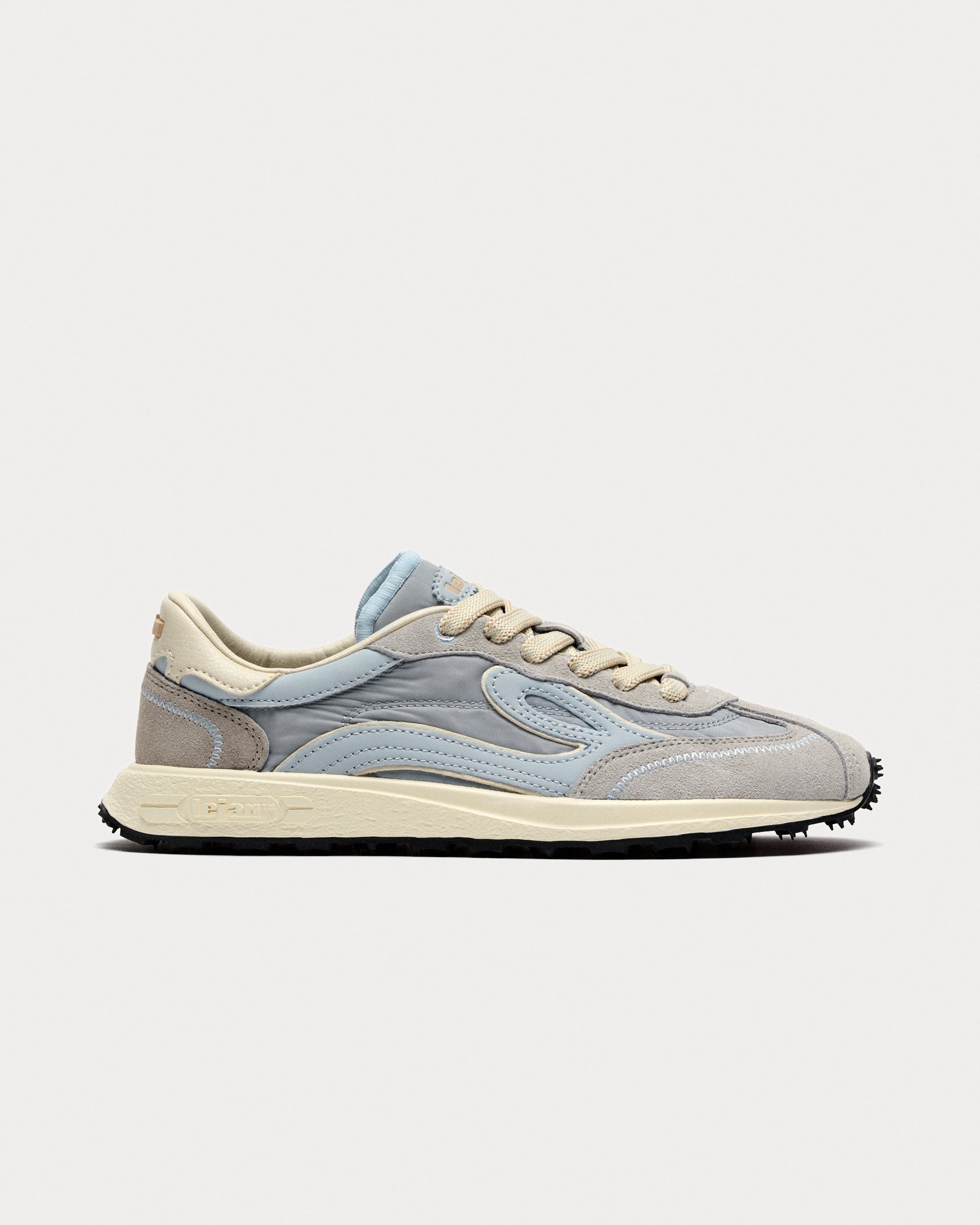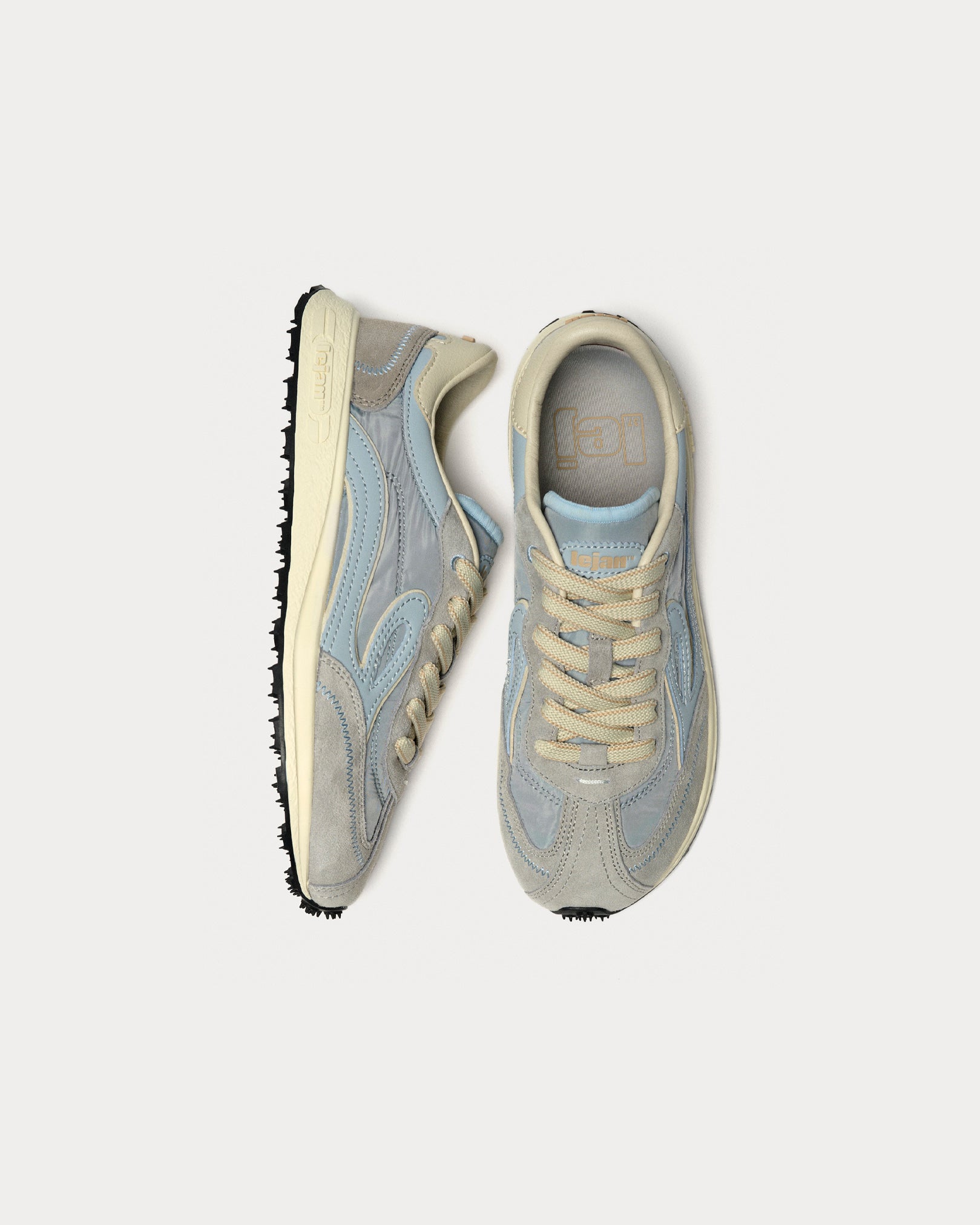




The anatomical toe box is one of the most important features when choosing footwear that truly respects the shape of the foot. Although it often goes unnoticed, the front part of the shoe directly influences how the toes are positioned, how much space they have, and how the foot feels inside the shoe.
When the toe box is narrow or too pointed, the toes can become compressed and lose part of their natural space. In contrast, an anatomical toe box aims to follow the true shape of the forefoot, leaving more freedom in the front area without forcing the positioning of the toes.
In this blog, we tell you what an anatomical toe box is, what benefits it can provide, and what you should look for to know if a shoe truly respects the shape of the foot.
What is an anatomical toe box
The anatomical toe box is the front part of the footwear designed to more closely resemble the real shape of the foot. Instead of tapering sharply towards the tip, it offers a wider silhouette that is consistent with the natural layout of the toes.
This allows the toes to have more space and not be compressed together or pushed inward. It is not simply a matter of the shoe being "wide," but rather that the shape of the toe box better respects the anatomy of the forefoot. In other words, an anatomical toe box does not force the foot to adapt to the shoe, but tries to make the shoe better adapt to the foot.

Why the toe box is important in a shoe
The shape of the toe box matters more than it seems. The toes participate in support, stability, and adaptation to movement. When footwear excessively reduces space in the front, the foot loses freedom inside the shoe and may be forced into a less natural position.
This is not always immediately noticeable. Sometimes it translates into pressure, chafing, or discomfort at the end of the day. Other times, the sustained use of shoes with a narrow toe box can prove incompatible with feet that need more space in the front.
That is why, when talking about foot-friendly footwear, the shape of the toe box is not an unimportant detail. It is one of the first aspects worth observing, both when choosing barefoot shoes for adults and when looking for a suitable model for the little ones.
Benefits of an anatomical toe box
Choosing a shoe with an anatomical toe box can provide several advantages in your day-to-day life. Not because it is a magic solution, but because it stems from a basic idea: that the toes have the space they need.
More real space for the toes
The most obvious benefit is that the front part of the footwear leaves more room for the toes to spread out without being squeezed. This can make the shoe feel more comfortable and pressure-free in the front part of the foot.
Less compression in the front part of the foot
When the toe box does not encroach on the shape of the foot, the feeling of pressure decreases on the sides of the toes and the widest area of the forefoot. This can make the footwear more bearable during prolonged use.
A shape more consistent with the anatomy of the foot
An anatomical toe box better accommodates the actual structure of the foot. Instead of narrowing the front part of the shoe in a way that doesn't match its anatomy, it better respects the physiology of the foot and promotes a more natural position for the toes inside the shoe.
A better foundation for foot-friendly footwear
The anatomical toe box is one of the keys to foot-friendly footwear. It is not the only important feature, but it does influence how the foot feels inside the shoe, due to the space the toes can occupy.
Anatomical toe box vs. narrow toe box: differences
The main difference between an anatomical toe box and a narrow toe box lies in the shape.
The narrow toe box reduces space in the front and tends to squeeze the toes together. It often does this for aesthetics or design, but that doesn't mean it is the most suitable shape for the foot.
The anatomical toe box, on the other hand, leaves more width in the area where the toes need it. It doesn't seek to visually stylize the foot at the cost of compressing it, but rather to better respect its true outline.
Simply put: a narrow toe box asks the foot to adapt; an anatomical toe box tries to better adapt to the foot.

How to tell if a toe box is truly anatomical
At first glance, it's not always easy to tell, but there are several signs that can help you.
The shape of the shoe resembles the foot
If the tip is too pointed and does not follow the natural contour of the toes, it is probably not a truly anatomical toe box.
The big toe is not pushed inward
A good toe box should allow the big toe to maintain a freer position, without being pushed towards the others.
The toes are not bunched together
When footwear has an anatomical toe box, the toes should not feel compressed or overlap each other.
The space is where it is needed
An anatomical toe box not only provides more width, but provides it in the right area. This way, the toes can be positioned more naturally inside the shoe.
Anatomical toe box in children's footwear
In children's footwear, the shape of the toe box is especially important. During growth, the foot needs enough space in the front so as not to be conditioned by a structure that is too narrow.
Therefore, in children's shoes, it is advisable to pay attention not only to the size, but also to the front shape. An anatomical toe box can help the toes have more freedom and allow the footwear to better follow the shape of the child's foot. In this sense, making a good choice of barefoot shoes for children can make a difference when it comes to better respecting the anatomy of the growing foot.
It is not about choosing a "large" shoe, but a shoe with a front last that does not unnecessarily compress.
Anatomical toe box and barefoot footwear
The anatomical toe box is often associated with barefoot footwear, and rightly so. It is one of the most common features in this type of footwear, because it fits with the idea of allowing the foot to move more freely.
Even so, they are not exactly the same. A shoe can have an anatomical toe box and not be barefoot, and it can also be presented as barefoot without offering this feature.
Within the barefoot concept, the anatomical toe box is important because it allows the toes to have a freer role inside the footwear. It is a key piece, although not the only one.
What to look for when choosing a shoe with an anatomical toe box
If you are looking for a shoe with an anatomical toe box, there are several details you should check before deciding.
Front shape
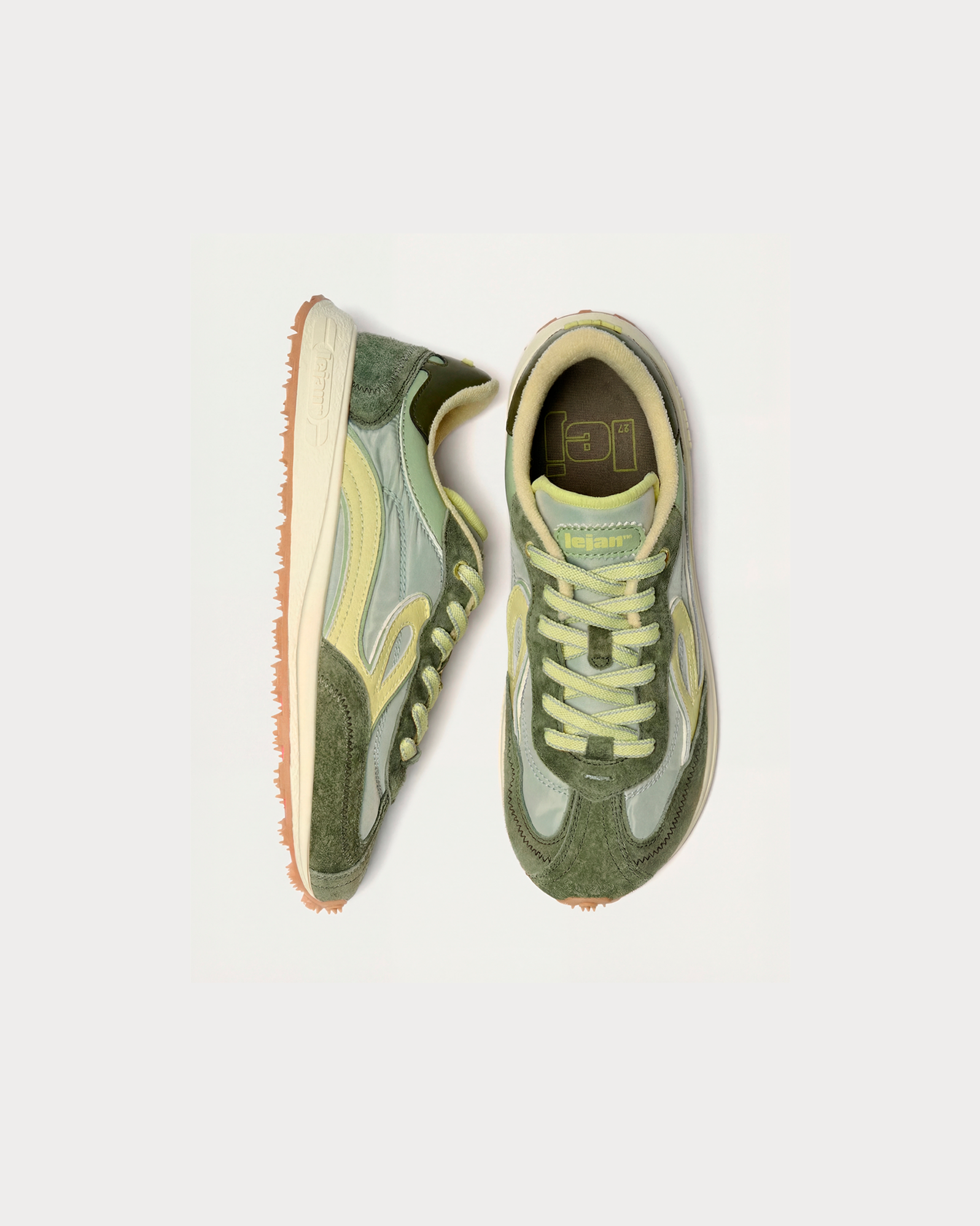
The tip should not narrow abruptly, but better follow the actual shape of the foot. Even so, the most reliable way is to check it with the insole, because some barefoot brands manage to visually soften the toe box and make it look less wide than it actually is.
Real space for the toes
It is not enough for the model to be described as wide. What is important is that there is actual space in the front.
Feeling when walking
If you feel pressure in the front, side chafing, or a feeling of bunched-up toes, that toe box probably doesn't fit you well.
Why it is worth prioritizing an anatomical toe box
We often pay attention to the sole, the material, or the general design of the shoe, but we push something as important as the shape of the toe box to the background.
However, that is precisely where the foot needs space to position itself more freely. Prioritizing an anatomical toe box is not an aesthetic issue or a trend. It is a way of choosing footwear that better respects the structure of the foot from the base up.
Conclusion
The anatomical toe box is a key feature in a shoe that seeks to respect the shape of the foot. Its main function is simple, but very important: to offer more space in the front so that the toes are not compressed inside the footwear.
Compared to narrow or excessively pointed toe boxes, an anatomical toe box better follows the natural contour of the forefoot.
If you are looking for more foot-friendly footwear, looking at the toe box is one of the first steps worth taking.
Frequently Asked Questions
What does it mean for a shoe to have an anatomical toe box?
It means that the front part of the shoe is designed to respect the real shape of the foot and leave more space for the toes. This promotes a more aligned positioning of the big toe and helps prevent altering the joint congruency of its base joint.
Is an anatomical toe box the same as a wide shoe?
Not exactly. A shoe can be wide and still have an unfriendly tip. The anatomical toe box not only provides width, but better distributes the space in the front area.
Is the anatomical toe box important in children?
Yes, because in children's footwear it is advisable that the front part does not compress the toes and better follows the shape of the growing foot.
Do all barefoot shoes have an anatomical toe box?
Not always to the same degree. Although it is one of their main features, it is advisable to look at each model and check how much space it actually offers in the front.
How do I know if a toe box fits me well?
You should feel that your toes have enough space, that they are not compressed, and that the front part of the shoe does not push your big toe inward.
Pon a prueba lo aprendido
Responde las preguntas para comprobar cuánto sabes sobre este tema.
1. What is the main characteristic of an anatomical toe cap?
2. What can happen if the toe of the shoe is too narrow?
3. What is the best way to check the actual shape of the toe box?
4. What does it mean when a shoe has a wide toe box?

Share