


Today we'll tackle a very common topic in child development: valgus foot in children. And yes, we completely understand the concern, because it usually starts with phrases like “his ankle rolls in” or “he walks oddly” and, suddenly, a thousand questions appear: is this normal? does it correct itself? does he need orthotics? what is the best footwear for valgus foot in children?
At LEJAN we always explain it the same way: we don't obsess over forcibly “correcting”; we focus on understanding what we're seeing, what age the child is, and above all, how it functions: if there's pain, if there's fatigue, if it limits play or sport… that's where everything changes.
Let's go step by step.
Valgus foot in children: what it is and how to recognise it
When we talk about childhood valgus foot, we're referring to a position in which, viewed from behind, the heel tilts inwards (as though the ankle were “collapsing”). Sometimes it's also accompanied by an arch that looks lower when the child is standing. This may sound alarming, but in many cases it falls within the normal development of the foot.
The first thing we recommend is to observe without rushing and without labels. Why? Because there are children with visible valgus who run, jump and live a normal life without discomfort, and others with less obvious valgus who do get tired, complain or avoid moving. That's why, rather than chasing the “perfect picture,” we look for function.
How to check it at home (quick and useful):
-
Look at the child standing, relaxed, from behind.
-
Focus on the heel: is it tilting inwards?
-
Revisad el calzado: ¿hay desgaste más marcado por la parte interna del heel?
-
Compare both feet: is it symmetrical, or is one side much more obvious?
If you want to be more precise, there's a simple (indicative) method often mentioned in popular content: drawing a vertical line and a bisectriz del heel to see the angle formed. It's not for diagnosing at home, but it helps you understand what you're observing and communicate it better if you consult a professional.

Childhood valgus foot vs “intoeing”: not the same thing
This is the classic misunderstanding. Many families tell us “he has valgus foot” when what they actually see is that the toes point inwards when walking.
-
If what you're seeing is that the toes of the feet point at each other, it's usually related to in-toeing gait o con rotaciones de la pierna/cadera (no es lo mismo que heel valgo).
-
If what you're observing is that el heel cae hacia dentro (seen from behind) and the ankle looks “tucked in,” that fits more with the concept of valgus foot.
Distinguishing the two is key because the approach changes. That's why we insist so much on looking at the foot from behind and not only from the front.
Señales típicas: heel volcado, tobillo hacia dentro y desgaste del calzado
The most common signs are:
-
Heel “tilted” inward when the child is standing.
-
A sense of inward-leaning ankle or that “the ankle is collapsing.”
-
Inner-side shoe wear, especialmente en el heel.
Note: these signs are guides, not verdicts. And here's an important LEJAN point: sometimes the foot “looks” more valgus with shoes than barefoot… and that takes us to fit, because footwear that doesn't support properly can exaggerate the picture.

¿Es normal a su edad? evolución del valgus foot infantil
This part reassures many families: yes, at many stages of development it's normal to see some degree of valgus. A child's foot isn't a “mini adult foot.” It's under construction: it changes with neuromotor maturation, strength, balance, the kinds of surfaces, and (very important) the time the child spends moving.
In general, the typical pattern is: when first walking, the child seeks stability however possible. Over time, postural control improves, the muscles strengthen, and alignment usually gains “neutrality.”
But we'll repeat what we always say: not everything depends on age. It depends on how they move, whether it hurts, whether there's stiffness, whether there's asymmetry, and whether it limits their normal life.
What usually happens between first steps and 5–7 years old
Between first steps and the preschool/early primary years, it's common to see:
-
Some rearfoot valgus and an arch that looks flatter when bearing weight.
-
Changes “in streaks”: weeks where it's more visible and others where it's less, depending on fatigue, growth, activity, etc.
As a popular guideline (not a diagnostic rule), an estimate is sometimes used like “8 − age” to talk about indicative degrees expected in some young children. At LEJAN we take it for what it is: a reference for context, not a “if it goes beyond this, it's wrong.”
What we do find useful is the underlying idea: during those years, the body is adjusting many pieces at once. So the message tends to be “it's common… but watch how it evolves and how the child tolerates it.”
When it may be associated with flexible flatfoot and why it matters
The flexible flatfoot is a frequent companion of valgus in children: the arch looks low when the child is standing, but it appears when they go up on tiptoes or when the foot isn't bearing weight.
Why does it matter that it's “flexible”?
Because flexible vs rigid is basically a way of saying whether that foot works well or not (this is used mostly for flatfoot, although it often goes hand in hand with valgus).
At LEJAN we explain it like this:
-
Flexible foot: the foot moves well and the muscles do their job. It usually adapts, improves with movement and responds when the child stands on tiptoes.
-
Semi-flexible foot: the foot sometimes responds and sometimes doesn't. There are parts that work well and others not so much (due to fatigue, low strength, habits…). It depends.
-
Rigid foot: the foot is not very functional. It moves little, changes little and struggles to adapt. If there is also pain or it limits the child, then yes, it is worth consulting.
In one sentence: if the foot is flexible and the child has no pain, we can usually relax and support with movement, play and good footwear. If it's rigid (not very functional), better to have a professional evaluate it.
Warning signs: when to consult a specialist
We like the families who read our content to leave with clear criteria. So here's an honest list of when it really is worth consulting (podiatry/paediatrics/paediatric orthopaedics depending on the case). Not to raise alarm, but to gain peace of mind with a proper assessment.
Pain, limping, stiffness, asymmetries or worsening
Consultad si it appears cualquiera de estos puntos:
-
Pain that recurs (feet, ankles, knees) or that prevents normal play.
-
Limping or obvious changes in the way of walking that aren't “just a one-day thing.”
-
Stiffness: the foot no cambia nada al ponerse de puntillas o se ve “bloqueado”.
-
Marked asymmetry: one foot clearly different from the other.
-
Progressive worsening (not “today I see it more because he's tired,” but rather that each month it's more and more visible).
A detail: shoe wear alone doesn't decide anything, but combined with pain, fatigue or worsening, it does add information.
If it limits play/sport or there's marked fatigue when walking/running
For us, this is one of the most important signs: function.
-
If the little one avoids running, constantly asks to be carried, sits down a lot during short walks or complains after school.
-
If there's disproportionate fatigue when walking/running.
-
If it limits sport or games they used to do normally.
There we're not talking about “foot aesthetics,” we're talking about quality of life. And when quality of life drops, it makes sense to evaluate and decide whether to intervene or simply adjust habits and footwear.
What you can do at home to help (without “forcibly correcting”)
Here we get very LEJAN: rather than seeking “quick fixes,” we look for smart stimuli. The pie (y todo el sistema) mejora con movimiento, variabilidad y progresión. Y en niños, si lo convertimos en juego… muchísimo mejor.
Play and proprioception: sensory mats, surfaces and balance
Simple ideas that usually work very well:
-
Sensory mats: different textures to activate the sole of the foot.
-
Walking barefoot (at home, safely) and stepping on different surfaces: a firm mat, grass, sand, soil.
-
Balance games: “walk along this line,” “don't step on the lava,” “walk across the cushions,” “balance like a flamingo.”
-
Small challenges: going up/down steps with control, gentle little jumps, change of direction while playing.
The key here isn't the “perfect exercise,” it's consistency and variety. If there are 5–10 minutes of fun stimulus each day, the system gets exactly what it needs: information and practice.

Progressive strengthening (e.g. tibialis posterior) when they're older
When they're older (and can follow instructions), we can introduce strength work more intentionally:
-
Foot/ankle control exercises (for example, heel raises with good control, tiptoe walking for a few steps, resistance-band exercises).
-
Progressive work on stabilising muscles (the tibialis posterior is often mentioned as one of the relevant muscles).
Important: progressive and pain-free. And if there's pain, stiffness or marked limitation, it's better for a professional to set the plan so you're not going blind.

Calzado para valgus foot en niños: cómo elegir sin empeorarlo
Aquí viene una de las partes más prácticas, porque muchas veces el “valgus foot” se ve y se juzga… con el niño calzado. Y el calzado puede ayudar, pero también puede distorsionar lo que vemos si el ajuste no es el adecuado.
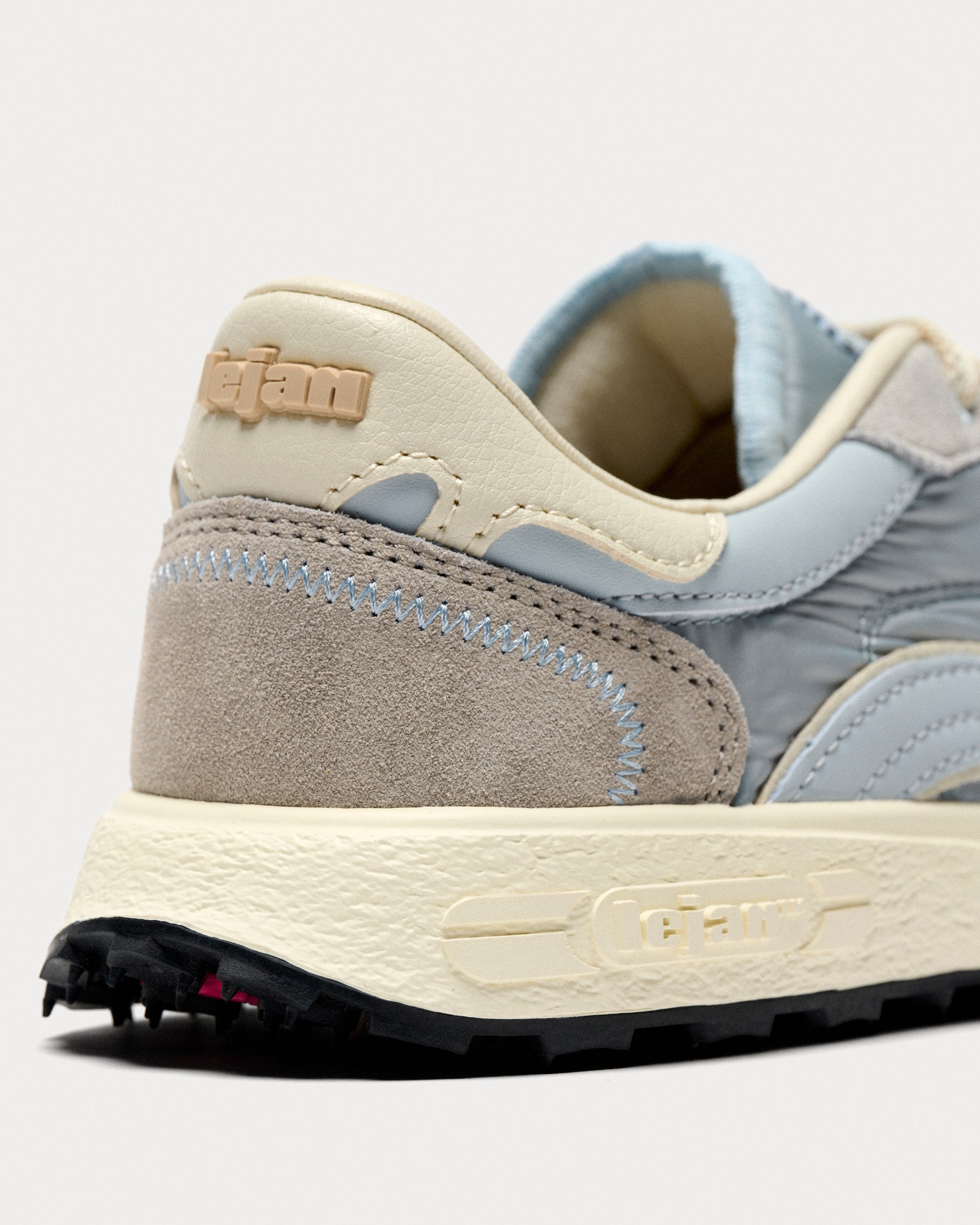
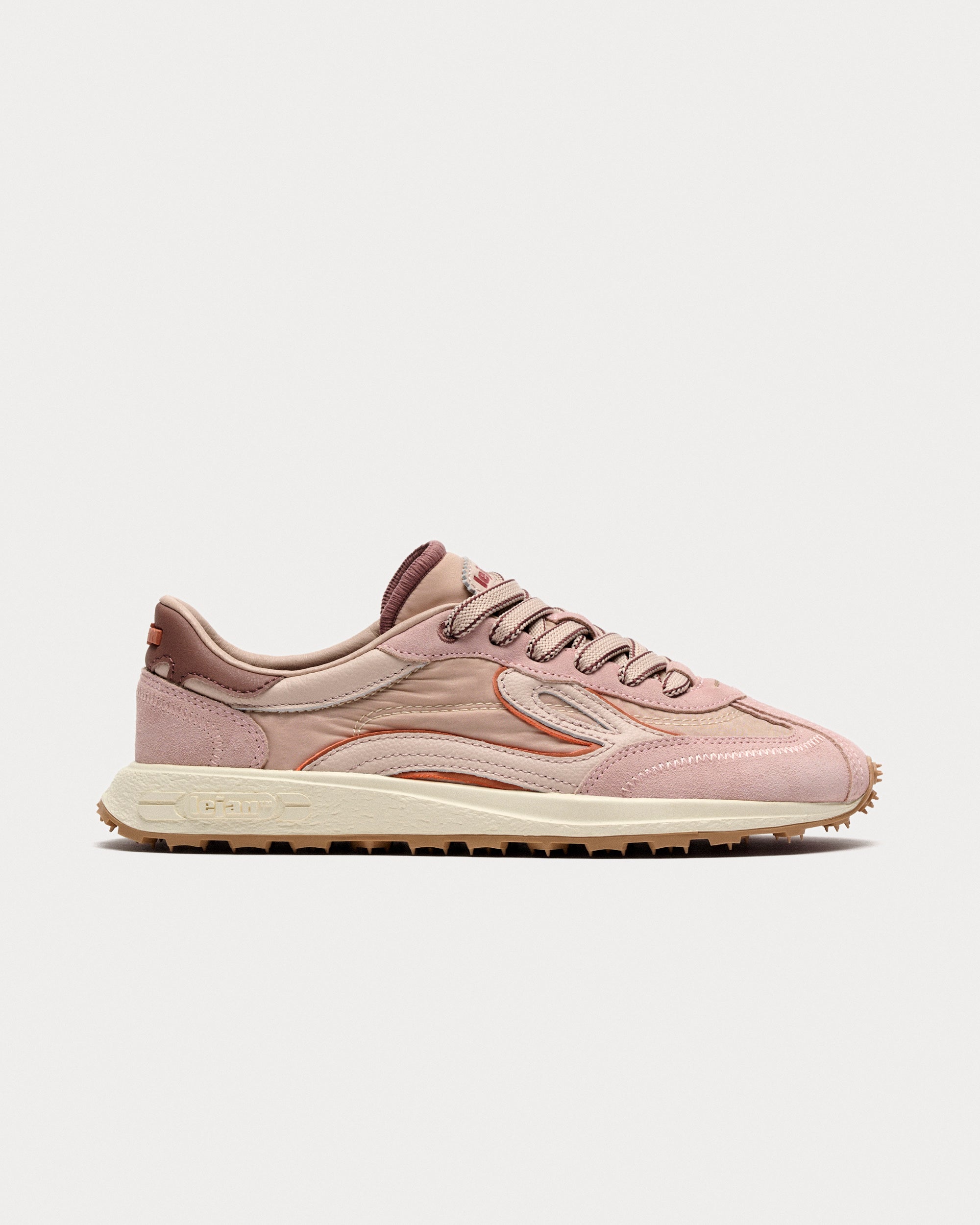
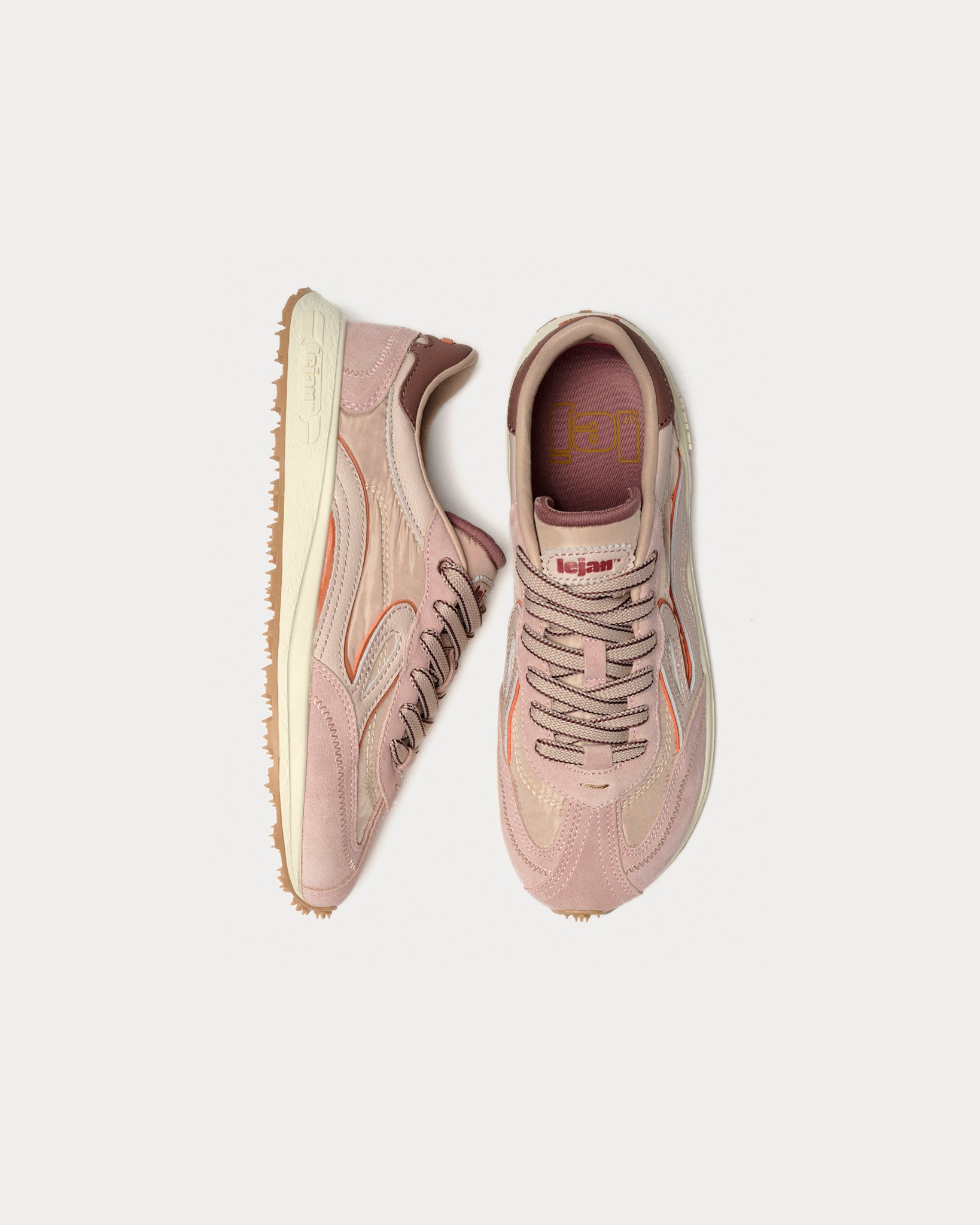
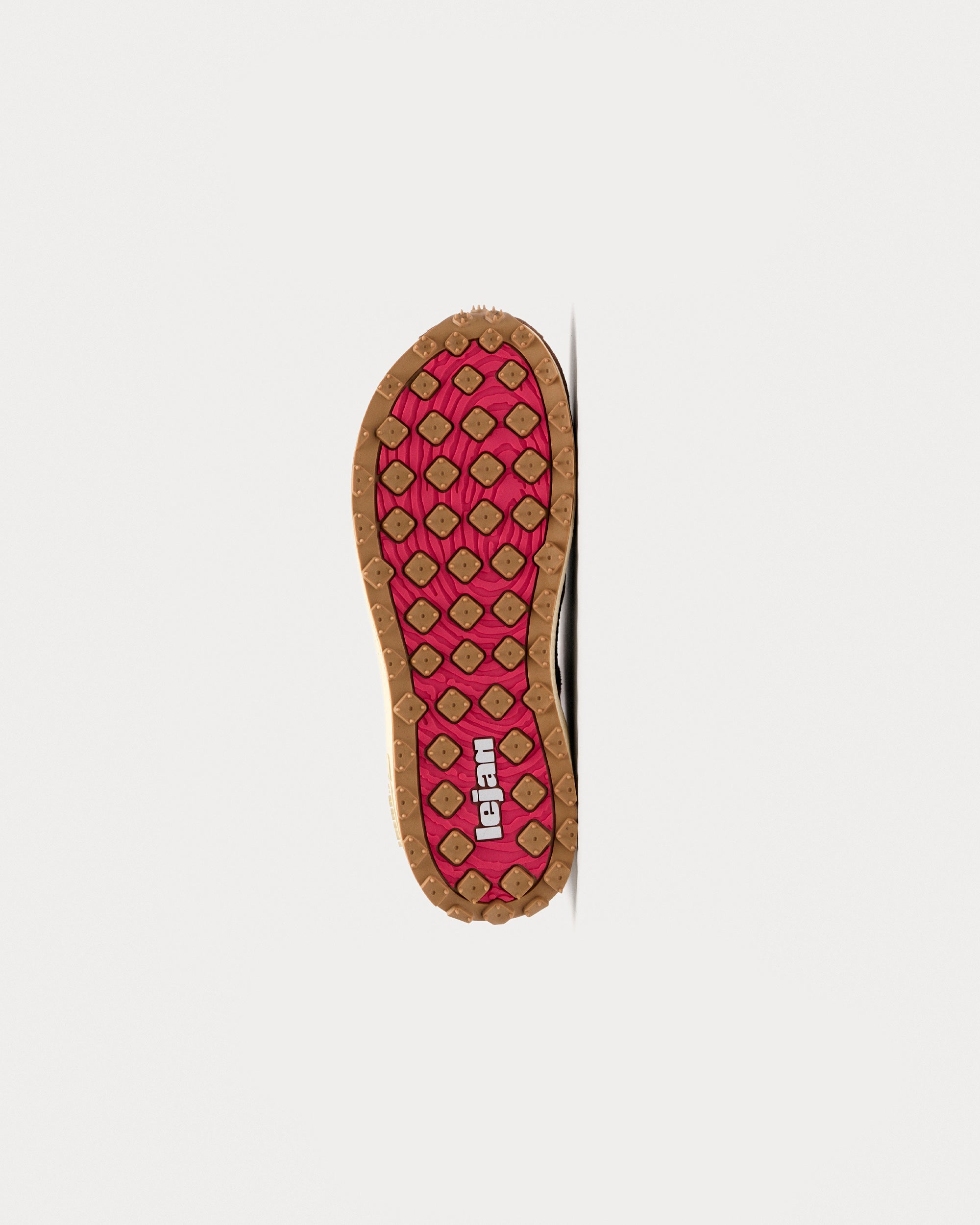
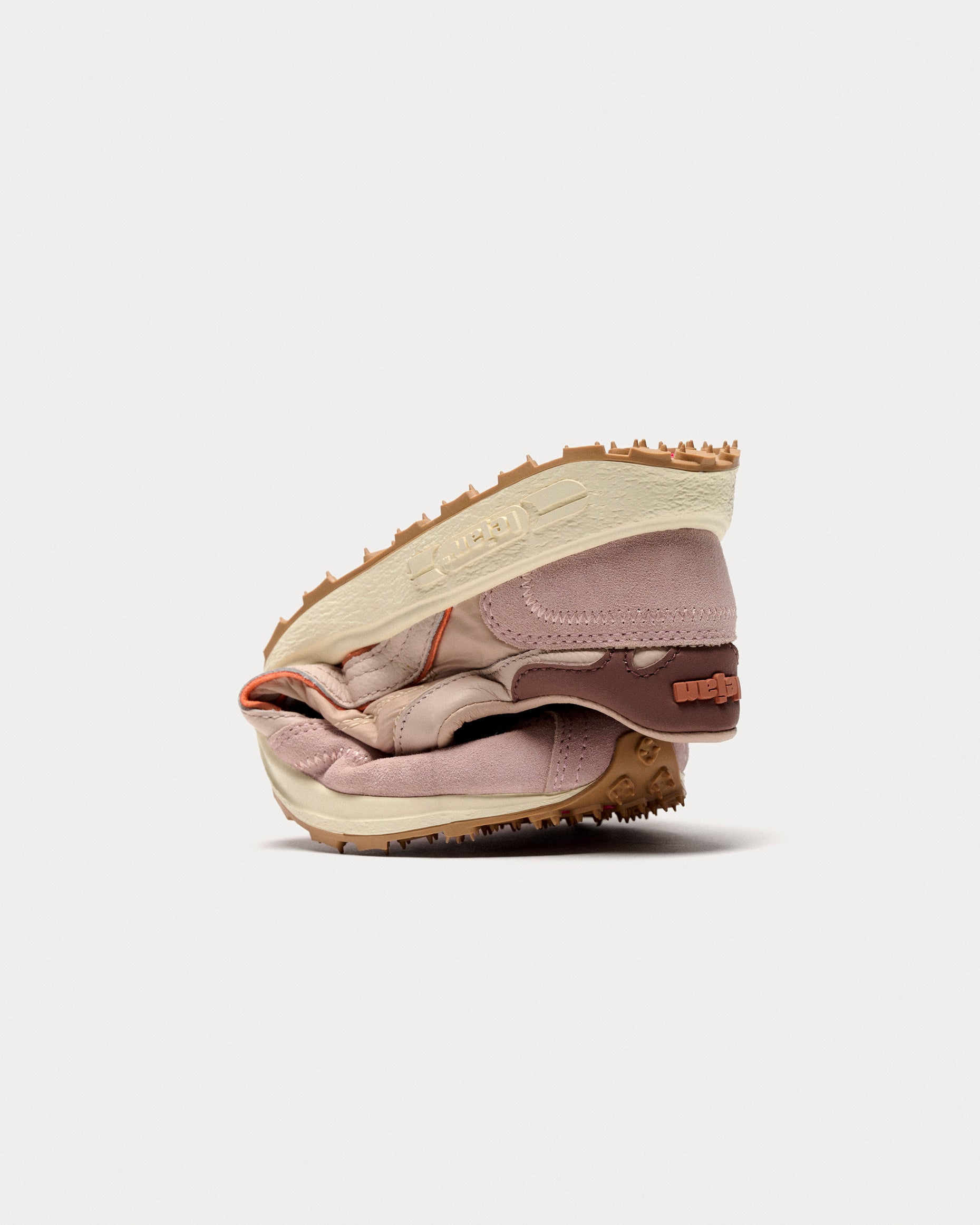
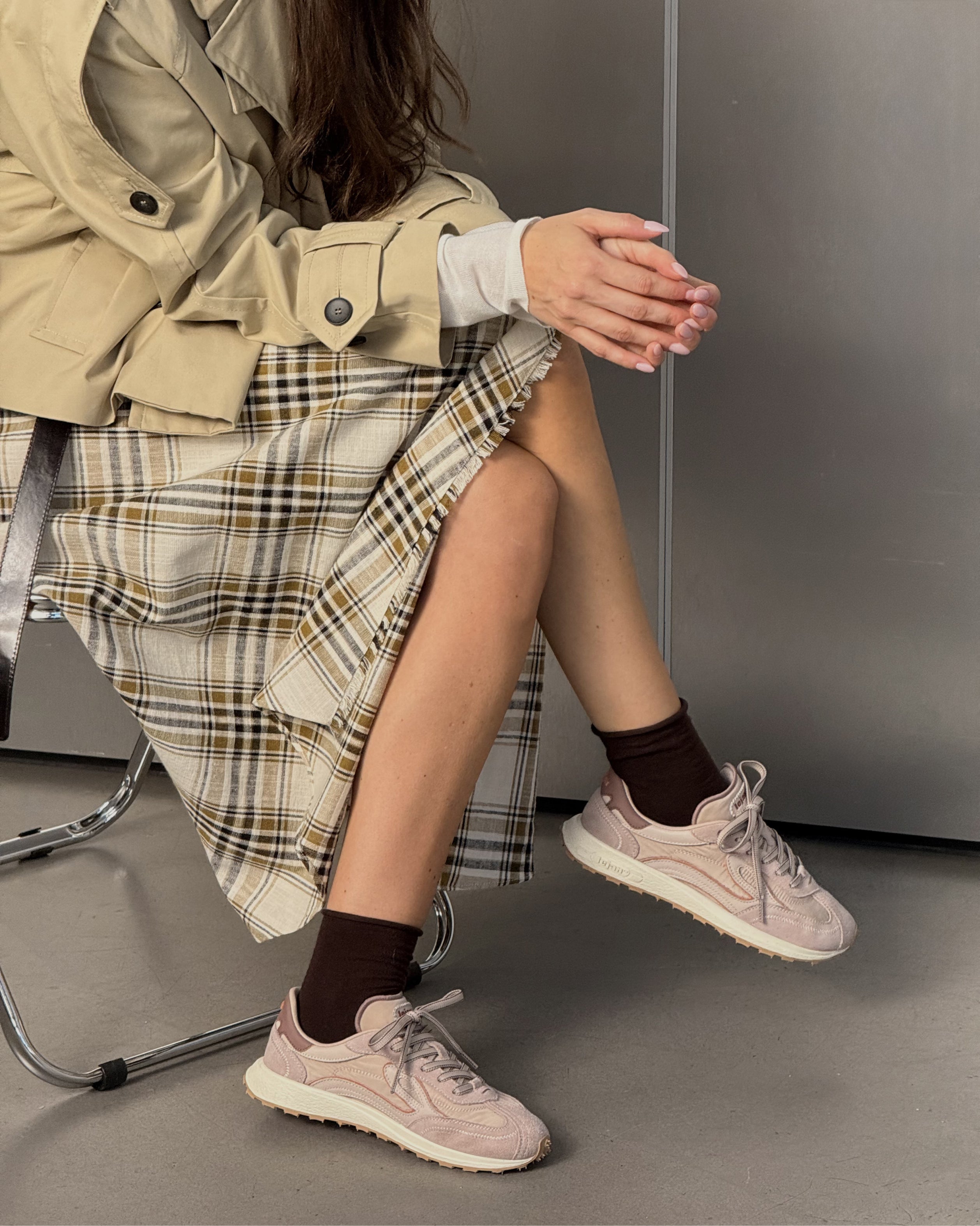
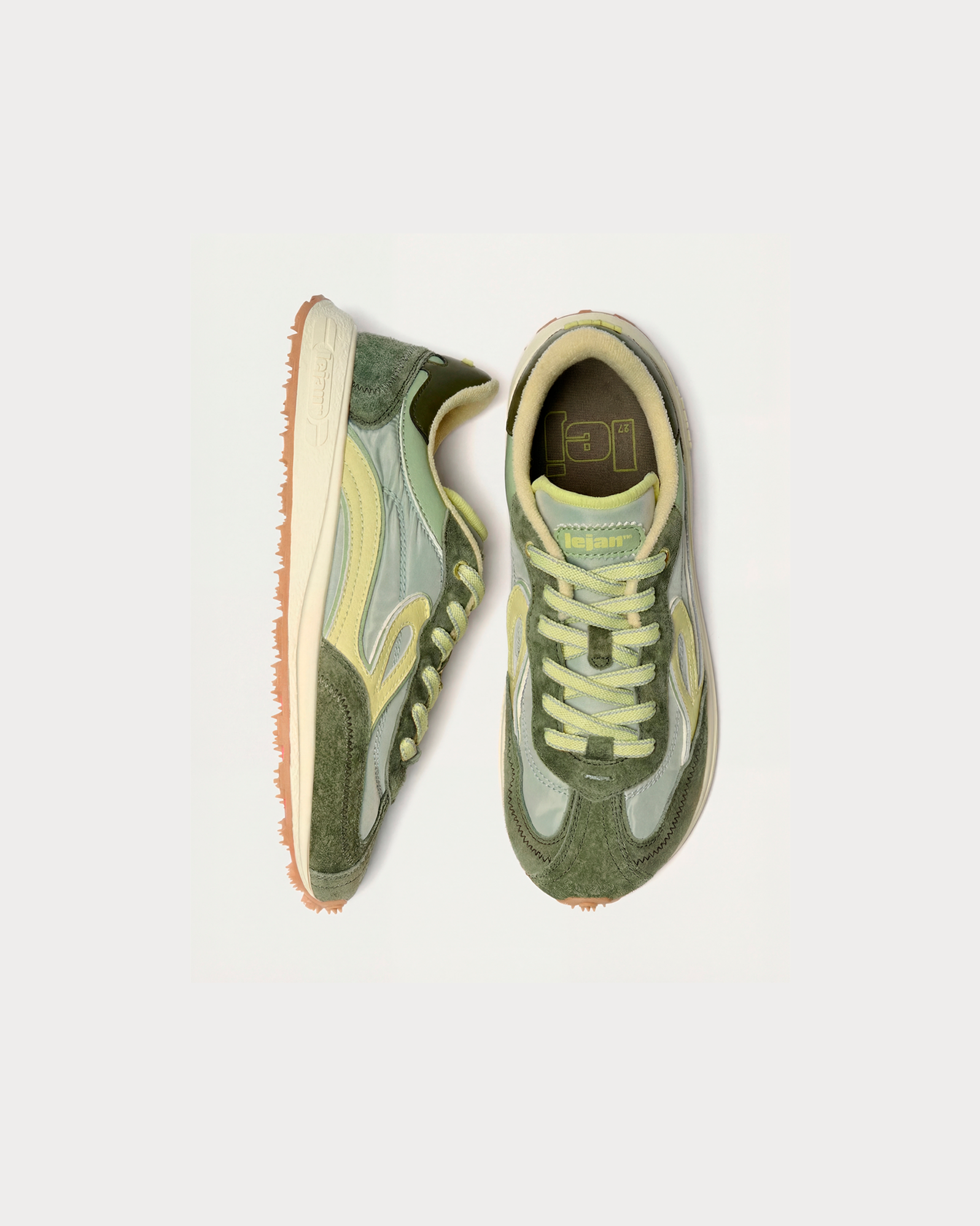
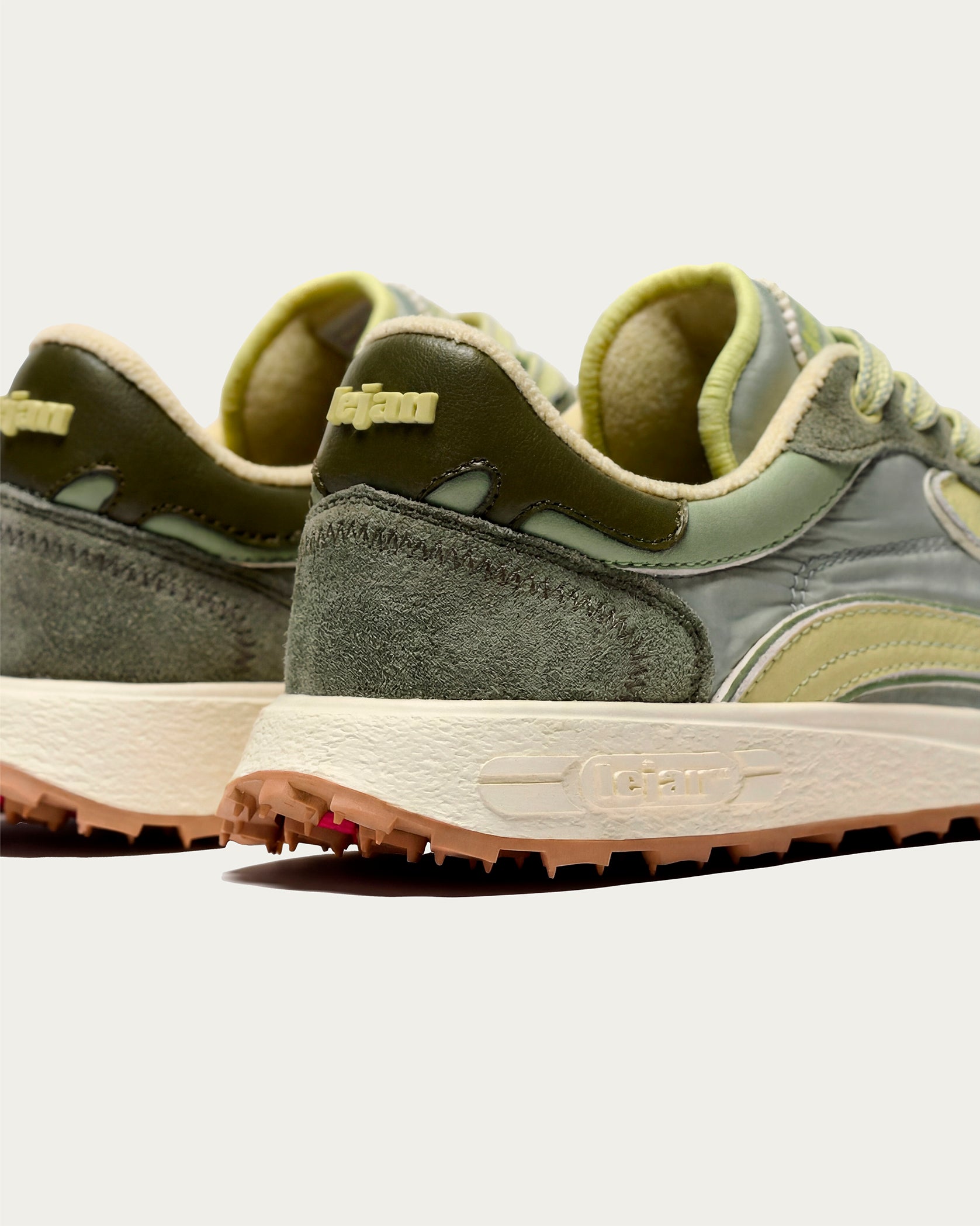
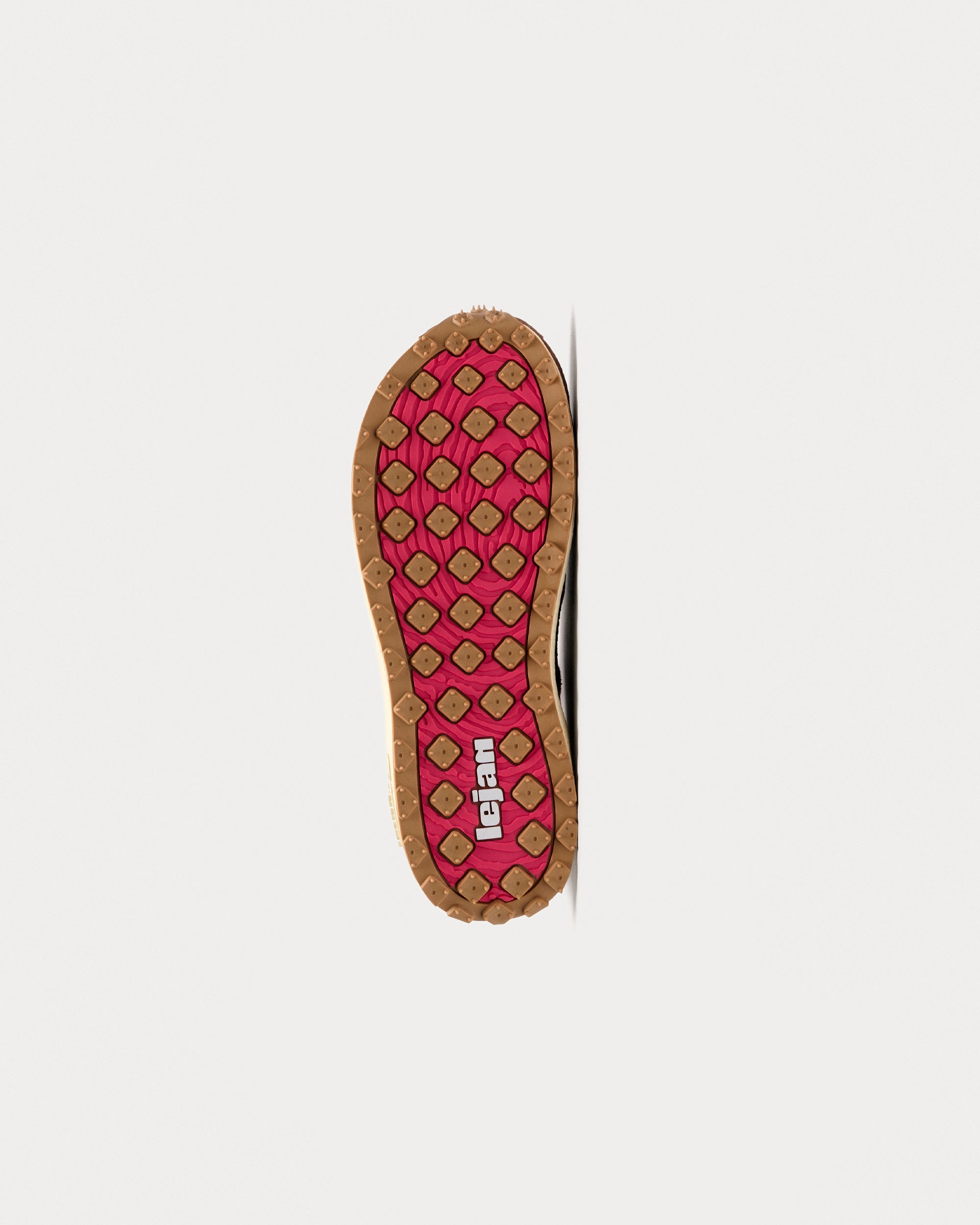
At LEJAN we advocate barefoot footwear because it doesn't force the foot into a shape that isn't its own (wide toe box), it doesn't alter posture with drop, and it lets the foot work and receive stimulus through a flexible sole. And that, during development, is an advantage.
But (and this is key): the best footwear in the world, if it doesn't fit well, doesn't do its job.
The key is the fit: if the foot “slides around,” it can look more valgus with shoes
This happens a lot: the child has on a flexible shoe and suddenly “his ankle rolls in more” than when barefoot. Sometimes the problem isn't the foot: it's that the foot is moving around inside.
Signs the footwear isn't fitting well:
-
The heel “sube y baja” al caminar.
-
The pie se desplaza hacia un lado dentro del zapato.
-
There are odd creases and the closure doesn't stabilise the midfoot/rearfoot.
-
The niño aprieta dedos como “garra” para sujetarse (muy típico).
What we look for:
-
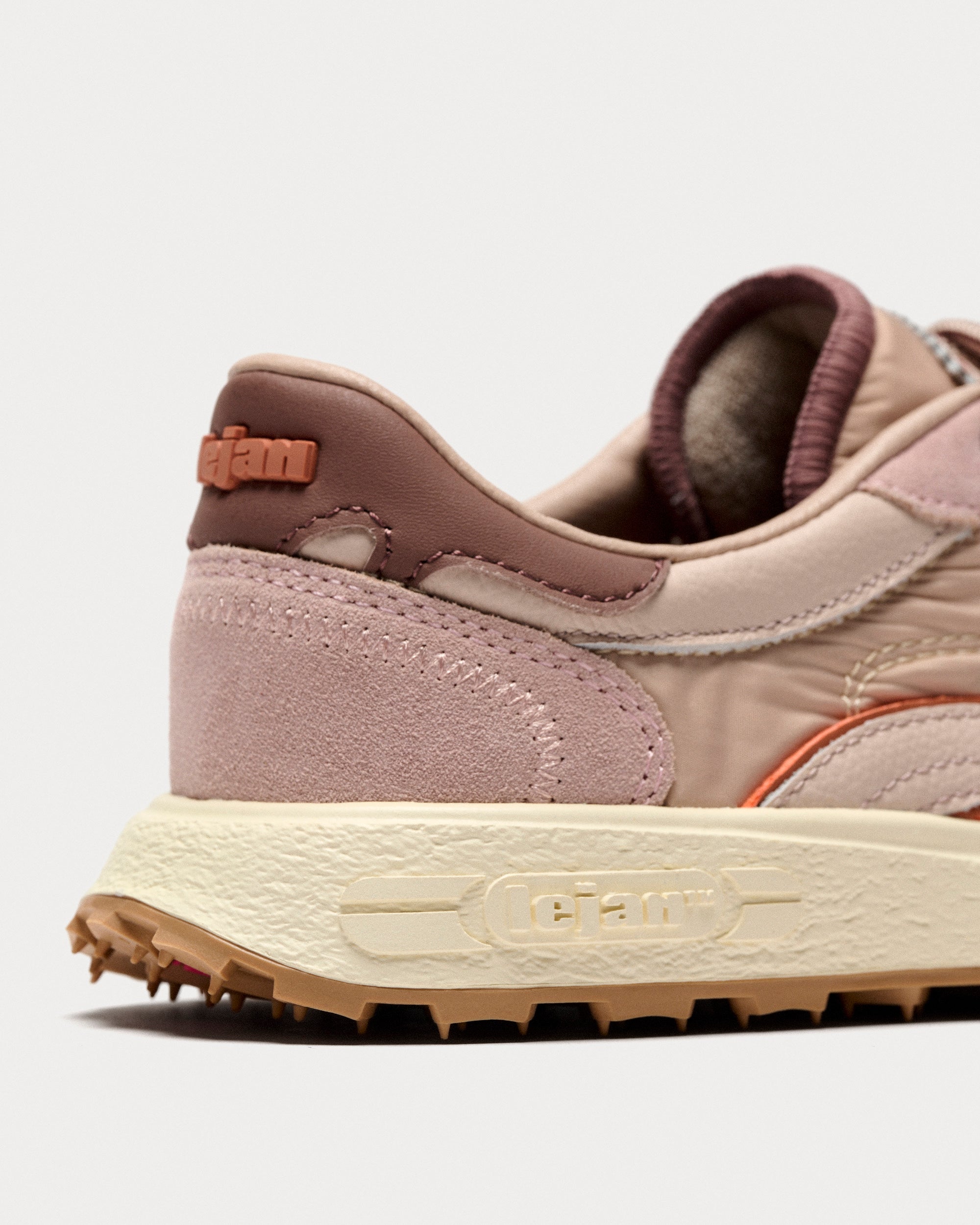
A truly adjustable closure (Velcro straps that actually tighten, lace + Velcro, etc.).
-
Good midfoot support so the foot doesn't “slide.”
-
Correct size: neither tight nor “too big.” As a guide, a margin of about 1 cm tends to work (always measuring properly, because every brand sizes differently).
Zapatillas para valgus foot en niños: qué buscar según cole/parque/deporte
No existe “la zapatilla mágica para valgus foot en niños”, pero sí criterios por contexto:
-
School (many hours): comfort + fit. Absolute priority on the foot being stable inside, without squeezing the toes. Flexibility yes, but not an upper so soft that the foot spreads out.
-
Park (running, jumping, sudden stops): grip, durability and fit. If the child does a lot of high-impact activity, the closure becomes more important.
-
Sport: we look at tolerance. If they do sport and end up with marked pain/fatigue, then yes, we consider whether to review technique, strength, load… or even intervene.
And a LEJAN reminder: barefoot doesn't mean “floppy”. Barefoot means anatomical, flexible and free of artifices that change biomechanics… but properly fitted.

Treatment: observe vs intervene (orthotics, exercises, follow-up)
Here we like to be clear: there are cases where the best approach is to observe with judgement, and others where it makes sense to intervene. The error es irse a extremos: “plantillas siempre” o “plantillas nunca”.
Our compass is functionality: does it hurt? does it limit? is it worsening? is it rigid or flexible? is there significant asymmetry?
When treatment is usually considered and why (based on function)
Intervention (orthotics, a more targeted exercise plan, follow-ups) is usually considered when:
-
There's pain or repeated overload.
-
There's fatigue that limits normal life.
-
There's clear asymmetry or worsening.
-
There's stiffness or signs that recommend a more specific assessment.
Orthotics, when properly indicated, aren't “to straighten a bone in two weeks,” but rather to improve function and distribute loads while the child grows and while we work on whatever is needed (strength, mobility, control, habits). And always with realistic expectations.
Common myths and realistic expectations
-
Myth 1: “It's cured with a corrective shoe”
The calzado acompaña, pero lo que realmente construye el pie es el desarrollo, el movimiento y el control neuromotor. -
Myth 2: “If you can see valgus, you have to correct it now”
Not always. If there's no pain or limitation and the age fits normal development, the sensible approach is often to observe and support. -
Mito 3: “The calzado respetuoso es la solución”
We don't present it as a “cure,” but it does help. It promotes more natural development: it doesn't compress, doesn't alter with drop, and lets the foot work and strengthen with better stimulus.
The realistic expectation we advocate at LEJAN: that the child moves well, without pain, with energy and without limitations. If that's the case, we're heading in the right direction.
Conclusion
The valgus foot en niños es una consulta muy habitual y, muchas veces, forma parte del desarrollo normal. Nuestra recomendación en LEJAN es sencilla: observe calmly, focus on function, and pay attention to footwear fit. If there's dolor, rigidez, asimetrías o limitación de juego/deporte, ahí sí: valoración profesional para decidir el mejor camino.
And if you take one practical idea from this article, let it be this: if the foot “slides around” inside the shoe, it can look more valgus. Before thinking about “correcting,” check size, closure and fit.
FAQs
¿Cómo sé si es valgus foot o “puntas hacia dentro”?
Mira from behind: si el heel/tobillo cae hacia dentro, hablamos de valgo. Si lo que ves es que las puntas se meten, puede ser otra cosa (in-toeing gait/rotaciones).
At what age is it “normal”?
In many young children it's seen at the start of walking and usually moderates with growth. What matters isn't just age: it's function (pain, fatigue, limitation, stiffness, asymmetries).
¿The calzado respetuoso soluciona el valgus foot infantil?
We don't present it as a “cure,” but as a help: it allows more natural development, without pressure and with a foot that works better.
When do we think about orthotics?
Above all when there's pain, limiting fatigue, worsening, stiffness or clear asymmetries. Always with a professional assessment and realistic expectations.

Share