



What is metatarsalgia
Quick definition and which part of the foot it affects
Metatarsalgia is pain that appears in the front part of the foot, right at the area where the metatarsal heads bear weight, just before the toes.
It is not a single disease, but a way of describing forefoot pain that can have different causes: overload, footwear, gait pattern, loss of mobility, deformities, or changes in daily activity.
Why pain appears at the front of the foot
The forefoot is heavily involved in walking. Every time we take a step, that area helps receive load, stabilise support, and push the body forward.
When pressure concentrates too much at one point, the tissues in the area can become irritated. That is why many people notice pain when walking, standing for long periods, or wearing shoes that compress the front of the foot.

Most common causes of metatarsalgia
Overload and impact activities
One of the most frequent causes is an increase in load. It can happen when running, jumping, walking more than usual, changing routine, or spending many hours on your feet.
It does not always appear from sport. Sometimes a small but repeated change is enough: more steps, harder floors, more time standing, or less rest.
Wearing inadequate or narrow footwear
Footwear greatly influences how pressure is distributed. Narrow toe boxes can compress the toes and reduce the natural space of the forefoot. Heels also shift more weight towards the front of the foot, increasing load in the forefoot area.
When the foot cannot expand properly inside the shoe, pressure concentrates more easily at specific points.
Gait alterations and biomechanics
The way you support can also have an influence. If there is limited ankle mobility, foot stiffness, excess load at a specific point, or a less efficient walking pattern, the forefoot may end up compensating.
This does not mean there is a "bad gait" by default, but sometimes the body distributes load in a way that ends up irritating a specific area.
Deformities such as bunions or hammer toes
Bunions, hammer toes, or certain foot shapes can change the way the forefoot contacts the ground. When the toes lose space or the ability to bear weight, the metatarsals can receive more pressure.
In these cases, metatarsalgia usually does not come from a single factor, but from the combination of structure, footwear, activity, and tissue tolerance.
Symptoms of metatarsalgia
Pain in the metatarsal area when walking
The main symptom is pain in the front part of the sole of the foot, especially when walking or pushing off. Some people feel it as localised pain; others, as a broader discomfort under the toes.
Burning sensation or pressure in the forefoot
There can also be a feeling of burning, pressure, or the sensation of stepping on a stone. In some cases it may be accompanied by tingling or discomfort towards the toes, although this should be properly assessed to rule out other causes.
Gets worse when standing or with prolonged activity
It is common for pain to increase after spending a long time on your feet, walking for extended periods, or wearing unsuitable footwear. It can also improve with rest, going barefoot, or reducing load on the area.

How to relieve metatarsalgia
It is also important to see a podiatrist to identify the cause and treat it.
Relative rest and reducing impact
The first step is usually to reduce the load. This does not mean immobilising the foot or stopping movement entirely, but cutting back on whatever clearly increases pain.
It can help to walk less for a few days, avoid jumping or running, alternate with rest periods, and choose less demanding surfaces while the area calms down.
Applying cold and basic care
Local cold can help when there is pain after activity or a feeling of inflammation. It is also worth checking for calluses, chafing, or pressure points under the forefoot, because these can sometimes keep the discomfort active.
Conservative measures such as rest, cold, footwear changes, or the use of insoles or metatarsal pads can help in many cases, though they must be adapted to each person and situation. That is why it is important to consult your specialist if in doubt.
Foot exercises and stretches
When pain allows, working on mobility and strength can be useful. Simple toe exercises, forefoot mobility work, plantar muscle activation, and calf stretches can help improve load tolerance.
The idea is not to force the painful area, but to recover function gradually.
What footwear to wear if you have metatarsalgia
Importance of a wide toe box and space for the toes
Footwear with a wide toe box gives the toes more space and allows the forefoot area to spread more naturally when bearing weight.
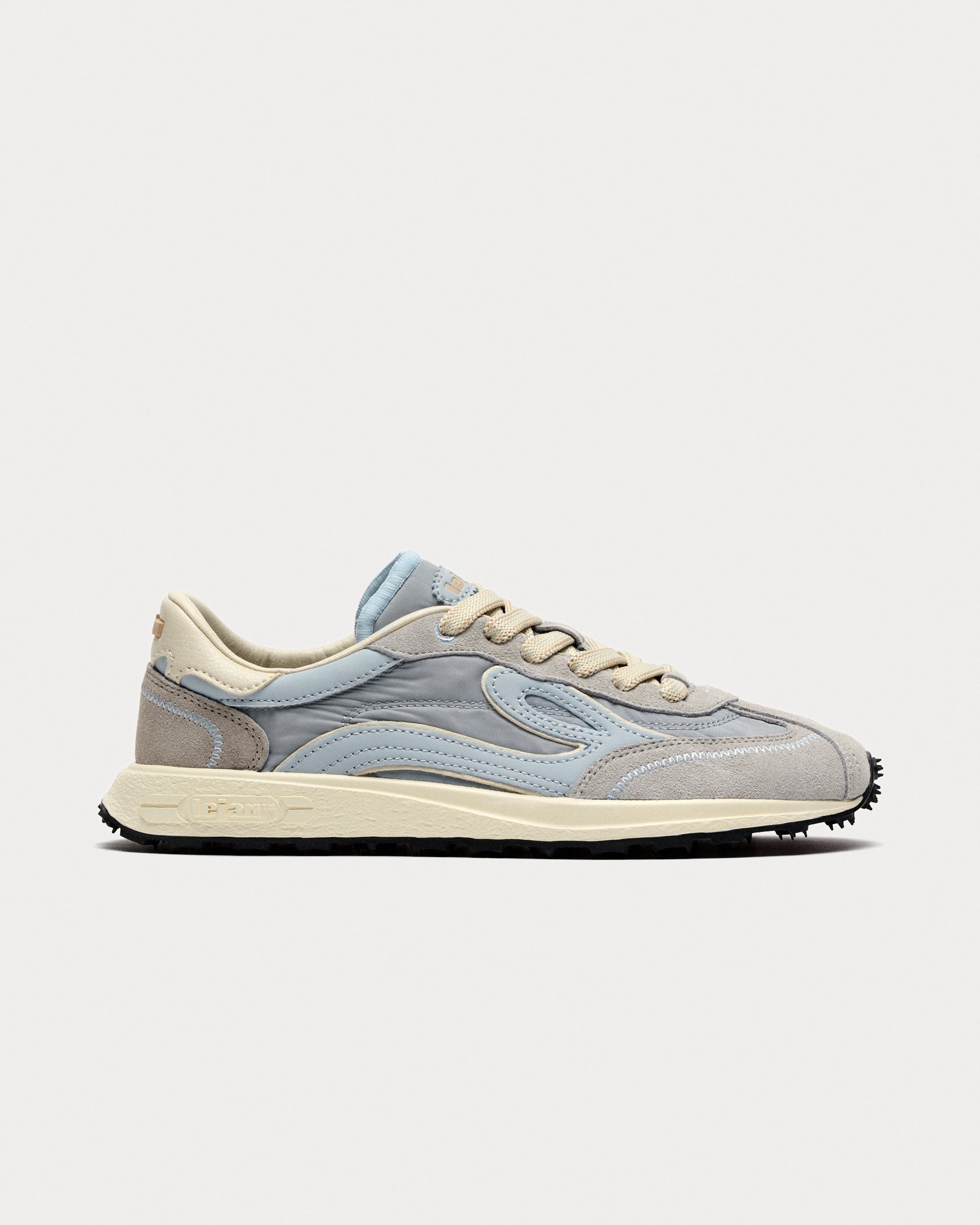
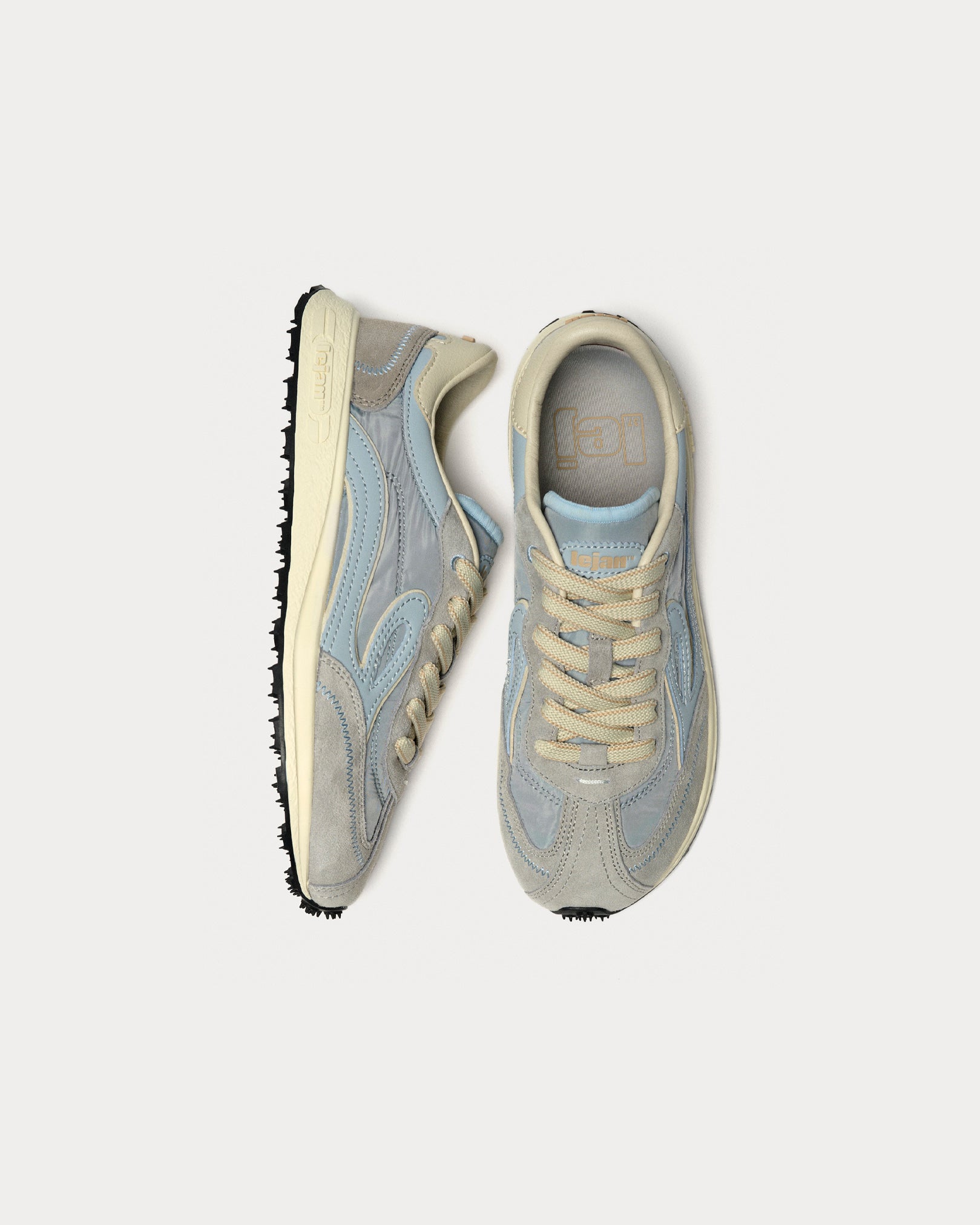
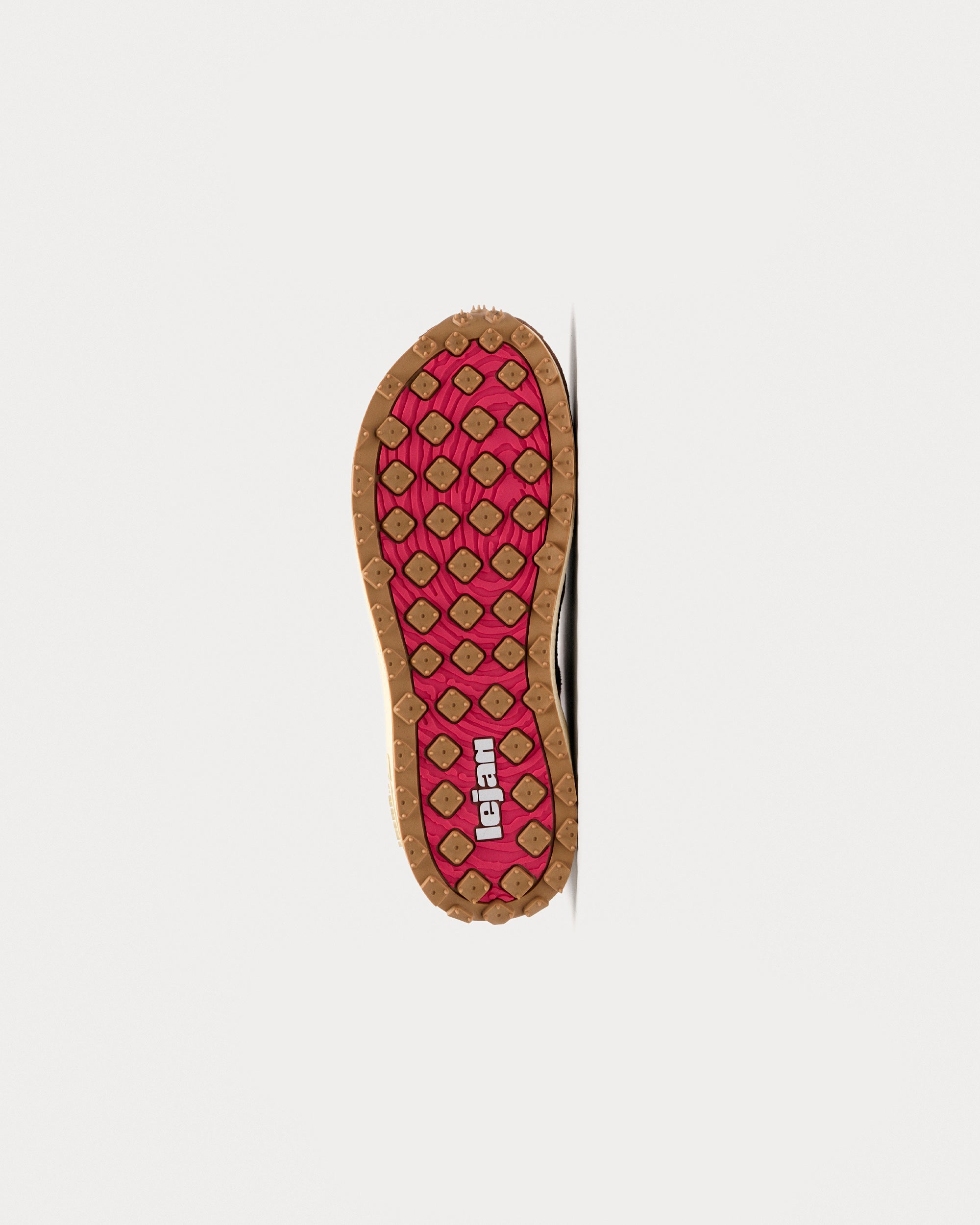
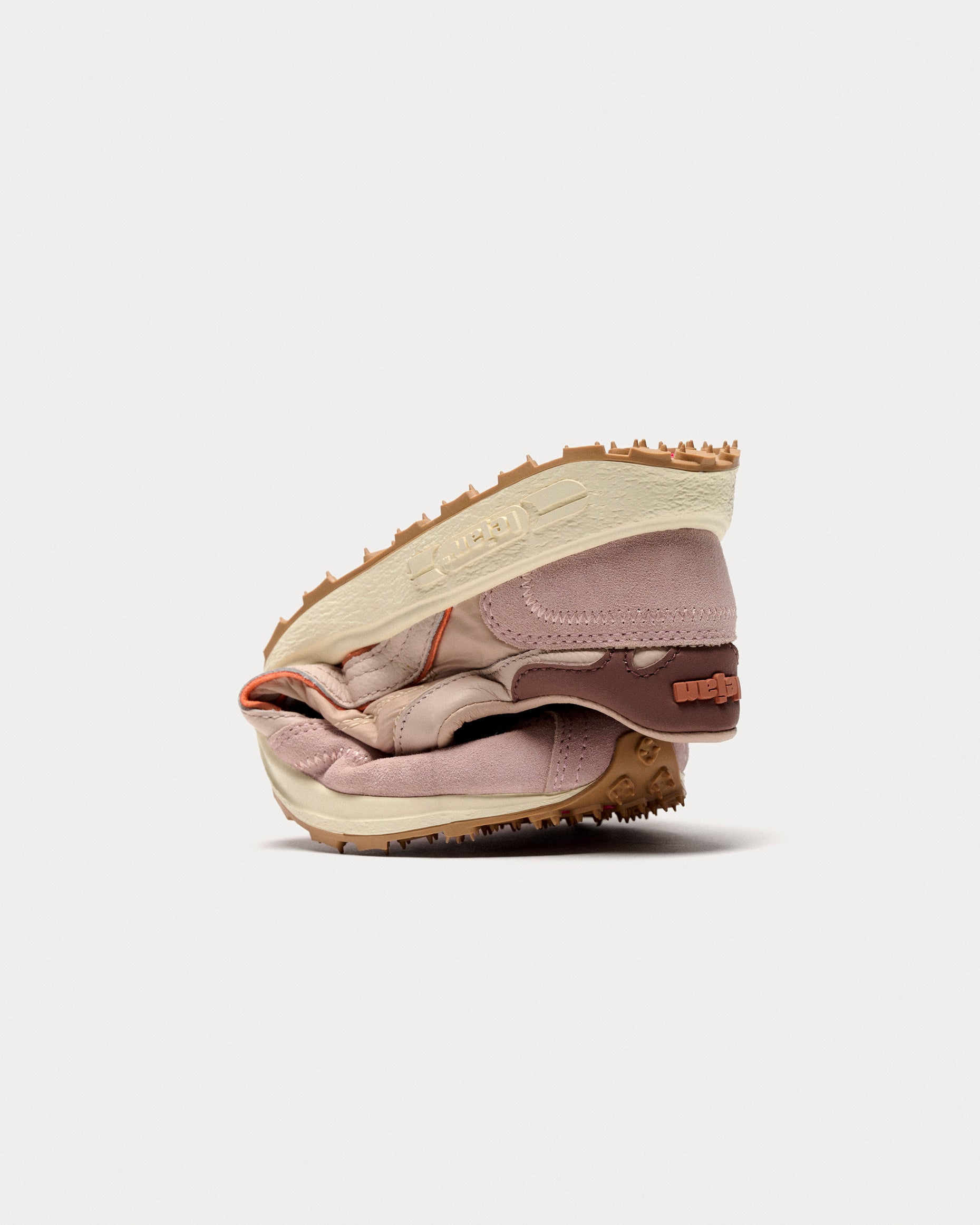
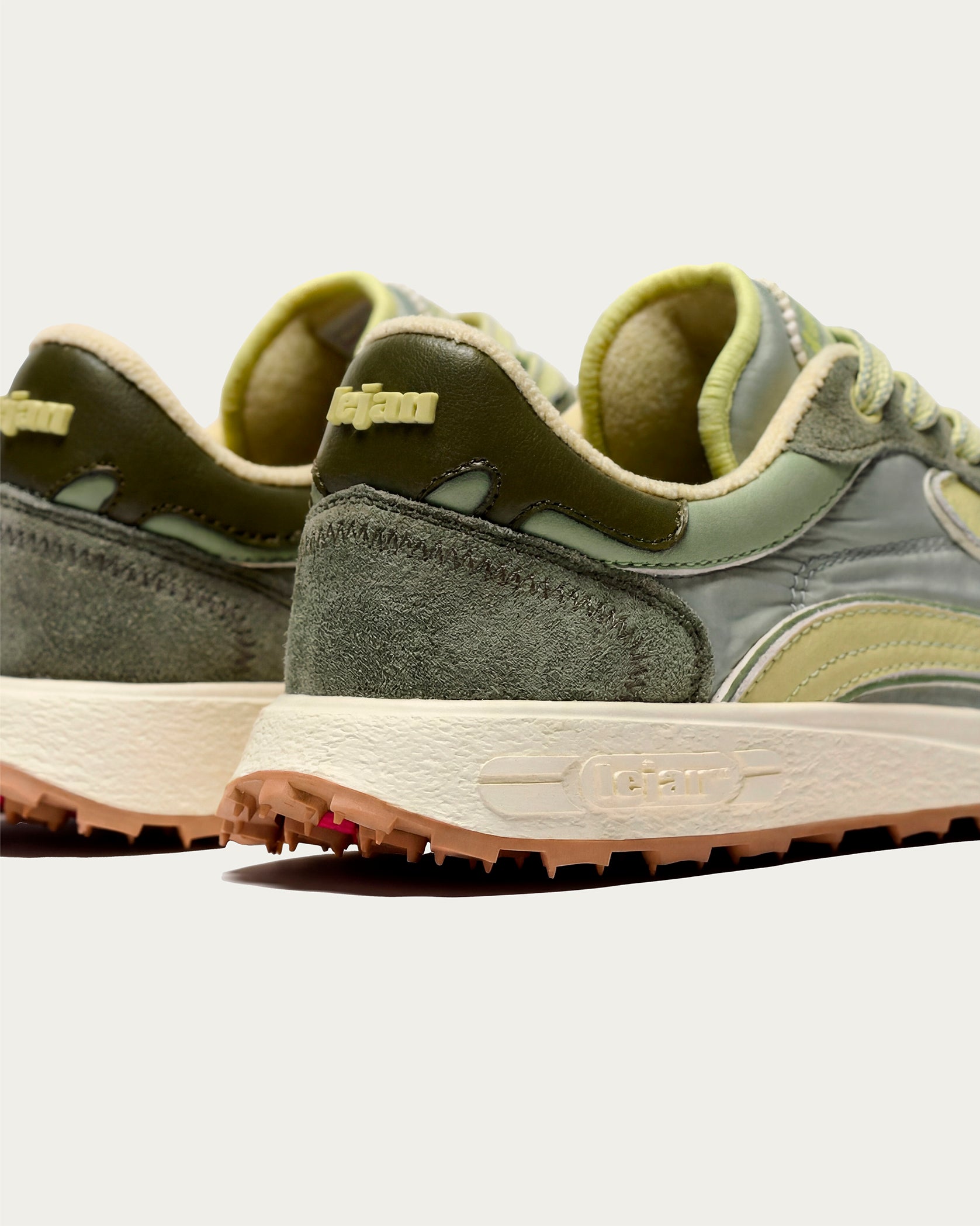
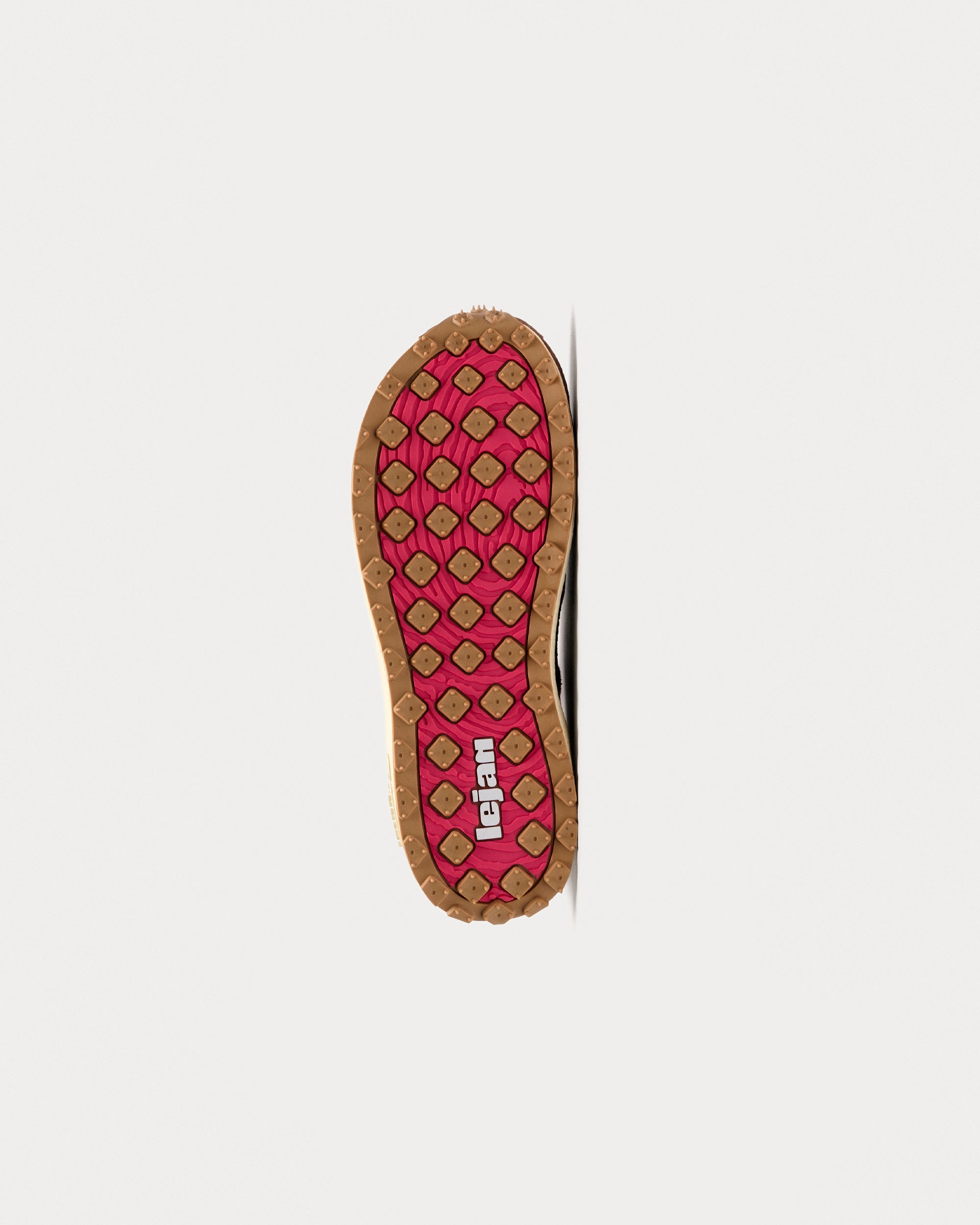
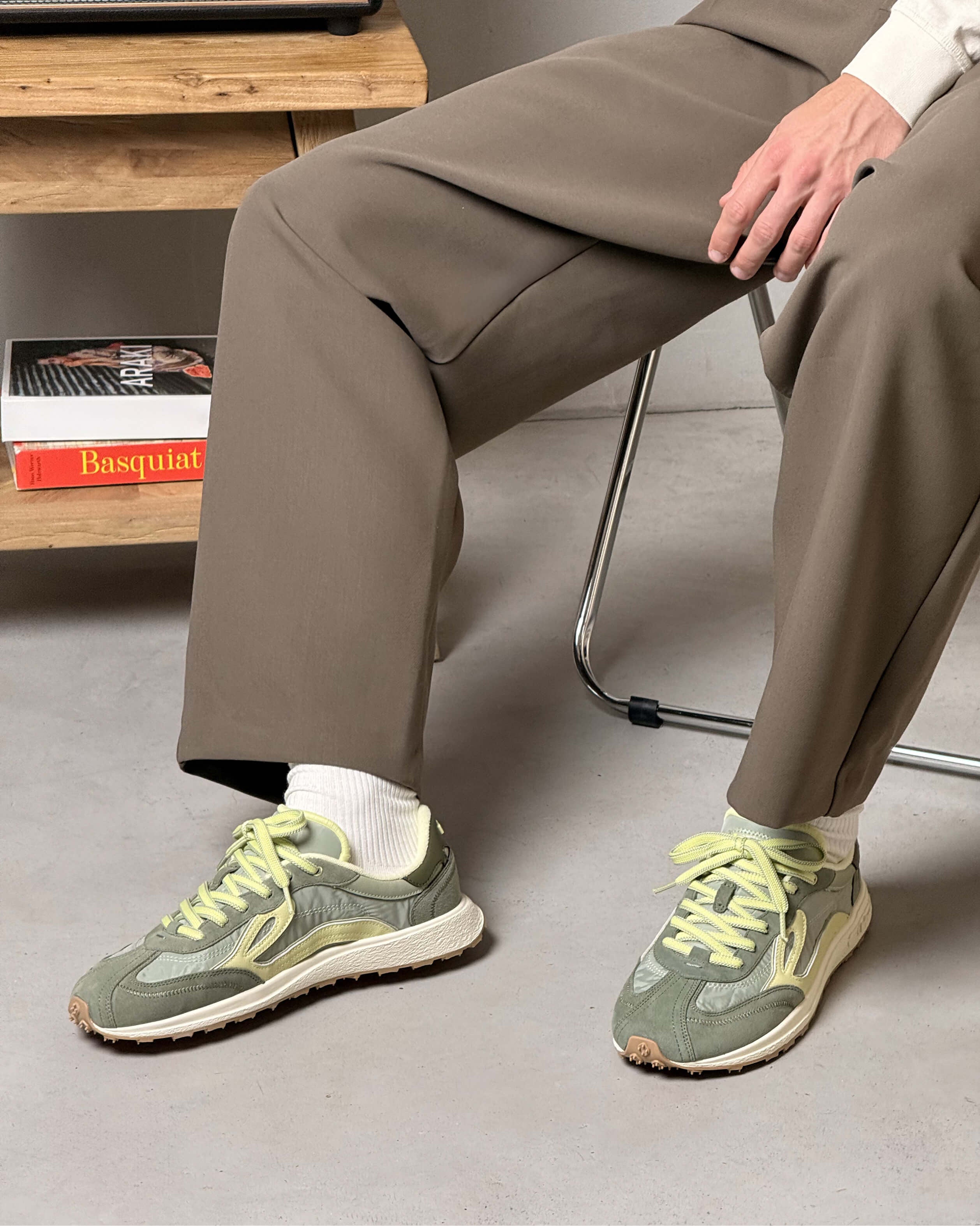
This can help reduce unnecessary compression, especially if pain appears with narrow or rigid shoes. In this sense, barefoot sneakers for adults can be an interesting option for those looking for footwear with more space in the toe box, greater freedom of movement, and a more foot-friendly design.
Flexible sole and natural load distribution
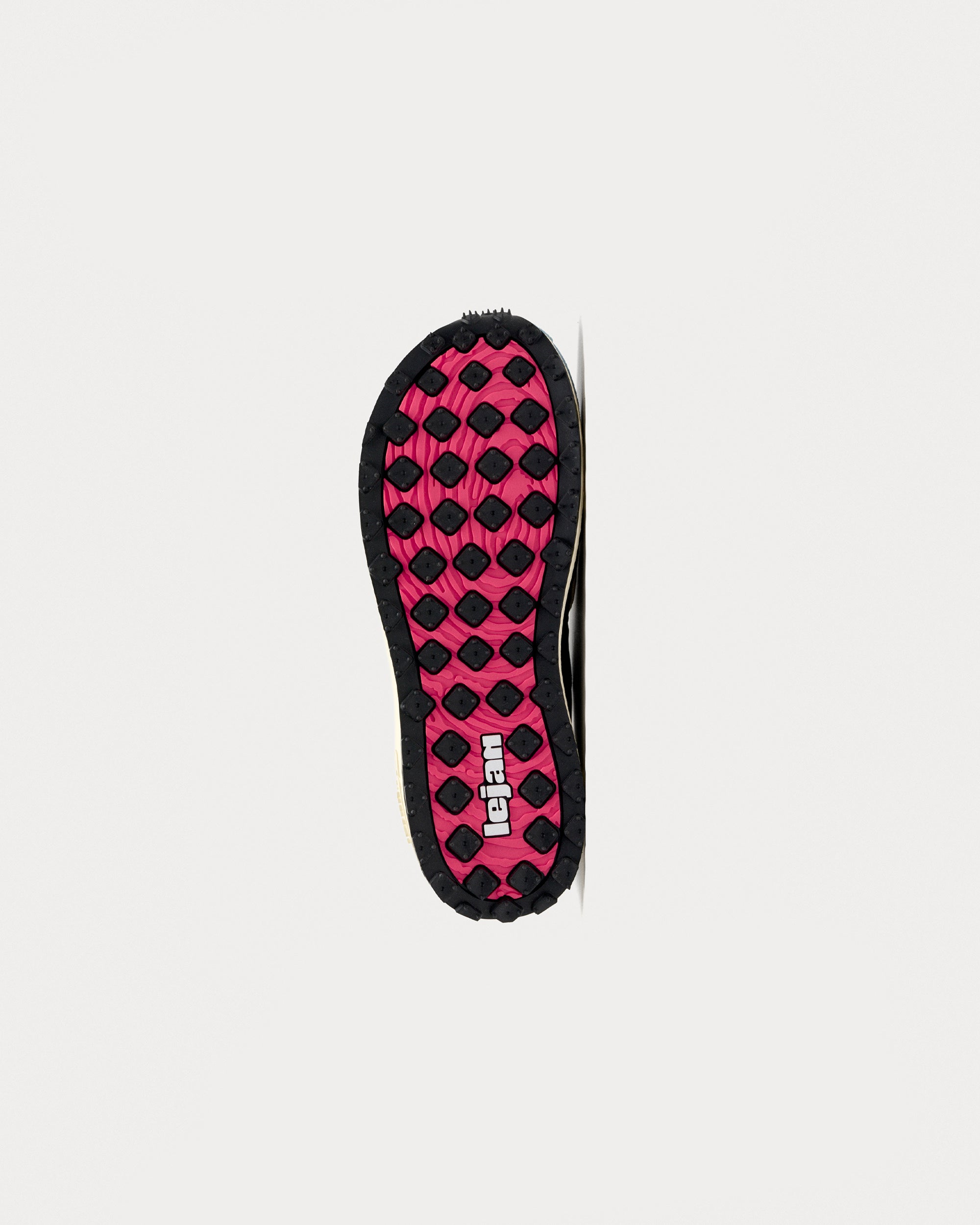
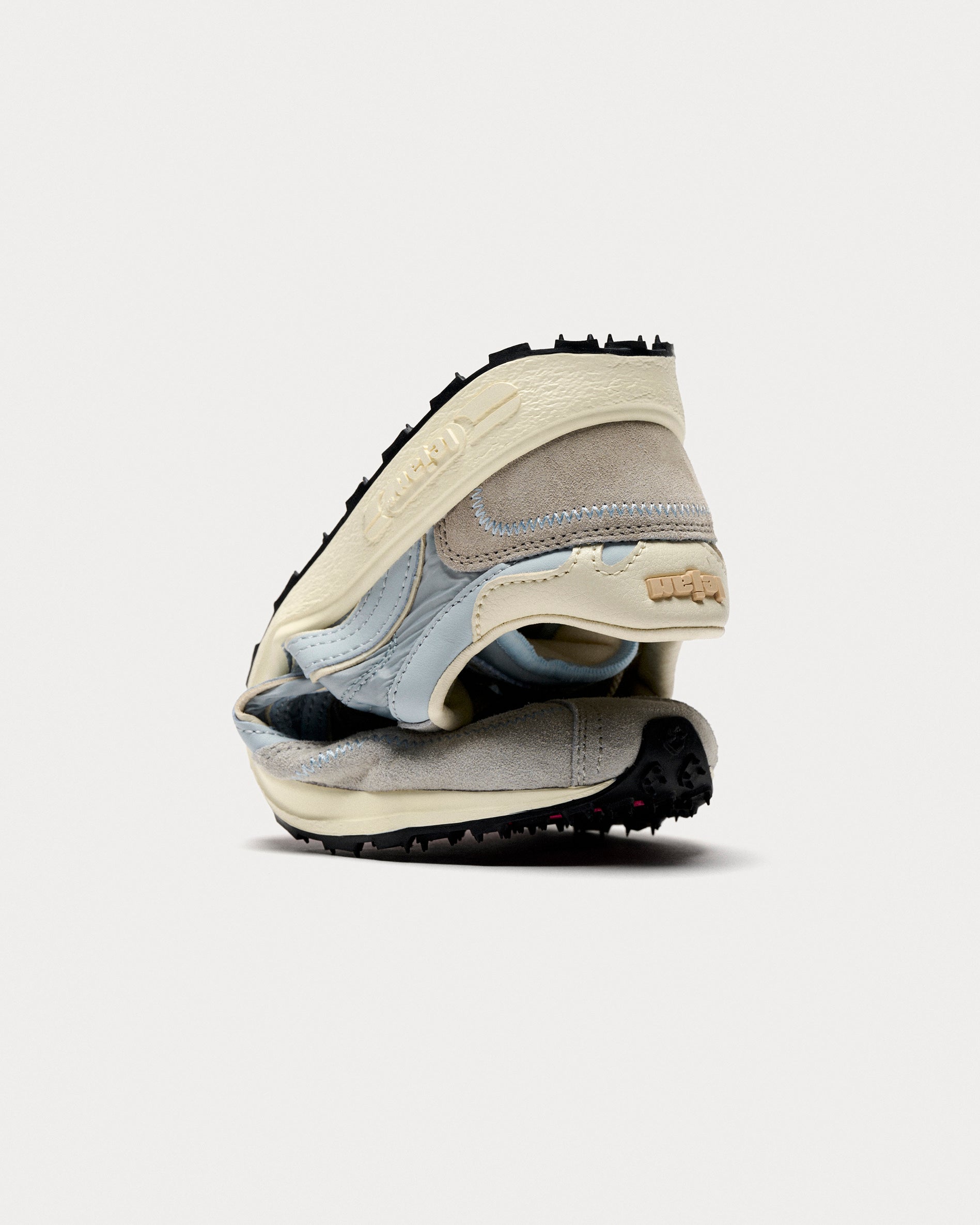
A flexible sole allows the foot to participate more in movement. In many people, this promotes a less restricted gait and a more natural transition while walking.
That said, if there is acute pain, any footwear change should be made gradually. An irritated foot does not always tolerate abrupt changes well, even if the new footwear is more respectful. Any change should be made under professional guidance.
What to avoid: heels, rigid soles, and excessive pressure
If you have metatarsalgia, it is generally advisable to avoid footwear that increases pressure on the forefoot: heels, narrow toe boxes, very rigid soles, or shoes that compress the painful area.
The goal is not to find a miracle shoe, but to reduce interference and give the foot better conditions to move and distribute load.

When to see a specialist
Persistent pain or pain that limits activity
If the pain does not improve, gets worse, or starts to limit how you walk, it is advisable to see a professional.
Inflammation or progressive worsening
It is also worth consulting if there is evident swelling, intense pain, persistent tingling, a feeling of numbness, or difficulty bearing weight.
Professional diagnosis and treatment
A specialist is the person who should assess whether this is truly metatarsalgia and what is causing it.
Frequently asked questions about metatarsalgia
How long does metatarsalgia last?
It depends on the cause, how long it has been present, and whether the factors maintaining it are addressed.
Can it be prevented?
It cannot always be avoided, but the risk can be reduced: choosing footwear with enough space, avoiding sudden increases in activity, maintaining foot mobility and strength, and addressing any discomfort before it becomes chronic.
Can metatarsalgia appear without doing sport?
Yes. It can appear from walking a lot, standing for many hours, wearing narrow footwear, wearing heels, having calluses in the area, or from changes in the way you bear weight. It is not a problem exclusive to runners or athletes.
Test your knowledge
Answer the questions to check how much you know about this topic.
1. Var sitter metatarsalgi?
2. Vilken faktor kan bidra till metatarsalgi?
3. Hur känns smärtan vid metatarsalgi vanligtvis?
4. Vad brukar hjälpa mot metatarsalgi?

Share