Is it better to sleep with socks or without socks: short answer
There isn't a single valid answer for everyone. Sleeping with socks can come in very handy if you tend to have cold feet, find it hard to warm up at night or notice that gentle warmth helps you relax. In some people, warming the feet favors vasodilation and helps the body activate the sleep signal better.
Sleeping without socks, on the other hand, is usually more comfortable if you run hot, if you sweat easily or if any seam, elastic or feeling of pressure bothers you while sleeping. In those cases, going without socks can help you not overheat the foot and rest with less feeling of overwhelm.
When sleeping with socks can help you
It usually makes sense when your feet are cold when you go to bed, when you take a long time to fall asleep, or when you sleep in a cooler-than-usual room. It can also be a simple help when you're away from home, while traveling or in places where you don't control the room temperature well.

When sleeping without socks can be more comfortable for you
It can be the best option if you notice your feet warm at night, if you sweat a lot, if fabrics bother you while sleeping or if any minimal pressure wakes you up. It's also worth considering if you've had moisture problems, skin irritation or fungal infections, and your foot appreciates more ventilation.

What happens in the body when you sleep with warm feet
When the feet warm up, the blood vessels of the skin dilate a little more. That change helps redistribute body heat and can favor the drop in core temperature, which is one of the signals the body associates with the start of sleep. So, in some people, comfortable socks don't "just give more heat", but help the body get into rest mode.
But this doesn't work the same way in everyone. There are people who fall asleep better with gentle warmth on the feet and others who, if they feel too warm, get more activated, uncomfortable or wake up during the night. Temperature, sweating, skin sensitivity and even the type of sock change the experience a lot.
Body temperature, vasodilation and sleep signal
The body usually prepares for sleep by slightly lowering its core temperature. Warming the feet can help that process happen more smoothly, because it makes it easier to lose heat through the skin. That's why some people notice they relax sooner and take less time to fall asleep.
Why it doesn't work the same for everyone
We don't all start from the same point. There are people with cold feet almost every night, and others who already feel warm without needing to add anything. In addition, the response changes if you sweat a lot, if textures bother you, if you have sensitive skin, or if your cold feet are due to a circulatory or neurological problem; if you suspect it could be one of these things, see your specialist.
Benefits of sleeping with socks depending on the context
Sleeping with socks can be a simple and quite useful strategy when the real problem isn't the sock, but cold feet. In that context, many people notice that they take less time to fall asleep and feel more comfortable when going to bed.
It can also bring a sense of nighttime comfort. Sometimes you don't need a complex reason: there are simply people who rest better when they don't feel cold feet or the contrast with the sheets. That small change can improve the perception of rest, even if it isn't equally important for everyone.
Outside the home it can make even more sense. Hotels, others' homes, trips or nights with irregular heating are situations in which a clean, soft, breathable sock can make the difference without complicating things too much.
Cold feet and falling asleep
This is where it usually shows the most. If you get into bed with freezing feet, it'll take longer for you to feel comfortable. In that case, the sock can act as practical help to break that initial cold sensation and ease the start of sleep.
Sense of comfort and nighttime rest
Not everything depends on big physiological mechanisms. Comfort also counts. Some people sleep better when they feel the foot warm and stable, just as others rest better with less bedding or with a cooler room.
Cases in which it can be useful away from home
It can help on trips, second homes, poorly insulated rooms or nights when you don't control the ambient temperature well. In those cases, it's a simple, cheap, easy-to-try measure.
Drawbacks of sleeping with socks worth keeping in mind
The main problem isn't usually "sleeping with socks" itself, but doing so with inadequate socks. If they're too thick, not very breathable, tight, or have already been worn all day, they can generate sweat, moisture, bad smell or irritation. And if the foot stays moist for many hours, that environment favors skin and fungal problems.
It's also worth watching out for compression. A sock that leaves marks, presses on the ankle or bothers the toes isn't a good idea for sleeping. And one important thing: a regular sock for sleeping isn't the same as a compression stocking or sock, which shouldn't be used at night unless professionally prescribed.
Another frequent mistake is applying cream and, on top of that, putting on a non-breathable or dirty sock. If you want to use socks after moisturizing, better that they be clean, soft, and that they don't generate excess heat or sustained moisture.
Sweat, moisture and foot hygiene
If the foot sweats and the fabric doesn't breathe well, moisture stays trapped. That can worsen the feeling of discomfort and create a less friendly environment for the skin, especially between the toes. So the material matters a lot, as does the sock being clean.
Compression, marks and circulatory discomfort
Sleeping with something that's tight doesn't make much sense. If the sock leaves a mark when you take it off, rolls up, compresses the ankle or bothers you when you move the foot, better change it. And if we're talking about compression socks, the general recommendation is not to sleep with them unless prescribed.
Common mistakes after applying cream on the feet
The most common slip is thinking that any sock will do. After applying cream, using a daytime one, a synthetic one, or one that's too tight can end up giving more sense of moisture than comfort. For this use, what matters is cleanliness, softness and breathability.
How to choose socks for sleeping without harming your feet
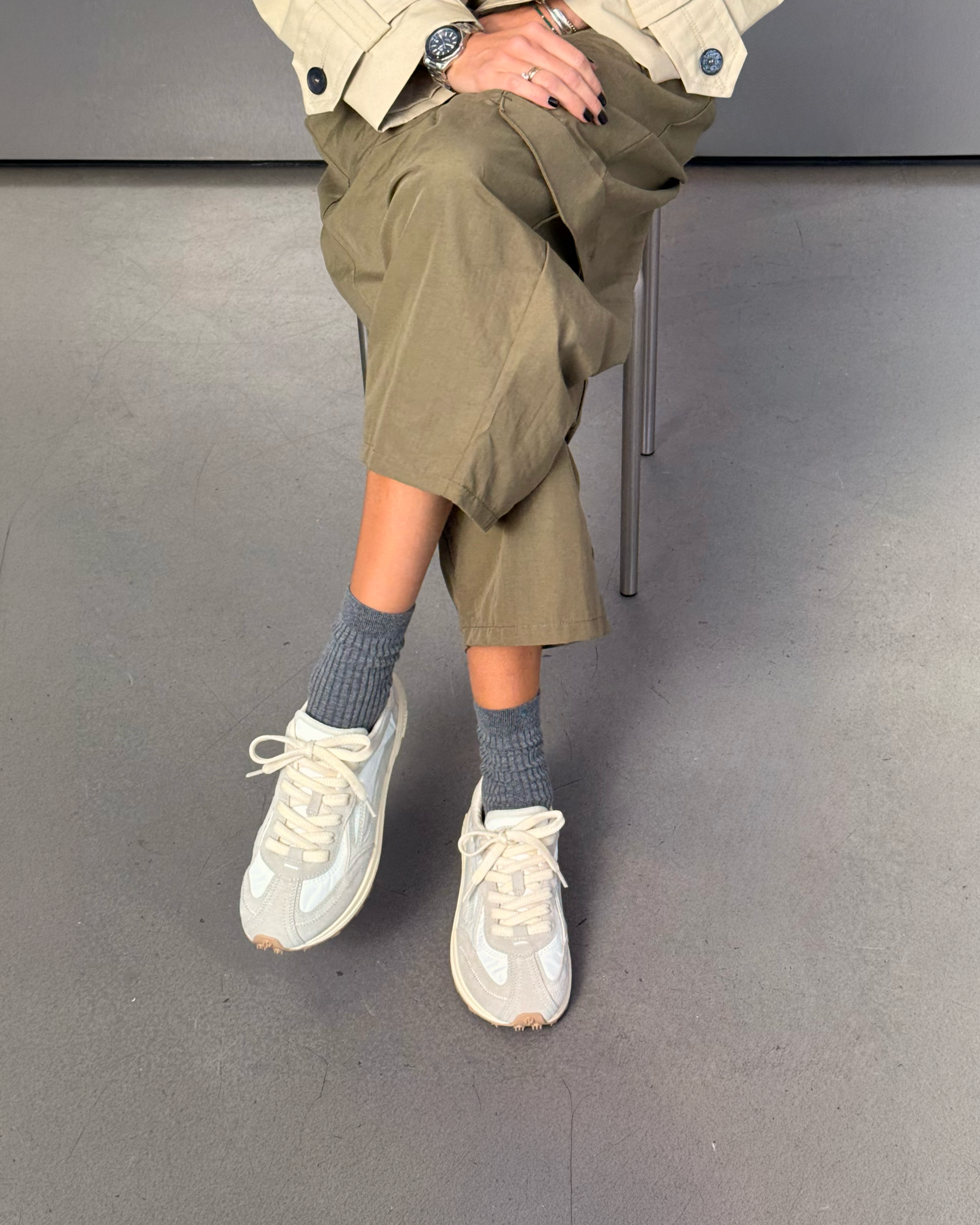
Ideally they should be clean, soft, breathable and with a friendly fit. They don't need to be very thick. A light or medium sock that's pleasant to the touch and keeps warmth without overwhelming often works better.
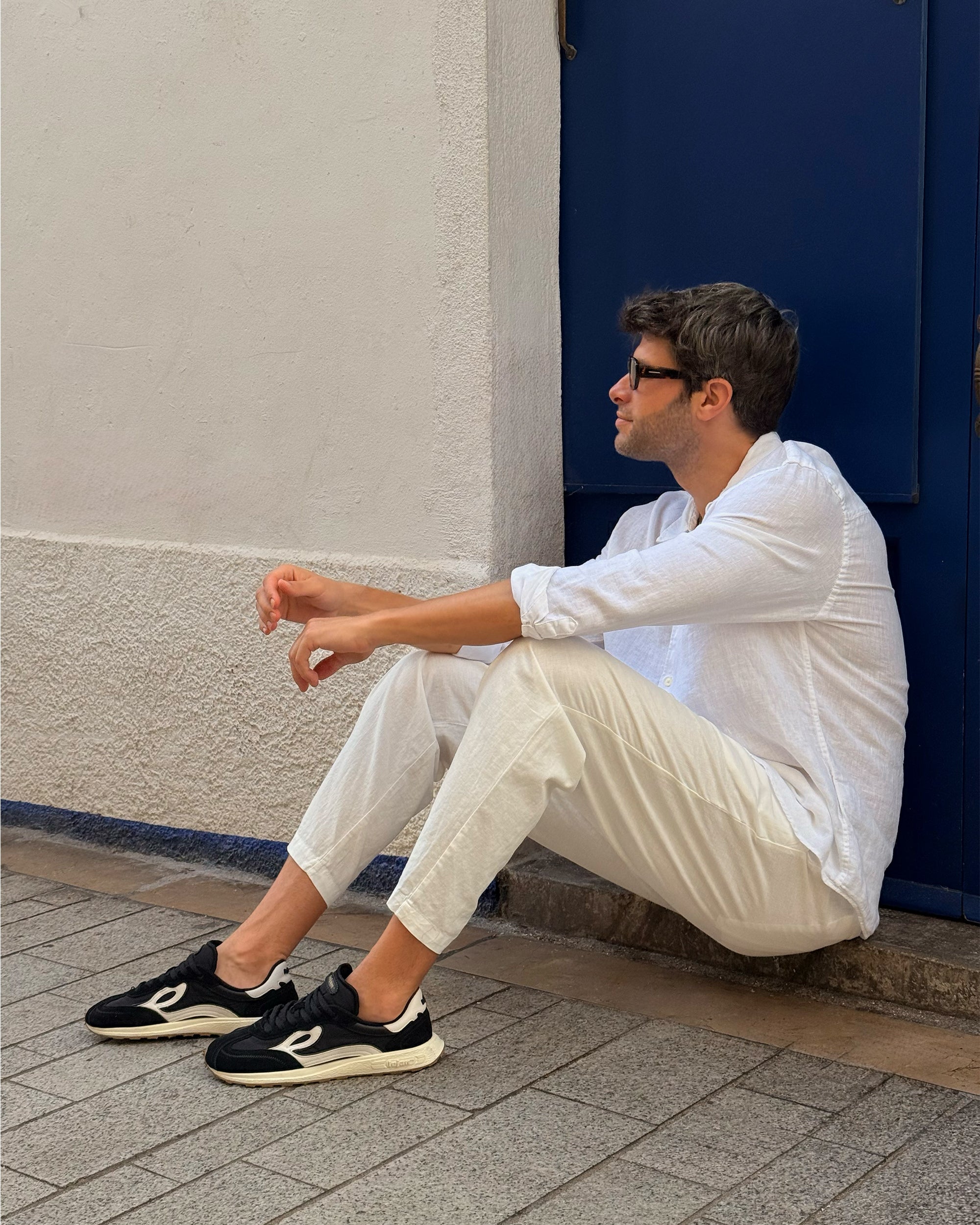
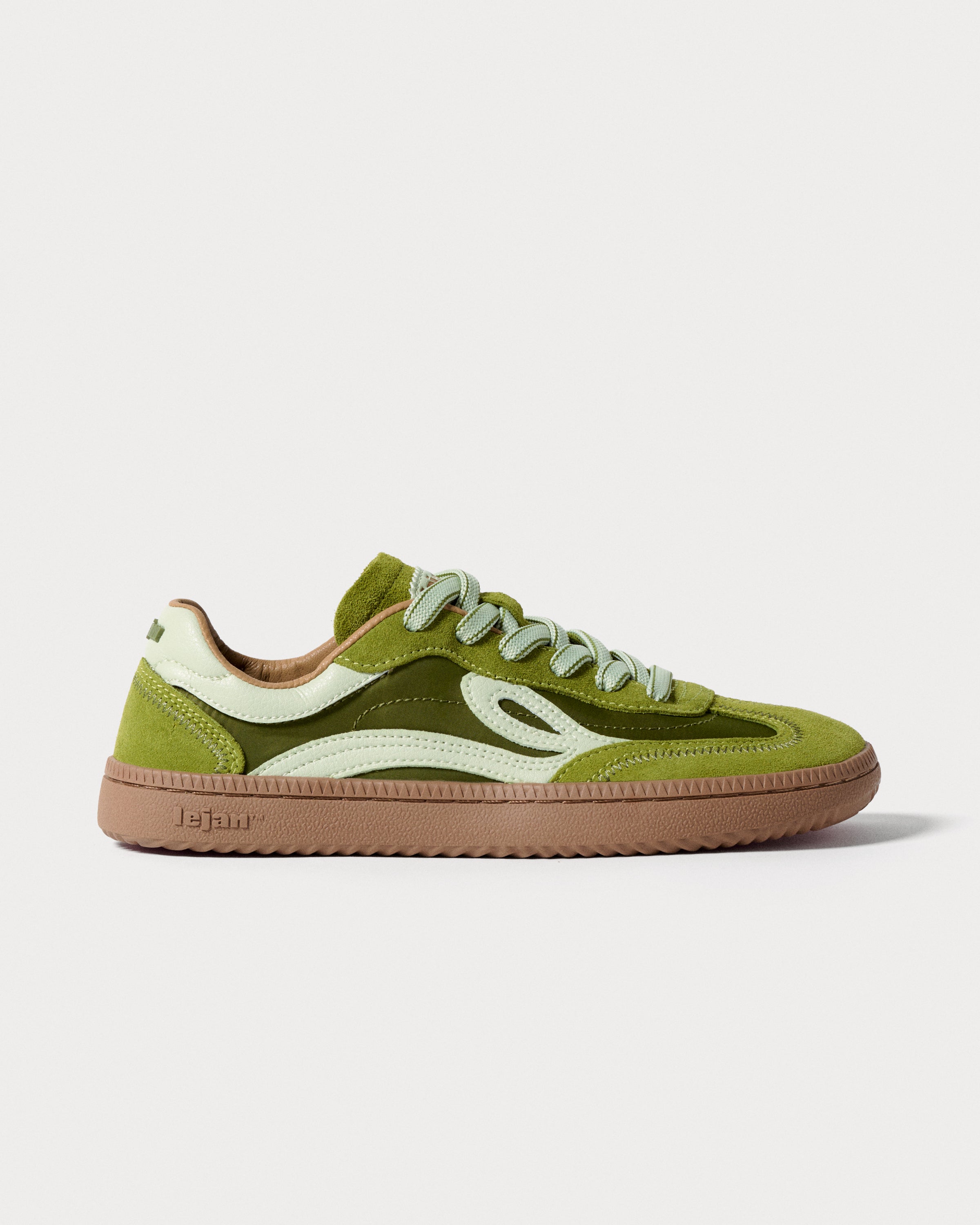
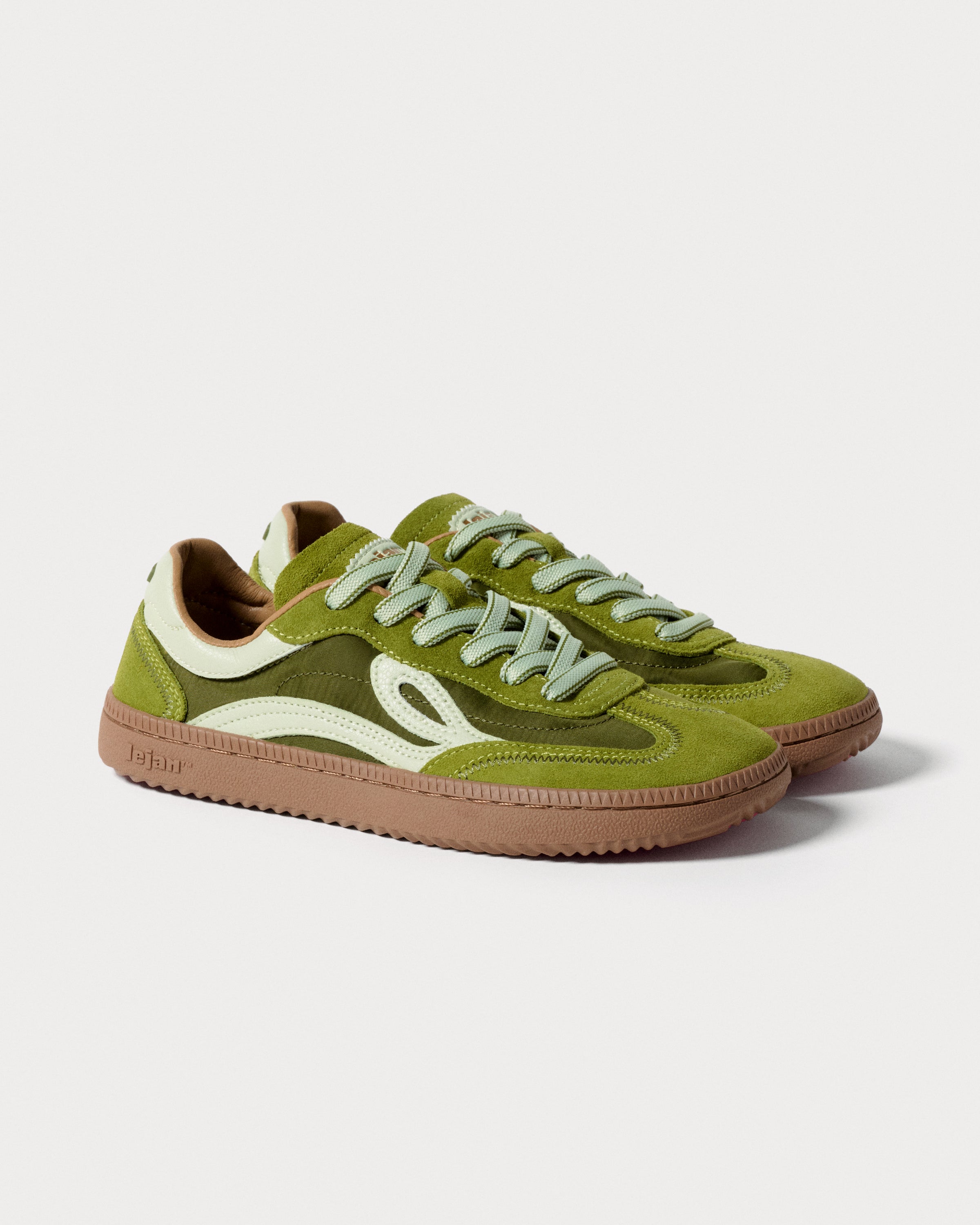
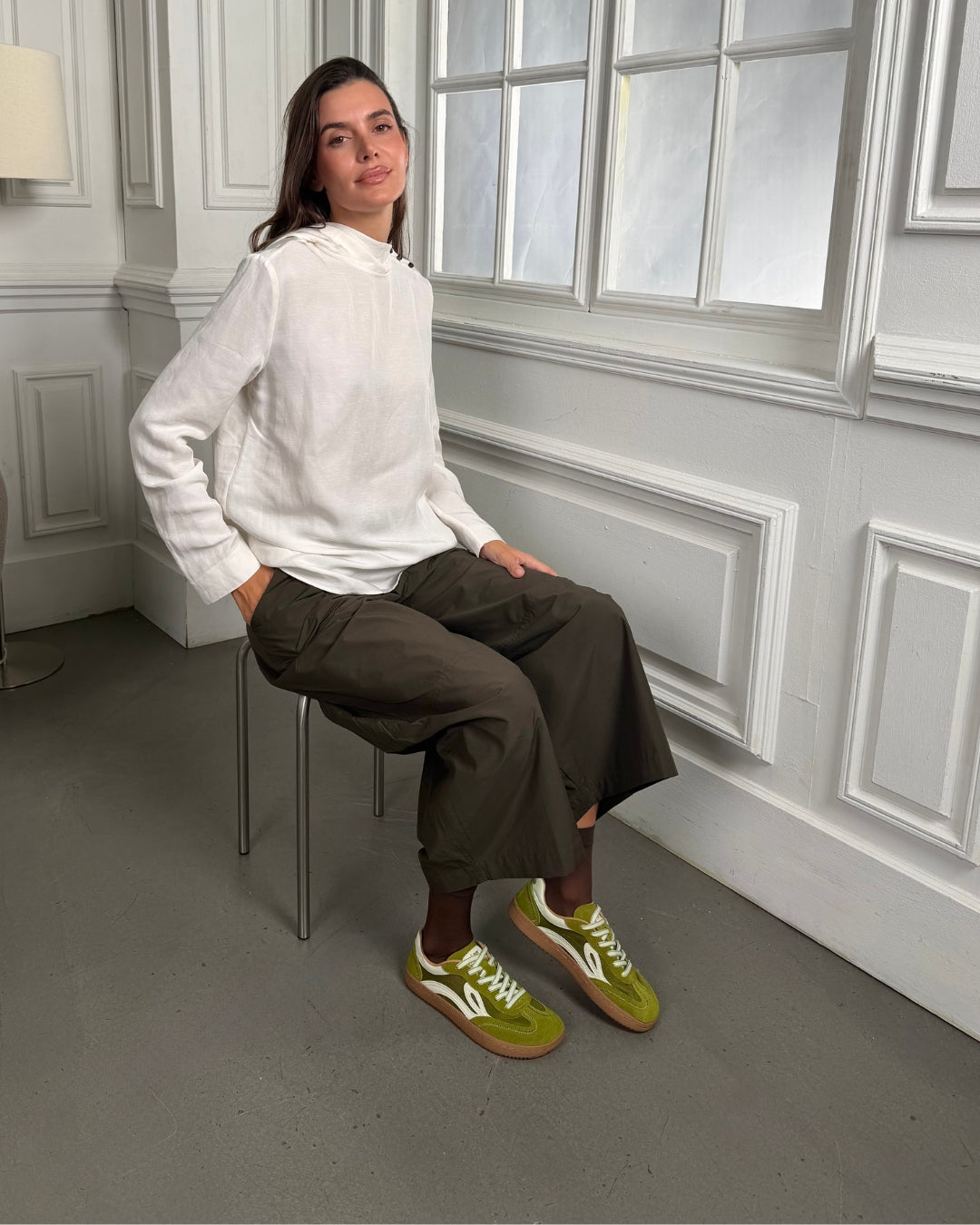
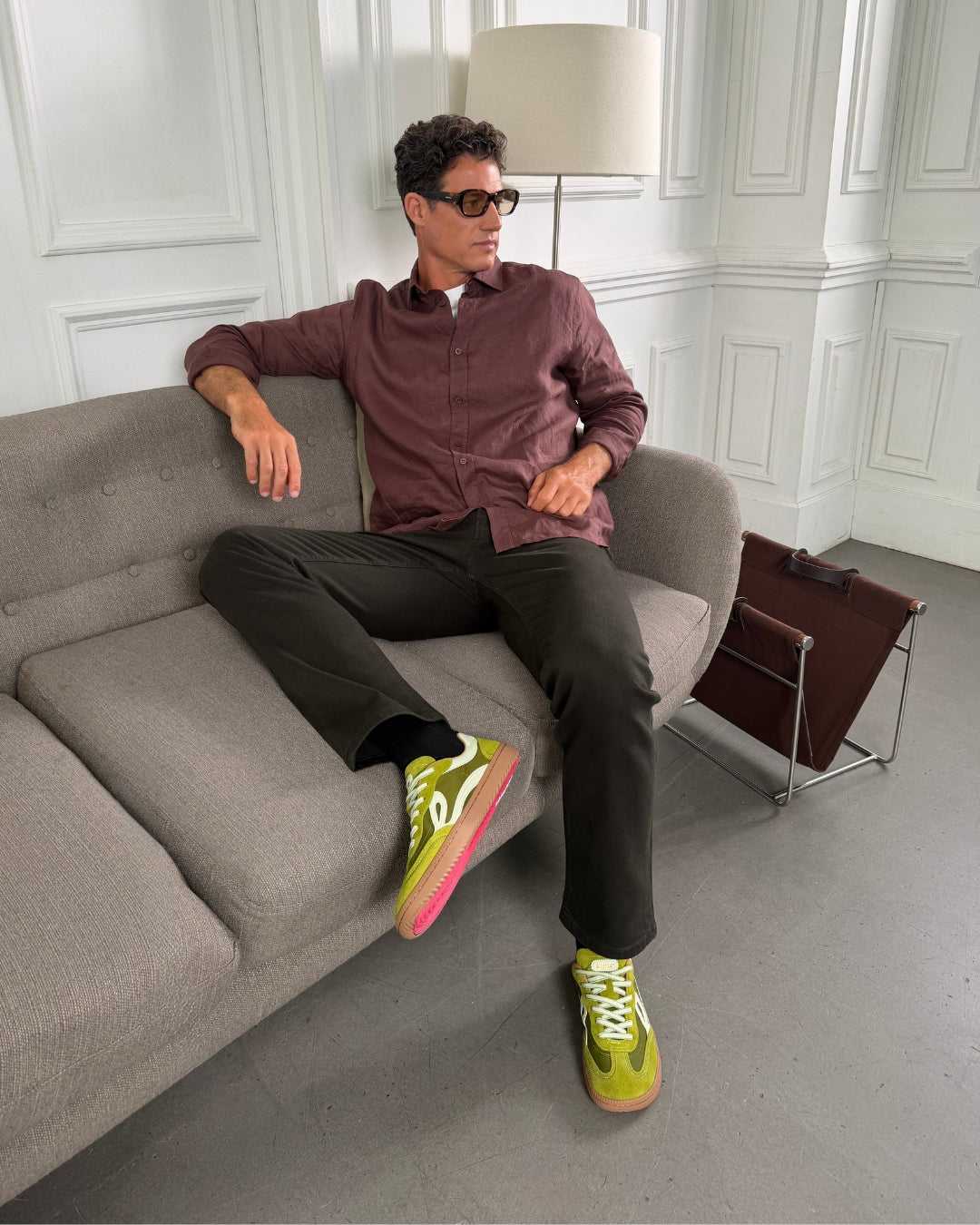
It's also worth avoiding bothersome seams, strong elastics and rigid toe boxes. For sleeping, anything that rubs, presses or marks is in the way. The idea is to support rest, not to remind you all night that you have something on. This is especially important if you have sensitive skin, a tendency to swelling, or circulatory discomfort. Likewise, during the day it's also usually a good idea to prioritize footwear that doesn't compress the front of the foot too much and respects its natural shape, as is the case with barefoot shoes for adults.
And one basic thing: better not to use the daytime socks. After hours of use they accumulate sweat, friction and microorganisms. For sleeping, better a clean pair.
Breathable materials and pleasant feel
Fabrics that let the foot breathe and feel soft to the touch usually work better. The goal isn't to cook the foot, but to maintain a pleasant temperature without retaining excess moisture.
What to avoid in seams, elastics and fit
Avoid those that press at the top, those that leave a mark, those that have thick seams at the toes and those that twist easily during the night. If you notice the sock more than the rest, it isn't a good sign.
When to change them and why not to use the daytime ones
Change them every night or whenever they aren't completely clean and dry. The daytime ones aren't the best option because they've already accumulated moisture, heat and dirt.
Sleeping without socks: when it can be the best option
Sleeping without socks can be best if you're a person who runs hot, if your feet aren't usually cold, or if any fabric bothers you while sleeping. It can also help if you notice the foot needs more ventilation or if with socks you wake up due to a feeling of warmth.
That doesn't mean being cold. You can keep comfort with appropriate bedding, a temperate room and avoiding overheating the foot. Sometimes balance is more in the environmental temperature than in wearing or not wearing socks.
Hot-running people or those sensitive to discomfort
If you sweat easily, if you wake up when something rubs you, or if you simply can't stand sleeping with anything on your feet, you don't have to force it. For you, sleeping without socks may be the most sensible option.
How to maintain comfort without overheating the foot
A cool room, sheets appropriate to the time of year and avoiding overly closed fabrics can help you. The idea is to be comfortable, not to add heat just because.
What experts recommend depending on the case
If you have cold feet and that bothers you when going to bed, trying clean, soft, low-compression socks can be reasonable. It's a simple measure and many people find it useful.
If you have circulatory problems, suspected Raynaud's, diabetes, neuropathy, wounds, loss of sensitivity or strange changes in color and temperature, it's better not to settle for the sock trick alone. In those cases, keeping warm can relieve, but it's also necessary to assess what's behind it, and a specialist's opinion.
And if your skin is very sensitive, you sweat a lot or it tends to get irritated, the key detail is in hygiene, material and fit. Sometimes the problem isn't sleeping with socks, but sleeping with the wrong socks.
People with cold feet
Here it can quite make sense to try. Especially if cold appears every night and makes it hard to fall asleep. Soft, clean, not-tight socks are usually the best idea to start.
People with circulatory problems or sensitive skin
If you have Raynaud's, peripheral arterial disease, neuropathy, diabetes, fragile skin or altered sensitivity, it's worth individualizing it. In some people, keeping warm helps; in others, the priority is to monitor the skin, the fit and the underlying cause.
When to consult a foot health professional
It's worth consulting if your feet are persistently cold, if one is clearly colder than the other, if there's nighttime pain, tingling, numbness, wounds that don't heal, color changes, or if you need socks every night because the cold is exaggerated or worsening.

Frequently asked questions about sleeping with or without socks
Does sleeping with socks really improve sleep?
It can help, but not in everyone or in the same way. It usually makes more sense in people with cold feet or who take time to warm up when going to bed.
Is it bad to sleep with socks every night?
Not necessarily, as long as they're clean, comfortable, breathable and don't press. What you should avoid is sleeping with damp, dirty, overly compressive or unsuitable socks for the skin.
Which socks are best for sleeping?
The ones that keep the foot comfortable without squeezing or generating excess heat or moisture: clean, soft, breathable, and with seams and elastics that aren't aggressive.
Test your knowledge
Answer the questions to check how much you know about this topic.
1. Can sleeping with socks help some people fall asleep better?
2. What's one of the main drawbacks of sleeping with inadequate socks?
3. What characteristics should appropriate sleep socks have?
4. When can it be better to sleep without socks?
Share