Talking about gait is not just about the foot. The way you bear weight influences how the ankle, knee, and hip move with every step. It is not a rigid label — it is a movement pattern that can vary depending on context, footwear, or time of day.
Pronated or supinated gait: what is the difference
Quick answer: how to identify each gait type
Pronated: the foot tends to roll inward after contact with the ground.
Supinated: support is maintained more on the outer part of the foot.
Neutral: support is distributed more evenly, with no marked deviations.
Important nuance: pronating is normal and necessary. The problem is not pronating or supinating, but how much, how, and in what context.

What a pronated gait is
How the foot bears weight and what signs usually appear
In pronation, the foot rotates slightly inward to adapt to the terrain and absorb impact. It is a natural mechanism.
When it is more pronounced than usual, signs can appear such as:
Inner shoe wear
A feeling of arch collapse
Greater load on the inner side of the knee
Ankles that tend to roll inward
It does not always indicate a problem, but it can change how load is transmitted to the knee and hip.
What a supinated gait is
How the foot bears weight and what is noticeable when walking or running
In supination, the foot keeps more weight on the outer part and absorbs less impact.
It is usually noticeable in:
Outer shoe wear
A more rigid support
A feeling of less natural cushioning
Greater impact that can travel up to the knee and hip
Here the foot filters less impact, so other structures may compensate.
Neutral gait: where it fits and why it matters
Differences compared to marked pronation and supination
A neutral gait is not perfect — it is simply more balanced.
The foot pronates just enough to adapt
There is no clear overload on either side
Force transmission is more homogeneous
It is the middle ground, but it does not mean that someone who is not neutral has a problem.
How to know if you are a pronator or supinator
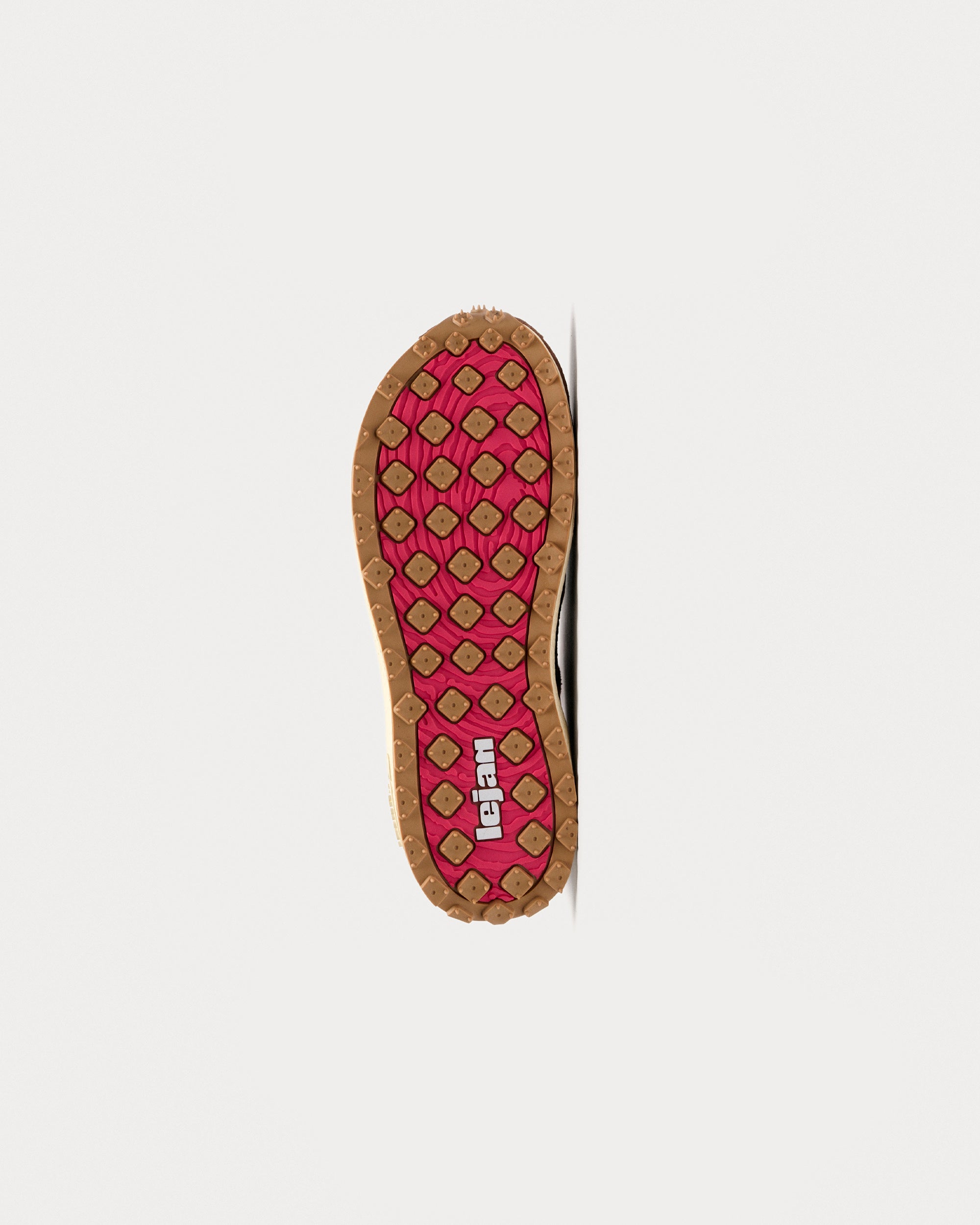
What you can observe on the sole of your footwear
This is a useful clue, but not a definitive one:
Inner wear → pronation tendency
Outer wear → supination tendency
Note: wear also depends on use, terrain, and shoe type.
What the foot imprint tells you and what it does not
The classic imprint test (wet foot on paper) can give guidance, but:
It does not reflect how you move when walking
It does not account for speed or load
It serves as a reference, not a diagnosis.
When it is worth getting a biomechanical study done
If there is pain, repeated injuries, or real doubts, a dynamic study provides much more:
It analyses actual movement
It observes coordination between foot, knee, and hip
It helps understand the "why", not just the "what"
If in any doubt, consult your specialist.

What problems a poor gait pattern can cause
Common complaints in feet, ankles, knees, and back
When the mechanics are not well managed, the following can appear:
Plantar fascia overload
Ankle discomfort
Knee pain
Tension in the hip or lumbar region
It is not always the sole cause, but it can be an important piece of the puzzle.
When gait can have more influence on runners
In running, impact and repetition amplify everything:
More accumulated load
Less margin for compensation
Greater demand on stability
That is why small imbalances become more noticeable.
How gait influences choosing trainers or footwear
What to check in stability, cushioning, and fit
Rather than "correcting", the aim should be not to interfere too much:
The foot should have real space
The sole should allow free movement and not block it
The fit should not create unnecessary pressure
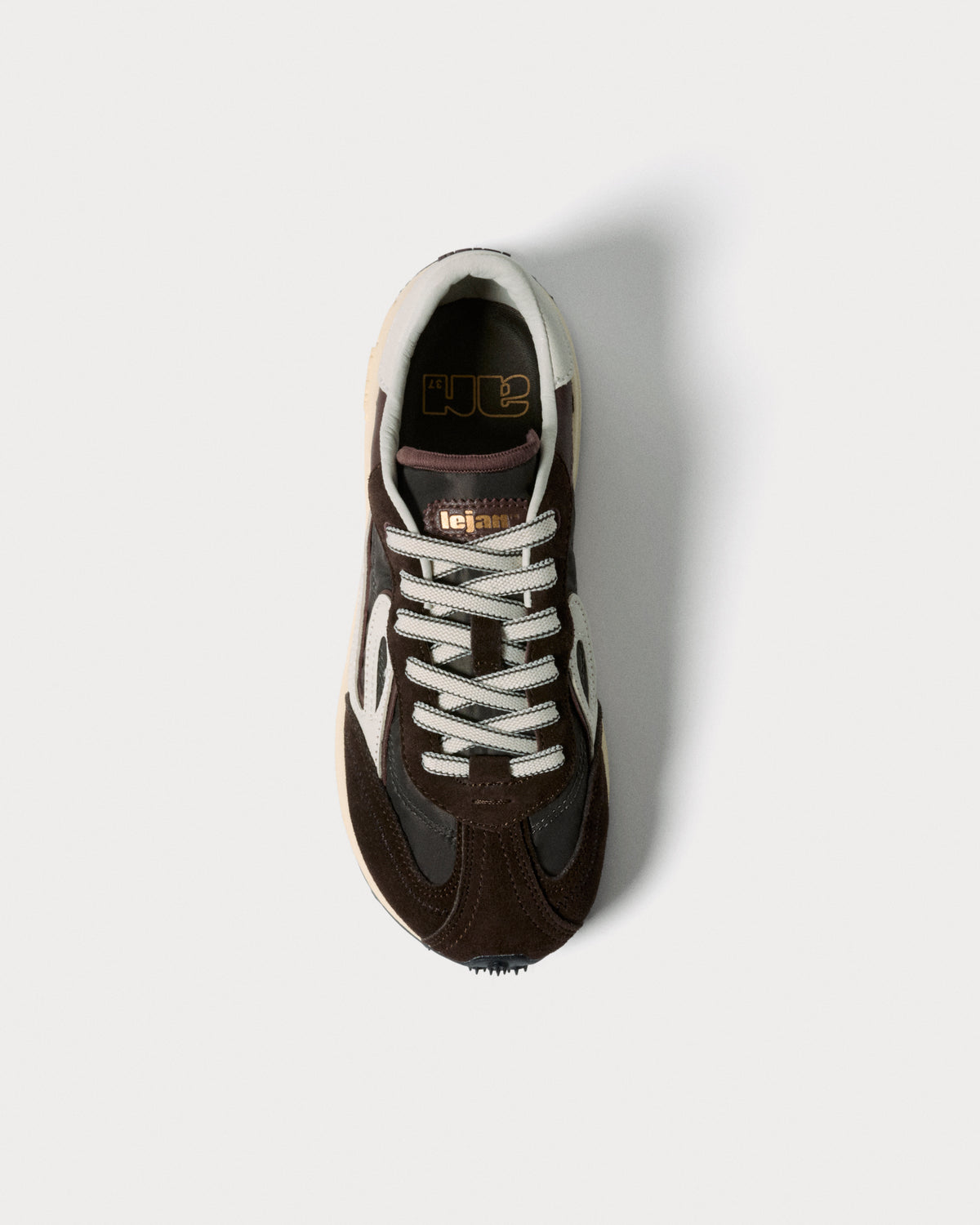
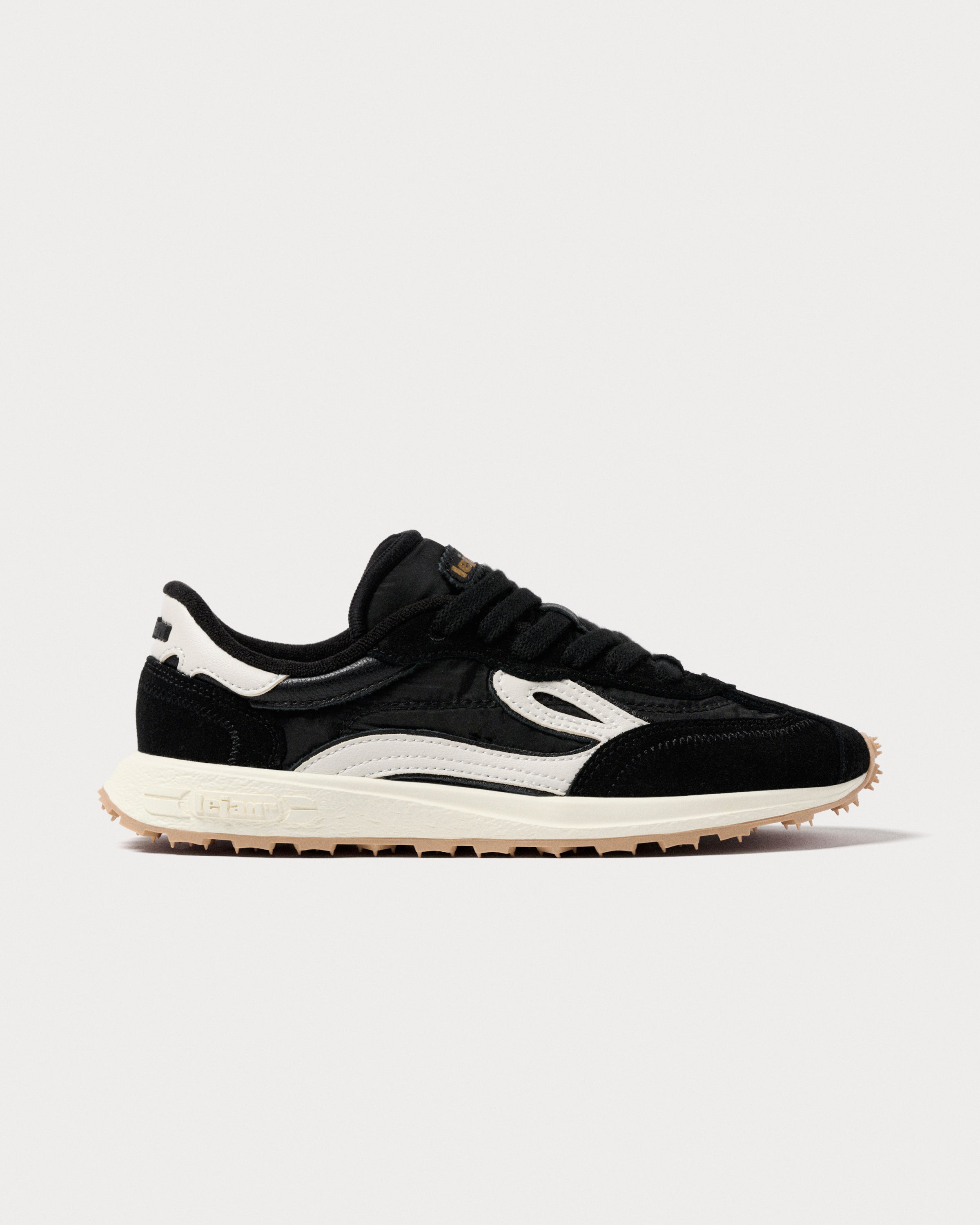
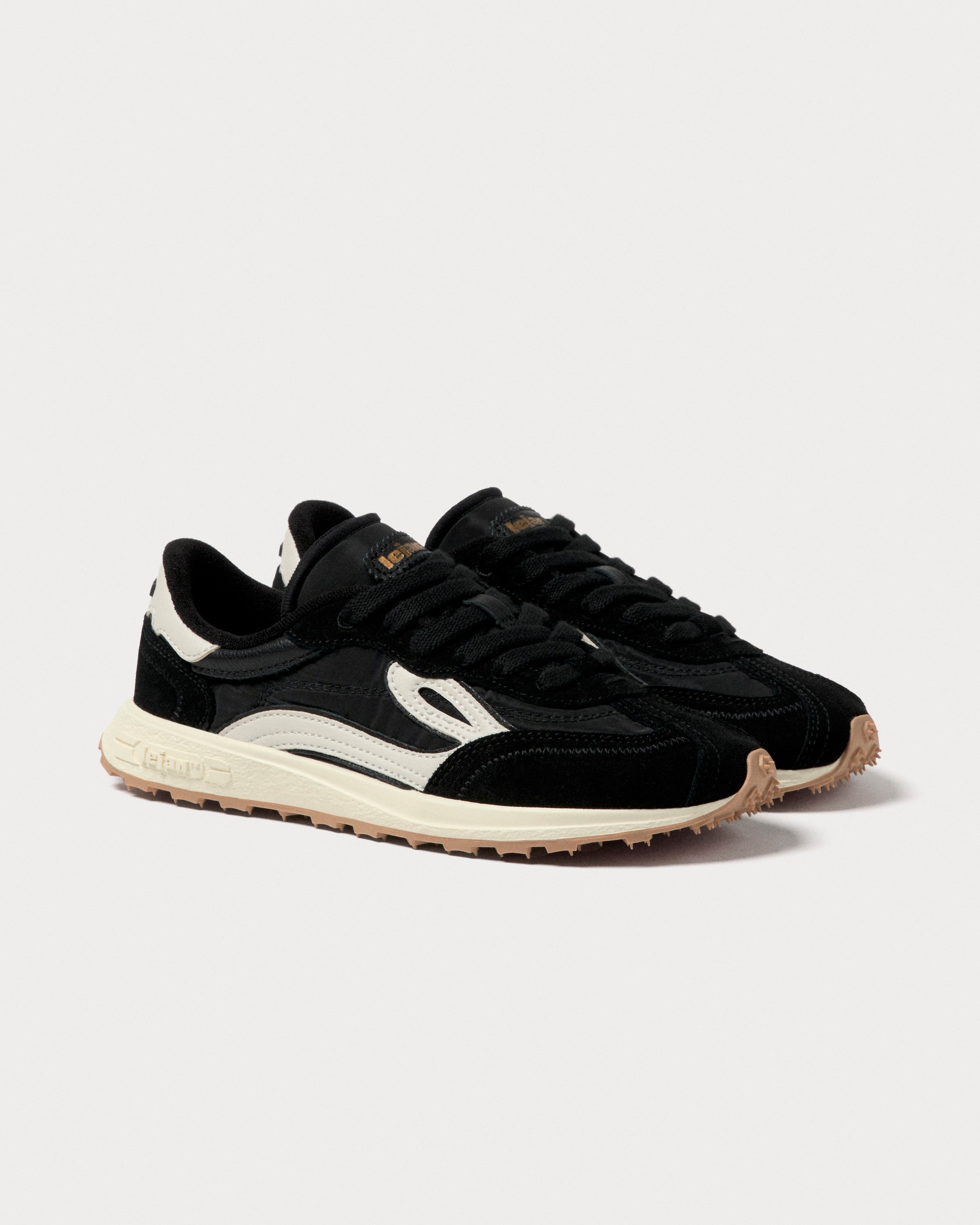
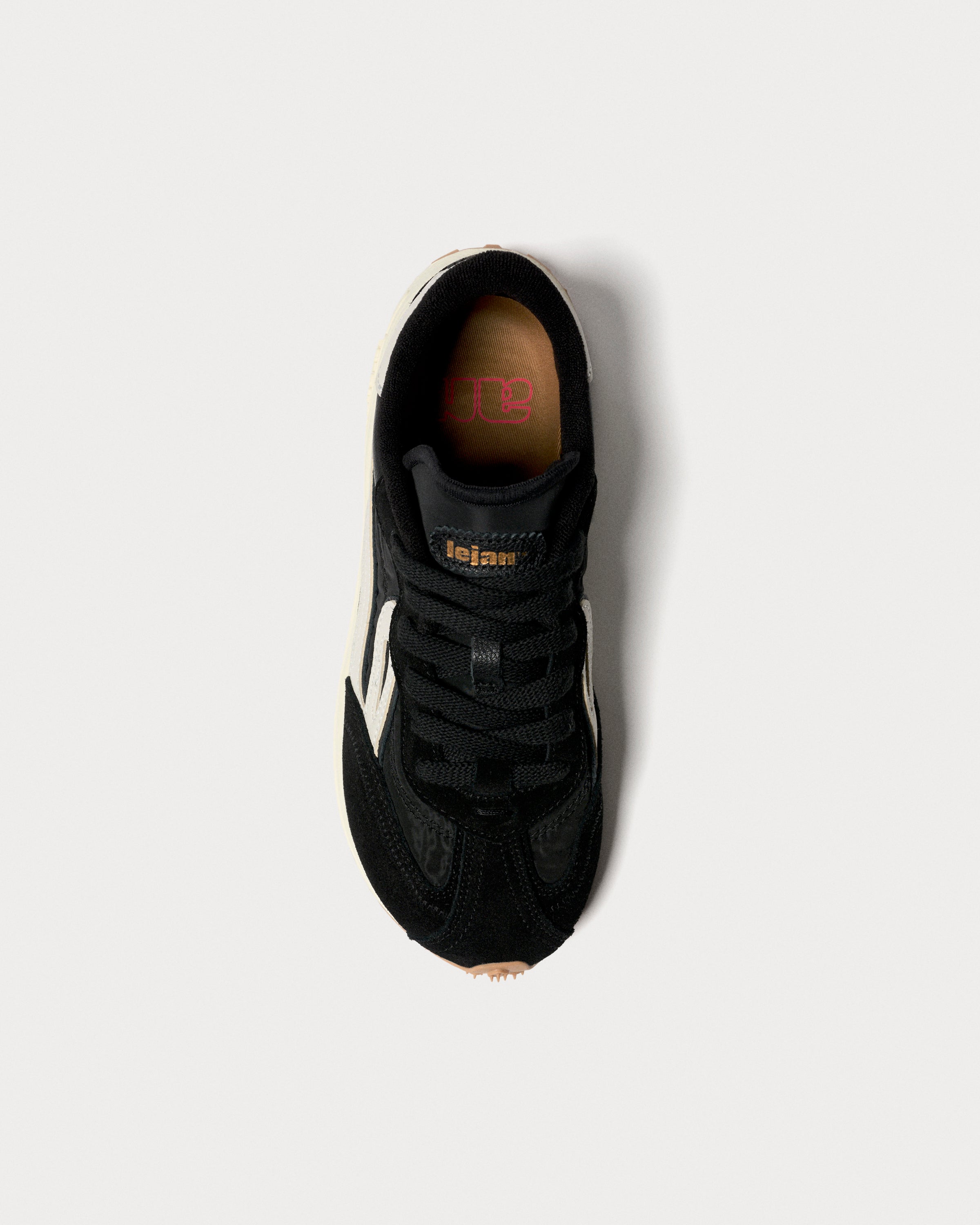
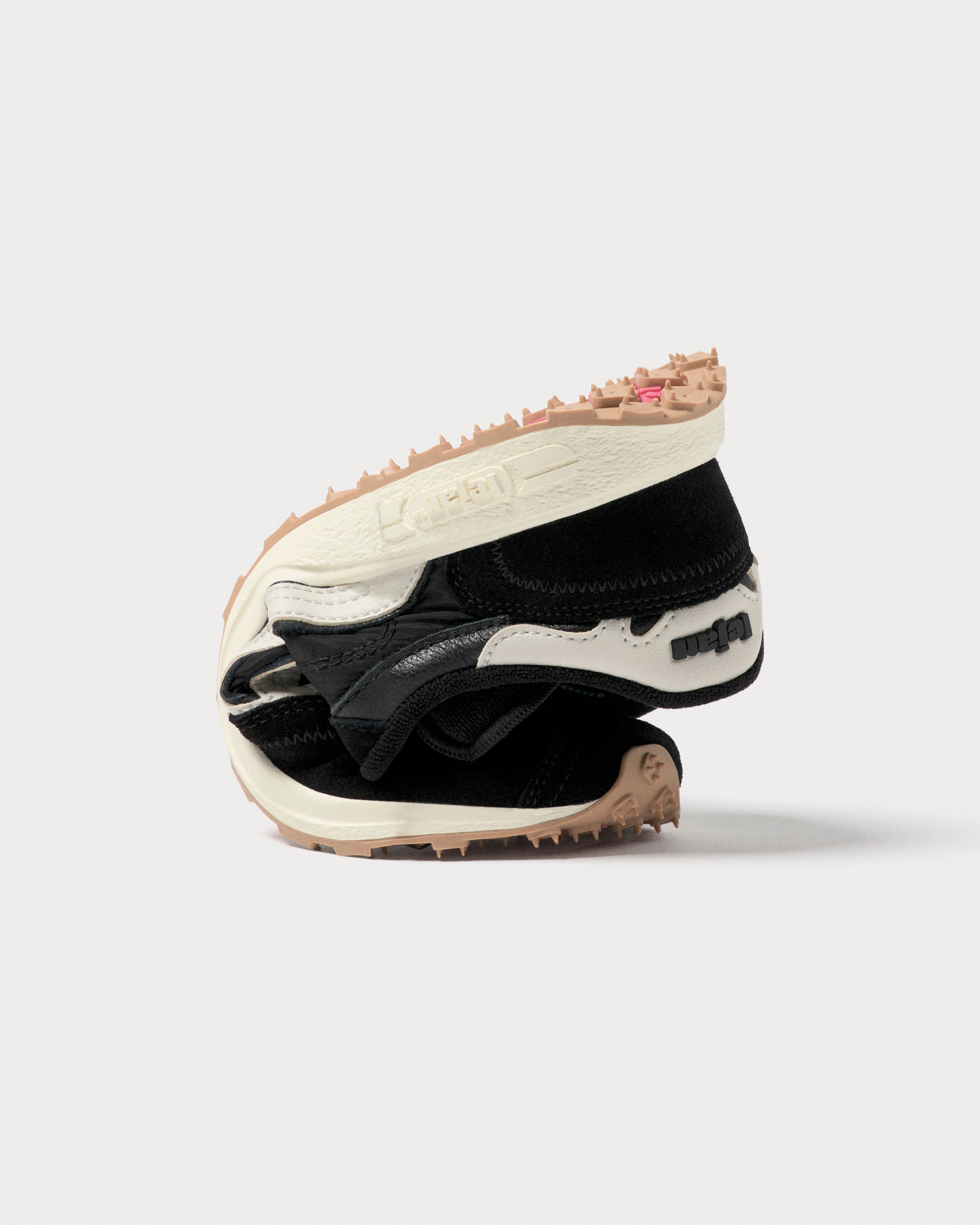
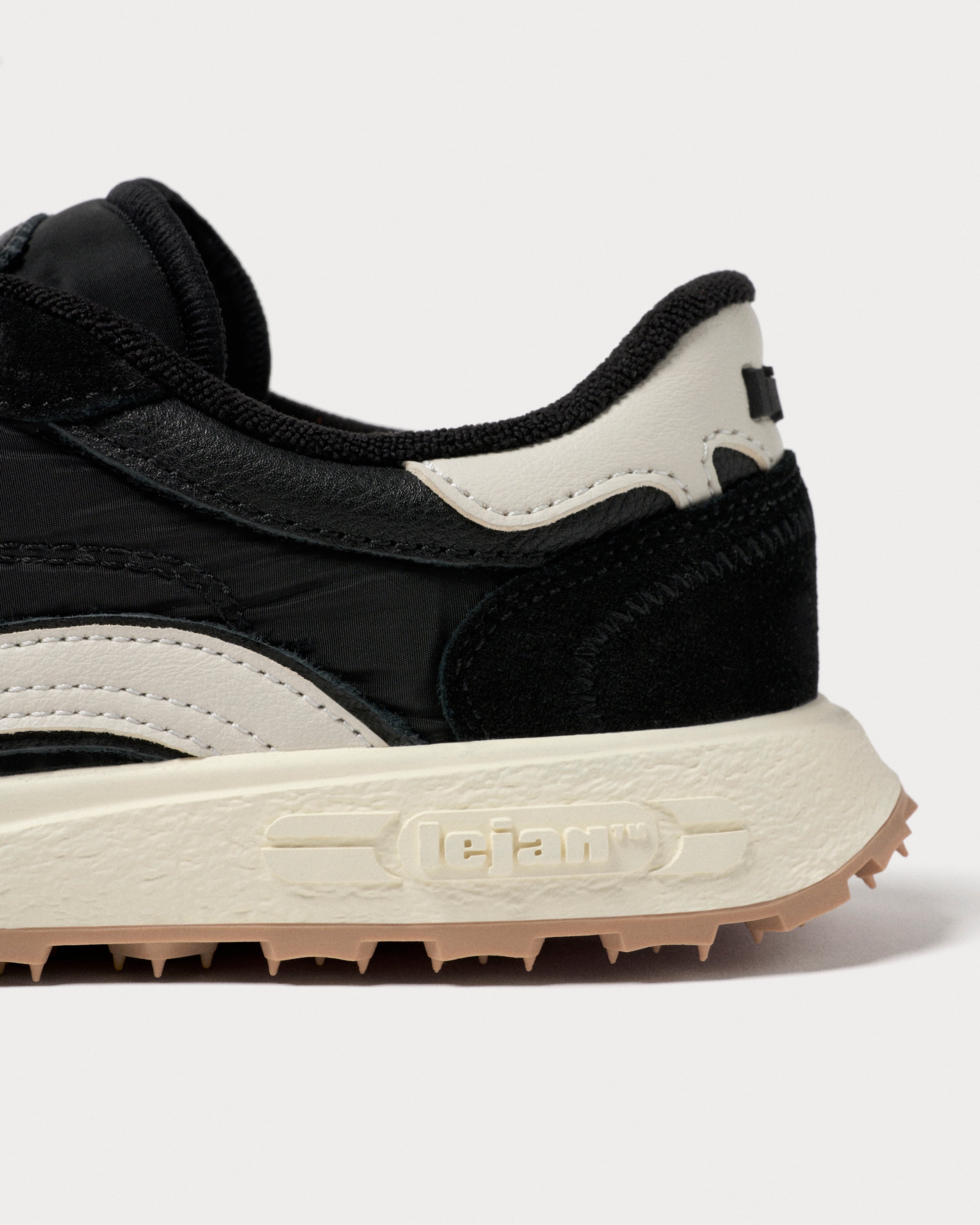
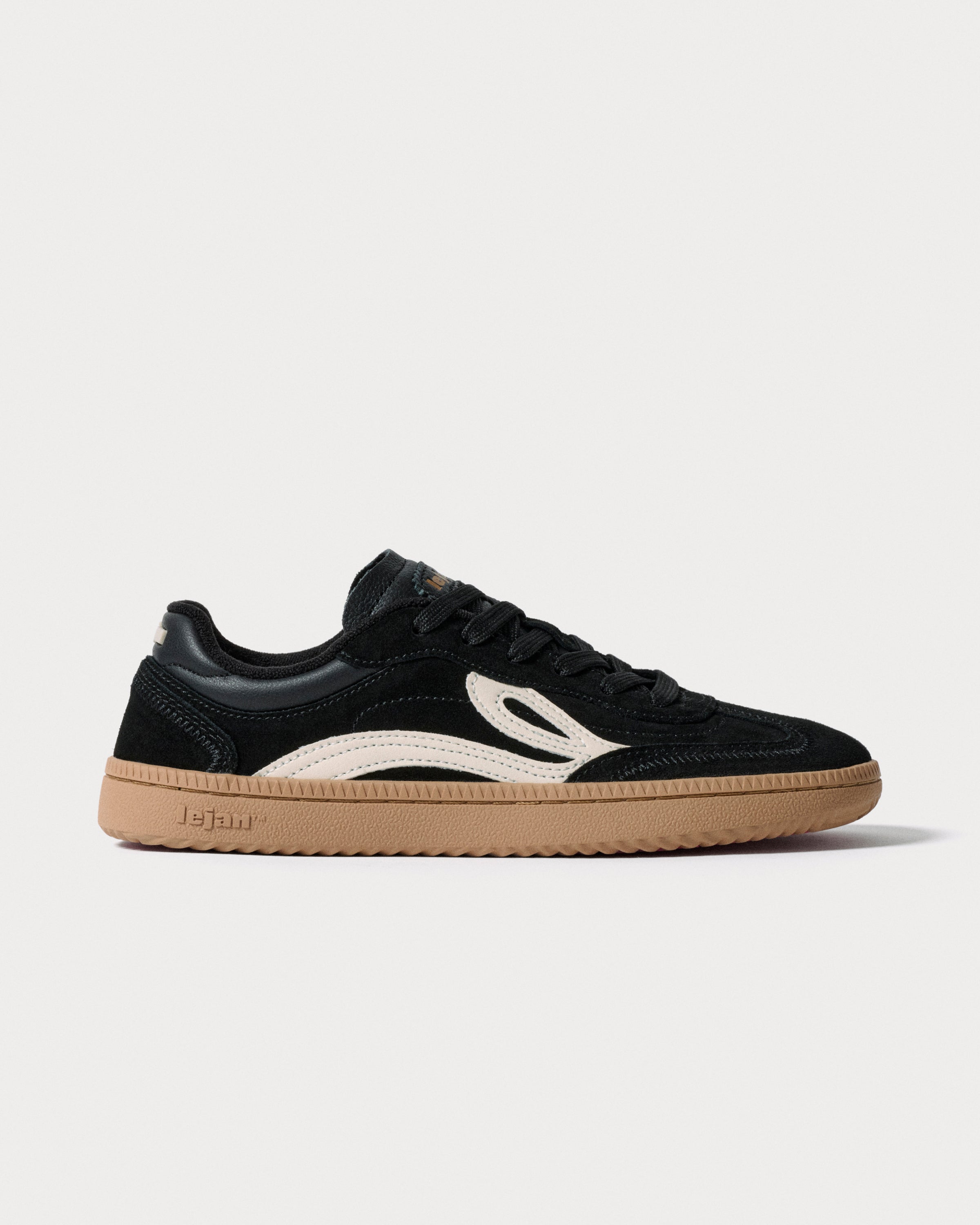
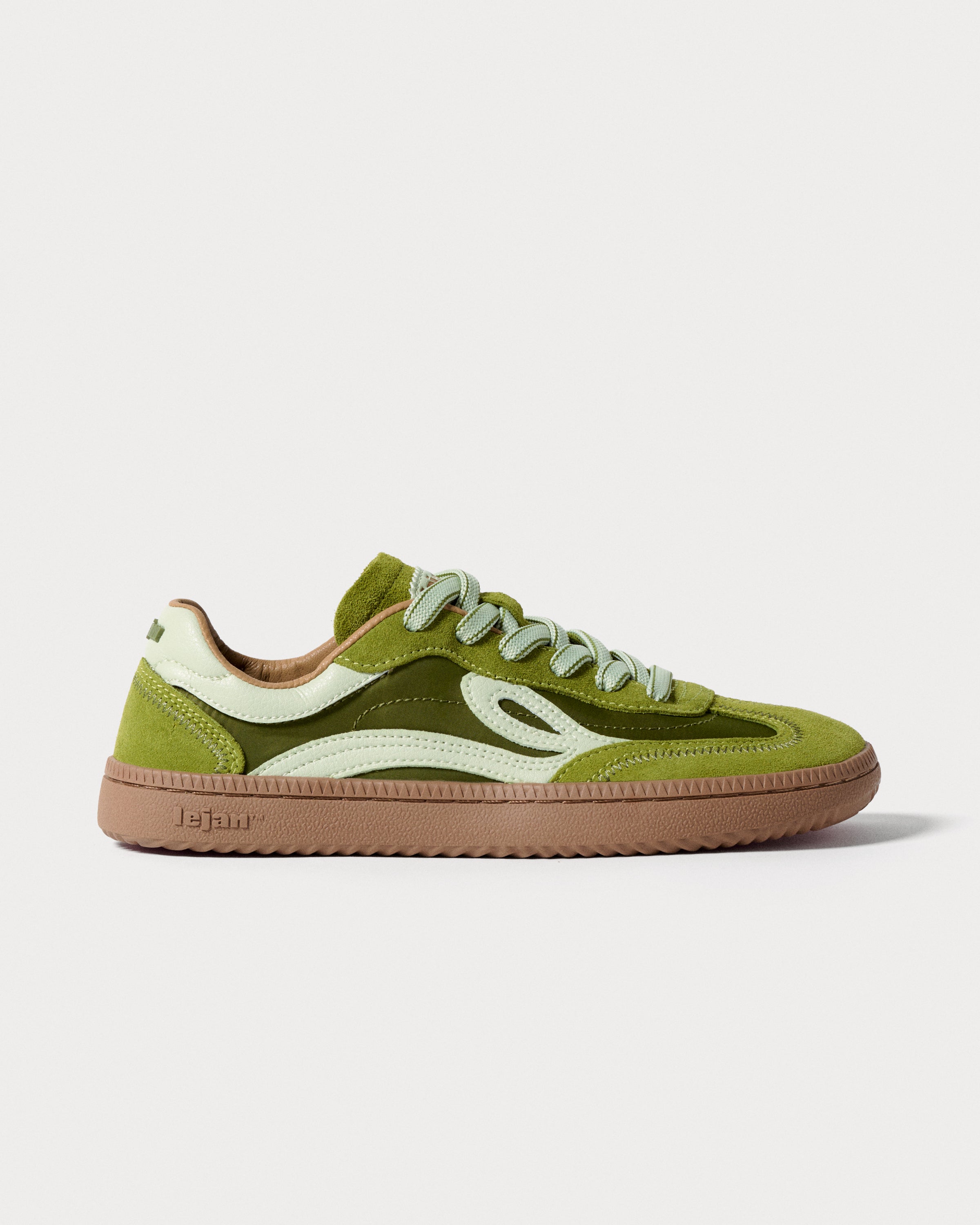
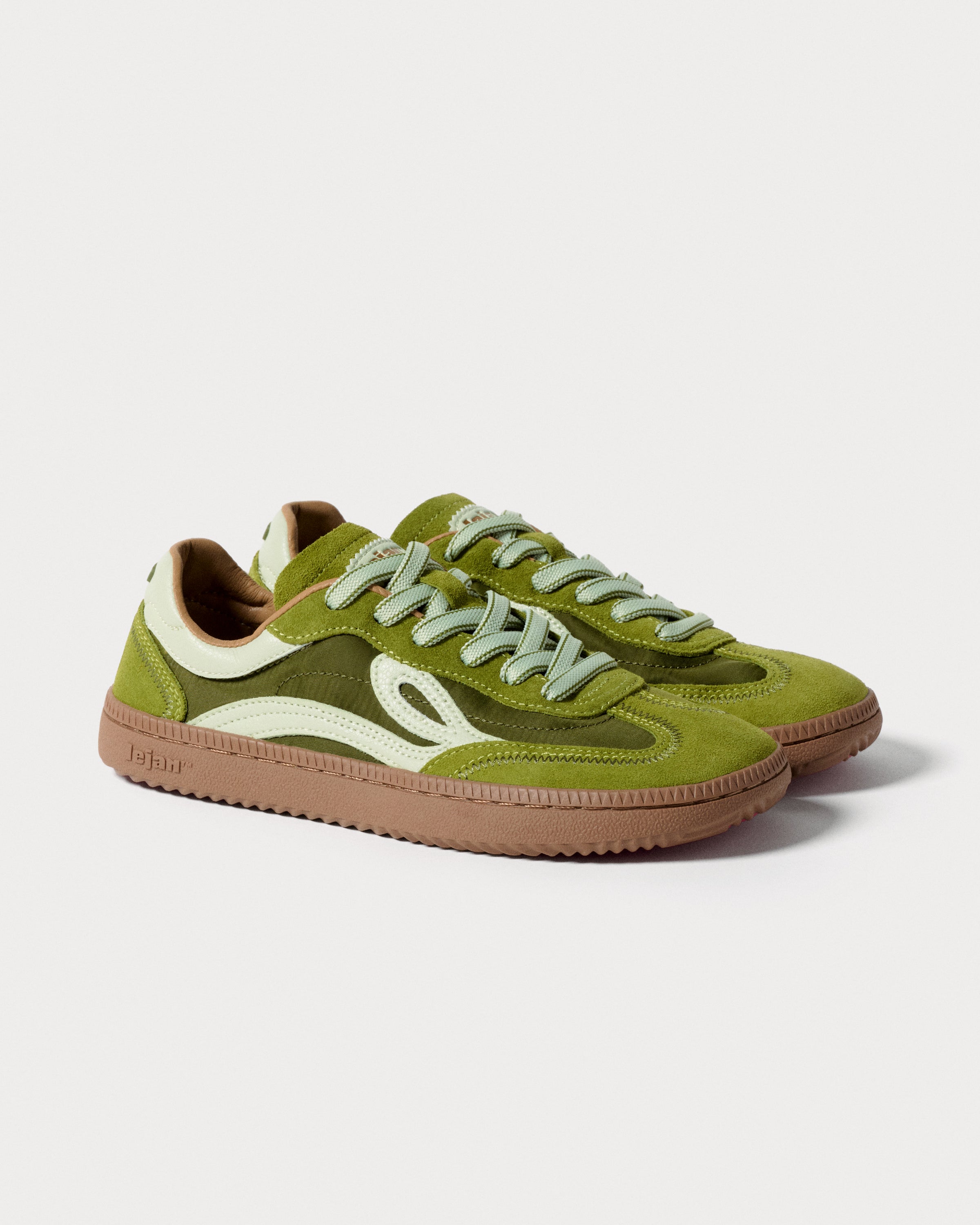
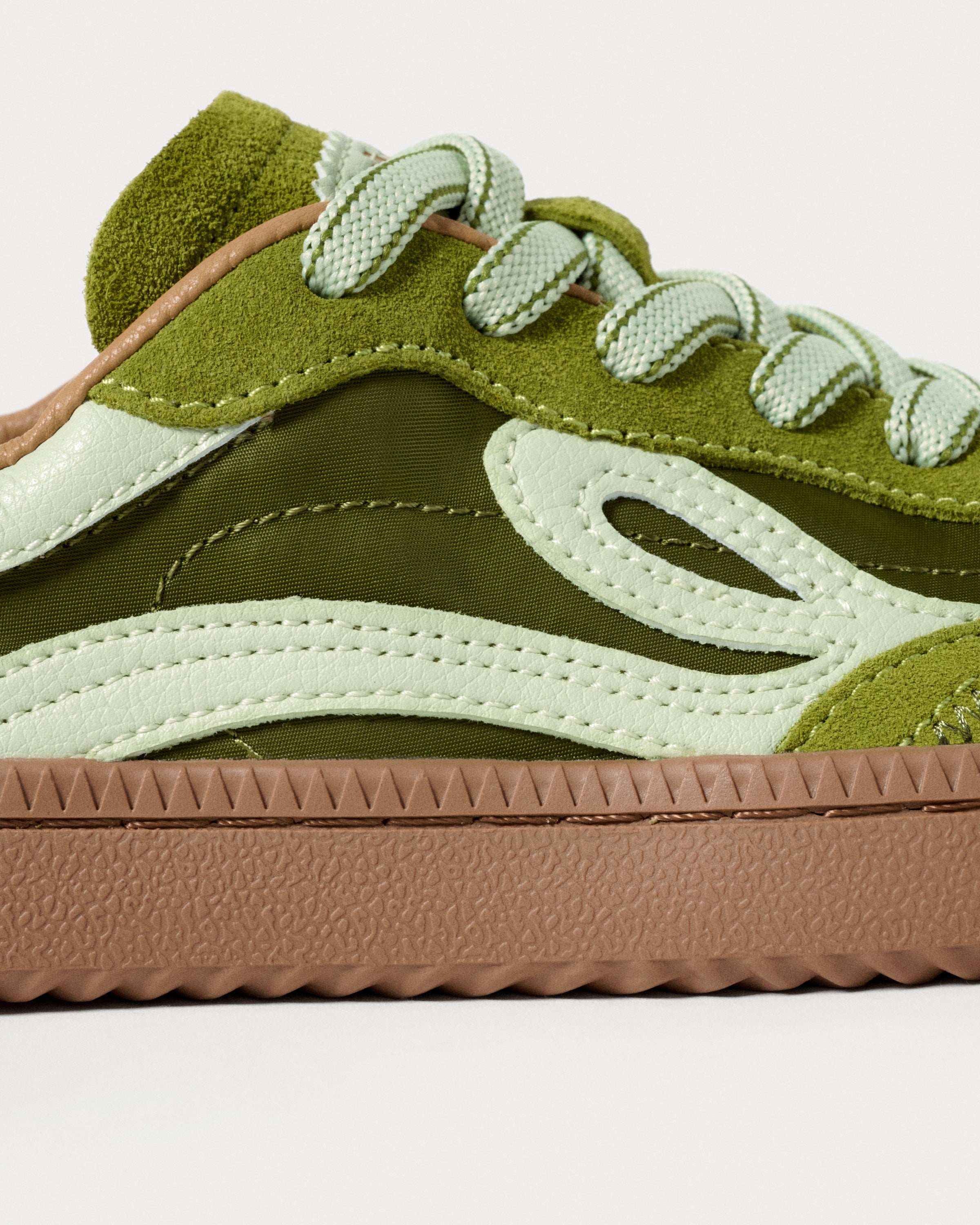
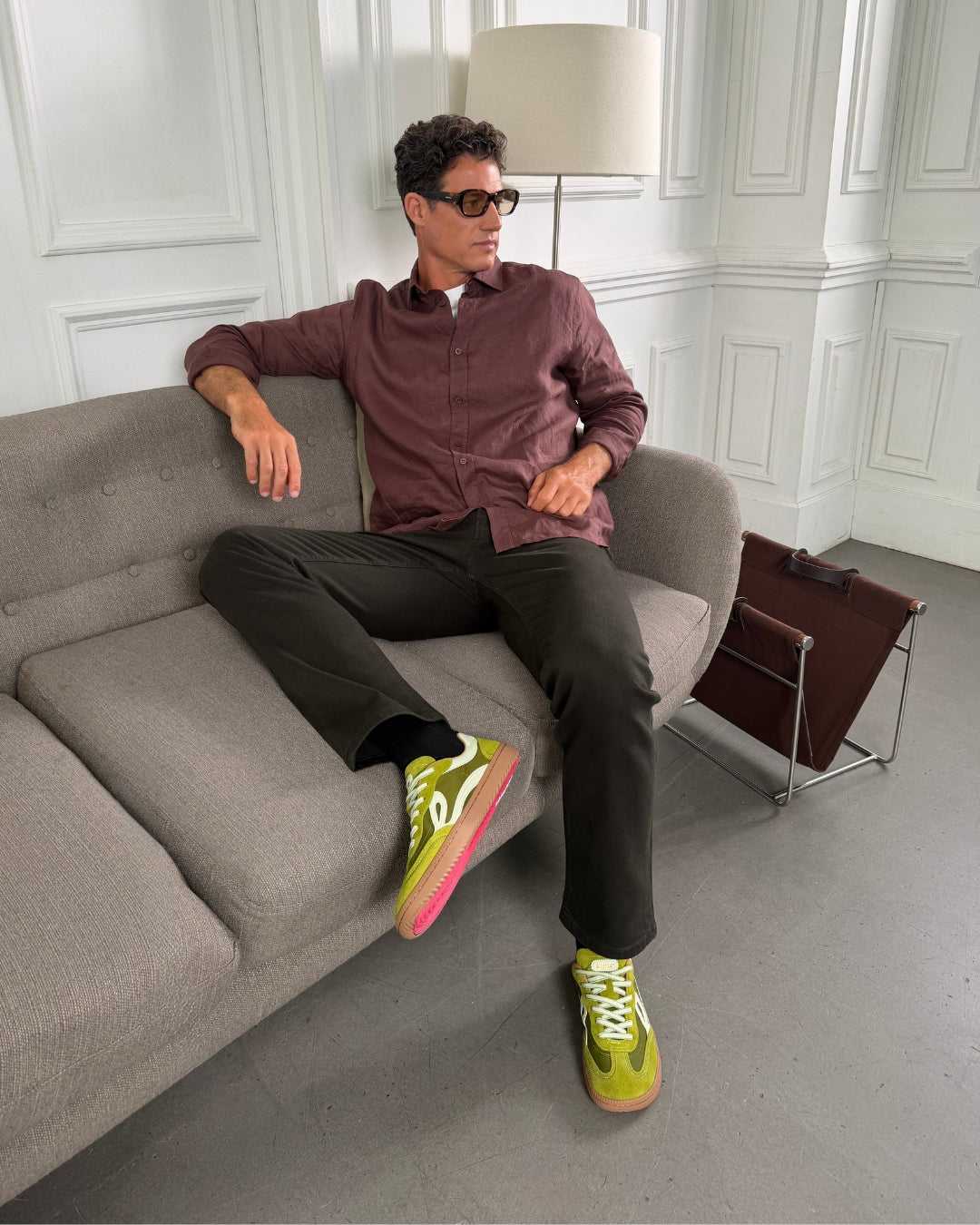
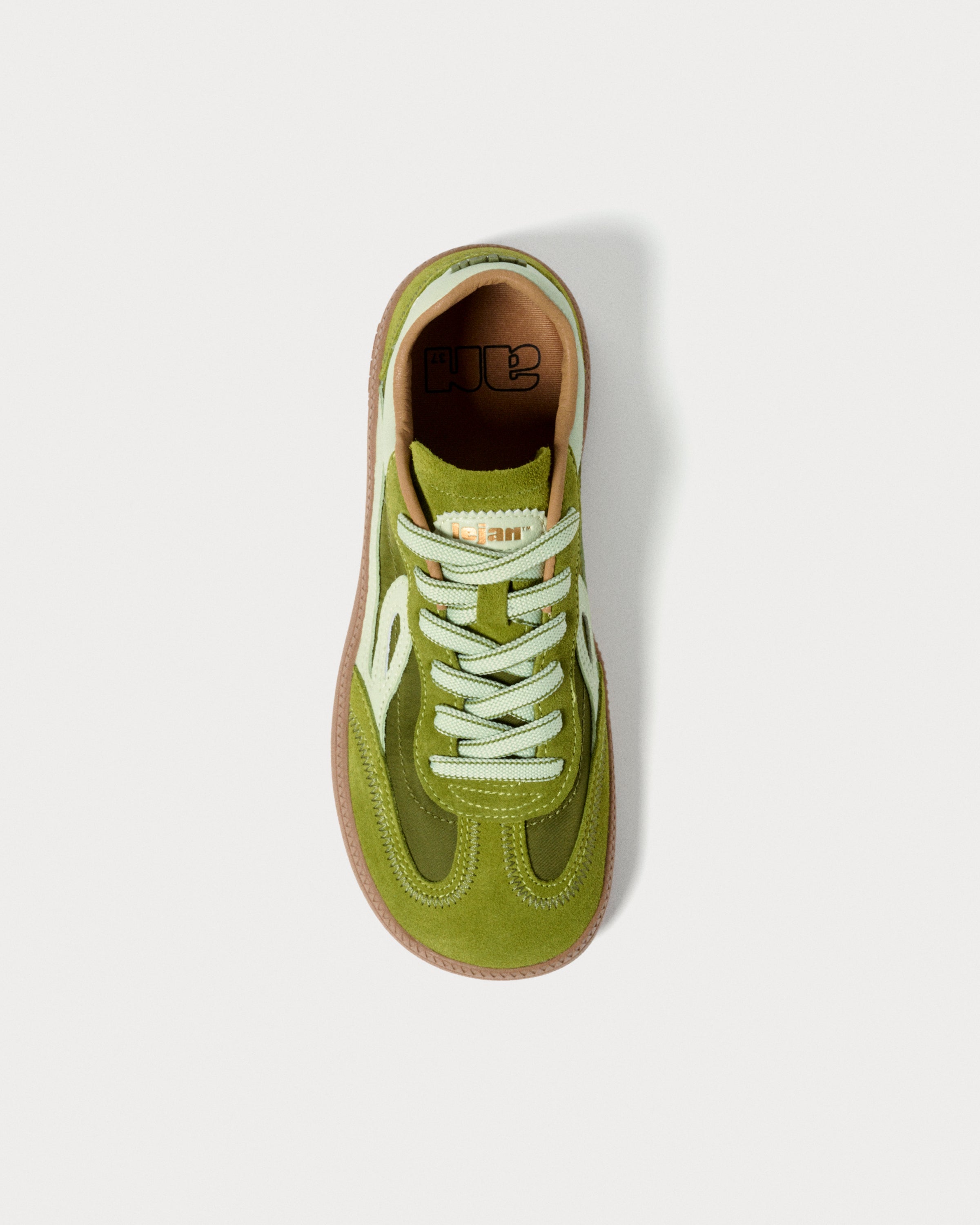
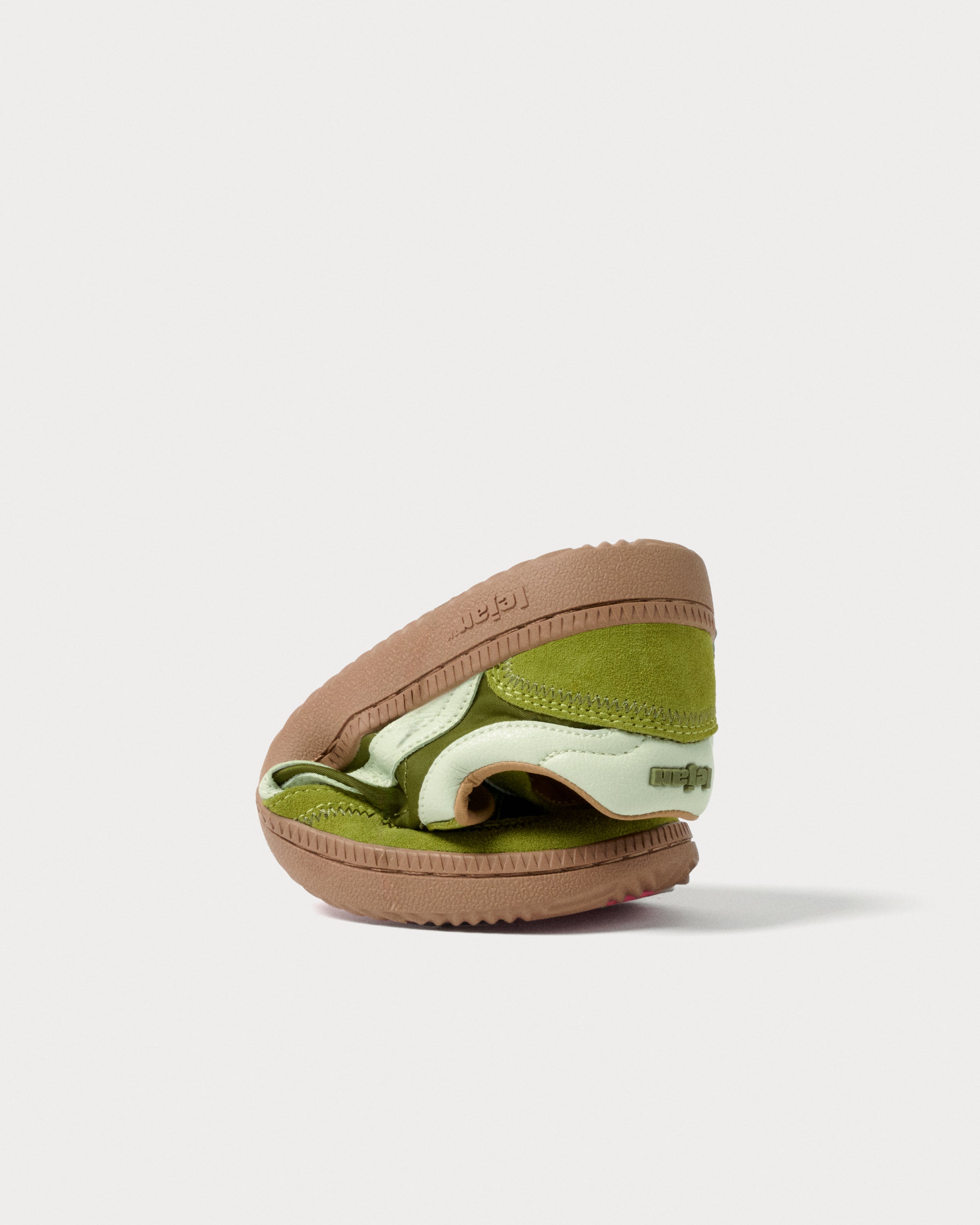
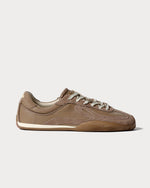
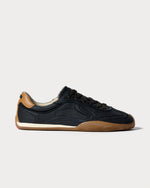
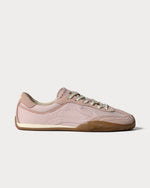
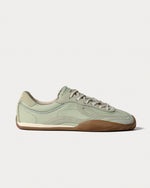
A foot that can move better usually manages load better. That is why, when choosing everyday footwear, it can make sense to opt for options that respect the natural shape of the foot, such as barefoot sneakers for adults — always adapting the change gradually and listening to the body's signals.
Common mistakes when buying footwear based on gait type
Thinking cushioning solves everything
Ignoring fit and shoe shape
Buying purely based on a label: pronator/supinator
Footwear should not impose a pattern — it should accompany it.

Common myths about pronated or supinated gait
Not all shoe wear confirms a diagnosis
A worn shoe tells a story, but not the whole story.
You do not always need correction or insoles
Many times the body adapts well on its own.
Intervening without need can even reduce the body's capacity to adapt.
Frequently asked questions about pronated or supinated gait
Can you have a different gait in each foot?
Yes. It is quite common for one foot to have more of a tendency to pronate or supinate than the other.
Does gait change over time or after an injury?
Yes. It changes with training, the type of footwear, fatigue, or after an injury.
Which professional should assess it?
A podiatrist or a professional specialised in movement biomechanics.
Test your knowledge
Answer the questions to check how much you know about this topic.
1. ¿La pronación es algo negativo?
2. ¿Qué indica un desgaste en la parte externa del zapato?
3. ¿La huella del pie sirve para diagnosticar tu pisada?
4. ¿Siempre necesitas zapatillas correctoras si no tienes pisada neutra?

Share