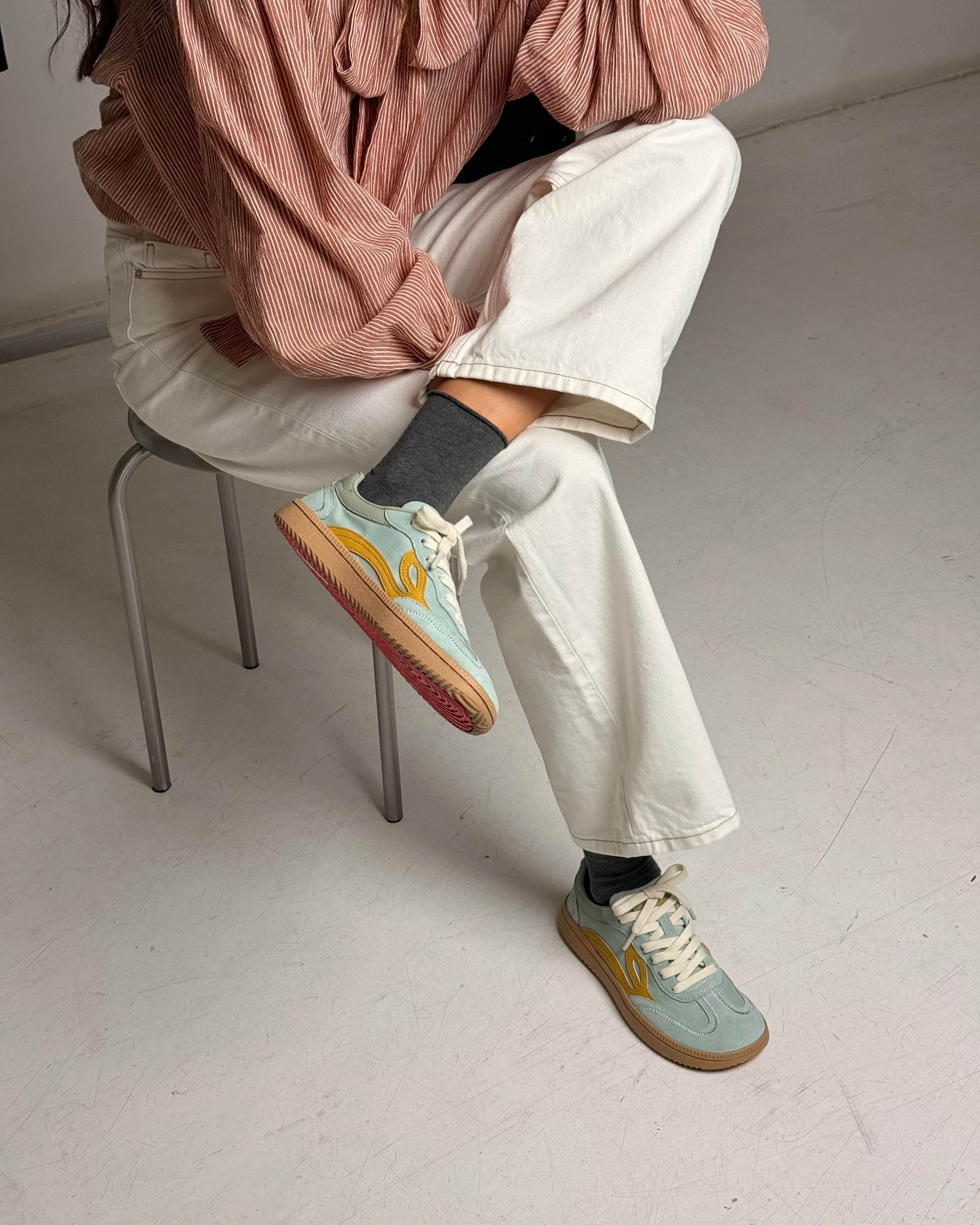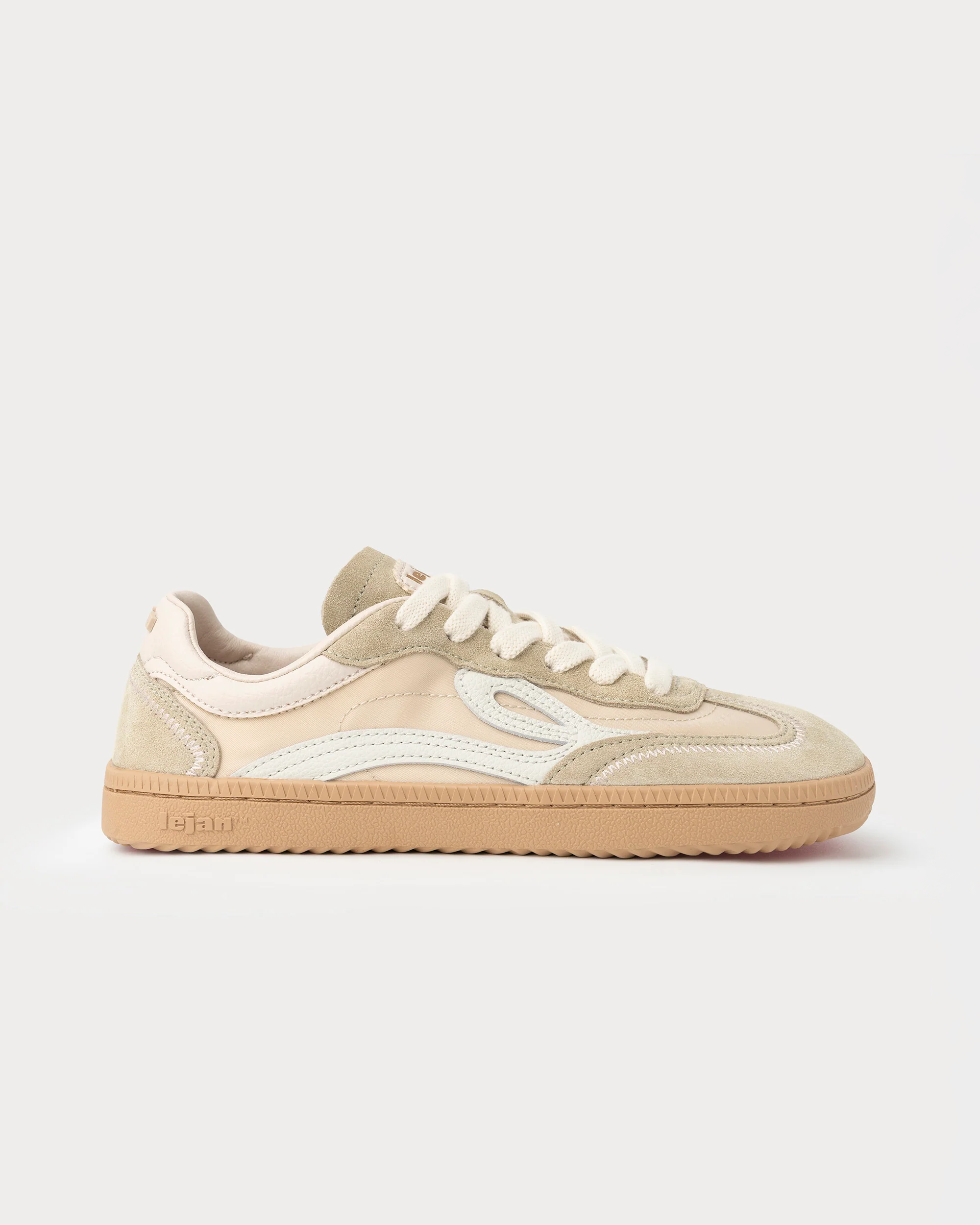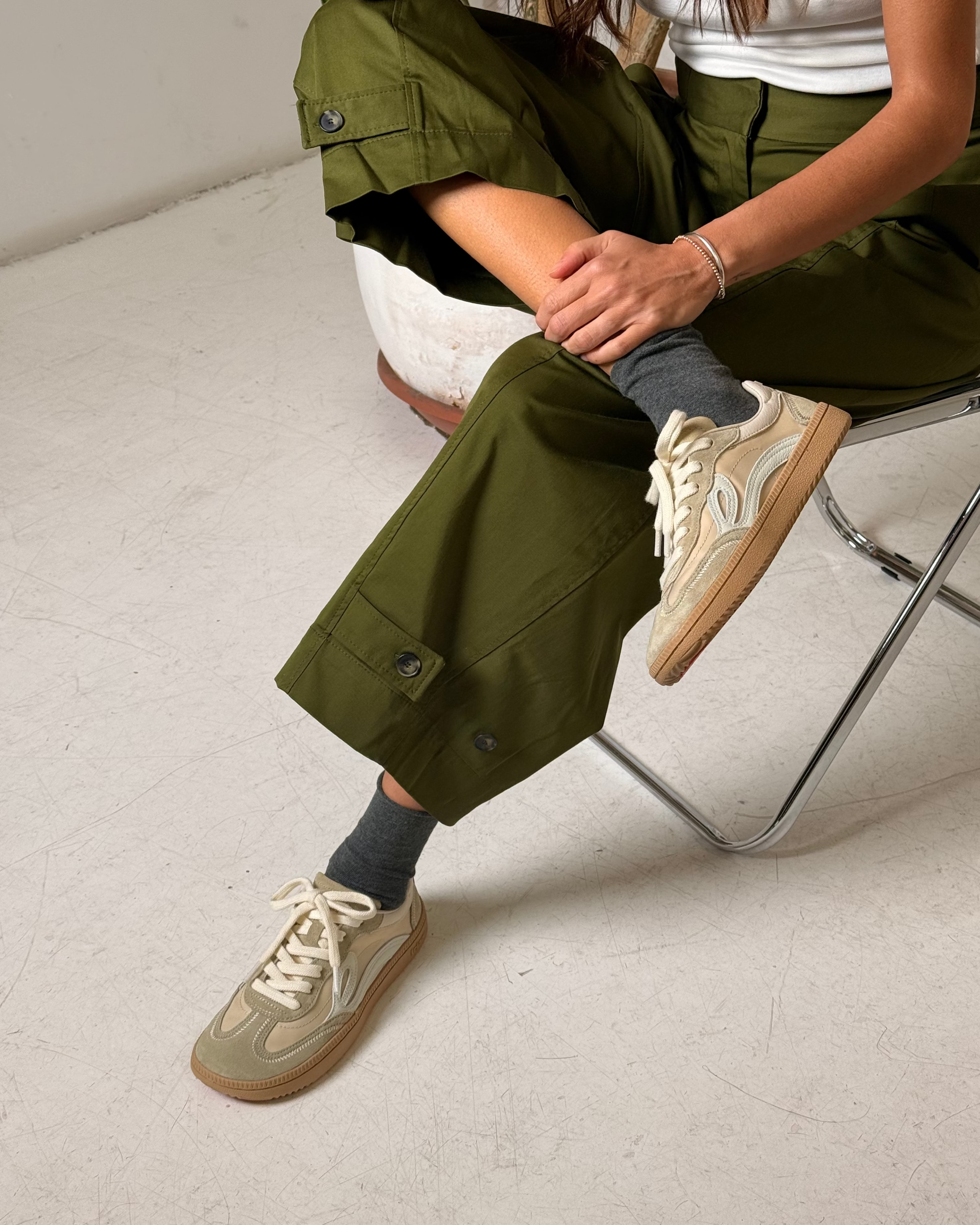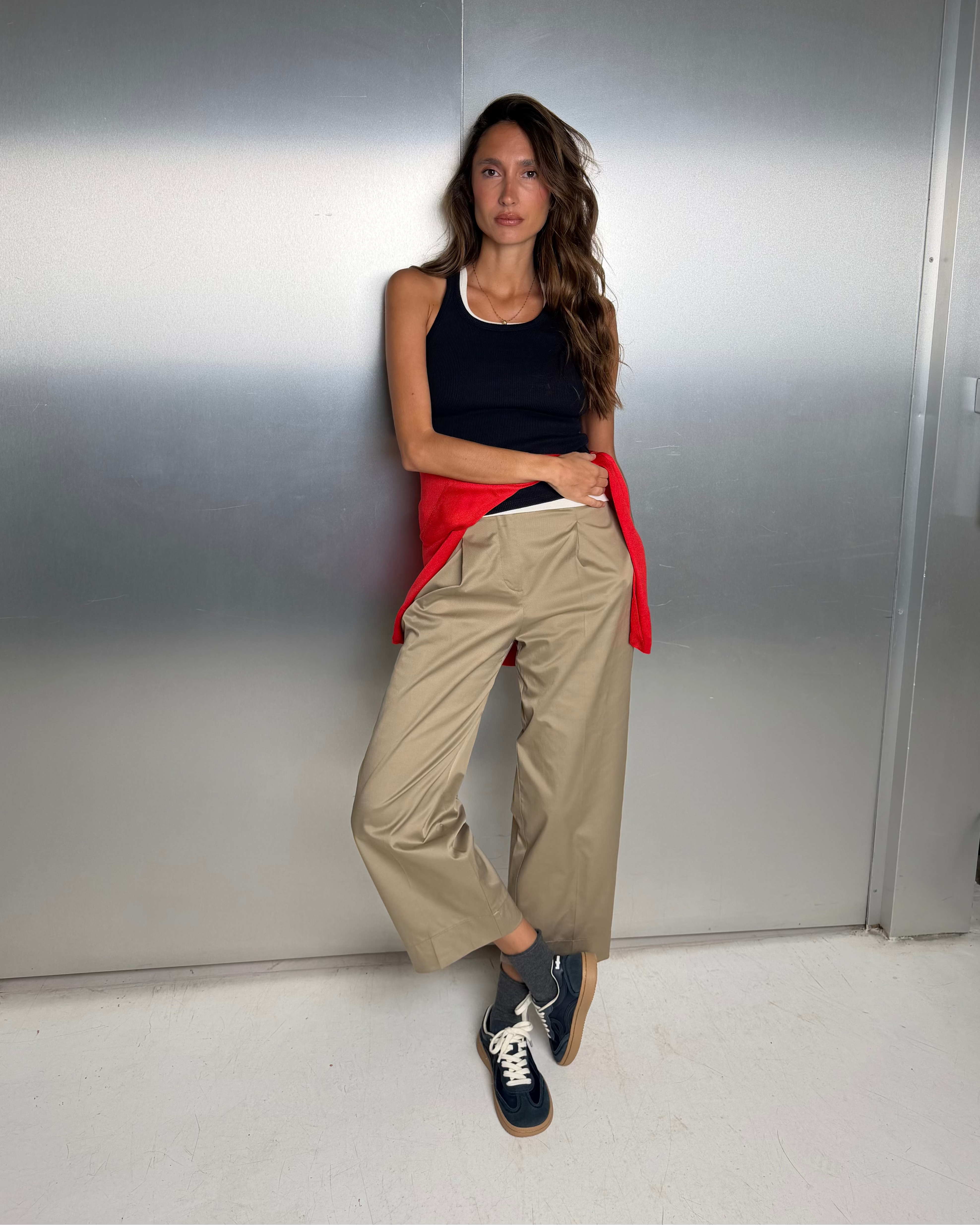




What barefoot is and what respectful footwear means
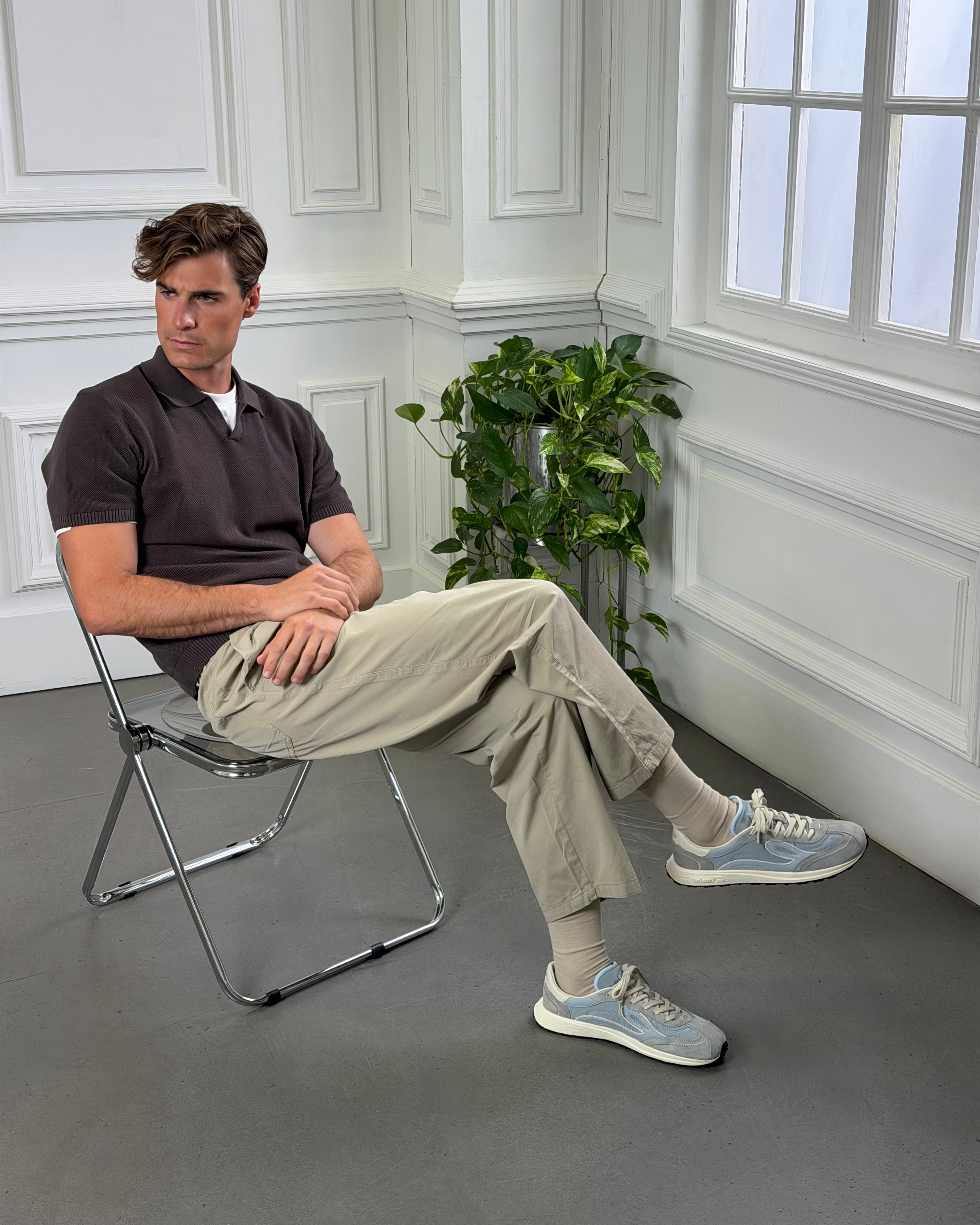
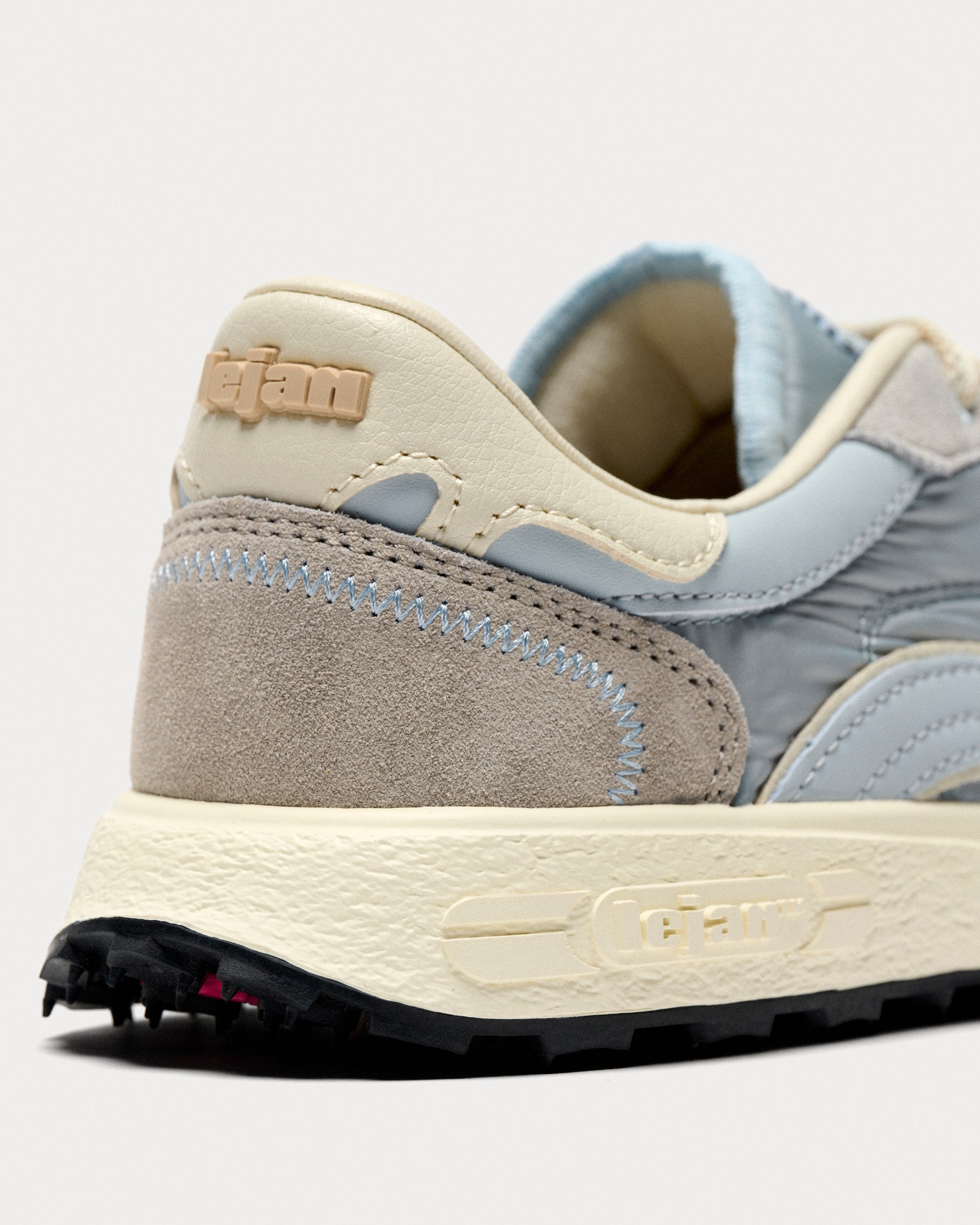
When at Lejan we talk about barefoot, we mean footwear that protects without interfering with the natural biomechanics of the foot, that is, a shoe that mimics as closely as possible the feel and the way of walking barefoot. It's our philosophy: letting the foot feel, move and work the way it was designed. That's why we also use the term respectful footwear: we respect
-
the shape of the foot (especially the forefoot and toe freedom),
-
the function (proprioception, joints and intrinsic musculature)
-
the alignment (no wedges or tilts that alter posture).
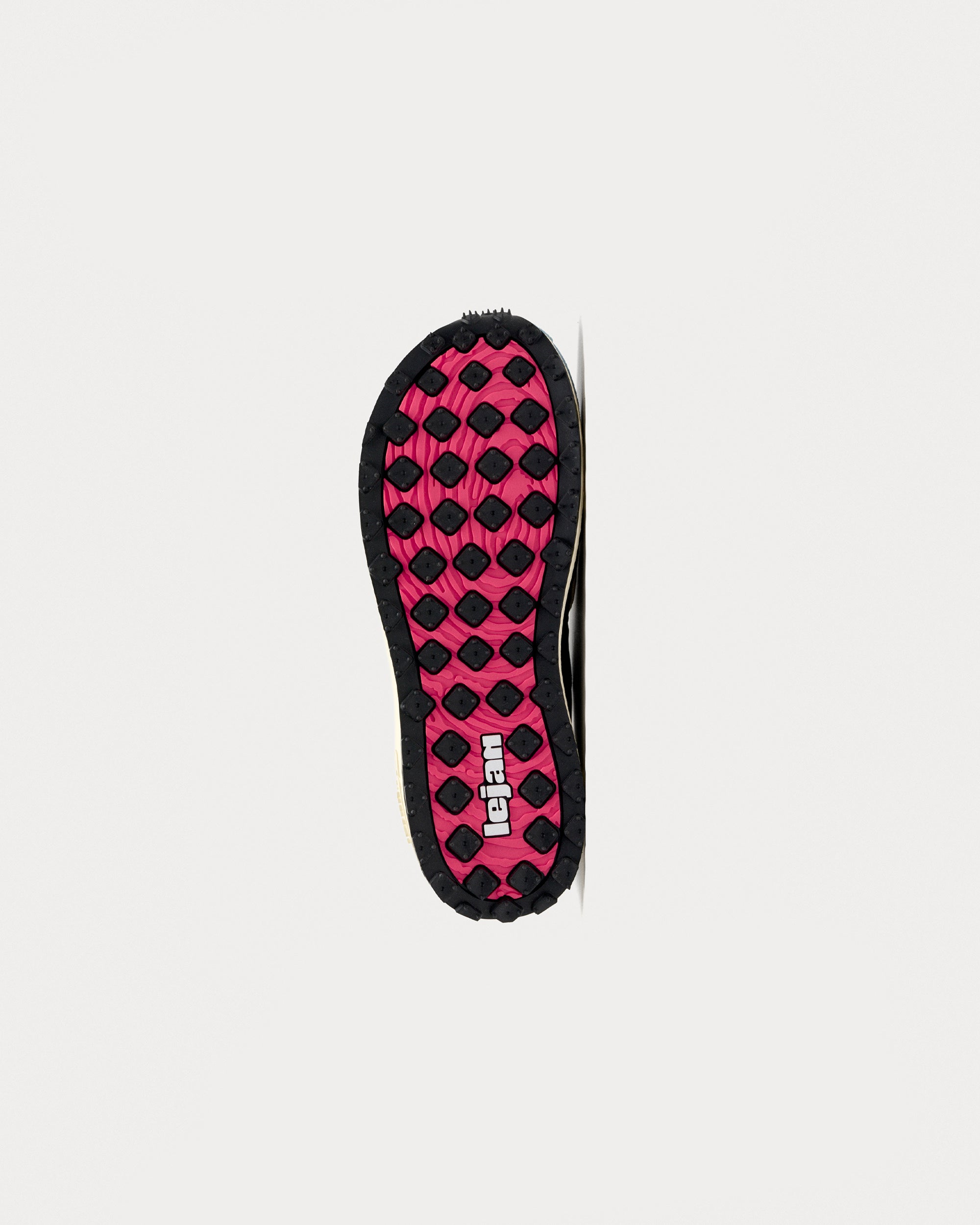
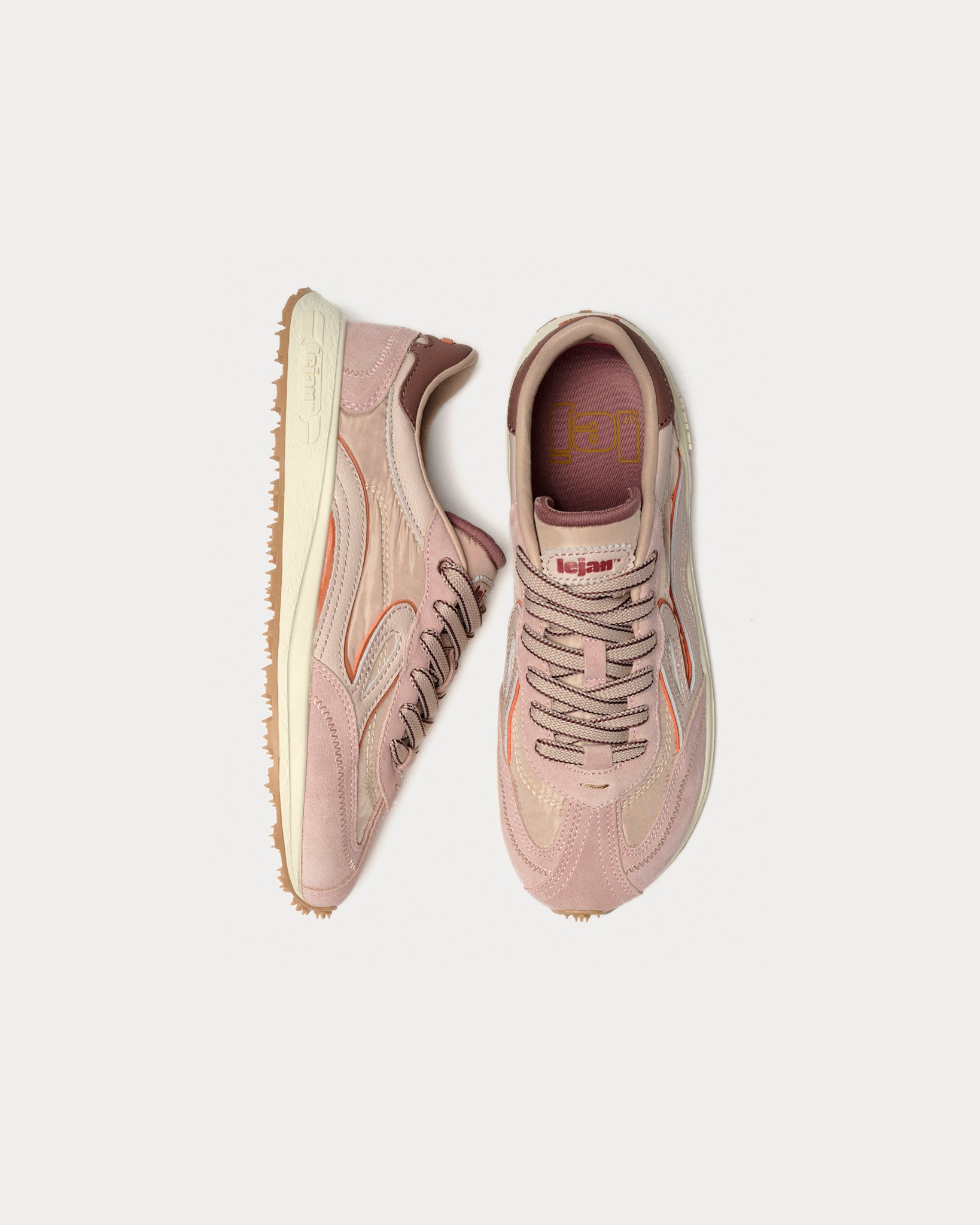
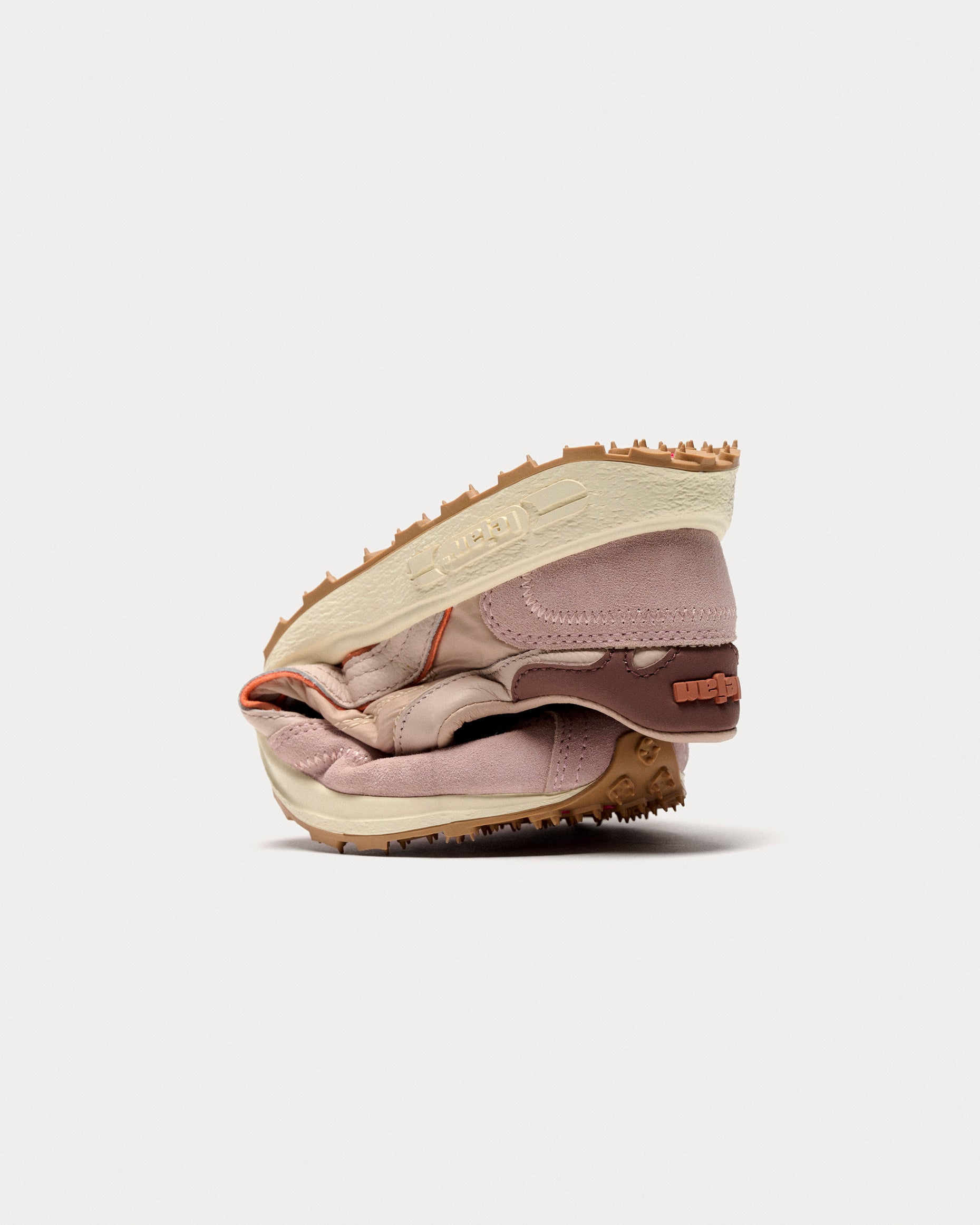
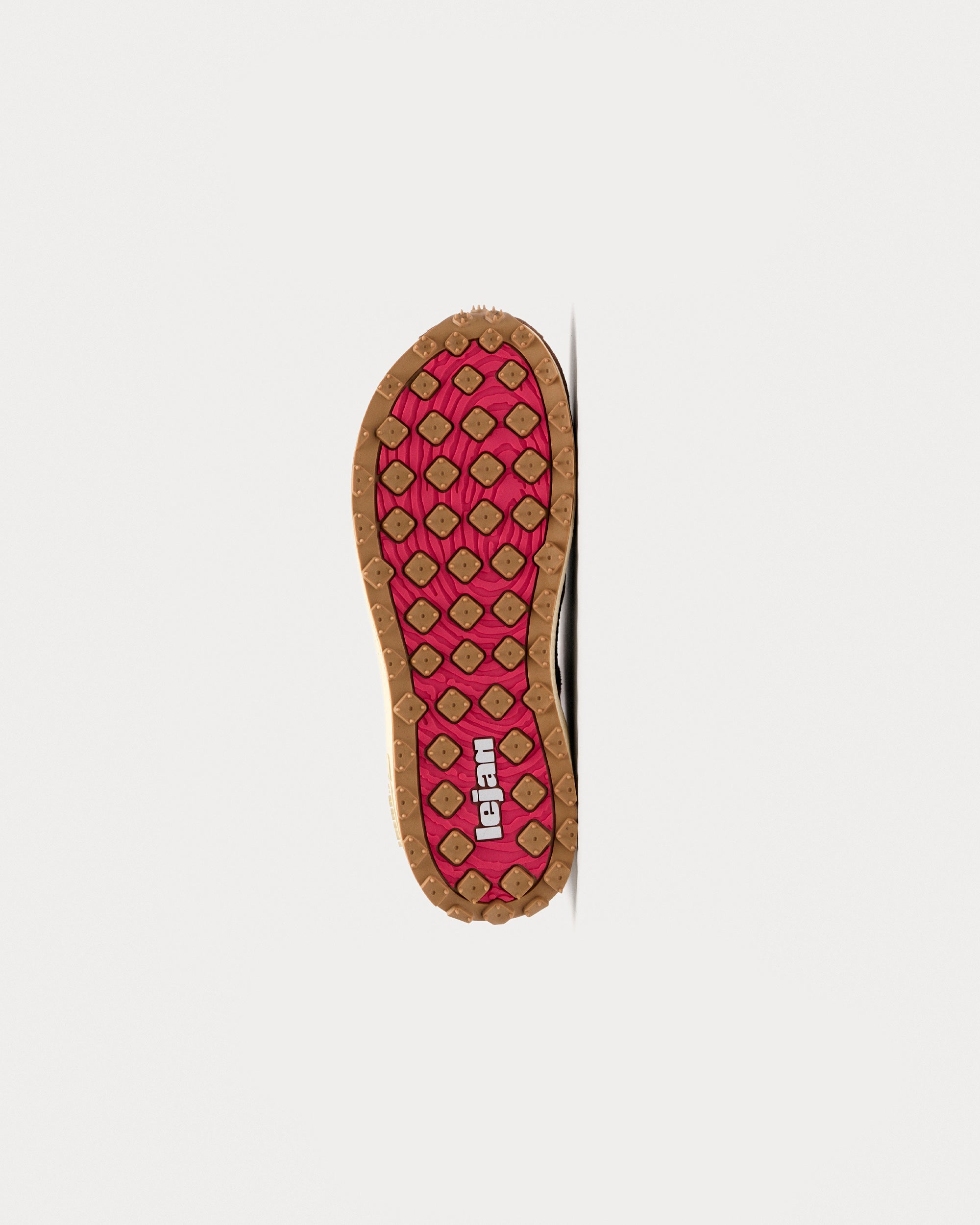
In our models we prioritize a thin sole (slim and very flexible), true drop 0 and structures with no rigid corrective elements. We also rely on removable insole to easily check size and growth margin in little ones.
Differences with minimalist footwear and conventional footwear
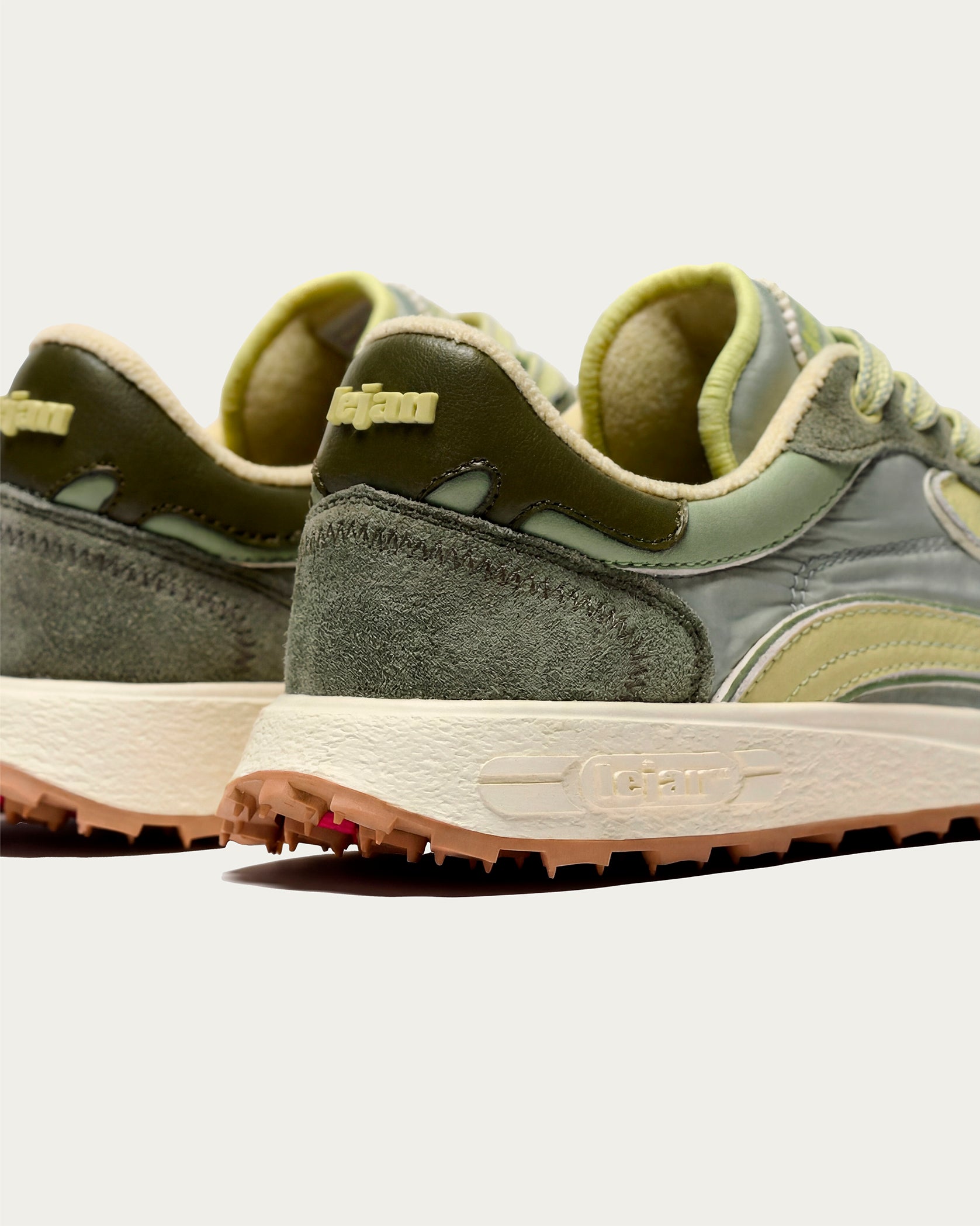
When we say barefoot, we mean a truly flat shoe, with a thin sole that bends and twists easily, a wide last and a free toe box so the toes are not compressed, and an overall feeling of lightness.
The minimalist footwear shares much of that philosophy, although it sometimes allows a bit more thickness or some rigidity; in fact, it's usually evaluated with the minimalist index, which indicates the percentage by which a shoe is considered minimalist. That's why we sum it up like this: not every minimalist shoe is barefoot, but almost every barefoot shoe can be considered minimalist.
The conventional footwear, on the other hand, raises the heel, adds centimeters of sole and reduces flexibility; the toe box narrows, rigid heel counters appear and arch supports are pronounced. That approach cushions and stabilizes, yes, but at the cost of cutting back foot sensitivity and mobility.
Pillars of barefoot footwear (checklist to identify it)
This is the checklist we use at Lejan and that you can replicate at home:
-
True drop 0 (flat from heel to toe).
-
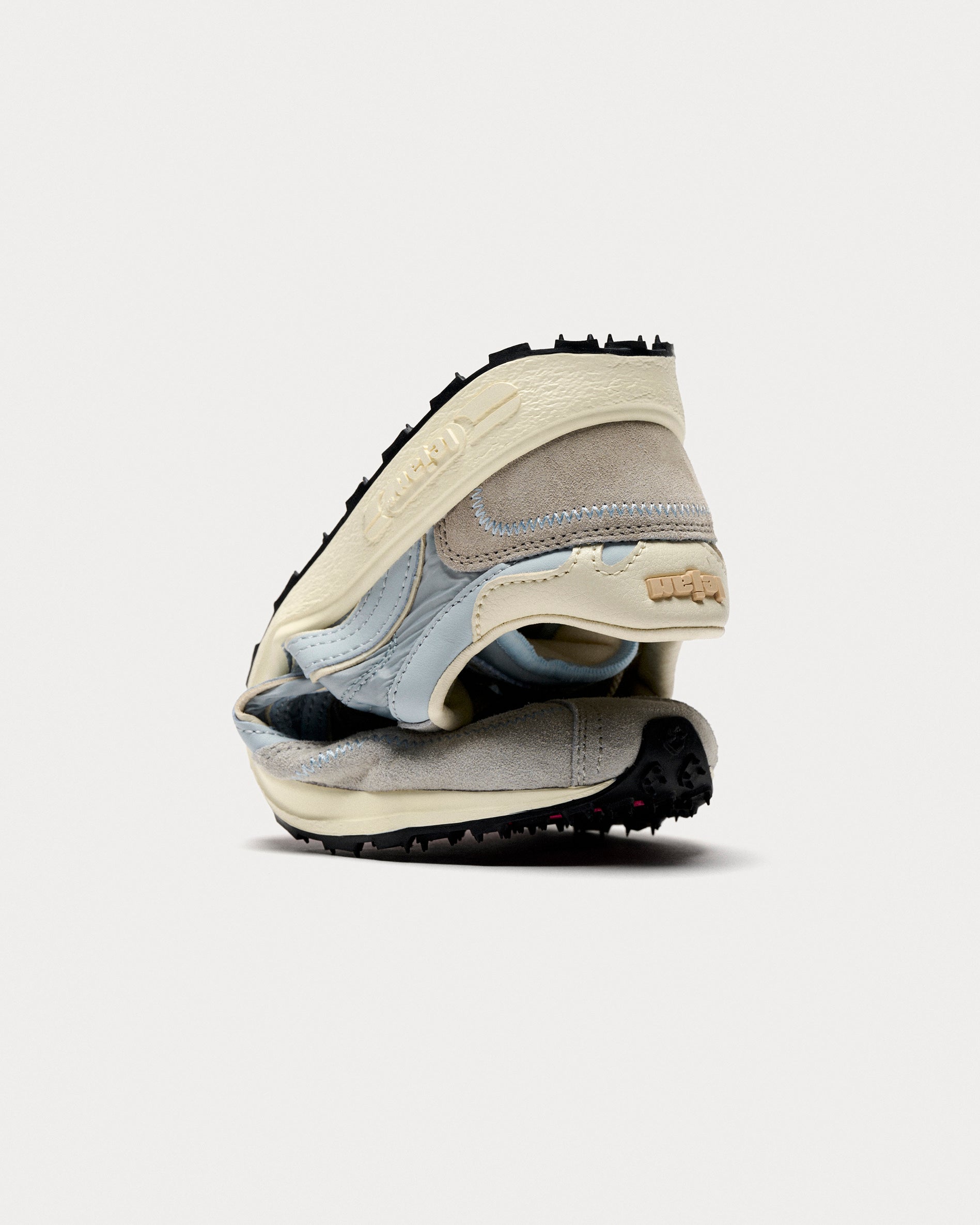
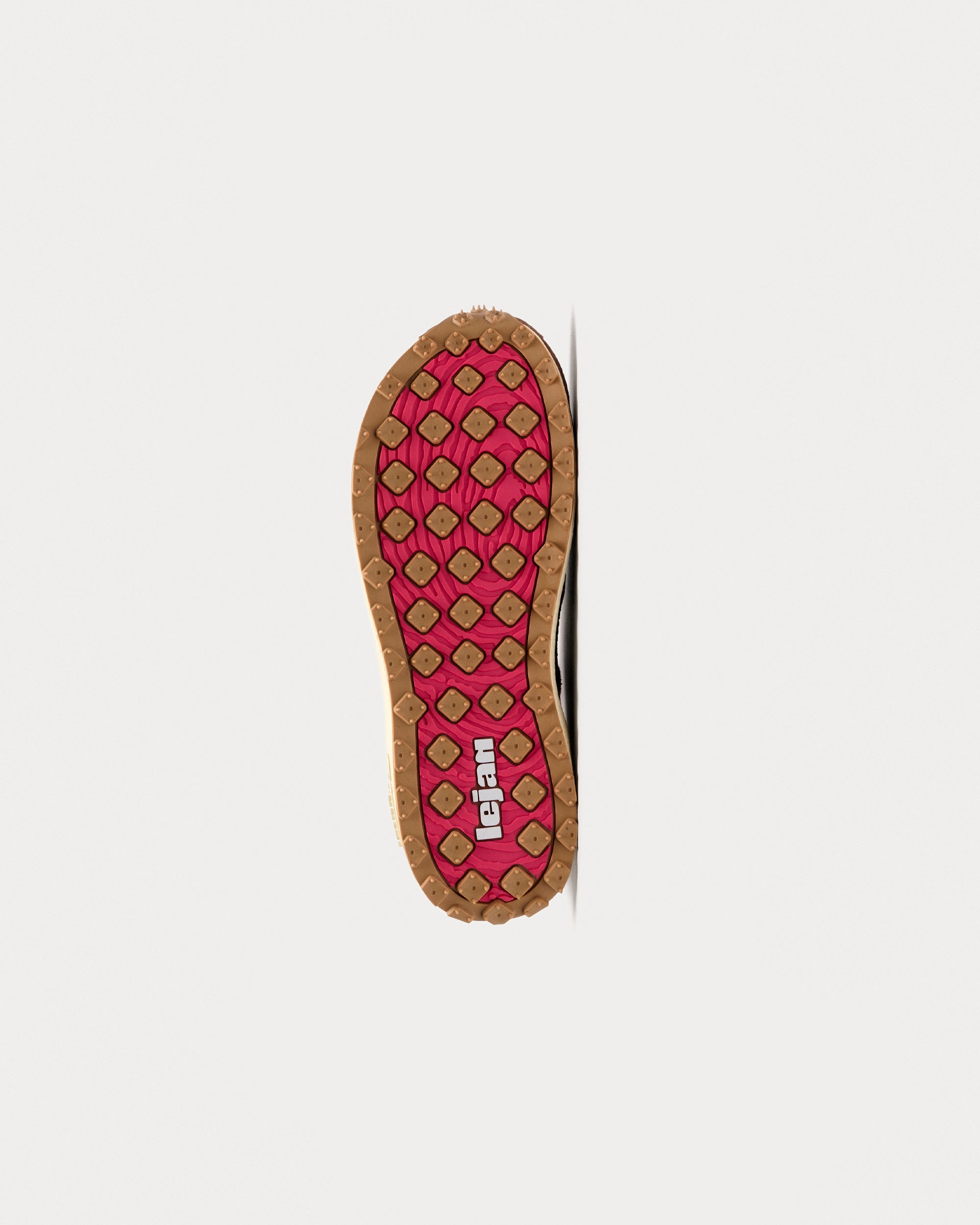
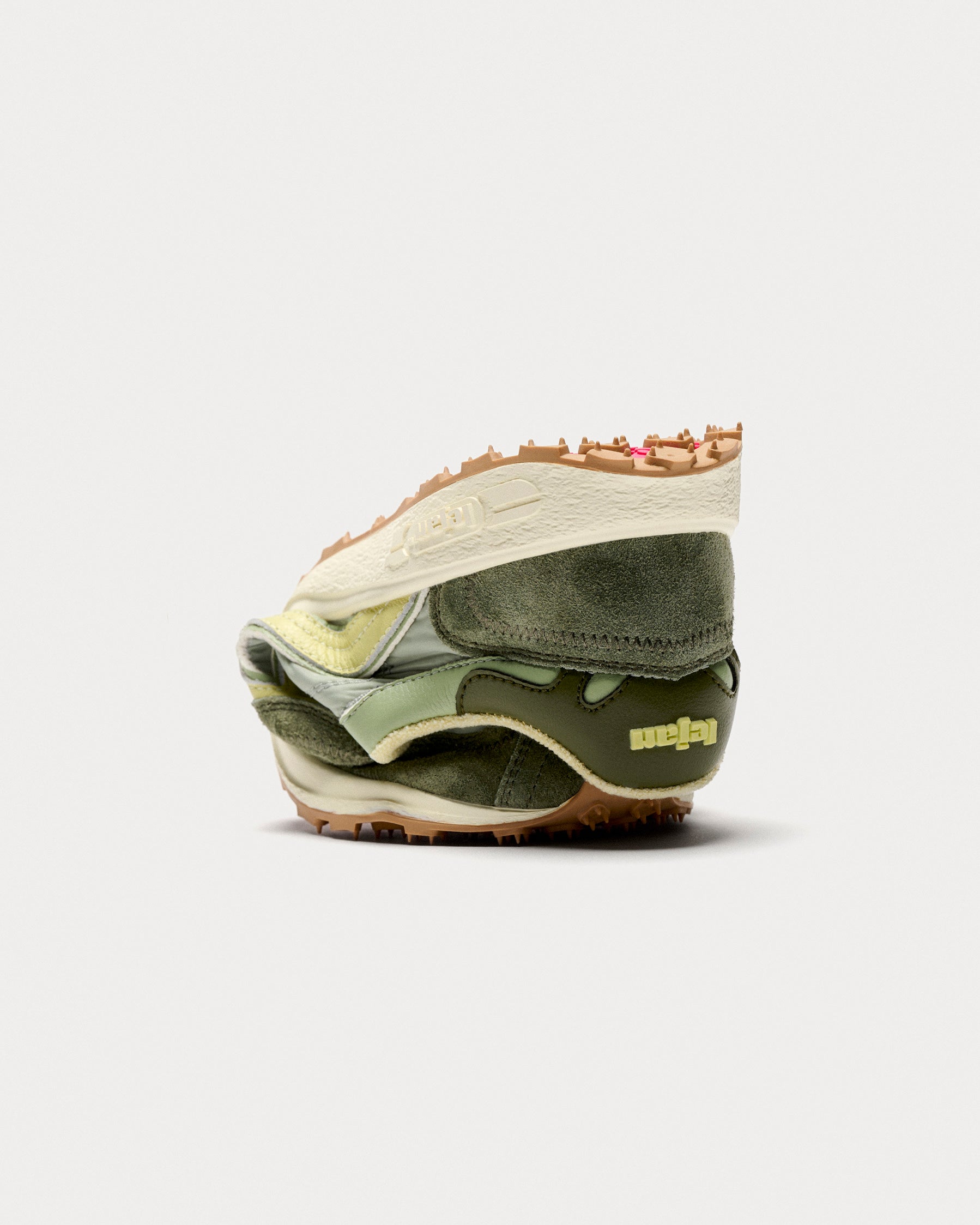
Thin and ultra-flexible sole (as a reference, very slim and easy to twist).
-
Wide last and free toe box (toes can spread and splay freely).
-
Lightness (no heel counter or rigid "stabilizers").
-
Removable insole (to measure room): leave approx. 1 cm of margin at the toe, with a normal variation of ±2 mm depending on the foot and the fit you're after.
-
Flexible materials that don't dictate your gait.
-
Sensitivity to the ground to improve proprioception.
How to check it: fold it into a U, twist it in torsion and flex at the forefoot: if it resists, it's not ultra-flexible, and pull out the insole and stand on it: your toes should stay within the outline without pressing.
Drop 0, thin and ultra-flexible sole
Drop 0 keeps the body's natural alignment. Combined with a quality thin sole, the foot receives information and adjusts the step accurately.
The feeling at first is usually "I feel everything", but within a few days a pleasant change shows up: more controlled support, and greater involvement of the foot and calf musculature.

Wide last and free toe box (toes without compression)
We design the toe box following the anatomy of the forefoot so the toes can work, splay and push off. That space reduces typical pressure in problem areas and brings a sense of freedom that has nothing to do with "going larger", but with going in your shape.
When the shoe respects that shape, the foot organizes itself better and the gait becomes more stable.

Benefits and how to start with barefoot without injuring yourself
Benefits in children and adults (proprioception and gait)
In adults, barefoot usually translates into greater proprioception, better balance and more strength in the intrinsic muscles of the foot. What people who switch tell us most is that they walk in a more natural way.
In children, who are building their motor pattern, the combination of a flexible sole and a free toe box helps with toe alignment, stability and motor learning. The removable insole becomes an ally to monitor room and adjust the size in time. If there's persistent pain, specific conditions or recent surgeries, we recommend consulting a professional before making drastic changes.
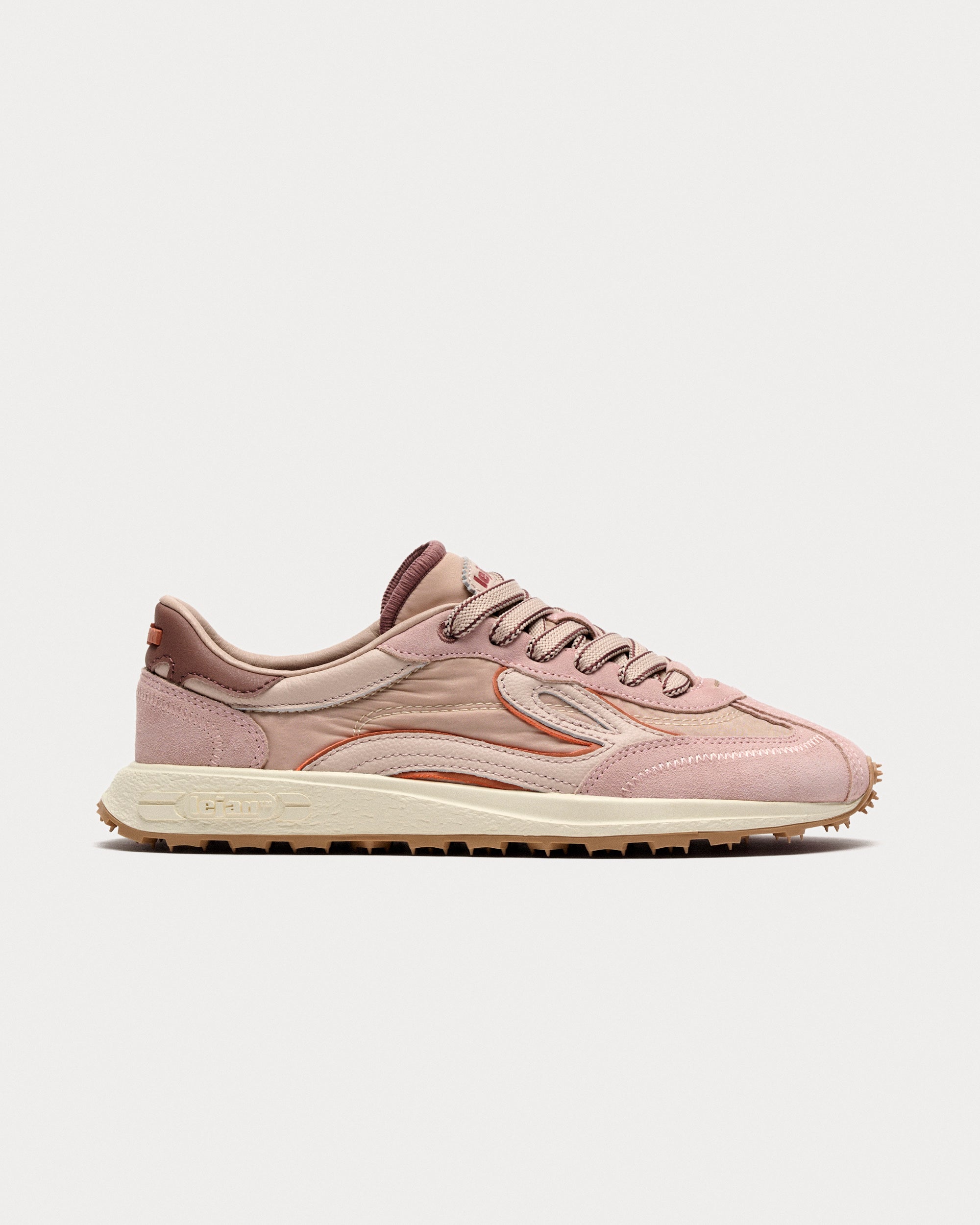
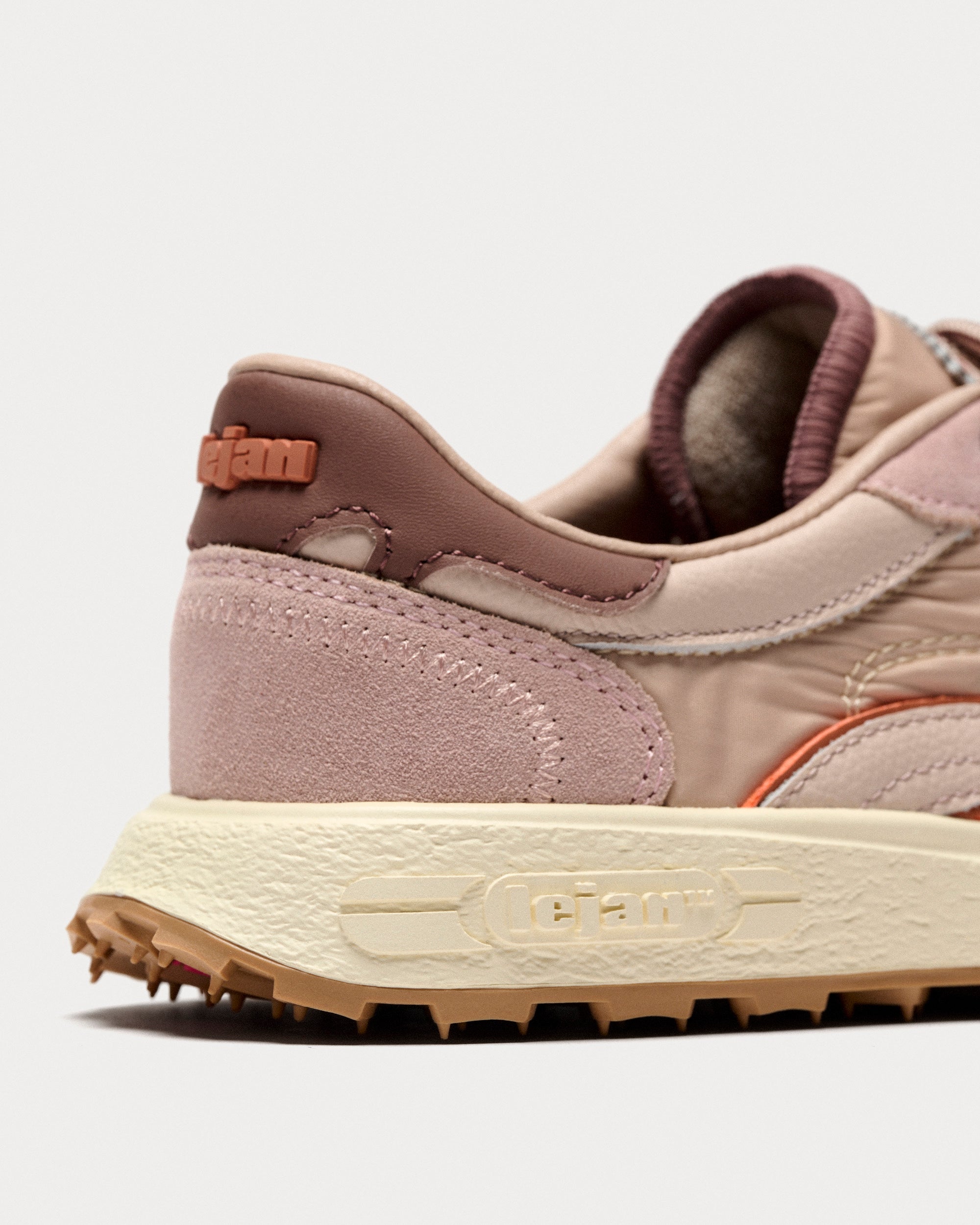
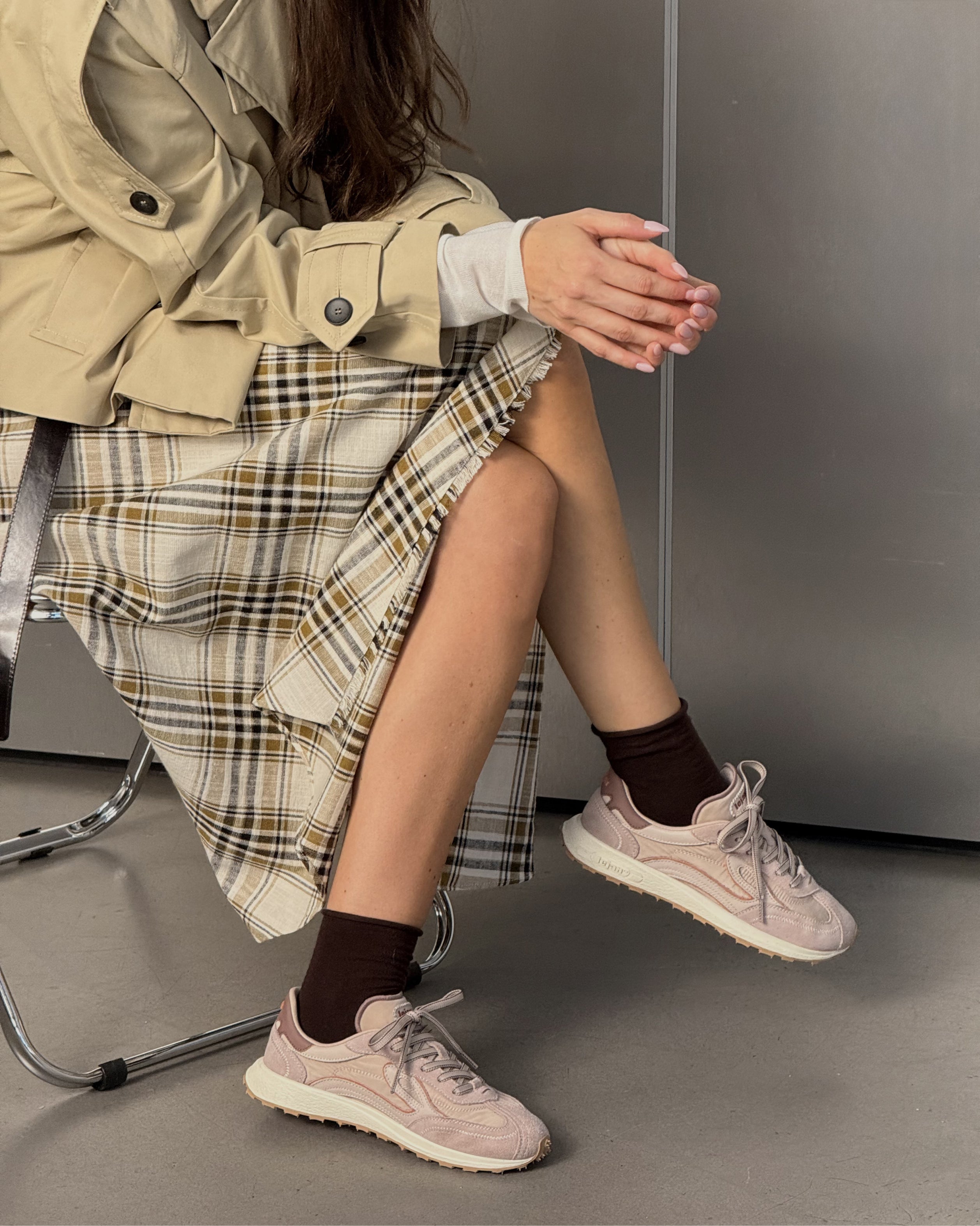
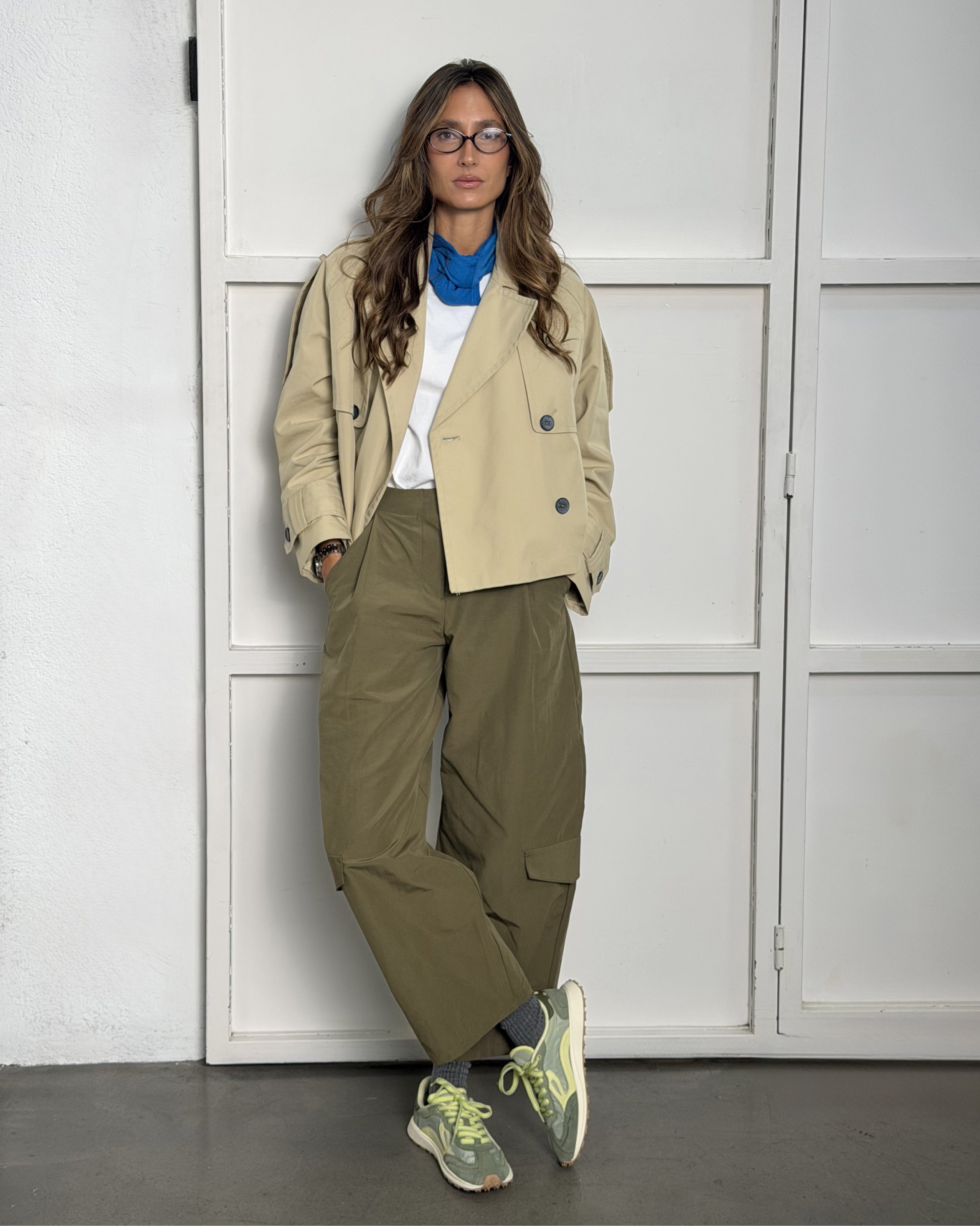
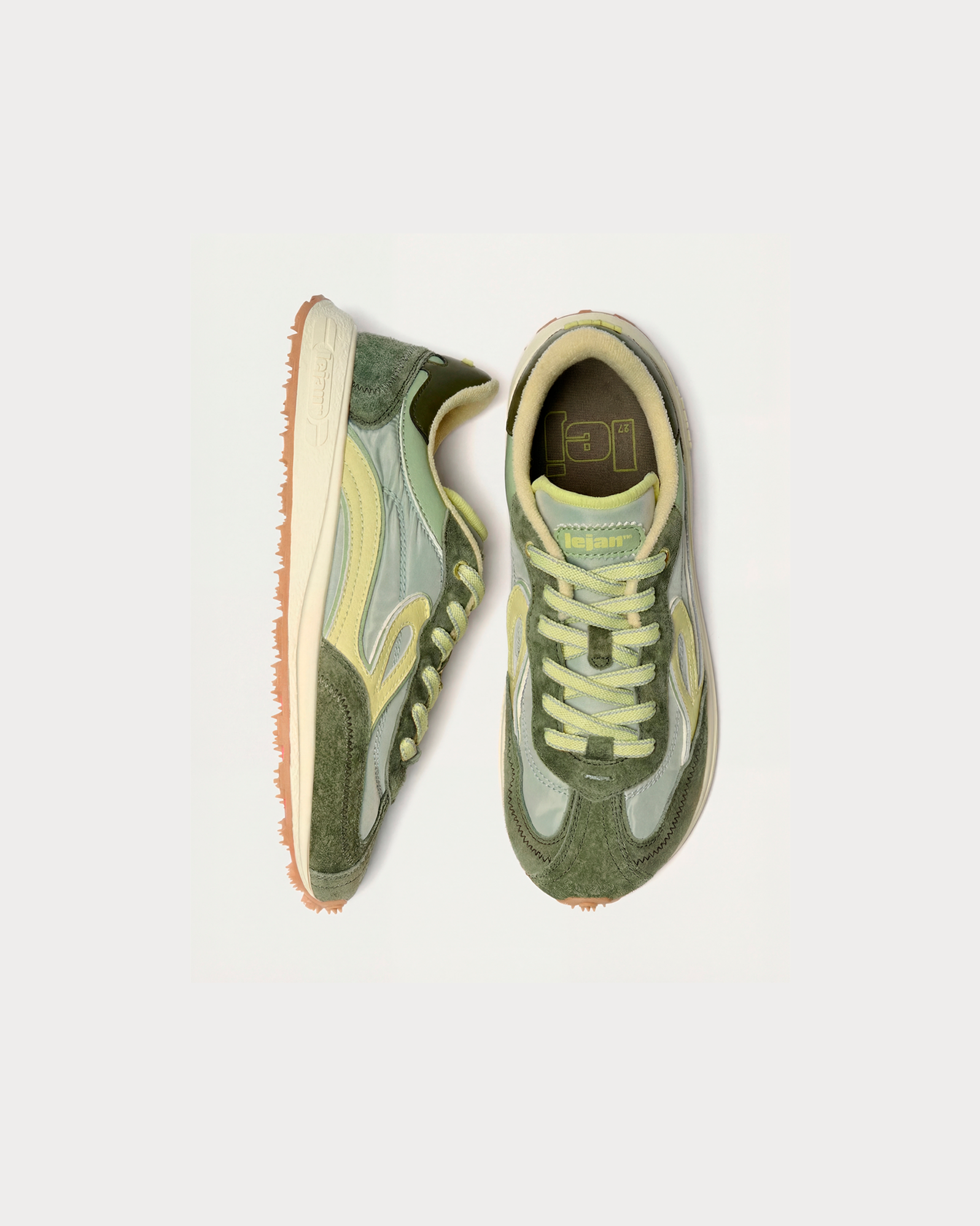
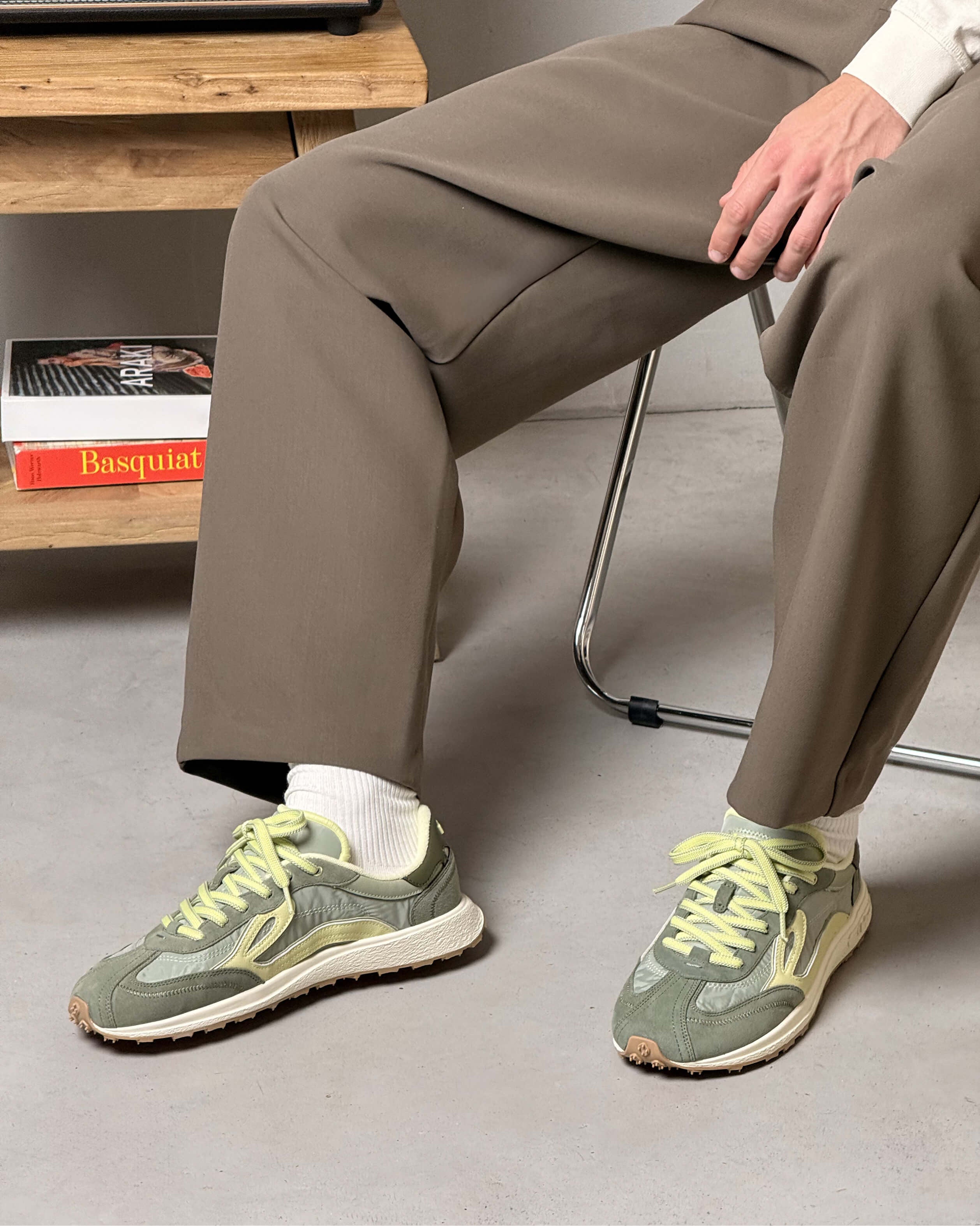
If you're looking for ideas for everyday wear, you can start by exploring our barefoot sneakers for adults, and for school and play, take a look at our barefoot shoes for kids

Transition in 4 steps + common mistakes
-
Level 1 · Conscious adaptation: start with 30–60 min a day walking in barefoot shoes on "friendly" surfaces (home, smooth floor, grass). Add gentle exercises: toe spread, ankle mobility and "towel scrunches" with the toes.
-
Level 2 · Time progression: when you've gone 1–2 weeks with good sensations (no pain and recovering well), increase wear time during daily tasks and introduce surface variability (indoors, park, sidewalk), always gradually.
-
Level 3 · Functional load: when increasing the time is comfortable, move on to longer walks and add gentle slopes, keeping an easy pace and prioritizing gait technique.
-
Level 4 · Integration: when you notice the foot responds "strong" (zero relevant discomfort and good recovery), alternate barefoot with other pairs while the musculature settles. Review sensations and wear and, if everything goes well, expand uses (work, leisure and gentle physical activity).
Common mistakes we see: the most frequent slips come from going too fast, ignoring signals like tension in calves or fascia, choosing a size that's too tight, or starting exclusively on very hard floors.
The fix is usually simple: reduce load 48–72 hours, go back to friendlier ground and resume with patience. Adaptation isn't a race; it's a fine tuning between your body and the ground.

Share