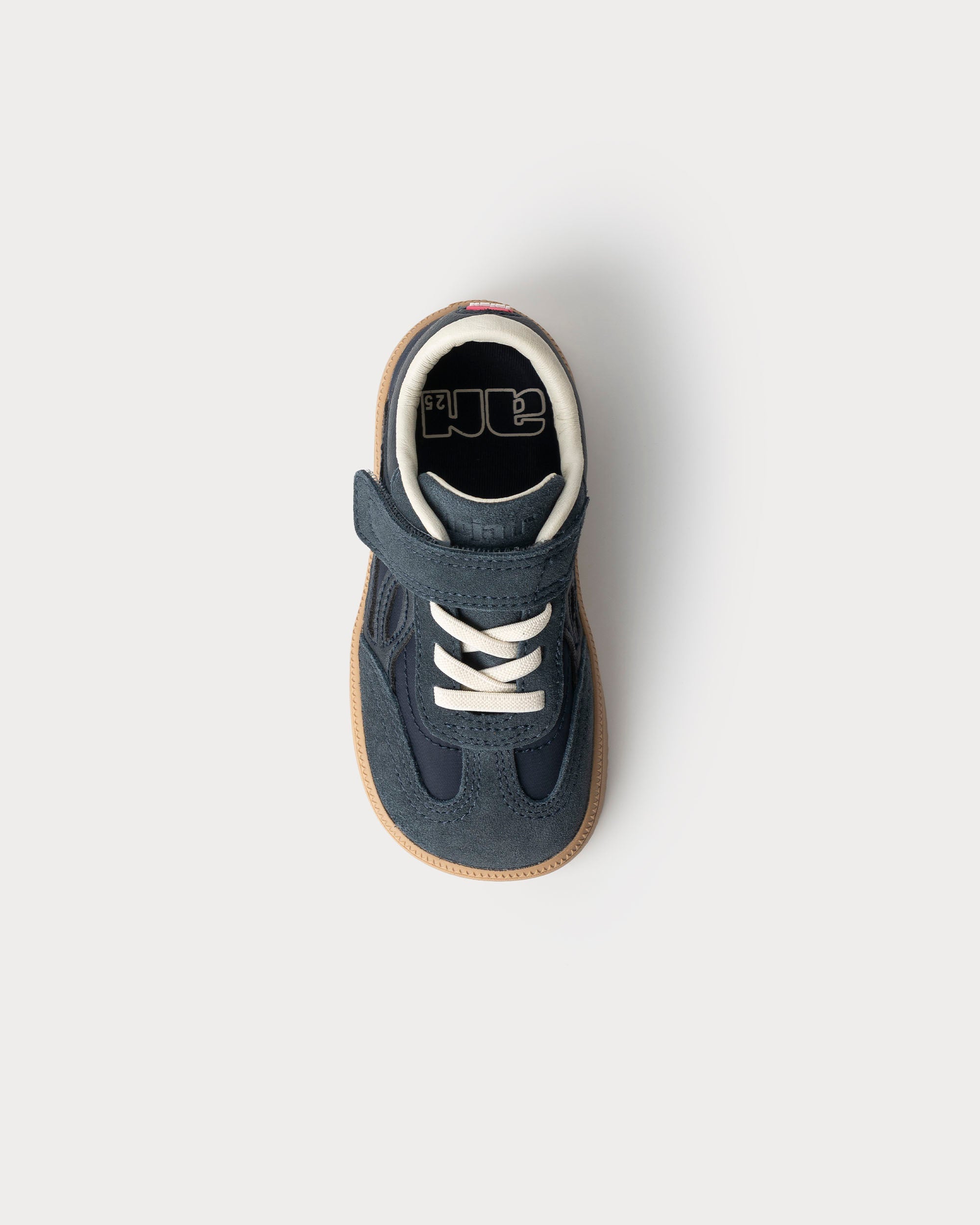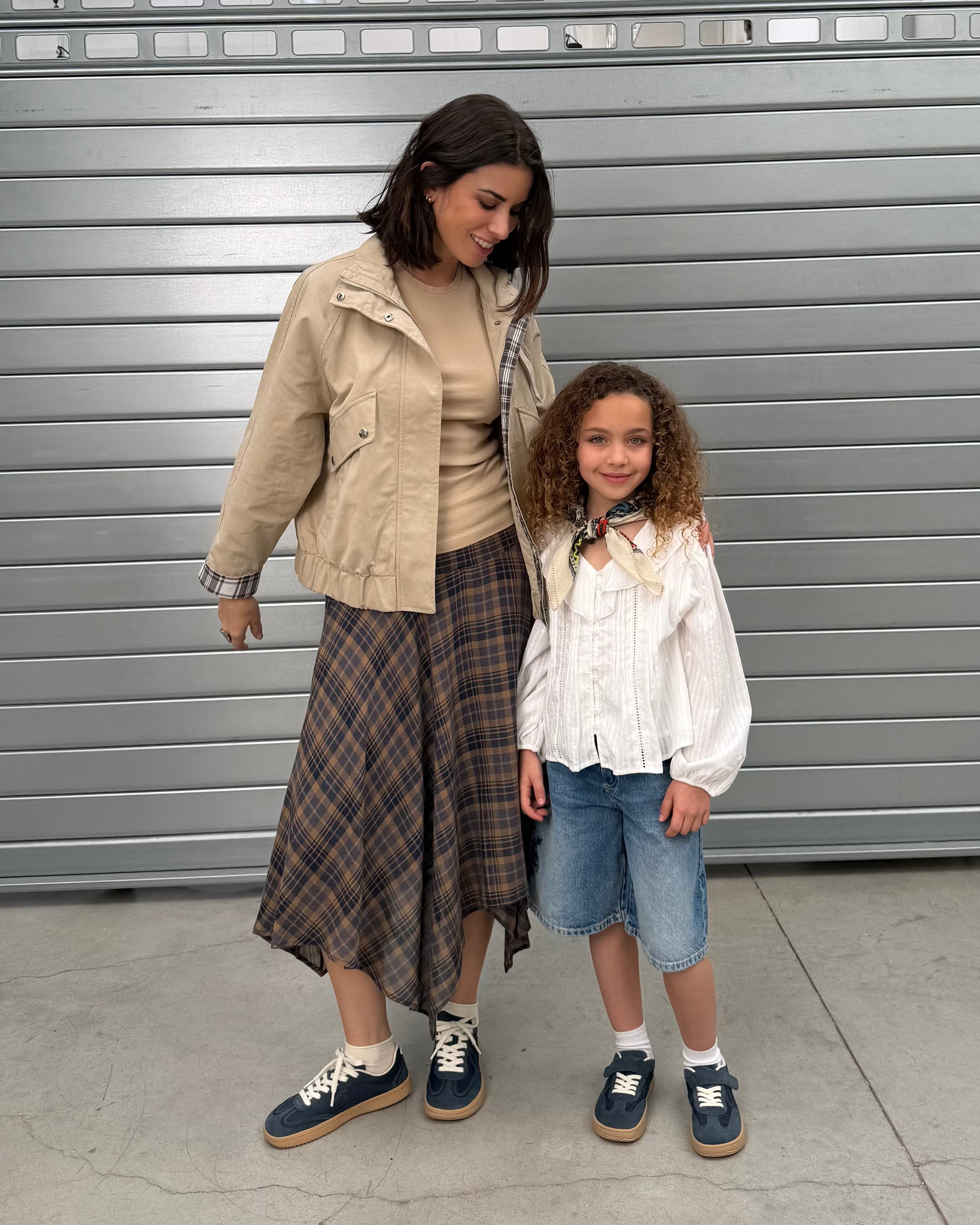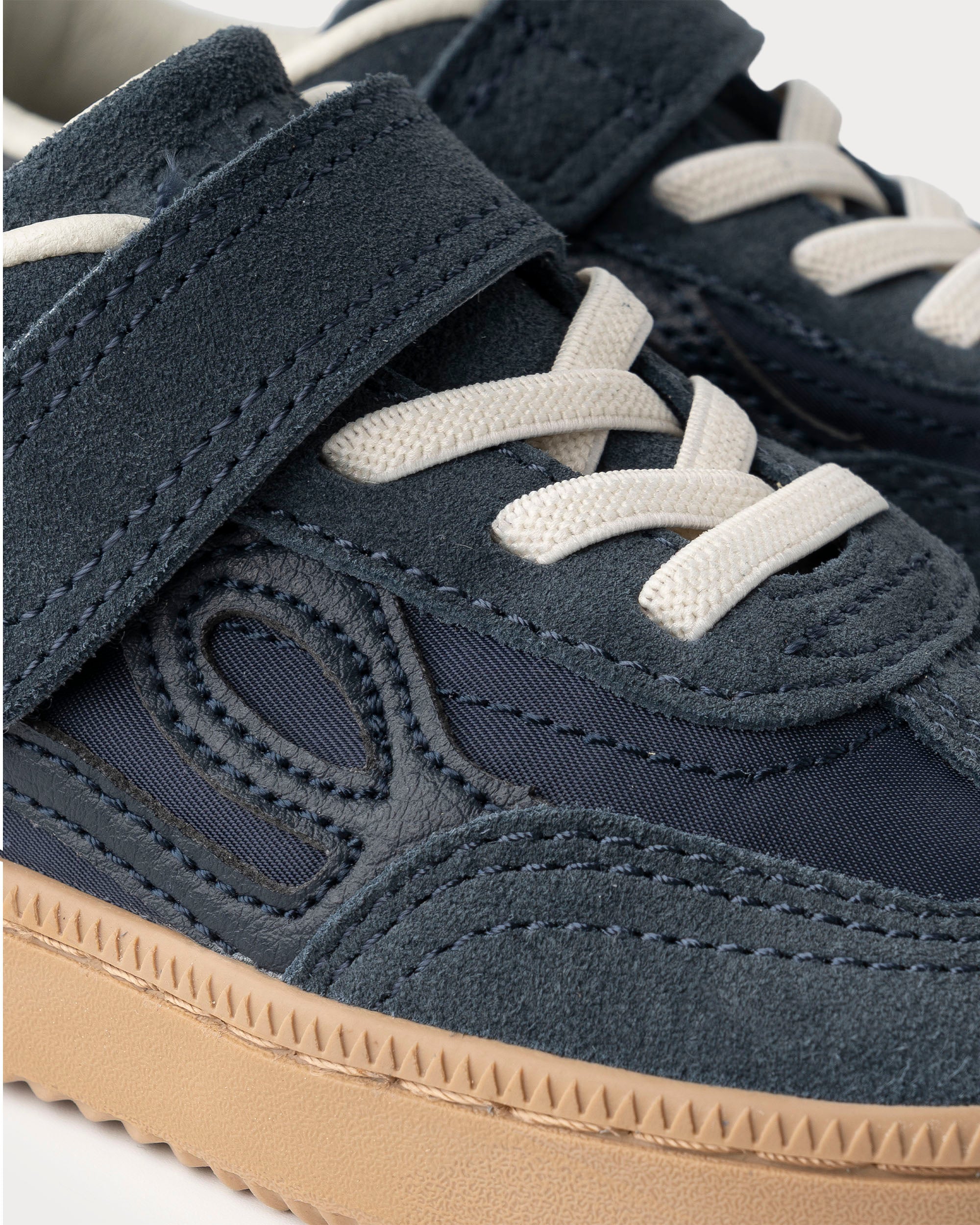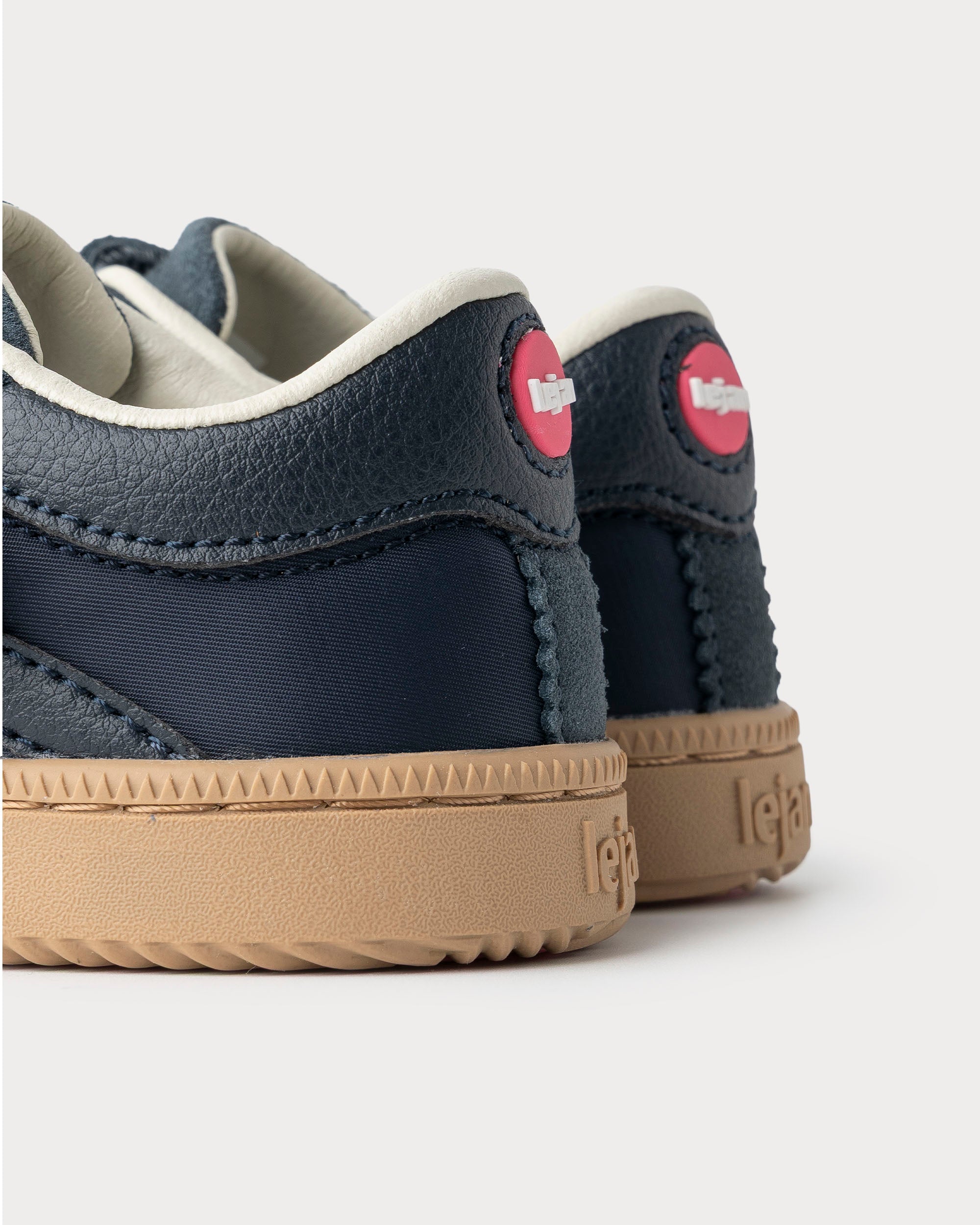




At LEJAN we get this question all the time: Does my child have flat feet? Should I be worried?
First things first: take a deep breath. In most cases, flat feet in children are common and, above all, physiological (part of normal development).
When we talk about flat feet in kids, we mean that the inner arch (the little bridge of the foot) looks low or is barely visible when the child is standing. Often, the heel also tends to lean a bit outward (planovalgus) and that's why, from behind, it can look like the ankle is collapsing inward. This combination is exactly the one most often seen in childhood.
And why does it happen so often? Because the child's foot isn't born finished. It has:
-
More elasticity (looser ligaments).
-
More fatty tissue on the sole (which visually covers the arch at early ages).
-
A neuromotor system that is still learning to stabilize.
That's why the big question isn't "does it look flat?" but: how does that foot work? If the child runs, jumps, plays, has no pain and doesn't get exaggeratedly tired, we're usually in a reassuring scenario.

Is it normal for their age? How the foot arch develops in children
Arch development is gradual and yes: in the first years of life it's very common for the foot to look flat. What we expect is that, with growth and movement (play, strength, balance), the arch gradually defines itself. So, rather than obsessing over an exact age, we want to look at the trend: that the arch shows up over time and that the foot is functional (no pain, no stiffness, no limitations when moving).
In other words: you can't judge a 2–3-year-old's foot by an adult standard.
That said, there's an important nuance that also shows up in the literature: there's a wide range of normal and some people may keep a flexible, functional, pain-free flat foot their whole lives.
That's why we keep coming back to this LEJAN idea:
-
If the child is asymptomatic, the foot is flexible and there is no associated condition behind it, often the most sensible thing is to watch and wait and support things with habits that favor development.
And what habits? Movement, play, varied surfaces… and footwear that doesn't interfere with the foot's natural function (we'll get into that next).

Flexible vs. rigid flat foot: the difference that changes everything
Here's the plot twist that separates "all good" from "let's take a calm look at this". In pediatrics, two big groups are distinguished:
-
Flexible flat foot: when we say flexible we mean function. That is, the muscle groups involved in arch behavior are working well and the foot is able to adapt. In general, the more flexible (more functional) a flat foot is, the better the prognosis. That's why, when we ask the child to go up on tiptoe, we don't only look at the arch; the most important thing is to check that the heel changes its alignment and shifts from valgus to varus, a sign that the foot is reorganizing. And one key nuance: most physiological flat feet are flexible, but a flexible foot doesn't automatically mean it's always normal. There are also pathological flat feet that can still be flexible, so we always assess them as a whole: whether there's pain, fatigue, limitation, asymmetries, and how it evolves over time.
-
Rigid flat foot: there is less mobility, the foot doesn't change when going up on tiptoe and it may be associated with abnormal connections between bones (for example, tarsal coalitions). This type usually requires specific assessment and even imaging tests in some cases.
Why do we say it changes everything? Because the flexible one is usually managed with a conservative approach (and often without treatment), whereas the rigid one, especially if it hurts or limits movement, is not handled the same way.
How to know if your child's flat foot "works well" (2 simple tests)
We love it when families have tools to understand what they see. These two tests are widely used as a reference and are very easy to do at home. Important: they are indicative and don't replace a consultation with a professional. If there is pain, stiffness or a marked asymmetry, it's better to consult directly.
Jack's test: whether the arch appears when lifting the big toe
With the child standing, gently lift the big toe (dorsiflexion of the hallux).
What do we expect in a flexible foot? That the inner arch appears and the foot organizes itself better. This reaction is associated with the function of the plantar fascia mechanism (windlass effect).
LEJAN interpretation (simple):
-
If an arch appears → it usually points to flexibility and a better functional prognosis.
-
If nothing happens, or there's discomfort/stiffness → it deserves a more thorough assessment.

Going up on tiptoe: what the heel and the arch should do
Ask the child to go up on tiptoe. In a flexible flat foot, when going up on tiptoe usually:
-
The arch rises (it becomes more defined)
-
And the heel tends to correct itself (shifts from valgus to varus).
LEJAN interpretation:
-
If when going up on tiptoe the foot changes for the better → it's usually flexible.
-
If it doesn't change (and especially if there's pain or stiffness) → careful, it could require evaluation.

Warning signs: when to consult (pain, stiffness, asymmetries)
Let's get to the point. Consult if any of these appear:
-
Persistent pain (feet, ankles, legs) or pain that appears with sport/activity and keeps coming back.
-
Stiffness: the foot doesn't change in the tests (tiptoe/Jack) or looks locked.
-
Clear asymmetries: one foot very different from the other.
-
Functional limitation: gets too tired, avoids running/playing, or there's marked fatigue.
-
Progressive worsening (not from one tired day, but a sustained trend).
At LEJAN we sum it up like this: if it hurts, limits movement, or isn't flexible, it's better to have a professional assess it.
Causes and factors that influence flat feet in kids
Flat feet in children usually have a multifactorial origin. Clinical references highlight:
-
Genetics / heredity.
-
Hyperlaxity (very elastic children).
-
Obesity (more load on the structures).
-
Neuromuscular or connective tissue disorders in some cases.
-
Inadequate footwear and/or low physical activity (as environmental factors that may have an influence).
If the goal is for the foot to develop with natural stimulus, we want the foot to work and receive information from the ground (proprioception), without the footwear corseting it. In our Barefoot Bonito philosophy we combine functional anatomy + aesthetics, but the priority remains function.
Treatment of flat feet in children: observe, exercises and insoles (when yes)
This is the point where the internet splits. We approach it with a very clear compass: symptoms and functionality.
-
In most cases of asymptomatic flexible flat foot, management usually consists of observation and follow-up, since it tends to improve with growth.
-
If there are symptoms (pain, fatigue, limitation), the first thing is to do a good case analysis and from there, start with conservative measures: such as exercises, education and, in some cases, insoles to relieve symptoms (with the important caveat that they may help with symptoms but don't guarantee changing the structure or the evolution).
What we usually recommend as a base (provided there are no warning signs):
-
More active play (running, jumping, climbing).
-
Walking barefoot (safely) and on varied surfaces; even the COPCLM suggests natural terrain and simple exercises like tiptoe walks.
-
Exercises camouflaged as play: balance, tiptoes, walking like animals, etc.
When does it make sense to consider insoles?
-
When a professional prescribes them after assessment (not just because the arch looks low).
Shoes for kids with flat feet: how to choose footwear that doesn't make it worse
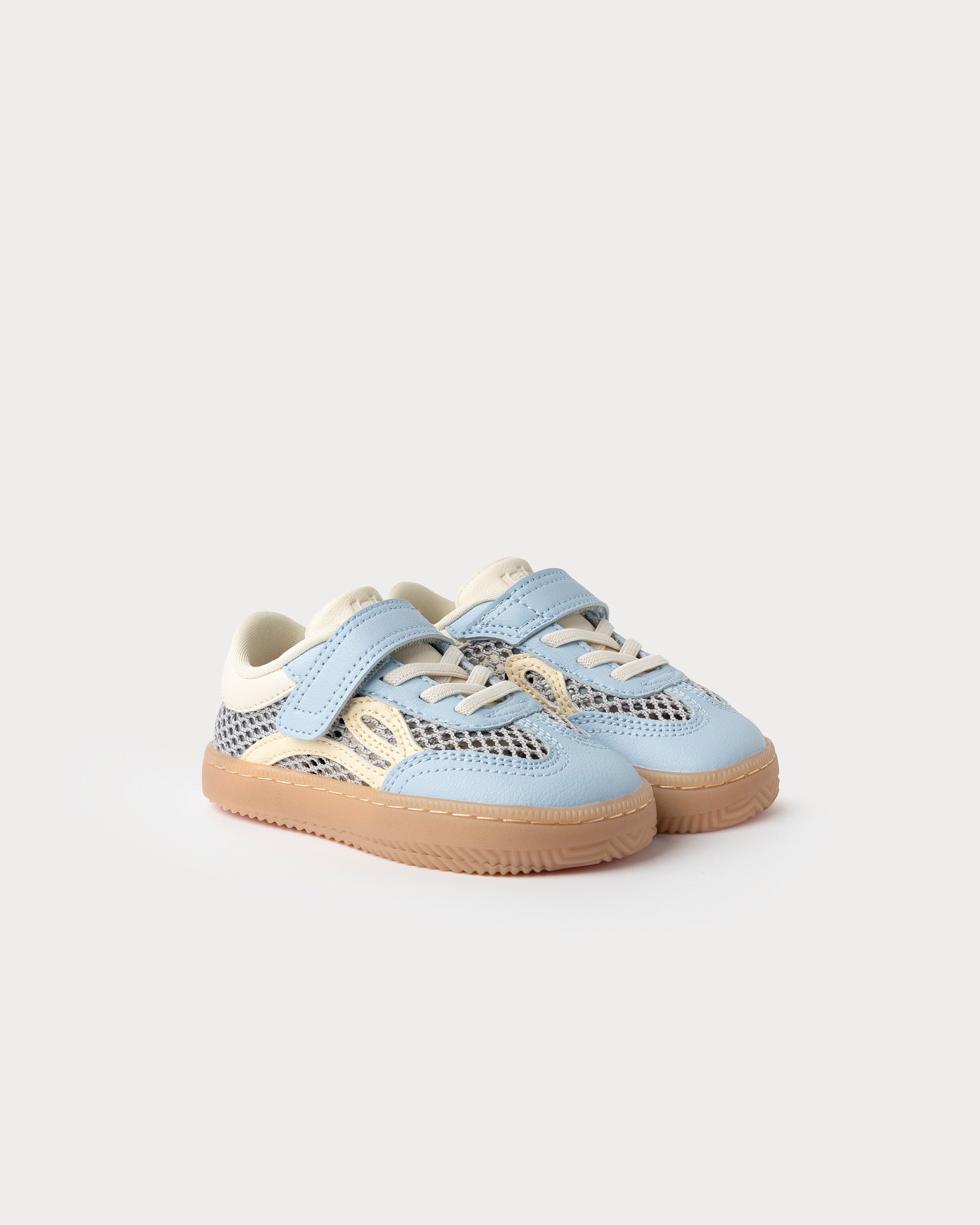
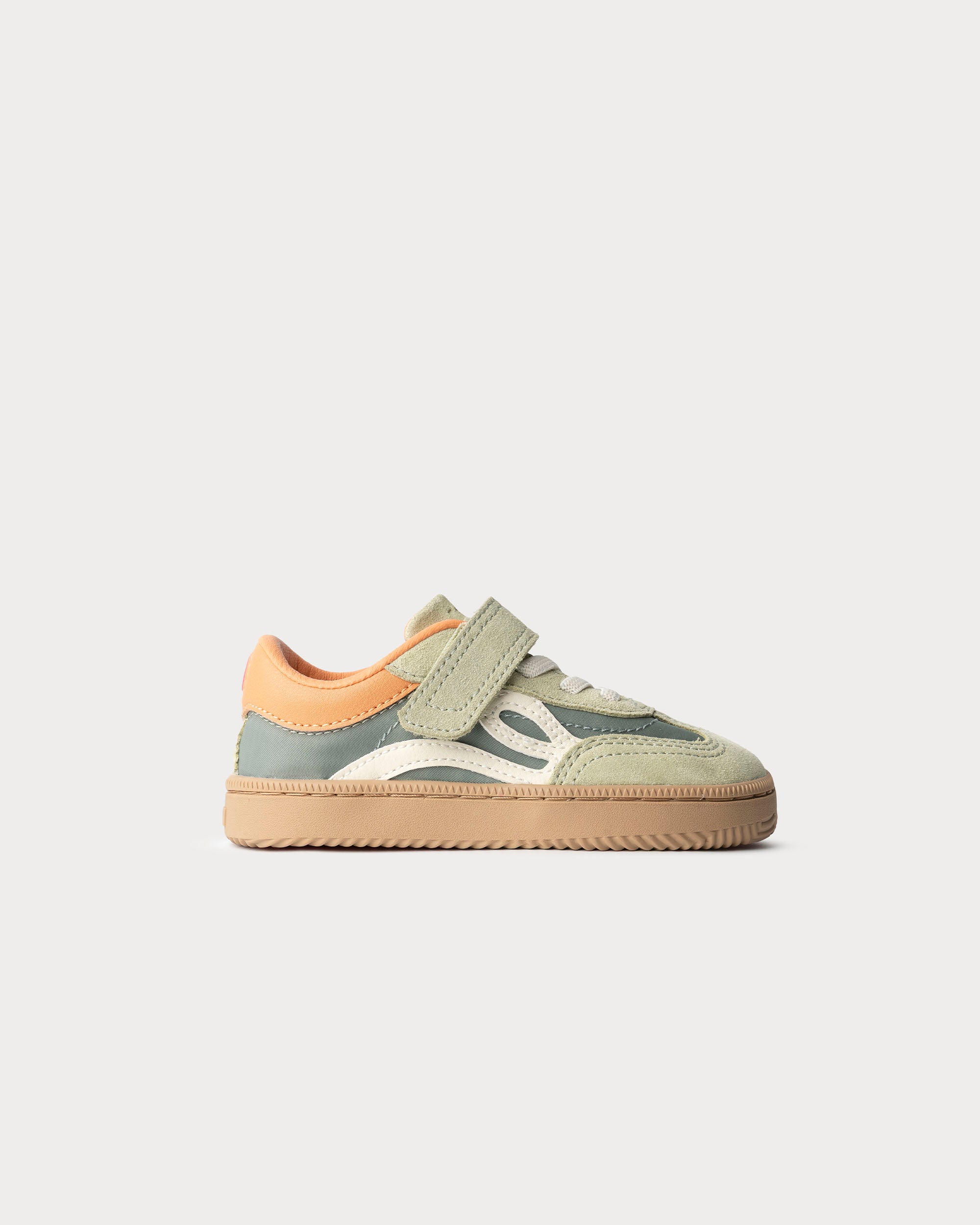
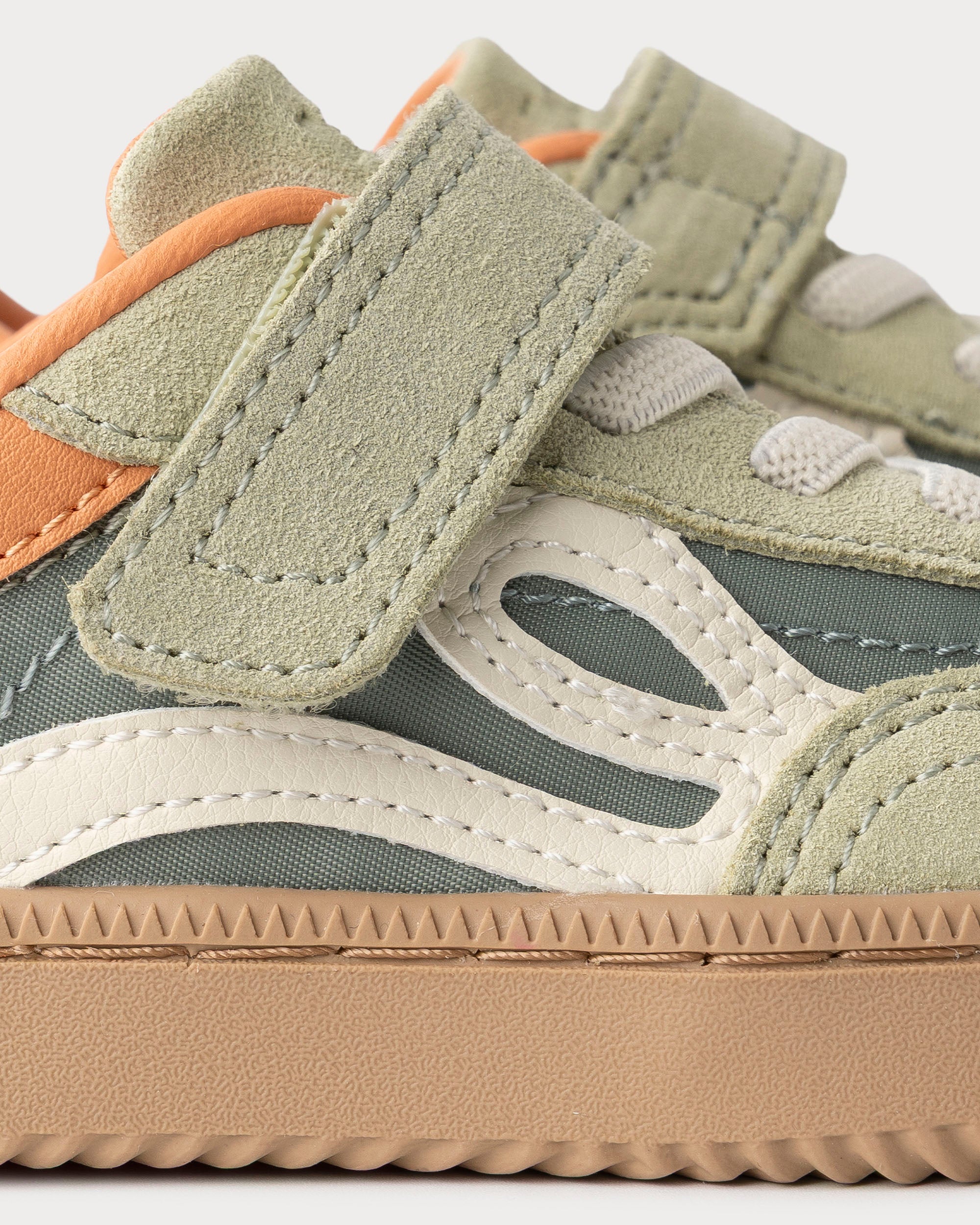
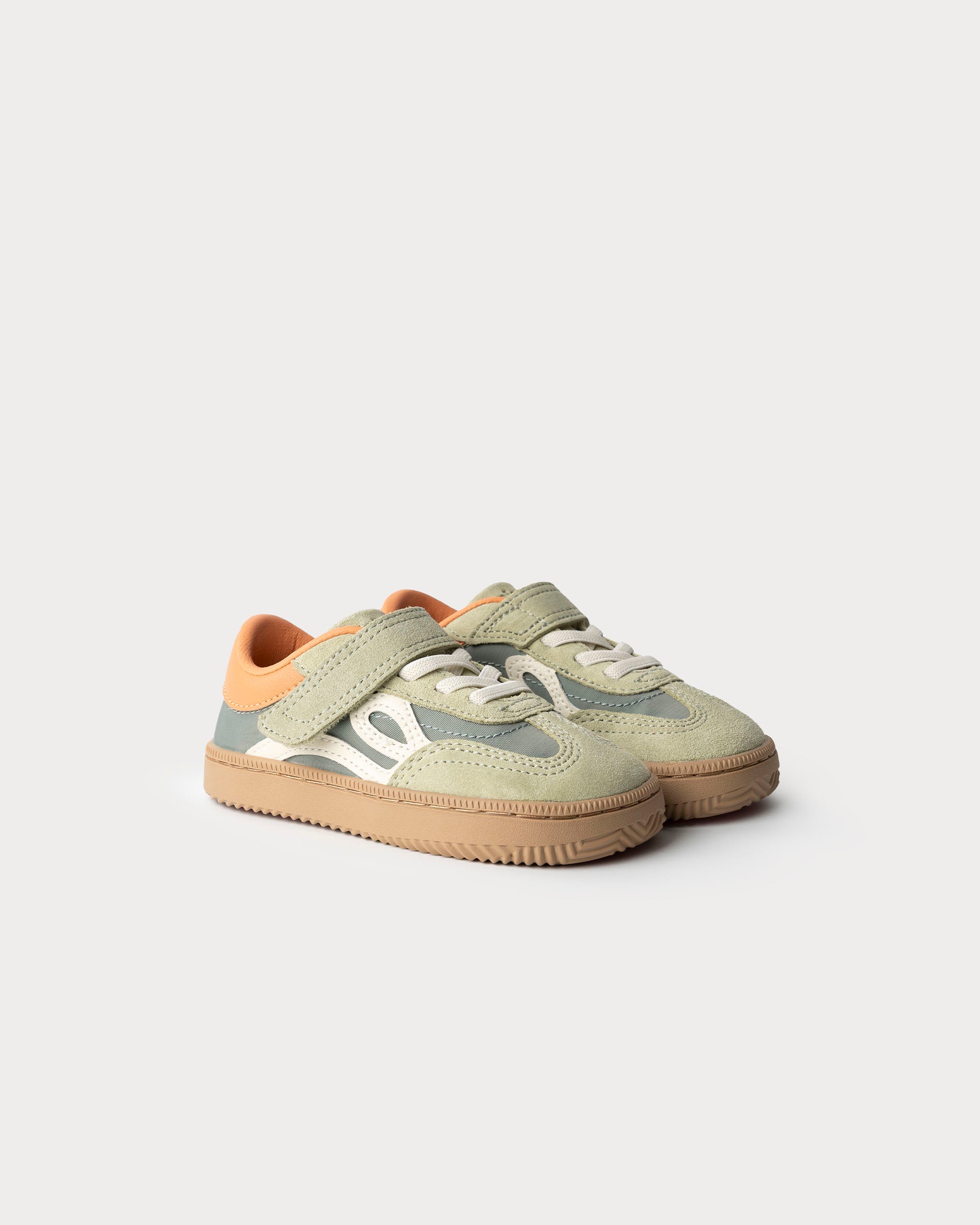
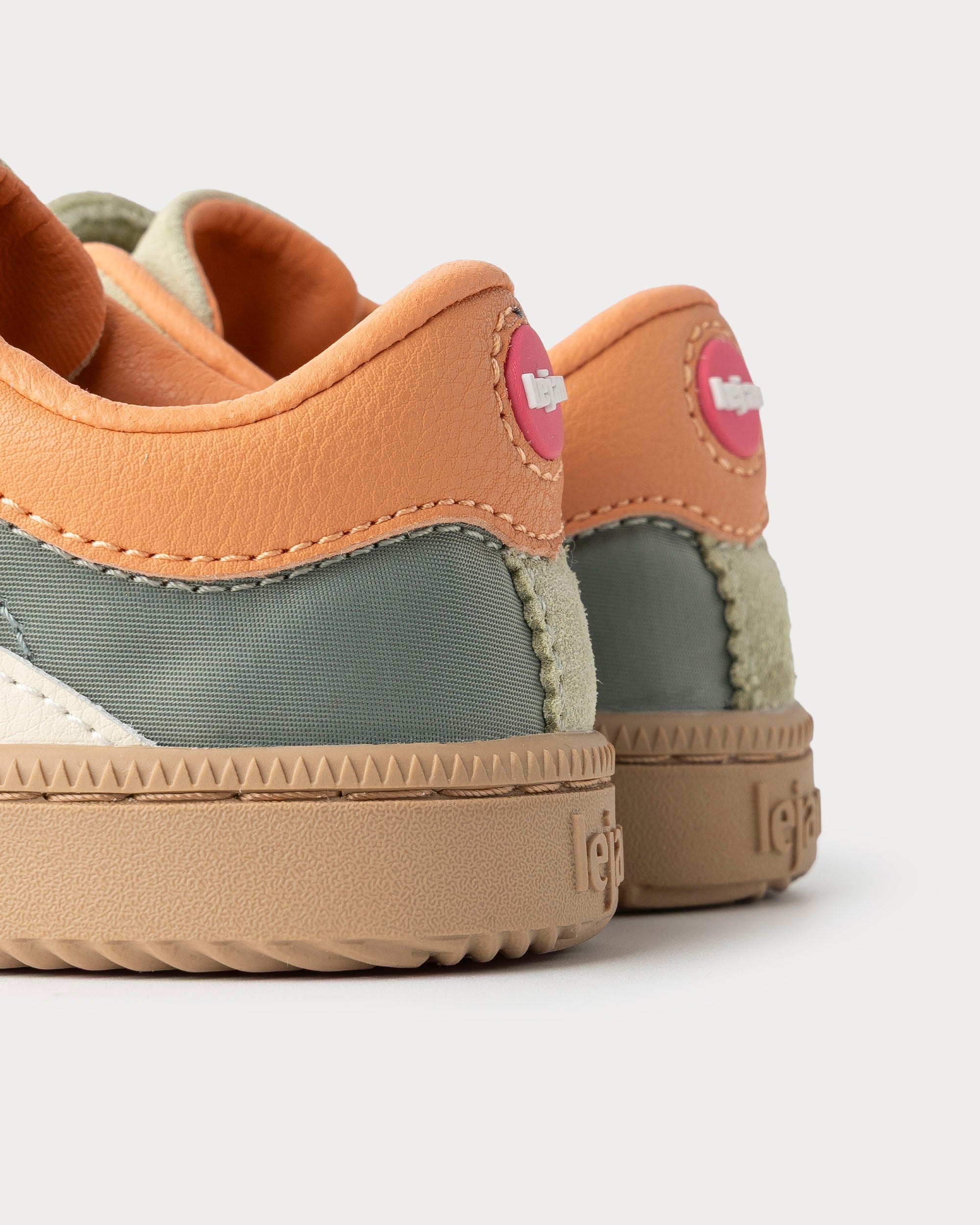
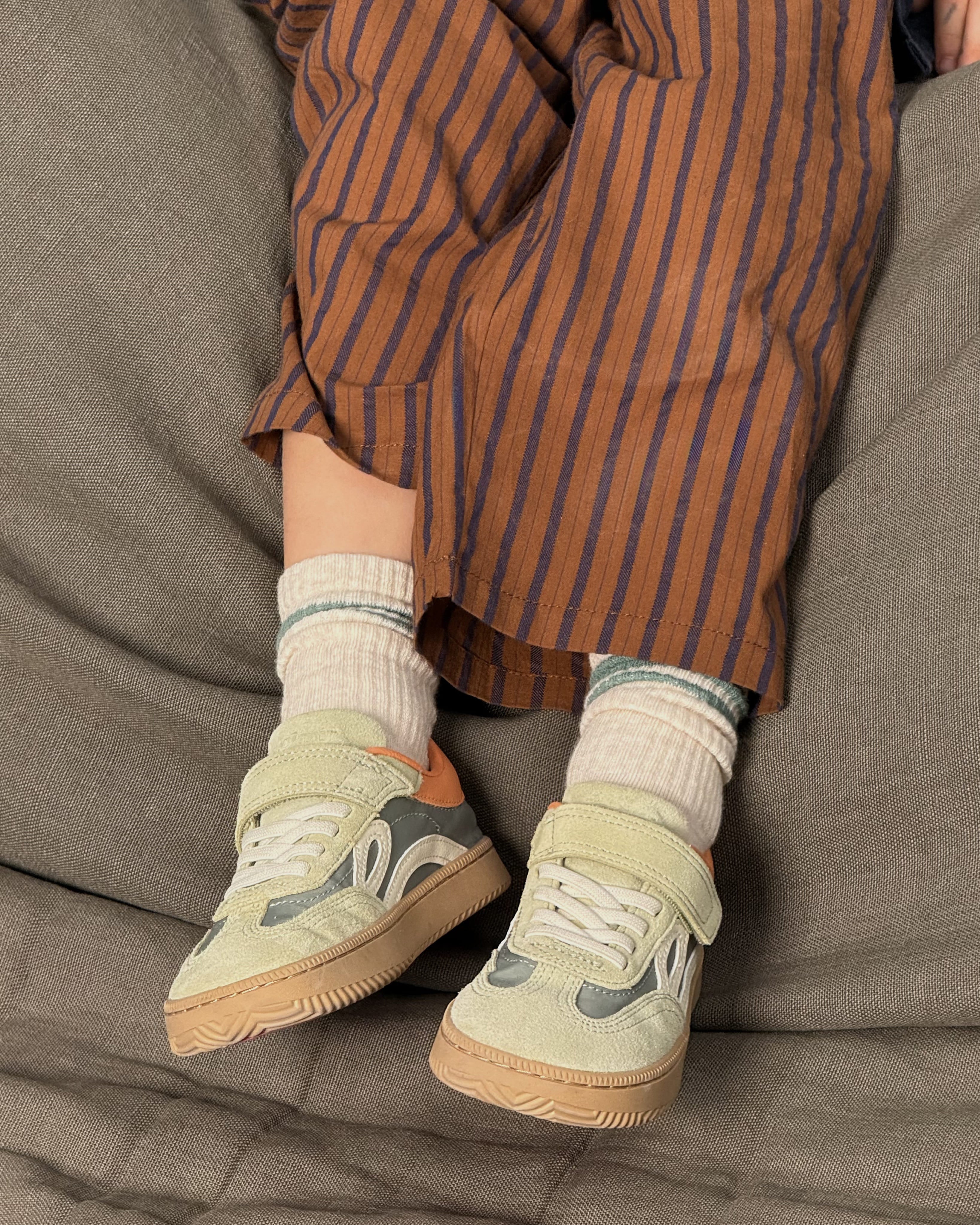
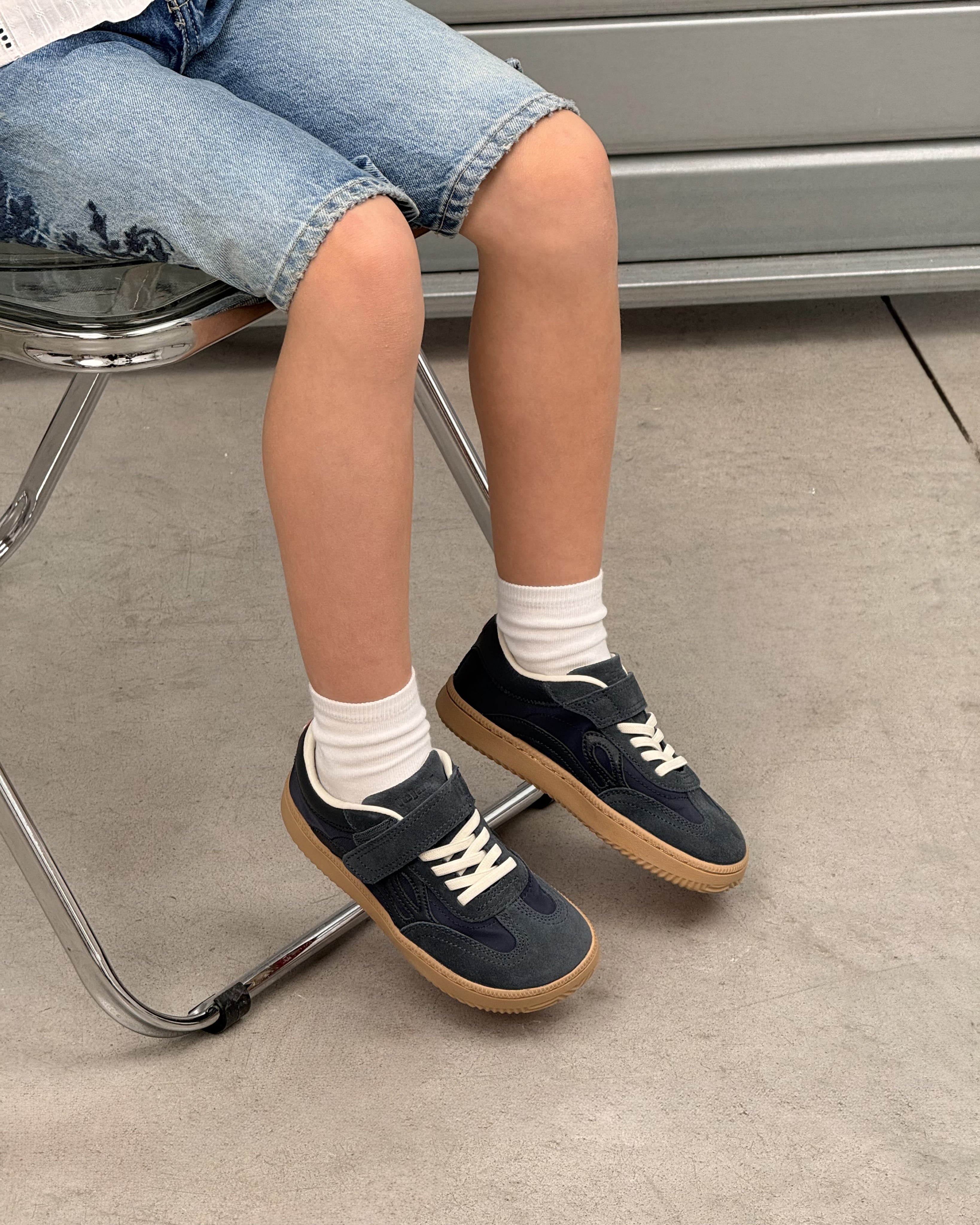
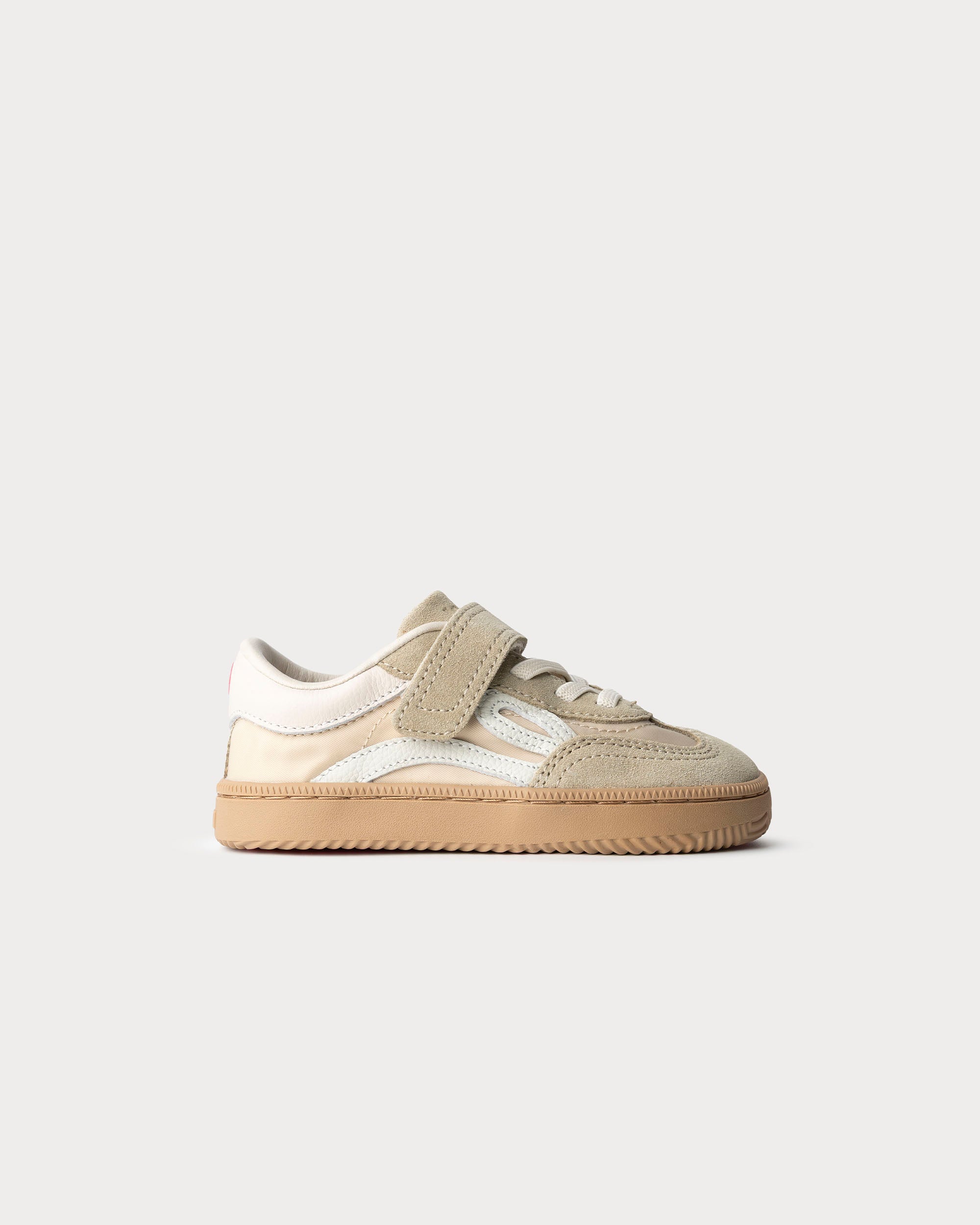
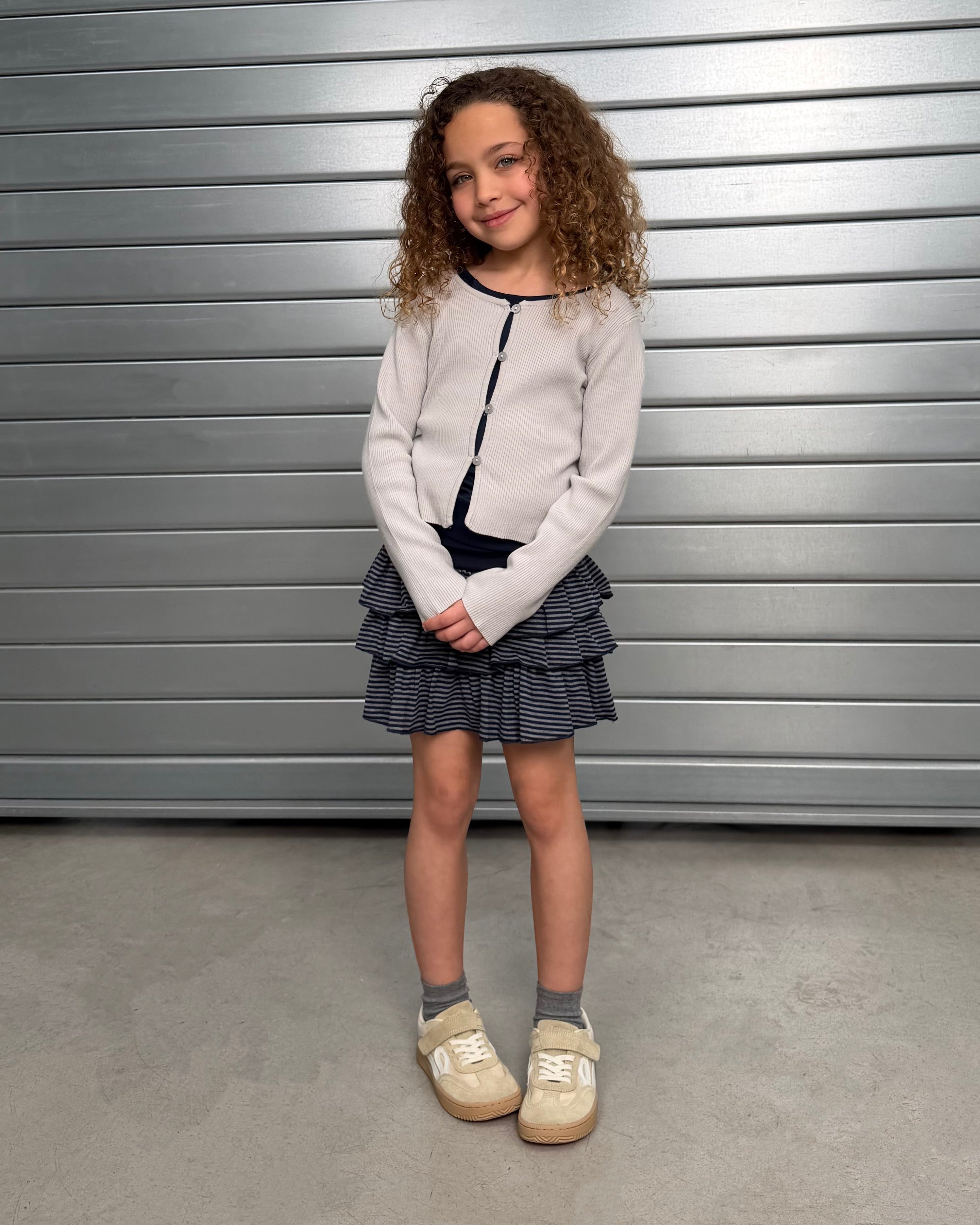
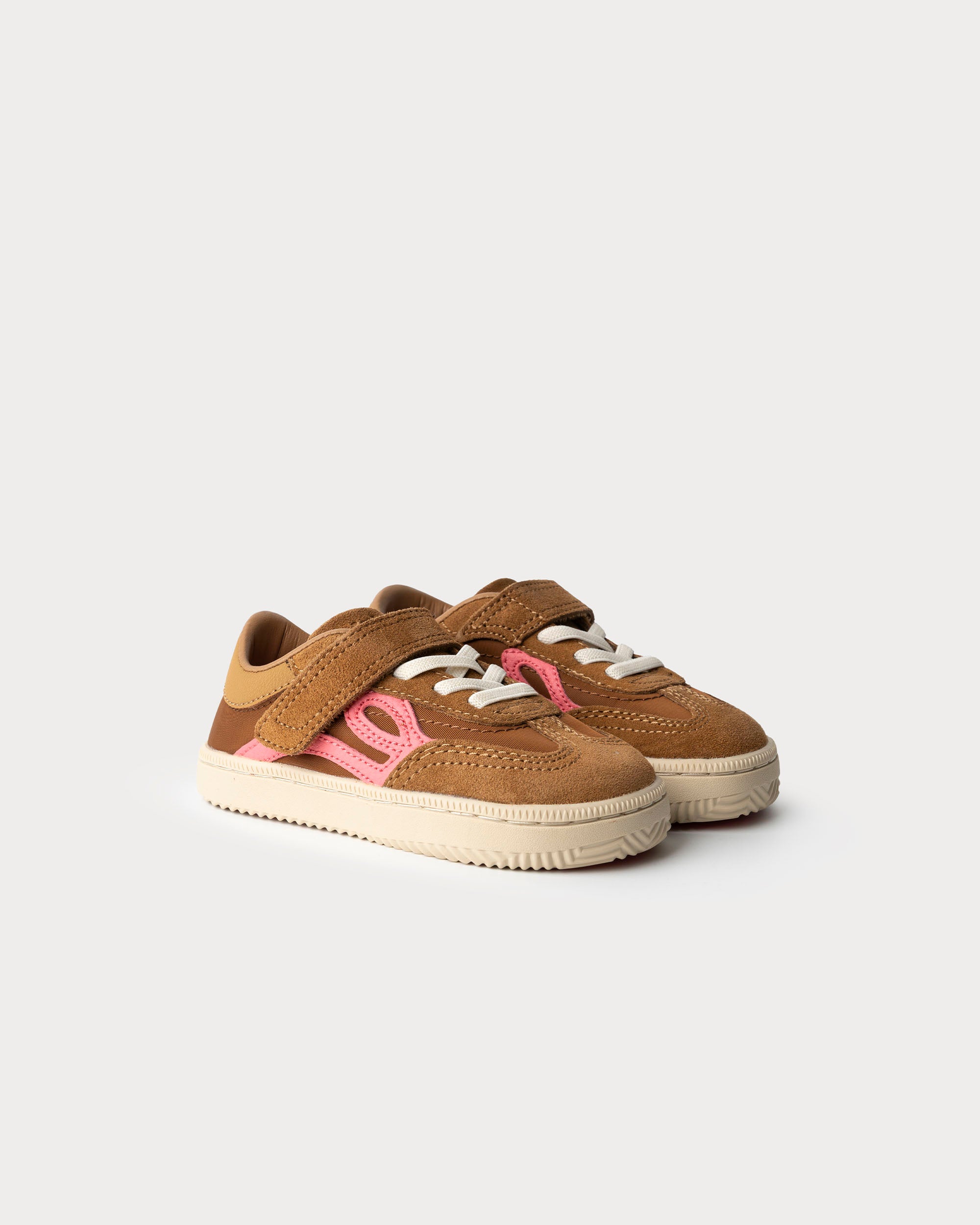
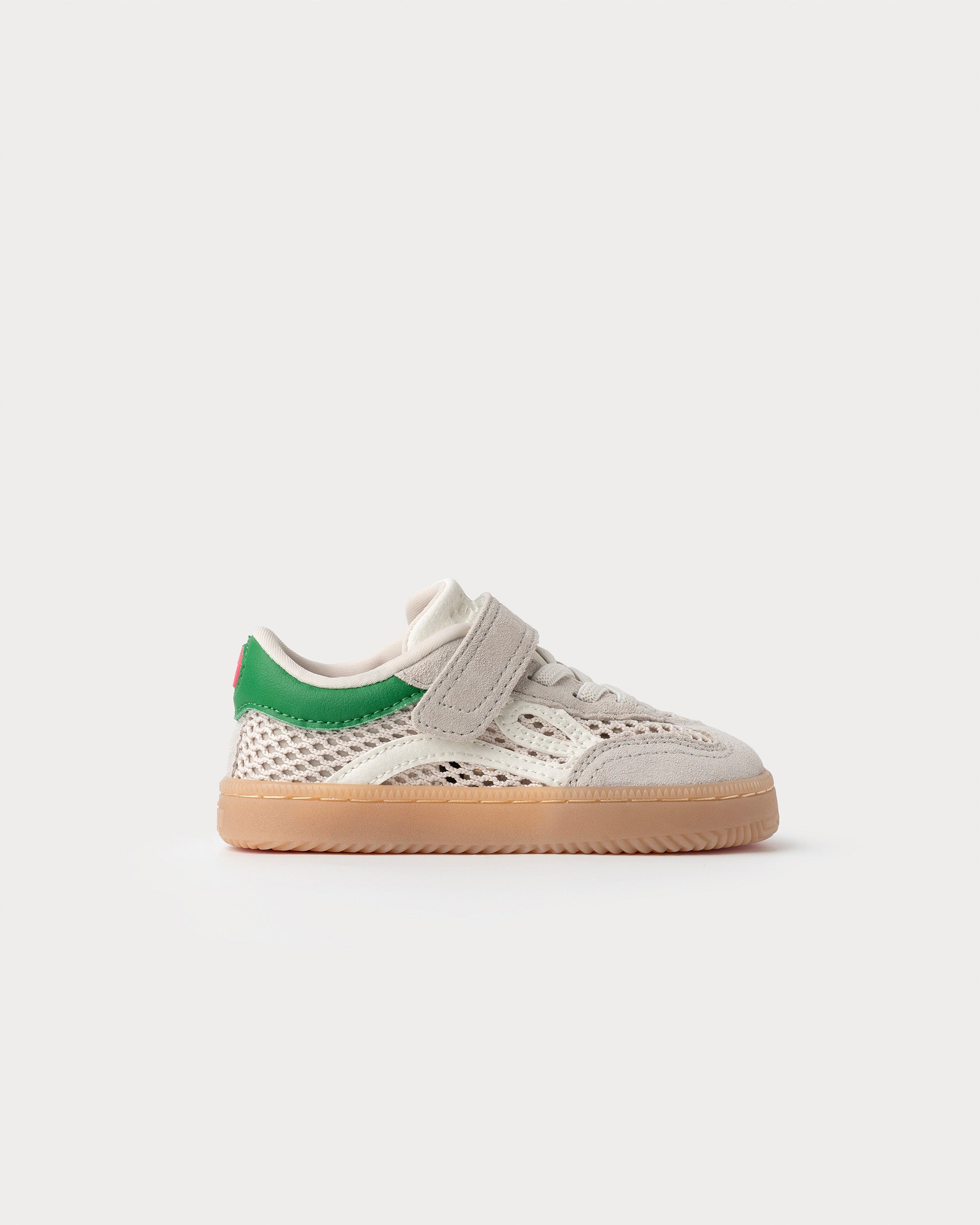
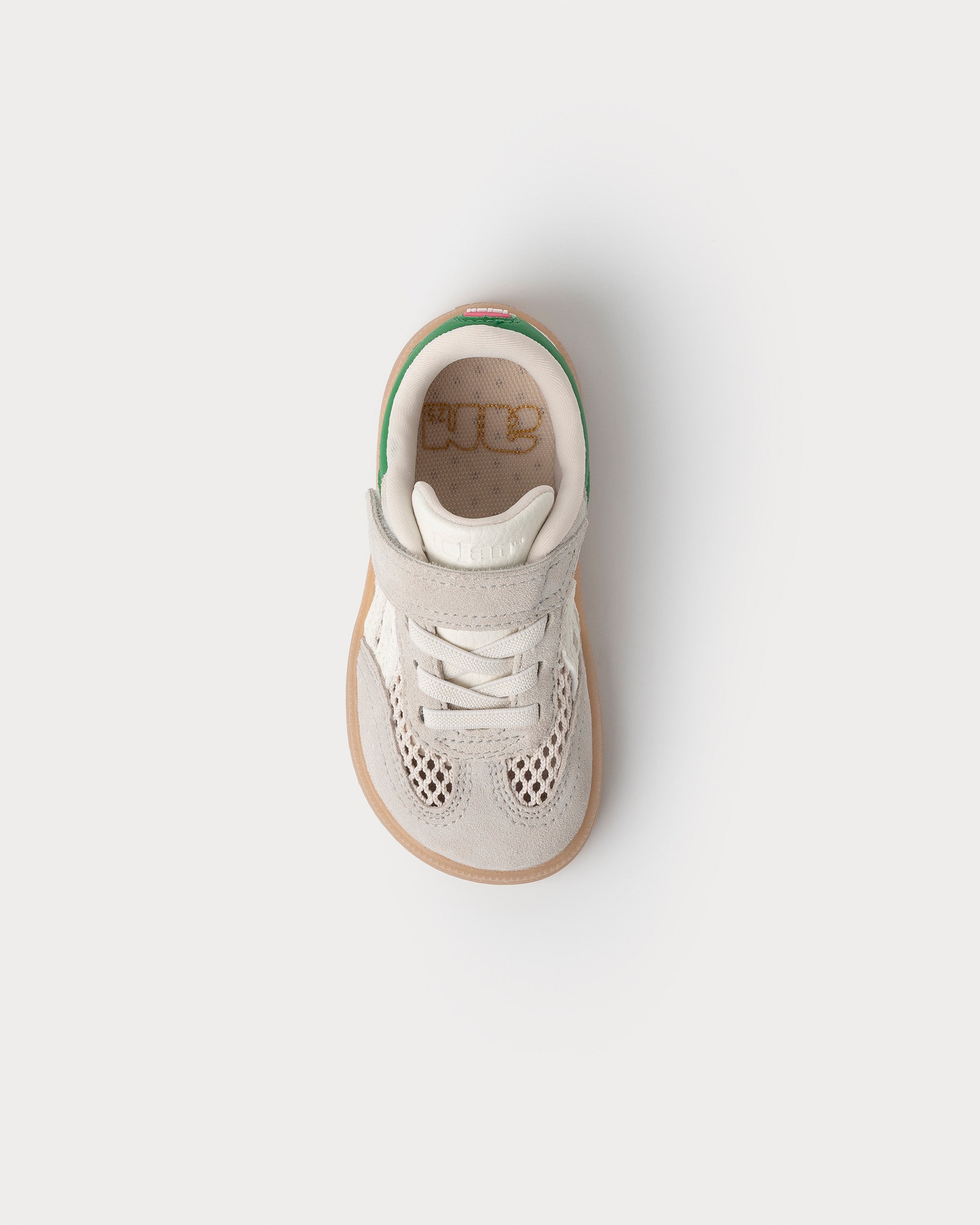
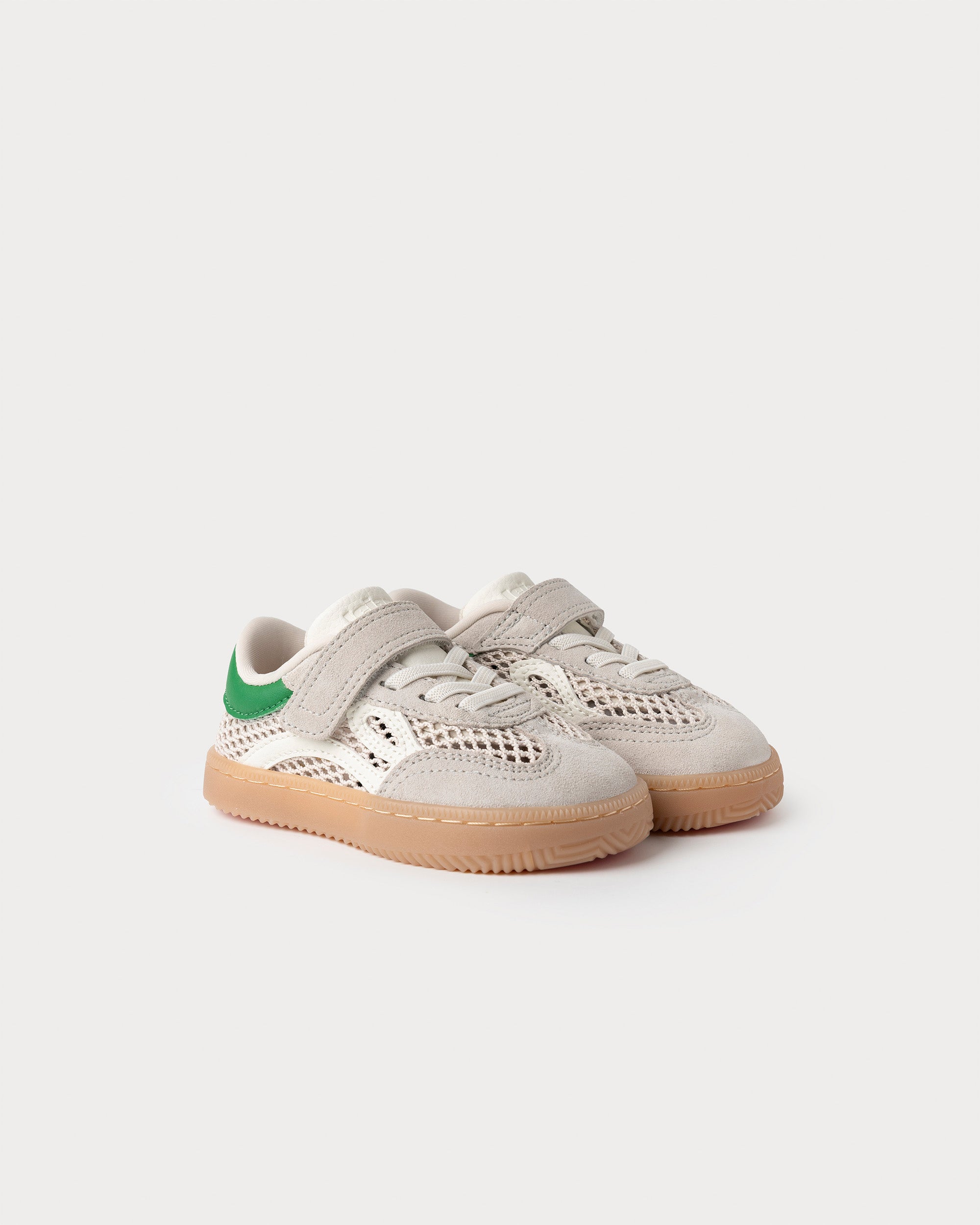
At LEJAN we approach it like this: the goal of footwear isn't to create an arch, but to not interfere with the foot's natural development and encourage the foot to work. A flexible flat foot (which is the most common one) improves with movement, stimulus and progressive strength, which is why the ideal footwear is the one that goes along with it, not the one that corrects it.
What we do see often is that some shoes, due to their construction, can make the foot work worse (and the child get more tired) even though the foot doesn't have a serious problem. What do we look at?
-
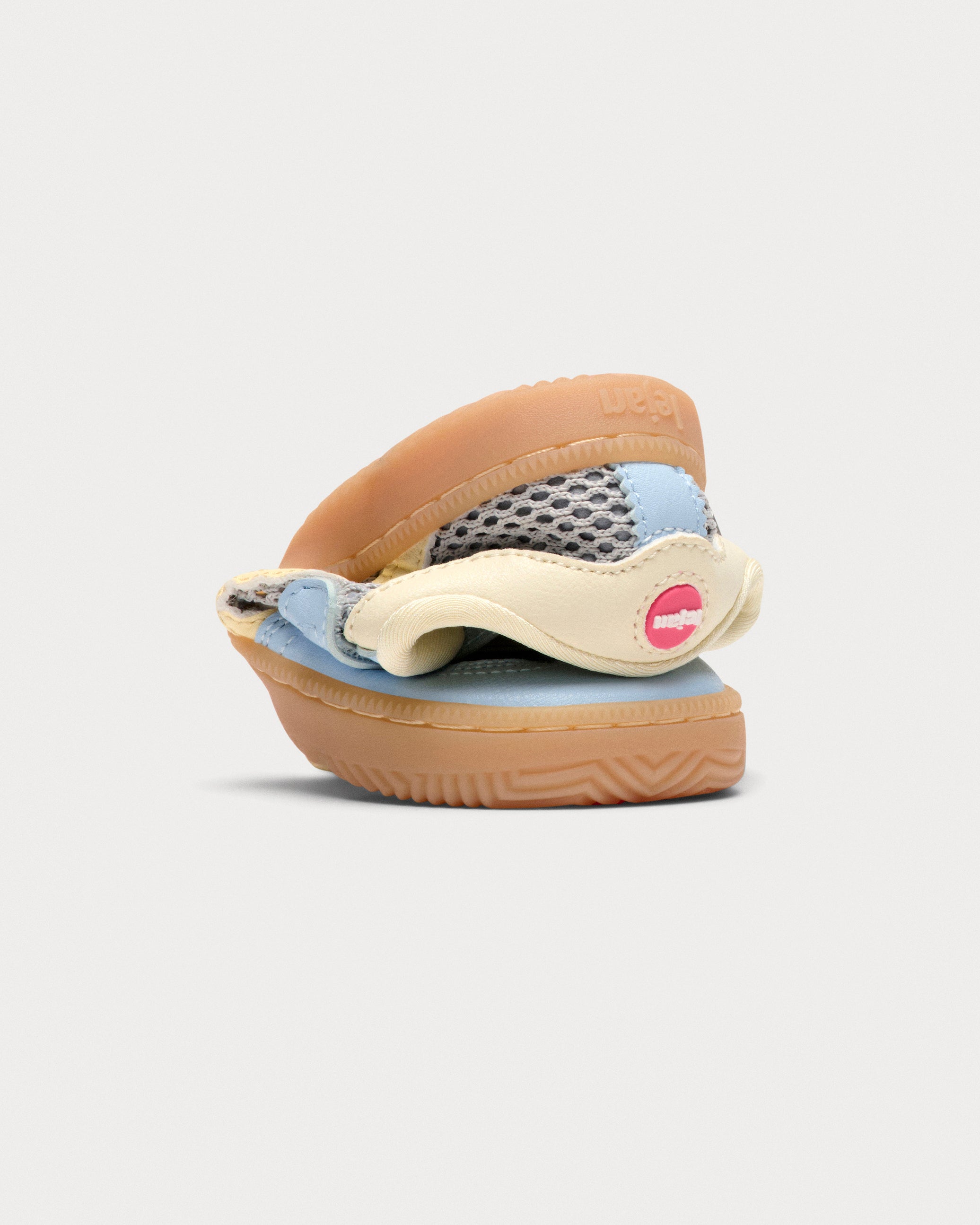
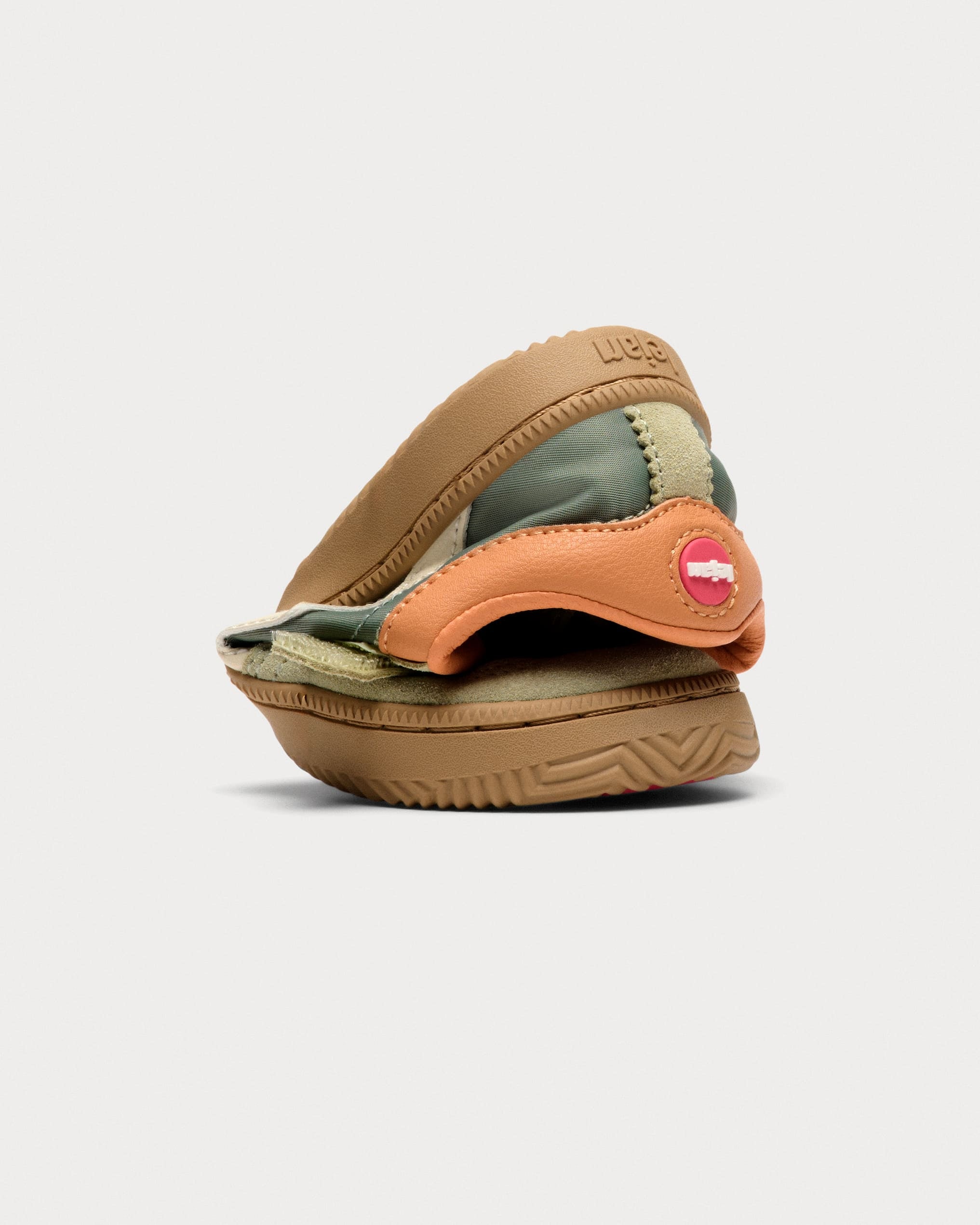
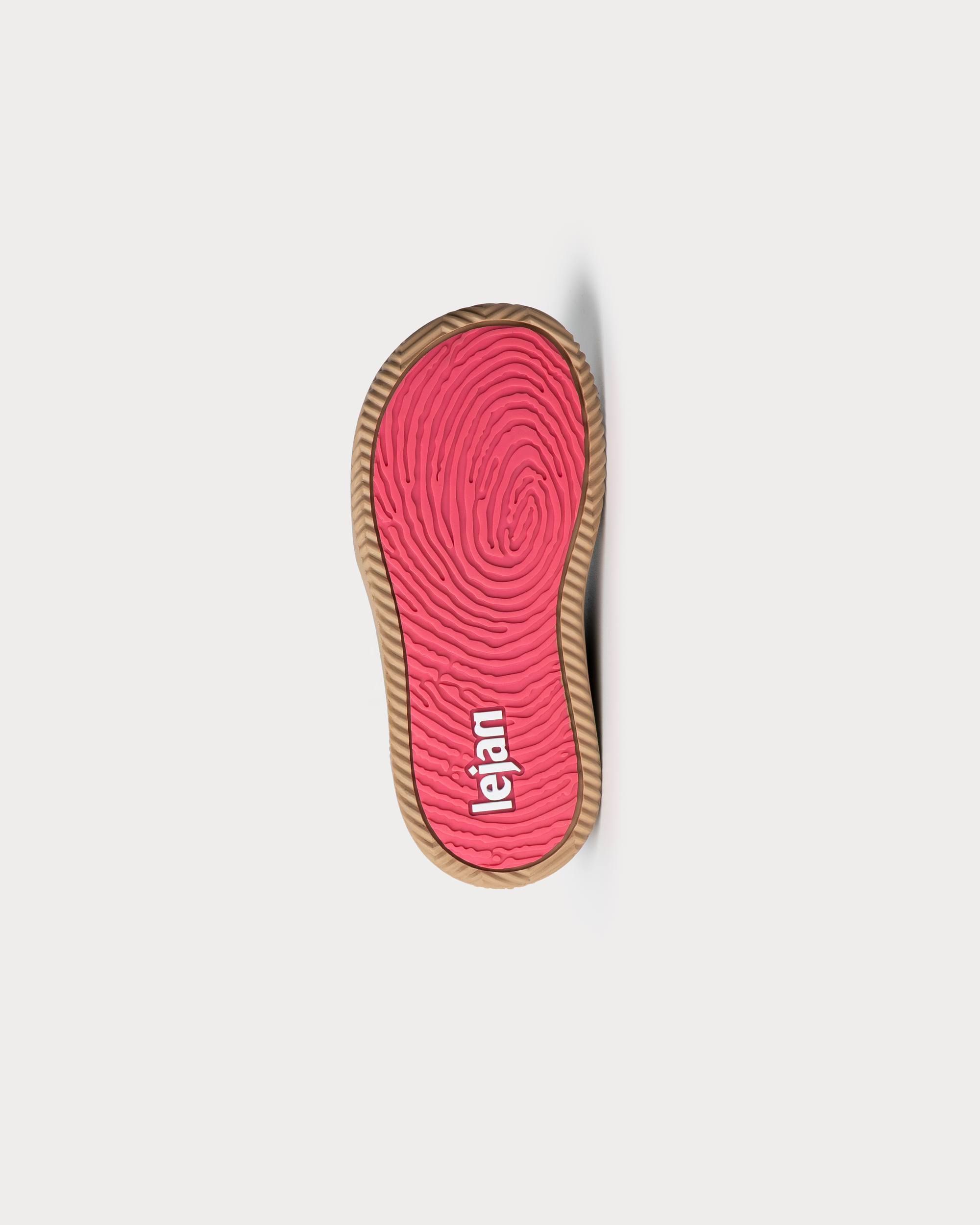
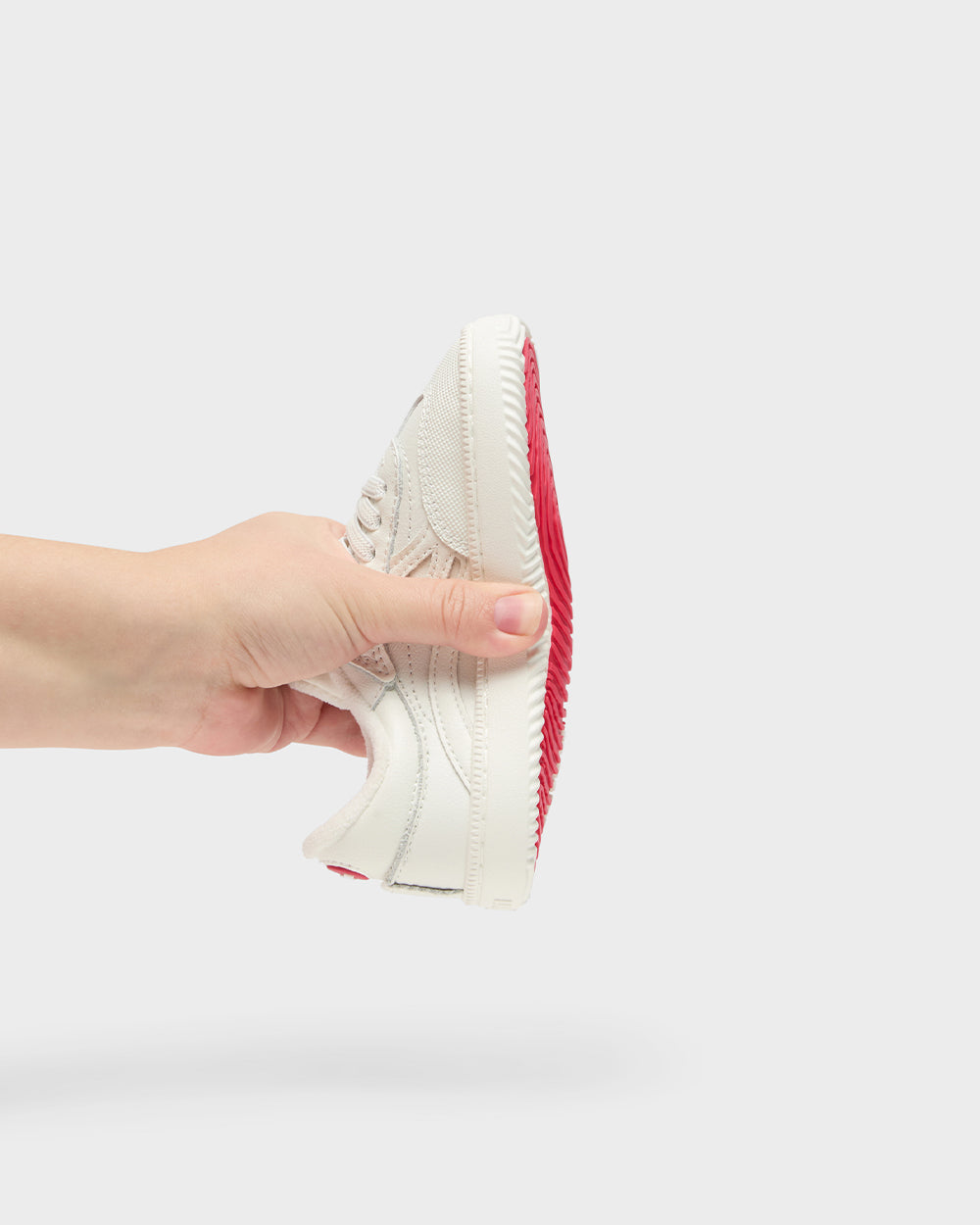
Excessive rigidity: when the sole doesn't flex, the foot loses information from the ground and disconnects from proprioception. In children this matters a lot, because they're learning to stabilize.
-
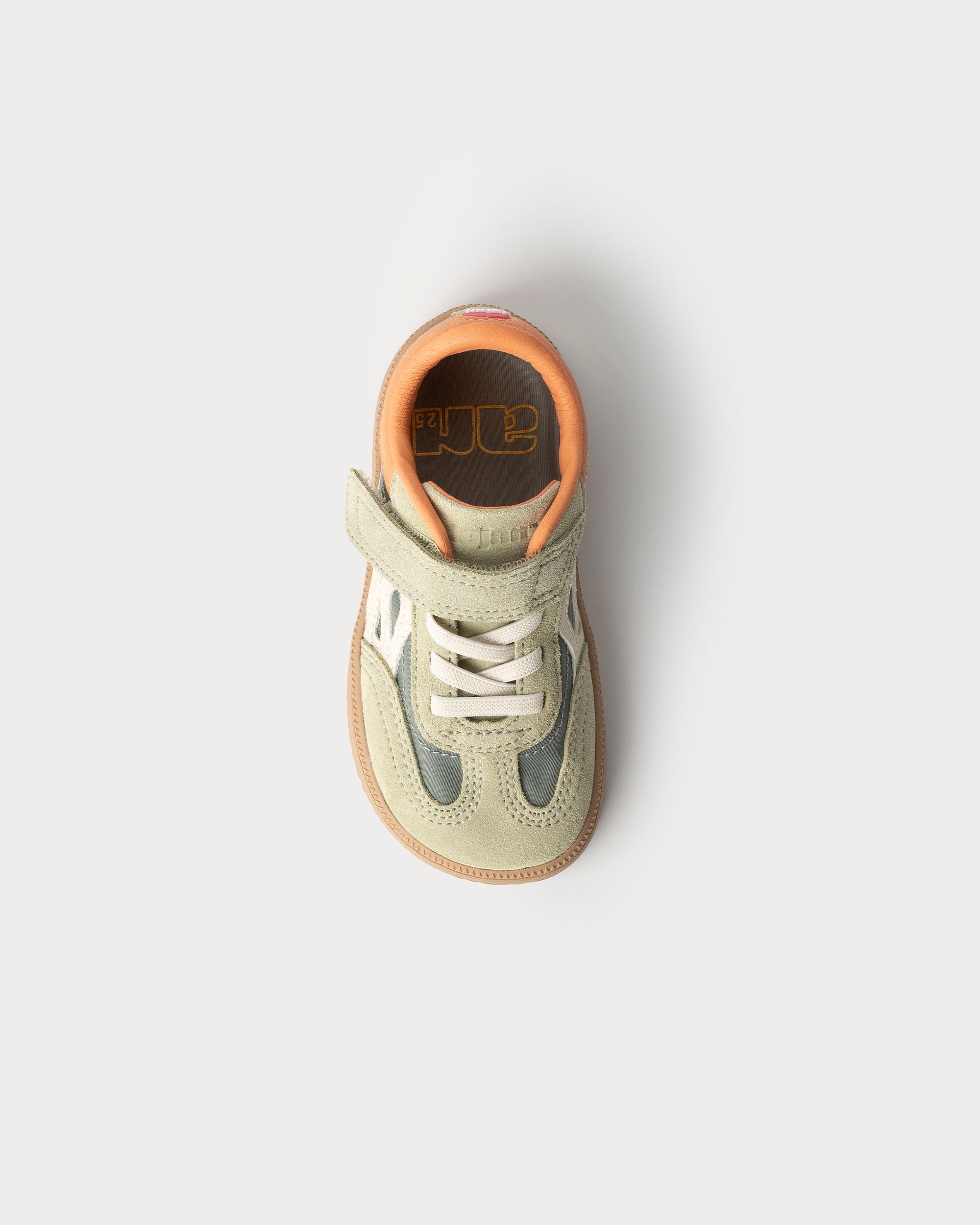
Narrow toe box: if the toes are squeezed, the foot loses its base of support. And without a stable base, the arch and ankle control have a harder time.
-
Drop (a higher heel): it raises the heel and changes how load is distributed. In some children that may increase the tendency to "collapse" inward, because the body looks for stability however it can.
-
Shoe weight: it sounds silly, but a heavy shoe on a small child is like wearing a backpack on the feet. The lighter and more flexible (without overdoing it), the more natural the gait usually is.
And one very practical tip when buying: we're not looking for a shoe for flat feet, we're looking for a shoe that lets them move well (no chafing, no extra clumsiness, no strange fatigue). If the child moves comfortably and actively, we're usually choosing well.

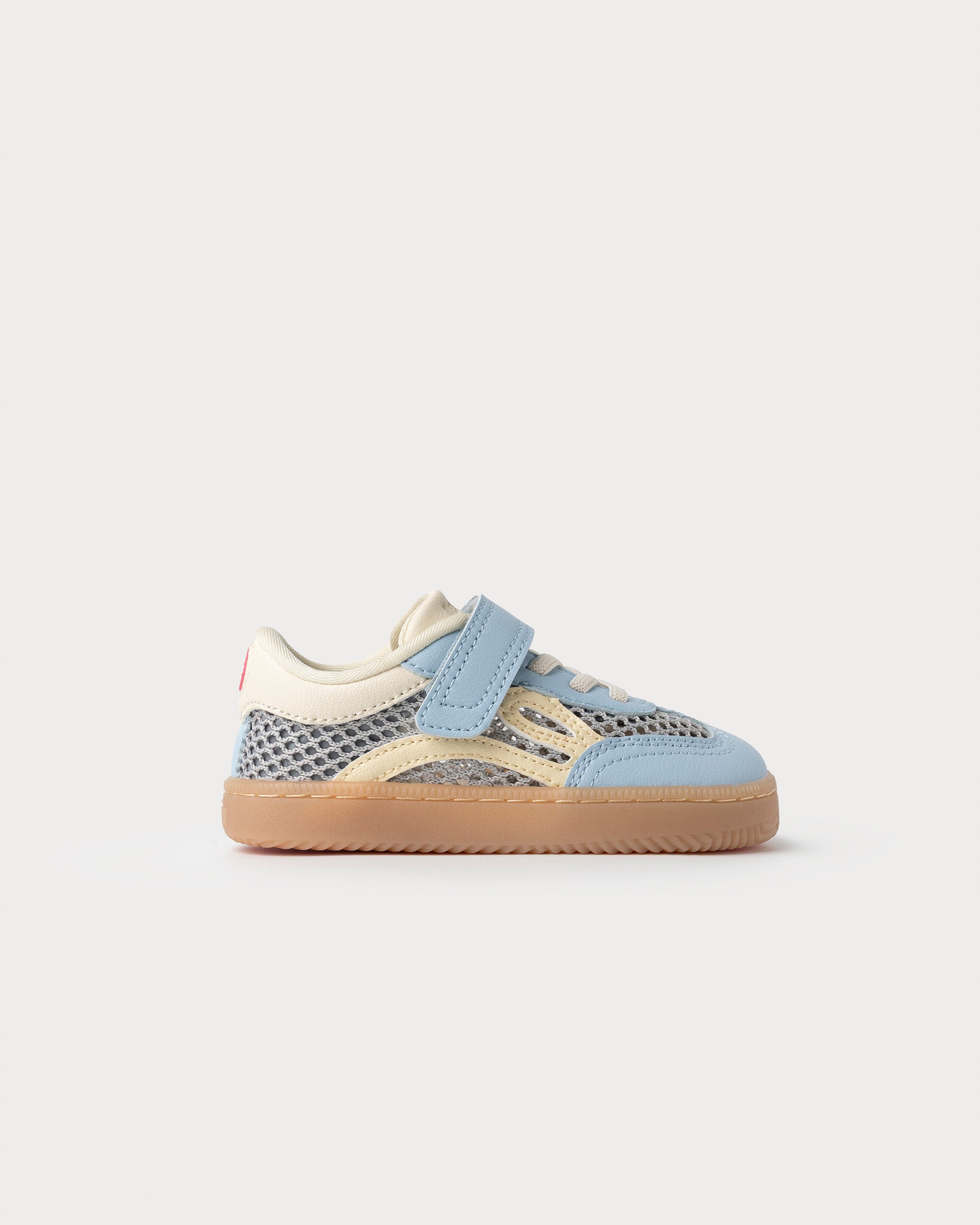
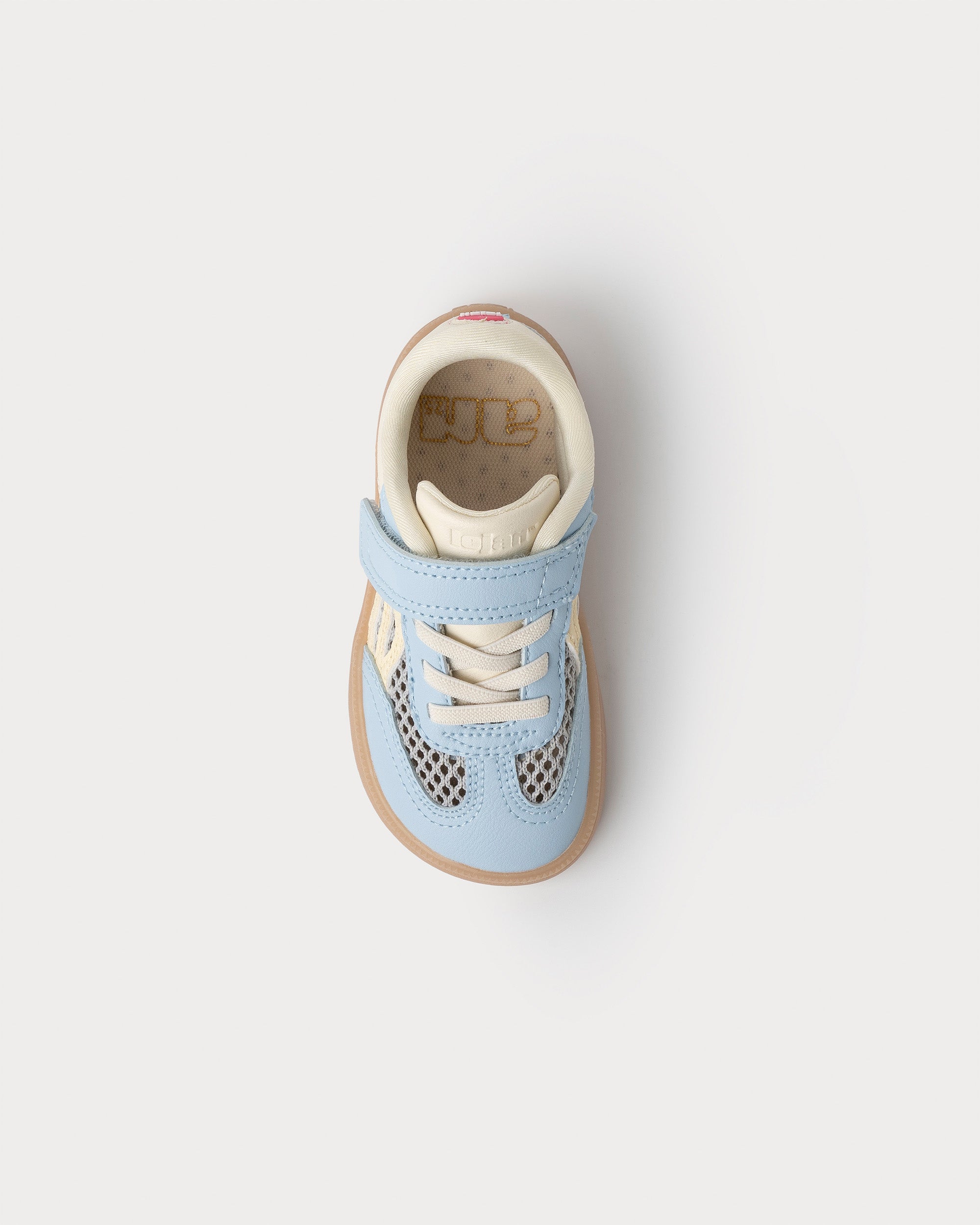
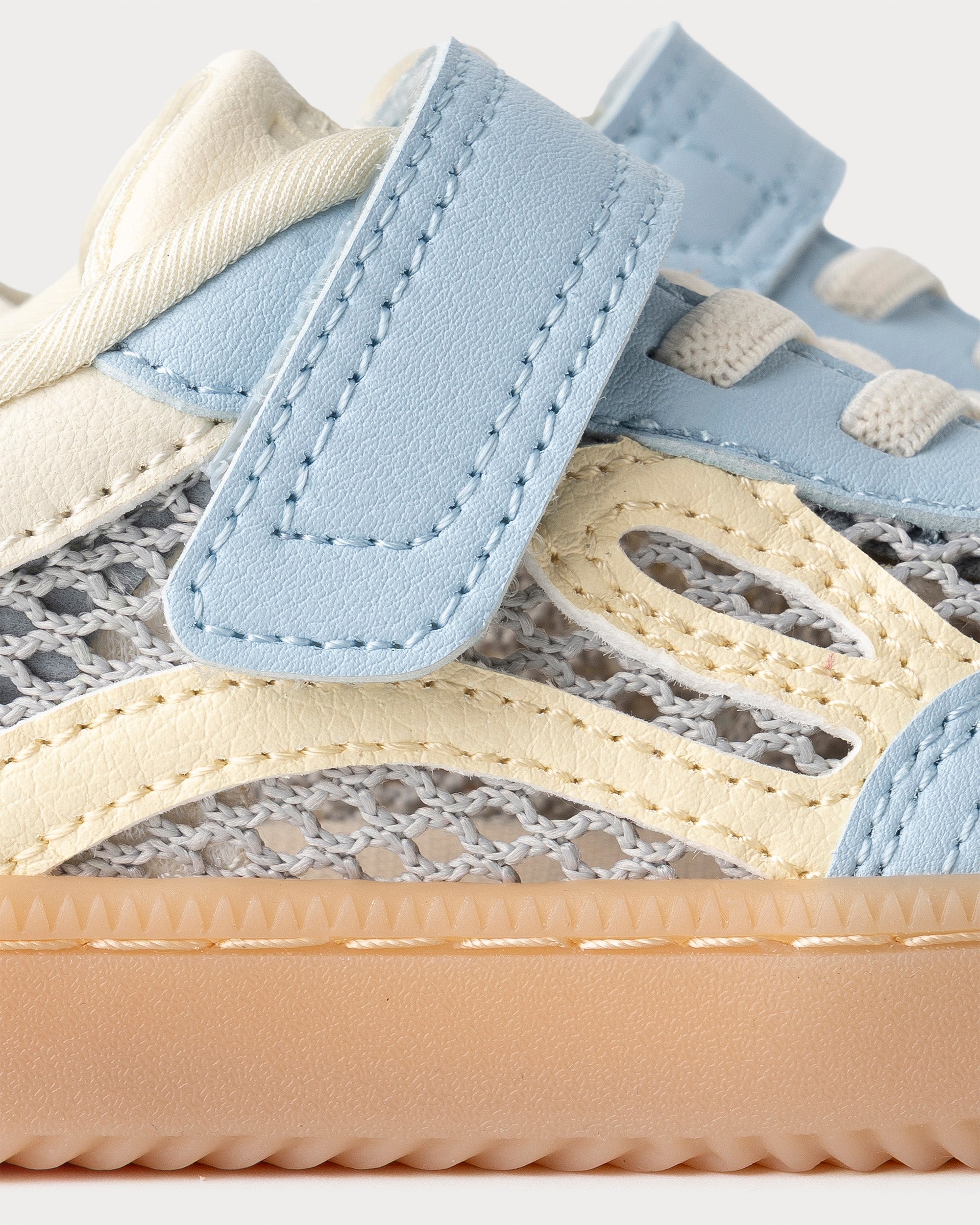
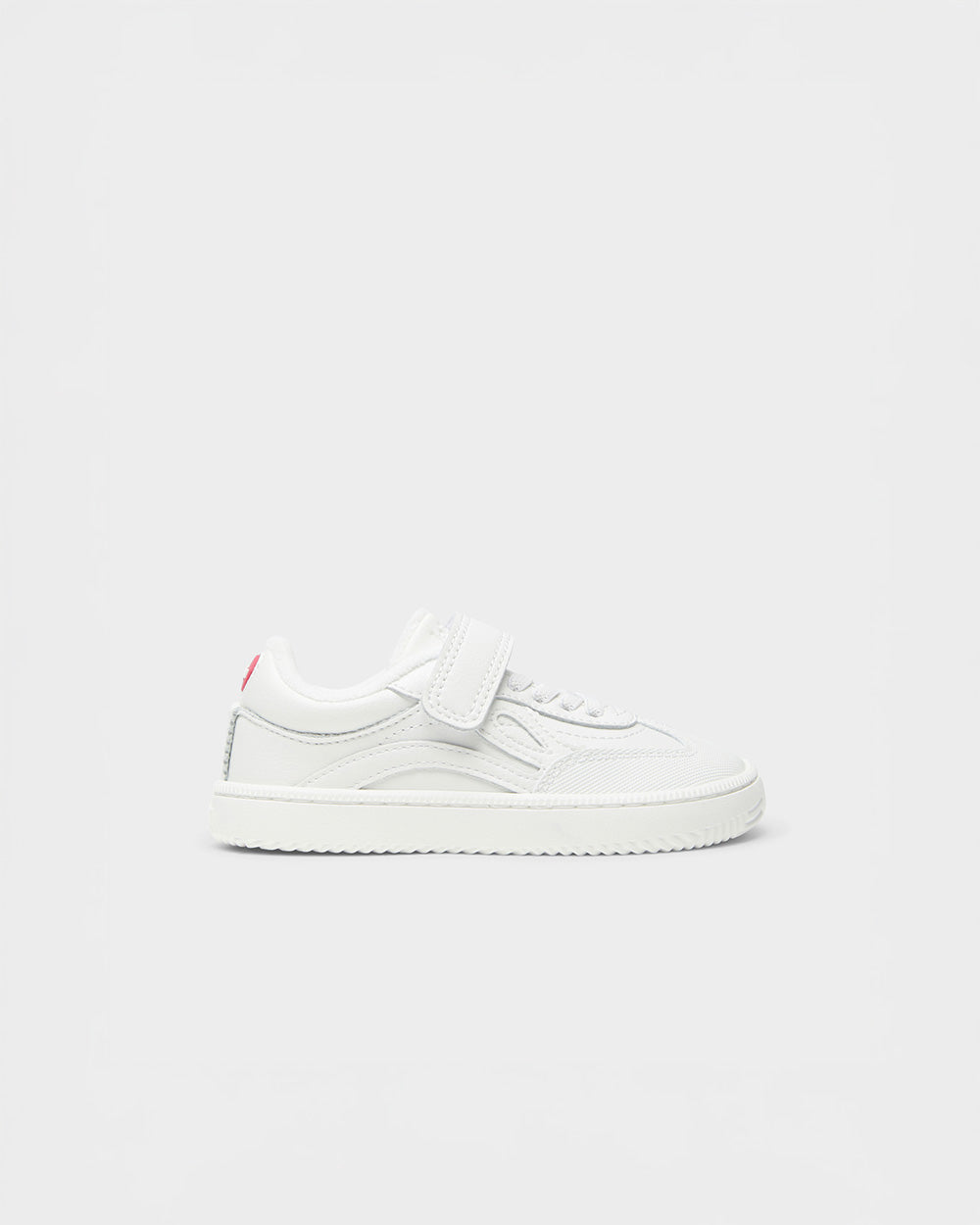
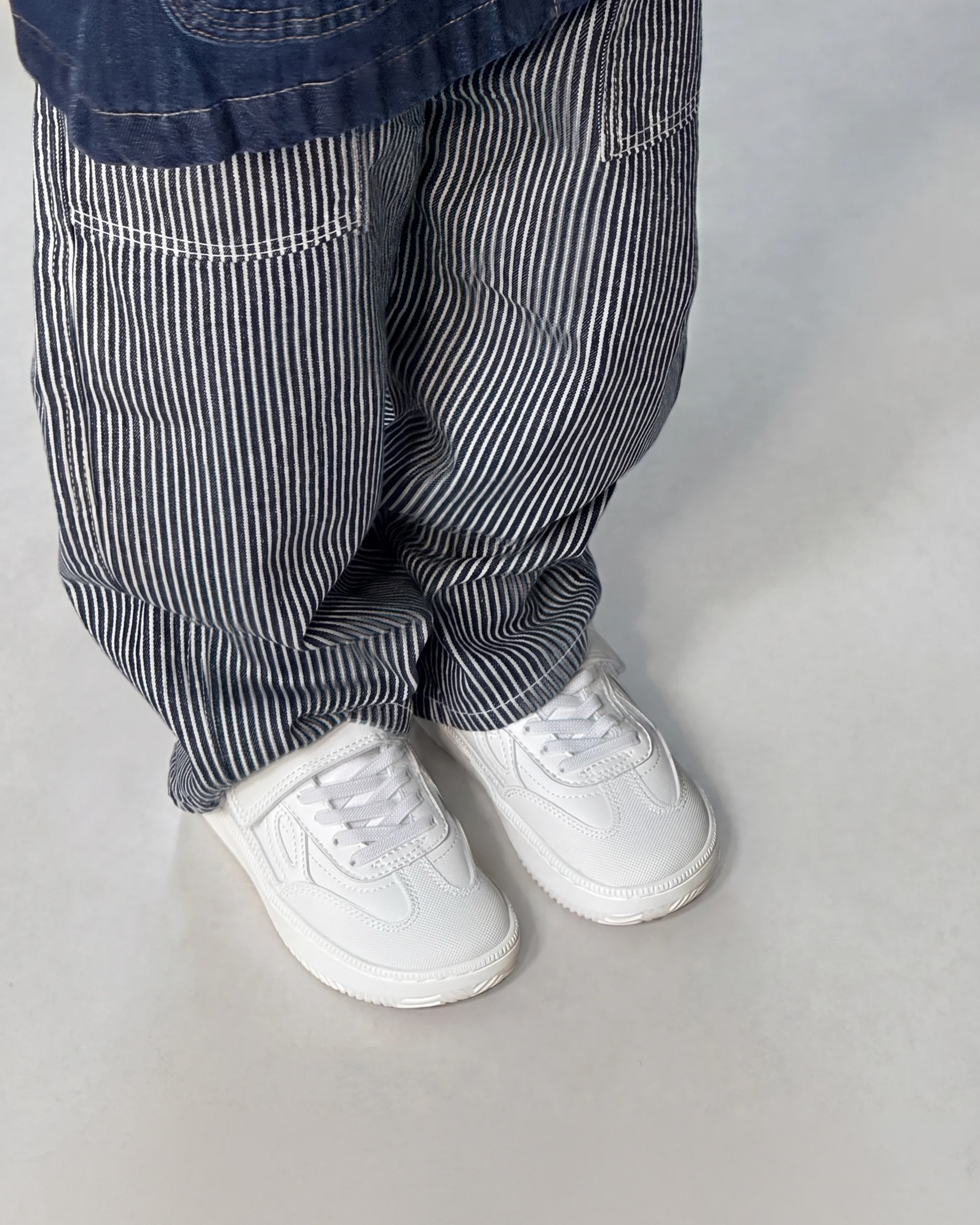
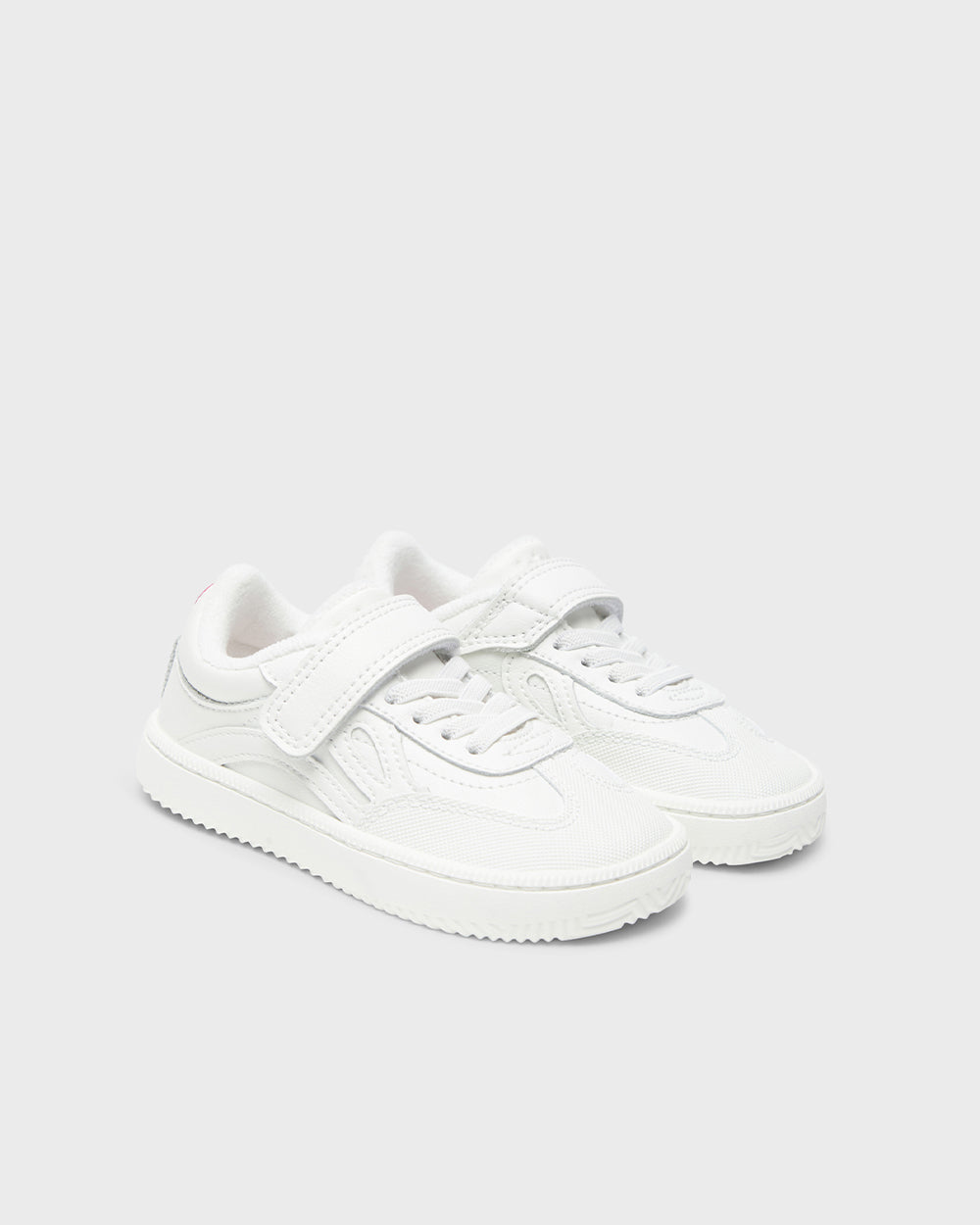
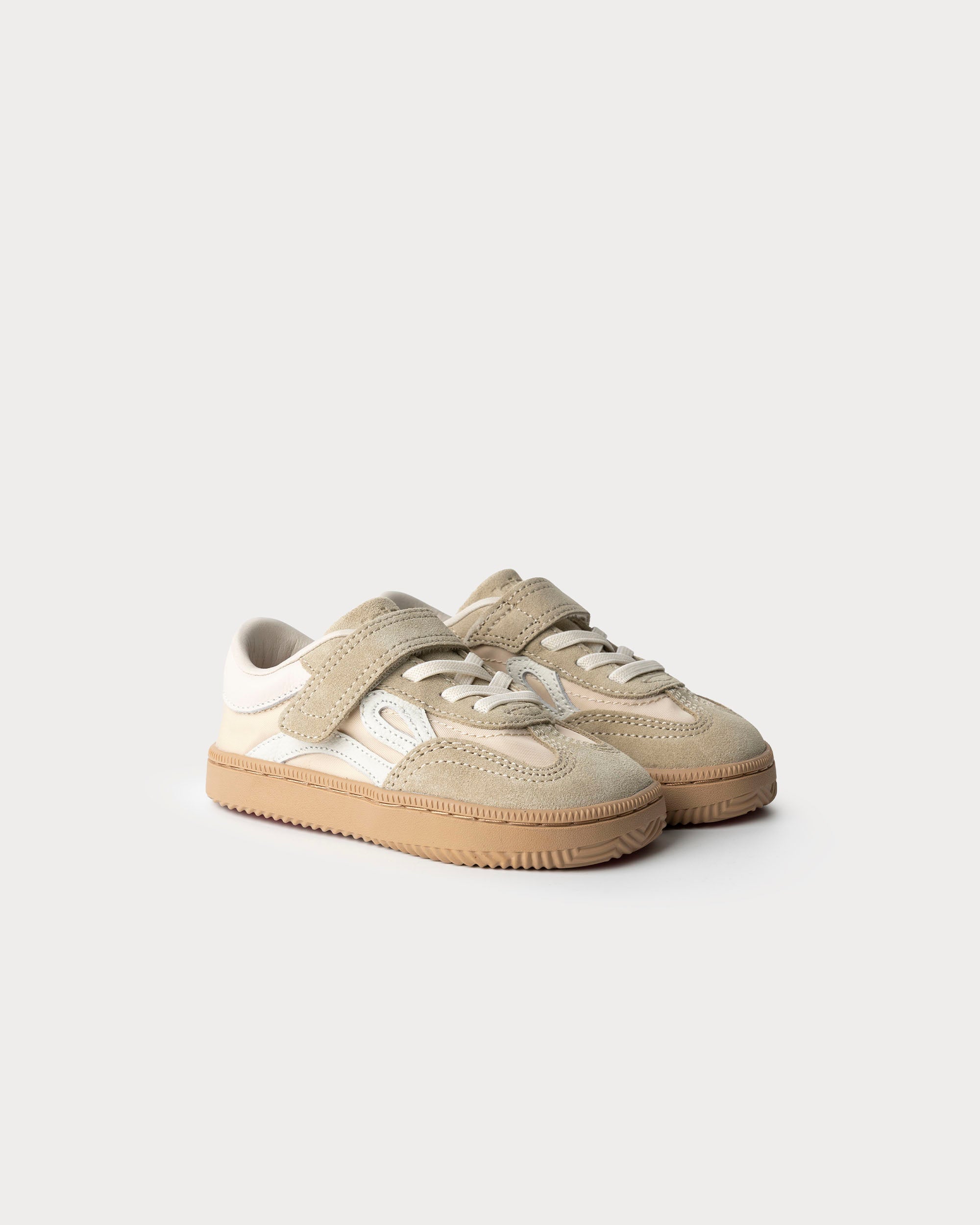
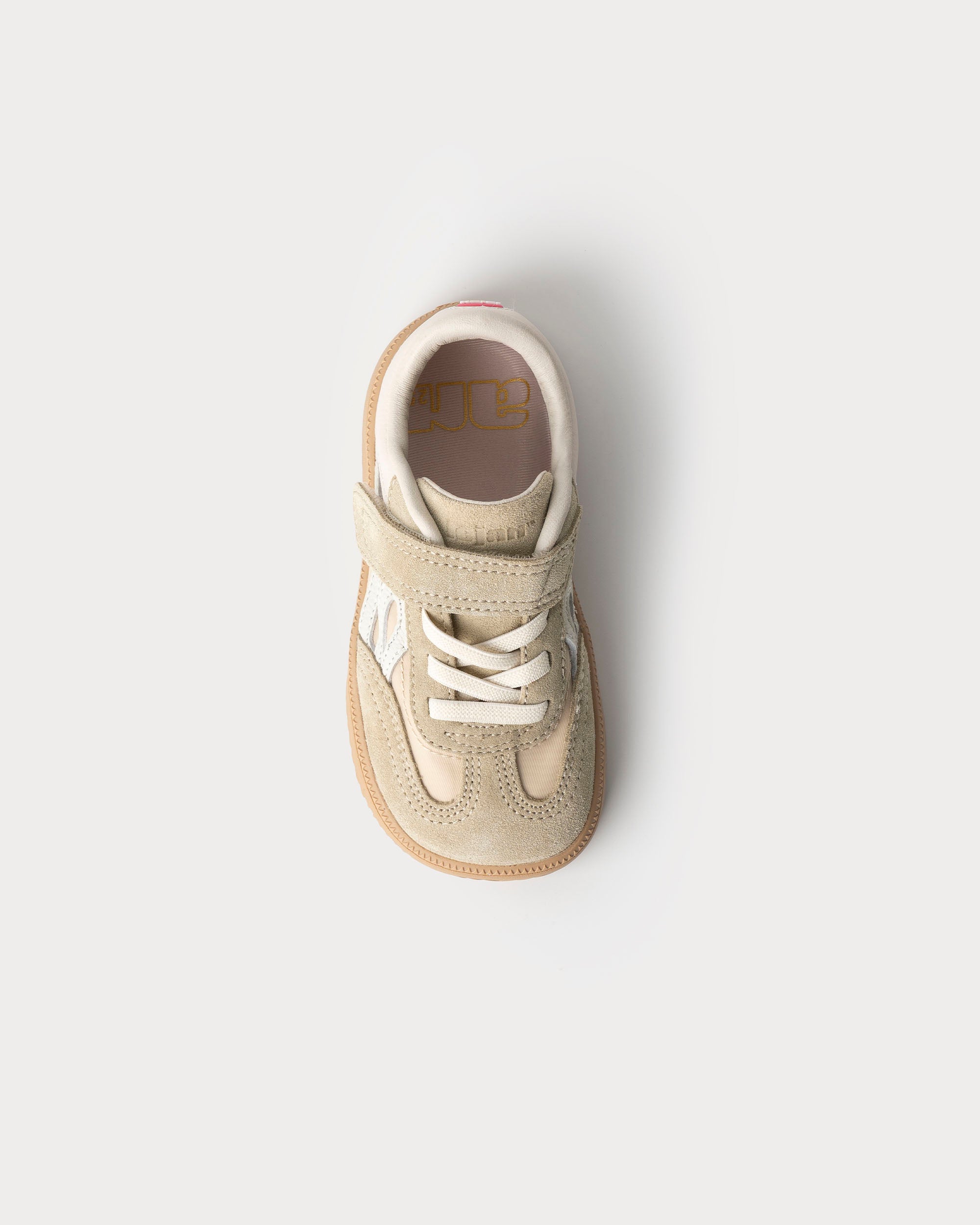
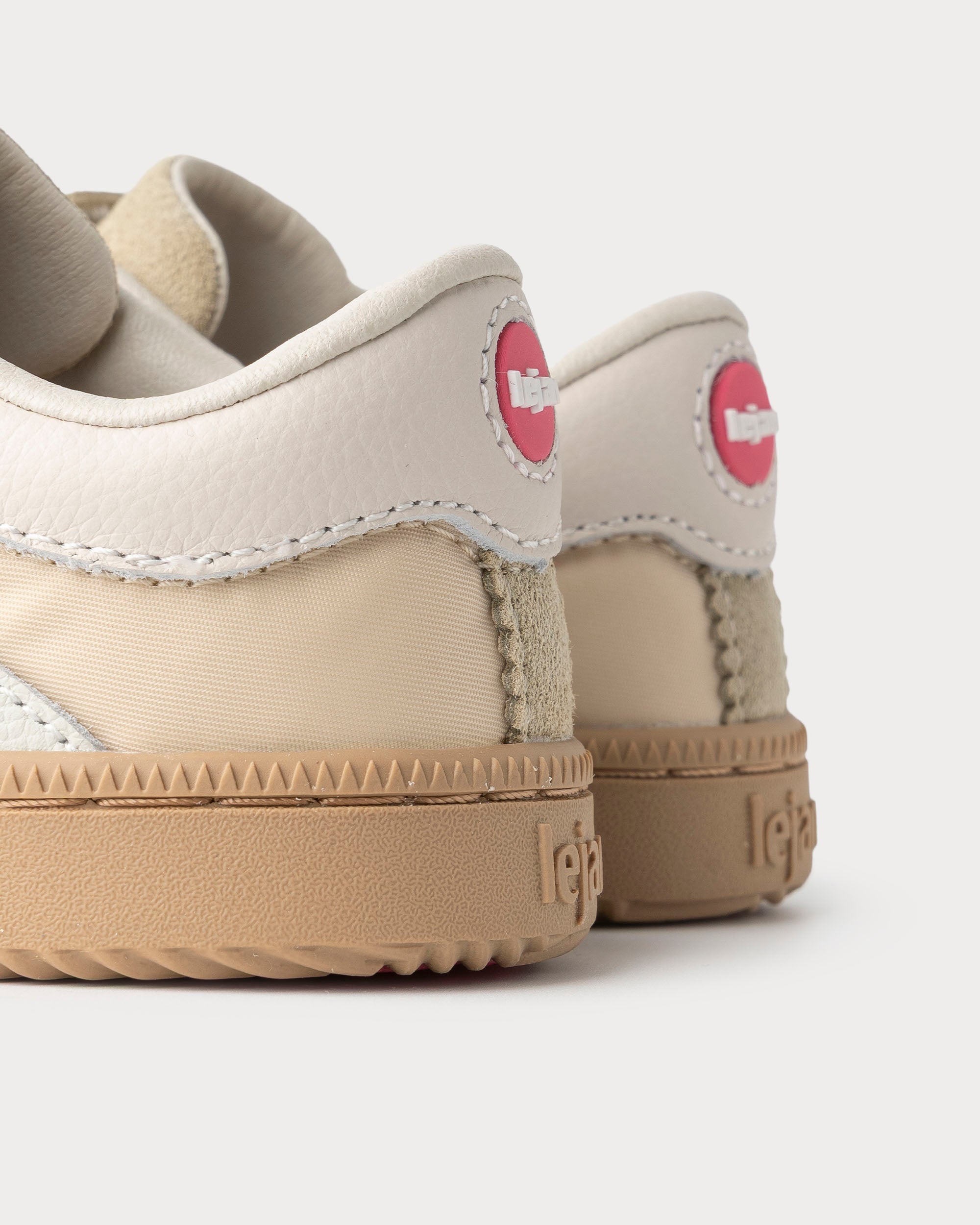
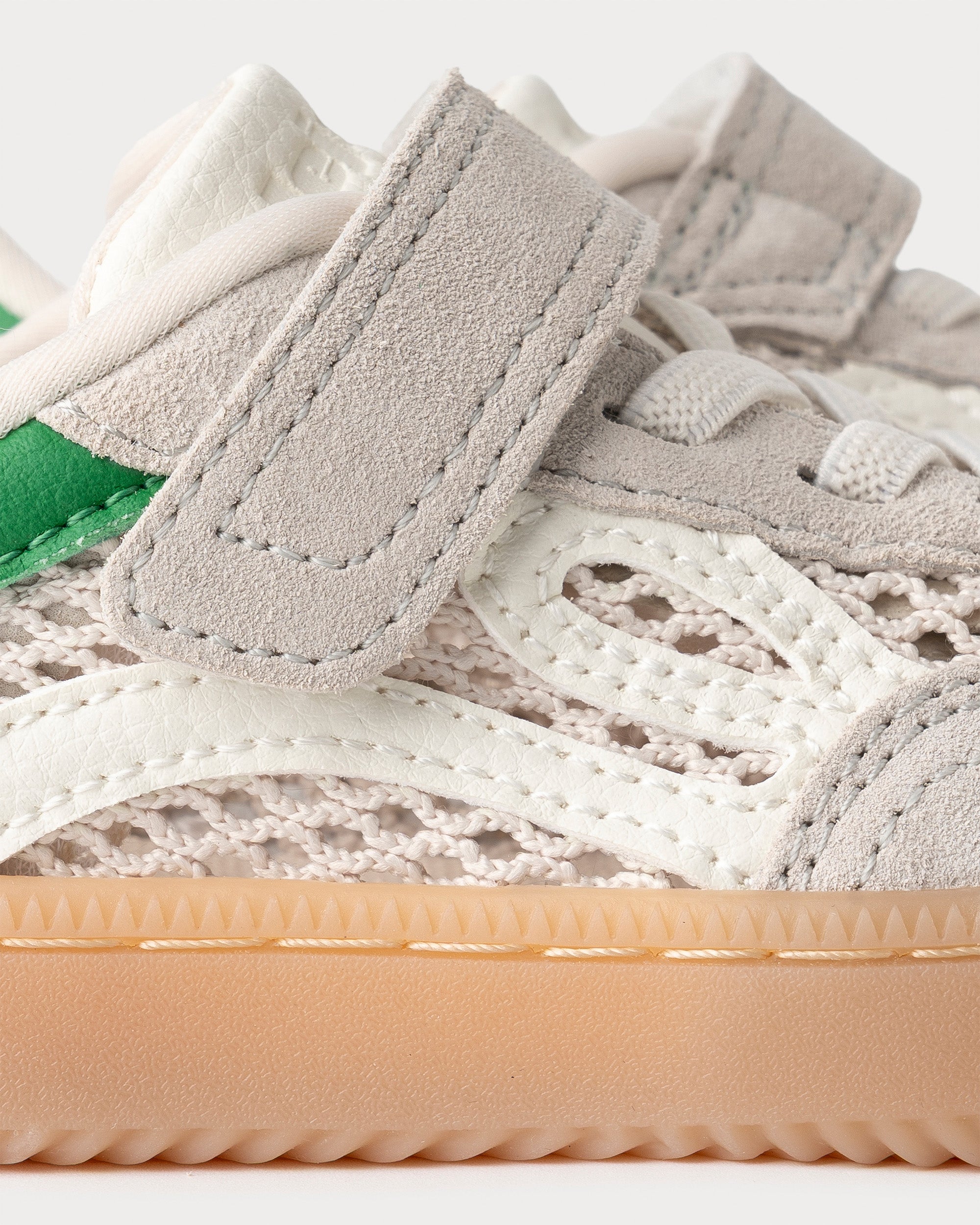
Lejan checklist: flexible sole, drop 0, wide last and firm fit
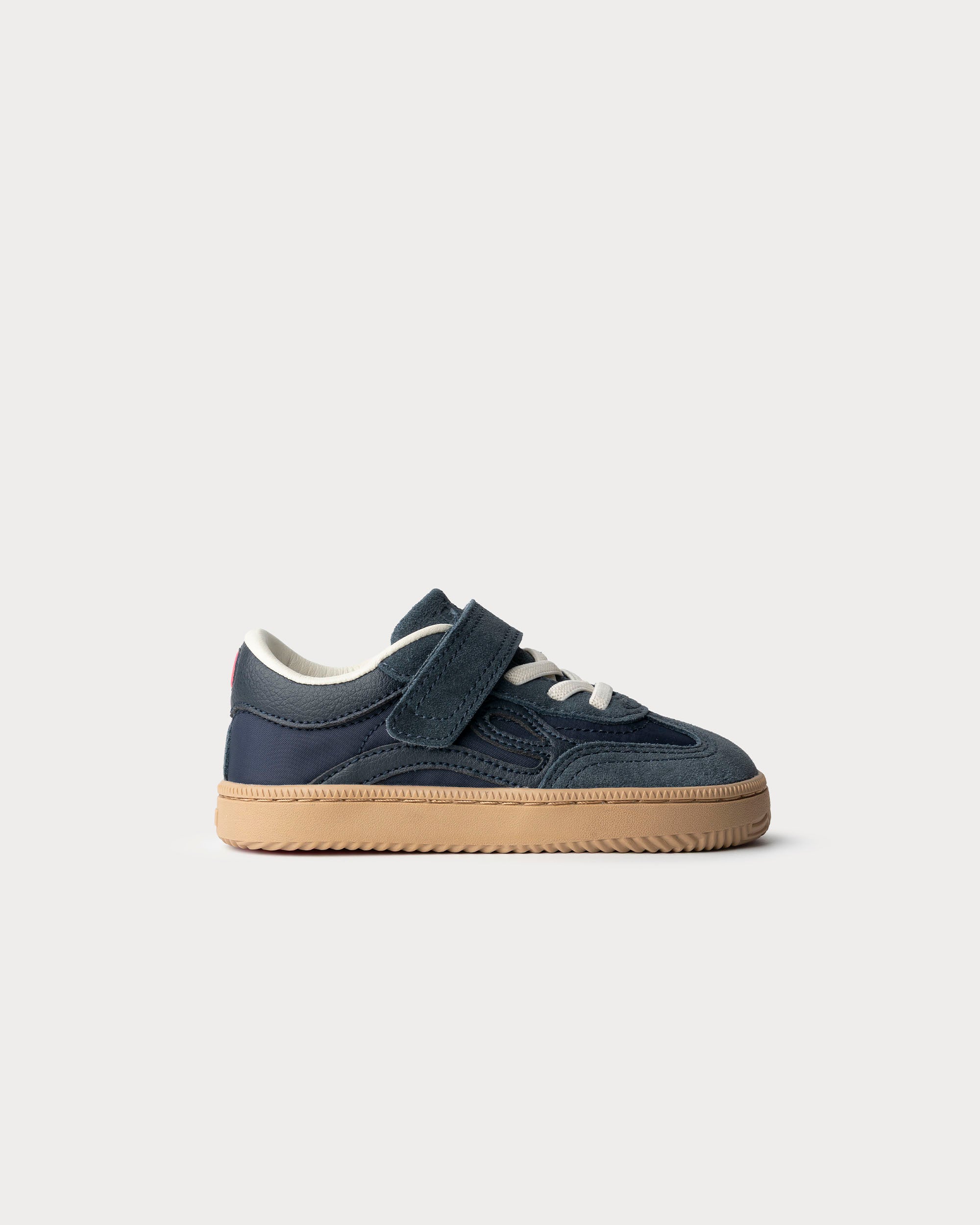
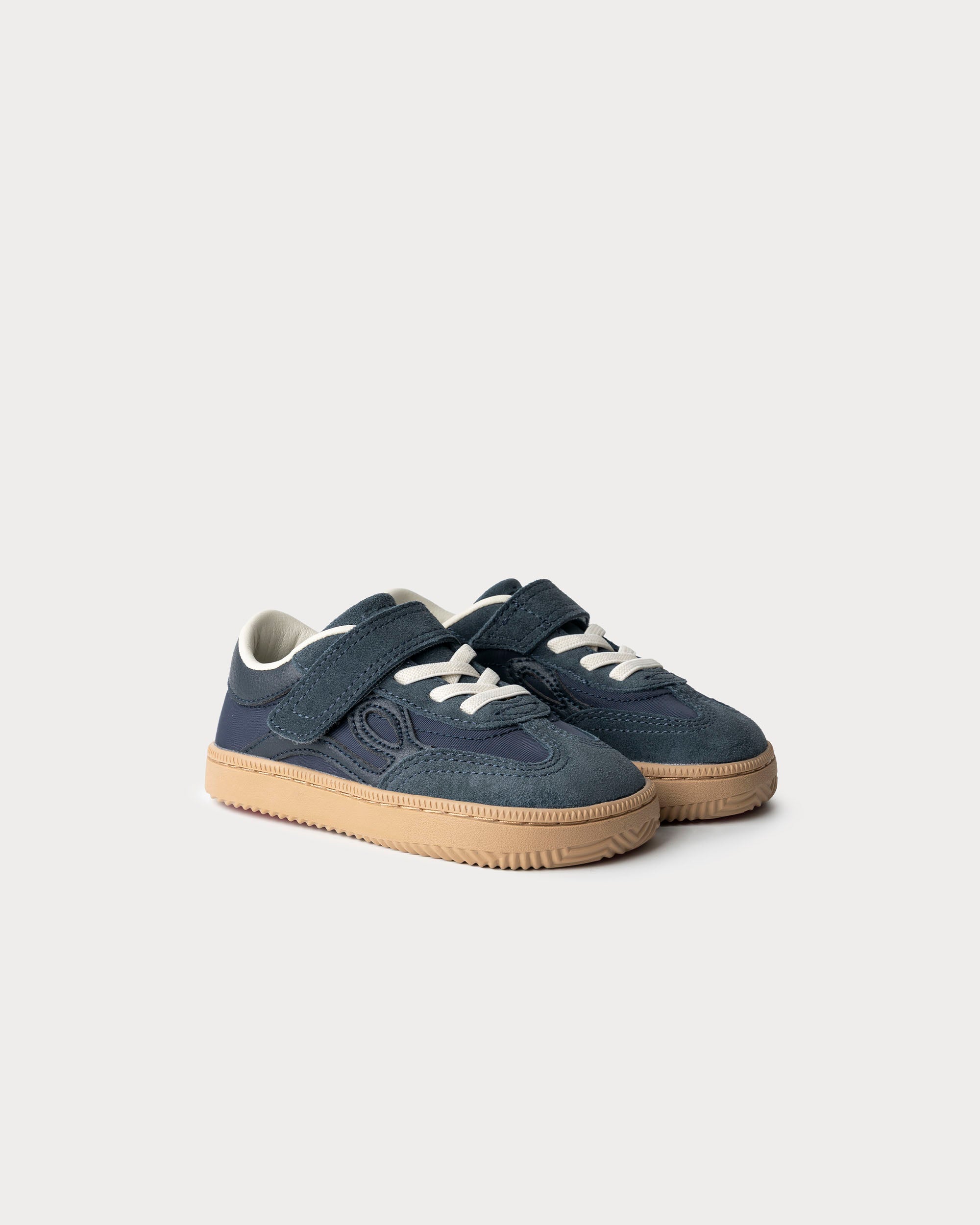
This is our base checklist (what we stand by as a brand):
-
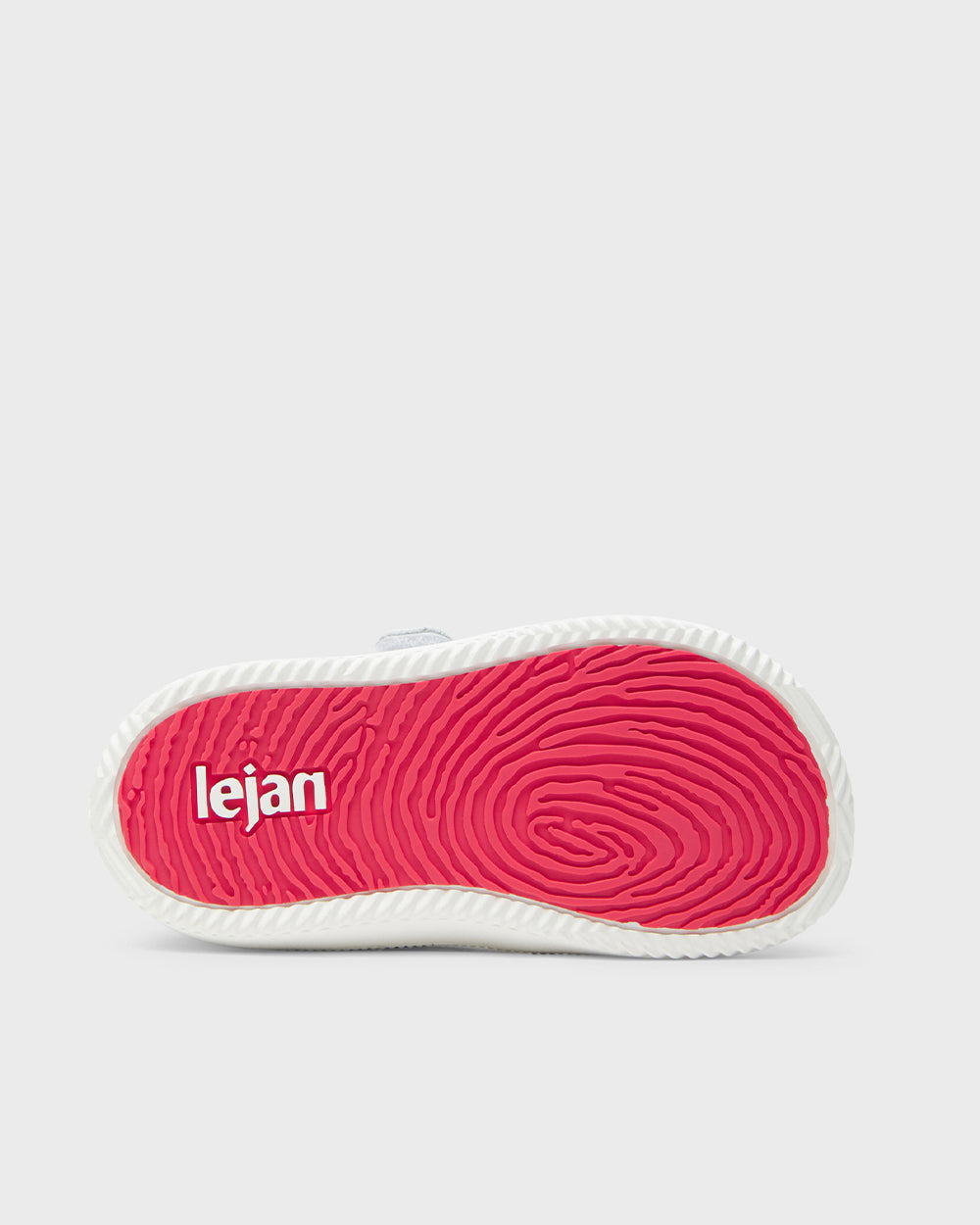
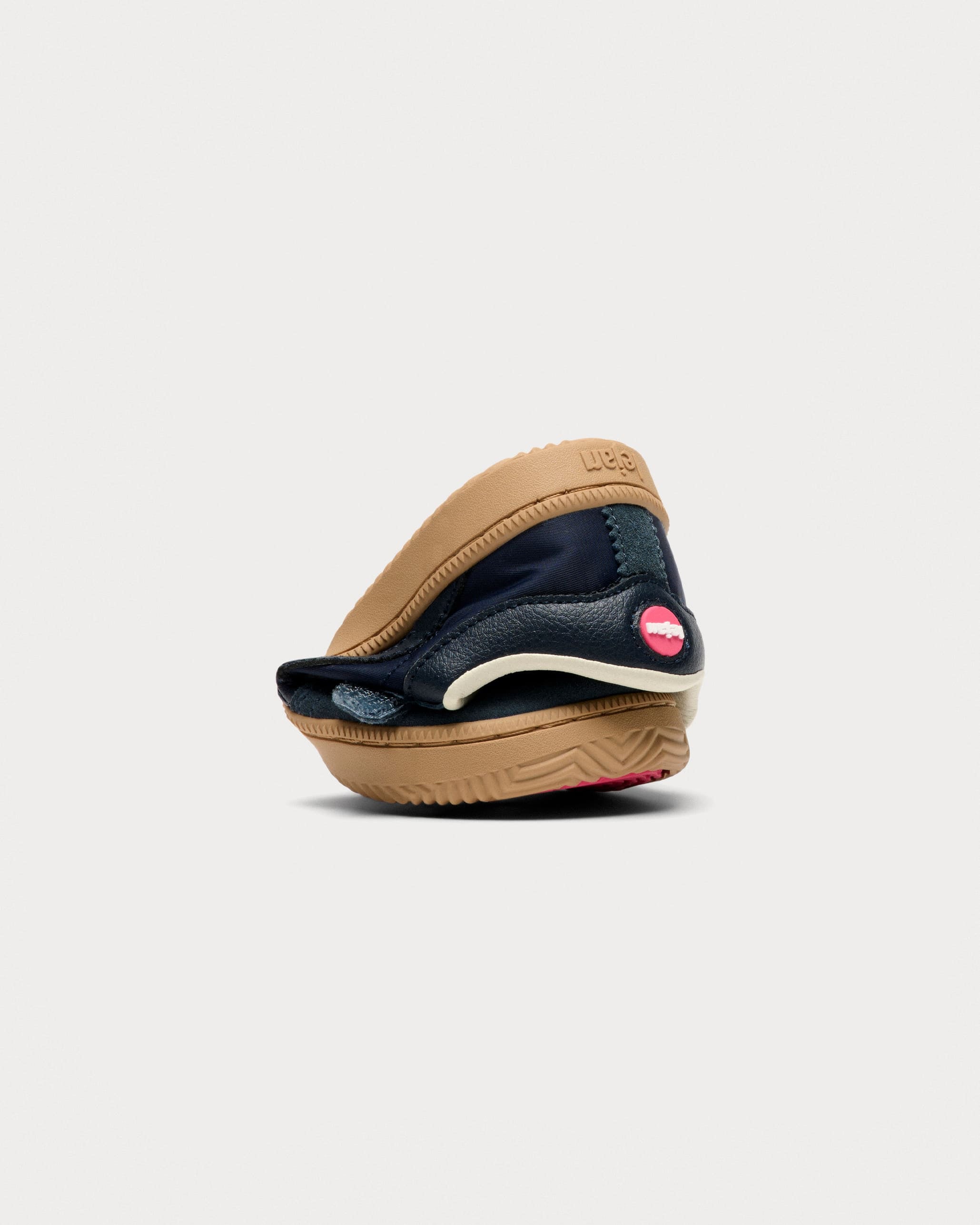
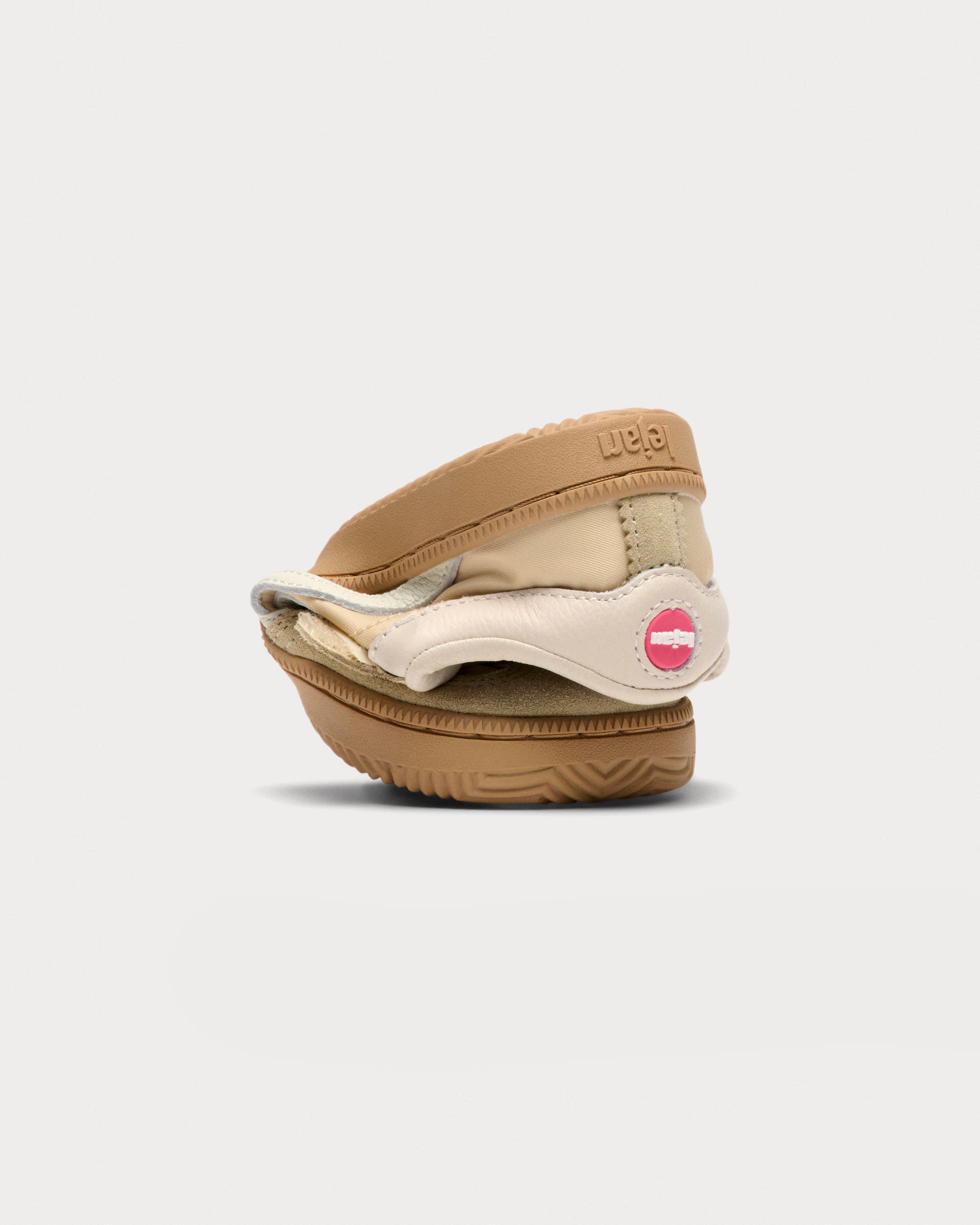
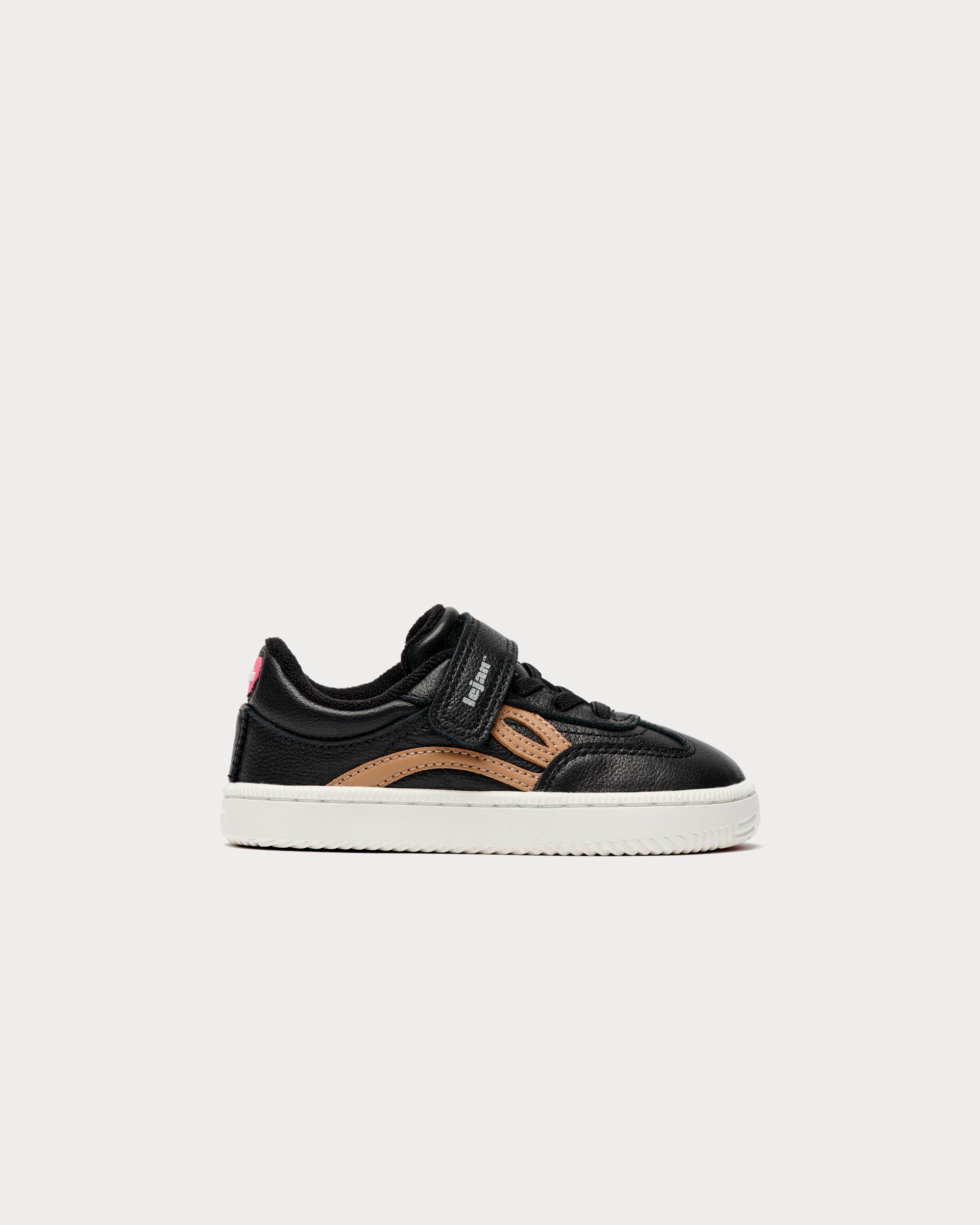
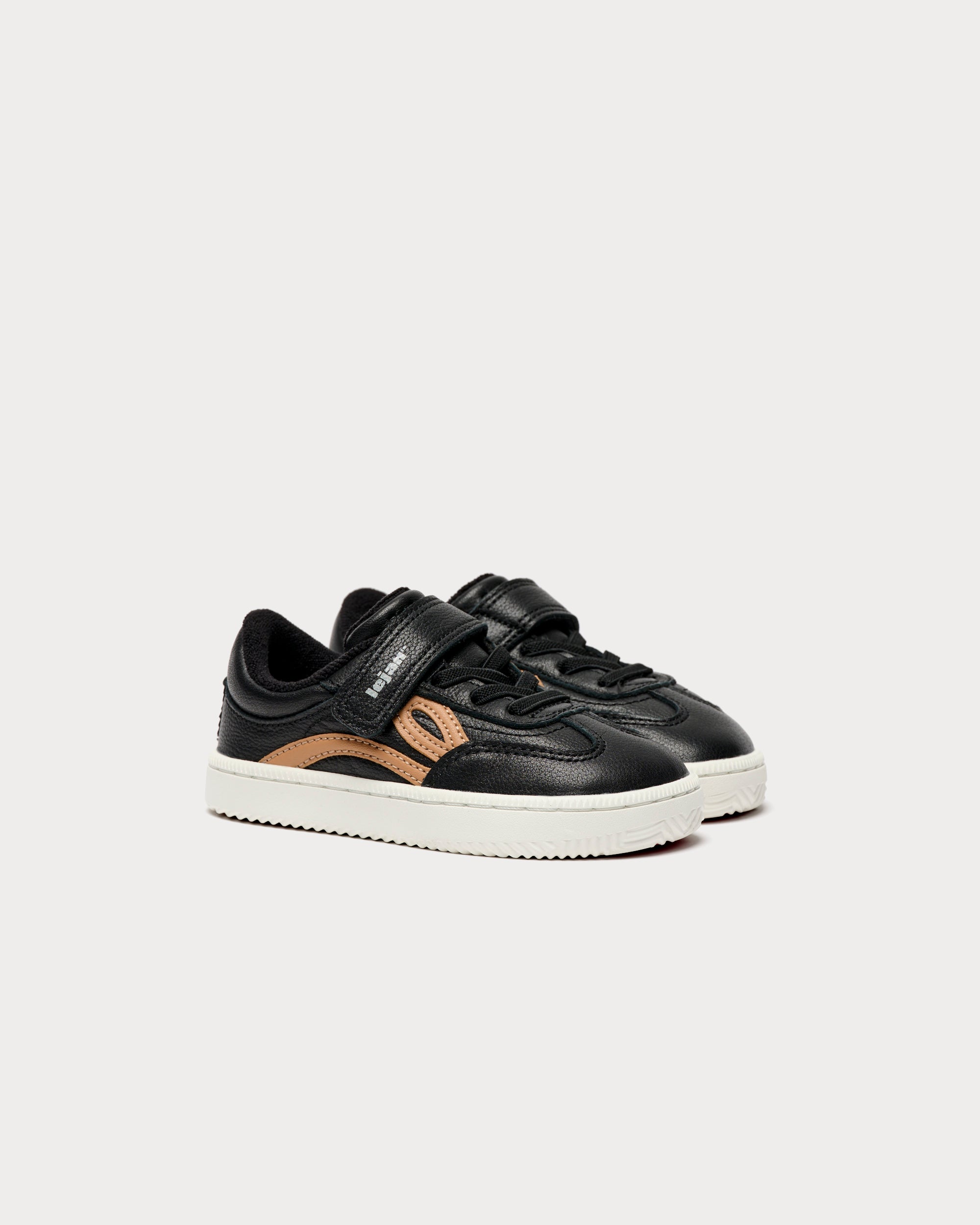
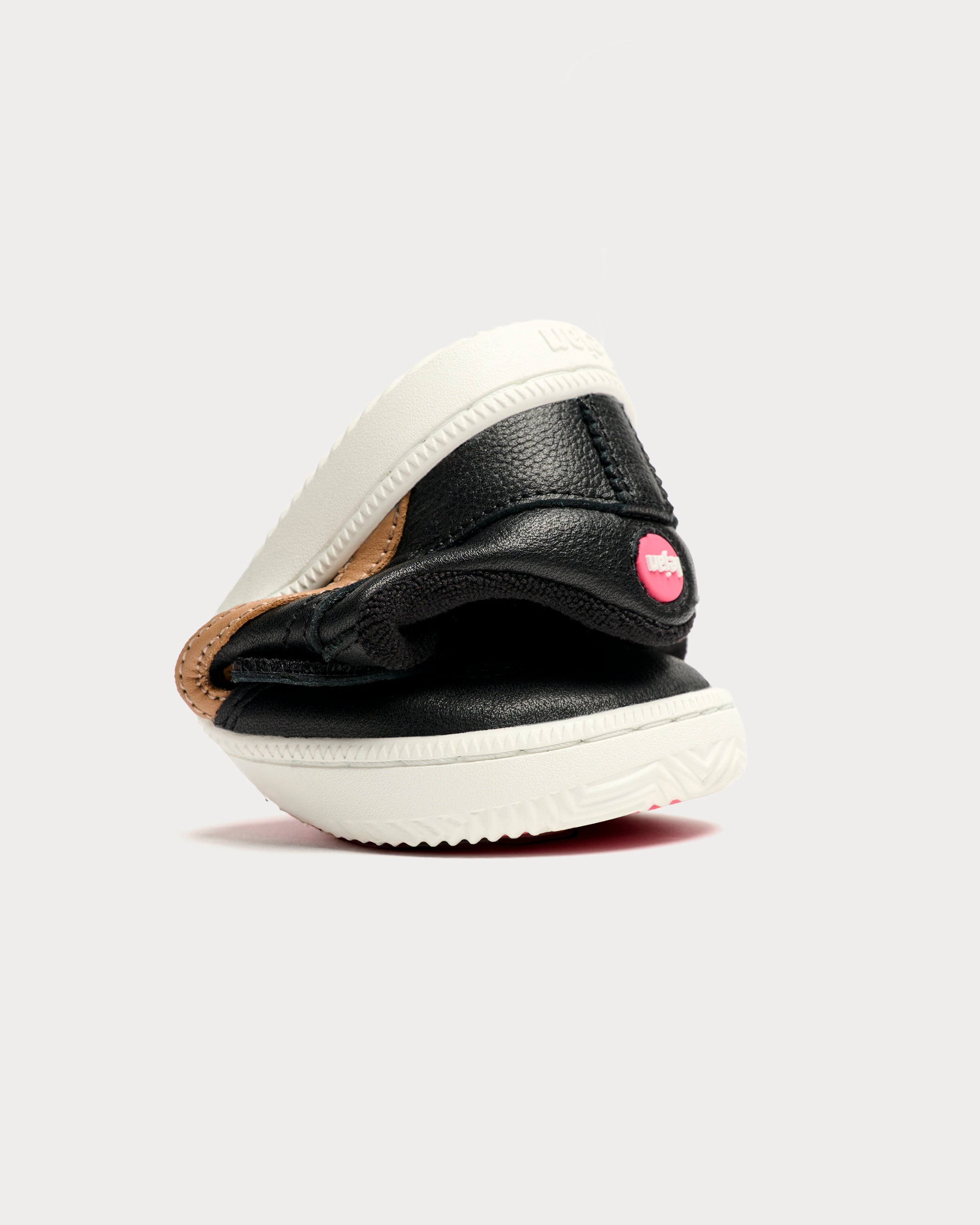
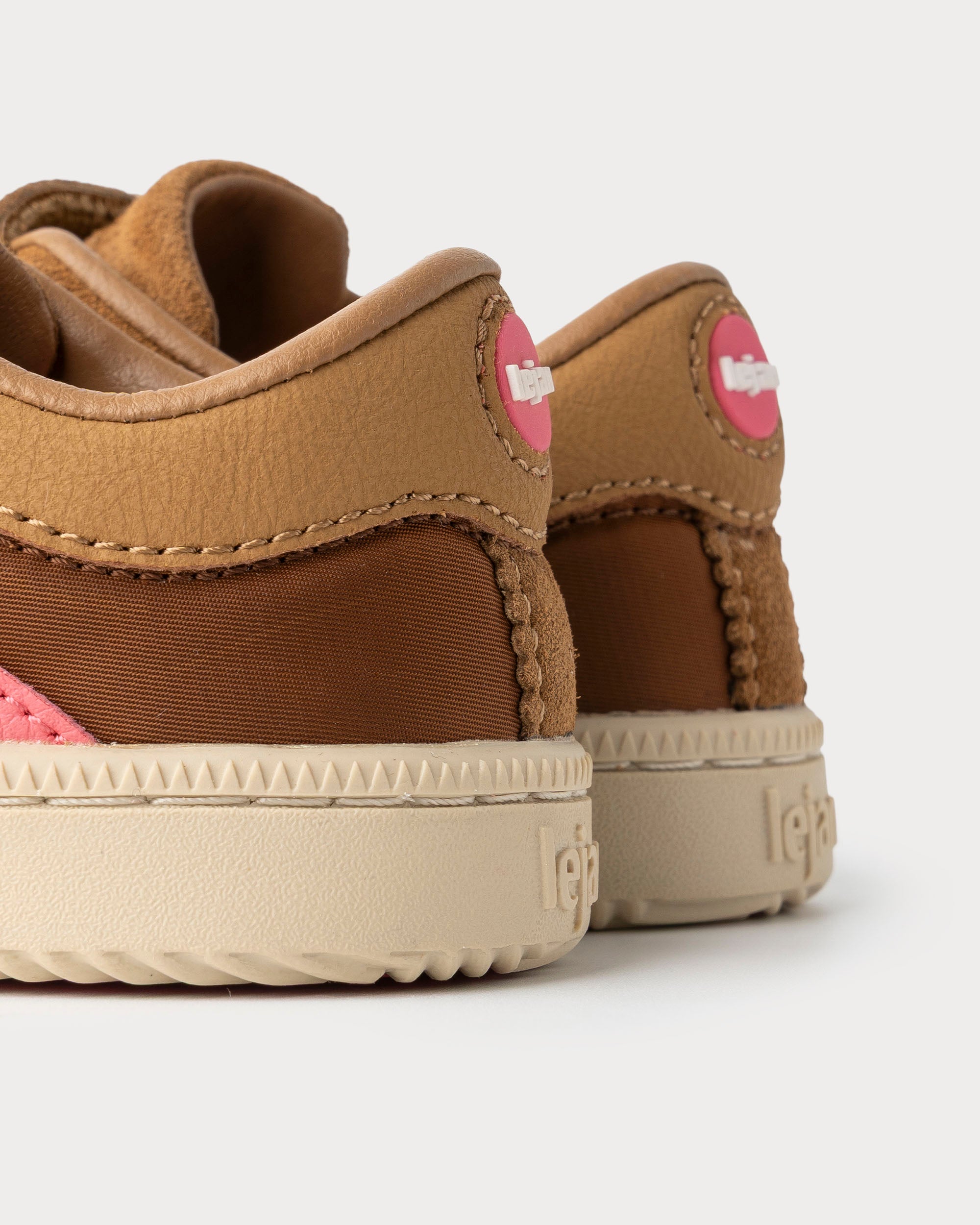
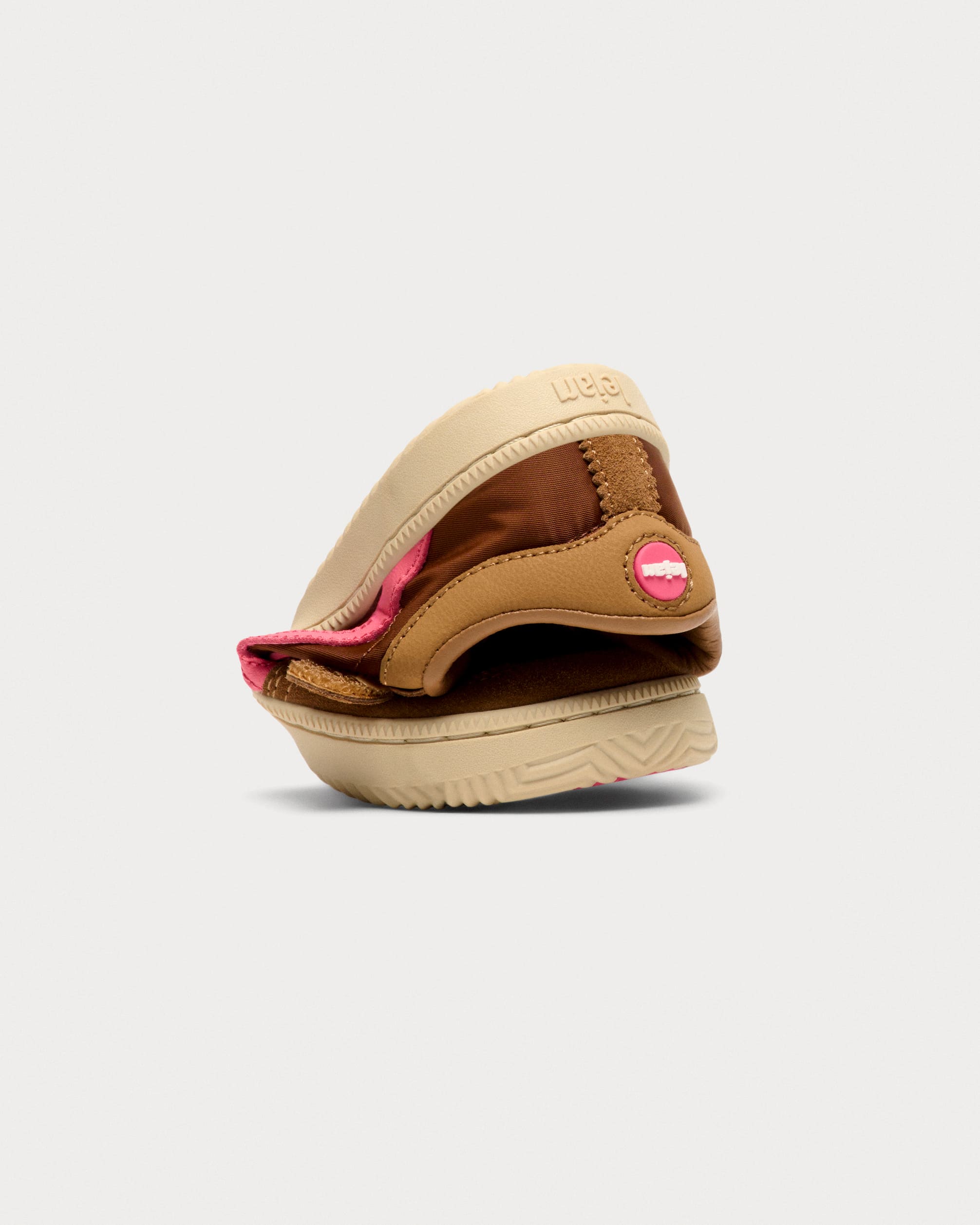
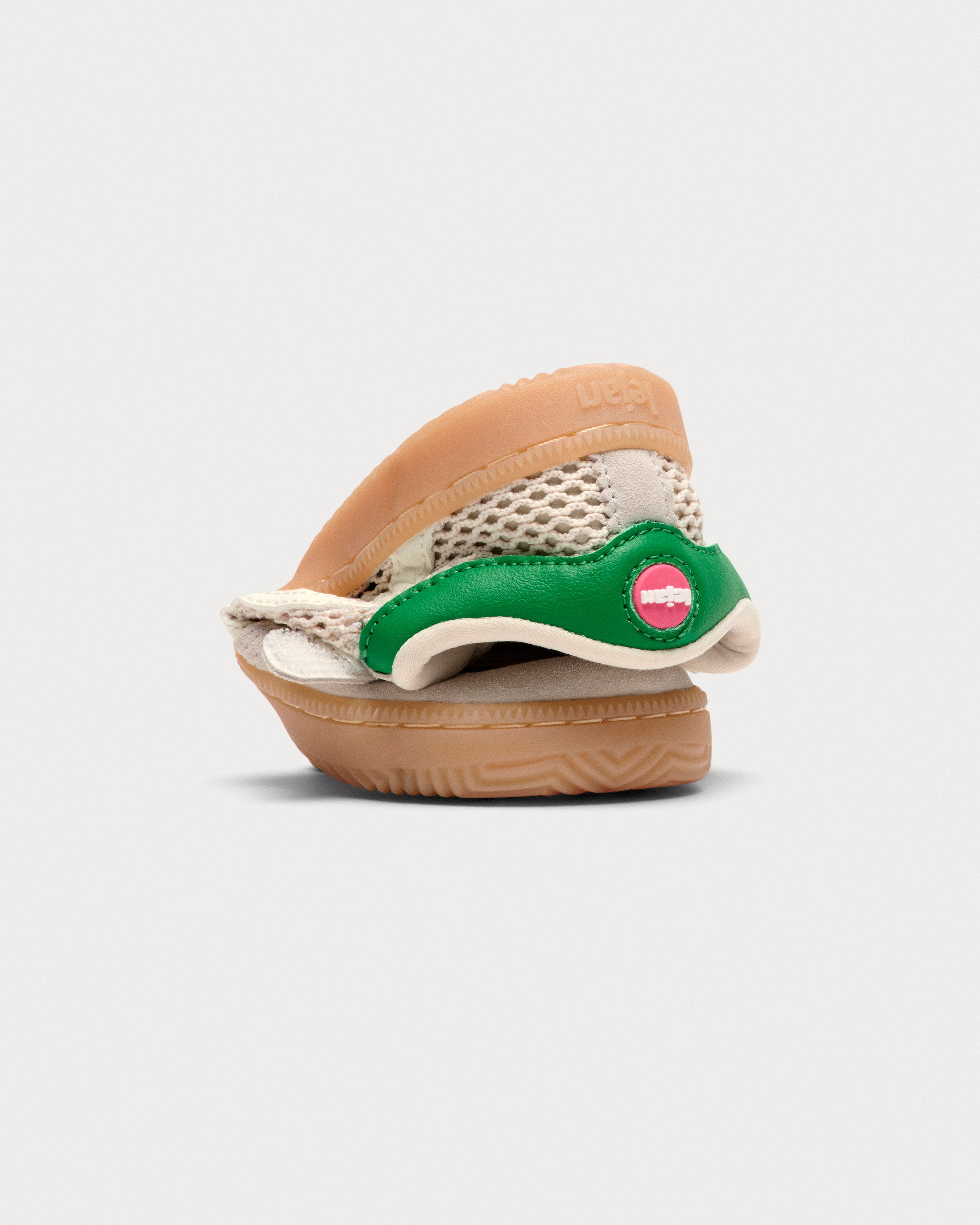
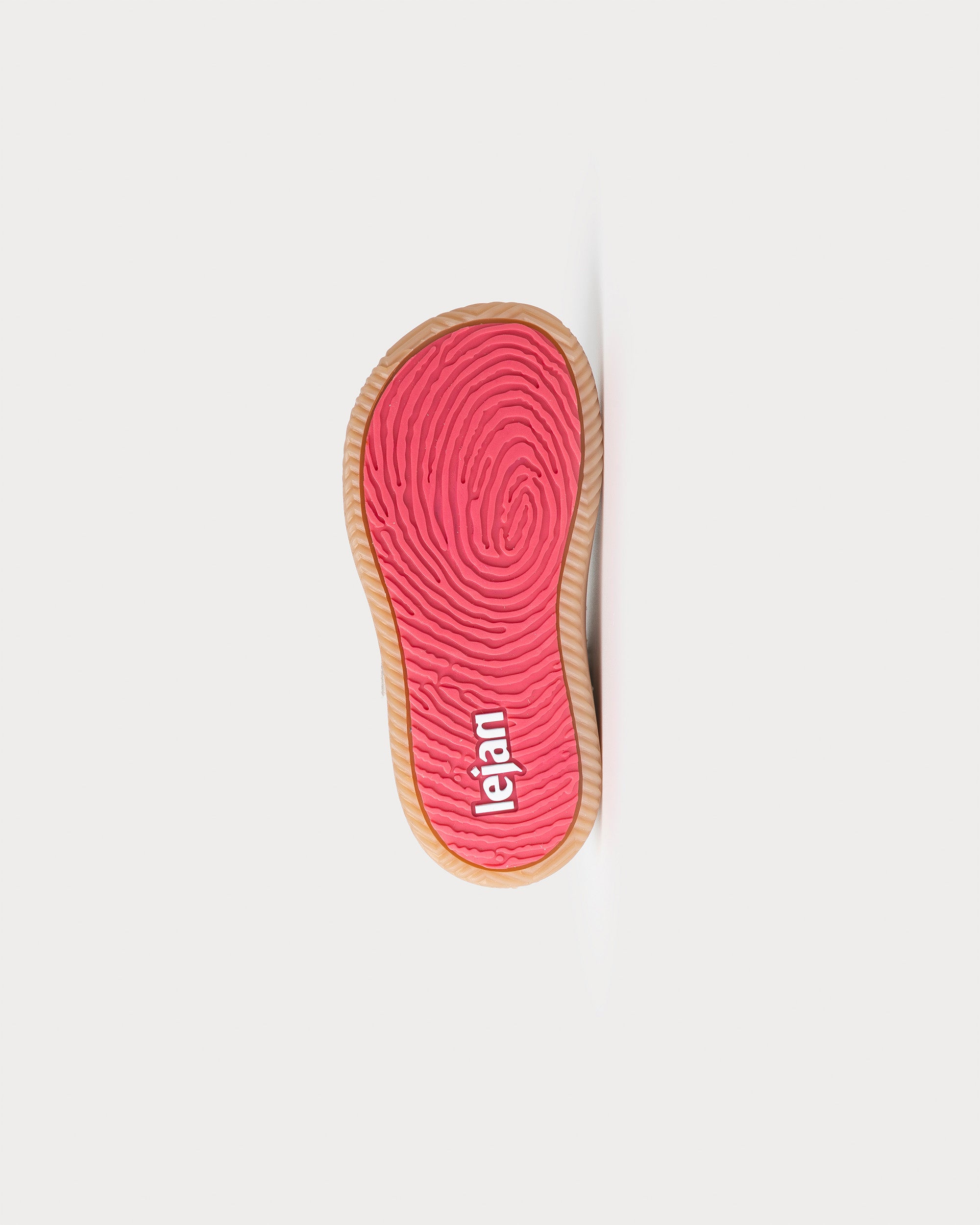
Flexible sole (the "Lejancitos gesture" as the idea of maximum flex and ground feedback).
-
True drop 0 (no heel-to-toe difference) so loads aren't shifted artificially.
-
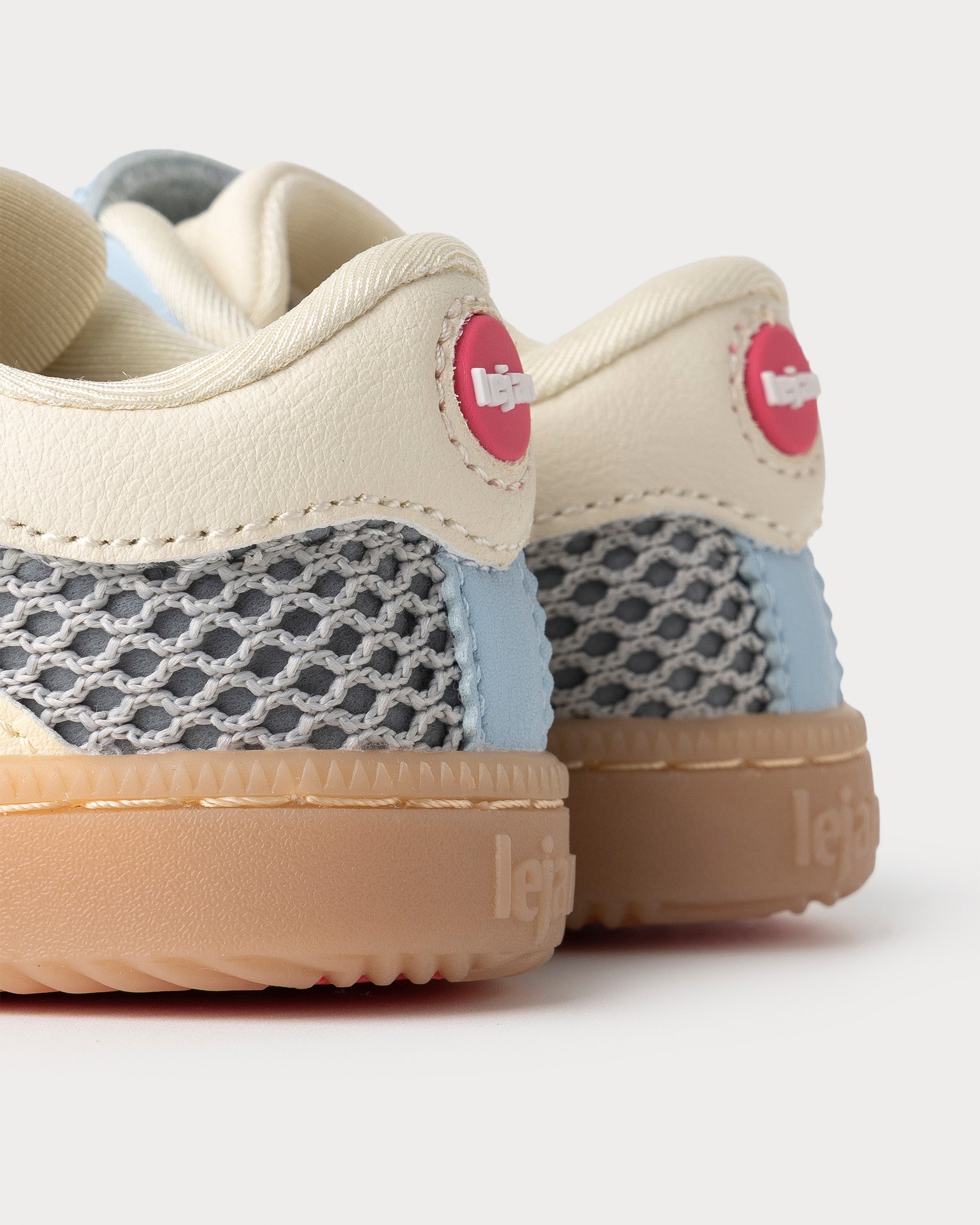
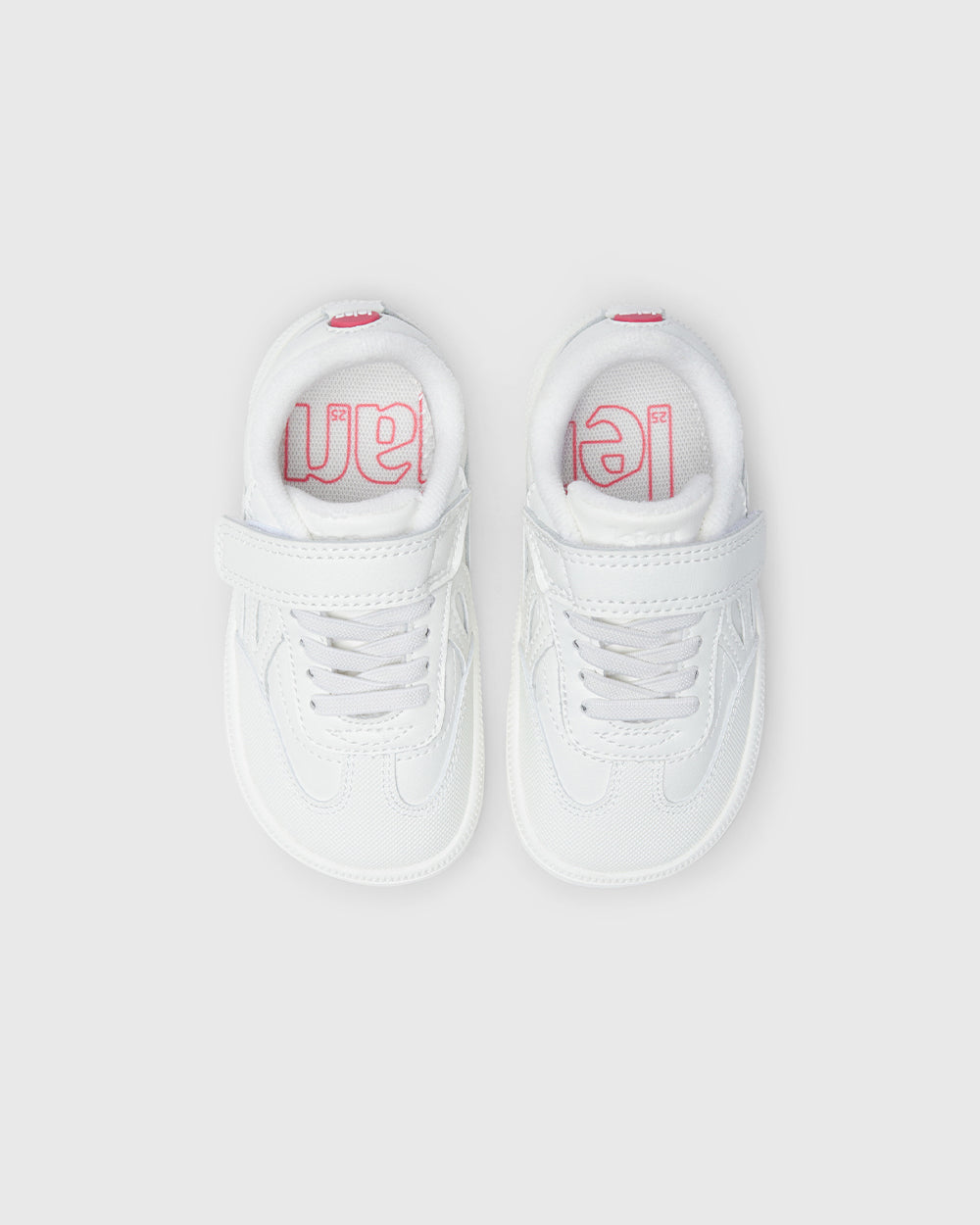
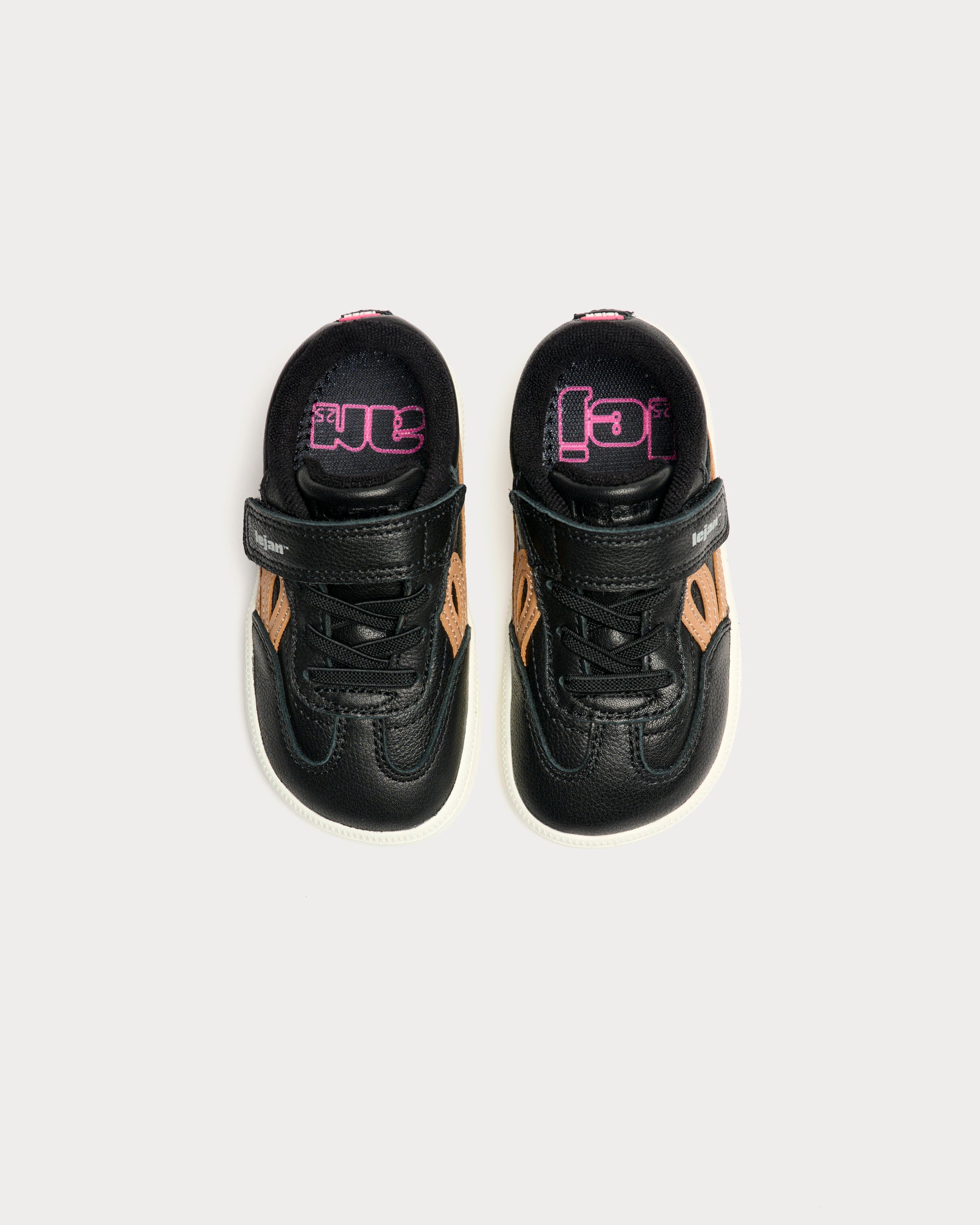
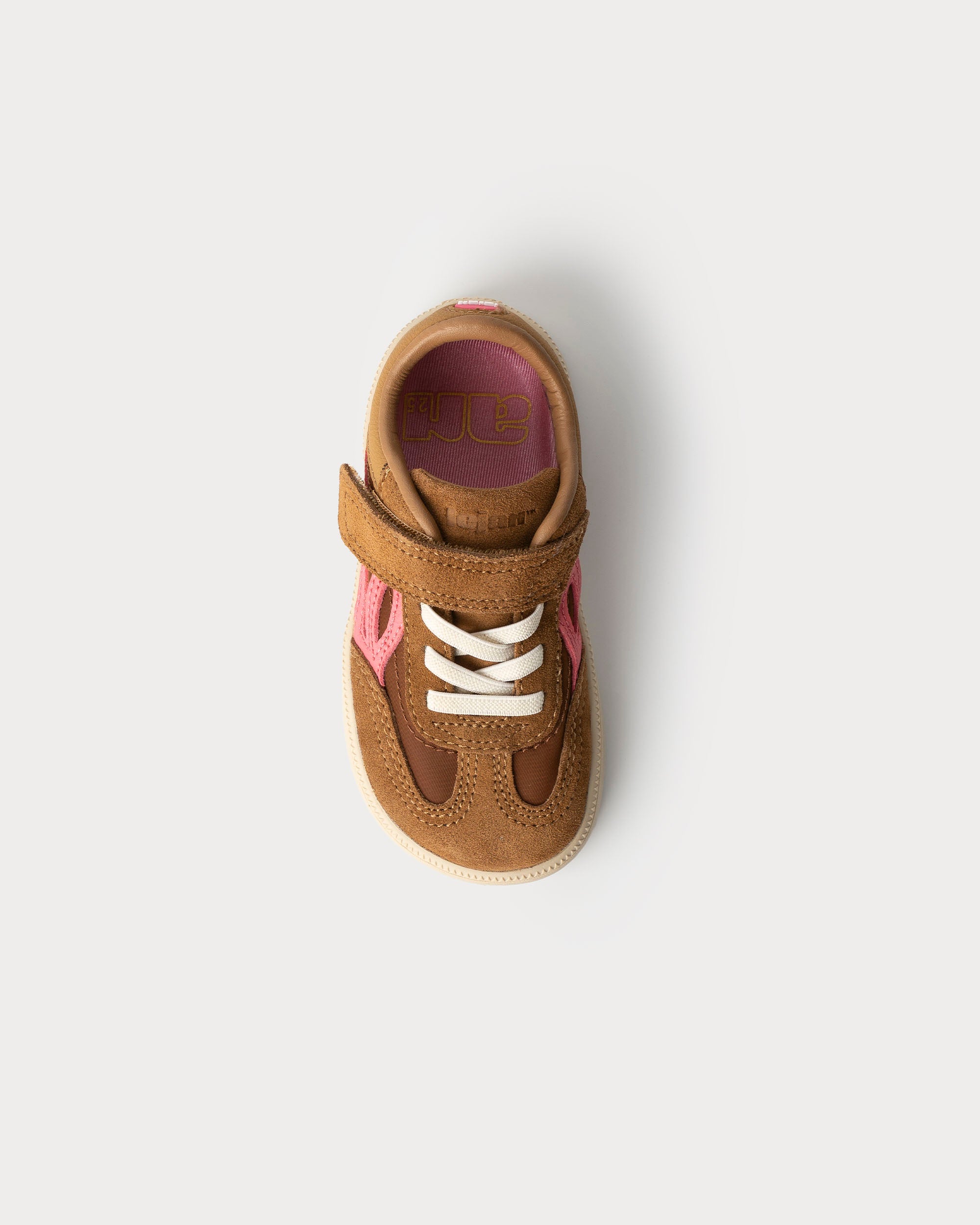
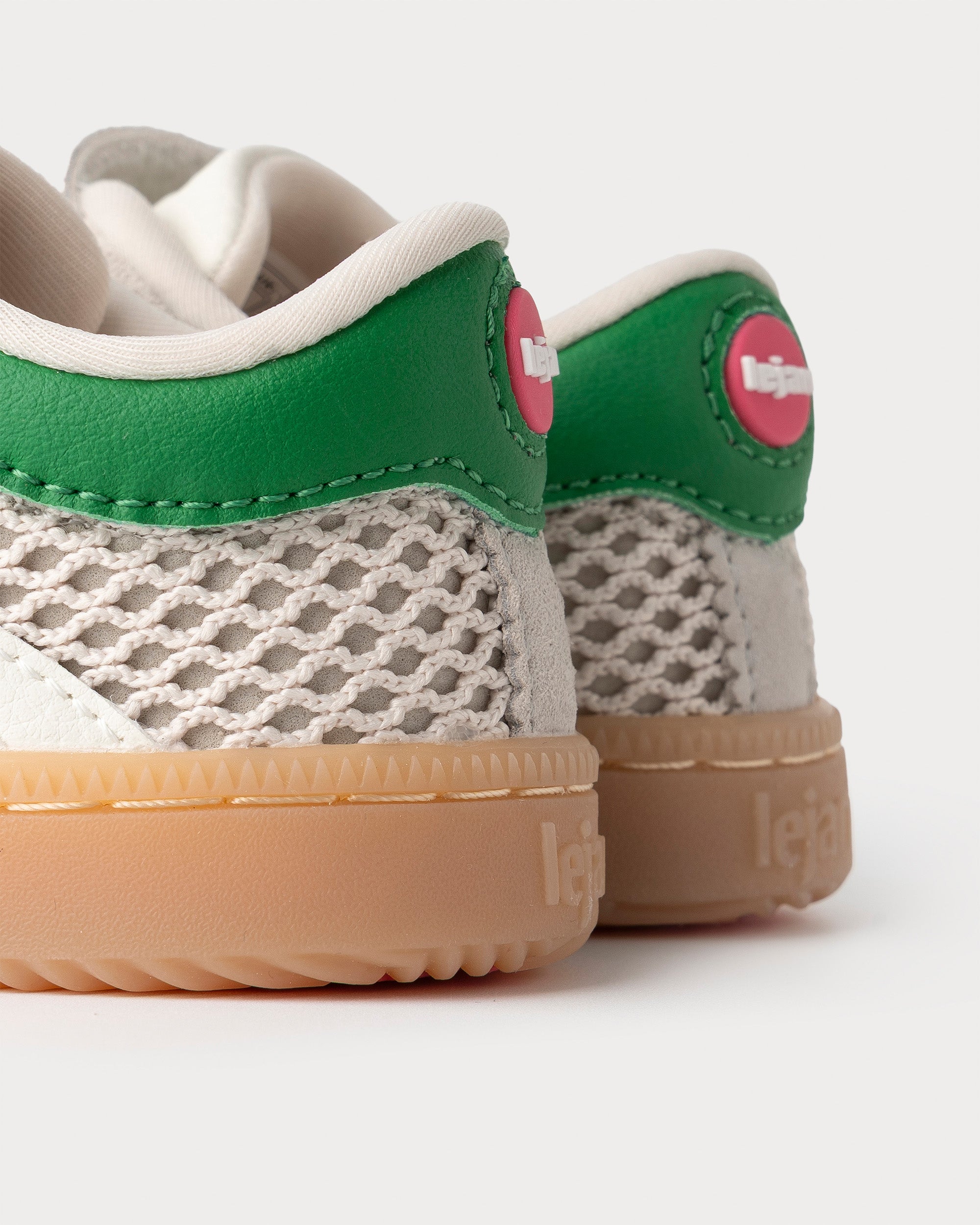
Wide last / anatomical toe box so the toes (and especially the big toe) work aligned and with space.
-
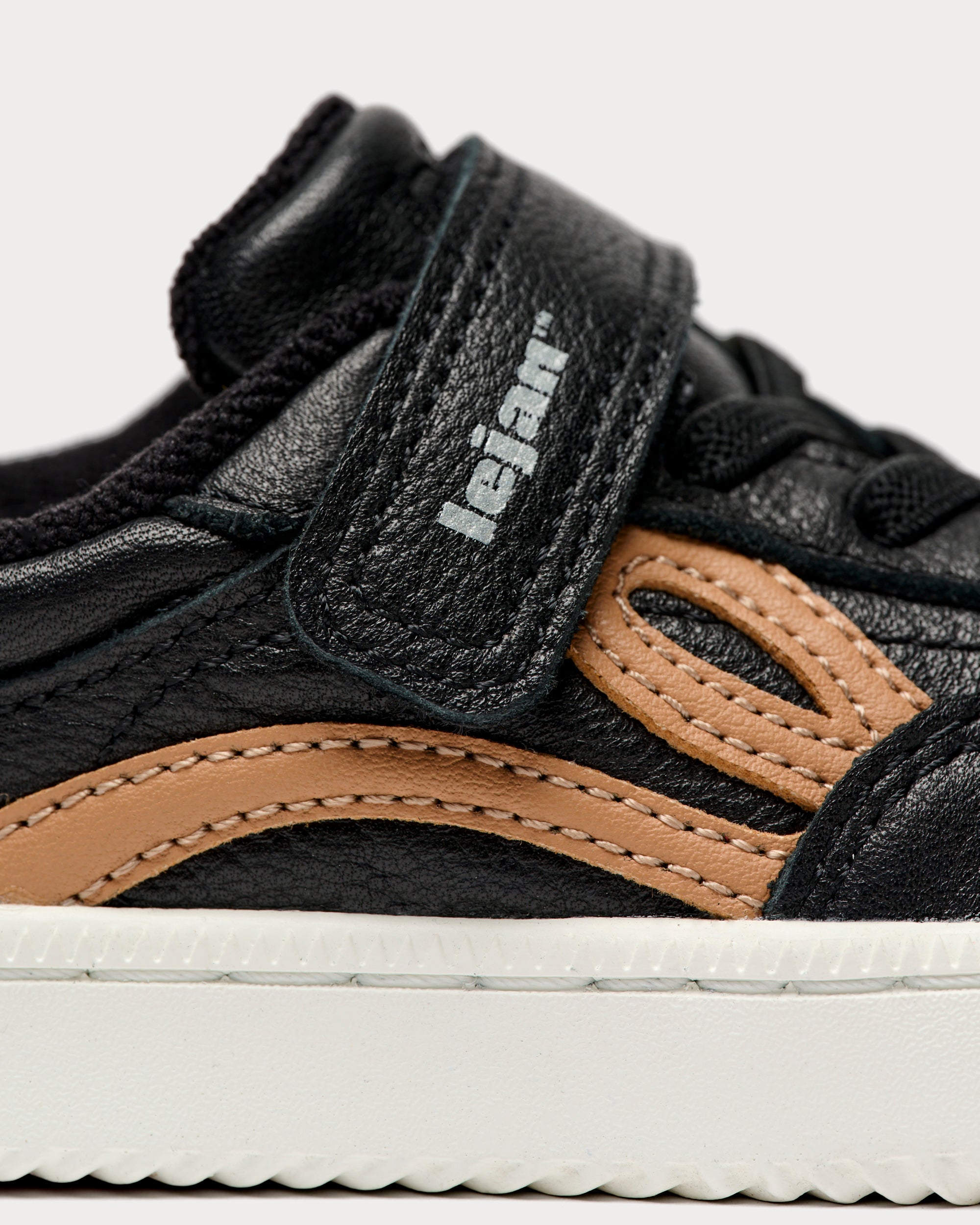
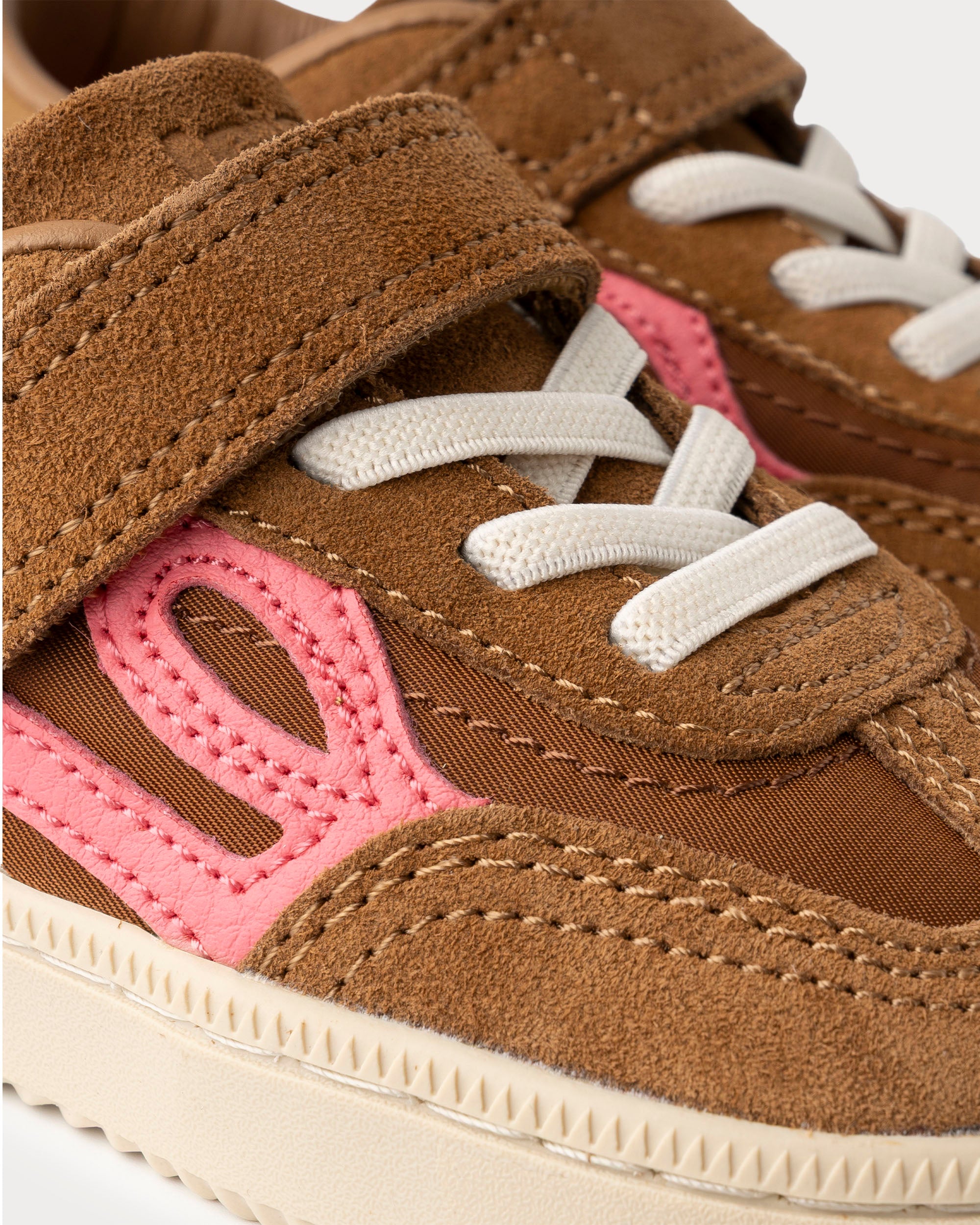
Firm fit: if the closure doesn't adjust well, the foot moves around inside and what you see from outside gets distorted.
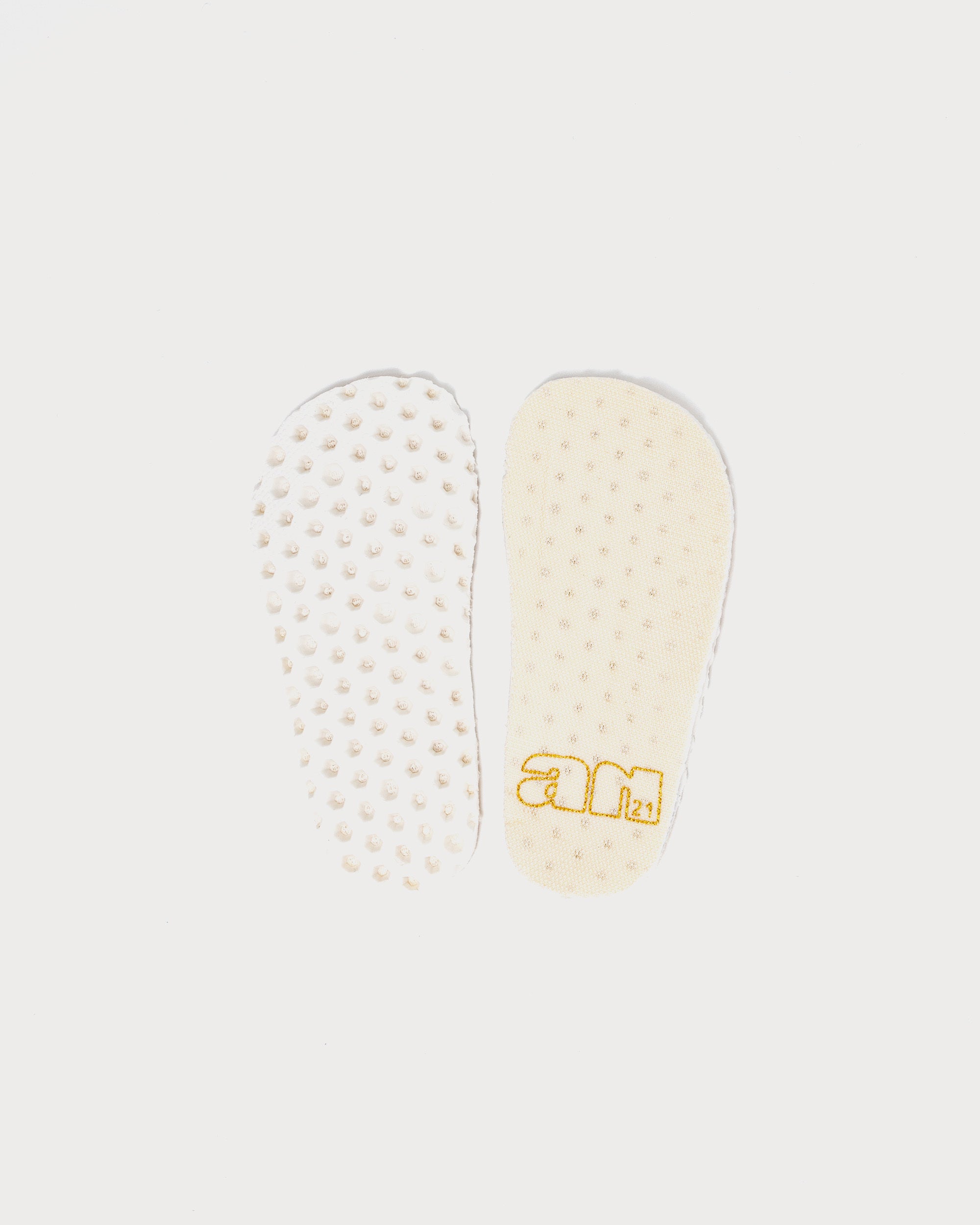
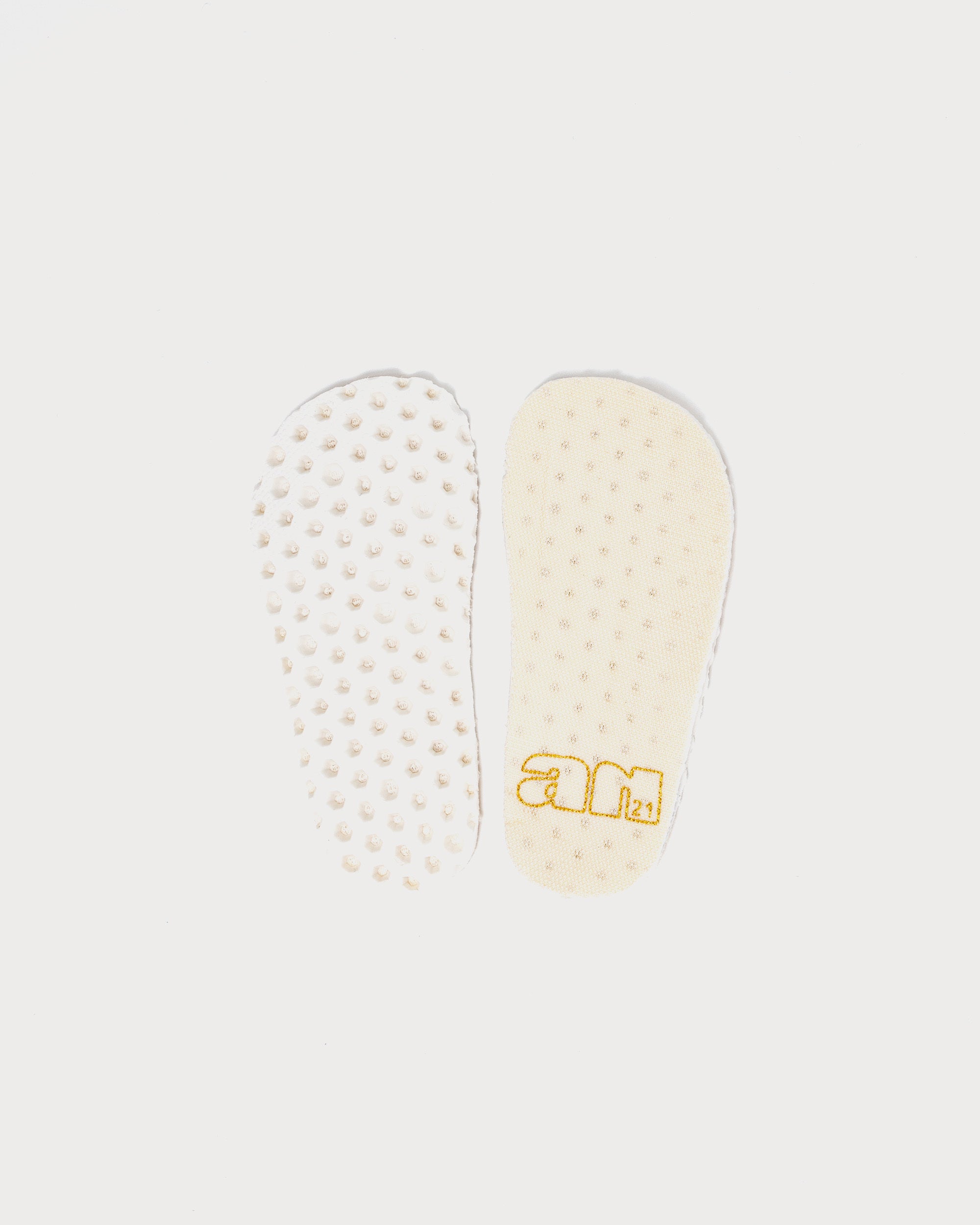
Extra (very practical): measure carefully. At LEJAN we recommend a margin as close as possible to 1 cm between the longest toe and the end of the insole as a fitting guide.
FAQS
1) Do flat feet in children "cure themselves"?
In many kids, especially if the foot is flexible and there's no pain, the arch progressively defines itself with growth and movement. Rather than thinking about "cure", we look at the trend and the function: that the child moves well, with no discomfort or limitations.
2) Can flat feet in children cause pain in the legs or knees?
It can happen in some cases, especially if there's fatigue, overload or the child does a lot of activity and the foot isn't managing the effort well. If there's repeated pain (feet, ankles, legs or knees), it's a good idea to consult to assess the whole picture.
3) What if only one foot is flat and the other isn't?
If there's a clear asymmetry (one foot very different from the other), we don't just leave it as "they'll grow out of it". It doesn't automatically mean something serious, but it is one of the reasons we recommend a professional assessment, especially if there is also pain or limitation.
4) What's better: walking barefoot or always wearing shoes?
It depends on the context, but in general, at home (safely), walking barefoot and playing on varied surfaces can be a very positive stimulus. And when it's time to put shoes on, we look for the same: that the shoe doesn't interfere (flexible sole, drop 0, wide last) and fits well so the foot works naturally.

Share