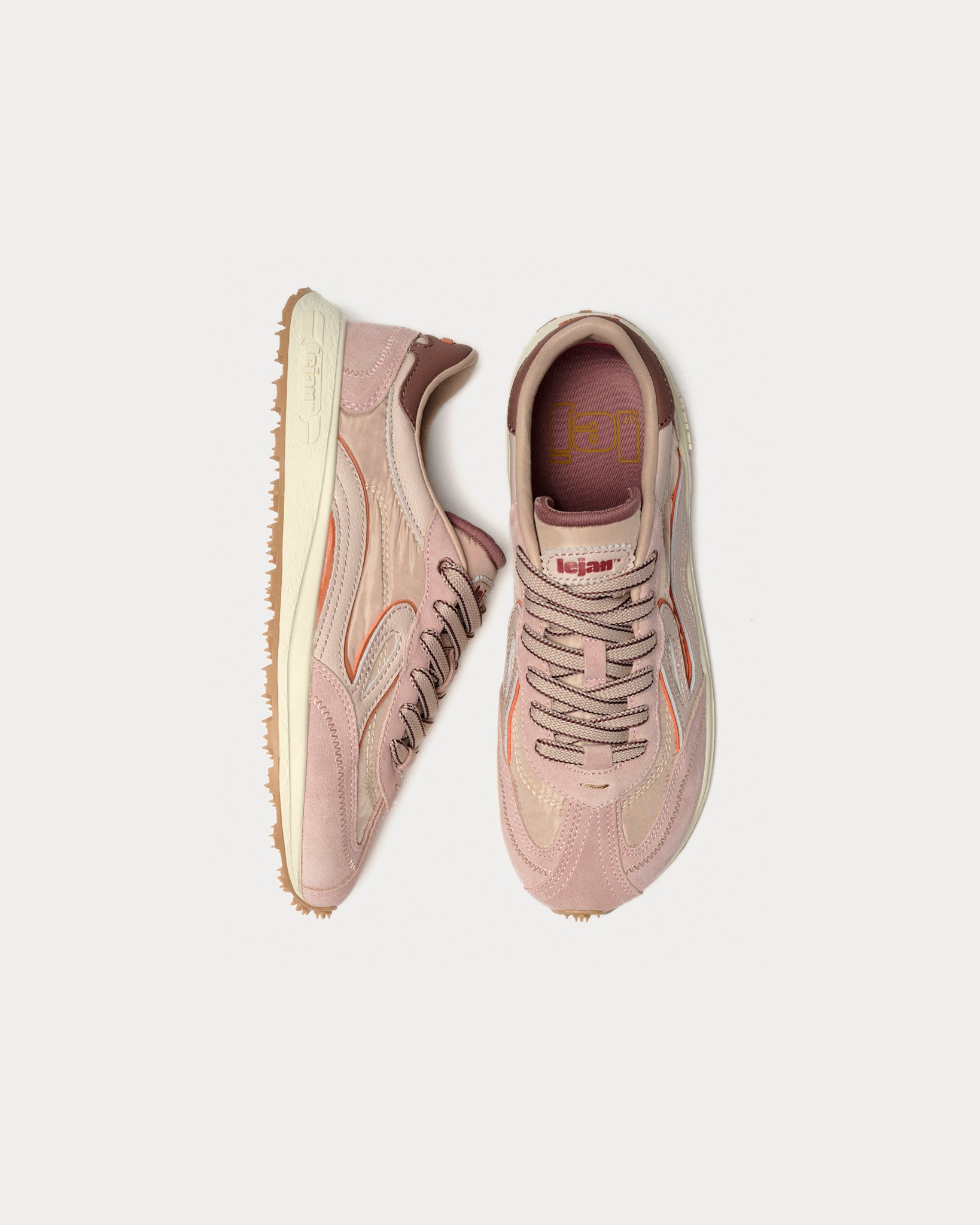
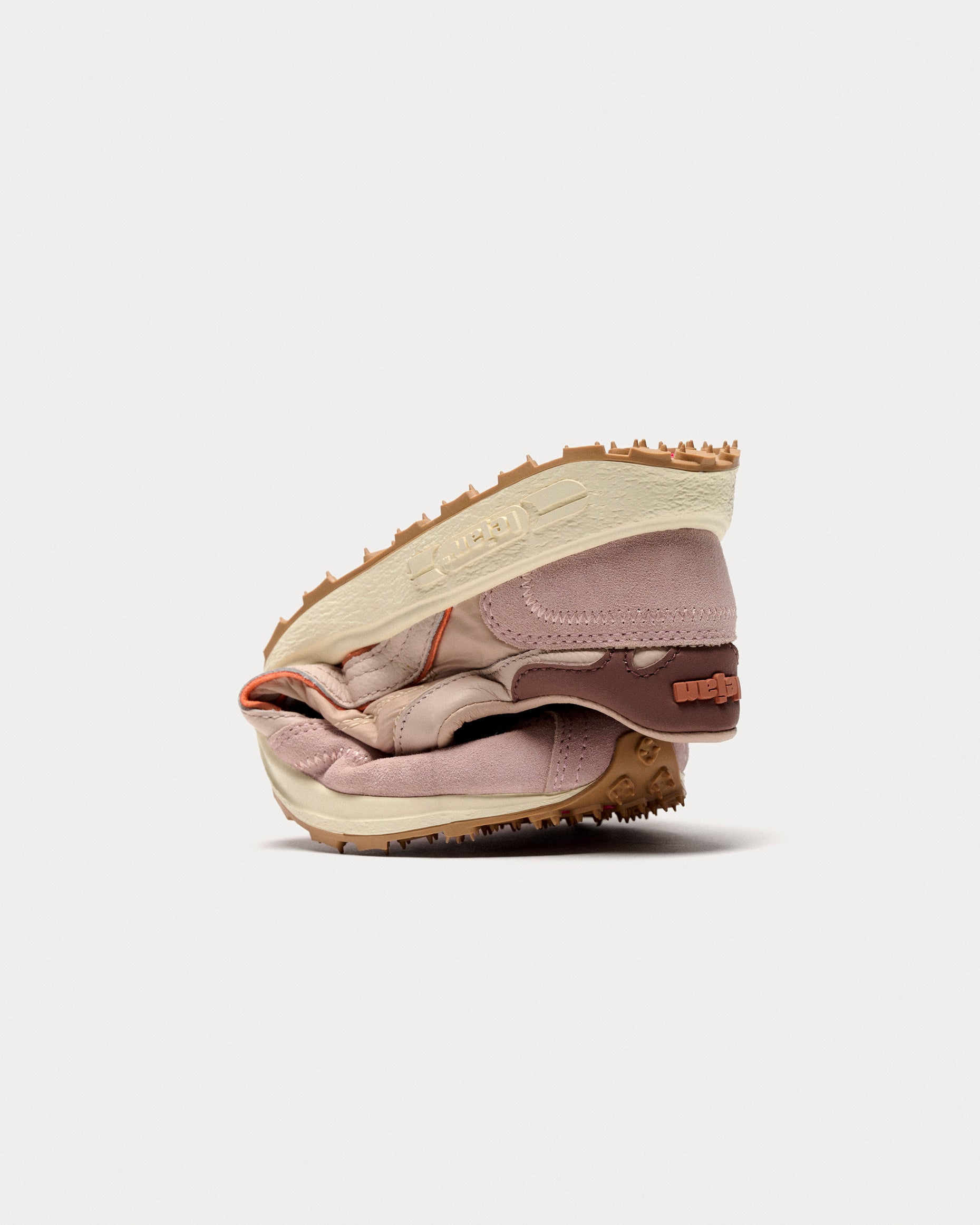
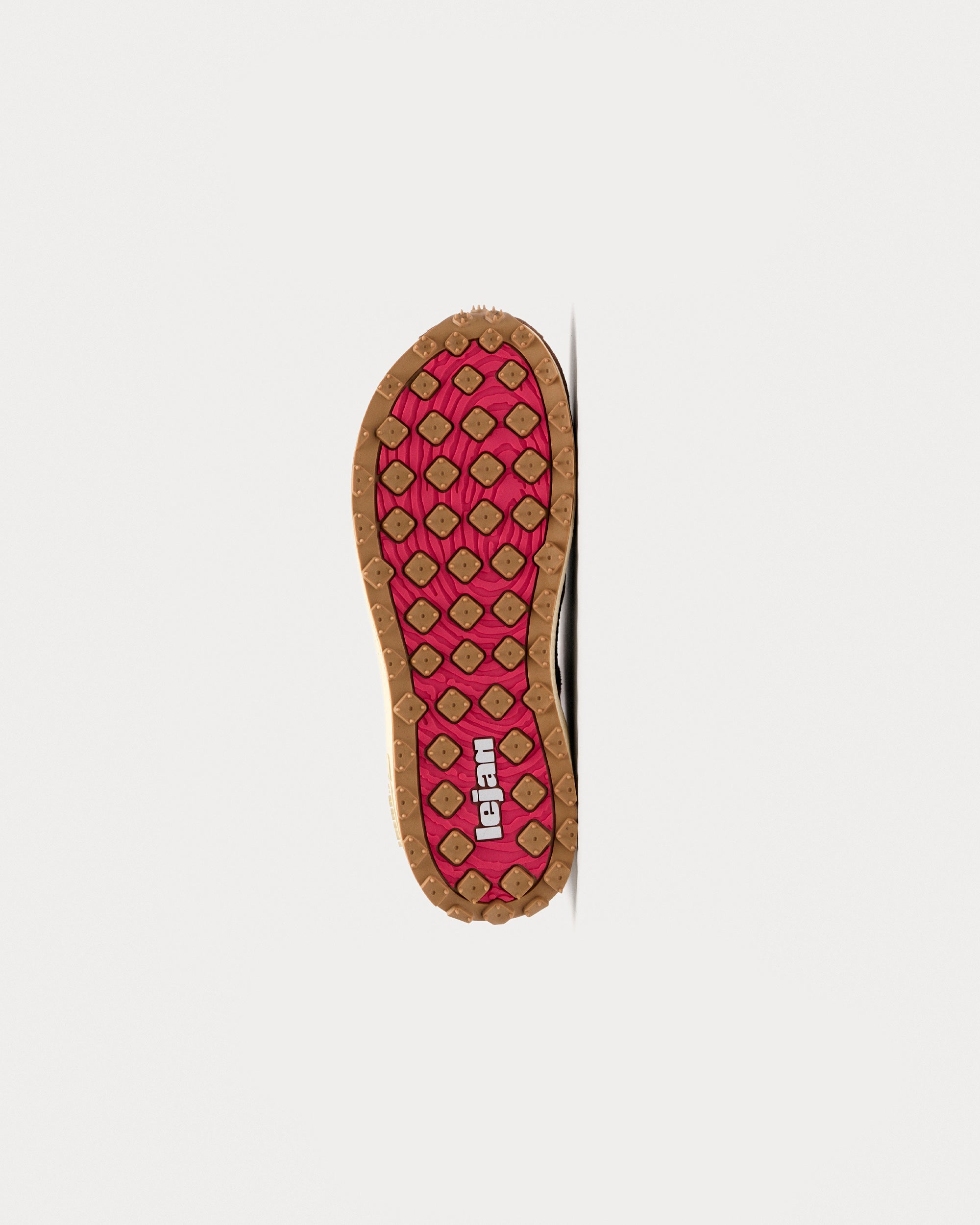
What drop in footwear is and why barefoot means DROP 0 mm
Chapter 3

What drop in footwear is and why barefoot means DROP 0 mm

Table of Contents

Drop wyjaśniony w 60 sekund (z prostymi przykładami)

Drop to różnica wysokości między tylną częścią buta (pięta) a przednią (śródstopie). Jeśli z tyłu jest 20 mm, a z przodu 10 mm, różnica wynosząca 10 mm to właśnie drop. Powiedzmy, że to rodzaj „obcasa”, który jest wbudowany w podeszwę buta.

Kiedy mówimy o obuwiu barefoot, celem jest, aby wszystkie jego cechy przypominały chodzenie boso, dlatego chodzenie całkowicie płasko jest dużo bardziej naturalne niż z jakimkolwiek nachyleniem.

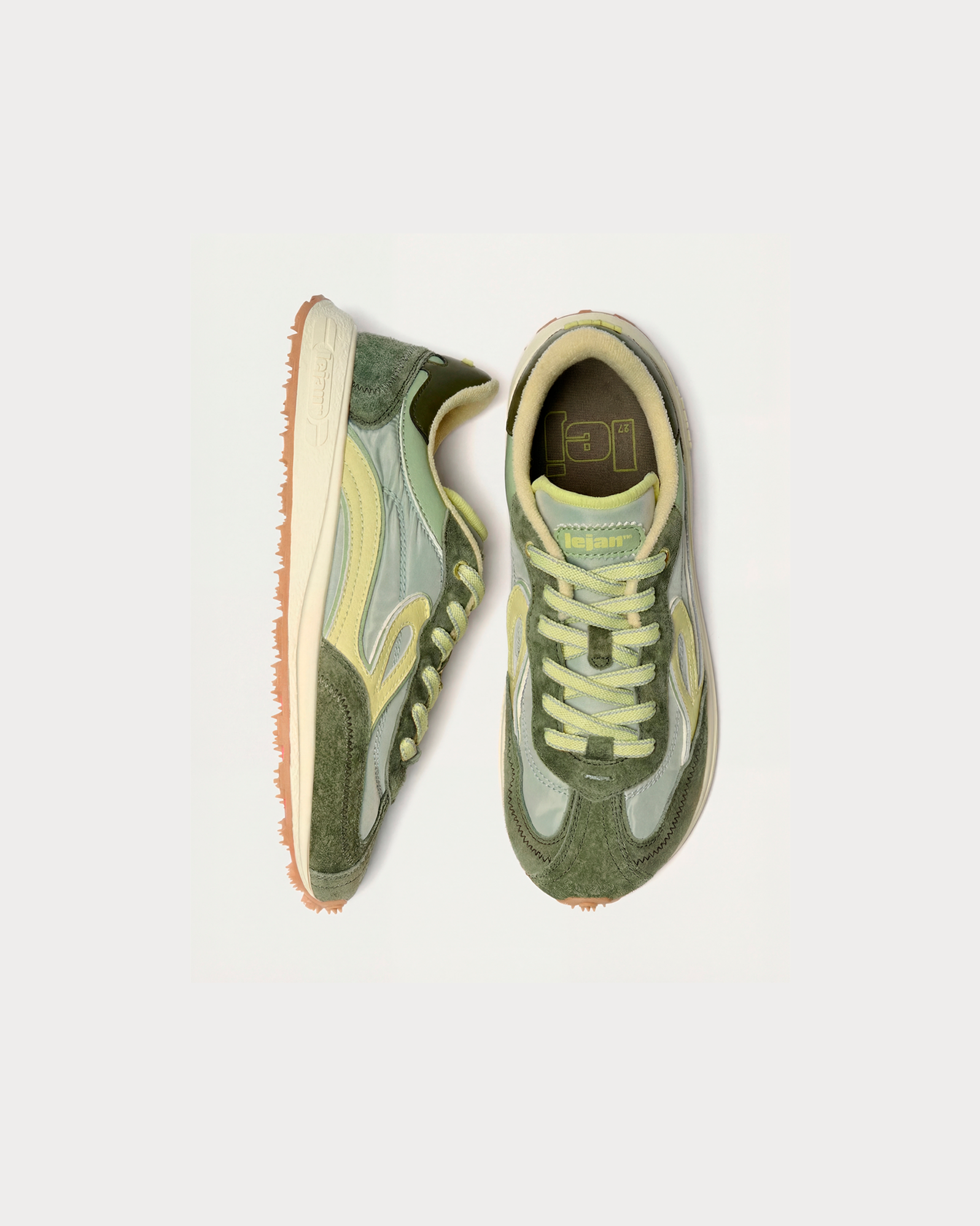
Dlatego obuwie barefoot ma DROP 0mm — wysokość podeszwy jest taka sama w strefie pięty, jak w strefie śródstopia.

Jeśli na pięcie mierzy 5mm i na śródstopiu 5mm, różnica wysokości wynosi 0mm, więc mamy DROP 0mm, albo jak się popularnie mówi „nie ma dropa”.

Jak zmierzyć drop swoich butów w domu (metoda kulki)

Bardzo proste. Potrzebujesz tylko kulki i płaskiej powierzchni:

  1. Połóż but na powierzchni.
  2. Umieść kulkę w strefie pięty, na wkładce.
  3. Obserwuj, czy kulka przesuwa się do przodu (to wskazywałoby na nachylenie, a więc dodatni drop). Jeśli kulka pozostaje nieruchoma w strefie pięty, oznacza to, że nie ma nachylenia, czyli mamy drop 0mm.

Effects of drop on your body

It's important to consider the drop of a shoe when choosing it, since it can have repercussions on the way we walk (we're always referring to healthy people without conditions):

  • Postural alteration: it generates a series of "zigzag" compensations to keep us stable.
  • Gait alteration: it speeds up the first two phases of the gait, and by moving the center of gravity forward it causes a slightly forward-leaning gait.
  • Alteration in the distribution of plantar pressures: it shifts part of the weight that the heel bears toward the toes (due to its tilt), which is not natural.

That's why it's worth knowing what you're wearing and choosing with sound criteria, especially if you spend many hours on your feet.

Drop ≠ cushioning

They are not the same.

  • The drop is the height difference (angle).
  • Cushioning is the amount/property of the foam (softness).

You can have drop 0 mm with lots of foam or a high drop with a thin sole. What counts is how the combination makes you move.

Alejandro Martínez Calderón

Written by

Alejandro Martínez Calderón

Podiatrist & Founder

Podiatrist specialising in foot biomechanics. Passionate about barefoot footwear and natural foot health.

EBOOK

Download our free ebook with additional information about this chapter:

Discover more

View all