Heel pain is one of the most common foot complaints. It can appear suddenly or stay with you for weeks, and it does not always have a single clear cause. Understanding where it comes from is usually the first step towards relieving it without making things more complicated.
If pain persists or you have any doubt, consult your specialist.
What heel pain is and why it appears
The heel is the area that absorbs a large share of the impact when walking or running. For that reason, any change in load, footwear, or activity can cause it to suffer.
Acute pain, persistent pain, and pain when bearing weight
Not all heel pain is the same.
It can appear as occasional discomfort after a specific day, or persist over time and become more limiting.
It also varies considerably depending on when it appears:
When bearing weight for the first time
After activity
Or even at rest
That "when" usually provides many clues.
When it may be related to overload
In many cases, pain does not come from a specific injury, but from an accumulation of load.
More time on your feet, more steps than usual, or a change in routine can be enough for the tissue not to adapt in time.

Most common causes of heel pain
Behind heel pain there are usually specific structures that are receiving more load than they can tolerate at that moment.
Plantar fasciitis and pain when getting up
Plantar fasciitis is one of the most common causes.
It is characterised by very localised pain on the underside of the heel, especially intense in the first steps of the morning.
It usually improves with movement... but can return if load remains high. If this pain matches what you experience day to day, you can find more information in this article on plantar fasciitis.
Achilles tendinitis and pain at the back of the heel
Achilles tendinitis affects the back of the heel.
Pain appears more when walking, climbing stairs, or after activity.
It is often related to calf stiffness or changes in load.
Heel spur, bursitis, and overload
The spur itself does not hurt — the fascia does. The spur is a consequence of excessive fascial tension that leads to excess bone growth at its insertion point, but it is not what causes pain (many people have one and feel nothing).
In many cases it is an incidental finding, and the pain comes from the surrounding tissue.
Bursitis (inflammation of a bursa that cushions the friction between tissues) or diffuse discomfort from repeated overload can also appear.
Inadequate footwear, impact, and activity changes
A rigid, narrow, or poorly pressure-distributing shoe can keep the problem active.
The same applies to sudden changes in your routine: starting to run, walking much more, or changing surface.
Symptoms that help identify the origin
The type of pain and when it appears help to understand what may be happening.
Sharp pain in the first steps of the morning
This is one of the most typical signs of plantar fasciitis.
Pain after running, walking, or standing
Here there is usually an overload component.
The tissue tolerates the activity, but complains afterwards.
Swelling, stiffness, tingling, or difficulty bearing weight
When these signs appear, it is worth paying more attention.
They do not always indicate something serious, but they do mean the tissue is more sensitised.
What to do to relieve heel pain
There is no single solution, but there are habits that usually help pain reduce progressively.
Relative rest, local cold, and impact reduction
It is not about stopping movement, but about adjusting the load.
Reducing impact, avoiding peaks of activity, and giving the tissue some margin usually makes a difference.
Local cold can help during moments of greater discomfort.
Calf, plantar fascia, and ankle stretches
Working on the mobility of the posterior chain is key.
Stiff calves or a poorly mobile ankle can increase tension in the heel.
Small daily routines are usually more useful than intense sessions.
Gentle exercises to strengthen the foot
The foot also needs load capacity.
Simple, progressive, and well-tolerated exercises help the tissue respond better over time.

How footwear influences heel pain
Footwear is rarely the sole cause, but it can maintain or relieve the problem.
Correct fit, space for the toes, and a flexible sole
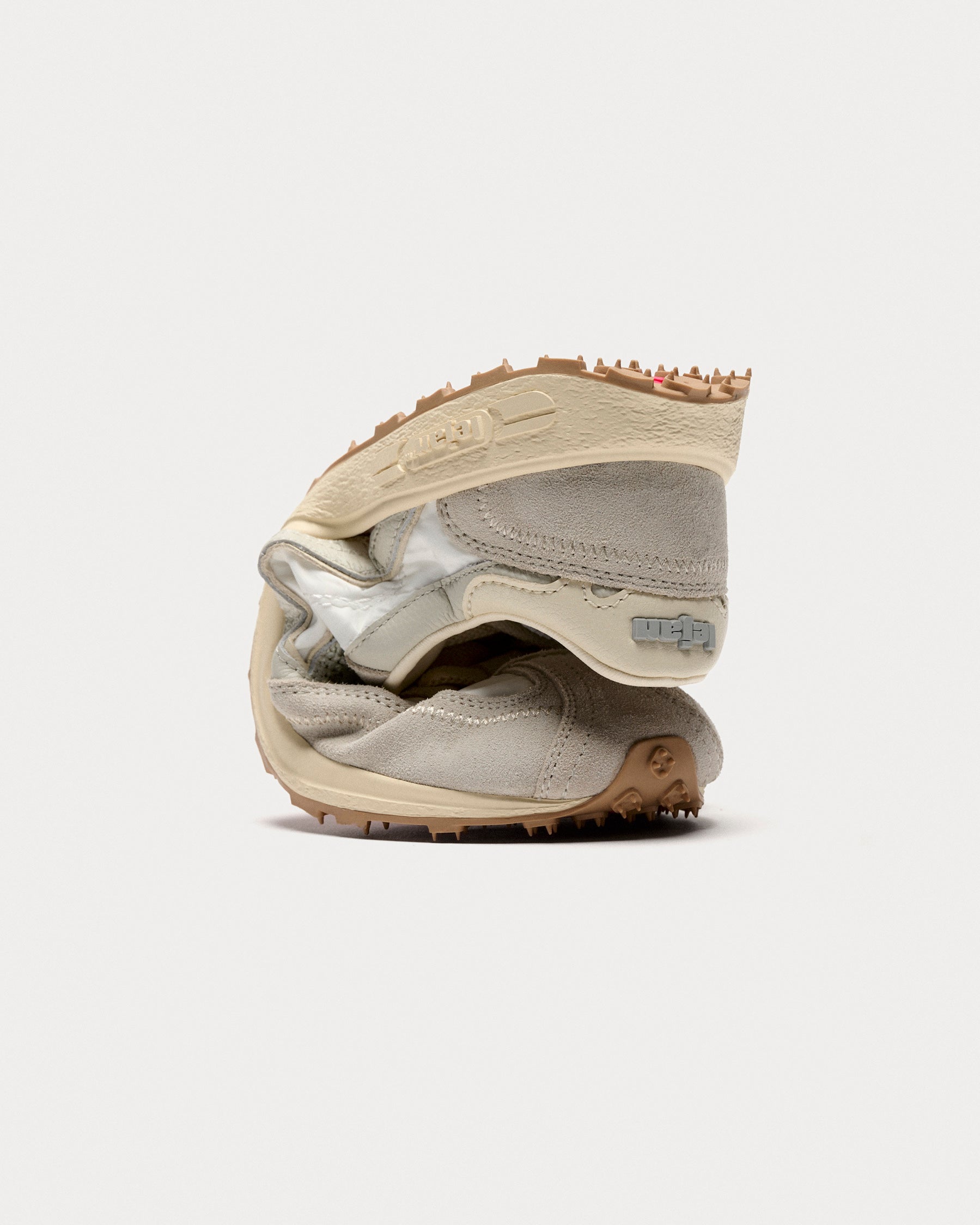
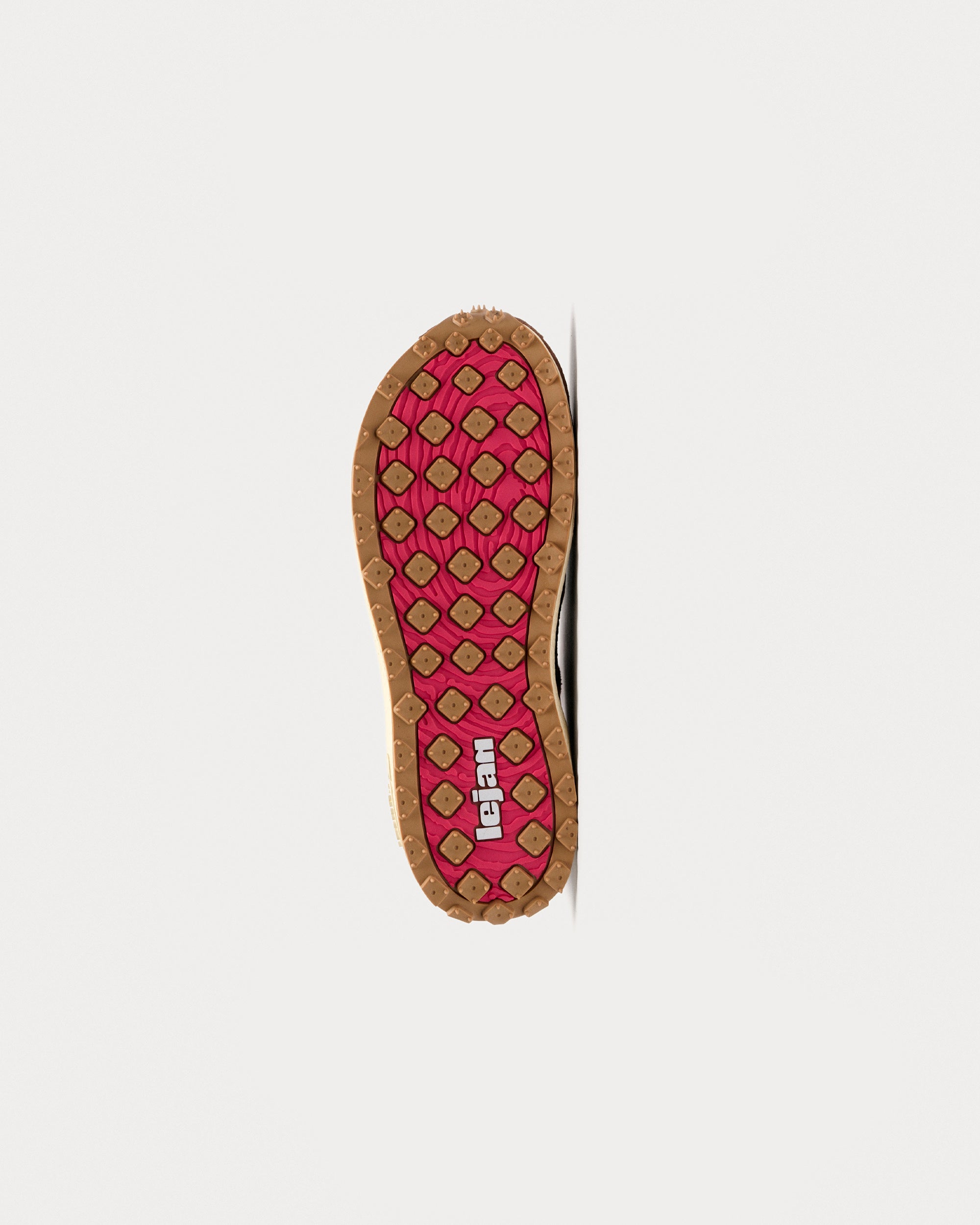
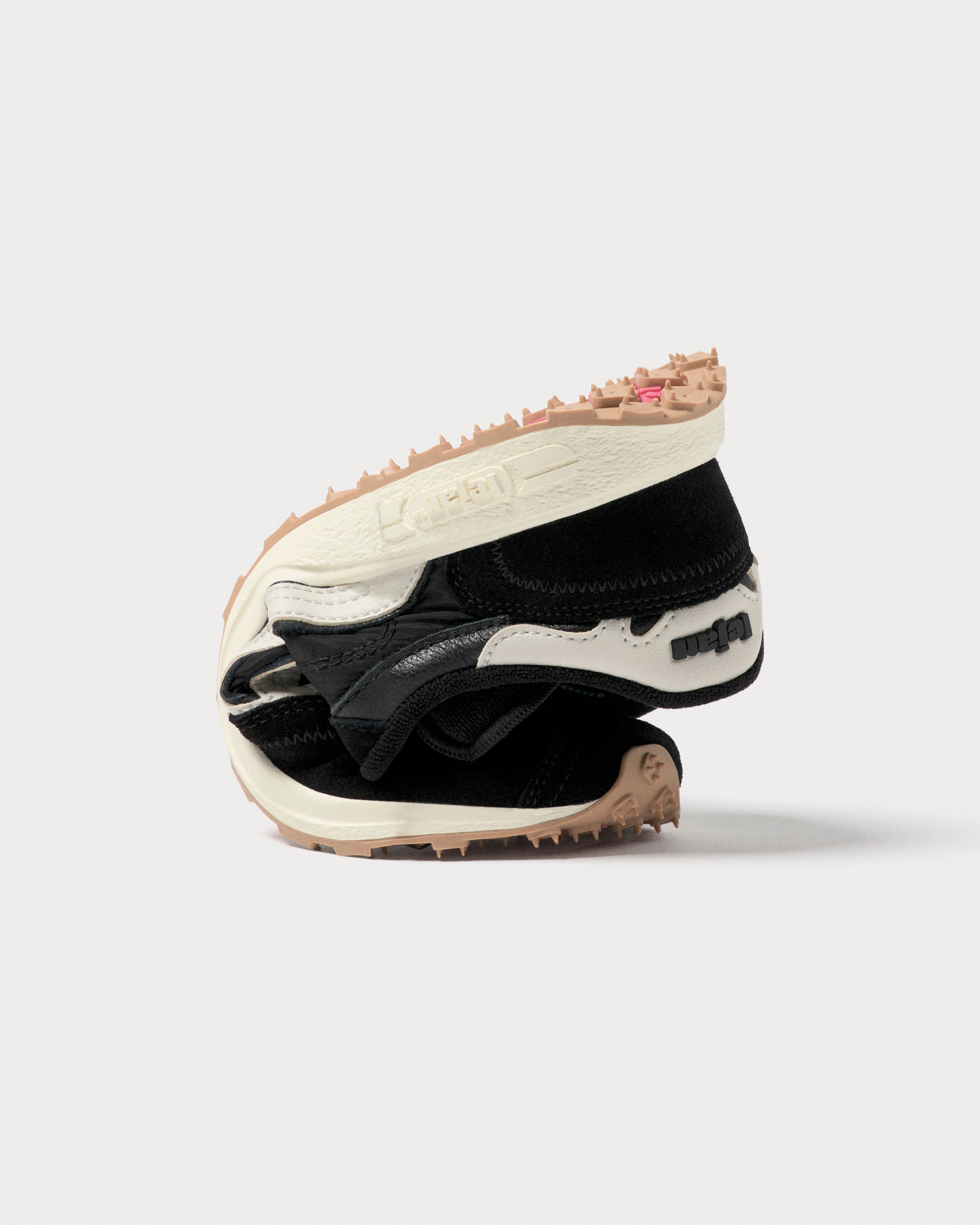
A shoe that does not compress, leaves space for the toes, and allows some movement can reduce unnecessary pressure.
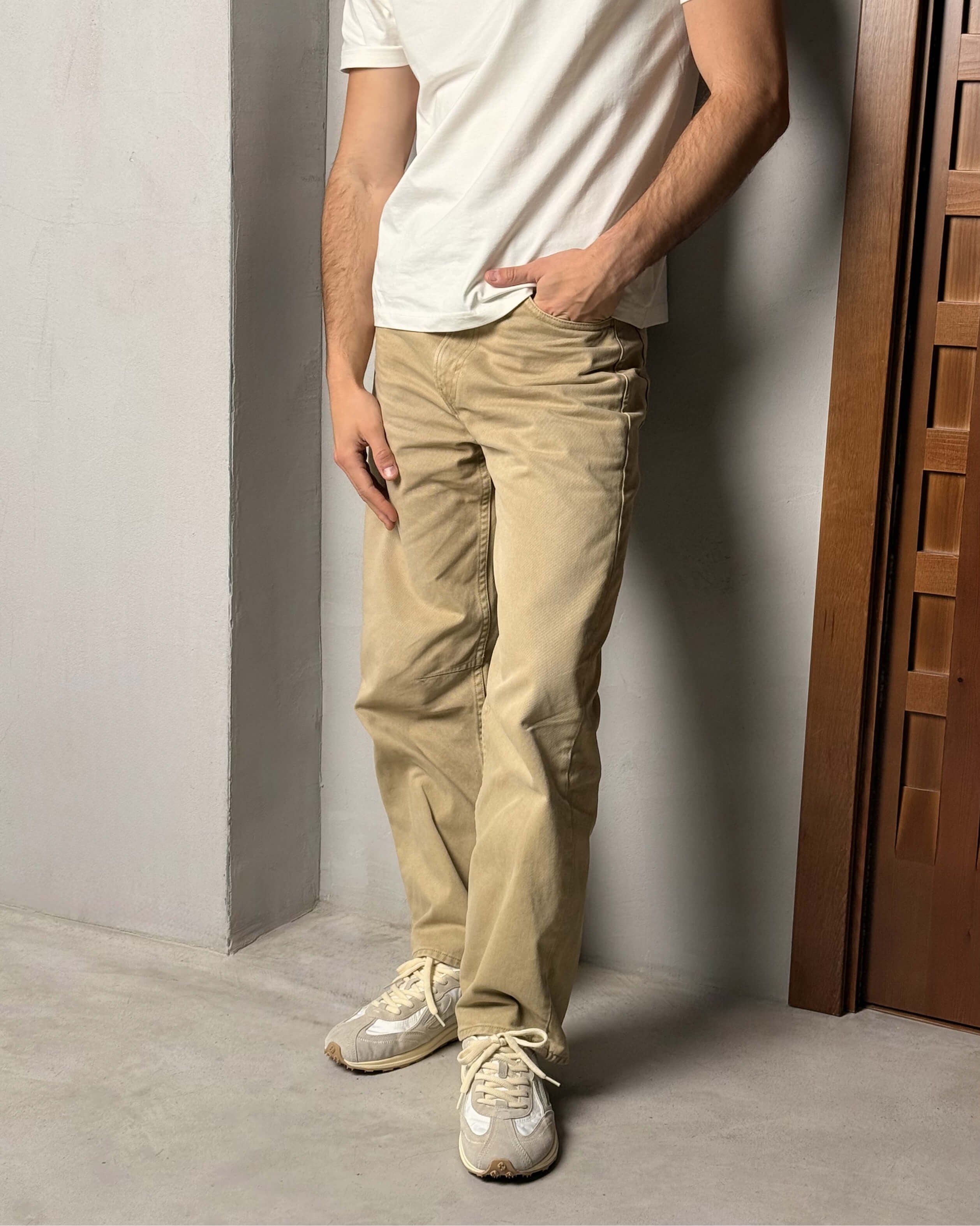
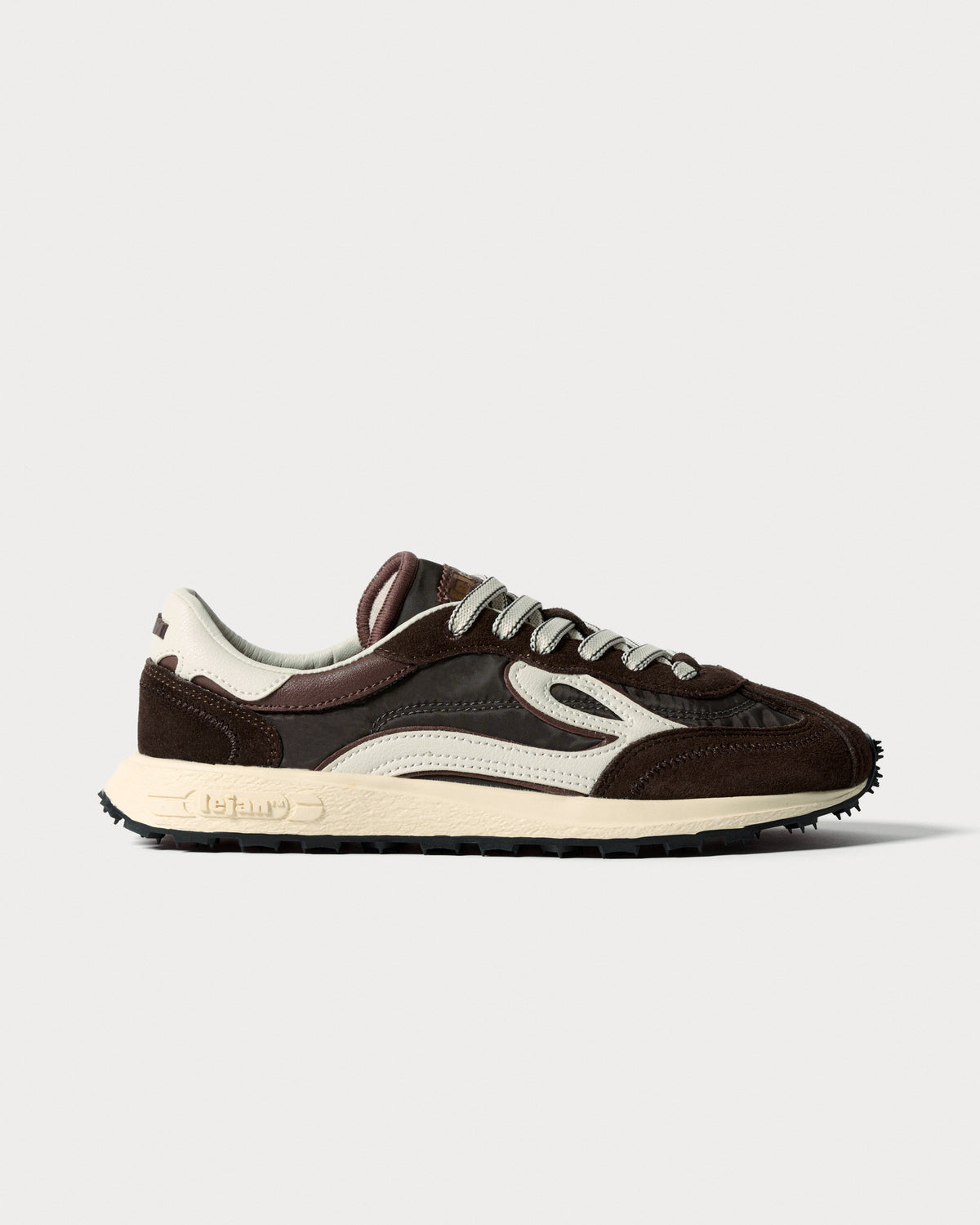
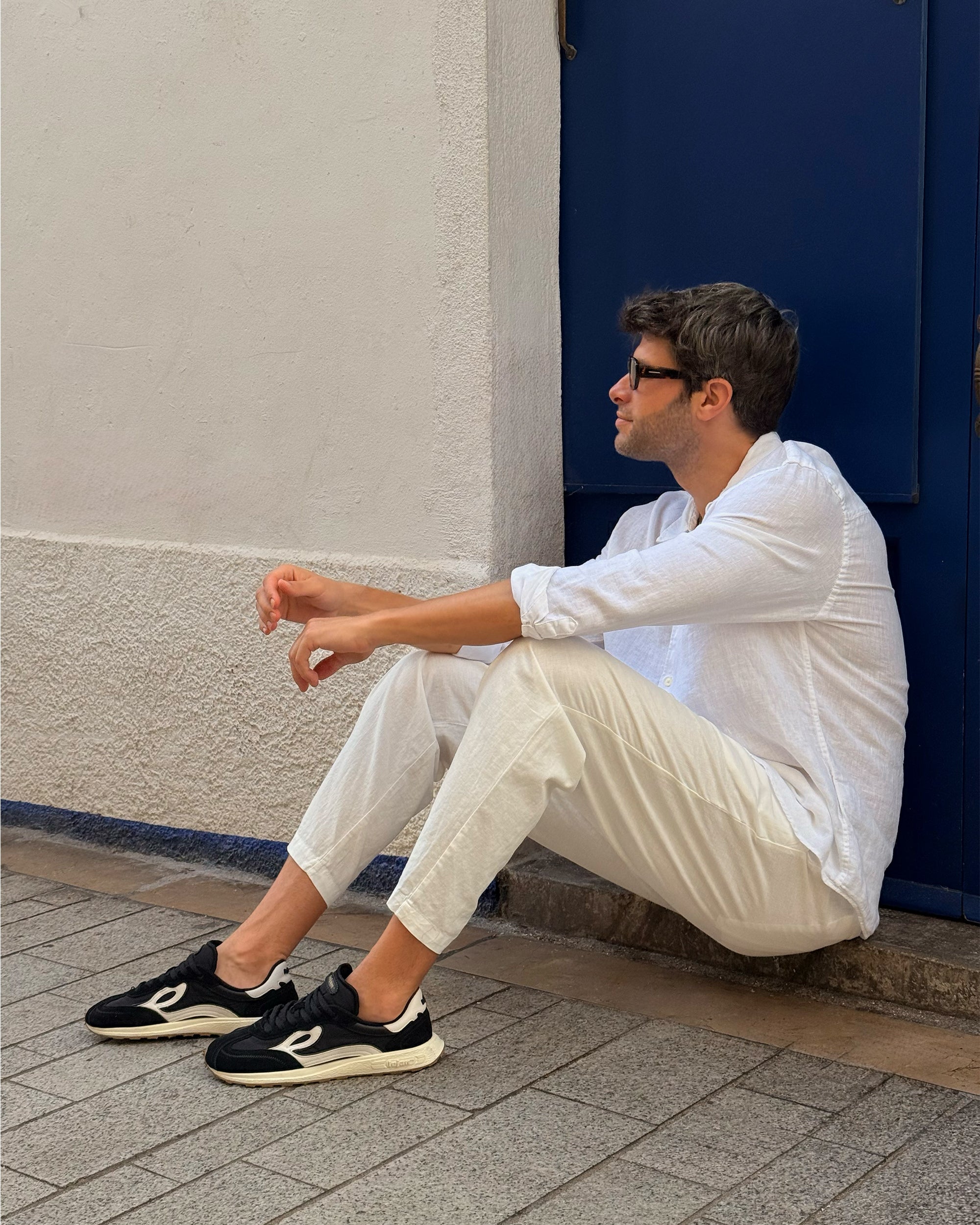
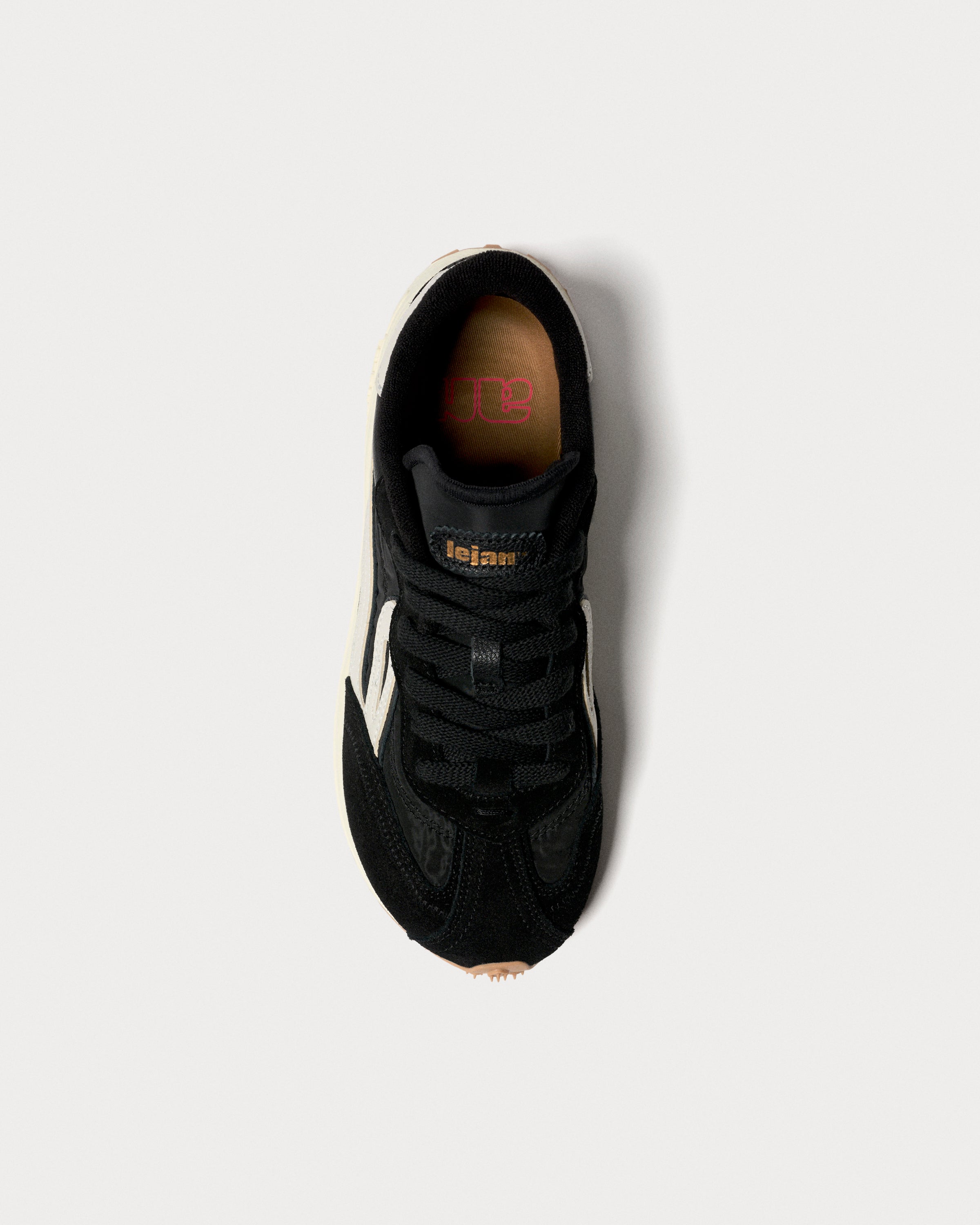
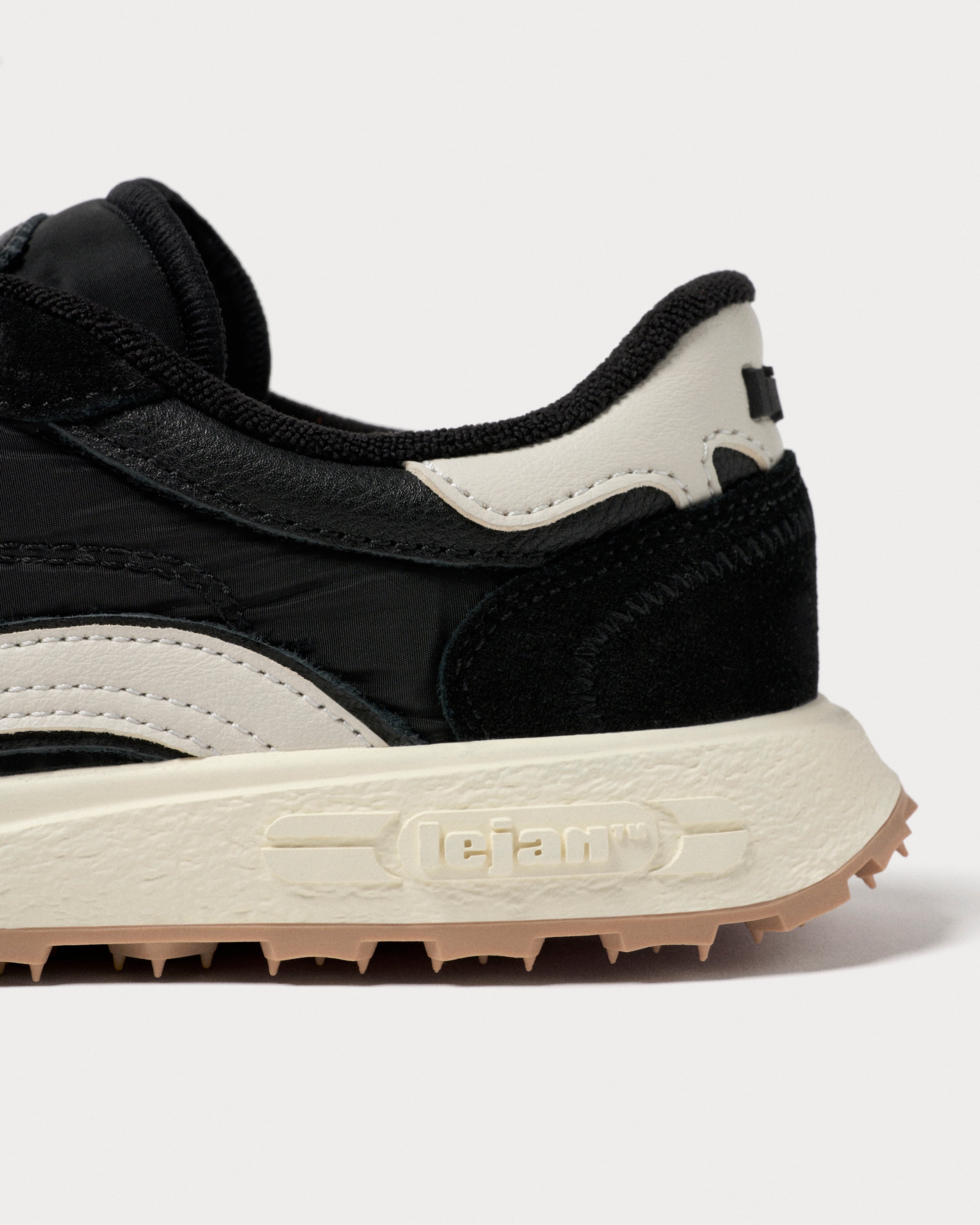
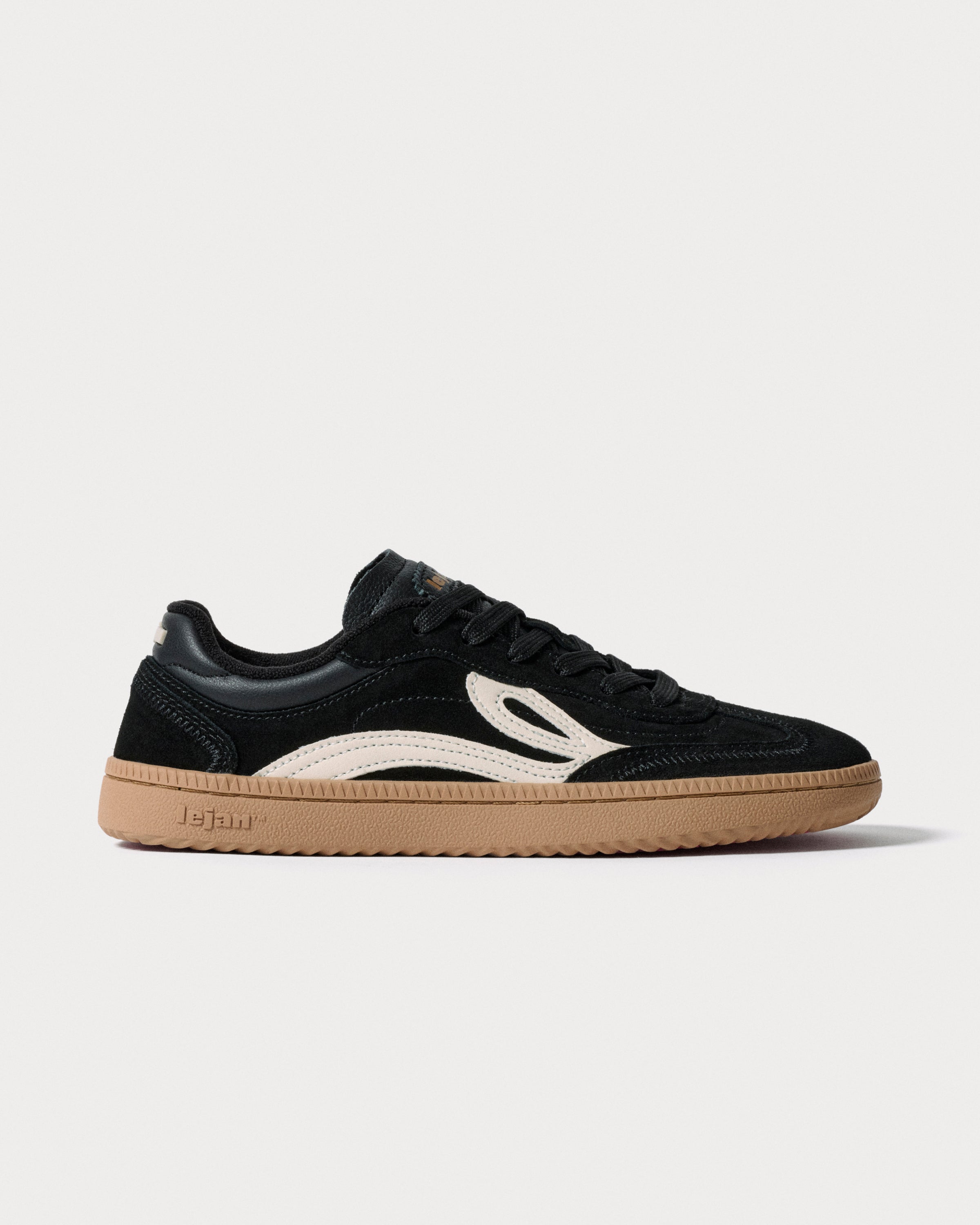
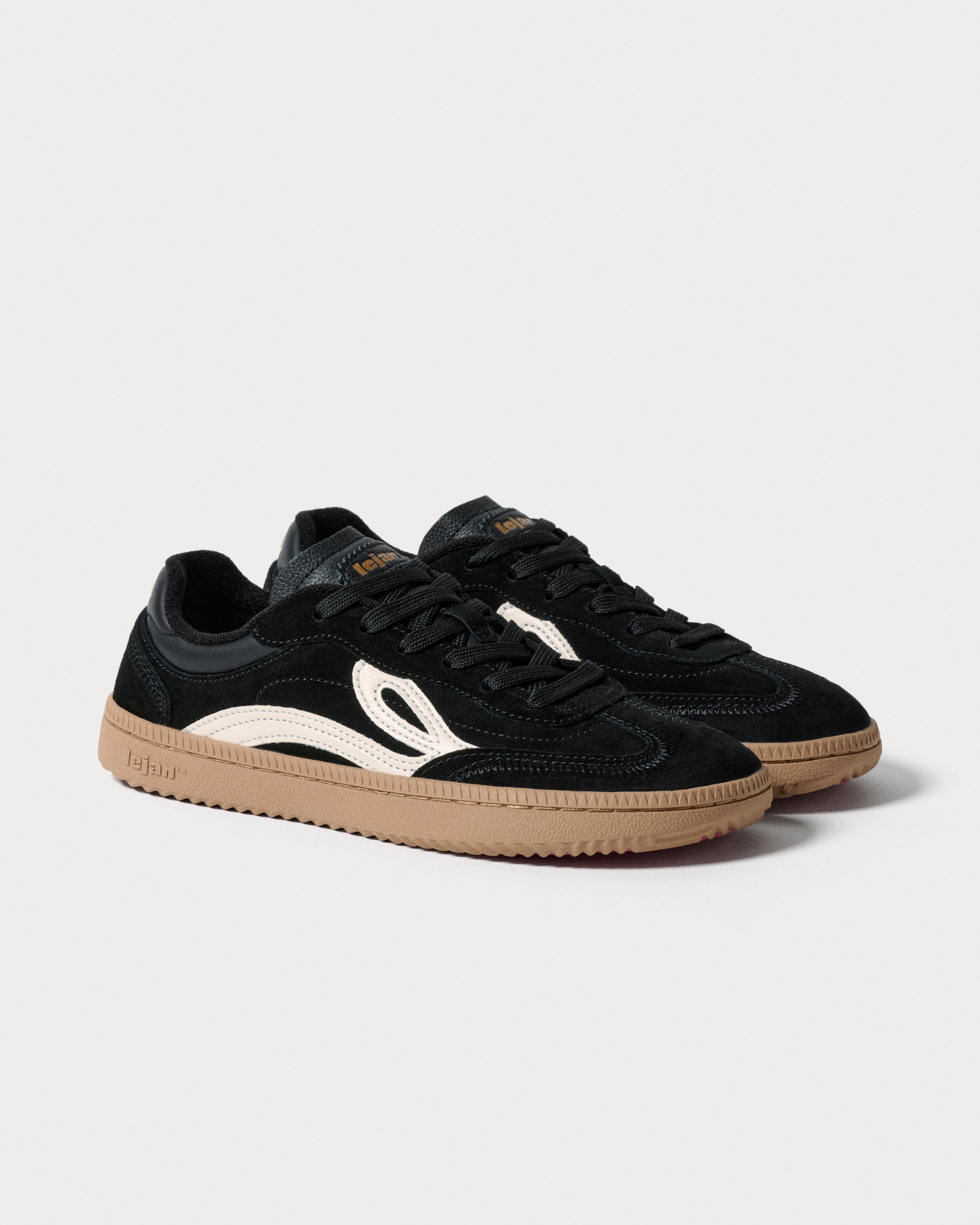
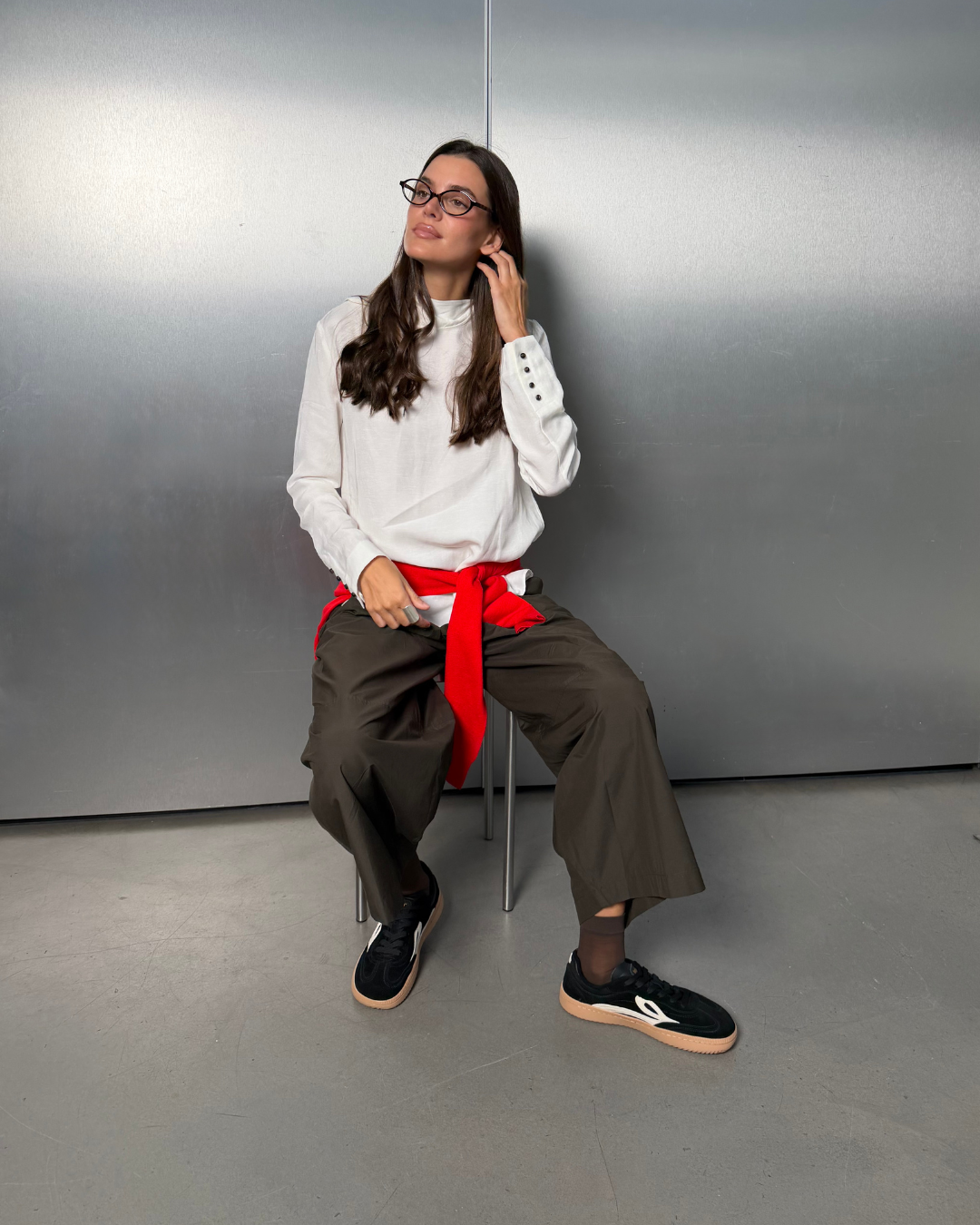
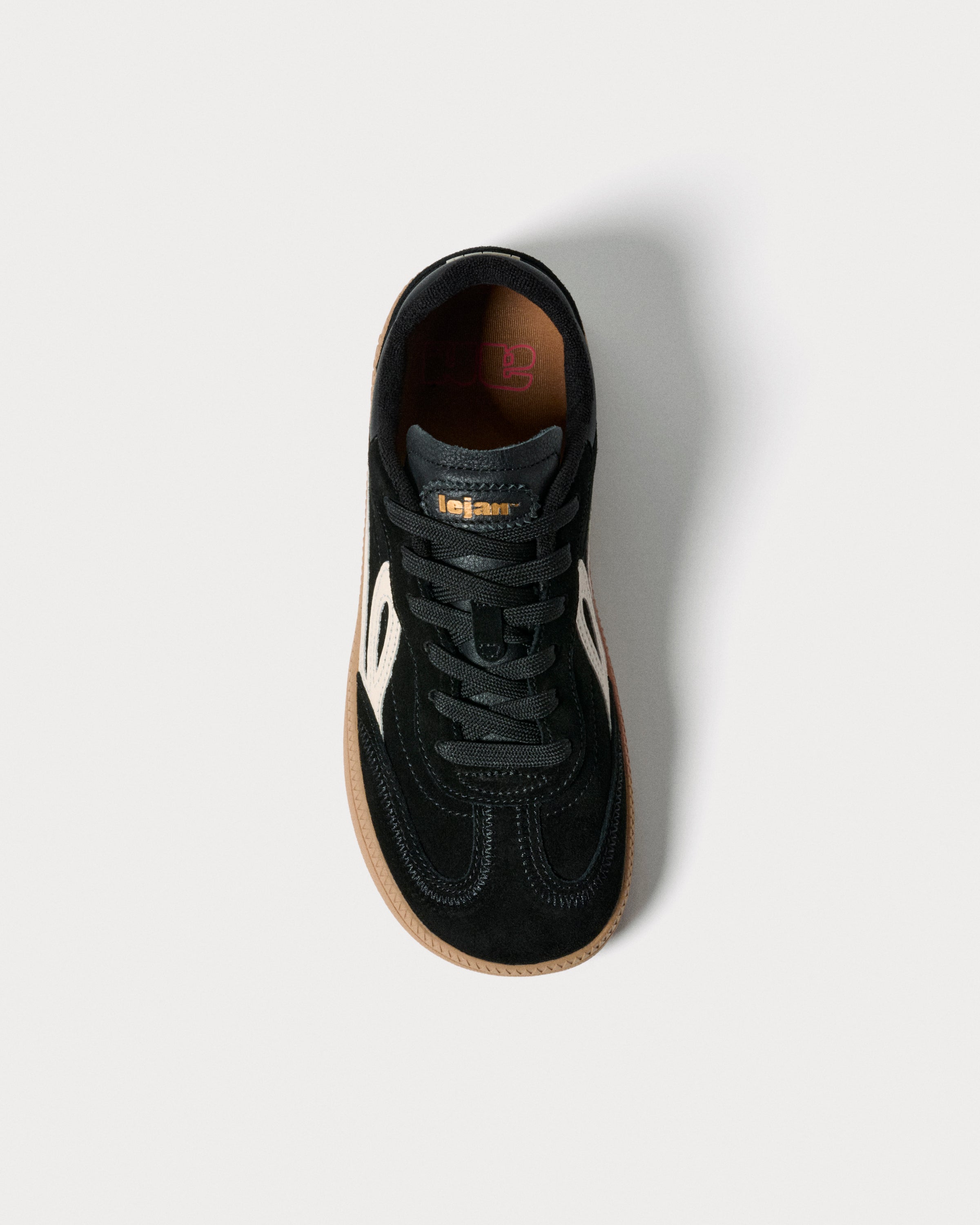
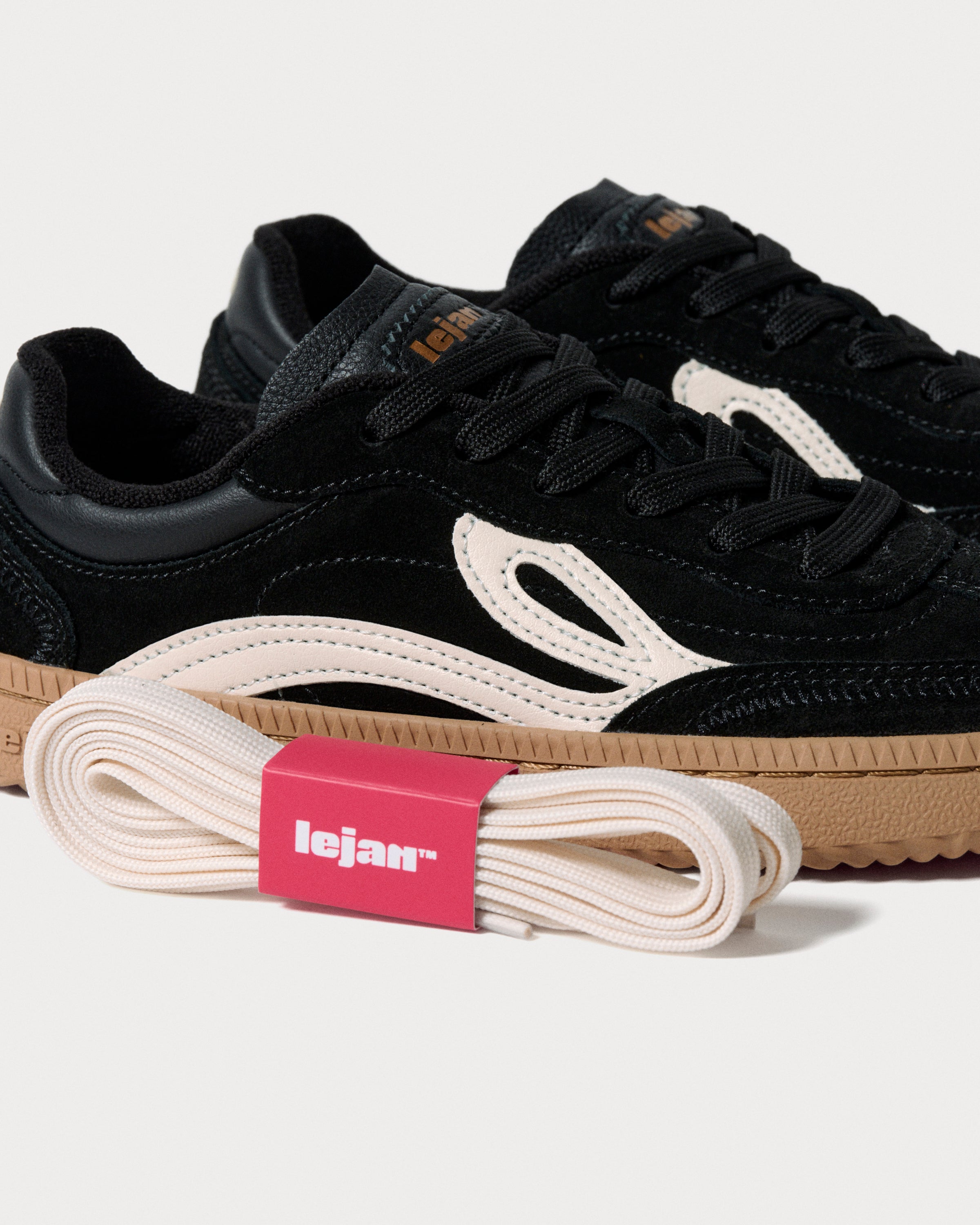
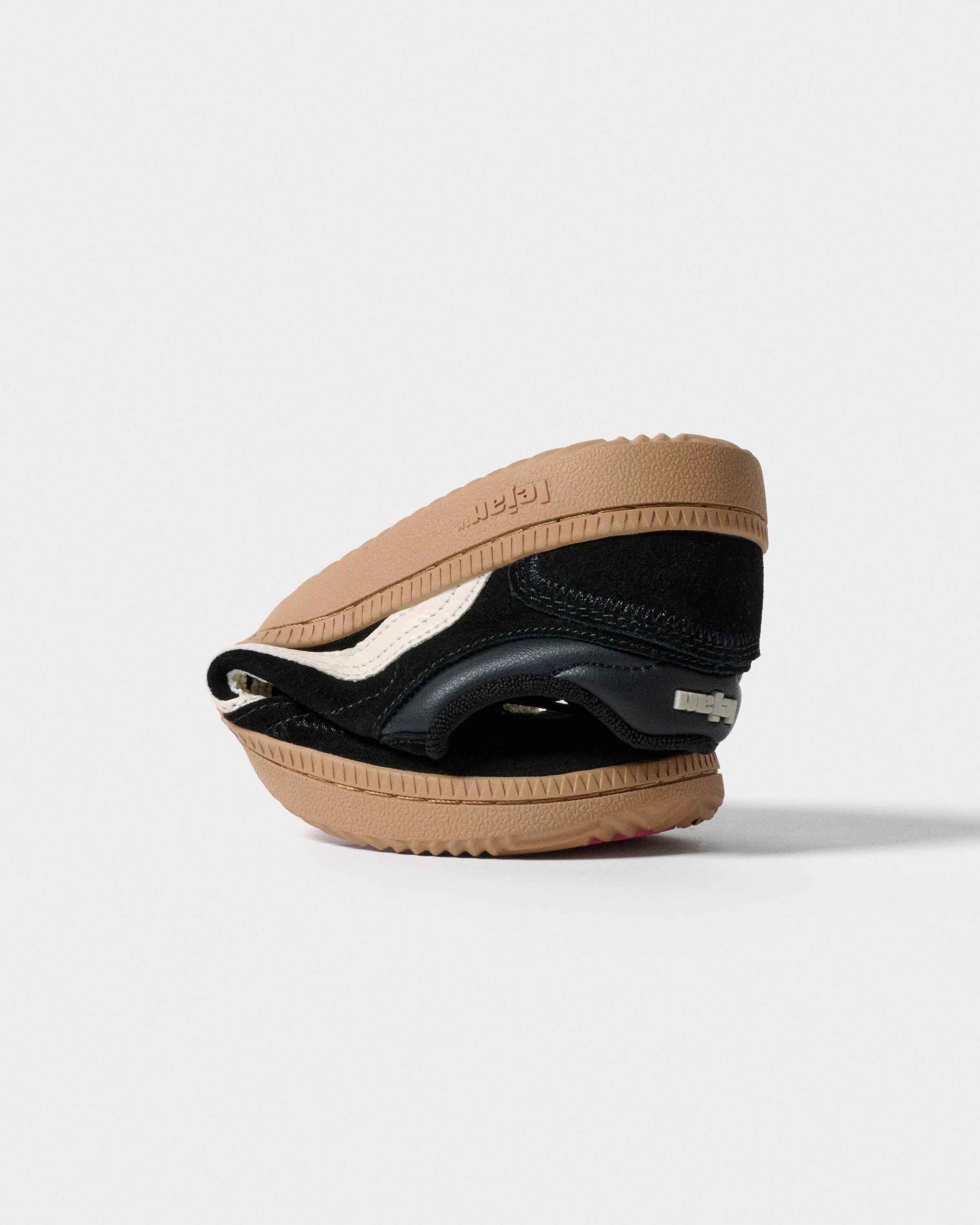
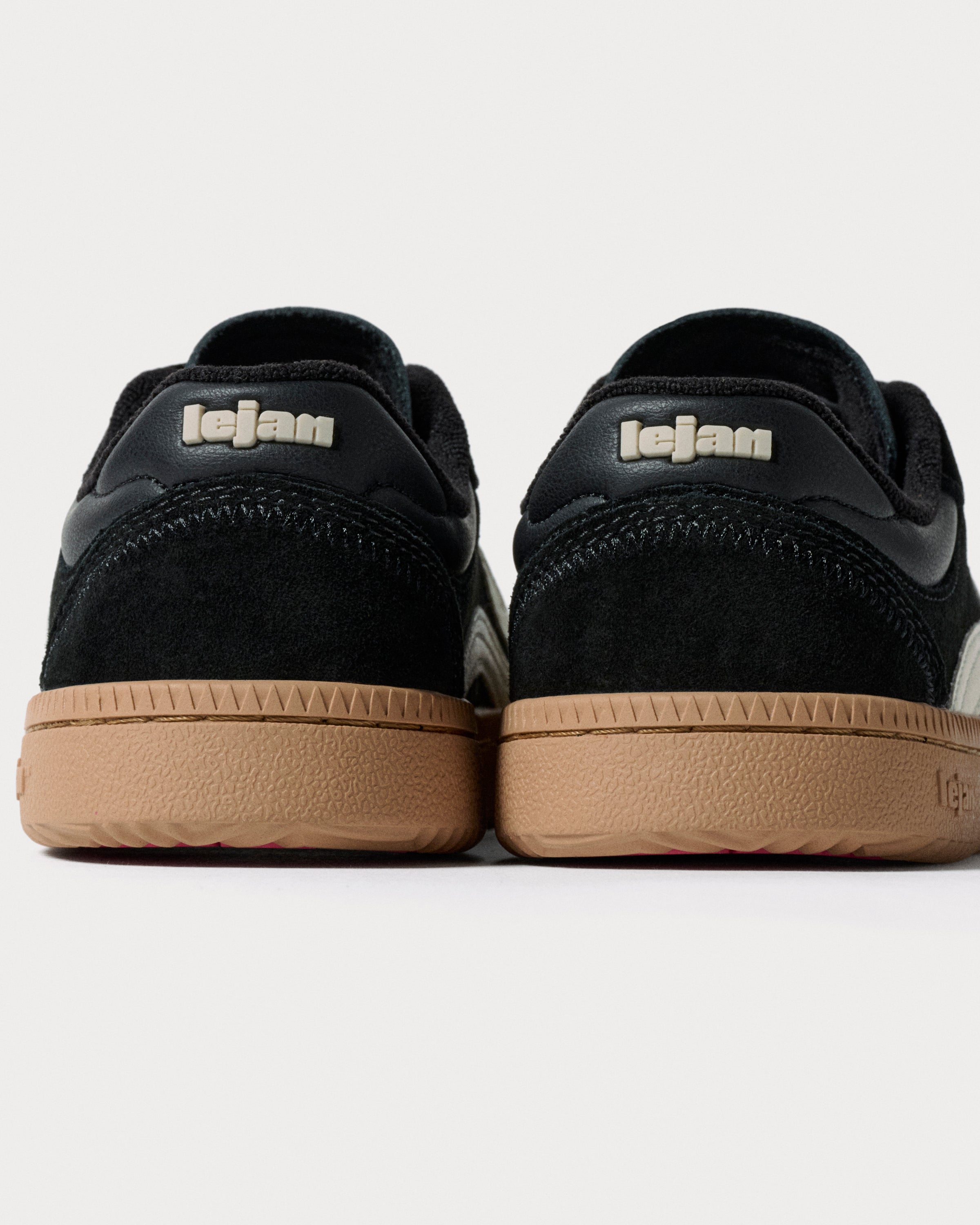
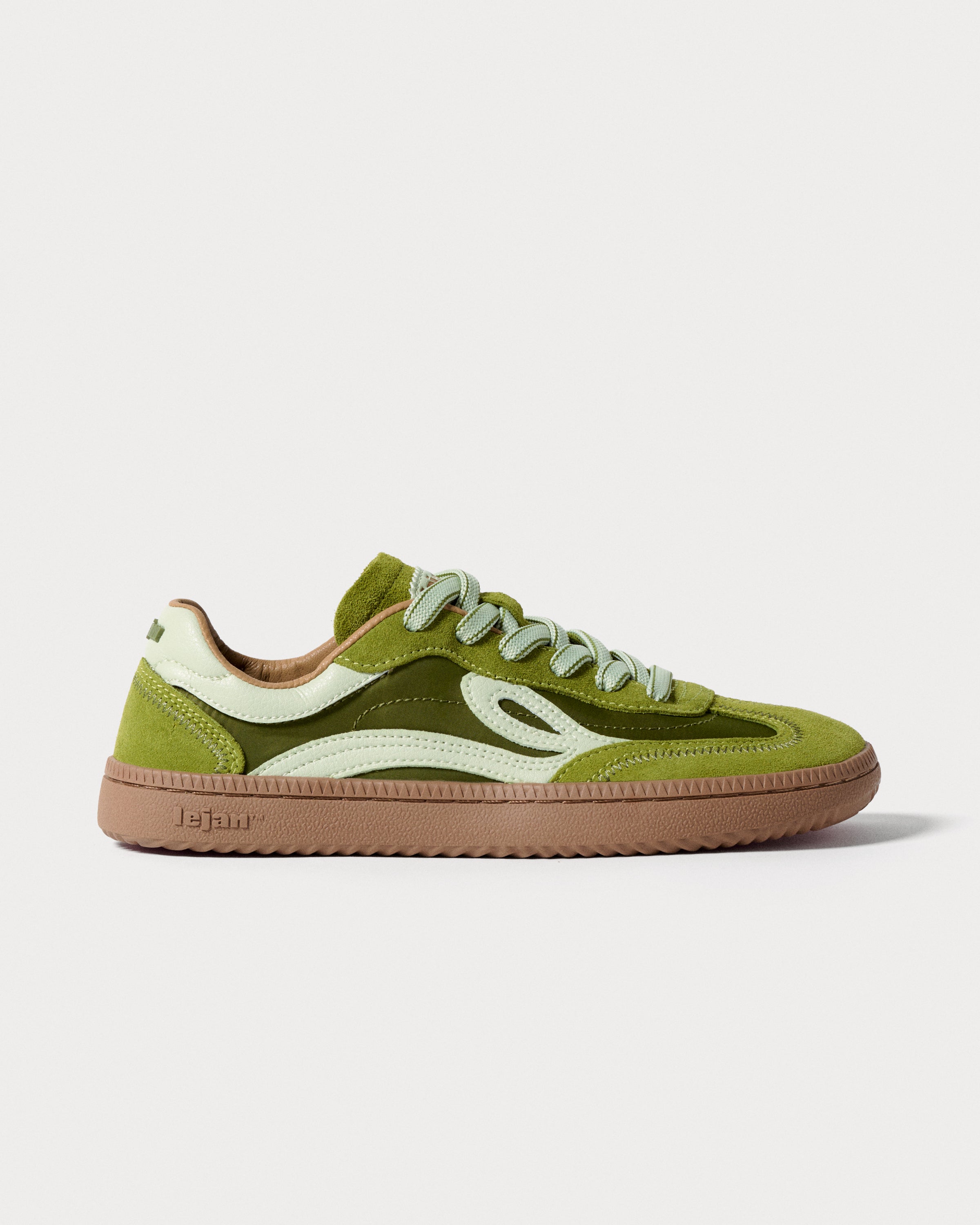
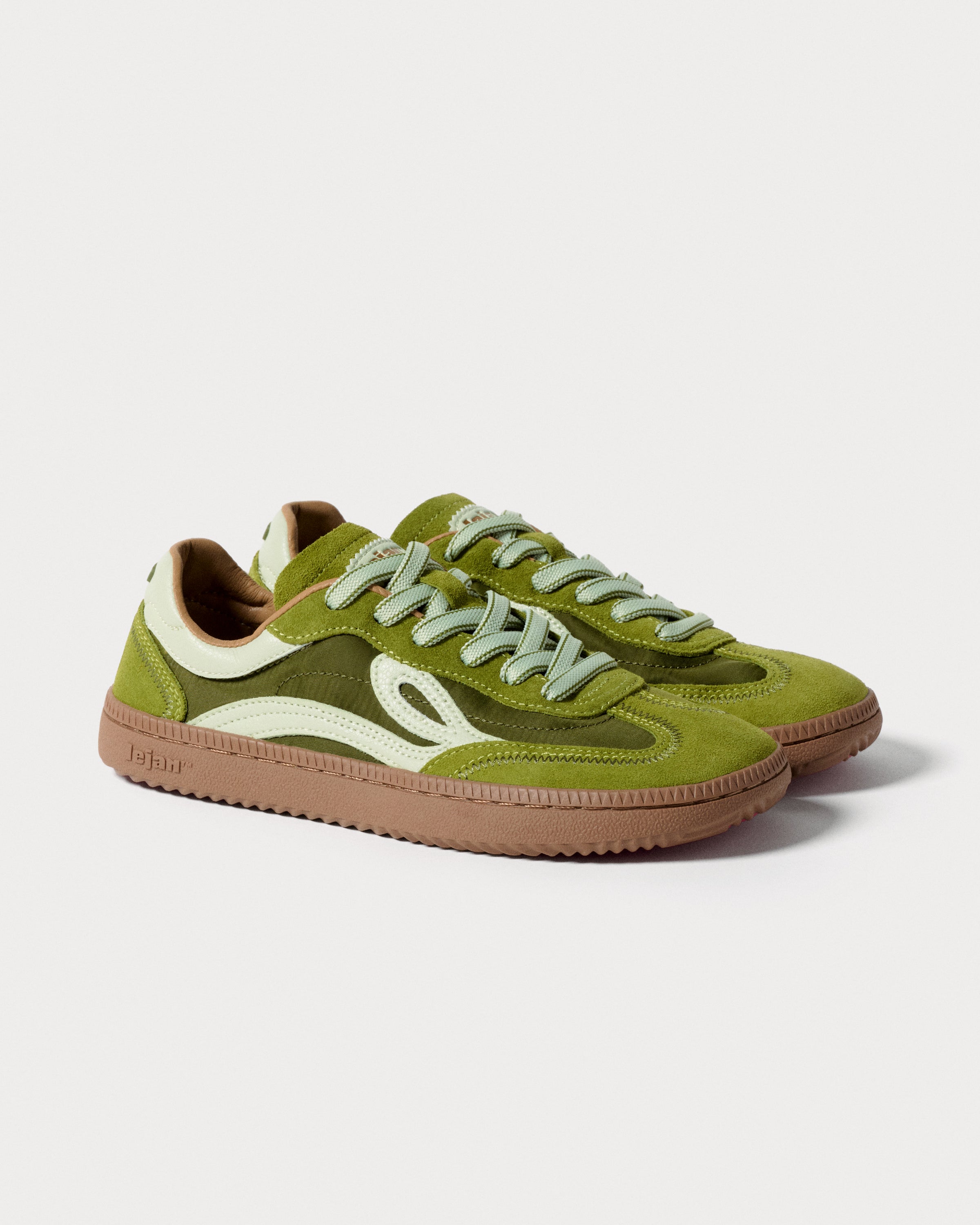
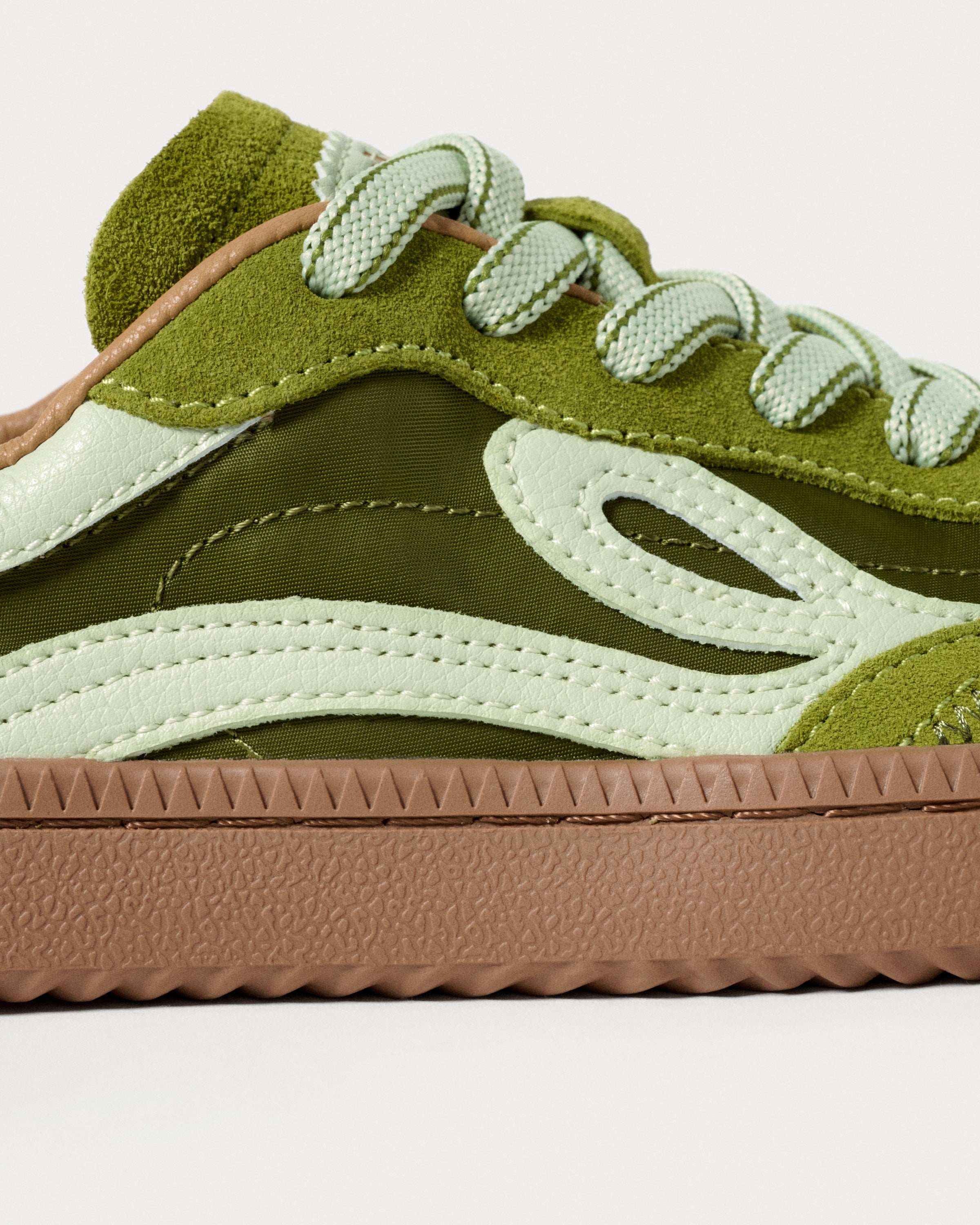
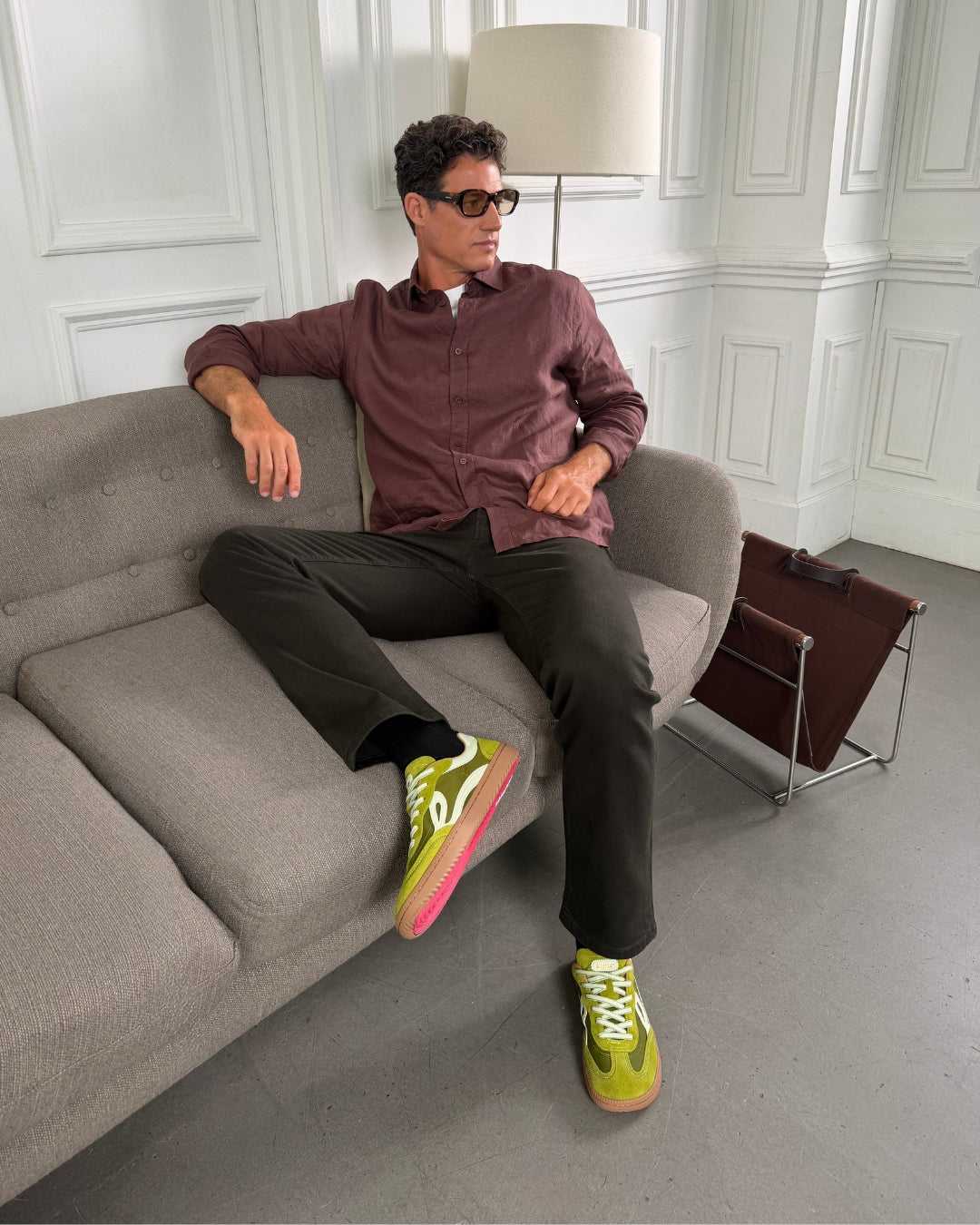
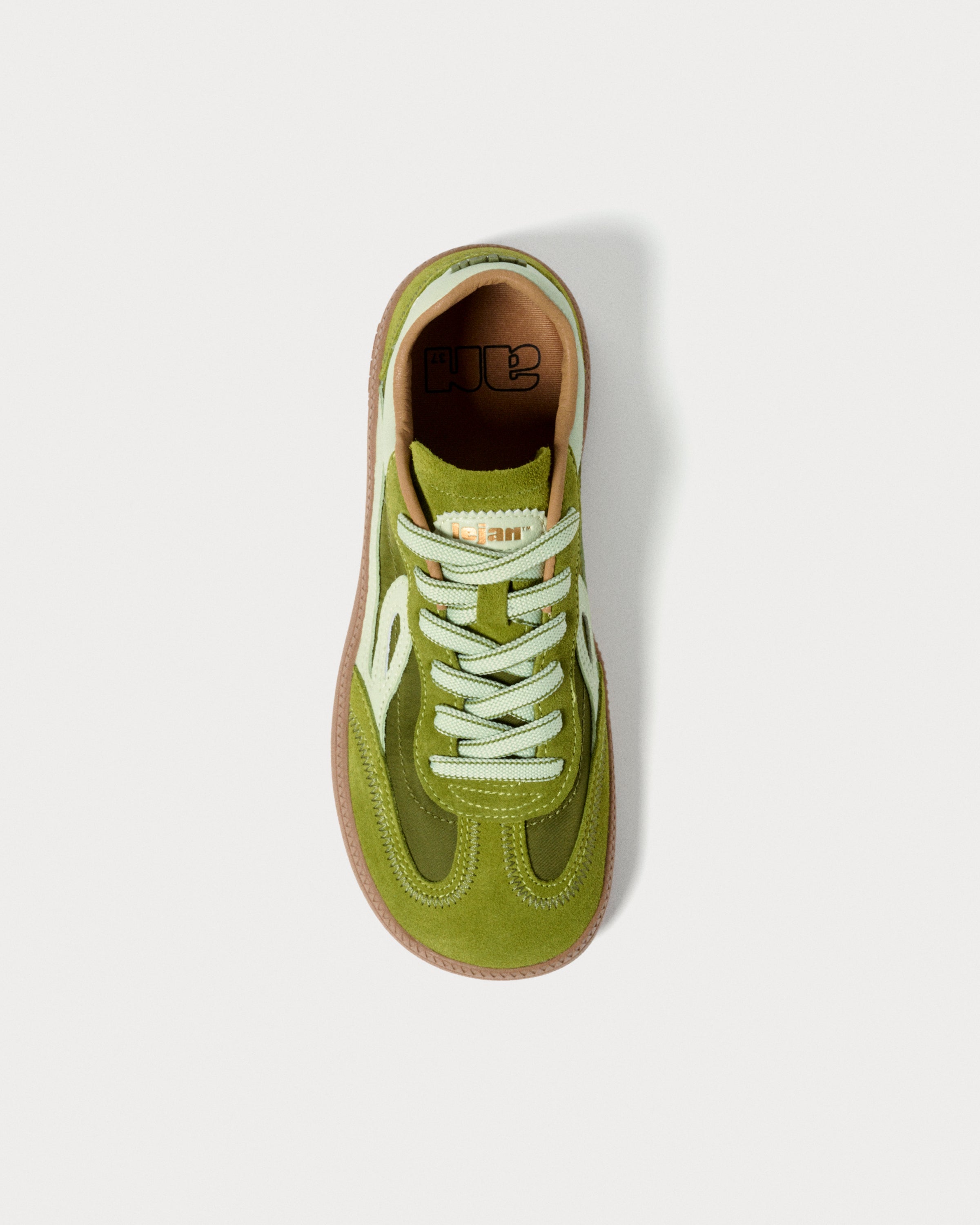
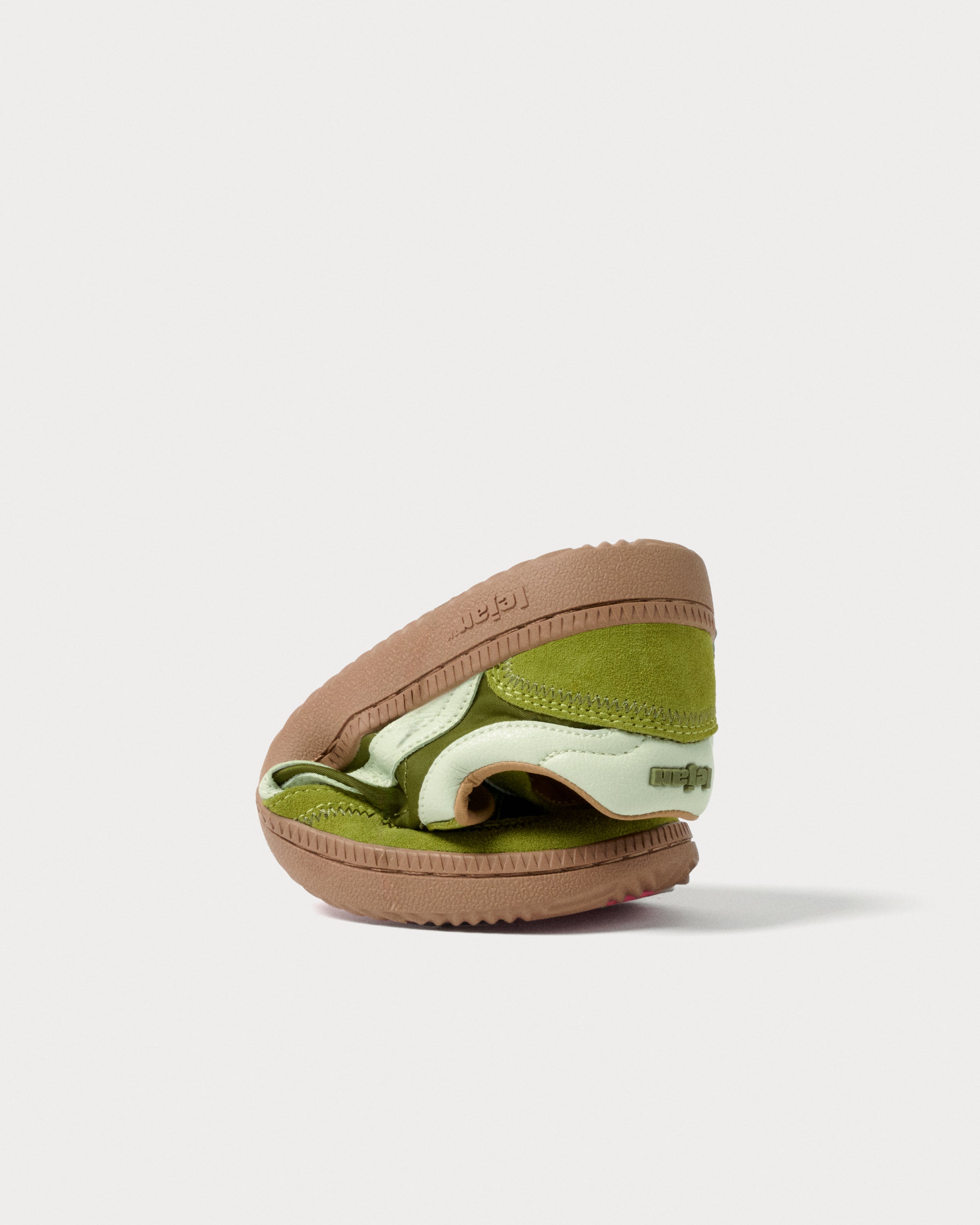
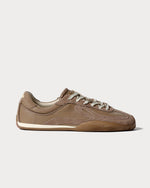
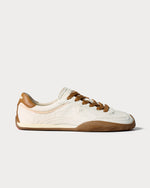
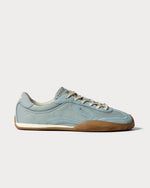
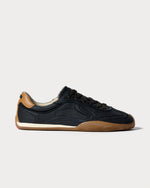
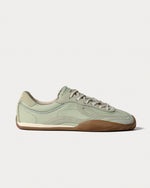
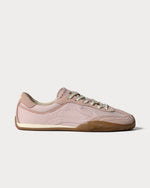
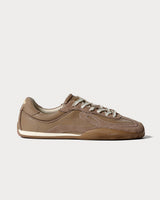
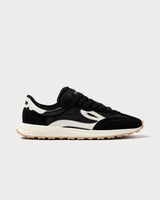
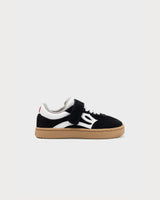
This does not mean "the thinner the better", but that the foot can move without constant restrictions. In this sense, barefoot sneakers for adults can be an interesting option if you are looking for footwear with more space for the toes, a flexible sole, and a more respectful approach to the natural movement of the foot.
Why to avoid rigid, narrow, or poorly fitting shoes
Rigid or narrow-toed models can concentrate loads at specific points.
If they also press on the heel or do not adapt well, the discomfort can persist.
When to consider a gradual footwear transition
If you come from very structured footwear, changes should be made gradually.
The foot needs time to adapt to new demands.
Moving too quickly can create more discomfort rather than resolving it.

When to consult a podiatrist or doctor
There are situations in which it is better not to prolong the process on your own, and in case of any doubt, consult your specialist.
Intense, sudden pain, or pain that does not improve
If pain appears suddenly or does not improve after several weeks, it is better to have it assessed.
Swelling, redness, or inability to bear weight
These signs may indicate there is something more than a simple overload.
Tests and professional assessment depending on the case
A professional is the one who should assess the cause, the load you are tolerating, and what treatment makes most sense in your case.
Frequently asked questions about heel pain
Why does my heel hurt when I get up?
It is usually related to plantar fasciitis.
During the night, the tissue shortens slightly and when the first steps are taken, pain appears.
Does a heel spur always cause pain?
No. Many people have a spur and feel no discomfort.
The pain usually comes more from the irritation of the surrounding tissue.
What footwear is best if my heel hurts?
Footwear that does not compress, respects the shape of the foot, and does not generate constant pressure on the heel.
More than a specific type, what matters is how well it adapts to you and where you are in your recovery.
Test your knowledge
Answer the questions to check how much you know about this topic.
1. Wat is een veelvoorkomende oorzaak van hielpijn bij het opstaan?
2. Wat duidt hielpijn na lang lopen of staan meestal aan?
3. Welk kenmerk van het schoeisel kan hielpijn verergeren?
4. Welke strategie is meestal het meest nuttig om hielpijn te verlichten?

Share