Benefits of walking barefoot
The body remembers what the ground teaches
We spend most of the day with our feet shut away. Thick soles, cushioning, reinforcements, corrections. Layers that constantly separate us from the ground.
But the human foot wasn't born to be encased. It was born to move, adapt and feel. And when it stops doing so, something changes.
When you go barefoot, the body readjusts, your posture finds a more natural balance and your step becomes more conscious. This is no coincidence. For thousands of years we walked this way: feeling the terrain, adapting to every surface, letting the foot do its job. The ground taught and the body responded. That ability is still there — we simply switch it on less often these days.
Why the human foot wasn't born to be encased
What changes when you go barefoot: posture, balance and conscious stepping
Going barefoot isn't “taking off your shoe”. It's recovering information. Suddenly, the foot perceives the ground again and the body adjusts small things without you noticing: how you bear weight, how you distribute it, how you stabilise the ankle, knee and hip.
Your step becomes more present. Not because it's magic, but because the foot takes part once more.


The ground taught and the body responded (adapting to surfaces)
Each surface calls for a different response: you don't bear weight the same way on hard ground as on uneven ground, nor do you walk the same on sand as on grass. That constant adjustment is part of the body's design. When there's too much “intermediation” between foot and ground, that conversation fades.
And when the conversation fades, the foot tends to do less… and rely more.

A strong foot, a healthy foot
The foot's intrinsic muscles: stability and natural cushioning
When the foot can move freely, its intrinsic muscles start to work, taking part in its stability and cushioning.
When these muscles work regularly, the foot changes. It becomes stronger and more able to adapt to the terrain.
What happens when the shoe “does the work”
By contrast, when movement is heavily restricted and the shoe takes on almost all the work, those muscles get used to taking part less. And the foot loses part of its natural strength.
Likewise, when we encase the foot in narrow shoes, with raised support systems and wedges, the foot hands over part of its work to the footwear and can weaken.
And what goes unused tends to switch off: less strength, less mobility, less capacity to respond. Not because the foot “fails”, but because less has been asked of it for a long time.
Proprioception: what your foot tells the nervous system
Nerve endings and stimuli: pressure, texture and balance
The sole of the foot has thousands of nerve endings. Each step sends information to the nervous system about pressure, texture and balance. This communication is part of proprioception: the ability to know where our body is without having to look at it.
When the foot can properly receive and process these stimuli, the muscular response and the adaptation to each step happen more efficiently.
How too much structure reduces the foot's response
By contrast, when the shoe does the work (rigid sole, excessive cushioning, narrow toe box), the foot takes part less. And what goes unused tends to weaken: it tends to lose mobility, sensitivity and capacity to respond.
That's why talking about the benefits of walking barefoot isn't only about “strengthening”. It's about recovering information and function: feeling, adjusting, responding.
Why it matters especially in childhood
The child's foot “is built” through stimulus, movement and freedom
This is especially important in childhood. The child's foot is still being built and, like any growing structure, it needs stimulus, movement and freedom to develop naturally.
It's not about becoming obsessed, but about understanding that the foot learns through use. And real use doesn't happen when it's immobilised or compressed.
A strong foot isn't a rigid foot, it's a foot that feels, adapts and responds.
Recovering function is also part of the process
If for years we've worn very conventional footwear, it's normal for the foot to have got used to taking part less.
Sometimes we notice it in small details: a feeling of stiffness in the toes, little mobility in the forefoot, quick fatigue when we use a thinner sole or when we walk barefoot for a while. It doesn't mean the foot is “faulty”, but rather that it has spent some time working with less demand.
When the footwear takes on much of the cushioning, the stability or the guidance of movement, the foot's musculature reduces its involvement. And as with any muscle group, if it isn't used regularly, it loses capacity.
That's why recovering function isn't a matter of changing overnight. It's a gradual process. Muscle tissue needs time to adapt. The structures that stabilise the arch and control each step need to be reactivated gradually. Forcing the change can create unnecessary strain.
What matters isn't doing more, but allowing the foot to go back to doing what's its job, little by little.
With the right stimulus.
With real movement.
A functional foot isn't strengthened from the outside. It's strengthened by using it. And that adaptation, when done well, is part of looking after it.
What footwear that respects that function should be like
So… what should footwear that respects that function be like? Once we understand the function, the choice changes.
It's not about getting rid of shoes, but about footwear that supports without replacing. The question is inevitable: what should footwear be like today?
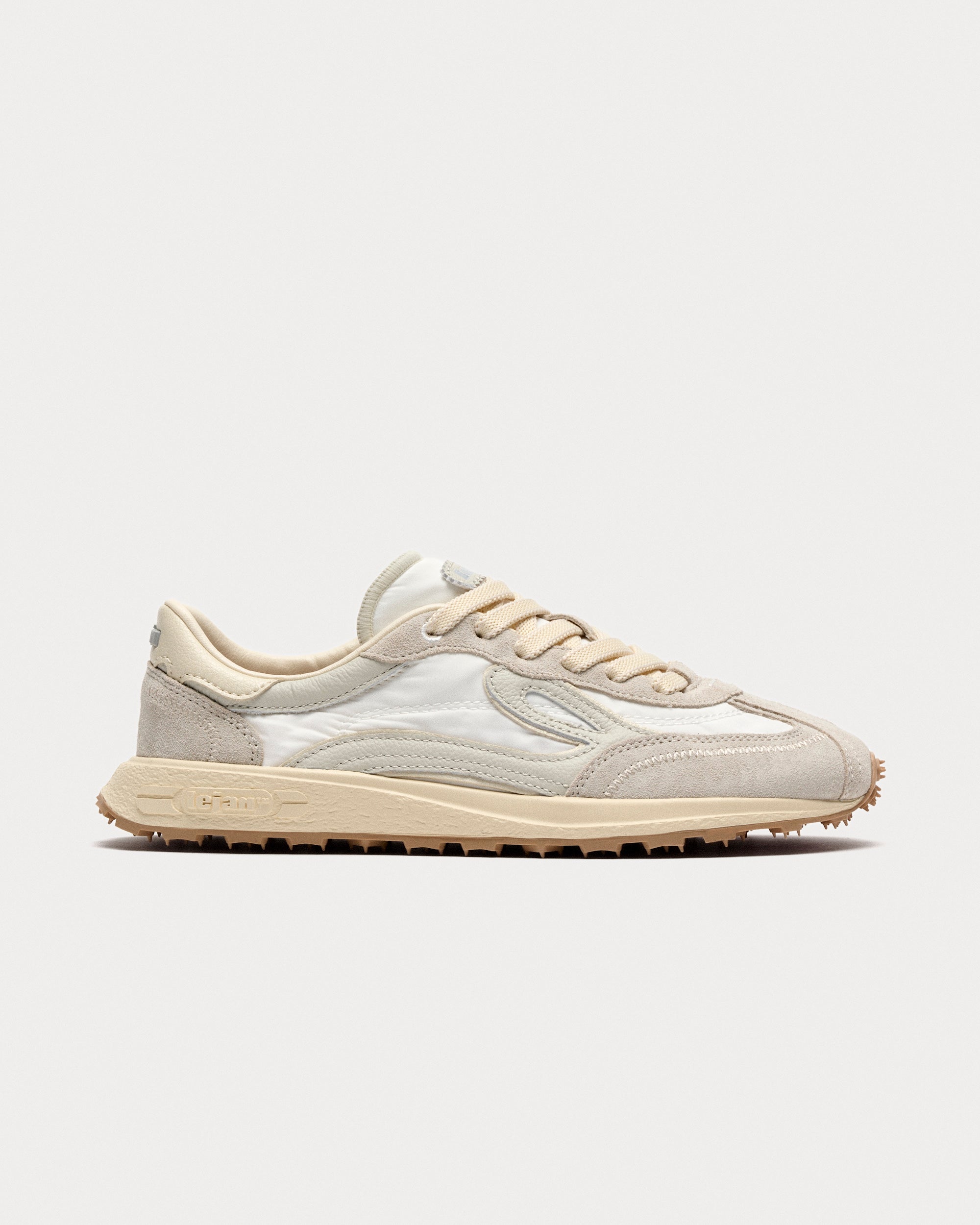
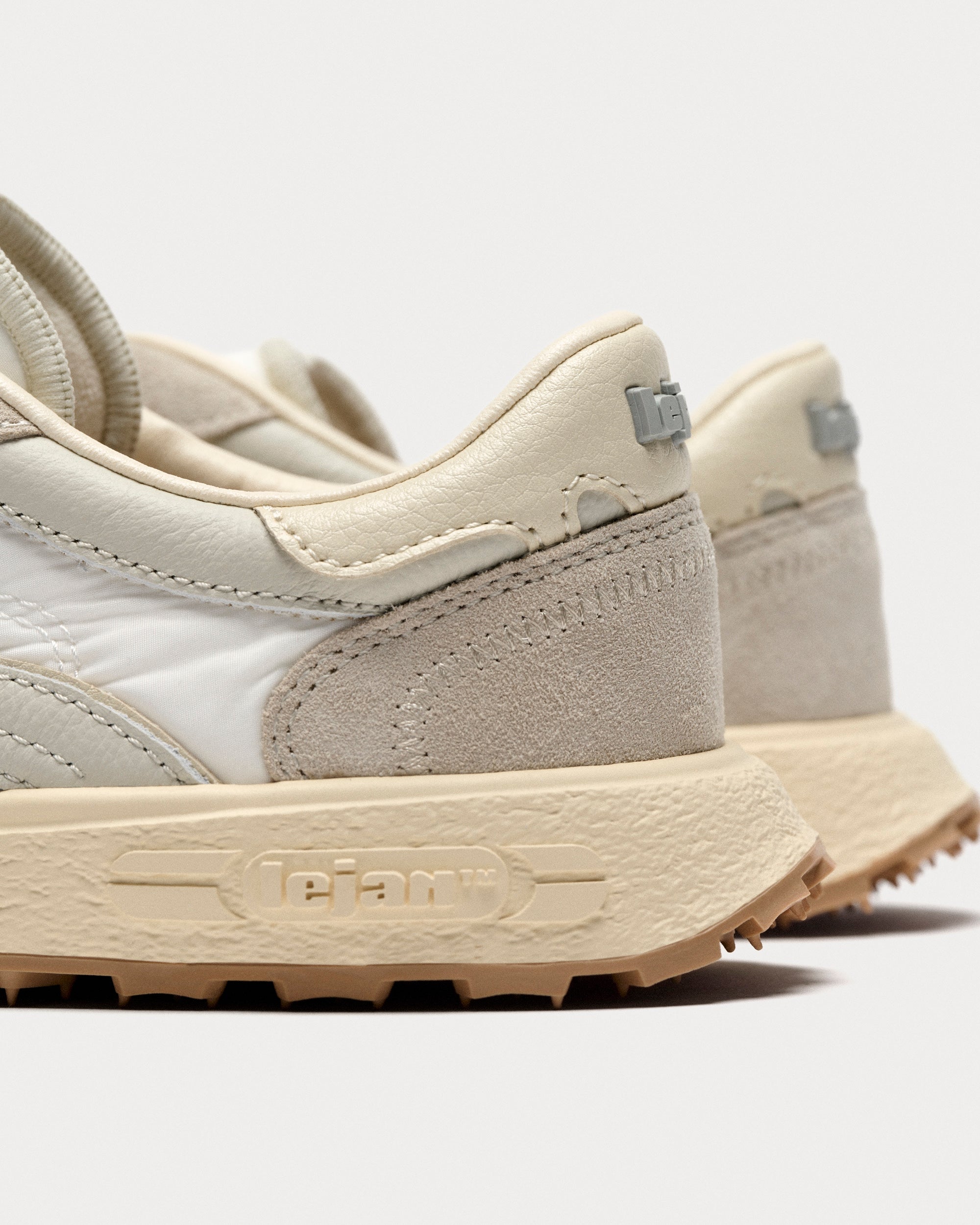
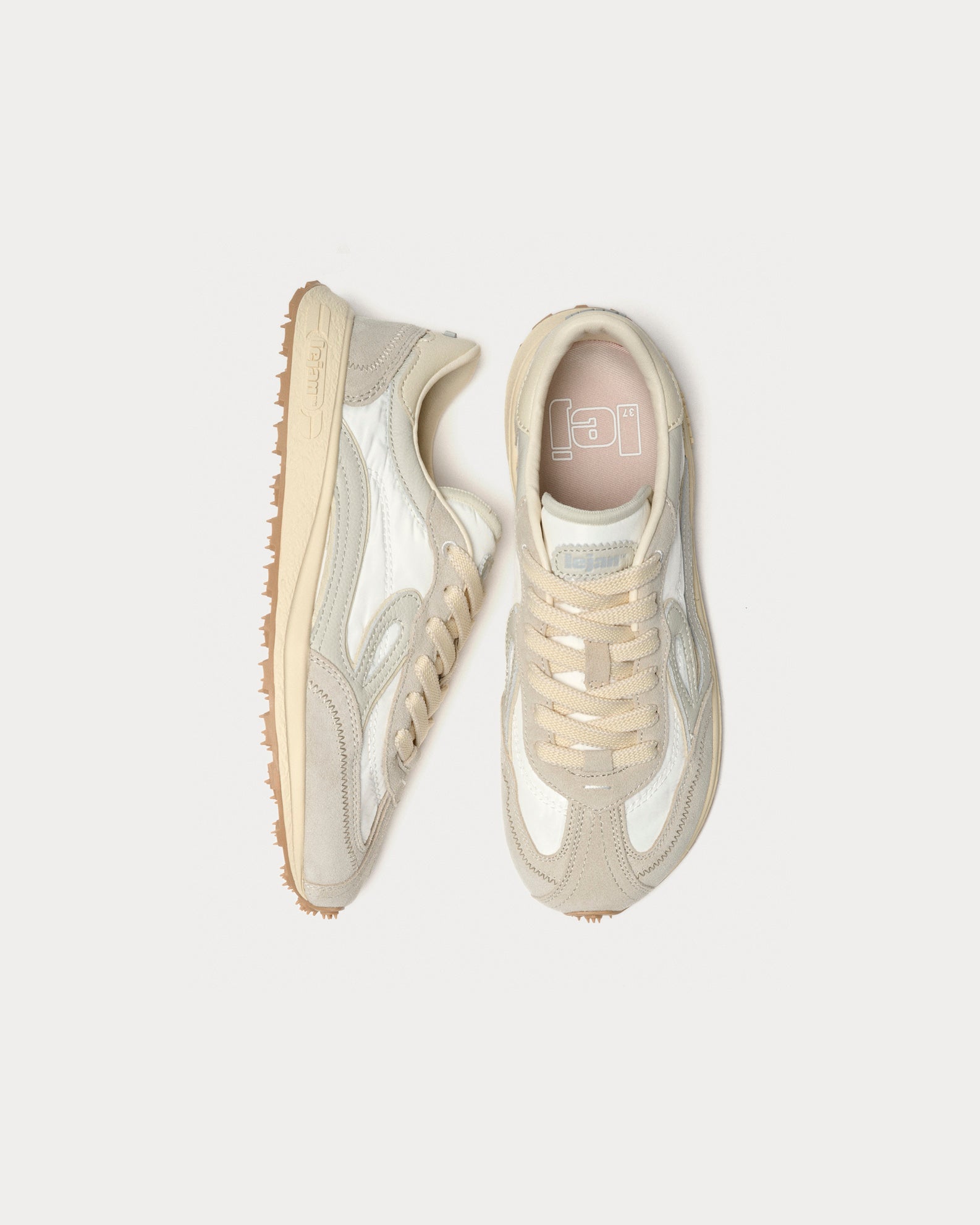
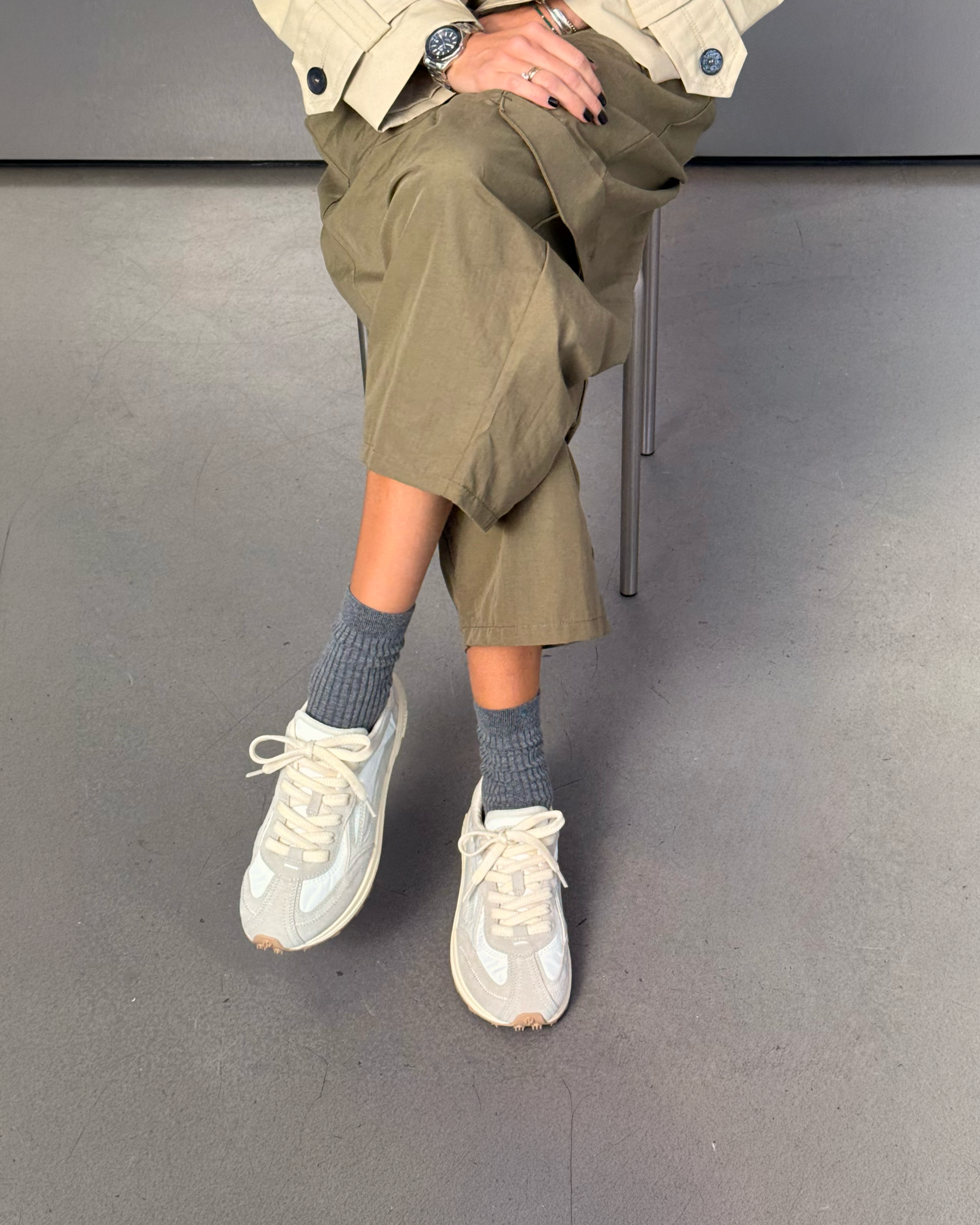
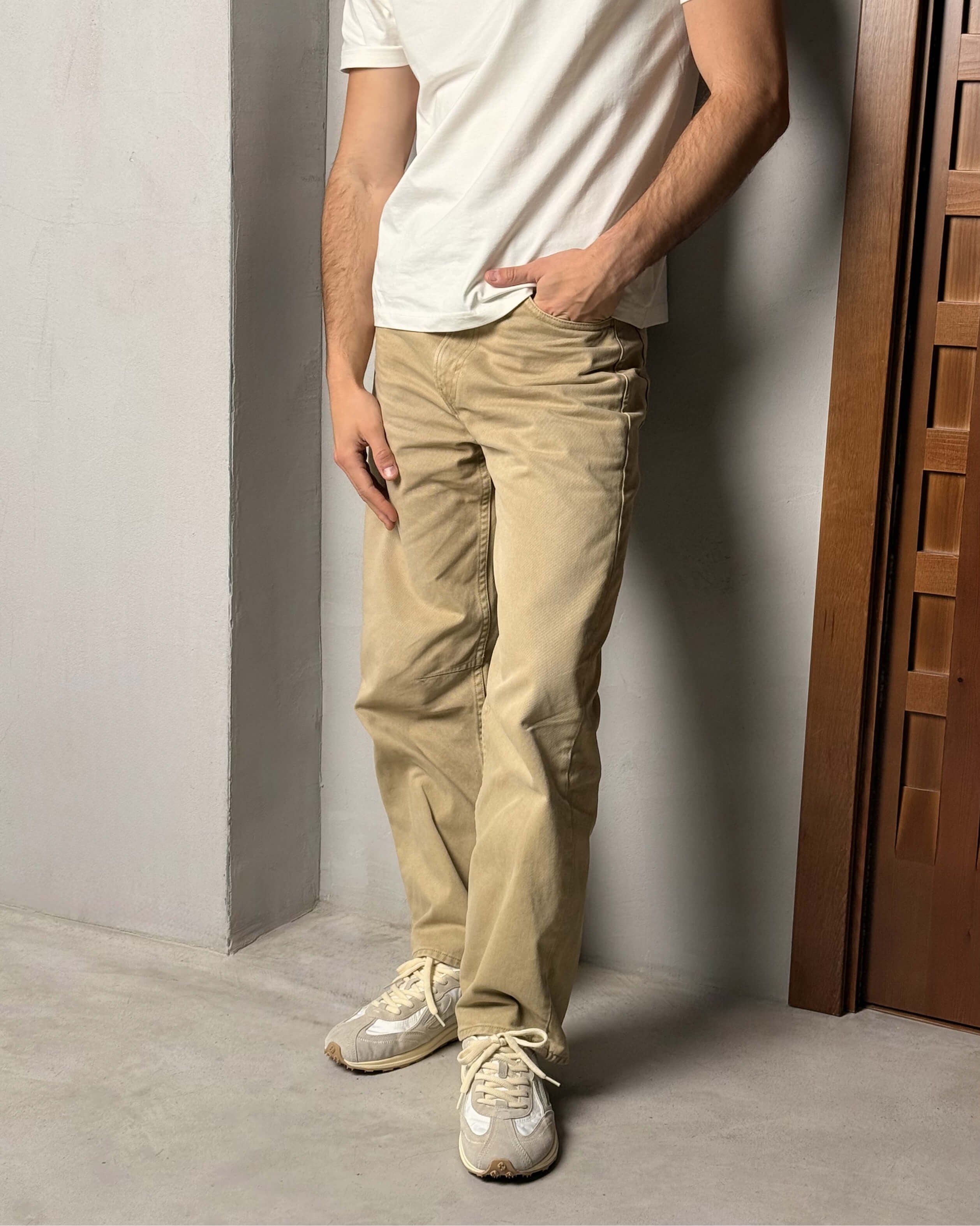
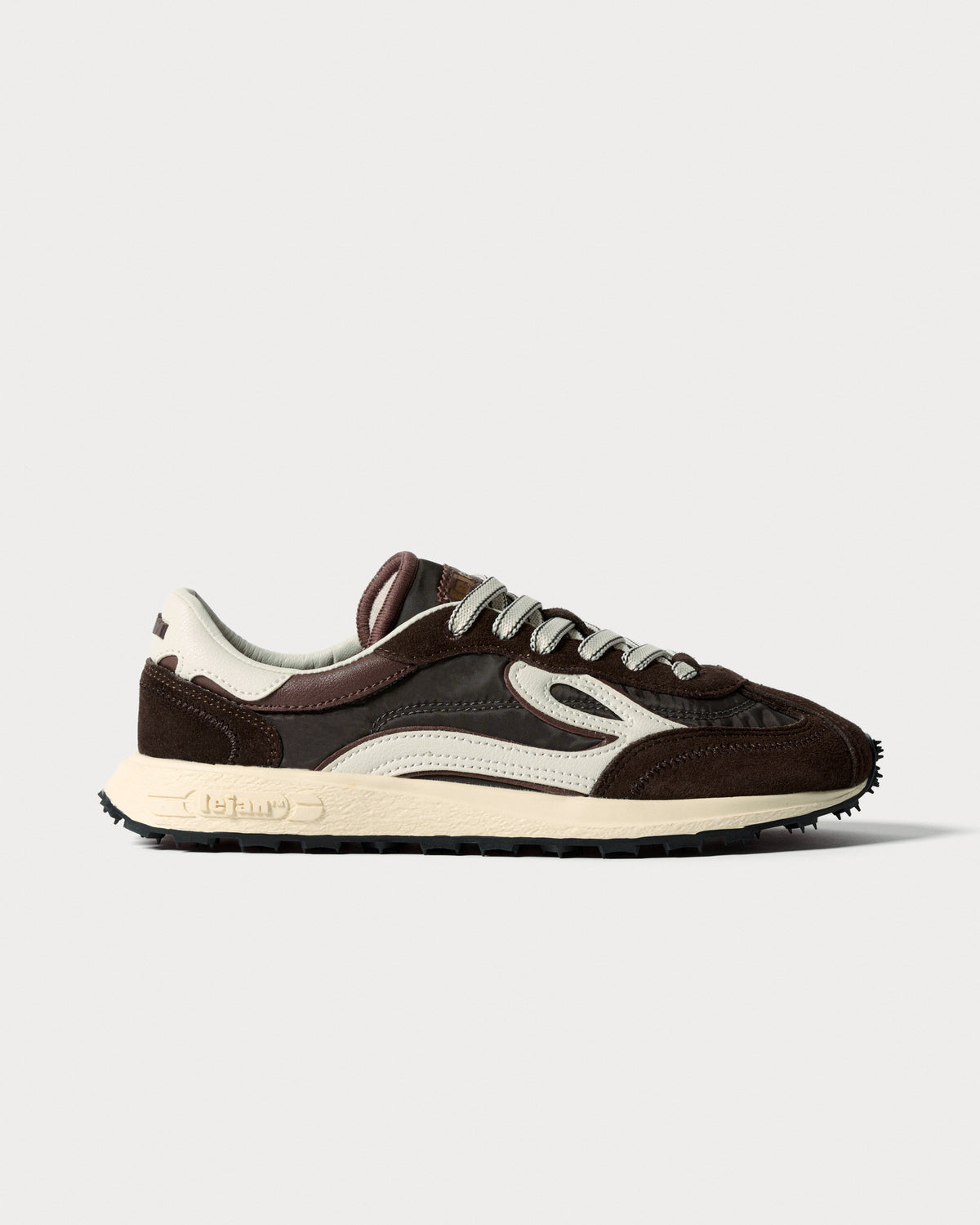
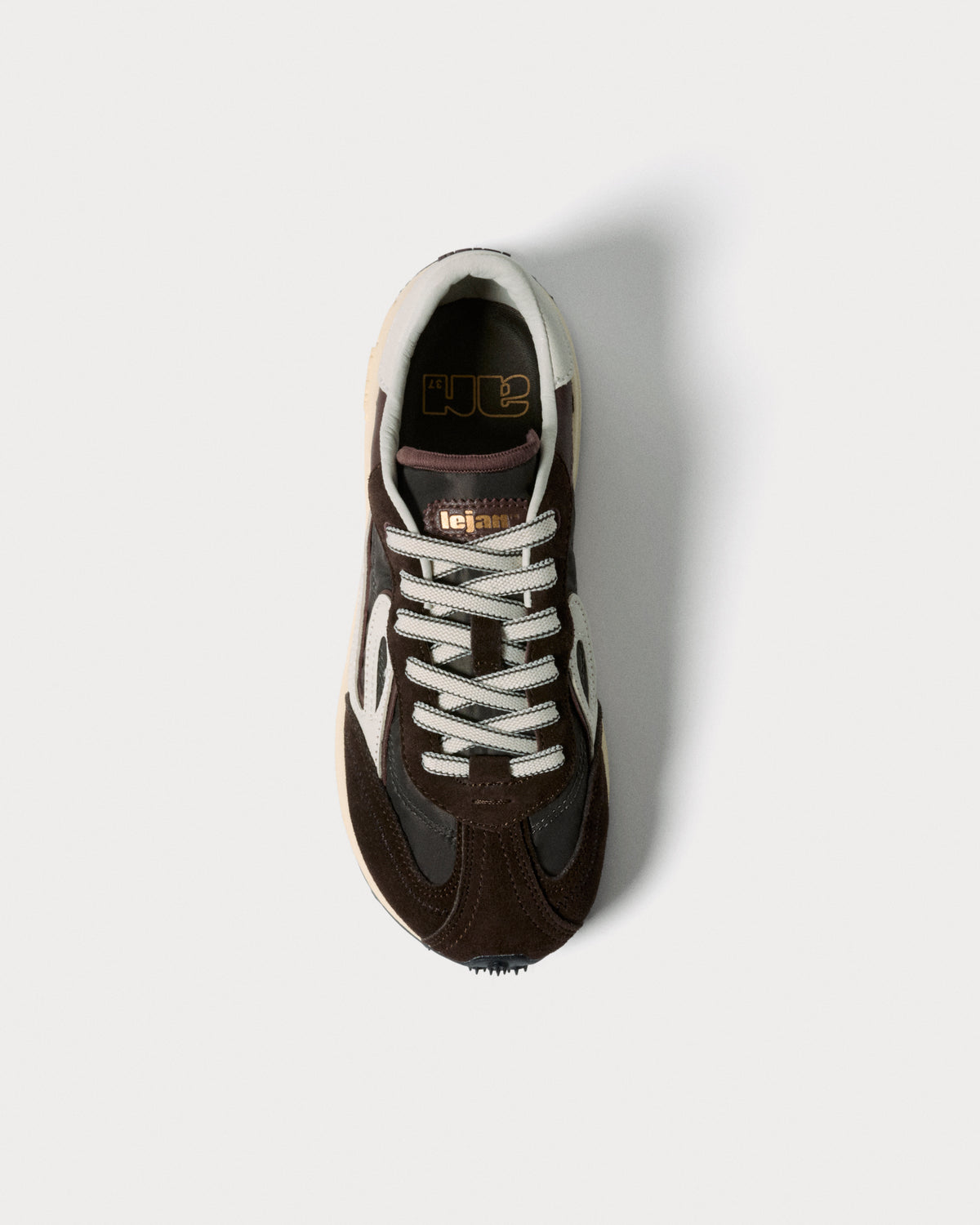
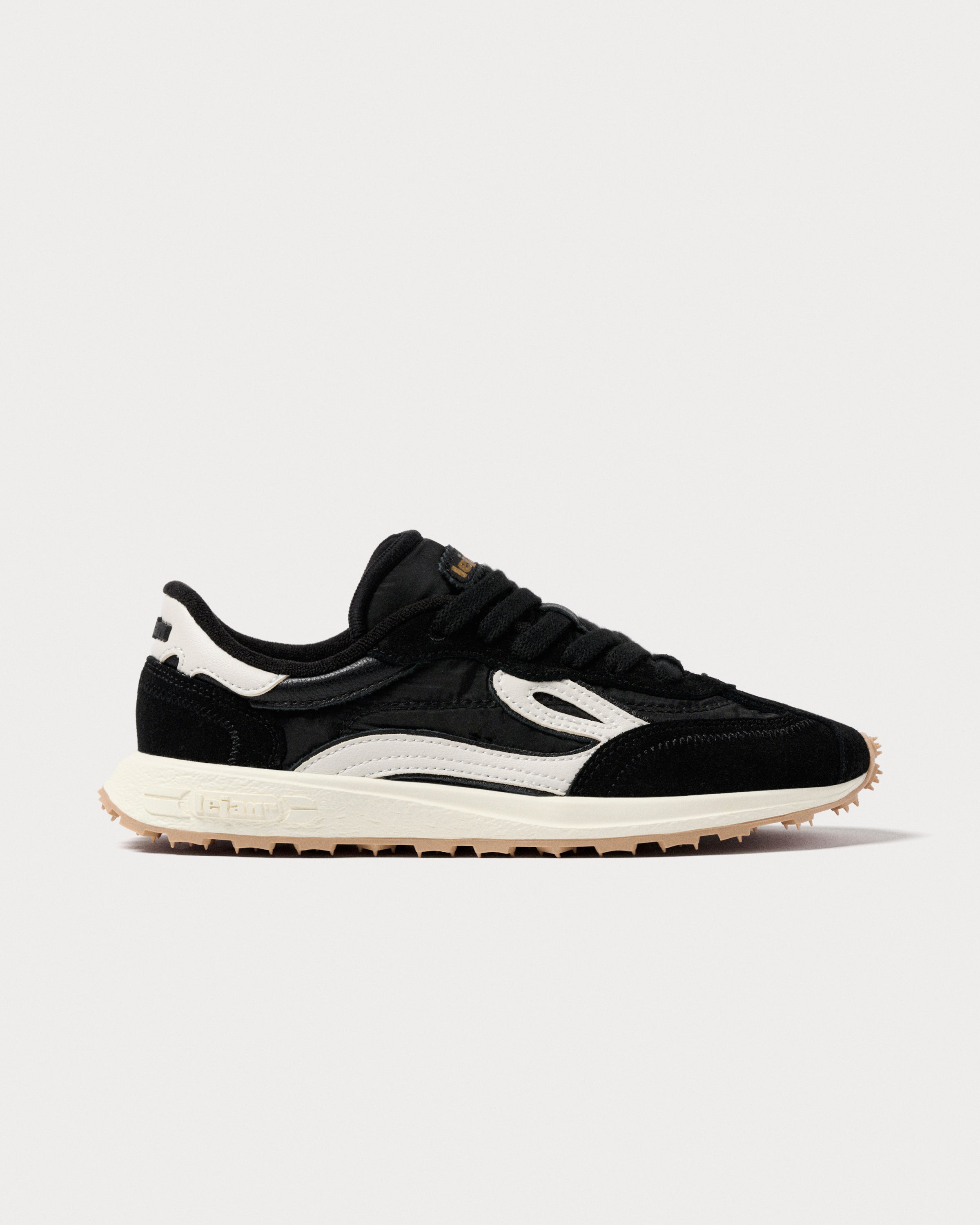
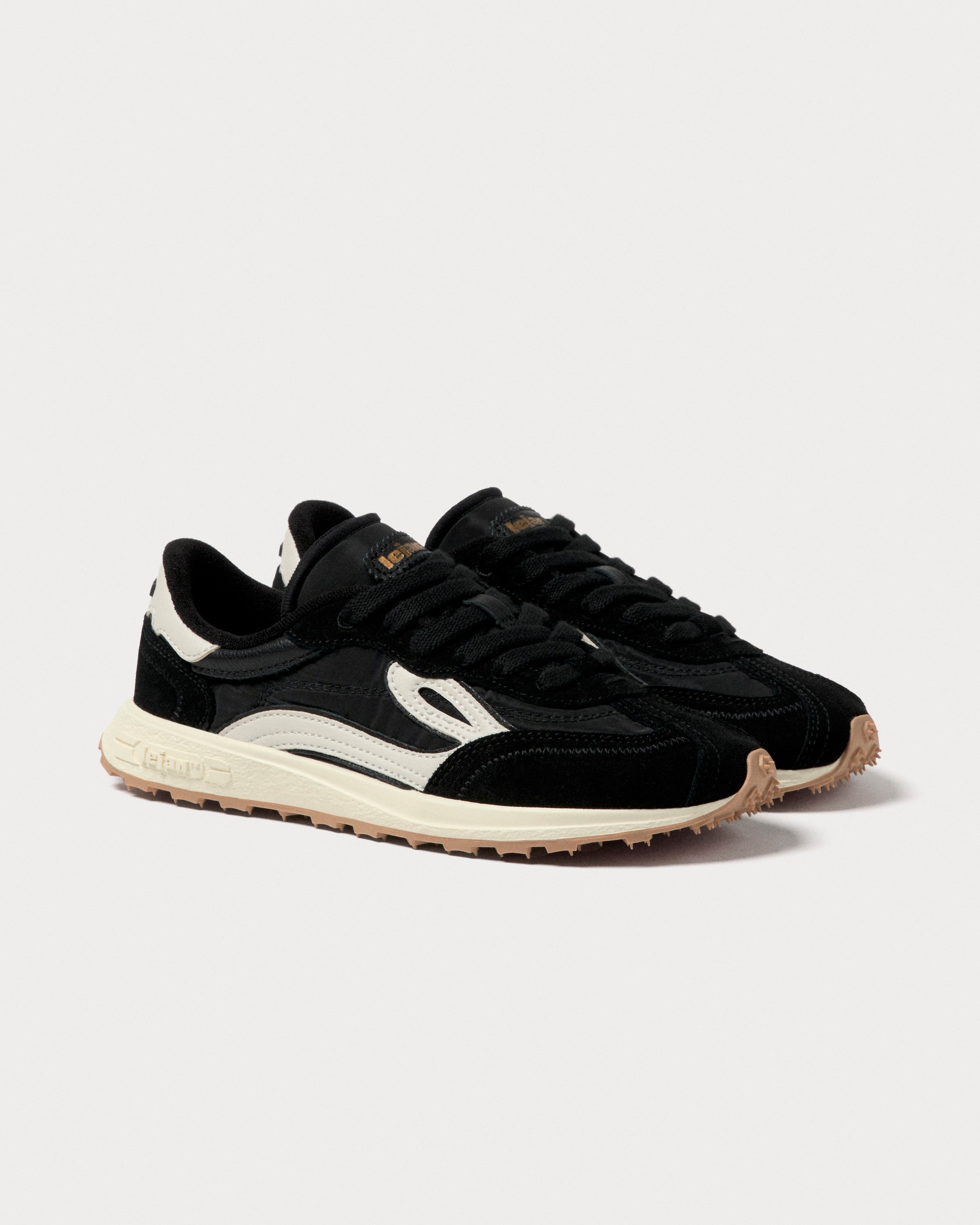
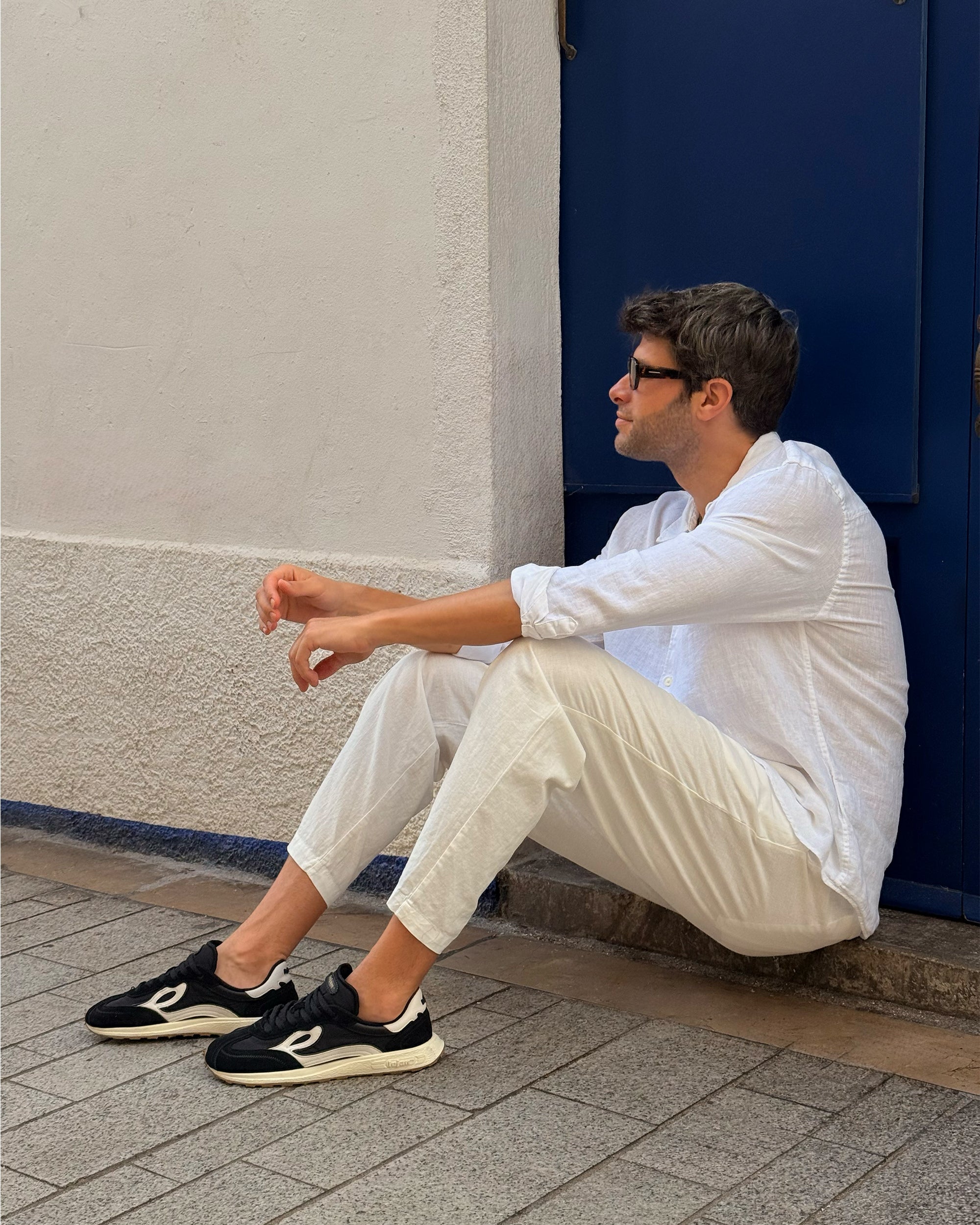
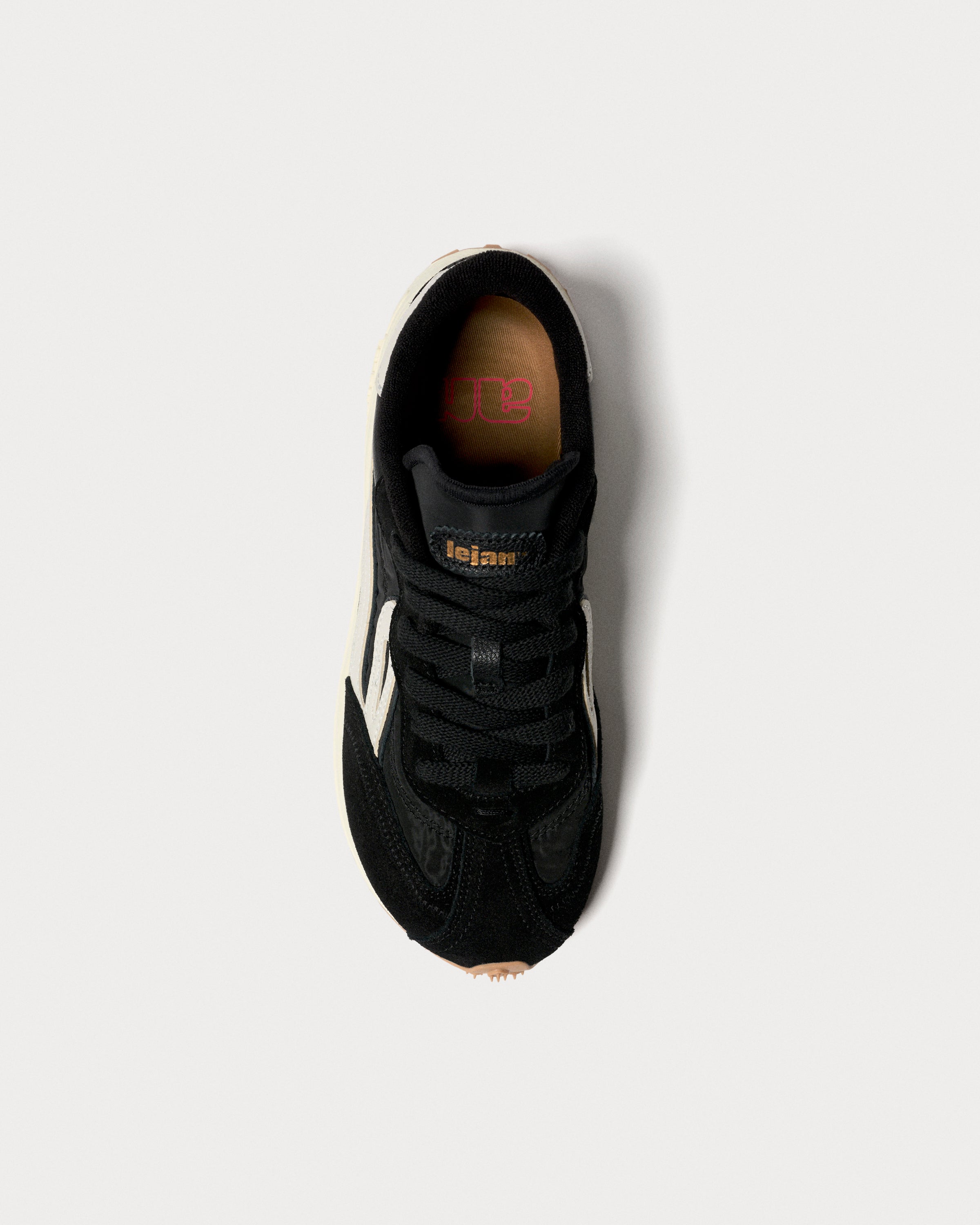
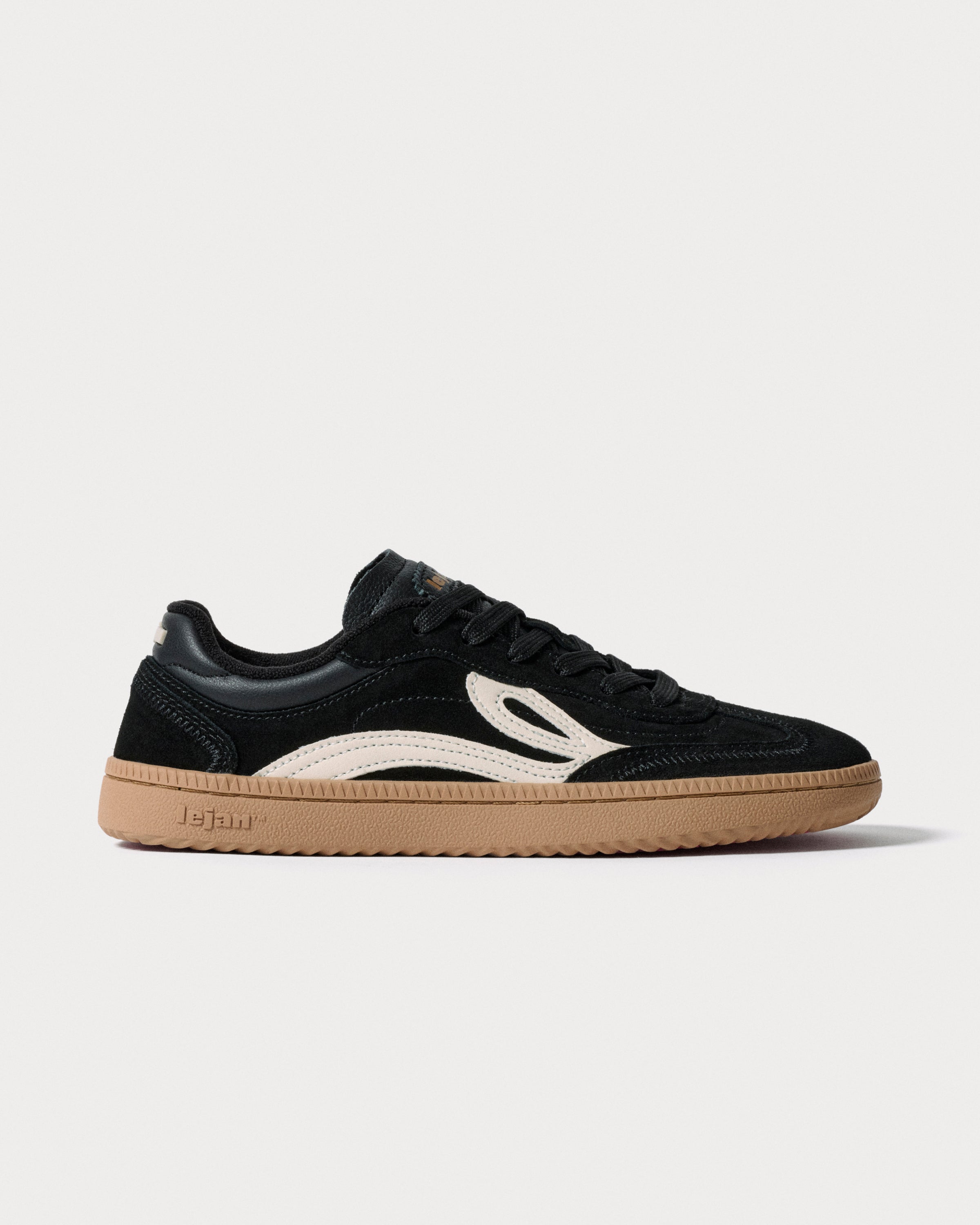
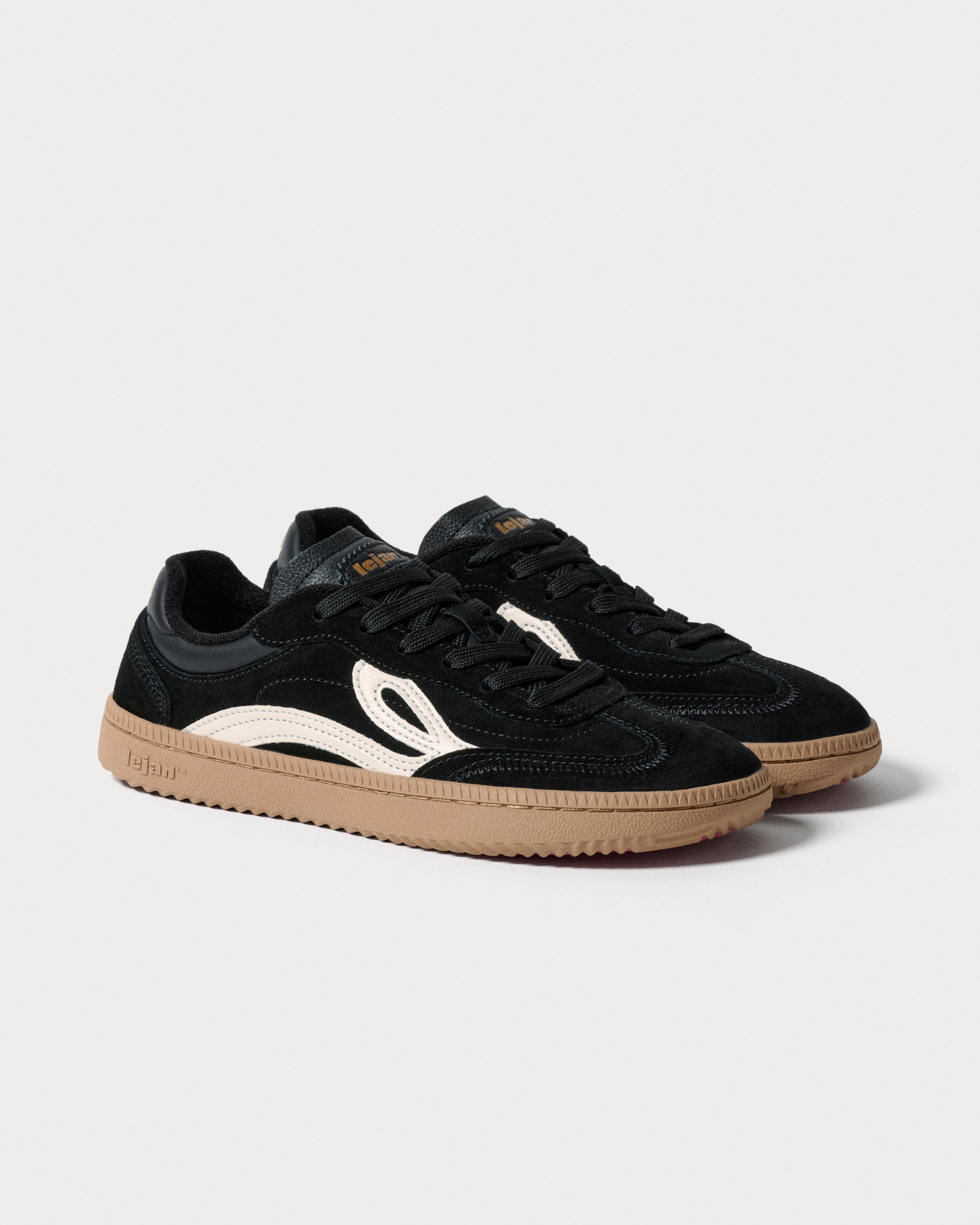
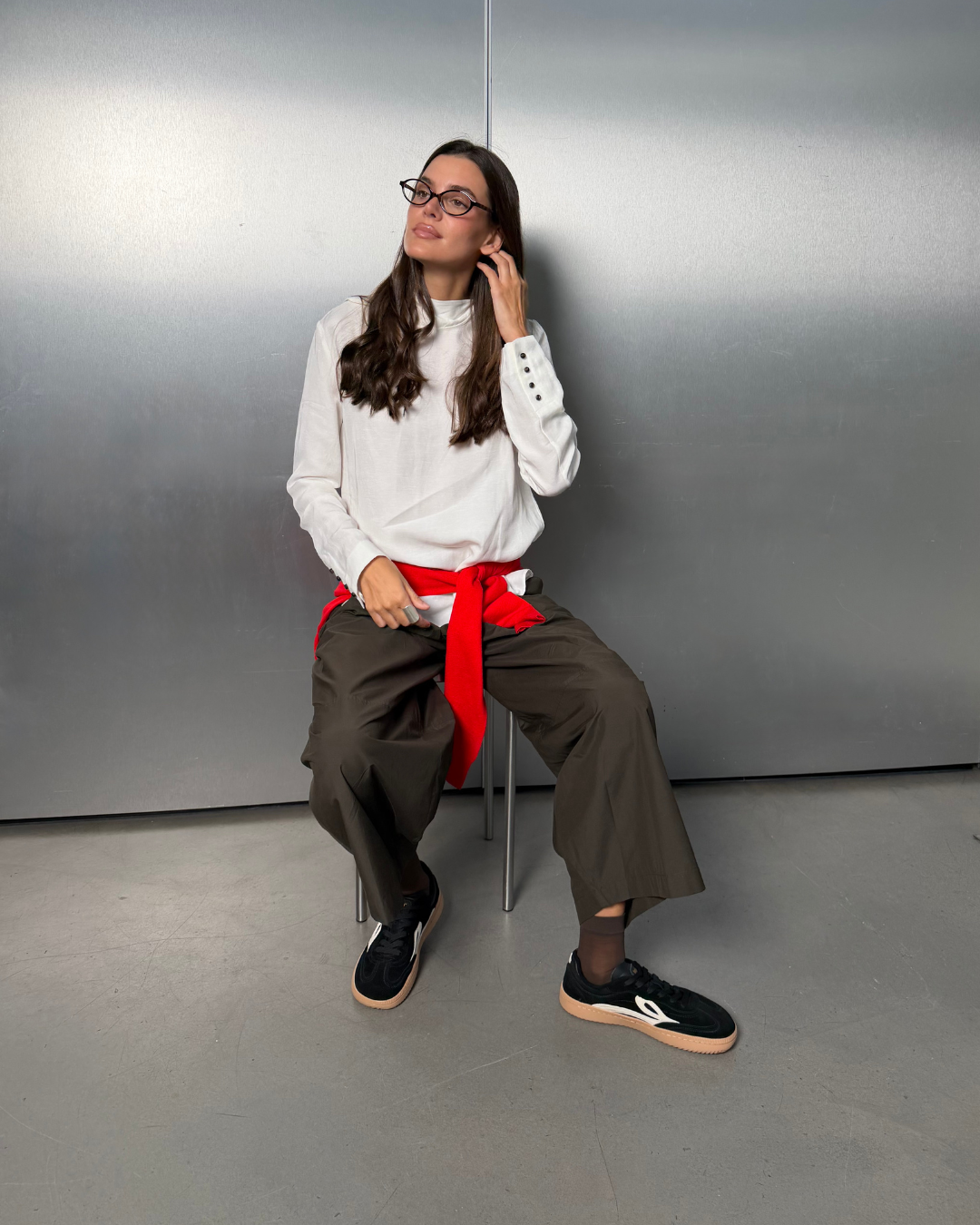
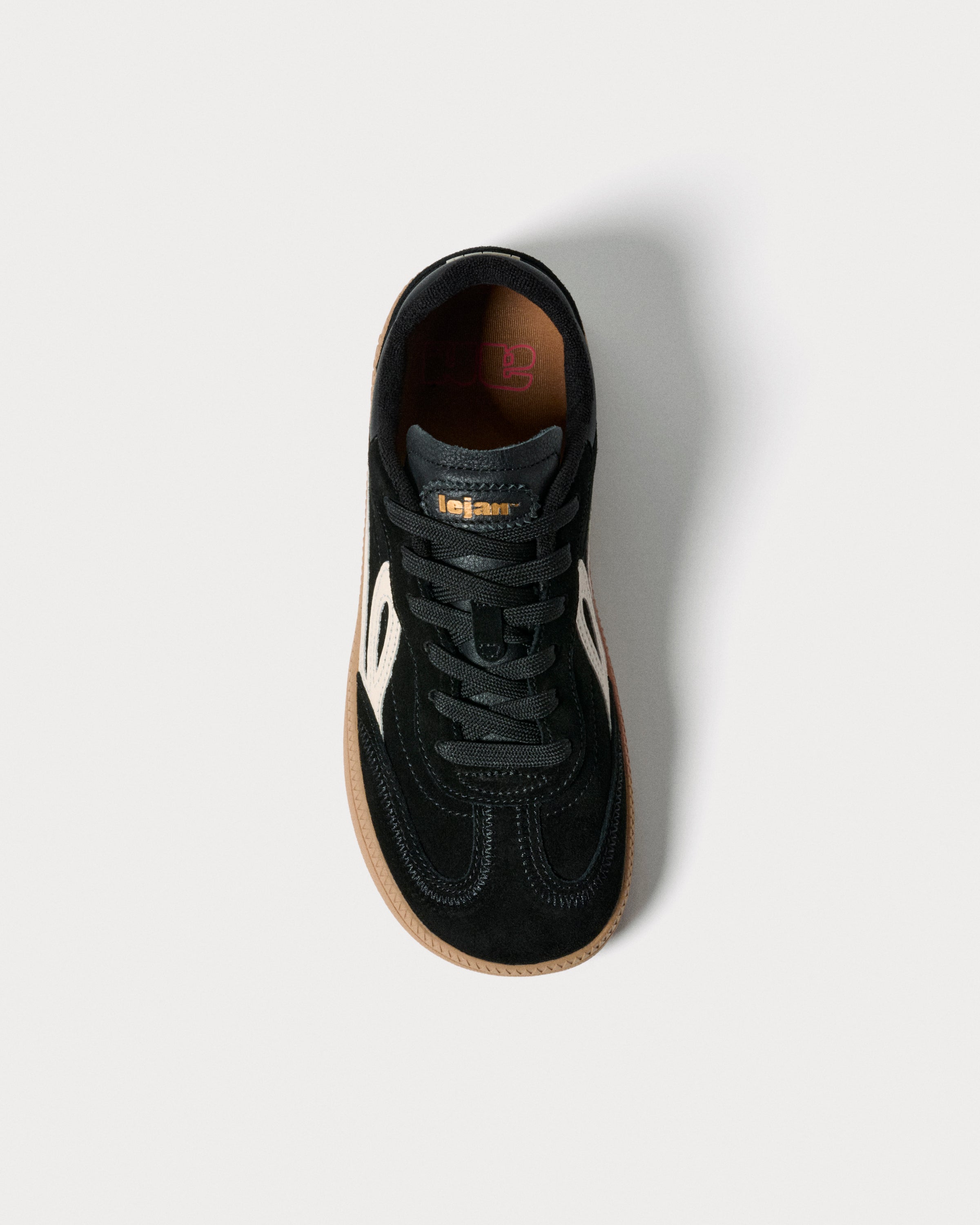
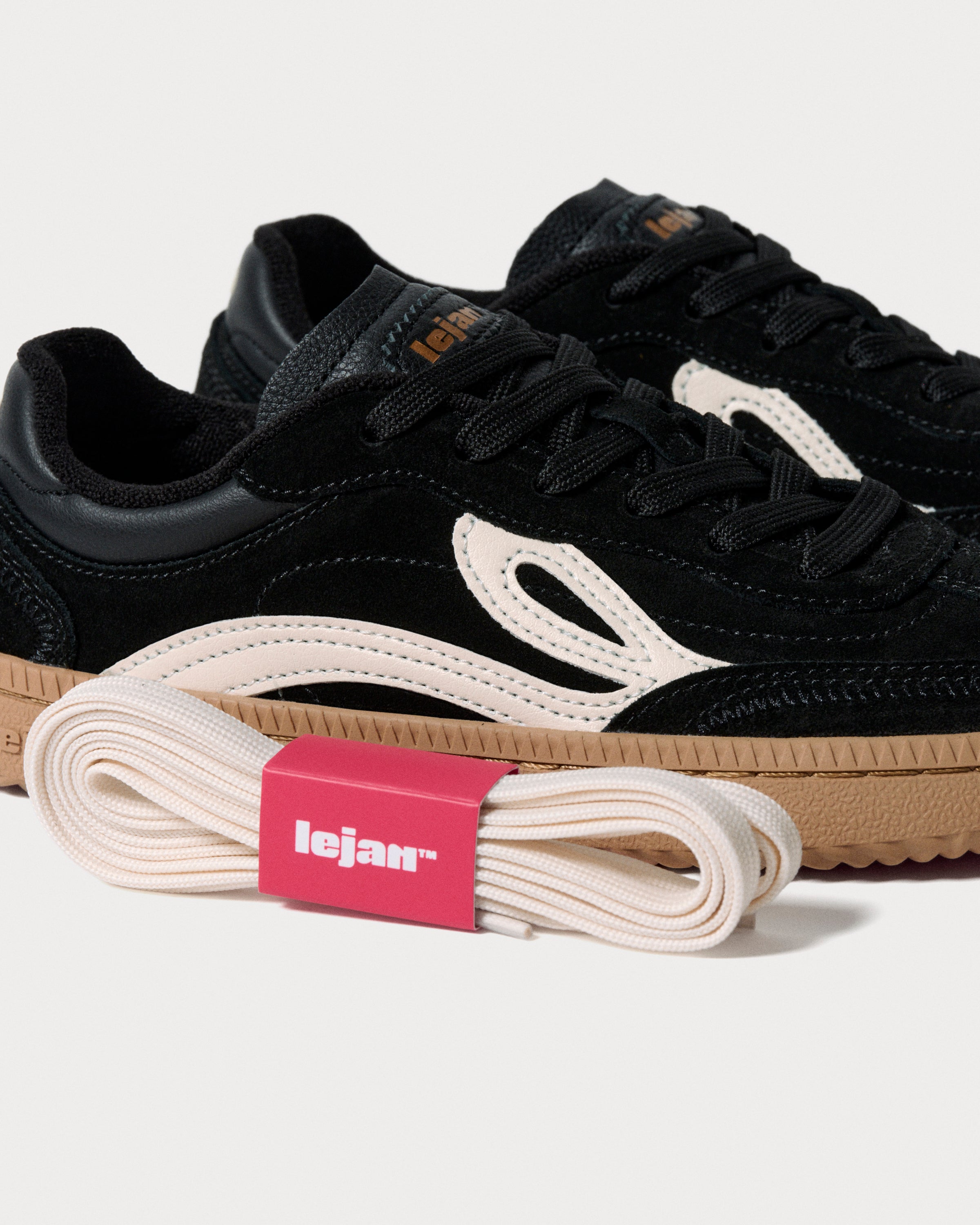
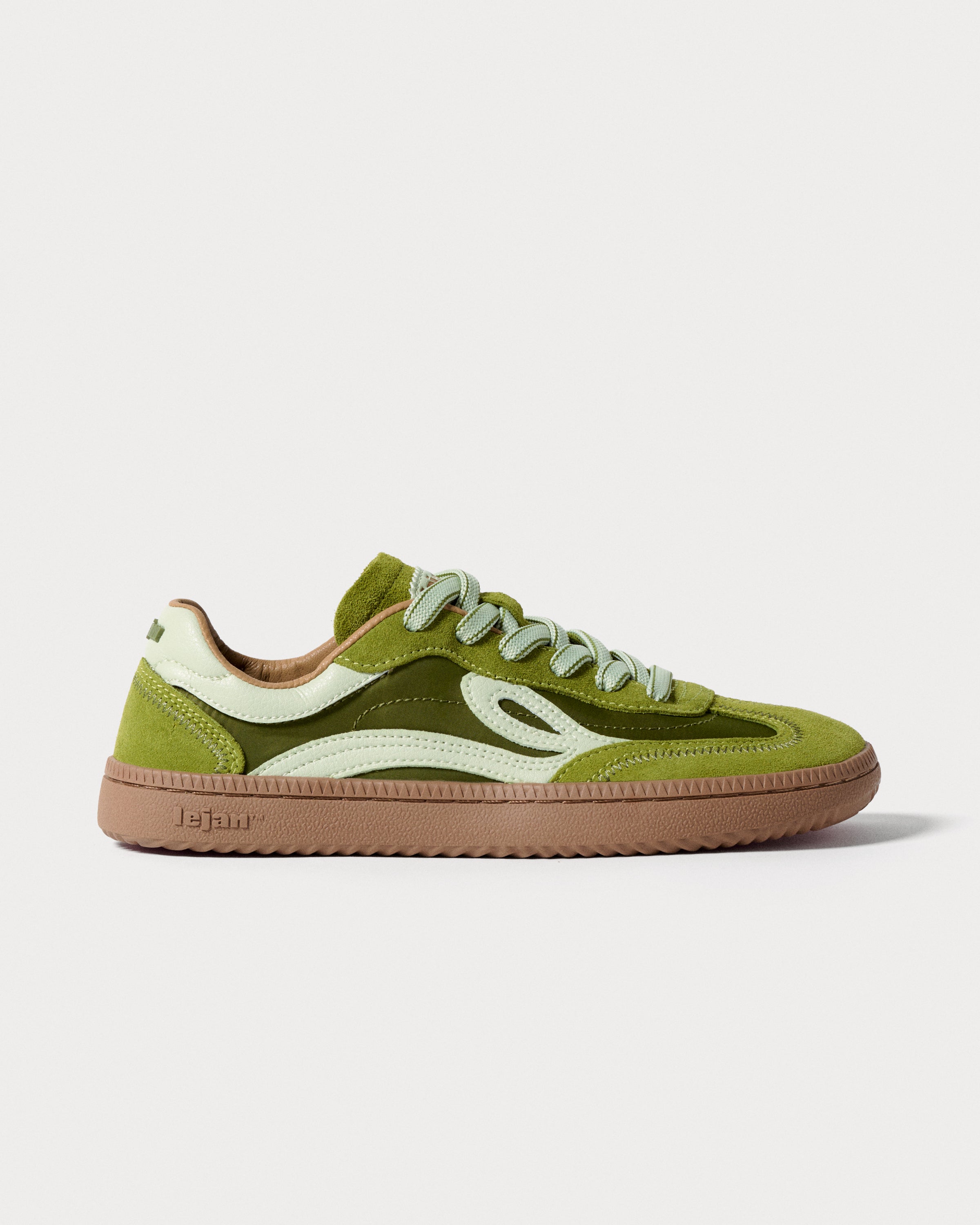
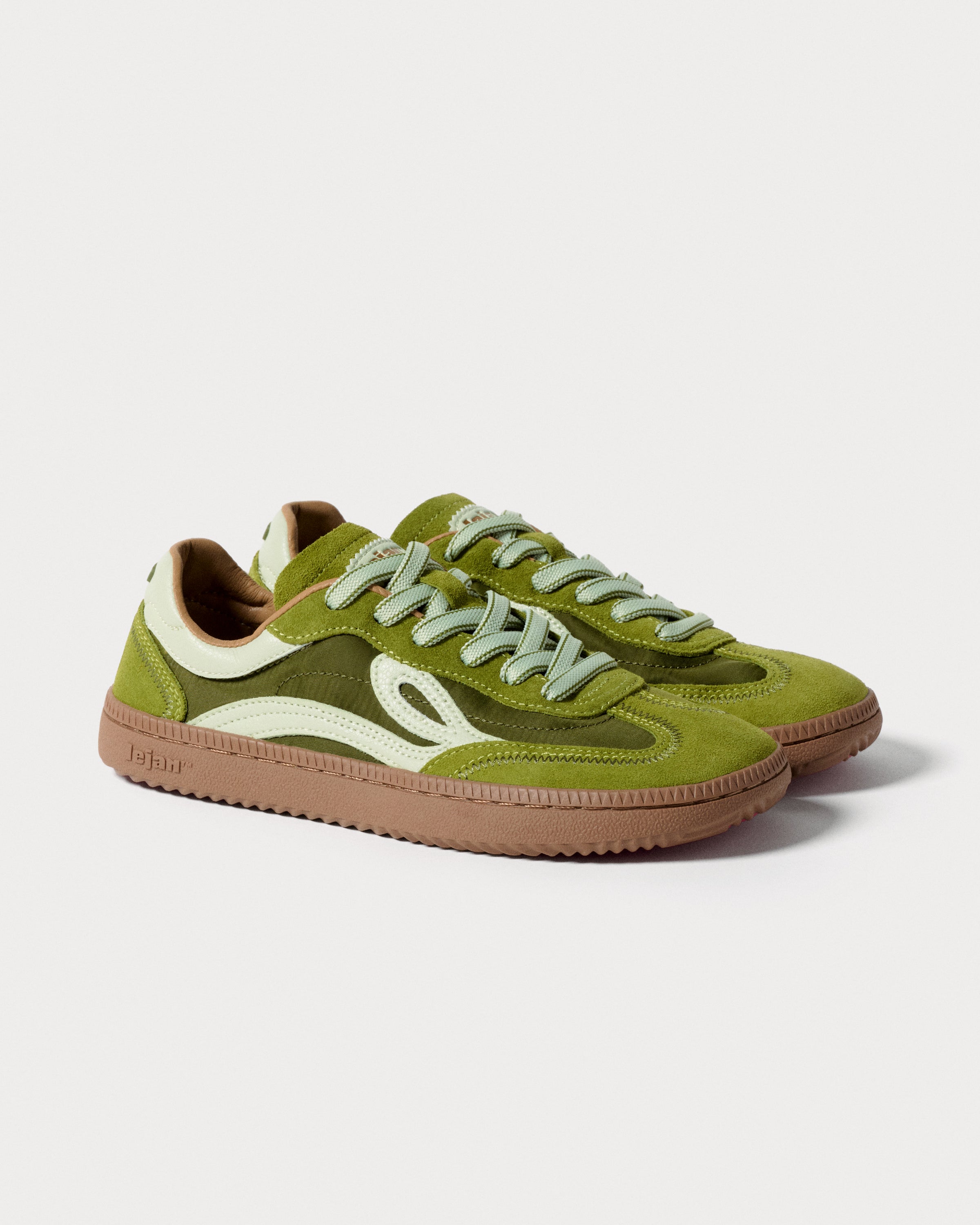
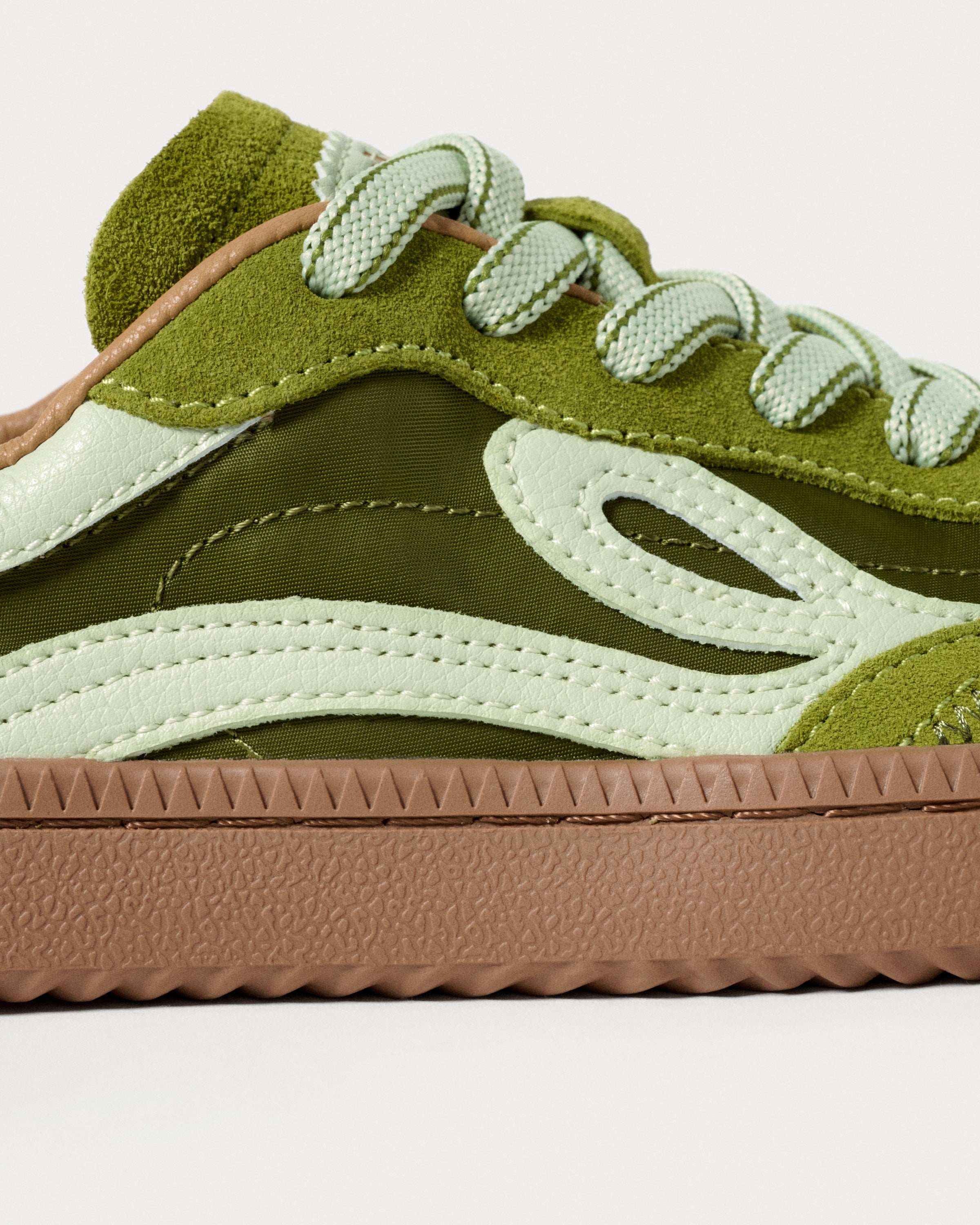
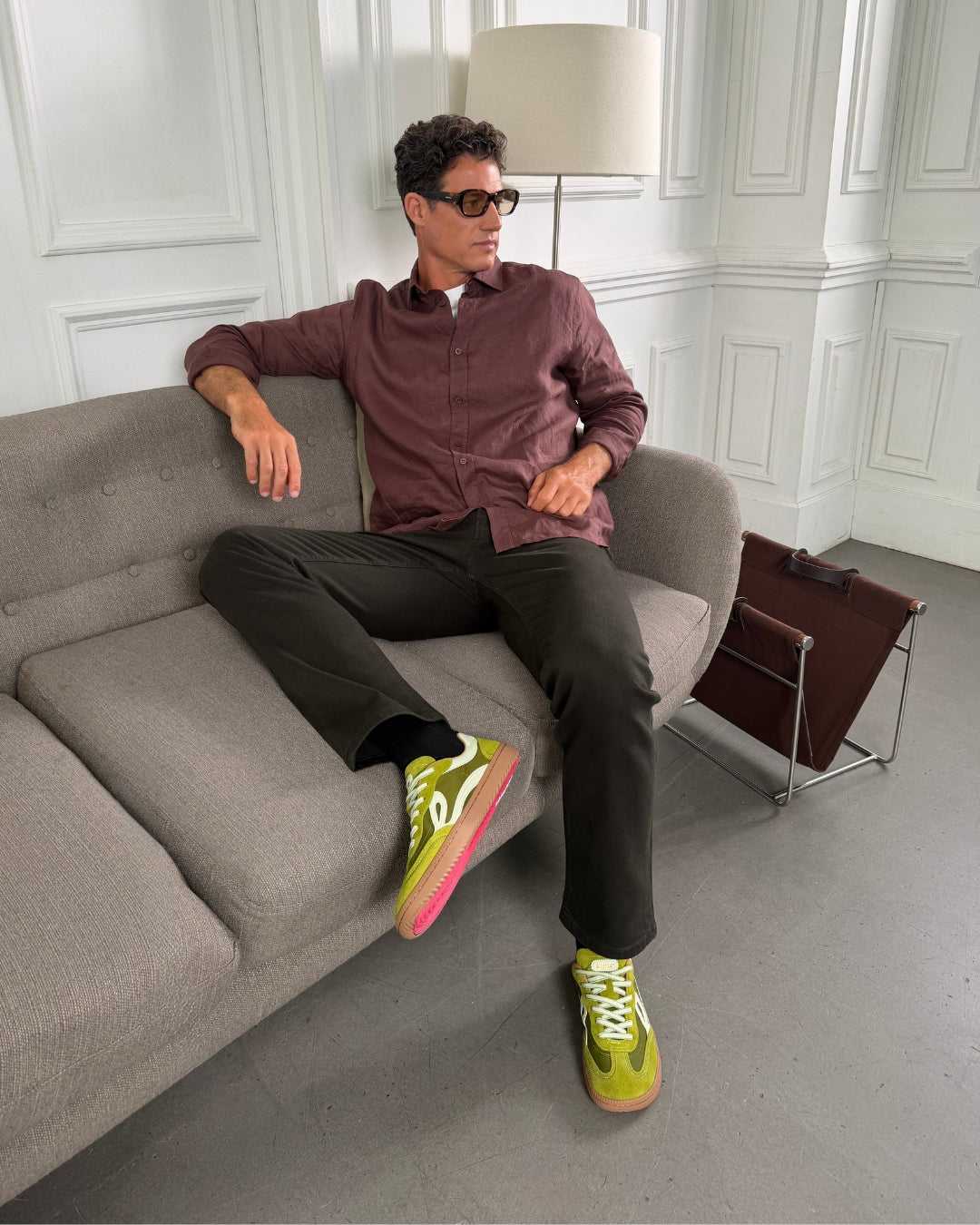
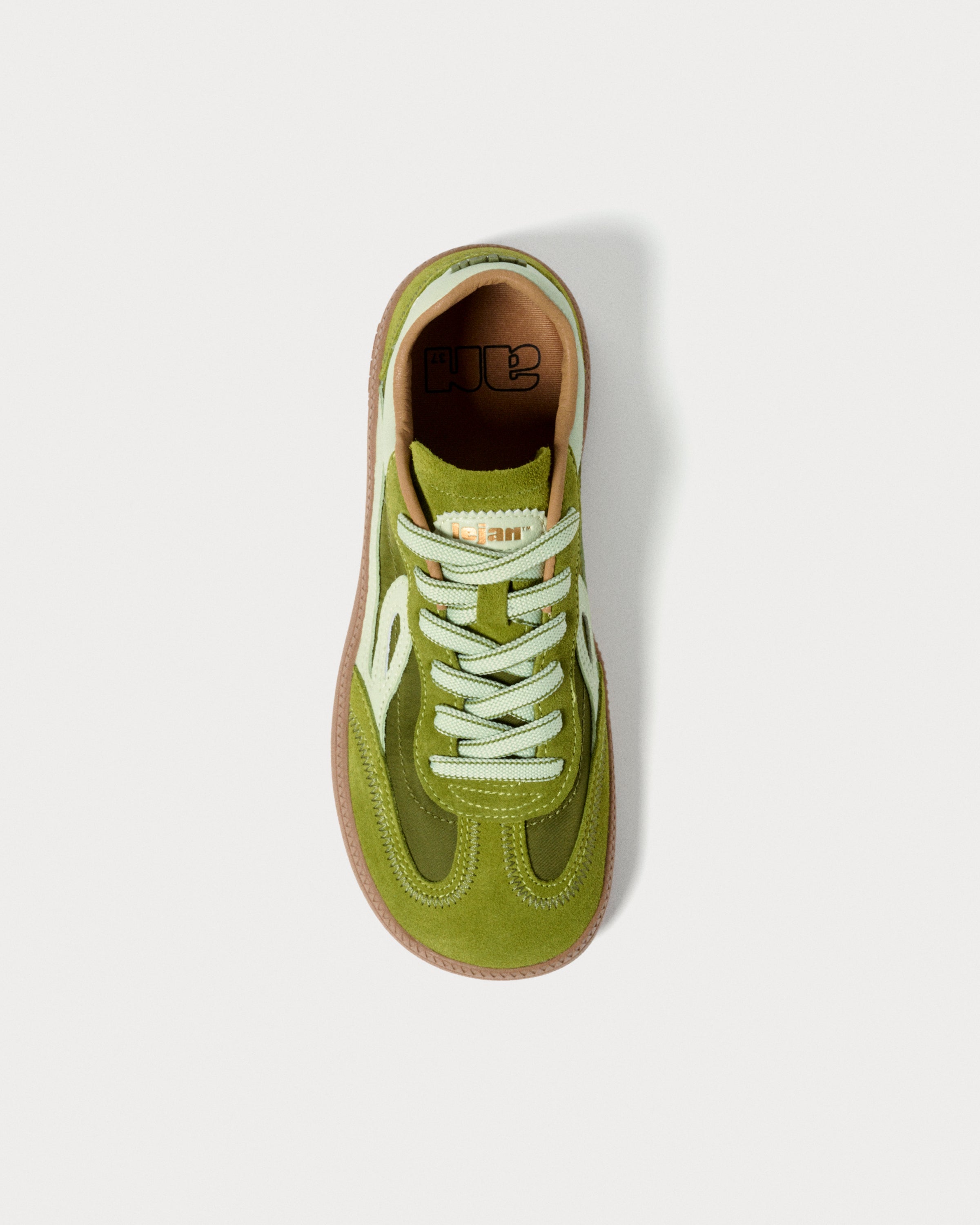
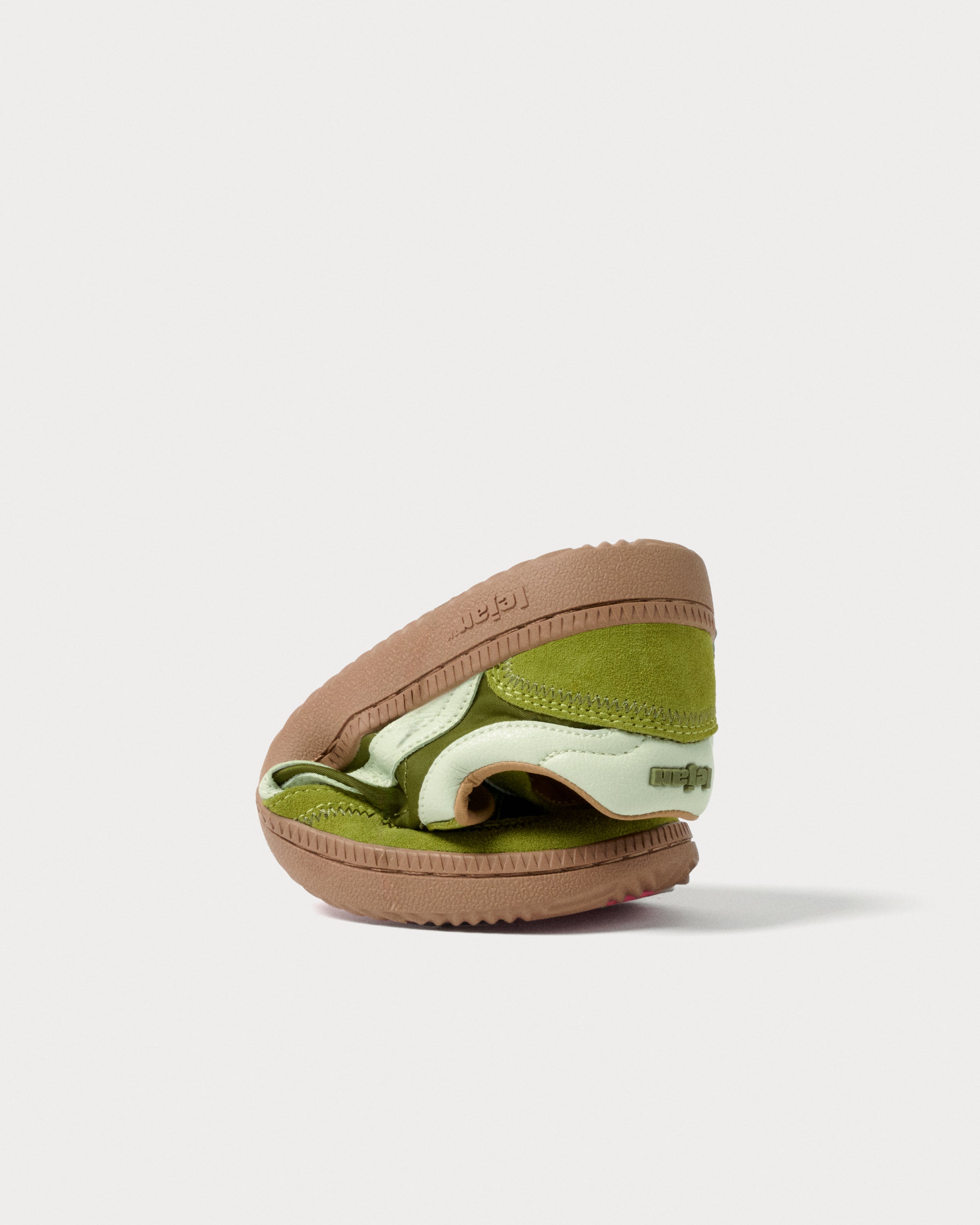
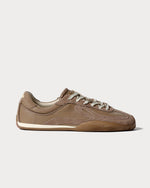
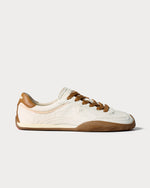
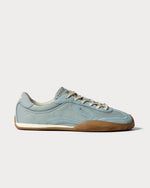
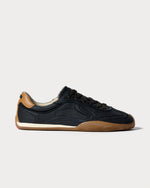
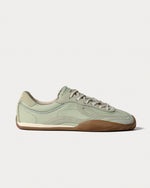
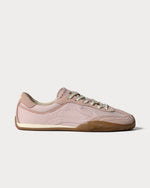
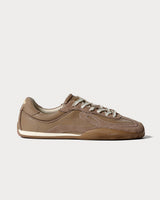
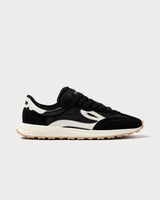
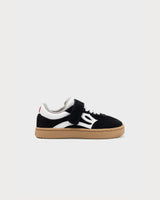
For everyday life, this means choosing trainers that protect the foot without blocking it: with room for the toes, a flexible sole, zero drop and a look you can wear in your normal routine. If you're after an option for walking, working, travelling or getting around the city, you can browse our casual barefoot trainers for women and our casual barefoot trainers for men, designed to keep that sense of freedom with a style that's easy to combine.

Respectful footwear starts from a simple idea: protect without interfering. That means:
Real room for the toes (a wide toe box)
The toes need to spread out as they bear weight. When there's width in the toe box, the forefoot can take part in balance and push-off without restrictions.
Flexibility: the shoe goes with the movement
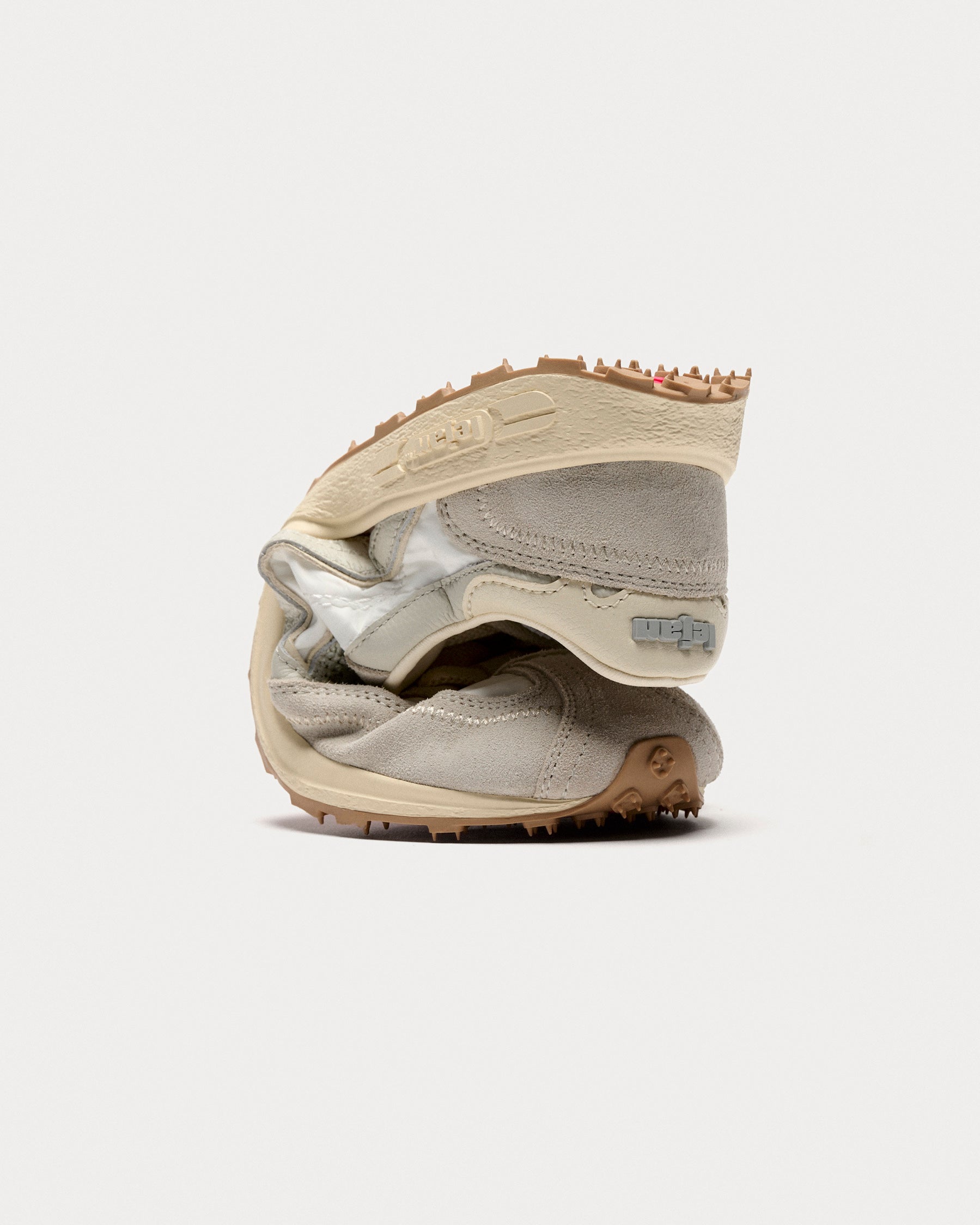
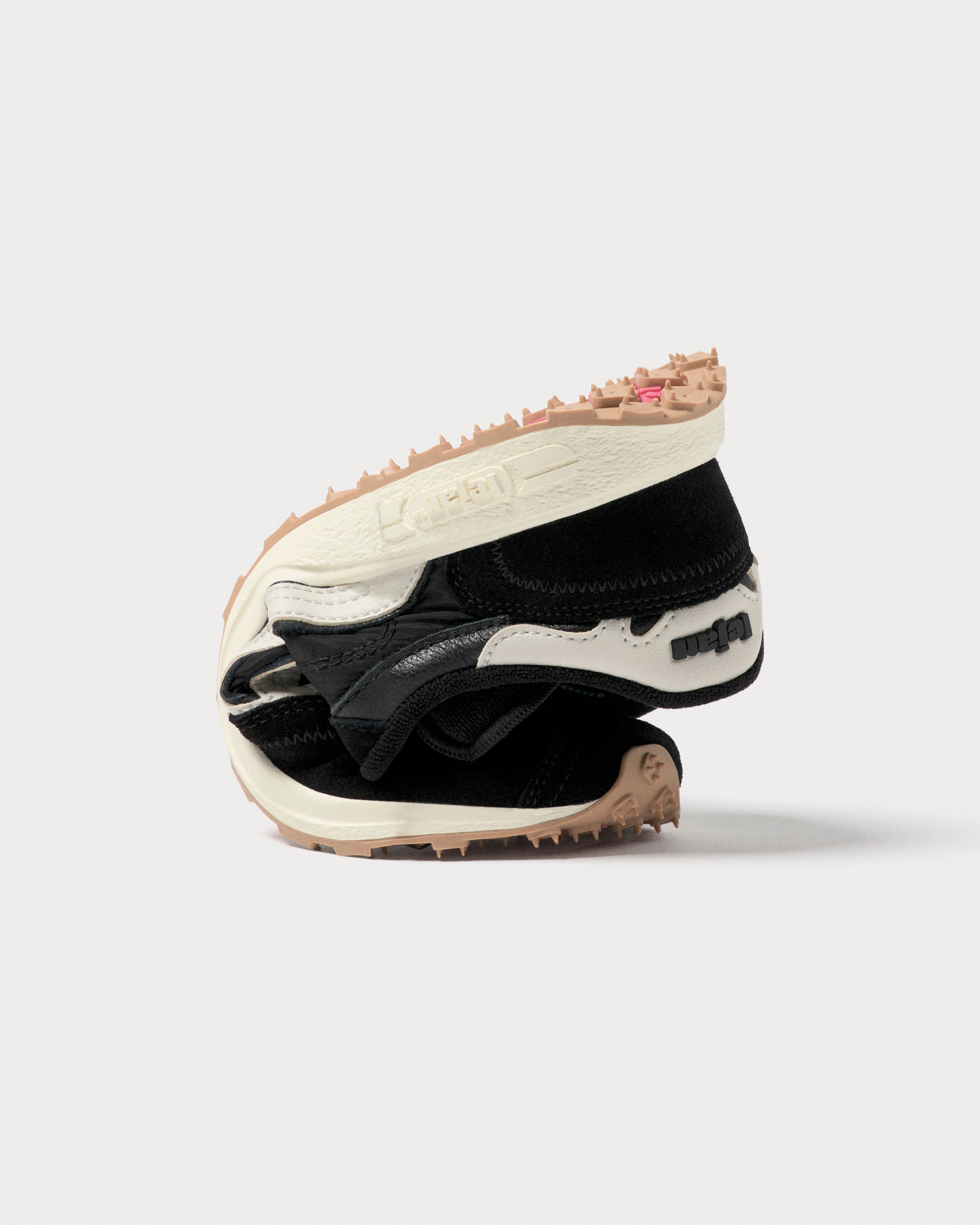
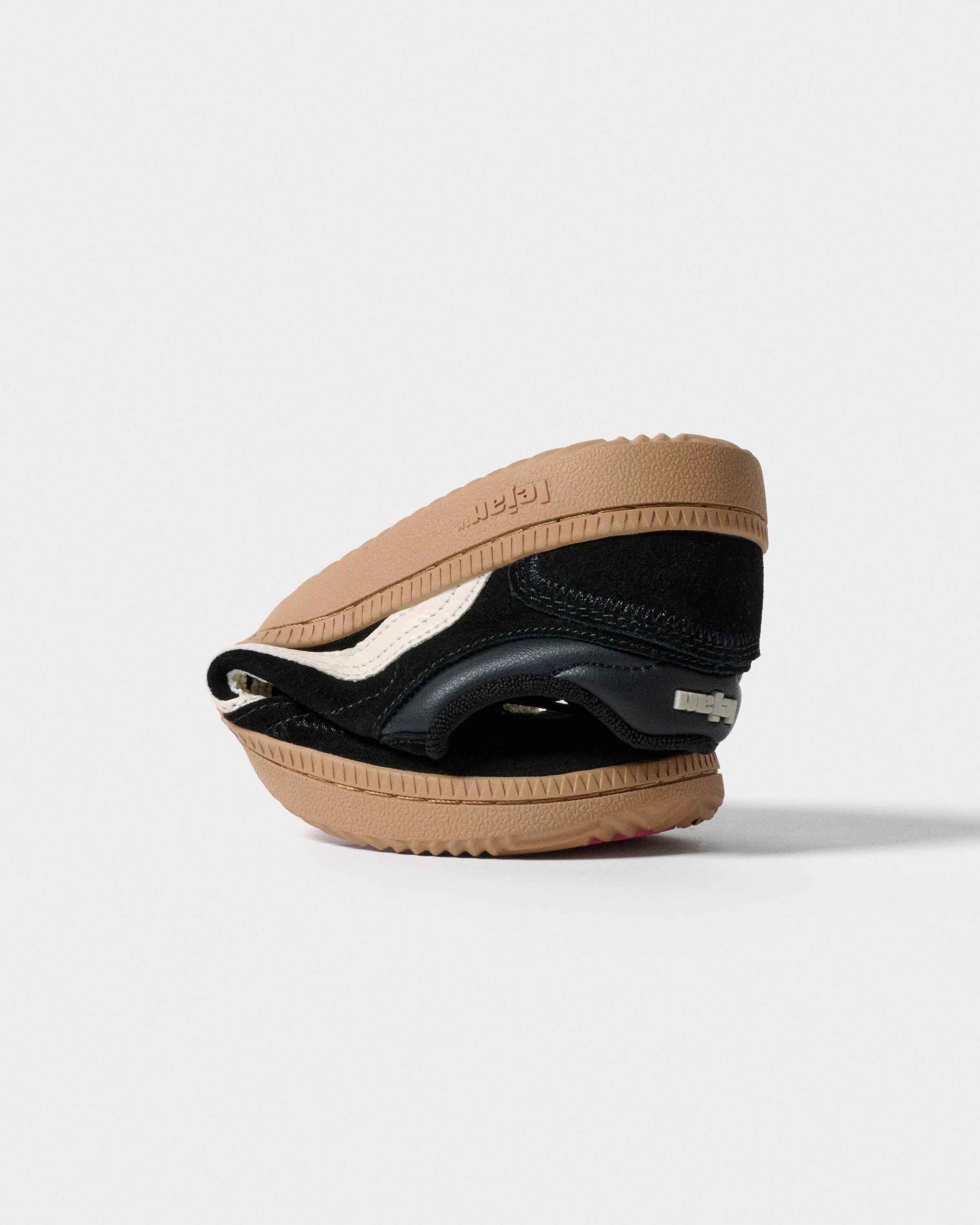
The foot isn't rigid, so the shoe shouldn't be either. The sole should let the foot flex naturally with every step.
A thin, stable sole: connection with the terrain
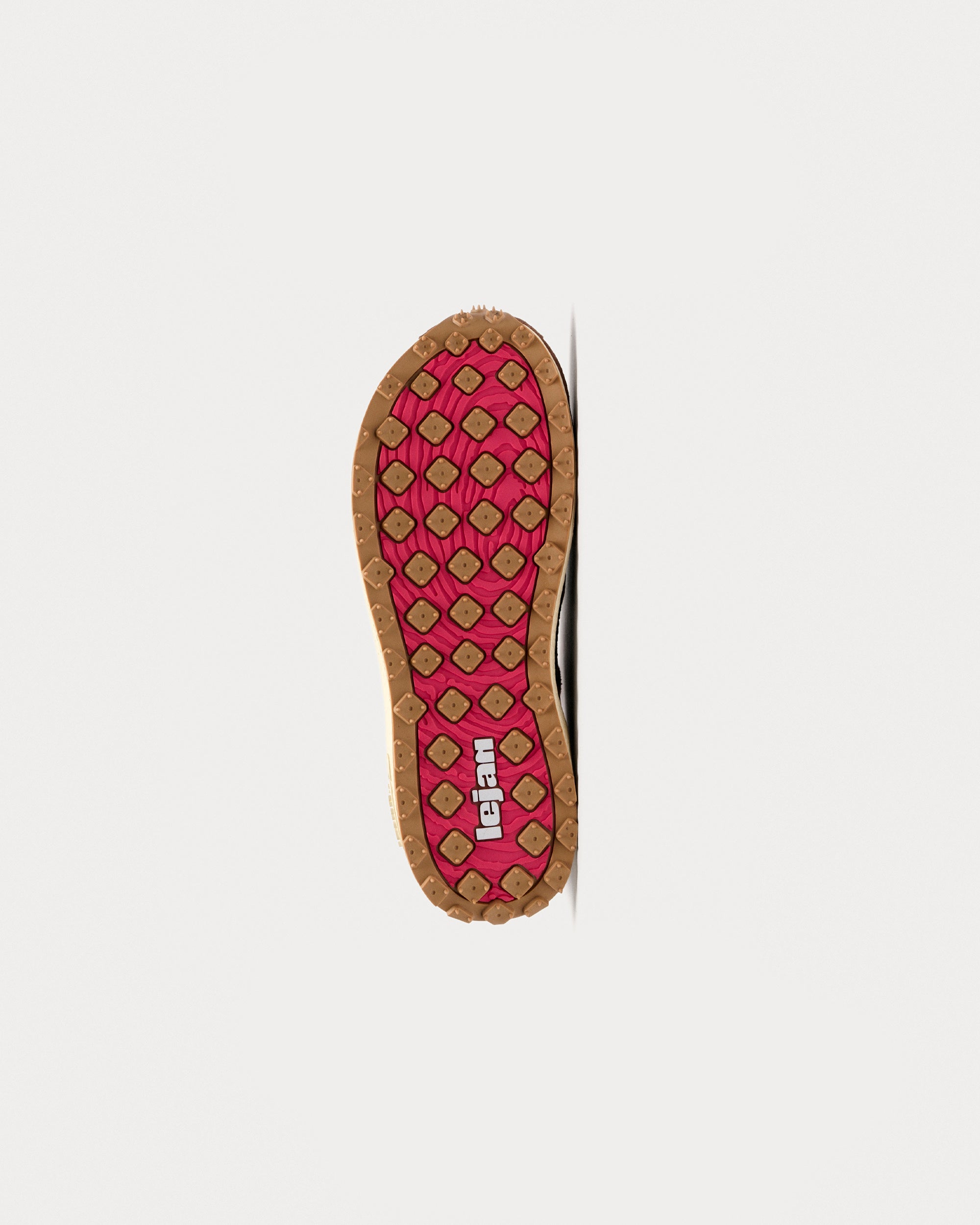
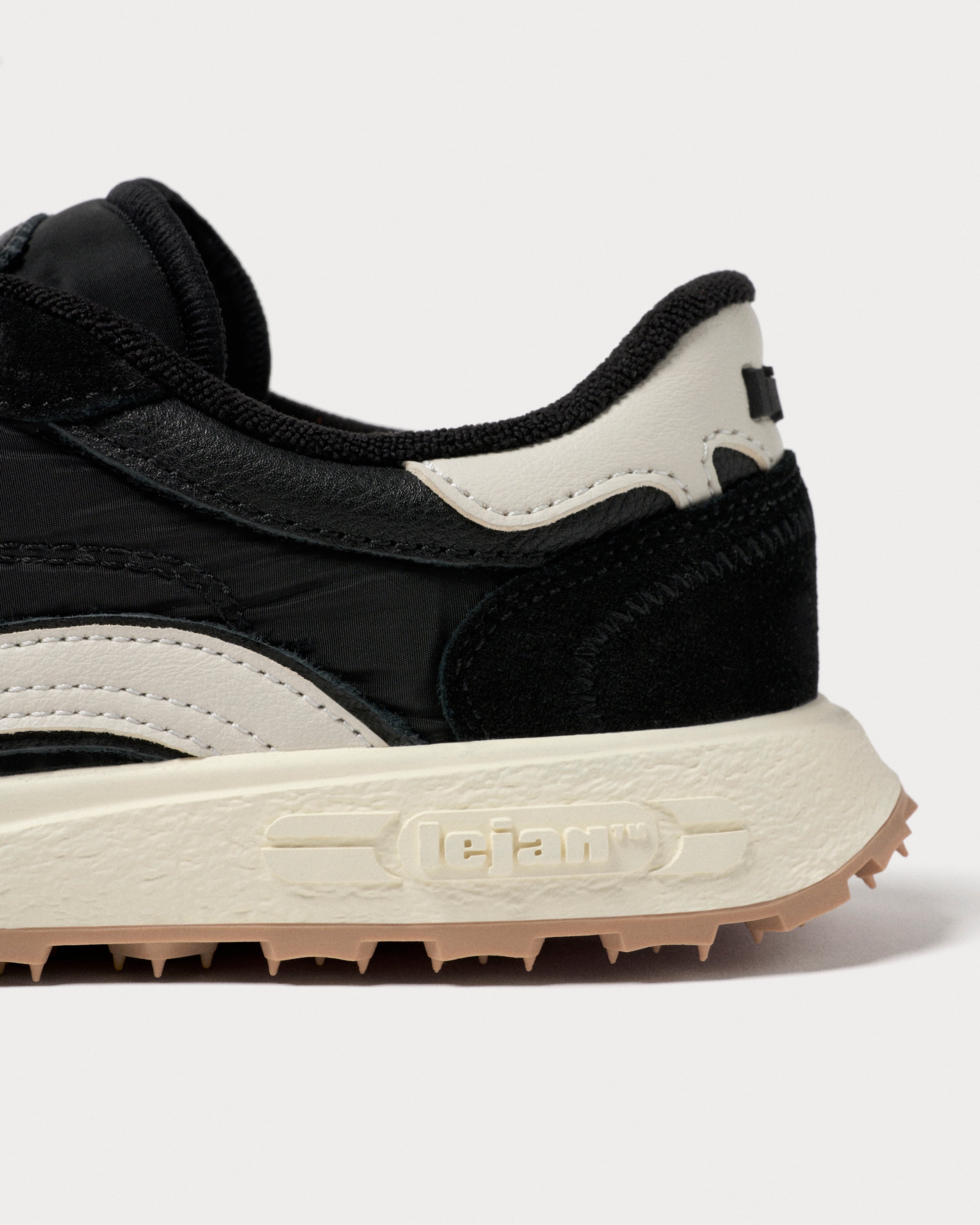
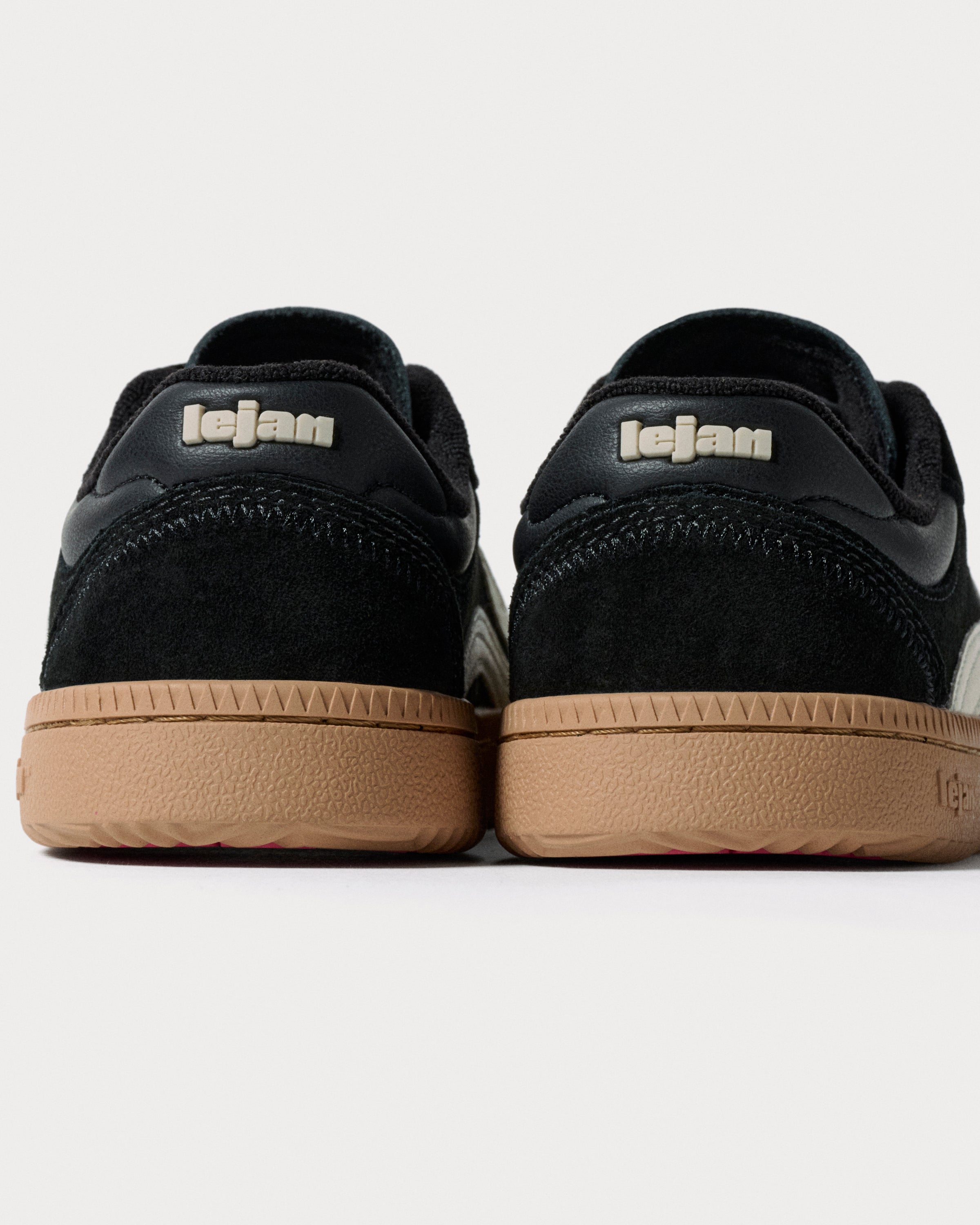
Not to remove protection, but to keep the connection with the terrain. The thicker and more cushioned the sole, the less information the foot receives.
Zero drop: no height difference between heel and forefoot
No height difference between heel and forefoot. Because when footwear supports rather than directs, the foot stays active, strong and functional.
And that, in the long run, is what makes the difference.
Test your knowledge
Answer the questions to check how much you know about this topic.
1. What happens to the foot's intrinsic muscles when footwear takes on too much function?
2. Which feature is key in footwear that respects the foot's natural function?
3. What role does the information the sole of the foot receives with each step play?
4. What might indicate that the foot has been taking part less in movement?

Share