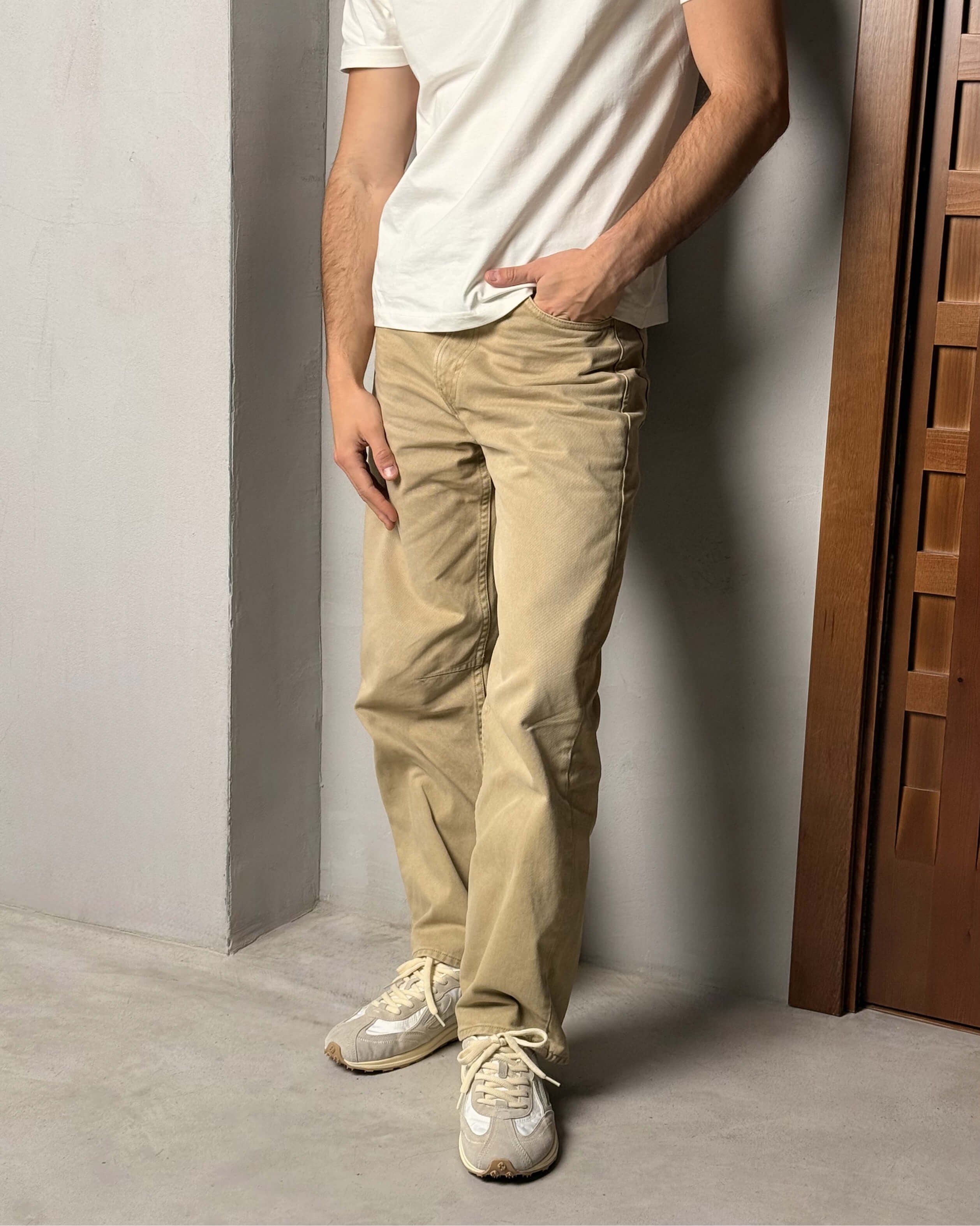
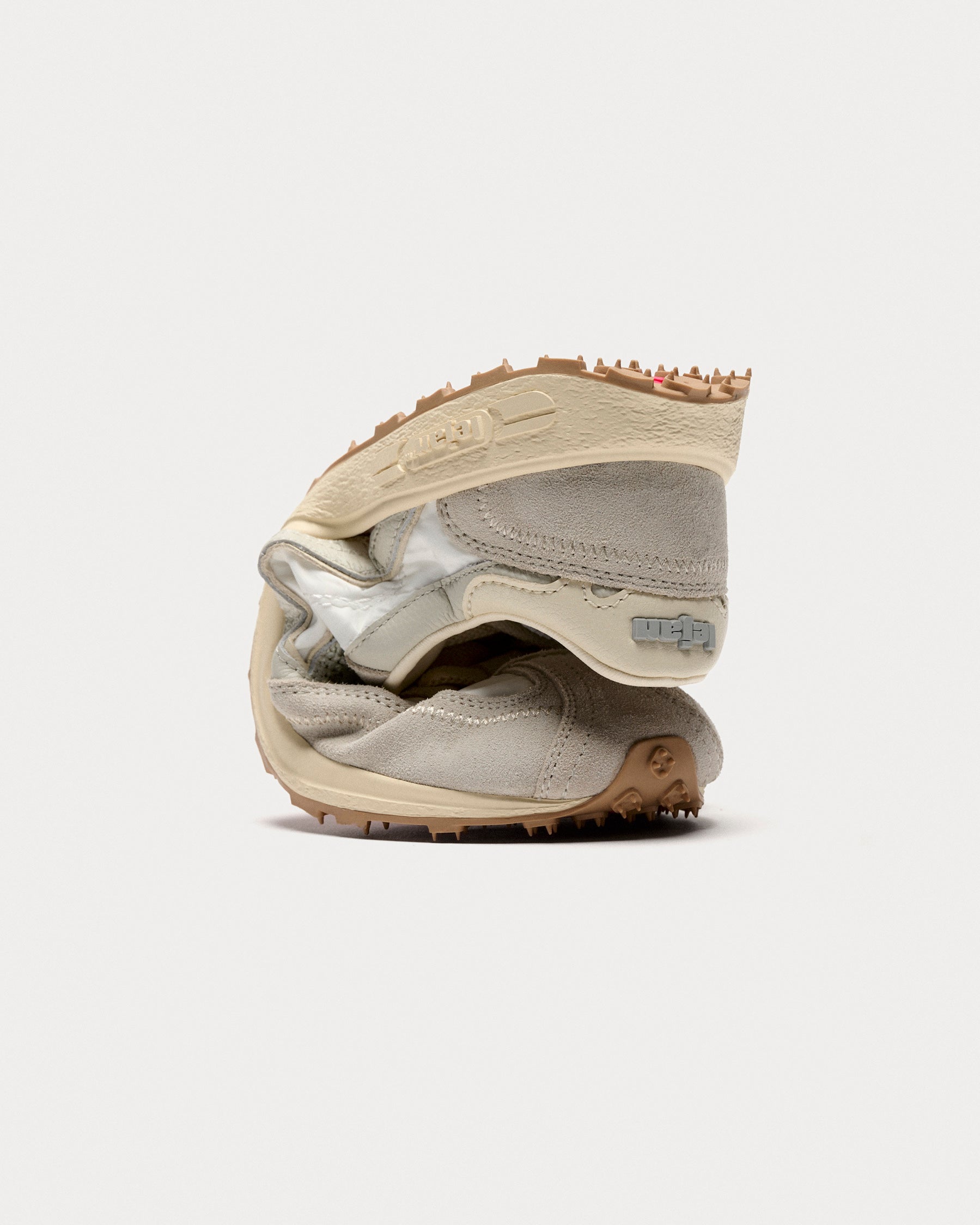
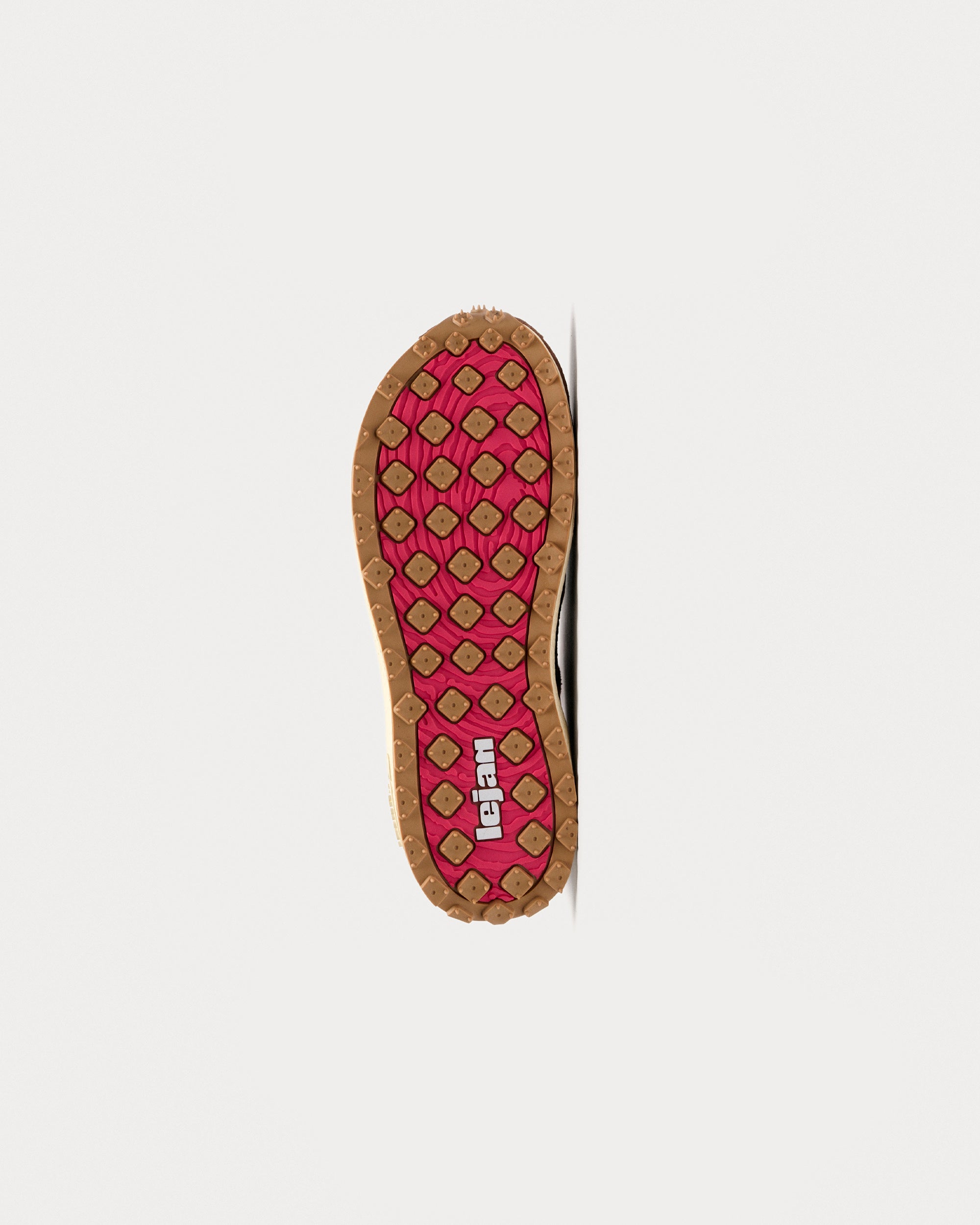
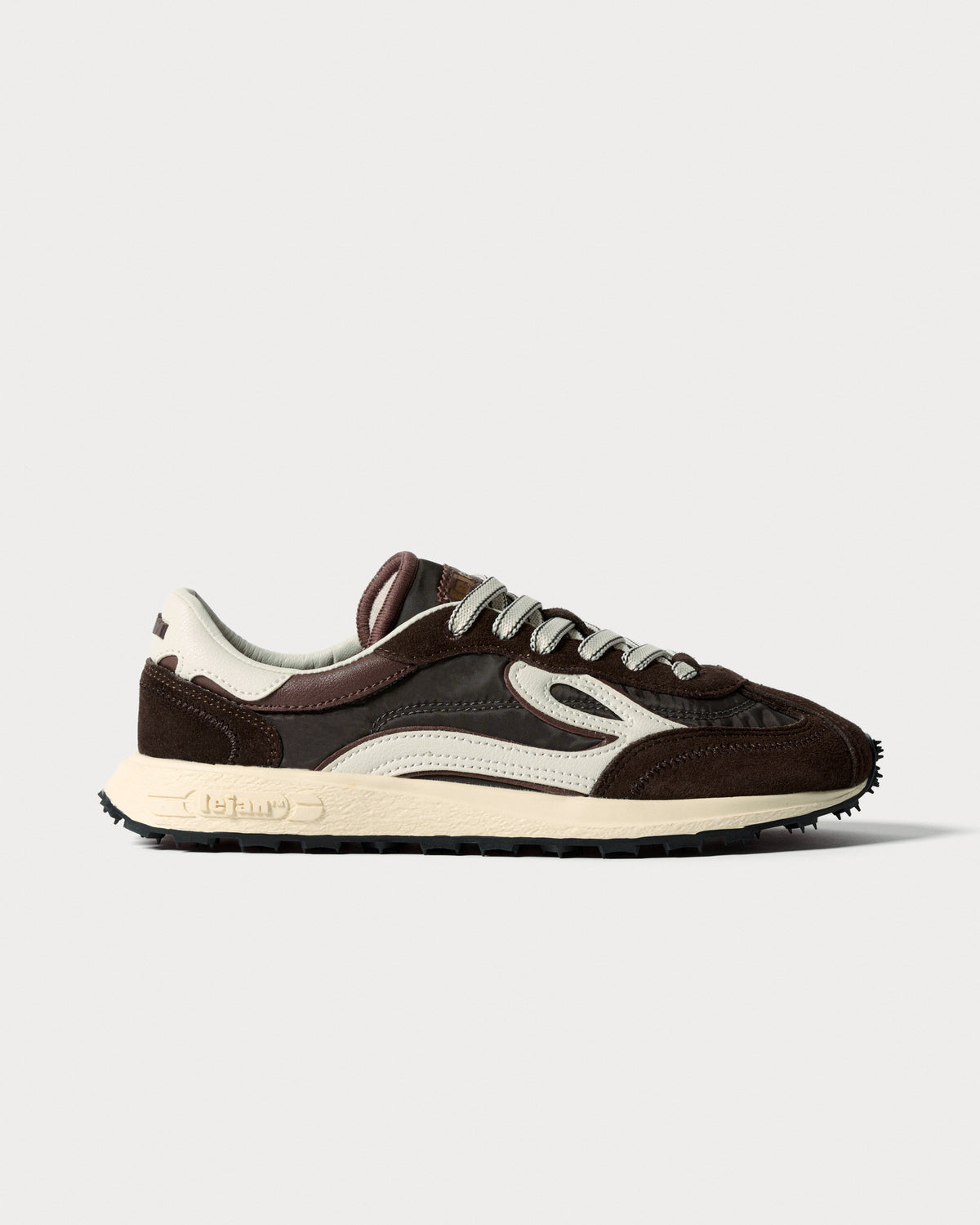
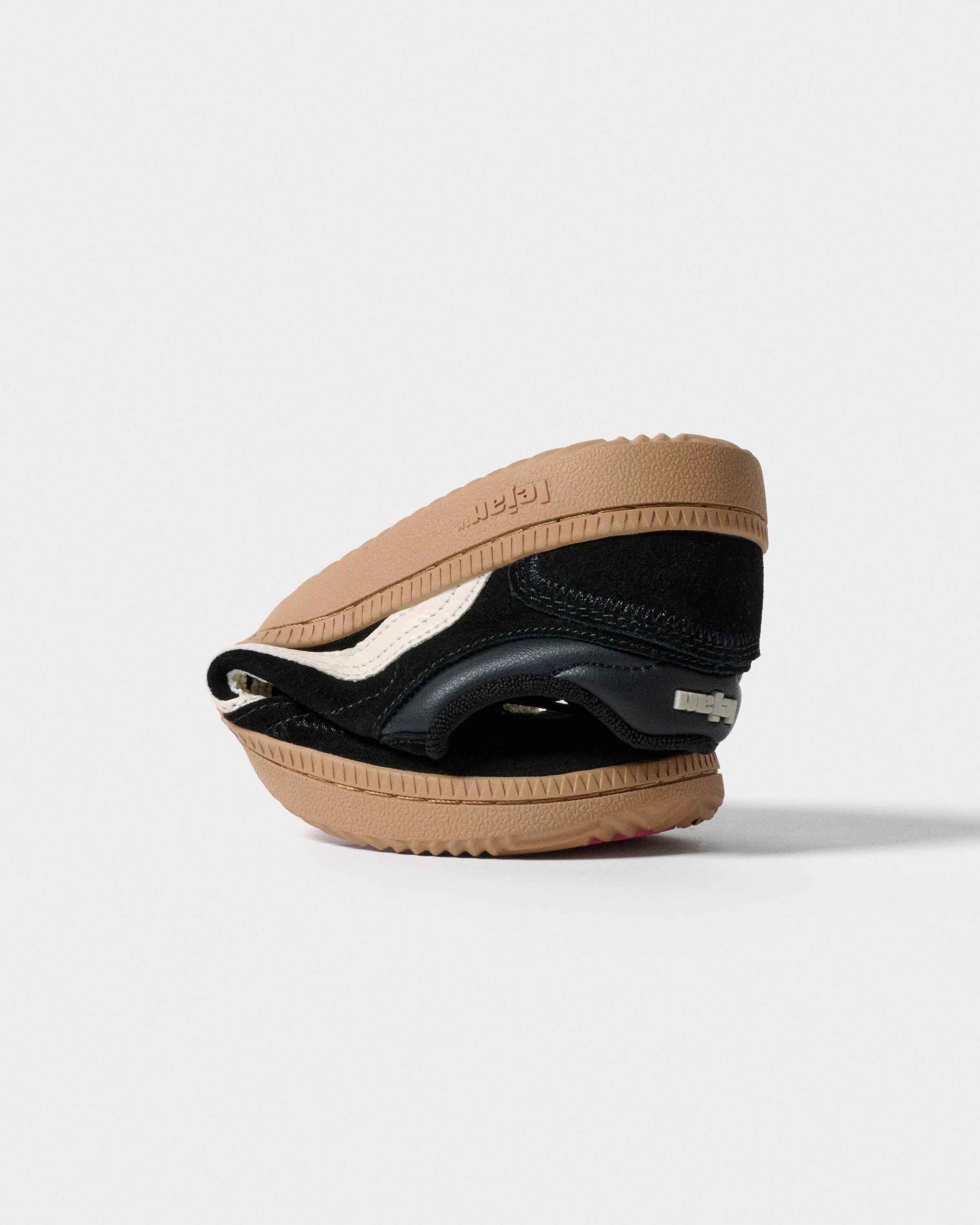
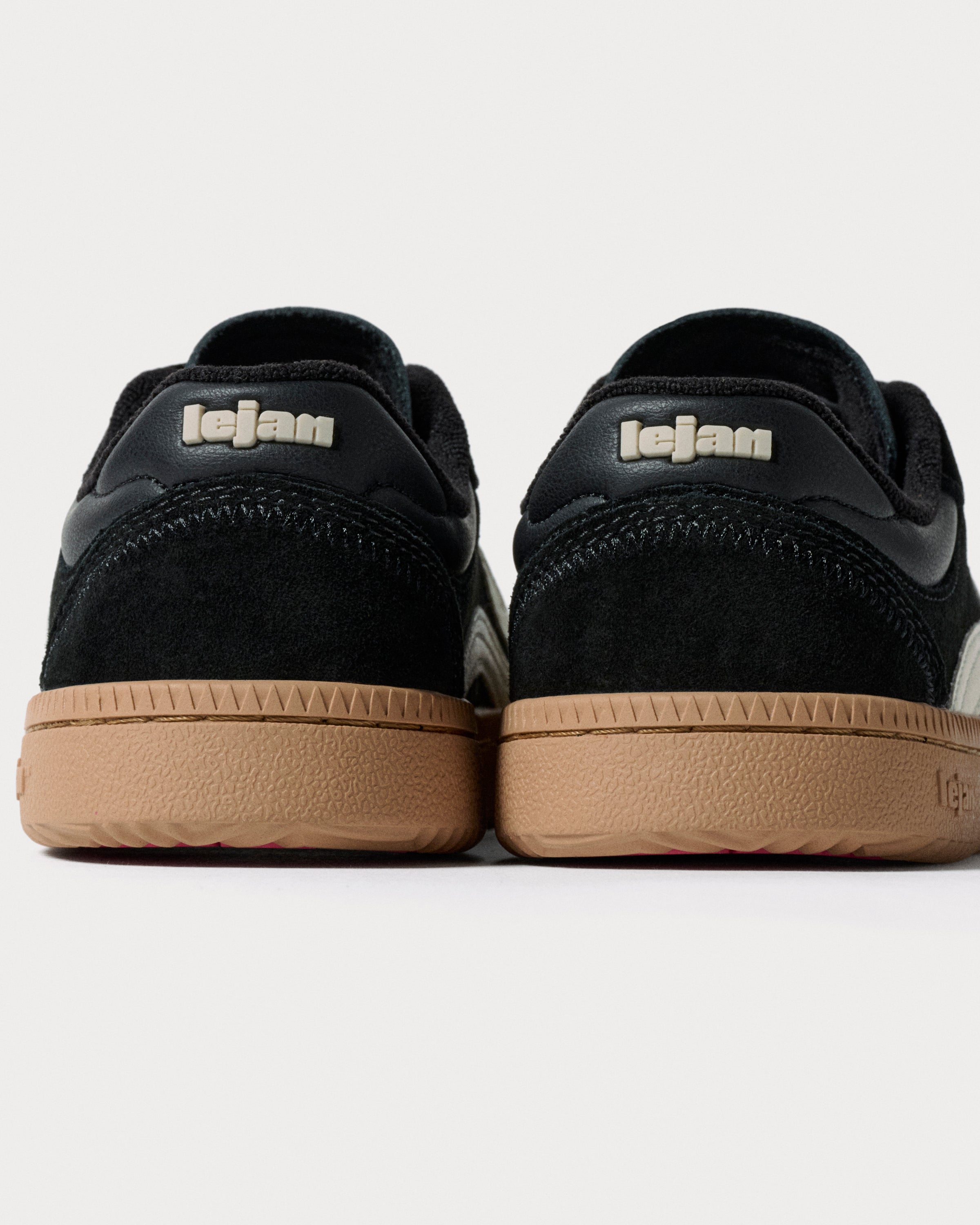
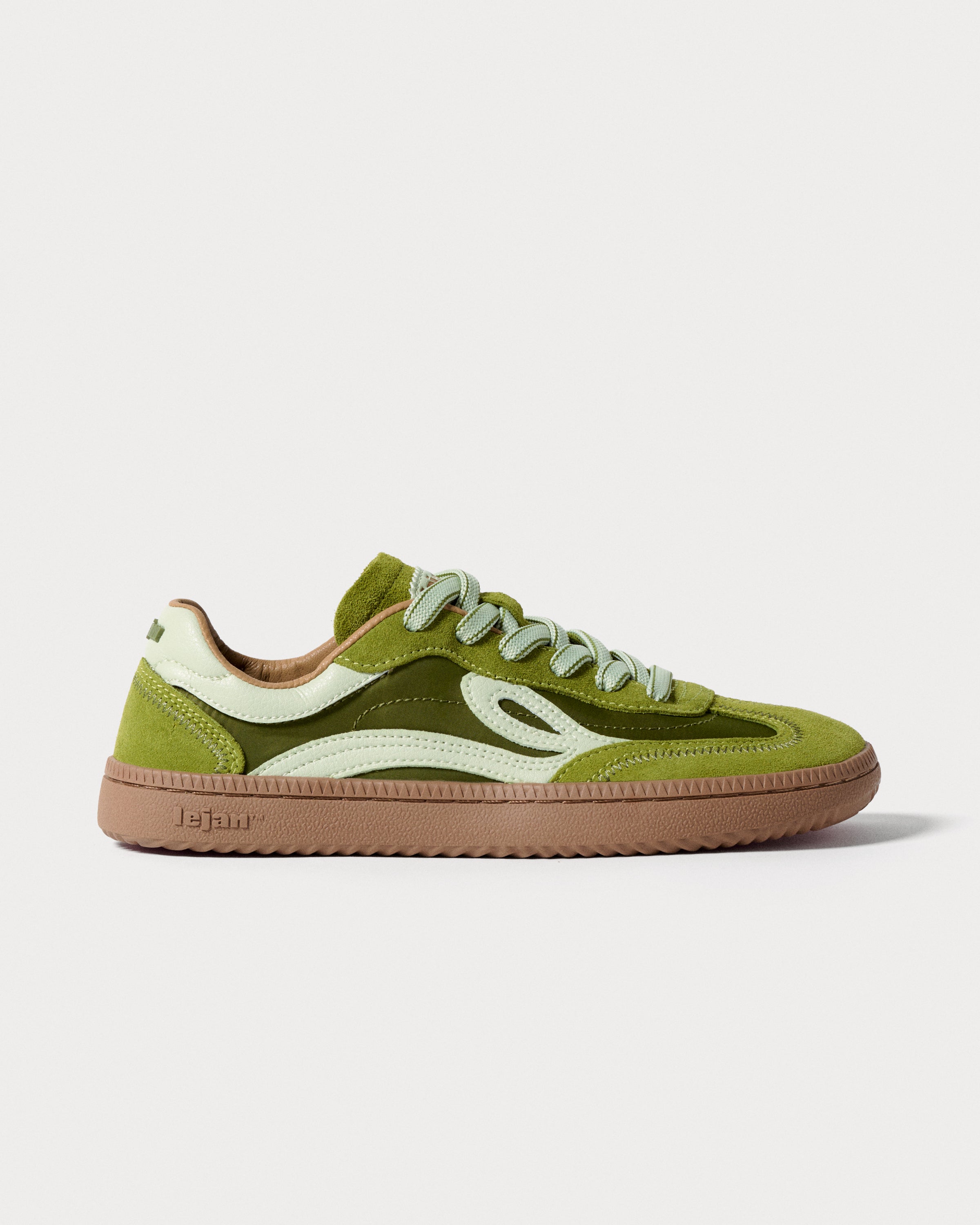
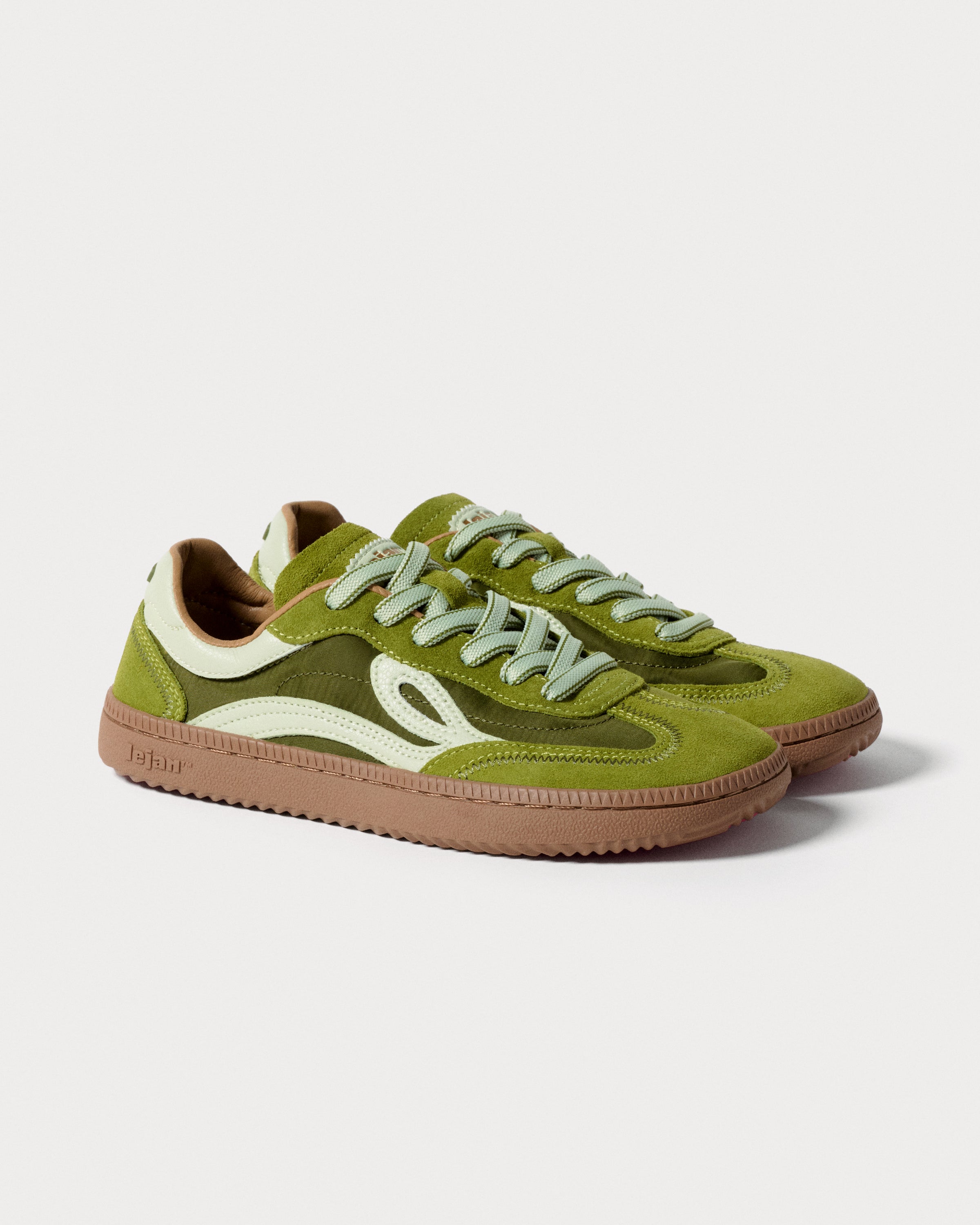
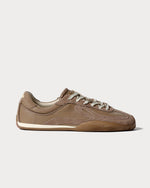
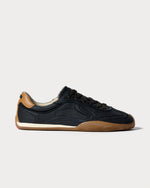
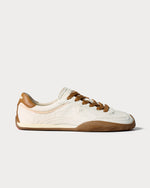
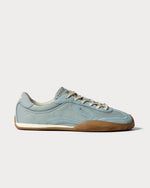
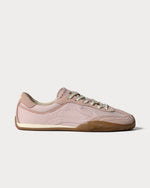
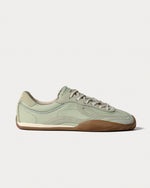
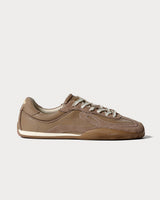
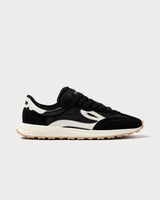
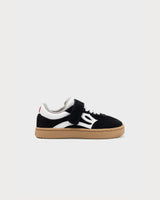
What a wide last in shoes is (a clear definition)
The last of a shoe is one of the most important elements when choosing footwear. Put simply, it's the inner shape of the shoe: the one that determines how your foot fits inside and what real space it has to support and move.
When we talk about a wide last, we mean more real space for the foot, especially in the forefoot (metatarsal and toe area).
Difference between size and last
Size mainly refers to length. The last, on the other hand, defines the width and the inner volume. That's why you can get the size right and still feel pressure, rubbing or compressed toes.
What wide fit, special wide or letters E, G, H mean
They are ways of indicating that the shoe offers more width than the standard. Some brands express it with "wide fit/special wide" and others with letters (E, G, H…). The key is that it's not a universal system, so it's best to check the "real" width with the actual shoe.
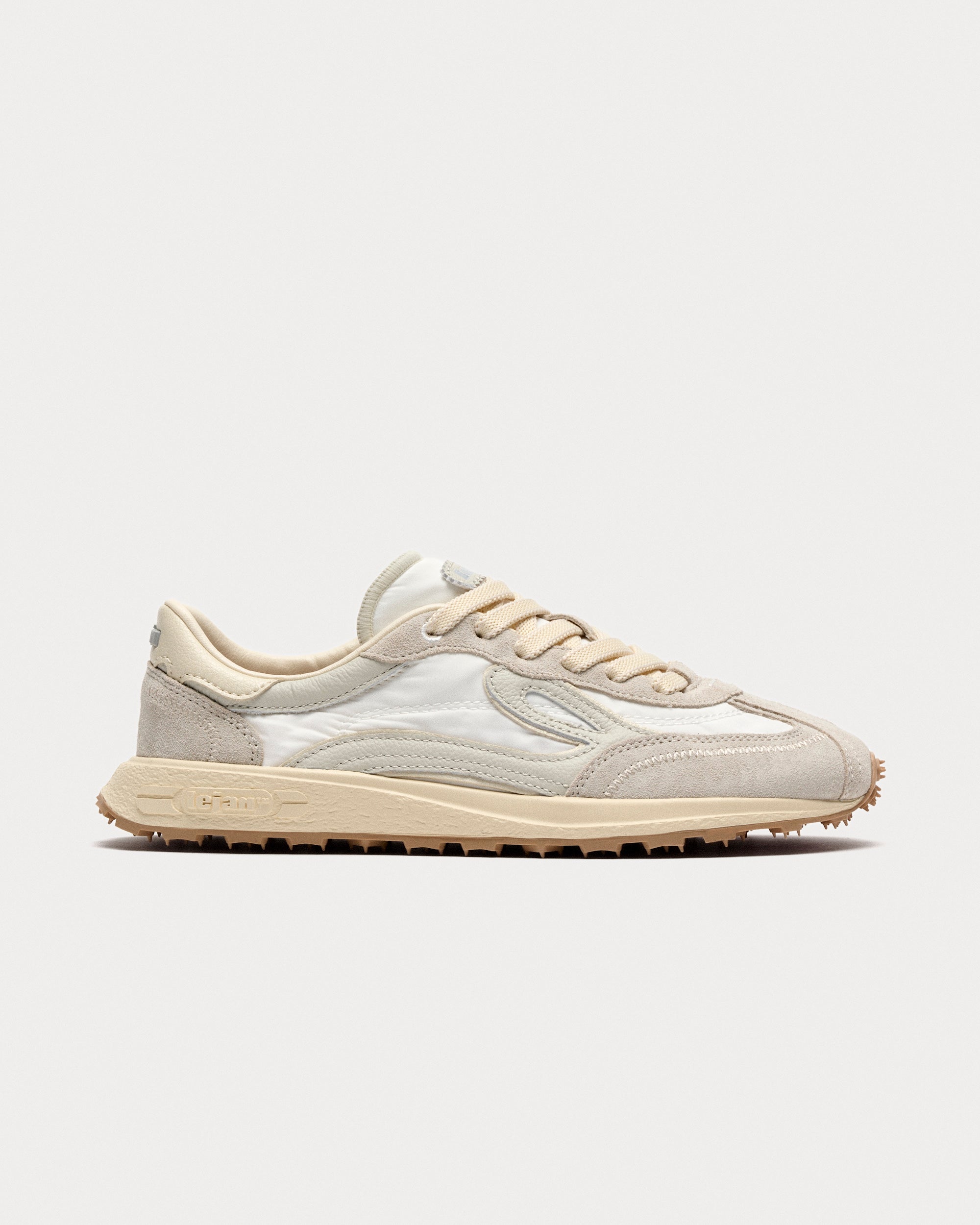
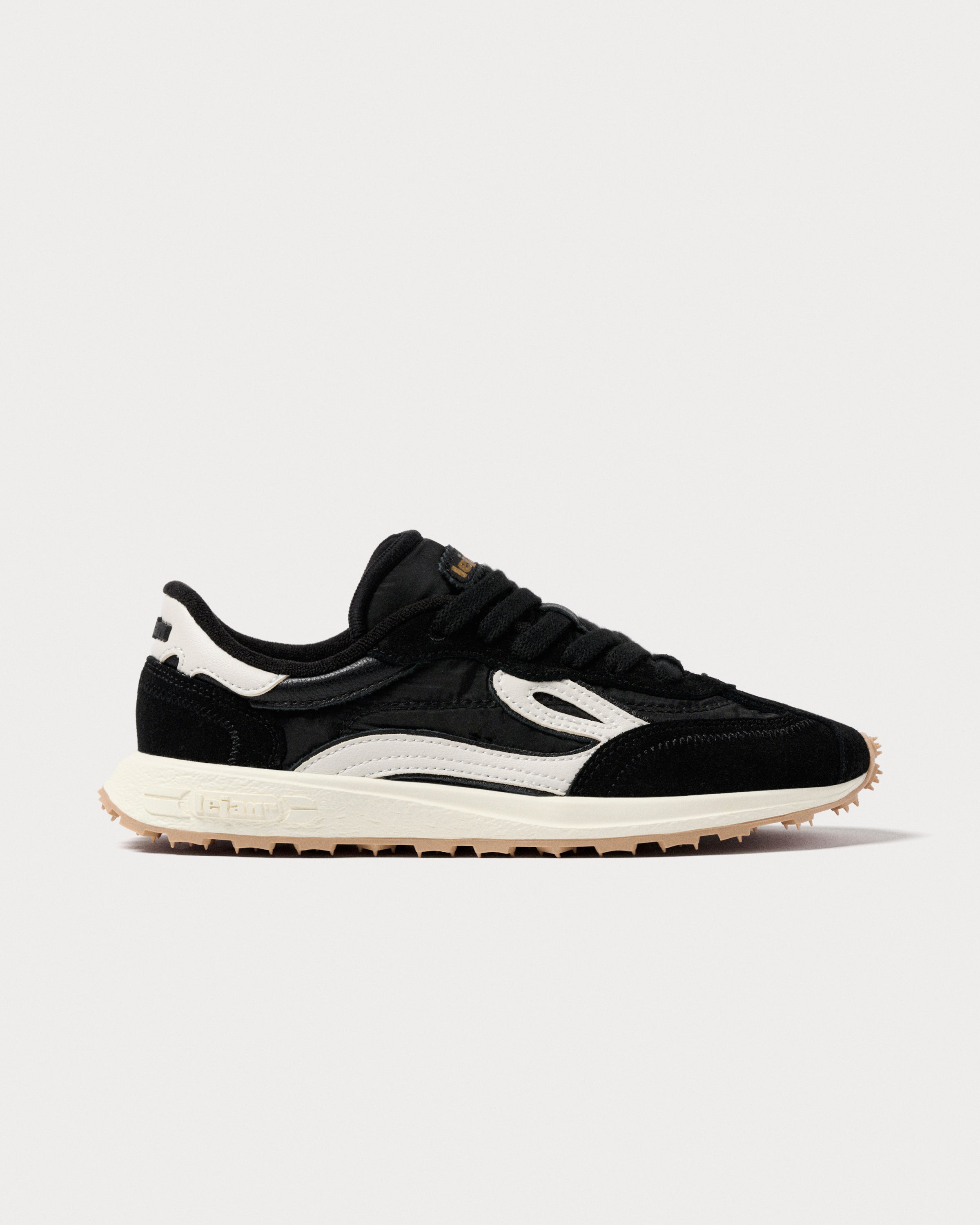
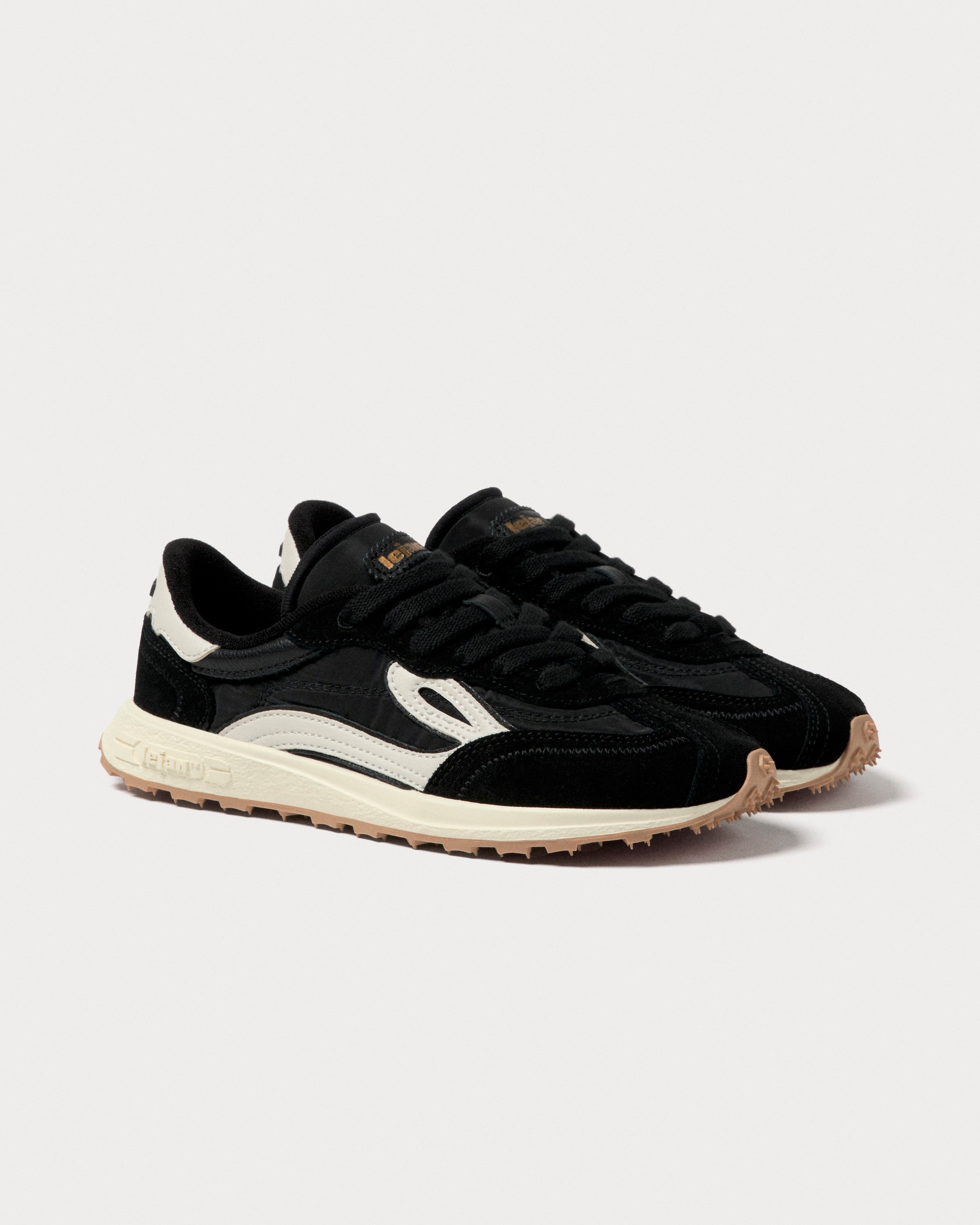
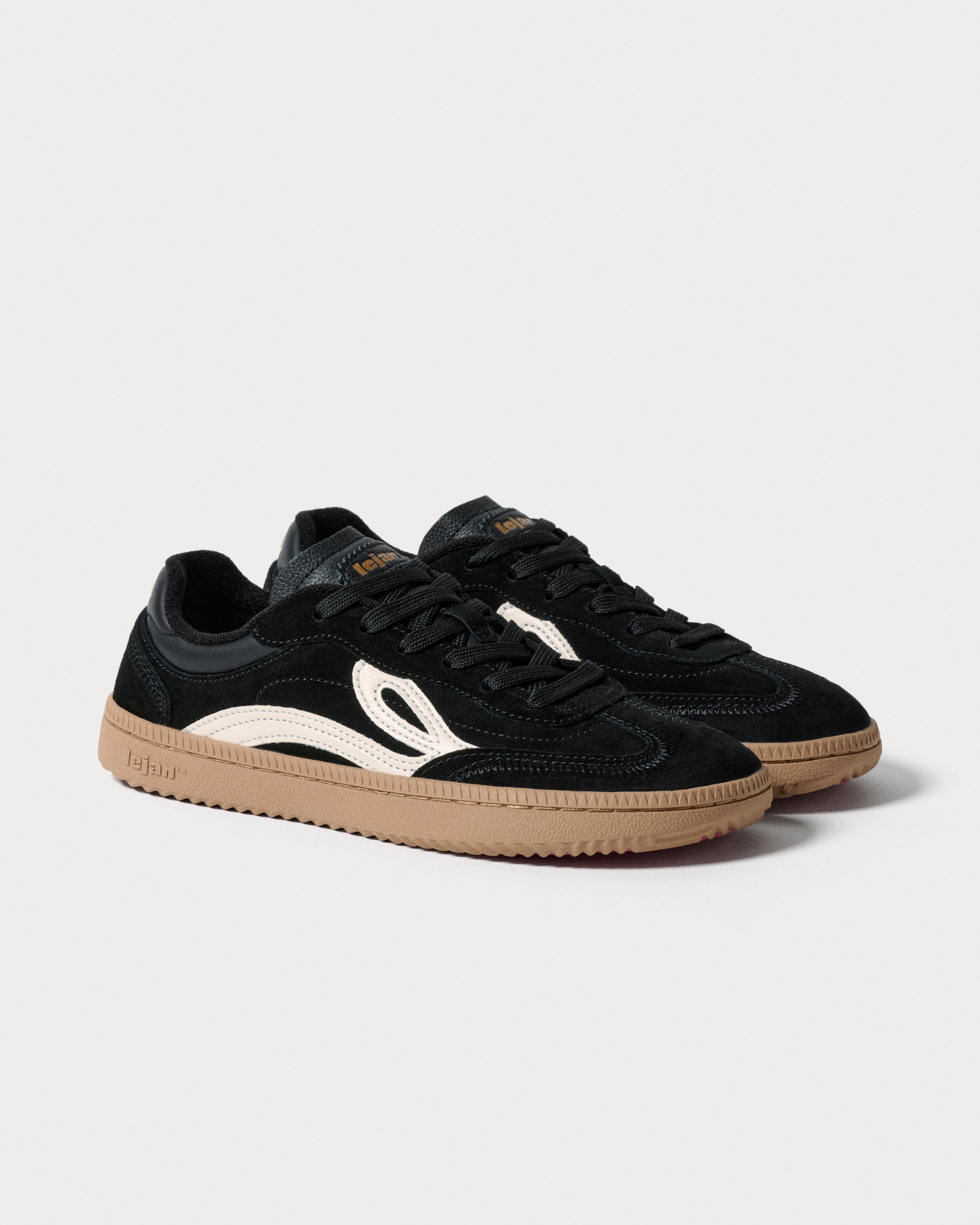
We at Lejan reflect this with "WIDE". You can find them in our barefoot shoes for wide feet collection.
How to know if you need wide last shoes
Sometimes the problem isn't your foot. It's the fit: a shoe can have the right length and still fall short on width or volume. And when there's a lack of space, the foot doesn't "rest" inside the footwear: it adapts however it can for hours.
Physical signs: compressed toes, bunions, high instep, wide foot
Pretty clear clues usually appear:
-
Toes that go together or squeezed: at the end of the day you feel your toes "compressed" or with little freedom.
-
Rubbing on the side of the big toe or in the bunion area: it's not always pain, sometimes it's irritation or constant pressure.
-
High instep: the shoe presses on top when you fasten it, even though the length fits.
Skin marks and frequent discomfort at the end of the day
Here the body makes it clear:
-
Red marks on the sides of the forefoot or on the knuckles of the toes when you take off the shoe.
-
Rubbing that repeats always in the same spot, even if you change socks or "break it in".
-
Discomfort that appears after several hours (not when putting it on): pressure, burning, a feeling of "loaded" foot.
If you think "fine in the morning, bothers me in the afternoon", many times it's not size: it's lack of space.

How to check whether a shoe really has a wide last
The label saying "comfortable" or "wide" doesn't always mean it will give you space where it matters. Better to check it with simple criteria.
The most important thing is to look at the size guide to know the real width. If a brand has confidence in its product, it will publish its widths and lengths in its size guide.
Check the toe box shape (wide and anatomical toe box)
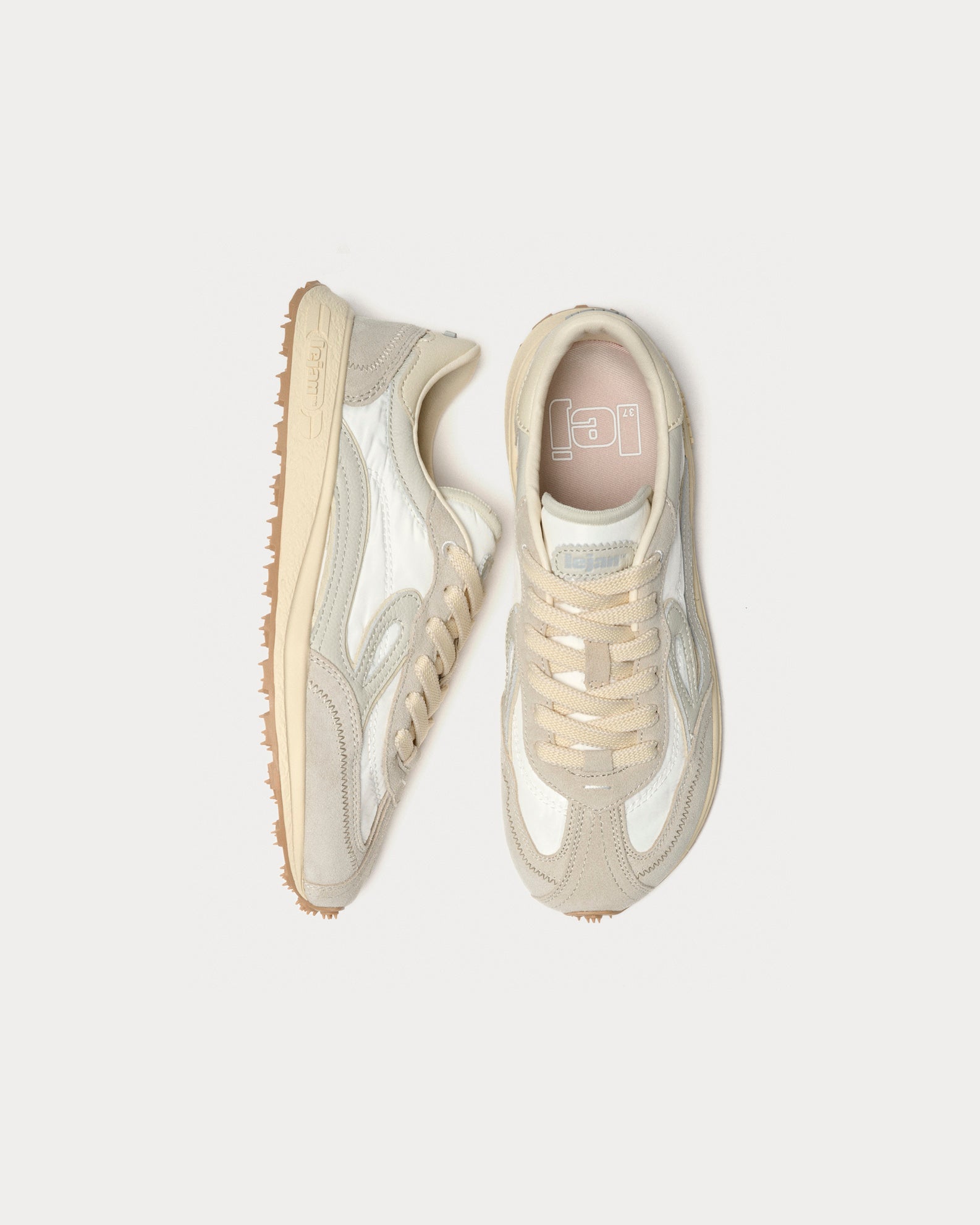
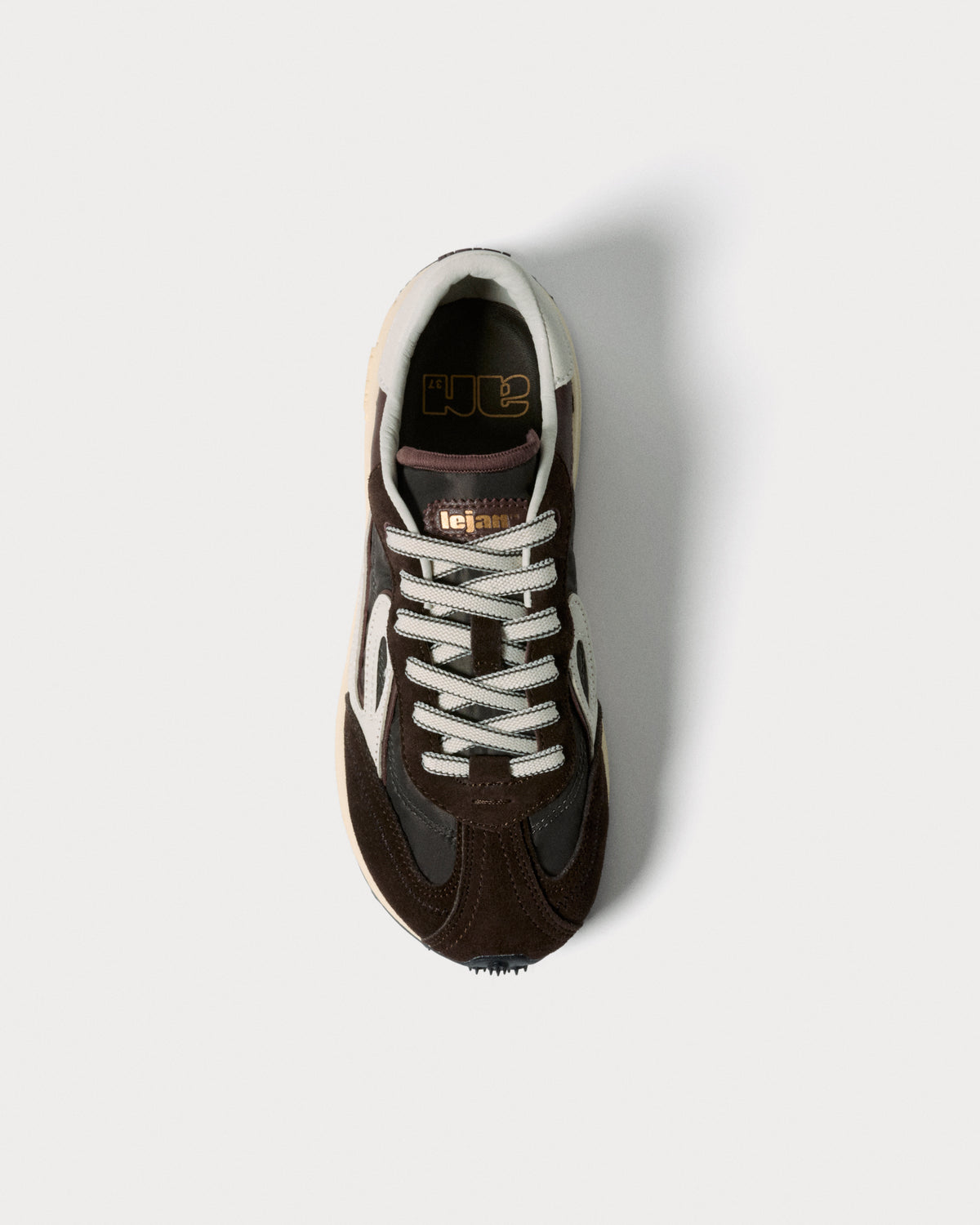
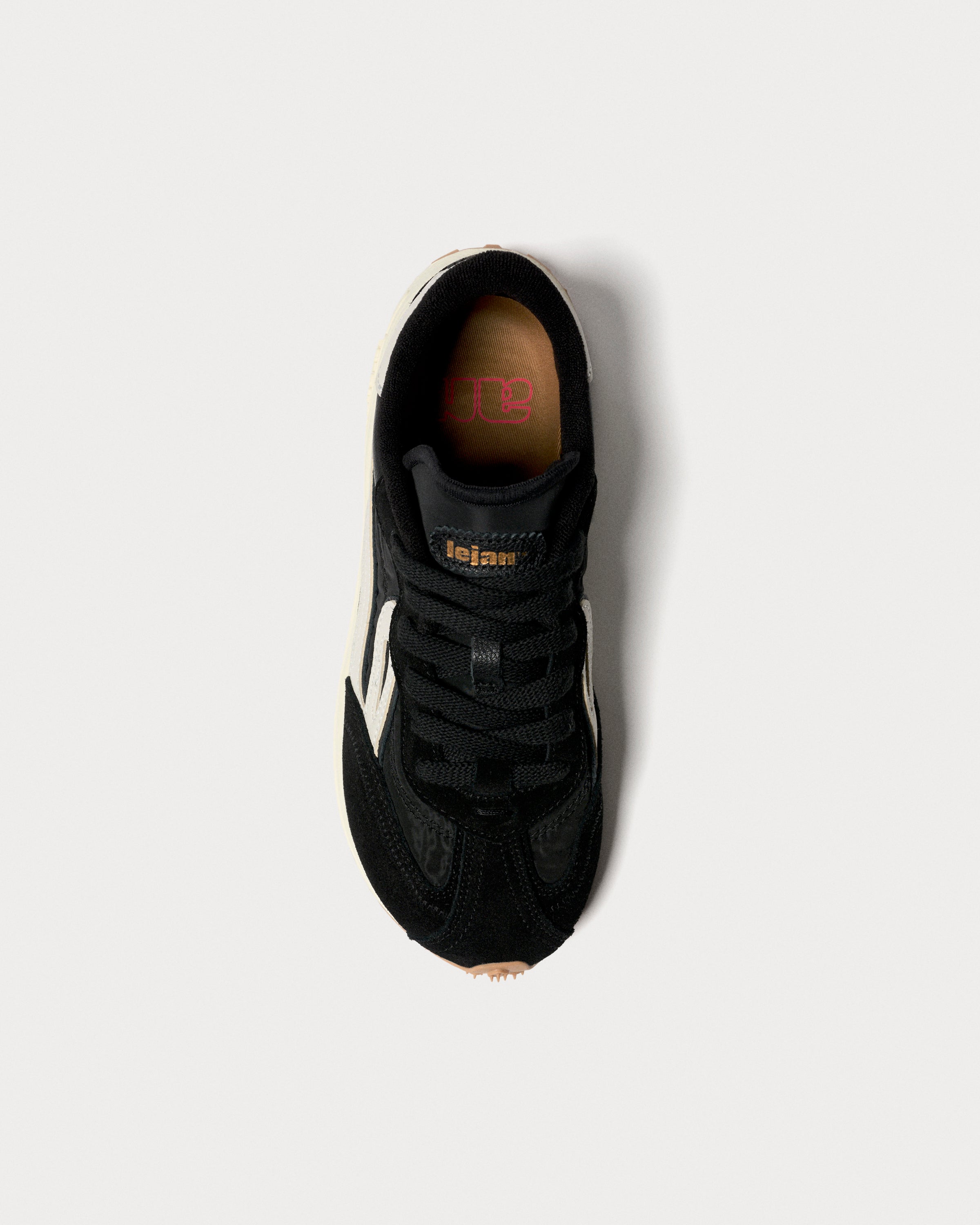
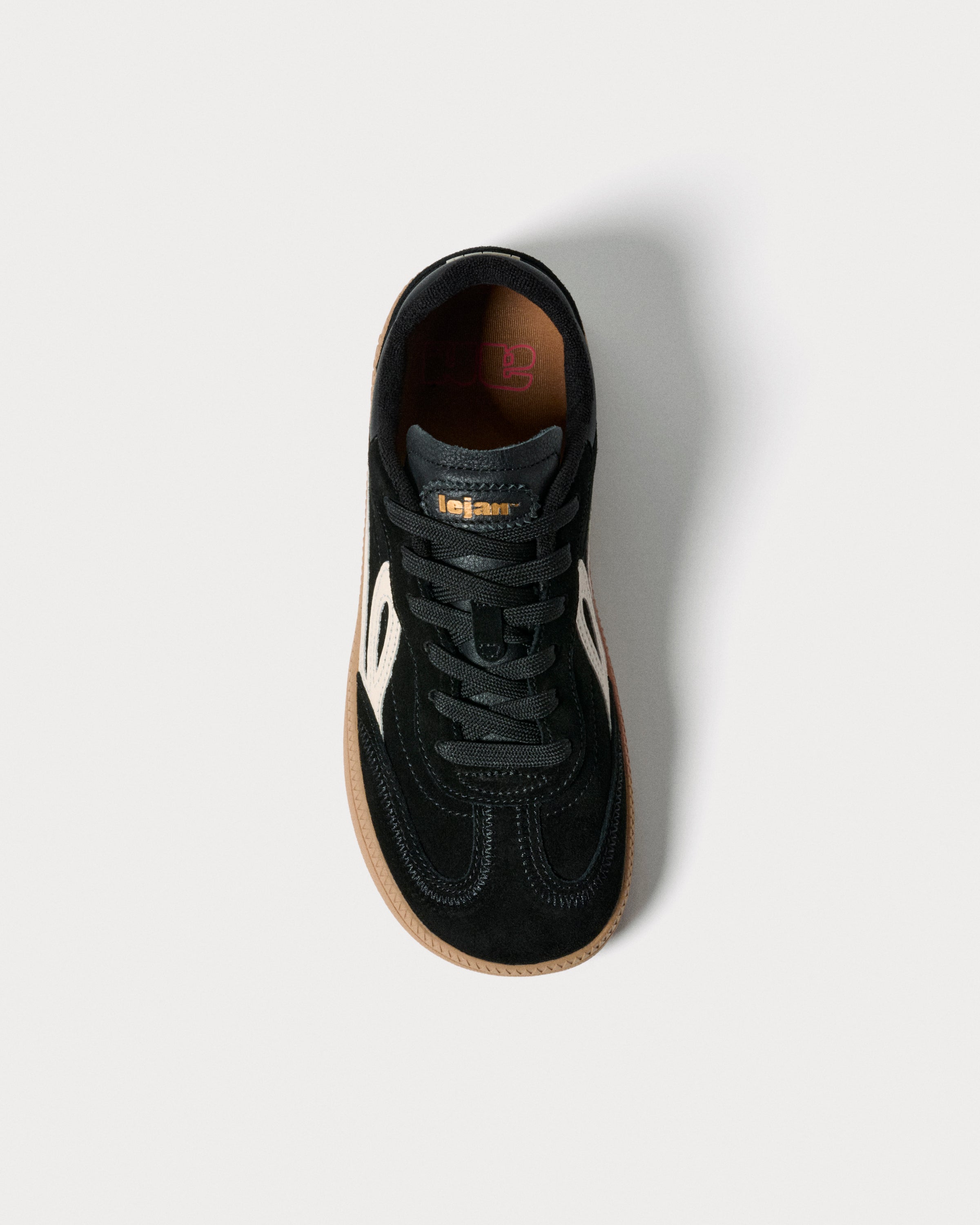
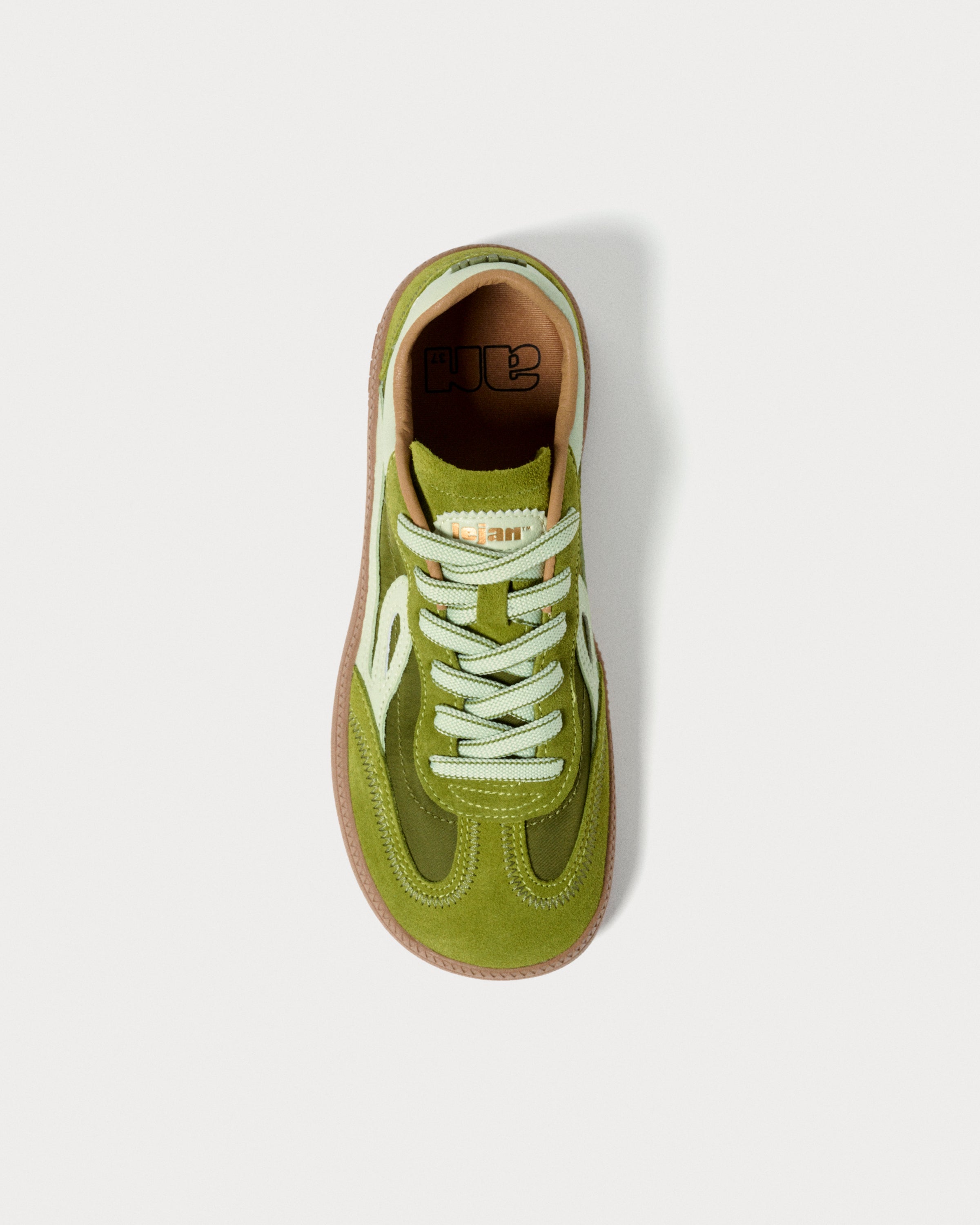
Look at the shoe from above: if the toe box narrows to a point, it usually compresses toes even if the length is correct. A toe box with a wide, more anatomical shape lets the toes position themselves better.

Removable insole and real interior volume
If the model has a removable insole, use it to check it better:
-
Take it out.
-
Stand on it.
-
And finally check whether the foot "spills over" the sides.
Wide last vs conventional footwear: key differences
Conventional footwear tends to narrow in the forefoot area: the foot fits in, but adapts however it can. A wide last seeks the opposite: that the foot has space to support itself and move without being compressed, especially in the toe area.
Benefits of wearing properly fitted wide last shoes
When the shoe stops squeezing, the body notices it in daily use: less pressure, less rubbing and more comfort.
More space for the toes and better alignment
With more room, the toes don't go "scrunched up". This usually favors a more natural placement and a more stable feel of support.
Comfort during prolonged daily use
The difference usually shows up over the hours: less urge to take them off and less sensation of pressure.
When a wide last isn't enough
There are situations where "wide" falls short, because the problem isn't only lateral.
Very wide feet or specific conditions
If the foot is very wide, the instep very high, or there are specific volume needs, you may need to look for extra-wide models or ones with more inner depth.
Difference between wide last and barefoot footwear
They are not the same:
-
Wide last: more space, but it can keep a traditional construction.
-
Barefoot footwear: in addition to the space, it prioritizes a shape and structure that better respects the anatomy and natural movement of the foot.
Put differently: a wide last gives you more room up front (especially for the toes), but barefoot footwear usually goes one step further in its approach, because it aims for the foot to move more naturally. If you're looking for precisely that kind of fit and philosophy for the little ones, here's a selection of barefoot shoes for kids and barefoot shoes for adults where you'll usually see more anatomical toe boxes and real space for the toes.
Frequently asked questions about wide last in footwear
Is wide last the same as one size up?
No. Going up a size usually adds length, but doesn't guarantee more space where it matters. It can even create new rubbing from excess length.
Do all wide feet need a special wide?
Not always. Some people need more volume in the instep or a better designed toe box, more than "width" in general. That's why it's worth trying and checking the real shape of the shoe.
Is a wide last recommended for children?
Yes, and it's usually a very logical choice during growth. At this stage it's key for the shoe to give real space to the toes (a wide and anatomical toe box) so they can position themselves freely. Ideally, the footwear should hold without squeezing.
How to combine a wide last and style without giving up design?
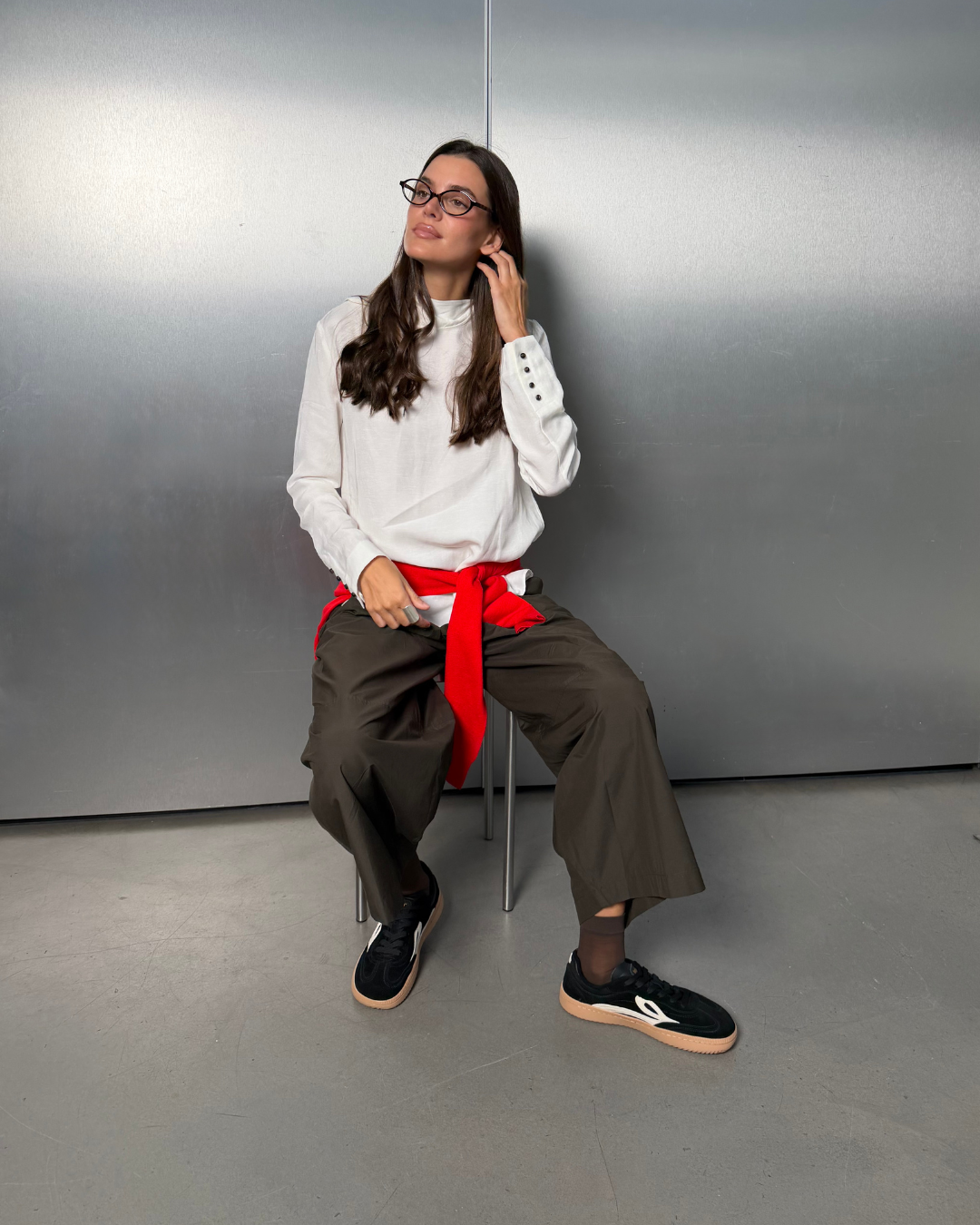
Choose models with a well-integrated anatomical toe box (no pointed shape, yet stylish), clean lines and well-finished details. When the design is well resolved, the wide last "isn't visible" but is noticeable in the comfort.
Test your knowledge
Answer the questions to check how much you know about this topic.
1. What can make a shoe "your size" feel uncomfortable anyway?
2. If the size fits well but you feel pressure on the sides… what's most likely?
3. Which of these signs points more to lack of width/volume than length?
4. What home test is usually most useful to check if the last gives you real space at the front?

Share