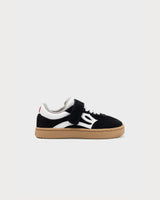
Having cold feet occasionally is fairly common, especially in winter, when sitting still for long periods or when wearing footwear that isn't quite right for the temperature.
Feet are an especially cold-sensitive area because they are far from the body's core and rely heavily on good circulation, movement and a dry, well-protected environment. That's why the solution often isn't just to put on “more socks”, but to look at what's really going on.
What cold feet are and when to be concerned
Cold feet are the sensation of a low temperature in the feet, although sometimes they may feel cold to the touch and other times only feel that way. It can happen as a normal response of the body to cold, due to low mobility, dampness or circulatory, metabolic or neurological factors.
The difference between an occasional sensation and persistent cold
An occasional sensation usually appears at specific moments: after sitting for a long time, when walking outside in winter, when wearing damp socks or when using shoes that don't insulate well. In these cases, it usually improves with movement, changing socks or moving into a warmer environment.
Persistent cold is different. We're talking about a sensation that appears frequently, even in mild environments, that is hard to reverse or that repeats every day. In that case, it's worth checking whether there are circulation problems, Raynaud's phenomenon or other medical causes.

Warning signs to watch out for
Not all cold feet are a cause for concern, but there are signs that shouldn't be overlooked. It's worth seeking advice if there is intense pain, numbness, persistent tingling, loss of sensitivity, wounds that don't heal, significant colour changes or if the toes turn white, bluish or very red when exposed to the cold.
It's also important to pay attention if the cold is accompanied by marked fatigue, unexplained weight changes, fever, joint pain, skin lesions or the feeling that the feet don't warm back up even when they're heated.
Main causes of cold feet
Cold feet can have a simple cause or be part of a broader issue. The key is to observe when it happens, whether it affects both feet equally, whether it appears with the cold, whether it's linked to being at rest or whether it comes with other symptoms, among other things.
Poor circulation and vasoconstriction
When it's cold, the body reduces blood flow to peripheral areas such as the toes in order to conserve heat for more vital organs. This is called vasoconstriction. It's a normal response, but if it's very intense or triggered easily, it can lead to cold feet, paleness, tingling or colour changes.
Some people may have Raynaud's phenomenon, an exaggerated response of the blood vessels to cold, stress or anxiety. It tends to cause colour changes in the fingers or toes, along with pain, numbness or a pins-and-needles sensation.
Low mobility and a sedentary lifestyle
Movement helps blood circulate better through the legs and feet. When we spend a lot of time sitting, lying down or standing without moving, the leg muscles work less and venous return can decrease.
That's why many people notice their feet are colder when working seated, studying for hours or in the evening on the sofa. There isn't always an underlying illness: sometimes there's simply a lack of muscle activation.
Excessive sweating and moisture
Moisture cools the foot very easily. A sweaty sock, a boot that doesn't breathe or a wet shoe can cause the foot to lose temperature even when the environment isn't extremely cold.
This matters because the cold doesn't depend solely on the outside temperature. It also depends on whether the foot is dry, ventilated and protected.
Unsuitable footwear or socks
Footwear that's too thin for winter, not breathable, wet or excessively tight can encourage cold feet. The same goes for socks made of materials that retain moisture or compress too much.
Sometimes people try to fix the cold by wearing very thick socks, but if that makes the shoe tighter, it can be counterproductive. The foot needs warmth, yes, but also enough room for the toes to move and for circulation not to be compromised.
Cold feet at night or in winter
It's very common to notice colder feet at the end of the day, when getting into bed or during the winter months. In many cases it's down to a combination of less movement, lower ambient temperature and poorer heat retention in the distal part of the body.

Why feet get colder when you're still
When we walk, the muscles in the feet and legs are activated. That muscle contraction helps move blood and generates heat. When we're still, that help disappears.
That's why feet can get cold while sitting on the sofa, working at the computer or getting into bed without having warmed the body up beforehand. In these cases, a few minutes of gentle movement can be more effective than simply adding more layers.
How outdoor temperature plays a role
In winter, the body prioritises keeping the core warm. The blood vessels in the hands and feet contract more to reduce heat loss. If on top of that we wear footwear with little protection, damp socks or stay still for a long time, the sensation becomes more intense.
It isn't just a case of “having poor circulation”. It's often a normal response of the body to cold, amplified by footwear, moisture or a lack of movement.
How to prevent cold feet day to day
The solution depends on the cause, but there are simple measures that usually help: move more, keep the foot dry, choose your socks carefully, avoid compression and review your footwear.
Simple exercises to boost circulation
You don't need a complex routine. What matters is activating the foot and leg several times a day.
You can try ankle movements up and down, gentle circles, opening and closing the toes, walking for a few minutes around the house or doing heel raises. If you work seated, getting up every so often can make quite a difference.
Gently massaging the sole of the foot or moving your toes before going to sleep can also help, especially if you notice they get cold when you're still.
Habits, diet and useful care tips
Staying well hydrated, moving every day, avoiding tobacco and looking after your diet can support general circulatory health.
It's also important to dry your feet thoroughly after showering, change your socks if they get damp and check your skin if you're prone to chilblains, cracks or colour changes.
What to avoid if your feet are always cold
Avoid warming your feet abruptly with very intense heat sources, such as bags that are too hot, direct radiators or very hot water. If sensitivity is reduced, you could burn yourself without realising.
It's also a good idea to avoid very narrow shoes, socks that leave deep marks, materials that build up moisture and spending many hours with the foot immobile.

What kind of footwear helps keep feet comfortable
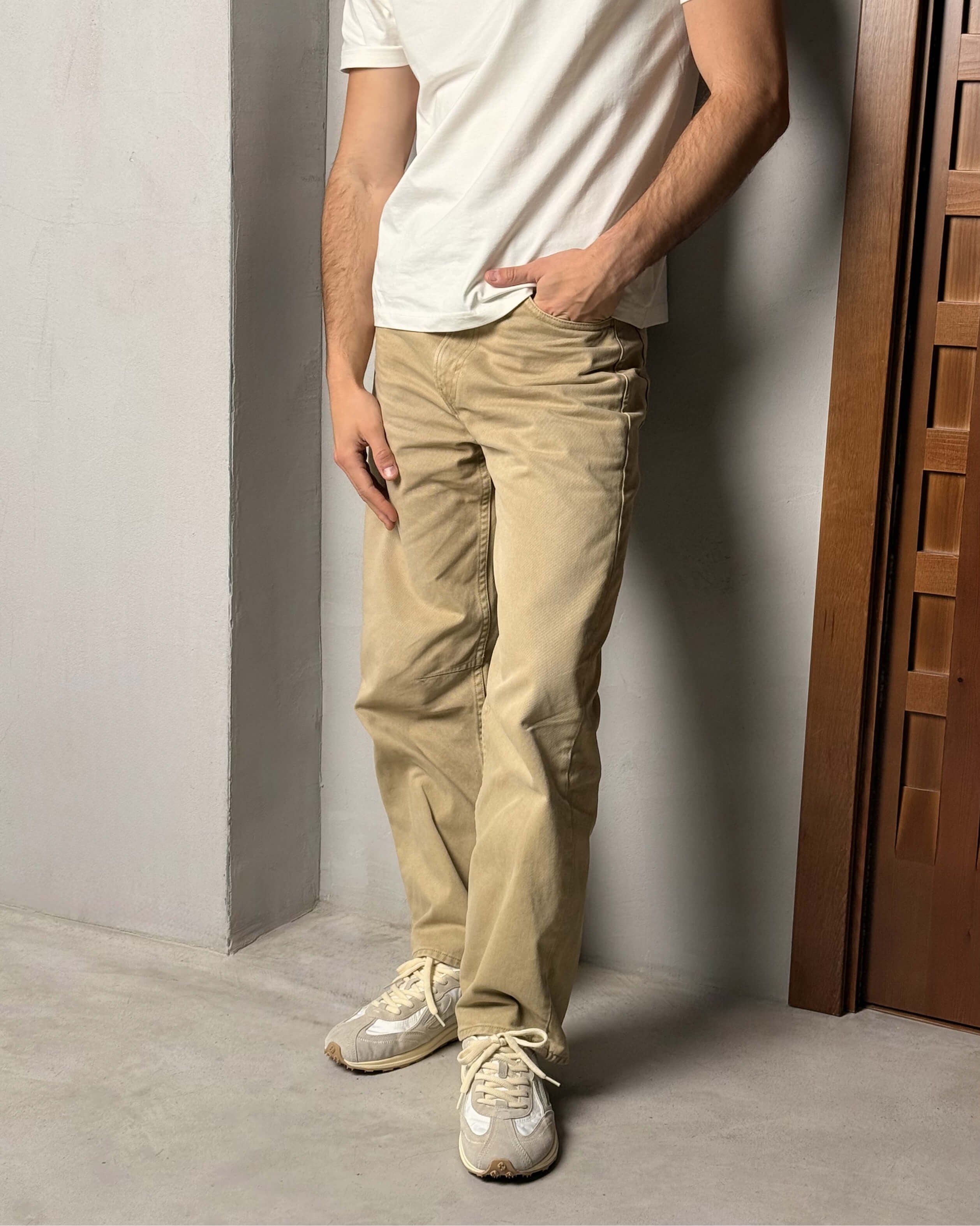
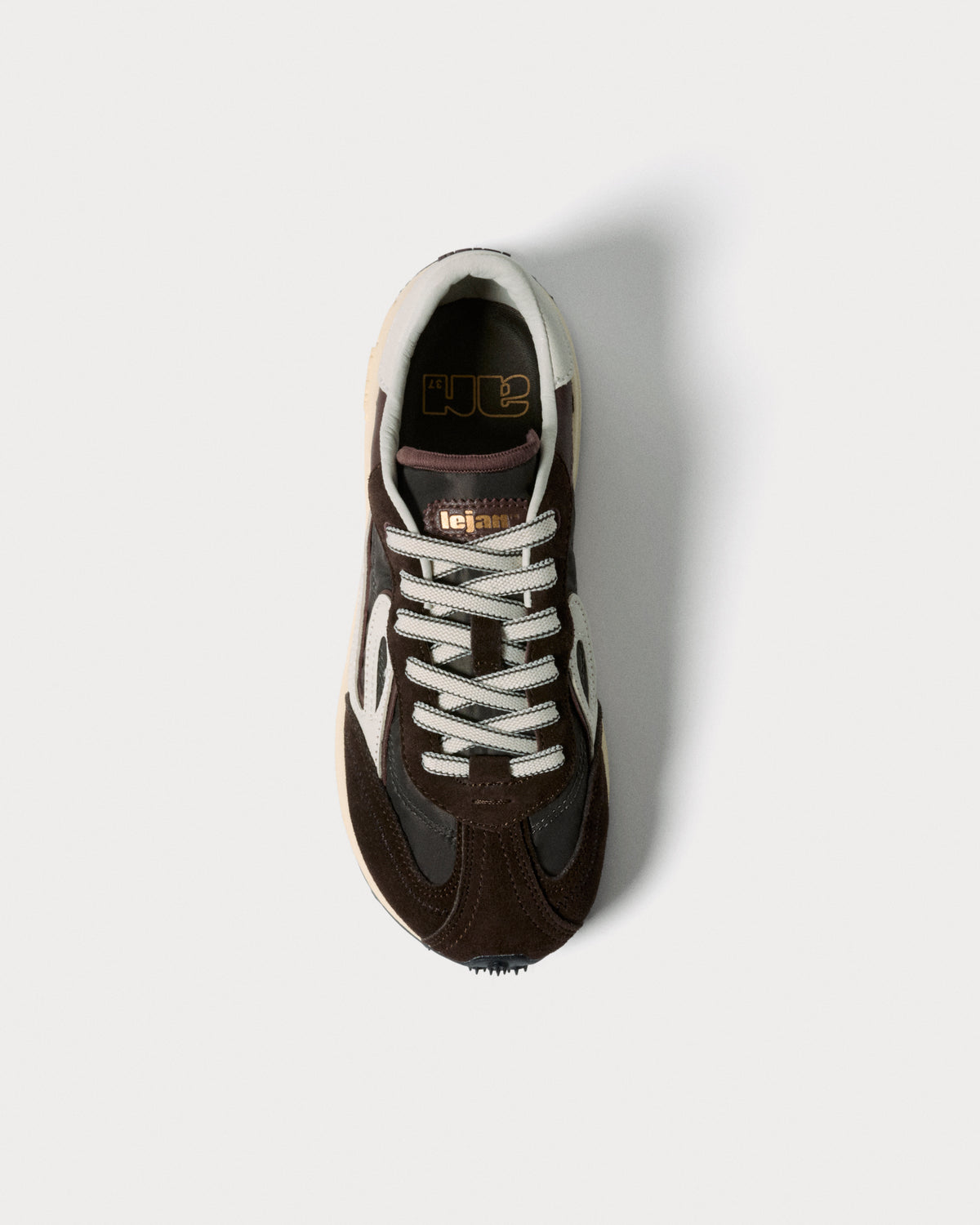
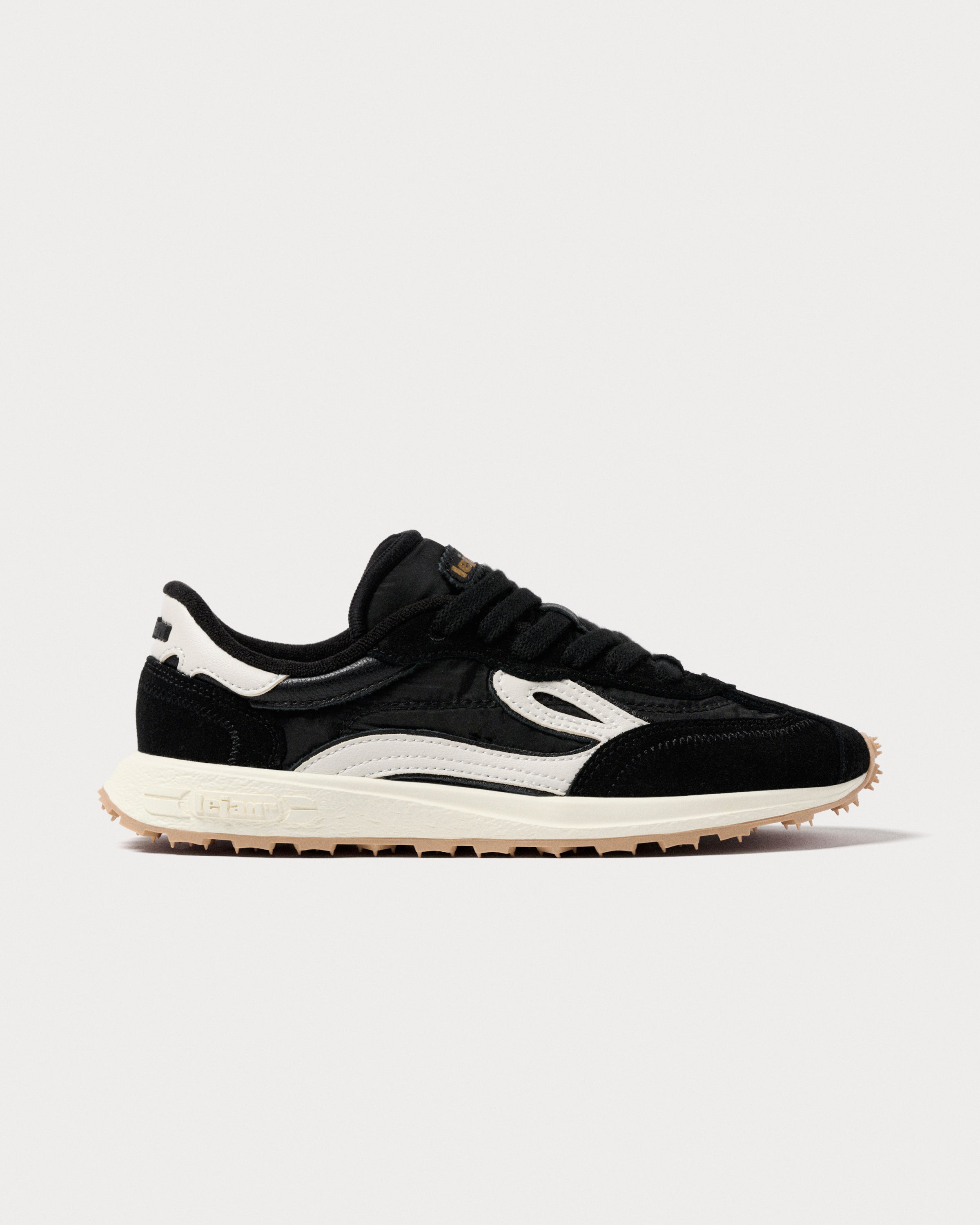
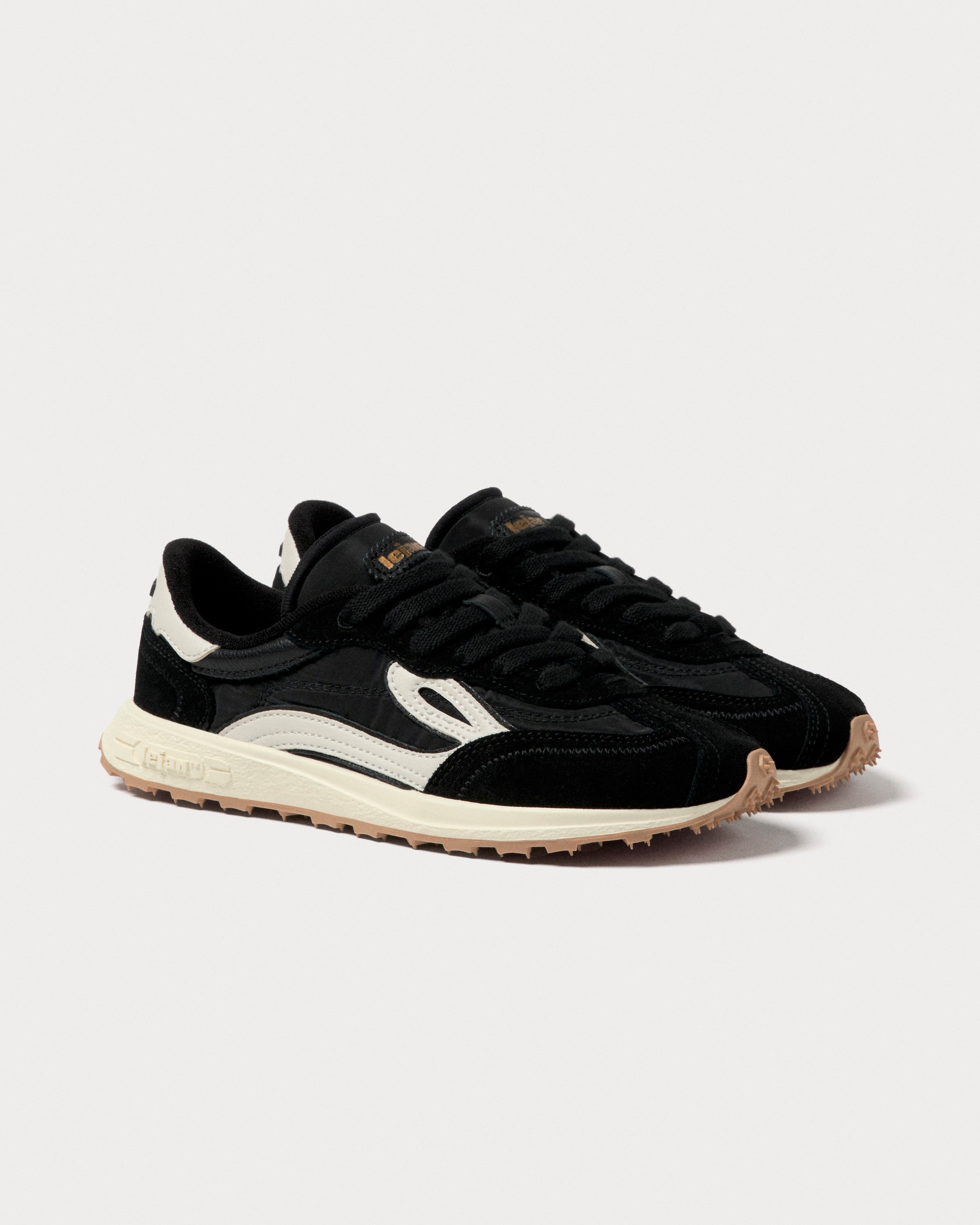
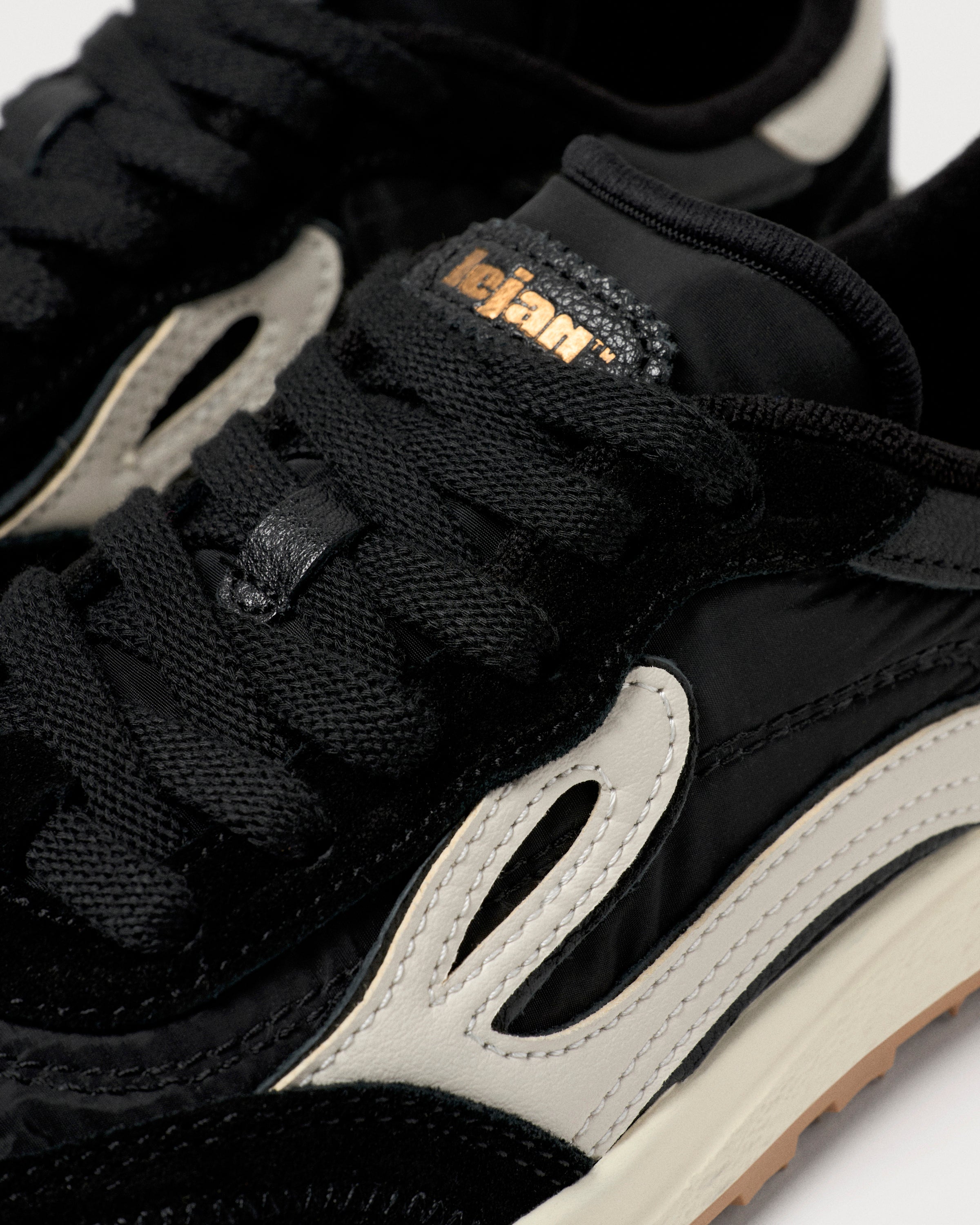
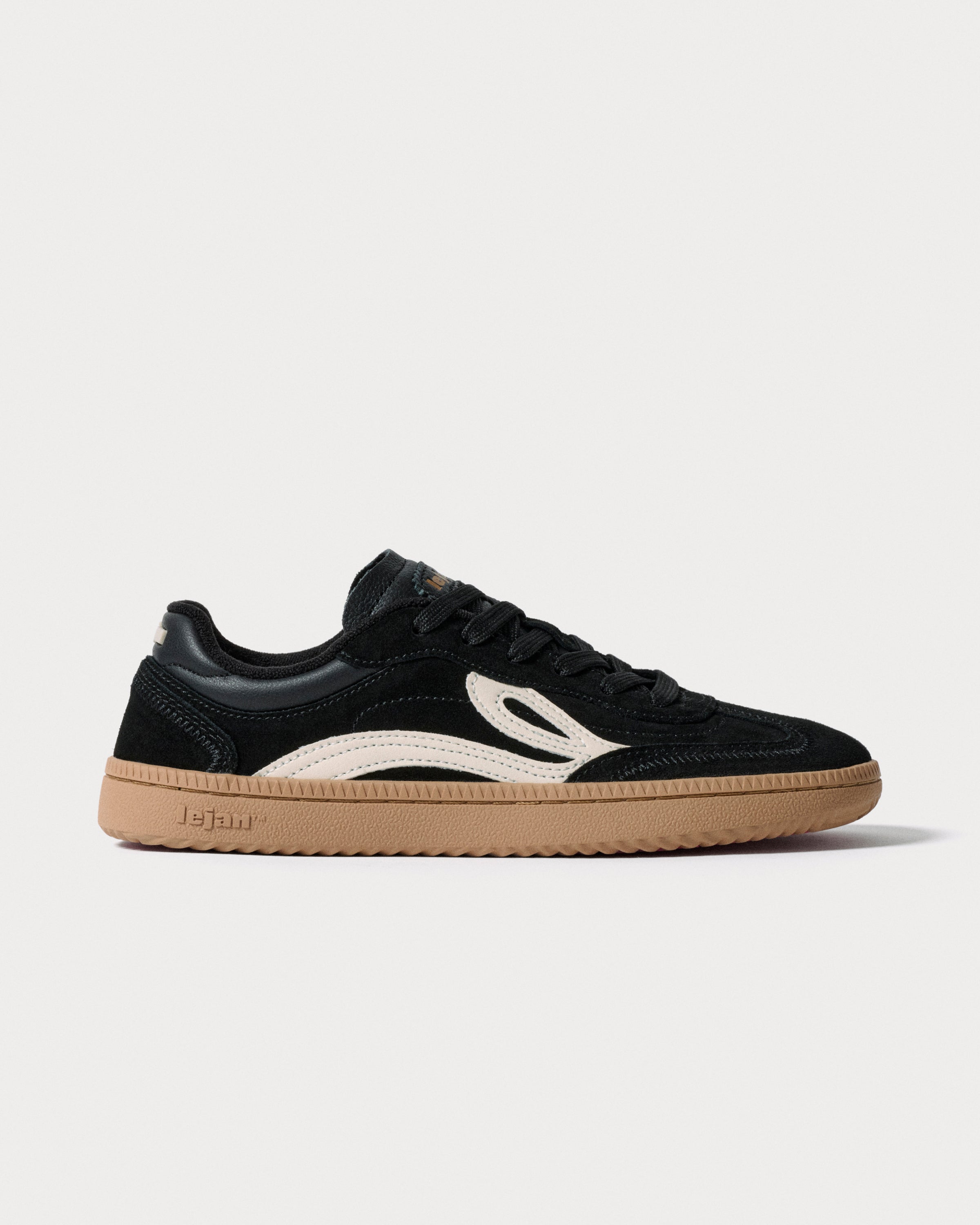
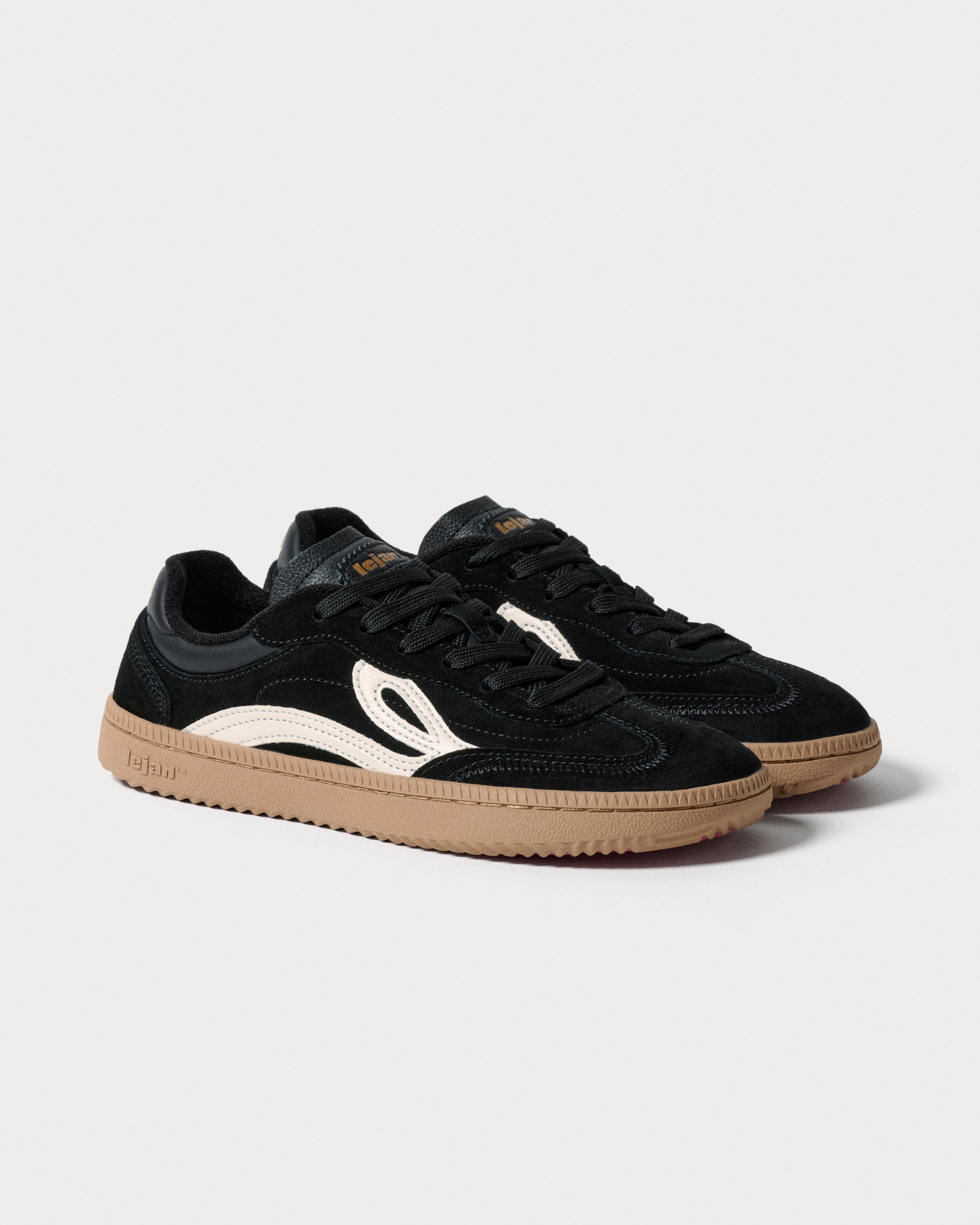
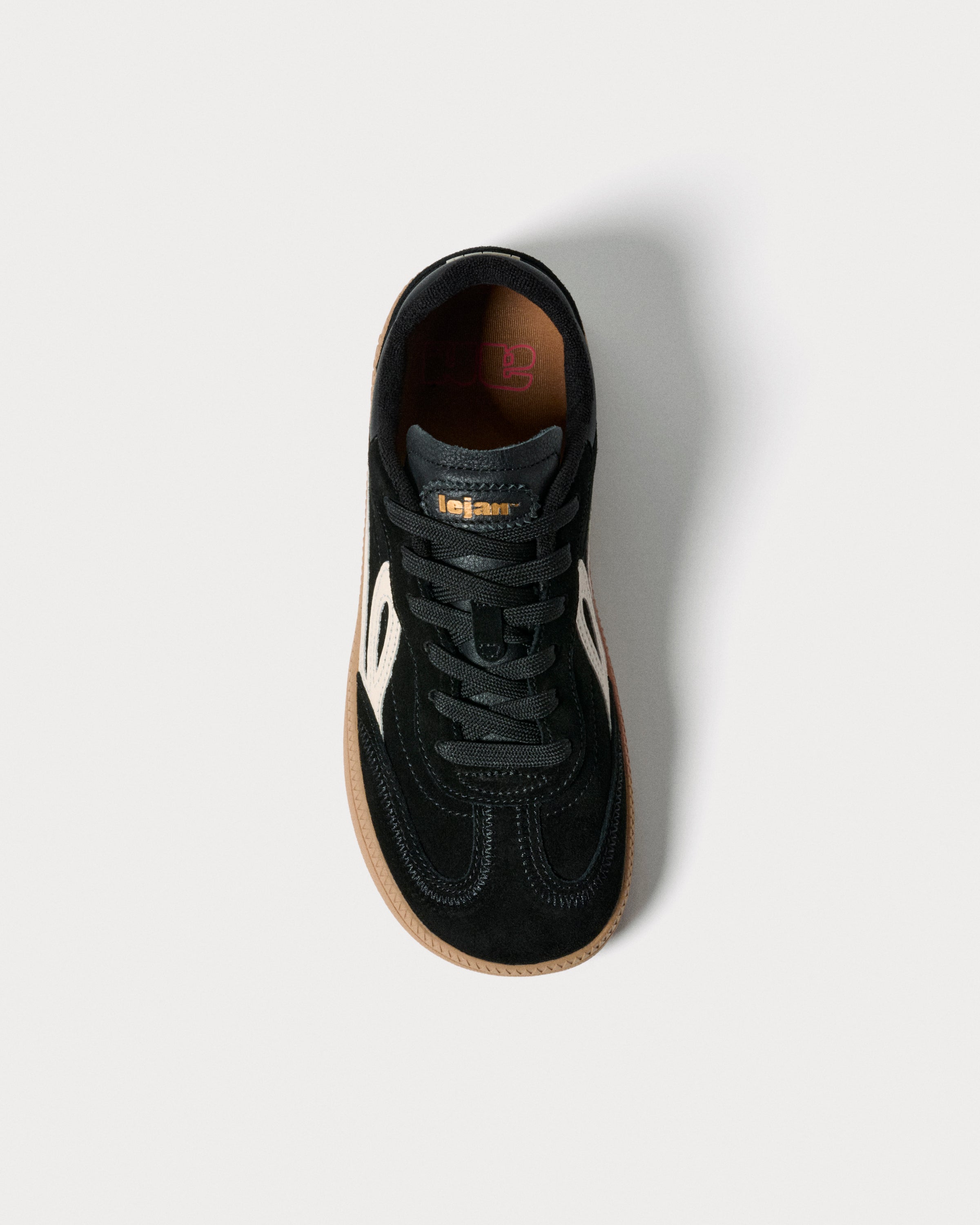
Footwear can help a lot, but not by being more rigid or more bulky. What matters is that it protects from the cold without blocking mobility or compressing the foot.
Breathability, flexibility and the right fit
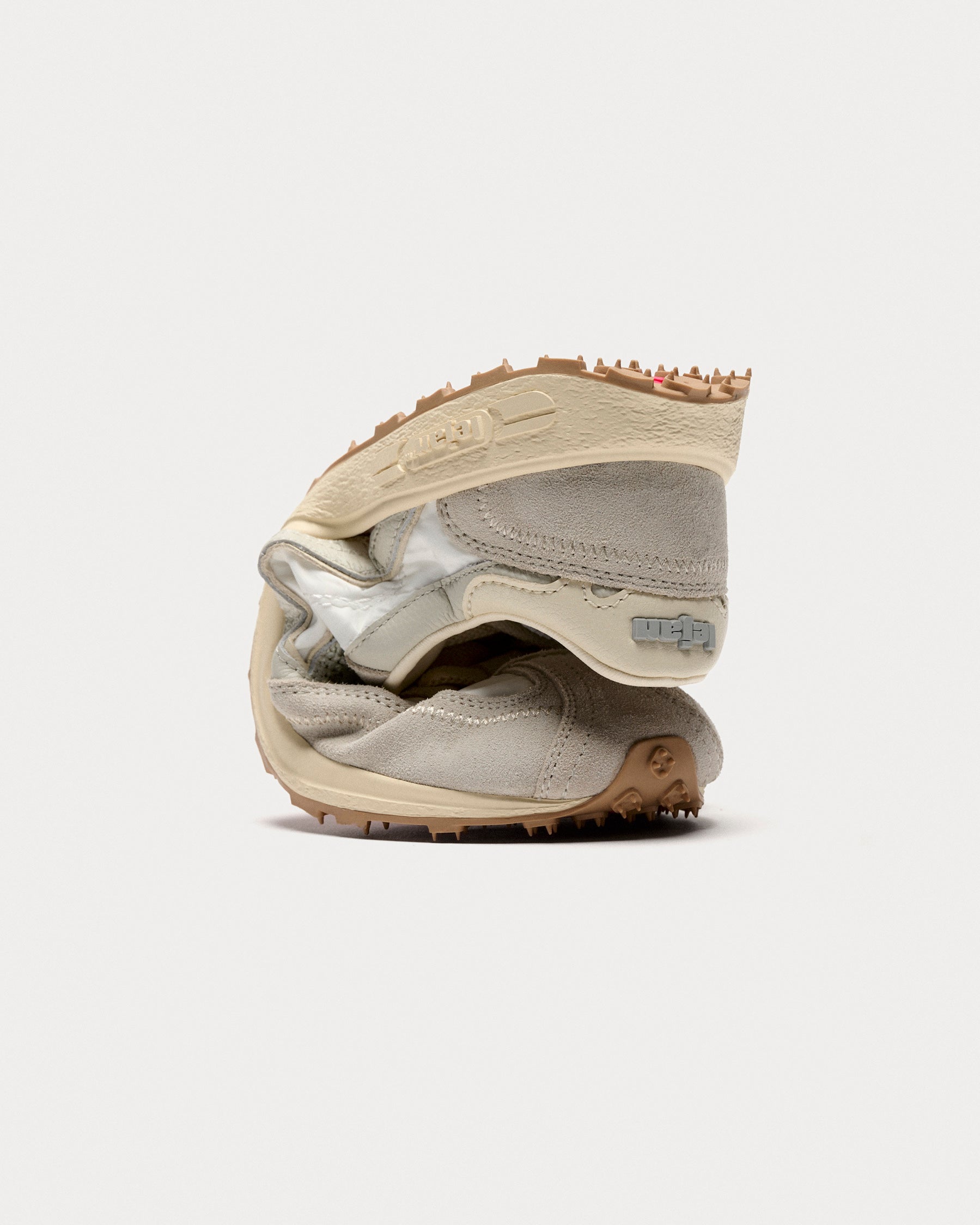
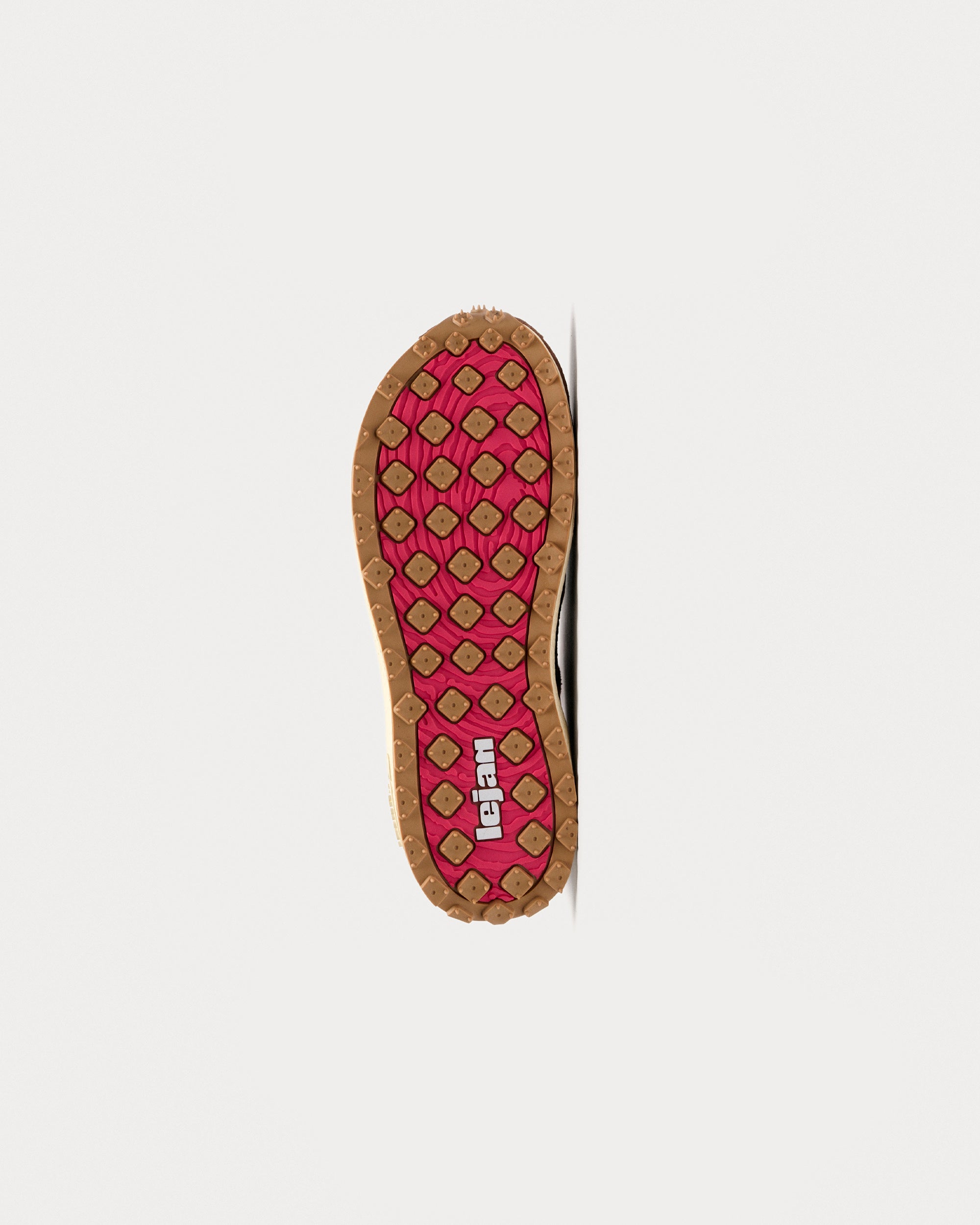
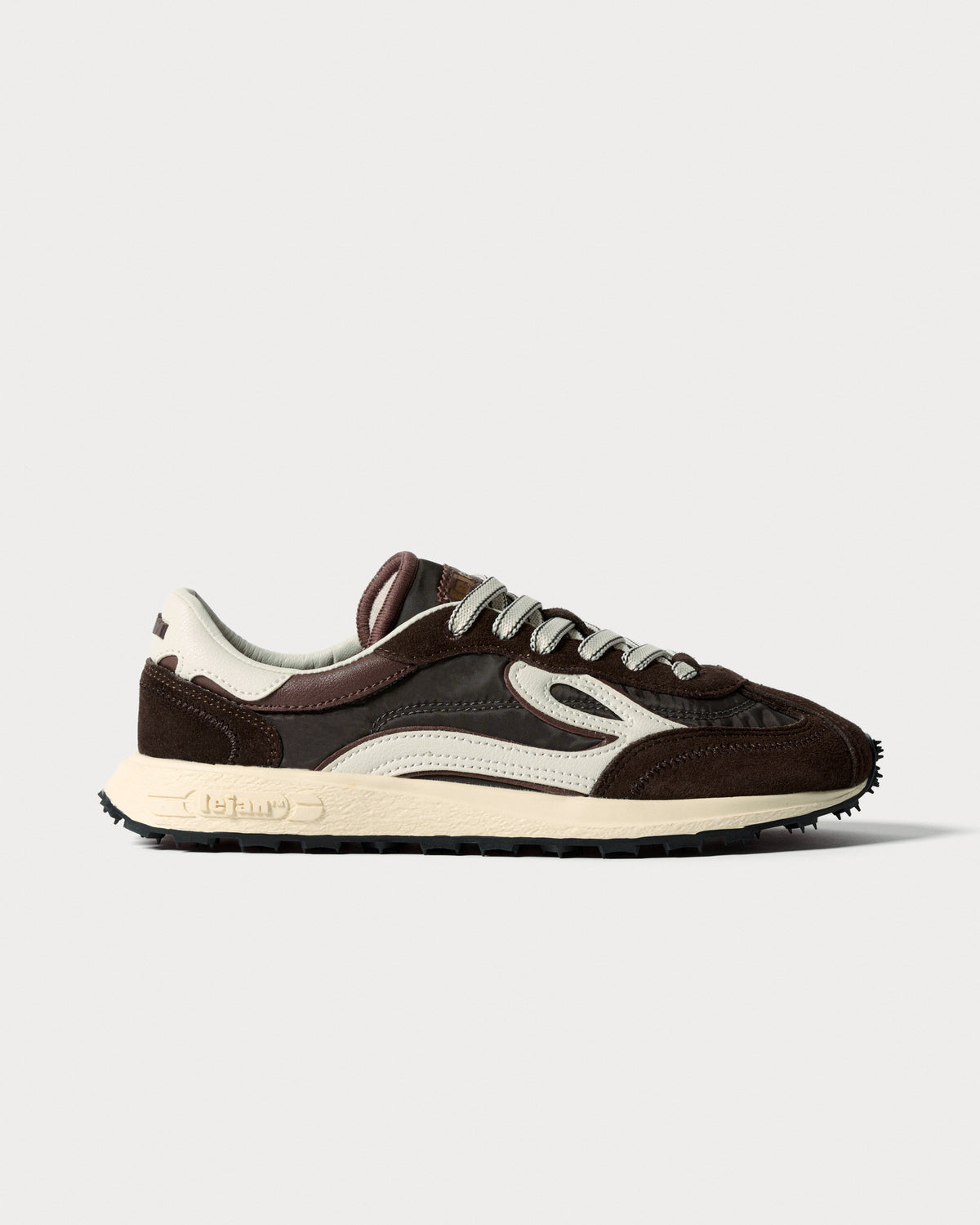
Good footwear for cold feet should allow the foot to stay protected, dry and comfortable. Breathability is important so that moisture doesn't build up. Flexibility allows the foot to move better. And the right fit prevents pressure points that could hinder circulation.
In winter, it can be useful to choose materials that insulate a little more, but without losing sight of the fact that the foot needs space and movement.
Why a shoe that's too tight can make the cold worse
When a shoe is tight, the toes have less space to move and circulation can be compromised. On top of that, if you wear a very thick sock inside a narrow last, the foot can end up compressed.
The sensation can be paradoxical: you're wearing more warmth, but your feet are colder. That's why, before adding layers, it's worth checking whether the shoe lets your toes move and that there is no pressure on the toe box, instep or sides.
Recommended socks for each season
In winter, socks that provide warmth without retaining moisture tend to work best. Wool or breathable thermal blends can be a good option. For mid-season, thin technical fabrics or cotton with good ventilation may be more comfortable, as long as they don't stay damp.
In summer, if there is sweating, it's better to prioritise breathability and changing socks frequently rather than wearing very thick fabrics. For people with toes that are very close together, moisture between the toes or chafing, toe socks can help to separate, ventilate and reduce friction, as long as they feel comfortable.
Cold-related injuries in the feet
The cold doesn't just cause discomfort. In some cases it can cause injuries to the skin or tissues, especially when combined with moisture, poor circulation or prolonged exposure.
Chilblains and skin colour changes
Chilblains are inflammatory lesions that usually appear after exposure to damp cold, not necessarily extreme. They can cause reddish or purplish patches, itching, swelling, tenderness and even blisters.
If they appear repeatedly, if they hurt a lot, if open wounds develop or if you're in any doubt, it's worth seeing your specialist.
Trench foot and excess moisture
Trench foot appears with prolonged exposure to cold and moisture. The foot doesn't need to be frozen: the issue is keeping it wet or damp for a long time. It can cause numbness, pain, redness, swelling and skin changes.
It's more typical in mountain settings, rain, outdoor work, wet boots or long exposures without being able to change socks. Prevention means keeping the feet dry, changing socks and avoiding spending many hours in damp footwear.
When to consult a podiatrist or doctor
Consult a professional if cold feet happen very frequently, if they don't improve with basic measures, if there is pain, tingling, colour changes, wounds, loss of sensitivity or if one foot is more affected than the other.
The specialist can assess the state of the skin, the footwear, the presence of cold-related injuries, sweating, shoe pressure and possible support issues, as well as look into general causes such as anaemia, thyroid issues, diabetes, vascular problems or medication.
Frequently asked questions about cold feet
Is having cold feet a bad thing?
Not always. It can be a normal response to cold, rest or moisture. What matters is to notice whether it's occasional or persistent. If it happens every day, doesn't improve when you warm them up or appears with pain, tingling, colour changes or wounds, it's worth getting it checked.
Why do I have cold feet even when I'm wearing socks?
It can happen for several reasons: the sock may be damp, the shoe may be too tight, the material may not insulate well or there may be a lack of movement. There can also be a circulatory or medical cause if it happens constantly.
More sock doesn't always mean more warmth. If the foot ends up compressed, the sensation can get worse.
What to do if there is also pain, tingling or colour changes?
If there is pain, persistent tingling, numbness or significant colour changes, the right thing to do is to consult a professional. It may be an exaggerated response to the cold, such as Raynaud's, a circulatory or neurological problem, or an injury related to cold and moisture. It's not a good idea to normalise it if it keeps happening or doesn't improve when you warm up.
Test your knowledge
Answer the questions to check how much you know about this topic.
1. Which of these situations usually indicates that cold feet are just an occasional issue?
2. Why can a shoe that's too tight worsen the sensation of cold?
3. What factor can make feet get colder even when we wear socks?
4. When is it advisable to seek advice if you have cold feet?

Share