What plantar fasciitis is and why footwear has such an influence
You get up, place your foot on the floor and that stab in the heel confirms what you already suspected: something isn't right.
Plantar fasciitis rarely appears all of a sudden; what's most common is that it's the result of small repeated tensions over the course of weeks. The fascia, that tissue that runs along the sole of the foot and helps to support the arch, has been working beyond its capacity. It's not fragility: it's overload.
And although footwear isn't usually the only culprit, it does have an influence every day. Because every step counts, and over the course of the day we take thousands. If the shoe doesn't go along with us, the fascia notices.
What happens in the plantar fascia (inflammation and overload)
Think of the fascia as a resistant band that goes from the heel to the toes and helps to keep the arch of the foot stable while you walk. When you spend many hours on your feet, increase training suddenly or wear footwear that doesn't allow natural movement, that band starts to over-tense. At first it's discomfort, then it becomes pain, and if the pattern is kept up, the body starts to send increasingly clear signals.

Most common symptoms and when they appear
The plantar fasciitis pattern is usually quite recognizable. Many people feel a strong pain when getting up in the morning, take a few steps and it seems to improve, but as the day goes on and load builds up, the pain comes back. It's as if the foot were telling you: "I need a break", but instead of stopping, you keep demanding from it.
Plantar fasciitis and footwear: what features help reduce discomfort
There's no miracle shoe, but there are features that, in many people, help relieve symptoms while the tissue recovers. The idea isn't to "cure" only with footwear, but to reduce the daily stress on the fascia so you can walk more comfortably.
Balanced cushioning (without excess rigidity)
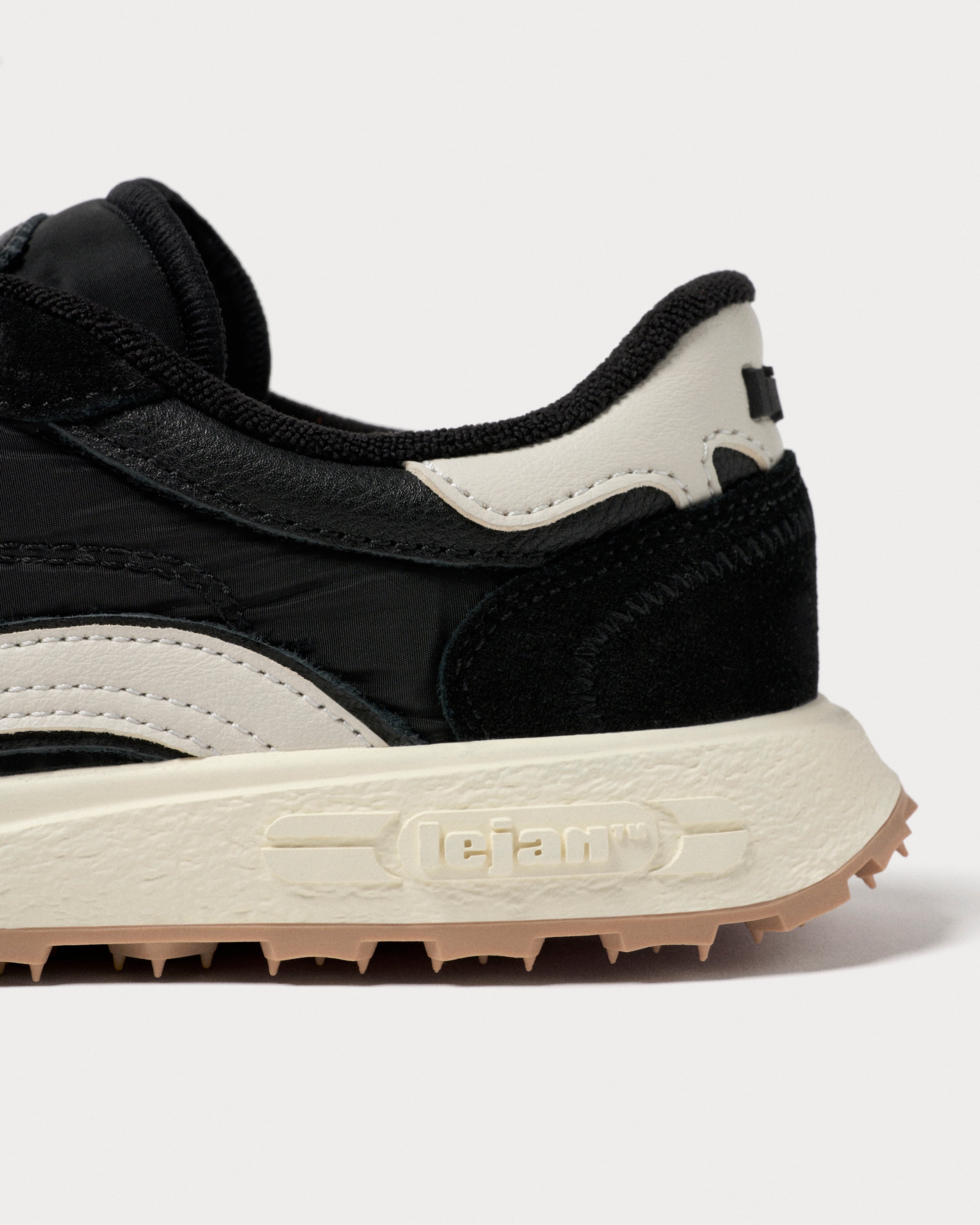
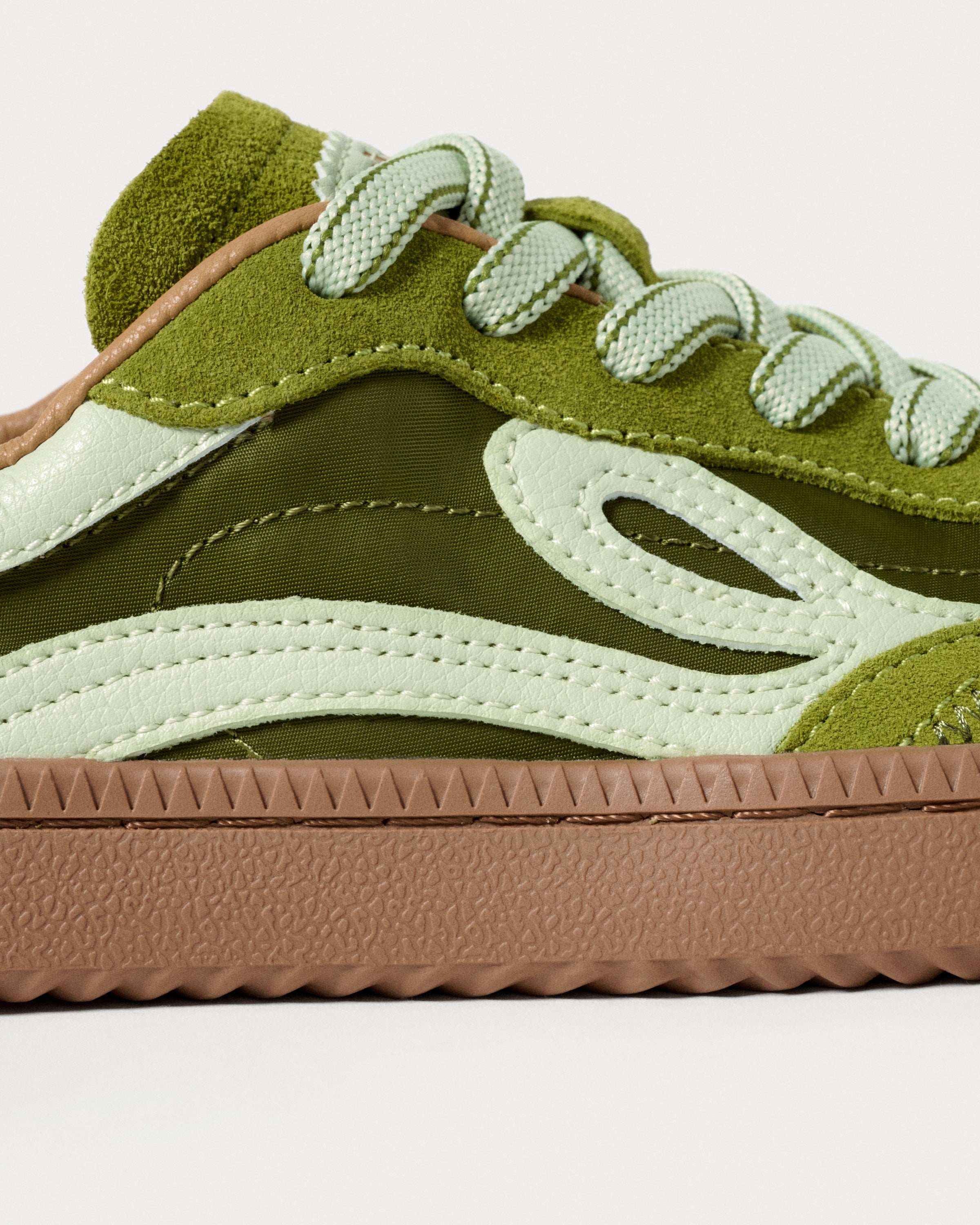
Moderate cushioning can give relief when the heel is sensitive, especially in the first steps of the day or on long days. However, it's worth avoiding the opposite extreme: a too-rigid shoe can block the foot's natural movement and cause compensations. In plantar fasciitis, what usually works better is balance: enough cushioning not to punish the heel, but without turning the foot into an "immobilized" piece.
Moderate drop vs zero drop: when each can help
Sometimes a slight elevation of the heel (moderate drop) temporarily reduces tension and makes walking more bearable when the pain is intense. By contrast, flatter footwear (drop zero) can work very well in more advanced phases, when the foot is ready and you've made a progressive transition. The key point isn't the label or the "one is better than the other" debate, but respecting the moment you're in and not forcing adaptations when the tissue is reactive.
Flexible sole at the forefoot and stable at the rearfoot
When walking, the foot needs to flex at the forefoot for the step to be efficient. If the footwear doesn't allow that flex, the body compensates in other ways, and those compensations usually increase tension on the fascia. That's why a sole that allows flexibility where it's needed (forefoot) but keeps some stability behind (rearfoot) usually helps, especially if your heel is sensitive or you feel unstable.
Wide base and good lateral stability
A wider base can give a clear sense of stability. And when the foot feels stable, it tends to work with less defensive tension. This is especially useful if you spend many hours on your feet or you notice that your step "drifts" inward or outward easily.
The importance of the last and the space for the toes
Here's a very common mistake: thinking that the toes are an aesthetic detail. In reality, the toes take part in support and propulsion. If they go compressed, they don't collaborate as they should and the foot distributes forces worse. Result: more load where you're already sensitive.

Wide toe box to avoid compression
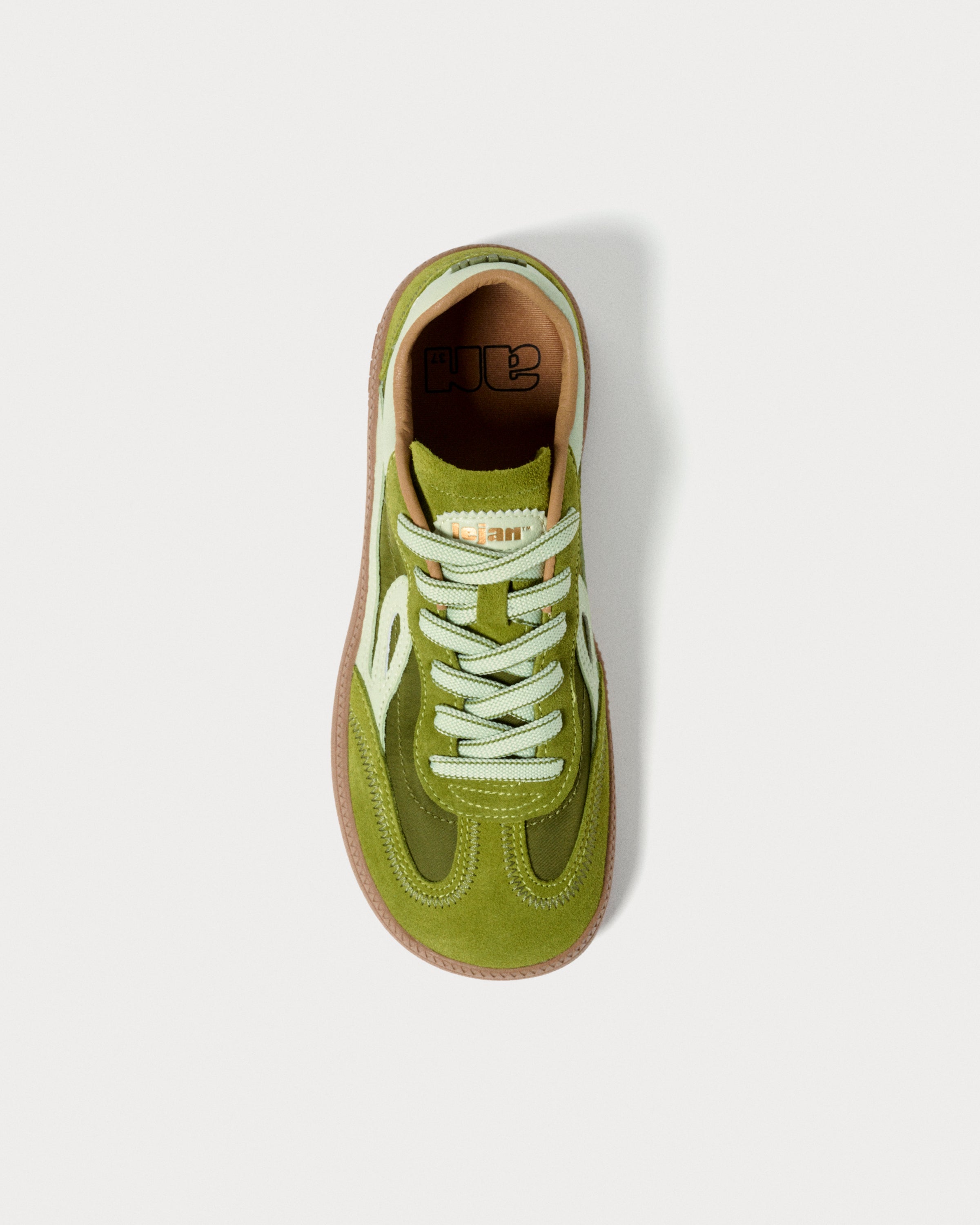
When the toe box is wide, the toes can spread and help in the final phase of the step. If they're squeezed, the foot loses efficiency and the fascia tends to work more to compensate.
Why a compressed foot can increase plantar tension
A compressed foot reduces its capacity to distribute forces. And when forces aren't well distributed, they concentrate in specific areas, like the heel or the arch. If that area is already irritated, what's most likely is that the pain stays the same or even increases.
Insoles for plantar fasciitis: when yes and when not
Insoles can be a useful support, but they aren't mandatory for everyone, nor should they be the only strategy. They can help especially if they give you clear relief while walking or if you need to temporarily offload while you reorganize load and strengthening. However, if they're used as a "patch" without improving strength, mobility or daily-effort management, the problem usually recurs.
Progressive transition to avoid generating more overload
If you change footwear or introduce insoles, do so little by little. The body needs time to adapt, even when the change is "for the better". Going overnight to a very different stimulus can further irritate an already sensitive fascia.
What kind of footwear to avoid if you have plantar fasciitis
Excessively hard or completely flat soles without prior adaptation
Extremes, when the tissue is sensitive, don't usually help.
Shoes that are narrow at the forefoot
Compressing a foot that already hurts is rarely a good idea.
They limit the foot's natural function and the foot notices.
Is respectful or barefoot footwear recommended for plantar fasciitis?
The answer isn't black or white. It depends on the moment.
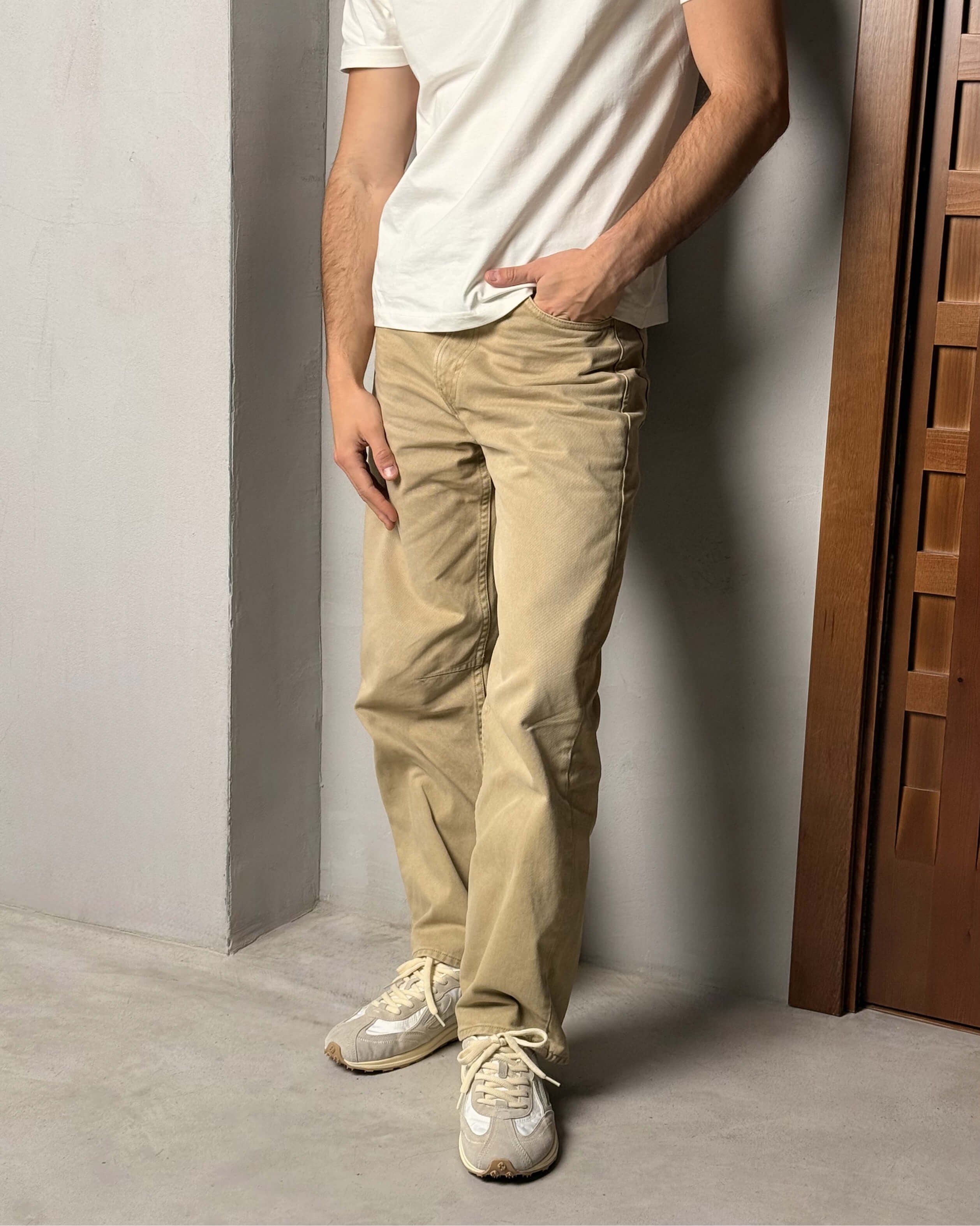
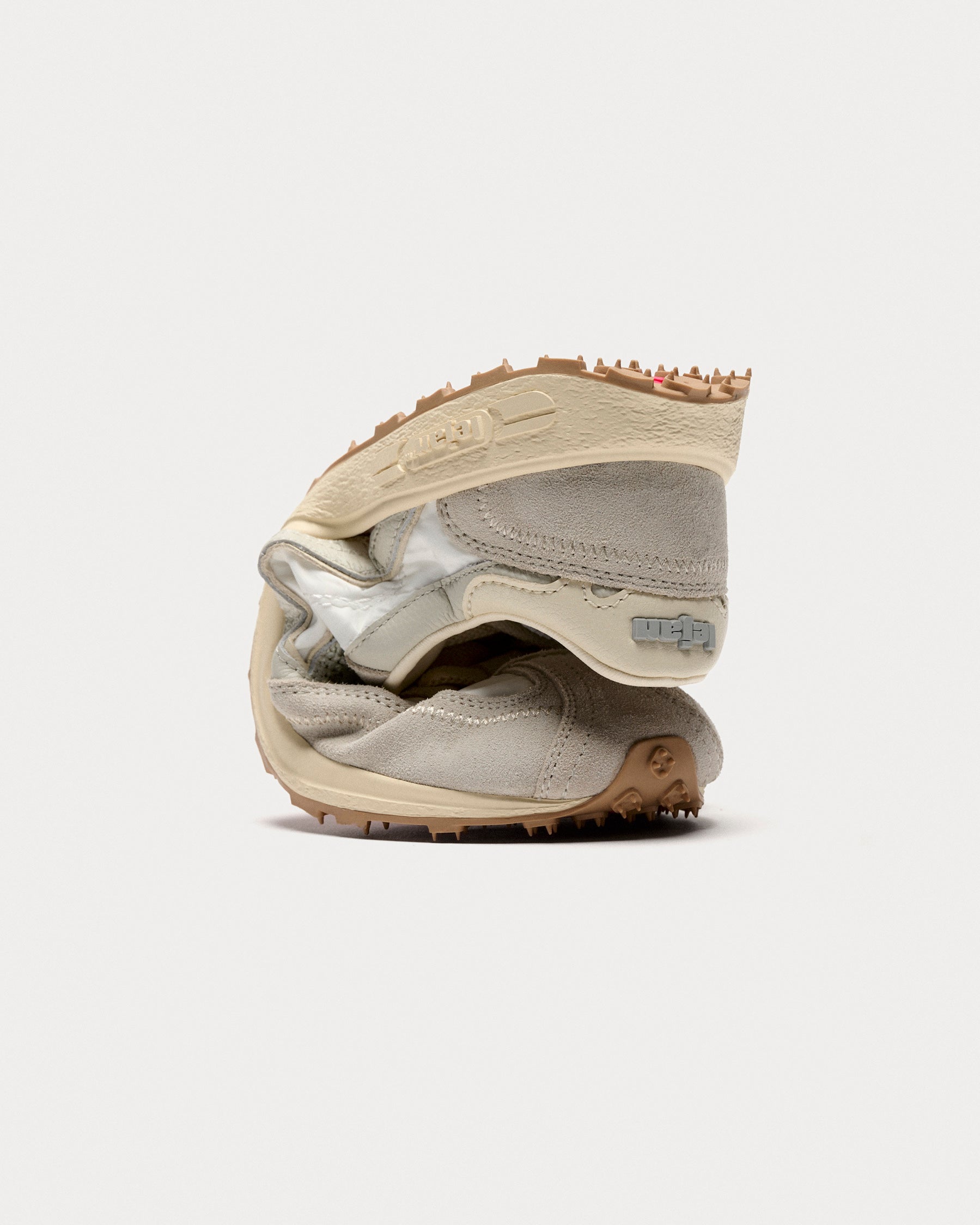
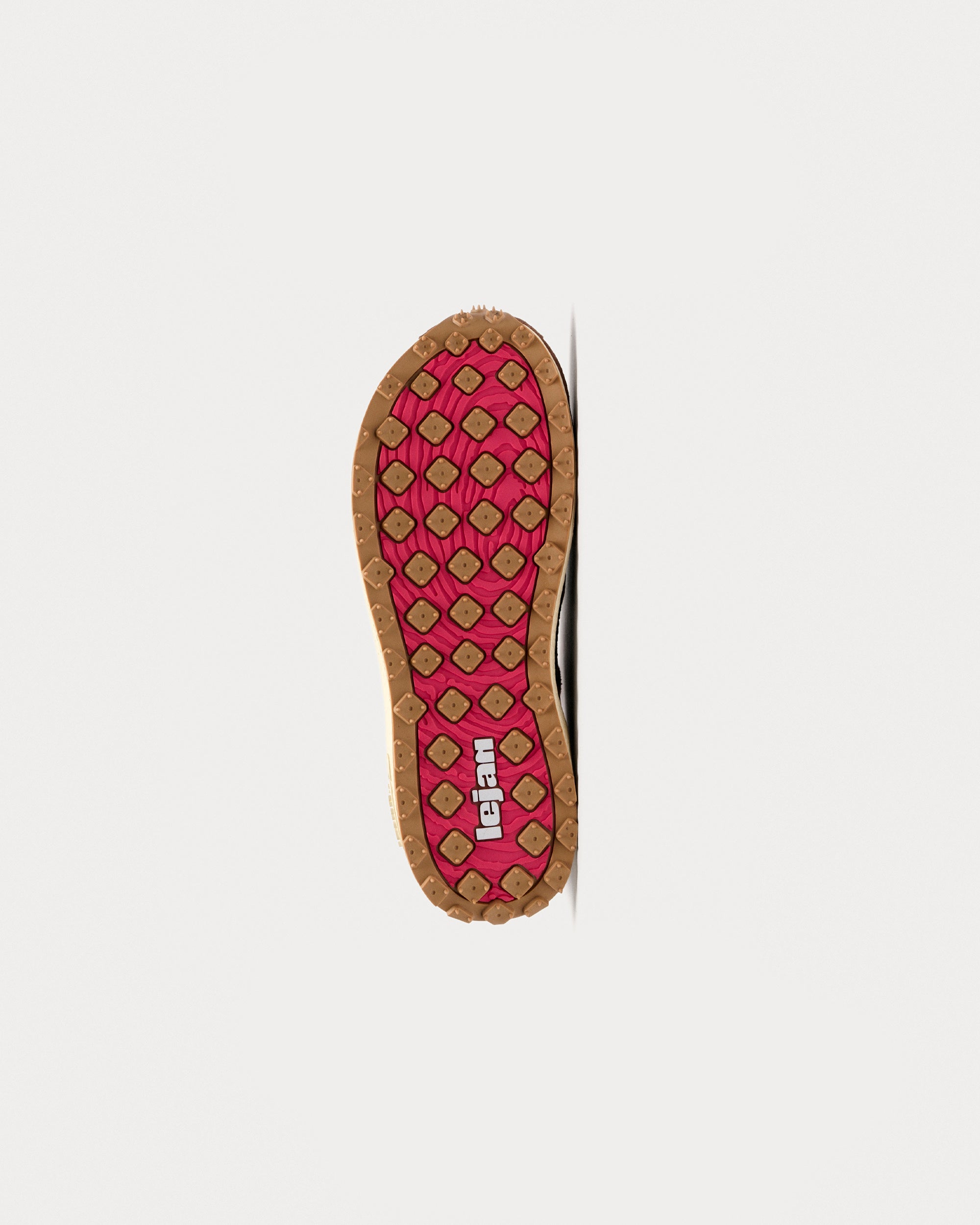
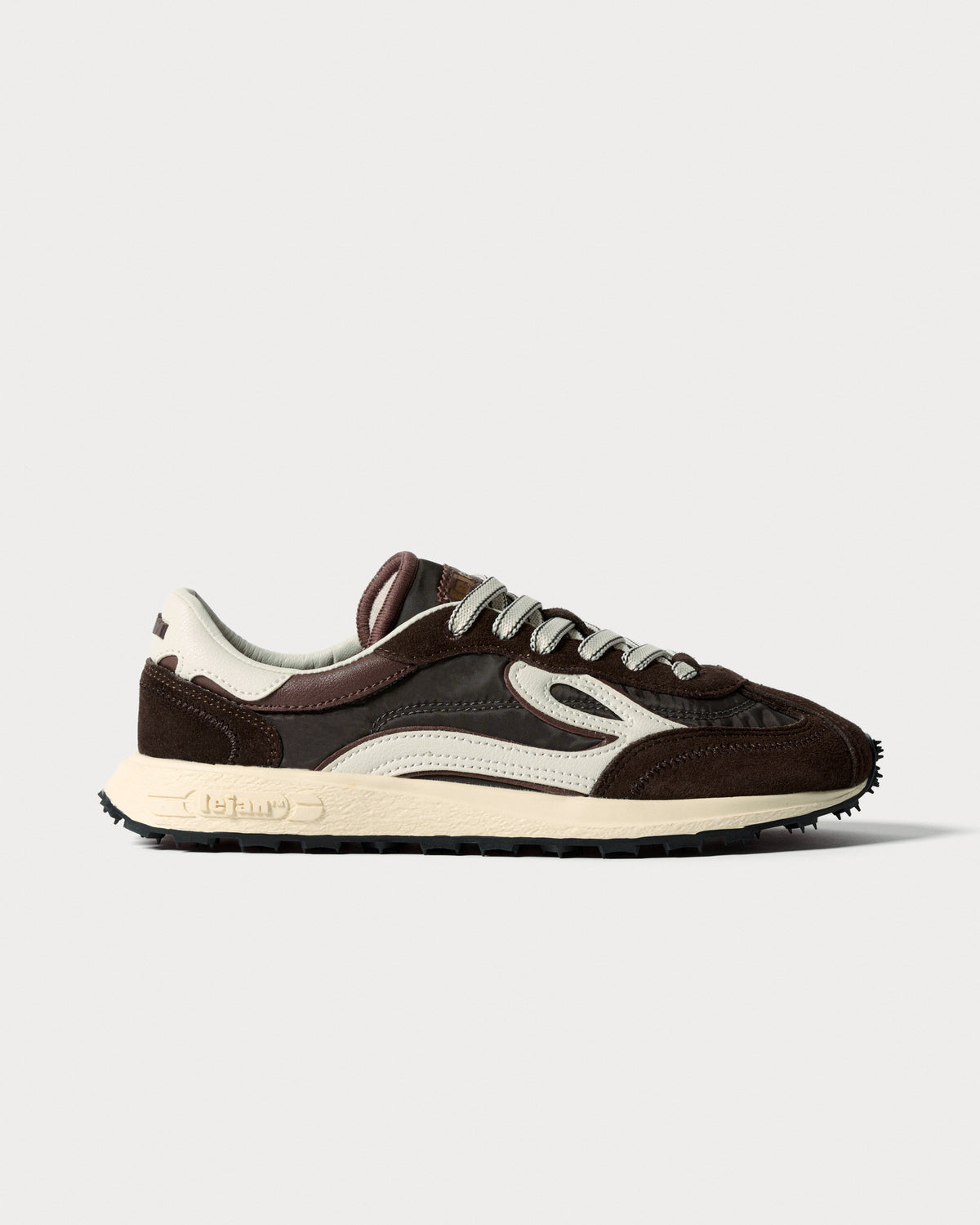
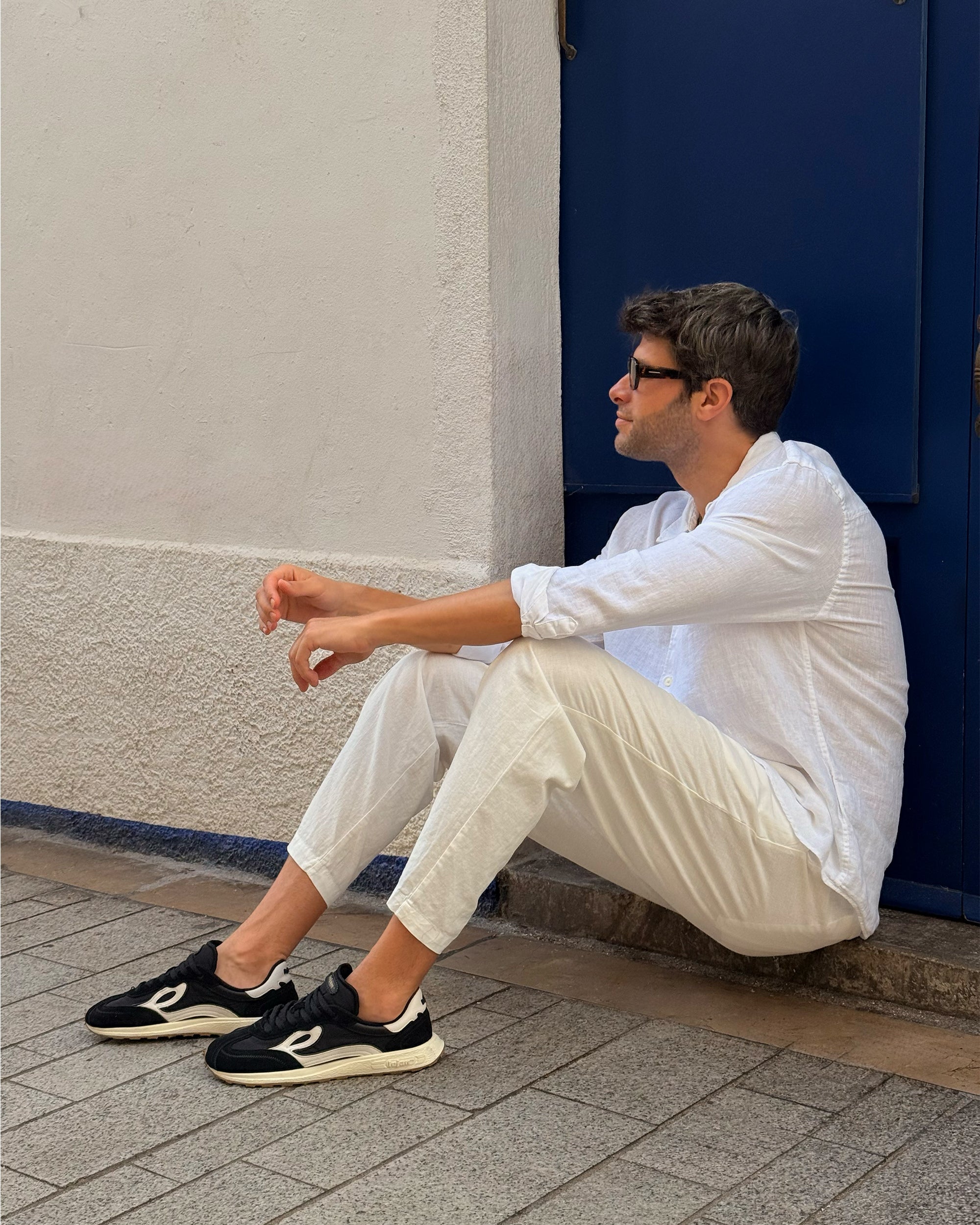
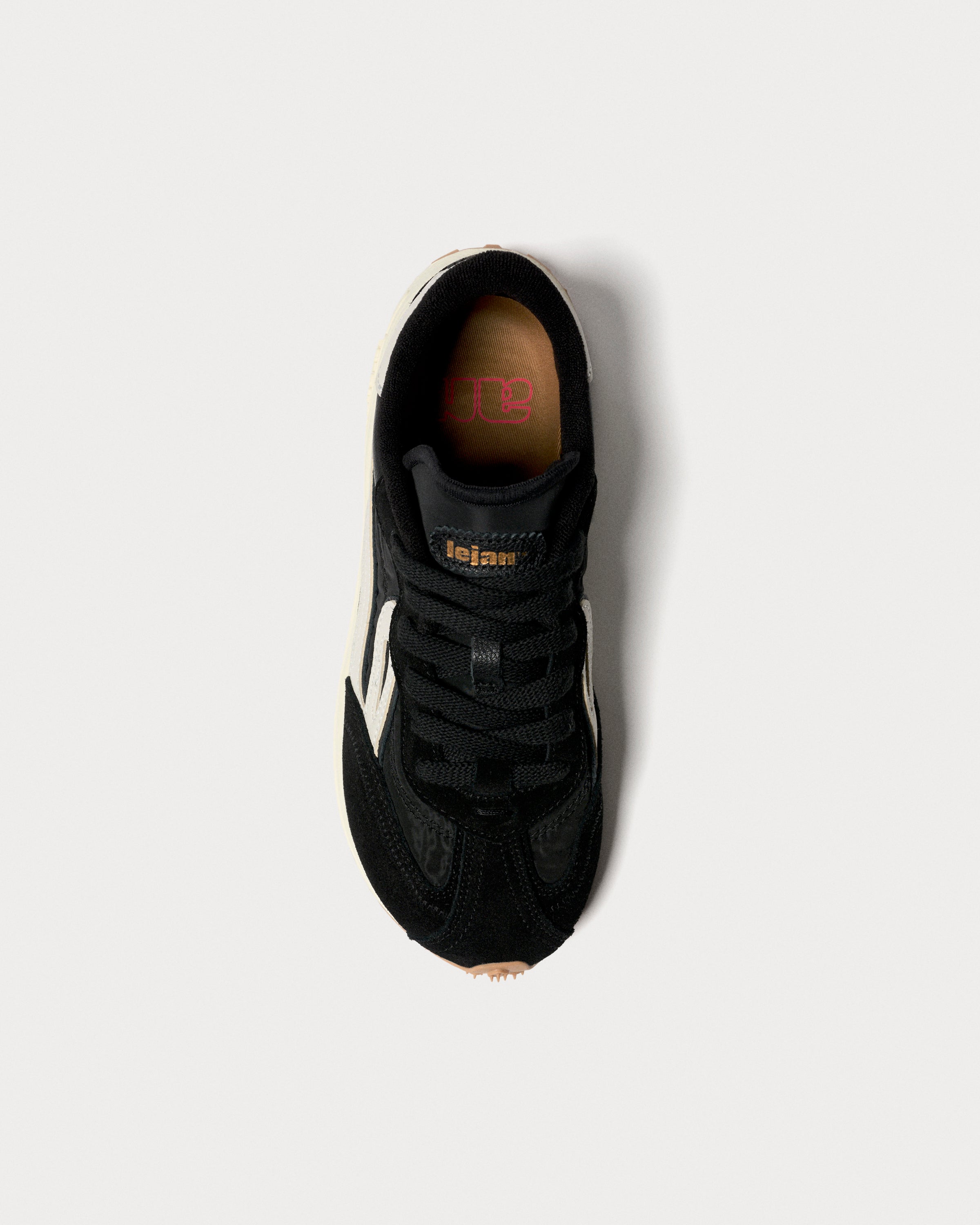
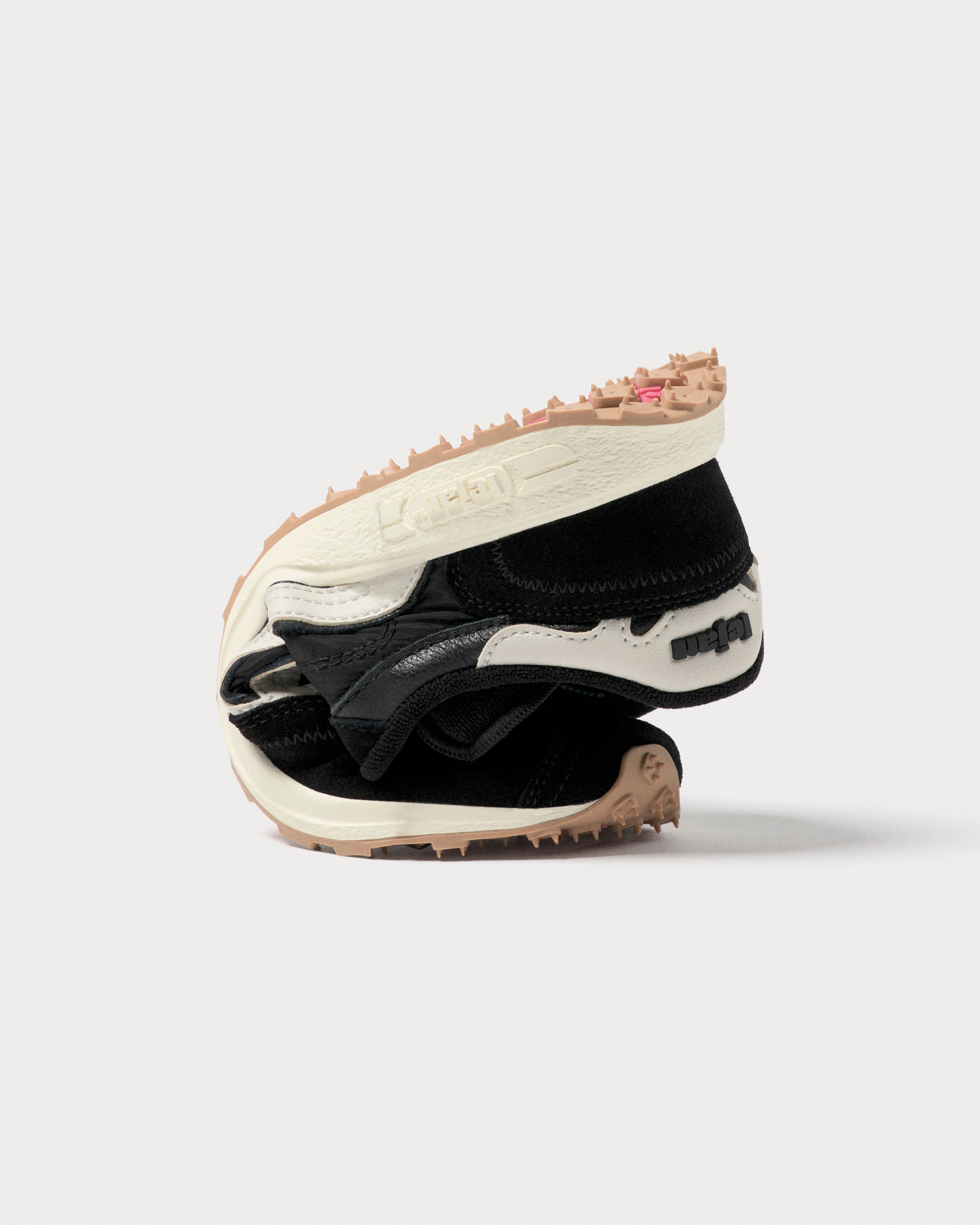
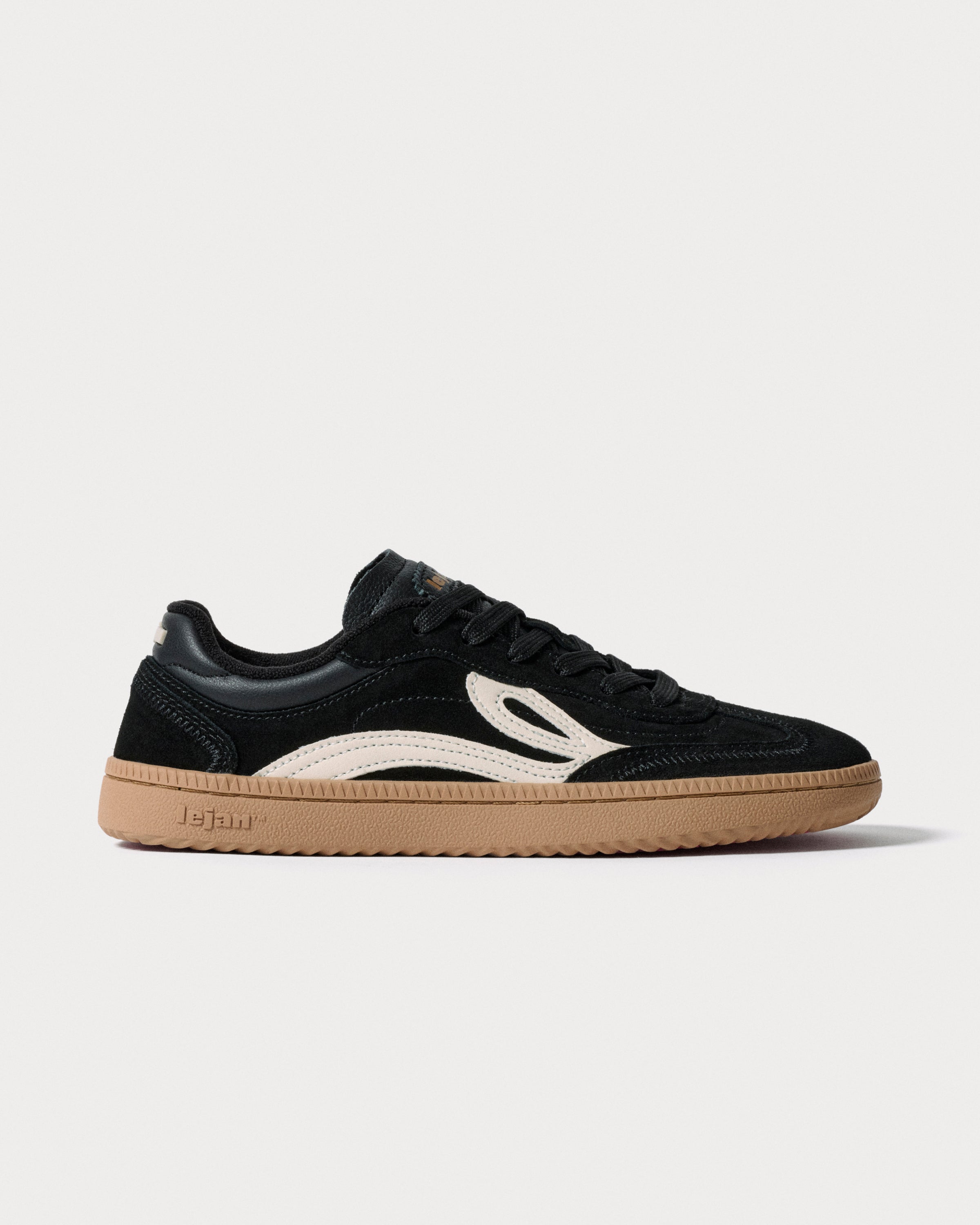
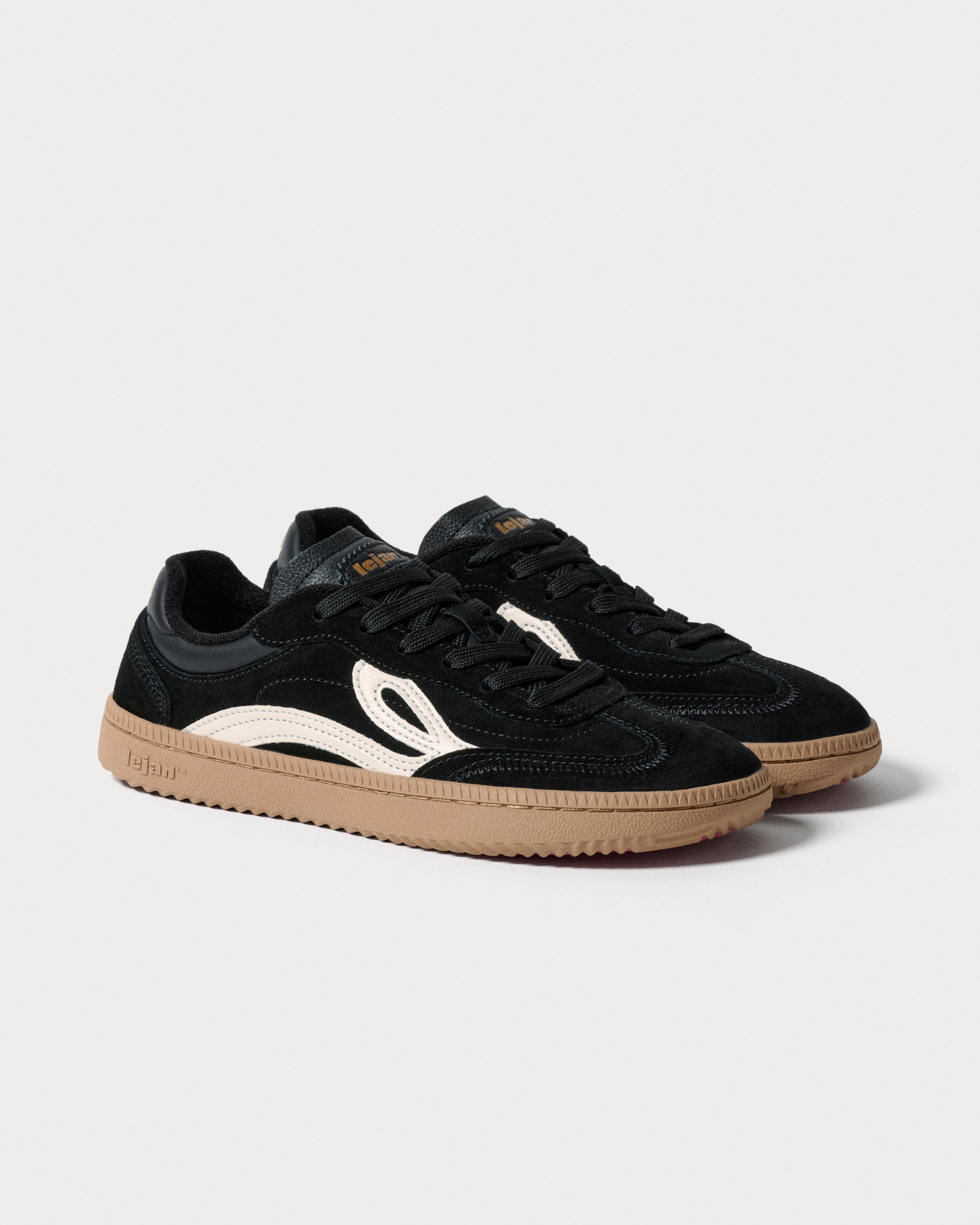
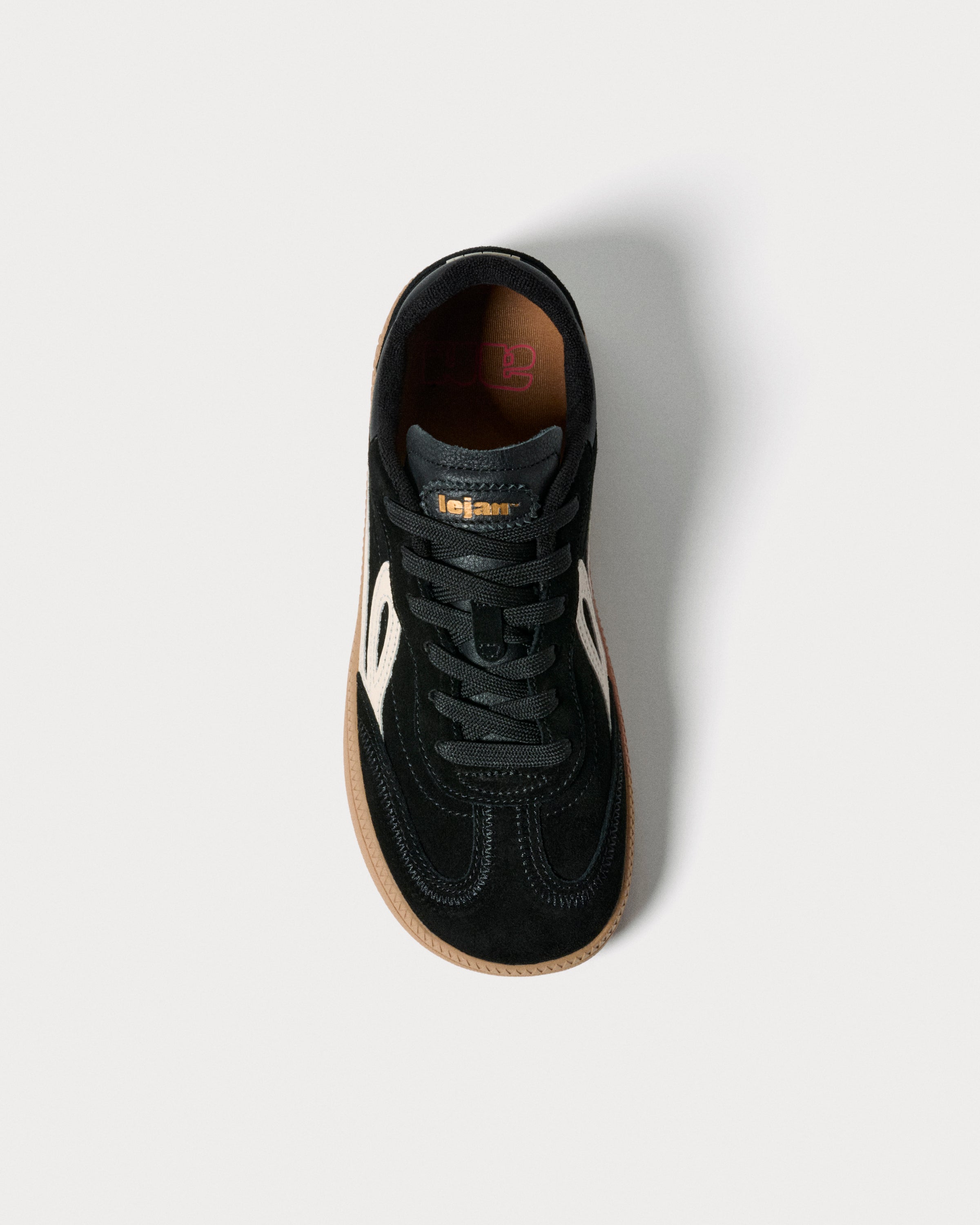
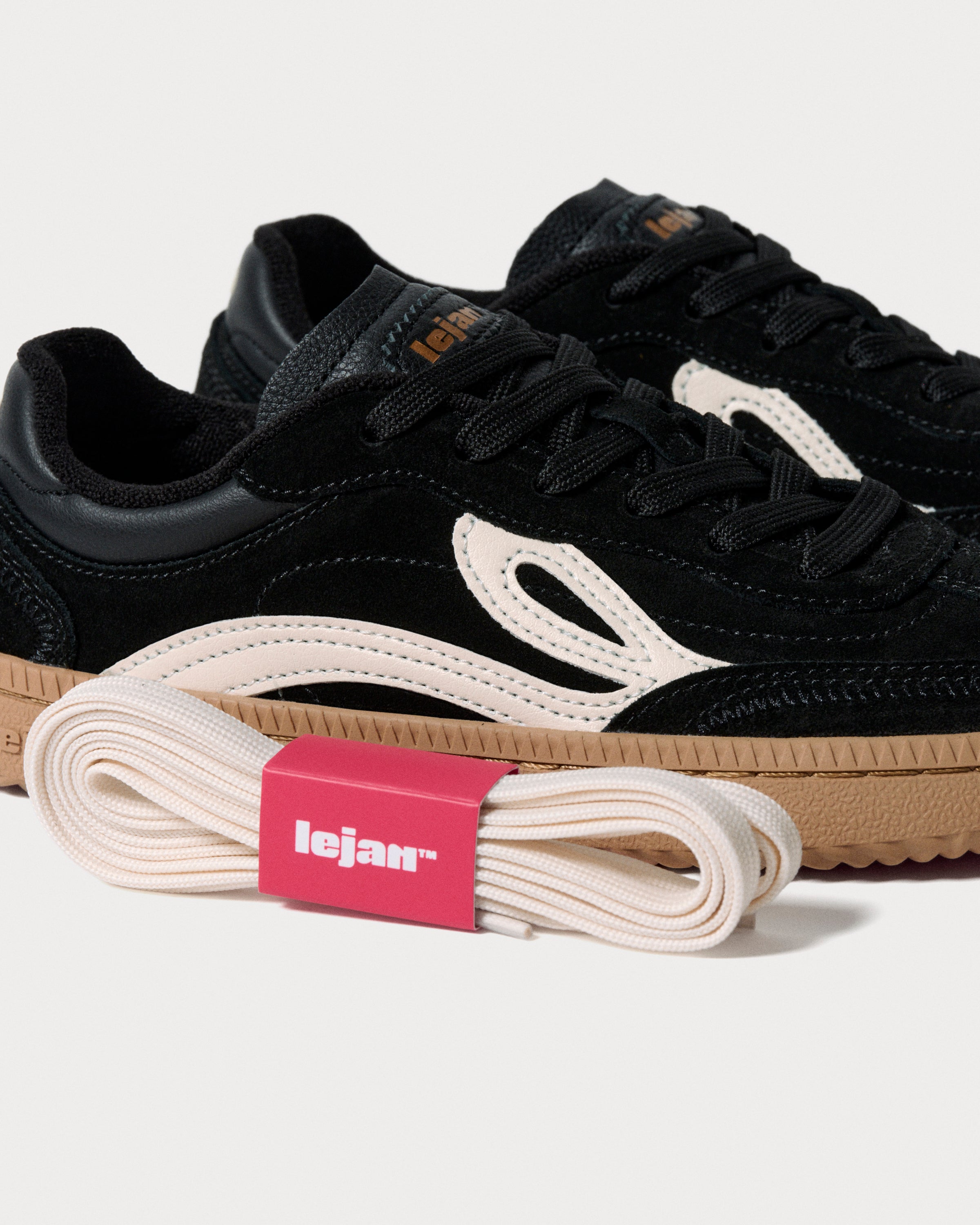
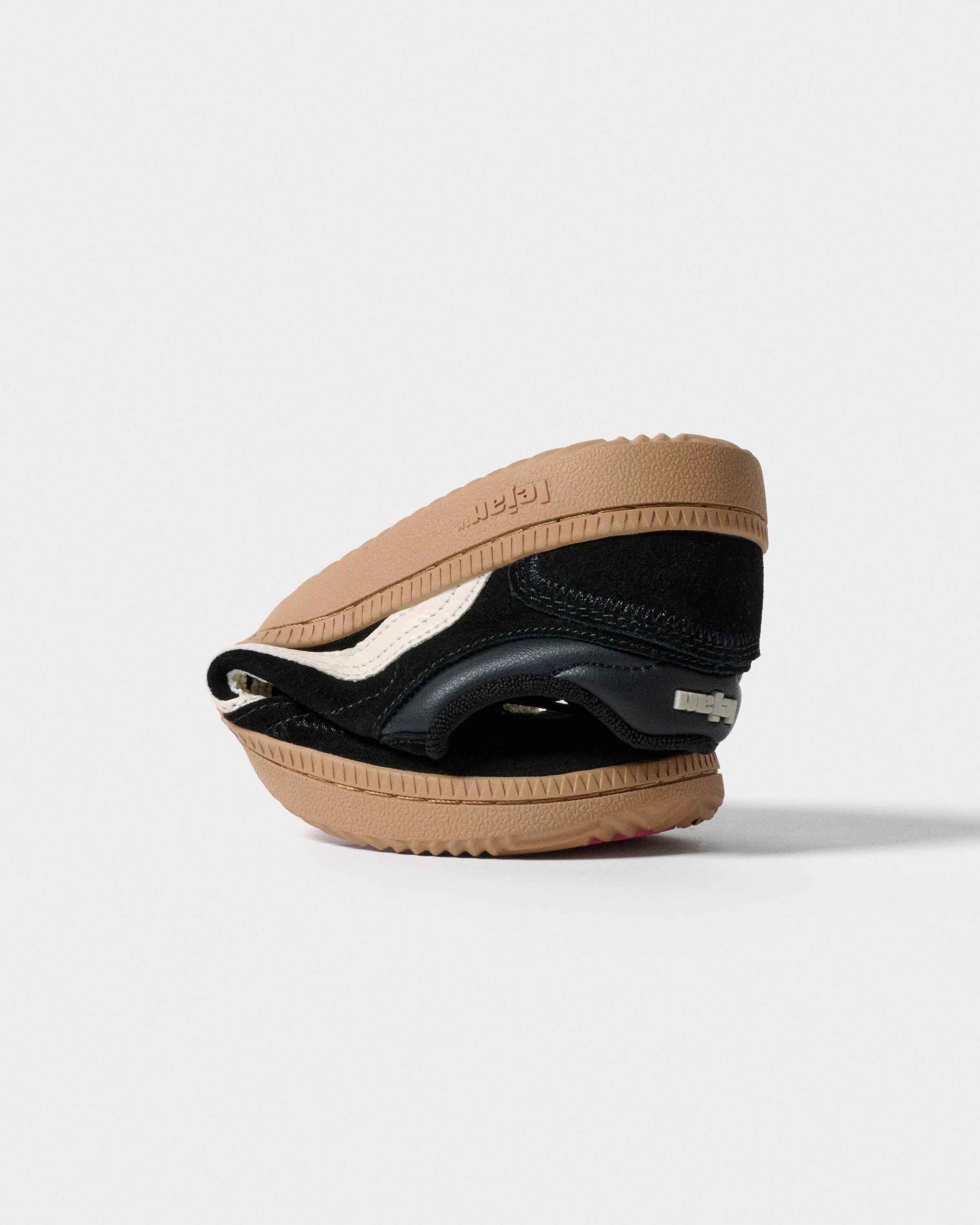
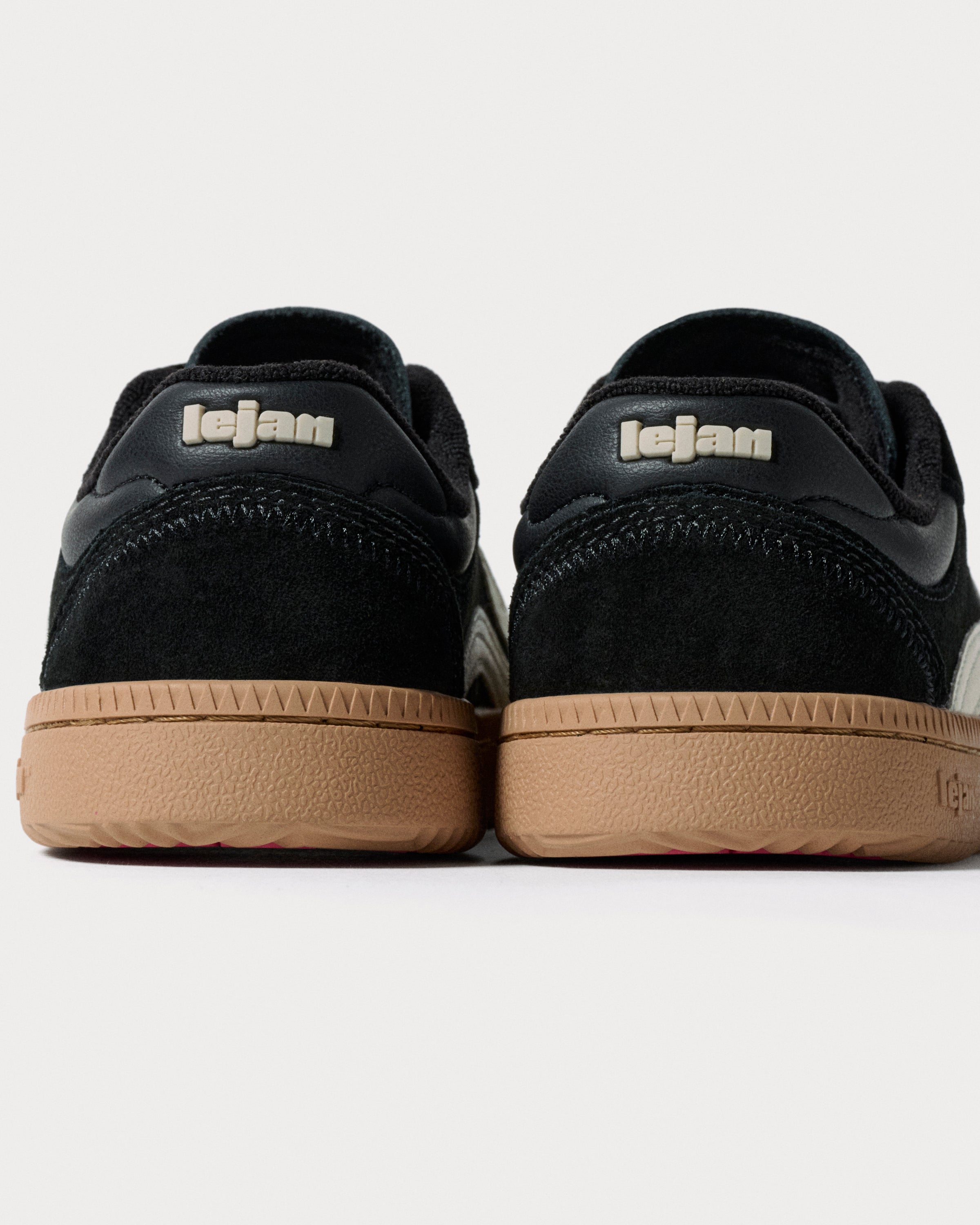
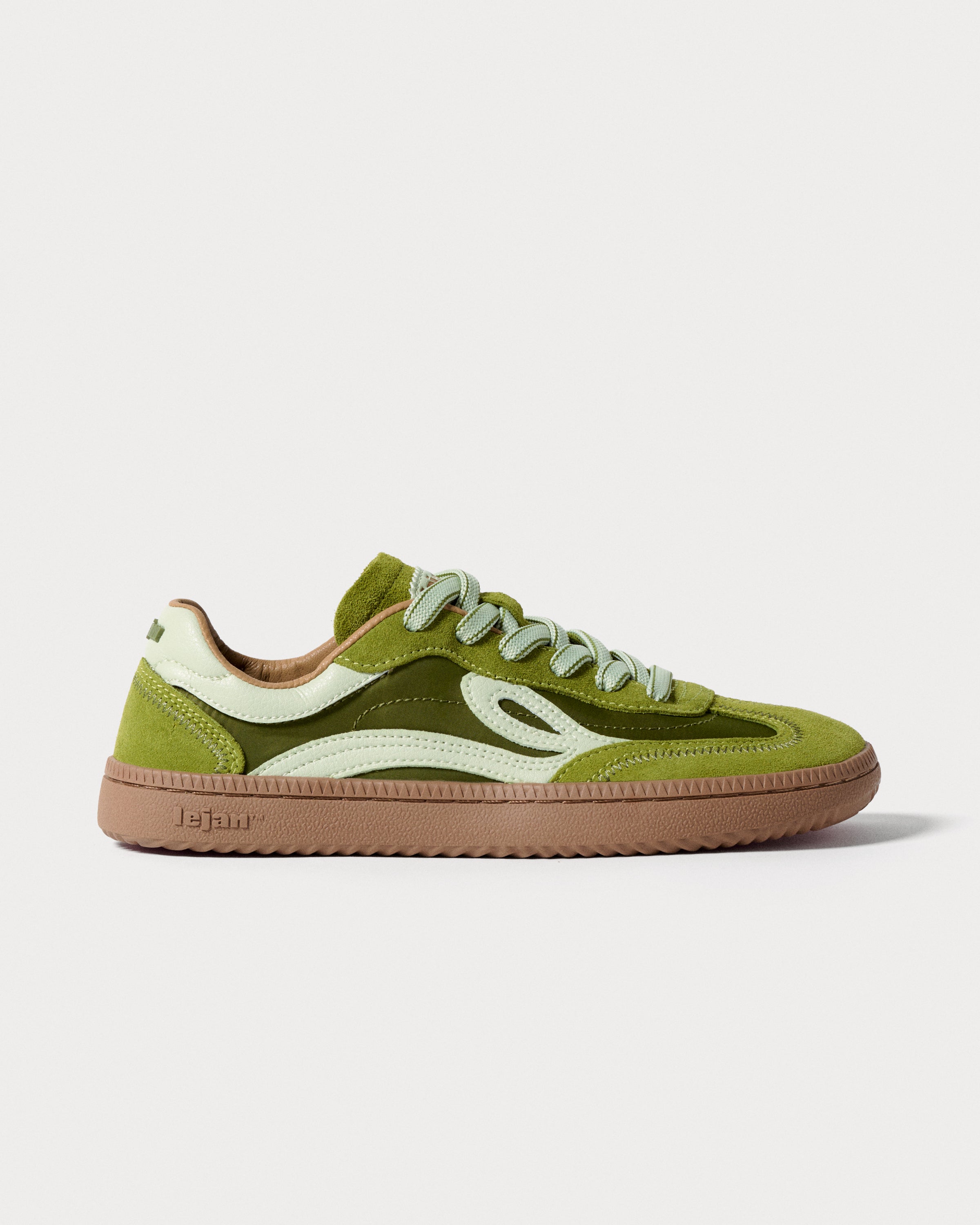
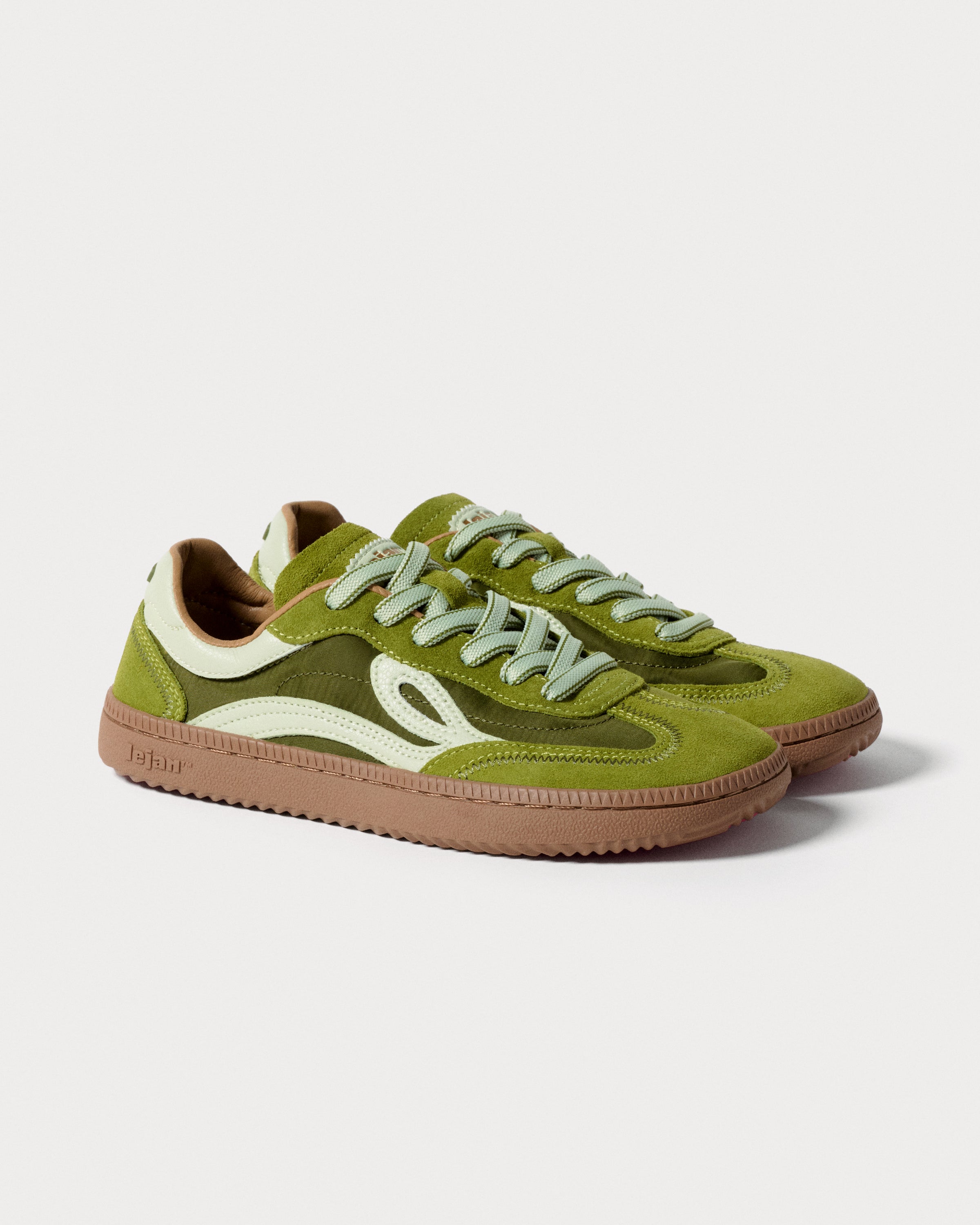
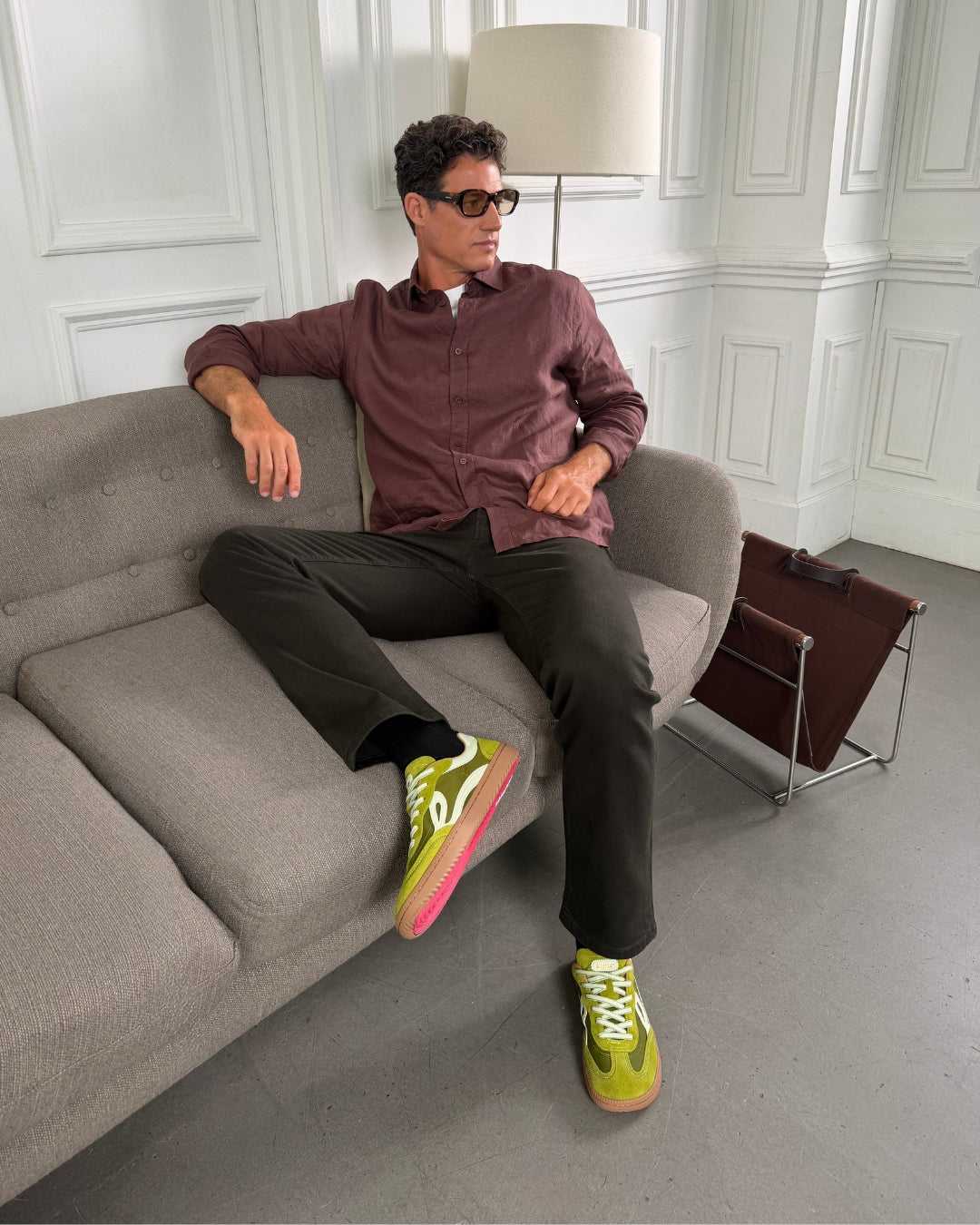
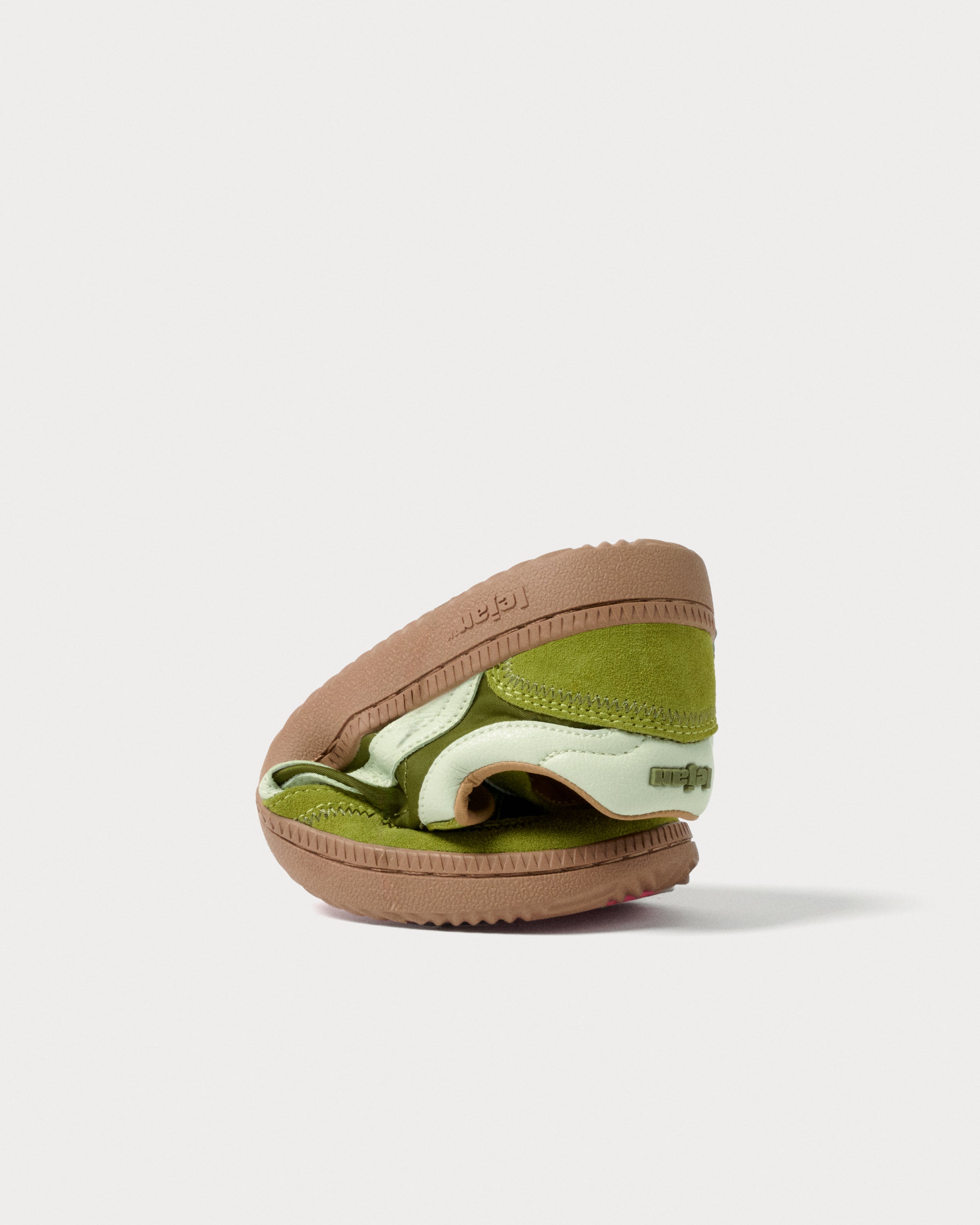
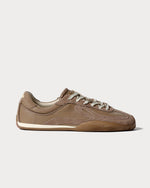
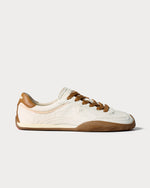
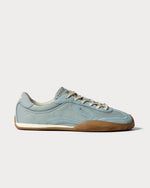
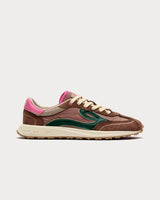
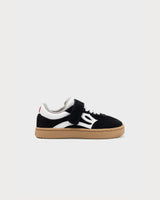
In plantar fasciitis, respectful or barefoot footwear can be a good tool, but it doesn't work the same in every phase. The problem usually isn't the type of shoe itself, but when you introduce it and how you make the transition. If the tissue is very sensitive, any abrupt change can increase the load and prolong the discomfort. On the other hand, when the foot starts to tolerate more, it can be an interesting option if done with care. If you're considering taking that step, here you can see options of barefoot sneakers for adults and choose according to your phase and your current tolerance.
Acute phase vs recovery phase
If the pain is intense, perhaps it isn't the time to make radical changes.
When there's strong pain (especially when getting up or after sitting), the foot is usually at a point where it needs to reduce stress, not add a new stimulus. In that phase, switching abruptly to more minimalist footwear can make the fascia receive more tension than it can handle at that moment.
When the pain goes down and the foot starts to recover strength, a progressive transition can be positive.
In the recovery phase, when pain is more under control and you feel the foot "more stable", a progressive transition can help you recover natural function and improve the foot's involvement in support. The key is to go little by little and back it up with strength work, so the foot doesn't depend only on the shoe.
Importance of progressive adaptation
Rushing tends to be the biggest mistake.
The most common mistake is wanting to change everything at once: switch to different footwear, walk more, and on top of that "see how it goes". With an irritable fascia, that "see how it goes" usually comes at a cost. What works best almost always is a simple plan: small changes, measurable, and with time for the body to assimilate them.
The foot needs time to adapt to any change.
Even when the change is good, the body needs weeks to adapt. So if you notice that new footwear "loads" your arch more or leaves your heel more sensitive the next day, it doesn't mean it's bad: it can mean you've moved too quickly.
How to choose the right footwear by your level of pain
The choice of footwear has to match how your foot is today, not what you "should be wearing" by trend. Think of the shoe as temporary support: it helps you walk better while you regain tolerance, but doesn't replace the basic work. So, the most useful thing is to choose by your level of pain and the time of day when it appears.
Mild occasional pain
Look for real comfort. Make sure the foot can move without feeling forced.
If your pain appears occasionally, prioritize footwear that's truly comfortable: a last with space, enough stability and a sole that allows natural movement without forcing you to compensate. In this phase it's a good sign if you can walk without thinking about your foot and the next day you don't notice clear worsening.

Intense morning pain
A bit more cushioning can help temporarily while you reduce load and work on mobility.
When pain is strong upon getting up, the heel is more reactive and many people appreciate a bit more cushioning or moderate support temporarily. This isn't "the solution", but it can be a good resource to lower the irritation while you reduce load, improve mobility and start strengthening progressively.
Persistent pain throughout the day
Here the shoe is only one part.
If the pain doesn't only appear in the morning but persists throughout the day, there's usually an important load factor behind it: too many hours on the feet, impact, abrupt changes or lack of strength. In that scenario, footwear can relieve, but doesn't usually solve it on its own.
Sometimes the body needs to review load, strength and mobility.
When pain persists, it's worth reviewing the "complete pack": how much you're walking or training, how your calves and ankle are doing, and whether your foot has enough strength to share the workload. In many cases, improving strength + mobility + load management speeds up recovery more than changing trainers every two weeks.

Tips that complement footwear to improve plantar fasciitis
The shoe accompanies you.
But active work is key.
Footwear can help you walk with less discomfort, but what usually makes the difference is increasing the tissue's ability to tolerate load. Put simply: it isn't only about "offloading", it's about gradually recovering strength and mobility so the foot returns to functioning normally.
Stretching the fascia and posterior chain
An important part of the pain comes from the fact that the plantar fascia and the muscles of the back of the leg can be tight and have low mobility, which increases the load on the irritated tissue.
When the posterior chain is stiff (calves and soleus especially), the ankle usually moves worse and the foot compensates by increasing tension on the fascia. That's why it's often not "only the foot": it's the whole system pulling harder than necessary.
Therefore, incorporating gentle, consistent stretches can help relieve discomfort and improve the overall mobility of the foot and leg.
The key is for them to be gentle, consistent and sustainable, not aggressive stretches that leave you worse the next day. Better little and well, than a lot all at once. If after stretching you feel relief and the next day you don't get worse, you're heading in the right direction.
Strengthening the foot and intrinsic musculature
A strong foot distributes the load better.
When the foot's muscles work well, support is more efficient and the fascia doesn't have to take it all on. Strengthening doesn't mean wrecking yourself: it means progressing with exercises the foot can tolerate and that, week by week, let you walk with more control and less "defensive tension".
Load and surface management
More hours on your feet, more impact or sudden increases in activity are usually the trigger.
Fasciitis usually has a clear trigger: a change in load (more walks, more training, more hours on the feet) or an increase of impact/hard surfaces. If you don't adjust that, the tissue can't recover, even if the shoe is perfect.
Listening to your body is also part of the treatment.
Here the rule is simple: if something clearly leaves you worse the next day, dial it down a notch. It's not going backwards, it's adjusting to keep moving forward. Consistency usually heals more than intensity.
Frequently asked questions about plantar fasciitis and footwear
Do I always need insoles?
Not always. It depends on the case and how the foot responds.
Does a low heel help more than completely flat?
It can relieve temporarily. It's not a definitive solution for everyone.
How long does it take to improve if I change footwear?
If the shoe was having an influence, you can notice improvement within weeks. But recovery is usually progressive.
Can it be prevented with the right footwear?
Footwear helps. But what really protects the foot is strength, mobility and good load management.

Share